



Cody Christie
-
Posts
7,794 -
Joined
-
Last visited
-
Days Won
5
Content Type
Profiles
News
Minnesota Twins Videos
2026 Minnesota Twins Top Prospects Ranking
2022 Minnesota Twins Draft Picks
Minnesota Twins Free Agent & Trade Rumors, Notes, & Tidbits
Guides & Resources
2023 Minnesota Twins Draft Picks
The Minnesota Twins Players Project
2024 Minnesota Twins Draft Picks
2025 Minnesota Twins Draft Pick Tracker
2026 Minnesota Twins Draft Tracker: Picks & Bonuses
Forums
Blogs
Events
Store
Downloads
Gallery
Everything posted by Cody Christie
-
Walker JenkinsKaelen CulpepperEmmanuel RodriguezEduardo TaitMarek HoustonRiley QuickCharlee SotoGabriel GonzalezDasan HillQuentin YoungKendry RojasHendry MendezBrandon WinokurRyan GallagherKhadim DiawCJ CulpepperJames EllwangerKyler FedkoKyle DeBargeYasser Mercedes
-
Walker JenkinsKaelen CulpepperEmmanuel RodriguezEduardo TaitMarek HoustonRiley QuickCharlee SotoGabriel GonzalezDasan HillQuentin YoungKendry RojasHendry MendezBrandon WinokurRyan GallagherKhadim DiawCJ CulpepperJames EllwangerKyler FedkoKyle DeBargeYasser Mercedes
-

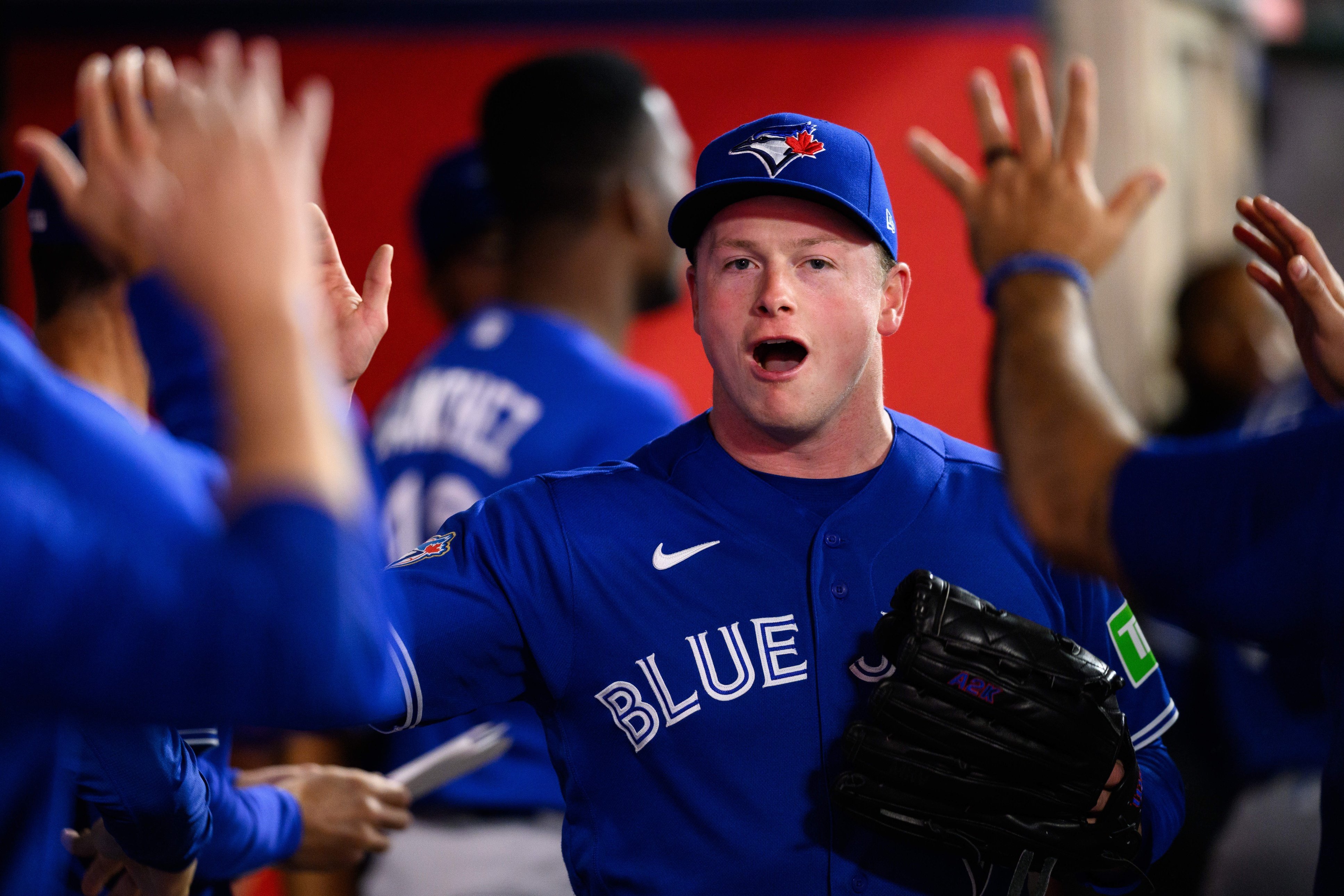 Delusional Minnesota sports fans worry about their own teams winning championships. Now they're worried about everyone else's. The panic began in February, when former Vikings quarterback Sam Darnold signed a massive contract with Seattle and promptly led the Seahawks to a 29-13 Super Bowl victory over New England. Four months later, Karl-Anthony Towns helped deliver the Knicks their first NBA championship since 1973, defeating San Antonio in five games and cementing himself as the latest former Minnesota star to discover the magical secret ingredient known as "not playing in Minnesota." Naturally, Twins fans immediately shifted their attention to the only question that matters: Which former Twin is going to win the World Series this year? The possibilities are horrifying. The Toronto Blue Jays Have Become Public Enemy No. 1 Many Twins fans have turned their attention north of the border. The Blue Jays already acquired Louis Varland at last year’s trade deadline and picked up Simeon Woods Richardson in recent weeks. That combination has many Minnesota fans convinced that Toronto is quietly assembling the baseball equivalent of the 1992 Dream Team. "Varland is basically the best reliever in baseball now," said lifelong Twins fan Randy from Woodbury. "He'll have a 0.41 ERA, throw 104 mph, develop three new pitches, and finish second in Cy Young voting despite pitching only 62 innings." Another fan was even less optimistic. "The Twins spent years trying to figure out what Simeon Woods Richardson was," said Melissa from St. Cloud. "Toronto is going to unlock something in a bullpen session, and he'll suddenly become 1968 Bob Gibson during October. The fact they got him for cash considerations means he'll probably throw four complete-game shutouts in the playoffs." Many fans point to the long-standing Minnesota Sports Law, which states that any player traded away for a minimal return immediately gains Hall of Fame abilities upon crossing state lines. Scientists have been unable to disprove this theory. The Nightmare Philadelphia Scenario Of course, there is another possibility. Imagine a winner-take-all Game 7 of the World Series. The Phillies lead by one run. The bullpen door opens. Out jogs Jhoan Duran. The television broadcast immediately cuts to a montage of every 104-mph fastball he threw in a Twins uniform while Minnesota fans collectively stare into the void. Three outs later, Duran strikes out the side and dog-piles with Philadelphia teammates while national broadcasters discuss how the Phillies acquired "the final piece of a championship roster." According to several Twins fans, this scenario has already played out in their nightmares approximately 17 times. "My therapist says I need to stop imagining Duran closing out the World Series," said one fan who resembled Joe Pohlad wearing a cheap fake mustache. "Unfortunately, my therapist is also a Twins fan, so our sessions usually end with both of us crying." At Least Carlos Correa Can't Hurt Us This Year There is one small silver lining. Carlos Correa is out for the season. As a result, Twins fans can rest easy knowing that Correa will not be leading another organization to a championship in 2026 (while the Twins still pay him $10 million). Unfortunately, that peace only lasts until 2027. Everyone already knows how this story goes. Correa will return healthy. The Astros will magically develop three rookie stars nobody has heard of. Then they'll win another World Series while Minnesota fans spend the winter debating whether a 79-win season represents progress. The script practically writes itself. Searching for the Next "Victim" Some fans have expanded their search beyond the obvious names. They're monitoring former Twins throughout baseball. They're checking playoff odds. They're studying championship probabilities. They're preparing emotionally. Because if Darnold can win a Super Bowl and Towns can win an NBA title after leaving Minnesota, then surely baseball has its own cruel punchline waiting around the corner. Maybe it's Varland. Maybe it's Woods Richardson. Maybe it's Duran. Maybe it's someone nobody is paying attention to yet. Whatever happens, Minnesota sports fans are preparing for the possibility that the next championship parade involving a former Twin is already being planned somewhere else. And when that moment arrives, it won't be viewed as a coincidence. It will simply become the latest piece of evidence in the ever-growing case file known as the Minnesota Curse. At this point, the only mystery remaining is who gets fitted for the championship ring first.
- 4 comments
-
- 2
-

-
- jhoan duran
- louis varland
- (and 2 more)
-
Image courtesy of © William Liang-Imagn Images Delusional Minnesota sports fans worry about their own teams winning championships. Now they're worried about everyone else's. The panic began in February, when former Vikings quarterback Sam Darnold signed a massive contract with Seattle and promptly led the Seahawks to a 29-13 Super Bowl victory over New England. Four months later, Karl-Anthony Towns helped deliver the Knicks their first NBA championship since 1973, defeating San Antonio in five games and cementing himself as the latest former Minnesota star to discover the magical secret ingredient known as "not playing in Minnesota." Naturally, Twins fans immediately shifted their attention to the only question that matters: Which former Twin is going to win the World Series this year? The possibilities are horrifying. The Toronto Blue Jays Have Become Public Enemy No. 1 Many Twins fans have turned their attention north of the border. The Blue Jays already acquired Louis Varland at last year’s trade deadline and picked up Simeon Woods Richardson in recent weeks. That combination has many Minnesota fans convinced that Toronto is quietly assembling the baseball equivalent of the 1992 Dream Team. "Varland is basically the best reliever in baseball now," said lifelong Twins fan Randy from Woodbury. "He'll have a 0.41 ERA, throw 104 mph, develop three new pitches, and finish second in Cy Young voting despite pitching only 62 innings." Another fan was even less optimistic. "The Twins spent years trying to figure out what Simeon Woods Richardson was," said Melissa from St. Cloud. "Toronto is going to unlock something in a bullpen session, and he'll suddenly become 1968 Bob Gibson during October. The fact they got him for cash considerations means he'll probably throw four complete-game shutouts in the playoffs." Many fans point to the long-standing Minnesota Sports Law, which states that any player traded away for a minimal return immediately gains Hall of Fame abilities upon crossing state lines. Scientists have been unable to disprove this theory. The Nightmare Philadelphia Scenario Of course, there is another possibility. Imagine a winner-take-all Game 7 of the World Series. The Phillies lead by one run. The bullpen door opens. Out jogs Jhoan Duran. The television broadcast immediately cuts to a montage of every 104-mph fastball he threw in a Twins uniform while Minnesota fans collectively stare into the void. Three outs later, Duran strikes out the side and dog-piles with Philadelphia teammates while national broadcasters discuss how the Phillies acquired "the final piece of a championship roster." According to several Twins fans, this scenario has already played out in their nightmares approximately 17 times. "My therapist says I need to stop imagining Duran closing out the World Series," said one fan who resembled Joe Pohlad wearing a cheap fake mustache. "Unfortunately, my therapist is also a Twins fan, so our sessions usually end with both of us crying." At Least Carlos Correa Can't Hurt Us This Year There is one small silver lining. Carlos Correa is out for the season. As a result, Twins fans can rest easy knowing that Correa will not be leading another organization to a championship in 2026 (while the Twins still pay him $10 million). Unfortunately, that peace only lasts until 2027. Everyone already knows how this story goes. Correa will return healthy. The Astros will magically develop three rookie stars nobody has heard of. Then they'll win another World Series while Minnesota fans spend the winter debating whether a 79-win season represents progress. The script practically writes itself. Searching for the Next "Victim" Some fans have expanded their search beyond the obvious names. They're monitoring former Twins throughout baseball. They're checking playoff odds. They're studying championship probabilities. They're preparing emotionally. Because if Darnold can win a Super Bowl and Towns can win an NBA title after leaving Minnesota, then surely baseball has its own cruel punchline waiting around the corner. Maybe it's Varland. Maybe it's Woods Richardson. Maybe it's Duran. Maybe it's someone nobody is paying attention to yet. Whatever happens, Minnesota sports fans are preparing for the possibility that the next championship parade involving a former Twin is already being planned somewhere else. And when that moment arrives, it won't be viewed as a coincidence. It will simply become the latest piece of evidence in the ever-growing case file known as the Minnesota Curse. At this point, the only mystery remaining is who gets fitted for the championship ring first. View full article
-
As the MLB trade deadline inches closer, Minnesota Twins catcher Ryan Jeffers continues to appear on more and more national trade boards. While much of the focus around the Twins has centered on potential blockbuster conversations involving bigger names, Jeffers may quietly be one of the organization's most valuable short-term trade chips. Three prominent MLB insiders recently connected Jeffers to the New York Yankees, a team that entered 2026 believing it had enough catching depth but has instead watched the position become a significant weakness. From Minnesota's perspective, the situation warrants close monitoring. The Twins have a difficult decision looming with Jeffers. He is set to reach free agency after the 2026 season, and it seems unlikely for the Twins to extend him. Before landing on the injured list with a broken hamate bone, Jeffers was enjoying arguably the best offensive stretch of his career, batting .295 with seven home runs and 26 RBI in 122 at-bats while posting a remarkable .949 OPS. For a catcher with a career .755 OPS and 75 major league home runs, that production represents a substantial jump. National evaluators have taken notice. As part of a recent piece discussing front offices facing pressure, ESPN insider Buster Olney identified Jeffers as a potential target for Yankees general manager Brian Cashman. "(Brian) Cashman might also have to deal for one of the better relievers available -- as well as a right-handed hitter, such as Twins catcher Jeffers." The Yankees' interest makes plenty of sense. New York expected Austin Wells to take another step forward offensively this season while J.C. Escarra emerged as a capable complementary option. Instead, injuries and underperformance have left the Yankees searching for answers. Wells has struggled to provide consistent production, Escarra remains better suited for a supporting role, and the organization lacks a proven right-handed bat behind the plate. Jeffers checks every box. Sports Illustrated's Karl Rasmussen recently argued that the Yankees should aggressively pursue the Twins catcher. "The Yankees should look no further than Minnesota's Ryan Jeffers, who has had an excellent season. Jeffers, 29, is a right-handed batter and boasts a .949 OPS and a superb 163 wRC+. He's hit seven home runs—more than Wells and Escarra combined—and is a solid framer behind the plate. A tandem of Jeffers and Wells would be a major upgrade over the current setup in the Bronx, and with Jeffers set to be a free agent this offseason, the Twins should be looking to deal him." Rasmussen hits on the main points that the Yankees need offensive help at catcher, and few available options can match Jeffers' combination of power, experience, and defensive competence. Former MLB executive Jim Bowden of The Athletic reached a similar conclusion while discussing potential catching upgrades for contenders. "However, I think more realistic options include Ryan Jeffers of the Twins (once he gets healthy), Agustín Ramírez of the Marlins, Joey Bart of the Pirates, Carson Kelly of the Cubs, Gabriel Moreno of the Diamondbacks and Keibert Ruiz of the Nationals." Bowden's mention of Jeffers comes with an important caveat. The Twins catcher is currently on the injured list, meaning any trade discussions will likely remain preliminary until clubs can evaluate his health upon returning to action. That timing could work in Minnesota's favor. If Jeffers returns and continues hitting anywhere near his current pace, the Twins could find themselves with multiple interested suitors. Catching is one of the thinnest positions across baseball, and contenders are always willing to pay a premium for offensive production behind the plate. The Yankees are simply the most obvious fit. Beyond their catching concerns, New York is expected to pursue infield upgrades and bullpen help before the deadline. Still, catcher may be the organization's clearest weakness. A healthy Jeffers would immediately become the club's best right-handed catching option and provide lineup balance against left-handed pitching. For the Twins, the calculus is more complicated. Minnesota must decide whether they are buyers or sellers. The organization has received strong production from Jeffers throughout his career, but with free agency approaching and catching depth developing throughout the system, moving him could become a realistic consideration if the Twins find themselves in sell mode. Whether a deal ultimately materializes remains to be seen. What is increasingly clear, however, is that national insiders continue to arrive at the same conclusion. If the Yankees are shopping for a catcher this summer, Jeffers appears to be near the top of their list. And if the Twins decide to listen, New York may be waiting with the strongest offer. View full rumor
-
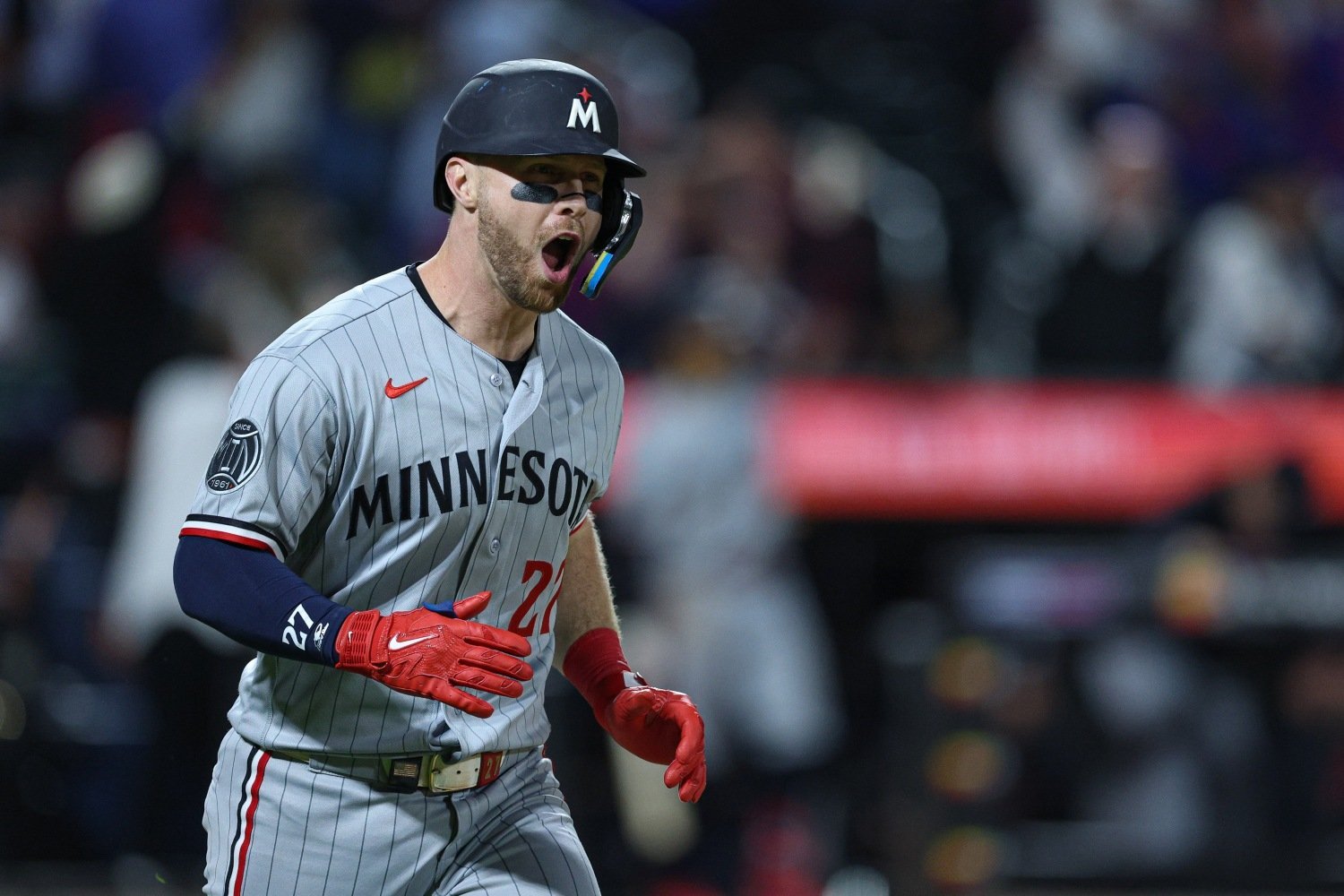 As the MLB trade deadline inches closer, Minnesota Twins catcher Ryan Jeffers continues to appear on more and more national trade boards. While much of the focus around the Twins has centered on potential blockbuster conversations involving bigger names, Jeffers may quietly be one of the organization's most valuable short-term trade chips. Three prominent MLB insiders recently connected Jeffers to the New York Yankees, a team that entered 2026 believing it had enough catching depth but has instead watched the position become a significant weakness. From Minnesota's perspective, the situation warrants close monitoring. The Twins have a difficult decision looming with Jeffers. He is set to reach free agency after the 2026 season, and it seems unlikely for the Twins to extend him. Before landing on the injured list with a broken hamate bone, Jeffers was enjoying arguably the best offensive stretch of his career, batting .295 with seven home runs and 26 RBI in 122 at-bats while posting a remarkable .949 OPS. For a catcher with a career .755 OPS and 75 major league home runs, that production represents a substantial jump. National evaluators have taken notice. As part of a recent piece discussing front offices facing pressure, ESPN insider Buster Olney identified Jeffers as a potential target for Yankees general manager Brian Cashman. "(Brian) Cashman might also have to deal for one of the better relievers available -- as well as a right-handed hitter, such as Twins catcher Jeffers." The Yankees' interest makes plenty of sense. New York expected Austin Wells to take another step forward offensively this season while J.C. Escarra emerged as a capable complementary option. Instead, injuries and underperformance have left the Yankees searching for answers. Wells has struggled to provide consistent production, Escarra remains better suited for a supporting role, and the organization lacks a proven right-handed bat behind the plate. Jeffers checks every box. Sports Illustrated's Karl Rasmussen recently argued that the Yankees should aggressively pursue the Twins catcher. "The Yankees should look no further than Minnesota's Ryan Jeffers, who has had an excellent season. Jeffers, 29, is a right-handed batter and boasts a .949 OPS and a superb 163 wRC+. He's hit seven home runs—more than Wells and Escarra combined—and is a solid framer behind the plate. A tandem of Jeffers and Wells would be a major upgrade over the current setup in the Bronx, and with Jeffers set to be a free agent this offseason, the Twins should be looking to deal him." Rasmussen hits on the main points that the Yankees need offensive help at catcher, and few available options can match Jeffers' combination of power, experience, and defensive competence. Former MLB executive Jim Bowden of The Athletic reached a similar conclusion while discussing potential catching upgrades for contenders. "However, I think more realistic options include Ryan Jeffers of the Twins (once he gets healthy), Agustín Ramírez of the Marlins, Joey Bart of the Pirates, Carson Kelly of the Cubs, Gabriel Moreno of the Diamondbacks and Keibert Ruiz of the Nationals." Bowden's mention of Jeffers comes with an important caveat. The Twins catcher is currently on the injured list, meaning any trade discussions will likely remain preliminary until clubs can evaluate his health upon returning to action. That timing could work in Minnesota's favor. If Jeffers returns and continues hitting anywhere near his current pace, the Twins could find themselves with multiple interested suitors. Catching is one of the thinnest positions across baseball, and contenders are always willing to pay a premium for offensive production behind the plate. The Yankees are simply the most obvious fit. Beyond their catching concerns, New York is expected to pursue infield upgrades and bullpen help before the deadline. Still, catcher may be the organization's clearest weakness. A healthy Jeffers would immediately become the club's best right-handed catching option and provide lineup balance against left-handed pitching. For the Twins, the calculus is more complicated. Minnesota must decide whether they are buyers or sellers. The organization has received strong production from Jeffers throughout his career, but with free agency approaching and catching depth developing throughout the system, moving him could become a realistic consideration if the Twins find themselves in sell mode. Whether a deal ultimately materializes remains to be seen. What is increasingly clear, however, is that national insiders continue to arrive at the same conclusion. If the Yankees are shopping for a catcher this summer, Jeffers appears to be near the top of their list. And if the Twins decide to listen, New York may be waiting with the strongest offer.
 -
The MLB Calendar is About to Decide Twins’ 2026 Trade Deadline Direction
Cody Christie posted an article in Twins
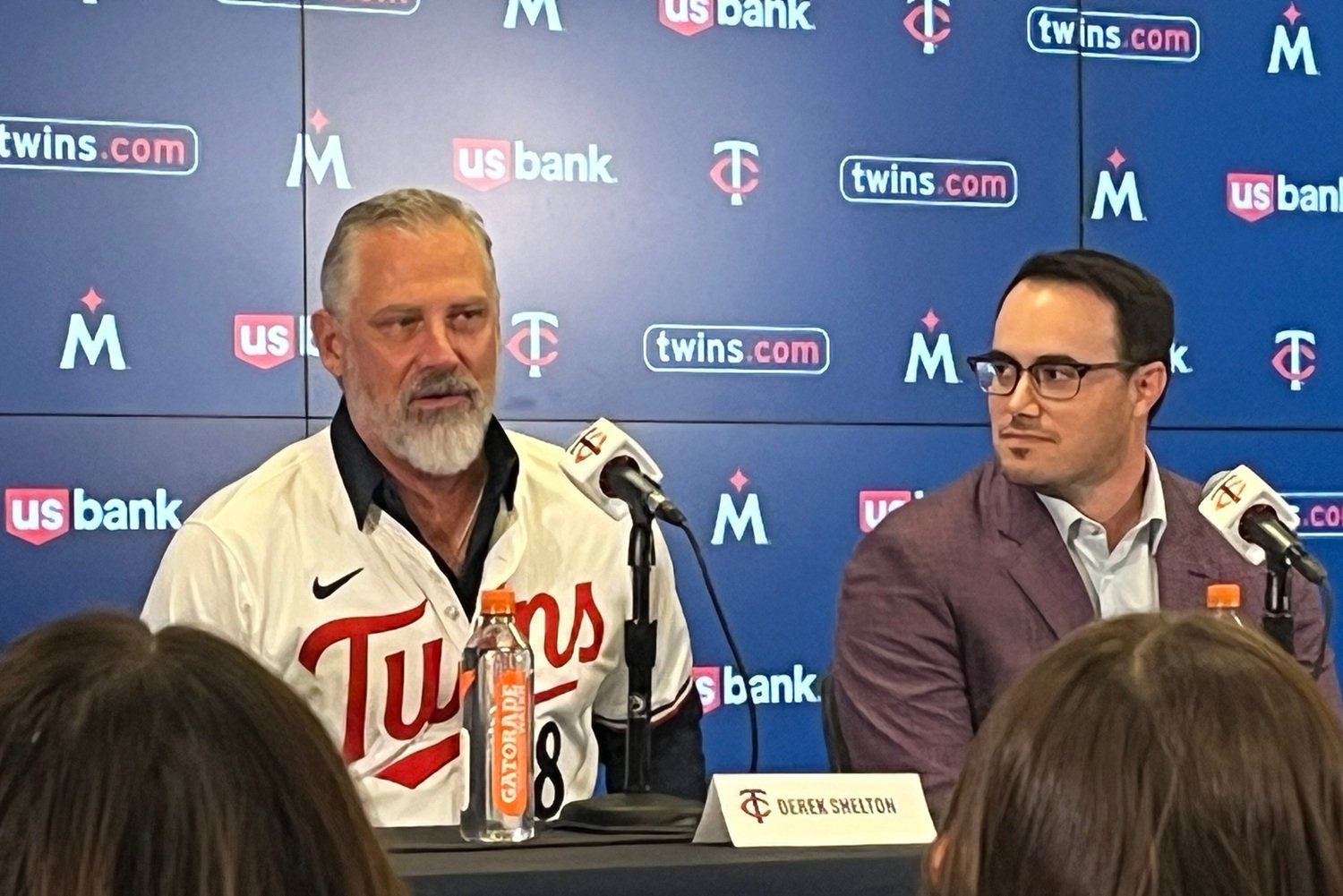 Every major-league season has natural checkpoints that shape the decisions teams make. Opening Day creates expectations. Memorial Day offers the first meaningful look at the standings. July 4 marks the unofficial launch of trade deadline season. By the end of July, front offices must decide whether to buy, sell, or attempt to thread the needle somewhere in between. For the Minnesota Twins, those decisions carry even more intrigue this summer. This is Jeremy Zoll’s first season running baseball operations, and while he spent years helping shape the organization’s process behind the scenes, this will be his first opportunity to navigate a trade deadline from the lead decision-making chair. That creates plenty of unknowns for both fans and rival executives trying to predict Minnesota’s approach. On a recent episode of Inside Twins, Zoll provided some insight into how teams across baseball are approaching the next few weeks and why the market remains unusually quiet. The Early Trade Deadline Check-Ins While many fans think trade deadline conversations begin in late July, front offices start laying the groundwork much earlier. According to Zoll, clubs have already started preliminary discussions. “You start to get a preliminary set of check-in calls around what you’re thinking for team direction, trade deadline, things along those lines,” he said. Those conversations establish relationships and gauge which teams may eventually become buyers or sellers. However, identifying those categories has proven difficult this season. In many years, several teams have effectively waved the white flag by mid-June. That has not happened in 2026. The American League’s Crowded Race The biggest factor impacting the market is the current state of the American League. Few teams have completely fallen out of contention, creating a league full of organizations still hoping a strong couple of weeks can change their fortunes. That uncertainty has slowed meaningful trade discussions. “And I think the reality is with the state of, especially the state of the American League right now, a lot of teams don’t really have that answer," Zoll said. "So those calls haven’t really picked up.” That reality affects everyone. Potential sellers are hesitant to move veterans because they remain within striking distance of a Wild Card spot. Potential buyers are reluctant to part with top prospects before they know exactly what they need. The result is a holding pattern throughout much of June. Why The Next Few Weeks Matter So Much The calendar is about to force decisions. Teams can spend weeks evaluating their rosters, but eventually the schedule catches up to them. The stretch between now and the All-Star break may be the most important period of the season for many front offices. Zoll acknowledged that most organizations are still waiting for more information. “We’re all generally keeping in touch with each other, but you hear a lot of like, 'I need to let this play out further'," he said. "So ultimately, [we] want to let the results on the field carry the day and see where we’re at.” The timing becomes even more compressed once July arrives. Trade discussion used to pick up in earnest a bit sooner, but the draft moved from mid-June to mid-July in 2020, leaving teams focused on that process until the draft happens at the All-Star break. “But right after July 4th weekend, you got a week of draft meetings, then you have the draft, it’s the All-Star break," Zoll said. "Coming out of the All-Star break, then you hunker down into trade deadline mode and figuring out where you’re at from there.” That sequence creates one of the busiest stretches on the baseball calendar. Front offices are simultaneously preparing for the draft, evaluating major-league performance, monitoring injuries, and building trade scenarios. By the time the All-Star break ends, decisions arrive quickly. The Twins’ Information Problem Minnesota’s situation has become even more complicated because some of the organization’s most important young players have spent significant time on the injured list. The conversation turned to how the Twins expected to know much more about players such as Emmanuel Rodriguez and Walker Jenkins by this point in the season. Rodriguez appeared to be pushing toward the major leagues before suffering a thumb injury, while Jenkins has played only a limited number of games at Triple-A because of shoulder issues. That lack of information matters. Young players can influence trade deadline decisions in multiple ways. They can strengthen a roster internally, provide depth in case of injuries, or become valuable trade chips in negotiations. Zoll acknowledged the uncertainty. “Yeah, I think a host of things have probably made the water a little murky, and hopefully the rehab progressions for a bunch of those guys [clear things up],” he said. The organization is still gathering information whenever possible. “[It would] allow us to get all the information we can get. And also, we think a bunch of those guys can help us at different points along the way.” For a front office trying to determine its options, every game played by a recovering prospect could provide valuable clarity. The Focus Remains on Winning Despite the uncertainty surrounding the deadline, Zoll made it clear that the Twins are not yet focused on selling pieces or planning for next season. The priority remains getting the current roster back on track. “So first and foremost, we want to do everything we can to get the big league team rolling here, obviously," Zoll said. "This last stretch since around Memorial Day hasn’t been the best, but [we] still think there’s a lot of talent in that group.” That belief explains why Minnesota remains in evaluation mode. The Twins know their roster has underperformed for stretches this summer, but they also know the American League standings remain crowded. A strong two-week run could dramatically change the organization’s outlook before the All-Star break. For the Twins, this year’s checkpoints may be more important than most. Once the draft and All-Star break arrive, however, the waiting will end. The calendar will demand answers, and the Twins will have to decide exactly where they fit into the 2026 trade deadline landscape. What should fans expect from Zoll in his first trade deadline? How will he be different from Derek Falvey? Leave a comment and start the discussion.
 -
Image courtesy of Twins Daily Every Major League season has natural checkpoints that shape the decisions teams make. Opening Day creates expectations. Memorial Day offers the first meaningful look at the standings. July 4 marks the unofficial launch of trade deadline season. By the end of July, front offices must decide whether to buy, sell, or attempt to thread the needle somewhere in between. For the Minnesota Twins, those decisions carry even more intrigue this summer. This is Jeremy Zoll’s first season running baseball operations, and while he spent years helping shape the organization’s process behind the scenes, this will be his first opportunity to navigate a trade deadline from the lead decision-making chair. That creates plenty of unknowns for both fans and rival executives trying to predict Minnesota’s approach. On a recent episode of Inside Twins, Zoll provided some insight into how teams across baseball are approaching the next few weeks and why the market remains unusually quiet. The Early Trade Deadline Check-Ins While many fans think trade deadline conversations begin in late July, front offices start laying the groundwork much earlier. According to Zoll, clubs have already started preliminary discussions. “You start to get a preliminary set of check-in calls around what you’re thinking for team direction, trade deadline, things along those lines.” Those conversations help establish relationships and gauge which teams may eventually become buyers or sellers. However, identifying those categories has proven difficult this season. In many years, several teams have effectively waved the white flag by mid-June. That has not happened in 2026. The American League’s Crowded Race The biggest factor impacting the market is the current state of the American League. Few teams have completely fallen out of contention, creating a league full of organizations still hoping a strong couple of weeks can change their fortunes. That uncertainty has slowed meaningful trade discussions. As Zoll explained: “And I think the reality is with the state of, especially the state of the American League right now, a lot of teams don’t really have that answer. So those calls haven’t really picked up.” That reality affects everyone. Potential sellers are hesitant to move veterans because they remain within striking distance of a Wild Card spot. Potential buyers are reluctant to part with top prospects before they know exactly what they need. The result is a holding pattern throughout much of June. Why The Next Few Weeks Matter So Much The calendar is about to force decisions. Teams can spend weeks evaluating their rosters, but eventually the schedule catches up to them. The stretch between now and the All-Star break may be the most important period of the season for many front offices. Zoll acknowledged that most organizations are still waiting for more information. “We’re all generally keeping in touch with each other, but you hear a lot of like, I need to let this play out further. So ultimately want to let the results on the field carry the day and see where we’re at.” The timing becomes even more compressed once July arrives. “But right after July 4th weekend, you got a week of draft meetings, then you have the draft, it’s the All-Star break. Coming out of the All-Star break, then you hunker down into trade deadline mode and figuring out where you’re at from there.” That sequence creates one of the busiest stretches on the baseball calendar. Front offices are simultaneously preparing for the draft, evaluating major league performance, monitoring injuries, and building trade scenarios. By the time the All-Star break ends, decisions arrive quickly. The Twins’ Information Problem Minnesota’s situation has become even more complicated because some of the organization’s most important young players have spent significant time on the injured list. The conversation turned to how that the Twins likely expected to know much more about players such as Emmanuel Rodriguez and Walker Jenkins by this point in the season. Rodriguez appeared to be pushing toward the major leagues before suffering a thumb injury, while Jenkins has played only a limited number of games at Triple-A because of shoulder issues. That lack of information matters. Young players can influence trade deadline decisions in multiple ways. They can strengthen a major league roster internally, provide depth in case of injuries, or become valuable trade chips in negotiations. Zoll acknowledged the uncertainty. “Yeah, I think a host of things have probably made the water a little murky, and hopefully the rehab progressions for a bunch of those guys,” The organization is still gathering information whenever possible. “[It would] allow us to get all the information we can get. And also, we think a bunch of those guys can help us at different points along the way.” For a front office trying to determine its options, every game played by a recovering prospect could provide valuable clarity. The Focus Remains on Winning Despite the uncertainty surrounding the deadline, Zoll made it clear that the Twins are not yet focused on selling pieces or planning for next season. The priority remains getting the current roster back on track. “So first and foremost, we want to do everything we can to get the big league team rolling here, obviously, this last stretch since around Memorial Day hasn’t been the best, but still think there’s a lot of talent in that group.” That belief likely explains why Minnesota remains in evaluation mode. The Twins know their roster has underperformed for stretches this summer, but they also know the American League standings remain crowded. A strong two-week run could dramatically change the organization’s outlook before the All-Star break. The MLB season is built around checkpoints. Opening Day creates optimism. Memorial Day provides perspective. July 4 begins the sprint toward the trade deadline. For the Twins, this year’s checkpoint may be more important than most. Zoll is navigating his first trade deadline as the organization’s lead baseball executive. The American League standings remain packed. Key prospects have missed valuable development time because of injuries. The major league club still believes it can play better baseball than it has shown over the last month. All of those factors leave Minnesota with more questions than answers. The good news for the Twins is that they are hardly alone. Across baseball, front offices are waiting for the next few weeks to reveal who they really are. Once the draft and All-Star break arrive, however, the waiting will end. The calendar will demand answers, and the Twins will have to decide exactly where they fit into the 2026 trade deadline landscape. What should fans expect from Zoll in his first trade deadline? How will he be different from Derek Falvey? Leave a comment and start the discussion. View full article
-
The calendar may still show weeks remaining before the MLB trade deadline, but rumors are already beginning to swirl around some of baseball's biggest names. One of the latest comes from national insider Jim Bowden, who recently identified Minnesota Twins center fielder Byron Buxton as a potential fit for a Philadelphia Phillies club searching for more offensive firepower. Philadelphia's need for outfield help has become increasingly apparent. The Phillies entered the season looking for more production from the outfield, and that urgency intensified after Adolis Garcia suffered an injury that could sideline him for the remainder of the year. The organization has attempted to patch the position by acquiring Derek Hill from the Chicago White Sox, promoting Gabriel Rincones Jr., and utilizing a platoon in right field, but those moves feel more like temporary solutions than championship-caliber answers. According to Bowden, rival executives believe Philadelphia is actively exploring the market for a difference-making addition. "I'm being told by GMs that the Phillies' front office is on the prowl for an impact outfielder," Bowden wrote. That description naturally leads to a short list of players capable of changing a lineup overnight. Bowden mentioned Boston Red Sox outfielders Wilyer Abreu and Jarren Duran as possibilities, but he reserved special praise for Buxton. "I think Buxton would be an excellent trade target if he waives his no-trade clause," Bowden wrote. From a purely baseball standpoint, the fit is obvious. Buxton has once again reminded everyone why he remains one of the sport's most talented players when healthy. His combination of power, speed, defense, and right-handed thump would address multiple needs for a Phillies lineup that already leans heavily to the left side. Unlike a typical rental acquisition, Buxton would immediately become one of the most dynamic players on Philadelphia's roster. Of course, making sense on paper and actually completing a trade are two very different things. The biggest obstacle is Buxton's full no-trade clause. Any potential deal would require not only an agreement between the two front offices but also Buxton's willingness to leave the only organization he has ever known. Since making his major league debut in 2015, Buxton has spent his entire career with Minnesota. He has developed into the face of the franchise, endured multiple rebuilding periods, signed a long-term extension, and established deep roots within the organization. Even if the Twins ultimately decide to listen on offers, Buxton would hold significant control over the process. That reality makes the speculation far more complicated than simply identifying a roster fit. Minnesota's position also remains unclear. While the Twins have endured a disappointing season, the organization has not shown any indication that it is actively shopping its franchise center fielder. Trading Buxton would represent far more than moving a productive veteran. It would signal a dramatic shift in organizational direction and likely require a return package capable of reshaping the future of the franchise. The Phillies possess one of baseball's better farm systems and have the prospect capital necessary to make a significant offer. However, acquiring a player of Buxton's caliber would almost certainly require Philadelphia to part with premium young talent. There is also recent history between these organizations. Last summer, Minnesota and Philadelphia completed multiple notable transactions as the Twins reshaped their roster. The Phillies acquired closer Jhoan Duran in one blockbuster move and later added Harrison Bader to bolster their outfield depth for the stretch run. Those deals helped establish a working relationship between the two front offices, and both teams are familiar with each other's systems and prospect inventories. That familiarity could make future conversations easier. Still, landing Buxton would be an entirely different challenge. The Phillies may be searching for an impact outfielder, and Buxton may be one of the best available fits if Minnesota ever chooses to engage. Yet between his no-trade protection, his importance to the Twins, and the massive prospect package that would be required, this remains one of the more difficult blockbuster scenarios to envision becoming reality. For now, it is a fascinating rumor. Whether it becomes something more will depend on how aggressively Philadelphia pursues an upgrade and whether Minnesota would even consider moving one of the most important players in franchise history. View full rumor
-
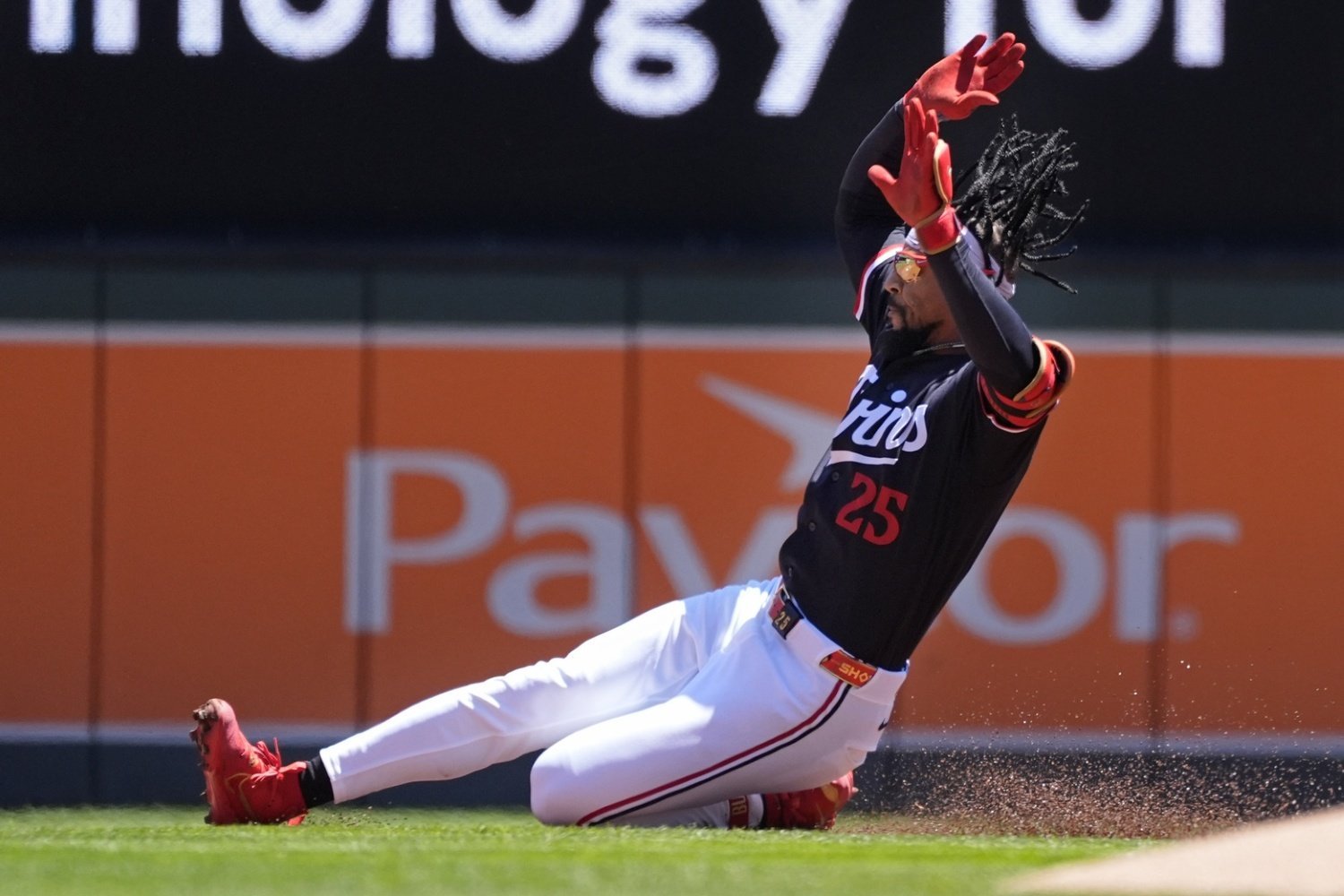 The calendar may still show weeks remaining before the MLB trade deadline, but rumors are already beginning to swirl around some of baseball's biggest names. One of the latest comes from national insider Jim Bowden, who recently identified Minnesota Twins center fielder Byron Buxton as a potential fit for a Philadelphia Phillies club searching for more offensive firepower. Philadelphia's need for outfield help has become increasingly apparent. The Phillies entered the season looking for more production from the outfield, and that urgency intensified after Adolis Garcia suffered an injury that could sideline him for the remainder of the year. The organization has attempted to patch the position by acquiring Derek Hill from the Chicago White Sox, promoting Gabriel Rincones Jr., and utilizing a platoon in right field, but those moves feel more like temporary solutions than championship-caliber answers. According to Bowden, rival executives believe Philadelphia is actively exploring the market for a difference-making addition. "I'm being told by GMs that the Phillies' front office is on the prowl for an impact outfielder," Bowden wrote. That description naturally leads to a short list of players capable of changing a lineup overnight. Bowden mentioned Boston Red Sox outfielders Wilyer Abreu and Jarren Duran as possibilities, but he reserved special praise for Buxton. "I think Buxton would be an excellent trade target if he waives his no-trade clause," Bowden wrote. From a purely baseball standpoint, the fit is obvious. Buxton has once again reminded everyone why he remains one of the sport's most talented players when healthy. His combination of power, speed, defense, and right-handed thump would address multiple needs for a Phillies lineup that already leans heavily to the left side. Unlike a typical rental acquisition, Buxton would immediately become one of the most dynamic players on Philadelphia's roster. Of course, making sense on paper and actually completing a trade are two very different things. The biggest obstacle is Buxton's full no-trade clause. Any potential deal would require not only an agreement between the two front offices but also Buxton's willingness to leave the only organization he has ever known. Since making his major league debut in 2015, Buxton has spent his entire career with Minnesota. He has developed into the face of the franchise, endured multiple rebuilding periods, signed a long-term extension, and established deep roots within the organization. Even if the Twins ultimately decide to listen on offers, Buxton would hold significant control over the process. That reality makes the speculation far more complicated than simply identifying a roster fit. Minnesota's position also remains unclear. While the Twins have endured a disappointing season, the organization has not shown any indication that it is actively shopping its franchise center fielder. Trading Buxton would represent far more than moving a productive veteran. It would signal a dramatic shift in organizational direction and likely require a return package capable of reshaping the future of the franchise. The Phillies possess one of baseball's better farm systems and have the prospect capital necessary to make a significant offer. However, acquiring a player of Buxton's caliber would almost certainly require Philadelphia to part with premium young talent. There is also recent history between these organizations. Last summer, Minnesota and Philadelphia completed multiple notable transactions as the Twins reshaped their roster. The Phillies acquired closer Jhoan Duran in one blockbuster move and later added Harrison Bader to bolster their outfield depth for the stretch run. Those deals helped establish a working relationship between the two front offices, and both teams are familiar with each other's systems and prospect inventories. That familiarity could make future conversations easier. Still, landing Buxton would be an entirely different challenge. The Phillies may be searching for an impact outfielder, and Buxton may be one of the best available fits if Minnesota ever chooses to engage. Yet between his no-trade protection, his importance to the Twins, and the massive prospect package that would be required, this remains one of the more difficult blockbuster scenarios to envision becoming reality. For now, it is a fascinating rumor. Whether it becomes something more will depend on how aggressively Philadelphia pursues an upgrade and whether Minnesota would even consider moving one of the most important players in franchise history.
 -
Minnesota Twins Prospect Retrospective: Kyler Fedko
Cody Christie posted an article in Minor Leagues
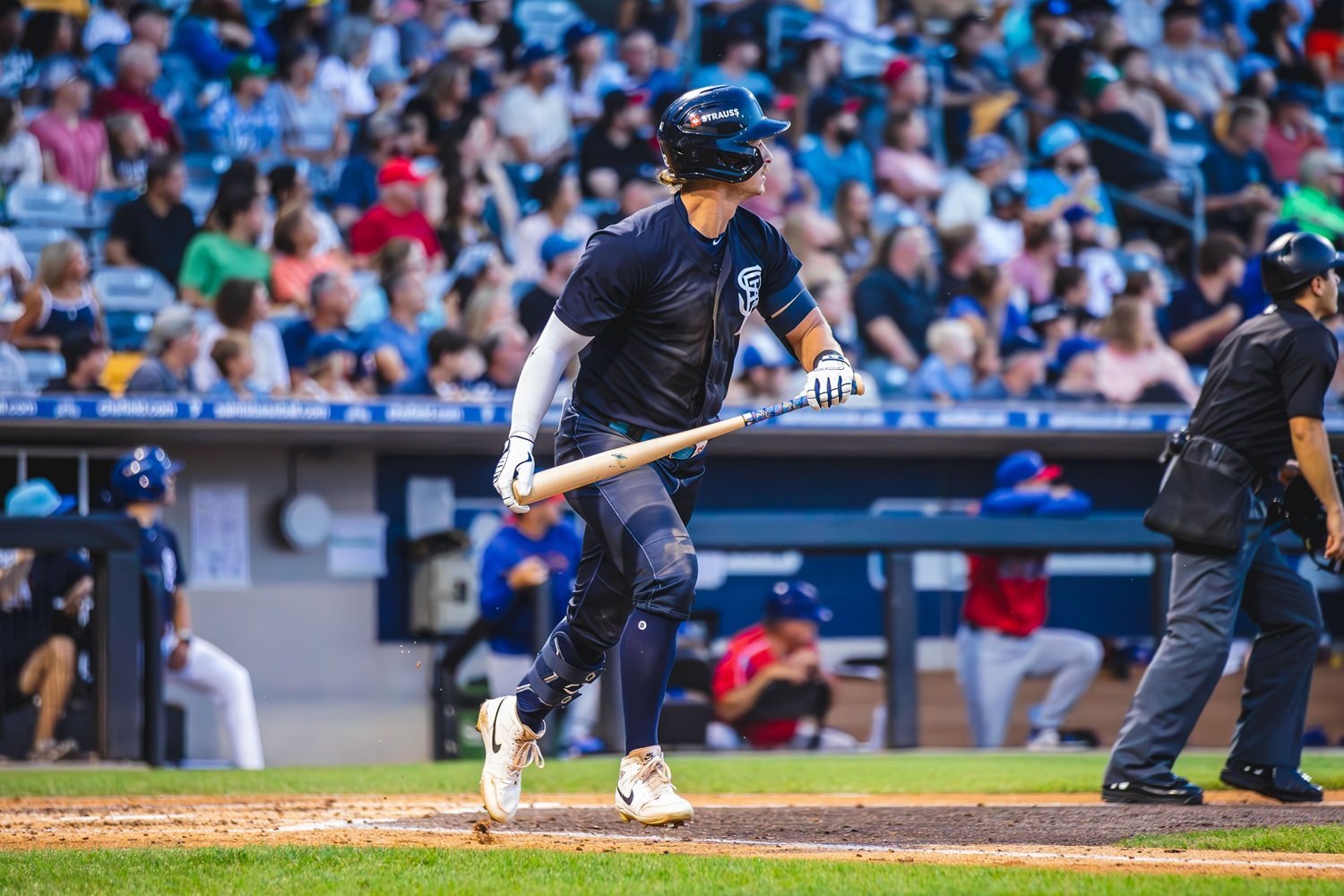 For much of his professional career, Kyler Fedko has existed on the fringes of prospect conversations. He wasn't a highly-touted draft pick. He never cracked the top of national prospect rankings. Even after putting together strong seasons, he often found himself overshadowed by younger and flashier names in the organization. Yet, every farm system seems to produce one player who develops a loyal following among fans. For the Twins, Fedko has steadily become that player. After years of grinding through the minor leagues, he has finally reached the point where a major league opportunity feels deserved rather than hopeful. A Productive College Career at Connecticut Minnesota selected Fedko in the 12th round of the 2021 MLB Draft out of the University of Connecticut. While he wasn't viewed as an elite prospect, he built a strong collegiate résumé that suggested there might be more offensive upside than many evaluators believed. In three college seasons, he hit .330/.407/.552 with 29 doubles and 19 homers across 119 games. He showed an ability to impact the baseball while maintaining a strong overall offensive profile. One factor that hurt his draft stock was a disappointing performance in summer wood-bat leagues. Fedko posted a .452 OPS in a limited sample size of 135 plate appearances, raising questions about how his offensive game would translate against professional pitching. Those concerns pushed him into the middle rounds, allowing Minnesota to take a chance on a player who had produced consistently in the Big East. Learning the Professional Game in 2021-22 Fedko's first taste of professional baseball came immediately after the draft, when he joined Low-A Fort Myers. The results were modest; he hit .235/.346/.395 with two doubles in 81 plate appearances. Like many first-year players, he was adjusting to professional routines, daily competition, and a longer season than he had experienced in college. The numbers didn't jump off the page, but there was enough promise for the Twins to give him another opportunity at the level the following season. Returning to Fort Myers in 2022, Fedko looked far more comfortable. He posted an .888 OPS in 26 games and quickly demonstrated that he was ready for a bigger challenge. The Twins promoted him to High-A Cedar Rapids, where the transition proved more difficult. Across his final 84 games of the season, Fedko managed a .697 OPS. While he flashed occasional power and athleticism, he was still trying to establish himself as a legitimate prospect. At the conclusion of his age-22 season, he appeared destined for a future as organizational depth, rather than a player who would eventually push for a major-league role. Slow Progress in 2023-24 Fedko spent all of 2023 with Cedar Rapids, despite entering the season older than the average age of the competition in the Midwest League. Injuries limited him to only 59 games, preventing him from building consistent momentum. Even so, he produced an .810 OPS and showed a particularly strong ability to punish left-handed pitching, posting a .910 OPS against southpaws. The season offered glimpses of a useful player, but the missed time made it difficult to evaluate whether his improvements were sustainable. Every prospect faces a proving ground, and for many hitters, that challenge comes at Double-A. Fedko spent the entire 2024 season at Wichita and appeared in a career-high 130 games. Unfortunately, the production never arrived. He finished with a .645 OPS and only 17 extra-base hits. His strikeout rate jumped to 20.1%, and his walk rate dipped to 12.6%. Entering his age-25 season, many players would have seen their prospect stock disappear entirely after a season like that. Instead, Fedko used the disappointing campaign as motivation heading into the following year. The 2025 Breakout Nobody Saw Coming In 2025, Fedko transformed himself from organizational depth into one of the most productive hitters in Minnesota's farm system. Between Double-A and Triple-A, he batted .258/.367/.487 with 28 homers and 38 steals in 130 games. He had a 130 wRC+, while improving his walk rate by 1.4%. His combination of power, speed, and improved offensive consistency made him one of the biggest surprises in the organization. There was a legitimate argument that he should have been named Twins Daily's Minor League Hitter of the Year, though he ultimately finished second to Gabriel Gonzalez. Despite the impressive numbers, Fedko remained overlooked. The Twins passed on giving him a September call-up and later left him exposed in the Rule 5 Draft. No team selected him, creating another chapter in a career that has repeatedly required him to prove doubters wrong. Forcing the Issue at Triple-A Fedko entered 2026 with something to prove—and has done exactly that. Over the last two seasons, he has compiled a .278/.364/.532 slash line with 23 home runs over 426 Triple-A plate appearances. Thanks to a recent surge of crushing Triple-A fastballs, he’s repeating his success so far at St. Paul to the tune of a .286/.372/.578 season line with 15 homers and 11 doubles in 55 games while increasing his wRC+ to 138. He has a well-defined vulnerability to chasing secondaries that will probably limit him to platoon corner outfielder status. Fedko gets into a deep but narrow crouch at the plate that sets him up to launch low fastballs. He can move the barrel around the zone a bit, and his contact rates are solidly average, but his fondness for chasing secondaries in the dirt could make him a rather boom-or-bust offensive contributor without quite the versatility to cover center field. Why Fedko Could Fit in Minnesota The appeal of Fedko goes beyond his bat. The 26-year-old can play all three outfield positions, and he has 47 stolen bases (out of 59 attempts) over the last two seasons at the Double-A and Triple-A levels. With much of his offensive production coming against left-handed pitching, the right-handed hitting Fedko provides a natural complement to Trevor Larnach or Kody Clemens in the corner outfield spots. His presence also creates roster flexibility and could allow Clemens to spend more time handling infield duties. Fedko is 26 years old, with a poor pre-2025 track record, so it’s no mystery why he’s been overlooked. But if last season’s improved hitting was for real, his speed and ability to play all three outfield spots would make him a solid bench piece. This season could make or break Fedko’s big-league dreams. Fedko's professional career has been anything but conventional. He wasn't a blue-chip prospect, and there were multiple points where it seemed unlikely he would ever reach the major leagues. Injuries, inconsistent production, and a lack of national recognition all contributed to him being overlooked. However, his persistence has made him one of the most intriguing stories in the organization. Few players in Minnesota's system have improved their stock more dramatically over the last two seasons. Whether he ultimately becomes a platoon outfielder, a valuable bench contributor, or something more, Fedko has already accomplished something significant. After spending years as an afterthought, he has forced the Twins and their fans to pay attention. What stands out about his professional career? Leave a comment and start the discussion.
 -
Ranking Twins Players Whose Value Has Dropped the Most in 2026
Cody Christie posted an article in Twins
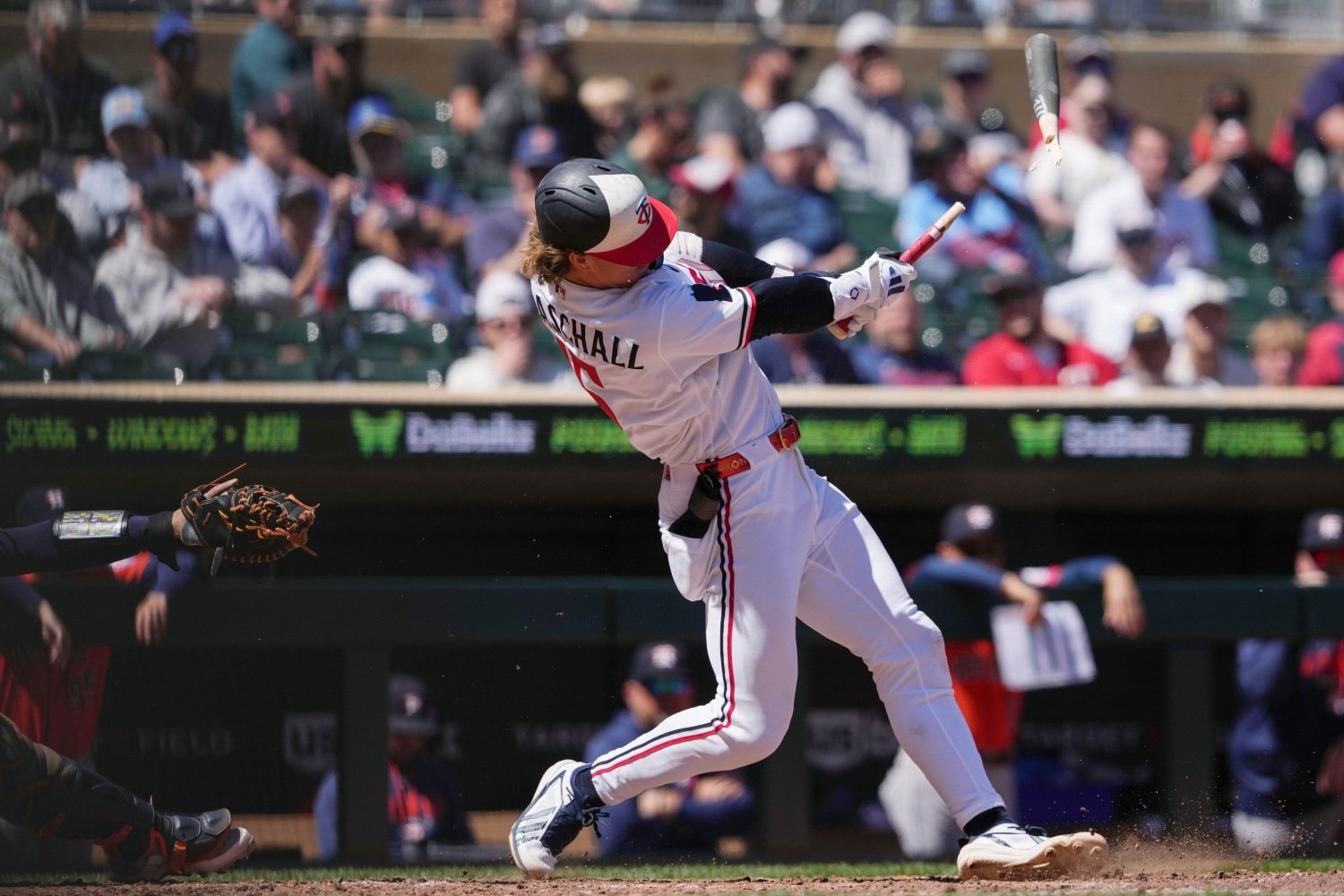 Player value can change quickly in baseball. A strong season can elevate a prospect or veteran into a cornerstone asset, while injuries and prolonged struggles can rapidly alter a player's standing within an organization. Coming into 2026, the Twins believed they had a roster capable of competing in the American League Central. Several players were viewed as foundational pieces for both the present and future, even if some of the prospect luster had worn away. However, the first few months of the season have significantly changed the outlook for some of those players. Here are the five Twins whose value has fallen the most since Opening Day. 5. Luke Keaschall TD Pre-Season Asset Rank: 2 Few players generated more excitement entering the season than Luke Keaschall. After bursting onto the scene during a 49-game rookie campaign, he looked like a future fixture near the top of Minnesota's lineup. Keaschall posted a 129 OPS+ in 2025 while going 14-for-17 on stolen-base attempts, showing the blend of contact skills, on-base ability, and athleticism that made him one of the organization's most valuable assets. Twins Daily ranked him as the club's second-most valuable asset behind only Walker Jenkins. The 2026 season started about as poorly as possible. Keaschall carried a .542 OPS through the season's first month and struggled to make consistent hard contact. To his credit, he began showing signs of life in June, posting a .790 OPS while continuing to provide value on the bases. Even with the recent improvement, questions have emerged. Keaschall leads the Twins with 10 stolen bases and posted an on-base percentage of nearly 40% during May, but power production has been almost nonexistent. He has just 12 extra-base hits in 227 at-bats, limiting his offensive impact. Defensively, the results haven't helped his case either. He owns a -2 Fielding Run Value and -3 Outs Above Average at second base. The long-term outlook remains positive, but his value is no longer at the near-untouchable level it occupied entering the season. 4. Pablo López TD Pre-Season Asset Rank: 4 The biggest concern surrounding Pablo López entering 2026 was health. Despite being limited to just 14 starts in 2025 because of a right hamstring strain, a right teres major strain, and a right forearm strain, López remained dominant when healthy. He posted a 2.74 ERA, 3.19 FIP, and 1.11 WHIP, giving Minnesota every reason to believe he could once again anchor the rotation. Instead, disaster struck before the season ever got underway. López suffered a season-ending elbow injury during spring training and eventually underwent Tommy John surgery. He never threw a pitch during the regular season and is not expected back until early 2027. The injury dramatically altered his value. Not only did the Twins lose one of their best pitchers, but any possibility of a deadline trade vanished. Minnesota now faces uncertainty about which López version will return following surgery and how his contract situation could be affected by upcoming collective bargaining negotiations. For a player viewed as one of the organization's most valuable assets entering the year, the drop has been substantial. 3. Royce Lewis TD Pre-Season Asset Rank: 13 The optimism surrounding Royce Lewis this spring felt different than in previous years. New manager Derek Shelton made Lewis a priority shortly after being hired, and the former No. 1 overall pick spent the offseason working with a new swing coach in hopes of rediscovering the offensive form that once made him one of baseball's brightest young stars. The Twins believed there was still plenty of upside remaining. Instead, Lewis continued a troubling trend that has stretched back nearly two years. Before being demoted to Triple-A St. Paul, Lewis hit just .163/.261/.279 with a 54 wRC+. The struggles were not simply the result of a slow start. Since August of 2024, he has produced a .213/.268/.336 slash line with a 67 wRC+ across 181 major-league games. The Twins finally made the difficult decision to send him to Triple-A, where he immediately reminded everyone of his talent. Lewis crushed Triple-A pitching, hitting .340 with eight home runs in just 13 games. That performance earned him another opportunity in Minnesota, but his long-term value is no longer built on potential alone. The final months of 2026 may determine whether Lewis can still be viewed as a cornerstone piece or if his future role becomes much less certain. 2. Matt Wallner TD Pre-Season Asset Rank: 12 Matt Wallner entered the season with plenty to prove, but there was also reason for optimism. Although he posted a 111 OPS+ in 2025, it represented a noticeable step backward from the production he delivered in 2023 and 2024. Even so, many believed Wallner could recapture the form that allowed him to average 2.2 rWAR during those two seasons. Instead, his performance deteriorated even further. Wallner was one of the least productive players in baseball during the season's opening weeks, producing a 53 OPS+ and accumulating -1.3 rWAR in just 34 games. The struggles became severe enough that the Twins followed the same path they used with Lewis, sending him to Triple-A to reset. The early returns in St. Paul have been encouraging. Wallner owns a .886 OPS with six home runs and six doubles in 22 games. However, the larger trend remains concerning. Wallner has always been a streaky hitter whose power comes at a high cost, with a high swing-and-miss rate. The issue is that the overall production has now declined for two consecutive seasons. What once looked like a middle-of-the-order bat now comes with considerably more questions. 1. Simeon Woods Richardson TD Pre-Season Asset Rank: 6 No player on this list has seen his value collapse faster than Simeon Woods Richardson. Entering 2026, Woods Richardson looked like a reliable rotation piece. He wasn't expected to lead the staff, but his performance over the previous two seasons suggested he could comfortably hold down a middle-of-the-rotation role. From 2024-25, he posted a 4.11 ERA, 102 ERA+, and 1.29 WHIP while providing valuable innings. That stability completely disappeared this season. Woods Richardson struggled from the beginning and never found answers. In 47 2/3 innings with Minnesota, he allowed 41 earned runs while producing a 61 ERA+ and -1.3 rWAR. The performance became so poor that the Twins designated him for assignment and eventually traded him to Toronto for cash considerations. For a player who entered the season ranked sixth in organizational asset value, ending up off the roster within a few months represents one of the steepest declines imaginable. His value simply could not have fallen much further. Baseball has a way of humbling even the most optimistic projections. Just a few months ago, these five players represented key pieces of Minnesota's present and future. Some were expected to anchor the rotation, others were viewed as everyday lineup fixtures, and a few were considered among the organization's most valuable assets. The good news for the Twins is that value can rebound just as quickly as it falls. Keaschall, Lewis, and Wallner still have time to change the narrative before the season ends, while López's long-term outlook will depend on his recovery. Woods Richardson's chapter in Minnesota appears finished, but the others still have opportunities to reclaim some of the value they have lost. The remainder of the 2026 season could go a long way toward determining whether these declines are temporary setbacks or signs of larger concerns for the organization moving forward. Should any other players be added to the rankings? How would your rankings look? Leave a comment and start the discussion.
- 10 comments
-
- 4
-
-

-
- luke keaschall
- simeon woods richardson
- (and 3 more)
-
Image courtesy of Rob Thompson, St. Paul Saints For much of his professional career, Kyler Fedko has existed on the fringes of prospect conversations. He wasn't a highly touted draft pick. He never cracked the top of national prospect rankings. Even after putting together strong seasons, he often found himself overshadowed by younger and flashier names in the organization. Yet every farm system seems to produce one player who develops a loyal following among fans. For the Twins, Fedko has steadily become that player. After years of grinding through the minor leagues, he has finally reached the point where a major league opportunity feels deserved rather than hopeful. A Productive College Career at Connecticut Minnesota selected Fedko in the 12th round of the 2021 MLB Draft out of the University of Connecticut. While he wasn't viewed as an elite prospect, he built a strong collegiate résumé that suggested there might be more offensive upside than many evaluators believed. In three college seasons, he hit .330/.407/.552 (.959) with 29 doubles and 19 homers across 119 games. He showed an ability to impact the baseball while maintaining a strong overall offensive profile. One factor that likely hurt his draft stock was a disappointing performance in summer wood-bat leagues. Fedko posted a .452 OPS in a limited sample size of 135 plate appearances, raising questions about how his offensive game would translate against professional pitching. Those concerns helped push him into the middle rounds, allowing Minnesota to take a chance on a player who had produced consistently in the Big East. Learning the Professional Game in 2021-22 Fedko's first taste of professional baseball came immediately after the draft when he joined Low-A Fort Myers. The results were modest as he hit .235/.346/.395 (.740) with two doubles in 81 plate appearances. Like many first-year players, he was adjusting to professional routines, daily competition, and a longer season than he had experienced in college. The numbers didn't jump off the page, but there was enough promise for the Twins to give him another opportunity at the level the following season. Returning to Fort Myers in 2022, Fedko looked far more comfortable. He posted an .888 OPS in 26 games and quickly demonstrated that he was ready for a bigger challenge. The Twins promoted him to High-A Cedar Rapids, where the transition proved more difficult. Across his final 84 games of the season, Fedko managed a .697 OPS. While he flashed occasional power and athleticism, he was still trying to establish himself as a legitimate prospect. At the conclusion of his age-22 season, he appeared destined for a future as organizational depth rather than a player who would eventually push for a major league role. Slow Progress in 2023-24 Fedko spent all of 2023 with Cedar Rapids and entered the season older than the average age of the competition in the Midwest League. Injuries limited him to only 59 games, preventing him from building consistent momentum. Even so, he produced an .810 OPS and showed a particularly strong ability to punish left-handed pitching, posting a .910 OPS against southpaws. The season offered glimpses of a useful player, but the missed time made it difficult to evaluate whether his improvements were sustainable. Every prospect faces a proving ground, and for many hitters, that challenge comes at Double-A. Fedko spent the entire 2024 season at Wichita and appeared in a career-high 130 games. Unfortunately, the production never arrived. He finished with a .645 OPS and only 17 extra-base hits. His strikeout rate jumped to 20.1%, and his walk rate dipped to 12.6%. Entering his age-25 season, many players would have seen their prospect stock disappear entirely after a season like that. Instead, Fedko used the disappointing campaign as motivation heading into the following year. The 2025 Breakout Nobody Saw Coming Fedko transformed himself from organizational depth into one of the most productive hitters in Minnesota's farm system during 2025. Between Double-A and Triple-A, he batted .258/.367/.487 (.855) with 28 homers and 38 steals in 130 games. He had a 130 wRC+ while improving his walk rate by 1.4%. His combination of power, speed, and improved offensive consistency made him one of the biggest surprises in the organization. There was a legitimate argument that he should have been named Twins Daily's Minor League Hitter of the Year before ultimately finishing second to Gabriel Gonzalez. Despite the impressive numbers, Fedko remained overlooked. The Twins passed on giving him a September call-up and later left him exposed in the Rule 5 Draft. No team selected him, creating another chapter in a career that has repeatedly required him to prove doubters wrong. Forcing the Issue at Triple-A Fedko entered 2026 with something left to prove and has done exactly that. Over the last two seasons, he has compiled a .278/.364/.532 slash line with 23 home runs over 426 Triple-A plate appearances. Thanks to a recent surge of crushing Triple-A fastballs, he’s repeating his success so far at St. Paul to the tune of a .286/.372/.578 (.950) season line with 15 homers and 11 doubles in 55 games while increasing his wRC+ to 138. He has a well-defined vulnerability to chasing secondaries that will probably limit him to platoon corner outfielder status. Fedko gets into a deep but narrow crouch at the plate that sets him up to launch low fastballs. He can move the barrel around the zone a good bit, and his contact rates are solid average, but his fondness for chasing secondaries in the dirt could make him a rather boom-or-bust offensive contributor without quite the versatility to cover center field. Why Fedko Could Fit in Minnesota The appeal of Fedko goes beyond his bat. The 26-year-old can play all three outfield positions, and he has 47 stolen bases (out of 59 attempts) over the last two seasons at the Double-A and Triple-A levels. With much of his offensive production coming against left-handed pitching, the right-handed hitting Fedko provides a natural complement to Trevor Larnach or Kody Clemens in the corner outfield spots. His presence also creates roster flexibility and could allow Clemens to spend more time handling infield duties. Fedko is 26 years old, with a poor pre-2025 track record, so it’s no mystery why he’s been overlooked. But if last season’s improved hitting was for real, his speed and ability to play all three outfield spots would make him a solid bench piece. This season could make or break Fedko’s big-league dreams. Fedko's professional career has been anything but conventional. He wasn't a blue-chip prospect, and there were multiple points where it seemed unlikely he would ever reach the major leagues. Injuries, inconsistent production, and a lack of national recognition all contributed to him being overlooked. However, his persistence has made him one of the most intriguing stories in the organization. Few players in Minnesota's system have improved their stock more dramatically over the last two seasons. Whether he ultimately becomes a platoon outfielder, a valuable bench contributor, or something more, Fedko has already accomplished something significant. After spending years as an afterthought, he has forced the Twins and their fans to pay attention. What stands out about his professional career? Leave a comment and start the discussion. View full article
-
Twins Prospect Hot Sheet: Khadim Diaw is on a Heater
Cody Christie posted an article in Minor Leagues
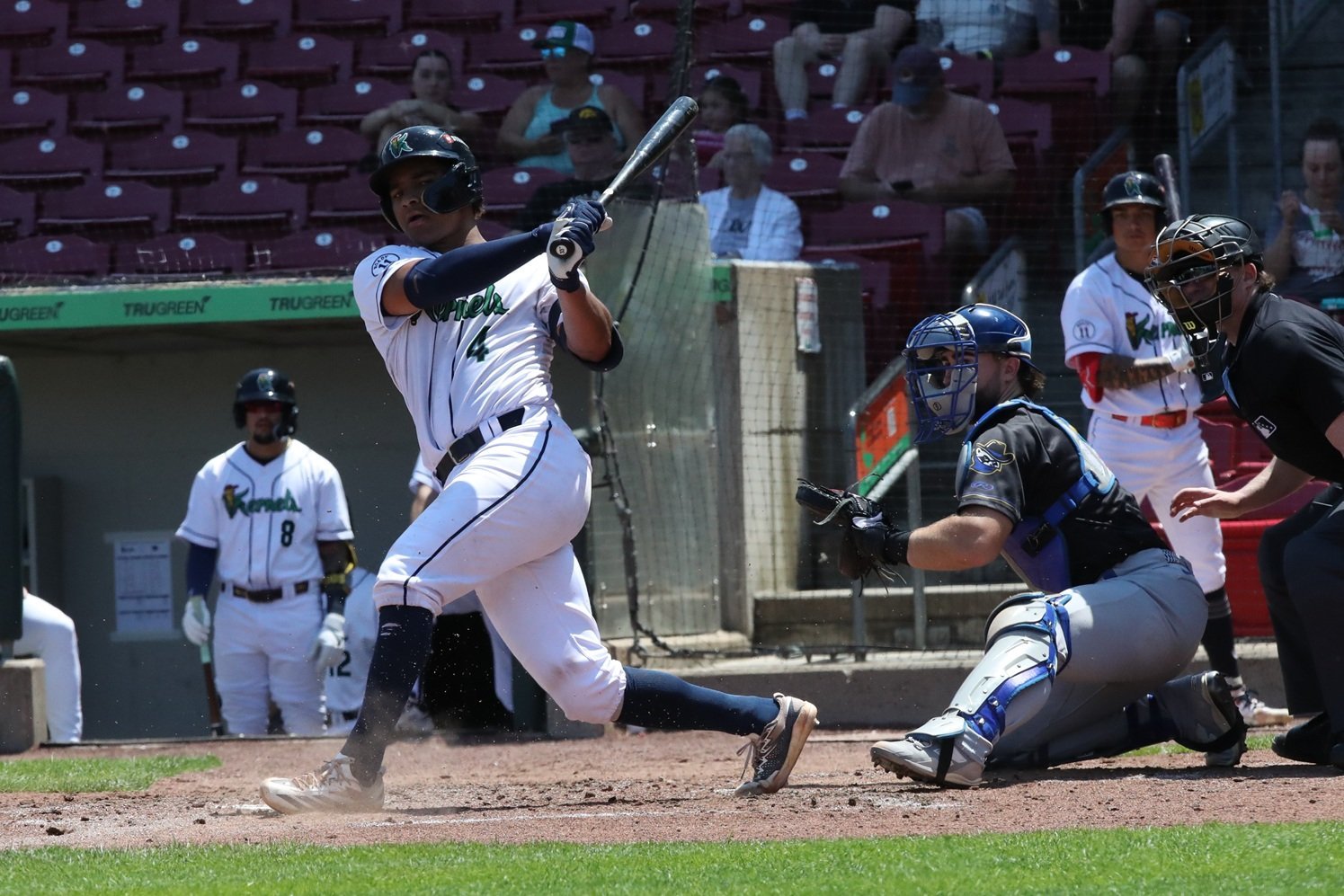 The middle third of a big-league season is when you find out how you can fix what ails your team, be it in the short term or the long term. For the Minnesota Twins, the major-league club's 2026 playoff hopes will not be determined by players currently developing in the minor leagues. However, these summer months remain critical for evaluating long-term building blocks. Prospect's changing values and future outlooks can change what a team does at the trade deadline, or just prompt a youngster to get a look in the big leagues. Several position players throughout the organization have caught fire recently, providing another reminder that prospect development rarely follows a straight line. While none of these players are expected to impact the Twins this season, strong performances can quickly elevate a prospect's standing inside the organization and shape future roster decisions. OF Kala'i Rosario– Wichita Wind Surge How He Got Here: Few baseball hotbeds are as isolated as Hawaii, making the path from the islands to the major leagues especially challenging. Rosario has spent the last several years attempting to become the next Hawaiian prep hitter to reach the highest level. Minnesota selected Rosario with its final pick in the shortened 2020 MLB Draft, betting on his impressive raw power and offensive upside. His professional career has featured both highs and lows. Rosario broke out in a massive way during 2023, earning Midwest League MVP honors and establishing himself as one of the more intriguing bats in the organization. The momentum slowed somewhat over the next two seasons. An elbow injury cost him significant time during 2024, and his production fluctuated as he climbed the ladder. Even so, Rosario showed his power remained legitimate by launching 25 home runs during his age-22 campaign at Double-A. Hitting the Hot Button: Rosario is putting together one of the hottest stretches of his professional career. The 23-year-old homered in three consecutive games from Thursday through Saturday, while delivering a monster performance Friday against Tulsa. He collected five hits in that contest, including both a double and a home run, while driving in four runs. Over the last 28 days, Rosario has slashed .348/.545/.587, with three home runs and two doubles. Perhaps the most encouraging development is his approach at the plate. During that span, he has drawn 18 walks while striking out only 14 times. Power has never been the question for Rosario. If he can continue pairing damaging contact with improved strike zone discipline, he could force his way back into the conversation as a legitimate corner outfield prospect. C/OF Khadim Diaw– Cedar Rapids Kernels How He Got Here: The biggest challenge for Diaw throughout his baseball career has never been talent. It has been availability. When healthy, Diaw consistently produces. He showcased that ability at Loyola-Marymount, posting a .314/.396/.500 slash line during the 2023 season. Unfortunately, injuries repeatedly interrupted his development. A back fracture essentially wiped out his freshman year, while a broken left thumb limited him to only 20 games in 2024. Even in those brief opportunities, Diaw continued hitting. Strong performances in both the Cape Cod League and the MLB Draft Combine convinced the Twins to select him in the third round of the 2024 Draft. The pattern continued during his first full professional season. Diaw hit for average (.297 BA), reached base consistently (.450 OBP), and looked poised for a breakout before suffering a broken wrist. Shortly after returning, a hamstring injury sent him back to the sidelines, and he was limited to 42 games. Hitting the Hot Button: The 22-year-old appeared in four games this week and went 10-for-20 at the plate. Those 10 hits included two doubles and three home runs while he drove in seven runs. His slugging percentage reached an eye-popping 1.050, and his OPS climbed to 1.550 for the week. The longer-term numbers are equally impressive. Over the last 28 days, Diaw owns a .413/.479/.700 slash line with four home runs, nine doubles, and one triple. Just as encouraging is his command of the strike zone. Across 94 plate appearances during that stretch, Diaw has drawn 11 walks and struck out only 11 times. The health concerns remain real, but Diaw continues to prove that when he is on the field, he can flat-out hit. Few prospects in the organization have done more to boost their stock over the past month. C/3B/OF Ryan Sprock– Fort Myers Mighty Mussels How He Got Here: Sprock arrived in the Twins organization carrying a unique profile. Minnesota selected him in the eighth round of last year's draft after an impressive career at Elon University. In college, Sprock was a true two-way player, contributing both as a hitter and a relief pitcher. The Twins immediately locked him in on the position-player side, drafting him primarily as a third baseman and allowing him to focus his development on hitting. That transition often creates additional upside because players can dedicate all of their time and energy toward refining one skill set. The offensive track record certainly supported the decision. During his final college season, Sprock hit .321/.411/.593 with 14 home runs while also logging 17 innings on the mound and recording 19 strikeouts. Hitting the Hot Button: Sprock continues showing why the Twins were intrigued by his versatility and offensive profile. This week, he recorded the first four-hit game of his professional career, another encouraging milestone for the young hitter. His overall season has highlighted his defensive flexibility. Sprock has appeared in 20 games behind the plate, 13 games at third base, and five games in left field. That type of versatility can create numerous pathways to a major league role. At the plate, he has demonstrated advanced strike-zone awareness, walking more than he strikes out this season. Behind the plate, he has also impressed with his game management, successfully overturning 68.4% of his catcher challenge opportunities. For a player still adapting to full-time professional hitting, those well-rounded contributions are exactly what the Twins hoped to see. Summer often serves as a dividing line for both teams and prospects. While the Twins are focused on climbing the major-league standings, performances like these matter for the organization's future. Rosario is showing improved plate discipline, Diaw continues reminding everyone how dangerous his bat can be when healthy, and Sprock is building value through versatility and strong fundamentals. None may factor into Minnesota's plans this season, but all three are giving the organization reasons to keep a close eye on their development as the second half approaches. Can these three hitters continue their hot streaks in the weeks ahead? Leave a comment and start the discussion.
- 12 comments
-
- 6
-
-
- khadim diaw
- kalai rosario
- (and 1 more)
-
Image courtesy of Malamut Photography (Photo of Khadim Diaw) The middle third of a big-league season is when you find out how you can fix what ails your team, be it in the short term or the long term. For the Minnesota Twins, the major-league club's 2026 playoff hopes will not be determined by players currently developing in the minor leagues. However, these summer months remain critical for evaluating long-term building blocks. Prospect's changing values and future outlooks can change what a team does at the trade deadline, or just prompt a youngster to get a look in the big leagues. Several position players throughout the organization have caught fire recently, providing another reminder that prospect development rarely follows a straight line. While none of these players are expected to impact the Twins this season, strong performances can quickly elevate a prospect's standing inside the organization and shape future roster decisions. OF Kala'i Rosario– Wichita Wind Surge How He Got Here: Few baseball hotbeds are as isolated as Hawaii, making the path from the islands to the major leagues especially challenging. Rosario has spent the last several years attempting to become the next Hawaiian prep hitter to reach the highest level. Minnesota selected Rosario with its final pick in the shortened 2020 MLB Draft, betting on his impressive raw power and offensive upside. His professional career has featured both highs and lows. Rosario broke out in a massive way during 2023, earning Midwest League MVP honors and establishing himself as one of the more intriguing bats in the organization. The momentum slowed somewhat over the next two seasons. An elbow injury cost him significant time during 2024, and his production fluctuated as he climbed the ladder. Even so, Rosario showed his power remained legitimate by launching 25 home runs during his age-22 campaign at Double-A. Hitting the Hot Button: Rosario is putting together one of the hottest stretches of his professional career. The 23-year-old homered in three consecutive games from Thursday through Saturday, while delivering a monster performance Friday against Tulsa. He collected five hits in that contest, including both a double and a home run, while driving in four runs. Over the last 28 days, Rosario has slashed .348/.545/.587, with three home runs and two doubles. Perhaps the most encouraging development is his approach at the plate. During that span, he has drawn 18 walks while striking out only 14 times. Power has never been the question for Rosario. If he can continue pairing damaging contact with improved strike zone discipline, he could force his way back into the conversation as a legitimate corner outfield prospect. C/OF Khadim Diaw– Cedar Rapids Kernels How He Got Here: The biggest challenge for Diaw throughout his baseball career has never been talent. It has been availability. When healthy, Diaw consistently produces. He showcased that ability at Loyola-Marymount, posting a .314/.396/.500 slash line during the 2023 season. Unfortunately, injuries repeatedly interrupted his development. A back fracture essentially wiped out his freshman year, while a broken left thumb limited him to only 20 games in 2024. Even in those brief opportunities, Diaw continued hitting. Strong performances in both the Cape Cod League and the MLB Draft Combine convinced the Twins to select him in the third round of the 2024 Draft. The pattern continued during his first full professional season. Diaw hit for average (.297 BA), reached base consistently (.450 OBP), and looked poised for a breakout before suffering a broken wrist. Shortly after returning, a hamstring injury sent him back to the sidelines, and he was limited to 42 games. Hitting the Hot Button: The 22-year-old appeared in four games this week and went 10-for-20 at the plate. Those 10 hits included two doubles and three home runs while he drove in seven runs. His slugging percentage reached an eye-popping 1.050, and his OPS climbed to 1.550 for the week. The longer-term numbers are equally impressive. Over the last 28 days, Diaw owns a .413/.479/.700 slash line with four home runs, nine doubles, and one triple. Just as encouraging is his command of the strike zone. Across 94 plate appearances during that stretch, Diaw has drawn 11 walks and struck out only 11 times. The health concerns remain real, but Diaw continues to prove that when he is on the field, he can flat-out hit. Few prospects in the organization have done more to boost their stock over the past month. C/3B/OF Ryan Sprock– Fort Myers Mighty Mussels How He Got Here: Sprock arrived in the Twins organization carrying a unique profile. Minnesota selected him in the eighth round of last year's draft after an impressive career at Elon University. In college, Sprock was a true two-way player, contributing both as a hitter and a relief pitcher. The Twins immediately locked him in on the position-player side, drafting him primarily as a third baseman and allowing him to focus his development on hitting. That transition often creates additional upside because players can dedicate all of their time and energy toward refining one skill set. The offensive track record certainly supported the decision. During his final college season, Sprock hit .321/.411/.593 with 14 home runs while also logging 17 innings on the mound and recording 19 strikeouts. Hitting the Hot Button: Sprock continues showing why the Twins were intrigued by his versatility and offensive profile. This week, he recorded the first four-hit game of his professional career, another encouraging milestone for the young hitter. His overall season has highlighted his defensive flexibility. Sprock has appeared in 20 games behind the plate, 13 games at third base, and five games in left field. That type of versatility can create numerous pathways to a major league role. At the plate, he has demonstrated advanced strike-zone awareness, walking more than he strikes out this season. Behind the plate, he has also impressed with his game management, successfully overturning 68.4% of his catcher challenge opportunities. For a player still adapting to full-time professional hitting, those well-rounded contributions are exactly what the Twins hoped to see. Summer often serves as a dividing line for both teams and prospects. While the Twins are focused on climbing the major-league standings, performances like these matter for the organization's future. Rosario is showing improved plate discipline, Diaw continues reminding everyone how dangerous his bat can be when healthy, and Sprock is building value through versatility and strong fundamentals. None may factor into Minnesota's plans this season, but all three are giving the organization reasons to keep a close eye on their development as the second half approaches. Can these three hitters continue their hot streaks in the weeks ahead? Leave a comment and start the discussion. View full article
-
Has Emmanuel Rodriguez Become a Victim of Prospect Fatigue?
Cody Christie posted an article in Minor Leagues
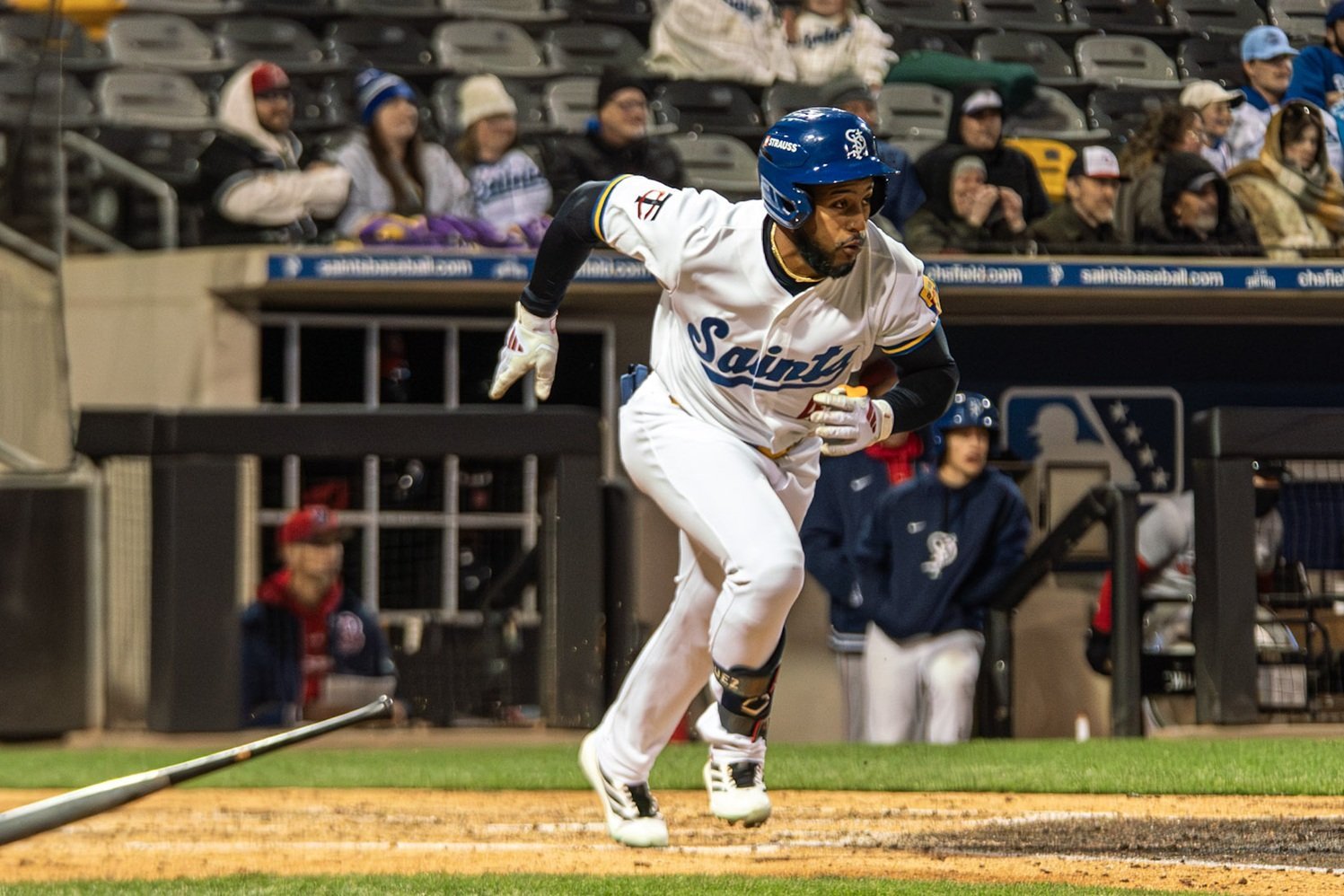 For years, Emmanuel Rodriguez has occupied a fascinating space in prospect circles. Few players in baseball have generated as much excitement, and as much frustration, as the talented Twins outfielder. Since signing with Minnesota for $2.5 million during the 2019 international signing period, Rodriguez has consistently flashed the type of tools that make evaluators dream about an impact major leaguer. He combines power, patience, athleticism, and an advanced understanding of the strike zone that few young hitters possess. The problem, of course, is that those flashes have rarely come uninterrupted. Now 23 years old, Rodriguez has already reached Triple-A and did so at just 21 years old during the 2024 season. That accomplishment alone speaks to the level of talent involved. Yet injuries and developmental hurdles have prevented him from taking the final step toward becoming a cornerstone of Minnesota's future. Recently, FanGraphs released its top-50 Twins prospects list. While Rodriguez remains highly regarded nationally and still carries top-100 prospect recognition in many circles, FanGraphs ranked him eighth in the organization. That placement isn't necessarily unreasonable given the depth of Minnesota's system, but it does reflect a growing trend among national outlets that seem increasingly hesitant to buy into Rodriguez's long-term outlook. Some of that skepticism is understandable. Some of it may simply be prospect fatigue. Players who sign as teenagers often spend years on prospect lists. Eventually, evaluators begin focusing more on what hasn't happened than what has. Rodriguez may be reaching that stage of his prospect journey. Here are three reasons why national outlets may be cooling on one of the Twins' most talented young players. Reason 1: Injuries The most obvious explanation is also the most significant. Rodriguez has never appeared in 100 games during a professional season, and 2026 will almost certainly continue that trend. His latest setback, a torn UCL in his left thumb that required surgery, pushed him to the IL after only 25 games with Triple-A St. Paul. The injury was particularly frustrating because it came just one year after surgery on his opposite thumb. Unfortunately, thumb injuries are only the latest additions to a growing medical file. Previous seasons have included time lost to issues involving his hip, oblique, abdomen, and knee. Every time Rodriguez appears ready to build momentum, another injury seems to interrupt his progress. At some point, evaluators stop viewing injuries as isolated incidents and begin factoring durability into the overall projection. That's a difficult reality for Rodriguez. Availability is a skill, and his inability to stay on the field consistently has become a defining aspect of his prospect profile. The talent remains undeniable. The track record of staying healthy does not. Reason 2: Unique Offensive Approach Even when healthy, Rodriguez has never been a universally loved prospect. His offensive profile is unlike almost anyone else in professional baseball. For a player listed at 5-foot-11 and 210 pounds, he resembles a speedy table setter from bygone generations. Instead, he has the offensive profile of a middle-of-the-order slugger. Across his minor-league career, Rodriguez owns a .253/.423/.490 slash line while walking in more than 20 percent of his plate appearances and striking out over 30 percent of the time. Those numbers tell the story of an extremely patient hitter who generates power and reaches base at elite rates. They also reveal a player whose approach leaves very little margin for error. Some evaluators love the elite on-base skills. Others worry that his passive tendencies let too many hittable pitches go by. Entering 2026, there was a growing belief that Rodriguez needed to become more aggressive earlier in counts and attack pitches he could drive rather than constantly working deep counts. Unfortunately, his injury occurred before anyone could determine whether those adjustments would stick. Early returns suggested he was attempting to make changes, but they also came with increased chase rates and declining contact numbers. The development process was essentially frozen before meaningful conclusions could be reached. For prospect evaluators who already had concerns about his unconventional offensive style, the lack of answers only adds to the uncertainty. Reason 3: Trouble With Fastballs The biggest on-field concern remains Rodriguez's ability to handle velocity. His swing mechanics are unique, featuring a pronounced bottom-hand dominant path and a frequent one-handed finish. The setup helps generate impressive bat speed and power, but it also creates vulnerabilities that upper-level pitchers have increasingly exploited. Triple-A pitchers have found success attacking Rodriguez with fastballs, particularly at the top of the strike zone. Elevated velocity has consistently generated swings and misses, exposing a weakness that scouts have discussed for years. The concern isn't simply that he struggles against certain pitches. It's that major-league pitchers are likely to attack the same weakness even more aggressively. Big-league organizations spend enormous resources identifying hitter vulnerabilities, and Rodriguez's issues against elevated fastballs are well documented. Unless he finds a way to improve his coverage in that area, opposing pitchers will have little reason to challenge him differently. That doesn't mean he can't become a productive major leaguer. Plenty of successful hitters have built careers while carrying specific weaknesses. However, it does create another layer of risk that evaluators must weigh when projecting his future value. The Clock Is Starting to Matter While injuries, strikeouts, and concerns about the fastball all contribute to the growing skepticism, the biggest issue may be timing. Prospect rankings are ultimately forward-looking exercises. Evaluators aren't simply asking whether a player is talented; they're asking how likely that player is to become a productive major leaguer and when that might happen. Rodriguez's injury history has dramatically complicated that timeline. Where the setbacks have truly begun to hurt is in roster management. Rodriguez will be out of minor league options next spring, putting significant pressure on him and the organization. The Twins will soon need to determine whether he deserves a permanent major-league roster spot, despite having limited Triple-A experience over the past two seasons. That's an uncomfortable position for any organization. The talent that made Rodriguez one of baseball's most exciting prospects hasn't disappeared. He still possesses elite plate discipline, legitimate power, and the upside of an impact everyday player. But after years of interrupted development, national evaluators appear increasingly focused on the risks rather than the ceiling. Maybe that's fair. Maybe it's prospect fatigue. The Twins would gladly settle for Rodriguez proving everyone wrong by finally staying healthy long enough to show what he's capable of becoming. Does Rodriguez have prospect fatigue? Leave a comment and start the discussion.
 -
Image courtesy of Peyton Vogel/Peyton Pics For years, Emmanuel Rodriguez has occupied a fascinating space in prospect circles. Few players in baseball have generated as much excitement, and as much frustration, as the talented Twins outfielder. Since signing with Minnesota for $2.5 million during the 2019 international signing period, Rodriguez has consistently flashed the type of tools that make evaluators dream about an impact major leaguer. He combines power, patience, athleticism, and an advanced understanding of the strike zone that few young hitters possess. The problem, of course, is that those flashes have rarely come uninterrupted. Now 23 years old, Rodriguez has already reached Triple-A and did so at just 21 years old during the 2024 season. That accomplishment alone speaks to the level of talent involved. Yet injuries and developmental hurdles have prevented him from taking the final step toward becoming a cornerstone of Minnesota's future. Recently, FanGraphs released its top-50 Twins prospects list. While Rodriguez remains highly regarded nationally and still carries top-100 prospect recognition in many circles, FanGraphs ranked him eighth in the organization. That placement isn't necessarily unreasonable given the depth of Minnesota's system, but it does reflect a growing trend among national outlets that seem increasingly hesitant to buy into Rodriguez's long-term outlook. Some of that skepticism is understandable. Some of it may simply be prospect fatigue. Players who sign as teenagers often spend years on prospect lists. Eventually, evaluators begin focusing more on what hasn't happened than what has. Rodriguez may be reaching that stage of his prospect journey. Here are three reasons why national outlets may be cooling on one of the Twins' most talented young players. Reason 1: Injuries The most obvious explanation is also the most significant. Rodriguez has never appeared in 100 games during a professional season, and 2026 will almost certainly continue that trend. His latest setback, a torn UCL in his left thumb that required surgery, pushed him to the IL after only 25 games with Triple-A St. Paul. The injury was particularly frustrating because it came just one year after surgery on his opposite thumb. Unfortunately, thumb injuries are only the latest additions to a growing medical file. Previous seasons have included time lost to issues involving his hip, oblique, abdomen, and knee. Every time Rodriguez appears ready to build momentum, another injury seems to interrupt his progress. At some point, evaluators stop viewing injuries as isolated incidents and begin factoring durability into the overall projection. That's a difficult reality for Rodriguez. Availability is a skill, and his inability to stay on the field consistently has become a defining aspect of his prospect profile. The talent remains undeniable. The track record of staying healthy does not. Reason 2: Unique Offensive Approach Even when healthy, Rodriguez has never been a universally loved prospect. His offensive profile is unlike almost anyone else in professional baseball. For a player listed at 5-foot-11 and 210 pounds, he resembles a speedy table setter from bygone generations. Instead, he has the offensive profile of a middle-of-the-order slugger. Across his minor-league career, Rodriguez owns a .253/.423/.490 slash line while walking in more than 20 percent of his plate appearances and striking out over 30 percent of the time. Those numbers tell the story of an extremely patient hitter who generates power and reaches base at elite rates. They also reveal a player whose approach leaves very little margin for error. Some evaluators love the elite on-base skills. Others worry that his passive tendencies let too many hittable pitches go by. Entering 2026, there was a growing belief that Rodriguez needed to become more aggressive earlier in counts and attack pitches he could drive rather than constantly working deep counts. Unfortunately, his injury occurred before anyone could determine whether those adjustments would stick. Early returns suggested he was attempting to make changes, but they also came with increased chase rates and declining contact numbers. The development process was essentially frozen before meaningful conclusions could be reached. For prospect evaluators who already had concerns about his unconventional offensive style, the lack of answers only adds to the uncertainty. Reason 3: Trouble With Fastballs The biggest on-field concern remains Rodriguez's ability to handle velocity. His swing mechanics are unique, featuring a pronounced bottom-hand dominant path and a frequent one-handed finish. The setup helps generate impressive bat speed and power, but it also creates vulnerabilities that upper-level pitchers have increasingly exploited. Triple-A pitchers have found success attacking Rodriguez with fastballs, particularly at the top of the strike zone. Elevated velocity has consistently generated swings and misses, exposing a weakness that scouts have discussed for years. The concern isn't simply that he struggles against certain pitches. It's that major-league pitchers are likely to attack the same weakness even more aggressively. Big-league organizations spend enormous resources identifying hitter vulnerabilities, and Rodriguez's issues against elevated fastballs are well documented. Unless he finds a way to improve his coverage in that area, opposing pitchers will have little reason to challenge him differently. That doesn't mean he can't become a productive major leaguer. Plenty of successful hitters have built careers while carrying specific weaknesses. However, it does create another layer of risk that evaluators must weigh when projecting his future value. The Clock Is Starting to Matter While injuries, strikeouts, and concerns about the fastball all contribute to the growing skepticism, the biggest issue may be timing. Prospect rankings are ultimately forward-looking exercises. Evaluators aren't simply asking whether a player is talented; they're asking how likely that player is to become a productive major leaguer and when that might happen. Rodriguez's injury history has dramatically complicated that timeline. Where the setbacks have truly begun to hurt is in roster management. Rodriguez will be out of minor league options next spring, putting significant pressure on him and the organization. The Twins will soon need to determine whether he deserves a permanent major-league roster spot, despite having limited Triple-A experience over the past two seasons. That's an uncomfortable position for any organization. The talent that made Rodriguez one of baseball's most exciting prospects hasn't disappeared. He still possesses elite plate discipline, legitimate power, and the upside of an impact everyday player. But after years of interrupted development, national evaluators appear increasingly focused on the risks rather than the ceiling. Maybe that's fair. Maybe it's prospect fatigue. The Twins would gladly settle for Rodriguez proving everyone wrong by finally staying healthy long enough to show what he's capable of becoming. Does Rodriguez have prospect fatigue? Leave a comment and start the discussion. View full article
-
Two Aces and a King: The Trio That Made Minnesota Believe in 2006
Cody Christie posted an article in History
 It's hard to believe two decades have passed since the 2006 Minnesota Twins season. For much of that summer, the Twins looked like a legitimate World Series contender, fueled by a trio of stars who seemed nearly impossible to stop. Joe Mauer was emerging as baseball's premier catcher. Johan Santana was solidifying his place as the best pitcher in the game. And a rookie named Francisco Liriano arrived with a level of dominance rarely seen from a first-year player. Looking back 20 years later, it's hard not to wonder what might have happened had all three remained healthy and at their peak when October arrived. Let's take a look back at that team, which was 27-34 at one pont that season—but, at this very time of year, won 19 out of 20 games to thrust themselves into playoff picture. The King: Joe Mauer 2006 First Half: .378/.446/.535 (.981), 7 HR, 1 3B, 22 2B, 38 BB, 30 K Mauer's rookie season in 2004 was interrupted by a torn medial meniscus, and although he played 131 games in 2005, he was still developing into the superstar many envisioned when Minnesota selected him first overall in the 2001 MLB Draft. His 107 OPS+ that first full season showed promise, but 2006 became the season where everything clicked. The first half was a masterclass in contact hitting. Mauer entered the All-Star break leading the American League in batting average. By season's end, he became the first catcher in American League history to win a batting title, finishing at .347. He earned his first All-Star selection, captured his first Silver Slugger Award, and announced himself as one of baseball's elite players. For Twins fans, that first half served as the opening chapter of a Hall of Fame career. Ace No. 1: Johan Santana 2006 First Half: 19 G, 131 IP, 2.95 ERA, 138 K, 1.00 WHIP, .629 Opponent OPS Santana entered 2006 with something left to prove. He had already won the 2004 Cy Young Award, and many believed he was deserving of the honor again in 2005. Instead, he finished third, despite leading the American League in strikeouts, ERA, WHIP, and several advanced metrics. Whether fueled by that perceived snub or motivated by the electric young left-hander sharing his rotation, Santana delivered another dominant first half. Every fifth day, he overwhelmed hitters with a devastating changeup that remains one of the best pitches of the modern era. His 138 strikeouts before the break led the American League, and he continued to establish himself as the standard for pitching excellence. The second half only strengthened his Cy Young case. Santana finished the season leading all of baseball in wins (19), ERA (2.77), strikeouts (245), WHIP (0.99), ERA+ (162), and rWAR (7.6). He was the unanimous AL Cy Young Award winner, receiving all 28 first-place votes. Yet, for a brief stretch during the summer, there was a legitimate debate about whether he was even the most dominant pitcher on his own team. Ace No. 2: Francisco Liriano 2006 First Half: 22 G, 88 1/3 IP, 1.83 ERA, 102 K, 0.97 WHIP, .543 Opponent OPS Few pitching prospects in Twins history have generated as much excitement as Francisco Liriano. The left-hander opened the season in a multi-inning relief role, giving Minnesota a weapon unlike anything else in baseball. Over his first 22 1/3 innings, he struck out 32 batters while walking only four and posted a 3.22 ERA. The Twins moved him into the starting rotation on May 19, and his season immediately took off. Over his next 10 appearances before the All-Star break, Liriano allowed just 10 earned runs while striking out 70 batters. He posted a remarkable 1.36 ERA as a starter, and Minnesota went 9-1 in those games. His slider was unhittable. His fastball exploded through the zone. Hitters often looked defeated before stepping into the batter's box. Initially left off the American League All-Star roster, Liriano eventually earned a spot after injury replacements opened a place on the team. He joined Mauer and Santana in Pittsburgh, giving Minnesota three of the game's brightest stars on baseball's midsummer stage. At that point, it appeared the Twins had assembled the type of top-of-the-rotation duo capable of carrying a club deep into October. The Second-Half Fallout Unfortunately, the story took a heartbreaking turn. Liriano was scratched from a late-July start because of forearm inflammation. Initial examinations revealed no structural damage, creating optimism that the issue would be minor. That optimism disappeared on August 7 when he left a start after throwing only 67 pitches because of renewed elbow discomfort. After rest and a brief rehab assignment, Liriano attempted a September return. It lasted just 27 pitches. During that outing, he felt and heard a "pop" in his elbow. The diagnosis (a torn ulnar collateral ligament; structural damage this time) ultimately led to Tommy John surgery in November, ending his season and forcing him to miss all of 2007. The injury robbed Minnesota of one of baseball's most electric young pitchers and permanently altered the trajectory of what looked like a budding superstar career. A Team Built to Dream The Twins still won 96 games and captured the American League Central despite beginning the season 25-33. They surged during the second half behind Mauer's batting title, Santana's Cy Young season, and a roster that found its identity after a sluggish start. However, the loss of Liriano cast a shadow over everything that followed. Minnesota entered the postseason with legitimate championship aspirations, but the pitching staff no longer featured the devastating one-two punch that had terrorized opponents during the summer. The Twins were swept by Oakland in the Division Series, extending a frustrating postseason trend that had haunted the franchise since 2002. Twenty years later, the memories remain vivid. Mauer became a Hall of Famer. Santana cemented his place among the greatest pitchers of his generation. Liriano's brilliance still sparks conversations about what could have been. Together, they formed a trio that made Twins fans believe a World Series was within reach. That's why the 2006 season remains one of the most fascinating "what-if" chapters in franchise history—a summer when Minnesota had two aces, a king, and every reason to dream. What stands out about the 2006 season? Leave a comment and start the discussion.
 -
For much of the 2026 season, the Twins have been forced to navigate an endless stream of injuries. While the club continues to battle through those setbacks, Friday brought several pieces of positive news. Three notable names—top prospect Walker Jenkins, right-hander Mick Abel, and left-hander Kendry Rojas—are all progressing toward returns. Each player reached a significant checkpoint in his recovery process this weekend, offering hope that reinforcements could soon be on the way. Walker Jenkins Nearing Return to Game Action The Twins expect Jenkins to begin a rehab assignment with Low-A Fort Myers on Saturday, marking his first game action since suffering a Grade 2 AC joint sprain in his left shoulder on May 5. The injury occurred while he crashed into an outfield wall while making a catch for Triple-A St. Paul. Minnesota's top prospect was still finding his footing early in the season after arriving at Triple-A, but he entered the injured list on a much stronger note than he started. Before getting hurt, Jenkins had improved his season line to .256/.396/.389 (.785) across 111 plate appearances. That followed a 2025 campaign in which he posted a .286/.399/.451 (.850) slash line while climbing all the way to Triple-A. Since being selected fifth overall in the 2023 MLB Draft, the 21-year-old has dealt with a series of injuries. A hamstring strain cost him significant time in 2024, while an ankle sprain sidelined him for nearly two months in 2025. He also battled another hamstring issue during spring training this year. When healthy, Jenkins has consistently looked like one of baseball's premier prospects. If he returns from this latest injury and performs well at Triple-A, the possibility of a major-league debut later this season remains very much alive. At minimum, he appears poised to put himself in a position to contribute in Minnesota sometime during 2027. Mick Abel Closing In on Return to Rotation Abel's next step comes Saturday when he is scheduled to throw a light bullpen session following an impressive rehab outing earlier this week. Pitching for Triple-A St. Paul on Wednesday, Abel tossed three scoreless innings, striking out five while allowing only two hits. Perhaps most encouraging was the quality of his stuff. His fastball averaged 96.3 mph and topped out at 97.9 mph, looking much like the weapon that helped him dominate before landing on the injured list. The Twins shut Abel down on April 20 because of inflammation in his right elbow. His recovery appeared to be nearing completion in early May before lingering soreness in his right triceps after a simulated bullpen session temporarily halted his progress. The setback eventually led to a cortisone injection and additional recovery time. Before the injury, Abel was pitching some of the best baseball of his young career. He had thrown 13 consecutive scoreless innings over his final two starts and looked increasingly comfortable against major-league hitters. His return would arrive at an ideal time for Minnesota. Bailey Ober remains sidelined with a right flexor strain, leaving the Twins scrambling to piece together a rotation. The club has relied on multiple bullpen games in recent weeks, with Joe Ryan, Taj Bradley, Connor Prielipp, and Zebby Matthews carrying the workload. If Abel continues progressing without issue, he could soon provide the stability Minnesota desperately needs in the fifth spot. Kendry Rojas Taking Another Step Forward Rojas is scheduled to face hitters in a live batting practice session Saturday in Fort Myers as he works his way back from left triceps inflammation. The 22-year-old has been sidelined since May 29. Few pitchers have exceeded expectations this season the way Rojas has. He quickly established himself as a valuable multi-inning weapon. In 14 1/3 innings, Rojas has posted a sparkling 1.26 ERA while striking out 14 hitters. He has also demonstrated the flexibility to help in multiple roles. Earlier this season, Rojas made a spot start against the Houston Astros and responded by throwing four scoreless innings at Target Field. That versatility has become increasingly important as injuries continue to pile up throughout Minnesota's pitching staff. Whether he returns as a long reliever, spot starter, or bulk innings option, Rojas would give the Twins another reliable arm capable of reducing the burden on an already stretched pitching corps. After weeks of discouraging injury news, Minnesota finally has reason for optimism. None of these returns is guaranteed to happen immediately, but the progress of Jenkins, Abel, and Rojas offers a reminder that help may finally be on the horizon. View full rumor
- 28 replies
-
- 2
-
-
- walker jenkins
- mick abel
- (and 1 more)
-
 For much of the 2026 season, the Twins have been forced to navigate an endless stream of injuries. While the club continues to battle through those setbacks, Friday brought several pieces of positive news. Three notable names—top prospect Walker Jenkins, right-hander Mick Abel, and left-hander Kendry Rojas—are all progressing toward returns. Each player reached a significant checkpoint in his recovery process this weekend, offering hope that reinforcements could soon be on the way. Walker Jenkins Nearing Return to Game Action The Twins expect Jenkins to begin a rehab assignment with Low-A Fort Myers on Saturday, marking his first game action since suffering a Grade 2 AC joint sprain in his left shoulder on May 5. The injury occurred while he crashed into an outfield wall while making a catch for Triple-A St. Paul. Minnesota's top prospect was still finding his footing early in the season after arriving at Triple-A, but he entered the injured list on a much stronger note than he started. Before getting hurt, Jenkins had improved his season line to .256/.396/.389 (.785) across 111 plate appearances. That followed a 2025 campaign in which he posted a .286/.399/.451 (.850) slash line while climbing all the way to Triple-A. Since being selected fifth overall in the 2023 MLB Draft, the 21-year-old has dealt with a series of injuries. A hamstring strain cost him significant time in 2024, while an ankle sprain sidelined him for nearly two months in 2025. He also battled another hamstring issue during spring training this year. When healthy, Jenkins has consistently looked like one of baseball's premier prospects. If he returns from this latest injury and performs well at Triple-A, the possibility of a major-league debut later this season remains very much alive. At minimum, he appears poised to put himself in a position to contribute in Minnesota sometime during 2027. Mick Abel Closing In on Return to Rotation Abel's next step comes Saturday when he is scheduled to throw a light bullpen session following an impressive rehab outing earlier this week. Pitching for Triple-A St. Paul on Wednesday, Abel tossed three scoreless innings, striking out five while allowing only two hits. Perhaps most encouraging was the quality of his stuff. His fastball averaged 96.3 mph and topped out at 97.9 mph, looking much like the weapon that helped him dominate before landing on the injured list. The Twins shut Abel down on April 20 because of inflammation in his right elbow. His recovery appeared to be nearing completion in early May before lingering soreness in his right triceps after a simulated bullpen session temporarily halted his progress. The setback eventually led to a cortisone injection and additional recovery time. Before the injury, Abel was pitching some of the best baseball of his young career. He had thrown 13 consecutive scoreless innings over his final two starts and looked increasingly comfortable against major-league hitters. His return would arrive at an ideal time for Minnesota. Bailey Ober remains sidelined with a right flexor strain, leaving the Twins scrambling to piece together a rotation. The club has relied on multiple bullpen games in recent weeks, with Joe Ryan, Taj Bradley, Connor Prielipp, and Zebby Matthews carrying the workload. If Abel continues progressing without issue, he could soon provide the stability Minnesota desperately needs in the fifth spot. Kendry Rojas Taking Another Step Forward Rojas is scheduled to face hitters in a live batting practice session Saturday in Fort Myers as he works his way back from left triceps inflammation. The 22-year-old has been sidelined since May 29. Few pitchers have exceeded expectations this season the way Rojas has. He quickly established himself as a valuable multi-inning weapon. In 14 1/3 innings, Rojas has posted a sparkling 1.26 ERA while striking out 14 hitters. He has also demonstrated the flexibility to help in multiple roles. Earlier this season, Rojas made a spot start against the Houston Astros and responded by throwing four scoreless innings at Target Field. That versatility has become increasingly important as injuries continue to pile up throughout Minnesota's pitching staff. Whether he returns as a long reliever, spot starter, or bulk innings option, Rojas would give the Twins another reliable arm capable of reducing the burden on an already stretched pitching corps. After weeks of discouraging injury news, Minnesota finally has reason for optimism. None of these returns is guaranteed to happen immediately, but the progress of Jenkins, Abel, and Rojas offers a reminder that help may finally be on the horizon.
- 28 comments
-
- 4
-
-
- walker jenkins
- mick abel
- (and 1 more)
-
 Byron Buxton is putting together a stretch unlike anything Twins fans have seen from him before. The center fielder's recent power binge isn't just impressive by modern standards. It is historic when viewed through the lens of franchise history. Over the last month and a half, Buxton has joined a group that includes Harmon Killebrew, Kent Hrbek, Brian Dozier, and Nelson Cruz—some of the most prolific home run hitters ever to wear a Twins uniform. As he continues launching baseballs at a remarkable rate, the conversation is beginning to shift from whether Buxton can stay healthy to just how high his ceiling might be this season. A Slow Start Gave Way to an Explosive Turnaround It wasn't long ago that Buxton looked completely out of sync at the plate. Through his first 14 games of the season, he failed to hit a home run while slashing just .182/.258/.273 (.531). He collected only four extra-base hits during that span and posted a 17-to-5 strikeout-to-walk ratio. For a player expected to carry Minnesota's lineup, it was an alarming start. The sluggish beginning was largely attributed to his participation in the World Baseball Classic. While representing Team USA provided a unique opportunity, it also disrupted his normal spring routine. Buxton returned from the tournament with fewer traditional spring training at-bats than usual and appeared to spend the opening weeks of the regular season searching for his timing. For most players, a rough two-week stretch isn't noteworthy. For Buxton, however, it now serves as a dramatic contrast to what has followed. Baseball's Hottest Power Hitter Since that slow start, Buxton has transformed into arguably the most dangerous power hitter in baseball. Over his last 44 games, he has crushed 20 home runs while slashing .279/.337/.645 (.981). During that stretch, no hitter in baseball owns a higher slugging percentage. In fact, Buxton's mark sits 28 points ahead of the next closest player. The only hitter who has matched his 20 home runs during that timeframe is Kyle Schwarber, and Schwarber needed six more games to reach the same total. What's perhaps most impressive is that Buxton hasn't produced these numbers while operating at full strength. He has already missed time because of both hip and shoulder issues, reminders of the physical challenges that have followed him throughout his career. Even while battling through those ailments, he has continued to punish opposing pitchers at a historic pace. Joining Some of the Greatest Power Surges in Twins History Buxton's recent stretch becomes even more impressive when viewed against more than six decades of Twins history. Only four other Twins hitters have recorded a stretch of more than 20 home runs across a 45-game span: Harmon Killebrew in 1964 Kent Hrbek in 1987 Brian Dozier in 2016 Nelson Cruz in 2019 That's elite company. Killebrew finished the 1964 season with 49 home runs, still the highest single-season total in franchise history. Hrbek launched 34 homers while helping lead Minnesota to its first World Series championship in 1987. Dozier authored one of the most memorable offensive seasons by a Twins infielder when he blasted a career-high 42 home runs in 2016. Cruz followed three years later by pacing the Bomba Squad with 41 home runs as Minnesota set a major league record with 307 team homers. Now Buxton's name sits alongside theirs. For a player who has had his fair share of ups and downs throughout his career, that distinction highlights just how extraordinary this stretch has become. Why Is Buxton Hitting for More Power Than Ever? At first glance, the answer shouldn't make sense. Buxton's bat speed has declined compared to previous seasons. Last season, he was at 75.0 mph, and this season he is down to 74.0 mph. That's a natural part of aging and something nearly every player experiences as they move through their 30s. Normally, less bat speed leads to diminished power. Instead, Buxton is producing the best power numbers of his career. The explanation may actually be tied to that slight decline in bat speed. Against fastballs, Buxton has been late a bit more often than he was in previous years. However, he has also done a better job of centering those pitches horizontally on the barrel. The occasional late swing has been more than offset by his improved performance against breaking pitches. He's covering spin more effectively than ever. Buxton is swinging over fewer breaking balls and running out of bat less frequently than he did a year ago. The slightly slower swing appears to have improved his timing window, allowing him to stay back longer and make more consistent quality contact against off-speed offerings. In short, he has sacrificed very little against velocity while becoming significantly better against secondary pitches. That tradeoff has unlocked a new level of offensive production. However, it's also a sign of more inevitable decline ahead. Can Buxton Become the First 50-Home Run Twin? That question no longer feels unrealistic. Killebrew's franchise-record 49 home runs have stood for more than six decades. Numerous Twins sluggers have threatened the mark, but none have reached the 50-homer plateau. Buxton is now forcing his way into that conversation. If he maintains anything close to his current pace and stays on the field, he has a legitimate opportunity to challenge Killebrew's record and become the first player in franchise history to hit 50 home runs in a season. Twins fans have spent years imagining what a peak Buxton season might look like. The answer may finally be unfolding in front of them. After a slow start that appeared tied to a disrupted spring schedule, Buxton has erupted into one of the most dominant power hitters in baseball. His recent run places him alongside some of the greatest home run stretches in franchise history and has revived conversations about records that once seemed untouchable. Whether he ultimately reaches 50 home runs remains to be seen. What is already clear is that Buxton is producing a stretch of power that deserves a place among the most memorable offensive runs ever witnessed in a Twins uniform. Can Buxton reach 50 homers? Should fans be worried about his decreased bat speed? Leave a comment and start the discussion.
- 14 comments
-
- 5
-
-

-
- byron buxton
- nelson cruz
- (and 3 more)
-
Image courtesy of © Jason Bridge-Imagn Images It's hard to believe two decades have passed since the 2006 Minnesota Twins season. For much of that summer, the Twins looked like a legitimate World Series contender, fueled by a trio of stars who seemed nearly impossible to stop. Joe Mauer was emerging as baseball's premier catcher. Johan Santana was solidifying his place as the best pitcher in the game. And a rookie named Francisco Liriano arrived with a level of dominance rarely seen from a first-year player. Looking back 20 years later, it's hard not to wonder what might have happened had all three remained healthy and at their peak when October arrived. The King: Joe Mauer 2006 First Half: .378/.446/.535 (.981), 7 HR, 1 3B, 22 2B, 38 BB, 30 K Mauer's rookie season in 2004 was interrupted by a torn medial meniscus, and although he played 131 games in 2005, he was still developing into the superstar many envisioned when Minnesota selected him first overall in the 2001 MLB Draft. His 107 OPS+ showed promise, but 2006 became the season where everything clicked. The first half was a masterclass in contact hitting. Mauer entered the All-Star break leading the American League in batting average. By season's end, Mauer became the first catcher in American League history to win a batting title, finishing at .347. He earned his first All-Star selection, captured his first Silver Slugger Award, and announced himself as one of baseball's elite players. For Twins fans, that first half served as the opening chapter of a Hall of Fame career. Ace No. 1: Johan Santana 2006 First Half: 19 G, 131 IP, 2.95 ERA, 138 K, 1.00 WHIP, .629 Opponent OPS Santana entered 2006 with something left to prove. He had already won the 2004 Cy Young Award, and many believed he was deserving of the honor again in 2005. Instead, he finished third despite leading the American League in strikeouts, ERA, WHIP, and several advanced metrics. Whether fueled by that perceived snub or motivated by the electric young left-hander sharing his rotation, Santana delivered another dominant first half. Every fifth day, he overwhelmed hitters with a devastating changeup that remains one of the best pitches of the modern era. His 138 strikeouts before the break led the American League, and he continued to establish himself as the standard for pitching excellence. The second half only strengthened his Cy Young case. Santana finished the season leading all of baseball in wins (19), ERA (2.77), strikeouts (245), WHIP (0.99), ERA+ (162), and rWAR (7.6). He was the unanimous AL Cy Young Award winner, receiving all 28 first-place votes. Yet, for a brief stretch during the summer, there was a legitimate debate about whether he was even the most dominant pitcher on his own team. Ace No. 2: Francisco Liriano 2006 First Half: 22 G, 88 1/3 IP, 1.83 ERA, 102 K, 0.97 WHIP, .543 Opponent OPS Few pitching prospects in Twins history have generated as much excitement as Francisco Liriano. The left-hander opened the season in a multi-inning relief role, giving Minnesota a weapon unlike anything else in baseball. Over his first 22 1/3 innings, he struck out 32 batters while walking only four and posted a 3.22 ERA. The Twins moved him into the starting rotation on May 19, and his season immediately took off. Over his next 10 appearances before the All-Star break, Liriano allowed just 10 earned runs while striking out 70 batters. He posted a remarkable 1.36 ERA as a starter, and Minnesota went 9-1 in those games. His slider was unhittable. His fastball exploded through the zone. Hitters often looked defeated before stepping into the batter's box. Initially left off the American League All-Star roster, Liriano eventually earned a spot after injury replacements opened a place on the team. He joined Mauer and Santana in Pittsburgh, giving Minnesota three of the game's brightest stars on baseball's midsummer stage. At that point, it appeared the Twins had assembled the type of top-of-the-rotation duo capable of carrying a club deep into October. The Second-Half Fallout Unfortunately, the story took a heartbreaking turn. Liriano was scratched from a late-July start because of forearm inflammation. Initial examinations revealed no structural damage, creating optimism that the issue would be minor. That optimism disappeared on August 7 when he left a start after throwing only 67 pitches because of renewed elbow discomfort. After rest and a brief rehab assignment, Liriano attempted a September return. It lasted just 27 pitches. During that outing, he felt and heard a "pop" in his elbow. The diagnosis ultimately led to Tommy John surgery in November, ending his season and forcing him to miss all of 2007. The injury robbed Minnesota of one of baseball's most electric young pitchers and permanently altered the trajectory of what looked like a budding superstar career. A Team Built to Dream The Twins still won 96 games and captured the American League Central despite beginning the season 25-33. They surged during the second half behind Mauer's batting title, Santana's Cy Young season, and a roster that found its identity after a sluggish start. However, the loss of Liriano cast a shadow over everything that followed. Minnesota entered the postseason with legitimate championship aspirations, but the pitching staff no longer featured the devastating one-two punch that had terrorized opponents during the summer. The Twins were swept by Oakland in the Division Series, extending a frustrating postseason trend that had haunted the franchise since 2002. Twenty years later, the memories remain vivid. Mauer became a Hall of Famer. Santana cemented his place among the greatest pitchers of his generation. Liriano's brilliance still sparks conversations about what could have been. Together, they formed a trio that made Twins fans believe a World Series was within reach. That's why the 2006 season remains one of the most fascinating "what if" chapters in franchise history—a summer when Minnesota had two aces, a king, and every reason to dream. What stands out about the 2006 season? Leave a comment and start the discussion. View full article
-
Image courtesy of © Jordan Johnson-Imagn Images Player value can change quickly in baseball. A strong season can elevate a prospect or veteran into a cornerstone asset, while injuries and prolonged struggles can rapidly alter a player's standing within an organization. Coming into 2026, the Twins believed they had a roster capable of competing in the American League Central. Several players were viewed as foundational pieces for both the present and future, even if some of the prospect luster had worn away. However, the first few months of the season have significantly changed the outlook for some of those players. Here are the five Twins whose value has fallen the most since Opening Day. 5. Luke Keaschall TD Pre-Season Asset Rank: 2 Few players generated more excitement entering the season than Luke Keaschall. After bursting onto the scene during a 49-game rookie campaign, he looked like a future fixture near the top of Minnesota's lineup. Keaschall posted a 129 OPS+ in 2025 while going 14-for-17 on stolen-base attempts, showing the blend of contact skills, on-base ability, and athleticism that made him one of the organization's most valuable assets. Twins Daily ranked him as the club's second-most valuable asset behind only Walker Jenkins. The 2026 season started about as poorly as possible. Keaschall carried a .542 OPS through the season's first month and struggled to make consistent hard contact. To his credit, he began showing signs of life in June, posting a .790 OPS while continuing to provide value on the bases. Even with the recent improvement, questions have emerged. Keaschall leads the Twins with 10 stolen bases and posted an on-base percentage of nearly 40% during May, but power production has been almost nonexistent. He has just 12 extra-base hits in 227 at-bats, limiting his offensive impact. Defensively, the results haven't helped his case either. He owns a -2 Fielding Run Value and -3 Outs Above Average at second base. The long-term outlook remains positive, but his value is no longer at the near-untouchable level it occupied entering the season. 4. Pablo López TD Pre-Season Asset Rank: 4 The biggest concern surrounding Pablo López entering 2026 was health. Despite being limited to just 14 starts in 2025 because of a right hamstring strain, a right teres major strain, and a right forearm strain, López remained dominant when healthy. He posted a 2.74 ERA, 3.19 FIP, and 1.11 WHIP, giving Minnesota every reason to believe he could once again anchor the rotation. Instead, disaster struck before the season ever got underway. López suffered a season-ending elbow injury during spring training and eventually underwent Tommy John surgery. He never threw a pitch during the regular season and is not expected back until early 2027. The injury dramatically altered his value. Not only did the Twins lose one of their best pitchers, but any possibility of a deadline trade vanished. Minnesota now faces uncertainty about which López version will return following surgery and how his contract situation could be affected by upcoming collective bargaining negotiations. For a player viewed as one of the organization's most valuable assets entering the year, the drop has been substantial. 3. Royce Lewis TD Pre-Season Asset Rank: 13 The optimism surrounding Royce Lewis this spring felt different than in previous years. New manager Derek Shelton made Lewis a priority shortly after being hired, and the former No. 1 overall pick spent the offseason working with a new swing coach in hopes of rediscovering the offensive form that once made him one of baseball's brightest young stars. The Twins believed there was still plenty of upside remaining. Instead, Lewis continued a troubling trend that has stretched back nearly two years. Before being demoted to Triple-A St. Paul, Lewis hit just .163/.261/.279 with a 54 wRC+. The struggles were not simply the result of a slow start. Since August of 2024, he has produced a .213/.268/.336 slash line with a 67 wRC+ across 181 major-league games. The Twins finally made the difficult decision to send him to Triple-A, where he immediately reminded everyone of his talent. Lewis crushed Triple-A pitching, hitting .340 with eight home runs in just 13 games. That performance earned him another opportunity in Minnesota, but his long-term value is no longer built on potential alone. The final months of 2026 may determine whether Lewis can still be viewed as a cornerstone piece or if his future role becomes much less certain. 2. Matt Wallner TD Pre-Season Asset Rank: 12 Matt Wallner entered the season with plenty to prove, but there was also reason for optimism. Although he posted a 111 OPS+ in 2025, it represented a noticeable step backward from the production he delivered in 2023 and 2024. Even so, many believed Wallner could recapture the form that allowed him to average 2.2 rWAR during those two seasons. Instead, his performance deteriorated even further. Wallner was one of the least productive players in baseball during the season's opening weeks, producing a 53 OPS+ and accumulating -1.3 rWAR in just 34 games. The struggles became severe enough that the Twins followed the same path they used with Lewis, sending him to Triple-A to reset. The early returns in St. Paul have been encouraging. Wallner owns a .886 OPS with six home runs and six doubles in 22 games. However, the larger trend remains concerning. Wallner has always been a streaky hitter whose power comes at a high cost, with a high swing-and-miss rate. The issue is that the overall production has now declined for two consecutive seasons. What once looked like a middle-of-the-order bat now comes with considerably more questions. 1. Simeon Woods Richardson TD Pre-Season Asset Rank: 6 No player on this list has seen his value collapse faster than Simeon Woods Richardson. Entering 2026, Woods Richardson looked like a reliable rotation piece. He wasn't expected to lead the staff, but his performance over the previous two seasons suggested he could comfortably hold down a middle-of-the-rotation role. From 2024-25, he posted a 4.11 ERA, 102 ERA+, and 1.29 WHIP while providing valuable innings. That stability completely disappeared this season. Woods Richardson struggled from the beginning and never found answers. In 47 2/3 innings with Minnesota, he allowed 41 earned runs while producing a 61 ERA+ and -1.3 rWAR. The performance became so poor that the Twins designated him for assignment and eventually traded him to Toronto for cash considerations. For a player who entered the season ranked sixth in organizational asset value, ending up off the roster within a few months represents one of the steepest declines imaginable. His value simply could not have fallen much further. Baseball has a way of humbling even the most optimistic projections. Just a few months ago, these five players represented key pieces of Minnesota's present and future. Some were expected to anchor the rotation, others were viewed as everyday lineup fixtures, and a few were considered among the organization's most valuable assets. The good news for the Twins is that value can rebound just as quickly as it falls. Keaschall, Lewis, and Wallner still have time to change the narrative before the season ends, while López's long-term outlook will depend on his recovery. Woods Richardson's chapter in Minnesota appears finished, but the others still have opportunities to reclaim some of the value they have lost. The remainder of the 2026 season could go a long way toward determining whether these declines are temporary setbacks or signs of larger concerns for the organization moving forward. Should any other players be added to the rankings? How would your rankings look? Leave a comment and start the discussion. View full article
-
I was thinking of writing a second part of this series about how the Pohlads push to elect Cash Considerations to the Twins Hall of Fame.
-
It's Time to Start Worrying About Dasan Hill
Cody Christie replied to Sam Caulder's topic in Twins Minor League Talk
Too be fair, he had a some great starts during that stretch I wrote about in the article. However, young pitchers can be fickle. I think he is going to be fine.

