



Cody Christie
-
Posts
7,515 -
Joined
-
Last visited
-
Days Won
5
Content Type
Profiles
News
Minnesota Twins Videos
2026 Minnesota Twins Top Prospects Ranking
2022 Minnesota Twins Draft Picks
Minnesota Twins Free Agent & Trade Rumors, Notes, & Tidbits
Guides & Resources
2023 Minnesota Twins Draft Picks
The Minnesota Twins Players Project
2024 Minnesota Twins Draft Picks
2025 Minnesota Twins Draft Pick Tracker
2026 Minnesota Twins Draft Tracker: Picks & Bonuses
Forums
Blogs
Events
Store
Downloads
Gallery
Everything posted by Cody Christie
-
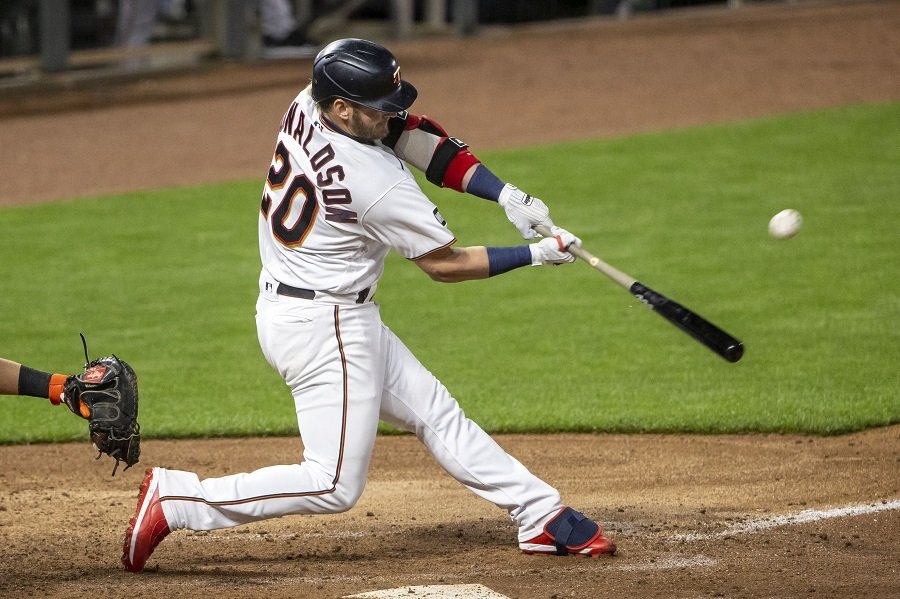 After failing to contend in 2021, the Twins are in an intriguing position when planning for the future. Can the team be competitive in 2022? Is it going to take multiple years to get back near the top of the AL Central? Josh Donaldson is under contract for two more seasons, and there is a chance he isn’t part of Minnesota’s next winning club. Concern 1: Offensive Production Minnesota paid a hefty premium to sign Donaldson because they were in the middle of a winning window. Generally speaking, the Twins knew what they were getting with Donaldson, and he has lived up to that billing. He’s posted an .822 OPS and a 127 OPS+ during his Twins tenure, which is probably more than fans expected when signing a player in his mid-30s. Since signing, Donaldson ranks ninth in WAR among AL third basemen, just behind Alex Bregman. Only four AL third basemen rank higher than Donaldson when it comes to Win Probability Added. His Baseball Savant page is also full of plenty of red. He ranks in the 90th percentile or higher in average exit velocity, max exit velocity, hard-hit %, xwOBA, xSLG, barrel %, and BB %. His offensive skills are still there even at age 35. Concern 2: Long-Term Health This season, health has been less of an issue as he has appeared in over 115 games for only the second time since 2016. Chronic calf issues seem to be part of the Donaldson equation, but maybe he has figured out the proper regimen to stay on the field. Minnesota has also given Donaldson regular rest and time at designated hitter. During the 2021 season, Donaldson has missed the most time with hamstring injuries. He altered his running style to put less pressure on his calves, which might have hampered his hamstrings. Even if he has put some doubts to rest, his age and previous injury history will factor into any Donaldson trade. Concern 3: Large Contract Finding a taker for Donaldson’s contract might be another challenge, because Donaldson has over $50 million in guaranteed money remaining on his contract. Minnesota will likely need to pay some of his remaining guaranteed money to get any value in return. According to FanGraphs, Donaldson was worth just under $7 million in 2020, and he has been worth $12.7 million so far in 2021. That’s lower than the $21.75 million he is due in each of the next two years. Would the Twins be willing to pay $20-25 million of his remaining guaranteed money? That might seem like a lot, but that’s what it may take to get a decent return. Concern 4: Personality There are also some teams that aren't going to be interested in Donaldson because of his on and off the field behavior. Overall, he has a personality that rubs some people the wrong way. Minnesota’s front office had to know what they were getting when they signed Josh Donaldson. He had a proven track record of being outspoken, but the Twins were willing to deal with his on and off-field behavior if he helped push the team to postseason success. Obviously, Donaldson has yet to help the team to October glory, and the team may be ready to move on from him. Do you think Donaldson gets traded this winter? Will the team spend the money needed to get a prospect back? Leave a COMMENT and start the discussion. MORE FROM TWINS DAILY — Latest Twins coverage from our writers — Recent Twins discussion in our forums — Follow Twins Daily via Twitter, Facebook or email
 -
 Rumors swirled at the trade deadline regarding possible Josh Donaldson trade scenarios. On a team with little to play for, he has continued to produce. Here are four concerns facing any potential Donaldson deal in the offseason. After failing to contend in 2021, the Twins are in an intriguing position when planning for the future. Can the team be competitive in 2022? Is it going to take multiple years to get back near the top of the AL Central? Josh Donaldson is under contract for two more seasons, and there is a chance he isn’t part of Minnesota’s next winning club. Concern 1: Offensive Production Minnesota paid a hefty premium to sign Donaldson because they were in the middle of a winning window. Generally speaking, the Twins knew what they were getting with Donaldson, and he has lived up to that billing. He’s posted an .822 OPS and a 127 OPS+ during his Twins tenure, which is probably more than fans expected when signing a player in his mid-30s. Since signing, Donaldson ranks ninth in WAR among AL third basemen, just behind Alex Bregman. Only four AL third basemen rank higher than Donaldson when it comes to Win Probability Added. His Baseball Savant page is also full of plenty of red. He ranks in the 90th percentile or higher in average exit velocity, max exit velocity, hard-hit %, xwOBA, xSLG, barrel %, and BB %. His offensive skills are still there even at age 35. Concern 2: Long-Term Health This season, health has been less of an issue as he has appeared in over 115 games for only the second time since 2016. Chronic calf issues seem to be part of the Donaldson equation, but maybe he has figured out the proper regimen to stay on the field. Minnesota has also given Donaldson regular rest and time at designated hitter. During the 2021 season, Donaldson has missed the most time with hamstring injuries. He altered his running style to put less pressure on his calves, which might have hampered his hamstrings. Even if he has put some doubts to rest, his age and previous injury history will factor into any Donaldson trade. Concern 3: Large Contract Finding a taker for Donaldson’s contract might be another challenge, because Donaldson has over $50 million in guaranteed money remaining on his contract. Minnesota will likely need to pay some of his remaining guaranteed money to get any value in return. According to FanGraphs, Donaldson was worth just under $7 million in 2020, and he has been worth $12.7 million so far in 2021. That’s lower than the $21.75 million he is due in each of the next two years. Would the Twins be willing to pay $20-25 million of his remaining guaranteed money? That might seem like a lot, but that’s what it may take to get a decent return. Concern 4: Personality There are also some teams that aren't going to be interested in Donaldson because of his on and off the field behavior. Overall, he has a personality that rubs some people the wrong way. Minnesota’s front office had to know what they were getting when they signed Josh Donaldson. He had a proven track record of being outspoken, but the Twins were willing to deal with his on and off-field behavior if he helped push the team to postseason success. Obviously, Donaldson has yet to help the team to October glory, and the team may be ready to move on from him. Do you think Donaldson gets traded this winter? Will the team spend the money needed to get a prospect back? Leave a COMMENT and start the discussion. MORE FROM TWINS DAILY — Latest Twins coverage from our writers — Recent Twins discussion in our forums — Follow Twins Daily via Twitter, Facebook or email View full article
 -
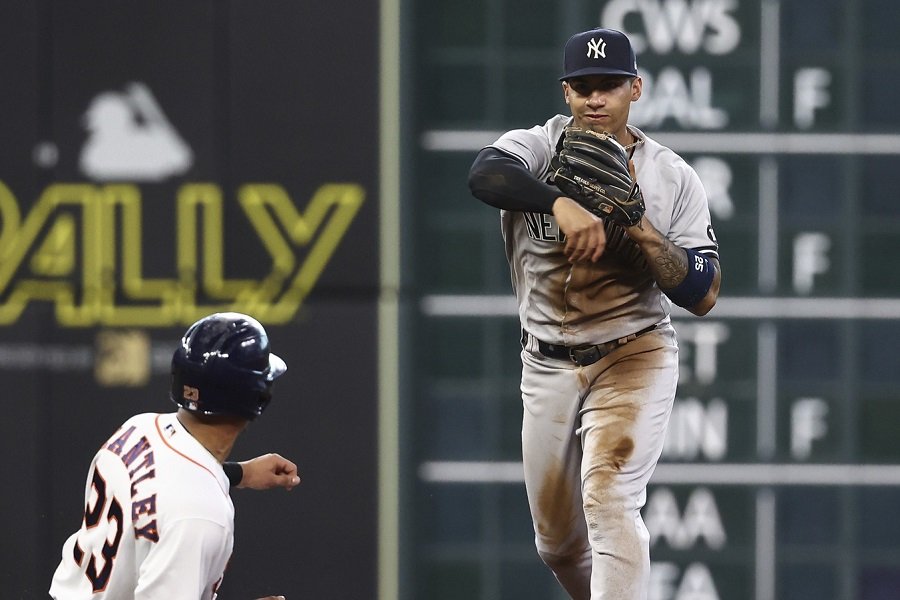 Across baseball, teams will be vying for free-agent shortstops like Carlos Correa, Trevor Story, and Corey Seager. Minnesota can try to outbid other teams for their services, but the current front office doesn’t have a great track record when it comes to free-agent signings. Instead, the team can look to a buy-low candidate at shortstop. The Yankees are a team that spends money on the free-agent front as they currently have a payroll of over $200 million. New York may also be looking for a shortstop replacement. Gleyber Torres has been the team’s starting shortstop, but he has struggled over the last two seasons. Since 2020, he has hit .248/.330/.353 with 36 extra-base hits in 151 games. Torres, a two-time All-Star, turns 25-years-old this winter. He broke into the big leagues as a 21-year-old and posted a 125 OPS+ while averaging 31 homers through his first two seasons. Shortstop is a challenging position for any team to fill, and it is especially tough in the Bronx with players following Derek Jeter’s footsteps. Still, Torres was considered one of baseball’s best prospects, and he showed it early in his career. Why Would the Yankees Trade Him? Torres has struggled to make hard contact for multiple seasons as his Baseball Savant page has much more blue than red. He ranks in the 40th percentile or lower in average exit velocity, hard-hit %, xwOBA, xSLG, barrel %, and whiff %. His worst category is outs above average, where he ranks in the first percentile. Besides his offensive decline, his defense has also been stretched at shortstop. According to SABR’s Defensive Index, Torres has been the AL’s third-worst defensive shortstop in 2021. Back in 2019, the last full season, he was one of only seven AL shortstops with a positive SDI. There’s a chance an undisclosed injury is impacting his performance, but the Yankees might be ready to move on. For any team looking to acquire Torres, it doesn't seem likely for him to be this bad of a player. He was highly regarded as a prospect, and he had multiple years of big-league success. Minnesota can hope that a change in coaching staffs allows him to return to his previous form. Even his current manager believes he will be an impact player for a long time. What Would the Twins Have to Trade? After a disappointing season, the Twins may have multiple players that would be considered buy-low candidates. One name to consider is Max Kepler. Like Torres, Kepler had a monster 2018 season at the plate, but both players have struggled since that point. They are each under team control through the 2024 season, and there’s a chance each player can improve with a change to a new organization. New York’s outfield dimensions are certainly a benefit for left-handed hitters like Kepler. Torres might be helped by being out of New York’s bright lights. Baseball Trade Values claims a straight trade of Kepler for Torres is a fair trade for each team and would likely be accepted from a future value standpoint. New York may also want prospect capital in return for Torres, and the Twins certainly have options down on the farm. The Twins should be prepared to make the call if the Yankees are ready to move on from Torres. Is Torres a player the Twins should target? Leave a COMMENT and start the discussion. MORE FROM TWINS DAILY — Latest Twins coverage from our writers — Recent Twins discussion in our forums — Follow Twins Daily via Twitter, Facebook or email
 -
The upcoming off-season is going to have one of the best free-agent shortstop classes in history. Minnesota has a need at the position, but would the club be willing to make a trade to fill their shortstop need? Across baseball, teams will be vying for free-agent shortstops like Carlos Correa, Trevor Story, and Corey Seager. Minnesota can try to outbid other teams for their services, but the current front office doesn’t have a great track record when it comes to free-agent signings. Instead, the team can look to a buy-low candidate at shortstop. The Yankees are a team that spends money on the free-agent front as they currently have a payroll of over $200 million. New York may also be looking for a shortstop replacement. Gleyber Torres has been the team’s starting shortstop, but he has struggled over the last two seasons. Since 2020, he has hit .248/.330/.353 with 36 extra-base hits in 151 games. Torres, a two-time All-Star, turns 25-years-old this winter. He broke into the big leagues as a 21-year-old and posted a 125 OPS+ while averaging 31 homers through his first two seasons. Shortstop is a challenging position for any team to fill, and it is especially tough in the Bronx with players following Derek Jeter’s footsteps. Still, Torres was considered one of baseball’s best prospects, and he showed it early in his career. Why Would the Yankees Trade Him? Torres has struggled to make hard contact for multiple seasons as his Baseball Savant page has much more blue than red. He ranks in the 40th percentile or lower in average exit velocity, hard-hit %, xwOBA, xSLG, barrel %, and whiff %. His worst category is outs above average, where he ranks in the first percentile. Besides his offensive decline, his defense has also been stretched at shortstop. According to SABR’s Defensive Index, Torres has been the AL’s third-worst defensive shortstop in 2021. Back in 2019, the last full season, he was one of only seven AL shortstops with a positive SDI. There’s a chance an undisclosed injury is impacting his performance, but the Yankees might be ready to move on. For any team looking to acquire Torres, it doesn't seem likely for him to be this bad of a player. He was highly regarded as a prospect, and he had multiple years of big-league success. Minnesota can hope that a change in coaching staffs allows him to return to his previous form. Even his current manager believes he will be an impact player for a long time. What Would the Twins Have to Trade? After a disappointing season, the Twins may have multiple players that would be considered buy-low candidates. One name to consider is Max Kepler. Like Torres, Kepler had a monster 2018 season at the plate, but both players have struggled since that point. They are each under team control through the 2024 season, and there’s a chance each player can improve with a change to a new organization. New York’s outfield dimensions are certainly a benefit for left-handed hitters like Kepler. Torres might be helped by being out of New York’s bright lights. Baseball Trade Values claims a straight trade of Kepler for Torres is a fair trade for each team and would likely be accepted from a future value standpoint. New York may also want prospect capital in return for Torres, and the Twins certainly have options down on the farm. The Twins should be prepared to make the call if the Yankees are ready to move on from Torres. Is Torres a player the Twins should target? Leave a COMMENT and start the discussion. MORE FROM TWINS DAILY — Latest Twins coverage from our writers — Recent Twins discussion in our forums — Follow Twins Daily via Twitter, Facebook or email View full article
-
On Monday, Luis Gil took the mound against his former organization, and he has been impressive in his first taste of the big leagues. Does that mean the Yankees won the Jake Cave trade? It's a lot more complicated than that. In March 2018, the Yankees had a surplus of big-league caliber players on their 40-man roster. This made Jake Cave expendable as the team designated him for assignment. At 25-years-old, Cave hadn’t made a big-league appearance, but he had compiled some strong numbers at Triple-A. In 72 games, he hit .324/.367/.554 with 15 homers. As Minnesota entered their winning window, Cave made sense as outfield depth on a team ready to contend. At the time of the trade, Luis Gil was a 19-year old that was coming off a season in the Dominican Summer League. He was older than the average age of the competition at that level and he posted a 2.59 ERA and 49 strikeouts in 41 2/3 innings. Minnesota had initially signed him in 2015 for a $90,000 signing bonus. He made his professional debut in 2015 but missed all of 2016 due to shoulder surgery. He was far from the big leagues, and the Twins didn’t think he would develop into a starter. During Monday’s TV broadcast, Justin Morneau brought up the point that the Twins saw Gil as only having two pitches, which usually results in being a reliever. So far in his big-league career, this evaluation was correct as he has used his fastball and slider over 92% of the time. He has thrown his changeup less than 30 times in five starts. Gil’s first four starts were impressive. He posted a 1.42 ERA with a 1.26 WHIP and 24 strikeouts across 19 innings. Minnesota’s line-up messed with those numbers on Monday as the club scored five earned runs on seven hits, including three long balls. His fastball is a plus pitch, and his slider is strong, but the 23-year-old has a long time to go before proving he can make it as a starter. Cave’s time in Minnesota can be challenging for fans to evaluate since he is nearing the end of an injury-plagued season. In 64 games, he has hit .193/.259/.310 with a 58 OPS+ a -0.5 WAR. These totals are a far cry from the player that posted a .795 OPS and a 112 OPS+ in his first 163 games with the Twins. He posted positive WAR totals from 2018-2020, which combined for 2.6 total WAR. He was more than filling the role of fourth outfielder. It’s easy to look at Gil and say it would be great for the Twins to have him back in the organization. However, hindsight is always 20/20, and there was no way to know he would develop this way. To add a little perspective, non of his teammates on the 2015 DSL roster have played in the big leagues. Maybe switching organizations changed his development path? Perhaps the Twins would have moved him to a relief role? Perhaps he still ends up as a reliever? Cave has provided some excellent big-league moments, and Gil was a wild-card that the Yankees have turned into one of their organization’s top pitching prospects. It's still going to take time to see how Gil develops, but young, controllable starting pitching is a valuable commodity. Ultimately, it is going to take more time before a true winner of this trade can be declared. Who do you think won the trade? Leave a COMMENT and start the discussion. MORE FROM TWINS DAILY — Latest Twins coverage from our writers — Recent Twins discussion in our forums — Follow Twins Daily via Twitter, Facebook or email View full article
-
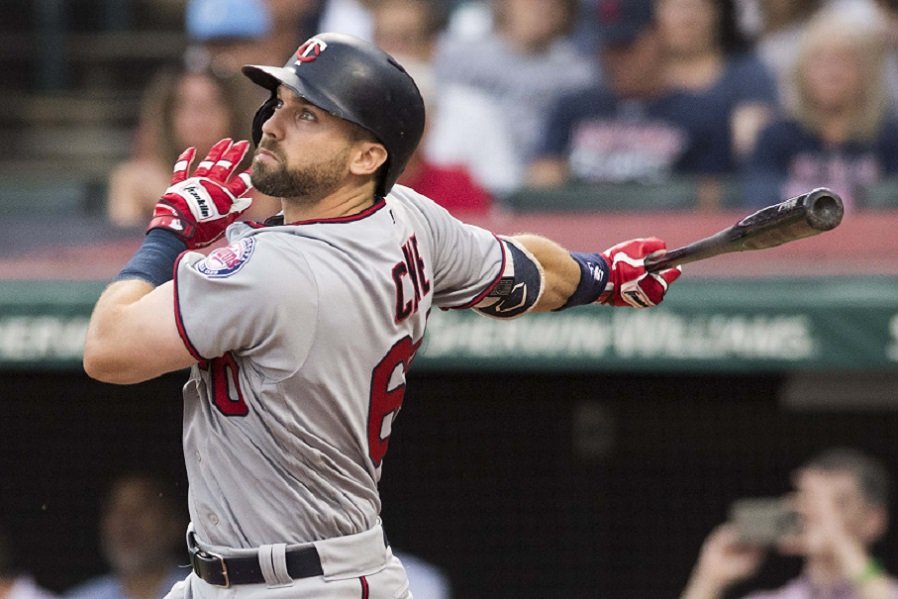 In March 2018, the Yankees had a surplus of big-league caliber players on their 40-man roster. This made Jake Cave expendable as the team designated him for assignment. At 25-years-old, Cave hadn’t made a big-league appearance, but he had compiled some strong numbers at Triple-A. In 72 games, he hit .324/.367/.554 with 15 homers. As Minnesota entered their winning window, Cave made sense as outfield depth on a team ready to contend. At the time of the trade, Luis Gil was a 19-year old that was coming off a season in the Dominican Summer League. He was older than the average age of the competition at that level and he posted a 2.59 ERA and 49 strikeouts in 41 2/3 innings. Minnesota had initially signed him in 2015 for a $90,000 signing bonus. He made his professional debut in 2015 but missed all of 2016 due to shoulder surgery. He was far from the big leagues, and the Twins didn’t think he would develop into a starter. During Monday’s TV broadcast, Justin Morneau brought up the point that the Twins saw Gil as only having two pitches, which usually results in being a reliever. So far in his big-league career, this evaluation was correct as he has used his fastball and slider over 92% of the time. He has thrown his changeup less than 30 times in five starts. Gil’s first four starts were impressive. He posted a 1.42 ERA with a 1.26 WHIP and 24 strikeouts across 19 innings. Minnesota’s line-up messed with those numbers on Monday as the club scored five earned runs on seven hits, including three long balls. His fastball is a plus pitch, and his slider is strong, but the 23-year-old has a long time to go before proving he can make it as a starter. Cave’s time in Minnesota can be challenging for fans to evaluate since he is nearing the end of an injury-plagued season. In 64 games, he has hit .193/.259/.310 with a 58 OPS+ a -0.5 WAR. These totals are a far cry from the player that posted a .795 OPS and a 112 OPS+ in his first 163 games with the Twins. He posted positive WAR totals from 2018-2020, which combined for 2.6 total WAR. He was more than filling the role of fourth outfielder. It’s easy to look at Gil and say it would be great for the Twins to have him back in the organization. However, hindsight is always 20/20, and there was no way to know he would develop this way. To add a little perspective, non of his teammates on the 2015 DSL roster have played in the big leagues. Maybe switching organizations changed his development path? Perhaps the Twins would have moved him to a relief role? Perhaps he still ends up as a reliever? Cave has provided some excellent big-league moments, and Gil was a wild-card that the Yankees have turned into one of their organization’s top pitching prospects. It's still going to take time to see how Gil develops, but young, controllable starting pitching is a valuable commodity. Ultimately, it is going to take more time before a true winner of this trade can be declared. Who do you think won the trade? Leave a COMMENT and start the discussion. MORE FROM TWINS DAILY — Latest Twins coverage from our writers — Recent Twins discussion in our forums — Follow Twins Daily via Twitter, Facebook or email
 -
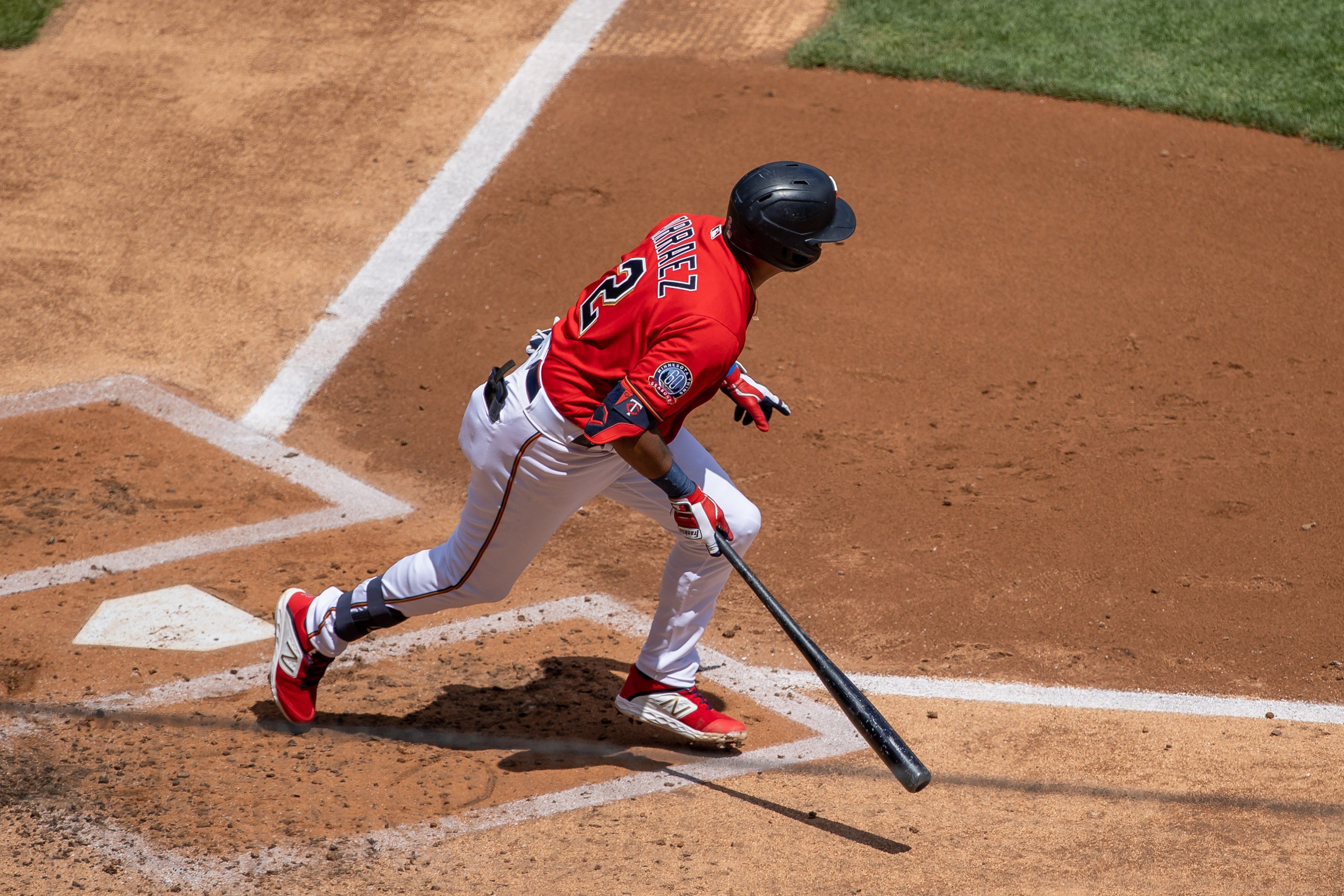 "Underrated" can mean slightly different things to different people. Briefly, it's simply defined as - using baseball players in this example - a player who is not rated as highly by people as you think they should be. So, here are three Twins players that I believe are most underrated by Twins fans. Do you agree? Or, feel free to add your most-underrated Twins in the Comments below. 3. Bailey Ober, SP Following the trade deadline, things could have completely fallen apart for the Twins. The front office had traded away two pitchers from the team's Opening Day rotation. By doing this, the team looked to internal options that might fit into the 2022 starting rotation. Enter Bailey Ober and a boost some fans might not have been expecting. Ober has all but solidified his spot in next year's rotation with a tremendous rookie campaign. According to MLB.com, he has a 5.12 strikeout-to-walk ratio that ranks first among rookie seasons in Twins history (minimum 80 innings). Currently, he ranks among baseball's best in walk percentage (93rd percentile) and chase rate (84th percentile). The Twins have played .500 baseball in the second half, and Ober has provided some rotational stability. 2. Caleb Thielbar, RP Minnesota's bullpen was in shambles at the beginning of the season, but Caleb Thielbar has been one of the team's biggest bright spots in a dull year. Pitch selection has been one of the most significant changes for Thielbar in his second stint with the Twins. He uses his slider nearly 35% of the time, and batters have posted a .172 batting average and a .313 slugging percentage. Out of necessity, Thielbar shifted to a set-up role near the trade deadline, and he has been part of a bullpen turnaround. Since then, the Twins bullpen has posted a 3.20 ERA and has the American League's highest Win Probability Added. Among the AL's left-handed relievers, Thielbar ranks third in WPA. His baseball-playing career was supposed to be over, and now the Twins hope he sticks around for a while. 1. Luis Arraez, UTL There have certainly been multiple reasons to turn off the Twins this season, but Luis Arraez hasn't been one of them. Only two Twins players, Jorge Polanco and Byron Buxton, have a higher WAR than Arraez. He is getting on base 36% of the time and hitting close to .300, which has him just outside the AL's top-10. His 106 OPS+ is a career-low, but it also points to a good offensive season, even for a player with minimal power. Defensively, he has also played over 40 games at second base and third base. Minnesota switched Arraez to a utility role because the team wanted to get better defensively. At last check, Arraez ranks as the seventh-best AL third baseman according to SABR's Defensive Index. He likely will never win a Gold Glove, but he has been more than competent at the hot corner. How would you rank these players? Leave a COMMENT and start the discussion. MORE FROM TWINS DAILY — Latest Twins coverage from our writers — Recent Twins discussion in our forums — Follow Twins Daily via Twitter, Facebook or email
- 38 comments
-
- 1
-

-
- luis arraez
- caleb thielbar
- (and 1 more)
-
Every team has players that don't get the credit they deserve. Minnesota's season has been tough to watch, but these three players have made things a little more tolerable. "Underrated" can mean slightly different things to different people. Briefly, it's simply defined as - using baseball players in this example - a player who is not rated as highly by people as you think they should be. So, here are three Twins players that I believe are most underrated by Twins fans. Do you agree? Or, feel free to add your most-underrated Twins in the Comments below. 3. Bailey Ober, SP Following the trade deadline, things could have completely fallen apart for the Twins. The front office had traded away two pitchers from the team's Opening Day rotation. By doing this, the team looked to internal options that might fit into the 2022 starting rotation. Enter Bailey Ober and a boost some fans might not have been expecting. Ober has all but solidified his spot in next year's rotation with a tremendous rookie campaign. According to MLB.com, he has a 5.12 strikeout-to-walk ratio that ranks first among rookie seasons in Twins history (minimum 80 innings). Currently, he ranks among baseball's best in walk percentage (93rd percentile) and chase rate (84th percentile). The Twins have played .500 baseball in the second half, and Ober has provided some rotational stability. 2. Caleb Thielbar, RP Minnesota's bullpen was in shambles at the beginning of the season, but Caleb Thielbar has been one of the team's biggest bright spots in a dull year. Pitch selection has been one of the most significant changes for Thielbar in his second stint with the Twins. He uses his slider nearly 35% of the time, and batters have posted a .172 batting average and a .313 slugging percentage. Out of necessity, Thielbar shifted to a set-up role near the trade deadline, and he has been part of a bullpen turnaround. Since then, the Twins bullpen has posted a 3.20 ERA and has the American League's highest Win Probability Added. Among the AL's left-handed relievers, Thielbar ranks third in WPA. His baseball-playing career was supposed to be over, and now the Twins hope he sticks around for a while. 1. Luis Arraez, UTL There have certainly been multiple reasons to turn off the Twins this season, but Luis Arraez hasn't been one of them. Only two Twins players, Jorge Polanco and Byron Buxton, have a higher WAR than Arraez. He is getting on base 36% of the time and hitting close to .300, which has him just outside the AL's top-10. His 106 OPS+ is a career-low, but it also points to a good offensive season, even for a player with minimal power. Defensively, he has also played over 40 games at second base and third base. Minnesota switched Arraez to a utility role because the team wanted to get better defensively. At last check, Arraez ranks as the seventh-best AL third baseman according to SABR's Defensive Index. He likely will never win a Gold Glove, but he has been more than competent at the hot corner. How would you rank these players? Leave a COMMENT and start the discussion. MORE FROM TWINS DAILY — Latest Twins coverage from our writers — Recent Twins discussion in our forums — Follow Twins Daily via Twitter, Facebook or email View full article
-
Joe Ryan came to the Twins organization with plenty of hype. After two starts, it’s clear he belongs in the big leagues, and he is better than his scouting reports. When the Twins acquired Joe Ryan, there was plenty for the organization to be excited about since he was considered a top-100 prospect. He was an Olympian pitching in the high minors that seemed to be MLB ready. There were some apparent flaws in his minor league scouting reports but those haven't been evident during the tremendous start to his career. Twins Daily's Nash Walker compiled a brief highlight video of Ryan's exceptional introduction to Minnesota, please give it a watch. Through his first two starts, he has used his fastball 66% of the time. He has recorded five strikeouts with the pitch, and opponents held to a .120 batting average and a .280 slugging percentage. His fastball has played well so far, but he does use it much more than his other pitches. Underdeveloped Secondary Pitches One of the other knocks against Ryan was reports that his secondary pitches were underdeveloped because he had been able to rely so much on his fastball. His slider sits in the mid-80s, and it is his best secondary pitch. His curveball and changeup have been used even less often because of when those pitches are needed. With no 2020 minor league season, Ryan was able to work at Tampa’s alternate site and instructional league to refine his secondary pitches. His slider was graded as a 55 by MLB Pipeline, and he uses it as a strikeout pitch against right-handed hitters. His changeup is the pitch he tends to use more often against left-handed hitters. Both his changeup and curveball were given a 45 grade. His slider (14.4%) has been the most used of his secondary pitches through his first two starts. Right-handed batters struggle to pick up the pitch out of his hand, which has resulted in a .111 slugging percentage. Batters have yet to record a hit against his changeup or his curveball. MLB Pipeline said both of those pitches “aren’t quite there yet,” and that doesn’t seem to be the case. When the Twins traded for Ryan, scouting reports had him as a mid-rotation starter with a chance to make an immediate impact. Fans can now hope that he can be better than those reports and sit near the top of the Twins’ rotation for most of the next decade. What are your impressions of Ryan so far? Leave a COMMENT and start the discussion. MORE FROM TWINS DAILY — Latest Twins coverage from our writers — Recent Twins discussion in our forums — Follow Twins Daily via Twitter, Facebook or email View full article
-
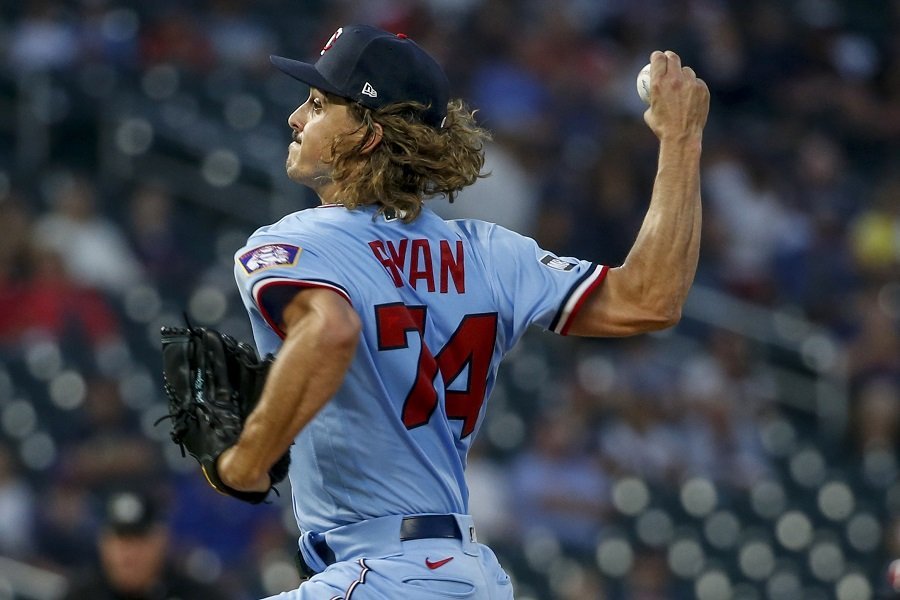 When the Twins acquired Joe Ryan, there was plenty for the organization to be excited about since he was considered a top-100 prospect. He was an Olympian pitching in the high minors that seemed to be MLB ready. There were some apparent flaws in his minor league scouting reports but those haven't been evident during the tremendous start to his career. Twins Daily's Nash Walker compiled a brief highlight video of Ryan's exceptional introduction to Minnesota, please give it a watch. Through his first two starts, he has used his fastball 66% of the time. He has recorded five strikeouts with the pitch, and opponents held to a .120 batting average and a .280 slugging percentage. His fastball has played well so far, but he does use it much more than his other pitches. Underdeveloped Secondary Pitches One of the other knocks against Ryan was reports that his secondary pitches were underdeveloped because he had been able to rely so much on his fastball. His slider sits in the mid-80s, and it is his best secondary pitch. His curveball and changeup have been used even less often because of when those pitches are needed. With no 2020 minor league season, Ryan was able to work at Tampa’s alternate site and instructional league to refine his secondary pitches. His slider was graded as a 55 by MLB Pipeline, and he uses it as a strikeout pitch against right-handed hitters. His changeup is the pitch he tends to use more often against left-handed hitters. Both his changeup and curveball were given a 45 grade. His slider (14.4%) has been the most used of his secondary pitches through his first two starts. Right-handed batters struggle to pick up the pitch out of his hand, which has resulted in a .111 slugging percentage. Batters have yet to record a hit against his changeup or his curveball. MLB Pipeline said both of those pitches “aren’t quite there yet,” and that doesn’t seem to be the case. When the Twins traded for Ryan, scouting reports had him as a mid-rotation starter with a chance to make an immediate impact. Fans can now hope that he can be better than those reports and sit near the top of the Twins’ rotation for most of the next decade. What are your impressions of Ryan so far? Leave a COMMENT and start the discussion. MORE FROM TWINS DAILY — Latest Twins coverage from our writers — Recent Twins discussion in our forums — Follow Twins Daily via Twitter, Facebook or email
 -
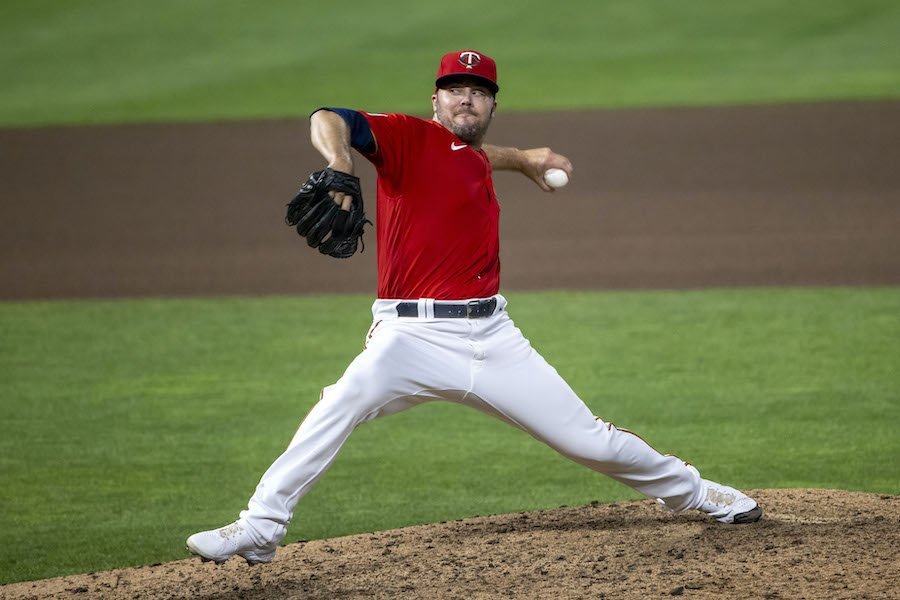 Caleb Thielbar thought his days as a baseball pitcher were over. Following the 2019 minor league season, he accepted a coaching job at Augustana University in Sioux Falls as he finished up pitching for Team USA in the 2019 Premier12. Baseball had a different plan for him. Multiple teams invited him to spring training in 2020, including the Minnesota Twins. He decided to give pitching one more chance, and the decision has paid off. Before the 2020 season, Thielbar hadn’t pitched in the big leagues since 2015, but this was a much different pitcher taking the mound. He cut his pitch selection down from five in 2015 to three for his big-league return. Gone were his sinker and changeup while he focused more on his fastball, slider, and curveball. After being called up in 2020, Thielbar made 17 appearances (20 innings) with a 2.25 ERA and a 1.15 WHIP with a 22-to-9 strikeout-to-walk ratio. Opponents didn’t get a hit against his curveball in over 90 pitches. Against his fastball, he limited batters a .213 batting average and a .234 slugging percentage. It was a small sample size, but he seemed to be trending in the right direction. Thielbar changed his approach again for the 2021 season, and he has continued to evolve in the season’s second half. His fastball usage has dropped by four percent this year, but the change in his breaking pitches is even more drastic. He’s more than doubled his slider usage from 16.4% in 2020 to nearly 35% in 2021. His curveball usage has dropped by over 10%. Thielbar’s fastball is averaging 91 mph for the season, but he seems to have found another level over the last couple of months. During August, he held batters to a .167 batting average and a .292 slugging percentage when facing his fastball. His slider also caused some difficulties for batters as they went 2-for-15 (.133 BA) against the pitch for the entire month. But August wasn’t his only strong month in the second half. In 19 second-half appearances, Thielbar has a 2.66 ERA with a 1.03 WHIP while posting a 23-to-7 strikeout-to-walk ratio. Batters are hitting .197/.275/.394 (.669) against him since the All-Star break. Rocco Baldelli has also shown confidence in using him at various times during games, with the bulk of his innings coming in the sixth, seventh, and eighth innings. He’s moved from college coach to effective set-up man in less than two years. Thielbar will turn 35-years-old in January, and relief pitching can be fickle. It certainly seems like something has changed with Thielbar this season, but there’s no telling what the future might hold. The Twins need to rebuild their bullpen for 2022, and Minnesota will undoubtedly want to keep Thielbar from focusing too much on his college coaching career. What are your thoughts on Thielbar so far this season? What changes have you noticed? Leave a COMMENT and start the discussion. MORE FROM TWINS DAILY — Latest Twins coverage from our writers — Recent Twins discussion in our forums — Follow Twins Daily via Twitter, Facebook or email
 -
Caleb Thielbar wasn’t supposed to be here. His big-league career was over, and he was ready to move onto life’s next chapter. He’s back in a big way, and it certainly seems like something has gotten into Thielbar. Caleb Thielbar thought his days as a baseball pitcher were over. Following the 2019 minor league season, he accepted a coaching job at Augustana University in Sioux Falls as he finished up pitching for Team USA in the 2019 Premier12. Baseball had a different plan for him. Multiple teams invited him to spring training in 2020, including the Minnesota Twins. He decided to give pitching one more chance, and the decision has paid off. Before the 2020 season, Thielbar hadn’t pitched in the big leagues since 2015, but this was a much different pitcher taking the mound. He cut his pitch selection down from five in 2015 to three for his big-league return. Gone were his sinker and changeup while he focused more on his fastball, slider, and curveball. After being called up in 2020, Thielbar made 17 appearances (20 innings) with a 2.25 ERA and a 1.15 WHIP with a 22-to-9 strikeout-to-walk ratio. Opponents didn’t get a hit against his curveball in over 90 pitches. Against his fastball, he limited batters a .213 batting average and a .234 slugging percentage. It was a small sample size, but he seemed to be trending in the right direction. Thielbar changed his approach again for the 2021 season, and he has continued to evolve in the season’s second half. His fastball usage has dropped by four percent this year, but the change in his breaking pitches is even more drastic. He’s more than doubled his slider usage from 16.4% in 2020 to nearly 35% in 2021. His curveball usage has dropped by over 10%. Thielbar’s fastball is averaging 91 mph for the season, but he seems to have found another level over the last couple of months. During August, he held batters to a .167 batting average and a .292 slugging percentage when facing his fastball. His slider also caused some difficulties for batters as they went 2-for-15 (.133 BA) against the pitch for the entire month. But August wasn’t his only strong month in the second half. In 19 second-half appearances, Thielbar has a 2.66 ERA with a 1.03 WHIP while posting a 23-to-7 strikeout-to-walk ratio. Batters are hitting .197/.275/.394 (.669) against him since the All-Star break. Rocco Baldelli has also shown confidence in using him at various times during games, with the bulk of his innings coming in the sixth, seventh, and eighth innings. He’s moved from college coach to effective set-up man in less than two years. Thielbar will turn 35-years-old in January, and relief pitching can be fickle. It certainly seems like something has changed with Thielbar this season, but there’s no telling what the future might hold. The Twins need to rebuild their bullpen for 2022, and Minnesota will undoubtedly want to keep Thielbar from focusing too much on his college coaching career. What are your thoughts on Thielbar so far this season? What changes have you noticed? Leave a COMMENT and start the discussion. MORE FROM TWINS DAILY — Latest Twins coverage from our writers — Recent Twins discussion in our forums — Follow Twins Daily via Twitter, Facebook or email View full article
-
Plenty has gone wrong for the Twins during the 2021 season, and these players have been adding to the trouble. Which Twins have been the least valuable so far in 2021? WAR According to FanGraphs, the Twins have four players that have accumulated a negative WAR total in 2021. Gilberto Celestino ranks lowest with a -0.7 WAR, but that was expected for a player forced into the big leagues before he had significant time in the high minors. Brent Rooker is just slightly negative at -0.1 WAR, with most of his negative value coming on the defensive side of the ball. The other two players with negative WAR are polarizing for Twins fans. Willians Astudillo and Andrelton Simmons are tied with -0.5 WAR, but their path to those totals is entirely different. Simmons posts strong defensive numbers, and his offense has been atrocious. His -23.0 OFF ranking is the lowest on the team, and it’s more than double the next closest player. Astudillo doesn’t have a perfect defensive home, and his offensive skills are limited. He even has a negative WAR as a relief pitcher. On the mound, Matt Shoemaker accumulated a negative WAR in his time as a starter (-0.2 WAR) and as a reliever (-0.5 WAR). Griffin Jax, Beau Burrows, and Andrew Albers are all tied with a -0.3 WAR among players classified as starters. Minnesota’s bullpen has been a mess as 12 players have a negative WAR total. Randy Dobnak, Brandon Waddell, Hansel Robles, and Edgar Garcia all have a -0.3 WAR as relievers. WPA Four Twins players have accumulated a Win Probability Added of more than -0.75. Andrelton Simmons has been worth -3.03 WPA, which is the team’s lowest total. Trevor Larnach ranks the second lowest (-1.78 WPA), with all his negative value coming on the defensive side. Miguel Sano (-1.44), Willians Astudillo (-1.48), and Ryan Jeffers (-1.59) round out the bottom five when it comes to WPA among position players. Among pitchers, J.A. Happ was worth -1.87 WPA during his Twins tenure, and the Twins were still able to get something for him at the trade deadline. Randy Dobnak is in the middle of a terrible, horrible, no good, very bad season. His -1.42 WPA is the second-worst and ranks just below Griffin Jax (-1.23 WPA) and Alex Colome (-1.26 WPA). Surprisingly, Matt Shoemaker only has the tenth worst WPA among Twins pitchers. Ranking the Top-5 Least Valuable Twins 5. Willians Astudillo: He can certainly be entertaining, and his relief appearances have added some fun to a disappointing season. Overall, his lack of defensive home and low offensive ceiling put him on this list. 4. J.A. Happ: In 19 starts for the Twins, he accumulated a 6.20 ERA with a 1.53 WHIP and 100 strikeouts in 127 2/3 innings. Minnesota’s lack of pitching depth meant they had to keep trotting him out there. 3. Alex Colome: Colome would have topped this list in the early part of the season. However, he has been better lately (Editor's Note: For instance, he has recorded saves in four straight games), but it doesn’t take away from his disastrous start to the season. 2. Matt Shoemaker: Shoemaker didn’t cut it as a starter or a reliever. He claimed the Twins tried to make some adjustments during spring training that hurt his performance. 1. Andrelton Simmons: He ranks among baseball’s best defensive shortstops, which shows how inept his offense has been this year. His 57 OPS+ is 18 points lower than his previous career low. How would you rank these players? Leave a COMMENT and start the discussion MORE FROM TWINS DAILY — Latest Twins coverage from our writers — Recent Twins discussion in our forums — Follow Twins Daily via Twitter, Facebook or email View full article
- 35 replies
-
- 1
-
-
- andrelton simmons
- ja happ
- (and 3 more)
-
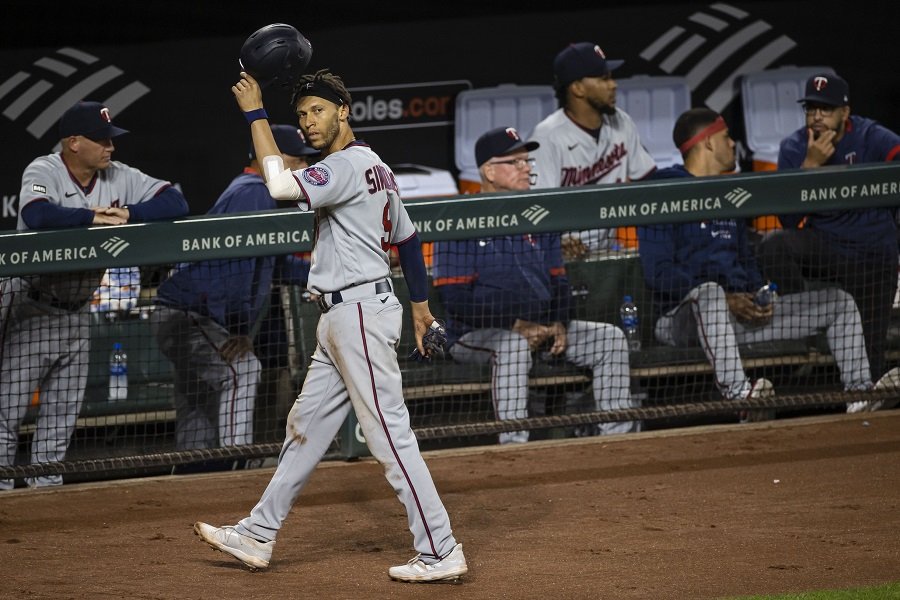 WAR According to FanGraphs, the Twins have four players that have accumulated a negative WAR total in 2021. Gilberto Celestino ranks lowest with a -0.7 WAR, but that was expected for a player forced into the big leagues before he had significant time in the high minors. Brent Rooker is just slightly negative at -0.1 WAR, with most of his negative value coming on the defensive side of the ball. The other two players with negative WAR are polarizing for Twins fans. Willians Astudillo and Andrelton Simmons are tied with -0.5 WAR, but their path to those totals is entirely different. Simmons posts strong defensive numbers, and his offense has been atrocious. His -23.0 OFF ranking is the lowest on the team, and it’s more than double the next closest player. Astudillo doesn’t have a perfect defensive home, and his offensive skills are limited. He even has a negative WAR as a relief pitcher. On the mound, Matt Shoemaker accumulated a negative WAR in his time as a starter (-0.2 WAR) and as a reliever (-0.5 WAR). Griffin Jax, Beau Burrows, and Andrew Albers are all tied with a -0.3 WAR among players classified as starters. Minnesota’s bullpen has been a mess as 12 players have a negative WAR total. Randy Dobnak, Brandon Waddell, Hansel Robles, and Edgar Garcia all have a -0.3 WAR as relievers. WPA Four Twins players have accumulated a Win Probability Added of more than -0.75. Andrelton Simmons has been worth -3.03 WPA, which is the team’s lowest total. Trevor Larnach ranks the second lowest (-1.78 WPA), with all his negative value coming on the defensive side. Miguel Sano (-1.44), Willians Astudillo (-1.48), and Ryan Jeffers (-1.59) round out the bottom five when it comes to WPA among position players. Among pitchers, J.A. Happ was worth -1.87 WPA during his Twins tenure, and the Twins were still able to get something for him at the trade deadline. Randy Dobnak is in the middle of a terrible, horrible, no good, very bad season. His -1.42 WPA is the second-worst and ranks just below Griffin Jax (-1.23 WPA) and Alex Colome (-1.26 WPA). Surprisingly, Matt Shoemaker only has the tenth worst WPA among Twins pitchers. Ranking the Top-5 Least Valuable Twins 5. Willians Astudillo: He can certainly be entertaining, and his relief appearances have added some fun to a disappointing season. Overall, his lack of defensive home and low offensive ceiling put him on this list. 4. J.A. Happ: In 19 starts for the Twins, he accumulated a 6.20 ERA with a 1.53 WHIP and 100 strikeouts in 127 2/3 innings. Minnesota’s lack of pitching depth meant they had to keep trotting him out there. 3. Alex Colome: Colome would have topped this list in the early part of the season. However, he has been better lately (Editor's Note: For instance, he has recorded saves in four straight games), but it doesn’t take away from his disastrous start to the season. 2. Matt Shoemaker: Shoemaker didn’t cut it as a starter or a reliever. He claimed the Twins tried to make some adjustments during spring training that hurt his performance. 1. Andrelton Simmons: He ranks among baseball’s best defensive shortstops, which shows how inept his offense has been this year. His 57 OPS+ is 18 points lower than his previous career low. How would you rank these players? Leave a COMMENT and start the discussion MORE FROM TWINS DAILY — Latest Twins coverage from our writers — Recent Twins discussion in our forums — Follow Twins Daily via Twitter, Facebook or email
 -
Randy Dobnak and the Terrible, Horrible, No Good, Very Bad Season
Cody Christie posted an article in Twins
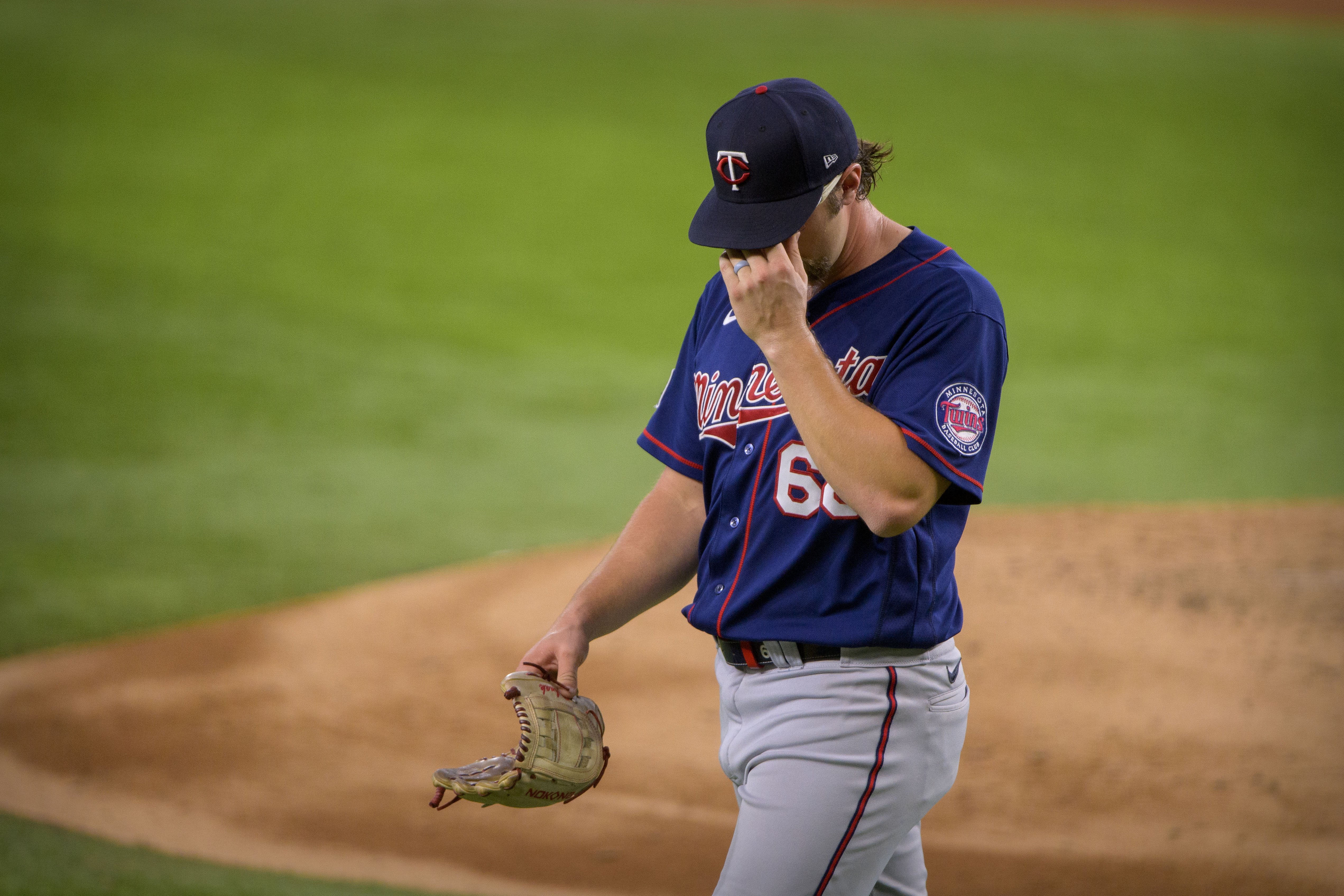 Randy Dobnak had to be feeling pretty good about himself entering spring training this year. The Twins had given him some financial certainty by signing him to a five-year extension worth a guaranteed $9.25 million and a chance to earn close to $30 million if the team picks up his three option years. His spring performance also stood out as he unveiled a new pitch. Minnesota’s front office worked with Dobnak in the spring to adjust his slider. By moving his hand position, he can get more break on his pitch to allow it to dip out of the zone. The results were tremendous as he posted a 0.57 ERA and a 0.38 WHIP while striking out 19 batters in 15 2/3 innings. Dobnak seemed poised for a breakout season. The Twins had signed two veteran pitchers, JA Happ and Matt Shoemaker, to fill out the rotation, and this meant Dobnak moved to the bullpen for Opening Day. Unfortunately, this is where his trouble began. He made eight appearances as a reliever and posted a 10.47 ERA and 1.71 WHIP with 13 strikeouts in 16 1/3 innings. It was pretty that Dobnak wasn’t a reliever, and by early May, he was headed to St. Paul to be stretched out as a starter. Dobnak returned to the big leagues a couple of weeks later and had his most impressive start of the year. Over six shutout innings, he scattered three hits and struck out five Cleveland batters. In his next five appearances (23 1/3 innings), he allowed 25 earned runs, including seven home runs with a 9 to 7 strikeout to walk ratio. He pitched with a fake fingernail against the Yankees, and they tagged him for eight earned runs. Dobnak tried to pitch through a finger injury by the middle of June, but he ended up on the IL. At the time, it was listed as a right middle finger strain. In early July, there were reports of a setback in his rehab as he felt discomfort while attempting to throw. He slowly ramped it back up and made a couple of rehab starts before returning to the Twins in September. Remember that new and improved slider from spring training? Opponents have posted a .333 BA and a .815 SLG when facing that pitch. He has thrown the pitch over a third of the time, posting a healthy 37.3 Whiff%. However, he has given up 11 extra-base hits, including seven home runs in 54 at-bats using his slider. The magic he showed this spring just hasn’t materialized with the pitch. Dobnak has been a feel-good story over the last two years with the Twins. He took an unconventional route to the big leagues, and the Twins rewarded his performance with a long-term contract. Minnesota needs as much rotation help as possible for 2022, so the Twins can hope Dobnak helps the cause next season. For now, Dobnak can hope his last few starts show a glimmer of hope. That way, he can end his terrible, horrible, no good, very bad season on a high note. MORE FROM TWINS DAILY — Latest Twins coverage from our writers — Recent Twins discussion in our forums — Follow Twins Daily via Twitter, Facebook or email
 -
After signing an extension this winter, things couldn’t have gone much worse for Randy Dobnak. What can he prove in his remaining starts this season? Randy Dobnak had to be feeling pretty good about himself entering spring training this year. The Twins had given him some financial certainty by signing him to a five-year extension worth a guaranteed $9.25 million and a chance to earn close to $30 million if the team picks up his three option years. His spring performance also stood out as he unveiled a new pitch. Minnesota’s front office worked with Dobnak in the spring to adjust his slider. By moving his hand position, he can get more break on his pitch to allow it to dip out of the zone. The results were tremendous as he posted a 0.57 ERA and a 0.38 WHIP while striking out 19 batters in 15 2/3 innings. Dobnak seemed poised for a breakout season. The Twins had signed two veteran pitchers, JA Happ and Matt Shoemaker, to fill out the rotation, and this meant Dobnak moved to the bullpen for Opening Day. Unfortunately, this is where his trouble began. He made eight appearances as a reliever and posted a 10.47 ERA and 1.71 WHIP with 13 strikeouts in 16 1/3 innings. It was pretty that Dobnak wasn’t a reliever, and by early May, he was headed to St. Paul to be stretched out as a starter. Dobnak returned to the big leagues a couple of weeks later and had his most impressive start of the year. Over six shutout innings, he scattered three hits and struck out five Cleveland batters. In his next five appearances (23 1/3 innings), he allowed 25 earned runs, including seven home runs with a 9 to 7 strikeout to walk ratio. He pitched with a fake fingernail against the Yankees, and they tagged him for eight earned runs. Dobnak tried to pitch through a finger injury by the middle of June, but he ended up on the IL. At the time, it was listed as a right middle finger strain. In early July, there were reports of a setback in his rehab as he felt discomfort while attempting to throw. He slowly ramped it back up and made a couple of rehab starts before returning to the Twins in September. Remember that new and improved slider from spring training? Opponents have posted a .333 BA and a .815 SLG when facing that pitch. He has thrown the pitch over a third of the time, posting a healthy 37.3 Whiff%. However, he has given up 11 extra-base hits, including seven home runs in 54 at-bats using his slider. The magic he showed this spring just hasn’t materialized with the pitch. Dobnak has been a feel-good story over the last two years with the Twins. He took an unconventional route to the big leagues, and the Twins rewarded his performance with a long-term contract. Minnesota needs as much rotation help as possible for 2022, so the Twins can hope Dobnak helps the cause next season. For now, Dobnak can hope his last few starts show a glimmer of hope. That way, he can end his terrible, horrible, no good, very bad season on a high note. MORE FROM TWINS DAILY — Latest Twins coverage from our writers — Recent Twins discussion in our forums — Follow Twins Daily via Twitter, Facebook or email View full article
-
Defensive improvement was a focus for the Twins this season, but that plan hasn’t gone perfectly. So, has the Twins’ defense improved or declined in the second half? Defensive metrics have come a long way over the last decade. With Statcast tracking every batted ball, the amount of information available to fans is at an all-time high. One newer defensive metric was developed by the Society for American Baseball Research (SABR), and it is called the SABR Defensive Index (SDI). According to SABR's website, the SDI "draws on and aggregates two types of existing defensive metrics: those derived from batted ball location-based data and those collected from play-by-play accounts." Since 2013, SABR has used SDI as part of the process for selecting Gold Glove winners. Here is how the Twins rank through games played on August 22, 2021: Pitcher (AL Ranking): Jose Berrios, 3.7 SDI (3rd) Berrios was traded before the deadline, but he accumulated the bulk of his SDI total while still in a Twins uniform. Earlier this season, he ranked sixth overall in the AL, so he has made a significant jump in the second half. However, his defense isn’t helping the Twins anymore, and there are no other Twins players on the current leaderboard. Dallas Keuchel is the favorite among AL pitchers as he has nearly double the SDI total of the second-ranked pitcher. Catcher (AL Ranking): No Twins’ Players Qualify At the All-Star Break, both Twins catchers ranked in the top-12 when it came to SDI. Garver’s extended time on the IL pushed him out of the rankings, while Jeffers spent some time in St. Paul trying to find his swing. Over the last few weeks, Jeffers has been catching regularly, so it will be interesting to see if he winds up on the final leaderboard. First Base (AL Ranking): Miguel Sano -2.5 SDI (10th) Only two qualified first basemen, Nathaniel Lowe and Bobby Delbec, have a lower SDI total than Miguel Sano. His months of July and August continued to bring down his total as he was at -0.9 SDI. It also doesn’t help that Minnesota’s best defensive first baseman, Alex Kirilloff, is injured and won’t be back in 2021. At the All-Star break, he ranked third among all AL first basemen. For 2022, Minnesota should pencil Kirilloff in at first base every day. Second Base (AL Ranking): Jorge Polanco, 3.3 SDI (3rd) Polanco has been on an offensive tear in the second half, and his defense has also significantly improved. In less than two months, he moved from 8th to 3rd in SDI among AL second basemen. At that time, I mentioned that he was only 0.5 SDI out of the top-3, and he now ranks 1.2 SDI ahead of fourth place. Polanco looks to be in line to be a Gold Glove finalist, but Whit Merrified and Marcus Semiem have accumulated over twice as much SDI as Polanco. Third Base (AL Ranking): Luis Arraez, 0.4 SDI (7th) Arraez isn’t exactly known for his defensive prowess, so this ranking might come as a surprise to some Twins fans. Every third baseman ranked below Arraez has a -4.0 SDI or lower. Josh Donaldson was known for being a strong defender when the Twins signed him, but he has fallen off the leaderboard since the All-Star break. At that time, he looked to be in the middle of his worst defensive season. Does the future at this position belong to Arraez or Jose Miranda? Shortstop (AL Ranking): Andrelton Simmons, 6.4 SDI (3rd) Simmons is having another solid defensive season, but he has taken a step back in the second half. In July, he ranked as one of the AL’s best defenders, and he was the number one ranked shortstop. Isiah Kiner-Falefa and Carlos Correa have stormed past him over the last two months. Simmons looks like he will be a Gold Glove finalist, but he won’t be coming away with the hardware. Left Field (AL Ranking): No Twins' Players Qualified Trevor Larnach was on these rankings at the All-Star break, but he was near the bottom with a -2.2 SDI. He no longer qualifies as the team demoted him to Triple-A after some offensive struggles. Overall, this race looks to be one of the AL's tightest when it comes to the Gold Glove winner. There is no clear-cut favorite, with Austin Hays (2.1 SDI) and Michael Brantley (1.8 SDI) leading the rankings. Center Field (AL Ranking): No Twins' Players Qualified Byron Buxton is still one of baseball's best defenders, but a hip injury and a broken hand have kept him sidelined for a good chunk of the second half. Former Twins prospect Akil Baddoo has the third-lowest SDI total among qualified AL center fielders. Michael Taylor (9.5 SDI) and Myles Straw (7.1 SDI) are at the top of the leaderboard with a month to go in the season. Right Field (AL Ranking): Max Kepler, 0.8 SDI Kepler has a positive SDI, but only one qualified right fielder sits below him in the rankings. His second-half defense has improved because he had accumulated a -0.1 SDI in right field at the All-Star break. He dealt with a hamstring injury earlier in the season, which might have brought down his SDI total. Do any of these rankings surprise you? Do you think the team's defense has been worse in the second half? Leave a COMMENT and start the discussion. MORE FROM TWINS DAILY — Latest Twins coverage from our writers — Recent Twins discussion in our forums — Follow Twins Daily via Twitter, Facebook or email View full article
-
Has Minnesota’s Defense Improved or Declined in the Second Half?
Cody Christie posted an article in Twins
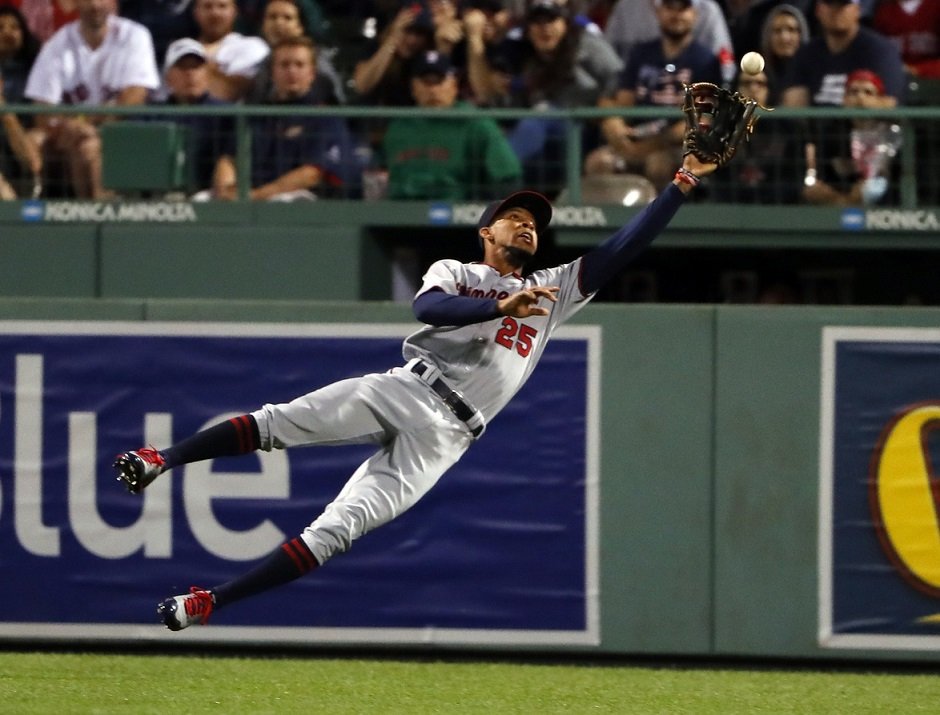 Defensive metrics have come a long way over the last decade. With Statcast tracking every batted ball, the amount of information available to fans is at an all-time high. One newer defensive metric was developed by the Society for American Baseball Research (SABR), and it is called the SABR Defensive Index (SDI). According to SABR's website, the SDI "draws on and aggregates two types of existing defensive metrics: those derived from batted ball location-based data and those collected from play-by-play accounts." Since 2013, SABR has used SDI as part of the process for selecting Gold Glove winners. Here is how the Twins rank through games played on August 22, 2021: Pitcher (AL Ranking): Jose Berrios, 3.7 SDI (3rd) Berrios was traded before the deadline, but he accumulated the bulk of his SDI total while still in a Twins uniform. Earlier this season, he ranked sixth overall in the AL, so he has made a significant jump in the second half. However, his defense isn’t helping the Twins anymore, and there are no other Twins players on the current leaderboard. Dallas Keuchel is the favorite among AL pitchers as he has nearly double the SDI total of the second-ranked pitcher. Catcher (AL Ranking): No Twins’ Players Qualify At the All-Star Break, both Twins catchers ranked in the top-12 when it came to SDI. Garver’s extended time on the IL pushed him out of the rankings, while Jeffers spent some time in St. Paul trying to find his swing. Over the last few weeks, Jeffers has been catching regularly, so it will be interesting to see if he winds up on the final leaderboard. First Base (AL Ranking): Miguel Sano -2.5 SDI (10th) Only two qualified first basemen, Nathaniel Lowe and Bobby Delbec, have a lower SDI total than Miguel Sano. His months of July and August continued to bring down his total as he was at -0.9 SDI. It also doesn’t help that Minnesota’s best defensive first baseman, Alex Kirilloff, is injured and won’t be back in 2021. At the All-Star break, he ranked third among all AL first basemen. For 2022, Minnesota should pencil Kirilloff in at first base every day. Second Base (AL Ranking): Jorge Polanco, 3.3 SDI (3rd) Polanco has been on an offensive tear in the second half, and his defense has also significantly improved. In less than two months, he moved from 8th to 3rd in SDI among AL second basemen. At that time, I mentioned that he was only 0.5 SDI out of the top-3, and he now ranks 1.2 SDI ahead of fourth place. Polanco looks to be in line to be a Gold Glove finalist, but Whit Merrified and Marcus Semiem have accumulated over twice as much SDI as Polanco. Third Base (AL Ranking): Luis Arraez, 0.4 SDI (7th) Arraez isn’t exactly known for his defensive prowess, so this ranking might come as a surprise to some Twins fans. Every third baseman ranked below Arraez has a -4.0 SDI or lower. Josh Donaldson was known for being a strong defender when the Twins signed him, but he has fallen off the leaderboard since the All-Star break. At that time, he looked to be in the middle of his worst defensive season. Does the future at this position belong to Arraez or Jose Miranda? Shortstop (AL Ranking): Andrelton Simmons, 6.4 SDI (3rd) Simmons is having another solid defensive season, but he has taken a step back in the second half. In July, he ranked as one of the AL’s best defenders, and he was the number one ranked shortstop. Isiah Kiner-Falefa and Carlos Correa have stormed past him over the last two months. Simmons looks like he will be a Gold Glove finalist, but he won’t be coming away with the hardware. Left Field (AL Ranking): No Twins' Players Qualified Trevor Larnach was on these rankings at the All-Star break, but he was near the bottom with a -2.2 SDI. He no longer qualifies as the team demoted him to Triple-A after some offensive struggles. Overall, this race looks to be one of the AL's tightest when it comes to the Gold Glove winner. There is no clear-cut favorite, with Austin Hays (2.1 SDI) and Michael Brantley (1.8 SDI) leading the rankings. Center Field (AL Ranking): No Twins' Players Qualified Byron Buxton is still one of baseball's best defenders, but a hip injury and a broken hand have kept him sidelined for a good chunk of the second half. Former Twins prospect Akil Baddoo has the third-lowest SDI total among qualified AL center fielders. Michael Taylor (9.5 SDI) and Myles Straw (7.1 SDI) are at the top of the leaderboard with a month to go in the season. Right Field (AL Ranking): Max Kepler, 0.8 SDI Kepler has a positive SDI, but only one qualified right fielder sits below him in the rankings. His second-half defense has improved because he had accumulated a -0.1 SDI in right field at the All-Star break. He dealt with a hamstring injury earlier in the season, which might have brought down his SDI total. Do any of these rankings surprise you? Do you think the team's defense has been worse in the second half? Leave a COMMENT and start the discussion. MORE FROM TWINS DAILY — Latest Twins coverage from our writers — Recent Twins discussion in our forums — Follow Twins Daily via Twitter, Facebook or email
- 12 comments
-
- 1
-
-
- andrelton simmons
- max kepler
- (and 3 more)
-
Kenta Maeda is going under the knife today after a somewhat disappointing 2021 season. The extent of the injury will be known when the surgery is complete. (Editor's Update: Maeda had Tommy John surgery on Wednesday.) So, two seasons after the deal, can we answer yet which team won the Kenta Maeda trade? Minnesota had many reasons to be interested in trading for Kenta Maeda before the 2020 season. He had shown positive signs during his time in Los Angeles, and the Dodgers had an influx of starting pitching. He pitched over 125 innings in each of his first four big-league seasons, but the team tended to move him to a bullpen role as the season came to a close. Injury concerns might have been one of the reasons the Dodgers tried to limit Maeda’s innings. (At least that sounds better than trying to limit how much they had to pay him.) When he initially signed from Japan, his physical exam revealed “irregularities” in his right elbow. At the time, MLB.com said, “the strong suspicion is that he will need Tommy John reconstruction at some point.” This prognosis resulted in a very team-friendly eight-year contract which guaranteed Maeda a minimum of $25 million with a chance to be worth over $106 million. This gave the Dodgers some wiggle room if Maeda did go under the knife. He pitched over 600 innings for the Dodgers, and they went on multiple World Series runs, and his elbow wasn’t an issue. Team-controlled starting pitching is one of baseball’s most valuable assets, so Maeda was an easy target for the Twins. His team-friendly deal was a positive, and he hadn’t shown any injury concerns up to this point. Any team trading for a player gets access to their medical records, so there must not have been anything out of the ordinary regarding Maeda’s physical. Plus, the Twins saw their winning window was open, and Maeda helped make the team better. Maeda provided Minnesota with everything they wanted and more during his first season with the club. He finished runner-up for the Cy Young Award after a dominating season where he posted a 2.70 ERA and an MLB-leading 0.75 WHIP. He struck out 80 batters in 66 2/3 innings while only issuing ten walks. From the other perspective, Brusdar Graterol has pitched less than 50 innings for the Dodgers. He has posted a 3.50 ERA with 33 strikeouts in 46 1/3 innings. Graterol makes hitting triple-digits look easy, but he has yet to develop into a dominant late-inning reliever. He won’t be arbitration-eligible until 2023, and he can’t reach free agency until 2026, so there is plenty of time for the 22-year-old to develop. Two minor league players and a draft pick were also part of this trade. Luke Raley went back to LA after initially being part of the Brian Dozier trade. He has 30 big-league games under his belt, and he has hit .169/.246/.237 with two extra-base hits. He has mashed with a .982 OPS at Triple-A this season, and 29 extra-base hits in 58 games. The Dodger also received a 2020 competitive balance round pick (66th overall), which they used to select Clayton Beeter. He has been used in an opener style role this season while posting a 2.89 ERA and a 1.12 WHIP with 13.8 K/9. Minnesota received Jair Camargo, who has hit .233/.281/.452 with 21 extra-base hits at High-A Cedar Rapids this year. Maeda’s recent injury news means there is a good chance he misses all of the 2022 season, and that might be the season Minnesota needs him the most. Also, a missed season means the next time he steps on the mound will be during his age-35 campaign. So what do you think? Which team do you think won the trade, or is it still too early to judge? Leave a COMMENT and start the discussion. MORE FROM TWINS DAILY — Latest Twins coverage from our writers — Recent Twins discussion in our forums — Follow Twins Daily via Twitter, Facebook or email View full article
-
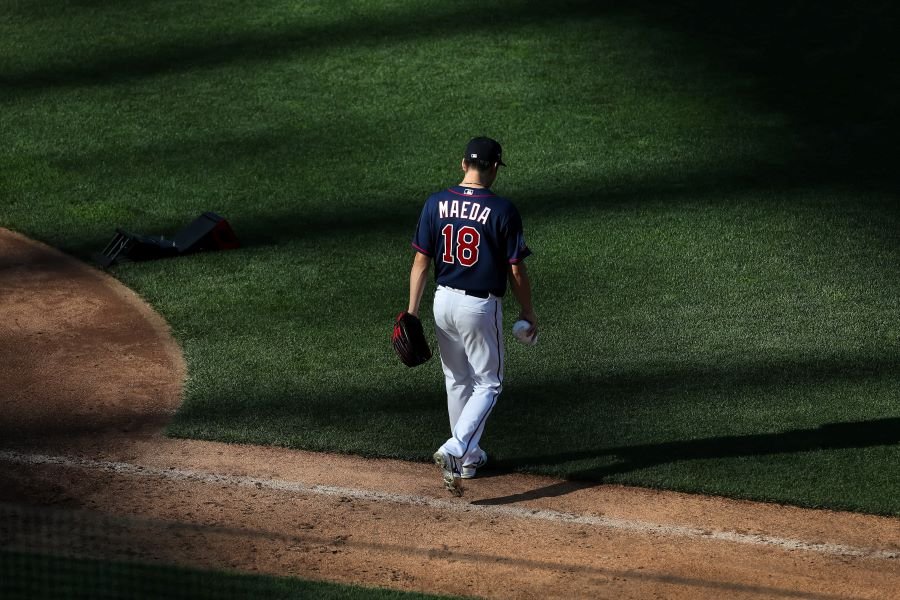 Minnesota had many reasons to be interested in trading for Kenta Maeda before the 2020 season. He had shown positive signs during his time in Los Angeles, and the Dodgers had an influx of starting pitching. He pitched over 125 innings in each of his first four big-league seasons, but the team tended to move him to a bullpen role as the season came to a close. Injury concerns might have been one of the reasons the Dodgers tried to limit Maeda’s innings. (At least that sounds better than trying to limit how much they had to pay him.) When he initially signed from Japan, his physical exam revealed “irregularities” in his right elbow. At the time, MLB.com said, “the strong suspicion is that he will need Tommy John reconstruction at some point.” This prognosis resulted in a very team-friendly eight-year contract which guaranteed Maeda a minimum of $25 million with a chance to be worth over $106 million. This gave the Dodgers some wiggle room if Maeda did go under the knife. He pitched over 600 innings for the Dodgers, and they went on multiple World Series runs, and his elbow wasn’t an issue. Team-controlled starting pitching is one of baseball’s most valuable assets, so Maeda was an easy target for the Twins. His team-friendly deal was a positive, and he hadn’t shown any injury concerns up to this point. Any team trading for a player gets access to their medical records, so there must not have been anything out of the ordinary regarding Maeda’s physical. Plus, the Twins saw their winning window was open, and Maeda helped make the team better. Maeda provided Minnesota with everything they wanted and more during his first season with the club. He finished runner-up for the Cy Young Award after a dominating season where he posted a 2.70 ERA and an MLB-leading 0.75 WHIP. He struck out 80 batters in 66 2/3 innings while only issuing ten walks. From the other perspective, Brusdar Graterol has pitched less than 50 innings for the Dodgers. He has posted a 3.50 ERA with 33 strikeouts in 46 1/3 innings. Graterol makes hitting triple-digits look easy, but he has yet to develop into a dominant late-inning reliever. He won’t be arbitration-eligible until 2023, and he can’t reach free agency until 2026, so there is plenty of time for the 22-year-old to develop. Two minor league players and a draft pick were also part of this trade. Luke Raley went back to LA after initially being part of the Brian Dozier trade. He has 30 big-league games under his belt, and he has hit .169/.246/.237 with two extra-base hits. He has mashed with a .982 OPS at Triple-A this season, and 29 extra-base hits in 58 games. The Dodger also received a 2020 competitive balance round pick (66th overall), which they used to select Clayton Beeter. He has been used in an opener style role this season while posting a 2.89 ERA and a 1.12 WHIP with 13.8 K/9. Minnesota received Jair Camargo, who has hit .233/.281/.452 with 21 extra-base hits at High-A Cedar Rapids this year. Maeda’s recent injury news means there is a good chance he misses all of the 2022 season, and that might be the season Minnesota needs him the most. Also, a missed season means the next time he steps on the mound will be during his age-35 campaign. So what do you think? Which team do you think won the trade, or is it still too early to judge? Leave a COMMENT and start the discussion. MORE FROM TWINS DAILY — Latest Twins coverage from our writers — Recent Twins discussion in our forums — Follow Twins Daily via Twitter, Facebook or email
- 40 comments
-
- 2
-
-
- kenta maeda
- brusdar graterol
- (and 2 more)
-
Twins Minor League Hitter of the Month- August 2021
Cody Christie posted an article in Minor Leagues
.png.b9efd6b642536dbc729e73c5d8f5d018.png) Before jumping into the top-four hitters of the month, here are some of the honorable mentions. HONORABLE MENTIONS OF Emmanuel Rodriguez - FCL Twins- 15-55, .273/.365/.691 (1.056) with 4 doubles, 2 triples, 5 home runs, 8 BB, 24 K. 1B Aaron Sabato - Cedar Rapids Kernels- 14-66, .212/.338/.682 (1.019) with 4 doubles, 9 home runs, 9 BB, 31 K. C/OF Jeferson Morales - Fort Myers Mighty Mussels- 20-64, .313/.353/.609 (.962) with 4 doubles, 5 home runs, 2 BB, 10 K. OF Gilberto Celestino - St. Paul Saints- 24-83, .289/.385/.506 (.891) with 6 doubles, 4 home runs, 12 BB, 19 K. IF/OF Edouard Julien - Cedar Rapids Kernels- 20-74, .270/.443/.432 (.876) with 6 doubles, 2 home runs, 21 BB, 31 K. THE TOP FOUR HITTERS Number 4 - St. Paul Saints - OF BJ Boyd- 33-85, .388/.398/.694 (1.092), 2 doubles, 8 home runs, 2 BB, 12 K. Boyd was a fourth-round pick back in 2012 by the Athletics organization, and he is in his first stint in the Twins system. Boyd started the month on fire for the Wind Surge as he hit safely in 14 of the first 15 games during August. He also had a nine-game stretch where he hit eight home runs, including three games with multiple home runs. The organization rewarded him for his hot hitting by promoting him to Triple-A for the last week of the month. His time in St. Paul has been limited so far, but it’s hard to ignore what the 27-year old did over the last month at Double-A. Number 3 - Cedar Rapids Kernels - IF Yunior Severino- 33-96, .344/.427/.490 (.917), 9 doubles, 1 triple, 1 home run, 13 BB, 37 K. Severino was initially part of the Braves organization before MLB penalized them for infractions committed on the international market. He was granted his free agency, and he decided to sign with the Twins for $2.5 million back in 2017. Severino got promoted to Cedar Rapids shortly before the calendar turned to August, and he started on a tear. He hit safely in 19 of his first 20 games, including nine games with multiple hits and three games with four hits. Nearly 80% of his plate appearances have come against older pitchers. For the season, his OPS is over 40 points higher than his career mark, and August was his best month so far in 2021. Number 2 - Wichita Wind Surge - OF Leobaldo Cabrera- 15-48, .313/.469/.854 (1.323), 3 doubles, 1 triple, 7 home runs, 15 BB, 19 K. Entering this season, Cabrera had been out of affiliated baseball since the Yankees released him in June 2018. The Twins signed him this spring, and he has played at three different levels so far in 2021. Cabrera only had 15 hits for the entire month of August, but 11 of those hits were for extra bases. He also reached base safely in 12 straight games to end the month. As a 23-year-old, he has been facing older pitchers in over 76% of his plate appearances. Cabrera might be new to the Twins organization this year, but his month of August certainly put his name on the prospect map. And the Twins Minor League Hitter of the Month is: Wichita Wind Surge- RF/1B Trey Cabbage - 28-92, .304/.402/.674 (1.076), 2 doubles, 1 triple, 10 home runs, 14 BB, 36 K. Cabbage has been in the Twins organization since 2015 when the club took him out of high school with a fourth-round pick. He entered the month of August in a bit of a slump as he hit .213/.290/.461 (.751) in July. Things started quickly when the calendar turned as he had multiple hits in the first four games of the month, including five extra-base hits. He’d end the month with nine multi-hit games. Cabbage had a couple of monster games during August. On the sixth, he went 3-for-4 with two home runs, five RBI, and three runs scored. Sixteen days later, he went 3-for-4 with a home run and six RBI. As a 24-year-old, he started the year at Cedar Rapids, where he was over a year and a half older than the average age of the competition. Now at Double-A, he is slightly younger than the competition. Nearly 60% of his plate appearances have come against older pitchers, and he has hit .307/.395/.646 (1.041) against them this season. We want to congratulate Wind Surge outfielder and first baseman Trey Cabbage, Twins Daily’s choice for Minor League Hitter of the Month for August 2021. Feel free to share your thoughts and ask questions.
Before jumping into the top-four hitters of the month, here are some of the honorable mentions. HONORABLE MENTIONS OF Emmanuel Rodriguez - FCL Twins- 15-55, .273/.365/.691 (1.056) with 4 doubles, 2 triples, 5 home runs, 8 BB, 24 K. 1B Aaron Sabato - Cedar Rapids Kernels- 14-66, .212/.338/.682 (1.019) with 4 doubles, 9 home runs, 9 BB, 31 K. C/OF Jeferson Morales - Fort Myers Mighty Mussels- 20-64, .313/.353/.609 (.962) with 4 doubles, 5 home runs, 2 BB, 10 K. OF Gilberto Celestino - St. Paul Saints- 24-83, .289/.385/.506 (.891) with 6 doubles, 4 home runs, 12 BB, 19 K. IF/OF Edouard Julien - Cedar Rapids Kernels- 20-74, .270/.443/.432 (.876) with 6 doubles, 2 home runs, 21 BB, 31 K. THE TOP FOUR HITTERS Number 4 - St. Paul Saints - OF BJ Boyd- 33-85, .388/.398/.694 (1.092), 2 doubles, 8 home runs, 2 BB, 12 K. Boyd was a fourth-round pick back in 2012 by the Athletics organization, and he is in his first stint in the Twins system. Boyd started the month on fire for the Wind Surge as he hit safely in 14 of the first 15 games during August. He also had a nine-game stretch where he hit eight home runs, including three games with multiple home runs. The organization rewarded him for his hot hitting by promoting him to Triple-A for the last week of the month. His time in St. Paul has been limited so far, but it’s hard to ignore what the 27-year old did over the last month at Double-A. Number 3 - Cedar Rapids Kernels - IF Yunior Severino- 33-96, .344/.427/.490 (.917), 9 doubles, 1 triple, 1 home run, 13 BB, 37 K. Severino was initially part of the Braves organization before MLB penalized them for infractions committed on the international market. He was granted his free agency, and he decided to sign with the Twins for $2.5 million back in 2017. Severino got promoted to Cedar Rapids shortly before the calendar turned to August, and he started on a tear. He hit safely in 19 of his first 20 games, including nine games with multiple hits and three games with four hits. Nearly 80% of his plate appearances have come against older pitchers. For the season, his OPS is over 40 points higher than his career mark, and August was his best month so far in 2021. Number 2 - Wichita Wind Surge - OF Leobaldo Cabrera- 15-48, .313/.469/.854 (1.323), 3 doubles, 1 triple, 7 home runs, 15 BB, 19 K. Entering this season, Cabrera had been out of affiliated baseball since the Yankees released him in June 2018. The Twins signed him this spring, and he has played at three different levels so far in 2021. Cabrera only had 15 hits for the entire month of August, but 11 of those hits were for extra bases. He also reached base safely in 12 straight games to end the month. As a 23-year-old, he has been facing older pitchers in over 76% of his plate appearances. Cabrera might be new to the Twins organization this year, but his month of August certainly put his name on the prospect map. And the Twins Minor League Hitter of the Month is: Wichita Wind Surge- RF/1B Trey Cabbage - 28-92, .304/.402/.674 (1.076), 2 doubles, 1 triple, 10 home runs, 14 BB, 36 K. Cabbage has been in the Twins organization since 2015 when the club took him out of high school with a fourth-round pick. He entered the month of August in a bit of a slump as he hit .213/.290/.461 (.751) in July. Things started quickly when the calendar turned as he had multiple hits in the first four games of the month, including five extra-base hits. He’d end the month with nine multi-hit games. Cabbage had a couple of monster games during August. On the sixth, he went 3-for-4 with two home runs, five RBI, and three runs scored. Sixteen days later, he went 3-for-4 with a home run and six RBI. As a 24-year-old, he started the year at Cedar Rapids, where he was over a year and a half older than the average age of the competition. Now at Double-A, he is slightly younger than the competition. Nearly 60% of his plate appearances have come against older pitchers, and he has hit .307/.395/.646 (1.041) against them this season. We want to congratulate Wind Surge outfielder and first baseman Trey Cabbage, Twins Daily’s choice for Minor League Hitter of the Month for August 2021. Feel free to share your thoughts and ask questions. -
Fall is in the air as the weather turns colder, but it didn’t cool down these players. Here are the top hitters in the Twins minor league system this past month. Before jumping into the top-four hitters of the month, here are some of the honorable mentions. HONORABLE MENTIONS OF Emmanuel Rodriguez - FCL Twins- 15-55, .273/.365/.691 (1.056) with 4 doubles, 2 triples, 5 home runs, 8 BB, 24 K. 1B Aaron Sabato - Cedar Rapids Kernels- 14-66, .212/.338/.682 (1.019) with 4 doubles, 9 home runs, 9 BB, 31 K. C/OF Jeferson Morales - Fort Myers Mighty Mussels- 20-64, .313/.353/.609 (.962) with 4 doubles, 5 home runs, 2 BB, 10 K. OF Gilberto Celestino - St. Paul Saints- 24-83, .289/.385/.506 (.891) with 6 doubles, 4 home runs, 12 BB, 19 K. IF/OF Edouard Julien - Cedar Rapids Kernels- 20-74, .270/.443/.432 (.876) with 6 doubles, 2 home runs, 21 BB, 31 K. THE TOP FOUR HITTERS Number 4 - St. Paul Saints - OF BJ Boyd- 33-85, .388/.398/.694 (1.092), 2 doubles, 8 home runs, 2 BB, 12 K. Boyd was a fourth-round pick back in 2012 by the Athletics organization, and he is in his first stint in the Twins system. Boyd started the month on fire for the Wind Surge as he hit safely in 14 of the first 15 games during August. He also had a nine-game stretch where he hit eight home runs, including three games with multiple home runs. The organization rewarded him for his hot hitting by promoting him to Triple-A for the last week of the month. His time in St. Paul has been limited so far, but it’s hard to ignore what the 27-year old did over the last month at Double-A. Number 3 - Cedar Rapids Kernels - IF Yunior Severino- 33-96, .344/.427/.490 (.917), 9 doubles, 1 triple, 1 home run, 13 BB, 37 K. Severino was initially part of the Braves organization before MLB penalized them for infractions committed on the international market. He was granted his free agency, and he decided to sign with the Twins for $2.5 million back in 2017. Severino got promoted to Cedar Rapids shortly before the calendar turned to August, and he started on a tear. He hit safely in 19 of his first 20 games, including nine games with multiple hits and three games with four hits. Nearly 80% of his plate appearances have come against older pitchers. For the season, his OPS is over 40 points higher than his career mark, and August was his best month so far in 2021. Number 2 - Wichita Wind Surge - OF Leobaldo Cabrera- 15-48, .313/.469/.854 (1.323), 3 doubles, 1 triple, 7 home runs, 15 BB, 19 K. Entering this season, Cabrera had been out of affiliated baseball since the Yankees released him in June 2018. The Twins signed him this spring, and he has played at three different levels so far in 2021. Cabrera only had 15 hits for the entire month of August, but 11 of those hits were for extra bases. He also reached base safely in 12 straight games to end the month. As a 23-year-old, he has been facing older pitchers in over 76% of his plate appearances. Cabrera might be new to the Twins organization this year, but his month of August certainly put his name on the prospect map. And the Twins Minor League Hitter of the Month is: Wichita Wind Surge- RF/1B Trey Cabbage - 28-92, .304/.402/.674 (1.076), 2 doubles, 1 triple, 10 home runs, 14 BB, 36 K. Cabbage has been in the Twins organization since 2015 when the club took him out of high school with a fourth-round pick. He entered the month of August in a bit of a slump as he hit .213/.290/.461 (.751) in July. Things started quickly when the calendar turned as he had multiple hits in the first four games of the month, including five extra-base hits. He’d end the month with nine multi-hit games. Cabbage had a couple of monster games during August. On the sixth, he went 3-for-4 with two home runs, five RBI, and three runs scored. Sixteen days later, he went 3-for-4 with a home run and six RBI. As a 24-year-old, he started the year at Cedar Rapids, where he was over a year and a half older than the average age of the competition. Now at Double-A, he is slightly younger than the competition. Nearly 60% of his plate appearances have come against older pitchers, and he has hit .307/.395/.646 (1.041) against them this season. We want to congratulate Wind Surge outfielder and first baseman Trey Cabbage, Twins Daily’s choice for Minor League Hitter of the Month for August 2021. Feel free to share your thoughts and ask questions. View full article
-
Many of Minnesota’s top prospects are in the upper levels of the minors, but the farm system has plenty of depth. So, who are the candidates to jump up the rankings by 2023? Here are four Twins minor leaguers who could be the organization's top prospect ahead of the 2023 season. The assumption here is that prospects such as Austin Martin, Royce Lewis and others will already be in the big leagues. Chase Petty, RHP Current TD Ranking: 9 Petty was Minnesota’s first-round pick in 2021, and his scouting reports are certainly something for fans to get excited about. He was a regular on the national showcase circuit, where he touched triple digits with his fastball. Petty mixes in a slider and changeup keep batters off balance. With any young pitcher, there can be questions about command and delivery. By 2023, the Twins will have a better idea of what Petty can be for the long-term, especially after getting into full-season ball. Keoni Cavaco, SS Current TD Ranking: 10 Cavaco, the number 13 overall pick in 2019, has under 100 professional games under his belt. He’s spent the majority of his age-20 season at Low-A, where he has hit .240/.297/.311 with ten extra-base hits in 57 games. All but 27 of his at-bats have come against older pitchers, so there is some room for optimism. During last year’s pandemic, Cavaco worked to refine his swing and add muscle. Over the next two years, Twins fans can hope he starts to see the results of this hard work. Noah Miller, SS Current TD Ranking: 15 The Twins took Miller with a competitive balance pick at the end of the first round. He is an advanced hitter for his age, which might help him move ahead of the other hitters on this list. Current scouting reports have his arm and fielding ability as two of his best tools, which should allow him to stick at shortstop as he continues to develop. Miller has a chance to be one of the team’s top-5 prospects in two years, but will he put it all together and take over the top spot? Misael Urbina, OF Current TD Ranking: 18 MLB Pipeline picked Urbina as the team’s top prospect in 2023, which might make sense for where he is in his development path. He’s younger than Cavaco, and he has played at the same level as him for the entire season. It’s his first season playing in the States, and he saw his slugging percentage increase every month from May through July. Even with his struggles this year, he can start 2022 at Low-A and still be younger than the competition at that level. Which prospect do you think will be the team’s top prospect in two years? Leave a COMMENT and start the discussion. MORE FROM TWINS DAILY — Latest Twins coverage from our writers — Recent Twins discussion in our forums — Follow Twins Daily via Twitter, Facebook or email View full article
-
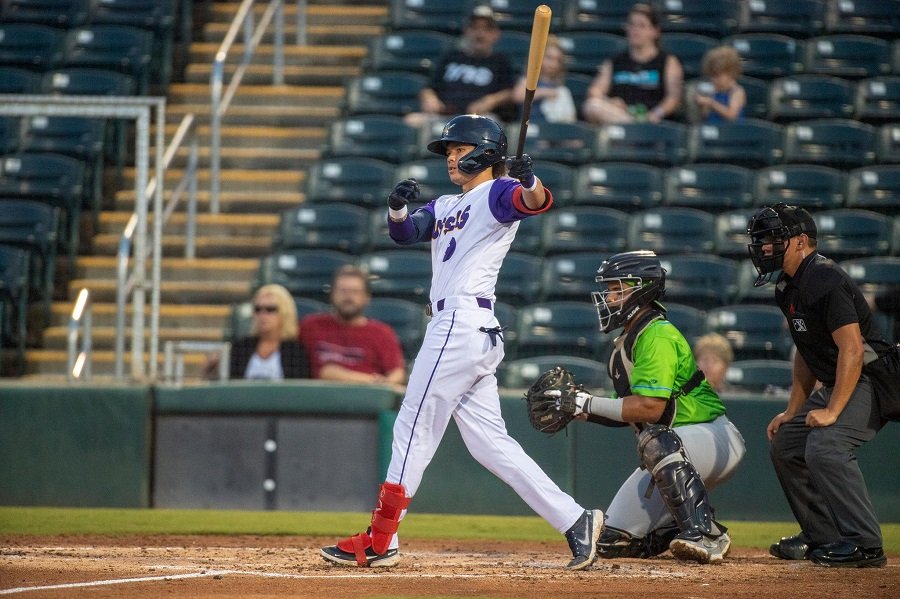 Here are four Twins minor leaguers who could be the organization's top prospect ahead of the 2023 season. The assumption here is that prospects such as Austin Martin, Royce Lewis and others will already be in the big leagues. Chase Petty, RHP Current TD Ranking: 9 Petty was Minnesota’s first-round pick in 2021, and his scouting reports are certainly something for fans to get excited about. He was a regular on the national showcase circuit, where he touched triple digits with his fastball. Petty mixes in a slider and changeup keep batters off balance. With any young pitcher, there can be questions about command and delivery. By 2023, the Twins will have a better idea of what Petty can be for the long-term, especially after getting into full-season ball. Keoni Cavaco, SS Current TD Ranking: 10 Cavaco, the number 13 overall pick in 2019, has under 100 professional games under his belt. He’s spent the majority of his age-20 season at Low-A, where he has hit .240/.297/.311 with ten extra-base hits in 57 games. All but 27 of his at-bats have come against older pitchers, so there is some room for optimism. During last year’s pandemic, Cavaco worked to refine his swing and add muscle. Over the next two years, Twins fans can hope he starts to see the results of this hard work. Noah Miller, SS Current TD Ranking: 15 The Twins took Miller with a competitive balance pick at the end of the first round. He is an advanced hitter for his age, which might help him move ahead of the other hitters on this list. Current scouting reports have his arm and fielding ability as two of his best tools, which should allow him to stick at shortstop as he continues to develop. Miller has a chance to be one of the team’s top-5 prospects in two years, but will he put it all together and take over the top spot? Misael Urbina, OF Current TD Ranking: 18 MLB Pipeline picked Urbina as the team’s top prospect in 2023, which might make sense for where he is in his development path. He’s younger than Cavaco, and he has played at the same level as him for the entire season. It’s his first season playing in the States, and he saw his slugging percentage increase every month from May through July. Even with his struggles this year, he can start 2022 at Low-A and still be younger than the competition at that level. Which prospect do you think will be the team’s top prospect in two years? Leave a COMMENT and start the discussion. MORE FROM TWINS DAILY — Latest Twins coverage from our writers — Recent Twins discussion in our forums — Follow Twins Daily via Twitter, Facebook or email
 -
Minnesota’s current roster has multiple players initially signed as part of the international signing period. The Twins are tied to a few players with another signing period opening soon, including a very familiar last name. International Signing Changes Major League Baseball and MLB Players Association agreed to shift the international signing periods because of the pandemic. That means the players listed below are eligible to sign beginning on January 15, 2022, while the signing period ends on December 15, 2022. Players must turn 17 before September 1, 2022, to be eligible. Most of the top prospects already have their organizations identified even with the signing deadline multiple months in the future. How Much Can the Twins Spend? Eight teams have more money to spend than the Twins, but Minnesota is tied with five other teams in the next bonus pool group. Teams with a Round B competitive balance pick (Arizona, Baltimore, Cleveland, Colorado, Kansas City, Pittsburgh, San Diego, St. Louis) have a pool of $6,262,600. The Twins have $5,721,500 in their signing pool along with all the other teams that received a Round A competitive balance pick (Cincinnati, Detroit, Miami, Milwaukee, Tampa Bay). What Players Are Tied to Minnesota? Yasser Mercedes, OF MLB Pipeline Ranking: 17 Mercedes projects to be the Twins’ top signing during the upcoming international signing period. While many prospects list themselves as centerfielders, his speed and defensive ability have the potential to keep him in center field for the long term. MLB Pipeline said, “Mercedes has some of the best tools in this year’s class.” It will take multiple years of development, but Mercedes will be a name to watch in the team’s farm system. Yilber Herrera, SS MLB Pipeline Ranking: 35 MLB Pipeline compares Herrera to a young Jorge Polanco, and that has to get Twins fans excited with how well Polanco has been playing this year. The most significant difference between the two players is that Herrera's arm might be strong enough for him to stick at shortstop long-term. His biggest improvement area is his power, but that is an expectation with teenagers who haven't put on all their muscles. . Bryan Acuna, SS MLB Pipeline Ranking: 39 Acuna, a Venezuela native, is the younger brother of Braves superstar Ronald Acuna Jr. Their father, Ronald Sr, also played professionally but topped out at Double-A. Right now, his best tool is his hit tool, but he has room to grow into his frame and add to some of the other tools. Like many top prospects, he currently plays shortstop, but he has the chance to be above average at multiple positions. Which of these players sounds the most exciting to you? Leave a COMMENT and start the discussion. MORE FROM TWINS DAILY — Latest Twins coverage from our writers — Recent Twins discussion in our forums — Follow Twins Daily via Twitter, Facebook or email View full article
- 14 replies
-
- 2
-
-
- yasser mercedes
- yilber herrera
- (and 1 more)
.png.b9efd6b642536dbc729e73c5d8f5d018.png)
