Cody Christie
-
Posts
7,794 -
Joined
-
Last visited
-
Days Won
5
Content Type
Profiles
News
Minnesota Twins Videos
2026 Minnesota Twins Top Prospects Ranking
2022 Minnesota Twins Draft Picks
Minnesota Twins Free Agent & Trade Rumors, Notes, & Tidbits
Guides & Resources
2023 Minnesota Twins Draft Picks
The Minnesota Twins Players Project
2024 Minnesota Twins Draft Picks
2025 Minnesota Twins Draft Pick Tracker
2026 Minnesota Twins Draft Tracker: Picks & Bonuses
Forums
Blogs
Events
Store
Downloads
Gallery
Everything posted by Cody Christie
-
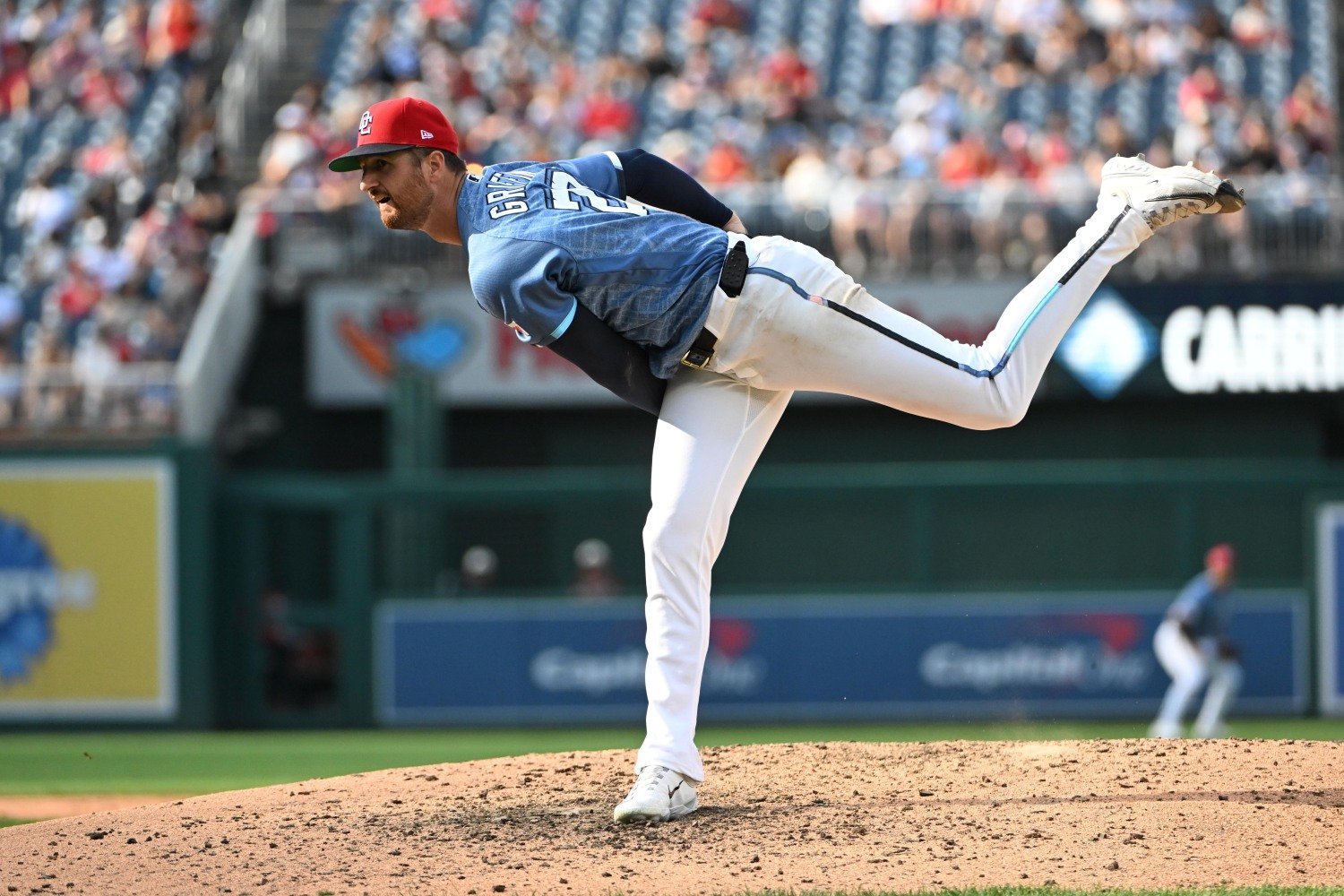 The countdown to Monday's MLB Trade Deadline is underway, and the Minnesota Twins continue to signal they're looking to improve rather than stand pat. Minnesota has already addressed one of its biggest weaknesses by adding veteran left-hander A.J. Minter and right-hander Tommy Nance to the bullpen, giving manager Derek Shelton two more experienced options for a relief corps that has struggled for much of the season. But with the club firmly in the postseason race, the front office appears to be keeping its options open. According to Dan Hayes of The Athletic, the Twins may not be done making moves. While Minnesota has already completed a pair of trades, Hayes reported that a team source, speaking on the condition of anonymity because of the sensitivity surrounding trade discussions, indicated additional moves remain a possibility before Monday's deadline. One area drawing increasing attention is the starting rotation. “Not only could the Twins use additional bullpen depth,” said Hayes. “But the team is also potentially seeking rotation help as rookie Connor Prielipp has never pitched more innings in his injury-plagued career.” That possibility isn't surprising considering how Minnesota has approached the deadline publicly. Earlier this week, general manager Jeremy Zoll made it clear the Twins view themselves as buyers, even as many clubs around baseball continue to weigh whether they'll buy or sell. Minnesota's willingness to act early reflects the organization's confidence that this roster is capable of making a postseason push. It's also consistent with comments chairman Tom Pohlad made earlier this month. After last summer's deadline selloff frustrated both fans and players, Pohlad said the organization needed to be aggressive if the team remained in contention. Adding talent before the deadline would represent an opportunity to regain credibility in the clubhouse while showing fans the organization is committed to winning. Adding another starter would also provide valuable insurance for a pitching staff that has absorbed more than its share of injuries this season. Connor Prielipp has exceeded expectations as a rookie, but workload management is becoming a legitimate consideration. The former second-round pick has battled injuries throughout his professional career, making it unlikely the Twins will simply let him throw deep into uncharted territory over the final two months. Beyond Prielipp, Minnesota has already lost several key starters at various points this season. Pablo Lopez, David Festa, and Mick Abel are out for the year, testing the organization's starting pitching depth. That makes another dependable arm an attractive addition, even if it's not a headline-grabbing acquisition. The Twins don't appear to be a logical fit for the biggest names expected to be available, such as Tarik Skubal or Reid Detmers. Acquiring pitchers of that caliber would likely require an enormous prospect package and would run counter to Minnesota's recent strategy of supplementing an already competitive roster rather than reshaping it. Instead, the more realistic path is targeting a reliable back-end starter who can stabilize the rotation, absorb innings, and lessen the burden on a staff that has already endured plenty of attrition. It may not generate the same excitement as landing a frontline ace, but adding quality depth could prove just as important if the Twins plan to extend their season into October. What starters should the Twins target? Leave comment and start the discussion.
 -
 The countdown to Monday's MLB Trade Deadline is underway, and the Minnesota Twins continue to signal they're looking to improve rather than stand pat. Minnesota has already addressed one of its biggest weaknesses by adding veteran left-hander A.J. Minter and right-hander Tommy Nance to the bullpen, giving manager Derek Shelton two more experienced options for a relief corps that has struggled for much of the season. But with the club firmly in the postseason race, the front office appears to be keeping its options open. According to Dan Hayes of The Athletic, the Twins may not be done making moves. While Minnesota has already completed a pair of trades, Hayes reported that a team source, speaking on the condition of anonymity because of the sensitivity surrounding trade discussions, indicated additional moves remain a possibility before Monday's deadline. One area drawing increasing attention is the starting rotation. “Not only could the Twins use additional bullpen depth,” said Hayes. “But the team is also potentially seeking rotation help as rookie Connor Prielipp has never pitched more innings in his injury-plagued career.” That possibility isn't surprising considering how Minnesota has approached the deadline publicly. Earlier this week, general manager Jeremy Zoll made it clear the Twins view themselves as buyers, even as many clubs around baseball continue to weigh whether they'll buy or sell. Minnesota's willingness to act early reflects the organization's confidence that this roster is capable of making a postseason push. It's also consistent with comments chairman Tom Pohlad made earlier this month. After last summer's deadline selloff frustrated both fans and players, Pohlad said the organization needed to be aggressive if the team remained in contention. Adding talent before the deadline would represent an opportunity to regain credibility in the clubhouse while showing fans the organization is committed to winning. Adding another starter would also provide valuable insurance for a pitching staff that has absorbed more than its share of injuries this season. Connor Prielipp has exceeded expectations as a rookie, but workload management is becoming a legitimate consideration. The former second-round pick has battled injuries throughout his professional career, making it unlikely the Twins will simply let him throw deep into uncharted territory over the final two months. Beyond Prielipp, Minnesota has already lost several key starters at various points this season. Pablo Lopez, David Festa, and Mick Abel are out for the year, testing the organization's starting pitching depth. That makes another dependable arm an attractive addition, even if it's not a headline-grabbing acquisition. The Twins don't appear to be a logical fit for the biggest names expected to be available, such as Tarik Skubal or Reid Detmers. Acquiring pitchers of that caliber would likely require an enormous prospect package and would run counter to Minnesota's recent strategy of supplementing an already competitive roster rather than reshaping it. Instead, the more realistic path is targeting a reliable back-end starter who can stabilize the rotation, absorb innings, and lessen the burden on a staff that has already endured plenty of attrition. It may not generate the same excitement as landing a frontline ace, but adding quality depth could prove just as important if the Twins plan to extend their season into October. What starters should the Twins target? Leave comment and start the discussion. View full rumor
 -
Love this.
-
Kody Clemens' Ultimate Grand Slam: Three Pitches That Made History
Cody Christie posted an article in Twins
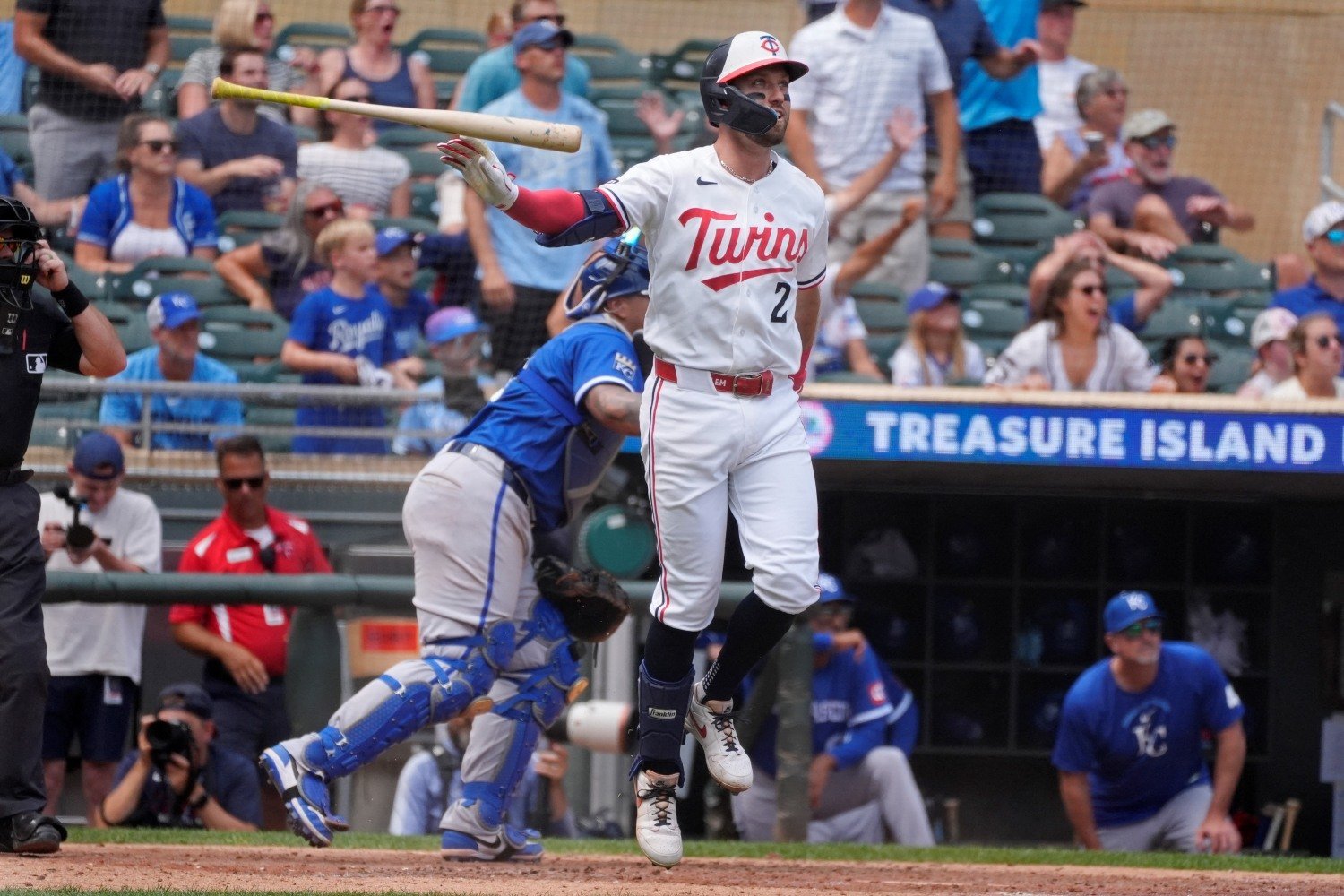 For more than two hours Thursday afternoon, Target Field felt lifeless. Kansas City starter Noah Cameron carved through the Twins lineup with precision, carrying a no-hitter into the seventh inning. Minnesota's offense had no answers, and by the time the ninth inning arrived, the Royals held a 3-0 lead with the Twins staring at another frustrating loss. Then baseball reminded everyone why no lead is ever truly safe. What followed was one of the wildest finishes the sport has ever produced. After Cameron exited following eight dominant innings and 97 pitches, Kansas City handed the ball to Lucas Erceg to finish the job. Trevor Larnach struck out and Victor Caratini lined out, leaving the Twins with two outs and nobody on base. The comeback appeared finished before it ever started. Instead, the inning unraveled almost immediately. Erceg hit Ryan Jeffers with a sinker, Royce Lewis followed with a single, and Josh Bell worked a walk to suddenly load the bases. Both Lewis and Bell fell behind 0-2, meaning the Twins were down to their last strike multiple times. Royals manager Matt Quatraro made another move, calling on left-hander Matt Strahm to face the left-handed hitting Kody Clemens. On paper, the matchup favored Kansas City. Although Strahm has struggled overall this season, he had limited left-handed hitters to a .235 batting average and .617 OPS entering the game. He immediately got ahead, freezing Clemens with a sinker before another fastball produced an 0-2 count. One strike separated the Royals from victory. One swing changed everything. Clemens turned on Strahm's next pitch and launched it deep into the right-field seats, sending Target Field into complete chaos. The walk-off grand slam erased a three-run deficit in an instant, transforming what looked destined to become a forgettable afternoon into the Twins' most memorable victory of the season. Historical Context The celebration was every bit as dramatic as the swing itself. Clemens was mobbed at home plate while thousands of fans struggled to process what they had just witnessed. It wasn't simply a walk-off grand slam. It was an ultimate grand slam, a walk-off grand slam that overcomes a three-run deficit, and those almost never happen. Clemens became just the 34th player in Major League history to hit one, and the first in Twins franchise history. Even more remarkably, Minnesota became the first team ever to be no-hit through six innings, break up the no-hit bid in the seventh inning or later, and still win the game with a walk-off grand slam. The home run also joined some incredibly exclusive company. It was only the 15th ultimate grand slam with two outs, making it rarer than a perfect game. Of every walk-off grand slam that erased a three-run deficit since pitch counts began being tracked in 1988, Clemens is the first to do it on an 0-2 pitch while down to his team's final strike. Clemens became only the second player in MLB history to have a career that includes a strikeout on the mound, a three-homer game at the plate, and hit an ultimate grand slam. The other player is Babe Ruth. The blast was also the first walk-off grand slam with the Twins trailing by three runs in franchise history and only the third in MLB history by a team that entered the inning down three with two outs and nobody on base. Clemens also became the first player since David Bote in 2018 to hit a walk-off grand slam while his club was down three runs and down to its final strike. As if the day needed another layer of trivia, the Twins also became just the second team in MLB history to hit a walk-off grand slam on their manager's birthday. As Clemens said after the game, that's a moment you dream about as a little kid. Some wins count the same in the standings. Others become part of franchise lore. Thursday's comeback was the latter. Fans at Target Field witnessed a finish they'll be talking about for years, a game that looked hopeless until it suddenly became unforgettable. For a franchise with plenty of memorable moments, Clemens' ultimate grand slam instantly earned its place among the greatest ever seen in Minneapolis. What will you remember about yesterday’s historic home run? Leave a comment and start the discussion.
 -
Image courtesy of © Bruce Kluckhohn-Imagn Images For more than two hours Thursday afternoon, Target Field felt lifeless. Kansas City starter Noah Cameron carved through the Twins lineup with precision, carrying a no-hitter into the seventh inning. Minnesota's offense had no answers, and by the time the ninth inning arrived, the Royals held a 3-0 lead with the Twins staring at another frustrating loss. Then baseball reminded everyone why no lead is ever truly safe. What followed was one of the wildest finishes the sport has ever produced. After Cameron exited following eight dominant innings and 97 pitches, Kansas City handed the ball to Lucas Erceg to finish the job. Trevor Larnach struck out and Victor Caratini lined out, leaving the Twins with two outs and nobody on base. The comeback appeared finished before it ever started. Instead, the inning unraveled almost immediately. Erceg hit Ryan Jeffers with a sinker, Royce Lewis followed with a single, and Josh Bell worked a walk to suddenly load the bases. Both Lewis and Bell fell behind 0-2, meaning the Twins were down to their last strike multiple times. Royals manager Matt Quatraro made another move, calling on left-hander Matt Strahm to face the left-handed hitting Kody Clemens. On paper, the matchup favored Kansas City. Although Strahm has struggled overall this season, he had limited left-handed hitters to a .235 batting average and .617 OPS entering the game. He immediately got ahead, freezing Clemens with a sinker before another fastball produced an 0-2 count. One strike separated the Royals from victory. One swing changed everything. Clemens turned on Strahm's next pitch and launched it deep into the right-field seats, sending Target Field into complete chaos. The walk-off grand slam erased a three-run deficit in an instant, transforming what looked destined to become a forgettable afternoon into the Twins' most memorable victory of the season. Historical Context The celebration was every bit as dramatic as the swing itself. Clemens was mobbed at home plate while thousands of fans struggled to process what they had just witnessed. It wasn't simply a walk-off grand slam. It was an ultimate grand slam, a walk-off grand slam that overcomes a three-run deficit, and those almost never happen. Clemens became just the 34th player in Major League history to hit one, and the first in Twins franchise history. Even more remarkably, Minnesota became the first team ever to be no-hit through six innings, break up the no-hit bid in the seventh inning or later, and still win the game with a walk-off grand slam. The home run also joined some incredibly exclusive company. It was only the 15th ultimate grand slam with two outs, making it rarer than a perfect game. Of every walk-off grand slam that erased a three-run deficit since pitch counts began being tracked in 1988, Clemens is the first to do it on an 0-2 pitch while down to his team's final strike. Clemens became only the second player in MLB history to have a career that includes a strikeout on the mound, a three-homer game at the plate, and hit an ultimate grand slam. The other player is Babe Ruth. The blast was also the first walk-off grand slam with the Twins trailing by three runs in franchise history and only the third in MLB history by a team that entered the inning down three with two outs and nobody on base. Clemens also became the first player since David Bote in 2018 to hit a walk-off grand slam while his club was down three runs and down to its final strike. As if the day needed another layer of trivia, the Twins also became just the second team in MLB history to hit a walk-off grand slam on their manager's birthday. As Clemens said after the game, that's a moment you dream about as a little kid. Some wins count the same in the standings. Others become part of franchise lore. Thursday's comeback was the latter. Fans at Target Field witnessed a finish they'll be talking about for years, a game that looked hopeless until it suddenly became unforgettable. For a franchise with plenty of memorable moments, Clemens' ultimate grand slam instantly earned its place among the greatest ever seen in Minneapolis. What will you remember about yesterday’s historic home run? Leave a comment and start the discussion. View full article
-
Where do others feel that Minter should fit in the power rankings?
-
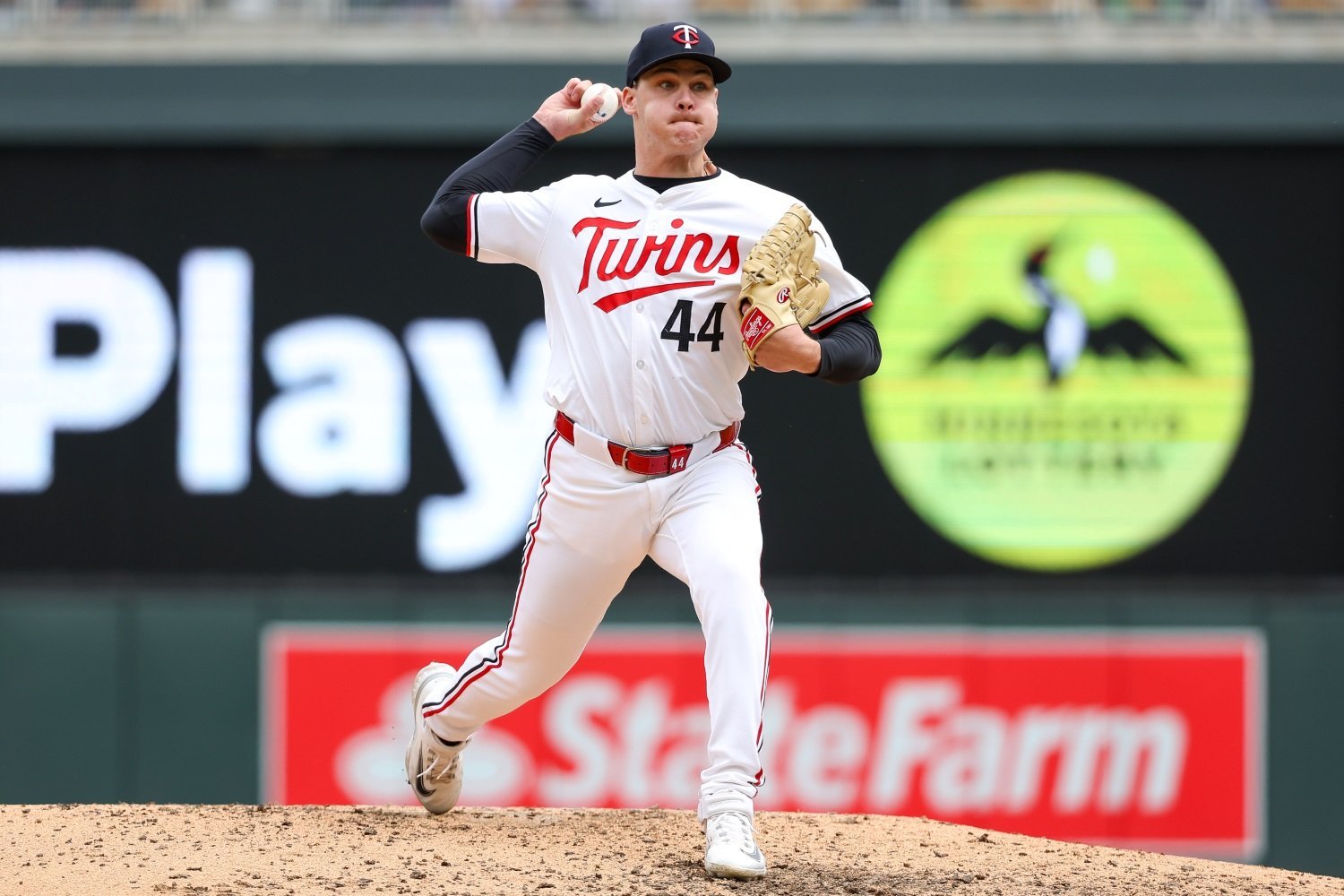 For months, the Minnesota Twins hoped Cole Sands could finally put his injury troubles behind him. Every time it looked like the right-hander was nearing a return, another setback followed. Now, his frustrating 2026 season has officially come to an end. The Twins announced that Sands will undergo arthroscopic surgery on his right elbow Tuesday, ending any chance of him pitching again this season. He'll also receive a platelet-rich plasma (PRP) injection, with the organization optimistic that the procedure will allow him to have a relatively normal offseason and report healthy for Spring Training in 2027. It's an unfortunate ending to what became one of the most frustrating injury sagas of the Twins' season. Sands first landed on the injured list on May 2, retroactive to April 29, with what was initially diagnosed as a right forearm strain. At the time, Minnesota believed the injury would only sideline him briefly. Instead, it lingered for months. He began a rehab assignment in early June but was shut down after inflammation returned. As the forearm strain improved, Sands still wasn't feeling right, prompting the Twins to continue searching for answers. He underwent multiple MRIs and a CT scan before doctors determined arthroscopic surgery to clean up his elbow offered the best path forward. The 28-year-old restarted his rehab assignment earlier this month and finally appeared to be turning a corner. Over seven scoreless innings in the minors, Sands struck out eight hitters and earned another call back to the major league bullpen. Unfortunately, his return lasted just one appearance. Facing the Athletics over the weekend, Sands recorded only one out while allowing five earned runs. He finished with a -0.14 Win Probability Added (WPA), and although Minnesota held on for the victory, it was immediately apparent that something wasn't right. The Twins placed him back on the injured list shortly afterward, and the decision to proceed with surgery followed. It marks a disappointing interruption for a reliever who had quietly become a valuable piece of Minnesota's bullpen. Since making his major league debut in 2022, Sands has logged 207 1/3 innings with a respectable 4.21 ERA while consistently limiting free passes with a better-than-average 6.9% walk rate. His breakout came in 2024 when he struck out 29.1% of opposing hitters, though that figure dipped to 21.5% beginning in 2025 as he transitioned into more of a contact-management role. Before the injury, Sands owned a 4.63 ERA across 12 appearances this season, but the numbers hardly tell the story of a year defined by rehab assignments, shutdowns, and unanswered questions. The good news for both Sands and the Twins is that the organization believes the surgery addresses the underlying issue that repeatedly derailed his comeback attempts. With the procedure coming now, the expectation is that he'll still have something close to a normal offseason rather than facing a prolonged rehabilitation into next year. For a bullpen that has already endured its share of injuries and turnover, losing Sands for the remainder of the season is another difficult blow. But after months of uncertainty, both player and club finally have a clear path forward. The focus now shifts from returning in 2026 to making sure Sands is fully healthy when pitchers and catchers report next February.
 -
For months, the Minnesota Twins hoped Cole Sands could finally put his injury troubles behind him. Every time it looked like the right-hander was nearing a return, another setback followed. Now, his frustrating 2026 season has officially come to an end. The Twins announced that Sands will undergo arthroscopic surgery on his right elbow Tuesday, ending any chance of him pitching again this season. He'll also receive a platelet-rich plasma (PRP) injection, with the organization optimistic that the procedure will allow him to have a relatively normal offseason and report healthy for Spring Training in 2027. It's an unfortunate ending to what became one of the most frustrating injury sagas of the Twins' season. Sands first landed on the injured list on May 2, retroactive to April 29, with what was initially diagnosed as a right forearm strain. At the time, Minnesota believed the injury would only sideline him briefly. Instead, it lingered for months. He began a rehab assignment in early June but was shut down after inflammation returned. As the forearm strain improved, Sands still wasn't feeling right, prompting the Twins to continue searching for answers. He underwent multiple MRIs and a CT scan before doctors determined arthroscopic surgery to clean up his elbow offered the best path forward. The 28-year-old restarted his rehab assignment earlier this month and finally appeared to be turning a corner. Over seven scoreless innings in the minors, Sands struck out eight hitters and earned another call back to the major league bullpen. Unfortunately, his return lasted just one appearance. Facing the Athletics over the weekend, Sands recorded only one out while allowing five earned runs. He finished with a -0.14 Win Probability Added (WPA), and although Minnesota held on for the victory, it was immediately apparent that something wasn't right. The Twins placed him back on the injured list shortly afterward, and the decision to proceed with surgery followed. It marks a disappointing interruption for a reliever who had quietly become a valuable piece of Minnesota's bullpen. Since making his major league debut in 2022, Sands has logged 207 1/3 innings with a respectable 4.21 ERA while consistently limiting free passes with a better-than-average 6.9% walk rate. His breakout came in 2024 when he struck out 29.1% of opposing hitters, though that figure dipped to 21.5% beginning in 2025 as he transitioned into more of a contact-management role. Before the injury, Sands owned a 4.63 ERA across 12 appearances this season, but the numbers hardly tell the story of a year defined by rehab assignments, shutdowns, and unanswered questions. The good news for both Sands and the Twins is that the organization believes the surgery addresses the underlying issue that repeatedly derailed his comeback attempts. With the procedure coming now, the expectation is that he'll still have something close to a normal offseason rather than facing a prolonged rehabilitation into next year. For a bullpen that has already endured its share of injuries and turnover, losing Sands for the remainder of the season is another difficult blow. But after months of uncertainty, both player and club finally have a clear path forward. The focus now shifts from returning in 2026 to making sure Sands is fully healthy when pitchers and catchers report next February. View full rumor
-
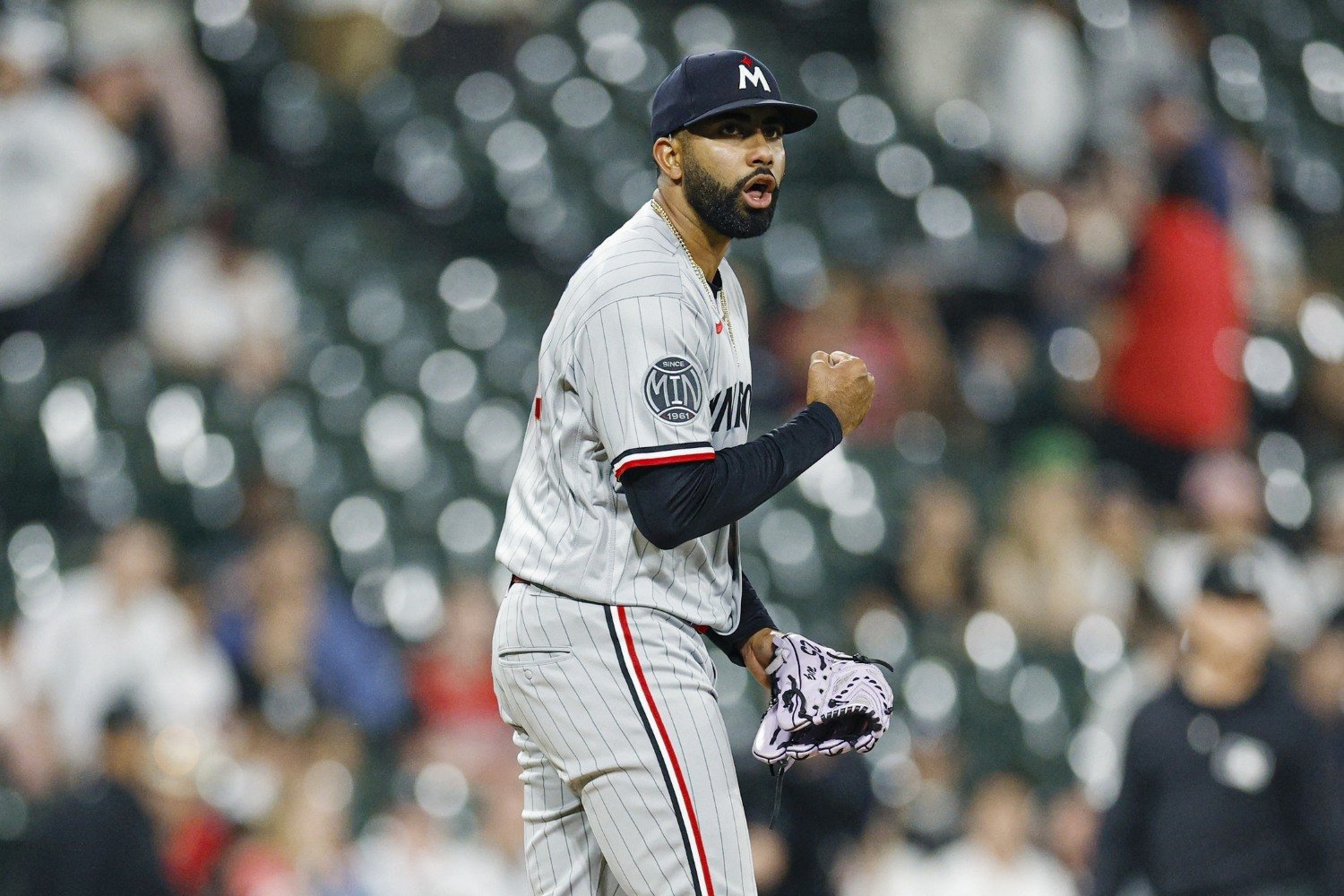 The Minnesota Twins have made their trade deadline intentions crystal clear. General manager Jeremy Zoll told reporters before Tuesday's game that the club intends to improve the major-league roster before Monday's August 3 trade deadline, with bullpen help sitting at the top of the shopping list. That shouldn't come as much of a surprise. While Minnesota has fought its way back into contention, the relief corps remains the biggest obstacle between this team and a legitimate postseason push. There are a few relievers manager Derek Shelton can trust. After that, the confidence level drops off quickly. If the Twins want this bullpen to become a strength instead of simply surviving games, they'll need to add multiple high-leverage relievers—not just another middle-inning option. Here's what the current hierarchy looks like, as the club ponders upgrades. Tier 1: Yoendrys Gómez, Andrew Morris Few waiver claims have changed the trajectory of a season like Yoendrys Gómez. He has quite literally saved Minnesota's bullpen. Shortly after arriving, Gómez took over the closer's role and never looked back. Credit goes to both Gómez and Minnesota's pitching coaches, who made subtle mechanical adjustments that unlocked another level. Since joining the Twins, Gómez owns a 1.78 ERA and a 1.02 WHIP, and is a perfect 13-for-13 in save opportunities. Andrew Morris has been just as important. When Minnesota traded Jhoan Duran, Griffin Jax, and Louis Varland at last year's deadline, the organization believed it could rebuild the bullpen internally. Morris has become the poster child for that philosophy. After transitioning from the rotation into a one-inning relief role, his stuff has played up dramatically. Over his last 19 appearances, Morris has surrendered just one earned run (a solo home run) while striking out 20 batters across 21 innings. He's quickly become one of the most dependable setup options in the American League. Tier 2: Tommy Nance, Kendry Rojas, Travis Adams This is where Minnesota's bullpen starts showing its biggest weakness. Tommy Nance has been perfectly serviceable since arriving from Toronto. His 23.8% strikeout rate, 10.1% walk rate, and 4.03 FIP paint the picture of a capable middle reliever. On many playoff-caliber clubs, he'd slot into the sixth or seventh inning. For the Twins? He's arguably their third- or fourth-most trusted reliever. That's the problem. Nance isn't pitching above his ability. He's being asked to occupy a bigger role than a contender ideally wants. Kendry Rojas remains one of the organization's most intriguing arms, but he's difficult to rank. The left-hander has bounced between spot starts, piggyback outings, and relief appearances as injuries have forced Minnesota to stay flexible. He's probably the club's most trusted left-handed reliever, but he isn't being used like one, because the organization still views him as a long-term starter candidate and an important source of legnth. With Mike Paredes landing on the injured list, Rojas also represents the next logical rotation option. Until that changes, he'll stay at least partially stretched out, instead of becoming a traditional late-inning weapon. Travis Adams has quietly climbed this list over the past month. His overall numbers remain inflated after allowing 14 earned runs in 10 appearances between May 27 and June 29, but July has looked much different. Adams has given up just two earned runs across 10 2/3 innings, while striking out eight and walking four. Perhaps the most encouraging development has been his strikeout rate, which has climbed to 26.4%, nearly seven percentage points better than last season. The walks, however, remain elevated at 10.7%, leaving room for improvement before he can consistently handle high-leverage situations. Tier 3: Taylor Rogers, Kody Funderburk, Jack Anderson Taylor Rogers's return to Minnesota had a chance to be one of the better stories of the season. The veteran reunited with the organization that drafted and developed him, while also reaching the milestone of 10 years of major-league service time. Unfortunately, sentiment hasn't translated into production. Rogers owns an ERA north of 5.00, and his strikeout rate has dropped more than eight percentage points below his career average. There are encouraging signs, though. He's allowed just one earned run over his last nine appearances, suggesting he may have a little gas left in the tank. Kody Funderburk hasn't taken the step forward Minnesota hoped to see after his strong finish to 2025. Instead, he's spent much of the season shuttling between Triple-A and the majors. His strikeout rate has fallen from 21.9% to just 15.0%, while a matching 15.0% walk rate has created too many stressful innings. Since returning at the end of June, Funderburk has been more effective, posting a 3.65 ERA with 10 strikeouts and four walks across 12⅓ innings. It's progress, but not enough to erase the inconsistency. Jack Anderson may be the bullpen's biggest unknown. Claimed off waivers from Boston, Anderson has quietly impressed during his brief stint with Minnesota. He's thrown 4 1/3 scoreless innings, allowing one hit while striking out four. Earlier this season with the Red Sox, he posted respectable numbers over three appearances, giving the Twins enough reason to believe there's more upside to unlock. The sample size remains small, but Anderson has earned the opportunity to stick around. What the Deadline Should Look Like The biggest takeaway from these rankings isn't that Minnesota lacks quality relievers. It's that there aren't enough of them, and that shouldn’t be a surprise to Twins fans. Gómez and Morris have formed an excellent late-inning duo, but asking Nance to be one of your top setup options is asking too much from the current roster construction. In an ideal bullpen, Nance slides down a couple spots on the depth chart, while Rogers, Adams, Funderburk, and Anderson compete for lower-leverage innings. That's why adding one reliever may not be enough. If the Twins are serious about making noise in October, they need to acquire multiple relievers who immediately rank ahead of Nance in the bullpen hierarchy. Doing so would transform the middle innings, deepen Shelton's options, and lessen the nightly workload on Gómez and Morris. There's also another reinforcement on the horizon. As Connor Prielipp approaches his anticipated innings limit as a starter, the Twins could transition one of their top pitching prospects into a relief role late in the season. His power arsenal could make him an impact weapon out of the bullpen, much like Morris after his own move away from starting. Of course, if they go that route, they have to replace Prielipp in the rotation. That possibility gives Minnesota another intriguing internal option. But with October aspirations on the line, the Twins can't afford to wait for internal solutions alone. The bullpen has improved dramatically since Opening Day, but the gap between Minnesota and the American League's elite contenders is still measured in late-inning arms. Jeremy Zoll knows it. Now, the trade deadline will reveal just how aggressively the Twins intend to close it. Do you agree with the rankings above? Leave a comment and start the discussion.
- 32 comments
-
- 2
-

-
- yoendrys gomez
- andrew morris
- (and 6 more)
-
Image courtesy of © Kamil Krzaczynski-Imagn Images The Minnesota Twins have made their trade deadline intentions crystal clear. General manager Jeremy Zoll told reporters before Tuesday's game that the club intends to improve the major-league roster before Monday's August 3 trade deadline, with bullpen help sitting at the top of the shopping list. That shouldn't come as much of a surprise. While Minnesota has fought its way back into contention, the relief corps remains the biggest obstacle between this team and a legitimate postseason push. There are a few relievers manager Derek Shelton can trust. After that, the confidence level drops off quickly. If the Twins want this bullpen to become a strength instead of simply surviving games, they'll need to add multiple high-leverage relievers—not just another middle-inning option. Here's what the current hierarchy looks like, as the club ponders upgrades. Tier 1: Yoendrys Gómez, Andrew Morris Few waiver claims have changed the trajectory of a season like Yoendrys Gómez. He has quite literally saved Minnesota's bullpen. Shortly after arriving, Gómez took over the closer's role and never looked back. Credit goes to both Gómez and Minnesota's pitching coaches, who made subtle mechanical adjustments that unlocked another level. Since joining the Twins, Gómez owns a 1.78 ERA and a 1.02 WHIP, and is a perfect 13-for-13 in save opportunities. Andrew Morris has been just as important. When Minnesota traded Jhoan Duran, Griffin Jax, and Louis Varland at last year's deadline, the organization believed it could rebuild the bullpen internally. Morris has become the poster child for that philosophy. After transitioning from the rotation into a one-inning relief role, his stuff has played up dramatically. Over his last 19 appearances, Morris has surrendered just one earned run (a solo home run) while striking out 20 batters across 21 innings. He's quickly become one of the most dependable setup options in the American League. Tier 2: Tommy Nance, Kendry Rojas, Travis Adams This is where Minnesota's bullpen starts showing its biggest weakness. Tommy Nance has been perfectly serviceable since arriving from Toronto. His 23.8% strikeout rate, 10.1% walk rate, and 4.03 FIP paint the picture of a capable middle reliever. On many playoff-caliber clubs, he'd slot into the sixth or seventh inning. For the Twins? He's arguably their third- or fourth-most trusted reliever. That's the problem. Nance isn't pitching above his ability. He's being asked to occupy a bigger role than a contender ideally wants. Kendry Rojas remains one of the organization's most intriguing arms, but he's difficult to rank. The left-hander has bounced between spot starts, piggyback outings, and relief appearances as injuries have forced Minnesota to stay flexible. He's probably the club's most trusted left-handed reliever, but he isn't being used like one, because the organization still views him as a long-term starter candidate and an important source of legnth. With Mike Paredes landing on the injured list, Rojas also represents the next logical rotation option. Until that changes, he'll stay at least partially stretched out, instead of becoming a traditional late-inning weapon. Travis Adams has quietly climbed this list over the past month. His overall numbers remain inflated after allowing 14 earned runs in 10 appearances between May 27 and June 29, but July has looked much different. Adams has given up just two earned runs across 10 2/3 innings, while striking out eight and walking four. Perhaps the most encouraging development has been his strikeout rate, which has climbed to 26.4%, nearly seven percentage points better than last season. The walks, however, remain elevated at 10.7%, leaving room for improvement before he can consistently handle high-leverage situations. Tier 3: Taylor Rogers, Kody Funderburk, Jack Anderson Taylor Rogers's return to Minnesota had a chance to be one of the better stories of the season. The veteran reunited with the organization that drafted and developed him, while also reaching the milestone of 10 years of major-league service time. Unfortunately, sentiment hasn't translated into production. Rogers owns an ERA north of 5.00, and his strikeout rate has dropped more than eight percentage points below his career average. There are encouraging signs, though. He's allowed just one earned run over his last nine appearances, suggesting he may have a little gas left in the tank. Kody Funderburk hasn't taken the step forward Minnesota hoped to see after his strong finish to 2025. Instead, he's spent much of the season shuttling between Triple-A and the majors. His strikeout rate has fallen from 21.9% to just 15.0%, while a matching 15.0% walk rate has created too many stressful innings. Since returning at the end of June, Funderburk has been more effective, posting a 3.65 ERA with 10 strikeouts and four walks across 12⅓ innings. It's progress, but not enough to erase the inconsistency. Jack Anderson may be the bullpen's biggest unknown. Claimed off waivers from Boston, Anderson has quietly impressed during his brief stint with Minnesota. He's thrown 4 1/3 scoreless innings, allowing one hit while striking out four. Earlier this season with the Red Sox, he posted respectable numbers over three appearances, giving the Twins enough reason to believe there's more upside to unlock. The sample size remains small, but Anderson has earned the opportunity to stick around. What the Deadline Should Look Like The biggest takeaway from these rankings isn't that Minnesota lacks quality relievers. It's that there aren't enough of them, and that shouldn’t be a surprise to Twins fans. Gómez and Morris have formed an excellent late-inning duo, but asking Nance to be one of your top setup options is asking too much from the current roster construction. In an ideal bullpen, Nance slides down a couple spots on the depth chart, while Rogers, Adams, Funderburk, and Anderson compete for lower-leverage innings. That's why adding one reliever may not be enough. If the Twins are serious about making noise in October, they need to acquire multiple relievers who immediately rank ahead of Nance in the bullpen hierarchy. Doing so would transform the middle innings, deepen Shelton's options, and lessen the nightly workload on Gómez and Morris. There's also another reinforcement on the horizon. As Connor Prielipp approaches his anticipated innings limit as a starter, the Twins could transition one of their top pitching prospects into a relief role late in the season. His power arsenal could make him an impact weapon out of the bullpen, much like Morris after his own move away from starting. Of course, if they go that route, they have to replace Prielipp in the rotation. That possibility gives Minnesota another intriguing internal option. But with October aspirations on the line, the Twins can't afford to wait for internal solutions alone. The bullpen has improved dramatically since Opening Day, but the gap between Minnesota and the American League's elite contenders is still measured in late-inning arms. Jeremy Zoll knows it. Now, the trade deadline will reveal just how aggressively the Twins intend to close it. Do you agree with the rankings above? Leave a comment and start the discussion. View full article
-
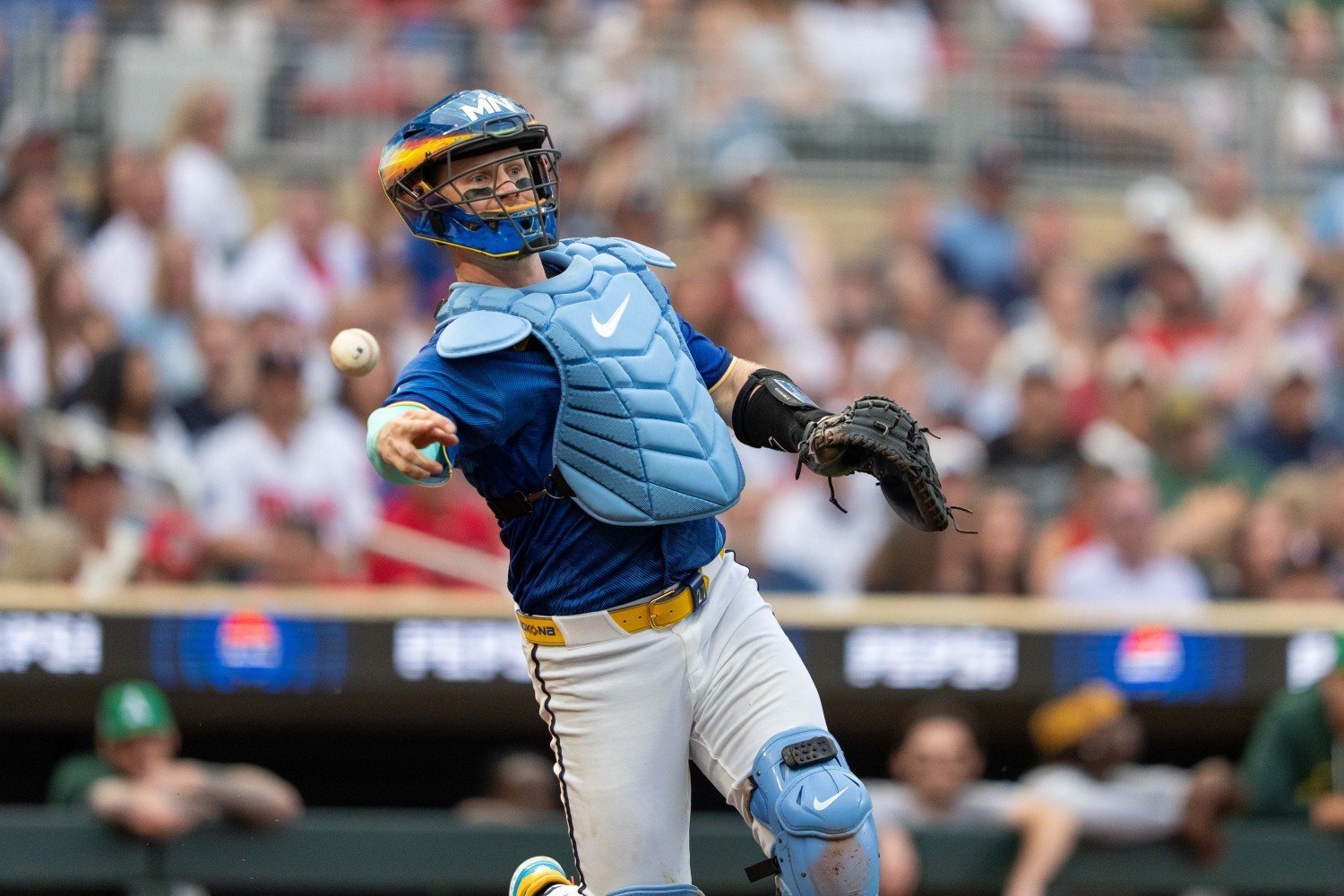 The Minnesota Twins continue to insist they plan to improve their roster ahead of Monday's MLB trade deadline, but that doesn't necessarily mean only adding players. ESPN insider Jeff Passan believes Minnesota could still move one of its most valuable trade chips if the right major league return is available. General manager Jeremy Zoll reiterated before Tuesday's game that the Twins intend to add, with bullpen help remaining the organization's top priority. That stance hasn't changed, but Passan believes the front office is prepared to be flexible if a deal strengthens the current roster. Jeffers is the Twins' Top Trade Asset In his latest deadline preview, Passan identified catcher Ryan Jeffers as Minnesota's best trade asset. While Jeffers has spent months at the center of trade speculation, Passan doesn't believe the Twins are interested in moving him simply to add prospects. "Jeffers still could go, but just not necessarily for prospects," Passan wrote. "If there's a big league-for-big league trade to execute, Minnesota won't hesitate." That distinction is significant. The Twins have repeatedly emphasized that they expect to compete this season. Rather than subtracting from the major league roster, dealing Jeffers for an established bullpen arm (or multiple major league contributors) would allow Minnesota to address a weakness without taking a step backward. Bullpen Remains the Clear Priority Passan listed two of Minnesota's biggest needs as adding a swing-and-miss reliever and another hard-throwing bullpen arm. That aligns with what Zoll has said publicly. Despite an encouraging stretch to begin the second half, the Twins' bullpen has spent much of the season near the bottom of baseball. While the overall ERA has started trending in the right direction, Minnesota still lacks the type of dominant late-inning arms that contenders often acquire before the deadline. With several clubs expected to shop proven relievers over the next few days, the Twins appear focused on finding upgrades that can make an immediate impact. Why Jeffers and Larnach Still Make Sense Passan also noted that Jeffers and Trevor Larnach remain logical trade candidates because of Minnesota's organizational depth. "Jeffers and outfielder Trevor Larnach... remain in play," Passan wrote. "Minnesota won't trade anyone just for the sake of trading them." The Twins have one of baseball's deepest collections of young position players. Walker Jenkins is waiting in Triple-A and projects to become an everyday corner outfielder in the near future, while Victor Caratini gives Minnesota another experienced catching option if Jeffers were moved. That depth gives the front office flexibility to deal from positions of strength if it means addressing a more pressing need. The Balancing Act Passan also acknowledged the difficult position Minnesota finds itself in. With half of Major League Baseball hovering around .500, every loss carries extra weight. A short losing streak can dramatically alter the standings and change how aggressive a front office chooses to be. Rather than making moves simply because ownership wants the team to compete, Passan believes the Twins will remain disciplined. They'll pursue upgrades, but only if the value is right. That approach could ultimately lead to one of the more intriguing possibilities of trade deadline season, a rare big-league-for-big-league swap centered around Jeffers. If the Twins can turn a position of organizational strength into immediate bullpen help, they may accomplish both goals at once: improve the 2026 roster while avoiding mortgaging the future.
 -
The Minnesota Twins continue to insist they plan to improve their roster ahead of Monday's MLB trade deadline, but that doesn't necessarily mean only adding players. ESPN insider Jeff Passan believes Minnesota could still move one of its most valuable trade chips if the right major league return is available. General manager Jeremy Zoll reiterated before Tuesday's game that the Twins intend to add, with bullpen help remaining the organization's top priority. That stance hasn't changed, but Passan believes the front office is prepared to be flexible if a deal strengthens the current roster. Jeffers is the Twins' Top Trade Asset In his latest deadline preview, Passan identified catcher Ryan Jeffers as Minnesota's best trade asset. While Jeffers has spent months at the center of trade speculation, Passan doesn't believe the Twins are interested in moving him simply to add prospects. "Jeffers still could go, but just not necessarily for prospects," Passan wrote. "If there's a big league-for-big league trade to execute, Minnesota won't hesitate." That distinction is significant. The Twins have repeatedly emphasized that they expect to compete this season. Rather than subtracting from the major league roster, dealing Jeffers for an established bullpen arm (or multiple major league contributors) would allow Minnesota to address a weakness without taking a step backward. Bullpen Remains the Clear Priority Passan listed two of Minnesota's biggest needs as adding a swing-and-miss reliever and another hard-throwing bullpen arm. That aligns with what Zoll has said publicly. Despite an encouraging stretch to begin the second half, the Twins' bullpen has spent much of the season near the bottom of baseball. While the overall ERA has started trending in the right direction, Minnesota still lacks the type of dominant late-inning arms that contenders often acquire before the deadline. With several clubs expected to shop proven relievers over the next few days, the Twins appear focused on finding upgrades that can make an immediate impact. Why Jeffers and Larnach Still Make Sense Passan also noted that Jeffers and Trevor Larnach remain logical trade candidates because of Minnesota's organizational depth. "Jeffers and outfielder Trevor Larnach... remain in play," Passan wrote. "Minnesota won't trade anyone just for the sake of trading them." The Twins have one of baseball's deepest collections of young position players. Walker Jenkins is waiting in Triple-A and projects to become an everyday corner outfielder in the near future, while Victor Caratini gives Minnesota another experienced catching option if Jeffers were moved. That depth gives the front office flexibility to deal from positions of strength if it means addressing a more pressing need. The Balancing Act Passan also acknowledged the difficult position Minnesota finds itself in. With half of Major League Baseball hovering around .500, every loss carries extra weight. A short losing streak can dramatically alter the standings and change how aggressive a front office chooses to be. Rather than making moves simply because ownership wants the team to compete, Passan believes the Twins will remain disciplined. They'll pursue upgrades, but only if the value is right. That approach could ultimately lead to one of the more intriguing possibilities of trade deadline season, a rare big-league-for-big-league swap centered around Jeffers. If the Twins can turn a position of organizational strength into immediate bullpen help, they may accomplish both goals at once: improve the 2026 roster while avoiding mortgaging the future. View full rumor
-
Articles can be written two to three days before they are edited and posted on the site. Sometimes the stat lines change from when an article is written and when it is posted.
-
In Buyer Mode, Could the Twins Trade a Catcher But Retain Ryan Jeffers?
Cody Christie posted an article in Twins
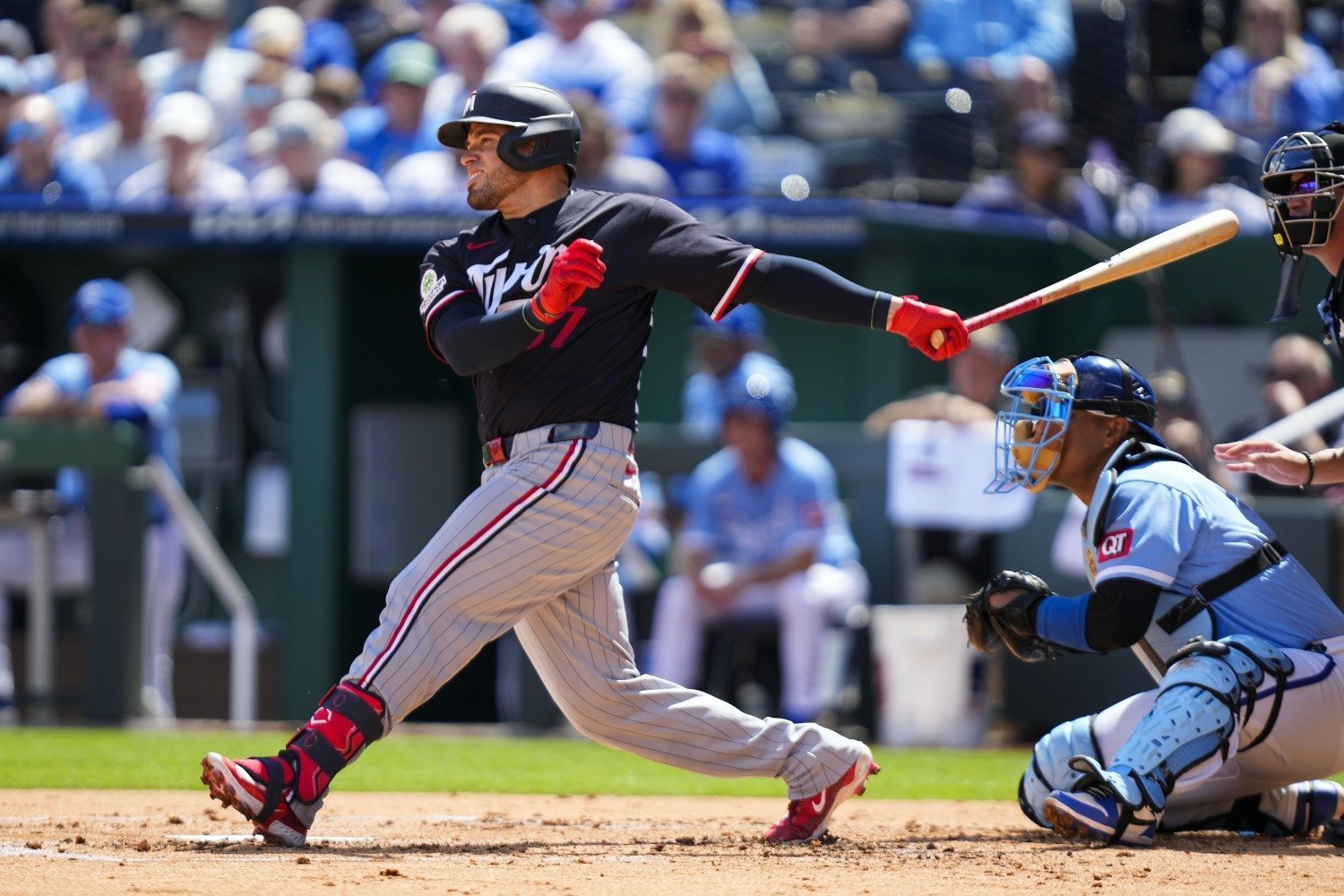 Before the trade deadline arrives, much of the focus (understandably) centers on the biggest names expected to change uniforms. For the Minnesota Twins, that conversation has almost exclusively revolved around Ryan Jeffers. He's an impending free agent; he's having the best offensive season of his career; and nearly every contender looking for catching help has been connected to him in one way or another. But what if the Twins found another way to capitalize on the catching market? The market for catchers has only become more competitive in recent days. Multiple playoff contenders (including the Yankees, Rays, Red Sox, and White Sox) are searching for help behind the plate, and one of the biggest alternative options disappeared when Athletics All-Star Shea Langeliers suffered a season-ending torn meniscus in his right knee. With Langeliers off the board, the demand has only increased. Jeffers has quietly assembled the finest offensive season of his career. Entering the stretch run, he's hitting .283/.390/.532 with nine home runs and a .922 OPS, establishing himself as one of baseball's best offensive catchers. His combination of power, patience, and ability to control the strike zone makes him an attractive fit for virtually any contender looking to upgrade behind the plate. The timing couldn't be better from a trade-value standpoint. Jeffers is scheduled to become a free agent after the season, meaning the Twins must determine whether they view him as part of their long-term plans or whether now is the time to maximize his value. Losing him in free agency for nothing would be a difficult outcome. If another club is willing to pay a premium today, that merits at least some consideration. With Langeliers no longer available, Jeffers arguably becomes the best catcher realistically available at the deadline. There are certainly bigger names floating around the rumor mill. Diamond Centric currently ranks Jeffers as the No. 42 overall trade candidate, while listing Adley Rutschman, Hunter Goodman, and Francisco Alvarez ahead of him among available catchers. The difference, however, is years of club control. All three of those catchers remain under team control beyond 2026, making them significantly more expensive acquisitions. Teams would have to surrender considerably more prospect capital to pry them away. It also means their current clubs don’t need to be in a hurry to trade them away. That scarcity could actually strengthen Minnesota's negotiating position. For clubs looking to improve immediately without emptying their farm system, Jeffers may represent the most realistic and impactful addition available. The surprise trade candidate could be Victor Caratini, if the Twins decide they don't want to part with Jeffers, or if the offers fail to meet their asking price. Caratini isn't nearly the offensive force Jeffers has become, but he's an experienced switch-hitting catcher with postseason experience, who remains under contract next season. Caratini is owed a $6.5-million base salary in 2027 and has a $12-million mutual option for 2028. As is often the case with mutual options, the far more likely outcome is the Twins paying the $3.5-million buyout, rather than both sides exercising the option. In effect, they owe the veteran backstop $10 million for next season. Moving Caratini would accomplish more than simply addressing another team's catching need. It would also create additional payroll flexibility heading into next season. Those savings could potentially help Minnesota pursue a reunion with Jeffers, or simply provide more room to address other roster needs over the winter. Caratini doesn't offer Jeffers's offensive upside. Through 78 games, he owns a .684 OPS and a 92 OPS+, making him a below-average hitter. However, contenders often prioritize reliability and versatility at catcher over offensive production alone, especially if they're looking for a second catcher or platoon option. Defensively, Caratini has graded as an above-average framer and blocker, helping his pitchers steal strikes and limit damage on balls in the dirt. The biggest concern has been controlling the running game. He has been charged with -6 runs in caught stealing above average and owns one of the slowest pop times among major-league catchers, making him vulnerable against aggressive baserunning clubs. Still, experienced catching is one of the hardest commodities to acquire in late July, and Caratini checks enough boxes to draw interest from clubs needing dependable depth behind the plate. Jeffers remains the obvious name to watch over the next several days, and for good reason. He's playing the best baseball of his career at precisely the right time, and the market for catching has only become thinner following Langeliers's injury. However, trading Caratini would give the Twins financial flexibility while still allowing them to keep one of the league's hottest offensive catchers for a potential stretch run or future extension. It would be a less headline-grabbing move, but one that could quietly position the organization for both the remainder of this season and next year. As a last resort, of course, they could trade Alex Jackson, instead. Moving Jackson wouldn't save them much money, but it would alleviate the crunch created by carrying three catchers and clarify some players' roles. At this point, trading Jeffers feels unlikely. Trading Jackson would be an extremely minor move, but it's probably necessary—unless the front office finds a happy medium by dealing Caratini. Does it make sense to trade Caratini instead of Jeffers? Leave a comment and start the discussion.
- 48 comments
-
- 3
-
-
- ryan jeffers
- victor caratini
- (and 1 more)
-
Image courtesy of © Jay Biggerstaff-Imagn Images Before the trade deadline arrives, much of the focus (understandably) centers on the biggest names expected to change uniforms. For the Minnesota Twins, that conversation has almost exclusively revolved around Ryan Jeffers. He's an impending free agent; he's having the best offensive season of his career; and nearly every contender looking for catching help has been connected to him in one way or another. But what if the Twins found another way to capitalize on the catching market? The market for catchers has only become more competitive in recent days. Multiple playoff contenders (including the Yankees, Rays, Red Sox, and White Sox) are searching for help behind the plate, and one of the biggest alternative options disappeared when Athletics All-Star Shea Langeliers suffered a season-ending torn meniscus in his right knee. With Langeliers off the board, the demand has only increased. Jeffers has quietly assembled the finest offensive season of his career. Entering the stretch run, he's hitting .283/.390/.532 with nine home runs and a .922 OPS, establishing himself as one of baseball's best offensive catchers. His combination of power, patience, and ability to control the strike zone makes him an attractive fit for virtually any contender looking to upgrade behind the plate. The timing couldn't be better from a trade-value standpoint. Jeffers is scheduled to become a free agent after the season, meaning the Twins must determine whether they view him as part of their long-term plans or whether now is the time to maximize his value. Losing him in free agency for nothing would be a difficult outcome. If another club is willing to pay a premium today, that merits at least some consideration. With Langeliers no longer available, Jeffers arguably becomes the best catcher realistically available at the deadline. There are certainly bigger names floating around the rumor mill. Diamond Centric currently ranks Jeffers as the No. 42 overall trade candidate, while listing Adley Rutschman, Hunter Goodman, and Francisco Alvarez ahead of him among available catchers. The difference, however, is years of club control. All three of those catchers remain under team control beyond 2026, making them significantly more expensive acquisitions. Teams would have to surrender considerably more prospect capital to pry them away. It also means their current clubs don’t need to be in a hurry to trade them away. That scarcity could actually strengthen Minnesota's negotiating position. For clubs looking to improve immediately without emptying their farm system, Jeffers may represent the most realistic and impactful addition available. The surprise trade candidate could be Victor Caratini, if the Twins decide they don't want to part with Jeffers, or if the offers fail to meet their asking price. Caratini isn't nearly the offensive force Jeffers has become, but he's an experienced switch-hitting catcher with postseason experience, who remains under contract next season. Caratini is owed a $6.5-million base salary in 2027 and has a $12-million mutual option for 2028. As is often the case with mutual options, the far more likely outcome is the Twins paying the $3.5-million buyout, rather than both sides exercising the option. In effect, they owe the veteran backstop $10 million for next season. Moving Caratini would accomplish more than simply addressing another team's catching need. It would also create additional payroll flexibility heading into next season. Those savings could potentially help Minnesota pursue a reunion with Jeffers, or simply provide more room to address other roster needs over the winter. Caratini doesn't offer Jeffers's offensive upside. Through 78 games, he owns a .684 OPS and a 92 OPS+, making him a below-average hitter. However, contenders often prioritize reliability and versatility at catcher over offensive production alone, especially if they're looking for a second catcher or platoon option. Defensively, Caratini has graded as an above-average framer and blocker, helping his pitchers steal strikes and limit damage on balls in the dirt. The biggest concern has been controlling the running game. He has been charged with -6 runs in caught stealing above average and owns one of the slowest pop times among major-league catchers, making him vulnerable against aggressive baserunning clubs. Still, experienced catching is one of the hardest commodities to acquire in late July, and Caratini checks enough boxes to draw interest from clubs needing dependable depth behind the plate. Jeffers remains the obvious name to watch over the next several days, and for good reason. He's playing the best baseball of his career at precisely the right time, and the market for catching has only become thinner following Langeliers's injury. However, trading Caratini would give the Twins financial flexibility while still allowing them to keep one of the league's hottest offensive catchers for a potential stretch run or future extension. It would be a less headline-grabbing move, but one that could quietly position the organization for both the remainder of this season and next year. As a last resort, of course, they could trade Alex Jackson, instead. Moving Jackson wouldn't save them much money, but it would alleviate the crunch created by carrying three catchers and clarify some players' roles. At this point, trading Jeffers feels unlikely. Trading Jackson would be an extremely minor move, but it's probably necessary—unless the front office finds a happy medium by dealing Caratini. Does it make sense to trade Caratini instead of Jeffers? Leave a comment and start the discussion. View full article
-
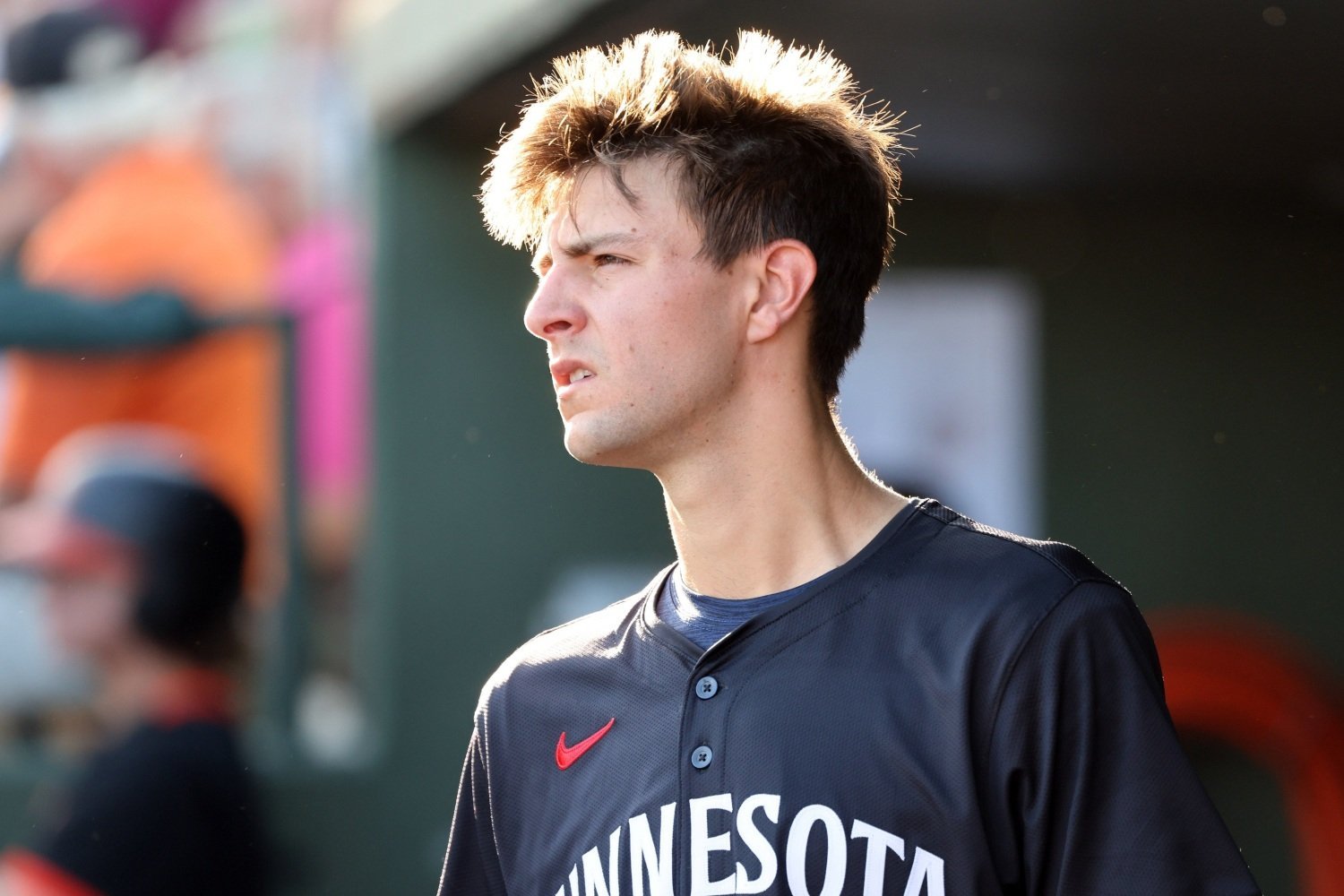 The Minnesota Twins received official confirmation on one of the organization's longest-running injury situations Wednesday. Right-hander David Festa will undergo two separate surgeries on Thursday, bringing an end to any possibility of a return during the 2026 season. According to Dan Hayes of The Athletic, Festa will have a procedure to correct a shoulder impingement while also undergoing surgery to treat neurogenic thoracic outlet syndrome, a condition caused by compressed nerves between the neck and shoulder. General manager Jeremy Zoll hinted last week that Festa was unlikely to pitch again this season. These operations make that outcome official and shift the focus toward getting the 26-year-old healthy for 2027. A Seemingly Endless Injury Journey Festa's shoulder troubles are nothing new. What initially appeared to be a manageable issue has lingered for nearly two years, preventing him from building any momentum. The Twins first sought answers last September when Festa met with a thoracic outlet specialist. Doctors determined that a compressed nerve was contributing to his discomfort, though surgery wasn't recommended at the time. Instead, he attempted to rehab the issue. Unfortunately, the symptoms resurfaced during Spring Training, preventing Festa from getting through his normal throwing program. He has remained on the 60-day injured list throughout the season and hasn't appeared in a regular-season game since last July. A Promising Arm Looking for a Fresh Start Before the injuries piled up, Festa was viewed as one of Minnesota's top pitching prospects. The former Seton Hall standout reached the majors in 2024 and flashed the swing-and-miss arsenal that made him such an intriguing prospect. Across 25 big-league appearances, Festa owns a 5.12 ERA over 117 2/3 innings. His ability to generate strikeouts has remained encouraging (25.7 K%), and his walk rate (8.3 BB%) has generally been under control. The biggest obstacle has been limiting home runs (1.45 HR/9), which have inflated his results despite otherwise solid underlying numbers. With two surgeries now scheduled, the Twins will be hoping this finally addresses the physical issues that have stalled his development. What Comes Next Because Festa has spent the entire season on the 60-day injured list, Minnesota will need to make a decision on his roster status once the offseason begins. The club will either have to restore him to the 40-man roster or expose him to waivers. Given Festa's age, prospect pedigree, and the flashes he has shown when healthy, it would be surprising if the Twins moved on. The more likely scenario is that they keep him on the roster while he continues his recovery, hoping the surgeries allow him to return at full strength for the 2027 season.
 -
The Minnesota Twins received official confirmation on one of the organization's longest-running injury situations Wednesday. Right-hander David Festa will undergo two separate surgeries on Thursday, bringing an end to any possibility of a return during the 2026 season. According to Dan Hayes of The Athletic, Festa will have a procedure to correct a shoulder impingement while also undergoing surgery to treat neurogenic thoracic outlet syndrome, a condition caused by compressed nerves between the neck and shoulder. General manager Jeremy Zoll hinted last week that Festa was unlikely to pitch again this season. These operations make that outcome official and shift the focus toward getting the 26-year-old healthy for 2027. A Seemingly Endless Injury Journey Festa's shoulder troubles are nothing new. What initially appeared to be a manageable issue has lingered for nearly two years, preventing him from building any momentum. The Twins first sought answers last September when Festa met with a thoracic outlet specialist. Doctors determined that a compressed nerve was contributing to his discomfort, though surgery wasn't recommended at the time. Instead, he attempted to rehab the issue. Unfortunately, the symptoms resurfaced during Spring Training, preventing Festa from getting through his normal throwing program. He has remained on the 60-day injured list throughout the season and hasn't appeared in a regular-season game since last July. A Promising Arm Looking for a Fresh Start Before the injuries piled up, Festa was viewed as one of Minnesota's top pitching prospects. The former Seton Hall standout reached the majors in 2024 and flashed the swing-and-miss arsenal that made him such an intriguing prospect. Across 25 big-league appearances, Festa owns a 5.12 ERA over 117 2/3 innings. His ability to generate strikeouts has remained encouraging (25.7 K%), and his walk rate (8.3 BB%) has generally been under control. The biggest obstacle has been limiting home runs (1.45 HR/9), which have inflated his results despite otherwise solid underlying numbers. With two surgeries now scheduled, the Twins will be hoping this finally addresses the physical issues that have stalled his development. What Comes Next Because Festa has spent the entire season on the 60-day injured list, Minnesota will need to make a decision on his roster status once the offseason begins. The club will either have to restore him to the 40-man roster or expose him to waivers. Given Festa's age, prospect pedigree, and the flashes he has shown when healthy, it would be surprising if the Twins moved on. The more likely scenario is that they keep him on the roster while he continues his recovery, hoping the surgeries allow him to return at full strength for the 2027 season. View full rumor
-
Image courtesy of © Jesse Johnson-Imagn Images The Minnesota Twins offense has been among baseball's best all season and currently leads the American League in runs scored. The lineup has consistently found ways to produce, even while dealing with injuries and inconsistent production from a few regulars. Most conversations surrounding the deadline have understandably centered on the bullpen, which has been one of the club's biggest shortcomings. Still, no contender is perfect—especially the 2026 Twins. If the Twins decide to look beyond pitching, the biggest opportunity for improvement sits at shortstop. The problem isn't identifying better players. It's finding one the Twins can realistically acquire without sacrificing too much of their future. The Weakest Spot in a Strong Lineup Ryan Kreidler has done an admirable job filling the position, but the offensive production leaves room for improvement. He's posted an 89 OPS+ while producing 0.3 rWAR, and his .675 OPS is actually about 160 points higher than his career average. That's a positive development for Kreidler personally, but it also illustrates why the Twins could benefit from more offense at one of the game's premium defensive positions. Unlike other spots in the lineup, shortstop isn't currently providing the type of impact expected from a postseason contender. Even a modest offensive upgrade could lengthen an already dangerous batting order. Why Kaelen Culpepper Isn't the Easy Solution On paper, the obvious answer is waiting in Triple-A. Kaelen Culpepper remains the organization's top infield prospect and projects as Minnesota's long-term answer at shortstop. However, his timeline doesn't perfectly align with this year's playoff push. A glute injury sidelined Culpepper for much of the past two months, delaying what had been an impressive season. He finally returned to action for Triple-A St. Paul on Friday, but asking him to immediately jump into a pennant race after such a lengthy absence would be a significant gamble. The Twins would almost certainly prefer to see him regain his rhythm and prove he's fully healthy before handing him everyday responsibilities in the majors. That leaves Minnesota in an awkward position. Their future answer is close, but perhaps not close enough for August and September. Plenty of Upgrades, Few Easy Trades According to Diamond Centric, the trade market features several starting-caliber shortstops who would represent clear offensive upgrades for Minnesota. The problem isn't talent. It's acquisition cost. Quality shortstops are among the most valuable players in baseball, and teams rarely move them without demanding premium prospect packages. For a Twins club that has spent most of the season hovering around Wild Card contention rather than establishing itself as a clear World Series favorite, paying that type of price becomes much more difficult to justify. Each of the top options comes with a different complication. Jeremy Peña– Houston Astros Diamond Centric Trade Candidate Rank: 4 If Houston ultimately decides to sell, Jeremy Peña would immediately become one of the most attractive rental position players available. Diamond Centric ranks him as the fourth-best trade candidate, and despite some fluctuations throughout his major league career, he'd represent a significant offensive and defensive upgrade over Minnesota's current production at shortstop. As a pending free agent, however, Houston would likely receive interest from numerous contenders, driving up the asking price for only a few months of control. CJ Abrams– Washington Nationals Diamond Centric Trade Candidate Rank: 8 Abrams offers a much different profile. He's under team control through 2028, making him the type of long-term building block organizations rarely move. The Nationals also find themselves in a similar position to Minnesota, sitting only a few games outside the Wild Card race. Washington could easily decide it's better to keep Abrams and revisit trade conversations this winter or next summer if the club isn't ready to contend. Even if he becomes available, acquiring two additional years of team control would almost certainly require one of the largest prospect packages exchanged at the deadline. Francisco Lindor– New York Mets Diamond Centric Trade Candidate Rank: 9 Lindor has been one of baseball's premier shortstops, but the financial commitment makes him an unlikely fit for nearly every organization. He's still owed roughly $170 million after this season, a figure that would likely eliminate Minnesota from serious discussions unless the Mets were willing to absorb a substantial portion of the remaining contract. Lindor has also dealt with injuries more frequently in recent years and could eventually need to shift away from shortstop as he gets older, adding another layer of uncertainty to such a massive investment. Zach Neto– Los Angeles Angels Diamond Centric Trade Candidate Rank: 13 Perhaps the most intriguing option is Neto. He's under team control through 2029, giving whichever team acquires him multiple seasons of value beyond 2026. His athleticism also provides defensive flexibility, allowing him to move around the diamond if Culpepper ultimately claims shortstop down the road. If the Angels truly decide that nearly everyone outside of Mike Trout is available, Neto becomes an extremely appealing target. The downside is obvious. Players with years of affordable control don't come cheaply, and the Angels would almost certainly ask for one of the strongest prospect packages available at this year's deadline. A Decision That Shapes More Than This Season The Twins don't necessarily need another bat. They've already built one of the American League's highest-scoring offenses. What they need is a better bat at one specific position, and that's what makes this deadline so challenging. Minnesota can hope Culpepper is ready in a few weeks, continue riding with Kreidler, or pay a premium for an established major league shortstop. None of those paths is perfect. That's why the bullpen will likely remain the organization's top priority before the deadline. Relievers are generally easier to acquire, and Minnesota's need there is more pressing. But if the front office decides to make one unexpected splash, don't be surprised if it comes at shortstop. The upgrade is obvious. Finding one at the right price is the difficult part. Do the Twins need an upgrade at shortstop? Would the front office pay a premium for a premium position? Leave a comment and start the discussion. View full article
-
Twins' Biggest Trade Deadline Need Might Be the Hardest One to Address
Cody Christie posted an article in Twins
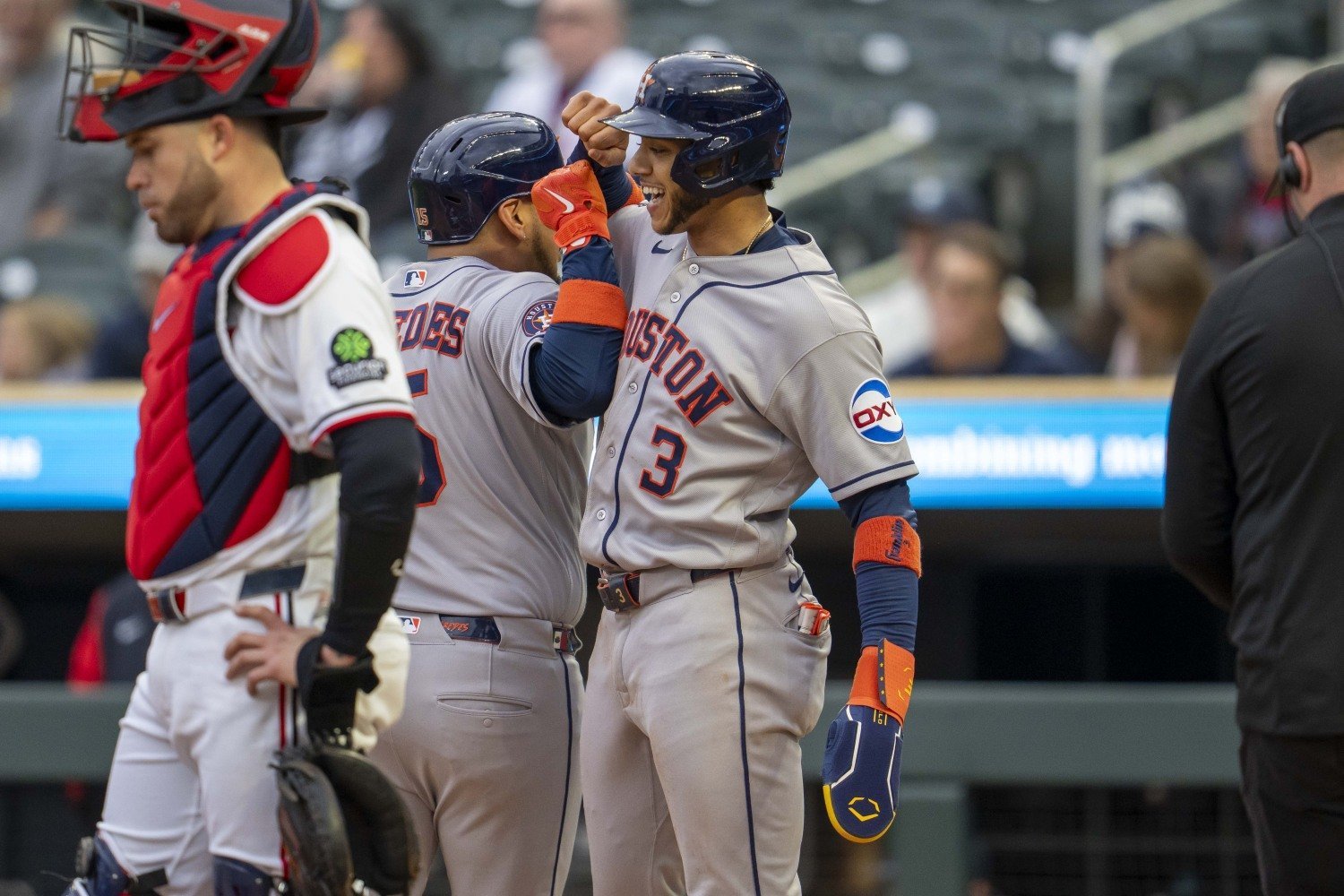 The Minnesota Twins offense has been among baseball's best all season and currently leads the American League in runs scored. The lineup has consistently found ways to produce, even while dealing with injuries and inconsistent production from a few regulars. Most conversations surrounding the deadline have understandably centered on the bullpen, which has been one of the club's biggest shortcomings. Still, no contender is perfect—especially the 2026 Twins. If the Twins decide to look beyond pitching, the biggest opportunity for improvement sits at shortstop. The problem isn't identifying better players. It's finding one the Twins can realistically acquire without sacrificing too much of their future. The Weakest Spot in a Strong Lineup Ryan Kreidler has done an admirable job filling the position, but the offensive production leaves room for improvement. He's posted an 89 OPS+ while producing 0.3 rWAR, and his .675 OPS is actually about 160 points higher than his career average. That's a positive development for Kreidler personally, but it also illustrates why the Twins could benefit from more offense at one of the game's premium defensive positions. Unlike other spots in the lineup, shortstop isn't currently providing the type of impact expected from a postseason contender. Even a modest offensive upgrade could lengthen an already dangerous batting order. Why Kaelen Culpepper Isn't the Easy Solution On paper, the obvious answer is waiting in Triple-A. Kaelen Culpepper remains the organization's top infield prospect and projects as Minnesota's long-term answer at shortstop. However, his timeline doesn't perfectly align with this year's playoff push. A glute injury sidelined Culpepper for much of the past two months, delaying what had been an impressive season. He finally returned to action for Triple-A St. Paul on Friday, but asking him to immediately jump into a pennant race after such a lengthy absence would be a significant gamble. The Twins would almost certainly prefer to see him regain his rhythm and prove he's fully healthy before handing him everyday responsibilities in the majors. That leaves Minnesota in an awkward position. Their future answer is close, but perhaps not close enough for August and September. Plenty of Upgrades, Few Easy Trades According to Diamond Centric, the trade market features several starting-caliber shortstops who would represent clear offensive upgrades for Minnesota. The problem isn't talent. It's acquisition cost. Quality shortstops are among the most valuable players in baseball, and teams rarely move them without demanding premium prospect packages. For a Twins club that has spent most of the season hovering around Wild Card contention rather than establishing itself as a clear World Series favorite, paying that type of price becomes much more difficult to justify. Each of the top options comes with a different complication. Jeremy Peña– Houston Astros Diamond Centric Trade Candidate Rank: 4 If Houston ultimately decides to sell, Jeremy Peña would immediately become one of the most attractive rental position players available. Diamond Centric ranks him as the fourth-best trade candidate, and despite some fluctuations throughout his major league career, he'd represent a significant offensive and defensive upgrade over Minnesota's current production at shortstop. As a pending free agent, however, Houston would likely receive interest from numerous contenders, driving up the asking price for only a few months of control. CJ Abrams– Washington Nationals Diamond Centric Trade Candidate Rank: 8 Abrams offers a much different profile. He's under team control through 2028, making him the type of long-term building block organizations rarely move. The Nationals also find themselves in a similar position to Minnesota, sitting only a few games outside the Wild Card race. Washington could easily decide it's better to keep Abrams and revisit trade conversations this winter or next summer if the club isn't ready to contend. Even if he becomes available, acquiring two additional years of team control would almost certainly require one of the largest prospect packages exchanged at the deadline. Francisco Lindor– New York Mets Diamond Centric Trade Candidate Rank: 9 Lindor has been one of baseball's premier shortstops, but the financial commitment makes him an unlikely fit for nearly every organization. He's still owed roughly $170 million after this season, a figure that would likely eliminate Minnesota from serious discussions unless the Mets were willing to absorb a substantial portion of the remaining contract. Lindor has also dealt with injuries more frequently in recent years and could eventually need to shift away from shortstop as he gets older, adding another layer of uncertainty to such a massive investment. Zach Neto– Los Angeles Angels Diamond Centric Trade Candidate Rank: 13 Perhaps the most intriguing option is Neto. He's under team control through 2029, giving whichever team acquires him multiple seasons of value beyond 2026. His athleticism also provides defensive flexibility, allowing him to move around the diamond if Culpepper ultimately claims shortstop down the road. If the Angels truly decide that nearly everyone outside of Mike Trout is available, Neto becomes an extremely appealing target. The downside is obvious. Players with years of affordable control don't come cheaply, and the Angels would almost certainly ask for one of the strongest prospect packages available at this year's deadline. A Decision That Shapes More Than This Season The Twins don't necessarily need another bat. They've already built one of the American League's highest-scoring offenses. What they need is a better bat at one specific position, and that's what makes this deadline so challenging. Minnesota can hope Culpepper is ready in a few weeks, continue riding with Kreidler, or pay a premium for an established major league shortstop. None of those paths is perfect. That's why the bullpen will likely remain the organization's top priority before the deadline. Relievers are generally easier to acquire, and Minnesota's need there is more pressing. But if the front office decides to make one unexpected splash, don't be surprised if it comes at shortstop. The upgrade is obvious. Finding one at the right price is the difficult part. Do the Twins need an upgrade at shortstop? Would the front office pay a premium for a premium position? Leave a comment and start the discussion.
- 19 comments
-
- 1
-
-
- ryan kreidler
- kaelen culpepper
- (and 4 more)
-
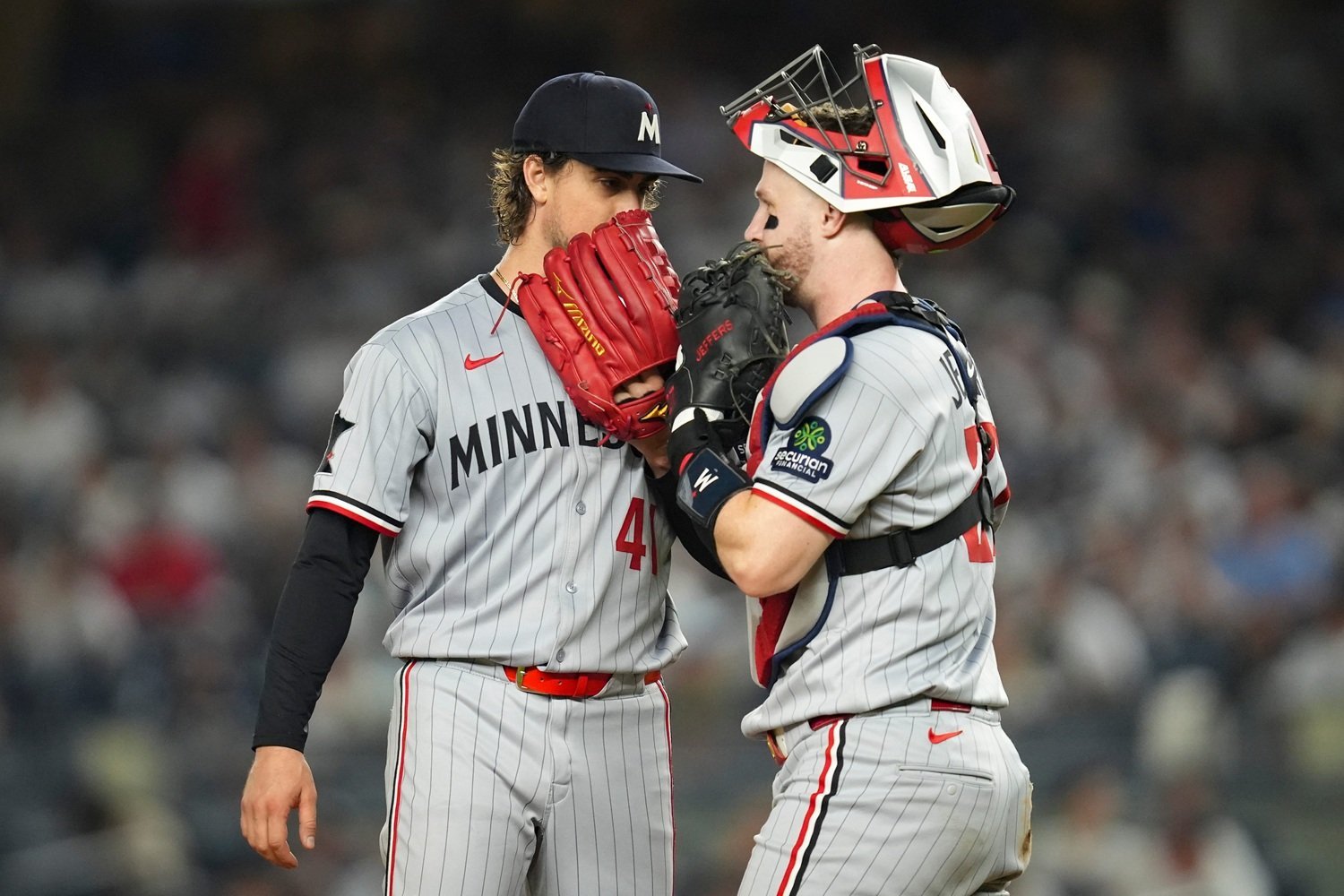 For months, the conversation surrounding the Twins centered on what they might sell at the trade deadline. Injuries, inconsistency, and an up-and-down first half fueled speculation that players like Joe Ryan and Ryan Jeffers could become some of the biggest names on the market. That narrative shifted dramatically Tuesday. Last night MLB insider Jon Heyman reported that Minnesota is "looking to improve the team after (a) walkoff win gets them to .500," Twins president of baseball operations Jeremy Zoll delivered a similar message during his pregame media session. The Twins aren't preparing to tear things down. They're looking for ways to make a postseason push. With a 54-54 record and sitting just a half-game out of the American League Wild Card race, Minnesota has officially entered buyer mode. Heyman Shuts Down Trade Speculation Trade rumors have followed the Twins all season, especially after Joe Ryan's All-Star campaign and Ryan Jeffers' strong offensive production behind the plate made both players attractive targets for contenders. Heyman's report poured cold water on those rumors. According to the longtime MLB insider, "Joe Ryan and Ryan Jeffers aren't going anywhere." That aligns with what the Twins have consistently signaled internally. Ryan remains under team control and is pitching like one of the best starters in the American League. Jeffers continues to provide rare power at catcher while helping manage the pitching staff. Moving either player would have weakened Minnesota's postseason chances. Instead, the front office appears committed to building around them. Along with Ryan and Jeffers, players such as Byron Buxton are viewed as foundational pieces the organization has no interest in moving. Bullpen Help Tops the Wish List While the Twins have one of the American League's most productive offenses, their bullpen has remained the club's biggest weakness throughout much of the season. Zoll didn't hesitate when asked where the organization intends to focus before the August 3 trade deadline. "We're going to focus on finding ways to continue to improve the bullpen," Zoll said. "That will be a clear focus. Beyond that, we're going to be open to a variety of creative paths. And you never know what might come about. We're active on the phones and in touch across the board trying to do everything we can to find ways to improve the team." The emphasis on "creative paths" is notable. Rather than targeting only traditional rental relievers, Minnesota could pursue controllable bullpen arms, multi-player deals, or even baseball trades involving players with years of club control. The front office has repeatedly shown a willingness to explore unconventional transactions if they improve both the present and future. Meaningful Games Were Always the Goal Perhaps the most revealing part of Zoll's media session wasn't about a specific trade target. It was a reminder that the organization's objectives haven't changed. "If we go back to spring training, we spent a lot of time talking about our goal was to play meaningful games in September," Zoll said. "We're very excited about how the team has played over this last stretch. Really encouraged. In turn, we're going to use this next stretch of the next week to do everything we can to find ways to improve the club and continue to execute on that goal and make it a reality." That statement reflects a front office that believes the team's recent surge is legitimate. After climbing back to .500, the Twins have positioned themselves squarely in the playoff hunt. Rather than standing pat or cashing in valuable veterans, they're looking for ways to capitalize on the opportunity. The Deadline Has Taken Shape Heyman's report eliminated much of the uncertainty surrounding Ryan and Jeffers, while Zoll confirmed the organization intends to strengthen the roster rather than subtract from it. The bullpen remains the obvious priority, but Minnesota appears prepared to explore any opportunity that makes the club better without sacrificing its core. Now the attention turns to execution. With only days remaining before the August 3 trade deadline, the Twins have made their intentions known. The challenge is turning those intentions into meaningful additions that help carry this team from an encouraging July into a postseason chase that extends well into September.
 -
For months, the conversation surrounding the Twins centered on what they might sell at the trade deadline. Injuries, inconsistency, and an up-and-down first half fueled speculation that players like Joe Ryan and Ryan Jeffers could become some of the biggest names on the market. That narrative shifted dramatically Tuesday. Last night MLB insider Jon Heyman reported that Minnesota is "looking to improve the team after (a) walkoff win gets them to .500," Twins president of baseball operations Jeremy Zoll delivered a similar message during his pregame media session. The Twins aren't preparing to tear things down. They're looking for ways to make a postseason push. With a 54-54 record and sitting just a half-game out of the American League Wild Card race, Minnesota has officially entered buyer mode. Heyman Shuts Down Trade Speculation Trade rumors have followed the Twins all season, especially after Joe Ryan's All-Star campaign and Ryan Jeffers' strong offensive production behind the plate made both players attractive targets for contenders. Heyman's report poured cold water on those rumors. According to the longtime MLB insider, "Joe Ryan and Ryan Jeffers aren't going anywhere." That aligns with what the Twins have consistently signaled internally. Ryan remains under team control and is pitching like one of the best starters in the American League. Jeffers continues to provide rare power at catcher while helping manage the pitching staff. Moving either player would have weakened Minnesota's postseason chances. Instead, the front office appears committed to building around them. Along with Ryan and Jeffers, players such as Byron Buxton are viewed as foundational pieces the organization has no interest in moving. Bullpen Help Tops the Wish List While the Twins have one of the American League's most productive offenses, their bullpen has remained the club's biggest weakness throughout much of the season. Zoll didn't hesitate when asked where the organization intends to focus before the August 3 trade deadline. "We're going to focus on finding ways to continue to improve the bullpen," Zoll said. "That will be a clear focus. Beyond that, we're going to be open to a variety of creative paths. And you never know what might come about. We're active on the phones and in touch across the board trying to do everything we can to find ways to improve the team." The emphasis on "creative paths" is notable. Rather than targeting only traditional rental relievers, Minnesota could pursue controllable bullpen arms, multi-player deals, or even baseball trades involving players with years of club control. The front office has repeatedly shown a willingness to explore unconventional transactions if they improve both the present and future. Meaningful Games Were Always the Goal Perhaps the most revealing part of Zoll's media session wasn't about a specific trade target. It was a reminder that the organization's objectives haven't changed. "If we go back to spring training, we spent a lot of time talking about our goal was to play meaningful games in September," Zoll said. "We're very excited about how the team has played over this last stretch. Really encouraged. In turn, we're going to use this next stretch of the next week to do everything we can to find ways to improve the club and continue to execute on that goal and make it a reality." That statement reflects a front office that believes the team's recent surge is legitimate. After climbing back to .500, the Twins have positioned themselves squarely in the playoff hunt. Rather than standing pat or cashing in valuable veterans, they're looking for ways to capitalize on the opportunity. The Deadline Has Taken Shape Heyman's report eliminated much of the uncertainty surrounding Ryan and Jeffers, while Zoll confirmed the organization intends to strengthen the roster rather than subtract from it. The bullpen remains the obvious priority, but Minnesota appears prepared to explore any opportunity that makes the club better without sacrificing its core. Now the attention turns to execution. With only days remaining before the August 3 trade deadline, the Twins have made their intentions known. The challenge is turning those intentions into meaningful additions that help carry this team from an encouraging July into a postseason chase that extends well into September. View full rumor
-
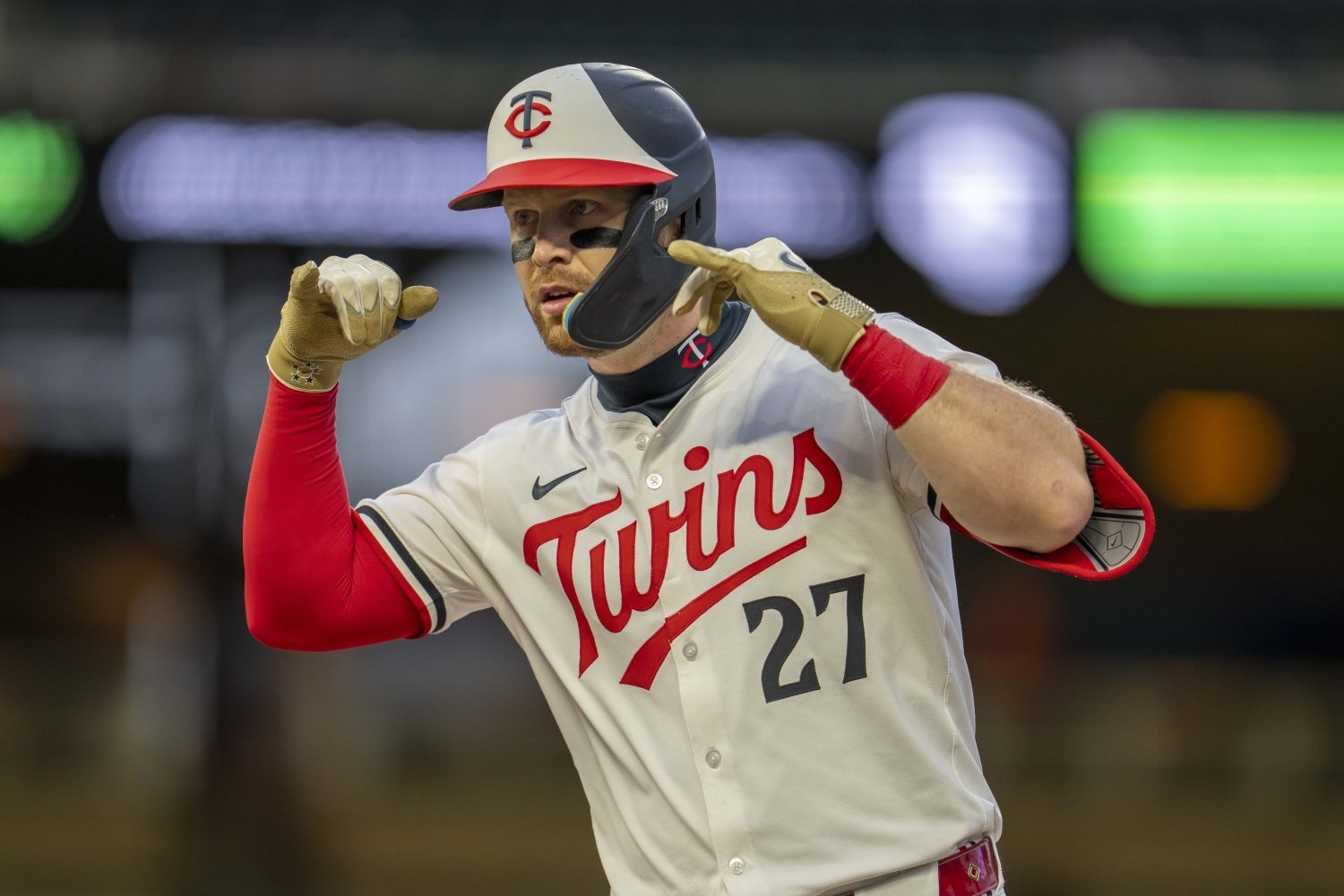 With less than a week remaining before the trade deadline, speculation surrounding Ryan Jeffers continues to intensify. Nearly every contender in need of catching help has been linked to the Twins' backstop, but one destination continues to surface above all others. According to ESPN insider Jeff Passan, the writing has been on the wall for months. Speaking about the trade market, Passan said a deal sending Jeffers to the Yankees "feels preordained." Even though Minnesota remains in the playoff race and has repeatedly emphasized its desire to compete, Passan believes Jeffers' contract situation ultimately makes him too logical a trade candidate to keep. Jeffers' Free Agency Changes the Equation Passan noted that Jeffers is "unlikely to re-sign in Minnesota" after the season, making him one of the Twins' most obvious trade chips. The 29-year-old is set to become a free agent this winter, leaving Minnesota with a difficult decision. Keep one of the best offensive catchers in baseball for a postseason push, or cash in now before he walks for nothing. The Yankees appear to be the cleanest fit. New York has spent much of the season searching for more right-handed power and offensive production behind the plate. Jeffers checks both boxes. Passan also mentioned the Red Sox and Rays as possible landing spots. Boston could be an especially interesting fit, as Jeffers' right-handed power would play well with Fenway Park's Green Monster. Tampa Bay has also been connected to catching upgrades throughout the summer. Still, the Yankees continue to feel like the favorite. Passan has connected Jeffers to New York for much of the last month. Whether that stems from inside information or simply an obvious baseball fit isn't entirely clear, but the consistency of the reporting is difficult to ignore. The Best Catcher Available? Jeffers has quietly put together the finest offensive season of his career. Entering the deadline stretch, he's slashing .283/.390/.532 with nine home runs and a .922 OPS, establishing himself as one of baseball's premier offensive catchers. His value may have increased even further after Athletics catcher Shea Langeliers suffered a meniscus tear expected to keep him out for the remainder of the season. With Langeliers no longer available, Jeffers arguably becomes one of the top catchers on the market. Diamond Centric currently ranks Jeffers as the 42nd overall trade candidate with three catchers ahead of him, including Adley Rutschman, Hunter Goodman, and Francisco Alvarez. However, they are all under team control beyond 2026, adding to what it would cost to acquire them. That scarcity could increase Minnesota's leverage in negotiations. What Could the Twins Actually Get? Being a top available catcher doesn't necessarily mean the Twins are about to receive a franchise-altering prospect package. Jeffers is strictly a rental. Any acquiring club would receive roughly two months of regular-season production plus whatever value he provides during the postseason before he reaches free agency. That's rarely enough to command an organization's elite prospects. Instead, the Twins are more likely looking at a return centered around a fringe top-100 prospect or a young major leaguer with multiple years of club control, supplemented by another lower-level prospect or organizational depth piece. That's where the Yankees become particularly intriguing. New York possesses several upper-level prospects who could help Minnesota as early as 2027, along with controllable young players already on the major league roster. If the Twins are prioritizing players who can contribute immediately rather than high-risk lottery tickets, the Yankees may offer one of the cleaner organizational fits. Whether a deal actually materializes remains to be seen. But as the deadline approaches, one of baseball's most connected insiders believes the destination has already been decided. If Passan is right, Jeffers may be putting on pinstripes before the deadline clock expires.
 -
With less than a week remaining before the trade deadline, speculation surrounding Ryan Jeffers continues to intensify. Nearly every contender in need of catching help has been linked to the Twins' backstop, but one destination continues to surface above all others. According to ESPN insider Jeff Passan, the writing has been on the wall for months. Speaking about the trade market, Passan said a deal sending Jeffers to the Yankees "feels preordained." Even though Minnesota remains in the playoff race and has repeatedly emphasized its desire to compete, Passan believes Jeffers' contract situation ultimately makes him too logical a trade candidate to keep. Jeffers' Free Agency Changes the Equation Passan noted that Jeffers is "unlikely to re-sign in Minnesota" after the season, making him one of the Twins' most obvious trade chips. The 29-year-old is set to become a free agent this winter, leaving Minnesota with a difficult decision. Keep one of the best offensive catchers in baseball for a postseason push, or cash in now before he walks for nothing. The Yankees appear to be the cleanest fit. New York has spent much of the season searching for more right-handed power and offensive production behind the plate. Jeffers checks both boxes. Passan also mentioned the Red Sox and Rays as possible landing spots. Boston could be an especially interesting fit, as Jeffers' right-handed power would play well with Fenway Park's Green Monster. Tampa Bay has also been connected to catching upgrades throughout the summer. Still, the Yankees continue to feel like the favorite. Passan has connected Jeffers to New York for much of the last month. Whether that stems from inside information or simply an obvious baseball fit isn't entirely clear, but the consistency of the reporting is difficult to ignore. The Best Catcher Available? Jeffers has quietly put together the finest offensive season of his career. Entering the deadline stretch, he's slashing .283/.390/.532 with nine home runs and a .922 OPS, establishing himself as one of baseball's premier offensive catchers. His value may have increased even further after Athletics catcher Shea Langeliers suffered a meniscus tear expected to keep him out for the remainder of the season. With Langeliers no longer available, Jeffers arguably becomes one of the top catchers on the market. Diamond Centric currently ranks Jeffers as the 42nd overall trade candidate with three catchers ahead of him, including Adley Rutschman, Hunter Goodman, and Francisco Alvarez. However, they are all under team control beyond 2026, adding to what it would cost to acquire them. That scarcity could increase Minnesota's leverage in negotiations. What Could the Twins Actually Get? Being a top available catcher doesn't necessarily mean the Twins are about to receive a franchise-altering prospect package. Jeffers is strictly a rental. Any acquiring club would receive roughly two months of regular-season production plus whatever value he provides during the postseason before he reaches free agency. That's rarely enough to command an organization's elite prospects. Instead, the Twins are more likely looking at a return centered around a fringe top-100 prospect or a young major leaguer with multiple years of club control, supplemented by another lower-level prospect or organizational depth piece. That's where the Yankees become particularly intriguing. New York possesses several upper-level prospects who could help Minnesota as early as 2027, along with controllable young players already on the major league roster. If the Twins are prioritizing players who can contribute immediately rather than high-risk lottery tickets, the Yankees may offer one of the cleaner organizational fits. Whether a deal actually materializes remains to be seen. But as the deadline approaches, one of baseball's most connected insiders believes the destination has already been decided. If Passan is right, Jeffers may be putting on pinstripes before the deadline clock expires. View full rumor
-
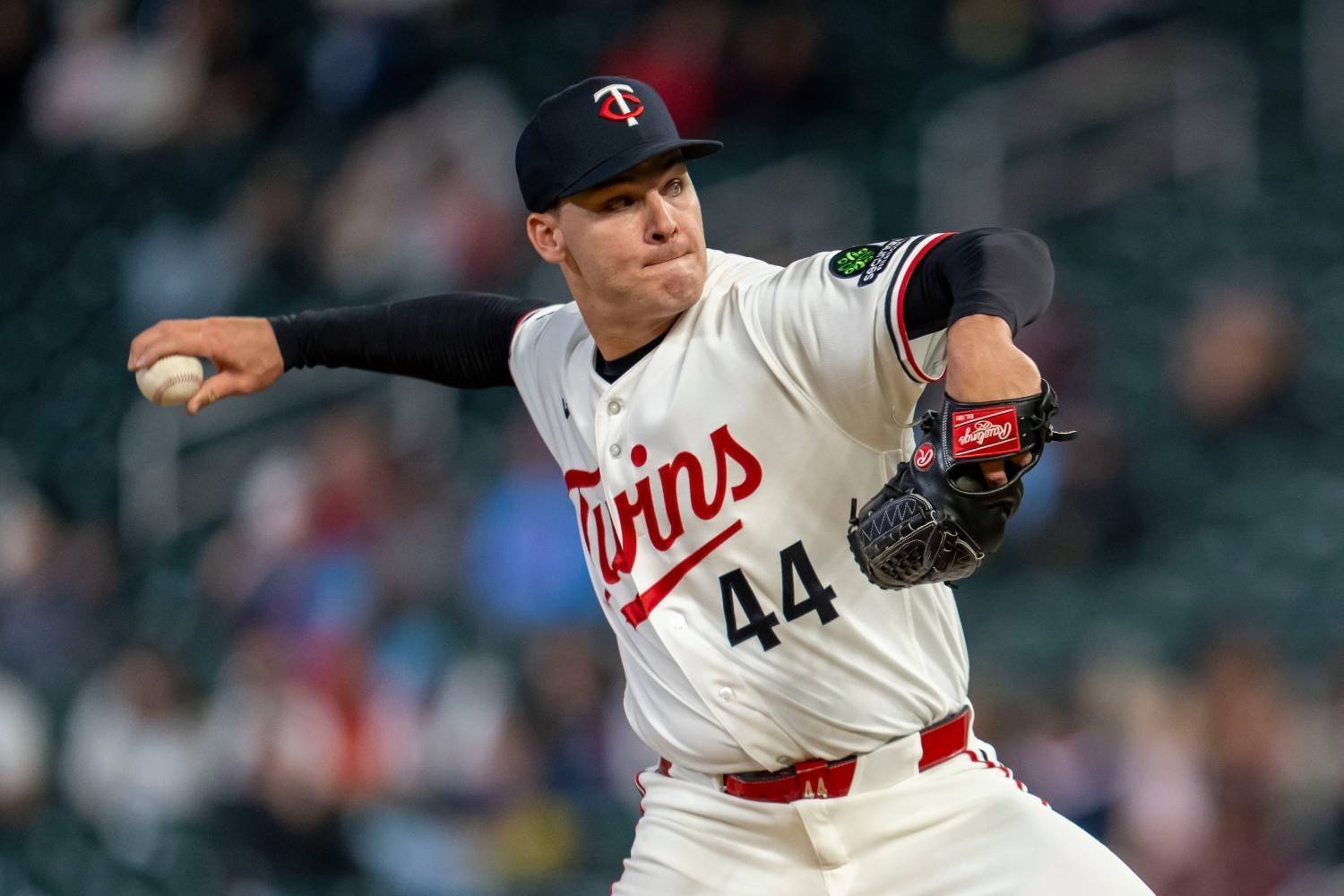 The Minnesota Twins finally welcomed Cole Sands back from the injured list over the weekend, hoping the right-hander could stabilize a bullpen that has searched for reliable late-inning options all season. Instead, his return lasted just one appearance. Before Tuesday's game, the Twins placed Sands back on the 15-day injured list with a right elbow strain and recalled right-hander Jack Anderson from Triple-A St. Paul to take his place on the active roster. The move comes just days after Sands completed a lengthy rehabilitation process that had already been interrupted once by another setback. Another Setback for Sands Sands had been sidelined since early May with a right forearm strain. Minnesota originally believed the injury would keep him out for only a short period, and he was cleared to begin a rehab assignment in early June. Those plans quickly unraveled. Inflammation returned during the rehab process, forcing the Twins to shut him down and restart his recovery from scratch. After weeks of waiting, Sands finally made it back to the major league bullpen this weekend. His return could not have gone much worse. Sands recorded just one out while allowing five earned runs, finishing with a -0.14 Win Probability Added (WPA). While the Twins had built enough of a lead to survive against the Athletics, it was evident that something wasn't right. Now, the club has its answer. Instead of building momentum after months of rehab, Sands is back on the injured list with an elbow strain, creating even more uncertainty around his future. Anderson Gets Another Opportunity To replace Sands, the Twins recalled Jack Anderson, who has quietly impressed in his first taste of the majors with Minnesota. After being claimed off waivers from the Boston Red Sox, Anderson has appeared in three games for the Twins. Across 3 1/3 scoreless innings, he has allowed just one hit while striking out four and walking one. His previous major league experience came with Boston earlier this season, where he logged eight innings over three appearances. Anderson allowed three earned runs on eight hits while recording six strikeouts and only two walks. Although the sample size remains small, it was enough for Minnesota to see something worth developing. His numbers at Triple-A Worcester were less dominant. Anderson posted a 4.57 ERA while striking out 20.0% of opposing hitters and walking 8.1% before the Twins claimed him. A Tough Blow for Minnesota's Bullpen Few relievers seemed more likely to impact Minnesota's postseason push than Sands. After establishing himself as one of the Twins' most dependable bullpen arms over the past two seasons, the expectation was that he would eventually return to reclaim a meaningful role in the late innings. Instead, injuries have limited him to just 13 appearances, and his long-awaited return ended almost as quickly as it began. Now, with an elbow strain sending him back to the injured list, the outlook becomes much more concerning. Depending on the severity of the injury, Sands may have already thrown his final pitch of the 2026 season.
 -
The Minnesota Twins finally welcomed Cole Sands back from the injured list over the weekend, hoping the right-hander could stabilize a bullpen that has searched for reliable late-inning options all season. Instead, his return lasted just one appearance. Before Tuesday's game, the Twins placed Sands back on the 15-day injured list with a right elbow strain and recalled right-hander Jack Anderson from Triple-A St. Paul to take his place on the active roster. The move comes just days after Sands completed a lengthy rehabilitation process that had already been interrupted once by another setback. Another Setback for Sands Sands had been sidelined since early May with a right forearm strain. Minnesota originally believed the injury would keep him out for only a short period, and he was cleared to begin a rehab assignment in early June. Those plans quickly unraveled. Inflammation returned during the rehab process, forcing the Twins to shut him down and restart his recovery from scratch. After weeks of waiting, Sands finally made it back to the major league bullpen this weekend. His return could not have gone much worse. Sands recorded just one out while allowing five earned runs, finishing with a -0.14 Win Probability Added (WPA). While the Twins had built enough of a lead to survive against the Athletics, it was evident that something wasn't right. Now, the club has its answer. Instead of building momentum after months of rehab, Sands is back on the injured list with an elbow strain, creating even more uncertainty around his future. Anderson Gets Another Opportunity To replace Sands, the Twins recalled Jack Anderson, who has quietly impressed in his first taste of the majors with Minnesota. After being claimed off waivers from the Boston Red Sox, Anderson has appeared in three games for the Twins. Across 3 1/3 scoreless innings, he has allowed just one hit while striking out four and walking one. His previous major league experience came with Boston earlier this season, where he logged eight innings over three appearances. Anderson allowed three earned runs on eight hits while recording six strikeouts and only two walks. Although the sample size remains small, it was enough for Minnesota to see something worth developing. His numbers at Triple-A Worcester were less dominant. Anderson posted a 4.57 ERA while striking out 20.0% of opposing hitters and walking 8.1% before the Twins claimed him. A Tough Blow for Minnesota's Bullpen Few relievers seemed more likely to impact Minnesota's postseason push than Sands. After establishing himself as one of the Twins' most dependable bullpen arms over the past two seasons, the expectation was that he would eventually return to reclaim a meaningful role in the late innings. Instead, injuries have limited him to just 13 appearances, and his long-awaited return ended almost as quickly as it began. Now, with an elbow strain sending him back to the injured list, the outlook becomes much more concerning. Depending on the severity of the injury, Sands may have already thrown his final pitch of the 2026 season. View full rumor