Cody Christie
-
Posts
7,515 -
Joined
-
Last visited
-
Days Won
5
Content Type
Profiles
News
Minnesota Twins Videos
2026 Minnesota Twins Top Prospects Ranking
2022 Minnesota Twins Draft Picks
Minnesota Twins Free Agent & Trade Rumors, Notes, & Tidbits
Guides & Resources
2023 Minnesota Twins Draft Picks
The Minnesota Twins Players Project
2024 Minnesota Twins Draft Picks
2025 Minnesota Twins Draft Pick Tracker
2026 Minnesota Twins Draft Tracker: Picks & Bonuses
Forums
Blogs
Events
Store
Downloads
Gallery
Everything posted by Cody Christie
-
For two seasons, Nelson Cruz was the heart and soul of the Twins lineup. Will the front office consider a reunion with Boomstick with the trade deadline looming? In recent years, Nelson Cruz seemed to be defying Father Time. From age 38 to 40 seasons, he posted a 151 OPS+ while averaging 30 home runs per season. At an age when many players are significantly declining, he was accomplishing things few players had done in their careers. Cruz had many memorable moments with the Twins, and his lasting legacy may be the players the Twins received when trading him to Tampa Bay. The Twins had an opportunity to bring Cruz back for the 2022 season, but the National League adding the designated hitter created other opportunities for his services. He signed a one-year $12 million deal with the Nationals and got off to a slow start. Cruz ended the month of April with a .479 OPS and more strikeouts (17) than hits (13). It looked like Father Time had caught up to the slugger, but then something clicked. From May 6 through July 3, Cruz hit .289/.367/.449 (.816) with 12 doubles and six home runs in 51 games. He might not produce like the old Boomstick, but he is undoubtedly an above-average hitter in a declining offensive environment. Other Statcast numbers also point to Cruz being closer to his former self. He ranks in the 70th percentile or higher in average exit velocity, hard-hit %, xwOBA, xSLG, and BB%. His Barrel percentage is among the league’s best as he nearly ranks in the 90th percentile. There is a lot of season left, and Cruz has something contending teams may be interested in adding to their roster. Some contending teams looking for a bench bat may be scared away by Cruz’s age, and his performance declined in the second half of 2021. After the Twins traded Cruz, he hit .226/.283/.442 (.725) with eight doubles and 13 home runs in 55 games. Both Tampa Bay and Cruz struggled in the playoffs as he went 3-for-17 (.176 BA) and the Red Sox eliminated the Rays. The 162-game schedule can be grueling for players, especially for those over the age of 40. For the 2022 Twins, Cruz may be a superfluous addition to the roster. Adding him would allow Ryan Jeffers and Gary Sanchez to get more regular rest on the days they aren’t catching. Miguel Sano is on track to return to the roster in the second half and doesn’t have a clear path to playing time. Cruz was a vocal leader in the clubhouse, but the Twins players and coaches have been adamant about the difference in clubhouse culture this season. Other players have taken on the leadership role, which seems to work for the club. This year’s trade deadline is also different from previous years due to the expansion of teams in the playoffs and the National League having the DH. More teams are in contention, and more teams will be interested in adding a big bat for the stretch run. It remains to be seen if Cruz can continue his hot-hitting ways or will this finally be the season where Father Time comes calling. Do you think the Twins should try and acquire Cruz? How do you predict he will do in the season’s second half? Leave a COMMENT and start the discussion. View full article
-
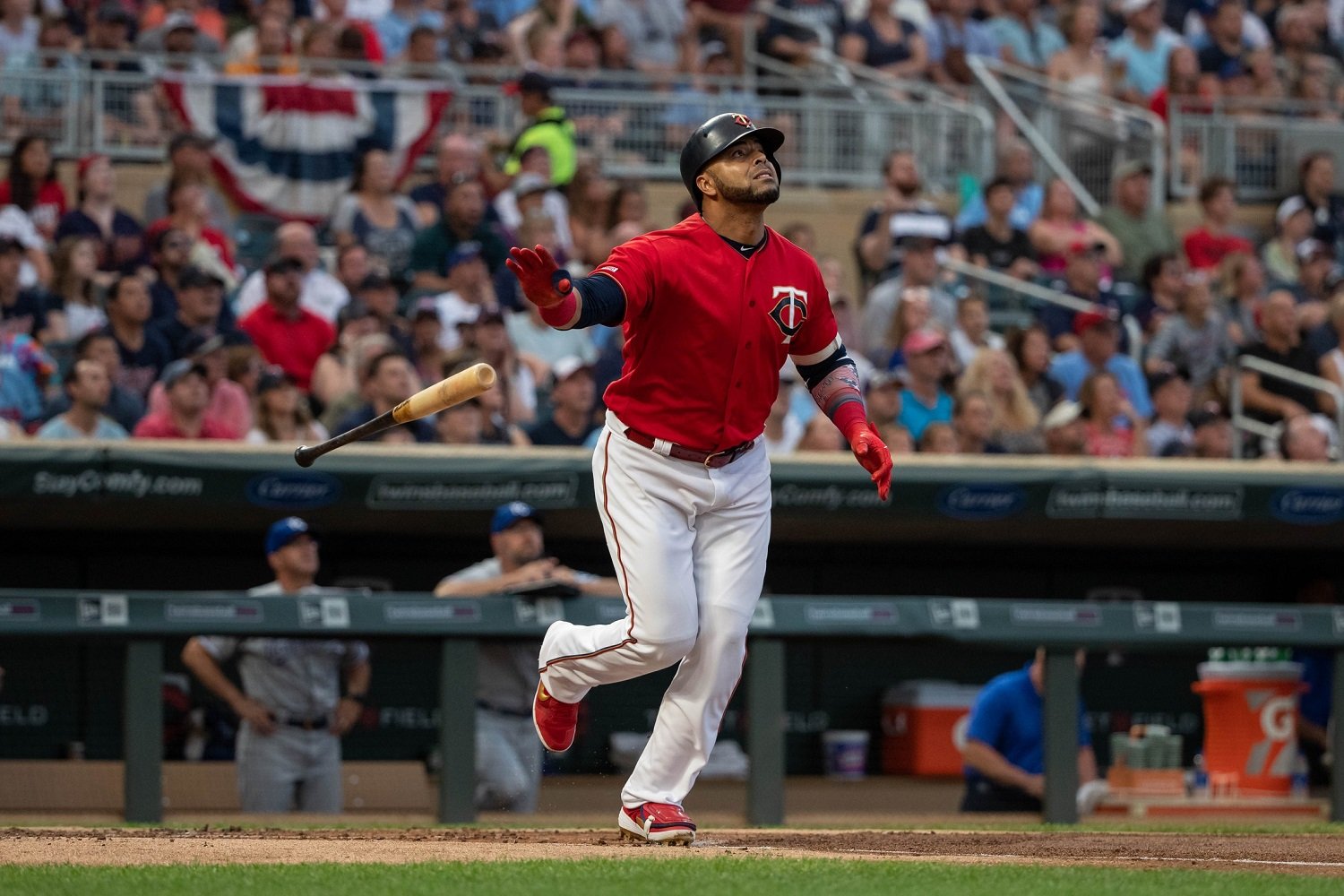 In recent years, Nelson Cruz seemed to be defying Father Time. From age 38 to 40 seasons, he posted a 151 OPS+ while averaging 30 home runs per season. At an age when many players are significantly declining, he was accomplishing things few players had done in their careers. Cruz had many memorable moments with the Twins, and his lasting legacy may be the players the Twins received when trading him to Tampa Bay. The Twins had an opportunity to bring Cruz back for the 2022 season, but the National League adding the designated hitter created other opportunities for his services. He signed a one-year $12 million deal with the Nationals and got off to a slow start. Cruz ended the month of April with a .479 OPS and more strikeouts (17) than hits (13). It looked like Father Time had caught up to the slugger, but then something clicked. From May 6 through July 3, Cruz hit .289/.367/.449 (.816) with 12 doubles and six home runs in 51 games. He might not produce like the old Boomstick, but he is undoubtedly an above-average hitter in a declining offensive environment. Other Statcast numbers also point to Cruz being closer to his former self. He ranks in the 70th percentile or higher in average exit velocity, hard-hit %, xwOBA, xSLG, and BB%. His Barrel percentage is among the league’s best as he nearly ranks in the 90th percentile. There is a lot of season left, and Cruz has something contending teams may be interested in adding to their roster. Some contending teams looking for a bench bat may be scared away by Cruz’s age, and his performance declined in the second half of 2021. After the Twins traded Cruz, he hit .226/.283/.442 (.725) with eight doubles and 13 home runs in 55 games. Both Tampa Bay and Cruz struggled in the playoffs as he went 3-for-17 (.176 BA) and the Red Sox eliminated the Rays. The 162-game schedule can be grueling for players, especially for those over the age of 40. For the 2022 Twins, Cruz may be a superfluous addition to the roster. Adding him would allow Ryan Jeffers and Gary Sanchez to get more regular rest on the days they aren’t catching. Miguel Sano is on track to return to the roster in the second half and doesn’t have a clear path to playing time. Cruz was a vocal leader in the clubhouse, but the Twins players and coaches have been adamant about the difference in clubhouse culture this season. Other players have taken on the leadership role, which seems to work for the club. This year’s trade deadline is also different from previous years due to the expansion of teams in the playoffs and the National League having the DH. More teams are in contention, and more teams will be interested in adding a big bat for the stretch run. It remains to be seen if Cruz can continue his hot-hitting ways or will this finally be the season where Father Time comes calling. Do you think the Twins should try and acquire Cruz? How do you predict he will do in the season’s second half? Leave a COMMENT and start the discussion.
 -
 Minnesota's offense has been one of its strengths this season, but even the best hitters go through slumps. Who do you trust the most in the Twins line-up? Last week, I named the team's most reliable relievers, which can be an exercise in futility. Relief pitchers deal in small sample sizes, and the Twins' relief core has been subpar for most of the season. Luckily, the offense continues to help the team stay in first place. Here are the hitters with the highest level of trust as the season approaches the All-Star Game. 5. Max Kepler Since May 1: 97 wRC+, 065 fWAR Kepler is having a resurgent offensive season after struggling to repeat his output from the 2019 campaign. His OPS+ is over 110 for the second time in his career as he has been an above-average hitter against right and left-handed pitchers this season. Other younger hitters like Alex Kirilloff and Jose Miranda are in the conversation for the final spot on this list. Still, Kepler has compiled solid numbers over the whole season that earned him a higher level of trust. 4. Jorge Polanco Since May 1: 125 wRC+, 1.3 fWAR Polanco recently returned from his first career stint on the IL, and he hasn't missed a beat. There are clearly better hitters on the Twins roster, but he continues to be a solid contributor. In previous seasons, Polanco has been the team's best offensive player, but his movement down this list points to the team's offensive strength. To stay in first, the Twins need contributions up-and-down the line-up, and Polanco has proven to be a tough out no matter where the Twins use him. 3. Byron Buxton Since May 1: 129 wRC+, 1.7 fWAR The Twins are better with Buxton in the line-up, and that's one of the main reasons the team continues to monitor his playing time. Minnesota needs Buxton healthy and performing at the end of the season when the games are even more critical. He's already set a career-high in home runs as he is on pace to hit over 40 homers. Buxton has been a streaky hitter throughout the season, and that's one of the only reasons he ranks third on this list. 2. Luis Arraez Since May 1: 161 wRC+, 1.9 fWAR Arraez has been a joy to watch at the plate for the entirety of the season. He leads the American League in batting average and on-base percentage, and national outlets have taken notice of his performance. Injuries forced the team to shift him to a new defensive position, and he continued to hit at a high level. MLB's offensive environment has been down this season, but Arraez continues to be a throwback to a bygone era. He has a chance to make his first All-Star team, and he arguably has been the team's first-half MVP. 1. Carlos Correa Since May 1: 161 wRC+, 1.7 fWAR This is why the Twins agreed to give Correa a record average annual salary for an infielder. His slow start is long forgotten as he powers the Twins' offense through some of the most challenging parts of the schedule. Even in his struggles, there were signs of his swing breaking out, and he has shown what he can mean to the middle of a line-up. There is no arguing that Correa is one of baseball's best hitters at a premium defensive position. Fans are aware of his option to opt-out at the season's end, but people should still be able to enjoy what he is bringing to the 2022 Twins. How would you rank the team's hitters? Leave a COMMENT and start the discussion. View full article
 -
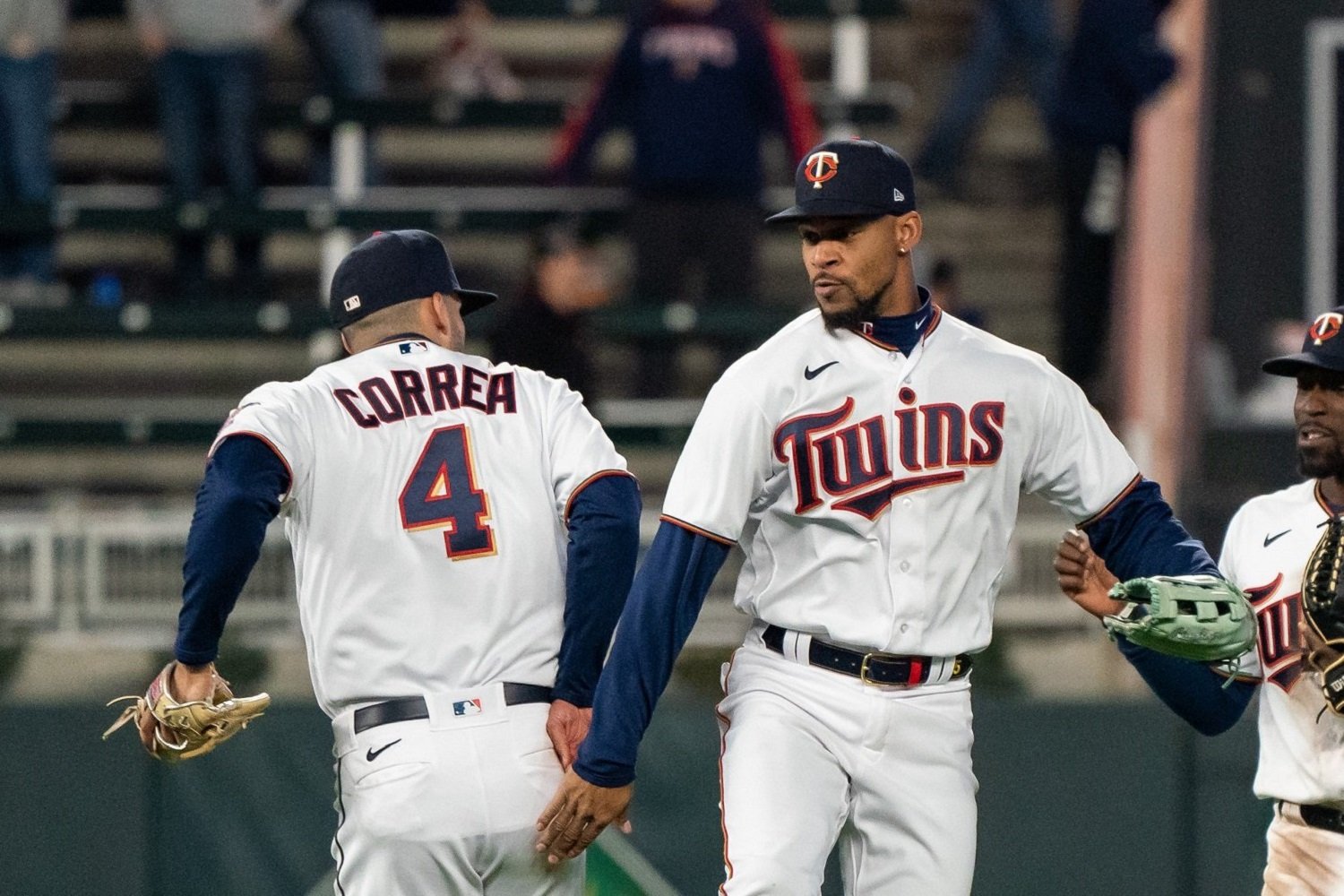 Last week, I named the team's most reliable relievers, which can be an exercise in futility. Relief pitchers deal in small sample sizes, and the Twins' relief core has been subpar for most of the season. Luckily, the offense continues to help the team stay in first place. Here are the hitters with the highest level of trust as the season approaches the All-Star Game. 5. Max Kepler Since May 1: 97 wRC+, 065 fWAR Kepler is having a resurgent offensive season after struggling to repeat his output from the 2019 campaign. His OPS+ is over 110 for the second time in his career as he has been an above-average hitter against right and left-handed pitchers this season. Other younger hitters like Alex Kirilloff and Jose Miranda are in the conversation for the final spot on this list. Still, Kepler has compiled solid numbers over the whole season that earned him a higher level of trust. 4. Jorge Polanco Since May 1: 125 wRC+, 1.3 fWAR Polanco recently returned from his first career stint on the IL, and he hasn't missed a beat. There are clearly better hitters on the Twins roster, but he continues to be a solid contributor. In previous seasons, Polanco has been the team's best offensive player, but his movement down this list points to the team's offensive strength. To stay in first, the Twins need contributions up-and-down the line-up, and Polanco has proven to be a tough out no matter where the Twins use him. 3. Byron Buxton Since May 1: 129 wRC+, 1.7 fWAR The Twins are better with Buxton in the line-up, and that's one of the main reasons the team continues to monitor his playing time. Minnesota needs Buxton healthy and performing at the end of the season when the games are even more critical. He's already set a career-high in home runs as he is on pace to hit over 40 homers. Buxton has been a streaky hitter throughout the season, and that's one of the only reasons he ranks third on this list. 2. Luis Arraez Since May 1: 161 wRC+, 1.9 fWAR Arraez has been a joy to watch at the plate for the entirety of the season. He leads the American League in batting average and on-base percentage, and national outlets have taken notice of his performance. Injuries forced the team to shift him to a new defensive position, and he continued to hit at a high level. MLB's offensive environment has been down this season, but Arraez continues to be a throwback to a bygone era. He has a chance to make his first All-Star team, and he arguably has been the team's first-half MVP. 1. Carlos Correa Since May 1: 161 wRC+, 1.7 fWAR This is why the Twins agreed to give Correa a record average annual salary for an infielder. His slow start is long forgotten as he powers the Twins' offense through some of the most challenging parts of the schedule. Even in his struggles, there were signs of his swing breaking out, and he has shown what he can mean to the middle of a line-up. There is no arguing that Correa is one of baseball's best hitters at a premium defensive position. Fans are aware of his option to opt-out at the season's end, but people should still be able to enjoy what he is bringing to the 2022 Twins. How would you rank the team's hitters? Leave a COMMENT and start the discussion.
- 15 comments
-
- 1
-

-
- carlos correa
- byron buxton
- (and 3 more)
-
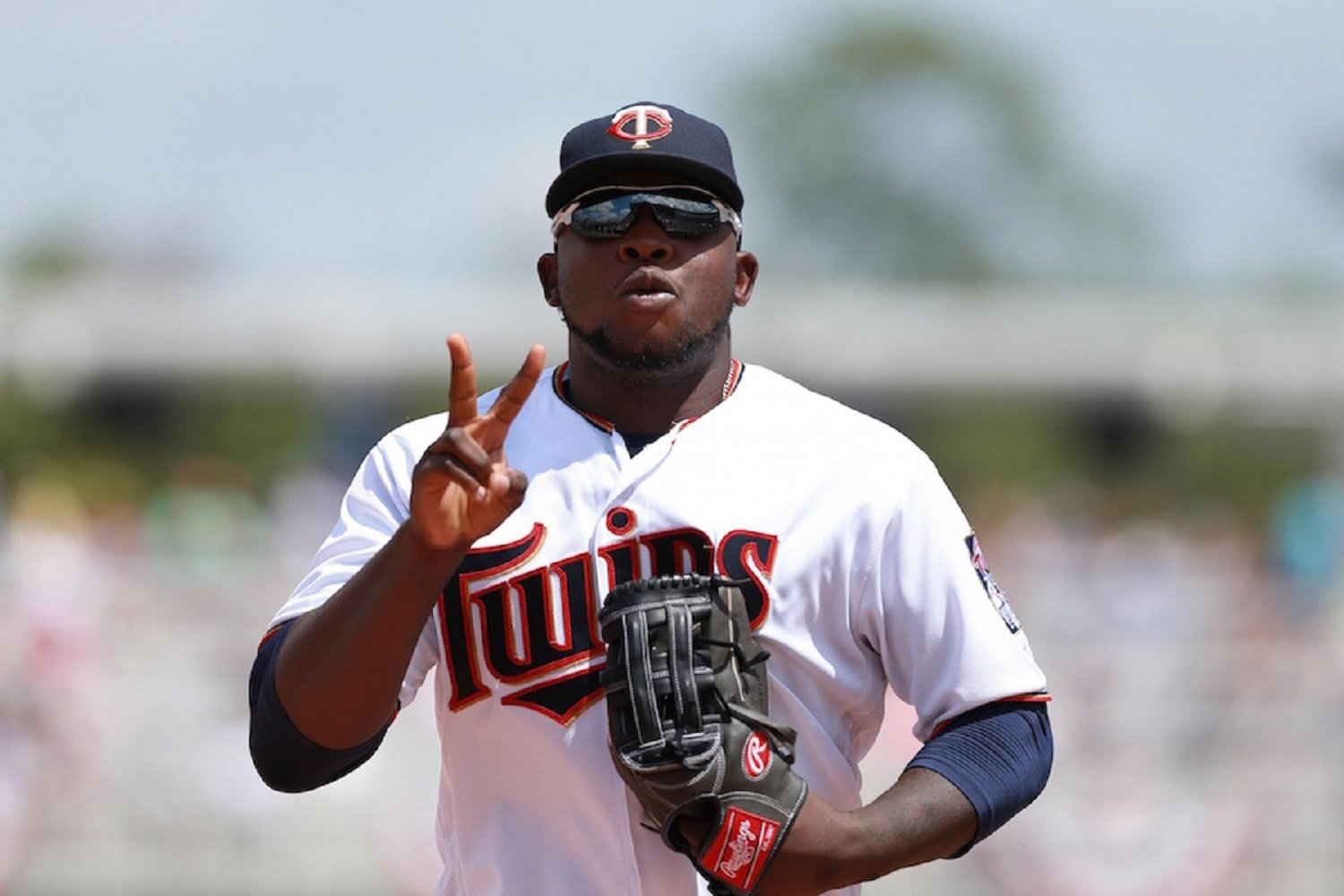 Throughout his career, Miguel Sano has been a streaky hitter. There are times he looks lost at the plate and other times when he seems to be one of the game’s top power hitters. This streakiness can be frustrating for fans, but he has been an above-average hitter throughout his career with a 117 OPS+ and four seasons with 25 home runs or more. He strikes out a lot and doesn’t offer much defensively, but there’s no question that he is a good hitter when he is healthy. Something clearly wasn’t right with Sanó to start the 2022 campaign. In 17 games, he hit .093/.231/.148 (.379) with 21 strikeouts, and four of his five hits were singles. Typically, Sanó feasts on fastballs as he had a .653 slugging percentage versus that pitch in 2021. So far this season, pitchers were able to overpower Sanó with fastballs as he struck out nine times when facing that pitch. He provided negative value to the team, and his knee injury pushed him to the sidelines for multiple months. Near the end of June, Sanó began building up some of his baseball activities, which points to him being closer to a return. He has been completing running exercises and starting to hit, including live batting practice. His knee surgery took place on May 5; the typical recovery time is 4 to 8 weeks. It’s expected that he will need to make multiple rehab starts before rejoining the Twins roster, so that will give the club time to decide how he fits into the team’s plans. Even with Sanó’s looming return, there’s currently no clear path for him to have consistent playing time. Minnesota has been rotating through younger players at first base like Alex Kirilloff, Jose Miranda, and Luis Arreaz. All three of these players are part of the team’s long-term core, and it would be tough to justify taking playing time away from them. Obviously, poor play or another injury may play into the equation, but Sanó’s future with the club isn’t clear anymore. At the season’s end, the front office will need to decide whether to pick up Sanó’s $14 million team option or pay him a $2.75 million buyout. It seems unlikely for the team to exercise his option even if he returns to his former power-hitting ways. There will be other cheaper options for the team at first base, and Sanó may be looking for a new organization for the first time since he was a teenager. How do you think Sanó will fit back on the roster? Can he still provide value to the club? Leave a COMMENT and start the discussion.
 -
Miguel Sanó was off to a horrendous start before a knee injury pushed him to the injured list. Now he is nearing a return, and the Twins will have to decide what that means for his future with the club. Throughout his career, Miguel Sano has been a streaky hitter. There are times he looks lost at the plate and other times when he seems to be one of the game’s top power hitters. This streakiness can be frustrating for fans, but he has been an above-average hitter throughout his career with a 117 OPS+ and four seasons with 25 home runs or more. He strikes out a lot and doesn’t offer much defensively, but there’s no question that he is a good hitter when he is healthy. Something clearly wasn’t right with Sanó to start the 2022 campaign. In 17 games, he hit .093/.231/.148 (.379) with 21 strikeouts, and four of his five hits were singles. Typically, Sanó feasts on fastballs as he had a .653 slugging percentage versus that pitch in 2021. So far this season, pitchers were able to overpower Sanó with fastballs as he struck out nine times when facing that pitch. He provided negative value to the team, and his knee injury pushed him to the sidelines for multiple months. Near the end of June, Sanó began building up some of his baseball activities, which points to him being closer to a return. He has been completing running exercises and starting to hit, including live batting practice. His knee surgery took place on May 5; the typical recovery time is 4 to 8 weeks. It’s expected that he will need to make multiple rehab starts before rejoining the Twins roster, so that will give the club time to decide how he fits into the team’s plans. Even with Sanó’s looming return, there’s currently no clear path for him to have consistent playing time. Minnesota has been rotating through younger players at first base like Alex Kirilloff, Jose Miranda, and Luis Arreaz. All three of these players are part of the team’s long-term core, and it would be tough to justify taking playing time away from them. Obviously, poor play or another injury may play into the equation, but Sanó’s future with the club isn’t clear anymore. At the season’s end, the front office will need to decide whether to pick up Sanó’s $14 million team option or pay him a $2.75 million buyout. It seems unlikely for the team to exercise his option even if he returns to his former power-hitting ways. There will be other cheaper options for the team at first base, and Sanó may be looking for a new organization for the first time since he was a teenager. How do you think Sanó will fit back on the roster? Can he still provide value to the club? Leave a COMMENT and start the discussion. View full article
-
3 Injured Pitchers That Can Help the Twins in the Second Half
Cody Christie posted an article in Twins
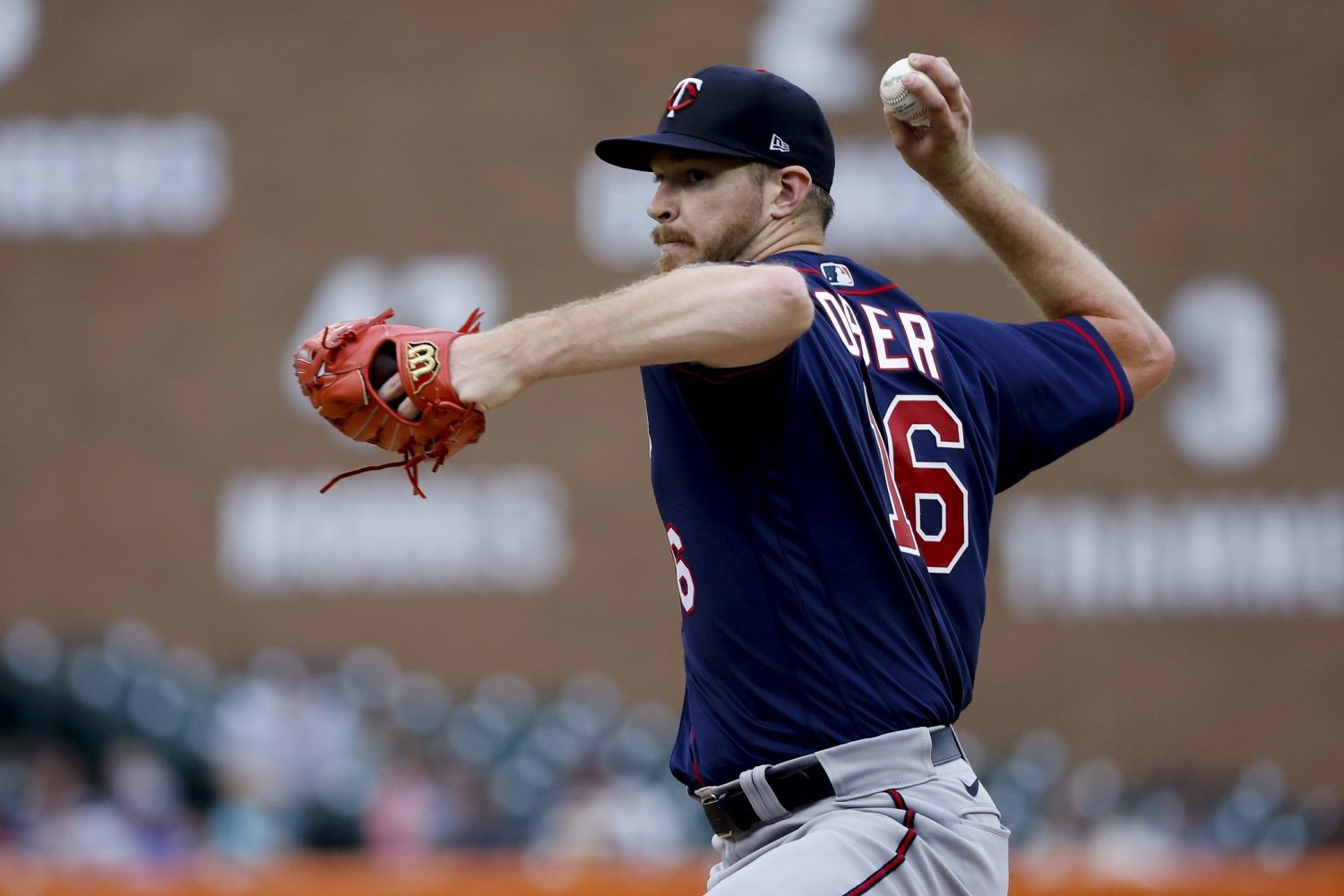 Injuries can play a significant role in a team’s eventual finish to the season, as clubs that have their key players are more likely to stay in contention. Expectations were high for two of the three players below to help the Twins in 2022, and one possibly being a late-season addition to the team’s plans. All three are expected to return before the season ends for a team fighting to stay in first place. Bailey Ober, SP Injury: Right Groin Strain Expected Return: Early July Bailey Ober was arguably Minnesota’s best pitcher in the second half of 2021, so hopes remained high for him entering his sophomore season. In seven starts (33 2/3 innings), he posted a 4.01 ERA with a 1.28 WHIP and a 29-to-7 strikeout to walk ratio. Before going on the IL, he allowed eight earned runs in his last two starts, so his numbers may have been impacted by him trying to play through the injury. When healthy, Ober has been one of the team’s most consistent pitchers, and his return will be a welcome addition to an improving rotation. It will be interesting to see what the Twins decide to do with the starting rotation. Currently, the Twins have five pitchers already occupying rotation spots, so the team will have a few options. Bringing Ober back might push the team to move to a six-man rotation. Candidates to remove from the rotation include Devin Smeltzer and Dylan Bundy. Smeltzer has been pitching well, but he has minor league options remaining. Bundy would have to be moved to the bullpen or designated for assignment. It seems likely for the team to switch to a six-man rotation because another injury will likely occur to a starter. Jorge Alcala, RP Injury: Right Elbow Inflammation Expected Return: July Minnesota’s bullpen has been a question mark for most of the season, with few pitchers having any level of trust. Alcala was projected to be one of the team’s high leverage relievers, but he has been limited to two appearances this season. Elbow issues can be problematic and linger, especially for high-velocity pitchers. There’s little doubt the Twins bullpen would take on a remarkably different view if Alcala was healthy and pitching late in games. At the beginning of June, Alcala appeared in a rehab assignment with Fort Myers, where he was hitting 96-97 mph on the radar gun. Unfortunately, his throwing progression was temporarily halted due to stiffness in his right elbow. Minnesota had Alcala continue to work on strengthening exercises, and he is expected to resume throwing this week. Kenta Maeda, SP/RP Injury: Modified Tommy John Surgery Expected Return: Possibly September Kenta Maeda has a chance to turn into Minnesota’s not-so-secret playoff reliever, especially based on his track record with the Dodgers. Luckily, Maeda had an internal brace put in the elbow to cut his recovery time down by a couple of months. His procedure took place on September 1, 2021, and the recovery time is 9-12 months. At the beginning of June, he shifted his recovery from the team’s Fort Myers facilities to Minneapolis so he could be closer to the team. Maeda has been throwing from flat ground at 120 feet and is scheduled to throw off the mound near the beginning of July. There is obviously no guarantee that Maeda will be back on the team’s roster this season. If the team wants him to start games, he will need a more lengthy rehab assignment to build up his workload. His best option to help the 2022 Twins may be to come out of the bullpen if the team’s doctors feel he is up to the task. How much do you think these three pitchers will help the Twins in the second half? Leave a COMMENT and start the discussion.
- 17 comments
-
- 3
-
-
- bailey ober
- kenta maeda
- (and 1 more)
-
Twins fans will be clamoring to add more pitching depth at the trade deadline, and there’s little doubt the team will need pitching. However, as they return from injury, these three pitchers can bolster the team’s pitching staff. Injuries can play a significant role in a team’s eventual finish to the season, as clubs that have their key players are more likely to stay in contention. Expectations were high for two of the three players below to help the Twins in 2022, and one possibly being a late-season addition to the team’s plans. All three are expected to return before the season ends for a team fighting to stay in first place. Bailey Ober, SP Injury: Right Groin Strain Expected Return: Early July Bailey Ober was arguably Minnesota’s best pitcher in the second half of 2021, so hopes remained high for him entering his sophomore season. In seven starts (33 2/3 innings), he posted a 4.01 ERA with a 1.28 WHIP and a 29-to-7 strikeout to walk ratio. Before going on the IL, he allowed eight earned runs in his last two starts, so his numbers may have been impacted by him trying to play through the injury. When healthy, Ober has been one of the team’s most consistent pitchers, and his return will be a welcome addition to an improving rotation. It will be interesting to see what the Twins decide to do with the starting rotation. Currently, the Twins have five pitchers already occupying rotation spots, so the team will have a few options. Bringing Ober back might push the team to move to a six-man rotation. Candidates to remove from the rotation include Devin Smeltzer and Dylan Bundy. Smeltzer has been pitching well, but he has minor league options remaining. Bundy would have to be moved to the bullpen or designated for assignment. It seems likely for the team to switch to a six-man rotation because another injury will likely occur to a starter. Jorge Alcala, RP Injury: Right Elbow Inflammation Expected Return: July Minnesota’s bullpen has been a question mark for most of the season, with few pitchers having any level of trust. Alcala was projected to be one of the team’s high leverage relievers, but he has been limited to two appearances this season. Elbow issues can be problematic and linger, especially for high-velocity pitchers. There’s little doubt the Twins bullpen would take on a remarkably different view if Alcala was healthy and pitching late in games. At the beginning of June, Alcala appeared in a rehab assignment with Fort Myers, where he was hitting 96-97 mph on the radar gun. Unfortunately, his throwing progression was temporarily halted due to stiffness in his right elbow. Minnesota had Alcala continue to work on strengthening exercises, and he is expected to resume throwing this week. Kenta Maeda, SP/RP Injury: Modified Tommy John Surgery Expected Return: Possibly September Kenta Maeda has a chance to turn into Minnesota’s not-so-secret playoff reliever, especially based on his track record with the Dodgers. Luckily, Maeda had an internal brace put in the elbow to cut his recovery time down by a couple of months. His procedure took place on September 1, 2021, and the recovery time is 9-12 months. At the beginning of June, he shifted his recovery from the team’s Fort Myers facilities to Minneapolis so he could be closer to the team. Maeda has been throwing from flat ground at 120 feet and is scheduled to throw off the mound near the beginning of July. There is obviously no guarantee that Maeda will be back on the team’s roster this season. If the team wants him to start games, he will need a more lengthy rehab assignment to build up his workload. His best option to help the 2022 Twins may be to come out of the bullpen if the team’s doctors feel he is up to the task. How much do you think these three pitchers will help the Twins in the second half? Leave a COMMENT and start the discussion. View full article
-
First 2022 SDI Rankings Highlight Twins' Defensive Strengths and Flaws
Cody Christie posted an article in Twins
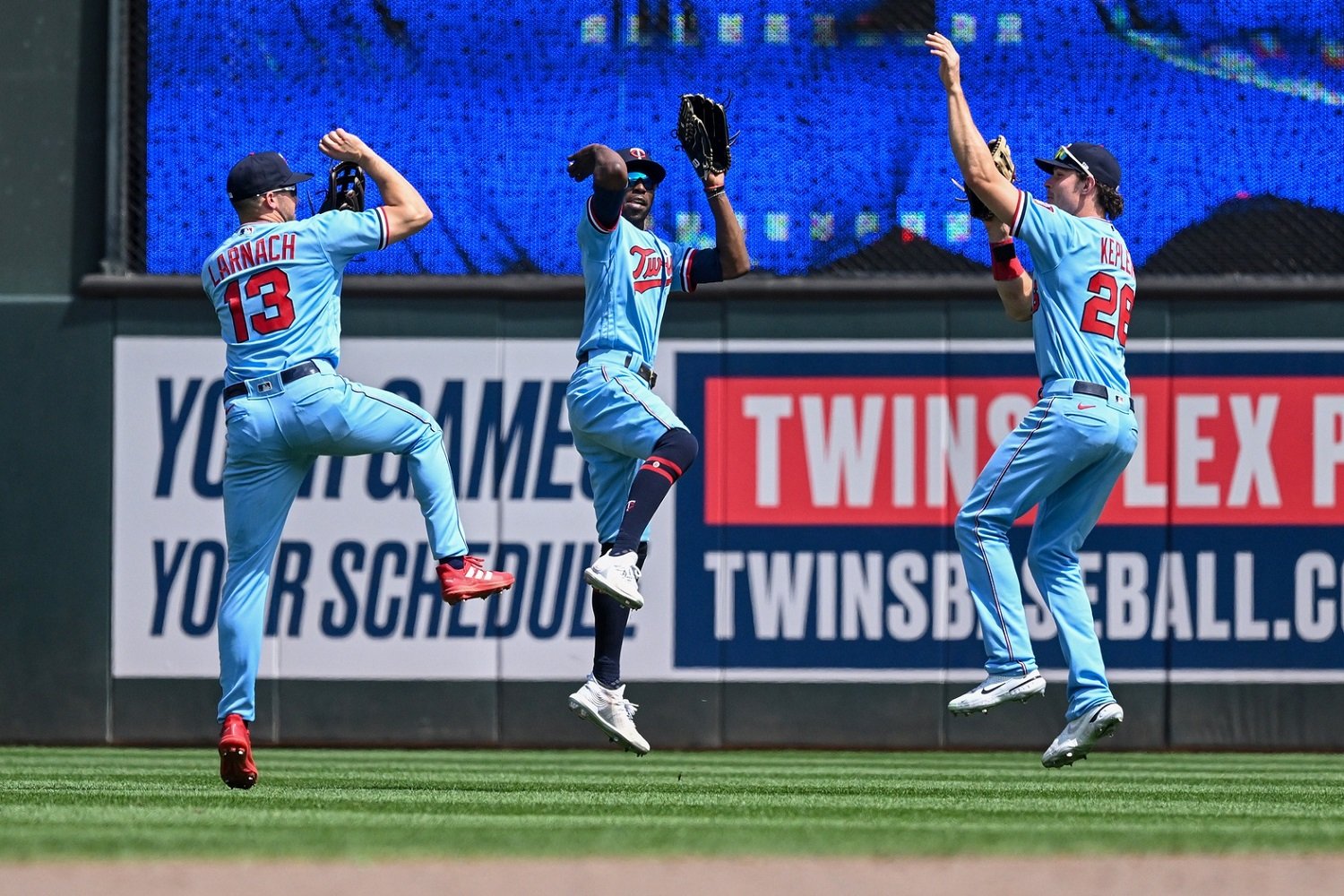 Defensive metrics have come a long way over the last decade. With Statcast tracking every batted ball, the amount of information available to fans is at an all-time high. One metric developed by the Society for American Baseball Research (SABR) is called the SABR Defensive Index (SDI). According to SABR's website, the SDI "draws on and aggregates two types of existing defensive metrics: those derived from batted ball location-based data and those collected from play-by-play accounts." Since 2013, SDI has been used as part of the process for selecting Gold Glove winners. The rankings below are through games played on June 19, 2022. Pitcher (AL Ranking): No Twins Pitchers Qualify SABR posts the top 35-40 pitchers in each league, but the Twins don't currently have any starting pitchers that qualify for the leaderboard. Injuries and COVID have sidelined multiple members of the starting staff, and the club has been careful with the number of innings thrown by each pitcher. Two former Twins pitchers are on the list, including Jose Berrios (0.7 SDI) and Martin Perez (-1.5 SDI). Berrios ranks in the top-10 among AL starters, while Perez is near the bottom of the leaderboard. Catcher (AL Ranking): Ryan Jeffers 2.0 SDI (5th) Ryan Jeffers has been touted for his defensive skills since he was a prospect. SDI has previously ranked him well when he has been on the field, and he has a chance to be a Gold Glove finalist in 2022. Three catchers will be named finalists for the AL, and Jeffers is only one SDI point from moving into the top three. His framing skills have improved from the 75th to the 78th percentile this season, but he struggles to control the running game. First Base (AL Ranking): Luis Arraez 0.6 SDI (6th) Entering the season, Luis Arraez wasn't in the team's plans for first base, but injuries and poor play moved him to a new position. It's hard to believe he ranks this well at an unfamiliar defensive position. Last season, Arraez saw an improved performance at third base when he was given more regular innings at the position. In 2022, Arraez will continue to rotate positions, so he will likely fall off the first base leaderboard as he accumulates more innings around the diamond. Second Base (AL Ranking): Jorge Polanco 0.6 SDI (7th) Last season, Jorge Polanco finished in the top-four among AL second basemen, according to SDI. In 2022, a strong group of second basemen is separating themselves defensively. Former Twin Jonathan Schoop (5.3 SDI) and Boston's Trevor Story (4.8 SDI) are over one SDI point higher than anyone else on the leaderboard. It seems unlikely for Polanco to be able to accumulate enough SDI to catch some of the names ahead of him in the rankings. Third Base (AL Ranking): Gio Urshela -1.4 SDI (11th) Gio Urshela has been one of the team's defensive problems this season as he has the team's second-lowest Outs Above Average total. Last season, Arraez finished in the top-5 among AL third basemen according to SDI, so the Twins have seen quite the drop-off between those two players. Defensively, the Twins don't have a straightforward replacement for Urshela at third, so he will likely continue to see playing time at the hot corner. Shortstop (AL Ranking): Carlos Correa -0.8 SDI (9th) Carlos Correa's SDI ranking may be the most disappointing on the Twins. He dominated the 2021 SDI leaderboard with a 15.8 SDI total, four points higher than any other AL shortstop. Isaiah Kiner-Falefa was Minnesota's first shortstop option for 2022, and he ranks even worse than Correa (-1.1 SDI). As the season progresses, one would assume Correa starts moving up the leaderboard. Left Field (AL Ranking): Trevor Larnach 2.8 SDI (3rd), Nick Gordon 0.5 SDI (5th) During the 2021 season, Trevor Larnach ranked well according to SDI before being demoted to Triple-A. This season he has four outfield assists while also ranking in the 65th percentile for Outs Above Average. Nick Gordon has terrific speed, so he can easily track down balls in the outfield even though he is inexperienced at the position. Larnach's recent surgery can give the Twins more opportunity to use Gordon in left field. Center Field (AL Ranking): No Twins Players Qualified Byron Buxton's regularly scheduled days off and time as a designated hitter have minimized his innings in center field. He is still considered one of the game's best defenders, so his name should appear on the SDI rankings before the season ends. Right Field (AL Ranking): Max Kepler 2.2 SDI (4th) Max Kepler continues to be a strong defender as he finished in the top-5 among AL right fielders last season. In previous seasons, the Twins needed to use Kepler as a replacement for Buxton in center field. Thankfully, Gilberto Celestino's emergence has allowed Kepler to stay in a corner outfield position. Kepler is among the team leaders in Outs Above Average, and he has an opportunity to be a Gold Glove finalist for the first time in his career. SABR will continue to update the rankings periodically throughout the remainder of the season. Which rankings above surprise you the most? Leave a COMMENT and start the discussion.
- 10 comments
-
- 3
-
-
- carlos correa
- trevor larnach
- (and 3 more)
-
Defense has been a focus for the Twins over the last two offseasons, but the on-field results have been mixed. Here is how the Twins rank so far in 2022 according to SABR's Defensive Index. Defensive metrics have come a long way over the last decade. With Statcast tracking every batted ball, the amount of information available to fans is at an all-time high. One metric developed by the Society for American Baseball Research (SABR) is called the SABR Defensive Index (SDI). According to SABR's website, the SDI "draws on and aggregates two types of existing defensive metrics: those derived from batted ball location-based data and those collected from play-by-play accounts." Since 2013, SDI has been used as part of the process for selecting Gold Glove winners. The rankings below are through games played on June 19, 2022. Pitcher (AL Ranking): No Twins Pitchers Qualify SABR posts the top 35-40 pitchers in each league, but the Twins don't currently have any starting pitchers that qualify for the leaderboard. Injuries and COVID have sidelined multiple members of the starting staff, and the club has been careful with the number of innings thrown by each pitcher. Two former Twins pitchers are on the list, including Jose Berrios (0.7 SDI) and Martin Perez (-1.5 SDI). Berrios ranks in the top-10 among AL starters, while Perez is near the bottom of the leaderboard. Catcher (AL Ranking): Ryan Jeffers 2.0 SDI (5th) Ryan Jeffers has been touted for his defensive skills since he was a prospect. SDI has previously ranked him well when he has been on the field, and he has a chance to be a Gold Glove finalist in 2022. Three catchers will be named finalists for the AL, and Jeffers is only one SDI point from moving into the top three. His framing skills have improved from the 75th to the 78th percentile this season, but he struggles to control the running game. First Base (AL Ranking): Luis Arraez 0.6 SDI (6th) Entering the season, Luis Arraez wasn't in the team's plans for first base, but injuries and poor play moved him to a new position. It's hard to believe he ranks this well at an unfamiliar defensive position. Last season, Arraez saw an improved performance at third base when he was given more regular innings at the position. In 2022, Arraez will continue to rotate positions, so he will likely fall off the first base leaderboard as he accumulates more innings around the diamond. Second Base (AL Ranking): Jorge Polanco 0.6 SDI (7th) Last season, Jorge Polanco finished in the top-four among AL second basemen, according to SDI. In 2022, a strong group of second basemen is separating themselves defensively. Former Twin Jonathan Schoop (5.3 SDI) and Boston's Trevor Story (4.8 SDI) are over one SDI point higher than anyone else on the leaderboard. It seems unlikely for Polanco to be able to accumulate enough SDI to catch some of the names ahead of him in the rankings. Third Base (AL Ranking): Gio Urshela -1.4 SDI (11th) Gio Urshela has been one of the team's defensive problems this season as he has the team's second-lowest Outs Above Average total. Last season, Arraez finished in the top-5 among AL third basemen according to SDI, so the Twins have seen quite the drop-off between those two players. Defensively, the Twins don't have a straightforward replacement for Urshela at third, so he will likely continue to see playing time at the hot corner. Shortstop (AL Ranking): Carlos Correa -0.8 SDI (9th) Carlos Correa's SDI ranking may be the most disappointing on the Twins. He dominated the 2021 SDI leaderboard with a 15.8 SDI total, four points higher than any other AL shortstop. Isaiah Kiner-Falefa was Minnesota's first shortstop option for 2022, and he ranks even worse than Correa (-1.1 SDI). As the season progresses, one would assume Correa starts moving up the leaderboard. Left Field (AL Ranking): Trevor Larnach 2.8 SDI (3rd), Nick Gordon 0.5 SDI (5th) During the 2021 season, Trevor Larnach ranked well according to SDI before being demoted to Triple-A. This season he has four outfield assists while also ranking in the 65th percentile for Outs Above Average. Nick Gordon has terrific speed, so he can easily track down balls in the outfield even though he is inexperienced at the position. Larnach's recent surgery can give the Twins more opportunity to use Gordon in left field. Center Field (AL Ranking): No Twins Players Qualified Byron Buxton's regularly scheduled days off and time as a designated hitter have minimized his innings in center field. He is still considered one of the game's best defenders, so his name should appear on the SDI rankings before the season ends. Right Field (AL Ranking): Max Kepler 2.2 SDI (4th) Max Kepler continues to be a strong defender as he finished in the top-5 among AL right fielders last season. In previous seasons, the Twins needed to use Kepler as a replacement for Buxton in center field. Thankfully, Gilberto Celestino's emergence has allowed Kepler to stay in a corner outfield position. Kepler is among the team leaders in Outs Above Average, and he has an opportunity to be a Gold Glove finalist for the first time in his career. SABR will continue to update the rankings periodically throughout the remainder of the season. Which rankings above surprise you the most? Leave a COMMENT and start the discussion. View full article
-
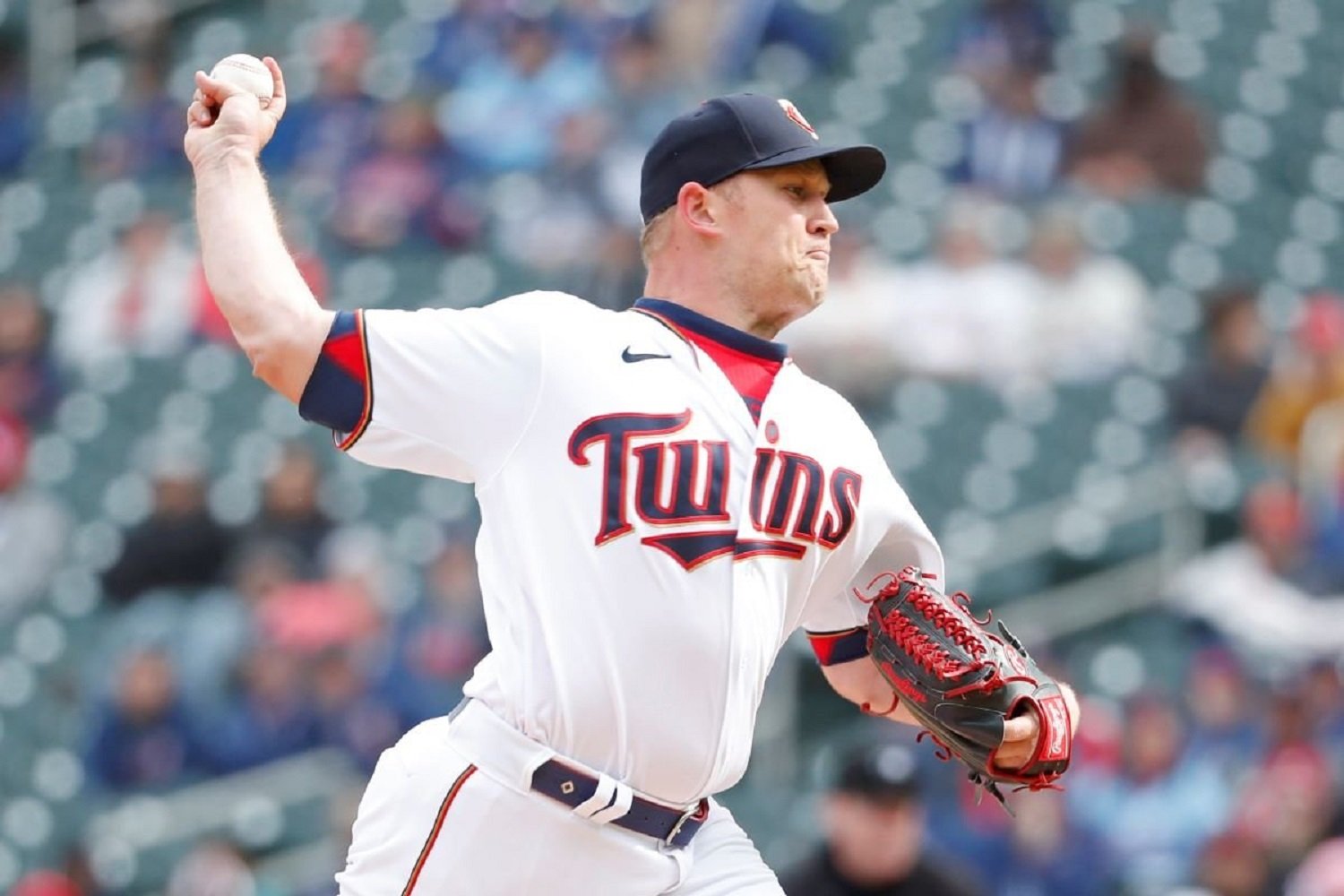 Before the 2019 season, the Twins hired Wes Johnson, which seemed like an unconventional move at the time. Few teams were looking to the college ranks for pitching coaches, and the Twins found success under Johnson’s tutelage. Since the start of the 2019 season, Minnesota pitchers rank 10th in baseball in fWAR (46.8), and that includes a disappointing 2021 campaign for many Twins pitchers. Coaching is challenging to gauge, but these three pitchers were successful during Johnson’s time in Minnesota. Tyler Duffey Entering the 2019 season, Tyler Duffey looked like he may flicker out at the big-league level after four disappointing seasons. From 2015-2018, he pitched 287 innings with a 5.46 ERA and a 1.40 WHIP. His first two seasons were spent struggling in the rotation, but he didn’t find immediate success in the bullpen. Johnson’s arrival on the coaching staff signaled a clear turning point for Duffey as he was considered one of baseball’s best relievers for multiple seasons. Since 2019, Duffey has posted a 139 ERA+ with 201 strikeouts in 174 1/3 innings. Even as Duffey struggled this season, the coaching staff helped him to make adjustments and bring back his sinker that he hadn’t used regularly since 2018. Duffey may never be a dominant reliever again, but Johnson was able to get strong seasons from the reliever. Chris Archer When the Twins signed Archer, injury concerns were part of his big-league track record. He hadn’t made double-digit starts since the 2019 season and hadn’t compiled an ERA+ over 100 since the 2017 season. Fans have been frustrated with Archer not pitching deeper into games, but the Twins coaching staff had a plan to keep him healthy, and the results speak for themselves. In 14 starts, he has a career-high 122 ERA+, and he leads the team in games started. Over the weekend, Archer threw five shutout innings and had nothing but praise for Johnson. “Wes is one of my biggest advocates,” Archer told reporters. “We do a lot of work, mental and physical, in between starts.” Now, Archer will need to find another coach to help him prepare for games. Joe Ryan When the Twins acquired Joe Ryan, he was considered a good pitching prospect, but few imagined he would be this successful at the big-league level. Ryan dominated in the minor leagues, but many felt his pitching repertoire wouldn’t translate to the big leagues. He relied heavily on his fastball, a plus pitch, but questions surrounded his off-speed offerings. Johnson worked with Ryan to tighten up some of his secondary pitches, and the team has reaped the benefits of that work. Ryan has made 16 starts and posted a 115 ERA+ while striking out close to one batter per inning. His numbers might look even better, but he has struggled a little since returning from having COVID. Obviously, Ryan did a lot of development in the Rays organization, but Johnson helped Ryan to find success during his rookie season. What other pitchers do you feel improve the most when working with Wes Johnson? Leave a COMMENT and start the discussion.
- 4 comments
-
- 3
-
-
- tyler duffey
- chris archer
- (and 1 more)
-
Wes Johnson is heading back to the college coaching ranks, but his impact on the Twins organization will be felt long after he departs. Here are three pitchers that significantly improved during his Twins tenure. Before the 2019 season, the Twins hired Wes Johnson, which seemed like an unconventional move at the time. Few teams were looking to the college ranks for pitching coaches, and the Twins found success under Johnson’s tutelage. Since the start of the 2019 season, Minnesota pitchers rank 10th in baseball in fWAR (46.8), and that includes a disappointing 2021 campaign for many Twins pitchers. Coaching is challenging to gauge, but these three pitchers were successful during Johnson’s time in Minnesota. Tyler Duffey Entering the 2019 season, Tyler Duffey looked like he may flicker out at the big-league level after four disappointing seasons. From 2015-2018, he pitched 287 innings with a 5.46 ERA and a 1.40 WHIP. His first two seasons were spent struggling in the rotation, but he didn’t find immediate success in the bullpen. Johnson’s arrival on the coaching staff signaled a clear turning point for Duffey as he was considered one of baseball’s best relievers for multiple seasons. Since 2019, Duffey has posted a 139 ERA+ with 201 strikeouts in 174 1/3 innings. Even as Duffey struggled this season, the coaching staff helped him to make adjustments and bring back his sinker that he hadn’t used regularly since 2018. Duffey may never be a dominant reliever again, but Johnson was able to get strong seasons from the reliever. Chris Archer When the Twins signed Archer, injury concerns were part of his big-league track record. He hadn’t made double-digit starts since the 2019 season and hadn’t compiled an ERA+ over 100 since the 2017 season. Fans have been frustrated with Archer not pitching deeper into games, but the Twins coaching staff had a plan to keep him healthy, and the results speak for themselves. In 14 starts, he has a career-high 122 ERA+, and he leads the team in games started. Over the weekend, Archer threw five shutout innings and had nothing but praise for Johnson. “Wes is one of my biggest advocates,” Archer told reporters. “We do a lot of work, mental and physical, in between starts.” Now, Archer will need to find another coach to help him prepare for games. Joe Ryan When the Twins acquired Joe Ryan, he was considered a good pitching prospect, but few imagined he would be this successful at the big-league level. Ryan dominated in the minor leagues, but many felt his pitching repertoire wouldn’t translate to the big leagues. He relied heavily on his fastball, a plus pitch, but questions surrounded his off-speed offerings. Johnson worked with Ryan to tighten up some of his secondary pitches, and the team has reaped the benefits of that work. Ryan has made 16 starts and posted a 115 ERA+ while striking out close to one batter per inning. His numbers might look even better, but he has struggled a little since returning from having COVID. Obviously, Ryan did a lot of development in the Rays organization, but Johnson helped Ryan to find success during his rookie season. What other pitchers do you feel improve the most when working with Wes Johnson? Leave a COMMENT and start the discussion. View full article
-
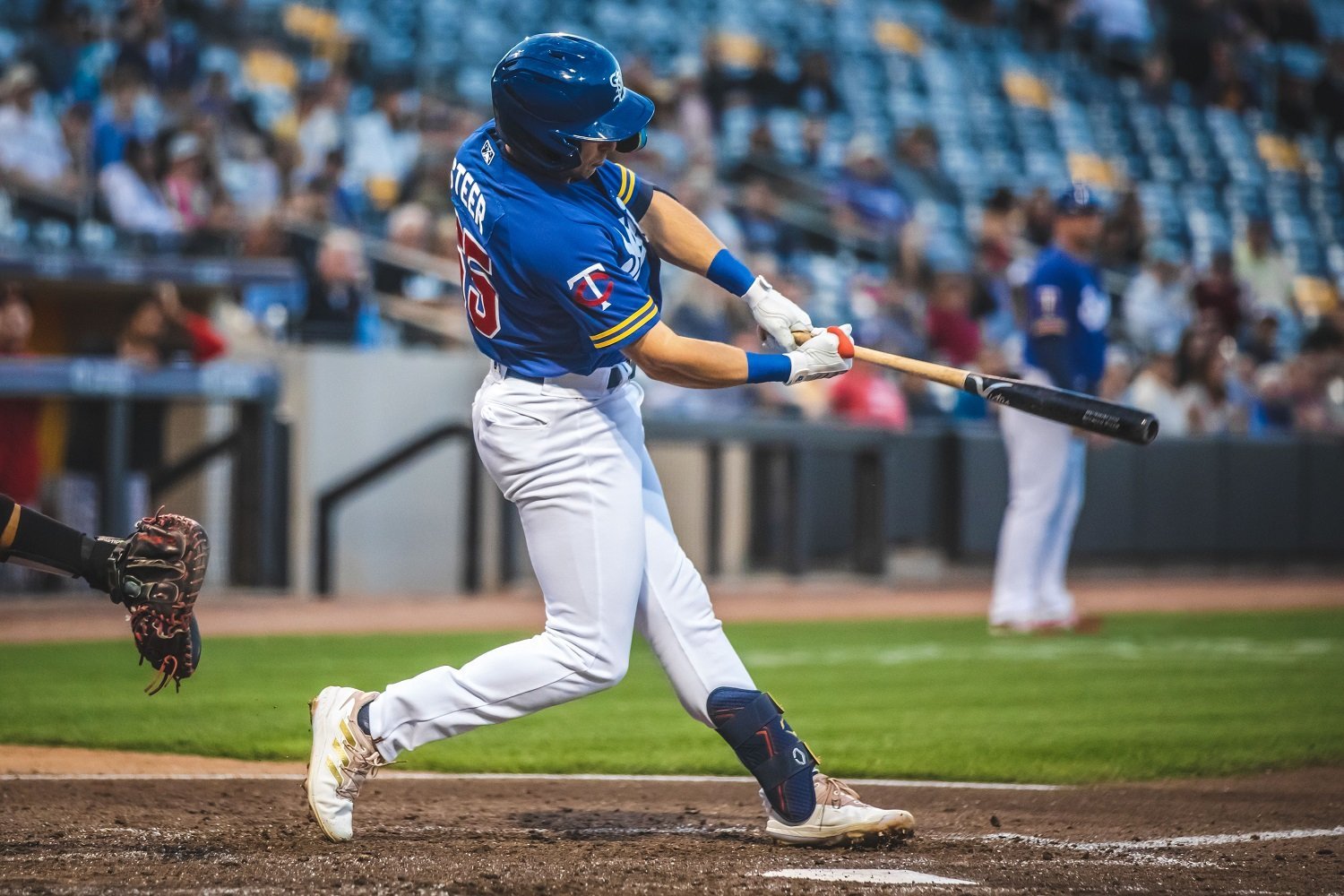 Depth is vital to any roster trying to stay in contention throughout a 162-game season. Organizations adopt a next-man-up mentality as injuries or poor performance push other players out of the picture. Minnesota has seen this occur multiple times this season, and another player might be ready to step into a second-half role. The Twins selected Spencer Steer in the third round of the 2019 MLB Draft out of the University of Oregon. He immediately impacted the organization as he hit .280/.385/.424 (.809) in 64 games between rookie ball and Low-A. Defensively, he played over 120 innings at shortstop, third base, and second base, and it looked like the 2020 season was going to be vital for his development as a prospect. Unfortunately, no minor league games were played that season and Steer didn’t get a plate appearance in his age-22 season. As the 2021 season began, the Twins had Steer start the year at High-A, where he was slightly older than the average age of the competition. He posted a .915 OPS in 45 games before being called up to Double-A, where his OPS dropped by over 140 points. Steer accumulated 45 extra-base hits in 110 games which was quite the jump from the power numbers he posted during his collegiate career. Signs pointed to Steer adjusting as a professional, but few predicted what was coming in 2022. Steer headed back to Double-A to begin this season, and he destroyed the ball. In 35 games, he hit .307/.385/.591 (.976) with 22 extra-base hits and a 23-to-14 strikeout to walk ratio. Minnesota promoted him to Triple-A, and unlike the 2021 season, he didn’t miss a beat with the change in competition. Since joining the Saints, Steer has a .907 OPS with six doubles and 11 home runs in 28 games. He is 2.5 years younger than the average age of the competition at Triple-A, and he has faced older pitchers in 74% of his at-bats. His succeeding on the doorstep to the big leagues, so a call-up is not out of the question. Connecting back to Lewis, Steer is a powerful right-handed bat with the defensive flexibility to play multiple infield positions. Unlike Lewis, Steer has been playing multiple defensive positions throughout his professional career, so there isn’t a learning curve involved with his transition. During the 2022 season, Steer has played over 100 innings at every infield position besides first base. The Twins have other players ahead of Steer on the current depth chart, but one injury may result in the team needing a replacement. During the 2021 season, Twins fans watched as Jose Miranda had one of the best minor league seasons in franchise history. At Double- and Triple-A, he posted a .973 OPS with 30 doubles and 32 home runs in 127 games. It seemed like Miranda earned a late-season call-up, but he wasn’t on the 40-man roster, and the Twins didn’t see a reason to rush him. Steer faces the same hurdle as he isn’t on the 40-man roster, and the team isn’t required to move him quickly. Steer isn’t considered the same prospect type as Lewis, but that doesn’t mean he can’t help a contending team. There is a lot of baseball left to be played, and Steer has moved his name into the conversation as one of the organization’s best prospects. Do you think Steer will make his debut in 2022? Can he help fill the void left by Lewis? Leave a COMMENT and start the discussion.
- 30 comments
-
- 8
-
-
- royce lewis
- spencer steer
- (and 1 more)
-
Before being injured, Royce Lewis was being used in a multi-position role at Triple-A. With Lewis out of the picture for 2022, one prospect might be stepping up to fill the void. Depth is vital to any roster trying to stay in contention throughout a 162-game season. Organizations adopt a next-man-up mentality as injuries or poor performance push other players out of the picture. Minnesota has seen this occur multiple times this season, and another player might be ready to step into a second-half role. The Twins selected Spencer Steer in the third round of the 2019 MLB Draft out of the University of Oregon. He immediately impacted the organization as he hit .280/.385/.424 (.809) in 64 games between rookie ball and Low-A. Defensively, he played over 120 innings at shortstop, third base, and second base, and it looked like the 2020 season was going to be vital for his development as a prospect. Unfortunately, no minor league games were played that season and Steer didn’t get a plate appearance in his age-22 season. As the 2021 season began, the Twins had Steer start the year at High-A, where he was slightly older than the average age of the competition. He posted a .915 OPS in 45 games before being called up to Double-A, where his OPS dropped by over 140 points. Steer accumulated 45 extra-base hits in 110 games which was quite the jump from the power numbers he posted during his collegiate career. Signs pointed to Steer adjusting as a professional, but few predicted what was coming in 2022. Steer headed back to Double-A to begin this season, and he destroyed the ball. In 35 games, he hit .307/.385/.591 (.976) with 22 extra-base hits and a 23-to-14 strikeout to walk ratio. Minnesota promoted him to Triple-A, and unlike the 2021 season, he didn’t miss a beat with the change in competition. Since joining the Saints, Steer has a .907 OPS with six doubles and 11 home runs in 28 games. He is 2.5 years younger than the average age of the competition at Triple-A, and he has faced older pitchers in 74% of his at-bats. His succeeding on the doorstep to the big leagues, so a call-up is not out of the question. Connecting back to Lewis, Steer is a powerful right-handed bat with the defensive flexibility to play multiple infield positions. Unlike Lewis, Steer has been playing multiple defensive positions throughout his professional career, so there isn’t a learning curve involved with his transition. During the 2022 season, Steer has played over 100 innings at every infield position besides first base. The Twins have other players ahead of Steer on the current depth chart, but one injury may result in the team needing a replacement. During the 2021 season, Twins fans watched as Jose Miranda had one of the best minor league seasons in franchise history. At Double- and Triple-A, he posted a .973 OPS with 30 doubles and 32 home runs in 127 games. It seemed like Miranda earned a late-season call-up, but he wasn’t on the 40-man roster, and the Twins didn’t see a reason to rush him. Steer faces the same hurdle as he isn’t on the 40-man roster, and the team isn’t required to move him quickly. Steer isn’t considered the same prospect type as Lewis, but that doesn’t mean he can’t help a contending team. There is a lot of baseball left to be played, and Steer has moved his name into the conversation as one of the organization’s best prospects. Do you think Steer will make his debut in 2022? Can he help fill the void left by Lewis? Leave a COMMENT and start the discussion. View full article
- 30 replies
-
- 1
-
-
- royce lewis
- spencer steer
- (and 1 more)
-
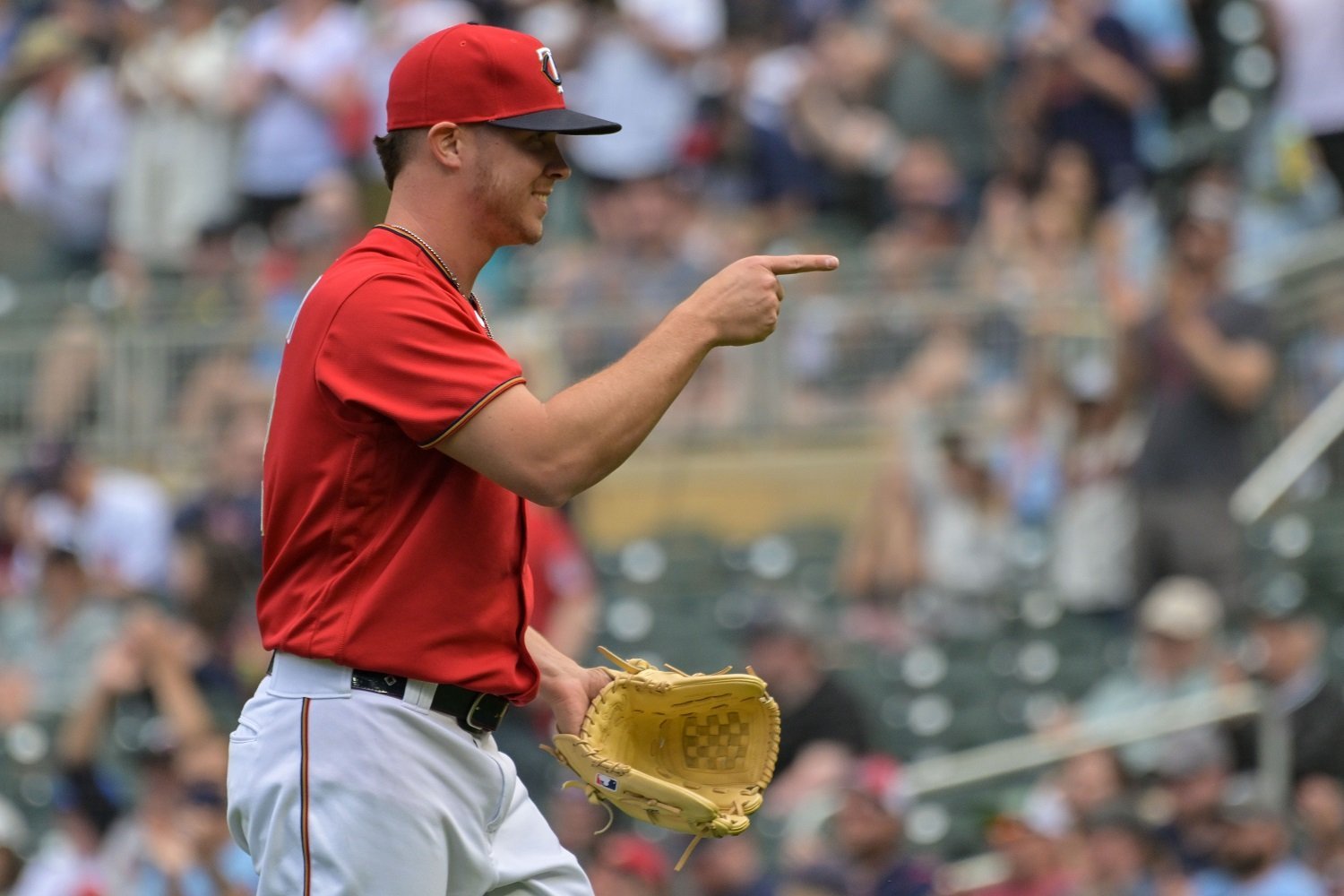 Throughout any baseball season, bullpen roles and responsibilities are going to shift. Sometimes a pitcher has a great stretch and starts pitching in more high-leverage spots. Other times, a pitcher struggles, and the team attempts to find a new role for that arm. One bad outing doesn’t necessarily shift a player lower on the list, but an accumulation of bad performances impacts the team’s bullpen pecking order. 1. Jhoan Duran (2.15 Win Probability Added) Realistically, Jhoan Duran is the lone bullpen arm that has been consistent throughout the season. His transition to the bullpen has been electric, with 46 strikeouts in 33 innings. The team is using him in the highest leverage situations, and he has responded with only four appearances where he has allowed an earned run or more. Duran has also proven he can be relied on to pitch in multiple innings as he has recorded more than three outs in nine appearances. He’s been a lifesaver for the 2022 Twins, and the team will continue to trust him in late-inning roles. 2. Griffin Jax (0.50 WPA) Griffin Jax has been a surprise late-inning contributor to the Twins. Outside of Duran, Jax might be the most trusted name in the Twins bullpen. One of his most significant changes this season has been an increase in his slider usage. Batters have posted a slugging percentage over 175 points lower when facing his slider compared to his fastball. Jax will continue to see an increase in his WPA as he is used in higher leverage situations. 3. Caleb Thielbar (0.43 WPA) There have been three outings where Thielbar has allowed three earned runs or more, but outside of those appearances, he has been terrific. In high leverage situations, opponents are hitting .143/.294/.179 (.473) with eight strikeouts in 38 at-bats. He’s the lone left-handed reliever on a first-place team, which is quite the switch from how bullpens have traditionally been built. For the Twins to succeed, Thielbar must continue to pitch well. 4. Emilio Pagan (0.03 WPA) Pagan has been used in many high-leverage situations, and the results have been mixed. In his first 25 appearances, he posted a 99 ERA+ with 2.1 HR/9. His strikeouts per nine innings have jumped from under 10.0 K/9 over the last two seasons to over 12.1 K/9 in 2022. Without other options, Pagan will continue to get high leverage opportunities, especially on nights when Duran is unavailable. 5. Tyler Thornburg (0.07 WPA) Earlier in the season, names like Tyler Duffey and Joe Smith would be included in the team’s most trusted bullpen arms. Both have struggled through different parts of the season, which has allowed players like Thornburg to take on even more critical roles. Since joining the Twins, he has yet to allow an earned run in four appearances. Nearly all of his appearances have been low leverage this season, but he has held opponents to a .254 slugging percentage without allowing a home run. How would you rank the players above? Who are your Top 5, or even Top 9? Leave a COMMENT and start the discussion.
 -
Minnesota’s bullpen has been a roller coaster ride during the 2022 season. So, who should the team trust when the game is on the line? Throughout any baseball season, bullpen roles and responsibilities are going to shift. Sometimes a pitcher has a great stretch and starts pitching in more high-leverage spots. Other times, a pitcher struggles, and the team attempts to find a new role for that arm. One bad outing doesn’t necessarily shift a player lower on the list, but an accumulation of bad performances impacts the team’s bullpen pecking order. 1. Jhoan Duran (2.15 Win Probability Added) Realistically, Jhoan Duran is the lone bullpen arm that has been consistent throughout the season. His transition to the bullpen has been electric, with 46 strikeouts in 33 innings. The team is using him in the highest leverage situations, and he has responded with only four appearances where he has allowed an earned run or more. Duran has also proven he can be relied on to pitch in multiple innings as he has recorded more than three outs in nine appearances. He’s been a lifesaver for the 2022 Twins, and the team will continue to trust him in late-inning roles. 2. Griffin Jax (0.50 WPA) Griffin Jax has been a surprise late-inning contributor to the Twins. Outside of Duran, Jax might be the most trusted name in the Twins bullpen. One of his most significant changes this season has been an increase in his slider usage. Batters have posted a slugging percentage over 175 points lower when facing his slider compared to his fastball. Jax will continue to see an increase in his WPA as he is used in higher leverage situations. 3. Caleb Thielbar (0.43 WPA) There have been three outings where Thielbar has allowed three earned runs or more, but outside of those appearances, he has been terrific. In high leverage situations, opponents are hitting .143/.294/.179 (.473) with eight strikeouts in 38 at-bats. He’s the lone left-handed reliever on a first-place team, which is quite the switch from how bullpens have traditionally been built. For the Twins to succeed, Thielbar must continue to pitch well. 4. Emilio Pagan (0.03 WPA) Pagan has been used in many high-leverage situations, and the results have been mixed. In his first 25 appearances, he posted a 99 ERA+ with 2.1 HR/9. His strikeouts per nine innings have jumped from under 10.0 K/9 over the last two seasons to over 12.1 K/9 in 2022. Without other options, Pagan will continue to get high leverage opportunities, especially on nights when Duran is unavailable. 5. Tyler Thornburg (0.07 WPA) Earlier in the season, names like Tyler Duffey and Joe Smith would be included in the team’s most trusted bullpen arms. Both have struggled through different parts of the season, which has allowed players like Thornburg to take on even more critical roles. Since joining the Twins, he has yet to allow an earned run in four appearances. Nearly all of his appearances have been low leverage this season, but he has held opponents to a .254 slugging percentage without allowing a home run. How would you rank the players above? Who are your Top 5, or even Top 9? Leave a COMMENT and start the discussion. View full article
-
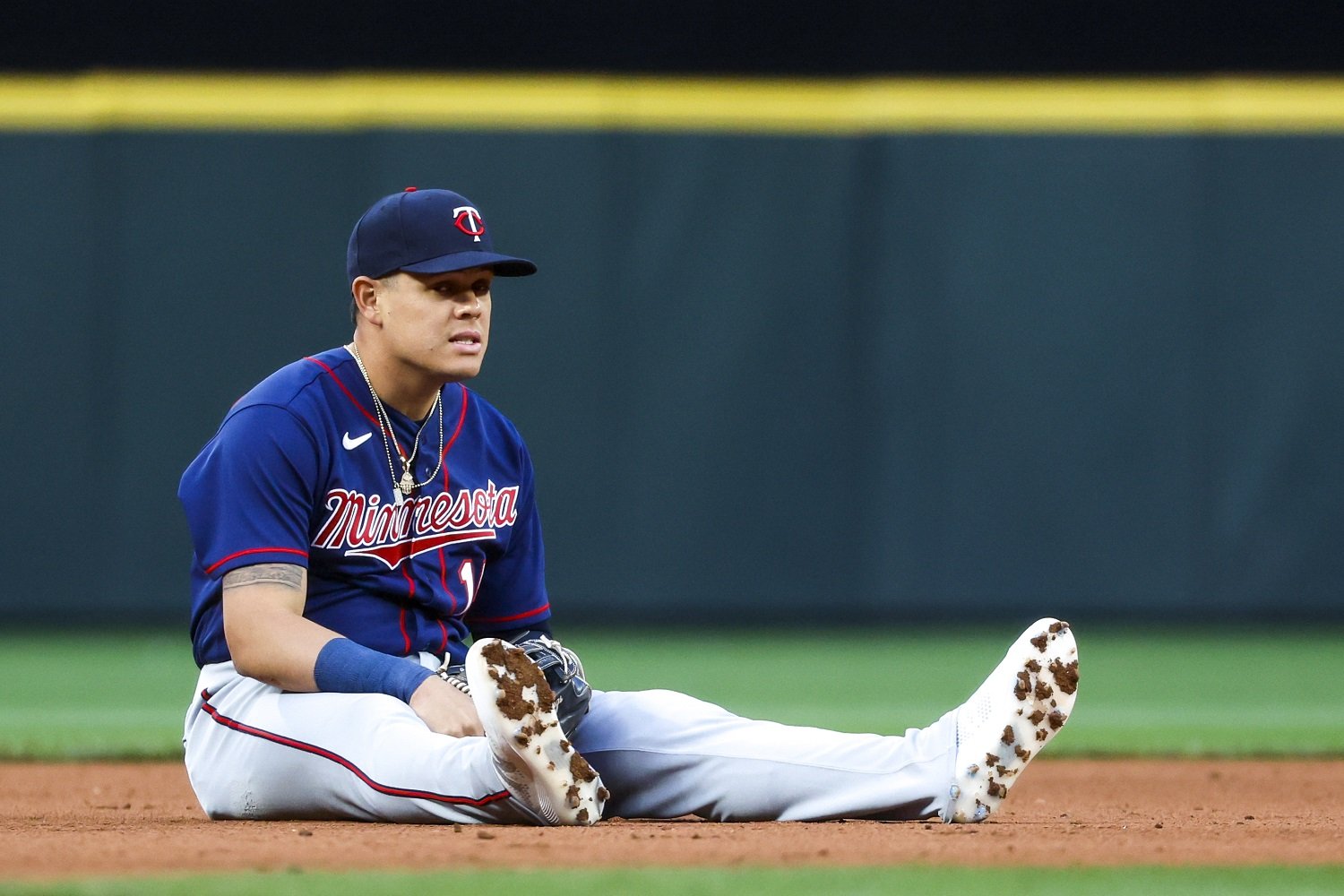 Defense wins championships is a common mantra in professional sports. In baseball, defensive metrics have taken time and technology to assist in evaluating the actual value provided by players. When the Twins signed Carlos Correa, Minnesota projected to have one of baseball’s best up-the-middle defensive groups. However, the team has struggled defensively this season, and most of the issues are tied to a few key players. According to Outs Above Average (OAA), the Twins rank 22nd in baseball, with only two American League clubs lower in the rankings. Four players have contributed -19 OAA to the team’s overall total, including Luis Arraez (-7), Gio Urshela (-5), Carlos Correa (-4), and Jose Miranda (-3). Correa’s inclusion on this list might be the most surprising as he was arguably baseball’s best defender in 2021 on his way to winning the AL’s Platinum Glove. Outs Above Average isn’t the only metric that paints the Twins negatively. Minnesota currently ranks 19th in runs prevented, slightly better than their OAA ranking. However, the Twins’ defenders have posted a -4 runs prevented with only three AL team’s currently ranking below them. One of the areas the Twins struggle with the most is coming in on the ball. Only one team, the Yankees (-9), has a lower ranking than the Twins (-8) when coming in on the ball. Behind the plate, Ryan Jeffers and Gary Sanchez have both made improvements. Sanchez came to the Twins as one of baseball’s worst defenders. His framing skills have jumped from the 17th percentile in 2021 to the 51st percentile in 2022. Jeffers has seen his framing move from the 74th percentile to the 78th percentile but is below average as he struggles to control the running game. Catching defense could have been an issue this year, but it’s hardly been the team’s biggest problem. FanGraphs utilizes multiple defensive metrics that also show Minnesota’s defensive flaws. According to FanGraphs DEF rankings, the Twins are currently the 22nd best team with a -5/2 DEF total. Out of AL squads, only the White Sox and the Rangers rank worse than the Twins. Minnesota ranks similarly bad in other more traditional defensive metrics like defensive runs saved (20th) and UZR (15th). Overall, not every Twins player is having a terrible defensive season. Five Twins players have a positive OAA total, including Max Kepler and Byron Buxton, who lead the team with five OAA each. Gilberto Celestino currently ranks third with three OAA; Royce Lewis and Trevor Larnach are tied with one OAA each. Buxton has been getting scheduled days off and time at DH, so his total likely would be higher with increased playing time. Kepler has been an above-average defender in the past, and the metrics prove that he is still doing well. Celestino was considered a good defender as a prospect, and that tool has transitioned to the big-league level. Minnesota’s biggest issue is the negative defensive totals compiled by Correa and Urshela. Arraez has been bad, but he’s also been playing significant time at first base, a new position for him. Correa’s bat continues to provide value, but he needs to produce at a high level on both sides of the ball. When the Twins acquired Urshela, he wasn’t considered an above-average defender, but he’s been one of the AL’s worst defenders at third. If the Twins want to improve defensively, it’s hard to pinpoint the best solution. Replacing Urshela at third isn’t an easy fix because the replacement options (Arraez and Miranda) aren’t considered strong defenders. Correa can improve his defensive numbers, which would alter the entire team’s defensive profile. Neither of these solutions is guaranteed to work, and none of these names will be voluntarily removed from the line-up. Bad defensive plays can lead to bad innings and a snowball effect for all players involved. How do you think the Twins can improve their defense? Have you noticed the team’s defensive struggles this year? Leave a COMMENT and start the discussion.
- 67 comments
-
- 5
-
-
- carlos correa
- gio urshela
- (and 3 more)
-
Minnesota has some of baseball’s best up-the-middle defenders. So, why does the team continue to struggle on the defensive side of the ball? Defense wins championships is a common mantra in professional sports. In baseball, defensive metrics have taken time and technology to assist in evaluating the actual value provided by players. When the Twins signed Carlos Correa, Minnesota projected to have one of baseball’s best up-the-middle defensive groups. However, the team has struggled defensively this season, and most of the issues are tied to a few key players. According to Outs Above Average (OAA), the Twins rank 22nd in baseball, with only two American League clubs lower in the rankings. Four players have contributed -19 OAA to the team’s overall total, including Luis Arraez (-7), Gio Urshela (-5), Carlos Correa (-4), and Jose Miranda (-3). Correa’s inclusion on this list might be the most surprising as he was arguably baseball’s best defender in 2021 on his way to winning the AL’s Platinum Glove. Outs Above Average isn’t the only metric that paints the Twins negatively. Minnesota currently ranks 19th in runs prevented, slightly better than their OAA ranking. However, the Twins’ defenders have posted a -4 runs prevented with only three AL team’s currently ranking below them. One of the areas the Twins struggle with the most is coming in on the ball. Only one team, the Yankees (-9), has a lower ranking than the Twins (-8) when coming in on the ball. Behind the plate, Ryan Jeffers and Gary Sanchez have both made improvements. Sanchez came to the Twins as one of baseball’s worst defenders. His framing skills have jumped from the 17th percentile in 2021 to the 51st percentile in 2022. Jeffers has seen his framing move from the 74th percentile to the 78th percentile but is below average as he struggles to control the running game. Catching defense could have been an issue this year, but it’s hardly been the team’s biggest problem. FanGraphs utilizes multiple defensive metrics that also show Minnesota’s defensive flaws. According to FanGraphs DEF rankings, the Twins are currently the 22nd best team with a -5/2 DEF total. Out of AL squads, only the White Sox and the Rangers rank worse than the Twins. Minnesota ranks similarly bad in other more traditional defensive metrics like defensive runs saved (20th) and UZR (15th). Overall, not every Twins player is having a terrible defensive season. Five Twins players have a positive OAA total, including Max Kepler and Byron Buxton, who lead the team with five OAA each. Gilberto Celestino currently ranks third with three OAA; Royce Lewis and Trevor Larnach are tied with one OAA each. Buxton has been getting scheduled days off and time at DH, so his total likely would be higher with increased playing time. Kepler has been an above-average defender in the past, and the metrics prove that he is still doing well. Celestino was considered a good defender as a prospect, and that tool has transitioned to the big-league level. Minnesota’s biggest issue is the negative defensive totals compiled by Correa and Urshela. Arraez has been bad, but he’s also been playing significant time at first base, a new position for him. Correa’s bat continues to provide value, but he needs to produce at a high level on both sides of the ball. When the Twins acquired Urshela, he wasn’t considered an above-average defender, but he’s been one of the AL’s worst defenders at third. If the Twins want to improve defensively, it’s hard to pinpoint the best solution. Replacing Urshela at third isn’t an easy fix because the replacement options (Arraez and Miranda) aren’t considered strong defenders. Correa can improve his defensive numbers, which would alter the entire team’s defensive profile. Neither of these solutions is guaranteed to work, and none of these names will be voluntarily removed from the line-up. Bad defensive plays can lead to bad innings and a snowball effect for all players involved. How do you think the Twins can improve their defense? Have you noticed the team’s defensive struggles this year? Leave a COMMENT and start the discussion. View full article
-
Minnesota Twins 2018 Draft Retrospective: Promising Early Results
Cody Christie posted an article in Twins
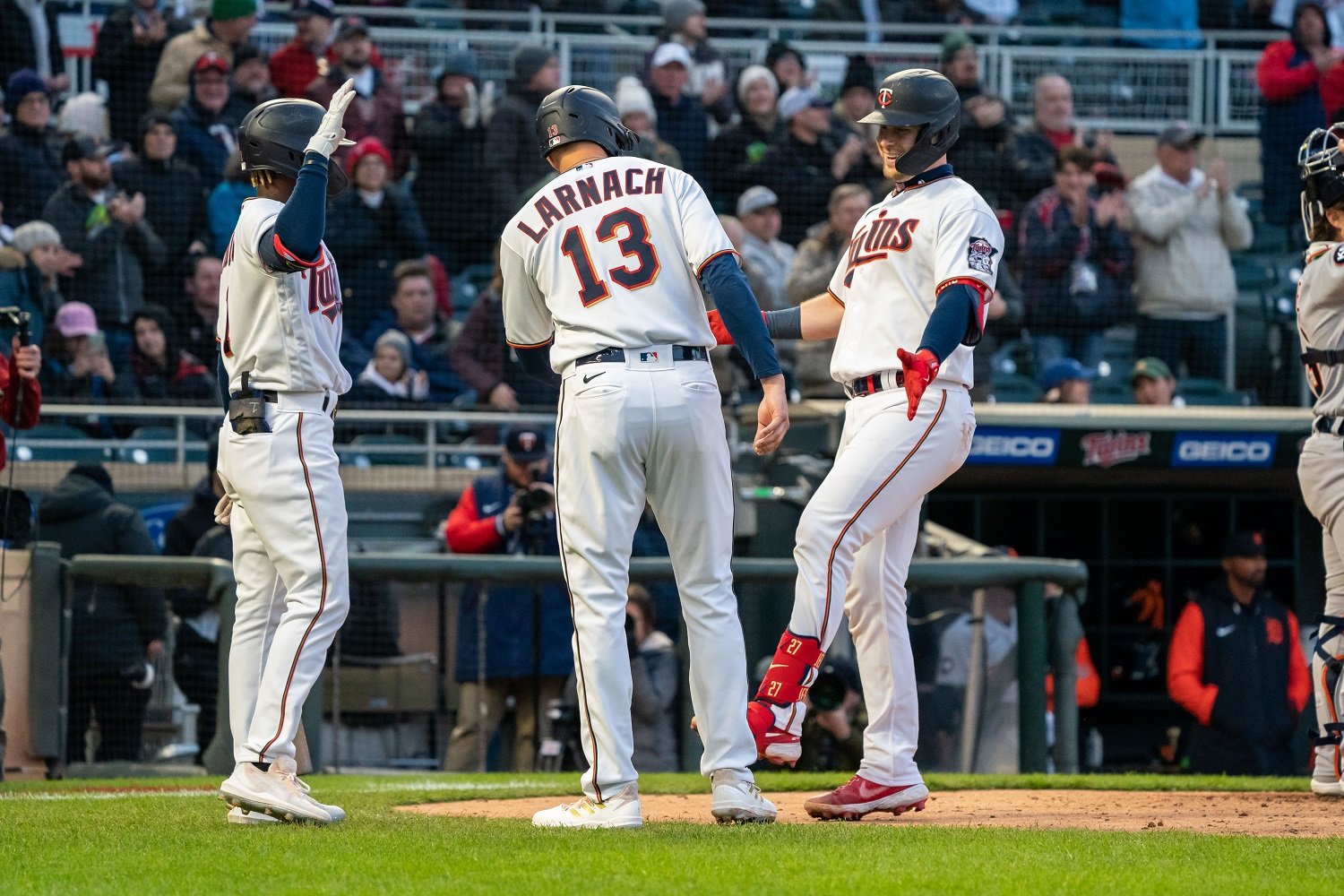 Major League Baseball's 2022 Draft is scheduled to start on July 17, 2022. Each team prepares for the draft with a specific plan, and sometimes those plans play out better than others. To prepare fans for the upcoming draft, here is a look at some of the most important drafts in recent Twins history. The 2017 regular season was a resurgent time in Twins Territory. Minnesota finished second in the AL Central after losing 103 games in 2016. Unfortunately, the Twins faced the Yankees in the AL Wild Card Game, but the team seemed headed in the right direction. With an improved record, Minnesota had a pick in the second half of the first round with multiple options at their disposal. Minnesota selected Trevor Larnach with their first pick in the 2018 MLB Draft. Larnach was coming off an outstanding junior season at Oregon State University as he helped his team win the College World Series. His college experience meant he quickly moved through the team's farm system compared to other younger prospects in his draft class. Only six hitters from the 2018 draft have accumulated more than 400 at-bats in the big leagues. Among those players, Larnach has the third-highest WAR total (2.0 WAR) so far in his career. In every draft, some players perform well even though they fell to picks later in the round. Tampa Bay's Shane McClanahan (4.1 WAR) and Chicago's Nico Hoerner (3.7 WAR) have accumulated the most WAR among 2018 first-round picks, and they were both selected after Larnach. Both players came from the college ranks, as only four high schoolers from this draft have made their debuts. Larnach is on a path to being an everyday player, but the Twins also needed to find value in the draft's other rounds. Minnesota's second-round pick has proven to be nearly as valuable as Larnach. Ryan Jeffers was seen as a bat-first catcher as he had little defensive coaching out of college. Since joining the Twins, Jeffers has developed into one of the game's best pitch framers. He has also accumulated more WAR than any other second-round pick from this draft. His offensive approach has failed to live up to his tremendous 2020 season, but there is still time for him to make adjustments. The Twins also found some value in the fifth round and later of the 2018 draft. Minnesota selected Cole Sands with their fifth-round pick (154th overall) and Josh Winder with their seventh-round pick (214th overall). Sands has struggled in his five big-league appearances, but he is considered one of the team's top-20 prospects. Winder rebuilt his pitching repertoire during the non-existent 2020 minor league season and established himself as one of the team's top pitching prospects. The Twins thought highly enough of him to include him on the team's Opening Day roster, and he started the season strongly (104 ERA+) before a shoulder injury moved him to the IL. Minnesota lost their third-round pick by signing Lance Lynn and that didn't turn out great for the club. In the fourth round, the team added DaShawn Keirsey, a college outfielder. He is hitting .233/.308/.352 (.660) in 53 games at Double-A this season. In the sixth round, the Twins took Charles Mack, a high school shortstop, but the organization has moved him to catcher. As a 22-year-old, he has posted a .604 OPS at High-A this season, where he is slightly younger than the average age of the competition. OTHERS REMAINING IN TWINS ORGANIZATION FROM 2018 DRAFT: - 8th Round - C Chris Williams, Wichita (showing power with an .839 OPS) - 9th Round - RHP Regi Grace, Ft. Myers (big arm, moved to bullpen in 2022, over 11.0 K/9) - 10th Round - OF Willie Joe Garry, Cedar Rapids (speedy OF was getting hot for the Kernels when he broke his hand) - 11th Round - IF/OF Michael Helman, Saint Paul (recently promoted to St. Paul where he has an .856 OPS) - 12th Round - RHP Jon Olsen, Wichita (rehabbing with the FCL Twins after right elbow UCL reconstruction) - 15th Round - LHP Kody Funderburk, Wichita (Pitched in last year’s AFL and has a 2.41 ERA at Double-A) -19th Round - RHP Austin Schulfer, St. Paul (promoted to Triple-A after dominating out of the Wind Surge bullpen) -25th Round - LaRon Smith, 1B/C, Fort Myers (limited to five games this season, posted a .769 OPS in the FCL last year) -31st Round - LHP Zach Neff, Wichita (currently on the 60-day IL, had a 4.78 ERA last season) -33rd Round - LHP Denny Bentley, Wichita (Solid bullpen arm that has posted nearly 13.0 K/9 this season) Other late-round picks may develop and surprise from this draft, but both of the team's top two picks have developed into big-league regulars. There is also hope that Sands and Winder can impact the pitching staff in the years ahead. What do you remember about this draft? What is Larnach's ceiling? What can Sands and Winder mean for the pitching pipeline? Leave a COMMENT and start the discussion. OTHER POSTS IN THE SERIES -2012 MLB Draft Retrospective -2014 MLB Draft Retrospective -2016 MLB Draft Retrospective
- 3 comments
-
- 6
-
-
- trevor larnach
- ryan jeffers
- (and 2 more)
-
Minnesota's second draft with the current front office involved a more strategic approach since the team was coming off an improved 2019 season. So, how have the top picks from 2018 fared to this point in their careers? Major League Baseball's 2022 Draft is scheduled to start on July 17, 2022. Each team prepares for the draft with a specific plan, and sometimes those plans play out better than others. To prepare fans for the upcoming draft, here is a look at some of the most important drafts in recent Twins history. The 2017 regular season was a resurgent time in Twins Territory. Minnesota finished second in the AL Central after losing 103 games in 2016. Unfortunately, the Twins faced the Yankees in the AL Wild Card Game, but the team seemed headed in the right direction. With an improved record, Minnesota had a pick in the second half of the first round with multiple options at their disposal. Minnesota selected Trevor Larnach with their first pick in the 2018 MLB Draft. Larnach was coming off an outstanding junior season at Oregon State University as he helped his team win the College World Series. His college experience meant he quickly moved through the team's farm system compared to other younger prospects in his draft class. Only six hitters from the 2018 draft have accumulated more than 400 at-bats in the big leagues. Among those players, Larnach has the third-highest WAR total (2.0 WAR) so far in his career. In every draft, some players perform well even though they fell to picks later in the round. Tampa Bay's Shane McClanahan (4.1 WAR) and Chicago's Nico Hoerner (3.7 WAR) have accumulated the most WAR among 2018 first-round picks, and they were both selected after Larnach. Both players came from the college ranks, as only four high schoolers from this draft have made their debuts. Larnach is on a path to being an everyday player, but the Twins also needed to find value in the draft's other rounds. Minnesota's second-round pick has proven to be nearly as valuable as Larnach. Ryan Jeffers was seen as a bat-first catcher as he had little defensive coaching out of college. Since joining the Twins, Jeffers has developed into one of the game's best pitch framers. He has also accumulated more WAR than any other second-round pick from this draft. His offensive approach has failed to live up to his tremendous 2020 season, but there is still time for him to make adjustments. The Twins also found some value in the fifth round and later of the 2018 draft. Minnesota selected Cole Sands with their fifth-round pick (154th overall) and Josh Winder with their seventh-round pick (214th overall). Sands has struggled in his five big-league appearances, but he is considered one of the team's top-20 prospects. Winder rebuilt his pitching repertoire during the non-existent 2020 minor league season and established himself as one of the team's top pitching prospects. The Twins thought highly enough of him to include him on the team's Opening Day roster, and he started the season strongly (104 ERA+) before a shoulder injury moved him to the IL. Minnesota lost their third-round pick by signing Lance Lynn and that didn't turn out great for the club. In the fourth round, the team added DaShawn Keirsey, a college outfielder. He is hitting .233/.308/.352 (.660) in 53 games at Double-A this season. In the sixth round, the Twins took Charles Mack, a high school shortstop, but the organization has moved him to catcher. As a 22-year-old, he has posted a .604 OPS at High-A this season, where he is slightly younger than the average age of the competition. OTHERS REMAINING IN TWINS ORGANIZATION FROM 2018 DRAFT: - 8th Round - C Chris Williams, Wichita (showing power with an .839 OPS) - 9th Round - RHP Regi Grace, Ft. Myers (big arm, moved to bullpen in 2022, over 11.0 K/9) - 10th Round - OF Willie Joe Garry, Cedar Rapids (speedy OF was getting hot for the Kernels when he broke his hand) - 11th Round - IF/OF Michael Helman, Saint Paul (recently promoted to St. Paul where he has an .856 OPS) - 12th Round - RHP Jon Olsen, Wichita (rehabbing with the FCL Twins after right elbow UCL reconstruction) - 15th Round - LHP Kody Funderburk, Wichita (Pitched in last year’s AFL and has a 2.41 ERA at Double-A) -19th Round - RHP Austin Schulfer, St. Paul (promoted to Triple-A after dominating out of the Wind Surge bullpen) -25th Round - LaRon Smith, 1B/C, Fort Myers (limited to five games this season, posted a .769 OPS in the FCL last year) -31st Round - LHP Zach Neff, Wichita (currently on the 60-day IL, had a 4.78 ERA last season) -33rd Round - LHP Denny Bentley, Wichita (Solid bullpen arm that has posted nearly 13.0 K/9 this season) Other late-round picks may develop and surprise from this draft, but both of the team's top two picks have developed into big-league regulars. There is also hope that Sands and Winder can impact the pitching staff in the years ahead. What do you remember about this draft? What is Larnach's ceiling? What can Sands and Winder mean for the pitching pipeline? Leave a COMMENT and start the discussion. OTHER POSTS IN THE SERIES -2012 MLB Draft Retrospective -2014 MLB Draft Retrospective -2016 MLB Draft Retrospective View full article
-
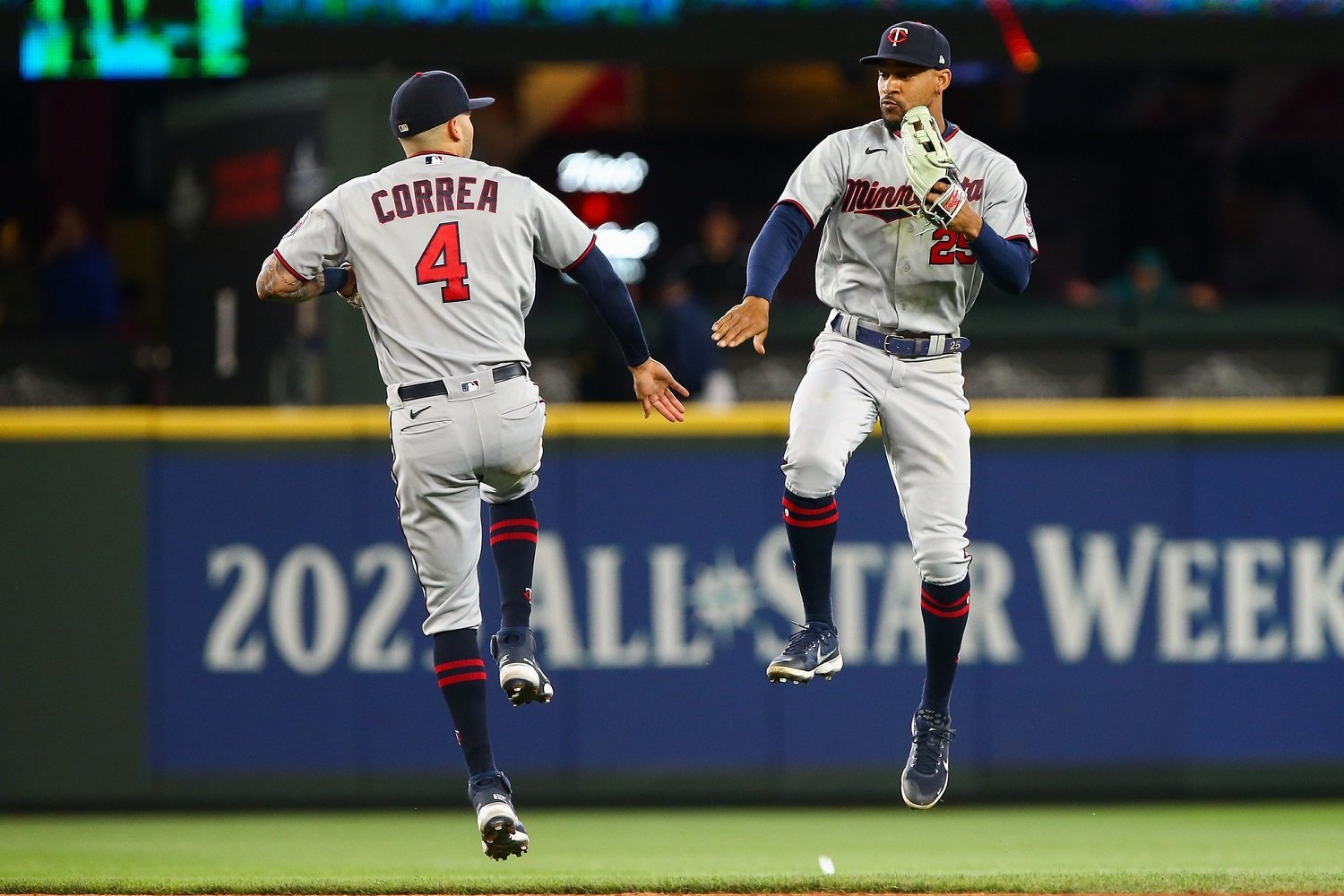 Earlier this week, FanGraphs posted about the American League's most irreplaceable players for the remainder of the 2022 season. For author and ZiPS creator Dan Szymborski, this isn't a list of the top players in the league. His premise is to eliminate teams out of contention and remove players on teams with significant division leads. He "ran the updated ZiPS projected standings after Tuesday's games and then re-ran the entire simulation with the assumption that each relevant player missed the rest of the season due to injury." Multiple AL Central players appear on Szymborski's rankings, including Byron Buxton in the eighth overall spot. For Twins fans, an argument can be made for each of the names below as the team's most irreplaceable player. 5. Joe Ryan, SP Starting pitching is so important for the Twins that it seems like nearly every starter is irreplaceable at this point. However, starters will be limited in the amount of value they can provide, with less than 60% of the schedule remaining. Joe Ryan dominated early in the season to put himself in the AL Rookie of the Year conversation. A trip to the COVID IL was the only thing able to slow him down. Minnesota has already survived part of the schedule without Ryan, which is another reason why he ranks fifth. 4. Sonny Gray, SP Sonny Gray has been the ace-level pitcher Twins fans have pined for in recent years, but he has yet to make ten starts due to a pectoral strain. Gray was the clear selection as the TD Pitcher of the Month for May, but the team needs him healthy for the season's second half. He was an All-Star the last time he pitched over 175 innings in a season. Like Ryan, his value for the season's remaining games is limited because he will appear in fewer games than the position players named below. 3. Luis Arraez, UTL An argument can be made that Luis Arraez has been the team's MVP so far in 2022. He leads baseball in batting average and on-base percentage. Baseball-Reference ranks Arraez as having accumulated the team's highest WAR total, which puts him a full win ahead of Carlos Correa. Last season, Arraez played in a career-high 121 games, and Minnesota needs him to surpass that mark in 2022. The Twins have infield depth, so even if Arraez is injured, his replacement(s) would recover some of his value. 2. Carlos Correa, SS Carlos Correa's slow start might have been tough for some fans to watch, but his track record pointed to him being able to turn it around. Since May 1, Correa is hitting .321/.382/.509 (.891) with 13 extra-base hits in 27 games. According to Szymborski, "Correa ranks a bit lower than Buxton, even with as good a projection, mainly because Minnesota has reasonable depth in the infield." It's been well documented that Correa can opt out of his contract, so he has every incentive to continue playing well. 1. Byron Buxton, CF Even with the team managing his playing time, Buxton's living up to his contract extension from this winter. He's on pace to set career highs in nearly every offensive category, and FanGraphs already puts his season value north of $18 million. On FanGraphs' list, Buxton doesn't rank as high as other players because ZiPS already projects him to miss time due to injury. Szymborski wrote, "Assuming that Buxton would have perfect health, he would jump into the [AL's] top five." The Twins are at their best with Buxton in the line-up, making him the team's most irreplaceable player. How would you rank the team's most irreplaceable players? Leave a COMMENT and start the discussion.
- 9 comments
-
- 1
-
-
- byron buxton
- carlos correa
- (and 3 more)
-
Every big-league roster has players that provide irreplaceable value, but some players are even more critical to their team. Here are the top-five most irreplaceable players on the 2022 Twins. Earlier this week, FanGraphs posted about the American League's most irreplaceable players for the remainder of the 2022 season. For author and ZiPS creator Dan Szymborski, this isn't a list of the top players in the league. His premise is to eliminate teams out of contention and remove players on teams with significant division leads. He "ran the updated ZiPS projected standings after Tuesday's games and then re-ran the entire simulation with the assumption that each relevant player missed the rest of the season due to injury." Multiple AL Central players appear on Szymborski's rankings, including Byron Buxton in the eighth overall spot. For Twins fans, an argument can be made for each of the names below as the team's most irreplaceable player. 5. Joe Ryan, SP Starting pitching is so important for the Twins that it seems like nearly every starter is irreplaceable at this point. However, starters will be limited in the amount of value they can provide, with less than 60% of the schedule remaining. Joe Ryan dominated early in the season to put himself in the AL Rookie of the Year conversation. A trip to the COVID IL was the only thing able to slow him down. Minnesota has already survived part of the schedule without Ryan, which is another reason why he ranks fifth. 4. Sonny Gray, SP Sonny Gray has been the ace-level pitcher Twins fans have pined for in recent years, but he has yet to make ten starts due to a pectoral strain. Gray was the clear selection as the TD Pitcher of the Month for May, but the team needs him healthy for the season's second half. He was an All-Star the last time he pitched over 175 innings in a season. Like Ryan, his value for the season's remaining games is limited because he will appear in fewer games than the position players named below. 3. Luis Arraez, UTL An argument can be made that Luis Arraez has been the team's MVP so far in 2022. He leads baseball in batting average and on-base percentage. Baseball-Reference ranks Arraez as having accumulated the team's highest WAR total, which puts him a full win ahead of Carlos Correa. Last season, Arraez played in a career-high 121 games, and Minnesota needs him to surpass that mark in 2022. The Twins have infield depth, so even if Arraez is injured, his replacement(s) would recover some of his value. 2. Carlos Correa, SS Carlos Correa's slow start might have been tough for some fans to watch, but his track record pointed to him being able to turn it around. Since May 1, Correa is hitting .321/.382/.509 (.891) with 13 extra-base hits in 27 games. According to Szymborski, "Correa ranks a bit lower than Buxton, even with as good a projection, mainly because Minnesota has reasonable depth in the infield." It's been well documented that Correa can opt out of his contract, so he has every incentive to continue playing well. 1. Byron Buxton, CF Even with the team managing his playing time, Buxton's living up to his contract extension from this winter. He's on pace to set career highs in nearly every offensive category, and FanGraphs already puts his season value north of $18 million. On FanGraphs' list, Buxton doesn't rank as high as other players because ZiPS already projects him to miss time due to injury. Szymborski wrote, "Assuming that Buxton would have perfect health, he would jump into the [AL's] top five." The Twins are at their best with Buxton in the line-up, making him the team's most irreplaceable player. How would you rank the team's most irreplaceable players? Leave a COMMENT and start the discussion. View full article
-
 Entering the 2020 season, MLB announced various rules changes, including a 26-man roster and a three-batter minimum for relief pitchers. Part of those rule adjustments was limiting pitching staffs to 13 pitchers, but that limit has been continually pushed back because of the COVID-19 pandemic. MLB hopes limiting rostered pitchers will help increase the pace of play because there is one less pitcher to turn to in the bullpen. During the current season, there have been multiple delays to the 13-pitcher limit as teams dealt with a shortened spring training, and pitchers needed time to build up their workload. Minnesota was one of 18 teams with 14 pitchers on their active roster following Saturday’s games. Now, the 13-pitcher roster limit is going into effect, and here are three impacts for the Twins. Roster Flexibility Minnesota has shuffled pitchers with minor league options from Triple-A to the big leagues in recent years. This pitcher shuffling will take on even more importance with the new rule going into effect. Players with options may pitch one day and find themselves on the train back to St. Paul following the game so a fresh arm can be called up. So far this season, players like Yennier Cano, Jharel Cotton, and Jovani Moran have all made the trip back and forth from Triple-A. Players without options may be lost to the waiver wire, as the Twins saw last week with Chi Chi Gonzalez. Starters Going Deeper Ideally, MLB hopes to see starters go deeper into games, but pitching use continues to evolve. Leaving starters in longer might not speed up the game and might be detrimental to the pitcher’s long-term health. Over the weekend, Dylan Bundy pitched eight innings for the first time with the Twins. Devin Smeltzer has pitched into the sixth inning or later in four of his seven starts. As other Minnesota pitchers get healthier, it seems reasonable to expect them to pitch deeper into games if the bullpen needs a break. “I think they’re doing that to, in theory, keep the starters in the game, not run to so many matchups,” Chicago Cubs manager David Ross said over the weekend. “You know they did that with the three-batter minimum, so I think in their mind it’s for the betterment of the game. We’ll see how it plays out.” Position Players Pitching Another ramification of the 13-pitcher limit may be more position players pitching. It can be entertaining for fans when a position player takes the mound, but it hardly speeds up the pace of play. Teams are also required to be losing by five runs or more, so that is a scenario teams never want to encounter. Luckily, Minnesota has only used one position player on the mound this season. Nick Gordon took the mound in the first game of a double header with Houston as Minnesota trailed 11-3. It was a fantastic moment for the son of former pitcher Tom Gordon, but the Twins likely don’t want to see him on the mound anymore this season. Overall, teams will adjust to the new rule, but there will be some long-term ramifications throughout the rest of the season. How do you think the 13-pitcher roster limit will impact the Twins? Leave a COMMENT and start the discussion.
- 23 comments
-
- 2
-
-
- nick gordon
- david ross
- (and 1 more)
-
3 Impacts of the 13-Pitcher Roster Limit
Cody Christie posted a topic in Twins Daily Front Page News
On Monday, Major League Baseball began enforcing the 13-pitcher roster limit that had been initially planned for the start of 2020. How does this rule impact the Twins? Entering the 2020 season, MLB announced various rules changes, including a 26-man roster and a three-batter minimum for relief pitchers. Part of those rule adjustments was limiting pitching staffs to 13 pitchers, but that limit has been continually pushed back because of the COVID-19 pandemic. MLB hopes limiting rostered pitchers will help increase the pace of play because there is one less pitcher to turn to in the bullpen. During the current season, there have been multiple delays to the 13-pitcher limit as teams dealt with a shortened spring training, and pitchers needed time to build up their workload. Minnesota was one of 18 teams with 14 pitchers on their active roster following Saturday’s games. Now, the 13-pitcher roster limit is going into effect, and here are three impacts for the Twins. Roster Flexibility Minnesota has shuffled pitchers with minor league options from Triple-A to the big leagues in recent years. This pitcher shuffling will take on even more importance with the new rule going into effect. Players with options may pitch one day and find themselves on the train back to St. Paul following the game so a fresh arm can be called up. So far this season, players like Yennier Cano, Jharel Cotton, and Jovani Moran have all made the trip back and forth from Triple-A. Players without options may be lost to the waiver wire, as the Twins saw last week with Chi Chi Gonzalez. Starters Going Deeper Ideally, MLB hopes to see starters go deeper into games, but pitching use continues to evolve. Leaving starters in longer might not speed up the game and might be detrimental to the pitcher’s long-term health. Over the weekend, Dylan Bundy pitched eight innings for the first time with the Twins. Devin Smeltzer has pitched into the sixth inning or later in four of his seven starts. As other Minnesota pitchers get healthier, it seems reasonable to expect them to pitch deeper into games if the bullpen needs a break. “I think they’re doing that to, in theory, keep the starters in the game, not run to so many matchups,” Chicago Cubs manager David Ross said over the weekend. “You know they did that with the three-batter minimum, so I think in their mind it’s for the betterment of the game. We’ll see how it plays out.” Position Players Pitching Another ramification of the 13-pitcher limit may be more position players pitching. It can be entertaining for fans when a position player takes the mound, but it hardly speeds up the pace of play. Teams are also required to be losing by five runs or more, so that is a scenario teams never want to encounter. Luckily, Minnesota has only used one position player on the mound this season. Nick Gordon took the mound in the first game of a double header with Houston as Minnesota trailed 11-3. It was a fantastic moment for the son of former pitcher Tom Gordon, but the Twins likely don’t want to see him on the mound anymore this season. Overall, teams will adjust to the new rule, but there will be some long-term ramifications throughout the rest of the season. How do you think the 13-pitcher roster limit will impact the Twins? Leave a COMMENT and start the discussion. View full article -
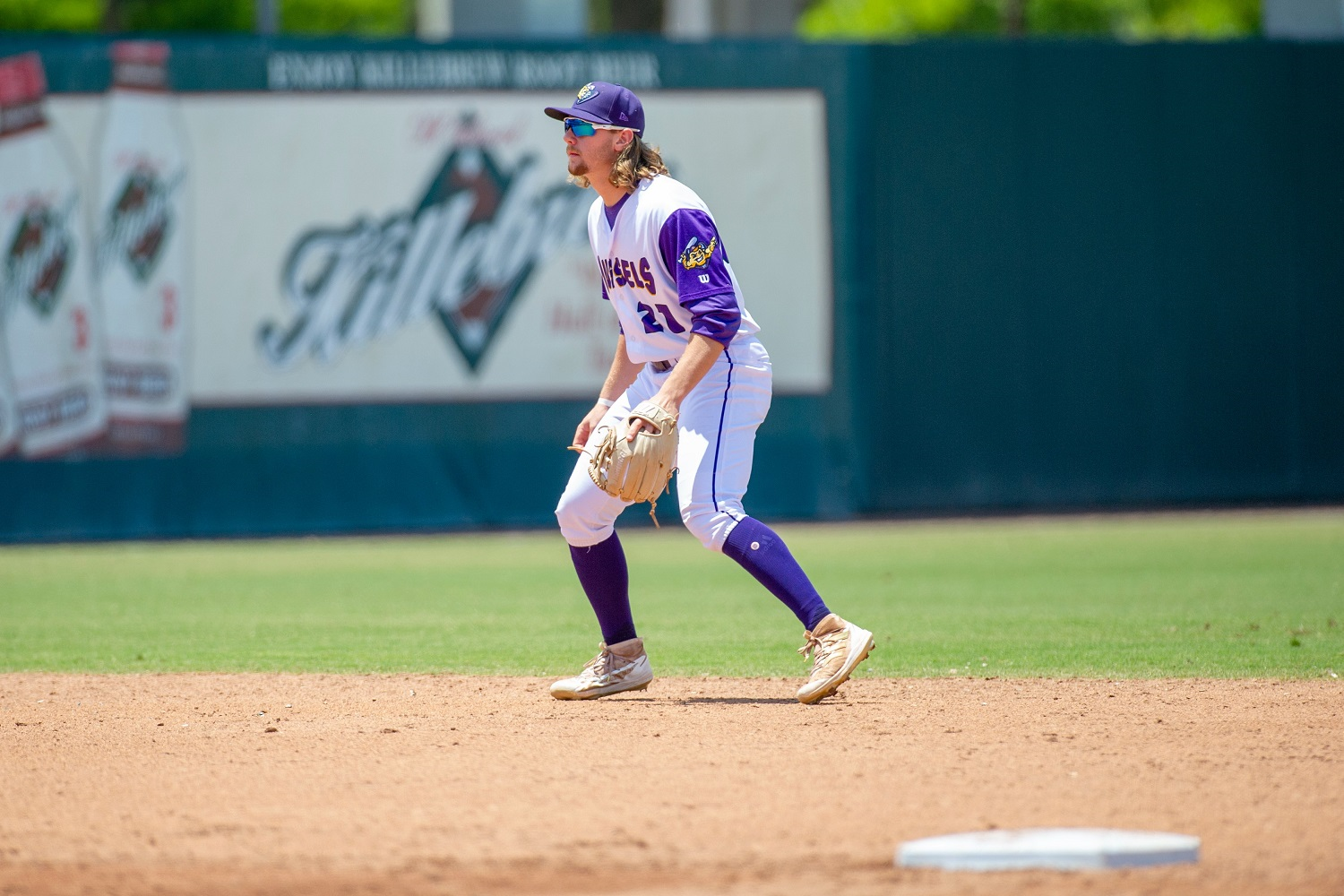 The Twins selected Noah Miller with the 36th overall pick in the 2021 MLB Draft out of high school in Wisconsin. Minnesota's current front office prefers to draft college bats, but Miller didn't fit that mold. The switch-hitting infielder had all the necessary skills as scouting reports projected praised his offensive and defensive approaches. Now, in his second professional season, some of those positive signs have translated onto the field. A couple of questions surrounded Miller when he was drafted, including his age and skill level coming from a cold-weather state. He was already 19 years old, which is old for a high school player. Miller played his high school career in Wisconsin, which can put players at a disadvantage because the weather can impact their playing time as an amateur. Minnesota has tried to work through these issues since he signed with the organization. During his first two professional seasons, Minnesota has pushed Miller to play at levels where he has been at least two years younger than the average age of the competition. Miller has played the 2022 season in the Florida State League and only faced younger pitchers in 13 at-bats. Against older pitchers, he has a 57-to-40 strikeout to walk ratio as he has gotten on base in nearly 37% of his at-bats. The Twins organization is challenging Miller, and he is responding even though he is young for his level. Because of his cold-weather background, Miller's swing projected to need time to develop as a professional. As a right-handed hitter, he has hit .229/.359/.320 (.679) with nine extra-base hits in 184 plate appearances this year. His left side was more powerful when he was drafted, which has proven to be true this season. In 44 at-bats, his OPS is over 100 points higher from the left side, and two of his 12 hits have been for extra bases. Entering the season, Miller had mixed opinions about his defense, but he started strongly in his first full professional season. FanGraphs graded him on the 80 scouting scale as currently being a 30 with a potential future value of 45. MLB Pipeline has his fielding and his arm graded as a 55. He has started every game at shortstop and has only committed two errors in over 427 innings. Errors can be a fluky way to evaluate prospect talent, but even the Fort Myer's broadcaster has been impressed with the 19-year-old's FSL debut. Everything hasn't gone perfectly for Miller this season, but it's clear to see why the Twins were interested in drafting him. He has excellent bat control and can make consistent contact from both sides of the plate. As he continues to add muscle and fill out his frame, more power will come. There is a decent chance he can stick at shortstop, a position the Twins have struggled to develop in recent years. Miller is multiple years away from making his Target Field debut, but there are positive signs as he continues to thrive in his first full professional season. What stands out to you about Miller? Leave a COMMENT and start the discussion.