



Cody Christie
-
Posts
7,515 -
Joined
-
Last visited
-
Days Won
5
Content Type
Profiles
News
Minnesota Twins Videos
2026 Minnesota Twins Top Prospects Ranking
2022 Minnesota Twins Draft Picks
Minnesota Twins Free Agent & Trade Rumors, Notes, & Tidbits
Guides & Resources
2023 Minnesota Twins Draft Picks
The Minnesota Twins Players Project
2024 Minnesota Twins Draft Picks
2025 Minnesota Twins Draft Pick Tracker
2026 Minnesota Twins Draft Tracker: Picks & Bonuses
Forums
Blogs
Events
Store
Downloads
Gallery
Everything posted by Cody Christie
-
 Few baseball prospects can live up to the hype surrounding their trek through the minor league system. It looked like Nick Gordon was running out of big-league opportunities, but he has been crucial to Minnesota’s 2022 success. The Twins drafted Nick Gordon with the fifth overall pick in the 2014 MLB Draft. There can be plenty of pressure put on a top-5 draft pick, but that was even more true for Gordon. His brother, Dee Strange-Gordon, and his father, Tom Gordon, were All-Stars during their respective careers. There’s no quest that Gordon faced added pressure as a prospect, which might have impacted his development throughout his career. MLB’s draft is different from the other major sports leagues because no players immediately impact the big-league level. In Gordon’s draft, three players taken after him in the first round have accumulated more than 25 WAR, including Trea Turner, Aaron Nola, and Matt Chapman. It’s easy for fans to play the “what if” game with any of these players, but draft baseball talent isn’t an exact science. Gordon was highly touted as an amateur and deserved to be a top-10 pick. After signing with the Twins, Gordon immediately became one of the organization’s top-ranked prospects. All three major national rankings (Baseball America, MLB, and Baseball Prospectus) placed Gordon among baseball’s top 100 prospects for four consecutive seasons (2015-18). During that stretch, his highest OPS was in 2017, when he combined for 46 extra-base hits at Double-A. Gordon proved he could consistently get on base, but his power hadn’t developed. Unfortunately, multiple health issues impacted his development moving forward. Besides the pressures of being a top prospect, Gordon dealt with two health issues that had a chance to cost him his career. His entire 2020 season was erased when he tested positive for COVID-19 and didn’t clear protocols until late August. Gordon has also dealt with chronic gastritis that causes him to lose weight. He’s a naturally skinny player, but he was down to 153-pounds at one point. Luckily, he has worked through his health concerns and is currently playing at 180-pounds. It’s hard to put in perspective what Gordon has meant to the Twins during the 2022 season. Royce Lewis and Alex Kirilloff being out for the year has forced players like Gordon to step up and fill a prominent role. Gordon is doing more than filling in as he is putting himself into the team’s future plans. He ranks in the 79th percentile or higher in Barrel %, Average Exit Velocity, Hard Hit %, xSLG, and xwOBA. Also, Gordon ranks 9th on the Twins according to both versions of WAR. Every team needs role players, and Gordon is more than filling his role. There is no question that Gordon has been invaluable to the 2022 Twins, but the team might be lucky in other ways. Because he was a late-bloomer, Gordon is not arbitration eligible until 2025, and he can’t reach free agency until 2028. Currently, he is 26 years old, so Minnesota can control the prime of his career. Gordon may never be an All-Star like the other members of his family, but he is proving the Twins were right to draft him so highly. Not every prospect pans out, but the Twins would be in a much different position if Gordon wasn’t making plays for a first-place team. What has stood out to you most about Gordon this season? What do you remember about his minor league career? Leave a COMMENT and start the discussion. View full article
 -
Nick Gordon Suddenly Living Up to Former Top-Prospect Status
Cody Christie posted an article in Twins
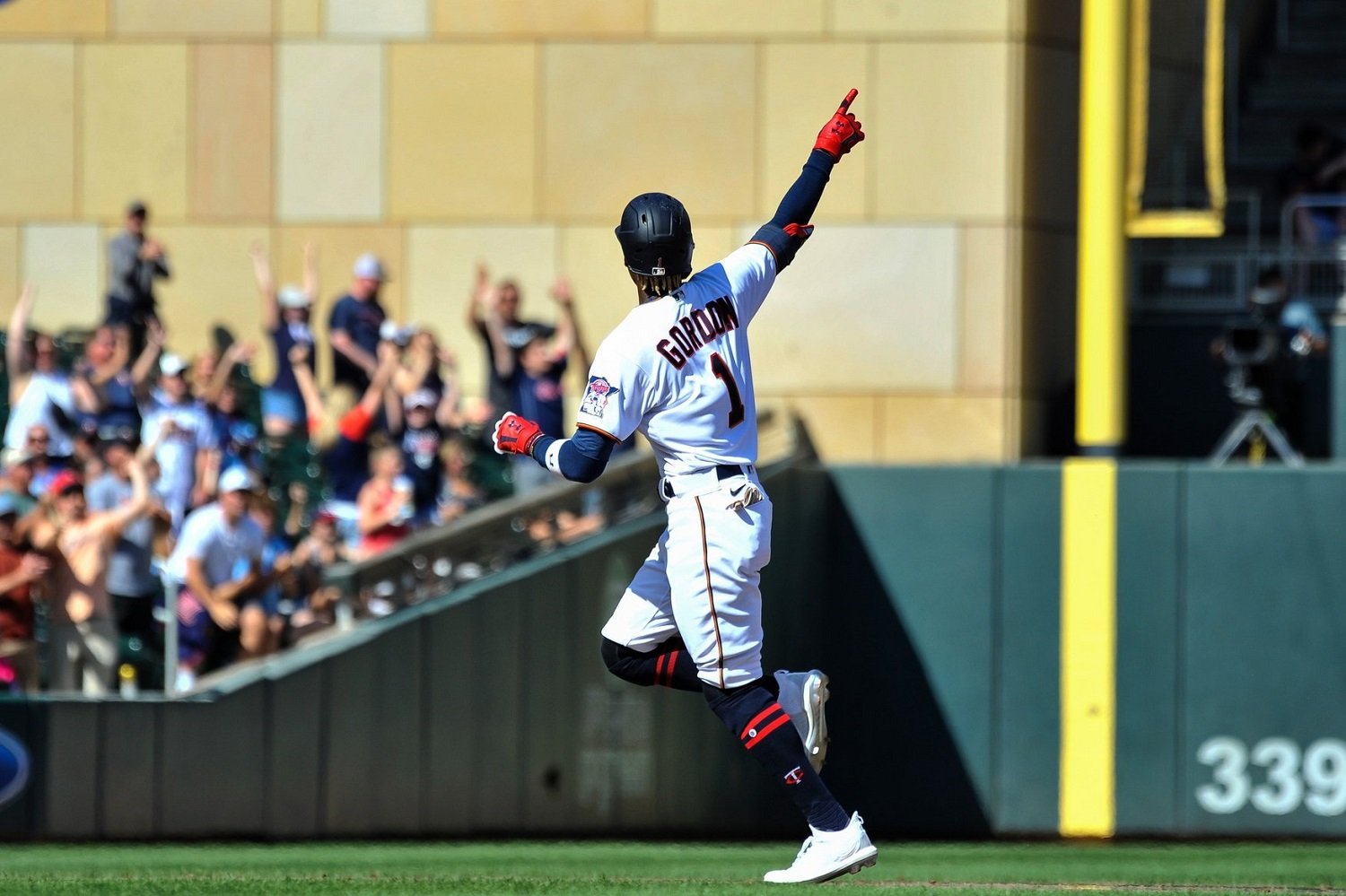 The Twins drafted Nick Gordon with the fifth overall pick in the 2014 MLB Draft. There can be plenty of pressure put on a top-5 draft pick, but that was even more true for Gordon. His brother, Dee Strange-Gordon, and his father, Tom Gordon, were All-Stars during their respective careers. There’s no quest that Gordon faced added pressure as a prospect, which might have impacted his development throughout his career. MLB’s draft is different from the other major sports leagues because no players immediately impact the big-league level. In Gordon’s draft, three players taken after him in the first round have accumulated more than 25 WAR, including Trea Turner, Aaron Nola, and Matt Chapman. It’s easy for fans to play the “what if” game with any of these players, but draft baseball talent isn’t an exact science. Gordon was highly touted as an amateur and deserved to be a top-10 pick. After signing with the Twins, Gordon immediately became one of the organization’s top-ranked prospects. All three major national rankings (Baseball America, MLB, and Baseball Prospectus) placed Gordon among baseball’s top 100 prospects for four consecutive seasons (2015-18). During that stretch, his highest OPS was in 2017, when he combined for 46 extra-base hits at Double-A. Gordon proved he could consistently get on base, but his power hadn’t developed. Unfortunately, multiple health issues impacted his development moving forward. Besides the pressures of being a top prospect, Gordon dealt with two health issues that had a chance to cost him his career. His entire 2020 season was erased when he tested positive for COVID-19 and didn’t clear protocols until late August. Gordon has also dealt with chronic gastritis that causes him to lose weight. He’s a naturally skinny player, but he was down to 153-pounds at one point. Luckily, he has worked through his health concerns and is currently playing at 180-pounds. It’s hard to put in perspective what Gordon has meant to the Twins during the 2022 season. Royce Lewis and Alex Kirilloff being out for the year has forced players like Gordon to step up and fill a prominent role. Gordon is doing more than filling in as he is putting himself into the team’s future plans. He ranks in the 79th percentile or higher in Barrel %, Average Exit Velocity, Hard Hit %, xSLG, and xwOBA. Also, Gordon ranks 9th on the Twins according to both versions of WAR. Every team needs role players, and Gordon is more than filling his role. There is no question that Gordon has been invaluable to the 2022 Twins, but the team might be lucky in other ways. Because he was a late-bloomer, Gordon is not arbitration eligible until 2025, and he can’t reach free agency until 2028. Currently, he is 26 years old, so Minnesota can control the prime of his career. Gordon may never be an All-Star like the other members of his family, but he is proving the Twins were right to draft him so highly. Not every prospect pans out, but the Twins would be in a much different position if Gordon wasn’t making plays for a first-place team. What has stood out to you most about Gordon this season? What do you remember about his minor league career? Leave a COMMENT and start the discussion.
 -
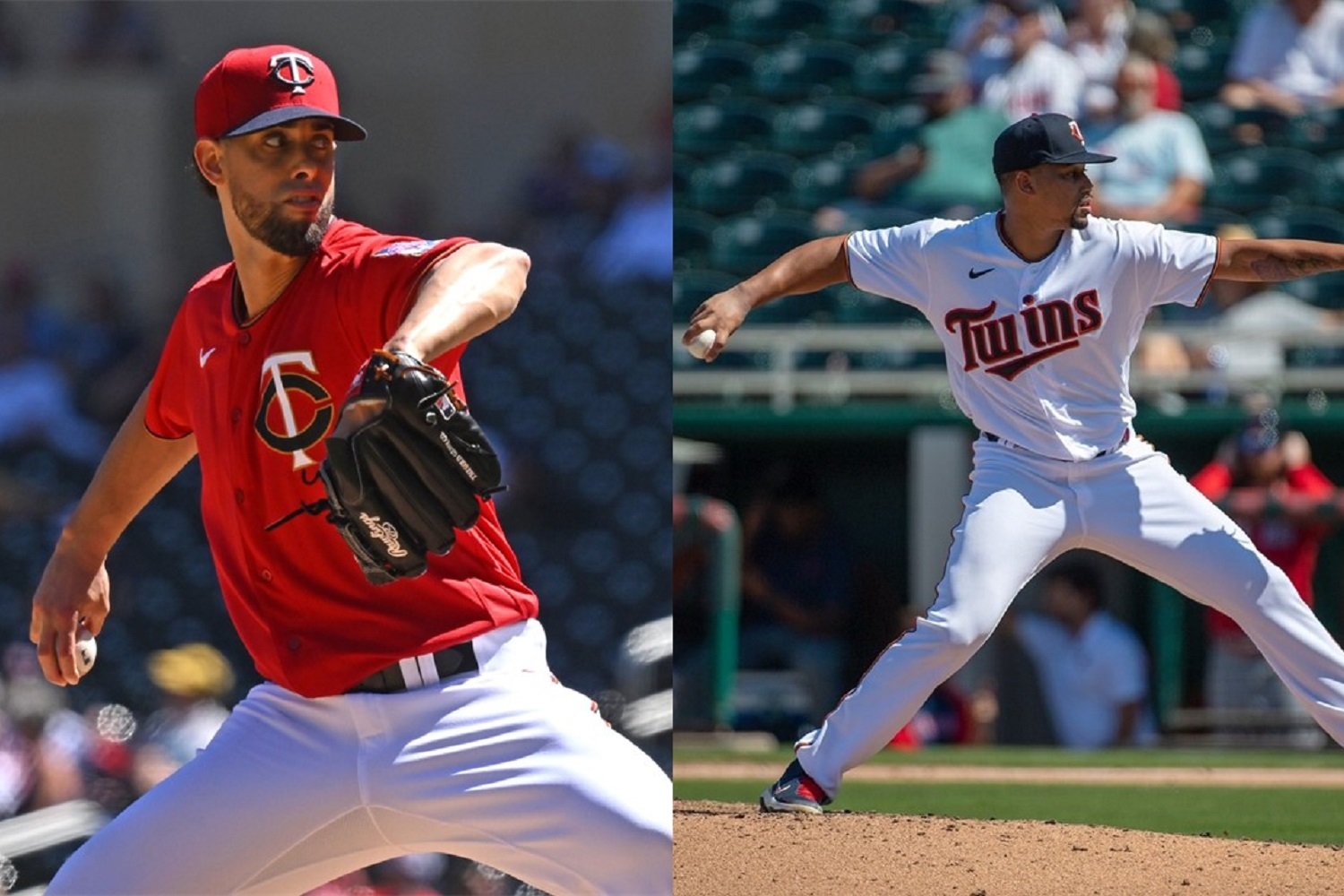 The Twins added Jorge Lopez and Michael Fulmer to a bullpen that has struggled for most of the 2022 campaign. Jhoan Duran has been unbelievable during his rookie campaign, and Griffin Jax has emerged as a late-inning weapon. How do these pieces fit into the new bullpen hierarchy? The Closer: Jorge López Baseball has gotten away from a traditional closer role, and the Twins have followed this trend under Rocco Baldelli. So far in 2022, seven different relievers have earned a save, with Emilio Pagan (9 saves) and Jhoan Duran (6 saves) leading the team. In his first full season as a reliever, López became an All-Star, and now he finds himself in the middle of the pennant race. It seems likely for him to get the majority of the save situations down the stretch. The Fireman: Jhoan Duran Adding López allows the Twins to use Duran in each game's most important moments. For instance, the team can use him when the middle of the line-up is scheduled to bat in the sixth inning or if the starter runs into trouble in a tight game. Duran has also shown the ability to pitch more than one inning as he has recorded more than three outs in 11 of his 38 appearances. Duran will still get some save opportunities, but now Baldelli has more flexibility regarding when to use him. The Set-Up Men: Michael Fulmer, Griffin Jax, Caleb Thielbar Minnesota relied on Jax and Thielbar in roles they weren't expected to fill at the season's start. Thielbar has more appearances than anyone on the team, and Jax has been the team's most successful reliever outside of Duran. According to fWAR, Thielbar and Jax only trail Duran among Twins relievers. Since June 22, Thielbar has an ERA under 2.00 while holding opponents to a .539 OPS. Jax has a 53-to-14 strikeout to walk ratio in 49 innings while holding batters to a .363 SLG. Fulmer's addition allows Thielbar and Jax to be pushed down the bullpen hierarchy in roles they were expected to occupy earlier in the season. First Out of the Pen: Emilio Pagán, Trevor Megill, Jovani Moran, Cole Sands The Twins used Pagán, Megill and Tyler Duffey in Thursday's loss, where they combined to allow nine runs (eight earned). Pagán hasn't been a good reliever since 2019, and he continues to be dreadful for the Twins. Duffey saw his velocity drop for the third consecutive season and the team waived him on Friday. According to Win Probability Added, Pagán and Duffey have been worth -2.12 wins for the Twins in 2022. Megill has only allowed multiple earned runs in three of his 20 appearances, and he wasn't expected to fit a high leverage role. Moran has struggled with control at the big-league level, but his change-up can be a bullpen weapon. Sands struggled with the Twins but he has done so in a small sample size of just over 16 innings. Minnesota's bullpen significantly improves with the addition of López and Fulmer. Moving other players down the bullpen hierarchy will hopefully be able to find more success in less high leverage situations. The Twins have led the AL Central for most of the season, and the bullpen will be essential if the team wants to win their third division title in the last four years. How would you organize the new bullpen hierarchy if you were the manager? Leave a COMMENT and start the discussion.
- 5 comments
-
- 1
-

-
- jorge lopez
- michael fulmer
- (and 3 more)
-
Minnesota's bullpen received an influx of talent at the trade deadline. How will Rocco Baldelli organize the Twins' new bullpen hierarchy? The Twins added Jorge Lopez and Michael Fulmer to a bullpen that has struggled for most of the 2022 campaign. Jhoan Duran has been unbelievable during his rookie campaign, and Griffin Jax has emerged as a late-inning weapon. How do these pieces fit into the new bullpen hierarchy? The Closer: Jorge López Baseball has gotten away from a traditional closer role, and the Twins have followed this trend under Rocco Baldelli. So far in 2022, seven different relievers have earned a save, with Emilio Pagan (9 saves) and Jhoan Duran (6 saves) leading the team. In his first full season as a reliever, López became an All-Star, and now he finds himself in the middle of the pennant race. It seems likely for him to get the majority of the save situations down the stretch. The Fireman: Jhoan Duran Adding López allows the Twins to use Duran in each game's most important moments. For instance, the team can use him when the middle of the line-up is scheduled to bat in the sixth inning or if the starter runs into trouble in a tight game. Duran has also shown the ability to pitch more than one inning as he has recorded more than three outs in 11 of his 38 appearances. Duran will still get some save opportunities, but now Baldelli has more flexibility regarding when to use him. The Set-Up Men: Michael Fulmer, Griffin Jax, Caleb Thielbar Minnesota relied on Jax and Thielbar in roles they weren't expected to fill at the season's start. Thielbar has more appearances than anyone on the team, and Jax has been the team's most successful reliever outside of Duran. According to fWAR, Thielbar and Jax only trail Duran among Twins relievers. Since June 22, Thielbar has an ERA under 2.00 while holding opponents to a .539 OPS. Jax has a 53-to-14 strikeout to walk ratio in 49 innings while holding batters to a .363 SLG. Fulmer's addition allows Thielbar and Jax to be pushed down the bullpen hierarchy in roles they were expected to occupy earlier in the season. First Out of the Pen: Emilio Pagán, Trevor Megill, Jovani Moran, Cole Sands The Twins used Pagán, Megill and Tyler Duffey in Thursday's loss, where they combined to allow nine runs (eight earned). Pagán hasn't been a good reliever since 2019, and he continues to be dreadful for the Twins. Duffey saw his velocity drop for the third consecutive season and the team waived him on Friday. According to Win Probability Added, Pagán and Duffey have been worth -2.12 wins for the Twins in 2022. Megill has only allowed multiple earned runs in three of his 20 appearances, and he wasn't expected to fit a high leverage role. Moran has struggled with control at the big-league level, but his change-up can be a bullpen weapon. Sands struggled with the Twins but he has done so in a small sample size of just over 16 innings. Minnesota's bullpen significantly improves with the addition of López and Fulmer. Moving other players down the bullpen hierarchy will hopefully be able to find more success in less high leverage situations. The Twins have led the AL Central for most of the season, and the bullpen will be essential if the team wants to win their third division title in the last four years. How would you organize the new bullpen hierarchy if you were the manager? Leave a COMMENT and start the discussion. View full article
-
Twins Waive Tyler Duffey After a Decade in the Organization
Cody Christie posted an article in Twins
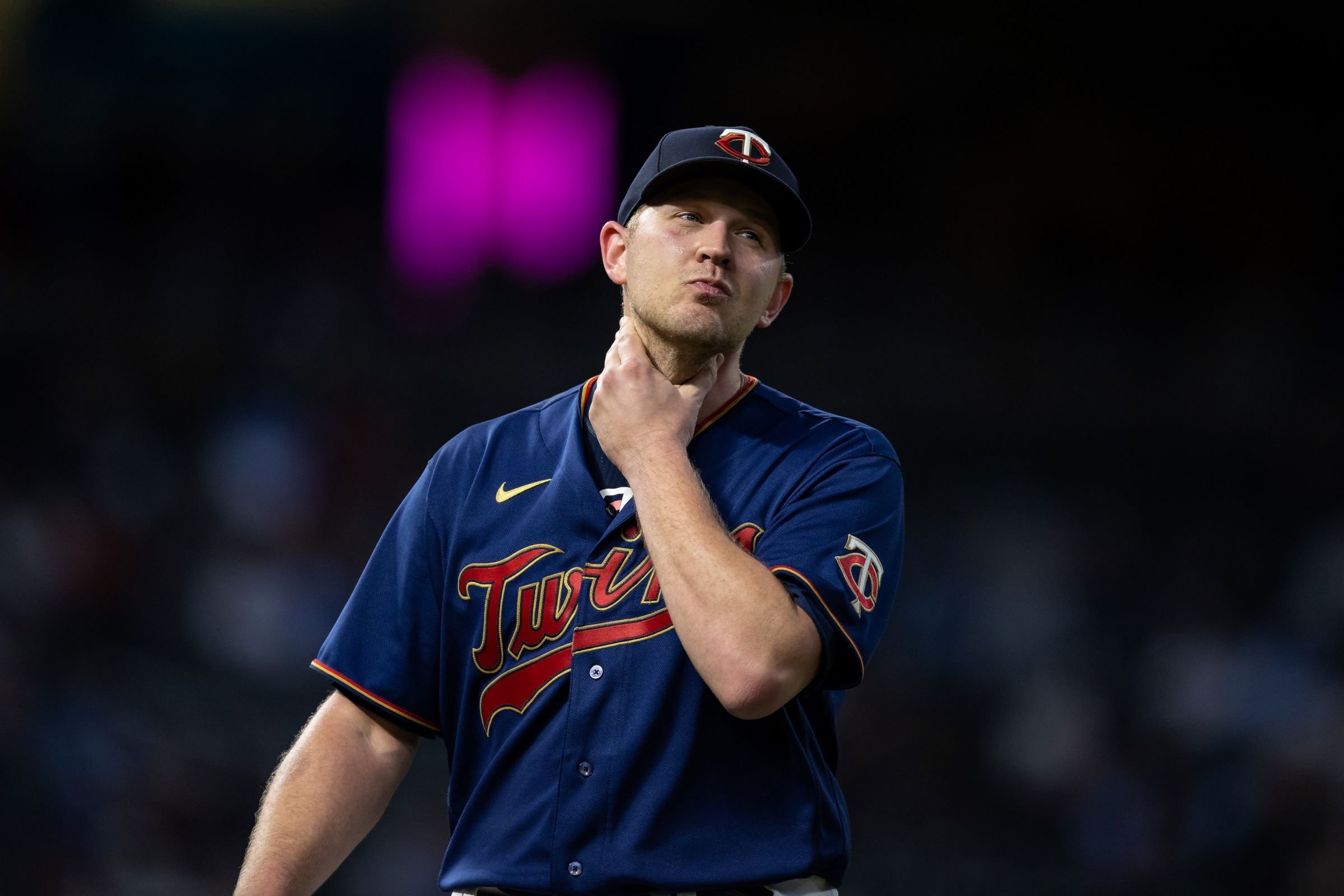 The Twins drafted Tyler Duffey out of Rice University in the fifth round of the 2012 MLB Draft. Throughout his collegiate career, he posted some impressive numbers (2.25 ERA, 11.6 K/9), but the team used him as a reliever. Minnesota signed him and shifted him to a starting pitcher role. Duffey slowly worked his way through the team's farm system, and his numbers seemed to improve with each promotion before earning his first call-up. As a 24-year-old, Duffey made his big-league debut and made a strong impression in his first ten starts. He posted a 3.10 ERA with a 131 ERA+ and 8.2 K/9. It looked like he might fit into the team's long-term plans as the organization looked to get out of the bottom of the American League. His sophomore season saw a slump as his ERA jumped to 6.43, and he had a 1.50 WHIP. Minnesota decided to shift him to a relief role following the 2016 season, but there were some struggles with that transition as well. From 2017-2018, Duffey appeared in 75 games with a 5.53 ERA and an 86-to-22 strikeout to walk ratio. Some pitchers can find more success as relievers because of increased velocity and only needing one secondary pitch. Things still weren't clicking for Duffey, but one coaching change might have made all the difference. Wes Johnson's arrival to the coaching staff signaled a clear turning point for Duffey as he became one of baseball's best relievers for multiple seasons. From 2019-2021, Duffey posted a 2.69 ERA (163 ERA+) with a 1.06 WHIP and 174 strikeouts in 144 innings. Minnesota was able to utilize Duffey in a fireman role as he came into challenging situations and got the team out of jams. Duffey's Win Probability Added was nearly two wins higher than any other Twins reliever during that three-year run. Relievers can be fickle and signs of Duffey's decline started appearing over the last handful of seasons. His velocity has declined for three consecutive years, and the 2022 season has been his worst as a reliever. He ranks in the 15th percentile or lower in average exit velocity, xBA, hard hit %, and xSLG. Only Emilio Pagan and Jharel Cotton compiled a lower WPA among Minnesota's relievers during the 2022 campaign. Duffey saw himself move up and down the bullpen hierarchy this season, but his inconsistency eventually forced the team to waive him. For now, right-handed pitching prospect Cole Sands will take the place of Duffey in the bullpen. Sands, and particularly his delivery and curveball, are reminiscent of what Duffey had in his good years. He will get a chance in the bullpen, though it's very possible the team will recall lefty Jovani Moran as soon as he reaches 10 days since his demotion. Fans will likely focus on Duffey's recent struggles as he leaves the team, but that doesn't tell the entire story. He was one of baseball's best relievers throughout multiple seasons. He helped the Twins win games and impacted the organization on and off the field for the last decade. What will you remember most about Duffey's time with the Twins? Leave a COMMENT and start the discussion.
 -
The trade deadline can offer players a new opportunity, but for others, it can mean the end of their time with an organization. On Friday, the Twins waived Tyler Duffey after a decade in the Twins’ system. The Twins drafted Tyler Duffey out of Rice University in the fifth round of the 2012 MLB Draft. Throughout his collegiate career, he posted some impressive numbers (2.25 ERA, 11.6 K/9), but the team used him as a reliever. Minnesota signed him and shifted him to a starting pitcher role. Duffey slowly worked his way through the team's farm system, and his numbers seemed to improve with each promotion before earning his first call-up. As a 24-year-old, Duffey made his big-league debut and made a strong impression in his first ten starts. He posted a 3.10 ERA with a 131 ERA+ and 8.2 K/9. It looked like he might fit into the team's long-term plans as the organization looked to get out of the bottom of the American League. His sophomore season saw a slump as his ERA jumped to 6.43, and he had a 1.50 WHIP. Minnesota decided to shift him to a relief role following the 2016 season, but there were some struggles with that transition as well. From 2017-2018, Duffey appeared in 75 games with a 5.53 ERA and an 86-to-22 strikeout to walk ratio. Some pitchers can find more success as relievers because of increased velocity and only needing one secondary pitch. Things still weren't clicking for Duffey, but one coaching change might have made all the difference. Wes Johnson's arrival to the coaching staff signaled a clear turning point for Duffey as he became one of baseball's best relievers for multiple seasons. From 2019-2021, Duffey posted a 2.69 ERA (163 ERA+) with a 1.06 WHIP and 174 strikeouts in 144 innings. Minnesota was able to utilize Duffey in a fireman role as he came into challenging situations and got the team out of jams. Duffey's Win Probability Added was nearly two wins higher than any other Twins reliever during that three-year run. Relievers can be fickle and signs of Duffey's decline started appearing over the last handful of seasons. His velocity has declined for three consecutive years, and the 2022 season has been his worst as a reliever. He ranks in the 15th percentile or lower in average exit velocity, xBA, hard hit %, and xSLG. Only Emilio Pagan and Jharel Cotton compiled a lower WPA among Minnesota's relievers during the 2022 campaign. Duffey saw himself move up and down the bullpen hierarchy this season, but his inconsistency eventually forced the team to waive him. For now, right-handed pitching prospect Cole Sands will take the place of Duffey in the bullpen. Sands, and particularly his delivery and curveball, are reminiscent of what Duffey had in his good years. He will get a chance in the bullpen, though it's very possible the team will recall lefty Jovani Moran as soon as he reaches 10 days since his demotion. Fans will likely focus on Duffey's recent struggles as he leaves the team, but that doesn't tell the entire story. He was one of baseball's best relievers throughout multiple seasons. He helped the Twins win games and impacted the organization on and off the field for the last decade. What will you remember most about Duffey's time with the Twins? Leave a COMMENT and start the discussion. View full article
-
On paper, the Twins had a very successful trade deadline, but that might not tell the entire story. Minnesota's young core might have been the most sought-after piece of the roster. Every team's front office enters the trade deadline with a specific focus. Is a team buying or selling? What are the team's current and future needs? Luckily, the Twins could find a balance by adding controllable assets without surrendering multiple prospects from the top of their farm system. However, teams were also calling about some of the younger members of the big-league roster, and the Twins front office had a clear message… "No." One of the players asked about was Jose Miranda, the reigning AL Rookie of the Month. In July, he hit .353/.405/.603 (1.008) with two doubles and five home runs in 20 games. Out of those five home runs, two of them were walk-off winners. Miranda might be one of the most valuable pieces to the current Twins line-up, and the team wanted to keep the young core intact to help with an October run. As the trade deadline approached, Carlos Correa gave feedback to the front office and coaching staff about players the Twins should add. One of Correa's messages was, "Jose Miranda was untouchable, and he needs to be in this franchise for a long time." Miranda is coming off one of the best minor league seasons in franchise history, and he seems to be putting it all together at the big-league level. Another team was likely going to have to overpay to acquire his bat. Twins GM Thad Levine joined KFAN's Paul Allen on Thursday, and Allen explicitly asked about offers for Miranda. Levine didn't get into any specifics about offers for Miranda. Still, he said, "the league will tell you how valuable they are, and it's at these trade deadlines that you realize how valuable and coveted some of your players are." Besides Miranda, Levine also referenced some of the team's young pitching at the big-league level without mentioning specific names. Some of Minnesota's younger pitchers are part of the team's long-term core, including Jhoan Duran and Joe Ryan. Ryan may have been Minnesota's most valuable pitcher according to trade value, but there was no way the team was going to deal him. When healthy, Bailey Ober and Josh Winder are two other young pitchers who have value to the team this season. Minnesota is starting to see value in its pitching pipeline, and other front offices have also noticed this. Minnesota's minor league system might not rank as highly as in recent years, but the team has plenty of young talent at the big-league level. The Twins have used 12 players this season that are 25 years or younger, including Luis Arraez, Trevor Larnach, Ryan Jeffers, Gilberto Celestino, and Alex Kirilloff. In 2022, these players have all been critical to the team's success and will be relied on for crucial situations throughout the season's remainder. Levine said, "the future is bright for this franchise based upon the feedback we got at this trade deadline of how much the industry likes some of our minor league players and certainly some of our young players at the big-league level." Minnesota's front office wants to keep the team's winning window open as long as possible, and this trade deadline might prove that the team is meeting that goal. How do you feel about the Twins young core? Do you feel like any of the players mentioned above are untouchable? Leave a COMMENT and start the discussion. View full article
-
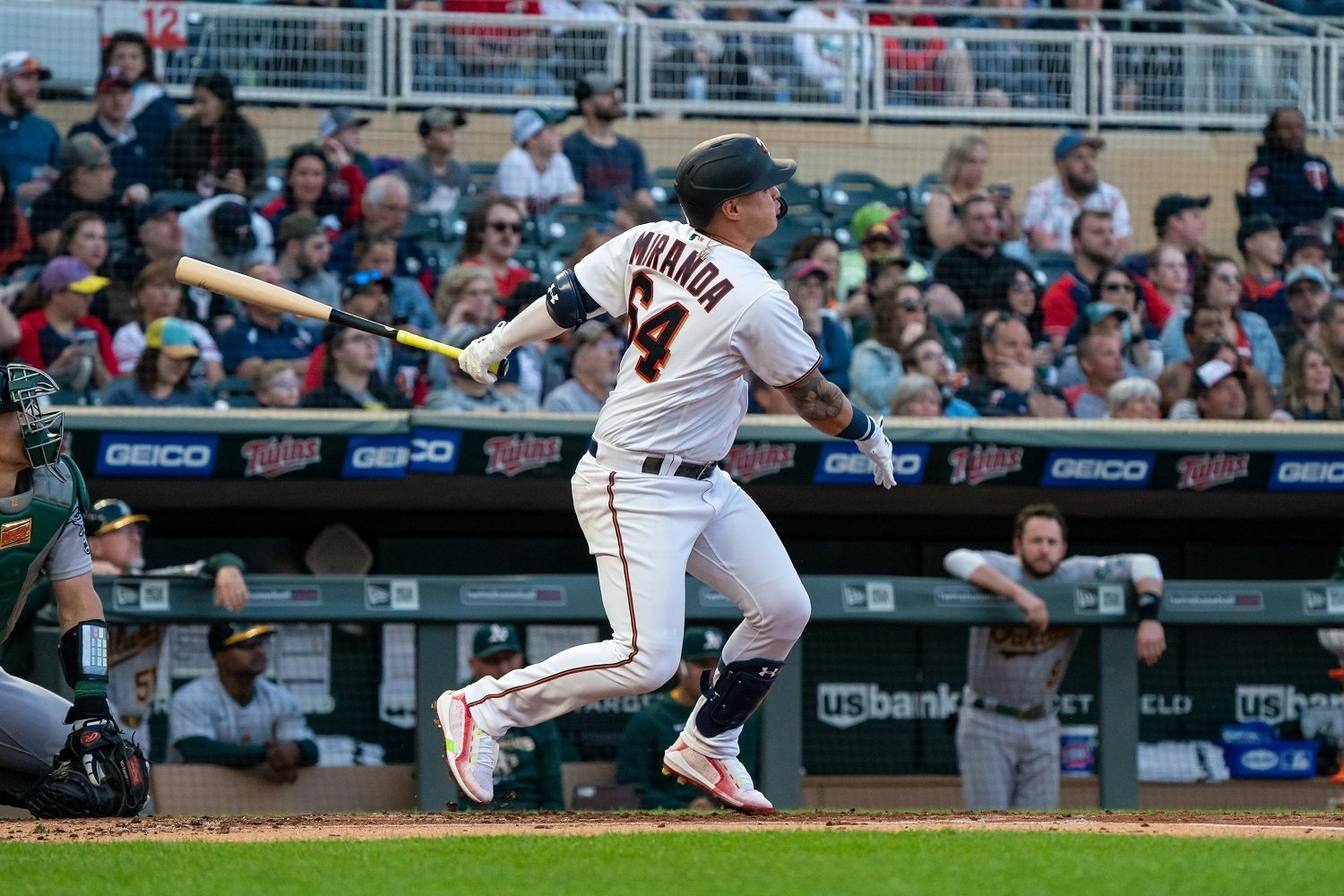 Every team's front office enters the trade deadline with a specific focus. Is a team buying or selling? What are the team's current and future needs? Luckily, the Twins could find a balance by adding controllable assets without surrendering multiple prospects from the top of their farm system. However, teams were also calling about some of the younger members of the big-league roster, and the Twins front office had a clear message… "No." One of the players asked about was Jose Miranda, the reigning AL Rookie of the Month. In July, he hit .353/.405/.603 (1.008) with two doubles and five home runs in 20 games. Out of those five home runs, two of them were walk-off winners. Miranda might be one of the most valuable pieces to the current Twins line-up, and the team wanted to keep the young core intact to help with an October run. As the trade deadline approached, Carlos Correa gave feedback to the front office and coaching staff about players the Twins should add. One of Correa's messages was, "Jose Miranda was untouchable, and he needs to be in this franchise for a long time." Miranda is coming off one of the best minor league seasons in franchise history, and he seems to be putting it all together at the big-league level. Another team was likely going to have to overpay to acquire his bat. Twins GM Thad Levine joined KFAN's Paul Allen on Thursday, and Allen explicitly asked about offers for Miranda. Levine didn't get into any specifics about offers for Miranda. Still, he said, "the league will tell you how valuable they are, and it's at these trade deadlines that you realize how valuable and coveted some of your players are." Besides Miranda, Levine also referenced some of the team's young pitching at the big-league level without mentioning specific names. Some of Minnesota's younger pitchers are part of the team's long-term core, including Jhoan Duran and Joe Ryan. Ryan may have been Minnesota's most valuable pitcher according to trade value, but there was no way the team was going to deal him. When healthy, Bailey Ober and Josh Winder are two other young pitchers who have value to the team this season. Minnesota is starting to see value in its pitching pipeline, and other front offices have also noticed this. Minnesota's minor league system might not rank as highly as in recent years, but the team has plenty of young talent at the big-league level. The Twins have used 12 players this season that are 25 years or younger, including Luis Arraez, Trevor Larnach, Ryan Jeffers, Gilberto Celestino, and Alex Kirilloff. In 2022, these players have all been critical to the team's success and will be relied on for crucial situations throughout the season's remainder. Levine said, "the future is bright for this franchise based upon the feedback we got at this trade deadline of how much the industry likes some of our minor league players and certainly some of our young players at the big-league level." Minnesota's front office wants to keep the team's winning window open as long as possible, and this trade deadline might prove that the team is meeting that goal. How do you feel about the Twins young core? Do you feel like any of the players mentioned above are untouchable? Leave a COMMENT and start the discussion.
 -
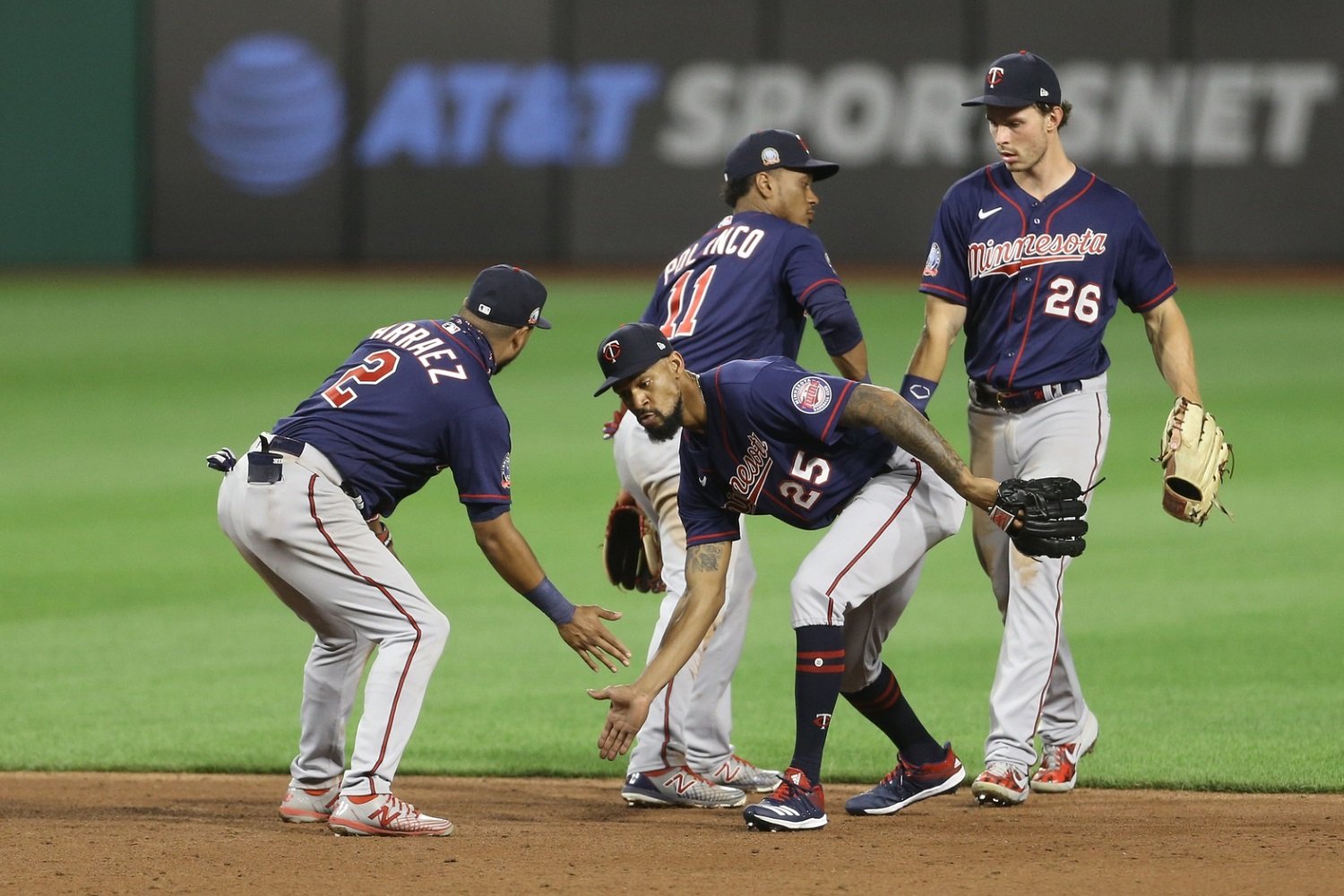 Annually, FanGraphs creates a top-50 list that ranks players based on their perceived trade value. According to the series, “The central question I considered is straightforward: how much value could a team expect to receive in return for each player on the list? It’s not who would solicit the great number of offers, or the highest average value of the trade offers a team would receive if they put this player on the trading block – it’s who would fetch the highest return if the entire league were making trade bids on each player.” Players closer to free agency rank lower because the value of their current contract is declining. Stars on big contracts also don’t rank well because there isn’t a lot of surplus value in their production. On the Twins, Carlos Correa fits both of these areas as he is on a large contract and can opt to hit free agency at the season’s conclusion. Other younger players, like Jose Miranda and Alex Kirilloff, are just starting to come into their own, so their big-league track record makes it harder to predict future value. Again, these aren’t necessarily the players Minnesota will trade before the deadline, but they are the ones that could receive the highest return. So, who are the team’s most valuable trade assets? 5. Max Kepler, RF Contract Status: Signed thru 2023, 5 yrs/$32.13M (19-23) & 24 team option ($10.00M) At this point last season, Max Kepler ranked 45th on FanGraphs’ list because he had multiple years of control on a team-friendly deal. He’s having a resurgent offensive season with the second highest OPS+ of his career. Defensively, he may be compiling his best numbers in the field as he is currently on pace to be a Gold Glove finalist in right field. FanGraphs moved him out of their top 50 because he is one year closer to free agency. 4. Jorge Polanco, 2B Contract Status: Signed thru 2023, 5 yrs/$25.75M (19-23) & 24-25 vesting/team option ($10.5M/$12M) Last season, FanGraphs included Jorge Polanco on its honorable mention list because he was close to the same contract situation as Kepler. They dropped him from the list this year, but the author had a tough time leaving him out of the top 50. Polanco has three more years of team control and is underpaid relative to the value he produces. Many teams would be more than happy to regularly plug Polanco’s name into the line-up. 3. Joe Ryan, SP Contract Status: Pre-Arbitration Eligible, Earliest Free Agency: 2028 Joe Ryan is one of baseball’s best young starters and is under team control for five more seasons. Minnesota can also pay him close to the league minimum until he becomes arbitration eligible in 2025. It’s still hard to believe the Twins got Ryan for two months of Nelson Cruz, but baseball can be a funny game sometimes. Solid young pitchers under team control are one of baseball’s most valuable assets, and that’s why Ryan ranks higher than the players behind him. 2. Luis Arraez, UTL Contract Status: Pre-Arbitration Eligible, Earliest Free Agency: 2026 FanGraphs ranks Luis Arraez as having baseball’s 42nd highest trade value, which is quite the jump since he wasn’t even an honorable mention last season. Arraez is near the top of baseball in batting average and on-base percentage while leading the Twins in Baseball-Reference WAR. Arraez loses some overall trade value because he doesn’t have a strong defensive position, and all of his offensive value is tied to one skill. Overall, he’s one of baseball’s best hitters, and he has yet to hit arbitration. 1. Byron Buxton, CF Contract Status: Signed thru 2028, 7 yrs/$100M (22-28) Thankfully, the Twins were able to sign Byron Buxton to a very team-friendly deal for him to remain in Minnesota throughout the prime of his career. Buxton is rewarding the team handsomely with the best season of his career, including his first All-Star appearance. Buxton checks all the boxes regarding trade value as he is one of baseball’s best overall players, and his base salary starts at $15.1 million. Obviously, injuries have been part of Buxton’s professional career, but the Twins have given him regular rest this season, and he has continued to produce. How would you rank the Twins according to trade value? Leave a COMMENT and start the discussion.
- 29 comments
-
- 3
-
-
- bryon buxton
- luis arraez
- (and 3 more)
-
With the trade deadline approaching, every team will have to take stock of the players in their organization. Who are the top-five Twins players according to trade value? Annually, FanGraphs creates a top-50 list that ranks players based on their perceived trade value. According to the series, “The central question I considered is straightforward: how much value could a team expect to receive in return for each player on the list? It’s not who would solicit the great number of offers, or the highest average value of the trade offers a team would receive if they put this player on the trading block – it’s who would fetch the highest return if the entire league were making trade bids on each player.” Players closer to free agency rank lower because the value of their current contract is declining. Stars on big contracts also don’t rank well because there isn’t a lot of surplus value in their production. On the Twins, Carlos Correa fits both of these areas as he is on a large contract and can opt to hit free agency at the season’s conclusion. Other younger players, like Jose Miranda and Alex Kirilloff, are just starting to come into their own, so their big-league track record makes it harder to predict future value. Again, these aren’t necessarily the players Minnesota will trade before the deadline, but they are the ones that could receive the highest return. So, who are the team’s most valuable trade assets? 5. Max Kepler, RF Contract Status: Signed thru 2023, 5 yrs/$32.13M (19-23) & 24 team option ($10.00M) At this point last season, Max Kepler ranked 45th on FanGraphs’ list because he had multiple years of control on a team-friendly deal. He’s having a resurgent offensive season with the second highest OPS+ of his career. Defensively, he may be compiling his best numbers in the field as he is currently on pace to be a Gold Glove finalist in right field. FanGraphs moved him out of their top 50 because he is one year closer to free agency. 4. Jorge Polanco, 2B Contract Status: Signed thru 2023, 5 yrs/$25.75M (19-23) & 24-25 vesting/team option ($10.5M/$12M) Last season, FanGraphs included Jorge Polanco on its honorable mention list because he was close to the same contract situation as Kepler. They dropped him from the list this year, but the author had a tough time leaving him out of the top 50. Polanco has three more years of team control and is underpaid relative to the value he produces. Many teams would be more than happy to regularly plug Polanco’s name into the line-up. 3. Joe Ryan, SP Contract Status: Pre-Arbitration Eligible, Earliest Free Agency: 2028 Joe Ryan is one of baseball’s best young starters and is under team control for five more seasons. Minnesota can also pay him close to the league minimum until he becomes arbitration eligible in 2025. It’s still hard to believe the Twins got Ryan for two months of Nelson Cruz, but baseball can be a funny game sometimes. Solid young pitchers under team control are one of baseball’s most valuable assets, and that’s why Ryan ranks higher than the players behind him. 2. Luis Arraez, UTL Contract Status: Pre-Arbitration Eligible, Earliest Free Agency: 2026 FanGraphs ranks Luis Arraez as having baseball’s 42nd highest trade value, which is quite the jump since he wasn’t even an honorable mention last season. Arraez is near the top of baseball in batting average and on-base percentage while leading the Twins in Baseball-Reference WAR. Arraez loses some overall trade value because he doesn’t have a strong defensive position, and all of his offensive value is tied to one skill. Overall, he’s one of baseball’s best hitters, and he has yet to hit arbitration. 1. Byron Buxton, CF Contract Status: Signed thru 2028, 7 yrs/$100M (22-28) Thankfully, the Twins were able to sign Byron Buxton to a very team-friendly deal for him to remain in Minnesota throughout the prime of his career. Buxton is rewarding the team handsomely with the best season of his career, including his first All-Star appearance. Buxton checks all the boxes regarding trade value as he is one of baseball’s best overall players, and his base salary starts at $15.1 million. Obviously, injuries have been part of Buxton’s professional career, but the Twins have given him regular rest this season, and he has continued to produce. How would you rank the Twins according to trade value? Leave a COMMENT and start the discussion. View full article
- 29 replies
-
- 1
-
-
- bryon buxton
- luis arraez
- (and 3 more)
-
Baserunning can be an underrated part of the game. Teams with better baserunning can score more runs and win more games, so are the Twins hurting themselves by being MLB’s worst baserunning team? Stolen bases have recently declined as home runs and strikeouts have become more prevalent. However, baserunning is still a vital component for contending teams. A runner being able to move first to third on a single provides positive value that can result in a team scoring more runs. At times, Minnesota has struggled to capitalize with runners in scoring position, and those issues can be tied back to poor baserunning. Coming out of the All-Star Break, Inside Edge ranked the Twins as baseball’s worst baserunning team. Multiple components go into the metrics used by Inside Edge, but the Twins rank poorly in other sites’ running metrics too. Statcast’s running metric is tied to sprint speed, and multiple Twins rank well in this category. Byron Buxton leads the team with a sprint speed above 29.0 ft/s, which ranks in the 94th percentile. His speed hasn’t been needed this year because he has a career-high in home runs. Other players that have scored well in sprint speed include Jorge Polanco (77th percentile), Nick Gordon (73th percentile), and Gilberto Celestino (65th percentile). Polanco might be the most surprising in the group as he hasn’t ranked this high since 2019. The Twins have some runners on the other end of the spectrum, bringing the team’s overall ranking down. Gary Sanchez has the team’s worst sprint speed (25.0 ft/s) and ranks in the ninth percentile. Other poor runners according to sprint speed include Gio Urshela (12th percentile), Ryan Jeffers (22nd percentile), Jose Miranda (29th percentile), and Kyle Garlick (30th percentile). Looking at Minnesota’s roster, it would be easy to pick out those players as the ones who struggle the most on the base paths. However, sprint speed isn’t the only metric that factors into baserunning. FanGraphs has its own baserunning metric called BsR that “turns stolen bases, caught stealings, and other base running plays (taking extra bases, being thrown out on the bases, etc.) into runs above and below average.” According to BsR, the team’s top three baserunners are Buxton (3.0 BsR), Polanco (0.6 BsR), and Trevor Larnach (0.6 BsR). Larnach being included on this leaderboard might be a surprise because of his build, but his sprint speed ranks at or above Carlos Correa and Luis Arraez. It also points to him getting the most value out of his baserunning skills. FanGraphs also has a surprising player at the bottom of their BsR leaderboard for the Twins. According to FanGraphs, Correa has been the team’s worst baserunner this year with a -3.9 BsR, which is almost half a win lower than his closest competitor. Correa hasn’t attempted a stolen base since 2019, so all of his negative value has been accrued in other parts of the running game. The other Twins players at the bottom of the BsR leaderboard include Urshela (-3.5 BsR), Miranda (-2.1 BsR), Sanchez (-1.9 BsR), and Celestino (-1.8 BsR). Some of Celestino’s negative value comes from being caught stealing in his only attempt this year. Overall, the Twins rank 29th according to BsR, with the Nationals being the only team ranked lower. Baserunning can be a tricky metric to quantify, especially with all the decisions that must be made on the base paths. Minnesota has some runners near the bottom of the league, but the team needs to do a better job minimizing their poor baserunning in the second half. Do you think the Twins are MLB’s worst baserunning team? Leave a COMMENT and start the discussion. View full article
- 19 replies
-
- 1
-
-
- carlos correa
- trevor larnach
- (and 3 more)
-
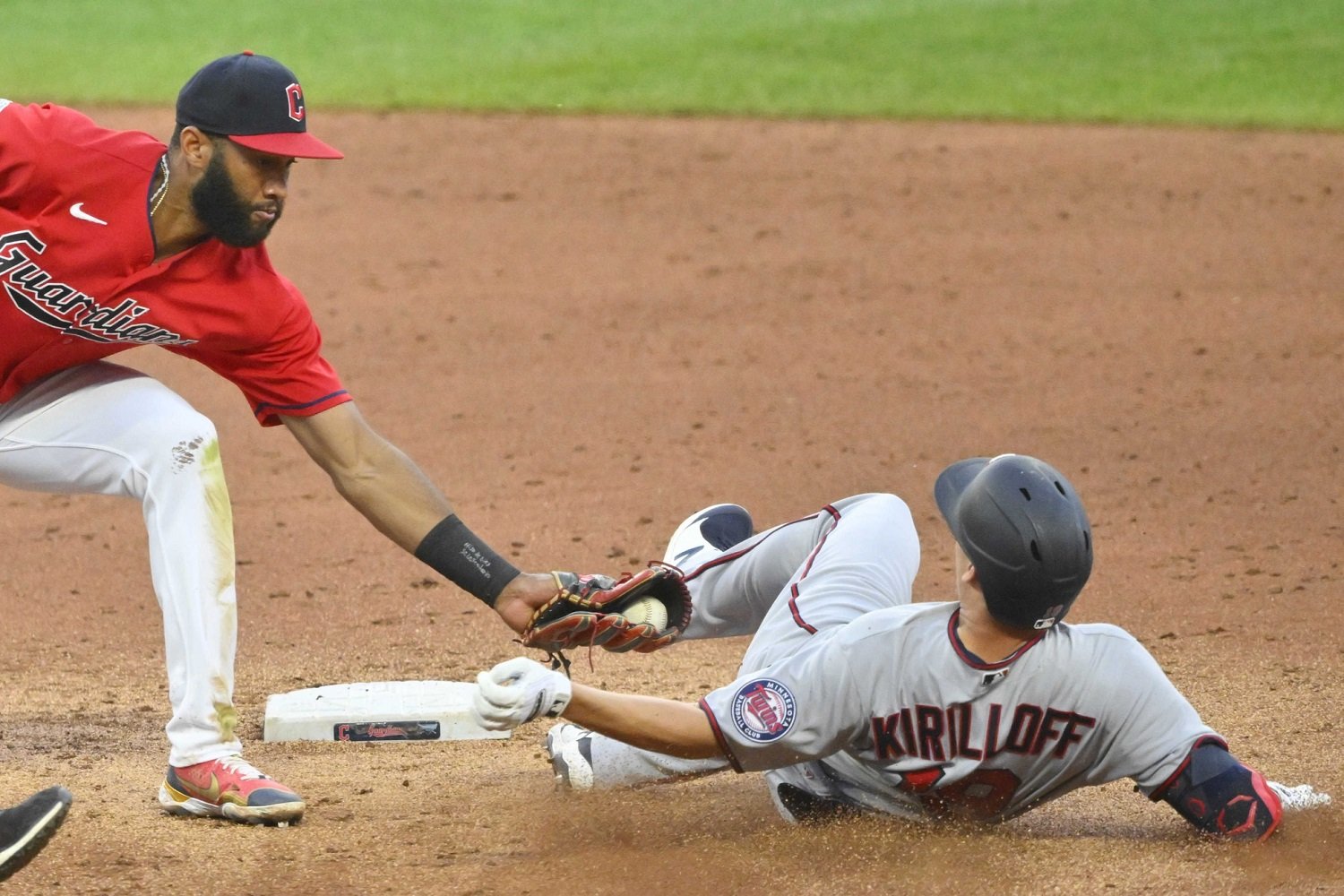 Stolen bases have recently declined as home runs and strikeouts have become more prevalent. However, baserunning is still a vital component for contending teams. A runner being able to move first to third on a single provides positive value that can result in a team scoring more runs. At times, Minnesota has struggled to capitalize with runners in scoring position, and those issues can be tied back to poor baserunning. Coming out of the All-Star Break, Inside Edge ranked the Twins as baseball’s worst baserunning team. Multiple components go into the metrics used by Inside Edge, but the Twins rank poorly in other sites’ running metrics too. Statcast’s running metric is tied to sprint speed, and multiple Twins rank well in this category. Byron Buxton leads the team with a sprint speed above 29.0 ft/s, which ranks in the 94th percentile. His speed hasn’t been needed this year because he has a career-high in home runs. Other players that have scored well in sprint speed include Jorge Polanco (77th percentile), Nick Gordon (73th percentile), and Gilberto Celestino (65th percentile). Polanco might be the most surprising in the group as he hasn’t ranked this high since 2019. The Twins have some runners on the other end of the spectrum, bringing the team’s overall ranking down. Gary Sanchez has the team’s worst sprint speed (25.0 ft/s) and ranks in the ninth percentile. Other poor runners according to sprint speed include Gio Urshela (12th percentile), Ryan Jeffers (22nd percentile), Jose Miranda (29th percentile), and Kyle Garlick (30th percentile). Looking at Minnesota’s roster, it would be easy to pick out those players as the ones who struggle the most on the base paths. However, sprint speed isn’t the only metric that factors into baserunning. FanGraphs has its own baserunning metric called BsR that “turns stolen bases, caught stealings, and other base running plays (taking extra bases, being thrown out on the bases, etc.) into runs above and below average.” According to BsR, the team’s top three baserunners are Buxton (3.0 BsR), Polanco (0.6 BsR), and Trevor Larnach (0.6 BsR). Larnach being included on this leaderboard might be a surprise because of his build, but his sprint speed ranks at or above Carlos Correa and Luis Arraez. It also points to him getting the most value out of his baserunning skills. FanGraphs also has a surprising player at the bottom of their BsR leaderboard for the Twins. According to FanGraphs, Correa has been the team’s worst baserunner this year with a -3.9 BsR, which is almost half a win lower than his closest competitor. Correa hasn’t attempted a stolen base since 2019, so all of his negative value has been accrued in other parts of the running game. The other Twins players at the bottom of the BsR leaderboard include Urshela (-3.5 BsR), Miranda (-2.1 BsR), Sanchez (-1.9 BsR), and Celestino (-1.8 BsR). Some of Celestino’s negative value comes from being caught stealing in his only attempt this year. Overall, the Twins rank 29th according to BsR, with the Nationals being the only team ranked lower. Baserunning can be a tricky metric to quantify, especially with all the decisions that must be made on the base paths. Minnesota has some runners near the bottom of the league, but the team needs to do a better job minimizing their poor baserunning in the second half. Do you think the Twins are MLB’s worst baserunning team? Leave a COMMENT and start the discussion.
- 19 comments
-
- 7
-
-
- carlos correa
- trevor larnach
- (and 3 more)
-
The Twins have at least seven prospects they'd need to be added to the 40-man to protect from this winter's Rule 5 Draft. How will those names play into the team's trade deadline strategy? Minnesota is going to have some tough decisions to make this winter when it comes to protecting players from the Rule 5 Draft. Multiple top prospects will be added to the 40-man roster before the deadline, but there are only so many prospects a team can protect. One way to avoid some of these decisions is to include these players in trades before the deadline. Simeon Woods Richardson, SP Woods Richardson is no stranger to deadline deals as he has been part of two blockbuster trades in the past. He is also arguably one of the team's top pitching prospects after a breakout season at Double-A. The Twins will undoubtedly add him to the 40-man roster, but his stock has risen since last year's trade deadline. Can the Twins use him as a part of a trade for a veteran starting pitcher? Matt Canterino, SP Canterino has dominated the minor leagues when he has stayed healthy. However, he has been limited to fewer than 90 innings in three professional seasons. Teams looking to deal for prospects at the deadline might not be interested in someone who misses as much time as Canterino. Minnesota might also need to consider moving Canterino to a relief role to keep him healthy for the long term. Spencer Steer, INF Steer has been one of Minnesota's breakout prospects this season as he has an OPS over .900 at Double- and Triple-A. When looking at Minnesota's roster, it's easy to see why Steer might be a more easily tradable asset. He plays a lot of defensive time at second and third base, where the Twins have other players ahead of him on the depth chart. His defensive flexibility (over 100 innings at three infield positions) could be intriguing to other organizations. Matt Wallner, OF Wallner put his name on the national stage when he hit a powerful home run during the Futures Game. He has been destroying baseballs all season at Double-A, where he had 15 doubles and 21 home runs in 78 games. Minnesota promoted Wallner to Triple-A following his Futures Game heroics. He's clearly a right fielder who will also get some DH time, so does that have a lot of value on the trade market? Louie Varland, SP Varland surprised many by being named the TD 2021 Minor League Starting Pitcher of the Year. He posted a 2.10 ERA with a 1.09 WHIP and 142 strikeouts in 103 innings. Minnesota was aggressive with him and moved him to Double-A this season, where he is younger than the average age of the competition. In 2022, Varland continued to strike out more than ten batters per nine innings. Currently, he doesn't rank as one of the team's top-5 pitching prospects, which might make the team more likely to part with him. Edouard Julien, INF Minnesota selected Julien in the 2019 MLB Draft, so he didn't make his professional debut until last season in Fort Myers. In 112 games between Low- and High-A, Julien hit .267/.434/.480 (.914) with 28 doubles and 18 home runs. An eye-popping 110 walks helped his unbelievable OBP. This season at Double-A, he has continued to get on base over 40% of the time while playing exclusively at second base. His college experience and plate discipline might be intriguing to other organizations. Misael Urbina, OF Urbina was one of the top prospects in the 2018-19 international signing class as he got $2.75 million from the Twins. Minnesota was aggressive with him last season and sent him to Fort Myers, where he was over two years younger than the average age of the competition. He posted a .585 OPS but showed reasonable control of the strike zone with 54 walks. So far in 2022, Urbina has been limited to fewer than 20 games, so it seems unlikely that a team would take him in the Rule 5 Draft. Do you think any of these players will be included in trades before the deadline? Leave a COMMENT and start the discussion. View full article
-
Future 40-Man Additions Might Play Into Trade Deadline Strategy
Cody Christie posted an article in Twins
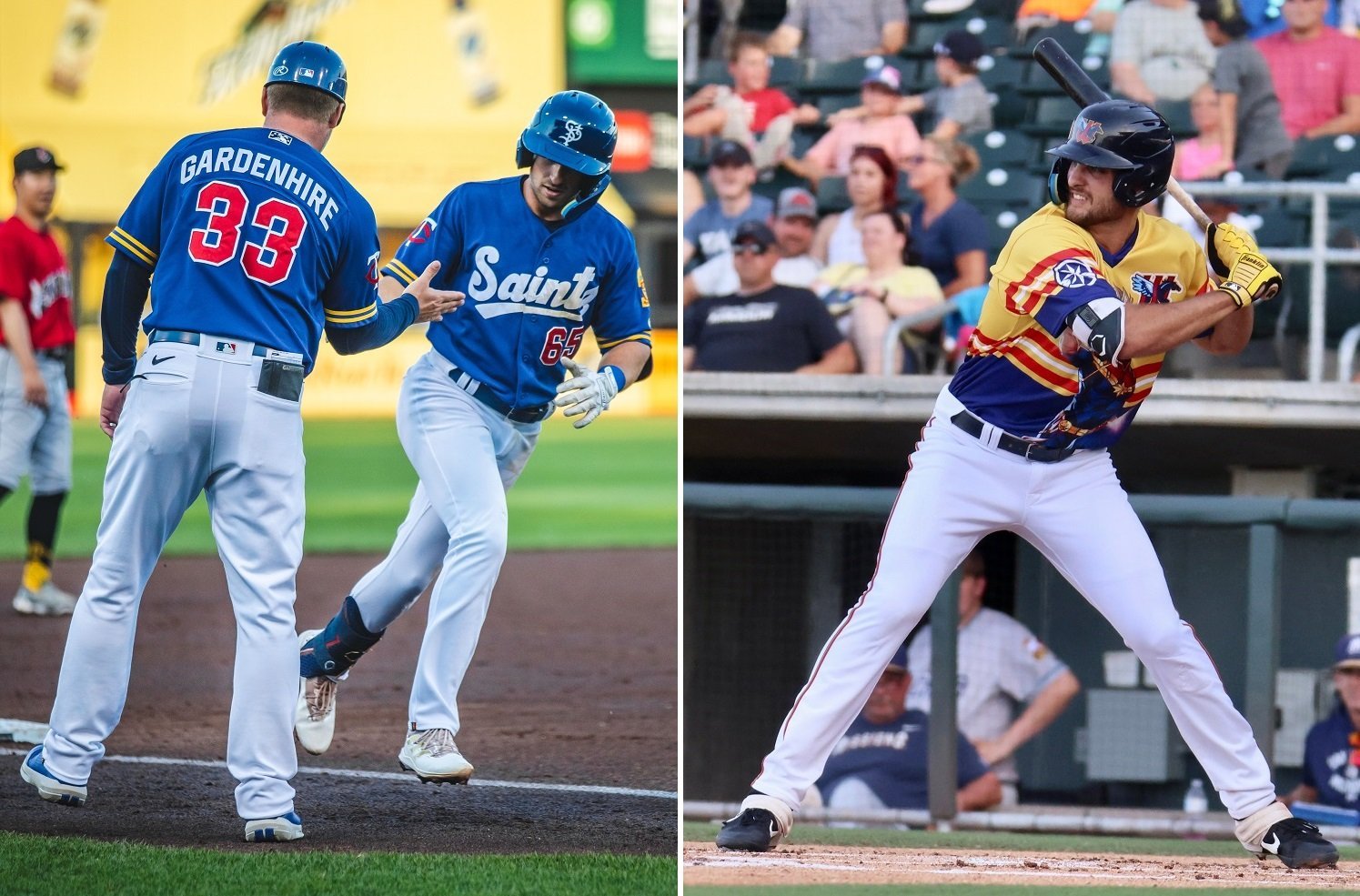 Minnesota is going to have some tough decisions to make this winter when it comes to protecting players from the Rule 5 Draft. Multiple top prospects will be added to the 40-man roster before the deadline, but there are only so many prospects a team can protect. One way to avoid some of these decisions is to include these players in trades before the deadline. Simeon Woods Richardson, SP Woods Richardson is no stranger to deadline deals as he has been part of two blockbuster trades in the past. He is also arguably one of the team's top pitching prospects after a breakout season at Double-A. The Twins will undoubtedly add him to the 40-man roster, but his stock has risen since last year's trade deadline. Can the Twins use him as a part of a trade for a veteran starting pitcher? Matt Canterino, SP Canterino has dominated the minor leagues when he has stayed healthy. However, he has been limited to fewer than 90 innings in three professional seasons. Teams looking to deal for prospects at the deadline might not be interested in someone who misses as much time as Canterino. Minnesota might also need to consider moving Canterino to a relief role to keep him healthy for the long term. Spencer Steer, INF Steer has been one of Minnesota's breakout prospects this season as he has an OPS over .900 at Double- and Triple-A. When looking at Minnesota's roster, it's easy to see why Steer might be a more easily tradable asset. He plays a lot of defensive time at second and third base, where the Twins have other players ahead of him on the depth chart. His defensive flexibility (over 100 innings at three infield positions) could be intriguing to other organizations. Matt Wallner, OF Wallner put his name on the national stage when he hit a powerful home run during the Futures Game. He has been destroying baseballs all season at Double-A, where he had 15 doubles and 21 home runs in 78 games. Minnesota promoted Wallner to Triple-A following his Futures Game heroics. He's clearly a right fielder who will also get some DH time, so does that have a lot of value on the trade market? Louie Varland, SP Varland surprised many by being named the TD 2021 Minor League Starting Pitcher of the Year. He posted a 2.10 ERA with a 1.09 WHIP and 142 strikeouts in 103 innings. Minnesota was aggressive with him and moved him to Double-A this season, where he is younger than the average age of the competition. In 2022, Varland continued to strike out more than ten batters per nine innings. Currently, he doesn't rank as one of the team's top-5 pitching prospects, which might make the team more likely to part with him. Edouard Julien, INF Minnesota selected Julien in the 2019 MLB Draft, so he didn't make his professional debut until last season in Fort Myers. In 112 games between Low- and High-A, Julien hit .267/.434/.480 (.914) with 28 doubles and 18 home runs. An eye-popping 110 walks helped his unbelievable OBP. This season at Double-A, he has continued to get on base over 40% of the time while playing exclusively at second base. His college experience and plate discipline might be intriguing to other organizations. Misael Urbina, OF Urbina was one of the top prospects in the 2018-19 international signing class as he got $2.75 million from the Twins. Minnesota was aggressive with him last season and sent him to Fort Myers, where he was over two years younger than the average age of the competition. He posted a .585 OPS but showed reasonable control of the strike zone with 54 walks. So far in 2022, Urbina has been limited to fewer than 20 games, so it seems unlikely that a team would take him in the Rule 5 Draft. Do you think any of these players will be included in trades before the deadline? Leave a COMMENT and start the discussion.
- 40 comments
-
- 2
-
-
- spencer steer
- matt wallner
- (and 3 more)
-
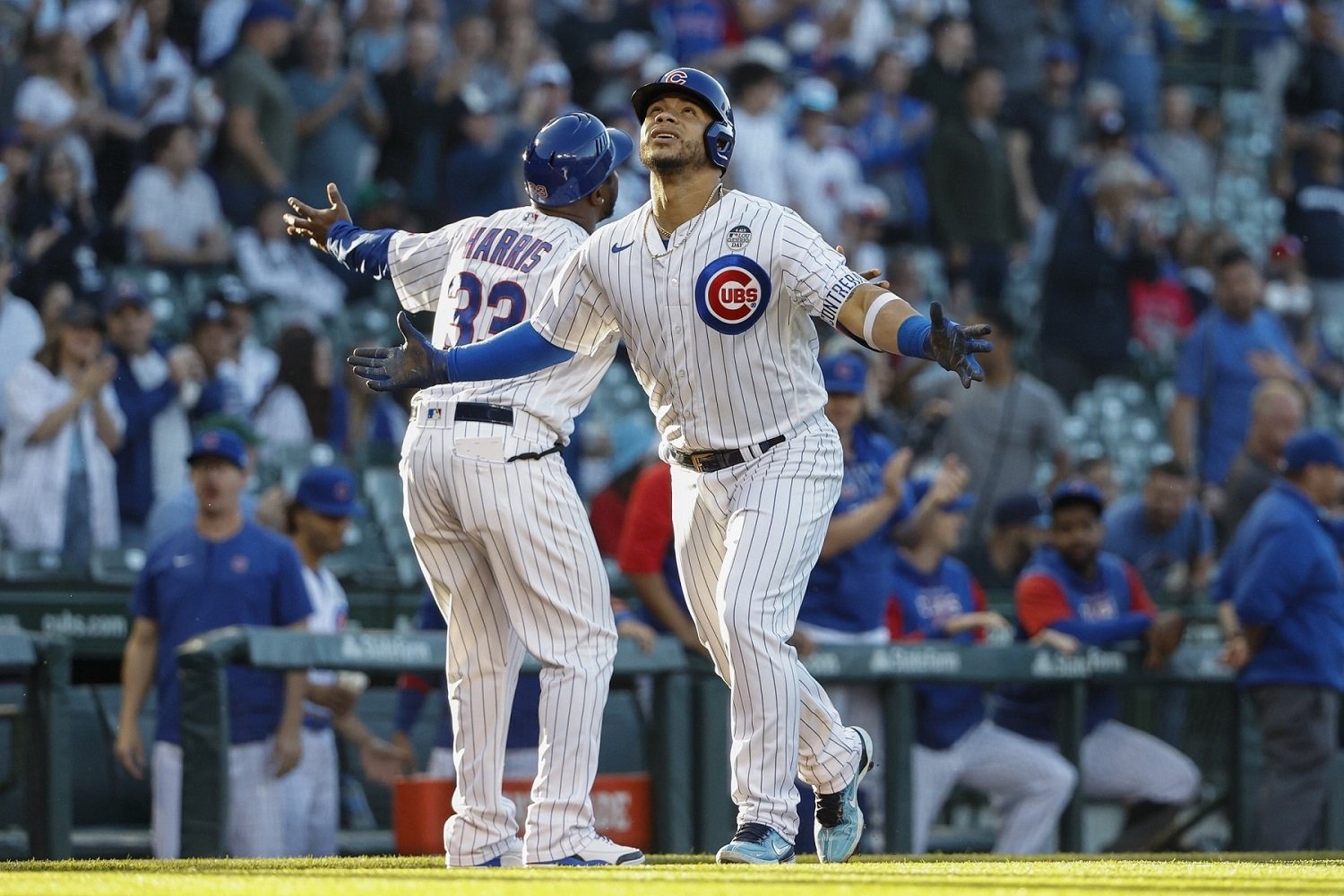 Ryan Jeffers’ recent thumb surgery will sideline him for up to two months, which may force the Twins to seek a veteran catcher to join Gary Sanchez. Caleb Hamilton will get the first chance to serve in a backup role, but the Twins may want someone with more big-league experience for the stretch run. Each of the catchers below comes with a different cost, and that is certainly something the team will have to factor into any decision. Tucker Barnhart, Tigers Sometimes trades in the same division can be challenging, but Tucker Barnhart isn’t going to cost a lot to acquire. He is a pending free agent, but he’s caught most of his team’s games for six of the last seven seasons. In 2022, he has hit .211/.270/.246 (.516) with six doubles across 61 games. Behind the plate, his framing ranks in the 72nd percentile. He is a backup at this point in his career, but he should be cheap for a team to acquire. Willson Contreras, Cubs Willson Contreras will likely be the best catcher dealt before the deadline. He’s a three-time All-Star, and he’s having arguably his best offensive season. In the season’s first half, he hit .253/.366/.455 (.821) with 17 doubles, 13 home runs, and a career-high 130 OPS+. He is not known as a strong defensive catcher, but his bat makes up for any defensive flaws. Contreras is a pending free agent, so a team is acquiring two months of his services. He will likely cost more prospect capital than the Twins are willing to use. Yan Gomes, Cubs Another catcher to consider on the Cubs is Yan Gomes. Unlike Contreras, he is under team control through 2024 for $6 million per season. Gomes has been an above-average catcher throughout his career, but he is 34 years old and might be relegated to backup duties. His pop time to second base ranks in the 71st percentile, and his framing ranks in the 55th percentile. During the 2022 season, he is hitting .213/.231/.311 (.542) with seven doubles and three home runs in 51 games. Sean Murphy, Athletics Sean Murphy might be the most intriguing name on this list, especially if the Twins are also interested in acquiring Oakland’s Frankie Montas. Murphy is pre-arbitration eligible and is under team control through the 2025 season. In 87 games this season, he is hitting .241/.314/.413 (.726) with 22 doubles and ten home runs. Defensively, he is one of baseball’s best backstops as his pop time and framing rank in the 88th percentile or higher. Kurt Suzuki, Angels Another cheap catching option is old friend Kurt Suzuki. In his age-38 season, he has a .546 OPS and a 56 OPS+, so it’s not clear home much he has left in the tank. Defense has never been his calling card, but he’s a familiar name to this organization. Suzuki should cost very little to acquire. Do you think the Twins should target any of these catchers before the deadline? Leave a COMMENT and start the discussion.
- 11 comments
-
- 1
-
-
- willson contreras
- yan gomes
- (and 3 more)
-
Minnesota’s trade deadline shopping list should include multiple pitchers, but that doesn’t mean other parts of the roster can’t be addressed. Here are five veteran catchers expected to be available at the deadline. Ryan Jeffers’ recent thumb surgery will sideline him for up to two months, which may force the Twins to seek a veteran catcher to join Gary Sanchez. Caleb Hamilton will get the first chance to serve in a backup role, but the Twins may want someone with more big-league experience for the stretch run. Each of the catchers below comes with a different cost, and that is certainly something the team will have to factor into any decision. Tucker Barnhart, Tigers Sometimes trades in the same division can be challenging, but Tucker Barnhart isn’t going to cost a lot to acquire. He is a pending free agent, but he’s caught most of his team’s games for six of the last seven seasons. In 2022, he has hit .211/.270/.246 (.516) with six doubles across 61 games. Behind the plate, his framing ranks in the 72nd percentile. He is a backup at this point in his career, but he should be cheap for a team to acquire. Willson Contreras, Cubs Willson Contreras will likely be the best catcher dealt before the deadline. He’s a three-time All-Star, and he’s having arguably his best offensive season. In the season’s first half, he hit .253/.366/.455 (.821) with 17 doubles, 13 home runs, and a career-high 130 OPS+. He is not known as a strong defensive catcher, but his bat makes up for any defensive flaws. Contreras is a pending free agent, so a team is acquiring two months of his services. He will likely cost more prospect capital than the Twins are willing to use. Yan Gomes, Cubs Another catcher to consider on the Cubs is Yan Gomes. Unlike Contreras, he is under team control through 2024 for $6 million per season. Gomes has been an above-average catcher throughout his career, but he is 34 years old and might be relegated to backup duties. His pop time to second base ranks in the 71st percentile, and his framing ranks in the 55th percentile. During the 2022 season, he is hitting .213/.231/.311 (.542) with seven doubles and three home runs in 51 games. Sean Murphy, Athletics Sean Murphy might be the most intriguing name on this list, especially if the Twins are also interested in acquiring Oakland’s Frankie Montas. Murphy is pre-arbitration eligible and is under team control through the 2025 season. In 87 games this season, he is hitting .241/.314/.413 (.726) with 22 doubles and ten home runs. Defensively, he is one of baseball’s best backstops as his pop time and framing rank in the 88th percentile or higher. Kurt Suzuki, Angels Another cheap catching option is old friend Kurt Suzuki. In his age-38 season, he has a .546 OPS and a 56 OPS+, so it’s not clear home much he has left in the tank. Defense has never been his calling card, but he’s a familiar name to this organization. Suzuki should cost very little to acquire. Do you think the Twins should target any of these catchers before the deadline? Leave a COMMENT and start the discussion. View full article
-
Two Twins greats will finally conclude their Cooperstown journey this weekend. Tony Oliva and Jim Kaat are baseball legends, and now they will take their rightful place in the Hall of Fame. Baseball's Hall of Fame voting process includes multiple flaws. Some issues include deserving candidates falling off the ballot after one vote, writers being limited to 10 votes per ballot, and the steroid era clouding voting for the last decade. Because of these issues, some deserving players take much longer to complete their Cooperstown journey. Here's a look back at what these two players went through on their way to induction. Tony Oliva's final game was a pinch-hit appearance on September 29, 1976. His knees had failed him and cut short his 15-year career. Oliva's first chance on the BBWAA Hall of Fame ballot came in 1982 on a ballot that included 16 future inductees, so it's easy to see why the 10-vote limit made for some tough decisions. Writers named Oliva on 63 ballots, accounting for 15.2% of the votes. This was just the start of his voting journey. Over the next 15 years, Oliva's numbers from his playing days didn't change, but he slowly gained support among the BBWAA voters. His peak ballot position was in the 1988 voting cycle when he finished third on the ballot but received 47.3% of the vote. This year was likely his best opportunity to get voted in by the writers as upcoming ballots were filled with some nearly unanimous first-time selections. Oliva dropped to 30% of the vote in 1989, and he never recovered as he received 36.2% of the vote in his final ballot. Jim Kaat's final pitch came on July 1, 1983, as a 44-year-old in his 25th big-league season. Kaat's first chance at the BBWAA ballot came in 1989 as he was part of a remarkable first-year class that included five future inductees. Writers named Kaat on 87 ballots, which garnered him 19.5% of the vote. In his 15 years on the ballot, Kaat struggled to build the support needed to gain enshrinement. The 1993 ballot cycle was his best, but he finished eighth on the ballot with 29.6% of the vote. In their 80s, frustration likely followed each as they dealt with the election process for nearly four decades. Another level of frustration was added back in the summer of 2020 as the National Baseball Hall of Fame decided to postpone the Era Committee elections due to the COVID pandemic. Thankfully, this past winter allowed the committee votes to occur, and both players were elected. The Golden Days Era ballot consists of 10 candidates that the BBWAA's Historical Overview Committee nominates. A 16-person committee of Hall of Famers, veteran baseball executives, and historians/media members is charged with voting on the candidates. Twelve votes are needed for a player to reach the 75% threshold required for induction. Both Oliva and Kaat were named on 12 of the 16 ballots. At any age, being honored as one of the best in your chosen profession must be a fantastic feeling. However, it has to be even more satisfying to know they are among baseball's inner circle. The journey to Cooperstown had to be full of disappointments, but that won't matter anymore on Sunday. Tony Oliva and Jim Kaat are in the Hall of Fame, and that's a journey no one is taking away from them. Do you think the Hall of Fame needs to change their voting process? How would you change it? Leave a COMMENT and start the discussion. View full article
-
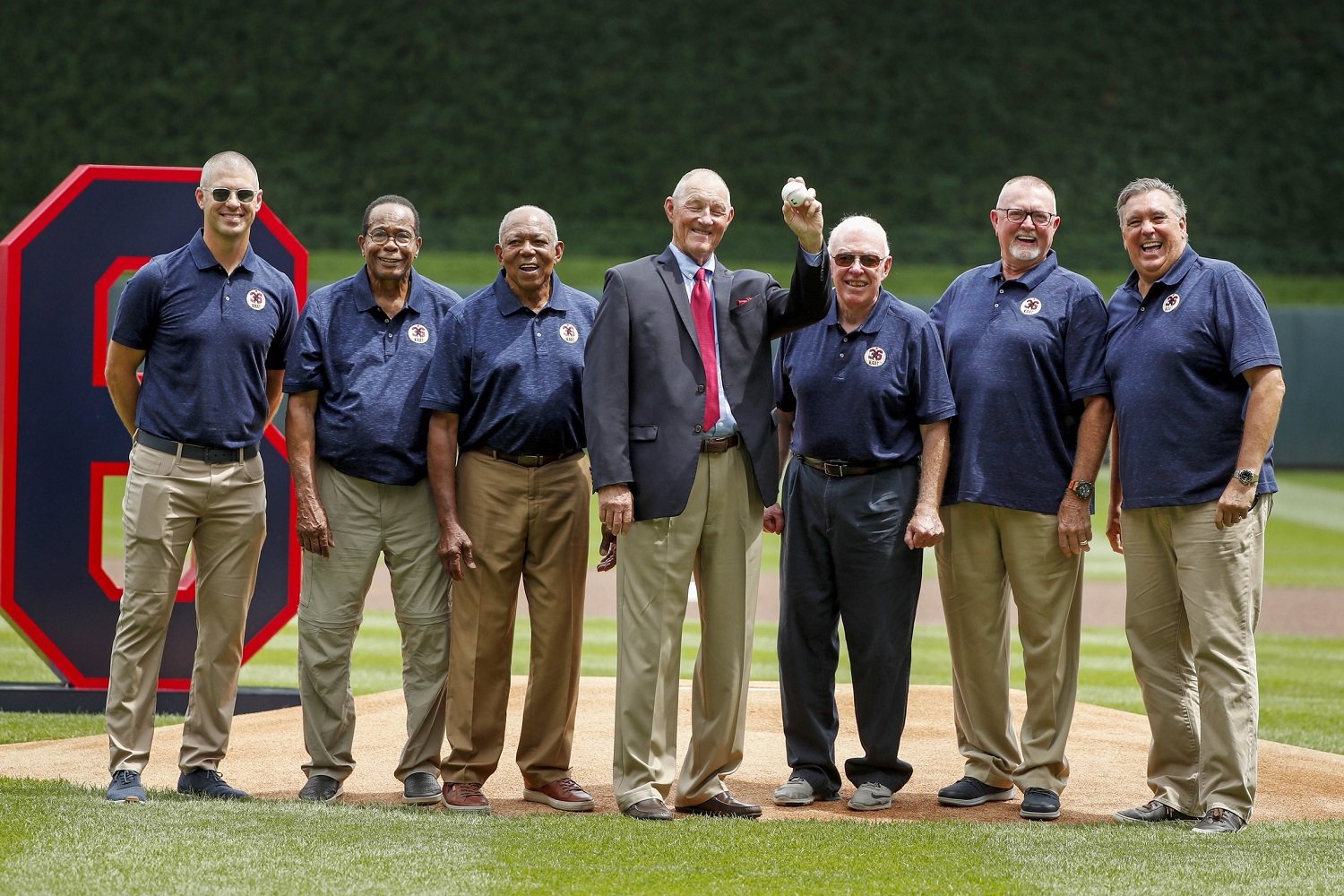 Baseball's Hall of Fame voting process includes multiple flaws. Some issues include deserving candidates falling off the ballot after one vote, writers being limited to 10 votes per ballot, and the steroid era clouding voting for the last decade. Because of these issues, some deserving players take much longer to complete their Cooperstown journey. Here's a look back at what these two players went through on their way to induction. Tony Oliva's final game was a pinch-hit appearance on September 29, 1976. His knees had failed him and cut short his 15-year career. Oliva's first chance on the BBWAA Hall of Fame ballot came in 1982 on a ballot that included 16 future inductees, so it's easy to see why the 10-vote limit made for some tough decisions. Writers named Oliva on 63 ballots, accounting for 15.2% of the votes. This was just the start of his voting journey. Over the next 15 years, Oliva's numbers from his playing days didn't change, but he slowly gained support among the BBWAA voters. His peak ballot position was in the 1988 voting cycle when he finished third on the ballot but received 47.3% of the vote. This year was likely his best opportunity to get voted in by the writers as upcoming ballots were filled with some nearly unanimous first-time selections. Oliva dropped to 30% of the vote in 1989, and he never recovered as he received 36.2% of the vote in his final ballot. Jim Kaat's final pitch came on July 1, 1983, as a 44-year-old in his 25th big-league season. Kaat's first chance at the BBWAA ballot came in 1989 as he was part of a remarkable first-year class that included five future inductees. Writers named Kaat on 87 ballots, which garnered him 19.5% of the vote. In his 15 years on the ballot, Kaat struggled to build the support needed to gain enshrinement. The 1993 ballot cycle was his best, but he finished eighth on the ballot with 29.6% of the vote. In their 80s, frustration likely followed each as they dealt with the election process for nearly four decades. Another level of frustration was added back in the summer of 2020 as the National Baseball Hall of Fame decided to postpone the Era Committee elections due to the COVID pandemic. Thankfully, this past winter allowed the committee votes to occur, and both players were elected. The Golden Days Era ballot consists of 10 candidates that the BBWAA's Historical Overview Committee nominates. A 16-person committee of Hall of Famers, veteran baseball executives, and historians/media members is charged with voting on the candidates. Twelve votes are needed for a player to reach the 75% threshold required for induction. Both Oliva and Kaat were named on 12 of the 16 ballots. At any age, being honored as one of the best in your chosen profession must be a fantastic feeling. However, it has to be even more satisfying to know they are among baseball's inner circle. The journey to Cooperstown had to be full of disappointments, but that won't matter anymore on Sunday. Tony Oliva and Jim Kaat are in the Hall of Fame, and that's a journey no one is taking away from them. Do you think the Hall of Fame needs to change their voting process? How would you change it? Leave a COMMENT and start the discussion.
 -
 Defensive metrics have significantly improved over the last decade. With Statcast tracking every batted ball, the amount of information available to fans is at an all-time high. One metric developed by the Society for American Baseball Research (SABR) is called the SABR Defensive Index (SDI). According to SABR's website, the SDI "draws on and aggregates two types of existing defensive metrics: those derived from batted ball location-based data and those collected from play-by-play accounts." Since 2013, MLB has used SDI as part of the process for selecting Gold Glove winners. The rankings below are through games played on July 17, 2022. Pitcher (AL Ranking): No Twins Pitchers Qualify The Twins have yet to have a pitcher qualify for the SDI leaderboard in this season's rankings. Now that some of the team's starters are healthier, they may start appearing on the updated rankings in the season's second half. Former Twin Jose Berrios currently ranks 9th in the AL with a 0.6 SDI. Catcher (AL Ranking): Ryan Jeffers 2.0 SDI (6th) Ryan Jeffers didn't see his SDI score change over the last month, resulting in him losing a spot on the leaderboard. His recent thumb injury and surgery are going to keep him out for most of the remainder of the season. This likely means he won't appear on the final SDI leaderboard. Gary Sanchez does not yet appear on the leaderboard, but that will change as he is given more regular opportunities in the second half. First Base (AL Ranking): Luis Arraez -0.5 SDI (T-9th) Luis Arraez placed sixth overall in the first SDI ranking last month, but the last month hasn't been kind to him. He lost nearly a whole SDI point and dropped multiple places on the leaderboard. First base was an unfamiliar defensive position for Arraez when the season began, so his ranking may improve as he gets more familiar with the position. Second Base (AL Ranking): Jorge Polanco 0.2 SDI (8th) Since the first SDI rankings, Jorge Polanco missed time on the injured list for the first time in his career. He also dropped one spot on the leaderboard among AL second basemen. Last season, Polanco finished in the top-four at his position, but he would need to have a tremendous second half to jump that many spots in 2022. Third Base (AL Ranking): Gio Urshela -1.8 SDI (T-10th) According to SDI, only one AL third baseman, Boston's Rafael Devers, ranks lower than Gio Urshela. He did move up one spot on the leaderboard since June, but that's because fewer players qualified. Former Twin Josh Donaldson doesn't appear on the rankings because of the time he has appeared as a designated hitter. Shortstop (AL Ranking): Carlos Correa 0.6 SDI (9th) Carlos Correa's first ranking with the Twins was disappointing as he had a negative SDI. It was especially perplexing considering he dominated the rankings last season with an MLB-high 15.8 SDI. He made some of the most significant gains among Twins players over the last month, so it will be intriguing to see if he can continue to improve in the second half. Left Field (AL Ranking): Nick Gordon 0.2 SDI (6th) Trevor Larnach was the team's best-ranking left fielder on the first SDI leaderboard, but he's on the IL after having surgery on a core injury. Even with Larnach no longer qualifying, Nick Gordon dropped a spot on the leaderboard as he lost 0.3 SDI points over the last month. Larnach will still be out for multiple weeks, so Gordon will get playing time in left field. Center Field (AL Ranking): No Twins Players Qualified No Twins center fielders have appeared on the SDI leaderboard this season because Byron Buxton has been getting regularly scheduled rest days and time at DH. According to Baseball Savant, Buxton has an Outs Above Average in the 96th percentile, which places him among baseball's best defenders. Right Field (AL Ranking): Max Kepler 4.4 SDI (2nd) Max Kepler doubled his season SDI total over the last month to move him into second place among AL right-fielders. Only Houston's Kyle Tucker (5.1 SDI) ranks ahead of Kepler. Since he ranks in the AL's top 3, there is a good chance Kepler will be a Gold Glove finalist by the season's end. The next closest qualified player behind Kepler is Boston's Jackie Bradley Jr., who has 1.5 fewer SDI points. SABR will continue to update the rankings periodically throughout the remainder of the season. Which rankings above surprise you the most? Leave a COMMENT and start the discussion.
- 8 comments
-
- 3
-
-
- max kepler
- luis arraez
- (and 3 more)
-
Early in the season, Minnesota's defensive flaws were more evident. In SABR's updated Defensive Index rankings, some Twins have declined while others have made significant gains. Defensive metrics have significantly improved over the last decade. With Statcast tracking every batted ball, the amount of information available to fans is at an all-time high. One metric developed by the Society for American Baseball Research (SABR) is called the SABR Defensive Index (SDI). According to SABR's website, the SDI "draws on and aggregates two types of existing defensive metrics: those derived from batted ball location-based data and those collected from play-by-play accounts." Since 2013, MLB has used SDI as part of the process for selecting Gold Glove winners. The rankings below are through games played on July 17, 2022. Pitcher (AL Ranking): No Twins Pitchers Qualify The Twins have yet to have a pitcher qualify for the SDI leaderboard in this season's rankings. Now that some of the team's starters are healthier, they may start appearing on the updated rankings in the season's second half. Former Twin Jose Berrios currently ranks 9th in the AL with a 0.6 SDI. Catcher (AL Ranking): Ryan Jeffers 2.0 SDI (6th) Ryan Jeffers didn't see his SDI score change over the last month, resulting in him losing a spot on the leaderboard. His recent thumb injury and surgery are going to keep him out for most of the remainder of the season. This likely means he won't appear on the final SDI leaderboard. Gary Sanchez does not yet appear on the leaderboard, but that will change as he is given more regular opportunities in the second half. First Base (AL Ranking): Luis Arraez -0.5 SDI (T-9th) Luis Arraez placed sixth overall in the first SDI ranking last month, but the last month hasn't been kind to him. He lost nearly a whole SDI point and dropped multiple places on the leaderboard. First base was an unfamiliar defensive position for Arraez when the season began, so his ranking may improve as he gets more familiar with the position. Second Base (AL Ranking): Jorge Polanco 0.2 SDI (8th) Since the first SDI rankings, Jorge Polanco missed time on the injured list for the first time in his career. He also dropped one spot on the leaderboard among AL second basemen. Last season, Polanco finished in the top-four at his position, but he would need to have a tremendous second half to jump that many spots in 2022. Third Base (AL Ranking): Gio Urshela -1.8 SDI (T-10th) According to SDI, only one AL third baseman, Boston's Rafael Devers, ranks lower than Gio Urshela. He did move up one spot on the leaderboard since June, but that's because fewer players qualified. Former Twin Josh Donaldson doesn't appear on the rankings because of the time he has appeared as a designated hitter. Shortstop (AL Ranking): Carlos Correa 0.6 SDI (9th) Carlos Correa's first ranking with the Twins was disappointing as he had a negative SDI. It was especially perplexing considering he dominated the rankings last season with an MLB-high 15.8 SDI. He made some of the most significant gains among Twins players over the last month, so it will be intriguing to see if he can continue to improve in the second half. Left Field (AL Ranking): Nick Gordon 0.2 SDI (6th) Trevor Larnach was the team's best-ranking left fielder on the first SDI leaderboard, but he's on the IL after having surgery on a core injury. Even with Larnach no longer qualifying, Nick Gordon dropped a spot on the leaderboard as he lost 0.3 SDI points over the last month. Larnach will still be out for multiple weeks, so Gordon will get playing time in left field. Center Field (AL Ranking): No Twins Players Qualified No Twins center fielders have appeared on the SDI leaderboard this season because Byron Buxton has been getting regularly scheduled rest days and time at DH. According to Baseball Savant, Buxton has an Outs Above Average in the 96th percentile, which places him among baseball's best defenders. Right Field (AL Ranking): Max Kepler 4.4 SDI (2nd) Max Kepler doubled his season SDI total over the last month to move him into second place among AL right-fielders. Only Houston's Kyle Tucker (5.1 SDI) ranks ahead of Kepler. Since he ranks in the AL's top 3, there is a good chance Kepler will be a Gold Glove finalist by the season's end. The next closest qualified player behind Kepler is Boston's Jackie Bradley Jr., who has 1.5 fewer SDI points. SABR will continue to update the rankings periodically throughout the remainder of the season. Which rankings above surprise you the most? Leave a COMMENT and start the discussion. View full article
-
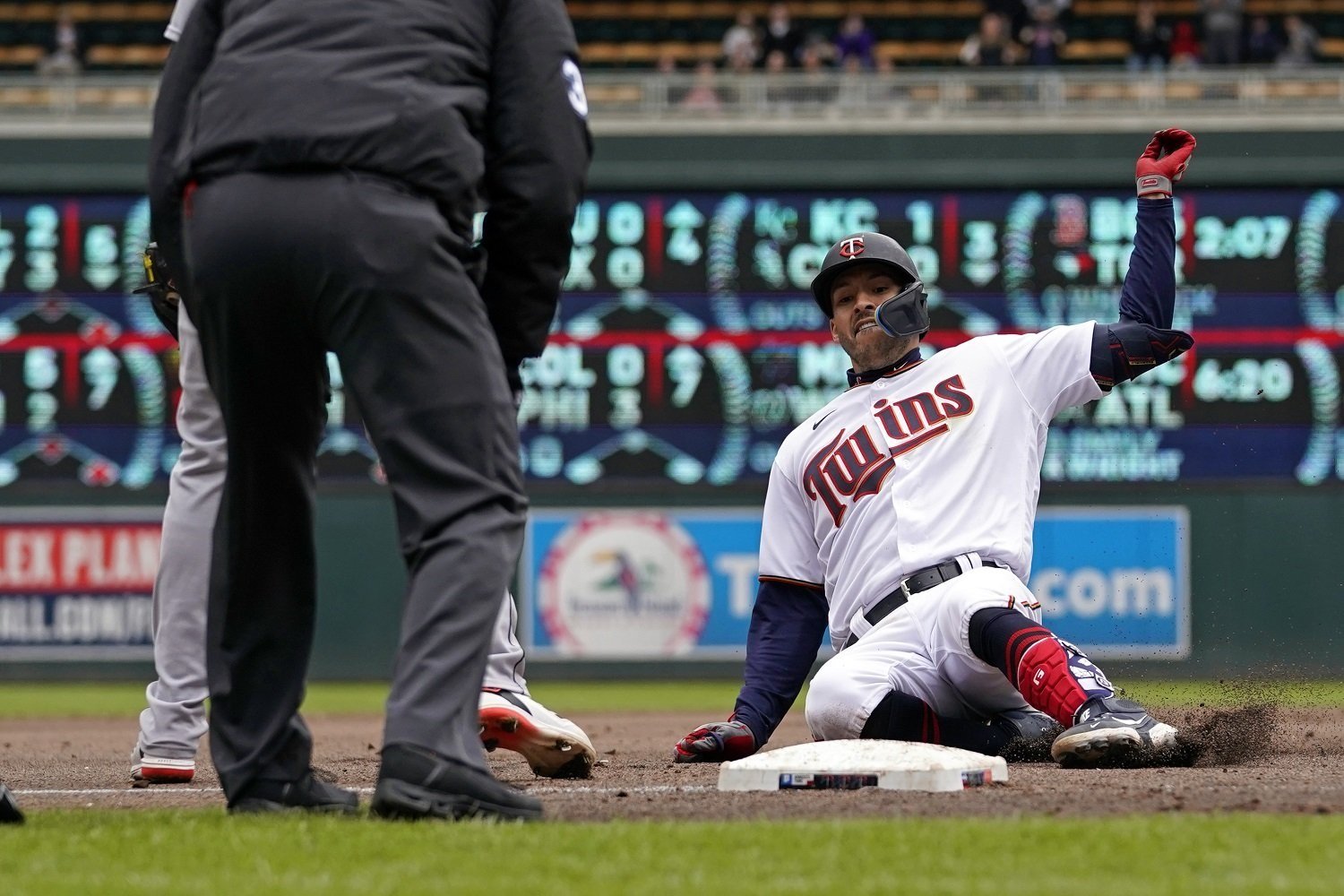 Minnesota’s front office knew what it was doing when they signed Carlos Correa. He is one of baseball’s best players, and he brings playoff experience to an organization that has lost 18 straight postseason games. Both sides know that Correa will likely opt out of his contract at the season’s end so he can return to the free agent market. Even knowing all of this, three options are still on the table. Option 1: Keep Correa for the Stretch Run Minnesota has surprised many by being at the top of the AL Central throughout the first half. Even with a recent slump, the Twins sit ahead of Cleveland and Chicago. Keeping Correa is the best way to win games during the 2022 season because the baseball playoffs can be a crapshoot, and it’s essential just to qualify for the postseason. Last season, the Braves won 88 games, but they added pieces at the deadline and got hot in October. Not every franchise can follow this mold, but it helps to get to the postseason with a healthy roster and the best players performing well. Option 2: Sign Correa to a Long-Term Deal According to the Star Tribune, the Twins have not engaged with Correa and his team on a long-term extension. It’s easy to see why the Twins would want to keep Correa as he helped shape a positive clubhouse culture this season. Earlier this season, Correa told Ken Rosenthal that he is open to an extension with the Twins. It will likely take a more significant contract than the 10-year, $325 million deal signed by Corey Seager last winter. As a franchise, Minnesota hasn’t handed out those types of contracts in the past, so it seems unlikely for a long-term deal to be reached unless the Twins do something out of character. Option 3: Trade Correa Before the Deadline Trading Correa before the deadline might shake up the clubhouse, but it avoids the team seeing him walk for nothing. It would allow the Twins to fill other needs on their roster or to rebuild a farm system that ranks in baseball’s bottom half. Finding a team willing to trade for Correa is also challenging, as many of baseball’s best teams already have a strong shortstop. Some possible teams looking for an upgrade include the Philadelphia Phillies or the St. Louis Cardinals. Also, Minnesota would be left with no clear shortstop replacement if Correa is dealt. Overall, the front office already made one unpopular trade by sending away the team’s closer before Opening Day. Can it withstand another unpopular move? Realistically, the Twins should stick with option one because anything can happen in October. However, trading Correa makes sense if the front office doesn’t make additions before the trade deadline. Minnesota needs multiple relievers and a front-line starting pitcher to be taken seriously in the postseason. With an already depleted farm system, the front office might not be willing to trade away the prospect capital required to obtain those types of players. Which option do you feel the Twins should choose? Leave a COMMENT and start the discussion.
 -
Minnesota’s 3 Options with Carlos Correa
Cody Christie posted a topic in Twins Daily Front Page News
With the trade deadline quickly approaching, the Twins have a decision to make with Carlos Correa. Here are the three options facing the team over the next two weeks. Minnesota’s front office knew what it was doing when they signed Carlos Correa. He is one of baseball’s best players, and he brings playoff experience to an organization that has lost 18 straight postseason games. Both sides know that Correa will likely opt out of his contract at the season’s end so he can return to the free agent market. Even knowing all of this, three options are still on the table. Option 1: Keep Correa for the Stretch Run Minnesota has surprised many by being at the top of the AL Central throughout the first half. Even with a recent slump, the Twins sit ahead of Cleveland and Chicago. Keeping Correa is the best way to win games during the 2022 season because the baseball playoffs can be a crapshoot, and it’s essential just to qualify for the postseason. Last season, the Braves won 88 games, but they added pieces at the deadline and got hot in October. Not every franchise can follow this mold, but it helps to get to the postseason with a healthy roster and the best players performing well. Option 2: Sign Correa to a Long-Term Deal According to the Star Tribune, the Twins have not engaged with Correa and his team on a long-term extension. It’s easy to see why the Twins would want to keep Correa as he helped shape a positive clubhouse culture this season. Earlier this season, Correa told Ken Rosenthal that he is open to an extension with the Twins. It will likely take a more significant contract than the 10-year, $325 million deal signed by Corey Seager last winter. As a franchise, Minnesota hasn’t handed out those types of contracts in the past, so it seems unlikely for a long-term deal to be reached unless the Twins do something out of character. Option 3: Trade Correa Before the Deadline Trading Correa before the deadline might shake up the clubhouse, but it avoids the team seeing him walk for nothing. It would allow the Twins to fill other needs on their roster or to rebuild a farm system that ranks in baseball’s bottom half. Finding a team willing to trade for Correa is also challenging, as many of baseball’s best teams already have a strong shortstop. Some possible teams looking for an upgrade include the Philadelphia Phillies or the St. Louis Cardinals. Also, Minnesota would be left with no clear shortstop replacement if Correa is dealt. Overall, the front office already made one unpopular trade by sending away the team’s closer before Opening Day. Can it withstand another unpopular move? Realistically, the Twins should stick with option one because anything can happen in October. However, trading Correa makes sense if the front office doesn’t make additions before the trade deadline. Minnesota needs multiple relievers and a front-line starting pitcher to be taken seriously in the postseason. With an already depleted farm system, the front office might not be willing to trade away the prospect capital required to obtain those types of players. Which option do you feel the Twins should choose? Leave a COMMENT and start the discussion. View full article -
The Twins pick multiple pitchers in the MLB Draft, and the organization has attempted to build a pitching pipeline. So, who are the top pitching prospects in the Twins organization? Prospect lists can be exciting, especially as the trade deadline approaches at the beginning of August. Contending teams must part with some of the top-rated prospects so they can add veteran pieces to their roster. Minnesota expects to be active in the trade market, so who are the organization's top pitching prospects? RHP Jordan Balazovic Baseball America and Baseball Prospectus named Balazovic as one of their top 100 prospects entering the 2022 season. Unfortunately, injuries have impacted him over the last two seasons. He suffered a back injury in spring training last year that delayed the start of his season until June. From there, he was solid with a 3.62 ERA and 9.5 K/9 in 20 appearances. In 2022, he began the season on the IL with a knee strain, and he has struggled since returning. Across 11 appearances, he has a 10.13 ERA with a 2.32 WHIP. He has yet to pitch 100 innings in any professional season. RHP Matt Canterino When healthy, Canterino has sliced through minor league batters. He has struck out 126 batters in 82 1/3 innings in his professional career, but those innings have been spread over three seasons. All 11 of his appearances have come at Double-A this season with a 1.83 ERA and 13.1 K/9 in a career-high 34 1/3 innings. An argument can be made that he is the best pitching prospect in the system. However, the organization may need to shift him to a bullpen role if he can't stay healthy. LHP Connor Priellip Minnesota selected Connor Priellip in the second round of the 2022 MLB Draft, but he's no ordinary second-round pick. The left-handed pitcher was in the conversation to be the number one overall pick in the current draft class before requiring Tommy John surgery in May 2021. He is healthy and will be able to pitch in the organization after he signs. His fastball and slider are both plus pitches, and he continues to improve with his changeup. There is hope that he will be able to add more velocity as he continues to get further away from elbow reconstruction. RHP Marco Raya Raya missed most of last season with a shoulder strain, so the 2022 season marks his professional debut. He's been outstanding in 13 appearances with Fort Myers, where he is three years younger than the average age of the competition. In 47 innings, he has a 2.87 ERA with a 1.04 WHIP and a 56-to-16 strikeout to walk ratio. Only 80% of his match-ups have come against older batters who have been held to a .586 OPS. Raya has been the biggest breakout pitcher in the organization this year, but he still has a long way to go before reaching Target Field. RHP Simeon Woods Richardson As a 20-year-old, Woods Richardson faced multiple challenges as he pitched the entire year at Double-A, joined Team USA in Japan, and was traded for the second time in his career. Based on those reasons, it's easy to see his performance struggled (5.91 ERA with a 1.53 WHIP). His second Double-A stint has improved as he has a 3.40 ERA with a 1.13 WHIP and 9 K/9. Woods Richardson has held batters to a .595 OPS, and over 96% of his plate appearances have come against older batters. He may have solidified his stock more this season than the others mentioned above. Cody's Current Top-5 Twins Pitching Prospects 1. Connor Priellip 2. Simeon Woods Richardson 3. Matt Canterino 4. Marco Raya 5. Jordan Balazovic How would you rank the organization's pitchers? Leave a COMMENT and start the discussion. View full article
- 31 replies
-
- 1
-
-
- jordan balazovic
- simeon woods richardson
- (and 3 more)
-
Post Draft: Who's the Twins' Top Pitching Prospect?
Cody Christie posted an article in Minor Leagues
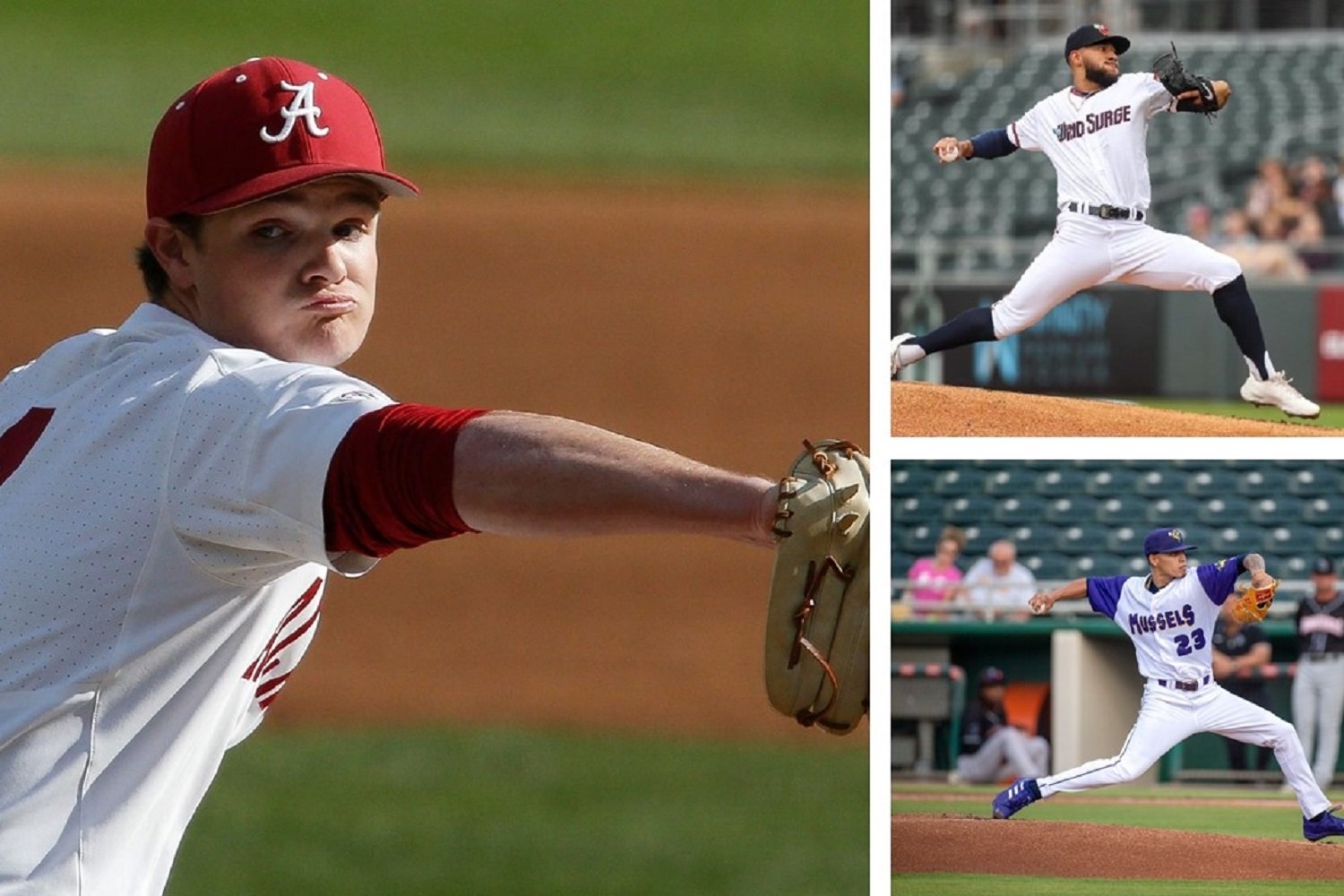 Prospect lists can be exciting, especially as the trade deadline approaches at the beginning of August. Contending teams must part with some of the top-rated prospects so they can add veteran pieces to their roster. Minnesota expects to be active in the trade market, so who are the organization's top pitching prospects? RHP Jordan Balazovic Baseball America and Baseball Prospectus named Balazovic as one of their top 100 prospects entering the 2022 season. Unfortunately, injuries have impacted him over the last two seasons. He suffered a back injury in spring training last year that delayed the start of his season until June. From there, he was solid with a 3.62 ERA and 9.5 K/9 in 20 appearances. In 2022, he began the season on the IL with a knee strain, and he has struggled since returning. Across 11 appearances, he has a 10.13 ERA with a 2.32 WHIP. He has yet to pitch 100 innings in any professional season. RHP Matt Canterino When healthy, Canterino has sliced through minor league batters. He has struck out 126 batters in 82 1/3 innings in his professional career, but those innings have been spread over three seasons. All 11 of his appearances have come at Double-A this season with a 1.83 ERA and 13.1 K/9 in a career-high 34 1/3 innings. An argument can be made that he is the best pitching prospect in the system. However, the organization may need to shift him to a bullpen role if he can't stay healthy. LHP Connor Priellip Minnesota selected Connor Priellip in the second round of the 2022 MLB Draft, but he's no ordinary second-round pick. The left-handed pitcher was in the conversation to be the number one overall pick in the current draft class before requiring Tommy John surgery in May 2021. He is healthy and will be able to pitch in the organization after he signs. His fastball and slider are both plus pitches, and he continues to improve with his changeup. There is hope that he will be able to add more velocity as he continues to get further away from elbow reconstruction. RHP Marco Raya Raya missed most of last season with a shoulder strain, so the 2022 season marks his professional debut. He's been outstanding in 13 appearances with Fort Myers, where he is three years younger than the average age of the competition. In 47 innings, he has a 2.87 ERA with a 1.04 WHIP and a 56-to-16 strikeout to walk ratio. Only 80% of his match-ups have come against older batters who have been held to a .586 OPS. Raya has been the biggest breakout pitcher in the organization this year, but he still has a long way to go before reaching Target Field. RHP Simeon Woods Richardson As a 20-year-old, Woods Richardson faced multiple challenges as he pitched the entire year at Double-A, joined Team USA in Japan, and was traded for the second time in his career. Based on those reasons, it's easy to see his performance struggled (5.91 ERA with a 1.53 WHIP). His second Double-A stint has improved as he has a 3.40 ERA with a 1.13 WHIP and 9 K/9. Woods Richardson has held batters to a .595 OPS, and over 96% of his plate appearances have come against older batters. He may have solidified his stock more this season than the others mentioned above. Cody's Current Top-5 Twins Pitching Prospects 1. Connor Priellip 2. Simeon Woods Richardson 3. Matt Canterino 4. Marco Raya 5. Jordan Balazovic How would you rank the organization's pitchers? Leave a COMMENT and start the discussion.
- 31 comments
-
- 4
-
-
- jordan balazovic
- simeon woods richardson
- (and 3 more)
-
Last season was one to forget for the Twins as the team underperformed and finished in last place. Thankfully, multiple trade deadline deals helped keep the team's winning window open. Derek Falvey and Thad Levine took over Minnesota's baseball operations department leading into the 2017 season. Each season has taken on a different feel, but they have a track record of making moves at the trade deadline. This series will look back at each trade deadline under this regime. Minnesota's front office likely wasn't planning on being sellers, but a terrible start to 2021 put the team in a bad spot. Luckily, there was a silver lining to a last-place finish as the team made multiple trades that looked to have long-term impacts. Trade 1 (July 22, 2021) Twins Receive: P Joe Ryan, P Drew Strotman Rays Receive: DH Nelson Cruz, P Calvin Faucher Minnesota helped to get the trade market moving last season when they dealt Nelson Cruz to the Rays. Tampa had previously shown interest in Cruz, so it seemed like a good match. The Twins were looking for pitching that was close to being ready for the big-league level. Joe Ryan was the team's Opening Day starter this year and has been one of the team's best starters since he joined the rotation. Cruz struggled down the stretch for the Rays, and Boston eliminated Tampa in the ALDS. Drew Strotman transitioned to a bullpen role at Triple-A and has a 7.49 ERA in 24 appearances. Calvin Faucher has made 14 appearances for the Rays with a 7.11 ERA. Trade 2 (July 30, 2021) Twins Receive: SS Austin Martin, P Simeon Woods Richardson Blue Jays Receive: P Jose Berrios This trade will continue to be intriguing to dissect as time passes. The Blue Jays acquired Berrios and quickly signed him to a 7-year, $131 million extension. His first full season in Toronto hasn't gone as planned as he leads the American League in earned runs and home runs allowed. Austin Martin has seen his stock drop, with a .691 OPS in his second stint at Double-A. However, it is only his second professional season, and he is still considered one of the organization's top prospects. Simeon Woods Richardson's performance puts him in the conversation for the organization's top pitching prospect. In 11 starts, he has a 3.40 ERA and a 1.13 WHIP with a 53-to-19 strikeout to walk ratio. Trade 3 (July 30, 2021) Twins Receive: P Alex Scherff Red Sox Receive: P Hansel Robles Minnesota signed Hansel Robles leading into the 2021 season to help the bullpen improve. There was no reason to keep him on the roster with an expiring contract. In Boston, his numbers improved as he posted a 3.60 ERA with a 1.36 WHIP in 27 appearances. They brought him back for the start of the 2022 season, but he struggled with a 5.84 ERA, and the team released him. After being acquired by the Twins, Alex Scherff didn't pitch last season, but the club assigned him to Double-A for the start of the 2022 campaign. In 25 appearances, he has a 5.27 ERA with a 1.50 WHIP and a 28-to-15 strikeout to walk ratio. Trade 4 (July 30, 2021) Twins Receive: P Evan Sisk, P John Gant Cardinals Receive: P J.A. Happ Many had been clamoring for J.A. Happ to be out of the Twins rotation for most of the season. In 19 starts, he posted a 6.77 ERA with a 1.59 WHIP, but the Cardinals thought they could get something out of the veteran. After the trade, Happ lowered his ERA to 4.00 and had a 1.28 WHIP to help the Cardinals get into Wild Card position. Minnesota used John Gant at the end of last season as a starter and reliever, but his cost was going to be too high to keep him in arbitration. Gant is pitching this year in Japan's Nippon Professional Baseball League. Evan Sisk has been one of the organization's best relievers this season. In 28 appearances between Double- and Triple-A, he has a 1.18 ERA with a 0.97 WHIP and 9.5 K/9. Looking back at last year's deadline, it's easier to see how the front office felt they were retooling to be contenders again in 2022. Not all of the trades have worked out perfectly to this point, but there is still time for some of the prospects involved to continue developing. What do you remember most about last year's trade deadline? Leave a COMMENT and start the discussion. OTHER POSTS IN THE SERIES -2017 Trade Deadline -2018 Trade Deadline -2019 Trade Deadline View full article

