



Cody Christie
-
Posts
7,515 -
Joined
-
Last visited
-
Days Won
5
Content Type
Profiles
News
Minnesota Twins Videos
2026 Minnesota Twins Top Prospects Ranking
2022 Minnesota Twins Draft Picks
Minnesota Twins Free Agent & Trade Rumors, Notes, & Tidbits
Guides & Resources
2023 Minnesota Twins Draft Picks
The Minnesota Twins Players Project
2024 Minnesota Twins Draft Picks
2025 Minnesota Twins Draft Pick Tracker
2026 Minnesota Twins Draft Tracker: Picks & Bonuses
Forums
Blogs
Events
Store
Downloads
Gallery
Everything posted by Cody Christie
-
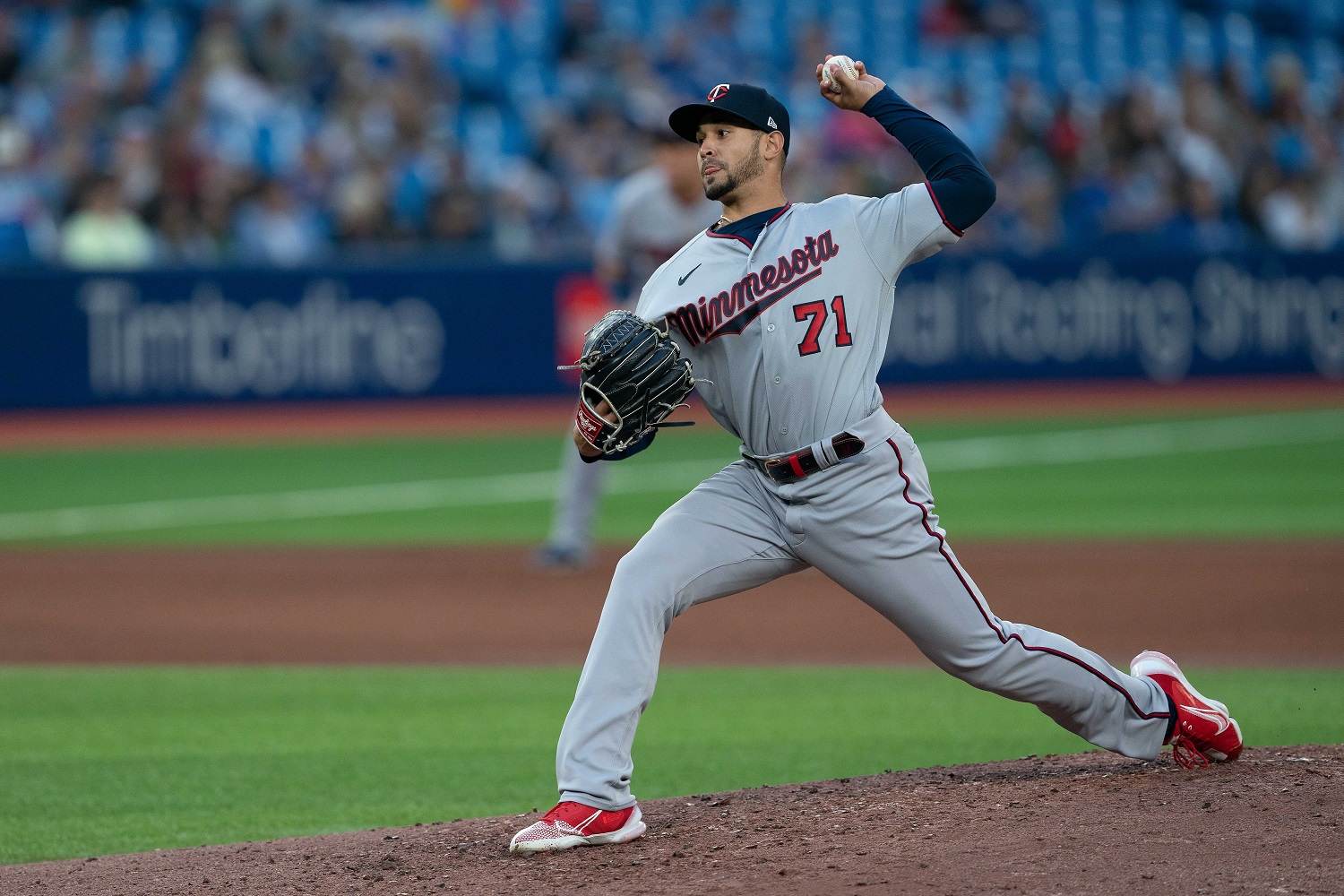 The Twins drafted Jovani Moran in the 7th round of the 2015 MLB Draft as a high schooler from Puerto Rico. Arm issues limited him to fewer than 20 innings in his first two seasons, but he had a breakout season in 2017. He put himself on the prospect radar with a dominant performance in the Appalachian League, where he accumulated 45 strikeouts in 24 innings. All those appearances were in a relief role, but his dominant performance earned him the Twins Daily Short Season Pitcher of the Year. Moran hasn't been flawless as he has climbed the organizational ladder. His early included elbow and shoulder injuries like removing bone chips, but he has been able to avoid Tommy John surgery. In six minor league seasons, there has only been one season where he has pitched more than 70 innings. On the field, his 4.3 BB/9 rate is too high, and that trait has followed him to the big-league level. Throughout the 2021 season, Moran has pushed himself into the conversation at the big-league level. Last year, he won the Twins Daily Minor League Relief Pitcher of the Year. Moran posted a 2.54 ERA and a 14.6 K/9 in 35 appearances between Double- and Triple-A. By the season's end, he made his big-league debut, but he surrendered seven runs in eight innings. His small sample size with the Twins didn't take away from him being in the team's long-term bullpen plans. During the 2022 campaign, the Twins have shuffled Moran between St. Paul and Minneapolis. At Triple-A, his appearances haven't been as clean as one would like to see. He has a 5.09 ERA with a 1.52 WHIP, but he has only allowed more than two runs in two appearances. He's posted a 15.8 K/9 which is nearly as high as when he dominated the Appy League as a 20-year-old. Even with time spent at multiple levels, Moran has been nearly flawless at the big-league level this season. Three of the six earned runs he has allowed came in less than an inning against the Tigers. He's allowed one hit or fewer in all but two appearances, and he has multiple strikeouts in half of his appearances. In his professional career, Moran's changeup has been his dominant pitch, and that has continued this year, with 20 of his 31 strikeouts coming on the changeup. However, his fastball has also improved with a .202 xBA and a .278 SLG. The Twins' bullpen has multiple long-term problems, including sticking with veteran relievers too long. Emilio Pagan has been pushed into a low-leverage role even though he has been one of baseball's worst relievers over the last two seasons. Pagan is likely out of the team's plans after this season, and Moran is a 25-year-old with the potential to impact Minnesota's bullpen for the long term. It's time Moran got a more extended look. Do you think Moran deserves a longer look in the Twins bullpen? Leave a COMMENT and start the discussion.
 -
 Minnesota's remaining schedule doesn't get easier after facing Kansas City and Texas over the last week. Here are the Twins' toughest remaining opponents on the schedule. The Twins will have to start playing better if the team wants a chance to make the postseason. The Twins have struggled to gain second-half momentum even after the club's trade deadline acquisitions. Can Minnesota start making a move with these opponents facing them in the weeks ahead? 5. Boston Red Sox Dates: August 29-31 (in Minnesota) Boston has scuffled this season after reaching the ALCS last season. The AL East has some surprise contending teams, which pushed Boston to the bottom of the division. Even with an under .500 record, the Red Sox were expected to be a better team than their record indicates. Boston has three players with a WAR above 3.0 this season, including Rafael Devers, Xander Bogaerts, and Michael Wacha. So far this season, the Twins have gone 2-2 against the Red Sox, so this three-game set will decide who wins the season series. 4. Chicago White Sox Dates: September 2-4 (in Chicago), September 27-29 (in Minnesota), October 3-5 (in Chicago) Minnesota's playoff future will likely be decided by the team's games against Chicago. MLB's delayed start to the season means the Twins face the White Sox nine times in the final month, including six of the team's final nine games. Chicago was a mess in the season's first half, but they have slowly gained momentum to move above .500. The White Sox have outscored the Twins by four runs this season but have lost six out of ten games. 3. Cleveland Guardians Dates: September 9-11 (in Minnesota), September 16-19 (in Cleveland) Cleveland has been Minnesota's closest competitor at the top of the division for most of the season. If the Twins want to win the AL Central, the team will have to track down the Guardians over the next few weeks. Winning division games is one of the easiest ways to make up ground in the standings. The Twins have outscored the Guardians by 16 runs this season but have lost 6-of-11 games. 2. New York Yankees Dates: September 5-8 (in New York) The Yankees have been on a freefall in the second half as the team has a 5-14 record in August. New York had built such a significant division lead that they still sit atop the AL East by eight games. Clearly, the Yankees will want to play better heading into October, and a four-game home series with the Twins might be the cure to what ails them. Yankee Stadium has been a house of horrors for the Twins through multiple regimes and player changes. Minnesota won one of three games against New York at Target Field earlier this season. 1. Houston Astros Dates: August 23-25 (in Houston) Houston has been one of baseball's top squads during the 2022 season as the team is on pace to be the American League's top seed. The Astros came to Minnesota earlier this season and demolished the Twins in a three-game sweep where Houston outscored Minnesota 21-3. Now the Twins will head to Houston as a slumping team with Tyler Mahle on the injured list. It may be challenging for Minnesota to avoid a series sweep, especially with Houston's probable pitchers (Justin Verlander, Framber Valdez, and Luis Garcia). Which opponent is going to be the biggest challenge? Which series is the most critical? Leave a COMMENT and start the discussion. View full article
 -
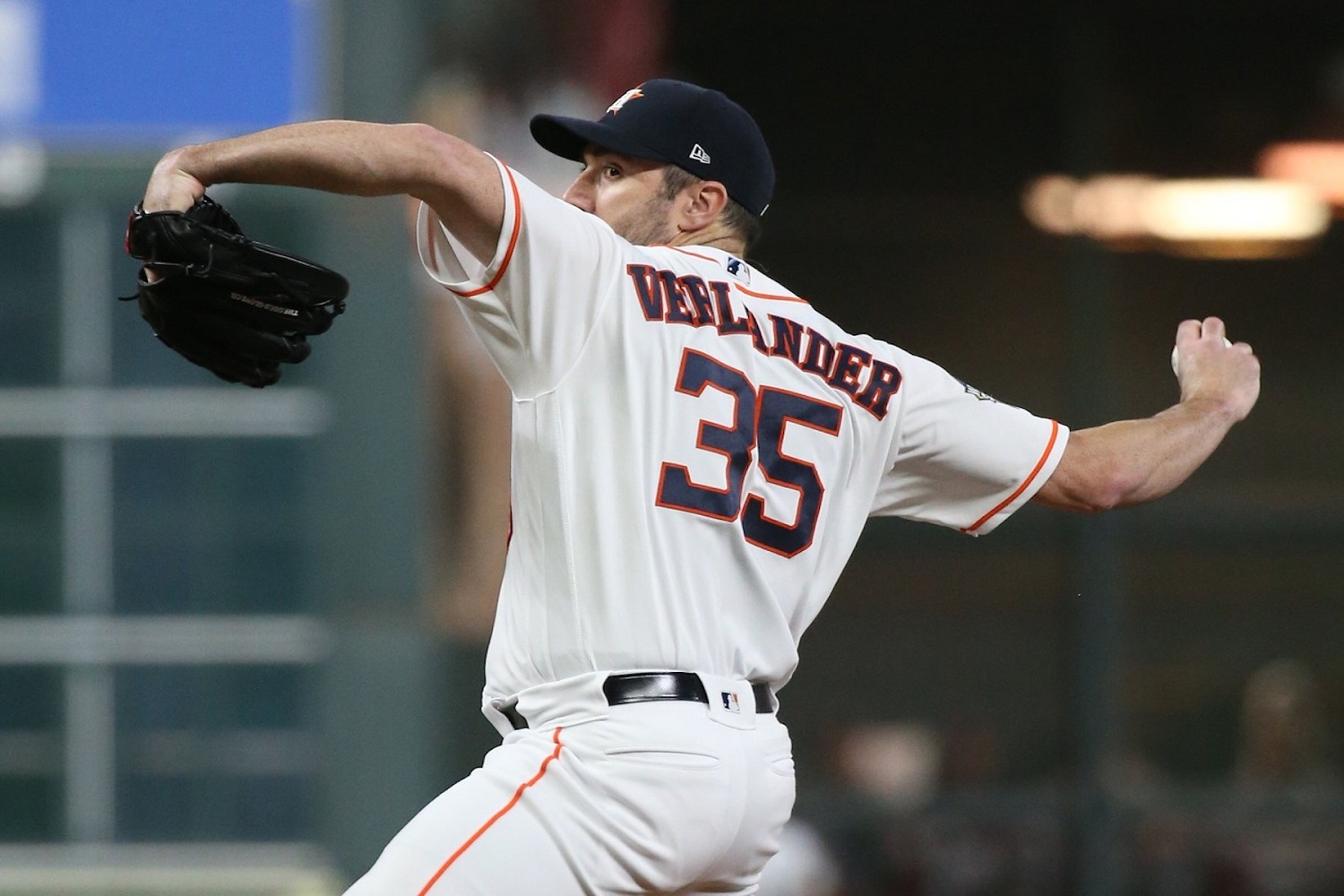 The Twins will have to start playing better if the team wants a chance to make the postseason. The Twins have struggled to gain second-half momentum even after the club's trade deadline acquisitions. Can Minnesota start making a move with these opponents facing them in the weeks ahead? 5. Boston Red Sox Dates: August 29-31 (in Minnesota) Boston has scuffled this season after reaching the ALCS last season. The AL East has some surprise contending teams, which pushed Boston to the bottom of the division. Even with an under .500 record, the Red Sox were expected to be a better team than their record indicates. Boston has three players with a WAR above 3.0 this season, including Rafael Devers, Xander Bogaerts, and Michael Wacha. So far this season, the Twins have gone 2-2 against the Red Sox, so this three-game set will decide who wins the season series. 4. Chicago White Sox Dates: September 2-4 (in Chicago), September 27-29 (in Minnesota), October 3-5 (in Chicago) Minnesota's playoff future will likely be decided by the team's games against Chicago. MLB's delayed start to the season means the Twins face the White Sox nine times in the final month, including six of the team's final nine games. Chicago was a mess in the season's first half, but they have slowly gained momentum to move above .500. The White Sox have outscored the Twins by four runs this season but have lost six out of ten games. 3. Cleveland Guardians Dates: September 9-11 (in Minnesota), September 16-19 (in Cleveland) Cleveland has been Minnesota's closest competitor at the top of the division for most of the season. If the Twins want to win the AL Central, the team will have to track down the Guardians over the next few weeks. Winning division games is one of the easiest ways to make up ground in the standings. The Twins have outscored the Guardians by 16 runs this season but have lost 6-of-11 games. 2. New York Yankees Dates: September 5-8 (in New York) The Yankees have been on a freefall in the second half as the team has a 5-14 record in August. New York had built such a significant division lead that they still sit atop the AL East by eight games. Clearly, the Yankees will want to play better heading into October, and a four-game home series with the Twins might be the cure to what ails them. Yankee Stadium has been a house of horrors for the Twins through multiple regimes and player changes. Minnesota won one of three games against New York at Target Field earlier this season. 1. Houston Astros Dates: August 23-25 (in Houston) Houston has been one of baseball's top squads during the 2022 season as the team is on pace to be the American League's top seed. The Astros came to Minnesota earlier this season and demolished the Twins in a three-game sweep where Houston outscored Minnesota 21-3. Now the Twins will head to Houston as a slumping team with Tyler Mahle on the injured list. It may be challenging for Minnesota to avoid a series sweep, especially with Houston's probable pitchers (Justin Verlander, Framber Valdez, and Luis Garcia). Which opponent is going to be the biggest challenge? Which series is the most critical? Leave a COMMENT and start the discussion.
 -
The Twins recently promoted Simeon Woods Richardson to Triple-A, where he is one step away from making his big-league debut. Can he become better than Jose Berrios? When the Twins traded Jose Berrios, Austin Martin was considered the top prospect in the return package. Over a year later, Martin's prospect stock has dropped, and Simeon Woods Richardson is having a breakout year. Woods Richardson will forever be connected to Berrios and the trade that brought him to the Twins organization. So, does he have the potential to be better than Berrios when all is said and done? The Twins drafted Berrios as a teenager out of Puerto Rico, and he immediately put himself on the map as one of baseball's best pitching prospects. He was a consensus top-50 prospect for two consecutive offseasons while being selected to back-to-back Futures Games. In six minor league seasons, he posted a 2.77 ERA with a 1.08 WHIP and 9.6 K/9. He struggled during his big-league debut in 2016 but quickly became one of baseball's most reliable pitchers. From 2017-2021, he averaged 159 innings per season with a 3.74 ERA and a 1.17 WHIP. Woods Richardson's path to the big leagues has seen more ups and downs than Berrios. The Mets drafted Woods Richardson in the 2nd round of the 2018 MLB Draft. His professional debut was strong as he posted a 1.56 ERA and 13.5 K/9 in seven rookie league appearances. As an 18-year-old, he struggled at Low-A with a 4.25 ERA while being nearly four years younger than the average age of the competition at his level. The Mets traded him to the Blue Jays organization as part of the Marcus Stroman trade, but things got more challenging for him from there. With no minor league season in 2020, Woods Richardson's age-19 season was wiped out. He likely would have spent most of the season at High-A, where he had finished the 2019 season. The 2021 season also saw some hiccups for him as the Blue Jays were aggressive with him and sent him to Double-A. As a 20-year-old, he was over 4.5 years younger than the average age of the competition at his level. He never found consistency at Double-A, he went to Japan to be part of the US Olympic team, and then he was traded to the Twins. Overall, his prospect stock dropped as none of the national outlets included him in their top-100 prospects for the first time in two years. Woods Richardson has been able to put a lot of doubts behind him in 2022. Minnesota had him repeat Double-A, where he is still very young for the level. In 16 appearances, he posted a 3.18 ERA with a 1.16 WHIP and 9.8 K/9. His prospect stock has risen to the point where he is considered the Twins' best pitching prospect in the upper minors. Minnesota recently promoted him to Triple-A, where he will look to cap off his tremendous age-21 season. Like Woods Richardson, Berrios spent his age-21 season pitching at Double- and Triple-A. Some signs point to Woods Richardson having a leg-up on Berrios at this point in their development. Woods Richardson has posted an 11.1 K/9 while Berrios had a 9.6 K/9 in six minor league seasons. Berrios also allowed more H/9 and a similar amount of HR/9. Stylistically, there are differences between these two pitchers, but there is potential for Woods Richardson to fit nicely into the team's rotation for years to come. Berrios is the best pitcher to come through the Twins system in quite some time. Woods Richardson has the potential to be a similar pitcher to Berrios, but there can be challenges with the transition to Triple-A and the big leagues. Woods Richardson isn't expected to be the next Berrios, but Twins fans should be more than pleased if he reaches his potential ceiling. How high is Wood Richardson's ceiling? Can he be better than Berrios? Leave a COMMENT and start the discussion. View full article
-
Can Simeon Woods Richardson Be Better Than Jose Berrios?
Cody Christie posted an article in Minor Leagues
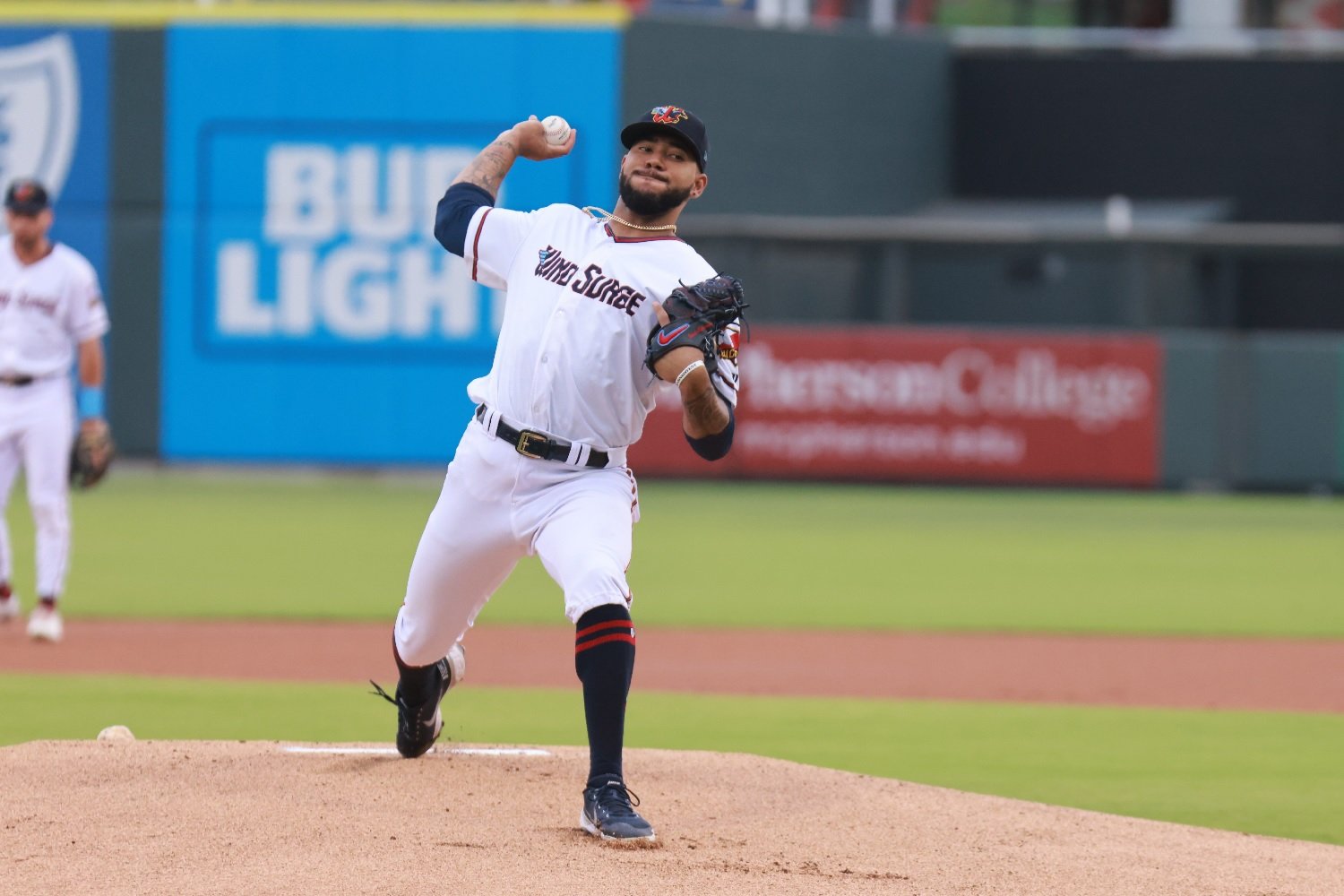 When the Twins traded Jose Berrios, Austin Martin was considered the top prospect in the return package. Over a year later, Martin's prospect stock has dropped, and Simeon Woods Richardson is having a breakout year. Woods Richardson will forever be connected to Berrios and the trade that brought him to the Twins organization. So, does he have the potential to be better than Berrios when all is said and done? The Twins drafted Berrios as a teenager out of Puerto Rico, and he immediately put himself on the map as one of baseball's best pitching prospects. He was a consensus top-50 prospect for two consecutive offseasons while being selected to back-to-back Futures Games. In six minor league seasons, he posted a 2.77 ERA with a 1.08 WHIP and 9.6 K/9. He struggled during his big-league debut in 2016 but quickly became one of baseball's most reliable pitchers. From 2017-2021, he averaged 159 innings per season with a 3.74 ERA and a 1.17 WHIP. Woods Richardson's path to the big leagues has seen more ups and downs than Berrios. The Mets drafted Woods Richardson in the 2nd round of the 2018 MLB Draft. His professional debut was strong as he posted a 1.56 ERA and 13.5 K/9 in seven rookie league appearances. As an 18-year-old, he struggled at Low-A with a 4.25 ERA while being nearly four years younger than the average age of the competition at his level. The Mets traded him to the Blue Jays organization as part of the Marcus Stroman trade, but things got more challenging for him from there. With no minor league season in 2020, Woods Richardson's age-19 season was wiped out. He likely would have spent most of the season at High-A, where he had finished the 2019 season. The 2021 season also saw some hiccups for him as the Blue Jays were aggressive with him and sent him to Double-A. As a 20-year-old, he was over 4.5 years younger than the average age of the competition at his level. He never found consistency at Double-A, he went to Japan to be part of the US Olympic team, and then he was traded to the Twins. Overall, his prospect stock dropped as none of the national outlets included him in their top-100 prospects for the first time in two years. Woods Richardson has been able to put a lot of doubts behind him in 2022. Minnesota had him repeat Double-A, where he is still very young for the level. In 16 appearances, he posted a 3.18 ERA with a 1.16 WHIP and 9.8 K/9. His prospect stock has risen to the point where he is considered the Twins' best pitching prospect in the upper minors. Minnesota recently promoted him to Triple-A, where he will look to cap off his tremendous age-21 season. Like Woods Richardson, Berrios spent his age-21 season pitching at Double- and Triple-A. Some signs point to Woods Richardson having a leg-up on Berrios at this point in their development. Woods Richardson has posted an 11.1 K/9 while Berrios had a 9.6 K/9 in six minor league seasons. Berrios also allowed more H/9 and a similar amount of HR/9. Stylistically, there are differences between these two pitchers, but there is potential for Woods Richardson to fit nicely into the team's rotation for years to come. Berrios is the best pitcher to come through the Twins system in quite some time. Woods Richardson has the potential to be a similar pitcher to Berrios, but there can be challenges with the transition to Triple-A and the big leagues. Woods Richardson isn't expected to be the next Berrios, but Twins fans should be more than pleased if he reaches his potential ceiling. How high is Wood Richardson's ceiling? Can he be better than Berrios? Leave a COMMENT and start the discussion.
 -
The Twins farm system continues to drop in national rankings, so should fans be concerned about the organization's future? Here are three reasons why the system continues to drop. National rankings of a team's farm systems can be taken with a grain of salt. A lot of hope and high expectations are tied to the team's top prospects, but most fans will focus on whether or not the big-league team is consistently winning. Front offices must find a balance between building homegrown talent and trading for pieces that can help the current roster. Baseball America updated its farm system rankings based on changes from this year's draft and the trade deadline. Minnesota's system ranked 25th, the team's lowest ranking since 2017. Baseball American and MLB Pipeline have three Twins prospects in their top 100, including Brooks Lee, Royce Lewis, and Emmanuel Rodriguez. So, why did the Twins drop so much? Trades Minnesota was active at the 2022 trade deadline by dealing away some of the organization's most improved prospects. Spencer Steer, Cade Povich, Christian Encarnacion-Strand, and Steven Hajjar were all top-30 prospects in the system. Last winter, the Twins also traded Chase Petty, the team's 2021 first-round pick, to acquire Sonny Gray. Losing that kind of talent will hurt any organization's farm system ranking. Luckily, there are some obvious reasons why Minnesota's ranking dropped. Under 25 Big-League Players When looking at the health of an organization, it's essential to look at young players that are no longer prospects but are impacting the big-league roster. The Twins have gotten plenty of production this season from players that are 25 years old or younger. During his rookie campaign, Jose Miranda emerged as a middle-of-the-order bat. On the pitching side, Jhoan Duran completely altered how the team approaches late-inning pitching situations. However, the list of players that are 25 or younger doesn't stop there. Gilberto Celestino, a 23-year-old, has allowed the Twins to give Byron Buxton more regular days off from center field. Cole Sands, Josh Winder, and Jovani Moran have impacted the team's rotation and bullpen. Trevor Larnach and Alex Kirilloff have shown how good their bats can be when they are healthy. Even regulars like Ryan Jeffers and Luis Arraez are in their age-25 season. Obviously, the Twins will need to continue to see continued development from these players while they help the team win. Injuries and Underperformance Injuries to key prospects are another reason the team's ranking continues to drop. Royce Lewis, Emmanuel Rodriguez, and Matt Canterino are all out for the year. Lewis was already impacting the big-league roster before undergoing his second ACL surgery in the last two seasons. Rodriguez had a breakout season before suffering a knee injury on a slide. Canterino's elbow health has been an issue throughout his professional career, and the hope is that Tommy John surgery will get him back on track. All three players should return at some point during the 2023 season. Multiple top prospects have also underperformed during the 2022 campaign. Austin Martin was widely considered one of the organization's top prospects after he was acquired as part of the Jose Berrios trade. In 65 Double-A games, he is hitting .244/.372/.306 (.678) with 11 extra-base hits. Minnesota added Jordan Balazovic to the 40-man roster last winter, but he has struggled throughout the 2022 season. In 15 Triple-A appearances, he has a 9.26 ERA with a 2.17 WHIP across 45 2/3 innings. Both of these players have seen their prospect stock drop significantly. Luckily, the Twins are keeping their winning window open despite the perceived talent drop in the farm system. Minnesota's trades have added controllable talent to the big-league roster, and the team has plenty of young talent up-and-down the roster. Are you concerned about the farm system's drop in national rankings? Leave a COMMENT and start the discussion. View full article
-
3 Reasons the Twins Farm System Ranking Continues to Drop
Cody Christie posted an article in Minor Leagues
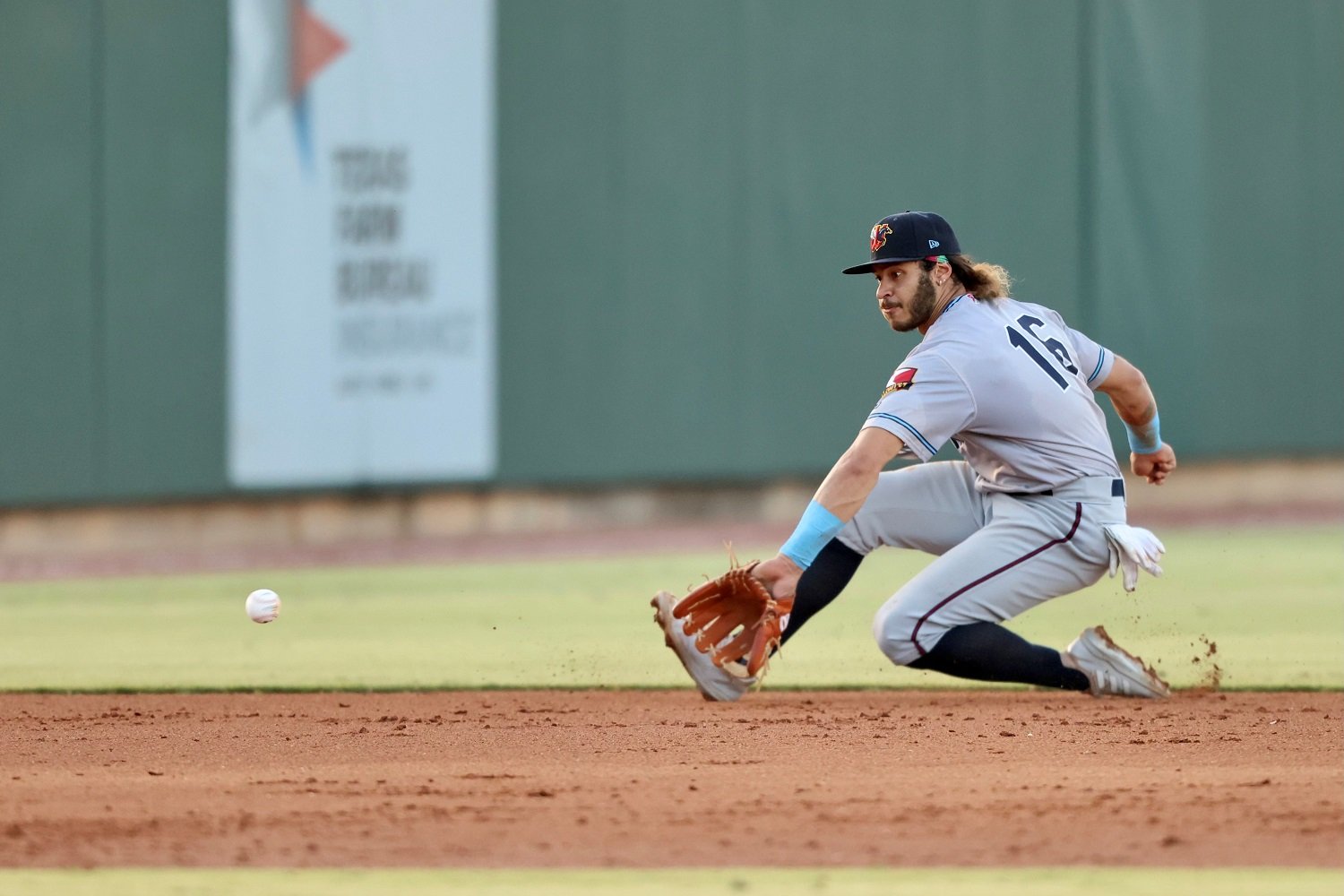 National rankings of a team's farm systems can be taken with a grain of salt. A lot of hope and high expectations are tied to the team's top prospects, but most fans will focus on whether or not the big-league team is consistently winning. Front offices must find a balance between building homegrown talent and trading for pieces that can help the current roster. Baseball America updated its farm system rankings based on changes from this year's draft and the trade deadline. Minnesota's system ranked 25th, the team's lowest ranking since 2017. Baseball American and MLB Pipeline have three Twins prospects in their top 100, including Brooks Lee, Royce Lewis, and Emmanuel Rodriguez. So, why did the Twins drop so much? Trades Minnesota was active at the 2022 trade deadline by dealing away some of the organization's most improved prospects. Spencer Steer, Cade Povich, Christian Encarnacion-Strand, and Steven Hajjar were all top-30 prospects in the system. Last winter, the Twins also traded Chase Petty, the team's 2021 first-round pick, to acquire Sonny Gray. Losing that kind of talent will hurt any organization's farm system ranking. Luckily, there are some obvious reasons why Minnesota's ranking dropped. Under 25 Big-League Players When looking at the health of an organization, it's essential to look at young players that are no longer prospects but are impacting the big-league roster. The Twins have gotten plenty of production this season from players that are 25 years old or younger. During his rookie campaign, Jose Miranda emerged as a middle-of-the-order bat. On the pitching side, Jhoan Duran completely altered how the team approaches late-inning pitching situations. However, the list of players that are 25 or younger doesn't stop there. Gilberto Celestino, a 23-year-old, has allowed the Twins to give Byron Buxton more regular days off from center field. Cole Sands, Josh Winder, and Jovani Moran have impacted the team's rotation and bullpen. Trevor Larnach and Alex Kirilloff have shown how good their bats can be when they are healthy. Even regulars like Ryan Jeffers and Luis Arraez are in their age-25 season. Obviously, the Twins will need to continue to see continued development from these players while they help the team win. Injuries and Underperformance Injuries to key prospects are another reason the team's ranking continues to drop. Royce Lewis, Emmanuel Rodriguez, and Matt Canterino are all out for the year. Lewis was already impacting the big-league roster before undergoing his second ACL surgery in the last two seasons. Rodriguez had a breakout season before suffering a knee injury on a slide. Canterino's elbow health has been an issue throughout his professional career, and the hope is that Tommy John surgery will get him back on track. All three players should return at some point during the 2023 season. Multiple top prospects have also underperformed during the 2022 campaign. Austin Martin was widely considered one of the organization's top prospects after he was acquired as part of the Jose Berrios trade. In 65 Double-A games, he is hitting .244/.372/.306 (.678) with 11 extra-base hits. Minnesota added Jordan Balazovic to the 40-man roster last winter, but he has struggled throughout the 2022 season. In 15 Triple-A appearances, he has a 9.26 ERA with a 2.17 WHIP across 45 2/3 innings. Both of these players have seen their prospect stock drop significantly. Luckily, the Twins are keeping their winning window open despite the perceived talent drop in the farm system. Minnesota's trades have added controllable talent to the big-league roster, and the team has plenty of young talent up-and-down the roster. Are you concerned about the farm system's drop in national rankings? Leave a COMMENT and start the discussion.
- 45 comments
-
- 5
-

-
- royce lewis
- emmanuel rodriguez
- (and 3 more)
-
Jose Miranda is proving that his breakout 2021 season wasn’t a fluke. So, should the Twins try and work out a long-term extension with their rookie slugger? When a top prospect reaches the majors, it can be exciting for fans to watch a player start to unlock his full potential. The Twins have seen Jose Miranda emerge on the big-league scene with a 127 OPS+ in his first 78 games. According to FanGraphs, he has been worth $9.3 million in 2022. He also ranks fourth among Twins hitters in Win Probability Added as he trails only Luis Arraez, Byron Buxton, and Jorge Polanco. It has been a tremendous start to his career, but have the Twins seen enough to sign him long-term On Tuesday, the Atlanta Braves agreed to a long-term extension with their own power-hitting rookie. Outfielder Michael Harris agreed to an eight-year, $72 million extension that will keep him in Atlanta through the 2030 season. The deal also includes team options for 2031 ($15 million) and 2032 ($20 million). The Braves are buying out his pre-arbitration and arbitration seasons so they can control his first two free agent seasons. Since Harris is 21 years old, he will still be able to reach free agency in his early 30s. Even though Miranda and Harris are both rookies, they aren’t exactly the same type of player. Harris is a dynamic centerfielder that provides value on both sides of the ball, while most of Miranda’s value is tied to his bat. Harris is also three years younger than Miranda and was a consensus top-100 prospect entering the season. In 2022, Miranda has played seven more games than Harris, but Harris has compiled 1.8 more WAR than Miranda. Three years ago, the Twins signed Jorge Polanco and Max Kepler to team-friendly extensions that bought out some of their free agent seasons. Polanco signed a five-year, $25.75 million deal with team options for 2024-25. Kepler’s deal was for five years, $32.12 million, with a team option for 2024. Since signing their extensions, Polanco has provided $76.8 million of value, while Kepler has been worth $68.1 million. Both players were roughly the same age as Miranda at the time of their extension. Minnesota doesn’t need to rush into a contract extension with Miranda since the team will have control of him throughout his 20s. It likely wouldn’t take a Harris-level deal to sign Miranda long-term and buy out some of his free agent seasons. The Twins have gotten tremendous value from the Polanco and Kepler extensions, so the team may want to find a middle ground to keep Miranda in Minnesota long-term. It will likely take a seven or eight year deal for $50 million or more to make an extension work for both sides. Miranda has the potential to be a middle-of-the-order bat for a long time, and that has tremendous value. Do you think the Twins should look to sign Miranda to a long-term extension? How much would you be willing to pay him? Leave a COMMENT and start the discussion. View full article
-
Should the Twins Sign Jose Miranda to a Long-Term Extension?
Cody Christie posted an article in Twins
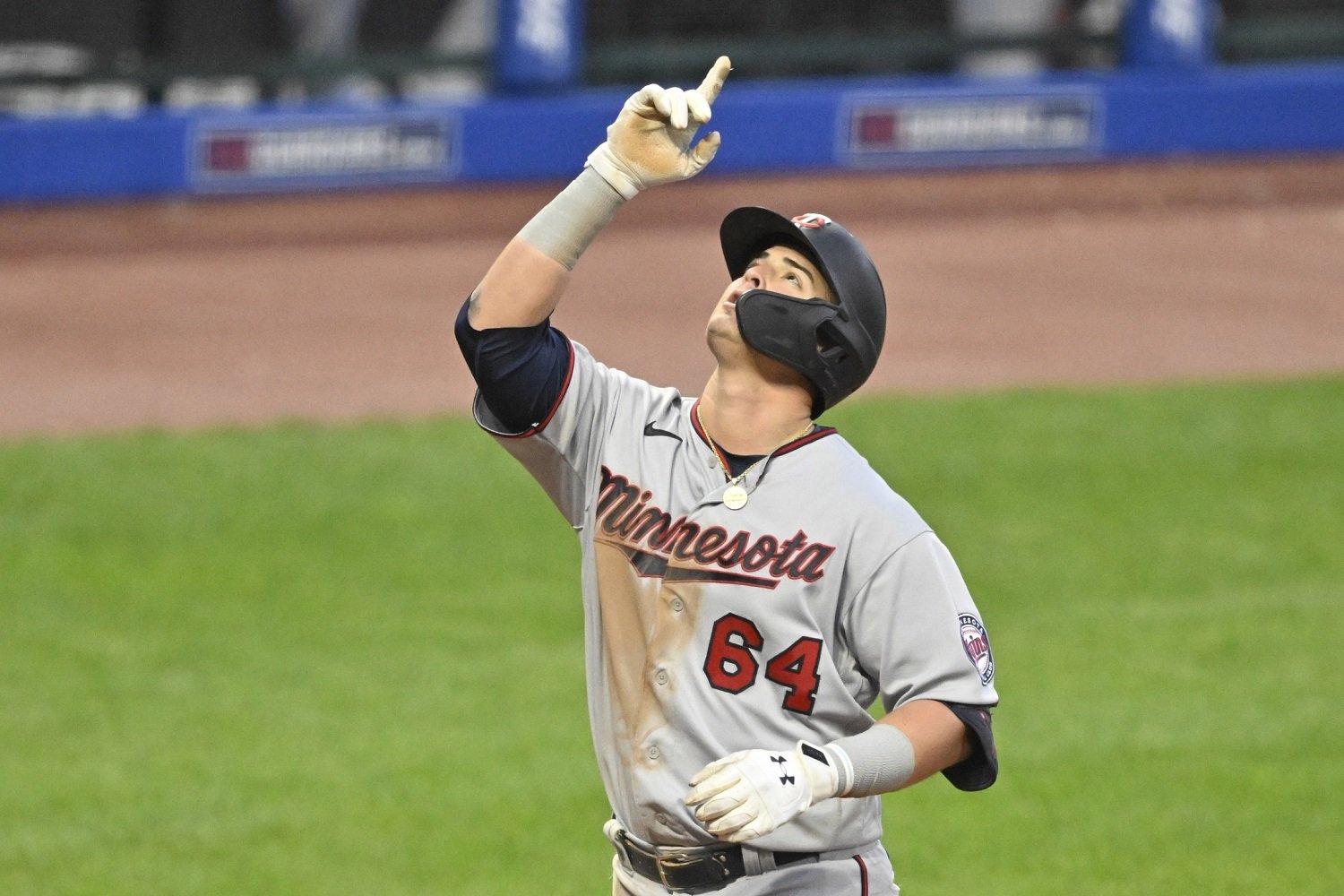 When a top prospect reaches the majors, it can be exciting for fans to watch a player start to unlock his full potential. The Twins have seen Jose Miranda emerge on the big-league scene with a 127 OPS+ in his first 78 games. According to FanGraphs, he has been worth $9.3 million in 2022. He also ranks fourth among Twins hitters in Win Probability Added as he trails only Luis Arraez, Byron Buxton, and Jorge Polanco. It has been a tremendous start to his career, but have the Twins seen enough to sign him long-term On Tuesday, the Atlanta Braves agreed to a long-term extension with their own power-hitting rookie. Outfielder Michael Harris agreed to an eight-year, $72 million extension that will keep him in Atlanta through the 2030 season. The deal also includes team options for 2031 ($15 million) and 2032 ($20 million). The Braves are buying out his pre-arbitration and arbitration seasons so they can control his first two free agent seasons. Since Harris is 21 years old, he will still be able to reach free agency in his early 30s. Even though Miranda and Harris are both rookies, they aren’t exactly the same type of player. Harris is a dynamic centerfielder that provides value on both sides of the ball, while most of Miranda’s value is tied to his bat. Harris is also three years younger than Miranda and was a consensus top-100 prospect entering the season. In 2022, Miranda has played seven more games than Harris, but Harris has compiled 1.8 more WAR than Miranda. Three years ago, the Twins signed Jorge Polanco and Max Kepler to team-friendly extensions that bought out some of their free agent seasons. Polanco signed a five-year, $25.75 million deal with team options for 2024-25. Kepler’s deal was for five years, $32.12 million, with a team option for 2024. Since signing their extensions, Polanco has provided $76.8 million of value, while Kepler has been worth $68.1 million. Both players were roughly the same age as Miranda at the time of their extension. Minnesota doesn’t need to rush into a contract extension with Miranda since the team will have control of him throughout his 20s. It likely wouldn’t take a Harris-level deal to sign Miranda long-term and buy out some of his free agent seasons. The Twins have gotten tremendous value from the Polanco and Kepler extensions, so the team may want to find a middle ground to keep Miranda in Minnesota long-term. It will likely take a seven or eight year deal for $50 million or more to make an extension work for both sides. Miranda has the potential to be a middle-of-the-order bat for a long time, and that has tremendous value. Do you think the Twins should look to sign Miranda to a long-term extension? How much would you be willing to pay him? Leave a COMMENT and start the discussion.
 -
A handful of relievers have taken the blame for Minnesota's relief issues this season, but deeper issues compound the problem. Can the Twins solve their bullpen problems before the season's end? Fans focus on relief pitcher performance because of when those pitchers come into a game. In high leverage situations, each pitch has magnified importance on the game's outcome. Relievers also pitch a small number of innings per season, and a small sample size magnifies their flaws. Here are three bullpen issues that have transpired over the last handful of seasons. Strike 1: Sticking with Struggling Veterans During the 2021 season, the Twins signed Alex Colome as a veteran pitcher with a strong track record as a late-inning reliever. Minnesota gave him the bulk of the save opportunities in April, and he proceeded to have one of the worst months of any pitcher in Twins history. He blew three saves while posting an 8.31 ERA and allowing a .952 OPS to opposing batters. The Twins were out of the division race, and Colome's performance was one of the biggest reasons for the team's struggles. It could have been easy for the Twins to cut Colome, but it no longer mattered what he did on a team heading for a last-place finish. After trading Taylor Rogers, Minnesota expected to get crucial innings from veterans like Emilio Pagan, Tyler Duffey, and Joe Smith. Duffey and Smith struggled significantly, but the team was forced to keep them on the roster until players were acquired at the trade deadline. Pagan continues to get opportunities because he has strong strikeout numbers. However, he has been one of baseball's worst relievers in recent years, and the team has hung on to him for too long. Strike 2: Short Starts Mean More Bullpen Innings Minnesota acquired two veteran pitchers to add to the back of the rotation this season, Chris Archer and Dylan Bundy. They are tied for the team lead in games started because the Twins have continued to manage their workload. Archer has averaged just over four innings per start, and he has yet to pitch into the sixth inning. Bundy has averaged 4.91 innings per appearance with four starts of six innings or more. This strategy has kept both players on the field but also puts added pressure on the bullpen. Baseball's evolving usage of starters will continue to have long-term effects on how bullpens are structured. Few teams want their starters to face a line-up for the third time, which results in relievers entering the game in the fifth or sixth inning. When this happens, three or four relievers are asked to finish the game. That scenario can work in a team's favor for one game, but the next day there is a domino effect as the bullpen's backend will need to be exposed even if it is a close game. Strike 3: Not Addressing the Bullpen in the Offseason Looking at the Twins' current front office, it is clear that they don't prioritize bullpen acquisitions in the offseason. In 2022, the Twins made Joe Smith their lone free agent addition to the bullpen while also swapping Rogers for Pagan before Opening Day. Last season, Alex Colome and Hansel Robles were acquired on cheap one-year deals, and neither was particularly effective. Luckily, Jhoan Duran emerged as a dominant late-inning option this season, or the team might be in an even more precarious position. Signing free agent relievers is not an exact science. Some top free agent relievers have become strong contributors recently, while others have faded away. Minnesota's front office hasn't prioritized bullpen acquisitions, so the team was forced to address the relief core at the trade deadline. In the long run, the Twins need to adjust their relief pitcher philosophy, or these issues will continue to follow the team in the years ahead. Do you think there are any other problems with the team's bullpen? Leave a COMMENT and start the discussion. View full article
- 23 replies
-
- 1
-
-
- alex colome
- emilio pagan
- (and 2 more)
-
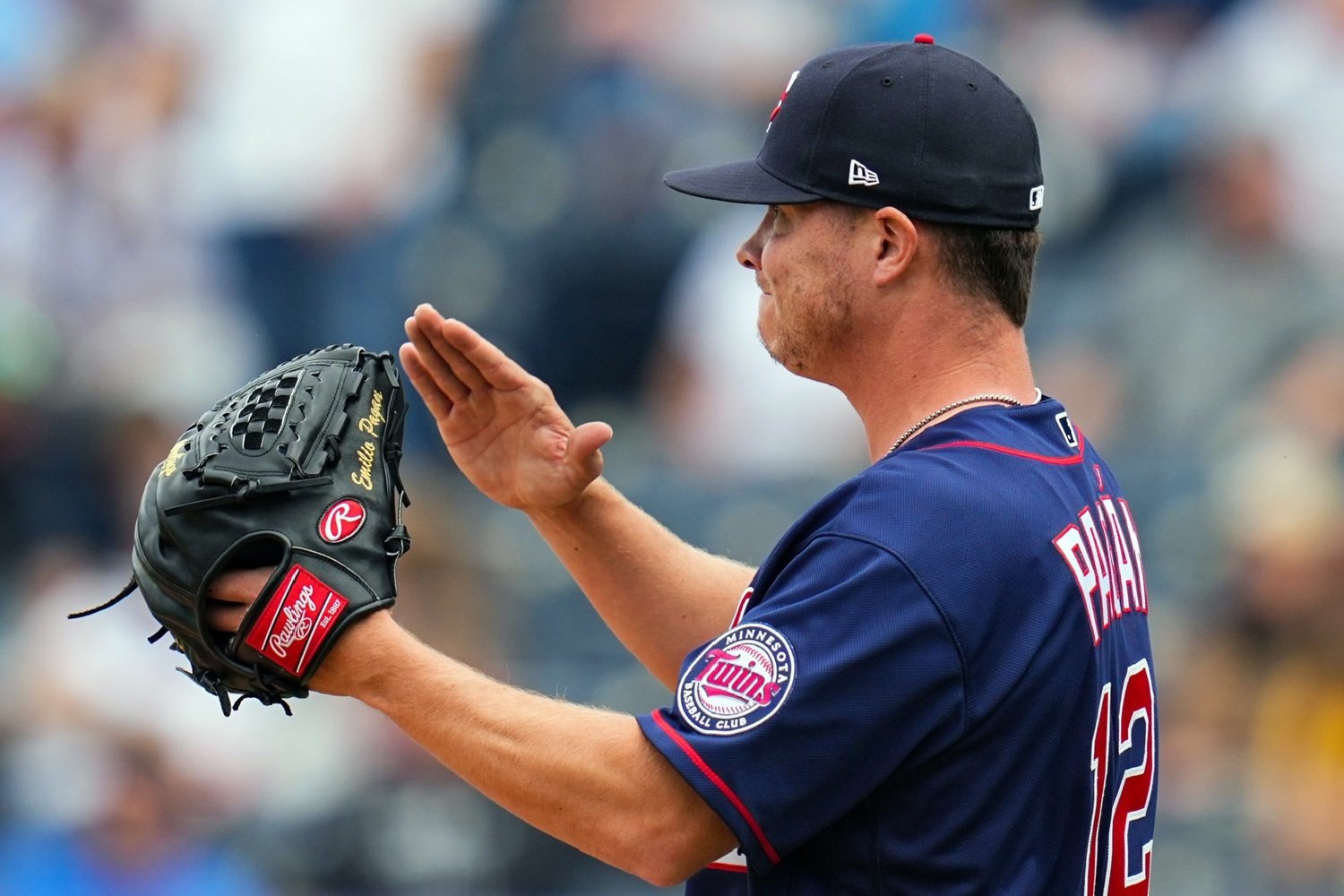 Fans focus on relief pitcher performance because of when those pitchers come into a game. In high leverage situations, each pitch has magnified importance on the game's outcome. Relievers also pitch a small number of innings per season, and a small sample size magnifies their flaws. Here are three bullpen issues that have transpired over the last handful of seasons. Strike 1: Sticking with Struggling Veterans During the 2021 season, the Twins signed Alex Colome as a veteran pitcher with a strong track record as a late-inning reliever. Minnesota gave him the bulk of the save opportunities in April, and he proceeded to have one of the worst months of any pitcher in Twins history. He blew three saves while posting an 8.31 ERA and allowing a .952 OPS to opposing batters. The Twins were out of the division race, and Colome's performance was one of the biggest reasons for the team's struggles. It could have been easy for the Twins to cut Colome, but it no longer mattered what he did on a team heading for a last-place finish. After trading Taylor Rogers, Minnesota expected to get crucial innings from veterans like Emilio Pagan, Tyler Duffey, and Joe Smith. Duffey and Smith struggled significantly, but the team was forced to keep them on the roster until players were acquired at the trade deadline. Pagan continues to get opportunities because he has strong strikeout numbers. However, he has been one of baseball's worst relievers in recent years, and the team has hung on to him for too long. Strike 2: Short Starts Mean More Bullpen Innings Minnesota acquired two veteran pitchers to add to the back of the rotation this season, Chris Archer and Dylan Bundy. They are tied for the team lead in games started because the Twins have continued to manage their workload. Archer has averaged just over four innings per start, and he has yet to pitch into the sixth inning. Bundy has averaged 4.91 innings per appearance with four starts of six innings or more. This strategy has kept both players on the field but also puts added pressure on the bullpen. Baseball's evolving usage of starters will continue to have long-term effects on how bullpens are structured. Few teams want their starters to face a line-up for the third time, which results in relievers entering the game in the fifth or sixth inning. When this happens, three or four relievers are asked to finish the game. That scenario can work in a team's favor for one game, but the next day there is a domino effect as the bullpen's backend will need to be exposed even if it is a close game. Strike 3: Not Addressing the Bullpen in the Offseason Looking at the Twins' current front office, it is clear that they don't prioritize bullpen acquisitions in the offseason. In 2022, the Twins made Joe Smith their lone free agent addition to the bullpen while also swapping Rogers for Pagan before Opening Day. Last season, Alex Colome and Hansel Robles were acquired on cheap one-year deals, and neither was particularly effective. Luckily, Jhoan Duran emerged as a dominant late-inning option this season, or the team might be in an even more precarious position. Signing free agent relievers is not an exact science. Some top free agent relievers have become strong contributors recently, while others have faded away. Minnesota's front office hasn't prioritized bullpen acquisitions, so the team was forced to address the relief core at the trade deadline. In the long run, the Twins need to adjust their relief pitcher philosophy, or these issues will continue to follow the team in the years ahead. Do you think there are any other problems with the team's bullpen? Leave a COMMENT and start the discussion.
- 23 comments
-
- 5
-
-
- alex colome
- emilio pagan
- (and 2 more)
-
Joe Ryan's rookie season has seen some ups and downs, but the Twins need him to continue to adjust as his career progresses. So, where can Ryan improve the most? Joe Ryan was the Twins' Opening Day starter and will be an essential part of the team's pitching staff over the majority of the next decade. Like any pitcher, improvements and adjustments to his repertoire are needed to reach his potential ceiling. Ryan's fastball has continued to be great, but his secondary pitches are the key to unlocking his top-of-the-rotation potential. When the Twins acquired Ryan, his minor league numbers were impeccable as he dominated the high minors with high strikeout totals. Most of Ryan's success throughout his professional career has been tied to his fastball usage. So far in 2022, he has used his fastball nearly 60% of the time, while hitters have a 25.1 Whiff% with a .343 SLG. Ryan's fastball will be a vital pitch throughout his career, but he needs to see improvement in his secondary pitches. Ryan's second most used pitch is his slider, and that might be where he has the most opportunity to improve. He uses his slider nearly 22% of the time as batters have posted a .267 BA and .514 SLG when facing this pitch. Because Ryan is a righty, his slider is almost exclusively used (92.4% of the time) versus right-handed batters. Teams may put more left-handed batters in the line-up to face Ryan, and this takes away from the effectiveness of his best secondary pitch. In Ryan's last start against the Royals, he only needed to throw nine sliders in the outing. Kansas City's line-up isn't exactly a murderer's row of sluggers, but it highlights how little Ryan relies on his secondary pitches. Minnesota's goal is to make the playoffs and win games with Ryan as a key starting pitcher. When facing playoff-caliber line-ups, he will need to rely on his slider more regularly, and it has yet to develop into a solid number two pitch. Against left-handed batters, Ryan's most used off-speed pitch is his changeup, with some curveball usage too. His changeup is a below-average pitch, but there have been starts where he uses this pitch more than his slider. Batters have posted a .565 SLG against his changeup for the season because he has an 80% strike rate with this pitch. Overall, he has only thrown his changeup 13.3% of the time, but he's been forced to use it when his slider is off. Ryan has never been a prototypical starting pitcher with the high percentage of fastballs that he throws. Before reaching the big leagues, many evaluations of Ryan pointed to the fact that he would need to rely less on his fastball and more on his secondary pitches. Ryan's slider is the key to reaching the next level in his career. Do you think Ryan needs to see improved results from his off-speed pitches? Leave a COMMENT and start the discussion. View full article
-
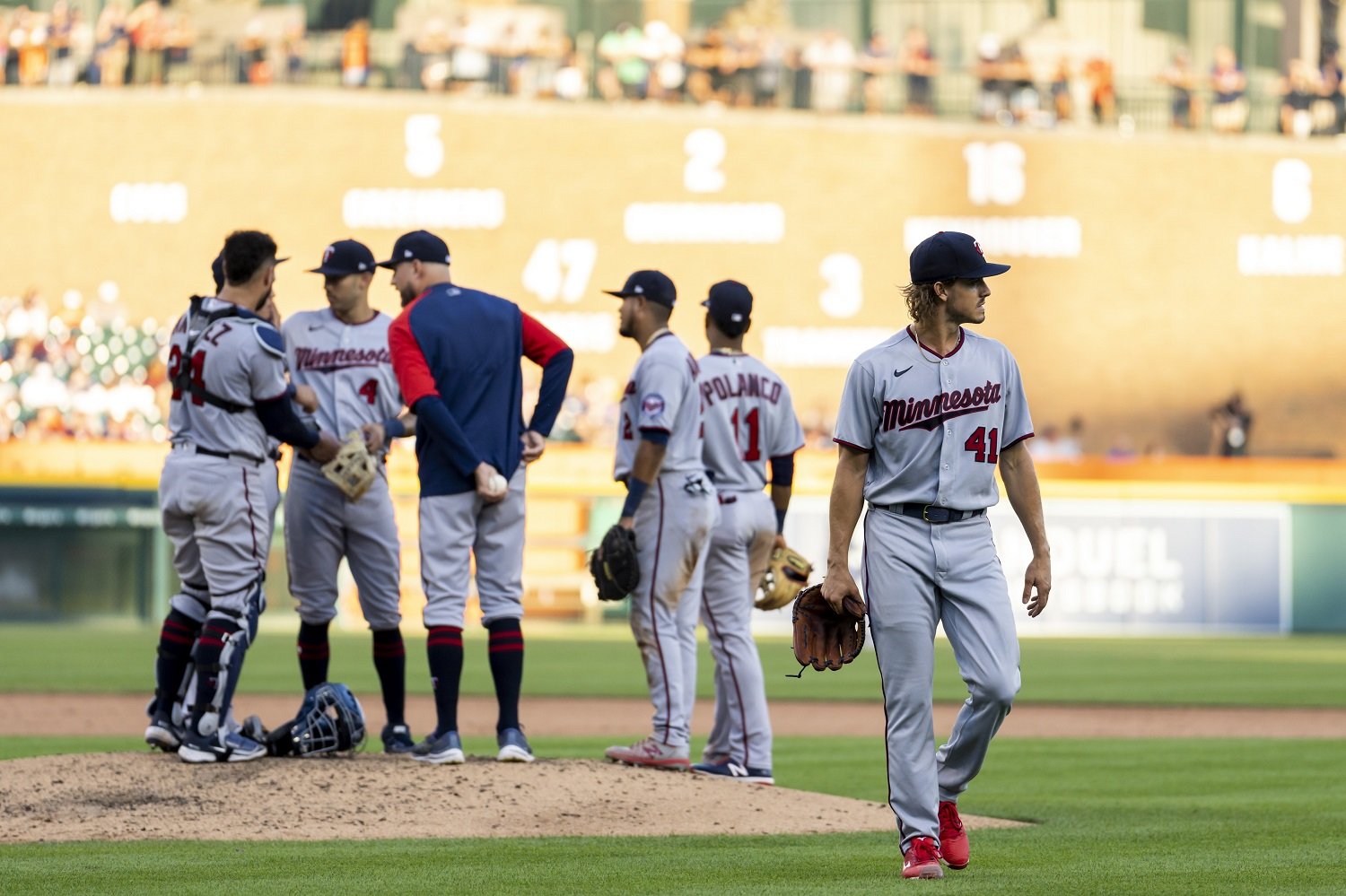 Joe Ryan was the Twins' Opening Day starter and will be an essential part of the team's pitching staff over the majority of the next decade. Like any pitcher, improvements and adjustments to his repertoire are needed to reach his potential ceiling. Ryan's fastball has continued to be great, but his secondary pitches are the key to unlocking his top-of-the-rotation potential. When the Twins acquired Ryan, his minor league numbers were impeccable as he dominated the high minors with high strikeout totals. Most of Ryan's success throughout his professional career has been tied to his fastball usage. So far in 2022, he has used his fastball nearly 60% of the time, while hitters have a 25.1 Whiff% with a .343 SLG. Ryan's fastball will be a vital pitch throughout his career, but he needs to see improvement in his secondary pitches. Ryan's second most used pitch is his slider, and that might be where he has the most opportunity to improve. He uses his slider nearly 22% of the time as batters have posted a .267 BA and .514 SLG when facing this pitch. Because Ryan is a righty, his slider is almost exclusively used (92.4% of the time) versus right-handed batters. Teams may put more left-handed batters in the line-up to face Ryan, and this takes away from the effectiveness of his best secondary pitch. In Ryan's last start against the Royals, he only needed to throw nine sliders in the outing. Kansas City's line-up isn't exactly a murderer's row of sluggers, but it highlights how little Ryan relies on his secondary pitches. Minnesota's goal is to make the playoffs and win games with Ryan as a key starting pitcher. When facing playoff-caliber line-ups, he will need to rely on his slider more regularly, and it has yet to develop into a solid number two pitch. Against left-handed batters, Ryan's most used off-speed pitch is his changeup, with some curveball usage too. His changeup is a below-average pitch, but there have been starts where he uses this pitch more than his slider. Batters have posted a .565 SLG against his changeup for the season because he has an 80% strike rate with this pitch. Overall, he has only thrown his changeup 13.3% of the time, but he's been forced to use it when his slider is off. Ryan has never been a prototypical starting pitcher with the high percentage of fastballs that he throws. Before reaching the big leagues, many evaluations of Ryan pointed to the fact that he would need to rely less on his fastball and more on his secondary pitches. Ryan's slider is the key to reaching the next level in his career. Do you think Ryan needs to see improved results from his off-speed pitches? Leave a COMMENT and start the discussion.
 -
Last winter, the Twins surprised the baseball world by signing one of the best free agents on the market. Do any of this year’s top free agents fit in Minnesota? Even with the Twins in the midst of a division race, it’s never too early to look ahead at plans for this winter. Minnesota’s starting rotation will have plenty of options for the start of 2023, but there are other holes to fill in the roster. Here are the top pending free agents and how they may or may not fit with the Twins. Aaron Judge, OF Judge bet on himself this spring and that bet is paying off. New York offered him a contract north of $215 million but he will make significantly more than that based on his monster 2022 season. He’s the likely front runner for the AL MVP and the Yankees are dominating one of baseball’s best divisions. Back in June, ESPN’s Buster Olney named the Twins as a potential landing spot for Judge. The team has the payroll flexibility to make a deal work, but the Twins also have quite a few options in the outfield. Judge likely gets a contract he is looking for from one of the big market teams. Trea Turner, SS Turner may be a sneaky fit for the Twins if the market plays out in their favor. Judge may be the top player on the market but Turner has skills on both sides of the ball that front offices covet. For the second consecutive offseason, the free agent shortstop class is considered strong. Turner is slightly older than Carlos Correa (see below) so a seven or eight-year deal will lock him up through his late 30s. As he ages, he will need to shift to a different defensive position, but he is currently one of the game’s best overall players. Nolan Arenado, 3B Like Judge, Arenado is in the midst of his best big-league season in a contract year. Arenado is under contract through 2027, but he can opt out of the remaining $144 million he is due after this season. He compares similarly to Anthony Rendon who signed a seven-year, $245 million contract entering the 2020 season. Arenado is in his age-31 season, so he is older than the other players on this list. Even with his age, he is considered one of the game’s premier defensive players, but the bulk of a long-term contract will be outside the prime of his career. For the Twins, Arenado may be slightly cheaper than the other players on this list. Carlos Correa, SS If Correa stays healthy, it is expected that he will opt out of his contract at the season’s end. Correa slumped to start the 2022 season and has struggled over the last couple of months. He is still having an overall good year, but the Twins and Correa were both expecting more during the 2022 campaign. His defensive numbers have declined this season, but there may be some reasons for his decline (see below). Even with his slump, Correa is younger than all of the players on this list which has a chance to result in a 10-year contract that takes him through his age-37 season. It would be out of character for the Twins front office to sign him to this kind of contract, but his first deal with the club was also uncharacteristic. Do you think any of these pending free agents are a good fit for the Twins? Leave a COMMENT and start the discussion. View full article
-
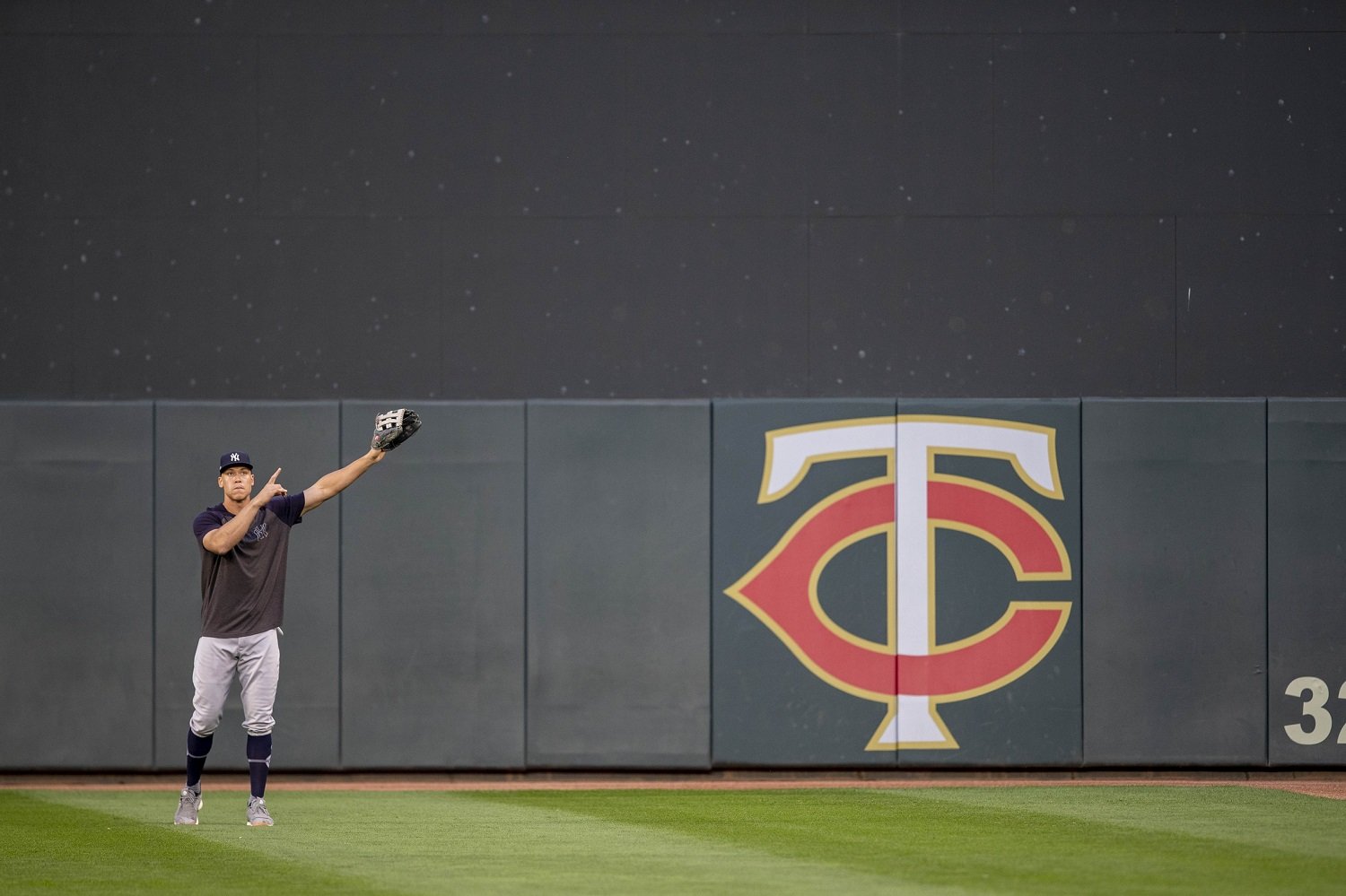 Even with the Twins in the midst of a division race, it’s never too early to look ahead at plans for this winter. Minnesota’s starting rotation will have plenty of options for the start of 2023, but there are other holes to fill in the roster. Here are the top pending free agents and how they may or may not fit with the Twins. Aaron Judge, OF Judge bet on himself this spring and that bet is paying off. New York offered him a contract north of $215 million but he will make significantly more than that based on his monster 2022 season. He’s the likely front runner for the AL MVP and the Yankees are dominating one of baseball’s best divisions. Back in June, ESPN’s Buster Olney named the Twins as a potential landing spot for Judge. The team has the payroll flexibility to make a deal work, but the Twins also have quite a few options in the outfield. Judge likely gets a contract he is looking for from one of the big market teams. Trea Turner, SS Turner may be a sneaky fit for the Twins if the market plays out in their favor. Judge may be the top player on the market but Turner has skills on both sides of the ball that front offices covet. For the second consecutive offseason, the free agent shortstop class is considered strong. Turner is slightly older than Carlos Correa (see below) so a seven or eight-year deal will lock him up through his late 30s. As he ages, he will need to shift to a different defensive position, but he is currently one of the game’s best overall players. Nolan Arenado, 3B Like Judge, Arenado is in the midst of his best big-league season in a contract year. Arenado is under contract through 2027, but he can opt out of the remaining $144 million he is due after this season. He compares similarly to Anthony Rendon who signed a seven-year, $245 million contract entering the 2020 season. Arenado is in his age-31 season, so he is older than the other players on this list. Even with his age, he is considered one of the game’s premier defensive players, but the bulk of a long-term contract will be outside the prime of his career. For the Twins, Arenado may be slightly cheaper than the other players on this list. Carlos Correa, SS If Correa stays healthy, it is expected that he will opt out of his contract at the season’s end. Correa slumped to start the 2022 season and has struggled over the last couple of months. He is still having an overall good year, but the Twins and Correa were both expecting more during the 2022 campaign. His defensive numbers have declined this season, but there may be some reasons for his decline (see below). Even with his slump, Correa is younger than all of the players on this list which has a chance to result in a 10-year contract that takes him through his age-37 season. It would be out of character for the Twins front office to sign him to this kind of contract, but his first deal with the club was also uncharacteristic. Do you think any of these pending free agents are a good fit for the Twins? Leave a COMMENT and start the discussion.
 -
Early in the offseason, the Twins will have three contract decisions to make with some of the team’s prominent players. So, which will be picked up, and who are likely to become free agents? Club options are one of the first decisions teams have to make in the offseason, and each team invariably has some easy and tough choices. The Twins have three contract options to consider, and they aren’t all straightforward decisions. Miguel Sano, 1B/DH Contract Option: $14 million, $3 million buyout Sano has been a member of the Twins organization since he was a teenager, but his time with the Twins is likely coming to an end. During his eight big-league seasons, Sano posted an OPS+ of 105 or higher in six campaigns. According to FanGraphs, he has been worth more than $14 million in three different seasons, but the 2019 campaign was his last season at that level or above. Over the last three seasons, he has combined to be worth $4.5 million, so it is a no-brainer for the Twins to pay the $3 million buyout. Minnesota can use a variety of younger and cheaper options at first base, which makes Sano even more expendable. Twins Likely Choice: Pay the Buyout Sonny Gray, SP Contract Option: $13.1 million, no buyout While Sano’s option is easy to decline, the Twins will have an easy decision to exercise Gray’s $13.1 million option if he continues to be healthy. In his first season in Minnesota, Gray has a 115 OPS+ with a 79 to 26 strikeout to walk ratio in 83 2/3 innings. The Twins have plenty of options for the 2023 rotation, but Gray should be penciled into the top of the team’s rotation. Minnesota was willing to part with Chase Petty, the team’s 2021 first-round pick because Gray came with multiple years of team control. Besides Gray’s option decision, it will be interesting to see if the team decides to engage him in extension talks to keep him in Minnesota beyond 2023. Twins Likely Choice: Exercise Option Dylan Bundy, SP Contract Option: $11 million, $1 million buyout Bundy’s contract option is the toughest of the three because of his improved performance in recent weeks. Minnesota was hoping Bundy would bounce back after a poor 2021 season, but that hasn’t been the case. His ERA+ is below average, and his fastball velocity is in the 7th percentile. Minnesota’s rotation is also reasonably complete, with Gray, Tyler Mahle, Joe Ryan, and Kenta Maeda scheduled to be the team’s top four starters. Other pitchers like Josh Winder, Bailey Ober, and Chris Paddack will return from injury, making Bundy less of a necessity. Bundy has improved in the season’s second half, but it seems unlikely for the team to pick up his option. Twins Likely Choice: Pay the Buyout What would your decision be on the team’s contract options? Leave a COMMENT and start the discussion. View full article
-
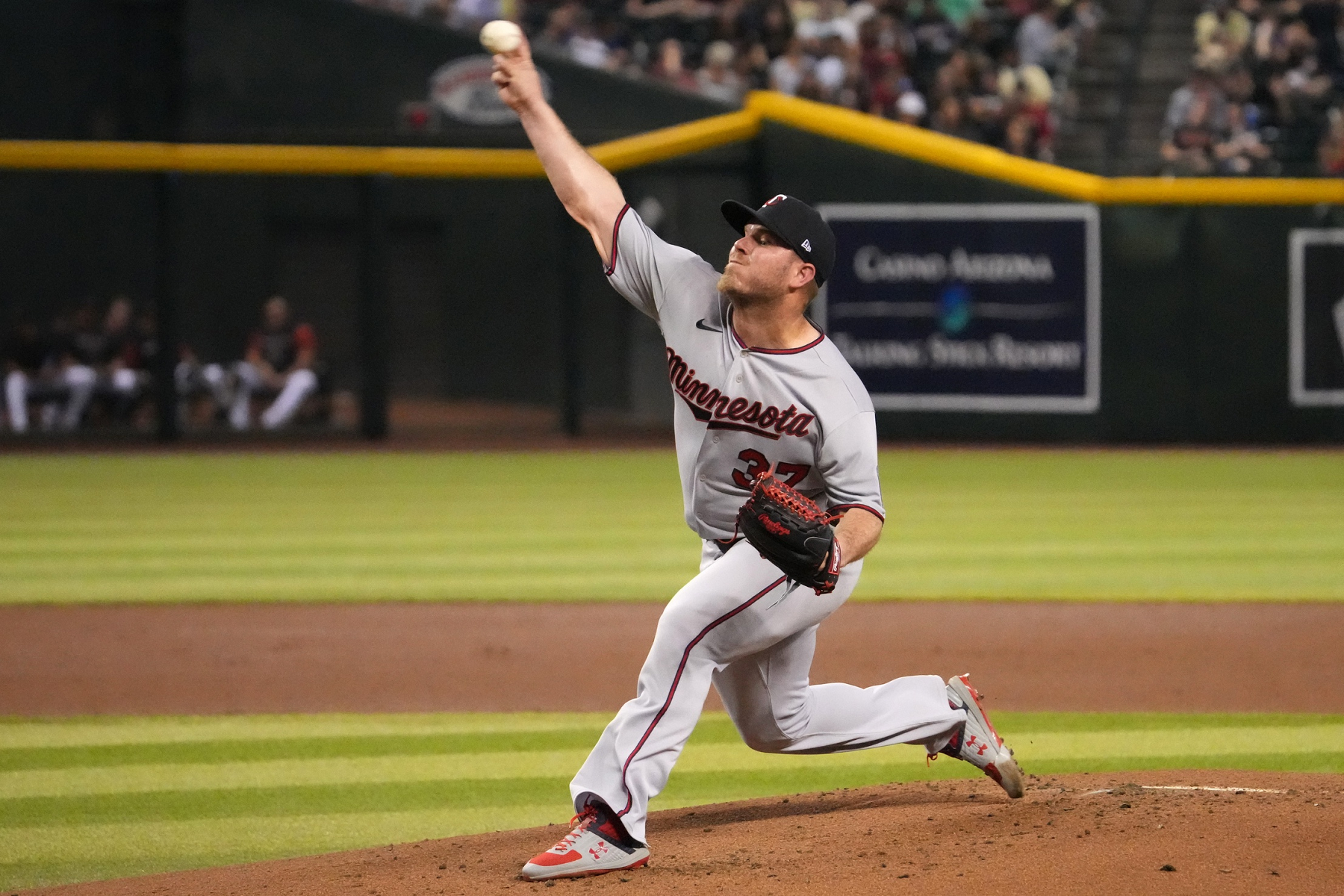 Club options are one of the first decisions teams have to make in the offseason, and each team invariably has some easy and tough choices. The Twins have three contract options to consider, and they aren’t all straightforward decisions. Miguel Sano, 1B/DH Contract Option: $14 million, $3 million buyout Sano has been a member of the Twins organization since he was a teenager, but his time with the Twins is likely coming to an end. During his eight big-league seasons, Sano posted an OPS+ of 105 or higher in six campaigns. According to FanGraphs, he has been worth more than $14 million in three different seasons, but the 2019 campaign was his last season at that level or above. Over the last three seasons, he has combined to be worth $4.5 million, so it is a no-brainer for the Twins to pay the $3 million buyout. Minnesota can use a variety of younger and cheaper options at first base, which makes Sano even more expendable. Twins Likely Choice: Pay the Buyout Sonny Gray, SP Contract Option: $13.1 million, no buyout While Sano’s option is easy to decline, the Twins will have an easy decision to exercise Gray’s $13.1 million option if he continues to be healthy. In his first season in Minnesota, Gray has a 115 OPS+ with a 79 to 26 strikeout to walk ratio in 83 2/3 innings. The Twins have plenty of options for the 2023 rotation, but Gray should be penciled into the top of the team’s rotation. Minnesota was willing to part with Chase Petty, the team’s 2021 first-round pick because Gray came with multiple years of team control. Besides Gray’s option decision, it will be interesting to see if the team decides to engage him in extension talks to keep him in Minnesota beyond 2023. Twins Likely Choice: Exercise Option Dylan Bundy, SP Contract Option: $11 million, $1 million buyout Bundy’s contract option is the toughest of the three because of his improved performance in recent weeks. Minnesota was hoping Bundy would bounce back after a poor 2021 season, but that hasn’t been the case. His ERA+ is below average, and his fastball velocity is in the 7th percentile. Minnesota’s rotation is also reasonably complete, with Gray, Tyler Mahle, Joe Ryan, and Kenta Maeda scheduled to be the team’s top four starters. Other pitchers like Josh Winder, Bailey Ober, and Chris Paddack will return from injury, making Bundy less of a necessity. Bundy has improved in the season’s second half, but it seems unlikely for the team to pick up his option. Twins Likely Choice: Pay the Buyout What would your decision be on the team’s contract options? Leave a COMMENT and start the discussion.
- 53 comments
-
- 5
-
-
- dylan bundy
- sonny gray
- (and 1 more)
-
The Twins dropped to second place for the first time since June, but the team is having a call to action. With 52 games to go, it's time to band together and enjoy the ride of the 2022 season. Wednesday night's loss in Los Angeles might be the low point in the season so far. However, the Dodgers are arguably baseball's best team, and they finished the series with a 10-game winning streak. The Twins eventually need to be able to beat playoff-caliber teams, but the club was hardly playing its best baseball. Twins Vice President of Communication and Content Dustin Morse had a simple message for fans following the team's loss, "Let's ride together." Sports are designed to be frustrating for fans. Only one team can end the season as the champion, so 29 other fan bases will be upset. Baseball isn't fun if you don't enjoy the journey of a 162-game season. With Morse's message in mind, here are three reasons to be excited about the remainder of the Twins' schedule. Twins Control Their Own Destiny MLB's unbalanced schedule means the Twins have 27 remaining games against AL Central teams. This includes nine games against the Royals and White Sox, six games against the Guardians, and three games against Detroit. Minnesota can control its own destiny by winning the majority of the games in the division, including 15 games against Cleveland and Chicago, the other teams chasing a division title. There will also be some tough tests on the schedule with seven road games against the AL's powerhouse teams. Minnesota travels to Houston on August 23-25 to play the Astros in a three-game set. Houston has a 71-41 record, and they are tough to beat at home with a .660 winning percentage. New York has the same record as Houston but has struggled recently with a 2-8 record in their last ten games. The Twins head to New York for a four games series from September 5-8. Both series will be a good test for the Twins. Arraez's Batting Title Chase Entering play on Thursday, Luis Arraez leads baseball with a .333 batting average. He is five points ahead of St. Louis' Paul Goldschmidt for the MLB lead and over 20 points higher than Rafael Devers for the AL lead. Minnesota hasn't had a batting title champion since Joe Mauer during the 2009 season when he won AL MVP. Only four Twins players have won a batting title, but each player has their number retired by the team (Mauer, Tony Oliva, Rod Carew, and Kirby Puckett). Arraez struggled in a recent stretch going 7-for-42 (.167 BA), but he seems to have recovered his swing. Over his last three games, he has gone 9-for-14 (.643 BA) to help improve his average. Also, he has 13 three-hit games so far this season which ties him for second in baseball. If Arraez can stay healthy, he should earn his first batting title. Young Contributors Roster depth helps every contending team, and the Twins are no different, with multiple young players providing value to the team. It took some time, but Nick Gordon seems to be living up to his former status as one of the team's top prospects. Jose Miranda is coming off one of the best minor league seasons in franchise history, but few expected him to have 126 OPS+ during his rookie campaign. Jhoan Duran has been one of the team's bright spots during his first taste of the big leagues. His dominant relief appearances are some of the team's must-watch moments, but some may forget he was a starter until this year. It's easy to get mad and upset when a team isn't performing well on the field, but fans need to enjoy the ride, or sports will never be enjoyable. What are you excited about watching in the last 52 games? Leave a COMMENT and start the discussion. View full article
-
'Let's Ride Together:' 3 Reasons to Be Excited About the Final 52 Games
Cody Christie posted an article in Twins
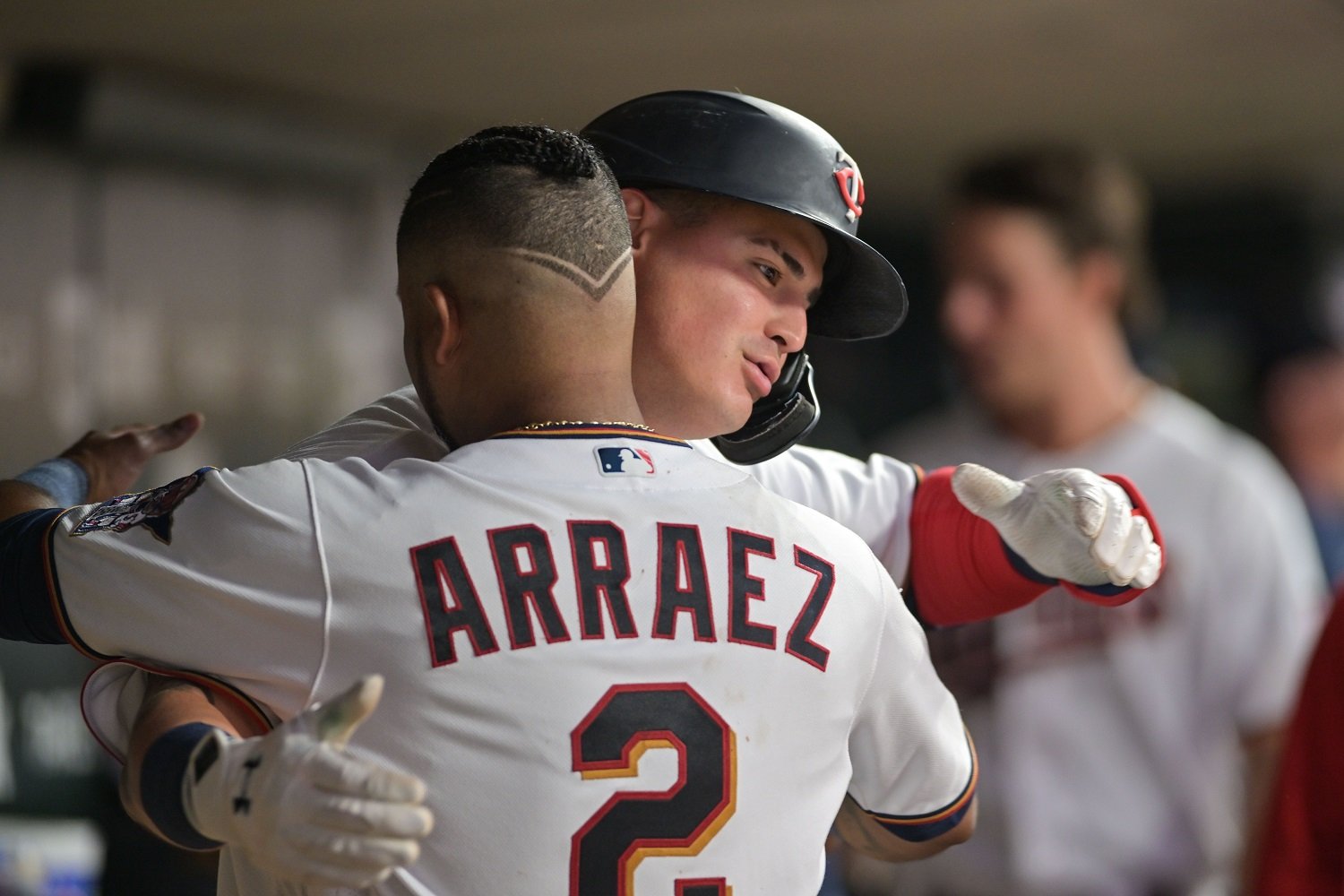 Wednesday night's loss in Los Angeles might be the low point in the season so far. However, the Dodgers are arguably baseball's best team, and they finished the series with a 10-game winning streak. The Twins eventually need to be able to beat playoff-caliber teams, but the club was hardly playing its best baseball. Twins Vice President of Communication and Content Dustin Morse had a simple message for fans following the team's loss, "Let's ride together." Sports are designed to be frustrating for fans. Only one team can end the season as the champion, so 29 other fan bases will be upset. Baseball isn't fun if you don't enjoy the journey of a 162-game season. With Morse's message in mind, here are three reasons to be excited about the remainder of the Twins' schedule. Twins Control Their Own Destiny MLB's unbalanced schedule means the Twins have 27 remaining games against AL Central teams. This includes nine games against the Royals and White Sox, six games against the Guardians, and three games against Detroit. Minnesota can control its own destiny by winning the majority of the games in the division, including 15 games against Cleveland and Chicago, the other teams chasing a division title. There will also be some tough tests on the schedule with seven road games against the AL's powerhouse teams. Minnesota travels to Houston on August 23-25 to play the Astros in a three-game set. Houston has a 71-41 record, and they are tough to beat at home with a .660 winning percentage. New York has the same record as Houston but has struggled recently with a 2-8 record in their last ten games. The Twins head to New York for a four games series from September 5-8. Both series will be a good test for the Twins. Arraez's Batting Title Chase Entering play on Thursday, Luis Arraez leads baseball with a .333 batting average. He is five points ahead of St. Louis' Paul Goldschmidt for the MLB lead and over 20 points higher than Rafael Devers for the AL lead. Minnesota hasn't had a batting title champion since Joe Mauer during the 2009 season when he won AL MVP. Only four Twins players have won a batting title, but each player has their number retired by the team (Mauer, Tony Oliva, Rod Carew, and Kirby Puckett). Arraez struggled in a recent stretch going 7-for-42 (.167 BA), but he seems to have recovered his swing. Over his last three games, he has gone 9-for-14 (.643 BA) to help improve his average. Also, he has 13 three-hit games so far this season which ties him for second in baseball. If Arraez can stay healthy, he should earn his first batting title. Young Contributors Roster depth helps every contending team, and the Twins are no different, with multiple young players providing value to the team. It took some time, but Nick Gordon seems to be living up to his former status as one of the team's top prospects. Jose Miranda is coming off one of the best minor league seasons in franchise history, but few expected him to have 126 OPS+ during his rookie campaign. Jhoan Duran has been one of the team's bright spots during his first taste of the big leagues. His dominant relief appearances are some of the team's must-watch moments, but some may forget he was a starter until this year. It's easy to get mad and upset when a team isn't performing well on the field, but fans need to enjoy the ride, or sports will never be enjoyable. What are you excited about watching in the last 52 games? Leave a COMMENT and start the discussion.
- 25 comments
-
- 8
-
-
- luis arraez
- jose miranda
- (and 2 more)
-
Minnesota's farm system ranks in the middle of the pack compared to the rest of baseball. That makes this year's key prospect injuries even tougher to withstand. Injuries impact every farm system, but the Twins have had three of their top-10 prospects suffer season-ending injuries. All three players should return over the next year with various timelines to impact the big-league level. Matt Canterino, SP Injury: Tommy John surgery Expected Return: Fall 2023 On Wednesday, it was announced that Matt Canterino would undergo Tommy John surgery which usually has a 12-month recovery timeline. Canterino has missed significant time throughout his professional career, and there's hope that this surgery will be able to solve those issues. In three minor league seasons, he has posted a 1.48 ERA with 13.8 K/9, but injuries have limited him to 85 innings. Canterino has a chance to get into game action at the end of 2023, and the Twins have to decide whether or not to add him to the 40-man roster before this winter's Rule 5 Draft. Royce Lewis, SS/OF Injury: ACL surgery Expected Return: June 2023 Lewis has already gone through this surgery and has shown a positive mindset throughout the process. Last month, he was already ahead of schedule in his rehab, so that is a positive sign for when he may return in 2023. ACL surgery is typically a 12-month recovery, but Lewis told MLB.com that he hopes to be ready in 10-11 months. During his debut, Lewis was fantastic as he hit .300/.317/.550 (.867) with four doubles and two home runs. What made it even more impressive was the fact Lewis hadn't appeared in a game throughout the 2020 or 2021 seasons. At Twins Daily, Lewis is still considered the organization's top prospect, so his health is critical to the team's future success. Emmanuel Rodriguez, OF Injury: Knee surgery Expected Return: Spring 2023 Rodriguez was in the midst of a breakout season at Low-A before suffering a knee injury on a slide. In 47 games, he hit .272/.493/.552 (1.044) with five doubles, three triples, and nine home runs. He did all of this while being over two years younger than the average age of the competition in the Florida State League. Throughout the season, he only faced younger pitchers in four plate appearances. His surgery puts him on track to be back on the field early next season, so he will still be young for the FSL if the team sends him back to that level. Injuries have also impacted other young players that have graduated from prospect lists. Alex Kirilloff, one of the team's former top prospects, is out for the year after having wrist surgery. His wrist had been bothering him over the last two seasons, so the hope is this will put him back on track for 2023. Not every prospect pans out at the big-league level, but the Twins are hoping all of these players have healthy careers moving forward. Which recovery worries you the most? Who will be back earlier than expected? Leave a COMMENT and start the discussion. View full article
-
Three of the Twins' Top Prospects Done for the Year
Cody Christie posted an article in Minor Leagues
 Injuries impact every farm system, but the Twins have had three of their top-10 prospects suffer season-ending injuries. All three players should return over the next year with various timelines to impact the big-league level. Matt Canterino, SP Injury: Tommy John surgery Expected Return: Fall 2023 On Wednesday, it was announced that Matt Canterino would undergo Tommy John surgery which usually has a 12-month recovery timeline. Canterino has missed significant time throughout his professional career, and there's hope that this surgery will be able to solve those issues. In three minor league seasons, he has posted a 1.48 ERA with 13.8 K/9, but injuries have limited him to 85 innings. Canterino has a chance to get into game action at the end of 2023, and the Twins have to decide whether or not to add him to the 40-man roster before this winter's Rule 5 Draft. Royce Lewis, SS/OF Injury: ACL surgery Expected Return: June 2023 Lewis has already gone through this surgery and has shown a positive mindset throughout the process. Last month, he was already ahead of schedule in his rehab, so that is a positive sign for when he may return in 2023. ACL surgery is typically a 12-month recovery, but Lewis told MLB.com that he hopes to be ready in 10-11 months. During his debut, Lewis was fantastic as he hit .300/.317/.550 (.867) with four doubles and two home runs. What made it even more impressive was the fact Lewis hadn't appeared in a game throughout the 2020 or 2021 seasons. At Twins Daily, Lewis is still considered the organization's top prospect, so his health is critical to the team's future success. Emmanuel Rodriguez, OF Injury: Knee surgery Expected Return: Spring 2023 Rodriguez was in the midst of a breakout season at Low-A before suffering a knee injury on a slide. In 47 games, he hit .272/.493/.552 (1.044) with five doubles, three triples, and nine home runs. He did all of this while being over two years younger than the average age of the competition in the Florida State League. Throughout the season, he only faced younger pitchers in four plate appearances. His surgery puts him on track to be back on the field early next season, so he will still be young for the FSL if the team sends him back to that level. Injuries have also impacted other young players that have graduated from prospect lists. Alex Kirilloff, one of the team's former top prospects, is out for the year after having wrist surgery. His wrist had been bothering him over the last two seasons, so the hope is this will put him back on track for 2023. Not every prospect pans out at the big-league level, but the Twins are hoping all of these players have healthy careers moving forward. Which recovery worries you the most? Who will be back earlier than expected? Leave a COMMENT and start the discussion.
- 37 comments
-
- 5
-

-
-
- royce lewis
- matt canterino
- (and 1 more)
-
For multiple offseasons, the Twins' front office has needed to add depth to the starting rotation. Looking ahead to 2023, that may no longer be the case. So, does Minnesota have too many starting pitchers? Starting pitching depth is vital for any contending team, and the Twins have used a lot of their depth during the current season. In 2022, twelve different pitchers have made starts for the Twins, including eight pitchers who made five or more. Top of the Rotation: Sonny Gray, Joe Ryan, Tyler Mahle None of these three pitchers were in the Twins system 14 months ago, which speaks to the front office's ability to acquire talent. Minnesota has used Ryan and Gray at the top of the rotation for all of 2022, with each posting an ERA+ of 104 or higher. Mahle's transition from Great American Ball Park to Target Field should help his numbers improve. Gray and Mahle can be under team control next season, while Ryan won't be arbitration eligible until 2025. Barring a significant injury, the Twins will look for these three arms to be at the top of the rotation throughout 2023. Returning from Injury: Kenta Maeda, Josh Winder, Bailey Ober, Chris Paddack, Randy Dobnak Winder and Ober are scheduled to throw bullpen sessions this week with a chance to impact the roster down the stretch. Winder has shown the flexibility to pitch as a starter and reliever, while Ober's appearances have all been as a starter. When healthy, both players have pitched well, so they should be in the mix for a rotation spot next season. More prominent question marks surround the other injured pitchers listed above. Maeda is also expected to be ready in September, but he will likely serve in a relief role if he makes it back in 2022. During the 2020 season, Maeda finished runner-up for the AL Cy Young, but there are no guarantees he will return to that form. Paddack likely won't be ready at the onset of the 2023 campaign since he had Tommy John surgery in May. Still, he was terrific during his brief Twins tenure and is under team control through 2024. Dobnak has been dealing with a finger injury for the last two seasons, so there are no guarantees he will be back to 100%. Down on the Farm: Jordan Balazovic, Blayne Enlow, Cole Sands, Devin Smeltzer, Simeon Woods Richardson, Matt Canterino, Louie Varland Minnesota's 40-man roster will be squeezed this winter when the team has to remove players from the 60-day IL. Balazovic, Enlow, Sands, and Smeltzer are all on the 40-man roster, but the team might have some tough decisions to make with some of the names. Balazovic has struggled at Triple-A this year, but he is still considered one of the team's top pitching prospects. Enlow returned from Tommy John surgery this year and has a 3.73 ERA with 46 strikeouts in 41 Double-A innings. Smeltzer saved the starting rotation during the middle portion of the season, while Sands has been limited to fewer than ten big-league appearances in his rookie campaign. Woods Richardson, Canterino, and Varland are among a group of prospects that will need to be added to the 40-man roster before the Rule 5 Draft. During his second Double-A stint, Woods Richardson is having a breakout season with a sub-3.00 ERA while holding batters to a .583 OPS. Canterino has dealt with various elbow issues over the last two seasons, but he is dominant when he can pitch. Varland recently was promoted to Triple-A after posting a 3.34 ERA and 119 strikeouts in 105 innings at Double-A. All three pitchers should be added to the 40-man roster this winter, which makes them one step closer to the big leagues. The old adage states, "a team can never have too much pitching." It's clear the Twins will have options for the 2023 season, and there is no way to predict how injuries will impact the organization. Another option is to have some of these arms switch to permanent bullpen roles, but that is a decision for this winter. Which pitchers will make the most starts for the 2023 Twins? Will any of the younger pitchers be contributors to the rotation? Leave a COMMENT and start the discussion. View full article
- 63 replies
-
- 1
-

-
- kenta maeda
- josh winder
- (and 3 more)
-
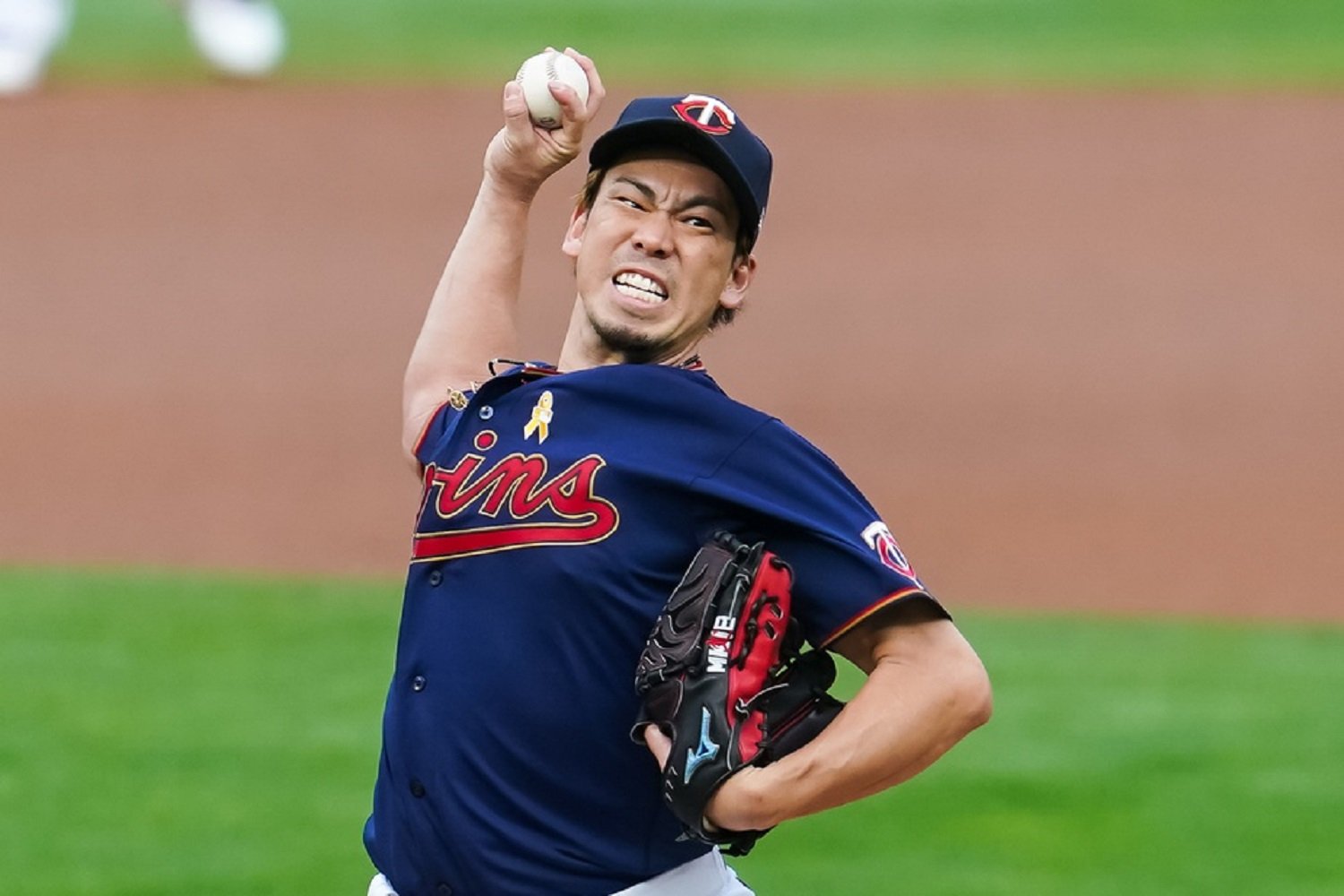 Starting pitching depth is vital for any contending team, and the Twins have used a lot of their depth during the current season. In 2022, twelve different pitchers have made starts for the Twins, including eight pitchers who made five or more. Top of the Rotation: Sonny Gray, Joe Ryan, Tyler Mahle None of these three pitchers were in the Twins system 14 months ago, which speaks to the front office's ability to acquire talent. Minnesota has used Ryan and Gray at the top of the rotation for all of 2022, with each posting an ERA+ of 104 or higher. Mahle's transition from Great American Ball Park to Target Field should help his numbers improve. Gray and Mahle can be under team control next season, while Ryan won't be arbitration eligible until 2025. Barring a significant injury, the Twins will look for these three arms to be at the top of the rotation throughout 2023. Returning from Injury: Kenta Maeda, Josh Winder, Bailey Ober, Chris Paddack, Randy Dobnak Winder and Ober are scheduled to throw bullpen sessions this week with a chance to impact the roster down the stretch. Winder has shown the flexibility to pitch as a starter and reliever, while Ober's appearances have all been as a starter. When healthy, both players have pitched well, so they should be in the mix for a rotation spot next season. More prominent question marks surround the other injured pitchers listed above. Maeda is also expected to be ready in September, but he will likely serve in a relief role if he makes it back in 2022. During the 2020 season, Maeda finished runner-up for the AL Cy Young, but there are no guarantees he will return to that form. Paddack likely won't be ready at the onset of the 2023 campaign since he had Tommy John surgery in May. Still, he was terrific during his brief Twins tenure and is under team control through 2024. Dobnak has been dealing with a finger injury for the last two seasons, so there are no guarantees he will be back to 100%. Down on the Farm: Jordan Balazovic, Blayne Enlow, Cole Sands, Devin Smeltzer, Simeon Woods Richardson, Matt Canterino, Louie Varland Minnesota's 40-man roster will be squeezed this winter when the team has to remove players from the 60-day IL. Balazovic, Enlow, Sands, and Smeltzer are all on the 40-man roster, but the team might have some tough decisions to make with some of the names. Balazovic has struggled at Triple-A this year, but he is still considered one of the team's top pitching prospects. Enlow returned from Tommy John surgery this year and has a 3.73 ERA with 46 strikeouts in 41 Double-A innings. Smeltzer saved the starting rotation during the middle portion of the season, while Sands has been limited to fewer than ten big-league appearances in his rookie campaign. Woods Richardson, Canterino, and Varland are among a group of prospects that will need to be added to the 40-man roster before the Rule 5 Draft. During his second Double-A stint, Woods Richardson is having a breakout season with a sub-3.00 ERA while holding batters to a .583 OPS. Canterino has dealt with various elbow issues over the last two seasons, but he is dominant when he can pitch. Varland recently was promoted to Triple-A after posting a 3.34 ERA and 119 strikeouts in 105 innings at Double-A. All three pitchers should be added to the 40-man roster this winter, which makes them one step closer to the big leagues. The old adage states, "a team can never have too much pitching." It's clear the Twins will have options for the 2023 season, and there is no way to predict how injuries will impact the organization. Another option is to have some of these arms switch to permanent bullpen roles, but that is a decision for this winter. Which pitchers will make the most starts for the 2023 Twins? Will any of the younger pitchers be contributors to the rotation? Leave a COMMENT and start the discussion.
- 63 comments
-
- 6
-
-
- kenta maeda
- josh winder
- (and 3 more)
-
Minnesota’s front office filled multiple needs at the trade deadline, but the team is hardly perfect. So, what are the team’s most significant weaknesses? Baseball’s 162-game season is a long, grueling battle to divide the contenders from the pretenders. The AL Central is one of baseball’s worst divisions this season, which helps the top teams stay in contention. Minnesota needs to solve the weaknesses below, or Chicago and Cleveland will claw their way to a division title. Struggling Veteran Bats All hitters go through streaks, and teams hope that other players pick up the line-up when stars are slumping. Unfortunately, the Twins have seen some of their best hitters struggle since the beginning of July. Carlos Correa was brought in to bring a championship pedigree to the Twins but has hit .186/.288/.333 (.621) in his last 27 games. Only Gary Sanchez has a lower OPS (.470) among regular players during that stretch, but he has done it in a third as many plate appearances. Minnesota’s only regulars with an OPS over .835 since July 1 are Jose Miranda and Nick Gordon, who were hardly expected to lead the team to the playoffs. For the Twins to win the division, the team’s veteran bats need to break their summer slump and start impacting the line-up on a daily basis. Clutch Hitting Hitting in high leverage situations is almost impossible to predict because a player can be clutch for one moment, but it might not translate to an entire season. Also, few hitters can consistently hit in the highest leverage spots. FanGraphs uses a stat called Clutch, which measures how well a player performs in high leverage situations. Minnesota currently ranks 17th with a -0.12 Clutch ranking, which is below average. Among AL Central teams, only the White Sox rank lower than the Twins. Minnesota’s best hitters, according to Clutch, include Luis Arraez, Jorge Polanco, and Jose Miranda, who all rank above average. Max Kepler is at the bottom of the team’s Clutch leaderboard with a -1.19 ranking. Other poorly ranked players include Nick Gordon ( -0.76), Carlos Correa (-0.68), and Kyle Garlick (-0.61). Down the stretch, the Twins will need more clutch hitting from all parts of the line-up. Mounting Pitching Problems Luckily, the Twins tried to improve their pitching problems with multiple trade deadline moves, but that doesn’t take away from how bad the team has been recently. Since July 1, the Twins pitching staff ranks 26th in fWAR, with the starters only ranking higher than the last-place Washington Nationals. During that stretch, Minnesota’s starters have a 4.85 ERA, a 69.7 LOB%, and 1.53 HR/9, which all rank among baseball’s bottom ten teams. Tyler Duffey and Joe Smith helped the Twins at different points during the 2022 season, but both had run out of gas in recent weeks. Replacing those two players with Jorge Lopez and Michael Fulmer will help the team down the stretch. Other injured pitchers like Josh Winder, Bailey Ober, and Kenta Maeda expect to return in the weeks ahead to give the pitching staff another boost. Even baseball’s best teams have weaknesses, but it’s getting close to the point in the season where the Twins need to start putting their best product on the field. If Minnesota can’t solve these issues, the AL Central race will continue to be close for the season’s remaining games. Which weakness do you feel is the biggest concern? Leave a COMMENT and start the discussion. View full article
- 43 replies
-
- 1
-
-
- carlos correa
- tyler duffey
- (and 2 more)
-
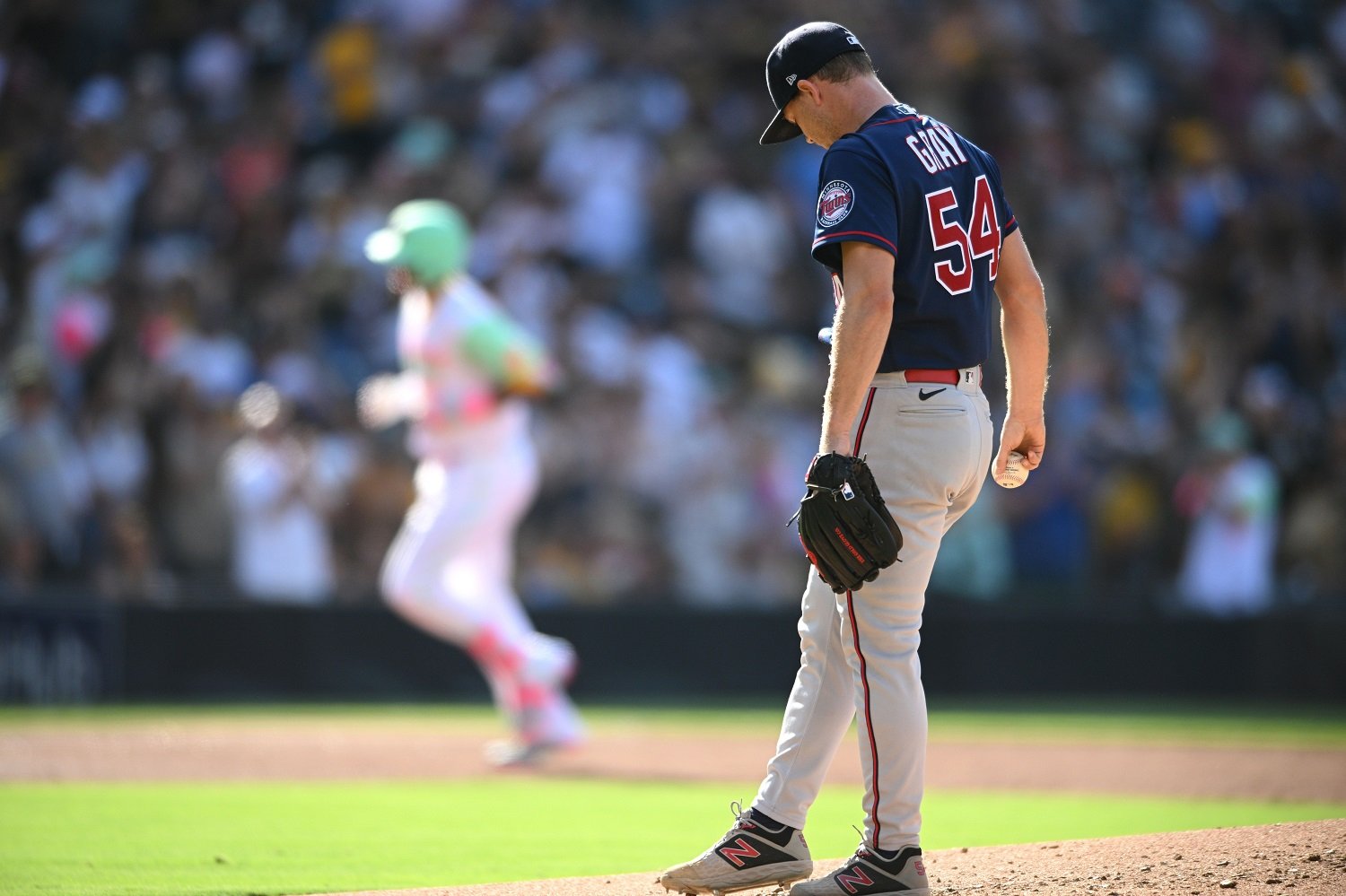 Baseball’s 162-game season is a long, grueling battle to divide the contenders from the pretenders. The AL Central is one of baseball’s worst divisions this season, which helps the top teams stay in contention. Minnesota needs to solve the weaknesses below, or Chicago and Cleveland will claw their way to a division title. Struggling Veteran Bats All hitters go through streaks, and teams hope that other players pick up the line-up when stars are slumping. Unfortunately, the Twins have seen some of their best hitters struggle since the beginning of July. Carlos Correa was brought in to bring a championship pedigree to the Twins but has hit .186/.288/.333 (.621) in his last 27 games. Only Gary Sanchez has a lower OPS (.470) among regular players during that stretch, but he has done it in a third as many plate appearances. Minnesota’s only regulars with an OPS over .835 since July 1 are Jose Miranda and Nick Gordon, who were hardly expected to lead the team to the playoffs. For the Twins to win the division, the team’s veteran bats need to break their summer slump and start impacting the line-up on a daily basis. Clutch Hitting Hitting in high leverage situations is almost impossible to predict because a player can be clutch for one moment, but it might not translate to an entire season. Also, few hitters can consistently hit in the highest leverage spots. FanGraphs uses a stat called Clutch, which measures how well a player performs in high leverage situations. Minnesota currently ranks 17th with a -0.12 Clutch ranking, which is below average. Among AL Central teams, only the White Sox rank lower than the Twins. Minnesota’s best hitters, according to Clutch, include Luis Arraez, Jorge Polanco, and Jose Miranda, who all rank above average. Max Kepler is at the bottom of the team’s Clutch leaderboard with a -1.19 ranking. Other poorly ranked players include Nick Gordon ( -0.76), Carlos Correa (-0.68), and Kyle Garlick (-0.61). Down the stretch, the Twins will need more clutch hitting from all parts of the line-up. Mounting Pitching Problems Luckily, the Twins tried to improve their pitching problems with multiple trade deadline moves, but that doesn’t take away from how bad the team has been recently. Since July 1, the Twins pitching staff ranks 26th in fWAR, with the starters only ranking higher than the last-place Washington Nationals. During that stretch, Minnesota’s starters have a 4.85 ERA, a 69.7 LOB%, and 1.53 HR/9, which all rank among baseball’s bottom ten teams. Tyler Duffey and Joe Smith helped the Twins at different points during the 2022 season, but both had run out of gas in recent weeks. Replacing those two players with Jorge Lopez and Michael Fulmer will help the team down the stretch. Other injured pitchers like Josh Winder, Bailey Ober, and Kenta Maeda expect to return in the weeks ahead to give the pitching staff another boost. Even baseball’s best teams have weaknesses, but it’s getting close to the point in the season where the Twins need to start putting their best product on the field. If Minnesota can’t solve these issues, the AL Central race will continue to be close for the season’s remaining games. Which weakness do you feel is the biggest concern? Leave a COMMENT and start the discussion.
- 43 comments
-
- 1
-
-
- carlos correa
- tyler duffey
- (and 2 more)

