



NeverSeenATwinsPlayoffWin
-
Posts
205 -
Joined
-
Last visited
Content Type
Profiles
News
Minnesota Twins Videos
2026 Minnesota Twins Top Prospects Ranking
2022 Minnesota Twins Draft Picks
Minnesota Twins Free Agent & Trade Rumors, Notes, & Tidbits
Guides & Resources
2023 Minnesota Twins Draft Picks
The Minnesota Twins Players Project
2024 Minnesota Twins Draft Picks
2025 Minnesota Twins Draft Pick Tracker
2026 Minnesota Twins Draft Tracker: Picks & Bonuses
Forums
Blogs
Events
Store
Downloads
Gallery
Everything posted by NeverSeenATwinsPlayoffWin
-
06/21/09: the first professional sporting event I attended. The last man out of the Twins' bullpen was this future Cy Young winner.
-
Joe Ryan is very much not a sell-high guy. People forget that his ERA was around 2.80 before his groin injury, and if he had stayed on that pace, he probably would have had a great shot at winning the Cy Young this year. I remember his value being over $100M before his injury and it does not make sense for the Twins to sell low on a controllable starter. Also, Preller only knows how to buy, and I don't anticipate that he'll let Soto go. I also think that the Brewers are unlikely to trade Burnes with multiple controllable players/prospects. If the Twins have an extension in place for Burnes, that likely ups his value to around $50M or $60M, similar to how the Mariners' trade for Luis Castillo involved them giving up way more than BTV said they should. Seems like a big risk to try and outbid the Dodgers, Mets, Giants, Yankees, etc. for Burnes' services.
-
The only real issue that I see with BTV is there is no value adjustment for the side receiving more players. For example, a trade of six players worth a total of $30M should not be able to acquire a single $30M player, because those are six roster spots taken up, and I'd much rather have an Eddy Julien than six versions of Matt Canterino. I think it is a great tool to compare player vs player, and the model is ideal for doing 1 for 1 or 2 for 1 trades. I think Castro makes a ton of sense for the Mariners, because 2B was a huge issue for them. Even if he regresses to the mean, his bat still plays well at 2B, and he'll be one of the best defenders at that spot; I think the Mariners could be very interested in what he brings to their defense/lineup.
-
Introduction Last offseason, the Twins traded Luis Arraez, coming off of a batting title, for a controllable starting pitcher and two prospects who are now ranked #22 and #26 in the Twins' farm by MLB.com (Mercedes is ranked 14th in the TD rankings, for what it's worth). By trading a player at the peak of his value with three years of control left, they were able to secure a true ace in Pablo Lopez. While the Twins don't have an expendable piece as good as Arraez this offseason, they should be in the market for another controllable starter. Let's identify a couple of major-league pieces that the Twins could/should move if they plan to acquire another controllable arm. Method Let's establish some ground rules for players that qualify. Firstly, they need to be in pre-arb/arbitration years of their contract. Nobody is going to trade young pitching for a year of 31-year-old Max Kepler. Secondly, their most recent season has to have signs of regression, or there are serious concerns about that player's long-term future of the franchise. Julien had a great 2023; his defense is improving, and his peripherals back up his production- it makes no sense to trade him. Lastly, their perceived value has to be substantially higher than their actual value. I am using BTV (baseball trade values) to gather perceived values, as their model accepts over 94% of all MLB trades and would likely be higher if the Oakland Athletics did not have the budget of a rural school district. Alex Kirilloff had a good 2023 with serious concerns about his health. However, he's only valued at $2.7M, so I don't think it's worth it to cash him in for a 50-grade prospect. Players To Sell: Willi Castro ($15.9M) The front office bringing in Castro before the start of the year was extremely shrewd and proved to be one of the more important depth signings the Twins made last offseason. He was one of the big benefactors of the new rules impacting the running game, as he went from nine steals in '21 and '22 to a whopping 33 steals this past season. He registered a 106 OPS+ and a 109 wRC+, which combined with his above average defense (everywhere but CF) to make him one of the league's best utilitymen. Castro's career-saving season has obviously increased his value, but is the league's perception of Castro inflated? He only has two more years of team control and peripherals show that some of his stats are inflated. Castro is a better hitter than he was in Detroit- he walks more, hits the ball in the air more, and hits the ball harder. However, this version of Willi Castro is still a below-average hitter, as his xwOBA of .306 is substantially lower than his .327 wOBA and not very good. Replacements: Some fans may be reluctant to part ways with Castro, since he is the only healthy returning CF for 2024. Nick Gordon seems like a good candidate to fill Castro's role, and MAT should not be very expensive (one or two years of $5-8M AAV) to bring back. It's unlikely, but if the Twins make a big ticket signing/trade for a bat, they're likely going to target a CF, as they have long-term players occupying most other spots. Teams Interested: Pretty much anyone could use Castro. It's hard to find a team that has LF/RF/3B/2B all occupied and a decent utility man. The teams with the most interest would probably be the Angels, Rockies, Mariners, and Dodgers- teams with big outfields and question marks in LF/2B. Trevor Larnach ($7.8M) He's not a prototypical "sell high" guy, but he does fit the established criteria, and his value is likely at its peak. Larnach's BTV value is higher than Raya, Varland, Martin, SWR, Schobel, and many other players in the Twins system who figure to have better futures than Larnach. This is also probably the last offseason that he's tradeable, as he'll turn 27 in February and only has one option left. He's incredibly slow, slower than 36-year-old David Peralta, and his long-term future is likely at 1B, a position where a) his bat will be average, at best, and b) the Twins have Julien/Kirilloff, who figure to play there for the next half-decade. His batting peripherals look pretty good, but nothing off the charts that would compel the Twins to keep him around. His draft pedigree probably inflates his value, meaning the Twins should ship him before he's out of options and labeled a "bust." Replacements: Larnach was not on the Twins' roster for most of the second half, and it's clear that the FO prefers Wallner and even Stevenson over him. Larnach provided close-to-average (96 wRC+) offensive play, but finding corner outfielders who can provide this kind of production is not that hard. Teams Interested: Plenty of teams have a history of acquiring/developing powerful corner outfielders. The Phillies, Red Sox, and Yankees all have short corner outfields and are lefty-friendly; I think these teams are most likely to make a move. Ryan Jeffers ($32.7M) Ryan Jeffers is one of my favorite Twins for many reasons, he had a fantastic 2023 campaign and hit two of the most important regular season HRs this year. On the surface, he seems like the kind of guy you'd keep around for a long time, but given the way that Rocco and the Twins have used catchers and given the fact that Jeffers is unlikely to repeat this level of production, Jeffers seems like a perfect candidate to be dangled as trade bait this offseason. Jeffers' BTV value is considerably higher than Duran, Ober, and E-Rod, and he is within spitting distance of Julien (34.5M). If the Twins (rightly) aren't going to play a catcher more than 90 games in a year, I fail to see why Jeffers is more valuable than a #3 starter with four years of team control. His .369 wOBA is much higher than his .334 xwOBA; we can expect to see regression from an elite 138 wRC+ to maybe the 110-125 range. Additionally, Jeffers is an atrocious fielder, statcast gave him a -8 fielding run value (7th percentile), and his framing was significantly worse in '23 than years prior, and I don't want to think about his blocking or his ability to throw out runners. If the Twins are committed to analytics, they should be able to see the disparity between his perceived value and his actual value. Replacements: Austin Hedges is the best defensive catcher in baseball, and he should be fairly cheap (1yr/3-4M) as a free agent. Old friend Mitch Garver is on the market if they desire a 1 for 1 replacement (Garver's peripherals were fantastic in '23); otherwise, Tom Murphy is another available bat-first catcher. Victor Caratini, Luke Maile, and Curt Casali round out the catching free-agent market. Teams Interested: Contenders who need a catcher. The Reds, Yankees, Cubs, and Marlins could use an upgrade, and all of them have had good success with bat-first catchers. Who Should Be Targetted? The Angels, Rockies, Mariners, Dodgers, Phillies, Red Sox, Yankees, Reds, Cubs, and Marlins could be in the market for one of these guys. Here are reasonably priced, controllable starters on each of those teams: Griffin Canning ($20.8M) and Patrick Sandoval ($33.8M) Ryan Feltner ($12.5M) and German Marquez ($4.5M) Bryce Miller ($26.7M) and Bryan Woo ($25.1M) Dustin May ($14.4M), Ryan Pepiot ($10.5M), and Emmet Sheehan ($20.8M) Ranger Suarez ($30.1M) Kutter Crawford ($29M) and Tanner Houck ($21.9M) Nestor Cortes ($10.2M) Clarke Schmidt ($18.4M) Graham Ashcraft ($29.5M) and Nick Lodolo ($16.5M) Javier Assad ($7M) Edward Cabrera ($9.6) and Trevor Rodgers ($19.9) Here are a couple of ideas that I like: Willi Castro + Twins' Top 15-5 prospect for Bryan Woo Trevor Larnach + Twins' Top 25-15 prospect for Nestor Cortes Ryan Jeffers for Graham Ashcraft + Reds' Top 20-10 prospect Conclusion Parting ways with any of these guys is going to hurt. However, for a small-market team like the Twins, it is very hard to compete with teams paying the luxury tax without making some risky trades. The 2015 Royals, the last small market team to win a WS championship, likely would not have done so without making risky trades for Johnny Cueto, Wade Davis, and Ben Zobrist. They acquired their star player, Lorenzo Cain, by trading away future Hall of Famer Zack Greinke. Giving up Sean Manaea, Wil Myers, Jake Odorizzi, Mike Montgomery, and Brandon Finnegan hurt, but it gave them the pitching and offensive firepower to win a championship. The Twins need to fill a spot in the rotation, and they should strongly consider selling high on a couple of their major leaguers to acquire a #2 or #3 starter with control.
-
Introduction Pitchers are responsible for getting outs. While some pitchers are able to collect more outs while giving up fewer runs, their principal job is to turn the batting card over and give their team a chance to score. Some pitchers pitch very few outs in high-leverage spots, while others are able to collect bunches of low-leverage outs. Last season, Twins pitches collected 4354 outs (1451.1 IP) and did so with quality we haven't seen from a Twins pitching staff in a long time. Unfortunately, 1422 (474.0 IP) of those outs belong to pitchers who are either no longer on the Twins or are going to be headed to free agency. With the departures of Sonny Gray, Kenta Maeda, and Emilio Pagan, responsible for 82.3% of the depart(ing)(ed) innings, the Twins may need to be very active in the offseason to acquire arms. Let's see how many outs/innings they have in-house. The Guarantees The Twins were very fortunate this year to get full years out of Lopez, Gray, and Duran, their top three pitchers. Bailey Ober, Joe Ryan, and Kenta Maeda had IL stints, but they were active for the bulk of the season. These are the guys that the Twins are going to count on being consistent next year. Pablo Lopez: ~180 innings Joe Ryan: ~170 innings Bailey Ober: ~150 innings Jhoan Duran: ~65 innings Griffin Jax: ~65 innings Having 43.4% of your team's innings pitched by your team's top five pitchers is fantastic. Lopez, Ryan, and Ober may surpass their guesstimated innings, but when accounting for the likelihood that one or more of them has to spend time on the IL (hopefully not), I feel that these are reasonable guesses given where they were last year and where they project to be this year. The Wildcards All of these guys are locks to make the opening-day roster, but there are some questions about their role or injury history. These guys can make or break your staff, and hopefully, all of them can surpass their estimations for the year. Chris Paddack: ~120 innings Louie Varland: ~80 innings Caleb Thielbar: ~45 innings Cody Funderburk: ~45 innings Brock Stewart: ~45 innings It looks like Chris Paddack is a shoo-in for a rotation spot, though I believe he'll need a couple of IL stints to rest while he builds up to a full starter's workload. Varland seems like he'll go to the bullpen, but I think he'll make a couple of spot starts here and there- it's difficult to predict his role. The bullpen guys are either injury-prone and on the wrong side of 30 or a rookie whom it's difficult to pen in for a full season of work. The Twins should plan for 335 innings from these guys, which moves them up to 965/1450 innings. The Depth Pieces Maybe a few of these guys will make the opening-day roster, but these are your 4A bullpen arms and spot starters who are going to have elevated roles in July when guys are hurt, and you have a stretch of 24 games in 26 days. If these guys drastically surpass their guesstimates, something has gone very right or very wrong. Brent Headrick: ~30 innings Cole Sands: ~30 innings Simeon Woods Richardson: ~30 innings Josh Winder: ~30 innings Jovanni Moran: ~30 innings Jordan Balazovic: ~20 innings Oliver Ortega: ~20 innings Jorge Alcala: ~20 innings The first four guys have started games for the Twins, but their likeliest roles will be as longmen in the relief corps. Alcala and Moran were once thought to be key pieces of the bullpen, and 2024 seems like the last opportunity for those guys. These in-house options bring the innings total to 1175/1450. The Prospects Obviously, we're going to have some guys making their big-league debuts. Unlike the depth pieces, if one of these guys seriously surpasses their guesstimate, it is very likely that things have gone seriously right for the rookie pitcher. Here are some guys who I expect will make their debut in 2023. Matt Canterino: ~10 innings David Festa: ~10 innings Marco Raya: ~10 innings It's difficult to count on any of these guys to pitch more than two spot starts or two weeks' worth of appearances out of the bullpen, but if we're mapping out a 162-game season, it is reasonable to assume that the Twins get at least 30 innings from debutants. The Position Players There are going to be some big blowouts, and hopefully, the Twins are on the winning end of most of them. Willi Castro: ~2 innings Nick Gordon: ~2 innings TBD: ~1 inning The Twins got 3.2 IP from Castro and Luplow in '23, so 5 IP is reasonable. Hopefully, it's fewer than five innings, but they move the total to 1210/1450. ERA Calculations The Twins finished 6th in the majors with a team ERA of 3.87. If we assume that the "guarantees" will give the Twins a cumulative 3.40 ERA, the "wild cards" will give the Twins a cumulative 3.80 ERA, the "depth pieces" will give a combined 5.00 ERA, and the prospects/position players will give a combined 7.50 ERA, the Twins currently have 1210 innings of 3.91 ERA ball on staff. Of course, that's assuming, to a large degree, that the important pitchers stay healthy, but these numbers have to look so much better than they would have in 2017-2022. 240 Innings To Go The Twins have resources this year, and the starting pitcher market looks much better than the relief market or position players. Given the Twins' success in acquiring big-ticket starting pitchers, I suggest that any big-ticket move made by the FO involves a starter. Riding or dying on Lopez/Ryan/Ober is much preferable to riding or dying on Gibson/Santana/Berrios, but adding another top-flight arm could turn this staff from "really good" to "untouchable." Another factor that needs to be mentioned is that the Twins will need eight to ten starters for the season. Unless you are planning on being bad, having a bullpen game every 5th day is unsustainable and unlikely to yield positive results. I count six currently (Lopez, Ryan, Ober, Paddack, Varland, and one of the depth pieces). Getting another pitcher who's going to give you ~180 innings of ~3.50 ERA ball will not only lower the guesstimated team ERA to 3.85 (below the '23 mark), but it turns a season-ending injury to Joe Ryan from "catastrophic" to "bad, but we'll manage." It should also be noted that unless you want to see Winder, Sands, Headrick, and SWR all make multiple starts, it may be a good idea to sign some depth so we don't have to see one of those guys take the ball in a key game with Detroit/Cleveland down the stretch. It's up to the front office to determine who is responsible for these 240 innings. If they sit on their hands and add pieces equivalent to the depth we already have (5.00 ERA), the team ERA would drop to 4.08, and our stellar staff would drop to average (or worse) in one offseason. We have the makings of something special here. Don't let good be the enemy of great, and don't let "sufficient to win an AL Central crown" be the enemy of "WS caliber."
-
Nick Gordon had a 111 wRC+ in '22 while playing slightly below-average defense in the outfield. Willi Castro had a 109 wRC+ in '23 while also playing slightly below-average outfield defense. Castro does have more base-stealing speed, but other than that, they are basically the same player. I would much rather have Gordon than Larnach, Gallo, Luplow, Stevenson, or Garlick on the active roster, and the fact that you think he is a downgrade over all five of those guys is concerning.
- 33 replies
-
- 8
-

-

-
- byron buxton
- royce lewis
- (and 3 more)
-
It will be interesting to see how the Twins approach the infield logjam, with Royce Lewis staying put at third. Given AK's injury history, Julien could move to 1B/DH, and Brooks Lee could be the everyday 2B. AK's bat will play better at LF/RF (if he's healthy), and Lee can play everyday at 2B, giving him a chance to give the Twins a 1st rounder. Centerfield is not as big of a issue as it's being made out to be. Gordon and Castro are just fine there, and Celestino/Martin are fine depth. Maybe the bring MAT back, or they could go after Bellinger, but I still believe in Nick Gordon as an everyday CF.
- 33 replies
-
- 3
-
-
-
- byron buxton
- royce lewis
- (and 3 more)
-
My wish list for 2024 Minnesota Twins are:
NeverSeenATwinsPlayoffWin replied to Irishman's topic in Minnesota Twins Talk
Eduardo Rodriguez is probably my top free-agent target. The relief market looks pretty weak, and I think Pagan may be good value on a 8M/2yr deal or something similar. If the Twins add E-Rod and maybe one other starter, they can put Paddack/Varland back in the pen, which makes that unit really strong. In the outfield, they've got a lot of holes, but bringing back Kepler and moving Lewis back to CF could clear up those question marks. Lee should be on the opening-day roster for the Twins to be eligible for draft picks, and Castro/Vazquez/Farmer/Gordon already form a good bench. I don't know if there is a huge need for a bat, given the strength of the Twins' hitting prospects, the lack of holes in the field, and the weakness of the free agent class. They'll likely turn to the trading block or in-house options to replace the departing Polanco, Taylor, Solano, and Gallo. -
2 Twins most to blame for ALDS loss to Astros
NeverSeenATwinsPlayoffWin replied to RpR's topic in Minnesota Twins Talk
It's baseball, it's pointless to try and blame players for underperformance in a four game stretch against one of the toughest teams in the league. In theory, star players should help put the team on their backs and make the difference in a small sample size. The Astros have more and better stars, and I believe that is why the won. Give Julien, Lewis, Lopez, and Ryan time to turn into top-5 players at their positions, and hopefully, Buxton/Correa can return to form in the coming years. No sense in laying into a guy like Kirilloff, Wallner, or Theilbar for a rough several games. -
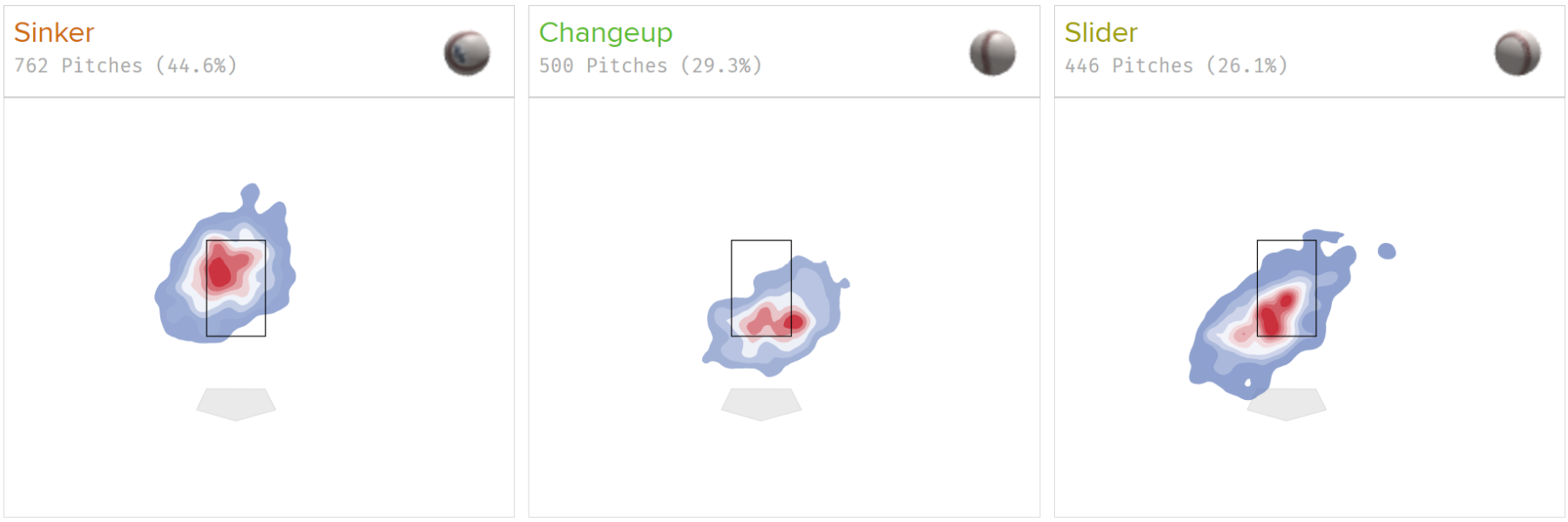
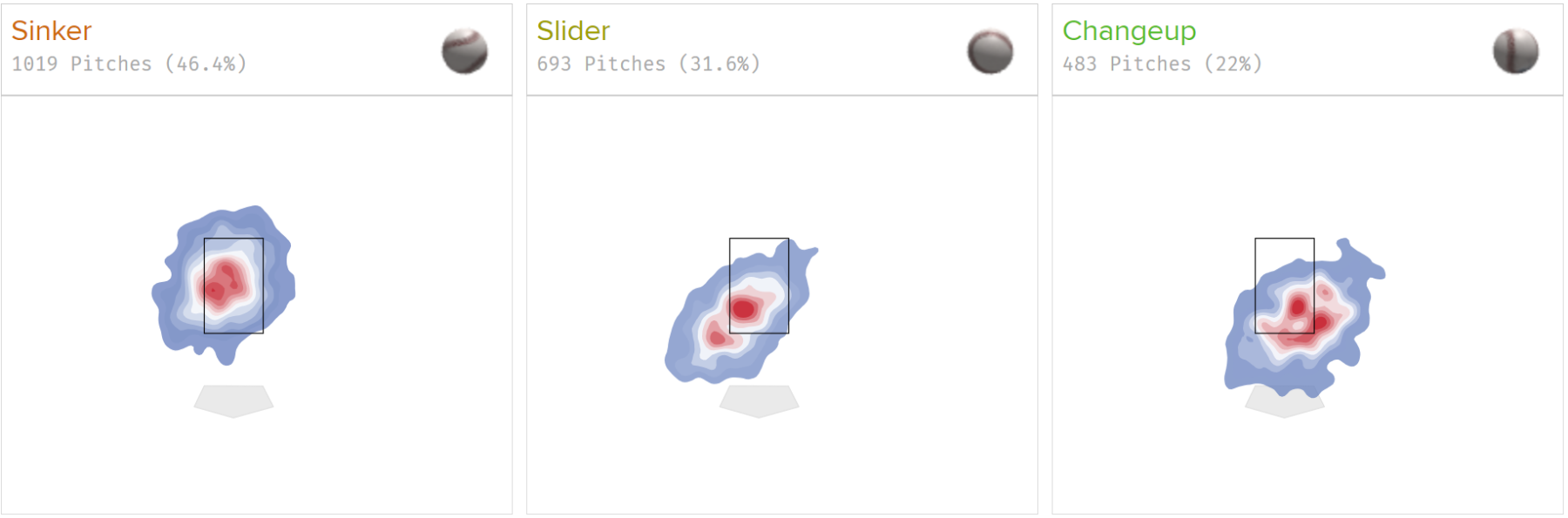
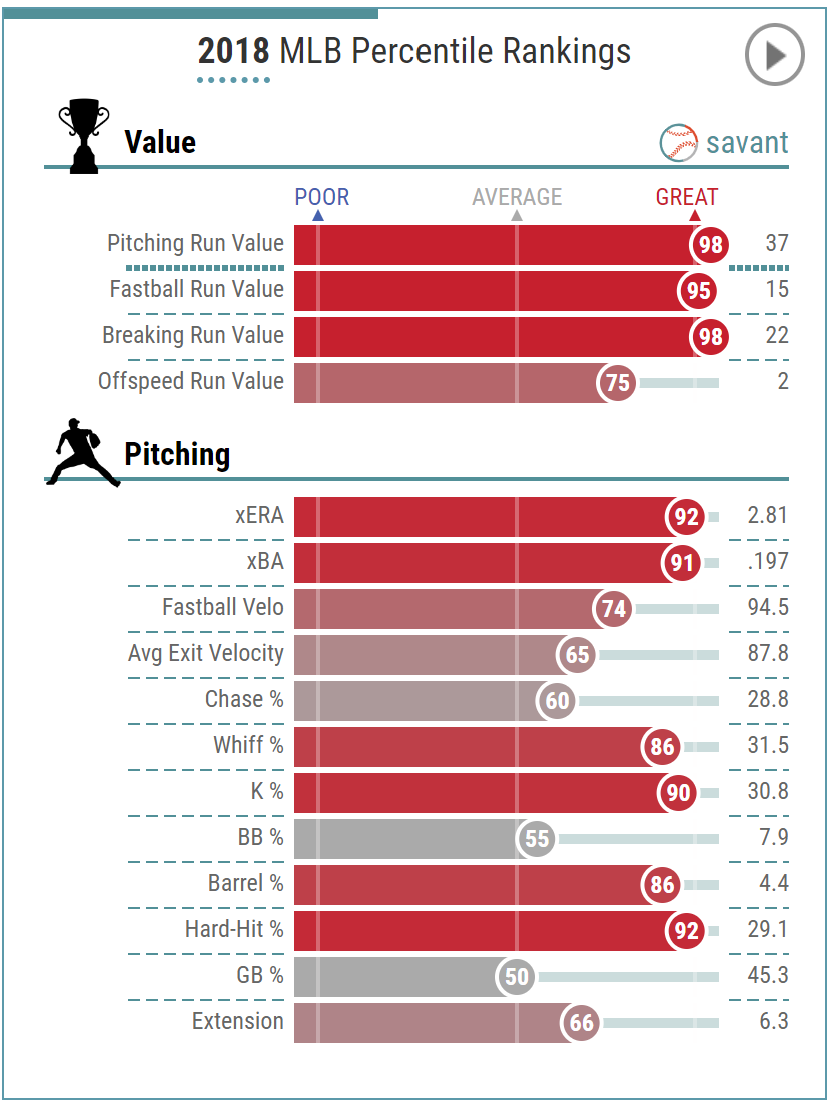
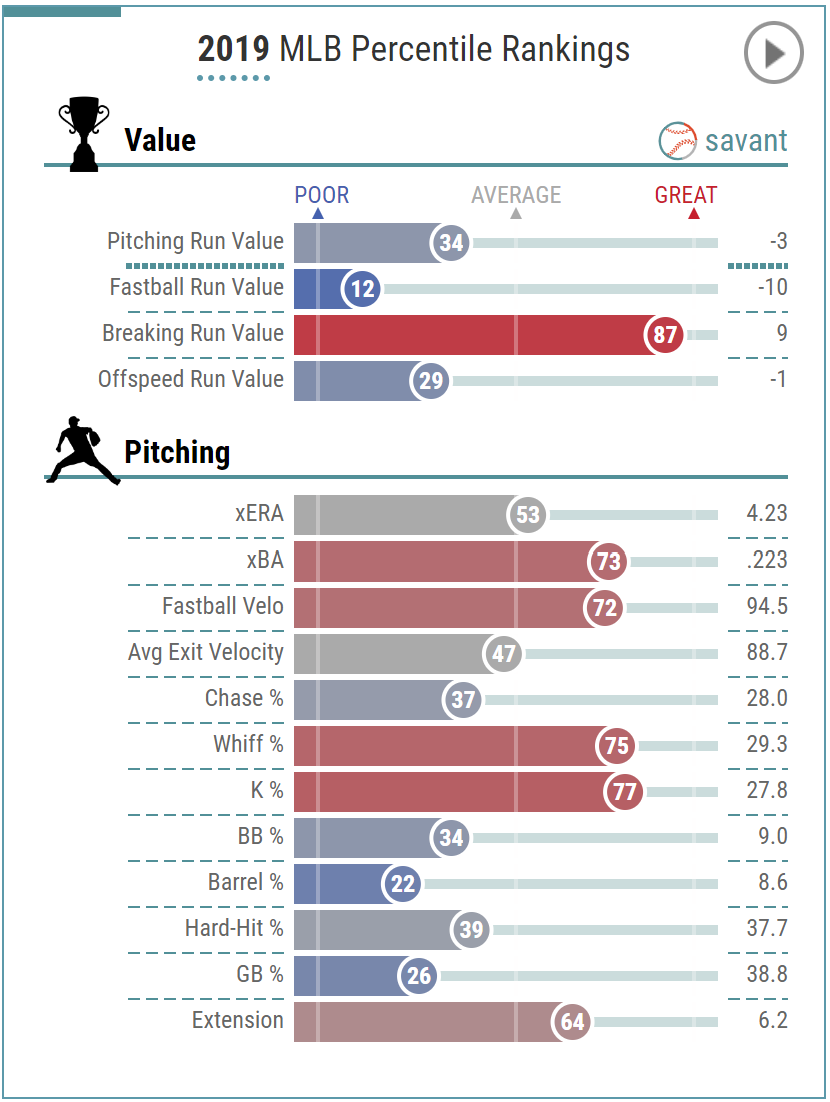
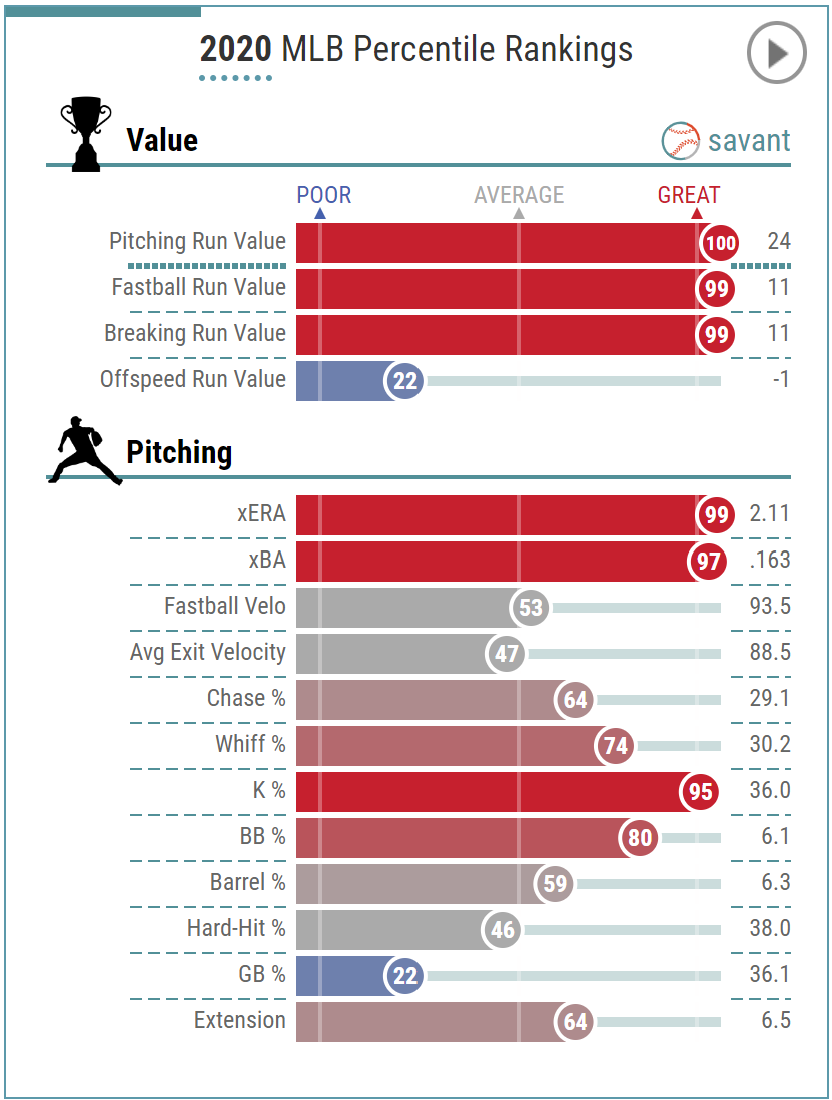
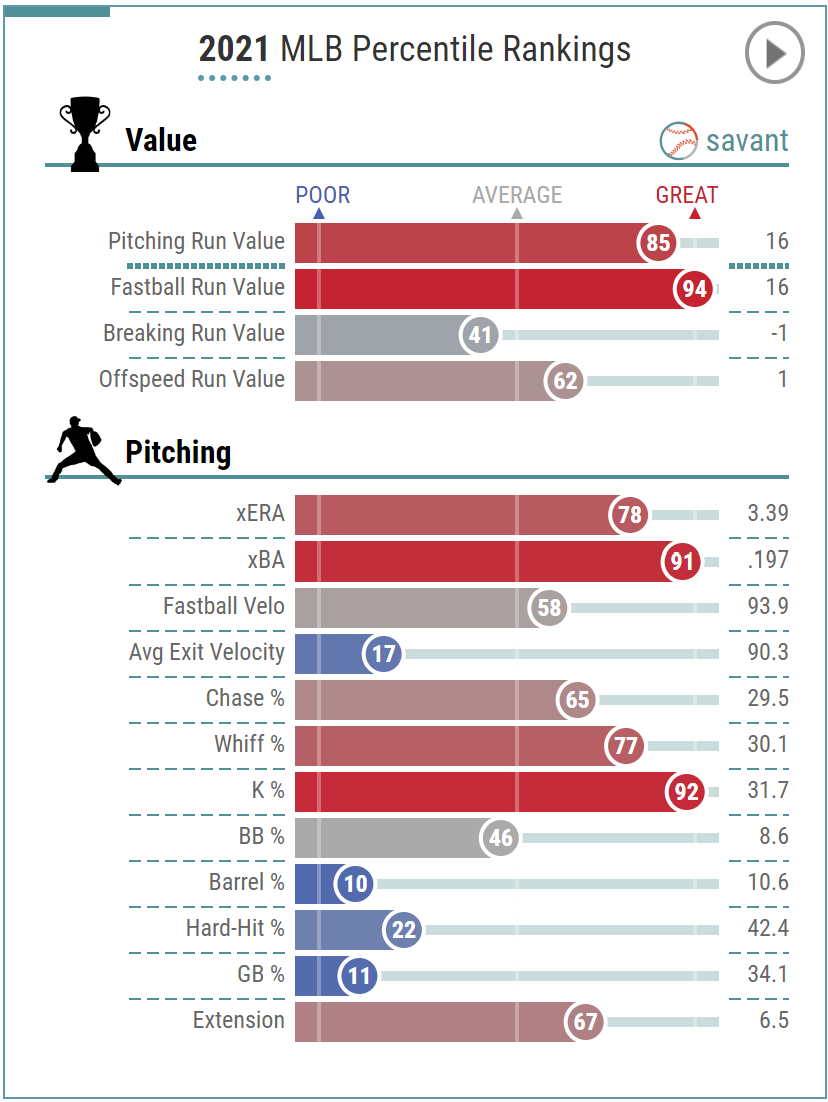
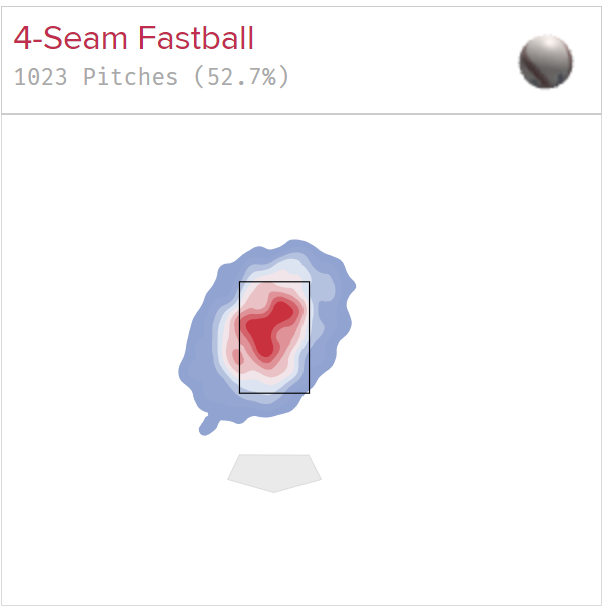
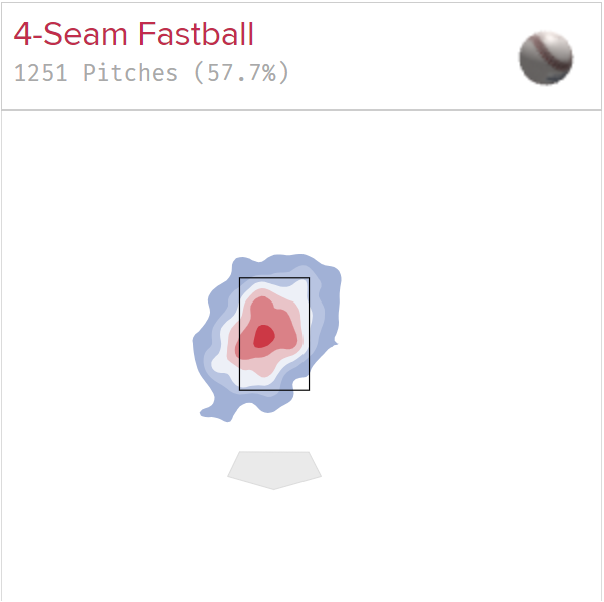
One of the big differences between the Twins' 2022 and 2023 season was depth, especially in the rotation. Chi Chi Gonzalez, Aaron Sanchez, Cole Sands, Josh Winder, and Simeon Woods Richardson all made starts, and the top five of Ryan/Gray/Smeltzer/Bundy/Archer did not inspire much confidence, especially in the back half. This year, the starting five of Lopez/Gray/Ryan/Ober/Maeda were probably the best five top to bottom in team history, and with Mahle, Keuchel, and Varland making starts, they had depth and stability behind them. With the Twins set to lose five of the ten pitchers that made starts for them this year (Jose De Leon and Emilio Pagan also made starts), their rotation may revert to 2022 form if they do ignore depth. I am a big supporter of the Twins going to the trading block or free agency market to pick up a bona fide #2 to replace Sonny Gray, but this topic will not involve a Sonny Gray replacement. Instead, this topic will focus on targets for the two starting pitchers the Twins can bring in at (relatively) low cost and can compete with Chris Paddack and Louie Varland for a #5 spot in the rotation. Here are eight guys (four free agents and four trade targets) the Twins should consider: Free Agents: #1: Alex Wood The former All-Star may fly under the radar because of rough 2022 and 2023 campaigns in San Francisco, but he has a top-10 NL Cy Young finish and had a very productive 2021 campaign. With over 200 starts and 65 relief appearances, the versatile lefty could be valuable in a long relief role or back-end starter. His repertoire consists of a sinker, changeup, and breaking ball, which is what it has been for his entire career. Besides the fact that pitchers with sinker/changeup combos tend to age gracefully, Wood has never thrown very hard, so there should not be many concerns about the lefty losing effectiveness in his age-33 season. Pictured on the left are his pitch locations in 2023, while the right is of the 2021 season (where he had a 3.83 ERA). He is using his sinker up in the zone more than he used to, as that pitch had a run value of 13 in 2021, while having a run value of just 2 in 2023. While the decision to move the pitch up was likely due to him having better numbers when his sinker is up in the zone (batters had a lower batting average against his sinker this year compared to 2023), he needs to tunnel his secondary stuff off of the sinker, something that he can't do when he's pitching up in the zone. His issues seem like an easy fix, and Wood is a veteran lefty who has had success with a ton of experience in varying roles. Cost: 3-5M APY over 1-2 years #2: Brad Keller Keller needs a change of scenery/coaching staff. He's probably best known for hitting Tim Anderson in the butt with a fastball after Anderson decided to pimp a homerun he hit in the 4th inning of a meaningless game against the Royals. He is coming off a horrid 2023 season in which he had huge control issues, amounting to a 21.3% walk rate. He struggled with shoulder impingement syndrome, which is basically shoulder inflammation. He tried coming back toward the end of the year, but after walking five batters in two innings, it was clear that something was still bothering him. With a full offseason to recover and possibly a transition to the bullpen, Keller could be very effective in 2024. When healthy, Keller has the makeup of a really good starter. Every year but one, he's posted a GB rate above the 80th percentile and has close to elite secondary stuff. His slider, especially, has been a great strikeout pitch, and I would not be surprised to see the Rays pick him up and turn him into a strikeout machine. His four-seamer is very interesting because it has a ton of rise with almost no horizontal movement. If the Twins are able to ensure that he can be healthy in 2024, Keller has the makings of a possible steal. Cost: 1 yr minor-league deal #3: Trevor Bauer I did say, "Out of the box." With his two-year suspension ending and the fact that there is mounting evidence that the allegations made against him are demonstrably false, Bauer should be looking to return to the MLB from Japan. Before you get on your high horse about bringing in players with personal issues, I behoove you to remember a certain Twins player named Kirby Puckett, who had much more credible allegations against him. Bauer has also settled with his accuser, a settlement that involves him getting $300,000 from Lindsey Hill's insurance company, with no money moving from Bauer to Hill. Minnesota makes sense for Bauer for a couple of reasons. Chiefly, the media presence in Minnesota is much less harsh compared to other markets. Going back to his UCLA days, sports media has developed a narrative that he's this incel conspiracy theory weirdo who writes "Bush did 9/11" on mounds of major league baseball, baselessly accuses the Astros of cheating, and fractures the skulls of women he dates. In Minnesota, there should be less of a distraction from these buffoons. Secondly, the Twins already have three established top-of-the-rotation arms in Lopez/Ryan/Ober, where Bauer is not under any pressure to be an ace right away. In case you needed a reminder of how good Trevor Bauer was before his suspension, he finished 6th in AL Cy Young in 2018, 1st in NL Cy Young in 2020, and was likely on his way to another top-5 finish in 2021 before his reputation was ruined by a demonstrably false allegation. Bauer has an electric fastball/cutter combo with a curveball that offers an average of 63.3!!!!!!! inches of drop and a sweeper that hitters whiffed on 40.8% of the time in '21. His stats in Japan look very good (ERA in the 2.00s, with ~9 K/9), and it doesn't look like his stuff is seriously diminished. He may not be a Cy Young caliber pitcher anymore, but he's angry, he's got something to prove, and I hope the Trevor Bauer revenge tour starts in Minnesota. Cost: 5-10M over one year with incentives up to 20M. #4: Julio Teheran One of the lone bright spots on some bad Braves teams in the mid-2010s, Teheran had fallen off the face of the baseball world until a few months ago. After pitching 36.1 innings of 8.92 ERA ball since 2019, the Brewers picked him up in late May, and Teheran pitched 72.1 innings of 4.40 ERA ball down the stretch for the Brewers. He posted an elite walk rate of 4.5%, leading to an excellent 1.130 WHIP. By upping the use of his sinker at the expense of his 4-seamer, Teheran was able to post a career-high 40.3% ground-ball rate, which is not very high, but it is encouraging, considering that he has had issues with the longball in the past. If the Twins bring him in, they should not have him throw any more 4-seamers. This year, hitters hit .368 against it, with a 1.105 slugging percentage (not OPS; the slugging percentage was over 1.000), good for a .579 wOBA against. The numbers against that pitch were likely inflated due to a small sample size, but even the xwOBA allowed of .446 was meant that the average hitter had a better xwOBA than every major leaguer not named Aaron Judge or Ronald Acuña. He also gave up 4 of his 13 HR on that pitch, despite the fact he threw it less than 10% of the time. Currently, the Twins' pitching coaches seem to be looking for flyball pitchers who don't walk people. Given that Teheran fits that mold well and could be even better if he stopped throwing his four-seamer, the Twins may have a cheap, reliable veteran arm in Teheran who can take the ball every 5th day and give his guys a chance to win. Cost: 4-6M APY over 1-2 years Trade Targets #1: Drew Smyly After having a great 2022 season for the North Siders, they handed him a 19M/2yr deal this past offseason, and it did not work out the way they liked. They had to move him into the bullpen down the stretch, as he finished the year with a 5.00 ERA. He's known for having one of the more unique curveballs in the game, as it does not move very much but is very difficult to pick up because there is no hump, and the spin quality is very different from most major-league breaking balls. Smyly is similar to Alex Wood in that he's had issues leaving his sinker in the top of the zone, but unlike Wood, his sinker gets crushed high. His BA against that pitch in '22 was .263, which skyrocketed to a BA of .314 this year. His curveball remains an elite pitch, but he has to be more dutiful about getting his sinker down in the zone. As a player, I like him a little bit more than Alex Wood for a couple of reasons. Firstly, Wood has never been a guy who works deep into ballgames, and while Smyly will never get a Gerrit Cole/Sandy Alcantara type of workload, he can go 6+ when he is on. Secondly, his most recent successful season was only last year, while Alex Wood now has two years of below-average play. Cost: Chicago will likely pick up a decent portion of the $11M they owe to Smyly. A trade of a fringe top 30 prospect for Smyly + $ 5M seems fair and gives the Cubs some financial flexibility to be major players this winter once again. #2: Carlos Rodón The Yankees, for the first time in a little while, are going to be headed into an offseason needing to make drastic changes. Their offense was putrid when Judge was injured, and they had a tough time getting good innings out of starters not named Gerrit Cole. Rodón was brought in last offseason to be a co-ace behind Gerrit Cole on an expensive 162M/6yr contract. The former #3 overall pick was coming off of two top-6 finishes in Cy Young voting and a career-high 178.0 IP in 2022. Unfortunately for the Yankees, Rodón was hurt all of the first half, and pitched poorly when he was healthy during the second half. His on-field antics and general poor performance caused the normally gracious, understanding, levelheaded, and loving Yankees fanbase to be upset with one of their own players. A hard retool is likely in store for the Yankees this offseason, as they did not play good baseball this year and are set to lose four pitchers to free agency. Uber prospect Jason Dominguez will likely miss the entire season, and 2024 looks like a great year for them to get under the luxury tax and gear up for some '25 and '26 runs with Judge and Cole still in their primes. Getting rid of Rodón and some of his contract would improve their culture and bring them under the tax threshold. Rodón would likely benefit hugely from a change of scenery, as he only seemed to have controversies since his move to NY. I am sure that front office personnel would be in contact with Dallas Keuchel regarding Rodón's character before making a trade like this, and honestly, most of the controversy seems to revolve around him reacting poorly to Yankees fans having the IQ of a calabaza squash. Regarding on-field product, Rodón possesses an elite slider and four-seamer, allowing him to post extreme strikeout numbers. After having command issues early in his career, he posted walk rates of 6.7% and 7.3% in '21 and '22, respectively, giving him no real holes in his game besides not having more than two reliable pitches. Cost: BTV currently has his value around -$60M, which means the Yankees will have to eat a significant chunk of the remaining $135M they still owe to him. A trade of Jovani Moran for Carlos Rodon and $60M makes sense to me, as the Yankees have had success developing relievers. This trade would be a huge risk for the Twins, but they would be getting a (potentially) elite starter on a 75M/5yr deal: a bargain. #3: JT Brubaker Admittedly, a guy who owns a career 4.99 ERA in the middle of his Tommy John recovery does not scream "trade for me." However, what we're looking for in this topic are undervalued pitchers who could help the rotation; Brubaker is definitely undervalued, and he should be available in the second half. This past spring training, he was one of the top pitchers in March, as he finished top-5 in strikeouts during the preseason. Unfortunately, he was put on the injured list before opening day and had Tommy John surgery during the second week of the year. Brubaker is a guy who could benefit from a sweeper. He currently owns a slider reminiscent of a Scott Baker's, where it breaks straight down, with little to no lateral break. While that pitch may have been effective in the late 2000s, it is one of the worst secondary pitches in baseball, as it racked up a -11 run value in '22. His other two main pitches, the curveball and sinker, both had run values of 4 in '22; the slider is just a poor pitch. A sweeper makes a lot of sense for Brubaker, as his sinker offers a lot of arm-side run, allowing him to effectively tunnel s sweeper off his sinker. The Twins have had great success adding sweepers to Sonny Gray and Pablo Lopez's arsenal, and Joe Ryan's sweeper looks promising as well. They have also looked to sign guys coming during their TJ recovery (Paddack and Pineda) to discount prices. Brubaker looks like a promising pitcher whose perceived value is likely much lower than his potential value. Cost: Twins top 30-20 prospect for JT Brubaker. Brubaker will be in his second year of arbitration and make $2-3M next season. #4: Trevor Rogers Time to get creative with the Marlins again! After tapping into the Marlins' deep rotation last offseason, why not do it again for another undervalued starter? Rogers posted a 2.64 ERA over 133.0 IP in his first full season and looked to be one of the bright stars the Marlins would build around. Unfortunately, a subpar 2022 and a 2023 lost to injury have derailed these plans. Miami also may be looking to sell off some pieces since their ace, Sandy Alcantara, will miss 2024 with TJ surgery. Rogers relies on a three-pitch mix of four-seam/changeup/slider. Before his injury this year, he mixed in a sinker, which moved very well and got good results, but his slider is a weak secondary pitch, and he needs to either improve it or develop another weapon to attack hitters with glove-side movement. Most of his 2022 struggles revolve around the inability for him to locate his four-seamer around the edges, with him throwing over the heart of the plate a lot. As seen in the images above, Rogers' four-seamer in '21 (on right) was thrown all over the zone, with a pretty even distribution of locations within the zone. This (partly) can help explain why his fastball by all metrics (spin rate/horizontal and vertical break) was better in '22 than the year before, yet got crushed (over .300 BA against). Rogers' injury was a shoulder tear in his right arm, which should not be that concerning. Cost: Miami's offense was still bottom-5 this season, and they have a huge need for power bats. A package of post-hype Jose Miranda and Trevor Larnach could do the trick; otherwise, a prospect in the 10-5 range should be enough. Rogers is in his first year of arbitration and should make around $1.5-2.5M. Conclusion: The Twins have multiple rotation holes to fill, and they do not have the resources to fill every one of those spots with a top-of-the-line guy. They should be looking for value in some low-cost additions to ensure that the rotation remains as deep as it was this past season. While the discussions around Nola vs Snell vs Burnes vs Stroman vs Rodriguez vs Woodruff will be had, it's important to keep your eye on the available low-cost options. The Twins got lots of value from MAT, Farmer, Castro, and Solano this past year in the lineup, while Brock Stewart and Caleb Thielbar were both very under-the-radar signings in the bullpen. The rotation of Lopez/Ryan/Rodriguez/Ober/TBD, with the TBD being a competition between Varland, Paddack, and two of the names listed above, sounds very strong. Moving Paddack/Varland/TBD to the bullpen will also strengthen that unit. Lastly, the Twins have a lot of financial freedom this offseason, with very few players moving into arbitration years and a couple of big contracts (Gray, Polanco, Gallo, and potentially Kepler) moving off the books. They should not be shy about bringing in depth this offseason, especially the rotation.
-
What does Wallner give you that MAT could not?
-
Let's hope this trend continues for Javier

-
Second time through. Let's hunt that fastball!
-
Javier struggles after the 3rd. If we can get one here, we could get to the bullpen or face Javier on the ropes. It starts with Ryan having a good PA
-
I don't understand why teams use starters on short rest in the postseason. The last pitcher to throw on three days rest in the regular season was Greg Maddux in 2003, the Greg Maddux that was drafted in 1984 and is currently 57 years old. Pitchers are not used to throwing on three-day rest, and you are better off saving your #1/#2 guy for the following game. The only time this is acceptable is out of the bullpen in a game seven scenario.
-
In a vacuum, the Twins have a 52% chance of winning the series before game three: (0.54^2)+2((0.46^2)(0.54))=0.5201. Mentality plays a huge factor in that number being 67%- I hope the Twins have their heads screwed on straight. As for Javier, he's been mostly four-seam/slider throughout his career, which has worked because he has a really funky fastball and one of the best sliders in baseball. This year, however, his slider has been hit really hard, and it has lost a lot of the sweep that made it effective (Whiff rate is down from 39.4% to 28.7% from last year). I saw some pundits who were encouraged by his performance against the D-Backs on the last day of the year (six shutout innings), but he went 0-3 with a 5.11 ERA in the month of September, with his slider being nowhere near its 2022 form, much less August '23 (less spin, less whiff, higher BA against compared to the previous month). Overall, Javier is not a formidable opponent, and the Twins should key in on his fastball because his slider is not frightening. Good chance for the Twins to go 75.2% odds in a vacuum after tonight: (0.54)+(0.46^2)=0.7516.
-
To say that the Astros have been dominant in the ALDS is to say that the world is round or that the sun is bright. During their run of consecutive ALCS appearances, the Astros were on a streak of 12 straight home ALDS wins (until last night), and a big part of their success in this round, as they have a 4-4 record on the road in this round. Over the course of the past six years, these are all of the starting pitchers who have tried (and failed) to win an ALDS game in Minute-Maid Park. 2017 Chris Sale- 5.0 IP, 9 H, 7 ER, 1 BB, 6 K Drew Pomeranz- 2.0 IP, 5 H, 4 ER, 1 BB, 1 K 2018 Corey Kluber- 4.2 IP, 6 H, 4 ER, 2 BB, 2 K Carlos Carrasco- 5.1 IP, 6 H, 2 ER, 1 BB, 3 K 2019 Tyler Glasnow- 4.1 IP, 4 H, 2 ER, 3 BB, 5 K Blake Snell- 3.1 IP, 4 H, 1 ER, 0 BB, 5 K Tyler Glasnow- 2.2 IP, 5 H, 4 ER, 0 BB, 3 K 2021 Lance Lynn- 3.2 IP, 6 H, 5 ER, 2 BB, 4 K Lucas Giolitto- 4.1 IP, 3 H, 4 ER, 5 BB, 4 K 2022 Logan Gilbert- 5.1 IP, 5 H, 3 ER, 2 BB, 5 K Luis Castillo- 7.0 IP, 5 H, 3 ER, 0 BB, 7 K 2023 Bailey Ober- 3.0 IP, 4 H, 3 ER, 0 BB, 2 K There are maybe two or three starts in the "okay to good" range. The closest anyone has come to a shutout was Carrasco's start, where Andrew Miller replaced him with a 1-0 lead and runners on 1st and 2nd (one out), then proceeded to surrender an RBI double to Twins legend Marwin Gonzalez. Pablo's 7.0 IP, 6 H, 0 ER, 1 BB, 7 K line will not only be one of the best starts (by any pitcher) this postseason but is even more impressive given the historic failure of pitchers to deliver in the same setting he was in. I give a lot of credit to Maki/Baldelli/Front office for coming up with a bullet-proof plan and to Pablo for being able to throw what he wanted, where he wanted, when he wanted, and how he wanted 105 different times last night.
-
I still believe the '19 Astros were the best group they put out. Verlander, Cole, Greinke, McCullers, and Miley were all great, and Osuna, Pressly, and Harris ended games in the 7th inning. Alvarez and Bregman both posted an OPS above 1.000, with Correa, Altuve, and Springer posting OPSs above .900, with Gurriel and Brantley right behind them. That's five starters, three relievers, and seven hitters all playing at an elite level. This year, the bullpen may be better, but they really only have 3 scary hitters (Altuve, Tucker, and Alvarez) and two scary starters. They could really get exposed in game 3/4 when they have to start a rookie/Urquidy for two road playoff games. The back half of their lineup is not super threatening, either.
-
Walker JenkinsBrooks LeeEmmanuel RodriguezCharlee SotoDavid FestaAustin MartinMarco RayaYunior SeverinoConnor PrielippBrandon WinokurLuke KeaschallYasser MercedesTanner SchobelKala'i RosarioSimeon Woods RichardsonJose RodriguezDanny De AndradeMatt CanterinoBrent HeadrickJordan Balazovic
-
Ooooh, I am so scared of an O's team without Felix Bautista. The mighty playoff aces Dean Kremer and Kyle Gibson strike fear into the hearts of every hitter in major-league baseball. The rookie Grayson Rodriguez is exactly as good as every media analyst has been telling me, and it completely wise to trust him with a #2 spot in a playoff rotation. That Rangers lineup is really scary and I am sure that they are looking to tee-off on a sub-par Orioles staff
-
Duran is just allowing the Jays to extend their season by an extra 5mins
-
Duran Duran time
-
What a slide!
-
Royce Lewis extension
NeverSeenATwinsPlayoffWin replied to CoasterProductions's topic in Minnesota Twins Talk
Which aging curve are you using, 1988's? If Lewis is going to play 3B, especially, he will be able to play well into his 30s barring injuries. Josh Donaldson placed 11th in MVP voting in his age 33 season and had a very productive age-35 season with the Twins following the covid-shortened season. Adrian Beltre retired six years ago, and he received MVP votes in his age 31 season through his age 37 season. Old friend Eddy Escobar was an All-Star at age 32. Justin Turner has only been a start since his age-31 season. Nolan Arenado has made the All-Star team each of the past three years. As I mentioned above, market rates in 10 years will be so low that any dropoff in play will not significantly hamper the franchise. 15M-20M AAV will probably be the norm for back-end starters and setup-men in 2033. Are we really that scared of missing out on a 4/5 starter in ten years that we don't extend one of the most exciting young talents in franchise history? -
Royce Lewis extension
NeverSeenATwinsPlayoffWin replied to CoasterProductions's topic in Minnesota Twins Talk
That defeats the purpose of the extension. Even if he regresses a lot from this year, and is a 120 wRC+ hitter instead of a 150 wRC+ hitter, you'd a) be paying 2026 market value, and b) you won't have the pre-arb years to entice him to sign a lowered AAV contract. If you give him his extension in a month, you'll be paying 2023 market price (which will look really cheap in 5 years anyways), and he would be making less than a million dollars next year if not for the extension- thus giving him an incentive to extend. Even free-agent contracts from 5 years ago look comparatively cheap today. Bryce Harper's contract was supposed to cripple the Phillies in 2019, as 25M/yr into a player's age 38 season was considered a death sentence for the franchise. Today, the Phillies are giving Kyle Schwarber and Nick Castellanos 20M/year each, who are definitely not on the same plane as Harper. I am assuming that in five more years, Harper will likely not even be in the top ten highest-paid Phillies. Lock in Lewis now and get him on a team-friendly deal.


