



Cody Schoenmann
-
Posts
768 -
Joined
-
Last visited
-
Days Won
1
Content Type
Profiles
News
Minnesota Twins Videos
2026 Minnesota Twins Top Prospects Ranking
2022 Minnesota Twins Draft Picks
Minnesota Twins Free Agent & Trade Rumors, Notes, & Tidbits
Guides & Resources
2023 Minnesota Twins Draft Picks
The Minnesota Twins Players Project
2024 Minnesota Twins Draft Picks
2025 Minnesota Twins Draft Pick Tracker
2026 Minnesota Twins Draft Tracker: Picks & Bonuses
Forums
Blogs
Events
Store
Downloads
Gallery
Everything posted by Cody Schoenmann
-
 Image courtesy of © Bruce Kluckhohn-Imagn Images Entering the offseason, those who follow the Minnesota Twins expected corner outfielder/designated hitter Trevor Larnach to part ways with the organization, either by being non-tendered in mid-November or traded sometime before spring training. Instead, they tendered him a contract in the fall, and agreed to a one-year, $4.475-million contract to avoid arbitration earlier this month. With less than three weeks until pitchers and catchers report to the Lee Health Sports Complex in Fort Myers, Larnach remains with the club. Larnach appears set to enter his sixth major-league season still a member of the Twins. However, his role in 2026 could differ from any he’s occupied in previous seasons, due to the 26-man roster’s projected construction. Right now, Larnach is projected to platoon with Austin Martin in left field, with Larnach starting games against right-handed starting pitchers and Martin starting games against left-handed starting pitchers. At first glance, Larnach would be slated to receive more opportunities at the position, given that major-league clubs face right-handed starting pitchers about three times as often as southpaws. Yet, given how Minnesota’s 26-man roster is currently constructed, the club could possess the positional flexibility necessary to avoid playing Larnach in the field altogether. Fellow left-handed hitting corner outfield options Kody Clemens and Alan Roden (or James Outman, depending on who performs better during spring training) are also projected to hold roster spots come Opening Day. Clemens and Roden are superior defensive options to Larnach. The trio of Clemens, Roden, and Martin could operate in left field interchangeably, providing Minnesota with a plus defensive option in every platoon scenario. Any of the three players could also back up Matt Wallner in right field, providing the club with quality defensive flexibility in both corner outfield spots. Larnach would thus operate as the club’s primary designated hitter against right-handed starting pitchers, with switch-hitting DH options Josh Bell (first base) and Victor Caratini (catcher) playing in the field. On the surface, that looks like a minimal role, especially for a player earning almost $5 million. As noted earlier, however, major-league clubs face right-handed starting pitchers far more often than left-handed starting pitchers. Minnesota could maximize Larnach’s skillset on a game-to-game basis, potentially leading to the Oregon State product producing at an unforeseen rate in his age-29 season. In 2024, Larnach hit .259/.338/.434 (a 119 wRC+) over 400 plate appearances, marking what has been his best season in the majors. Larnach excelled against right-handed pitching in 2024, hitting 15 home runs and posting a 123 wRC+ over 377 plate appearances. He struggled against same-handed pitchers, however, posting a lousy 63 wRC+ in the tiny sample of 23 plate appearances. Larnach performed well against right-handed pitching last season, too, generating a 110 wRC+ over 449 plate appearances. However, the team elected to provide him more opportunities against lefties, which worked to his detriment. Larnach generated a similarly brutal 71 wRC+ against lefties. That time, however, he garnered 118 plate appearances against same-handed pitchers, a fivefold increase from 2024. His apparent performance dip last year was the result of Minnesota forcing him into 95 additional plate appearances against left-handed pitchers, due to a lack of corner outfield and DH depth. With Martin, Clemens, Roden (or Outman), Wallner, Bell, and Caratini all projected to be on the Opening Day roster, Minnesota could shield Larnach from his weaknesses and maximize his strengths. Hitting almost exclusively against righties, Larnach could again post a wRC+ in the 120-130 range, though that would put more pressure on Martin, Bell and Caratini to be productive hitters against southpaws. Again, Larnach is not a platoon-proof left-handed hitting bat in the same ilk as Kyle Tucker or Tyler Soderstrom. Still, he could supply value in the right role. The final question, then, is whether the right role for Larnach is one the roster can accommodate, as a whole. The Twins will have 13 roster spots for position players at any given time. Ryan Jeffers and Caratini are locks. So are Bell, Luke Keaschall, Brooks Lee, Royce Lewis, Byron Buxton, Wallner and Clemens. That makes nine. Roden, Martin, Tristan Gray, Ryan Kreidler and Eric Wagaman can all be optioned to the minors, which gives the team flexibility, but that still leaves Outman, Edouard Julien, and Alex Jackson to sort through. The nine players listed as locks don't include a backup shortstop or third baseman, so one of the final four spots must be held for that player, with Gray being the leading candidate. Whether keeping Larnach (and using him in the role we've discussed) makes sense could come down to which of the out-of-options trio sticks around, if any. Julien is almost certainly out the door. Should the team elect to carry three catchers by keeping Jackson, though, they'd also be more likely to use Jeffers and Caratini at DH on occasion, pinching Larnach. Outman is the closest thing to a true center fielder in the mix, other than Buxton, so he could stick around mostly for his glove—but even if that's why he lands on the roster, him landing there would complicate keeping Larnach. If the Twins trust Larnach in left field (something that wasn't true in 2025), he has a fairly clear path to sticking around and making a positive impact. If not, though, he's still in a precarious position, because the role the team would most like to give him might not suit the rest of their roster construction. He just needs the right opportunity, but whether that right opportunity exists in Minnesota isn't clear yet. View full article
 -
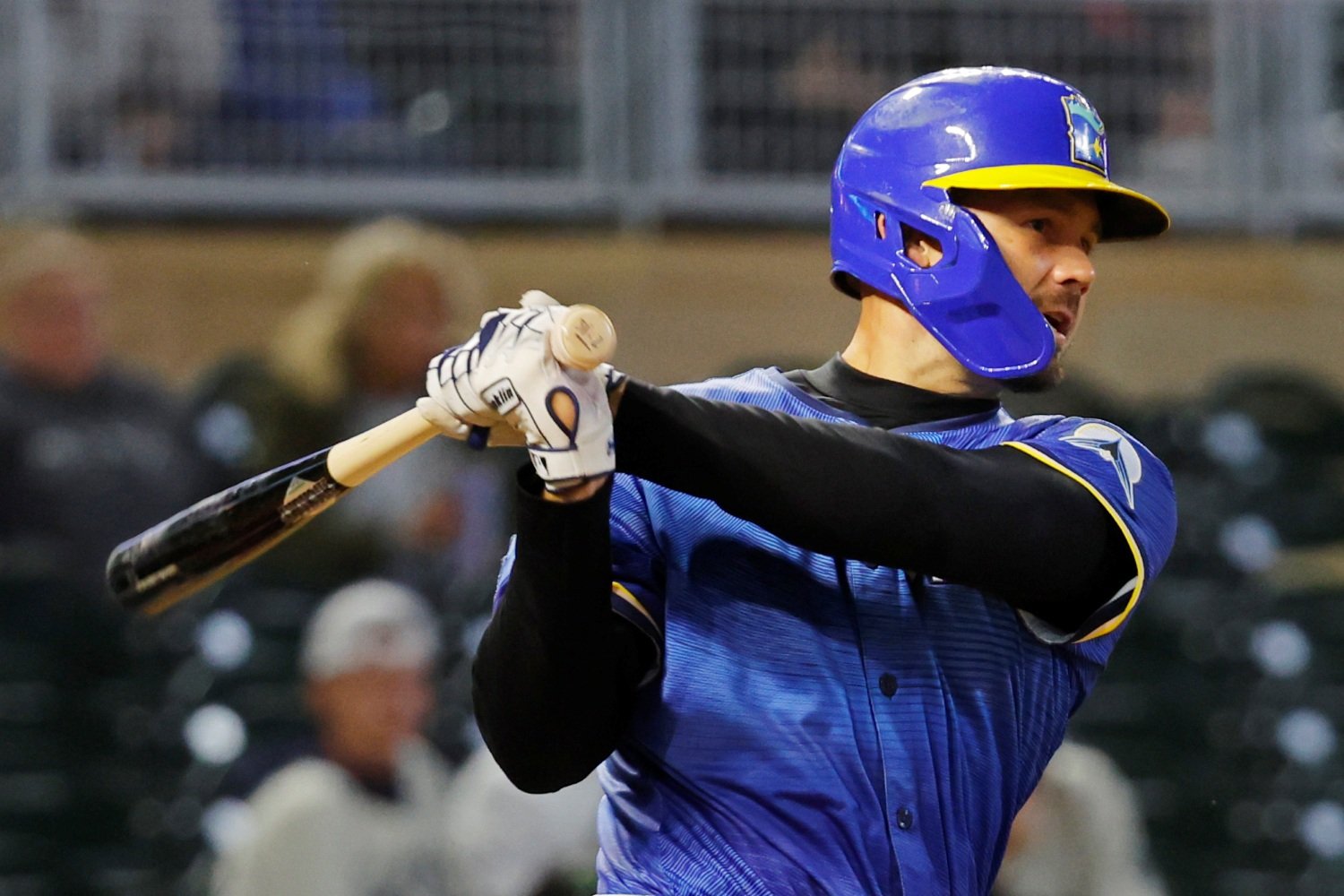 Entering the offseason, those who follow the Minnesota Twins expected corner outfielder/designated hitter Trevor Larnach to part ways with the organization, either by being non-tendered in mid-November or traded sometime before spring training. Instead, they tendered him a contract in the fall, and agreed to a one-year, $4.475-million contract to avoid arbitration earlier this month. With less than three weeks until pitchers and catchers report to the Lee Health Sports Complex in Fort Myers, Larnach remains with the club. Larnach appears set to enter his sixth major-league season still a member of the Twins. However, his role in 2026 could differ from any he’s occupied in previous seasons, due to the 26-man roster’s projected construction. Right now, Larnach is projected to platoon with Austin Martin in left field, with Larnach starting games against right-handed starting pitchers and Martin starting games against left-handed starting pitchers. At first glance, Larnach would be slated to receive more opportunities at the position, given that major-league clubs face right-handed starting pitchers about three times as often as southpaws. Yet, given how Minnesota’s 26-man roster is currently constructed, the club could possess the positional flexibility necessary to avoid playing Larnach in the field altogether. Fellow left-handed hitting corner outfield options Kody Clemens and Alan Roden (or James Outman, depending on who performs better during spring training) are also projected to hold roster spots come Opening Day. Clemens and Roden are superior defensive options to Larnach. The trio of Clemens, Roden, and Martin could operate in left field interchangeably, providing Minnesota with a plus defensive option in every platoon scenario. Any of the three players could also back up Matt Wallner in right field, providing the club with quality defensive flexibility in both corner outfield spots. Larnach would thus operate as the club’s primary designated hitter against right-handed starting pitchers, with switch-hitting DH options Josh Bell (first base) and Victor Caratini (catcher) playing in the field. On the surface, that looks like a minimal role, especially for a player earning almost $5 million. As noted earlier, however, major-league clubs face right-handed starting pitchers far more often than left-handed starting pitchers. Minnesota could maximize Larnach’s skillset on a game-to-game basis, potentially leading to the Oregon State product producing at an unforeseen rate in his age-29 season. In 2024, Larnach hit .259/.338/.434 (a 119 wRC+) over 400 plate appearances, marking what has been his best season in the majors. Larnach excelled against right-handed pitching in 2024, hitting 15 home runs and posting a 123 wRC+ over 377 plate appearances. He struggled against same-handed pitchers, however, posting a lousy 63 wRC+ in the tiny sample of 23 plate appearances. Larnach performed well against right-handed pitching last season, too, generating a 110 wRC+ over 449 plate appearances. However, the team elected to provide him more opportunities against lefties, which worked to his detriment. Larnach generated a similarly brutal 71 wRC+ against lefties. That time, however, he garnered 118 plate appearances against same-handed pitchers, a fivefold increase from 2024. His apparent performance dip last year was the result of Minnesota forcing him into 95 additional plate appearances against left-handed pitchers, due to a lack of corner outfield and DH depth. With Martin, Clemens, Roden (or Outman), Wallner, Bell, and Caratini all projected to be on the Opening Day roster, Minnesota could shield Larnach from his weaknesses and maximize his strengths. Hitting almost exclusively against righties, Larnach could again post a wRC+ in the 120-130 range, though that would put more pressure on Martin, Bell and Caratini to be productive hitters against southpaws. Again, Larnach is not a platoon-proof left-handed hitting bat in the same ilk as Kyle Tucker or Tyler Soderstrom. Still, he could supply value in the right role. The final question, then, is whether the right role for Larnach is one the roster can accommodate, as a whole. The Twins will have 13 roster spots for position players at any given time. Ryan Jeffers and Caratini are locks. So are Bell, Luke Keaschall, Brooks Lee, Royce Lewis, Byron Buxton, Wallner and Clemens. That makes nine. Roden, Martin, Tristan Gray, Ryan Kreidler and Eric Wagaman can all be optioned to the minors, which gives the team flexibility, but that still leaves Outman, Edouard Julien, and Alex Jackson to sort through. The nine players listed as locks don't include a backup shortstop or third baseman, so one of the final four spots must be held for that player, with Gray being the leading candidate. Whether keeping Larnach (and using him in the role we've discussed) makes sense could come down to which of the out-of-options trio sticks around, if any. Julien is almost certainly out the door. Should the team elect to carry three catchers by keeping Jackson, though, they'd also be more likely to use Jeffers and Caratini at DH on occasion, pinching Larnach. Outman is the closest thing to a true center fielder in the mix, other than Buxton, so he could stick around mostly for his glove—but even if that's why he lands on the roster, him landing there would complicate keeping Larnach. If the Twins trust Larnach in left field (something that wasn't true in 2025), he has a fairly clear path to sticking around and making a positive impact. If not, though, he's still in a precarious position, because the role the team would most like to give him might not suit the rest of their roster construction. He just needs the right opportunity, but whether that right opportunity exists in Minnesota isn't clear yet.
 -
Eric Wagaman Might Be the Next Kyle Garlick
Cody Schoenmann replied to Cody Schoenmann's topic in Twins Daily Front Page News
i'm not the step dad, i'm the dad who stepped up -
Is Simeon Woods Richardson a Better Starting Pitcher Than Bailey Ober?
Cody Schoenmann posted an article in Twins
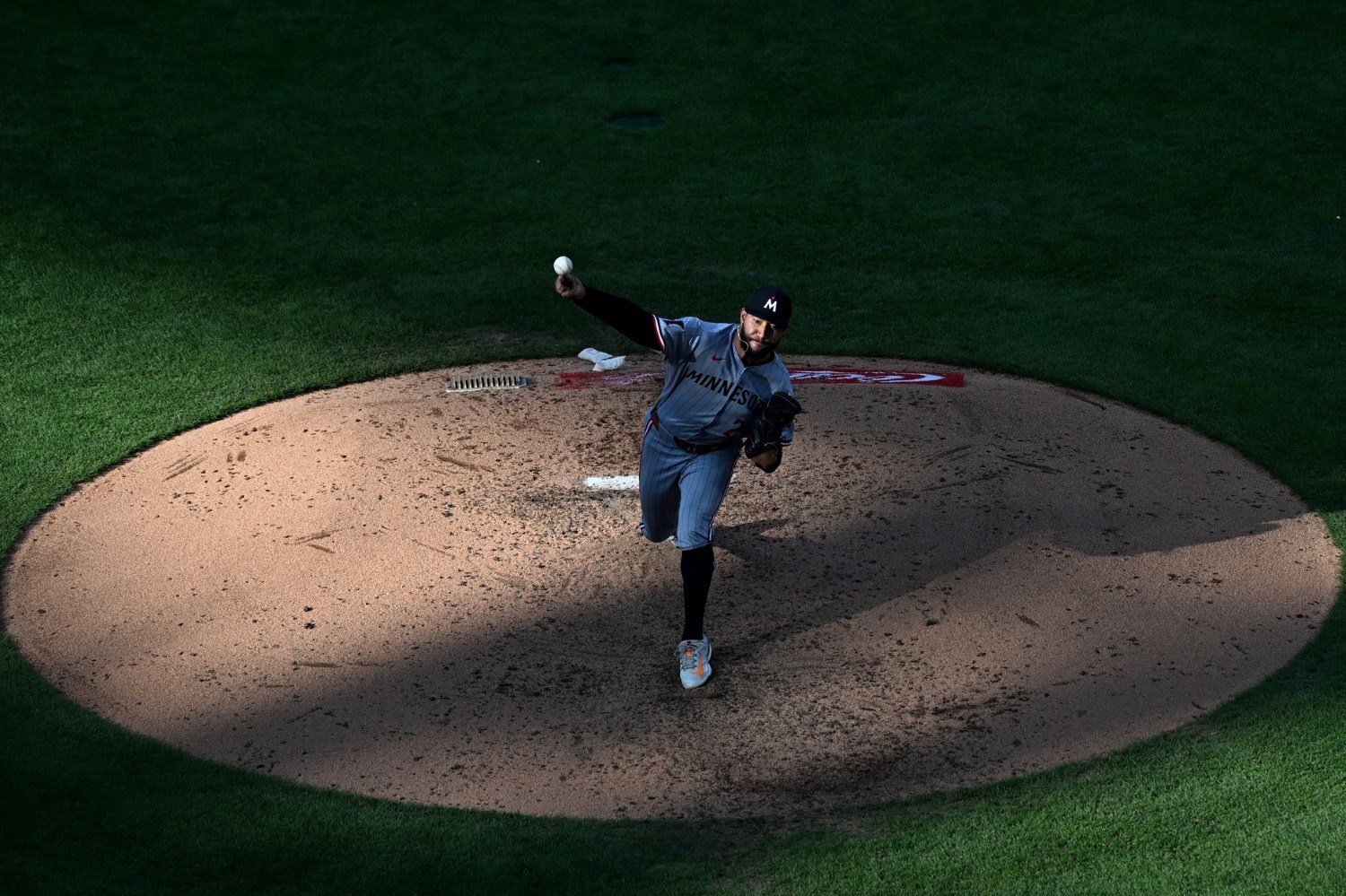 Entering the 2026 MLB regular season, four of the Minnesota Twins’ five rotation spots are filled, headlined by co-aces Pablo López and Joe Ryan, popular bounce-back candidate Bailey Ober, and an experienced but still developing Simeon Woods Richardson. Zebby Matthews, Taj Bradley, David Festa, and Mick Abel will compete for the club’s fifth spot during spring That eight-pitcher collection is one of the most accomplished, talented, and deep groups that president of baseball operations Derek Falvey has constructed, with the 2023 septet of López, Ryan, Ober, Sonny Gray, Kenta Maeda, Tyler Mahle, and Louis Varland being the only close competition. Again, López and Ryan are the two best arms among the eight pitchers listed. Understandably so, many who follow the Twins would be quick to list Ober as the third most talented arm in the collective. Since 2023 (when López joined Minnesota), Ober has been Minnesota’s third-most effective starting pitcher according to wins above replacement at FanGraphs (fWAR), netting 6.6 during that three-season stretch, trailing Ryan’s 8.6 and López’s 9.6. Yet, after a career-worst performance last season (5.10 ERA and 4.90 FIP over 146 1/3 innings pitched), Ober might no longer be the club’s third-best starter, with Woods Richardson potentially surpassing him. Despite being demoted to Triple-A St. Paul from mid-May to early June, Woods Richardson improved in his second season as a full-time starter, posting a 4.04 ERA, 4.52 FIP, and a 107-to-46 strikeout-to-walk ratio over 111 1/3 innings. The 25-year-old stood out after the trade deadline, generating a 3.52 ERA, 3.95 FIP, and an elite 31.1% strikeout rate over 30 2/3 innings pitched. Given Ryan’s second-half struggles and López’s extended absence, the young righty operated as Minnesota’s best starting pitcher over the final two months. Meanwhile, Ober sputtered, posting a 4.80 ERA and a 4.32 FIP, with his average four-seam fastball velocity sitting below 90 miles per hour. Woods Richardson vastly outperformed Ober late last season, and that trend could continue in 2026. The primary reason Woods Richardson has plausibly usurped Ober as Minnesota’s third-most effective starting pitcher is the continued refinement and improvement of his arsenal. The young righty’s average four-seam fastball velocity has steadily increased over his first four seasons in the majors, settling at 93.2 MPH in 2025. His slider and splitter each flashed above-average. Ober, on the other hand, has undergone a meaningful decrease in average four-seam velo, with the pitch dropping from 91.7 MPH in 2024 (his best season) to sitting at 90.3 MPH last season. Despite still possessing a plus changeup, he's gone backward, with the velocity just one culprit. His slider also went off the rails last year. Obviously, much of Minnesota’s rotation success will be contingent on López and Ryan performing on par with or better than their career norms while remaining healthy. Still, Ober and Woods Richardson will play substantial roles in the club’s efforts to field a plus rotation. As noted earlier, Ober’s struggles could have been the product of him pitching through injury. Still, if he continues to pitch poorly early next season and Woods Richardson continues to progress, the latter could solidify himself as Minnesota’s newest frontline arm. If more than one of those young hurlers forces the issue, it could be Ober whose job is in jeopardy, rather than Woods Richardson's.
 -
Entering the 2026 MLB regular season, four of the Minnesota Twins’ five rotation spots are filled, headlined by co-aces Pablo López and Joe Ryan, popular bounceback candidate Bailey Ober, and an experienced yet still developing Simeon Woods Richardson. Zebby Matthews, Taj Bradley, David Festa, and Mick Abel will compete for the club’s fifth spot this Spring Training. The eight-pitcher collective is one of the most achieved, talented, and depth-abundant collectives that President of Baseball Operations Derek Falvey has constructed, with the 2023 septet of López, Ryan, Ober, Sonny Gray, Kenta Maeda, Tyler Mahle, and Louis Varland being the only worthwhile challenger. Again, López and Ryan are the two best arms among the eight pitchers listed. Understandably so, many who follow the Twins would be quick to list Ober as the third most talented arm in the collective. Since 2023 (when López joined Minnesota), Ober has objectively been Minnesota’s third most effective starting pitcher according to Wins Above Replacement at FanGraphs (fWAR), netting 6.6 during that three-season stretch to Ryan’s 8.6 and López’s 9.6. Yet, after undergoing a career-worst performance last season (5.10 ERA and 4.90 FIP over 146 1/3 innings pitched), Ober might no longer be the club’s third-best starter, with Woods Richardson potentially surpassing him. Despite being demoted to Triple-A from mid-May to early-June, Woods Richardson improved in his second season as a full-time starter, posting a 4.04 ERA, 4.52 FIP, and a 107-to-46 strikeout-to-walk ratio over 111 1/3 innings. The 25-year-old stood out after the trade deadline, generating a 3.52 ERA, 3.95 FIP, and an elite 31.1% strikeout rate over 30 2/3 innings pitched. Given Ryan’s second-half struggles and López’s extended absence, the young righty operated as Minnesota’s best starting pitcher from Aug. 1 through Sept. 30. Meanwhile, Ober sputtered, posting a 4.80 ERA, 4.32 FIP, and his average four-seam fastball velocity sitting below 90 miles per hour. Woods Richardson vastly outperformed Ober late last season, and that trend could continue in 2026. The primary reason Woods Richardson has likely usurped Ober as Minnesota’s third most effective starting pitcher is the continued refinement and improvement of his arsenal. The young righty’s average four-seam fastball velocity has steadily increased over his first four seasons in the majors, settling at 93.2 MPH in 2025. Ober, on the other hand, has undergone a meaningful decrease in average four-seam velo, with the pitch hovering around 91.7 MPH in 2024 (his best season) to sitting at 90.3 MPH last season. Despite still possessing a plus change, Ober’s slider has also undergone a significant drop in quality, evidenced by the pitch having above-average movement in 2024 to regressing into the eighth-worst slider in baseball in 2025, according to the slider run value leaderboard at Baseball Savant. Meanwhile, Woods Richardson sported an above-average slider according to the same metric, while throwing the highest number of them on the team (Ober threw the second most). Obviously, much of Minnesota’s rotation success will be contingent on López and Ryan performing on par with or better than their career norms while remaining healthy. Still, Ober and Woods Richardson will play substantial roles in the club’s ability to field a plus rotation. As noted earlier, Ober’s struggles could have been the product of him pitching through injury. Still, if he continues to pitch poorly early next season and Woods Richardson continues to progress, the latter could solidify himself as Minnesota’s newest frontline arm. View full article
-
To Break Out in 2026, Zebby Matthews Should Ditch His Cutter
Cody Schoenmann posted an article in Twins
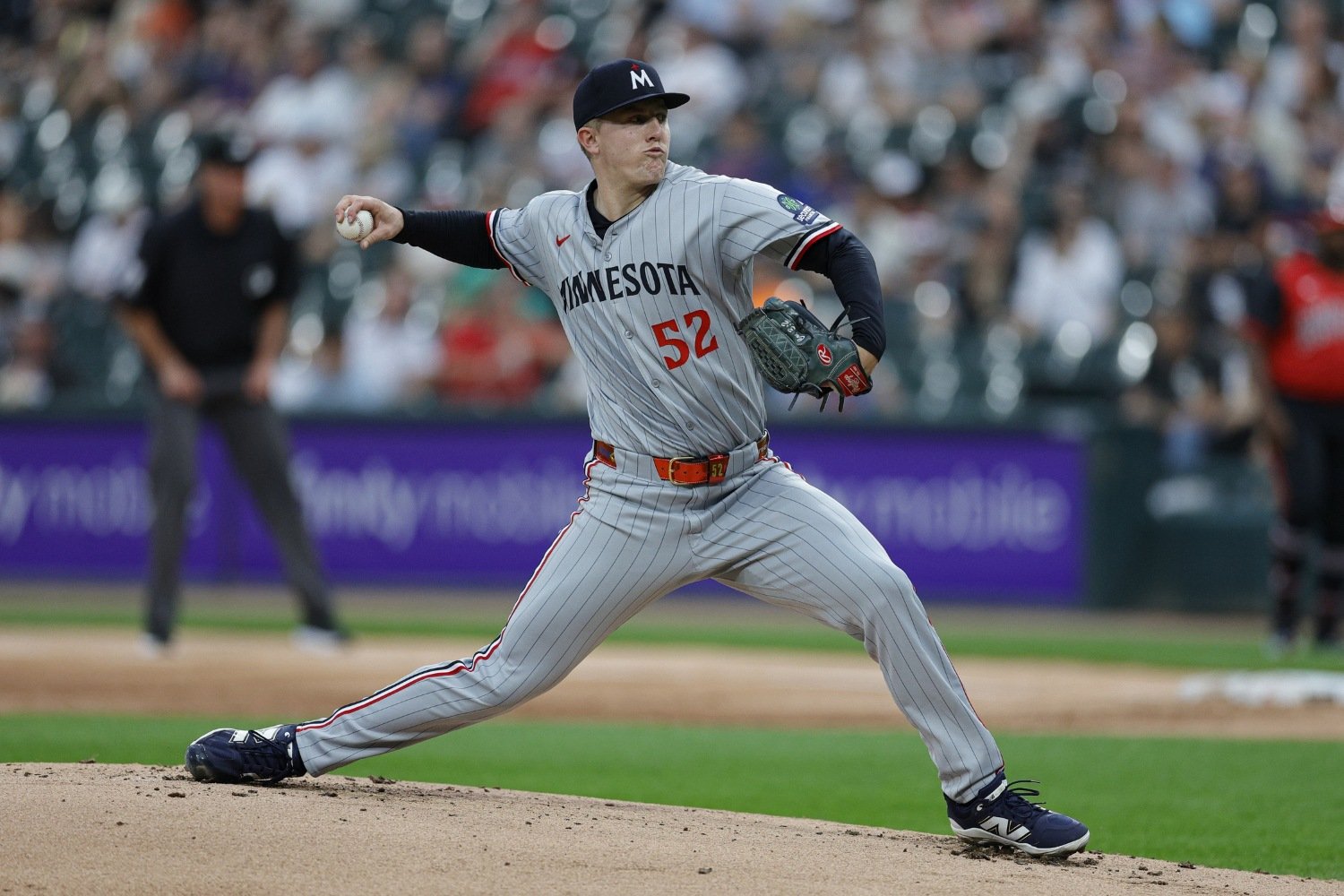 In October, Twins Daily’s Matthew Trueblood published a piece on Minnesota Twins starting pitcher Zebby Matthews’s proclivity to surrendering a high number of singles over the first two seasons of his career, evidenced by the 25-year-old allowing a .361 batting average on balls in play over 117 innings pitched. In his article, Trueblood notes that Matthews’s ailments aren’t simply due to him being unlucky, citing that the hard-throwing righty gives up too many batted balls that have a strong chance of becoming hits. Defensive improvement from Minnesota (particularly from the infielders) could lead to more sustained success for Matthews in 2026. However, the former top prospect could also take steps to mend his shortcomings by refining his arsenal. Last season, Matthews threw the following pitches (usage rates included): Four-seam fastball - 41% Slider - 25% Cutter - 13% Change - 11% Curve - 6% Sinker - 4% The righty’s most used pitch was his four-seam fastball, which was also the case in 2024. Those following the Twins should expect him to continue throwing the pitch at a similar rate next season. However, his best pitch is his slider, which he used only 25% of the time in 2025. He also used his change, curve, and sinker a combined 21% of the time, primarily utilizing his change against left-handed hitters in an effort to generate swings and misses below the zone. Matthews would be wise to continue throwing these pitches in 2026 to change the pace of at-bats. However, he would be wise to scrap his cutter entirely, opting to fortify his slider and use it at a rate similar to his fastball (both of which are superior pitches). MTZxRGdfWGw0TUFRPT1fQVFCUkFGVlFVd1VBWFZWVVZBQUhCZ1JlQUFNRFdsa0FWQVJYVmxkVEF3RlFVZ0JW.mp4 Matthews primarily threw his cutter against left-handed hitters last year, with the intention of getting hitters to jam themselves on the pitch cutting in on them. Unfortunately, left-handed hitters generated a .760 slugging average against his cutter last season. Matthews’s cutter is slightly above-average in terms of Stuff. However, he locates it poorly, throwing it lower in the zone against left-handed hitters rather than attacking them high. Because he is unable to effectively throw his cutter high in the zone against left-handed hitters, the pitch is unintentionally being used like a slider. However, given that his cutter doesn’t have the same movement profile as his plus slider, the pitch isn’t reaching the back foot of left-handed hitters. That being the case, lefties have been able to take advantage of the pitch due to it catching too much of the plate at a lower velocity than his four-seam fastball. This isn't a problem unique to Matthews. In fact, it's almost universal. In October 2024 (a year before the piece about Matthews's singles), Trueblood wrote about a league-wide trend toward trouble for pitchers going after opposite-handed batters with slider-like cutters, for Baseball Prospectus. As mentioned earlier, Matthews would be wise to instead throw true sliders to left-handed hitters, a pitch that provides more depth and better location than his cutter. With a quick look at where the two pitches landed against lefties for him last year, it's easy to see how the slider is more successful than the cutter. He could also throw his plus four-seamer high in the zone to lefties, creating a more formidable one-two punch, instead of relying on his cutter to play the role of fastball and slider. He should also throw his change more against lefties, increasing his usage rate to around 20%. If Matthews were to ditch his cutter, increase his slider usage, and further utilize his change, he could limit balls put in play against him (particularly against lefties) and potentially earn his first taste of sustained success at the major-league level in 2026.
 -
Last October, Twins Daily’s Matthew Trueblood published a piece on Minnesota Twins starting pitcher Zebby Matthews’s proclivity to surrendering a high number of singles over the first two seasons of his career, evidenced by the 25-year-old allowing a .361 batting average on balls in play over 117 innings pitched. In his article, Trueblood notes that Matthews’s ailments aren’t simply due to him being unlucky, citing that the hard-throwing righty gives up too many batted balls that have a strong chance of becoming hits. Defensive improvement from Minnesota (particularly from the infielders) could lead to more sustained success for Matthews in 2026. However, the former top prospect could also take steps to mend his shortcomings by refining his arsenal. Last season, Matthews threw the following pitches (usage rates included): Four-seam fastball - 41% Slider - 25% Cutter - 13% Change - 11% Curve - 6% Sinker - 4% The righty’s most used pitch was his four-seam fastball, which was also the case in 2024. Those following the Twins should expect him to continue throwing the pitch at a rate eclipsing 40% next season. However, his best pitch is his slider, which he used only 25% of the time in 2025. He also used his change, curve, and sinker a combined 21% of the time, primarily utilizing his change against left-handed hitters in an effort to generate swings and misses below the zone. Matthews would be wise to continue throwing these pitches in 2026 to change the pace of at-bats. However, he would be wise to scrap his cutter entirely, opting to fortify his slider and use it at a rate similar to his fastball (both of which are superior pitches). MTZxRGdfWGw0TUFRPT1fQVFCUkFGVlFVd1VBWFZWVVZBQUhCZ1JlQUFNRFdsa0FWQVJYVmxkVEF3RlFVZ0JW.mp4 Functioning as a fastball variant, Matthews primarily threw his cutter against left-handed hitters, with the intention of getting hitters to jam themselves on the pitch cutting in on them. Unfortunately, left-handed hitters generated a .760 slugging percentage against his cutter last season. Matthews’s cutter is slightly above-average in terms of Stuff. However, the young righty poorly located his cutter, throwing it lower in the zone against left-handed hitters rather than attacking them high. Because he is unable to effectively throw his cutter high in the zone against left-handed hitters, the pitch is unintentionally being used like a backdoor slider. However, given that his cutter doesn’t have the same movement profile as his plus slider, the pitch isn’t reaching the back foot of left-handed hitters. That being the case, lefties have been able to take advantage of the pitch due to it catching too much of the plate at a lower velocity than his four-seam fastball. As mentioned earlier, Matthews would be wise to instead throw backdoor sliders to left-handed hitters, a pitch that provides more depth and better location than his cutter. He could also throw his plus four-seam high in the zone to lefties, creating a more formidable one-two punch, instead of relying on his cutter to play the role of fastball and slider. Also, he could be incentivized to throw his change more against lefties, increasing his usage rate to around 20%. If Matthews were to ditch his cutter, increase his slider usage, and further utilize his change against lefties, he could limit balls put in play against him (particularly against lefties) and potentially earn his first taste of sustained success at the major league level in 2026. View full article
-
Is Connor Prielipp the Answer to Twins' Relief Ace Questions?
Cody Schoenmann posted an article in Twins
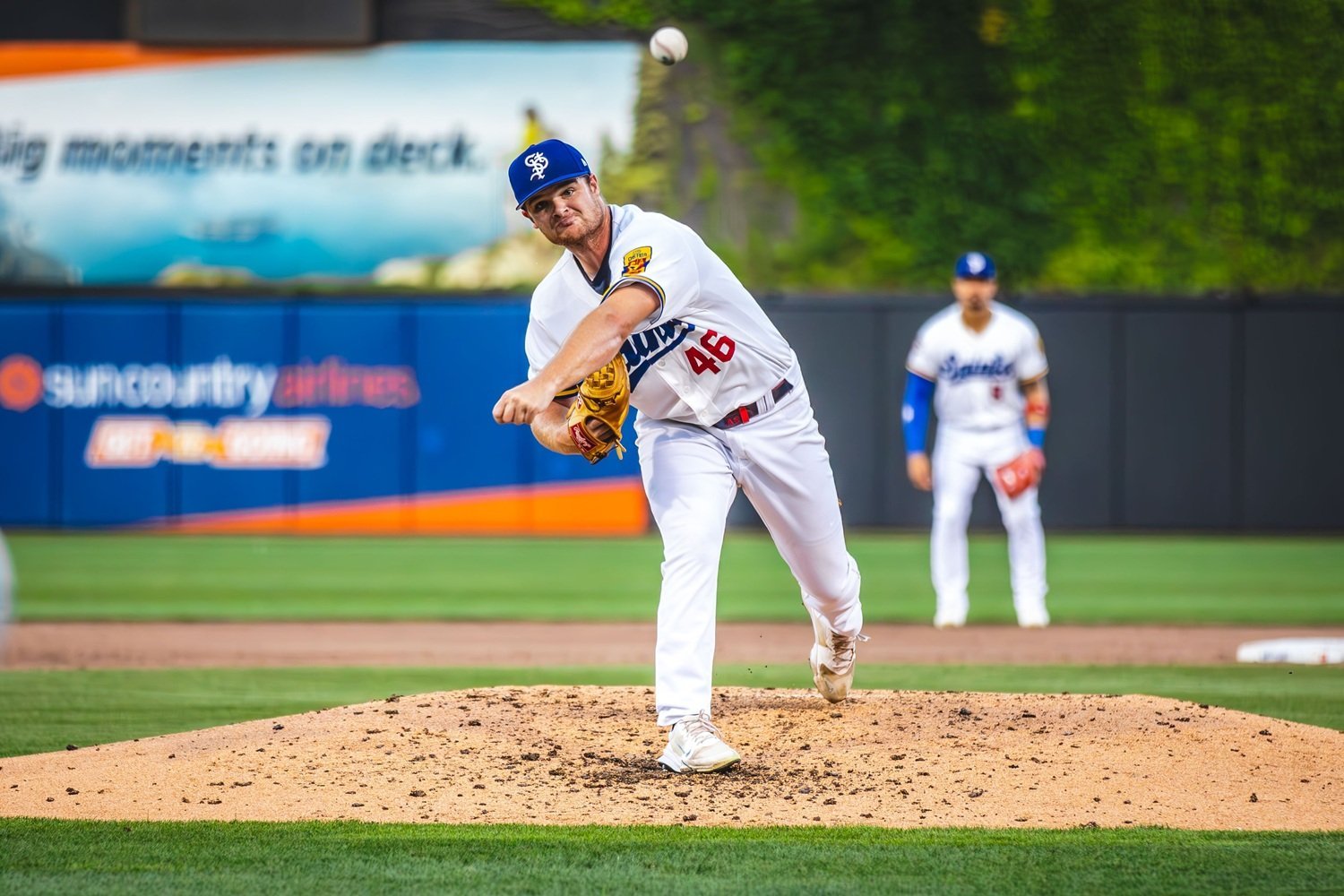 Entering the 2022 MLB regular season, the Minnesota Twins' 10-pitcher(!) bullpen was a smorgasbord of reliever archetypes, ranging from established, veteran arms Tyler Duffey and Joe Smith to inexperienced, high-upside prospects Josh Winder and Jhoan Duran. The team stumbled and sorted through 26 different relievers that season, finishing with the 18th-best bullpen in baseball. However, the club unearthed its next closer in the aforementioned Duran, with the hard-throwing righty occupying the role for the next two-and-a-half seasons before being traded to the Philadelphia Phillies last July. Minnesota finds itself in a similar position now. They're projected to enter the 2026 regular season with a hodgepodge of trustworthy veterans in Justin Topa and Cole Sands and young, high-ceiling arms in John Klein, Marco Raya, and (most notably) Connor Prielipp. Twins decision-makers would love for the organization’s next star closer to develop internally. Klein, Raya, and Prielipp could be the first crop of young arms to receive that opportunity, with Prielipp possessing the stuff and arsenal necessary to quickly develop into that caliber of relief ace. Selected in the second round of the 2022 MLB Draft, Prielipp started two games in A-ball before needing to undergo Tommy John surgery, effectively ending his 2023 season. The Alabama product pitched minimally in 2024 before breaking through last season, with a 4.03 ERA, 3.54 FIP, and 98-to-31 strikeout-to-walk ratio over 82 ⅔ innings pitched at Double A and Triple A. The organization deployed the then-24-year-old almost exclusively as a starting pitcher last season. However, the front office has already admitted that Prielipp could transition into a relief role in 2026; he could be part of the club’s Opening Day bullpen. Prielipp separates himself from Klein, Raya, and other contemporaries by possessing three of the most effective pitches in the Twins system, in his four-seam fastball, slider, and changeup. He complements his near-elite three-pitch mix with a sinker, a fastball variant the lefty added to his arsenal last season. A primary reason Duran and (to a lesser degree) Griffin Jax developed into prized high-leverage arms was that they were able to maximize the shape and velocity of their pitches while maintaining the four-to-five pitch arsenal of a starting pitcher. Being left-handed, Prielipp is a different pitcher than Duran and Jax. His breaking ball isn't quite as devastating, because he will face many right-handed batters and have to lean more on his changeup—though he did show the ability to change the shape of the slider last year, based on batter handedness. Still, Prielipp has the swing-and-miss stuff necessary to make the same transition as Duran and Jax. Sitting around 95 MPH as a starter, the lefty’s four-seam fastball is inferior to Jax’s, let alone Duran’s. Once transitioned into a short relief role, though, he should add extra velocity and clean up the shape of his four-seamer, potentially reaching 97 or 98 MPH. If Prielipp can add velocity to his four-seam fastball, continue developing his sinker, and lean on his elite slider and plus change, he could join the ranks of San Diego’s Adrián Morejón and Seattle’s José A. Ferrer, becoming one of the best left-handed relievers in baseball and Minnesota’s next All-Star-caliber closer.
 -
Entering the 2022 MLB regular season, the Minnesota Twins ten-pitcher(!) bullpen was a smorgasbord of different reliever archetypes, ranging from established, veteran arms in Tyler Duffey and Joe Smith to inexperienced, high-upside prospects in Josh Winder and Jhoan Duran. The postseason-missing collective sorted through an abundance of relievers that season, finishing with the 18th-best bullpen in baseball. However, the club unearthed its next closer in the aforementioned Duran, with the hard-throwing righty occupying the role the next two-and-a-half seasons before being traded to the Philadelphia Phillies during last season’s trade deadline. Fast forward four seasons later, Minnesota finds itself in a similar position, anticipated to enter the 2026 regular season with a hodge podge of trustworthy veterans in Justin Topa and Cole Sands and young, high-ceiling arms in John Klein, Marco Raya, and (most notably) Connor Prielipp. Similar to Duran’s breakthrough 2022 campaign, Twins decision-makers would love for the organization’s next star closer to develop internally. Klein, Raya, and Prielipp will likely be the first crop of young arms to receive that opportunity, with Prielipp possessing the stuff and arsenal necessary to quickly develop into the club’s next star closer. Drafted in the second round of the 2022 MLB Amateur Draft, Prielipp started two games between Single-A and High-A before needing to undergo Tommy John surgery, effectively ending his 2023 season. The Alabama product pitched minimally in 2024 before breaking through last season, generating a 4.03 ERA, 3.54 FIP, and a 98-to-31 strikeout to walk ratio over 82 ⅔ innings pitched between Double- and Triple-A. The organization deployed the then-24-year-old almost exclusively as a starting pitcher last season. However, Twins decision-makers alluded that Prielipp could transition into a relief role in 2026, further proving the notion that he could be part of the club’s Opening Day bullpen. Prielipp separates himself from Klein, Raya, and other contemporaries by possessing three of the most effective pitches in the Twins system in his four-seam fastball, slider, and changeup. The 25-year-old complements his near-elite three-pitch mix with a sinker, a fastball variant the lefty added to his arsenal last season. A primary reason Duran and (to a lesser degree) Griffin Jax developed into prized high-leverage arms was because they were able to maximize the shape and velocity of their pitches while maintaining the four-to-five pitch arsenal of a starting pitcher. Throwing left-handed, Prielipp is functionally a different pitcher than Duran and Jax, making him incomparable to the former high-leverage Twins reliever. Still, Prielipp has the breaking and offspeed pitches necessary to make the same transition as Duran and Jax, even if he struggles more against right-handed hitters. Sitting around 95 MPH as a starter, the lefty’s four-seam fastball is inferior to Jax’s, let alone Duran’s. Once transitioned into a short relief role, he should add extra velocity and improved shape to his four-seam, with it potentially reaching 97 or 98 MPH. Again, the pitch wouldn’t be in the same stratosphere as Duran’s four-seam. Still, if Prielipp can add velocity to his four-seam fastball, continue developing his sinker, and leaning on his elite slider and plus change, he could join the ranks of San Diego’s Adrian Morejon and Seattle’s Jose A. Ferrer, becoming one of the best left-handed relievers in baseball and Minnesota’s next All-Star caliber closer. View full article
-
i think Connor Prielipp, Marco Raya, and John Klein will play meaningful roles in addressing it
-
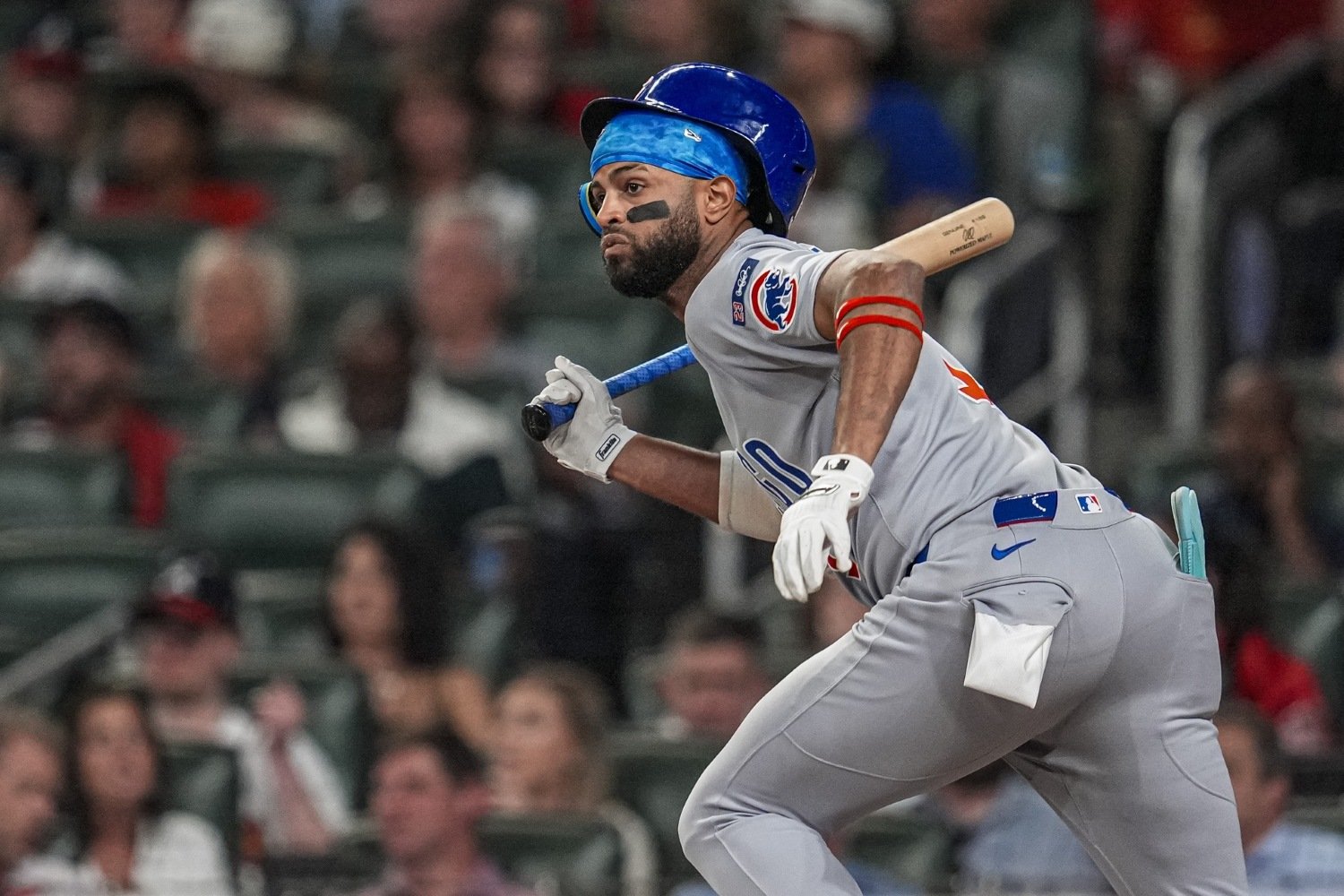 Over three months into the offseason, the Minnesota Twins have been mildly active on the position player front, trading for Alex Jackson to succeed Christian Vázquez as backup catcher; signing switch-hitting veteran Josh Bell to become the primary first baseman and/or DH; and acquiring Ryan Kreidler, Eric Wagaman, and Orlando Arcia to provide depth on the margins. Adding these five depth pieces to the core of Byron Buxton, Royce Lewis, Luke Keaschall, Ryan Jeffers, Matt Wallner, Brooks Lee, and others, Minnesota is nearly done rounding out its 13-person major-league position player collective. They have depth options likely to be ticketed for Triple-A St. Paul, where they can await injuries or other opportunities. That said, the club would be wise to add one more versatile bench bat to round out the group—preferably someone who could fill a super utility role in the infield and outfield. Sound familiar? Signed to a minor-league contract before the 2023 season, struggling major-league veteran Willi Castro underwent a career renaissance with Minnesota, generating a combined 107 wRC+ over 1,388 plate appearances and spending meaningful time at six different defensive positions (including multiple relief appearances). Traded to the Chicago Cubs at last season’s trade deadline, the 28-year-old struggled, hitting .170/.245/.240 with a 40 wRC+ over 110 plate appearances. The former Twin provided a similar level of defensive versatility for Chicago, but his offensive ineptitude kept him off the club’s playoff rosters, signaling an unceremonious end to his tenure with the Cubs. Before struggling in Chicago, Castro was expected to net a multi-year contract this offseason, potentially earning more than $10 million annually. He is now projected to net a one-year deal worth between $3 million and $5 million. That being the case, the former fan favorite should be within the salary-restricted Twins' price range, while possessing a skillset that would patch the remaining holes on the club’s roster. As mentioned earlier, Castro started at six positions for the Twins in 2025, primarily playing second base, right field, left field, and third base. Minnesota has adequate corner outfield depth in Wallner, Trevor Larnach, Austin Martin, Alan Roden, James Outman, and top prospects Walker Jenkins and Emmanuel Rodriguez will begin the season at St. Paul. Still, given Castro’s matchup utility as a balanced switch-hitter, he could find time in left or right field as a right-handed platoon option. He could also function as Royce Lewis’s backup at third base and mix in at second base alongside Keaschall and Kody Clemens. Castro’s days as a shortstop and center fielder are behind him. Still, he could function as Brooks Lee’s emergency backup at shortstop, operating as a superior offensive option to Kreidler or Arcia and rendering it unnecessary to roster them unless and until Lee gets hurt. Despite rumors swirling around Castro mixing in at first base last season, he didn’t play a single inning at the position. In 2026, Minnesota could be more incentivized to provide him an opportunity there, given that Bell is defensively deficient and Clemens and Wagaman are fringy pieces. Again, Castro is no longer the super utility player who unexpectedly earned an All-Star nod in 2024. Those who follow the Twins shouldn’t expect him to be that guy. Still, with Kreidler, Arcia and Wagaman (all below-average hitters) around as depth alternatives, team decision-makers would be wise to add a stronger option. Affordable and well-liked in the clubhouse, Castro is a good candidate to be that guy.
 -
Image courtesy of © Dale Zanine-Imagn Images Over three months into the offseason, the Minnesota Twins have been mildly active on the position player front, trading for Alex Jackson to succeed Christian Vázquez as backup catcher; signing switch-hitting veteran Josh Bell to become the primary first baseman and/or DH; and acquiring Ryan Kreidler, Eric Wagaman, and Orlando Arcia to provide depth on the margins. Adding these five depth pieces to the core of Byron Buxton, Royce Lewis, Luke Keaschall, Ryan Jeffers, Matt Wallner, Brooks Lee, and others, Minnesota is nearly done rounding out its 13-person major-league position player collective. They have depth options likely to be ticketed for Triple-A St. Paul, where they can await injuries or other opportunities. That said, the club would be wise to add one more versatile bench bat to round out the group—preferably someone who could fill a super utility role in the infield and outfield. Sound familiar? Signed to a minor-league contract before the 2023 season, struggling major-league veteran Willi Castro underwent a career renaissance with Minnesota, generating a combined 107 wRC+ over 1,388 plate appearances and spending meaningful time at six different defensive positions (including multiple relief appearances). Traded to the Chicago Cubs at last season’s trade deadline, the 28-year-old struggled, hitting .170/.245/.240 with a 40 wRC+ over 110 plate appearances. The former Twin provided a similar level of defensive versatility for Chicago, but his offensive ineptitude kept him off the club’s playoff rosters, signaling an unceremonious end to his tenure with the Cubs. Before struggling in Chicago, Castro was expected to net a multi-year contract this offseason, potentially earning more than $10 million annually. He is now projected to net a one-year deal worth between $3 million and $5 million. That being the case, the former fan favorite should be within the salary-restricted Twins' price range, while possessing a skillset that would patch the remaining holes on the club’s roster. As mentioned earlier, Castro started at six positions for the Twins in 2025, primarily playing second base, right field, left field, and third base. Minnesota has adequate corner outfield depth in Wallner, Trevor Larnach, Austin Martin, Alan Roden, James Outman, and top prospects Walker Jenkins and Emmanuel Rodriguez will begin the season at St. Paul. Still, given Castro’s matchup utility as a balanced switch-hitter, he could find time in left or right field as a right-handed platoon option. He could also function as Royce Lewis’s backup at third base and mix in at second base alongside Keaschall and Kody Clemens. Castro’s days as a shortstop and center fielder are behind him. Still, he could function as Brooks Lee’s emergency backup at shortstop, operating as a superior offensive option to Kreidler or Arcia and rendering it unnecessary to roster them unless and until Lee gets hurt. Despite rumors swirling around Castro mixing in at first base last season, he didn’t play a single inning at the position. In 2026, Minnesota could be more incentivized to provide him an opportunity there, given that Bell is defensively deficient and Clemens and Wagaman are fringy pieces. Again, Castro is no longer the super utility player who unexpectedly earned an All-Star nod in 2024. Those who follow the Twins shouldn’t expect him to be that guy. Still, with Kreidler, Arcia and Wagaman (all below-average hitters) around as depth alternatives, team decision-makers would be wise to add a stronger option. Affordable and well-liked in the clubhouse, Castro is a good candidate to be that guy. View full article
-
Eric Wagaman Might Be the Next Kyle Garlick
Cody Schoenmann replied to Cody Schoenmann's topic in Twins Daily Front Page News
Buxton, Jeffers, Lewis, Keaschall, and (maybe) Martin all fit that mold. Not every position player in a 13-player group is going to hit same- and opposite-handed pitching well. That's why clubs have niche bench roles. I'm optimistic Wagaman could perform well in his.- 48 replies
-
- 1
-

-
- jordan luplow
- jonah bride
- (and 2 more)
-
Eric Wagaman Might Be the Next Kyle Garlick
Cody Schoenmann replied to Cody Schoenmann's topic in Twins Daily Front Page News
your mom did text me to let me know she read my article, yes.- 48 replies
-
- 1
-
-
- jordan luplow
- jonah bride
- (and 2 more)
-
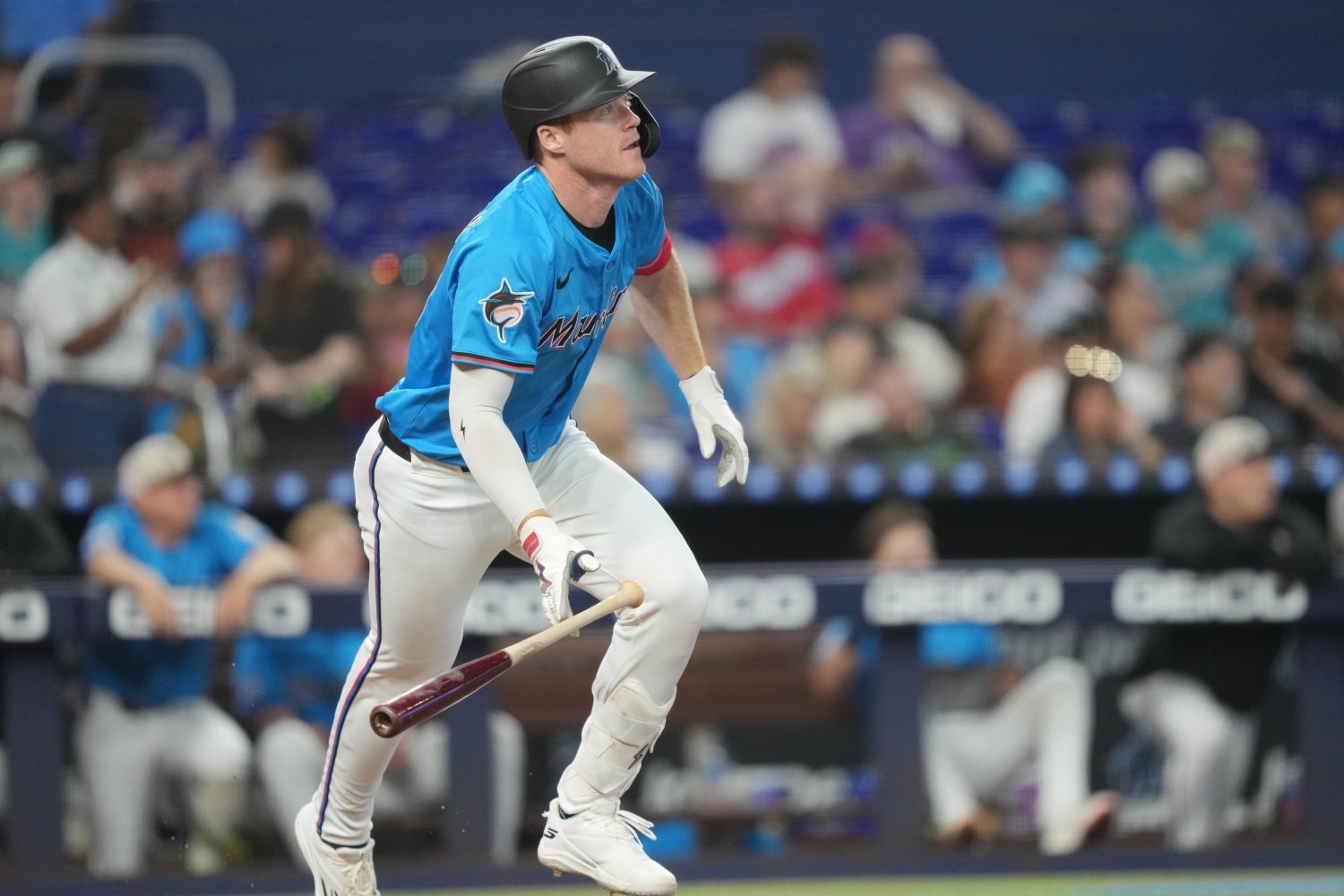 In his review of the 2005 film “Elizabethtown,” film critic Nathan Rabin coined the phrase “Manic Pixie Dream Girl,” a term that has since become common in contemporary society to identify a stock character type in fiction novels and films. For those out of the loop, the Manic Pixie Dream Girl is usually a young woman with eccentric, often quirky personality traits who serves as the romantic interest of the straight male protagonist. Well-known adaptations include Zooey Deschanel’s character in “500 Days of Summer,” Mary Elizabeth Winstead’s character in “Scott Pilgrim vs. the World," and almost every female character in a John Green novel (don’t get me wrong, I love Looking for Alaska, but the point still stands). Rooted in misogyny, the Manic Pixie Dream Girl archetype is harmful and destructive, creating the false narrative that straight men will always be the primary protagonists in stories and that women are nothing but supporting characters whose value resides in how different they are from other straight women. Interestingly, a similar (albeit less destructive) archetype exists amid the baseball sphere: the “Manic Pixie Right-Handed Hitting Corner Bat.” Did I just make that term up? Yes. However, the oft-desired archetype of a right-handed-hitting veteran who hits left-handed pitching well and plays a corner infield or corner outfield spot has long been sought by baseball fans and pundits alike, particularly those in Twins Territory. Veteran players like Randal Grichuk, Tommy Pham, and Austin Hays have taken turns as the platonic ideal form of the Manic Pixie Right-Handed Hitting Corner Bat. Yet, the Twins front office has never taken the initiative to acquire them. Shame! Instead, the Ivy League-educated bunch exclusively peruses the bargain bin, taking fliers on underachieving, league minimum-earning players of that mold. Recent examples include the club acquiring Jordan Luplow almost immediately after the 2023 MLB trade deadline. In theory, Luplow was acquired to fill the Manic Pixie Right-Handed Hitting Corner Bat role for the contending club. Instead, the then-29-year-old generated a measly 87 wRC+ over 73 plate appearances with Minnesota, hitting only eight percentage points better than average against left-handed pitching. Jonah Bride was acquired to fulfill the role last season. However, the right-handed veteran struggled mightily with the Twins, generating a well below-average 39 wRC+ over 67 plate appearances against left-handed pitchers. Luplow and Bride could serve as cautionary tales for front offices, advising them to avoid giving meaningful plate appearances to struggling players ostracized by other organizations. Yet, Minnesota does have a recent success story of providing significant opportunities to a player of that ilk: Kyle Garlick. Claimed off waivers from Atlanta in February 2021, Garlick performed well for Minnesota during the 2021 and 2022 regular seasons, generating a combined 102 wRC+ over 269 plate appearances. As advertised, Garlick mashed left-handed pitching, posting a 133 wRC+ over 63 plate appearances against lefties in 2021 and a 127 wRC+ over 82 plate appearances against them in 2022. The former Twin quickly fell from grace in 2023, with an uninspiring 74 wRC+ before being designated for assignment in late June. Still, Minnesota got considerable value from a MaPiRiCoBa for two consecutive seasons, constituting a noteworthy success story. Three years later, Minnesota could have its next productive, league minimum-earning, right-handed hitting corner bat in Eric Wagaman. Acquired from the Miami Marlins for minor-league reliever Kade Bragg on Jan. 2, Wagaman joins the Twins' 40-man roster, expected to compete with Edouard Julien and Orlando Arcia for the club’s final infield utility bench spot. Since Wagaman has three minor-league options remaining, the 28-year-old could justifiably begin his 2026 campaign with Triple-A St. Paul. Yet, given how thin Minnesota’s infield corner infield depth is, those who follow the club should expect to see Wagaman don a Twins jersey early next season. Hitting .250/.296/.378 with nine home runs, 28 doubles, and an 85 wRC+ over 514 plate appearances last season, the righty also sported defensive versatility, playing 117 games at first base, 19 in left field, three at third base, and three in right field, while netting 10 starts at designated hitter. He was serviceable at all four positions. Like Garlick, however, most of his value resided in his ability to hit left-handed pitching, to the tune of a 114 wRC+ over 184 plate appearances. The former Marlin struggled against same-handed pitching, with a 69 wRC+ over 330 plate appearances. However, given that Minnesota has an abundance of left-handed hitting corner outfield and infield talent, the club should be able to shield Wagaman from same-handed pitching. They could deploy him similarly to how they used Garlick in 2021 and 2022, maximizing his offensive skillset and positional flexibility. Despite falling under the inherently derogatory “bargain bin” category of acquisition, Wagaman could provide meaningful value for Minnesota in 2026, making him the club’s first successful version of a Manic Pixie Right-Handed Hitting Corner Bat since Garlick four seasons ago.
- 48 comments
-
- 10
-
-

-

-
- jordan luplow
- jonah bride
- (and 2 more)
-
In his review of the 2005 film “Elizabethtown,” film critic Nathan Rabin coined the phrase “Manic Pixie Dream Girl,” a term that has since become common in contemporary society to identify a stock character type in fiction novels and films. For those out of the loop, the Manic Pixie Dream Girl trope is usually depicted as a young woman with eccentric, often quirky personality traits who serves as the romantic interest of the straight male protagonist. Well-known adaptations include Zooey Deschanel’s character in “500 Days of Summer,” Mary Elizabeth Winstead’s character in “Scott Pilgrim vs. the World, and almost every female character in a John Green novel (don’t get me wrong, I love Looking for Alaska, but the point still stands). Rooted in misogyny, the Manic Pixie Dream Girl archetype is harmful and destructive, creating the false narrative that straight men will always be the primary protagonists in stories and that women are nothing but supporting characters whose value resides in how different and unique they are from other straight women. Interestingly, a similar (albeit less destructive) archetype exists amidst the baseballsphere in the “Manic Pixie Right-Handed Hitting Corner Bat.” Did I just make that term up? Yes. However, the oft-desired archetype of a right-handed-hitting veteran who hits left-handed pitching well and plays a corner infield or corner outfield spot has long been sought by baseball fans and pundits alike, particularly those in Twins Territory. Veteran players like Randal Grichuk, Tommy Pham, and Austin Hays have long existed as the platonic ideal form of the Manic Pixie Right-Handed Hitting. Yet, the Twins front office has never taken the initiative to acquire them. Shame! Instead, the better-than-thou Ivy League-educated bunch exclusively peruses the bargain bin, taking flyers on underachieving, league-minimum-earning players of that mold. Recent examples include the club acquiring Jordan Luplow almost immediately after the 2023 MLB trade deadline. In theory, Luplow was acquired to fill the Manic Pixie Right-Handed Hitting for the postseason-contending club. Instead, the then-29-year-old generated a measly 87 wRC+ over 73 plate appearances with Minnesota, hitting only eight percentage points above league-average against left-handed pitching. Jonah Bride was acquired to fulfill the role last season. However, the right-handed hitting veteran struggled mightily with the Twins, generating a well below league-average 39 wRC+ over 67 plate appearances against left-handed pitchers. Luplow and Bride could serve as cautionary tales for front offices, advising them to avoid giving meaningful plate appearances to struggling players ostracized by other organizations. Yet, Minnesota does have a recent success story of providing significant opportunities to a player of that ilk in Kyle Garlick. Claimed off waivers from Atlanta in February 2021, Garlick performed well for Minnesota during the 2021 and 2022 regular seasons, generating a combined 102 wRC+ over 269 plate appearances. As advertised, Garlick mashed left-handed pitching, posting a 133 wRC+ over 63 plate appearances against lefties in 2021 and a 127 wRC+ over 82 plate appearances against them in 2022. The former Twin quickly fell from grace in 2023, evidenced by his netting an uninspiring 74 wRC+ before being designated for assignment in late June. Still, Minnesota manufactured considerable value from the league-minimum-earning Manic Pixie Right-Handed Hitting Corner Bat for two consecutive seasons, operating as a noteworthy success story for team decision-makers. Three years later, Minnesota could have its next productive league-minimum earning right-handed hitting corner bat in Eric Wagaman. Acquired from the Miami Marlins for minor league reliever Kade Bragg on Jan. 2, Wagaman joins the Twins' 40-man roster, expected to compete with Edouard Julien, Orlando Arcia, and Edouard Julien for the club’s final infield utility bench spot. Being that Wagaman has three minor league options remaining, the 28-year-old could justifiably begin his 2026 campaign with Triple-A St. Paul. Yet, given how thin Minnesota’s infield corner infield depth is, those who follow the club should expect to see Wagaman don a Twins jersey early next season. Hitting .250/.296/.378 with nine home runs, 28 doubles, and an 85 wRC+ over 514 plate appearances last season, the righty also sported defensive versatility with Miami last season, playing 117 games at first base, 19 in left field, three at third base, and three in right field while netting 10 starts at designated hitter. He was servicable at all four positions. Like Garlick, however, most of his value resided in his ability to hit left-handed pitching, evidenced by his generating a 114 wRC+ over 184 plate appearances. The former Marlin struggled against same-handed pitching, evidenced by his 69 wRC+ over 330 plate appearances. Yet, given that Minnesota has an abundance of left-handed hitting corner outfield and infield talent (while also rostering a platoon-proof Royce Lewis), the club should be able to shield Wagaman from same-handed pitching. That being the case, the club could deploy him similarly to how they deployed Garlick in 2021 and 2022, maximizing his offensive skillset and positional flexibility. Despite falling under the inherently derogatory “bargain bin” category of acquisition, Wagaman could provide meaningful value for Minnesota in 2026, making him the club’s first successful deployment of a Manic Pixie Right-Handed Hitting Corner Bat since Garlick four seasons ago. View full article
-
Image courtesy of Sam Navarro-Imagn Images On Friday, the Minnesota Twins officially announced their first substantial acquisition of the offseason, signing Josh Bell to a one-year, $7 million contract. The switch-hitting veteran is slated to step in as the club’s primary first baseman while also mixing in at designated hitter. Despite netting a combined -13 Outs Above Average (OAA) at first base the past two seasons, the 33-year-old’s defensive prowess shouldn’t be a meaningful concern for those who follow the club, evidenced by the Twins' ability to maximize the positioning of their first basemen. Still, with Bell slated to start a meaningful number of games at designated hitter (leaving first base open) and the club not yet rostering a viable backup for the oft-injured Royce Lewis at third base, the Twins would be wise to actively pursue a player who could fill that void. Enter Mark Vientos. Coming off a breakout 2024 campaign wherein the then-24-year-old hit .266/.322/.516 with 27 home runs and a 132 wRC+ over 454 plate appearances, Vientos regressed last season, slashing .233/.289/.413 with 17 home runs and a below-league-average 97 wRC+. Sporting plus power with a high swing-and-miss profile, the now-26-year-old is one of the more volatile and streaky hitters in baseball. Due to his extreme fluctuation in performance (and the club’s overall dissatisfaction with its position player core), New York Mets president of baseball operations David Stearns appears to be making Vientos available in trade talks, signaling the club could soon move on from the once highly-touted corner infielder. Vientos is a poor defensive third baseman, evidenced by his netting -7 OAA at the position last season. However, he has been serviceable at first base, posting -1 OAA over 112 innings at the position in his four-season career. Barring injury, Lewis (a plus defensive third baseman) is slated to function as Minnesota’s everyday third baseman, meaning Minnesota could shield Vientos from the position. Yet, if Lewis were to miss extended time, Vientos could step in as his primary replacement, minimizing the offense lost in Lewis’s absence. At this point in their respective careers, Vientos is a better defensive first baseman than Bell, meaning Vientos could slot in as the club’s primary option at the position while Bell inhabits a more traditional designated hitter role. However, given Bell’s switch-hitting profile and Vientos’s platoon-proof nature, the two could function as an interchangeable first base and designated hitter tandem. 50961094-a023fa2a-ecad099a-csvm-diamondgcp-asset_1280x720_59_4000K.mp4 Despite a poor 2025 campaign from Vientos, Minnesota would still need to part ways with considerable prospect capital or MLB-ready assets to acquire the power-hitting right-handed bat’s services. New York is in dire need of MLB-ready starting pitching talent. Interestingly, that is the Twins' greatest area of strength and depth. Twins decision-makers could reasonably send veteran starting pitcher Bailey Ober to the Mets for Vientos and a mid-tier prospect, like Boston Baro or Heriberto Rincon. If New York were more interested in long-term upside and team control, a trade package headlined by Simeon Woods Richardson for Vientos and a mid-tier prospect could also make sense. Vientos is one of the more popular bounce-back candidates in baseball next season who perfectly fits Minnesota’s need of a right-handed hitting power bat who can play both corner infield positions while mixing in at designated hitter. He is also pre-arbitration and under team control until 2029, making him an even more enticing trade target for the salary-restricted Twins. As mentioned earlier, Minnesota could also afford to part with one of its mid-to-late-rotation arms to acquire Vientos, further supporting the deal's efficacy. A deal for Vientos likely wouldn’t happen before the New Year. Yet, the Mets' young corner infielder could soon get dealt, with Minnesota arguably being the most plausible destination. View full article
-
Why the Minnesota Twins Should Trade for Mets Infielder Mark Vientos
Cody Schoenmann posted an article in Twins
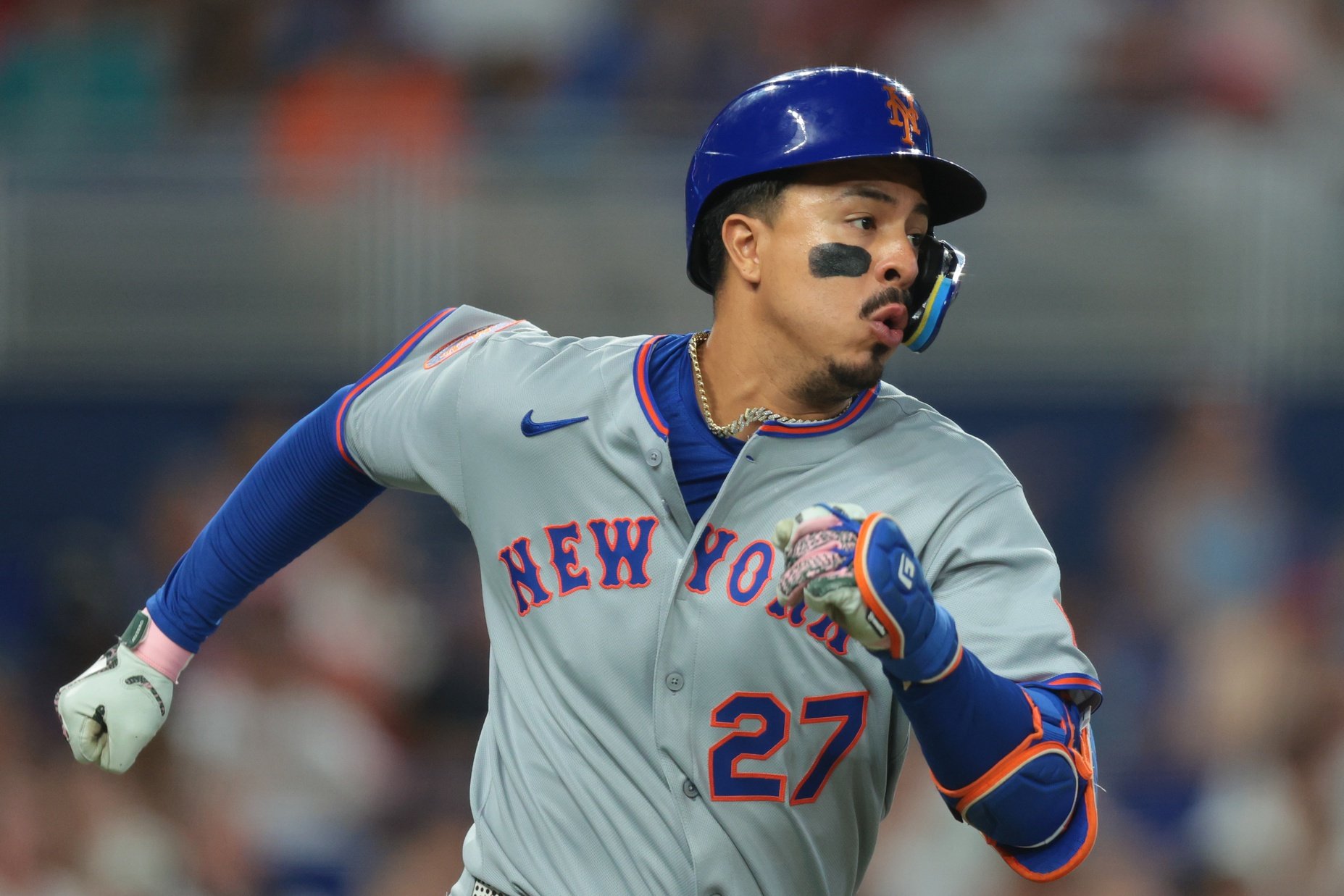 On Friday, the Minnesota Twins officially announced their first substantial acquisition of the offseason, signing Josh Bell to a one-year, $7 million contract. The switch-hitting veteran is slated to step in as the club’s primary first baseman while also mixing in at designated hitter. Despite netting a combined -13 Outs Above Average (OAA) at first base the past two seasons, the 33-year-old’s defensive prowess shouldn’t be a meaningful concern for those who follow the club, evidenced by the Twins' ability to maximize the positioning of their first basemen. Still, with Bell slated to start a meaningful number of games at designated hitter (leaving first base open) and the club not yet rostering a viable backup for the oft-injured Royce Lewis at third base, the Twins would be wise to actively pursue a player who could fill that void. Enter Mark Vientos. Coming off a breakout 2024 campaign wherein the then-24-year-old hit .266/.322/.516 with 27 home runs and a 132 wRC+ over 454 plate appearances, Vientos regressed last season, slashing .233/.289/.413 with 17 home runs and a below-league-average 97 wRC+. Sporting plus power with a high swing-and-miss profile, the now-26-year-old is one of the more volatile and streaky hitters in baseball. Due to his extreme fluctuation in performance (and the club’s overall dissatisfaction with its position player core), New York Mets president of baseball operations David Stearns appears to be making Vientos available in trade talks, signaling the club could soon move on from the once highly-touted corner infielder. Vientos is a poor defensive third baseman, evidenced by his netting -7 OAA at the position last season. However, he has been serviceable at first base, posting -1 OAA over 112 innings at the position in his four-season career. Barring injury, Lewis (a plus defensive third baseman) is slated to function as Minnesota’s everyday third baseman, meaning Minnesota could shield Vientos from the position. Yet, if Lewis were to miss extended time, Vientos could step in as his primary replacement, minimizing the offense lost in Lewis’s absence. At this point in their respective careers, Vientos is a better defensive first baseman than Bell, meaning Vientos could slot in as the club’s primary option at the position while Bell inhabits a more traditional designated hitter role. However, given Bell’s switch-hitting profile and Vientos’s platoon-proof nature, the two could function as an interchangeable first base and designated hitter tandem. 50961094-a023fa2a-ecad099a-csvm-diamondgcp-asset_1280x720_59_4000K.mp4 Despite a poor 2025 campaign from Vientos, Minnesota would still need to part ways with considerable prospect capital or MLB-ready assets to acquire the power-hitting right-handed bat’s services. New York is in dire need of MLB-ready starting pitching talent. Interestingly, that is the Twins' greatest area of strength and depth. Twins decision-makers could reasonably send veteran starting pitcher Bailey Ober to the Mets for Vientos and a mid-tier prospect, like Boston Baro or Heriberto Rincon. If New York were more interested in long-term upside and team control, a trade package headlined by Simeon Woods Richardson for Vientos and a mid-tier prospect could also make sense. Vientos is one of the more popular bounce-back candidates in baseball next season who perfectly fits Minnesota’s need of a right-handed hitting power bat who can play both corner infield positions while mixing in at designated hitter. He is also pre-arbitration and under team control until 2029, making him an even more enticing trade target for the salary-restricted Twins. As mentioned earlier, Minnesota could also afford to part with one of its mid-to-late-rotation arms to acquire Vientos, further supporting the deal's efficacy. A deal for Vientos likely wouldn’t happen before the New Year. Yet, the Mets' young corner infielder could soon get dealt, with Minnesota arguably being the most plausible destination.
 -
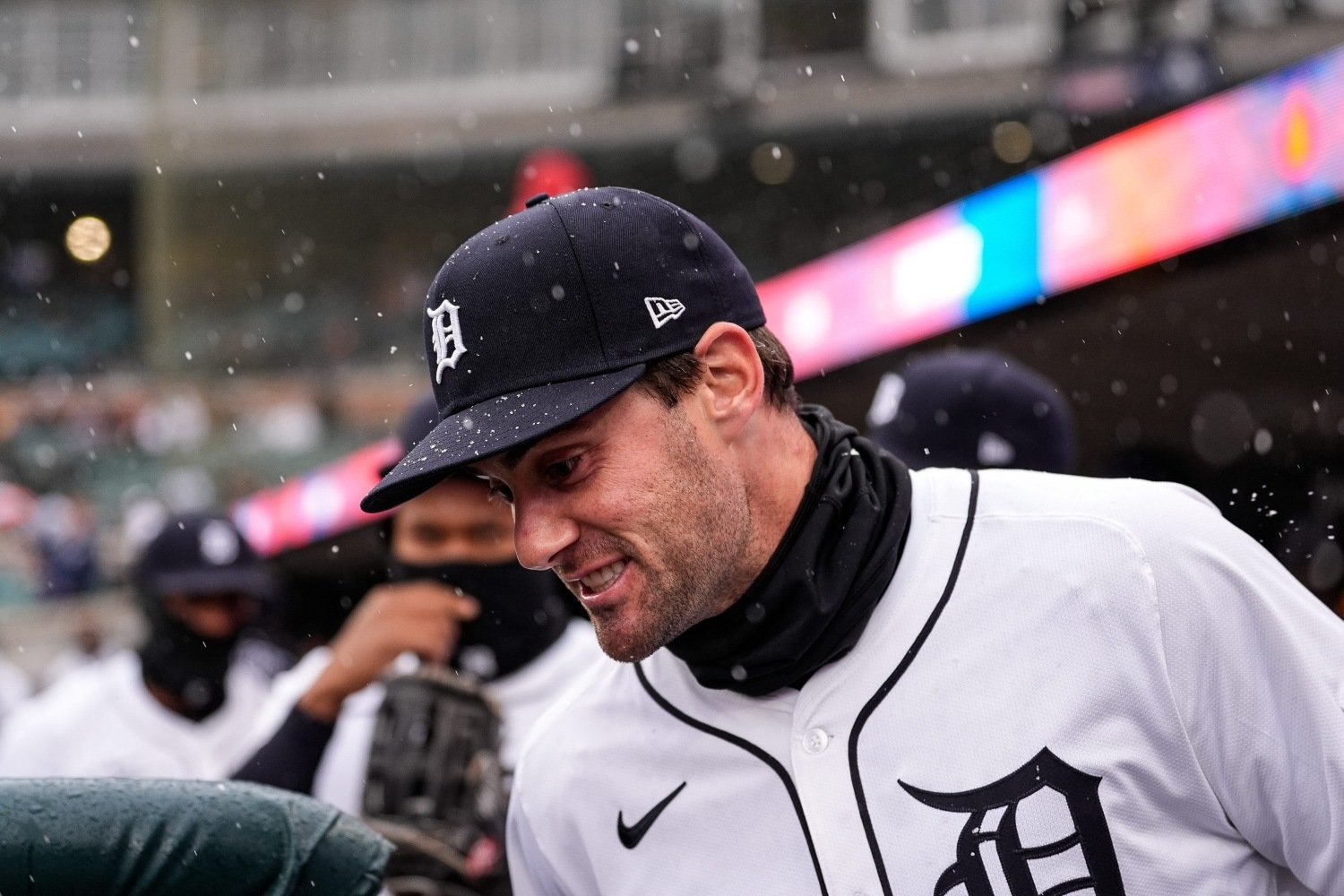 During last week’s Winter Meetings, MLB.com’s Matthew Leach posted an interesting response to a question posed to him on BlueSky on whether the Minnesota Twins will pursue a strong defensive middle infielder this offseason, stating the following: Admittedly, this level of aggregation on my end is a little alarming, and I should maybe reflect on how much time I spend on social media sifting through updates on the Twins' offseason plans. Personal ruminations aside, though, Leach’s response provides some insight into the club’s plan behind projected starting shortstop Brooks Lee early next season. Right now, Ryan Fitzgerald and Ryan Kreidler are the favorites to compete for the backup shortstop role. Based on Leach’s response, however, Kreidler appears to have the inside track on Fitzgerald heading into spring training. Hitting .138/.208/.176 with an 11 wRC+ over a combined 211 plate appearances the past four seasons, Kreidler has been one of the worst hitters in baseball over the course of his career. The 29-year-old struggles to make contact, evidenced by an alarming 31.8% strikeout rate and 33.1% whiff rate on swings over his career. When the right-handed veteran does make contact, it is often weak, yielding a lackluster 28.3% Hard-hit rate and 5.5% Barrel rate during that stretch. Those who follow Minnesota shouldn’t expect Kreidler’s hitting profile to dramatically improve in 2026. New hitting coach Keith Beauregard did work with Kreidler for a time while he was in Detroit, and Kreidler did dramatically increase his swing speed and tilt in 2025, so progress isn't out of the question, but it can't be presumed. The track record is not on Kreidler's side. Luckily, an offensive renaissance won’t be required for the former top prospect to provide value. Throughout his four-season major league career, Kreidler’s calling card has been his defensive versatility. He's played 253 1/3 innings at shortstop, 139 1/3 innings at third base, 120 1/3 innings in center field, 38 at second base, and one in left field. The speedy defender played exclusively in center for Detroit last season. However, he has performed the best at shortstop over his career, generating 3 Outs Above Average (OAA) over 125 attempts at the position. Kreidler has succeeded at the two non-catcher positions highest on the defensive spectrum (shortstop and center field) by utilizing his plus range and adequate arm. Those traits have also translated to success at second and third base, resulting in him developing into a utility player. Lee improved as a defensive shortstop late last season. His improvements could translate into more sustained success at the position in 2026. However, Kreidler is a superior defender at the position, providing Minnesota with an adequate backup. Despite James Outman and Alan Roden being likely to start the season on the 26-man roster, Kreidler could also serve as one of Byron Buxton’s primary backups in center field; as Royce Lewis’s backup at third base; and as a complementary rotational piece at second base, alongside Luke Keaschall, Kody Clemens, and Austin Martin, adding to his defensive flexibility. He's a plus on the bases, for a team hoping to get faster and more athletic in both run creation and run prevention. Again, Kreidler has hit 89% worse than league average over his 211 plate appearances in the majors. If he could modestly improve his wRC+ to the 60-to-70 range next season, however, the fringe major leaguer could provide significant value to the Twins on the bases and in the field, being a plus defender at the two positions highest on the defensive spectrum. Since the team is choosing bat-first options at several key defensive positions, even a glove-only utility man off the bench is important.
 -
Image courtesy of © Junfu Han / USA TODAY NETWORK via Imagn Images During last week’s Winter Meetings, MLB.com’s Matthew Leach posted an interesting response to a question posed to him on BlueSky on whether the Minnesota Twins will pursue a strong defensive middle infielder this offseason, stating the following: Admittedly, this level of aggregation on my end is a little alarming, and I should maybe reflect on how much time I spend on social media sifting through updates on the Twins' offseason plans. Personal ruminations aside, though, Leach’s response provides some insight into the club’s plan behind projected starting shortstop Brooks Lee early next season. Right now, Ryan Fitzgerald and Ryan Kreidler are the favorites to compete for the backup shortstop role. Based on Leach’s response, however, Kreidler appears to have the inside track on Fitzgerald heading into spring training. Hitting .138/.208/.176 with an 11 wRC+ over a combined 211 plate appearances the past four seasons, Kreidler has been one of the worst hitters in baseball over the course of his career. The 29-year-old struggles to make contact, evidenced by an alarming 31.8% strikeout rate and 33.1% whiff rate on swings over his career. When the right-handed veteran does make contact, it is often weak, yielding a lackluster 28.3% Hard-hit rate and 5.5% Barrel rate during that stretch. Those who follow Minnesota shouldn’t expect Kreidler’s hitting profile to dramatically improve in 2026. New hitting coach Keith Beauregard did work with Kreidler for a time while he was in Detroit, and Kreidler did dramatically increase his swing speed and tilt in 2025, so progress isn't out of the question, but it can't be presumed. The track record is not on Kreidler's side. Luckily, an offensive renaissance won’t be required for the former top prospect to provide value. Throughout his four-season major league career, Kreidler’s calling card has been his defensive versatility. He's played 253 1/3 innings at shortstop, 139 1/3 innings at third base, 120 1/3 innings in center field, 38 at second base, and one in left field. The speedy defender played exclusively in center for Detroit last season. However, he has performed the best at shortstop over his career, generating 3 Outs Above Average (OAA) over 125 attempts at the position. Kreidler has succeeded at the two non-catcher positions highest on the defensive spectrum (shortstop and center field) by utilizing his plus range and adequate arm. Those traits have also translated to success at second and third base, resulting in him developing into a utility player. Lee improved as a defensive shortstop late last season. His improvements could translate into more sustained success at the position in 2026. However, Kreidler is a superior defender at the position, providing Minnesota with an adequate backup. Despite James Outman and Alan Roden being likely to start the season on the 26-man roster, Kreidler could also serve as one of Byron Buxton’s primary backups in center field; as Royce Lewis’s backup at third base; and as a complementary rotational piece at second base, alongside Luke Keaschall, Kody Clemens, and Austin Martin, adding to his defensive flexibility. He's a plus on the bases, for a team hoping to get faster and more athletic in both run creation and run prevention. Again, Kreidler has hit 89% worse than league average over his 211 plate appearances in the majors. If he could modestly improve his wRC+ to the 60-to-70 range next season, however, the fringe major leaguer could provide significant value to the Twins on the bases and in the field, being a plus defender at the two positions highest on the defensive spectrum. Since the team is choosing bat-first options at several key defensive positions, even a glove-only utility man off the bench is important. View full article
-
just ask Tommy Kahnle!
-
I used statistics from last season.
-
Pitching+ is the combination of Stuff+ and Location+. It quantifies the quality of a specific pitch and the pitcher's ability to locate it.
-
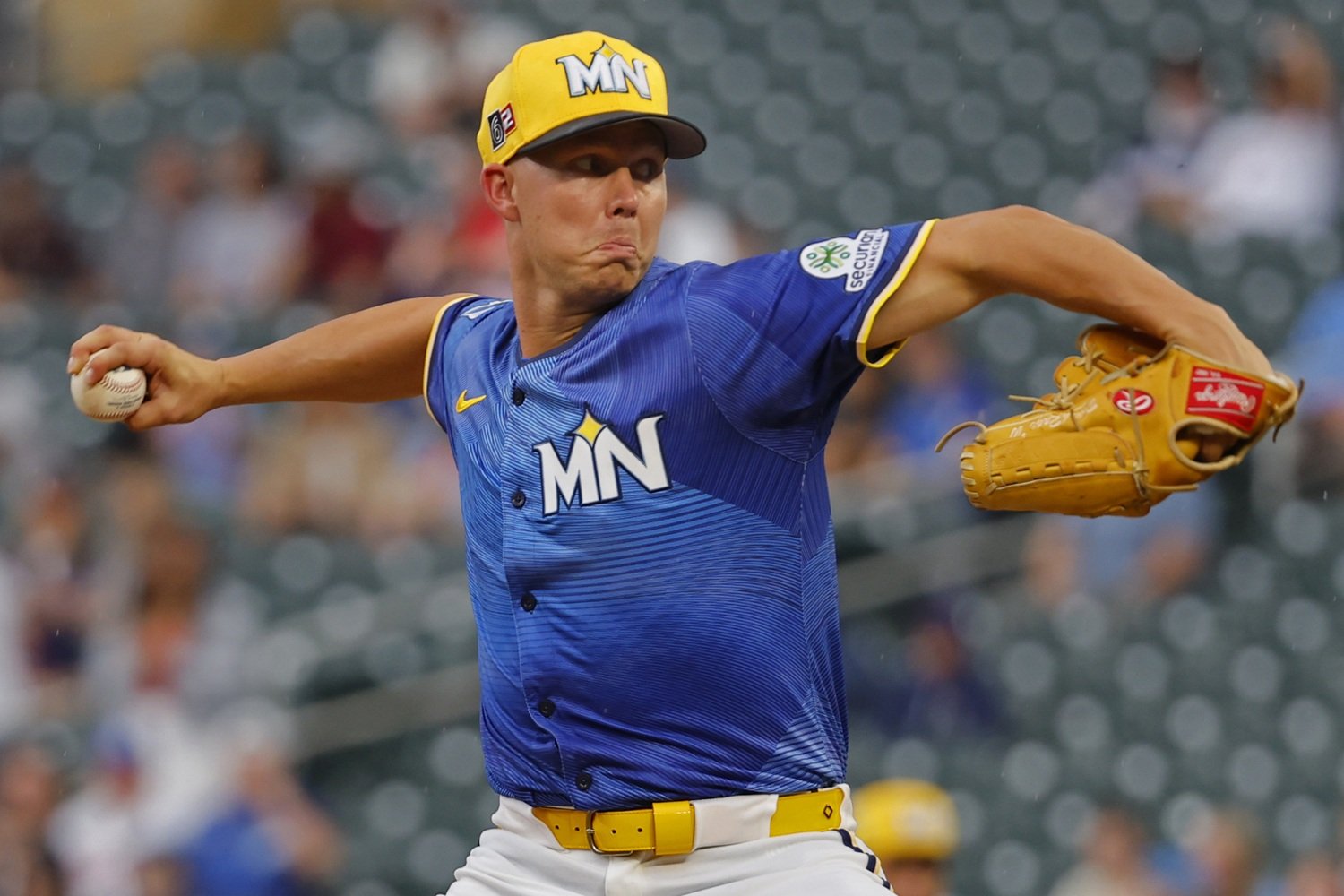 Last week, Twins Daily's Matthew Trueblood wrote a piece on changeup specialists the Twins will target in free agency, highlighting Tommy Kahnle, Luke Weaver, and Kyle Finnegan. Finnegan is off the market, signing a two-year, $19 million contract with the Detroit Tigers. Kahnle and/or Weaver would still be welcome additions to Minnesota's bullpen, presumably stepping in as the club's primary closer. However, if the Twins are unable to sign them, the club could potentially lean on an in-house option as their changeup relief specialist in Pierson Ohl. Making his major league debut late last July, Ohl primarily operated in a hybrid stretch relief role, pitching in four-inning spurts. The 26-year-old struggled in his inaugural campaign, generating a 5.10 ERA and 4.75 FIP over 30 innings pitched. However, the young righty improved upon transitioning into a short relief role in mid-September, manufacturing a 3.86 ERA, 2.81 FIP, and 11-to-2 strikeout to walk ratio over his final 9 1/3 innings pitched. Ohl could continue inhabiting that role with intentions of entrenching himself as part of Minnesota's long-term bullpen plans. However, he will need to compete with fellow inexperienced arms in Travis Adams, Connor Prielipp, Marco Raya, John Klein, and others for one of the final spots in the eight-pitcher unit. Interestingly, Ohl could have the inside track on the aforementioned quartet (besides maybe Prielipp) due to his possessing what might be the best pitch in Minnesota's bullpen. Thrown 205 times last season, Ohl's changeup generated the second-highest Pitching+ (a metric that uses the physical characteristics, location, and count of each pitch to try to judge the overall quality of the pitcher's process) rating of all Twins reliever pitches post-trade deadline, achieving a 129 (100 is average). The only pitch that netted better results than Ohl's changeup was Justin Topa's sinker, which manufactured a 131 Pitching+. Ohl's changeup had better physical characteristics than Topa's sinker. However, Topa was able to locate his sinker better than Ohl did his changeup, resulting in a slightly better score. MnIyZ2pfWGw0TUFRPT1fVjFNRlZWRlhYd1VBWGxNTFh3QUhBRkpRQUFNRlUxY0FWZ0ZVVlZBSEJnc0VBUUFB.mp4 Ohl's changeup and Topa's sinker are neck-and-neck in overall pitch quality. However, with Ohl expected to transition into a one-inning role next season, he should be able to refine his pitches further, adding more velocity and movement. If Ohl takes that step, his changeup could become the highest-graded pitch in Minnesota's bullpen, potentially resulting in him progressing from throwing the pitch 38% of the time last season to over half of the time in 2026. Ohl, Prielipp, and Raya form an exciting trio of young arms who could blossom into high-leverage relievers early next season. Prielipp's slider and/or changeup and Raya's curve could challenge Ohl's changeup and Topa's sinker for being the best pitch in Minnesota's bullpen next season. For now, though, Ohl's changeup is arguably the most enticing pitch of Twins relievers with major league experience. If the young right-hander can fortify his secondary pitches this offseason (four-seamer, cutter, and knuckle curve), he could be the recipient of save opportunities early next spring.
 -
Image courtesy of © Bruce Kluckhohn-Imagn Images Last week, Twins Daily's Matthew Trueblood wrote a piece on changeup specialists the Twins will target in free agency, highlighting Tommy Kahnle, Luke Weaver, and Kyle Finnegan. Finnegan is off the market, signing a two-year, $19 million contract with the Detroit Tigers. Kahnle and/or Weaver would still be welcome additions to Minnesota's bullpen, presumably stepping in as the club's primary closer. However, if the Twins are unable to sign them, the club could potentially lean on an in-house option as their changeup relief specialist in Pierson Ohl. Making his major league debut late last July, Ohl primarily operated in a hybrid stretch relief role, pitching in four-inning spurts. The 26-year-old struggled in his inaugural campaign, generating a 5.10 ERA and 4.75 FIP over 30 innings pitched. However, the young righty improved upon transitioning into a short relief role in mid-September, manufacturing a 3.86 ERA, 2.81 FIP, and 11-to-2 strikeout to walk ratio over his final 9 1/3 innings pitched. Ohl could continue inhabiting that role with intentions of entrenching himself as part of Minnesota's long-term bullpen plans. However, he will need to compete with fellow inexperienced arms in Travis Adams, Connor Prielipp, Marco Raya, John Klein, and others for one of the final spots in the eight-pitcher unit. Interestingly, Ohl could have the inside track on the aforementioned quartet (besides maybe Prielipp) due to his possessing what might be the best pitch in Minnesota's bullpen. Thrown 205 times last season, Ohl's changeup generated the second-highest Pitching+ (a metric that uses the physical characteristics, location, and count of each pitch to try to judge the overall quality of the pitcher's process) rating of all Twins reliever pitches post-trade deadline, achieving a 129 (100 is average). The only pitch that netted better results than Ohl's changeup was Justin Topa's sinker, which manufactured a 131 Pitching+. Ohl's changeup had better physical characteristics than Topa's sinker. However, Topa was able to locate his sinker better than Ohl did his changeup, resulting in a slightly better score. MnIyZ2pfWGw0TUFRPT1fVjFNRlZWRlhYd1VBWGxNTFh3QUhBRkpRQUFNRlUxY0FWZ0ZVVlZBSEJnc0VBUUFB.mp4 Ohl's changeup and Topa's sinker are neck-and-neck in overall pitch quality. However, with Ohl expected to transition into a one-inning role next season, he should be able to refine his pitches further, adding more velocity and movement. If Ohl takes that step, his changeup could become the highest-graded pitch in Minnesota's bullpen, potentially resulting in him progressing from throwing the pitch 38% of the time last season to over half of the time in 2026. Ohl, Prielipp, and Raya form an exciting trio of young arms who could blossom into high-leverage relievers early next season. Prielipp's slider and/or changeup and Raya's curve could challenge Ohl's changeup and Topa's sinker for being the best pitch in Minnesota's bullpen next season. For now, though, Ohl's changeup is arguably the most enticing pitch of Twins relievers with major league experience. If the young right-hander can fortify his secondary pitches this offseason (four-seamer, cutter, and knuckle curve), he could be the recipient of save opportunities early next spring. View full article

