



Cody Schoenmann
-
Posts
768 -
Joined
-
Last visited
-
Days Won
1
Content Type
Profiles
News
Minnesota Twins Videos
2026 Minnesota Twins Top Prospects Ranking
2022 Minnesota Twins Draft Picks
Minnesota Twins Free Agent & Trade Rumors, Notes, & Tidbits
Guides & Resources
2023 Minnesota Twins Draft Picks
The Minnesota Twins Players Project
2024 Minnesota Twins Draft Picks
2025 Minnesota Twins Draft Pick Tracker
2026 Minnesota Twins Draft Tracker: Picks & Bonuses
Forums
Blogs
Events
Store
Downloads
Gallery
Everything posted by Cody Schoenmann
-
 I think only three non-roster players will make the team in Chafin, Hendriks, and Altavilla. I don't see Urshela or Arcia making the club. Alex Jackson and Tristan Gray are strong DFA candidates on the position player side. Zak Kent could also be DFAd. I would say Travis Adams is a DFA candidate, too, but his elbow injury muddies that equation. Either way, I think there are clear pathways for the FO to open three 40-man roster spots.
 -
Image courtesy of © Troy Taormina-Imagn Images In the five weeks since Minnesota Twins pitchers and catchers reported to spring training in Ft. Myers, the most closely monitored position group has been the bullpen, with fans and pundits interested in how the eight-pitcher collective will look as the team travels to Baltimore to face the Orioles on Mar. 26. Right now, Cole Sands is a lock to be part of the Opening Day group. Veteran southpaws Taylor Rogers, Anthony Banda, and Andrew Chafin are strong candidates to join Sands, with 35-year-old righty Justin Topa also likely earning a spot. However, three spots remain in flux, with spring training set to conclude in just over a week. Lefty Kody Funderburk is a strong candidate to fill one of those three spots. Because they're already lefty-loaded and Funderburk can still be optioned to the minors, though, the front office could send him to St. Paul to begin his 2026 campaign at Triple-A, to maximize depth. Righty Eric Orze, 28, is in the same boat as Funderburk; the team still holds the right to option him. Liam Hendriks has an automatic opt-out clause in his contract, but the Twins could add him to the 40-man roster only to move him to the injured list to begin the season. Prioritizing depth with Funderburk and Orze and health with Hendriks, Minnesota could be poised to hand one of its final bullpen spots to Dan Altavilla. Signed to a minor-league contract in mid-December, the 33-year-old Altavilla joined Minnesota after strong persuasion from new bullpen coach LaTroy Hawkins. Hawkins is a “big fan” of Altavilla, and expects the veteran to be “a big asset for [the Twins] this year.” That piece from Zone Coverage ran on Feb, 19. The hard-throwing righty has only improved his case over the past month, performing like one of the club’s best relievers this spring. Over three innings pitched, Altavilla has a 0.00 ERA, a 2.34 FIP, and a 22.2% strikeout rate. Spring results don't matter, of course, and three innings' worth of spring results matter even less. Yet, his impressive performance this spring comes off a 2025 campaign with the Chicago White Sox in which he posted a 2.48 ERA, 4.66 FIP, and a 21-to-15 strikeout-to-walk ratio over 29 innings. Altavilla’s alarming underlying metrics and well-below-average walk rate suggest he should have performed worse last season. Still, he managed to induce an incredibly low hard-hit rate and average exit velocity when attacking the zone, resulting in a near-elite ground ball rate (50%; the league averages roughly 43%). With an above-average sinker and slider, Altavilla has a profile roughly similar to that of Topa. Topa has regressed since joining Minnesota, and those who follow the Twins shouldn’t expect Altavilla to sustain a sub-2.50 ERA if he pitches for the club this season. Still, if Altavilla could perform at a similar rate to Topa’s 2025 campaign (wherein he netted a 3.90 ERA and 3.04 FIP while generating weak contact), he'd give them a harder-throwing insurance policy against further injury or regression by Topa himself. Currently pitching for Team Italy in the World Baseball Classic, Altavilla fits a comparable archetype to Chafin and Hendriks, in that he's a veteran brought in on a minor-league deal who is out of minor-league options. After a solid Grapefruit League look and two innings in which he's surrendered one homer but struck out four and walked just one in the WBC, there's little chance Minnesota would be able to stash him at Triple A to begin the 2026 campaign. Altavilla would likely refuse his assignment, enter free agency, and join a different organization. Instead, Twins decision-makers would be wise to prioritize organizational depth and add the sturdy righty to the 40-man roster, awarding him a spot in the Opening Day bullpen. View full article
-
Is Dan Altavilla Becoming a Lock For Minnesota Twins’ Bullpen?
Cody Schoenmann posted an article in Twins
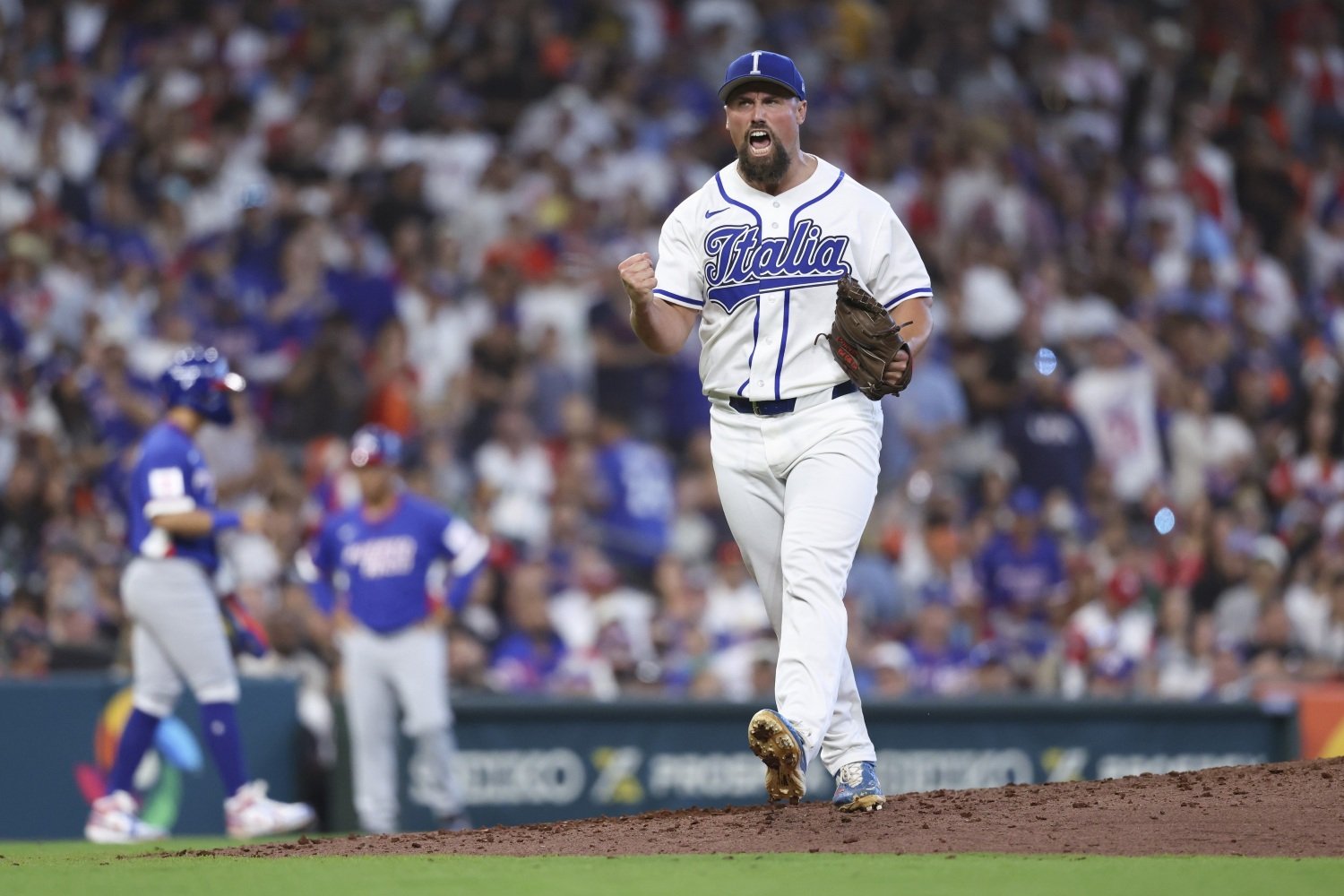 In the five weeks since Minnesota Twins pitchers and catchers reported to spring training in Ft. Myers, the most closely monitored position group has been the bullpen, with fans and pundits interested in how the eight-pitcher collective will look as the team travels to Baltimore to face the Orioles on Mar. 26. Right now, Cole Sands is a lock to be part of the Opening Day group. Veteran southpaws Taylor Rogers, Anthony Banda, and Andrew Chafin are strong candidates to join Sands, with 35-year-old righty Justin Topa also likely earning a spot. However, three spots remain in flux, with spring training set to conclude in just over a week. Lefty Kody Funderburk is a strong candidate to fill one of those three spots. Because they're already lefty-loaded and Funderburk can still be optioned to the minors, though, the front office could send him to St. Paul to begin his 2026 campaign at Triple-A, to maximize depth. Righty Eric Orze, 28, is in the same boat as Funderburk; the team still holds the right to option him. Liam Hendriks has an automatic opt-out clause in his contract, but the Twins could add him to the 40-man roster only to move him to the injured list to begin the season. Prioritizing depth with Funderburk and Orze and health with Hendriks, Minnesota could be poised to hand one of its final bullpen spots to Dan Altavilla. Signed to a minor-league contract in mid-December, the 33-year-old Altavilla joined Minnesota after strong persuasion from new bullpen coach LaTroy Hawkins. Hawkins is a “big fan” of Altavilla, and expects the veteran to be “a big asset for [the Twins] this year.” That piece from Zone Coverage ran on Feb, 19. The hard-throwing righty has only improved his case over the past month, performing like one of the club’s best relievers this spring. Over three innings pitched, Altavilla has a 0.00 ERA, a 2.34 FIP, and a 22.2% strikeout rate. Spring results don't matter, of course, and three innings' worth of spring results matter even less. Yet, his impressive performance this spring comes off a 2025 campaign with the Chicago White Sox in which he posted a 2.48 ERA, 4.66 FIP, and a 21-to-15 strikeout-to-walk ratio over 29 innings. Altavilla’s alarming underlying metrics and well-below-average walk rate suggest he should have performed worse last season. Still, he managed to induce an incredibly low hard-hit rate and average exit velocity when attacking the zone, resulting in a near-elite ground ball rate (50%; the league averages roughly 43%). With an above-average sinker and slider, Altavilla has a profile roughly similar to that of Topa. Topa has regressed since joining Minnesota, and those who follow the Twins shouldn’t expect Altavilla to sustain a sub-2.50 ERA if he pitches for the club this season. Still, if Altavilla could perform at a similar rate to Topa’s 2025 campaign (wherein he netted a 3.90 ERA and 3.04 FIP while generating weak contact), he'd give them a harder-throwing insurance policy against further injury or regression by Topa himself. Currently pitching for Team Italy in the World Baseball Classic, Altavilla fits a comparable archetype to Chafin and Hendriks, in that he's a veteran brought in on a minor-league deal who is out of minor-league options. After a solid Grapefruit League look and two innings in which he's surrendered one homer but struck out four and walked just one in the WBC, there's little chance Minnesota would be able to stash him at Triple A to begin the 2026 campaign. Altavilla would likely refuse his assignment, enter free agency, and join a different organization. Instead, Twins decision-makers would be wise to prioritize organizational depth and add the sturdy righty to the 40-man roster, awarding him a spot in the Opening Day bullpen.
 -
i'm happy my comment sections are a safe space for grammar pedants
- 16 replies
-
- 1
-

-
- taj bradley
- mick abel
- (and 1 more)
-
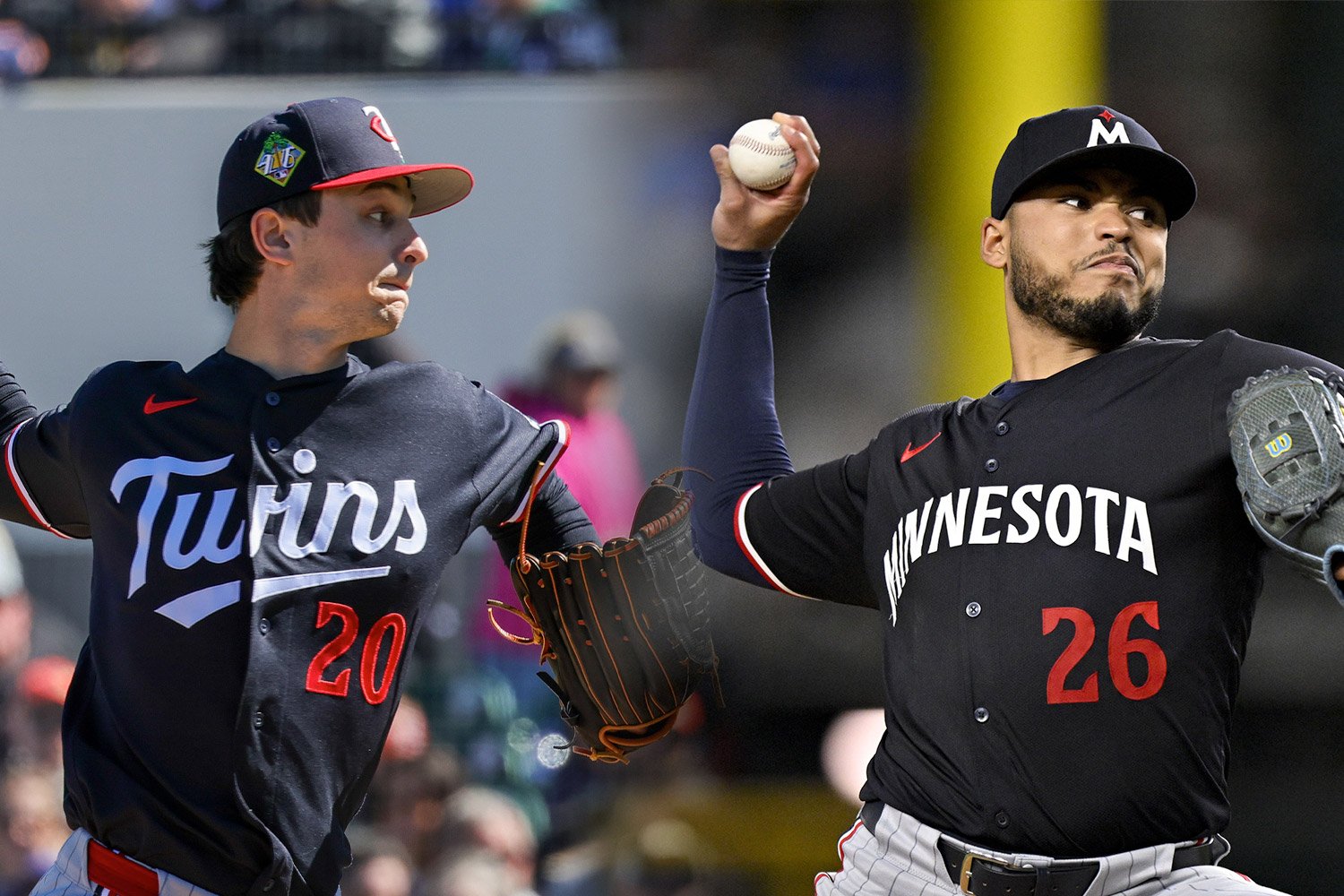 Since Pete Maki took over as the Minnesota Twins’ pitching coach in late June 2022, the club has possessed one of the more unique pitching collectives in baseball, particularly when assessing the stark difference in how team decision-makers have constructed the starting rotation compared to the bullpen. Since July 1, 2022, Minnesota’s starting rotation has the fifth-lowest average four-seam fastball velocity (vFA) in MLB, at 93.1 MPH. In contrast, the club’s bullpen had the tenth-highest vFA in the league, at 94.8 MPH. Unsurprisingly, the driving force behind the stark contrast was Jhoan Duran, who served as the club’s closer during that three-season stretch. Once Durán and his 100.6 MPH fastball departed the organization on July 30, 2025, the bullpen’s vFA plummeted to the third-lowest in baseball, sitting at 92.5 MPH. Interestingly, the starting rotation’s vFA ascended to 17th in the league, with a 93.8 vFA. The last time a Derek Falvey-constructed starting rotation sat that high was in 2018, when the Kyle Gibson, José Berríos, and Jake Odorizzi-led collective ended its season with the 16th-highest vFA in baseball. Given the lack of high-velocity reliever additions this offseason, Minnesota’s bullpen will likely continue residing toward the bottom of the league in vFA this season. Whether intentional or not, 2026 could be the first season this decade where the Twins’ starting rotation averages a higher four-seam velocity than the bullpen, marking a meaningful shift in roster-building approach. To preface, velocity isn’t the sole factor in what makes a fastball serviceable. Bailey Ober has pitched three above-average seasons despite his fastball barely topping 90 MPH. Shape, induced vertical break (IVB), extension, arm slot, and other factors all play critical roles. Still, high velocity is the greatest indicator of four-seam success, lending merit to players’, coaches', and analysts' well-noted fixation on it. Beyond parting ways with Durán and other hard-throwing relievers in Louis Varland, Griffin Jax, and Brock Stewart, Minnesota prioritized acquiring young, hard-throwing starting pitchers at last season’s trade deadline, most notably in Taj Bradley and Mick Abel. Last season, the two young arms’ four-seamers both sat at 96.2 MPH, which tied for the highest in the club’s rotation. Again, velocity doesn’t dictate how effective a starter’s four-seam is. Still, Bradley and Abel’s fastballs are grading out as elite, evidenced by the charts below: As shown above, he is sporting a 61-grade four-seamer over ten innings pitched this spring. Bradley is sporting a similarly impressive 69-grade four-seamer over nine innings pitched. Using the 20-80 scouting scale, both four-seams grade out as true plus pitches, with Bradley’s teetering toward plus plus (or elite). Bradley and Abel’s fastballs aren’t relying solely on high velocity. Instead, the two pitches are also sporting plus IVB and arm-side movement, generating a high number of whiffs up in the zone. Abel is at risk of beginning his 2026 campaign at Triple-A St. Paul. Still, if Bradley and Abel can sustain their plus fastball grades early into the season, Minnesota could have three starting pitchers with near-elite fastballs, joining Joe Ryan. Ryan’s fastball is considerably slower than Bradley’s and Abel’s, sitting at 93.7 MPH over 171 innings pitched last season. Still, his four-seamer was the tenth most effective in baseball in 2025, netting a 17 run value. Long gone are the days of the Twins' starting rotation filled with pitchers like Carlos Silva, Scott Baker, Kevin Slowey, and the like, sporting low-grade fastballs that fail to top 90 MPH. Instead, the club has undergone a four-seam renaissance, fielding Ryan, Bradley, and Abel, with Zebby Matthews also fitting a similar mold. Will it lead to the rotation being an above-average unit in 2026? That is to be determined. Yet, the collective has real upside, and could blossom into the club’s best rotation since the 2023 unit that led the organization to its first playoff win in 19 years.
- 16 comments
-
- 4
-

-
- taj bradley
- mick abel
- (and 1 more)
-
Since Pete Maki took over as the Minnesota Twins’ pitching coach in late June 2022, the club has possessed one of the more unique pitching collectives in baseball, particularly when assessing the stark difference in how team decision-makers have constructed the starting rotation compared to the bullpen. Since July 1, 2022, Minnesota’s starting rotation has the fifth-lowest average four-seam fastball velocity (vFA) in MLB, at 93.1 MPH. In contrast, the club’s bullpen had the tenth-highest vFA in the league, at 94.8 MPH. Unsurprisingly, the driving force behind the stark contrast was Jhoan Durán, who served as the club’s closer during that three-season stretch. Once Durán and his 100.6 MPH fastball departed the organization on July 30, 2025, the bullpen’s vFA plummeted to the third-lowest in baseball, sitting at 92.5 MPH. Interestingly, the starting rotation’s vFA ascended to 17th in the league, with a 93.8 vFA. The last time a Derek Falvey-constructed starting rotation sat that high was in 2018, when the Kyle Gibson, José Berríos, and Jake Odorizzi-led collective ended its season with the 16th-highest vFA in baseball. Given the lack of high-velocity reliever additions this offseason, Minnesota’s bullpen will likely continue residing toward the bottom of the league in vFA this season. Whether intentional or not, 2026 could be the first season this decade where the Twins’ starting rotation averages a higher four-seam velocity than the bullpen, marking a meaningful shift in roster-building approach. To preface, velocity isn’t the sole factor in what makes a fastball serviceable. Bailey Ober has pitched three above-average seasons despite his fastball barely topping 90 MPH. Shape, induced vertical break (IVB), extension, arm slot, and other factors all play critical roles. Still, high velocity is the greatest indicator of four-seam success, lending merit to players’, coaches', and analysts' well-noted fixation on it. Beyond parting ways with Durán and other hard-throwing relievers in Louis Varland, Griffin Jax, and Brock Stewart, Minnesota prioritized acquiring young, hard-throwing starting pitchers at last season’s trade deadline, most notably in Taj Bradley and Mick Abel. Last season, the two young arms’ four-seamers both sat at 96.2 MPH, which tied for the highest in the club’s rotation. Again, velocity doesn’t dictate how effective a starter’s four-seam is. Still, Bradley and Abel’s fastballs are grading out as elite, evidenced by the charts below: As shown above, is sporting a 61-grade four-seamer over ten innings pitched this spring. Bradley is sporting a similarly impressive 69-grade four-seamer over nine innings pitched. Using the 20-80 scouting scale, both four-seams grade out as true plus pitches, with Bradley’s teetering toward plus plus (or elite). Bradley and Abel’s fastballs aren’t relying solely on high velocity. Instead, the two pitches are also sporting plus IVB and arm-side movement, generating a high number of whiffs up in the zone. Abel is at risk of beginning his 2026 campaign at Triple-A St. Paul. Still, if Bradley and Abel can sustain their plus fastball grades early into the season, Minnesota could have three starting pitchers with near-elite fastballs, joining Joe Ryan. Ryan’s fastball is considerably slower than Bradley’s and Abel’s, sitting at 93.7 MPH over 171 innings pitched last season. Still, his four-seamer was the tenth most effective in baseball in 2025, netting a 17 run value. Long gone are the days of the Twins' starting rotation filled with pitchers like Carlos Silva, Scott Baker, Kevin Slowey, and the like, sporting low-grade fastballs that fail to top 90 MPH. Instead, the club has undergone a four-seam renaissance, fielding Ryan, Bradley, and Abel, with Zebby Matthews also fitting a similar mold. Will it lead to the rotation being an above-average unit in 2026? That is to be determined. Yet, the collective has real upside, and could blossom into the club’s best rotation since the 2023 unit that led the organization to its first playoff win in 19 years. View full article
-
no, i know, and i appreciate you saying that. it's just irritating when the first five comments are people being hypercritical over one small error while ignoring the actual substance of the article.
-
you are the one who condescendingly told me to calm down and read my data more closely. no reason to throw rocks and hide your hand.
-
just put the fries in the bag bro
-
28-to-23 strikeout to walk ratio over 27 1/3 innings pitched. I just fixed it. My bad.
-
Image courtesy of William Parmeter Signed out of Cuba by the Toronto Blue Jays in the 2020 International Free Agent class, Kendry Rojas quickly progressed through Toronto’s minor-league system, jumping from starting his 2022 campaign in Single-A to earning a promotion to Triple-A in July 2025. Kendry Rojas Age: 23 (DOB: 11/26/02) 2025 Stats (A, Double-A, Triple-A): 69 innings pitched, 4.70 ERA, 3.77 FIP, 28.8% strikeout rate, 10.3% walk rate ETA: 2026 2025 Ranking: NR National Top 100 Rankings FAN: NR | MLB: NR | ATH: NR | TJ: NR | ESPN: NR After making just one start at Triple-A Buffalo, the then-22-year-old was traded alongside left-handed hitting outfielder Alan Roden to the Minnesota Twins for right-handed reliever Louis Varland and first baseman Ty France. Similar to what Toronto did with Simeon Woods Richardson in 2021, many believe the organization aggressively promoted Rojas to inflate his trade stock right before the trade deadline. The young lefty struggled at Triple-A St. Paul last season, generating a 6.59 ERA, 5.73 FIP, and a 28-to-23 strikeout to walk ratio over 27 1/3 innings pitched. Rojas cited external factors, such as the baseballs used in Triple-A, as a driving factor in his performance woes in the high minors. Yet, the most likely reason behind his struggles was that Toronto promoted him too aggressively. Regardless, Twins' decision-makers likely won’t reverse course with the now 23-year-old as the hard-throwing lefty is set to begin his 2026 campaign at Triple-A, citing notable advancements in his arsenal this spring. What’s to Like Despite posting lackluster surface stats this spring (6.75 ERA and 5.87 FIP over four innings pitched), Rojas’s stuff has caught the attention of fans and pundits alike, headlined by increased four-seam velocity. Last season, the southpaw's four-seam hovered around 94 MPH. Yet, it is sitting at 96.4 MPH, while topping out at 98.5 MPH in an appearance against Ronald Acuña Jr. on Feb. 22 (statistics below courtesy of TJStats). His four-seam fastball could become a true plus-pitch if he can sustain his newfound velocity bump into the regular season. However, there are concerns with the shape and movement profile of the pitch, which we will get into later. Throughout his career, his best pitch has been his slider, and that trend has continued early this spring. Rojas has been able to pound the zone with his slider (hovering around 88 MPH), generating a high whiff rate against right- and left-handed hitters. Given its handedness-proof nature, he should be able to lean on the pitch going forward, making it his primary put-out pitch against all types of hitters. His change up (also sitting around 88 MPH) has also impressed this spring, primarily throwing it low in the zone to righties. Sporting a plus breaking pitch, a plus offspeed pitch, and an ascending fastball, Rojas could soon develop into an above-average major league starter and cost-controlled rotation stalwart for Minnesota for seasons to come. What’s Left to Work On To become that, however, the hard-throwing lefty will need to continue refining his four-seam. The pitch is coming out of his hand flat, evidenced by his fastball generating only 14 inches of induced vertical break (IVB) in his last appearance. The lower the IVB, the longer hitters see the ball, improving their chances of making hard contact like Boston Red Sox outfielder Jarren Duran did below: YVk5TGVfWGw0TUFRPT1fVUZNRFV3WlhCUUlBWGxjREFnQUhCUUZWQUFNTUFBVUFCZ1lEQXdNQkJGZGRWQWRS.mp4 The former Blue Jays prospect has also struggled with command in the minors, highlighted by sporting a well-below-average 15.9% walk rate with St. Paul last season. He is showing signs of improvement this spring, decreasing his walk rate to an admirable 6.7% over four innings pitched. Still, like his four-seam velocity bump, he will need to sustain these improvements into the regular season for him to become a serviceable major league starting pitcher in 2026. Again, Rojas has the potential to be a high-strikeout, high-whiff starting pitcher, especially given his handedness. He needs to hone in on his command, however, but that’s okay. He is an uber-talented 23-year-old left-handed starting pitcher. Something this organization hasn’t had since Francisco Liriano. What to Look For in 2026 As noted earlier, Rojas will likely begin his 2026 campaign as part of the Triple-A St. Paul Saints starting rotation, alongside fellow young, high-upside starting pitchers in Mick Abel, Connor Prielipp, and Andrew Morris. He will continue working on refining his four-seam fastball shape, sustaining his velo bump, and sharpening his secondary pitches with the Saints' pitching development staff, with eyes toward making his major league debut come midsummer, if not earlier. Again, his surface stats with St. Paul in 2025 were nothing to write home about. Still, he has the stuff necessary to blossom into a frontline starting pitcher, ushering in Minnesota’s next wave of young starting rotation talent. View full article
-
Twins Daily 2026 Top Prospects: #8 Kendry Rojas, LHP
Cody Schoenmann posted an article in Minor Leagues
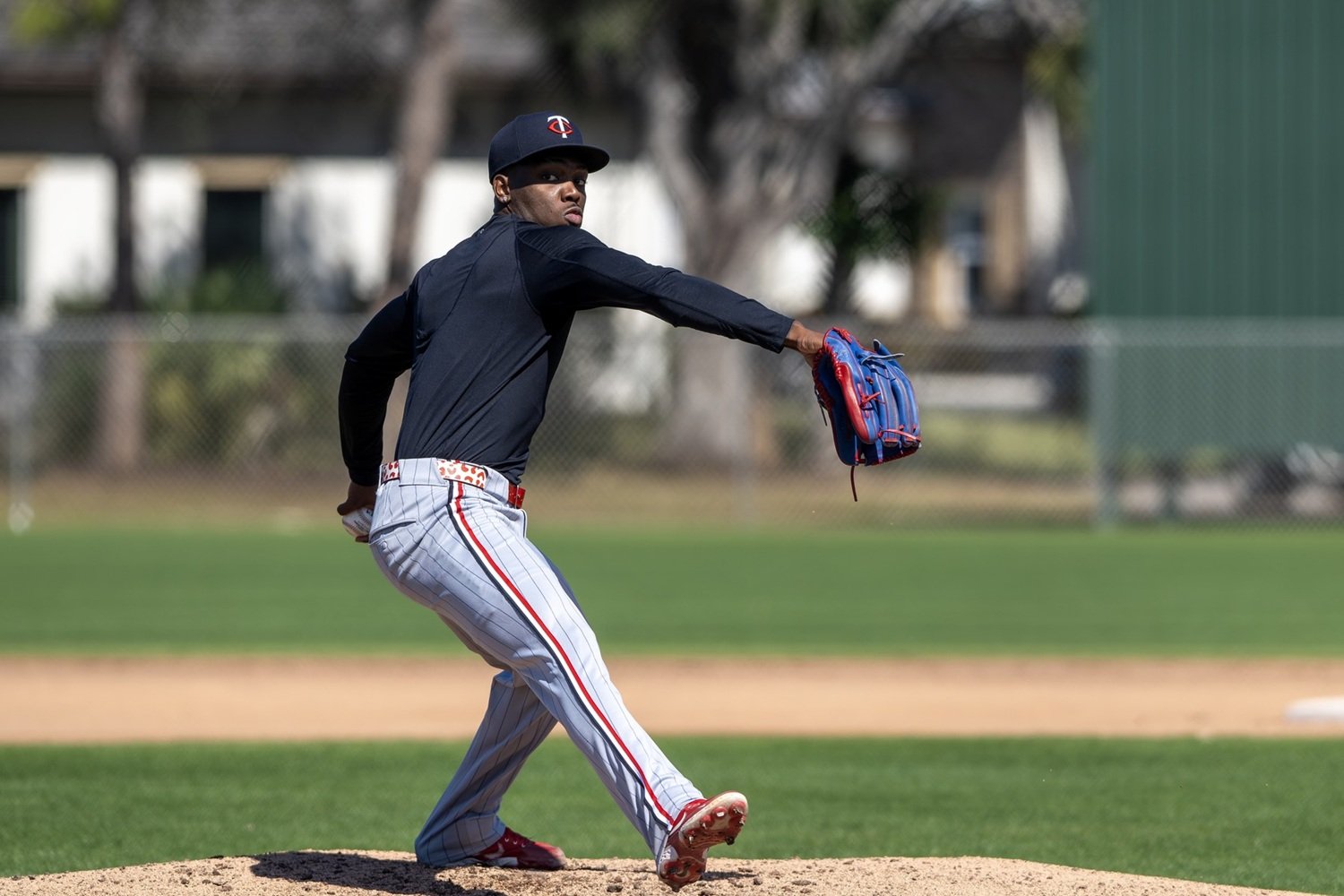 Signed out of Cuba by the Toronto Blue Jays in the 2020 International Free Agent class, Kendry Rojas quickly progressed through Toronto’s minor-league system, jumping from starting his 2022 campaign in Single-A to earning a promotion to Triple-A in July 2025. Kendry Rojas Age: 23 (DOB: 11/26/02) 2025 Stats (A, Double-A, Triple-A): 69 innings pitched, 4.70 ERA, 3.77 FIP, 28.8% strikeout rate, 10.3% walk rate ETA: 2026 2025 Ranking: NR National Top 100 Rankings FAN: NR | MLB: NR | ATH: NR | TJ: NR | ESPN: NR After making just one start at Triple-A Buffalo, the then-22-year-old was traded alongside left-handed hitting outfielder Alan Roden to the Minnesota Twins for right-handed reliever Louis Varland and first baseman Ty France. Similar to what Toronto did with Simeon Woods Richardson in 2021, many believe the organization aggressively promoted Rojas to inflate his trade stock right before the trade deadline. The young lefty struggled at Triple-A St. Paul last season, generating a 6.59 ERA, 5.73 FIP, and a 28-to-23 strikeout to walk ratio over 27 1/3 innings pitched. Rojas cited external factors, such as the baseballs used in Triple-A, as a driving factor in his performance woes in the high minors. Yet, the most likely reason behind his struggles was that Toronto promoted him too aggressively. Regardless, Twins' decision-makers likely won’t reverse course with the now 23-year-old as the hard-throwing lefty is set to begin his 2026 campaign at Triple-A, citing notable advancements in his arsenal this spring. What’s to Like Despite posting lackluster surface stats this spring (6.75 ERA and 5.87 FIP over four innings pitched), Rojas’s stuff has caught the attention of fans and pundits alike, headlined by increased four-seam velocity. Last season, the southpaw's four-seam hovered around 94 MPH. Yet, it is sitting at 96.4 MPH, while topping out at 98.5 MPH in an appearance against Ronald Acuña Jr. on Feb. 22 (statistics below courtesy of TJStats). His four-seam fastball could become a true plus-pitch if he can sustain his newfound velocity bump into the regular season. However, there are concerns with the shape and movement profile of the pitch, which we will get into later. Throughout his career, his best pitch has been his slider, and that trend has continued early this spring. Rojas has been able to pound the zone with his slider (hovering around 88 MPH), generating a high whiff rate against right- and left-handed hitters. Given its handedness-proof nature, he should be able to lean on the pitch going forward, making it his primary put-out pitch against all types of hitters. His change up (also sitting around 88 MPH) has also impressed this spring, primarily throwing it low in the zone to righties. Sporting a plus breaking pitch, a plus offspeed pitch, and an ascending fastball, Rojas could soon develop into an above-average major league starter and cost-controlled rotation stalwart for Minnesota for seasons to come. What’s Left to Work On To become that, however, the hard-throwing lefty will need to continue refining his four-seam. The pitch is coming out of his hand flat, evidenced by his fastball generating only 14 inches of induced vertical break (IVB) in his last appearance. The lower the IVB, the longer hitters see the ball, improving their chances of making hard contact like Boston Red Sox outfielder Jarren Duran did below: YVk5TGVfWGw0TUFRPT1fVUZNRFV3WlhCUUlBWGxjREFnQUhCUUZWQUFNTUFBVUFCZ1lEQXdNQkJGZGRWQWRS.mp4 The former Blue Jays prospect has also struggled with command in the minors, highlighted by sporting a well-below-average 15.9% walk rate with St. Paul last season. He is showing signs of improvement this spring, decreasing his walk rate to an admirable 6.7% over four innings pitched. Still, like his four-seam velocity bump, he will need to sustain these improvements into the regular season for him to become a serviceable major league starting pitcher in 2026. Again, Rojas has the potential to be a high-strikeout, high-whiff starting pitcher, especially given his handedness. He needs to hone in on his command, however, but that’s okay. He is an uber-talented 23-year-old left-handed starting pitcher. Something this organization hasn’t had since Francisco Liriano. What to Look For in 2026 As noted earlier, Rojas will likely begin his 2026 campaign as part of the Triple-A St. Paul Saints starting rotation, alongside fellow young, high-upside starting pitchers in Mick Abel, Connor Prielipp, and Andrew Morris. He will continue working on refining his four-seam fastball shape, sustaining his velo bump, and sharpening his secondary pitches with the Saints' pitching development staff, with eyes toward making his major league debut come midsummer, if not earlier. Again, his surface stats with St. Paul in 2025 were nothing to write home about. Still, he has the stuff necessary to blossom into a frontline starting pitcher, ushering in Minnesota’s next wave of young starting rotation talent.
 -
What Does This Mean for Alan Roden?
-
Image courtesy of © Jesse Johnson-Imagn Images The day Minnesota Twins pitchers and catchers reported to the Lee Health Sports Complex in beautiful Fort Myers, Florida, freshly anointed head baseball executive Jeremy Zoll made two noteworthy late-offseason bullpen acquisitions, trading for left-handed reliever Anthony Banda from the Los Angeles Dodgers and signing right-handed reliever Liam Hendriks to a minor-league deal. Two days later, the club signed veteran southpaw Andrew Chafin to a minor-league contract, completing a flurry of mid-February signings designed to improve the club’s bullpen. Banda, Hendriks, and Chafin join Cole Sands, Taylor Rogers, Justin Topa, Kody Funderburk, Eric Orze, Travis Adams, Marco Raya, Zak Kent, John Klein, Dan Altavilla, and others competing to fill the eight-pitcher unit. A talent- and depth-deficient unit entering the offseason, Minnesota’s bullpen has become crowded with a mix of veteran and inexperienced candidates, creating one of the more wide-open camp competitions in recent Twins history. Barring injury, Sands, Rogers, and Banda are the only three relievers guaranteed spots in the club’s Opening Day bullpen. If Hendriks and Chafin resemble what they've been in seasons past, the two veterans on minor-league deals are favorites to earn spots. The final three spots remain up for grabs as the calendar flips to March, with one aforementioned veteran arm potentially becoming a surprise omission from the club’s Opening Day pen. Earning a 3.90 ERA, 3.04 FIP, and a 49-to-18 strikeout to walk ratio over 60 innings pitched, Topa performed well last season. The veteran righty also stepped in as one of the Twins' most reliable late-inning arms after the front office parted ways with Jhoan Duran, Griffin Jax, Louis Varland, Brock Stewart, and Danny Coulombe at the trade deadline, working his way to a 3.31 ERA and notching four saves from Aug. 1 through Sept. 7. Unfortunately, the then-34-year-old missed the rest of his 2025 campaign after suffering a left oblique strain. Despite the unceremonious end to his first full season with Minnesota, Topa appeared to be a shoo-in for a spot entering the offseason. However, the soon-to-be 35-year-old’s early spring struggles could result in an unexpected end to his Twins’ tenure. To preface, I want to recognize that I am about to analyze an exceptionally small performance sample of work. I also understand that it is still early March, and there’s a strong likelihood that Topa is still in the “ramp-up” phase of his spring program. Still, his underlying metrics suggest the wily veteran’s days as an effective major-league reliever may be coming to an end, evidenced by the chart below (courtesy of TJStats): Topa is generating a lot of swings, which is typically a positive sign, especially for relievers. Unfortunately, hitters are making a lot of contact and doing tons of damage upon intercepting the pitch, resulting in a catastrophic zone contact rate and barrel rate. His well-below-average barrel rate is particularly concerning, given that his past success with Seattle and Minnesota was largely the product of missing barrels with his plus sinker and sweeper. If Topa is unable to miss barrels and generate weak contact, he would become an unusable arm, with too many whammies like this one ruining outings of any consequence. Like this: OTdCTEFfWGw0TUFRPT1fVlZkVVYxME1VZ01BV3dRQVV3QUhCbEJSQUFOUUJRSUFWRkFNVWd0VUFsRUdWUW9B.mp4 Topa’s early struggles are especially concerning given that there is no real dip in his velocity compared to last season. In his two appearances against Boston this spring, there was essentially no change in his sinker, sweeper, cutter, or changeup velocity, compared to his 2025 averages. That being the case, the primary factors behind his 27.00 ERA and 13.47 FIP over 1 2/3 innings pitched are diminished movement and poor command or execution. Again, I understand that I am talking about less than two innings pitched. Yet, given that fellow bullpen candidates Orze, Funderburk, Altavilla, Klein, and Raya (from a stuff perspective) are off to strong starts this spring, Topa and his $1.23-million contract could end up on the chopping block come the end of March, either being designated for assignment or traded to another organization. View full article
-
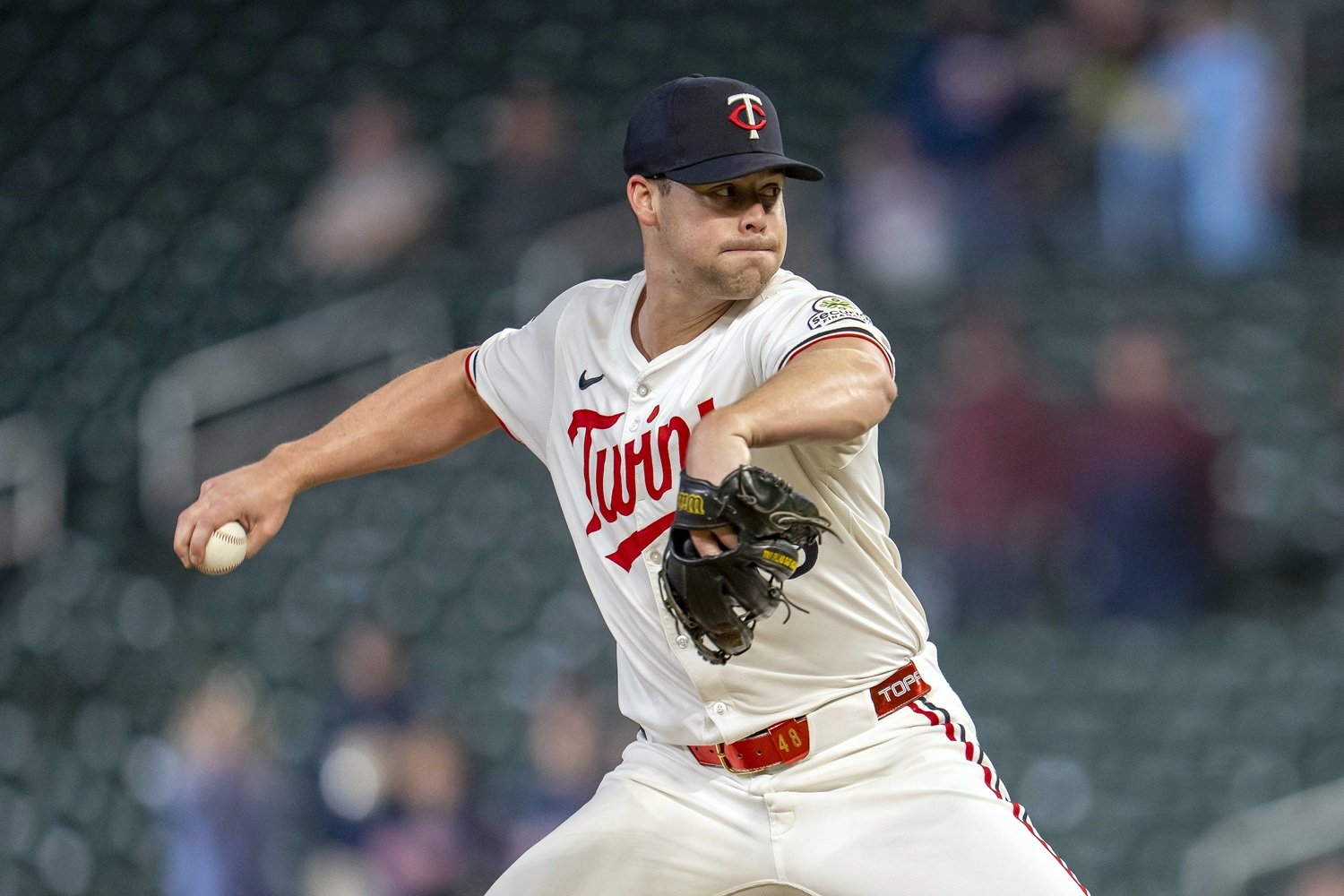 The day Minnesota Twins pitchers and catchers reported to the Lee Health Sports Complex in beautiful Fort Myers, Florida, freshly anointed head baseball executive Jeremy Zoll made two noteworthy late-offseason bullpen acquisitions, trading for left-handed reliever Anthony Banda from the Los Angeles Dodgers and signing right-handed reliever Liam Hendriks to a minor-league deal. Two days later, the club signed veteran southpaw Andrew Chafin to a minor-league contract, completing a flurry of mid-February signings designed to improve the club’s bullpen. Banda, Hendriks, and Chafin join Cole Sands, Taylor Rogers, Justin Topa, Kody Funderburk, Eric Orze, Travis Adams, Marco Raya, Zak Kent, John Klein, Dan Altavilla, and others competing to fill the eight-pitcher unit. A talent- and depth-deficient unit entering the offseason, Minnesota’s bullpen has become crowded with a mix of veteran and inexperienced candidates, creating one of the more wide-open camp competitions in recent Twins history. Barring injury, Sands, Rogers, and Banda are the only three relievers guaranteed spots in the club’s Opening Day bullpen. If Hendriks and Chafin resemble what they've been in seasons past, the two veterans on minor-league deals are favorites to earn spots. The final three spots remain up for grabs as the calendar flips to March, with one aforementioned veteran arm potentially becoming a surprise omission from the club’s Opening Day pen. Earning a 3.90 ERA, 3.04 FIP, and a 49-to-18 strikeout to walk ratio over 60 innings pitched, Topa performed well last season. The veteran righty also stepped in as one of the Twins' most reliable late-inning arms after the front office parted ways with Jhoan Duran, Griffin Jax, Louis Varland, Brock Stewart, and Danny Coulombe at the trade deadline, working his way to a 3.31 ERA and notching four saves from Aug. 1 through Sept. 7. Unfortunately, the then-34-year-old missed the rest of his 2025 campaign after suffering a left oblique strain. Despite the unceremonious end to his first full season with Minnesota, Topa appeared to be a shoo-in for a spot entering the offseason. However, the soon-to-be 35-year-old’s early spring struggles could result in an unexpected end to his Twins’ tenure. To preface, I want to recognize that I am about to analyze an exceptionally small performance sample of work. I also understand that it is still early March, and there’s a strong likelihood that Topa is still in the “ramp-up” phase of his spring program. Still, his underlying metrics suggest the wily veteran’s days as an effective major-league reliever may be coming to an end, evidenced by the chart below (courtesy of TJStats): Topa is generating a lot of swings, which is typically a positive sign, especially for relievers. Unfortunately, hitters are making a lot of contact and doing tons of damage upon intercepting the pitch, resulting in a catastrophic zone contact rate and barrel rate. His well-below-average barrel rate is particularly concerning, given that his past success with Seattle and Minnesota was largely the product of missing barrels with his plus sinker and sweeper. If Topa is unable to miss barrels and generate weak contact, he would become an unusable arm, with too many whammies like this one ruining outings of any consequence. Like this: OTdCTEFfWGw0TUFRPT1fVlZkVVYxME1VZ01BV3dRQVV3QUhCbEJSQUFOUUJRSUFWRkFNVWd0VUFsRUdWUW9B.mp4 Topa’s early struggles are especially concerning given that there is no real dip in his velocity compared to last season. In his two appearances against Boston this spring, there was essentially no change in his sinker, sweeper, cutter, or changeup velocity, compared to his 2025 averages. That being the case, the primary factors behind his 27.00 ERA and 13.47 FIP over 1 2/3 innings pitched are diminished movement and poor command or execution. Again, I understand that I am talking about less than two innings pitched. Yet, given that fellow bullpen candidates Orze, Funderburk, Altavilla, Klein, and Raya (from a stuff perspective) are off to strong starts this spring, Topa and his $1.23-million contract could end up on the chopping block come the end of March, either being designated for assignment or traded to another organization.
 -
no, you're right, i'm not going to pretend to disagree with you. to your point, though, i meant "plus power" relative to position. that claim was made more so off memory and projection than actual data. that said, his ISO is in the same ballpark as players like Mookie Betts and Gunnar Henderson. i think it would be appropriate to give him the "plus power" tag if he reaches the .145-.160 ISO range this season.
-
you're missing the forest for the trees. 16 home runs is impressive for a SS and there's a real chance he could hit 20+ home runs next season.
-
Offseason Adjustments: How Brooks Lee Plans to Break Out at the Plate
Cody Schoenmann posted an article in Twins
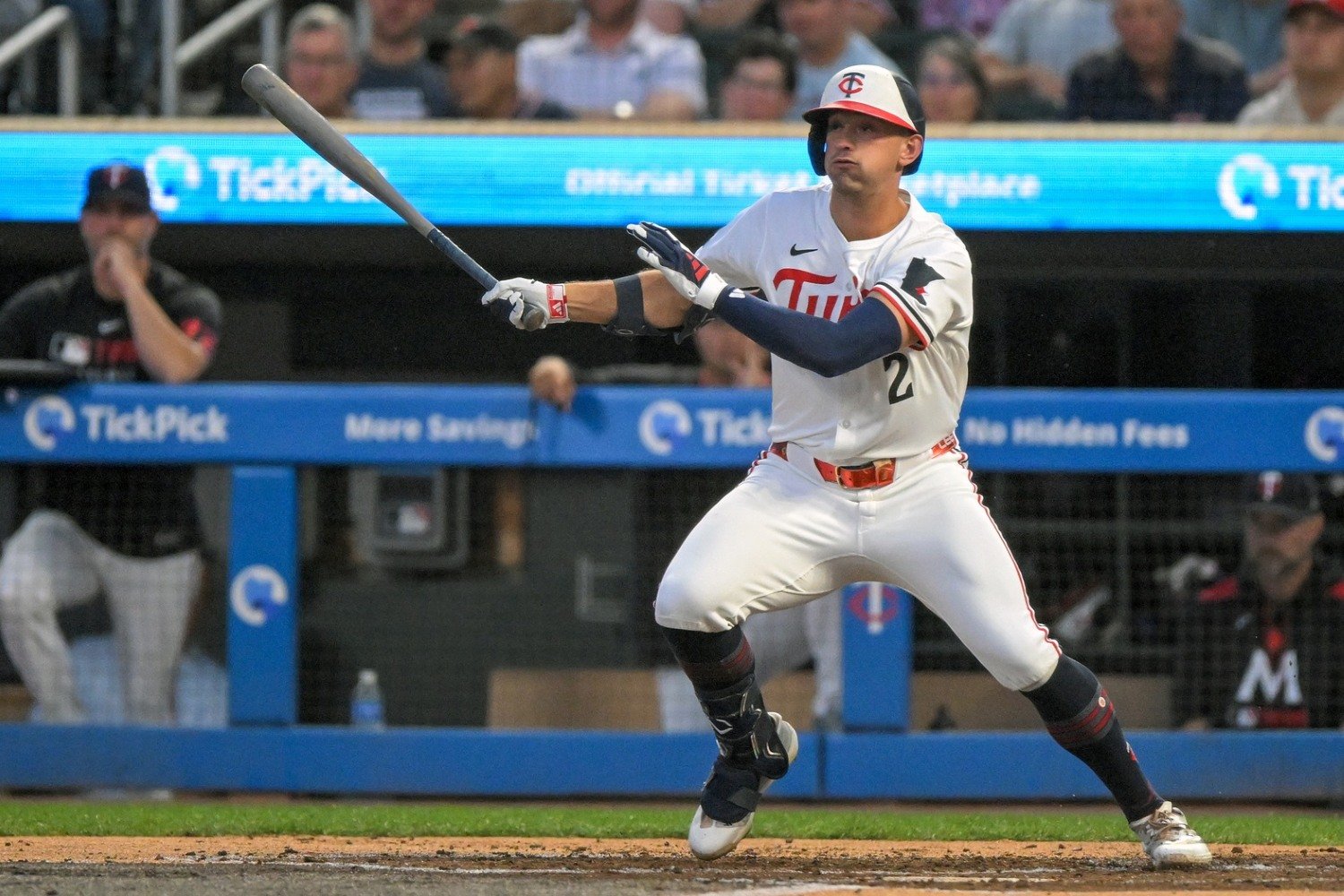 In his first two seasons with the Twins, Brooks Lee has hit .232/.279/.357 with 19 home runs and a 75 wRC+ over 712 plate appearances. He's struggled to reach base, often chasing pitches outside the zone, leading to weak contact and a high whiff rate. On the bright side, the 25-year-old generated plus power last season, while consistently posting a low strikeout rate. However, his poor swing decisions have led to him entering his third season at an early crossroads, straining to prove he belongs in the majors. Minnesota will afford him ample opportunity to accomplish that; he's penciled in as the club’s Opening Day starting shortstop. Yet, with ascending shortstop prospect Kaelen Culpepper expected to begin his 2026 campaign at Triple-A and 2025 first-round draft pick Marek Houston not too far behind them, time is running short. What did Lee do in an effort to break out at the plate in 2026, staving off Culpepper and Houston? Let’s take a look. Drafted as a switch-hitter, Lee had always performed better from the left side, in college at Cal Poly and in the minors. Unfortunately, that trend failed to continue with the parent club. He's put up a dreadful 68 wRC+ over a combined 482 plate appearances from the left side of the plate the past two seasons, compared to a 77 wRC+ over 230 combined plate appearances hitting right-handed. Obviously, both results are undesirable, but the majority of any switch-hitter's at-bats will come from the left side, and Lee felt confident he's better than his numbers in thos situations. That being the case, he prioritized improving as a hitter from the left side, while keeping his right-handed swing stable this offseason. “[I’m] just trying to find one swing that I could stick with left-handed, not make so many adjustments,” Lee said. “I felt like this offseason, I made the least amount of adjustments. Didn’t look at video that much. I felt good just trying to hit the ball the other way more. I didn’t really do that last year, left-handed. I feel like, right-handed, I did. I got a lot more hits, and so, yeah, that was kind of a big focus. See the ball deeper so I could hit it that way. And I think that’ll help with chasing.” Lee already made a slight adjustment to his contact point, according to Statcast. His average intercept point from the left side was 29.0 inches in front of his center of mass in 2025, nearly two inches deeper in the hitting zone than in 2024 (31.8 inches). Yet, as noted earlier, his adjustment didn’t yield a meaningful improvement in results. Interestingly, Lee stands a few inches closer to the plate and very slightly deeper in the box as a lefty than he does as a righty. That should produce deeper contact points, naturally, but there's plenty of room for (especially) him to set up even farther toward the catcher, changing the equation again. There is no evidence to suggest that Lee will actually do that. Yet, if he (in collaboration with new hitting coach Keith Beauregard) believes seeing the ball deeper would improve his chase rate, one way to do it could be to create a few more inches of space between himself and the pitcher. If he can continue mashing fastballs from both sides of the plate while chasing offspeed and breaking pitches less often, Lee could become the self-actualized switch-hitter Twins Territory has yearned for him to become since his electric 2024 debut, while producing 20+ home run power. If Lee undergoes only modest improvement early next season, he could still be usurped by Culpepper, effectively ending his chances of becoming the club’s long-term shortstop. A long-term role as a utility infielder who could bounce between second base, third, and short (and maybe potentially first base) is still in the cards with Lee. At the same time, a very disheartening reality exists: Lee could be demoted to Triple-A if his struggles continue in 2026. He's fast-tracked himself to make-or-break status, and his ability to improve as a left-handed hitter will be the deciding factor in his ability to remain in the majors. Twins Daily's John Bonnes contributed to the reporting in this piece.
 -
In his first two seasons in Major League Baseball, Brooks Lee has hit .232/.279/.357 with 19 home runs and a 75 wRC+ over 712 combined plate appearances. Performing 25% below league-average, Lee has struggled to reach base, often chasing pitches outside the zone, leading to weak contact and a high whiff rate. The 25-year-old has generated plus power last season while consistently netting a low strikeout rate. However, his poor swing decisions have led to him entering his third season at an early-career crossroads, straining to prove he belongs in the majors. Minnesota is anticipated to hand him ample opportunity to accomplish that, with him penciled in as the club’s Opening Day starting shortstop. Yet, with ascending shortstop prospect Kaelen Culpepper expected to begin his 2026 campaign at Triple-A and 2025 first-round draft pick Marek Houston not too far behind them, time is running thin. What did Lee do in an effort to break out at the plate in 2026, staving off Culpepper and Houston? Let’s take a look. Drafted as a switch-hitter, Lee had always performed better from the left side, evidenced by his time at Cal Poly and in the minors. Unfortunately, that trend failed to continue with the parent club, with him posting a 68 wRC+ over a combined 482 plate appearances from the left side of the plate the past two seasons, compared to a 77 wRC+ over 230 combined plate appearances hitting right-handed. Obviously, both results are undesirable, resulting in the former top prospect performing at below replacement level rate over his young career. That being the case, he prioritized improving as a hitter from the left side while keeping his right-handed swing stable this offseason. “(I’m) just trying to find one swing that I could stick with left-handed, not make so many adjustments,” Lee confessed. “I felt like this offseason, I made the least amount of adjustments. Didn’t look at video that much. I felt good just trying to hit the ball the other way more. I didn’t really do that last year, left-handed. I feel like, right-handed, I did. I got a lot more hits, and so, yeah, that was kind of a big focus. See the ball deeper so I could hit it that way. And I think that’ll help with chasing.” Lee dramatically altered his intercept point from the left side of the plate between his first two seasons, standing 5.1 inches from the plate in 2024 to 2.0 inches in 2025. His adjustment resulted in him increasing his bat speed by a tick. Yet, as noted earlier, his adjustment didn’t yield a meaningful improvement in results. Interestingly, Lee stood 6.4 inches from the plate, hitting right-handed last season, a stark contrast from his approach from the left side. Given Lee’s comfort in his swing from the right side and desire to improve from the left, he could decide to again stand further from the plate from the left side, in an attempt to mirror his approach from the right side. Whether that would produce better results is in question, given that he still struggled from the left side while standing further back in 2024. There is no evidence to suggest that Lee will actually do that. Yet, if he (in collaboration with new hitting coach Keith Beauregard) believes seeing the ball deeper would improve his chase rate, intercepting the ball further from the plate would be a sound adjustment to make. Lee has also always hit fastballs well, meaning he could sacrifice some plate coverage to see breaking and offspeed pitches further. If he can continue mashing fastballs from both sides of the plate while chasing offspeed and breaking pitches less, Lee could become the self-actualized switch-hitter Twins Territory has yearned for him to become since his electric 2024 debut, while producing 20+ home run power. If Lee undergoes modest improvement early next season, he could still be usurped by Culpepper, effectively ending his chances of becoming the club’s long-term shortstop. Still, a long-term role as a utility infielder who could bounce between second base, third, and short (and maybe potentially first base) is still in the cards with Lee. At the same time, a very disheartening reality exists: Lee could be demoted to Triple-A if his early-career struggles continue in 2026. He has reached an early-career crossroads, and his ability to improve as a left-handed hitter will be the deciding factor in his ability to remain in the majors. Twins Daily's John Bonnes contributed to the reporting in this piece. View full article
-
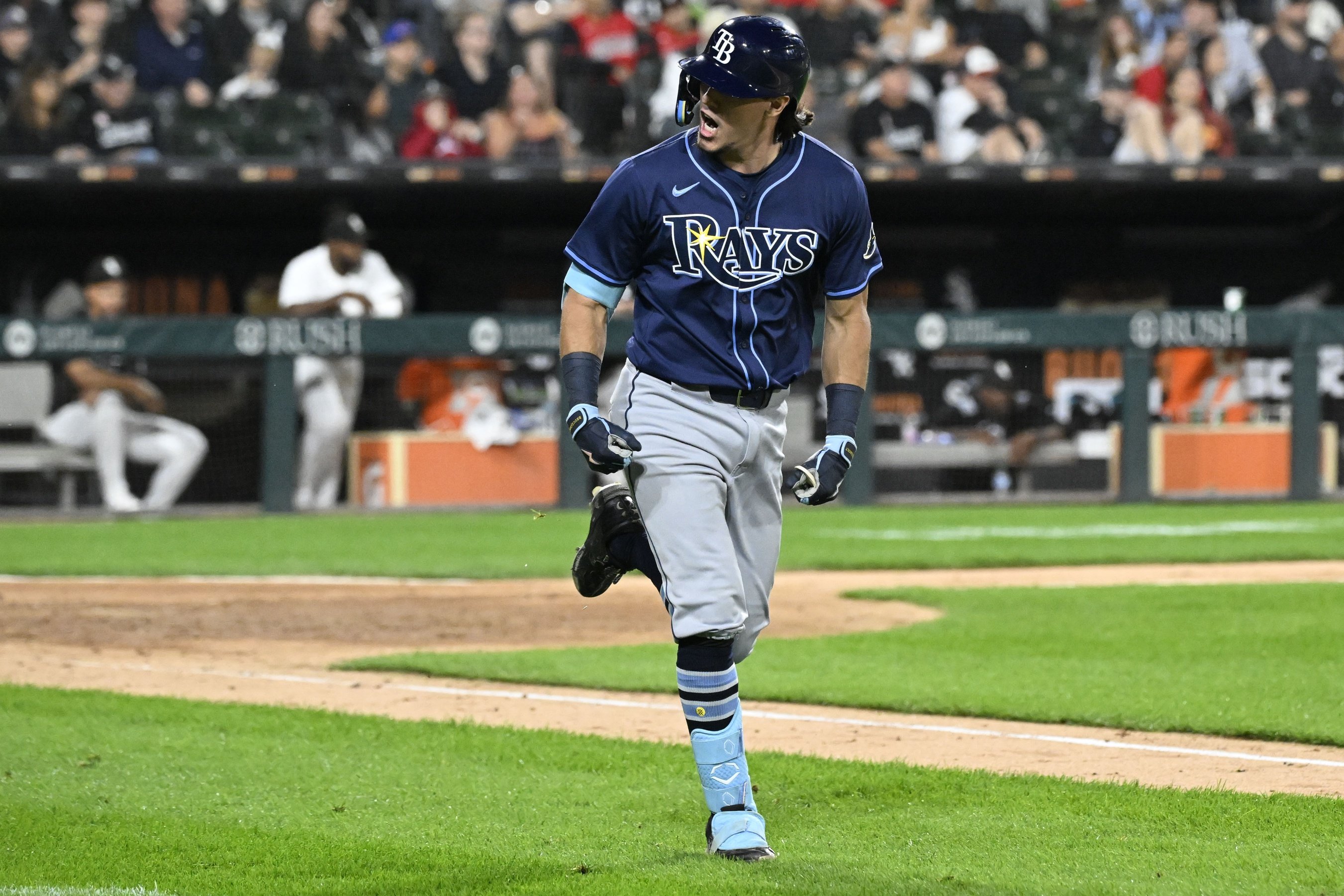 Acquired from the Boston Red Sox in mid-January for catching prospect Nate Baez, Tristan Gray joined his third organization in two months, becoming a member of the Minnesota Twins. The 29-year-old enters the fold, competing with Ryan Kreidler and Orlando Arcia to become the club’s backup shortstop behind Brooks Lee. How does Gray compare to Kreidler and Arcia? Is he the favorite to win the competition? Let’s take a look. Tristan Gray’s Batting Metrics The left-handed infielder’s hitting metrics have been extremely volatile over his three-season major league career. Over only 122 plate appearances, Gray has hit a combined .207/.264/.369 with four home runs and a 76 wRC+. His overall numbers are largely the product of volatility, evidenced by him generating a 285 wRC+ over 5 plate appearances with Tampa in 2023 and a 6 wRC+ over 31 plate appearances between Miami and Oakland in 2024. However, in his longest stretch in the majors with Tampa last season, Gray hit .231/.282/.410 with three home runs and an 89 wRC+ over 86 plate appearances. Despite struggling to get on base, the 29-year-old was serviceable in his first extended run in the majors, with his underlying metrics supporting that suggestion. Interestingly, Gray sported reverse splits last season, generating a 207 wRC+ over 23 plate appearances against southpaws compared to a 45 wRC+ over 63 plate appearances against righties. His reverse splits remain consistent with his small 2024 sample. Again, it would be negligent to make concrete claims when assessing 122 plate appearances. However, if we are to believe he is serviceable against left-handed pitching while likely performing better against right-handed hitting with more opportunities, Gray could be the most platoon-proof option of the trio, potentially giving him an upper hand over Kreidler and Arcia. As noted earlier, Gray is by no means a Moneyball darling, struggling to reach base. He also sported an alarming 31.9% whiff rate last season. Yet, when he made contact last season, he hit the ball hard, sporting elite bat speed, average exit velocity, and barrel rate. Gray’s underlying metrics closely mirror Kody Clemens’s, who underwent an unexpected power surge with Minnesota last season. It would be unfair to expect Gray to hit 19 home runs next season. Yet, he could provide similar output to Clemens in 2026 if his 2025 metrics carry over. Tristan Gray’s Defensive Skillset Gray spent meaningful time at shortstop last season, collecting 62 innings at the position. He also mixed in at the other three infield positions, playing 80 innings at second base, 33 innings at third base, and 19 innings at first base. The former Ray graded out as average or slightly below average at third, second, and first. Yet, he generated 1 Outs Above Average (OAA) at shortstop, meaning he was slightly above-average at the position. Admittedly, Gray is likely a better defensive shortstop than Lee. Kreidler and Arcia likely are, too. Lee is going to be the primary starter at the position, regardless. Still, Gray could play the position at an average-to-above-average rate, meaning he could fill in at the position on Lee’s days off or if he sustained a long-term injury or significant performance concerns. Gray could also serve as Luke Keaschall’s backup at second base, Royce Lewis’s backup at third, and sprinkle in at first base alongside Josh Bell, Victor Caratini, and Clemens, providing unrestrained utility to the Twins' infield. What Should Tristan Gray’s Role Be in 2026? Given his encouraging performance at the plate last season and defensive flexibility, Gray could have the inside track on winning the backup shortstop role over Kreidler and Arcia, who are both profoundly subpar hitters. Having one minor league option remaining, Minnesota could option Gray to Triple-A St. Paul and reward Kreidler or Arcia the bench spot. That said, given that Minnesota targeted Gray and handed him a 40-man roster spot (Kreidler also has a 40-man roster spot; Arica doesn’t), signs point toward the organization entering Spring Training with Gray being the favorite to win the role.
 -
Acquired from the Boston Red Sox in mid-January for catching prospect Nate Baez, Tristan Gray joined his third organization in two months, becoming a member of the Minnesota Twins. The 29-year-old enters the fold, competing with Ryan Kreidler and Orlando Arcia to become the club’s backup shortstop behind Brooks Lee. How does Gray compare to Kreidler and Arcia? Is he the favorite to win the competition? Let’s take a look. Tristan Gray’s Batting Metrics The left-handed infielder’s hitting metrics have been extremely volatile over his three-season major league career. Over only 122 plate appearances, Gray has hit a combined .207/.264/.369 with four home runs and a 76 wRC+. His overall numbers are largely the product of volatility, evidenced by him generating a 285 wRC+ over 5 plate appearances with Tampa in 2023 and a 6 wRC+ over 31 plate appearances between Miami and Oakland in 2024. However, in his longest stretch in the majors with Tampa last season, Gray hit .231/.282/.410 with three home runs and an 89 wRC+ over 86 plate appearances. Despite struggling to get on base, the 29-year-old was serviceable in his first extended run in the majors, with his underlying metrics supporting that suggestion. Interestingly, Gray sported reverse splits last season, generating a 207 wRC+ over 23 plate appearances against southpaws compared to a 45 wRC+ over 63 plate appearances against righties. His reverse splits remain consistent with his small 2024 sample. Again, it would be negligent to make concrete claims when assessing 122 plate appearances. However, if we are to believe he is servicable against left-handed pitching while likely performing better against right-handed hitting with more opportunities, Gray could be the most platoon-proof option of the trio, potentially giving him an upper hand over Kreidler and Arcia. As noted earlier, Gray is by no means a Moneyball darling, struggling to reach base. He also sported an alarming 31.9% whiff rate last season. Yet, when he made contact last season, he hit the ball hard, sporting elite bat speed, average exit velocity, and barrel rate. Gray’s underlying metrics closely mirror Kody Clemens’s, who underwent an unexpected power surge with Minnesota last season. It would be unfair to expect Gray to hit 19 home runs next season. Yet, he could provide similar output to Clemens in 2026 if his 2025 metrics carry over. Tristan Gray’s Defensive Skillset Gray spent meaningful time at shortstop last season, collecting 62 innings at the position. He also mixed in at the other three infield positions, playing 80 innings at second base, 33 innings at third base, and 19 innings at first base. The former Ray graded out as average or slightly below average at third, second, and first. Yet, he generated 1 Outs Above Average (OAA) at shortstop, meaning he was slightly above-average at the position. Admittedly, Gray is likely a better defensive shortstop than Lee. Kreidler and Arcia likely are, too. Lee is going to be the primary starter at the position, regardless. Still, Gray could play the position at an average-to-above-average rate, meaning he could fill in at the position on Lee’s days off or if he sustained a long-term injury or significant performance concerns. Gray could also serve as Luke Keaschall’s backup at second base, Royce Lewis’s backup at third, and sprinkle in at first base alongside Josh Bell, Victor Caratini, and Clemens, providing unrestrained utility to the Twins' infield. What Should Tristan Gray’s Role Be in 2026? Given his encouraging performance at the plate last season and defensive flexibility, Gray could have the inside track on winning the backup shortstop role over Kreidler and Arcia, who are both profoundly subpar hitters. Having one minor league option remaining, Minnesota could option Gray to Triple-A St. Paul and reward Kreidler or Arcia the bench spot. That said, given that Minnesota targeted Gray and handed him a 40-man roster spot (Kreidler also has a 40-man roster spot; Arica doesn’t), signs point toward the organization entering Spring Training with Gray being the favorite to win the role. View full article
-
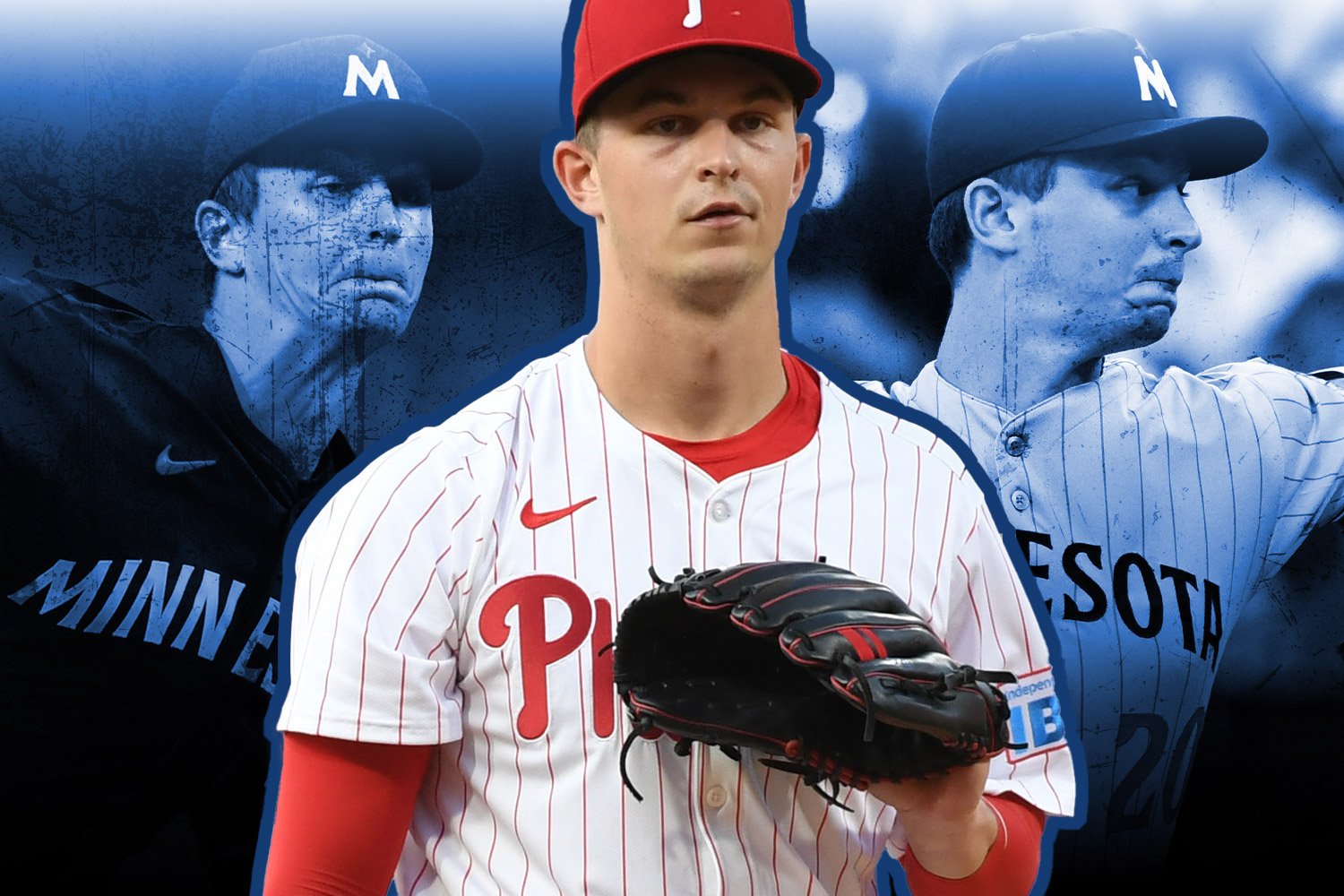 Acquired alongside top-100 prospect Eduardo Tait in the 2025 trade deadline deal that sent closer Jhoan Duran to the Philadelphia Phillies, Mick Abel made four appearances for the Minnesota Twins last season, generating an 8.36 ERA, 2.99 FIP, and an 18-to-7 strikeout to walk ratio over 14 innings. Abel’s struggles weren’t unique to his tenure in Minnesota, as he posted similarly disappointing numbers (5.04 ERA, 6.30 FIP, and 21-to-9 strikeout-to-walk ratio) over 25 innings with Philadelphia. Despite struggling during his first cup of coffee in the majors, the 24-year-old still projects to be a serviceable major-league starting pitcher in the near future, given his plus stuff and sustained success in the high minors. What should his role with the 2026 Twins be? Let’s take a look. This article is part of a series about the Twins pitchers with the most fluid set of possible roles, as spring training begins. Read previous entries: David Festa's Arsenal Zebby Matthews' Arsenal Taj Bradley's Arsenal Mick Abel's Stuff Abel relies on his four-seam fastball; he threw it 42% of the time last season. Hovering around 96 MPH, the righty’s four-seamer possesses above-average velocity but an average movement profile. With a high spin rate, the heater ate up minor-league hitters over the past four seasons. Unfortunately, he was unable to replicate those results with the pitch at the major-league level in 2025, surrendering a .610 slugging average on it. Somehow, attacking with a fastball this firm at the top of the zone should work. Philadelphia and Minnesota’s pitching coaches agree, evidently, as the young righty threw his four-seamer up in the zone 33.5% of the time last season, which would have been the highest rate in baseball if Abel pitched enough to qualify for that leaderboard. Again, Abel’s fastball shape and spin rate grade out better than average, especially once one adjusts for his low three-quarter arm slot. That pitch isn't disappearing from his arsenal any time soon. However, he'll need to locate it more efficiently and become less predictable if he wants to mirror the success he had with the pitch in the high minors. Mick Abel's Arsenal Abel’s best pitch is his curve, which he threw at a 21% rate in 2025. He reserves the offering almost exclusively for left-handed batters. As is true with a good changeup, right-handed pitchers are often able to get left-handed hitters to swing over curves low in or below the zone, generating whiffs or inducing weak choppers to the right side of the infield. The pitch was a darling of advanced metrics, with left-handed hitters generating a .296 expected slugging average (xSLG) and a .212 expected weighted on-base average (xwOBA) against the pitch last season. Though it pops out of his hand a bit, lefties have a hard time adjusting to the depth of the pitch's movement. The blue tracer below shows the average trajectory of Abel's curve. Hitters read that either hump, but struggle to bend their swing enough to respond to its two-plane break. His slider (thrown 12% of the time) was less impressive, generating a .449 xSLG while being thrown only 83 times. Abel throws his slider far more often to righties, hoping to pinpoint the pitch low and outside of the zone. Unfortunately, his slider control is spotty, with his heat map looking like a no-correlation scatter plot. Still, you can see how it's more deceptive to a righty than that curve. Horizontally, the slider and four-seamer stay in the same tunnel longer, before the slider breaks away and the fastball tails back toward the batter. The righty also throws a sinker and changeup, which combine for a 22% usage rate. Unsurprisingly, he utilizes his change (alongside his curve) to attack left-handed hitters. The pitch was hammered last season, though, with hitters turning into Ted Williams and posting a .417 batting average against it. Abel was slightly more effective throwing his sinker, with hitters instead turning into Tony Gwynn and running a .375 batting average against the pitch. Abel will need to continue refining his pitches with Minnesota’s pitching development. Luckily, being 24 years old and having thrown only 39 innings in the majors, Abel should still be treated with the grace of an unproven pitching prospect. Year Pitch Type # # RHB # LHB % MPH PA AB H 1B 2B 3B HR SO BBE BA XBA SLG XSLG WOBA XWOBA EV LA Spin Ext. Whiff% PutAway% 2025 Four Seamer 303 92 211 42.1 96.4 73 59 17 10 1 0 6 15 44 .288 .273 .610 .570 .439 .418 90.7 25 2544 6.8 25.9 18.3 2025 Curveball 154 31 123 21.4 82.7 35 35 6 2 1 1 2 16 19 .171 .198 .429 .296 .248 .212 89.4 12 2672 6.8 37.5 23.5 2025 Sinker 95 80 15 13.2 95.4 26 24 9 8 0 1 0 1 23 .375 .339 .458 .398 .386 .351 91.5 7 2469 6.7 12.2 6.3 2025 Slider 83 65 18 11.5 87.3 23 22 5 5 0 0 0 3 19 .227 .271 .227 .449 .222 .320 95.5 14 2419 6.7 16.3 9.4 2025 Changeup 63 4 59 8.8 89.1 12 12 5 5 0 0 0 2 10 .417 .333 .417 .538 .368 .375 90.2 1 1704 6.8 25.0 13.3 2025 Sweeper 22 22 0 3.1 84.5 5 5 1 1 0 0 0 2 3 .200 .228 .200 .313 .176 .237 87.4 34 2781 7.0 41.7 15.4 What Should Be Mick Abel's Role In 2026? While technically competing with Taj Bradley, Zebby Matthews, and David Festa for the fifth rotation spot, Abel has the fewest innings in the majors of that group and the most refinement needed to his arsenal. That being the case, Abel would be best suited to start his 2026 campaign in Triple-A, functioning as a still-developing starting pitching prospect. He still has two minor-league option years, so Minnesota has the luxury of being patient with Abel. He should figure into the rotation at some point in 2026. Yet, given that Pablo López, Joe Ryan, and/or Bailey Ober could no longer be part of the club’s rotation come next season, the team would be wise to continue developing Abel as a starting pitcher in Triple-A, with an eye toward him becoming a rotation stalwart in 2027 and beyond.
 -
Acquired alongside top-100 prospect Eduardo Tait in the 2025 trade deadline deal that sent closer Jhoan Duran to the Philadelphia Phillies, Mick Abel made four appearances for the Minnesota Twins last season, generating an 8.36 ERA, 2.99 FIP, and an 18-to-7 strikeout to walk ratio over 14 innings. Abel’s struggles weren’t unique to his tenure in Minnesota, as he posted similarly disappointing numbers (5.04 ERA, 6.30 FIP, and 21-to-9 strikeout-to-walk ratio) over 25 innings with Philadelphia. Despite struggling during his first cup of coffee in the majors, the 24-year-old still projects to be a serviceable major-league starting pitcher in the near future, given his plus stuff and sustained success in the high minors. What should his role with the 2026 Twins be? Let’s take a look. This article is part of a series about the Twins pitchers with the most fluid set of possible roles, as spring training begins. Read previous entries: David Festa's Arsenal Zebby Matthews' Arsenal Taj Bradley's Arsenal Mick Abel's Stuff Abel relies on his four-seam fastball; he threw it 42% of the time last season. Hovering around 96 MPH, the righty’s four-seamer possesses above-average velocity but an average movement profile. With a high spin rate, the heater ate up minor-league hitters over the past four seasons. Unfortunately, he was unable to replicate those results with the pitch at the major-league level in 2025, surrendering a .610 slugging average on it. Somehow, attacking with a fastball this firm at the top of the zone should work. Philadelphia and Minnesota’s pitching coaches agree, evidently, as the young righty threw his four-seamer up in the zone 33.5% of the time last season, which would have been the highest rate in baseball if Abel pitched enough to qualify for that leaderboard. Again, Abel’s fastball shape and spin rate grade out better than average, especially once one adjusts for his low three-quarter arm slot. That pitch isn't disappearing from his arsenal any time soon. However, he'll need to locate it more efficiently and become less predictable if he wants to mirror the success he had with the pitch in the high minors. Mick Abel's Arsenal Abel’s best pitch is his curve, which he threw at a 21% rate in 2025. He reserves the offering almost exclusively for left-handed batters. As is true with a good changeup, right-handed pitchers are often able to get left-handed hitters to swing over curves low in or below the zone, generating whiffs or inducing weak choppers to the right side of the infield. The pitch was a darling of advanced metrics, with left-handed hitters generating a .296 expected slugging average (xSLG) and a .212 expected weighted on-base average (xwOBA) against the pitch last season. Though it pops out of his hand a bit, lefties have a hard time adjusting to the depth of the pitch's movement. The blue tracer below shows the average trajectory of Abel's curve. Hitters read that either hump, but struggle to bend their swing enough to respond to its two-plane break. His slider (thrown 12% of the time) was less impressive, generating a .449 xSLG while being thrown only 83 times. Abel throws his slider far more often to righties, hoping to pinpoint the pitch low and outside of the zone. Unfortunately, his slider control is spotty, with his heat map looking like a no-correlation scatter plot. Still, you can see how it's more deceptive to a righty than that curve. Horizontally, the slider and four-seamer stay in the same tunnel longer, before the slider breaks away and the fastball tails back toward the batter. The righty also throws a sinker and changeup, which combine for a 22% usage rate. Unsurprisingly, he utilizes his change (alongside his curve) to attack left-handed hitters. The pitch was hammered last season, though, with hitters turning into Ted Williams and posting a .417 batting average against it. Abel was slightly more effective throwing his sinker, with hitters instead turning into Tony Gwynn and running a .375 batting average against the pitch. Abel will need to continue refining his pitches with Minnesota’s pitching development. Luckily, being 24 years old and having thrown only 39 innings in the majors, Abel should still be treated with the grace of an unproven pitching prospect. Year Pitch Type # # RHB # LHB % MPH PA AB H 1B 2B 3B HR SO BBE BA XBA SLG XSLG WOBA XWOBA EV LA Spin Ext. Whiff% PutAway% 2025 Four Seamer 303 92 211 42.1 96.4 73 59 17 10 1 0 6 15 44 .288 .273 .610 .570 .439 .418 90.7 25 2544 6.8 25.9 18.3 2025 Curveball 154 31 123 21.4 82.7 35 35 6 2 1 1 2 16 19 .171 .198 .429 .296 .248 .212 89.4 12 2672 6.8 37.5 23.5 2025 Sinker 95 80 15 13.2 95.4 26 24 9 8 0 1 0 1 23 .375 .339 .458 .398 .386 .351 91.5 7 2469 6.7 12.2 6.3 2025 Slider 83 65 18 11.5 87.3 23 22 5 5 0 0 0 3 19 .227 .271 .227 .449 .222 .320 95.5 14 2419 6.7 16.3 9.4 2025 Changeup 63 4 59 8.8 89.1 12 12 5 5 0 0 0 2 10 .417 .333 .417 .538 .368 .375 90.2 1 1704 6.8 25.0 13.3 2025 Sweeper 22 22 0 3.1 84.5 5 5 1 1 0 0 0 2 3 .200 .228 .200 .313 .176 .237 87.4 34 2781 7.0 41.7 15.4 What Should Be Mick Abel's Role In 2026? While technically competing with Taj Bradley, Zebby Matthews, and David Festa for the fifth rotation spot, Abel has the fewest innings in the majors of that group and the most refinement needed to his arsenal. That being the case, Abel would be best suited to start his 2026 campaign in Triple-A, functioning as a still-developing starting pitching prospect. He still has two minor-league option years, so Minnesota has the luxury of being patient with Abel. He should figure into the rotation at some point in 2026. Yet, given that Pablo López, Joe Ryan, and/or Bailey Ober could no longer be part of the club’s rotation come next season, the team would be wise to continue developing Abel as a starting pitcher in Triple-A, with an eye toward him becoming a rotation stalwart in 2027 and beyond. View full article
-
In less than two weeks, pitchers and catchers will report to the Lee Health Sports Complex in Fort Myers, serving as the unofficial start to the 66th season of Minnesota Twins baseball. Understandably, angst, uncertainty, and pessimism will be the forefront emotions of many who follow the club. Still, reasons for optimism will manifest this spring, with the club’s starting rotation being the most likely source to bring that trait to light. Barring injury or an unforeseen trade, Pablo López and Joe Ryan will operate as co-aces of the five-pitcher unit, creating one of the most formidable frontline duos in baseball. Experienced righties Bailey Ober and Simeon Woods Richardson will likely occupy the third and fourth spots, respectively. Interestingly, the club has four more starting pitchers with major league experience on its 40-man roster. However, only one of those four arms will win the final rotation spot, creating one of the more fascinating Spring Training competitions in recent Twins history. Taj Bradley, Zebby Matthews, David Festa, and Mick Abel are the four arms set to compete for the fifth rotation spot. Luckily, all four pitchers have minor league options remaining, meaning Minnesota won’t need to make any drastic 40-man roster decisions before flying to Baltimore in late March. Still, deciding which arm to hand the fifth rotation spot to will be an incredibly consequential decision as the Twins try to avoid starting their 2026 campaign on the wrong foot, as they did in 2024 and 2025. As noted earlier, Twins decision-makers could demote the three pitchers who lost the camp competition to Triple-A St. Paul, with that trio headlining the Saints’ rotation. Interestingly, one of the four rotation hopefuls could still make an immediate impact on the major league club, just not in the role he entered Spring Training vying to win. David Festa's Stuff Making his major league debut with Minnesota in 2024, Festa has struggled during his first two seasons, generating a 5.12 ERA and 4.27 FIP over 117 2/3 innings pitched. The primary reason behind Festa’s struggles in the majors, so far, is that his four-seam fastball has been ineffective. Thrown a combined 36% the past two seasons, hitters have generated a .344 batting average against the 25-year-old’s fastball. Alongside hitting the pitch often, batters have also done a meaningful amount of damage with the pitch, evidenced by the pitch surrendering a .609 slugging percentage last season. On average, major league fastballs thrown by right-handed pitchers move eight inches toward same-handed hitters while dropping 15 inches. Festa’s moves only two inches while dropping 13 inches. His fastball is flat, so hitters can see it clearly as it enters the zone. A lack of four-seam shape and movement can work if a pitcher generates above-average velocity (i.e., Paul Skenes). Yet, given that Festa’s average four-seam velocity is below-average alongside being flat, hitters are able to tee off on the pitch, despite him being able to consistently locate it high in the zone. Fortunately, the Seton Hall product’s breaking and offspeed pitches are far more effective, functioning as driving forces in the minimal success he has generated in the majors. Last season, Festa threw his change 29% of the time, nearly matching his four-seam usage rate. Unlike his four-seam, however, the right thrived with his change, posting a .113 batting average against while throwing it 256 times. Festa primarily threw the pitch low in the zone against left-handed hitters. Lefties often swung over the pitch, often whiffing or dribbling the ball to the right side of the infield, evidenced by his impressive .274 slugging percentage against. Festa’s change also functioned as his put-away pitch, evidenced by him generating 26 strikeouts and a 23.2% put away rate. David Festa's Pitch Arsenal His slider (thrown 27% of the time) was similarly effective. However, he primarily threw his breaking pitch to right-handed hitters. Festa generated a .231 batting average against and a .423 slugging percentage against with his slider. Yet, underlying metrics undermine his success with the pitch, evidenced by his generating a .550 expected slugging percentage against (xSLG) and a .359 expected weighted on-base average (xWOBA) with the pitch. For reference, his four-seam manufactured a .568 xSLG and .418 xWOBA. Festa often caught too much of the plate with his slider when throwing it to right-handed hitters. Similar to his four-seam, Festa’s slider lacks horizontal movement, meaning hitters can see it well as it crosses the plate. That being the case, right-handed hitters generated a lot of damage against his slider, making it an ineffective secondary pitch. Given the plus nature of his change, Festa has somewhat surprisingly been more effective against left-handed hitters of the course of his career, evidenced by lefties generating a combined .305 wOBA the past two seasons compared to righties posting a .322. Being 6’6”, Festa has one of the highest release points in baseball, releasing the ball six feet from the ground on average. Given his lanky frame, Festa also sports one of the highest extension rates in the sport, shortening the distance between him and the batter. Unfortunately, the lanky righty’s height-driven advantage has been nullified by his throwing at a 50-degree angle, one of the highest release points in baseball. As noted earlier, Festa often throws his four-seam high in the zone. Throwing the pitch high in the zone from a high arm slot is what makes the pitch flat and, therefore, ineffective. Also, releasing breaking pitches from a high arm slot creates less horizontal movement, explaining the ineffectiveness of his slider. Interestingly, his high arm slot is likely the driving factor in his change being so effective, given that he can drop the pitch in from such a high release point. Year Pitch Type # # RHB # LHB % MPH PA AB H 1B 2B 3B HR SO BBE BA XBA SLG XSLG WOBA XWOBA EV LA Spin Ext. Whiff% PutAway% 2025 Four Seamer 280 120 160 31.7 94.1 76 64 22 13 5 0 4 9 56 .344 .309 .609 .568 .447 .418 90.1 26 2416 7.0 14.1 16.1 2025 Changeup 256 91 165 29.0 87.8 67 62 7 3 1 0 3 26 36 .113 .134 .274 .302 .201 .221 85.7 19 1758 6.9 44.0 23.2 2025 Slider 236 154 82 26.8 87.6 55 52 12 8 1 0 3 16 36 .231 .263 .423 .550 .300 .359 91.3 19 2595 6.9 32.2 20.5 2025 Sinker 110 73 37 12.5 93.9 31 26 8 8 0 0 0 2 25 .308 .301 .308 .435 .319 .365 92.2 7 2297 7.0 13.0 25.0 2024 Four Seamer 442 242 200 40.2 94.7 93 79 24 13 7 0 4 23 56 .304 .265 .544 .514 .410 .385 91.3 18 2349 7.0 19.4 21.3 2024 Slider 349 244 105 31.8 86.1 97 92 19 13 3 2 1 26 66 .207 .236 .315 .394 .246 .292 90.2 13 2564 6.8 29.1 20.2 2024 Changeup 308 116 192 28.0 88.4 87 80 19 10 4 1 4 28 53 .238 .203 .463 .329 .319 .262 85.9 13 1839 6.8 39.4 23.0 What Should Be David Festa's Role In 2026? Given Minnesota’s surplus of starting pitching depth and Festa’s struggles the past two seasons, the lanky 25-year-old would be best used in a short-relief role, with the Twins' pitching development staff working with him to lower his arm slot to maximize his four-seam and slider. If converted into a short relief role, the 25-year-old could add velocity to his four-seam, potentially bumping the pitch up to 96-97 MPH. As mentioned earlier, pitchers can make flat four-seams work with increased velocity. Festa would likely be able to sustain increased four-seam velocity pitching in a one-inning role. Also, minimizing his workload would allow him to maximize his slider, adding more break and velocity to the pitch. If he is able to refine his four-seam and slider while continuing to sport an elite change, Festa could quickly become Minnesota’s most effective reliever, given how little high-end talent presently resides in the club’s bullpen. View full article
-
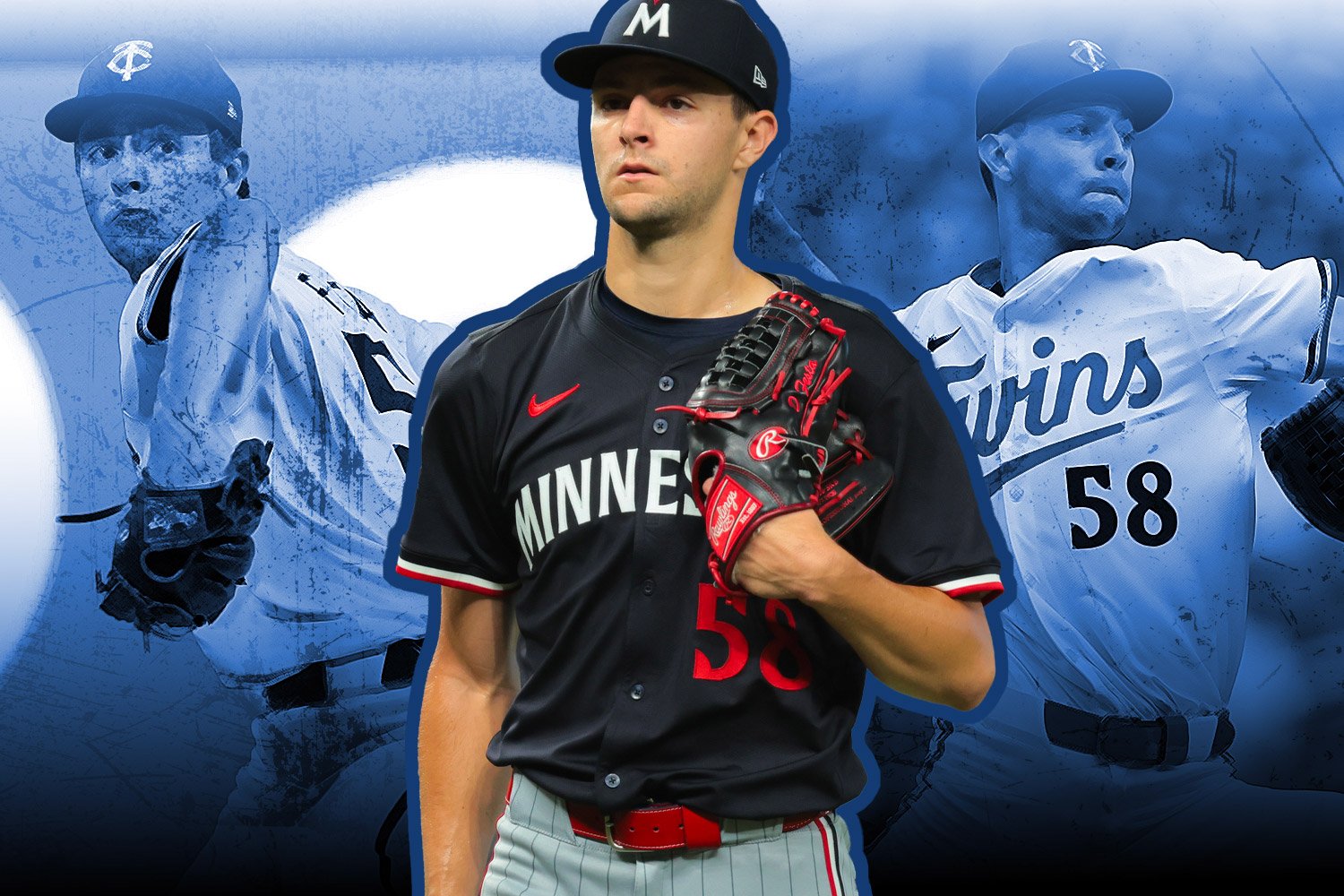 In less than two weeks, pitchers and catchers will report to the Lee Health Sports Complex in Fort Myers, serving as the unofficial start to the 66th season of Minnesota Twins baseball. Understandably, angst, uncertainty, and pessimism will be the forefront emotions of many who follow the club. Still, reasons for optimism will manifest this spring, with the club’s starting rotation being the most likely source to bring that trait to light. Barring injury or an unforeseen trade, Pablo López and Joe Ryan will operate as co-aces of the five-pitcher unit, creating one of the most formidable frontline duos in baseball. Experienced righties Bailey Ober and Simeon Woods Richardson will likely occupy the third and fourth spots, respectively. Interestingly, the club has four more starting pitchers with major league experience on its 40-man roster. However, only one of those four arms will win the final rotation spot, creating one of the more fascinating Spring Training competitions in recent Twins history. Taj Bradley, Zebby Matthews, David Festa, and Mick Abel are the four arms set to compete for the fifth rotation spot. Luckily, all four pitchers have minor league options remaining, meaning Minnesota won’t need to make any drastic 40-man roster decisions before flying to Baltimore in late March. Still, deciding which arm to hand the fifth rotation spot to will be an incredibly consequential decision as the Twins try to avoid starting their 2026 campaign on the wrong foot, as they did in 2024 and 2025. As noted earlier, Twins decision-makers could demote the three pitchers who lost the camp competition to Triple-A St. Paul, with that trio headlining the Saints’ rotation. Interestingly, one of the four rotation hopefuls could still make an immediate impact on the major league club, just not in the role he entered Spring Training vying to win. David Festa's Stuff Making his major league debut with Minnesota in 2024, Festa has struggled during his first two seasons, generating a 5.12 ERA and 4.27 FIP over 117 2/3 innings pitched. The primary reason behind Festa’s struggles in the majors, so far, is that his four-seam fastball has been ineffective. Thrown a combined 36% the past two seasons, hitters have generated a .344 batting average against the 25-year-old’s fastball. Alongside hitting the pitch often, batters have also done a meaningful amount of damage with the pitch, evidenced by the pitch surrendering a .609 slugging percentage last season. On average, major league fastballs thrown by right-handed pitchers move eight inches toward same-handed hitters while dropping 15 inches. Festa’s moves only two inches while dropping 13 inches. His fastball is flat, so hitters can see it clearly as it enters the zone. A lack of four-seam shape and movement can work if a pitcher generates above-average velocity (i.e., Paul Skenes). Yet, given that Festa’s average four-seam velocity is below-average alongside being flat, hitters are able to tee off on the pitch, despite him being able to consistently locate it high in the zone. Fortunately, the Seton Hall product’s breaking and offspeed pitches are far more effective, functioning as driving forces in the minimal success he has generated in the majors. Last season, Festa threw his change 29% of the time, nearly matching his four-seam usage rate. Unlike his four-seam, however, the right thrived with his change, posting a .113 batting average against while throwing it 256 times. Festa primarily threw the pitch low in the zone against left-handed hitters. Lefties often swung over the pitch, often whiffing or dribbling the ball to the right side of the infield, evidenced by his impressive .274 slugging percentage against. Festa’s change also functioned as his put-away pitch, evidenced by him generating 26 strikeouts and a 23.2% put away rate. David Festa's Pitch Arsenal His slider (thrown 27% of the time) was similarly effective. However, he primarily threw his breaking pitch to right-handed hitters. Festa generated a .231 batting average against and a .423 slugging percentage against with his slider. Yet, underlying metrics undermine his success with the pitch, evidenced by his generating a .550 expected slugging percentage against (xSLG) and a .359 expected weighted on-base average (xWOBA) with the pitch. For reference, his four-seam manufactured a .568 xSLG and .418 xWOBA. Festa often caught too much of the plate with his slider when throwing it to right-handed hitters. Similar to his four-seam, Festa’s slider lacks horizontal movement, meaning hitters can see it well as it crosses the plate. That being the case, right-handed hitters generated a lot of damage against his slider, making it an ineffective secondary pitch. Given the plus nature of his change, Festa has somewhat surprisingly been more effective against left-handed hitters of the course of his career, evidenced by lefties generating a combined .305 wOBA the past two seasons compared to righties posting a .322. Being 6’6”, Festa has one of the highest release points in baseball, releasing the ball six feet from the ground on average. Given his lanky frame, Festa also sports one of the highest extension rates in the sport, shortening the distance between him and the batter. Unfortunately, the lanky righty’s height-driven advantage has been nullified by his throwing at a 50-degree angle, one of the highest release points in baseball. As noted earlier, Festa often throws his four-seam high in the zone. Throwing the pitch high in the zone from a high arm slot is what makes the pitch flat and, therefore, ineffective. Also, releasing breaking pitches from a high arm slot creates less horizontal movement, explaining the ineffectiveness of his slider. Interestingly, his high arm slot is likely the driving factor in his change being so effective, given that he can drop the pitch in from such a high release point. Year Pitch Type # # RHB # LHB % MPH PA AB H 1B 2B 3B HR SO BBE BA XBA SLG XSLG WOBA XWOBA EV LA Spin Ext. Whiff% PutAway% 2025 Four Seamer 280 120 160 31.7 94.1 76 64 22 13 5 0 4 9 56 .344 .309 .609 .568 .447 .418 90.1 26 2416 7.0 14.1 16.1 2025 Changeup 256 91 165 29.0 87.8 67 62 7 3 1 0 3 26 36 .113 .134 .274 .302 .201 .221 85.7 19 1758 6.9 44.0 23.2 2025 Slider 236 154 82 26.8 87.6 55 52 12 8 1 0 3 16 36 .231 .263 .423 .550 .300 .359 91.3 19 2595 6.9 32.2 20.5 2025 Sinker 110 73 37 12.5 93.9 31 26 8 8 0 0 0 2 25 .308 .301 .308 .435 .319 .365 92.2 7 2297 7.0 13.0 25.0 2024 Four Seamer 442 242 200 40.2 94.7 93 79 24 13 7 0 4 23 56 .304 .265 .544 .514 .410 .385 91.3 18 2349 7.0 19.4 21.3 2024 Slider 349 244 105 31.8 86.1 97 92 19 13 3 2 1 26 66 .207 .236 .315 .394 .246 .292 90.2 13 2564 6.8 29.1 20.2 2024 Changeup 308 116 192 28.0 88.4 87 80 19 10 4 1 4 28 53 .238 .203 .463 .329 .319 .262 85.9 13 1839 6.8 39.4 23.0 What Should Be David Festa's Role In 2026? Given Minnesota’s surplus of starting pitching depth and Festa’s struggles the past two seasons, the lanky 25-year-old would be best used in a short-relief role, with the Twins' pitching development staff working with him to lower his arm slot to maximize his four-seam and slider. If converted into a short relief role, the 25-year-old could add velocity to his four-seam, potentially bumping the pitch up to 96-97 MPH. As mentioned earlier, pitchers can make flat four-seams work with increased velocity. Festa would likely be able to sustain increased four-seam velocity pitching in a one-inning role. Also, minimizing his workload would allow him to maximize his slider, adding more break and velocity to the pitch. If he is able to refine his four-seam and slider while continuing to sport an elite change, Festa could quickly become Minnesota’s most effective reliever, given how little high-end talent presently resides in the club’s bullpen.
