



Alex Boxwell
-
Posts
131 -
Joined
-
Last visited
-
Days Won
1
Content Type
Profiles
News
Minnesota Twins Videos
2026 Minnesota Twins Top Prospects Ranking
2022 Minnesota Twins Draft Picks
Minnesota Twins Free Agent & Trade Rumors, Notes, & Tidbits
Guides & Resources
2023 Minnesota Twins Draft Picks
The Minnesota Twins Players Project
2024 Minnesota Twins Draft Picks
2025 Minnesota Twins Draft Pick Tracker
2026 Minnesota Twins Draft Tracker: Picks & Bonuses
Forums
Blogs
Events
Store
Downloads
Gallery
Everything posted by Alex Boxwell
-
Why 2026 Could Force the Twins’ Hand on Matt Wallner and Trevor Larnach
Alex Boxwell posted an article in Twins
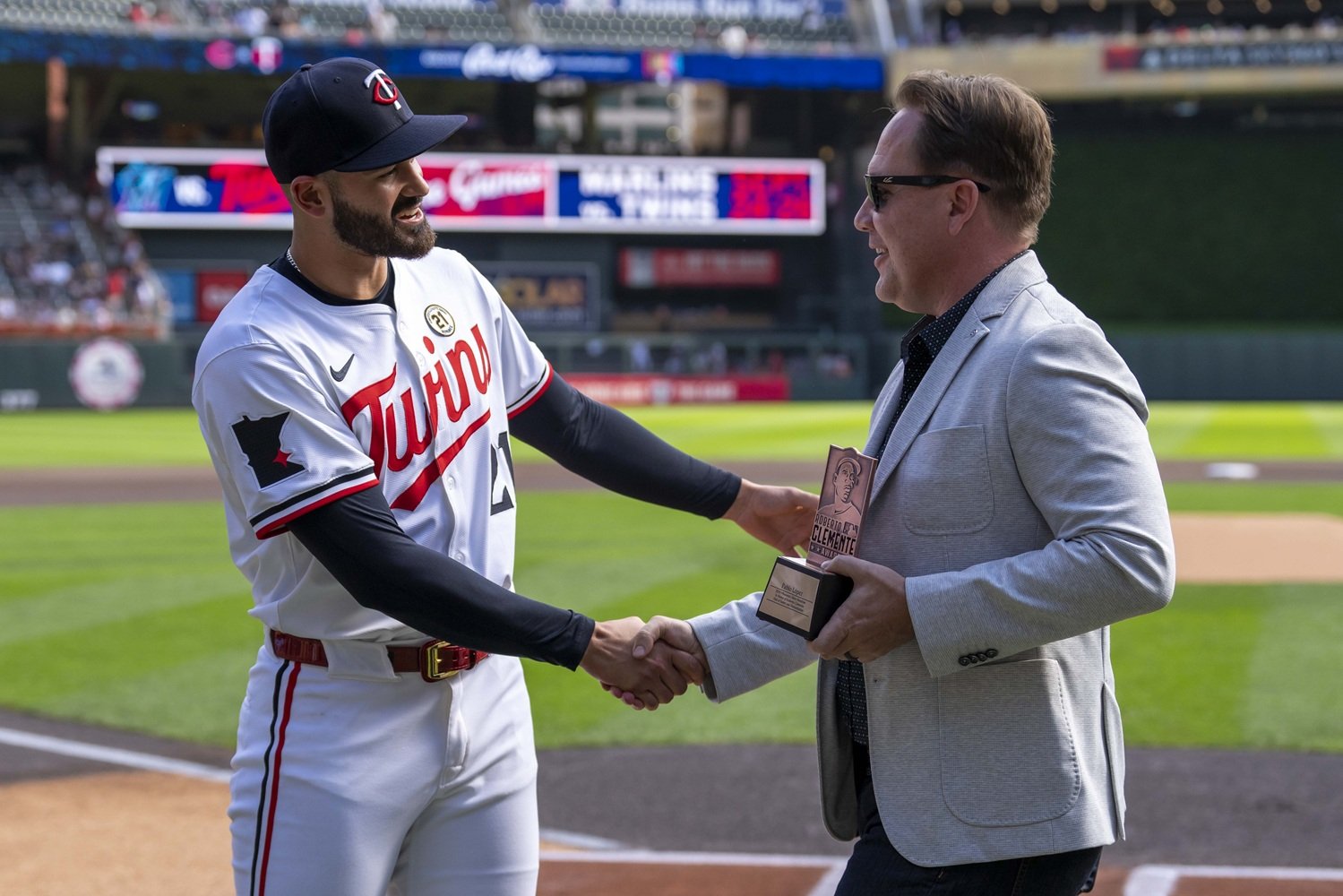
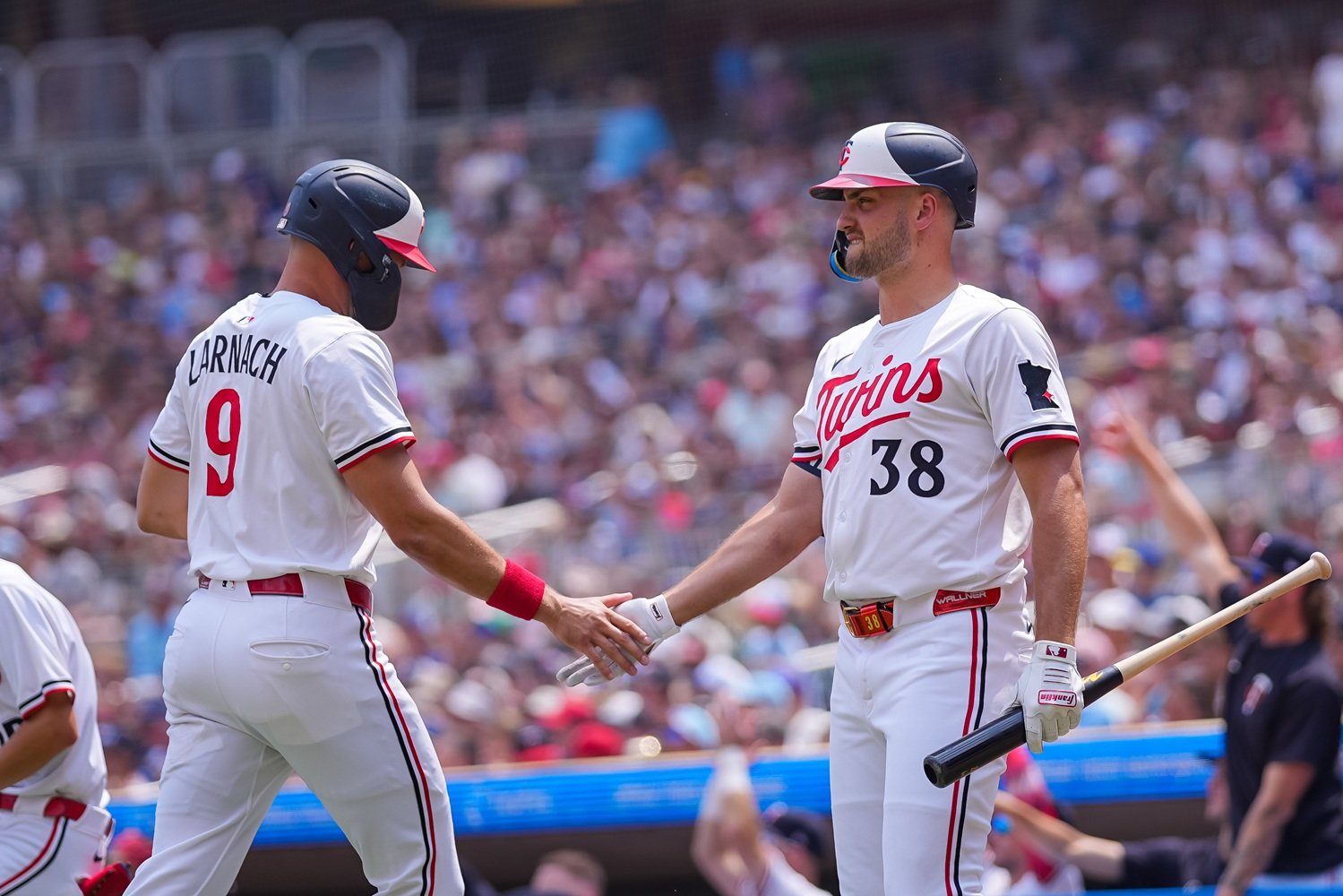 As fans, it’s easy to lose sight of player development. We forget that players can make significant strides both in the offseason and during the year. Too often we fall into the trap of thinking, “this is who they are.” That mindset might stick with established veterans, but for younger players, it’s an unfair way to evaluate growth. We love to label players quickly, but development doesn’t move that fast. Pitching has become more predictable with the rise of analytics. Teams can track spin rate, pitch shape, and scouting data to know where and when to throw. Those tools provide real insight into development and strategy. Hitting, though, still carries an intangible factor. Bat speed can be measured, exit velocity can be trained, but there are qualities in great hitters—moxie, timing, poise—that can’t be neatly bottled up. That brings us to the Twins, who find themselves in a tricky spot. Their lineup has too many bats that feel interchangeable, especially when paired with limited defensive skills. Matt Wallner and Trevor Larnach stand out as key names heading into 2026. Wallner profiles as a walk-or-homer hitter, but he’s struggled with runners in scoring position. High-spin fastballs up in the zone expose holes in his swing, and the Twins have paid for it. Larnach, meanwhile, seems to thrive in areas where Wallner falters. He’s shown a knack for driving in runs and mixing in power. The question for him is whether he can push his OPS higher by finding more consistent hard contact. I may be biased—he and the OSU crew ended my Gophers’ run in the 2018 NCAA tournament—but there’s something about his game that suggests he can deliver in key moments. Looking ahead, it feels like more of a toss-up than most think. Wallner has the raw numbers, but when he’s pitched tough in the zone, results are inconsistent. Larnach has some of those unquantifiable “it” factors that surface in big spots. The wrinkle: Walker Jenkins has already reached Triple-A and could be in the outfield mix by next season. That leaves the Twins with three similar left-handed corner bats entering 2026. So who claims the spot? On paper, Wallner is the safer bet. But if you’re looking for intangibles and upside, Larnach is a strong candidate. Wallner also carries more trade value—teams see the raw power and numbers. A trade could make sense, especially if the front office wants to clear space for Jenkins. It’s not the popular move, but it might be the pragmatic one: cash in on Wallner while his value holds, bet on Larnach to step forward as a run producer, and make room for the future centerpiece of the lineup—Walker Jenkins.
- 53 comments
-
- 6
-

-

-
- matt wallner
- trevor larnach
- (and 1 more)
-
Image courtesy of Brad Rempel - Imagn Images As fans, sometimes we lose sight of player development and forget that guys can make huge strides in the offseason and in season too. We get stuck in the thinking of “this is what they are”. Sometimes it rings true, but to young players, it’s an extremely unfair line of thinking. We like to point and declare how good a player is as fast as possible. Pitching has become a lot more predictable. Being able to track spin rate, pitch shaping, and advanced scouting to know where and when to throw certain pitches gives insights into development and strategy. When it comes to hitting major league caliber pitching, there is still a moxy factor. Teams can track bat speed, players can train to increase exit velocity, but there are big pieces to developing a batter that are harder to bottle up and put a label on. The Twins are in a precarious position with many bats that feel very vanilla, especially when paired with their (limited) defensive capabilities. Matt Wallner and Trevor Larnach are two big names for me heading into 2026. Wallner is a solo homer and a walk machine, but when it comes to hitting with runners in scoring position, he’s fallen short of what the Twins have needed him to be. There are some major holes in his swing, particularly with high spin, four-seam fastballs that are up in the zone. Trevor Larnach seems to pick up the slack where Wallner falls short. Larnach has shown a knack for driving in a run with a base hit and flashing good power. The question then becomes, “Can he take a step forward in the OPS department by getting more hits or driving the ball more often?” I may have some bias towards Larnach since he and the OSU boys bounced me and the Gophers in the 2018 NCAA tournament, so he must be good… right? In all seriousness, I think it’s more of a toss-up than people think. When big spots arise and Wallner gets pitched tough in the zone, it’s touch-and-go at times. The other wrinkle in this scenario: Walker Jenkins has reached Triple-A, which leads to another left-handed bat presumably getting into the mix next year. Entering 2026, the Twins have three very similar bats. Now, who has the best shot at getting better and taking the reins as a corner outfielder and will also hit in the middle of this order? Wallner is the best bet if you look at the numbers, but Larnach has some “it” factors and moxie that I love to bet on. He hit big homers in the college world series, and he has a knack for getting the hit when called upon. Wallner possesses more trade value than Larnach because he looks better on paper. The move could be a Wallner trade to bring in a piece that has value and makes room for Jenkins if the Twins feel he’s ready in ‘26. It’s not a popular proposal but this front office isn’t afraid to make that kind of move. Bet on Larnach to take a step forward and rise to the occasion as a run producer, sell on what’s left of Wallner's trade value, and make room for the future of the franchise: Walker Jenkins. View full article
-
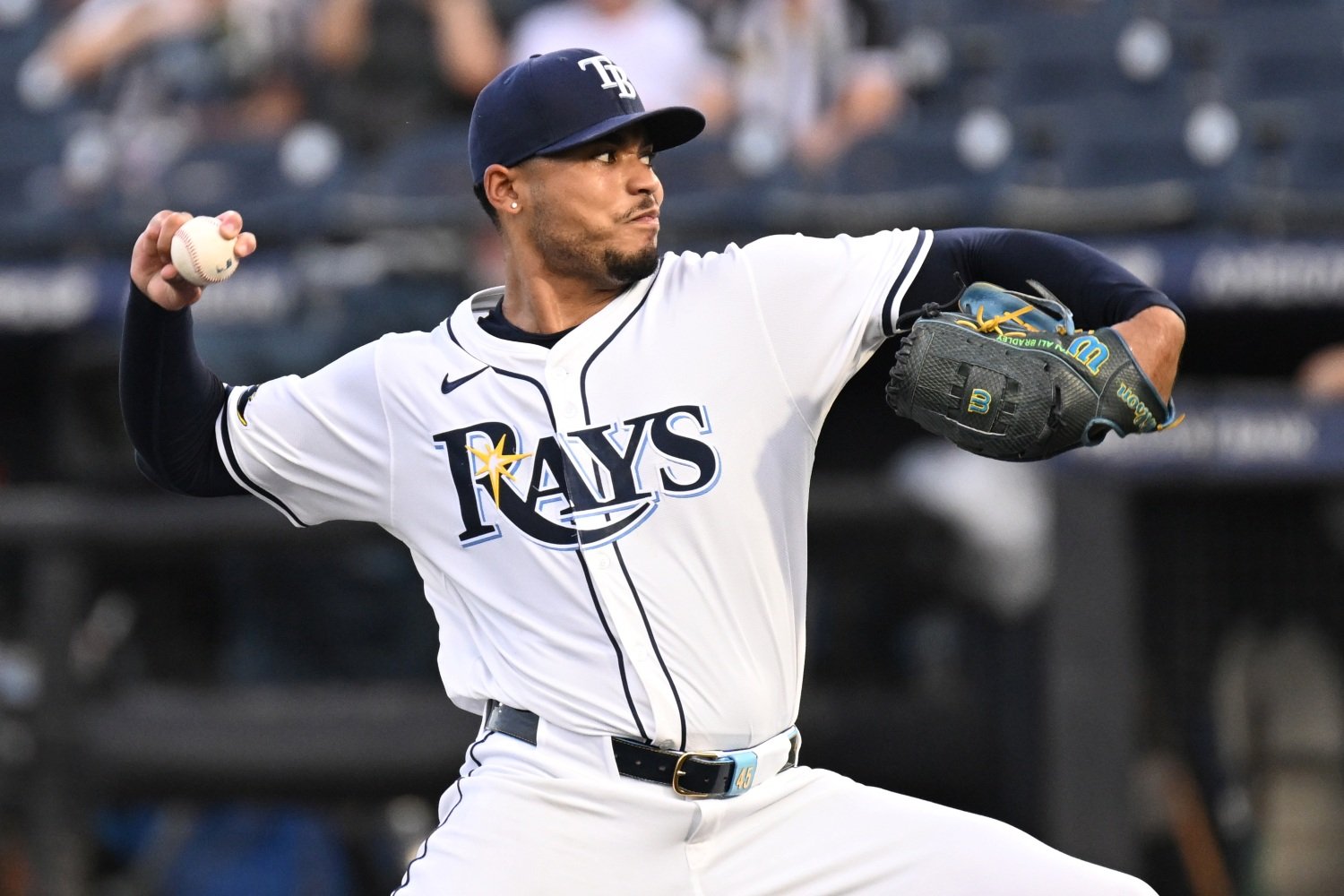 The mass sell-off at the 2025 MLB trade deadline has had time to marinate a bit, and we’ve started to have a close look at the prospects the Twins brought back by offloading almost half the big-league roster. It was a tough pill to swallow, but it has improved the quality and depth of starting pitching in the organization. The most luxurious expense in the free-agent market is starting pitching. To acquire big-league-caliber starting pitching on the open market, teams will always have to overspend and take on what will eventually be “bad money”. The additions of Mick Abel and Taj Bradley give the Twins a level of depth in that prime position, at a price that most teams would envy. This gives Pablo López and Joe Ryan the ability to anchor the 2026 rotation, followed by a bevy of options to fill out the last three spots. If Bailey Ober is still on the roster, he will almost certainly be in the rotation out of spring training. However, with how his 2025 has gone and the options the Twins now possess, I wouldn’t be surprised if he carries a short leash into 2026 (unless, of course, either López or Ryan is traded over the winter). With Ober the incumbent for the third rotation spot, there are some options for the last two spots. More trades are certainly on the table, but this regime has proven less than eager to address the rotation via free agency, unless it’s a one year ‘prove it’ kind of deal. That leaves us with Bradley, Abel, Zebby Matthews, David Festa and Simeon Woods Richardson. All of them are pre-arbitration, which gives the Twins the enviable position of having quality starting pitching for less than $25 million a year. Between those six, if one or two of them take a step forward with their development, this team starts to become a threat. The bullpen is a question mark, but the free agent market is much more effective to get Band-Aids for your bullpen, rather than your starting rotation. This team is far from “complete,” but there is a foundation here of controllable arms that should give the fan base some optimism heading into 2026. Before any arbitration hearings, the Twins' 2026 payroll is $67 million—likely a chunk higher, since Joe Ryan should do well in arbitration. Even in the reign of the penurious Pohlads, there’s a lot of meat on the bone to acquire talent where it fits. With payroll flexibility and a slew of exciting bats coming through the system, 2026 should be an exciting team. Now, I wouldn’t go running to your favorite betting app to put money on them to win the AL Central, but weirder things have happened with a young and hungry roster.
- 102 comments
-
- 14
-
-
-

-
- taj bradley
- mick abel
- (and 4 more)
-
Image courtesy of © Jonathan Dyer-Imagn Images The mass sell-off at the 2025 MLB trade deadline has had time to marinate a bit, and we’ve started to have a close look at the prospects the Twins brought back by offloading almost half the big-league roster. It was a tough pill to swallow, but it has improved the quality and depth of starting pitching in the organization. The most luxurious expense in the free-agent market is starting pitching. To acquire big-league-caliber starting pitching on the open market, teams will always have to overspend and take on what will eventually be “bad money”. The additions of Mick Abel and Taj Bradley give the Twins a level of depth in that prime position, at a price that most teams would envy. This gives Pablo López and Joe Ryan the ability to anchor the 2026 rotation, followed by a bevy of options to fill out the last three spots. If Bailey Ober is still on the roster, he will almost certainly be in the rotation out of spring training. However, with how his 2025 has gone and the options the Twins now possess, I wouldn’t be surprised if he carries a short leash into 2026 (unless, of course, either López or Ryan is traded over the winter). With Ober the incumbent for the third rotation spot, there are some options for the last two spots. More trades are certainly on the table, but this regime has proven less than eager to address the rotation via free agency, unless it’s a one year ‘prove it’ kind of deal. That leaves us with Bradley, Abel, Zebby Matthews, David Festa and Simeon Woods Richardson. All of them are pre-arbitration, which gives the Twins the enviable position of having quality starting pitching for less than $25 million a year. Between those six, if one or two of them take a step forward with their development, this team starts to become a threat. The bullpen is a question mark, but the free agent market is much more effective to get Band-Aids for your bullpen, rather than your starting rotation. This team is far from “complete,” but there is a foundation here of controllable arms that should give the fan base some optimism heading into 2026. Before any arbitration hearings, the Twins' 2026 payroll is $67 million—likely a chunk higher, since Joe Ryan should do well in arbitration. Even in the reign of the penurious Pohlads, there’s a lot of meat on the bone to acquire talent where it fits. With payroll flexibility and a slew of exciting bats coming through the system, 2026 should be an exciting team. Now, I wouldn’t go running to your favorite betting app to put money on them to win the AL Central, but weirder things have happened with a young and hungry roster. View full article
-
I'd love to see him in the two hole as well! Hitting Keaschall 4th or 5th still just confuses me beyond belief...
-
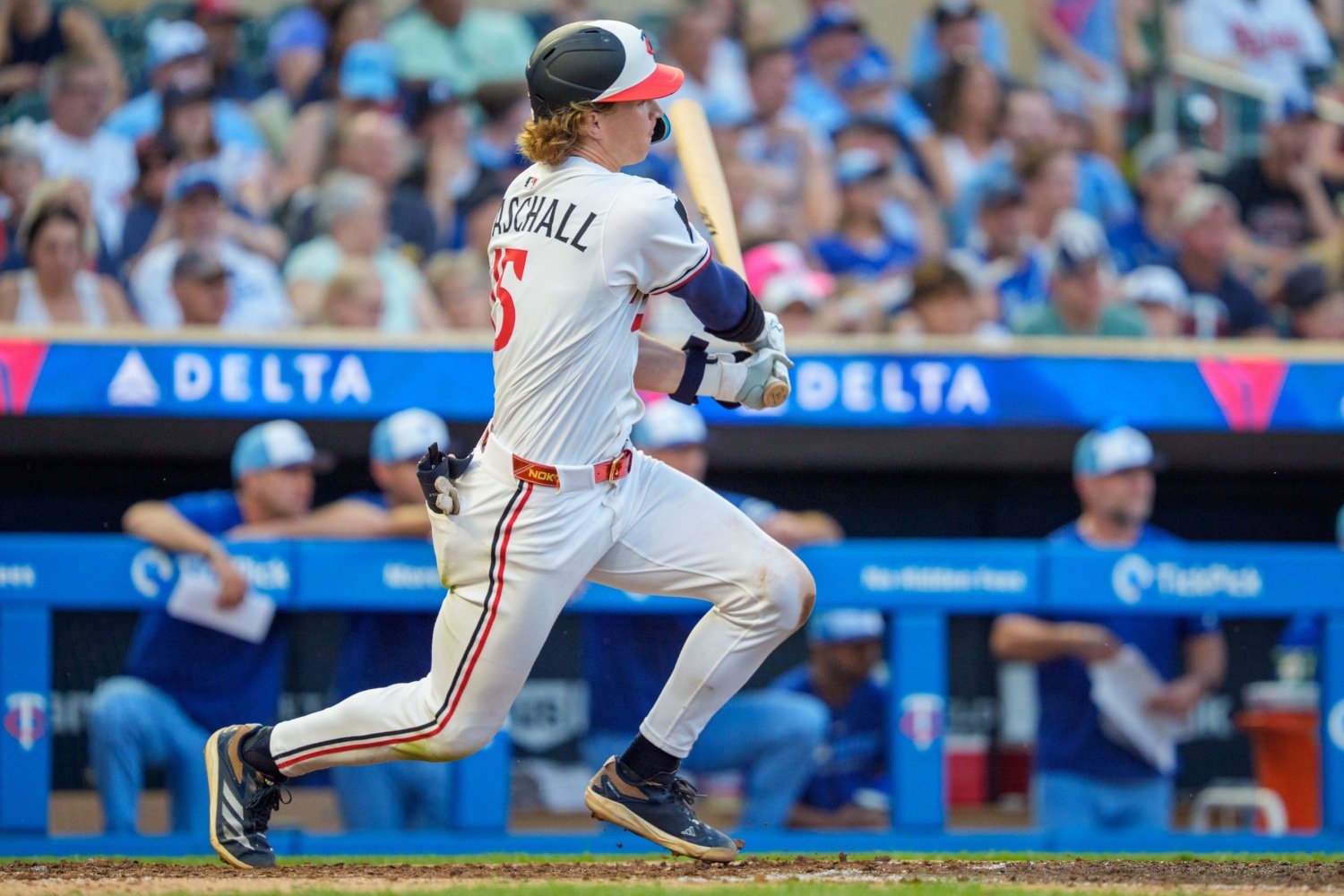 Who is writing these lineups? I felt like I was shouting at the sky for a long time for this regime to hit Byron Buxton leadoff and to stop trying to reinvent baseball. It’s simple: take your best on-base guy and/or the guy who creates the most chaos, and slot him into the leadoff spot. Maybe I have become an ‘old head’, but when the lineup turns over, teams should fear that. (Admittedly, Buxton had a .304 career OBP entering this season, but his power and speed sure do create chaos.) With no Buxton available for about two weeks, I found myself shouting at the sky again. Why was Luke Keaschall not hitting leadoff?! In a recent game against Kansas City, the Twins were shut out, and Keaschall was buried in the lineup with no chance for another at-bat in the 9th inning. It’s a small sample size for Keaschall at the big-league level, but he played (very conveniently) 162 games at the minor-league level. In the minors, he had an on-base percentage of .411 and stole 45 bases. What a clean-up hitter, eh? Even with the return of Buxton, why not drop the slugging center fielder down to the two hole? Keaschall has already begun to demand respect when he is on first base. When there is a known base stealer on first like Keaschall, pitchers have to defend the running game by throwing more fastballs. Throwing out a great base stealer on a breaking ball is a difficult task. A pitcher is attempting to throw the pitch low to compete against the batter, but then it becomes nearly impossible for the catcher to make the throw in time to second. On the flip side, leaving the breaking ball up to a hitter like Buxton is a recipe for disaster (depending on your perspective). Diving a layer deeper, Buxton is hitting .358 with men in scoring position this year. Not a fun way to start your day as a pitcher. The game within the game becomes increasingly chaotic with a one-two punch of Keaschall and Buxton. Rocco Baldelli would need to get over the fact that two right-handed batters would abut one another, in order for this to be a reality. To me, though, it feels like an obvious choice. If I had my way, regardless of the handedness of the pitcher, I would lead off with Keaschall and follow with Buxton for the remainder of the season. Regardless of the Buxton situation, Keaschall was built in a lab to hit leadoff. He's always likely to hit better for average than for power, and while his many singles and doubles can advance guys who get on in front of him, his high contact rate makes him a risk to hit into lots of double plays if he bats deeper in the lineup than first or second. I, again, find myself shaking my cane at this regime about lineup construction. I can’t fathom a real-life conversation where people are all in agreement to hit Austin Martin or Alan Roden ahead of Keaschall (although, at least, we probably won't see that now that Buxton has returned). They are both playing great, but the Twins have a potential long-term solution and spark plug for what has been largely a bland offense the last few years. I know my thinking about the leadoff spot is antiquated, but why does it need to be complex? Hit Keaschall leadoff: He gets on base at an excellent clip and will steal a pile of bases while teams try to slider Buxton to death. Otherwise, to limit stolen bases, Buxton sees an increase in fastballs, which bodes well for his OPS long term. More importantly, a Keaschall-Buxton top of the order would give the team a boost, too: a lot of ways to score runs in quick sequences.
 -
Image courtesy of © Matt Blewett-Imagn Images Who is writing these lineups? I felt like I was shouting at the sky for a long time for this regime to hit Byron Buxton leadoff and to stop trying to reinvent baseball. It’s simple: take your best on-base guy and/or the guy who creates the most chaos, and slot him into the leadoff spot. Maybe I have become an ‘old head’, but when the lineup turns over, teams should fear that. (Admittedly, Buxton had a .304 career OBP entering this season, but his power and speed sure do create chaos.) With no Buxton available for about two weeks, I found myself shouting at the sky again. Why was Luke Keaschall not hitting leadoff?! In a recent game against Kansas City, the Twins were shut out, and Keaschall was buried in the lineup with no chance for another at-bat in the 9th inning. It’s a small sample size for Keaschall at the big-league level, but he played (very conveniently) 162 games at the minor-league level. In the minors, he had an on-base percentage of .411 and stole 45 bases. What a clean-up hitter, eh? Even with the return of Buxton, why not drop the slugging center fielder down to the two hole? Keaschall has already begun to demand respect when he is on first base. When there is a known base stealer on first like Keaschall, pitchers have to defend the running game by throwing more fastballs. Throwing out a great base stealer on a breaking ball is a difficult task. A pitcher is attempting to throw the pitch low to compete against the batter, but then it becomes nearly impossible for the catcher to make the throw in time to second. On the flip side, leaving the breaking ball up to a hitter like Buxton is a recipe for disaster (depending on your perspective). Diving a layer deeper, Buxton is hitting .358 with men in scoring position this year. Not a fun way to start your day as a pitcher. The game within the game becomes increasingly chaotic with a one-two punch of Keaschall and Buxton. Rocco Baldelli would need to get over the fact that two right-handed batters would abut one another, in order for this to be a reality. To me, though, it feels like an obvious choice. If I had my way, regardless of the handedness of the pitcher, I would lead off with Keaschall and follow with Buxton for the remainder of the season. Regardless of the Buxton situation, Keaschall was built in a lab to hit leadoff. He's always likely to hit better for average than for power, and while his many singles and doubles can advance guys who get on in front of him, his high contact rate makes him a risk to hit into lots of double plays if he bats deeper in the lineup than first or second. I, again, find myself shaking my cane at this regime about lineup construction. I can’t fathom a real-life conversation where people are all in agreement to hit Austin Martin or Alan Roden ahead of Keaschall (although, at least, we probably won't see that now that Buxton has returned). They are both playing great, but the Twins have a potential long-term solution and spark plug for what has been largely a bland offense the last few years. I know my thinking about the leadoff spot is antiquated, but why does it need to be complex? Hit Keaschall leadoff: He gets on base at an excellent clip and will steal a pile of bases while teams try to slider Buxton to death. Otherwise, to limit stolen bases, Buxton sees an increase in fastballs, which bodes well for his OPS long term. More importantly, a Keaschall-Buxton top of the order would give the team a boost, too: a lot of ways to score runs in quick sequences. View full article
-
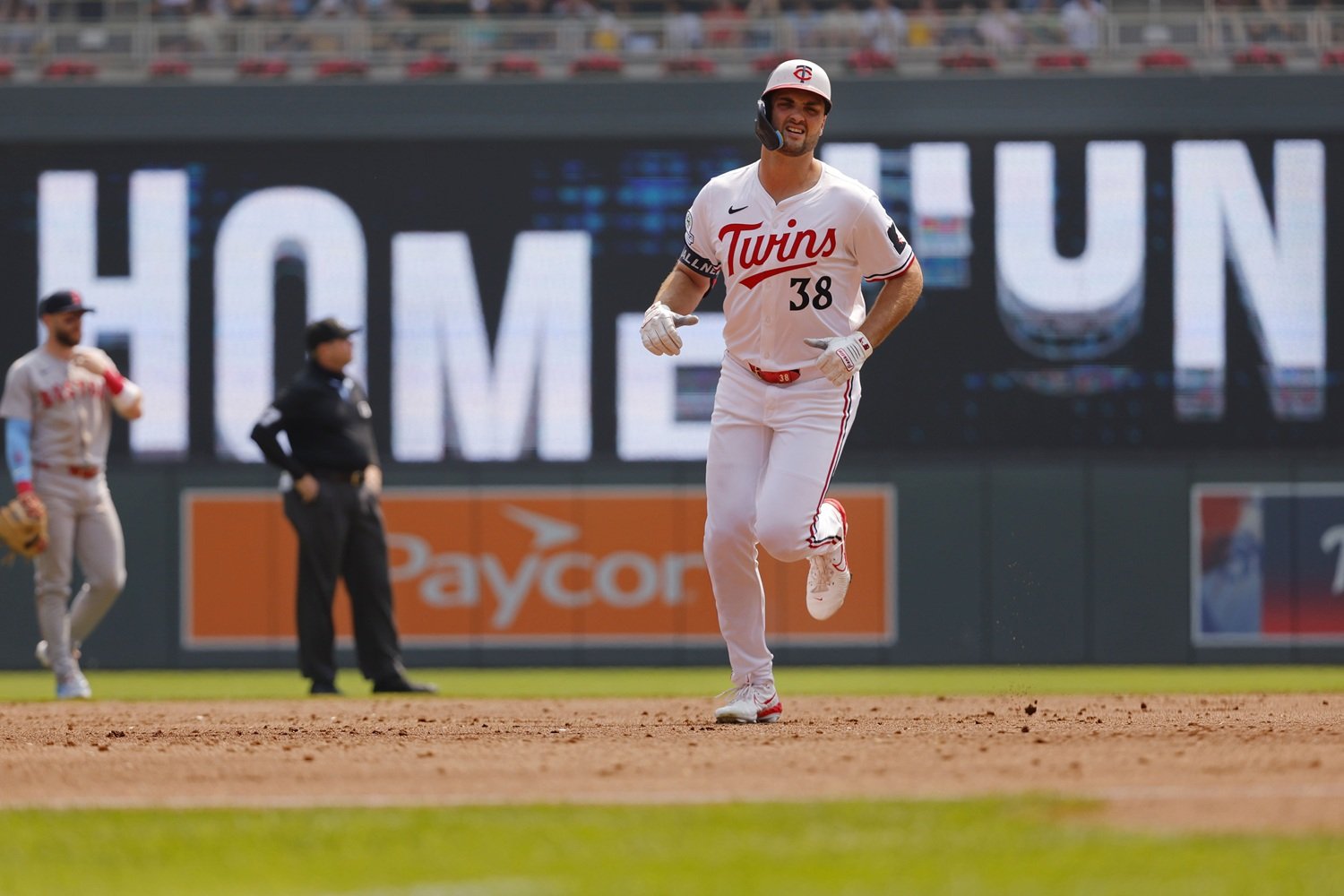 The deadline happened. It has almost been a week. The front office determined, accurately, that the current roster wasn’t capable of winning a championship and pivoted to 2026 and beyond. Was it the right decision? Was it good for the organization long-term? Only time will be able to tell us the answer. What are we left with as Twins fans? The current product on the field and maybe a slight sense of betrayal… but is this current product worth watching? What is clear is that, at face value, this is not a playoff-caliber team. What are the redeeming qualities of the roster that may be a reason to spend your free time on this ball club? I’ll give you five reasons to tune in. You can certainly add more. Use the Comments below to discuss what it is that keeps you watching and following this Twins team? Reason #1: The Joe Ryan Experience The first and most obvious reason to watch occurs on Joe Ryan bump days. As fans, we begged and pleaded to leave the Joe Ryan Experience in Minnesota and (for now), he’s here. He has proven to be well worth tuning in for to see the high-level pitching and, of course, his antics. He has a shot at some milestone numbers as well such as 200 strikeouts, and a career-high in wins, WAR, and ERA (career-low, in this case). Reason #2: Backing Byron Buxton Although his health is unfortunately back in the headlines, the second reason to keep watching is Byron Buxton. He is on the doorstep of a 20/20 season and is within shouting distance of his career-high in homers. He will not be setting a career mark in games played or at-bats, but he has a shot at just about everything else. It won’t result in a postseason appearance this year, but it’s a beautiful sight to see Buxton play a high level of baseball. (And just admit it, you like doing the Buck Truck while watching Buxton run out triples and mashing dingers.) Reason #3: "Rubbernecking" The next reason to watch the big-league club is out of morbid curiosity. It's the same reason we watch true crime movies and documentaries or slow down to look at a car crash. Like many of you, I have followed this team religiously for as long as I can remember, and there were guys in the lineup and bullpen on August 1st that I had never heard of. They've added more since then via the waiver wire. With no Buxton, and on the days that Joe Ryan does not pitch, this squad has shown the capability of playing like they are one of the worst teams in Major League Baseball. There will be some plays and some games that are absolute disasters. People love having something to complain about. So this could be that thing that makes you want to tune in. Reason #4: Who will step up? Fourth, we will see players like Matt Wallner, Royce Lewis, Ryan Jeffers, Brooks Lee, and Trevor Larnach have the opportunity to seize leadership roles. These guys have been around for a while, and it opens a window for them to rise to the occasion. There are only two months left of the season, but this is a pivot point with the franchise. Guys that take this in stride can make themselves a part of the DNA of the Minnesota Twins going forward. The flip side is also true, if production falters and sentiment in the clubhouse goes south for certain guys, they may find themselves with a new organization. Reason #5: Before They are Stars Lastly, on a more positive note, there will be young players who emerge from this and begin big league careers. There will be a guy or two who were late draft picks or maybe aren’t high-level prospects that get an opportunity and turn it into a rock-solid career. This career might not end up being with the Twins long term, but guys will find some traction because of this opportunity and for me, that is so fun to see. We have seen it recently with Pierson Ohl looking solid in his first couple of big-league outings. Maybe Carson McCusker will get another opportunity, or they may decide to see what Aaron Sabato can do over a month. Could Payton Eeles get an opportunity? We are likely to see the Twins debuts for Taj Bradley and Mick Abel, maybe even Kendry Rojas, and that can be exciting. There are some reasons to watch this team. Let's rip the band-aid off now: They will not win many games. They’ve had the worst record in baseball since June 13th. If you’re into finding some fresh faces to follow, it’s a good time to watch. If you’re looking for consistently good baseball your best bet is to tune into the Joe Ryan experience and hopefully Byron Buxton is in the lineup that day as well. The rest is all speculative and I, like many of you, will be following along to see how it all shakes out.
- 48 comments
-
- 8
-
-
- joe ryan
- byron buxton
- (and 5 more)
-
Image courtesy of © Bruce Kluckhohn-Imagn Images The deadline happened. It has almost been a week. The front office determined, accurately, that the current roster wasn’t capable of winning a championship and pivoted to 2026 and beyond. Was it the right decision? Was it good for the organization long-term? Only time will be able to tell us the answer. What are we left with as Twins fans? The current product on the field and maybe a slight sense of betrayal… but is this current product worth watching? What is clear is that, at face value, this is not a playoff-caliber team. What are the redeeming qualities of the roster that may be a reason to spend your free time on this ball club? I’ll give you five reasons to tune in. You can certainly add more. Use the Comments below to discuss what it is that keeps you watching and following this Twins team? Reason #1: The Joe Ryan Experience The first and most obvious reason to watch occurs on Joe Ryan bump days. As fans, we begged and pleaded to leave the Joe Ryan Experience in Minnesota and (for now), he’s here. He has proven to be well worth tuning in for to see the high-level pitching and, of course, his antics. He has a shot at some milestone numbers as well such as 200 strikeouts, and a career-high in wins, WAR, and ERA (career-low, in this case). Reason #2: Backing Byron Buxton Although his health is unfortunately back in the headlines, the second reason to keep watching is Byron Buxton. He is on the doorstep of a 20/20 season and is within shouting distance of his career-high in homers. He will not be setting a career mark in games played or at-bats, but he has a shot at just about everything else. It won’t result in a postseason appearance this year, but it’s a beautiful sight to see Buxton play a high level of baseball. (And just admit it, you like doing the Buck Truck while watching Buxton run out triples and mashing dingers.) Reason #3: "Rubbernecking" The next reason to watch the big-league club is out of morbid curiosity. It's the same reason we watch true crime movies and documentaries or slow down to look at a car crash. Like many of you, I have followed this team religiously for as long as I can remember, and there were guys in the lineup and bullpen on August 1st that I had never heard of. They've added more since then via the waiver wire. With no Buxton, and on the days that Joe Ryan does not pitch, this squad has shown the capability of playing like they are one of the worst teams in Major League Baseball. There will be some plays and some games that are absolute disasters. People love having something to complain about. So this could be that thing that makes you want to tune in. Reason #4: Who will step up? Fourth, we will see players like Matt Wallner, Royce Lewis, Ryan Jeffers, Brooks Lee, and Trevor Larnach have the opportunity to seize leadership roles. These guys have been around for a while, and it opens a window for them to rise to the occasion. There are only two months left of the season, but this is a pivot point with the franchise. Guys that take this in stride can make themselves a part of the DNA of the Minnesota Twins going forward. The flip side is also true, if production falters and sentiment in the clubhouse goes south for certain guys, they may find themselves with a new organization. Reason #5: Before They are Stars Lastly, on a more positive note, there will be young players who emerge from this and begin big league careers. There will be a guy or two who were late draft picks or maybe aren’t high-level prospects that get an opportunity and turn it into a rock-solid career. This career might not end up being with the Twins long term, but guys will find some traction because of this opportunity and for me, that is so fun to see. We have seen it recently with Pierson Ohl looking solid in his first couple of big-league outings. Maybe Carson McCusker will get another opportunity, or they may decide to see what Aaron Sabato can do over a month. Could Payton Eeles get an opportunity? We are likely to see the Twins debuts for Taj Bradley and Mick Abel, maybe even Kendry Rojas, and that can be exciting. There are some reasons to watch this team. Let's rip the band-aid off now: They will not win many games. They’ve had the worst record in baseball since June 13th. If you’re into finding some fresh faces to follow, it’s a good time to watch. If you’re looking for consistently good baseball your best bet is to tune into the Joe Ryan experience and hopefully Byron Buxton is in the lineup that day as well. The rest is all speculative and I, like many of you, will be following along to see how it all shakes out. View full article
-
Image courtesy of © Jesse Johnson-Imagn Images The trade deadline is approaching fast, and yet again, the Twins find themselves in a spot where they could rationalize being buyers or sellers. Breaking it down to the studs would be a huge mistake, with the current talent pool. With reinforcements coming off the injured list, there is a world wherein the Twins can have their cake and eat it, too. Luke Keaschall is nearing a return and is a guy who can be a dynamic top-of-the-lineup bat. I love his offensive profile, his swing decisions are excellent, and he runs the bases like a madman. Having Byron Buxton in the leadoff spot, followed by a guy like Keaschall—who has begun to prove himself as a high OBP guy, a tough out, and can steal a lot of bases—could be a championship-caliber 1-2 punch. That lineup gets really deep if Carlos Correa or Royce Lewis put together consistently competitive at-bats. Long-term, I see Keaschall as a corner outfielder. I was not overly impressed with his actions at second base, albeit in a very small sample. That makes one of the other corner outfielders very expendable. I doubt Keaschall is moved to a corner outfield spot in the near term, but if they enter “competitive rebuild” mode, I think Harrison Bader is the natural move, since he will become a free agent at season's end. The biggest elephant in the room is the back end of the bullpen. The Twins have two premium bullpen arms with team control. The move that checks the most boxes for me is trading Jhoan Duran. He has the best numbers, the team control, and a relatively clean injury history. With a guy who throws that hard, I worry about his longevity. I love Duran and he is so fun to watch, but if they actually could get the two Top 100 prospects that they are asking for, I think it would be wise to pull the trigger. (To be fair, it never was clarified whether Jeff Passan meant two top-100 prospects for just one of Duran and Griffin Jax, or two for the pair of them, or one for each in separate deals. But anyway.) If Duran is moved, Griffin Jax should be kept. However, one of the realities of modern baseball is that quality relief arms are not hard to come by. I highly doubt the Twins get their asking price for Jax, because his numbers aren’t there this year. Yes, the peripherals are elite, but at the end of the day, how long can you be “unlucky”? Teams will want a shutdown arm if they’re parting with top talent, so I have a hard time seeing that materializing. One unfortunate reality we may have to come to terms with, as fans, is that we may have seen Joe Ryan’s last start in Minnesota. It is well known they do not sell low, but what about selling high? With his extremely high level of performance and club control, even if he pitches this well next year, it is highly likely Ryan will never have more trade value than he does right now. My stance on starting pitching is a hair different. Finding quality starting pitching is extremely expensive and much harder to come by. If the Twins think they can compete for a World Series while Ryan is controllable, it will feel very silly to have moved him. The Twins are stuck between a rock and a hard place. I’ve lamented the lack of commitment to rebuilds in the past, but I truly think this roster is talented and that calculated moves can be made to give this team a sniff at making a run at a Wild Card spot. With Pablo Lopez, Bailey Ober, and Keaschall coming, that is a deadline splash and a half. Pair that with Carlos Correa and Royce Lewis starting to look like themselves, and all of a sudden, the Twins have a quality playoff rotation and a well-balanced lineup that should make some noise. Normally, I hate when teams play the deadline with a “one foot in, one foot out” mentality, but this team is in a unique spot where it makes some sense to strategically reload with the possibility to still compete this year. It’s a talented roster, but the Twins would be foolish not to try and strategically move assets. It looks like the writing is on the wall and some version of a selloff is coming, but that doesn't mean the season should be forfeit from here. View full article
-
Buy, Sell, or Both? Twins' High-Wire Act at MLB Trade Deadline
Alex Boxwell posted an article in Twins
 The trade deadline is approaching fast, and yet again, the Twins find themselves in a spot where they could rationalize being buyers or sellers. Breaking it down to the studs would be a huge mistake, with the current talent pool. With reinforcements coming off the injured list, there is a world wherein the Twins can have their cake and eat it, too. Luke Keaschall is nearing a return and is a guy who can be a dynamic top-of-the-lineup bat. I love his offensive profile, his swing decisions are excellent, and he runs the bases like a madman. Having Byron Buxton in the leadoff spot, followed by a guy like Keaschall—who has begun to prove himself as a high OBP guy, a tough out, and can steal a lot of bases—could be a championship-caliber 1-2 punch. That lineup gets really deep if Carlos Correa or Royce Lewis put together consistently competitive at-bats. Long-term, I see Keaschall as a corner outfielder. I was not overly impressed with his actions at second base, albeit in a very small sample. That makes one of the other corner outfielders very expendable. I doubt Keaschall is moved to a corner outfield spot in the near term, but if they enter “competitive rebuild” mode, I think Harrison Bader is the natural move, since he will become a free agent at season's end. The biggest elephant in the room is the back end of the bullpen. The Twins have two premium bullpen arms with team control. The move that checks the most boxes for me is trading Jhoan Duran. He has the best numbers, the team control, and a relatively clean injury history. With a guy who throws that hard, I worry about his longevity. I love Duran and he is so fun to watch, but if they actually could get the two Top 100 prospects that they are asking for, I think it would be wise to pull the trigger. (To be fair, it never was clarified whether Jeff Passan meant two top-100 prospects for just one of Duran and Griffin Jax, or two for the pair of them, or one for each in separate deals. But anyway.) If Duran is moved, Griffin Jax should be kept. However, one of the realities of modern baseball is that quality relief arms are not hard to come by. I highly doubt the Twins get their asking price for Jax, because his numbers aren’t there this year. Yes, the peripherals are elite, but at the end of the day, how long can you be “unlucky”? Teams will want a shutdown arm if they’re parting with top talent, so I have a hard time seeing that materializing. One unfortunate reality we may have to come to terms with, as fans, is that we may have seen Joe Ryan’s last start in Minnesota. It is well known they do not sell low, but what about selling high? With his extremely high level of performance and club control, even if he pitches this well next year, it is highly likely Ryan will never have more trade value than he does right now. My stance on starting pitching is a hair different. Finding quality starting pitching is extremely expensive and much harder to come by. If the Twins think they can compete for a World Series while Ryan is controllable, it will feel very silly to have moved him. The Twins are stuck between a rock and a hard place. I’ve lamented the lack of commitment to rebuilds in the past, but I truly think this roster is talented and that calculated moves can be made to give this team a sniff at making a run at a Wild Card spot. With Pablo Lopez, Bailey Ober, and Keaschall coming, that is a deadline splash and a half. Pair that with Carlos Correa and Royce Lewis starting to look like themselves, and all of a sudden, the Twins have a quality playoff rotation and a well-balanced lineup that should make some noise. Normally, I hate when teams play the deadline with a “one foot in, one foot out” mentality, but this team is in a unique spot where it makes some sense to strategically reload with the possibility to still compete this year. It’s a talented roster, but the Twins would be foolish not to try and strategically move assets. It looks like the writing is on the wall and some version of a selloff is coming, but that doesn't mean the season should be forfeit from here.
- 14 comments
-
- 4
-
-
- luke keaschall
- harrison bader
- (and 5 more)
-
Image courtesy of © Kiyoshi Mio-Imagn Images Royce Lewis has been a hot topic this year because of his shaky performance with the bat, but now it appears he’s heating up. With a ridiculous shift in the quality of his at-bats, it’s normal to ask what changed. What if I told you nothing changed—or at least that whatever changes there have been are not the reasons for his resurgence? When things go bad for a hitter, everyone wants to blame the swing. When it comes to hitting at a high level, though, I talk a lot about pitch selection, rhythm, timing, and confidence. It’s an uncomfortable reality for a lot of players, but a hitter's swing sometimes stays largely the same their whole career. We see a lot of adjustments to setup and load mechanisms, but once a hitter's front foot gets on the ground, the hitter's swing generally stays very recognizable. One great example from my lifetime is Cody Bellinger. He played in the Little League World Series, and you could see him swing at 12 years old and you’d know exactly who it is. His tenure as a big leaguer has had huge swings in level of performance. His swing, however, remains immediately recognizable, and it bears a striking resemblance to the one you saw if you watched him at age 12. The last few days, we're seeing a ‘different’ Royce Lewis. When I say ‘different,’ though, it doesn’t take someone with a Ph.D. in baseball to recognize that he looks much better. His legs are underneath him more; he has changed his setup. He's more open in his stance and starting more upright, less spread-out, even compared to last month, so that's something—but more than anything, he is in rhythm and on time at the plate. Lewis’s swing was never the main issue. Lewis was quoted after hitting the two homers in Colorado, to that effect. “Nothing felt different at all,” he said after that outburst, which he's followed up with more hard hitting this week in Los Angeles. It is irresponsible of a player not to work on their swing and fine-tune things, but the higher the level of play, the more minuscule the swing changes become. The three biggest things for a hitter are things that rarely get addressed or emphasized in training. As a coach, it’s the first three things I ask players when they say, “What’s wrong with my swing?” after an at-bat. I immediately ask, “Did you see the ball well? Did you swing at a strike? And were you on time?” The abundant talent that made Lewis a first-round pick didn’t evaporate because of a pulled hamstring. There was a clear loss of timing, pitch selection, and some confidence. Once he had the all-clear to play, there was some clear hesitancy to push anything with the hamstring. This becomes a very delicate situation for a player and personnel. Lewis needed the at-bats to get going and to be himself, but he didn’t have confidence in the hamstring. I had my fair share of hamstring issues, too, and running sprints in a controlled environment is way different than smelling a knock after nubbing one between the pitcher and the first baseman. So, everyone is left in the uncomfortable position of needing a guy to be healthy, but also needing to stay sharp with in-game at-bats. These decisions can’t be made with a one-size-fits-all solution, and once the decision is made, second-guessing doesn't help anyone. Lewis has overcome many unfortunate injuries, but he stole a base in game one against L.A. and has hit a lot of balls hard lately, including blasting another homer Wednesday. He looks healthy. He looks great at the plate, with his usual great swing. He is on time, in rhythm, and confident in his body. He has put himself in a position to feel like a huge trade deadline acquisition for this Twins ball club—and it came, not with a mechanical change, but by finding the clarity and confidence that has unlocked his skills again. View full article
-
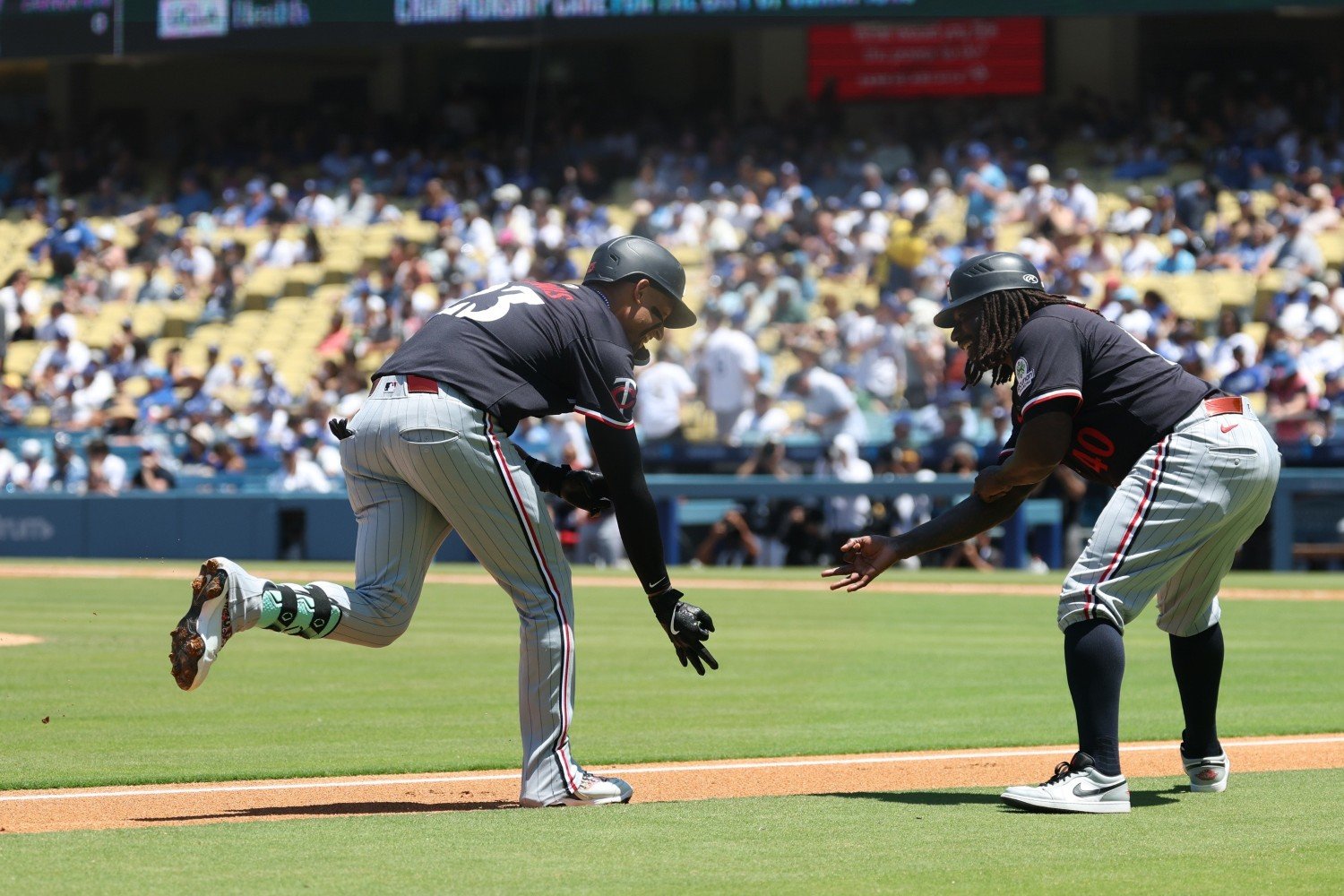 Royce Lewis has been a hot topic this year because of his shaky performance with the bat, but now it appears he’s heating up. With a ridiculous shift in the quality of his at-bats, it’s normal to ask what changed. What if I told you nothing changed—or at least that whatever changes there have been are not the reasons for his resurgence? When things go bad for a hitter, everyone wants to blame the swing. When it comes to hitting at a high level, though, I talk a lot about pitch selection, rhythm, timing, and confidence. It’s an uncomfortable reality for a lot of players, but a hitter's swing sometimes stays largely the same their whole career. We see a lot of adjustments to setup and load mechanisms, but once a hitter's front foot gets on the ground, the hitter's swing generally stays very recognizable. One great example from my lifetime is Cody Bellinger. He played in the Little League World Series, and you could see him swing at 12 years old and you’d know exactly who it is. His tenure as a big leaguer has had huge swings in level of performance. His swing, however, remains immediately recognizable, and it bears a striking resemblance to the one you saw if you watched him at age 12. The last few days, we're seeing a ‘different’ Royce Lewis. When I say ‘different,’ though, it doesn’t take someone with a Ph.D. in baseball to recognize that he looks much better. His legs are underneath him more; he has changed his setup. He's more open in his stance and starting more upright, less spread-out, even compared to last month, so that's something—but more than anything, he is in rhythm and on time at the plate. Lewis’s swing was never the main issue. Lewis was quoted after hitting the two homers in Colorado, to that effect. “Nothing felt different at all,” he said after that outburst, which he's followed up with more hard hitting this week in Los Angeles. It is irresponsible of a player not to work on their swing and fine-tune things, but the higher the level of play, the more minuscule the swing changes become. The three biggest things for a hitter are things that rarely get addressed or emphasized in training. As a coach, it’s the first three things I ask players when they say, “What’s wrong with my swing?” after an at-bat. I immediately ask, “Did you see the ball well? Did you swing at a strike? And were you on time?” The abundant talent that made Lewis a first-round pick didn’t evaporate because of a pulled hamstring. There was a clear loss of timing, pitch selection, and some confidence. Once he had the all-clear to play, there was some clear hesitancy to push anything with the hamstring. This becomes a very delicate situation for a player and personnel. Lewis needed the at-bats to get going and to be himself, but he didn’t have confidence in the hamstring. I had my fair share of hamstring issues, too, and running sprints in a controlled environment is way different than smelling a knock after nubbing one between the pitcher and the first baseman. So, everyone is left in the uncomfortable position of needing a guy to be healthy, but also needing to stay sharp with in-game at-bats. These decisions can’t be made with a one-size-fits-all solution, and once the decision is made, second-guessing doesn't help anyone. Lewis has overcome many unfortunate injuries, but he stole a base in game one against L.A. and has hit a lot of balls hard lately, including blasting another homer Wednesday. He looks healthy. He looks great at the plate, with his usual great swing. He is on time, in rhythm, and confident in his body. He has put himself in a position to feel like a huge trade deadline acquisition for this Twins ball club—and it came, not with a mechanical change, but by finding the clarity and confidence that has unlocked his skills again.
 -
Searching For C4: Will The Real Carlos Correa Please Stand Up
Alex Boxwell posted an article in Twins
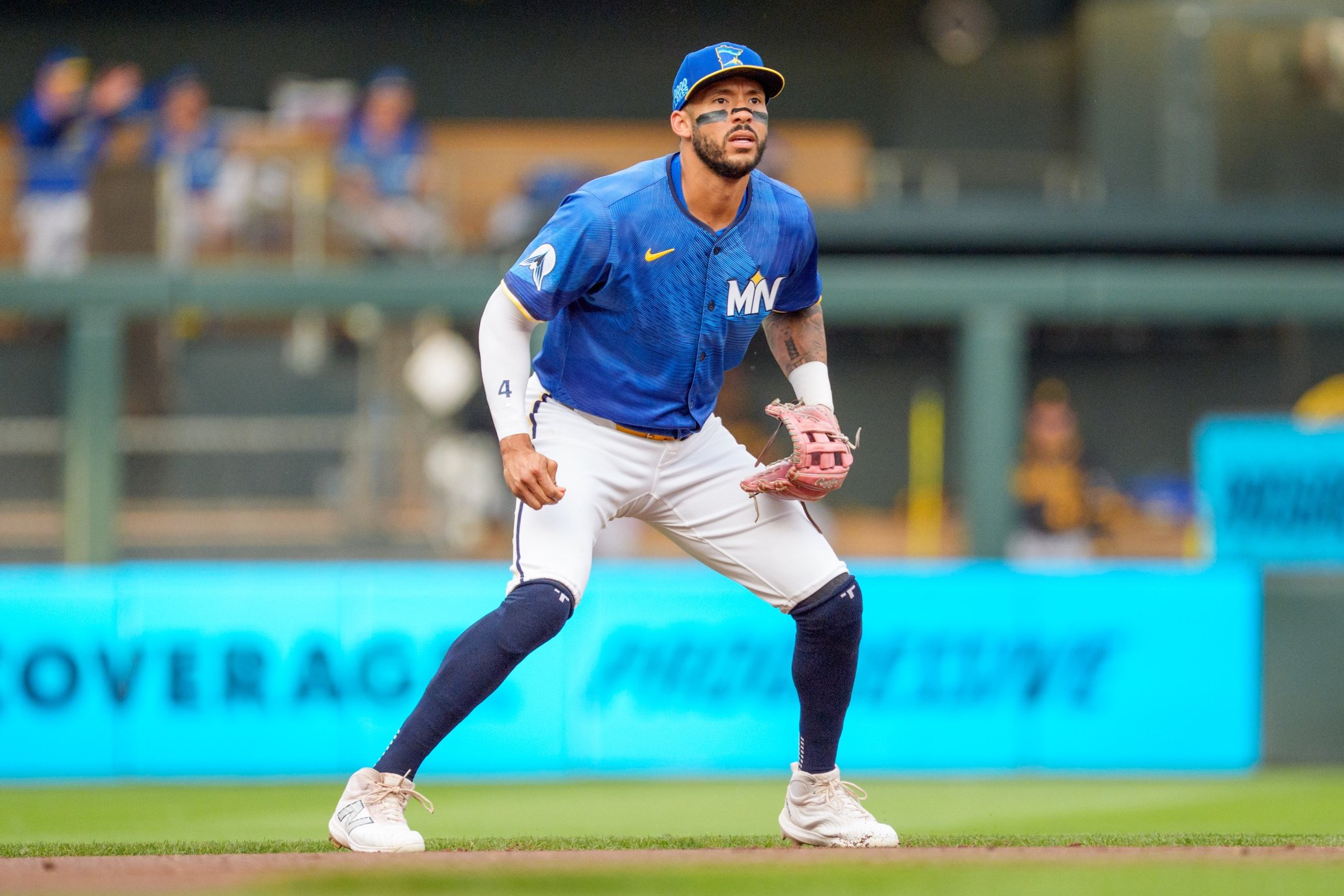 Carlos Correa has had a fantastic career, grabbing many team and individual awards that all ballplayers would want on their resume. The former number overall pick has been a model of consistency at the plate and has played sterling defense at shortstop throughout his 11 seasons in The Show. However, this year a lot of the discontent with the Twins offense has been directed his way and the criticism is fair. Correa currently sits at a slash line of .264/.304/.389 with seven homers and an OPS+ of 90 in 322 plate appearances. All this while his fielding metrics are headed in the wrong direction. Not a good look for your superstar that’s banking $35 million on a sub-.500 ballclub. Let's dive a little deeper into what I’m seeing as a former player (albeit at the Division 1 and independent level) and current coach. Correa doesn’t come up short on much in terms of the eye test. He’s physical, the glove skill is as good as anyone I have ever seen, the arm is excellent, the bat speed is great. Overall, not many shortstops have the ability to win a Gold Glove, hit a 475-foot homer, and possess the bat-to-ball skill to hit doubles to both foul lines. One negative I see is that his actions at the plate lack fluidity, which I think can lead to poor swing decisions. As a 6-foot-4 shortstop I worry about his lack of flexibility; he has legit 30+ homer pop, but a steep swing path limits his ceiling for homers. The decline of Correa’s swing decisions is evident with your most base stats. His OBP (.304) is the lowest of his career. When players go up to the plate and try and will themselves into hits they start to get the uncomfortable-looking setup at the plate—stiff movements, and you can almost see a player thinking about what to do while they're in the batter's box. Carlos is widely known as a very cerebral player, and we are seeing that play out to a fault right now. The higher the level you play, the thinner the gap is between bad and really good. Taking expectations, analytics, mechanical changes and all that “between the ears” stuff the plate with you is very poisonous to a hitter. It takes a player out of the flow state where you can slow the game down and makes 93 MPH up and in look like a rocket ship. Even if you look into his Baseball Savant page and tab through the years there are massive swings in his peripherals as a hitter. The notion he is the model of consistency is a little flawed. If you include this season, he’s had four offensive seasons that have been clunkers. It’s been a bit of a bumpy ride to his career .817 OPS and that’s just on the back of his baseball card. Tension kills quickness and it also greatly hampers a player's ability to make good swing decisions, especially when they’re seeing 95 MPH+ every night. Every tiny fraction of confidence can move the needle just enough to lay off a slider and get a better pitch to hit. Correa is a pro’s pro. He knows he’s better than what’s on the jumbotron and I haven’t seen anything that makes me panic besides some poorer swing decisions happening more often than normal. Second-half Correa is the key for this lineup, as currently constructed. As a fan base it’s fair to be critical of his production but this is not out of the ordinary. He’s had some serious dips in production for extended periods of time over his career and there is a real possibility he has a bad season. However, with the all the reasons to worry, I am very confident we will see the real Carlos Correa for this crucial stretch of games. In a 162-game season sometimes the journey to a .275 batting average with 20 homers is a slump in the first half and tearing it up in the second.
 -
Image courtesy of Matt Blewett-Imagn Images Carlos Correa has had a fantastic career, grabbing many team and individual awards that all ballplayers would want on their resume. The former number overall pick has been a model of consistency at the plate and has played sterling defense at shortstop throughout his 11 seasons in The Show. However, this year a lot of the discontent with the Twins offense has been directed his way and the criticism is fair. Correa currently sits at a slash line of .264/.304/.389 with seven homers and an OPS+ of 90 in 322 plate appearances. All this while his fielding metrics are headed in the wrong direction. Not a good look for your superstar that’s banking $35 million on a sub-.500 ballclub. Let's dive a little deeper into what I’m seeing as a former player (albeit at the Division 1 and independent level) and current coach. Correa doesn’t come up short on much in terms of the eye test. He’s physical, the glove skill is as good as anyone I have ever seen, the arm is excellent, the bat speed is great. Overall, not many shortstops have the ability to win a Gold Glove, hit a 475-foot homer, and possess the bat-to-ball skill to hit doubles to both foul lines. One negative I see is that his actions at the plate lack fluidity, which I think can lead to poor swing decisions. As a 6-foot-4 shortstop I worry about his lack of flexibility; he has legit 30+ homer pop, but a steep swing path limits his ceiling for homers. The decline of Correa’s swing decisions is evident with your most base stats. His OBP (.304) is the lowest of his career. When players go up to the plate and try and will themselves into hits they start to get the uncomfortable-looking setup at the plate—stiff movements, and you can almost see a player thinking about what to do while they're in the batter's box. Carlos is widely known as a very cerebral player, and we are seeing that play out to a fault right now. The higher the level you play, the thinner the gap is between bad and really good. Taking expectations, analytics, mechanical changes and all that “between the ears” stuff the plate with you is very poisonous to a hitter. It takes a player out of the flow state where you can slow the game down and makes 93 MPH up and in look like a rocket ship. Even if you look into his Baseball Savant page and tab through the years there are massive swings in his peripherals as a hitter. The notion he is the model of consistency is a little flawed. If you include this season, he’s had four offensive seasons that have been clunkers. It’s been a bit of a bumpy ride to his career .817 OPS and that’s just on the back of his baseball card. Tension kills quickness and it also greatly hampers a player's ability to make good swing decisions, especially when they’re seeing 95 MPH+ every night. Every tiny fraction of confidence can move the needle just enough to lay off a slider and get a better pitch to hit. Correa is a pro’s pro. He knows he’s better than what’s on the jumbotron and I haven’t seen anything that makes me panic besides some poorer swing decisions happening more often than normal. Second-half Correa is the key for this lineup, as currently constructed. As a fan base it’s fair to be critical of his production but this is not out of the ordinary. He’s had some serious dips in production for extended periods of time over his career and there is a real possibility he has a bad season. However, with the all the reasons to worry, I am very confident we will see the real Carlos Correa for this crucial stretch of games. In a 162-game season sometimes the journey to a .275 batting average with 20 homers is a slump in the first half and tearing it up in the second. View full article
-
A Slump? That's Not On the Spreadsheet.
Alex Boxwell replied to Alex Boxwell's topic in Twins Daily Front Page News
Someone should write an article to spread awareness. -
A Slump? That's Not On the Spreadsheet.
Alex Boxwell replied to Alex Boxwell's topic in Twins Daily Front Page News
Very well said and dynamite screen name! Go Gophers -
A Slump? That's Not On the Spreadsheet.
Alex Boxwell replied to Alex Boxwell's topic in Twins Daily Front Page News
Thank you, means a lot! -
A bad day? A bad month?? A bad year?! Slumps are no fun, and no one wants to talk about them. So let's talk about Slumps and the Star Shortstop. Image courtesy of Wendell Cruz-USA TODAY Sports We've all experienced it in some way, shape or form. Whether we come up short of the expectations we set for ourselves or drop off from previously-established performance expectations, being in a slump is real. Being in a slump has wreaked havoc on baseball players for as long as the game has been around. It's an uncomfortable topic because there is one step higher from the slump where you start talking about the "yips," which, if you're in a clubhouse that's like saying Voldemort at Hogwarts. Some of the stories of players trying to break out of a slump produce the best stories the game has to offer. These techniques range from growing a mustache to wholesale changes to a hitting/pitching approach. A few of my favorite stories of quick fixes are hitting with a handful of loose change in your back pocket, lighting a bat on fire, showering in full uniform after the game, the "slump buster," and, of course, the golden thong. (Editor/Seth Note: I believe this is the first time the term "slump buster" has been used at Twins Daily. Does that almost automatically push us to PG-13 status?) What does a slump look like? Unfortunately, a great example is Minnesota's star shortstop Carlos Correa, a phenomenal talent who has hit .275 with 20+ homers per year and brings gold glove defense daily. Thankfully, the glove rarely slumps and Correa continues to bring stellar defense to the park whenever his name is on the lineup card. However, as I write this, Correa is hitting .189 with some middling peripherals per Baseball Savant. It's an incredibly uncomfortable topic because there's such a wide range of how people like to handle it, and it's a really sore subject for some. Correa has faced it head-on, which for a star, is how underperforming has to be handled on his end. A player who is as confident and talented as Carlos Correa is has to meet criticism head-on, or people will start running for torches and pitchforks because he makes a lot of money, fair or not. Where does a slump come from? A string of hard-hit outs. A couple of tough matchups with a pitcher you don't see well. Your confidence gets shaken, and your mental game starts to spiral. Then all of a sudden, you are flat-out uncomfortable in the box; everything feels wrong, from how you stand to how you swing. That's when you're really in it. From a hitting perspective, a lot of it comes from decisiveness. When hitters get caught between fastball and off-speed timing, they feel helpless. If a hitter can set their mind on the fastball, you have a chance to slow down and adjust to off-speed. If you get off the heater, you can't speed up to 90+ miles per hour. Correa, and Jose Miranda, for that matter, have been beaten down by fastballs. If a hitter can't hit a good fastball, they will struggle. It becomes mental warfare with yourself and turns into the fact that if you think it works, it does. If you think you're in a slump, you are. By in large, guys' physical swings do not change. Hand placement, changing your sight point, or opening/closing your stance are some adjustments you'll see, but the swing doesn't change much. That's why you get guys sacrificing live chickens to get a couple of knocks because it's hard to put your finger on it, and it's rarely a significant physical change. As a former player that has gone through my share of slumps, what I see from Correa is a guy trying to do too much. He gets good fastballs to hit, and it looks like he's trying to hit five-run homers. Often times, fouling these pitches off and for anyone who has been in a slump or watched C4 lately it feels like they're eternally in two strike counts. When you see such excellent pitching day in and day out, often doing less is more. If a guy is in a bad spot mentally and starts trying to will his way out of a slump, you see a slow, muscly swing, and that tension kills quickness. I'd like to see him loosen up and return to the mentality of a doubles hitter that hits home runs occasionally. (Note: This article was written before Correa's big, two-run double on Thursday that gave the Twins a lead against the Padres.) Slumps are madness and rarely make sense. The only truth is what a hitter believes deep down in their guts, regardless of what they tell the media, their teammates, the coaching staff, and even themselves... that is what is happening. If they really believe wearing their undershirt backward will work, it will. That will help empty the clutter that makes a player slower with their decision-making at the plate. Carlos Correa is a phenomenal talent. That is not debatable. He is just not hitting right now. It is a mental battle, and that's part of the beauty of baseball. You can have all the talent in the world, but if your mind isn't right, you're in trouble; the game happens too fast. The more beautiful thing about baseball is that Carlos Correa is one swing away and maybe one round of hitting batting practice left-handed from being red hot. Go, Twins! View full article
-
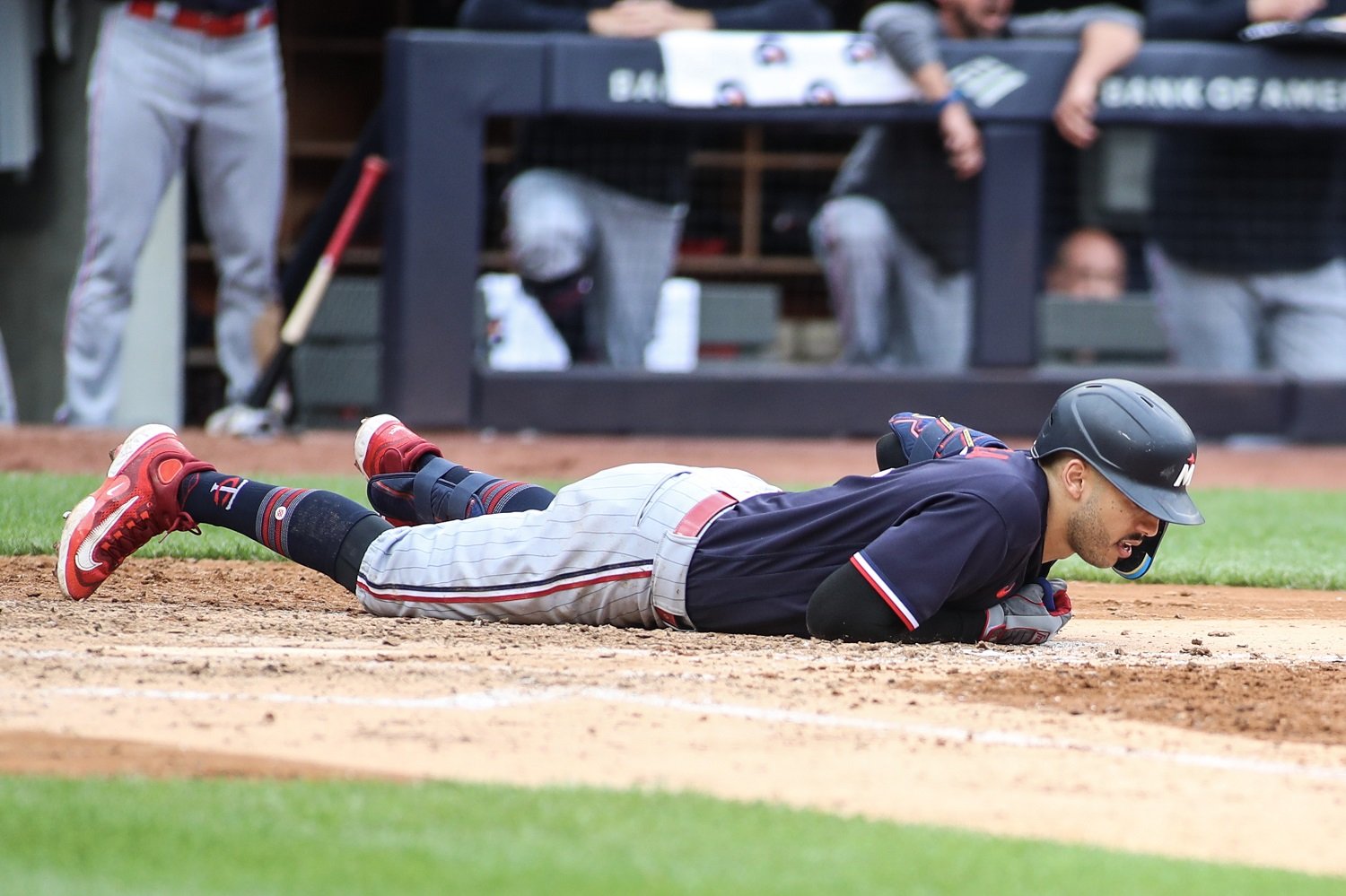 We've all experienced it in some way, shape or form. Whether we come up short of the expectations we set for ourselves or drop off from previously-established performance expectations, being in a slump is real. Being in a slump has wreaked havoc on baseball players for as long as the game has been around. It's an uncomfortable topic because there is one step higher from the slump where you start talking about the "yips," which, if you're in a clubhouse that's like saying Voldemort at Hogwarts. Some of the stories of players trying to break out of a slump produce the best stories the game has to offer. These techniques range from growing a mustache to wholesale changes to a hitting/pitching approach. A few of my favorite stories of quick fixes are hitting with a handful of loose change in your back pocket, lighting a bat on fire, showering in full uniform after the game, the "slump buster," and, of course, the golden thong. (Editor/Seth Note: I believe this is the first time the term "slump buster" has been used at Twins Daily. Does that almost automatically push us to PG-13 status?) What does a slump look like? Unfortunately, a great example is Minnesota's star shortstop Carlos Correa, a phenomenal talent who has hit .275 with 20+ homers per year and brings gold glove defense daily. Thankfully, the glove rarely slumps and Correa continues to bring stellar defense to the park whenever his name is on the lineup card. However, as I write this, Correa is hitting .189 with some middling peripherals per Baseball Savant. It's an incredibly uncomfortable topic because there's such a wide range of how people like to handle it, and it's a really sore subject for some. Correa has faced it head-on, which for a star, is how underperforming has to be handled on his end. A player who is as confident and talented as Carlos Correa is has to meet criticism head-on, or people will start running for torches and pitchforks because he makes a lot of money, fair or not. Where does a slump come from? A string of hard-hit outs. A couple of tough matchups with a pitcher you don't see well. Your confidence gets shaken, and your mental game starts to spiral. Then all of a sudden, you are flat-out uncomfortable in the box; everything feels wrong, from how you stand to how you swing. That's when you're really in it. From a hitting perspective, a lot of it comes from decisiveness. When hitters get caught between fastball and off-speed timing, they feel helpless. If a hitter can set their mind on the fastball, you have a chance to slow down and adjust to off-speed. If you get off the heater, you can't speed up to 90+ miles per hour. Correa, and Jose Miranda, for that matter, have been beaten down by fastballs. If a hitter can't hit a good fastball, they will struggle. It becomes mental warfare with yourself and turns into the fact that if you think it works, it does. If you think you're in a slump, you are. By in large, guys' physical swings do not change. Hand placement, changing your sight point, or opening/closing your stance are some adjustments you'll see, but the swing doesn't change much. That's why you get guys sacrificing live chickens to get a couple of knocks because it's hard to put your finger on it, and it's rarely a significant physical change. As a former player that has gone through my share of slumps, what I see from Correa is a guy trying to do too much. He gets good fastballs to hit, and it looks like he's trying to hit five-run homers. Often times, fouling these pitches off and for anyone who has been in a slump or watched C4 lately it feels like they're eternally in two strike counts. When you see such excellent pitching day in and day out, often doing less is more. If a guy is in a bad spot mentally and starts trying to will his way out of a slump, you see a slow, muscly swing, and that tension kills quickness. I'd like to see him loosen up and return to the mentality of a doubles hitter that hits home runs occasionally. (Note: This article was written before Correa's big, two-run double on Thursday that gave the Twins a lead against the Padres.) Slumps are madness and rarely make sense. The only truth is what a hitter believes deep down in their guts, regardless of what they tell the media, their teammates, the coaching staff, and even themselves... that is what is happening. If they really believe wearing their undershirt backward will work, it will. That will help empty the clutter that makes a player slower with their decision-making at the plate. Carlos Correa is a phenomenal talent. That is not debatable. He is just not hitting right now. It is a mental battle, and that's part of the beauty of baseball. You can have all the talent in the world, but if your mind isn't right, you're in trouble; the game happens too fast. The more beautiful thing about baseball is that Carlos Correa is one swing away and maybe one round of hitting batting practice left-handed from being red hot. Go, Twins!
 -
They Are Who We Thought They Were!
Alex Boxwell replied to Alex Boxwell's topic in Twins Daily Front Page News
This is a good point. Last year the offense had a tendency to disappear for games at a time, with 2 or less runs being put on the board too often. Having a guy hit a double with 2 outs and a guy on first in a close game is as clutch as it gets. I feel like we have guys that will step up to be run producers. With Larnach and Miranda being clear candidates to be step up guys. Buck showed a flair for the dramatic last year and Correa's post-season heroics are noted (hopefully the RBI total will improve with more guys getting on base in front of him). It's an interesting topic because it felt like there was a feast or famine bit to last years lineup.- 31 replies
-
- 1
-
-
- joey gallo
- pablo lopez
- (and 1 more)
-
They Are Who We Thought They Were!
Alex Boxwell replied to Alex Boxwell's topic in Twins Daily Front Page News
If I was scouting the Twins lineup the only players that look below average to me offensively are Taylor, Kepler, and Gallo (he's not going to keep this up all year). All whom bring plus defense. It looks like a pretty good lineup and Polanco will give them jolt eventually as well. There's still a lot to be answered but this is a talent club. -
They Are Who We Thought They Were!
Alex Boxwell replied to Alex Boxwell's topic in Twins Daily Front Page News
Well that's certainly one way to look at it... I'm going to go out a limb here and say Rocco doesn't hurt this ball club. Also, Correa is a great shortstop and we are more than lucky to have him at his current price tag.- 31 replies
-
- 1
-
-
- joey gallo
- pablo lopez
- (and 1 more)
-
They Are Who We Thought They Were!
Alex Boxwell replied to Alex Boxwell's topic in Twins Daily Front Page News
One of those games was against, arguably, the best pitcher on the planet and the at bats weren't bad for facing a dude who has elite stuff. If you choose to put more weight on the last two games which are losses that's fine but coming off a six game road trip to the tune of 4-2 to start the year along with plenty of missed opportunities... I'm encouraged. -
The Twins are off and running led by good pitching, good defense, and good at-bats. What's not to like? Image courtesy of Peter Aiken-USA TODAY Sports The Twins have enjoyed a start to the season that even optimistic fans like myself may not have expected. With Jorge Polanco and Alex Kirilloff still on the shelf, this team has overwhelmed their opponents in the small sample size we have seen. Even in the close games, they haven’t felt that close. In the immortal words of the late great Dennis Green, “They are who we thought they were.” There were many question marks around this ball club coming into the season, but none of those questions were related to the sheer baseball ability of this team, at least offensively. Every player in the lineup appears to be as advertised or overperforming. Byron Buxton and Carlos Correa operate on a different frequency than other players on the field. The game moves slower for them. Now, the reservations on these two don’t stop because they’ve played five games, obviously, but you can’t be anything but encouraged by what we’ve seen so far. A player that I had the fortune or misfortune (he went deep twice against us) of playing against is Oregon State alum Trevor Larnach. The heavy hands paired with a strong frame and left-handed bat opened some eyes this spring, even of the people who drafted him in the first round. The song remains the same here with another potential all-star-level talent. How do we keep him on the field and keep this thing rollin’? I am quickly falling in love with Pablo Lopez. He is a player I have liked, but his World Baseball Classic performance and Opening Day outing in Kansas City were impressive. His repertoire is much better than I thought. He also busted out a new pitch for his Twins debut, the sweeping slider. That pitch was nasty and will be a problem for right-handed batters all year. Lopez also showed a tick-up in velocity on his pitches that previously had data. The Opening Day nod was not justifying a trade; stuff-wise, Pablo Lopez is our best guy. I think it’s been a picture-perfect start to the year. Yes, I know. Bold statement saying that for a 4-1 team whose only loss came last night against the NL's reigning Cy Young winner, Sandy Alcantara). It’s not just the record, though. Every player has been as advertised right from the word go. The only player that has concerned me is Sonny Gray. His command was spotty, and he couldn’t get a below-average lineup to swing and miss. A veteran arm like Gray comes with less concern naturally, with guys being able “wave the veteran wand” and find ways to be solid. I don’t want to sound any alarms, but it’s something worth following. Lastly, how can we not touch on Joey Barrels, or as I like to call him, ‘your dad’s least favorite player’. Gallo squeezed (by last year’s standards) a month's worth of production into two games. He’s always seemed to be a streaky hitter, so lets enjoy the good times, but a downturn will happen, and we have to remember these two games. He and every other player in this talented Twins lineup are always one swing away. I’m not trying to crown them, but the Twins did seem to do the impossible and win some games without Luis Arraez. Seriously though, it was good to see him rope a couple of balls for hits on Monday night, and the Twins still got a convincing win. It was also great to see Kenta Maeda strike him out twice in Tuesday night's game. Regarding the Twins taking the next step with the offense, I hope we see some guys steal some bags in closer ball games. The team has decent speed, but with the rules limiting pickoff attempts and the inability of pitchers to hold the ball very long, look for the Twins to unlock that one last piece to the offense. I’ve said it before, and I will dare to repeat it. The Twins are a good team, and they are better than they were last year. There are plenty of reasons to show up to Target Field this Friday for the home opener and throughout the weekend and watch two of the more exciting teams in baseball right now, the Twins and the Astros. Go, Twins! View full article


