



Nick Nelson
-
Posts
8,322 -
Joined
-
Last visited
-
Days Won
56
Content Type
Profiles
News
Minnesota Twins Videos
2026 Minnesota Twins Top Prospects Ranking
2022 Minnesota Twins Draft Picks
Minnesota Twins Free Agent & Trade Rumors, Notes, & Tidbits
Guides & Resources
2023 Minnesota Twins Draft Picks
The Minnesota Twins Players Project
2024 Minnesota Twins Draft Picks
2025 Minnesota Twins Draft Pick Tracker
2026 Minnesota Twins Draft Tracker: Picks & Bonuses
Forums
Blogs
Events
Store
Downloads
Gallery
Everything posted by Nick Nelson
-
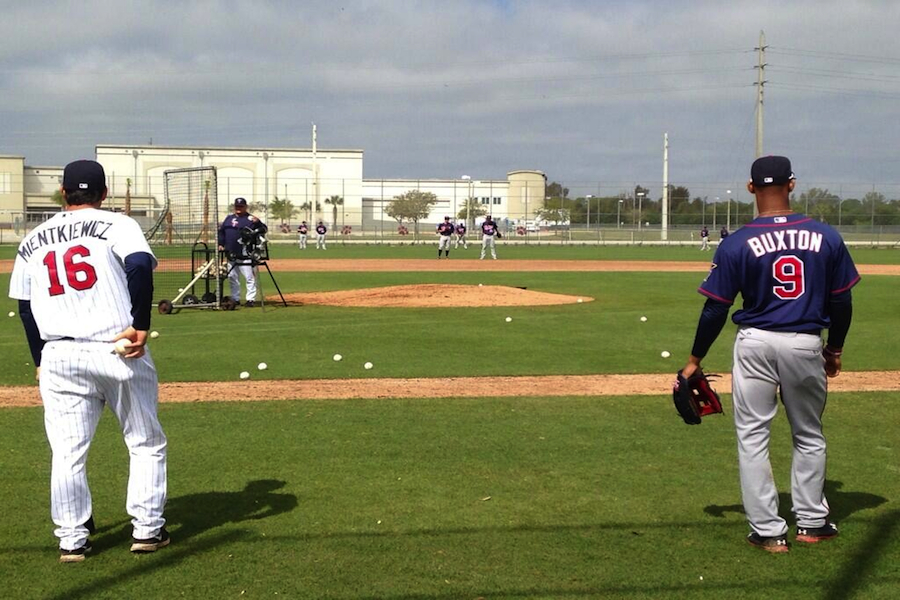 While Paul Molitor's slightly revamped Twins team tries to dig its way out of irrelevance and show meaningful improvement for the first time in four years, some of the most integral components to the success of this ongoing rebuilding process will be reporting to Double-A. The stakes are high, as four of the best prospects in the system -- all at critical junctures in their careers -- are expected to open the 2015 campaign in Chattanooga. Byron Buxton, the consensus No. 1 prospect in all of baseball a year ago, lost some of his luster during an injury-filled 2014 season that was all but lost. Miguel Sano underwent Tommy John surgery in the spring and hasn't played competitively since. Eddie Rosario missed half of 2014 due to a drug-related suspension and struggled after returning, derailing the considerable momentum he'd built up heading into the season. J.O. Berrios isn't stalled out like the other three -- quite the contrary -- but he has plenty to prove as an undersized starter coming off a flat-out spectacular campaign. Can the righty shut down advanced hitters and back up his newly claimed standing as the best pitching prospect in the organization (and maybe one of the best in the game)? Any one of these players is a candidate to see action at Target Field sometime next season. In April, they'll likely be joining a Lookouts roster packed with other notable prospects. If this team, and specifically a few key individuals, kick it into high gear, it would finally set in motion plans for a youth-fueled turnaround at the big-league level. One can hardly overstate the importance of Buxton, Sano, Rosario and Berrios getting off to fast starts. Mientkiewicz worked with all four while managing at Ft. Myers, and oversaw immensely successful seasons for each. It's hard to think of a better man for the task.
 -
 Pressly had at least made a successful transition to pitching in relief, albeit in a short stint at Double-A, and had also pitched extremely well in the Arizona Fall League. Graham got crushed -- CRUSHED -- after moving to the bullpen last year in Double-A. I know he had some shoulder problems, but still, I can't see them giving him a bullpen spot over numerous candidates who've done a lot more to deserve it, especially when they seem to be shifting their focus more to fielding a competitive team.
- 28 replies
-
- 1
-

-
- aaron hicks
- alex meyer
- (and 1 more)
-
Earlier this week we put out a call on the forum and on Twitter for mailbag questions. You guys came through in a major way. So many great submissions. We've grabbed a bunch of them to feature below. Let's get to it:TD Member Boom Boom: Should the Twins look to bring in a CF, or should they stand pat with Hicks and/or Schafer? I'd be fine rolling with those two. Hopefully Paul Molitor is open to the idea of platooning, because using Hicks against lefties and Schafer against righties would maximize both their strengths. Even then, that duo might not be anything special offensively, but they'll provide solid defense at least, and Byron Buxton might only be a year away. Plus, maybe Hicks goes on a nice roll, regains confidence in swinging from both sides and turns into an everyday player. With his patience and defensive prowess, he only needs to hit a little bit to be a valuable starter. I haven't given up on him by any means. TD Member gunnarthor: Assuming there isn't a spot in the rotation for him right away, should Meyer pitch in the pen or as a starter in AAA? Bullpen. Send him on the Francisco Liriano and Johan Santana path. He can get his first taste of big-league hitters by unleashing his best stuff during short stints, then once someone inevitably gets hurt or needs to be replaced, the Twins can stretch him out and let him step in. There's a lot of benefit to keeping Meyer's innings in check early in the season, since he'll be on a workload limit once again. TD Member goulik: What type of influence do you see Hunter having on Hicks developing into the outfielder he should have become by now and also on Buxton? Has he ever been given credit with mentoring younger players or are we expecting too much from that part of this signing? Hunter has a well known rep in that department. He's been credited with helping mentor Mike Trout into the big leagues, and that's a pretty nice notch in the belt. I don't think he's going to directly affect how they play -- he can't teach Hicks to hit left-handed or Buxton to stay healthy -- but if Hunter can make a highly stressful environment a little more comfortable and manageable for them, there's value in that. TD Member Bark's Lounge: What's the deal with Ricky Nolasco? Did he hide his arm injury last season? Is he a subversive type of player? I don't put too much into his semi-controversial comment on Twitter, but when we throw all of this material into the whole enchilada, did the Twins make a grave mistake in signing him or is there still reason to believe he can be a part of the solution and we can continue to toss pennies and nickles into the Ricky Nolasco Wishing Well? There was a combination of factors at play. He was facing tougher lineups with designated hitters. He endured some bad luck, finishing with a 4.30 FIP and 3.97 xFIP that belied his bloated ERA. And yeah, he was probably pitching through some pain. He's now had a full season to acclimate to playing here, and an offseason to rest up and get himself right physically. I'm confident he'll have a much better year. If he doesn't, it'd put the Twins in a pretty tough position. TD Member jay: With the addition of a corner outfielder and a starting pitcher so far this offseason, what's the biggest remaining need? How should they address that need? To be honest, I don't see much left to cover. You could make a case for a stopgap in center field, but as mentioned above, that can be covered internally. The rotation is full and the starting lineup is set. They've got a good utility guy in Eduardo Escobar and a backup catcher in Josmil Pinto (I guess?). The bullpen might be facing a squeeze, if anything. TD Member TRex: What are the best and worst case scenarios for Mike Pelfrey this year, and what percentages would you put on each. Best case, he goes to the bullpen, ratchets up the heater and becomes a potent late-inning weapon. Worst case, he's a sub-mediocre "innings-eater" in the rotation, blocking a younger player from gaining experience. It's really hard to see how he benefits the Twins as a starter at this point. @MrNewBrighton on Twitter Not going to ask about pitching, lets talk homers. Who leads #MNTwins in home runs in 2015? How many? #IGotArciaW/33 Oswaldo Arcia would be the odds-on favorite, I think. Brian Dozier and Kennys Vargas are also candidates. But I'm going to go with Trevor Plouffe. @CreaAlex on Twitter does JR Graham stick the whole season? #TDMailbag It's more likely that they work out a trade to keep him in the minors if they like what they see. I don't know how you take a guy who hasn't pitched above Double-A, and has barely pitched in relief, and throw him in a major-league bullpen. TD Member OTwins: Terry Ryan has mentioned adding to the bullpen. Which reliever of the remaining free agents would be of interest? Or do you think they wait for a "good deal" I don't see a need to add to the bullpen from outside. They've got a good core in place with Glen Perkins, Casey Fien, Brian Duensing and Caleb Thielbar. Meyer and Pelfrey could both slot in as hard-throwing righties. Michael Tonkin, A.J. Achter, Ryan Pressly and Lester Oliveros are all prospects who pitched well in the minors and got a taste of the majors this past season. Nick Burdi should be ready very soon and might be better than any of them. I say roll with what's on hand. TD Member clutchhittin18: What is the long term plan for Pinto? With Mauer manning first base, and assuming Vargas continues to hit well, he seems to be the odd man out. And with a couple solid catchers a year or two away, do the Twins try to move him? Pinto's bat is MLB-ready, and it was a year ago, which the Twins basically acknowledged by bringing him north at the end of camp. There's no path to regular playing time for him here though. I guess they now view him as Suzuki's backup, but as an offense-oriented guy he's certainly not a prototypical No. 2 catcher for this team. I've got to think they're shopping him. @reinersandassoc on Twitter 2015 opening day lineup? I'll go with: Santana, SS Dozier, 2B Mauer, 1B Vargas, DH Hunter, RF Arcia, LF Plouffe, 3B Suzuki, C Hicks, CF Not too shabby, really. Click here to view the article
- 28 replies
-
- 3
-
-
- aaron hicks
- alex meyer
- (and 1 more)
-
 TD Member Boom Boom: Should the Twins look to bring in a CF, or should they stand pat with Hicks and/or Schafer? I'd be fine rolling with those two. Hopefully Paul Molitor is open to the idea of platooning, because using Hicks against lefties and Schafer against righties would maximize both their strengths. Even then, that duo might not be anything special offensively, but they'll provide solid defense at least, and Byron Buxton might only be a year away. Plus, maybe Hicks goes on a nice roll, regains confidence in swinging from both sides and turns into an everyday player. With his patience and defensive prowess, he only needs to hit a little bit to be a valuable starter. I haven't given up on him by any means. TD Member gunnarthor: Assuming there isn't a spot in the rotation for him right away, should Meyer pitch in the pen or as a starter in AAA? Bullpen. Send him on the Francisco Liriano and Johan Santana path. He can get his first taste of big-league hitters by unleashing his best stuff during short stints, then once someone inevitably gets hurt or needs to be replaced, the Twins can stretch him out and let him step in. There's a lot of benefit to keeping Meyer's innings in check early in the season, since he'll be on a workload limit once again. TD Member goulik: What type of influence do you see Hunter having on Hicks developing into the outfielder he should have become by now and also on Buxton? Has he ever been given credit with mentoring younger players or are we expecting too much from that part of this signing? Hunter has a well known rep in that department. He's been credited with helping mentor Mike Trout into the big leagues, and that's a pretty nice notch in the belt. I don't think he's going to directly affect how they play -- he can't teach Hicks to hit left-handed or Buxton to stay healthy -- but if Hunter can make a highly stressful environment a little more comfortable and manageable for them, there's value in that. TD Member Bark's Lounge: What's the deal with Ricky Nolasco? Did he hide his arm injury last season? Is he a subversive type of player? I don't put too much into his semi-controversial comment on Twitter, but when we throw all of this material into the whole enchilada, did the Twins make a grave mistake in signing him or is there still reason to believe he can be a part of the solution and we can continue to toss pennies and nickles into the Ricky Nolasco Wishing Well? There was a combination of factors at play. He was facing tougher lineups with designated hitters. He endured some bad luck, finishing with a 4.30 FIP and 3.97 xFIP that belied his bloated ERA. And yeah, he was probably pitching through some pain. He's now had a full season to acclimate to playing here, and an offseason to rest up and get himself right physically. I'm confident he'll have a much better year. If he doesn't, it'd put the Twins in a pretty tough position. TD Member jay: With the addition of a corner outfielder and a starting pitcher so far this offseason, what's the biggest remaining need? How should they address that need? To be honest, I don't see much left to cover. You could make a case for a stopgap in center field, but as mentioned above, that can be covered internally. The rotation is full and the starting lineup is set. They've got a good utility guy in Eduardo Escobar and a backup catcher in Josmil Pinto (I guess?). The bullpen might be facing a squeeze, if anything. TD Member TRex: What are the best and worst case scenarios for Mike Pelfrey this year, and what percentages would you put on each. Best case, he goes to the bullpen, ratchets up the heater and becomes a potent late-inning weapon. Worst case, he's a sub-mediocre "innings-eater" in the rotation, blocking a younger player from gaining experience. It's really hard to see how he benefits the Twins as a starter at this point. @MrNewBrighton on Twitter Not going to ask about pitching, lets talk homers. Who leads #MNTwins in home runs in 2015? How many? #IGotArciaW/33 Oswaldo Arcia would be the odds-on favorite, I think. Brian Dozier and Kennys Vargas are also candidates. But I'm going to go with Trevor Plouffe. @CreaAlex on Twitter does JR Graham stick the whole season? #TDMailbag It's more likely that they work out a trade to keep him in the minors if they like what they see. I don't know how you take a guy who hasn't pitched above Double-A, and has barely pitched in relief, and throw him in a major-league bullpen. TD Member OTwins: Terry Ryan has mentioned adding to the bullpen. Which reliever of the remaining free agents would be of interest? Or do you think they wait for a "good deal" I don't see a need to add to the bullpen from outside. They've got a good core in place with Glen Perkins, Casey Fien, Brian Duensing and Caleb Thielbar. Meyer and Pelfrey could both slot in as hard-throwing righties. Michael Tonkin, A.J. Achter, Ryan Pressly and Lester Oliveros are all prospects who pitched well in the minors and got a taste of the majors this past season. Nick Burdi should be ready very soon and might be better than any of them. I say roll with what's on hand. TD Member clutchhittin18: What is the long term plan for Pinto? With Mauer manning first base, and assuming Vargas continues to hit well, he seems to be the odd man out. And with a couple solid catchers a year or two away, do the Twins try to move him? Pinto's bat is MLB-ready, and it was a year ago, which the Twins basically acknowledged by bringing him north at the end of camp. There's no path to regular playing time for him here though. I guess they now view him as Suzuki's backup, but as an offense-oriented guy he's certainly not a prototypical No. 2 catcher for this team. I've got to think they're shopping him. @reinersandassoc on Twitter 2015 opening day lineup? I'll go with: Santana, SS Dozier, 2B Mauer, 1B Vargas, DH Hunter, RF Arcia, LF Plouffe, 3B Suzuki, C Hicks, CF Not too shabby, really.
 -
Article: Purchasing A Rotation, And What It Means
Nick Nelson replied to Nick Nelson's topic in Twins Daily Front Page News
Is that true, though? After his rocky first three MLB outings, he issued nine walks in 37 innings over seven starts with a 66% strike rate, which is better than league average. Personally I think May should enter camp as the favorite for that fifth spot.- 157 replies
-
- 8
-
-
- ervin santana
- alex meyer
- (and 2 more)
-
Article: Purchasing A Rotation, And What It Means
Nick Nelson replied to Nick Nelson's topic in Twins Daily Front Page News
OK, yeah, it's not out of the realm of possibility for the Twins to contend. But they've basically admitted that they're not planning around it, and it's not hard to see why. They've lost 90 games four years in a row and the rest of this division is pretty good right now. They'd need some wild-card type performances to get them over the hump, like maybe an Alex Meyer entering the mix and pitching lights-out. Which only furthers the idea that there needs to be space available for him. -
Article: Purchasing A Rotation, And What It Means
Nick Nelson replied to Nick Nelson's topic in Twins Daily Front Page News
Well, see, this is just the problem. The Twins aren't a contending team right now and the playoffs are not riding on these youngsters, which would seemingly make this the perfect opportunity to let them take their knocks and learn the ropes. Pretty difficult to argue that May or Meyer isn't ready for a chance at this point. But like I said, I'm not really sweating it. I agree with those who've said it's better to have too much depth than too little, considering how often the Twins have had to dig deep for starters in recent years, and I'm glad they're bringing in veterans who actually offer some ability outside of being able to simply throw innings (i.e. Correia).- 157 replies
-
- 4
-
-
- ervin santana
- alex meyer
- (and 2 more)
-
In the past two offseasons, the Twins have signed four free agent pitchers to multi-year contracts. Four! When you think about that -- relative to their past tendencies and against the backdrop of an internally facilitated rebuild -- that's kind of crazy. What motivated the club to enter into lengthy commitments with so many outside pitchers, and what does it mean for the young arms already in the organization vying for their own spots in a suddenly crowded rotation?Terry Ryan said what you'd expect after adding Ervin Santana last week: "This isn’t exactly the blueprint we had in mind, going out and signing a guy for $55 million,” Ryan said. “Jim Pohlad gave us the ability to do that, and hopefully it’ll pay off, but the ideal is to keep [prospects] coming through the system, through player development.” Who could argue with that? Compared to veterans signed on the open market, young homegrown starters are far less expensive and generally less liable to break down. The teams that reign over MLB are the ones that can consistently develop and produce those arms, like St. Louis and San Francisco. But the four-year deal for Santana, one offseason after four-year and three-year pacts with Ricky Nolasco and Phil Hughes, inhibits the ability of Minnesota's system to pay dividends. One internally developed piece, Kyle Gibson, has already staked his claim with a solid first full season. But the Twins are evidently skeptical of either him, or the prospects behind him in the pipeline, because they're leaving little flexibility to build around him in the rotation from within. Three rotation spots other than Gibson's are now essentially locked up for both 2015 and 2016. That leaves only one clear opening over the next two years for a trio of quality prospects who are all pretty close, if not beyond ready, for the big leagues. Trevor May logged 45 innings in the majors this year, and while his overall results were not good, he showed enough positive signs -- and dominated enough at Triple-A beforehand -- to deserve at least a long look next spring. Alex Meyer, the prize of the Denard Span trade, will turn 25 in January and he has already made 27 starts at Triple-A, where he led his league in strikeouts this year. It's hard to justify keeping him in the minors much longer. J.O. Berrios is not a credible contender to break camp with the Twins next year, but he'll likely start at Double-A and if his performance is anything like it was in 2014, he could be angling for a big-league promotion in the second half. Injuries and other things happen, so in reality a lot of this might take care of itself. That's why overall I'm a fan of the decision to bring in Santana. But I hope that when situations arise where it comes down to either giving a chance to a young guy who's ready, or stalling in favor of veteran mediocrity, the Twins will make the right choice. I'd like to think they will, because Ryan knows as well as anyone the value of going with your own prospects rather than splurging on free agents. But now, that money is already spent. Click here to view the article
- 157 replies
-
- 2
-
-
- ervin santana
- alex meyer
- (and 2 more)
-
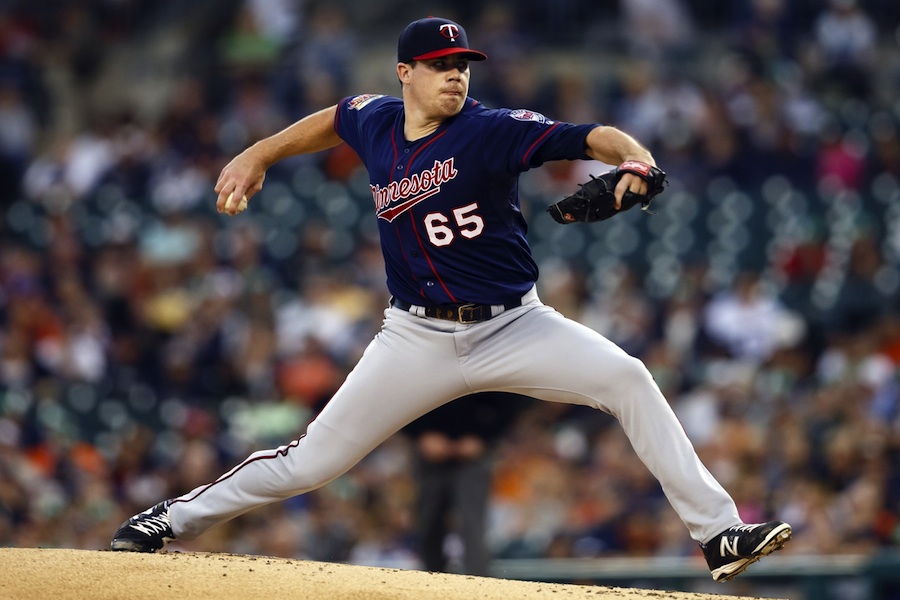 Terry Ryan said what you'd expect after adding Ervin Santana last week: "This isn’t exactly the blueprint we had in mind, going out and signing a guy for $55 million,” Ryan said. “Jim Pohlad gave us the ability to do that, and hopefully it’ll pay off, but the ideal is to keep [prospects] coming through the system, through player development.” Who could argue with that? Compared to veterans signed on the open market, young homegrown starters are far less expensive and generally less liable to break down. The teams that reign over MLB are the ones that can consistently develop and produce those arms, like St. Louis and San Francisco. But the four-year deal for Santana, one offseason after four-year and three-year pacts with Ricky Nolasco and Phil Hughes, inhibits the ability of Minnesota's system to pay dividends. One internally developed piece, Kyle Gibson, has already staked his claim with a solid first full season. But the Twins are evidently skeptical of either him, or the prospects behind him in the pipeline, because they're leaving little flexibility to build around him in the rotation from within. Three rotation spots other than Gibson's are now essentially locked up for both 2015 and 2016. That leaves only one clear opening over the next two years for a trio of quality prospects who are all pretty close, if not beyond ready, for the big leagues. Trevor May logged 45 innings in the majors this year, and while his overall results were not good, he showed enough positive signs -- and dominated enough at Triple-A beforehand -- to deserve at least a long look next spring. Alex Meyer, the prize of the Denard Span trade, will turn 25 in January and he has already made 27 starts at Triple-A, where he led his league in strikeouts this year. It's hard to justify keeping him in the minors much longer. J.O. Berrios is not a credible contender to break camp with the Twins next year, but he'll likely start at Double-A and if his performance is anything like it was in 2014, he could be angling for a big-league promotion in the second half. Injuries and other things happen, so in reality a lot of this might take care of itself. That's why overall I'm a fan of the decision to bring in Santana. But I hope that when situations arise where it comes down to either giving a chance to a young guy who's ready, or stalling in favor of veteran mediocrity, the Twins will make the right choice. I'd like to think they will, because Ryan knows as well as anyone the value of going with your own prospects rather than splurging on free agents. But now, that money is already spent.
 -
Article: What To Expect From Ervin Santana
Nick Nelson replied to Parker Hageman's topic in Twins Daily Front Page News
The increase in changeup usage with the Braves is interesting, because Neil Allen has a reputation for helping guys with that pitch in particular.- 19 replies
-
- 4
-
-
- ervin santana
- free agent
- (and 2 more)
-
His signature pitch may be that nasty slider, but the Minnesota Twins have thrown us a major curveball with the signing of right-hander Ervin Santana to a four-year, $55 million contract. Beyond the addition of a quality veteran arm, the move signifies a continuing shift in organizational philosophy and a major shakeup to the long-term look of the rotation. It also may indicate that ownership is taking a more active role in roster construction.Let's get this out of the way: I was wrong on this one. Very, very wrong. Comically wrong. I wrote on Wednesday that "I can't see the Twins making a serious play" for Santana, and a tweeted "it ain't happening." Shows what I know. In fairness, this signing doesn't jibe with what Twins officials have been saying or doing over the past several months. The front office has (sometimes not so subtly) hinted that it doesn't really view contention in 2015 as realistic, with the focus more on on bridging the gap and maintaining long-term flexibility. This was backed up by implications from Terry Ryan and Dave St. Peter that payroll would not rise significantly, as well as by Minnesota's previous free agent splash. Signing Torii Hunter to a one-year deal was a move that appeared to be aimed more at generating good will and creating a favorable environment for young players, as opposed to actually improving the team. Indeed, it was hard to argue with La Velle's recent assessment: And yet, now Ryan has signed Santana to the largest free agent contract in franchise history -- a four-year deal that adds more reliability to the 2015 rotation, but inhibits the flexibility of that unit going forward while also carrying significant risk. Just one year after throwing $50 million in guaranteed money at Ricky Nolasco (with disastrous results in Year One), the Twins have essentially doubled down, once again handing a lucrative four-year contract to past-30 a veteran with a good-not-great track record. Nolasco's struggles this past season have no bearing on how this new acquisition will perform, and it seems fair to say that the Ryan and Co. are especially high on Santana since this isn't the first time the general manager has gone outside his comfort zone to pursue him. There were multiple reports that the Twins made a sizable multi-year offer to Santana last year, even after signing both Nolasco and Phil Hughes. Santana is now a year older, and he took a small step backward in 2014 compared to 2013, but that didn't stop Ryan from upping his ante and forfeiting a valuable draft pick (something he's never done) to bring him aboard. In the big picture, it's hard to view this as a great signing, because the Twins are now heavily invested in Santana into his mid-30s and are also reducing flexibility for young players to take over, both now and down the line. They have three veterans locked in for 2016. In 2017, the club is committed to Santana and Nolasco -- who will both be 34 -- for more than $25 million. In the scope of the ongoing rebuilding process, that might seem a little odd. There are several vaunted pitching prospects in the pipeline, some of whom are on the verge of arriving. But to me, there are two big takeaways from the Santana addition: 1) The Twins are hedging their bets with prospects. It's easy to say now that a 2016 or 2017 rotation should be filled by Kyle Gibson, Alex Meyer, Trevor May, J.O. Berrios and maybe Kohl Stewart. But we've seen enough prospects derailed by injuries or heightened competition to know that planning around all those guys panning out is overly optimistic. If those pitchers (or others) do in fact all turn into major-leaguer starters, that's a nice problem to have. 2) Somewhere within the front office, urgency is building. Owner Jim Pohlad has made some public comments this offseason that have been noticeably at odds with Ryan's typically conservative demeanor; undoubtedly bristling at sagging ticket sales, Pohlad has hinted that he's ready to spend and give his product a more immediate jolt. I don't know how much he influenced the GM's pursuit of Santana (and others), but I'd guess it was significant. My sense was always that Ryan would personally prefer to pursue short-term options or make-good contracts (and that was actually my preferred strategy). I can't say I love the Santana signing because it's a major commitment to an aging hurler who's never been truly great, but I view it as a solid move. The Twins are building some decent pitching depth and lessening their reliance on prospects, both of which were much needed. Additionally, they're continuing to push back against the "cheap" label, and changing the perception that they simply aren't interested in spending to make the team better in a season where they are unlikely to compete for the playoffs. As a fan who's been frustrated with what I view as a defeatist attitude at times, I appreciate that. At the end of the day, a $50 million contract (or even two $50 million contracts in two years) is not that substantial in today's MLB, nor is a team payroll just north of $100 million, which is where the Twins now sit. But this franchise is moving in the right direction, and giving fans some reason to hope that these miserable past four years really are in the rearview mirror. Whether TR made that pivot on his own or required a little push from above, it's good to see. Click here to view the article
-
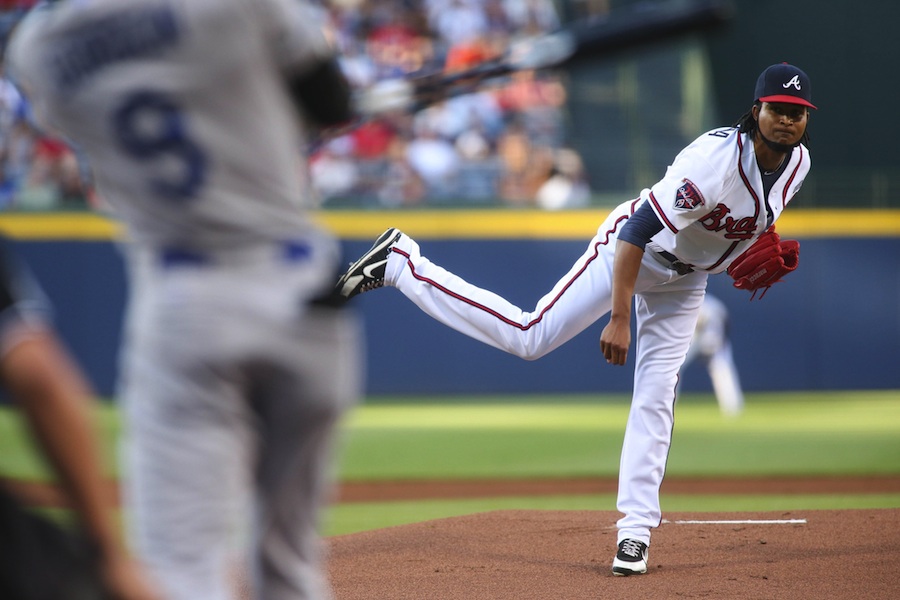 Let's get this out of the way: I was wrong on this one. Very, very wrong. Comically wrong. I wrote on Wednesday that "I can't see the Twins making a serious play" for Santana, and a tweeted "it ain't happening." Shows what I know. In fairness, this signing doesn't jibe with what Twins officials have been saying or doing over the past several months. The front office has (sometimes not so subtly) hinted that it doesn't really view contention in 2015 as realistic, with the focus more on on bridging the gap and maintaining long-term flexibility. This was backed up by implications from Terry Ryan and Dave St. Peter that payroll would not rise significantly, as well as by Minnesota's previous free agent splash. Signing Torii Hunter to a one-year deal was a move that appeared to be aimed more at generating good will and creating a favorable environment for young players, as opposed to actually improving the team. Indeed, it was hard to argue with La Velle's recent assessment: And yet, now Ryan has signed Santana to the largest free agent contract in franchise history -- a four-year deal that adds more reliability to the 2015 rotation, but inhibits the flexibility of that unit going forward while also carrying significant risk. Just one year after throwing $50 million in guaranteed money at Ricky Nolasco (with disastrous results in Year One), the Twins have essentially doubled down, once again handing a lucrative four-year contract to past-30 a veteran with a good-not-great track record. Nolasco's struggles this past season have no bearing on how this new acquisition will perform, and it seems fair to say that the Ryan and Co. are especially high on Santana since this isn't the first time the general manager has gone outside his comfort zone to pursue him. There were multiple reports that the Twins made a sizable multi-year offer to Santana last year, even after signing both Nolasco and Phil Hughes. Santana is now a year older, and he took a small step backward in 2014 compared to 2013, but that didn't stop Ryan from upping his ante and forfeiting a valuable draft pick (something he's never done) to bring him aboard. In the big picture, it's hard to view this as a great signing, because the Twins are now heavily invested in Santana into his mid-30s and are also reducing flexibility for young players to take over, both now and down the line. They have three veterans locked in for 2016. In 2017, the club is committed to Santana and Nolasco -- who will both be 34 -- for more than $25 million. In the scope of the ongoing rebuilding process, that might seem a little odd. There are several vaunted pitching prospects in the pipeline, some of whom are on the verge of arriving. But to me, there are two big takeaways from the Santana addition: 1) The Twins are hedging their bets with prospects. It's easy to say now that a 2016 or 2017 rotation should be filled by Kyle Gibson, Alex Meyer, Trevor May, J.O. Berrios and maybe Kohl Stewart. But we've seen enough prospects derailed by injuries or heightened competition to know that planning around all those guys panning out is overly optimistic. If those pitchers (or others) do in fact all turn into major-leaguer starters, that's a nice problem to have. 2) Somewhere within the front office, urgency is building. Owner Jim Pohlad has made some public comments this offseason that have been noticeably at odds with Ryan's typically conservative demeanor; undoubtedly bristling at sagging ticket sales, Pohlad has hinted that he's ready to spend and give his product a more immediate jolt. I don't know how much he influenced the GM's pursuit of Santana (and others), but I'd guess it was significant. My sense was always that Ryan would personally prefer to pursue short-term options or make-good contracts (and that was actually my preferred strategy). I can't say I love the Santana signing because it's a major commitment to an aging hurler who's never been truly great, but I view it as a solid move. The Twins are building some decent pitching depth and lessening their reliance on prospects, both of which were much needed. Additionally, they're continuing to push back against the "cheap" label, and changing the perception that they simply aren't interested in spending to make the team better in a season where they are unlikely to compete for the playoffs. As a fan who's been frustrated with what I view as a defeatist attitude at times, I appreciate that. At the end of the day, a $50 million contract (or even two $50 million contracts in two years) is not that substantial in today's MLB, nor is a team payroll just north of $100 million, which is where the Twins now sit. But this franchise is moving in the right direction, and giving fans some reason to hope that these miserable past four years really are in the rearview mirror. Whether TR made that pivot on his own or required a little push from above, it's good to see.
 -
Article: Slow Going At The Winter Meetings
Nick Nelson posted a topic in Twins Daily Front Page News
The Hot Stove is piping hot! Have you caught the fever? With names like Logan Ondrusek, John Axford, Dustin McGowan and Alexi Ogando floating around as early targets, it's pretty hard to avoid getting swept up in the excitement. OK. Pardon the sarcasm. But indeed, the Winter Meetings haven't yielded many Twins-related rumors worth buzzing about.Francisco Liriano, who had oddly been painted as a player of interest to Minnesota in recent days, came off the market Tuesday when he signed a three-year, $39 million deal to stay in Pittsburgh. Regardless of how much weight those faint rumors held, Liriano was the most high-profile pitcher that has been meaningfully linked to the Twins. Mike Berardino of the Pioneer Press has been trying to play up the Ervin Santana angle, noting Terry Ryan's willingness to forfeit a draft pick and quoting a source that said Santana "loves pitching in the cold." La Velle confirms that the Twins are "in on Santana," adding that they've been in contact with his agent. But I can't see the Twins making a serious play there, largely for the same reasons I didn't buy the Liriano steam. As it stands, the confirmed connections we're getting are to names like Ondrusek, Axford, McGowan and Ogando. All players that will likely end up with minor-league deals. Yeesh. I had a feeling this would be a fairly quiet offseason for the Twins, but it's still a little tough to see them being so passive while the White Sox -- who finished alongside them at the bottom of the AL Central this year -- have been so incredibly aggressive. It sounds like Ryan is at least kicking the tires on some trade options, as Jon Morosi mentioned that they have spoken with the Mets about Dillon Gee. Ultimately, if a big move takes place this week involving the Twins it will probably be a trade; I suspect they've already made their biggest free agent splash of the offseason. And if Ryan is looking to make a trade, I'd have to imagine Josmil Pinto's name is being dangled heavily. He's big-league ready, but there's just no path to regular playing time for him here. What do you think? Will the Twins make a trade this week? Will they surprise us and snag a major free agent? Share your thoughts on Day 3 of the Winter Meetings here. Click here to view the article -
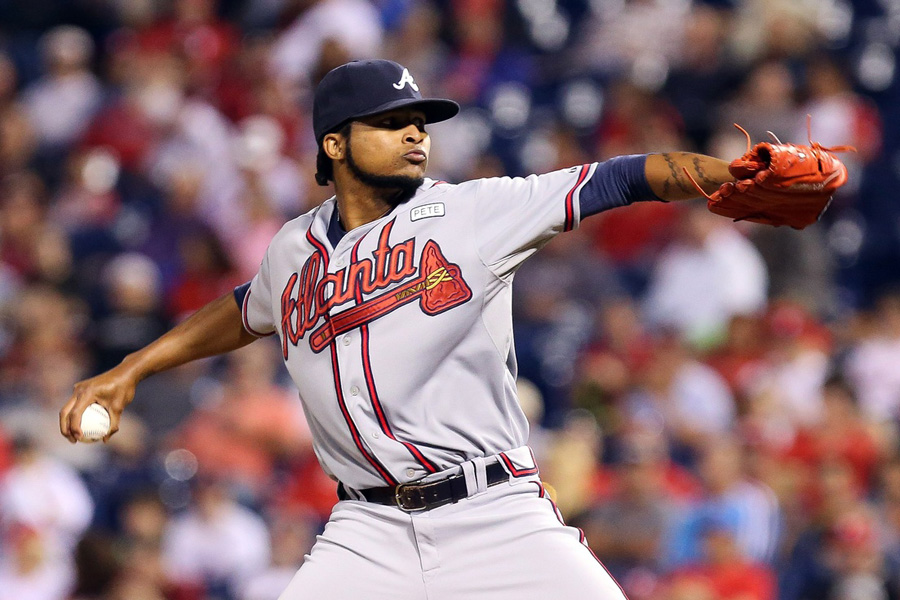 Francisco Liriano, who had oddly been painted as a player of interest to Minnesota in recent days, came off the market Tuesday when he signed a three-year, $39 million deal to stay in Pittsburgh. Regardless of how much weight those faint rumors held, Liriano was the most high-profile pitcher that has been meaningfully linked to the Twins. Mike Berardino of the Pioneer Press has been trying to play up the Ervin Santana angle, noting Terry Ryan's willingness to forfeit a draft pick and quoting a source that said Santana "loves pitching in the cold." La Velle confirms that the Twins are "in on Santana," adding that they've been in contact with his agent. But I can't see the Twins making a serious play there, largely for the same reasons I didn't buy the Liriano steam. As it stands, the confirmed connections we're getting are to names like Ondrusek, Axford, McGowan and Ogando. All players that will likely end up with minor-league deals. Yeesh. I had a feeling this would be a fairly quiet offseason for the Twins, but it's still a little tough to see them being so passive while the White Sox -- who finished alongside them at the bottom of the AL Central this year -- have been so incredibly aggressive. It sounds like Ryan is at least kicking the tires on some trade options, as Jon Morosi mentioned that they have spoken with the Mets about Dillon Gee. Ultimately, if a big move takes place this week involving the Twins it will probably be a trade; I suspect they've already made their biggest free agent splash of the offseason. And if Ryan is looking to make a trade, I'd have to imagine Josmil Pinto's name is being dangled heavily. He's big-league ready, but there's just no path to regular playing time for him here. What do you think? Will the Twins make a trade this week? Will they surprise us and snag a major free agent? Share your thoughts on Day 3 of the Winter Meetings here.
 -
The annual MLB Winter Meetings kick off in San Diego on Monday, launching what should be a very active week for signings and trades around the league. By all accounts, Terry Ryan has one clear focus heading into this important offseason stretch: pitching.As discussed on Friday, the Twins have no fewer than seven starters in the mix who arguably deserve a shot, creating an interesting dynamic as they seek to address the club's most problematic unit. La Velle E. Neal III reports that the team has interest in bringing back Francisco Liriano, who is returning to free agency after an excellent two-year run in Pittsburgh. That's a reunion I could get behind, in principle. He's a strikeout machine, something that this absurdly contact-heavy rotation could sorely use. He's always got that front-end potential and has displayed it frequently over these last couple of seasons. But even as a huge Liriano backer, I'd be a little squeamish about giving up a second-round draft pick in addition to guaranteeing him big money on a multi-year deal. The Twins are as familiar as anyone with the lefty's talent, but they're also all too familiar with what happens when he goes off the rails. Are they really willing to take that plunge one year after getting burned on the Ricky Nolasco signing? I just can't see it. But I'm a lot more intrigued by another pitcher who is represented by the same agency. According to Neal, the Twins are meeting with Brett Anderson's agent on Monday. To me, he's the most perfect fit on the market. He won't require a long commitment, and he's got huge ability. Plus, he's only 26, so if he can turn a corner with his health, maybe they can find a way to work him into the long-term plans. Meanwhile, Charley Walters wrote in the Pioneer Press that the Twins are interested in Justin Masterson, and that they'll make their push for him this week. Walters suggests that the team sees Masterson -- who's coming off a rough season -- in the same light they did Phil Hughes a year ago. That's a parallel that's been drawn here before, as well. Masterson makes a lot of sense as a target. He'll probably only require a one-year deal, and he's more reliable to deliver innings than someone like Anderson. His peripherals hint that fast improvement is in store after an ugly 2014 campaign. But on that note, it's a little hard to sell a guy who posted a 5.88 ERA last year as a shiny rotation upgrade, and signing Masterson would likely push the Twins' payroll close to $100 million. For what it's worth, Darren Wolfson tweeted this weekend that "every sign has Masterson landing elsewhere," adding that the Twins have no meetings set up with him at the Winter Meetings. Stay tuned this week and we'll keep you apprised on any developments relating to these story lines, as well as any others that emerge. Click here to view the article
-
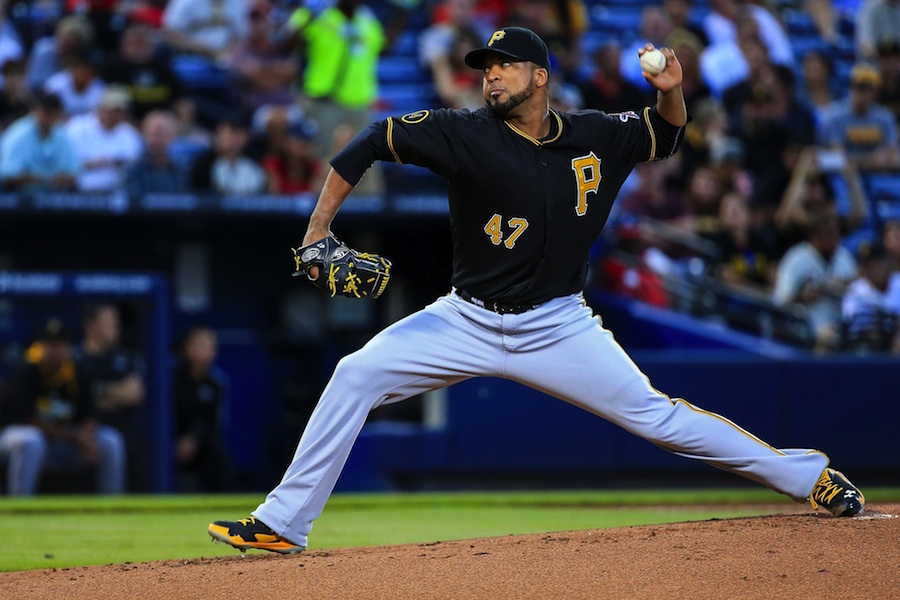 As discussed on Friday, the Twins have no fewer than seven starters in the mix who arguably deserve a shot, creating an interesting dynamic as they seek to address the club's most problematic unit. La Velle E. Neal III reports that the team has interest in bringing back Francisco Liriano, who is returning to free agency after an excellent two-year run in Pittsburgh. That's a reunion I could get behind, in principle. He's a strikeout machine, something that this absurdly contact-heavy rotation could sorely use. He's always got that front-end potential and has displayed it frequently over these last couple of seasons. But even as a huge Liriano backer, I'd be a little squeamish about giving up a second-round draft pick in addition to guaranteeing him big money on a multi-year deal. The Twins are as familiar as anyone with the lefty's talent, but they're also all too familiar with what happens when he goes off the rails. Are they really willing to take that plunge one year after getting burned on the Ricky Nolasco signing? I just can't see it. But I'm a lot more intrigued by another pitcher who is represented by the same agency. According to Neal, the Twins are meeting with Brett Anderson's agent on Monday. To me, he's the most perfect fit on the market. He won't require a long commitment, and he's got huge ability. Plus, he's only 26, so if he can turn a corner with his health, maybe they can find a way to work him into the long-term plans. Meanwhile, Charley Walters wrote in the Pioneer Press that the Twins are interested in Justin Masterson, and that they'll make their push for him this week. Walters suggests that the team sees Masterson -- who's coming off a rough season -- in the same light they did Phil Hughes a year ago. That's a parallel that's been drawn here before, as well. Masterson makes a lot of sense as a target. He'll probably only require a one-year deal, and he's more reliable to deliver innings than someone like Anderson. His peripherals hint that fast improvement is in store after an ugly 2014 campaign. But on that note, it's a little hard to sell a guy who posted a 5.88 ERA last year as a shiny rotation upgrade, and signing Masterson would likely push the Twins' payroll close to $100 million. For what it's worth, Darren Wolfson tweeted this weekend that "every sign has Masterson landing elsewhere," adding that the Twins have no meetings set up with him at the Winter Meetings. Stay tuned this week and we'll keep you apprised on any developments relating to these story lines, as well as any others that emerge.
 -
Starting pitching was widely cited as a primary need for the Twins entering this offseason, for obvious reasons, and much discussion here and elsewhere has been dedicated to evaluating possible options on the market. But the team announced two moves on Tuesday that make you wonder how aggressively they plan to pursue additional pitching upgrades.The first was the Torii Hunter signing. Though it's a one-year deal, the team committed a whopping $10.5 million to the outfielder for 2015, making him the third-highest paid player on the roster. If previous comments from Jim Pohlad and Terry Ryan suggesting that their budget will essentially remain static are true, there's little room left for any kind of substantive addition. With all arbitration-eligible players other than Anthony Swarzak being tendered contracts, and with Hunter's salary factored in, the Twins now project for a payroll around $90 million in 2015. It would be their highest since 2012. Spending more might not be the hold-up, though. The Twins might simply be interested in trying to get some return on money they've already invested. That's why the decision to retain Tommy Milone, announced on Tuesday night, is another telling development. Milone figures to make around $2.5 million in his first turn at arbitration. That's not a huge number, relatively speaking, but it's five times the minimum, so it says something that the Twins ponied up. Say what you will about the upper-80s fastball; the lefty has a sustained track record of big-league success. He was flat-out terrible in his first audition for Minnesota last year, but he also wasn't healthy for most of that time. If a guy is hurt, he's hurt. It's hard to hold it against him. And that point applies to another pitcher who stands as a barrier for external additions to the rotation: Mike Pelfrey. The big right-hander is owed $5.5 million. His two-year deal was a bit of a head-scratcher at the time, and looks worse now that the first season was a total loss, but Pelfrey also was hurt. The Twins believed in him enough to re-sign him a year ago, so they'll surely give him a chance to make good on the contract. I think he'd make more sense in the bullpen, but who knows if the team sees it that way. Having $8 million tied up in those two -- with Ricky Nolasco, Phil Hughes and Kyle Gibson already entrenched -- complicates the idea of handing some free agent a guaranteed contract of any magnitude. I don't think the Twins are that interested in it, and really, I can't blame them. I'd just as soon let Milone and Pelfrey battle for a spot, and give the other to Trevor May or Alex Meyer, rather than throwing a bunch of money at someone like Edinson Volquez or Ryan Vogelsong. With that being said, I do believe this team is in good position to bring aboard a big talent returning from injury and looking for a chance. There are many such names out there, ranging from Josh Johnson to Brett Anderson to Chad Billingsley to Kris Medlen to Brandon Beachy and beyond. When expectations are low, a club can afford to gamble on a player who might not (or even probably will not) pan out, and with the pitchers listed above, the upside is substantial. If a guy like Johnson or Medlen happens to be fully healthy and back in prime form, he's suddenly the team's ace and that's a legitimate game-changer. I'd expect Terry Ryan to pursue some names like that, but there's just not much reason to go after expensive, overpriced middle-tier options with limited ceilings. If they can't lure a rehab project on a deal that entails no assurances, the Twins are probably better off simply taking a long look at what they've got rather than going the free agent route. Click here to view the article
-
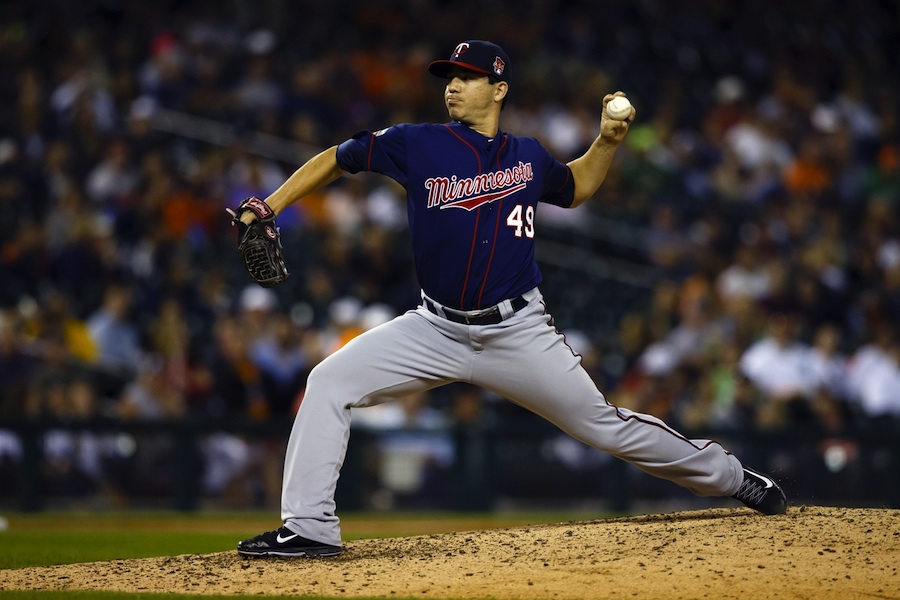 The first was the Torii Hunter signing. Though it's a one-year deal, the team committed a whopping $10.5 million to the outfielder for 2015, making him the third-highest paid player on the roster. If previous comments from Jim Pohlad and Terry Ryan suggesting that their budget will essentially remain static are true, there's little room left for any kind of substantive addition. With all arbitration-eligible players other than Anthony Swarzak being tendered contracts, and with Hunter's salary factored in, the Twins now project for a payroll around $90 million in 2015. It would be their highest since 2012. Spending more might not be the hold-up, though. The Twins might simply be interested in trying to get some return on money they've already invested. That's why the decision to retain Tommy Milone, announced on Tuesday night, is another telling development. Milone figures to make around $2.5 million in his first turn at arbitration. That's not a huge number, relatively speaking, but it's five times the minimum, so it says something that the Twins ponied up. Say what you will about the upper-80s fastball; the lefty has a sustained track record of big-league success. He was flat-out terrible in his first audition for Minnesota last year, but he also wasn't healthy for most of that time. If a guy is hurt, he's hurt. It's hard to hold it against him. And that point applies to another pitcher who stands as a barrier for external additions to the rotation: Mike Pelfrey. The big right-hander is owed $5.5 million. His two-year deal was a bit of a head-scratcher at the time, and looks worse now that the first season was a total loss, but Pelfrey also was hurt. The Twins believed in him enough to re-sign him a year ago, so they'll surely give him a chance to make good on the contract. I think he'd make more sense in the bullpen, but who knows if the team sees it that way. Having $8 million tied up in those two -- with Ricky Nolasco, Phil Hughes and Kyle Gibson already entrenched -- complicates the idea of handing some free agent a guaranteed contract of any magnitude. I don't think the Twins are that interested in it, and really, I can't blame them. I'd just as soon let Milone and Pelfrey battle for a spot, and give the other to Trevor May or Alex Meyer, rather than throwing a bunch of money at someone like Edinson Volquez or Ryan Vogelsong. With that being said, I do believe this team is in good position to bring aboard a big talent returning from injury and looking for a chance. There are many such names out there, ranging from Josh Johnson to Brett Anderson to Chad Billingsley to Kris Medlen to Brandon Beachy and beyond. When expectations are low, a club can afford to gamble on a player who might not (or even probably will not) pan out, and with the pitchers listed above, the upside is substantial. If a guy like Johnson or Medlen happens to be fully healthy and back in prime form, he's suddenly the team's ace and that's a legitimate game-changer. I'd expect Terry Ryan to pursue some names like that, but there's just not much reason to go after expensive, overpriced middle-tier options with limited ceilings. If they can't lure a rehab project on a deal that entails no assurances, the Twins are probably better off simply taking a long look at what they've got rather than going the free agent route.
 -
Last offseason, the most head-scratching series of moves the Twins made was signing Jason Kubel, Jason Bartlett and Matt Guerrier, all of whom were aging and coming off down seasons. The strategy was apparently based on familiarity more than anything else, and the outcomes were roundly terrible. On Tuesday, the Twins made their first big splash of this offseason, signing Torii Hunter to a one-year, $10.5 million deal. And while it's certainly a better move than any of those mentioned above, once again the team seems to be eschewing logic in favor of comfort, familiarity and vague intangibles.Hunter was a fixture -- THE fixture, really -- in Minnesota's run of AL Central dominance from 2002 through 2006, when they won four division titles in five years. He has continued to produce at a consistently excellent level since leaving in '07. There's no denying that he's had a fantastic career and has taken pristine care of his body. But the No. 1 imperative for the Twins this offseason, if they wanted to meaningfully improve in 2015, was to find ways to prevent more runs. A contact-heavy pitching staff with a league-worst defensive outfield was a recipe for disaster needing to be addressed. In theory, signing a nine-time Gold Glover would appear to do just that, but Hunter is no longer the asset in the field that he once was. Far from it. I don't put a ton of stock into defensive metrics but Hunter ranked as the worst right fielder in the majors this year by both DRS (Defensive Runs Saved) and UZR (Ultimate Zone Rating), so it's probably safe to say he wasn't good. Now, the Twins are evidently going to stick him in right field and move Oswaldo Arcia -- who was already a liability there due to lack of range and bad instincts -- to left, where his weaknesses are magnified by increased action and real estate. The Twins aren't improving their outfield defense. Astonishingly, they are moving in the opposite direction. Download attachment: hunter.jpg In order for this signing to benefit them, Hunter would have to make up for that negative impact in other ways. I can't see him doing it offensively. This year he posted a .765 OPS with 17 homers and 33 doubles in 142 games, which is impressive for a 39-year-old but only slightly above average for an American League right fielder. He has remained stunningly effective into his late 30s, but Hunter will turn 40 next July and is at an age where skills can deteriorate quickly. As you may recall, Jim Thome went from being an MVP-caliber hitter at 39 to out of the game at 41. Hunter will still probably bring a decent bat but it's a stretch to expect much more than that. What it comes down to, then, is a word we'll probably hear tossed around a lot in discussion of this signing: mentorship. The Twins have a young club, and Hunter generally has a reputation for being a good guy who brings energy and positivity to the clubhouse. I don't know how to weigh that. It's the same kind of stuff we heard from Ron Gardenhire last year in justification of Bartlett's inexplicably long leash, so I tend to downplay it. This notion that attitude is the difference between a 90-win team and a 60-win team is comically ludicrous. The $10.5 million price tag is high, but that doesn't bother me -- quite to the contrary actually. They had to overpay on a one-year deal to lure their guy away from interested contenders, and for that I commend them. I just feel like the Twins view Hunter as "their guy" for all the wrong reasons. Why do they need to sign a mentor/leader when they just assembled an entirely new coaching staff? Why add a 39-year-old in the twilight of his career when they're rebuilding? How does it aid Arcia's development to be playing out of position for one season before inevitably moving back to right and needing to re-adapt? The Twins may still be stuck with the idea of Hunter as the player he used to be, but he's no longer a guy who hits 25 homers, steals 20 bases and tracks down everything in the outfield. He's an aging and declining version of what he was, much like the last round of reunion tour additions. I can only hope things work out a whole lot better this time, but it certainly doesn't seem like the Twins learned much from that fiasco. Click here to view the article
-
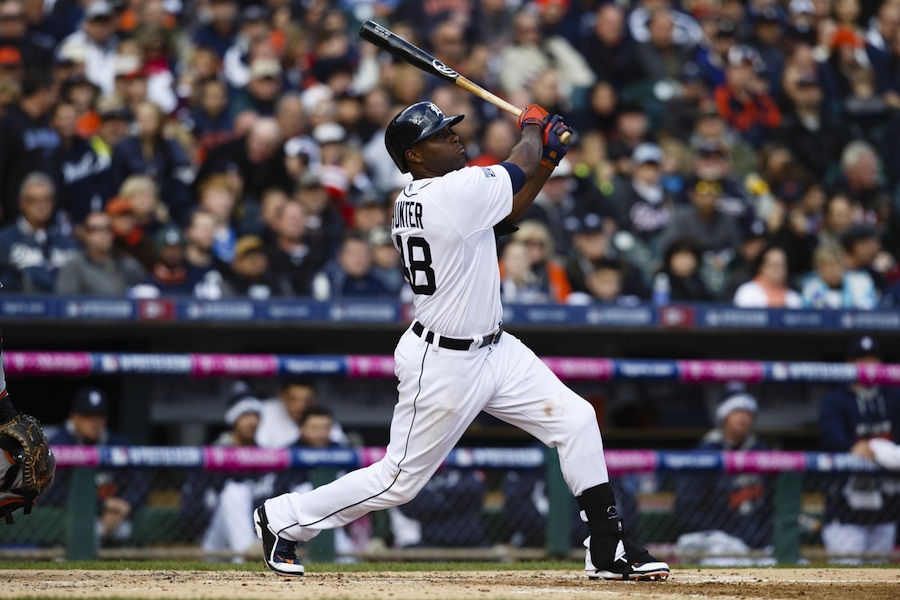 Hunter was a fixture -- THE fixture, really -- in Minnesota's run of AL Central dominance from 2002 through 2006, when they won four division titles in five years. He has continued to produce at a consistently excellent level since leaving in '07. There's no denying that he's had a fantastic career and has taken pristine care of his body. But the No. 1 imperative for the Twins this offseason, if they wanted to meaningfully improve in 2015, was to find ways to prevent more runs. A contact-heavy pitching staff with a league-worst defensive outfield was a recipe for disaster needing to be addressed. In theory, signing a nine-time Gold Glover would appear to do just that, but Hunter is no longer the asset in the field that he once was. Far from it. I don't put a ton of stock into defensive metrics but Hunter ranked as the worst right fielder in the majors this year by both DRS (Defensive Runs Saved) and UZR (Ultimate Zone Rating), so it's probably safe to say he wasn't good. Now, the Twins are evidently going to stick him in right field and move Oswaldo Arcia -- who was already a liability there due to lack of range and bad instincts -- to left, where his weaknesses are magnified by increased action and real estate. The Twins aren't improving their outfield defense. Astonishingly, they are moving in the opposite direction. In order for this signing to benefit them, Hunter would have to make up for that negative impact in other ways. I can't see him doing it offensively. This year he posted a .765 OPS with 17 homers and 33 doubles in 142 games, which is impressive for a 39-year-old but only slightly above average for an American League right fielder. He has remained stunningly effective into his late 30s, but Hunter will turn 40 next July and is at an age where skills can deteriorate quickly. As you may recall, Jim Thome went from being an MVP-caliber hitter at 39 to out of the game at 41. Hunter will still probably bring a decent bat but it's a stretch to expect much more than that. What it comes down to, then, is a word we'll probably hear tossed around a lot in discussion of this signing: mentorship. The Twins have a young club, and Hunter generally has a reputation for being a good guy who brings energy and positivity to the clubhouse. I don't know how to weigh that. It's the same kind of stuff we heard from Ron Gardenhire last year in justification of Bartlett's inexplicably long leash, so I tend to downplay it. This notion that attitude is the difference between a 90-win team and a 60-win team is comically ludicrous. The $10.5 million price tag is high, but that doesn't bother me -- quite to the contrary actually. They had to overpay on a one-year deal to lure their guy away from interested contenders, and for that I commend them. I just feel like the Twins view Hunter as "their guy" for all the wrong reasons. Why do they need to sign a mentor/leader when they just assembled an entirely new coaching staff? Why add a 39-year-old in the twilight of his career when they're rebuilding? How does it aid Arcia's development to be playing out of position for one season before inevitably moving back to right and needing to re-adapt? The Twins may still be stuck with the idea of Hunter as the player he used to be, but he's no longer a guy who hits 25 homers, steals 20 bases and tracks down everything in the outfield. He's an aging and declining version of what he was, much like the last round of reunion tour additions. I can only hope things work out a whole lot better this time, but it certainly doesn't seem like the Twins learned much from that fiasco.
 -
Article: Arbitration: Who Stays, Who Goes?
Nick Nelson replied to Nick Nelson's topic in Twins Daily Front Page News
I dunno. There's certainly a decent argument for keeping Duensing around since you know what you have, but I wouldn't say it's a "given" by any means. Finding lefties who can get same-sided hitters out isn't hard, and Duensing also happens to be completely terrible against righties, which really limits his utility especially at that price. Is there any reason to think Darnell can't do the job at least as well? That's going to be his future role, so might as well let him start settling into it while saving a couple mil. Here are his numbers against lefties in the minors the last two years: 2014 (AAA): .239/.289/.317 2013 (AA/AAA): .220/.289.306 -
Article: Arbitration: Who Stays, Who Goes?
Nick Nelson replied to Nick Nelson's topic in Twins Daily Front Page News
Oliveros is a righty. But I think Darnell could do the job. Held left-handed hitters to a 600 OPS in Triple-A this year.- 59 replies
-
- 1
-
-
- eduardo nunez
- trevor plouffe
- (and 3 more)
-
Article: Arbitration: Who Stays, Who Goes?
Nick Nelson replied to Nick Nelson's topic in Twins Daily Front Page News
http://cjzero.com/gifs/EduardoNunezBattingHelmetTapeStrap.gif- 59 replies
-
- 6
-
-
- eduardo nunez
- trevor plouffe
- (and 3 more)
-
Article: Arbitration: Who Stays, Who Goes?
Nick Nelson posted a topic in Twins Daily Front Page News
It's been a slow offseason thus far, with little Twins-related news outside of coaching hires and procedural roster moves, but an important date falls on Tuesday, which marks the deadline for MLB clubs to offer 2015 contracts to unsigned players. That means that the Twins will need to make decisions on all of their arbitration-eligible players.They already made their call on one of those players, when they announced last week that they had outrighted right-hander Anthony Swarzak from the 40-man roster, effectively making him a free agent. I always felt that Swarzak was somewhat undervalued, because although he was unspectacular, he was pretty solid as a long reliever thanks to his durable arm and his consistent ability to come in and throw strikes for multiple innings. There was nothing glamorous about his role -- he was usually called on to simply soak up innings in an eventual loss following a short start -- but since 2012 Swarzak has ranked second among all MLB relievers in innings pitched, and he has a career 3.66 ERA out of the bullpen. Having said all that, Swarzak's job is not one you want to pay much more than the minimum to cover, and the Twins have plenty of other players that they could utilize or evaluate in that role. Ultimately, the team decided to go in a new direction. Might they make the same choice with some of their other arbitration-eligible players? Let's go through them on a case-by-case basis (contract estimates from the Offseason Handbook): Trevor Plouffe, 3B Estimated Salary: $5M That estimate might be a little on the high side (MLB Trade Rumors predicted $4.3 million) but Plouffe will be in line for a hefty raise in his second go at arbitration. This year he made $2.35 million and set career highs in several categories, including plate appearances, doubles, RBI and OPS+. Retaining him is a no-brainer, though I think it's best to stay year-to-year with him for now rather than looking at a long-term extension. Stay or Go: Stay Brian Duensing, LHP Estimated Salary: $3.5M This is Duensing's third turn at arbitration. Last year he got a $700K raise up to $2 million and this time he'll probably be in line for a larger increase, since he posted an improved ERA and WHIP with a similar workload. The lefty-stifling Duensing is what he is at this point: very adequate in a role that is not hard to fill for less $3 million. Since the money isn't that big of a deal, what it really comes down to is whether the Twins have another lefty reliever they trust outside of Caleb Thielbar. I'd guess they can find one. Stay or Go: Go Tommy Milone, LHP Estimated Salary: $2.5M This might be the trickiest arbitration decision the Twins face. On the one hand, here's an established big-league starter who's only 27 with a 3.98 career ERA. On the other hand, he's never been anything special, and he was terrible after coming to Minnesota, and you could argue that the Twins have at least six guys who should be in line for starts ahead of him. I think he's tendered, but hopefully his elevated pay doesn't influence whether or not he makes the roster next spring. Stay or Go: Stay Casey Fien, RHP Estimated Salary: $2M Though he wasn't quite as good in 2014 as he was in his breakout 2013 season, Fien was plenty valuable as a late-inning reliever. With Jared Burton and Swarzak gone, he's suddenly the most experienced righty in the bullpen. He'll be back. Stay or Go: Stay Jordan Schafer, OF Estimated Salary: $1.6M When he was acquired off waivers in August after being cut by the Braves with a .468 OPS, I figured Schafer's chances of sticking with the Twins for any significant length of time were low. But, in an admittedly short 40-game stretch, the 27-year-old played some of the best ball of his big-league career here in Minnesota, looking every bit the part of at least a quality fourth outfielder. Even if you don't expect him to keep up at that rate (and you shouldn't), he's young and he's got all the requisite skills to be worth keeping around, especially with the Twins' outlook in the outfield clouded by delayed prospect arrivals. Stay or Go: Stay Eduardo Nunez, IF/OF Estimated Salary: $1M This should be an easy decision. Although he offered some positional flexibility after coming over in a trade from the Yankees, appearing all over the field, Nunez was quite bad both offensively and defensively. His job should go to an internal candidate with some upside, or a new pickup who brings more to the table. Stay or Go: Go Click here to view the article- 59 replies
-
- 2
-
-
- eduardo nunez
- trevor plouffe
- (and 3 more)
-
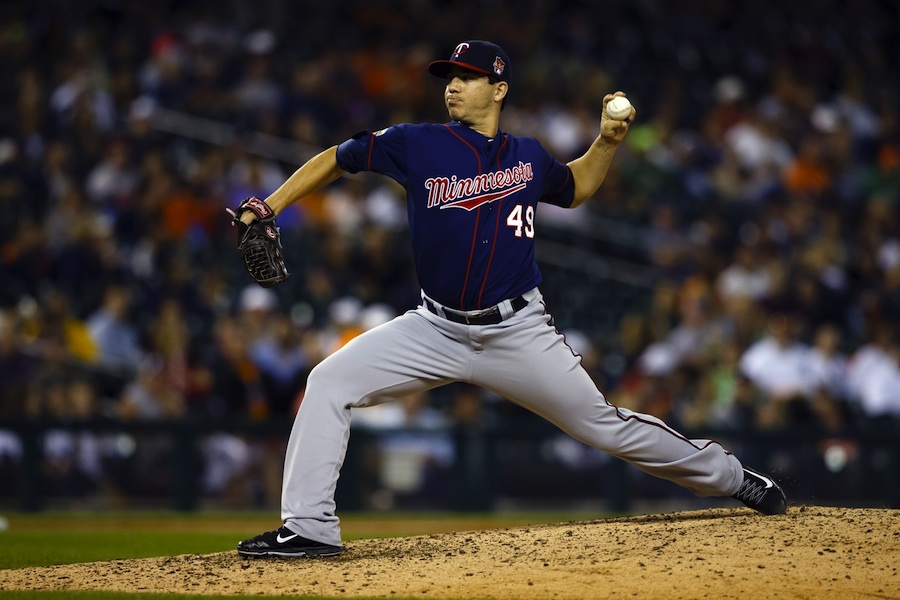 They already made their call on one of those players, when they announced last week that they had outrighted right-hander Anthony Swarzak from the 40-man roster, effectively making him a free agent. I always felt that Swarzak was somewhat undervalued, because although he was unspectacular, he was pretty solid as a long reliever thanks to his durable arm and his consistent ability to come in and throw strikes for multiple innings. There was nothing glamorous about his role -- he was usually called on to simply soak up innings in an eventual loss following a short start -- but since 2012 Swarzak has ranked second among all MLB relievers in innings pitched, and he has a career 3.66 ERA out of the bullpen. Having said all that, Swarzak's job is not one you want to pay much more than the minimum to cover, and the Twins have plenty of other players that they could utilize or evaluate in that role. Ultimately, the team decided to go in a new direction. Might they make the same choice with some of their other arbitration-eligible players? Let's go through them on a case-by-case basis (contract estimates from the Offseason Handbook): Trevor Plouffe, 3B Estimated Salary: $5M That estimate might be a little on the high side (MLB Trade Rumors predicted $4.3 million) but Plouffe will be in line for a hefty raise in his second go at arbitration. This year he made $2.35 million and set career highs in several categories, including plate appearances, doubles, RBI and OPS+. Retaining him is a no-brainer, though I think it's best to stay year-to-year with him for now rather than looking at a long-term extension. Stay or Go: Stay Brian Duensing, LHP Estimated Salary: $3.5M This is Duensing's third turn at arbitration. Last year he got a $700K raise up to $2 million and this time he'll probably be in line for a larger increase, since he posted an improved ERA and WHIP with a similar workload. The lefty-stifling Duensing is what he is at this point: very adequate in a role that is not hard to fill for less $3 million. Since the money isn't that big of a deal, what it really comes down to is whether the Twins have another lefty reliever they trust outside of Caleb Thielbar. I'd guess they can find one. Stay or Go: Go Tommy Milone, LHP Estimated Salary: $2.5M This might be the trickiest arbitration decision the Twins face. On the one hand, here's an established big-league starter who's only 27 with a 3.98 career ERA. On the other hand, he's never been anything special, and he was terrible after coming to Minnesota, and you could argue that the Twins have at least six guys who should be in line for starts ahead of him. I think he's tendered, but hopefully his elevated pay doesn't influence whether or not he makes the roster next spring. Stay or Go: Stay Casey Fien, RHP Estimated Salary: $2M Though he wasn't quite as good in 2014 as he was in his breakout 2013 season, Fien was plenty valuable as a late-inning reliever. With Jared Burton and Swarzak gone, he's suddenly the most experienced righty in the bullpen. He'll be back. Stay or Go: Stay Jordan Schafer, OF Estimated Salary: $1.6M When he was acquired off waivers in August after being cut by the Braves with a .468 OPS, I figured Schafer's chances of sticking with the Twins for any significant length of time were low. But, in an admittedly short 40-game stretch, the 27-year-old played some of the best ball of his big-league career here in Minnesota, looking every bit the part of at least a quality fourth outfielder. Even if you don't expect him to keep up at that rate (and you shouldn't), he's young and he's got all the requisite skills to be worth keeping around, especially with the Twins' outlook in the outfield clouded by delayed prospect arrivals. Stay or Go: Stay Eduardo Nunez, IF/OF Estimated Salary: $1M This should be an easy decision. Although he offered some positional flexibility after coming over in a trade from the Yankees, appearing all over the field, Nunez was quite bad both offensively and defensively. His job should go to an internal candidate with some upside, or a new pickup who brings more to the table. Stay or Go: Go
