



Nick Nelson
-
Posts
8,372 -
Joined
-
Last visited
-
Days Won
56
Content Type
Profiles
Minnesota Twins News, Rumors & Analysis
Minnesota Twins Videos
2026 Minnesota Twins Top Prospect Rankings
2022 Minnesota Twins Draft Picks & Signing Bonuses
Minnesota Twins Trade & Free Agent Rumors
Minnesota Twins Fan Guides & Resources
2023 Minnesota Twins Draft Picks & Signing Bonuses
The Minnesota Twins Players Project
2024 Minnesota Twins Draft Picks & Signing Bonuses
2025 Minnesota Twins Draft Picks & Signing Bonuses
2026 Minnesota Twins Draft Picks & Signing Bonuses
Forums
Blogs
Events
Store
Downloads
Gallery
Everything posted by Nick Nelson
-
With the Twins likely to bring aboard Korean slugger Byung-ho Park, some fans have been wondering just what that would mean for Kennys Vargas, who is one of the incumbent options in the DH role that Park is expected to fill. According to Mike Berardino of the Pioneer Press, Vargas could end up switching places with Park and heading to the Far East. Berardino states that the 25-year-old "has drawn interest from at least one professional team in Asia," adding that the interest is mutual: http://www.twincities.com/twins/ci_29125032/twins-kennys-vargas-drawing-interest-from-korea-japan Given his raw hitting ability, the immensely powerful Vargas could undoubtedly find more chances in the major leagues, even if they're not with the Twins, but he might embrace the chance to play a couple seasons across the globe. In Berardino's article, a Twins official notes that Vargas could make a lot of money overseas thanks to his big personality and spectacular home run distances, and by putting up monster numbers in the Korean or Japanese league (which I'm quite confident he would), Vargas might pump some life into his market here stateside. In such a scenario, the Twins would earn some money for selling Vargas' rights, helping offset the cost of bringing Park aboard, for what that's worth. What do you think? Would this be a good move for the Twins, and/or for Vargas?
-
 The Twins emerged from the darkness this year, breaking a string of four straight 90-loss seasons by adding 13 wins to their 2014 total. Many good things happened to make this possible. Here are five worth focusing on. Image courtesy of Jesse Johnson, USA Today The Twins emerged from the darkness this year, breaking a string of four straight 90-loss seasons by adding 13 wins to their 2014 total. Many good things happened to make this possible. Here are five worth focusing on. 1. Miguel Sano showed MVP-caliber hitting ability. We knew Sano, a top prospect and big performer in the minors, was going to be an impact player in the lineup. It was hard to anticipate him being quite this good, this fast. Sano played 80 games for the Twins this year – about half a season's worth. If you double his production, you get 36 home runs, 34 doubles, 104 RBI and 106 walks. Among players that logged 300 or more plate appearances in the majors, his OPS (.936) ranked 11th and his walk rate (15.6 percent) ranked sixth. He did all this as a 22-year-old coming off an entire missed season and getting his first taste of the majors. Sano will enter the 2016 campaign as a 23-year-old with a bit of experience under his belt, and as the unquestioned cornerstone of the Minnesota lineup. He'll be a popular preseason MVP sleeper among analysts, regardless of what position he's playing. 2. Eduardo Escobar locked up the shortstop position. Shortstop has been a constant problem area for the Twins for many years. Over the last decade they have had nine different Opening Day starters at the position, and with few exceptions, all have been bad. That's why Escobar's strong season was such a revelation for the franchise. If there were questions about the legitimacy of his breakthrough offensive performance in 2014 (.721 OPS and 35 doubles in 133 games), he did plenty to silence them with an even better 2015. After taking over shortstop from Danny Santana for good at the end of July, Escobar hit .278/.337/.505 with eight homers in 56 games. He did that while providing a steady and reliable glove at shortstop, committing only four errors there on the season (compared to 16 for Santana). Since the start of 2014. Escobar has piled up 90 extra-base hits in 260 games. His power is a rare commodity at shortstop, where the average AL player slugged .380 this year, lowest of any position. His .445 slugging percentage on the season would have ranked second among MLB shortstops, ahead of Troy Tulowitzki. Escobar turns 27 in January. 3. Jose Berrios maintained his luster at the highest levels. In 2014, Berrios had a monster season that saw him climb from Single-A to Triple-A, while also climbing prospect lists and establishing himself as a clear cut top-tier talent in the minors. His 2015 season was better by leaps and bounds. The right-hander basically replicated his production from a year ago, but did so while spending the entire season in Double-A and Triple-A. Despite being one of the youngest players to throw a pitch in the International League, he dominated it as he has every other, posting a 2.62 ERA and 0.96 WHIP with a phenomenal 83-to-14 K/BB ratio in 75 innings. The huge season was rendered all the more crucial by Alex Meyer's unraveling. Berrios now stands as the lone pitching prospect in Minnesota's high minors with true top-of-the-rotation potential. Fortunately, he's a hell of a prospect. He's the best young arm the Twins have brought along since Francisco Liriano, and he seems capable of making a similar impact based on his demolishment of opponents at every level. 4. Trevor May excelled in two different roles. Following his disastrous seven-walk MLB debut in Oakland, May posted an excellent 44-to-13 K/BB ratio in his final nine appearances last season. Though his 7.42 ERA didn't show it, he was on the right track. This year, May took a big step forward, with the results backing up the rock-solid peripherals. He showed steady improvement as a starter through the first half, and was just hitting his stride in June before being sent to the bullpen as victim of a numbers crunch. There, May showed the makings of a lock-down reliever. He gives the Twins a dynamic weapon on the pitching staff, and one they sorely needed. He looks like a solid mid-rotation starter with potential to be more, or else a dominating late-inning reliever. He's young and will be cheap for many years. Major asset. 5. Eddie Rosario's exceptional athleticism paid big dividends. I'll admit to being a little skeptical of Rosario due to his production drop-off in the high minors and his questionable plate discipline. The latter was on display during his rookie year but it didn't seem to matter a whole lot. Rosario displayed stunning power for his smallish frame, racking up 46 extra-base hits – including a league-leading 15 triples – after being called up in early May. While his approach at the plate was anything but patient, his quick wrists and coordination enabled him to make hard contact with tough pitches. With his speed and strength, if he starts to get a better handle on the strike zone he has All-Star upside, especially since he's a fantastic defender in the outfield corners. These five players, all under the age of 28, present five reasons that Twins fans should feel very good about the team's future. View full article
- 23 replies
-
- 2
-

-
- miguel sano
- eddie rosario
- (and 3 more)
-
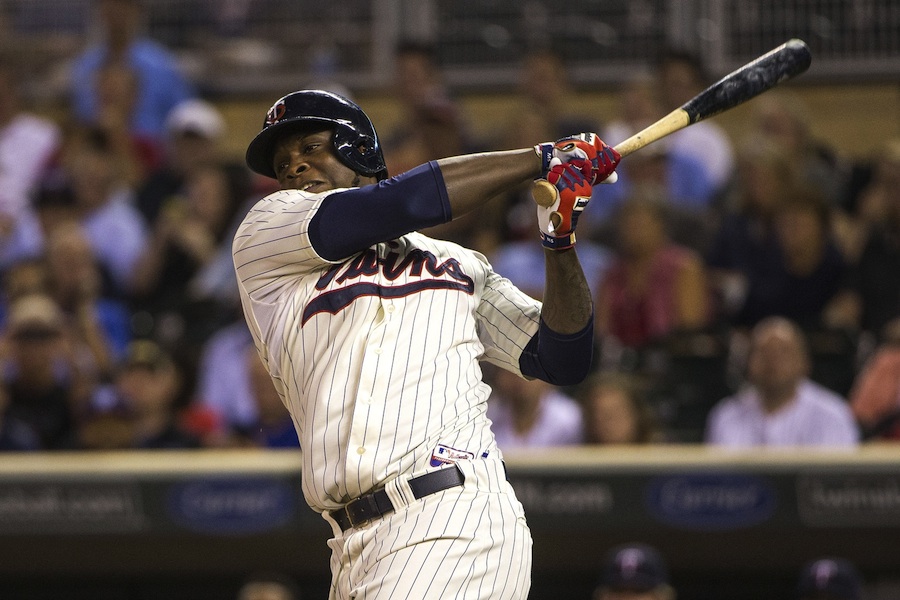 1. Miguel Sano showed MVP-caliber hitting ability. We knew Sano, a top prospect and big performer in the minors, was going to be an impact player in the lineup. It was hard to anticipate him being quite this good, this fast. Sano played 80 games for the Twins this year – about half a season's worth. If you double his production, you get 36 home runs, 34 doubles, 104 RBI and 106 walks. Among players that logged 300 or more plate appearances in the majors, his OPS (.936) ranked 11th and his walk rate (15.6 percent) ranked sixth. He did all this as a 22-year-old coming off an entire missed season and getting his first taste of the majors. Sano will enter the 2016 campaign as a 23-year-old with a bit of experience under his belt, and as the unquestioned cornerstone of the Minnesota lineup. He'll be a popular preseason MVP sleeper among analysts, regardless of what position he's playing. 2. Eduardo Escobar locked up the shortstop position. Shortstop has been a constant problem area for the Twins for many years. Over the last decade they have had nine different Opening Day starters at the position, and with few exceptions, all have been bad. That's why Escobar's strong season was such a revelation for the franchise. If there were questions about the legitimacy of his breakthrough offensive performance in 2014 (.721 OPS and 35 doubles in 133 games), he did plenty to silence them with an even better 2015. After taking over shortstop from Danny Santana for good at the end of July, Escobar hit .278/.337/.505 with eight homers in 56 games. He did that while providing a steady and reliable glove at shortstop, committing only four errors there on the season (compared to 16 for Santana). Since the start of 2014. Escobar has piled up 90 extra-base hits in 260 games. His power is a rare commodity at shortstop, where the average AL player slugged .380 this year, lowest of any position. His .445 slugging percentage on the season would have ranked second among MLB shortstops, ahead of Troy Tulowitzki. Escobar turns 27 in January. 3. Jose Berrios maintained his luster at the highest levels. In 2014, Berrios had a monster season that saw him climb from Single-A to Triple-A, while also climbing prospect lists and establishing himself as a clear cut top-tier talent in the minors. His 2015 season was better by leaps and bounds. The right-hander basically replicated his production from a year ago, but did so while spending the entire season in Double-A and Triple-A. Despite being one of the youngest players to throw a pitch in the International League, he dominated it as he has every other, posting a 2.62 ERA and 0.96 WHIP with a phenomenal 83-to-14 K/BB ratio in 75 innings. The huge season was rendered all the more crucial by Alex Meyer's unraveling. Berrios now stands as the lone pitching prospect in Minnesota's high minors with true top-of-the-rotation potential. Fortunately, he's a hell of a prospect. He's the best young arm the Twins have brought along since Francisco Liriano, and he seems capable of making a similar impact based on his demolishment of opponents at every level. 4. Trevor May excelled in two different roles. Following his disastrous seven-walk MLB debut in Oakland, May posted an excellent 44-to-13 K/BB ratio in his final nine appearances last season. Though his 7.42 ERA didn't show it, he was on the right track. This year, May took a big step forward, with the results backing up the rock-solid peripherals. He showed steady improvement as a starter through the first half, and was just hitting his stride in June before being sent to the bullpen as victim of a numbers crunch. There, May showed the makings of a lock-down reliever. He gives the Twins a dynamic weapon on the pitching staff, and one they sorely needed. He looks like a solid mid-rotation starter with potential to be more, or else a dominating late-inning reliever. He's young and will be cheap for many years. Major asset. 5. Eddie Rosario's exceptional athleticism paid big dividends. I'll admit to being a little skeptical of Rosario due to his production drop-off in the high minors and his questionable plate discipline. The latter was on display during his rookie year but it didn't seem to matter a whole lot. Rosario displayed stunning power for his smallish frame, racking up 46 extra-base hits – including a league-leading 15 triples – after being called up in early May. While his approach at the plate was anything but patient, his quick wrists and coordination enabled him to make hard contact with tough pitches. With his speed and strength, if he starts to get a better handle on the strike zone he has All-Star upside, especially since he's a fantastic defender in the outfield corners. These five players, all under the age of 28, present five reasons that Twins fans should feel very good about the team's future.
-
Did The Twins Give Up On Hicks Too Soon?
Nick Nelson replied to Nick Nelson's topic in Twins Daily Front Page News
This is what I was getting at with the title. I'm not saying they gave him away for nothing, I'm saying that even if they didn't plan on keeping him long-term, they could've kept him another year hoping for a real breakout and -- in that event -- gotten much more value back next offseason (or even at the deadline). If Hicks truly does figure things out and become an offensive force in CF, with his defensive abilities, he's a heck of a nice asset. -
Did The Twins Give Up On Hicks Too Soon?
Nick Nelson replied to Nick Nelson's topic in Twins Daily Front Page News
Corner OF is one of the few places on the field where you can get away with sacrificing defense for offense without being hurt by it too much. Pretty much that simple. -
On Wednesday, the Twins traded away a 26-year-old former first round pick coming off a season in which he appeared to turn a corner in the majors. Understandably, this has caused some to wonder whether the team is letting Aaron Hicks get away at the wrong time. Image courtesy of Bruce Kluckhorn, USA Today On Wednesday, the Twins traded away a 26-year-old former first round pick coming off a season in which he appeared to turn a corner in the majors. Understandably, this has caused some to wonder whether the team is letting Aaron Hicks get away at the wrong time. In terms of upside, there's really no comparing Hicks and the player that Minnesota received back in the deal, John Ryan Murphy. In one corner you have a player with All Star potential; Hicks has all the tools necessary to be one of the league's better center fielders, boasting excellent defense and speed with a hint of power and solid plate approach. Murphy's realistic ceiling is average big-league catcher. But when it comes to the likelihood of reaching those levels, Murphy is the far safer bet. In fact, he was basically already there this year at age 24, albeit in a fairly small sample size as part-time backup for New York. Hicks has teased and tantalized with his talent, and it appeared in the middle of the summer that he might finally be breaking through, but he fell back into a slump over the final two months. And for all the overall progress that he did show, he was still lousy as ever swinging from the left side, batting just .206 with a .596 OPS versus righties. When you're an offensive liability against two-thirds of the league's pitchers, that's a problem. At this point, Hicks looks like a guy who simply won't hit enough to stick in a corner outfield spot, and center is spoken for here in Minnesota. If Byron Buxton isn't manning the position on Opening Day, he will be by year's end. Hicks is out of options next year meaning the Twins would have needed to roster him, and with so many other outfielders in the corner mix -- Eddie Rosario, Oswaldo Arcia, Max Kepler and now evidently Miguel Sano -- that obligation could have caused some issues next spring. Still young and undoubtedly skilled, Hicks has a chance to become a nice player. I'm not sure he would've had much of an opportunity anymore with the Twins, where he may have very well ended up being a fourth outfielder or part-time starter in 2016. In New York, where the outfield situation is in flux and openings are available, his window is more open both short-term and long-term. Plus, the favorable dimensions at Yankee Stadium should play up his moderate power and he'll face less pressure to produce in a stronger overall lineup. This is a good move for Hicks. Similarly, it's a good move for Murphy. The 24-year-old catcher was hopelessly blocked in New York -- now by veteran Brian McCann, who's signed through 2018, and down the road by 22-year-old Gary Sanchez, who is viewed as one of the game's better young upcoming backstops. In Minnesota, Murphy will have every opportunity to lock down a starting role, should he be up to the task. While his numbers might not pop out, I'm not sure his odds of becoming a serviceable starter are much lower than those of Hicks. Here's a good way to look at the situation: In the minors, Hicks put up an .808 OPS in 605 games while Murphy put up a .733 OPS in 451 games. This year in the majors, 10 catchers made 300 or more plate appearances and posted an OPS of .733 or above. Twenty-two corner outfielders made 300 or more plate appearances with an OPS of .808 or above. Murphy is the rarer commodity, especially when viewed through the lens of a Twins organization that was deep on OF talent and absurdly low on catching depth. Obviously we don't know what's going to happen going forward, but right now I view this as the Twins choosing Arcia over Hicks. At least one was bound to be gone by the end (or maybe even the beginning) of next season based on the outfield numbers crunch and the options situations. Hicks is coming off the better year and got a better return, whereas I still believe that Arcia offers more promise as a corner outfielder. So I like the decision. Hicks might yet turn into a heck of a player, but it's tough to see how it was going to happen here. Murphy is a welcome addition and bolsters the organization's catching depth immensely, even if he never develops into a quality regular. What do you think? Will trading Hicks come back to haunt Terry Ryan and the Twins? View full article
-
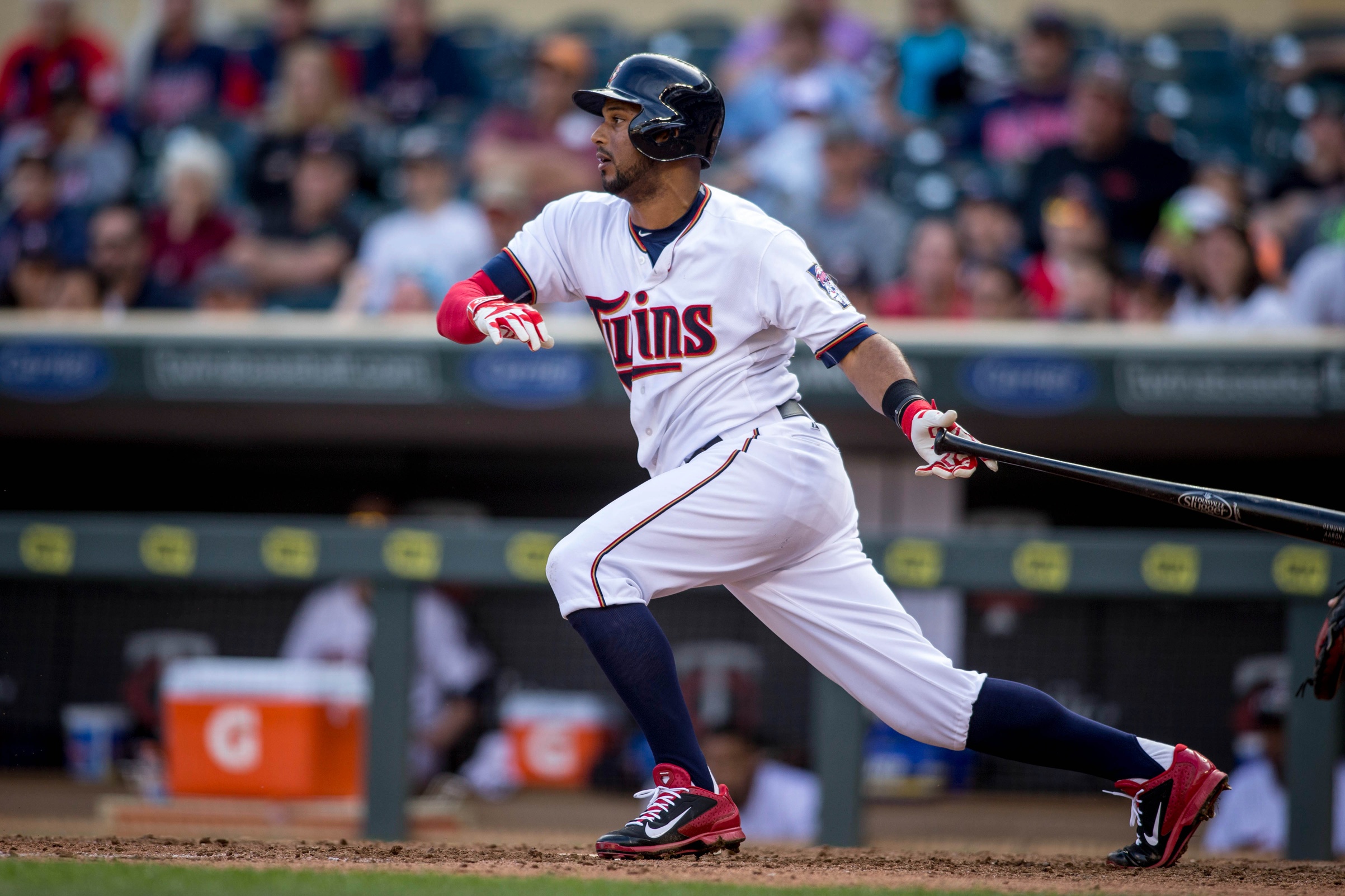 In terms of upside, there's really no comparing Hicks and the player that Minnesota received back in the deal, John Ryan Murphy. In one corner you have a player with All Star potential; Hicks has all the tools necessary to be one of the league's better center fielders, boasting excellent defense and speed with a hint of power and solid plate approach. Murphy's realistic ceiling is average big-league catcher. But when it comes to the likelihood of reaching those levels, Murphy is the far safer bet. In fact, he was basically already there this year at age 24, albeit in a fairly small sample size as part-time backup for New York. Hicks has teased and tantalized with his talent, and it appeared in the middle of the summer that he might finally be breaking through, but he fell back into a slump over the final two months. And for all the overall progress that he did show, he was still lousy as ever swinging from the left side, batting just .206 with a .596 OPS versus righties. When you're an offensive liability against two-thirds of the league's pitchers, that's a problem. At this point, Hicks looks like a guy who simply won't hit enough to stick in a corner outfield spot, and center is spoken for here in Minnesota. If Byron Buxton isn't manning the position on Opening Day, he will be by year's end. Hicks is out of options next year meaning the Twins would have needed to roster him, and with so many other outfielders in the corner mix -- Eddie Rosario, Oswaldo Arcia, Max Kepler and now evidently Miguel Sano -- that obligation could have caused some issues next spring. Still young and undoubtedly skilled, Hicks has a chance to become a nice player. I'm not sure he would've had much of an opportunity anymore with the Twins, where he may have very well ended up being a fourth outfielder or part-time starter in 2016. In New York, where the outfield situation is in flux and openings are available, his window is more open both short-term and long-term. Plus, the favorable dimensions at Yankee Stadium should play up his moderate power and he'll face less pressure to produce in a stronger overall lineup. This is a good move for Hicks. Similarly, it's a good move for Murphy. The 24-year-old catcher was hopelessly blocked in New York -- now by veteran Brian McCann, who's signed through 2018, and down the road by 22-year-old Gary Sanchez, who is viewed as one of the game's better young upcoming backstops. In Minnesota, Murphy will have every opportunity to lock down a starting role, should he be up to the task. While his numbers might not pop out, I'm not sure his odds of becoming a serviceable starter are much lower than those of Hicks. Here's a good way to look at the situation: In the minors, Hicks put up an .808 OPS in 605 games while Murphy put up a .733 OPS in 451 games. This year in the majors, 10 catchers made 300 or more plate appearances and posted an OPS of .733 or above. Twenty-two corner outfielders made 300 or more plate appearances with an OPS of .808 or above. Murphy is the rarer commodity, especially when viewed through the lens of a Twins organization that was deep on OF talent and absurdly low on catching depth. Obviously we don't know what's going to happen going forward, but right now I view this as the Twins choosing Arcia over Hicks. At least one was bound to be gone by the end (or maybe even the beginning) of next season based on the outfield numbers crunch and the options situations. Hicks is coming off the better year and got a better return, whereas I still believe that Arcia offers more promise as a corner outfielder. So I like the decision. Hicks might yet turn into a heck of a player, but it's tough to see how it was going to happen here. Murphy is a welcome addition and bolsters the organization's catching depth immensely, even if he never develops into a quality regular. What do you think? Will trading Hicks come back to haunt Terry Ryan and the Twins?
-
What do we know about John Ryan Murphy?
Nick Nelson replied to stringer bell's topic in Minnesota Twins Talk
My sense is that Murphy is average in all regards. Average defender and likely to put up something close to the MLB average .240/.303/.379 line for a catcher. Getting back an average player, with some room to grow, at a very thin position (particularly in this organization) is a plus and probably not unreasonable for a guy like Hicks, who has proven very little at the MLB level in three seasons. -
This was impressive. Nicely done.
-
In a stunning move, the Minnesota Twins announced today that they have traded outfielder Aaron Hicks to the New York Yankees in exchange for catcher John Ryan Murphy. The move comes one day after the Twins trimmed down their catching depth by dealing Chris Herrmann to Arizona. Image courtesy of Brad Rempel, USA Today In a stunning move, the Minnesota Twins announced today that they have traded outfielder Aaron Hicks to the New York Yankees in exchange for catcher John Ryan Murphy. The move comes one day after the Twins trimmed down their catching depth by dealing Chris Herrmann to Arizona. Hicks, a 26-year-old former first-round draft pick, enjoyed a breakout season of sorts in 2015, hitting .256/.323/.398 with 11 home runs in 97 games for Minnesota after struggling mightily in 2013 and 2014. Murphy, a 24-year-old former second-round pick, has served as a backup catcher in New York for parts of the last three seasons and hit .277/.327/.406 this year with three homers and 14 RBI in 67 games. He threw out eight base runners on 29 steal attempts (28 percent). The righty-swinging Murphy is a career .277/.311/.374 hitter in the minors. The trade has wide-reaching implications for both teams. The Yankees now seem less likely to bring back free agent outfielder Chris Young, and the acquisition of Hicks might increase the likelihood of a rumored Brett Gardner trade. For the Twins, trading Hicks helps clear out a logjam in the outfield and opens the door for Miguel Sano to potentially take over a corner spot with Korean import Byung-ho Park entering the fold as DH. Murphy will likely share time with Kurt Suzuki behind the plate in 2016 and could hypothetically be a long-term solution at catcher, although his track record doesn't necessarily suggest he'll hit enough to be an impact starter at the position. You may remember Murphy as the guy who sunk the Twins with a three-run homer off Glen Perkins at Target Field in July. https://www.youtube.com/watch?v=OBIKjhVcmzQ What do you think? Did the Terry Ryan sell low on the talented Hicks? View full article
-
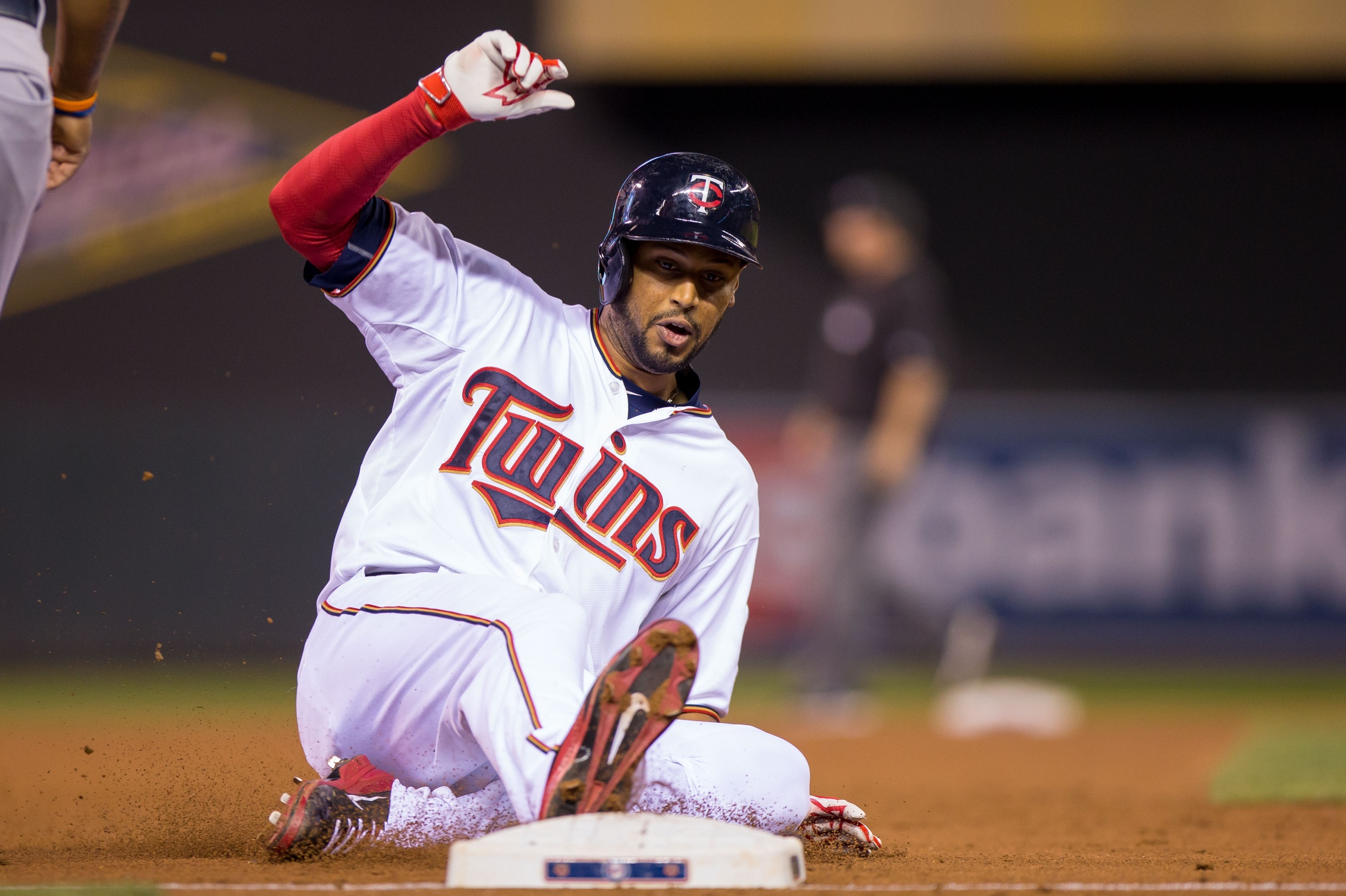 Hicks, a 26-year-old former first-round draft pick, enjoyed a breakout season of sorts in 2015, hitting .256/.323/.398 with 11 home runs in 97 games for Minnesota after struggling mightily in 2013 and 2014. Murphy, a 24-year-old former second-round pick, has served as a backup catcher in New York for parts of the last three seasons and hit .277/.327/.406 this year with three homers and 14 RBI in 67 games. He threw out eight base runners on 29 steal attempts (28 percent). The righty-swinging Murphy is a career .277/.311/.374 hitter in the minors. The trade has wide-reaching implications for both teams. The Yankees now seem less likely to bring back free agent outfielder Chris Young, and the acquisition of Hicks might increase the likelihood of a rumored Brett Gardner trade. For the Twins, trading Hicks helps clear out a logjam in the outfield and opens the door for Miguel Sano to potentially take over a corner spot with Korean import Byung-ho Park entering the fold as DH. Murphy will likely share time with Kurt Suzuki behind the plate in 2016 and could hypothetically be a long-term solution at catcher, although his track record doesn't necessarily suggest he'll hit enough to be an impact starter at the position. You may remember Murphy as the guy who sunk the Twins with a three-run homer off Glen Perkins at Target Field in July. https://www.youtube.com/watch?v=OBIKjhVcmzQ What do you think? Did the Terry Ryan sell low on the talented Hicks?
-
Stop Comparing Park To Nishioka
Nick Nelson replied to Nick Nelson's topic in Twins Daily Front Page News
I dunno. Maybe this piece fell flat because the headline was too strong. The purpose here is not to lecture anyone (I know most people here would not make the comparison), but to clearly define the vastly different situations between this signing and the infamous one that took place five years ago, and also to point out that if we do want to make contextual comparisons, there are better examples out there. Also, this has been noted above but I'll add: I have seen the scouting report that the Twins received on Nishioka. It was not glowing by any means. That move was simply a colossal failure in team-building and -- combined with the decision to give Hardy away -- the worst moment in Bill Smith's tenure. -
Stop Comparing Park To Nishioka
Nick Nelson replied to Nick Nelson's topic in Twins Daily Front Page News
The people who comment and participate here regularly make up a small portion of the readership. You do understand that, right? Thanks for your valuable contributions to the conversation though! I understand that this is exactly why the comparison is being made. And it's silly. Which is why this article was written. Also, "media-hyped"? How? These are major moves, not sure the media deserves blame for giving them substantial coverage. -
Stop Comparing Park To Nishioka
Nick Nelson replied to Nick Nelson's topic in Twins Daily Front Page News
I don't think the community here is an accurate barometer of Twins fandom at large (which is why I love this place). If you were on Twitter, or even having conversations in person with casual Twins followers about Park, you'd be hearing Nishioka's name coming up plenty. Uh... Kepler is an outfielder. I strongly doubt Sano will actually go to the OF, and if he does it'll be a short-term thing. This move doesn't really affect Kepler's timeline. The other two actually are marginal and I'm not terribly worried about blocking them. -
It was five years ago this month that the Twins were announced as top bidders for Tsuyoshi Nishioka, paving the way for what would pan out as one of the worst high-profile moves in recent franchise history. With Monday's news that the club has won negotiating rights to Byung-ho Park, some local fans are having flashbacks. It was five years ago this month that the Twins were announced as top bidders for Tsuyoshi Nishioka, paving the way for what would pan out as one of the worst high-profile moves in recent franchise history. With Monday's news that the club has won negotiating rights to Byung-ho Park, some local fans are having flashbacks. To some extent, the comparisons are understandable. The two players do have a number of things in common. For instance: 1) They hail from the same general area of the planet. Well, actually, that's about it. Park is a sturdy 230 pound power-hitting first baseman from South Korea. Nishioka was a speedy 175 pound slap-hitting middle infielder from Japan. Park has spent his career playing in the Korea Baseball Organization (KBO). Nishioka played in Nippon Professional Baseball (NPB). They're completely different leagues, so their statistics are apples and oranges. They can't really be stacked against one another. And even if you wanted to, a quick glance shows that the two players have demonstrated radically different profiles while playing on the other side of the world. Park is a career .281/.387/.564 hitter in KBO and he has smashed 105 home runs while driving in 270 runs over the past two seasons. Nishioka was a career .293/.364/.426 hitter in NPB who was coming off a BABIP-fueled batting title when the Twins acquired him. He had never hit 15 home runs in a season and outside of the big year that preceded his arrival in the United States, he hadn't really been a dominant offensive player in his league. Park's numbers are the very definition of dominant. There's no guarantee that signing Park will work out better than signing Nishioka did, but if he fails it won't be for the same reasons. Nishioka was inadequate defensively and simply could not hit the ball with any kind of authority. Park likely won't play the field much and hitting the ball with authority has been his specialty. His ability to control the strike zone and handle MLB velocity may be in question, but his raw power is not. If there's any takeaway to be drawn from juxtaposing this duo, it would be a positive in my mind. The Twins were burnt badly by the Nishioka signing so you'd like to think they learned some lessons from that entire fiasco. It's hard to imagine that this historically frugal organization would put up $13 million just for the right to negotiate with Park unless they were convinced he was capable of making the transition to the major leagues in a way that Nishioka could not. It also bears noting that Terry Ryan is running the show now rather than Bill Smith. To me, that weighs heavily. If we want to make meaningful comparisons in an effort to predict how things might go for Park, we need to look at players who came from the same league. Unfortunately, the list of position players who have been posted from KBO and signed with an MLB team looks like this: Jung Ho Kang. That's it. The infielder signed last offseason with the Pirates, who posted $5 million and then inked him to a four-year, $11 million contract. Kang went on to hit .287/.355/.461 with 15 homers in 126 games and was in the NL Rookie of the Year conversation before going down with a season-ending injury in September. Obviously, that bodes well. There have been a few other South Korean position players in the majors – Shin-Soo Choo, Rob Refsnyder, Hee-Seop Choi – but all signed in the majors at a young age before playing in KBO. That last name, though, is an interesting one to look at, and not just because Twins fans might not-so-fondly remember him as the guy who took Brad Radke deep three times in a game back in 2005. Choi was somewhat similar to Park in that he was a big slugging first baseman. Although he didn't play in KBO before coming to the majors, he headed there at age 27 after putting up a .240/.349/.437 line with 40 homers in 363 MLB games. Since returning to his home league, Choi has hit .281/.388/.479 in eight seasons. Altogether that's not too much different from his production here, and for what it's worth Choi's strikeout rate in MLB (24 percent) was not all that much higher than it has been in KBO (20 percent). If Park were to lose only 40 points on his OBP and SLG from Korea while adding only four percentage points to his K-rate, he's going to be a hell of a player in the majors. But of course, his outcome won't be dictated by what happened with Choi, and certainly not by what happened with Nishioka. Park is his own player, with his own set of challenges, and he will forge his own path. Personally, I'm optimistic about where that path will lead. The Korean market is a relatively young and undeveloped one for Major League Baseball. Terry Ryan and the Twins might be striking at just the right time. Now let's see if they can get him signed. View full article
-
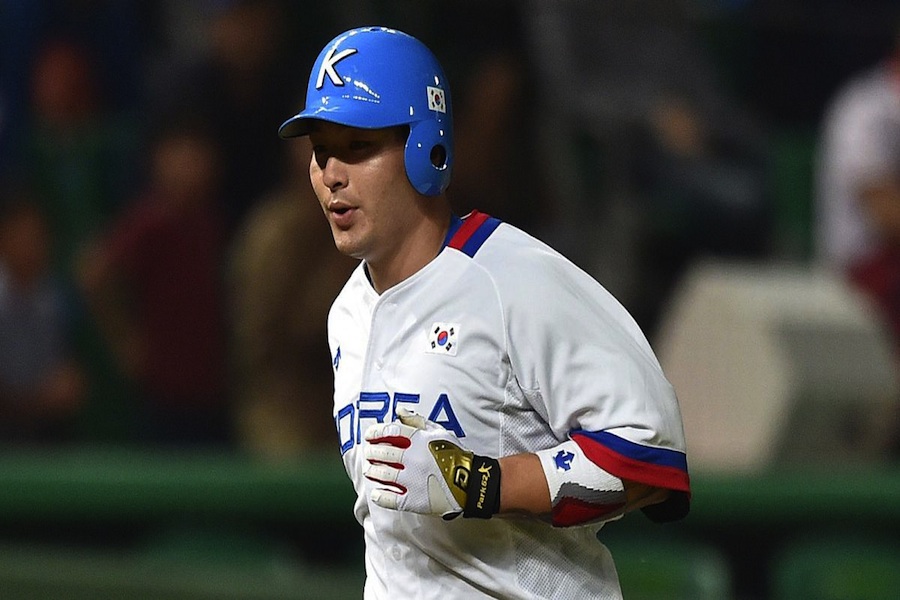 To some extent, the comparisons are understandable. The two players do have a number of things in common. For instance: 1) They hail from the same general area of the planet. Well, actually, that's about it. Park is a sturdy 230 pound power-hitting first baseman from South Korea. Nishioka was a speedy 175 pound slap-hitting middle infielder from Japan. Park has spent his career playing in the Korea Baseball Organization (KBO). Nishioka played in Nippon Professional Baseball (NPB). They're completely different leagues, so their statistics are apples and oranges. They can't really be stacked against one another. And even if you wanted to, a quick glance shows that the two players have demonstrated radically different profiles while playing on the other side of the world. Park is a career .281/.387/.564 hitter in KBO and he has smashed 105 home runs while driving in 270 runs over the past two seasons. Nishioka was a career .293/.364/.426 hitter in NPB who was coming off a BABIP-fueled batting title when the Twins acquired him. He had never hit 15 home runs in a season and outside of the big year that preceded his arrival in the United States, he hadn't really been a dominant offensive player in his league. Park's numbers are the very definition of dominant. There's no guarantee that signing Park will work out better than signing Nishioka did, but if he fails it won't be for the same reasons. Nishioka was inadequate defensively and simply could not hit the ball with any kind of authority. Park likely won't play the field much and hitting the ball with authority has been his specialty. His ability to control the strike zone and handle MLB velocity may be in question, but his raw power is not. If there's any takeaway to be drawn from juxtaposing this duo, it would be a positive in my mind. The Twins were burnt badly by the Nishioka signing so you'd like to think they learned some lessons from that entire fiasco. It's hard to imagine that this historically frugal organization would put up $13 million just for the right to negotiate with Park unless they were convinced he was capable of making the transition to the major leagues in a way that Nishioka could not. It also bears noting that Terry Ryan is running the show now rather than Bill Smith. To me, that weighs heavily. If we want to make meaningful comparisons in an effort to predict how things might go for Park, we need to look at players who came from the same league. Unfortunately, the list of position players who have been posted from KBO and signed with an MLB team looks like this: Jung Ho Kang. That's it. The infielder signed last offseason with the Pirates, who posted $5 million and then inked him to a four-year, $11 million contract. Kang went on to hit .287/.355/.461 with 15 homers in 126 games and was in the NL Rookie of the Year conversation before going down with a season-ending injury in September. Obviously, that bodes well. There have been a few other South Korean position players in the majors – Shin-Soo Choo, Rob Refsnyder, Hee-Seop Choi – but all signed in the majors at a young age before playing in KBO. That last name, though, is an interesting one to look at, and not just because Twins fans might not-so-fondly remember him as the guy who took Brad Radke deep three times in a game back in 2005. Choi was somewhat similar to Park in that he was a big slugging first baseman. Although he didn't play in KBO before coming to the majors, he headed there at age 27 after putting up a .240/.349/.437 line with 40 homers in 363 MLB games. Since returning to his home league, Choi has hit .281/.388/.479 in eight seasons. Altogether that's not too much different from his production here, and for what it's worth Choi's strikeout rate in MLB (24 percent) was not all that much higher than it has been in KBO (20 percent). If Park were to lose only 40 points on his OBP and SLG from Korea while adding only four percentage points to his K-rate, he's going to be a hell of a player in the majors. But of course, his outcome won't be dictated by what happened with Choi, and certainly not by what happened with Nishioka. Park is his own player, with his own set of challenges, and he will forge his own path. Personally, I'm optimistic about where that path will lead. The Korean market is a relatively young and undeveloped one for Major League Baseball. Terry Ryan and the Twins might be striking at just the right time. Now let's see if they can get him signed.
-
Good examples but neither of those guys were anywhere near the size of Sano when they made that transition. Even still, Cabrera was an incredibly bad outfielder. Braun is just an athletic freak.
-
I wouldn't make much out of the posturing about Sano going to the OF. Does anyone really believe that a defense-minded team is going to send a 250-lb kid who has never played the outfield into RF regularly, in a year where they plan on contending, after a brief crash course in winter ball and spring training? It's rather absurd. At this point, however, TR has no choice but to say it's the plan. It isn't just about subterfuge to gain leverage in trade talks, there's also the matter of Plouffe himself being a fairly tenured player on this roster. You can't just leave your guy sitting in limbo like that.
-
Trevor Plouffe is a key figure in the coming offseason for the Minnesota Twins, with the presence of Miguel Sano and the club's desire to get find him a spot in the field creating an interesting dynamic. I wouldn't say Plouffe is expendable – the Twins can't afford to simply give away a quality bat like his – but it would make sense to trade him this winter if the right opportunity presented itself. So what kind of return can we expect for Plouffe? Image courtesy of Jesse Johnson, USA Today Trevor Plouffe is a key figure in the coming offseason for the Minnesota Twins, with the presence of Miguel Sano and the club's desire to get find him a spot in the field creating an interesting dynamic. I wouldn't say Plouffe is expendable – the Twins can't afford to simply give away a quality bat like his – but it would make sense to trade him this winter if the right opportunity presented itself. So what kind of return can we expect for Plouffe? Many have been skeptical of Sano's ability to excel at third base because of his size, but Twins officials continue to cite his underrated athleticism in saying he can be an asset there. He did look decent in limited duty at the hot corner as a rookie. This much is clear: Sano is much more valuable if he's playing in the field, and relegating him to DH duty this early in his career is less than ideal. He won't be playing first base any time soon, and he sure seems like a better bet at third than in the outfield, where the Twins are apparently going to take a look at him even though he's never played there before. Trading Plouffe would open up third base while also adding payroll flexibility, as the 29-year-old is expected to make somewhere around $8 million through arbitration next year. But he was a big piece for the Twins offense this season. He batted fourth or fifth in 78 percent of Minnesota's games and drove in a team-leading 86 runs. That production is not easily replaced, and his defense at third was very solid to boot. The problem is that from the outside, Plouffe might not look quite as valuable as he does from the inside. Among 21 qualified MLB third basemen, he ranked 15th in OPS, eighth in home runs and 14th in WAR. By the numbers, he was not a standout starter at his position. He was, however, a legitimate starter, as well as a credible threat in the middle of the lineup. That's something plenty of teams could use. So what might another GM be willing to give up in order to acquire Plouffe, who has two years of team control remaining? Working in Terry Ryan's favor is a very thin free agent market at third base. The top name available is David Freese, who is basically an older and inferior version of Plouffe. After that, there's nobody that could really be viewed as a viable starter. That means clubs in dire need of help at the hot corner will be facing limited options this offseason. Here's a look at four such clubs, with a glance at what could be on the table in a potential Plouffe trade. Milwaukee Brewers Aramis Ramirez was Milwaukee's regular at third through the first half, but they traded him to Pittsburgh in July. Hernan Perez got most of the starts thereafter, but did little to establish himself and has never really profiled as a big-league starter. The Brewers lack impact prospects at the position, and need to right the ship following a 94-loss season, so they will surely be aggressive in pursuit of upgrades. What Might a Deal Look Like? The Brewers recently exercised the $8 million option for 2016 on Adam Lind's contract. He'd make a lot of sense as a return piece in a Plouffe trade, because he could take over the freshly vacated DH spot and his powerful lefty bat would look even better than Plouffe's behind Sano. Milwaukee would maybe have to throw in an additional mid-level prospect since the Twins would be losing a year of team control in going from Plouffe to Lind. Atlanta Braves Atlanta had nine different players start at third base in 2015, with none drawing more than 41 starts. Nobody is coming up internally to help out at the position so they have a strong need to look outside. The Braves scored the fewest runs in baseball this year and had only one player surpass 10 home runs, so they could definitely use a power infusion. What Might a Deal Look Like? One arm that could be of great interest to the Twins is Arodys Vizcaino. The 24-year-old throws in the high 90s and took over as Atlanta's closer in September, finishing the year with a 1.60 ERA and 37 strikeouts in 33 innings. He missed the first half of this season after testing positive for the same drug as Ervin Santana, but bounced back nicely and finally showed signs of reining in the control issues that have been his limitation. Skilled young catcher Christian Bethancourt is another to watch. San Diego Padres The incumbent, Yangervis Solarte, is an overachiever who lacks the talent of a player like Plouffe. The Padres are always searching for offensive punch, and might be especially interested in a right-handed bat with Justin Upton likely to depart as a free agent. What Might a Deal Look Like? The most appealing player on the San Diego roster is Derek Norris, a 27-year-old catcher with a good bat. He's young and won't be a free agent until 2019 so he'd be a long-term answer at a position where the Twins sorely need one. Plouffe plus a prospect in the Jorge Polanco range might get it done. Chicago White Sox Trades within the division are rare, so this might be a long shot, but the White Sox are truly hopeless at third base. Tyler Saladino received the most starts for them this year, leading a bunch that also included Conor Gilaspie, Gordon Beckham and Mike Olt. No help from the farm is near. What Might a Deal Look Like? The White Sox have a number of very good right-handed pitching prospects, including Spencer Adams, Tyler Danish, Carson Fulmer and Frankie Montas. If the Twins could add any of those arms to their system, while finding a bat elsewhere to replace Plouffe's, it would be a savvy move for the long-term. Again: it's hard to see Chicago sending one of its better young arms to a division rival. View full article
-
 Many have been skeptical of Sano's ability to excel at third base because of his size, but Twins officials continue to cite his underrated athleticism in saying he can be an asset there. He did look decent in limited duty at the hot corner as a rookie. This much is clear: Sano is much more valuable if he's playing in the field, and relegating him to DH duty this early in his career is less than ideal. He won't be playing first base any time soon, and he sure seems like a better bet at third than in the outfield, where the Twins are apparently going to take a look at him even though he's never played there before. Trading Plouffe would open up third base while also adding payroll flexibility, as the 29-year-old is expected to make somewhere around $8 million through arbitration next year. But he was a big piece for the Twins offense this season. He batted fourth or fifth in 78 percent of Minnesota's games and drove in a team-leading 86 runs. That production is not easily replaced, and his defense at third was very solid to boot. The problem is that from the outside, Plouffe might not look quite as valuable as he does from the inside. Among 21 qualified MLB third basemen, he ranked 15th in OPS, eighth in home runs and 14th in WAR. By the numbers, he was not a standout starter at his position. He was, however, a legitimate starter, as well as a credible threat in the middle of the lineup. That's something plenty of teams could use. So what might another GM be willing to give up in order to acquire Plouffe, who has two years of team control remaining? Working in Terry Ryan's favor is a very thin free agent market at third base. The top name available is David Freese, who is basically an older and inferior version of Plouffe. After that, there's nobody that could really be viewed as a viable starter. That means clubs in dire need of help at the hot corner will be facing limited options this offseason. Here's a look at four such clubs, with a glance at what could be on the table in a potential Plouffe trade. Milwaukee Brewers Aramis Ramirez was Milwaukee's regular at third through the first half, but they traded him to Pittsburgh in July. Hernan Perez got most of the starts thereafter, but did little to establish himself and has never really profiled as a big-league starter. The Brewers lack impact prospects at the position, and need to right the ship following a 94-loss season, so they will surely be aggressive in pursuit of upgrades. What Might a Deal Look Like? The Brewers recently exercised the $8 million option for 2016 on Adam Lind's contract. He'd make a lot of sense as a return piece in a Plouffe trade, because he could take over the freshly vacated DH spot and his powerful lefty bat would look even better than Plouffe's behind Sano. Milwaukee would maybe have to throw in an additional mid-level prospect since the Twins would be losing a year of team control in going from Plouffe to Lind. Atlanta Braves Atlanta had nine different players start at third base in 2015, with none drawing more than 41 starts. Nobody is coming up internally to help out at the position so they have a strong need to look outside. The Braves scored the fewest runs in baseball this year and had only one player surpass 10 home runs, so they could definitely use a power infusion. What Might a Deal Look Like? One arm that could be of great interest to the Twins is Arodys Vizcaino. The 24-year-old throws in the high 90s and took over as Atlanta's closer in September, finishing the year with a 1.60 ERA and 37 strikeouts in 33 innings. He missed the first half of this season after testing positive for the same drug as Ervin Santana, but bounced back nicely and finally showed signs of reining in the control issues that have been his limitation. Skilled young catcher Christian Bethancourt is another to watch. San Diego Padres The incumbent, Yangervis Solarte, is an overachiever who lacks the talent of a player like Plouffe. The Padres are always searching for offensive punch, and might be especially interested in a right-handed bat with Justin Upton likely to depart as a free agent. What Might a Deal Look Like? The most appealing player on the San Diego roster is Derek Norris, a 27-year-old catcher with a good bat. He's young and won't be a free agent until 2019 so he'd be a long-term answer at a position where the Twins sorely need one. Plouffe plus a prospect in the Jorge Polanco range might get it done. Chicago White Sox Trades within the division are rare, so this might be a long shot, but the White Sox are truly hopeless at third base. Tyler Saladino received the most starts for them this year, leading a bunch that also included Conor Gilaspie, Gordon Beckham and Mike Olt. No help from the farm is near. What Might a Deal Look Like? The White Sox have a number of very good right-handed pitching prospects, including Spencer Adams, Tyler Danish, Carson Fulmer and Frankie Montas. If the Twins could add any of those arms to their system, while finding a bat elsewhere to replace Plouffe's, it would be a savvy move for the long-term. Again: it's hard to see Chicago sending one of its better young arms to a division rival.
-
"Getting the band back together" was once a playful phrase that longtime Twins fans would nostalgically utter, with faux hopes of reuniting groups of players that found success together and earned a place in our hearts. But over the last couple years, it's been a very real and pronounced roster-building strategy for the Minnesota front office. So we'd be remiss not to look at this offseason's possibilities. Image courtesy of The Star-Ledger "Getting the band back together" was once a playful phrase that longtime Twins fans would nostalgically utter, with faux hopes of reuniting groups of players that found success together and earned a place in our hearts. But over the last couple years, it's been a very real and pronounced roster-building strategy for the Minnesota front office. So we'd be remiss not to look at this offseason's possibilities. In the past two offseasons alone, the Twins have re-enlisted five former players – Torii Hunter, Jason Kubel, Jason Bartlett, Matt Guerrier, Eddie Guardado (as a coach) – and the club always seems to be tied to a number of familiar old names. So today we'll look at some past team members who will be available in free agency, which officially opens on Saturday morning, and rate the likelihood of a reunion in each case. A.J. Pierzynski - C Years with Twins: 1998-2003 His name was definitely in the mix for the Twins two years ago, before they ended up signing Kurt Suzuki. Pierzynski went to Boston and was traded midway through the season to St. Louis. He finished 2014 with a .625 OPS, the lowest of his career, and it looked like the 37-year-old might be cooked. Then, he signed last offseason with Atlanta and went on to start 104 games behind the plate at age 38 while hitting .300/.339/.430. If he decides to continue his career the Twins will surely have strong interest, because he's a lefty-swinging veteran who would take a one-year deal and could complement Suzuki nicely. He enters this offseason as the odds-on favorite to be the Terry Ryan's pick-up at catcher. How Likely? 60% Joe Nathan - RP Years with Twins: 2004-2011 Nathan underwent his second Tommy John surgery in April, and it was a foregone conclusion that Detroit would decline his $10 million option for 2016 (they did so this week). Despite the fact that he turns 41 in a couple weeks, Nathan has vowed to attempt a comeback rather than retiring. On an incentive-laden deal with minimal guarantees, it would make sense for the Twins to give him that chance. He was well liked here, has tons of late-inning experience, and was still hitting the mid-90s on the gun before his elbow injury. Minnesota needs to keep bolstering the bullpen, but they could undoubtedly find more trustworthy options. How Likely? 30% Denard Span - OF Years with Twins: 2008-2012 Span missed a large chunk of this season due to his problematic left hip, which is a concern heading into free agency after requiring surgery in September, but outside of that he's been very good during his time in Washington, hitting .292/.345/.404 with 62 steals and consistently improving plate discipline. At age 31, he might settle for a one-year deal to eliminate the health questions and build up his value. In that case, it's not unthinkable the Twins could get in the mix. Span succeeding Torii Hunter in the outfield would stir some major deja vu, but he'd provide the steady lead-off presence they currently seem to lack. How Likely? 25% Justin Morneau - 1B Years with Twins: 2003-2013 On the surface, there's no fit here. Joe Mauer is locked in at first base and Miguel Sano was a revelation at DH. However, if the Twins were to trade Trevor Plouffe and move Sano to third, a Morneau reunion suddenly becomes very plausible. He has been a very solid hitter during his two years in Colorado, batting .316 with an .850 OPS. Plugging his veteran lefty bat behind Sano in the middle of the lineup could appeal to the Twins, and relegating Morneau to DH would somewhat downplay the concussion issues, which were frighteningly awakened this year when he dove for a ball in the field. No one would blame the former MVP if he were to hang it up, but if he doesn't, and the cards play out right, a return is conceivable. How Likely? 20% Craig Breslow - RP Years with Twins: 2008-2009 Breslow didn't have nearly the tenure here as others on this list, spending parts of two seasons in Minnesota, but he can't be ignored given the very evident need for an impact left-hander in the bullpen. Breslow was excellent for several years after leaving the Twins, but has really struggled over the past couple in Boston. The Twins could take a low-cost flyer but I'm guessing they'll look elsewhere. How Likely? 15% Johan Santana - SP Years with Twins: 2000-2007 Santana signed an incentive-filled deal with Toronto last February but never made it to the mound this year, announcing in June that he was suspending his comeback attempt until 2016. If he were to give it another go, the Twins would be as likely a destination as any, but he hasn't pitched since 2012 and he'll turn 37 in March. I've got to think this is it. How Likely? 10% Delmon Young - OF Years with Twins: 2008-2011 I believe our free agent blurb in the Offseason Handbook said it best: http://s3.postimg.org/kg7f6xu4j/delmoney.png View full article
-
 In the past two offseasons alone, the Twins have re-enlisted five former players – Torii Hunter, Jason Kubel, Jason Bartlett, Matt Guerrier, Eddie Guardado (as a coach) – and the club always seems to be tied to a number of familiar old names. So today we'll look at some past team members who will be available in free agency, which officially opens on Saturday morning, and rate the likelihood of a reunion in each case. A.J. Pierzynski - C Years with Twins: 1998-2003 His name was definitely in the mix for the Twins two years ago, before they ended up signing Kurt Suzuki. Pierzynski went to Boston and was traded midway through the season to St. Louis. He finished 2014 with a .625 OPS, the lowest of his career, and it looked like the 37-year-old might be cooked. Then, he signed last offseason with Atlanta and went on to start 104 games behind the plate at age 38 while hitting .300/.339/.430. If he decides to continue his career the Twins will surely have strong interest, because he's a lefty-swinging veteran who would take a one-year deal and could complement Suzuki nicely. He enters this offseason as the odds-on favorite to be the Terry Ryan's pick-up at catcher. How Likely? 60% Joe Nathan - RP Years with Twins: 2004-2011 Nathan underwent his second Tommy John surgery in April, and it was a foregone conclusion that Detroit would decline his $10 million option for 2016 (they did so this week). Despite the fact that he turns 41 in a couple weeks, Nathan has vowed to attempt a comeback rather than retiring. On an incentive-laden deal with minimal guarantees, it would make sense for the Twins to give him that chance. He was well liked here, has tons of late-inning experience, and was still hitting the mid-90s on the gun before his elbow injury. Minnesota needs to keep bolstering the bullpen, but they could undoubtedly find more trustworthy options. How Likely? 30% Denard Span - OF Years with Twins: 2008-2012 Span missed a large chunk of this season due to his problematic left hip, which is a concern heading into free agency after requiring surgery in September, but outside of that he's been very good during his time in Washington, hitting .292/.345/.404 with 62 steals and consistently improving plate discipline. At age 31, he might settle for a one-year deal to eliminate the health questions and build up his value. In that case, it's not unthinkable the Twins could get in the mix. Span succeeding Torii Hunter in the outfield would stir some major deja vu, but he'd provide the steady lead-off presence they currently seem to lack. How Likely? 25% Justin Morneau - 1B Years with Twins: 2003-2013 On the surface, there's no fit here. Joe Mauer is locked in at first base and Miguel Sano was a revelation at DH. However, if the Twins were to trade Trevor Plouffe and move Sano to third, a Morneau reunion suddenly becomes very plausible. He has been a very solid hitter during his two years in Colorado, batting .316 with an .850 OPS. Plugging his veteran lefty bat behind Sano in the middle of the lineup could appeal to the Twins, and relegating Morneau to DH would somewhat downplay the concussion issues, which were frighteningly awakened this year when he dove for a ball in the field. No one would blame the former MVP if he were to hang it up, but if he doesn't, and the cards play out right, a return is conceivable. How Likely? 20% Craig Breslow - RP Years with Twins: 2008-2009 Breslow didn't have nearly the tenure here as others on this list, spending parts of two seasons in Minnesota, but he can't be ignored given the very evident need for an impact left-hander in the bullpen. Breslow was excellent for several years after leaving the Twins, but has really struggled over the past couple in Boston. The Twins could take a low-cost flyer but I'm guessing they'll look elsewhere. How Likely? 15% Johan Santana - SP Years with Twins: 2000-2007 Santana signed an incentive-filled deal with Toronto last February but never made it to the mound this year, announcing in June that he was suspending his comeback attempt until 2016. If he were to give it another go, the Twins would be as likely a destination as any, but he hasn't pitched since 2012 and he'll turn 37 in March. I've got to think this is it. How Likely? 10% Delmon Young - OF Years with Twins: 2008-2011 I believe our free agent blurb in the Offseason Handbook said it best: http://s3.postimg.org/kg7f6xu4j/delmoney.png
-
Wolfson: Sano to get a look in OF
Nick Nelson replied to Nick Nelson's topic in Minnesota Twins Talk
Here's the text of the tweet linked in that post, for those who have Twitter blocked at work: Sano will get OF work in the Dominican League. Molitor told me he's thought plenty about Sano in the OF. #mntwins -
KSTP's Darren "Doogie" Wolfson had an interesting tweet today based on speaking with Paul Molitor: We've heard before about Sano in the outfield as a possibility, but this is the first time I've seen definitive steps toward making it a reality. It's one way of getting the young slugger out of the DH spot and into the field, but there are a couple obvious issues at play: 1) The Twins already a have quite a few young players lined up for the OF between Hicks, Rosario, Buxton, Arcia and Kepler. 2) The emphasis on quality outfield defense seems to be increasing for this organization, and it's hard to imagine Sano -- who weighs 250 lbs and has never played a professional inning in the outfield -- being even average at a corner spot. Still, there's nothing wrong with getting a look at him out there. What do you think?
-
Do The Twins Need To Acquire An Ace?
Nick Nelson replied to Seth Stohs's topic in Twins Daily Front Page News
It was kind of odd how in the interview Ryan sets an extremely high standard for an "ace," suggesting that there are only about 12 of them in the league, then goes on to use broad descriptors that could apply to tons of starters (quality innings, "pitchability," works into the 7th/8th frequently) and labels Radke as one. Radke was a great pitcher but I'm not sure how he could be categorized as an ace if we're talking about the absolute top tier.- 39 replies
-
- 3
-
-
- tyler duffey
- jose berrios
- (and 3 more)
