



Sherry Cerny
-
Posts
578 -
Joined
-
Last visited
5 Followers





Recent Profile Visitors
176,029 profile views




Sherry Cerny's Achievements






-
 glunn reacted to an article:
Twins 4, Giants 2: Wait, Visiting Teams Can Win Series, Too?
glunn reacted to an article:
Twins 4, Giants 2: Wait, Visiting Teams Can Win Series, Too?
-
Mortimerkenny21 reacted to an article:
Twins 4, Giants 2: Wait, Visiting Teams Can Win Series, Too?
-
thelanges5 reacted to an article:
Twins 4, Giants 2: Wait, Visiting Teams Can Win Series, Too?
-
Patzky reacted to an article:
Twins 4, Giants 2: Wait, Visiting Teams Can Win Series, Too?
-
Image courtesy of D. Ross Cameron-Imagn Images Box Score SP: Connor Prielipp - 5.1 IP, 4 H, 2 ER, 2 BB, 3 K (77 pitches, 55 strikes (72% strikes)) Home Runs: Luke Keaschall (10) Top 3 WPA: Walker Jenkins (0.09); Yoendrys Gómez (0.12); Luke Keaschall (0.10) Win Probability Chart (via FanGraphs) In their final away game of the season, the Twins found themselves in a rubber match with the lowly Giants. Connor Prielipp came in for his final appearance of the season, with a chance to even out his win-loss record. Prielipp has had games where his command and arm start to loosen up, only to see things unravel around the fifth inning. On Wednesday, that unraveling started a little earlier. The Twins' bats made contact in the first two innings, but nothing that generated any runs. Then, Luke Keaschall came up for his second at-bat and ripped a solo home run deep to left field, putting the Twins ahead 1-0. In the top of the fourth, both Ryan Jeffers and Alan Roden reached base, but subsequent outs ended the Twins' opportunity to add to their lead. Prielipp's trouble started in the bottom half. A groundout opened the inning, but a single from Bo Davidson and a double from Andrew Knizner put runners in scoring position. Prielipp managed to get another out, but then walked Marcelo Mayer to load the bases. A well-placed hit from Shay Whitcomb into right field dropped right between Keaschall and Aaron Sabato, scoring two runs and putting the Giants ahead 2-1. The Twins' response was quick. Ben Ross crushed a ball toward the seats, but it fell just short and bounced off the wall. Ross kept running and dug deep, turning it into a triple and putting the Twins right back in position to answer. Keaschall was just the man to do it. The contact maven hit a sacrifice fly to plate Ross and tie the score. Prielipp's fifth inning looked much cleaner and much quicker, as he retired the top of the Giants' lineup on just six pitches. His day ended after one out in the bottom of the sixth, closing the book on his first season as a Twin. Manager Derek Shelton took a moment to offer Prielipp some encouragement and positive feedback as he left the mound for the final time in 2026, then brought in reliever Yoendrys Gómez to finish the inning. Gómez did exactly that, without allowing any damage. The Giants cycled through two more relievers in the seventh, and the Twins took advantage of the opportunity. Austin Martin immediately drew a walk. Then, what should have been a routine defensive play turned into an opportunity for the Twins when Giants shortstop Christian Koss committed a throwing error, allowing Kody Clemens to advance to second. Walker Jenkins came in to pinch-hit for Ross, prompting the Giants to have a meeting on the mound. There was only one out, and given what Jenkins had already done earlier in the series, they clearly wanted to make sure he didn't beat them again. That didn't work. Jenkins lined a single, scoring Clemens and putting the Twins back in front, 3-2. The Giants made another pitching change, but the Twins weren't done. Josh Bell followed with a single, bringing home another run and extending the Twins' lead to 4-2. Gómez came back out for the seventh and struck out all three batters he faced. No hits. No runs. Exactly the kind of outing the Twins needed. A.J. Minter replaced Gómez and followed with a scoreless inning. For the bottom of the ninth, Andrew Morris came out and secured two outs, but things seemed to get sticky after that. Morris gave up a two-out single to Drew Gilbert and then walked Mayer. Pitching coack Pete Maki came out to settle down Morris, but the team was warming up Kody Funderburk. The Twins wouldn't need Funderburk, though, because Morris's next three pitches were all strikes, ending the game. What’s Next? The Twins leave San Francisco to head home for the last series of the season at home against the Texas Rangers, starting on Friday 7:10 PM CT. The Twins send Joe Ryan (6-10, 3.83 ERA) to finish out his season, against a pitcher the Rangers will determine later. Postgame Interviews Bullpen Availability Chart View full article
-
Twins 4, Giants 2: Wait, Visiting Teams Can Win Series, Too?
Sherry Cerny posted an article in Twins
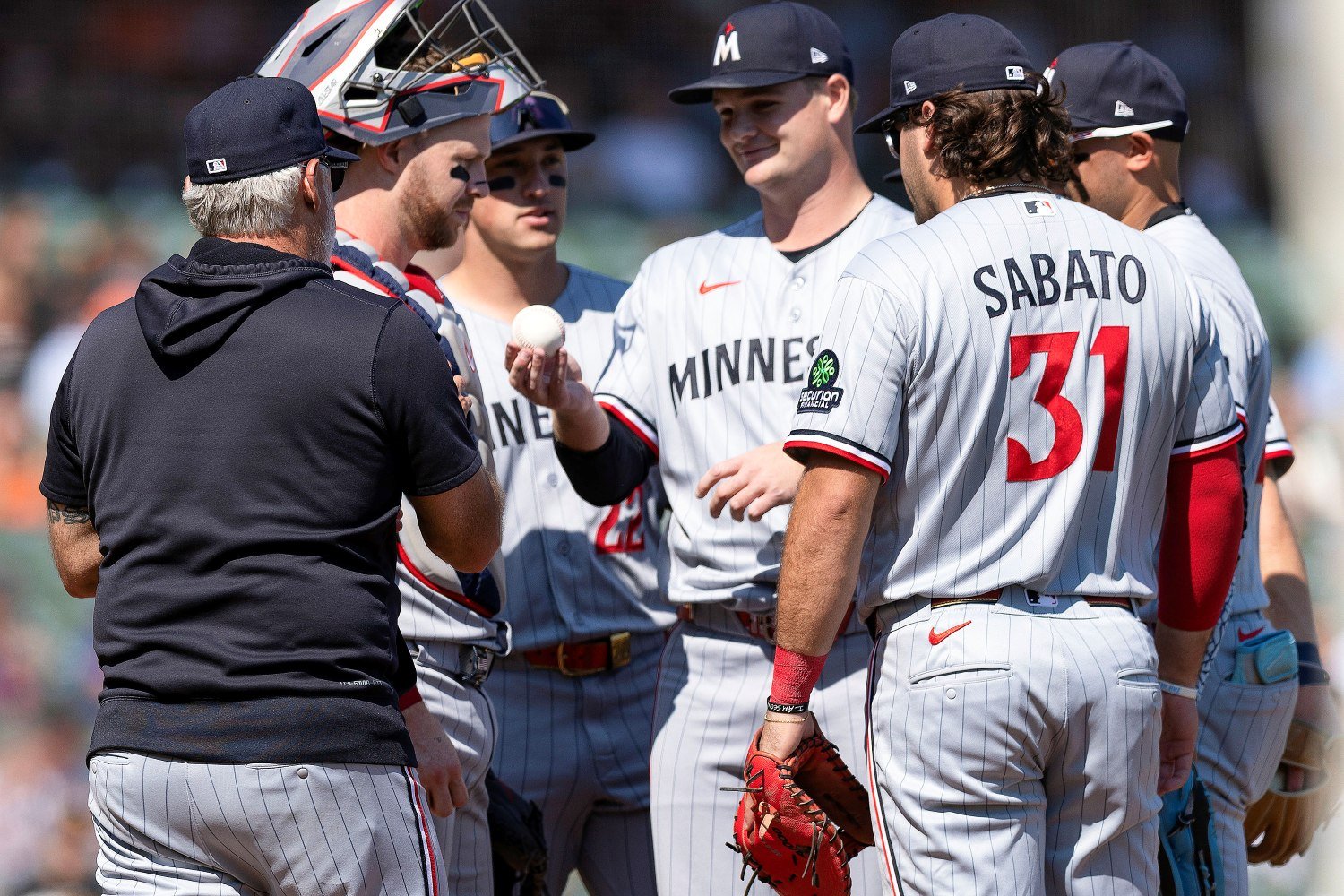 Box Score SP: Connor Prielipp - 5.1 IP, 4 H, 2 ER, 2 BB, 3 K (77 pitches, 55 strikes (72% strikes)) Home Runs: Luke Keaschall (10) Top 3 WPA: Walker Jenkins (0.09); Yoendrys Gómez (0.12); Luke Keaschall (0.10) Win Probability Chart (via FanGraphs) In their final away game of the season, the Twins found themselves in a rubber match with the lowly Giants. Connor Prielipp came in for his final appearance of the season, with a chance to even out his win-loss record. Prielipp has had games where his command and arm start to loosen up, only to see things unravel around the fifth inning. On Wednesday, that unraveling started a little earlier. The Twins' bats made contact in the first two innings, but nothing that generated any runs. Then, Luke Keaschall came up for his second at-bat and ripped a solo home run deep to left field, putting the Twins ahead 1-0. In the top of the fourth, both Ryan Jeffers and Alan Roden reached base, but subsequent outs ended the Twins' opportunity to add to their lead. Prielipp's trouble started in the bottom half. A groundout opened the inning, but a single from Bo Davidson and a double from Andrew Knizner put runners in scoring position. Prielipp managed to get another out, but then walked Marcelo Mayer to load the bases. A well-placed hit from Shay Whitcomb into right field dropped right between Keaschall and Aaron Sabato, scoring two runs and putting the Giants ahead 2-1. The Twins' response was quick. Ben Ross crushed a ball toward the seats, but it fell just short and bounced off the wall. Ross kept running and dug deep, turning it into a triple and putting the Twins right back in position to answer. Keaschall was just the man to do it. The contact maven hit a sacrifice fly to plate Ross and tie the score. Prielipp's fifth inning looked much cleaner and much quicker, as he retired the top of the Giants' lineup on just six pitches. His day ended after one out in the bottom of the sixth, closing the book on his first season as a Twin. Manager Derek Shelton took a moment to offer Prielipp some encouragement and positive feedback as he left the mound for the final time in 2026, then brought in reliever Yoendrys Gómez to finish the inning. Gómez did exactly that, without allowing any damage. The Giants cycled through two more relievers in the seventh, and the Twins took advantage of the opportunity. Austin Martin immediately drew a walk. Then, what should have been a routine defensive play turned into an opportunity for the Twins when Giants shortstop Christian Koss committed a throwing error, allowing Kody Clemens to advance to second. Walker Jenkins came in to pinch-hit for Ross, prompting the Giants to have a meeting on the mound. There was only one out, and given what Jenkins had already done earlier in the series, they clearly wanted to make sure he didn't beat them again. That didn't work. Jenkins lined a single, scoring Clemens and putting the Twins back in front, 3-2. The Giants made another pitching change, but the Twins weren't done. Josh Bell followed with a single, bringing home another run and extending the Twins' lead to 4-2. Gómez came back out for the seventh and struck out all three batters he faced. No hits. No runs. Exactly the kind of outing the Twins needed. A.J. Minter replaced Gómez and followed with a scoreless inning. For the bottom of the ninth, Andrew Morris came out and secured two outs, but things seemed to get sticky after that. Morris gave up a two-out single to Drew Gilbert and then walked Mayer. Pitching coack Pete Maki came out to settle down Morris, but the team was warming up Kody Funderburk. The Twins wouldn't need Funderburk, though, because Morris's next three pitches were all strikes, ending the game. What’s Next? The Twins leave San Francisco to head home for the last series of the season at home against the Texas Rangers, starting on Friday 7:10 PM CT. The Twins send Joe Ryan (6-10, 3.83 ERA) to finish out his season, against a pitcher the Rangers will determine later. Postgame Interviews Bullpen Availability Chart
- 35 comments
-
- 4
-
-
- game recap
- walker jenkins
- (and 2 more)
-
nclahammer reacted to an article:
Twins 5, Yankees 4: Travis Adams Fields His Position, Twins Salvage a Game
-
Permanent Twins Fan reacted to an article:
Twins 5, Yankees 4: Travis Adams Fields His Position, Twins Salvage a Game
-
thelanges5 reacted to an article:
Twins 5, Yankees 4: Travis Adams Fields His Position, Twins Salvage a Game
-
Patzky reacted to an article:
Twins 5, Yankees 4: Travis Adams Fields His Position, Twins Salvage a Game
-
Image courtesy of Matt Blewett-Imagn Images Box Score SP: Zebby Matthews - 6 IP, 2 H, 0 ER, 2 BB, 8 K (97 pitches, 63 strikes (65% strikes)) Home Runs: Ryan Kriedler (7) Top 3 WPA: Zebby Matthews (0.35); Luke Keaschall (0.16); Kody Funderburk (0.11) Win Probability Chart (via FanGraphs) Zebby Matthews has had a lot of trouble pitching on the road this season. At Target Field, however, he entered Wednesday with a 2.84 ERA in nine starts—and it only got better. Matthews's first inning was clean, only allowing Cody Bellinger on base. In the bottom of the first, Luke Keaschall cracked a leadoff single and would come around to score—a theme that also echoed through the rest of the afternoon. The 1-0 score would last all the way to the bottom of the fifth inning, as Matthews sailed along. Ryan Kreidler doubled the Twins' advantage with a home run in the fifth, and Ben Ross—newly recalled to replace the injured Kaelen Culpepper and play some shortstop—got his first big-league hit, a double. Shaky baserunning denied the Twins a chance to further stretch their lead, though. (Yes, that, too, would repeat itself later.) For most of the day, it looked like Matthews would be the headliner of a shutout Twins win. He ended up working six nearly spotless frames, showing the tantalizing potential that keeps the Twins coming back to him as a rotation option. Jeff Hoffman came out in the seventh inning to protect the Twins’ slim lead, giving Minnesota a chance to add insurance. Hoffman struck out two in the middle of the Yankees’ order, bringing him just shy of 100 strikeouts on the season. The Twins pinch-hit Brooks Lee for Ross, and Lee delivered a single into right-center off Clarke Schmidt. Luke Keaschall worked through eight pitches before slapping an outside pitch into right, putting runners on the corners with two outs. The Yankees brought out Brent Headrick, who got the final out and stranded both runners. A.J. Minter replaced Hoffman in the eighth. The pressure mounted quickly after Anthony Volpe stole third for the fourth time in this series. Minter walked Ramos to load the bases with two outs, but Luis Garcia Jr. went down on Minter’s four-seamer, stranding three Yankees. Headrick returned for the bottom of the eighth and quickly moved through the Twins’ lineup, setting up Tremendous Yoendrys Gómez for a relatively easy save—or so it seemed. Gómez entered the ninth with a two-run lead. After singles by George Lombard Jr. and Paul Goldschmidt put the tying runs on base, Volpe continued his late-summer surge, crushing a double off the wall to score both Lopmbard and pinch-runner Jose Caballero. It was Gómez’s first blown save of the year, and even this one came only when Keaschall appeared to slightly misjudge the long fly ball. He jumped high enough to catch the ball, but was about four feet away from it as it came down and hit the wall. Derek Shelton pulled Gómez in favor of Kody Funderburk, who kept the game tied. The Twins had the bottom of their order in the bottom of the ninth, but Emmanuel Rodríguez made an immediate out. After Kriedler walked, Lee bounced into a double play. Extra innings. The Twins were down to two rested arms: Travis Adams and Tommy Nance. Adams worked the 10th, but a softly hit ground ball allowed Bellinger to score and gave the Yankees a 3-2 lead. Minnesota answered. Starting the inning with Lee on second, Keaschall (that man again) hit a sharp line drive to left that brought him home to tie the game at 3-3. The Twins had a chance to bring Keaschall home, too, but couldn't capitalize. Adams returned for the 11th. After New York managed to move the Manfred Man over, Caballero lifted a sacrifice fly to score Lombard, putting New York back ahead, 4-3. The Twins answered again. Kody Clemens lined a single up the middle, moving Walker Jenkins (who entered for the slow-footed Josh Bell) to third. Royce Lewis, 0-for-3 on the day, lifted a sacrifice fly to center to bring Jenkins home and tie the game at 4-4. Clemens got into scoring position in his own right, but again, the Twins couldn't cash in the game-winning run. Adams bravely came back out for his third inning. He struggled with command as the day got long on him, loading the bases with no outs, but Heliot Ramos grounded into a 1-2-3 double play, and the Twins execute idt perfectly. The ball was hit straight to Adams, who gunned it to Jeffers at home to cut down Volpe at the plate, then sent it straight to the glove of Lewis for the twin-killing. It was the third fine play Adams had made on comebackers since coming into the game; he fields his position like a true fifth infielder. From there, he escaped the jam and set up a walkoff win. The less said about the bottom of the 12th, alas, the better. Kreidler was picked off second base after an intentional walk to Lee. Keaschall then grounded into a double play, forcing a 13th inning. Tommy Nance replaced Adams in the 13th, and dominated the Yankees. The bullpen had, improbably, held serve through four tough extra frames. It was time for the offense to end this thing. Keaschall started on second base. All he would need is a little push to get home, and he got a shove! Victor Caratini came off the bench to bat for Austin Martin and hit into a ground ball that was missed by Lombard. As it trickled into center field, Keaschall scored, and the Twins walked off the Yankees. What’s Next? The Twins travel to Anaheim to play the Angels on Thursday at 8:38 CST. The Twins will send Taj Bradley (11-6, 3.81 ERA,) against a pitcher the Angels will determine later. Postgame Interviews Bullpen Availability Chart View full article
-
Twins 5, Yankees 4: Travis Adams Fields His Position, Twins Salvage a Game
Sherry Cerny posted an article in Twins
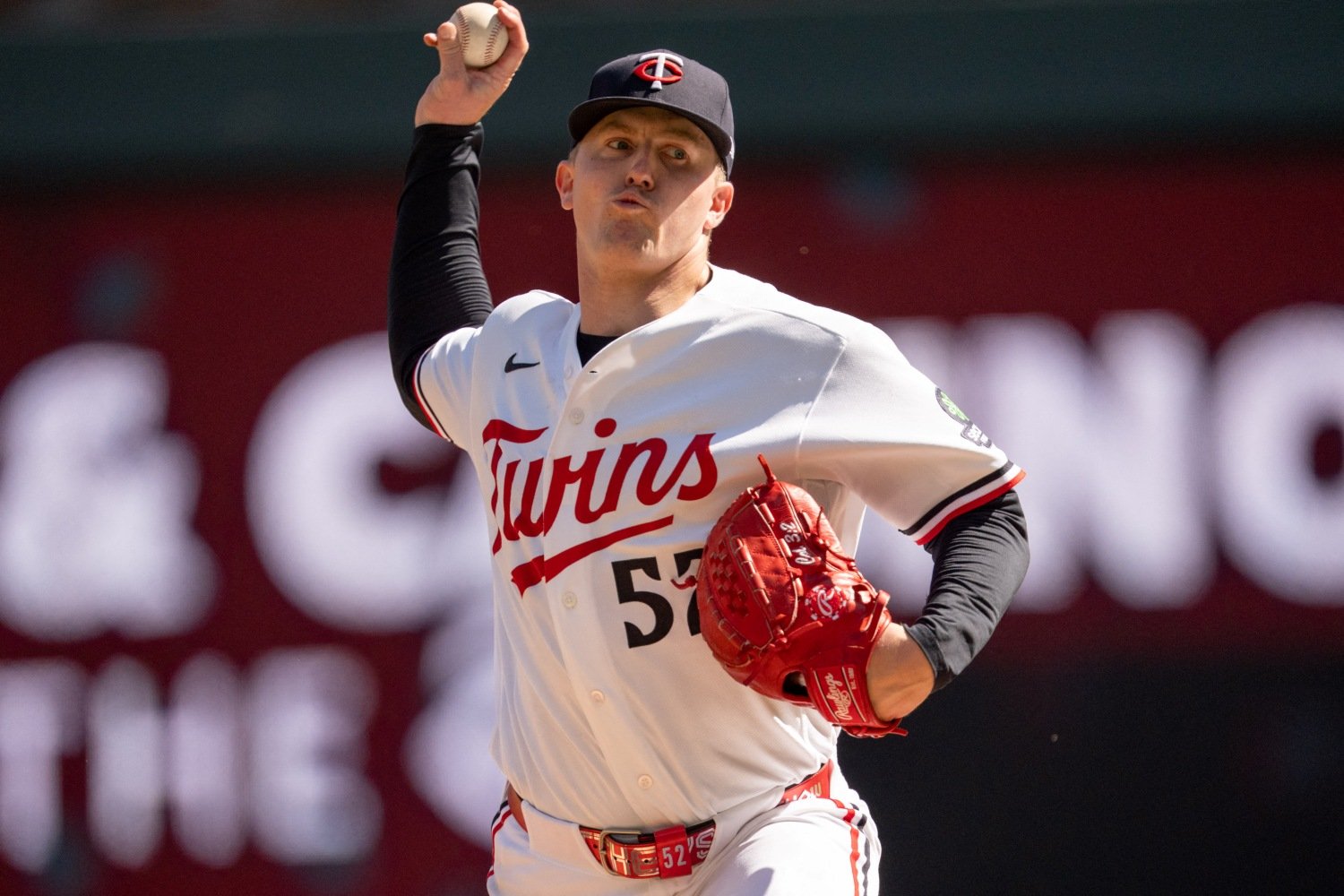 Box Score SP: Zebby Matthews - 6 IP, 2 H, 0 ER, 2 BB, 8 K (97 pitches, 63 strikes (65% strikes)) Home Runs: Ryan Kriedler (7) Top 3 WPA: Zebby Matthews (0.35); Luke Keaschall (0.16); Kody Funderburk (0.11) Win Probability Chart (via FanGraphs) Zebby Matthews has had a lot of trouble pitching on the road this season. At Target Field, however, he entered Wednesday with a 2.84 ERA in nine starts—and it only got better. Matthews's first inning was clean, only allowing Cody Bellinger on base. In the bottom of the first, Luke Keaschall cracked a leadoff single and would come around to score—a theme that also echoed through the rest of the afternoon. The 1-0 score would last all the way to the bottom of the fifth inning, as Matthews sailed along. Ryan Kreidler doubled the Twins' advantage with a home run in the fifth, and Ben Ross—newly recalled to replace the injured Kaelen Culpepper and play some shortstop—got his first big-league hit, a double. Shaky baserunning denied the Twins a chance to further stretch their lead, though. (Yes, that, too, would repeat itself later.) For most of the day, it looked like Matthews would be the headliner of a shutout Twins win. He ended up working six nearly spotless frames, showing the tantalizing potential that keeps the Twins coming back to him as a rotation option. Jeff Hoffman came out in the seventh inning to protect the Twins’ slim lead, giving Minnesota a chance to add insurance. Hoffman struck out two in the middle of the Yankees’ order, bringing him just shy of 100 strikeouts on the season. The Twins pinch-hit Brooks Lee for Ross, and Lee delivered a single into right-center off Clarke Schmidt. Luke Keaschall worked through eight pitches before slapping an outside pitch into right, putting runners on the corners with two outs. The Yankees brought out Brent Headrick, who got the final out and stranded both runners. A.J. Minter replaced Hoffman in the eighth. The pressure mounted quickly after Anthony Volpe stole third for the fourth time in this series. Minter walked Ramos to load the bases with two outs, but Luis Garcia Jr. went down on Minter’s four-seamer, stranding three Yankees. Headrick returned for the bottom of the eighth and quickly moved through the Twins’ lineup, setting up Tremendous Yoendrys Gómez for a relatively easy save—or so it seemed. Gómez entered the ninth with a two-run lead. After singles by George Lombard Jr. and Paul Goldschmidt put the tying runs on base, Volpe continued his late-summer surge, crushing a double off the wall to score both Lopmbard and pinch-runner Jose Caballero. It was Gómez’s first blown save of the year, and even this one came only when Keaschall appeared to slightly misjudge the long fly ball. He jumped high enough to catch the ball, but was about four feet away from it as it came down and hit the wall. Derek Shelton pulled Gómez in favor of Kody Funderburk, who kept the game tied. The Twins had the bottom of their order in the bottom of the ninth, but Emmanuel Rodríguez made an immediate out. After Kriedler walked, Lee bounced into a double play. Extra innings. The Twins were down to two rested arms: Travis Adams and Tommy Nance. Adams worked the 10th, but a softly hit ground ball allowed Bellinger to score and gave the Yankees a 3-2 lead. Minnesota answered. Starting the inning with Lee on second, Keaschall (that man again) hit a sharp line drive to left that brought him home to tie the game at 3-3. The Twins had a chance to bring Keaschall home, too, but couldn't capitalize. Adams returned for the 11th. After New York managed to move the Manfred Man over, Caballero lifted a sacrifice fly to score Lombard, putting New York back ahead, 4-3. The Twins answered again. Kody Clemens lined a single up the middle, moving Walker Jenkins (who entered for the slow-footed Josh Bell) to third. Royce Lewis, 0-for-3 on the day, lifted a sacrifice fly to center to bring Jenkins home and tie the game at 4-4. Clemens got into scoring position in his own right, but again, the Twins couldn't cash in the game-winning run. Adams bravely came back out for his third inning. He struggled with command as the day got long on him, loading the bases with no outs, but Heliot Ramos grounded into a 1-2-3 double play, and the Twins execute idt perfectly. The ball was hit straight to Adams, who gunned it to Jeffers at home to cut down Volpe at the plate, then sent it straight to the glove of Lewis for the twin-killing. It was the third fine play Adams had made on comebackers since coming into the game; he fields his position like a true fifth infielder. From there, he escaped the jam and set up a walkoff win. The less said about the bottom of the 12th, alas, the better. Kreidler was picked off second base after an intentional walk to Lee. Keaschall then grounded into a double play, forcing a 13th inning. Tommy Nance replaced Adams in the 13th, and dominated the Yankees. The bullpen had, improbably, held serve through four tough extra frames. It was time for the offense to end this thing. Keaschall started on second base. All he would need is a little push to get home, and he got a shove! Victor Caratini came off the bench to bat for Austin Martin and hit into a ground ball that was missed by Lombard. As it trickled into center field, Keaschall scored, and the Twins walked off the Yankees. What’s Next? The Twins travel to Anaheim to play the Angels on Thursday at 8:38 CST. The Twins will send Taj Bradley (11-6, 3.81 ERA,) against a pitcher the Angels will determine later. Postgame Interviews Bullpen Availability Chart
- 71 comments
-
- 4
-
-
- luke keaschall
- brooks lee
- (and 4 more)
-
thelanges5 reacted to an article:
Tigers 11, Twins: 6: One Rally Too Few, One Homer Too Many
-
Patzky reacted to an article:
Tigers 11, Twins: 6: One Rally Too Few, One Homer Too Many
-
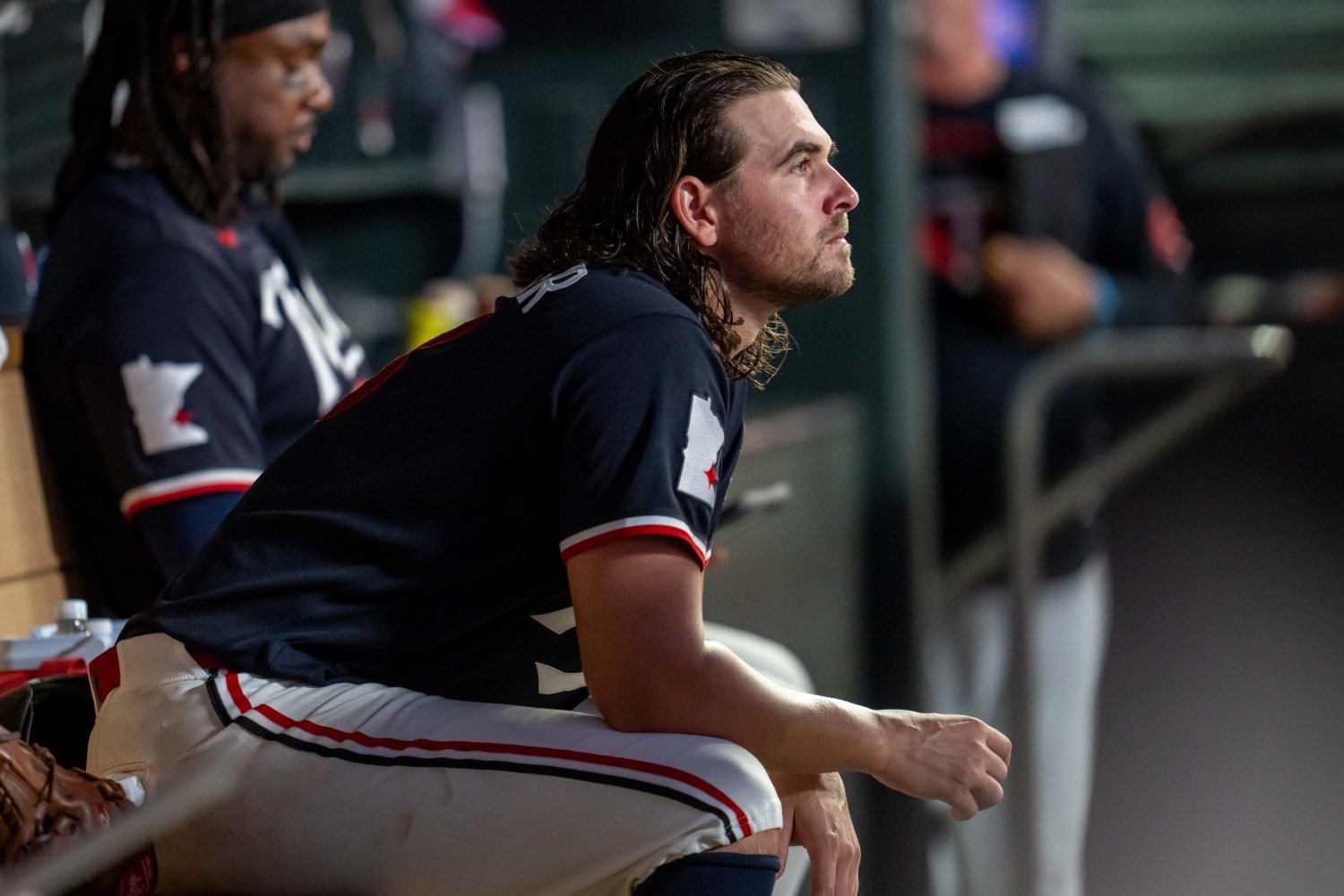 Box Score SP: Dean Kremer - 5 IP, 6 H, 3 ER, 2 BB, 5 K (79 pitches, 51 strikes (72% strikes) Home Runs: -0- Bottom 3 WPA: Kaelen Culpepper (-0.35); Walker Jenkins (-0.20); Dean Kremer (-0.18) Win Probability Chart (via FanGraphs) Dean Kremer took the mound against the Tigers Wednesday night looking for redemption. It hasn’t exactly been smooth sailing lately. Over his last five appearances, Kremer has struggled to find the zone consistently, while seemingly every offspeed pitch that missed its spot found a bat. In the first inning, Kremer looked good, but the second was a different story. His cutter appeared to be giving him trouble. A single by Eduardo Garcia was followed by back-to-back doubles from Max Clark and John Peck, which put the Tigers ahead 2-0. The next inning, Kremer adjusted, leaning more heavily on his fastball and moving away from the cutter. The change in pitch selection paid off, and he worked through the frame without surrendering a run. The Twins offense gave Tigers starter Drew Anderson some early pressure, putting runners on base but (as has happened too often) failing to turn those opportunities into runs. They squandered a prime opportunity to get on the board in the third, but they finally got some traction in the fourth. Anderson issued a walk to Kody Clemens, and Ryan Jeffers followed with a hard line drive to left. Clemens raced home to score, as Jeffers picked up his 17th double of the season and the 100th of his MLB career. The Twins were finally on the board, cutting the Tigers' lead to 2-1. Kremer started to struggle again in the fifth. Kevin McGonigle walked to open the inning, advanced on a wild pitch, and scored on a Hao-Yu Lee line drive to make it 3-1. Kody Funderburk replaced Kremer, but the trouble continued. Riley Greene drove in two to extend the Tigers' lead. The following inning, with Funderburk sticking around, Clark and Peck combined to produce another run, stretching Detroit's lead to four runs. The Twins took advantage of an unraveling Tigers squad in the sixth. A two-out, none-on situation spiraled after Jeffers reached on an error. Josh Bell singled, followed by a sharp double from Larnach, closing the gap to 5-2. The bullpen held serve for the next two innings, giving the team a chance to complete a comeback. Brooks Lee was hitless before finally sending a slider into the gap for a leadoff hit in the bottom of the eighth. Kody Clemens was hit by a pitch: Two on, nobody out. Bell followed with a single to load the bases and was replaced by Ben Ross, bringing some much-needed speed to the basepaths. The Twins burned Gabriel González to get Victor Caratini up against Kenley Jansen as a pinch-hitter for Larnach. Caratini drew a walk that brought Lee home and cut Detroit's lead to 5-3. Ryan Kreidler, another speed option, replaced Caratini as the Twins looked to create chaos—though, yes, this meant the team spun four players through one spot in the batting order in one inning. Then came Royce Lewis. Hitless for the night, Lewis battled through an eight-pitch showdown before finally getting a cutter and ripping a ground ball through the middle to center field, scoring Clemens and Ross. Tie game. 5-5. Yoendrys Gómez worked a scoreless top of the ninth, giving the Twins' top of the order a chance to close out the game before extras. The offense kept the pressure, getting runners on amidst the outs, but a fly ball that died at the warning track for Jeffers ended the inning, but not the game. The 10th inning was quick. Gómez put Tigers hitters down, while the Twins offense managed to create a little pressure, but neither team could come through, pushing the game to the 11th. Taylor Rogers came out for the top of the 11th for Minnesota. The Tigers struck right away. A misread ball by Clemens on Clark's hit scored Ben Melgeri, giving the Tigers the 6-5 lead. Tommy Nance came replaced Rogers and escaped without allowing further damage. Walker Jenkins led off the 11th inning, with Kaelen Culpepper on base. Jenkins battled before hitting into a force out, but Culpepper made it safely to third and waited while the top of the lineup came up. Keaschall hit into center field, scoring Culpepper and tying the game 6-6. Thereafter, though, the Twins squandered a golden chance to walk it off. A single by Lee sent Keaschall racing to third with one out, but Clemens struck out and Jeffers grounded out, stranding the winning run in tantalizing position. Nance came out again for the 12th and picked the most inconvenient time to give up his second home run as a Twin. It was a 8-6 Tigers in a blink, and 11-6 before Nance could recover and hand things off to the beleaguered offense. At last, one side made a lead stand up; the Tigers won. What’s Next? The Twins have a day off while they travel to Chicago to meet the White Sox on Friday 6:40 CST. The Twins will send Zebby Matthews (9-8, 4.58 ERA) against a pitcher the White Sox will determine later. Postgame Interviews Coming soon. Bullpen Availability Chart
- 55 comments
-
- 3
-
-
- game recap
- brooks lee
- (and 4 more)
-
Image courtesy of Jesse Johnson-Imagn Images Box Score SP: Dean Kremer - 5 IP, 6 H, 3 ER, 2 BB, 5 K (79 pitches, 51 strikes (72% strikes) Home Runs: -0- Bottom 3 WPA: Kaelen Culpepper (-0.35); Walker Jenkins (-0.20); Dean Kremer (-0.18) Win Probability Chart (via FanGraphs) Dean Kremer took the mound against the Tigers Wednesday night looking for redemption. It hasn’t exactly been smooth sailing lately. Over his last five appearances, Kremer has struggled to find the zone consistently, while seemingly every offspeed pitch that missed its spot found a bat. In the first inning, Kremer looked good, but the second was a different story. His cutter appeared to be giving him trouble. A single by Eduardo Garcia was followed by back-to-back doubles from Max Clark and John Peck, which put the Tigers ahead 2-0. The next inning, Kremer adjusted, leaning more heavily on his fastball and moving away from the cutter. The change in pitch selection paid off, and he worked through the frame without surrendering a run. The Twins offense gave Tigers starter Drew Anderson some early pressure, putting runners on base but (as has happened too often) failing to turn those opportunities into runs. They squandered a prime opportunity to get on the board in the third, but they finally got some traction in the fourth. Anderson issued a walk to Kody Clemens, and Ryan Jeffers followed with a hard line drive to left. Clemens raced home to score, as Jeffers picked up his 17th double of the season and the 100th of his MLB career. The Twins were finally on the board, cutting the Tigers' lead to 2-1. Kremer started to struggle again in the fifth. Kevin McGonigle walked to open the inning, advanced on a wild pitch, and scored on a Hao-Yu Lee line drive to make it 3-1. Kody Funderburk replaced Kremer, but the trouble continued. Riley Greene drove in two to extend the Tigers' lead. The following inning, with Funderburk sticking around, Clark and Peck combined to produce another run, stretching Detroit's lead to four runs. The Twins took advantage of an unraveling Tigers squad in the sixth. A two-out, none-on situation spiraled after Jeffers reached on an error. Josh Bell singled, followed by a sharp double from Larnach, closing the gap to 5-2. The bullpen held serve for the next two innings, giving the team a chance to complete a comeback. Brooks Lee was hitless before finally sending a slider into the gap for a leadoff hit in the bottom of the eighth. Kody Clemens was hit by a pitch: Two on, nobody out. Bell followed with a single to load the bases and was replaced by Ben Ross, bringing some much-needed speed to the basepaths. The Twins burned Gabriel González to get Victor Caratini up against Kenley Jansen as a pinch-hitter for Larnach. Caratini drew a walk that brought Lee home and cut Detroit's lead to 5-3. Ryan Kreidler, another speed option, replaced Caratini as the Twins looked to create chaos—though, yes, this meant the team spun four players through one spot in the batting order in one inning. Then came Royce Lewis. Hitless for the night, Lewis battled through an eight-pitch showdown before finally getting a cutter and ripping a ground ball through the middle to center field, scoring Clemens and Ross. Tie game. 5-5. Yoendrys Gómez worked a scoreless top of the ninth, giving the Twins' top of the order a chance to close out the game before extras. The offense kept the pressure, getting runners on amidst the outs, but a fly ball that died at the warning track for Jeffers ended the inning, but not the game. The 10th inning was quick. Gómez put Tigers hitters down, while the Twins offense managed to create a little pressure, but neither team could come through, pushing the game to the 11th. Taylor Rogers came out for the top of the 11th for Minnesota. The Tigers struck right away. A misread ball by Clemens on Clark's hit scored Ben Melgeri, giving the Tigers the 6-5 lead. Tommy Nance came replaced Rogers and escaped without allowing further damage. Walker Jenkins led off the 11th inning, with Kaelen Culpepper on base. Jenkins battled before hitting into a force out, but Culpepper made it safely to third and waited while the top of the lineup came up. Keaschall hit into center field, scoring Culpepper and tying the game 6-6. Thereafter, though, the Twins squandered a golden chance to walk it off. A single by Lee sent Keaschall racing to third with one out, but Clemens struck out and Jeffers grounded out, stranding the winning run in tantalizing position. Nance came out again for the 12th and picked the most inconvenient time to give up his second home run as a Twin. It was a 8-6 Tigers in a blink, and 11-6 before Nance could recover and hand things off to the beleaguered offense. At last, one side made a lead stand up; the Tigers won. What’s Next? The Twins have a day off while they travel to Chicago to meet the White Sox on Friday 6:40 CST. The Twins will send Zebby Matthews (9-8, 4.58 ERA) against a pitcher the White Sox will determine later. Postgame Interviews Coming soon. Bullpen Availability Chart View full article
-
Image courtesy of Nick Wosika-IMAGN IMAGES via Reuters Connect Box Score SP: Bailey Ober - 5 IP, 2 H, 1 ER, 2 BB, 5 K (80 pitches, 53 strikes (72% strikes)) Home Runs: None Bottom 3 WPA: Kaelen Culpepper (-0.17); Brooks Lee (-0.15), Royce Lewis (-0.08) Win Probability Chart (via FanGraphs) The Twins set out to try and get the same momentum during the day game on Saturday that they had Friday night. Bailey Ober, much like his teammate Dean Kremer, had a little trouble finding the strike zone early. He walked the first two hitters, and then Andrew Benintendi dropped a weak single that the infield couldn’t quite handle. The misplay allowed Sam Antonacci to come around and score, giving the White Sox an early 1-0 lead. Ober eventually got his wits about him and escaped the inning, but the White Sox made him work, driving his pitch count all the way up to 28 pitches in the first. Not exactly the start you draw up. The Twins offense, however, wasted no time answering back. Luke Keaschall and Brooks Lee created some traffic for White Sox starter Erik Fedde, and then Fedde made a mistake at the wrong time. An 88-mph changeup landed right in Josh Bell’s sweet spot, and Bell sent a sacrifice fly deep enough to score Keaschall and tie things up at 1-1. Ober came back out for the second looking much more like himself, making quick work of the bottom of the White Sox lineup with a clean 1-2-3 inning. Then the Twins bats got rolling. Trevor Larnach fell victim to a force out, but Kaelen Culpepper and Victor Caratini followed with line drives into the right-field gap, putting runners on the corners for rookie Walker Jenkins. And Jenkins? He was ready for the moment. The rookie grounded to second for a fielder's choice. He hustled out of the box and easily beat the return throw to first base which allowed to score Culpepper. It also marked the first RBI of Jenkins career. The 21-year-old decided he wasn't done making noise, taking advantage of Fedde's timing to swipe his first stolen base. After two innings, the Twins had flipped the script and taken a 2-1 lead. The White Sox came alive in the fourth inning and said, “Not so fast.” A leadoff double by Benintendi set the tone, and a bobbled slow roller by Culpepper off the bat of Chase Meidroth brought Benintendi home. Just like that, a 2-2 ballgame. Ober’s day was officially done after five innings and 80 pitches. Andrew Morris came in to relieve him, but apparently nobody had informed him that Andrew Benintendi was having the game of his life. Like the pitchers before him—and frankly, like everyone for the previous five innings—Morris couldn't get around Benintendi's bat, surrendering a solo home run that gave the White Sox a 3-2 lead. As Derek Shelton noted after the game. It was a 95-mph cutter, three-to-four inches below the zone. All you can do is tip your cap to the cagey veteran. AJ Minter replaced Morris in the eighth, and with one out and two runners on, Benintendi stepped back into the box already 3-for-3 on the day. Naturally, that looked terrifying. But Minter said, not today. He struck Benintendi out, becoming the first Twins pitcher to retire him all afternoon. A much-needed out was followed by a smothered ball from Culpepper to Lee to end the inning and finally give Minnesota a chance to breathe. Unfortunately, the Twins offense spent the seventh and eighth innings doing what it had become far too comfortable doing: absolutely nothing. Every opportunity was squandered, every hit seemed to find a glove, and no matter how much the pitching staff tried to keep the Twins within striking distance, the offense remained on life support. One inning remained. One last chance to wake up. Yoendrys Gómez replaced Minter as the insurance policy—the guy brought in to make sure the White Sox didn't add anything the Twins couldn't overcome. He did his job. The offense, however? Yeah... they never woke up. Maybe Sunday? What’s Next? The Twins finish their second day game with the White Sox on Sunday 1:10 CST. The Twins will send Zebby Matthews (8-8, 4.86 ERA,) against a pitcher the White Sox will determine later. Postgame Interviews Bullpen Availability Chart View full article
-
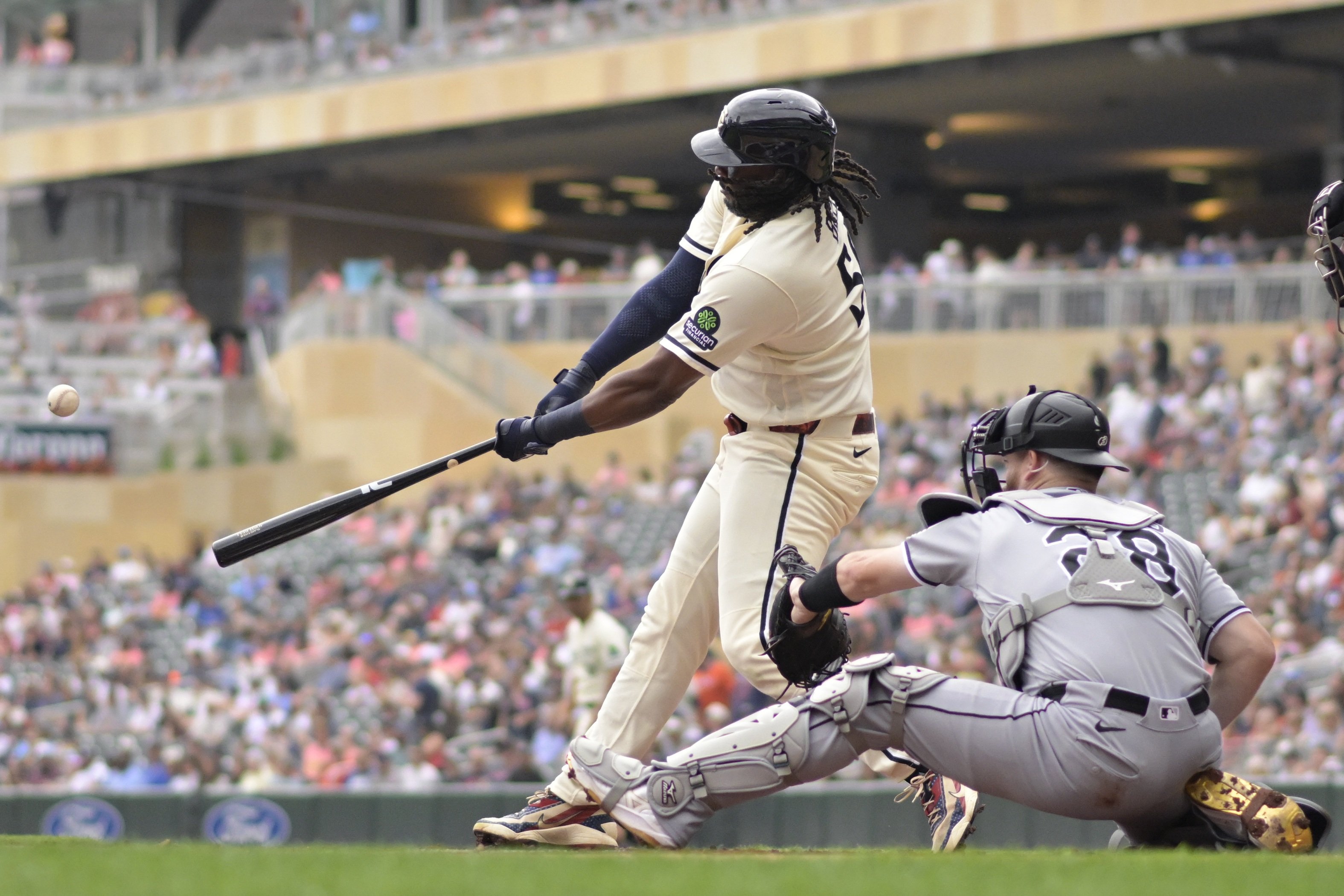 Box Score SP: Bailey Ober - 5 IP, 2 H, 1 ER, 2 BB, 5 K (80 pitches, 53 strikes (72% strikes)) Home Runs: None Bottom 3 WPA: Kaelen Culpepper (-0.17); Brooks Lee (-0.15), Royce Lewis (-0.08) Win Probability Chart (via FanGraphs) The Twins set out to try and get the same momentum during the day game on Saturday that they had Friday night. Bailey Ober, much like his teammate Dean Kremer, had a little trouble finding the strike zone early. He walked the first two hitters, and then Andrew Benintendi dropped a weak single that the infield couldn’t quite handle. The misplay allowed Sam Antonacci to come around and score, giving the White Sox an early 1-0 lead. Ober eventually got his wits about him and escaped the inning, but the White Sox made him work, driving his pitch count all the way up to 28 pitches in the first. Not exactly the start you draw up. The Twins offense, however, wasted no time answering back. Luke Keaschall and Brooks Lee created some traffic for White Sox starter Erik Fedde, and then Fedde made a mistake at the wrong time. An 88-mph changeup landed right in Josh Bell’s sweet spot, and Bell sent a sacrifice fly deep enough to score Keaschall and tie things up at 1-1. Ober came back out for the second looking much more like himself, making quick work of the bottom of the White Sox lineup with a clean 1-2-3 inning. Then the Twins bats got rolling. Trevor Larnach fell victim to a force out, but Kaelen Culpepper and Victor Caratini followed with line drives into the right-field gap, putting runners on the corners for rookie Walker Jenkins. And Jenkins? He was ready for the moment. The rookie grounded to second for a fielder's choice. He hustled out of the box and easily beat the return throw to first base which allowed to score Culpepper. It also marked the first RBI of Jenkins career. The 21-year-old decided he wasn't done making noise, taking advantage of Fedde's timing to swipe his first stolen base. After two innings, the Twins had flipped the script and taken a 2-1 lead. The White Sox came alive in the fourth inning and said, “Not so fast.” A leadoff double by Benintendi set the tone, and a bobbled slow roller by Culpepper off the bat of Chase Meidroth brought Benintendi home. Just like that, a 2-2 ballgame. Ober’s day was officially done after five innings and 80 pitches. Andrew Morris came in to relieve him, but apparently nobody had informed him that Andrew Benintendi was having the game of his life. Like the pitchers before him—and frankly, like everyone for the previous five innings—Morris couldn't get around Benintendi's bat, surrendering a solo home run that gave the White Sox a 3-2 lead. As Derek Shelton noted after the game. It was a 95-mph cutter, three-to-four inches below the zone. All you can do is tip your cap to the cagey veteran. AJ Minter replaced Morris in the eighth, and with one out and two runners on, Benintendi stepped back into the box already 3-for-3 on the day. Naturally, that looked terrifying. But Minter said, not today. He struck Benintendi out, becoming the first Twins pitcher to retire him all afternoon. A much-needed out was followed by a smothered ball from Culpepper to Lee to end the inning and finally give Minnesota a chance to breathe. Unfortunately, the Twins offense spent the seventh and eighth innings doing what it had become far too comfortable doing: absolutely nothing. Every opportunity was squandered, every hit seemed to find a glove, and no matter how much the pitching staff tried to keep the Twins within striking distance, the offense remained on life support. One inning remained. One last chance to wake up. Yoendrys Gómez replaced Minter as the insurance policy—the guy brought in to make sure the White Sox didn't add anything the Twins couldn't overcome. He did his job. The offense, however? Yeah... they never woke up. Maybe Sunday? What’s Next? The Twins finish their second day game with the White Sox on Sunday 1:10 CST. The Twins will send Zebby Matthews (8-8, 4.86 ERA,) against a pitcher the White Sox will determine later. Postgame Interviews Bullpen Availability Chart
- 73 comments
-
- 3
-
-
- kaelen culpepper
- walker jenkins
- (and 3 more)
-
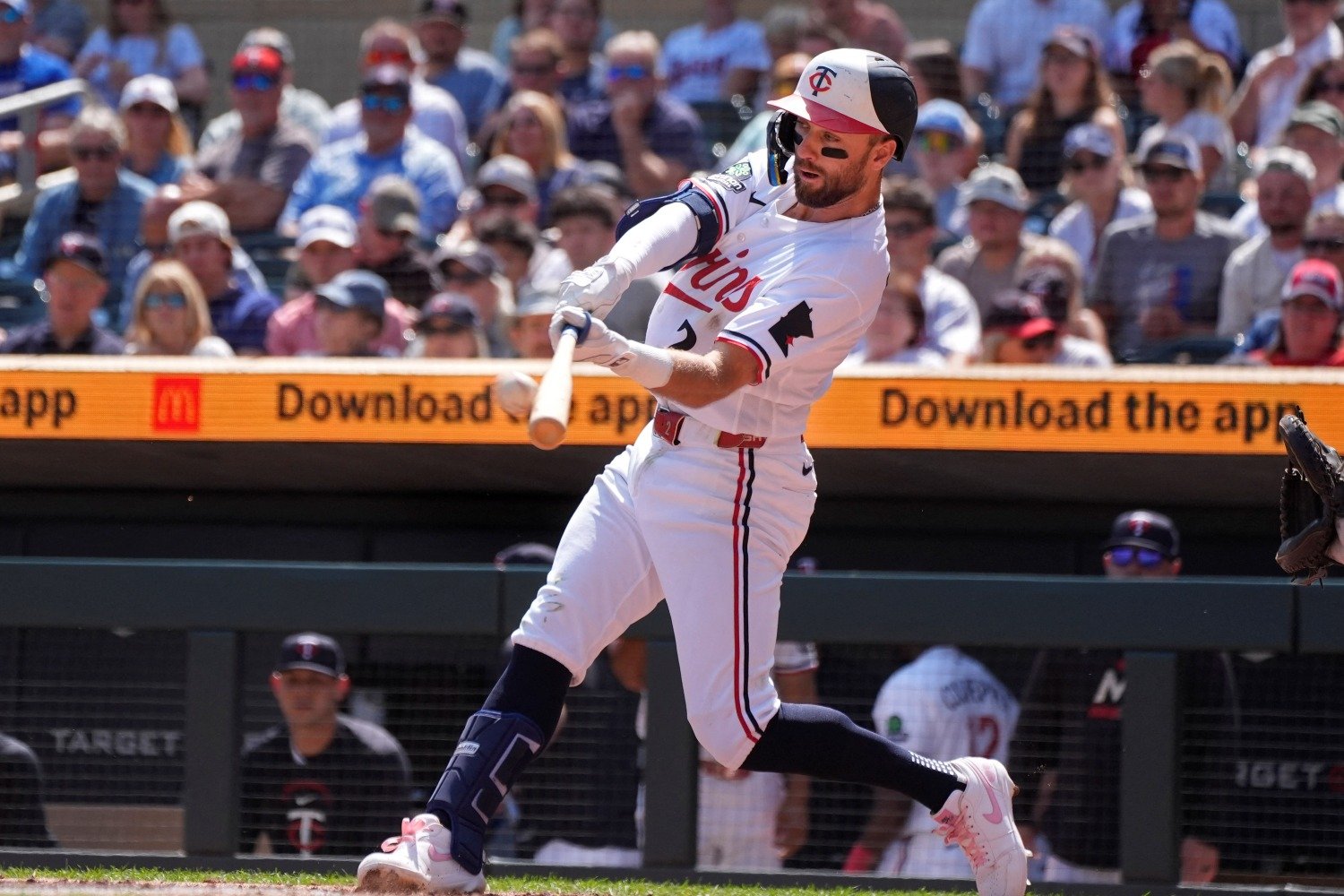 Box Score SP: Taj Bradley 5 IP, 2 H, 1 ER, 3 BB, 7 K (88 pitches, 56 strikes (66% strikes) Home Runs: -0- Top 3 WPA: Taj Bradley (0.14); Byron Buxton (0.11); Kaelen Culpepper (0.08) Win Probability Chart (via FanGraphs) After what threatened to be a season-derailing weekend against the Phillies, the Twins roared back with huge wins in the first two games of the final set of their homestand. They sent de facto ace Taj Bradley to the mound on getaway day, hunting a deliciously unexpected sweep. Bradley responded with ruthless efficiency over his first two innings of work. On the broadcast, Cory Provus mentioned that Bradley threw 16 pitches in the first two innings, the fewest to get the first six outs in any start of his career, After he'd needed three times that many offerings to get through two frames against the Phillies at the Field of Dreams, that was an especially welcome surprise. The offense got a runner on against Atlanta's AJ Smith-Shawver, with a walk to Victor Caratini, followed by a single from Kaelen Culpepper. Luke Keaschall squared to bunt, but rather than drag it up the third-base line or dribble it for an easy sacrifice, he popped it over Smith-Shawver's head and neatly into the undefendable area behind the pitcher's mound. The unique single loaded the bases for Byron Buxton. Returning to the lineup after a day off Tuesday, Buxton hit a ground ball toward the hole at shortstop, on which Atlanta again failed to find an out. Caratini came home with the first run of the game, though the Twins were stymied after that. Royce Lewis gave the lineup a chance to get more runs at the bottom of the fourth with a one-out, line-drive single, a stolen base and an advancement on an error to end up on third. Alas, he was left after a strikeout and grounder ended the inning. Bradley continued to push through the game, but it unraveled in the fifth. He got two quick outs, but then issued a pair of walks, as his command seemed to desert him. With Taylor Rogers warming up in the bullpen, Bradley’s follies bit him. Ronald Acuña Jr, singled to left field, with the ball falling in front of Trevor Larnach and Austin Riley racing home to tie the score at 1-1. The bottom of the fifth was a repeat of the third, in a way, as Culpepper and Keaschall both got on base with one out. This time, Smith-Shawver walked Buxton, loading the bases, and Josh Bell took a walk, ending Smith-Shawver’s day and bringing home Culpepper to put the Twins back in front 2-1. Dylan Dodd replaced Smith-Shawver, and immediately, Kody Clemens doubled home two more runs, with a clobbered fly ball off the wall in right-center field. Kody Funderburk came out to replace Bradley in the sixth, making his fourth appearance of the week. (He also warmed up at length on Monday night, when he didn't pitch.) Funderburk has been one of the most reliable Twins relievers as of late, making him one of the most used. That caught up to him Wednesday, though, and he left having recorded just one out and given up two runs. Tommy Nance replaced Funderburk, but balked home the tying run before extricating the team from the jam. Atlanta reliever Victor Mederos kept Minnesota fairly quiet in the sixth, but Nanace and A.J. Minter responded by hanging a goose egg in the top of the seventh. After the stretch, Josh Bell hit a one-out rocket up the middle and turned what looked like a single into an utterly stunning hustle double. His smarts and intensity immediately paid off, too. Dylan Lee came out to face Clemens, but the left-on-left matchup didn't tilt Atlanta's way. Clemens dunked an RBI single down the right-field line, untying the game and giving the Twins a surge of momentum. The Braves walked Ryan Jeffers, but Brooks Lee made them pay for their tactic with another RBI single, providing some insurance. Jeff Hoffman worked in and out of trouble in the top of the eighth. With one out and after a nine-pitch at-bat with a runner in scoring position, Mauricio Dubón was rules to have gone around on a check-swing—by the home-plate umpire. Dubón was furious that Carlos Torres hadn't appealed for help at first base, rather than ringing him up, and argued vociferously. Atlanta manager Walt Weiss was ejected for his own argument. When the dust cleared, though, Hoffman finished the frame with another strikeout to defuse the tension. Yoendrys Gómez came out for the ninth inning, working a third day in a row, but it proved no sweat. On to San Diego! By the time the Twins play again, they could very well be officially in playoff position. What’s Next? The Twins get a day off to travel to San Diego, where they'll take on the Padres Friday night. Connor Prielipp (3-6; 3.46 ERA) will start the series against a pitcher TBD. The game starts at 8:40 pm CST. Postgame Interviews Bullpen Availability Chart
- 90 comments
-
- 8
-
-
- game recap
- kody clemens
- (and 4 more)
-
Image courtesy of Bruce Kluckhohn-Imagn Images Box Score SP: Taj Bradley 5 IP, 2 H, 1 ER, 3 BB, 7 K (88 pitches, 56 strikes (66% strikes) Home Runs: -0- Top 3 WPA: Taj Bradley (0.14); Byron Buxton (0.11); Kaelen Culpepper (0.08) Win Probability Chart (via FanGraphs) After what threatened to be a season-derailing weekend against the Phillies, the Twins roared back with huge wins in the first two games of the final set of their homestand. They sent de facto ace Taj Bradley to the mound on getaway day, hunting a deliciously unexpected sweep. Bradley responded with ruthless efficiency over his first two innings of work. On the broadcast, Cory Provus mentioned that Bradley threw 16 pitches in the first two innings, the fewest to get the first six outs in any start of his career, After he'd needed three times that many offerings to get through two frames against the Phillies at the Field of Dreams, that was an especially welcome surprise. The offense got a runner on against Atlanta's AJ Smith-Shawver, with a walk to Victor Caratini, followed by a single from Kaelen Culpepper. Luke Keaschall squared to bunt, but rather than drag it up the third-base line or dribble it for an easy sacrifice, he popped it over Smith-Shawver's head and neatly into the undefendable area behind the pitcher's mound. The unique single loaded the bases for Byron Buxton. Returning to the lineup after a day off Tuesday, Buxton hit a ground ball toward the hole at shortstop, on which Atlanta again failed to find an out. Caratini came home with the first run of the game, though the Twins were stymied after that. Royce Lewis gave the lineup a chance to get more runs at the bottom of the fourth with a one-out, line-drive single, a stolen base and an advancement on an error to end up on third. Alas, he was left after a strikeout and grounder ended the inning. Bradley continued to push through the game, but it unraveled in the fifth. He got two quick outs, but then issued a pair of walks, as his command seemed to desert him. With Taylor Rogers warming up in the bullpen, Bradley’s follies bit him. Ronald Acuña Jr, singled to left field, with the ball falling in front of Trevor Larnach and Austin Riley racing home to tie the score at 1-1. The bottom of the fifth was a repeat of the third, in a way, as Culpepper and Keaschall both got on base with one out. This time, Smith-Shawver walked Buxton, loading the bases, and Josh Bell took a walk, ending Smith-Shawver’s day and bringing home Culpepper to put the Twins back in front 2-1. Dylan Dodd replaced Smith-Shawver, and immediately, Kody Clemens doubled home two more runs, with a clobbered fly ball off the wall in right-center field. Kody Funderburk came out to replace Bradley in the sixth, making his fourth appearance of the week. (He also warmed up at length on Monday night, when he didn't pitch.) Funderburk has been one of the most reliable Twins relievers as of late, making him one of the most used. That caught up to him Wednesday, though, and he left having recorded just one out and given up two runs. Tommy Nance replaced Funderburk, but balked home the tying run before extricating the team from the jam. Atlanta reliever Victor Mederos kept Minnesota fairly quiet in the sixth, but Nanace and A.J. Minter responded by hanging a goose egg in the top of the seventh. After the stretch, Josh Bell hit a one-out rocket up the middle and turned what looked like a single into an utterly stunning hustle double. His smarts and intensity immediately paid off, too. Dylan Lee came out to face Clemens, but the left-on-left matchup didn't tilt Atlanta's way. Clemens dunked an RBI single down the right-field line, untying the game and giving the Twins a surge of momentum. The Braves walked Ryan Jeffers, but Brooks Lee made them pay for their tactic with another RBI single, providing some insurance. Jeff Hoffman worked in and out of trouble in the top of the eighth. With one out and after a nine-pitch at-bat with a runner in scoring position, Mauricio Dubón was rules to have gone around on a check-swing—by the home-plate umpire. Dubón was furious that Carlos Torres hadn't appealed for help at first base, rather than ringing him up, and argued vociferously. Atlanta manager Walt Weiss was ejected for his own argument. When the dust cleared, though, Hoffman finished the frame with another strikeout to defuse the tension. Yoendrys Gómez came out for the ninth inning, working a third day in a row, but it proved no sweat. On to San Diego! By the time the Twins play again, they could very well be officially in playoff position. What’s Next? The Twins get a day off to travel to San Diego, where they'll take on the Padres Friday night. Connor Prielipp (3-6; 3.46 ERA) will start the series against a pitcher TBD. The game starts at 8:40 pm CST. Postgame Interviews Bullpen Availability Chart View full article
-
Image courtesy of Jim Cowsert, IMAGN IMAGES via Reuters Connect Consider this a well-earned correction, or public apology, to Trevor Larnach for earlier criticism of his long-term outlook that definitely did not age particularly well in previous articles. That's a credit to the strides he's made on both sides of the ball. Right up until 6:00 pm of the MLB trade deadline, the speculation and the biggest move the Minnesota Twins made may have been the one they didn't. While speculation swirled around Larnach's name and the possibility of acquiring a controllable infielder such as Zach Neto, the Twins ultimately chose continuity over another roster shakeup. Based on Larnach's continued development throughout the 2026 season, that decision looks increasingly like one rooted in both patience, sound baseball evaluation, and a push for the postseason. Going Oppo is two stories on Twins Daily with different opinions running simultaneously. Read the other side here. Larnach's evolution has been one of the most encouraging developments for Minnesota. Earlier in his career, Larnach often profiled as an all-or-nothing power hitter whose strikeouts could neutralize his offensive value. In 2026, that profile has changed. His more efficient wrist angle at contact, his hitting sequence- from his pre-pitch load to his swing path and finish through contact- all have made him a nearly flawless hitter with timing. Before the trade deadline, he was hitting .291 with a .380 on-base percentage and an .829 OPS. Those numbers alone justify keeping him in the middle of the lineup, but the underlying metrics suggest this isn't simply a player riding a temporary hot streak. Baseball Savant shows Larnach’s breakout is backed by sustainable improvements: he ranks in the 70th percentile in expected weighted on-base average (xwOBA), 73rd percentile in expected batting average, 77th percentile in strikeout rate, and an impressive 89th percentile in hard-hit rate. His improved command of the strike zone has lowered his strikeout rate while allowing his natural power to play more consistently. Larnach doesn’t focus on the home runs, but they are a by-product of his patience at the plate. He's working deep counts, and when he's not hitting homers, he's producing quality at-bats, hitting into gaps and getting on base. Other teams clearly saw that value and expressing interest. Heading into the deadline, Larnach was reported by Matthew Leach as saying, “It’s definitely not ordinary,” Larnach said. “I don’t take it into the field at all. I don’t take it personal, but at the end of the day, there’s a lot of noise outside the field that I try to stay away from … and just let whatever happens take its place.” Larnach's talent, confidence, reverence for the game, and performance worried fans that he may become a bigger trade target, but the Twins ultimately recognized his value and kept him. Keeping Larnach was a better choice for this trade deadline than, say, rumored trades for Anaheim Angel Zach Neto. Neto is an outstanding young player who could have replaced players like Tristian Gray or Josh Bell, who have had less than productive games in the past few weeks, and solidified the Twins' infield for years to come. However, acquiring a controllable talent like Neto almost certainly would have required Minnesota to part with one of its own ascending top prospects. Trade deadlines are often judged by the players who arrive or depart, but sometimes the smartest move is recognizing what you already have and building around those players. Larnach remains a platoon player, but he is also a power bat. His traditional production is impressive, but the advanced metrics suggest there's even more room for growth. If that trend continues and he helps the Twins find their way into the postseason, the Twins may ultimately look back on standing pat with Larnach, not making a blockbuster trade for a position player, as one of the organization's best decisions of the 2026 trade deadline. View full article
-
Going Oppo: Keeping Trevor Larnach Was the Twins' Smartest Deadline Move
Sherry Cerny posted an article in Twins
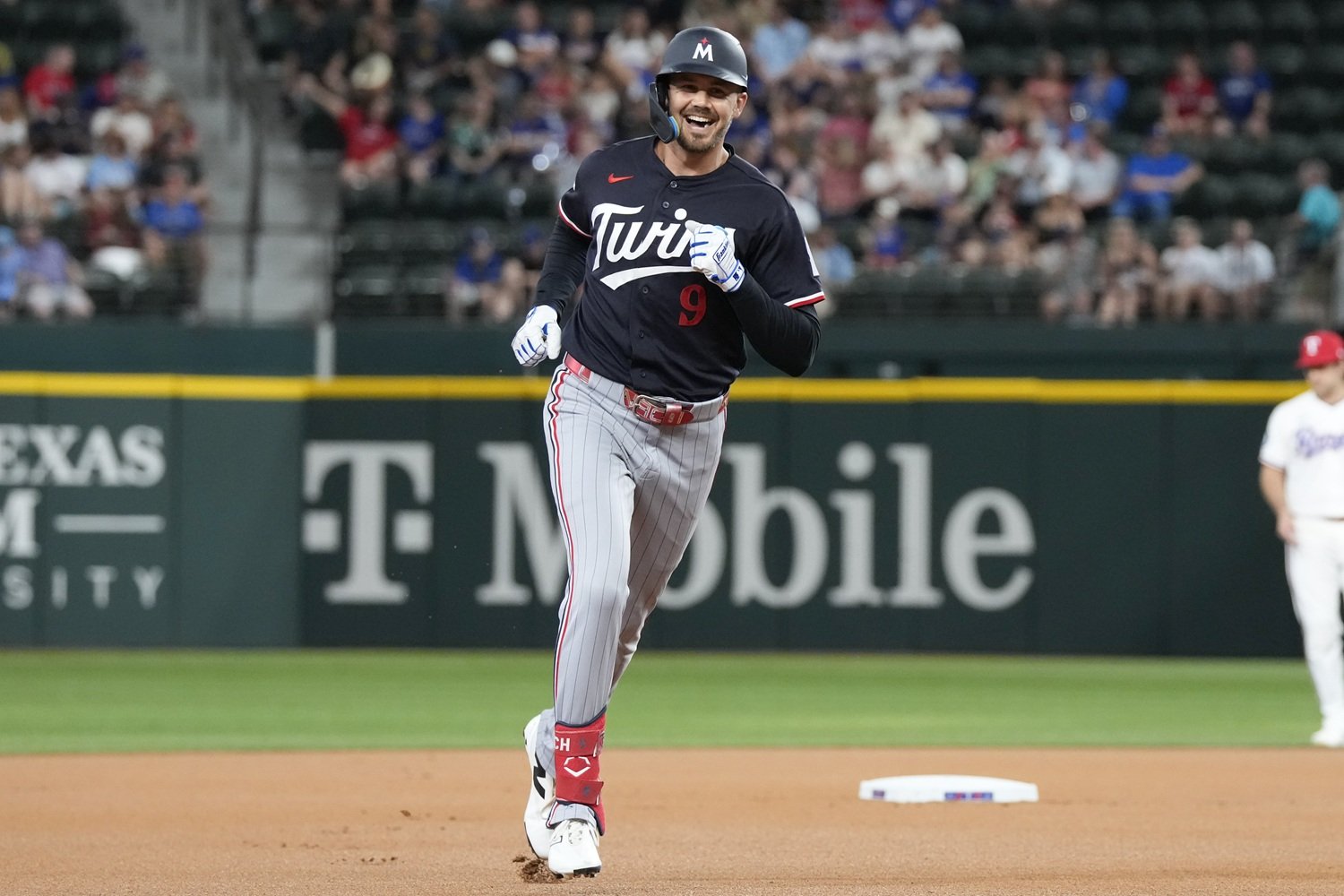 Consider this a well-earned correction, or public apology, to Trevor Larnach for earlier criticism of his long-term outlook that definitely did not age particularly well in previous articles. That's a credit to the strides he's made on both sides of the ball. Right up until 6:00 pm of the MLB trade deadline, the speculation and the biggest move the Minnesota Twins made may have been the one they didn't. While speculation swirled around Larnach's name and the possibility of acquiring a controllable infielder such as Zach Neto, the Twins ultimately chose continuity over another roster shakeup. Based on Larnach's continued development throughout the 2026 season, that decision looks increasingly like one rooted in both patience, sound baseball evaluation, and a push for the postseason. Going Oppo is two stories on Twins Daily with different opinions running simultaneously. Read the other side here. Larnach's evolution has been one of the most encouraging developments for Minnesota. Earlier in his career, Larnach often profiled as an all-or-nothing power hitter whose strikeouts could neutralize his offensive value. In 2026, that profile has changed. His more efficient wrist angle at contact, his hitting sequence- from his pre-pitch load to his swing path and finish through contact- all have made him a nearly flawless hitter with timing. Before the trade deadline, he was hitting .291 with a .380 on-base percentage and an .829 OPS. Those numbers alone justify keeping him in the middle of the lineup, but the underlying metrics suggest this isn't simply a player riding a temporary hot streak. Baseball Savant shows Larnach’s breakout is backed by sustainable improvements: he ranks in the 70th percentile in expected weighted on-base average (xwOBA), 73rd percentile in expected batting average, 77th percentile in strikeout rate, and an impressive 89th percentile in hard-hit rate. His improved command of the strike zone has lowered his strikeout rate while allowing his natural power to play more consistently. Larnach doesn’t focus on the home runs, but they are a by-product of his patience at the plate. He's working deep counts, and when he's not hitting homers, he's producing quality at-bats, hitting into gaps and getting on base. Other teams clearly saw that value and expressing interest. Heading into the deadline, Larnach was reported by Matthew Leach as saying, “It’s definitely not ordinary,” Larnach said. “I don’t take it into the field at all. I don’t take it personal, but at the end of the day, there’s a lot of noise outside the field that I try to stay away from … and just let whatever happens take its place.” Larnach's talent, confidence, reverence for the game, and performance worried fans that he may become a bigger trade target, but the Twins ultimately recognized his value and kept him. Keeping Larnach was a better choice for this trade deadline than, say, rumored trades for Anaheim Angel Zach Neto. Neto is an outstanding young player who could have replaced players like Tristian Gray or Josh Bell, who have had less than productive games in the past few weeks, and solidified the Twins' infield for years to come. However, acquiring a controllable talent like Neto almost certainly would have required Minnesota to part with one of its own ascending top prospects. Trade deadlines are often judged by the players who arrive or depart, but sometimes the smartest move is recognizing what you already have and building around those players. Larnach remains a platoon player, but he is also a power bat. His traditional production is impressive, but the advanced metrics suggest there's even more room for growth. If that trend continues and he helps the Twins find their way into the postseason, the Twins may ultimately look back on standing pat with Larnach, not making a blockbuster trade for a position player, as one of the organization's best decisions of the 2026 trade deadline.
- 4 comments
-
- 6
-
-

-
- trevor larnach
- luke keaschall
- (and 2 more)
-
Twins 8, Brewers 6: Twins Dig Out of Early Setback and Secure Game One Win
Sherry Cerny posted an article in Twins
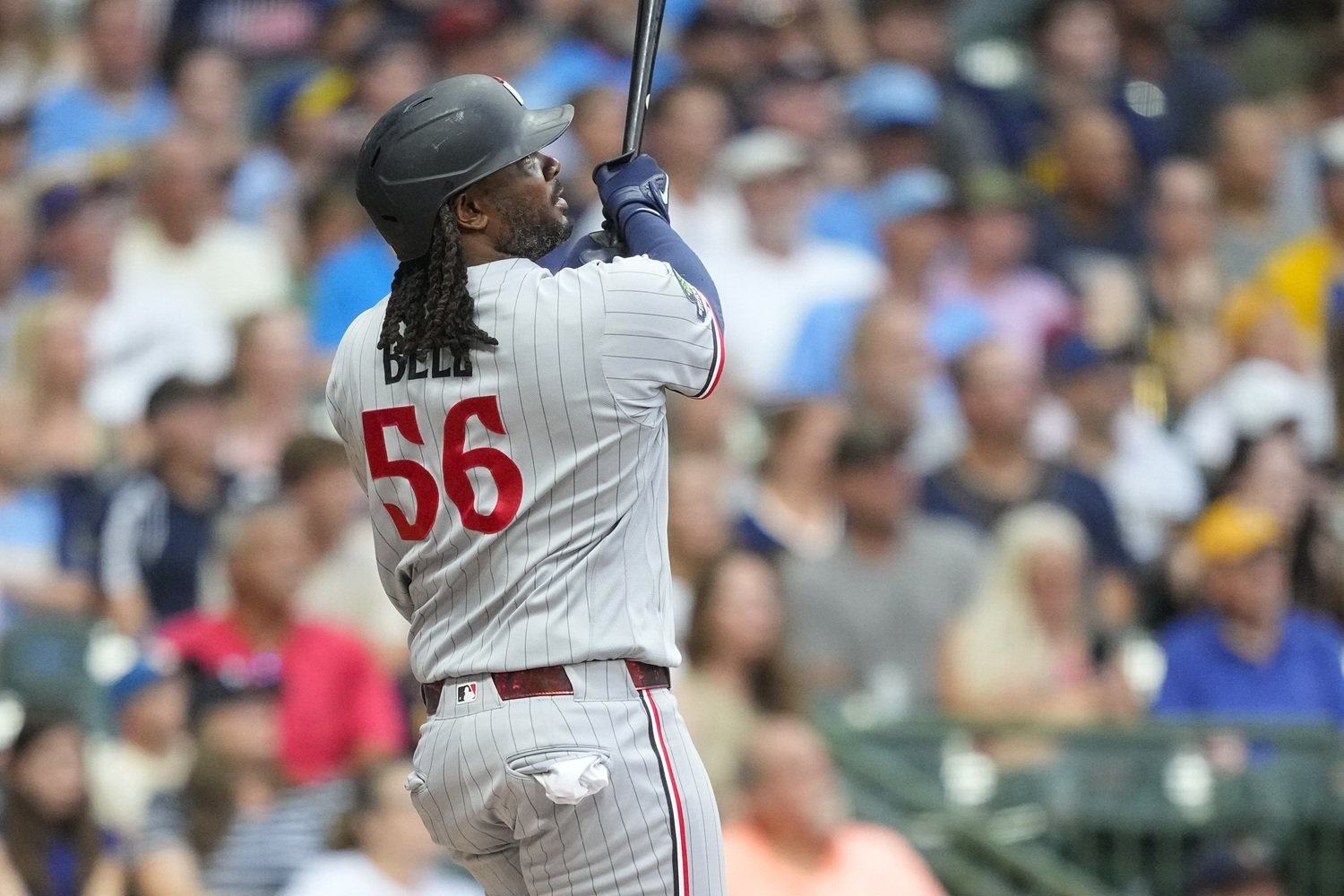 Box Score SP: Zebby Mathews 5 IP, 6 H, 6 ER, 2 BB, 4 K (83 pitches, 50 strikes (66% strikes) Home Runs: Josh Bell (15), Kaelen Culpepper (1) 3 WPA: Josh Bell (0.32); Royce Lewis (0.15); Yeondrez Gomes (0.09) Win Probability Chart (via FanGraphs) Every game for the Twins has the pressure of competing for a postseason spot, as they entered today just a half-game out of the last Wild Card spot in the American League. But this game had an extra layer: after a long-awaited call-up, the Twins have promoted Kaelen Culpepper to the 26-man roster. Make the two extra layers: since Joe Ryan was placed on the 10-day injured list, Zebby Matthews returned to the rotation to try and finish his season on a strong note. The Twins threatened early but couldn't capitalize in the top of the first with a walk, a stolen base and a single. Milwaukee answered in the bottom half, with Brice Turang striking out before Jackson Chourio launched a solo home run to give the Brewers a 1-0 lead. Milwaukee added three more runs in the bottom of the inning. Christian Yelich singled and Luis Lara walked before a Royce Lewis fielding error allowed David Hamilton to reach and Yelich to score. Turang then delivered a two-run double, scoring Lara and Hamilton to push the Brewers' lead to 4-0. Chourio grounded out to end the inning, leaving Milwaukee with a commanding early advantage. But the Twins responded in their half of the third with a two-out, two-run home run from Josh Bell, scoring himself and Ryan Jeffers. Bell went four-for-five on the night as he shakes his midseason slump. Zebby stayed locked in after his rough start and worked quickly through the Brewers lineup and gave the offense every chance to keep the pressure on Milwaukee. The Twins took advantage of those clean innings from Mathews and struck back with a solo-homerun from Culpepper on his second at-bat, making the game a one run game 4-3. Then Austin Martin doubled, driving home Victor Caratini, but Ryan Kreidler was thrown out at the plate. Still, it was a new game at 4-4. In the fifth, the offense continued with a string of singles that scored two, giving the Twins a 6-4 lead. But the Brewers were not giving up. They loaded the bases with no outs, and a sac-fly to Martin gave the Brewers a run back. Garrett Mitchell "singled" on a ground ball to Culpepper who was slow to deliver the ball to first base. That tied the game, but Matthews' fourth strikeout got the Twins out of the inning. The Twins responded. With two outs, Jeffers got his tenth double of the season. Lewis also doubled, scoring Jeffers. Then a sharp line drive double from Bell scored Lewis, and the Twins put up a two-spot for the fourth straight inning, taking the lead again 8-6. It appeared the momentum was not going to switch off and on, just back and forth. Tommy Nance replaced Mathews for the sixth inning, but not for production; Mathews came out of the game for a blister that had formed on his foot. Nance gave up a leadoff single, but retired the next two batters before being replaced by AJ Minter to face lefty Brice Turang who struck out to end the inning. Then the Twins revamped bullpen held the lead. Jeff Hoffman pitched the seventh, Andrew Morris pitched the eigtht, and Yoendrys Gomez got his sixteenth save in the ninth to help the Twins take the first win of the series. What’s Next? The Twins will send Taj Bradley to the mound (9-4, 3.69 ERA) facing Robert Gasser (LHP)(3-4, 4.48 ERA) at 6:10 Saturday night. They will again try to find their way into the last Wild Card spot, as they remained a half game behind the Texas Rangers, who also won on Friday. Postgame Interviews
- 67 comments
-
- 6
-
-
- ryan jeffers
- kaelen culpepper
- (and 3 more)
-
Image courtesy of Jeff Hanisch, IMAGN IMAGES via Reuters Connect Box Score SP: Zebby Mathews 5 IP, 6 H, 6 ER, 2 BB, 4 K (83 pitches, 50 strikes (66% strikes) Home Runs: Josh Bell (15), Kaelen Culpepper (1) 3 WPA: Josh Bell (0.32); Royce Lewis (0.15); Yeondrez Gomes (0.09) Win Probability Chart (via FanGraphs) Every game for the Twins has the pressure of competing for a postseason spot, as they entered today just a half-game out of the last Wild Card spot in the American League. But this game had an extra layer: after a long-awaited call-up, the Twins have promoted Kaelen Culpepper to the 26-man roster. Make the two extra layers: since Joe Ryan was placed on the 10-day injured list, Zebby Matthews returned to the rotation to try and finish his season on a strong note. The Twins threatened early but couldn't capitalize in the top of the first with a walk, a stolen base and a single. Milwaukee answered in the bottom half, with Brice Turang striking out before Jackson Chourio launched a solo home run to give the Brewers a 1-0 lead. Milwaukee added three more runs in the bottom of the inning. Christian Yelich singled and Luis Lara walked before a Royce Lewis fielding error allowed David Hamilton to reach and Yelich to score. Turang then delivered a two-run double, scoring Lara and Hamilton to push the Brewers' lead to 4-0. Chourio grounded out to end the inning, leaving Milwaukee with a commanding early advantage. But the Twins responded in their half of the third with a two-out, two-run home run from Josh Bell, scoring himself and Ryan Jeffers. Bell went four-for-five on the night as he shakes his midseason slump. Zebby stayed locked in after his rough start and worked quickly through the Brewers lineup and gave the offense every chance to keep the pressure on Milwaukee. The Twins took advantage of those clean innings from Mathews and struck back with a solo-homerun from Culpepper on his second at-bat, making the game a one run game 4-3. Then Austin Martin doubled, driving home Victor Caratini, but Ryan Kreidler was thrown out at the plate. Still, it was a new game at 4-4. In the fifth, the offense continued with a string of singles that scored two, giving the Twins a 6-4 lead. But the Brewers were not giving up. They loaded the bases with no outs, and a sac-fly to Martin gave the Brewers a run back. Garrett Mitchell "singled" on a ground ball to Culpepper who was slow to deliver the ball to first base. That tied the game, but Matthews' fourth strikeout got the Twins out of the inning. The Twins responded. With two outs, Jeffers got his tenth double of the season. Lewis also doubled, scoring Jeffers. Then a sharp line drive double from Bell scored Lewis, and the Twins put up a two-spot for the fourth straight inning, taking the lead again 8-6. It appeared the momentum was not going to switch off and on, just back and forth. Tommy Nance replaced Mathews for the sixth inning, but not for production; Mathews came out of the game for a blister that had formed on his foot. Nance gave up a leadoff single, but retired the next two batters before being replaced by AJ Minter to face lefty Brice Turang who struck out to end the inning. Then the Twins revamped bullpen held the lead. Jeff Hoffman pitched the seventh, Andrew Morris pitched the eigtht, and Yoendrys Gomez got his sixteenth save in the ninth to help the Twins take the first win of the series. What’s Next? The Twins will send Taj Bradley to the mound (9-4, 3.69 ERA) facing Robert Gasser (LHP)(3-4, 4.48 ERA) at 6:10 Saturday night. They will again try to find their way into the last Wild Card spot, as they remained a half game behind the Texas Rangers, who also won on Friday. Postgame Interviews View full article
- 67 replies
-
- 1
-
-
- ryan jeffers
- kaelen culpepper
- (and 3 more)
-
Image courtesy of © David Richard-Imagn Images Box Score SP: Bailey Ober - 4 IP, 8 H, 4 ER, 1 BB, 2 K (89 pitches, 57 strikes (64% strikes) Home Runs: Trevor Larnach (8); Brooks Lee (15) Top 3 WPA: Brooks Lee (0.32); Trevor Larnach (0.12); Travis Adams (0.11) Win Probability Chart (via FanGraphs) The Twins and Guardians met Wednesday night for Game 3 of 4, with Minnesota looking to keep alive their chance to split the series and to snap a four-game losing streak. The game started with promise as Trevor Larnach crushed a 404-foot leadoff home run to right-center, giving the Twins an early 1-0 lead. Making just his third start since returning from the injured list, Bailey Ober wasn't getting shelled, but Cleveland did what it does best. The Guardians sat on his 80-mph changeup, blooping soft singles into the outfield and manufacturing runs. Singles from José Ramírez and Brayan Rocchio tied the game, before Cleveland small-balled its way to a 3-1 lead in the second. The Twins, however, answered with big ball. Alex Jackson doubled, Larnach worked a walk, and Brooks Lee drove in a run with a single. Josh Bell tied the game with an RBI groundout. Ober battled through a messy third without allowing a run, despite his pitch count continuing to climb. Minnesota took control in the fourth, and stayed there the rest of the game. Three straight singles put the Twins back in front by one, before Lee launched his 18th home run of the season to extend the lead to 7-3. That cushion would prove to be significant later in the game. Cleveland answered with one run in the bottom half, but Ober limited the damage. The fifth inning brought a scare, when Victor Caratini fouled a pitch off his right knee and was helped off the field. Ryan Kreidler replaced him, while Luke Keaschall worked an 11-pitch walk, but the Twins stranded the runners. (Caratini was later diagnosed with a right knee contusion, needing further testing.) The bullpen took over from Ober in the fifth inning. Usually an early visit to the bullpen is a recipe for disaster for the Twins, but Kody Funderburk tossed a scoreless inning before Travis Adams retired the side on just six pitches in the sixth and put up another goose egg in the seventh. The yeoman's work from those middle relievers gave the offense a much-needed opportunity to keep the pressure on. Minnesota added insurance in the late innings. After Ramírez committed an error, Matt Festa hit Keaschall with a pitch, and Trevor Larnach delivered a two-run single to put the game further out of reach at 9-4. The Guardians made a pitching change, but that didn’t save them. The Twins got one more in from Bell for a 10-4 lead. Andrew Morris came out in the eighth inning and immediately broke his 18-inning scoreless streak with a solo home run from Kyle Manzardo. Not as sharp as he might have been if the game were a little tighter, Morris put two more runners on base, but avoided further damage. Yoendrys Gómez closed down the game for the Twins. He faced the meat of the hosts' lineup, and while he gave up one run, there was never any real worry that the Guardians would come back. It was a sloppy game for Cleveland, but an impressive win for the Twins. What’s Next? The Twins finish the series and the road trip with a getaway day game at 12:10 pm CST. The Twins will send Taj Bradley to the mound (9-4, 3.85 ERA), facing Gavin Williams, then head home to make the most of one last push before the trade deadline. Postgame Interviews Coming soon. Bullpen Availability Chart View full article

