


Twins Video
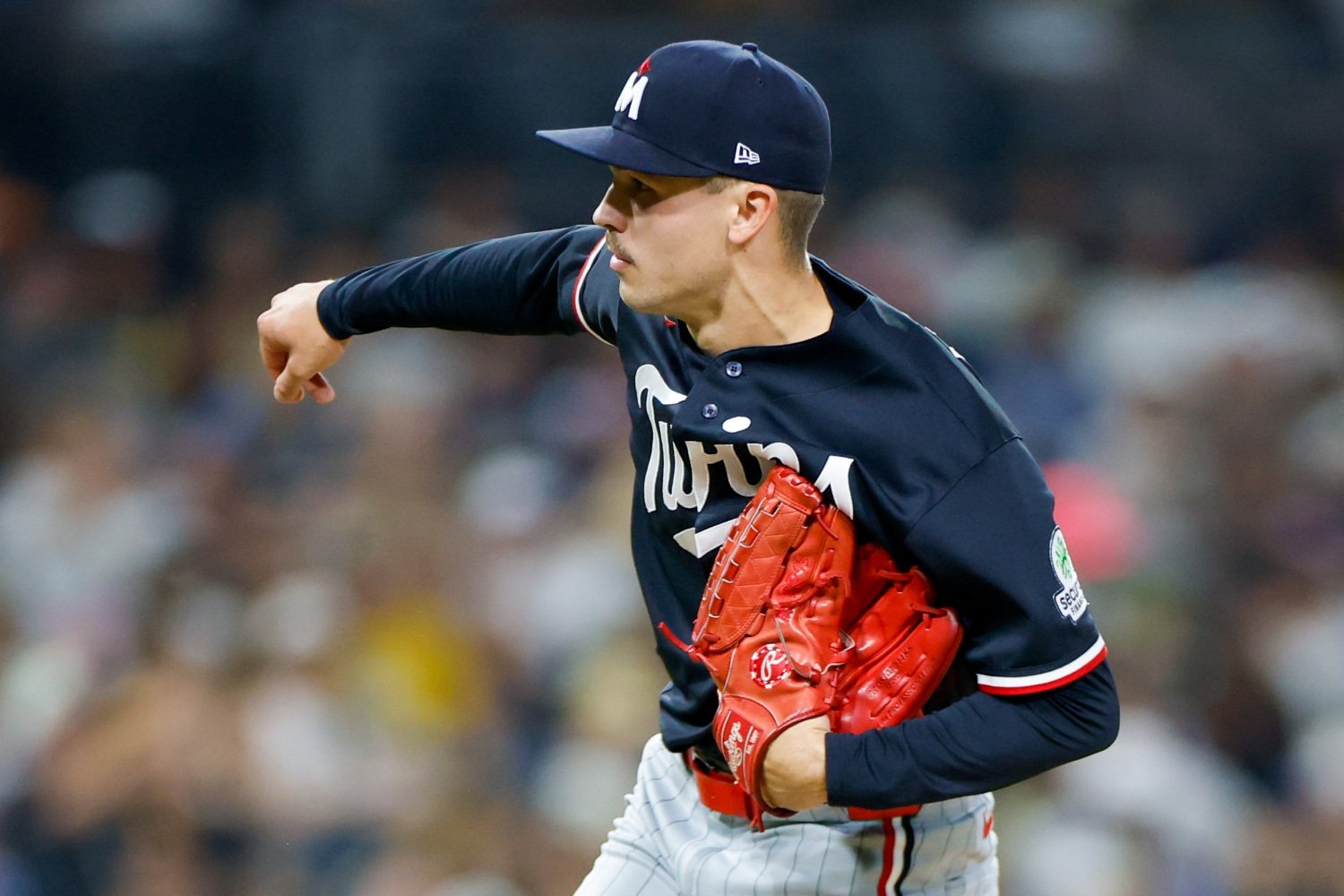
As a rookie, Andrew Morris has turned into an anchor of the Twins’ bullpen. After entering the season as a starter with the St. Paul Saints, he transitioned to a relief role in the majors and quickly established himself as a reliable option. In 60 1/3 innings this season, Morris has posted a 3.43 ERA while putting together some extremely impressive contact-quality numbers. His barrel rate and average exit velocity both rank in the 91st percentile or better among major-league pitchers, while his hard-hit rate sits in the 85th percentile. As a result of that hard-contact suppression, his expected ERA is even better at 3.10. The underlying data suggests Morris has pitched better than his surface-level numbers indicate, and lately, that has become especially important.
Morris has allowed at least three runs in two of his last three outings, with both appearances coming at particularly unfortunate times for the Twins. On August 16, he surrendered three earned runs in the eighth inning against the Phillies. Philadelphia entered the inning trailing by just one run and ultimately completed a sweep of the Twins. Then, on Saturday in San Diego, Morris allowed four runs in one inning and absorbed the 7-5 loss. Once again, his outing allowed the opposing team to take the lead, and once again, the Twins wound up being swept.
It would be easy to look at those two performances and place the blame on Morris. After all, he was the pitcher on the mound when the games started slipping away. But not so fast! The amount of bad luck Morris has run into in those two outings is almost unbelievable.
For starters, three of the four runs he allowed against the Padres were unearned. There was a catcher interference call and a fielding error involved in the inning. Otherwise, the Twins could well have escaped with the lead intact. Morris actually looked pretty good. Only two of the seven balls put in play against him were hard-hit, and he generated five whiffs on just 19 pitches. San Diego was aggressive at the plate, putting a number of softly-hit balls into places where the Twins weren't able to make plays and capitalizing on the defensive mistakes that ensued. Morris, meanwhile, pounded the strike zone and continued attacking hitters.
The three-run inning against Philadelphia followed a similar pattern. All three of those runs were earned, so there isn't the same defensive caveat to make. But only one of the seven balls put in play against Morris was hard-hit. He did what he was supposed to do, filling up the zone and mixing his pitches, while avoiding the authoritative contact that typically leads to big innings. Instead, a handful of bloopers and ground balls found their way through the infield.
That doesn't make the results any less frustrating for the Twins. Runs count the same regardless of how hard the ball was hit, and Morris was still responsible for getting out of those innings. But there is a meaningful difference between a pitcher getting knocked around and a pitcher giving up a series of softly hit balls that happen to find holes. Morris is much closer to the latter.
Since his promotion to the majors, it seems like Morris has consistently pitched better than his results would indicate. The underlying metrics back that up, the eye test backs that up (at least MY eye test), and these two recent outings are further examples of what's been happening throughout his rookie season. The kind of contact he’s inducing is extremely impressive for a young pitcher who wasn't even expected to be a major-league reliever when the season began.
His ability to limit hard contact has been one of the biggest reasons he's carved out a role in the Twins' bullpen, and there isn't much reason to believe that skill is suddenly going to disappear because of a couple of ugly box scores. Sometimes, baseball is just going to baseball. Balls are going to find holes, defensive mistakes are going to extend innings, and aggressive hitters are going to poke soft contact into places where nobody is standing. Right now, Morris is dealing with more of that than he probably deserves.
Sooner or later, that batted-ball luck should turn in his favor. When it does, the results should start looking a lot more like the pitcher Morris has actually been than the numbers from a couple of frustrating outings might suggest. However, there's one crucial caveat to any praise of Morris: he's allowing those batted balls to happen in the first place. This is why high-leverage relievers usually run high whiff and strikeout rates. If you can't miss bats, you become more susceptible to bad defense and bad luck. Morris induces weak contact, but it would be better if he simply allowed less of it.
Two tough outings don't invalidate a strong rookie season. Morris has to find a way to rack up strikeouts, though, or he'll never graduate to relief ace status.








Recommended Comments
Create an account or sign in to comment
You need to be a member in order to leave a comment
Create an account
Sign up for a new account in our community. It's easy!
Register a new accountSign in
Already have an account? Sign in here.
Sign In Now