


Twins Video
A year ago, the Twins had back-to-back 200 home run seasons for the first time since Harmon Killebrew was on the roster (1964). Minnesota base runners touched home plate 815 times, which was good enough for seventh in all of Major League Baseball (4th in the American League). Though the 206 longballs didn’t threaten the club record (225 in 1963), and the 815 runs didn’t push for immortality either (877 in 1996), both positioned them as a force to be reckoned with at the plate.
Suffering through a dismal 2016 season, Minnesota needed until June 21 to register their first double-digit run output. They replicated the feat just 11 more times that whole season. In 2017, the Twins put up double-digits in their ninth game, and went on to do so in 18 matchups over the course of the season. From a year-by-year improvement standard, the production equated to a net of +93 runs. A relatively similar starting lineup by comparison, development had allowed much of the youth to take the next step.
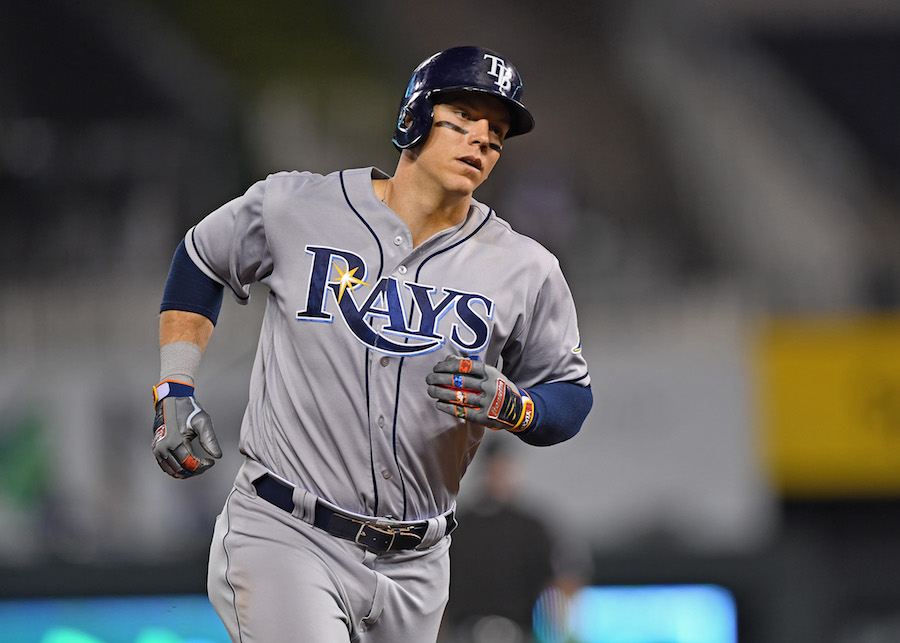
Going into this offseason, the Twins focus needed to be pitching. Derek Falvey and Thad Levine needed to give Molitor answers in the pen, as well as the starting rotation. From Jake Odorizzi to Addison Reed, they accomplished those goals and then some. An additional boost could be had for the offense, but it always seemed to be somewhat of a luxury acquisition. When Logan Morrison agreed to a one-year deal worth $6.5 million (and an option for a second year at $8 million), luxury became reality.
Not only did Minnesota get a 30 year-old player on the heels of a breakout season, but also they did so at a bargain price, and were able to supplement an area that was already considered a strength. As Morrison enters the Twins fold, it’s an already productive offense that could find it vaulting into the top tier across all of baseball.
Despite the success Molitor had with his group a season ago, Minnesota’s designated hitter spot left plenty to be desired. Manned mainly by Robbie Grossman, Twins designated hitters combined to post a sub .720 OPS in 2017. Despite being an on-base machine, Grossman posted just a .380 slugging percentage, and owned a .665 OPS across 59 games from June 1 through September 5th.
For a guy who had never previously hit more than 23 homers in a season, it’s hard to see Morrison replicating his 38-long ball performance from 2017. The .868 OPS was good enough for 34th in all of baseball, and is over 100 points better than his .763 career number. Regression is going to factor into production going forward, but most importantly, Morrison made wholesale changes that allowed his advancement at the dish. A dedication to launch angle and elevating the baseball make what was a significant outlying year seem to be more of a result generated by process, and repeatable.
Considering Tropicana Field and Target Field had similar park factors a year ago, Morrison’s production should remain relatively stable. Having gone from a 10.8 launch angle in 2015, all the way to 17.4 last year, the hard-hit and contact rates do not need to fluctuate to generate performance. What Morrison, even in a muted sense, brings to the Twins is much higher production at a spot in the lineup where they have previously been considered weak.
Expecting the Twins to once again surpass the 200 home run plateau is a pretty solid bet. While Brian Dozier has proven it for the last couple of years, guys like Miguel Sano, Byron Buxton and Max Kepler all have the potential to lose more baseballs in the seats. Even outside of the moonshots, run production remains a byproduct of simply getting on base. By adding a player like Morrison, Minnesota will generate more opportunities to put runs on the board.
It’s hard to think that the Twins will challenge the 877 run club record, but even an additional 10 runs (to 825) in 2017 would’ve had Minnesota as the third highest scoring offense in baseball (behind the Astros and Yankees). If the Twins are going to get better pitching performances in the year ahead (which they’ve set themselves up to do), and can also increase run production, then this club is going to be a real force to be reckoned with.
The reality is few teams have the ability to run Max Scherzer and Stephen Strasburg out to the mound on a nightly basis. Only so many Clayton Kershaw’s and Chris Sale’s exist across the big leagues. As the Twins continue to develop pitching and push towards a more sustainable model in deploying it, scoring more runs than their opponent is a great fallback option.
Falvey and Levine deserve plenty of credit for the supplementing they did for the organization this winter, but it may be the last addition they made that ends up having the largest impact. James Rowson has plenty of bats to work with, and Paul Molitor should have plenty of fun organizing them one through nine.





Recommended Comments
Create an account or sign in to comment
You need to be a member in order to leave a comment
Create an account
Sign up for a new account in our community. It's easy!
Register a new accountSign in
Already have an account? Sign in here.
Sign In Now