



Thiéres Rabelo
-
Posts
569 -
Joined
-
Last visited
Content Type
Profiles
News
Minnesota Twins Videos
2026 Minnesota Twins Top Prospects Ranking
2022 Minnesota Twins Draft Picks
Minnesota Twins Free Agent & Trade Rumors, Notes, & Tidbits
Guides & Resources
2023 Minnesota Twins Draft Picks
The Minnesota Twins Players Project
2024 Minnesota Twins Draft Picks
2025 Minnesota Twins Draft Pick Tracker
2026 Minnesota Twins Draft Tracker: Picks & Bonuses
Forums
Blogs
Events
Store
Downloads
Gallery
Everything posted by Thiéres Rabelo
-
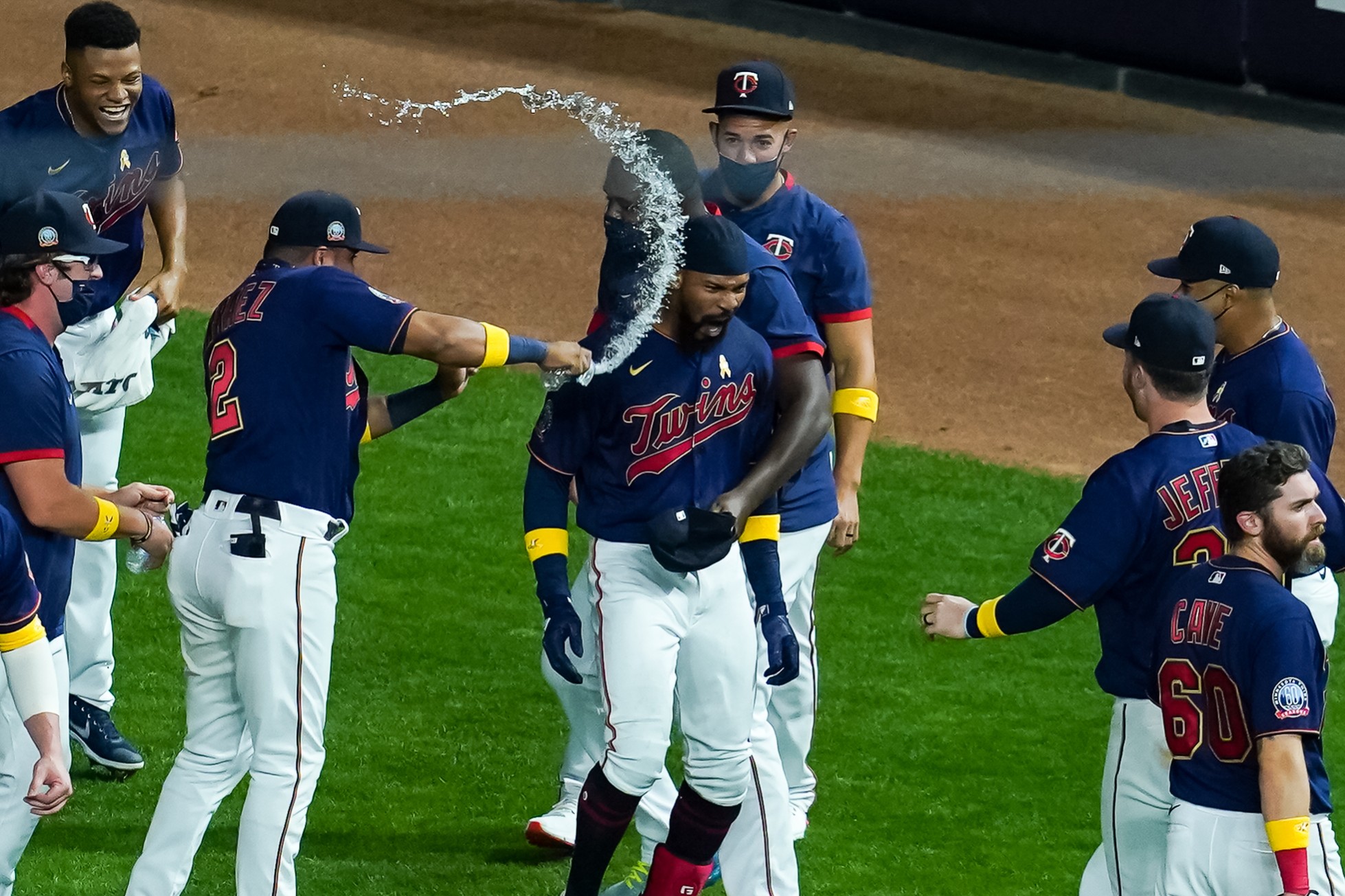 Box Score Maeda: 6.0 IP, 2 H, 3 ER, 1 BB, 8 K Home Runs: Sanó (9) Top 3 WPA: Sanó .597, Buxton .248, Donaldson .115 Win Probability Chart (via FanGraphs): Facing rookie lefty Tarik Skubal for the second time in the last seven days, the Twins offense experienced much of the same difficulties they’ve had throughout this year against southpaws. In fact, he had an even better game tonight. Skubal held the Twins hitless the first four innings, as he cruised to pitch six innings of one-run ball in under 80 pitches. It’s not like Kenta Maeda was much less impressive. He did allow a home run to center fielder Victor Reyes to leadoff the first inning, but bounced back brilliantly, retiring the following 18 batters he faced. Before the seventh, 75% of Maeda's pitches were strikes and he produced a lot of swings and misses, with 41% Whiff% on his swings. To try and help their starter, Twins bats managed to bring a runner across home plate in the fifth. Rookie right fielder Brent Rooker led off the inning with his second major league hit, jumping on a 0-2 fastball for a single. Jake Cave came in to run for him and was moved to third after a Miguel Sanó single. He scored on a fielder’s choice when Eddie Rosario grounded into a double play, tying it up. The game shifted to a different direction in the seventh. Maeda allowed the first two batters of the inning to reach, which ended the night for him. Tyler Clippard took over and after successfully stranding all six runners he previously inherited this year, he couldn’t pull it off this time. He gave up three consecutive hits and Detroit took a two-run lead. Even with the bases loaded, he managed to retire the next three batters to end the inning. Minnesota shortened the distances in the home half of the inning, with Sanó clobbering a two-out, 414-foot bomb to left. https://twitter.com/Twins/status/1302416818502598661 Jorge Alcalá had yet another impressive outing, pitching a couple of scoreless innings on 24 pitches and allowing the Twins to bat in the bottom of the ninth with a one-run deficit. This was the seventh time this season that he pitched at least two innings in a game, not allowing a run in any of them. The rally started when Tigers reliever José Cisnero allowed both Josh Donaldson and Nelson Cruz to reach to open the inning. Sanó got his third hit of the night with a ground ball to left, scoring pinch runner Ehire Adrianza. Eddie Rosario sent Cruz to third on a force play and later stole second, putting even more pressure on Cisnero. Then came Byron Buxton, still hitless on the night, and walked it off with his super human speed. https://twitter.com/Twins/status/1302429578296799232 Bullpen Usage Spreadsheet
 -
 The Twins managed to collect just eight total hits en route to suffering a doubleheader sweep at the hands of the Tigers Saturday in Detroit. The losses dropped the Twins to third place in the AL Central.Game 1: DET 8, MIN 2 Box Score Dobnak: 4.1 IP, 12 H, 6 ER, 2 BB, 1 K Home Runs: Cruz (12) Bottom 3 WPA: Dobnak -.261, Avila -.087, Cruz -.061 Win Probability Chart (via FanGraphs): Download attachment: Winchart1.png Game 2: DET 4, MIN 2 Box Score Home Runs: Cruz (13) Bottom 3 WPA: Duffey -.271, May -.193, Sanó -.160 Win Probability Chart: Download attachment: Winchart2.png Facing lefties this year has been one of the toughest tasks for this Twins offense. Coming into this series, Minnesota had the 10th worst OPS (.686) and wRC+ (89) against southpaws as a team. The Tigers had two lefties lined up to start both games and they didn’t have much trouble in dominating the Twins lineup for the day. Offense was bad... For Game 1 Rocco Baldelli made some experiments with the lineup, promoting two big changes. Max Kepler, who batted either first or second in 24 of his 30 previous games this season, started this game batting eighth, only for the second time this year. The other one was Miguel Sanó batting second for the very first time this season. Luis Arráez and Jake Cave sat this one out, as Minnesota tried to overcome their struggles against left handers. The strategies didn’t work very well. Minnesota’s offense was absolutely dominated by Tigers starter Matthew Boyd, who allowed only one hit through the first four innings, a Polanco leadoff single in the first. Even the only Twins run he allowed on that stretch came after first baseman Jeimer Candelario allowed Kepler to go to second on an error and Polanco scored him on a sac-fly. The Twins offense simply couldn’t figure Boyd out this afternoon. Not only hitting, but they couldn’t draw a single walk against him either. Minnesota’s other run came on a Nelson Cruz solo home run in the sixth. ...and pitching was worse But that wasn’t even the worst performance from Minnesota in the game. Randy Dobnak had the worst start of his young career, giving up six earned runs on 12 hits. It was brutal and a bit surprising, given his great start to the game, throwing a six-pitch first. His pitch to contact approach failed him today, as 11 of the 12 hits he allowed were hard hits. Curiously enough, only three of those resulted in extra bases. To go with such bad pitching performance, the Twins fielding also had a day to forget. From a bizarre throw to first from Polanco in the second inning to retire Candelario (a runner who would later score), to Eddie Rosario and Mak Kepler failing to glove a couple of hard hit balls that became RBI doubles, the defense was awful. Candelario’s single, by the way, had a .050 xBA and came off the bat at only 82.7 mph. Lewis Thorpe wasn’t much of an improvement when he took over for Dobnak in the fifth, with the bases loaded.He gave up a total of four hits, including a two-run double in the sixth to Miguel Cabrera. After a promising start to the season, he finished a rough month of August with an 8.49 ERA, the worst month of his young career. Bullpen studs struggle Things didn’t look much better in the second game. Detroit brought in another lefty in rookie Tarik Skubal, who held the Twins to only three hits in the first four innings. However, Minnesota was able to capitalize this time, starting with a sac fly from Marwin González in the second inning to take the 1-0 lead. The bullpen game had been working really well for the Twins this year. Well, not today. Matt Wisler started the game in great fashion, ending his outing one out shy of delivering two scoreless innings. But then the unthinkable took place. Two of the team’s best and most reliable arms of the year, Trevor May and Tyler Duffey, had terrible outings. Detroit took the lead against May in the third with a one-out, two-run homer from Candelario. Tyler Clippard came in to finish the inning and pitch a scoreless fourth. With him on the mound, Minnesota tied it up with Cruz’s second home run of the day, his 13th on the year. Duffey took the mound in the fifth, and after giving up a walk, Miguel Cabrera made him pay, homering to right for his third hit of the day to put Detroit ahead, 4-2. Some really good defense from the Tigers helped them to hold on to win. Cruz and Rosario both reached to open the final inning, but Sanó grounded into a double play. Bullpen Usage Spreadsheet Download attachment: Bullpen.png Postgame Pint Seth Stohs is joined by Matthew Trueblood, Nate Palmer and Twins Daily's live virtual audience to discuss the Minnesota Twins' bats going silent versus the Tigers. Download The Postgame Pint Podcast You can also listen to the Postgame Pint and never miss another one. Just head over to our iTunes page and subscribe. Every morning you'll have a new episode waiting for you. Or listen wherever you download your favorite podcasts. Click here to view the article
 -
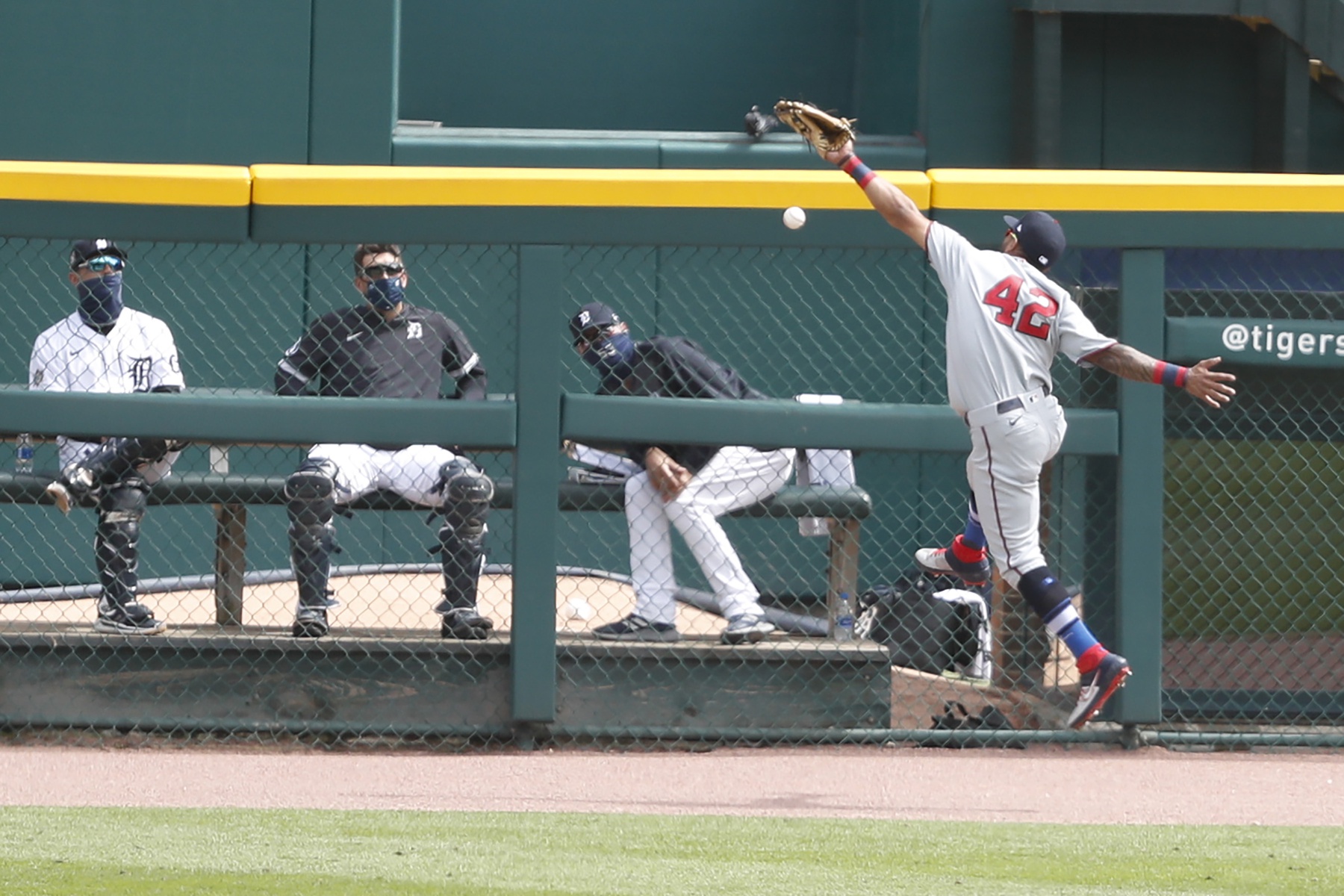 Game 1: DET 8, MIN 2 Box Score Dobnak: 4.1 IP, 12 H, 6 ER, 2 BB, 1 K Home Runs: Cruz (12) Bottom 3 WPA: Dobnak -.261, Avila -.087, Cruz -.061 Win Probability Chart (via FanGraphs): Game 2: DET 4, MIN 2 Box Score Home Runs: Cruz (13) Bottom 3 WPA: Duffey -.271, May -.193, Sanó -.160 Win Probability Chart: Facing lefties this year has been one of the toughest tasks for this Twins offense. Coming into this series, Minnesota had the 10th worst OPS (.686) and wRC+ (89) against southpaws as a team. The Tigers had two lefties lined up to start both games and they didn’t have much trouble in dominating the Twins lineup for the day. Offense was bad... For Game 1 Rocco Baldelli made some experiments with the lineup, promoting two big changes. Max Kepler, who batted either first or second in 24 of his 30 previous games this season, started this game batting eighth, only for the second time this year. The other one was Miguel Sanó batting second for the very first time this season. Luis Arráez and Jake Cave sat this one out, as Minnesota tried to overcome their struggles against left handers. The strategies didn’t work very well. Minnesota’s offense was absolutely dominated by Tigers starter Matthew Boyd, who allowed only one hit through the first four innings, a Polanco leadoff single in the first. Even the only Twins run he allowed on that stretch came after first baseman Jeimer Candelario allowed Kepler to go to second on an error and Polanco scored him on a sac-fly. The Twins offense simply couldn’t figure Boyd out this afternoon. Not only hitting, but they couldn’t draw a single walk against him either. Minnesota’s other run came on a Nelson Cruz solo home run in the sixth. https://twitter.com/fsnorth/status/1299783199132979207 ...and pitching was worse But that wasn’t even the worst performance from Minnesota in the game. Randy Dobnak had the worst start of his young career, giving up six earned runs on 12 hits. It was brutal and a bit surprising, given his great start to the game, throwing a six-pitch first. His pitch to contact approach failed him today, as 11 of the 12 hits he allowed were hard hits. Curiously enough, only three of those resulted in extra bases. To go with such bad pitching performance, the Twins fielding also had a day to forget. From a bizarre throw to first from Polanco in the second inning to retire Candelario (a runner who would later score), to Eddie Rosario and Mak Kepler failing to glove a couple of hard hit balls that became RBI doubles, the defense was awful. Candelario’s single, by the way, had a .050 xBA and came off the bat at only 82.7 mph. Lewis Thorpe wasn’t much of an improvement when he took over for Dobnak in the fifth, with the bases loaded.He gave up a total of four hits, including a two-run double in the sixth to Miguel Cabrera. After a promising start to the season, he finished a rough month of August with an 8.49 ERA, the worst month of his young career. Bullpen studs struggle Things didn’t look much better in the second game. Detroit brought in another lefty in rookie Tarik Skubal, who held the Twins to only three hits in the first four innings. However, Minnesota was able to capitalize this time, starting with a sac fly from Marwin González in the second inning to take the 1-0 lead. The bullpen game had been working really well for the Twins this year. Well, not today. Matt Wisler started the game in great fashion, ending his outing one out shy of delivering two scoreless innings. But then the unthinkable took place. Two of the team’s best and most reliable arms of the year, Trevor May and Tyler Duffey, had terrible outings. Detroit took the lead against May in the third with a one-out, two-run homer from Candelario. Tyler Clippard came in to finish the inning and pitch a scoreless fourth. With him on the mound, Minnesota tied it up with Cruz’s second home run of the day, his 13th on the year. https://twitter.com/Twins/status/1299819218167312384 Duffey took the mound in the fifth, and after giving up a walk, Miguel Cabrera made him pay, homering to right for his third hit of the day to put Detroit ahead, 4-2. Some really good defense from the Tigers helped them to hold on to win. Cruz and Rosario both reached to open the final inning, but Sanó grounded into a double play. Bullpen Usage Spreadsheet Postgame Pint Seth Stohs is joined by Matthew Trueblood, Nate Palmer and Twins Daily's live virtual audience to discuss the Minnesota Twins' bats going silent versus the Tigers. https://www.youtube.com/watch?v=75L-OoGW78c&feature=youtu.be Download The Postgame Pint Podcast You can also listen to the Postgame Pint and never miss another one. Just head over to our iTunes page and subscribe. Every morning you'll have a new episode waiting for you. Or listen wherever you download your favorite podcasts.
 -
The Twins bats showed up in support of Randy Dobnak on Saturday night. Eddie Rosario provided the first inning jolt, and then Miguel Sano did the work later in the game with a couple of big, loud hits. Dig into the details below.Box Score Dobnak: 5.0 IP, 8 H, 2 ER, 1 BB, 2 K Home Runs: Rosario (7), Sano (5) Top 3 WPA: Tyler Duffey 0.227, Eddie Rosario 0.126, Miguel Sano 0.104 Win Probability Chart (via FanGraphs): Good pitching, good defense and bombas. Everything worked out for Minnesota on Saturday night, as they snapped a five-game losing streak at Kauffman Stadium dating back to the last game of last season. They even this current series and can win it this Sunday. That would also avoid a season series loss for Minnesota against the Royals. With injuries piling up, the Twins could have had morale affected. Hours before tonight’s game, the club announced that Jake Odorizzi (chest contusion) and Zack Littell (right elbow) had been placed on the 10-Day Injured List, making it seven key players sidelined now. However, if that was the case, they sure managed to hide it very well. Minnesota put together a nice lead in the top half of the first. Max Kepler and Jorge Polanco opened up the game with back-to-back hits, Max’s being a double. Then came Eddie Rosario with a swing at the first pitch he saw, homering to the fountains at Kauffman Stadium. The Twins got at least one piece of good news regarding player injuries. Luis Arráez was back at the lineup after missing three games due to a sore knee. He helped turn two inning-ending double plays that helped Randy Dobnak to quickly pitch through the first two innings with only 20 pitches, keeping the Royals scoreless. Sanó stays hot, Dobber in trouble Dobnak this year isn’t used to a lot of run support, but he got some more of that in the fourth. Having a great month of August, in which he was having a .947 OPS before this game, and a 1.184 OPS in the previous seven games, he blasted his longest (458-feet) and hardest (115.8 MPH) home run of the year, with a solo bomb to lead off the inning. The Twins starter induced yet another double play in the bottom half of the fourth, his third of the game, a career high. But he was roughed up a bit in the fifth, giving up a lead off home run to Alex Gordon and later an RBI-double to Nicky Lopez. Overall, he gave up four hits in the 19-pitch inning and saw his comfortable four-run lead be cut in half. Although his pitch count still looked good (79 pitches), Dobnak’s evening was done early in the sixth. Two Kansas City runners reached to start the inning, with a catcher interference on a Jorge Soler swing, followed by a Ryan McBroom single. Tyler Duffey took over and, in spite of hitting a batter to load the bases, came through big to get out of the jam, striking out two. The offense ambushed reliever Ian Kennedy to break the game open. After Alex Avila and Kepler reached, the Royals chose to walk Rosario and face Marwin González with the bases loaded instead. Command wasn’t there for Kennedy, who walked Margo. Sanó stepped up and hit another rocket (106.6 MPH), which this time stayed in the park, but was enough to bring home a couple more runs. Veteran lefty Danny Coulombe, whose contract was selected by the Twins after the recent IL moves, had a good outing. He pitched the final two innings of the game and did not allow a run. He did give up a hit and a walk in the bottom of the ninth, causing Sergio Romo to start warming up, but he finished it off and secured the win. Bullpen Usage Spreadsheet Postgame Pint Immediately following the Twins 7-2 win over the Royals, Nick Nelson, John Bonnes and Cody Pirkl were joined by a virtual crowd and attempted to identify the player of the game amid several worthy candidates. Download The Postgame Pint Podcast You can also listen to the Postgame Pint and never miss another one. Just head over to our iTunes page and subscribe. Every morning you'll have a new episode waiting for you. Or listen wherever you download your favorite podcasts. Click here to view the article
-
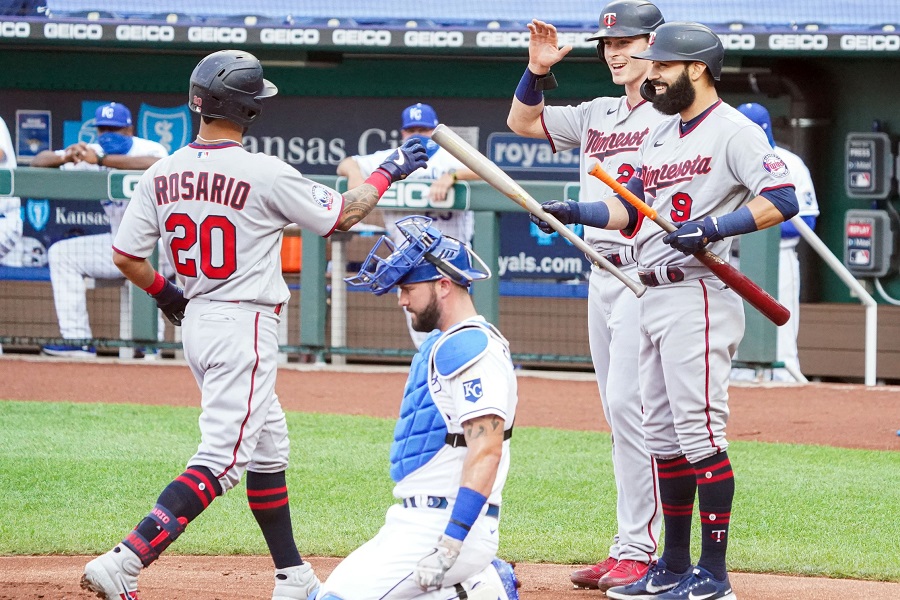 Box Score Dobnak: 5.0 IP, 8 H, 2 ER, 1 BB, 2 K Home Runs: Rosario (7), Sano (5) Top 3 WPA: Tyler Duffey 0.227, Eddie Rosario 0.126, Miguel Sano 0.104 Win Probability Chart (via FanGraphs): Good pitching, good defense and bombas. Everything worked out for Minnesota on Saturday night, as they snapped a five-game losing streak at Kauffman Stadium dating back to the last game of last season. They even this current series and can win it this Sunday. That would also avoid a season series loss for Minnesota against the Royals. With injuries piling up, the Twins could have had morale affected. Hours before tonight’s game, the club announced that Jake Odorizzi (chest contusion) and Zack Littell (right elbow) had been placed on the 10-Day Injured List, making it seven key players sidelined now. However, if that was the case, they sure managed to hide it very well. Minnesota put together a nice lead in the top half of the first. Max Kepler and Jorge Polanco opened up the game with back-to-back hits, Max’s being a double. Then came Eddie Rosario with a swing at the first pitch he saw, homering to the fountains at Kauffman Stadium. https://twitter.com/Twins/status/1297313249340338176 The Twins got at least one piece of good news regarding player injuries. Luis Arráez was back at the lineup after missing three games due to a sore knee. He helped turn two inning-ending double plays that helped Randy Dobnak to quickly pitch through the first two innings with only 20 pitches, keeping the Royals scoreless. Sanó stays hot, Dobber in trouble Dobnak this year isn’t used to a lot of run support, but he got some more of that in the fourth. Having a great month of August, in which he was having a .947 OPS before this game, and a 1.184 OPS in the previous seven games, he blasted his longest (458-feet) and hardest (115.8 MPH) home run of the year, with a solo bomb to lead off the inning. https://twitter.com/Twins/status/1297327556870496256 The Twins starter induced yet another double play in the bottom half of the fourth, his third of the game, a career high. But he was roughed up a bit in the fifth, giving up a lead off home run to Alex Gordon and later an RBI-double to Nicky Lopez. Overall, he gave up four hits in the 19-pitch inning and saw his comfortable four-run lead be cut in half. Although his pitch count still looked good (79 pitches), Dobnak’s evening was done early in the sixth. Two Kansas City runners reached to start the inning, with a catcher interference on a Jorge Soler swing, followed by a Ryan McBroom single. Tyler Duffey took over and, in spite of hitting a batter to load the bases, came through big to get out of the jam, striking out two. The offense ambushed reliever Ian Kennedy to break the game open. After Alex Avila and Kepler reached, the Royals chose to walk Rosario and face Marwin González with the bases loaded instead. Command wasn’t there for Kennedy, who walked Margo. Sanó stepped up and hit another rocket (106.6 MPH), which this time stayed in the park, but was enough to bring home a couple more runs. https://twitter.com/fsnorth/status/1297347653878063104 Veteran lefty Danny Coulombe, whose contract was selected by the Twins after the recent IL moves, had a good outing. He pitched the final two innings of the game and did not allow a run. He did give up a hit and a walk in the bottom of the ninth, causing Sergio Romo to start warming up, but he finished it off and secured the win. Bullpen Usage Spreadsheet Postgame Pint Immediately following the Twins 7-2 win over the Royals, Nick Nelson, John Bonnes and Cody Pirkl were joined by a virtual crowd and attempted to identify the player of the game amid several worthy candidates. https://www.youtube.com/watch?v=0mZfAGpHIo4&feature=youtu.be Download The Postgame Pint Podcast You can also listen to the Postgame Pint and never miss another one. Just head over to our iTunes page and subscribe. Every morning you'll have a new episode waiting for you. Or listen wherever you download your favorite podcasts.
 -
Nelson Cruz had a big day at the plate, hitting a pair of home runs to go with a double, as the Twins split a doubleheader with the Royals today. José Berríos gave up four runs over four innings pitched in the second game, seeing his ERA jump to 5.92.Game 1: Twins 4, Royals 2 Box Score Odorizzi: 4.0 IP, 3 H, 2 ER, 0 BB, 6 K Home Runs: Cruz (5) Top 3 WPA: Cruz .218, Duffey .100, Rogers/Romo .083 Win Probability Chart (via FanGraphs): Download attachment: Winchart1.png Jake Odorizzi looked much better in his first start since the shaky one in Kansas City a week ago. Back in Missouri last Saturday, making his season debut after starting it on the IL, Odorizzi needed more than 70 pitches to complete three innings. He struggled with his command a little bit and allowed two earned runs on four hits, to go with two walks and two strikeouts. But today, with the same amount of work, he completely dominated the Royals lineup and went on to pitch into the fifth. With only 40 pitches, Odorizzi threw three perfect innings, while fanning five. Overall, he ended up retiring all the first eleven batters he faced. Right then, in the bottom half of the third, Jorge Polanco doubled against lefty reliever Gabe Speier, as the Royals were having a bullpen day. They didn’t want Speier facing Nelson Cruz, so they brought in rightie Tyler Zuber with two outs. Cruz hammered a mammoth 448-feet home run to back up Odorizzi’s great performance. After going 0-for-15 in his previous five home games, Luis Arráez snapped out of his funk with a single in the bottom of the fourth, sending Miguel Sanó to third. Later on Arráez would get his second hit of the day, making it his first multi-hit game at home since 9/21. Byron Buxton then flied out to left, but it was deep enough to score the big man, giving the Twins a three-run lead. Maikel Franco ended Odorizzi’s afternoon with a two-run home run in the fifth. The third baseman has now homered in back-to-back games against Minnesota. The bomb came after Ryan McBroom hit a leadoff double and Odorizzi had gotten ahead in the count against Franco at 0-2. Nonetheless, it was a very encouraging performance from the Twins rightie. Bats kept clicking as Minnesota responded right back in the bottom half of the inning. Cruz nearly homered again on a liner towards Alex Gordon, who managed to rob him of the dinger, but couldn’t hold on to the ball, allowing Nelly to reach second. Eddie Rosario stepped up and swung on the second pitch he saw, hitting a fly ball to deep right field, reaching second and scoring Cruz, giving the game its final numbers. Taking over for Odorizzi in the fifth with no outs, Tyler Duffey started out an amazing outing from the Twins bullpen. Duffey and Sergio Romo combined for two perfect innings with only 22 pitches. Romo pitched his 700th and 701st career strikeouts in the sixth. Taylor Rogers allowed a couple of hits in the seventh, bringing the tying run to the plate twice, but he induced a double play and struck out Gordon to earn his fifth save in the season. Game 2: Royals 4, Twins 2 Box Score Berríos: 4.0 IP, 5 H, 4 ER, 4 BB, 7 K Home Runs: Cruz (6) Bottom 3 WPA: Berríos -.247, Buxton -.146 Sanó -.109 Win Probability Chart (via FanGraphs): Download attachment: Winchart2.png Command wasn’t there for José Berríos, who threw just 12 of his 26 pitches in the first inning for strikes. He loaded the bases with two outs, after back-to-back walks., but worked out of the jam. This has contributed to an unsettling trend: Facing Danny Duffy for the second time this season, the offense posed a threat early on. Mitch Garver reached on a fielding error, advanced to third on a wild pitch by Duffy, and later scored on a sacrifice fly from Marwin González. Struggles continued for Berríos, as his command continued to elude him. He gave up three singles in the second, allowing the Royals to tie it up with a Whitt Merrifield RBI-single. A 1-2-3 third had everybody thinking he was finally back on track, but then a couple of walks came back to haunt him in the fourth when he gave up a two-out, three-run home run to the same Merrifield. It was the second time this season that Berríos failed to pitch more than four innings and the third time he gave up at least four earned runs, in five starts. His season ERA is now up to 5.92. Nelly hit a leadoff home run in the bottom of the fourth, his second bomba of the day, and kept Minnesota very much in the game. Jorge Alcala tossed a couple of scoreless innings in relief of Berríos and Zack Littell, coming back from the IL, pitched a great 1-2-3 in the seventh. Overall, Minnesota’s bullpen combined for six innings without allowing a run in the two games. However, the Royal bullpen did an equally good job, holding on to the lead in the final two innings and avoiding the double header sweep. Bullpen Usage Spreadsheet Download attachment: Bullpen.png Click here to view the article
-
Doubleheader Recap: Cruz Hits 2 Home Runs, Twins Split With Royals
Thiéres Rabelo posted an article in Twins
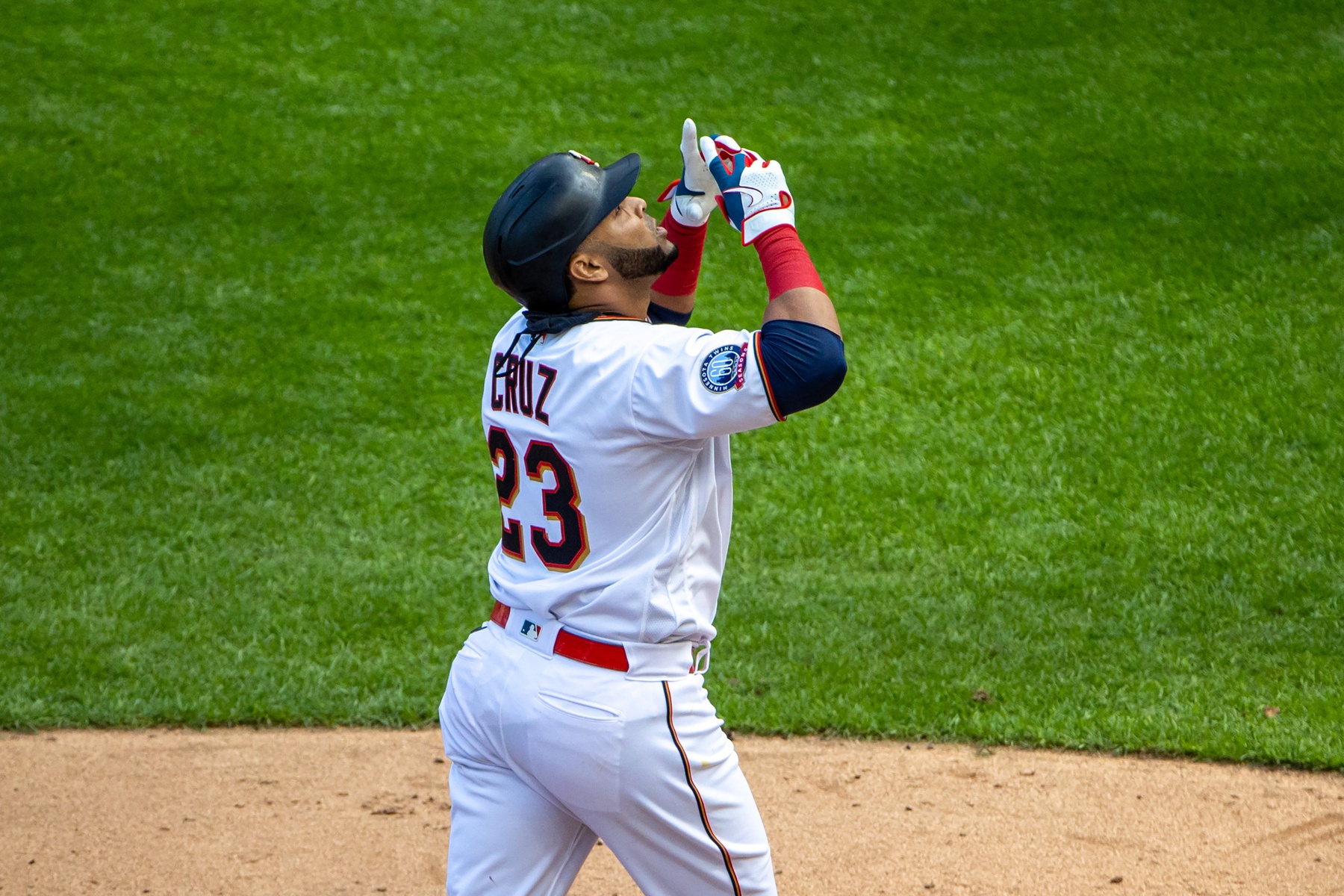 Game 1: Twins 4, Royals 2 Box Score Odorizzi: 4.0 IP, 3 H, 2 ER, 0 BB, 6 K Home Runs: Cruz (5) Top 3 WPA: Cruz .218, Duffey .100, Rogers/Romo .083 Win Probability Chart (via FanGraphs): Jake Odorizzi looked much better in his first start since the shaky one in Kansas City a week ago. Back in Missouri last Saturday, making his season debut after starting it on the IL, Odorizzi needed more than 70 pitches to complete three innings. He struggled with his command a little bit and allowed two earned runs on four hits, to go with two walks and two strikeouts. But today, with the same amount of work, he completely dominated the Royals lineup and went on to pitch into the fifth. With only 40 pitches, Odorizzi threw three perfect innings, while fanning five. Overall, he ended up retiring all the first eleven batters he faced. Right then, in the bottom half of the third, Jorge Polanco doubled against lefty reliever Gabe Speier, as the Royals were having a bullpen day. They didn’t want Speier facing Nelson Cruz, so they brought in rightie Tyler Zuber with two outs. Cruz hammered a mammoth 448-feet home run to back up Odorizzi’s great performance. https://twitter.com/Twins/status/1294706115813482496 After going 0-for-15 in his previous five home games, Luis Arráez snapped out of his funk with a single in the bottom of the fourth, sending Miguel Sanó to third. Later on Arráez would get his second hit of the day, making it his first multi-hit game at home since 9/21. Byron Buxton then flied out to left, but it was deep enough to score the big man, giving the Twins a three-run lead. https://twitter.com/fsnorth/status/1294713742274498562 Maikel Franco ended Odorizzi’s afternoon with a two-run home run in the fifth. The third baseman has now homered in back-to-back games against Minnesota. The bomb came after Ryan McBroom hit a leadoff double and Odorizzi had gotten ahead in the count against Franco at 0-2. Nonetheless, it was a very encouraging performance from the Twins rightie. Bats kept clicking as Minnesota responded right back in the bottom half of the inning. Cruz nearly homered again on a liner towards Alex Gordon, who managed to rob him of the dinger, but couldn’t hold on to the ball, allowing Nelly to reach second. Eddie Rosario stepped up and swung on the second pitch he saw, hitting a fly ball to deep right field, reaching second and scoring Cruz, giving the game its final numbers. Taking over for Odorizzi in the fifth with no outs, Tyler Duffey started out an amazing outing from the Twins bullpen. Duffey and Sergio Romo combined for two perfect innings with only 22 pitches. Romo pitched his 700th and 701st career strikeouts in the sixth. Taylor Rogers allowed a couple of hits in the seventh, bringing the tying run to the plate twice, but he induced a double play and struck out Gordon to earn his fifth save in the season. https://twitter.com/fsnorth/status/1294730762936360961 Game 2: Royals 4, Twins 2 Box Score Berríos: 4.0 IP, 5 H, 4 ER, 4 BB, 7 K Home Runs: Cruz (6) Bottom 3 WPA: Berríos -.247, Buxton -.146 Sanó -.109 Win Probability Chart (via FanGraphs): Command wasn’t there for José Berríos, who threw just 12 of his 26 pitches in the first inning for strikes. He loaded the bases with two outs, after back-to-back walks., but worked out of the jam. This has contributed to an unsettling trend: https://twitter.com/MatthewTaylorMN/status/1294742254964408326 Facing Danny Duffy for the second time this season, the offense posed a threat early on. Mitch Garver reached on a fielding error, advanced to third on a wild pitch by Duffy, and later scored on a sacrifice fly from Marwin González. Struggles continued for Berríos, as his command continued to elude him. He gave up three singles in the second, allowing the Royals to tie it up with a Whitt Merrifield RBI-single. A 1-2-3 third had everybody thinking he was finally back on track, but then a couple of walks came back to haunt him in the fourth when he gave up a two-out, three-run home run to the same Merrifield. It was the second time this season that Berríos failed to pitch more than four innings and the third time he gave up at least four earned runs, in five starts. His season ERA is now up to 5.92. Nelly hit a leadoff home run in the bottom of the fourth, his second bomba of the day, and kept Minnesota very much in the game. https://twitter.com/fsnorth/status/1294759933855105025 Jorge Alcala tossed a couple of scoreless innings in relief of Berríos and Zack Littell, coming back from the IL, pitched a great 1-2-3 in the seventh. Overall, Minnesota’s bullpen combined for six innings without allowing a run in the two games. However, the Royal bullpen did an equally good job, holding on to the lead in the final two innings and avoiding the double header sweep. Bullpen Usage Spreadsheet
 -
A Twins lineup lacking some of its key pieces tallied just two runs, both on solo homers, in a 3-2 loss at Kansas City Friday night. The bats mustered just five hits and had only two at-bats with runners in scoring position.Box Score Smeltzer: 4.1 IP, 4 H, 2 ER, 1 BB, 2 K Home Runs: Buxton (2), Gonzalez (2) Bottom 3 WPA: Rosario -.139, Cave -.111, Adrianza -.103 Win Probability Chart (via FanGraphs): Download attachment: Winchart.png While the Twins offense has been somewhat productive so far this year, ranking fifth in runs scored (68) and fourth in home runs (20) coming into this game, they have also produced some unimpressive stats, such as a .236 AVG, .731 OPS, .265 BABIP, .319 wOBA and 106 wRC+. Tonight, even with a solid performance from the mound, the bats didn’t show up when needed. Byron Buxton homered to lead off the third inning, hitting a 442-feet bomb to left center. It was the fourth longest home run of his career and this was the first time he went yard in back-to-back games since May 16 of last year. Momentarily, Buxton’s OPS improved from .548 to .731 with that dinger, which may be an indicator that his slow start might be behind him sooner than most of us imagined. After completing the first two innings rather quickly, Smeltzer put on a sweat to pitch throughout the third. Royals third baseman Maikel Franco hit a leadoff double and was later brought home by a single from center fielder Nick Heath. Smeltzer managed to limit the damage to the one run, not allowing any other base runner. Minnesota got back on top immediately afterwards, in the top of the fourth, with yet another home run. Marwin González hit his second of the year. Smeltzer rained out The game was halted by a rain delay in the bottom of the fifth, which fortunately lasted only a few minutes. However, it was long enough to end the night for Smeltzer, who had given up a leadoff single to Alex Gordon, later scored by a one-out single from Nicky Lopez, in the very last pitch before the umpires decided to pause the game, tying the game. Smeltzer’s pitch count still looked good, with 62 pitches to complete 4 1/3 innings. Matt Wisler came into the game in his relief, after the tarp was rolled up, to try to get the final two outs of the fifth inning. He walked the first batter he saw, but then got bailed out by an amazing catch from Jake Cave, preventing the Royals from taking the lead. Wisler is having a really nice start of his Twins career, but he made a mistake in the sixth inning, as a hanging slider in the middle of the zone was crushed by first baseman Ryan McBroom, making it 3-2 Royals. It was the first run allowed by Wisler in the season. Bullpen keeps Minnesota alive, but the offense doesn’t deliver Once Wisler departed from the game after the sixth inning, Caleb Thielbar and Sean Poppen (making his season debut) pitched a couple of scoreless frames to keep the Twins alive. However, the offense couldn’t come through for them. After Miguel Sanó was intentionally walked in the fifth inning, Twins batters went 0-for-13 with a walk to finish the game. Nelson Cruz, who originally got the night off, came into the game to pinch-hit for Ehire Adrianza in the very last out of the game. In spite of the good eight-pitch battle against reliever Trevor Rosenthal, he ended up striking out. Bullpen Usage Spreadsheet Download attachment: Bullpen.png Click here to view the article
-
KCR 3, MIN 2: No Cruz, No Donaldson, No Arráez, No Offense
Thiéres Rabelo posted an article in Twins
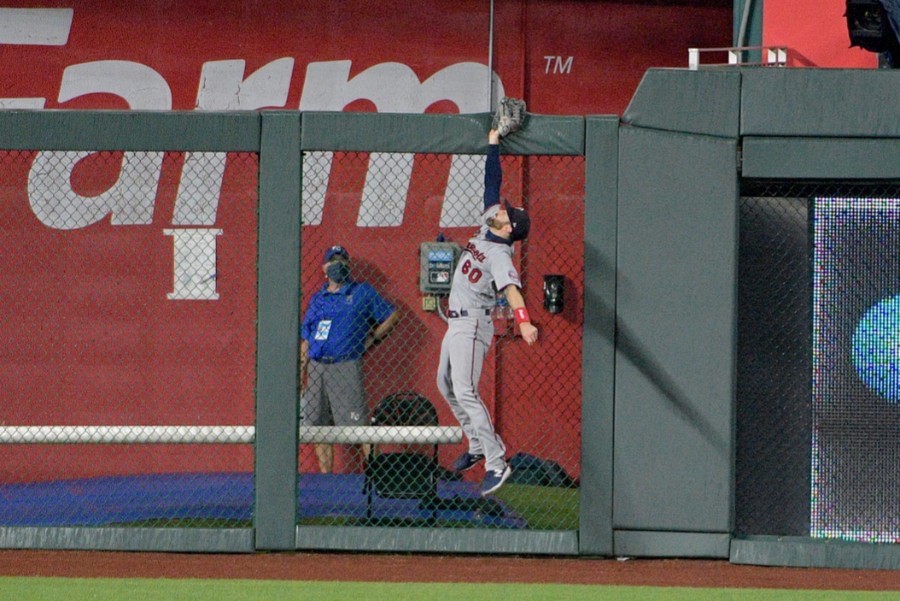 Box Score Smeltzer: 4.1 IP, 4 H, 2 ER, 1 BB, 2 K Home Runs: Buxton (2), Gonzalez (2) Bottom 3 WPA: Rosario -.139, Cave -.111, Adrianza -.103 Win Probability Chart (via FanGraphs): While the Twins offense has been somewhat productive so far this year, ranking fifth in runs scored (68) and fourth in home runs (20) coming into this game, they have also produced some unimpressive stats, such as a .236 AVG, .731 OPS, .265 BABIP, .319 wOBA and 106 wRC+. Tonight, even with a solid performance from the mound, the bats didn’t show up when needed. Byron Buxton homered to lead off the third inning, hitting a 442-feet bomb to left center. It was the fourth longest home run of his career and this was the first time he went yard in back-to-back games since May 16 of last year. Momentarily, Buxton’s OPS improved from .548 to .731 with that dinger, which may be an indicator that his slow start might be behind him sooner than most of us imagined. https://twitter.com/fsnorth/status/1291897753069588480 After completing the first two innings rather quickly, Smeltzer put on a sweat to pitch throughout the third. Royals third baseman Maikel Franco hit a leadoff double and was later brought home by a single from center fielder Nick Heath. Smeltzer managed to limit the damage to the one run, not allowing any other base runner. Minnesota got back on top immediately afterwards, in the top of the fourth, with yet another home run. Marwin González hit his second of the year. https://twitter.com/Twins/status/1291905091432321024 Smeltzer rained out The game was halted by a rain delay in the bottom of the fifth, which fortunately lasted only a few minutes. However, it was long enough to end the night for Smeltzer, who had given up a leadoff single to Alex Gordon, later scored by a one-out single from Nicky Lopez, in the very last pitch before the umpires decided to pause the game, tying the game. Smeltzer’s pitch count still looked good, with 62 pitches to complete 4 1/3 innings. Matt Wisler came into the game in his relief, after the tarp was rolled up, to try to get the final two outs of the fifth inning. He walked the first batter he saw, but then got bailed out by an amazing catch from Jake Cave, preventing the Royals from taking the lead. https://twitter.com/fsnorth/status/1291916680109711360 Wisler is having a really nice start of his Twins career, but he made a mistake in the sixth inning, as a hanging slider in the middle of the zone was crushed by first baseman Ryan McBroom, making it 3-2 Royals. It was the first run allowed by Wisler in the season. Bullpen keeps Minnesota alive, but the offense doesn’t deliver Once Wisler departed from the game after the sixth inning, Caleb Thielbar and Sean Poppen (making his season debut) pitched a couple of scoreless frames to keep the Twins alive. However, the offense couldn’t come through for them. After Miguel Sanó was intentionally walked in the fifth inning, Twins batters went 0-for-13 with a walk to finish the game. Nelson Cruz, who originally got the night off, came into the game to pinch-hit for Ehire Adrianza in the very last out of the game. In spite of the good eight-pitch battle against reliever Trevor Rosenthal, he ended up striking out. Bullpen Usage Spreadsheet
 -
With Homer Bailey placed on the Injured List due to a bicep injury, Rocco Baldelli was forced to go with a bullpen game Sunday against Cleveland. Six Twins pitchers combined to hold Cleveland to just one run, as Minnesota took the game and the series, 3-1.Box Score Home Runs: Garver (1) Top 3 WPA: Clippard .105, Wisler .084, Smeltzer/May/Romo .083 Win Probability Chart (via FanGraphs): Download attachment: Winchart.png It was more of the same in the final game of the series against Cleveland. Just like we saw happening several times this week, the offense provided the early lead and the pitching held on to it brilliantly during the whole game. This is the first 7-2 start for the Twins since 2001. Tyler Clippard said after the game, "Obviously, they're definitely going to be one of the teams that will be at the top of our division. So it was really nice to win three out of four from them." The Twins announced on Saturday night that Homer Bailey, the starter who was supposed to pitch on Sunday, was pushed for the Monday series opener against the Pirates. With that, the club decided to use the “opener” strategy, choosing Tyler Clippard to start the game. Moments before the first pitch, the team announced that Bailey was being placed on 10-day injured list, with Sean Poppen being recalled to replace him. Clippard made the most of this opportunity, providing Minnesota with two perfect innings. Inducing a lot of weak contact, he managed to retire all batters he faced with only 21 pitches. In his support, the Twins’ new trademark early offense provided him with one run in each of his innings. After Max Kepler hit a leadoff triple (which upon challenge was turned into a ground-rule double), he was later brought home by a weak, opposite-field single by Polanco. The exit velocity of that single was 56.6 MPH. In the second inning, Mitch Garver broke his curse and hit his first home run of the year, a solo leadoff shot to center left. Devin Smeltzer took over in the third inning and had a solid outing, bouncing back from his first rough first appearance in Chicago. He was one out away from completing three innings of one-run ball, giving up two hits and a walk. He also had some run support. After Kepler doubled to leadoff the third, Nelson Cruz hit a ground ball up the middle to bring him home, making it 3-0 Twins. Smeltzer allowed a leadoff double from César Hernández to score in the fourth, when Francisco Lindor hit a hard single. However, he was caught trying to stretch it into a double by a laser throw from Eddie Rosario. Rocco Baldelli took him off the game after back-to-back strikeouts in the fifth, on nine pitches. Is the offense still cold? Wins are coming and that’s obviously the most important thing. But is the Twins offense going through a bit of a slump? After the RBI-single from Cruz in the third, the following 13 Minnesota batters were retired consecutively, before Marwin Gonzalez his a leadoff single in the eighth. If you consider the lineup that started today’s game your best one (maybe replacing Gonzáles with Josh Donaldson), it is now combining for a team OPS of roughly .644. How worried should we be? Matt Wisler, Tyler Duffey and Trevor May went on to pitch three scoreless innings, not allowing a single hit and striking out six, compensating for the offense slow afternoon. Wisler took over in relief of Smeltzer in the fifth and managed to face the top of Cleveland’s order in the sixth. He gave up a walk to Hernández, but retired the remaining Indian batters, including a strikeout against José Ramírez. Both him and Duffey have yet to allow a run in the season. Sergio Romo was chosen to close the game in a save situation and after a lenghty at-bat against Ramírez, he managed to retire Lindor and Carlos Santana without much trouble. MItch Garver said after the game, "We have a really good back end of the bullpen. Like today, we can go to Romo if we need a save situation and we're all very comfortable with him having the ball." The bullpen new it had a big job to do on Sunday. Clippard said, "We really take pride in games like this as a bullpen, getting the job done and helping our team win by putting up zeroes. It's a good feeling, and it's nice to be a part of it." Bullpen Usage Spreadsheet Download attachment: Bullpen.png Seth Stohs contributed the quotes to this story. Click here to view the article
-
Twins 3, Cleveland 1: Bullpen Dominates as Twins Take Series
Thiéres Rabelo posted an article in Twins
 Box Score Home Runs: Garver (1) Top 3 WPA: Clippard .105, Wisler .084, Smeltzer/May/Romo .083 Win Probability Chart (via FanGraphs): It was more of the same in the final game of the series against Cleveland. Just like we saw happening several times this week, the offense provided the early lead and the pitching held on to it brilliantly during the whole game. This is the first 7-2 start for the Twins since 2001. Tyler Clippard said after the game, "Obviously, they're definitely going to be one of the teams that will be at the top of our division. So it was really nice to win three out of four from them." The Twins announced on Saturday night that Homer Bailey, the starter who was supposed to pitch on Sunday, was pushed for the Monday series opener against the Pirates. With that, the club decided to use the “opener” strategy, choosing Tyler Clippard to start the game. Moments before the first pitch, the team announced that Bailey was being placed on 10-day injured list, with Sean Poppen being recalled to replace him. Clippard made the most of this opportunity, providing Minnesota with two perfect innings. Inducing a lot of weak contact, he managed to retire all batters he faced with only 21 pitches. In his support, the Twins’ new trademark early offense provided him with one run in each of his innings. After Max Kepler hit a leadoff triple (which upon challenge was turned into a ground-rule double), he was later brought home by a weak, opposite-field single by Polanco. The exit velocity of that single was 56.6 MPH. In the second inning, Mitch Garver broke his curse and hit his first home run of the year, a solo leadoff shot to center left. https://twitter.com/twinsbeisbol/status/1289999562308952064 Devin Smeltzer took over in the third inning and had a solid outing, bouncing back from his first rough first appearance in Chicago. He was one out away from completing three innings of one-run ball, giving up two hits and a walk. He also had some run support. After Kepler doubled to leadoff the third, Nelson Cruz hit a ground ball up the middle to bring him home, making it 3-0 Twins. Smeltzer allowed a leadoff double from César Hernández to score in the fourth, when Francisco Lindor hit a hard single. However, he was caught trying to stretch it into a double by a laser throw from Eddie Rosario. Rocco Baldelli took him off the game after back-to-back strikeouts in the fifth, on nine pitches. Is the offense still cold? Wins are coming and that’s obviously the most important thing. But is the Twins offense going through a bit of a slump? After the RBI-single from Cruz in the third, the following 13 Minnesota batters were retired consecutively, before Marwin Gonzalez his a leadoff single in the eighth. If you consider the lineup that started today’s game your best one (maybe replacing Gonzáles with Josh Donaldson), it is now combining for a team OPS of roughly .644. How worried should we be? Matt Wisler, Tyler Duffey and Trevor May went on to pitch three scoreless innings, not allowing a single hit and striking out six, compensating for the offense slow afternoon. Wisler took over in relief of Smeltzer in the fifth and managed to face the top of Cleveland’s order in the sixth. He gave up a walk to Hernández, but retired the remaining Indian batters, including a strikeout against José Ramírez. Both him and Duffey have yet to allow a run in the season. Sergio Romo was chosen to close the game in a save situation and after a lenghty at-bat against Ramírez, he managed to retire Lindor and Carlos Santana without much trouble. MItch Garver said after the game, "We have a really good back end of the bullpen. Like today, we can go to Romo if we need a save situation and we're all very comfortable with him having the ball." The bullpen new it had a big job to do on Sunday. Clippard said, "We really take pride in games like this as a bullpen, getting the job done and helping our team win by putting up zeroes. It's a good feeling, and it's nice to be a part of it." Bullpen Usage Spreadsheet Seth Stohs contributed the quotes to this story.
 -
Randy Dobnak pitched his way through five shutout innings to help lead the Minnesota Twins to a 4-1 victory over Cleveland Friday night. The 25-year-old right-hander lowered his career ERA to a miniscule 1.45 with this outing.Box Score Starter: 5.0 IP, 3 H, 0 ER, 2 BB, 4 K Home Runs: Kepler (3), Avila (1) Top 3 WPA: Dobnak .213, Rosario .106, Kepler .078 Win Probability Chart (via FanGraphs): Download attachment: Winchart.png Bats back up Dobnak’s solid start early Minnesota sent out a lefty-filled lineup to try to get to Indians starter Mike Clevinger and it worked perfectly early on. Max Kepler started things off by once again hitting a leadoff home run, like he did a week ago in Chicago. Since homering twice that evening, he slumped pretty hard, going 2-for-17 in the following four games. Eddie Rosario smacked a two-RBI double later on, after Josh Donaldson and Nelson Cruz reached. He went way up to get that four-seamer and give the Twins a 3-0 lead. Another lefty took Clevinger deep to leadoff an inning, as Alex Avila pounded a fastball inside to hit a 405-feet no doubter in the second, his first in a Twins uniform. The early push from the offense was in tune with Dobnak great performance. The rookie cruised through the first couple of innings, including a nine-pitch second. He did put a lot of work into getting through Francisco Lindor in the first, throwing eleven pitches before recording the out. While Twins batters didn’t produce runs in the following two innings, they did manage to wear out Clevinger. The Indians starter was done after concluding the fourth, inning in which Minnesota drew three walks, two of them after two outs. Meanwhile, Dobnak did a great job keeping Cleveland scoreless through five, despite allowing some strong contact (his average exit velocity was 94.5 MPH). In fact, only three out of the thirteen balls in play he allow actually materialized into hits. Indians relievers cool off Twins offense The Twins failed to score in a couple of key moments in the middle of the game, against the Cleveland bullpen. They opened the fifth inning with back-to-back hits, including a leadoff double by Jorge Polanco, which were pitched around by Indians reliever Phil Maton. In the following inning Avila reached on a hit by pitch and was later advanced to third by a two-out double from Ehire Adrianza. However, Polanco flied out against Oliver Pérez. Cam Hill pitched an easy 1-2-3 seventh for Cleveland, against the heart of Minnesota’s lineup, and Dominic Leone pitched around a walk from Luis Arráez in the eighth, completing the four-inning shutout by Cleveland bullpen. Fortunately, the Twins bullpen responded accordingly. Tyler Clippard allowed an RBI-double from Franmil Reyes in the sixth, after a but he was followed up by a lights out 1-2-3 seventh from Tyler Duffey and a similarly great outing from Sergio Romo in the eighth, striking out two batters. Taylor Rogers came in and easily earned the save with five pitches. Donaldson left the game early Donaldson hit a single and scored a run in the first inning, but when he was supposed to bat again in the second, Adrianza was replacing him. Turns out he was pulled from the game for precautionary reasons, after presenting right calf tightness. While this doesn’t immediately sound like a serious problem, it’s important to remember that calf issues were the most serious injuries he had to face in his career. Bullpen Usage Spreadsheet Download attachment: Bullpen.png Postgame Pint AS the Twins bounce back versus Clevinger, Twins Daily's writers celebrated. Watch it below, or download the podcast to be a part of the action You can also find Saturday night's gathering a PostgamePint.com. Click here to view the article
-
 Box Score Starter: 5.0 IP, 3 H, 0 ER, 2 BB, 4 K Home Runs: Kepler (3), Avila (1) Top 3 WPA: Dobnak .213, Rosario .106, Kepler .078 Win Probability Chart (via FanGraphs): Bats back up Dobnak’s solid start early Minnesota sent out a lefty-filled lineup to try to get to Indians starter Mike Clevinger and it worked perfectly early on. Max Kepler started things off by once again hitting a leadoff home run, like he did a week ago in Chicago. Since homering twice that evening, he slumped pretty hard, going 2-for-17 in the following four games. Eddie Rosario smacked a two-RBI double later on, after Josh Donaldson and Nelson Cruz reached. He went way up to get that four-seamer and give the Twins a 3-0 lead. https://twitter.com/fsnorth/status/1289359375069376515 Another lefty took Clevinger deep to leadoff an inning, as Alex Avila pounded a fastball inside to hit a 405-feet no doubter in the second, his first in a Twins uniform. The early push from the offense was in tune with Dobnak great performance. The rookie cruised through the first couple of innings, including a nine-pitch second. He did put a lot of work into getting through Francisco Lindor in the first, throwing eleven pitches before recording the out. While Twins batters didn’t produce runs in the following two innings, they did manage to wear out Clevinger. The Indians starter was done after concluding the fourth, inning in which Minnesota drew three walks, two of them after two outs. Meanwhile, Dobnak did a great job keeping Cleveland scoreless through five, despite allowing some strong contact (his average exit velocity was 94.5 MPH). In fact, only three out of the thirteen balls in play he allow actually materialized into hits. Indians relievers cool off Twins offense The Twins failed to score in a couple of key moments in the middle of the game, against the Cleveland bullpen. They opened the fifth inning with back-to-back hits, including a leadoff double by Jorge Polanco, which were pitched around by Indians reliever Phil Maton. In the following inning Avila reached on a hit by pitch and was later advanced to third by a two-out double from Ehire Adrianza. However, Polanco flied out against Oliver Pérez. Cam Hill pitched an easy 1-2-3 seventh for Cleveland, against the heart of Minnesota’s lineup, and Dominic Leone pitched around a walk from Luis Arráez in the eighth, completing the four-inning shutout by Cleveland bullpen. Fortunately, the Twins bullpen responded accordingly. Tyler Clippard allowed an RBI-double from Franmil Reyes in the sixth, after a but he was followed up by a lights out 1-2-3 seventh from Tyler Duffey and a similarly great outing from Sergio Romo in the eighth, striking out two batters. Taylor Rogers came in and easily earned the save with five pitches. Donaldson left the game early Donaldson hit a single and scored a run in the first inning, but when he was supposed to bat again in the second, Adrianza was replacing him. Turns out he was pulled from the game for precautionary reasons, after presenting right calf tightness. While this doesn’t immediately sound like a serious problem, it’s important to remember that calf issues were the most serious injuries he had to face in his career. Bullpen Usage Spreadsheet Postgame Pint AS the Twins bounce back versus Clevinger, Twins Daily's writers celebrated. Watch it below, or download the podcast to be a part of the action You can also find Saturday night's gathering a PostgamePint.com. https://www.youtube.com/watch?v=mG8HWJ1ECIk&feature=youtu.be
 -
For plenty of developed countries, the worst of the Coronavirus pandemic is behind them. This has allowed a lot of sports leagues around the world to resume playing, even if they are still following safety protocols. Here’s a look at some of them, to imagine how sports in America might look like when (if?) they return this year.European soccer is already being played for almost a month now. Germany’s Bundesliga returned to play on May 16, when Borussia Dortmund destroyed archrival Schalke 04 in their personal “Revierderby”, winning 4-0. The weird thing about that match was the lack of usual 80.000-plus fans who every game pack the stands of Westfalenstadion – Borussia Dortmund has the highest attendance of any soccer team on the planet. Empty stadiums are the rule of thumb for German soccer, much like any sports league returning right now. Here’s part of a report from CNN, detailing the safety measures players must follow during Bundesliga’s matches: “Teams spent a week in quarantine before games, shuttled players -- who are regularly tested -- to stadiums in multiple buses rather than one, and more than one dressing room was used per team, too. Even then, social distancing rules had to be followed. There were staggered warmups and teams entered the pitch at different times with no mascots, in another change. Substitutes donned masks and sat not in the dugout but between the dugout and stands at Borussia Dortmund's Signal Iduna Park, well apart from teammates. The match ball was disinfected prior to kickoff, presumably resulting in the referee appearing to enter the field last.” Now, after four weeks of regular playing, the most important aspect to observe is that the return of professional sports has done absolutely nothing to cause a spike of new cases. According to Worldometer, a website tracking the numbers of the Coronavirus spread world wide, after the date Bundesliga resumed playing, Germany’s number of new cases dropped considerably. On May 31, the number of new cases (200) was the lowest since March 9 (184). That’s evidence to support that professional outdoor sports being played behind closed doors might not be as harmful as it seems. Other European soccer leagues are taking a page out of Bundesliga and are set to follow the same guidelines. Italy, one of the hardest hit countries during this pandemic, has officially announced that its two main competitions, the Serie A and the Coppa Italia, as of June 17. Players and staff are expected to follow strict rules, including social distancing of at least one-and-a-half metre (4’9’’) from the referee and not shaking hands before the match. England’s Premier League and Spain’s La Liga are also set to return next weekend. Meanwhile, other sports have varied plans as to when to resume play. In rugby, for example, while USA’s Major League Rugby decided to cancel its 2020 season in mid-March, England’s Premiership Rugby is targeting the resumption of the 2019-20 season in mid-August. Down under, New Zealand and Australia rugby are set to return as early as next week, but with a modified format. Major clubs from the southern hemisphere compete in the a five-country competition, the Super Rugby. However, due to travel restrictions, New Zealand will officially have a “New Zealand only” version of the league, with its five clubs competing among themselves for ten weeks. Australia is expected to do the same rather soon. Cycling, one of the most global sports out there, has also suffered major changes to its season. All races were suspended in early March and in early May the sports governing body, the UCI, announced a complete revision of its season, that would still comprise races in eight different countries. Every single remaining World Tour competition is going to happen between August and November, including the three three-week Grand Tours (Tour de France, Giro d’Italia and Vuelta a España). However, UCI hasn’t been quite clear about what approach they plan on taking regarding fans at races. Will they normally be allowed to attend? Bear in mind that cycling can attract as many as half-million or more fans to a single day of racing. Coming back to baseball, here’s a lesson MLB can take out of all these examples: It’s absolutely feasible to imagine that baseball in the U.S. can still be played in 2020. At this point, it’s hard to believe that the return of professional sports represents a major health threat, like the aforementioned examples indicate. If you're looking for a baseball example, South Korea’s KBO has been showing this since early May. The only obstacle for American baseball right now may only be the issues regarding payment, which sounds like a pretty bad reason for not having a season. MORE FROM TWINS DAILY — Latest Twins coverage from our writers — Recent Twins discussion in our forums — Follow Twins Daily via Twitter, Facebook or email Click here to view the article
-
 European soccer is already being played for almost a month now. Germany’s Bundesliga returned to play on May 16, when Borussia Dortmund destroyed archrival Schalke 04 in their personal “Revierderby”, winning 4-0. The weird thing about that match was the lack of usual 80.000-plus fans who every game pack the stands of Westfalenstadion – Borussia Dortmund has the highest attendance of any soccer team on the planet. Empty stadiums are the rule of thumb for German soccer, much like any sports league returning right now. Here’s part of a report from CNN, detailing the safety measures players must follow during Bundesliga’s matches: “Teams spent a week in quarantine before games, shuttled players -- who are regularly tested -- to stadiums in multiple buses rather than one, and more than one dressing room was used per team, too. Even then, social distancing rules had to be followed. There were staggered warmups and teams entered the pitch at different times with no mascots, in another change. Substitutes donned masks and sat not in the dugout but between the dugout and stands at Borussia Dortmund's Signal Iduna Park, well apart from teammates. The match ball was disinfected prior to kickoff, presumably resulting in the referee appearing to enter the field last.” Now, after four weeks of regular playing, the most important aspect to observe is that the return of professional sports has done absolutely nothing to cause a spike of new cases. According to Worldometer, a website tracking the numbers of the Coronavirus spread world wide, after the date Bundesliga resumed playing, Germany’s number of new cases dropped considerably. On May 31, the number of new cases (200) was the lowest since March 9 (184). That’s evidence to support that professional outdoor sports being played behind closed doors might not be as harmful as it seems. Other European soccer leagues are taking a page out of Bundesliga and are set to follow the same guidelines. Italy, one of the hardest hit countries during this pandemic, has officially announced that its two main competitions, the Serie A and the Coppa Italia, as of June 17. Players and staff are expected to follow strict rules, including social distancing of at least one-and-a-half metre (4’9’’) from the referee and not shaking hands before the match. England’s Premier League and Spain’s La Liga are also set to return next weekend. Meanwhile, other sports have varied plans as to when to resume play. In rugby, for example, while USA’s Major League Rugby decided to cancel its 2020 season in mid-March, England’s Premiership Rugby is targeting the resumption of the 2019-20 season in mid-August. Down under, New Zealand and Australia rugby are set to return as early as next week, but with a modified format. Major clubs from the southern hemisphere compete in the a five-country competition, the Super Rugby. However, due to travel restrictions, New Zealand will officially have a “New Zealand only” version of the league, with its five clubs competing among themselves for ten weeks. Australia is expected to do the same rather soon. Cycling, one of the most global sports out there, has also suffered major changes to its season. All races were suspended in early March and in early May the sports governing body, the UCI, announced a complete revision of its season, that would still comprise races in eight different countries. Every single remaining World Tour competition is going to happen between August and November, including the three three-week Grand Tours (Tour de France, Giro d’Italia and Vuelta a España). However, UCI hasn’t been quite clear about what approach they plan on taking regarding fans at races. Will they normally be allowed to attend? Bear in mind that cycling can attract as many as half-million or more fans to a single day of racing. Coming back to baseball, here’s a lesson MLB can take out of all these examples: It’s absolutely feasible to imagine that baseball in the U.S. can still be played in 2020. At this point, it’s hard to believe that the return of professional sports represents a major health threat, like the aforementioned examples indicate. If you're looking for a baseball example, South Korea’s KBO has been showing this since early May. The only obstacle for American baseball right now may only be the issues regarding payment, which sounds like a pretty bad reason for not having a season. MORE FROM TWINS DAILY — Latest Twins coverage from our writers — Recent Twins discussion in our forums — Follow Twins Daily via Twitter, Facebook or email
 -
The Twins had a lot of great teams over the years and managed to bring home a couple of World Series titles. We all know very well the world champions Twins, but which were the best teams in Minnesota not to win it all? Here I shortlisted five and tried to rank them. We encourage you to tell us your own ranking in the comment section.Fifth place — 2009 The 2000’s Twins had a great deal of talent, managing to stack five 90-plus wins seasons in the first eight years with Ron Gardenhire at the helm. 2009 wasn’t one of those seasons, as they “only” reached 87 wins, but a number of players had their career year that season. Most noticeably, Joe Mauer was probably the best player in the world, taking home all possible honors, including the MVP award. But he wasn’t the only one. Take Jason Kubel, for example. He finished his career in 2014, with a total of 4.1 Wins Above Replacement (WAR) and 3.5 of those were earned in 2009, while slashing .300/.369/.539 (.907) and hitting 28 home runs. With Kubel and Mauer, Minnesota had the highest WAA average in the majors by both, catcher (3.1) and designated hitter (1.6). Three other position players had extremely good years: Justin Morneau (126 wRC+), Michael Cuddyer (124) and Denard Span (118) helped the Twins have its best offensive performance since 2001, with a 104 team wRC+. Four players hit at least 28 dingers, which took the team total to 172, then the second highest since 1987. Per Baseball Reference, Minnesota also had the highest WAA average by relief pitchers that year (4.0), with great individual performances from Joe Nathan (210 ERA+), José Mijares (188) and Matt Guerrier (186), who each pitched at least 70 games and kept their ERA’s below 2.37. Overall, the bullpen provided the team with 5.07 WPA, ranking sixth in the majors. The Achilles' heel of that team was its rotation, which by the end of the regular season had -3.17 WPA. Ironically, during the ALDS against the Yankees the offense and the bullpen underperformed, while Nick Blackburn and Carl Pavano delivered a couple of decent starts, but the Twins couldn’t avoid the sweep. Fourth place — 1988 If the 2009 Twins didn’t need to reach 90 wins to win their division, the 1988 Twins had the misfortune of becoming the fourth team in club history to win at least 90 games and not make it to the playoffs. The 91-71 record was the fourth best in the majors, even better than AL East champions Boston Red Sox (89-73). Thank God for wild card, right? The late 80’s Twins were incredible. That year they were coming off their first ever World Series title and the appreciation for that group of players was through the roof. Also, plenty of Twins had their career years that very season. The team’s best player was definitely Frank Viola, who logged 255 1/3 innings, with a 2.64 ERA, good for 6.3 fWAR and the Cy Young award, the only one in his career. Another starter who had a great year was Allan Anderson, who had the best ERA in the AL (2.45) and the highest ERA+ in the majors (166). He never had a single season that was nearly as good in his six years in MLB. Closer Jeff Reardon also played some of his best baseball that year, going back to the All-Star Game and tabbing a career-high in saves, with 42. Going in the opposite direction, though, was Twins great Bert Blyleven, who had the worst season of his career, which included a career worst 17 losses. Those probably proved costly later in the season. A lot of position players also reached their peaks that season. Kirby Puckett led the majors in hits, with 234, while slashing .356/.375/.545 (.920) all career-highs except for OBP. He was worth 7.1 fWAR and finished third in the MVP vote for a second consecutive year. Same thing happened with Gary Gaetti, Kent Hrbek and Dan Gladden, who had career-highs in several stats. Minnesota’s offense produced the fifth highest combined fWAR (26.4) and runs scored (759). Sadly, an incredibly bad start to the season (4-11 in the first 15 games) and a poor month of July ended up costing them better chances later on. After the first week of August, they were already seven games behind Oakland, who clinched the division in mid-September after beating the Twins in California. The A’s would finish the season with the best record in the majors (104-58), the second best in club history, but would end up losing to the Dodgers in five games in the World Series. Third place — 2019 The deeds of the “Bomba Squad” are very fresh in our memories, so we might not need to make a big effort to remember that campaign. However, maybe we’re too close to it to realize how historically good it actually was. Maybe five years from now we will be looking back at this team and consider ourselves one of the luckiest generations of Twins fans, just because we’ve witnessed all that. Rocco Baldelli’s Twins had one of the most impressive lineups of all time. Not only did they set a new single-season home run record, with 307, but they also ranked top 10 in nearly every single offensive metric. From standard stats to very advanced ones. They also broke many club single-season records, including total runs, runs batted in, extra-base hits and slugging percentage. Although the 2019 Twins will be primarily remembered because of what they accomplished offensively, you should never overlook what was done from the mound. Minnesota’s pitching staff ranked third in the majors in fWAR (24.0), including the third most by any bullpen in the league (7.4). Even though they couldn’t put together a good postseason, they managed to provide Twins fans with an amazingly fun regular season, which resulted in their first division title in almost ten years and the milestone of reaching at least 100 wins for the second time in franchise history. And luckily for us, this group of players is far from having finished writing their stories yet. Second place — 2006 Regarded by many as one of the most talented teams in Twins history, the 2006 squad managed to put together an astonishing 96-66 record, then the most by the club since 1970. They ended up two wins shy of the best record in the majors. A lot of the players who would shine offensively three years later were already with the team and playing very well. Morneau would end up winning the MVP award ahead of Derek Jeter and former Twin David Ortiz (who hit 54 homers, by the way). Mauer was already on his way to becoming the legend he is, leading the team in fWAR (5.8) and wRC+ (141), while slashing .347/.429/.507 (.936). Torii Hunter was also an important piece of that offense, contributing 31 homers. But the offense was definitely not the most attractive aspect of that team. Led by historical performances from starter Johan Santana and closer Joe Nathan, the Twins had one of the best pitching staffs in the majors, gathering 20.6 fWAR and 11.40 WPA (both ranked second). Santana and rookie Francisco Liriano had amazing years, with Johan easily winning the second Cy Young award of his career and Liriano finishing third in the Rookie of the Year award, earning more fWAR (3.6) than the actual winner Justin Verlander (2.8). Santana led the team with 6.7 fWAR. Led by another fantastic season from Nathan (3.1 fWAR), the Twins bullpen had the most fWAR in the majors, with 8.1. Relievers like Dennys Reyes, Juan Rincon, Matt Guerrier and Jesse Crain also had great years. Also ironically, the superb regular season bullpen struggled during the postseason, but shouldn’t be blamed. Minnesota’s bats were completely dominated during the series and couldn’t provide the proper run support against Oakland, which got its revenge from the 2002 postseason. First place — 1965 In an era when making it to the World Series was a much less complicated task, one might take for granted the ‘65 Twins, assuming they had it easy. No wild card, no division series, no championship series. But there’s no way you could overlook the majestic season the Twins put together that year, if you really look into it. Six Twins players were named to the All-Star Game that year and that tells you a lot. A very well balanced team, with great offense and pitching, which had the best run differential in the majors, scoring 1.1 run more than they allowed. The bats scored the second most runs in the majors and ranked at least top four in each, AVG, OBP, SLG and OPS. Shortstop Zoilo Versalles had himself a fluky season, in which he was worth 7.0 fWAR, stole a team best 27 bases, led the majors in doubles, with 45, and took home the MVP award. On the mound, the Twins rotation had the fourth best ERA in the league, at 3.08. All-Star Mudcat Grant and Twins great Jim Kaat had outstanding seasons once again and made up for the time Camilo Pascual spent sidelined by injuries. Jim Perry didn’t have the same level of workload as Grant and Kaat, but he did manage to finish the season with the eighth best ERA+, at 136. Al Worthington started to increase his responsibilities as a closer and finished the season with a career-high 21 saves. With all of those pieces put together, Minnesota went on to have the best record in the majors and still the best in franchise history: 102-60. In the World Series, although they were off to a 2-0 start of the series, they saw the Dodgers win the next three in LA, before coming back to Bloomington. At home, they took game 6 with a convincing 5-1 win, but were absolutely dominated by Sandy Koufax and his complete-game shutout in game 7. That Twins generation went on to win at least 90 games in three of the following five seasons. — Latest Twins coverage from our writers — Recent Twins discussion in our forums — Follow Twins Daily via Twitter, Facebook or email — Follow Cody Pirkl on Twitter here Click here to view the article
-
Which Were the Best Twins Teams in History Not to Win a World Series?
Thiéres Rabelo posted an article in Twins
 Fifth place — 2009 The 2000’s Twins had a great deal of talent, managing to stack five 90-plus wins seasons in the first eight years with Ron Gardenhire at the helm. 2009 wasn’t one of those seasons, as they “only” reached 87 wins, but a number of players had their career year that season. Most noticeably, Joe Mauer was probably the best player in the world, taking home all possible honors, including the MVP award. But he wasn’t the only one. Take Jason Kubel, for example. He finished his career in 2014, with a total of 4.1 Wins Above Replacement (WAR) and 3.5 of those were earned in 2009, while slashing .300/.369/.539 (.907) and hitting 28 home runs. With Kubel and Mauer, Minnesota had the highest WAA average in the majors by both, catcher (3.1) and designated hitter (1.6). Three other position players had extremely good years: Justin Morneau (126 wRC+), Michael Cuddyer (124) and Denard Span (118) helped the Twins have its best offensive performance since 2001, with a 104 team wRC+. Four players hit at least 28 dingers, which took the team total to 172, then the second highest since 1987. Per Baseball Reference, Minnesota also had the highest WAA average by relief pitchers that year (4.0), with great individual performances from Joe Nathan (210 ERA+), José Mijares (188) and Matt Guerrier (186), who each pitched at least 70 games and kept their ERA’s below 2.37. Overall, the bullpen provided the team with 5.07 WPA, ranking sixth in the majors. The Achilles' heel of that team was its rotation, which by the end of the regular season had -3.17 WPA. Ironically, during the ALDS against the Yankees the offense and the bullpen underperformed, while Nick Blackburn and Carl Pavano delivered a couple of decent starts, but the Twins couldn’t avoid the sweep. Fourth place — 1988 If the 2009 Twins didn’t need to reach 90 wins to win their division, the 1988 Twins had the misfortune of becoming the fourth team in club history to win at least 90 games and not make it to the playoffs. The 91-71 record was the fourth best in the majors, even better than AL East champions Boston Red Sox (89-73). Thank God for wild card, right? The late 80’s Twins were incredible. That year they were coming off their first ever World Series title and the appreciation for that group of players was through the roof. Also, plenty of Twins had their career years that very season. The team’s best player was definitely Frank Viola, who logged 255 1/3 innings, with a 2.64 ERA, good for 6.3 fWAR and the Cy Young award, the only one in his career. Another starter who had a great year was Allan Anderson, who had the best ERA in the AL (2.45) and the highest ERA+ in the majors (166). He never had a single season that was nearly as good in his six years in MLB. Closer Jeff Reardon also played some of his best baseball that year, going back to the All-Star Game and tabbing a career-high in saves, with 42. Going in the opposite direction, though, was Twins great Bert Blyleven, who had the worst season of his career, which included a career worst 17 losses. Those probably proved costly later in the season. A lot of position players also reached their peaks that season. Kirby Puckett led the majors in hits, with 234, while slashing .356/.375/.545 (.920) all career-highs except for OBP. He was worth 7.1 fWAR and finished third in the MVP vote for a second consecutive year. Same thing happened with Gary Gaetti, Kent Hrbek and Dan Gladden, who had career-highs in several stats. Minnesota’s offense produced the fifth highest combined fWAR (26.4) and runs scored (759). Sadly, an incredibly bad start to the season (4-11 in the first 15 games) and a poor month of July ended up costing them better chances later on. After the first week of August, they were already seven games behind Oakland, who clinched the division in mid-September after beating the Twins in California. The A’s would finish the season with the best record in the majors (104-58), the second best in club history, but would end up losing to the Dodgers in five games in the World Series. Third place — 2019 The deeds of the “Bomba Squad” are very fresh in our memories, so we might not need to make a big effort to remember that campaign. However, maybe we’re too close to it to realize how historically good it actually was. Maybe five years from now we will be looking back at this team and consider ourselves one of the luckiest generations of Twins fans, just because we’ve witnessed all that. Rocco Baldelli’s Twins had one of the most impressive lineups of all time. Not only did they set a new single-season home run record, with 307, but they also ranked top 10 in nearly every single offensive metric. From standard stats to very advanced ones. They also broke many club single-season records, including total runs, runs batted in, extra-base hits and slugging percentage. Although the 2019 Twins will be primarily remembered because of what they accomplished offensively, you should never overlook what was done from the mound. Minnesota’s pitching staff ranked third in the majors in fWAR (24.0), including the third most by any bullpen in the league (7.4). Even though they couldn’t put together a good postseason, they managed to provide Twins fans with an amazingly fun regular season, which resulted in their first division title in almost ten years and the milestone of reaching at least 100 wins for the second time in franchise history. And luckily for us, this group of players is far from having finished writing their stories yet. Second place — 2006 Regarded by many as one of the most talented teams in Twins history, the 2006 squad managed to put together an astonishing 96-66 record, then the most by the club since 1970. They ended up two wins shy of the best record in the majors. A lot of the players who would shine offensively three years later were already with the team and playing very well. Morneau would end up winning the MVP award ahead of Derek Jeter and former Twin David Ortiz (who hit 54 homers, by the way). Mauer was already on his way to becoming the legend he is, leading the team in fWAR (5.8) and wRC+ (141), while slashing .347/.429/.507 (.936). Torii Hunter was also an important piece of that offense, contributing 31 homers. But the offense was definitely not the most attractive aspect of that team. Led by historical performances from starter Johan Santana and closer Joe Nathan, the Twins had one of the best pitching staffs in the majors, gathering 20.6 fWAR and 11.40 WPA (both ranked second). Santana and rookie Francisco Liriano had amazing years, with Johan easily winning the second Cy Young award of his career and Liriano finishing third in the Rookie of the Year award, earning more fWAR (3.6) than the actual winner Justin Verlander (2.8). Santana led the team with 6.7 fWAR. Led by another fantastic season from Nathan (3.1 fWAR), the Twins bullpen had the most fWAR in the majors, with 8.1. Relievers like Dennys Reyes, Juan Rincon, Matt Guerrier and Jesse Crain also had great years. Also ironically, the superb regular season bullpen struggled during the postseason, but shouldn’t be blamed. Minnesota’s bats were completely dominated during the series and couldn’t provide the proper run support against Oakland, which got its revenge from the 2002 postseason. First place — 1965 In an era when making it to the World Series was a much less complicated task, one might take for granted the ‘65 Twins, assuming they had it easy. No wild card, no division series, no championship series. But there’s no way you could overlook the majestic season the Twins put together that year, if you really look into it. Six Twins players were named to the All-Star Game that year and that tells you a lot. A very well balanced team, with great offense and pitching, which had the best run differential in the majors, scoring 1.1 run more than they allowed. The bats scored the second most runs in the majors and ranked at least top four in each, AVG, OBP, SLG and OPS. Shortstop Zoilo Versalles had himself a fluky season, in which he was worth 7.0 fWAR, stole a team best 27 bases, led the majors in doubles, with 45, and took home the MVP award. On the mound, the Twins rotation had the fourth best ERA in the league, at 3.08. All-Star Mudcat Grant and Twins great Jim Kaat had outstanding seasons once again and made up for the time Camilo Pascual spent sidelined by injuries. Jim Perry didn’t have the same level of workload as Grant and Kaat, but he did manage to finish the season with the eighth best ERA+, at 136. Al Worthington started to increase his responsibilities as a closer and finished the season with a career-high 21 saves. With all of those pieces put together, Minnesota went on to have the best record in the majors and still the best in franchise history: 102-60. In the World Series, although they were off to a 2-0 start of the series, they saw the Dodgers win the next three in LA, before coming back to Bloomington. At home, they took game 6 with a convincing 5-1 win, but were absolutely dominated by Sandy Koufax and his complete-game shutout in game 7. That Twins generation went on to win at least 90 games in three of the following five seasons. — Latest Twins coverage from our writers — Recent Twins discussion in our forums — Follow Twins Daily via Twitter, Facebook or email — Follow Cody Pirkl on Twitter here
 -
After ranking the five best hitters and starting pitchers, it’s time to discuss who were the best relievers to ever pitch for the Twins. Here’s my personal ranking and we encourage you to name yours in the comment section.For this analysis, I wanted to go beyond plain stats, although they’re still the core here. I’m not looking to define only who are the most talented relievers to take the mound for Minnesota, but also take into consideration their loyalty and impact on the club and their playoff contribution (if there has been one). Without further ado, here are the five relievers I believe contributed the most to the Twins and my reasons for their placements. 5. Al Worthington Maybe I’m wrong, but I think Worthington is overlooked in most discussions about the best Twins relievers and I think that’s because of his unimpressive number of saves in Minnesota. But that doesn’t affect how important he was for the club in its first decade in the Twin Cities. The Reds gave up on him after an awful sequence of six games to start the 1964 season and the Twins picked him up in late June and had no regrets. He left the Reds with a 10.29 ERA in those six games, but went on to pitch 41 games for Minnesota, 36 of which were scoreless appearances, posting an outstanding 1.27 ERA and earning 14 saves at the end of the year. He was worth 2.5 WAR in only three months. After such great first impression, Worthington rose to the occasion and became one of the best relievers in the league. He finished in the top ten of saves in the majors in all but one of the five following seasons (1969, his retirement year) and he led the AL with 18 in 1968. He was also an important part of the club’s first playoff run, in 1965. He couldn’t put out the fire set by starter Mudcat Grant in game 4 of the World Series, but he kept the team alive with two scoreless innings in relief of Jim Kaat in game 7. He would end his career with Minnesota, holding, by then, the club record for innings pitched as a reliever, with 473 1/3, and strikeouts, with 399. He was the first great reliever in Twins history. 4. Eddie Guardado The “Everyday Eddie” history with Minnesota is definitely special. Until this day, no reliever has pitched more games (623) or innings (579) in a Twin uniform. But his first stint with the club should be divided into two moments. Drafted by the team in 1990, he first came to the majors in 1993 as a starting pitcher, but found no success in that role. He started the transition to full-time reliever in 1996 and didn’t find success right away, but he found his mojo in 1997 and started his seven-season career peak. From 1997 to 2003 he had a very decent 3.70 ERA, 128 ERA+ and 8.7 K/9. He led the AL in saves in 2002 and earned MVP votes that year. He was named an All-Star in 2002 and 2003, before being granted free agency. In two postseason appearances for the Twins, he wasn’t nearly as brilliant, but Minnesota did win four of the five games he finished in October and he earned three saves. 3. Jeff Reardon One of the most important acquisitions for the 1987 Twins, Reardon only stayed in Minnesota for three seasons, but they are among the greatest ones from a reliever in club history. He didn’t have the best start of the regular season in his first year in Minnesota (5.32 ERA in the first half), but it was on the playoffs that he proved his worth. He pitched in eight of the twelve postseason games that year. He earned three saves in the playoffs, including the game 7 victory, in which he had a 1-2-3 ninth inning against the Cardinals’ batters 3-4-5. He didn’t allow a single run or walk in the World Series. He went back to the All-Star Game in 1988, notching 42 saves and earning MVP votes. He became a free agent after the 1989 season, leaving Minnesota then with the second most saves in club history, with 104. 2. Joe Nathan One of the best relievers the game has ever seen, Nathan had the most amazing run any Twins reliever has ever had. For six years, he kept a ridiculous 237 ERA+, to go with a 1.87 ERA and 2.40 FIP. He made four All-Star appearances and finished in the top five of the Cy Young voting twice. He leads all Twins relievers in almost every metric, including saves (260), ERA (2.16), FIP (2.58), strikeouts (561), fWAR (14.1), WPA (24.55). The one and only stain in Nathan’s career as a Twin and, thus, the reason he’s not at the top of my personal ranking, were his unsuccessful playoff appearances. Not that he was the only one to blame or even among the guiltiest players, but in three postseason runs, Nathan had a 4.70 ERA and a -0.562 WPA, which indicates how much the Twins missed him in October. In my personal experience, his blown save in game 2 of the 2009 ALDS was absolutely soul-crushing. 1. Rick Aguilera Aguilera takes the top of my rankings for checking all the boxes. He pitched for 11 years in a Twins uniform, which included some of the worst years in recent history. He even chose to come back as a free agent, after being traded to the Red Sox in 1996. He became the Twins’ saves leader in 1992 and more than doubled Ron Davis' previous record (108), ending his career in the Twin Cities with 254. He’s also the second in games played (460) and innings pitched in relief (507), through which he kept a 3.50 ERA, a 3.58 FIP and 130 ERA+. Granted, he wasn’t as talented as Nathan, but he has the upper hand when we’re talking about October. Aguilera’s performance during the 1991 playoffs was extraordinary. He pitched a total of seven games, with the Twins winning six of them. He had a 1.08 ERA in those playoffs, earning five saves and a WPA of 0.571. He was the winning pitcher of game 7, coming into the game in the 10th inning and pitching a couple of scoreless innings. Honorable mentions and future candidates Picking just five is an difficult task and it’s almost impossible to be completely fair. For example, it was painful not to include Glen Perkins here, especially because of his relationship with Minnesota, his home state. He was also the bright spot for five years of a very bad team, being named for three consecutive All-Star Games and having three 30+ saves seasons in that span. Other relievers that had impressive moments with the Twins were Doug Corbett, who had the second highest WPA for a reliever in major leagues history in 1980 (7.58) and was named for an All-Star Game in 1981; Tom Hall, who in 1970 was worth 4.1 fWAR and is one of the 13 relievers in MLB history to have 4.0+ fWAR in a season, the only Twin to ever do so. Matt Guerrier didn’t have closing duties, but he definitely deserves a mention, as he logged 488 relief innings in eight years in Minnesota (third most), maintaining a decent 3.40 ERA. A couple of current Twins have a great chance to make history in the club’s bullpen. Taylor Rogers has become one of the key pieces of Minnesota’s pitching staff, especially after Rocco Baldelli assigned him closing duties during last season. He got 30 saves last year, at age 28. Nathan didn’t get his first save as a Twin until he was 29, so there’s a large chance Rogers surpasses him, depending on how long he stays in Minnesota and pitches well. Also, Trevor May currently holds the highest K/9 (11.67) and K% (31%) of all relievers in Twins history (min. 150 IP). It will be very interesting to see how his career will develop after he had a career year as a reliever in 2019. The “Goose Eggs” perspective Modern bullpens have been centered around closers and saves, for good or for bad. But statistician Nate Silver, from FiveThirtyEight, came up with an interesting point of view to evaluate relievers beyond just saves. He proposes a statistic called “Goose Egg”, which is “a scoreless inning when it’s the seventh inning or later and the game is tied or his team leads by no more than two runs”. According to him, he designed the metric after Baseball Prospectus’ Russell Carleton brought up the problems with saves. Although “Goose Eggs” didn’t become popular, it’s still an fun alternative to say how good relievers actually are. I looked into their database and found the ten relievers with most Goose Eggs in Twins history. Draw your conclusions about it. All-time Twins total “Goose Eggs” leaders Joe Nathan — 230 Rick Aguilera — 224 Al Worthington — 195 Eddie Guardado — 174 Ron Davis — 142 Glen Perkins — 130 Jeff Reardon — 116 Doug Corbett — 115 Juan Rincón — 108 Matt Guerrier — 104 MORE FROM TWINS DAILY — Latest Twins coverage from our writers — Recent Twins discussion in our forums — Follow Twins Daily via Twitter, Facebook or email Click here to view the article
-
Who Are Your Top 5 Relief Pitchers in Minnesota Twins History?
Thiéres Rabelo posted an article in Twins
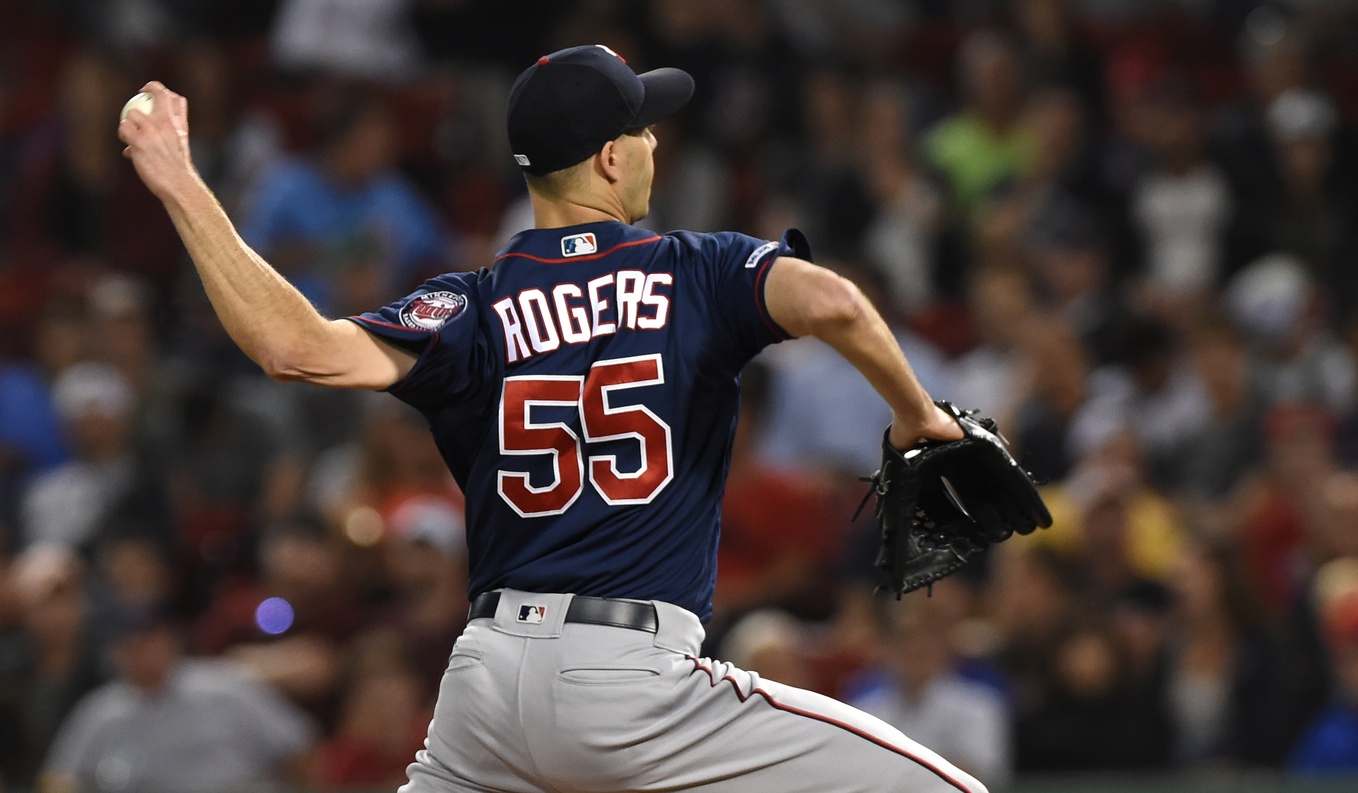 For this analysis, I wanted to go beyond plain stats, although they’re still the core here. I’m not looking to define only who are the most talented relievers to take the mound for Minnesota, but also take into consideration their loyalty and impact on the club and their playoff contribution (if there has been one). Without further ado, here are the five relievers I believe contributed the most to the Twins and my reasons for their placements. 5. Al Worthington Maybe I’m wrong, but I think Worthington is overlooked in most discussions about the best Twins relievers and I think that’s because of his unimpressive number of saves in Minnesota. But that doesn’t affect how important he was for the club in its first decade in the Twin Cities. The Reds gave up on him after an awful sequence of six games to start the 1964 season and the Twins picked him up in late June and had no regrets. He left the Reds with a 10.29 ERA in those six games, but went on to pitch 41 games for Minnesota, 36 of which were scoreless appearances, posting an outstanding 1.27 ERA and earning 14 saves at the end of the year. He was worth 2.5 WAR in only three months. After such great first impression, Worthington rose to the occasion and became one of the best relievers in the league. He finished in the top ten of saves in the majors in all but one of the five following seasons (1969, his retirement year) and he led the AL with 18 in 1968. He was also an important part of the club’s first playoff run, in 1965. He couldn’t put out the fire set by starter Mudcat Grant in game 4 of the World Series, but he kept the team alive with two scoreless innings in relief of Jim Kaat in game 7. He would end his career with Minnesota, holding, by then, the club record for innings pitched as a reliever, with 473 1/3, and strikeouts, with 399. He was the first great reliever in Twins history. 4. Eddie Guardado The “Everyday Eddie” history with Minnesota is definitely special. Until this day, no reliever has pitched more games (623) or innings (579) in a Twin uniform. But his first stint with the club should be divided into two moments. Drafted by the team in 1990, he first came to the majors in 1993 as a starting pitcher, but found no success in that role. He started the transition to full-time reliever in 1996 and didn’t find success right away, but he found his mojo in 1997 and started his seven-season career peak. From 1997 to 2003 he had a very decent 3.70 ERA, 128 ERA+ and 8.7 K/9. He led the AL in saves in 2002 and earned MVP votes that year. He was named an All-Star in 2002 and 2003, before being granted free agency. In two postseason appearances for the Twins, he wasn’t nearly as brilliant, but Minnesota did win four of the five games he finished in October and he earned three saves. 3. Jeff Reardon One of the most important acquisitions for the 1987 Twins, Reardon only stayed in Minnesota for three seasons, but they are among the greatest ones from a reliever in club history. He didn’t have the best start of the regular season in his first year in Minnesota (5.32 ERA in the first half), but it was on the playoffs that he proved his worth. He pitched in eight of the twelve postseason games that year. He earned three saves in the playoffs, including the game 7 victory, in which he had a 1-2-3 ninth inning against the Cardinals’ batters 3-4-5. He didn’t allow a single run or walk in the World Series. He went back to the All-Star Game in 1988, notching 42 saves and earning MVP votes. He became a free agent after the 1989 season, leaving Minnesota then with the second most saves in club history, with 104. 2. Joe Nathan One of the best relievers the game has ever seen, Nathan had the most amazing run any Twins reliever has ever had. For six years, he kept a ridiculous 237 ERA+, to go with a 1.87 ERA and 2.40 FIP. He made four All-Star appearances and finished in the top five of the Cy Young voting twice. He leads all Twins relievers in almost every metric, including saves (260), ERA (2.16), FIP (2.58), strikeouts (561), fWAR (14.1), WPA (24.55). The one and only stain in Nathan’s career as a Twin and, thus, the reason he’s not at the top of my personal ranking, were his unsuccessful playoff appearances. Not that he was the only one to blame or even among the guiltiest players, but in three postseason runs, Nathan had a 4.70 ERA and a -0.562 WPA, which indicates how much the Twins missed him in October. In my personal experience, his blown save in game 2 of the 2009 ALDS was absolutely soul-crushing. 1. Rick Aguilera Aguilera takes the top of my rankings for checking all the boxes. He pitched for 11 years in a Twins uniform, which included some of the worst years in recent history. He even chose to come back as a free agent, after being traded to the Red Sox in 1996. He became the Twins’ saves leader in 1992 and more than doubled Ron Davis' previous record (108), ending his career in the Twin Cities with 254. He’s also the second in games played (460) and innings pitched in relief (507), through which he kept a 3.50 ERA, a 3.58 FIP and 130 ERA+. Granted, he wasn’t as talented as Nathan, but he has the upper hand when we’re talking about October. Aguilera’s performance during the 1991 playoffs was extraordinary. He pitched a total of seven games, with the Twins winning six of them. He had a 1.08 ERA in those playoffs, earning five saves and a WPA of 0.571. He was the winning pitcher of game 7, coming into the game in the 10th inning and pitching a couple of scoreless innings. Honorable mentions and future candidates Picking just five is an difficult task and it’s almost impossible to be completely fair. For example, it was painful not to include Glen Perkins here, especially because of his relationship with Minnesota, his home state. He was also the bright spot for five years of a very bad team, being named for three consecutive All-Star Games and having three 30+ saves seasons in that span. Other relievers that had impressive moments with the Twins were Doug Corbett, who had the second highest WPA for a reliever in major leagues history in 1980 (7.58) and was named for an All-Star Game in 1981; Tom Hall, who in 1970 was worth 4.1 fWAR and is one of the 13 relievers in MLB history to have 4.0+ fWAR in a season, the only Twin to ever do so. Matt Guerrier didn’t have closing duties, but he definitely deserves a mention, as he logged 488 relief innings in eight years in Minnesota (third most), maintaining a decent 3.40 ERA. A couple of current Twins have a great chance to make history in the club’s bullpen. Taylor Rogers has become one of the key pieces of Minnesota’s pitching staff, especially after Rocco Baldelli assigned him closing duties during last season. He got 30 saves last year, at age 28. Nathan didn’t get his first save as a Twin until he was 29, so there’s a large chance Rogers surpasses him, depending on how long he stays in Minnesota and pitches well. Also, Trevor May currently holds the highest K/9 (11.67) and K% (31%) of all relievers in Twins history (min. 150 IP). It will be very interesting to see how his career will develop after he had a career year as a reliever in 2019. The “Goose Eggs” perspective Modern bullpens have been centered around closers and saves, for good or for bad. But statistician Nate Silver, from FiveThirtyEight, came up with an interesting point of view to evaluate relievers beyond just saves. He proposes a statistic called “Goose Egg”, which is “a scoreless inning when it’s the seventh inning or later and the game is tied or his team leads by no more than two runs”. According to him, he designed the metric after Baseball Prospectus’ Russell Carleton brought up the problems with saves. Although “Goose Eggs” didn’t become popular, it’s still an fun alternative to say how good relievers actually are. I looked into their database and found the ten relievers with most Goose Eggs in Twins history. Draw your conclusions about it. All-time Twins total “Goose Eggs” leaders Joe Nathan — 230 Rick Aguilera — 224 Al Worthington — 195 Eddie Guardado — 174 Ron Davis — 142 Glen Perkins — 130 Jeff Reardon — 116 Doug Corbett — 115 Juan Rincón — 108 Matt Guerrier — 104 MORE FROM TWINS DAILY — Latest Twins coverage from our writers — Recent Twins discussion in our forums — Follow Twins Daily via Twitter, Facebook or email
 -
Who Is the Best Twin Born in Each State?
Thiéres Rabelo replied to Thiéres Rabelo's topic in Twins Daily Front Page News
Thanks for your kind words, guys! Sorry about the ones I didn't remember (man, how could I have forgetten Kubel?!). I too had a lot of fun writing this. -
If we were to say who is the best player born in each of the states to ever play for the Twins, who would they be? I decided to do a quick research about this and came up with a rank, based on players’ birthplaces.I tried to choose the most relevant players born in each state to play for the Twins, rather than every single one of them. Because of that, several states will not appear on this list. Also, since these rankings are based only on players’ birthplaces, one very noticeable absence will be Twins great Bert Blyleven, who was born in the Netherlands, to Dutch parents who shortly thereafter moved to the U.S. and raised him in California. Then, I ranked the players of each state by their career bWAR (Wins Above Replacement from Baseball Reference) while with the Twins. The reason for using WAR is solely to simplify things a bit, since it is supposed to be a global metric. I also included some current Twins that I believe have a shot at climbing up their state ranks once their careers are finished. If I perhaps forgot anyone that you consider relevant enough to make one of the lists, please feel encouraged to mention them in the comments section. Also, weigh in on the bigger states discussions, saying who you think is the best. I separated the top five states in number of players, to be discussed. California Roy Smalley - 20.8 WAR Tom Brunansky - 16.1 WAR Rick Aguilera - 15.5 WAR Jacque Jones - 11.9 WAR Jim Merritt - 11.3 WAR Gary Ward - 10.6 WAR Nick Punto - 10.3 WAR Eddie Guardado - 9.5 WAR Trevor Plouffe - 8.0 WAR Dan Gladden - 5.7 WAR Phil Hughes - 5.7 WAR Cali is, by far, the state that has produced the most MLB talent in history. A total of 2,311 Californian ball players made it to the big leagues. Here I found 11 who wore the Twins uniform for a significant amount of time and one thing in particular called my attention the most. How low Gladden’s WAR with the Twins was. Maybe it’s because I didn’t actually see him play on a daily basis, but I always had the impression that this number would be higher. That doesn’t change, at all, his importance in the history of the club. I would give the edge as the best from this list to Aguilera. His first stint with Minnesota was incredibly dominant, resulting in three All-Star Game selections and even MVP votes in 1991. That same year, he was one of the key-factors during the postseason, allowing only one earned run, getting five saves and a crucial game 6 win. Overall, he logged over 500 innings of relief for Minnesota (second most, behind the 579 from fellow Californian Guardado), maintaining a 3.12 ERA. Smalley, Burnansky and Gladden were also invaluable pieces for that 80’s team, but I have the impression that Aguilera’s performance were a bit more impressive. Florida Denard Span - 17.2 bWAR Doug Corbett - 8.3 bWAR Mudcat Grant - 5.9 bWAR Josh Donaldson - has yet to play I believe it’s a given to say that Span was the most relevant player from the Florida list. He was drafted and developed by the Twins, being a part of the organization for nearly ten years. During that time, he lived the final years of the victorious 2000’s team and transitioned into the beginning of the dark years. He was one of the few bright spots of the club in 2011 (cut short due to a concussion) and 2012, relying on his speed and aggressiveness running the bases, combined with a slightly above average hitting (104 wRC+ in Minnesota) and very decent on-base percentage (.357). I added Donaldson to the list because I believe he’s bound to reach at least Corbett, an early 80’s rookie sensation relief pitcher, who made the All-Star Game in his second year, before being involved in a trade with the Angels that would bring Brunansky to Minnesota. Looking back at Donaldson’s past three seasons, he was worth 11.2 WAR. If you include a fourth one to the mix, it goes up to 18.5. And that includes his terrible, injury-plagued 2018. So, expect the Bringer of Rain to climb the ladder. Illinois Kirby Puckett - 51.1 WAR Gary Gaetti - 27.2 WAR John Castino - 15.2 WAR Jake Odorizzi - 4.7 WAR Jim Thome - 4.5 WAR Absolutely nothing to argue about who’s the best here. But my question to you is where can Odorizzi get on that list? Assuming, of course, he signs a longer contract with the Twins, could he surpass Castino? Texas Chuck Knoblauch - 38.0 WAR Joe Nathan - 18.4 WAR Kevin Slowey - 4.4 WAR Ryan Pressly - 3.6 WAR Nathan is a no-brainer here, because of how badly Knoblauch ended his tenure in Minnesota. But, looking at both his performances on the field, I think it’s closer than you might think. Before demanding a trade in 1997 and then , Knoblauch was the ray of sunshine in a very bad team. He was elected Rookie of the Year in 1991 and selected to four All-Star Games through the 90’s. But, yeah, the prize here goes to the best reliever in team history. Minnesota Joe Mauer - 55.3 WAR Kent Hrbek - 38.6 WAR Dave Goltz - 24.5 WAR Jerry Koosman - 11.0 WAR Glen Perkins - 8.9 WAR Paul Molitor - 5.2 WAR Jack Morris - 4.3 WAR I saved the best for last. Just like Illinois, I don’t think there’s much to argue about the top seed. But, boy, can we have fan arguing about the rest! OK, I’ll go out on a limb here and place Morris on second and… Hrbek at third. Morris’s World Series show in 1991, as well as his fantastic regular season, are gold for me. I love Hrbek, obviously, and his career was amazing. But I’ve got to go with Morris’ historical 1991 season. It hurts to not include Perkins in the podium, though. But in my personal ranking, he’s a close fourth. Any surprises so far? Which would be your picks? Have I forgotten anyone important for you? Comment and let us know. Also, here are the other states lists. Alabama Al Worthington - 10.0 WAR Josh Willingham - 4.8 WAR Delmon Young - 1.0 WAR Arizona J.J. Hardy - 1.3 WAR Arkansas Torii Hunter - 26.4 WAR Colorado Taylor Rogers - 6.4 WAR Connecticut Carl Pavano - 5.8 WAR Delaware Randy Bush - 1.4 WAR Georgia Byron Buxton - 9.8 WAR Ben Revere - 3.2 WAR Hawaii Kurt Suzuki - 3.3 WAR Idaho Harmon Killebrew - 60.5 WAR Indiana Kyle Gibson - 9.4 WAR LaTroy Hawkins - 8.1 WAR Iowa Kevin Tapani - 19.1 WAR Kentucky Tyler Clippard - has yet to play Louisiana Scott Baker - 15.8 WAR Massachusetts Greg Gagne - 17.9 WAR Jeff Reardon - 4.2 WAR Steve Lombardozzi - 4.0 WAR Michigan Jim Kaat - 30.6 WAR Joe Mays - 10.7 WAR Mississippi Brian Dozier - 22.7 WAR Missouri Bob Allison - 30.6 WAR Al Newman - 2.1 WAR Nevada Brandon Kintzler - 2.3 WAR New Mexico Mitch Garver - 5.1 WAR New York Frank Viola - 27.0 WAR A.J. Pierzynski - 9.5 WAR North Carolina Jim Perry - 26.3 WAR Tom Hall - 6.7 WAR Zack Littell - 0.4 WAR Ohio Larry Hisle - 17.2 WAR Dean Chance - 13.1 WAR Doug Mientkiewicz - 6.4 WAR Pennsylvania Butch Wynegar - 15.3 WAR Virginia Michael Cuddyer - 12.8 WAR Jake Cave - 2.6 WAR Washington Trevor May - 2.1 WAR Wisconsin Brad Radke - 45.6 WAR MORE FROM TWINS DAILY — Latest Twins coverage from our writers — Recent Twins discussion in our forums — Follow Twins Daily via Twitter, Facebook or email Click here to view the article
-
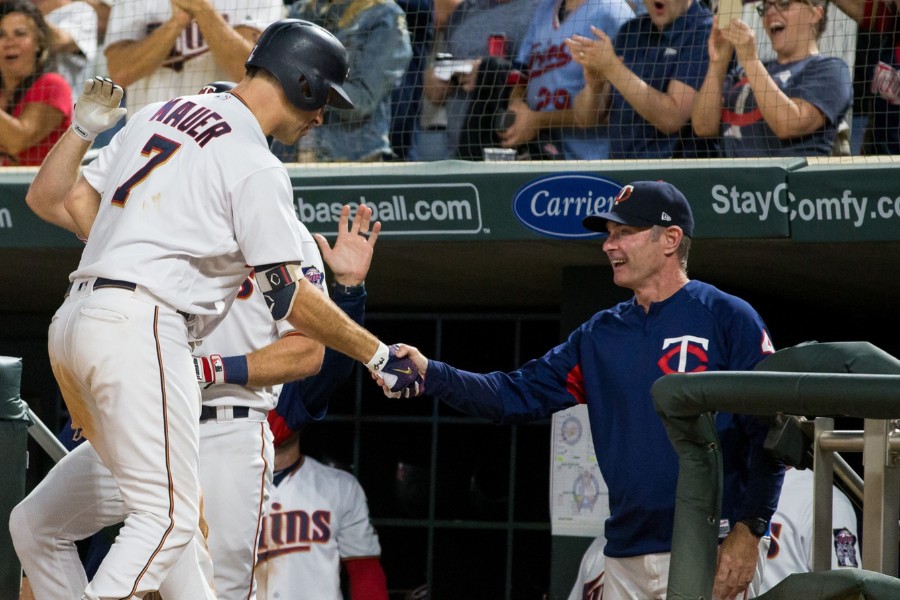 I tried to choose the most relevant players born in each state to play for the Twins, rather than every single one of them. Because of that, several states will not appear on this list. Also, since these rankings are based only on players’ birthplaces, one very noticeable absence will be Twins great Bert Blyleven, who was born in the Netherlands, to Dutch parents who shortly thereafter moved to the U.S. and raised him in California. Then, I ranked the players of each state by their career bWAR (Wins Above Replacement from Baseball Reference) while with the Twins. The reason for using WAR is solely to simplify things a bit, since it is supposed to be a global metric. I also included some current Twins that I believe have a shot at climbing up their state ranks once their careers are finished. If I perhaps forgot anyone that you consider relevant enough to make one of the lists, please feel encouraged to mention them in the comments section. Also, weigh in on the bigger states discussions, saying who you think is the best. I separated the top five states in number of players, to be discussed. California Roy Smalley - 20.8 WAR Tom Brunansky - 16.1 WAR Rick Aguilera - 15.5 WAR Jacque Jones - 11.9 WAR Jim Merritt - 11.3 WAR Gary Ward - 10.6 WAR Nick Punto - 10.3 WAR Eddie Guardado - 9.5 WAR Trevor Plouffe - 8.0 WAR Dan Gladden - 5.7 WAR Phil Hughes - 5.7 WAR Cali is, by far, the state that has produced the most MLB talent in history. A total of 2,311 Californian ball players made it to the big leagues. Here I found 11 who wore the Twins uniform for a significant amount of time and one thing in particular called my attention the most. How low Gladden’s WAR with the Twins was. Maybe it’s because I didn’t actually see him play on a daily basis, but I always had the impression that this number would be higher. That doesn’t change, at all, his importance in the history of the club. I would give the edge as the best from this list to Aguilera. His first stint with Minnesota was incredibly dominant, resulting in three All-Star Game selections and even MVP votes in 1991. That same year, he was one of the key-factors during the postseason, allowing only one earned run, getting five saves and a crucial game 6 win. Overall, he logged over 500 innings of relief for Minnesota (second most, behind the 579 from fellow Californian Guardado), maintaining a 3.12 ERA. Smalley, Burnansky and Gladden were also invaluable pieces for that 80’s team, but I have the impression that Aguilera’s performance were a bit more impressive. Florida Denard Span - 17.2 bWAR Doug Corbett - 8.3 bWAR Mudcat Grant - 5.9 bWAR Josh Donaldson - has yet to play I believe it’s a given to say that Span was the most relevant player from the Florida list. He was drafted and developed by the Twins, being a part of the organization for nearly ten years. During that time, he lived the final years of the victorious 2000’s team and transitioned into the beginning of the dark years. He was one of the few bright spots of the club in 2011 (cut short due to a concussion) and 2012, relying on his speed and aggressiveness running the bases, combined with a slightly above average hitting (104 wRC+ in Minnesota) and very decent on-base percentage (.357). I added Donaldson to the list because I believe he’s bound to reach at least Corbett, an early 80’s rookie sensation relief pitcher, who made the All-Star Game in his second year, before being involved in a trade with the Angels that would bring Brunansky to Minnesota. Looking back at Donaldson’s past three seasons, he was worth 11.2 WAR. If you include a fourth one to the mix, it goes up to 18.5. And that includes his terrible, injury-plagued 2018. So, expect the Bringer of Rain to climb the ladder. Illinois Kirby Puckett - 51.1 WAR Gary Gaetti - 27.2 WAR John Castino - 15.2 WAR Jake Odorizzi - 4.7 WAR Jim Thome - 4.5 WAR Absolutely nothing to argue about who’s the best here. But my question to you is where can Odorizzi get on that list? Assuming, of course, he signs a longer contract with the Twins, could he surpass Castino? Texas Chuck Knoblauch - 38.0 WAR Joe Nathan - 18.4 WAR Kevin Slowey - 4.4 WAR Ryan Pressly - 3.6 WAR Nathan is a no-brainer here, because of how badly Knoblauch ended his tenure in Minnesota. But, looking at both his performances on the field, I think it’s closer than you might think. Before demanding a trade in 1997 and then , Knoblauch was the ray of sunshine in a very bad team. He was elected Rookie of the Year in 1991 and selected to four All-Star Games through the 90’s. But, yeah, the prize here goes to the best reliever in team history.Minnesota Joe Mauer - 55.3 WAR Kent Hrbek - 38.6 WAR Dave Goltz - 24.5 WAR Jerry Koosman - 11.0 WAR Glen Perkins - 8.9 WAR Paul Molitor - 5.2 WAR Jack Morris - 4.3 WAR I saved the best for last. Just like Illinois, I don’t think there’s much to argue about the top seed. But, boy, can we have fan arguing about the rest! OK, I’ll go out on a limb here and place Morris on second and… Hrbek at third. Morris’s World Series show in 1991, as well as his fantastic regular season, are gold for me. I love Hrbek, obviously, and his career was amazing. But I’ve got to go with Morris’ historical 1991 season. It hurts to not include Perkins in the podium, though. But in my personal ranking, he’s a close fourth. Any surprises so far? Which would be your picks? Have I forgotten anyone important for you? Comment and let us know. Also, here are the other states lists. Alabama Al Worthington - 10.0 WAR Josh Willingham - 4.8 WAR Delmon Young - 1.0 WAR Arizona J.J. Hardy - 1.3 WAR Arkansas Torii Hunter - 26.4 WAR Colorado Taylor Rogers - 6.4 WAR Connecticut Carl Pavano - 5.8 WAR Delaware Randy Bush - 1.4 WAR Georgia Byron Buxton - 9.8 WAR Ben Revere - 3.2 WAR Hawaii Kurt Suzuki - 3.3 WAR Idaho Harmon Killebrew - 60.5 WAR Indiana Kyle Gibson - 9.4 WAR LaTroy Hawkins - 8.1 WAR Iowa Kevin Tapani - 19.1 WAR Kentucky Tyler Clippard - has yet to play Louisiana Scott Baker - 15.8 WAR Massachusetts Greg Gagne - 17.9 WAR Jeff Reardon - 4.2 WAR Steve Lombardozzi - 4.0 WAR Michigan Jim Kaat - 30.6 WAR Joe Mays - 10.7 WAR Mississippi Brian Dozier - 22.7 WAR Missouri Bob Allison - 30.6 WAR Al Newman - 2.1 WAR Nevada Brandon Kintzler - 2.3 WAR New Mexico Mitch Garver - 5.1 WAR New York Frank Viola - 27.0 WAR A.J. Pierzynski - 9.5 WAR North Carolina Jim Perry - 26.3 WAR Tom Hall - 6.7 WAR Zack Littell - 0.4 WAR Ohio Larry Hisle - 17.2 WAR Dean Chance - 13.1 WAR Doug Mientkiewicz - 6.4 WAR Pennsylvania Butch Wynegar - 15.3 WAR Virginia Michael Cuddyer - 12.8 WAR Jake Cave - 2.6 WAR Washington Trevor May - 2.1 WAR Wisconsin Brad Radke - 45.6 WAR MORE FROM TWINS DAILY — Latest Twins coverage from our writers — Recent Twins discussion in our forums — Follow Twins Daily via Twitter, Facebook or email
 -
On their way to what would’ve been their second playoff run in Minnesota, the Twins visited for the first time the Seattle Pilots. Down by one to start the ninth inning, Carew and Oliva boosted the late comeback, to give Minnesota its third consecutive win, 6-4.Twins 6, Seattle 4 Box Score Chance: 5 IP, 3 H, 3 R, 2 ER, 5 BB, 2 K Home Runs: none Multi-hit games: Carew (4-for-5, two 2B), Oliva (3-for-4, RBI, BB), Cardenas (2-for-4, RBI, BB) Top 3 WPA: Reese .344, Oliva .266, Carew .175 The Twins opened the 1969 season with a seven road game sequence, five of which were played in the west coast. They lost the first four, before beating the Angels in Anaheim, to avoid a three-game series sweep. They beat the Athletics two days later, before heading north to face the Seattle Pilots, playing its debut season, to conclude the road series. The Pilots played only the one season in Seattle, before being relocated to Milwaukee the following year and becoming the Brewers. Pilots’ starter, veteran Gary Bell, was coming off an All-Star season for Boston in ‘68 and a complete game shutout over the White Sox to start the ‘69 season. But the top of the Twins order was not impressed. After leadoff hitter Ted Uhlaender grounded out, Rod Carew, Tony Oliva and Harmon Killebrew each hit a single and loaded them up. Graig Nettles hit a Twin fourth consecutive single to put the first run on the board and Leo Cardenas, two at bats later, also singled and made it 2-0 Minnesota. Righty Dean Chance, starting the game for Minnesota, delivered three clean innings, but gave up a couple of runs in the two following innings. He gave up a walk to lead off the sixth and manager Billy Martin took him off the game, bringing in reliever Joe Grzenda. He couldn’t take care of the inherited runner, allowing the Pilots to tie the game a couple of at bats later. In the eighth, a solo home run from center fielder Jim Gosger gave Seattle the first lead of the game. Down 4-3 to start the ninth, the Twins had yet again the top of its order lined up, awaiting to face former reliever of the year Jack Aker (he was the AL Fireman of the Year award winner in 1966). The story here was almost identical to that of the first inning. Uhlaender grounded out, but Carew followed him up by smacking a double to left. Oliva stepped up to the plate and singled, bringing home Carew to tie the game. Aker intentionally walked Killebrew in the following at bat and retired Nettles in the sequence, but first baseman Rich Reese, 0-for-4 at the time, came up and doubled, scoring two runs and finishing the Twins three-run comeback. That was Minnesota’s third consecutive win, in an effort that saw them go 13-3 to follow the 0-4 start and finish April with a 13-7 record. The Twins went on the have an amazing season, in which they were crowned the first ever AL West champions, with a 97-65 record. They were swept by the Baltimore Orioles (109-53) in the ALCS. Here are some highlights from that season: Harmon Killebrew won his first and only AL MVP award, leading the majors in home runs (49) and RBI (140), while playing all 162 games;Rod Carew won the first of his seven AL Batting Title, hittin .332. He also stole home seven times that year, leading the majors;Four Twins were named AL All-Stars: Killebrew, Carew, Oliva and catcher John Roseboro;Lefty Ron Perranoski, who earned a save and the win in this game, led all the majors with 31 saves;Jim Kaat was earned his eighth consecutive Gold Glove award;Starter Jim Perry finished third in the AL Cy Young voting and ninth in the AL MVP voting, after logging 261 2/3 innings and 2.82 ERA. He and Dave Boswell became the first and only Twins starters to earn 20 wins each in a season;On May 18, Carew and Cesar Tovar combined for ;MORE FROM TWINS DAILY— Latest Twins coverage from our writers — Recent Twins discussion in our forums — Follow Twins Daily via Twitter, Facebook or email Click here to view the article
-
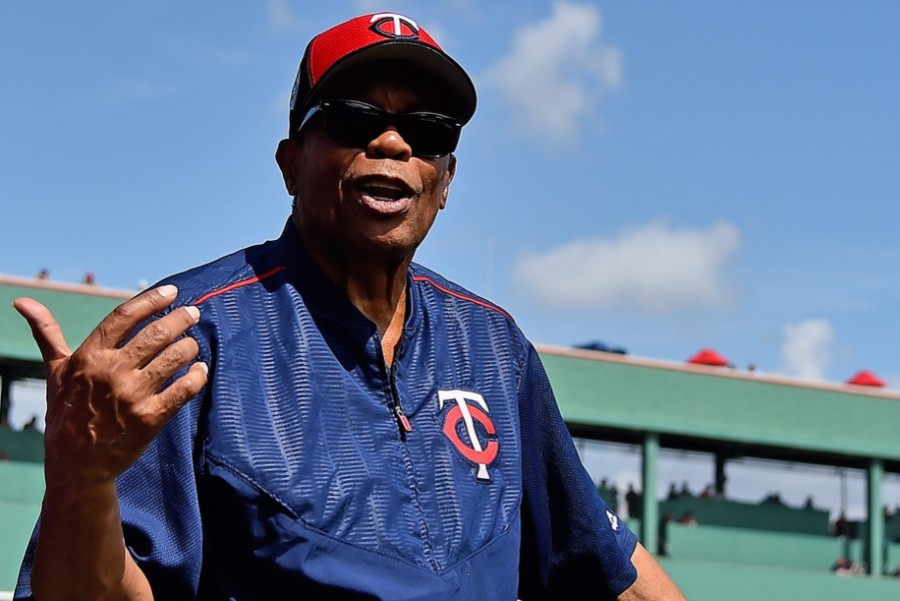 Twins 6, Seattle 4 Box Score Chance: 5 IP, 3 H, 3 R, 2 ER, 5 BB, 2 K Home Runs: none Multi-hit games: Carew (4-for-5, two 2B), Oliva (3-for-4, RBI, BB), Cardenas (2-for-4, RBI, BB) Top 3 WPA: Reese .344, Oliva .266, Carew .175 The Twins opened the 1969 season with a seven road game sequence, five of which were played in the west coast. They lost the first four, before beating the Angels in Anaheim, to avoid a three-game series sweep. They beat the Athletics two days later, before heading north to face the Seattle Pilots, playing its debut season, to conclude the road series. The Pilots played only the one season in Seattle, before being relocated to Milwaukee the following year and becoming the Brewers. Pilots’ starter, veteran Gary Bell, was coming off an All-Star season for Boston in ‘68 and a complete game shutout over the White Sox to start the ‘69 season. But the top of the Twins order was not impressed. After leadoff hitter Ted Uhlaender grounded out, Rod Carew, Tony Oliva and Harmon Killebrew each hit a single and loaded them up. Graig Nettles hit a Twin fourth consecutive single to put the first run on the board and Leo Cardenas, two at bats later, also singled and made it 2-0 Minnesota. Righty Dean Chance, starting the game for Minnesota, delivered three clean innings, but gave up a couple of runs in the two following innings. He gave up a walk to lead off the sixth and manager Billy Martin took him off the game, bringing in reliever Joe Grzenda. He couldn’t take care of the inherited runner, allowing the Pilots to tie the game a couple of at bats later. In the eighth, a solo home run from center fielder Jim Gosger gave Seattle the first lead of the game. Down 4-3 to start the ninth, the Twins had yet again the top of its order lined up, awaiting to face former reliever of the year Jack Aker (he was the AL Fireman of the Year award winner in 1966). The story here was almost identical to that of the first inning. Uhlaender grounded out, but Carew followed him up by smacking a double to left. Oliva stepped up to the plate and singled, bringing home Carew to tie the game. Aker intentionally walked Killebrew in the following at bat and retired Nettles in the sequence, but first baseman Rich Reese, 0-for-4 at the time, came up and doubled, scoring two runs and finishing the Twins three-run comeback. That was Minnesota’s third consecutive win, in an effort that saw them go 13-3 to follow the 0-4 start and finish April with a 13-7 record. The Twins went on the have an amazing season, in which they were crowned the first ever AL West champions, with a 97-65 record. They were swept by the Baltimore Orioles (109-53) in the ALCS. Here are some highlights from that season: Harmon Killebrew won his first and only AL MVP award, leading the majors in home runs (49) and RBI (140), while playing all 162 games; Rod Carew won the first of his seven AL Batting Title, hittin .332. He also stole home seven times that year, leading the majors; Four Twins were named AL All-Stars: Killebrew, Carew, Oliva and catcher John Roseboro; Lefty Ron Perranoski, who earned a save and the win in this game, led all the majors with 31 saves; Jim Kaat was earned his eighth consecutive Gold Glove award; Starter Jim Perry finished third in the AL Cy Young voting and ninth in the AL MVP voting, after logging 261 2/3 innings and 2.82 ERA. He and Dave Boswell became the first and only Twins starters to earn 20 wins each in a season; On May 18, Carew and Cesar Tovar combined for ; MORE FROM TWINS DAILY — Latest Twins coverage from our writers — Recent Twins discussion in our forums — Follow Twins Daily via Twitter, Facebook or email
 -
Throughout the week, rumors of a possible start of the MLB season got some fans excited. Though very unusual, the potential formats would allow players to come back to action and get their paychecks. Some of the players would benefit more than others from coming out of the hiatus and one of them could be Twins starter Michael Pineda.ESPN’s Jeff Passan broke the news of a plan to have all teams play only in Arizona (here are the details). Not a lot of people loved the idea, like Baseball Prospectus’ Craig Goldstein, who really disliked the idea. But that was just one of the ideas being proposed. USA Today’s Bob Nightengale reported today another one, which would eliminate the traditional leagues and rearrange the clubs in new divisions, playing in Arizona and Florida. Whether we like them or not, those plans indicate that MLB and the players are very open to having even an unorthodox season, just so baseball can be back. One of the players who could benefit the most from the return of baseball is Twins’ starter Michael Pineda. After so many rough patches in his career, being able to come back and continue playing the way he did in the second portion of 2019 could be huge for him and Minnesota. A brief look back at his issues Pineda was a rookie sensation for the Mariners in 2011, being named to an All-Star Game that very year. However, since the conclusion of that season, things have not been easy. To begin with, after being acquired by the Yankees in early 2012, he started dealing with multiple shoulder injuries, which ended up sidelining him for the entire seasons that year and in 2013. Back at the majors in 2014, injuries did not give him a break and another shoulder injury cut his season short, allowing him to deliver only 76 1/3 innings. That was also the year of his infamous pine tar incident, which earned him a 10-game suspension. In the following two seasons, injuries weren’t as much of a problem for him, but he started to slowly decrease his productivity. Despite reaching at least 160 2/3 innings in both years, his ERA was never lower than 4.37 and he posted a career worst FIP for the time being, of 3.79. Some of his peripherals did improve in that span, like xFIP and K%, but, overall, hitters had figured him out. Then, after a not so promising start of the 2017, he was diagnosed with a partial tear of his ulnar collateral ligament, which forced him to undergo Tommy John surgery. His rebirth with the Twins We all know the story of how the Twins smartly bet on Pineda in late 2017 and patiently waited for him to be ready for action in 2019 after rehab in the previous year. Nobody knew what to expect, as Pineda was a much, much different player from the one he was with the Yankees and the Mariners. For starters, he was no longer the flamethrower he once was. His velocity dropped to 92.8 mph on his four- seamer, the first time ever it was below 94.1 mph. He relied much more on his command, which had always been decent. Still, it was hard to predict the outcome in the beginning of the season. Knee issues which started in late 2018 and persisted until the beginning of last year caused Pineda to really struggle in the first months as a Twin. From March to May, he posted a 5.34 ERA in 11 starts, allowing hitters a .803 OPS. He also posted a 5.26 FIP and 4.94 xFIP, while striking out batters only 20.3% of the time. So, yeah, the first impression wasn’t the best. But when he came back from the IL, he turned things around. In his last 15 starts, from June to September, he posted a 3.10 ERA, 3.18 FIP and 3.87 xFIP. He was incredibly solid and the aforementioned velocity decrease was not at all a problem, because he managed to increase value of most of his go-to pitches. His four-seam had a 9.3 wFA (Four-seam Fastball runs above average), the first time since his rookie year that it was positive. Also, he turned his changeup into one of the best in the game, with a 5.4 wCH (career best) and a .253 wOBA, the 27th-lowest in the league. He was also one of the best pitchers in MLB at pitch tunneling, according to Fangraphs’ Michael Augstine. ESPN defined Pineda as “one of the most underappreciated improvements made by the Twins” in 2019. The suspension for PED’s. What will happen? Hopes were really high for what Pineda could bring to the table in the postseason. Unfortunately, he tested positive for hydrochlorothiazide, a banned substance he consumed by taking a medication to help him manage his weight. He was given an 80-game suspension, that was reduced to 60 games after appeal. He started serving his suspension in the final 21 games of the season, with the remaining 39 supposed to be served this year. But now that the season, if it’s played at all, is much likely going to be shortened, isn’t it feasible to wonder if MLB could alter his suspension? At least for me, it is. In a 162-game season, Pineda’s suspension would represent roughly 24% of the games. Maybe I’m crazy here, but I don’t think it’s absurd to consider this. If the major leagues actually happen this year, Pineda is certainly one of the players I’m most looking forward to seeing. If his second half of the season last year wasn’t a fluke, he can definitely be one of the great contributors for the Twins to try to win the division and maybe go further in October. He needs this. We need this too. MORE FROM TWINS DAILY — Latest Twins coverage from our writers — Recent Twins discussion in our forums — Follow Twins Daily via Twitter, Facebook or email Click here to view the article


