



Thiéres Rabelo
-
Posts
569 -
Joined
-
Last visited
Content Type
Profiles
News
Minnesota Twins Videos
2026 Minnesota Twins Top Prospects Ranking
2022 Minnesota Twins Draft Picks
Minnesota Twins Free Agent & Trade Rumors, Notes, & Tidbits
Guides & Resources
2023 Minnesota Twins Draft Picks
The Minnesota Twins Players Project
2024 Minnesota Twins Draft Picks
2025 Minnesota Twins Draft Pick Tracker
2026 Minnesota Twins Draft Tracker: Picks & Bonuses
Forums
Blogs
Events
Store
Downloads
Gallery
Everything posted by Thiéres Rabelo
-
 The upcoming MLB season – whenever it happens – is likely not one in which the Twins will be contenders. But that doesn’t mean they are destined to be terrible. Here’s how Minnesota can fix their rotation and have a competitive team in 2022. What do they have so far? The Twins ended the 2021 season with a depleted starting rotation, especially after the José Berríos trade and the Kenta Maeda season-ending injury. One can argue that it was depleted since the beginning of the season, with J.A. Happ and Matt Shoemaker being part of it. But from such a dark year on the mound, two seemingly good arms emerged from the minors. Bailey Ober had his ups and downs but, overall, he had a very solid rookie campaign. His most impressive stretch of the season might have been the ten starts in July and August, in which he posted a 3.06 ERA, a 3.87 FIP, with 51 strikeouts and only 11 walks. With less than a hundred innings pitched on the major league level so far, you might argue that he isn’t a very reliable option just yet, but his first impression was not bad at all. Joe Ryan joined the organization in mid-July as part of the Nelson Cruz trade. After a couple of solid starts for St. Paul in August, he got called up in September, making his big league debut, and he probably couldn’t have asked for a better one. In his second start, he carried a perfect game into the seventh inning, on his way to a seven-inning shutout on only 85 pitches. Over his first four starts, Ryan maintained a very impressive 2.45 ERA and 2.49 FIP, keeping opposing batters to a .133 batting average. He struck out batters 25 times while walking them only three times. In his final start of the season, he gave up six earned runs against Detroit, spoiling his final numbers, but not the optimism around him going forward. To quote the great Do-Hyoung Park, from MLB.com, if all had gone according to plan for the Twins this season, they probably wouldn’t have discovered these two exciting, young arms. The third pitcher set to start the season on the Twins rotation is Dylan Bundy, whom Minnesota signed shortly before the league went into lockout. His career numbers aren’t impressive, and in 2021, he was moved to the Angels bullpen after struggling for the first half of the season. He did get back to the rotation in early August and closed out the season with a 3.31 ERA in the final four starts. In the shortened season of 2020, his first year with the Angels, Bundy had his best season in the majors, finishing ninth in the AL Cy Young Award voting after posting 3.29 ERA, 2.95 FIP, 138 ERA+, with 9.9 strikeouts per nine and only 2.3 walks per nine. Did Wes Johnson see anything in Bundy that can be tweaked into a 2020 version of him? How can they realistically fill the remaining gaps? Suppose you consider the aforementioned trio good enough to fill the bottom part of the rotation. In that case, the Twins can very well build a competitive group of starters by making only two additions. Here’s how I would go about filling the two remaining rotation spots. My favorite trade target is Frankie Montas. The A’s are believed to be on the verge of resetting, thus making their veteran starters available for trades. The Dominican righty is coming off a career year, having started 32 games for Oakland and accumulated 3.7 bWAR, both career-best marks for him. Over 187 innings of work in 2021, he was able to maintain a 3.37 ERA and 3.37 FIP, striking out 10.0 batters per nine and walking 2.7 per nine. Such numbers earned him a sixth-place finish in the AL Cy Young Award last season, and he is under team control for two more seasons. He produced at least twice as much bWAR as any Twins pitcher in 2021. In a rebound year for Minnesota, I can see him being the difference-maker for a team that wants to avoid a rebuilding process. Twins Daily’s Nash Walker wrote an in-depth article discussing Montas as a trade target, but not only him. He also wrote about Chris Bassitt and Luis Castillo. Since 2022 is likely not a year the Twins will be competing for a World Series, they should be looking for a proven veteran that can eat up innings and provide them with stability instead of an impact starter. In this scenario, two names come to mind, both of which are former Twins. Jake Odorizzi’s time with Minnesota didn’t end up well. In the COVID-shortened 2020 season, he struggled with injuries and missed the first portion of the season. He made only four starts that year and had an awful 6.59 ERA. He signed with the Astros for the 2021 season, and his beginning with the Houston organization was also rough, but he would eventually pick up. After struggling in his first six starts, he posted a 3.74 ERA in the final 18 starts of the season. Those numbers could indicate that he might be back on track and ready to be a reliable contributor once again. Trading for him makes sense, as you can potentially bring back a former All-Star who is still only 31 and is very likely to provide you with 150 innings, if healthy. Michael Pineda is another option I like, but many Twins fans are quick to dismiss. His time with Minnesota was stained by so much time he missed due to injuries and the suspension, but that doesn’t change the fact that he delivered some very solid innings. In 21 starts in 2021, he pitched the second-most innings for the year (106 1/3 innings) and posted a very decent 3.72 ERA. Odorizzi and Pineda aren’t aces you can rely on for years to come, but either of them (or both) could help the Twins not to suck in 2022. The most important aspect of this season is to take pressure off the development of top pitching prospects who have already reached the major league level, like Ober and Ryan. If prospects like Josh Winder and Jordan Balazovic make the leap to the majors this year, they could also benefit from that. Plus, a rotation like this could be considered much better than the one they had last year, so they could have a much better outcome than the one they had in 2021. What do you think? How would you fill those two rotation gaps differently? Share your thoughts in the comment section! MORE FROM TWINS DAILY — Order the Offseason Handbook — Latest Twins coverage from our writers — Recent Twins discussion in our forums — Follow Twins Daily via Twitter, Facebook, or email View full article
- 36 replies
-
- 1
-

-
- joe ryan
- bailey ober
- (and 3 more)
-
 What do they have so far? The Twins ended the 2021 season with a depleted starting rotation, especially after the José Berríos trade and the Kenta Maeda season-ending injury. One can argue that it was depleted since the beginning of the season, with J.A. Happ and Matt Shoemaker being part of it. But from such a dark year on the mound, two seemingly good arms emerged from the minors. Bailey Ober had his ups and downs but, overall, he had a very solid rookie campaign. His most impressive stretch of the season might have been the ten starts in July and August, in which he posted a 3.06 ERA, a 3.87 FIP, with 51 strikeouts and only 11 walks. With less than a hundred innings pitched on the major league level so far, you might argue that he isn’t a very reliable option just yet, but his first impression was not bad at all. Joe Ryan joined the organization in mid-July as part of the Nelson Cruz trade. After a couple of solid starts for St. Paul in August, he got called up in September, making his big league debut, and he probably couldn’t have asked for a better one. In his second start, he carried a perfect game into the seventh inning, on his way to a seven-inning shutout on only 85 pitches. Over his first four starts, Ryan maintained a very impressive 2.45 ERA and 2.49 FIP, keeping opposing batters to a .133 batting average. He struck out batters 25 times while walking them only three times. In his final start of the season, he gave up six earned runs against Detroit, spoiling his final numbers, but not the optimism around him going forward. To quote the great Do-Hyoung Park, from MLB.com, if all had gone according to plan for the Twins this season, they probably wouldn’t have discovered these two exciting, young arms. The third pitcher set to start the season on the Twins rotation is Dylan Bundy, whom Minnesota signed shortly before the league went into lockout. His career numbers aren’t impressive, and in 2021, he was moved to the Angels bullpen after struggling for the first half of the season. He did get back to the rotation in early August and closed out the season with a 3.31 ERA in the final four starts. In the shortened season of 2020, his first year with the Angels, Bundy had his best season in the majors, finishing ninth in the AL Cy Young Award voting after posting 3.29 ERA, 2.95 FIP, 138 ERA+, with 9.9 strikeouts per nine and only 2.3 walks per nine. Did Wes Johnson see anything in Bundy that can be tweaked into a 2020 version of him? How can they realistically fill the remaining gaps? Suppose you consider the aforementioned trio good enough to fill the bottom part of the rotation. In that case, the Twins can very well build a competitive group of starters by making only two additions. Here’s how I would go about filling the two remaining rotation spots. My favorite trade target is Frankie Montas. The A’s are believed to be on the verge of resetting, thus making their veteran starters available for trades. The Dominican righty is coming off a career year, having started 32 games for Oakland and accumulated 3.7 bWAR, both career-best marks for him. Over 187 innings of work in 2021, he was able to maintain a 3.37 ERA and 3.37 FIP, striking out 10.0 batters per nine and walking 2.7 per nine. Such numbers earned him a sixth-place finish in the AL Cy Young Award last season, and he is under team control for two more seasons. He produced at least twice as much bWAR as any Twins pitcher in 2021. In a rebound year for Minnesota, I can see him being the difference-maker for a team that wants to avoid a rebuilding process. Twins Daily’s Nash Walker wrote an in-depth article discussing Montas as a trade target, but not only him. He also wrote about Chris Bassitt and Luis Castillo. Since 2022 is likely not a year the Twins will be competing for a World Series, they should be looking for a proven veteran that can eat up innings and provide them with stability instead of an impact starter. In this scenario, two names come to mind, both of which are former Twins. Jake Odorizzi’s time with Minnesota didn’t end up well. In the COVID-shortened 2020 season, he struggled with injuries and missed the first portion of the season. He made only four starts that year and had an awful 6.59 ERA. He signed with the Astros for the 2021 season, and his beginning with the Houston organization was also rough, but he would eventually pick up. After struggling in his first six starts, he posted a 3.74 ERA in the final 18 starts of the season. Those numbers could indicate that he might be back on track and ready to be a reliable contributor once again. Trading for him makes sense, as you can potentially bring back a former All-Star who is still only 31 and is very likely to provide you with 150 innings, if healthy. Michael Pineda is another option I like, but many Twins fans are quick to dismiss. His time with Minnesota was stained by so much time he missed due to injuries and the suspension, but that doesn’t change the fact that he delivered some very solid innings. In 21 starts in 2021, he pitched the second-most innings for the year (106 1/3 innings) and posted a very decent 3.72 ERA. Odorizzi and Pineda aren’t aces you can rely on for years to come, but either of them (or both) could help the Twins not to suck in 2022. The most important aspect of this season is to take pressure off the development of top pitching prospects who have already reached the major league level, like Ober and Ryan. If prospects like Josh Winder and Jordan Balazovic make the leap to the majors this year, they could also benefit from that. Plus, a rotation like this could be considered much better than the one they had last year, so they could have a much better outcome than the one they had in 2021. What do you think? How would you fill those two rotation gaps differently? Share your thoughts in the comment section! MORE FROM TWINS DAILY — Order the Offseason Handbook — Latest Twins coverage from our writers — Recent Twins discussion in our forums — Follow Twins Daily via Twitter, Facebook, or email
- 36 comments
-
- 5
-

-
-

-
- joe ryan
- bailey ober
- (and 3 more)
-
Twins Valentine's Day Cards!
Thiéres Rabelo commented on Melissa Berman's blog entry in The Hot Corner
hahaha the one with Arráez was the best! ? -
Hello + Stealing Home from the Hot Corner
Thiéres Rabelo commented on Melissa Berman's blog entry in The Hot Corner
Awesome story! Thank you for sharing it! -
Some nightmarish pitching by the Twins cost them a win in the series opener against the Royals in Kansas City, their final series of the year. The offense, quiet at first, provided six runs on 13 hits, with Jorge Polanco reaching a milestone. Box Score Gant: 4.0 IP, 8 H, 6 ER, 2 BB, 3 K (63.3% strikes) Home Runs: Jeffers (14) Bottom 3 WPA: Gant -.291, Rooker -.088, Kepler -.082 Win Probability Chart (via FanGraphs) A small disaster nearly struck the Twins early, as John Gant had a tough first inning. Granted, it could’ve been worse, but things were ugly. Command wasn’t there from the very beginning, and the strike zone eluded him. He loaded the bases before recording an out, then threw a wild pitch that allowed the Royals to score first. He loaded the bases immediately afterward, and Kansas City scored again on a force out. It was not before he tossed 29 pitches that the bottom of the first inning was finished. Weirdly enough, he came back to pitch a 1-2-3, six-pitch bottom of the second. That came with the help of some fancy defense from the Twins’ outfield, with Max Kepler making a beautiful, inning-ending diving catch. But that didn’t help Minnesota’s case much, as the offense couldn’t produce a baserunner before the third when Brent Rooker led off the inning with a single. Rooker got picked off, and the Twins couldn’t get anything going. That scoreless second inning from Gant turned out to be the exception, after all. It didn’t look like it at first, though. He did retire the first two batters he saw in the third on only seven pitches, right before giving up four consecutive hits to the heart of the Royals' lineup, allowing Kansas City to pushed a couple more runs across. Minnesota manufactured a run in the fourth after Byron Buxton hit a double and advanced on a fly out by Jorge Polanco and brought home by a Josh Donaldson two-out double, making it 4-1 Royals. Gant was back out for the fourth, and luck wasn’t on his side this time. In what was supposed to be a scoreless effort from him, the Royals scored two more runs on a pop up that landed between Brent Rooker and Nick Gordon, just tipping off the shortstop's glove. Whit Merrifield and Nicky Lopez scored, making it 6-1 Kansas City. The offense continued to struggle against rookie Jon Heasley, who cruised through five innings on only 69 pitches. The Royals’ offense, on the other hand, added more runs. Hunter Dozier hit a leadoff home run in the fifth off Luke Farrell. Then, Adalberto Mondesí doubled and scored on a Cam Gallagher RBI-single, making it 8-1 Kansas City. Twins pick up three runs; Royals take them back Heasley dominated the Twins lineup for five innings. However, things started to change for the righty during the sixth inning. Ryan Jeffers crushed a leadoff, 429-feet home run to left that left his bat at 107 MPH. Minnesota kept pounding the rookie, and they loaded the bases with only one out: a Buxton double, a Polanco walk, and a Donaldson hit-by-pitch. Suddenly, the Twins could make this a two-run game on a swing of the bat. Royals manager Mike Matheny pulled Heasley from the game. Reliever Gabe Speier came into the game and got the second out with two pitches, but he couldn’t quite escape from the jam. Miguel Sanó stepped up to the plate and hit a liner to center to score Buxton and Polanco. Kansas City’s lead was down to four runs. But that rally didn’t last. Two men reached against Farrell in the bottom of the sixth, prompting Rocco Baldelli to remove him from the game. Jovani Moran couldn’t take care of the inherited runners, giving up three consecutive singles that scored three more runs to Kansas City, making it 11-4. The offense had some fight in them. With Speier still on the mound for the Royals, Minnesota hit three consecutive one-out singles (Jeffers, Luis Arráez, and Buxton) and loaded the bases for Polanco. Polo grounded into a force out to score Jeffers and Arráez and reach first himself on a throwing error by Merrifield. Polanco was credited with one RBI on that play which was his 95th of the season, tying the club record for most RBI in a season by a switch-hitter, previously held by Roy Smalley, in the 1979 season. Will he break the record in the two final games of the season? Minnesota threatened once again in the top of the eighth when they had men in the corners with two outs and Jeffers at the plate. He then swung on a 3-1 slider over the plate and gave it a ride, but the ball was caught just in front of the center field fence. Arráez led off the ninth with a single, but he was stranded by former Twin Ervin Santana and the Royals won the game. Postgame Interview Bullpen Usage Spreadsheet MON TUE WED THU FRI TOT Colomé 0 26 18 0 0 44 Duffey 0 18 21 0 0 39 Farrell 0 0 0 0 38 38 Moran 0 0 0 0 38 38 Garza Jr. 0 19 0 12 0 31 Thielbar 0 13 0 14 0 27 Alcalá 0 10 0 13 0 23 Minaya 0 0 22 0 0 22 Vincent 0 0 0 16 0 16 Coulombe 0 0 0 0 15 15 Barraclough 0 0 0 14 0 14 View full article
-
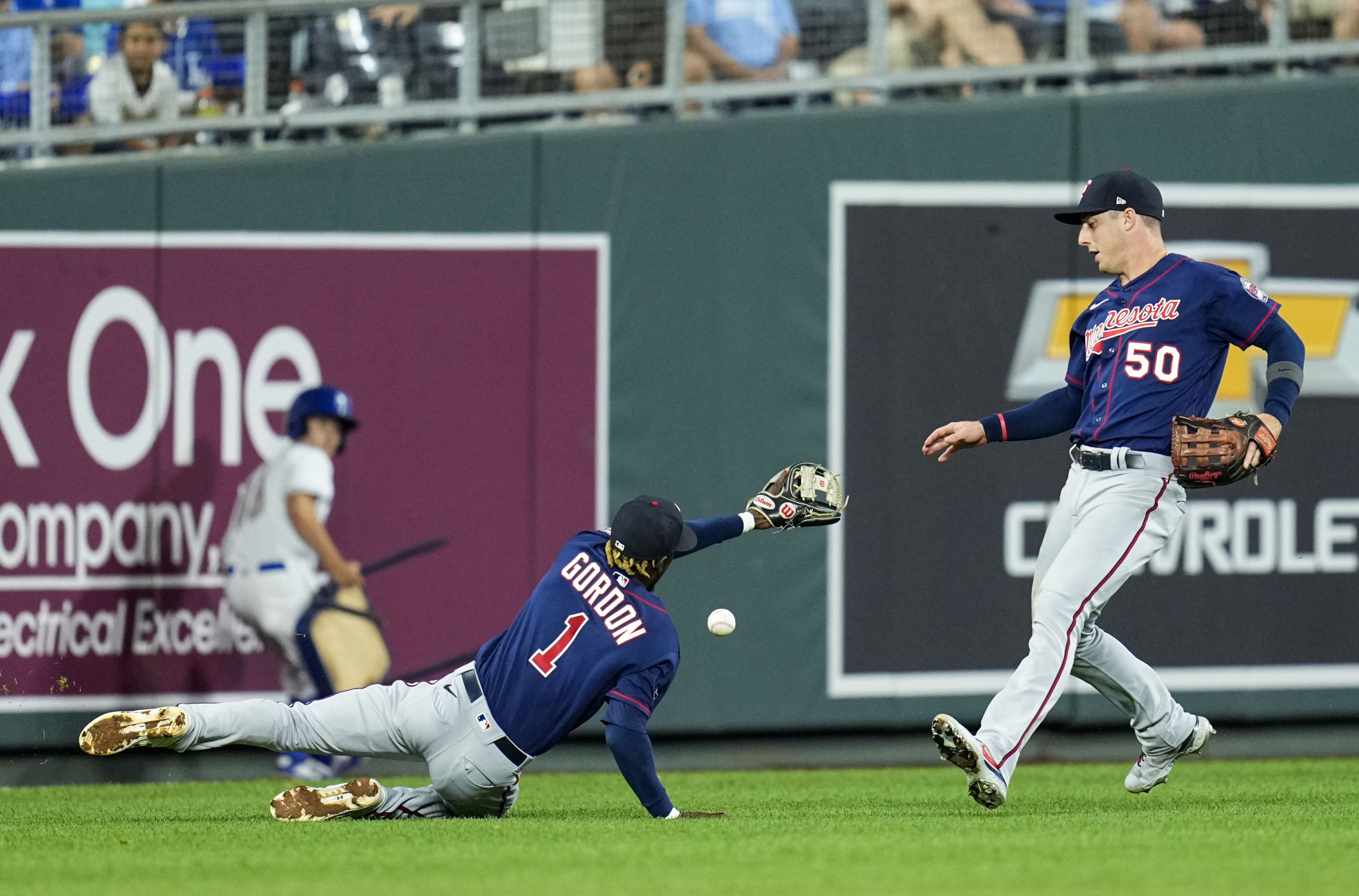 Box Score Gant: 4.0 IP, 8 H, 6 ER, 2 BB, 3 K (63.3% strikes) Home Runs: Jeffers (14) Bottom 3 WPA: Gant -.291, Rooker -.088, Kepler -.082 Win Probability Chart (via FanGraphs) A small disaster nearly struck the Twins early, as John Gant had a tough first inning. Granted, it could’ve been worse, but things were ugly. Command wasn’t there from the very beginning, and the strike zone eluded him. He loaded the bases before recording an out, then threw a wild pitch that allowed the Royals to score first. He loaded the bases immediately afterward, and Kansas City scored again on a force out. It was not before he tossed 29 pitches that the bottom of the first inning was finished. Weirdly enough, he came back to pitch a 1-2-3, six-pitch bottom of the second. That came with the help of some fancy defense from the Twins’ outfield, with Max Kepler making a beautiful, inning-ending diving catch. But that didn’t help Minnesota’s case much, as the offense couldn’t produce a baserunner before the third when Brent Rooker led off the inning with a single. Rooker got picked off, and the Twins couldn’t get anything going. That scoreless second inning from Gant turned out to be the exception, after all. It didn’t look like it at first, though. He did retire the first two batters he saw in the third on only seven pitches, right before giving up four consecutive hits to the heart of the Royals' lineup, allowing Kansas City to pushed a couple more runs across. Minnesota manufactured a run in the fourth after Byron Buxton hit a double and advanced on a fly out by Jorge Polanco and brought home by a Josh Donaldson two-out double, making it 4-1 Royals. Gant was back out for the fourth, and luck wasn’t on his side this time. In what was supposed to be a scoreless effort from him, the Royals scored two more runs on a pop up that landed between Brent Rooker and Nick Gordon, just tipping off the shortstop's glove. Whit Merrifield and Nicky Lopez scored, making it 6-1 Kansas City. The offense continued to struggle against rookie Jon Heasley, who cruised through five innings on only 69 pitches. The Royals’ offense, on the other hand, added more runs. Hunter Dozier hit a leadoff home run in the fifth off Luke Farrell. Then, Adalberto Mondesí doubled and scored on a Cam Gallagher RBI-single, making it 8-1 Kansas City. Twins pick up three runs; Royals take them back Heasley dominated the Twins lineup for five innings. However, things started to change for the righty during the sixth inning. Ryan Jeffers crushed a leadoff, 429-feet home run to left that left his bat at 107 MPH. Minnesota kept pounding the rookie, and they loaded the bases with only one out: a Buxton double, a Polanco walk, and a Donaldson hit-by-pitch. Suddenly, the Twins could make this a two-run game on a swing of the bat. Royals manager Mike Matheny pulled Heasley from the game. Reliever Gabe Speier came into the game and got the second out with two pitches, but he couldn’t quite escape from the jam. Miguel Sanó stepped up to the plate and hit a liner to center to score Buxton and Polanco. Kansas City’s lead was down to four runs. But that rally didn’t last. Two men reached against Farrell in the bottom of the sixth, prompting Rocco Baldelli to remove him from the game. Jovani Moran couldn’t take care of the inherited runners, giving up three consecutive singles that scored three more runs to Kansas City, making it 11-4. The offense had some fight in them. With Speier still on the mound for the Royals, Minnesota hit three consecutive one-out singles (Jeffers, Luis Arráez, and Buxton) and loaded the bases for Polanco. Polo grounded into a force out to score Jeffers and Arráez and reach first himself on a throwing error by Merrifield. Polanco was credited with one RBI on that play which was his 95th of the season, tying the club record for most RBI in a season by a switch-hitter, previously held by Roy Smalley, in the 1979 season. Will he break the record in the two final games of the season? Minnesota threatened once again in the top of the eighth when they had men in the corners with two outs and Jeffers at the plate. He then swung on a 3-1 slider over the plate and gave it a ride, but the ball was caught just in front of the center field fence. Arráez led off the ninth with a single, but he was stranded by former Twin Ervin Santana and the Royals won the game. Postgame Interview Bullpen Usage Spreadsheet MON TUE WED THU FRI TOT Colomé 0 26 18 0 0 44 Duffey 0 18 21 0 0 39 Farrell 0 0 0 0 38 38 Moran 0 0 0 0 38 38 Garza Jr. 0 19 0 12 0 31 Thielbar 0 13 0 14 0 27 Alcalá 0 10 0 13 0 23 Minaya 0 0 22 0 0 22 Vincent 0 0 0 16 0 16 Coulombe 0 0 0 0 15 15 Barraclough 0 0 0 14 0 14
 -
The Twins welcomed José Berríos for the first time as an opponent at Target Field. Everything went Minnesota’s way, especially from the mound, and the Twins were able to hand their former ace a loss. Box Score Ober: 5.1 IP, 4 H, 1 ER, 0 BB, 6 K (71.9% strikes) Home Runs: Buxton (15) Top 3 WPA: Ober .202, Arráez .156, Buxton .106 Win Probability Chart (via FanGraphs) Twins welcome Berríos with a three-run third For the first time, José Berríos took the mound at Target Field as the visiting pitcher, five days after earning a win in Toronto against his former team. Back in Canada on Sunday, the Twins offense couldn’t produce much against “La Makina,” scoring three runs on only four hits. Could tonight’s outcome be different? After Bailey Ober tossed a scoreless top of the first, pitching around a Marcus Semien double, Minnesota posed an immediate threat to Berríos. Luis Arráez singled on the very first pitch, moments before Byron Buxton drew a five-pitch walk, putting two men on with no outs. But José responded by shutting down the Twins lineup, retiring the next six batters. But in the third inning, the offense ambushed their former teammate. Andrelton Simmons worked a leadoff walk, and Arráez got his second hit of the night, scoring Simba on an RBI-triple down the right field line. In the very next at-bat, Buxton took Berríos deep, giving the Twins a 3-0 lead. Ober cruises through four, pulled early after a home run Perhaps Ober took advantage of the fact that all eyes were on the visiting starter, putting together a brilliant start. He did give up a couple of doubles, one in the first and another one in the third. But, other than that, he retired every other batter he faced, completing four innings on only 51 pitches – exactly twenty pitches fewer than Berríos, in case you were wondering. Ober pitched into the sixth very economically. He stranded yet another runner to deliver a scoreless fifth. But after giving up a one-out solo home run to Marcus Semien in the sixth, Rocco Baldelli removed him from the game at only 82 pitches (59 strikes). As he walked away from the mound, his body language indicated that he might not have been happy with the decision. This was Ober’s 20th start of the season and only once this year was he allowed to toss more than 82 pitches in a game (Jul 5, against the White Sox). Has Rocco’s approach towards him been too conservative throughout the season? After hitting back-to-back singles to open the fourth, the offense really quieted down. The bats went 1-for-15 with a walk to close out this game. That could’ve put a lot of pressure on the bullpen, who needed to take care of the slim two-run lead the rest of the way. But that wasn’t a problem for Minnesota’s relievers, who are having a fantastic month of September. Coming into tonight’s game, the Twins bullpen were posting a 2.82 ERA in September, which ranks second in baseball. Jorge Alcalá, Juan Minaya, Tyler Duffey dominated one of MLB’s strongest lineups, holding them scoreless and hitless for 2 2/3 innings. Alexander Colomé was even more effective, closing out the game on only five pitches, all for strikes. With tonight’s outing, the Twins bullpen ERA in September is now down to 2.70. After taking the first two games, the Twins go for a series win tomorrow. They take on Toronto tomorrow at 6:10 pm CDT on Justin Morneau’s Twins Hall of Fame induction night. Postgame Interviews Bullpen Usage Spreadsheet SUN TUE WED THU FRI TOT Minaya 36 0 13 0 19 68 Vincent 40 0 0 13 0 53 Farrell 34 0 0 19 0 53 Thielbar 22 16 0 14 0 52 Duffey 0 11 12 0 17 40 Colomé 0 7 24 0 5 36 Barraclough 0 35 0 0 0 35 Alcalá 0 10 10 0 6 26 Coulombe 0 17 0 0 0 17 Garza Jr. 0 0 0 16 0 16 Moran 0 0 0 0 0 0 View full article
-
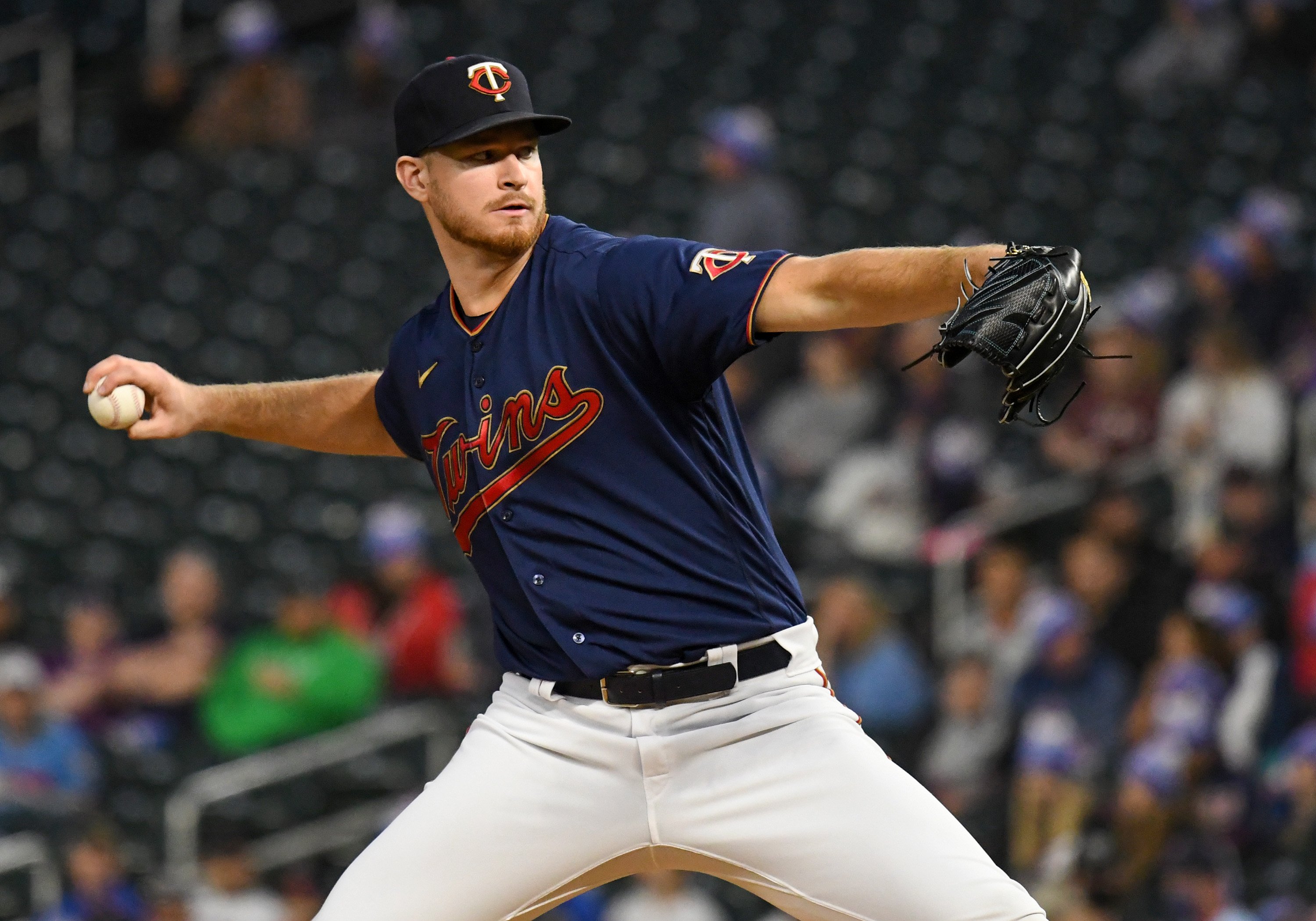 Box Score Ober: 5.1 IP, 4 H, 1 ER, 0 BB, 6 K (71.9% strikes) Home Runs: Buxton (15) Top 3 WPA: Ober .202, Arráez .156, Buxton .106 Win Probability Chart (via FanGraphs) Twins welcome Berríos with a three-run third For the first time, José Berríos took the mound at Target Field as the visiting pitcher, five days after earning a win in Toronto against his former team. Back in Canada on Sunday, the Twins offense couldn’t produce much against “La Makina,” scoring three runs on only four hits. Could tonight’s outcome be different? After Bailey Ober tossed a scoreless top of the first, pitching around a Marcus Semien double, Minnesota posed an immediate threat to Berríos. Luis Arráez singled on the very first pitch, moments before Byron Buxton drew a five-pitch walk, putting two men on with no outs. But José responded by shutting down the Twins lineup, retiring the next six batters. But in the third inning, the offense ambushed their former teammate. Andrelton Simmons worked a leadoff walk, and Arráez got his second hit of the night, scoring Simba on an RBI-triple down the right field line. In the very next at-bat, Buxton took Berríos deep, giving the Twins a 3-0 lead. Ober cruises through four, pulled early after a home run Perhaps Ober took advantage of the fact that all eyes were on the visiting starter, putting together a brilliant start. He did give up a couple of doubles, one in the first and another one in the third. But, other than that, he retired every other batter he faced, completing four innings on only 51 pitches – exactly twenty pitches fewer than Berríos, in case you were wondering. Ober pitched into the sixth very economically. He stranded yet another runner to deliver a scoreless fifth. But after giving up a one-out solo home run to Marcus Semien in the sixth, Rocco Baldelli removed him from the game at only 82 pitches (59 strikes). As he walked away from the mound, his body language indicated that he might not have been happy with the decision. This was Ober’s 20th start of the season and only once this year was he allowed to toss more than 82 pitches in a game (Jul 5, against the White Sox). Has Rocco’s approach towards him been too conservative throughout the season? After hitting back-to-back singles to open the fourth, the offense really quieted down. The bats went 1-for-15 with a walk to close out this game. That could’ve put a lot of pressure on the bullpen, who needed to take care of the slim two-run lead the rest of the way. But that wasn’t a problem for Minnesota’s relievers, who are having a fantastic month of September. Coming into tonight’s game, the Twins bullpen were posting a 2.82 ERA in September, which ranks second in baseball. Jorge Alcalá, Juan Minaya, Tyler Duffey dominated one of MLB’s strongest lineups, holding them scoreless and hitless for 2 2/3 innings. Alexander Colomé was even more effective, closing out the game on only five pitches, all for strikes. With tonight’s outing, the Twins bullpen ERA in September is now down to 2.70. After taking the first two games, the Twins go for a series win tomorrow. They take on Toronto tomorrow at 6:10 pm CDT on Justin Morneau’s Twins Hall of Fame induction night. Postgame Interviews Bullpen Usage Spreadsheet SUN TUE WED THU FRI TOT Minaya 36 0 13 0 19 68 Vincent 40 0 0 13 0 53 Farrell 34 0 0 19 0 53 Thielbar 22 16 0 14 0 52 Duffey 0 11 12 0 17 40 Colomé 0 7 24 0 5 36 Barraclough 0 35 0 0 0 35 Alcalá 0 10 10 0 6 26 Coulombe 0 17 0 0 0 17 Garza Jr. 0 0 0 16 0 16 Moran 0 0 0 0 0 0
- 11 comments
-
- 2
-
-
- bailey ober
- byron buxton
- (and 1 more)
-
The Twins put a dent in Toronto’s wild card run with a four-home run night, combined with a solid start from Michael Pineda and a rock-solid bullpen performance. Minnesota wins their eighth in a row against the Blue Jays at Rogers Centre. Box Score Pineda: 5.2 IP, 3 H, 1 ER, 2 BB, 2 K (71.9% strikes) Home Runs: Polanco (31), Donaldson (23), Sanó (29), Rooker (8) Top 3 WPA: Rooker .141, Buxton .117, Donaldson .095 Win Probability Chart (via FanGraphs) Minnesota’s first trip to Rogers Centre in almost two and a half years became fun very early. Both starters, Michael Pineda for the Twins and Hyun Jin Ryu for the Blue Jays, pitched economical, scoreless first innings. But then both teams combined for nine runs in the following two innings. Miguel Sanó drew a leadoff walk in the top of the second and scored a couple of at-bats later on a Brent Rooker double, putting the Twins ahead. But an awful defensive mistake in the bottom half of that same inning gave Toronto a couple of runs that put them ahead. With two outs, Pineda induced a weak ground ball that would have ended the inning. However, Jorge Polanco overthrew Sanó, allowing Corey Dickerson to score from second and Danny Jansen to reach first. Then, Jake Lamb doubled to score Jansen, making it 2-1 Toronto. Minnesota makes it ugly for Ryu In a quick “Bomba Squad” flashback, the Twins exploded for five runs on five hits in their half of the third, including three home runs, before Toronto could record a single out! The game was suddenly tied after Ryan Jeffers hit a leadoff single and Byron Buxton pushed him across with a double. Then, Polanco redeemed himself from his previous error and regained the lead for Minnesota with a two-run shot. The party wasn’t over. Josh Donaldson, who got a warm welcome from the Jays fans earlier, made it back-to-back with a bomb to right field, giving the Twins a three-run lead, prompting some Donaldson-jersey-wearing Toronto fans to boo him. That was fun. Not so much for Ryu, who was immediately pulled from the game by Jays’ manager Charlie Montoyo. That was Donaldson’s 64th home run at Rogers Centre, the most by any active player in the majors. Miggy Smalls didn’t want to feel left out, so he followed Donaldson’s homer with a dinger of his own, his 29th of the season. That was also the 160th long ball of his career, putting him even closer to the Twins’ all-time top 10 in total home runs. He needs four more on the year to drop Tom Brunansky from 10th place. In the bottom half of the inning, Vladimir Guerrero Jr. got one run back to Toronto, hitting a rocket (111 MPH exit velocity) to left field, his 46th home run of the season. Pineda, bullpen finish off strong Big Mike got in the zone after that Guerrero Jr. home run in the third. Pineda retired eight in a row from that moment on, with a couple of 1-2-3 innings. After throwing 45 pitches to complete 2 1/3 innings, he needed only 30 to complete the next 2 2/3 innings. Rooker gave Pineda even more run support hitting a solo home run in the top of the sixth, making it 7-3 Minnesota. Pineda came back and retired the first two batters of the sixth on only four pitches, making it ten batters in a row retired. But he lost Teoscar Hernández on a ten-pitch walk, causing Rocco Baldelli to take him out of the game. Jorge Alcalá took care of the inherited runner for him, concluding Pineda’s solid line for the evening. Is it possible that tonight’s outing from Big Mike might have changed Twins Daily’s Cody Pirkl’s mind about a possible reunion in 2022? Alcalá came back for the seventh, and he continued his amazing second-half run. By pitching a clean, seven-pitch inning, the Dominican flamethrower has now posted a 1.42 ERA since the start of August. He needed only 13 pitches to get four outs, 10 of which were strikes. He also maxed out at 99.8 MPH. Tyler Duffey was equally brilliant, striking out the side for a 1-2-3 eighth. Alexander Colomé closed out the game with a scoreless inning of his own, securing the win. A fun stat from the Twins bullpen: according to Fangraphs, before tonight's game, the Twins bullpen has ranked 8th in ERA (3.64) since the start of August. Could we be seeing some encouraging signs for 2022? Bailey Ober will try to keep the winning streak in Toronto tomorrow against Steven Matz. With Friday's win, the Twins haven't lost a game at Rogers Centre since Aug 26, 2017. Saturday's first pitch is scheduled for 2:07 CDT. Postgame Interviews Bullpen Usage Spreadsheet MON TUE WED THU FRI TOT Duffey 38 0 0 0 16 54 Colomé 27 11 0 0 14 52 Barraclough 23 16 0 0 0 39 Farrell 34 0 0 0 0 34 Moran 0 0 34 0 0 34 Coulombe 0 27 0 0 0 27 Vincent 0 0 21 0 0 21 Alcalá 0 8 0 0 13 21 Minaya 0 13 0 0 0 13 Thielbar 11 0 0 0 0 11 Garza Jr. 6 0 0 0 0 6 View full article
-
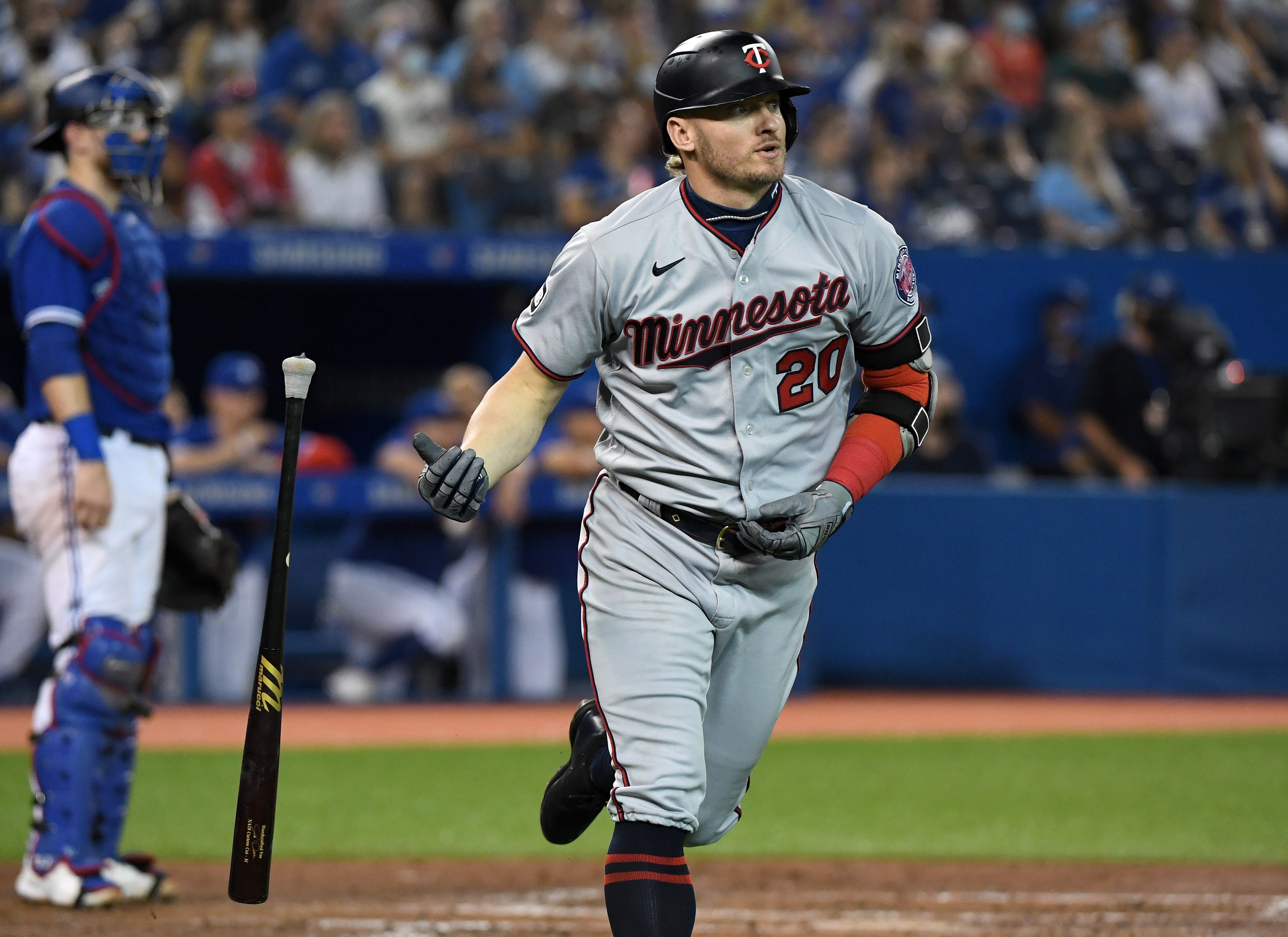 Box Score Pineda: 5.2 IP, 3 H, 1 ER, 2 BB, 2 K (71.9% strikes) Home Runs: Polanco (31), Donaldson (23), Sanó (29), Rooker (8) Top 3 WPA: Rooker .141, Buxton .117, Donaldson .095 Win Probability Chart (via FanGraphs) Minnesota’s first trip to Rogers Centre in almost two and a half years became fun very early. Both starters, Michael Pineda for the Twins and Hyun Jin Ryu for the Blue Jays, pitched economical, scoreless first innings. But then both teams combined for nine runs in the following two innings. Miguel Sanó drew a leadoff walk in the top of the second and scored a couple of at-bats later on a Brent Rooker double, putting the Twins ahead. But an awful defensive mistake in the bottom half of that same inning gave Toronto a couple of runs that put them ahead. With two outs, Pineda induced a weak ground ball that would have ended the inning. However, Jorge Polanco overthrew Sanó, allowing Corey Dickerson to score from second and Danny Jansen to reach first. Then, Jake Lamb doubled to score Jansen, making it 2-1 Toronto. Minnesota makes it ugly for Ryu In a quick “Bomba Squad” flashback, the Twins exploded for five runs on five hits in their half of the third, including three home runs, before Toronto could record a single out! The game was suddenly tied after Ryan Jeffers hit a leadoff single and Byron Buxton pushed him across with a double. Then, Polanco redeemed himself from his previous error and regained the lead for Minnesota with a two-run shot. The party wasn’t over. Josh Donaldson, who got a warm welcome from the Jays fans earlier, made it back-to-back with a bomb to right field, giving the Twins a three-run lead, prompting some Donaldson-jersey-wearing Toronto fans to boo him. That was fun. Not so much for Ryu, who was immediately pulled from the game by Jays’ manager Charlie Montoyo. That was Donaldson’s 64th home run at Rogers Centre, the most by any active player in the majors. Miggy Smalls didn’t want to feel left out, so he followed Donaldson’s homer with a dinger of his own, his 29th of the season. That was also the 160th long ball of his career, putting him even closer to the Twins’ all-time top 10 in total home runs. He needs four more on the year to drop Tom Brunansky from 10th place. In the bottom half of the inning, Vladimir Guerrero Jr. got one run back to Toronto, hitting a rocket (111 MPH exit velocity) to left field, his 46th home run of the season. Pineda, bullpen finish off strong Big Mike got in the zone after that Guerrero Jr. home run in the third. Pineda retired eight in a row from that moment on, with a couple of 1-2-3 innings. After throwing 45 pitches to complete 2 1/3 innings, he needed only 30 to complete the next 2 2/3 innings. Rooker gave Pineda even more run support hitting a solo home run in the top of the sixth, making it 7-3 Minnesota. Pineda came back and retired the first two batters of the sixth on only four pitches, making it ten batters in a row retired. But he lost Teoscar Hernández on a ten-pitch walk, causing Rocco Baldelli to take him out of the game. Jorge Alcalá took care of the inherited runner for him, concluding Pineda’s solid line for the evening. Is it possible that tonight’s outing from Big Mike might have changed Twins Daily’s Cody Pirkl’s mind about a possible reunion in 2022? Alcalá came back for the seventh, and he continued his amazing second-half run. By pitching a clean, seven-pitch inning, the Dominican flamethrower has now posted a 1.42 ERA since the start of August. He needed only 13 pitches to get four outs, 10 of which were strikes. He also maxed out at 99.8 MPH. Tyler Duffey was equally brilliant, striking out the side for a 1-2-3 eighth. Alexander Colomé closed out the game with a scoreless inning of his own, securing the win. A fun stat from the Twins bullpen: according to Fangraphs, before tonight's game, the Twins bullpen has ranked 8th in ERA (3.64) since the start of August. Could we be seeing some encouraging signs for 2022? Bailey Ober will try to keep the winning streak in Toronto tomorrow against Steven Matz. With Friday's win, the Twins haven't lost a game at Rogers Centre since Aug 26, 2017. Saturday's first pitch is scheduled for 2:07 CDT. Postgame Interviews Bullpen Usage Spreadsheet MON TUE WED THU FRI TOT Duffey 38 0 0 0 16 54 Colomé 27 11 0 0 14 52 Barraclough 23 16 0 0 0 39 Farrell 34 0 0 0 0 34 Moran 0 0 34 0 0 34 Coulombe 0 27 0 0 0 27 Vincent 0 0 21 0 0 21 Alcalá 0 8 0 0 13 21 Minaya 0 13 0 0 0 13 Thielbar 11 0 0 0 0 11 Garza Jr. 6 0 0 0 0 6
 -
Game Score: Yankees 6, Twins 5
Thiéres Rabelo replied to Thiéres Rabelo's topic in Twins Daily Front Page News
If we're talking about that one pitch, sure, you're absolutely right. What was infuriating was that the same mistake happened at least three other times that same inning, if I recall correctly.- 45 replies
-
- 1
-
-
- jorge polanco
- byron buxton
- (and 2 more)
-
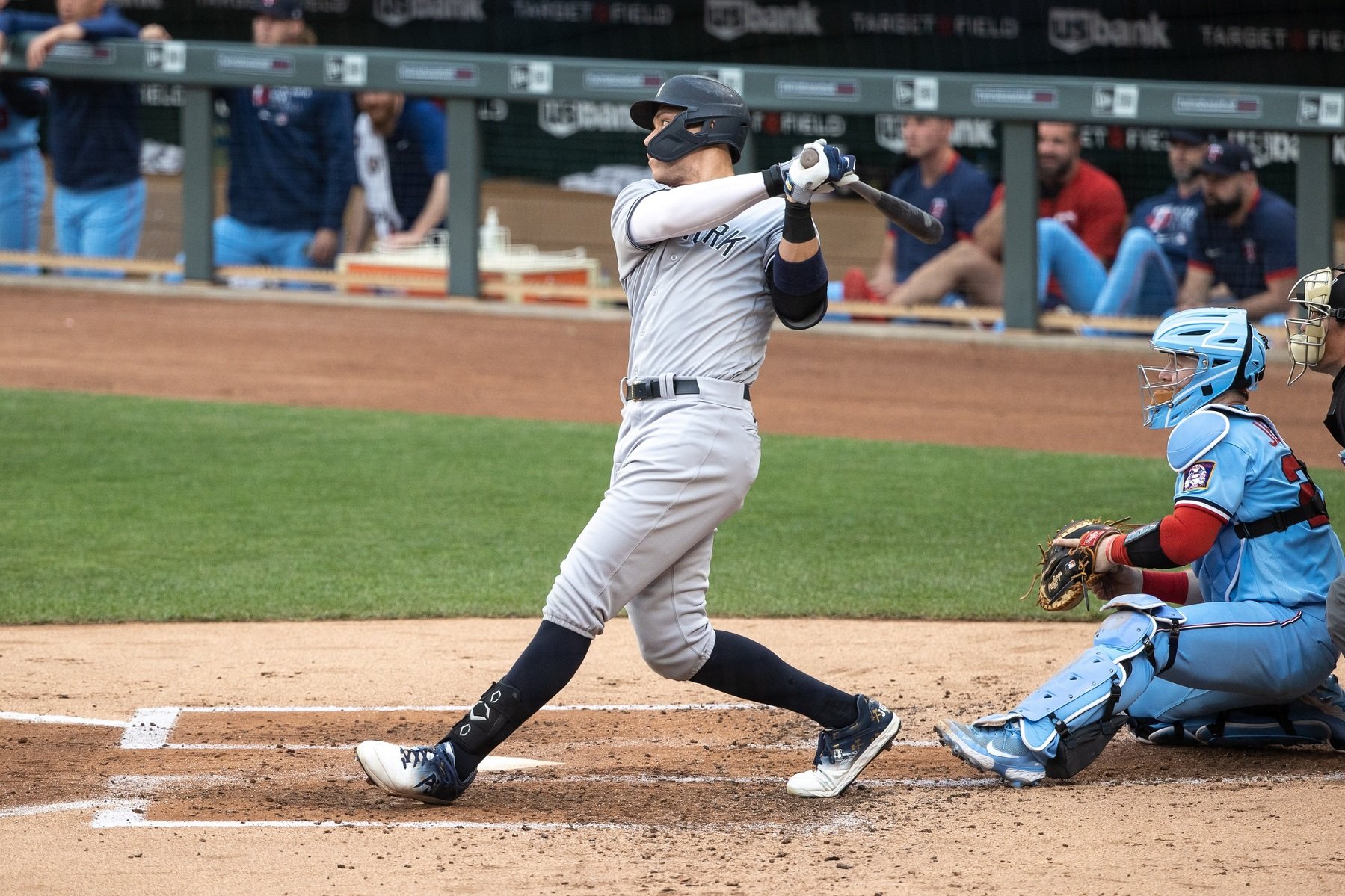 Box Score Gant: 0.2 IP, 0 H, 0 ER, 1 BB, 0 K Home Runs: Polanco (30), Sanó (27), Buxton (14) Bottom 3 WPA: Garza Jr. -.186, Sanó -.146, Donaldson -.110 Win Probability Chart (via FanGraphs) Minnesota struck first and took a four-run lead in the first inning, facing former member of the Twins organization Luis Gil. Luis Arráez snapped an 0-for-11 slump with a leadoff single and was later pushed across the plate by a home run from Jorge Polanco. This was his 30th dinger of the season, setting a record for most single-season home runs by a switch-hitter in Twins history, breaking the tie with Chili Davis in 1991. Gil lost Josh Donaldson on a seven-pitch walk immediately after Polanco’s home run. He managed to strike out Max Kepler next for the second out, but then another slumping Twin, Miguel Sanó, snapped his 0-for-13 funk with a high home run to center field which barely cleared the fence, making it 4-0 Minnesota. John Gant started out this game at the mound for Minnesota, but he was forced to leave the game with an apparent injury after throwing only 12 pitches and retiring two batters. Luke Farrell got called into the game and did a fine job, providing 2 1/3 hitless innings, helping to keep the Yankees scoreless through three innings. The Twins kept making good contact off Gil and, during the third inning, they added to their lead with another home run. Leading off the top-half of the inning, Byron Buxton jumped on the first pitch he saw, smashing it to a 106 MPH exit velocity, making it 5-0 Twins. Twins pitchers continued to dominate Yankees' hitting, keeping New York with one hit through 5 2/3 innings. Caleb Thielbar and Kyle Barraclough, who was recalled from Saint Paul earlier today (with Brent Rooker going on the paternity list), delivered two quick, scoreless innings in relief of Farrell. But in the sixth inning, Barraclough got huge help from the outfield defense behind him, as Max Kepler made some crucial plays in right field, robbing New York of at least an extra-base hit that could spark a rally. They did score a run on a sac-fly from DJ LeMahieu, scoring Tyler Wade from third. Terrible umpiring helps the Yankees to rally back Tyler Duffey came into the game to get the last out of the sixth immediately after Barraclough gave up a two-out hit. He opened the seventh fanning Giancarlo Stanton, but he gave up a solo home run to Joey Gallo, cutting Minnesota’s lead to three. He came back to pitch the eighth, but he got some awful calls from home plate umpire Jeff Nelson, who missed at least four calls during that inning. Brent Gardner “drew a walk” on a ball four that was most certainly a strike (pitch #6 below). That put two men on, and Rocco Baldelli pulled Duffey off the game. Alexander Colomé came in to face Aaron Judge, who hit a three-run home run, tying the game at five. Colomé struck out the side in the bottom of the ninth, taking the game to extra innings. All Minnesota was able to do during the 10th inning was to move up the ghost runner on a sacrifice groundout. In the bottom half, Gary Sánchez hit a line drive to left, deep enough to score Gleyber Torres from second, winning the game for New York. Postgame Interview Bullpen Usage Spreadsheet THU FRI SAT SUN MON TOT Farrell 32 0 12 0 34 78 Minaya 0 40 0 17 0 57 Duffey 0 11 0 0 38 49 Colomé 0 12 0 0 27 39 Coulombe 15 0 23 0 0 38 Moran 0 0 0 37 0 37 Thielbar 0 0 26 0 11 37 Garza Jr. 19 0 0 11 6 36 Alcalá 0 9 0 18 0 27 Barraclough 0 0 0 0 23 23
 -
The Twins jumped off to a five-run lead early and were able to stay in front for most of the game, despite losing their starter after only 12 pitches. But some terrible ball-strike calls helped the Yankees to rally back and walk it off in extras. Box Score Gant: 0.2 IP, 0 H, 0 ER, 1 BB, 0 K Home Runs: Polanco (30), Sanó (27), Buxton (14) Bottom 3 WPA: Garza Jr. -.186, Sanó -.146, Donaldson -.110 Win Probability Chart (via FanGraphs) Minnesota struck first and took a four-run lead in the first inning, facing former member of the Twins organization Luis Gil. Luis Arráez snapped an 0-for-11 slump with a leadoff single and was later pushed across the plate by a home run from Jorge Polanco. This was his 30th dinger of the season, setting a record for most single-season home runs by a switch-hitter in Twins history, breaking the tie with Chili Davis in 1991. Gil lost Josh Donaldson on a seven-pitch walk immediately after Polanco’s home run. He managed to strike out Max Kepler next for the second out, but then another slumping Twin, Miguel Sanó, snapped his 0-for-13 funk with a high home run to center field which barely cleared the fence, making it 4-0 Minnesota. John Gant started out this game at the mound for Minnesota, but he was forced to leave the game with an apparent injury after throwing only 12 pitches and retiring two batters. Luke Farrell got called into the game and did a fine job, providing 2 1/3 hitless innings, helping to keep the Yankees scoreless through three innings. The Twins kept making good contact off Gil and, during the third inning, they added to their lead with another home run. Leading off the top-half of the inning, Byron Buxton jumped on the first pitch he saw, smashing it to a 106 MPH exit velocity, making it 5-0 Twins. Twins pitchers continued to dominate Yankees' hitting, keeping New York with one hit through 5 2/3 innings. Caleb Thielbar and Kyle Barraclough, who was recalled from Saint Paul earlier today (with Brent Rooker going on the paternity list), delivered two quick, scoreless innings in relief of Farrell. But in the sixth inning, Barraclough got huge help from the outfield defense behind him, as Max Kepler made some crucial plays in right field, robbing New York of at least an extra-base hit that could spark a rally. They did score a run on a sac-fly from DJ LeMahieu, scoring Tyler Wade from third. Terrible umpiring helps the Yankees to rally back Tyler Duffey came into the game to get the last out of the sixth immediately after Barraclough gave up a two-out hit. He opened the seventh fanning Giancarlo Stanton, but he gave up a solo home run to Joey Gallo, cutting Minnesota’s lead to three. He came back to pitch the eighth, but he got some awful calls from home plate umpire Jeff Nelson, who missed at least four calls during that inning. Brent Gardner “drew a walk” on a ball four that was most certainly a strike (pitch #6 below). That put two men on, and Rocco Baldelli pulled Duffey off the game. Alexander Colomé came in to face Aaron Judge, who hit a three-run home run, tying the game at five. Colomé struck out the side in the bottom of the ninth, taking the game to extra innings. All Minnesota was able to do during the 10th inning was to move up the ghost runner on a sacrifice groundout. In the bottom half, Gary Sánchez hit a line drive to left, deep enough to score Gleyber Torres from second, winning the game for New York. Postgame Interview Bullpen Usage Spreadsheet THU FRI SAT SUN MON TOT Farrell 32 0 12 0 34 78 Minaya 0 40 0 17 0 57 Duffey 0 11 0 0 38 49 Colomé 0 12 0 0 27 39 Coulombe 15 0 23 0 0 38 Moran 0 0 0 37 0 37 Thielbar 0 0 26 0 11 37 Garza Jr. 19 0 0 11 6 36 Alcalá 0 9 0 18 0 27 Barraclough 0 0 0 0 23 23 View full article
- 45 replies
-
- 1
-
-
- jorge polanco
- byron buxton
- (and 2 more)
-
A big four-run first inning was all the Twins got from their offense tonight, as they couldn’t produce a single run after that. The bullpen had an inspired night before giving up a game-winning home run to Andrew Benintendi in the 11th inning. Box Score Jax: 6.0 IP, 5 H, 4 ER, 1 BB, 4 K (75% strikes) Home Runs: Buxton (12), Donaldson (22) Bottom 3 WPA: Refsnyder -.296, Rooker -.274, Gordon -.208 Win Probability Chart (via FanGraphs) Seven runs scored right away, in the first inning of this game. Looking to bounce back after three consecutive bad starts, Griffin Jax struggled early tonight. Despite getting ahead on the count, the Twins starter gave up a double to Nicky Lopez and a walk to Salvador Pérez before facing Andrew Benintendi. A lifetime .349 hitter (1.035 OPS) at Target Field, the former Red Sock improved those numbers even more by hitting a three-run bomb to put Kansas City ahead. But rookie lefty Daniel Lynch didn’t take advantage of all the run support. The Virginia native gave up four consecutive hits to open the game. The first one was a mammoth, 457-feet leadoff home run to Byron Buxton. Minnesota was definitely not done hitting that inning. Jorge Polanco followed that Buxton homer with a double, with Rob Refsnyder adding a single. Josh Donaldson didn’t care that Lynch hadn’t brought an umbrella with him and brought the rain to catapult the Twins into the lead, 4-3. But contrary to what happened in the first inning, both starters settled down and mostly dominated their opposing lineups for the following innings. Lynch tossed four scoreless, and, beginning with the final two outs of the first, Jax was able to retire eight in a row, including a pair of 1-2-3 innings. Benintendi broke the streak leading off the fourth and later scored from first on a long double from Michael Taylor, tying the game. That didn’t affect Jax at all. The rookie retired seven of the final eight batters he saw, going scoreless in the fifth and the sixth. He didn’t come back for the seventh, even though his pitch count was still at only 76 pitches, 57 of which were thrown for strikes (75%!). Tonight’s start was the first since Aug. 16, in which Jax completed six innings of work. After a 23-pitch first inning, he navigated through the next five on only 53 pitches. Can he use this outing to regain some confidence and finish the season on a high note? Neither offense performed well against opposing bullpens. Tyler Duffey and Jorge Alcalá threw a couple of scoreless innings on only 20 pitches, 80% of which were strikes. Royals hitters didn’t know what hit them. While Kansas City’s relievers were just as effective, Donaldson did drew a two-out walk in the eighth, bringing Miguel Sanó to the plate. However, he struck out, ending the threat. Benintendi was at it again, hitting a leadoff single off Alexander Colomé in the ninth inning. But Colomé did a great job, striking out the next two batters on six pitches, before retiring Taylor. The offense couldn’t take advantage of yet another great outing by a Twins reliever, as they fell in order in the bottom half of the inning, taking the game to extra innings. To the extras, we go Red-hot Juan Minaya came in to pitch the 10th, posting a 0.98 ERA in his previous 14 outings. He struck out the first batter he saw but then gave up a walk to Kansas City’s number nine hitter, Edward Olivares, forcing him to face the top of the Royal lineup with two men on. He struck out Whit Merrifield but then committed a fielding error against Lopez, loading the bases to face Pérez. Fortunately, “Salvy” swung on the first pitch he saw and grounded out, with a beautiful throw from Polanco to first. In the bottom half of the 10th, Luis Arráez drew a leadoff walk, putting two men on. But the Twins couldn’t move either runner, with the following three batters being retired. Buxton, who hit immediately after Arraez, made an absolutely awful bunt attempt. Following that, Minaya continued in the game, and Benintendi (who else?) swung on the first pitch he saw, homering to center field, scoring him and Pérez, the ghost runner. Kansas City took a definitive two-run lead, 6-4. Donaldson, Sanó, and Brent Rooker went down in order in the bottom of the 11th. Minnesota drops the first of three games of the series. They send Michael Pineda to the mound on Saturday evening, with the first pitch scheduled for 6:10 pm CDT. Postgame Interview Bullpen Usage Spreadsheet MON TUE WED THU FRI TOT Minaya 0 21 0 0 40 61 Colomé 9 17 0 0 12 38 Duffey 8 0 17 0 11 36 Thielbar 0 25 8 0 0 33 Farrell 0 0 0 32 0 32 Alcalá 0 19 0 0 9 28 Garza Jr. 0 0 0 19 0 19 Coulombe 0 0 0 15 0 15 View full article
-
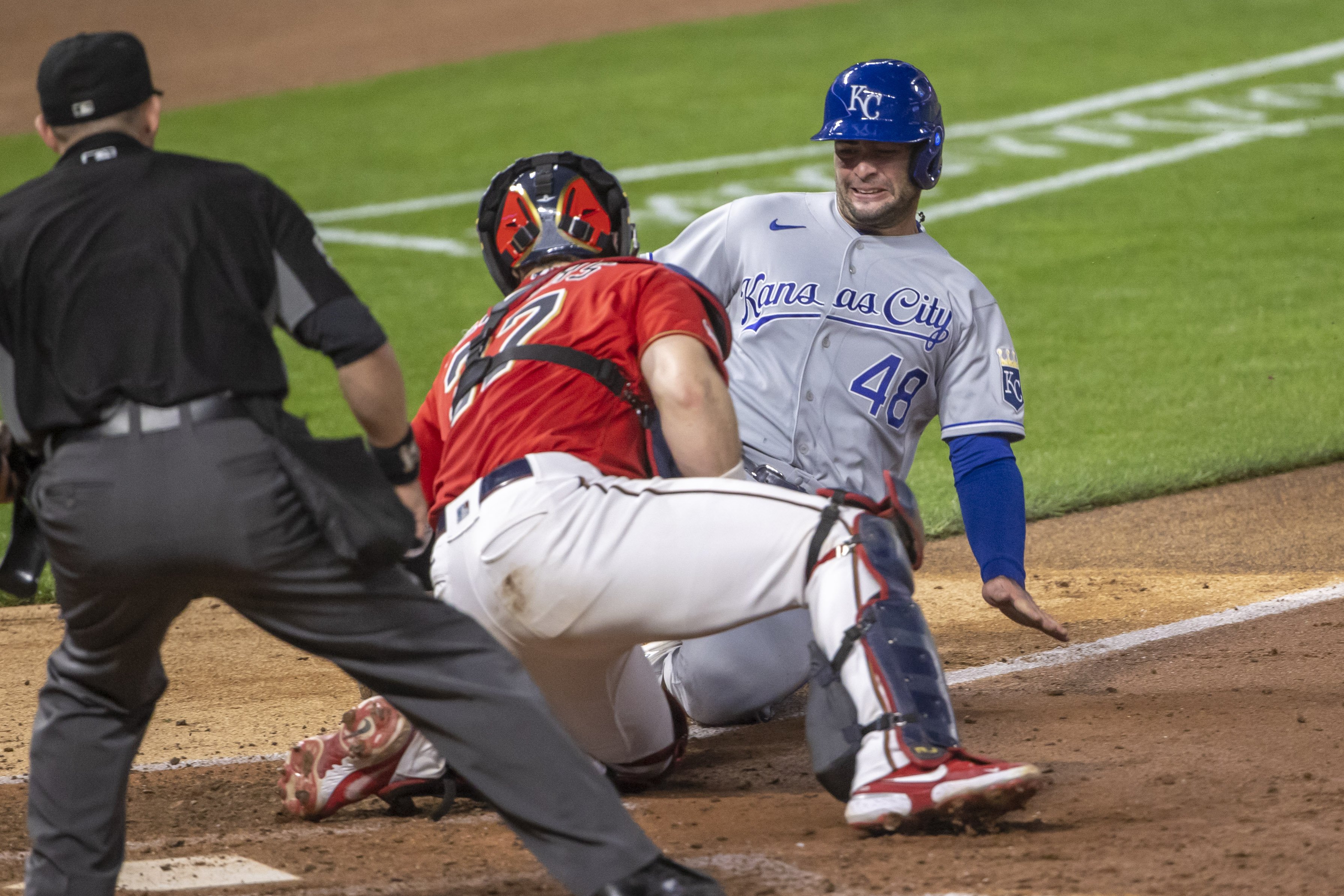 Box Score Jax: 6.0 IP, 5 H, 4 ER, 1 BB, 4 K (75% strikes) Home Runs: Buxton (12), Donaldson (22) Bottom 3 WPA: Refsnyder -.296, Rooker -.274, Gordon -.208 Win Probability Chart (via FanGraphs) Seven runs scored right away, in the first inning of this game. Looking to bounce back after three consecutive bad starts, Griffin Jax struggled early tonight. Despite getting ahead on the count, the Twins starter gave up a double to Nicky Lopez and a walk to Salvador Pérez before facing Andrew Benintendi. A lifetime .349 hitter (1.035 OPS) at Target Field, the former Red Sock improved those numbers even more by hitting a three-run bomb to put Kansas City ahead. But rookie lefty Daniel Lynch didn’t take advantage of all the run support. The Virginia native gave up four consecutive hits to open the game. The first one was a mammoth, 457-feet leadoff home run to Byron Buxton. Minnesota was definitely not done hitting that inning. Jorge Polanco followed that Buxton homer with a double, with Rob Refsnyder adding a single. Josh Donaldson didn’t care that Lynch hadn’t brought an umbrella with him and brought the rain to catapult the Twins into the lead, 4-3. But contrary to what happened in the first inning, both starters settled down and mostly dominated their opposing lineups for the following innings. Lynch tossed four scoreless, and, beginning with the final two outs of the first, Jax was able to retire eight in a row, including a pair of 1-2-3 innings. Benintendi broke the streak leading off the fourth and later scored from first on a long double from Michael Taylor, tying the game. That didn’t affect Jax at all. The rookie retired seven of the final eight batters he saw, going scoreless in the fifth and the sixth. He didn’t come back for the seventh, even though his pitch count was still at only 76 pitches, 57 of which were thrown for strikes (75%!). Tonight’s start was the first since Aug. 16, in which Jax completed six innings of work. After a 23-pitch first inning, he navigated through the next five on only 53 pitches. Can he use this outing to regain some confidence and finish the season on a high note? Neither offense performed well against opposing bullpens. Tyler Duffey and Jorge Alcalá threw a couple of scoreless innings on only 20 pitches, 80% of which were strikes. Royals hitters didn’t know what hit them. While Kansas City’s relievers were just as effective, Donaldson did drew a two-out walk in the eighth, bringing Miguel Sanó to the plate. However, he struck out, ending the threat. Benintendi was at it again, hitting a leadoff single off Alexander Colomé in the ninth inning. But Colomé did a great job, striking out the next two batters on six pitches, before retiring Taylor. The offense couldn’t take advantage of yet another great outing by a Twins reliever, as they fell in order in the bottom half of the inning, taking the game to extra innings. To the extras, we go Red-hot Juan Minaya came in to pitch the 10th, posting a 0.98 ERA in his previous 14 outings. He struck out the first batter he saw but then gave up a walk to Kansas City’s number nine hitter, Edward Olivares, forcing him to face the top of the Royal lineup with two men on. He struck out Whit Merrifield but then committed a fielding error against Lopez, loading the bases to face Pérez. Fortunately, “Salvy” swung on the first pitch he saw and grounded out, with a beautiful throw from Polanco to first. In the bottom half of the 10th, Luis Arráez drew a leadoff walk, putting two men on. But the Twins couldn’t move either runner, with the following three batters being retired. Buxton, who hit immediately after Arraez, made an absolutely awful bunt attempt. Following that, Minaya continued in the game, and Benintendi (who else?) swung on the first pitch he saw, homering to center field, scoring him and Pérez, the ghost runner. Kansas City took a definitive two-run lead, 6-4. Donaldson, Sanó, and Brent Rooker went down in order in the bottom of the 11th. Minnesota drops the first of three games of the series. They send Michael Pineda to the mound on Saturday evening, with the first pitch scheduled for 6:10 pm CDT. Postgame Interview Bullpen Usage Spreadsheet MON TUE WED THU FRI TOT Minaya 0 21 0 0 40 61 Colomé 9 17 0 0 12 38 Duffey 8 0 17 0 11 36 Thielbar 0 25 8 0 0 33 Farrell 0 0 0 32 0 32 Alcalá 0 19 0 0 9 28 Garza Jr. 0 0 0 19 0 19 Coulombe 0 0 0 15 0 15
 -
Twins Daily Minnesota Twins Hitter of the Month - August 2021
Thiéres Rabelo posted an article in Twins
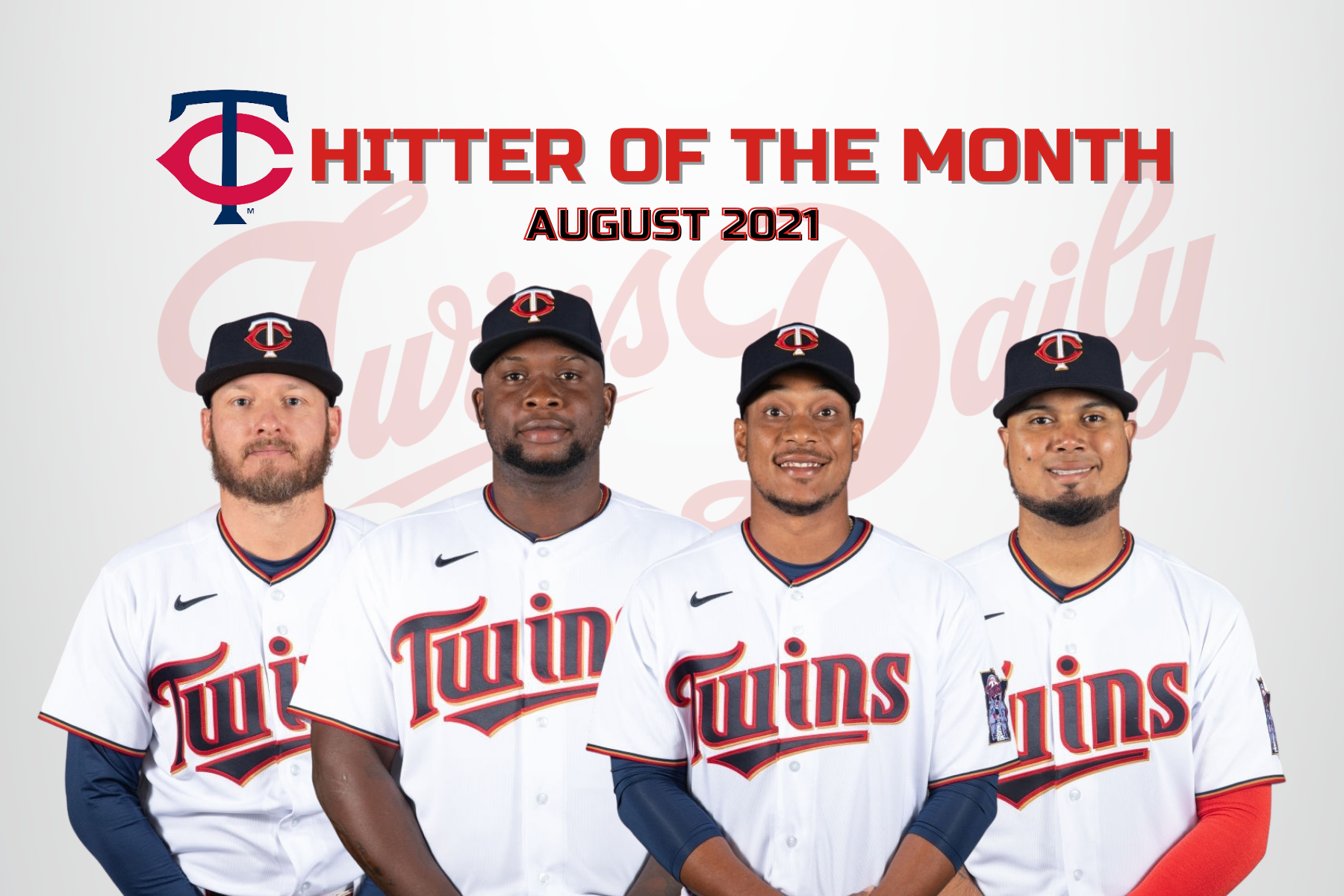 August represented the first month of the season in which Minnesota had a winning record. Curiously enough, according to several metrics, it was also the month in which they had their lowest offensive productivity. This controversy (given that their pitching wasn’t substantially better either) could be explained by the fact that Twins hitters performed very well in clutch situations, making the difference between losing and winning in at least a handful of games. Without further ado, here are three honorable mentions, followed by the big winner! Honorable Mention #3: Luis Arraez This is how good Luis Arraez is: despite having a slight dip in productivity during August, he still had one of the top 15 batting averages in baseball. Also, by slashing .291/.371/.384 (.755), he finished the month with the highest batting average on the team. Unsurprisingly, his power numbers aren’t impressive, but he compensates for that with a ton of plate discipline. Among all qualified batters in August, Arraez’s strikeout rate (8.2%) ranked fourth-best in baseball. He only struck out more than one of his teammates in August: bullpen legend Willians Astudillo (2.9%). It should be brought to your attention that Arraez’s final numbers in August started to drop only during the last week of the month. Until Aug 24, he was slashing .314/.381/.404 (.785) before an 0-for-16 slump. Hopefully, the turn of the calendar will help him get back on track. Honorable Mention #2: Miguel Sanó Miguel Sanó’s mere presence in this Twins lineup was a question mark for quite some time. When he struggles, as he did during April and May, many people are vocal about it. Well, for the past three months, he’s been proving many people wrong, having a very consistent, above league average productivity. His highlight of the month happened last week, when he hit the longest home run in all of baseball this year, sending the poor baseball completely out of Fenway Park. During August, Sanó had his highest number of plate appearances of the season (106), and he was able to sustain a season-best .820 OPS while also having a .344 wOBA and 118 wRC+. It seems as if consistent playing time makes all the difference for the big fellow. Sanó had the team’s second-most extra-base hits (11) and third-highest SLG (.489) in August. Not to mention that he stepped up when the team needed him the most, putting the ball in play 50% of the time in high-leverage situations, the eighth-best BABip in all of baseball in such situations. Honorable Mention #1: Josh Donaldson “The Bringer of Rain” had an incredible month of August, possibly his best in a Twins uniform. Donaldson led the team in batting average for the month, slashing .278/.360/.519 (.878) while also posting .376 wOBA and 140 wRC+, both ranking second-best on the team and considerably above league average. This was the fourth month out of five this year in which he maintained a wRC+ of at least 125. For those who believe the Twins should pursue a trade involving him next winter, his improved second half of the season can seriously increase his trade value. Hitter of the Month: Jorge Polanco For the first time since we’ve established the hitter of the month award, we have a player to be named for a second time. In August, Jorge Polanco was easily the Twins’ best hitter, leading the team in fWAR, with 1.1 and also most of the other relevant offensive metrics, including .945 OPS, .612 SLG, .390 wOBA, and 150 wRC+. But what was even more impressive about Polanco’s August was how clutch and decisive he was! He was responsible for three consecutive walk-off RBI hits for Minnesota this month alone. Check out this video from Twins Daily’s Tom Froemming with every one of his five walk-off hits this season. Given his track record and expected statistics, his current power surge is probably unsustainable over an entire season. He slugged .421 for the first three months of 2021 before jumping to .548 in July and .612 in August. Nonetheless, Polanco’s August was just the icing on the cake of what has been one of his best seasons as a major-leaguer, entitling him to be a front-runner to be named the Twins’ hitter of the year. MORE FROM TWINS DAILY — Latest Twins coverage from our writers — Recent Twins discussion in our forums — Follow Twins Daily via Twitter, Facebook or email
- 7 comments
-
- 2
-
-
- arraez
- miguel sano
- (and 2 more)
-
It’s time to name the best Minnesota Twins hitter of the month! So far, Mitch Garver, Nelson Cruz, and Jorge Polanco have taken home this prestigious award. Will there be a new winner for the month of August? August represented the first month of the season in which Minnesota had a winning record. Curiously enough, according to several metrics, it was also the month in which they had their lowest offensive productivity. This controversy (given that their pitching wasn’t substantially better either) could be explained by the fact that Twins hitters performed very well in clutch situations, making the difference between losing and winning in at least a handful of games. Without further ado, here are three honorable mentions, followed by the big winner! Honorable Mention #3: Luis Arraez This is how good Luis Arraez is: despite having a slight dip in productivity during August, he still had one of the top 15 batting averages in baseball. Also, by slashing .291/.371/.384 (.755), he finished the month with the highest batting average on the team. Unsurprisingly, his power numbers aren’t impressive, but he compensates for that with a ton of plate discipline. Among all qualified batters in August, Arraez’s strikeout rate (8.2%) ranked fourth-best in baseball. He only struck out more than one of his teammates in August: bullpen legend Willians Astudillo (2.9%). It should be brought to your attention that Arraez’s final numbers in August started to drop only during the last week of the month. Until Aug 24, he was slashing .314/.381/.404 (.785) before an 0-for-16 slump. Hopefully, the turn of the calendar will help him get back on track. Honorable Mention #2: Miguel Sanó Miguel Sanó’s mere presence in this Twins lineup was a question mark for quite some time. When he struggles, as he did during April and May, many people are vocal about it. Well, for the past three months, he’s been proving many people wrong, having a very consistent, above league average productivity. His highlight of the month happened last week, when he hit the longest home run in all of baseball this year, sending the poor baseball completely out of Fenway Park. During August, Sanó had his highest number of plate appearances of the season (106), and he was able to sustain a season-best .820 OPS while also having a .344 wOBA and 118 wRC+. It seems as if consistent playing time makes all the difference for the big fellow. Sanó had the team’s second-most extra-base hits (11) and third-highest SLG (.489) in August. Not to mention that he stepped up when the team needed him the most, putting the ball in play 50% of the time in high-leverage situations, the eighth-best BABip in all of baseball in such situations. Honorable Mention #1: Josh Donaldson “The Bringer of Rain” had an incredible month of August, possibly his best in a Twins uniform. Donaldson led the team in batting average for the month, slashing .278/.360/.519 (.878) while also posting .376 wOBA and 140 wRC+, both ranking second-best on the team and considerably above league average. This was the fourth month out of five this year in which he maintained a wRC+ of at least 125. For those who believe the Twins should pursue a trade involving him next winter, his improved second half of the season can seriously increase his trade value. Hitter of the Month: Jorge Polanco For the first time since we’ve established the hitter of the month award, we have a player to be named for a second time. In August, Jorge Polanco was easily the Twins’ best hitter, leading the team in fWAR, with 1.1 and also most of the other relevant offensive metrics, including .945 OPS, .612 SLG, .390 wOBA, and 150 wRC+. But what was even more impressive about Polanco’s August was how clutch and decisive he was! He was responsible for three consecutive walk-off RBI hits for Minnesota this month alone. Check out this video from Twins Daily’s Tom Froemming with every one of his five walk-off hits this season. Given his track record and expected statistics, his current power surge is probably unsustainable over an entire season. He slugged .421 for the first three months of 2021 before jumping to .548 in July and .612 in August. Nonetheless, Polanco’s August was just the icing on the cake of what has been one of his best seasons as a major-leaguer, entitling him to be a front-runner to be named the Twins’ hitter of the year. MORE FROM TWINS DAILY — Latest Twins coverage from our writers — Recent Twins discussion in our forums — Follow Twins Daily via Twitter, Facebook or email View full article
-
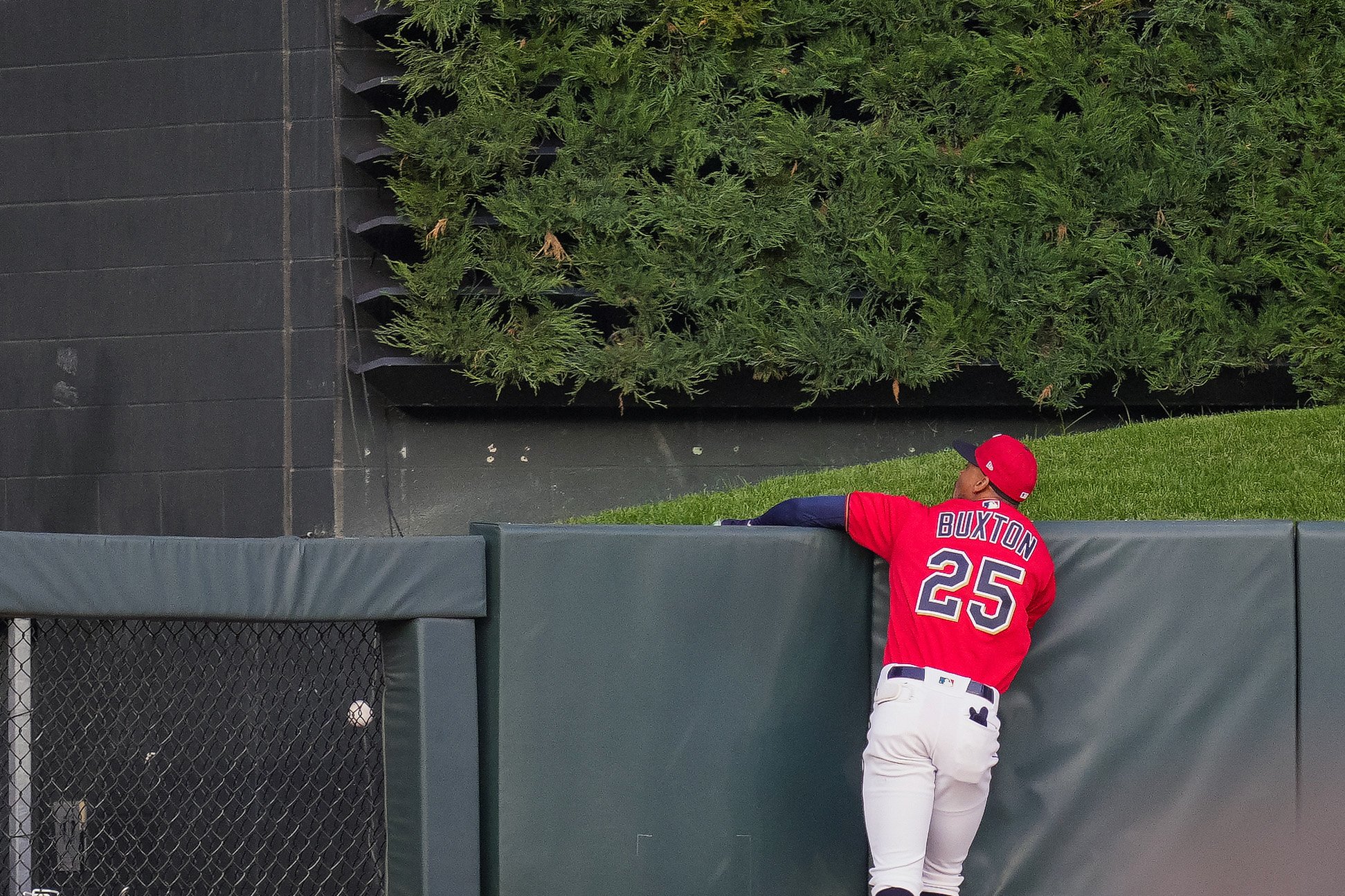 Box Score John Gant: 5.0 IP, 3 H, 2 ER, 0 BB, 5 K (64% strikes) Home Runs: None Bottom 3 WPA: Kepler -.209, Buxton -.148, Simmons -.144 Win Probability Chart (via FanGraphs) Each team scored a run in the first inning. John Gant, who’s trying to make a case for himself to be a part of the 2022 starting rotation, nearly had an uneventful top of the first. Standing in the way was Frank Schwindel, who jumped on the first pitch he saw to make it 1-0 Cubs. But that lead didn’t last long. Luis Arraez opened up the bottom of the inning with a leadoff double, snapping an 0-for-16 slump. Byron Buxton followed up with a single to move Arraez to third, and Jorge Polanco pushed him across with a sac-fly, tying the game. Since we mentioned Buxton, get a load of what he did during the second inning: The Cubs still managed to score their leadoff runner that same inning, after Robinson Chirinos hit a blast to center field and Brent Rooker couldn’t field it at the warning track. The ball apparently hit him on the leg and rolled away from Buxton. Matt Duffy scored, and Chirinos reached third very easily, giving Chicago back the lead. Minnesota threatened again, in the bottom half, with men in the corners with no outs. But this time, they ended up empty-handed. After a busy first couple of innings, both pitchers settled down and dominated opposing pitchers. Gant finished off his start with a perfect second time through the order – three consecutive 1-2-3 innings. He didn’t walk a single batter all night. Unfortunately for the Twins, Cubs starter Zach Davies also put away nine batters in a row, starting in the second inning. It was not until the fifth that the Twins would have baserunners again. Both of them ended up being stranded. Juan Minaya came in relief of Gant and faced the minimum in the sixth. However, he couldn’t keep up the good work during the seventh when he loaded the bases with no outs, forcing Rocco Baldelli to pull him from the game. Tyler Duffey took the mound and did a fantastic job, striking out the side on 16 pitches. This was the first time since May 29 (third overall) that Duffey pitched at least one scoreless inning with three strikeouts. With his outing tonight, he posted a 2.25 ERA in August. Meanwhile, the offense kept struggling against Cubs pitching. They stranded a pair of runners in the bottom of the seventh, at which point they had accumulated five men left on base and were 1-for-7 with men in scoring position. Chicago’s offense, on the other hand, extended their lead in the eighth, with Ian Happ hitting a monstrous third deck home run to left, which gave the Cubs a two-run lead, 3-1. The Twins tried to start a rally during the eighth, loading the bases with singles by Arraez and Polanco, and a walk by Donaldson. With only one out, Max Kepler hit a bloop to shallow right, and Arraez decided to tag up, but Duffy made a perfect throw home to get him, giving Chicago an inning-ending double play. Ralph Garza Jr. kept Minnesota’s hopes alive by pitching a scoreless ninth, but the offense went down in order in the bottom half. Despite losing tonight, the Twins still end up August with a winning record (14-13), the first time this has happened this season. They face the games again this Wednesday (9/1), at 7:10 pm CT, with Joe Ryan set to make his big-league debut. Check out Tom Froemming's video recap of tonight's Twins action! Postgame Interview Bullpen Usage Spreadsheet FRI SAT SUN MON TUE TOT Albers 88 0 0 0 0 88 Colomé 13 13 0 23 0 49 Thielbar 0 23 0 0 26 49 Minaya 0 17 0 0 24 41 Alcalá 12 0 0 25 0 37 Gibaut 0 0 33 0 0 33 Garza Jr. 0 0 11 0 17 28 Duffey 6 0 0 0 16 22 Coulombe 20 0 0 0 0 20
 -
A great pitching performance was not enough. The Twins offense wasted too many opportunities to score, despite producing a lot of baserunners. The Cubs, making their first trip to Target Field in six years, take game one of the interleague series. Box Score John Gant: 5.0 IP, 3 H, 2 ER, 0 BB, 5 K (64% strikes) Home Runs: None Bottom 3 WPA: Kepler -.209, Buxton -.148, Simmons -.144 Win Probability Chart (via FanGraphs) Each team scored a run in the first inning. John Gant, who’s trying to make a case for himself to be a part of the 2022 starting rotation, nearly had an uneventful top of the first. Standing in the way was Frank Schwindel, who jumped on the first pitch he saw to make it 1-0 Cubs. But that lead didn’t last long. Luis Arraez opened up the bottom of the inning with a leadoff double, snapping an 0-for-16 slump. Byron Buxton followed up with a single to move Arraez to third, and Jorge Polanco pushed him across with a sac-fly, tying the game. Since we mentioned Buxton, get a load of what he did during the second inning: The Cubs still managed to score their leadoff runner that same inning, after Robinson Chirinos hit a blast to center field and Brent Rooker couldn’t field it at the warning track. The ball apparently hit him on the leg and rolled away from Buxton. Matt Duffy scored, and Chirinos reached third very easily, giving Chicago back the lead. Minnesota threatened again, in the bottom half, with men in the corners with no outs. But this time, they ended up empty-handed. After a busy first couple of innings, both pitchers settled down and dominated opposing pitchers. Gant finished off his start with a perfect second time through the order – three consecutive 1-2-3 innings. He didn’t walk a single batter all night. Unfortunately for the Twins, Cubs starter Zach Davies also put away nine batters in a row, starting in the second inning. It was not until the fifth that the Twins would have baserunners again. Both of them ended up being stranded. Juan Minaya came in relief of Gant and faced the minimum in the sixth. However, he couldn’t keep up the good work during the seventh when he loaded the bases with no outs, forcing Rocco Baldelli to pull him from the game. Tyler Duffey took the mound and did a fantastic job, striking out the side on 16 pitches. This was the first time since May 29 (third overall) that Duffey pitched at least one scoreless inning with three strikeouts. With his outing tonight, he posted a 2.25 ERA in August. Meanwhile, the offense kept struggling against Cubs pitching. They stranded a pair of runners in the bottom of the seventh, at which point they had accumulated five men left on base and were 1-for-7 with men in scoring position. Chicago’s offense, on the other hand, extended their lead in the eighth, with Ian Happ hitting a monstrous third deck home run to left, which gave the Cubs a two-run lead, 3-1. The Twins tried to start a rally during the eighth, loading the bases with singles by Arraez and Polanco, and a walk by Donaldson. With only one out, Max Kepler hit a bloop to shallow right, and Arraez decided to tag up, but Duffy made a perfect throw home to get him, giving Chicago an inning-ending double play. Ralph Garza Jr. kept Minnesota’s hopes alive by pitching a scoreless ninth, but the offense went down in order in the bottom half. Despite losing tonight, the Twins still end up August with a winning record (14-13), the first time this has happened this season. They face the games again this Wednesday (9/1), at 7:10 pm CT, with Joe Ryan set to make his big-league debut. Check out Tom Froemming's video recap of tonight's Twins action! Postgame Interview Bullpen Usage Spreadsheet FRI SAT SUN MON TUE TOT Albers 88 0 0 0 0 88 Colomé 13 13 0 23 0 49 Thielbar 0 23 0 0 26 49 Minaya 0 17 0 0 24 41 Alcalá 12 0 0 25 0 37 Gibaut 0 0 33 0 0 33 Garza Jr. 0 0 11 0 17 28 Duffey 6 0 0 0 16 22 Coulombe 20 0 0 0 0 20 View full article
-
Minnesota took an early lead on a Josh Donaldson first-inning home run. Andrew Albers delivered five-plus scoreless innings, and the bullpen was lights out, helping the Twins shut out the Brewers in game one of the Border Battle. Box Score Andrew Albers: 5.1 IP, 3 H, 0 ER, 1 BB, 2 K Home Runs: Donaldson (20) Top 3 WPA: Albers .306, Donaldson .177, Coulombe .080 Win Probability Chart (via FanGraphs) Before either team even took the field, two special stories were already on display. First, third baseman Eduardo Escobar, now with the Brewers, made his first visit to Target Field as an opposing player since he was traded to the Arizona Diamondbacks in 2018. He got a warm welcome from Twins fans! The other story, the most important one, was also about a player’s return. After spending over two months on the injured list recovering from a hand fracture caused by a hit-by-pitch, Byron Buxton was activated by the Twins roughly an hour before the game. He took the leadoff spot in Rocco Baldelli’s lineup, starting what might be a crucial stretch for his continuity as a Twin. While Buxton’s first plate appearance in the majors since Jun. 22 was unimpressive, with a three-pitch strikeout, that didn’t mean Minnesota’s offense wasn’t going to make some noise early. With two outs in the first, Rob Refsnyder singled, reaching with a head-first slide. Josh Donaldson hit a line drive home run to left in the following at-bat, giving the Twins a 2-0 lead. This was Donaldson’s fourth home run in the last six games. Even though they came out of the second inning empty-handed, the Twins offense kept Brewers starter Eric Lauer on the ropes. They loaded the bases with only one out and suddenly had the chance to blow this game wide open. One of those runners was Buxton himself, who worked a five-pitch walk after getting ahead in the count with 3-0. Refsnyder hit a ground ball to left that would’ve cleared the bases had it stayed fair. But it landed inches into foul territory, and he ended up being struck out briefly after that to end the inning. Albers picks up where he left off Meanwhile, Andrew Albers began putting together a nice start. Over a week after his relief appearance in New York, where he provided four innings of one-run ball, he dominated Milwaukee’s lineup the first time through the order. He retired nine of his first 11 batters faced, pitching three shutout innings on 41 pitches. He pitched himself into a jam during the fourth inning. After allowing only one hit through three, he gave up two and hit a batter, loading the bases. But he managed to induce weak enough contact to get out of it. In fact, this is what he was able to do a lot tonight. His stuff wasn’t electric, but everything was well located, causing Brewers batters to ground out multiple times. With an arsenal of five pitches, very few of them were not thrown for a strike. According to Statcast, he didn’t give up a single barrel during this outing. After a shaky fourth inning, he returned to pitch a 1-2-3 fifth and retired one batter in the sixth before being removed from the game. Jorge Alcala, also making his return to the team from the IL, came in in his relief and finished off the Brewers on ten pitches. Offense quiets down, but the bullpen is lights out Minnesota didn’t get a lot done on offense for the remainder of the game. The only time they could pose a threat was during the sixth inning when Buxton had men in the corners with two outs. Kirk Cousins’ cousin, Jake, painted the inside part of the strike zone to strike him out. Fortunately for the Twins, their bullpen was lights out. Jorge Alcala and Danny Coulombe held the Brewers scoreless until the eighth before Tyler Duffey came in to get the final out of the inning. Duffey, in fact, caught a huge break with a slow curveball out of the zone that was called for a strike – framed brilliantly by Ryan Jeffers. But on the previous pitch, a pitch that painted the lower corner of the zone and got called for a ball should’ve ended the inning. Alexander Colomé pitched the ninth inning, looking to bounce back from his previous two disastrous outings. This time, he was able to retire the side on only 13 pitches (10 strikes) to earn his eighth save of the year. Postgame Interviews Bullpen Usage Spreadsheet SAT TUE WED THU FRI TOT Albers 0 0 0 0 88 88 Garza Jr. 31 0 24 4 0 59 Coulombe 0 0 19 0 20 39 Thielbar 0 14 22 0 0 36 Duffey 0 19 9 0 6 34 Colomé 0 0 20 0 13 33 Minaya 0 30 0 0 0 30 Gibaut 0 23 0 0 0 23 Alcalá 0 0 0 0 12 12 Barnes 0 0 0 0 0 0 View full article
-
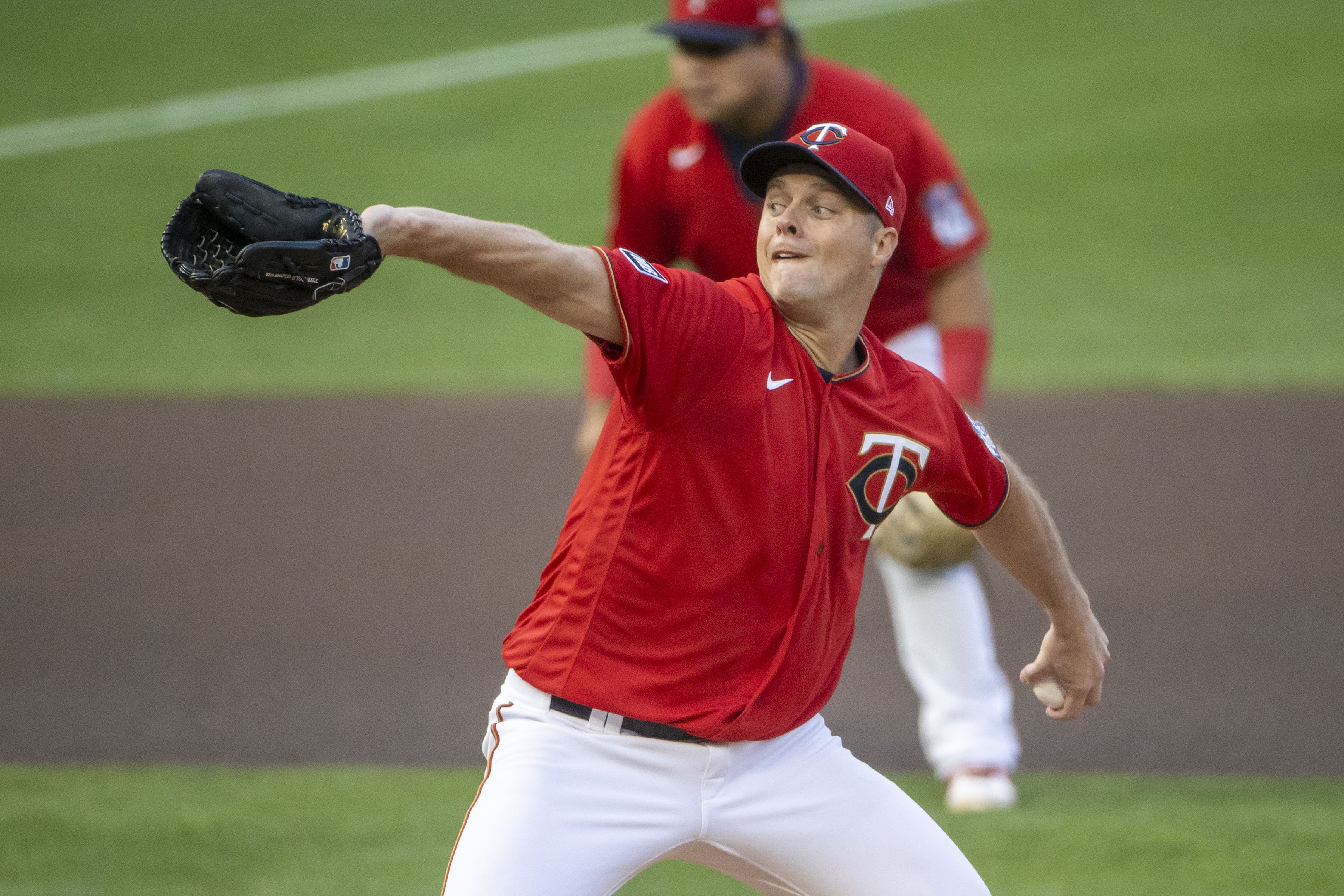 Box Score Andrew Albers: 5.1 IP, 3 H, 0 ER, 1 BB, 2 K Home Runs: Donaldson (20) Top 3 WPA: Albers .306, Donaldson .177, Coulombe .080 Win Probability Chart (via FanGraphs) Before either team even took the field, two special stories were already on display. First, third baseman Eduardo Escobar, now with the Brewers, made his first visit to Target Field as an opposing player since he was traded to the Arizona Diamondbacks in 2018. He got a warm welcome from Twins fans! The other story, the most important one, was also about a player’s return. After spending over two months on the injured list recovering from a hand fracture caused by a hit-by-pitch, Byron Buxton was activated by the Twins roughly an hour before the game. He took the leadoff spot in Rocco Baldelli’s lineup, starting what might be a crucial stretch for his continuity as a Twin. While Buxton’s first plate appearance in the majors since Jun. 22 was unimpressive, with a three-pitch strikeout, that didn’t mean Minnesota’s offense wasn’t going to make some noise early. With two outs in the first, Rob Refsnyder singled, reaching with a head-first slide. Josh Donaldson hit a line drive home run to left in the following at-bat, giving the Twins a 2-0 lead. This was Donaldson’s fourth home run in the last six games. Even though they came out of the second inning empty-handed, the Twins offense kept Brewers starter Eric Lauer on the ropes. They loaded the bases with only one out and suddenly had the chance to blow this game wide open. One of those runners was Buxton himself, who worked a five-pitch walk after getting ahead in the count with 3-0. Refsnyder hit a ground ball to left that would’ve cleared the bases had it stayed fair. But it landed inches into foul territory, and he ended up being struck out briefly after that to end the inning. Albers picks up where he left off Meanwhile, Andrew Albers began putting together a nice start. Over a week after his relief appearance in New York, where he provided four innings of one-run ball, he dominated Milwaukee’s lineup the first time through the order. He retired nine of his first 11 batters faced, pitching three shutout innings on 41 pitches. He pitched himself into a jam during the fourth inning. After allowing only one hit through three, he gave up two and hit a batter, loading the bases. But he managed to induce weak enough contact to get out of it. In fact, this is what he was able to do a lot tonight. His stuff wasn’t electric, but everything was well located, causing Brewers batters to ground out multiple times. With an arsenal of five pitches, very few of them were not thrown for a strike. According to Statcast, he didn’t give up a single barrel during this outing. After a shaky fourth inning, he returned to pitch a 1-2-3 fifth and retired one batter in the sixth before being removed from the game. Jorge Alcala, also making his return to the team from the IL, came in in his relief and finished off the Brewers on ten pitches. Offense quiets down, but the bullpen is lights out Minnesota didn’t get a lot done on offense for the remainder of the game. The only time they could pose a threat was during the sixth inning when Buxton had men in the corners with two outs. Kirk Cousins’ cousin, Jake, painted the inside part of the strike zone to strike him out. Fortunately for the Twins, their bullpen was lights out. Jorge Alcala and Danny Coulombe held the Brewers scoreless until the eighth before Tyler Duffey came in to get the final out of the inning. Duffey, in fact, caught a huge break with a slow curveball out of the zone that was called for a strike – framed brilliantly by Ryan Jeffers. But on the previous pitch, a pitch that painted the lower corner of the zone and got called for a ball should’ve ended the inning. Alexander Colomé pitched the ninth inning, looking to bounce back from his previous two disastrous outings. This time, he was able to retire the side on only 13 pitches (10 strikes) to earn his eighth save of the year. Postgame Interviews Bullpen Usage Spreadsheet SAT TUE WED THU FRI TOT Albers 0 0 0 0 88 88 Garza Jr. 31 0 24 4 0 59 Coulombe 0 0 19 0 20 39 Thielbar 0 14 22 0 0 36 Duffey 0 19 9 0 6 34 Colomé 0 0 20 0 13 33 Minaya 0 30 0 0 0 30 Gibaut 0 23 0 0 0 23 Alcalá 0 0 0 0 12 12 Barnes 0 0 0 0 0 0
- 23 comments
-
- 1
-
-
- andrew albers
- josh donaldson
- (and 1 more)
-
Nothing new under the sun, as the Yankees crushed the Twins in the Bronx. Charlie Barnes was roughed up early, allowing six runs in two innings, making it hard for Minnesota to come back. Box Score Charlie Barnes: 5.0 IP, 8 H, 7 ER, 5 BB, 2 K (53.2 % strikes) Home Runs: Donaldson (17) Bottom 3 WPA: Barnes -.352, Astudillo -.051, Polanco -.036 Win Probability Chart (via FanGraphs) Early on, things didn’t go the Twins’ way at all, but they could’ve been much worse. Facing Néstor Cortes Jr., the offense was utterly dominated by the Cuban, who needed only 11 pitches to retire the top of Minnesota’s order. Then, the Yankees took a 4-0 lead in the bottom half of the first, with Charlie Barnes loading the bases twice. He really struggled with his control and command, giving up three walks and hitting a batter before stranding three runners to conclude the inning. A leadoff single by D.J. LeMahieu followed by a home run to the Short Porch by Aaron Judge in the second inning put the Yankees ahead 6-0. Barnes was able to cool down at this point forward,. He was able to retire six of the next eight batters, including a 12-pitch scoreless third inning. But Barnes settling down wasn’t enough. The Twins needed their offense to step up. Through the first three innings, Minnesota’s lineup got no-hit by Cortes Jr. The only Twins baserunner came via (checks notes) an Andrelton Simmons’ walk. The first sign of life from the Twins offense came during the fourth inning. Mitch Garver drew a two-out walk shortly before Rob Refsnyder ended Cortes Jr.’s no-hit bid. Nick Gordon was hit by a pitch, and, suddenly, the Twins were one swing away from getting right back into this game. It was up to Willians Astudillo, and he made contact with every pitch he saw, maybe putting a little pressure over Cortes Jr. But eventually, he flied out to right, ending the Twins’ threat. Barnes pitched himself into a jam once again in the fourth, giving up two consecutive one-out walks. Luke Voit hit a ball deep to center, and Gordon couldn’t make the diving catch on the warning track. Fortunately for the Twins, that ball bounced into the stands for a ground-rule double, and New York settled for only one run batted in, extending their lead to 7-0. Barnes came back to deliver a scoreless fifth. Twins get on the board After getting only one-hit through five innings, the Twins offense finally made some noise. Luis Arraez hit a leadoff double, coming back from an 0-2 count. Josh Donaldson had a full count after getting ahead 3-0, but Cortes Jr. hung a slider in the heart of the plate, and Donaldson brought the rain. Garver hit a single immediately after that Donaldson home run, prompting the first mound visit for the Yankees in the game. With no outs yet, Minnesota had a great chance to spark a rally. But Cortes Jr. managed to retire the following batter and then induced a ground ball double play to put the inning on the books. As it turned out, after that Garver single, Yankees pitching retired eight consecutive Twins batters. Kyle Barraclough was the Twins 40th round draft pick in 2011. He chose not to sign and was drafted the next year by the Marlins. He has spent parts of several seasons in the big leagues, and tonight, he made his Twins debut. He came in in relief of Barnes and pitched a 1-2-3 sixth frame. However, New York managed to add three more runs: a leadoff home run by Voit in the seventh and a two-run shot by LeMahieu in the eighth. Juan Minaya took over and finished the inning. Garver drew another walk, to lead off the ninth inning, but that was all Minnesota got out of that inning. Postgame Interview Bullpen Usage Spreadsheet MON TUE WED THURS FRI TOT Barnes 0 0 0 0 109 109 Gant 17 0 0 61 0 78 Minaya 19 0 40 0 16 75 Albers 0 0 0 63 0 63 Barraclough 0 0 0 0 46 46 Colomé 10 0 31 0 0 41 Garza Jr. 0 13 23 0 0 36 García 0 0 35 0 0 35 Thielbar 19 0 9 0 0 28 Coulombe 0 0 7 19 0 26 Duffey 0 0 14 0 0 14 View full article
-
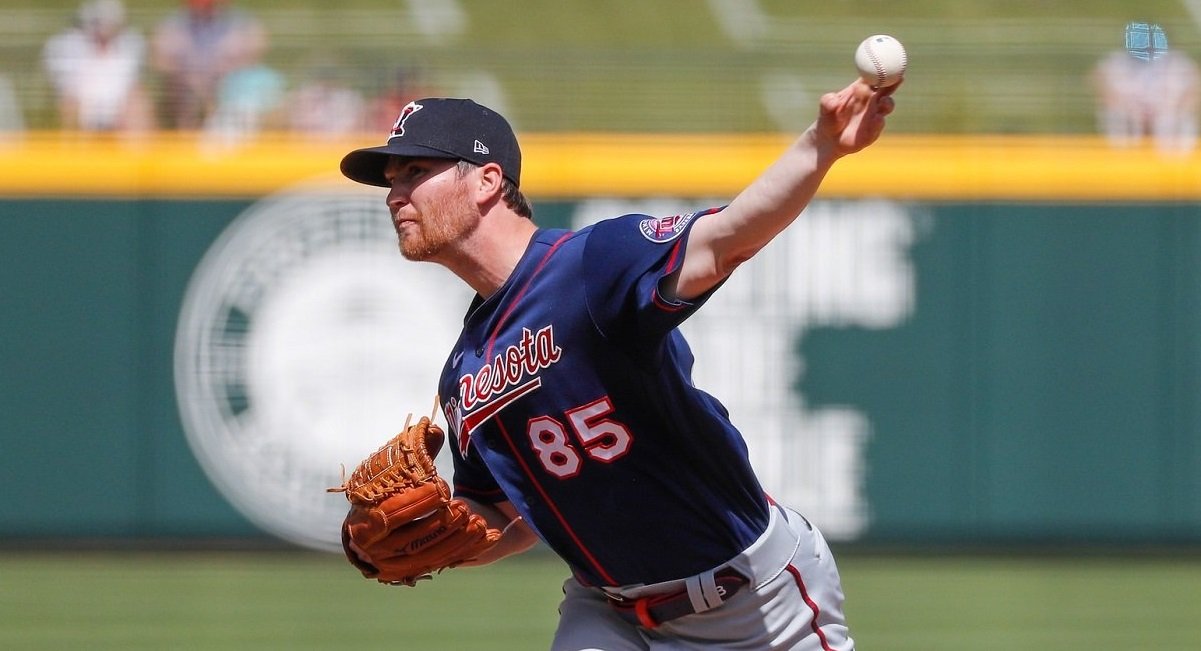 Box Score Charlie Barnes: 5.0 IP, 8 H, 7 ER, 5 BB, 2 K (53.2 % strikes) Home Runs: Donaldson (17) Bottom 3 WPA: Barnes -.352, Astudillo -.051, Polanco -.036 Win Probability Chart (via FanGraphs) Early on, things didn’t go the Twins’ way at all, but they could’ve been much worse. Facing Néstor Cortes Jr., the offense was utterly dominated by the Cuban, who needed only 11 pitches to retire the top of Minnesota’s order. Then, the Yankees took a 4-0 lead in the bottom half of the first, with Charlie Barnes loading the bases twice. He really struggled with his control and command, giving up three walks and hitting a batter before stranding three runners to conclude the inning. A leadoff single by D.J. LeMahieu followed by a home run to the Short Porch by Aaron Judge in the second inning put the Yankees ahead 6-0. Barnes was able to cool down at this point forward,. He was able to retire six of the next eight batters, including a 12-pitch scoreless third inning. But Barnes settling down wasn’t enough. The Twins needed their offense to step up. Through the first three innings, Minnesota’s lineup got no-hit by Cortes Jr. The only Twins baserunner came via (checks notes) an Andrelton Simmons’ walk. The first sign of life from the Twins offense came during the fourth inning. Mitch Garver drew a two-out walk shortly before Rob Refsnyder ended Cortes Jr.’s no-hit bid. Nick Gordon was hit by a pitch, and, suddenly, the Twins were one swing away from getting right back into this game. It was up to Willians Astudillo, and he made contact with every pitch he saw, maybe putting a little pressure over Cortes Jr. But eventually, he flied out to right, ending the Twins’ threat. Barnes pitched himself into a jam once again in the fourth, giving up two consecutive one-out walks. Luke Voit hit a ball deep to center, and Gordon couldn’t make the diving catch on the warning track. Fortunately for the Twins, that ball bounced into the stands for a ground-rule double, and New York settled for only one run batted in, extending their lead to 7-0. Barnes came back to deliver a scoreless fifth. Twins get on the board After getting only one-hit through five innings, the Twins offense finally made some noise. Luis Arraez hit a leadoff double, coming back from an 0-2 count. Josh Donaldson had a full count after getting ahead 3-0, but Cortes Jr. hung a slider in the heart of the plate, and Donaldson brought the rain. Garver hit a single immediately after that Donaldson home run, prompting the first mound visit for the Yankees in the game. With no outs yet, Minnesota had a great chance to spark a rally. But Cortes Jr. managed to retire the following batter and then induced a ground ball double play to put the inning on the books. As it turned out, after that Garver single, Yankees pitching retired eight consecutive Twins batters. Kyle Barraclough was the Twins 40th round draft pick in 2011. He chose not to sign and was drafted the next year by the Marlins. He has spent parts of several seasons in the big leagues, and tonight, he made his Twins debut. He came in in relief of Barnes and pitched a 1-2-3 sixth frame. However, New York managed to add three more runs: a leadoff home run by Voit in the seventh and a two-run shot by LeMahieu in the eighth. Juan Minaya took over and finished the inning. Garver drew another walk, to lead off the ninth inning, but that was all Minnesota got out of that inning. Postgame Interview Bullpen Usage Spreadsheet MON TUE WED THURS FRI TOT Barnes 0 0 0 0 109 109 Gant 17 0 0 61 0 78 Minaya 19 0 40 0 16 75 Albers 0 0 0 63 0 63 Barraclough 0 0 0 0 46 46 Colomé 10 0 31 0 0 41 Garza Jr. 0 13 23 0 0 36 García 0 0 35 0 0 35 Thielbar 19 0 9 0 0 28 Coulombe 0 0 7 19 0 26 Duffey 0 0 14 0 0 14
 -
The Twins got a quality start from Bailey Ober, plus three scoreless frames from their improved bullpen. But the offense couldn’t capitalize their many chances with men in scoring position and Minnesota failed to rally against Cleveland. Box Score Bailey Ober: 6.0 IP, 5 H, 2 ER, 0 BB, 3 K (75.3% strikes) Home Runs: none Bottom 3 WPA: Refsnyder -.222, Donaldson -.182, Sanó -.166 Win Probability Chart (via FanGraphs) The first half of this game saw a lot of action from both offenses, but, ultimately, the two young starters were able to put out the fires they encountered. Bailey Ober had the help of some very good defense behind him to conclude the first inning. That included a beautiful sliding stop from Andrelton Simmons at short and a bold diving catch from Max Kepler, that prevented José Ramírez from scoring from second. The Twins posed a threat of their own during the second inning, as they loaded the bases with no outs against Cleveland’s rookie Eli Morgan. After Miguel Sanó struck out swinging, Rob Refsnyder couldn’t bring his bat back after starting a swing and ended up hitting a weak grounder right into the glove of Morgan, who started an inning-ending double play. Then Morgan decided he was done. After that loaded bases jam in the second, he delivered three scoreless frames on 33 pitches, utterly dominating Minnesota’s bats. After he loaded the bases, he retired 11 of the next 12 Twins batters. To make matters worse for Minnesota, he also got some run support. Ober had pitched four solid shutout innings, but gave up a leadoff double to Yu Chang in the fifth, followed by a long two-run home run from Daniel Johnson. Ober found himself in trouble again in the sixth. Despite getting ahead on the count, he lost Amed Rosario for a leadoff single. Then, a fielding error from Sanó allowed Rosario to reach third and Ramírez to reach first on a fielder’s choice. Wilson Ramos stepped up to the plate and absolutely clobbered the second pitch he saw. It looked like a home run. That ball left his bat at 107 MPH and it had a 95% chance of becoming a hit (per Statcast), a three-run jack, maybe putting this game out of reach. But Refsnyder made a fantastic catch near the wall and maybe an even more fantastic throw to first, to double up Ramírez. Rosario scored from third to make it 3-0 Cleveland, but that play gave that inning a completely different ending. That play not only kept the game within reach but also helped Ober to complete his very first Major League quality start. On only 69 pitches (52 strikes), the rookie completed six innings for the first time in the season, allowing three runs, one of them unearned. Yet another sign that he might earn a permanent rotation spot in 2022. Both starters departed the game after the sixth. Coming into this game, Minnesota’s bullpen had the 10th best August ERA in baseball, with 3.22. Ralph Garza Jr. and Nick Vincent both pitched quick, scoreless innings to keep Minnesota’s hopes alive. But they needed their offense to step up. That almost happened in the bottom of the eighth, when Nick Gordon, Kepler and Brent Rooker loaded the bases with no outs, drawing three consecutive walks off Bryan Shaw. Sadly, all they got out of it was a forceout to score only one run. By that point, the Twins were 0-for-9 with runners in scoring position. Vincent came through and kept Cleveland scoreless again, in the ninth. Down to their last chance in the bottom of the inning, the offense once again couldn’t provide the needed runs for the comeback. Cleveland reliever Emmanuel Clase had no trouble to pitch a 1-2-3 inning to close out the game. Cleveland evens the series at one game apiece and both teams play a rubber game tomorrow, at 12:10 CT. Postgame Interview Bullpen Usage Spreadsheet FRI SAT SUN MON TUE TOT Barnes 0 0 73 0 0 73 Vincent 37 0 0 0 28 65 Gant 41 0 0 17 0 58 García 27 0 21 0 0 48 Thielbar 0 0 15 19 0 34 Garza Jr. 0 16 0 0 13 29 Duffey 0 0 27 0 0 27 Colomé 0 0 13 10 0 23 Minaya 0 0 0 19 0 19 Coulombe 0 10 0 0 0 10 View full article
-
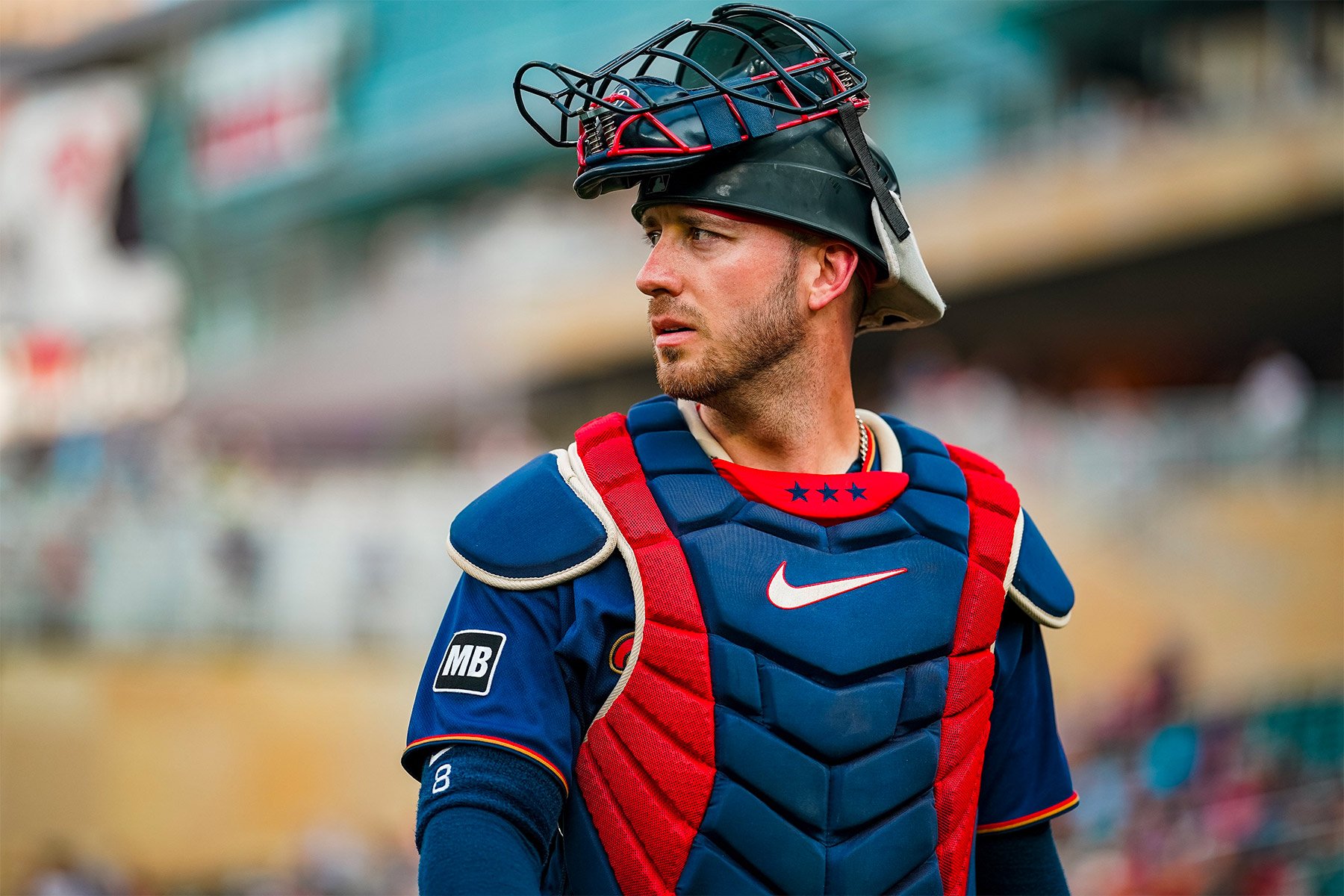 Box Score Bailey Ober: 6.0 IP, 5 H, 2 ER, 0 BB, 3 K (75.3% strikes) Home Runs: none Bottom 3 WPA: Refsnyder -.222, Donaldson -.182, Sanó -.166 Win Probability Chart (via FanGraphs) The first half of this game saw a lot of action from both offenses, but, ultimately, the two young starters were able to put out the fires they encountered. Bailey Ober had the help of some very good defense behind him to conclude the first inning. That included a beautiful sliding stop from Andrelton Simmons at short and a bold diving catch from Max Kepler, that prevented José Ramírez from scoring from second. The Twins posed a threat of their own during the second inning, as they loaded the bases with no outs against Cleveland’s rookie Eli Morgan. After Miguel Sanó struck out swinging, Rob Refsnyder couldn’t bring his bat back after starting a swing and ended up hitting a weak grounder right into the glove of Morgan, who started an inning-ending double play. Then Morgan decided he was done. After that loaded bases jam in the second, he delivered three scoreless frames on 33 pitches, utterly dominating Minnesota’s bats. After he loaded the bases, he retired 11 of the next 12 Twins batters. To make matters worse for Minnesota, he also got some run support. Ober had pitched four solid shutout innings, but gave up a leadoff double to Yu Chang in the fifth, followed by a long two-run home run from Daniel Johnson. Ober found himself in trouble again in the sixth. Despite getting ahead on the count, he lost Amed Rosario for a leadoff single. Then, a fielding error from Sanó allowed Rosario to reach third and Ramírez to reach first on a fielder’s choice. Wilson Ramos stepped up to the plate and absolutely clobbered the second pitch he saw. It looked like a home run. That ball left his bat at 107 MPH and it had a 95% chance of becoming a hit (per Statcast), a three-run jack, maybe putting this game out of reach. But Refsnyder made a fantastic catch near the wall and maybe an even more fantastic throw to first, to double up Ramírez. Rosario scored from third to make it 3-0 Cleveland, but that play gave that inning a completely different ending. That play not only kept the game within reach but also helped Ober to complete his very first Major League quality start. On only 69 pitches (52 strikes), the rookie completed six innings for the first time in the season, allowing three runs, one of them unearned. Yet another sign that he might earn a permanent rotation spot in 2022. Both starters departed the game after the sixth. Coming into this game, Minnesota’s bullpen had the 10th best August ERA in baseball, with 3.22. Ralph Garza Jr. and Nick Vincent both pitched quick, scoreless innings to keep Minnesota’s hopes alive. But they needed their offense to step up. That almost happened in the bottom of the eighth, when Nick Gordon, Kepler and Brent Rooker loaded the bases with no outs, drawing three consecutive walks off Bryan Shaw. Sadly, all they got out of it was a forceout to score only one run. By that point, the Twins were 0-for-9 with runners in scoring position. Vincent came through and kept Cleveland scoreless again, in the ninth. Down to their last chance in the bottom of the inning, the offense once again couldn’t provide the needed runs for the comeback. Cleveland reliever Emmanuel Clase had no trouble to pitch a 1-2-3 inning to close out the game. Cleveland evens the series at one game apiece and both teams play a rubber game tomorrow, at 12:10 CT. Postgame Interview Bullpen Usage Spreadsheet FRI SAT SUN MON TUE TOT Barnes 0 0 73 0 0 73 Vincent 37 0 0 0 28 65 Gant 41 0 0 17 0 58 García 27 0 21 0 0 48 Thielbar 0 0 15 19 0 34 Garza Jr. 0 16 0 0 13 29 Duffey 0 0 27 0 0 27 Colomé 0 0 13 10 0 23 Minaya 0 0 0 19 0 19 Coulombe 0 10 0 0 0 10
