Cody Christie
-
Posts
7,806 -
Joined
-
Last visited
-
Days Won
5
Content Type
Profiles
News
Minnesota Twins Videos
2026 Minnesota Twins Top Prospects Ranking
2022 Minnesota Twins Draft Picks
Minnesota Twins Free Agent & Trade Rumors, Notes, & Tidbits
Guides & Resources
2023 Minnesota Twins Draft Picks
The Minnesota Twins Players Project
2024 Minnesota Twins Draft Picks
2025 Minnesota Twins Draft Pick Tracker
2026 Minnesota Twins Draft Tracker: Picks & Bonuses
Forums
Blogs
Events
Store
Downloads
Gallery
Everything posted by Cody Christie
-
 Image courtesy of © Yannick Peterhans / USA TODAY NETWORK via Imagn Images With only weeks remaining until pitchers and catchers report to Fort Myers, the Minnesota Twins bullpen remains very much a work in progress. There are arms on hand, ideas on the table, and a front office that knows this group will not look the same on Opening Day as it does right now. What that final version becomes is still open for debate. General manager Jeremy Zoll has been clear that the bullpen is the central focus as camp approaches, even if the path to improvement is not limited to one obvious move. Building a Bullpen “For sure, I think it’s the most obvious area of need coming into the offseason,” Zoll said. That acknowledgement sets the tone for everything else. The Twins know the bullpen needs help, and they know it cannot be solved by a single signing alone. Zoll pointed to Taylor Rogers as “a step in that direction,” but emphasized that help can arrive from multiple angles. “Help in that regard is going to come in all shapes and sizes,” he said, whether that means “more major league signings,” or working through “the NRI process and waiver claims and DFA trades.” That creative approach has been a calling card for the organization before. Zoll noted that the Twins have “shown the ability to build bullpens well in the past in creative ways and different ways.” It is a reminder that the most effective relief groups are not always the most expensive ones. Configuration, opportunity, and internal development often matter just as much as name recognition. Still a Goal to Add a Right-Handed Reliever While creativity is important, there is still a very clear type of arm the Twins would like to add. A reliable right-handed reliever remains high on the list. “I think that feels like the most obvious opportunity for us to find ways to raise the floor and improve the club,” Zoll said. That phrasing matters. This is not just about chasing upside but about stability. After the bullpen turnover of last summer, Minnesota could use more certainty in the middle and late innings. Zoll also hinted that timing may work in the Twins' favor. “The trade market is starting to open up more as some of the dominoes are falling across the rest of the league,” he said. Whether that addition comes via free agency or trade remains unclear, but the next couple of weeks could provide more clarity as other teams finalize their plans. Starters Tabbed for Relief Conversion One of the more interesting questions is whether any starters could eventually slide into bullpen roles. It is a topic the Twins have revisited successfully in the past. “Definitely, internal conversations continue on that,” Zoll said. What he was careful to emphasize is that nothing has been decided yet. The Twins have not told anyone that a move to relief is coming, and they are waiting to see how things unfold. Several factors complicate that decision. Minnesota likes its starting depth, and with it being a World Baseball Classic year, there will be multiple starters heading to that tournament. Zoll acknowledged that “there’ll be a number of innings available,” and the club wants to avoid limiting itself too early if injuries pop up during camp. Some names to keep an eye on are Connor Prielipp and Marco Raya who Derek Falvey mentioned by name earlier this winter. Still, the track record is there. Zoll referenced previous success stories like Griffin Jax and Louis Varland, noting that it remains an internal topic as the Twins continue to evaluate how best to deploy their arms. Who Is the Team’s Closer? Perhaps the most unsettled question of all is who finishes games when the season begins. At the moment, there is no clear answer. “I think it’s a topic,” Zoll said, while also pointing out that building bullpens continues to evolve. “I think there's a lot of different ways that you can get to having a successful ‘pen, and also want to give make sure we're giving various guys opportunities to take that step forward.” Rather than locking into a single name, the Twins want to see which pitchers take a step forward. Zoll mentioned Cole Sands and Justin Topa as pitchers who handled late-inning opportunities last season and remain very much in the mix. “Think they can really contribute,” he said, reinforcing the idea that the closer role could evolve naturally once the roster takes its final shape. For now, Zoll is not interested in rushing to label roles before the group is fully built. It will be “an ongoing discussion,” and one that likely carries into camp itself. As spring training approaches, the Twins bullpen sits in a familiar place. There are questions, possibilities, and a front office confident that answers will come, even if they arrive later than fans might prefer. Is this bullpen missing one final move, or will internal growth have to carry the group early in the season? Leave a comment and start the discussion. View full article
 -
On Tuesday, the Minnesota Twins sent catcher Jhonny Pereda to the Seattle Mariners for cash considerations. Pereda was designated for assignment on Friday as the club managed a crowded catching situation from several offseason moves. Pereda joined the Twins as experienced depth and did exactly what the organization asked of him when injuries and roster needs created an opening last season. The Venezuelan-born catcher appeared in 28 games with Minnesota and the Athletics in 2025, slashing .246/.325/.333 (.658 ) with an 84 OPS+. Across his major league career, he has appeared in 48 games, compiling a .241 average in 118 plate appearances. While the offensive production at the major league level has been modest, Pereda has long been valued internally for his defensive reliability and work with pitching staffs. He owns a strong arm and a solid overall defensive reputation, traits that have helped him carve out a lengthy professional career. In the upper minors, he has been a consistently productive hitter, slashing .296/.392/.419 (.811) across nearly 1000 Triple-A plate appearances. The reality for the Twins is that the catching picture changed significantly this winter. The signing of Victor Caratini to a two-year deal gave the club a veteran complement to Ryan Jeffers. New manager Derek Shelton expects Jeffers to handle close to 100 games behind the plate this season. Caratini provides flexibility with the ability to contribute at first base or designated hitter, Earlier this winter, the Twins traded for Alex Jackson, another catcher, from the Orioles in exchange for minor league infielder Payton Eeles. Jackson doesn’t have any minor league options, so it might be a situation where the Twins carry three catchers. However, it's hard to imagine any team surrendering a valuable bench spot to a catcher who would be used sparingly. With Pereda, the numbers simply did not work on the 40-man roster. Moving him now allows another organization to benefit from his depth and experience while giving the Twins additional roster clarity heading toward spring training. Pereda’s career reflects perseverance. Signed internationally by the Cubs in 2013, he spent over a decade in the minors, passing through several organizations before reaching the majors in 2024. His journey has earned respect and trust in the clubhouse. As camp nears, the Twins will keep evaluating roster fit, especially behind the plate. Moving Pereda reflects a logjam from offseason additions, not his ability. More adjustments may come as Minnesota fine-tunes the roster for Opening Day. View full rumor
- 46 replies
-
- 1
-

-
- jhonny pereda
- ryan jeffers
- (and 2 more)
-
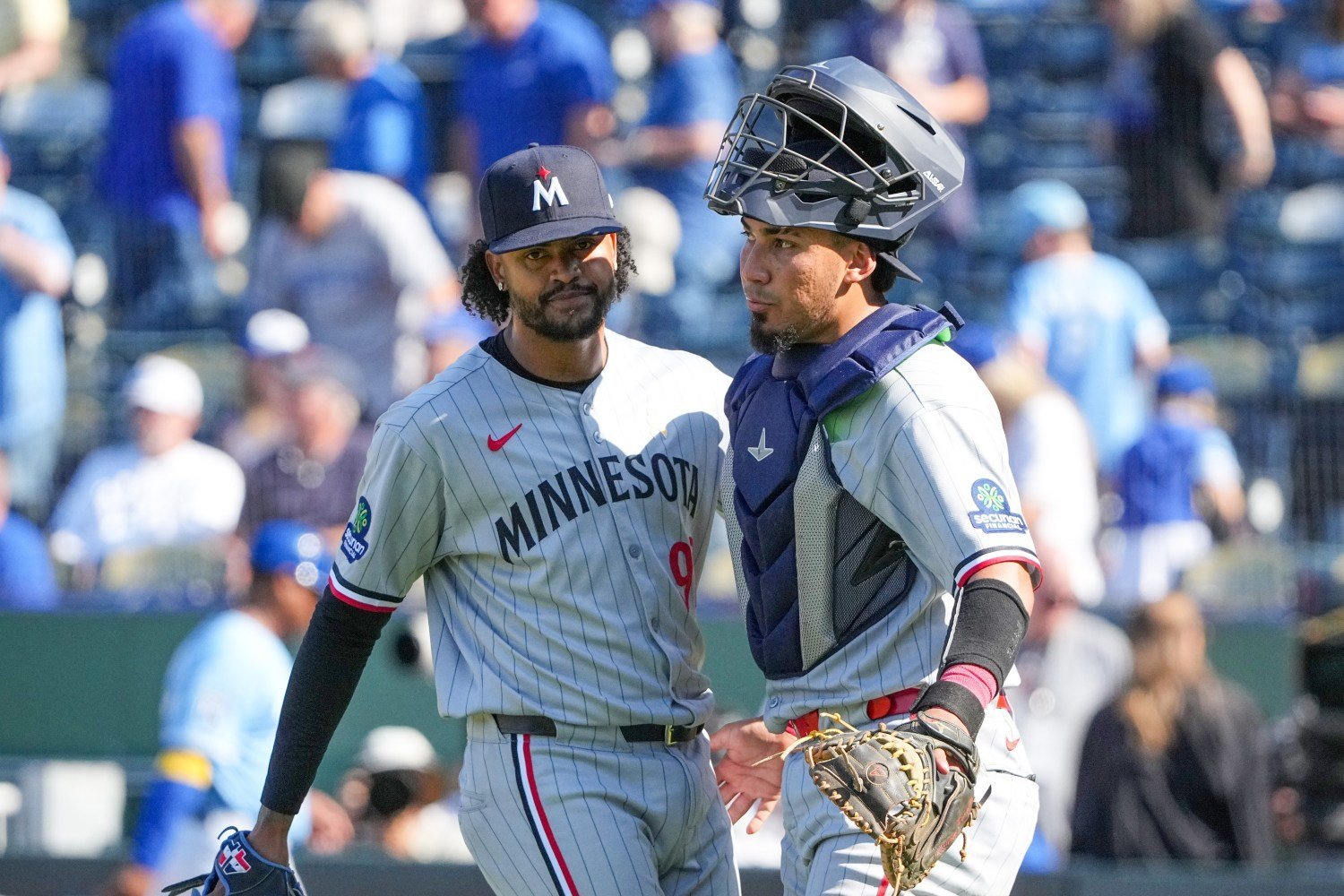 On Tuesday, the Minnesota Twins sent catcher Jhonny Pereda to the Seattle Mariners for cash considerations. Pereda was designated for assignment on Friday as the club managed a crowded catching situation from several offseason moves. Pereda joined the Twins as experienced depth and did exactly what the organization asked of him when injuries and roster needs created an opening last season. The Venezuelan-born catcher appeared in 28 games with Minnesota and the Athletics in 2025, slashing .246/.325/.333 (.658 ) with an 84 OPS+. Across his major league career, he has appeared in 48 games, compiling a .241 average in 118 plate appearances. While the offensive production at the major league level has been modest, Pereda has long been valued internally for his defensive reliability and work with pitching staffs. He owns a strong arm and a solid overall defensive reputation, traits that have helped him carve out a lengthy professional career. In the upper minors, he has been a consistently productive hitter, slashing .296/.392/.419 (.811) across nearly 1000 Triple-A plate appearances. The reality for the Twins is that the catching picture changed significantly this winter. The signing of Victor Caratini to a two-year deal gave the club a veteran complement to Ryan Jeffers. New manager Derek Shelton expects Jeffers to handle close to 100 games behind the plate this season. Caratini provides flexibility with the ability to contribute at first base or designated hitter, Earlier this winter, the Twins traded for Alex Jackson, another catcher, from the Orioles in exchange for minor league infielder Payton Eeles. Jackson doesn’t have any minor league options, so it might be a situation where the Twins carry three catchers. However, it's hard to imagine any team surrendering a valuable bench spot to a catcher who would be used sparingly. With Pereda, the numbers simply did not work on the 40-man roster. Moving him now allows another organization to benefit from his depth and experience while giving the Twins additional roster clarity heading toward spring training. Pereda’s career reflects perseverance. Signed internationally by the Cubs in 2013, he spent over a decade in the minors, passing through several organizations before reaching the majors in 2024. His journey has earned respect and trust in the clubhouse. As camp nears, the Twins will keep evaluating roster fit, especially behind the plate. Moving Pereda reflects a logjam from offseason additions, not his ability. More adjustments may come as Minnesota fine-tunes the roster for Opening Day.
- 46 comments
-
- 2
-
-
- jhonny pereda
- ryan jeffers
- (and 2 more)
-
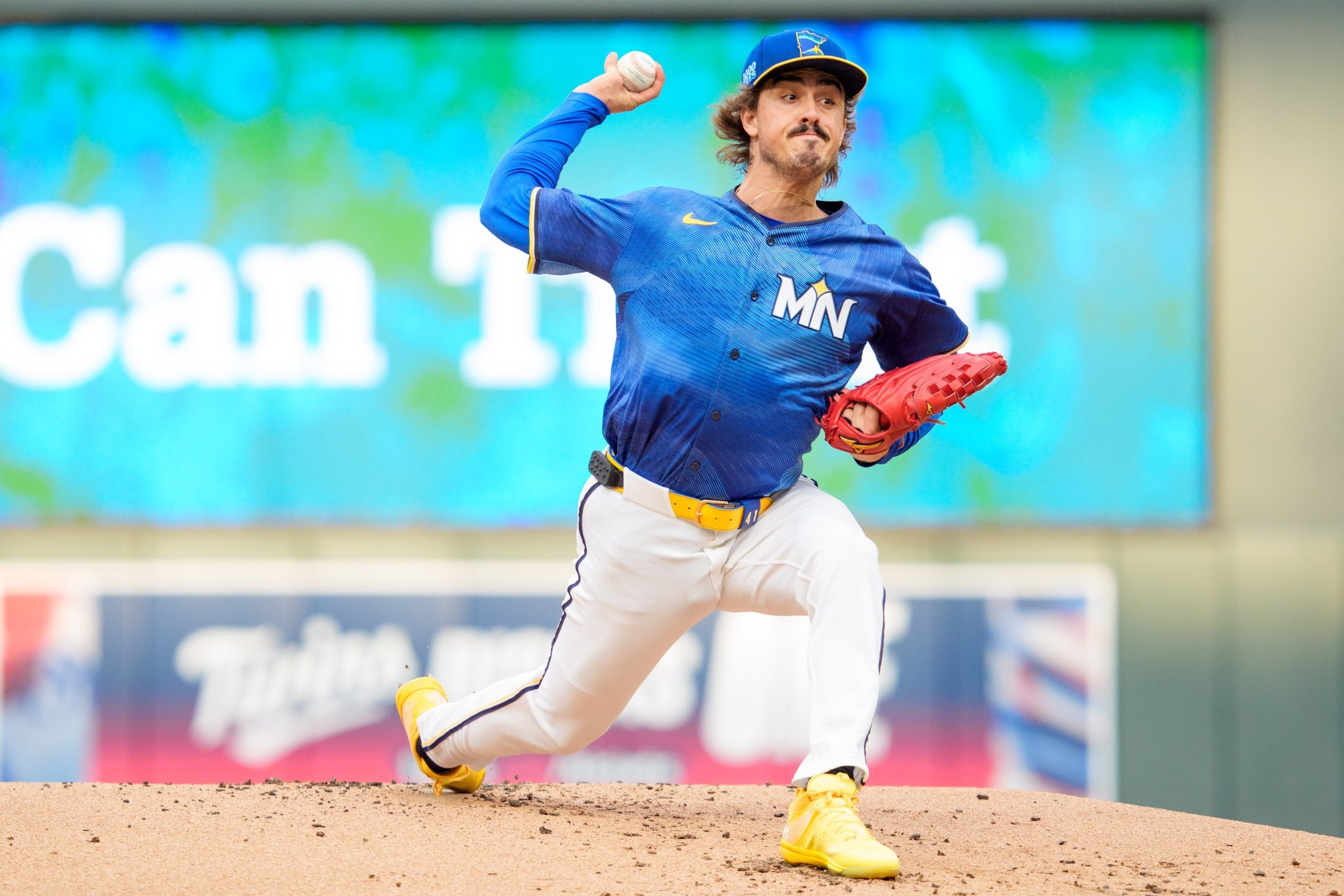 The pitching trade market has officially gone off the rails, unexpectedly positioning the Minnesota Twins at the center of off-season speculation—again. Over the past week, two headline-grabbing trades have reshaped how the league values high-end starting pitching. First came the Mets’ acquisition of Brewers right-hander Freddy Peralta. Then, on Thursday, the Texas Rangers stunned the industry by landing Nationals lefty MacKenzie Gore. Neither deal directly involved the Twins, but both could have significant ripple effects in Minnesota. Peralta is a very good pitcher, but he is under team control for only one more season. That did not stop New York from sending two of their top five prospects: infielder-outfielder Jett Williams and right-handed starter Brandon Sproat. Prospects are currency, and money is never an obstacle for Mets owner Steve Cohen. Through that lens, the move made sense. However, Williams and Sproat are both highly rated, and dealing them for Peralta (plus swingman Tobias Myers) was a bold stroke for New York. The Gore trade was even louder. Texas acquired the former top prospect, who is under team control through 2027, in exchange for five prospects. Shortstop Gavin Fien, right-handed pitcher Alejandro Rosario, first baseman and outfielder Abimelec Ortiz, infielder Devin Fitz Gerald, and outfielder Yeremy Cabrera all headed to Washington. That is an enormous return for one pitcher, even if it had a bit of quantity over quality to it. Now zoom out and look at the Twins. Despite constant offseason rumors, Minnesota has insisted on keeping Joe Ryan and Pablo López. Derek Falvey and company have publicly dismissed trading either ace. Yet, after seeing Peralta and Gore's return such impressive hauls, it's only prudent to reconsider. Ryan and López are in the same tier as those two pitchers, in the eyes of the league. In some front offices, they may even be valued more highly. They're closer to Peralta in quality, but they each have two years left before free agency, like Gore. That reality gives the Twins leverage. A lot of it. Even if Minnesota ultimately decides against moving either pitcher before Opening Day, this week made one thing clear: The ceiling on a Ryan or López trade package is enormous. If the Twins find themselves below .500 at the trade deadline and are not confident in a postseason push, the offers could be impossible to ignore. None of this means Twins fans should be rooting for a teardown. Ideally, Minnesota enters the season with both right-handers anchoring the rotation and plays well enough that dealing either one is off the table in July. That is still the preferred outcome. But there is another side to this. The Twins were not expected to do much this offseason, which is why the additions of Victor Caratini and Taylor Rogers caught some fans off guard. Those moves helped, but they did not solve everything. The bullpen still needs depth, and the roster still has clear holes. It also sounds like the team has other moves in the works before spring training next month. Listening on star players is not the same as committing to trading them. In fact, doing so could be the best way to strengthen the organization long-term, if the season goes sideways. Even after Rogers’s arrival, another reliever would make plenty of sense. While the Twins have publicly refuted the idea of trading Byron Buxton, Ryan, or López, now is exactly the time to keep an ear out for an offer they cannot refuse. All it takes is one desperate team to completely change the calculus. Buxton remains a long shot, given his no-trade clause, so the focus realistically falls on the two aces. Which teams might get desperate enough to overpay? The Yankees stand out, immediately. Boston is another name to watch. The Red Sox were tied to Ryan around last year’s deadline, even if that reporting turned out to be premature. It sounds like both sides have put to rest the Ryan trade rumors this winter. However, they have already acquired former Twin Sonny Gray this winter and have made 10 trades overall. An 11th would hardly be shocking. Baltimore is the sleeper. The Orioles were quiet last offseason, but have been far more active heading into 2026. With a young core built to win now, adding a cost-controlled ace could push them over the top. Losing a star is difficult, but a clear direction is vital. If Minnesota is truly open to dealing Ryan, López, or even Buxton, the return could quickly redefine the franchise's future. For now, Minnesota waits. The phone may not be ringing yet, but after last week, everyone knows the price of pitching just went up. Should the Twins be listening on significant offers for their stars? Leave a comment and start the discussion.
- 71 comments
-
- 9
-

-
-
- joe ryan
- byron buxton
- (and 1 more)
-
Image courtesy of © Matt Blewett-Imagn Images The pitching trade market has officially gone off the rails, unexpectedly positioning the Minnesota Twins at the center of off-season speculation—again. Over the past week, two headline-grabbing trades have reshaped how the league values high-end starting pitching. First came the Mets’ acquisition of Brewers right-hander Freddy Peralta. Then, on Thursday, the Texas Rangers stunned the industry by landing Nationals lefty MacKenzie Gore. Neither deal directly involved the Twins, but both could have significant ripple effects in Minnesota. Peralta is a very good pitcher, but he is under team control for only one more season. That did not stop New York from sending two of their top five prospects: infielder-outfielder Jett Williams and right-handed starter Brandon Sproat. Prospects are currency, and money is never an obstacle for Mets owner Steve Cohen. Through that lens, the move made sense. However, Williams and Sproat are both highly rated, and dealing them for Peralta (plus swingman Tobias Myers) was a bold stroke for New York. The Gore trade was even louder. Texas acquired the former top prospect, who is under team control through 2027, in exchange for five prospects. Shortstop Gavin Fien, right-handed pitcher Alejandro Rosario, first baseman and outfielder Abimelec Ortiz, infielder Devin Fitz Gerald, and outfielder Yeremy Cabrera all headed to Washington. That is an enormous return for one pitcher, even if it had a bit of quantity over quality to it. Now zoom out and look at the Twins. Despite constant offseason rumors, Minnesota has insisted on keeping Joe Ryan and Pablo López. Derek Falvey and company have publicly dismissed trading either ace. Yet, after seeing Peralta and Gore's return such impressive hauls, it's only prudent to reconsider. Ryan and López are in the same tier as those two pitchers, in the eyes of the league. In some front offices, they may even be valued more highly. They're closer to Peralta in quality, but they each have two years left before free agency, like Gore. That reality gives the Twins leverage. A lot of it. Even if Minnesota ultimately decides against moving either pitcher before Opening Day, this week made one thing clear: The ceiling on a Ryan or López trade package is enormous. If the Twins find themselves below .500 at the trade deadline and are not confident in a postseason push, the offers could be impossible to ignore. None of this means Twins fans should be rooting for a teardown. Ideally, Minnesota enters the season with both right-handers anchoring the rotation and plays well enough that dealing either one is off the table in July. That is still the preferred outcome. But there is another side to this. The Twins were not expected to do much this offseason, which is why the additions of Victor Caratini and Taylor Rogers caught some fans off guard. Those moves helped, but they did not solve everything. The bullpen still needs depth, and the roster still has clear holes. It also sounds like the team has other moves in the works before spring training next month. Listening on star players is not the same as committing to trading them. In fact, doing so could be the best way to strengthen the organization long-term, if the season goes sideways. Even after Rogers’s arrival, another reliever would make plenty of sense. While the Twins have publicly refuted the idea of trading Byron Buxton, Ryan, or López, now is exactly the time to keep an ear out for an offer they cannot refuse. All it takes is one desperate team to completely change the calculus. Buxton remains a long shot, given his no-trade clause, so the focus realistically falls on the two aces. Which teams might get desperate enough to overpay? The Yankees stand out, immediately. Boston is another name to watch. The Red Sox were tied to Ryan around last year’s deadline, even if that reporting turned out to be premature. It sounds like both sides have put to rest the Ryan trade rumors this winter. However, they have already acquired former Twin Sonny Gray this winter and have made 10 trades overall. An 11th would hardly be shocking. Baltimore is the sleeper. The Orioles were quiet last offseason, but have been far more active heading into 2026. With a young core built to win now, adding a cost-controlled ace could push them over the top. Losing a star is difficult, but a clear direction is vital. If Minnesota is truly open to dealing Ryan, López, or even Buxton, the return could quickly redefine the franchise's future. For now, Minnesota waits. The phone may not be ringing yet, but after last week, everyone knows the price of pitching just went up. Should the Twins be listening on significant offers for their stars? Leave a comment and start the discussion. View full article
-
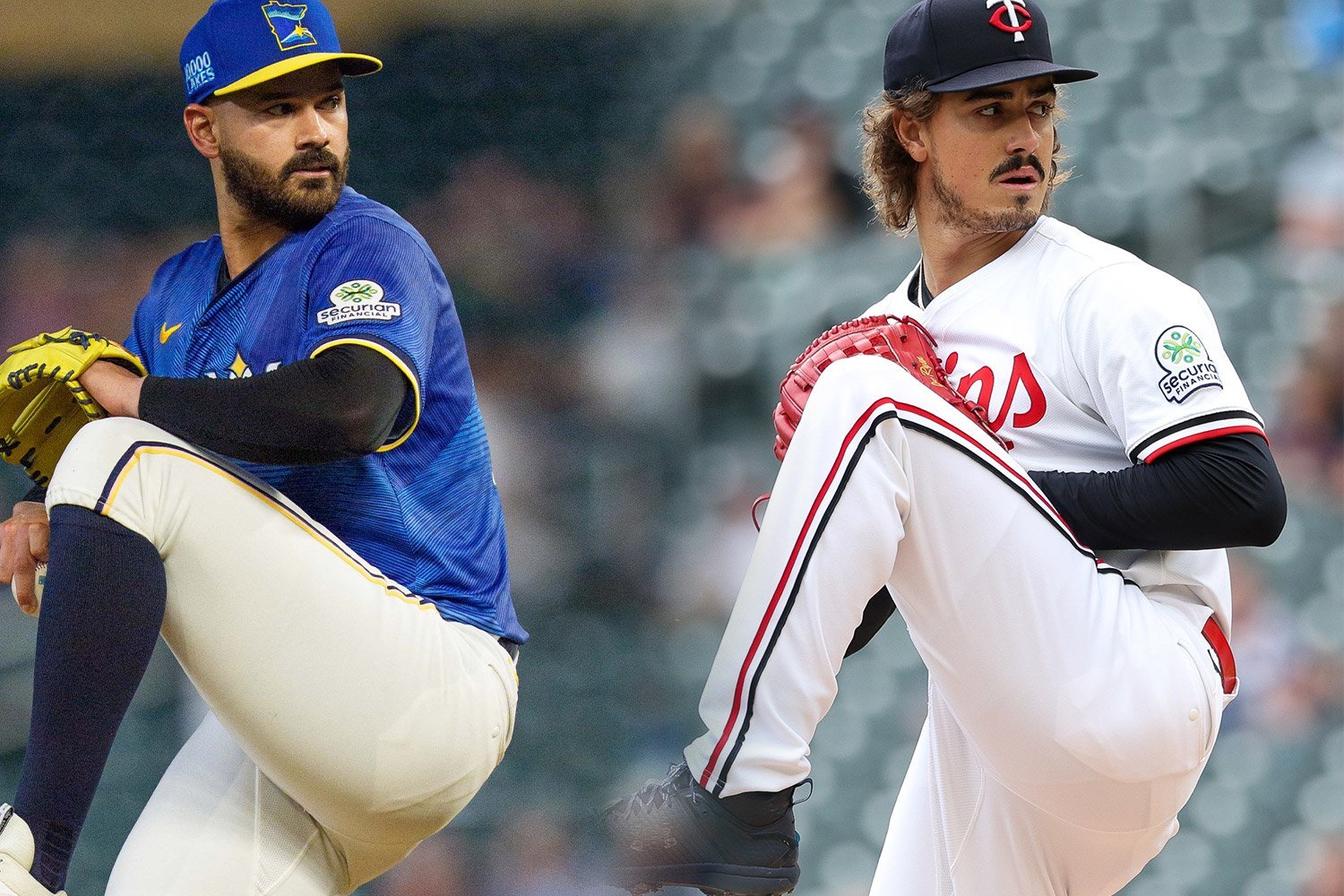 There is a natural instinct, among fan bases, to equate disappointment with demolition. When a season ends without a playoff run, the favored solution is often to burn it down and start over. This offseason, the Minnesota Twins resisted that urge. Instead of opting for a full rebuild, they chose to bet on moves at the margins and the belief that their window has not closed. Given the current landscape of the American League Central, that decision looks more pragmatic than passive. Projection systems are not gospel, but they provide a useful snapshot of where teams stand relative to one another. By projected team WAR, the Twins sit at 38.8 fWAR, which places them 17th in Major League Baseball and third in the AL Central. Kansas City checks in at 40.8 fWAR and Detroit at 40.6 fWAR. That gap isn't negligible, but it's hardly insurmountable. When FanGraphs converts those projections into expected wins, the margin tightens even further. Detroit is projected to win 83 games, Kansas City 82, and the Twins (also) 82. That clustering, alone, justifies avoiding a teardown. Minnesota is not staring up at a juggernaut. They are very much in the same tier as the teams they need to beat. Why Can the Twins Contend? One of the clearest reasons for optimism is the organization’s starting pitching depth. Pablo López (3.4 projected fWAR) and Joe Ryan (3.2 fWAR) remain the anchors, both possessing All-Star pedigrees. Bailey Ober (1.7 fWAR) is the wild card. Last season raised legitimate concerns, but his earlier body of work suggests there is still a borderline All-Star pitcher in there, if he can regain his form. Even if one of those three falters, the Twins are unusually insulated. Few organizations can roll out the volume of young arms Minnesota has waiting in the wings. Simeon Woods Richardson (1.2 fWAR), Zebby Matthews (1.7 fWAR), Mick Abel (0.6 fWAR), David Festa (0.4 fWAR), and Taj Bradley (1.4 fWAR) all represent viable options who could claim innings at the big-league level. Even prospects like Andrew Morris and Kendry Rojas are likely to get innings with the Twins. Some will succeed, others will not, but the sheer number of options creates flexibility. Injuries and inconsistency are inevitable over a long season. Having credible next-man-up solutions is how teams survive them without collapsing. The offense is more volatile, but not without upside. The Twins are counting on a mix of modest additions and internal growth. Byron Buxton remains the linchpin (3.3 projected fWAR). When he is healthy and locked in, he changes the shape of the lineup entirely, but fans saw last season that he can’t be the team’s only offensive producer. Around him, the spotlight falls on a group of young hitters who are still defining themselves. Luke Keaschall (3.0 fWAR), Royce Lewis (2.7 fWAR), Brooks Lee (2.1 fWAR), and Matt Wallner (1.9 fWAR) all enter 2026 with something to prove. Each has shown flashes that suggest a long-term role, and each carries questions about durability, consistency, or ultimate ceiling. The Twins do not need all of them to break out. They need a couple to establish stability. Depth, again, plays a quiet but important role. At Triple-A St. Paul, Minnesota has legitimate offensive reinforcements waiting. Emmanuel Rodriguez brings on-base ability and power. Walker Jenkins carries star potential that could force the issue sooner, rather than later. Gabriel Gonzalez adds another contact bat with upside. It certainly helps that he’s a right-handed hitter in a sea of lefties for the Twins. If the major-league lineup stagnates, there will be options to inject energy and production without mortgaging the future. This is why a full rebuild never made sense. The Twins are not old, bloated, or devoid of talent. They are imperfect, yes, but they are also close. In a division where the difference between first and third is a win or two, continuity has value. Development has value. Betting on health and internal growth is not complacency. It is a calculated gamble. The Twins chose to compete because the math and the roster say they can. In the AL Central, that may be all you need. Do the Twins have enough to win the AL Central? Leave a comment and start the discussion.
- 50 comments
-
- 6
-
-
- bryon buxton
- pablo lopez
- (and 5 more)
-
Image courtesy of © Matt Blewett-Imagn Images / © Matt Krohn-Imagn Images There is a natural instinct, among fan bases, to equate disappointment with demolition. When a season ends without a playoff run, the favored solution is often to burn it down and start over. This offseason, the Minnesota Twins resisted that urge. Instead of opting for a full rebuild, they chose to bet on moves at the margins and the belief that their window has not closed. Given the current landscape of the American League Central, that decision looks more pragmatic than passive. Projection systems are not gospel, but they provide a useful snapshot of where teams stand relative to one another. By projected team WAR, the Twins sit at 38.8 fWAR, which places them 17th in Major League Baseball and third in the AL Central. Kansas City checks in at 40.8 fWAR and Detroit at 40.6 fWAR. That gap isn't negligible, but it's hardly insurmountable. When FanGraphs converts those projections into expected wins, the margin tightens even further. Detroit is projected to win 83 games, Kansas City 82, and the Twins (also) 82. That clustering, alone, justifies avoiding a teardown. Minnesota is not staring up at a juggernaut. They are very much in the same tier as the teams they need to beat. Why Can the Twins Contend? One of the clearest reasons for optimism is the organization’s starting pitching depth. Pablo López (3.4 projected fWAR) and Joe Ryan (3.2 fWAR) remain the anchors, both possessing All-Star pedigrees. Bailey Ober (1.7 fWAR) is the wild card. Last season raised legitimate concerns, but his earlier body of work suggests there is still a borderline All-Star pitcher in there, if he can regain his form. Even if one of those three falters, the Twins are unusually insulated. Few organizations can roll out the volume of young arms Minnesota has waiting in the wings. Simeon Woods Richardson (1.2 fWAR), Zebby Matthews (1.7 fWAR), Mick Abel (0.6 fWAR), David Festa (0.4 fWAR), and Taj Bradley (1.4 fWAR) all represent viable options who could claim innings at the big-league level. Even prospects like Andrew Morris and Kendry Rojas are likely to get innings with the Twins. Some will succeed, others will not, but the sheer number of options creates flexibility. Injuries and inconsistency are inevitable over a long season. Having credible next-man-up solutions is how teams survive them without collapsing. The offense is more volatile, but not without upside. The Twins are counting on a mix of modest additions and internal growth. Byron Buxton remains the linchpin (3.3 projected fWAR). When he is healthy and locked in, he changes the shape of the lineup entirely, but fans saw last season that he can’t be the team’s only offensive producer. Around him, the spotlight falls on a group of young hitters who are still defining themselves. Luke Keaschall (3.0 fWAR), Royce Lewis (2.7 fWAR), Brooks Lee (2.1 fWAR), and Matt Wallner (1.9 fWAR) all enter 2026 with something to prove. Each has shown flashes that suggest a long-term role, and each carries questions about durability, consistency, or ultimate ceiling. The Twins do not need all of them to break out. They need a couple to establish stability. Depth, again, plays a quiet but important role. At Triple-A St. Paul, Minnesota has legitimate offensive reinforcements waiting. Emmanuel Rodriguez brings on-base ability and power. Walker Jenkins carries star potential that could force the issue sooner, rather than later. Gabriel Gonzalez adds another contact bat with upside. It certainly helps that he’s a right-handed hitter in a sea of lefties for the Twins. If the major-league lineup stagnates, there will be options to inject energy and production without mortgaging the future. This is why a full rebuild never made sense. The Twins are not old, bloated, or devoid of talent. They are imperfect, yes, but they are also close. In a division where the difference between first and third is a win or two, continuity has value. Development has value. Betting on health and internal growth is not complacency. It is a calculated gamble. The Twins chose to compete because the math and the roster say they can. In the AL Central, that may be all you need. Do the Twins have enough to win the AL Central? Leave a comment and start the discussion. View full article
-
Everyone Is Leaner, Faster, and Definitely Healthier Than Last Year
Cody Christie posted an article in Just For Fun
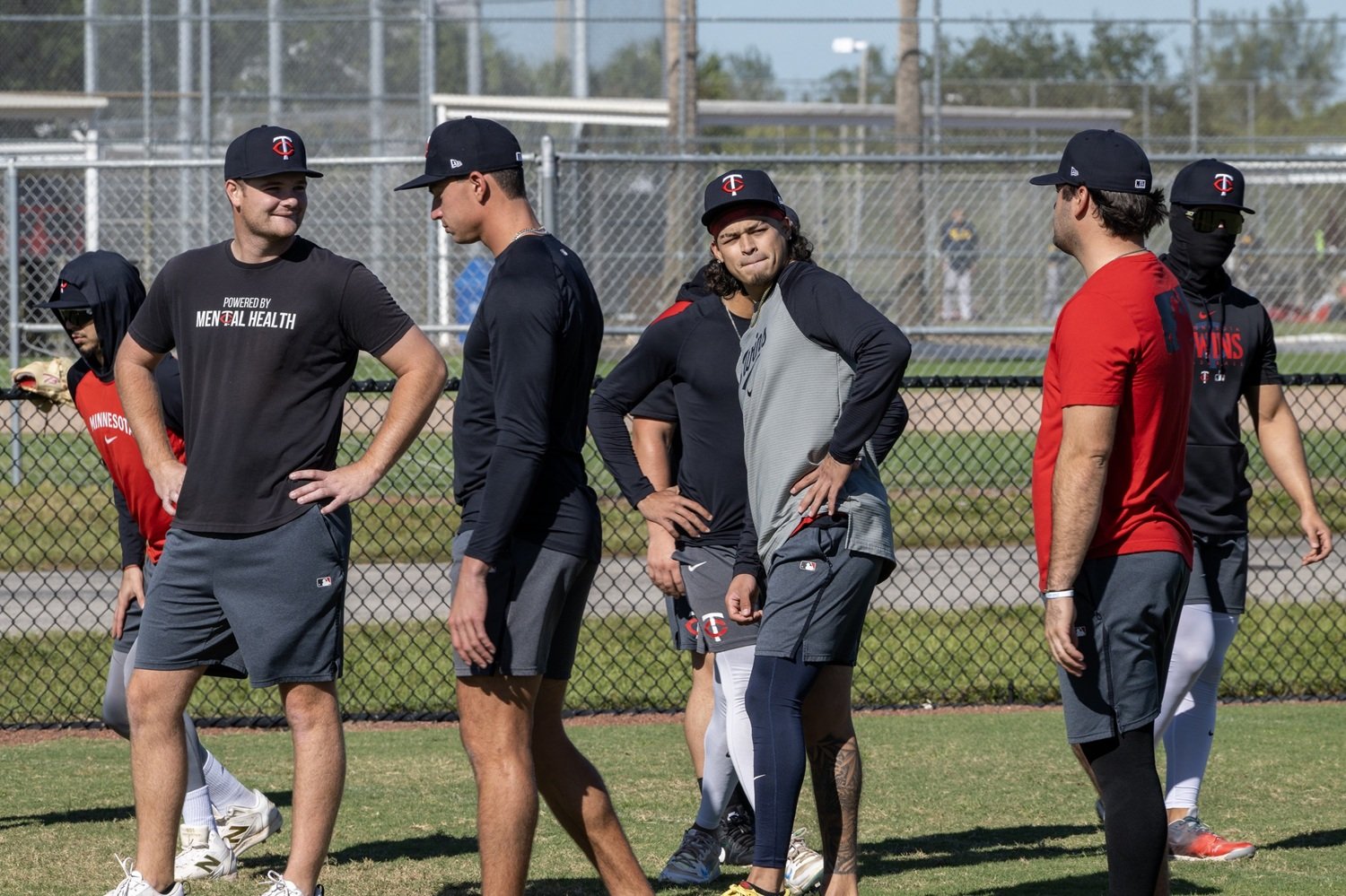 Every February brings renewed hope, warmer weather, and the annual tradition of hearing that at least twelve Minnesota Twins players are in the “best shape of their lives.” This year, the organization decided to stop limiting that distinction to players and instead open it to anyone with an email address ending in twinsbaseball.com. After a Twins Fest weekend that included the usual flurry of physicals, the front office reportedly looked at one another, nodded, and asked the obvious question: Why stop there? If players need baseline data before camp, then surely the rest of the organization could benefit from the same experience. Thus was born the most comprehensive spring training intake process in franchise history. President of Baseball and Business Operations Derek Falvey explained the move with the kind of straight-faced confidence that only baseball executives possess. “We talk a lot about alignment and optimization,” Falvey said. “It felt inconsistent to have players undergoing physicals while the rest of us were just sort of vibing. If we are going to ask accountability from the roster, we should be willing to step on the same scale ourselves.” According to team sources, the physicals now extend well beyond players on the 40-man roster. Scouts, front office staff, coaches, clubhouse attendants, and at least one mascot have all been encouraged to participate. Participation is described as voluntary in the same way that showing up early to workouts is voluntary. Falvey emphasized that this is not about shaming anyone but about gaining information. “This is about knowing where everyone is at,” Falvey said. Strength, mobility, flexibility, cardiovascular health. Also posture. We are big on posture this year. We think it is an inefficiency in the market.” As a result, spring training will feature a wide array of individuals arriving in the best shape of their lives. Some of the early candidates include: The backup bullpen catcher who spent the offseason doing hot yoga and now refuses to sit down during games. A veteran scout who says he dropped twenty pounds by walking Midwest high school campuses and quietly judging exit velocities. The team videographer, who now refers to himself as an athlete because he can hold a camera rig for three innings without shaking. A front office analyst who replaced coffee with cold plunges and now speaks exclusively in recovery metrics. At least one coach who insists he feels better at 58 than he did at 32 and will bring it up unprompted. One staff member who asked to remain anonymous said the process was intense but affirming. “I came in thinking I was in decent shape," he said. “Then they hooked me up to a machine and told me my core was a suggestion, not a reality. I have been planking ever since.” Players have reportedly responded well to the expanded program. Several expressed relief that the spotlight was not solely on them. “It is nice to see everyone else get weighed too," said one anonymous Twins pitcher. “I have been hearing ‘best shape of my life’ jokes for years. Now the assistant general manager has to live that life.” Falvey confirmed that the phrase “best shape of their lives” has been carefully defined internally. “We are not saying perfect, " Falvey said. “We are saying measurably improved from the last checkpoint. That checkpoint might be last season, or it might be college, or it might be before you discovered airport food. Context matters.” As camp opens, fans can expect the usual spring training optimism mixed with a new level of organizational confidence. Everyone is healthier, stronger, and definitely more flexible than last year. The Twins may or may not win the division, but they will absolutely win the wellness portion of the Grapefruit League. And if nothing else, there is comfort in knowing that somewhere in Fort Myers, a spreadsheet exists proving that at least one member of the accounting department shaved 2% body fat and is very proud of it.
 -
Image courtesy of William Parmeter Every February brings renewed hope, warmer weather, and the annual tradition of hearing that at least twelve Minnesota Twins players are in the “best shape of their lives.” This year, the organization decided to stop limiting that distinction to players and instead open it to anyone with an email address ending in twinsbaseball.com. After a Twins Fest weekend that included the usual flurry of physicals, the front office reportedly looked at one another, nodded, and asked the obvious question: Why stop there? If players need baseline data before camp, then surely the rest of the organization could benefit from the same experience. Thus was born the most comprehensive spring training intake process in franchise history. President of Baseball and Business Operations Derek Falvey explained the move with the kind of straight-faced confidence that only baseball executives possess. “We talk a lot about alignment and optimization,” Falvey said. “It felt inconsistent to have players undergoing physicals while the rest of us were just sort of vibing. If we are going to ask accountability from the roster, we should be willing to step on the same scale ourselves.” According to team sources, the physicals now extend well beyond players on the 40-man roster. Scouts, front office staff, coaches, clubhouse attendants, and at least one mascot have all been encouraged to participate. Participation is described as voluntary in the same way that showing up early to workouts is voluntary. Falvey emphasized that this is not about shaming anyone but about gaining information. “This is about knowing where everyone is at,” Falvey said. Strength, mobility, flexibility, cardiovascular health. Also posture. We are big on posture this year. We think it is an inefficiency in the market.” As a result, spring training will feature a wide array of individuals arriving in the best shape of their lives. Some of the early candidates include: The backup bullpen catcher who spent the offseason doing hot yoga and now refuses to sit down during games. A veteran scout who says he dropped twenty pounds by walking Midwest high school campuses and quietly judging exit velocities. The team videographer, who now refers to himself as an athlete because he can hold a camera rig for three innings without shaking. A front office analyst who replaced coffee with cold plunges and now speaks exclusively in recovery metrics. At least one coach who insists he feels better at 58 than he did at 32 and will bring it up unprompted. One staff member who asked to remain anonymous said the process was intense but affirming. “I came in thinking I was in decent shape," he said. “Then they hooked me up to a machine and told me my core was a suggestion, not a reality. I have been planking ever since.” Players have reportedly responded well to the expanded program. Several expressed relief that the spotlight was not solely on them. “It is nice to see everyone else get weighed too," said one anonymous Twins pitcher. “I have been hearing ‘best shape of my life’ jokes for years. Now the assistant general manager has to live that life.” Falvey confirmed that the phrase “best shape of their lives” has been carefully defined internally. “We are not saying perfect, " Falvey said. “We are saying measurably improved from the last checkpoint. That checkpoint might be last season, or it might be college, or it might be before you discovered airport food. Context matters.” As camp opens, fans can expect the usual spring training optimism mixed with a new level of organizational confidence. Everyone is healthier, stronger, and definitely more flexible than last year. The Twins may or may not win the division, but they will absolutely win the wellness portion of the Grapefruit League. And if nothing else, there is comfort in knowing that somewhere in Fort Myers, a spreadsheet exists proving that at least one member of the accounting department shaved 2% body fat and is very proud of it. View full article
-
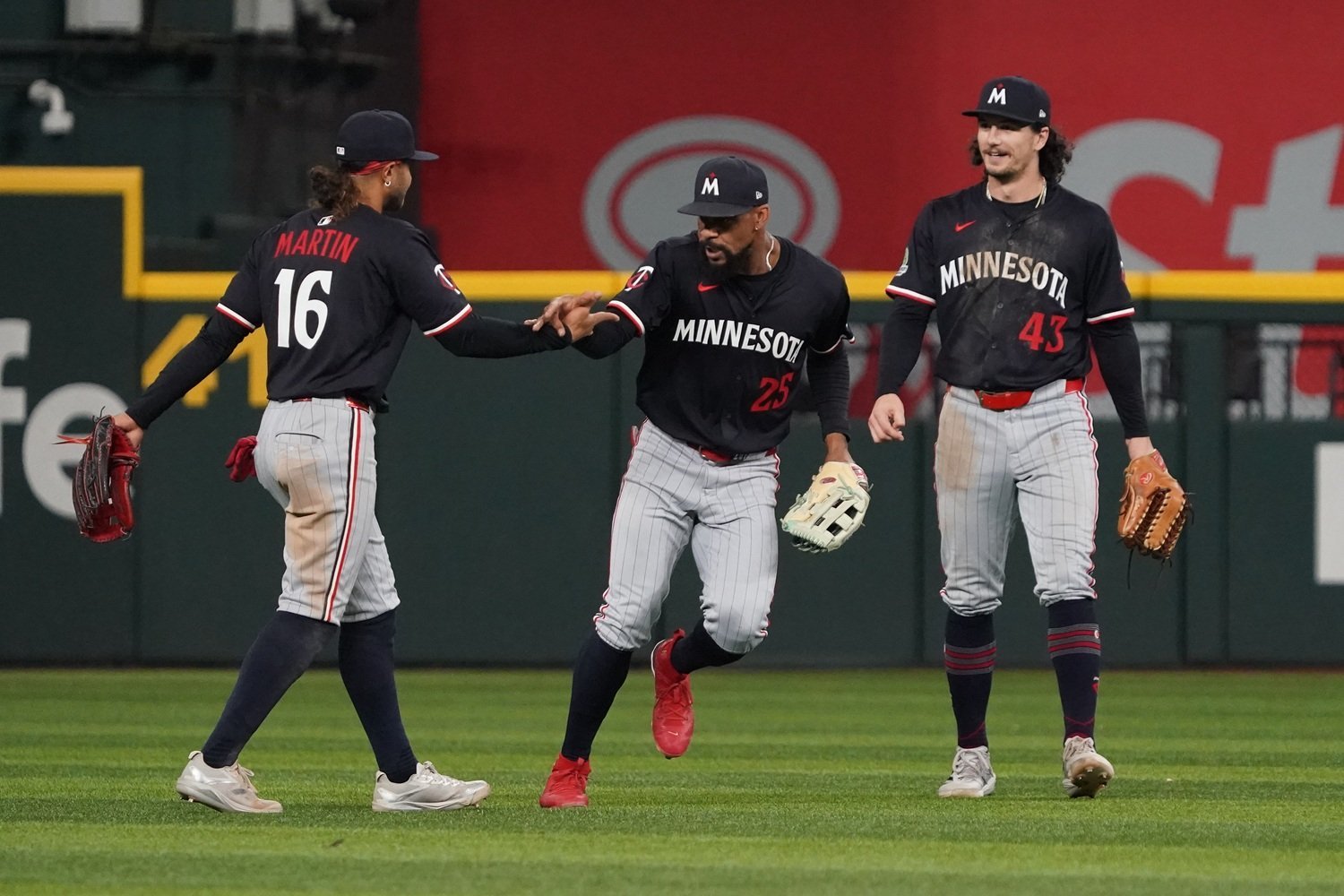 For much of the last decade, the Twins have quietly tried to squeeze every marginal win out of their roster. Sometimes that has meant platoons. Other times, it has meant defensive flexibility or depth over star power. This offseason, a clear pattern is emerging. Minnesota appears to be leaning harder than ever into matchup play and lineup optimization. The most obvious signal came with back-to-back investments in switch hitters. Josh Bell and Victor Caratini were added for their overall production, their fit in the roster, and because they eliminate problems. A switch-hitter erases the need to protect a lineup spot when the opposing starter changes handedness, and that matters for a team that wants to play the percentages every night. This approach stretches well beyond those two signings and into how the entire roster fits together. Minnesota is under an owner-imposed payroll limit, which makes it challenging to field the best lineup. Without the ability to add star-caliber players in free agency, the front office must pivot to attempt to find a market inefficiency. So, are the Twins trying to make up for a dearth of talent with really good matchup-proofing? The short answer is probably yes, at least in part. The Twins do not have the payroll or the top-end depth to roll out nine everyday bats who are immune to matchups. What they do have is a collection of hitters who can be deployed strategically. Keeping Trevor Larnach at $4.475 million in arbitration fits that logic. On the surface, Larnach looks expendable. In practice, he is a valuable strong-side platoon option who can punish right-handed pitching. Last season was a down year for Larnach, but he still posted a .759 OPS against righties, matching his career total. A left field pairing of Larnach and Austin Martin is not flashy, but it is efficient. Larnach gets the favorable matchups where he has shown real damage potential. Martin handles left-handed pitching and adds defensive versatility and speed. In fact, Martin was one of the team’s lone bright spots in the second half last season, helped in part by his .884 OPS against southpaws. Together, they approximate a more expensive everyday option. That same philosophy is visible across the infield. Left-handed bat Kody Clemens can be deployed aggressively against right-handed starters. Right-handed options like Luke Keaschall, Royce Lewis, and Eric Wagaman can take on left-handed pitching without forcing the Twins to accept bad matchups elsewhere. Orlando Arcia, a veteran right-handed hitter, was brought in on a minor-league deal and has a chance to make the Opening Day roster. Brooks Lee, a switch-hitting shortstop, serves as a stabilizer, keeping the lineup from tilting too far in either direction. The Twins have options at nearly every spot. Even the outfield depth reflects this thinking. The left-handed group of Larnach, Matt Wallner, Alan Roden, and James Outman pairs naturally with right-handed or right-leaning options like Byron Buxton, Martin, Ryan Kreidler, and eventually Gabriel Gonzalez. Other top prospects like Walker Jenkins and Emmanuel Rodriguez are also expected to join the left-handed hitting group at some point in 2026. This is not about finding the best nine hitters. It's about finding the best nine hitters for a specific opponent each day. Against right-handed starters, Minnesota can stack lefties and switch hitters. C: Caratini (S) 1B: Clemens (L) 2B: Tristan Gray (L) 3B: Lewis (R) SS: Lee (S) LF: Larnach (L) CF: Buxton (R) RF: Wallner (L) DH: Bell (S) The alignment above leaves Lewis and Byron Buxton as the lone right-handed bats. Against left-handed starters, the picture flips. C: Jeffers (R) 1B: Bell (S) 2B: Keaschall (R) 3B: Lewis (R) SS: Lee (S) LF: Martin (R) CF: Buxton (R) RF: Wallner (L) DH: Caratini (S) This gives the Twins a right-leaning core. Right field becomes the lone spot needing a lefty, with Wallner the apparent choice. There will also be injuries that arise, requiring the Twins to shift pieces around. None of this screams overwhelming talent. It does scream intention. So, is this what we have seen in the past from the Twins, or is this a new twist? Platoons are not new in Minnesota. The Twins have lived in this space for years, especially during their recent competitive window. What feels different now is how deliberately the roster is being built around that concept, rather than falling into it out of necessity. In the past, platoons often existed because the Twins lacked better options. Now, they appear to be acquiring players specifically because they enable matchup flexibility. Switch hitters like Bell and Caratini are cheap fixes and targeted solutions. Keeping Larnach rather than clearing his salary suggests the team values optionality over simplicity. There is also more lineup insulation than before. Multiple switch hitters and right-handed bats who can move around the field reduce the risk of being exposed by a single pitching decision. This is less about reacting to matchups and more about dictating them. That shift suggests an organization leaning fully into modern roster construction. The Twins may not win many talent comparisons on paper, but they are trying to win the decision-making battle that happens before the first pitch. The Twins appear to be building a roster designed to win at the margins. By prioritizing switch-hitters, platoon advantages, and lineup flexibility, Minnesota is attempting to turn matchup management into a competitive edge. Whether that approach can compensate for a lack of star power remains an open question, but the plan itself is becoming increasingly apparent. Is this smart optimization that will squeeze extra wins out of a flawed roster, or does it place too much pressure on perfect lineup management to succeed over a full season? Leave a comment and start the discussion.
- 46 comments
-
- 2
-
-
- josh bell
- victor caratini
- (and 5 more)
-
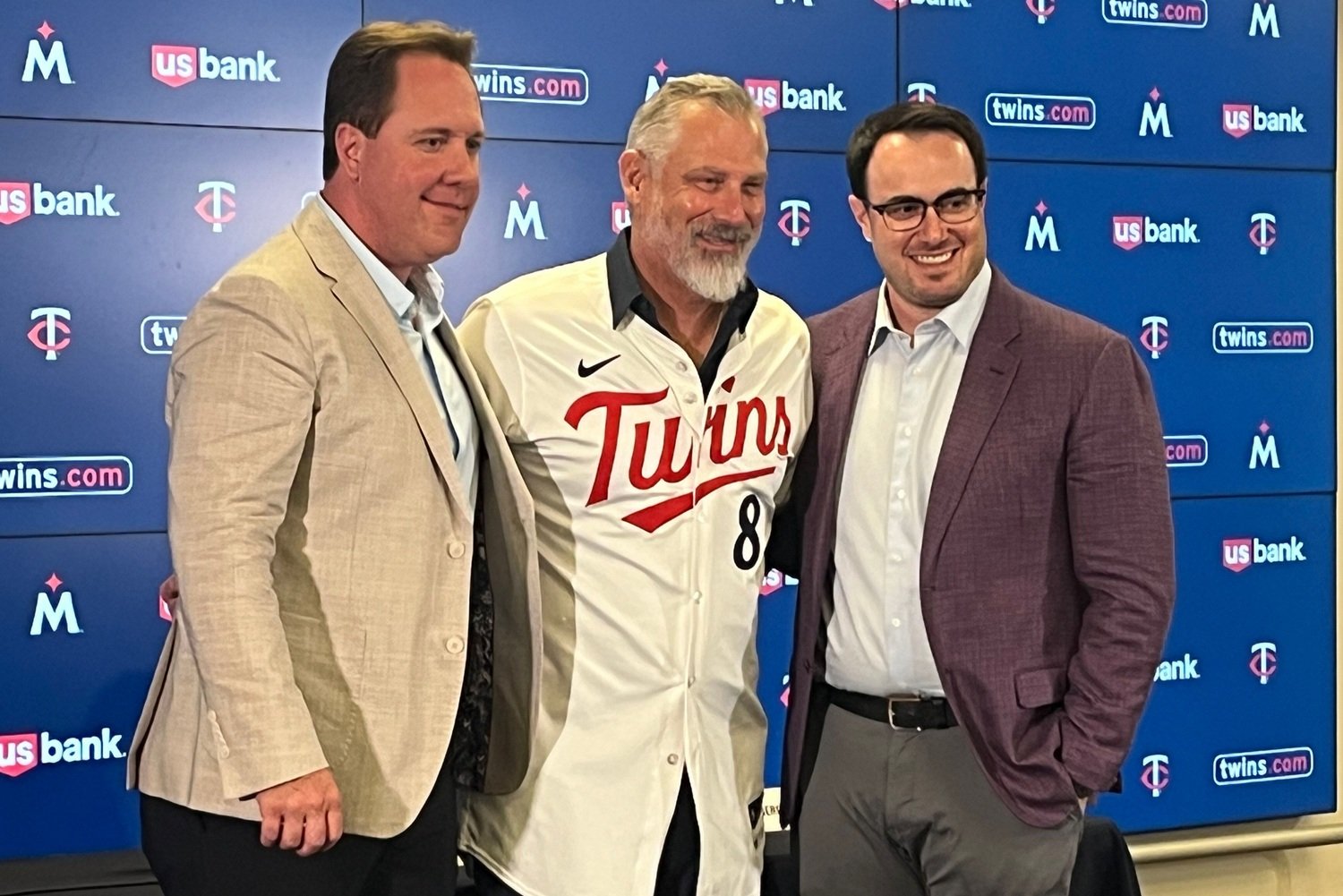 If the Twins' offseason feels unfinished, that's because it is. With roughly three weeks remaining before players report to Fort Myers, the front office has made it clear that the current roster is more of a foundation than a final product. Minnesota is comfortable waiting, watching, and pouncing when the right opportunity presents itself. That mindset was reinforced again over the weekend, when general manager Jeremy Zoll spoke openly about the next phase of roster building. “I think that feels like the most obvious opportunity for us to find ways to raise the floor and improve the club,” Zoll said, “so we’ll keep working on that and figure it out.” “There’s also obviously trade opportunities that could come about, so I think the trade market is starting to open up more as some of the dominoes are falling across the rest of the league,” said Zoll. “So whether that is free agency or trade, we’ll just have to see as we keep working through these next couple weeks.” The key phrase there is "raise the floor". This is not a front-office hinting at a blockbuster. Instead, the Twins appear focused on incremental improvements that stabilize the roster and protect against the volatility that defined last season. Bullpen depth remains the most obvious need, but it is far from the only one. Zoll also made sure to remind everyone that patience has paid off before. Last winter, three major-league signings came after TwinsFest, well into the portion of the calendar where many fans assume the heavy lifting is done. Under the Derek Falvey-led front office, there have been many winters when the team’s biggest moves came late in the game. For fans, it can be tough to see the long-term vision, but there have been positive late additions in recent years. “We're really optimistic that we're going to have some good chances to be opportunistic here over these next few weeks before we head down to Fort Myers, to keep finding ways to supplement the club, complement it, strengthen the bullpen, and find any other creative ways to put the best team on the field for this year,” he said. That optimism matters, especially given the constant questions surrounding payroll. While exact numbers remain murky, both Zoll and primary owner Tom Pohlad strongly suggested the Twins are not locked into their current spending level. “We’re going to continue,” Pohlad said. “The clock doesn’t stop until Opening Day, right? For better or worse, Derek and Jeremy have a history of adding pieces late. I’m sure you are going to continue to see that. We know that we have to continue to improve the bullpen, and we’re going to continue to be opportunistic about creative pieces that can improve this team across the field.” 'Creative' is doing a lot of work there, and it offers a clue as to how the Twins may operate. Rather than simply adding salary, Minnesota is well-positioned to trade from its areas of strength. Starting pitching depth is an obvious example. Even after injuries and innings management are considered, the organization has more viable arms than rotation spots. That depth can be leveraged to address needs elsewhere, without weakening the core. Another area to watch is left-handed-hitting corner outfielders. The Twins have an abundance of similar offensive profiles, particularly from the left side, and not all of them will have everyday roles. Trevor Larnach seems like an ideal trade candidate, but other names (like Matt Wallner) might have more trade value. Packaging from that surplus could help bring back bullpen help or versatile depth pieces that fit the front office’s preference for flexibility. All of these messages point to a familiar Twins approach. The roster that reports to Fort Myers will not look drastically different, but it likely will not be identical, either. Small additions, depth moves, and calculated trades have long been a part of this regime’s playbook, especially late in the winter when prices soften and options expand. Do you support the front office’s strategy? What moves do you think fit within their payroll flexibility? Leave a comment and start the discussion.
- 17 comments
-
- 4
-
-
- derek falvey
- jeremy zoll
- (and 1 more)
-
Image courtesy of Twins Daily If the Twins' offseason feels unfinished, that's because it is. With roughly three weeks remaining before players report to Fort Myers, the front office has made it clear that the current roster is more of a foundation than a final product. Minnesota is comfortable waiting, watching, and pouncing when the right opportunity presents itself. That mindset was reinforced again over the weekend, when general manager Jeremy Zoll spoke openly about the next phase of roster building. “I think that feels like the most obvious opportunity for us to find ways to raise the floor and improve the club,” Zoll said, “so we’ll keep working on that and figure it out.” “There’s also obviously trade opportunities that could come about, so I think the trade market is starting to open up more as some of the dominoes are falling across the rest of the league,” said Zoll. “So whether that is free agency or trade, we’ll just have to see as we keep working through these next couple weeks.” The key phrase there is "raise the floor". This is not a front-office hinting at a blockbuster. Instead, the Twins appear focused on incremental improvements that stabilize the roster and protect against the volatility that defined last season. Bullpen depth remains the most obvious need, but it is far from the only one. Zoll also made sure to remind everyone that patience has paid off before. Last winter, three major-league signings came after TwinsFest, well into the portion of the calendar where many fans assume the heavy lifting is done. Under the Derek Falvey-led front office, there have been many winters when the team’s biggest moves came late in the game. For fans, it can be tough to see the long-term vision, but there have been positive late additions in recent years. “We're really optimistic that we're going to have some good chances to be opportunistic here over these next few weeks before we head down to Fort Myers, to keep finding ways to supplement the club, complement it, strengthen the bullpen, and find any other creative ways to put the best team on the field for this year,” he said. That optimism matters, especially given the constant questions surrounding payroll. While exact numbers remain murky, both Zoll and primary owner Tom Pohlad strongly suggested the Twins are not locked into their current spending level. “We’re going to continue,” Pohlad said. “The clock doesn’t stop until Opening Day, right? For better or worse, Derek and Jeremy have a history of adding pieces late. I’m sure you are going to continue to see that. We know that we have to continue to improve the bullpen, and we’re going to continue to be opportunistic about creative pieces that can improve this team across the field.” 'Creative' is doing a lot of work there, and it offers a clue as to how the Twins may operate. Rather than simply adding salary, Minnesota is well-positioned to trade from its areas of strength. Starting pitching depth is an obvious example. Even after injuries and innings management are considered, the organization has more viable arms than rotation spots. That depth can be leveraged to address needs elsewhere, without weakening the core. Another area to watch is left-handed-hitting corner outfielders. The Twins have an abundance of similar offensive profiles, particularly from the left side, and not all of them will have everyday roles. Trevor Larnach seems like an ideal trade candidate, but other names (like Matt Wallner) might have more trade value. Packaging from that surplus could help bring back bullpen help or versatile depth pieces that fit the front office’s preference for flexibility. All of these messages point to a familiar Twins approach. The roster that reports to Fort Myers will not look drastically different, but it likely will not be identical, either. Small additions, depth moves, and calculated trades have long been a part of this regime’s playbook, especially late in the winter when prices soften and options expand. Do you support the front office’s strategy? What moves do you think fit within their payroll flexibility? Leave a comment and start the discussion. View full article
- 17 replies
-
- 1
-

-
- derek falvey
- jeremy zoll
- (and 1 more)
-
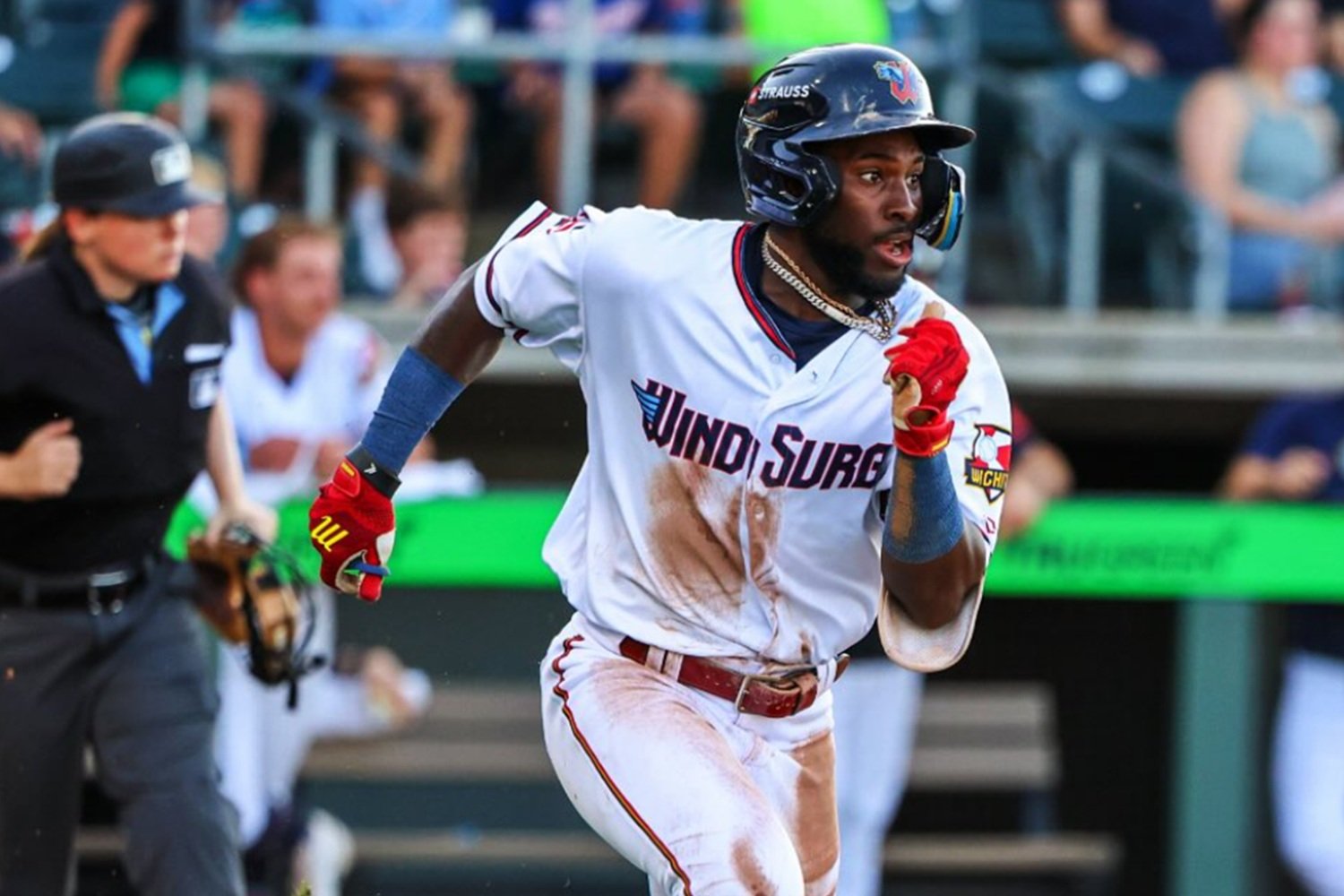 Spring training is always about optimism, but it is also about information. The Minnesota Twins added a healthy dose of both on Friday when they announced their internal non-roster invites for major league camp. These are players already in the organization but not on the 40-man roster who will get a chance to share fields, lockers, and moments with the big-league group in Fort Myers. The headliners are impossible to miss. Walker Jenkins and Kaelen Culpepper are two of the most important position players in the system, and both arrive with plenty of helium. Jenkins continues to look like the rare prospect who forces timelines to move, not because of need but because of undeniable talent. He finished last season at Triple-A after posting a 154 wRC+ at Double-A. Culpepper took a massive step forward last season, showing he can impact the game with his bat while sticking at shortstop. In 113 games, he posted a 138 wRC+. The organization named him the minor league player of the year, and he enters 2026 as a consensus top-100 prospect. His presence, along with Jenkins's, guarantees that early-morning workouts will draw extra eyes. The list also rewards performance: Kala'i Rosario and Kyler Fedko were among the system’s most productive hitters last year. Spring training is typically where that type of momentum earns recognition. Rosario brings loud contact (25 homers, 131 wRC+) and improved plate discipline, while Fedko made his mark on the bases (38 steals, 130 wRC+). Neither is expected to break camp, but both gain from time around the major league staff early. Beyond the marquee names, this group offers a little of everything. Trent Baker and Cory Lewis provide rotation depth and a chance to evaluate arms against higher-level competition, while Christian MacLeod continues his push back into the picture after showing signs of life last season. Meanwhile, Ricardo Olivar and Noah Cardenas give the catching group extra reps and flexibility during long camp days. On the position player side, Aaron Sabato, a former first-round pick, remains one of the more fascinating cases in the system. The power is real, and spring training offers another opportunity to show progress in the rest of his game. Tanner Schobel and Patrick Winkel are solid organizational performers who do many things well and help keep the environment competitive. Non-roster invites rarely tell a complete story on their own, but together these players offer clues about the Twins’ current priorities. By bringing in their best prospects, recent standouts, and valuable depth, the Twins reinforce that spring training isn’t just about preparing the Opening Day roster; it’s also about developing the next wave by giving them firsthand experience of what it takes to succeed.
- 34 comments
-
- 5
-
-
- walker jenkins
- kaelen culpepper
- (and 3 more)
-
Spring training is always about optimism, but it is also about information. The Minnesota Twins added a healthy dose of both on Friday when they announced their internal non-roster invites for major league camp. These are players already in the organization but not on the 40-man roster who will get a chance to share fields, lockers, and moments with the big-league group in Fort Myers. The headliners are impossible to miss. Walker Jenkins and Kaelen Culpepper are two of the most important position players in the system, and both arrive with plenty of helium. Jenkins continues to look like the rare prospect who forces timelines to move, not because of need but because of undeniable talent. He finished last season at Triple-A after posting a 154 wRC+ at Double-A. Culpepper took a massive step forward last season, showing he can impact the game with his bat while sticking at shortstop. In 113 games, he posted a 138 wRC+. The organization named him the minor league player of the year, and he enters 2026 as a consensus top-100 prospect. His presence, along with Jenkins's, guarantees that early-morning workouts will draw extra eyes. The list also rewards performance: Kala'i Rosario and Kyler Fedko were among the system’s most productive hitters last year. Spring training is typically where that type of momentum earns recognition. Rosario brings loud contact (25 homers, 131 wRC+) and improved plate discipline, while Fedko made his mark on the bases (38 steals, 130 wRC+). Neither is expected to break camp, but both gain from time around the major league staff early. Beyond the marquee names, this group offers a little of everything. Trent Baker and Cory Lewis provide rotation depth and a chance to evaluate arms against higher-level competition, while Christian MacLeod continues his push back into the picture after showing signs of life last season. Meanwhile, Ricardo Olivar and Noah Cardenas give the catching group extra reps and flexibility during long camp days. On the position player side, Aaron Sabato, a former first-round pick, remains one of the more fascinating cases in the system. The power is real, and spring training offers another opportunity to show progress in the rest of his game. Tanner Schobel and Patrick Winkel are solid organizational performers who do many things well and help keep the environment competitive. Non-roster invites rarely tell a complete story on their own, but together these players offer clues about the Twins’ current priorities. By bringing in their best prospects, recent standouts, and valuable depth, the Twins reinforce that spring training isn’t just about preparing the Opening Day roster; it’s also about developing the next wave by giving them firsthand experience of what it takes to succeed. View full rumor
-
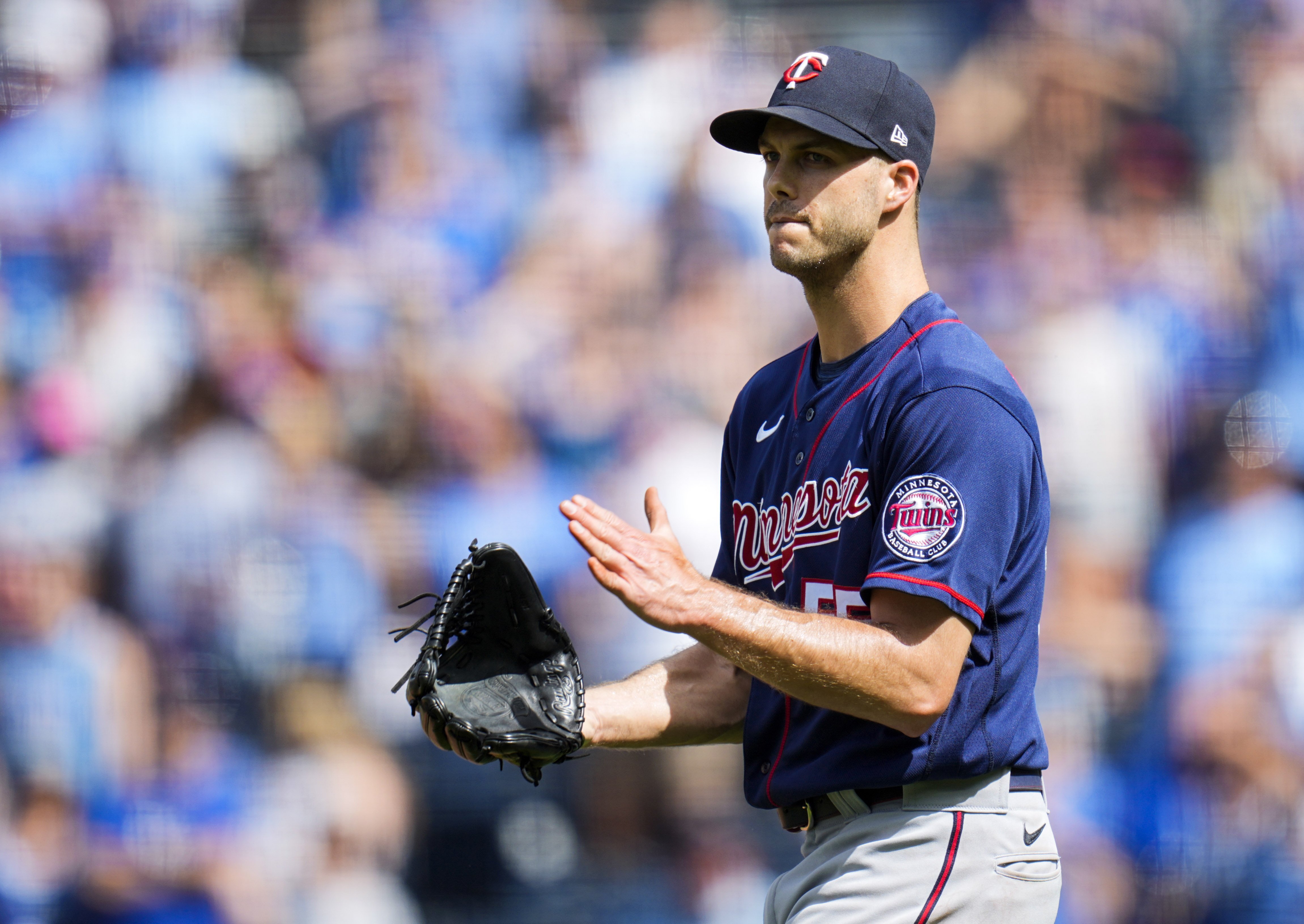 For months, the Twins bullpen has felt less like a plan and more like a collection of possibilities. That changed this week. The Twins made an important move on Thursday by reportedly reuniting with former All-Star reliever Taylor Rogers on a one-year, $2 million deal. It is a step in the right direction for a team that desperately needed bullpen help after trading away its top five relievers last summer. More work is needed, but Rogers is a meaningful addition, even if he is not the pitcher he was during his first stint in Minnesota. This move finally gives Minnesota a foundation. While not dominance or certainty, it’s a framework to build upon, a departure from the question marks that plagued this group. The bullpen now has a starting point, but not yet a solution. As things stand right now, here is a realistic snapshot of the current bullpen picture. Locks: Rogers, Cole Sands, Justin Topa On the fence: Eric Orze, Kody Funderburk Wild cards: David Festa, John Klein, Travis Adams With the Rogers addition, Connor Prielipp gets bumped out of the projection. It seems unlikely that the Twins will elect to carry three lefties. Prielipp could certainly take the place of one of the wild cards, but roster math alone works against him. That does not diminish the upside. Prielipp, Twins Daily’s No. 6 prospect and reigning minor league pitcher of the year, seems like a long shot for Opening Day but a very real bullpen factor in 2025. Injuries limited him both at Alabama and early in his pro career, but he stayed healthy enough last year to throw 82 2/3 innings and strike out 98 batters. Already 25 years old, he profiles as a potential high-impact bullpen arm if his health finally stabilizes. Derek Falvey has already mentioned both Prielipp and Marco Raya as candidates for bullpen transitions this winter, indicating the organization is open to internal conversions. Raya has been one of the team's top pitching prospects for multiple seasons. Minnesota pushed him aggressively up the organizational ladder with him reaching Triple-A during his age-21 season. However, his workload has been monitored and controlled by the organization's development staff. Last season, he struggled in St. Paul with an ERA north of 6.00 with a 22.6 K% and a 12.6 BB%. His pitch mix and dominant curveball could make him an intriguing bullpen option. Beyond the prospect group, it feels increasingly likely that at least one of the Twins’ young starting pitchers will be shifted into a relief role. That list includes Festa, Simeon Woods Richardson, Zebby Matthews, Mick Abel, and Taj Bradley. Festa feels like the cleanest fit right now, given his shoulder issues last season and how his stuff could play up in shorter stints, but Bradley also stands out as a logical candidate. With nearly 400 major league innings already on his arm, the starter evaluation phase may already be complete, and a power relief role could unlock a new version of his value. For the long relief side, Pierson Ohl (if he clears waivers) and Travis Adams feel like the most natural mop-up options, with Andrew Morris also fitting that profile if needed. These are the innings eaters, the bridge arms, the guys who make the rest of the bullpen functional, even if they are not headline names. The bullpen is now more coherent than before, but it’s not yet dependable. That gap is what the Twins must close if they want real stability. If you squint, you can see the outline of something workable. To improve the bullpen, add a legitimate late-inning right-hander and replace one or two fringe arms. Doing so would make the group resemble a true eight-man bullpen rather than a developmental experiment. That is why, even after these moves, free agency still matters here. Fortunately for Minnesota, veteran options remain available on the free agent market. David Robertson, Liam Hendriks, Paul Sewald, Michael Kopech, Scott Barlow, Hector Neris, and Ryan Brasier all represent different levels of risk and upside. Each would bring something the current bullpen lacks: experience and a track record of handling leverage. None of these names is perfect. Some come with age, some with injury risk, some with volatility, and some with all three. But the Twins do not need perfection. They need someone competent and reliable who can pitch the seventh or eighth inning without making the game feel fragile. Outside of free agency, Minnesota should consider trading one of its surplus left-handed hitters for a controllable bullpen arm. This targeted move addresses both roster imbalance and bullpen needs while preserving top pitching prospects and keeping payroll steady. At the end of last week, Twins radio broadcaster Kris Atteberry was part of a Winter Caravan group that stopped in Fargo, ND. At this stop, a fan asked Glen Perkins about who was going to be the closer for the 2026 Twins. Perkins responded with a few names, like Sands and Rogers, without overcommitting to one name. However, Atteberry interjected that the current bullpen picture isn’t complete. He told the crowd that the Twins will have multiple other bullpen options on the roster before the team heads to Fort Myers next month. Adding one veteran reliever or trading for a proven arm is the difference between a bullpen that’s a liability by default and one that can support Minnesota’s rotation all season. Rogers is the start, not the finish. Real functionality demands another move. The Twins now face a crucial decision: settle for a bullpen with fragile upside or take clear steps to build a group strong enough for contention. The structure is emerging and the challenge is to finish it. How will the Twins complete their bullpen? Leave a comment and start the discussion.
- 56 comments
-
- 7
-
-
-
- taylor rogers
- cole sands
- (and 5 more)
-
Image courtesy of © Jay Biggerstaff-Imagn Images For months, the Twins bullpen has felt less like a plan and more like a collection of possibilities. That changed this week. The Twins made an important move on Thursday by reportedly reuniting with former All-Star reliever Taylor Rogers on a one-year, $2 million deal. It is a step in the right direction for a team that desperately needed bullpen help after trading away its top five relievers last summer. More work is needed, but Rogers is a meaningful addition, even if he is not the pitcher he was during his first stint in Minnesota. This move finally gives Minnesota a foundation. While not dominance or certainty, it’s a framework to build upon, a departure from the question marks that plagued this group. The bullpen now has a starting point, but not yet a solution. As things stand right now, here is a realistic snapshot of the current bullpen picture. Locks: Rogers, Cole Sands, Justin Topa On the fence: Eric Orze, Kody Funderburk Wild cards: David Festa, John Klein, Travis Adams With the Rogers addition, Connor Prielipp gets bumped out of the projection. It seems unlikely that the Twins will elect to carry three lefties. Prielipp could certainly take the place of someone like Klein or Ohl, but roster math alone works against him. That does not diminish the upside. Prielipp, Twins Daily’s No. 6 prospect and reigning minor league pitcher of the year, seems like a long shot for Opening Day but a very real bullpen factor in 2025. Injuries limited him both at Alabama and early in his pro career, but he stayed healthy enough last year to throw 82 2/3 innings and strike out 98 batters. Already 25 years old, he profiles as a potential high-impact bullpen arm if his health finally stabilizes. Derek Falvey has already mentioned both Prielipp and Marco Raya as candidates for bullpen transitions this winter, indicating the organization is open to internal conversions. Raya has been one of the team's top pitching prospects for multiple seasons. Minnesota pushed him aggressively up the organizational ladder with him reaching Triple-A during his age-21 season. However, his workload has been monitored and controlled by the organization's development staff. Last season, he struggled in St. Paul with an ERA north of 6.00 with a 22.6 K% and a 12.6 BB%. His pitch mix and dominant curveball could make him an intriguing bullpen option. Beyond the prospect group, it feels increasingly likely that at least one of the Twins’ young starting pitchers will be shifted into a relief role. That list includes Festa, Simeon Woods Richardson, Zebby Matthews, Mick Abel, and Taj Bradley. Festa feels like the cleanest fit right now, given his shoulder issues last season and how his stuff could play up in shorter stints, but Bradley also stands out as a logical candidate. With nearly 400 major league innings already on his arm, the starter evaluation phase may already be complete, and a power relief role could unlock a new version of his value. For the long relief side, Pierson Ohl and Travis Adams feel like the most natural mop-up options, with Andrew Morris also fitting that profile if needed. These are the innings eaters, the bridge arms, the guys who make the rest of the bullpen functional, even if they are not headline names. The bullpen is now more coherent than before, but it’s not yet dependable. That gap is what the Twins must close if they want real stability. If you squint, you can see the outline of something workable. To improve the bullpen, add a legitimate late-inning right-hander and replace one or two fringe arms. Doing so would make the group resemble a true eight-man bullpen rather than a developmental experiment. That is why, even after these moves, free agency still matters here. Fortunately for Minnesota, veteran options remain available on the free agent market. David Robertson, Liam Hendriks, Paul Sewald, Michael Kopech, Scott Barlow, Hector Neris, and Ryan Brasier all represent different levels of risk and upside. Each would bring something the current bullpen lacks: experience and a track record of handling leverage. None of these names is perfect. Some come with age, some with injury risk, some with volatility, and some with all three. But the Twins do not need perfection. They need someone competent and reliable who can pitch the seventh or eighth inning without making the game feel fragile. Outside of free agency, Minnesota should consider trading one of its surplus left-handed hitters for a controllable bullpen arm. This targeted move addresses both roster imbalance and bullpen needs while preserving top pitching prospects and keeping payroll steady. At the end of last week, Twins radio broadcaster Kris Atteberry was part of a Winter Caravan group that stopped in Fargo, ND. At this stop, a fan asked Glen Perkins about who was going to be the closer for the 2026 Twins. Perkins responded with a few names, like Sands and Rogers, without overcommitting to one name. However, Atteberry interjected that the current bullpen picture isn’t complete. He told the crowd that the Twins will have multiple other bullpen options on the roster before the team heads to Fort Myers next month. Adding one veteran reliever or trading for a proven arm is the difference between a bullpen that’s a liability by default and one that can support Minnesota’s rotation all season. Rogers is the start, not the finish. Real functionality demands another move. The Twins now face a crucial decision: settle for a bullpen with fragile upside, or take clear steps to build a group strong enough for contention. The structure is emerging and the challenge is to finish it. How will the Twins complete their bullpen? Leave a comment and start the discussion. View full article
-
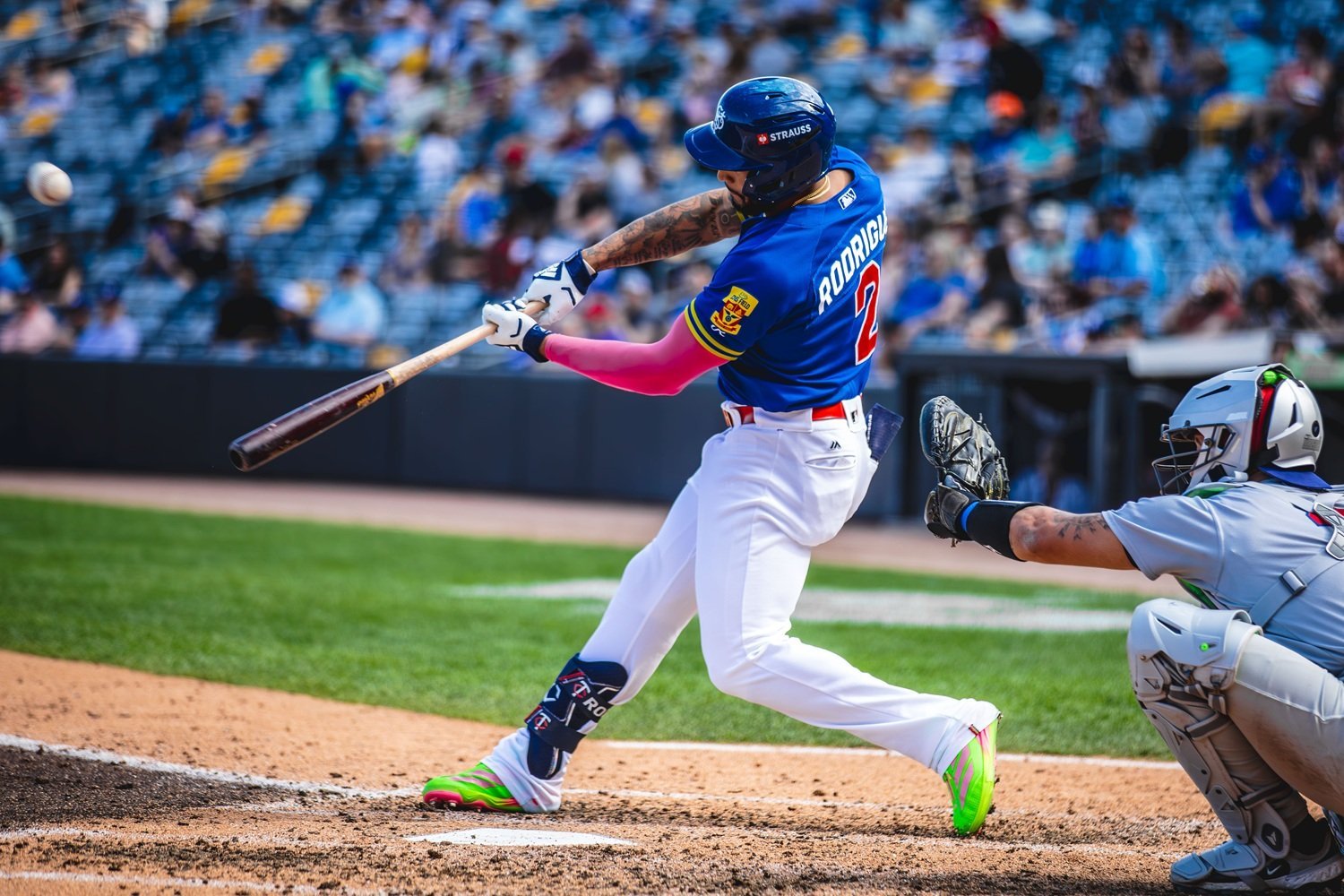 Walker Jenkins sits comfortably at the top of the Minnesota Twins prospect hierarchy. That part of the conversation is easy. The harder debate begins immediately after him. The Twins system has several legitimate candidates for the No. 2 spot, and each brings a very different profile, risk level, and timeline. This is not a ranking meant to dismiss any of the names below. Instead, it highlights how close this group really is and why the Twins are fortunate to have multiple paths forward. Still, prospect lists force choices, and the question remains simple. Who should be considered the Twins' top prospect behind Jenkins? SS Kaelen Culpepper The case for Culpepper starts with how much he changed the conversation in one season. After entering the year as more of a solid but unspectacular infielder, Culpepper broke out across High A and Double A, with a 138 wRC+. He showed that he can remain at shortstop, while also tapping into more power than most evaluators expected. The bat speed improved, the physicality showed up, and suddenly, he looked like a potential everyday infielder with impact. Why is he number two? Because Culpepper checks the hardest box. He can play shortstop. That alone carries enormous value, especially when paired with a bat that drives the ball to all fields. He does not need to sell out for pull-side power to do damage, and the extra-base hits came naturally as his strength developed. Why shouldn't he be number two? The swing remains fairly flat, which limits the ceiling of his in-game power. It might still be enough, but it likely caps him short of true middle-of-the-order production. There are also lingering questions about his long-term defensive home. If he ends up at third base, the offensive expectations rise considerably, and he will need to keep hitting (including tapping into that power) to justify the move. C Eduardo Tait Tait is the most exciting catching prospect the Twins have had in a long time. That puts him firmly in this conversation. He was also the highest-ranked prospect Minnesota acquired in the Jhoan Duran trade, signaling how highly the organization views his potential. Why is he number two? Catching prospects with real offensive upside are rare, and Tait has that. He shows power, confidence, and leadership behind the plate. If everything clicks, he profiles as an everyday catcher who can hit in the middle of a lineup, something the Twins have been chasing for years. Why shouldn't he be number two? The margin for error is thin. There is nowhere else for Tait to go defensively if he cannot stick behind the plate. His aggressive approach leads to chasing pitches out of the zone, and that tendency will be tested as he climbs the ladder. He is also far from Target Field, and long developmental paths come with risk. OF Emmanuel Rodriguez Rodriguez might have the loudest tools of anyone in the system, when he is healthy. That qualifier matters, and he’s on a path to impact the Twins’ roster in 2026. Why is he number two? When he is on the field, he controls the strike zone at an elite level. He draws walks, hits for power to all fields, and can handle all three outfield spots. In the corners, he is even above-average defensively. Few prospects in the minors combine patience and power the way Rodriguez does. Why shouldn't he be number two? Availability matters. Injuries have followed him throughout his professional career. Over the past five years, he has played more than 65 games only once. The passivity that fuels his walk totals also leads to a high strikeout rate, and when paired with durability concerns, it creates real risk. SP Connor Prielipp Pitching prospects often live in a separate category, but Prielipp forced his way back into this discussion in 2025. Why is he number two? Prielipp worked 82 2/3 innings last season and climbed all the way to Triple-A St. Paul. The stuff is undeniable. If he sticks as a starter, he has the arsenal to become a playoff-caliber arm, something every organization covets. Why shouldn't he be number two? The biggest question is his role. Internally, opinions vary on whether Prielipp ultimately fits best in the rotation or the bullpen. His injury history also looms large. Last season marked the first time he had thrown more than 25 innings since 2019. Betting on health and a starting role at the same time is a risky proposition. So Who Is Number Two? If forced to choose today, Culpepper likely gets the nod. The combination of proximity, defensive value, and offensive growth gives him the highest probability of becoming an everyday contributor. That said, this is a fluid debate. Tait offers rare upside at catcher, Rodriguez brings star potential if healthy, and Prielipp could change the entire picture with one dominant stretch. Behind Jenkins, the Twins do not have a clear answer. Instead, they have options, and that is a very good problem to have. Who would you rank number two in the Twins’ system? Leave a comment and start the discussion.
- 36 comments
-
- 9
-
-
- eduardo tait
- kalen culpepper
- (and 2 more)
-
Image courtesy of Rob Thompson, St. Paul Saints (photo of Emmanuel Rodriguez) Walker Jenkins sits comfortably at the top of the Minnesota Twins prospect hierarchy. That part of the conversation is easy. The harder debate begins immediately after him. The Twins system has several legitimate candidates for the No. 2 spot, and each brings a very different profile, risk level, and timeline. This is not a ranking meant to dismiss any of the names below. Instead, it highlights how close this group really is and why the Twins are fortunate to have multiple paths forward. Still, prospect lists force choices, and the question remains simple. Who should be considered the Twins' top prospect behind Jenkins? SS Kaelen Culpepper The case for Culpepper starts with how much he changed the conversation in one season. After entering the year as more of a solid but unspectacular infielder, Culpepper broke out across High A and Double A, with a 138 wRC+. He showed that he can remain at shortstop, while also tapping into more power than most evaluators expected. The bat speed improved, the physicality showed up, and suddenly, he looked like a potential everyday infielder with impact. Why is he number two? Because Culpepper checks the hardest box. He can play shortstop. That alone carries enormous value, especially when paired with a bat that drives the ball to all fields. He does not need to sell out for pull-side power to do damage, and the extra-base hits came naturally as his strength developed. Why shouldn't he be number two? The swing remains fairly flat, which limits the ceiling of his in-game power. It might still be enough, but it likely caps him short of true middle-of-the-order production. There are also lingering questions about his long-term defensive home. If he ends up at third base, the offensive expectations rise considerably, and he will need to keep hitting (including tapping into that power) to justify the move. C Eduardo Tait Tait is the most exciting catching prospect the Twins have had in a long time. That puts him firmly in this conversation. He was also the highest-ranked prospect Minnesota acquired in the Jhoan Duran trade, signaling how highly the organization views his potential. Why is he number two? Catching prospects with real offensive upside are rare, and Tait has that. He shows power, confidence, and leadership behind the plate. If everything clicks, he profiles as an everyday catcher who can hit in the middle of a lineup, something the Twins have been chasing for years. Why shouldn't he be number two? The margin for error is thin. There is nowhere else for Tait to go defensively if he cannot stick behind the plate. His aggressive approach leads to chasing pitches out of the zone, and that tendency will be tested as he climbs the ladder. He is also far from Target Field, and long developmental paths come with risk. OF Emmanuel Rodriguez Rodriguez might have the loudest tools of anyone in the system, when he is healthy. That qualifier matters, and he’s on a path to impact the Twins’ roster in 2026. Why is he number two? When he is on the field, he controls the strike zone at an elite level. He draws walks, hits for power to all fields, and can handle all three outfield spots. In the corners, he is even above-average defensively. Few prospects in the minors combine patience and power the way Rodriguez does. Why shouldn't he be number two? Availability matters. Injuries have followed him throughout his professional career. Over the past five years, he has played more than 65 games only once. The passivity that fuels his walk totals also leads to a high strikeout rate, and when paired with durability concerns, it creates real risk. SP Connor Prielipp Pitching prospects often live in a separate category, but Prielipp forced his way back into this discussion in 2025. Why is he number two? Prielipp worked 82 2/3 innings last season and climbed all the way to Triple-A St. Paul. The stuff is undeniable. If he sticks as a starter, he has the arsenal to become a playoff-caliber arm, something every organization covets. Why shouldn't he be number two? The biggest question is his role. Internally, opinions vary on whether Prielipp ultimately fits best in the rotation or the bullpen. His injury history also looms large. Last season marked the first time he had thrown more than 25 innings since 2019. Betting on health and a starting role at the same time is a risky proposition. So Who Is Number Two? If forced to choose today, Culpepper likely gets the nod. The combination of proximity, defensive value, and offensive growth gives him the highest probability of becoming an everyday contributor. That said, this is a fluid debate. Tait offers rare upside at catcher, Rodriguez brings star potential if healthy, and Prielipp could change the entire picture with one dominant stretch. Behind Jenkins, the Twins do not have a clear answer. Instead, they have options, and that is a very good problem to have. Who would you rank number two in the Twins’ system? Leave a comment and start the discussion. View full article
-
Image courtesy of © Isaiah J. Downing-Imagn Images One of the most familiar feelings for Twins fans each winter is watching the calendar flip to January (and be there for a couple of weeks) while the roster still looks unfinished. Other teams make splashy moves in December. The Twins, under Derek Falvey, tend to wait. That patience can feel maddening in the moment, especially after a quiet Winter Meetings, but recent history shows there is at least some method behind the madness. Looking back at the past few offseasons is a helpful reminder that impactful additions do not always come early, and that value can still be found after the initial free-agent rush has passed. 2024-25 Offseason Last winter might be the cleanest example of how this approach can work. None of the Twins' three notable free-agent signings arrived until February. Harrison Bader, Danny Coulombe, and Ty France all came aboard late, and all three ended up providing real value. Bader could not have worked out much better. Expectations were modest, but he delivered more production at the plate than anticipated (113 OPS+) while continuing to play elite defense. His move from center field to a corner outfield role helped the defense. Coulombe was a low-cost addition at $3 million, but he gave the bullpen a veteran left-handed presence and bridged the gap to the late innings. France was below average offensively (87 OPS+), but his steady defense at first base was outstanding, culminating in a Gold Glove award. Waiting did not hurt the Twins last winter. In several ways, it helped. 2023-24 Offseason The 2023=2024 offseason followed a similar timeline, though with more mixed results. The Twins technically got started in late December, by signing reliever Josh Staumont. Still, the offseason did not truly take shape until the end of January, when Jorge Polanco was traded to the Seattle Mariners. That deal is still being evaluated through the long-term lens of Gabriel Gonzalez’s development. At the same time, Justin Topa could still play an essential role in the bullpen, especially if the Twins don’t make other additions this season. February brought Carlos Santana and Jay Jackson. Staumont and Jackson struggled and provided little value, but Santana eventually found his footing. His bat took time to warm up, but he finished the season as a productive contributor (109 OPS+). Defensively, he had one of the best seasons in team history, earning a Gold Glove. The late timing of these signings did not guarantee success across the board, but it did allow the Twins to address needs without overcommitting early. 2022-23 Offseason The outlier in this pattern came during the 2022-2023 offseason. That winter, the Twins moved quickly. Christian Vázquez (3-year deal) and Joey Gallo (1-year deal) signed in December. Then an unexpected opportunity arose in early January, when Carlos Correa became available again after failing physicals with two other clubs. The Twins pounced, reshaping their roster well before spring training. Even during a more aggressive winter, the front office still made a late addition, signing Donovan Solano near the end of February. In hindsight, that aggressive approach did not produce better results. Gallo was unplayable by the end of the season, with a .686 OPS in the second half. Vázquez provided defensive value behind the plate but saw his offense collapse during his time in Minnesota (60 OPS+). Correa’s contract has since been unloaded, leaving the Twins paying $10 million per year for him to play for the Astros over the next three seasons. Acting early did not insulate the team from risk or disappointment. So, what does all of this mean for the rest of the current Twins offseason? It means that silence in even the early part of January does not automatically signal failure. The front office has repeatedly shown a willingness to wait out the market, target specific fits, and strike when prices and roles make sense. That approach has frustrated fans plenty of times, but it has often led to solid outcomes. Patience does not guarantee success, and it does not remove the need for meaningful additions. However, history suggests that the Twins are comfortable letting the board come to them. As February approaches, the lesson from recent winters is simple. The offseason is not over yet, even if it feels like it has been dragging on forever. Will the Twins make any meaningful additions in the coming weeks? Leave a comment and start the discussion. View full article
-
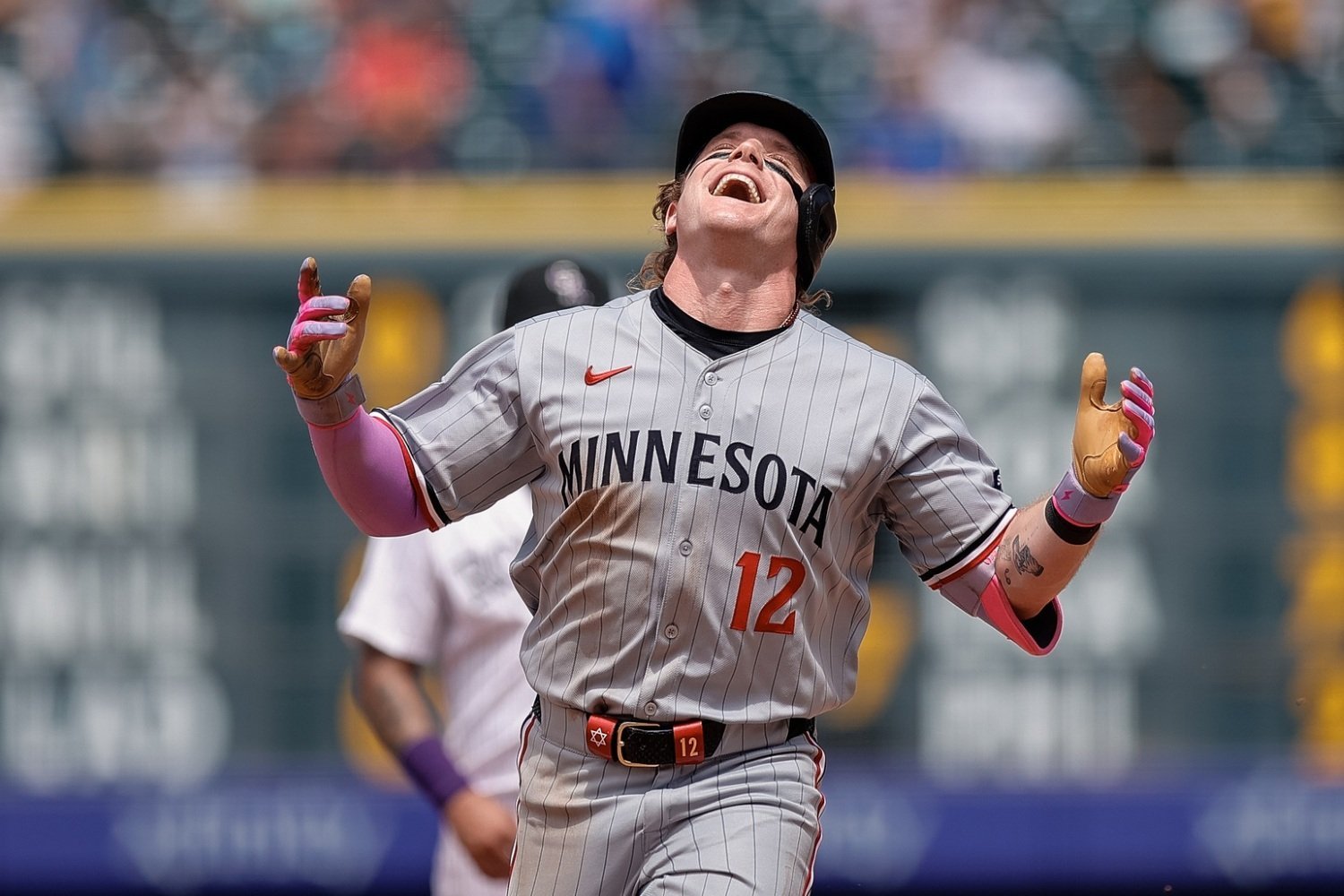 One of the most familiar feelings for Twins fans each winter is watching the calendar flip to January (and be there for a couple of weeks) while the roster still looks unfinished. Other teams make splashy moves in December. The Twins, under Derek Falvey, tend to wait. That patience can feel maddening in the moment, especially after a quiet Winter Meetings, but recent history shows there is at least some method behind the madness. Looking back at the past few offseasons is a helpful reminder that impactful additions do not always come early, and that value can still be found after the initial free-agent rush has passed. 2024-25 Offseason Last winter might be the cleanest example of how this approach can work. None of the Twins' three notable free-agent signings arrived until February. Harrison Bader, Danny Coulombe, and Ty France all came aboard late, and all three ended up providing real value. Bader could not have worked out much better. Expectations were modest, but he delivered more production at the plate than anticipated (113 OPS+) while continuing to play elite defense. His move from center field to a corner outfield role helped the defense. Coulombe was a low-cost addition at $3 million, but he gave the bullpen a veteran left-handed presence and bridged the gap to the late innings. France was below average offensively (87 OPS+), but his steady defense at first base was outstanding, culminating in a Gold Glove award. Waiting did not hurt the Twins last winter. In several ways, it helped. 2023-24 Offseason The 2023=2024 offseason followed a similar timeline, though with more mixed results. The Twins technically got started in late December, by signing reliever Josh Staumont. Still, the offseason did not truly take shape until the end of January, when Jorge Polanco was traded to the Seattle Mariners. That deal is still being evaluated through the long-term lens of Gabriel Gonzalez’s development. At the same time, Justin Topa could still play an essential role in the bullpen, especially if the Twins don’t make other additions this season. February brought Carlos Santana and Jay Jackson. Staumont and Jackson struggled and provided little value, but Santana eventually found his footing. His bat took time to warm up, but he finished the season as a productive contributor (109 OPS+). Defensively, he had one of the best seasons in team history, earning a Gold Glove. The late timing of these signings did not guarantee success across the board, but it did allow the Twins to address needs without overcommitting early. 2022-23 Offseason The outlier in this pattern came during the 2022-2023 offseason. That winter, the Twins moved quickly. Christian Vázquez (3-year deal) and Joey Gallo (1-year deal) signed in December. Then an unexpected opportunity arose in early January, when Carlos Correa became available again after failing physicals with two other clubs. The Twins pounced, reshaping their roster well before spring training. Even during a more aggressive winter, the front office still made a late addition, signing Donovan Solano near the end of February. In hindsight, that aggressive approach did not produce better results. Gallo was unplayable by the end of the season, with a .686 OPS in the second half. Vázquez provided defensive value behind the plate but saw his offense collapse during his time in Minnesota (60 OPS+). Correa’s contract has since been unloaded, leaving the Twins paying $10 million per year for him to play for the Astros over the next three seasons. Acting early did not insulate the team from risk or disappointment. So, what does all of this mean for the rest of the current Twins offseason? It means that silence in even the early part of January does not automatically signal failure. The front office has repeatedly shown a willingness to wait out the market, target specific fits, and strike when prices and roles make sense. That approach has frustrated fans plenty of times, but it has often led to solid outcomes. Patience does not guarantee success, and it does not remove the need for meaningful additions. However, history suggests that the Twins are comfortable letting the board come to them. As February approaches, the lesson from recent winters is simple. The offseason is not over yet, even if it feels like it has been dragging on forever. Will the Twins make any meaningful additions in the coming weeks? Leave a comment and start the discussion.
- 29 comments
-
- 2
-
-
- carlos correa
- harrison bader
- (and 8 more)
-
Twins Franchise Favorites: The Best Pitchers in Twins History
Cody Christie posted an article in History
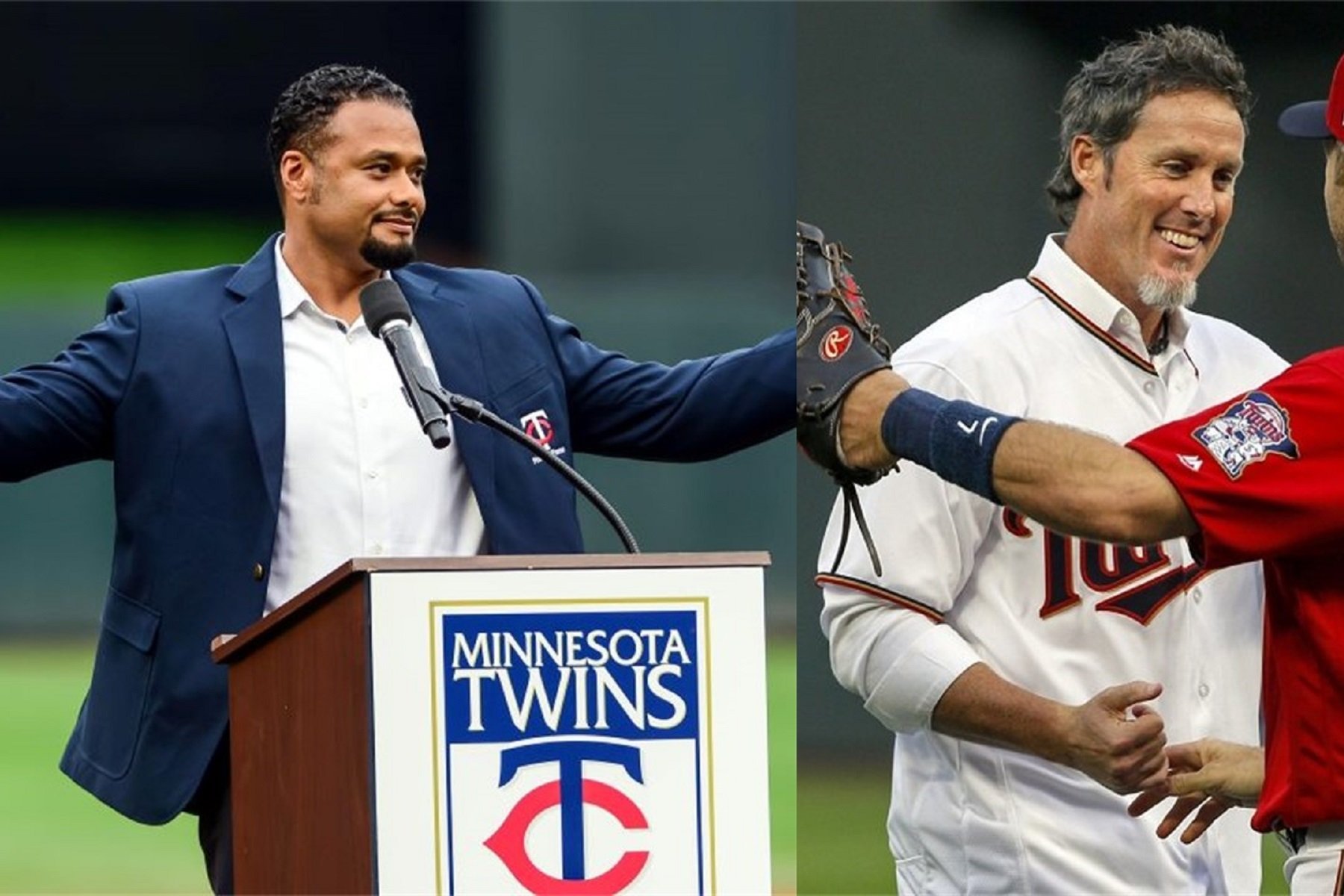 When conversations turn to Minnesota Twins franchise favorites, it is easy to focus on the bats that carried October runs or the defenders who made iconic plays. Just as often, however, the foundation of Twins baseball has been the men on the mound. From Hall of Fame starters to lockdown closers, the organization has consistently produced pitchers who defined eras and gave fans confidence every fifth day or in the ninth inning. MLB Network has been creating lists of the franchise favorites for the lineup and pitching staff. Last week, I attempted to create the Franchise Favorite Lineup; it led to plenty of discussion. Minnesota’s best players can be debated, and that adds to the intrigue of the exercise. Here are five starters and relievers, with some honorable mentions at both spots. SP: Johan Santana (36.1 rWAR, 10th in franchise history) Santana stands at the top of any Twins pitching discussion. At his peak, Santana was not just the best pitcher in franchise history, but one of the most dominant arms in baseball. His two Cy Young Awards and ability to control games made him appointment viewing. For a stretch in the mid-2000s, the Twins felt they had the best pitcher in the sport, and that advantage shaped the entire organization. SP: Bert Blyleven (48.9 rWAR, 5th in franchise history) Blyleven represents both longevity and excellence. His curveball became legendary, and his statistical résumé places him among the game's greats. While some of his best years came elsewhere, Blyleven’s time with the Twins included critical contributions to championship teams. His Hall of Fame plaque connects Minnesota to baseball history in a tangible way. SP: Brad Radke (45.3 rWAR, 6th in franchise history) Radke may not have the same national recognition as others on this list, but his importance to the Twins cannot be overstated. Radke was reliability personified, taking the ball year after year and giving the team a chance to win even when the rest of the roster floundered around him. In an era defined by efficiency and control, Radke embodied what the Twins valued in a frontline starter. SP: Jim Kaat (35.6 rWAR, 11th in franchise history) Kaat bridged generations of Twins baseball. His durability and competitive edge anchored the early years of the franchise, and his success helped establish credibility for a young organization. Kaat’s career longevity and eventual Hall of Fame induction underscore his importance both in Minnesota and beyond. SP: Jack Morris (2.1 rWAR) Morris brings big-game gravity. While his time with the Twins was brief, his impact was unforgettable. Morris’s performance in the 1991 World Series remains one of the most iconic pitching efforts in baseball history, and that single season cemented his place in Twins lore. He might be the most debatable name on the list, but his place in franchise history is hard to ignore. RP: Joe Nathan (18.4 rWAR) Out of the bullpen, Nathan is the standard, with a borderline Hall of Fame career. He transformed the closer role in Minnesota, combining dominance with consistency. He ended his career with 377 saves, and 260 of those came in a Twins uniform. Ninth innings felt shorter when Nathan was on the mound, and his run as one of baseball’s elite closers gave the Twins a level of certainty that few teams enjoyed. RP: Rick Aguilera (15.5 rWAR) Aguilera served as the Twins’ primary closer for nearly a decade, finishing his Minnesota career with 254 saves, the most in franchise history until Nathan arrived. Beyond the numbers, Aguilera was trusted in the most significant moments, anchoring the bullpen during the 1991 championship season. His ability to execute in October solidified his place among the most essential pitchers the Twins have ever had. RP: Glen Perkins (9.0 rWAR) Perkins represents the modern Twins reliever who also carried emotional weight with the fan base. A Minnesota native who became a three-time All-Star closer, Perkins brought both performance and connection. His peak seasons reminded fans that bullpen dominance could still be homegrown. RP: Eddie Guardado (9.5 rWAR) Guardado thrived in chaos. Nicknamed “Everyday Eddie” for a reason, he took the ball whenever needed and delivered in countless high-leverage moments. His versatility and fearlessness made him one of the most trusted arms of his era. RP: Jhoan Duran (7.3 rWAR) Duran is the newest name on the list, but his inclusion already feels justified. With triple-digit velocity and a devastating breaking ball, Duran has redefined what is possible out of the Twins' bullpen. His trade last year was disappointing, because he could have been one of the top relievers in team history had he stayed in Minnesota. Though it will be a footnote instead of a headline in team history due to his early exit, the electricity of Duran's signature entrances is one of the brightest spots in an often dark recent stretch of team lore. The honorable mentions highlight the depth of Minnesota's pitching history. Starters like Camilo Pascual, Dave Goltz, Frank Viola, and Jim Perry each had stretches where they carried the rotation and left a lasting imprint. In the bullpen, Taylor Rogers, Griffin Jax, Juan Rincon, Al Worthington, and LaTroy Hawkins all played key roles in stabilizing late innings across different eras. Leaving any of them off a favorites list is less an indictment than a reminder of how many meaningful arms have passed through the organization. Together, this group tells the story of the Twins through pitching. It is a history built on reliability, timely dominance, and moments that still linger in the memory of anyone who has followed the team long enough. Who would you add to the list? Who should be taken off? Leave a comment and start the discussion.
- 24 comments
-
- 1
-
-
- johan santana
- bert blyleven
- (and 8 more)
-
Image courtesy of © Jeffrey Becker, Bruce Kluckhohn--Imagn Images When conversations turn to Minnesota Twins franchise favorites, it is easy to focus on the bats that carried October runs or the defenders who made iconic plays. Just as often, however, the foundation of Twins baseball has been the men on the mound. From Hall of Fame starters to lockdown closers, the organization has consistently produced pitchers who defined eras and gave fans confidence every fifth day or in the ninth inning. MLB Network has been creating lists of the franchise favorites for the lineup and pitching staff. Last week, I attempted to create the Franchise Favorite Lineup; it led to plenty of discussion. Minnesota’s best players can be debated, and that adds to the intrigue of the exercise. Here are five starters and relievers, with some honorable mentions at both spots. SP: Johan Santana (36.1 rWAR, 10th in franchise history) Santana stands at the top of any Twins pitching discussion. At his peak, Santana was not just the best pitcher in franchise history, but one of the most dominant arms in baseball. His two Cy Young Awards and ability to control games made him appointment viewing. For a stretch in the mid-2000s, the Twins felt they had the best pitcher in the sport, and that advantage shaped the entire organization. SP: Bert Blyleven (48.9 rWAR, 5th in franchise history) Blyleven represents both longevity and excellence. His curveball became legendary, and his statistical résumé places him among the game's greats. While some of his best years came elsewhere, Blyleven’s time with the Twins included critical contributions to championship teams. His Hall of Fame plaque connects Minnesota to baseball history in a tangible way. SP: Brad Radke (45.3 rWAR, 6th in franchise history) Radke may not have the same national recognition as others on this list, but his importance to the Twins cannot be overstated. Radke was reliability personified, taking the ball year after year and giving the team a chance to win even when the rest of the roster floundered around him. In an era defined by efficiency and control, Radke embodied what the Twins valued in a frontline starter. SP: Jim Kaat (35.6 rWAR, 11th in franchise history) Kaat bridged generations of Twins baseball. His durability and competitive edge anchored the early years of the franchise, and his success helped establish credibility for a young organization. Kaat’s career longevity and eventual Hall of Fame induction underscore his importance both in Minnesota and beyond. SP: Jack Morris (2.1 rWAR) Morris brings big-game gravity. While his time with the Twins was brief, his impact was unforgettable. Morris’s performance in the 1991 World Series remains one of the most iconic pitching efforts in baseball history, and that single season cemented his place in Twins lore. He might be the most debatable name on the list, but his place in franchise history is hard to ignore. RP: Joe Nathan (18.4 rWAR) Out of the bullpen, Nathan is the standard, with a borderline Hall of Fame career. He transformed the closer role in Minnesota, combining dominance with consistency. He ended his career with 377 saves, and 260 of those came in a Twins uniform. Ninth innings felt shorter when Nathan was on the mound, and his run as one of baseball’s elite closers gave the Twins a level of certainty that few teams enjoyed. RP: Rick Aguilera (15.5 rWAR) Aguilera served as the Twins’ primary closer for nearly a decade, finishing his Minnesota career with 254 saves, the most in franchise history until Nathan arrived. Beyond the numbers, Aguilera was trusted in the most significant moments, anchoring the bullpen during the 1991 championship season. His ability to execute in October solidified his place among the most essential pitchers the Twins have ever had. RP: Glen Perkins (9.0 rWAR) Perkins represents the modern Twins reliever who also carried emotional weight with the fan base. A Minnesota native who became a three-time All-Star closer, Perkins brought both performance and connection. His peak seasons reminded fans that bullpen dominance could still be homegrown. RP: Eddie Guardado (9.5 rWAR) Guardado thrived in chaos. Nicknamed “Everyday Eddie” for a reason, he took the ball whenever needed and delivered in countless high-leverage moments. His versatility and fearlessness made him one of the most trusted arms of his era. RP: Jhoan Duran (7.3 rWAR) Duran is the newest name on the list, but his inclusion already feels justified. With triple-digit velocity and a devastating breaking ball, Duran has redefined what is possible out of the Twins' bullpen. His trade last year was disappointing, because he could have been one of the top relievers in team history had he stayed in Minnesota. Though it will be a footnote instead of a headline in team history due to his early exit, the electricity of Duran's signature entrances is one of the brightest spots in an often dark recent stretch of team lore. The honorable mentions highlight the depth of Minnesota's pitching history. Starters like Camilo Pascual, Dave Goltz, Frank Viola, and Jim Perry each had stretches where they carried the rotation and left a lasting imprint. In the bullpen, Taylor Rogers, Griffin Jax, Juan Rincon, Al Worthington, and LaTroy Hawkins all played key roles in stabilizing late innings across different eras. Leaving any of them off a favorites list is less an indictment than a reminder of how many meaningful arms have passed through the organization. Together, this group tells the story of the Twins through pitching. It is a history built on reliability, timely dominance, and moments that still linger in the memory of anyone who has followed the team long enough. Who would you add to the list? Who should be taken off? Leave a comment and start the discussion. View full article
-
Image courtesy of © Raymond Carlin III-Imagn Images For much of the last decade, the Twins have quietly tried to squeeze every marginal win out of their roster. Sometimes that has meant platoons. Other times, it has meant defensive flexibility or depth over star power. This offseason, a clear pattern is emerging. Minnesota appears to be leaning harder than ever into matchup play and lineup optimization. The most obvious signal came with back-to-back investments in switch hitters. Josh Bell and Victor Caratini were added for their overall production, their fit in the roster, and because they eliminate problems. A switch-hitter erases the need to protect a lineup spot when the opposing starter changes handedness, and that matters for a team that wants to play the percentages every night. This approach stretches well beyond those two signings and into how the entire roster fits together. Minnesota is under an owner-imposed payroll limit, which makes it challenging to field the best lineup. Without the ability to add star-caliber players in free agency, the front office must pivot to attempt to find a market inefficiency. So, are the Twins trying to make up for a dearth of talent with really good matchup-proofing? The short answer is probably yes, at least in part. The Twins do not have the payroll or the top-end depth to roll out nine everyday bats who are immune to matchups. What they do have is a collection of hitters who can be deployed strategically. Keeping Trevor Larnach at $4.475 million in arbitration fits that logic. On the surface, Larnach looks expendable. In practice, he is a valuable strong-side platoon option who can punish right-handed pitching. Last season was a down year for Larnach, but he still posted a .759 OPS against righties, matching his career total. A left field pairing of Larnach and Austin Martin is not flashy, but it is efficient. Larnach gets the favorable matchups where he has shown real damage potential. Martin handles left-handed pitching and adds defensive versatility and speed. In fact, Martin was one of the team’s lone bright spots in the second half last season, helped in part by his .884 OPS against southpaws. Together, they approximate a more expensive everyday option. That same philosophy is visible across the infield. Left-handed bats like Kody Clemens and Edouard Julien can be deployed aggressively against right-handed starters. Right-handed options like Luke Keaschall, Royce Lewis, and Eric Wagaman can take on left-handed pitching without forcing the Twins to accept bad matchups elsewhere. Orlando Arcia, a veteran right-handed hitter, was brought in on a minor league deal and has a chance to make the Opening Day roster. Brooks Lee, a switch-hitting shortstop, serves as a stabilizer, keeping the lineup from tilting too far in either direction. The Twins have options at nearly every spot. Even the outfield depth reflects this thinking. The left-handed group of Larnach, Matt Wallner, Alan Roden, and James Outman pairs naturally with right-handed or right-leaning options like Martin, Ryan Kreidler, and eventually Gabriel Gonzalez. Other top prospects like Walker Jenkins and Emmanuel Rodriguez are also expected to join the left-handed hitting group at some point in 2026. This is not about finding the best nine hitters. It is about finding the best nine hitters for a specific opponent on a specific day. Against right-handed starters, Minnesota can stack lefties and switch hitters. C: Caratini (S) 1B: Clemens (L) 2B: Julien (L) 3B: Lewis (R) SS: Lee (S) LF: Larnach (L) CF: Buxton (R) RF: Wallner (L) DH: Bell (S) The alignment above leaves Lewis and Byron Buxton as the lone right-handed bats. Against left-handed starters, the picture flips. C: Jeffers (R) 1B: Bell (S) 2B: Keaschall (R) 3B: Lewis (R) SS: Lee (S) LF: Martin (R) CF: Buxton (R) RF: Wallner (L) DH: Caratini (S) This gives the Twins a right-leaning core. Right field becomes the lone spot needing a lefty, with Wallner the apparent choice. There will also be injuries that arise, requiring the Twins to shift pieces around. None of this screams overwhelming talent. It does scream intention. So, is this what we have seen in the past from the Twins, or is this a new twist? Platoons are not new in Minnesota. The Twins have lived in this space for years, especially during their recent competitive window. What feels different now is how deliberately the roster is being built around that concept rather than falling into it out of necessity. In the past, platoons often existed because the Twins lacked better options. Now, they appear to be acquiring players specifically because they enable matchup flexibility. Switch hitters like Bell and Caratini are cheap fixes and targeted solutions. Keeping Larnach rather than clearing his salary suggests the team values optionality over simplicity. There is also more lineup insulation than before. Multiple switch hitters and right-handed bats who can move around the field reduce the risk of being exposed by a single pitching decision. This is less about reacting to matchups and more about dictating them. That shift suggests an organization leaning fully into modern roster construction. The Twins may not win many talent comparisons on paper, but they are trying to win the decision-making battle that happens before the first pitch. The Twins appear to be building a roster designed to win at the margins. By prioritizing switch hitters, platoon advantages, and lineup flexibility, Minnesota is attempting to turn matchup management into a competitive edge. Whether that approach can compensate for a lack of star power remains an open question, but the plan itself is becoming increasingly apparent. Is this smart optimization that will squeeze extra wins out of a flawed roster, or does it place too much pressure on perfect lineup management to succeed over a full season? Leave a comment and start the discussion. View full article
-
How Kaelen Culpepper Can Keep Forcing the Issue in 2026
Cody Christie posted an article in Minor Leagues
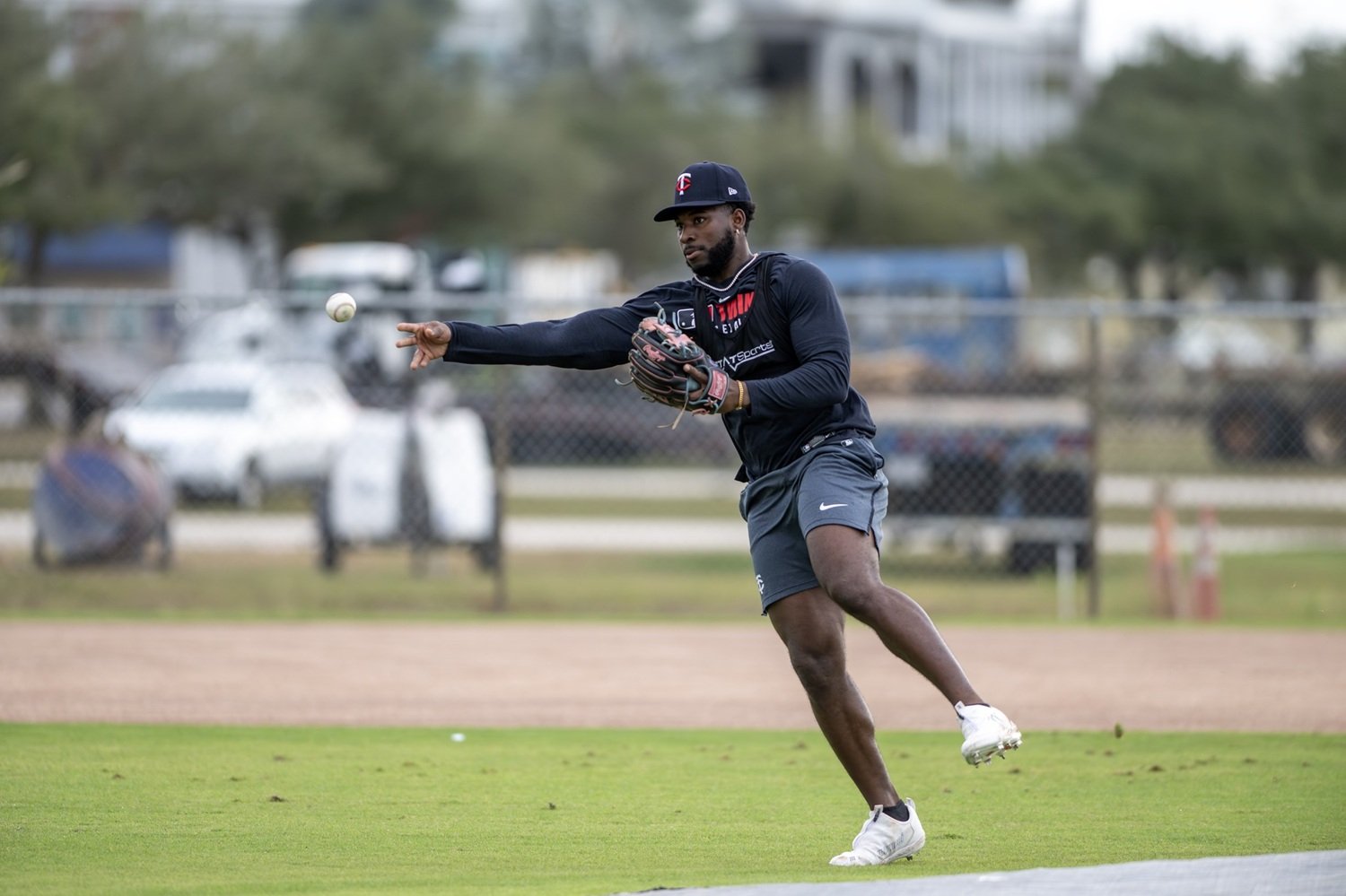 Some prospects move because an organization believes it is time, while others move because the player leaves them little choice. Kaelen Culpepper spent his first full professional season doing everything possible to fall into the latter category, and the Twins are more than happy to let him keep applying that pressure. “It was Kaelen’s first full season, and he had an awesome year,” Twins general manager Jeremy Zoll told FanGraphs of the 23-year-old shortstop, whom the Twins drafted 21st overall in 2024 out of Kansas State University. “He was between High-A and Double-A, and we couldn’t have asked for it go much better. We’re really pleased. He had the opportunity to go to the Futures Game.” Culpepper’s 2025 season reads like the blueprint for a breakout. Between Cedar Rapids and Wichita, he slashed .289/.375/.469 (.844) with 20 home runs, 25 steals, and a 133 wRC+ across 517 plate appearances. He was named the Twins’ minor league player of the year, emerged as a consensus top-100 prospect, and finished the season as one of the most productive hitters in the system. Even more impressive, he did it while making the jump to Double-A, a level that has a reputation for exposing weaknesses. Culpepper never blinked. “I don’t really look at it as there being a big jump,” Culpepper told MLB's Matthew Leach late in the season, after his promotion. “I mean, there is the age gap and stuff like that. The competition here is pristine. Guys are more polished, more mature. But when it comes to the skill gap, it’s pretty similar. It’s still baseball. Baseball is hard. It’s not meant to be easy. If it was, everybody would do it. But I just look at it as two leagues, big leagues and the Minor Leagues.” That mindset shows up every time he steps in the box. Culpepper has hit at every stop, from college to wood-bat leagues to his first taste of pro ball. In 2025, the power that some evaluators questioned before the draft arrived in force, even as he maintained his ability to hit for average and control the strike zone. He walked 50 times and struck out just 90 times, a better ratio than many expected, especially given his aggressive approach. There is still refinement ahead. Culpepper can be prone to chasing off-speed pitches out of the zone, and his groundball rate was the third highest in the system. Yet reaching the 20-homer mark while keeping the ball on the ground that often hints at more power to come if he can elevate with more consistency. That is the kind of problem teams love to have. Following his professional debut in 2024, Culpepper made a conscious effort to get better. He worked to add bat speed, and according to a club official, he did just that, boosting his swing speed by about 3 miles per hour and maintaining it throughout the season. “He’s confident in his abilities and also willing to work hard, and I think those are two traits that are going to take guys a long way,” said Bryce Berg, the organization’s minor league hitting coordinator, in Leach's article. The offensive performance alone would be enough to push a player up the ladder, but Culpepper has also given the Twins plenty to think about defensively. He has primarily played shortstop, where reviews of his range, instincts, and arm have been encouraging. At the same time, the organization has begun expanding his versatility. “He’s primarily playing shortstop, but he’s also getting some early work at second base and third base, as well as a little bit of game exposure at both spots,” Zoll told FanGraphs. “We’ll continue to let that play out as we get through spring training and into the season. We’ll figure it out exactly in terms of placement and proximity. We always kind of let the player dictate that with his performance, but he’s put just about as much pressure on us in terms of us wanting to keep moving him, and keeping him challenged.” That flexibility only raises Culpepper’s value. His arm would play comfortably at third base, and his instincts and hands give him a chance to remain at shortstop longer than some initially believed. Wherever he ultimately lands, the bat profiles as an above-average regular with legitimate All-Star upside. For 2026, the question is less about whether Culpepper is ready for a challenge and more about how quickly the Twins choose to escalate it. He has yet to face Triple-A pitching and has played just 139 minor league games, but if he keeps hitting the way he has, a big league debut at some point this season is far from unrealistic. Culpepper understands there is still work to do, especially when it comes to pitch selection. “Hitters hit, you know what I mean?” Culpepper told MLB.com. “I consider myself a hitter. A very good hitter. So I’m always going to want to hit pitches a little off the plate, so I’m going to chase a little bit. It’s OK to chase as long as you’re not chasing too much. Sometimes I find myself chasing a little too much, and I’ve got to get back to being patient, seeing the ball deep, trusting my hands.” The Twins are confident that balance will come. “It’s a special combination of confidence, and I think that comes from a level of preparedness, and then openness to feedback and improving,” said Twins director of player development Drew MacPhail. “That’s a rare combo, that I think he has both in an incredibly healthy amount.” Ultimately, Culpepper’s path will be determined the same way it has been so far. He will keep hitting, keep adjusting, and keep forcing the organization to respond. If 2025 was any indication, the pressure will only increase in 2026. What should the Twins expect from Culpepper this season? Leave a comment and start the discussion.
 -
Image courtesy of William Parmeter (Photo of Kaelen Culpepper) Some prospects move because an organization believes it is time, while others move because the player leaves them little choice. Kaelen Culpepper spent his first full professional season doing everything possible to fall into the latter category, and the Twins are more than happy to let him keep applying that pressure. “It was Kaelen’s first full season, and he had an awesome year,” Twins general manager Jeremy Zoll told FanGraphs of the 23-year-old shortstop, whom the Twins drafted 21st overall in 2024 out of Kansas State University. “He was between High-A and Double-A, and we couldn’t have asked for it go much better. We’re really pleased. He had the opportunity to go to the Futures Game.” Culpepper’s 2025 season reads like the blueprint for a breakout. Between Cedar Rapids and Wichita, he slashed .289/.375/.469 (.844) with 20 home runs, 25 steals, and a 133 wRC+ across 517 plate appearances. He was named the Twins’ minor league player of the year, emerged as a consensus top-100 prospect, and finished the season as one of the most productive hitters in the system. Even more impressive, he did it while making the jump to Double-A, a level that has a reputation for exposing weaknesses. Culpepper never blinked. “I don’t really look at it as there being a big jump,” Culpepper told MLB's Matthew Leach late in the season, after his promotion. “I mean, there is the age gap and stuff like that. The competition here is pristine. Guys are more polished, more mature. But when it comes to the skill gap, it’s pretty similar. It’s still baseball. Baseball is hard. It’s not meant to be easy. If it was, everybody would do it. But I just look at it as two leagues, big leagues and the Minor Leagues.” That mindset shows up every time he steps in the box. Culpepper has hit at every stop, from college to wood-bat leagues to his first taste of pro ball. In 2025, the power that some evaluators questioned before the draft arrived in force, even as he maintained his ability to hit for average and control the strike zone. He walked 50 times and struck out just 90 times, a better ratio than many expected, especially given his aggressive approach. There is still refinement ahead. Culpepper can be prone to chasing off-speed pitches out of the zone, and his groundball rate was the third highest in the system. Yet reaching the 20-homer mark while keeping the ball on the ground that often hints at more power to come if he can elevate with more consistency. That is the kind of problem teams love to have. Following his professional debut in 2024, Culpepper made a conscious effort to get better. He worked to add bat speed, and according to a club official, he did just that, boosting his swing speed by about 3 miles per hour and maintaining it throughout the season. “He’s confident in his abilities and also willing to work hard, and I think those are two traits that are going to take guys a long way,” said Bryce Berg, the organization’s minor league hitting coordinator, in Leach's article. The offensive performance alone would be enough to push a player up the ladder, but Culpepper has also given the Twins plenty to think about defensively. He has primarily played shortstop, where reviews of his range, instincts, and arm have been encouraging. At the same time, the organization has begun expanding his versatility. “He’s primarily playing shortstop, but he’s also getting some early work at second base and third base, as well as a little bit of game exposure at both spots,” Zoll told FanGraphs. “We’ll continue to let that play out as we get through spring training and into the season. We’ll figure it out exactly in terms of placement and proximity. We always kind of let the player dictate that with his performance, but he’s put just about as much pressure on us in terms of us wanting to keep moving him, and keeping him challenged.” That flexibility only raises Culpepper’s value. His arm would play comfortably at third base, and his instincts and hands give him a chance to remain at shortstop longer than some initially believed. Wherever he ultimately lands, the bat profiles as an above-average regular with legitimate All-Star upside. For 2026, the question is less about whether Culpepper is ready for a challenge and more about how quickly the Twins choose to escalate it. He has yet to face Triple-A pitching and has played just 139 minor league games, but if he keeps hitting the way he has, a big league debut at some point this season is far from unrealistic. Culpepper understands there is still work to do, especially when it comes to pitch selection. “Hitters hit, you know what I mean?” Culpepper told MLB.com. “I consider myself a hitter. A very good hitter. So I’m always going to want to hit pitches a little off the plate, so I’m going to chase a little bit. It’s OK to chase as long as you’re not chasing too much. Sometimes I find myself chasing a little too much, and I’ve got to get back to being patient, seeing the ball deep, trusting my hands.” The Twins are confident that balance will come. “It’s a special combination of confidence, and I think that comes from a level of preparedness, and then openness to feedback and improving,” said Twins director of player development Drew MacPhail. “That’s a rare combo, that I think he has both in an incredibly healthy amount.” Ultimately, Culpepper’s path will be determined the same way it has been so far. He will keep hitting, keep adjusting, and keep forcing the organization to respond. If 2025 was any indication, the pressure will only increase in 2026. What should the Twins expect from Culpepper this season? Leave a comment and start the discussion. View full article