



Cody Christie
-
Posts
7,809 -
Joined
-
Last visited
-
Days Won
5
Content Type
Profiles
News
Minnesota Twins Videos
2026 Minnesota Twins Top Prospects Ranking
2022 Minnesota Twins Draft Picks
Minnesota Twins Free Agent & Trade Rumors, Notes, & Tidbits
Guides & Resources
2023 Minnesota Twins Draft Picks
The Minnesota Twins Players Project
2024 Minnesota Twins Draft Picks
2025 Minnesota Twins Draft Pick Tracker
2026 Minnesota Twins Draft Tracker: Picks & Bonuses
Forums
Blogs
Events
Store
Downloads
Gallery
Everything posted by Cody Christie
-
 Image courtesy of © Jesse Johnson-Imagn Images There was a moment, not that long ago, when the sweeper felt unavoidable. Every broadcast featured it. Every Pitching Ninja clip highlighted it. Every development staff wanted one more guy who could rip a Frisbee-like breaking ball that darted horizontally and embarrassed hitters. The pitch existed before, of course, but the league finally figured out how to define it, measure it, and teach it. According to The Athletic, pitchers had been throwing slider-like pitches with sweep for years. The breakthrough came when teams identified the specific properties that made a sweeper effective and used that information to scout and develop arms who could do what was needed to produce those results. Once that door opened, the flood followed. From 2020 through 2023, the league added roughly 10,000 sweepers each season. It was the hot new pitch type, and everyone wanted in. Then, hitters did what hitters always do. They adapted. As sweepers proliferated, they became less exotic, and thus less deceptive. The league's batting average against the pitch climbed from .183 in 2020 to .215 by 2025. Slugging jumped more dramatically, from .280 to .364. Hitters chased less often and swung more frequently when the pitch actually entered the zone. What was once a deception-driven pitch became something batters could recognize earlier and square up more consistently. When a pitch goes from rare to common, the advantage flips. Hitters see it in bullpens. They see it on video. They see it on highly specialized Trajekt pitching machines. They see it in games multiple times a week. Training catches up. The sweeper did not suddenly get worse. The league just got better at hitting it. This is where Stuff+ comes into play. Stuff+ is designed to answer a deceptively simple question for teams: “What inherent qualities make a pitch good?” Velocity, movement, release traits, and shape are all baked in. The challenge is that baseball never stops moving. What worked in 2020 does not necessarily work in 2026. That forced a difficult decision. How much old data should inform what we think makes a pitch effective today? How relevant is the early sweeper boom to the current environment, where hitters are actively hunting the pitch? To address that, Stuff+ removed 2020 and 2021 from its training data and added 2025. The goal shifted from being a historical artifact to answering a more practical question. What makes a pitch good right now? That reduces its usefulness for comparing across eras, but it strengthens its predictive value, which is where Stuff+ shines, anyway. In small samples, it can tell scouts, teams, and fantasy players a lot about pitch quality before the results stabilize. The update by the engineers of Stuff+ brought with it a reckoning. As batters improved against sweepers, the pitch type itself lost Stuff+. Some pitchers took a hit as the model adjusted to the new reality. Zebby Matthews was one of them. He tied for the third-largest Stuff+ drop following the update, falling from a 106 to a 101. Only Luis Severino and Aaron Civale saw larger declines. On paper, that looks concerning. In practice, it's more complicated. Matthews still leaned heavily on the pitch, throwing his sweeper 25.1% of the time in 2025, just a slight dip from 25.9% the year before. The results, however, were dramatically better. Opponents slugged .252 against the pitch last season, down from .462 during his rookie year. Contact quality declined as well, with average exit velocity dropping from 90.2 to 87.5 mph. Part of that improvement came from added life. Matthews generated an additional 70 rpm of spin, giving the pitch more late action. Within his arsenal, the sweeper remained his best bat-missing weapon. It posted a 38.5% whiff rate on swings and successfully put a hitter away in two-strike counts 24.3% of the time, both of which were the top results for his pitch mix. Even as the league cooled on sweepers overall, Matthews found a way to refine his version and stay ahead of the curve. Pablo López's sweeper arc is a slightly different story. When the Twins acquired him before the 2023 season, one of the first changes they made was adding a sweeper. The early returns were excellent. In its first season, hitters managed just a .210 wOBA against the pitch, with a 36.5% whiff rate. It gave López another look that complemented his fastball and changeup beautifully. Last season was more complicated. Injuries likely influenced his approach and execution, but the sweeper clearly changed. López held batters to a .163 wOBA with the pitch, his lowest mark for any offering, but the swing-and-miss wasn’t the same. His whiff rate dropped to 30.1%, the lowest since he introduced the pitch. Hitters were making more contact, even if that contact did not always turn into damage. That tension captures where the sweeper sits in 2026. It can still work. It can still produce weak contact, because it has lots of horizontal movement, which traditionally does better at limiting damage. But it no longer consistently fools hitters the way it once did, and because it often has less vertical depth than a traditional slider or a hard curve, it doesn't miss as many bats. Vertical movement is better at producing whiffs. The league is already adjusting. The kick-change is gaining momentum, offering deception through velocity separation and late movement rather than a sweeping horizontal break. That's an innovation that benefits pitchers most when they face opposite-handed batters, rather than same-handed ones, but teams can adjust to the changing pitch design-and-adjustment cycle by sacrificing the platoon advantage to chase exoticism and deception in key matchups. Even when it comes to same-handed batters, though, the sweeper might be overtaken by another tack soon. Something else will follow. It always does. The story of the sweeper is a reminder that no pitch remains king forever. As hitters learn, pitchers must evolve. The question now is, which pitch will be next to explode across the league, and how long will it take hitters to catch up this time? How will Matthews and López change their approach in 2026? Leave a comment and start the discussion. View full article
 -
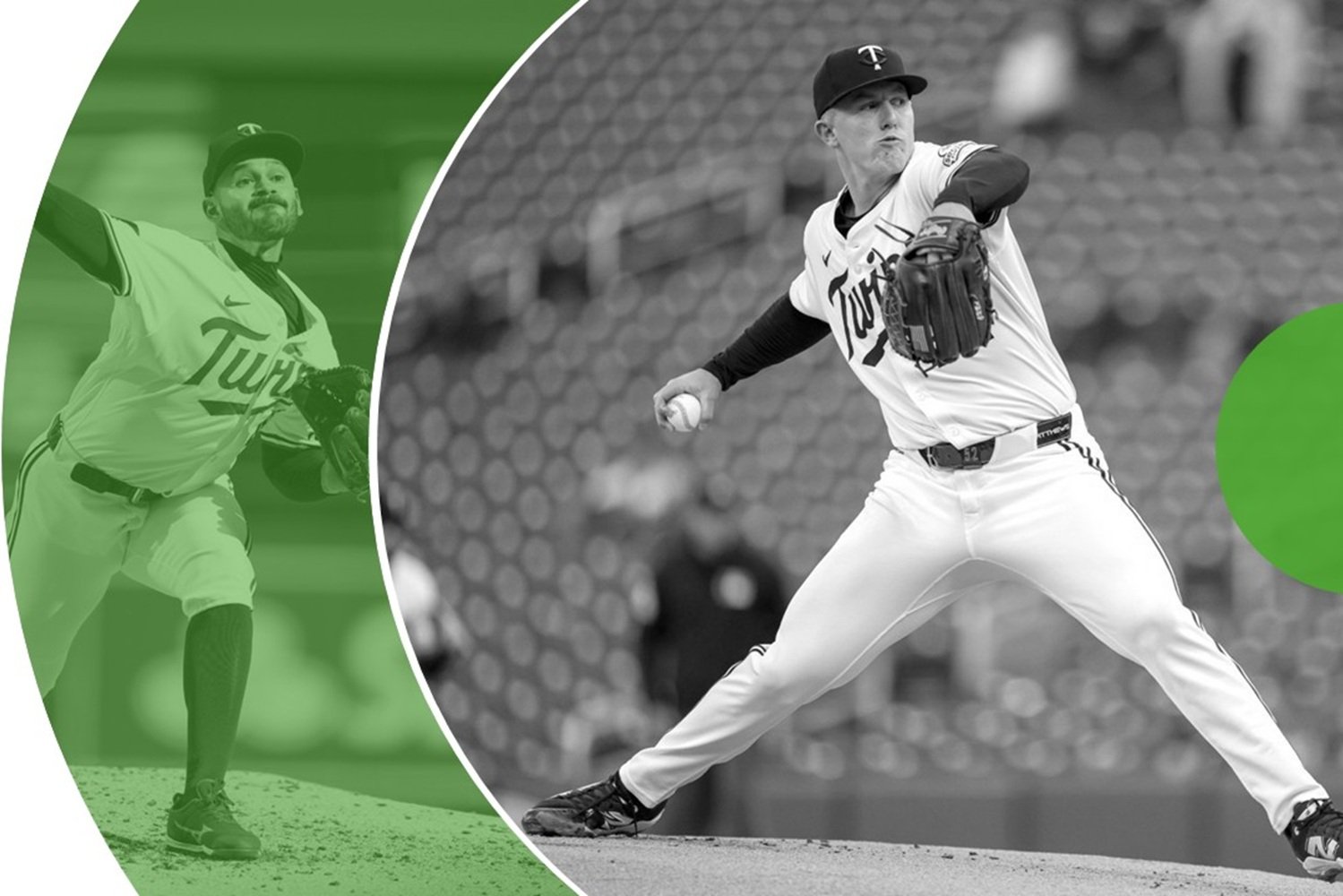 There was a moment, not that long ago, when the sweeper felt unavoidable. Every broadcast featured it. Every Pitching Ninja clip highlighted it. Every development staff wanted one more guy who could rip a Frisbee-like breaking ball that darted horizontally and embarrassed hitters. The pitch existed before, of course, but the league finally figured out how to define it, measure it, and teach it. According to The Athletic, pitchers had been throwing slider-like pitches with sweep for years. The breakthrough came when teams identified the specific properties that made a sweeper effective and used that information to scout and develop arms who could do what was needed to produce those results. Once that door opened, the flood followed. From 2020 through 2023, the league added roughly 10,000 sweepers each season. It was the hot new pitch type, and everyone wanted in. Then, hitters did what hitters always do. They adapted. As sweepers proliferated, they became less exotic, and thus less deceptive. The league's batting average against the pitch climbed from .183 in 2020 to .215 by 2025. Slugging jumped more dramatically, from .280 to .364. Hitters chased less often and swung more frequently when the pitch actually entered the zone. What was once a deception-driven pitch became something batters could recognize earlier and square up more consistently. When a pitch goes from rare to common, the advantage flips. Hitters see it in bullpens. They see it on video. They see it on highly specialized Trajekt pitching machines. They see it in games multiple times a week. Training catches up. The sweeper did not suddenly get worse. The league just got better at hitting it. This is where Stuff+ comes into play. Stuff+ is designed to answer a deceptively simple question for teams: “What inherent qualities make a pitch good?” Velocity, movement, release traits, and shape are all baked in. The challenge is that baseball never stops moving. What worked in 2020 does not necessarily work in 2026. That forced a difficult decision. How much old data should inform what we think makes a pitch effective today? How relevant is the early sweeper boom to the current environment, where hitters are actively hunting the pitch? To address that, Stuff+ removed 2020 and 2021 from its training data and added 2025. The goal shifted from being a historical artifact to answering a more practical question. What makes a pitch good right now? That reduces its usefulness for comparing across eras, but it strengthens its predictive value, which is where Stuff+ shines, anyway. In small samples, it can tell scouts, teams, and fantasy players a lot about pitch quality before the results stabilize. The update by the engineers of Stuff+ brought with it a reckoning. As batters improved against sweepers, the pitch type itself lost Stuff+. Some pitchers took a hit as the model adjusted to the new reality. Zebby Matthews was one of them. He tied for the third-largest Stuff+ drop following the update, falling from a 106 to a 101. Only Luis Severino and Aaron Civale saw larger declines. On paper, that looks concerning. In practice, it's more complicated. Matthews still leaned heavily on the pitch, throwing his sweeper 25.1% of the time in 2025, just a slight dip from 25.9% the year before. The results, however, were dramatically better. Opponents slugged .252 against the pitch last season, down from .462 during his rookie year. Contact quality declined as well, with average exit velocity dropping from 90.2 to 87.5 mph. Part of that improvement came from added life. Matthews generated an additional 70 rpm of spin, giving the pitch more late action. Within his arsenal, the sweeper remained his best bat-missing weapon. It posted a 38.5% whiff rate on swings and successfully put a hitter away in two-strike counts 24.3% of the time, both of which were the top results for his pitch mix. Even as the league cooled on sweepers overall, Matthews found a way to refine his version and stay ahead of the curve. Pablo López's sweeper arc is a slightly different story. When the Twins acquired him before the 2023 season, one of the first changes they made was adding a sweeper. The early returns were excellent. In its first season, hitters managed just a .210 wOBA against the pitch, with a 36.5% whiff rate. It gave López another look that complemented his fastball and changeup beautifully. Last season was more complicated. Injuries likely influenced his approach and execution, but the sweeper clearly changed. López held batters to a .163 wOBA with the pitch, his lowest mark for any offering, but the swing-and-miss wasn’t the same. His whiff rate dropped to 30.1%, the lowest since he introduced the pitch. Hitters were making more contact, even if that contact did not always turn into damage. That tension captures where the sweeper sits in 2026. It can still work. It can still produce weak contact, because it has lots of horizontal movement, which traditionally does better at limiting damage. But it no longer consistently fools hitters the way it once did, and because it often has less vertical depth than a traditional slider or a hard curve, it doesn't miss as many bats. Vertical movement is better at producing whiffs. The league is already adjusting. The kick-change is gaining momentum, offering deception through velocity separation and late movement rather than a sweeping horizontal break. That's an innovation that benefits pitchers most when they face opposite-handed batters, rather than same-handed ones, but teams can adjust to the changing pitch design-and-adjustment cycle by sacrificing the platoon advantage to chase exoticism and deception in key matchups. Even when it comes to same-handed batters, though, the sweeper might be overtaken by another tack soon. Something else will follow. It always does. The story of the sweeper is a reminder that no pitch remains king forever. As hitters learn, pitchers must evolve. The question now is, which pitch will be next to explode across the league, and how long will it take hitters to catch up this time? How will Matthews and López change their approach in 2026? Leave a comment and start the discussion.
 -
Twins Bring Back a Familiar Face Behind the Plate
Cody Christie posted a rumor in Major League Notes
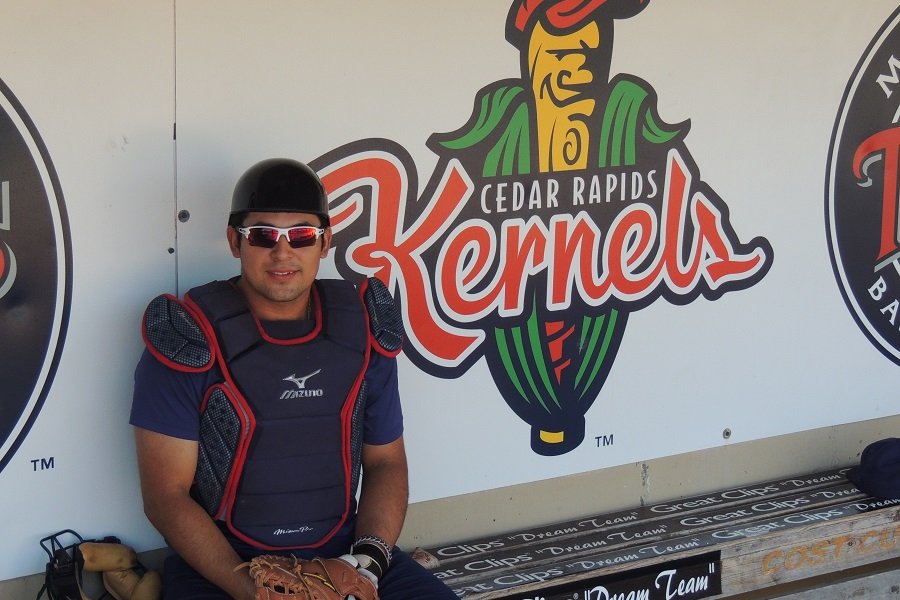 The Twins dipped back into familiar waters this week, agreeing to a minor league deal with catcher David Bañuelos. The deal includes an invitation to big league camp, giving Bañuelos a chance to reintroduce himself to an organization that knows him well. At 29 years old, Bañuelos does not bring much in the way of major league experience. His time in the big leagues has been fleeting, appearing in just two games with Baltimore across the 2024 and 2025 seasons. Those appearances amounted to three plate appearances and not much opportunity to leave an impression. The Orioles ultimately removed him from their roster last summer, and he hit free agency after the season. Even in the minors, recent playing time has been hard to come by. Baltimore frequently stashed Bañuelos on its taxi squad as emergency depth, which limited his opportunities to get regular at-bats. Over the last two seasons, he logged fewer than 200 plate appearances on the farm and struggled to find a rhythm in sporadic usage. That lack of recent production does not erase his longer history in Minnesota. Originally acquired from Seattle in 2017 for $1 million in international bonus pool money, Bañuelos spent several years climbing the Twins' minor league ladder. From 2021 through 2023, he bounced between Double- and Triple-A, offering occasional power but also plenty of swing and miss. In 176 plate appearances in the minors over the past two years, he slashed .171/.284/.270 (.554).The offensive upside never fully arrived, but the defensive reputation stuck. That glove-first profile is what brings him back into the picture now. The Twins currently project Ryan Jeffers and Victor Caratini as their primary catching tandem, with Caratini also capable of spelling first base or serving as a designated hitter. Alex Jackson looms as the third catcher on the roster, though his lack of remaining options complicates the roster math. Bañuelos slots in neatly as depth beyond that group. He gives the Twins a reliable defensive presence at Triple-A and an experienced option if injuries strike or roster maneuvering thins the catching corps. If Jackson were to be lost on waivers, or if the Twins need an extra backstop for a short stretch, Bañuelos provides coverage without forcing a rushed promotion. There is also a longer view to consider. If the Twins fall out of contention later this summer, Jeffers becomes an obvious trade chip as an impending free agent. Even Caratini, under contract through 2027, could draw interest in the right scenario. In that kind of shakeup, organizational depth suddenly matters a lot more. For now, the signing is quiet and practical. Bañuelos is unlikely to push his way into a prominent role, but he fills a necessary space on the depth chart. Those are the kinds of moves that rarely make headlines in February, yet often become important by August.
- 11 comments
-
- 3
-

-
- david banuelos
- ryan jeffers
- (and 2 more)
-
The Twins dipped back into familiar waters this week, agreeing to a minor league deal with catcher David Bañuelos. The deal includes an invitation to big league camp, giving Bañuelos a chance to reintroduce himself to an organization that knows him well. At 29 years old, Bañuelos does not bring much in the way of major league experience. His time in the big leagues has been fleeting, appearing in just two games with Baltimore across the 2024 and 2025 seasons. Those appearances amounted to three plate appearances and not much opportunity to leave an impression. The Orioles ultimately removed him from their roster last summer, and he hit free agency after the season. Even in the minors, recent playing time has been hard to come by. Baltimore frequently stashed Bañuelos on its taxi squad as emergency depth, which limited his opportunities to get regular at-bats. Over the last two seasons, he logged fewer than 200 plate appearances on the farm and struggled to find a rhythm in sporadic usage. That lack of recent production does not erase his longer history in Minnesota. Originally acquired from Seattle in 2017 for $1 million in international bonus pool money, Bañuelos spent several years climbing the Twins' minor league ladder. From 2021 through 2023, he bounced between Double- and Triple-A, offering occasional power but also plenty of swing and miss. In 176 plate appearances in the minors over the past two years, he slashed .171/.284/.270 (.554).The offensive upside never fully arrived, but the defensive reputation stuck. That glove-first profile is what brings him back into the picture now. The Twins currently project Ryan Jeffers and Victor Caratini as their primary catching tandem, with Caratini also capable of spelling first base or serving as a designated hitter. Alex Jackson looms as the third catcher on the roster, though his lack of remaining options complicates the roster math. Bañuelos slots in neatly as depth beyond that group. He gives the Twins a reliable defensive presence at Triple-A and an experienced option if injuries strike or roster maneuvering thins the catching corps. If Jackson were to be lost on waivers, or if the Twins need an extra backstop for a short stretch, Bañuelos provides coverage without forcing a rushed promotion. There is also a longer view to consider. If the Twins fall out of contention later this summer, Jeffers becomes an obvious trade chip as an impending free agent. Even Caratini, under contract through 2027, could draw interest in the right scenario. In that kind of shakeup, organizational depth suddenly matters a lot more. For now, the signing is quiet and practical. Bañuelos is unlikely to push his way into a prominent role, but he fills a necessary space on the depth chart. Those are the kinds of moves that rarely make headlines in February, yet often become important by August. View full rumor
- 11 replies
-
- 1
-
-
- david banuelos
- ryan jeffers
- (and 2 more)
-
Ranking Seasons of Twins' Derek Falvey Era, From Best to Worst
Cody Christie posted an article in Twins
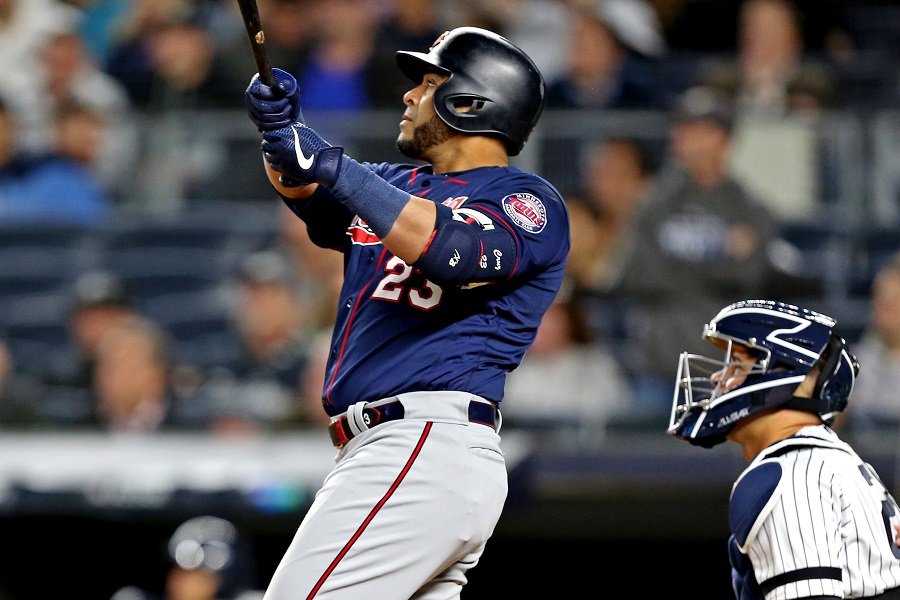 The Twins and Derek Falvey agreed to part ways at the end of last week, officially closing the book on one of the more eventful eras in recent franchise history. Falvey arrived in Minnesota in late 2016 with a mandate to modernize the organization; rebuild a depleted farm system; and push the Twins back into relevance, after years of mediocrity. Over the course of nine seasons, Falvey oversaw dramatic swings. There were division titles, record-setting offenses, and long-awaited postseason success—but also deep frustrations tied to payroll constraints, uneven roster construction, and seasons that unraveled quickly. Context matters when evaluating his tenure, as ownership directives often collided with competitive windows, but results still tell a story. With Falvey’s time in Minnesota now complete, it feels like the right moment to look back and rank each season from best to worst. Some years exceeded expectations, others never stood a chance, and a few may ultimately define how this era is remembered. 9. 2024 Twins (82-80 record) This wasn’t the worst overall record under Falvey’s tenure, but the second-half collapse likely led to his eventual departure from the team. Minnesota came off the high of the team’s 2023 playoff run and immediately slashed payroll by $30 million, at the direction of ownership. Still, the team was in playoff position until late in the season, when a collapse pushed them out of the playoff picture. What made 2024 sting the most was the sense that the window was closing, rather than opening. 8. 2025 Twins (70-92 record) Minnesota sold off 10 players at the trade deadline, after hovering around the .500 mark for most of the season’s first half. With little talent left on the roster, the team played poorly down the stretch and finished with the most losses in the Falvey era. This season felt less like a failure and more like an organizational admission that competitiveness was no longer the priority. 7. 2021 Twins (73-89 record) Minnesota was expected to contend for the AL Central title for the third straight season, but things unraveled, and the team nearly lost 90 games while finishing in last place in the AL Central. It was the only season in the Falvey era in which the team finished last. Pitching depth collapsed, injuries piled up, and the confidence built in 2019 and 2020 evaporated quickly. 6. 2018 Twins (78-84 record) The 2018 Twins were trying to live up to their surprising playoff run in 2017, but things didn’t go as well. The team finished in second place in the AL Central, but was 13 games behind Cleveland. Paul Molitor, who was hired under the previous regime, was fired following the season, as Falvey sought a manager better aligned with the front office’s new direction. This year felt transitional in every sense. 5. 2022 Twins (78-84 record) There was plenty of hype surrounding the 2022 Twins, as the club shocked the baseball world by signing Carlos Correa to a massive contract coming out of the lockout. His first season in Minnesota was his best, as he posted 5.3 rWAR, but the team struggled to stay relevant with a pitching staff that included Dylan Bundy and Chris Archer. A fast start gave way to another late-season fade, which became far too familiar thereafter. 4. 2017 Twins (85-77 record) In Falvey’s first season, the Twins were coming off a 103-loss season, and the club hadn’t made the playoffs since 2010. Minnesota finished eight games above .500, good enough to qualify for the one-game AL Wild Card matchup. Unfortunately, that game was played at Yankee Stadium, and the Twins fumbled away an early lead. Still, there were positive signs of the franchise being back on the map and relevant again. 3. 2020 Twins (36-24 record) There was a lot to navigate during the COVID-shortened season, but the Twins still found a way to win their second straight AL Central title. Minnesota traded for Kenta Maeda, who was masterful in 11 starts with a 2.70 ERA and 0.75 WHIP, finishing runner-up for the AL Cy Young Award. Falvey deserves credit for keeping the team focused and competitive during a season unlike anything baseball had ever seen. 2. 2019 Twins (101-61 record) The Bomba Squad Twins were one of the most exciting teams in franchise history. Only two Twins teams have won over 100 games: the 2019 and 1965 clubs. Rocco Baldelli didn't have to work any miracles during his first season as manager, with the club regularly outscoring opponents and setting MLB’s all-time home run record. Unfortunately, the Yankees awaited the Twins in the playoffs, and Minnesota didn’t have the starting pitching necessary to win in October. 1. 2023 Twins (87-75 record) The 2023 Twins won’t be remembered as much for their regular-season record. However, they broke the team’s playoff losing streak and won the club’s first postseason series in nearly two decades. Trading for starting pitchers Sonny Gray and Pablo López put the team in a better playoff position than in 2019. It was finally some October success that had eluded the franchise for so long, and that alone elevates this season above the rest. Falvey’s era in Minnesota will be debated for years. He rebuilt the farm system, delivered multiple division titles, and finally helped end one of the most painful playoff droughts in professional sports. At the same time, inconsistent spending and poorly timed setbacks prevented the Twins from sustaining long-term success. The legacy is complicated, but it is far from empty. Falvey leaves behind an organization that experienced both its most exciting highs and its most frustrating what-ifs within the same decade. Which season best defines the Derek Falvey era for the Minnesota Twins? Leave a comment and start the discussion below.
- 9 comments
-
- 3
-
-
- nelson cruz
- derek falvey
- (and 6 more)
-
Image courtesy of © Wendell Cruz-USA TODAY Sports The Twins and Derek Falvey agreed to part ways at the end of last week, officially closing the book on one of the more eventful eras in recent franchise history. Falvey arrived in Minnesota in late 2016 with a mandate to modernize the organization; rebuild a depleted farm system; and push the Twins back into relevance, after years of mediocrity. Over the course of nine seasons, Falvey oversaw dramatic swings. There were division titles, record-setting offenses, and long-awaited postseason success—but also deep frustrations tied to payroll constraints, uneven roster construction, and seasons that unraveled quickly. Context matters when evaluating his tenure, as ownership directives often collided with competitive windows, but results still tell a story. With Falvey’s time in Minnesota now complete, it feels like the right moment to look back and rank each season from best to worst. Some years exceeded expectations, others never stood a chance, and a few may ultimately define how this era is remembered. 9. 2024 Twins (82-80 record) This wasn’t the worst overall record under Falvey’s tenure, but the second-half collapse likely led to his eventual departure from the team. Minnesota came off the high of the team’s 2023 playoff run and immediately slashed payroll by $30 million, at the direction of ownership. Still, the team was in playoff position until late in the season, when a collapse pushed them out of the playoff picture. What made 2024 sting the most was the sense that the window was closing, rather than opening. 8. 2025 Twins (70-92 record) Minnesota sold off 10 players at the trade deadline, after hovering around the .500 mark for most of the season’s first half. With little talent left on the roster, the team played poorly down the stretch and finished with the most losses in the Falvey era. This season felt less like a failure and more like an organizational admission that competitiveness was no longer the priority. 7. 2021 Twins (73-89 record) Minnesota was expected to contend for the AL Central title for the third straight season, but things unraveled, and the team nearly lost 90 games while finishing in last place in the AL Central. It was the only season in the Falvey era in which the team finished last. Pitching depth collapsed, injuries piled up, and the confidence built in 2019 and 2020 evaporated quickly. 6. 2018 Twins (78-84 record) The 2018 Twins were trying to live up to their surprising playoff run in 2017, but things didn’t go as well. The team finished in second place in the AL Central, but was 13 games behind Cleveland. Paul Molitor, who was hired under the previous regime, was fired following the season, as Falvey sought a manager better aligned with the front office’s new direction. This year felt transitional in every sense. 5. 2022 Twins (78-84 record) There was plenty of hype surrounding the 2022 Twins, as the club shocked the baseball world by signing Carlos Correa to a massive contract coming out of the lockout. His first season in Minnesota was his best, as he posted 5.3 rWAR, but the team struggled to stay relevant with a pitching staff that included Dylan Bundy and Chris Archer. A fast start gave way to another late-season fade, which became far too familiar thereafter. 4. 2017 Twins (85-77 record) In Falvey’s first season, the Twins were coming off a 103-loss season, and the club hadn’t made the playoffs since 2010. Minnesota finished eight games above .500, good enough to qualify for the one-game AL Wild Card matchup. Unfortunately, that game was played at Yankee Stadium, and the Twins fumbled away an early lead. Still, there were positive signs of the franchise being back on the map and relevant again. 3. 2020 Twins (36-24 record) There was a lot to navigate during the COVID-shortened season, but the Twins still found a way to win their second straight AL Central title. Minnesota traded for Kenta Maeda, who was masterful in 11 starts with a 2.70 ERA and 0.75 WHIP, finishing runner-up for the AL Cy Young Award. Falvey deserves credit for keeping the team focused and competitive during a season unlike anything baseball had ever seen. 2. 2019 Twins (101-61 record) The Bomba Squad Twins were one of the most exciting teams in franchise history. Only two Twins teams have won over 100 games: the 2019 and 1965 clubs. Rocco Baldelli didn't have to work any miracles during his first season as manager, with the club regularly outscoring opponents and setting MLB’s all-time home run record. Unfortunately, the Yankees awaited the Twins in the playoffs, and Minnesota didn’t have the starting pitching necessary to win in October. 1. 2023 Twins (87-75 record) The 2023 Twins won’t be remembered as much for their regular-season record. However, they broke the team’s playoff losing streak and won the club’s first postseason series in nearly two decades. Trading for starting pitchers Sonny Gray and Pablo López put the team in a better playoff position than in 2019. It was finally some October success that had eluded the franchise for so long, and that alone elevates this season above the rest. Falvey’s era in Minnesota will be debated for years. He rebuilt the farm system, delivered multiple division titles, and finally helped end one of the most painful playoff droughts in professional sports. At the same time, inconsistent spending and poorly timed setbacks prevented the Twins from sustaining long-term success. The legacy is complicated, but it is far from empty. Falvey leaves behind an organization that experienced both its most exciting highs and its most frustrating what-ifs within the same decade. Which season best defines the Derek Falvey era for the Minnesota Twins? Leave a comment and start the discussion below. View full article
-
Image courtesy of © Jesse Johnson-Imagn Images Tom Pohlad has been consistent in one message this winter: He believes the Minnesota Twins will be in contention in 2026. Projection systems have been far less optimistic, and Pohlad has shown little interest in revisiting the organization’s second straight offseason of payroll cuts. Teams with higher payrolls buy margin for error through veteran depth and midseason flexibility. The Twins do not have those luxuries. What they might have, instead, is something harder to quantify and easier to overlook. Underrated players do not make a loud impact in national conversations. They are often hidden behind strikeout totals, injury histories, or the simple crime of playing in medium-sized markets on underachieving teams. Yet, those players can quietly carry a roster when things break right. MLB Network recently ran through its Top 100 Players Right Now, and MLB.com followed that with Anthony Castrovince’s 2026 All Underrated Team. The criteria were strict. No recent major award winners. No former All-Stars. No nine-figure contracts. No young players who are still in their honeymoon phase. What remained was a list of players who consistently help teams win without much recognition. Two Twins landed on that list, and both point toward how this roster might outperform expectations. Ryan Jeffers continues to exist in the strange space where solid production at catcher somehow feels replaceable. Catching is brutal on the body and harder on the bat. League-average offense at the position is valuable, and Jeffers has been better than that. Over the past three seasons, he has been one of only four catchers with at least 335 plate appearances and a league-average or better OPS+ each year. His OPS+ in that stretch sits 13% above league average. The names around him are William Contreras and Will Smith, players who are spoken about very differently. Jeffers is not marketed as a franchise cornerstone. What he does is show up, take quality at-bats, lead the pitching staff, and provide offense from a position where many teams accept far less. The Twins also expect that he will catch 100 games or more this season, his last year under team control. That kind of stability behind the plate has ripple effects through a pitching staff, especially one that relies heavily on command and sequencing. Jeffers being quietly good is exactly the kind of thing projection systems tend to flatten out. Matt Wallner is a more chaotic version of underrated. As MLB.com pointed out, his 2025 stat line does not look normal, and that's because it was not. Forty-one extra-base hits with only 68 total hits is an absurd distribution, something that has barely happened in modern baseball. The easy explanation is that he strikes out too much. The harder truth is that Wallner actually made real progress there, cutting his strikeout rate by more than seven points while maintaining a walk rate in the 84th percentile. The underlying data suggests the power is real. His average bat speed was among the quickest in the league, and he ranked in the 85th percentile in barrel percentage. When he makes contact, it is loud. Injuries have kept him from stacking full seasons, but over the past three years, he has an OPS+ that is 29% better than league average. That is the same neighborhood as James Wood and Pete Alonso over similar stretches. Wallner does not need to become consistent in the way stars are consistent. He just needs to stay on the field and keep doing damage. Beyond those two, the Twins roster has several other players who could be quietly critical if things break right. Here’s one underrated player in each player group (position players, starting pitchers, and relief pitchers). Royce Lewis is no longer a mystery. He is also not what he was at his peak a few seasons ago, as he finished last season with an 85 OPS+. That gap between expectation and recent reality has pushed him into underrated territory. Lewis still has impact tools, and his ability to change a game with one swing or one defensive play remains intact. The question is health and rhythm, not talent. ZiPS projects him to have a 97 OPS+ with a 1.4 fWAR. If he can simply get back to being himself, even at a slightly reduced level, the lineup gains a presence it has sorely lacked. Bailey Ober sits in a similar space on the pitching side. Injuries disrupted his 2025 season and dulled the conversation around him as he ended the year with a 5.10 ERA and a 1.30 WHIP. When healthy, Ober has shown he can miss bats, limit walks, and give length. Those are traits that age well and travel well. For 2026, ZiPS projects him to produce 2.0 fWAR with a 102 ERA+. The Twins do not need him to be an ace. They need him to be reliable, to show that last year was an interruption and not a trend. In the bullpen, Cole Sands may be the most interesting name. His stuff has played in a variety of roles, but the late innings are where reputations are made and tested. Sands has the chance to become one of those relievers who perform in high-leverage spots. ZiPS projects him to have a 110 ERA+ with a 23.5 K%. If he proves he can handle save opportunities, the Twins suddenly have an internal solution that would otherwise cost real money. The Twins may not have the payroll cushion Tom Pohlad wishes he could ignore, and projection systems may not see the upside baked into this roster. But baseball seasons are not won on paper. They are won by players who outperform their labels. If enough of these underrated pieces click at the same time, Minnesota’s path to contention may not be as far-fetched as it looks. Do the Twins have other underrated players? Leave a comment and start the discussion. View full article
-
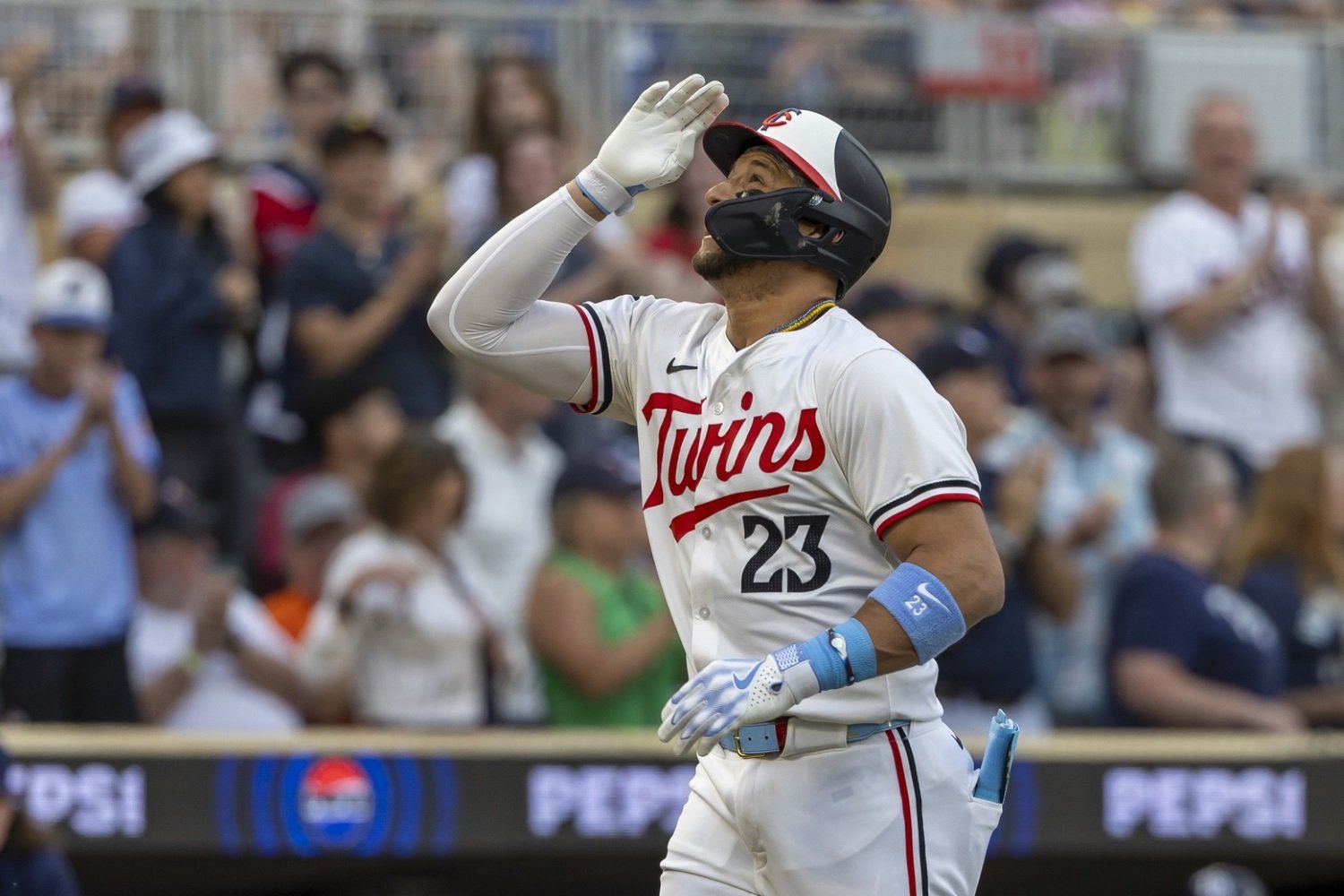 Tom Pohlad has been consistent in one message this winter: He believes the Minnesota Twins will be in contention in 2026. Projection systems have been far less optimistic, and Pohlad has shown little interest in revisiting the organization’s second straight offseason of payroll cuts. Teams with higher payrolls buy margin for error through veteran depth and midseason flexibility. The Twins do not have those luxuries. What they might have, instead, is something harder to quantify and easier to overlook. Underrated players do not make a loud impact in national conversations. They are often hidden behind strikeout totals, injury histories, or the simple crime of playing in medium-sized markets on underachieving teams. Yet, those players can quietly carry a roster when things break right. MLB Network recently ran through its Top 100 Players Right Now, and MLB.com followed that with Anthony Castrovince’s 2026 All Underrated Team. The criteria were strict. No recent major award winners. No former All-Stars. No nine-figure contracts. No young players who are still in their honeymoon phase. What remained was a list of players who consistently help teams win without much recognition. Two Twins landed on that list, and both point toward how this roster might outperform expectations. Ryan Jeffers continues to exist in the strange space where solid production at catcher somehow feels replaceable. Catching is brutal on the body and harder on the bat. League-average offense at the position is valuable, and Jeffers has been better than that. Over the past three seasons, he has been one of only four catchers with at least 335 plate appearances and a league-average or better OPS+ each year. His OPS+ in that stretch sits 13% above league average. The names around him are William Contreras and Will Smith, players who are spoken about very differently. Jeffers is not marketed as a franchise cornerstone. What he does is show up, take quality at-bats, lead the pitching staff, and provide offense from a position where many teams accept far less. The Twins also expect that he will catch 100 games or more this season, his last year under team control. That kind of stability behind the plate has ripple effects through a pitching staff, especially one that relies heavily on command and sequencing. Jeffers being quietly good is exactly the kind of thing projection systems tend to flatten out. Matt Wallner is a more chaotic version of underrated. As MLB.com pointed out, his 2025 stat line does not look normal, and that's because it was not. Forty-one extra-base hits with only 68 total hits is an absurd distribution, something that has barely happened in modern baseball. The easy explanation is that he strikes out too much. The harder truth is that Wallner actually made real progress there, cutting his strikeout rate by more than seven points while maintaining a walk rate in the 84th percentile. The underlying data suggests the power is real. His average bat speed was among the quickest in the league, and he ranked in the 85th percentile in barrel percentage. When he makes contact, it is loud. Injuries have kept him from stacking full seasons, but over the past three years, he has an OPS+ that is 29% better than league average. That is the same neighborhood as James Wood and Pete Alonso over similar stretches. Wallner does not need to become consistent in the way stars are consistent. He just needs to stay on the field and keep doing damage. Beyond those two, the Twins roster has several other players who could be quietly critical if things break right. Here’s one underrated player in each player group (position players, starting pitchers, and relief pitchers). Royce Lewis is no longer a mystery. He is also not what he was at his peak a few seasons ago, as he finished last season with an 85 OPS+. That gap between expectation and recent reality has pushed him into underrated territory. Lewis still has impact tools, and his ability to change a game with one swing or one defensive play remains intact. The question is health and rhythm, not talent. ZiPS projects him to have a 97 OPS+ with a 1.4 fWAR. If he can simply get back to being himself, even at a slightly reduced level, the lineup gains a presence it has sorely lacked. Bailey Ober sits in a similar space on the pitching side. Injuries disrupted his 2025 season and dulled the conversation around him as he ended the year with a 5.10 ERA and a 1.30 WHIP. When healthy, Ober has shown he can miss bats, limit walks, and give length. Those are traits that age well and travel well. For 2026, ZiPS projects him to produce 2.0 fWAR with a 102 ERA+. The Twins do not need him to be an ace. They need him to be reliable, to show that last year was an interruption and not a trend. In the bullpen, Cole Sands may be the most interesting name. His stuff has played in a variety of roles, but the late innings are where reputations are made and tested. Sands has the chance to become one of those relievers who perform in high-leverage spots. ZiPS projects him to have a 110 ERA+ with a 23.5 K%. If he proves he can handle save opportunities, the Twins suddenly have an internal solution that would otherwise cost real money. The Twins may not have the payroll cushion Tom Pohlad wishes he could ignore, and projection systems may not see the upside baked into this roster. But baseball seasons are not won on paper. They are won by players who outperform their labels. If enough of these underrated pieces click at the same time, Minnesota’s path to contention may not be as far-fetched as it looks. Do the Twins have other underrated players? Leave a comment and start the discussion.
- 60 comments
-
- 9
-
-

-
- royce lewis
- cole sands
- (and 3 more)
-
Image courtesy of Twins Daily There are few jobs in baseball more thankless than working in a communications department during organizational chaos. The Minnesota Twins have managed to turn that chaos into a full-time endurance sport, and the team’s PR staff has been running wind sprints since last summer, with no hydration break in sight. According to sources inside the organization, the communications department spent weeks training for last season’s trade deadline sell-off. This was not metaphorical training. This was real preparation. Long nights. Cold coffee. A shared Google Doc titled “Just In Case.” While the rest of baseball enjoyed the All-Star Break, the Twins PR staff sat hunched over laptops trying to pre-write press releases for half the roster. “We treated it like spring training,” said Twins Communication Czar Dustin Morse, according to one internal email accidentally forwarded to everyone. “You stretch. You prepare. You hope no one pulls a hamstring while being traded for a Low-A reliever.” The signs were everywhere: phones buzzing; executives whispering; and that familiar feeling that something big was coming, but no one knew exactly what. By the time the deadline arrived, the communications team had drafts ready for players who were traded, players who were rumored to be traded, and players who simply felt tradable in spirit. Then came the pivot. Just as the PR staff had emotionally committed to the sell-off era, ownership shifted gears. The Pohlad group went from selling the entire franchise to selling minority shares, and suddenly, the communications department had to find positives in continuity. This proved tricky, after weeks of preparing statements that included phrases like “as part of a long-term retool” and “we thank him for his contributions during a challenging season.” One unnamed staffer described the whiplash. “We had to delete the word 'rebuild' from seventeen different drafts and replace it with 'strategic flexibility'," the source said. "I do not know what 'strategic flexibility' means anymore, but I can type it very fast.” There was at least one moment of relief. When Rocco Baldelli was fired, the PR spin was easy. The Twins famously keep a pre-written Word document labeled: “Manager Firing Final Final Use This One.” Despite there being only three managers fired in recent memory—Ron Gardenhire, Paul Molitor, and Baldelli—the document remains a cherished artifact, lovingly updated every few years like a family recipe. “That one was plug and play,” said another source. “Change the name. Change the year. Add a line about gratitude and culture. Done.” This week’s news of Derek Falvey parting ways with the front office was a different beast entirely. No leaks. No whispers. No helpful heads-up to allow the communications department to prepare emotionally or grammatically. Falvey had been the public voice of the franchise, even appearing at TwinsFest days earlier, calmly explaining plans that were apparently already being archived. The PR team went into high gear, tasked with making it seem as if the franchise was not quietly unraveling at the seams. Adjectives were debated. Verbs were scrutinized. 'Mutual' was workshopped for nearly an hour. “'Mutual' is doing a lot of heavy lifting,” another source admitted. “We stared at that word like it might blink first.” In the end, the release went out. Calm. Professional. Carefully constructed to suggest stability, vision, and intentionality. Inside the communications department, several people reportedly stared at the wall afterward, wondering how many more drafts they could delete before muscle memory took over completely. The conclusion is unavoidable. While players come and go, and executives rotate through press conferences, the true iron men of the Minnesota Twins may be the communications staff. They are always ready. Always rewriting. Always finding optimism in the margins. Somewhere in Target Field, a new folder has already been created. It is simply titled “Next One.” View full article
-
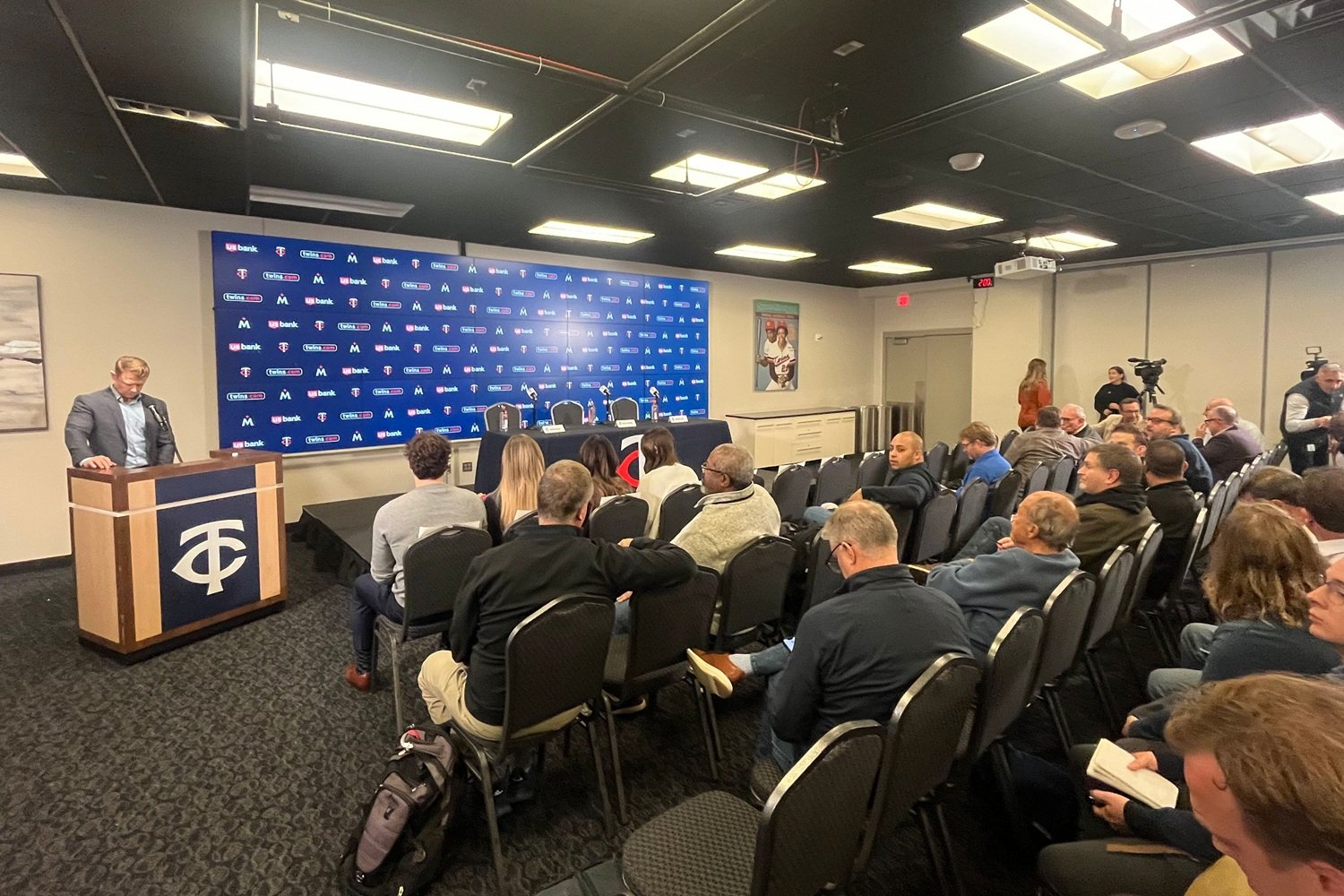 There are few jobs in baseball more thankless than working in a communications department during organizational chaos. The Minnesota Twins have managed to turn that chaos into a full-time endurance sport, and the team’s PR staff has been running wind sprints since last summer, with no hydration break in sight. According to sources inside the organization, the communications department spent weeks training for last season’s trade deadline sell-off. This was not metaphorical training. This was real preparation. Long nights. Cold coffee. A shared Google Doc titled “Just In Case.” While the rest of baseball enjoyed the All-Star Break, the Twins PR staff sat hunched over laptops trying to pre-write press releases for half the roster. “We treated it like spring training,” said Twins Communication Czar Dustin Morse, according to one internal email accidentally forwarded to everyone. “You stretch. You prepare. You hope no one pulls a hamstring while being traded for a Low-A reliever.” The signs were everywhere: phones buzzing; executives whispering; and that familiar feeling that something big was coming, but no one knew exactly what. By the time the deadline arrived, the communications team had drafts ready for players who were traded, players who were rumored to be traded, and players who simply felt tradable in spirit. Then came the pivot. Just as the PR staff had emotionally committed to the sell-off era, ownership shifted gears. The Pohlad group went from selling the entire franchise to selling minority shares, and suddenly, the communications department had to find positives in continuity. This proved tricky, after weeks of preparing statements that included phrases like “as part of a long-term retool” and “we thank him for his contributions during a challenging season.” One unnamed staffer described the whiplash. “We had to delete the word 'rebuild' from seventeen different drafts and replace it with 'strategic flexibility'," the source said. "I do not know what 'strategic flexibility' means anymore, but I can type it very fast.” There was at least one moment of relief. When Rocco Baldelli was fired, the PR spin was easy. The Twins famously keep a pre-written Word document labeled: “Manager Firing Final Final Use This One.” Despite there being only three managers fired in recent memory—Ron Gardenhire, Paul Molitor, and Baldelli—the document remains a cherished artifact, lovingly updated every few years like a family recipe. “That one was plug and play,” said another source. “Change the name. Change the year. Add a line about gratitude and culture. Done.” This week’s news of Derek Falvey parting ways with the front office was a different beast entirely. No leaks. No whispers. No helpful heads-up to allow the communications department to prepare emotionally or grammatically. Falvey had been the public voice of the franchise, even appearing at TwinsFest days earlier, calmly explaining plans that were apparently already being archived. The PR team went into high gear, tasked with making it seem as if the franchise was not quietly unraveling at the seams. Adjectives were debated. Verbs were scrutinized. 'Mutual' was workshopped for nearly an hour. “'Mutual' is doing a lot of heavy lifting,” another source admitted. “We stared at that word like it might blink first.” In the end, the release went out. Calm. Professional. Carefully constructed to suggest stability, vision, and intentionality. Inside the communications department, several people reportedly stared at the wall afterward, wondering how many more drafts they could delete before muscle memory took over completely. The conclusion is unavoidable. While players come and go, and executives rotate through press conferences, the true iron men of the Minnesota Twins may be the communications staff. They are always ready. Always rewriting. Always finding optimism in the margins. Somewhere in Target Field, a new folder has already been created. It is simply titled “Next One.”
- 2 comments
-
- 2
-
-

-
- dustin morse
- rocco baldelli
- (and 3 more)
-
Image courtesy of © Troy Taormina-USA TODAY Sports (Stewart), Dale Zanine-Imagn Images (Ryan) The Minnesota Twins and Derek Falvey mutually agreed to part ways last week, bringing an end to an era defined equally by long-term vision and by uneven results. Falvey arrived with a reputation as a process-driven executive who believed in infrastructure, development, and patience. His departure opens the door to reflection on what actually changed during his tenure, especially in the area most closely tied to his reputation when he was hired. When the Twins brought in Falvey prior to the 2017 season, they were not just hiring a new voice: they were hiring a philosophy. Falvey came from Cleveland’s front office, where he was widely viewed as one of the architects of a pitching pipeline that seemed to endlessly produce big-league-caliber starters. Cleveland stayed perennially competitive by developing arms internally, turning mid-round draft picks and overlooked prospects into reliable rotation pieces. Meanwhile, the Twins were seen as an organization lagging behind in player development, particularly when it came to pitching. Years of conservative approaches, limited data use, and inconsistent development plans left the organization scraping by with soft-tossers and mid-level veteran pickups. Falvey was charged with modernizing the system and building something sustainable, from overhauling coaching philosophies to investing in technology and process at every level of the minors. The goal was not quick fixes, but a pipeline that could consistently supply the major-league roster. Understanding where the pitching pipeline started is critical to evaluating where it ended. When Falvey arrived, leading into the 2017 season, the Twins' top pitching prospects included Stephen Gonsalves, Fernando Romero, Tyler Jay, Kohl Stewart, and Felix Jorge. That group generated some optimism in ranking circles, but had very little lasting impact at the major-league level. None of them became long-term contributors, and several struggled just to reach the big leagues. The cupboard was bare, and that reality meant any meaningful pitching pipeline would take years to build. There were legitimate successes in player development during the Falvey era. Bailey Ober emerged as a mid-round pick who added velocity and refined his command to become a dependable starter. David Festa and Zebby Matthews followed similar paths, pushing themselves into the team’s future plans after entering pro ball without much fanfare. The Twins also showed an ability to creatively deploy arms. Jhoan Duran, Griffin Jax, and Louis Varland all transitioned to bullpen roles and became dominant late-inning options. Joe Ryan may ultimately stand as the biggest success story of the Falvey regime, even though he was not drafted by the organization. When the Twins acquired him for Nelson Cruz’s expiring contract, few evaluators saw more than a potential mid-rotation starter. Minnesota refined his pitch usage, helped him better understand how to attack hitters, and put him in a position to maximize his strengths. The result was an All-Star-caliber arm and a pitcher who became a rotation anchor, highlighting how the organization could add outside talent and still meaningfully elevate it through development. The story of the pitching pipeline may not be finished yet. Minnesota’s 2025 trade deadline sell-off brought a wave of new arms into the organization, including Kendry Rojas, Mick Abel, Ryan Gallagher, Sam Armstrong, Garrett Horn, Taj Bradley, and Geremy Villoria. Some of these pitchers could play a role as soon as 2026, while others represent longer-term bets that will take years to fully evaluate. Falvey’s lasting legacy in Minnesota may forever be tied to the results of the 2025 trade deadline selloff. That depth is also reflected in the current prospect rankings. Minnesota’s system is now crowded with pitching talent such as Connor Prielipp, Dasan Hill, Andrew Morris, Charlee Soto, Riley Quick, Marco Raya, James Ellwanger, and C.J. Culpepper. Some of these arms will develop into starters, some will thrive in relief, and others will never make it out of the minors. That uncertainty is the nature of pitching development, but the volume of talent is notable compared to where things stood when Falvey arrived. In the end, Derek Falvey’s pitching legacy with the Twins is less about a finished product and more about a transformation in progress. The organization he inherited had little margin for error and almost no internal pitching depth. By the time he exited, Minnesota had reshaped how it identifies, develops, and deploys arms throughout the system. That shift represents meaningful progress, even if the results did not always align with expectations. The difficulty with judging a pitching pipeline is that timelines rarely cooperate. Arms take years to develop, and many of the pitchers most closely tied to Falvey’s vision are still working their way through the minors. Some will become contributors, others will not, but the volume of talent and variety of profiles now in the system suggest a healthier foundation than what existed a decade ago. If nothing else, they've had more ammunition to make trades over the last handful of years, as Falvey's pipeline has produced pitchers other teams want. That Falvey's conservatism in the trade market left some of that value untapped is a strike against him, but at least he created those opportunities. Duran, Jax and Varland were key pieces of the 2025 fire sale and brought back much of the young talent mentioned above. The team's work to identify and begin the development of Chase Petty allowed them to swap him for Sonny Gray in the 2021-22 offseason. Whether Falvey ultimately succeeded may depend on what happens next. If the Twins begin to regularly graduate starters and high-leverage relievers from the current crop of prospects, his tenure will look far more favorable in hindsight. If those arms stall or flame out, the criticism will remain that the pipeline was never fully delivered. For now, Falvey leaves behind a system that is better positioned than the one he found, even if the final verdict on his pitching legacy is still years away. So did Falvey complete the Twins’ pitching pipeline, or did he simply lay the foundation for someone else to finish the job? Add a comment and start the discussion. View full article
- 46 replies
-
- 1
-
-
- kohl stewart
- tyler jay
- (and 8 more)
-
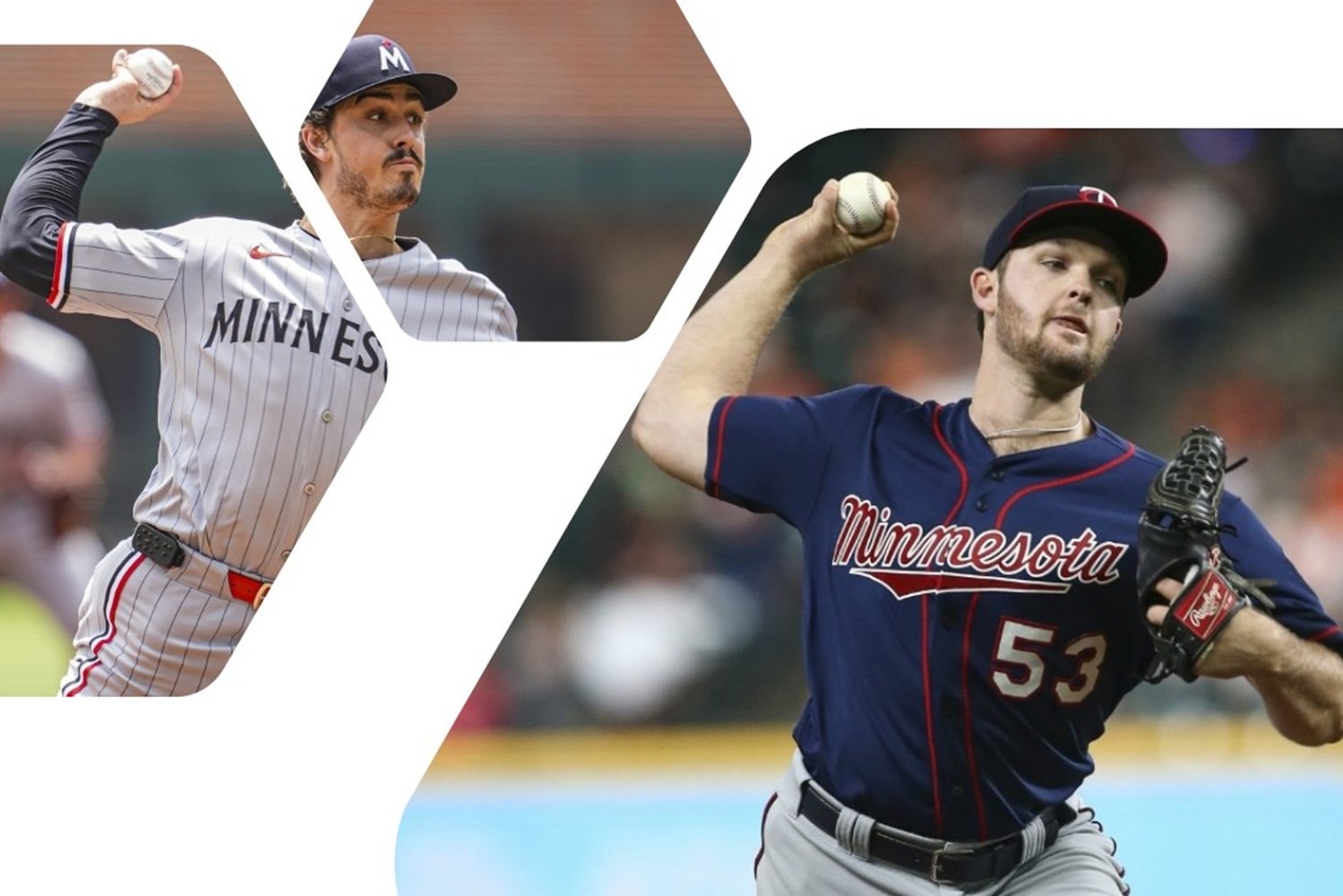 The Minnesota Twins and Derek Falvey mutually agreed to part ways last week, bringing an end to an era defined equally by long-term vision and by uneven results. Falvey arrived with a reputation as a process-driven executive who believed in infrastructure, development, and patience. His departure opens the door to reflection on what actually changed during his tenure, especially in the area most closely tied to his reputation when he was hired. When the Twins brought in Falvey prior to the 2017 season, they were not just hiring a new voice: they were hiring a philosophy. Falvey came from Cleveland’s front office, where he was widely viewed as one of the architects of a pitching pipeline that seemed to endlessly produce big-league-caliber starters. Cleveland stayed perennially competitive by developing arms internally, turning mid-round draft picks and overlooked prospects into reliable rotation pieces. Meanwhile, the Twins were seen as an organization lagging behind in player development, particularly when it came to pitching. Years of conservative approaches, limited data use, and inconsistent development plans left the organization scraping by with soft-tossers and mid-level veteran pickups. Falvey was charged with modernizing the system and building something sustainable, from overhauling coaching philosophies to investing in technology and process at every level of the minors. The goal was not quick fixes, but a pipeline that could consistently supply the major-league roster. Understanding where the pitching pipeline started is critical to evaluating where it ended. When Falvey arrived, leading into the 2017 season, the Twins' top pitching prospects included Stephen Gonsalves, Fernando Romero, Tyler Jay, Kohl Stewart, and Felix Jorge. That group generated some optimism in ranking circles, but had very little lasting impact at the major-league level. None of them became long-term contributors, and several struggled just to reach the big leagues. The cupboard was bare, and that reality meant any meaningful pitching pipeline would take years to build. There were legitimate successes in player development during the Falvey era. Bailey Ober emerged as a mid-round pick who added velocity and refined his command to become a dependable starter. David Festa and Zebby Matthews followed similar paths, pushing themselves into the team’s future plans after entering pro ball without much fanfare. The Twins also showed an ability to creatively deploy arms. Jhoan Duran, Griffin Jax, and Louis Varland all transitioned to bullpen roles and became dominant late-inning options. Joe Ryan may ultimately stand as the biggest success story of the Falvey regime, even though he was not drafted by the organization. When the Twins acquired him for Nelson Cruz’s expiring contract, few evaluators saw more than a potential mid-rotation starter. Minnesota refined his pitch usage, helped him better understand how to attack hitters, and put him in a position to maximize his strengths. The result was an All-Star-caliber arm and a pitcher who became a rotation anchor, highlighting how the organization could add outside talent and still meaningfully elevate it through development. The story of the pitching pipeline may not be finished yet. Minnesota’s 2025 trade deadline sell-off brought a wave of new arms into the organization, including Kendry Rojas, Mick Abel, Ryan Gallagher, Sam Armstrong, Garrett Horn, Taj Bradley, and Geremy Villoria. Some of these pitchers could play a role as soon as 2026, while others represent longer-term bets that will take years to fully evaluate. Falvey’s lasting legacy in Minnesota may forever be tied to the results of the 2025 trade deadline selloff. That depth is also reflected in the current prospect rankings. Minnesota’s system is now crowded with pitching talent such as Connor Prielipp, Dasan Hill, Andrew Morris, Charlee Soto, Riley Quick, Marco Raya, James Ellwanger, and C.J. Culpepper. Some of these arms will develop into starters, some will thrive in relief, and others will never make it out of the minors. That uncertainty is the nature of pitching development, but the volume of talent is notable compared to where things stood when Falvey arrived. In the end, Derek Falvey’s pitching legacy with the Twins is less about a finished product and more about a transformation in progress. The organization he inherited had little margin for error and almost no internal pitching depth. By the time he exited, Minnesota had reshaped how it identifies, develops, and deploys arms throughout the system. That shift represents meaningful progress, even if the results did not always align with expectations. The difficulty with judging a pitching pipeline is that timelines rarely cooperate. Arms take years to develop, and many of the pitchers most closely tied to Falvey’s vision are still working their way through the minors. Some will become contributors, others will not, but the volume of talent and variety of profiles now in the system suggest a healthier foundation than what existed a decade ago. If nothing else, they've had more ammunition to make trades over the last handful of years, as Falvey's pipeline has produced pitchers other teams want. That Falvey's conservatism in the trade market left some of that value untapped is a strike against him, but at least he created those opportunities. Duran, Jax and Varland were key pieces of the 2025 fire sale and brought back much of the young talent mentioned above. The team's work to identify and begin the development of Chase Petty allowed them to swap him for Sonny Gray in the 2021-22 offseason. Whether Falvey ultimately succeeded may depend on what happens next. If the Twins begin to regularly graduate starters and high-leverage relievers from the current crop of prospects, his tenure will look far more favorable in hindsight. If those arms stall or flame out, the criticism will remain that the pipeline was never fully delivered. For now, Falvey leaves behind a system that is better positioned than the one he found, even if the final verdict on his pitching legacy is still years away. So did Falvey complete the Twins’ pitching pipeline, or did he simply lay the foundation for someone else to finish the job? Add a comment and start the discussion.
- 46 comments
-
- 8
-
-
- kohl stewart
- tyler jay
- (and 8 more)
-
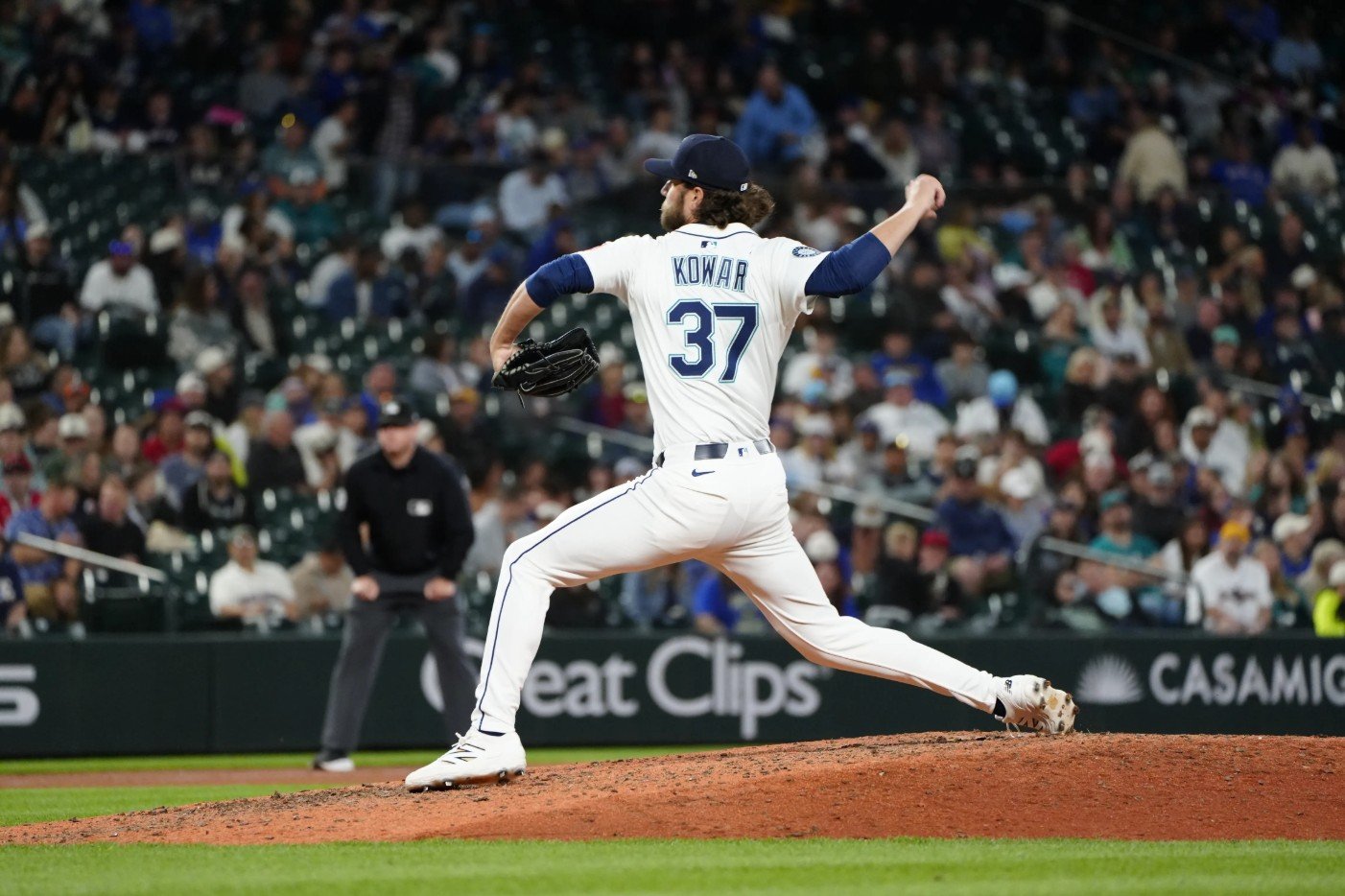 The Twins dipped back into the waiver wire this week, grabbing right-handed pitcher Jackson Kowar after he was cut loose by Seattle. Minnesota had room to make the move and plenty of motivation, continuing a busy stretch of roster shuffling that keeps the back end of the pitching staff very much in flux. Kowar’s path to Minnesota is a winding one. Seattle designated him for assignment shortly after acquiring catcher Jhonny Pereda from the Twins, creating an odd bit of organizational overlap. Minnesota, meanwhile, had recently cleared space on the 40-man roster through a pair of trades with Colorado, moving Edouard Julien and Pierson Ohl for Jace Kaminska and cash considerations. That left one open 40-man spot, and the Twins chose to use it on a familiar type of gamble: big arm, big questions. Entering his age-29 season, Kowar still brings eye-catching velocity. His four seamer and sinker live in the upper 90s, and the raw stuff has never really been the concern. Translating that power into outs has been another story. Across 91 major league innings with Kansas City and Seattle, Kowar has been hit hard, posting an ERA north of 8.00, but his FIP is below 6.00. His walk rate sits in the low teens, which is not unheard of for power relievers, but the strikeouts have lagged behind expectations. Even in the high minors, results have been uneven, with an ERA hovering near five. Seattle also exhausted Kowar’s final minor league option last season, leaving him without roster flexibility. That reality often shortens the leash, especially for a pitcher still searching for consistency. Once the Mariners needed space, Kowar became expendable. From the Twins' perspective, the fit is obvious. The bullpen has open spots and needs arms that can fill the void after last season’s trade deadline selloff. While the front office has talked about a return to contention in 2026, the relief group remains light on proven arms. Beyond the reunion with Taylor Rogers and the addition of Eric Orze, there has not been much reinforcement. That context makes Kowar an understandable add. Minnesota can afford to see if a new environment and some mechanical tweaks unlock something closer to the pitcher scouts once dreamed on. The opportunity will be there, simply because innings need to be covered. There is also very little long-term commitment. Kowar is out of options, and that makes it tough to stick on a big-league roster without a proven track record. If the experiment fails, the Twins can move on just as easily as they claimed him. For now, this looks like another low-risk attempt to plug a hole with upside. The stuff gives you a reason to watch, even if the track record urges caution. In a bullpen full of question marks, Kowar becomes one more name trying to turn raw velocity into something the Twins can actually trust.
 -
The Twins dipped back into the waiver wire this week, grabbing right-handed pitcher Jackson Kowar after he was cut loose by Seattle. Minnesota had room to make the move and plenty of motivation, continuing a busy stretch of roster shuffling that keeps the back end of the pitching staff very much in flux. Kowar’s path to Minnesota is a winding one. Seattle designated him for assignment shortly after acquiring catcher Jhonny Pereda from the Twins, creating an odd bit of organizational overlap. Minnesota, meanwhile, had recently cleared space on the 40-man roster through a pair of trades with Colorado, moving Edouard Julien and Pierson Ohl for Jace Kaminska and cash considerations. That left one open 40-man spot, and the Twins chose to use it on a familiar type of gamble: big arm, big questions. Entering his age-29 season, Kowar still brings eye-catching velocity. His four seamer and sinker live in the upper 90s, and the raw stuff has never really been the concern. Translating that power into outs has been another story. Across 91 major league innings with Kansas City and Seattle, Kowar has been hit hard, posting an ERA north of 8.00, but his FIP is below 6.00. His walk rate sits in the low teens, which is not unheard of for power relievers, but the strikeouts have lagged behind expectations. Even in the high minors, results have been uneven, with an ERA hovering near five. Seattle also exhausted Kowar’s final minor league option last season, leaving him without roster flexibility. That reality often shortens the leash, especially for a pitcher still searching for consistency. Once the Mariners needed space, Kowar became expendable. From the Twins' perspective, the fit is obvious. The bullpen has open spots and needs arms that can fill the void after last season’s trade deadline selloff. While the front office has talked about a return to contention in 2026, the relief group remains light on proven arms. Beyond the reunion with Taylor Rogers and the addition of Eric Orze, there has not been much reinforcement. That context makes Kowar an understandable add. Minnesota can afford to see if a new environment and some mechanical tweaks unlock something closer to the pitcher scouts once dreamed on. The opportunity will be there, simply because innings need to be covered. There is also very little long-term commitment. Kowar is out of options, and that makes it tough to stick on a big-league roster without a proven track record. If the experiment fails, the Twins can move on just as easily as they claimed him. For now, this looks like another low-risk attempt to plug a hole with upside. The stuff gives you a reason to watch, even if the track record urges caution. In a bullpen full of question marks, Kowar becomes one more name trying to turn raw velocity into something the Twins can actually trust. View full rumor
-
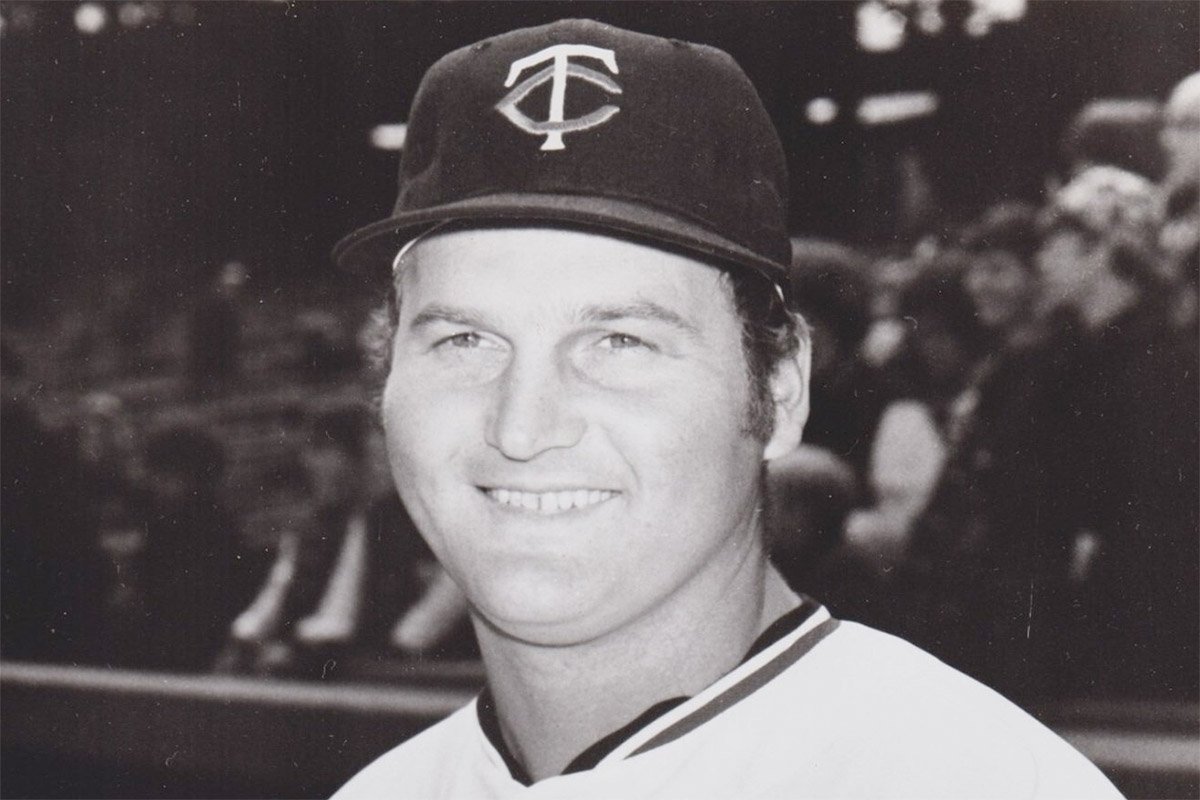 Rick Renick, a former Minnesota Twins player and a key member of the coaching staff during the franchise’s first World Series championship, died Saturday, January 31, at the age of 81. Renick was living in Sarasota, Florida, at the time of his passing. His baseball life touched the Twins organization across multiple generations. Renick’s connection to Minnesota began on the field. Signed out of Ohio State University in 1964, he climbed the Twins minor league system and made his major league debut on July 11, 1968, at Metropolitan Stadium. The assignment was not an easy one, as he faced Detroit Tigers left-hander Mickey Lolich, who had led the American League in shutouts the previous season. Renick responded in memorable fashion, homering in his first major league at-bat and becoming the first Twins player to do so. Primarily a third baseman and left fielder, Renick played five seasons with the Twins from 1968 through 1972, appearing in 276 games. He finished his Twins career as a .221 hitter with 20 home runs and 71 RBI, and his best season came in 1970 when he set career highs with seven home runs, 25 RBI, 81 games played, and a .708 OPS. That season also coincided with a division title, giving Renick his first taste of an AL West championship. By 1973, Renick’s playing days in the majors had come to an end, but baseball was far from done with him. He transitioned into coaching, first as a coach in the Twins farm system before moving on to a long and winding second career that included stops with the Kansas City Royals, Montreal Expos, Chicago White Sox, Pittsburgh Pirates, and Florida Marlins. Along the way, he also managed nine seasons in the minor leagues and earned American Association Manager of the Year honors twice at Triple-A Nashville. Renick’s most enduring legacy in Minnesota came in 1987. After Ray Miller was fired late in the 1986 season, Tom Kelly took over as interim manager and was later retained for the following year. When assembling his staff, Kelly passed over ownership’s preferred candidate and instead chose Renick, his former minor league teammate who was then working in the Expos organization. Renick became the lone new coach on the staff, taking over duties at third base. The Twins defied expectations and captured their first division title since 1970, the last time Renick himself had been part of a championship team in Minnesota. The magic did not stop there. Minnesota went on to defeat the Detroit Tigers in the American League Championship Series and then beat the St. Louis Cardinals to secure the first World Series title in franchise history. Renick’s aggressive instincts at third base and his work with hitters were part of a coaching staff that maximized a roster few believed could reach that height. Renick remained with the Twins through the 1990 season, but after a last-place finish that year, he was let go by General Manager Andy MacPhail. He declined an opportunity to stay in the organization at the minor league level and instead continued his career elsewhere, returning to the majors in various roles through 2002. In total, Renick spent 13 seasons as a major league coach and left an imprint on multiple organizations. Still, his place in Twins history is unique. He was there for two AL West titles separated by 17 years, first as an underestimated utility player and later as a trusted voice on a championship coaching staff. Renick is survived by three sons, including Josh Renick , who was drafted by the Twins in 2001 and later played for the St. Paul Saints. His wife, Libby, passed away last March at the age of 80. For the Twins, Renick will be remembered as someone who helped guide one of the most improbable and beloved teams in franchise history to the top of the baseball world.
 -
Rick Renick, a former Minnesota Twins player and a key member of the coaching staff during the franchise’s first World Series championship, died Saturday, January 31, at the age of 81. Renick was living in Sarasota, Florida, at the time of his passing. His baseball life touched the Twins organization across multiple generations. Renick’s connection to Minnesota began on the field. Signed out of Ohio State University in 1964, he climbed the Twins minor league system and made his major league debut on July 11, 1968, at Metropolitan Stadium. The assignment was not an easy one, as he faced Detroit Tigers left-hander Mickey Lolich, who had led the American League in shutouts the previous season. Renick responded in memorable fashion, homering in his first major league at-bat and becoming the first Twins player to do so. Primarily a third baseman and left fielder, Renick played five seasons with the Twins from 1968 through 1972, appearing in 276 games. He finished his Twins career as a .221 hitter with 20 home runs and 71 RBI, and his best season came in 1970 when he set career highs with seven home runs, 25 RBI, 81 games played, and a .708 OPS. That season also coincided with a division title, giving Renick his first taste of an AL West championship. By 1973, Renick’s playing days in the majors had come to an end, but baseball was far from done with him. He transitioned into coaching, first as a coach in the Twins farm system before moving on to a long and winding second career that included stops with the Kansas City Royals, Montreal Expos, Chicago White Sox, Pittsburgh Pirates, and Florida Marlins. Along the way, he also managed nine seasons in the minor leagues and earned American Association Manager of the Year honors twice at Triple-A Nashville. Renick’s most enduring legacy in Minnesota came in 1987. After Ray Miller was fired late in the 1986 season, Tom Kelly took over as interim manager and was later retained for the following year. When assembling his staff, Kelly passed over ownership’s preferred candidate and instead chose Renick, his former minor league teammate who was then working in the Expos organization. Renick became the lone new coach on the staff, taking over duties at third base. The Twins defied expectations and captured their first division title since 1970, the last time Renick himself had been part of a championship team in Minnesota. The magic did not stop there. Minnesota went on to defeat the Detroit Tigers in the American League Championship Series and then beat the St. Louis Cardinals to secure the first World Series title in franchise history. Renick’s aggressive instincts at third base and his work with hitters were part of a coaching staff that maximized a roster few believed could reach that height. Renick remained with the Twins through the 1990 season, but after a last-place finish that year, he was let go by General Manager Andy MacPhail. He declined an opportunity to stay in the organization at the minor league level and instead continued his career elsewhere, returning to the majors in various roles through 2002. In total, Renick spent 13 seasons as a major league coach and left an imprint on multiple organizations. Still, his place in Twins history is unique. He was there for two AL West titles separated by 17 years, first as an underestimated utility player and later as a trusted voice on a championship coaching staff. Renick is survived by three sons, including Josh Renick , who was drafted by the Twins in 2001 and later played for the St. Paul Saints. His wife, Libby, passed away last March at the age of 80. For the Twins, Renick will be remembered as someone who helped guide one of the most improbable and beloved teams in franchise history to the top of the baseball world. View full rumor
-
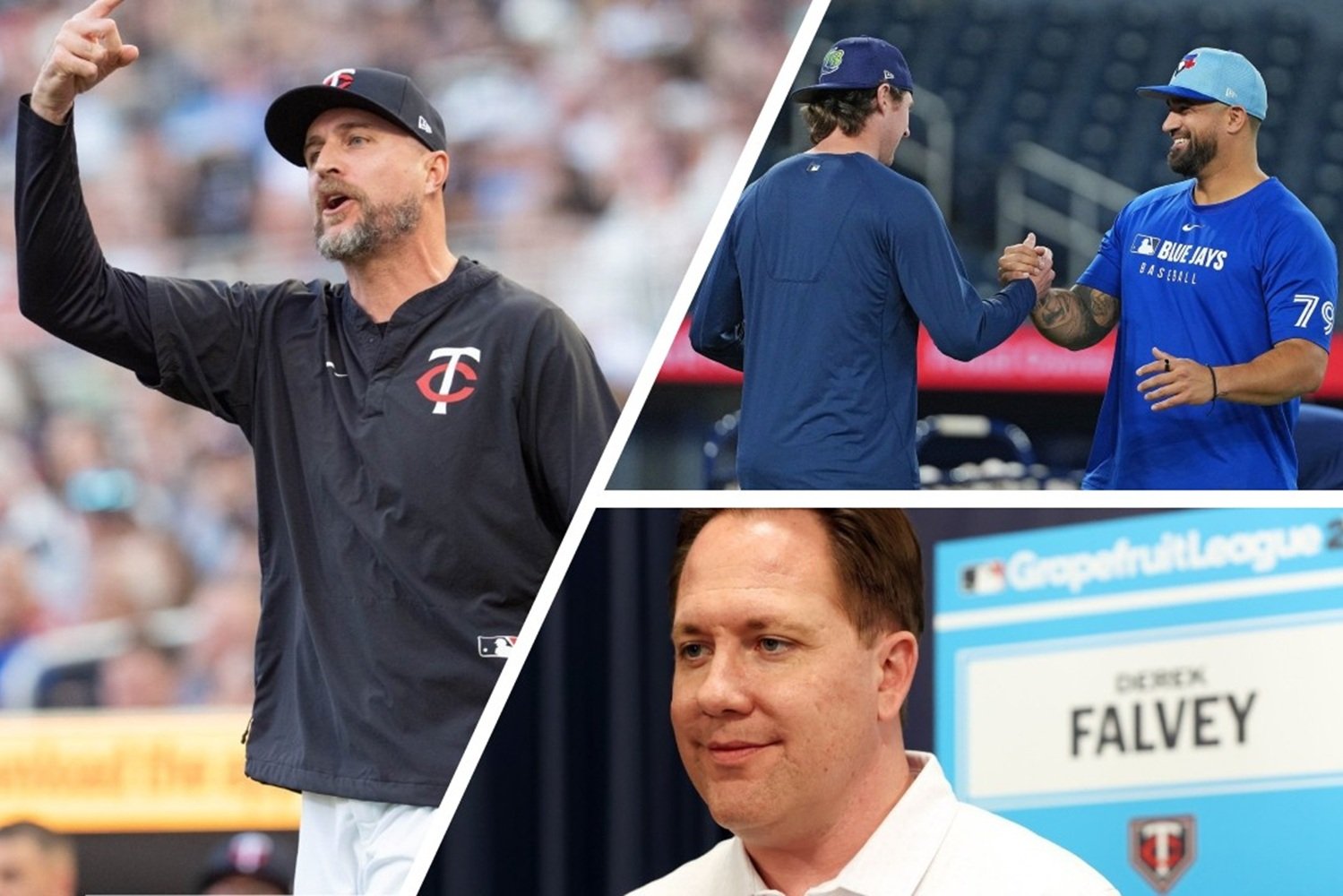 For much of the last decade, the Pohlad family has operated the Minnesota Twins as if accountability were a shell game. When results soured, someone else was usually nearby to take the fall. Executives were shuffled, managers were dismissed, and coaches were swapped out. Each move came with the implication that the problem had been identified and removed. Yet, the cycle has continued, and the list of available scapegoats is getting uncomfortably short. What once looked like decisive action is starting to resemble a pattern of deflection. The common thread is that the ownership group remains untouched, while nearly every layer beneath it has been stripped away. President Derek Falvey (January 2026) The most significant domino fell last week, when Falvey and the Twins agreed to mutually part ways. The language was polite, but the reality was clear. Falvey and Tom Pohlad did not see eye-to-eye on the direction of the franchise. Falvey had been the face of baseball operations and often the public shield for ownership decisions, particularly as payrolls tightened and long-term planning gave way to short-term austerity. By removing Falvey, the Pohlads removed the last executive who could plausibly claim autonomy over roster construction. It also raised an obvious question: If the architect of the modern Twins model is gone, who's responsible for the limitations placed on him in the first place? Joe Pohlad (December 2025) Just weeks earlier, the family turned inward. Joe Pohlad was pushed out as his elder brother assumed control. The move was framed as a necessary reset, but it also signaled something deeper. When even a family member can be deemed expendable, it suggests panic, rather than vision. Joe Pohlad had been positioned as the future of the franchise. His removal did not come with a clear philosophical shift or a renewed commitment to spending. It simply concentrated power, while offering another name to point at when explaining why things had gone wrong. Manager Rocco Baldelli (September 2025) Baldelli was fired after two disappointing seasons, something few managers can withstand. However, the decision felt less like a baseball call and more like an ownership directive. Baldelli was widely respected in the clubhouse and around the league. He had navigated earlier Twins teams through adversity and postseason success, with limited resources. His dismissal appeared to come from above Falvey, rather than through him. In hindsight, it may have marked the beginning of the end for Falvey, as well. Once the manager was removed, the front office structure began to crack, and the chain of responsibility became murkier. SS Carlos Correa (July 2025) Correa was meant to be the franchise cornerstone and a signal that the Twins were willing to spend like a contender. Instead, his time in Minnesota was defined by inconsistency. He showed flashes of playing like a $30-million player, but those moments were fleeting and often disrupted by injuries. The expectations never aligned with the on-field results, and frustration followed. By July 2025, the Twins moved on, while still paying the Astros $10 million per season to take Correa. Minnesota is saving roughly $20 million annually by having him off the roster, but it doesn't feel like that money has been reinvested into improving the team. Correa became another name attached to failure, while the larger issue once again went unaddressed. GM Thad Levine (October 2024) When the Twins collapsed in 2024, someone had to answer for it in the front office. Levine became that person. While elements of the failure were tied to decisions made during his tenure, the issues ran far deeper than the actions of one executive. Development stalled, depth eroded, and financial constraints tightened. Levine’s departure offered a clean headline and a sense of action, but it did little to address the systemic problems that had been brewing for years. The organization moved on quickly, and the root causes remained. Hitting Coach David Popkins (October 2024) In the weeks before Levine left, the Twins fired a trio of hitting coaches, including Popkins. The offense collapsed in the second half of 2024, making changes to the coaching staff inevitable. Popkins was fired, and the Twins pointed to approach and preparation as culprits. Then Popkins landed in Toronto and helped the Blue Jays make a World Series run in 2025 on his way to being named Baseball America’s MLB Coach of the Year. The contrast was jarring. What was deemed failure in Minnesota translated to success elsewhere. It reinforced the idea that the environment and roster construction matter and that coaching alone was not the issue in Minneapolis—especially after the team ousted Popkins's replacement, Matt Borgschulte, at the end of 2025. With Falvey gone, Joe Pohlad sidelined, Baldelli dismissed, and a wave of executives and coaches already removed, the Pohlads are running out of people to blame. The familiar explanations are wearing thin. At some point, the constant turnover stops looking like accountability and starts looking like avoidance. The Twins do not lack talent or institutional knowledge. They lack stability and a clear commitment from the top. Until ownership is willing to examine its own role in the franchise’s struggles, the cycle will continue. There are no scapegoats left, except the ones in the mirror. Are there any scapegoats left for the Pohlads? Leave a comment and start the discussion.
- 47 comments
-
- 6
-

-
-
-
- derek falvey
- tom pohlad
- (and 5 more)
-
Image courtesy of © Matt Blewett-Imagn Images (Baldelli), Kim Klement Neitzel-USA TODAY Sports (Falvey) Nick Turchiaro-Imagn Images (Popkins) For much of the last decade, the Pohlad family has operated the Minnesota Twins as if accountability were a shell game. When results soured, someone else was usually nearby to take the fall. Executives were shuffled, managers were dismissed, and coaches were swapped out. Each move came with the implication that the problem had been identified and removed. Yet, the cycle has continued, and the list of available scapegoats is getting uncomfortably short. What once looked like decisive action is starting to resemble a pattern of deflection. The common thread is that the ownership group remains untouched, while nearly every layer beneath it has been stripped away. President Derek Falvey (January 2026) The most significant domino fell last week, when Falvey and the Twins agreed to mutually part ways. The language was polite, but the reality was clear. Falvey and Tom Pohlad did not see eye-to-eye on the direction of the franchise. Falvey had been the face of baseball operations and often the public shield for ownership decisions, particularly as payrolls tightened and long-term planning gave way to short-term austerity. By removing Falvey, the Pohlads removed the last executive who could plausibly claim autonomy over roster construction. It also raised an obvious question: If the architect of the modern Twins model is gone, who's responsible for the limitations placed on him in the first place? Joe Pohlad (December 2025) Just weeks earlier, the family turned inward. Joe Pohlad was pushed out as his elder brother assumed control. The move was framed as a necessary reset, but it also signaled something deeper. When even a family member can be deemed expendable, it suggests panic, rather than vision. Joe Pohlad had been positioned as the future of the franchise. His removal did not come with a clear philosophical shift or a renewed commitment to spending. It simply concentrated power, while offering another name to point at when explaining why things had gone wrong. Manager Rocco Baldelli (September 2025) Baldelli was fired after two disappointing seasons, something few managers can withstand. However, the decision felt less like a baseball call and more like an ownership directive. Baldelli was widely respected in the clubhouse and around the league. He had navigated earlier Twins teams through adversity and postseason success, with limited resources. His dismissal appeared to come from above Falvey, rather than through him. In hindsight, it may have marked the beginning of the end for Falvey, as well. Once the manager was removed, the front office structure began to crack, and the chain of responsibility became murkier. SS Carlos Correa (July 2025) Correa was meant to be the franchise cornerstone and a signal that the Twins were willing to spend like a contender. Instead, his time in Minnesota was defined by inconsistency. He showed flashes of playing like a $30-million player, but those moments were fleeting and often disrupted by injuries. The expectations never aligned with the on-field results, and frustration followed. By July 2025, the Twins moved on, while still paying the Astros $10 million per season to take Correa. Minnesota is saving roughly $20 million annually by having him off the roster, but it doesn't feel like that money has been reinvested into improving the team. Correa became another name attached to failure, while the larger issue once again went unaddressed. GM Thad Levine (October 2024) When the Twins collapsed in 2024, someone had to answer for it in the front office. Levine became that person. While elements of the failure were tied to decisions made during his tenure, the issues ran far deeper than the actions of one executive. Development stalled, depth eroded, and financial constraints tightened. Levine’s departure offered a clean headline and a sense of action, but it did little to address the systemic problems that had been brewing for years. The organization moved on quickly, and the root causes remained. Hitting Coach David Popkins (October 2024) In the weeks before Levine left, the Twins fired a trio of hitting coaches, including Popkins. The offense collapsed in the second half of 2024, making changes to the coaching staff inevitable. Popkins was fired, and the Twins pointed to approach and preparation as culprits. Then Popkins landed in Toronto and helped the Blue Jays make a World Series run in 2025 on his way to being named Baseball America’s MLB Coach of the Year. The contrast was jarring. What was deemed failure in Minnesota translated to success elsewhere. It reinforced the idea that the environment and roster construction matter and that coaching alone was not the issue in Minneapolis—especially after the team ousted Popkins's replacement, Matt Borgschulte, at the end of 2025. With Falvey gone, Joe Pohlad sidelined, Baldelli dismissed, and a wave of executives and coaches already removed, the Pohlads are running out of people to blame. The familiar explanations are wearing thin. At some point, the constant turnover stops looking like accountability and starts looking like avoidance. The Twins do not lack talent or institutional knowledge. They lack stability and a clear commitment from the top. Until ownership is willing to examine its own role in the franchise’s struggles, the cycle will continue. There are no scapegoats left, except the ones in the mirror. Are there any scapegoats left for the Pohlads? Leave a comment and start the discussion. View full article
- 47 replies
-
- 1
-
-
- derek falvey
- tom pohlad
- (and 5 more)
-
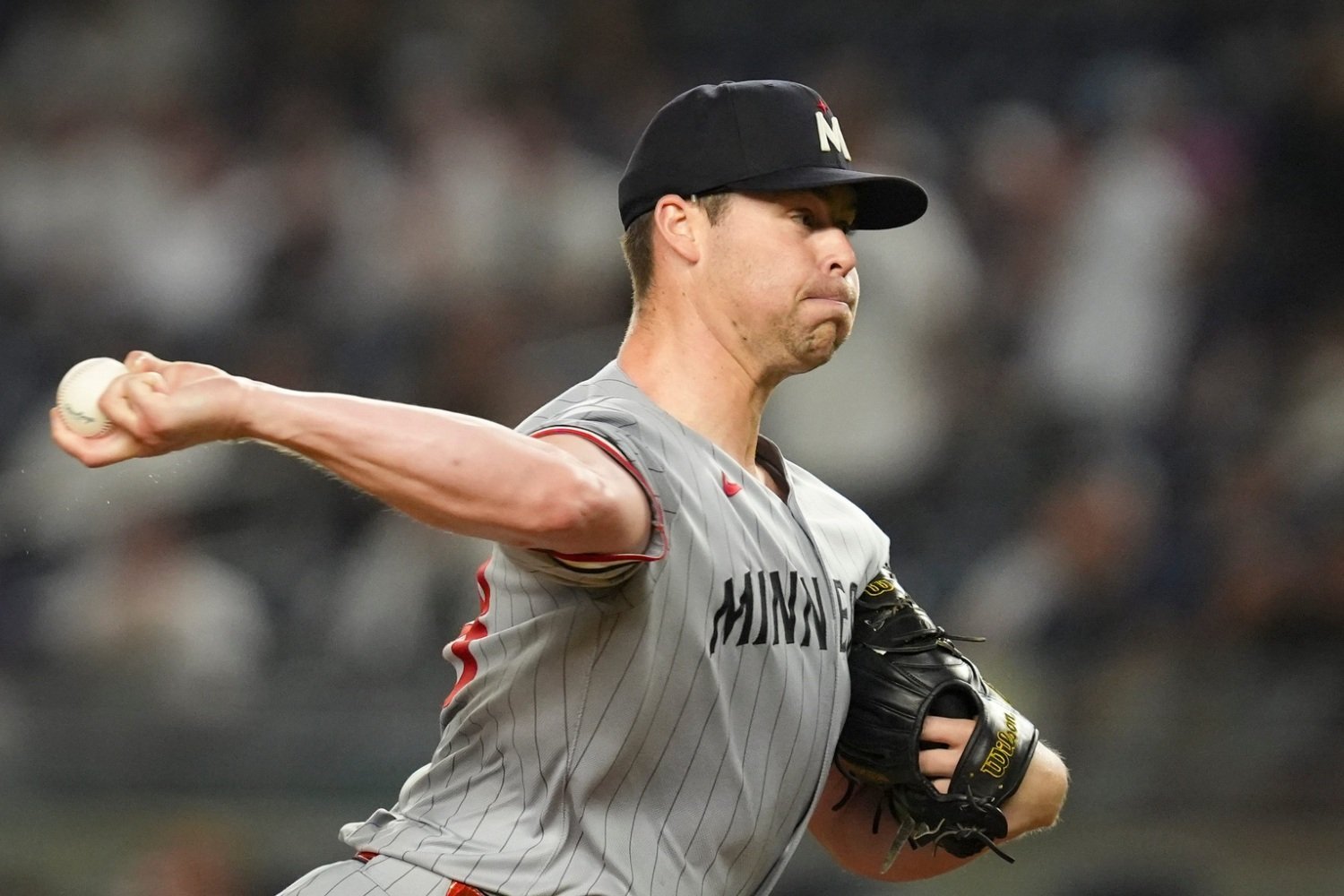 With only ten days remaining until pitchers and catchers report to Fort Myers, the Minnesota Twins bullpen remains very much a work in progress. There are arms on hand, ideas on the table, and a front office that knows this group will not look the same on Opening Day as it does right now. What that final version becomes is still open for debate. General manager Jeremy Zoll has been clear that the bullpen is the central focus as camp approaches, and the path to improvement is not limited to one obvious move. Building a Bullpen “For sure, I think it’s the most obvious area of need coming into the offseason,” Zoll said. That acknowledgement sets the tone for everything else. The Twins know the bullpen needs help, and they know it cannot be solved by a single signing alone. Zoll pointed to Taylor Rogers as “a step in that direction,” but emphasized that help can arrive from multiple angles. “Help in that regard is going to come in all shapes and sizes,” he said, whether that means “more major league signings,” or working through “the NRI process and waiver claims and DFA trades.” That creative approach has been a calling card for the organization before. Zoll noted that the Twins have “shown the ability to build bullpens well in the past in creative ways and different ways.” It is a reminder that the most effective relief groups are not always the most expensive ones. Configuration, opportunity, and internal development often matter just as much as name recognition. Still a Goal to Add a Right-Handed Reliever While creativity is important, there is still a very clear type of arm the Twins would like to add. A reliable right-handed reliever remains high on the list. “I think that feels like the most obvious opportunity for us to find ways to raise the floor and improve the club,” Zoll said. That phrasing matters. This is not just about chasing upside but about stability. After the bullpen turnover of last summer, Minnesota could use more certainty in the middle and late innings. Zoll also hinted that timing may work in the Twins' favor. “The trade market is starting to open up more as some of the dominoes are falling across the rest of the league,” he said. Whether that addition comes via free agency or trade remains unclear, but the next couple of weeks could provide more clarity as other teams finalize their plans. Starters Tabbed for Relief Conversion One of the more interesting questions is whether any starters could eventually slide into bullpen roles. It is a topic the Twins have revisited successfully in the past. “Definitely, internal conversations continue on that,” Zoll said. What he was careful to emphasize is that nothing has been decided yet. The Twins have not told anyone that a move to relief is coming, and they are waiting to see how things unfold. Several factors complicate that decision. Minnesota likes its starting depth, and with it being a World Baseball Classic year, there will be multiple starters heading to that tournament. Zoll acknowledged that “there’ll be a number of innings available,” and the club wants to avoid limiting itself too early if injuries pop up during camp. Some names to keep an eye on are Connor Prielipp and Marco Raya, who Derek Falvey mentioned by name earlier this winter. Still, the track record is there. Zoll referenced previous success stories like Griffin Jax and Louis Varland, noting that it remains an internal topic as the Twins continue to evaluate how best to deploy their arms. Who Is the Team’s Closer? Perhaps the most unsettled question of all is who finishes games when the season begins. At the moment, there is no clear answer. “I think it’s a topic,” Zoll said, while also pointing out that building bullpens continues to evolve. “I think there's a lot of different ways that you can get to having a successful ‘pen, and also want to make sure we're giving various guys opportunities to take that step forward.” Rather than locking into a single name, the Twins want to see which pitchers take a step forward. Zoll mentioned Cole Sands and Justin Topa as pitchers who handled late-inning opportunities last season and remain very much in the mix. “Think they can really contribute,” he said, reinforcing the idea that the closer role could evolve naturally once the roster takes its final shape. For now, Zoll is not interested in rushing to label roles before the group is fully built. It will be “an ongoing discussion,” and one that likely carries into camp itself. As spring training approaches, the Twins bullpen sits in a familiar place. There are questions, possibilities, and a front office confident that answers will come, even if they arrive later than fans might prefer. Is this bullpen missing one final move, or will internal growth have to carry the group early in the season? Leave a comment and start the discussion.
- 21 comments
-
- 2
-

-
-
- cole sands
- justin topa
- (and 2 more)
-
Image courtesy of William Parmeter Pablo López does not sound like someone with one foot out the door. As the Twins head toward the 2026 season, his words and actions point to a pitcher who has recommitted himself to the organization, the clubhouse, and the idea that this rotation can still define what winning baseball looks like in Minnesota. Trade speculation followed López throughout the winter, and it would have been easy for that noise to become a distraction. Instead, it became something else entirely. A reminder of how much he values stability, how much he wants to be part of something that lasts, and how important it is for this group to find its footing together. Living With the Rumors López has been traded before, and that perspective matters. He understands how quickly things can change in this sport, but he also knows what is real and what is just background chatter. “I heard all the rumors. I was aware of them. But in my head, I know, like, as far as I know I had two more years to be a Minnesota Twin, to wear that jersey. But I had the buzz, whether it was internally or certainly I was aware of it. Just because I’ve had the experience of being traded twice. It’s not real until it happens, but the one thing I told the front office, I would like to be a part of this rotation going forward.” That statement carries weight. At a time when the Twins have been willing to listen on just about everyone, López made it clear that he wants to stay. Not just to collect innings, but to be part of the foundation. For a team trying to balance financial realities with competitive urgency, having a pitcher of his caliber publicly embrace that role matters. Leadership in a Younger Clubhouse The 2026 Twins will be young. There is no getting around that. With youth comes energy, but also uncertainty, and López knows exactly where that puts the burden. “I think it goes without saying that we have such a young group. Some direction is going to be needed. And when that’s the case, you tend to look at the guys that have been doing this the longest or the guys that have that reputation of clubhouse leadership. Joe [Ryan], [Byron] Buxton, Bailey [Ober], Ryan Jeffers also in that mix. We’re going to have to find ways. I think a lot of it is going to be trial and error. You don’t want to take it too far either.” This is the balancing act. Setting standards without suffocating growth. Leading without preaching. López does not frame himself as the lone voice, but rather as part of a core that has to help define expectations. For a rotation that has seen turnover and inconsistency, that kind of steady presence can be just as valuable as anything on the stat sheet. Veteran Additions and Raising the Floor The Twins did not just ask their internal leaders to do everything alone. They brought in reinforcements, and López clearly sees value in that. “That’s when guys like Josh Bell, [Victor] Caratini, Taylor Rogers can come in the picture. They weren’t here for last year. But if they see us trying something, or say we just want to be more accountable about some little thing, Josh Bell could be like ‘well, I’ve seen that go south before.’ There’s going to be a decent amount of tone setting from me and a couple of the guys. There’s going to be a lot of changes, because we want to turn it up for good. We want to set the standard. Make sure Minnesota Twins baseball means something good and stick to that.” That last part stands out. Making Twins baseball mean something again. This is not about slogans or empty messaging. It is about daily habits, accountability, and learning from people who have been through the grind elsewhere. López sounds energized by the idea that the responsibility is shared, not stacked entirely on the shoulders of younger players still trying to find their way. Mentoring the Next Wave on the Mound If leadership is part of López’s focus, so is the rotation itself. The Twins have added intriguing young arms, and the veteran right-hander lights up when talking about that group. “When we trade for guys like Taj Bradley and Mick Abel, I was like these are really fun guys to be around,” Lopez said. “These are fun guys. I mean, they’re not my projects or anything, but just to be in the rotation with them, where I may have an opportunity to have the slightest impact with the way I go about my business. It can go a long way.” “That was the case when I was a rookie,” Lopez added. “I want to be part of a rotation that can really let people know how far a pitching staff can take a team. I’m super excited, and I’m really happy and glad I get to be a part of this rotation.” There is pride in that answer. Pride in the craft, pride in the group, and pride in the belief that pitching still matters. For a Twins team searching for its next identity, López is making a strong case that it can start every fifth day. Trade rumors may never fully disappear, but López is not pitching like someone waiting for the next call. He is pitching like someone who believes the 2026 Minnesota Twins are still worth investing in, and like someone determined to help make them better. What stands out about Lopez’s comments from above? Leave a comment and start the discussion. View full article
-
Refocused and Ready: Pablo López Embraces His Place With the 2026 Twins
Cody Christie posted an article in Twins
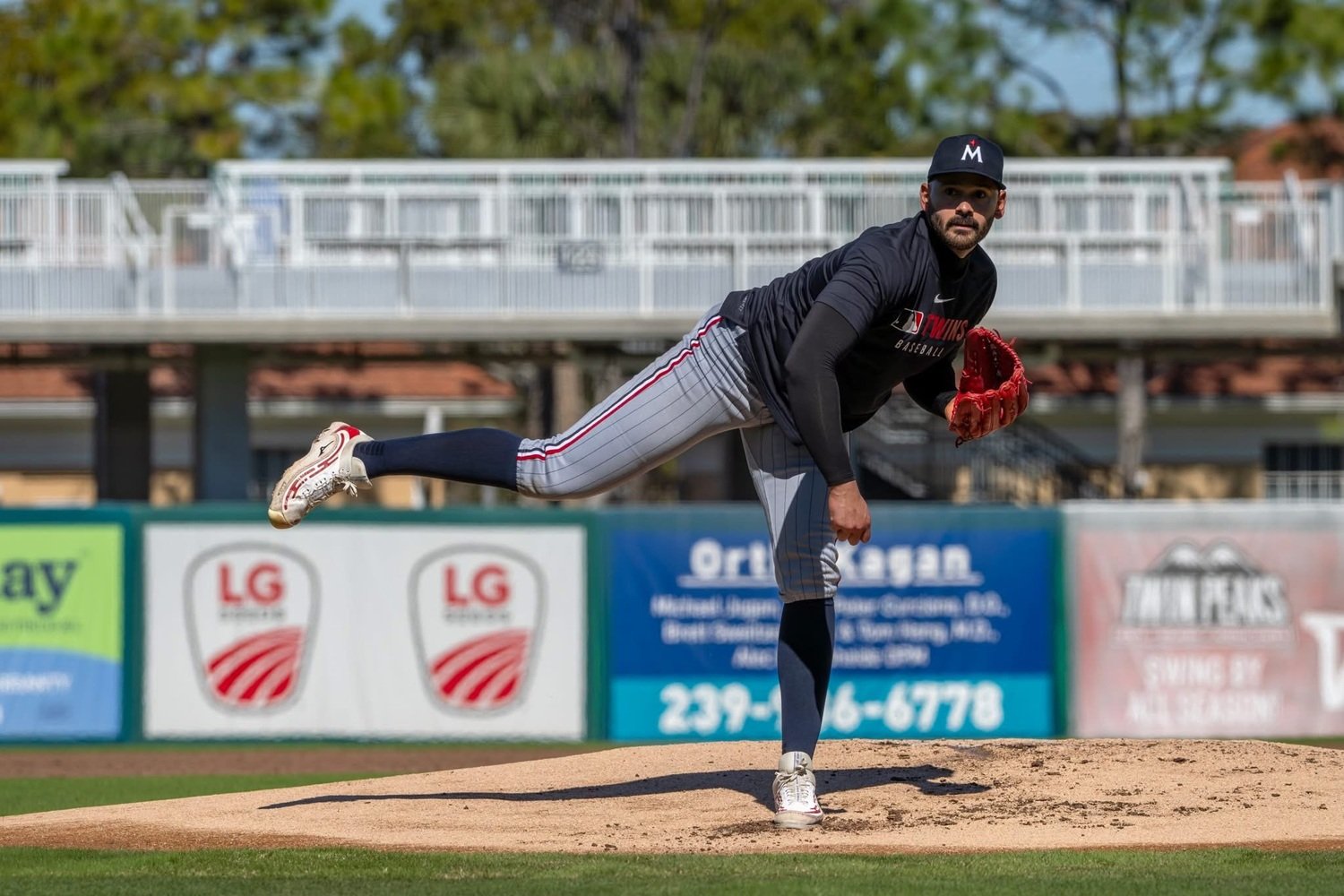 Pablo López does not sound like someone with one foot out the door. As the Twins head toward the 2026 season, his words and actions point to a pitcher who has recommitted himself to the organization, the clubhouse, and the idea that this rotation can still define what winning baseball looks like in Minnesota. Trade speculation followed López throughout the winter, and it would have been easy for that noise to become a distraction. Instead, it became something else entirely. A reminder of how much he values stability, how much he wants to be part of something that lasts, and how important it is for this group to find its footing together. Living With the Rumors López has been traded before, and that perspective matters. He understands how quickly things can change in this sport, but he also knows what is real and what is just background chatter. “I heard all the rumors. I was aware of them. But in my head, I know, like, as far as I know I had two more years to be a Minnesota Twin, to wear that jersey. But I had the buzz, whether it was internally or certainly I was aware of it. Just because I’ve had the experience of being traded twice. It’s not real until it happens, but the one thing I told the front office, I would like to be a part of this rotation going forward.” That statement carries weight. At a time when the Twins have been willing to listen on just about everyone, López made it clear that he wants to stay. Not just to collect innings, but to be part of the foundation. For a team trying to balance financial realities with competitive urgency, having a pitcher of his caliber publicly embrace that role matters. Leadership in a Younger Clubhouse The 2026 Twins will be young. There is no getting around that. With youth comes energy, but also uncertainty, and López knows exactly where that puts the burden. “I think it goes without saying that we have such a young group. Some direction is going to be needed. And when that’s the case, you tend to look at the guys that have been doing this the longest or the guys that have that reputation of clubhouse leadership. Joe [Ryan], [Byron] Buxton, Bailey [Ober], Ryan Jeffers also in that mix. We’re going to have to find ways. I think a lot of it is going to be trial and error. You don’t want to take it too far either.” This is the balancing act. Setting standards without suffocating growth. Leading without preaching. López does not frame himself as the lone voice, but rather as part of a core that has to help define expectations. For a rotation that has seen turnover and inconsistency, that kind of steady presence can be just as valuable as anything on the stat sheet. Veteran Additions and Raising the Floor The Twins did not just ask their internal leaders to do everything alone. They brought in reinforcements, and López clearly sees value in that. “That’s when guys like Josh Bell, [Victor] Caratini, Taylor Rogers can come in the picture. They weren’t here for last year. But if they see us trying something, or say we just want to be more accountable about some little thing, Josh Bell could be like ‘well, I’ve seen that go south before.’ There’s going to be a decent amount of tone setting from me and a couple of the guys. There’s going to be a lot of changes, because we want to turn it up for good. We want to set the standard. Make sure Minnesota Twins baseball means something good and stick to that.” That last part stands out. Making Twins baseball mean something again. This is not about slogans or empty messaging. It is about daily habits, accountability, and learning from people who have been through the grind elsewhere. López sounds energized by the idea that the responsibility is shared, not stacked entirely on the shoulders of younger players still trying to find their way. Mentoring the Next Wave on the Mound If leadership is part of López’s focus, so is the rotation itself. The Twins have added intriguing young arms, and the veteran right-hander lights up when talking about that group. “When we trade for guys like Taj Bradley and Mick Abel, I was like these are really fun guys to be around,” Lopez said. “These are fun guys. I mean, they’re not my projects or anything, but just to be in the rotation with them, where I may have an opportunity to have the slightest impact with the way I go about my business. It can go a long way.” “That was the case when I was a rookie,” Lopez added. “I want to be part of a rotation that can really let people know how far a pitching staff can take a team. I’m super excited, and I’m really happy and glad I get to be a part of this rotation.” There is pride in that answer. Pride in the craft, pride in the group, and pride in the belief that pitching still matters. For a Twins team searching for its next identity, López is making a strong case that it can start every fifth day. Trade rumors may never fully disappear, but López is not pitching like someone waiting for the next call. He is pitching like someone who believes the 2026 Minnesota Twins are still worth investing in, and like someone determined to help make them better. What stands out about Lopez’s comments from above? Leave a comment and start the discussion.
 -
Image courtesy of Twins Daily The Minnesota Twins officially turned the page on their front office leadership on Friday. Derek Falvey and the organization agreed to mutually part ways, ending an era defined by significant highs and lows. In his place, Jeremy Zoll has been elevated to lead baseball operations, while Tom Pohlad will take on interim oversight of the business side. For those who have followed the Twins closely over the last several seasons, Zoll’s promotion feels less like a surprise and more like a continuation. His fingerprints have been all over the organization’s player development gains, and his rise reflects a belief that the next phase of competitiveness will come from within. Zoll’s Professional Climb Zoll joined the Twins in 2018, arriving from the Los Angeles Dodgers with a reputation as a sharp development mind and a strong collaborator. Prior to that, he began his career with the Los Angeles Angels in scouting and development roles, giving him early exposure to multiple organizational philosophies. Those experiences helped shape a well-rounded approach that blends traditional evaluation with modern infrastructure. His time with the Dodgers proved formative. Working within one of baseball’s most respected farm systems, Zoll was involved in individualized player plans, experimental development programs, and close coordination with research and development staff. That background translated smoothly to Minnesota, where the farm system needed both clarity and cohesion. Zoll initially served as the Twins' Director of Minor League Operations, then spent five seasons as an Assistant General Manager. He's entering his ninth year with the Twins, steadily gaining responsibility and trust along the way. His promotion to General Manager in November of 2024 when Thad Levine left the team signaled that the organization valued continuity and internal growth. Rebuilding the Pipeline When Zoll arrived, the Twins' farm system lacked a consistent identity. Development processes varied by level, and the path from draft day to Target Field was not always clear. Zoll helped change that. Alongside leaders like Dr Chris Camp, he emphasized performance science, clearer communication, and stronger alignment between coaching staffs and analysts. The result has been a steady stream of impact talent reaching the major leagues. Royce Lewis, Luke Keaschall, Brooks Lee, and Matt Wallner were all high draft picks who matriculated to the big-leagues with varied levels of success. On the pitching side, arms like Bailey Ober, David Festa, and Zebby Matthews highlight the organization’s ability to find value beyond the top rounds of the draft. For a franchise that cannot rely on aggressive spending, those wins matter. Zoll’s influence has not been limited to names on a prospect list. He helped modernize how the Twins teach mechanics, manage workloads, and tailor development plans to individual players. Biomechanics, video analysis, and data-driven feedback are now standard tools throughout the system, not add-ons. A Philosophy That Fits the Market Zoll’s background positions him well for the realities of the Twins' payroll structure. His approach prioritizes depth, flexibility, and internal options, thereby reducing the need for costly external fixes. He's been active on the fringes of the Twins roster over the last two offseasons, with success stories that include Harrison Bader and Danny Coulombe. After last season’s trade deadline selloff, ironically orchestrated by Falvey, the Twins have one of baseball’s highest-ranked minor league systems. Minnesota’s top prospects, like Walker Jenkins, Kaelen Culpepper, Emmanuel Rodriguez, and Connor Prielipp, are all on the cusp of the big leagues with a chance to impact 2026 and beyond. However, it will be multiple years before fans know if last season’s trade deadline was successful for the organization. Equally important is his collaborative style. Player development, analytics, medical, and coaching staffs are expected to operate as one ecosystem. That mindset is likely to define how baseball operations function moving forward. Turning the Page Falvey’s departure marks a clear transition point, but it does not signal a teardown of philosophy. Instead, the Twins are doubling down on an identity that has slowly taken shape over the past several seasons. Zoll represents that identity perhaps more clearly than anyone else in the organization. This is a bet on continuity, development, and patience. It is also a bet that the next competitive Twins core will be built largely by the people already in-house. As Zoll takes the reins, the direction is clear even if the outcomes remain uncertain. What are your initial thoughts on Zoll’s promotion and Falvey’s exit? Leave a comment and start the discussion. View full article
-
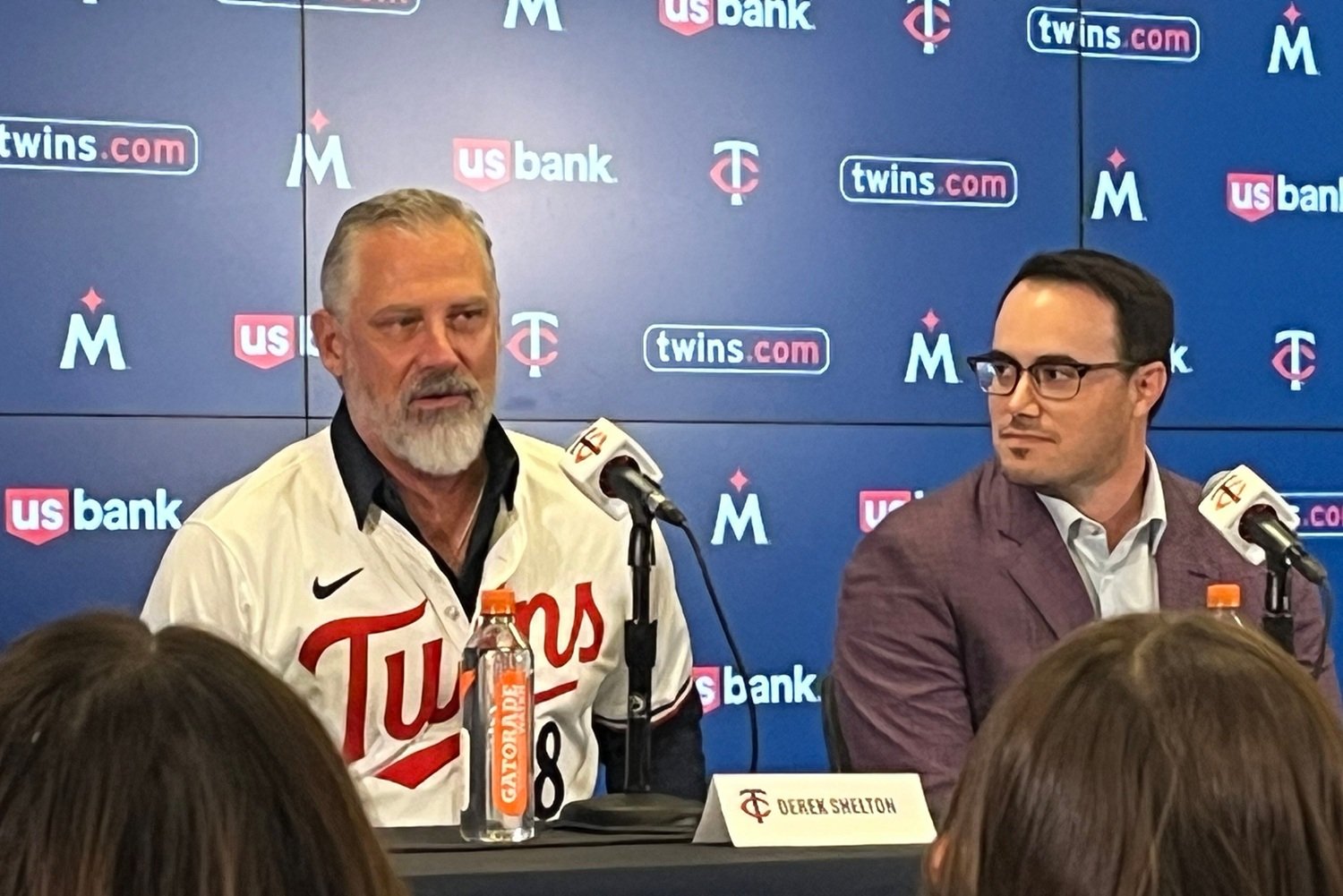 The Minnesota Twins officially turned the page on their front office leadership on Friday. Derek Falvey and the organization agreed to mutually part ways, ending an era defined by significant highs and lows. In his place, Jeremy Zoll has been elevated to lead baseball operations, while Tom Pohlad will take on interim oversight of the business side. For those who have followed the Twins closely over the last several seasons, Zoll’s promotion feels less like a surprise and more like a continuation. His fingerprints have been all over the organization’s player development gains, and his rise reflects a belief that the next phase of competitiveness will come from within. Zoll’s Professional Climb Zoll joined the Twins in 2018, arriving from the Los Angeles Dodgers with a reputation as a sharp development mind and a strong collaborator. Prior to that, he began his career with the Los Angeles Angels in scouting and development roles, giving him early exposure to multiple organizational philosophies. Those experiences helped shape a well-rounded approach that blends traditional evaluation with modern infrastructure. His time with the Dodgers proved formative. Working within one of baseball’s most respected farm systems, Zoll was involved in individualized player plans, experimental development programs, and close coordination with research and development staff. That background translated smoothly to Minnesota, where the farm system needed both clarity and cohesion. Zoll initially served as the Twins' Director of Minor League Operations, then spent five seasons as an Assistant General Manager. He's entering his ninth year with the Twins, steadily gaining responsibility and trust along the way. His promotion to General Manager in November of 2024 when Thad Levine left the team signaled that the organization valued continuity and internal growth. Rebuilding the Pipeline When Zoll arrived, the Twins' farm system lacked a consistent identity. Development processes varied by level, and the path from draft day to Target Field was not always clear. Zoll helped change that. Alongside leaders like Dr Chris Camp, he emphasized performance science, clearer communication, and stronger alignment between coaching staffs and analysts. The result has been a steady stream of impact talent reaching the major leagues. Royce Lewis, Luke Keaschall, Brooks Lee, and Matt Wallner were all high draft picks who matriculated to the big-leagues with varied levels of success. On the pitching side, arms like Bailey Ober, David Festa, and Zebby Matthews highlight the organization’s ability to find value beyond the top rounds of the draft. For a franchise that cannot rely on aggressive spending, those wins matter. Zoll’s influence has not been limited to names on a prospect list. He helped modernize how the Twins teach mechanics, manage workloads, and tailor development plans to individual players. Biomechanics, video analysis, and data-driven feedback are now standard tools throughout the system, not add-ons. A Philosophy That Fits the Market Zoll’s background positions him well for the realities of the Twins' payroll structure. His approach prioritizes depth, flexibility, and internal options, thereby reducing the need for costly external fixes. He's been active on the fringes of the Twins roster over the last two offseasons, with success stories that include Harrison Bader and Danny Coulombe. After last season’s trade deadline selloff, ironically orchestrated by Falvey, the Twins have one of baseball’s highest-ranked minor league systems. Minnesota’s top prospects, like Walker Jenkins, Kaelen Culpepper, Emmanuel Rodriguez, and Connor Prielipp, are all on the cusp of the big leagues with a chance to impact 2026 and beyond. However, it will be multiple years before fans know if last season’s trade deadline was successful for the organization. Equally important is his collaborative style. Player development, analytics, medical, and coaching staffs are expected to operate as one ecosystem. That mindset is likely to define how baseball operations function moving forward. Turning the Page Falvey’s departure marks a clear transition point, but it does not signal a teardown of philosophy. Instead, the Twins are doubling down on an identity that has slowly taken shape over the past several seasons. Zoll represents that identity perhaps more clearly than anyone else in the organization. This is a bet on continuity, development, and patience. It is also a bet that the next competitive Twins core will be built largely by the people already in-house. As Zoll takes the reins, the direction is clear even if the outcomes remain uncertain. What are your initial thoughts on Zoll’s promotion and Falvey’s exit? Leave a comment and start the discussion.
 -
Image courtesy of © Jesse Johnson-Imagn Images For months, the idea lingered quietly in the background. It showed up in subtle ways through roster decisions that felt restrained rather than ambitious and through an organizational structure that seemed increasingly muddled. On Friday, it became official when the Minnesota Twins announced that Derek Falvey and the organization were mutually parting ways. While the timing may have surprised some with spring training just around the corner, the reality is that this relationship has been drifting toward a breakup for quite some time. When the Twins finally won their first playoff series in decades during the 2023 season, the organization looked like a franchise that had turned a meaningful corner. Payroll sat around $160 million, and ownership had committed to building around cornerstone players. Carlos Correa was locked into a long-term deal. Pablo Lopez was acquired and extended to anchor the rotation. The message was clear. The Twins were done treading water and intended to push their competitive window well into the next decade. That momentum never carried forward. Payroll has steadily dropped since that high point and now sits just over $100 million projected for the 2026 season. The drop has been stark not only in numbers but in perception. Instead of supplementing a playoff core, the front office was forced into cost-cutting moves that chipped away at depth and flexibility. Two disappointing finishes in 2024 and 2025 followed, and the sense of progress evaporated. At times, the Twins looked less like a team building on success and more like one trying to stay afloat. Nothing symbolized the disconnect more clearly than the Carlos Correa situation. The Twins are paying him $10 million per season to play for the Houston Astros for the next three years, an outcome that would have been unthinkable when the deal was signed. That decision reflected a franchise that had lost its direction and a front office operating within tighter constraints than ever before. The strange handling of Falvey’s role only added to the confusion. His promotion from President of Baseball Operations to President of Business and Baseball Operations was framed as a massive vote of confidence, especially following a disappointing season. Across Major League Baseball, only a handful of executives hold that level of power, overseeing both sides of the organization. Yet it never truly felt like Falvey was running the business side. Dave St. Peter shifted into an advisor role roughly a year ago but remained highly visible around the team throughout last season. While St. Peter was expected to focus on facilitating the sale of the franchise, the process dragged on, and Falvey never appeared to fully take control of the broader operation. Instead of clarity, the Twins operated in a gray area where authority felt shared, but accountability did not. That kind of structure rarely lasts, especially when on-field results are slipping, and financial commitment is shrinking. Ownership change only accelerated the inevitable. Tom Pohlad officially took over the ownership role from Joe Pohlad earlier this winter, and Falvey’s departure may be the first major domino tied to that transition. Tom brings a strong business background from running other family enterprises, and it seems increasingly clear that his vision did not align with Falvey’s. Whether it was philosophy, spending priorities, or long-term strategy, the two sides were no longer moving in the same direction. From Falvey’s perspective, the calculus is understandable. There are only so many top front office jobs across Major League Baseball, but what incentive did he really have to stay? Early in his tenure, payroll growth made it easier to envision sustained competitiveness in the AL Central. Lately, the opposite has been true. The current ownership group appears more likely to hold the club until a new CBA is approved before exploring a sale at a price they find acceptable. That limbo offers little appeal to a baseball executive tasked with building a winner. Leaving now is far from ideal with spring training on the horizon, but staying was starting to make even less sense. The reasons that once made Minnesota an attractive long-term project were steadily disappearing. By this winter, the writing was no longer subtle. The breakup had been coming, and this offseason finally brought it to a head. What are your thoughts on Falvey leaving? Has this been coming for some time? Leave a comment and start the discussion. View full article
-
The Inevitable Split of Derek Falvey and the Minnesota Twins
Cody Christie posted an article in Twins
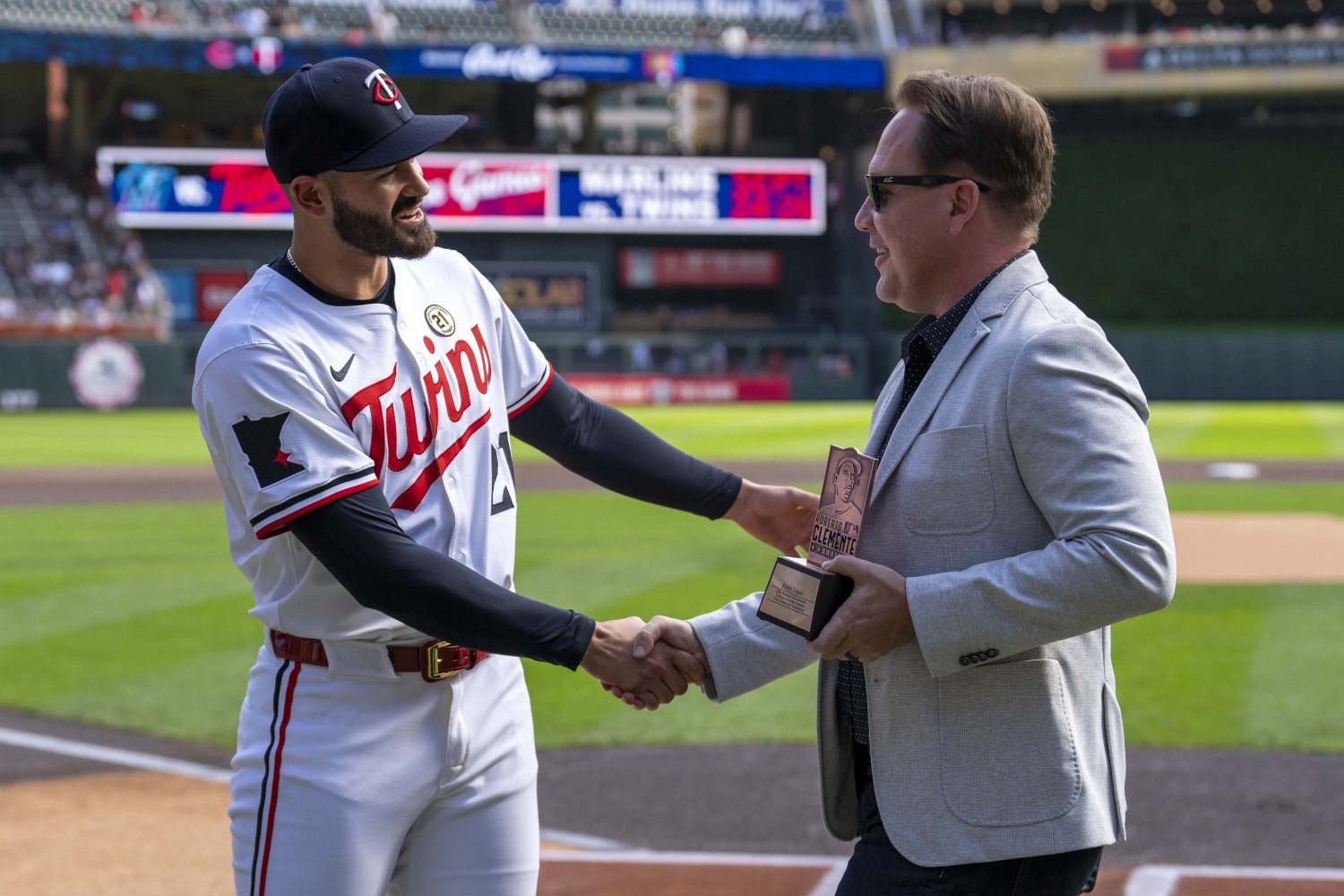 For months, the idea lingered quietly in the background. It showed up in subtle ways through roster decisions that felt restrained rather than ambitious and through an organizational structure that seemed increasingly muddled. On Friday, it became official when the Minnesota Twins announced that Derek Falvey and the organization were mutually parting ways. While the timing may have surprised some with spring training just around the corner, the reality is that this relationship has been drifting toward a breakup for quite some time. When the Twins finally won their first playoff series in decades during the 2023 season, the organization looked like a franchise that had turned a meaningful corner. Payroll sat around $160 million, and ownership had committed to building around cornerstone players. Carlos Correa was locked into a long-term deal. Pablo Lopez was acquired and extended to anchor the rotation. The message was clear. The Twins were done treading water and intended to push their competitive window well into the next decade. That momentum never carried forward. Payroll has steadily dropped since that high point and now sits just over $100 million projected for the 2026 season. The drop has been stark not only in numbers but in perception. Instead of supplementing a playoff core, the front office was forced into cost-cutting moves that chipped away at depth and flexibility. Two disappointing finishes in 2024 and 2025 followed, and the sense of progress evaporated. At times, the Twins looked less like a team building on success and more like one trying to stay afloat. Nothing symbolized the disconnect more clearly than the Carlos Correa situation. The Twins are paying him $10 million per season to play for the Houston Astros for the next three years, an outcome that would have been unthinkable when the deal was signed. That decision reflected a franchise that had lost its direction and a front office operating within tighter constraints than ever before. The strange handling of Falvey’s role only added to the confusion. His promotion from President of Baseball Operations to President of Business and Baseball Operations was framed as a massive vote of confidence, especially following a disappointing season. Across Major League Baseball, only a handful of executives hold that level of power, overseeing both sides of the organization. Yet it never truly felt like Falvey was running the business side. Dave St. Peter shifted into an advisor role roughly a year ago but remained highly visible around the team throughout last season. While St. Peter was expected to focus on facilitating the sale of the franchise, the process dragged on, and Falvey never appeared to fully take control of the broader operation. Instead of clarity, the Twins operated in a gray area where authority felt shared, but accountability did not. That kind of structure rarely lasts, especially when on-field results are slipping, and financial commitment is shrinking. Ownership change only accelerated the inevitable. Tom Pohlad officially took over the ownership role from Joe Pohlad earlier this winter, and Falvey’s departure may be the first major domino tied to that transition. Tom brings a strong business background from running other family enterprises, and it seems increasingly clear that his vision did not align with Falvey’s. Whether it was philosophy, spending priorities, or long-term strategy, the two sides were no longer moving in the same direction. From Falvey’s perspective, the calculus is understandable. There are only so many top front office jobs across Major League Baseball, but what incentive did he really have to stay? Early in his tenure, payroll growth made it easier to envision sustained competitiveness in the AL Central. Lately, the opposite has been true. The current ownership group appears more likely to hold the club until a new CBA is approved before exploring a sale at a price they find acceptable. That limbo offers little appeal to a baseball executive tasked with building a winner. Leaving now is far from ideal with spring training on the horizon, but staying was starting to make even less sense. The reasons that once made Minnesota an attractive long-term project were steadily disappearing. By this winter, the writing was no longer subtle. The breakup had been coming, and this offseason finally brought it to a head. What are your thoughts on Falvey leaving? Has this been coming for some time? Leave a comment and start the discussion.
- 71 comments
-
- 6
-
-
- derek falvey
- tom pohlad
- (and 1 more)

