



Cody Christie
-
Posts
7,805 -
Joined
-
Last visited
-
Days Won
5
Content Type
Profiles
News
Minnesota Twins Videos
2026 Minnesota Twins Top Prospects Ranking
2022 Minnesota Twins Draft Picks
Minnesota Twins Free Agent & Trade Rumors, Notes, & Tidbits
Guides & Resources
2023 Minnesota Twins Draft Picks
The Minnesota Twins Players Project
2024 Minnesota Twins Draft Picks
2025 Minnesota Twins Draft Pick Tracker
2026 Minnesota Twins Draft Tracker: Picks & Bonuses
Forums
Blogs
Events
Store
Downloads
Gallery
Everything posted by Cody Christie
-

Life After Jhoan Duran: Sizing Up the Spring Closer Competition
Cody Christie posted an article in Twins
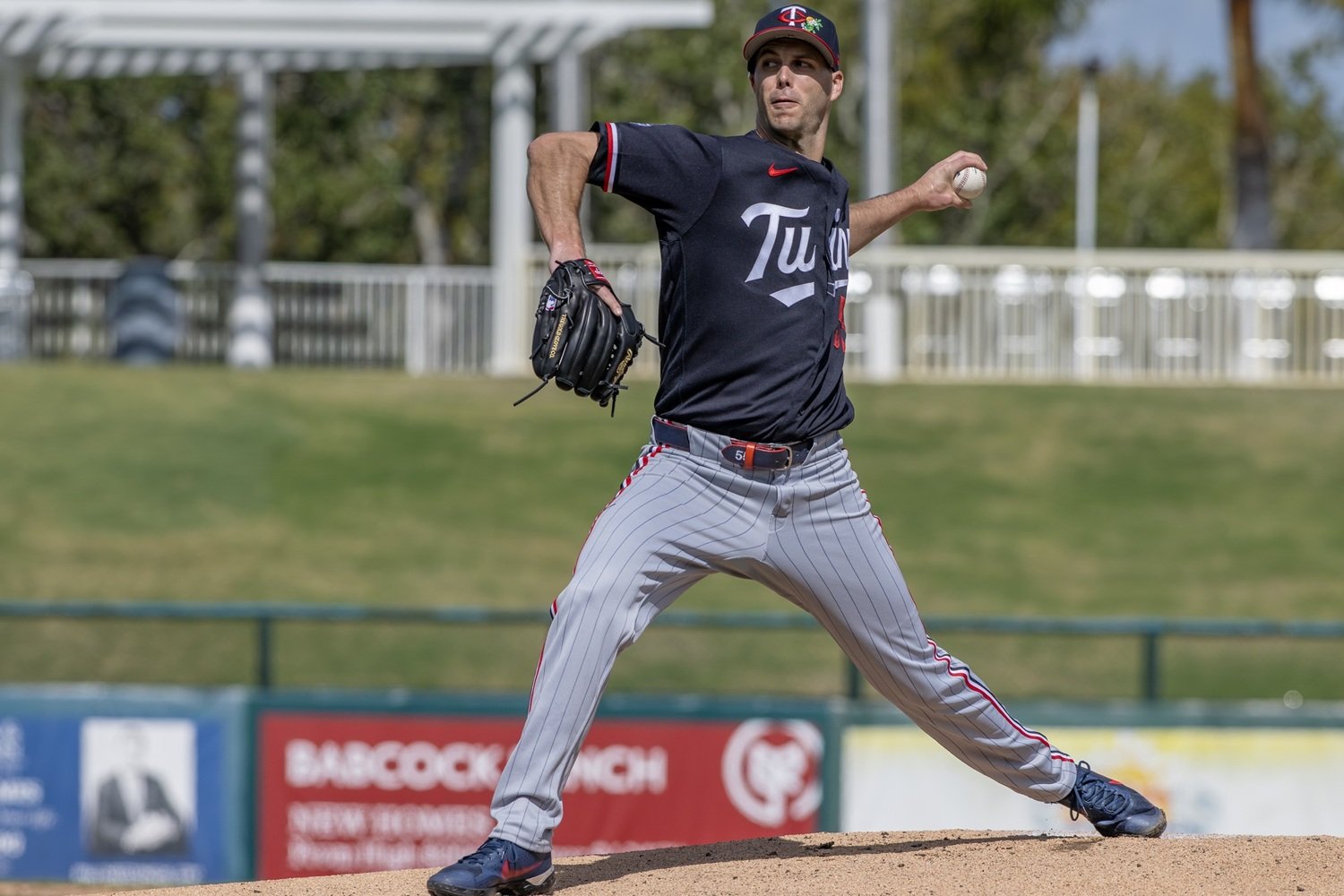 For the better part of the last few seasons, the Minnesota Twins did not have to think very hard about how they were going to finish games. When a lead made it to the ninth inning, the ball went to Jhoan Duran, and the rest of the league usually understood what came next. Duran developed into one of baseball’s most dominant closers thanks to his overpowering fastball and splinker combination that made even elite hitters look overmatched. He brought consistency to a bullpen that had spent years searching for a true shutdown presence. When he took the mound in save situations, there was a level of calm that had been missing in Minnesota for a long time. That stability is now gone. At last year’s trade deadline, the Twins made the difficult decision to part ways with Duran, along with Griffin Jax and Louis Varland. All three had experience pitching in high-leverage roles, and any one of them could have entered spring training as the favorite to close games in 2026. Instead, Minnesota will attempt to piece together the ninth inning with a mix of veteran reclamation projects and internal arms looking to take the next step. LHP Taylor Rogers Minnesota signed Rogers to a one-year, $2 million deal, but that does not mean the left-hander cannot provide value in the closer role to begin the season. In fact, it probably makes the most sense for the Twins to lean on his experience early in the year, given the number of other lefties projected to make the bullpen, like Kody Funderburk and Anthony Banda. On a recent episode of Inside Twins, Rogers spoke about the adjustments he has made later in his career to rely more on sequencing and pitchability as his velocity has dipped. He also mentioned that new bullpen coach LaTroy Hawkins has been a valuable resource when it comes to finding ways to extend a reliever’s career and remain effective in high-leverage spots. Rogers seems to have the inside track to the closer role, but he’s told Twins manager Derek Shelton that he must earn the spot. RHP Liam Hendriks Hendriks has been one of the best closers of his generation, but the reality is that he has thrown fewer than 20 innings over the last three seasons. Since 2022, Hendriks has dealt with seemingly constant adversity, beginning with a diagnosis of non-Hodgkin's lymphoma that offseason, which delayed his 2023 debut until May 29. He was only able to make five appearances that year before suffering an elbow injury that ultimately required Tommy John surgery. “[He’s a] veteran guy that people speak so highly of in the game in terms of who he is as a human being,” Shelton said. “Obviously, he’s had some challenges in his life over the last couple years. Just talking about the person, [we're] excited to add him into that group.” If Hendriks can rediscover anything close to his previous form, he could quickly move to the front of the closer conversation. RHP Cole Sands Sands might possess the highest upside of anyone currently projected to make the Twins’ bullpen. However, he also seems like a candidate to slide into the fireman role that Jax occupied in recent seasons, which takes him out of the full-time closer conversation. Minnesota may prefer to keep Sands flexible enough to enter during the middle innings to escape a jam or bridge the gap to one of the more traditional ninth-inning options. He has been working on adding a gyro slider that could help neutralize left-handed hitters more consistently. “So the big idea here is just try and put lefties away," Sands told reporters this past week. "And that's kind of where the gyro came into play. And we're always going to continue to push all, you know, all these pitches to try and execute lefties as well as I [do against] righties.” RHP Justin Topa Topa arrived in the Jorge Polanco trade after a breakout season with the Mariners that saw him post a 152 ERA+ and a 3.15 FIP. He has recorded a handful of saves throughout his career, which gives him at least some credibility in late-inning situations. However, his 18.3 K% last season suggests his skill set is better suited for a setup role. Minnesota will need reliable right-handed options throughout the year, which should still allow Topa to carve out meaningful opportunities even if they do not come in the ninth inning. Dark Horse Candidates David Festa and Connor Prielipp Festa and Prielipp are both expected to begin the year building starter workloads, but the reality is that each comes with injury concerns, and the Triple-A rotation is likely to be crowded. Both pitchers feature electric arsenals that have allowed them to succeed as starters in the minors. Limiting their pitch mix in shorter bullpen stints could unlock additional velocity and give Minnesota another potential late-inning weapon. The organization has already seen how that transition can work with pitchers like Jax, Varland, and Sands in recent seasons. Replacing a talent like Duran is not something that can be done with a single move. The Twins are not just searching for someone who can collect saves but for someone who can bring a sense of stability to the bullpen’s most important moments. That responsibility could shift month to month depending on performance and health. There is also value in keeping the role fluid early in the season. Locking in a closer on Opening Day might provide clarity, but it could also limit the Twins’ ability to deploy their best relievers in the highest leverage spots, regardless of inning. Minnesota has leaned into that philosophy at times over the last few years and may now be forced to embrace it more fully. Ultimately, this bullpen will look very different from the one that opened last season. New opportunities often create unexpected outcomes, and the Twins will be hoping that one of these veterans or emerging internal options can seize the ninth inning and make it their own. If that happens, Minnesota might not completely replicate what Duran provided at the back end of games, but they could still find a path toward building their next trusted late-inning presence. Who should be the team’s closer on Opening Day? Who will have the most saves for the Twins in 2026? Leave a comment and start the discussion.
- 31 comments
-
- 4
-

-
- taylor rogers
- liam hendriks
- (and 4 more)
-
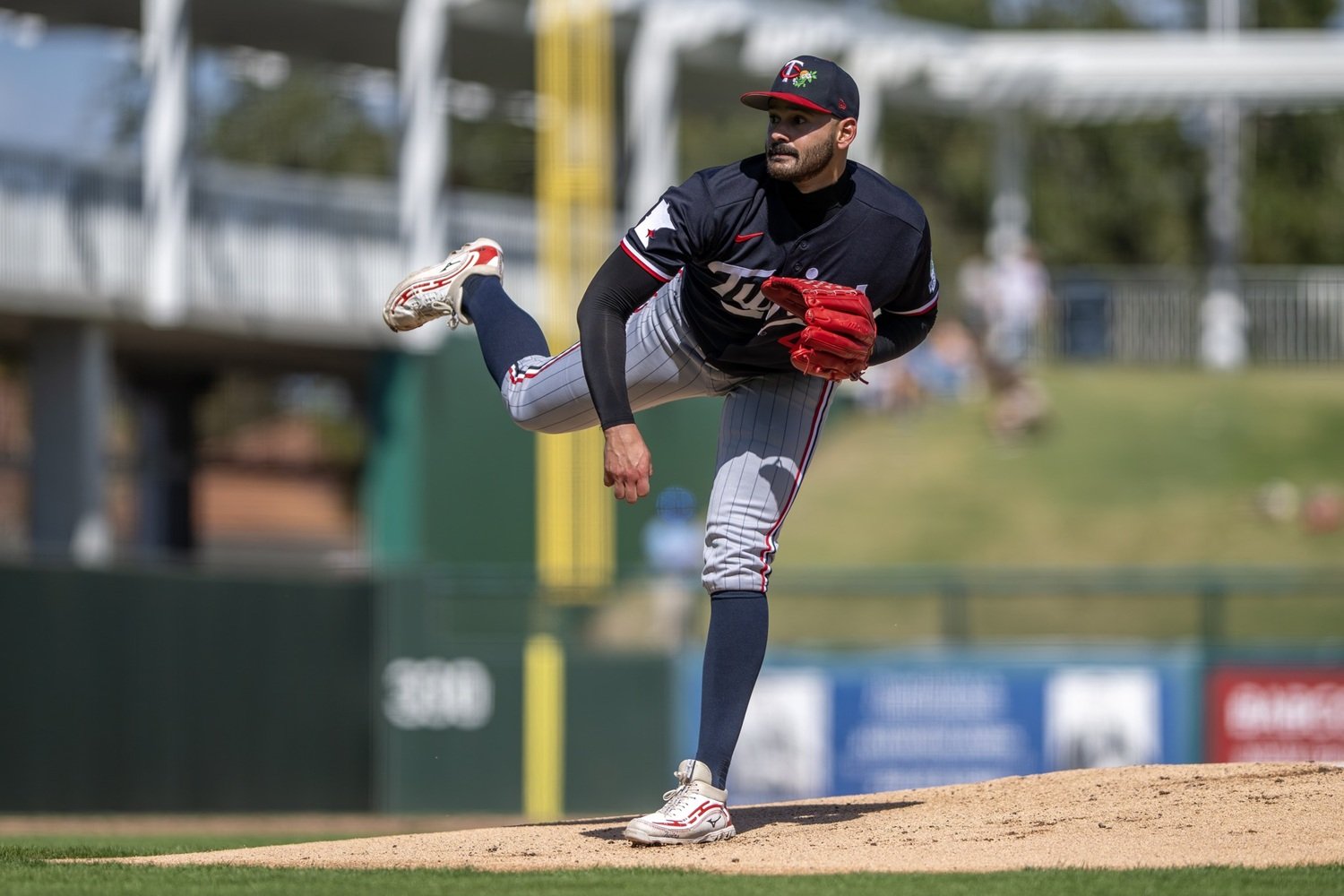 As expected, Minnesota Twins ace Pablo López will undergo Tommy John reconstructive surgery on Wednesday. A second opinion confirmed the initial diagnosis of significant tearing in the ulnar collateral ligament in López’s right elbow, leaving little doubt about the path forward. The procedure will take place in Texas under the care of noted orthopedic surgeon Dr. Keith Meister. It will be López’s second Tommy John surgery, and while the Twins are optimistic about a full recovery, he is expected to miss the entire 2026 season. The typical recovery timeline for pitchers following the procedure is roughly twelve months, which gives López a chance to return near the beginning of the 2027 campaign. That timeline would place his comeback in the final season of his four-year extension with Minnesota. Minnesota acquired López in one of the franchise’s most impactful trades in recent memory when they sent batting champion Luis Arraez to the Miami Marlins prior to the 2023 season. Since then, López has been everything the Twins hoped for at the top of their rotation. Across three seasons in Minnesota, he posted a combined 3.68 ERA while striking out 26.8% of opposing hitters and walking just 5.8%. He also helped the club end their playoff losing streak that had stretched into a second decade. López looked poised to deliver another excellent season in 2025 before injuries began to mount. He carried a 2.82 ERA through his first 11 starts before suffering a Grade 2 strain of his teres major in early June, an injury that ultimately sidelined him for roughly 3 months. He returned for three strong starts in September, allowing four runs across 15 innings, but ended the year back on the injured list due to a minor forearm strain that he suffered after diving for a ball. He entered the offseason with a clean bill of health, making the sudden UCL tear that surfaced all the more surprising. With López officially sidelined, the responsibility of leading the rotation will almost certainly fall to Joe Ryan on Opening Day. Bailey Ober and Simeon Woods Richardson should also slot into prominent roles, while younger arms such as Zebby Matthews and David Festa now find themselves with an opportunity to claim meaningful innings. Minnesota built its pitching staff around stability at the top of the rotation. Losing López for the entire season changes the outlook in a significant way and puts immediate pressure on the club’s depth to respond. The Twins still believe they can compete this season, but that task became considerably more difficult the moment their ace’s elbow gave way.
 -
As expected, Minnesota Twins ace Pablo López will undergo Tommy John reconstructive surgery on Wednesday. A second opinion confirmed the initial diagnosis of significant tearing in the ulnar collateral ligament in López’s right elbow, leaving little doubt about the path forward. The procedure will take place in Texas under the care of noted orthopedic surgeon Dr. Keith Meister. It will be López’s second Tommy John surgery, and while the Twins are optimistic about a full recovery, he is expected to miss the entire 2026 season. The typical recovery timeline for pitchers following the procedure is roughly twelve months, which gives López a chance to return near the beginning of the 2027 campaign. That timeline would place his comeback in the final season of his four-year extension with Minnesota. Minnesota acquired López in one of the franchise’s most impactful trades in recent memory when they sent batting champion Luis Arraez to the Miami Marlins prior to the 2023 season. Since then, López has been everything the Twins hoped for at the top of their rotation. Across three seasons in Minnesota, he posted a combined 3.68 ERA while striking out 26.8% of opposing hitters and walking just 5.8%. He also helped the club end their playoff losing streak that had stretched into a second decade. López looked poised to deliver another excellent season in 2025 before injuries began to mount. He carried a 2.82 ERA through his first 11 starts before suffering a Grade 2 strain of his teres major in early June, an injury that ultimately sidelined him for roughly 3 months. He returned for three strong starts in September, allowing four runs across 15 innings, but ended the year back on the injured list due to a minor forearm strain that he suffered after diving for a ball. He entered the offseason with a clean bill of health, making the sudden UCL tear that surfaced all the more surprising. With López officially sidelined, the responsibility of leading the rotation will almost certainly fall to Joe Ryan on Opening Day. Bailey Ober and Simeon Woods Richardson should also slot into prominent roles, while younger arms such as Zebby Matthews and David Festa now find themselves with an opportunity to claim meaningful innings. Minnesota built its pitching staff around stability at the top of the rotation. Losing López for the entire season changes the outlook in a significant way and puts immediate pressure on the club’s depth to respond. The Twins still believe they can compete this season, but that task became considerably more difficult the moment their ace’s elbow gave way. View full rumor
-
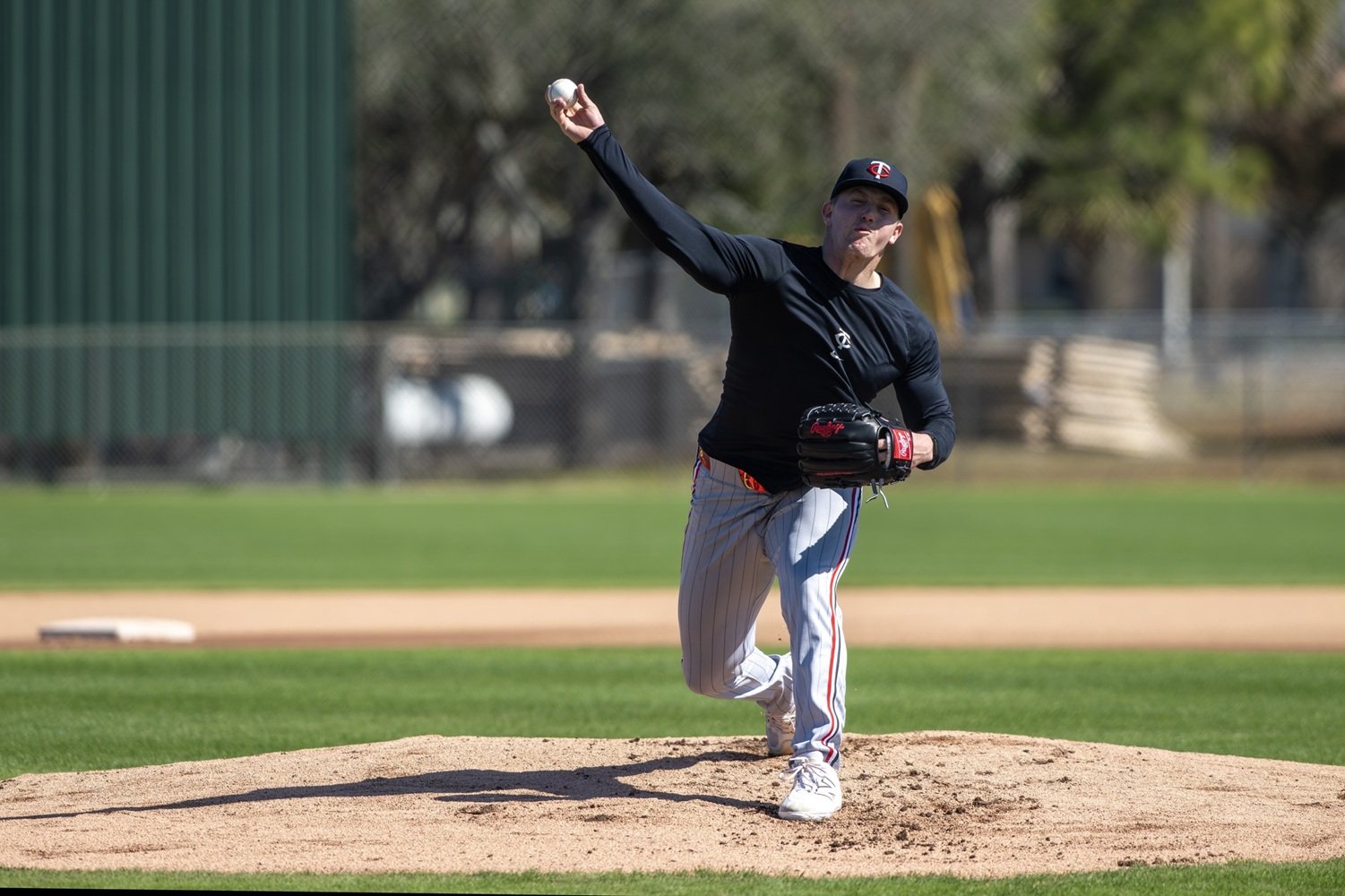 For a team that has spent the better part of the last calendar year trying to insulate itself from exactly this type of situation, the timing is less than ideal. The Minnesota Twins have quietly built legitimate starting pitching depth over the last year, particularly following last season’s trade deadline acquisitions that reshaped the upper levels of the organization. That group was supposed to supplement a rotation headlined by Pablo López, Joe Ryan, and Bailey Ober, a trio viewed internally as the foundation of what could be a contending club in 2026. Now, the load-bearing rotation will be put to the test after news that López will likely miss the 2026 season with a tear in his UCL. Twins Chairman Tom Pohlad has spoken openly this offseason about his belief that Minnesota can outperform outside expectations. Public projection systems have not been nearly as optimistic. FanGraphs currently forecasts the Twins for an 80-82 finish, while some betting markets have placed the club’s win total at just 73.5 victories. “That’s ridiculous,” Pohlad said at the start of camp. “I’ve been consistent from the beginning, saying that we feel confident in this team and that we think what you see, the talent we have, is stronger than maybe you guys or the fans are giving the roster credit for. We’re very confident in what this group of people can do together.” Those projected win totals were built with López firmly at the front of Minnesota’s rotation. His injury threatens to shift that math considerably. “Everything’s getting rolling and the expectations and stuff, and then just having him go down like that, it’s tough,” Ryan said. “It doesn’t feel real in a sense, it’s just a shock. We’ve got to make that adjustment.” Fortunately for Minnesota, making that adjustment was always part of the plan. Rotation Options Already in Camp Ryan now becomes the de facto leader of the staff. The All-Star right-hander continues to miss bats at an elite rate thanks to one of the most deceptive fastballs in baseball and has developed into a stabilizing presence capable of working deep into games. With López sidelined, his ability to anchor the rotation becomes even more critical. Ober remains one of the most underrated starters in the American League if he can return to his 2022-24 form. His extension-based approach and elite command allow him to limit hard contact despite below-average velocity. Now, Minnesota must trust that he is healthy and can consistently provide quality innings regardless of the matchup. Simeon Woods Richardson offers a different look with a deep pitch mix and an improving strike-throwing ability. He may not have the upside of some of the other arms in camp, but he’s been one of the most consistent young pitchers for the team over the last two seasons. The former top prospect took meaningful steps forward last season and appears poised to handle a full-time rotation role if needed. Acquired last July, Taj Bradley has over 380 innings at the big-league level, and there’s a reason the Twins targeted him in a trade. He finished the 2025 campaign with a 5.05 ERA in a career-high 142 ⅔ innings, but his 4.37 xFIP suggested that he got a little unlucky. His development has centered around improving command of his fastball and splitter, but the raw stuff is capable of overpowering opposing lineups when he is in rhythm. Zebby Matthews has impressed internally with his poise and ability to attack hitters in the zone. Matthews posted a 3.79 FIP and paired it with an 18.1 K-BB% that sat well above league average. He may not generate the same level of chase as others on this list, but his strike-throwing and efficiency give him a strong chance to contribute meaningful innings. There has been talk of moving David Festa to the bullpen, but that plan may need to be put on hold with the Lopez news. The primary reason behind Festa’s struggles in the majors is that his four-seam fastball has surrendered a .609 slugging percentage last season. Improving his secondary offerings could allow his fastball to perform better. Perhaps the most intriguing name in the mix is Mick Abel. Abel’s fastball shape and spin rate grade out better than average, especially once one adjusts for his low three-quarter arm slot. Abel can still refine his mechanics and improve his strike-throwing to put himself squarely in the conversation for early-season innings. Depth Waiting in St. Paul At Triple-A, additional reinforcements are expected to be available. Connor Prielipp remains one of the system’s highest upside arms when healthy and could factor into the major league picture at some point this season. Prielipp has told reporters he is building up as a starter this season, and that makes sense given teams' need for high-upside pitching depth. Andrew Morris has steadily climbed the organizational ladder with a polished repertoire that plays up due to his command. Meanwhile, Kendry Rojas offers another developmental arm with the type of stuff that could force the issue if he continues to progress against upper-level competition. Minnesota spoke very highly of Rojas after acquiring him from Toronto. The Twins entered camp believing their starting pitching depth was finally a strength rather than a question mark. López’s injury does not erase that progress, but it immediately places added pressure on the next wave of arms to prove they are ready for meaningful innings at the major league level. If Minnesota is going to surprise the sport in 2026 as Pohlad expects, the path likely runs through this group. The rotation depth built at last summer’s deadline was designed for moments like this. Now the Twins will find out just how prepared they really are. Can the Twins still outperform their projections even with López’s injury? Leave a comment and start the discussion.
- 12 comments
-
- 4
-
-
- joe ryan
- bailey ober
- (and 8 more)
-
Image courtesy of © Charles LeClaire-Imagn Images (Rogers), Kelley L Cox-USA TODAY Sports (Hendriks) For a Twins team that has spent the last calendar year reshaping its pitching depth chart, the 2026 season represents something more than just another attempt to stabilize the late innings. The Twins are asking two veteran relievers to do more than get outs in high-leverage spots. They are being tasked with helping mold the next wave of pitching talent that could define the organization for years to come. Taylor Rogers recently said that veteran relievers are most effective in helping younger players when they come to you. You don’t want to insert yourself into their development because that might screw them up. Also, he appreciated that when he was coming up to the big leagues, nobody made a big deal about it. But when they come to you, they are receptive. “Unfortunately," Rogers said, "that’s usually because the ****’s hitting the fan.” That kind of hands-off leadership style might prove especially valuable this spring, as several young arms attempt to find their footing in roles that could change quickly based on need. Twins manager Derek Shelton emphasized the importance of constructing a bullpen that balances experience with adaptability when discussing how the front office approached its offseason additions. “When you have that mix of people, and then Jeremy did a really good job in our conversations of being diligent about the guys that we brought into this group in another way," Shelton said. "Taylor Rogers is a perfect example.” Shelton also pointed to the return of a familiar face as a critical piece in building a cohesive pitching group. “I mean, even signing Liam Hendriks and bringing him back, a guy that … has been at the end of the game and has done things and has relationships here,” said Shelton. “Yeah, it's very important how we add people to that group.” From the player's side, the messaging has been consistent. Opportunity often comes down to performance and the ability to adjust when roles change. “You look at it from a point of view where there are lot of guys that have flip-flopped between (starter and reliever) and been very successful," Hendriks said. "There's a lot of guys that may not necessarily have been the best starters but turned out to be really good relievers. You want the opportunities, you've got to go out there and pitch.” There will be plenty of young pitchers who will be walking a fine line between starter and reliever this spring. Minnesota has already discussed using Marco Raya and Travis Adams more regularly in relief. Connor Prielipp, one of the team’s top pitching prospects, has told reporters that he is building up to be a starter, but things could certainly shift later this year. Minnesota also has other starters, like David Festa, Zebby Matthews, and John Klein, who could get more time in a relief role. St. Paul’s rotation could include Prielipp, Matthews, Festa, Klein, and other options such as Andrew Morris, Kendry Rojas, and Mick Abel. That’s a lot of arms for the beginning of the year, which usually has plenty of weather-related postponements. Jeremy Zoll and the rest of the front office understand that bullpen development is rarely linear. The organization has increasingly viewed relief work as a way to both manage innings and accelerate major league readiness for pitchers who may not have a clear rotation path in the short term. If that strategy works, the impact could stretch far beyond the 2026 season. Veteran relievers might be remembered not just for locking down wins, but for helping a new generation of arms learn how to navigate the mental and physical challenges of pitching in the late innings. In that sense, this bullpen is not just about protecting leads. It's about building the framework for the next great Twins pitching staff and making sure that when the next wave arrives, they are ready for whatever role the team needs them to fill. How can Rogers and Hendriks help rebuild the team’s bullpen this year? Leave a comment and start the discussion. View full article
-
Taylor Rogers, Liam Hendriks, and Building the Next Great Twins Bullpen
Cody Christie posted an article in Twins
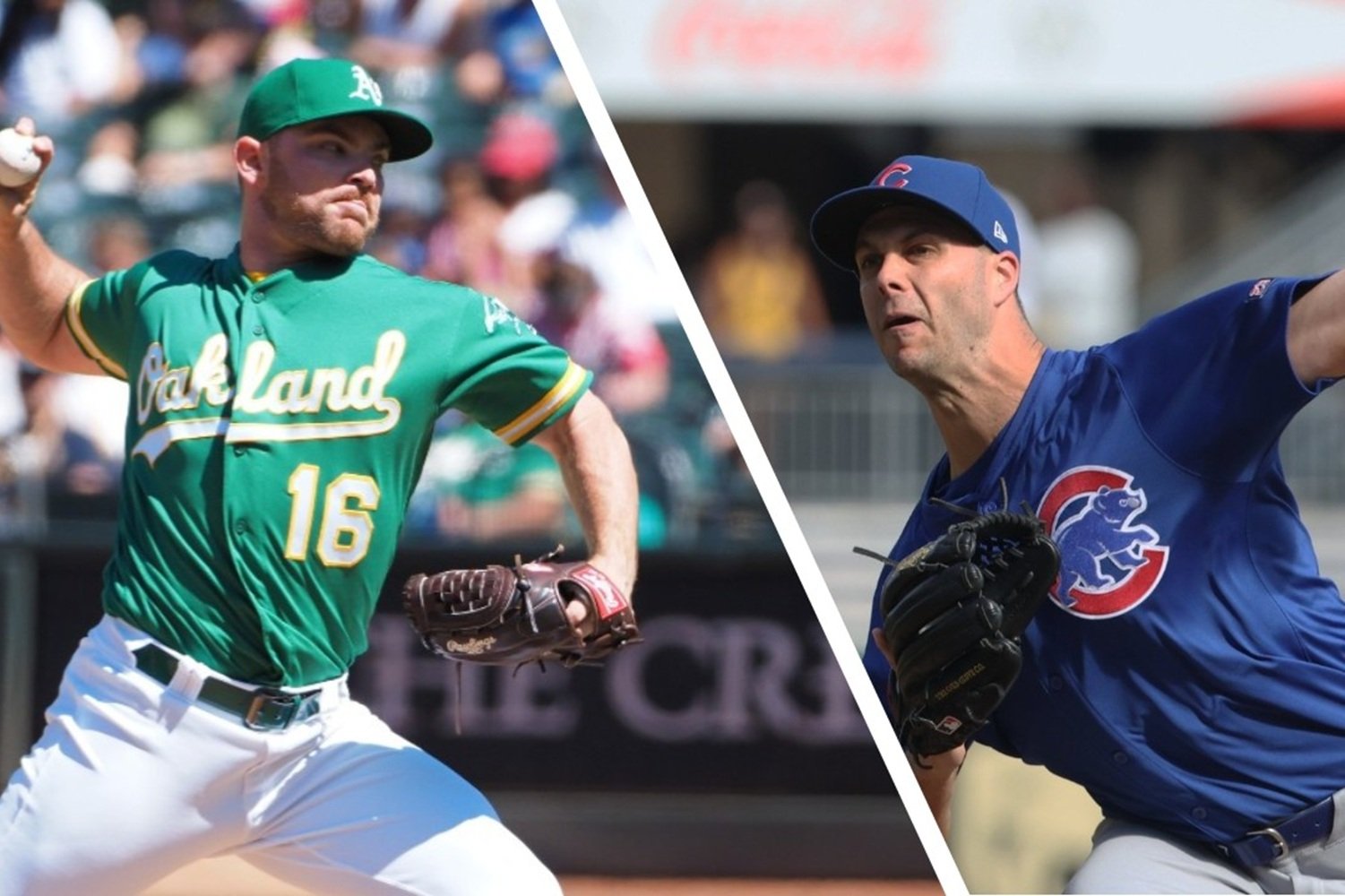 For a Twins team that has spent the last calendar year reshaping its pitching depth chart, the 2026 season represents something more than just another attempt to stabilize the late innings. The Twins are asking two veteran relievers to do more than get outs in high-leverage spots. They are being tasked with helping mold the next wave of pitching talent that could define the organization for years to come. Taylor Rogers recently said that veteran relievers are most effective in helping younger players when they come to you. You don’t want to insert yourself into their development because that might screw them up. Also, he appreciated that when he was coming up to the big leagues, nobody made a big deal about it. But when they come to you, they are receptive. “Unfortunately," Rogers said, "that’s usually because the ****’s hitting the fan.” That kind of hands-off leadership style might prove especially valuable this spring, as several young arms attempt to find their footing in roles that could change quickly based on need. Twins manager Derek Shelton emphasized the importance of constructing a bullpen that balances experience with adaptability when discussing how the front office approached its offseason additions. “When you have that mix of people, and then Jeremy did a really good job in our conversations of being diligent about the guys that we brought into this group in another way," Shelton said. "Taylor Rogers is a perfect example.” Shelton also pointed to the return of a familiar face as a critical piece in building a cohesive pitching group. “I mean, even signing Liam Hendriks and bringing him back, a guy that … has been at the end of the game and has done things and has relationships here,” said Shelton. “Yeah, it's very important how we add people to that group.” From the player's side, the messaging has been consistent. Opportunity often comes down to performance and the ability to adjust when roles change. “You look at it from a point of view where there are lot of guys that have flip-flopped between (starter and reliever) and been very successful," Hendriks said. "There's a lot of guys that may not necessarily have been the best starters but turned out to be really good relievers. You want the opportunities, you've got to go out there and pitch.” There will be plenty of young pitchers who will be walking a fine line between starter and reliever this spring. Minnesota has already discussed using Marco Raya and Travis Adams more regularly in relief. Connor Prielipp, one of the team’s top pitching prospects, has told reporters that he is building up to be a starter, but things could certainly shift later this year. Minnesota also has other starters, like David Festa, Zebby Matthews, and John Klein, who could get more time in a relief role. St. Paul’s rotation could include Prielipp, Matthews, Festa, Klein, and other options such as Andrew Morris, Kendry Rojas, and Mick Abel. That’s a lot of arms for the beginning of the year, which usually has plenty of weather-related postponements. Jeremy Zoll and the rest of the front office understand that bullpen development is rarely linear. The organization has increasingly viewed relief work as a way to both manage innings and accelerate major league readiness for pitchers who may not have a clear rotation path in the short term. If that strategy works, the impact could stretch far beyond the 2026 season. Veteran relievers might be remembered not just for locking down wins, but for helping a new generation of arms learn how to navigate the mental and physical challenges of pitching in the late innings. In that sense, this bullpen is not just about protecting leads. It's about building the framework for the next great Twins pitching staff and making sure that when the next wave arrives, they are ready for whatever role the team needs them to fill. How can Rogers and Hendriks help rebuild the team’s bullpen this year? Leave a comment and start the discussion.
- 11 comments
-
- 5
-
-

-
- liam hendriks
- taylor rogers
- (and 1 more)
-
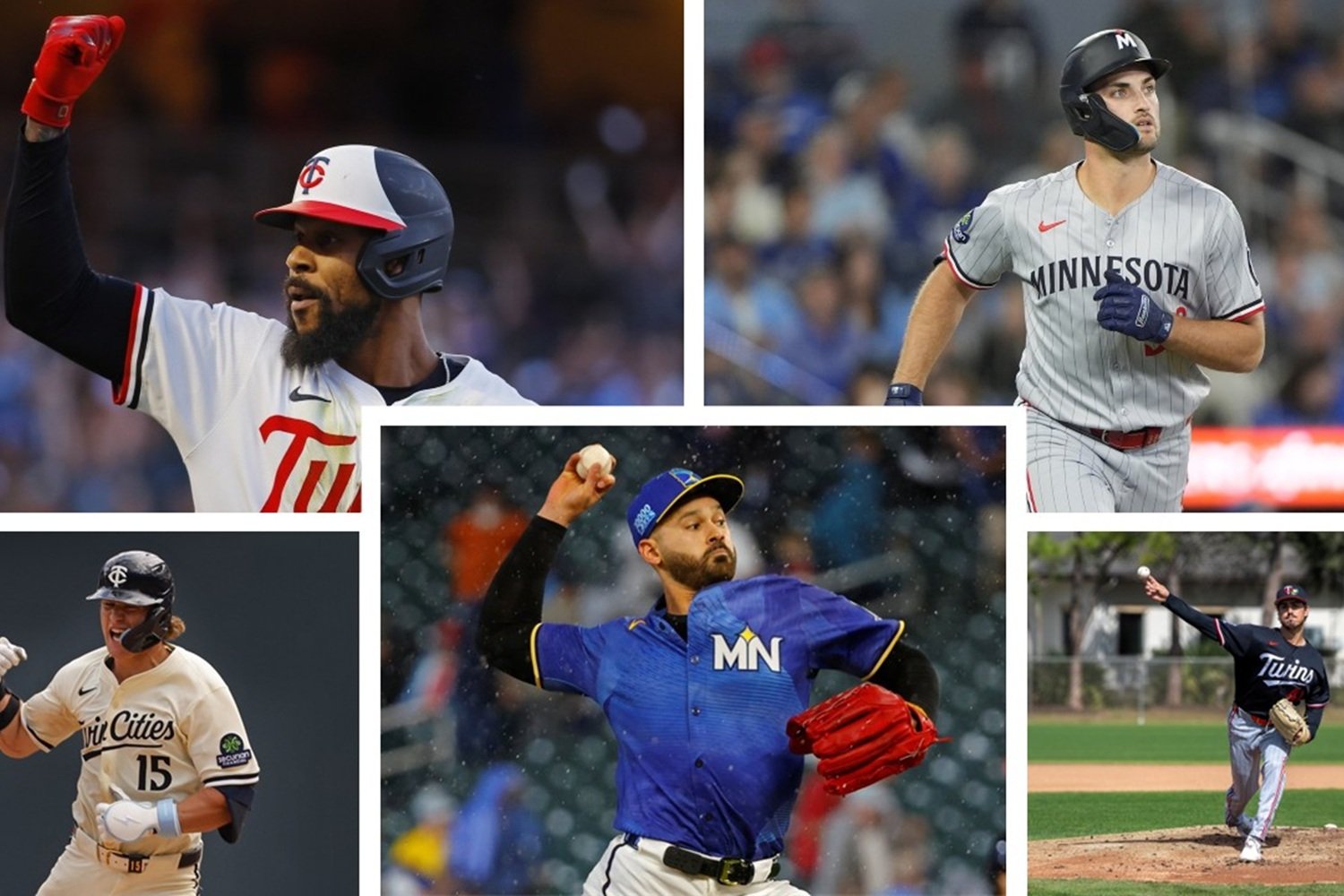 Once players arrive at spring training and start to do baseeball activities in public again, uniform talk always finds its way into the baseball conversation. For the Minnesota Twins, the 2026 season brings five distinct uniform options, which each offer something a little different. Some are rooted deeply in tradition, while others are built to reflect a more modern version of the organization. When the Minnesota Twins took the field in 2023, it marked the beginning of a new visual era for the organization. After beginning a brand refresh process in 2020, the club unveiled an entirely redesigned on-field identity that included a new primary Twins script, a refreshed TC logo, a modernized Minnesota wordmark, and the return of pinstripes on the road gray uniform. That redesign also introduced four new uniforms into the rotation, including a home white set, a primary road gray pinstripe look, a navy blue alternate that could be worn both home and away, and a cream alternate featuring 'Twin Cities' across the chest for the first time in franchise history. Since then, Minnesota has continued to evolve its look. The club added its City Connect uniform in 2024 after initially allowing the new branding to stand on its own, and has since made tweaks, including updating the blue alternate jersey ahead of the 2026 season. With Minnesota continuing to tweak its set of looks, now feels like the perfect time to rank the club’s current threads heading into the 2026 uniform cycle. 5. Road Uniform (Gray) Minnesota’s gray road look has quietly shifted back toward a more traditional pinstripe design. Paired with the newer white M hat featuring the red North Star above it, the uniform checks plenty of historical boxes. Every Twins player inducted into the National Baseball Hall of Fame wore pinstripes at some point during their Minnesota career, which gives this look legitimate credibility. Still, it feels more functional than iconic in the current rotation and lands at the bottom of this list. 4. City Connect Uniform The Twins City Connect uniforms lean heavily into the Land of 10,000 Lakes identity, with an azure blue base and bright yellow accents designed to evoke sunlight reflecting off the water. The club dubbed the look the “Ripple Effect” when it debuted in 2024, and it certainly stands out from Minnesota’s traditional navy-red-and-white color palette. The switch from matching blue pants to white pants in 2025 helped significantly balance the design. While it remains one of the more unique looks in the league, it still does not quite match the everyday appeal of some of the more classic options. 3. Alternate Uniform (Navy Blue) This is where things start to get interesting. Minnesota’s updated blue alternate jersey returns in 2026, with subtle but meaningful changes. The base navy color remains, but the arched Minnesota wordmark across the chest has been replaced with a white scripted Twins logo. It marks the first time since the 1986 powder-blue era that the organization will have a regular road option with 'Twins' across the front. That gives this uniform a slight note of nostalgia, but it looks very modern, overall—and a bit pasted-together. 2. Home Uniform (White) The classic white home uniform remains one of the cleanest looks in the sport. The Twins script stretches across the front with the standalone “T” followed by the connected cursive “wins” underlined in a design that traces back to the 1987 World Series championship season. Typically worn with the TC hat, which dates back to the franchise’s move to Minnesota, this uniform delivers exactly what a home look should. It's timeless, without feeling outdated. 1. Alternate Home Uniform The cream 'Twin Cities' alternate continues to be the best look in Minnesota’s closet. Featuring 'Twin Cities' across the chest and the crisscrossed 'M' and 'StP' flag logo, the uniform celebrates both Minneapolis and St. Paul, while bringing back the iconic cream color that fans immediately embraced. Paired with the navy TC hat featuring cream lettering, this set blends history, civic pride, and modern design into a cohesive package. It feels distinctly Minnesotan in a way few uniforms ever do. Ultimately, what makes Minnesota’s current uniform set work is the balance between honoring the franchise’s history and embracing a more modern identity. The 2023 refresh gave the Twins a cohesive foundation that finally allowed each look to feel connected, rather than like a collection of one-off ideas from different eras. Whether it's the classic home whites or the cream Twin Cities alternate, there is a clear throughline that ties the organization’s past success to its present-day ambitions. As the Twins continue to make subtle updates like the revised blue alternate and experiment with newer concepts through initiatives like City Connect, the uniform lineup should remain one of the more versatile in Major League Baseball. Fans may not always agree on which look deserves the top spot, but having multiple strong options in the rotation is a sign that the brand refresh accomplished exactly what it set out to do. Do you agree with these rankings? Leave a comment and start the discussion.
 -
Image courtesy of © Bruce Kluckhohn-Imagn Images (Buxton, Lopez, Keaschall), John E. Sokolowski-Imagn Images (Wallner), William Parmeter (Ryan) Once players arrive at spring training and start to do baseeball activities in public again, uniform talk always finds its way into the baseball conversation. For the Minnesota Twins, the 2026 season brings five distinct uniform options, which each offer something a little different. Some are rooted deeply in tradition, while others are built to reflect a more modern version of the organization. When the Minnesota Twins took the field in 2023, it marked the beginning of a new visual era for the organization. After beginning a brand refresh process in 2020, the club unveiled an entirely redesigned on-field identity that included a new primary Twins script, a refreshed TC logo, a modernized Minnesota wordmark, and the return of pinstripes on the road gray uniform. That redesign also introduced four new uniforms into the rotation, including a home white set, a primary road gray pinstripe look, a navy blue alternate that could be worn both home and away, and a cream alternate featuring 'Twin Cities' across the chest for the first time in franchise history. Since then, Minnesota has continued to evolve its look. The club added its City Connect uniform in 2024 after initially allowing the new branding to stand on its own, and has since made tweaks, including updating the blue alternate jersey ahead of the 2026 season. With Minnesota continuing to tweak its set of looks, now feels like the perfect time to rank the club’s current threads heading into the 2026 uniform cycle. 5. Road Uniform (Gray) Minnesota’s gray road look has quietly shifted back toward a more traditional pinstripe design. Paired with the newer white M hat featuring the red North Star above it, the uniform checks plenty of historical boxes. Every Twins player inducted into the National Baseball Hall of Fame wore pinstripes at some point during their Minnesota career, which gives this look legitimate credibility. Still, it feels more functional than iconic in the current rotation and lands at the bottom of this list. 4. City Connect Uniform The Twins City Connect uniforms lean heavily into the Land of 10,000 Lakes identity, with an azure blue base and bright yellow accents designed to evoke sunlight reflecting off the water. The club dubbed the look the “Ripple Effect” when it debuted in 2024, and it certainly stands out from Minnesota’s traditional navy-red-and-white color palette. The switch from matching blue pants to white pants in 2025 helped significantly balance the design. While it remains one of the more unique looks in the league, it still does not quite match the everyday appeal of some of the more classic options. 3. Alternate Uniform (Navy Blue) This is where things start to get interesting. Minnesota’s updated blue alternate jersey returns in 2026, with subtle but meaningful changes. The base navy color remains, but the arched Minnesota wordmark across the chest has been replaced with a white scripted Twins logo. It marks the first time since the 1986 powder-blue era that the organization will have a regular road option with 'Twins' across the front. That gives this uniform a slight note of nostalgia, but it looks very modern, overall—and a bit pasted-together. 2. Home Uniform (White) The classic white home uniform remains one of the cleanest looks in the sport. The Twins script stretches across the front with the standalone “T” followed by the connected cursive “wins” underlined in a design that traces back to the 1987 World Series championship season. Typically worn with the TC hat, which dates back to the franchise’s move to Minnesota, this uniform delivers exactly what a home look should. It's timeless, without feeling outdated. 1. Alternate Home Uniform The cream 'Twin Cities' alternate continues to be the best look in Minnesota’s closet. Featuring 'Twin Cities' across the chest and the crisscrossed 'M' and 'StP' flag logo, the uniform celebrates both Minneapolis and St. Paul, while bringing back the iconic cream color that fans immediately embraced. Paired with the navy TC hat featuring cream lettering, this set blends history, civic pride, and modern design into a cohesive package. It feels distinctly Minnesotan in a way few uniforms ever do. Ultimately, what makes Minnesota’s current uniform set work is the balance between honoring the franchise’s history and embracing a more modern identity. The 2023 refresh gave the Twins a cohesive foundation that finally allowed each look to feel connected, rather than like a collection of one-off ideas from different eras. Whether it's the classic home whites or the cream Twin Cities alternate, there is a clear throughline that ties the organization’s past success to its present-day ambitions. As the Twins continue to make subtle updates like the revised blue alternate and experiment with newer concepts through initiatives like City Connect, the uniform lineup should remain one of the more versatile in Major League Baseball. Fans may not always agree on which look deserves the top spot, but having multiple strong options in the rotation is a sign that the brand refresh accomplished exactly what it set out to do. Do you agree with these rankings? Leave a comment and start the discussion. View full article
-
How Much Did the Twins Playoff Odds Change Following Pablo López’s Injury?
Cody Christie posted an article in Twins
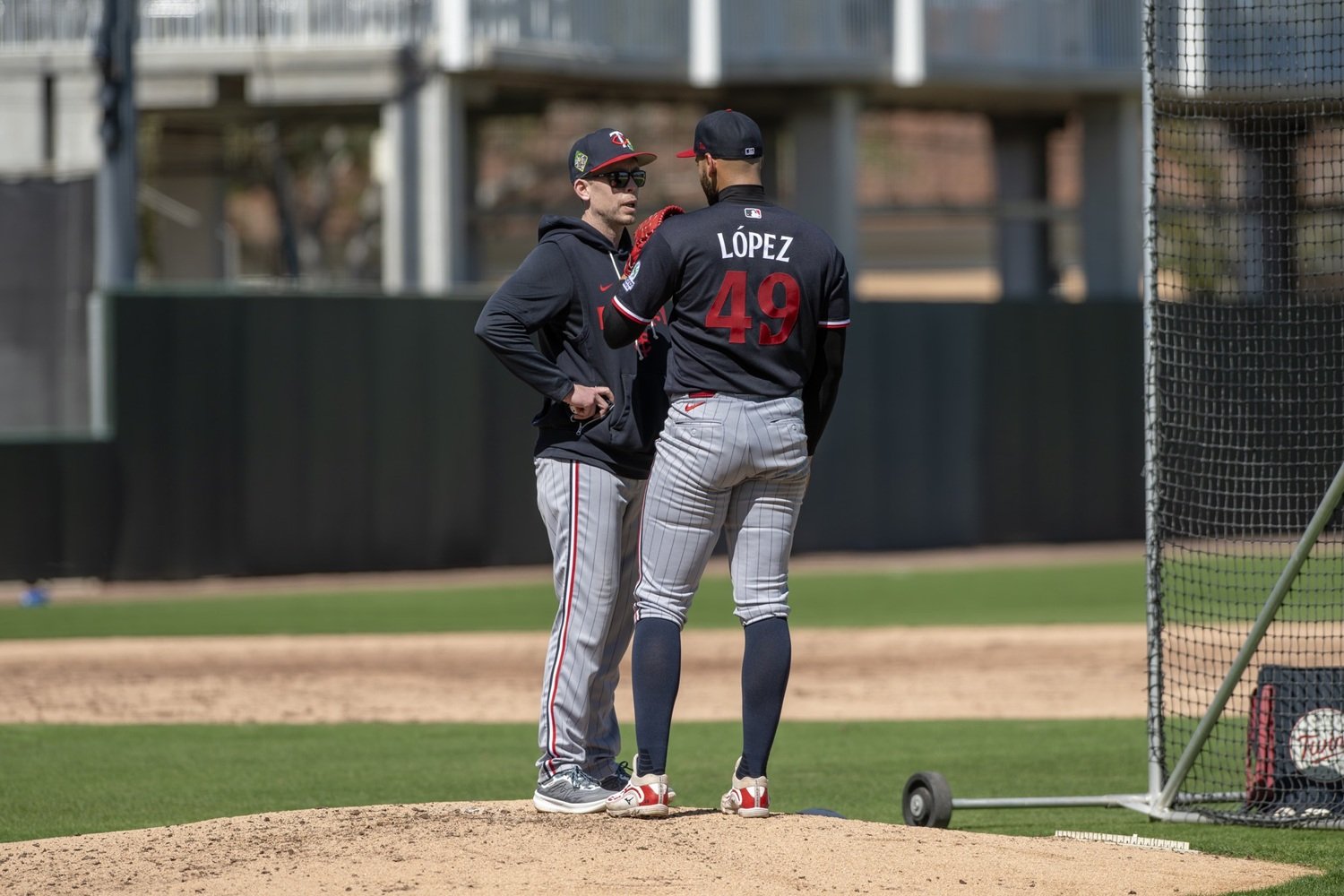 The news surrounding Pablo López cast an immediate shadow over Minnesota’s spring outlook, and the numbers shifted just as quickly as the mood inside the clubhouse. According to FanGraphs, the Twins saw their playoff odds fall from 31.7% to 26.6% following the announcement that López is expected to miss the 2026 season after suffering a torn UCL. While López will receive a second opinion, the expectation is that he will miss significant time and is likely headed for Tommy John surgery. Minnesota built its roster around stability in the starting rotation, and losing its ace before Opening Day creates a ripple effect that impacts everything from bullpen usage to innings distribution across the staff. Interestingly, Jared Greenspan of MLB.com recently listed the Twins as one of 10 teams capable of outperforming their playoff odds in 2026. He pointed to the 2025 Toronto Blue Jays as an example of a club that beat the projections and played its way into October. However, those projections for Minnesota were calculated before López’s injury became public, which means the climb is now steeper than initially expected. Reasons Why the Odds Are Against Them 1. Losing Their Ace: The most obvious hurdle is replacing López at the top of the rotation. Minnesota can shuffle names into his spot, but there is no internal option capable of replicating the value he provided every fifth day. His leadership will also be sorely missed, as young pitchers get their first full season at the big-league level. 2. Shortstop Depth Chart: Shortstop depth is another concern, with Baseball America recently saying, “They don’t have a shortstop.” The Twins are projected to rank 30th in fWAR at the position. Brooks Lee has shown flashes at the big-league level, but has also battled injuries and inconsistency. Kaelen Culpepper broke out last season but has yet to play above Double-A. Marek Houston is widely viewed as the organization’s best defensive shortstop, but evaluators still question whether his bat will play at the highest level. 3. Bullpen Rebuild: Minnesota also lacks proven high-leverage right-handed relievers after trading Jhoan Duran, Griffin Jax, and Louis Varland at last year’s deadline. The club can hope for more from Cole Sands and Justin Topa, but both may ultimately be better suited for middle-inning roles. 4. Lack of Offensive Upgrades: Offensively, the lineup needs internal growth. Royce Lewis and Matt Wallner have shown the ability to be impact hitters, but each needs to recover from an underwhelming 2025 to offset the loss of run prevention on the pitching side. Josh Bell was the team's biggest offseason signing, but he can't save the entire lineup. Reasons Why They Can Defy the Odds 1. Rotational Depth: Even without López, Minnesota still has rotation depth that many teams would envy. Taj Bradley, Mick Abel, and Zebby Matthews now move up the depth chart and will have opportunities to prove they can handle meaningful innings in a competitive environment. 2. Potential All-Star Players: The Twins also feature two of the best players in the division in Byron Buxton and Joe Ryan. Both can carry stretches of a season and swing the outcome of tight games, which often determine postseason positioning in the AL Central. Luke Keaschall could also build on a strong rookie campaign that included a 134 wRC+ and further lengthen the lineup; the projections like his bat a lot. 3. Prospects on the Verge: Help may arrive from Triple-A sooner rather than later. Outfielders Walker Jenkins, Emmanuel Rodriguez, and Gabriel Gonzalez can all provide an offensive boost for a lineup that struggled in the second half. Left-handed pitchers Connor Prielipp and Kendry Rojas are two of the most exciting arms in the system, but they struggled in their first taste of Triple-A. Any of the names above could provide a meaningful boost over the course of the season. A five-percentage-point drop in playoff odds feels significant in February, because there are no wins in the bank yet. Everything is theoretical, and projections become the loudest voice in the room. But 26.6% is not zero. It is not a white flag. It's a reminder that the margin for error just shrank. For Minnesota to beat the odds, several things must happen simultaneously. The young arms stepping into larger roles can't simply survive. They need to be legitimate contributors. The lineup can't tread water. It must produce at a top-half-of-the-league level, making good on what has looked like stalled talent the last two years. The bullpen can't just piece together outs. It needs to develop new late-inning answers. At the same time, baseball history is filled with teams that looked finished on paper before the games started. The difference between 31.7% and 26.6% is meaningful in a model, but over 162 games, it can be erased by one breakout season, one unexpected rookie, or one dominant stretch from a star player. In 2017, they entered the season with a similarly unimpressive chance to make the postseason, according to Baseball Prospectus. They shocked everyone that year, and they have the latent talent to do so again. That's the bet Minnesota is now making. Losing López changes the ceiling, and it certainly complicates the path. But it doesn't eliminate it. If the Twins are going to defy expectations, they will have to do it the hard way with internal growth, health from their core players, and impact from prospects knocking on the door. The projections have adjusted. Now the organization has to respond. Do you believe the Twins can beat their playoff odds? Leave a comment and start the discussion.
- 25 comments
-
- 3
-
-
- pablo lopez
- brooks lee
- (and 8 more)
-
Image courtesy of William Parmeter The news surrounding Pablo López cast an immediate shadow over Minnesota’s spring outlook, and the numbers shifted just as quickly as the mood inside the clubhouse. According to FanGraphs, the Twins saw their playoff odds fall from 31.7% to 26.6% following the announcement that López is expected to miss the 2026 season after suffering a torn UCL. While López will receive a second opinion, the expectation is that he will miss significant time and is likely headed for Tommy John surgery. Minnesota built its roster around stability in the starting rotation, and losing its ace before Opening Day creates a ripple effect that impacts everything from bullpen usage to innings distribution across the staff. Interestingly, Jared Greenspan of MLB.com recently listed the Twins as one of 10 teams capable of outperforming their playoff odds in 2026. He pointed to the 2025 Toronto Blue Jays as an example of a club that beat the projections and played its way into October. However, those projections for Minnesota were calculated before López’s injury became public, which means the climb is now steeper than initially expected. Reasons Why the Odds Are Against Them 1. Losing Their Ace: The most obvious hurdle is replacing López at the top of the rotation. Minnesota can shuffle names into his spot, but there is no internal option capable of replicating the value he provided every fifth day. His leadership will also be sorely missed, as young pitchers get their first full season at the big-league level. 2. Shortstop Depth Chart: Shortstop depth is another concern, with Baseball America recently saying, “They don’t have a shortstop.” The Twins are projected to rank 30th in fWAR at the position. Brooks Lee has shown flashes at the big-league level, but has also battled injuries and inconsistency. Kaelen Culpepper broke out last season but has yet to play above Double-A. Marek Houston is widely viewed as the organization’s best defensive shortstop, but evaluators still question whether his bat will play at the highest level. 3. Bullpen Rebuild: Minnesota also lacks proven high-leverage right-handed relievers after trading Jhoan Duran, Griffin Jax, and Louis Varland at last year’s deadline. The club can hope for more from Cole Sands and Justin Topa, but both may ultimately be better suited for middle-inning roles. 4. Lack of Offensive Upgrades: Offensively, the lineup needs internal growth. Royce Lewis and Matt Wallner have shown the ability to be impact hitters, but each needs to recover from an underwhelming 2025 to offset the loss of run prevention on the pitching side. Josh Bell was the team's biggest offseason signing, but he can't save the entire lineup. Reasons Why They Can Defy the Odds 1. Rotational Depth: Even without López, Minnesota still has rotation depth that many teams would envy. Taj Bradley, Mick Abel, and Zebby Matthews now move up the depth chart and will have opportunities to prove they can handle meaningful innings in a competitive environment. 2. Potential All-Star Players: The Twins also feature two of the best players in the division in Byron Buxton and Joe Ryan. Both can carry stretches of a season and swing the outcome of tight games, which often determine postseason positioning in the AL Central. Luke Keaschall could also build on a strong rookie campaign that included a 134 wRC+ and further lengthen the lineup; the projections like his bat a lot. 3. Prospects on the Verge: Help may arrive from Triple-A sooner rather than later. Outfielders Walker Jenkins, Emmanuel Rodriguez, and Gabriel Gonzalez can all provide an offensive boost for a lineup that struggled in the second half. Left-handed pitchers Connor Prielipp and Kendry Rojas are two of the most exciting arms in the system, but they struggled in their first taste of Triple-A. Any of the names above could provide a meaningful boost over the course of the season. A five-percentage-point drop in playoff odds feels significant in February, because there are no wins in the bank yet. Everything is theoretical, and projections become the loudest voice in the room. But 26.6% is not zero. It is not a white flag. It's a reminder that the margin for error just shrank. For Minnesota to beat the odds, several things must happen simultaneously. The young arms stepping into larger roles can't simply survive. They need to be legitimate contributors. The lineup can't tread water. It must produce at a top-half-of-the-league level, making good on what has looked like stalled talent the last two years. The bullpen can't just piece together outs. It needs to develop new late-inning answers. At the same time, baseball history is filled with teams that looked finished on paper before the games started. The difference between 31.7% and 26.6% is meaningful in a model, but over 162 games, it can be erased by one breakout season, one unexpected rookie, or one dominant stretch from a star player. In 2017, they entered the season with a similarly unimpressive chance to make the postseason, according to Baseball Prospectus. They shocked everyone that year, and they have the latent talent to do so again. That's the bet Minnesota is now making. Losing López changes the ceiling, and it certainly complicates the path. But it doesn't eliminate it. If the Twins are going to defy expectations, they will have to do it the hard way with internal growth, health from their core players, and impact from prospects knocking on the door. The projections have adjusted. Now the organization has to respond. Do you believe the Twins can beat their playoff odds? Leave a comment and start the discussion. View full article
-
Image courtesy of William Parmeter For a team that has spent the better part of the last calendar year trying to insulate itself from exactly this type of situation, the timing is less than ideal. The Minnesota Twins have quietly built legitimate starting pitching depth over the last year, particularly following last season’s trade deadline acquisitions that reshaped the upper levels of the organization. That group was supposed to supplement a rotation headlined by Pablo López, Joe Ryan, and Bailey Ober, a trio viewed internally as the foundation of what could be a contending club in 2026. Now, the rotation may be asked to carry the load after López will likely miss the 2026 season with a tear in his UCL. Twins Chairman Tom Pohlad has spoken openly this offseason about his belief that Minnesota can outperform outside expectations. Public projection systems have not been nearly as optimistic. FanGraphs currently forecasts the Twins for an 80-82 finish, while some betting markets have placed the club’s win total at just 73.5 victories. “That’s ridiculous,” Pohlad said. “I’ve been consistent from the beginning, saying that we feel confident in this team and that we think what you see, the talent we have, is stronger than maybe you guys or the fans are giving the roster credit for. We’re very confident in what this group of people can do together.” Those projected win totals were built with López firmly at the front of Minnesota’s rotation. His injury threatens to shift that math considerably. “Everything’s getting rolling and the expectations and stuff, and then just having him go down like that, it’s tough,” Ryan said. “It doesn’t feel real in a sense, it’s just a shock. We’ve got to make that adjustment.” Fortunately for Minnesota, making that adjustment was always part of the plan. Rotation Options Already in Camp Ryan now becomes the de facto leader of the staff. The All-Star right-hander continues to miss bats at an elite rate thanks to one of the most deceptive fastballs in baseball and has developed into a stabilizing presence capable of working deep into games. With López sidelined, his ability to anchor the rotation becomes even more critical. Ober remains one of the most underrated starters in the American League if he can return to his 2022-24 form. His extension-based approach and elite command allow him to limit hard contact despite below-average velocity. Now, Minnesota must trust that he is healthy and can consistently provide quality innings regardless of the matchup. Simeon Woods Richardson offers a different look with a deep pitch mix and an improving strike-throwing ability. He may not have the upside of some of the other arms in camp, but he’s been one of the most consistent young pitchers for the team over the last two seasons. The former top prospect took meaningful steps forward last season and appears poised to handle a full-time rotation role if needed. Acquired last July, Taj Bradley has over 380 innings at the big-league level, and there’s a reason the Twins targeted him in a trade. He finished the 2025 campaign with a 5.05 ERA in a career-high 142 ⅔ innings, but his 4.37 xFIP suggested that he got a little unlucky. His development has centered around improving fastball command, but the raw stuff is capable of overpowering opposing lineups when he is in rhythm. Zebby Matthews has impressed internally with his poise and ability to attack hitters in the zone. Matthews posted a 3.79 FIP and paired it with an 18.1 K-BB% that sat well above league average. He may not generate the same level of chase as others on this list, but his strike-throwing and efficiency give him a strong chance to contribute meaningful innings. There has been talk of moving David Festa to the bullpen, but that plan may need to be put on hold with the Lopez news. The primary reason behind Festa’s struggles in the majors is that his four-seam fastball has surrendered a .609 slugging percentage last season. Improving his secondary offerings could allow his fastball to perform better. Perhaps the most intriguing name in the mix is Mick Abel. Abel’s fastball shape and spin rate grade out better than average, especially once one adjusts for his low three-quarter arm slot. Abel can still refine his mechanics and improve his strike-throwing to put himself squarely in the conversation for early-season innings. Depth Waiting in St. Paul At Triple-A, additional reinforcements are expected to be available. Connor Prielipp remains one of the system’s highest upside arms when healthy and could factor into the major league picture at some point this season. Prielipp has told reporters he is building up as a starter this season, and that makes sense given teams' need for high-upside pitching depth. Andrew Morris has steadily climbed the organizational ladder with a polished repertoire that plays up due to his command. Meanwhile, Kendry Rojas offers another developmental arm with the type of stuff that could force the issue if he continues to progress against upper-level competition. Minnesota spoke very highly of Rojas after acquiring him from Toronto. The Twins entered camp believing their starting pitching depth was finally a strength rather than a question mark. López’s injury does not erase that progress, but it immediately places added pressure on the next wave of arms to prove they are ready for meaningful innings at the major league level. If Minnesota is going to surprise the sport in 2026 as Pohlad expects, the path likely runs through this group. The rotation depth built at last summer’s deadline was designed for moments like this. Now the Twins will find out just how prepared they really are. Can the Twins still outperform their projections even with López’s injury? Leave a comment and start the discussion. View full article
-
Late-Inning Questions Remain, but Twins Bullpen Picture Is Getting Clearer
Cody Christie posted an article in Twins
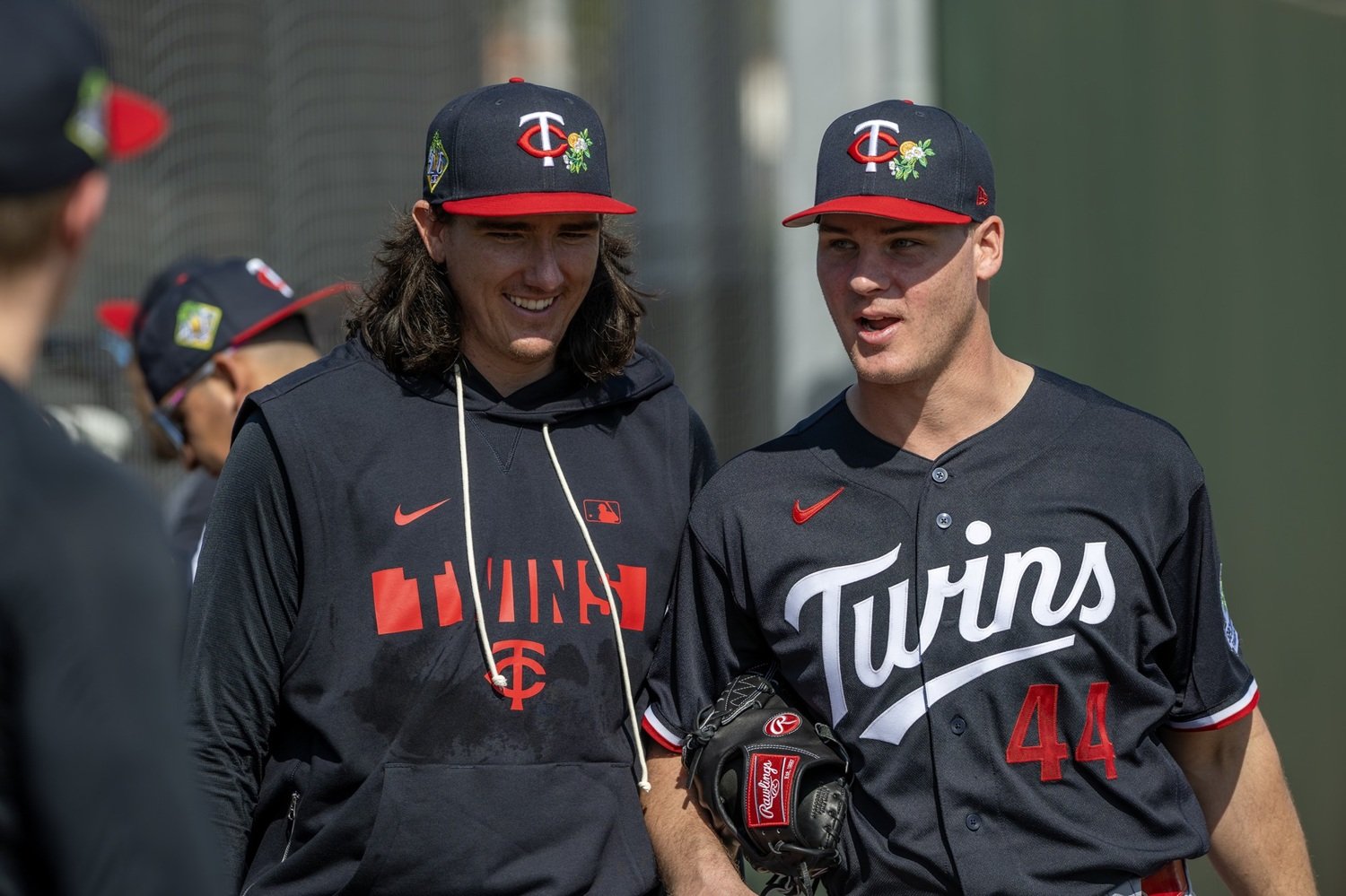 When the Minnesota Twins walked out of last year’s trade deadline having dealt away their entire late-inning infrastructure, the implication was clear. This bullpen was going to need a complete rebuild. Jhoan Duran was gone. Griffin Jax was gone. Louis Varland was gone. Brock Stewart was gone. Even depth arms who had soaked up meaningful innings were moved, as the front office pivoted toward future flexibility. By the time the dust settled, Minnesota was left with a relief corps that resembled more of a tryout list than a functional major-league unit. Fast-forward to the first official week of spring preparations, and the picture is beginning to sharpen. A handful of additions have quietly transformed what once looked like an organizational weakness into a group with at least some defined roles. Closer: Taylor Rogers It's a familiar face stepping back into the ninth-inning conversation. Rogers returns to Minnesota for the first time since being dealt away four seasons ago, and immediately becomes one of the most experienced late-inning options in the room. While he no longer features the consistent mid-90s velocity that earned him All-Star recognition earlier in his career, he still offers steady command from the left side and a track record of handling pressure situations. On a modest one-year commitment, he projects as the bullpen’s primary southpaw and the most logical candidate to handle save opportunities as the season begins, barring a healthy and thunderous spring by Liam Hendriks. Set Up Options: Cole Sands, Justin Topa, Anthony Banda Sands enters camp looking to rebound from a frustrating follow-up to his breakout 2024 campaign. His swing-and-miss ability dipped noticeably last season, while his walk rate trended in the wrong direction, resulting in more traffic and more damage. Even so, his pitch mix and prior success suggest there is still legitimate upside here. Minnesota will likely lean on him in meaningful innings, hoping the sharper version of his arsenal returns. Topa was able to stay on the mound more consistently in 2025, after injuries derailed the previous year. He logged one of the heavier workloads of his career. He doesn't overpower hitters, but keeps the ball on the ground (47.7% ground-ball rate) and limits loud contact when he's right. Asked to take on higher-leverage responsibilities late last season, he showed some volatility. With the current roster construction, however, he may again find himself pitching in key spots. Banda joined the organization shortly after camp opened, following a move that brought him over from the Los Angeles Dodgers. The veteran left-hander has quietly posted strong run prevention numbers over the past two seasons, thanks to improved fastball location and a willingness to challenge hitters inside. He is better suited for matchups against left-handed bats, but has proven capable of covering multiple innings when needed. He is due to make $1.6 million this season, so he is nearly guaranteed to break camp with the club. Middle Relief Mix: Eric Orze, Travis Adams, Kody Funderburk, Andrew Chafin Acquired from the Tampa Bay Rays earlier in the offseason, Orze brings a mid-90s fastball and a splitter that has generated strikeouts throughout his professional career. He translated that swing and miss ability into solid results during his first extended big-league look last season and could quickly climb the trust ladder if that continues. Adams appears ticketed for bullpen work full-time, after Minnesota shifted away from developing him as a starter in 2025. Last season, his results in relief were uneven, but there were encouraging signs late in the year. His velocity ticked up in shorter appearances. In his final eight appearances (8 1/3 innings), he had a 3.02 FIP and an 8-to-5 strikeout-to-walk ratio. The Twins will be watching closely to see if that version of Adams can show up more consistently over a full season. Funderburk made perhaps the strongest late-season impression of anyone remaining in house after the deadline teardown. In 24 innings following the trade deadline, he posted a 0.75 ERA with 28 strikeouts. That extended opportunity down the stretch forced him back into the club’s future plans. Entering spring, he looked like the clear secondary left-handed option, though Banda and Chafin’s arrivals add new competition to that role. Chafin enters his age-35 season and his 16th year in professional baseball. While the deal does not guarantee him a spot on the Opening Day roster, it immediately throws him into legitimate competition for a role. Last season, the veteran posted a 2.41 ERA across 33 2/3 innings. He struck out 36 hitters against 19 walks and limited left-handed batters to a .136 average. That type of platoon effectiveness remains especially valuable, even with other lefties on the roster. This list omits fellow non-roster signee Liam Hendriks, whose return to the organization reads like something out of a baseball time capsule. Originally signed by Minnesota as a teenager out of Australia, he later developed into one of the sport’s most dominant closers—after departing the system before the Twins gave him a chance to be a reliever. Now nearing 37 and working back from multiple health setbacks, he arrives on a minor-league deal as an upside play, but with serious questions about his utility. Taken together, this group lacks the established star power that defined Minnesota’s bullpen in recent seasons. There is no arm capable of dominating the ninth inning the way fans had grown accustomed to before last summer’s reset. What it does have is variety, flexibility, and multiple pitchers with something to prove. That reality may ultimately define the Twins' early season. Without a traditional late-inning hierarchy carved in stone, matchups and hot hands are likely to dictate usage patterns, as the coaching staff evaluates who can handle higher-leverage moments. It's not the most glamorous approach, but it's often how new bullpen cores are formed. If even two or three of these arms outperform expectations, Minnesota could find itself with legitimate trade chips or a surprisingly stable back end of the pen by midseason. For now, the bullpen remains a work in progress, but for the first time since the deadline fire sale, it at least resembles a group with direction, rather than one simply filling innings. What will change with this bullpen group before Opening Day? Leave a comment and start the discussion.
- 24 comments
-
- 4
-
-
- taylor rogers
- cole sands
- (and 7 more)
-
Image courtesy of William Parmeter As the Minnesota Twins opened camp this spring, a noticeable theme echoed throughout the organization. After a season defined by transition, youth, and growing pains, this group is searching for something that does not show up on a stat sheet. Leadership has become one of the most talked-about needs inside the clubhouse as Minnesota prepares for the 2026 season. Fortunately, that leadership may already be in place. Byron Buxton is coming off arguably the best big-league season of his career and remains the best player on the roster. His impact has long been measured by highlight-reel defense, game-changing speed, and middle-of-the-order production. Now, the Twins are looking for something more from their franchise cornerstone, as a new wave of young talent continues to arrive in the clubhouse. Leadership, according to Buxton, can mean quite a bit. “A lot. Like, we thought quite a bit this offseason, just because we had to. So it's one of those where we know what we're trying to get to," Buxton said. "We know what we're striving to. And it's gonna take us veteran guys, to kinda lead these young guys to get to where we want them. We've been here to know how to play baseball the right way, play the game the right way, put in the effort. It's all about showing them the right way, how to do things.” For a roster that continues to look for young players to take the next step, leadership is about more than just setting the tone during games. It becomes the connective tissue between experience and potential. Veteran players who have endured postseason battles, slumps, injuries, and the daily grind of a 162-game schedule can provide a blueprint for younger teammates still learning how to navigate the league. In Buxton’s case, that blueprint is not going to look dramatically different from years past. “Nope, be myself, go about my business the same way I went," he told reporters in Ft. Myers. "Come in and play ball, that's it. Like, I'm a dad at the end of the day, and I'm a husband. I'm like, this is my job, this is a game. I know what I'm supposed to be doing when I'm here, but when I leave, this is over with. So, enjoy this while I'm here.” That authenticity has stood out immediately to manager Derek Shelton. “The thing that stuck out to me the most was just how mature he is. When I was here before, he was a young player trying to establish himself," Shelton said. And now? "He's a superstar. You don't play center field for Team USA in the WBC if you're not a superstar. You don't do the things that he's done. There's nothing that specifically he said stood out. The way he walks in a room now is different. When you're around great players and they walk in the room, you know it. When he walks in the room, you know it.” Shelton also emphasized that leadership within a clubhouse rarely looks the way fans expect it to from the outside. “Leadership is organic. When Byron—and I saw this from him before in '19—the guys he came through the minor league system with, they gravitate towards him, because they know the expectation he has on himself. “When leaders show the expectation they have of themselves, it doesn't matter how the leadership manifests outwardly, whether it's loud, whether it's quiet," Shelton continued. "I know everyone expects, not just in Buck's case, but in any case, 'This guy has to be loud.' “There's only very few people that know how conversations happen within a room when no one is there. That's leadership. That happens organically, and I think he does it in his own way. The expectation anybody would change how they go about that, I don't think that's fair to that person or to the rest of the group. It will come out organically.” If the Twins are going to take the next step in 2026, they will need production from their young core. Just as importantly, they will need guidance from the players who understand what it takes to succeed at the highest level. Buxton has already established himself as the face of the franchise on the field. This season, his influence away from it could prove just as valuable. Can Buxton’s organic leadership style help the Twins to be successful in 2026? Leave a comment and start the discussion. View full article
-
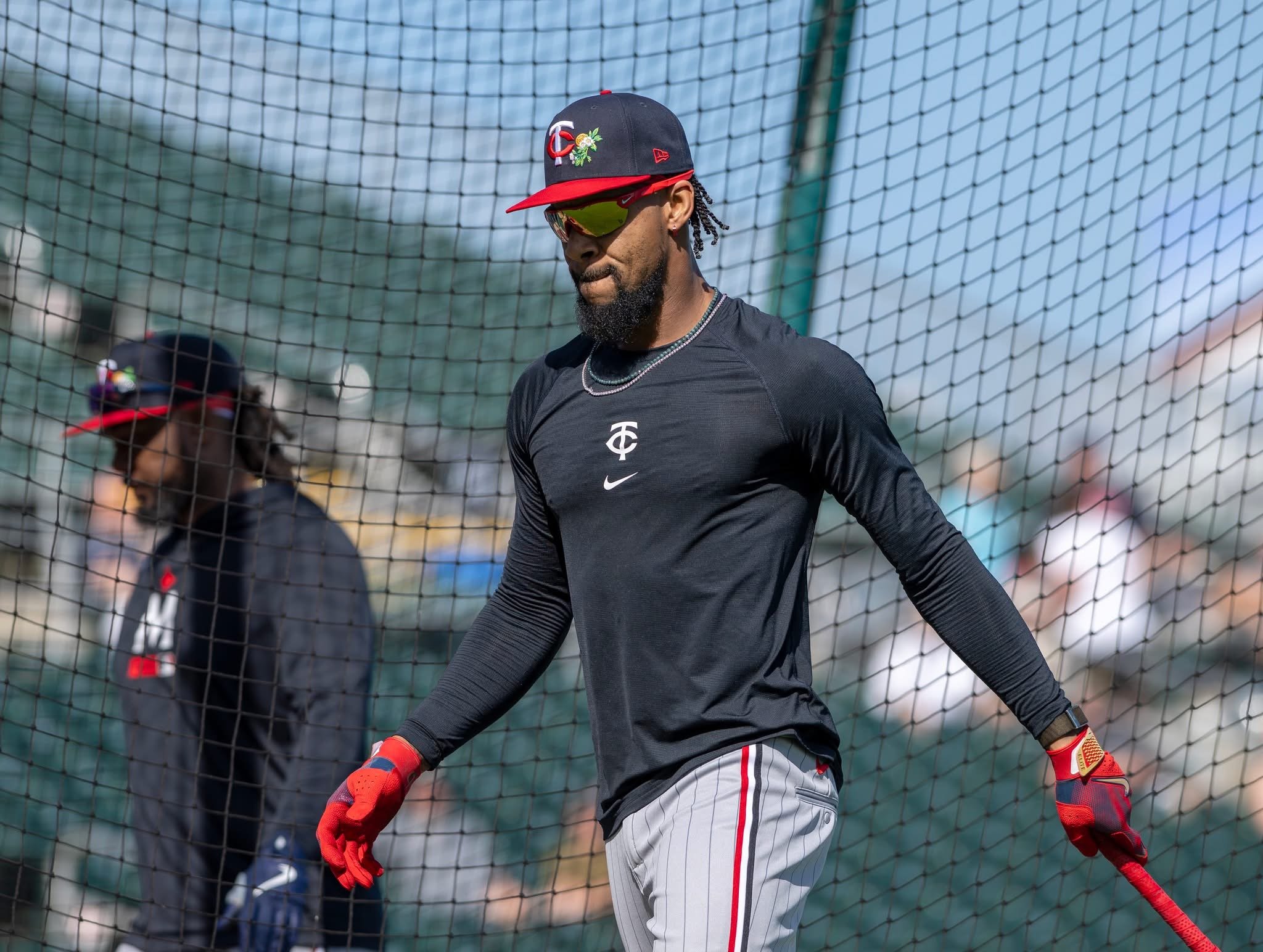 As the Minnesota Twins opened camp this spring, a noticeable theme echoed throughout the organization. After a season defined by transition, youth, and growing pains, this group is searching for something that does not show up on a stat sheet. Leadership has become one of the most talked-about needs inside the clubhouse as Minnesota prepares for the 2026 season. Fortunately, that leadership may already be in place. Byron Buxton is coming off arguably the best big-league season of his career and remains the best player on the roster. His impact has long been measured by highlight-reel defense, game-changing speed, and middle-of-the-order production. Now, the Twins are looking for something more from their franchise cornerstone, as a new wave of young talent continues to arrive in the clubhouse. Leadership, according to Buxton, can mean quite a bit. “A lot. Like, we thought quite a bit this offseason, just because we had to. So it's one of those where we know what we're trying to get to," Buxton said. "We know what we're striving to. And it's gonna take us veteran guys, to kinda lead these young guys to get to where we want them. We've been here to know how to play baseball the right way, play the game the right way, put in the effort. It's all about showing them the right way, how to do things.” For a roster that continues to look for young players to take the next step, leadership is about more than just setting the tone during games. It becomes the connective tissue between experience and potential. Veteran players who have endured postseason battles, slumps, injuries, and the daily grind of a 162-game schedule can provide a blueprint for younger teammates still learning how to navigate the league. In Buxton’s case, that blueprint is not going to look dramatically different from years past. “Nope, be myself, go about my business the same way I went," he told reporters in Ft. Myers. "Come in and play ball, that's it. Like, I'm a dad at the end of the day, and I'm a husband. I'm like, this is my job, this is a game. I know what I'm supposed to be doing when I'm here, but when I leave, this is over with. So, enjoy this while I'm here.” That authenticity has stood out immediately to manager Derek Shelton. “The thing that stuck out to me the most was just how mature he is. When I was here before, he was a young player trying to establish himself," Shelton said. And now? "He's a superstar. You don't play center field for Team USA in the WBC if you're not a superstar. You don't do the things that he's done. There's nothing that specifically he said stood out. The way he walks in a room now is different. When you're around great players and they walk in the room, you know it. When he walks in the room, you know it.” Shelton also emphasized that leadership within a clubhouse rarely looks the way fans expect it to from the outside. “Leadership is organic. When Byron—and I saw this from him before in '19—the guys he came through the minor league system with, they gravitate towards him, because they know the expectation he has on himself. “When leaders show the expectation they have of themselves, it doesn't matter how the leadership manifests outwardly, whether it's loud, whether it's quiet," Shelton continued. "I know everyone expects, not just in Buck's case, but in any case, 'This guy has to be loud.' “There's only very few people that know how conversations happen within a room when no one is there. That's leadership. That happens organically, and I think he does it in his own way. The expectation anybody would change how they go about that, I don't think that's fair to that person or to the rest of the group. It will come out organically.” If the Twins are going to take the next step in 2026, they will need production from their young core. Just as importantly, they will need guidance from the players who understand what it takes to succeed at the highest level. Buxton has already established himself as the face of the franchise on the field. This season, his influence away from it could prove just as valuable. Can Buxton’s organic leadership style help the Twins to be successful in 2026? Leave a comment and start the discussion.
 -
Image courtesy of William Parmeter Monday is supposed to be a day of excitement and hope across Twins Territory. Pitchers and catchers reported last week, and now the remaining position players have joined them. However, there was a noticeable shift in energy at Twins camp on Monday morning. After the first full squad workout of the spring, some concern crept into the clubhouse when Pablo López walked off the mound during a live batting practice session and reported elbow soreness. The right-hander had been scheduled to throw three simulated innings, which represented a heavier workload than most pitchers in camp as he prepares to pitch for Team Venezuela in the upcoming World Baseball Classic. According to the Star Tribune, everything appeared routine until the second pitch of his third inning. That was when López alerted pitching coach Pete Maki to how his elbow felt. Moments later, he walked off the mound, and the session came to an abrupt end. Manager Derek Shelton told reporters that López will undergo an MRI to determine the severity of the issue. "Obviously, it's February 16," Shelton said. "After he and Pete talked, we decided, out of an abundance of caution, let's get him off the field and make sure he's OK. We'll get some imaging on it, just because of how important it is and he is to us. I think we'll have more information as we go along." If López is forced to shut down from throwing, it would likely take him out of participation in the World Baseball Classic and could put his Opening Day availability in jeopardy. That would be a significant development for Minnesota, given that López has taken the ball on Opening Day in each of the past three seasons and has established himself as the anchor of the rotation. Last week, López spoke on Inside Twins about how excited he was to represent Venezuela on an international stage. He reflected on his youth and the disappointment of being left off All-Star teams earlier in his career and noted how meaningful it would be to pitch for his country alongside a strong roster and coaching staff. On that episode, López was asked about how he felt entering the season. He reiterated that many of the tests he was doing this winter proved that he was “in the best shape of his life.” That can become a cliche during early spring workouts, but it was clear that he felt better than he had in a long time, especially after injuries limited him to 14 starts last season. Shelton recently emphasized just how vital he is to the Twins' pitching puzzle this spring as the club works through multiple moving pieces on the staff. "I don't know if anybody in that room takes care of himself as well as Pablo does, not only during the season, but in the offseason," Shelton said. "The fact he has awareness of his body, and he and Pete have a strong relationship, and they were able to have a conversation that was like, 'Let's hold off, and take a look here.' " Spring training injuries always feel amplified, especially when they involve the arm of a frontline starter. For now, the Twins will wait on imaging results and hope that an early February scare does not turn into a March setback. The organization built its rotation around López’s reliability and presence atop the staff, and any missed time would create a ripple effect throughout camp. The best-case scenario is that Monday becomes a reminder of why caution matters in February rather than the first chapter of a much larger concern for Minnesota’s pitching plans in 2026. Check back at Twins Daily for more updates as they become available. View full article
-
Pablo Lopez Leaves First Full Squad Workout with Elbow Soreness
Cody Christie posted an article in Twins
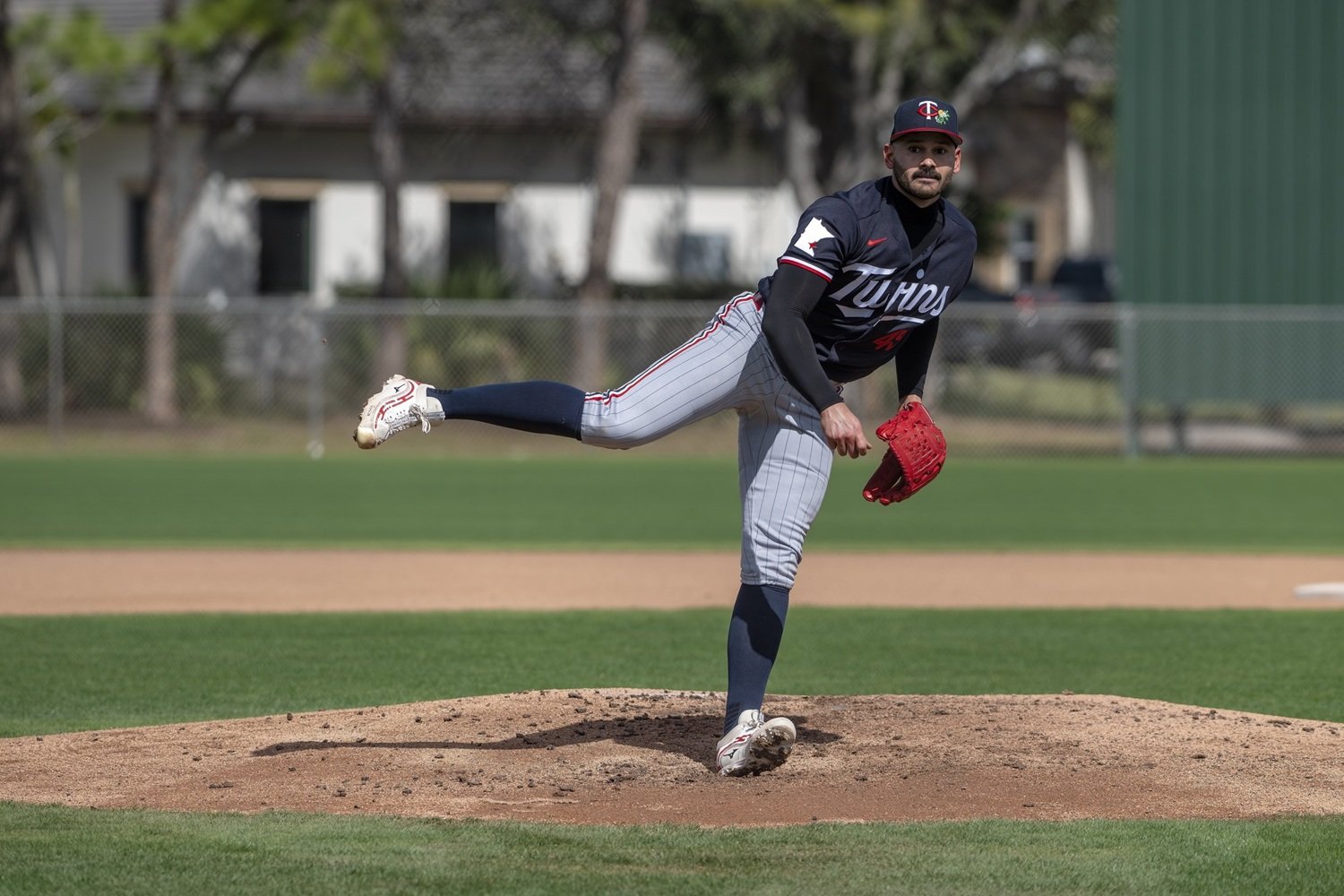 Monday is supposed to be a day of excitement and hope across Twins Territory. Pitchers and catchers reported last week, and now the remaining position players have joined them. However, there was a noticeable shift in energy at Twins camp on Monday morning. After the first full squad workout of the spring, some concern crept into the clubhouse when Pablo López walked off the mound during a live batting practice session and reported elbow soreness. The right-hander had been scheduled to throw three simulated innings, which represented a heavier workload than most pitchers in camp as he prepares to pitch for Team Venezuela in the upcoming World Baseball Classic. According to the Star Tribune, everything appeared routine until the second pitch of his third inning. That was when López alerted pitching coach Pete Maki to how his elbow felt. Moments later, he walked off the mound, and the session came to an abrupt end. Manager Derek Shelton told reporters that López will undergo an MRI to determine the severity of the issue. "Obviously, it's February 16," Shelton said. "After he and Pete talked, we decided, out of an abundance of caution, let's get him off the field and make sure he's OK. We'll get some imaging on it, just because of how important it is and he is to us. I think we'll have more information as we go along." If López is forced to shut down from throwing, it would likely take him out of participation in the World Baseball Classic and could put his Opening Day availability in jeopardy. That would be a significant development for Minnesota, given that López has taken the ball on Opening Day in each of the past three seasons and has established himself as the anchor of the rotation. Last week, López spoke on Inside Twins about how excited he was to represent Venezuela on an international stage. He reflected on his youth and the disappointment of being left off All-Star teams earlier in his career and noted how meaningful it would be to pitch for his country alongside a strong roster and coaching staff. On that episode, López was asked about how he felt entering the season. He reiterated that many of the tests he was doing this winter proved that he was “in the best shape of his life.” That can become a cliche during early spring workouts, but it was clear that he felt better than he had in a long time, especially after injuries limited him to 14 starts last season. Shelton recently emphasized just how vital he is to the Twins' pitching puzzle this spring as the club works through multiple moving pieces on the staff. "I don't know if anybody in that room takes care of himself as well as Pablo does, not only during the season, but in the offseason," Shelton said. "The fact he has awareness of his body, and he and Pete have a strong relationship, and they were able to have a conversation that was like, 'Let's hold off, and take a look here.' " Spring training injuries always feel amplified, especially when they involve the arm of a frontline starter. For now, the Twins will wait on imaging results and hope that an early February scare does not turn into a March setback. The organization built its rotation around López’s reliability and presence atop the staff, and any missed time would create a ripple effect throughout camp. The best-case scenario is that Monday becomes a reminder of why caution matters in February rather than the first chapter of a much larger concern for Minnesota’s pitching plans in 2026. Check back at Twins Daily for more updates as they become available.
- 54 comments
-
- 2
-

-
-
- pablo lopez
- pete maki
- (and 1 more)
-
Image courtesy of William Parmeter When the Minnesota Twins walked out of last year’s trade deadline having dealt away essentially their entire late-inning infrastructure, the message was clear. This bullpen was going to need a complete rebuild. Jhoan Duran was gone. Griffin Jax was gone. Louis Varland was gone. Brock Stewart was gone. Even depth arms who had soaked up meaningful innings were moved as the front office pivoted toward future flexibility. By the time the dust settled, Minnesota was left with a relief corps that resembled more of a tryout list than a functional major league unit. Fast forward to the first official week of spring preparations, and the picture is beginning to sharpen. A handful of additions have quietly transformed what once looked like an organizational weakness into a group with at least some defined roles. Closer: Taylor Rogers It is a familiar face stepping back into the ninth-inning conversation. Rogers returns to Minnesota for the first time since being dealt away four seasons ago and immediately becomes one of the most experienced late-inning options in the room. While he no longer features the upper-tier velocity that earned him All-Star recognition earlier in his career, he still offers steady command from the left side and a track record of handling pressure situations. On a modest one-year commitment, he projects as the bullpen’s primary southpaw and the most logical candidate to handle save opportunities as the season begins. Set Up Options: Cole Sands, Justin Topa, Anthony Banda Sands enters camp looking to rebound from a frustrating follow-up to his breakout 2024 campaign. His swing-and-miss ability dipped noticeably last season (K% dropped 7.7%) while his walk rate trended in the wrong direction (BB% increased by 3.3%), resulting in more traffic and more damage. Even so, his pitch mix and prior success suggest there is still legitimate upside here. Minnesota will likely lean on him in meaningful innings while hoping the sharper version of his arsenal returns. Topa was able to stay on the mound more consistently after injuries derailed the previous year and ultimately logged one of the heavier workloads of his career. He does not overpower hitters but keeps the ball on the ground (47.7 GB%) and limits loud contact when he is right. Asked to take on larger leverage responsibilities late last season, he showed some volatility. With the current roster construction, however, he may again find himself pitching in key spots by necessity. Banda joined the organization shortly after camp opened, following a move that brought him over from the Los Angeles Dodgers. The veteran left-hander has quietly posted strong run prevention numbers over the past two seasons thanks to improved fastball location and a willingness to challenge hitters inside. He is better suited for matchups against left-handed bats but has proven capable of covering multiple innings when needed. He is due to make $1.6 million this season, so he is nearly guaranteed to break camp with the club. Middle Relief Mix: Eric Orze, Travis Adams, Kody Funderburk, Andrew Chafin Acquired from the Tampa Bay Rays earlier in the offseason, Orze brings a mid-90s fastball and a splitter that has generated consistent strikeouts throughout his professional career (31.8 Whiff%). He translated that swing and miss ability into solid results during his first extended big league look last season and could quickly climb the trust ladder if that continues. Adams appears ticketed for bullpen work full-time after Minnesota shifted away from developing him as a starter. Last season, his results in relief were uneven overall, but there were encouraging signs late in the year when his velocity ticked up in shorter appearances. In his final eight appearances (8 1/3 innings), he had a 3.02 FIP and an 8-to-5 strikeout-to-walk rate. The Twins will be watching closely to see if that version of Adams becomes more consistent. Funderburk made perhaps the strongest late-season impression of anyone remaining in house after the deadline teardown. In 24 innings following the trade deadline, he posted a 0.75 ERA with 28 strikeouts. That extended opportunity down the stretch forced his way back into the club’s future plans. Entering spring, he looked like the clear secondary left-handed option, though Banda and Chafin’s arrival adds new competition to that role. Chafin enters his age-35 season, and what would be his 13th year in professional baseball. While the deal does not guarantee him a spot on the Opening Day roster, it immediately throws him into legitimate competition for a role. Last season, the veteran posted a 2.41 ERA across 33 2/3 innings. He struck out 36 hitters against 19 walks and limited left-handed batters to a .136 average. That type of platoon effectiveness remains especially valuable even with other lefties on the roster. The names above leave out Liam Hendriks, whose return to the organization reads like something out of a baseball time capsule. Originally signed by Minnesota as a teenager out of Australia, he later developed into one of the sport’s most dominant closers after departing the system before the Twins gave him a chance to be a reliever. Now nearing 37 and working back from multiple health setbacks, he arrives on a minor league deal as a long-term upside play rather than an immediate solution. Taken together, this group lacks the established star power that defined Minnesota’s bullpen in recent seasons. There is no single arm capable of dominating the ninth inning the way fans had grown accustomed to before last summer’s reset. What it does have is variety, flexibility, and multiple pitchers with something to prove. That reality may ultimately define the Twins' early season. Without a traditional late-inning hierarchy carved in stone, matchups and hot hands are likely to dictate usage patterns as the coaching staff evaluates who can handle higher-leverage moments. It is not the most glamorous approach, but it is often how new bullpen cores are formed. If even two or three of these arms outperform expectations, Minnesota could find itself with legitimate trade chips or a surprisingly stable back end by midseason. For now, the bullpen remains a work in progress, but for the first time since the deadline fire sale, it at least resembles a group with direction rather than one simply filling innings. What will change with this bullpen group before Opening Day? Leave a comment and start the discussion. View full article
-
Image courtesy of © Sam Greene/The Enquirer / USA TODAY NETWORK via Imagn Images With the World Baseball Classic on the horizon, many were wondering whether Byron Buxton or Pete Crow-Armstrong would be Team USA’s starting center fielder. That debate may have just resolved itself. Presumed starting left fielder Corbin Carroll suffered a broken hamate bone in his right hand. While Team USA will replace Carroll on the roster, it is difficult to imagine that replacement being a better overall option than either Buxton or Crow-Armstrong. The most logical alignment now features Crow-Armstrong in center field, Aaron Judge in right, and Buxton sliding over to left. And that possibility should grab the Twins’ attention. Buxton has never played a corner outfield position in the majors. Yet given how well he handles center field, there is little doubt he would be an elite defender in left. In fact, he might immediately become the best defensive left fielder in baseball if he played there full-time. The reads, the closing speed, and the arm strength. Those tools would not disappear simply because the wall is closer and the angles are different. But the numbers suggest this conversation is arriving at the right time. Baseball Prospectus’ Deserved Runs Prevented metric shows a clear month-to-month picture of Buxton’s defensive performance this season. March and April: - 0.1 May: 1.4 June: -1.1 July: -2.4 August: -1.4 September: - 0.9 Even early in the year, there were hints of slippage. As the season progressed, the inconsistency became more pronounced. Buxton still makes spectacular plays, but the day-to-day impact has not been as steady as it once was. He turned 32 in December. Speed is often the first tool to fade as players move into their 30s, and center field is one of the most physically demanding positions on the diamond. The Twins understand that reality. If Minnesota wants to maximize Buxton’s offensive value during one of the most productive stretches of his career, it may soon be time to reduce the defensive burden. The World Baseball Classic could serve as a trial run. If Buxton thrives in left field on an international stage, the optics change. It no longer feels hypothetical. It becomes practical. And then there is Walker Jenkins. Minnesota’s top prospect reached Triple-A as a 20-year-old and appears poised to debut sometime next season. His short-term future is in center field. In the minors this year, Jenkins has logged 443 innings in center and just 43 in right. Emmanuel Rodriguez, another top prospect, also has significant center field experience and could factor into the big league roster soon. The Twins may not want to block that pipeline. Buxton is under team control through 2028. Even if his defense in center remains solid through a modest decline, the organization has to consider roster optimization over the next several seasons. Moving Buxton to left field would allow Jenkins to step into center without forcing an awkward positional shuffle. There is also the matter of health. Buxton’s career has been defined as much by time on the injured list as by highlight reel catches. He has been healthier recently, but reducing the physical demands of his position could help keep his bat in the lineup more consistently. Corner outfield spots typically require less ground to cover and fewer all-out sprints into the gaps. Preserving Buxton’s body has always been a priority. A move to left field could be a proactive step rather than a reactive one. It does not have to be viewed as a demotion. It is a natural progression that helps extend careers. Some of the game’s best center fielders eventually make that move. The bat stays in the lineup. The legs last longer. The value shifts but does not disappear. The World Baseball Classic might only last a few weeks. But for Buxton and the Twins, it could quietly preview the next phase of his career. Should the Twins consider moving Buxton to a corner outfield spot in 2026? Leave a comment and start the discussion. View full article
-
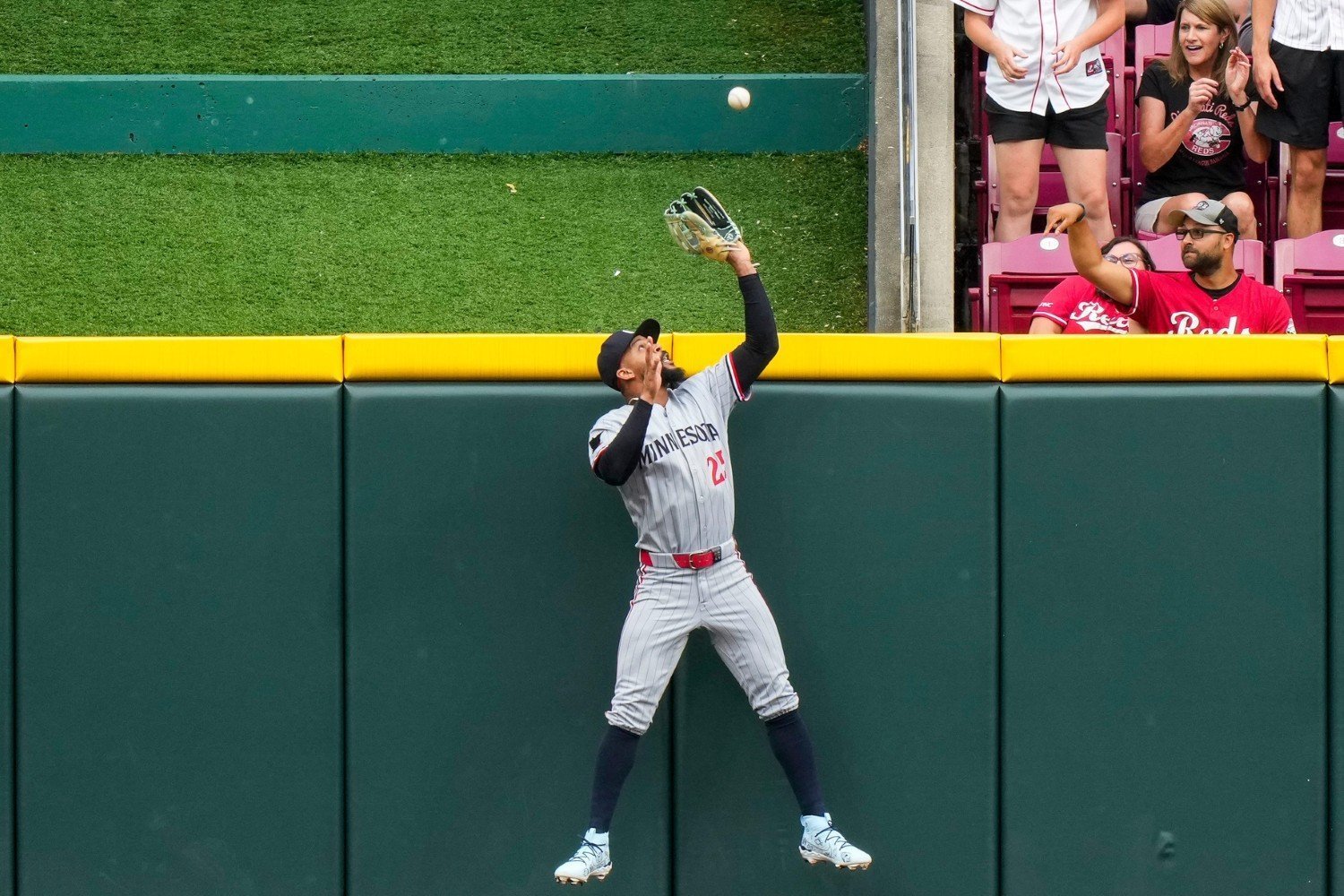 With the World Baseball Classic on the horizon, many were wondering whether Byron Buxton or Pete Crow-Armstrong would be Team USA’s starting center fielder. That debate may have just resolved itself. Presumed starting left fielder Corbin Carroll suffered a broken hamate bone in his right hand. While Team USA will replace Carroll on the roster, it is difficult to imagine that replacement being a better overall option than either Buxton or Crow-Armstrong. The most logical alignment now features Crow-Armstrong in center field, Aaron Judge in right, and Buxton sliding over to left. And that possibility should grab the Twins’ attention. Buxton has never played a corner outfield position in the majors. Yet given how well he handles center field, there is little doubt he would be an elite defender in left. In fact, he might immediately become the best defensive left fielder in baseball if he played there full-time. The reads, the closing speed, and the arm strength. Those tools would not disappear simply because the wall is closer and the angles are different. But the numbers suggest this conversation is arriving at the right time. Baseball Prospectus’ Deserved Runs Prevented metric shows a clear month-to-month picture of Buxton’s defensive performance this season. March and April: - 0.1 May: 1.4 June: -1.1 July: -2.4 August: -1.4 September: - 0.9 Even early in the year, there were hints of slippage. As the season progressed, the inconsistency became more pronounced. Buxton still makes spectacular plays, but the day-to-day impact has not been as steady as it once was. He turned 32 in December. Speed is often the first tool to fade as players move into their 30s, and center field is one of the most physically demanding positions on the diamond. The Twins understand that reality. If Minnesota wants to maximize Buxton’s offensive value during one of the most productive stretches of his career, it may soon be time to reduce the defensive burden. The World Baseball Classic could serve as a trial run. If Buxton thrives in left field on an international stage, the optics change. It no longer feels hypothetical. It becomes practical. And then there is Walker Jenkins. Minnesota’s top prospect reached Triple-A as a 20-year-old and appears poised to debut sometime next season. His short-term future is in center field. In the minors this year, Jenkins has logged 443 innings in center and just 43 in right. Emmanuel Rodriguez, another top prospect, also has significant center field experience and could factor into the big league roster soon. The Twins may not want to block that pipeline. Buxton is under team control through 2028. Even if his defense in center remains solid through a modest decline, the organization has to consider roster optimization over the next several seasons. Moving Buxton to left field would allow Jenkins to step into center without forcing an awkward positional shuffle. There is also the matter of health. Buxton’s career has been defined as much by time on the injured list as by highlight reel catches. He has been healthier recently, but reducing the physical demands of his position could help keep his bat in the lineup more consistently. Corner outfield spots typically require less ground to cover and fewer all-out sprints into the gaps. Preserving Buxton’s body has always been a priority. A move to left field could be a proactive step rather than a reactive one. It does not have to be viewed as a demotion. It is a natural progression that helps extend careers. Some of the game’s best center fielders eventually make that move. The bat stays in the lineup. The legs last longer. The value shifts but does not disappear. The World Baseball Classic might only last a few weeks. But for Buxton and the Twins, it could quietly preview the next phase of his career. Should the Twins consider moving Buxton to a corner outfield spot in 2026? Leave a comment and start the discussion.
- 13 comments
-
- 2
-
-
- byron buxton
- corbin carroll
- (and 2 more)
-
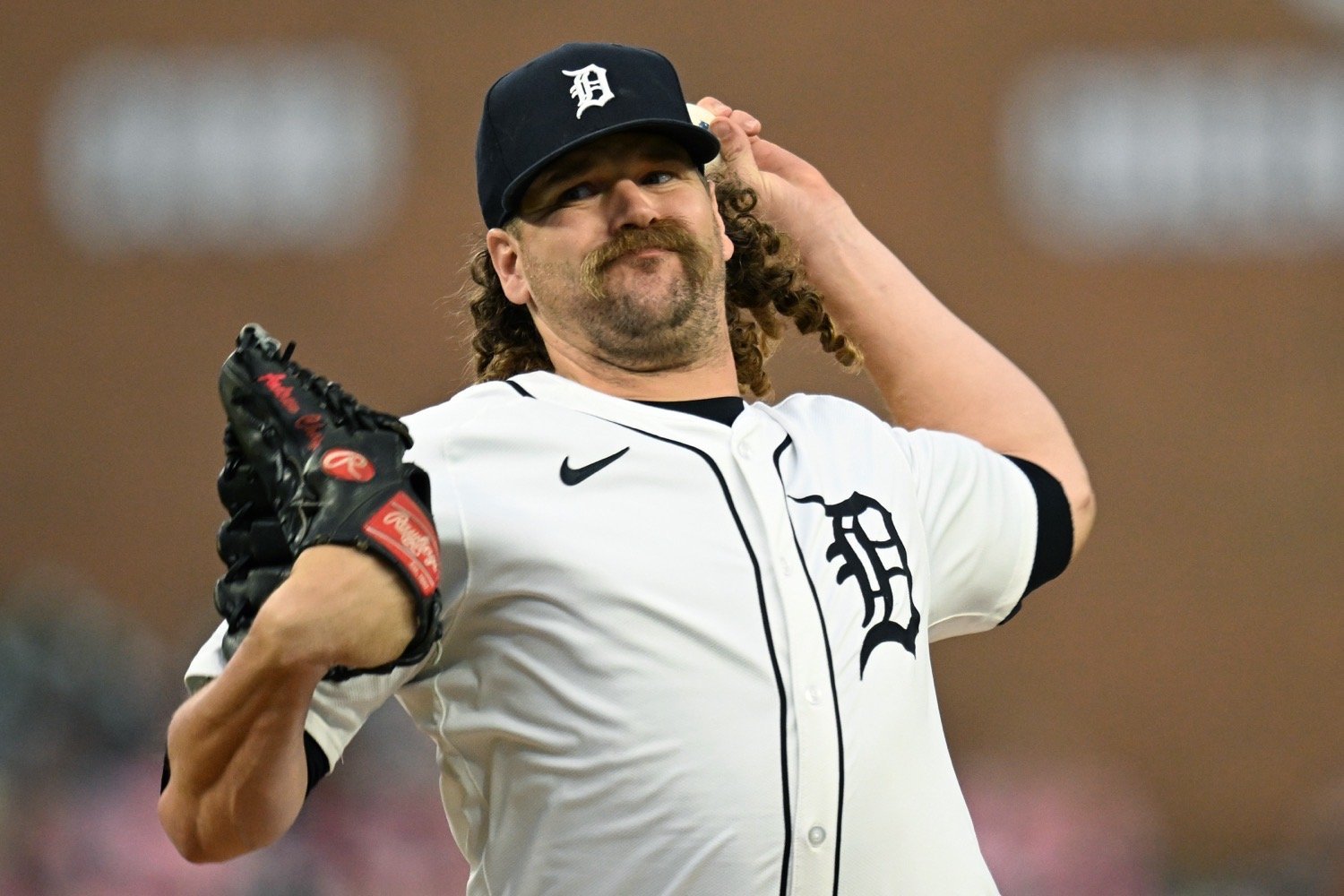 The Minnesota Twins continued reshaping their bullpen on Saturday by signing veteran left-hander Andrew Chafin to a minor league deal with an invitation to Spring Training. As camp opens in Fort Myers, the organization is clearly investing in relief depth and experience. Chafin’s addition may seem modest on paper, but in what figures to be a tightly contested American League Central race, reliable left-handed options could quietly influence the team’s postseason outlook. News of the agreement was first reported by Jon Heyman, who noted that Chafin will report to Minnesota’s big league camp to compete for a bullpen job. According to Darren Wolfson, Chafin would earn $2 million if he makes the active roster, with an additional $1.25 million available through incentives. Chafin enters his age-35 season, and what would be his 13th year in professional baseball. While the deal does not guarantee him a spot on the Opening Day roster, it immediately throws him into legitimate competition for a role. This is less of a speculative flyer and more of a calculated depth play by a front office intent on fortifying the relief corps after last season’s midyear bullpen turnover. The veteran split the 2025 campaign between the Washington Nationals and Los Angeles Angels, posting a 2.41 ERA across 33 2/3 innings. He struck out 36 hitters against 19 walks and limited left-handed batters to a .136 average. That type of platoon effectiveness remains especially valuable when navigating late-inning matchups against division rivals built with left-handed thump throughout the middle of the order. Even with strong run prevention on the surface, some of Chafin’s peripherals told a more complicated story. His elevated walk rate, paired with an 81.9 % strand rate, pushed his SIERA to 4.11, a number that sat well above his actual ERA. Outside of the command concerns, many of his underlying indicators remained encouraging, though durability remained his biggest hurdle. A right hamstring strain and later inflammation in his left triceps each led to injured-list stints that cost him more than five weeks of the season. This also marks the second consecutive offseason in which Chafin has signed a non-guaranteed contract. He followed a similar path last year after agreeing to a minor league deal with the Detroit Tigers in February. Chafin exercised an opt-out near the end of April and soon secured a major league opportunity with the Washington Nationals, making 26 appearances before being dealt to the Los Angeles Angels at the trade deadline. Minnesota has now added three left-handed relievers in the past month. Taylor Rogers signed earlier in free agency, and Anthony Banda arrived via trade. Minnesota also already had Kody Funderburk on the 40-man roster. Chafin’s presence intensifies competition while expanding the Twins’ flexibility against left-handed heavy lineups within the division. Across 12 major league seasons, Chafin owns a 3.35 career ERA while pitching for eight different organizations. If he can replicate anything close to last season’s surface-level results, this minor league deal could evolve into meaningful in-season value rather quickly. The message from Minnesota’s front office is straightforward. The Twins are stockpiling experienced arms in an effort to stabilize the late innings and create internal competition before Opening Day decisions are finalized. With multiple non-roster invitees and recent acquisitions now in camp, the bullpen battle is shaping up to be one of Spring Training’s defining storylines.
 -
The Minnesota Twins continued reshaping their bullpen on Saturday by signing veteran left-hander Andrew Chafin to a minor league deal with an invitation to Spring Training. As camp opens in Fort Myers, the organization is clearly investing in relief depth and experience. Chafin’s addition may seem modest on paper, but in what figures to be a tightly contested American League Central race, reliable left-handed options could quietly influence the team’s postseason outlook. News of the agreement was first reported by Jon Heyman, who noted that Chafin will report to Minnesota’s big league camp to compete for a bullpen job. According to Darren Wolfson, Chafin would earn $2 million if he makes the active roster, with an additional $1.25 million available through incentives. Chafin enters his age-35 season, and what would be his 13th year in professional baseball. While the deal does not guarantee him a spot on the Opening Day roster, it immediately throws him into legitimate competition for a role. This is less of a speculative flyer and more of a calculated depth play by a front office intent on fortifying the relief corps after last season’s midyear bullpen turnover. The veteran split the 2025 campaign between the Washington Nationals and Los Angeles Angels, posting a 2.41 ERA across 33 2/3 innings. He struck out 36 hitters against 19 walks and limited left-handed batters to a .136 average. That type of platoon effectiveness remains especially valuable when navigating late-inning matchups against division rivals built with left-handed thump throughout the middle of the order. Even with strong run prevention on the surface, some of Chafin’s peripherals told a more complicated story. His elevated walk rate, paired with an 81.9 % strand rate, pushed his SIERA to 4.11, a number that sat well above his actual ERA. Outside of the command concerns, many of his underlying indicators remained encouraging, though durability remained his biggest hurdle. A right hamstring strain and later inflammation in his left triceps each led to injured-list stints that cost him more than five weeks of the season. This also marks the second consecutive offseason in which Chafin has signed a non-guaranteed contract. He followed a similar path last year after agreeing to a minor league deal with the Detroit Tigers in February. Chafin exercised an opt-out near the end of April and soon secured a major league opportunity with the Washington Nationals, making 26 appearances before being dealt to the Los Angeles Angels at the trade deadline. Minnesota has now added three left-handed relievers in the past month. Taylor Rogers signed earlier in free agency, and Anthony Banda arrived via trade. Minnesota also already had Kody Funderburk on the 40-man roster. Chafin’s presence intensifies competition while expanding the Twins’ flexibility against left-handed heavy lineups within the division. Across 12 major league seasons, Chafin owns a 3.35 career ERA while pitching for eight different organizations. If he can replicate anything close to last season’s surface-level results, this minor league deal could evolve into meaningful in-season value rather quickly. The message from Minnesota’s front office is straightforward. The Twins are stockpiling experienced arms in an effort to stabilize the late innings and create internal competition before Opening Day decisions are finalized. With multiple non-roster invitees and recent acquisitions now in camp, the bullpen battle is shaping up to be one of Spring Training’s defining storylines. View full rumor
-
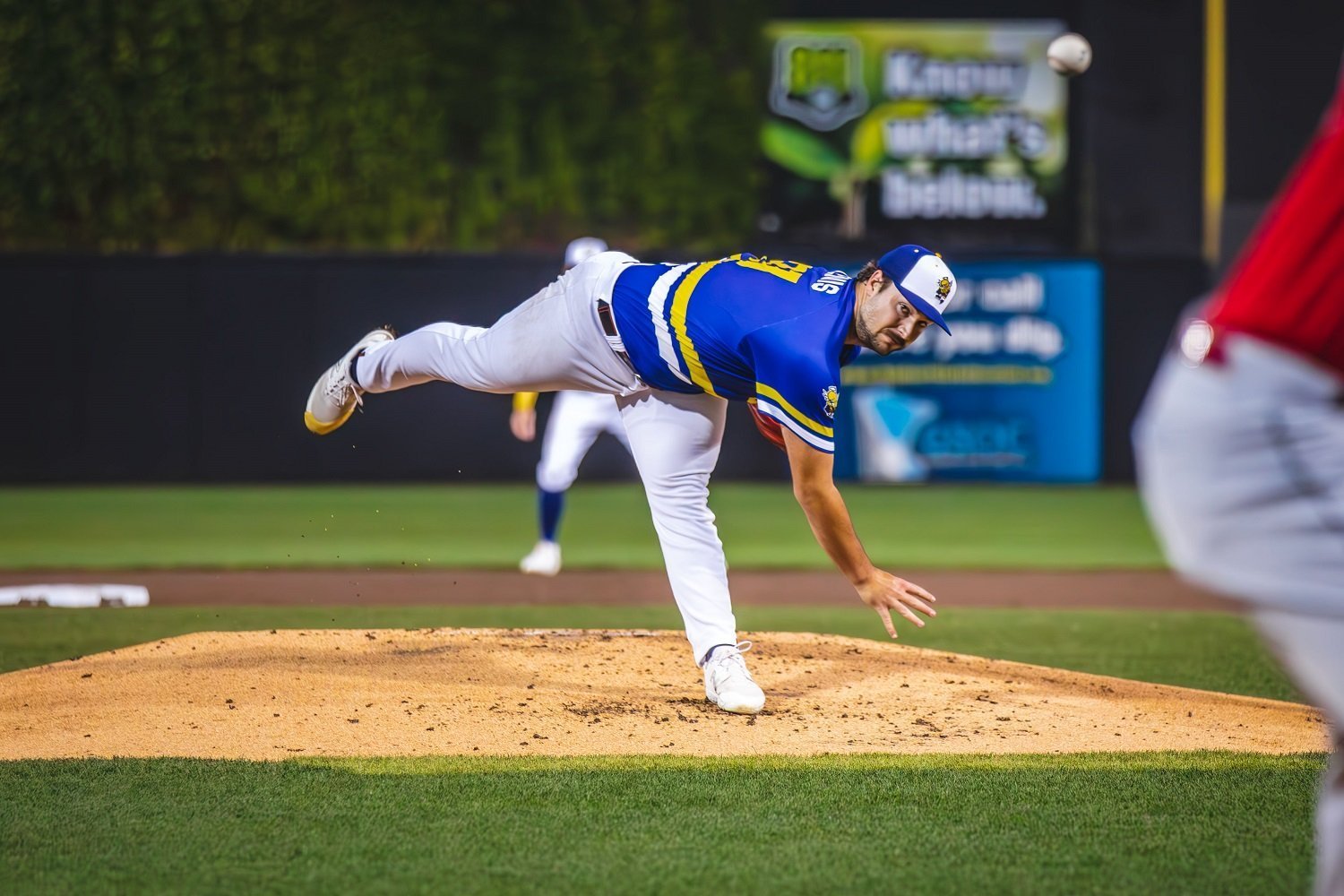 Fort Myers felt a little more official on Thursday. Pitchers and catchers reported to the Lee Health Sports Complex, the Florida sun was beating down on the back fields, and a new chapter began as Derek Shelton officially started his first spring training as Twins manager. Bullpens popped, catchers dropped into their stances, and optimism was easy to find. One notable arm, however, was not firing away. Twins pitching prospect Cory Lewis has been shut down from throwing after being diagnosed with a moderate subscapularis strain in his right shoulder. Lewis reported discomfort following a bullpen session on Saturday after arriving at camp early. Shelton told reporters that Lewis will be reevaluated in two weeks. For a player trying to force his way into the big-league conversation, it is far from an ideal start. Lewis, 25, entered camp as a non-roster invitee after spending last season at Triple-A. The numbers were not kind. In 73 innings with the Saints, he posted a 7.27 ERA while striking out 87 and walking 68. The uneven command and high traffic outings made for a frustrating campaign. He also missed time with a right shoulder issue last season, though it is not yet clear whether this strain is connected to that prior injury. The disappointment of 2025 stands in sharp contrast to the trajectory Lewis was on before reaching Triple-A. When the Twins selected him in the ninth round of the 2022 MLB Draft out of UC Santa Barbara, he was viewed more as an intriguing project than a fast-moving arm. What set him apart was not overpowering velocity but creativity. Lewis featured an unorthodox delivery and a deep mix of pitches, highlighted by a knuckleball that has become increasingly central to his identity. In 2023, he split his professional debut between Low- and High-A. Across 22 starts, Lewis posted a 2.49 ERA with a 28.6% strikeout rate and an 8.0% walk rate. His poise and command stood out as much as the knuckleball itself. By the end of 2024, he had reached Triple-A and continued to miss bats, posting a nearly 28% strikeout rate, a 2.51 ERA, and a 1.31 WHIP. In many farm systems, that type of rise would have generated louder buzz. In Minnesota, he was somewhat overshadowed by Zebby Matthews and a wave of pitching prospects who grabbed headlines. Still, evaluators appreciated Lewis for what he was becoming. Not a traditional power arm, but a different look. A pitcher capable of disrupting timing in a sport increasingly built around velocity. That is what makes this spring important. With Shelton taking over and the Twins once again leaning on pitching depth as an organizational strength, camp reps matter. Lewis was unlikely to break north with the club, but a healthy and productive spring could have reestablished him as a depth option and potential call-up candidate during the season. Instead, the focus shifts to recovery. Shoulder injuries are always delicate, and a subscapularis strain impacts one of the key stabilizing muscles in the shoulder. For a pitcher who relies heavily on feel and touch, especially with a knuckleball, any interruption to throwing progression can complicate timing and command. The Twins will reevaluate Lewis in two weeks, and the hope is that this is merely a short-term pause rather than a lingering issue. Minnesota has seen how quickly pitching depth can evaporate over a long season. They will need arms at St Paul ready to contribute. For Lewis, the path forward remains the same even if the timeline shifts. Embrace the uniqueness. Refine the knuckleball. Regain the command that fueled his rise. The Twins believed enough in the profile to invite him to big league camp. Now the challenge is getting back on the mound and proving that last season was a detour, not a destination. Spring training is about fresh starts. For Lewis, that fresh start may just have to wait a few weeks.
 -
Fort Myers felt a little more official on Thursday. Pitchers and catchers reported to the Lee Health Sports Complex, the Florida sun was beating down on the back fields, and a new chapter began as Derek Shelton officially started his first spring training as Twins manager. Bullpens popped, catchers dropped into their stances, and optimism was easy to find. One notable arm, however, was not firing away. Twins pitching prospect Cory Lewis has been shut down from throwing after being diagnosed with a moderate subscapularis strain in his right shoulder. Lewis reported discomfort following a bullpen session on Saturday after arriving at camp early. Shelton told reporters that Lewis will be reevaluated in two weeks. For a player trying to force his way into the big-league conversation, it is far from an ideal start. Lewis, 25, entered camp as a non-roster invitee after spending last season at Triple-A. The numbers were not kind. In 73 innings with the Saints, he posted a 7.27 ERA while striking out 87 and walking 68. The uneven command and high traffic outings made for a frustrating campaign. He also missed time with a right shoulder issue last season, though it is not yet clear whether this strain is connected to that prior injury. The disappointment of 2025 stands in sharp contrast to the trajectory Lewis was on before reaching Triple-A. When the Twins selected him in the ninth round of the 2022 MLB Draft out of UC Santa Barbara, he was viewed more as an intriguing project than a fast-moving arm. What set him apart was not overpowering velocity but creativity. Lewis featured an unorthodox delivery and a deep mix of pitches, highlighted by a knuckleball that has become increasingly central to his identity. In 2023, he split his professional debut between Low- and High-A. Across 22 starts, Lewis posted a 2.49 ERA with a 28.6% strikeout rate and an 8.0% walk rate. His poise and command stood out as much as the knuckleball itself. By the end of 2024, he had reached Triple-A and continued to miss bats, posting a nearly 28% strikeout rate, a 2.51 ERA, and a 1.31 WHIP. In many farm systems, that type of rise would have generated louder buzz. In Minnesota, he was somewhat overshadowed by Zebby Matthews and a wave of pitching prospects who grabbed headlines. Still, evaluators appreciated Lewis for what he was becoming. Not a traditional power arm, but a different look. A pitcher capable of disrupting timing in a sport increasingly built around velocity. That is what makes this spring important. With Shelton taking over and the Twins once again leaning on pitching depth as an organizational strength, camp reps matter. Lewis was unlikely to break north with the club, but a healthy and productive spring could have reestablished him as a depth option and potential call-up candidate during the season. Instead, the focus shifts to recovery. Shoulder injuries are always delicate, and a subscapularis strain impacts one of the key stabilizing muscles in the shoulder. For a pitcher who relies heavily on feel and touch, especially with a knuckleball, any interruption to throwing progression can complicate timing and command. The Twins will reevaluate Lewis in two weeks, and the hope is that this is merely a short-term pause rather than a lingering issue. Minnesota has seen how quickly pitching depth can evaporate over a long season. They will need arms at St Paul ready to contribute. For Lewis, the path forward remains the same even if the timeline shifts. Embrace the uniqueness. Refine the knuckleball. Regain the command that fueled his rise. The Twins believed enough in the profile to invite him to big league camp. Now the challenge is getting back on the mound and proving that last season was a detour, not a destination. Spring training is about fresh starts. For Lewis, that fresh start may just have to wait a few weeks. View full rumor
-
Image courtesy of © Jerome Miron-Imagn Images Last July, the Twins and Dodgers linked up on a deadline deal that raised eyebrows the moment it crossed the wire. Minnesota sent reliever Brock Stewart to Los Angeles in exchange for outfielder James Outman, a move that felt odd on its face given how well Stewart had been pitching for the Twins at the time. Stewart was one of the more effective bullpen arms Minnesota had, missing bats and handling leverage despite a long, well-documented injury history. That history loomed large in how the trade was interpreted. The assumption was that the Twins would be able to get value for Stewart, especially from a contending team. However, a one-for-one deal for Outman seemed underwhelming. Stewart’s medicals likely raised some red flags, and that forced the teams to find a deal that worked for both sides. That reading of his medicals proved prescient. Stewart made just four appearances for the Dodgers before landing on the injured list. In September, he underwent a debridement procedure on his shoulder, ending his season and keeping him sidelined during Los Angeles’ run to a World Series title. He is not expected to be ready for Opening Day, and there are real questions about how much he can contribute in 2026. Stewart had already pushed his workload to a career high 37 2/3 innings in 2025, and the durability concerns that followed him never really went away. Realistically, Stewart might be a bullpen option for the Dodgers a few months into the season. That might be the best way to get the most value from him in one season. He has shown that he only has so many bullets in his arm. Having Stewart (potentially) available for the playoffs is more valuable than early-season games when the weather is colder, and there is a greater chance of muscles tightening up. The Dodgers will be in the playoffs, and that’s where Stewart can be a difference-maker. From the Twins’ side, the return was Outman, a former top prospect who had fallen out of favor on a Dodgers roster that is loaded with talent. On paper, there was a path to relevance. Minnesota needed outfield depth, particularly behind Byron Buxton, and Outman brings strong defensive chops in center field. The complication is that Alan Roden exists, and the organization appeared to favor him before his hand injury last season. Roden was talked up extensively after being acquired from the Blue Jays, and he can handle center as well, even if Outman is generally viewed as the better defender. Roster mechanics muddy the picture further. Outman is out of options, meaning he either makes the roster or risks being lost. Roden does not carry that same pressure. Someone has to back up Buxton, and while Roden offers flexibility, Outman’s glove might give him the edge in a vacuum. Performance, however, has not helped his case. In 59 major league games last season, Outman posted a .537 OPS and a 47 OPS+. That production is difficult to carry, even for a defense-first reserve. There is some hope to be found in his Triple-A numbers, where he put up a .945 OPS across 92 games. That kind of gap suggests there may still be something to unlock at the big-league level. At the same time, Outman will be 29 years old next season, so this is not a young prospect still finding his way. What you see may largely be what you get. As things stand, this trade is drifting toward an outcome where neither side truly benefits. The Dodgers lost a useful bullpen arm for essentially nothing during a championship run, even if they were protected from further risk down the line. The Twins may not get meaningful value either, especially if Outman struggles in spring training and does not break camp with the team. Deadline deals often look cleaner in hindsight, and this one already feels messy. Minnesota took a calculated risk on Stewart’s health and bet on Outman’s ability to rebound. Los Angeles took the arm and hoped the medical gamble would pay off. Instead, both teams are left with questions, and the trade is shaping up to be one neither side will look back on fondly. Did either team win this trade? Will Outman make it out of spring training on the Twins’ roster? Leave a comment and start the discussion. View full article
-
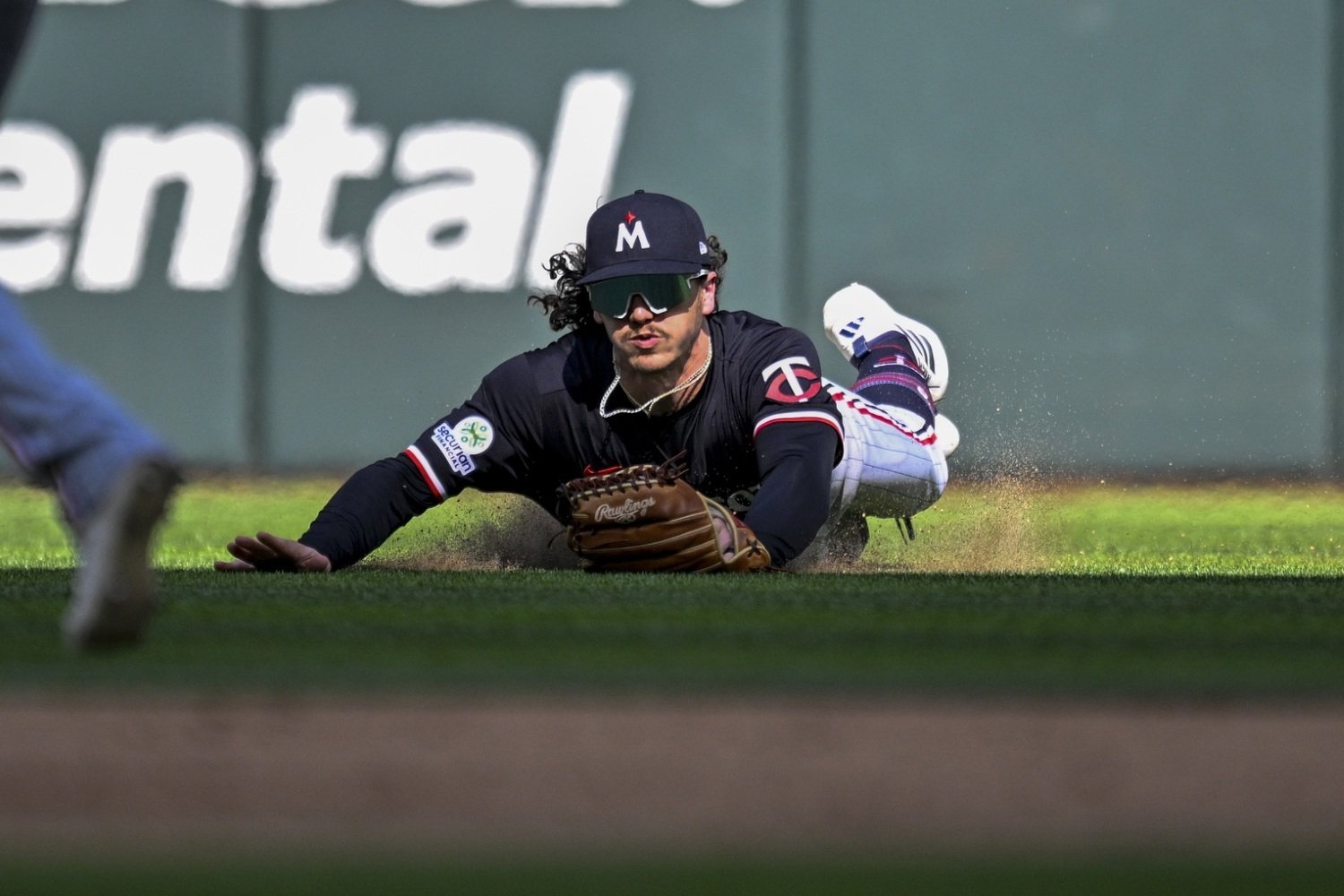 Last July, the Twins and Dodgers linked up on a deadline deal that raised eyebrows the moment it crossed the wire. Minnesota sent reliever Brock Stewart to Los Angeles in exchange for outfielder James Outman, a move that felt odd on its face given how well Stewart had been pitching for the Twins at the time. Stewart was one of the more effective bullpen arms Minnesota had, missing bats and handling leverage despite a long, well-documented injury history. That history loomed large in how the trade was interpreted. The assumption was that the Twins would be able to get value for Stewart, especially from a contending team. However, a one-for-one deal for Outman seemed underwhelming. Stewart’s medicals likely raised some red flags, and that forced the teams to find a deal that worked for both sides. That reading of his medicals proved prescient. Stewart made just four appearances for the Dodgers before landing on the injured list. In September, he underwent a debridement procedure on his shoulder, ending his season and keeping him sidelined during Los Angeles’ run to a World Series title. He is not expected to be ready for Opening Day, and there are real questions about how much he can contribute in 2026. Stewart had already pushed his workload to a career high 37 2/3 innings in 2025, and the durability concerns that followed him never really went away. Realistically, Stewart might be a bullpen option for the Dodgers a few months into the season. That might be the best way to get the most value from him in one season. He has shown that he only has so many bullets in his arm. Having Stewart (potentially) available for the playoffs is more valuable than early-season games when the weather is colder, and there is a greater chance of muscles tightening up. The Dodgers will be in the playoffs, and that’s where Stewart can be a difference-maker. From the Twins’ side, the return was Outman, a former top prospect who had fallen out of favor on a Dodgers roster that is loaded with talent. On paper, there was a path to relevance. Minnesota needed outfield depth, particularly behind Byron Buxton, and Outman brings strong defensive chops in center field. The complication is that Alan Roden exists, and the organization appeared to favor him before his hand injury last season. Roden was talked up extensively after being acquired from the Blue Jays, and he can handle center as well, even if Outman is generally viewed as the better defender. Roster mechanics muddy the picture further. Outman is out of options, meaning he either makes the roster or risks being lost. Roden does not carry that same pressure. Someone has to back up Buxton, and while Roden offers flexibility, Outman’s glove might give him the edge in a vacuum. Performance, however, has not helped his case. In 59 major league games last season, Outman posted a .537 OPS and a 47 OPS+. That production is difficult to carry, even for a defense-first reserve. There is some hope to be found in his Triple-A numbers, where he put up a .945 OPS across 92 games. That kind of gap suggests there may still be something to unlock at the big-league level. At the same time, Outman will be 29 years old next season, so this is not a young prospect still finding his way. What you see may largely be what you get. As things stand, this trade is drifting toward an outcome where neither side truly benefits. The Dodgers lost a useful bullpen arm for essentially nothing during a championship run, even if they were protected from further risk down the line. The Twins may not get meaningful value either, especially if Outman struggles in spring training and does not break camp with the team. Deadline deals often look cleaner in hindsight, and this one already feels messy. Minnesota took a calculated risk on Stewart’s health and bet on Outman’s ability to rebound. Los Angeles took the arm and hoped the medical gamble would pay off. Instead, both teams are left with questions, and the trade is shaping up to be one neither side will look back on fondly. Did either team win this trade? Will Outman make it out of spring training on the Twins’ roster? Leave a comment and start the discussion.
