



Cody Christie
-
Posts
7,794 -
Joined
-
Last visited
-
Days Won
5
Content Type
Profiles
News
Minnesota Twins Videos
2026 Minnesota Twins Top Prospects Ranking
2022 Minnesota Twins Draft Picks
Minnesota Twins Free Agent & Trade Rumors, Notes, & Tidbits
Guides & Resources
2023 Minnesota Twins Draft Picks
The Minnesota Twins Players Project
2024 Minnesota Twins Draft Picks
2025 Minnesota Twins Draft Pick Tracker
2026 Minnesota Twins Draft Tracker: Picks & Bonuses
Forums
Blogs
Events
Store
Downloads
Gallery
Everything posted by Cody Christie
-
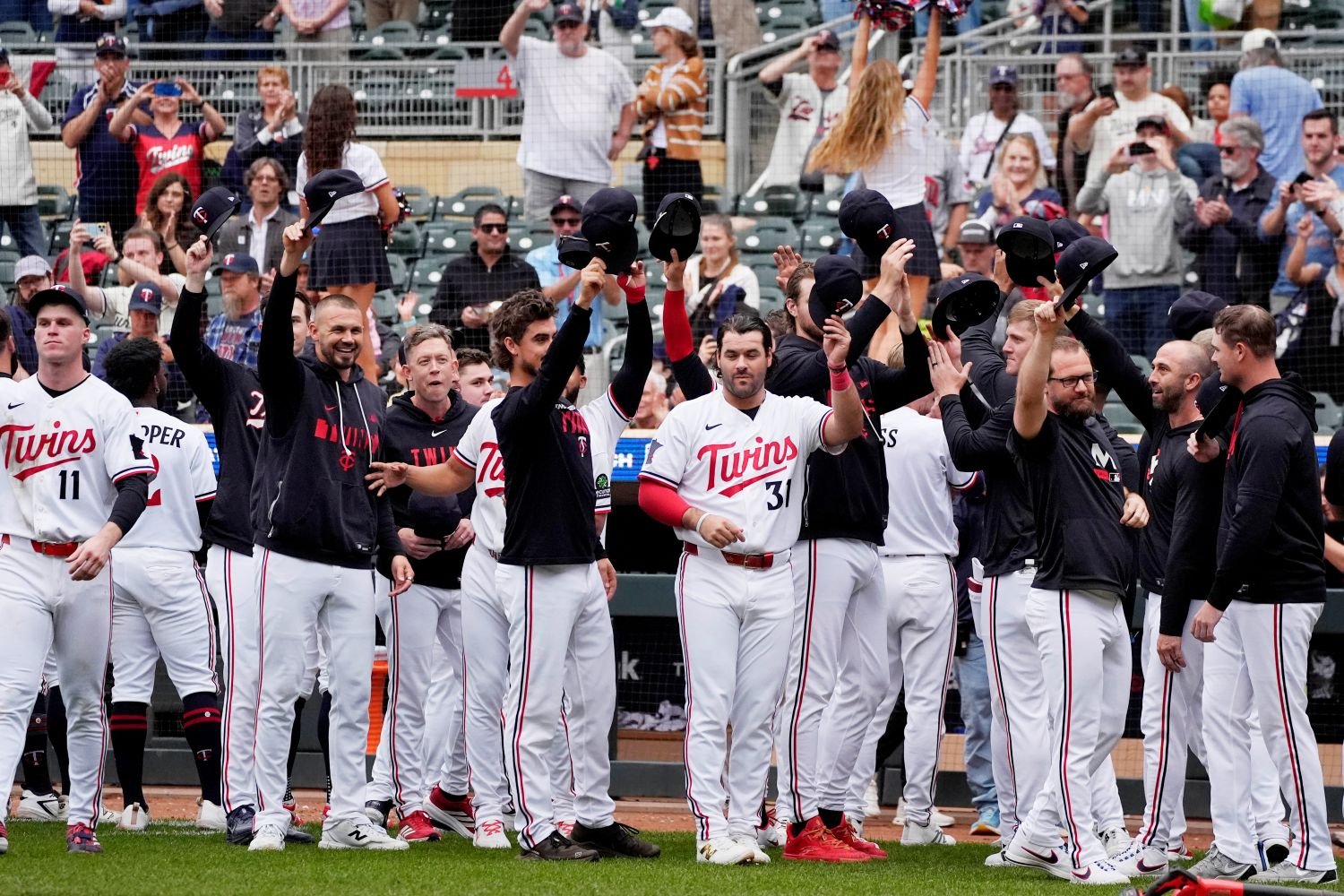 There was a time when showing up to Target Field was simply part of being a Twins fan. That relationship has changed. The 2025 trade deadline fire sale damaged whatever goodwill remained between the Pohlad family and a frustrated fan base. Minnesota traded 11 players in roughly 96 hours, cutting approximately $26 million from the payroll while ownership was exploring a potential sale of the franchise. The result was a baseball operation that looked less interested in winning in 2025 than in preparing for an uncertain future. Then, the Pohlads decided to keep the team. Tom Pohlad eventually stepped into the main leadership role, replacing Joe Pohlad as the club's chairperson, and one of his central messages was that the organization needed to rebuild its relationship with fans. But here we are at the end of another season, and an important question remains: Have the Pohlads actually earned back that trust? There is a case to be made that they have started the process. There is also plenty of evidence that the job is far from finished. Attendance Tells the Story The most obvious place to look is the turnstiles. The Twins entered 2026 with attendance already in a difficult position. The 2025 season drew 1.769 million fans, the lowest total at Target Field since the stadium opened in 2010. In 2026, those totals dropped further, to 1.74 million, down roughly 350 per game. However, the Twins were using a variety of tactics to keep those numbers as high as possible. The numbers improved during the summer, but they never became anything close to a ringing endorsement from the fan base. By season’s end, the Twins were averaging 21,486 fans per home game, still ranking in the bottom six in baseball. Minnesota did its best to provide cheaper concessions, promotions and ticket incentives designed to get more people through the gates. Those numbers matter, because attendance is not just an accounting figure. It's feedback. Fans can complain on social media. They can boo. They can stop buying jerseys. They can stop renewing season tickets. Or they can simply stay home. The Twins have been seeing plenty of the latter. The 2026 Trade Deadline Changed the Conversation The strongest argument in the Pohlads' favor came in August. After years of payroll criticism and the previous summer's roster teardown, the Twins became legitimate buyers at the trade deadline. Minnesota added Tommy Nance, A.J. Minter, Dean Kremer and Jeff Hoffman, addressing obvious weaknesses without trading away the organization's elite prospects. That was a significant departure from what fans had seen one year earlier. Tom Pohlad also backed up his words with money. The Twins took on more than $8 million in prorated salary for the remainder of 2026 through those additions, while also assuming significant future commitments. Hoffman has an $11 million salary for 2027, with Toronto covering $3.75 million, and Kremer is expected to receive a raise through arbitration. Pohlad didn't stop there. He said the Twins' 2027 payroll will be higher, not that ownership merely hoped it would be higher. He also said Minnesota needs to invest in the roster if the organization wants to consistently compete in the postseason. Fans had spent years hearing about sustainability, flexibility and staying competitive. Now, the owner was directly saying the organization needed to spend more. After the deadline, Pohlad even suggested the organization had "earned some credibility." That may be true. But credibility is not the same thing as trust. This Is Where Ownership Still Has Work to Do Trust is not rebuilt with one good month. It's rebuilt through consistency. That means the 2027 payroll has to demonstrate that the Twins are willing to spend enough to address multiple areas of the roster. So when Pohlad says payroll will increase, the obvious follow-up question is: By how much? A $10 million increase tells one story. A $30 million increase tells another. Something more is in order, if Pohlad wants to accomplish a full-fledged transformation of the relationship between his franchise and their fans—and it sure sounds like he does. "I understand patience in this market has run out, and I can assure you we have a sense of urgency," Pohlad said Tuesday, at the team's end-of-season press conference. "The work to build on the foundation we laid this year began (Monday). We will assess every part of our organization to get better. We will raise the standard for how we support our players on the field. And we will exhaust our energy to invest meaningfully in this team. Our goal this offseason is to field a roster next spring where making the playoffs isn't a hope, it's the expectation that everybody agrees is realistic." Money alone will not guarantee a postseason berth. Baseball does not work that way. Ask Steve Cohen and the New York Mets about that. But Twins ownership has spent years asking fans to believe that the organization wants to compete. At some point, the roster has to reflect that belief. The Young Core Gives Ownership a Chance There's another reason this conversation is different from a year ago. The Twins have young players worth building around. Walker Jenkins, Kaelen Culpepper, and Emmanuel Rodriguez have arrived. Brooks Lee continues to develop. Luke Keaschall has shown flashes. Several other young players could become important pieces of the next competitive roster. That gives Jeremy Zoll and the Twins front office something valuable: a foundation. Now, ownership has to decide how aggressively it wants to build on that foundation. The 2025 version of the Twins asked fans to accept a teardown. The 2026 version asked fans to believe the teardown was over. The 2027 version needs to show it. "We intend to take the offseason and meaningfully invest," Pohlad said Tuesday. "I know everybody in this room wants me to define what meaningfully is, and I understand that that’s a subjective word. But I am confident that [Jeremy Zoll], if he has conviction about a move that’s going to improve this roster and help us accomplish our goals, that this ownership group is prepared to support him with the financial resources he needs.” For Zoll's part, there does seem to be an understanding that the young core makes it the right time to move—though his focus is on sustainability. "I think that’s something we’re really excited about, is this idea of a young core that is going to allow us to have a lot of talent on the field that then we can supplement and build around," Zoll said. "How that exactly falls, we want to do everything we can to make significant improvements to the roster this year, but it’s not just about 2027. This is about sustained success; this is about building a perennial contender." Pohlad sounded more eager—more desperate—to win than Zoll did. That might mean that the owner will, in an inversion of the usual Twins process, be pushing his front office to spend more than it wants to. Rebuilding trust will take time—maybe more of it than Pohlad would prefer. And it will take action. Fans do not need another promise that the Twins want to be competitive. They need to see what that promise looks like when the offseason begins. They need to see ownership invest. They need to see the front office given the freedom (and maybe even a nudge) to improve the roster. They need to see the organization build around its young core, instead of continually asking fans to wait for the next window. Most importantly, they need to believe that the goal is not simply to field a respectable team. The goal is to win. Now comes the part where those words have to become reality. The 2026 deadline gave Twins fans a reason to reconsider their opinion of ownership. The offseason will determine how much that opinion actually changes. The Pohlads have begun the process of rebuilding trust. They have not finished it. What can the Pohlads do this winter to regain the trust of fans? Leave a comment and start the discussion.
 -
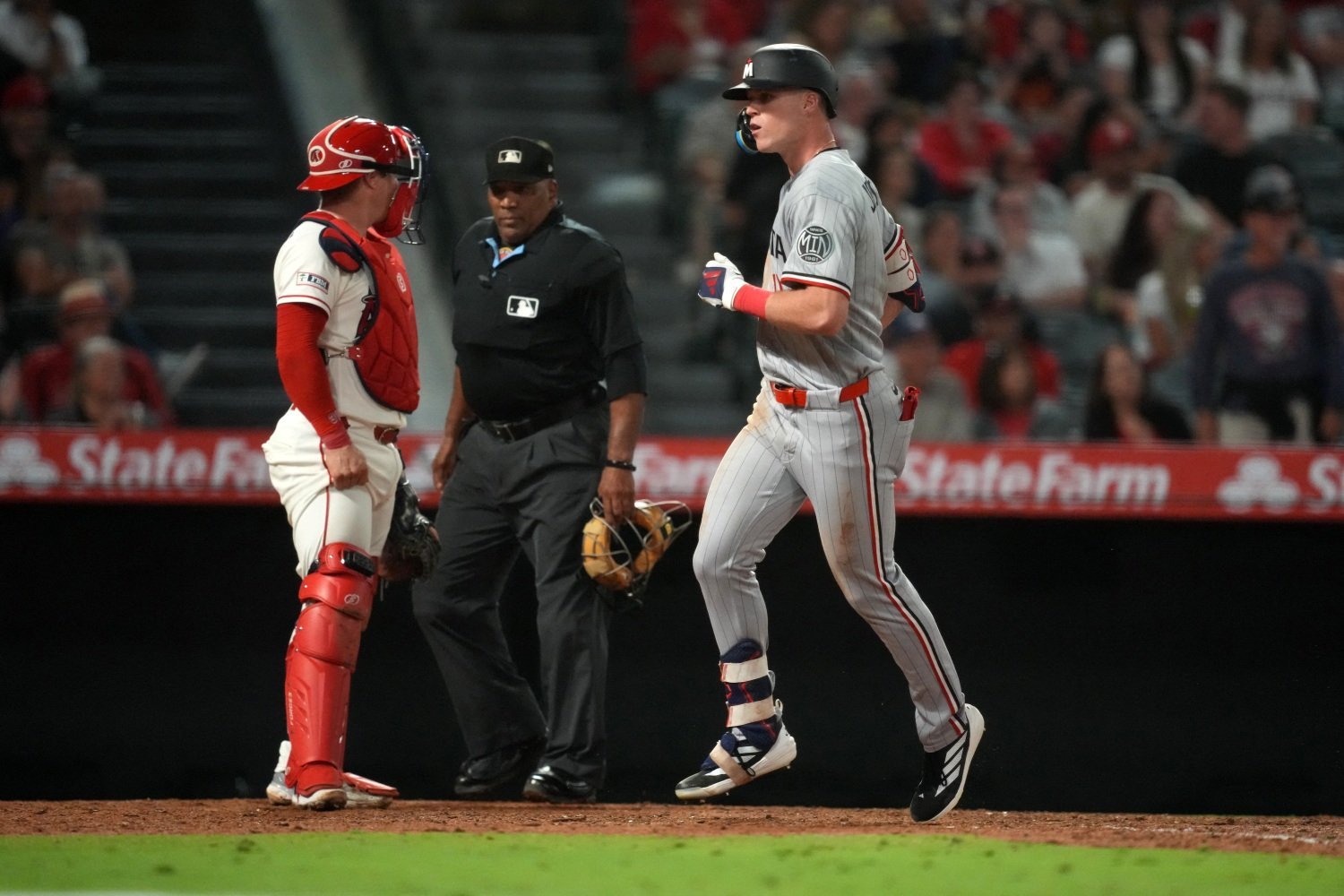 The Minnesota Twins have dealt with their share of injuries throughout the 2026 season, but the organization expects most of those players to be back at full strength when spring training begins. General manager Jeremy Zoll provided an encouraging update Tuesday, saying nearly every injured player on the roster should be ready for the start of camp. That group includes veterans Byron Buxton and Pablo López, along with top prospect Walker Jenkins. Jenkins is scheduled to undergo arthroscopic surgery Wednesday to address an ongoing issue with his right elbow. Zoll explained that the problem has been something Jenkins has dealt with for several years, making the offseason an ideal opportunity to finally address it. "He's been dealing with a cranky right elbow on and off for three or four years at this point," Zoll said. "He's gonna get a procedure tomorrow to clean up bone chips and bone spur and he'll be full go for 2027. Gonna take advantage of the offseason to get that all squared away for Walker." That timeline should allow Jenkins to enter the 2027 season without the lingering elbow issue that has followed him throughout his development. Jenkins, the organization's top prospect, made his major-league debut in late August after tearing through the minor leagues. He quickly found himself in an important role, taking over in center field while Buxton dealt with his own injury. The transition to the majors was not an easy one. Jenkins hit just .089 with one home run through his first 16 games, with that homer coming against a position player. Those early struggles were understandable for a young player adjusting to the highest level, but Jenkins showed why the Twins have been so excited about his long-term potential by turning things around before the season ended. Over his final 10 games, Jenkins hit .400 while adding three home runs, five RBIs and nine runs scored. That strong finish gives the Twins something positive to build on heading into the offseason. Jenkins now has a taste of the major leagues and a chance to spend the winter preparing for his first full big-league season. The elbow procedure adds another item to his offseason checklist, but Zoll's comments suggest the Twins are approaching it as a chance to eliminate a lingering problem rather than something expected to derail Jenkins' preparation. If everything goes according to plan, Jenkins should arrive at spring training healthy and ready to compete for a prominent role in Minnesota's 2027 lineup.
 -
The Minnesota Twins have dealt with their share of injuries throughout the 2026 season, but the organization expects most of those players to be back at full strength when spring training begins. General manager Jeremy Zoll provided an encouraging update Tuesday, saying nearly every injured player on the roster should be ready for the start of camp. That group includes veterans Byron Buxton and Pablo López, along with top prospect Walker Jenkins. Jenkins is scheduled to undergo arthroscopic surgery Wednesday to address an ongoing issue with his right elbow. Zoll explained that the problem has been something Jenkins has dealt with for several years, making the offseason an ideal opportunity to finally address it. "He's been dealing with a cranky right elbow on and off for three or four years at this point," Zoll said. "He's gonna get a procedure tomorrow to clean up bone chips and bone spur and he'll be full go for 2027. Gonna take advantage of the offseason to get that all squared away for Walker." That timeline should allow Jenkins to enter the 2027 season without the lingering elbow issue that has followed him throughout his development. Jenkins, the organization's top prospect, made his major-league debut in late August after tearing through the minor leagues. He quickly found himself in an important role, taking over in center field while Buxton dealt with his own injury. The transition to the majors was not an easy one. Jenkins hit just .089 with one home run through his first 16 games, with that homer coming against a position player. Those early struggles were understandable for a young player adjusting to the highest level, but Jenkins showed why the Twins have been so excited about his long-term potential by turning things around before the season ended. Over his final 10 games, Jenkins hit .400 while adding three home runs, five RBIs and nine runs scored. That strong finish gives the Twins something positive to build on heading into the offseason. Jenkins now has a taste of the major leagues and a chance to spend the winter preparing for his first full big-league season. The elbow procedure adds another item to his offseason checklist, but Zoll's comments suggest the Twins are approaching it as a chance to eliminate a lingering problem rather than something expected to derail Jenkins' preparation. If everything goes according to plan, Jenkins should arrive at spring training healthy and ready to compete for a prominent role in Minnesota's 2027 lineup. View full rumor
-
Image courtesy of © Mark J. Rebilas-Imagn Images Connor Prielipp entered 2026 facing big questions. The former second-round pick has dealt with significant injury concerns throughout his amateur and professional careers, making simply getting through a full season an important accomplishment. He did that in 2026. The results were mixed, but there were enough positives to make his season worth examining. His underlying numbers suggest there was some bad luck involved in his 4.87 ERA, while his new curveball gives him another weapon moving forward. At the same time, there were some concerning trends that Prielipp will need to address if he wants to become a reliable part of Minnesota's rotation. Here are three ups and three downs from Prielipp's 2026 season. Up 1: He Stayed Healthy This might be the most important development of Prielipp's season. After years of injury concerns, Prielipp finally made it through an entire season without another major setback. He logged 144 1/3 innings across 29 appearances between the minors and the big leagues. This gave him the opportunity to build the workload and experience that simply weren't available to him earlier in his career. For a pitcher whose professional development was repeatedly interrupted by injuries, accumulating innings matters. He had only pitched 113 2/3 innings across three professional seasons. Prielipp now has an entire season of major-league experience under his belt. The Twins can evaluate what worked, what didn't and what needs to change heading into 2027. That foundation is valuable. Up 2: The Underlying Numbers Were Better Prielipp's 4.87 ERA doesn't exactly jump off the page in a positive way. However, some of his underlying statistics tell a much more encouraging story. His 3.95 expected ERA (xERA) and 3.73 FIP were both significantly better than his actual ERA. That gap suggests Prielipp didn't pitch as poorly as his traditional numbers indicate. FIP strips away some of the factors outside a pitcher's control, while xERA uses quality of contact and other underlying information to estimate what a pitcher's ERA could have looked like. Neither statistic guarantees that Prielipp will suddenly post a sub-4.00 ERA next season, but both suggest there was some bad luck involved in his 2026 results. There is a difference between a pitcher who simply gets hit hard all season and one whose results don't fully match his underlying performance. Prielipp appears to have been closer to the latter. Up 3: The Curveball Gives Him Another Weapon Prielipp also added a curveball to his arsenal, and the results were encouraging. The pitch produced a .194 expected slugging percentage and a 37.7% whiff rate, showing legitimate swing-and-miss potential. Those numbers give Prielipp another way to attack hitters beyond his existing offspeed pitches. That matters because starting pitchers need multiple ways to get through a lineup. If Prielipp can consistently establish his fastball and then use his curveball and other offspeed offerings to finish at-bats, there is a path toward much better results. The curveball isn't going to solve every problem by itself, but it gives the Twins another reason to believe there is more in Prielipp's arsenal. Down 1: The Blow-Ups Were Too Frequent For all the positives, Prielipp had too many games where everything unraveled. He allowed four or more earned runs in 25% of his starts, and three different times he surrendered at least six runs. Those outings had a major impact on his overall numbers. His 87 ERA+ also tells the story. Prielipp's ERA was 13% worse than the league average after accounting for the environment in which he pitched. A young pitcher is going to have rough outings. That's part of development. But Prielipp needs to find a way to limit the damage when things start going sideways. Turning a six-run disaster into a three-run outing can make a significant difference over the course of a full season. Down 2: The Four-Seamer Needs Work Prielipp's offspeed pitches can be effective, but he has to get himself into position to use them. His 41.1% hard-hit rate ranked in baseball's bottom third, another indication that opposing hitters were making too much quality contact. His four-seamer was a major part of that problem, allowing a .505 expected slugging percentage and producing a -6 run value. That's a difficult combination for a starting pitcher. The curveball and other offspeed pitches can be excellent, but they don't matter as much if hitters are consistently getting comfortable against the fastball. Prielipp needs to improve his ability to get ahead in counts and make his four-seamer something hitters can't simply sit on. His secondary stuff gives him a chance. The fastball needs to put him in position to use it. Down 3: Left-Handed Hitters Gave Him Problems One of the more surprising splits from Prielipp's season came against hitters from the same side. Left-handed hitters posted a .786 OPS against Prielipp, compared to a .678 OPS from right-handed hitters. His WHIP showed an even bigger difference, with lefties posting a 1.62 WHIP compared to 1.18 against righties. That's something Prielipp will need to address. As a left-handed starter, Prielipp needs to be able to neutralize left-handed hitters. If opposing managers can load their lineups with lefties and force him into difficult matchups, it makes his job considerably harder. His secondary stuff should give him the tools to attack those hitters. The challenge is turning those tools into consistent results. Prielipp's 2026 season was difficult to summarize with one number. The 4.87 ERA isn't particularly impressive, but the 3.95 xERA and 3.73 FIP suggest there was more going on beneath the surface. His new curveball gives him another potentially dangerous pitch, and perhaps most importantly, he finally completed a full season without another major injury interruption. There are still significant questions. Prielipp needs to limit the blow-ups, improve the quality of contact allowed and figure out how to attack left-handed hitters more effectively. His four-seamer also needs to become a more reliable foundation for his secondary arsenal. That's what makes 2027 so interesting. Prielipp has already overcome one of the biggest obstacles in his development by staying healthy. Now he needs to turn that durability into consistency. How should the Twins view Prielipp’s rookie campaign? Leave a comment and start the discussion. View full article
-
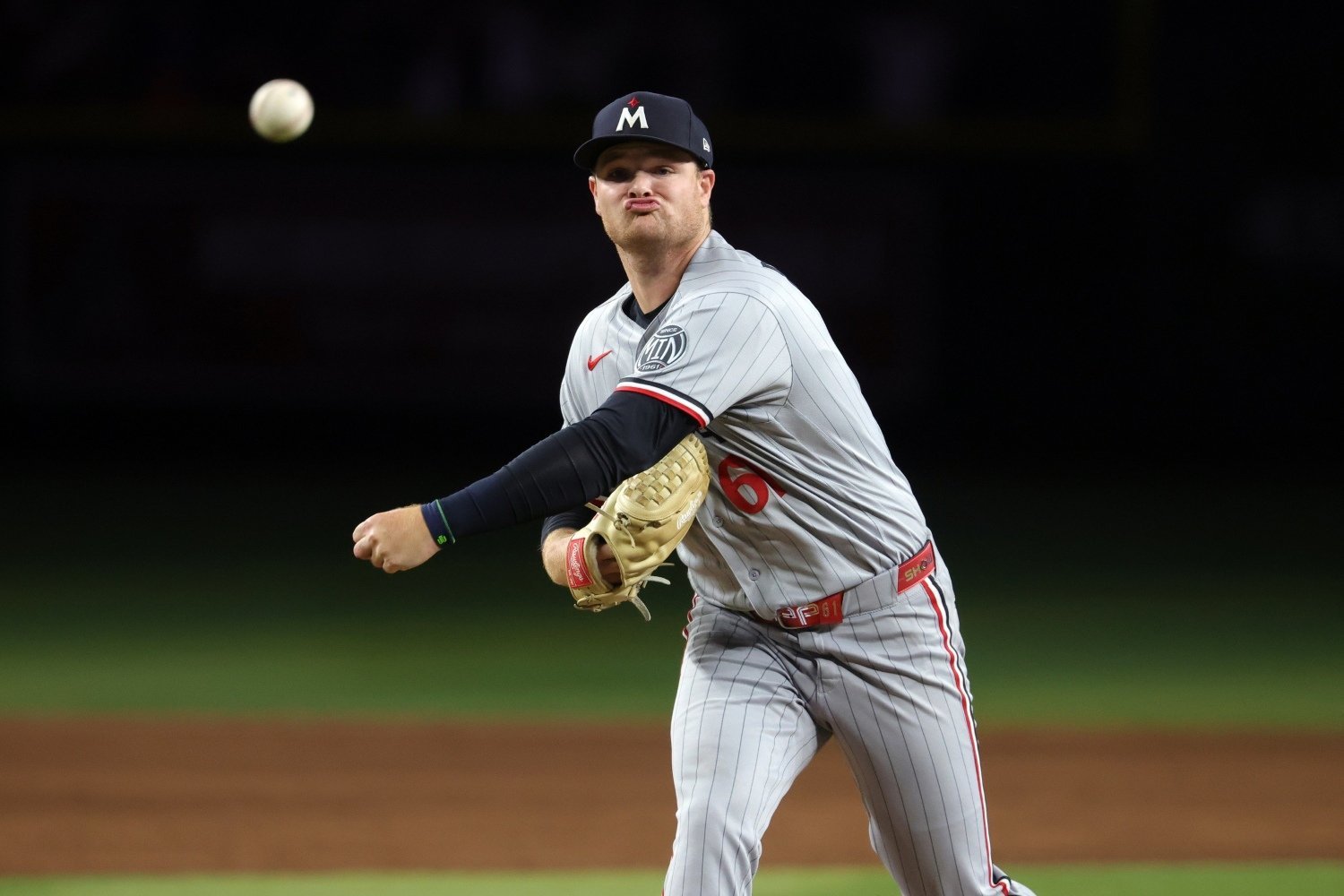 Connor Prielipp entered 2026 facing big questions. The former second-round pick has dealt with significant injury concerns throughout his amateur and professional careers, making simply getting through a full season an important accomplishment. He did that in 2026. The results were mixed, but there were enough positives to make his season worth examining. His underlying numbers suggest there was some bad luck involved in his 4.87 ERA, while his new curveball gives him another weapon moving forward. At the same time, there were some concerning trends that Prielipp will need to address if he wants to become a reliable part of Minnesota's rotation. Here are three ups and three downs from Prielipp's 2026 season. Up 1: He Stayed Healthy This might be the most important development of Prielipp's season. After years of injury concerns, Prielipp finally made it through an entire season without another major setback. He logged 144 1/3 innings across 29 appearances between the minors and the big leagues. This gave him the opportunity to build the workload and experience that simply weren't available to him earlier in his career. For a pitcher whose professional development was repeatedly interrupted by injuries, accumulating innings matters. He had only pitched 113 2/3 innings across three professional seasons. Prielipp now has an entire season of major-league experience under his belt. The Twins can evaluate what worked, what didn't and what needs to change heading into 2027. That foundation is valuable. Up 2: The Underlying Numbers Were Better Prielipp's 4.87 ERA doesn't exactly jump off the page in a positive way. However, some of his underlying statistics tell a much more encouraging story. His 3.95 expected ERA (xERA) and 3.73 FIP were both significantly better than his actual ERA. That gap suggests Prielipp didn't pitch as poorly as his traditional numbers indicate. FIP strips away some of the factors outside a pitcher's control, while xERA uses quality of contact and other underlying information to estimate what a pitcher's ERA could have looked like. Neither statistic guarantees that Prielipp will suddenly post a sub-4.00 ERA next season, but both suggest there was some bad luck involved in his 2026 results. There is a difference between a pitcher who simply gets hit hard all season and one whose results don't fully match his underlying performance. Prielipp appears to have been closer to the latter. Up 3: The Curveball Gives Him Another Weapon Prielipp also added a curveball to his arsenal, and the results were encouraging. The pitch produced a .194 expected slugging percentage and a 37.7% whiff rate, showing legitimate swing-and-miss potential. Those numbers give Prielipp another way to attack hitters beyond his existing offspeed pitches. That matters because starting pitchers need multiple ways to get through a lineup. If Prielipp can consistently establish his fastball and then use his curveball and other offspeed offerings to finish at-bats, there is a path toward much better results. The curveball isn't going to solve every problem by itself, but it gives the Twins another reason to believe there is more in Prielipp's arsenal. Down 1: The Blow-Ups Were Too Frequent For all the positives, Prielipp had too many games where everything unraveled. He allowed four or more earned runs in 25% of his starts, and three different times he surrendered at least six runs. Those outings had a major impact on his overall numbers. His 87 ERA+ also tells the story. Prielipp's ERA was 13% worse than the league average after accounting for the environment in which he pitched. A young pitcher is going to have rough outings. That's part of development. But Prielipp needs to find a way to limit the damage when things start going sideways. Turning a six-run disaster into a three-run outing can make a significant difference over the course of a full season. Down 2: The Four-Seamer Needs Work Prielipp's offspeed pitches can be effective, but he has to get himself into position to use them. His 41.1% hard-hit rate ranked in baseball's bottom third, another indication that opposing hitters were making too much quality contact. His four-seamer was a major part of that problem, allowing a .505 expected slugging percentage and producing a -6 run value. That's a difficult combination for a starting pitcher. The curveball and other offspeed pitches can be excellent, but they don't matter as much if hitters are consistently getting comfortable against the fastball. Prielipp needs to improve his ability to get ahead in counts and make his four-seamer something hitters can't simply sit on. His secondary stuff gives him a chance. The fastball needs to put him in position to use it. Down 3: Left-Handed Hitters Gave Him Problems One of the more surprising splits from Prielipp's season came against hitters from the same side. Left-handed hitters posted a .786 OPS against Prielipp, compared to a .678 OPS from right-handed hitters. His WHIP showed an even bigger difference, with lefties posting a 1.62 WHIP compared to 1.18 against righties. That's something Prielipp will need to address. As a left-handed starter, Prielipp needs to be able to neutralize left-handed hitters. If opposing managers can load their lineups with lefties and force him into difficult matchups, it makes his job considerably harder. His secondary stuff should give him the tools to attack those hitters. The challenge is turning those tools into consistent results. Prielipp's 2026 season was difficult to summarize with one number. The 4.87 ERA isn't particularly impressive, but the 3.95 xERA and 3.73 FIP suggest there was more going on beneath the surface. His new curveball gives him another potentially dangerous pitch, and perhaps most importantly, he finally completed a full season without another major injury interruption. There are still significant questions. Prielipp needs to limit the blow-ups, improve the quality of contact allowed and figure out how to attack left-handed hitters more effectively. His four-seamer also needs to become a more reliable foundation for his secondary arsenal. That's what makes 2027 so interesting. Prielipp has already overcome one of the biggest obstacles in his development by staying healthy. Now he needs to turn that durability into consistency. How should the Twins view Prielipp’s rookie campaign? Leave a comment and start the discussion.
 -
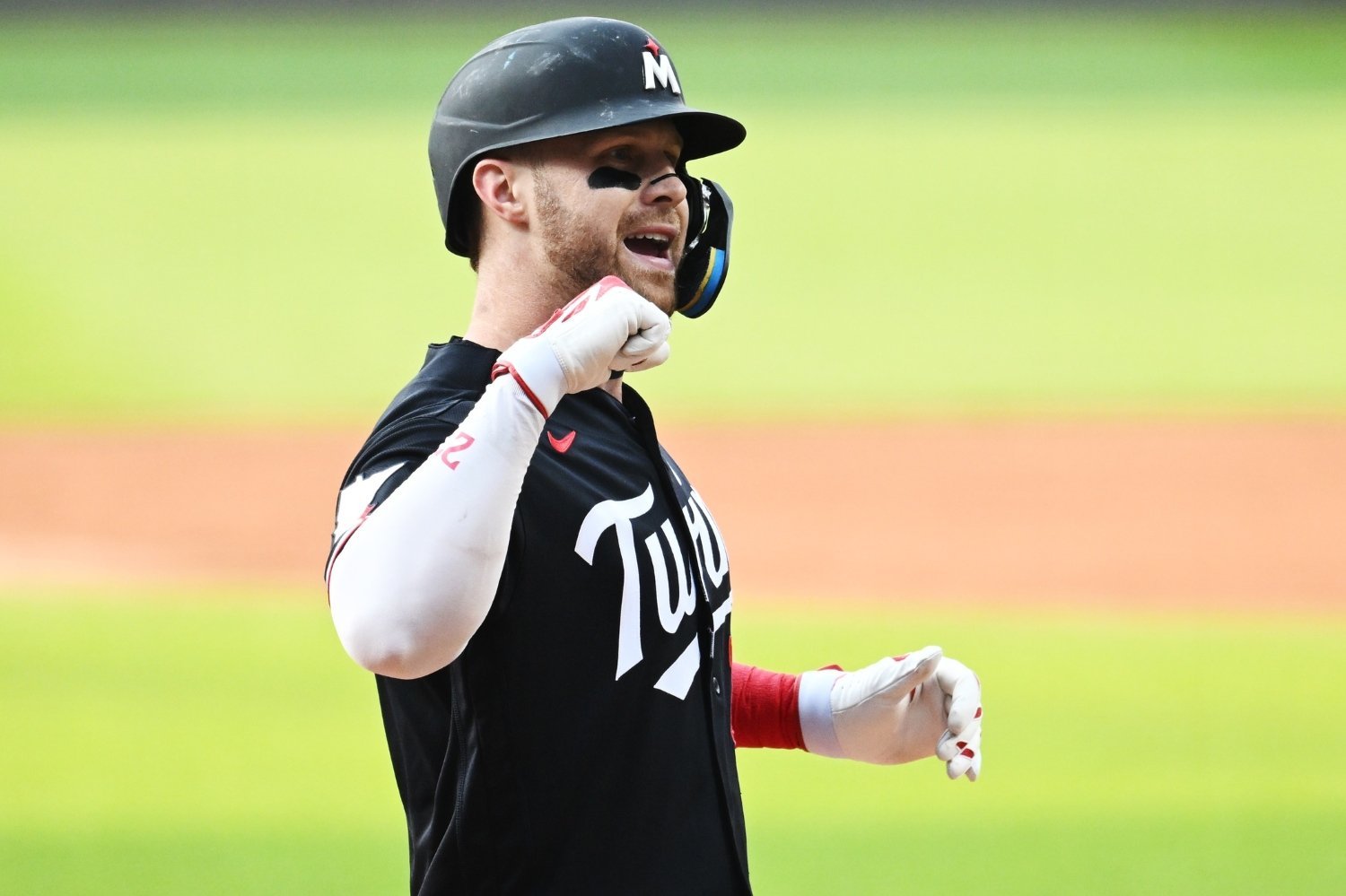 Ryan Jeffers has spent his entire professional career in the Twins organization, dating back to Minnesota selecting him in the second round of the 2018 MLB Draft. After nearly a decade with the organization, though, the veteran catcher could be approaching the end of his time in Minnesota. Jeffers is not closing the door on a return. In fact, he made it clear that he would welcome the opportunity to stay with the only organization he has known. At the same time, he wants to experience free agency and find out what opportunities exist beyond Minnesota. “I’ve worked too hard to corner myself into one team or two teams,” Jeffers said Sunday, via The Athletic’s Dan Hayes. “I love the idea of a reunion. I also love the idea of going out there and seeing what else is out there.” There should be plenty of interest. Jeffers enters the offseason as arguably the top catcher on the free-agent market and one of the better offensive players available at the position. Since his breakout 2023 season, he has posted a 119 wRC+ across 1,632 plate appearances. That ranks eighth among catchers during that stretch. His 2026 season was particularly encouraging considering the circumstances. A hamate fracture suffered in May cost Jeffers roughly two months and limited him to 92 games. Despite the lost time, he hit .256/.353/.461 with 14 home runs in 368 plate appearances. More importantly, several underlying numbers moved in the right direction. Jeffers posted career-best strikeout and walk rates, striking out in just 17.9% of his plate appearances while walking 12.5% of the time. His 128 wRC+ means he was 28% better than the league-average hitter, while the average MLB catcher finished at just 91. The defensive questions remain. Jeffers has generally been a below-average defensive catcher, and 2026 followed that trend. He caught only 10.6% of potential base stealers and ranked in the 37th percentile as a pitch framer. He performed well with ABS challenges, finishing 12th among 107 catchers in Overturns Vs. Expected. Now the Twins must decide whether Jeffers is worth a $23.1 million qualifying offer. The decision will come shortly after the World Series, and Hayes reports Jeffers is unlikely to accept it. That could leave Minnesota with Victor Caratini as its most experienced catcher heading into 2027. Vahn Lackey, the third overall pick in the 2026 draft, represents the organization's long-term answer, but he is probably still a couple of years away. If Jeffers leaves, the Twins could look for a short-term veteran through free agency or trade. Several experienced catchers, including Tyler Stephenson, Austin Hedges, Jonah Heim, James McCann and former Twin Christian Vázquez, could be available. For now, Jeffers is keeping both possibilities open. After spending his entire career in Minnesota, he has earned the opportunity to see what the rest of baseball thinks he is worth.
 -
Ryan Jeffers has spent his entire professional career in the Twins organization, dating back to Minnesota selecting him in the second round of the 2018 MLB Draft. After nearly a decade with the organization, though, the veteran catcher could be approaching the end of his time in Minnesota. Jeffers is not closing the door on a return. In fact, he made it clear that he would welcome the opportunity to stay with the only organization he has known. At the same time, he wants to experience free agency and find out what opportunities exist beyond Minnesota. “I’ve worked too hard to corner myself into one team or two teams,” Jeffers said Sunday, via The Athletic’s Dan Hayes. “I love the idea of a reunion. I also love the idea of going out there and seeing what else is out there.” There should be plenty of interest. Jeffers enters the offseason as arguably the top catcher on the free-agent market and one of the better offensive players available at the position. Since his breakout 2023 season, he has posted a 119 wRC+ across 1,632 plate appearances. That ranks eighth among catchers during that stretch. His 2026 season was particularly encouraging considering the circumstances. A hamate fracture suffered in May cost Jeffers roughly two months and limited him to 92 games. Despite the lost time, he hit .256/.353/.461 with 14 home runs in 368 plate appearances. More importantly, several underlying numbers moved in the right direction. Jeffers posted career-best strikeout and walk rates, striking out in just 17.9% of his plate appearances while walking 12.5% of the time. His 128 wRC+ means he was 28% better than the league-average hitter, while the average MLB catcher finished at just 91. The defensive questions remain. Jeffers has generally been a below-average defensive catcher, and 2026 followed that trend. He caught only 10.6% of potential base stealers and ranked in the 37th percentile as a pitch framer. He performed well with ABS challenges, finishing 12th among 107 catchers in Overturns Vs. Expected. Now the Twins must decide whether Jeffers is worth a $23.1 million qualifying offer. The decision will come shortly after the World Series, and Hayes reports Jeffers is unlikely to accept it. That could leave Minnesota with Victor Caratini as its most experienced catcher heading into 2027. Vahn Lackey, the third overall pick in the 2026 draft, represents the organization's long-term answer, but he is probably still a couple of years away. If Jeffers leaves, the Twins could look for a short-term veteran through free agency or trade. Several experienced catchers, including Tyler Stephenson, Austin Hedges, Jonah Heim, James McCann and former Twin Christian Vázquez, could be available. For now, Jeffers is keeping both possibilities open. After spending his entire career in Minnesota, he has earned the opportunity to see what the rest of baseball thinks he is worth. View full rumor
-
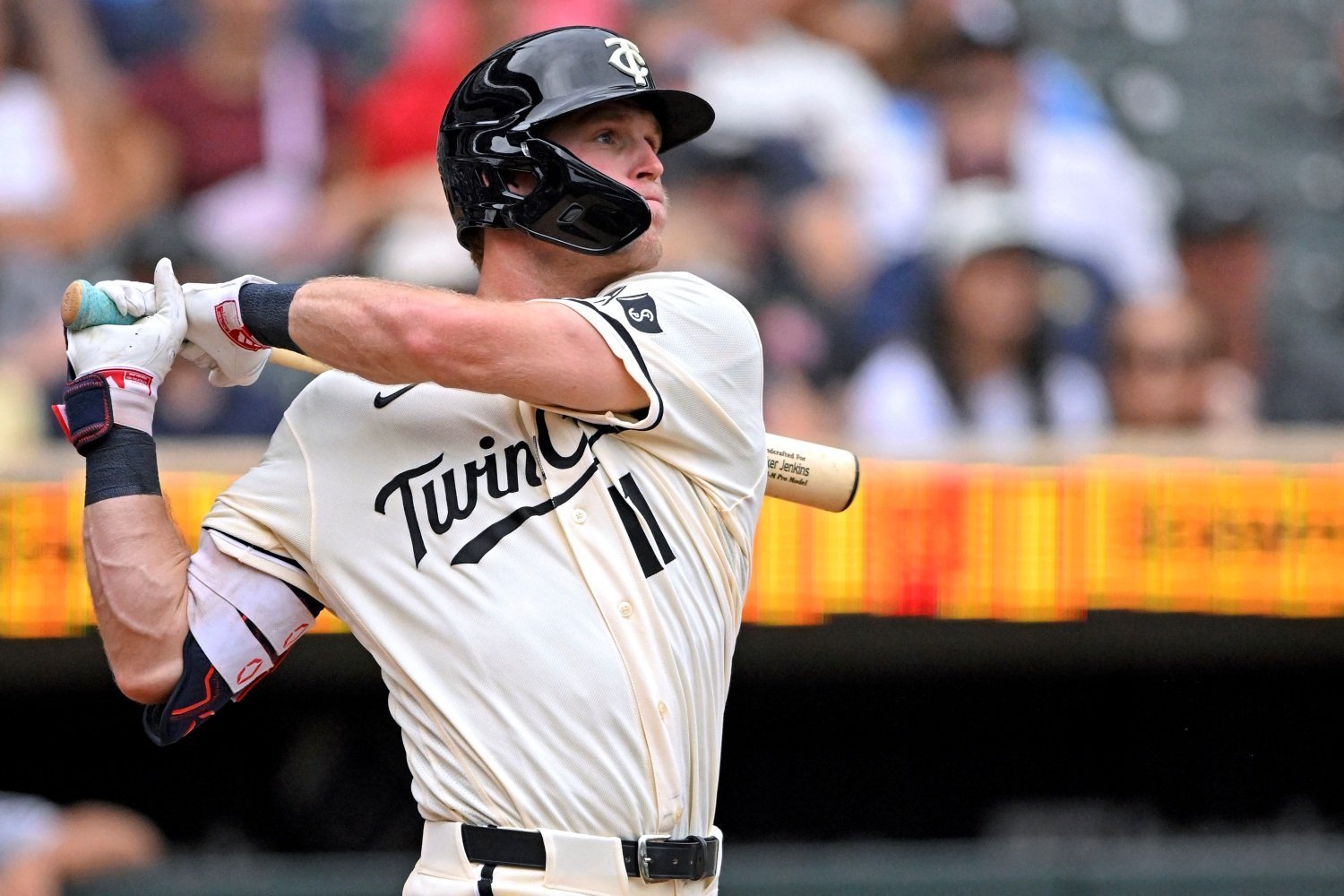 Walker Jenkins' first trip to the big leagues was never going to answer every question about his future. The former No. 5 overall pick arrived in Minnesota with enormous expectations, and his first 26 games offered a little bit of everything. There were stretches where Jenkins looked overwhelmed by the speed and quality of major-league pitching. There were also stretches where the talent that made him one of baseball's top prospects started to shine through. For a young player who has dealt with injuries throughout his professional career, simply getting to the majors and finishing the season healthy enough to contribute was important. His final 10 games were especially encouraging, while some of his underlying numbers point toward areas where he will need to improve. Here are three positives and three negatives from Jenkins' first taste of the big leagues. Up 1: A Strong Finish Jenkins' start to his big-league career was rough. In his first 16 games, he went just 4-for-45, good for a .085 batting average. He struck out 16 times while drawing six walks. Then something started to click. Over his final 10 games, Jenkins hit .385/.400/.615 for a 1.015 OPS. He added three home runs while striking out only three times and drawing one walk. That is a dramatic change in production and plate discipline in a very small sample, but it's exactly the kind of finish the Twins needed to see from him. Major-league baseball is faster. The breaking pitches are sharper. Mistakes are much thinner on the ground. Jenkins's early struggles can be viewed as part of the adjustment process, especially for a 21-year-old getting his first extended look against the best pitchers in the world. The hope is that the player who showed up late in the season is a better representation of what Jenkins can become. Up 2: Meteoric Rise Injuries have been a recurring obstacle for Jenkins throughout his professional career. He missed significant time again this season after hurting his shoulder while running into an outfield wall, and he has yet to play more than 100 games in a professional season. What makes this season encouraging is what Jenkins did once he returned. He did not allow another difficult stretch to derail his development. He got back on the field, worked his way into the lineup and eventually reached the major leagues. More importantly, Jenkins appeared to adjust quickly once he got there. His first 16 games were a major learning experience, but his final 10 games looked like a completely different hitter. That kind of improvement over such a short period is encouraging for a player seeing major-league pitching for the first time. Jenkins is still working toward the consistency and durability needed for a full major-league season, but his ability to make adjustments on the fly may ultimately prove to be one of his biggest strengths. Up 3: Fastball Power Jenkins showed a clear ability to do damage against fastballs. He posted a .289 batting average and a .500 slugging percentage against fastballs, accounting for nearly all of his damage at the plate. That's encouraging, because fastballs are the foundation of major-league pitching. If a hitter can consistently punish velocity, there's a path toward becoming a dangerous offensive player. Jenkins's swing has always had the potential to produce power, and seeing that power translate against major-league fastballs is an important piece of his development. The next step will be proving he can force pitchers away from their fastballs by handling everything else they throw at him. Down 1: The Walk Rate Dropped Patience was supposed to be one of Jenkins' calling cards. At Triple-A St. Paul this season, he posted a 13.7% walk rate. That number dropped to 7.5% in the majors. Some of that is understandable. Major-league pitchers are better equipped to attack hitters and are less likely to give away easy opportunities. Still, Jenkins' approach will be an important part of his development. When pitchers were ahead in the count, Jenkins went just 4-for-26, a .154 batting average, while striking out 10 times. That is an area where better pitch recognition and a more consistent approach could make a major difference. The Twins do not need Jenkins to walk at an elite rate every season, but they do need the disciplined hitter who appeared in the minors to carry over to the majors. Down 2: The Strikeout Rate Jumped Jenkins had a 15.6% strikeout rate with St. Paul. That climbed to 20.4% in the majors. Again, some increase should be expected when a young hitter takes the biggest jump in competition possible. But the increase is still worth monitoring. His 23.9% whiff rate also suggests there was more swing-and-miss in his game than many expected coming into the season. Jenkins' prospect profile was built in part around his ability to combine power with a quality approach. There will be growing pains, but limiting the strikeouts will be critical if he is going to become the middle-of-the-order hitter the Twins envision. The encouraging part is that his final 10 games featured only three strikeouts. That late-season improvement could be a sign that he was beginning to adjust. Down 3: Trouble With the Curve Breaking pitches gave Jenkins the most trouble during his time in the majors. He hit just .148 against breaking pitches while slugging .259. That is a significant weakness for any young hitter because opposing pitchers will continue to test him with sliders, curveballs and other breaking offerings if they discover he cannot consistently handle them. His success against fastballs makes the contrast even more noticeable. Pitchers may eventually try to exploit that difference by getting ahead with velocity before finishing at-bats with breaking stuff. Jenkins will need to show he can recognize and drive those pitches before they become a predictable part of the game plan against him. Jenkins' first taste of the big leagues was exactly that: a taste. There were plenty of questions left unanswered, but there were also signs of why the Twins remain so excited about his future. His hot finish, ability to handle fastballs and continued progress through another injury setback all provide reasons for optimism. At the same time, his walk rate fell, his strikeout rate climbed and breaking pitches gave him significant problems. That is a reasonable collection of strengths and weaknesses for a young player getting his first exposure to the majors. Jenkins does not need to have everything figured out yet. What matters most is whether he can take what he learned in these 26 games and carry it into 2027. If the player who finished the season is the player the Twins get next year, there could be some very exciting baseball ahead. What stood out about Jenkins in his first taste of the big leagues? Leave a comment and start the discussion.
 -
Image courtesy of Nick Wosika-Imagn Images Walker Jenkins' first trip to the big leagues was never going to answer every question about his future. The former No. 5 overall pick arrived in Minnesota with enormous expectations, and his first 26 games offered a little bit of everything. There were stretches where Jenkins looked overwhelmed by the speed and quality of major-league pitching. There were also stretches where the talent that made him one of baseball's top prospects started to shine through. For a young player who has dealt with injuries throughout his professional career, simply getting to the majors and finishing the season healthy enough to contribute was important. His final 10 games were especially encouraging, while some of his underlying numbers point toward areas where he will need to improve. Here are three positives and three negatives from Jenkins' first taste of the big leagues. Up 1: A Strong Finish Jenkins' start to his big-league career was rough. In his first 16 games, he went just 4-for-45, good for a .085 batting average. He struck out 16 times while drawing six walks. Then something started to click. Over his final 10 games, Jenkins hit .385/.400/.615 for a 1.015 OPS. He added three home runs while striking out only three times and drawing one walk. That is a dramatic change in production and plate discipline in a very small sample, but it's exactly the kind of finish the Twins needed to see from him. Major-league baseball is faster. The breaking pitches are sharper. Mistakes are much thinner on the ground. Jenkins's early struggles can be viewed as part of the adjustment process, especially for a 21-year-old getting his first extended look against the best pitchers in the world. The hope is that the player who showed up late in the season is a better representation of what Jenkins can become. Up 2: Meteoric Rise Injuries have been a recurring obstacle for Jenkins throughout his professional career. He missed significant time again this season after hurting his shoulder while running into an outfield wall, and he has yet to play more than 100 games in a professional season. What makes this season encouraging is what Jenkins did once he returned. He did not allow another difficult stretch to derail his development. He got back on the field, worked his way into the lineup and eventually reached the major leagues. More importantly, Jenkins appeared to adjust quickly once he got there. His first 16 games were a major learning experience, but his final 10 games looked like a completely different hitter. That kind of improvement over such a short period is encouraging for a player seeing major-league pitching for the first time. Jenkins is still working toward the consistency and durability needed for a full major-league season, but his ability to make adjustments on the fly may ultimately prove to be one of his biggest strengths. Up 3: Fastball Power Jenkins showed a clear ability to do damage against fastballs. He posted a .289 batting average and a .500 slugging percentage against fastballs, accounting for nearly all of his damage at the plate. That's encouraging, because fastballs are the foundation of major-league pitching. If a hitter can consistently punish velocity, there's a path toward becoming a dangerous offensive player. Jenkins's swing has always had the potential to produce power, and seeing that power translate against major-league fastballs is an important piece of his development. The next step will be proving he can force pitchers away from their fastballs by handling everything else they throw at him. Down 1: The Walk Rate Dropped Patience was supposed to be one of Jenkins' calling cards. At Triple-A St. Paul this season, he posted a 13.7% walk rate. That number dropped to 7.5% in the majors. Some of that is understandable. Major-league pitchers are better equipped to attack hitters and are less likely to give away easy opportunities. Still, Jenkins' approach will be an important part of his development. When pitchers were ahead in the count, Jenkins went just 4-for-26, a .154 batting average, while striking out 10 times. That is an area where better pitch recognition and a more consistent approach could make a major difference. The Twins do not need Jenkins to walk at an elite rate every season, but they do need the disciplined hitter who appeared in the minors to carry over to the majors. Down 2: The Strikeout Rate Jumped Jenkins had a 15.6% strikeout rate with St. Paul. That climbed to 20.4% in the majors. Again, some increase should be expected when a young hitter takes the biggest jump in competition possible. But the increase is still worth monitoring. His 23.9% whiff rate also suggests there was more swing-and-miss in his game than many expected coming into the season. Jenkins' prospect profile was built in part around his ability to combine power with a quality approach. There will be growing pains, but limiting the strikeouts will be critical if he is going to become the middle-of-the-order hitter the Twins envision. The encouraging part is that his final 10 games featured only three strikeouts. That late-season improvement could be a sign that he was beginning to adjust. Down 3: Trouble With the Curve Breaking pitches gave Jenkins the most trouble during his time in the majors. He hit just .148 against breaking pitches while slugging .259. That is a significant weakness for any young hitter because opposing pitchers will continue to test him with sliders, curveballs and other breaking offerings if they discover he cannot consistently handle them. His success against fastballs makes the contrast even more noticeable. Pitchers may eventually try to exploit that difference by getting ahead with velocity before finishing at-bats with breaking stuff. Jenkins will need to show he can recognize and drive those pitches before they become a predictable part of the game plan against him. Jenkins' first taste of the big leagues was exactly that: a taste. There were plenty of questions left unanswered, but there were also signs of why the Twins remain so excited about his future. His hot finish, ability to handle fastballs and continued progress through another injury setback all provide reasons for optimism. At the same time, his walk rate fell, his strikeout rate climbed and breaking pitches gave him significant problems. That is a reasonable collection of strengths and weaknesses for a young player getting his first exposure to the majors. Jenkins does not need to have everything figured out yet. What matters most is whether he can take what he learned in these 26 games and carry it into 2027. If the player who finished the season is the player the Twins get next year, there could be some very exciting baseball ahead. What stood out about Jenkins in his first taste of the big leagues? Leave a comment and start the discussion. View full article
-
 There was a time when showing up to Target Field was simply part of being a Twins fan. That relationship has changed. The 2025 trade deadline fire sale damaged whatever goodwill remained between the Pohlad family and a frustrated fan base. Minnesota traded 11 players in roughly 96 hours, cutting approximately $26 million from the payroll while ownership was simultaneously exploring a potential sale of the franchise. The result was a baseball operation that looked less interested in winning in 2025 than preparing for an uncertain future. Then the Pohlads decided to keep the team. Tom Pohlad eventually stepped into a more prominent leadership role, replacing Joe Pohlad as the club's primary owner, and one of his central messages was that the organization needed to rebuild its relationship with fans. But here we are at the end of another season, and an important question remains: Have the Pohlads actually earned back that trust? There is a case to be made that they have started the process. There is also plenty of evidence that the job is far from finished. Attendance Tells the Story The most obvious place to look is the turnstiles. The Twins entered 2026 with attendance already in a difficult position. The 2025 season drew 1.769 million fans, the lowest total at Target Field since the stadium opened in 2010. In 2026, those totals dropped further to 1.74 million, down roughly 350 per game. However, the Twins were using a variety of tactics to keep those numbers as high as possible. The numbers improved during the summer, but they never became anything close to a ringing endorsement from the fan base. By season’s end, the Twins were averaging 21,486 fans per home game, still ranking in the bottom six in baseball. Minnesota did its best to provide cheaper concessions, promotions and ticket incentives designed to get more people through the gates. Those numbers matter because attendance is not just an accounting figure. It is feedback. Fans can complain on social media. They can boo. They can stop buying jerseys. They can stop renewing season tickets. Or they can simply stay home. The Twins have been seeing plenty of the latter. The 2026 Trade Deadline Changed the Conversation The strongest argument in the Pohlads' favor came in August. After years of payroll criticism and the previous summer's roster teardown, the Twins became legitimate buyers at the trade deadline. Minnesota added Tommy Nance, A.J. Minter, Dean Kremer and Jeff Hoffman, addressing obvious weaknesses without trading away the organization's elite prospects. That was a significant departure from what fans had seen one year earlier. Tom Pohlad also backed up his words with money. The Twins took on more than $8 million in prorated salary for the remainder of 2026 through those additions, while also assuming significant future commitments. Hoffman has an $11 million salary for 2027, with Toronto covering $3.75 million, and Kremer is expected to receive a raise through arbitration. Pohlad did not stop there. He said the Twins' 2027 payroll will be higher, not that ownership merely hoped it would be higher. He also said Minnesota needs to invest in the roster if the organization wants to consistently compete in the postseason. Fans had spent years hearing about sustainability, flexibility and staying competitive. Now the owner was directly saying the organization needed to spend more. After the deadline, Pohlad even suggested the organization had "earned some credibility." That may be true. But credibility is not the same thing as trust. Then the Season Fell Apart The problem is what happened next. Minnesota held the AL’s final Wild Card spot as recently as the middle of August with over 30% odds of making the playoffs. The organization had just gone out and bought at the deadline because it believed the club could make a postseason push. Six weeks later, the Twins were out of the playoff race. The team went through a prolonged collapse marked by injuries, pitching problems and costly mistakes. That does not mean the deadline moves were mistakes. In fact, several of the acquisitions performed well. Kremer gave Minnesota rotation innings beyond 2026. Hoffman provided another late-inning option. Minter and Nance strengthened a bullpen that had become a major weakness. The bigger issue is that the deadline did not magically repair the relationship with the fan base. It bought the organization another opportunity. The offseason will determine whether Minnesota takes advantage of it. This Is Where Ownership Still Has Work to Do Trust is not rebuilt with one good month. It is rebuilt through consistency. That means the 2027 payroll cannot simply move from roughly $100 million to a number that technically qualifies as an increase. It means ownership has to demonstrate that the Twins are willing to spend enough to address multiple areas of the roster. So when Pohlad says payroll will increase, the obvious follow-up question is: By how much? A $10 million increase tells one story. A $30 million increase tells another. And a much larger investment would send a very different message about what ownership believes this young roster can become. Money alone will not guarantee a postseason berth. Baseball does not work that way. Ask Steve Cohen and the New York Mets about that. But Twins ownership has spent years asking fans to believe that the organization wants to compete. At some point, the roster has to reflect that belief. The Young Core Gives Ownership a Chance There is another reason this conversation is different from a year ago. The Twins have young players worth building around. Walker Jenkins, Kaelen Culpepper, and Emmanuel Rodriguez have arrived. Brooks Lee continues to develop. Luke Keaschall has shown flashes. Several other young players could become important pieces of the next competitive roster. That gives Jeremy Zoll and the Twins front office something valuable. A foundation. Now ownership has to decide how aggressively it wants to build on that foundation. The 2025 version of the Twins asked fans to accept a teardown. The 2026 version asked fans to believe the teardown was over. The 2027 version needs to show it. So, Have They Earned It Back? Not completely. That does not mean the Pohlads have done nothing to repair the relationship. Tom Pohlad has been more visible. Ownership changed leadership. The organization bought at the trade deadline. Payroll commitments increased. The club has introduced ticket incentives and other efforts designed to create more value for fans. Those are meaningful steps. But the fan base did not lose trust because of one bad season. It was built up over years of decisions, including payroll reductions, the 2025 roster teardown and the uncertainty surrounding the attempted sale of the franchise. That means rebuilding trust will also take time. And it will take action. Fans do not need another promise that the Twins want to be competitive. They need to see what that promise looks like when the offseason begins. They need to see ownership invest. They need to see the front office given the freedom to improve the roster. They need to see the organization build around its young core instead of continually asking fans to wait for the next window. Most importantly, they need to believe that the goal is not simply to field a respectable team. The goal is to win. Tom Pohlad said as much in July, telling reporters that a $100 million payroll would not be enough to accomplish what the organization ultimately wants to accomplish. Now comes the part where those words have to become reality. The 2026 deadline gave Twins fans a reason to reconsider their opinion of ownership. The 2027 offseason will determine how much that opinion actually changes. The Pohlads have begun the process of rebuilding trust. They have not finished it. What can the Pohlads do this winter to regain the trust of fans? Leave a comment and start the discussion. View full article
 -
3 Twins Prospects Took Steps Forward With 20-20 Seasons
Cody Christie posted an article in Minor Leagues
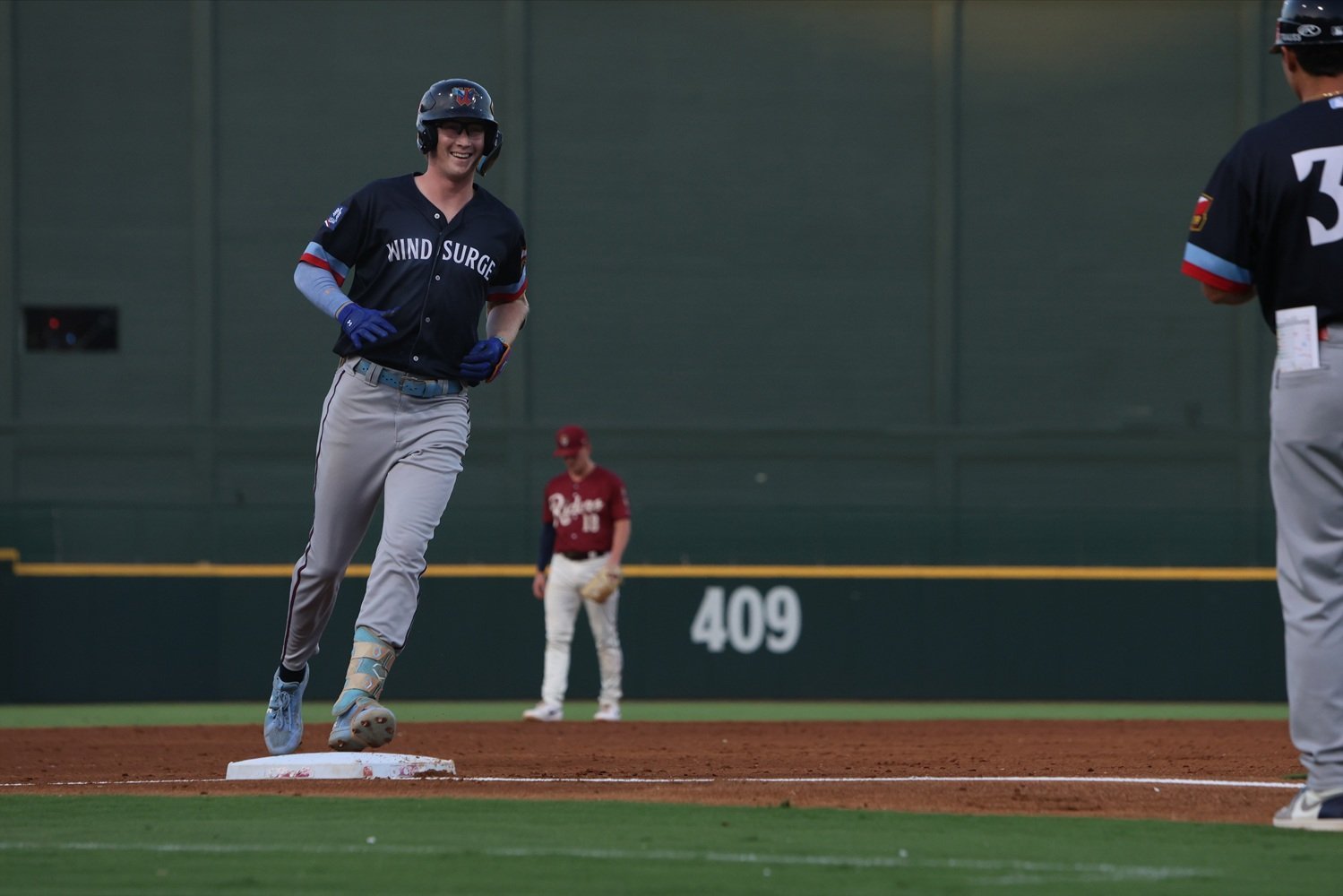 A 20-home run, 20-stolen base season is not necessarily a guarantee that a prospect will become a big-league star. Baseball is rarely that simple. Still, reaching both benchmarks in the same season tells us something important about a player's development. First, there has to be a level of health. A player can't accumulate 20 homers and 20 steals without getting enough opportunities on the field. There also has to be production. Twenty home runs require some legitimate power, while 20 stolen bases require speed, athleticism and enough offensive success to consistently get on base. The Twins had three prospects accomplish that feat in 2026, with another coming within two home runs of joining them. Just Missed: Yasser Mercedes 18 Home Runs, 52 Stolen Bases Mercedes might have the most interesting statistical profile of the group despite falling short of the 20-homer mark. The 21-year-old outfielder put together a strong 2026 campaign, combining his developing power with game-changing speed. His 52 stolen bases were by far the most among this group, showing just how much athleticism he brings to the organization. Mercedes' season earned him a trip to the Arizona Fall League, where he'll have another opportunity to face some of the organization's top competition alongside other highly regarded prospects. The 18 home runs also represent an important part of his development. Mercedes doesn't need to become a 30-homer hitter to have significant value. If the Twins can continue to see his power develop while he maintains his ability to impact games with his legs, there is a compelling offensive foundation. Garrett Spain - Wichita Wind Surge 20-20 Season: 22 Home Runs, 23 Stolen Bases Spain's path to a 20-20 season is unlike the others on this list. Minnesota selected Spain in the Triple-A Phase of the Rule 5 Draft last December. Originally drafted by Toronto in the 15th round of the 2021 MLB Draft, Spain had already bounced between organizations before arriving in the Twins system. The Brewers selected him from Toronto in the Triple-A phase of the Rule 5 Draft before the 2025 season. He spent time at Double-A and Triple-A, hitting .203/.280/.364 with 16 home runs, 19 doubles and an 88 wRC+. The Twins kept him at Wichita for the entirety of the 2026 season. Spain was more than a year older than the average player in the Texas League, but he took advantage of the opportunity. He slashed .244/.341/.463 with an .804 OPS and a 102 wRC+, adding 22 home runs and 23 stolen bases. Spain is the lowest-ranked prospect of the three players discussed here, but his 2026 season still matters. After bouncing through multiple organizations, he finally found a home where he could play every day and produce. A 20-20 season at Double-A doesn't suddenly turn Spain into a top prospect, especially given his age relative to the competition. It does, however, provide some evidence that the Twins made a worthwhile gamble on a player who had already been passed over by multiple organizations. Brandon Winokur - Cedar Rapids Kernels, Wichita Wind Surge 20-20 Season: 21 Home Runs, 30 Stolen Bases Winokur has been in the Twins organization long enough that he might have a little freezer burn. Minnesota selected him in the third round of the 2023 MLB Draft, and his development has taken a little longer than the organization might have hoped. Last season, he spent the entire year at High-A Cedar Rapids despite being more than two years younger than the average Midwest League player. He hit .226/.304/.388 with 17 home runs, 26 stolen bases and a 98 wRC+. The Twins then sent him to the Arizona Fall League, where he struggled, posting a .592 OPS in 83 plate appearances. Minnesota sent Winokur back to Cedar Rapids to begin 2026, and he responded with one of the better offensive stretches of his professional career. In 74 games, he hit .252/.362/.421 with 10 home runs, 13 doubles and a 106 wRC+. That earned the 21-year-old a promotion to Double-A Wichita, where he was nearly three years younger than the average player in the Texas League. The results were more mixed. Winokur posted a .738 OPS with 11 home runs and an 82 wRC+ in 53 games. Even with the uneven offensive performance, the 20-20 season is significant. He finished with 21 home runs and 30 stolen bases, once again showing why his athleticism has made him an intriguing prospect throughout his professional career. The next step is turning that athleticism into more consistent offensive production against older competition. Ben Ross– Wichita Wind Surge, St. Paul Saints 20-20 Season: 20 Home Runs, 20 Stolen Bases Ross' 20-20 season might be the most encouraging development of the group because of where his offensive game appeared to be heading a year ago. In 2025, Ross hit .219/.308/.363 with 14 home runs, 17 doubles, an 85 wRC+ and 18 stolen bases over 120 games. His OPS improved from .626 to .671, but he was still searching for consistency at the plate. Then came 2026. Ross started the season back at Double-A Wichita and immediately looked like a completely different hitter. In 16 games, he hit .424/.528/.797 with five home runs, seven doubles and eight stolen bases. The Twins promoted him to Triple-A St. Paul on April 24. Ross has continued producing at the higher level. Combined between the two stops, he has hit .275/.380/.510 with 20 home runs, 71 RBI and 20 stolen bases in 2026. The biggest development may not even be the 20-20 season. Ross has shown improved plate discipline, posting a 13.4% walk rate, while also producing more impactful contact. Baseball America recently noted that Ross' average exit velocity increased from 85.1 mph in 2025 to 88.5 mph this season. His 90th-percentile exit velocity also jumped from 100.9 mph to 103 mph. That's meaningful progress for a player whose offensive value once appeared to be driven more by speed and defensive versatility. What Does It Mean? The Twins don't suddenly have three future stars because three prospects reached 20-20 seasons. Prospect development doesn't work that way. But these seasons do provide useful information. Mercedes showed an intriguing combination of developing power and elite speed. Spain found some stability after bouncing between organizations. Winokur continued to display the athleticism that has made him interesting while facing increasingly difficult competition. Ross took the biggest offensive step of the group, particularly with his improved contact quality and plate discipline. The 20-20 benchmark is ultimately just that, a benchmark. The more important question is what comes next. For these four players, 2026 provided plenty of reasons for the Twins to keep watching. What stands out about this group? What prospects can reach the 20-20 club in 2027? Leave a comment and start the discussion.
- 10 comments
-
- 9
-

-
- ben ross
- brandon winokur
- (and 2 more)
-
The 10 Biggest Questions the Twins Must Answer This Offseason
Cody Christie posted an article in Twins
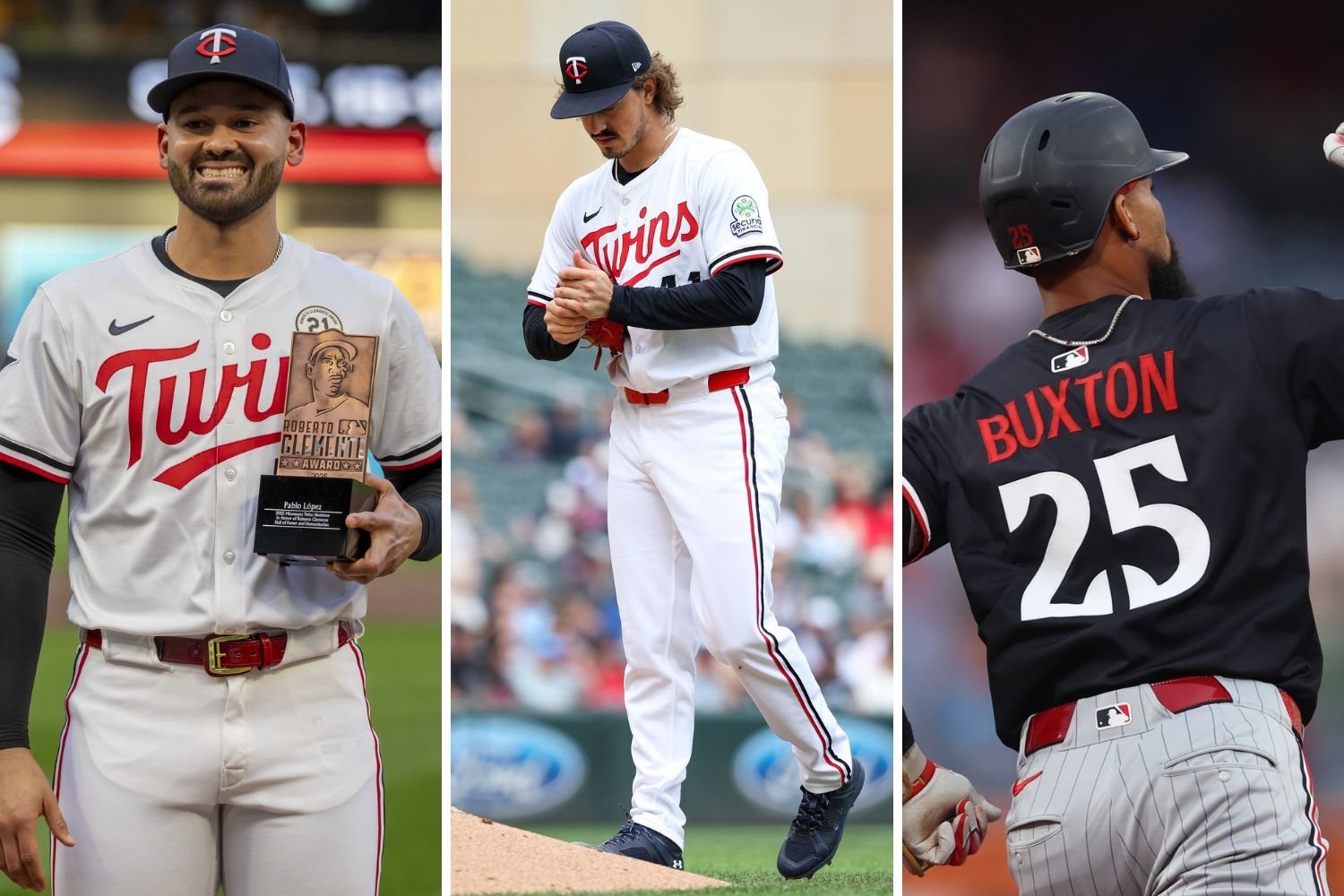 The Twins have reached the end of another disappointing season, which means that fans' attention has shifted toward the offseason. It'll be an even more uncertain winter than usual, with the team staring down big questions about everything from individual roster moves to the wide-angle view of the organization and its operation. The Twins entered 2026 hoping to compete; eventually became buyers at the MLB trade deadline; and still find themselves watching October baseball from home. That leaves Jeremy Zoll and the rest of the front office with a lot of work to do. Of course, some of the big questions the team faces aren't even about things within their control. Let's consider the 10 biggest sources of intrigue and uncertainty this winter, starting with one of those big questions the team itself doesn't get to answer. 1. How Will the Lockout Impact the Winter? The looming lockout is the giant question hanging over the entire offseason. A work stoppage could freeze transactions, delay free-agent activity and push important roster decisions into the new year. However, the last time this situation cropped up (in 2021), teams made a flurry of moves prior to the December 1 expiration of the collective bargaining agreement (CBA). It could also make an already complicated offseason even more difficult for a Twins organization that needs to determine what direction it wants to take. If the offseason is shortened, every decision becomes more important—and must be made faster, with imperfect information. 2. Is Joe Ryan Untradeable? A year ago, this would have been an easier question. Ryan entered 2026 as one of the most valuable trade pieces on Minnesota's roster. His performance, contract and age made him an attractive target for teams looking for controllable starting pitching. But injuries and a disappointing second half have changed the conversation. Ryan's value has all but evaporated. That doesn't mean the Twins should trade him, but it does mean they have a more complicated decision to make. Do they bet on Ryan bouncing back, or do they consider selling while he still has a full year of team control? The answer could shape the entire rotation. 3. What Happens With Byron Buxton? Buxton's 2026 season ended with another hip injury and surgery. The Twins now have to build their offseason around the expectation that their star center fielder will return for 2027—but guard themselves against the risk that he's neither ready for Opening Day, nor able to stay on the field even after he returns. Buxton was an All-Star before the injury, hitting 25 home runs in 93 games. But availability remains an unavoidable part of the conversation surrounding him. The Twins need to determine how they will use him, how much center field he should play, and how much protection they need behind him. The organization cannot simply assume everything will be fine. It needs insurance, at the very least. 4. Is Royce Lewis Part of the Long-Term Plan? This might be one of the most uncomfortable questions on the list. Lewis has shown flashes of potential, but his development has been interrupted by injuries and his production has been inconsistent. The Twins also need to determine where he fits defensively and how they can maximize his offensive potential. Is he a cornerstone? Is he a player they should move, while another organization might still see significant upside? Or is he simply a player who needs another opportunity? The answer could determine how Minnesota approaches several other positions. 5. What Is the Long-Term Plan for the Rotation? The Twins have plenty of arms. That doesn't necessarily mean they have a finished rotation. Taj Bradley, Pablo López and Ryan are penciled in at the top of the rotation. Zebby Matthews, Connor Prielipp, Mick Abel, Kendry Rojas and other young pitchers provide options. But the Twins need to decide if they keep Bailey Ober and Dean Kremer. Minnesota needs to determine which young pitchers are legitimate long-term starters; who could transition to the bullpen; and where additions are necessary. A rotation cannot be built entirely around potential. 6. Is the Bullpen Good Enough? This was a question entering last offseason, and it remains a question entering this one. Minnesota has already cycled through plenty of relievers, and the bullpen has undergone significant turnover over the past two seasons. The organization needs to determine whether it has enough late-inning options or whether another significant investment is required. A competitive team needs reliable relief pitching. The Twins have spent enough time trying to patch this area together. At some point, they need a more sustainable solution. Minnesota has avoided spending on the bullpen in recent offseasons, but it might be time to change that trend. 7. What Happens at Catcher? Ryan Jeffers is heading for free agency and will almost certainly move on, so the position still deserves plenty of offseason attention. Minnesota can make him the qualifying offer and hope he stays for one more year, but it's unclear either whether they'll do so or whether he'll accept it if they do. Victor Caratini is under contract for next season and is owed around $10 million. He hasn’t played like a starting catcher and he is one of the league’s worst catchers at controlling the run game. The Twins need an upgrade behind the plate. 8. How Aggressively Will the Twins Spend? This might be the biggest baseball question of them all. The Twins have spent significantly less in recent seasons, with payroll dropping $60 million from its 2023 level. The organization also has several holes that cannot realistically be filled exclusively through internal promotions. How much money will be available? Will the Twins return to a payroll closer to previous levels? Will they make targeted additions? Or will financial restraint continue to dictate their offseason? There is a massive difference between adding a few complementary pieces and aggressively attacking the free-agent and trade markets. The Twins need to show what their intentions are. 9. Is the Pohlad Ownership Situation Changing? The Twins' ownership picture remains an important part of the franchise's future. The Pohlad family announced in 2025 that it would remain the principal owner while adding two limited partnership groups. Tom Pohlad took over for Joe Pohlad and there were changes to the team's business side this year. That doesn't necessarily mean there will be dramatic changes to the way the organization operates this winter. But whenever ownership structure changes, questions about resources, decision-making and long-term strategy naturally follow. After another frustrating season, Twins fans will want to know what ownership's vision looks like moving forward. 10. What Can Jeremy Zoll Do With His First Full Offseason at the Helm? This is the biggest baseball test of Zoll's tenure. Zoll has been involved in the Twins' front office for years and was given the top baseball operations role when Derek Falvey left last winter. But this is different. This will be the first offseason in which Zoll gets to fully shape the roster as the organization's primary baseball decision-maker. He's already experienced a trade deadline as the person in charge. Now comes the harder part: constructing an entire roster. The Twins need pitching. They need clarity in the infield. They need to figure out the bullpen. They need depth. And they need to decide how much they believe in the current core. Zoll's answers will tell us a lot about what the next era of Twins baseball is going to look like. How will the Twins answer these questions? Would you add other questions to the list? Leave a comment and start the discussion.
- 39 comments
-
- 6
-
-
- byron buxton
- royce lewis
- (and 6 more)
-
Image courtesy of Jesse Johnson, Matt Krohn, Bill Streicher-Imagn Images The Twins have reached the end of another disappointing season, which means that fans' attention has shifted toward the offseason. It'll be an even more uncertain winter than usual, with the team staring down big questions about everything from individual roster moves to the wide-angle view of the organization and its operation. The Twins entered 2026 hoping to compete; eventually became buyers at the MLB trade deadline; and still find themselves watching October baseball from home. That leaves Jeremy Zoll and the rest of the front office with a lot of work to do. Of course, some of the big questions the team faces aren't even about things within their control. Let's consider the 10 biggest sources of intrigue and uncertainty this winter, starting with one of those big questions the team itself doesn't get to answer. 1. How Will the Lockout Impact the Winter? The looming lockout is the giant question hanging over the entire offseason. A work stoppage could freeze transactions, delay free-agent activity and push important roster decisions into the new year. However, the last time this situation cropped up (in 2021), teams made a flurry of moves prior to the December 1 expiration of the collective bargaining agreement (CBA). It could also make an already complicated offseason even more difficult for a Twins organization that needs to determine what direction it wants to take. If the offseason is shortened, every decision becomes more important—and must be made faster, with imperfect information. 2. Is Joe Ryan Untradeable? A year ago, this would have been an easier question. Ryan entered 2026 as one of the most valuable trade pieces on Minnesota's roster. His performance, contract and age made him an attractive target for teams looking for controllable starting pitching. But injuries and a disappointing second half have changed the conversation. Ryan's value has all but evaporated. That doesn't mean the Twins should trade him, but it does mean they have a more complicated decision to make. Do they bet on Ryan bouncing back, or do they consider selling while he still has a full year of team control? The answer could shape the entire rotation. 3. What Happens With Byron Buxton? Buxton's 2026 season ended with another hip injury and surgery. The Twins now have to build their offseason around the expectation that their star center fielder will return for 2027—but guard themselves against the risk that he's neither ready for Opening Day, nor able to stay on the field even after he returns. Buxton was an All-Star before the injury, hitting 25 home runs in 93 games. But availability remains an unavoidable part of the conversation surrounding him. The Twins need to determine how they will use him, how much center field he should play, and how much protection they need behind him. The organization cannot simply assume everything will be fine. It needs insurance, at the very least. 4. Is Royce Lewis Part of the Long-Term Plan? This might be one of the most uncomfortable questions on the list. Lewis has shown flashes of potential, but his development has been interrupted by injuries and his production has been inconsistent. The Twins also need to determine where he fits defensively and how they can maximize his offensive potential. Is he a cornerstone? Is he a player they should move, while another organization might still see significant upside? Or is he simply a player who needs another opportunity? The answer could determine how Minnesota approaches several other positions. 5. What Is the Long-Term Plan for the Rotation? The Twins have plenty of arms. That doesn't necessarily mean they have a finished rotation. Taj Bradley, Pablo López and Ryan are penciled in at the top of the rotation. Zebby Matthews, Connor Prielipp, Mick Abel, Kendry Rojas and other young pitchers provide options. But the Twins need to decide if they keep Bailey Ober and Dean Kremer. Minnesota needs to determine which young pitchers are legitimate long-term starters; who could transition to the bullpen; and where additions are necessary. A rotation cannot be built entirely around potential. 6. Is the Bullpen Good Enough? This was a question entering last offseason, and it remains a question entering this one. Minnesota has already cycled through plenty of relievers, and the bullpen has undergone significant turnover over the past two seasons. The organization needs to determine whether it has enough late-inning options or whether another significant investment is required. A competitive team needs reliable relief pitching. The Twins have spent enough time trying to patch this area together. At some point, they need a more sustainable solution. Minnesota has avoided spending on the bullpen in recent offseasons, but it might be time to change that trend. 7. What Happens at Catcher? Ryan Jeffers is heading for free agency and will almost certainly move on, so the position still deserves plenty of offseason attention. Minnesota can make him the qualifying offer and hope he stays for one more year, but it's unclear either whether they'll do so or whether he'll accept it if they do. Victor Caratini is under contract for next season and is owed around $10 million. He hasn’t played like a starting catcher and he is one of the league’s worst catchers at controlling the run game. The Twins need an upgrade behind the plate. 8. How Aggressively Will the Twins Spend? This might be the biggest baseball question of them all. The Twins have spent significantly less in recent seasons, with payroll dropping $60 million from its 2023 level. The organization also has several holes that cannot realistically be filled exclusively through internal promotions. How much money will be available? Will the Twins return to a payroll closer to previous levels? Will they make targeted additions? Or will financial restraint continue to dictate their offseason? There is a massive difference between adding a few complementary pieces and aggressively attacking the free-agent and trade markets. The Twins need to show what their intentions are. 9. Is the Pohlad Ownership Situation Changing? The Twins' ownership picture remains an important part of the franchise's future. The Pohlad family announced in 2025 that it would remain the principal owner while adding two limited partnership groups. Tom Pohlad took over for Joe Pohlad and there were changes to the team's business side this year. That doesn't necessarily mean there will be dramatic changes to the way the organization operates this winter. But whenever ownership structure changes, questions about resources, decision-making and long-term strategy naturally follow. After another frustrating season, Twins fans will want to know what ownership's vision looks like moving forward. 10. What Can Jeremy Zoll Do With His First Full Offseason at the Helm? This is the biggest baseball test of Zoll's tenure. Zoll has been involved in the Twins' front office for years and was given the top baseball operations role when Derek Falvey left last winter. But this is different. This will be the first offseason in which Zoll gets to fully shape the roster as the organization's primary baseball decision-maker. He's already experienced a trade deadline as the person in charge. Now comes the harder part: constructing an entire roster. The Twins need pitching. They need clarity in the infield. They need to figure out the bullpen. They need depth. And they need to decide how much they believe in the current core. Zoll's answers will tell us a lot about what the next era of Twins baseball is going to look like. How will the Twins answer these questions? Would you add other questions to the list? Leave a comment and start the discussion. View full article
-
Image courtesy of Charisma Jones (photo of Brandon WInokur) A 20-home run, 20-stolen base season is not necessarily a guarantee that a prospect will become a big-league star. Baseball is rarely that simple. Still, reaching both benchmarks in the same season tells us something important about a player's development. First, there has to be a level of health. A player can't accumulate 20 homers and 20 steals without getting enough opportunities on the field. There also has to be production. Twenty home runs require some legitimate power, while 20 stolen bases require speed, athleticism and enough offensive success to consistently get on base. The Twins had three prospects accomplish that feat in 2026, with another coming within two home runs of joining them. Just Missed: Yasser Mercedes 18 Home Runs, 52 Stolen Bases Mercedes might have the most interesting statistical profile of the group despite falling short of the 20-homer mark. The 21-year-old outfielder put together a strong 2026 campaign, combining his developing power with game-changing speed. His 52 stolen bases were by far the most among this group, showing just how much athleticism he brings to the organization. Mercedes' season earned him a trip to the Arizona Fall League, where he'll have another opportunity to face some of the organization's top competition alongside other highly regarded prospects. The 18 home runs also represent an important part of his development. Mercedes doesn't need to become a 30-homer hitter to have significant value. If the Twins can continue to see his power develop while he maintains his ability to impact games with his legs, there is a compelling offensive foundation. Garrett Spain - Wichita Wind Surge 20-20 Season: 22 Home Runs, 23 Stolen Bases Spain's path to a 20-20 season is unlike the others on this list. Minnesota selected Spain in the Triple-A Phase of the Rule 5 Draft last December. Originally drafted by Toronto in the 15th round of the 2021 MLB Draft, Spain had already bounced between organizations before arriving in the Twins system. The Brewers selected him from Toronto in the Triple-A phase of the Rule 5 Draft before the 2025 season. He spent time at Double-A and Triple-A, hitting .203/.280/.364 with 16 home runs, 19 doubles and an 88 wRC+. The Twins kept him at Wichita for the entirety of the 2026 season. Spain was more than a year older than the average player in the Texas League, but he took advantage of the opportunity. He slashed .244/.341/.463 with an .804 OPS and a 102 wRC+, adding 22 home runs and 23 stolen bases. Spain is the lowest-ranked prospect of the three players discussed here, but his 2026 season still matters. After bouncing through multiple organizations, he finally found a home where he could play every day and produce. A 20-20 season at Double-A doesn't suddenly turn Spain into a top prospect, especially given his age relative to the competition. It does, however, provide some evidence that the Twins made a worthwhile gamble on a player who had already been passed over by multiple organizations. Brandon Winokur - Cedar Rapids Kernels, Wichita Wind Surge 20-20 Season: 21 Home Runs, 30 Stolen Bases Winokur has been in the Twins organization long enough that he might have a little freezer burn. Minnesota selected him in the third round of the 2023 MLB Draft, and his development has taken a little longer than the organization might have hoped. Last season, he spent the entire year at High-A Cedar Rapids despite being more than two years younger than the average Midwest League player. He hit .226/.304/.388 with 17 home runs, 26 stolen bases and a 98 wRC+. The Twins then sent him to the Arizona Fall League, where he struggled, posting a .592 OPS in 83 plate appearances. Minnesota sent Winokur back to Cedar Rapids to begin 2026, and he responded with one of the better offensive stretches of his professional career. In 74 games, he hit .252/.362/.421 with 10 home runs, 13 doubles and a 106 wRC+. That earned the 21-year-old a promotion to Double-A Wichita, where he was nearly three years younger than the average player in the Texas League. The results were more mixed. Winokur posted a .738 OPS with 11 home runs and an 82 wRC+ in 53 games. Even with the uneven offensive performance, the 20-20 season is significant. He finished with 21 home runs and 30 stolen bases, once again showing why his athleticism has made him an intriguing prospect throughout his professional career. The next step is turning that athleticism into more consistent offensive production against older competition. Ben Ross– Wichita Wind Surge, St. Paul Saints 20-20 Season: 20 Home Runs, 20 Stolen Bases Ross' 20-20 season might be the most encouraging development of the group because of where his offensive game appeared to be heading a year ago. In 2025, Ross hit .219/.308/.363 with 14 home runs, 17 doubles, an 85 wRC+ and 18 stolen bases over 120 games. His OPS improved from .626 to .671, but he was still searching for consistency at the plate. Then came 2026. Ross started the season back at Double-A Wichita and immediately looked like a completely different hitter. In 16 games, he hit .424/.528/.797 with five home runs, seven doubles and eight stolen bases. The Twins promoted him to Triple-A St. Paul on April 24. Ross has continued producing at the higher level. Combined between the two stops, he has hit .275/.380/.510 with 20 home runs, 71 RBI and 20 stolen bases in 2026. The biggest development may not even be the 20-20 season. Ross has shown improved plate discipline, posting a 13.4% walk rate, while also producing more impactful contact. Baseball America recently noted that Ross' average exit velocity increased from 85.1 mph in 2025 to 88.5 mph this season. His 90th-percentile exit velocity also jumped from 100.9 mph to 103 mph. That's meaningful progress for a player whose offensive value once appeared to be driven more by speed and defensive versatility. What Does It Mean? The Twins don't suddenly have three future stars because three prospects reached 20-20 seasons. Prospect development doesn't work that way. But these seasons do provide useful information. Mercedes showed an intriguing combination of developing power and elite speed. Spain found some stability after bouncing between organizations. Winokur continued to display the athleticism that has made him interesting while facing increasingly difficult competition. Ross took the biggest offensive step of the group, particularly with his improved contact quality and plate discipline. The 20-20 benchmark is ultimately just that, a benchmark. The more important question is what comes next. For these four players, 2026 provided plenty of reasons for the Twins to keep watching. What stands out about this group? What prospects can reach the 20-20 club in 2027? Leave a comment and start the discussion. View full article
-
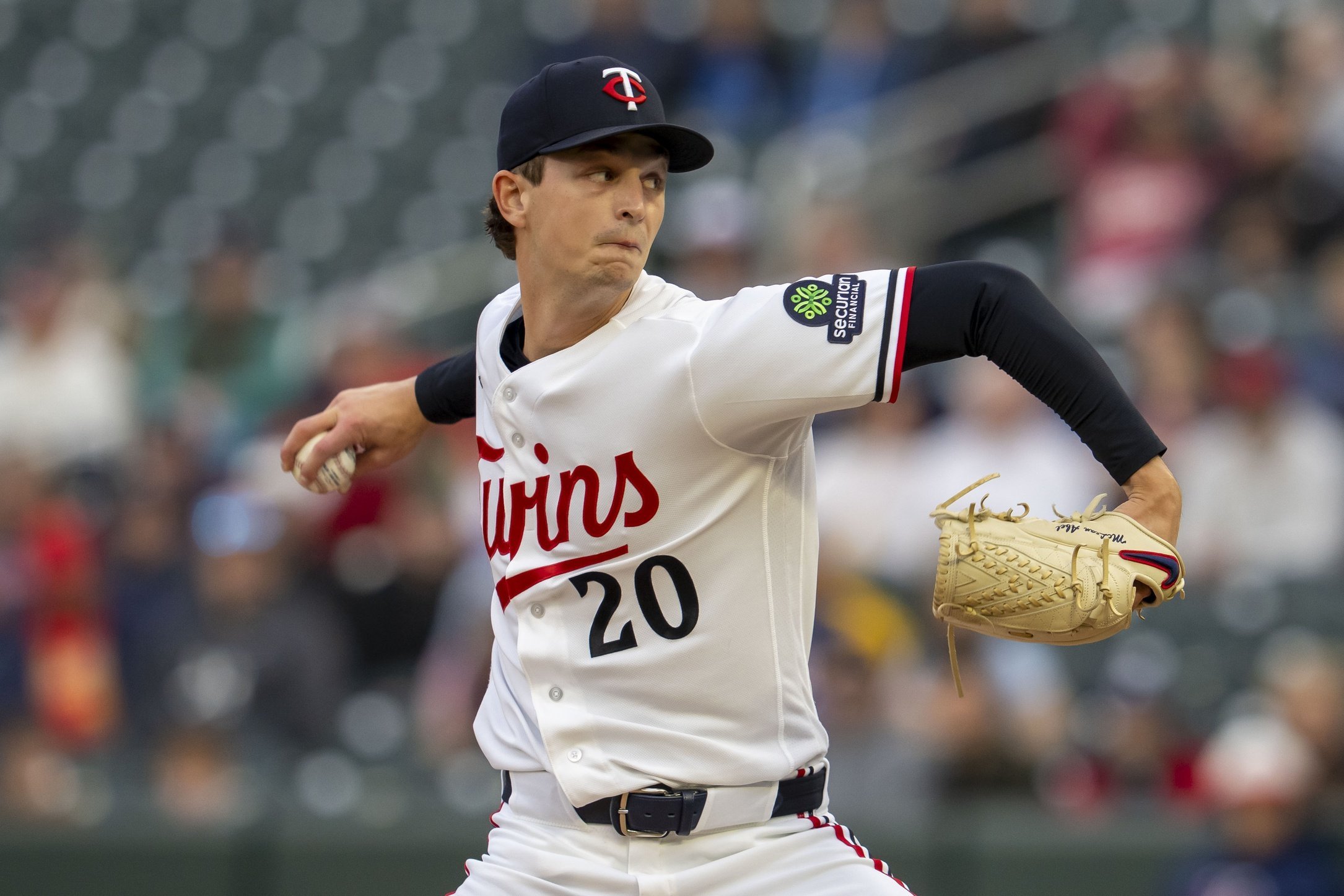 The Minnesota Twins have spent much of the 2026 season waiting for Mick Abel to get healthy. On Saturday, they received another encouraging sign in that process. According to The Athletic's Dan Hayes, Abel was seen throwing off the mound at Target Field on Friday. It is a small step in the overall rehabilitation process, but after months of setbacks, any progress is worth noting. Abel underwent arthroscopic surgery on his right elbow on July 1, performed by renowned orthopedic surgeon Dr. Keith Meister. The most important piece of news from that procedure was what doctors did not find: Abel's ulnar collateral ligament remained intact. This was not a Tommy John surgery situation, and an internal brace procedure was not necessary. Instead, the surgery was intended to address the recurring discomfort that repeatedly interrupted Abel's rehabilitation. That discomfort had already turned what looked like a promising season into a frustrating one. From Breakout to Setback When the Twins acquired Abel from the Philadelphia Phillies as part of last summer's Jhoan Duran trade, they were betting on upside. The former first-round pick had struggled to find consistency early in his professional career, but the talent that made him a highly regarded prospect was still there. That talent began showing itself during Spring Training. Abel's fastball had more life, his secondary pitches generated more swing-and-miss, and he looked like someone capable of finally establishing himself as a long-term member of Minnesota's rotation. The early regular season results only added to that optimism. Through his first 20 1/3 innings, Abel struck out 23 batters with a 2.73 FIP and a 1.57 WHIP. His command remained inconsistent (10.8 BB%), but opposing hitters were having trouble squaring him up and were increasingly chasing pitches outside the strike zone. Then the elbow became an issue. Abel landed on the injured list in April, and what initially appeared to be a relatively manageable setback turned into a much longer process. Twice, he appeared to be approaching a return. Twice, renewed discomfort stopped him. Additional imaging provided some positive news. His MRI showed no damage to the UCL or flexor tendon. However, the recurring discomfort ultimately led to the consultation with Meister and the decision to proceed with arthroscopic surgery. Now, Abel is taking another step toward getting back on the mound. There is still plenty of work ahead. But considering where Abel's rehabilitation stood just a few months ago, seeing him on a mound represents meaningful progress. The Twins need Abel as part of the starting pitching mix for spring training. For a season that has repeatedly stalled, that's a welcome sight.
 -
The Minnesota Twins have spent much of the 2026 season waiting for Mick Abel to get healthy. On Saturday, they received another encouraging sign in that process. According to The Athletic's Dan Hayes, Abel was seen throwing off the mound at Target Field on Friday. It is a small step in the overall rehabilitation process, but after months of setbacks, any progress is worth noting. Abel underwent arthroscopic surgery on his right elbow on July 1, performed by renowned orthopedic surgeon Dr. Keith Meister. The most important piece of news from that procedure was what doctors did not find: Abel's ulnar collateral ligament remained intact. This was not a Tommy John surgery situation, and an internal brace procedure was not necessary. Instead, the surgery was intended to address the recurring discomfort that repeatedly interrupted Abel's rehabilitation. That discomfort had already turned what looked like a promising season into a frustrating one. From Breakout to Setback When the Twins acquired Abel from the Philadelphia Phillies as part of last summer's Jhoan Duran trade, they were betting on upside. The former first-round pick had struggled to find consistency early in his professional career, but the talent that made him a highly regarded prospect was still there. That talent began showing itself during Spring Training. Abel's fastball had more life, his secondary pitches generated more swing-and-miss, and he looked like someone capable of finally establishing himself as a long-term member of Minnesota's rotation. The early regular season results only added to that optimism. Through his first 20 1/3 innings, Abel struck out 23 batters with a 2.73 FIP and a 1.57 WHIP. His command remained inconsistent (10.8 BB%), but opposing hitters were having trouble squaring him up and were increasingly chasing pitches outside the strike zone. Then the elbow became an issue. Abel landed on the injured list in April, and what initially appeared to be a relatively manageable setback turned into a much longer process. Twice, he appeared to be approaching a return. Twice, renewed discomfort stopped him. Additional imaging provided some positive news. His MRI showed no damage to the UCL or flexor tendon. However, the recurring discomfort ultimately led to the consultation with Meister and the decision to proceed with arthroscopic surgery. Now, Abel is taking another step toward getting back on the mound. There is still plenty of work ahead. But considering where Abel's rehabilitation stood just a few months ago, seeing him on a mound represents meaningful progress. The Twins need Abel as part of the starting pitching mix for spring training. For a season that has repeatedly stalled, that's a welcome sight. View full rumor
-
Image courtesy of Gary A. Vasquez-Imagn Images A new wave of young players has arrived in Minnesota. The group is headlined by several well-regarded prospects, and all 10 players featured here are 25 or younger. Emmanuel Rodríguez was the latest to debut, following 2023 first-round pick Walker Jenkins and 2024 first-round pick Kaelen Culpepper to the majors within the last six weeks. The Twins have spent plenty of time discussing what this group could eventually become. “We’ve spent a lot of time during the offseason, this season, talking about what this prospect group means and how much we think they can help us in the future,” Twins general manager Jeremy Zoll said. “We’re starting to see all that come together.” That process has accelerated since last year's trade deadline. After moving several established players, the Twins are transitioning toward a new foundation. These young players will have an opportunity to determine whether Minnesota can turn that transition into another competitive roster. Passing the Torch The Twins have gone through several waves of young talent over the last decade. The previous group included Royce Lewis, Trevor Larnach, Alex Kirilloff, Ryan Jeffers and Jhoan Duran. Before them came Byron Buxton, Max Kepler, Jorge Polanco, Miguel Sanó, Eddie Rosario and José Berríos. Some of those players became stars. Others never reached their expected ceilings. A few were eventually traded away as the organization attempted to build around the next group. Now, that next group is here. Ranking young players is never an exact science. Injuries, development and opportunity can change everything quickly. But when considering talent, future upside and how each player fits into Minnesota's next potential winning team, here's how these 10 players stack up. 10. RHP Mick Abel Abel's 2026 season was interrupted by arthroscopic surgery on his right elbow, creating some uncertainty heading into next year. He showed flashes of promise in limited opportunities, but the biggest question is what he will look like when he returns. Minnesota still has time to see whether Abel can become a rotation piece or eventually find a different role. For now, the uncertainty surrounding his health puts him at the bottom of this list. 9. RHP Andrew Morris Morris transitioned into a relief role this season and showed why the Twins could have a long-term bullpen piece on their hands. He was effective for much of the season before showing some fatigue down the stretch. That is understandable considering this was his first full season working primarily as a reliever. The Twins should give Morris an opportunity to establish himself as an important part of next year's bullpen. 8. LHP Kendry Rojas Rojas has taken an unusual path this season. He has worked as both a starter and a multi-inning bullpen option, giving Minnesota another interesting young arm to work with. The organization continues to view him as a starting pitcher, but his future may ultimately be in the bullpen. His ability to handle multiple innings makes him particularly intriguing. Whether that eventually translates into a rotation spot or a high-leverage relief role remains one of the more interesting questions surrounding his development. 7. LHP Connor Prielipp Prielipp has already taken a significant step toward establishing himself as a major-league starter. He pitched more than 140 innings between the minors and majors this season, finishing with a 4.87 ERA. That number doesn't completely capture what he accomplished, however, as several of his underlying statistics point toward better results than his surface numbers. The Twins need young starting pitching, and Prielipp has put himself in position to be part of the rotation for multiple seasons. 6. 3B Brooks Lee Lee's development has taken an interesting turn. After spending much of his professional career at shortstop, he has transitioned to third base and become one of the better defenders at the position. That defensive improvement has helped solidify his place on the roster. Offensively, Lee has hit 24 home runs while posting a 105 OPS+. There is still room for more consistency at the plate, but a 25-year-old infielder who can provide power and strong defense has plenty of value. Lee looks increasingly like a player the Twins can build around. 5. OF Luke Keaschall Keaschall's season has been a tale of two halves. After struggling early, he has emerged as one of Minnesota's better offensive players. His bat has given the Twins plenty of reasons to believe he can become an important part of the lineup. The defensive picture is less settled. Keaschall's long-term position remains something the organization will have to determine, but a corner-outfield role could eventually make the most sense. If his offensive production continues, the Twins will find a way to get his bat into the lineup. 4. OF Emmanuel Rodríguez Rodríguez was the last player from this group to make his major-league debut, but he has the type of skill set that could make him one of the most important pieces of the next Twins core. The power stands out immediately. Rodríguez also has the athleticism to play all three outfield positions, giving Minnesota flexibility as the roster develops around him. His path to the majors took longer than some of the other players on this list, but his upside remains considerable. The Twins need impact hitters. Rodríguez has a chance to become one. 3. SS Kaelen Culpepper Culpepper didn't need much time to show why the Twins selected him in the first round in 2024. He demonstrated the ability to impact the game on both sides of the ball before a hamstring injury interrupted his rookie season. His defensive versatility and offensive potential make him one of the more intriguing young players in the organization. More importantly, the Twins still view him as their shortstop of the future. Culpepper should have every opportunity to open next season as Minnesota's starting shortstop. 2. RHP Taj Bradley Bradley emerged as one of the biggest developments of the 2026 season. At the beginning of the year, there were legitimate questions about what his future would look like in Minnesota. By the end of the season, he had established himself as the Twins' top starting pitcher. Bradley also reached several milestones that may have seemed difficult to envision when the season began. Starting pitching is one of the most difficult things to acquire, develop and retain. If Bradley can build on his 2026 performance, Minnesota may have found a legitimate rotation anchor for the next competitive window. 1. OF Walker Jenkins Jenkins gets the top spot because of the combination of talent, age and upside. The former first-round pick has shown over the last week why evaluators have been so excited about his future. There are tools throughout his game that could eventually make him one of the best players on the roster. The Twins don't need Jenkins to become a superstar for the organization to have a successful rebuild. But if Minnesota is going to build a team capable of contending for years, having Jenkins become the player his talent suggests he can be would change the entire ceiling of the roster. He needs to be at the heart of the next great Twins lineup. The Next Twins Core There are no guarantees with young players. Some will develop into stars. Others will settle into complementary roles, become trade pieces or fail to reach the expectations placed upon them. That's the reality of building a roster around young talent. But the Twins have something they didn't have a year ago: a clearer look at the players who could become the foundation of their next contender. Jenkins, Bradley, Culpepper, Rodríguez, Keaschall and Lee give Minnesota a group of young position players with different skill sets. Prielipp, Rojas, Morris and Abel give the pitching staff several more potential pieces. The next step is turning potential into production. If enough of these players reach their ceilings, the Twins could have the foundation of another competitive roster. The organization will spend the next few seasons finding out exactly what this group can become. How would you rank Minnesota's under-25 players? Leave a comment and start the discussion. View full article
-
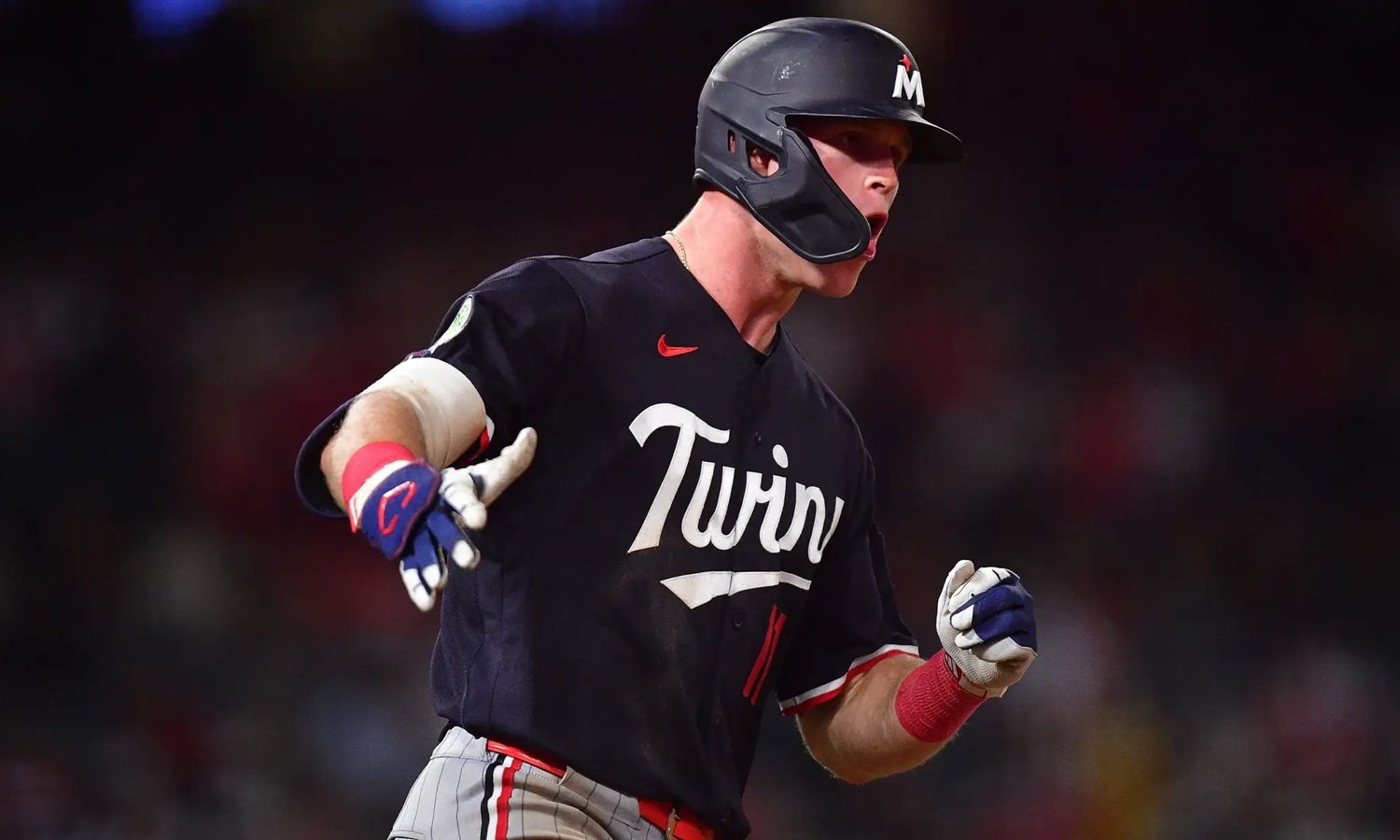 A new wave of young players has arrived in Minnesota. The group is headlined by several well-regarded prospects, and all 10 players featured here are 25 or younger. Emmanuel Rodríguez was the latest to debut, following 2023 first-round pick Walker Jenkins and 2024 first-round pick Kaelen Culpepper to the majors within the last six weeks. The Twins have spent plenty of time discussing what this group could eventually become. “We’ve spent a lot of time during the offseason, this season, talking about what this prospect group means and how much we think they can help us in the future,” Twins general manager Jeremy Zoll said. “We’re starting to see all that come together.” That process has accelerated since last year's trade deadline. After moving several established players, the Twins are transitioning toward a new foundation. These young players will have an opportunity to determine whether Minnesota can turn that transition into another competitive roster. Passing the Torch The Twins have gone through several waves of young talent over the last decade. The previous group included Royce Lewis, Trevor Larnach, Alex Kirilloff, Ryan Jeffers and Jhoan Duran. Before them came Byron Buxton, Max Kepler, Jorge Polanco, Miguel Sanó, Eddie Rosario and José Berríos. Some of those players became stars. Others never reached their expected ceilings. A few were eventually traded away as the organization attempted to build around the next group. Now, that next group is here. Ranking young players is never an exact science. Injuries, development and opportunity can change everything quickly. But when considering talent, future upside and how each player fits into Minnesota's next potential winning team, here's how these 10 players stack up. 10. RHP Mick Abel Abel's 2026 season was interrupted by arthroscopic surgery on his right elbow, creating some uncertainty heading into next year. He showed flashes of promise in limited opportunities, but the biggest question is what he will look like when he returns. Minnesota still has time to see whether Abel can become a rotation piece or eventually find a different role. For now, the uncertainty surrounding his health puts him at the bottom of this list. 9. RHP Andrew Morris Morris transitioned into a relief role this season and showed why the Twins could have a long-term bullpen piece on their hands. He was effective for much of the season before showing some fatigue down the stretch. That is understandable considering this was his first full season working primarily as a reliever. The Twins should give Morris an opportunity to establish himself as an important part of next year's bullpen. 8. LHP Kendry Rojas Rojas has taken an unusual path this season. He has worked as both a starter and a multi-inning bullpen option, giving Minnesota another interesting young arm to work with. The organization continues to view him as a starting pitcher, but his future may ultimately be in the bullpen. His ability to handle multiple innings makes him particularly intriguing. Whether that eventually translates into a rotation spot or a high-leverage relief role remains one of the more interesting questions surrounding his development. 7. LHP Connor Prielipp Prielipp has already taken a significant step toward establishing himself as a major-league starter. He pitched more than 140 innings between the minors and majors this season, finishing with a 4.87 ERA. That number doesn't completely capture what he accomplished, however, as several of his underlying statistics point toward better results than his surface numbers. The Twins need young starting pitching, and Prielipp has put himself in position to be part of the rotation for multiple seasons. 6. 3B Brooks Lee Lee's development has taken an interesting turn. After spending much of his professional career at shortstop, he has transitioned to third base and become one of the better defenders at the position. That defensive improvement has helped solidify his place on the roster. Offensively, Lee has hit 24 home runs while posting a 105 OPS+. There is still room for more consistency at the plate, but a 25-year-old infielder who can provide power and strong defense has plenty of value. Lee looks increasingly like a player the Twins can build around. 5. OF Luke Keaschall Keaschall's season has been a tale of two halves. After struggling early, he has emerged as one of Minnesota's better offensive players. His bat has given the Twins plenty of reasons to believe he can become an important part of the lineup. The defensive picture is less settled. Keaschall's long-term position remains something the organization will have to determine, but a corner-outfield role could eventually make the most sense. If his offensive production continues, the Twins will find a way to get his bat into the lineup. 4. OF Emmanuel Rodríguez Rodríguez was the last player from this group to make his major-league debut, but he has the type of skill set that could make him one of the most important pieces of the next Twins core. The power stands out immediately. Rodríguez also has the athleticism to play all three outfield positions, giving Minnesota flexibility as the roster develops around him. His path to the majors took longer than some of the other players on this list, but his upside remains considerable. The Twins need impact hitters. Rodríguez has a chance to become one. 3. SS Kaelen Culpepper Culpepper didn't need much time to show why the Twins selected him in the first round in 2024. He demonstrated the ability to impact the game on both sides of the ball before a hamstring injury interrupted his rookie season. His defensive versatility and offensive potential make him one of the more intriguing young players in the organization. More importantly, the Twins still view him as their shortstop of the future. Culpepper should have every opportunity to open next season as Minnesota's starting shortstop. 2. RHP Taj Bradley Bradley emerged as one of the biggest developments of the 2026 season. At the beginning of the year, there were legitimate questions about what his future would look like in Minnesota. By the end of the season, he had established himself as the Twins' top starting pitcher. Bradley also reached several milestones that may have seemed difficult to envision when the season began. Starting pitching is one of the most difficult things to acquire, develop and retain. If Bradley can build on his 2026 performance, Minnesota may have found a legitimate rotation anchor for the next competitive window. 1. OF Walker Jenkins Jenkins gets the top spot because of the combination of talent, age and upside. The former first-round pick has shown over the last week why evaluators have been so excited about his future. There are tools throughout his game that could eventually make him one of the best players on the roster. The Twins don't need Jenkins to become a superstar for the organization to have a successful rebuild. But if Minnesota is going to build a team capable of contending for years, having Jenkins become the player his talent suggests he can be would change the entire ceiling of the roster. He needs to be at the heart of the next great Twins lineup. The Next Twins Core There are no guarantees with young players. Some will develop into stars. Others will settle into complementary roles, become trade pieces or fail to reach the expectations placed upon them. That's the reality of building a roster around young talent. But the Twins have something they didn't have a year ago: a clearer look at the players who could become the foundation of their next contender. Jenkins, Bradley, Culpepper, Rodríguez, Keaschall and Lee give Minnesota a group of young position players with different skill sets. Prielipp, Rojas, Morris and Abel give the pitching staff several more potential pieces. The next step is turning potential into production. If enough of these players reach their ceilings, the Twins could have the foundation of another competitive roster. The organization will spend the next few seasons finding out exactly what this group can become. How would you rank Minnesota's under-25 players? Leave a comment and start the discussion.
- 26 comments
-
- 4
-
-
- walker jenkins
- taj bradley
- (and 8 more)
-
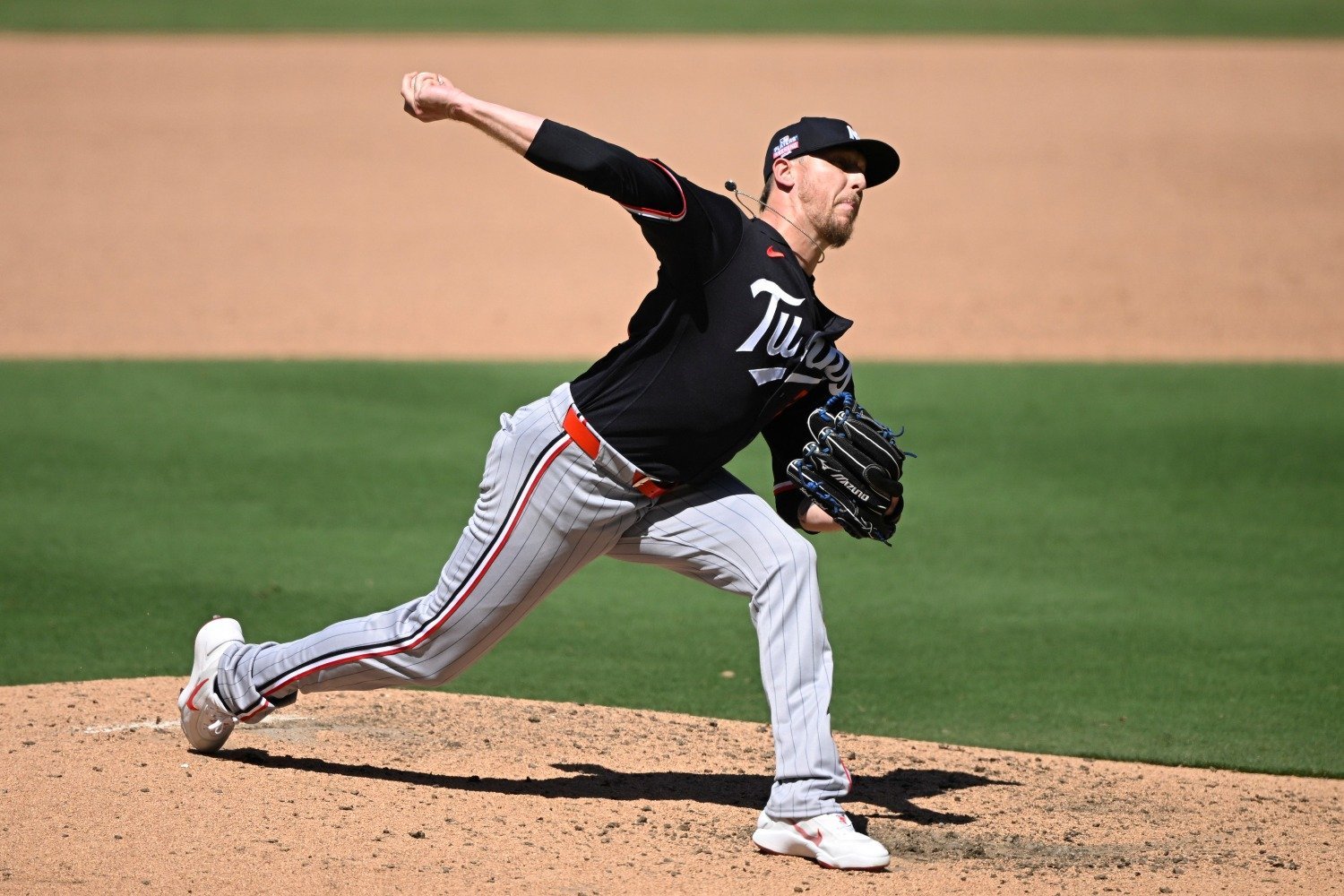 The Minnesota Twins will have one of their most important bullpen pieces unavailable for the final two games of the season, but they are getting a key piece of their future back on Saturday. The Twins activated shortstop Kaelen Culpepper from the injured list Saturday while placing veteran reliever Jeff Hoffman on the 15-day injured list with right forearm inflammation. Minnesota acquired Hoffman from the Toronto Blue Jays ahead of the August 3rd Trade Deadline, hoping the 2024 All-Star could provide another reliable option in the late innings. He has done exactly that since arriving, posting a 2.50 ERA with 27 strikeouts across 18 innings for the Twins. Hoffman last pitched Tuesday against the San Francisco Giants, earning his first save with Minnesota in a 3-2 victory. The right-hander allowed one run while walking two and hitting a batter in his lone inning of work. It was an unusual blemish for a pitcher who had not allowed a run in his previous 11 appearances, covering 9 1/3 innings. Now, Hoffman will have to watch the final two games from the sidelines. His absence leaves the Twins without one of their most dependable bullpen arms, but the timing also gives the organization a chance to get Culpepper back on the field. The 23-year-old shortstop landed on the 10-day IL after suffering a mild left hamstring strain against the New York Yankees. Culpepper tweaked the hamstring in the sixth inning while running out a ground ball, with an MRI the following morning confirming the strain. Minnesota recalled infielder Ben Ross from Triple-A St. Paul when Culpepper went on the IL. Culpepper has given the Twins plenty of reasons to want an extended look at him. He has hit .275/.333/.404 across 31 games, with three home runs, five doubles and 11 RBIs. While the offensive numbers are still developing, his defensive work at shortstop has been particularly encouraging. Culpepper has looked comfortable at a premium position and has graded out as an above-average defender up the middle. That matters as the Twins continue looking toward a younger core for 2027 and beyond. There isn't much left to accomplish in the standings for Minnesota, but these final games still provide an opportunity to evaluate pieces of the roster. Hoffman won't be part of that evaluation because of his forearm issue, but Culpepper will. And after spending nearly two weeks on the injured list, getting Culpepper back on the field for the final weekend gives the Twins one more opportunity to see what they have in a player who could be an important part of their next roster.
 -
The Minnesota Twins will have one of their most important bullpen pieces unavailable for the final two games of the season, but they are getting a key piece of their future back on Saturday. The Twins activated shortstop Kaelen Culpepper from the injured list Saturday while placing veteran reliever Jeff Hoffman on the 15-day injured list with right forearm inflammation. Minnesota acquired Hoffman from the Toronto Blue Jays ahead of the August 3rd Trade Deadline, hoping the 2024 All-Star could provide another reliable option in the late innings. He has done exactly that since arriving, posting a 2.50 ERA with 27 strikeouts across 18 innings for the Twins. Hoffman last pitched Tuesday against the San Francisco Giants, earning his first save with Minnesota in a 3-2 victory. The right-hander allowed one run while walking two and hitting a batter in his lone inning of work. It was an unusual blemish for a pitcher who had not allowed a run in his previous 11 appearances, covering 9 1/3 innings. Now, Hoffman will have to watch the final two games from the sidelines. His absence leaves the Twins without one of their most dependable bullpen arms, but the timing also gives the organization a chance to get Culpepper back on the field. The 23-year-old shortstop landed on the 10-day IL after suffering a mild left hamstring strain against the New York Yankees. Culpepper tweaked the hamstring in the sixth inning while running out a ground ball, with an MRI the following morning confirming the strain. Minnesota recalled infielder Ben Ross from Triple-A St. Paul when Culpepper went on the IL. Culpepper has given the Twins plenty of reasons to want an extended look at him. He has hit .275/.333/.404 across 31 games, with three home runs, five doubles and 11 RBIs. While the offensive numbers are still developing, his defensive work at shortstop has been particularly encouraging. Culpepper has looked comfortable at a premium position and has graded out as an above-average defender up the middle. That matters as the Twins continue looking toward a younger core for 2027 and beyond. There isn't much left to accomplish in the standings for Minnesota, but these final games still provide an opportunity to evaluate pieces of the roster. Hoffman won't be part of that evaluation because of his forearm issue, but Culpepper will. And after spending nearly two weeks on the injured list, getting Culpepper back on the field for the final weekend gives the Twins one more opportunity to see what they have in a player who could be an important part of their next roster. View full rumor
-
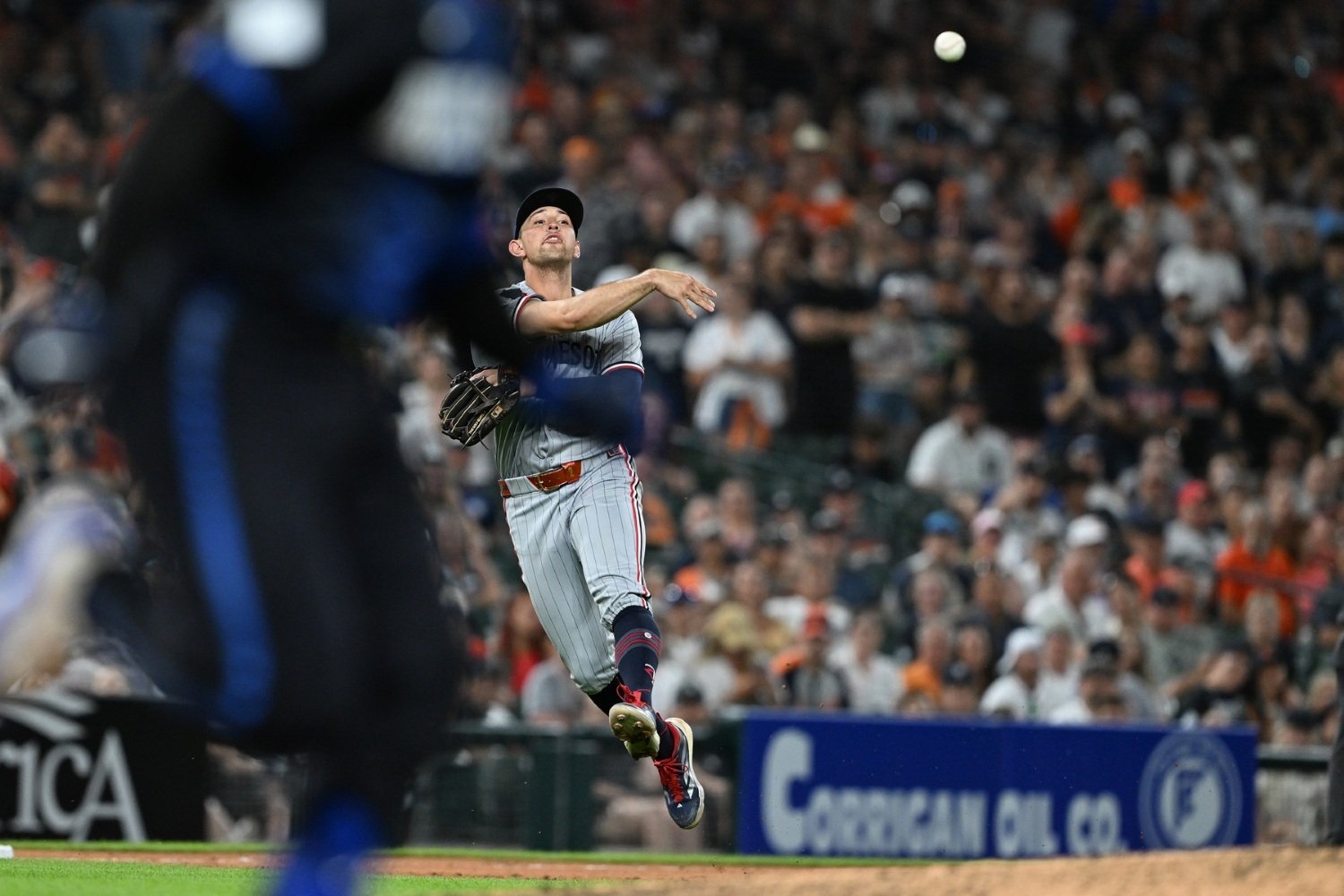 The Minnesota Twins are going to have plenty of questions to answer this offseason. Who plays first base? What happens at shortstop? Will Royce Lewis be back? When will Byron Buxton return from injury? Which young players are ready to become everyday contributors? There is another question that could have an impact on all of those decisions. How does Minnesota become a better defensive team? Twins manager Derek Shelton was asked about the team's defense during a recent episode of Inside Twins. The conversation touched on Brooks Lee's transition to third base, the defensive development of several young players and what the Twins need to do moving forward. Shelton's answer was direct. “I think that's really important as we move forward that, you know, we have to be more defensive minded.” That sounds simple. It is not. The Twins have several young players who could help them get there. They also have several positions where the club could make significant improvements during the offseason. Brooks Lee Changed the Defense Lee's move from shortstop to third base was not an easy conversation. Lee had spent much of his professional career at shortstop. Like most players who grow up playing the position, he wanted to remain there. Shelton acknowledged that reality while explaining why the Twins ultimately made the decision to move him. “If you look at a full season there, I think he wins a Gold Glove,” Shelton said. “I really do with, you know, if you want to talk about [defensive metrics], how it goes, I understand that he was frustrated when he moved. I mean, every player that plays centerfield or play shortstop, that's where they think they are.” The important part of Shelton's explanation was that the move was not made simply because someone in the organization told him Lee should play third. Shelton wanted to see it himself. “I do think in the conversations, going back to what we talked about earlier in terms of communication, and this is one of the things I told Brooksie when we talked about it, it's like, there had to be enough equity of me watching you play short, us having conversations to have the conversation about you moving to third,” Shelton said. “If we come into spring training and I take someone else's opinion, someone else's thought process and just say, hey, we're moving there, I'm not developing a good relationship with the player.” Lee's move has now become one of the more important defensive developments on the roster. Shelton believes it has changed the Twins. “I think in the way he's played there, he's kind of changed how our defense has been. And we're going to trend towards being more defensive. We have to be. It's an area of growth for us going through.” That last sentence is the one worth remembering. The Twins are not simply looking for a couple of players who can make highlight-reel plays. Shelton is describing a broader organizational direction. The roster needs to become more defensive. The Young Players Are Already Helping The timing of the Twins' defensive evolution could work in their favor. Some of the team's youngest players have shown encouraging signs since reaching the majors. Emmanuel Rodriguez is a particularly interesting example. Rodriguez entered the organization with an offensive reputation, but Shelton has been impressed by what he has seen in the outfield. “Really good. I mean, I was talking to Grady [Sizemore] about it last night. I don't remember the explosiveness that in spring training, the first step quickness, the ability to get after it,” Shelton said. “It's really been impressive.” That athleticism gives the Twins another option as they build the next version of their outfield. Shelton also pointed toward Luke Keaschall, who has made progress defensively, as well as Walker Jenkins. The Twins do not necessarily need nine Gold Glove-caliber defenders. They need to stop giving away outs and runs because the overall defensive structure is inadequate. There are several spots where that can happen. Here’s a look at each position and who will fit there for 2027. Catcher: Victor Caratini Catcher is an obvious place where Minnesota could look for improvement. Caratini has provided value as a blocker and has generally received positive marks for his overall receiving ability. His throwing game has been a different story. His average pop time to second base has been around 2.04 seconds in 2026, placing him toward the bottom half of MLB catchers. That does not mean Caratini cannot be part of the roster. It does mean the Twins could look for a catcher who gives their pitching staff more defensive support, particularly when it comes to controlling the running game. If Shelton wants the team to become more defensive minded, catcher is one position where an offseason addition could immediately help. First Base: Still to Be Determined First base is another position where defense could factor into the offseason decision. The Twins have room for an impact bat there, but whoever occupies the position also needs to provide competent defense. Lewis remains an option, particularly if Minnesota believes first base can help simplify his defensive responsibilities. But there is also a case for moving in a different direction after several difficult seasons for the former first-round pick. The first-base decision will likely be driven primarily by offense. It should not be made without considering defense. Second Base: Kody Clemens or Royce Lewis Second base could become a platoon situation involving Clemens and Lewis. Clemens has shown versatility by playing multiple positions, but his defensive work at second base has been inconsistent in 2026. His Statcast numbers currently show negative value at the position, including a -4 Outs Above Average mark at second. That does not necessarily eliminate him from consideration. It does, however, make second base another position where the Twins could improve if they find a player who can provide more consistent defense. If the organization is serious about becoming more defensive minded, those small decisions across the diamond will matter. Third Base: Brooks Lee Third base looks much more settled. Lee has made the position his own (6 OAA) after spending much of the season transitioning away from shortstop. Shelton went as far as saying Lee could win a Gold Glove with a full season at third base. That is a significant endorsement from a manager who watched Lee struggle through the transition before finding his footing. It also gives the Twins something they have not always had in recent seasons: a young player who can potentially provide both offensive production and high-level defense at a premium position. If Lee continues progressing at third, the Twins can cross one defensive question off their offseason list. Shortstop: Kaelen Culpepper Shortstop may be the most interesting position on the entire roster. Culpepper should get the opportunity to open 2027 as the starting shortstop. That does not mean the organization has to make a permanent decision on him immediately. Culpepper can use the first half of next season to show whether he can handle the position every day. Behind him is Marek Houston, who is moving closer to the major leagues and could eventually force another decision. If Culpepper sticks at shortstop, Minnesota's defensive alignment becomes much easier to construct. If he does not, the Twins may have to determine whether he belongs further down the defensive spectrum. That is one reason the next six months could be so important for him. Outfield: Byron Buxton, Walker Jenkins, Emmanuel Rodriguez and Luke Keaschall The outfield might provide Minnesota's clearest path toward becoming more athletic defensively. Shelton has made it clear that when Byron Buxton is healthy enough to play, he is going to play center field. That creates an important ripple effect. Walker Jenkins has shown that he can handle center. Rodriguez has looked increasingly comfortable there as well. Keaschall can continue developing in a corner outfield position with more repetitions. Jenkins and Rodriguez give the Twins additional options if Buxton is unavailable, while Keaschall's defensive development could determine how much flexibility the team has with its alignment. That is a pretty good starting point for an organization trying to change its defensive identity. What Does "More Defensive Minded" Actually Mean? This is where Shelton's comments become more interesting. The Twins do not need to suddenly turn into a team built exclusively around defense. They still need offense. They still need starting pitching. They still need bullpen depth. But defense can no longer be an afterthought. Lee's move to third base is one example of the organization finding a better defensive fit. Rodriguez's athleticism gives the club another option in center field. Jenkins can cover ground. Culpepper has an opportunity to establish himself at shortstop. Those players could form the foundation of a better defensive club. The front office will have to fill in the gaps. That means evaluating catcher. It means figuring out first base. It means determining whether Clemens and Lewis can handle second base well enough. It means continuing to develop Keaschall in the outfield. And it means making sure the players brought in from outside the organization fit the same philosophy. Shelton is now saying the club needs to become more defensive minded. That cannot just be something said during a September podcast. It has to become part of how the roster is built. The good news is that Minnesota may already have several pieces of that transition in place. Now the Twins have to figure out what comes next. If Shelton's vision becomes reality, the 2027 Twins should look noticeably different when they take the field. How can the Twins improve defensively for 2027? Leave a comment and start the discussion.
- 76 comments
-
- 3
-
-
- brooks lee
- emmanuel rodriguez
- (and 6 more)
-
Image courtesy of © Lon Horwedel-Imagn Images The Minnesota Twins are going to have plenty of questions to answer this offseason. Who plays first base? What happens at shortstop? Will Royce Lewis be back? When will Byron Buxton return from injury? Which young players are ready to become everyday contributors? There is another question that could have an impact on all of those decisions. How does Minnesota become a better defensive team? Twins manager Derek Shelton was asked about the team's defense during a recent episode of Inside Twins. The conversation touched on Brooks Lee's transition to third base, the defensive development of several young players and what the Twins need to do moving forward. Shelton's answer was direct. “I think that's really important as we move forward that, you know, we have to be more defensive minded.” That sounds simple. It is not. The Twins have several young players who could help them get there. They also have several positions where the club could make significant improvements during the offseason. Brooks Lee Changed the Defense Lee's move from shortstop to third base was not an easy conversation. Lee had spent much of his professional career at shortstop. Like most players who grow up playing the position, he wanted to remain there. Shelton acknowledged that reality while explaining why the Twins ultimately made the decision to move him. “If you look at a full season there, I think he wins a Gold Glove,” Shelton said. “I really do with, you know, if you want to talk about [defensive metrics], how it goes, I understand that he was frustrated when he moved. I mean, every player that plays centerfield or play shortstop, that's where they think they are.” The important part of Shelton's explanation was that the move was not made simply because someone in the organization told him Lee should play third. Shelton wanted to see it himself. “I do think in the conversations, going back to what we talked about earlier in terms of communication, and this is one of the things I told Brooksie when we talked about it, it's like, there had to be enough equity of me watching you play short, us having conversations to have the conversation about you moving to third,” Shelton said. “If we come into spring training and I take someone else's opinion, someone else's thought process and just say, hey, we're moving there, I'm not developing a good relationship with the player.” Lee's move has now become one of the more important defensive developments on the roster. Shelton believes it has changed the Twins. “I think in the way he's played there, he's kind of changed how our defense has been. And we're going to trend towards being more defensive. We have to be. It's an area of growth for us going through.” That last sentence is the one worth remembering. The Twins are not simply looking for a couple of players who can make highlight-reel plays. Shelton is describing a broader organizational direction. The roster needs to become more defensive. The Young Players Are Already Helping The timing of the Twins' defensive evolution could work in their favor. Some of the team's youngest players have shown encouraging signs since reaching the majors. Emmanuel Rodriguez is a particularly interesting example. Rodriguez entered the organization with an offensive reputation, but Shelton has been impressed by what he has seen in the outfield. “Really good. I mean, I was talking to Grady [Sizemore] about it last night. I don't remember the explosiveness that in spring training, the first step quickness, the ability to get after it,” Shelton said. “It's really been impressive.” That athleticism gives the Twins another option as they build the next version of their outfield. Shelton also pointed toward Luke Keaschall, who has made progress defensively, as well as Walker Jenkins. The Twins do not necessarily need nine Gold Glove-caliber defenders. They need to stop giving away outs and runs because the overall defensive structure is inadequate. There are several spots where that can happen. Here’s a look at each position and who will fit there for 2027. Catcher: Victor Caratini Catcher is an obvious place where Minnesota could look for improvement. Caratini has provided value as a blocker and has generally received positive marks for his overall receiving ability. His throwing game has been a different story. His average pop time to second base has been around 2.04 seconds in 2026, placing him toward the bottom half of MLB catchers. That does not mean Caratini cannot be part of the roster. It does mean the Twins could look for a catcher who gives their pitching staff more defensive support, particularly when it comes to controlling the running game. If Shelton wants the team to become more defensive minded, catcher is one position where an offseason addition could immediately help. First Base: Still to Be Determined First base is another position where defense could factor into the offseason decision. The Twins have room for an impact bat there, but whoever occupies the position also needs to provide competent defense. Lewis remains an option, particularly if Minnesota believes first base can help simplify his defensive responsibilities. But there is also a case for moving in a different direction after several difficult seasons for the former first-round pick. The first-base decision will likely be driven primarily by offense. It should not be made without considering defense. Second Base: Kody Clemens or Royce Lewis Second base could become a platoon situation involving Clemens and Lewis. Clemens has shown versatility by playing multiple positions, but his defensive work at second base has been inconsistent in 2026. His Statcast numbers currently show negative value at the position, including a -4 Outs Above Average mark at second. That does not necessarily eliminate him from consideration. It does, however, make second base another position where the Twins could improve if they find a player who can provide more consistent defense. If the organization is serious about becoming more defensive minded, those small decisions across the diamond will matter. Third Base: Brooks Lee Third base looks much more settled. Lee has made the position his own (6 OAA) after spending much of the season transitioning away from shortstop. Shelton went as far as saying Lee could win a Gold Glove with a full season at third base. That is a significant endorsement from a manager who watched Lee struggle through the transition before finding his footing. It also gives the Twins something they have not always had in recent seasons: a young player who can potentially provide both offensive production and high-level defense at a premium position. If Lee continues progressing at third, the Twins can cross one defensive question off their offseason list. Shortstop: Kaelen Culpepper Shortstop may be the most interesting position on the entire roster. Culpepper should get the opportunity to open 2027 as the starting shortstop. That does not mean the organization has to make a permanent decision on him immediately. Culpepper can use the first half of next season to show whether he can handle the position every day. Behind him is Marek Houston, who is moving closer to the major leagues and could eventually force another decision. If Culpepper sticks at shortstop, Minnesota's defensive alignment becomes much easier to construct. If he does not, the Twins may have to determine whether he belongs further down the defensive spectrum. That is one reason the next six months could be so important for him. Outfield: Byron Buxton, Walker Jenkins, Emmanuel Rodriguez and Luke Keaschall The outfield might provide Minnesota's clearest path toward becoming more athletic defensively. Shelton has made it clear that when Byron Buxton is healthy enough to play, he is going to play center field. That creates an important ripple effect. Walker Jenkins has shown that he can handle center. Rodriguez has looked increasingly comfortable there as well. Keaschall can continue developing in a corner outfield position with more repetitions. Jenkins and Rodriguez give the Twins additional options if Buxton is unavailable, while Keaschall's defensive development could determine how much flexibility the team has with its alignment. That is a pretty good starting point for an organization trying to change its defensive identity. What Does "More Defensive Minded" Actually Mean? This is where Shelton's comments become more interesting. The Twins do not need to suddenly turn into a team built exclusively around defense. They still need offense. They still need starting pitching. They still need bullpen depth. But defense can no longer be an afterthought. Lee's move to third base is one example of the organization finding a better defensive fit. Rodriguez's athleticism gives the club another option in center field. Jenkins can cover ground. Culpepper has an opportunity to establish himself at shortstop. Those players could form the foundation of a better defensive club. The front office will have to fill in the gaps. That means evaluating catcher. It means figuring out first base. It means determining whether Clemens and Lewis can handle second base well enough. It means continuing to develop Keaschall in the outfield. And it means making sure the players brought in from outside the organization fit the same philosophy. Shelton is now saying the club needs to become more defensive minded. That cannot just be something said during a September podcast. It has to become part of how the roster is built. The good news is that Minnesota may already have several pieces of that transition in place. Now the Twins have to figure out what comes next. If Shelton's vision becomes reality, the 2027 Twins should look noticeably different when they take the field. How can the Twins improve defensively for 2027? Leave a comment and start the discussion. View full article
-
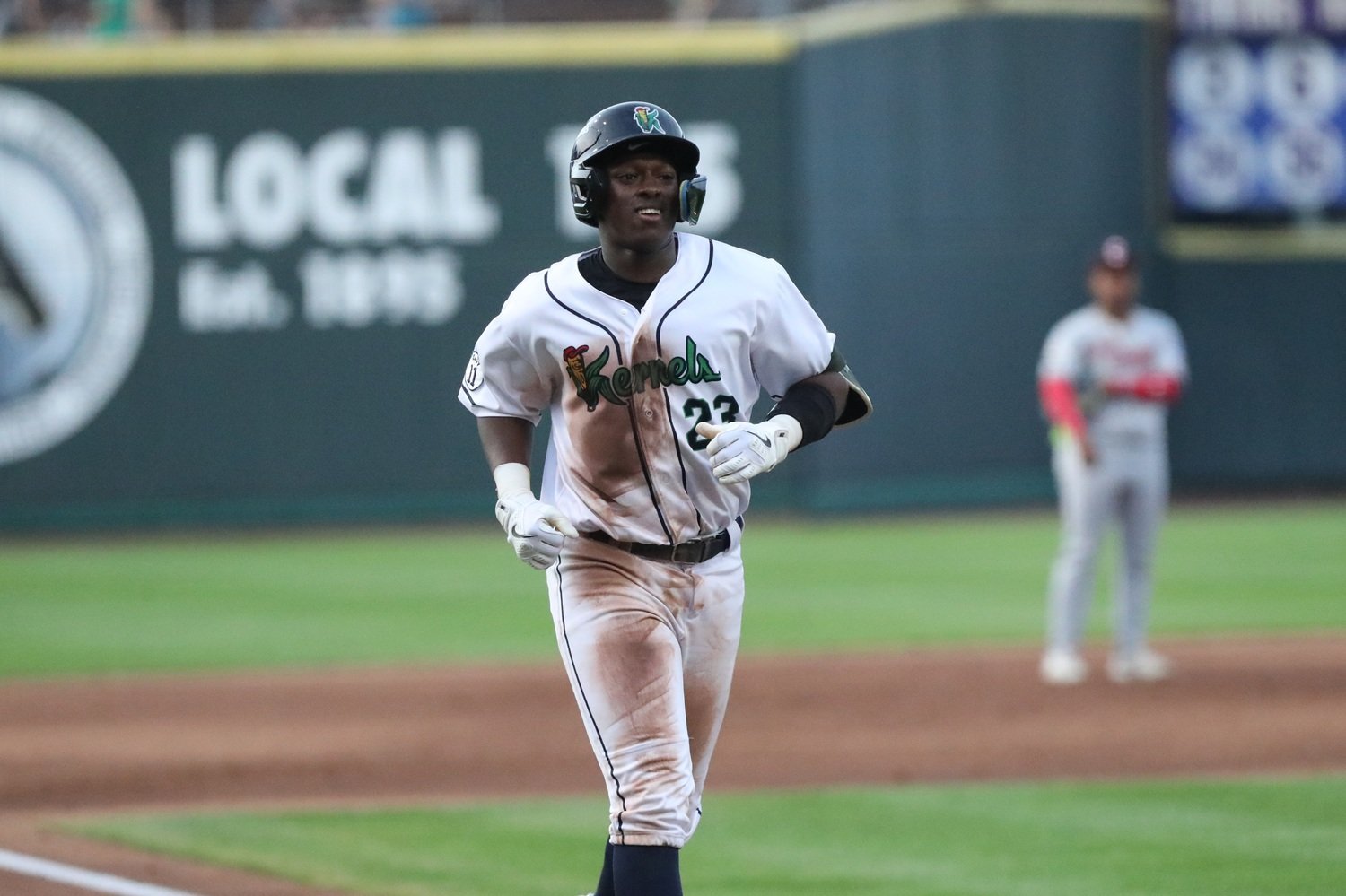 The Minnesota Twins got an early glimpse at what their 2026 MLB Draft class could become, and two of their top selections made enough noise to earn national recognition. Baseball America recently ranked the 10 most impressive professional debuts from the 2026 MLB Draft class, and the Twins had two players on the list. Third overall pick Vahn Lackey ranked fifth, while second-round selection Carson Tinney came in seventh. Vahn Lackey Makes Immediate Impact Lackey's professional debut was highly anticipated after the Twins selected him third overall out of Georgia Tech. He entered the draft as one of the most complete players in the class, combining advanced offensive production with the defensive skills to remain behind the plate. His professional numbers backed up the excitement. Across 25 games between Low-A Fort Myers and High-A Cedar Rapids, Lackey posted a .250/.435/.424 (.859) slash line with three home runs, 16 RBI and 13 stolen bases. The most impressive number might be his 22.6% walk rate, which helped him reach base at a .435 clip despite a .250 batting average. Lackey also made a quick impression after moving to Cedar Rapids. In his first High-A home game, he collected three hits, drove in three runs, reached base five times and hit his first professional home run. For a player who had already posted a .397/.519/.772 line with 20 home runs during his final season at Georgia Tech, the early professional results provided another reason for optimism. Carson Tinney Brings the Power Tinney followed Lackey as Minnesota's second selection, going 43rd overall. The Twins were betting on a catcher with enormous raw power after Tinney hit 22 home runs and posted a .326/.483/.688 (1.165) line at Texas. The power immediately translated to professional baseball. Tinney finished his first 24 games with Fort Myers hitting .203/.400/.532 (.932). While the batting average leaves plenty of room for improvement, his eight home runs and 21.9% walk rate stand out. His .932 OPS shows just how much damage he was able to do when making contact. He also finished the season especially strong. Over his final two weeks, Tinney hit .333/.484/.917 with four home runs and six walks in 31 plate appearances. It is far too early to draw major conclusions from a few weeks of professional baseball. Still, the Twins have plenty of reasons to be encouraged by their first two selections. Lackey showed an advanced all-around offensive profile while Tinney displayed the power that made him such an intriguing second-round selection. Both catchers landed among Baseball America's top 10 debut performances. For a Twins organization looking toward its next competitive window, that is a pretty good place to start.
 -
The Minnesota Twins got an early glimpse at what their 2026 MLB Draft class could become, and two of their top selections made enough noise to earn national recognition. Baseball America recently ranked the 10 most impressive professional debuts from the 2026 MLB Draft class, and the Twins had two players on the list. Third overall pick Vahn Lackey ranked fifth, while second-round selection Carson Tinney came in seventh. Vahn Lackey Makes Immediate Impact Lackey's professional debut was highly anticipated after the Twins selected him third overall out of Georgia Tech. He entered the draft as one of the most complete players in the class, combining advanced offensive production with the defensive skills to remain behind the plate. His professional numbers backed up the excitement. Across 25 games between Low-A Fort Myers and High-A Cedar Rapids, Lackey posted a .250/.435/.424 (.859) slash line with three home runs, 16 RBI and 13 stolen bases. The most impressive number might be his 22.6% walk rate, which helped him reach base at a .435 clip despite a .250 batting average. Lackey also made a quick impression after moving to Cedar Rapids. In his first High-A home game, he collected three hits, drove in three runs, reached base five times and hit his first professional home run. For a player who had already posted a .397/.519/.772 line with 20 home runs during his final season at Georgia Tech, the early professional results provided another reason for optimism. Carson Tinney Brings the Power Tinney followed Lackey as Minnesota's second selection, going 43rd overall. The Twins were betting on a catcher with enormous raw power after Tinney hit 22 home runs and posted a .326/.483/.688 (1.165) line at Texas. The power immediately translated to professional baseball. Tinney finished his first 24 games with Fort Myers hitting .203/.400/.532 (.932). While the batting average leaves plenty of room for improvement, his eight home runs and 21.9% walk rate stand out. His .932 OPS shows just how much damage he was able to do when making contact. He also finished the season especially strong. Over his final two weeks, Tinney hit .333/.484/.917 with four home runs and six walks in 31 plate appearances. It is far too early to draw major conclusions from a few weeks of professional baseball. Still, the Twins have plenty of reasons to be encouraged by their first two selections. Lackey showed an advanced all-around offensive profile while Tinney displayed the power that made him such an intriguing second-round selection. Both catchers landed among Baseball America's top 10 debut performances. For a Twins organization looking toward its next competitive window, that is a pretty good place to start. View full rumor
-
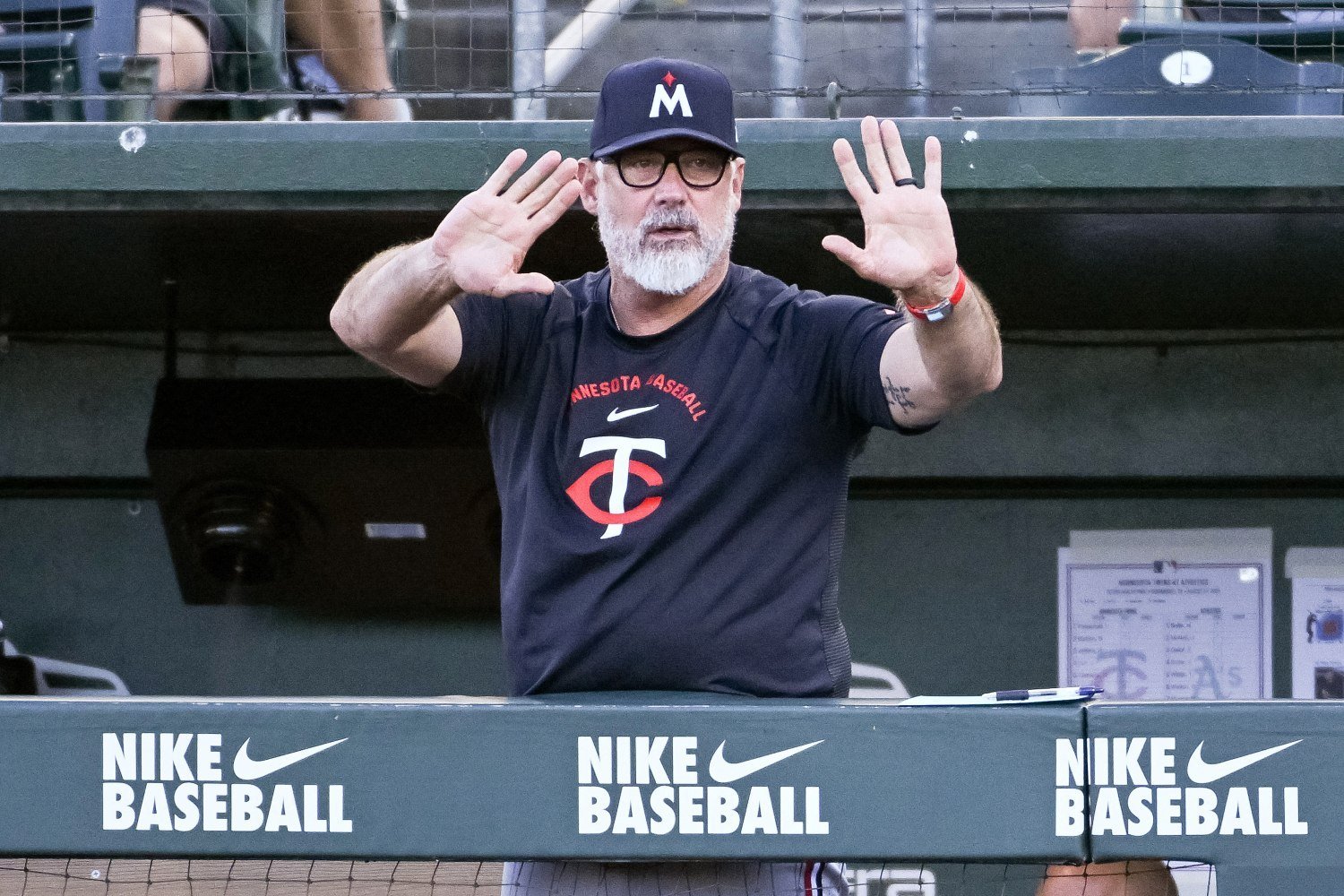 The messaging was consistent from the beginning. The Twins wanted to play meaningful games in September. That phrase became one of the defining pieces of the organization's message entering the 2026 season. It started in January when Tom Pohlad became the new face of Twins ownership after the organization moved on from longtime president of baseball operations Derek Falvey. Pohlad was asked about how the organization would measure the success of the upcoming season. His answer was straightforward. "Let's get halfway through the year, to the end of the year, and let's judge the success of this year on wins and losses and whether we're playing meaningful baseball in September." General manager Jeremy Zoll echoed that message throughout the season. In July, he pointed back to spring training and said the goal had been "to play meaningful games in September." Now, September has come and gone. And it is fair to ask whether the Twins actually accomplished that goal. Technically, There Was a Chance There was a period when the Twins could legitimately point toward September and say they were still in the postseason race. Minnesota's playoff odds climbed to nearly 40% after the Twins swept the Atlanta Braves from August 17-19. The club was hovering around the American League Wild Card picture, and the schedule still provided an opportunity to make a late push. Then things unraveled. The Twins lost seven of eight games near the end of August, dramatically changing the picture. When September began, FanGraphs gave Minnesota a 9.8% chance of reaching the postseason. That isn't zero. But it also isn't what most people envision when an organization talks about playing meaningful games in September. The Twins were five games under .500 on September 1. They weren't chasing a division title. They weren't sitting comfortably in a Wild Card position. They needed a substantial turnaround while also relying on other teams to stumble. Minnesota then went 2-4 over the next week, dropping its postseason odds to 3.1%. At that point, the situation became more reminiscent of Dumb and Dumber. "So you're saying there's a chance." Technically, yes. Realistically, the margin for error had become microscopic. By September 15, the Twins' playoff odds were down to 0.1%. They were officially eliminated on September 20. So, were those meaningful games? That depends on how the phrase is defined. Meaningful Baseball or Meaningful Mathematics? Every September game has consequences. Players are competing for jobs. Prospects are trying to establish themselves. Veterans are auditioning for future contracts. Front-office executives are gathering information that can influence the next season. Those things matter. But that isn't necessarily what Pohlad and Zoll were talking about. The original promise was made in the context of wins and losses. The stated goal was to have a team playing meaningful baseball in September. That implies a competitive postseason race. The Twins did not have that for most of September. They had an outside chance. There is an important distinction. A team sitting five games below .500 on September 1 can technically remain alive because of an expanded playoff field and a crowded American League. But being mathematically alive is different from controlling your own destiny or being a legitimate postseason contender. The Twins' path required a lot to go right. And much of that opportunity existed because the American League was unusually open. That doesn't mean the Twins weren't responsible for their own position. Their record put them in that situation. Instead of entering September with a realistic cushion, they were already chasing. The Braves series temporarily changed the equation. The losses that followed changed it back. By the middle of September, the question wasn't whether the Twins could make a postseason run. It was how long the mathematical possibility would remain. That's a very different definition of meaningful baseball. September Games Still Matter... for 2027 That doesn't mean the final games of 2026 are meaningless. Far from it. The Twins now have to use September to answer questions about their next roster. Young players such as Luke Keaschall, Connor Preilipp, Emmanuel Rodriguez, Walker Jenkins, Brooks Lee and other emerging pieces are getting opportunities to show where they fit. Pitchers are auditioning for rotation and bullpen roles. Veterans are making their own cases for 2027. Those evaluations matter because the Twins have significant work ahead of them this offseason. The organization has already moved away from the previous baseball operations structure. Zoll is now responsible for shaping the next version of the roster, and the club has to determine which pieces from the 2026 team should be part of that future. That makes September valuable. It just isn't the same kind of meaningful that was promised in January. There is a difference between meaningful games because a postseason berth is on the line and meaningful games because a young player might earn a starting job next season. If meaningful baseball means games with something at stake for individual players, then yes, the Twins have played meaningful games this month. September has provided plenty of opportunities for the Twins to evaluate their roster and their future. If meaningful baseball means being genuinely involved in the postseason race, then they last played it in late August. The Twins began September five games under .500 with a 9.8% playoff chance. Within two weeks, that number had fallen to 0.1%. The team was eliminated on September 20. There was a chance, but it was an extremely small one. Pohlad made wins and losses part of his measurement for the season. Zoll repeatedly referenced the goal of reaching September with meaningful games. The Twins reached September. They just didn't reach it in the position they wanted. Now, the organization has an offseason to make sure the same conversation doesn't happen again in 2027. Because "we technically had a chance" is not the standard the Twins themselves established. Did the Twins play meaningful games in September? Leave a comment and start the discussion.


