



Cody Christie
-
Posts
7,799 -
Joined
-
Last visited
-
Days Won
5
Content Type
Profiles
News
Minnesota Twins Videos
2026 Minnesota Twins Top Prospects Ranking
2022 Minnesota Twins Draft Picks
Minnesota Twins Free Agent & Trade Rumors, Notes, & Tidbits
Guides & Resources
2023 Minnesota Twins Draft Picks
The Minnesota Twins Players Project
2024 Minnesota Twins Draft Picks
2025 Minnesota Twins Draft Pick Tracker
2026 Minnesota Twins Draft Tracker: Picks & Bonuses
Forums
Blogs
Events
Store
Downloads
Gallery
Everything posted by Cody Christie
-
 Image courtesy of Malamut Photography When the Twins traded Jhoan Duran at last summer’s trade deadline, many fans may have focused their attention on Mick Abel, since he was considered big-league ready. However, the return package also included one of the more fascinating catching prospects in the minors. Eduardo Tait’s professional journey began quietly when he signed with the Phillies out of Panama for just $90,000 in January 2023. It did not take long for evaluators to notice him. A .917 OPS during his debut in the Dominican Summer League helped him to pop on the prospect radar, and he backed up the excitement in 2024 by hitting .302 with an .842 OPS while reaching full-season ball before his 18th birthday. By the middle of last summer, Tait had climbed from Single- A to High-A, earned a Futures Game appearance, and eventually landed in the Twins organization as part of the Duran trade. He closed the season with a playoff push in the High-A Midwest League and entered 2026 as one of the youngest and most intriguing catching prospects in a Twins system that has lacked catchers in recent years. The Twins elected to send Tait back to the Midwest League to begin the 2026 season, and the early results have been something of a mixed bag. Through his first 34 games, the left-handed hitting catcher owns a .227/.308/.430 (.738) slash line with six home runs and eight doubles. The raw power production has remained encouraging, but his overall offensive value has dipped slightly, with his wRC+ falling from 103 last season to 87 this year. At first glance, that might appear disappointing. Context matters heavily here. Tait is still just 19 years old and has faced older pitchers in all but five of his plate appearances this season. He is more than three years younger than the average Midwest League player, with only Rainiel Rodriguez and Luis Pena younger among position players in the league. That age gap is significant, especially for a catcher handling the physical and mental demands of the position while also trying to develop offensively. The Twins are also experimenting with having pitching coaches call pitches from the dugout at lower levels of the minors, a practice already common in college baseball. In this setup, coaches have real-time information available during the game, which can streamline pitch selection. The catcher, meanwhile, relies on recall and memory, which can become challenging amid constant in-game adjustments, matchup changes, and pinch hitters. For Tait, it adds another layer of development to work through as he continues to adjust to the demands of professional catching. The tools that made Tait intriguing in the first place remain very visible. His bat-to-ball skills are impressive for a player this young, and he consistently produces loud contact when he squares baseballs up. He has shown the ability to drive the ball to all fields for extra bases, although much of his home run power still comes to the pull side. The six early-season home runs are an encouraging sign that his power continues to trend upward against more advanced pitching. At the same time, his strengths and weaknesses are closely connected. Tait makes contact so frequently that he often expands the strike zone too aggressively. His 41% chase rate in 2025 highlighted that issue, and while his walk rate has improved modestly from 7.4% to 8.2% this season, the approach still needs refinement. Pitchers are increasingly willing to challenge him outside the zone because they know he is capable of putting almost anything in play. There are signs of growth beneath the surface, though. Even with the increased strikeout rate, the improved walk rate suggests Tait is at least beginning to work deeper counts and identify pitches he can damage. For a teenage hitter facing much older competition, developmental progress often matters more than the surface slash line. Defensively, Tait’s long-term outlook behind the plate continues to improve as well. He has plenty of arm strength and has made encouraging strides with his receiving and blocking. Evaluators may never project him as a plus defensive catcher, but he has shown enough improvement to believe he can remain at the position long term. That matters immensely for his overall value because his offensive profile becomes much more impactful if he stays behind the plate. The Twins do not need Tait to dominate the Midwest League at 19 years old. What they need is continued development in his approach, continued defensive growth, and evidence that the power can translate consistently against advanced pitching. So far, there are still plenty of reasons to believe in that trajectory. Catching prospects often develop more slowly than players at other positions because of the workload and complexity of the job. Tait is already holding his own offensively while being one of the youngest everyday players in the league. Even with some statistical regression, the combination of age, contact ability, raw power, and defensive progress still gives him the look of a potential long-term major league catcher. The next step in his development is less about raw production and more about refinement. If Tait can continue improving his swing decisions without sacrificing his natural contact ability, the offensive upside becomes much more substantial. Pair that with adequate defense behind the plate, and the Twins may have landed one of the more underrated catching prospects in baseball when they acquired him last summer. What stands out about Tait’s performance so far this year? Leave a comment and start the discussion. View full article
 -
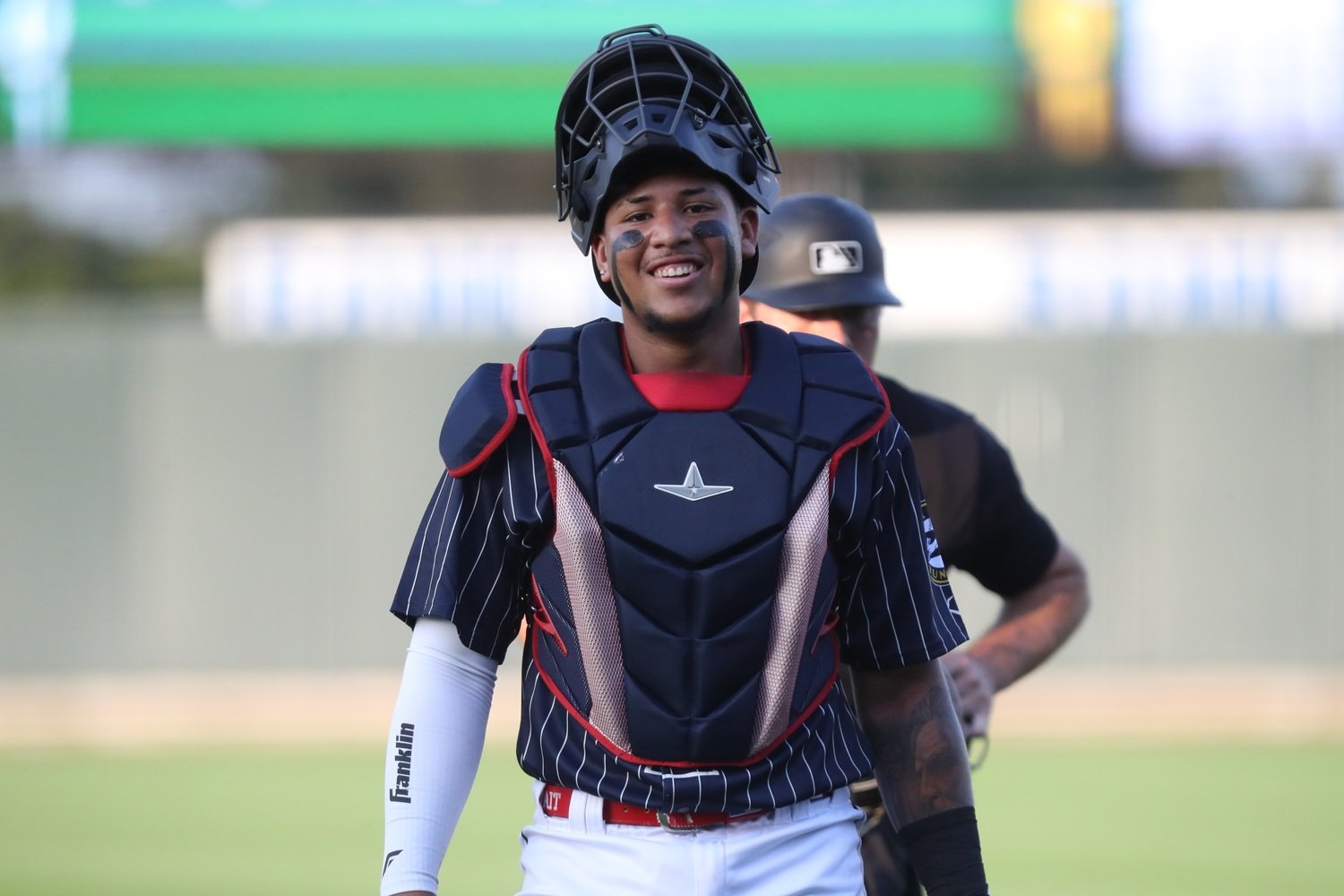 When the Twins traded Jhoan Duran at last summer’s trade deadline, many fans may have focused their attention on Mick Abel, since he was considered big-league ready. However, the return package also included one of the more fascinating catching prospects in the minors. Eduardo Tait’s professional journey began quietly when he signed with the Phillies out of Panama for just $90,000 in January 2023. It did not take long for evaluators to notice him. A .917 OPS during his debut in the Dominican Summer League helped him to pop on the prospect radar, and he backed up the excitement in 2024 by hitting .302 with an .842 OPS while reaching full-season ball before his 18th birthday. By the middle of last summer, Tait had climbed from Single- A to High-A, earned a Futures Game appearance, and eventually landed in the Twins organization as part of the Duran trade. He closed the season with a playoff push in the High-A Midwest League and entered 2026 as one of the youngest and most intriguing catching prospects in a Twins system that has lacked catchers in recent years. The Twins elected to send Tait back to the Midwest League to begin the 2026 season, and the early results have been something of a mixed bag. Through his first 34 games, the left-handed hitting catcher owns a .227/.308/.430 (.738) slash line with six home runs and eight doubles. The raw power production has remained encouraging, but his overall offensive value has dipped slightly, with his wRC+ falling from 103 last season to 87 this year. At first glance, that might appear disappointing. Context matters heavily here. Tait is still just 19 years old and has faced older pitchers in all but five of his plate appearances this season. He is more than three years younger than the average Midwest League player, with only Rainiel Rodriguez and Luis Pena younger among position players in the league. That age gap is significant, especially for a catcher handling the physical and mental demands of the position while also trying to develop offensively. The Twins are also experimenting with having pitching coaches call pitches from the dugout at lower levels of the minors, a practice already common in college baseball. In this setup, coaches have real-time information available during the game, which can streamline pitch selection. The catcher, meanwhile, relies on recall and memory, which can become challenging amid constant in-game adjustments, matchup changes, and pinch hitters. For Tait, it adds another layer of development to work through as he continues to adjust to the demands of professional catching. The tools that made Tait intriguing in the first place remain very visible. His bat-to-ball skills are impressive for a player this young, and he consistently produces loud contact when he squares baseballs up. He has shown the ability to drive the ball to all fields for extra bases, although much of his home run power still comes to the pull side. The six early-season home runs are an encouraging sign that his power continues to trend upward against more advanced pitching. At the same time, his strengths and weaknesses are closely connected. Tait makes contact so frequently that he often expands the strike zone too aggressively. His 41% chase rate in 2025 highlighted that issue, and while his walk rate has improved modestly from 7.4% to 8.2% this season, the approach still needs refinement. Pitchers are increasingly willing to challenge him outside the zone because they know he is capable of putting almost anything in play. There are signs of growth beneath the surface, though. Even with the increased strikeout rate, the improved walk rate suggests Tait is at least beginning to work deeper counts and identify pitches he can damage. For a teenage hitter facing much older competition, developmental progress often matters more than the surface slash line. Defensively, Tait’s long-term outlook behind the plate continues to improve as well. He has plenty of arm strength and has made encouraging strides with his receiving and blocking. Evaluators may never project him as a plus defensive catcher, but he has shown enough improvement to believe he can remain at the position long term. That matters immensely for his overall value because his offensive profile becomes much more impactful if he stays behind the plate. The Twins do not need Tait to dominate the Midwest League at 19 years old. What they need is continued development in his approach, continued defensive growth, and evidence that the power can translate consistently against advanced pitching. So far, there are still plenty of reasons to believe in that trajectory. Catching prospects often develop more slowly than players at other positions because of the workload and complexity of the job. Tait is already holding his own offensively while being one of the youngest everyday players in the league. Even with some statistical regression, the combination of age, contact ability, raw power, and defensive progress still gives him the look of a potential long-term major league catcher. The next step in his development is less about raw production and more about refinement. If Tait can continue improving his swing decisions without sacrificing his natural contact ability, the offensive upside becomes much more substantial. Pair that with adequate defense behind the plate, and the Twins may have landed one of the more underrated catching prospects in baseball when they acquired him last summer. What stands out about Tait’s performance so far this year? Leave a comment and start the discussion.
 -
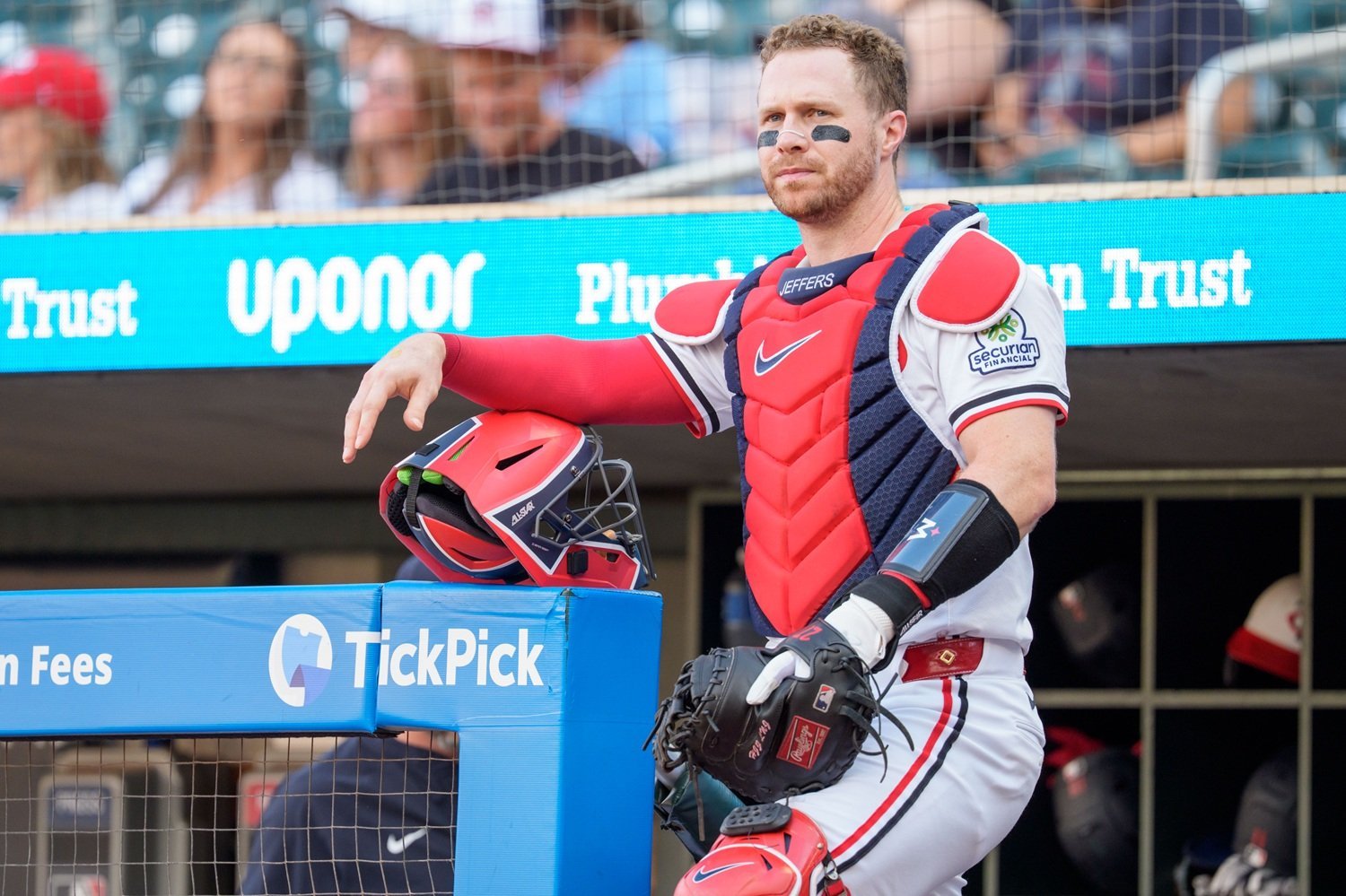 The Minnesota Twins earned a 6-3 victory over the Houston Astros on Monday night, but the win came with an unsettling development behind the plate. Catcher Ryan Jeffers exited the game late after suffering what the club is calling a left wrist sprain. Jeffers will undergo an MRI on Tuesday morning after leaving during the middle of an at-bat in the eighth inning. The injury occurred after he fouled off the first pitch from Astros reliever AJ Blubaugh and shattered his bat. Jeffers initially stayed in the box and took two pitches for balls before calling timeout and signaling that something was wrong. “I was kind of going through the mental battle of whether I could swing or not, and then made the decision,” Jeffers said after the game. “We’ll know more tomorrow.” Manager Derek Shelton and athletic trainer Masa Abe came out to check on Jeffers before he walked off the field and headed to the clubhouse. Veteran catcher Victor Caratini entered as a pinch hitter and remained in the game behind the plate. The timing could not be worse for the Twins because Jeffers has been playing the best baseball of his career. He finished Monday’s game 1-for-3 with a double and a run scored, continuing a scorching start to the season. Through his first stretch of games in 2026, Jeffers is slashing .295/.408/.541 with seven home runs and 26 RBIs while emerging as one of the most productive offensive catchers in baseball. For a Twins lineup that has dealt with inconsistency throughout the year, Jeffers has been one of the few dependable middle-of-the-order bats. His combination of patience, power, and quality contact has elevated his value significantly as he approaches free agency following the season. If the MRI reveals a more serious injury, Minnesota may need to make a roster move quickly. Jeffers and Caratini are currently the only catchers on the Twins’ 40-man roster, leaving the organization thin on immediate depth. That situation would likely open the door for Alex Jackson to return to the major leagues. The veteran backstop has quietly put together a strong offensive season at Triple-A St. Paul, hitting .239/.295/.511 (.806) with notable power production across 95 plate appearances. The Twins can survive injuries at several positions because of their organizational depth, but catcher is not one of them. Losing Jeffers for any extended period would remove one of the club’s best hitters and force Minnesota to rely heavily on Caratini while searching for additional help. For now, the organization and its fans will wait for Tuesday’s MRI results, hoping that one awkward swing did not sideline one of the most important players in Minnesota’s lineup.
- 11 comments
-
- 1
-

-
- ryan jeffers
- victor caratini
- (and 1 more)
-
The Minnesota Twins earned a 6-3 victory over the Houston Astros on Monday night, but the win came with an unsettling development behind the plate. Catcher Ryan Jeffers exited the game late after suffering what the club is calling a left wrist sprain. Jeffers will undergo an MRI on Tuesday morning after leaving during the middle of an at-bat in the eighth inning. The injury occurred after he fouled off the first pitch from Astros reliever AJ Blubaugh and shattered his bat. Jeffers initially stayed in the box and took two pitches for balls before calling timeout and signaling that something was wrong. “I was kind of going through the mental battle of whether I could swing or not, and then made the decision,” Jeffers said after the game. “We’ll know more tomorrow.” Manager Derek Shelton and athletic trainer Masa Abe came out to check on Jeffers before he walked off the field and headed to the clubhouse. Veteran catcher Victor Caratini entered as a pinch hitter and remained in the game behind the plate. The timing could not be worse for the Twins because Jeffers has been playing the best baseball of his career. He finished Monday’s game 1-for-3 with a double and a run scored, continuing a scorching start to the season. Through his first stretch of games in 2026, Jeffers is slashing .295/.408/.541 with seven home runs and 26 RBIs while emerging as one of the most productive offensive catchers in baseball. For a Twins lineup that has dealt with inconsistency throughout the year, Jeffers has been one of the few dependable middle-of-the-order bats. His combination of patience, power, and quality contact has elevated his value significantly as he approaches free agency following the season. If the MRI reveals a more serious injury, Minnesota may need to make a roster move quickly. Jeffers and Caratini are currently the only catchers on the Twins’ 40-man roster, leaving the organization thin on immediate depth. That situation would likely open the door for Alex Jackson to return to the major leagues. The veteran backstop has quietly put together a strong offensive season at Triple-A St. Paul, hitting .239/.295/.511 (.806) with notable power production across 95 plate appearances. The Twins can survive injuries at several positions because of their organizational depth, but catcher is not one of them. Losing Jeffers for any extended period would remove one of the club’s best hitters and force Minnesota to rely heavily on Caratini while searching for additional help. For now, the organization and its fans will wait for Tuesday’s MRI results, hoping that one awkward swing did not sideline one of the most important players in Minnesota’s lineup. View full rumor
- 11 replies
-
- 1
-

-
- ryan jeffers
- victor caratini
- (and 1 more)
-
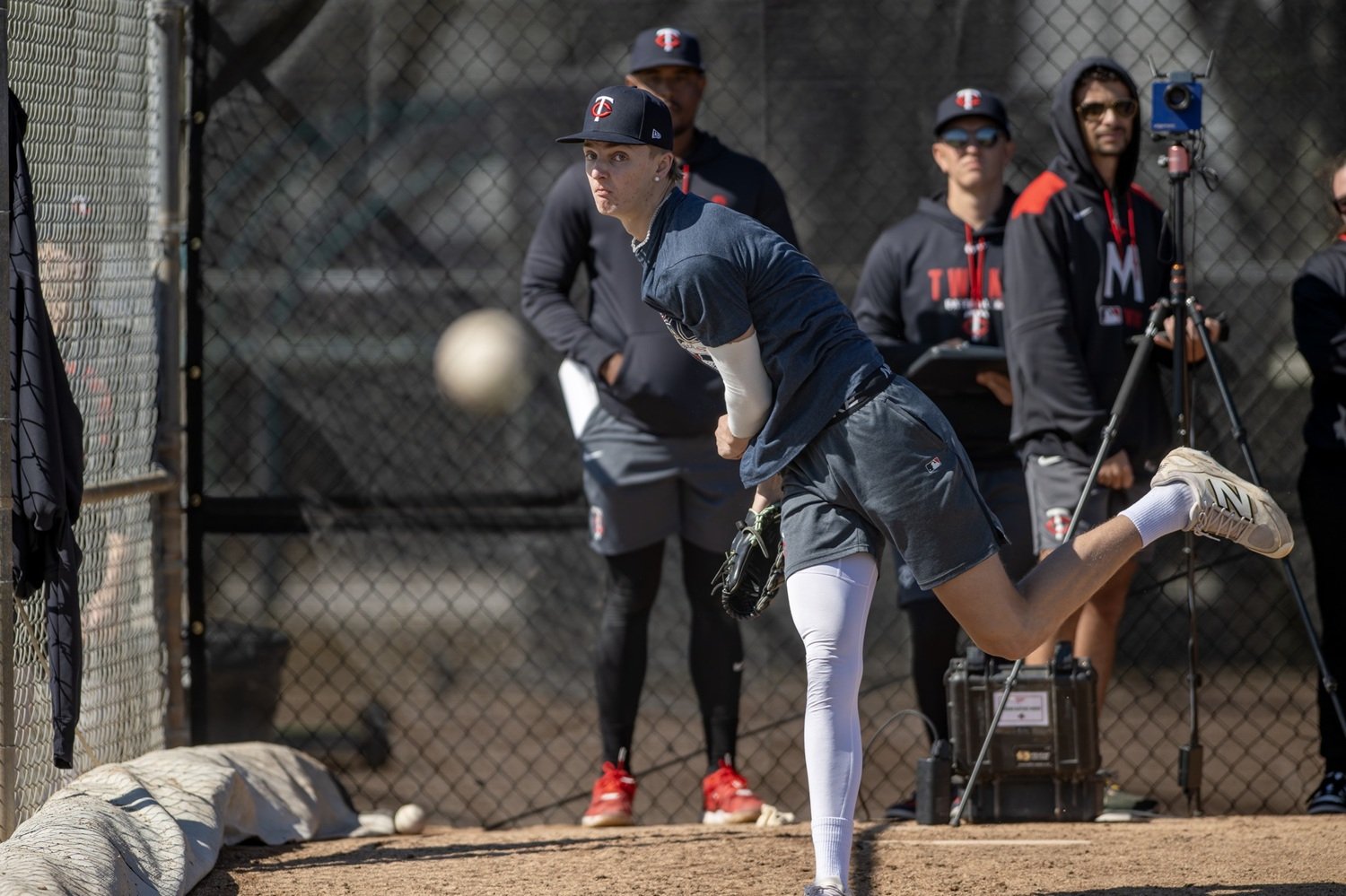 The middle of May is an important checkpoint on the minor-league calendar. By this point, organizations have seen enough of their prospects at their current levels to begin rewarding consistent performance with promotions. The sample sizes are no longer tiny, and player development staffs start to make more aggressive decisions based on who is forcing the issue. For the Minnesota Twins, a few names are doing exactly that right now. Here are three prospects heating up and making their case for the next level. OF Hendry Mendez– St. Paul Saints How He Got Here: Mendez quickly showed he knew how to handle professional pitching after signing with Milwaukee in January 2021 for $800,000. He hit for a .316 combined average across the Dominican Summer League, the Arizona Complex League, and his first stateside stops during his debut season. He reached High-A as a 19-year-old in 2023 before being traded to Philadelphia in the offseason in a deal involving Oliver Dunn. Mendez continued to hit his way through the system in 2024 and 2025, showing strong on-base ability without a great deal of power. He eventually finished strong in Double-A with a .911 on-base plus slugging after joining the Twins organization in the Harrison Bader trade deadline deal. Hitting the Hot Button: Minnesota began the season with a crowded group of left-handed hitting outfielders at Triple-A, which led to Mendez opening the year in Double A. Injuries to Alan Roden, Walker Jenkins, and Emmanuel Rodriguez opened the door, and Mendez has taken full advantage. He posted an .857 on base plus slugging in 24 Double-A games before earning a promotion. Since moving up, he has continued to produce at a high level. Over the past week, Mendez has appeared in five games for the Saints and hit .474 with nine hits in 19 at-bats, one double, one home run, six runs batted in, and four walks. The 22-year-old is forcing the Twins to take notice with every game. LHP Dasan Hill– Cedar Rapids Kernels How He Got Here: The Twins sought high-ceiling pitching upside by taking Hill in the Competitive Balance Round B of the 2024 MLB Draft. The projectable high school left-hander from Texas signed for $2 million and immediately became one of the most closely watched arms in the system. He opened his first full season on a workload management plan, but still dominated in the Low-A Florida State League. Hill posted a 2.77 ERA, held opponents to a .190 batting average, and posted a 31.3% strikeout rate over 52 innings. That performance earned him a late-season promotion to High-A Cedar Rapids, where he also contributed in a Midwest League playoff win. Hitting the Hot Button: The Twins sent Hill back to the Midwest League to start this season, where he remains nearly three years younger than the average competition. Early on, he went through some growing pains, allowing 14 earned runs across his first 12 innings. Lately, however, he has looked far more comfortable. Hill made two starts this week and delivered 8 2/3 scoreless innings with three walks and 14 strikeouts against 33 batters faced. He has now recorded at least seven strikeouts in four straight appearances. In his most recent outing, Hill went five innings and generated a season high 17 swinging strikes on 72 pitches. The stuff is starting to match the projection, and the results are following. RHP Reed Moring– Fort Myers Mighty Mussels How He Got Here: The Twins selected Moring in the 15th round of the 2025 Draft out of the University of California, Santa Barbara. His final college season was interrupted by a UCL strain that sidelined him for six weeks, and he eventually received a platelet-rich plasma injection as part of his recovery. He made only seven appearances in his junior season, including five starts, but was effective when on the mound. He posted a 2.55 earned run average with a 1.25 WHIP, a 28% strikeout rate, and a 16% walk rate. Minnesota opted to hold him out of game action until the 2026 season. Hitting the Hot Button: Moring opened his professional career on an impressive run, tossing six straight scoreless appearances to begin his first season. That stretch came to an end on Saturday when he allowed his first earned run. Before that outing, he had worked 19 2/3 innings without allowing a run, posting a 0.00 earned run average during that span. That streak ranks as the fifth longest in franchise history since modern tracking began in 2005. Moring came just one out shy of becoming only the third player in the Single-A era to reach 20 scoreless innings before a sacrifice fly ended the run. Even with the streak ending, his early dominance has firmly placed him on the prospect radar. This group shows the range of what prospect development can look like in the Twins system. Mendez is a polished hitter who keeps forcing promotions with consistent contact and on-base ability. Hill is the high-ceiling arm whose stuff is starting to translate into strikeout totals as the strikeout totals pile up. Moring has come out of the gate professionally with historic-level run prevention. What stands out about this trio of prospects? Leave a comment and start the discussion.
- 7 comments
-
- 7
-
-
- dasan hill
- reed moring
- (and 1 more)
-
The Minnesota Twins continue to battle through injuries as the calendar pushes deeper into May. With the season past the quarter mark, staying healthy becomes even more important for a club trying to get closer to a .500 record. Some updates offered optimism this weekend, while others created additional uncertainty. Byron Buxton appears close to returning after progressing through baseball activities, but Taj Bradley’s rehab outing at Triple-A St. Paul raised more questions about his timeline. Minnesota also provided updates on several pitchers working their way back from arm injuries. Byron Buxton Progressing Toward Return Buxton continues to trend in the right direction after dealing with right hip flexor soreness. The Twins consider him day to day, and the recent updates suggest a return may not be far away. Buxton reportedly came through a workout on May 16 without issues and returned to on-field work before the game again on May 17. That is an encouraging sign considering how important he has been to Minnesota’s lineup this season. When healthy, Buxton changes the complexion of the roster. His defense in center field remains above-average, and his power production has helped stabilize the middle of the lineup. Minnesota has understandably taken a cautious approach because hip and lower body injuries can quickly become lingering concerns for a player whose game depends heavily on explosiveness. The fact that he continues to increase baseball activities is a positive development for the Twins moving forward. Taj Bradley’s Rehab Outing Raises Concerns Bradley remains on the 15-day injured list with right pectoralis muscle inflammation after being placed there retroactive to May 6. The Twins hoped Bradley would take a significant step forward during his rehab start with Triple-A St. Paul on Sunday. Instead, the outing ended much earlier than anticipated. Bradley failed to make it out of the second inning after throwing 31 pitches in the frame before being removed from the game. On Sunday’s episode of Inside Twins, general manager Jeremy Zoll explained that the organization wanted Bradley to complete roughly four innings while staying near 65 pitches. Because he was unable to reach those benchmarks, his timetable for returning to Minnesota remains unclear. That development is notable because the Twins have leaned heavily on their rotation early in the season. Bradley was expected to play a meaningful role for the pitching staff, but the club now appears likely to proceed carefully until he demonstrates he can handle a normal workload again. Cody Laweryson Takes Another Step Forward Laweryson continues progressing in his recovery from a right forearm strain that landed him on the injured list back on April 9. Laweryson made a rehab appearance with Triple-A St. Paul on Saturday and delivered a clean inning. He allowed no hits, walked one batter, and did not record a strikeout. For a pitcher returning from a forearm issue, simply getting through an outing healthy is often the biggest objective. The Twins will likely continue gradually increasing his workload before considering him for activation. According to Zoll, he is expected to make at least two more rehab appearances this week. Minnesota’s bullpen depth has been tested throughout the season, so getting another healthy arm back into the mix would provide needed reinforcement. Cole Sands Beginning Throwing Progression Sands remains sidelined with a mild right forearm strain after going on the injured list retroactive to April 29. The good news is that Sands resumed playing catch on May 12 and May 13 as the Twins began building him back up. At this stage, the organization appears focused on making sure he progresses slowly over the next week before advancing to more intense throwing sessions. Forearm injuries always create some level of concern for pitchers, which explains why Minnesota has emphasized patience with Sands. Before the injury, he had become an increasingly important option for the Twins in middle relief situations. If his throwing progression continues without setbacks, he could eventually begin mound work later this month. Mick Abel Receives Encouraging Evaluation One of the more encouraging updates involved Abel, who has been sidelined with right elbow inflammation since April 17. Abel was evaluated by noted orthopedic surgeon Dr. Keith Meister, who agreed with previous evaluations that the issue stems from posterior elbow impingement. Most importantly for the Twins, there were reportedly no concerns involving the forearm or the ulnar collateral ligament. That distinction matters significantly because UCL damage often carries the possibility of Tommy John surgery. Instead, Abel has already resumed light throwing and started playing catch on Wednesday. Minnesota can now focus on rebuilding his arm strength rather than worrying about a more serious structural issue. Injuries remain one of the defining storylines for the Twins during the opening months of the season. The organization received positive news regarding Byron Buxton and Mick Abel, while Taj Bradley’s shortened rehab outing introduced additional uncertainty to the pitching staff picture. As Minnesota attempts to stay competitive through the middle months of the season, getting healthy contributors back on the field could be a major factor in whether the club can gain momentum in the standings. View full rumor
-
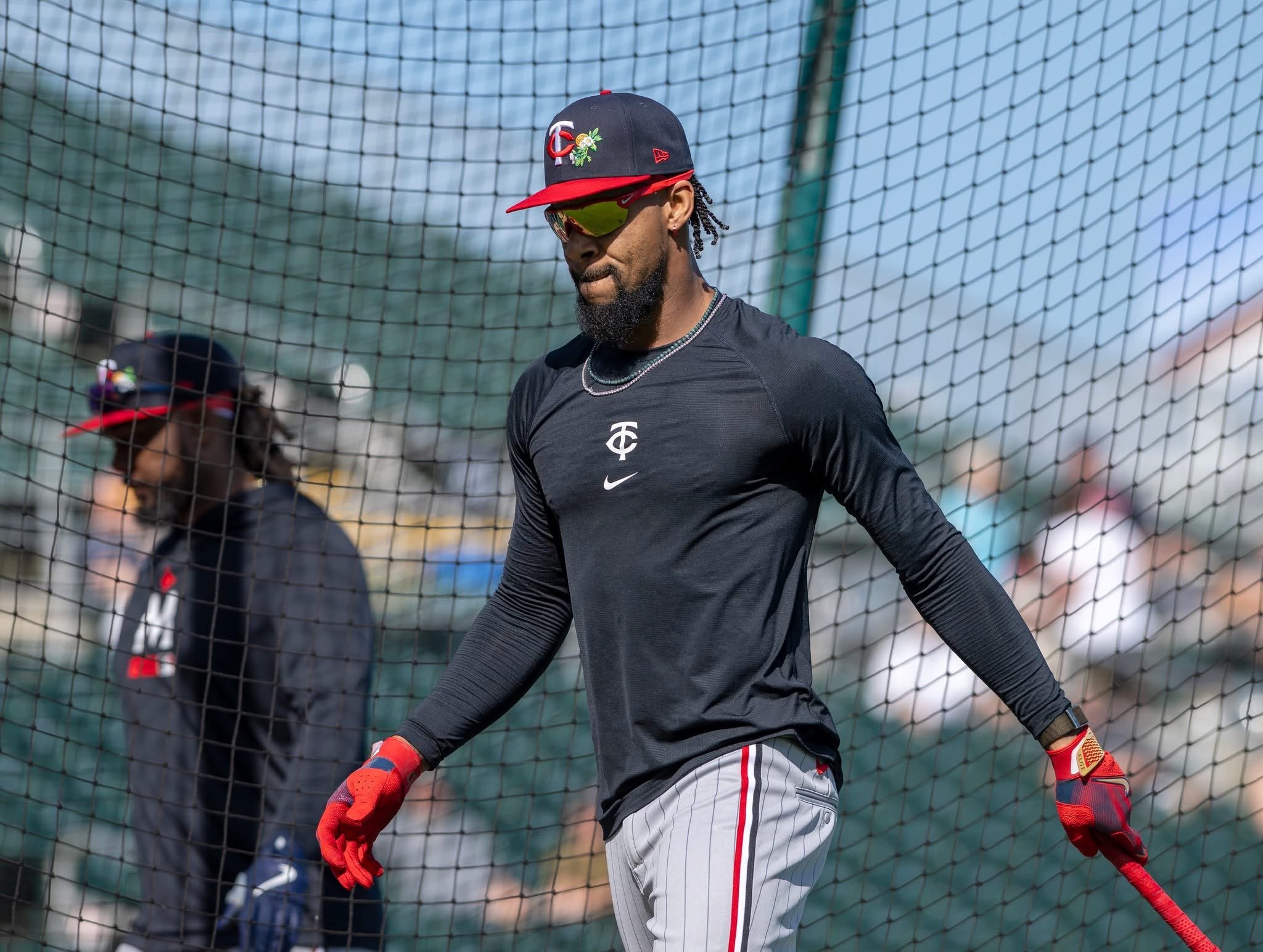 The Minnesota Twins continue to battle through injuries as the calendar pushes deeper into May. With the season past the quarter mark, staying healthy becomes even more important for a club trying to get closer to a .500 record. Some updates offered optimism this weekend, while others created additional uncertainty. Byron Buxton appears close to returning after progressing through baseball activities, but Taj Bradley’s rehab outing at Triple-A St. Paul raised more questions about his timeline. Minnesota also provided updates on several pitchers working their way back from arm injuries. Byron Buxton Progressing Toward Return Buxton continues to trend in the right direction after dealing with right hip flexor soreness. The Twins consider him day to day, and the recent updates suggest a return may not be far away. Buxton reportedly came through a workout on May 16 without issues and returned to on-field work before the game again on May 17. That is an encouraging sign considering how important he has been to Minnesota’s lineup this season. When healthy, Buxton changes the complexion of the roster. His defense in center field remains above-average, and his power production has helped stabilize the middle of the lineup. Minnesota has understandably taken a cautious approach because hip and lower body injuries can quickly become lingering concerns for a player whose game depends heavily on explosiveness. The fact that he continues to increase baseball activities is a positive development for the Twins moving forward. Taj Bradley’s Rehab Outing Raises Concerns Bradley remains on the 15-day injured list with right pectoralis muscle inflammation after being placed there retroactive to May 6. The Twins hoped Bradley would take a significant step forward during his rehab start with Triple-A St. Paul on Sunday. Instead, the outing ended much earlier than anticipated. Bradley failed to make it out of the second inning after throwing 31 pitches in the frame before being removed from the game. On Sunday’s episode of Inside Twins, general manager Jeremy Zoll explained that the organization wanted Bradley to complete roughly four innings while staying near 65 pitches. Because he was unable to reach those benchmarks, his timetable for returning to Minnesota remains unclear. That development is notable because the Twins have leaned heavily on their rotation early in the season. Bradley was expected to play a meaningful role for the pitching staff, but the club now appears likely to proceed carefully until he demonstrates he can handle a normal workload again. Cody Laweryson Takes Another Step Forward Laweryson continues progressing in his recovery from a right forearm strain that landed him on the injured list back on April 9. Laweryson made a rehab appearance with Triple-A St. Paul on Saturday and delivered a clean inning. He allowed no hits, walked one batter, and did not record a strikeout. For a pitcher returning from a forearm issue, simply getting through an outing healthy is often the biggest objective. The Twins will likely continue gradually increasing his workload before considering him for activation. According to Zoll, he is expected to make at least two more rehab appearances this week. Minnesota’s bullpen depth has been tested throughout the season, so getting another healthy arm back into the mix would provide needed reinforcement. Cole Sands Beginning Throwing Progression Sands remains sidelined with a mild right forearm strain after going on the injured list retroactive to April 29. The good news is that Sands resumed playing catch on May 12 and May 13 as the Twins began building him back up. At this stage, the organization appears focused on making sure he progresses slowly over the next week before advancing to more intense throwing sessions. Forearm injuries always create some level of concern for pitchers, which explains why Minnesota has emphasized patience with Sands. Before the injury, he had become an increasingly important option for the Twins in middle relief situations. If his throwing progression continues without setbacks, he could eventually begin mound work later this month. Mick Abel Receives Encouraging Evaluation One of the more encouraging updates involved Abel, who has been sidelined with right elbow inflammation since April 17. Abel was evaluated by noted orthopedic surgeon Dr. Keith Meister, who agreed with previous evaluations that the issue stems from posterior elbow impingement. Most importantly for the Twins, there were reportedly no concerns involving the forearm or the ulnar collateral ligament. That distinction matters significantly because UCL damage often carries the possibility of Tommy John surgery. Instead, Abel has already resumed light throwing and started playing catch on Wednesday. Minnesota can now focus on rebuilding his arm strength rather than worrying about a more serious structural issue. Injuries remain one of the defining storylines for the Twins during the opening months of the season. The organization received positive news regarding Byron Buxton and Mick Abel, while Taj Bradley’s shortened rehab outing introduced additional uncertainty to the pitching staff picture. As Minnesota attempts to stay competitive through the middle months of the season, getting healthy contributors back on the field could be a major factor in whether the club can gain momentum in the standings.
- 2 comments
-
- 4
-
-
- byron buxton
- taj bradley
- (and 2 more)
-
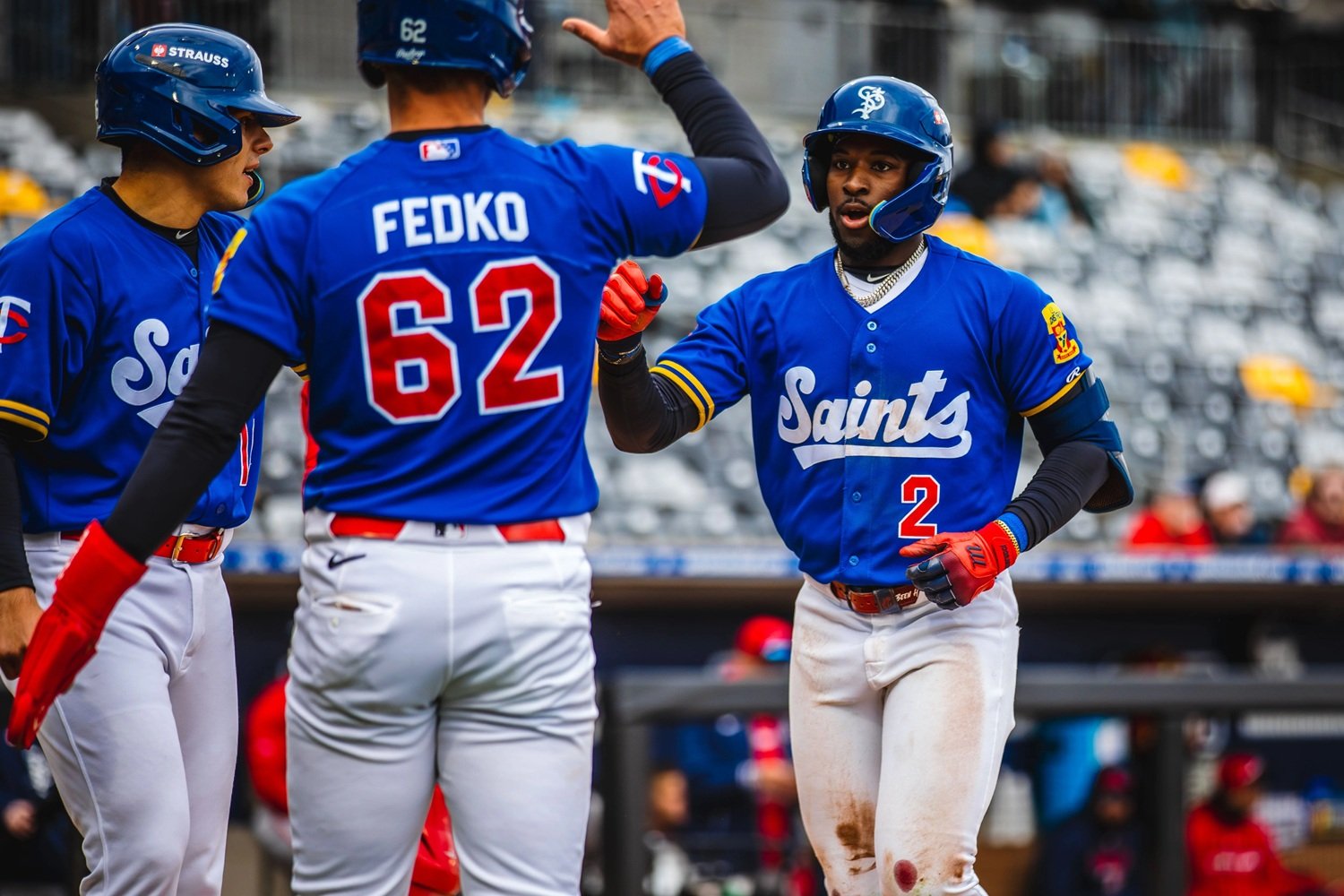 Player development is a winding and often treacherous road. Some prospects fly through the minors and arrive in the big leagues within two years. Others battle injuries, make swing changes, or need extra time refining their approach before they are ready for the next level. For organizations like the Minnesota Twins, those first-round picks carry great weight because competing with lower payrolls means the organization must consistently develop homegrown talent into impact contributors. Unfortunately, that doesn't exempt the team from the vagaries of turning those picks into top-tier players. The Twins will once again have a premium opportunity to add talent this summer. Minnesota owns the third overall pick in the 2026 MLB Draft, its highest selection since 2017, when the club selected Royce Lewis with the first overall pick. As the organization prepares for another important draft, it’s worth examining how the Twins’ recent first-round selections have progressed in professional baseball. 2025 First Round (16th Overall): SS Marek Houston When the Twins drafted Houston, the appeal centered around his glove. Evaluators viewed him as a Gold Glove-caliber defensive shortstop with excellent instincts, clean actions, and advanced defensive reliability. The bigger question was always going to be the bat. Houston answered some of those concerns during his junior season at Wake Forest, when he posted a 1.055 OPS with 15 home runs and 14 doubles. Still, some scouts wondered if those offensive gains would translate against professional pitching. Now in his age-22 season, Houston has returned to the Midwest League. Through his first 30 games, he has slashed .282/.348/.403, with eight extra-base hits, a 20.9% strikeout rate and a 7.9% walk rate. The elite defense has remained intact, and the Twins are likely to challenge him with a promotion to Double-A later this summer. Houston’s development path could resemble that of another recent Twins first-round shortstop (see below), who steadily climbed the ladder through strong defense and enough offensive growth to profile as an everyday player. Updated ETA: Second Half of 2027 2024 First Round (21st Overall): SS Kaelen Culpepper Culpepper quickly became one of the more intriguing prospects in the organization after the Twins selected him in the first round. Minnesota believed in the offensive upside and arm strength, but many evaluators projected him to move off shortstop eventually. So far, Culpepper has done plenty to quiet those concerns. He posted a 138 wRC+ during the 2025 season, while showing enough athleticism and defensive consistency to remain at shortstop in the near term. The Twins challenged him aggressively by assigning him to Triple-A to begin the 2026 campaign, and he has largely handled the jump well. Culpepper has emerged as a consensus top-100 prospect and is viewed by many as the organization’s second-best prospect. In 36 Triple-A games, he has slashed .253/.345/.460, with eight home runs and seven doubles. One encouraging sign has been his improved plate discipline. His walk rate climbed from 9.7% in 2025 to 11.5% this season, although his strikeout rate has also increased by roughly three percentage points. Given Minnesota’s current roster construction, it would not be surprising if Culpepper makes his major league debut sometime this season, when injuries inevitably create opportunities. Updated ETA: Second Half of 2026 2023 First Round (5th Overall): OF Walker Jenkins The Twins were one of the biggest winners of MLB’s inaugural Draft Lottery. Minnesota jumped from the 13th position based on their 2022 record to fifth overall, in a draft class that many evaluators considered exceptionally strong at the top. The organization selected Jenkins, and he has been viewed as the club’s top prospect ever since. Jenkins has shown flashes of why scouts viewed him as a potential superstar, but injuries have complicated the beginning of his professional career. He's currently on the injured list after injuring his shoulder while making a catch and running into the outfield wall. Even with the injuries, Jenkins has advanced rapidly through the system. Reaching Triple-A during his age-20 season is a significant accomplishment, especially for a player drafted out of high school. Last season, he produced a 135 wRC+ across multiple levels, and he carried a 111 wRC+ in 2026 before landing on the injured list. The talent is obvious. The remaining question is whether Jenkins can remain healthy enough to play consistently. If he does, the Twins still believe he has the upside to become the franchise-caliber player this organization has lacked in recent years. Updated ETA: First Half of 2027 2022 First Round (8th Overall): SS Brooks Lee Few players on this list arrived with as polished an offensive profile as Lee. Many evaluators viewed him as the best pure college bat in the 2022 draft class, and the Twins were thrilled when he remained available at eighth overall. Questions existed about his long-term defensive home, but scouts believed the hit tool would carry him to becoming an above-average major league regular. Out of the players discussed here, Lee has become the most important part of Minnesota’s major-league roster so far—though, of course, that's mostly because he was drafted longest ago. After the Twins traded Carlos Correa at last year’s deadline, Lee took over as the club’s everyday shortstop. Across 139 games, Lee posted a 79 OPS+, though there were encouraging signs beneath the surface. He hit 16 home runs and 15 doubles, which exceeded expectations for a player once viewed as having limited power potential. The beginning of 2026 was rough, but Lee has been looking more comfortable in recent weeks. He currently owns a 99 OPS+ with five home runs, and he has hit close to .300 during the month of May. While the defensive limitations remain part of the equation, the offensive production is beginning to resemble the player the Twins envisioned when they drafted him. Updated ETA: Made His Debut in 2024 The Twins’ recent first-round history reflects both the uncertainty and importance of player development. Houston is trying to prove his bat can complement elite defense. Culpepper is rapidly forcing his way into the major-league conversation. Jenkins still possesses superstar upside if he can remain healthy. Lee is establishing himself at the highest level while continuing to adjust to the league, but showing the warts that will become his ceiling. Not every first-round pick becomes an All-Star, and even successful prospects rarely follow the same developmental timeline. Still, for an organization like Minnesota, consistently finding contributors through the draft remains essential. With another top-three pick approaching in 2026, the next cornerstone player could soon be joining this list. How have the Twins fared in recent drafts? Leave a comment and start the discussion.
- 5 comments
-
- 4
-
-
- marek houston
- kaelen culpepper
- (and 2 more)
-
Image courtesy of Rob Thompson, St. Paul Saints Player development is a winding and often treacherous road. Some prospects fly through the minors and arrive in the big leagues within two years. Others battle injuries, make swing changes, or need extra time refining their approach before they are ready for the next level. For organizations like the Minnesota Twins, those first-round picks carry great weight because competing with lower payrolls means the organization must consistently develop homegrown talent into impact contributors. Unfortunately, that doesn't exempt the team from the vagaries of turning those picks into top-tier players. The Twins will once again have a premium opportunity to add talent this summer. Minnesota owns the third overall pick in the 2026 MLB Draft, its highest selection since 2017, when the club selected Royce Lewis with the first overall pick. As the organization prepares for another important draft, it’s worth examining how the Twins’ recent first-round selections have progressed in professional baseball. 2025 First Round (16th Overall): SS Marek Houston When the Twins drafted Houston, the appeal centered around his glove. Evaluators viewed him as a Gold Glove-caliber defensive shortstop with excellent instincts, clean actions, and advanced defensive reliability. The bigger question was always going to be the bat. Houston answered some of those concerns during his junior season at Wake Forest, when he posted a 1.055 OPS with 15 home runs and 14 doubles. Still, some scouts wondered if those offensive gains would translate against professional pitching. Now in his age-22 season, Houston has returned to the Midwest League. Through his first 30 games, he has slashed .282/.348/.403, with eight extra-base hits, a 20.9% strikeout rate and a 7.9% walk rate. The elite defense has remained intact, and the Twins are likely to challenge him with a promotion to Double-A later this summer. Houston’s development path could resemble that of another recent Twins first-round shortstop (see below), who steadily climbed the ladder through strong defense and enough offensive growth to profile as an everyday player. Updated ETA: Second Half of 2027 2024 First Round (21st Overall): SS Kaelen Culpepper Culpepper quickly became one of the more intriguing prospects in the organization after the Twins selected him in the first round. Minnesota believed in the offensive upside and arm strength, but many evaluators projected him to move off shortstop eventually. So far, Culpepper has done plenty to quiet those concerns. He posted a 138 wRC+ during the 2025 season, while showing enough athleticism and defensive consistency to remain at shortstop in the near term. The Twins challenged him aggressively by assigning him to Triple-A to begin the 2026 campaign, and he has largely handled the jump well. Culpepper has emerged as a consensus top-100 prospect and is viewed by many as the organization’s second-best prospect. In 36 Triple-A games, he has slashed .253/.345/.460, with eight home runs and seven doubles. One encouraging sign has been his improved plate discipline. His walk rate climbed from 9.7% in 2025 to 11.5% this season, although his strikeout rate has also increased by roughly three percentage points. Given Minnesota’s current roster construction, it would not be surprising if Culpepper makes his major league debut sometime this season, when injuries inevitably create opportunities. Updated ETA: Second Half of 2026 2023 First Round (5th Overall): OF Walker Jenkins The Twins were one of the biggest winners of MLB’s inaugural Draft Lottery. Minnesota jumped from the 13th position based on their 2022 record to fifth overall, in a draft class that many evaluators considered exceptionally strong at the top. The organization selected Jenkins, and he has been viewed as the club’s top prospect ever since. Jenkins has shown flashes of why scouts viewed him as a potential superstar, but injuries have complicated the beginning of his professional career. He's currently on the injured list after injuring his shoulder while making a catch and running into the outfield wall. Even with the injuries, Jenkins has advanced rapidly through the system. Reaching Triple-A during his age-20 season is a significant accomplishment, especially for a player drafted out of high school. Last season, he produced a 135 wRC+ across multiple levels, and he carried a 111 wRC+ in 2026 before landing on the injured list. The talent is obvious. The remaining question is whether Jenkins can remain healthy enough to play consistently. If he does, the Twins still believe he has the upside to become the franchise-caliber player this organization has lacked in recent years. Updated ETA: First Half of 2027 2022 First Round (8th Overall): SS Brooks Lee Few players on this list arrived with as polished an offensive profile as Lee. Many evaluators viewed him as the best pure college bat in the 2022 draft class, and the Twins were thrilled when he remained available at eighth overall. Questions existed about his long-term defensive home, but scouts believed the hit tool would carry him to becoming an above-average major league regular. Out of the players discussed here, Lee has become the most important part of Minnesota’s major-league roster so far—though, of course, that's mostly because he was drafted longest ago. After the Twins traded Carlos Correa at last year’s deadline, Lee took over as the club’s everyday shortstop. Across 139 games, Lee posted a 79 OPS+, though there were encouraging signs beneath the surface. He hit 16 home runs and 15 doubles, which exceeded expectations for a player once viewed as having limited power potential. The beginning of 2026 was rough, but Lee has been looking more comfortable in recent weeks. He currently owns a 99 OPS+ with five home runs, and he has hit close to .300 during the month of May. While the defensive limitations remain part of the equation, the offensive production is beginning to resemble the player the Twins envisioned when they drafted him. Updated ETA: Made His Debut in 2024 The Twins’ recent first-round history reflects both the uncertainty and importance of player development. Houston is trying to prove his bat can complement elite defense. Culpepper is rapidly forcing his way into the major-league conversation. Jenkins still possesses superstar upside if he can remain healthy. Lee is establishing himself at the highest level while continuing to adjust to the league, but showing the warts that will become his ceiling. Not every first-round pick becomes an All-Star, and even successful prospects rarely follow the same developmental timeline. Still, for an organization like Minnesota, consistently finding contributors through the draft remains essential. With another top-three pick approaching in 2026, the next cornerstone player could soon be joining this list. How have the Twins fared in recent drafts? Leave a comment and start the discussion. View full article
-
Image courtesy of Malamut Photography When the Twins traded Jhoan Duran at last summer’s trade deadline, many fans may have focused their attention on Mick Abel since he was considered big-league ready. However, the return package also included one of the more fascinating catching prospects in the minors. Eduardo Tait’s professional journey began quietly when he signed with the Phillies out of Panama for just $90,000 in January 2023. It did not take long for evaluators to notice him. A .917 OPS during his debut in the Dominican Summer League helped him to pop on the prospect radar, and he backed up the excitement in 2024 by hitting .302 with an .842 OPS while reaching full-season ball before his 18th birthday. By the middle of last summer, Tait had climbed from Single- A to High-A, earned a Futures Game appearance, and eventually landed in the Twins organization as part of the Duran trade. He closed the season with a playoff push in the High-A Midwest League and entered 2026 as one of the youngest and most intriguing catching prospects in a Twins system that has lacked catchers in recent years. The Twins elected to send Tait back to the Midwest League to begin the 2026 season, and the early results have been something of a mixed bag. Through his first 34 games, the left-handed hitting catcher owns a .227/.308/.430 (.738) slash line with six home runs and eight doubles. The raw power production has remained encouraging, but his overall offensive value has dipped slightly, with his wRC+ falling from 103 last season to 87 this year. At first glance, that might appear disappointing. Context matters heavily here. Tait is still just 19 years old and has faced older pitchers in all but five of his plate appearances this season. He is more than three years younger than the average Midwest League player, with only Rainiel Rodriguez and Luis Pena younger among position players in the league. That age gap is significant, especially for a catcher handling the physical and mental demands of the position while also trying to develop offensively. The Twins are also experimenting with having pitching coaches call pitches from the dugout at lower levels of the minors, a practice already common in college baseball. In this setup, coaches have real-time information available during the game, which can streamline pitch selection. The catcher, meanwhile, relies on recall and memory, which can become challenging amid constant in-game adjustments, matchup changes, and pinch hitters. For Tait, it adds another layer of development to work through as he continues to adjust to the demands of professional catching. The tools that made Tait intriguing in the first place remain very visible. His bat-to-ball skills are impressive for a player this young, and he consistently produces loud contact when he squares baseballs up. He has shown the ability to drive the ball to all fields for extra bases, although much of his home run power still comes to the pull side. The six early-season home runs are an encouraging sign that his power continues to trend upward against more advanced pitching. At the same time, his strengths and weaknesses are closely connected. Tait makes contact so frequently that he often expands the strike zone too aggressively. His 41% chase rate in 2025 highlighted that issue, and while his walk rate has improved modestly from 7.4% to 8.2% this season, the approach still needs refinement. Pitchers are increasingly willing to challenge him outside the zone because they know he is capable of putting almost anything in play. There are signs of growth beneath the surface, though. Even with the increased strikeout rate, the improved walk rate suggests Tait is at least beginning to work deeper counts and identify pitches he can damage. For a teenage hitter facing much older competition, developmental progress often matters more than the surface slash line. Defensively, Tait’s long-term outlook behind the plate continues to improve as well. He has plenty of arm strength and has made encouraging strides with his receiving and blocking. Evaluators may never project him as a plus defensive catcher, but he has shown enough improvement to believe he can remain at the position long term. That matters immensely for his overall value because his offensive profile becomes much more impactful if he stays behind the plate. The Twins do not need Tait to dominate the Midwest League at 19 years old. What they need is continued development in his approach, continued defensive growth, and evidence that the power can translate consistently against advanced pitching. So far, there are still plenty of reasons to believe in that trajectory. Catching prospects often develop more slowly than players at other positions because of the workload and complexity of the job. Tait is already holding his own offensively while being one of the youngest everyday players in the league. Even with some statistical regression, the combination of age, contact ability, raw power, and defensive progress still gives him the look of a potential long-term major league catcher. The next step in his development is less about raw production and more about refinement. If Tait can continue improving his swing decisions without sacrificing his natural contact ability, the offensive upside becomes much more substantial. Pair that with adequate defense behind the plate, and the Twins may have landed one of the more underrated catching prospects in baseball when they acquired him last summer. What stands out about Tait’s performance so far this year? Leave a comment and start the discussion. View full article
-
Image courtesy of William Parmeter (Photo of Dasan Hill) The middle of May is an important checkpoint on the minor league calendar. By this point, organizations have seen enough of their prospects at their current levels to begin rewarding consistent performance with promotions. The sample sizes are no longer tiny, and player development staffs start to make more aggressive decisions based on who is forcing the issue. For the Minnesota Twins, a few names are doing exactly that right now. Here are three prospects heating up and making their case for the next level. OF Hendry Mendez– St. Paul Saints How He Got Here: Mendez quickly showed he knew how to handle professional pitching after signing with Milwaukee in January 2021 for $800,000. He hit for a .316 combined average across the Dominican Summer League, the Arizona Complex League, and his first stateside stops during his debut season. He reached High-A as a 19-year-old in 2023 before being traded to Philadelphia in the offseason in a deal involving Oliver Dunn. Mendez continued to hit his way through the system in 2024 and 2025, showing strong on-base ability without a great deal of power. He eventually finished strong in Double-A with a .911 on-base plus slugging after joining the Twins organization in the Harrison Bader trade deadline deal. Hitting the Hot Button: Minnesota began the season with a crowded group of left-handed hitting outfielders at Triple-A, which led to Mendez opening the year in Double A. Injuries to Alan Roden, Walker Jenkins, and Emmanuel Rodriguez opened the door, and Mendez has taken full advantage. He posted an .857 on base plus slugging in 24 Double A games before earning a promotion. Since moving up, he has continued to produce at a high level. Over the past week, Mendez has appeared in five games for the Saints and hit .474 with nine hits in 19 at-bats, one double, one home run, six runs batted in, and four walks. The 22-year-old is forcing the Twins to take notice with every game. LHP Dasan Hill– Cedar Rapids Kernels How He Got Here: The Twins turned to high ceiling pitching upside by taking Hill in the Competitive Balance Round B of the 2024 MLB Draft. The projectable high school left-hander from Texas signed for $2 million and immediately became one of the most closely watched arms in the system. He opened his first full season on a workload management plan but still dominated in the Low-A Florida State League. Hill posted a 2.77 ERA, held opponents to a .190 batting average, and posted a 31.3 K% over 52 innings. That performance earned him a late-season promotion to High-A Cedar Rapids, where he also contributed in a Midwest League playoff win. Hitting the Hot Button: The Twins sent Hill back to the Midwest League to start this season, where he remains nearly three years younger than the average competition. Early on, he went through some growing pains, allowing 14 earned runs across his first 12 innings. Lately, however, he has looked far more comfortable. Hill made two starts this week and delivered 8 2/3 scoreless innings with three walks and 14 strikeouts against 33 batters faced. He has now recorded at least seven strikeouts in four straight appearances. In his most recent outing, Hill went five innings and generated a season high 17 swinging strikes on 72 pitches. The stuff is starting to match the projection, and the results are following. RHP Reed Moring– Fort Myers Mighty Mussels How He Got Here: The Twins selected Moring in the 15th round of the 2025 Draft out of the University of California, Santa Barbara. His final college season was interrupted by a UCL strain that sidelined him for six weeks, and he eventually received a platelet-rich plasma injection as part of his recovery. He made only seven appearances in his junior season, including five starts, but was effective when on the mound. He posted a 2.55 earned run average with a 1.25 WHIP, a 28% strikeout rate, and a 16% walk rate. Minnesota opted to hold him out of game action until the 2026 season. Hitting the Hot Button: Moring opened his professional career on an impressive run, tossing six straight scoreless appearances to begin his first season. That stretch came to an end on Saturday when he allowed his first earned run. Before that outing, he had worked 19 2/3 innings without allowing a run, posting a 0.00 earned run average during that span. That streak ranks as the fifth longest in franchise history since modern tracking began in 2005. Moring came just one out shy of becoming only the third player in the Single-A era to reach 20 scoreless innings before a sacrifice fly ended the run. Even with the streak ending, his early dominance has firmly placed him on the prospect radar. This group shows the range of what prospect development can look like in the Twins system. Mendez is a polished hitter who keeps forcing promotions with consistent contact and on-base ability. Hill is the high-ceiling arm whose stuff is starting to translate into strikeout totals as the strikeout totals pile up. Moring has come out of the gate professionally with historic-level run prevention. What stands out about this trio of prospects? Leave a comment and start the discussion. View full article
-
Image courtesy of © Nathan Ray Seebeck-Imagn Images Coming into spring training, it seemed likely that Zebby Matthews would open the season in Minnesota’s rotation. Instead, a rough camp pushed him to Triple A St. Paul while younger arms moved ahead of him on the depth chart. By mid-May, Matthews suddenly found himself trying to prove he still belonged in the conversation. Thursday was an important step in that process. Matthews delivered arguably the best outing of his Major League career in Minnesota’s 9 to 1 victory over Miami. He tossed seven shutout innings, allowing just four hits and one walk while striking out five. It was the longest scoreless outing of his career and the third time he has completed seven innings in the majors. More importantly, Matthews looked completely in control from the opening inning. He needed only 83 pitches to record 21 outs, constantly getting ahead in counts and forcing weak contact. Matthews threw more than 67% of his pitches for strikes and never allowed Miami to build sustained pressure after the first inning. He opened at bats aggressively with his fastball, throwing 14 first-pitch four-seamers and landing 12 of them for strikes. For a pitcher whose biggest issue this spring was inconsistency in the strike zone and inability to finish hitters, it was a massive shift. Matthews’ season at Triple-A did not start particularly well. He struggled in his first two outings (10 ER in 7 1/3 innings), and there were several possible explanations. Cold early-season weather likely played a factor, but there was probably also a mental adjustment involved after entering camp expecting to compete for a Major League role. Since then, Matthews has looked much more like himself. Over his final five starts with St. Paul, he posted a 2.67 ERA with 28 strikeouts and eight walks. The raw stuff returned, but more importantly, there appeared to be a clearer plan behind his approach to hitters. That plan showed up immediately on Thursday. Matthews leaned heavily on his four-seam fastball against Miami, throwing it 48.2% of the time compared to 41.2% last season. The velocity was actually lower than it was in 2025, dropping from 96.2 mph to 94.8 mph, but the pitch played up because of his command and sequencing. Matthews consistently located it early in counts and elevated it effectively once he got ahead. The biggest adjustment may have been his curveball. Last season, Matthews barely used the pitch, throwing it less than 6% of the time. At Triple-A this year, it became a major area of focus, and the results were obvious Thursday. He used the curveball nearly 16% of the time and posted a 50% whiff rate on it, up from 32.1% last year. Interestingly, the pitch is now slower than it was a season ago, dropping roughly 3.5 mph in velocity. That may actually be helping its effectiveness. The added separation from his other offspeed pitches gives hitters another speed band to consider, making the breaking ball harder to recognize and to stay back on. His changeup also played an important role, particularly against left-handed hitters. Matthews used it regularly to neutralize left-handed bats, and while the only extra-base hit he allowed came on the pitch, the overall approach was encouraging. The pitch now carries more spin than it did last year, jumping from 1,499 rpm to 1,647 rpm, another indication that adjustments made at Triple-A may be helping him create better movement profiles across his arsenal. What stood out most on Thursday wasn't necessarily overpowering. It was efficiency, confidence, and conviction. Matthews looked like a pitcher who understood exactly how he wanted to attack hitters. The Twins have always believed the talent was there for him to develop into a mid-rotation starter. Thursday served as a reminder of why that belief still exists. Minnesota’s rotation picture has changed significantly over the last few months, and Matthews no longer enters the conversation as a guaranteed piece. But performances like Thursday’s make it difficult to ignore his upside. If the adjustments to his curveball usage, fastball command, and overall pitch mix continue to hold, Matthews may have forced his way back into a meaningful role much sooner than expected. What stood out about Matthews in his first start? Can his adjustments help him stick in the rotation? Leave a comment and start the discussion. View full article
-
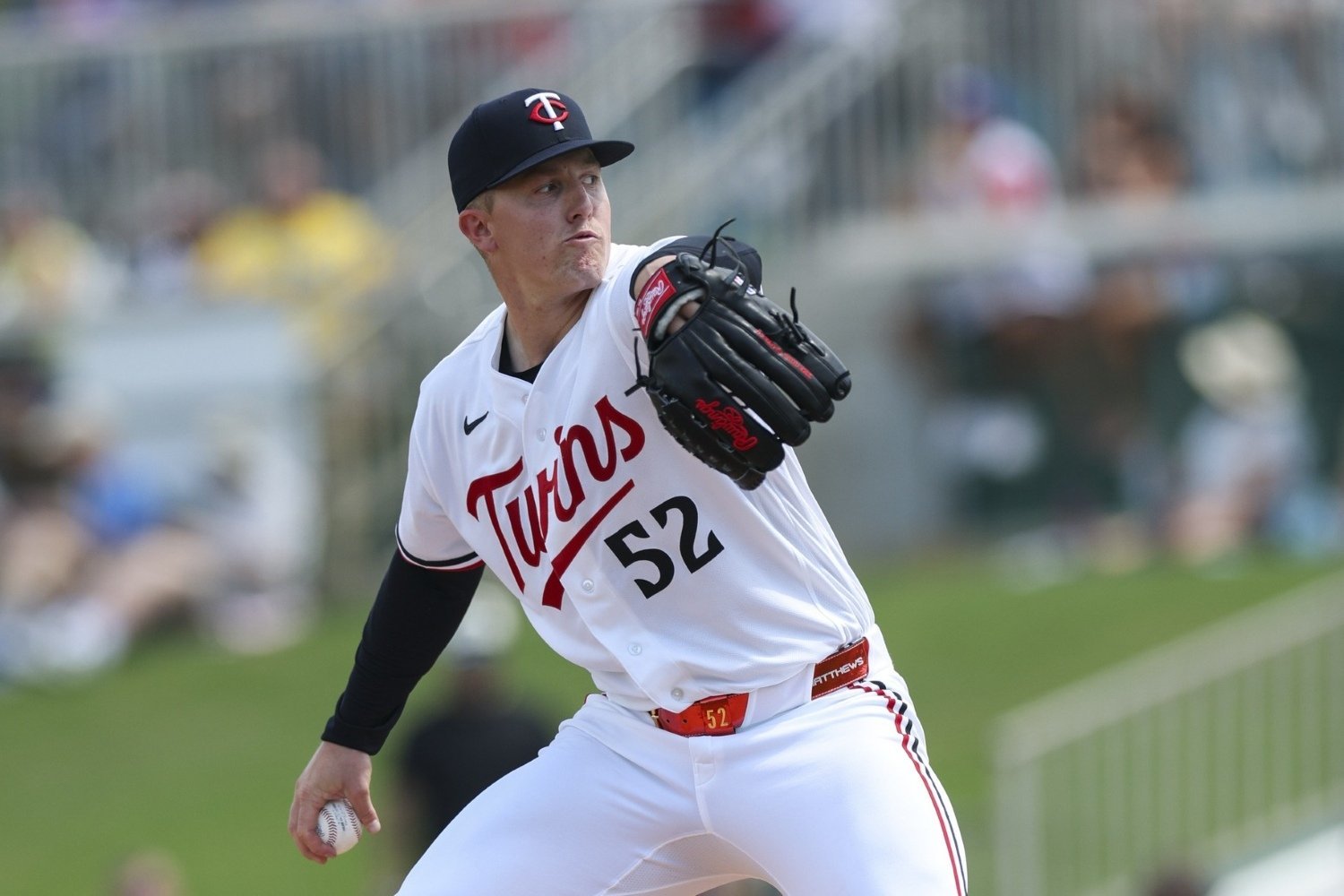 Coming into spring training, it seemed likely that Zebby Matthews would open the season in Minnesota’s rotation. Instead, a rough camp pushed him to Triple A St. Paul while younger arms moved ahead of him on the depth chart. By mid-May, Matthews suddenly found himself trying to prove he still belonged in the conversation. Thursday was an important step in that process. Matthews delivered arguably the best outing of his Major League career in Minnesota’s 9 to 1 victory over Miami. He tossed seven shutout innings, allowing just four hits and one walk while striking out five. It was the longest scoreless outing of his career and the third time he has completed seven innings in the majors. More importantly, Matthews looked completely in control from the opening inning. He needed only 83 pitches to record 21 outs, constantly getting ahead in counts and forcing weak contact. Matthews threw more than 67% of his pitches for strikes and never allowed Miami to build sustained pressure after the first inning. He opened at bats aggressively with his fastball, throwing 14 first-pitch four-seamers and landing 12 of them for strikes. For a pitcher whose biggest issue this spring was inconsistency in the strike zone and inability to finish hitters, it was a massive shift. Matthews’ season at Triple-A did not start particularly well. He struggled in his first two outings (10 ER in 7 1/3 innings), and there were several possible explanations. Cold early-season weather likely played a factor, but there was probably also a mental adjustment involved after entering camp expecting to compete for a Major League role. Since then, Matthews has looked much more like himself. Over his final five starts with St. Paul, he posted a 2.67 ERA with 28 strikeouts and eight walks. The raw stuff returned, but more importantly, there appeared to be a clearer plan behind his approach to hitters. That plan showed up immediately on Thursday. Matthews leaned heavily on his four-seam fastball against Miami, throwing it 48.2% of the time compared to 41.2% last season. The velocity was actually lower than it was in 2025, dropping from 96.2 mph to 94.8 mph, but the pitch played up because of his command and sequencing. Matthews consistently located it early in counts and elevated it effectively once he got ahead. The biggest adjustment may have been his curveball. Last season, Matthews barely used the pitch, throwing it less than 6% of the time. At Triple-A this year, it became a major area of focus, and the results were obvious Thursday. He used the curveball nearly 16% of the time and posted a 50% whiff rate on it, up from 32.1% last year. Interestingly, the pitch is now slower than it was a season ago, dropping roughly 3.5 mph in velocity. That may actually be helping its effectiveness. The added separation from his other offspeed pitches gives hitters another speed band to consider, making the breaking ball harder to recognize and to stay back on. His changeup also played an important role, particularly against left-handed hitters. Matthews used it regularly to neutralize left-handed bats, and while the only extra-base hit he allowed came on the pitch, the overall approach was encouraging. The pitch now carries more spin than it did last year, jumping from 1,499 rpm to 1,647 rpm, another indication that adjustments made at Triple-A may be helping him create better movement profiles across his arsenal. What stood out most on Thursday wasn't necessarily overpowering. It was efficiency, confidence, and conviction. Matthews looked like a pitcher who understood exactly how he wanted to attack hitters. The Twins have always believed the talent was there for him to develop into a mid-rotation starter. Thursday served as a reminder of why that belief still exists. Minnesota’s rotation picture has changed significantly over the last few months, and Matthews no longer enters the conversation as a guaranteed piece. But performances like Thursday’s make it difficult to ignore his upside. If the adjustments to his curveball usage, fastball command, and overall pitch mix continue to hold, Matthews may have forced his way back into a meaningful role much sooner than expected. What stood out about Matthews in his first start? Can his adjustments help him stick in the rotation? Leave a comment and start the discussion.
 -
Image courtesy of William Parmeter When the Twins signed Orlando Arcia to a minor league deal this spring, the move barely registered beyond camp depth chatter. Minnesota already had multiple infield options on the 40-man roster and younger players with more upside occupying the spotlight. Arcia looked like organizational insurance, the kind of veteran every Triple-A club carries through a long season. A few months later, the equation is starting to look different. Arcia entered camp competing for one of the final bench spots on the Opening Day roster. The Twins ultimately chose roster flexibility and younger depth pieces instead, assigning the veteran infielder to Triple-A St. Paul. At the time, it felt like the logical decision. Arcia was coming off one of the worst offensive seasons of his career and had bounced between the Atlanta Braves and Colorado Rockies in 2025 while struggling to provide impact at the plate. The numbers painted a bleak picture. Across 214 plate appearances last season, Arcia hit just .202/.238/.291 with a 33 wRC+, the lowest mark of his career and the second-worst among players with at least 200 plate appearances last year. Once viewed as a dependable everyday shortstop with strong defense and occasional pop, Arcia looked more like a player nearing the end of his major league opportunities. That is what makes his 2026 performance at St. Paul so fascinating. Through 36 games, Arcia is slashing .324/.377/.577 (.954) with eight home runs and 10 doubles while posting a 140 wRC+. Even in the hitter-friendly environment of the International League, those numbers stand out. More importantly, the quality of contact has looked noticeably improved. Arcia is driving the baseball again and consistently punishing mistakes instead of merely surviving at the plate. For the Twins, the timing matters. Minnesota’s roster construction has emphasized versatility and defensive flexibility under Derek Shelton. Arcia checks both boxes. While he built his reputation as a shortstop during his years with Milwaukee and Atlanta, his defensive profile has evolved. This season with St. Paul, he has already made 21 starts at second base, 10 starts at shortstop, and four starts at third base. Last season in Colorado, he even logged the first innings of his career at first base. That type of positional versatility becomes valuable over a 162-game season, especially for a team that has already dealt with injuries and inconsistency around the infield. The Twins also know exactly what they would be getting from Arcia. He is not a prospect needing everyday reps or developmental patience. He is a veteran with postseason experience who understands how to handle irregular playing time and clubhouse responsibilities. Teams often underestimate how important that can be for a bench role until injuries begin testing organizational depth. There are still valid reasons for skepticism. Arcia’s major league decline was not a small sample fluke. His offensive production cratered over the past two seasons, and his defensive metrics have slipped closer to average after years of being viewed as an above-average defender. At 31 years old, it is fair to question whether this Triple-A surge is sustainable or simply a hot stretch against minor league pitching. The Twins do not necessarily need Arcia to become an everyday contributor, though. What makes him interesting is the possibility that he could stabilize the bottom of the roster when a need arises. If he can provide competent defense at multiple positions while offering even league-average offense in limited duty, that suddenly becomes a useful player for a team trying to stay on the edges of contention. Minnesota has spent much of the last few seasons searching for reliable depth pieces who can survive injuries without becoming automatic outs. Arcia may not be the All-Star-caliber player he briefly looked like earlier in his career, but the current version might still hold value. At the very least, he is forcing the organization to pay attention. Triple-A performances from veteran players are easy to dismiss until roster needs start piling up. The Twins have younger names with louder long-term projections, but organizations often lean on unexpected veterans over the course of a season. Arcia is reminding Minnesota that experience still matters and productive depth can emerge from unlikely places. If he keeps hitting like this in St. Paul, the Twins may not have much choice but to give him another opportunity before the 2026 season is over. What will it take for Arcia to play for the Twins this season? Leave a comment and start the discussion. View full article
-
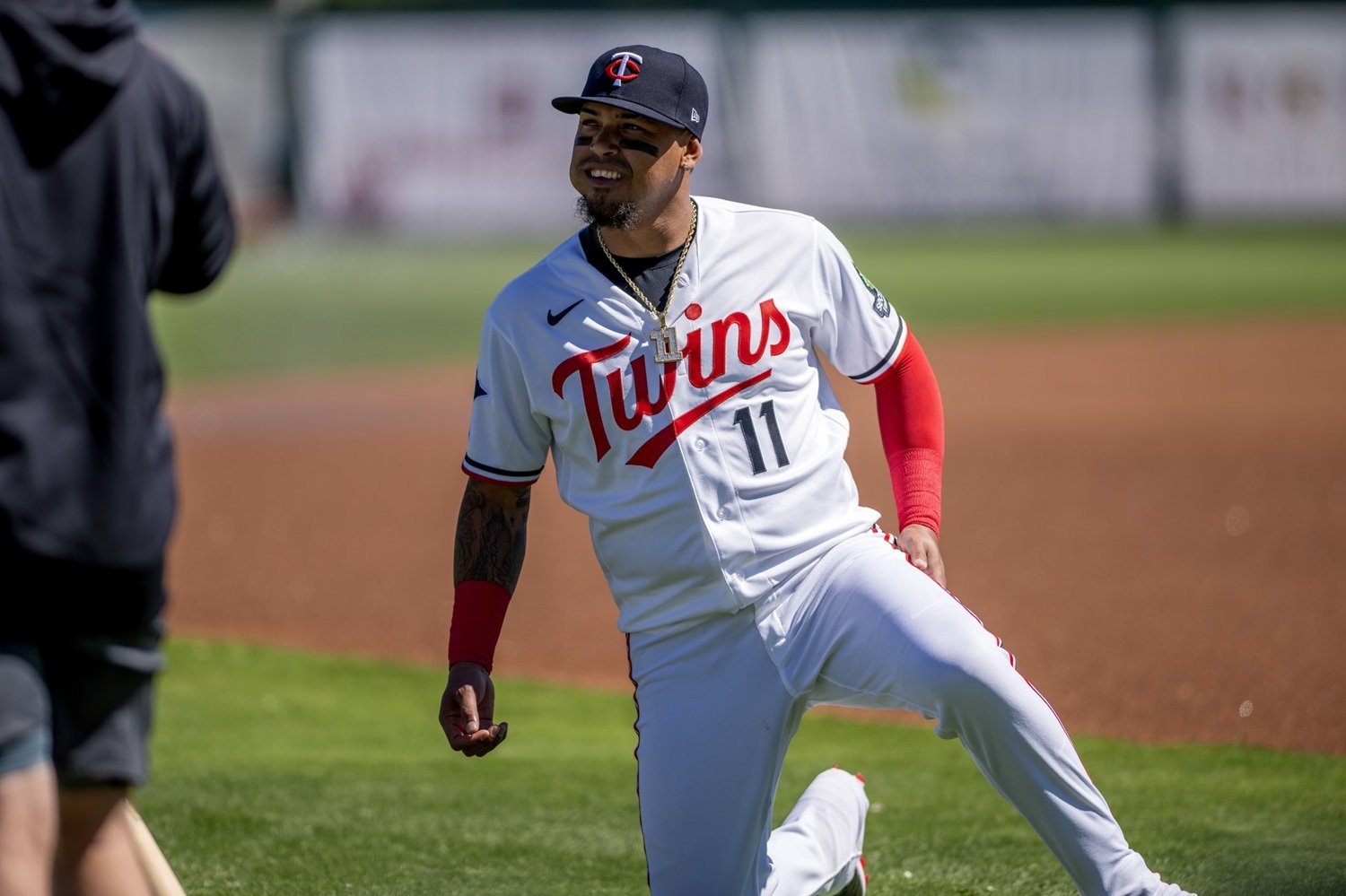 When the Twins signed Orlando Arcia to a minor league deal this spring, the move barely registered beyond camp depth chatter. Minnesota already had multiple infield options on the 40-man roster and younger players with more upside occupying the spotlight. Arcia looked like organizational insurance, the kind of veteran every Triple-A club carries through a long season. A few months later, the equation is starting to look different. Arcia entered camp competing for one of the final bench spots on the Opening Day roster. The Twins ultimately chose roster flexibility and younger depth pieces instead, assigning the veteran infielder to Triple-A St. Paul. At the time, it felt like the logical decision. Arcia was coming off one of the worst offensive seasons of his career and had bounced between the Atlanta Braves and Colorado Rockies in 2025 while struggling to provide impact at the plate. The numbers painted a bleak picture. Across 214 plate appearances last season, Arcia hit just .202/.238/.291 with a 33 wRC+, the lowest mark of his career and the second-worst among players with at least 200 plate appearances last year. Once viewed as a dependable everyday shortstop with strong defense and occasional pop, Arcia looked more like a player nearing the end of his major league opportunities. That is what makes his 2026 performance at St. Paul so fascinating. Through 36 games, Arcia is slashing .324/.377/.577 (.954) with eight home runs and 10 doubles while posting a 140 wRC+. Even in the hitter-friendly environment of the International League, those numbers stand out. More importantly, the quality of contact has looked noticeably improved. Arcia is driving the baseball again and consistently punishing mistakes instead of merely surviving at the plate. For the Twins, the timing matters. Minnesota’s roster construction has emphasized versatility and defensive flexibility under Derek Shelton. Arcia checks both boxes. While he built his reputation as a shortstop during his years with Milwaukee and Atlanta, his defensive profile has evolved. This season with St. Paul, he has already made 21 starts at second base, 10 starts at shortstop, and four starts at third base. Last season in Colorado, he even logged the first innings of his career at first base. That type of positional versatility becomes valuable over a 162-game season, especially for a team that has already dealt with injuries and inconsistency around the infield. The Twins also know exactly what they would be getting from Arcia. He is not a prospect needing everyday reps or developmental patience. He is a veteran with postseason experience who understands how to handle irregular playing time and clubhouse responsibilities. Teams often underestimate how important that can be for a bench role until injuries begin testing organizational depth. There are still valid reasons for skepticism. Arcia’s major league decline was not a small sample fluke. His offensive production cratered over the past two seasons, and his defensive metrics have slipped closer to average after years of being viewed as an above-average defender. At 31 years old, it is fair to question whether this Triple-A surge is sustainable or simply a hot stretch against minor league pitching. The Twins do not necessarily need Arcia to become an everyday contributor, though. What makes him interesting is the possibility that he could stabilize the bottom of the roster when a need arises. If he can provide competent defense at multiple positions while offering even league-average offense in limited duty, that suddenly becomes a useful player for a team trying to stay on the edges of contention. Minnesota has spent much of the last few seasons searching for reliable depth pieces who can survive injuries without becoming automatic outs. Arcia may not be the All-Star-caliber player he briefly looked like earlier in his career, but the current version might still hold value. At the very least, he is forcing the organization to pay attention. Triple-A performances from veteran players are easy to dismiss until roster needs start piling up. The Twins have younger names with louder long-term projections, but organizations often lean on unexpected veterans over the course of a season. Arcia is reminding Minnesota that experience still matters and productive depth can emerge from unlikely places. If he keeps hitting like this in St. Paul, the Twins may not have much choice but to give him another opportunity before the 2026 season is over. What will it take for Arcia to play for the Twins this season? Leave a comment and start the discussion.
 -
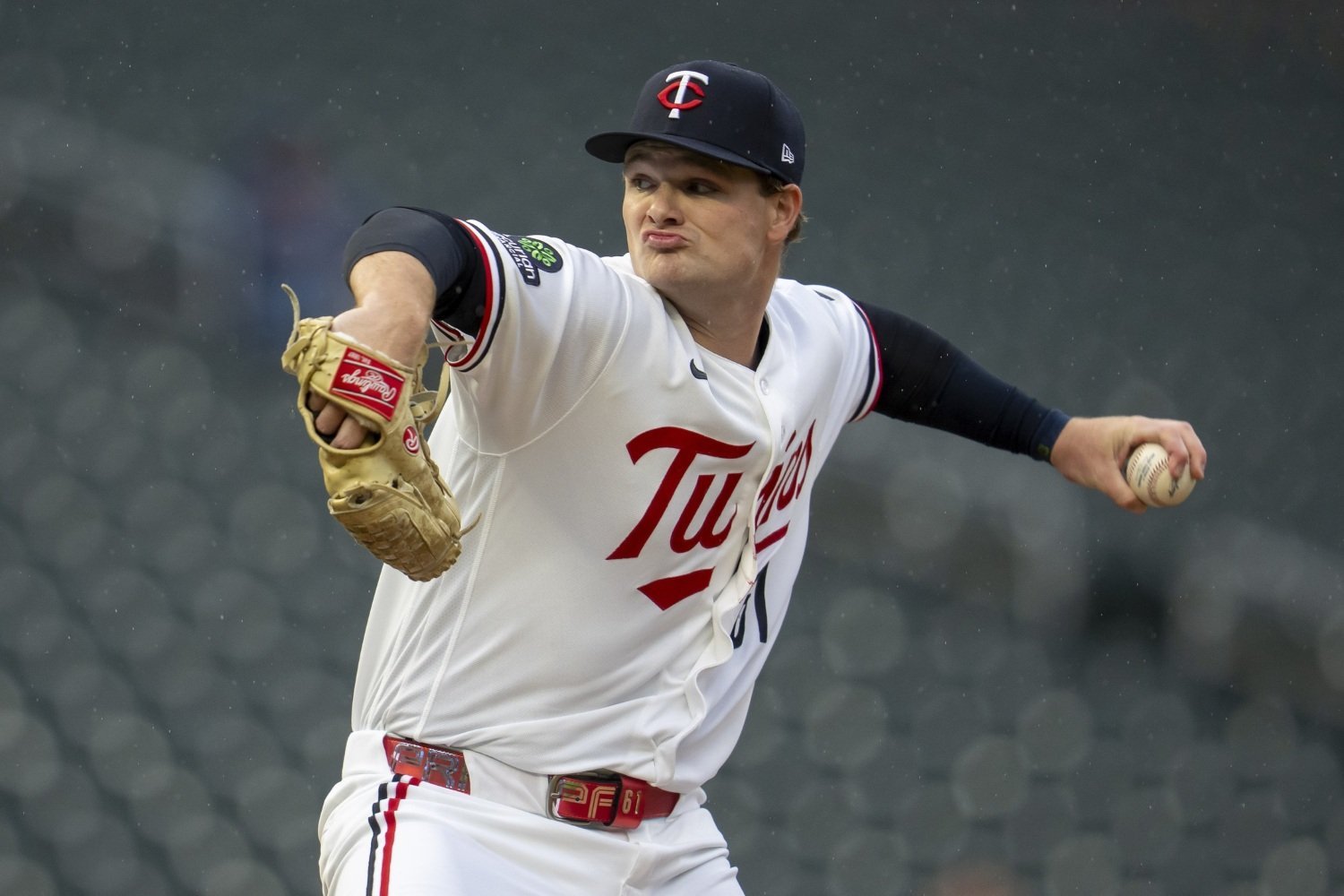 The Minnesota Twins always knew Connor Prielipp’s arm came with risk. That was part of the profile long before he reached the big leagues. A former first-round talent who underwent Tommy John surgery twice before establishing himself professionally, Prielipp’s path has never resembled that of a typical starting pitching prospect. Now the Twins are asking him to do something he has literally never done before: Pitch every fifth day (or so) against major-league hitters, while carrying a workload that continues to climb into unfamiliar territory. Last Friday night against Cleveland showed both the challenge and the upside. Prielipp’s outing began with immediate disaster, as the Guardians loaded the bases against him in the first inning. A defensive mistake from Luke Keaschall opened the door for trouble before Rhys Hoskins added a sacrifice fly and Travis Bazzana launched his first career home run. What looked like it might become another short outing instead turned into one of the most encouraging performances of Prielipp’s young career. After the rocky opening frame, the left-hander settled in completely. He dominated over the next four innings, piling up six strikeouts while allowing very little hard contact. Even though he was charged with the loss, only one of the four first-inning runs counted as earned because of the Keaschall error. More importantly, he pushed through five innings while throwing a career-high 93 pitches. “It wasn't my cleanest inning of all time, but the team needed me, and I was able to buckle down and get through five,” Prielipp said. That quote probably explains exactly why the Twins are so intrigued by him. The stuff has always been there. The swing-and-miss ability is real. The fastball explodes at the top of the strike zone, and the slider can disappear underneath bats. The question has never been whether Prielipp has enough talent to start in the majors. The question has always been whether his body can withstand the demands it entails. Right now, the Twins are discovering the answer in real time. Minnesota already appears ready to slow things down. Prielipp’s next turn in the rotation lined up with Thursday’s series finale against Miami, but the Twins gave him an extra day. He'll pitch on six days of rest Friday night against the Brewers, as the team carefully monitors his workload and his recovery. “This is just being mindful of the player, because we really like him and believe in him,” Twins manager Derek Shelton said prior to Prielipp’s last start. “We have to be thoughtful that way. He will be monitored very closely, and I’ll presume it will happen for the foreseeable future.” That balancing act is complicated, because Prielipp’s current workload is unlike anything he has handled before. MLB.com’s Matthew Leach recently asked him how he was feeling physically with the demands of major-league life, and Prielipp admitted that pitching every fifth day is difficult. That may sound routine for established starters, but for him, it is completely new territory. Last season, Prielipp crossed the five-inning mark only twice in the minors. He topped 80 pitches only twice all year. In his last two major-league starts, he has surpassed 90 pitches both times. The Twins have also pushed him to complete at least five innings in three of his five starts. That jump matters. Minor-league pitching schedules differ from those in the majors. Mondays are typically off days across the league, which naturally creates more recovery time between outings. Organizations also carry larger pitching staffs because development matters more than squeezing every possible inning out of a prospect. Young pitchers are often removed early, regardless of effectiveness, simply to protect health and preserve long-term value. There are clear benefits to that philosophy. Pitchers avoid unnecessary wear and tear during critical developmental years. Teams can gradually build strength while refining mechanics and pitch design. Organizations also gain more opportunities to evaluate multiple arms rather than overwork a single prospect. Prielipp is probably a perfect example of why teams take that cautious approach. Given his injury history, there is a reasonable argument that aggressive workloads earlier in his career could have derailed him completely. At the same time, there are downsides to modern pitching development. Pitchers can arrive in the majors without ever learning how to manage fatigue deep into outings or bounce back quickly between starts. Five innings and 75 pitches may dominate player development plans, but major-league rotations still require durability. Starters eventually need to navigate lineups a third time, adjust when they lose command, and survive when their best stuff is not present. Prielipp is learning those lessons against major-league competition, because the Twins do not really have another choice. Minnesota’s pitching depth has collapsed faster than anyone expected. Pablo López is out. Taj Bradley is on the injured list. Mick Abel is sidelined. David Festa still has not contributed in the majors this season because of injuries. Simeon Woods Richardson has struggled badly enough, but the Twins have reached the point where there are few realistic alternatives available. What once looked like an organizational strength now feels dangerously thin. That reality places additional pressure on Prielipp. Under normal circumstances, the Twins might have preferred to shelter him more aggressively. They could have skipped starts more often, capped outings earlier, or even shifted him into shorter bursts to preserve innings. Instead, they need him to hold together meaningful portions of the rotation. That creates both opportunity and risk. The opportunity is obvious. Few pitchers in the organization possess Prielipp’s upside. Even Friday’s outing demonstrated how overpowering he can become once he settles into a rhythm. Over those middle innings against Cleveland, he looked every bit like the high-ceiling arm the Twins envisioned when they drafted him. The risk is equally obvious. Every additional inning pushes him further beyond any workload he has carried before. Every five-day turnaround becomes another test his body has never experienced. The Twins are trying to develop a future starter while simultaneously relying on him to help stabilize a damaged rotation in the present. That is not an easy line to walk. For now, the Twins appear committed to remaining cautious, while still letting Prielipp compete. Extra rest periods will likely continue. Shorter outings may appear periodically, even when he is pitching well. Some inconsistency is probably inevitable as he adapts to the rhythm of a full major league schedule. But last week may have revealed why the organization is willing to take the risk in the first place. Prielipp got punched in the mouth immediately. He could have unraveled. Instead, he regrouped, attacked hitters, and delivered four outstanding innings afterward while reaching a career high pitch count. That combination of stuff, resilience, and competitiveness is exactly what teams dream about in a young starter. The Twins just have to figure out how to protect it long enough for him to fully become one. Are the Twins handling Prielipp appropriately? Should they have pushed him harder in the minors? Leave a comment and start the discussion.
 -
 The Twins made multiple roster moves on Thursday, but one came much later than expected. Just a couple of hours before first pitch against the Marlins, Minnesota scratched center fielder Byron Buxton from the lineup because of soreness in his right hip flexor. Buxton had originally been scheduled to serve as the designated hitter and hit leadoff before the club made the late change. With Buxton unavailable, Austin Martin moved into the leadoff spot while Josh Bell stepped in as the designated hitter. Given how important Buxton has become to Minnesota’s offense over the last month, any injury concern immediately grabs attention. The timing is especially unfortunate because Buxton is in the middle of arguably the best power stretch of his career. After launching another leadoff home run on Wednesday night, he now has 15 home runs in his last 26 games dating back to April 13. No player in baseball has hit more homers during that stretch, with Buxton sitting two ahead of Kyle Schwarber. Even with a relatively quiet opening couple of weeks to the season, Buxton’s 15 home runs still rank tied for second in the American League and tied for third in all of baseball entering Thursday’s games. What has made the run even more impressive is the consistency. Since April 21, Buxton has not gone more than three games without leaving the yard. Wednesday’s blast was the 23rd leadoff homer of his career and his third already this season. The Twins have leaned heavily on his ability to create instant offense at the top of the lineup, especially with injuries and inconsistency affecting other parts of the roster. Over a larger sample, the production becomes even more eye-opening. Since May 14, 2025, Buxton has hit 41 home runs in just 128 games. Expanding the sample to his last 162 games dating back to April 1, 2025, he has clubbed 50 home runs. He is also currently on pace for 56 home runs this season, which would easily surpass his previous single-season career high of 35 set in 2025. That is superstar-level production from a player who has often battled injuries throughout his career. That is why Thursday’s scratch immediately raises concern, even if the Twins are initially calling it soreness. Minnesota has already dealt with a wave of pitching injuries this season, and the lineup looks entirely different when Buxton is unavailable. The Twins are already adjusting to life without Matt Wallner after his surprising option to Triple-A St. Paul earlier in the day. That move opened the door for Martin to take over as the club’s primary right fielder, making Buxton’s absence even more noticeable in an already reshuffled lineup. For now, the Twins will hope the move was simply precautionary and not something that lingers. Because over the last month, few players in baseball have been more dangerous than Byron Buxton.
 -
The Twins made multiple roster moves on Thursday, but one came much later than expected. Just a couple of hours before first pitch against the Marlins, Minnesota scratched center fielder Byron Buxton from the lineup because of soreness in his right hip flexor. Buxton had originally been scheduled to serve as the designated hitter and hit leadoff before the club made the late change. With Buxton unavailable, Austin Martin moved into the leadoff spot while Josh Bell stepped in as the designated hitter. Given how important Buxton has become to Minnesota’s offense over the last month, any injury concern immediately grabs attention. The timing is especially unfortunate because Buxton is in the middle of arguably the best power stretch of his career. After launching another leadoff home run on Wednesday night, he now has 15 home runs in his last 26 games dating back to April 13. No player in baseball has hit more homers during that stretch, with Buxton sitting two ahead of Kyle Schwarber. Even with a relatively quiet opening couple of weeks to the season, Buxton’s 15 home runs still rank tied for second in the American League and tied for third in all of baseball entering Thursday’s games. What has made the run even more impressive is the consistency. Since April 21, Buxton has not gone more than three games without leaving the yard. Wednesday’s blast was the 23rd leadoff homer of his career and his third already this season. The Twins have leaned heavily on his ability to create instant offense at the top of the lineup, especially with injuries and inconsistency affecting other parts of the roster. Over a larger sample, the production becomes even more eye-opening. Since May 14, 2025, Buxton has hit 41 home runs in just 128 games. Expanding the sample to his last 162 games dating back to April 1, 2025, he has clubbed 50 home runs. He is also currently on pace for 56 home runs this season, which would easily surpass his previous single-season career high of 35 set in 2025. That is superstar-level production from a player who has often battled injuries throughout his career. That is why Thursday’s scratch immediately raises concern, even if the Twins are initially calling it soreness. Minnesota has already dealt with a wave of pitching injuries this season, and the lineup looks entirely different when Buxton is unavailable. The Twins are already adjusting to life without Matt Wallner after his surprising option to Triple-A St. Paul earlier in the day. That move opened the door for Martin to take over as the club’s primary right fielder, making Buxton’s absence even more noticeable in an already reshuffled lineup. For now, the Twins will hope the move was simply precautionary and not something that lingers. Because over the last month, few players in baseball have been more dangerous than Byron Buxton. View full rumor
-
Image courtesy of William Parmeter (photo of Yasser Mercedes) For much of the past four years, Yasser Mercedes has been one of those names that scouts and development staff could not quite let go of. The tools were always impressive. The results were not. Signed by the Minnesota Twins in January 2022 for $1.7 million, Mercedes arrived as a highly-regarded international outfielder with impact potential. He ranked among the top 20 international prospects in his class. The expectation was not immediate production, but rather gradual growth built on loud raw tools. However, that growth has taken longer than expected. In his pro debut in the Dominican Summer League, Mercedes showed flashes of offensive ability that validated the investment. But when he reached the Florida Complex League in 2023, the transition exposed the gaps in his game. Pitch recognition wavered, timing slipped, and the strikeout totals climbed. Even so, the organization stayed patient. A return to the Complex League in the following season brought improvement—enough to earn a brief look at full-season ball in Fort Myers. That stint, however, was too small to draw firm conclusions, and the results were uneven at best. The underlying traits have never been in question. When Mercedes is right at the plate, he looks like a completely different hitter. The bat speed is well above average, and the raw power shows up in every part of the strike zone. When his approach is disciplined, he is capable of controlling at-bats, working deep counts, and drawing walks at a strong clip. At his best in the Dominican Summer League and again in stretches in the Complex League, he showed an ability to shrink the zone and force pitchers into uncomfortable spots. The challenge has always been sustaining that version of himself. Injuries have played a major role in the stalled development. A hamstring issue, a quad strain, and a shoulder problem all interrupted his progression across 2023 and into 2024. Those setbacks did not just limit playing time. They also disrupted rhythm, which is critical for a hitter still learning to translate raw ability into consistent performance. Defensively, Mercedes has split time in center field while also profiling as a potential right fielder long term, thanks to a strong throwing arm. The defensive versatility has helped keep him on the field, but the organization’s priority has remained clear. He needs uninterrupted at-bats. That opportunity finally came in 2025 at Fort Myers, but the results were difficult. Across 94 games, Mercedes slashed .186/.296/.307 (.603) and produced 10 home runs and 13 doubles, but the strikeout rate climbed to 25.1% while the game power came in streaks rather than sustained stretches. Even a winter ball assignment in Puerto Rico did not provide a reset, as strikeouts again outweighed contact. That is what makes the start of 2026 so notable. Returning once more to the Florida State League, Mercedes has finally looked like a hitter who is putting the entire skill set together. Through 21 games, he has produced a .321/.439/.642. The power has been real with six home runs, two triples, and four doubles. He has also added value on the bases, converting 11 steals in 13 attempts. Perhaps most encouraging is not the stat line itself, but how it is being built. The strikeout rate has dropped by more than three percentage points, while the walk rate has climbed above 17%. That combination suggests a more controlled approach rather than a simple hot streak. The Twins have been searching for more impact talent developed through the international market in recent years. While Emmanuel Rodriguez remains one of the organization’s premier success stories from that pipeline, the overall list of high-end international contributors beyond him is thin. That reality has placed added importance on players like Mercedes finding their footing. In response, the Minnesota Twins have restructured parts of their international scouting and development operation over the past several seasons. Those changes are still too recent to evaluate in full, but players already in the system are often the first indicators of whether adjustments are working. Mercedes is one of those early test cases, even if his signing predates the overhaul. Now assigned to Cedar Rapids, where Mercedes is over a year younger than the average age of the Midwest League competition, he is stepping into a new challenge at an accelerated pace. The question is no longer whether the tools are real. That has never been in doubt. The question is whether the adjustments he is showing in Fort Myers can hold against better pitching and over a longer sample. For the first time in a while, the answer feels at least somewhat open. The development path has been uneven, interrupted, and at times discouraging. But players with this kind of bat speed and raw power do not disappear quietly from prospect lists. They either adjust or they stall. Early signs in 2026 suggest Mercedes may finally be moving toward the former. The next test is consistency over a full season against real competition. If that arrives, the Twins may finally be seeing the version of Yasser Mercedes they envisioned when they made the investment four years ago. What stands out about Mercedes in 2026? Leave a comment and start the discussion. View full article
-
Yasser Mercedes May Be Turning a Corner in a Long Development Path
Cody Christie posted an article in Minor Leagues
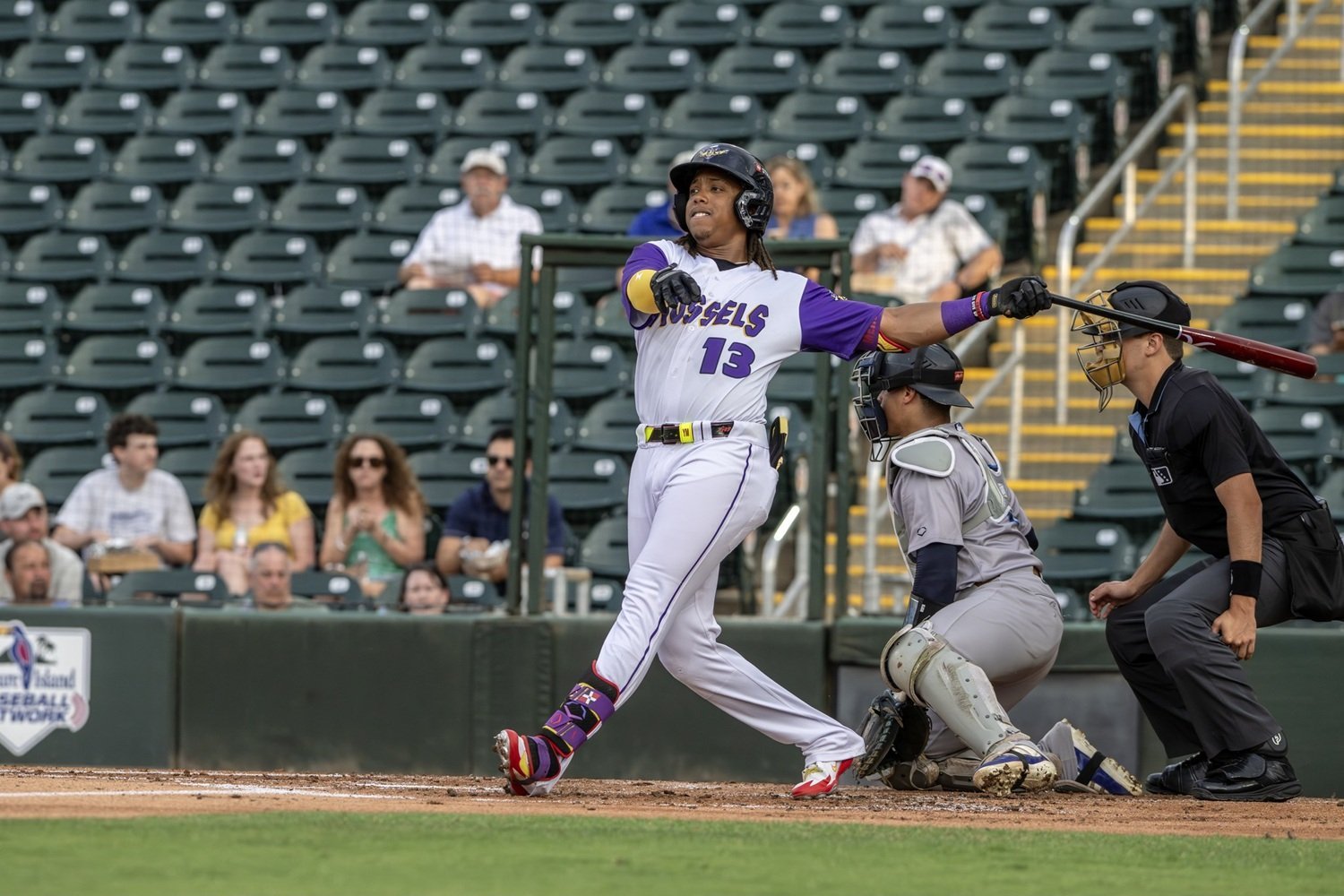 For much of the past four years, Yasser Mercedes has been one of those names that scouts and development staff could not quite let go of. The tools were always impressive. The results were not. Signed by the Minnesota Twins in January 2022 for $1.7 million, Mercedes arrived as a highly-regarded international outfielder with impact potential. He ranked among the top 20 international prospects in his class. The expectation was not immediate production, but rather gradual growth built on loud raw tools. However, that growth has taken longer than expected. In his pro debut in the Dominican Summer League, Mercedes showed flashes of offensive ability that validated the investment. But when he reached the Florida Complex League in 2023, the transition exposed the gaps in his game. Pitch recognition wavered, timing slipped, and the strikeout totals climbed. Even so, the organization stayed patient. A return to the Complex League in the following season brought improvement—enough to earn a brief look at full-season ball in Fort Myers. That stint, however, was too small to draw firm conclusions, and the results were uneven at best. The underlying traits have never been in question. When Mercedes is right at the plate, he looks like a completely different hitter. The bat speed is well above average, and the raw power shows up in every part of the strike zone. When his approach is disciplined, he is capable of controlling at-bats, working deep counts, and drawing walks at a strong clip. At his best in the Dominican Summer League and again in stretches in the Complex League, he showed an ability to shrink the zone and force pitchers into uncomfortable spots. The challenge has always been sustaining that version of himself. Injuries have played a major role in the stalled development. A hamstring issue, a quad strain, and a shoulder problem all interrupted his progression across 2023 and into 2024. Those setbacks did not just limit playing time. They also disrupted rhythm, which is critical for a hitter still learning to translate raw ability into consistent performance. Defensively, Mercedes has split time in center field while also profiling as a potential right fielder long term, thanks to a strong throwing arm. The defensive versatility has helped keep him on the field, but the organization’s priority has remained clear. He needs uninterrupted at-bats. That opportunity finally came in 2025 at Fort Myers, but the results were difficult. Across 94 games, Mercedes slashed .186/.296/.307 (.603) and produced 10 home runs and 13 doubles, but the strikeout rate climbed to 25.1% while the game power came in streaks rather than sustained stretches. Even a winter ball assignment in Puerto Rico did not provide a reset, as strikeouts again outweighed contact. That is what makes the start of 2026 so notable. Returning once more to the Florida State League, Mercedes has finally looked like a hitter who is putting the entire skill set together. Through 21 games, he has produced a .321/.439/.642. The power has been real with six home runs, two triples, and four doubles. He has also added value on the bases, converting 11 steals in 13 attempts. Perhaps most encouraging is not the stat line itself, but how it is being built. The strikeout rate has dropped by more than three percentage points, while the walk rate has climbed above 17%. That combination suggests a more controlled approach rather than a simple hot streak. The Twins have been searching for more impact talent developed through the international market in recent years. While Emmanuel Rodriguez remains one of the organization’s premier success stories from that pipeline, the overall list of high-end international contributors beyond him is thin. That reality has placed added importance on players like Mercedes finding their footing. In response, the Minnesota Twins have restructured parts of their international scouting and development operation over the past several seasons. Those changes are still too recent to evaluate in full, but players already in the system are often the first indicators of whether adjustments are working. Mercedes is one of those early test cases, even if his signing predates the overhaul. Now assigned to Cedar Rapids, where Mercedes is over a year younger than the average age of the Midwest League competition, he is stepping into a new challenge at an accelerated pace. The question is no longer whether the tools are real. That has never been in doubt. The question is whether the adjustments he is showing in Fort Myers can hold against better pitching and over a longer sample. For the first time in a while, the answer feels at least somewhat open. The development path has been uneven, interrupted, and at times discouraging. But players with this kind of bat speed and raw power do not disappear quietly from prospect lists. They either adjust or they stall. Early signs in 2026 suggest Mercedes may finally be moving toward the former. The next test is consistency over a full season against real competition. If that arrives, the Twins may finally be seeing the version of Yasser Mercedes they envisioned when they made the investment four years ago. What stands out about Mercedes in 2026? Leave a comment and start the discussion.
 -
Image courtesy of © Jesse Johnson-Imagn Images The Minnesota Twins always knew Connor Prielipp’s arm came with risk. That was part of the profile long before he reached the big leagues. A former first-round talent who underwent Tommy John surgery twice before establishing himself professionally, Prielipp’s path has never resembled that of a typical starting pitching prospect. Now the Twins are asking him to do something he has literally never done before. Pitch every fifth day against major league hitters while carrying a workload that continues to climb into unfamiliar territory. Friday night against Cleveland showed both the challenge and the upside. Prielipp’s outing began with immediate disaster as the Guardians loaded the bases against him in the first inning. A defensive mistake from Luke Keaschall opened the door for trouble before Rhys Hoskins added a sacrifice fly and Travis Bazzana launched his first career home run. What looked like it might become another short outing instead turned into one of the most encouraging performances of Prielipp’s young career. After the rocky opening frame, the left-hander settled in completely. He dominated over the next four innings, piling up six strikeouts while allowing very little hard contact. Even though he was charged with the loss, only one of the four first-inning runs counted as earned because of the Keaschall error. More importantly, he pushed through five innings while throwing a career high 93 pitches. “It wasn't my cleanest inning of all time, but the team needed me, and I was able to buckle down and get through five,” Prielipp said. That quote probably explains exactly why the Twins are so intrigued by him. The stuff has always been there. The swing and miss ability is real. The fastball explodes at the top of the strike zone, and the slider can disappear underneath bats. The question has never been whether Prielipp has enough talent to start in the majors. The question has always been whether his body can withstand the demands it entails. Right now, the Twins are discovering the answer in real time. Minnesota already appears ready to slow things down. Prielipp’s next turn in the rotation lines up with Thursday’s series finale against Miami, but the Twins have listed the spot as TBA. Everything points toward the organization giving him extra rest while carefully monitoring his innings and recovery. “This is just being mindful of the player, because we really like him and believe in him,” Twins manager Derek Shelton said prior to Prielipp’s last start. “We have to be thoughtful that way. He will be monitored very closely, and I’ll presume it will happen for the foreseeable future.” That balancing act is complicated because Prielipp’s current workload is unlike anything he has handled before. MLB.com’s Matthew Leach recently asked him how he was feeling physically with the demands of major league life, and Prielipp admitted that pitching every fifth day is difficult. That may sound routine for established starters, but for him, it is completely new territory. Last season, Prielipp crossed the five-inning mark only twice in the minors. He topped 80 pitches only twice all year. In his last two major league starts alone, he has already surpassed 90 pitches both times. The Twins have also pushed him to complete at least five innings in three of his five starts. That jump matters. Minor league pitching schedules differ from those in the majors. Mondays are typically off days across the league, which naturally creates more recovery time between outings. Organizations also carry larger pitching staffs because development matters more than squeezing every possible inning out of a prospect. Young pitchers are often removed early, regardless of effectiveness, simply to protect health and preserve long-term value. There are clear benefits to that philosophy. Pitchers avoid unnecessary wear and tear during critical developmental years. Teams can gradually build strength while refining mechanics and pitch design. Organizations also gain more opportunities to evaluate multiple arms rather than overwork a single prospect. Prielipp is probably a perfect example of why teams take that cautious approach. Given his injury history, there is a reasonable argument that aggressive workloads earlier in his career could have derailed him completely. At the same time, there are downsides to modern pitching development. Pitchers can arrive in the majors without ever learning how to manage fatigue deep into outings or bounce back quickly between starts. Five innings and 75 pitches may dominate player development plans, but major league rotations still require durability. Starters eventually need to navigate lineups a third time, adjust when they lose command, and survive when their best stuff is not present. Prielipp is learning those lessons against major league competition because the Twins do not really have another choice. Minnesota’s pitching depth has collapsed faster than anyone expected. Pablo Lopez is out. Taj Bradley is on the injured list. Mick Abel is sidelined. David Festa still has not contributed in the majors this season because of injuries. Simeon Woods Richardson has struggled badly enough, but the Twins have reached the point where there are few realistic alternatives available. What once looked like an organizational strength now feels dangerously thin. That reality places additional pressure on Prielipp. Under normal circumstances, the Twins might have preferred to shelter him more aggressively. They could have skipped starts more often, capped outings earlier, or even shifted him into shorter bursts to preserve innings. Instead, they need him to hold together meaningful portions of the rotation. That creates both opportunity and risk. The opportunity is obvious. Few pitchers in the organization possess Prielipp’s upside. Even Friday’s outing demonstrated how overpowering he can become once he settles into a rhythm. Over those middle innings against Cleveland, he looked every bit like the high-ceiling arm the Twins envisioned when they drafted him. The risk is equally obvious. Every additional inning pushes him further beyond any workload he has carried before. Every five-day turnaround becomes another test his body has never experienced. The Twins are trying to develop a future starter while simultaneously relying on him to help stabilize a damaged rotation in the present. That is not an easy line to walk. For now, the Twins appear committed to remaining cautious while still letting Prielipp compete. Extra rest periods will likely continue. Shorter outings may appear periodically, even when he is pitching well. Some inconsistency is probably inevitable as he adapts to the rhythm of a full major league schedule. But Friday may have revealed why the organization is willing to take the risk in the first place. Prielipp got punched in the mouth immediately. He could have unraveled. Instead, he regrouped, attacked hitters, and delivered four outstanding innings afterward while reaching a career high pitch count. That combination of stuff, resilience, and competitiveness is exactly what teams dream about in a young starter. The Twins just have to figure out how to protect it long enough for him to fully become one. Are the Twins handling Prielipp appropriately? Should they have pushed him harder in the minors? Leave a comment and start the discussion. View full article
-
Incredible Facts from Bailey Ober’s Historic Maddux Shutout
Cody Christie posted an article in Twins
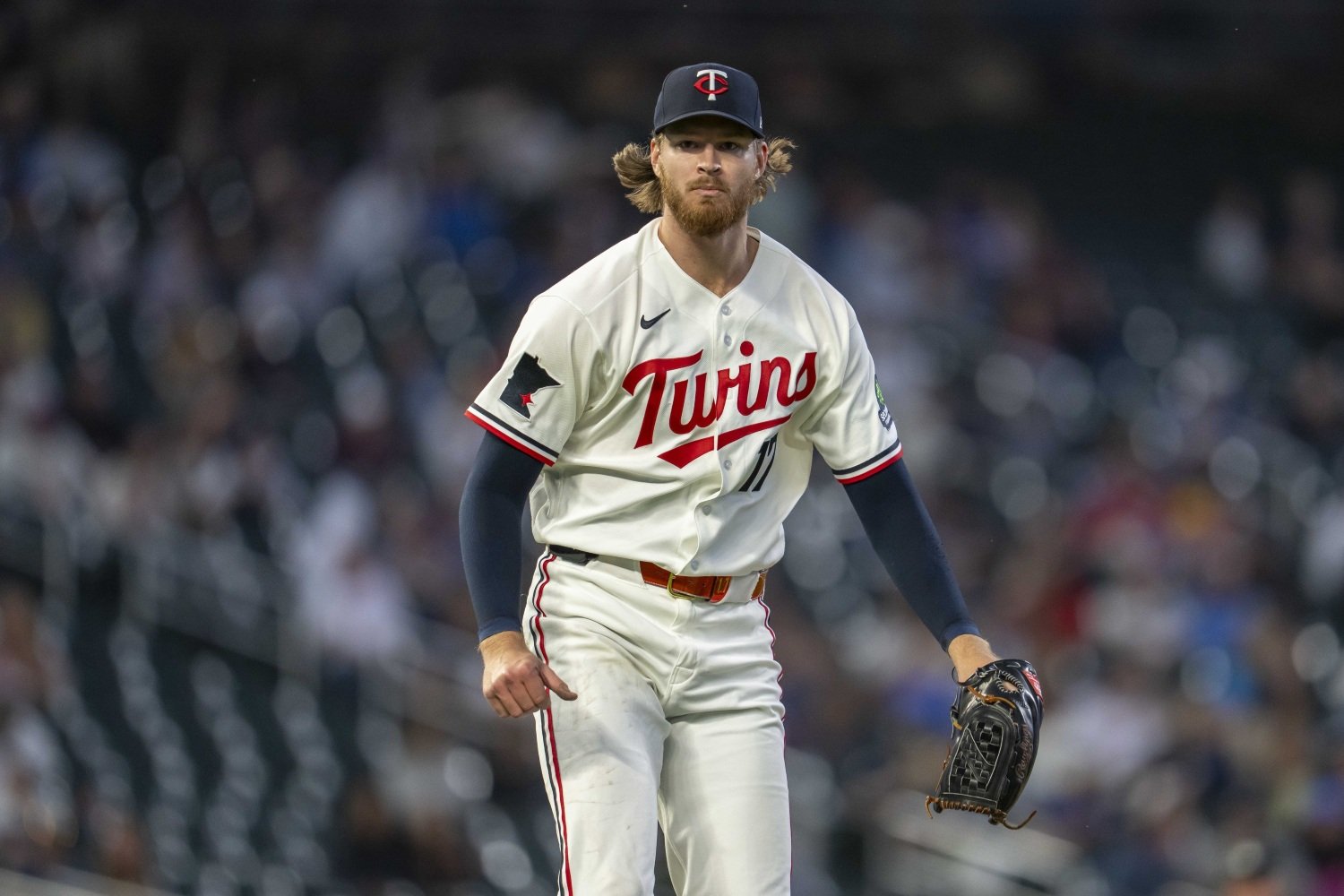 There are dominant pitching performances, and then there are outings that feel almost impossible in the modern game. Bailey Ober’s complete-game shutout against the Marlins somehow managed to be both. At a time when pitchers are judged by velocity, strikeout rates, and wipeout stuff, Ober carved through Miami with precision and efficiency instead. He needed only 89 pitches to complete nine scoreless innings. The performance also came at the perfect time with questions swirling about other parts of the Twins’ starting staff. Instead, he responded with one of the most memorable starts by a Twins pitcher in years. Here are the most amazing facts from Ober’s historic night. It was the first shutout of Ober’s career Ober had thrown complete games before, but Tuesday marked the first time he finished all nine innings without allowing a run. It instantly became the signature outing of his major league career. He threw the first Twins Maddux since 2017 Ober’s outing qualified as a Maddux, the baseball term for a complete game shutout thrown on fewer than 100 pitches. The Twins had not seen one since Ervin Santana shut out the Giants on June 9, 2017. The term is named after Hall of Famer Greg Maddux and was coined by baseball writer Jason Lukehart. Ober only needed 89 pitches Not 99. Not 95. Just 89 pitches to complete nine shutout innings. That level of efficiency feels almost impossible in today’s game, especially with teams working deep counts and prioritizing patience at the plate. “We were talking if under 100 is a Maddux, we’re going to have to name under 90 an Ober,” Twins catcher Ryan Jeffers said. “He was just under control. He was executing pitches.” His fastball averaged just 88.8 mph That might be the most shocking part of the outing. Velocity has become one of the defining conversations around modern pitching, and Ober dominated an entire lineup while sitting below 89 mph with his fastball. He threw only three fastballs above 90 mph all night and totaled only nine pitches faster than 89 mph. He snapped a recent strikeout slump Coming into Tuesday, Ober had gone three straight starts with three strikeouts or fewer, leading to questions about whether his low velocity was starting to catch up to him. Instead, he struck out seven Marlins hitters. That total tied for his second-highest strikeout game of the season, behind only his 10 strikeouts against Cincinnati on April 19. It also matched his seven strikeouts against Boston on April 13. The 89-pitch total was somehow familiar Oddly enough, the last time Ober threw a nine-inning complete game, he also threw exactly 89 pitches. That outing came on June 22, 2024, against Oakland in a 10 to 2 Twins win over the A’s. Ober joined an exclusive group in Twins history Ober now has two of the six complete games by a Twins pitcher since 1988 thrown on 90 pitches or fewer. The other names on that list include Carlos Silva, John Smiley, Bill Krueger, and Rick Aguilera. Before Tuesday night, Krueger had been the only pitcher in that group to record a complete game shutout. Ober finished stronger than he started Ober never lost command late in the game. He struck out the final two batters in the eighth inning, then needed only eight pitches to complete the ninth inning and finish off the shutout. Complete games barely exist in modern baseball. Complete game shutouts are even rarer. A complete game shutout in fewer than 90 pitches almost feels impossible in today’s version of the sport. What makes Ober’s performance even more memorable is how rare this style of pitching has become across baseball. Modern starters are often trained to chase velocity and strikeouts above all else. Teams monitor pitch counts aggressively, complete games have nearly disappeared, and many pitchers are pulled before even reaching the seventh inning. Ober not only finished the game himself, but he did it with a level of efficiency that feels pulled from another era of baseball. There was no overpowering 98 mph fastball or unhittable wipeout pitch carrying him through the night. Instead, Ober relied on command, sequencing, confidence, and an ability to consistently stay one step ahead of hitters. Every inning seemed to move faster than the last as Miami struggled to square anything up against him. By the end of the game, the crowd at Target Field understood they were watching something special. The outing also served as an important reminder about Ober’s value to the Twins rotation. Even when the velocity readings spark concern or the strikeout totals dip for a few starts, Ober continues finding ways to succeed against major league hitters. His margin for error may look smaller than many modern pitchers, but Tuesday showed just how effective he can still be when everything is working together. For Twins fans, it was the type of performance that will be remembered for years because of how unusual it felt. A complete game shutout on 89 pitches almost sounds impossible in today’s game. Bailey Ober made it look effortless. What stood out about Ober on Tuesday night? Leave a comment and start the discussion.
 -
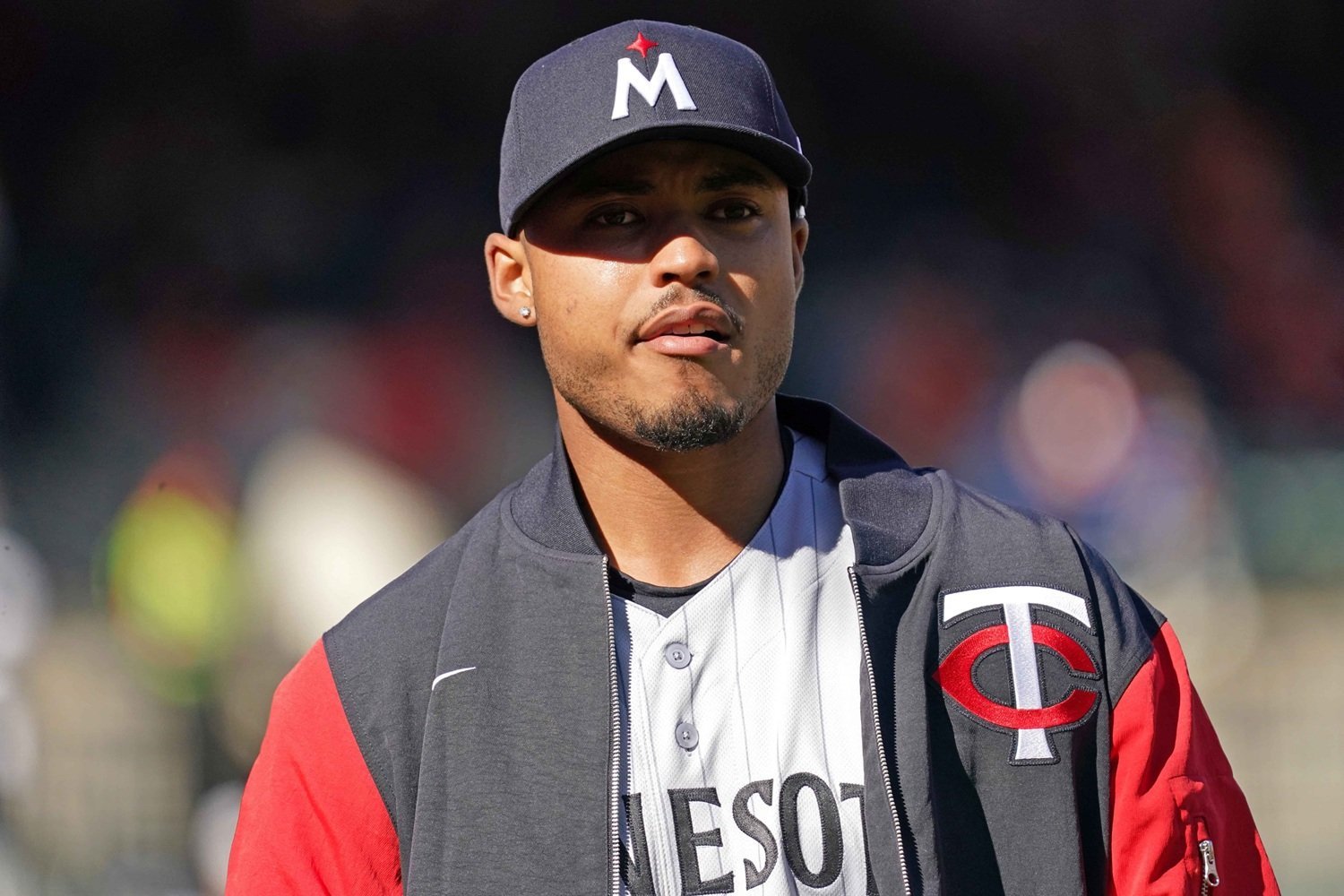 The Minnesota Twins have spent much of the early portion of the 2026 season trying to survive wave after wave of pitching injuries. From key starters to important bullpen contributors, the organization has rarely had its preferred staff intact for more than a few days at a time. Tuesday finally brought some encouraging news. Both Taj Bradley and Cole Sands made progress in their recoveries, offering some hope that reinforcements may not be too far away for a pitching staff that desperately needs stability. Bradley, who landed on the injured list Saturday with right pectoralis muscle inflammation, resumed throwing and played catch out to 90 feet. The 25-year-old also sought a second opinion from noted orthopedic surgeon Dr. Keith Meister after an MRI came back clean. That clean MRI result was already an encouraging development. Seeing Bradley begin throwing again only adds to the optimism surrounding his recovery timeline. “He played catch up to 90 feet today,” Twins manager Derek Shelton said. “So I think from there we’ll make sure we appropriately put the program together.” The Twins can hardly afford to lose him for an extended period. Bradley has been nothing short of electric in his first season with Minnesota, posting a 2.87 ERA and 52 strikeouts across 47 innings through his first eight starts. More importantly, he has brought a level of swing-and-miss dominance that the Twins' rotation has largely lacked in recent years. His raw stuff has consistently jumped off the screen. Earlier this season against the Kansas City Royals, Bradley became the first Twins starting pitcher to hit 100 mph since pitch tracking began in 2008. That type of velocity is rare anywhere in baseball, but especially within Minnesota’s pitching history. While any pectoral injury raises concern for a pitcher, there is at least some precedent for optimism. Bradley dealt with a similar injury while pitching for the Tampa Bay Rays in 2024. That strain sidelined him for roughly a month before he returned to make 25 starts and throw 138 innings by season’s end. The Twins will likely proceed cautiously this time as well, especially considering how valuable Bradley has become to the rotation almost immediately after arriving in Minnesota. The encouraging updates did not stop there. Sands also took an important step forward Tuesday by throwing a bullpen session as he works his way back from a right forearm strain. Sands has been sidelined since late April and could soon progress to facing live hitters if everything continues moving in the right direction. Even though Sands’ traditional numbers do not immediately stand out, the Twins' bullpen has clearly missed him. The right-hander owns a 4.63 ERA in 11 2/3 innings this season, but some of the underlying metrics paint a more favorable picture. Sands has posted a solid strikeout rate while carrying a 3.65 SIERA, suggesting he has pitched better than his ERA indicates. His final appearance before going on the injured list may have offered a clue that something was physically wrong. Sands allowed two runs against Seattle on April 28 in an outing where his stuff appeared noticeably diminished. Perhaps most concerning was the drop in velocity. After averaging roughly 95 mph on his fastball in 2025, Sands sat closer to 93.1 mph this season before landing on the injured list. Any time a pitcher experiences declining velocity alongside forearm discomfort, alarms naturally go off. That is why simply getting back on a mound for a bullpen session qualifies as meaningful progress. The Twins currently have eight pitchers on the injured list, including starters Bradley, Mick Abel, David Festa, and Pablo López. That level of attrition would challenge any organization’s depth, even one that had eight or more starting pitchers on their depth chart to start the year. For now, there is still no official timetable for either Bradley or Sands to return. The Twins will almost certainly remain cautious, particularly with Bradley, given both his importance to the rotation and the nature of his injury. Still, after weeks of increasingly discouraging injury news, Tuesday finally gave the organization something it has not had much of lately: optimism. If Bradley can continue to progress without setbacks and Sands can build toward live batting practice soon, the Twins may finally begin to see light at the end of what has been a brutally difficult stretch for their pitching staff.
 -
The Minnesota Twins have spent much of the early portion of the 2026 season trying to survive wave after wave of pitching injuries. From key starters to important bullpen contributors, the organization has rarely had its preferred staff intact for more than a few days at a time. Tuesday finally brought some encouraging news. Both Taj Bradley and Cole Sands made progress in their recoveries, offering some hope that reinforcements may not be too far away for a pitching staff that desperately needs stability. Bradley, who landed on the injured list Saturday with right pectoralis muscle inflammation, resumed throwing and played catch out to 90 feet. The 25-year-old also sought a second opinion from noted orthopedic surgeon Dr. Keith Meister after an MRI came back clean. That clean MRI result was already an encouraging development. Seeing Bradley begin throwing again only adds to the optimism surrounding his recovery timeline. “He played catch up to 90 feet today,” Twins manager Derek Shelton said. “So I think from there we’ll make sure we appropriately put the program together.” The Twins can hardly afford to lose him for an extended period. Bradley has been nothing short of electric in his first season with Minnesota, posting a 2.87 ERA and 52 strikeouts across 47 innings through his first eight starts. More importantly, he has brought a level of swing-and-miss dominance that the Twins' rotation has largely lacked in recent years. His raw stuff has consistently jumped off the screen. Earlier this season against the Kansas City Royals, Bradley became the first Twins starting pitcher to hit 100 mph since pitch tracking began in 2008. That type of velocity is rare anywhere in baseball, but especially within Minnesota’s pitching history. While any pectoral injury raises concern for a pitcher, there is at least some precedent for optimism. Bradley dealt with a similar injury while pitching for the Tampa Bay Rays in 2024. That strain sidelined him for roughly a month before he returned to make 25 starts and throw 138 innings by season’s end. The Twins will likely proceed cautiously this time as well, especially considering how valuable Bradley has become to the rotation almost immediately after arriving in Minnesota. The encouraging updates did not stop there. Sands also took an important step forward Tuesday by throwing a bullpen session as he works his way back from a right forearm strain. Sands has been sidelined since late April and could soon progress to facing live hitters if everything continues moving in the right direction. Even though Sands’ traditional numbers do not immediately stand out, the Twins' bullpen has clearly missed him. The right-hander owns a 4.63 ERA in 11 2/3 innings this season, but some of the underlying metrics paint a more favorable picture. Sands has posted a solid strikeout rate while carrying a 3.65 SIERA, suggesting he has pitched better than his ERA indicates. His final appearance before going on the injured list may have offered a clue that something was physically wrong. Sands allowed two runs against Seattle on April 28 in an outing where his stuff appeared noticeably diminished. Perhaps most concerning was the drop in velocity. After averaging roughly 95 mph on his fastball in 2025, Sands sat closer to 93.1 mph this season before landing on the injured list. Any time a pitcher experiences declining velocity alongside forearm discomfort, alarms naturally go off. That is why simply getting back on a mound for a bullpen session qualifies as meaningful progress. The Twins currently have eight pitchers on the injured list, including starters Bradley, Mick Abel, David Festa, and Pablo López. That level of attrition would challenge any organization’s depth, even one that had eight or more starting pitchers on their depth chart to start the year. For now, there is still no official timetable for either Bradley or Sands to return. The Twins will almost certainly remain cautious, particularly with Bradley, given both his importance to the rotation and the nature of his injury. Still, after weeks of increasingly discouraging injury news, Tuesday finally gave the organization something it has not had much of lately: optimism. If Bradley can continue to progress without setbacks and Sands can build toward live batting practice soon, the Twins may finally begin to see light at the end of what has been a brutally difficult stretch for their pitching staff. View full rumor
-
Royce Lewis and the Fastball Problem the Twins Can No Longer Ignore
Cody Christie posted an article in Twins
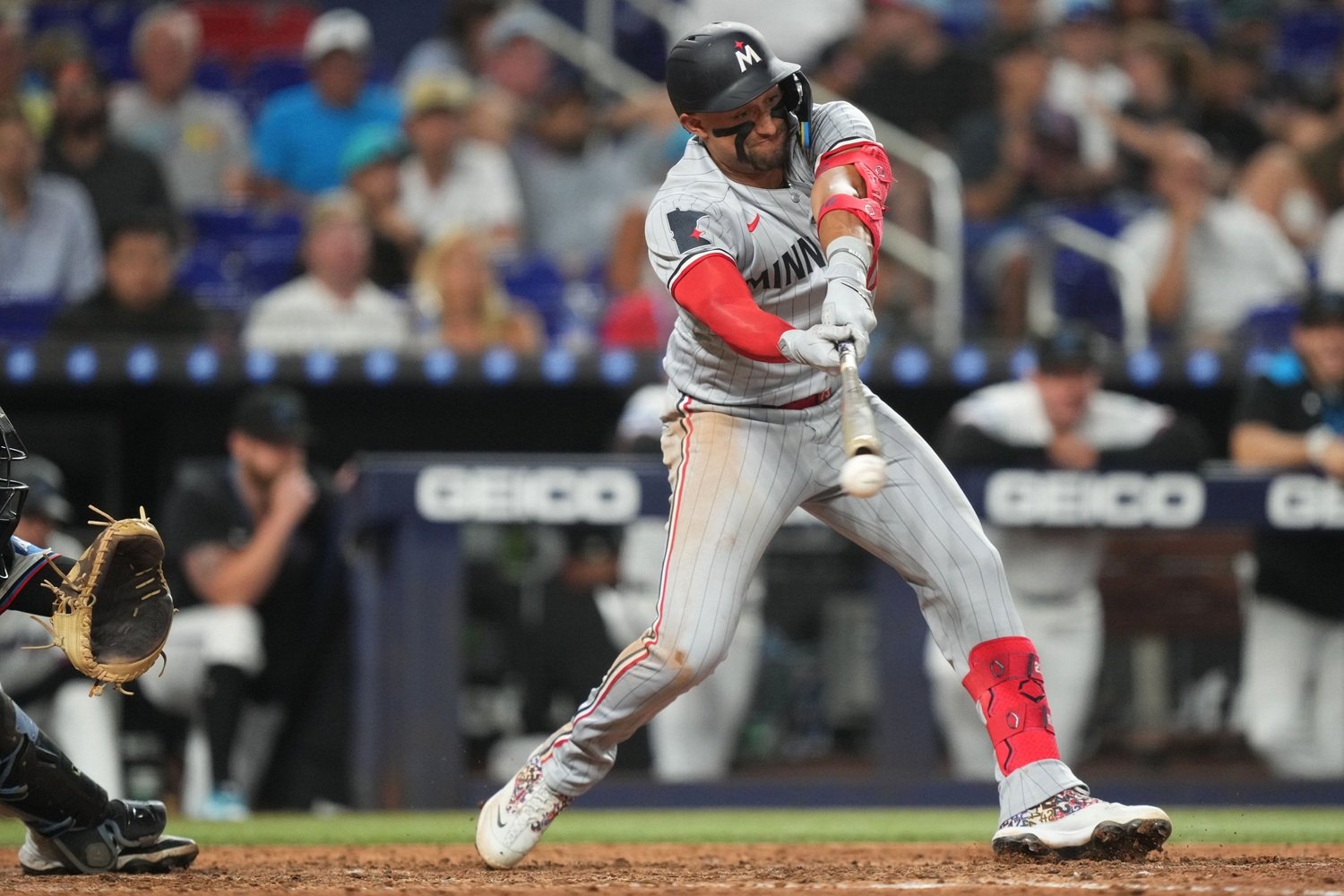 Royce Lewis was supposed to be one of the central figures of the Twins' season. Even after years of injuries and interrupted development, the organization still believed the former first overall pick was ready to take another step toward stardom. Throughout the winter, the Twins made that confidence public. Derek Shelton and multiple members of the front office openly discussed their expectations for Lewis entering 2026, presenting him as a foundational piece of the lineup and one of the players capable of carrying the offense. Instead, the season has turned into something far more uncomfortable. Lewis opened the year by engendering a bit of optimism, but the production disappeared almost immediately. The struggles became severe enough that the Twins dropped him to the ninth spot in the order, and more concerningly, he has regularly found himself losing playing time to Tristan Gray, a waiver claim who was never supposed to be part of this conversation. Since returning from the injured list on April 21, Lewis is hitting .130/.186/.204, with 19 strikeouts in 59 plate appearances. The numbers themselves are alarming, but the larger concern is how lost he has looked against velocity. “It can be really hard when you feel like your career is going in a different direction,” Lewis said. “It’s been tougher because obviously we know there’s always someone on your tail. There’s always someone ready to take your next job. Every day I’m here fighting and working as hard as I can to show that I’m giving it my all to keep my job because I love what I do. I’ve been smiling. I feel fine leaving the game. But I think what scares me most is like, ‘Oh, they might try to get me out of here.’ When I leave the field, that thought does creep into my head.” The Twins are attempting to slow things down for him. Derek Shelton recently described Lewis’s absence from the lineup similarly to the brief reset Matt Wallner received earlier this season. The organization wants Lewis to work on his swing mechanics without the pressure of immediate game results, while also allowing him a chance to mentally regroup. From the outside, the biggest issue is becoming impossible to ignore. Fastballs are beating Lewis consistently, especially in the upper part of the zone. During his electric rookie season, Lewis demolished four-seam fastballs to the tune of an .842 slugging percentage. Last season, that number cratered to .332, while his whiff rate against four-seamers climbed to 25.5%. The decline produced a -8 Run Value against fastballs and forced pitchers to attack him differently. The problem has continued into 2026. Lewis currently owns just a .349 slugging percentage against four seamers, with a 30.5% whiff rate. Perhaps even more concerning, his pulled air percentage has dropped from 31.4% during his rookie campaign to 24.1% this season. The explosive damage on pitches he once turned around with authority has largely vanished. When Lewis first arrived, his combination of bat speed and aggressiveness allowed him to punish velocity before pitchers could exploit weaknesses. Now the timing looks inconsistent, the swing decisions appear hesitant, and pitchers know they can challenge him in ways they could not just a few years ago. The Twins still believe the talent is there. “His work every day has been really consistent,” new Twins hitting coach Keith Beauregard said. “He’s focused with everything that he does. From a swing standpoint, as an athlete, we’re always trying to focus on getting guys into athletic positions and to feel flowy as a hitter. That’s always been the work with him.” The difficult reality is that patience becomes harder to maintain when the struggles continue for this long. Lewis has battled injuries throughout nearly every stage of his professional career, which have complicated his development timeline. At some point, though, the Twins need production instead of projection. Lewis understands that pressure better than anyone. “It feels like people around here sometimes are waiting for me to struggle so that they can write me off officially or get me out of here,” Lewis said. “It’s the first time in my career where it’s become a business instead of playing the game that I love.” That quote probably says more about Lewis's current state than any statistic can. For years, he was viewed almost entirely through the lens of potential. The injuries created sympathy and patience because everyone could still picture the superstar version of Lewis waiting on the other side. Now the conversation is changing. The Twins are trying to win games in the middle of a season that already feels fragile, and Lewis is no longer being judged on what he might become someday. He is being evaluated on whether he can help a major league lineup right now. The encouraging part is that fastball issues can sometimes be corrected quickly once timing and mechanics return. A small adjustment in posture, bat path, or swing decision-making can dramatically change how a hitter handles velocity. The discouraging part is that pitchers have clearly identified the weakness and will continue attacking it until Lewis proves he can beat it again. The Twins have invested years of belief in Lewis because the upside remains undeniable. But belief alone eventually stops mattering. This season was supposed to be about Lewis cementing himself as one of the faces of the franchise. Instead, he is fighting to hold onto everyday playing time. For both Lewis and the Twins, the clock is starting to feel much louder. Can the Twins fix Lewis’ swing? Leave a comment and start the discussion.


