Cody Christie
-
Posts
7,804 -
Joined
-
Last visited
-
Days Won
5
Content Type
Profiles
News
Minnesota Twins Videos
2026 Minnesota Twins Top Prospects Ranking
2022 Minnesota Twins Draft Picks
Minnesota Twins Free Agent & Trade Rumors, Notes, & Tidbits
Guides & Resources
2023 Minnesota Twins Draft Picks
The Minnesota Twins Players Project
2024 Minnesota Twins Draft Picks
2025 Minnesota Twins Draft Pick Tracker
2026 Minnesota Twins Draft Tracker: Picks & Bonuses
Forums
Blogs
Events
Store
Downloads
Gallery
Everything posted by Cody Christie
-

One Twins Prospect May Save Last Year's Trade Deadline Selloff
Cody Christie posted an article in Minor Leagues
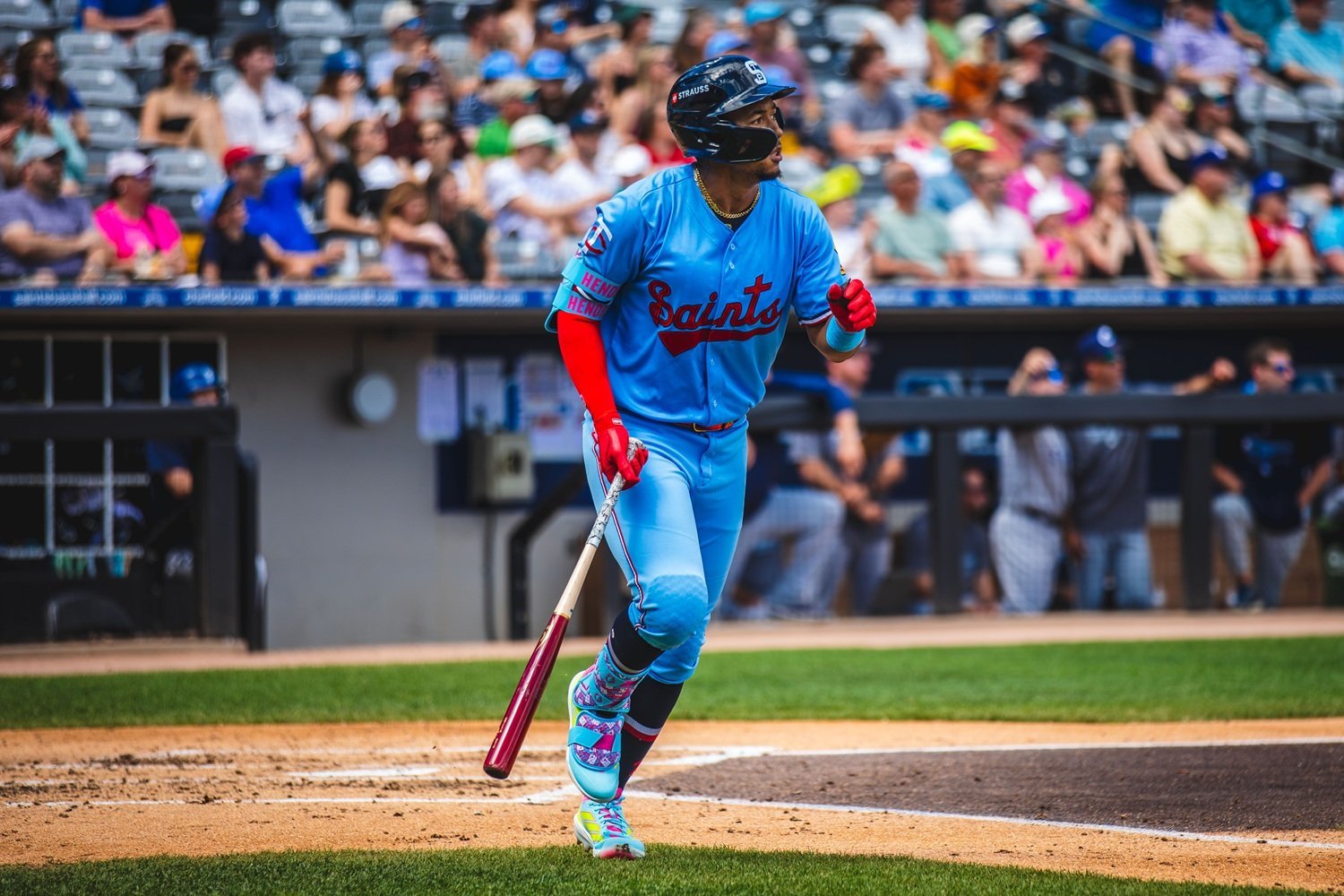 When the Twins pivoted into seller mode at the 2025 trade deadline, the reaction from fans was mixed. Minnesota traded several established big leaguers for younger talent, hoping to build a stronger foundation for the future. While much of the attention centered on the headline deals, one of the quieter transactions is beginning to look like one of the organization's biggest wins. The Twins sent veteran outfielder Harrison Bader to Philadelphia in exchange for outfield prospect Hendry Mendez. At the time, it felt like a modest move involving a pending free agent and a promising but unproven minor leaguer. Less than a year later, Mendez is emerging as one of the most intriguing hitters in the organization and perhaps the best return Minnesota received during its deadline selloff. For Philadelphia, the deal accomplished its short-term objective. Bader provided quality defense, speed, and production during the stretch run as the Phillies pushed toward another division title. He hit .305 with five home runs and an .824 OPS across 50 regular-season games with Philadelphia. Unfortunately, injuries limited his postseason impact before he departed in free agency following the season. The Twins, meanwhile, acquired a player who continues to increase his value every month. Mendez was already producing at Double-A before the trade. After arriving in Wichita, however, he took another step forward. He posted a .911 OPS over his final 33 games of the season while walking more often than he struck out. That performance helped elevate his prospect status and put him firmly on the radar heading into 2026. Instead of slowing down this season, Mendez has accelerated. He opened the year with Wichita and quickly demonstrated that he had little left to prove at that level. Through 24 games, he carried an .857 OPS and earned his first promotion to Triple-A St. Paul in early May. The jump to Triple A has looked almost effortless. Mendez recently put together a perfect 4-for-4 performance that included two doubles, two singles, and a walk. Through his first 20 games with the Saints, he hit .372 with three home runs, 15 RBI, and a 1.017 OPS. Just as encouraging, he continued to show excellent plate discipline, walking 16 times and striking out only 12. Those numbers are impressive on their own, but the underlying approach may be even more encouraging. Mendez consistently controls the strike zone with a 16.3 K%. He rarely expands his zone (12.8 BB%), makes frequent hard contact (54.5 Hard Hit%), and shows an advanced understanding of how pitchers are attacking him. His smooth left-handed swing generates power to all fields, allowing him to impact games without selling out for home runs. The 22-year-old has already experienced plenty of change during his professional career. Originally signed by Milwaukee as an international free agent out of the Dominican Republic, he later moved to Philadelphia before eventually landing with Minnesota. Some prospects struggle after changing organizations multiple times. Mendez has done the opposite, seemingly improving at every stop. There are reasons to expect some statistical regression. His expected batting average is nearly 50 points lower than his actual batting average at Triple-A, and his ground ball rate remains elevated. Long term, the Twins would likely prefer to see him elevate the baseball more consistently in order to maximize his power production. Even with those caveats, the overall profile remains highly attractive. Mendez is already on Minnesota's 40-man roster, which could put him in line for a major league opportunity sooner rather than later. The Twins have seen several young hitters force their way into the conversation through strong minor league performances, and Mendez appears to be doing exactly that. Prospect evaluations can change quickly, and there is still development ahead. However, the return on this trade already looks extremely favorable for Minnesota. Turning a few months of a rental player into a 22-year-old hitter who is thriving at Triple-A is exactly the type of transaction successful organizations need to make. The Twins acquired several intriguing pieces during last summer's selloff. Right now, though, no player is doing more to validate those moves than Mendez. If his current trajectory continues, Minnesota may eventually look back on this trade as one of the defining steals of the 2025 deadline. Is Mendez the best player the Twins received at last year’s trade deadline? Leave a comment and start the discussion.
 -
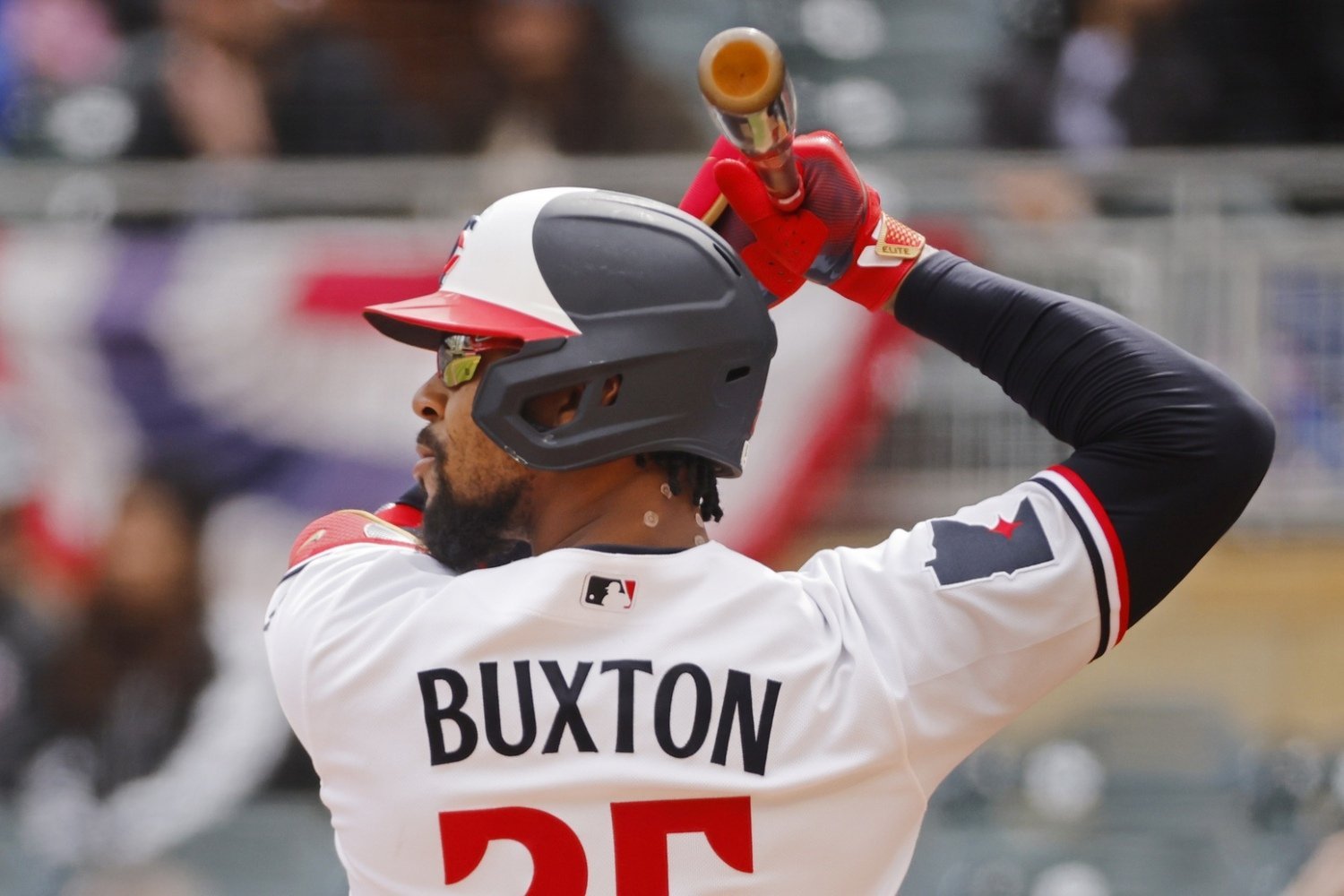
Image courtesy of © Matt Blewett-Imagn Images The calendar flipped to June, and the Minnesota Twins remain one of the more difficult teams in baseball to evaluate. At times, they have looked like a club capable of making a run at an American League Wild Card spot. At other times, inconsistency has left them hovering around the fringes of contention. After a sluggish start at the plate in April, several Twins hitters found their rhythm in May and helped keep the lineup afloat. The improvement has been especially important because two players expected to be major contributors this season, Royce Lewis and Matt Wallner, were unable to secure everyday roles and have since been demoted to Triple-A. With those two no longer in the lineup, Minnesota has relied heavily on a different group of contributors. These four hitters stepped up in a big way during May and earned recognition as the Twins' top offensive performers. 4. Luke Keaschall May Stats (21 G): .291/.398/.392 (.790), 1 3B, 6 2B, 11 BB, 14 K, 127 wRC+ Patience can be difficult when it comes to young players, and many fans were beginning to lose confidence in Keaschall after a rough opening month. He finished April with a .542 OPS and a concerning 21-to-8 strikeout-to-walk ratio. The underlying approach, however, suggested there was still room for growth, and May provided evidence that adjustments were beginning to take hold. Keaschall dramatically improved his plate discipline, walking 11 times and striking out only 14 times during the month. His on-base percentage jumped from .267 in April to .395 in May, allowing him to become a much more productive run generator for the lineup. The power numbers are still developing, and there is another level he can reach offensively. However, for a player trying to establish himself in the big leagues, May represented an encouraging step forward and a reminder of why the organization remains excited about his future. 3. Kody Clemens May Stats (23 G): .261/.320/.489 (.809), 3 HR, 1 3B, 8 2B, 5 BB, 19 K, 124 wRC+ Just when Clemens seems to be falling out of Minnesota's plans, he finds another way to make himself valuable. The versatile infielder entered the season fighting for playing time, but May showcased exactly why the Twins continue to keep him in the mix. One of the biggest changes was his improved contact ability. After striking out 24 times during the season's opening month, Clemens trimmed that total to only 19 strikeouts in May despite continuing to see regular opportunities. The improved approach helped push his OPS from .662 in April to .809 in May. The quality of contact also took a noticeable step forward. Clemens collected eight doubles during the month after producing only three in April, showing a greater ability to drive the ball into the gaps. Add in his continued defensive growth at first base, where he ranks near the top of the American League in defensive runs saved, and he has become a quietly important piece of Minnesota's roster. 2. Ryan Jeffers May Stats (13 G): .279/.385/.605 (.989), 3 HR, 5 2B, 8 BB, 6 K, 171 wRC+ There is a strong argument that Jeffers was Minnesota's most valuable player before a fractured left hamate bone in his wrist interrupted his season. The timing of the injury was particularly unfortunate. Jeffers is headed toward free agency after the season and appeared to be putting together the best all-around campaign of his career. Before landing on the injured list, he continued the offensive surge that had already made him one of the club's most productive hitters. After finishing second to Austin Martin in the Twins Daily Hitter of the Month voting for April, Jeffers somehow got even better in May. His 171 wRC+ represented a 16-point improvement over the previous month, and he paired power with outstanding plate discipline. The Twins have managed to survive without him for now, but his absence is still significant. If Minnesota hopes to remain in the playoff race throughout the summer, getting Jeffers healthy and productive again will be a major priority. 1. Byron Buxton May Stats (19 G): .271/.347/.647 (.994), 9 HR, 5 2B, 9 BB, 25 K, 170 wRC+ Even while battling a hip injury, Buxton delivered the most impactful offensive month of any Twin. His season started slowly after spending spring training with Team USA during the World Baseball Classic, but any concerns about rust have completely disappeared. Buxton spent May reminding everyone why he remains one of the most dynamic players in baseball when healthy. The power production was elite. His nine home runs helped fuel a .647 slugging percentage, and his overall offensive profile placed him among the American League's best hitters. Entering June, Buxton ranks third among AL hitters in slugging percentage, fifth in OPS, third in total bases, and third in home runs. Statistics only tell part of the story. There were multiple games throughout the month where Buxton felt like a one-man offense. His ability to change a game with a single swing, create pressure on the bases, and impact opponents in every phase has made him the driving force behind Minnesota's lineup. When the Twins needed someone to carry the offense, Buxton answered the call. The Twins entered May searching for offensive consistency after a frustrating opening month. While questions remain about the roster and the club's long-term outlook, the lineup took a meaningful step forward thanks to contributions from veterans and emerging young players alike. Clemens provided stability, Keaschall showed encouraging development, and Jeffers continued his breakout season before injury struck. Still, no player had a bigger impact than Buxton, whose power surge helped keep Minnesota relevant in the postseason race. As June begins, the Twins will need these hitters to keep their production up. With Lewis and Wallner trying to work their way back from Triple-A and Jeffers sidelined, the burden on the current lineup remains substantial. Fortunately for Minnesota, several key bats appear to be heating up at exactly the right time. Who is missing from the rankings? How would your ballot look? Leave a comment and start the discussion. View full article
-
Image courtesy of William Parmeter (Photo of Jason Reitz) As the calendar turns to June, much of the attention around the Minnesota Twins farm system remains focused on top-ranked prospects. However, some of the organization's most interesting developments are coming from players who are forcing their way into the conversation through strong recent performances. Ryan Gallagher is testing himself against older competition in Triple-A. Jason Reitz is beginning his professional career with encouraging signs of improved command. Khadim Diaw continues to show that his bat plays at every level when he is available. Here's a closer look at three prospects who have been trending in the right direction. RHP Ryan Gallagher– St. Paul Saints How He Got Here: Gallagher's road to professional baseball has not been without obstacles. The former University of California, Santa Barbara standout burst onto the collegiate scene by earning Big West Freshman of the Year honors in 2022 before Tommy John surgery cost him an entire season. The lost year ultimately did little to slow his ascent. After returning to the mound, Gallagher dominated Division I competition, posting a 2.22 ERA while leading the nation with a sparkling 0.84 WHIP. His combination of command and effectiveness convinced the Chicago Cubs to select him in the sixth round of the 2024 MLB Draft. Gallagher quickly climbed through Chicago's system and had recently earned a promotion to Double-A when Minnesota acquired him as part of last summer's Willi Castro trade. He finished the year with Wichita and has continued advancing through the Twins organization. Hitting the Hot Button: Gallagher delivered his strongest Triple-A outing to date during his latest start. After allowing a triple in the opening inning and an infield single in the second, he settled in and retired eight consecutive hitters. The right-hander completed five shutout innings, scattered four hits, struck out five, and earned his first victory at the Triple-A level. Perhaps most encouraging was the velocity. Gallagher reached 97 mph, his highest reading of the season. There is plenty to like about his profile. At just 23 years old, he is roughly four and a half years younger than the average Triple-A player. His ability to miss bats has remained intact with a 25.4% strikeout rate across Double-A and Triple-A this season. The area to watch moving forward is command. After posting a 5.9% walk rate last season, that figure has climbed to 11.9% in 2026. If Gallagher can bring that number back down while maintaining his strikeout ability, his stock could continue to rise quickly. RHP Jason Reitz– Fort Myers Mighty Mussels How He Got Here: The Twins targeted pitching early in the 2025 draft, and Reitz represented another intriguing arm added to the system. Minnesota selected the Oregon product in the fourth round after a strong junior campaign that elevated his draft status. Before transferring to Oregon, Reitz spent two seasons at Saint Mary's. His lone season with the Ducks was productive, as he posted a 3.50 ERA while striking out 73 batters in 64 1/3 innings. What immediately jumps off the scouting report is his size. Standing 6-foot-11, Reitz possesses one of the most unique frames in professional baseball. That size creates impressive extension toward home plate, but can also make it difficult to consistently repeat his mechanics. While command was considered a developmental hurdle entering professional baseball, the Twins clearly believed there was enough athleticism and raw stuff to bet on the upside. Hitting the Hot Button: Reitz recently made his home debut for Fort Myers and gave fans plenty to be excited about. He threw three hitless innings while allowing just one walk and striking out two batters. His fastball reached 95 mph and showed the type of life that helped make him an appealing draft target. The early professional results have been encouraging. Between the Florida Complex League and Fort Myers, Reitz has allowed only one earned run over six innings. He has surrendered four hits while posting five strikeouts against just one walk. For a pitcher whose command was viewed as a question mark entering the draft, the early control gains are particularly noteworthy. The sample size remains small, but it is exactly the type of progress the Twins hoped to see. C/OF Khadim Diaw– Cedar Rapids Kernels How He Got Here: Few prospects have battled more injury adversity than Diaw, yet he continues to hit whenever he steps onto the field. His college career at Loyola Marymount was interrupted multiple times. A back fracture wiped out much of his freshman season, and a broken thumb limited him to only 20 games in 2024. Despite those setbacks, his offensive production never disappeared. Diaw hit .314/.396/.500 (.896) in 2023 and remained productive during his limited action the following season. Strong performances in both the Cape Cod League and the MLB Draft Combine helped solidify his status as a legitimate prospect, leading the Twins to select him in the third round of the 2024 draft. The injury challenges followed him into professional baseball. After getting off to a promising start, a broken wrist and later a hamstring injury limited him to just 39 games during his first full season. Hitting the Hot Button: Diaw recently earned recognition as MiLB's Prospect Team of the Week catcher after a dominant stretch for Cedar Rapids. Over the course of the week, he slashed .545/.560/.909 (1.469) with five extra base hits, five RBIs, seven runs scored, two walks, and 20 total bases. His production has steadily improved throughout the season. After posting a .720 OPS in April, he boosted that figure to .795 during May. Another encouraging trend is how he has handled more advanced competition. Roughly 60% of the pitchers he has faced have been older than him, yet he owns an OPS nearly 60 points higher against those older opponents. Questions remain regarding his long-term defensive home, but the athleticism is undeniable. Diaw has split his time between catcher and center field, giving the organization multiple avenues to keep his bat in the lineup. These three prospects arrive at their success from very different paths. Gallagher is proving he belongs against advanced competition while working through command adjustments. Reitz is beginning to show why the Twins were intrigued by his rare combination of size and athleticism. Diaw continues to demonstrate that health may be the biggest thing standing between him and a significant rise up prospect rankings. Each player has something left to prove, but all three have given Twins fans a reason to keep checking the box scores. What stands out about these three players? Leave a comment and start the discussion. View full article
-
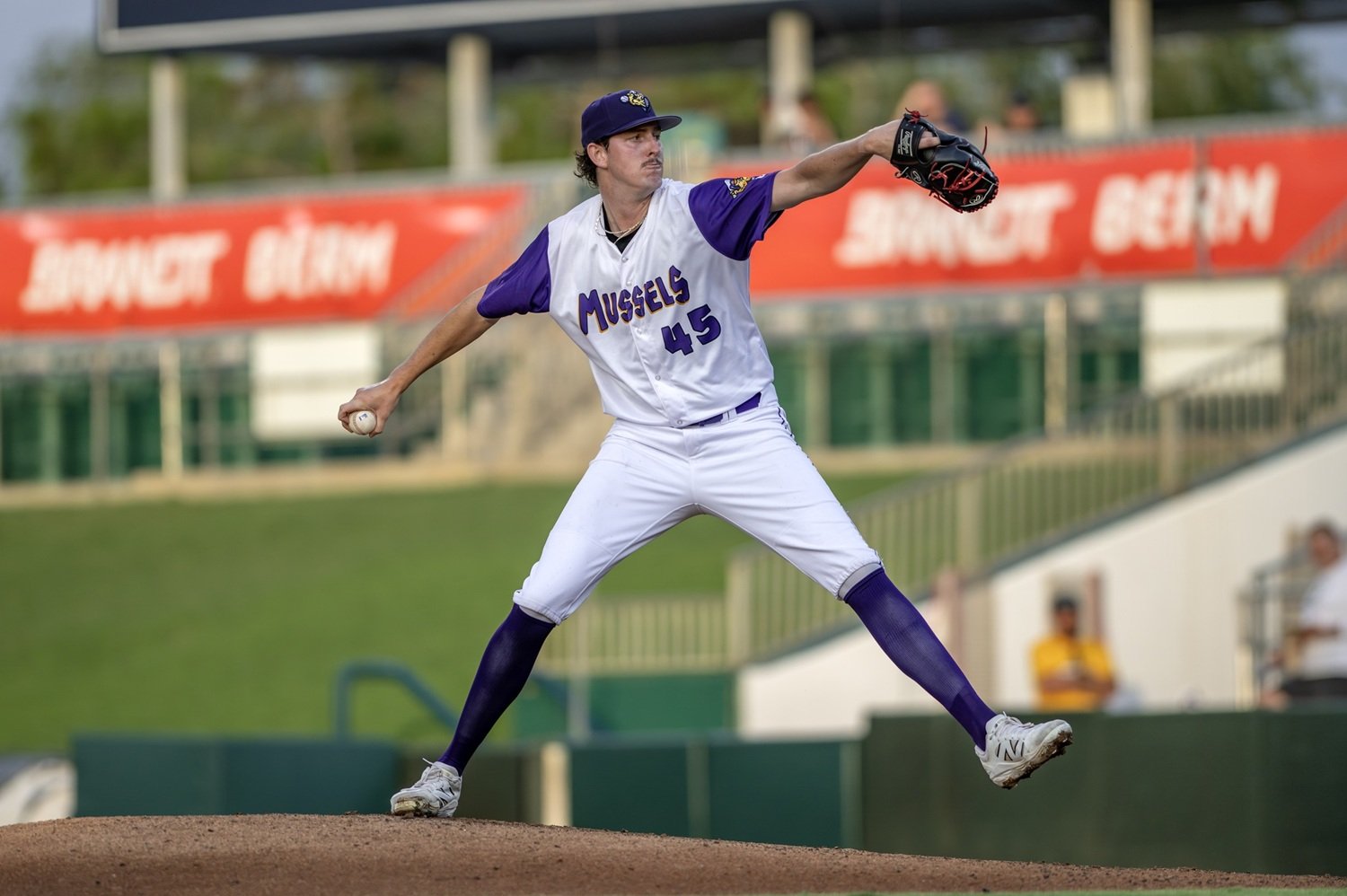 As the calendar turns to June, much of the attention around the Minnesota Twins farm system remains focused on top-ranked prospects. However, some of the organization's most interesting developments are coming from players who are forcing their way into the conversation through strong recent performances. Ryan Gallagher is testing himself against older competition in Triple-A. Jason Reitz is beginning his professional career with encouraging signs of improved command. Khadim Diaw continues to show that his bat plays at every level when he is available. Here's a closer look at three prospects who have been trending in the right direction. RHP Ryan Gallagher– St. Paul Saints How He Got Here: Gallagher's road to professional baseball has not been without obstacles. The former University of California, Santa Barbara standout burst onto the collegiate scene by earning Big West Freshman of the Year honors in 2022 before Tommy John surgery cost him an entire season. The lost year ultimately did little to slow his ascent. After returning to the mound, Gallagher dominated Division I competition, posting a 2.22 ERA while leading the nation with a sparkling 0.84 WHIP. His combination of command and effectiveness convinced the Chicago Cubs to select him in the sixth round of the 2024 MLB Draft. Gallagher quickly climbed through Chicago's system and had recently earned a promotion to Double-A when Minnesota acquired him as part of last summer's Willi Castro trade. He finished the year with Wichita and has continued advancing through the Twins organization. Hitting the Hot Button: Gallagher delivered his strongest Triple-A outing to date during his latest start. After allowing a triple in the opening inning and an infield single in the second, he settled in and retired eight consecutive hitters. The right-hander completed five shutout innings, scattered four hits, struck out five, and earned his first victory at the Triple-A level. Perhaps most encouraging was the velocity. Gallagher reached 97 mph, his highest reading of the season. There is plenty to like about his profile. At just 23 years old, he is roughly four and a half years younger than the average Triple-A player. His ability to miss bats has remained intact with a 25.4% strikeout rate across Double-A and Triple-A this season. The area to watch moving forward is command. After posting a 5.9% walk rate last season, that figure has climbed to 11.9% in 2026. If Gallagher can bring that number back down while maintaining his strikeout ability, his stock could continue to rise quickly. RHP Jason Reitz– Fort Myers Mighty Mussels How He Got Here: The Twins targeted pitching early in the 2025 draft, and Reitz represented another intriguing arm added to the system. Minnesota selected the Oregon product in the fourth round after a strong junior campaign that elevated his draft status. Before transferring to Oregon, Reitz spent two seasons at Saint Mary's. His lone season with the Ducks was productive, as he posted a 3.50 ERA while striking out 73 batters in 64 1/3 innings. What immediately jumps off the scouting report is his size. Standing 6-foot-11, Reitz possesses one of the most unique frames in professional baseball. That size creates impressive extension toward home plate, but can also make it difficult to consistently repeat his mechanics. While command was considered a developmental hurdle entering professional baseball, the Twins clearly believed there was enough athleticism and raw stuff to bet on the upside. Hitting the Hot Button: Reitz recently made his home debut for Fort Myers and gave fans plenty to be excited about. He threw three hitless innings while allowing just one walk and striking out two batters. His fastball reached 95 mph and showed the type of life that helped make him an appealing draft target. The early professional results have been encouraging. Between the Florida Complex League and Fort Myers, Reitz has allowed only one earned run over six innings. He has surrendered four hits while posting five strikeouts against just one walk. For a pitcher whose command was viewed as a question mark entering the draft, the early control gains are particularly noteworthy. The sample size remains small, but it is exactly the type of progress the Twins hoped to see. C/OF Khadim Diaw– Cedar Rapids Kernels How He Got Here: Few prospects have battled more injury adversity than Diaw, yet he continues to hit whenever he steps onto the field. His college career at Loyola Marymount was interrupted multiple times. A back fracture wiped out much of his freshman season, and a broken thumb limited him to only 20 games in 2024. Despite those setbacks, his offensive production never disappeared. Diaw hit .314/.396/.500 (.896) in 2023 and remained productive during his limited action the following season. Strong performances in both the Cape Cod League and the MLB Draft Combine helped solidify his status as a legitimate prospect, leading the Twins to select him in the third round of the 2024 draft. The injury challenges followed him into professional baseball. After getting off to a promising start, a broken wrist and later a hamstring injury limited him to just 39 games during his first full season. Hitting the Hot Button: Diaw recently earned recognition as MiLB's Prospect Team of the Week catcher after a dominant stretch for Cedar Rapids. Over the course of the week, he slashed .545/.560/.909 (1.469) with five extra base hits, five RBIs, seven runs scored, two walks, and 20 total bases. His production has steadily improved throughout the season. After posting a .720 OPS in April, he boosted that figure to .795 during May. Another encouraging trend is how he has handled more advanced competition. Roughly 60% of the pitchers he has faced have been older than him, yet he owns an OPS nearly 60 points higher against those older opponents. Questions remain regarding his long-term defensive home, but the athleticism is undeniable. Diaw has split his time between catcher and center field, giving the organization multiple avenues to keep his bat in the lineup. These three prospects arrive at their success from very different paths. Gallagher is proving he belongs against advanced competition while working through command adjustments. Reitz is beginning to show why the Twins were intrigued by his rare combination of size and athleticism. Diaw continues to demonstrate that health may be the biggest thing standing between him and a significant rise up prospect rankings. Each player has something left to prove, but all three have given Twins fans a reason to keep checking the box scores. What stands out about these three players? Leave a comment and start the discussion.
- 7 comments
-
- 7
-

-

-
- ryan gallagher
- jason reitz
- (and 1 more)
-
Minnesota Twins Prospect Retrospective: Mike Paredes
Cody Christie posted an article in Minor Leagues
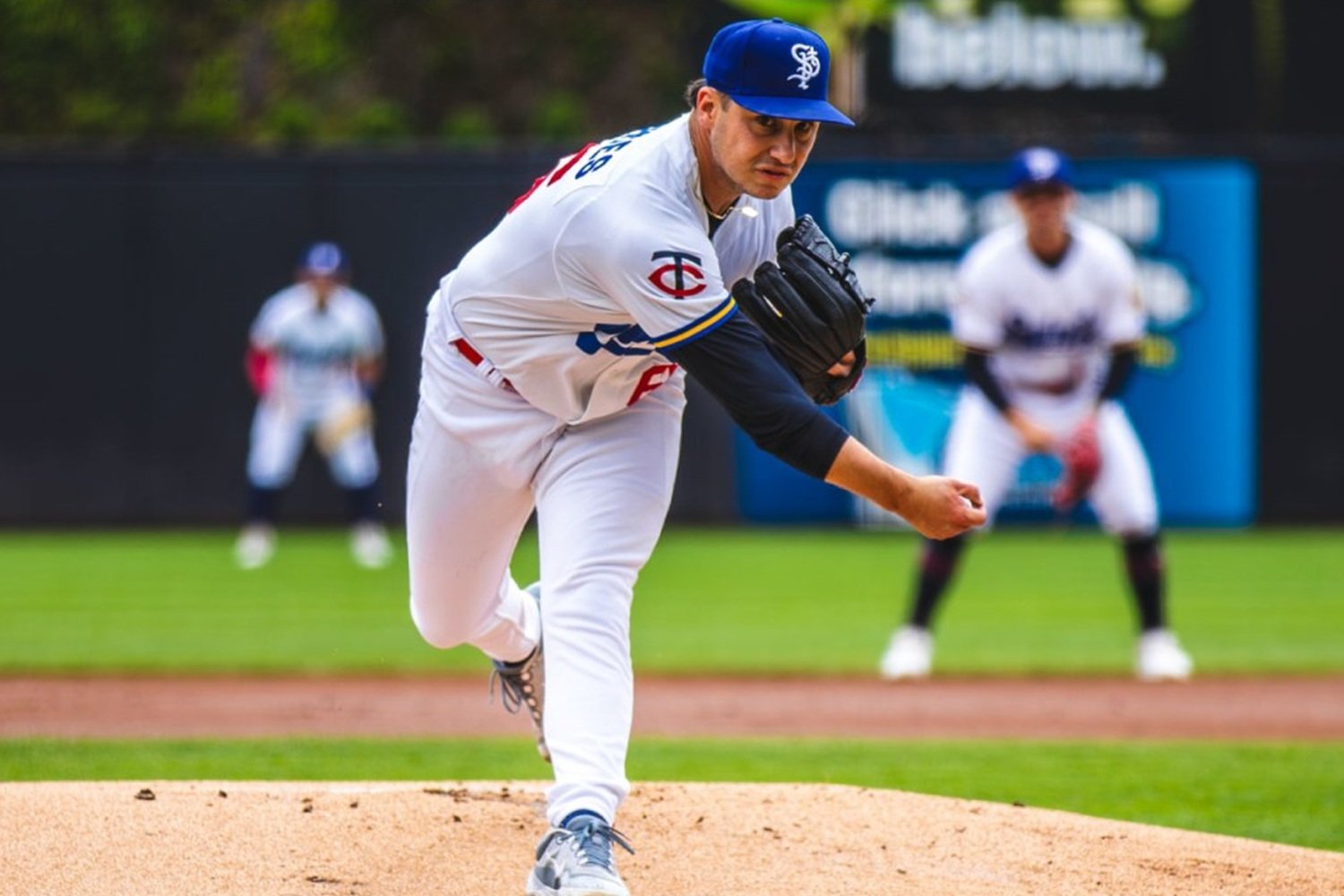 When the Twins announced that Mike Paredes would join the major league roster following Bailey Ober's placement on the injured list with elbow inflammation, many fans were left asking the same question: Who is Mike Paredes? Unlike many of Minnesota's recent pitching call-ups, Paredes never appeared near the top of national prospect rankings. He wasn't a highly touted draft pick, nor was he a pitcher who generated buzz with triple-digit velocity. Instead, he has steadily climbed through the organization by doing something the Twins value highly: throwing strikes, limiting damage, and finding ways to get outs. Now, after nearly five years in the organization, Paredes is set to make his big-league debut. The Twins selected Paredes in the 18th round of the 2021 MLB Draft out of San Diego State University. His college numbers hardly suggested a future major leaguer. Across 35 appearances, including 20 starts, he posted a 5.28 ERA and 1.38 WHIP while recording fewer than one strikeout per inning. Minnesota nevertheless saw something worth developing. After signing, Paredes made just two appearances for the FCL Twins, offering little insight into his long-term projection. His first full professional season arrived in 2022 at Low-A Fort Myers, where he worked in both starting and relief roles. Over 24 appearances, including 13 starts, he posted a 3.27 ERA while pairing an 18.6% strikeout rate with an impressive 4.7% walk rate. The strikeout totals weren't eye-popping, but the command immediately stood out. That trend continued in 2023 at High-A Cedar Rapids. His strikeout rate increased by nearly four percentage points, though it came with a slight rise in walks. Even so, he finished the year with a 3.14 ERA and a respectable 3.54 FIP, continuing to establish himself as a dependable arm in the system. Paredes split the 2024 season between High-A and Double-A. His first exposure to Wichita produced some growing pains as he surrendered 12 earned runs in fewer than 19 innings. Still, there were encouraging signs beneath the surface. With an improved sweeper, his strikeout rate jumped to 23.2% while his walk rate fell below five percent. The Twins saw a pitcher beginning to miss more bats without sacrificing the command that had become his calling card. Everything came together in 2025. Spending nearly the entire season at Double-A Wichita, Paredes emerged as one of the organization's biggest pitching surprises. Across 103 2/3 innings, he posted a 2.43 ERA and 1.01 WHIP while holding opponents to a .202 batting average. The Wind Surge primarily used him as a multi-inning reliever, averaging roughly three innings per appearance, and he thrived in the role. That success elevated him from organizational depth piece to legitimate major league consideration. The 2026 season didn't begin particularly well. Assigned back to Double-A Wichita, Paredes struggled through four starts, posting a 7.07 ERA and allowing opponents to hit .298 against him. However, even during those rough outings, there was one encouraging development. He struck out 21 batters while issuing just one walk in 14 innings. The command never disappeared. Minnesota promoted him to Triple-A St. Paul on April 21, and his results quickly improved. Across nine appearances with the Saints, he posted a 3.38 ERA while limiting opponents to a .237 batting average. He also maintained strong underlying metrics with a 23.4% strikeout rate and 5.7% walk rate. The performance suggested that his early struggles in Wichita may have been more small-sample noise than a sign of regression. One of Paredes' most impressive outings came Wednesday afternoon in Louisville. Entering the game, he had thrown his sweeper just 9.0% of the time this season. Against the Louisville Bats, however, he dramatically altered his approach, leaning heavily on the pitch. The results were overwhelming. Of his 63 pitches, 31 were sweepers, and 22 landed for strikes. Louisville hitters swung 19 times against the offering and missed on 12 of them, generating a remarkable 63% whiff rate. After allowing a run in the opening inning, Paredes settled in and retired the final seven batters he faced. He completed five innings, allowed four hits and one run, and matched a career-high with seven strikeouts. The outing showcased another important aspect of his development: adaptability. The "Travis Adams Plan" Like several Twins pitching prospects this season, Paredes has operated under a developmental plan designed to gradually build workload while maximizing effectiveness. After working primarily as a long reliever in 2025, he has shifted into a role where he's regularly throwing around four innings and approximately 65 pitches every four days. The transition has gone smoothly. Paredes isn't going to light up radar guns. His fastball averages 93.5 mph, while his cutter sits around 89.9 mph. Those velocities are solid but far from elite by today's standards. What makes him effective is the way his arsenal works together. Alongside the fastball and cutter, Paredes mixes a slider, sweeper, curveball, and changeup. His ability to command multiple pitches, change eye levels, and keep hitters guessing has allowed him to succeed despite lacking a premium fastball. The Twins have consistently shown a willingness to develop pitchers who excel through pitch-ability and command rather than pure velocity, and Paredes fits that mold perfectly. What Role Can He Fill in Minnesota? Paredes arrives in Minnesota at an interesting time. With Ober sidelined, the Twins need innings. While Paredes is technically making his debut as a starter replacement, his long-term value may come in a more versatile role. His recent development path has prepared him well for multi-inning appearances, spot starts, bulk relief outings, and emergency rotation coverage. That flexibility could make him an important piece of the pitching staff throughout the summer. The Twins don't need Paredes to become an ace. They simply need him to continue doing what he's done throughout his professional career: throw strikes, avoid free passes, and keep the team competitive every time he takes the mound. Few 18th-round picks ever reach the major leagues. Fewer still carve out meaningful careers. Paredes has already beaten the odds by making it to Minnesota. Now comes the opportunity to prove that his steady climb through the organization was only the beginning. What stands out about Paredes so far in his professional career? How will the Twins use him? Leave a comment and start the discussion.
 -
Image courtesy of Rob Thompson, St. Paul Saints When the Twins announced that Mike Paredes would join the major league roster following Bailey Ober's placement on the injured list with elbow inflammation, many fans were left asking the same question: Who is Mike Paredes? Unlike many of Minnesota's recent pitching call-ups, Paredes never appeared near the top of national prospect rankings. He wasn't a highly touted draft pick, nor was he a pitcher who generated buzz with triple-digit velocity. Instead, he has steadily climbed through the organization by doing something the Twins value highly: throwing strikes, limiting damage, and finding ways to get outs. Now, after nearly five years in the organization, Paredes is set to make his big-league debut. The Twins selected Paredes in the 18th round of the 2021 MLB Draft out of San Diego State University. His college numbers hardly suggested a future major leaguer. Across 35 appearances, including 20 starts, he posted a 5.28 ERA and 1.38 WHIP while recording fewer than one strikeout per inning. Minnesota nevertheless saw something worth developing. After signing, Paredes made just two appearances for the FCL Twins, offering little insight into his long-term projection. His first full professional season arrived in 2022 at Low-A Fort Myers, where he worked in both starting and relief roles. Over 24 appearances, including 13 starts, he posted a 3.27 ERA while pairing an 18.6% strikeout rate with an impressive 4.7% walk rate. The strikeout totals weren't eye-popping, but the command immediately stood out. That trend continued in 2023 at High-A Cedar Rapids. His strikeout rate increased by nearly four percentage points, though it came with a slight rise in walks. Even so, he finished the year with a 3.14 ERA and a respectable 3.54 FIP, continuing to establish himself as a dependable arm in the system. Paredes split the 2024 season between High-A and Double-A. His first exposure to Wichita produced some growing pains as he surrendered 12 earned runs in fewer than 19 innings. Still, there were encouraging signs beneath the surface. With an improved sweeper, his strikeout rate jumped to 23.2% while his walk rate fell below five percent. The Twins saw a pitcher beginning to miss more bats without sacrificing the command that had become his calling card. Everything came together in 2025. Spending nearly the entire season at Double-A Wichita, Paredes emerged as one of the organization's biggest pitching surprises. Across 103 2/3 innings, he posted a 2.43 ERA and 1.01 WHIP while holding opponents to a .202 batting average. The Wind Surge primarily used him as a multi-inning reliever, averaging roughly three innings per appearance, and he thrived in the role. That success elevated him from organizational depth piece to legitimate major league consideration. The 2026 season didn't begin particularly well. Assigned back to Double-A Wichita, Paredes struggled through four starts, posting a 7.07 ERA and allowing opponents to hit .298 against him. However, even during those rough outings, there was one encouraging development. He struck out 21 batters while issuing just one walk in 14 innings. The command never disappeared. Minnesota promoted him to Triple-A St. Paul on April 21, and his results quickly improved. Across nine appearances with the Saints, he posted a 3.38 ERA while limiting opponents to a .237 batting average. He also maintained strong underlying metrics with a 23.4% strikeout rate and 5.7% walk rate. The performance suggested that his early struggles in Wichita may have been more small-sample noise than a sign of regression. One of Paredes' most impressive outings came Wednesday afternoon in Louisville. Entering the game, he had thrown his sweeper just 9.0% of the time this season. Against the Louisville Bats, however, he dramatically altered his approach, leaning heavily on the pitch. The results were overwhelming. Of his 63 pitches, 31 were sweepers, and 22 landed for strikes. Louisville hitters swung 19 times against the offering and missed on 12 of them, generating a remarkable 63% whiff rate. After allowing a run in the opening inning, Paredes settled in and retired the final seven batters he faced. He completed five innings, allowed four hits and one run, and matched a career-high with seven strikeouts. The outing showcased another important aspect of his development: adaptability. The "Travis Adams Plan" Like several Twins pitching prospects this season, Paredes has operated under a developmental plan designed to gradually build workload while maximizing effectiveness. After working primarily as a long reliever in 2025, he has shifted into a role where he's regularly throwing around four innings and approximately 65 pitches every four days. The transition has gone smoothly. Paredes isn't going to light up radar guns. His fastball averages 93.5 mph, while his cutter sits around 89.9 mph. Those velocities are solid but far from elite by today's standards. What makes him effective is the way his arsenal works together. Alongside the fastball and cutter, Paredes mixes a slider, sweeper, curveball, and changeup. His ability to command multiple pitches, change eye levels, and keep hitters guessing has allowed him to succeed despite lacking a premium fastball. The Twins have consistently shown a willingness to develop pitchers who excel through pitch-ability and command rather than pure velocity, and Paredes fits that mold perfectly. What Role Can He Fill in Minnesota? Paredes arrives in Minnesota at an interesting time. With Ober sidelined, the Twins need innings. While Paredes is technically making his debut as a starter replacement, his long-term value may come in a more versatile role. His recent development path has prepared him well for multi-inning appearances, spot starts, bulk relief outings, and emergency rotation coverage. That flexibility could make him an important piece of the pitching staff throughout the summer. The Twins don't need Paredes to become an ace. They simply need him to continue doing what he's done throughout his professional career: throw strikes, avoid free passes, and keep the team competitive every time he takes the mound. Few 18th-round picks ever reach the major leagues. Fewer still carve out meaningful careers. Paredes has already beaten the odds by making it to Minnesota. Now comes the opportunity to prove that his steady climb through the organization was only the beginning. What stands out about Paredes so far in his professional career? How will the Twins use him? Leave a comment and start the discussion. View full article
-
Image courtesy of © Ken Ruinard / USA Today Network South Carolina / USA TODAY NETWORK via Imagn Images The 2026 MLB Draft is quickly approaching, and the Minnesota Twins find themselves in unfamiliar territory. After securing the third overall selection, Minnesota holds its highest draft pick since taking Royce Lewis with the first overall pick in 2017. With the draft board beginning to take shape, much of the industry expects shortstops Grady Emerson and Roch Cholowsky to come off the board with the first two selections, though there remains debate about which player will ultimately go first overall. That uncertainty could leave the Twins with a fascinating decision at No. 3. According to the Pioneer Press, Charley Walters wrote that “there is little doubt” the Twins are set on selecting Georgia Tech catcher Vahn Lackey. Some evaluators believe Lackey is not only the top catcher in the class, but the best college player available. If the Twins are indeed zeroing in on the Yellow Jacket’s star, the decision would represent both a tremendous opportunity and a calculated gamble. The Case for Drafting Lackey Few players in this draft can match Lackey's combination of production, athleticism, and developmental trajectory. The Georgia Tech junior has dominated college baseball this season, hitting .412 with 20 home runs, 78 RBIs, and an OPS north of 1.300 while leading the Yellow Jackets to one of the best records in the country. His offensive profile checks nearly every box teams look for in a premium position player. Lackey controls the strike zone exceptionally well and consistently puts the ball in play. He has cleaned up a swing that was considered somewhat busy, and he rarely gets beaten by velocity while using the entire field effectively. Scouts believe there is enough raw power in his bat to support annual 20-plus home run production at the professional level, and his increasing ability to elevate the baseball has unlocked another level of offensive impact this season. What makes his profile especially intriguing is that he remains relatively new to his current level of physical development. Lackey was a classic late bloomer in high school. He received little recruiting attention until his senior season and was largely overlooked by scouts because he rarely attended showcase events. As a freshman, Lackey struggled against ACC competition and posted a .174 batting average in conference play. Yet, Georgia Tech remained committed to his long-term development. That patience has paid off in a major way. Each season has brought significant improvement, culminating in one of the most impressive campaigns in college baseball this spring. For organizations that prioritize player development and growth potential, Lackey's story is particularly appealing. He has already shown an ability to identify weaknesses, make adjustments, and maximize his natural tools. The Defensive Value The offensive production alone would make Lackey a top draft prospect, but his defense behind the plate elevates his overall profile. Lackey was named ACC Defensive Player of the Year and has developed into one of the nation's premier defensive catchers. His athleticism stands out immediately. At 6-foot-2 and 215 pounds, he moves exceptionally well for a catcher and displays the agility needed to handle the position at a high level. His arm strength is another significant weapon. Last season, he threw out 14 of 29 attempted base stealers, a remarkable success rate that showcases both arm strength and accuracy. This season, he has thrown out 7 of 31 runners. He also posted a .985 fielding percentage while continuing to refine his receiving skills. Perhaps most importantly, his athleticism provides a potential fallback option if catching ever becomes too demanding. He played 13 errorless games at third base in 2025, giving teams confidence that his bat could remain valuable elsewhere on the diamond if necessary. For a Twins organization that values versatility and defensive flexibility, that added layer of security could be attractive. The Concerns About Taking a Catcher Third Overall As impressive as Lackey's resume may be, there are legitimate reasons for caution. The first concern is positional risk. Catchers carry some of the highest attrition rates in professional baseball. The physical demands of the position often slow offensive development, and even elite amateur catchers can struggle to handle the workload required at the major-league level. Recent draft history provides examples of highly regarded catching prospects who required significant developmental time before reaching their ceilings. Pittsburgh took Henry Davis with the first overall pick in 2021, and he’s accumulated -1.7 rWAR. Adley Rutschman looked like a slam-dunk pick at number one for the Orioles in 2019, but injuries derailed his rapid ascent toward superstardom. Though it looks like he'll stop the trend this year, he's posted fewer wins above replacement (WAR) in each of his big-league seasons than in the one before it. There are also some questions about Lackey's offensive profile. While his power is undeniable, scouts have noted that his swing can produce too many ground balls. Although he has made meaningful improvements in that area this season, professional pitchers may challenge him differently than collegiate competition. Defensively, while his tools are excellent, evaluators still point to occasional lapses in focus and consistency. Those issues are common among young catchers, but they will require continued development. Another factor is organizational fit. The Twins have invested heavily in catching talent in recent years. While drafting for need is rarely advisable at the top of the draft, Minnesota must determine whether Lackey's upside clearly exceeds that of other available options, particularly if a premium shortstop or another impact position player remains on the board. Why the Twins Might Ultimately Be Sold The strongest argument in favor of Lackey may be that his best baseball could still be ahead of him. Most top-three picks arrive with years of national attention and showcase experience. Lackey's path has been different. He entered college as an under-the-radar recruit and has improved dramatically every season since arriving at Georgia Tech. That developmental curve suggests there may still be additional upside. Organizations are constantly searching for players who have not yet reached their ceiling. Lackey's combination of athleticism, intelligence, work ethic, and year-over-year growth makes him one of the more compelling bets in the class. His profile also aligns with traits the Twins have traditionally valued. Minnesota has often targeted players with strong baseball instincts, defensive versatility, and a demonstrated ability to improve. Lackey checks all of those boxes. For the Twins, the decision may come down to a simple question: Do they believe Lackey's future is still ascending? If the answer is yes, Minnesota could be looking at a franchise cornerstone capable of impacting the game on both sides of the ball for years to come. If his development continues on its current trajectory, the Twins may not simply be drafting the best catcher in the class. They may be drafting one of the best players in baseball's next generation. Of course, it could also be a decision that's made for them, if the Chicago White Sox or Tampa Bay Rays take Lackey first. A month and a half out from the draft, it's just beginning to be time to assess choices like this one, as the options come slowly into focus. Will Lackey be Minnesota’s selection at number three? Leave a comment and start the discussion. View full article
-
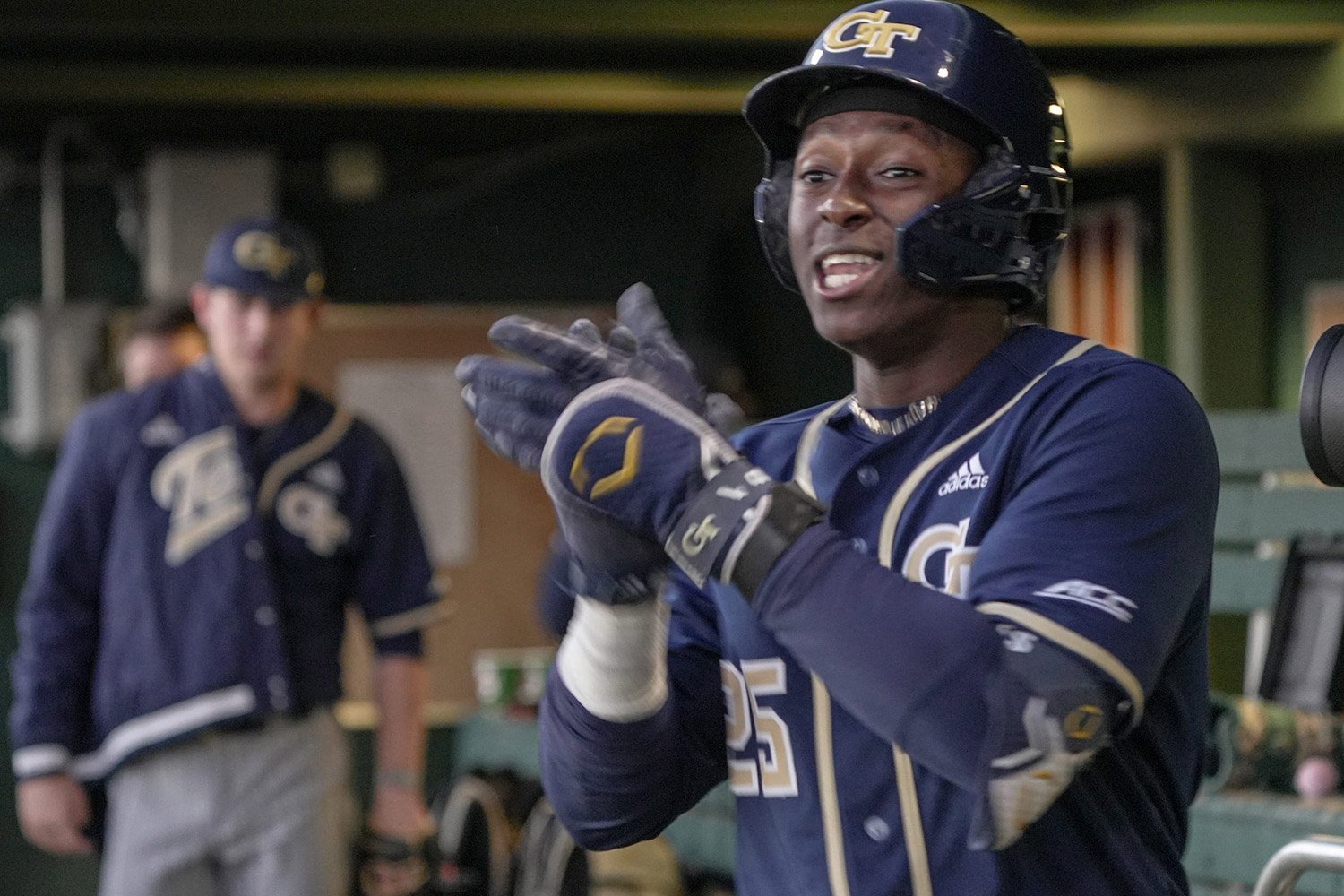 The 2026 MLB Draft is quickly approaching, and the Minnesota Twins find themselves in unfamiliar territory. After securing the third overall selection, Minnesota holds its highest draft pick since taking Royce Lewis with the first overall pick in 2017. With the draft board beginning to take shape, much of the industry expects shortstops Grady Emerson and Roch Cholowsky to come off the board with the first two selections, though there remains debate about which player will ultimately go first overall. That uncertainty could leave the Twins with a fascinating decision at No. 3. According to the Pioneer Press, Charley Walters wrote that “there is little doubt” the Twins are set on selecting Georgia Tech catcher Vahn Lackey. Some evaluators believe Lackey is not only the top catcher in the class, but the best college player available. If the Twins are indeed zeroing in on the Yellow Jacket’s star, the decision would represent both a tremendous opportunity and a calculated gamble. The Case for Drafting Lackey Few players in this draft can match Lackey's combination of production, athleticism, and developmental trajectory. The Georgia Tech junior has dominated college baseball this season, hitting .412 with 20 home runs, 78 RBIs, and an OPS north of 1.300 while leading the Yellow Jackets to one of the best records in the country. His offensive profile checks nearly every box teams look for in a premium position player. Lackey controls the strike zone exceptionally well and consistently puts the ball in play. He has cleaned up a swing that was considered somewhat busy, and he rarely gets beaten by velocity while using the entire field effectively. Scouts believe there is enough raw power in his bat to support annual 20-plus home run production at the professional level, and his increasing ability to elevate the baseball has unlocked another level of offensive impact this season. What makes his profile especially intriguing is that he remains relatively new to his current level of physical development. Lackey was a classic late bloomer in high school. He received little recruiting attention until his senior season and was largely overlooked by scouts because he rarely attended showcase events. As a freshman, Lackey struggled against ACC competition and posted a .174 batting average in conference play. Yet, Georgia Tech remained committed to his long-term development. That patience has paid off in a major way. Each season has brought significant improvement, culminating in one of the most impressive campaigns in college baseball this spring. For organizations that prioritize player development and growth potential, Lackey's story is particularly appealing. He has already shown an ability to identify weaknesses, make adjustments, and maximize his natural tools. The Defensive Value The offensive production alone would make Lackey a top draft prospect, but his defense behind the plate elevates his overall profile. Lackey was named ACC Defensive Player of the Year and has developed into one of the nation's premier defensive catchers. His athleticism stands out immediately. At 6-foot-2 and 215 pounds, he moves exceptionally well for a catcher and displays the agility needed to handle the position at a high level. His arm strength is another significant weapon. Last season, he threw out 14 of 29 attempted base stealers, a remarkable success rate that showcases both arm strength and accuracy. This season, he has thrown out 7 of 31 runners. He also posted a .985 fielding percentage while continuing to refine his receiving skills. Perhaps most importantly, his athleticism provides a potential fallback option if catching ever becomes too demanding. He played 13 errorless games at third base in 2025, giving teams confidence that his bat could remain valuable elsewhere on the diamond if necessary. For a Twins organization that values versatility and defensive flexibility, that added layer of security could be attractive. The Concerns About Taking a Catcher Third Overall As impressive as Lackey's resume may be, there are legitimate reasons for caution. The first concern is positional risk. Catchers carry some of the highest attrition rates in professional baseball. The physical demands of the position often slow offensive development, and even elite amateur catchers can struggle to handle the workload required at the major-league level. Recent draft history provides examples of highly regarded catching prospects who required significant developmental time before reaching their ceilings. Pittsburgh took Henry Davis with the first overall pick in 2021, and he’s accumulated -1.7 rWAR. Adley Rutschman looked like a slam-dunk pick at number one for the Orioles in 2019, but injuries derailed his rapid ascent toward superstardom. Though it looks like he'll stop the trend this year, he's posted fewer wins above replacement (WAR) in each of his big-league seasons than in the one before it. There are also some questions about Lackey's offensive profile. While his power is undeniable, scouts have noted that his swing can produce too many ground balls. Although he has made meaningful improvements in that area this season, professional pitchers may challenge him differently than collegiate competition. Defensively, while his tools are excellent, evaluators still point to occasional lapses in focus and consistency. Those issues are common among young catchers, but they will require continued development. Another factor is organizational fit. The Twins have invested heavily in catching talent in recent years. While drafting for need is rarely advisable at the top of the draft, Minnesota must determine whether Lackey's upside clearly exceeds that of other available options, particularly if a premium shortstop or another impact position player remains on the board. Why the Twins Might Ultimately Be Sold The strongest argument in favor of Lackey may be that his best baseball could still be ahead of him. Most top-three picks arrive with years of national attention and showcase experience. Lackey's path has been different. He entered college as an under-the-radar recruit and has improved dramatically every season since arriving at Georgia Tech. That developmental curve suggests there may still be additional upside. Organizations are constantly searching for players who have not yet reached their ceiling. Lackey's combination of athleticism, intelligence, work ethic, and year-over-year growth makes him one of the more compelling bets in the class. His profile also aligns with traits the Twins have traditionally valued. Minnesota has often targeted players with strong baseball instincts, defensive versatility, and a demonstrated ability to improve. Lackey checks all of those boxes. For the Twins, the decision may come down to a simple question: Do they believe Lackey's future is still ascending? If the answer is yes, Minnesota could be looking at a franchise cornerstone capable of impacting the game on both sides of the ball for years to come. If his development continues on its current trajectory, the Twins may not simply be drafting the best catcher in the class. They may be drafting one of the best players in baseball's next generation. Of course, it could also be a decision that's made for them, if the Chicago White Sox or Tampa Bay Rays take Lackey first. A month and a half out from the draft, it's just beginning to be time to assess choices like this one, as the options come slowly into focus. Will Lackey be Minnesota’s selection at number three? Leave a comment and start the discussion.
 -
One Bold Prediction for Every Month Left in the Twins’ Season
Cody Christie posted an article in Twins
 The Twins have spent most of the season floating in baseball purgatory. They haven’t looked like a legitimate contender, but they also haven’t played poorly enough to fade from the American League playoff race completely. Nearly every time the season feels ready to spiral, Minnesota responds with a strong series win or a timely stretch of baseball that keeps the club hovering near the Wild Card picture. Part of the reason the Twins have stayed alive is that the American League has lacked separation. Outside of a handful of true contenders, the rest of the league has been filled with inconsistent clubs carrying obvious flaws. That reality has allowed Minnesota to remain within striking distance despite its own shortcomings. For this team, the formula moving forward is straightforward. Keep winning series. Stay near the .500 mark. Let the standings sort themselves out. Whether that ultimately leads to meaningful September baseball remains to be seen, but the rest of the season should provide plenty of intrigue. Here’s one bold prediction for every month left in the Twins’ season. June: The Twins Stay Near .500 and Remain in the Wild Card Hunt The Twins continue hovering around the .500 mark through the end of June, keeping themselves firmly planted in the middle of the Wild Card conversation. That might not sound particularly impressive on the surface, but for a club that entered the year with limited expectations, remaining relevant into the summer would still represent an accomplishment. Injuries, offensive inconsistency, and a lack of overall roster depth have created plenty of opportunities for the season to collapse. Instead, Minnesota keeps finding ways to stabilize itself. The rotation continues to carry much of the workload. Joe Ryan pitches like a frontline starter, Bailey Ober provides valuable innings, and the bullpen does just enough to protect late leads. Offensively, the lineup remains streaky, but Byron Buxton’s production helps prevent the club from falling into extended losing streaks. The bigger factor may be the American League's weakness. There are very few dominant teams battling for the final playoff spots, which keeps the Twins firmly in the mix despite their flaws. June becomes less about separating from the pack and more about surviving long enough to stay relevant heading into July. If Minnesota reaches the All-Star break within a few games of a playoff spot, the season suddenly feels much more interesting than many expected back in March. July: The Twins Begin Preparing for Another Deadline Selloff Even while remaining close to contention, the Twins quietly begin laying the groundwork for another trade deadline selloff. Joe Ryan and Ryan Jeffers emerge as two of the organization’s most discussed names leading up to the deadline. Ryan would instantly become one of the top starting pitchers available on the market because of his production, affordability, and years of team control. Jeffers also draws plenty of attention from contenders seeking help behind the plate. Meanwhile, Buxton’s name dominates rumor cycles throughout the month. Rival executives continue checking whether Minnesota would consider moving the face of the franchise. Ultimately, though, the Twins hold onto Buxton while deciding to capitalize on the value of Ryan and Jeffers. The return package mirrors the organization’s recent strategy. Instead of targeting lower-level lottery ticket prospects, Minnesota prioritizes players who are close to major-league ready. The front office wants to remain competitive in the near future rather than commit to a lengthy rebuild. Trading Ryan would be difficult for both the clubhouse and the fan base. He has developed into the reliable ace the Twins have desperately needed for years. Still, the organization understands that controllable starting pitching rarely carries more value than it does at the trade deadline. The Twins may not fully wave the white flag in July, but they begin making decisions with the future clearly in mind. August: Walker Jenkins Finally Arrives in Minnesota Walker Jenkins finally makes his long-anticipated major league debut before the end of August. His shoulder injury significantly delays the timeline. Instead of aggressively pushing him through the system, the Twins choose patience. Jenkins likely doesn’t return to Triple-A St. Paul until late June or early July, limiting the amount of time he has to force the issue before the second half. Once he gets rolling, though, the talent becomes impossible to ignore. By late August, Minnesota rewards its top prospect with a promotion that instantly changes the energy around the organization. Jenkins arrives with massive expectations because of his advanced offensive approach, mature plate discipline, and ability to impact the baseball to all fields. The youth movement may not stop there. Kaelen Culpepper, Emmanuel Rodriguez, and Gabriel Gonzalez could all factor into the second-half picture as the organization begins transitioning toward its next core. Suddenly, the Twins become one of the more fascinating teams in baseball despite lingering around the edges of contention. That wave of young talent provides excitement for both the clubhouse and the fan base. Even if the playoff odds remain slim, the final weeks of August become must-watch baseball because of the organization’s future arriving in real time. September: The Twins Fade from the Race, but Buxton Earns MVP Recognition The Twins ultimately run out of steam during September and fall out of the playoff race. The combination of deadline trades, roster inconsistency, and limited depth eventually catches up to them. Minnesota remains competitive for much of the season, but the lack of established impact talent becomes too difficult to overcome over a full six-month grind. Still, the season closes with one of the most rewarding individual performances of Buxton’s career. For the first time, Buxton finally finishes inside the top 10 of American League MVP voting. The talent has always been worthy of that level of recognition. Health has prevented him from putting together a complete season before last year. He finished with the eleventh-highest vote total in last year’s voting cycle. This year will finally be different. Buxton is one of the only bright spots on the Twins, and he almost single-handedly keeps the club competitive. The numbers could be spectacular. Forty home runs, elite defense in center field, baserunning impact, and highlight reel moments every week would force voters to recognize his value. Even on a team that misses the postseason, Buxton establishes himself as one of the American League’s most dynamic players. The Twins are walking a difficult line between competing in the present and preparing for the future. That balancing act should define the remainder of the season. There will likely be moments where the club looks capable of making a legitimate Wild Card push. There will also be stretches where another organizational reset feels inevitable. In many ways, that uncertainty perfectly reflects where the franchise currently stands. Still, the rest of the season could provide something equally important as postseason baseball: clarity. If Jenkins arrives as expected, and if the next wave of prospects begins establishing itself at the major-league level, the Twins could leave 2026 with a much stronger vision for what comes next. Even if October baseball ultimately slips away, the final four months may still shape the future of the organization for years to come. What are other bold predictions for the coming months? Leave a comment and start the discussion.
- 40 comments
-
- 4
-
-
- joe ryan
- ryan jeffers
- (and 2 more)
-
Image courtesy of © Nathan Ray Seebeck-Imagn Images The Minnesota Twins have made several eye-opening roster decisions over the past few weeks. Demotions for Matt Wallner and Royce Lewis certainly grabbed headlines, but Saturday's announcement may be the most unexpected move of the season. The club designated right-hander Simeon Woods Richardson for assignment, effectively removing him from both the active roster and the 40-man roster. In a corresponding move, Minnesota promoted fellow right-hander John Klein from Triple-A St. Paul. Because Klein already occupied a spot on the 40-man roster, the Twins now have just 38 players on their 40-man roster. The significance of the move goes beyond a simple roster shuffle. Woods Richardson entered the season without any minor league options remaining. That means the Twins could not send him back to Triple-A without first exposing him to waivers, where any club can claim him and immediately place him on its major league roster. For a pitcher who entered the year expected to provide valuable rotation depth, things unraveled quickly. Woods Richardson posted a 7.74 ERA across 47 2/3 innings this season while recording 26 strikeouts against 25 walks. The lack of swing-and-miss stuff combined with ongoing command issues left him struggling to consistently navigate major league lineups. Two weeks ago, Minnesota removed him from the starting rotation in hopes that a relief role might unlock better results. The experiment showed some signs of improvement. Woods Richardson worked three scoreless innings across two bullpen appearances, though he still allowing too many base runners in each outing. His return to the rotation came out of necessity rather than performance. After Kendry Rojas was scratched with an elbow issue earlier this week, Woods Richardson was called upon to start Thursday's game against the White Sox. The outing did little to strengthen his case for a roster spot. He surrendered five runs in just 2 2/3 innings during Minnesota's 6-2 loss. That appearance appears to have been the final straw. What's particularly fascinating about this decision is what it says about the Twins' internal evaluation. Minnesota's bullpen depth has been tested throughout the season, and organizations are usually hesitant to part with pitchers who still possess starting experience. By designating Woods Richardson for assignment, the Twins are signaling that they do not view him as a viable long-term bullpen solution. If the organization believed there was a meaningful role for him moving forward, exposing him to waivers would have represented a significant risk. Now the Twins must wait to see whether another organization is willing to take a chance on the 25-year-old right-hander. Given his former prospect pedigree and major league experience, there is a reasonable possibility another club will be interested. For Minnesota, the move creates immediate roster flexibility. For Woods Richardson, it could mark the end of his tenure with the organization that acquired him as part of the José Berríos trade nearly five years ago. Check back for additional updates as more details become available. View full article
-
BREAKING: Twins Designate Simeon Woods Richardson for Assignment
Cody Christie posted an article in Twins
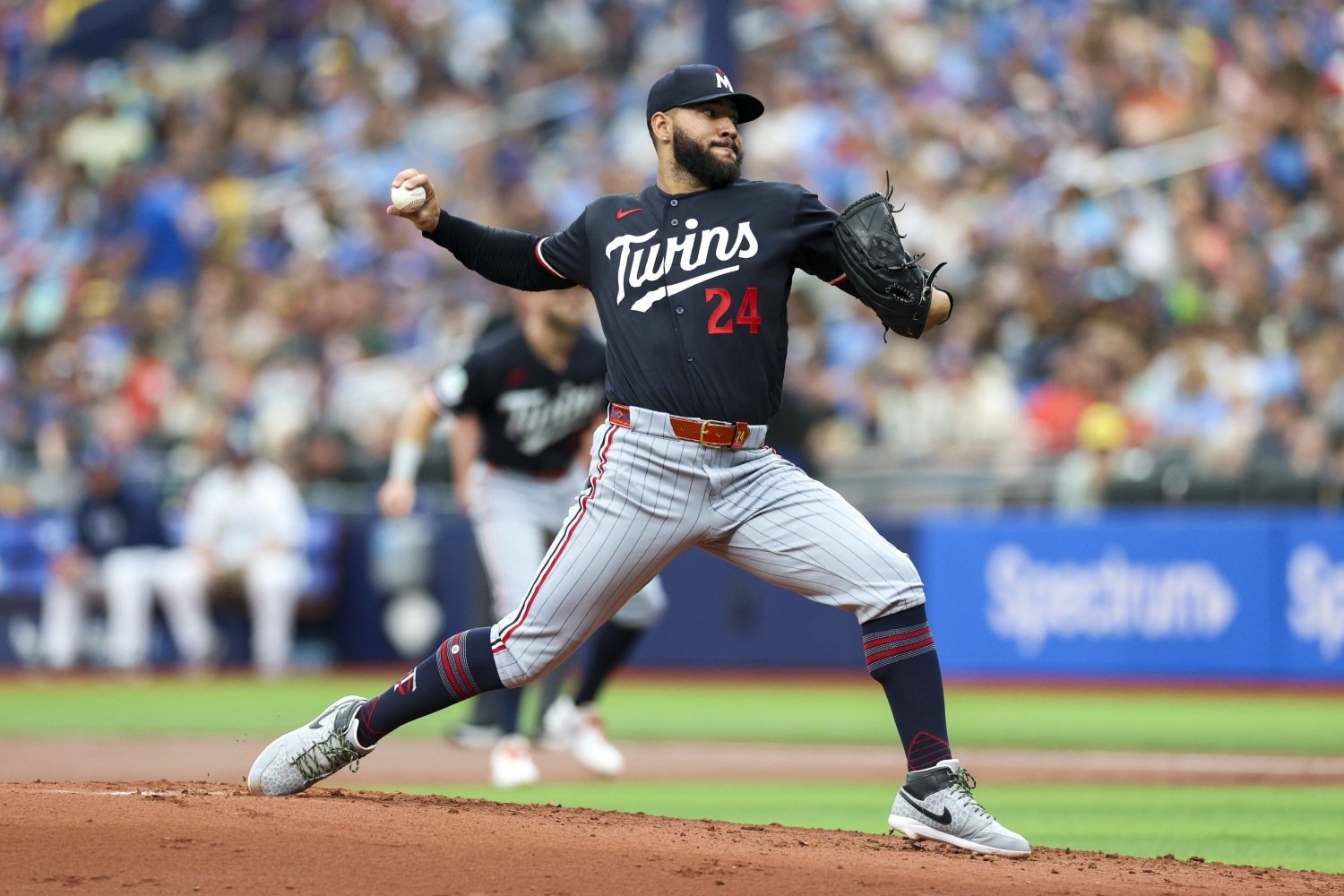 The Minnesota Twins have made several eye-opening roster decisions over the past few weeks. Demotions for Matt Wallner and Royce Lewis certainly grabbed headlines, but Saturday's announcement may be the most unexpected move of the season. The club designated right-hander Simeon Woods Richardson for assignment, effectively removing him from both the active roster and the 40-man roster. In a corresponding move, Minnesota promoted fellow right-hander John Klein from Triple-A St. Paul. Because Klein already occupied a spot on the 40-man roster, the Twins now have just 38 players on their 40-man roster. The significance of the move goes beyond a simple roster shuffle. Woods Richardson entered the season without any minor league options remaining. That means the Twins could not send him back to Triple-A without first exposing him to waivers, where any club can claim him and immediately place him on its major league roster. For a pitcher who entered the year expected to provide valuable rotation depth, things unraveled quickly. Woods Richardson posted a 7.74 ERA across 47 2/3 innings this season while recording 26 strikeouts against 25 walks. The lack of swing-and-miss stuff combined with ongoing command issues left him struggling to consistently navigate major league lineups. Two weeks ago, Minnesota removed him from the starting rotation in hopes that a relief role might unlock better results. The experiment showed some signs of improvement. Woods Richardson worked three scoreless innings across two bullpen appearances, though he still allowing too many base runners in each outing. His return to the rotation came out of necessity rather than performance. After Kendry Rojas was scratched with an elbow issue earlier this week, Woods Richardson was called upon to start Thursday's game against the White Sox. The outing did little to strengthen his case for a roster spot. He surrendered five runs in just 2 2/3 innings during Minnesota's 6-2 loss. That appearance appears to have been the final straw. What's particularly fascinating about this decision is what it says about the Twins' internal evaluation. Minnesota's bullpen depth has been tested throughout the season, and organizations are usually hesitant to part with pitchers who still possess starting experience. By designating Woods Richardson for assignment, the Twins are signaling that they do not view him as a viable long-term bullpen solution. If the organization believed there was a meaningful role for him moving forward, exposing him to waivers would have represented a significant risk. Now the Twins must wait to see whether another organization is willing to take a chance on the 25-year-old right-hander. Given his former prospect pedigree and major league experience, there is a reasonable possibility another club will be interested. For Minnesota, the move creates immediate roster flexibility. For Woods Richardson, it could mark the end of his tenure with the organization that acquired him as part of the José Berríos trade nearly five years ago. Check back for additional updates as more details become available.
 -
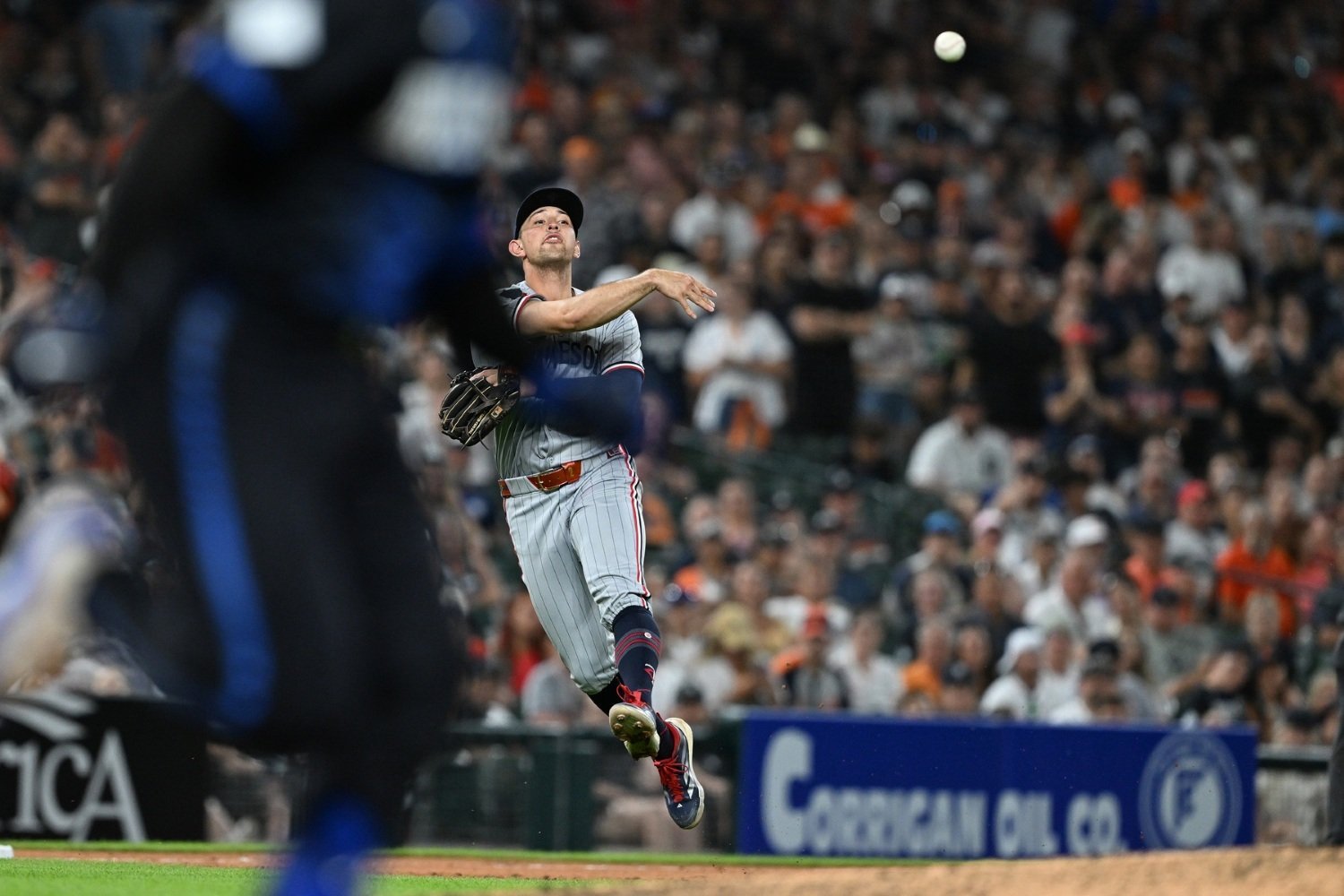 For much of the last two seasons, the Twins have been searching for stability in the infield. Injuries, underperformance, and constant lineup juggling have turned what once looked like a strength into one of the roster’s biggest uncertainties. Now, with Brooks Lee settling in at third base and Royce Lewis working to rebuild his value in Triple-A, the organization appears to be quietly reshaping the future of its infield defense. Some of those answers could arrive quickly. Others may take years to fully develop. But the Twins' recent moves have created a clearer picture of what the organization might want its infield to look like moving forward. Shortstop Short-Term Fix: Ryan Kreidler, Orlando Arcia, and Tristan Gray The immediate aftermath of Lee’s move to third base has been a revolving cast at shortstop. Kreidler, Arcia, and Gray have all received opportunities there since Lee moved to third. It seems like the Twins don’t have a great fit at third, and they want all their veterans to receive playing time. That likely means a rotation at the position, which isn’t very common across baseball. Kreidler feels like the most logical short-term option because he immediately improves the defense. Even if the bat remains inconsistent, his glove changes the complexion of the infield. The Twins desperately needed more range and reliability up the middle, and Kreidler provides both. Minnesota can live with limited offense if it means preventing extra outs from turning into extra innings. Arcia and Gray fit more as temporary depth pieces. Both can handle the position in stretches, but neither profiles as someone the Twins want playing there every day for the remainder of the season. Their presence mostly buys time while the organization evaluates bigger-picture solutions. The important part is that Lee no longer has to carry the burden of playing shortstop every day. The defensive pressure there was substantial, and the move to third base allows him to focus more on developing offensively while settling into a more natural defensive fit. Long-Term Solution: Kaelen Culpepper The Twins’ long-term thinking becomes much more obvious once Kaelen Culpepper enters the discussion. The 2024 first-round pick has rapidly climbed the organizational ladder and is beginning to look like the future answer at shortstop. His performance at Triple-A has accelerated the timeline considerably, and the Twins suddenly have a legitimate prospect knocking on the door. More importantly, Lee’s move to third base clears a clean path for Culpepper. Had Lee remained at shortstop, the organization eventually would have faced uncomfortable defensive and developmental questions. Now, Minnesota can allow Culpepper to arrive without forcing a position change on either player. Culpepper’s combination of athleticism, defensive tools, and offensive upside gives the Twins something they have lacked for years: a potential long-term two-way shortstop. His arrival may not be far away. Longer-Term Solution: Marek Houston If Culpepper represents the next phase, Marek Houston could represent the one after. The slick-fielding 2025 first-round pick already carries a reputation as one of the better defensive shortstop prospects in the system. His glove gives him a high floor, but the real question will be how quickly the bat develops. That creates a fascinating future scenario for the Twins. If Houston hits enough to force his way into the conversation, Minnesota could once again face difficult decisions regarding positional alignment. Culpepper’s athleticism might allow flexibility, but Houston looks like the type of defender who could eventually demand everyday shortstop consideration. That problem could arrive as soon as 2027, but it is exactly the kind of organizational depth the Twins have lacked in previous seasons. Third Base Short-Term Fix: Brooks Lee The Twins finally appear committed to giving Lee an extended opportunity at third base, and that may be the best thing for both the player and the organization. Lee’s defensive profile fits more naturally at third than shortstop, and the move simplifies things considerably. Instead of asking him to survive at one of baseball’s most demanding defensive positions, the Twins can focus on maximizing his offensive development while allowing his instincts and hands to play at third. There will still be growing pains. Lee is young, and consistency remains part of the development process. But the organization needs to stop bouncing him between positions and allow him to settle into a permanent role. For now, third base belongs to him. Long-Term Solution: Brooks Lee The simplest answer may also be the correct one. If Lee proves capable of handling third base defensively while becoming the hitter the Twins believe he can be, there is little reason to move him again. The constant shifting around the diamond has likely done little to help his overall development, and stability could unlock another level offensively. That also creates an unavoidable ripple effect involving Lewis. For much of the last two years, third base has effectively been reserved for Lewis whenever healthy. But injuries, inconsistent production, and his recent Triple-A demotion have changed the equation. If Lee establishes himself there, Lewis may need to reinvent his defensive value elsewhere. The Twins cannot continue building around theoretical upside forever. At some point, availability and consistency have to matter. Second Base Short-Term Fix: Luke Keaschall Keaschall has been playing regularly at second base during the 2026 season. His offensive struggles have been tough to keep him in the lineup, and he could quickly follow Lewis to Triple-A. If Keaschall is demoted, some of the other veteran infielders would be called on to take over second for the short term. The biggest challenge is figuring out how Keaschall fits once other pieces return. If the Twins view him as a long-term everyday player, they may eventually need to commit to him at one position instead of moving him around the diamond. Right now, though, second base makes the most sense. Long-Term Solution: TBD The most complicated question on the roster remains how the Twins will fill second base long term. Keaschall’s struggles could be natural growing pains for a young player. He could turn it around in the second half, and this conversation becomes an afterthought. In a perfect world, Lewis rediscovers his offensive impact and forces his way back into the Twins’ plans as an everyday player. But with third base potentially occupied by Lee long-term, second base may become the clearest defensive path. That scenario still comes with major questions. Lewis has barely played second base in recent years, and the transition would require both health and commitment. There is also the larger issue of offensive production. The Twins can justify defensive experimentation only if Lewis returns to being a difference-maker at the plate. The Twins would also have to shift Keaschall to another position. However, his bat would need to produce if he moves to a corner outfield spot or first base. By 2028, it may be Lee at second, Houston at shortstop, and Culpepper at third. The Twins’ recent infield reshuffling may look temporary on the surface, but it feels much larger than that. Lee’s move to third base has clarified the shortstop pipeline, opened opportunities for Culpepper, complicated Lewis’ future, and created a more defined defensive structure across the diamond. There are still unanswered questions, especially regarding Lewis and how aggressively the Twins promote Culpepper. Now comes the difficult part: figuring out which players truly belong in the next competitive core and which ones eventually become the odd men out. How should the Twins view the organization’s long- and short-term infield options? Leave a comment and start the discussion.
- 25 comments
-
- 7
-
-
-
- royce lewis
- brooks lee
- (and 6 more)
-
Image courtesy of © Lon Horwedel-Imagn Images For much of the last two seasons, the Twins have been searching for stability in the infield. Injuries, underperformance, and constant lineup juggling have turned what once looked like a strength into one of the roster’s biggest uncertainties. Now, with Brooks Lee settling in at third base and Royce Lewis working to rebuild his value in Triple-A, the organization appears to be quietly reshaping the future of its infield defense. Some of those answers could arrive quickly. Others may take years to fully develop. But the Twins' recent moves have created a clearer picture of what the organization might want its infield to look like moving forward. Shortstop Short-Term Fix: Ryan Kreidler, Orlando Arcia, and Tristan Gray The immediate aftermath of Lee’s move to third base has been a revolving cast at shortstop. Kreidler, Arcia, and Gray have all received opportunities there since Lee moved to third. It seems like the Twins don’t have a great fit at third, and they want all their veterans to receive playing time. That likely means a rotation at the position, which isn’t very common across baseball. Kreidler feels like the most logical short-term option because he immediately improves the defense. Even if the bat remains inconsistent, his glove changes the complexion of the infield. The Twins desperately needed more range and reliability up the middle, and Kreidler provides both. Minnesota can live with limited offense if it means preventing extra outs from turning into extra innings. Arcia and Gray fit more as temporary depth pieces. Both can handle the position in stretches, but neither profiles as someone the Twins want playing there every day for the remainder of the season. Their presence mostly buys time while the organization evaluates bigger-picture solutions. The important part is that Lee no longer has to carry the burden of playing shortstop every day. The defensive pressure there was substantial, and the move to third base allows him to focus more on developing offensively while settling into a more natural defensive fit. Long-Term Solution: Kaelen Culpepper The Twins’ long-term thinking becomes much more obvious once Kaelen Culpepper enters the discussion. The 2024 first-round pick has rapidly climbed the organizational ladder and is beginning to look like the future answer at shortstop. His performance at Triple-A has accelerated the timeline considerably, and the Twins suddenly have a legitimate prospect knocking on the door. More importantly, Lee’s move to third base clears a clean path for Culpepper. Had Lee remained at shortstop, the organization eventually would have faced uncomfortable defensive and developmental questions. Now, Minnesota can allow Culpepper to arrive without forcing a position change on either player. Culpepper’s combination of athleticism, defensive tools, and offensive upside gives the Twins something they have lacked for years: a potential long-term two-way shortstop. His arrival may not be far away. Longer-Term Solution: Marek Houston If Culpepper represents the next phase, Marek Houston could represent the one after. The slick-fielding 2025 first-round pick already carries a reputation as one of the better defensive shortstop prospects in the system. His glove gives him a high floor, but the real question will be how quickly the bat develops. That creates a fascinating future scenario for the Twins. If Houston hits enough to force his way into the conversation, Minnesota could once again face difficult decisions regarding positional alignment. Culpepper’s athleticism might allow flexibility, but Houston looks like the type of defender who could eventually demand everyday shortstop consideration. That problem could arrive as soon as 2027, but it is exactly the kind of organizational depth the Twins have lacked in previous seasons. Third Base Short-Term Fix: Brooks Lee The Twins finally appear committed to giving Lee an extended opportunity at third base, and that may be the best thing for both the player and the organization. Lee’s defensive profile fits more naturally at third than shortstop, and the move simplifies things considerably. Instead of asking him to survive at one of baseball’s most demanding defensive positions, the Twins can focus on maximizing his offensive development while allowing his instincts and hands to play at third. There will still be growing pains. Lee is young, and consistency remains part of the development process. But the organization needs to stop bouncing him between positions and allow him to settle into a permanent role. For now, third base belongs to him. Long-Term Solution: Brooks Lee The simplest answer may also be the correct one. If Lee proves capable of handling third base defensively while becoming the hitter the Twins believe he can be, there is little reason to move him again. The constant shifting around the diamond has likely done little to help his overall development, and stability could unlock another level offensively. That also creates an unavoidable ripple effect involving Lewis. For much of the last two years, third base has effectively been reserved for Lewis whenever healthy. But injuries, inconsistent production, and his recent Triple-A demotion have changed the equation. If Lee establishes himself there, Lewis may need to reinvent his defensive value elsewhere. The Twins cannot continue building around theoretical upside forever. At some point, availability and consistency have to matter. Second Base Short-Term Fix: Luke Keaschall Keaschall has been playing regularly at second base during the 2026 season. His offensive struggles have been tough to keep him in the lineup, and he could quickly follow Lewis to Triple-A. If Keaschall is demoted, some of the other veteran infielders would be called on to take over second for the short term. The biggest challenge is figuring out how Keaschall fits once other pieces return. If the Twins view him as a long-term everyday player, they may eventually need to commit to him at one position instead of moving him around the diamond. Right now, though, second base makes the most sense. Long-Term Solution: TBD The most complicated question on the roster remains how the Twins will fill second base long term. Keaschall’s struggles could be natural growing pains for a young player. He could turn it around in the second half, and this conversation becomes an afterthought. In a perfect world, Lewis rediscovers his offensive impact and forces his way back into the Twins’ plans as an everyday player. But with third base potentially occupied by Lee long-term, second base may become the clearest defensive path. That scenario still comes with major questions. Lewis has barely played second base in recent years, and the transition would require both health and commitment. There is also the larger issue of offensive production. The Twins can justify defensive experimentation only if Lewis returns to being a difference-maker at the plate. The Twins would also have to shift Keaschall to another position. However, his bat would need to produce if he moves to a corner outfield spot or first base. By 2028, it may be Lee at second, Houston at shortstop, and Culpepper at third. The Twins’ recent infield reshuffling may look temporary on the surface, but it feels much larger than that. Lee’s move to third base has clarified the shortstop pipeline, opened opportunities for Culpepper, complicated Lewis’ future, and created a more defined defensive structure across the diamond. There are still unanswered questions, especially regarding Lewis and how aggressively the Twins promote Culpepper. Now comes the difficult part: figuring out which players truly belong in the next competitive core and which ones eventually become the odd men out. How should the Twins view the organization’s long- and short-term infield options? Leave a comment and start the discussion. View full article
-
Image courtesy of © Bruce Kluckhohn-Imagn Images The Twins have spent most of the season floating in baseball purgatory. They haven’t looked like a legitimate contender, but they also haven’t played poorly enough to fade from the American League playoff race completely. Nearly every time the season feels ready to spiral, Minnesota responds with a strong series win or a timely stretch of baseball that keeps the club hovering near the Wild Card picture. Part of the reason the Twins have stayed alive is that the American League has lacked separation. Outside of a handful of true contenders, the rest of the league has been filled with inconsistent clubs carrying obvious flaws. That reality has allowed Minnesota to remain within striking distance despite its own shortcomings. For this team, the formula moving forward is straightforward. Keep winning series. Stay near the .500 mark. Let the standings sort themselves out. Whether that ultimately leads to meaningful September baseball remains to be seen, but the rest of the season should provide plenty of intrigue. Here’s one bold prediction for every month left in the Twins’ season. June: The Twins Stay Near .500 and Remain in the Wild Card Hunt The Twins continue hovering around the .500 mark through the end of June, keeping themselves firmly planted in the middle of the Wild Card conversation. That might not sound particularly impressive on the surface, but for a club that entered the year with limited expectations, remaining relevant into the summer would still represent an accomplishment. Injuries, offensive inconsistency, and a lack of overall roster depth have created plenty of opportunities for the season to collapse. Instead, Minnesota keeps finding ways to stabilize itself. The rotation continues to carry much of the workload. Joe Ryan pitches like a frontline starter, Bailey Ober provides valuable innings, and the bullpen does just enough to protect late leads. Offensively, the lineup remains streaky, but Byron Buxton’s production helps prevent the club from falling into extended losing streaks. The bigger factor may be the American League's weakness. There are very few dominant teams battling for the final playoff spots, which keeps the Twins firmly in the mix despite their flaws. June becomes less about separating from the pack and more about surviving long enough to stay relevant heading into July. If Minnesota reaches the All-Star break within a few games of a playoff spot, the season suddenly feels much more interesting than many expected back in March. July: The Twins Begin Preparing for Another Deadline Selloff Even while remaining close to contention, the Twins quietly begin laying the groundwork for another trade deadline selloff. Joe Ryan and Ryan Jeffers emerge as two of the organization’s most discussed names leading up to the deadline. Ryan would instantly become one of the top starting pitchers available on the market because of his production, affordability, and years of team control. Jeffers also draws plenty of attention from contenders seeking help behind the plate. Meanwhile, Buxton’s name dominates rumor cycles throughout the month. Rival executives continue checking whether Minnesota would consider moving the face of the franchise. Ultimately, though, the Twins hold onto Buxton while deciding to capitalize on the value of Ryan and Jeffers. The return package mirrors the organization’s recent strategy. Instead of targeting lower-level lottery ticket prospects, Minnesota prioritizes players who are close to major-league ready. The front office wants to remain competitive in the near future rather than commit to a lengthy rebuild. Trading Ryan would be difficult for both the clubhouse and the fan base. He has developed into the reliable ace the Twins have desperately needed for years. Still, the organization understands that controllable starting pitching rarely carries more value than it does at the trade deadline. The Twins may not fully wave the white flag in July, but they begin making decisions with the future clearly in mind. August: Walker Jenkins Finally Arrives in Minnesota Walker Jenkins finally makes his long-anticipated major league debut before the end of August. His shoulder injury significantly delays the timeline. Instead of aggressively pushing him through the system, the Twins choose patience. Jenkins likely doesn’t return to Triple-A St. Paul until late June or early July, limiting the amount of time he has to force the issue before the second half. Once he gets rolling, though, the talent becomes impossible to ignore. By late August, Minnesota rewards its top prospect with a promotion that instantly changes the energy around the organization. Jenkins arrives with massive expectations because of his advanced offensive approach, mature plate discipline, and ability to impact the baseball to all fields. The youth movement may not stop there. Kaelen Culpepper, Emmanuel Rodriguez, and Gabriel Gonzalez could all factor into the second-half picture as the organization begins transitioning toward its next core. Suddenly, the Twins become one of the more fascinating teams in baseball despite lingering around the edges of contention. That wave of young talent provides excitement for both the clubhouse and the fan base. Even if the playoff odds remain slim, the final weeks of August become must-watch baseball because of the organization’s future arriving in real time. September: The Twins Fade From the Race, but Buxton Earns MVP Recognition The Twins ultimately run out of steam during September and fall out of the playoff race. The combination of deadline trades, roster inconsistency, and limited depth eventually catches up to them. Minnesota remains competitive for much of the season, but the lack of established impact talent becomes too difficult to overcome over a full six-month grind. Still, the season closes with one of the most rewarding individual performances of Buxton’s career. For the first time, Buxton finally finishes inside the top 10 of American League MVP voting. The talent has always been worthy of that level of recognition. Health has prevented him from putting together a complete season before last year. He finished with the eleventh-highest vote total in last year’s voting cycle. This year will finally be different. Buxton is one of the only bright spots on the Twins, and he almost single-handedly keeps the club competitive. The numbers could be spectacular. Forty home runs, elite defense in center field, baserunning impact, and highlight reel moments every week would force voters to recognize his value. Even on a team that misses the postseason, Buxton establishes himself as one of the American League’s most dynamic players. The Twins are walking a difficult line between competing in the present and preparing for the future. That balancing act should define the remainder of the season. There will likely be moments where the club looks capable of making a legitimate Wild Card push. There will also be stretches where another organizational reset feels inevitable. In many ways, that uncertainty perfectly reflects where the franchise currently stands. Still, the rest of the season could provide something equally important as postseason baseball: clarity. If Jenkins arrives as expected, and if the next wave of prospects begins establishing itself at the major-league level, the Twins could leave 2026 with a much stronger vision for what comes next. Even if October baseball ultimately slips away, the final four months may still shape the future of the organization for years to come. What are other bold predictions for the coming months? Leave a comment and start the discussion. View full article
-
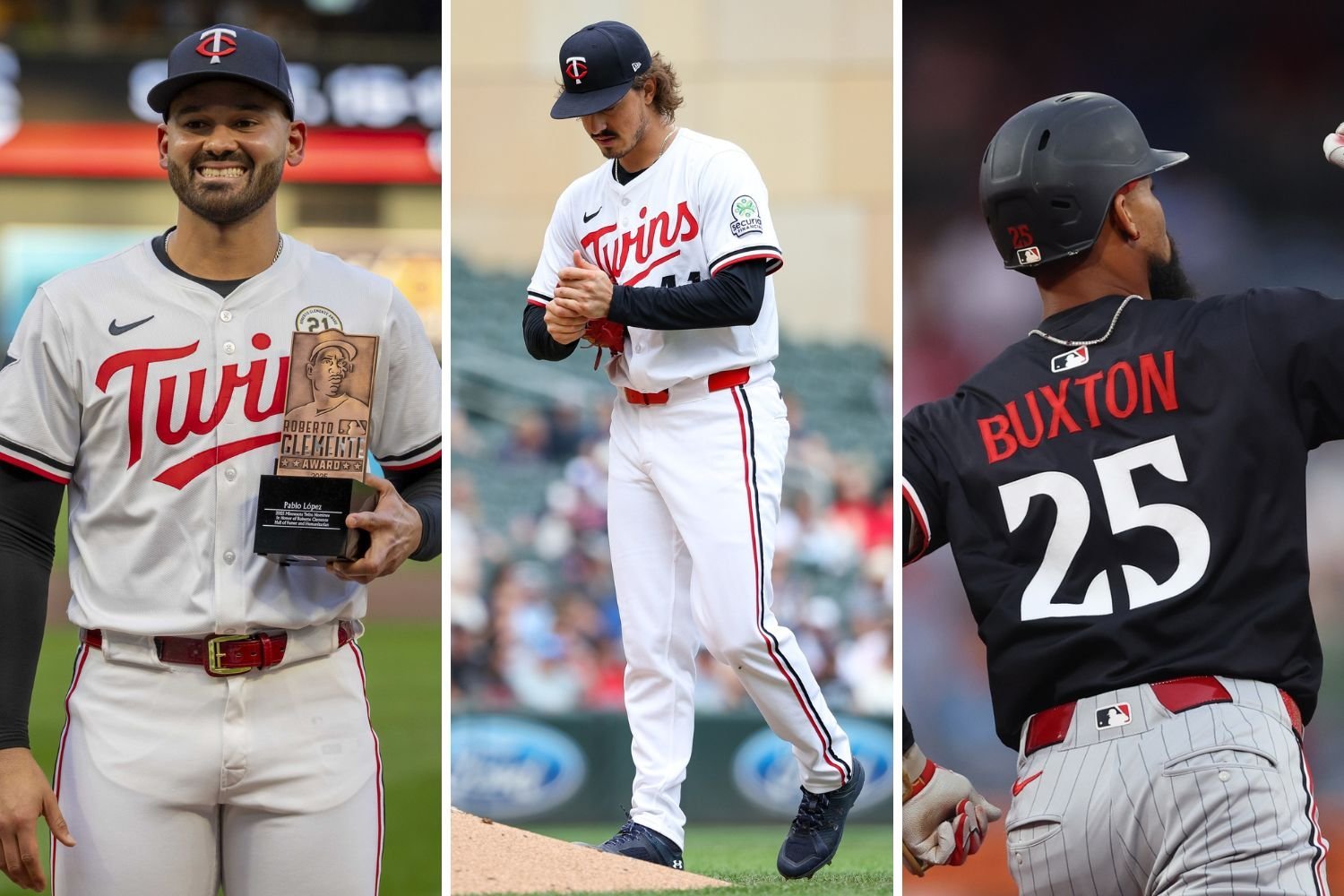 Major League Baseball and the MLB Players Association appear headed for another lengthy negotiation cycle, and the league’s latest proposal added fuel to the fire. MLB’s initial economic proposal for the next Collective Bargaining Agreement (CBA) included the framework for both a salary cap and a salary floor, a concept that has long been discussed around the sport but never implemented. Under the proposal, teams would be required to meet a minimum payroll threshold, while also staying below a maximum spending limit. The league says the structure would improve competitive balance while also encouraging clubs to invest more heavily in their major-league rosters. (They're pointedly not saying that it would allow them to define "baseball revenue" and wall off a greater portion of what they make from each other and from players, or the biggest reason for wanting a cap: cost certainty that would be worth tens of millions per year in rising franchise values.) The proposed floor for 2027 would sit at $171.2 million. Based on current Opening Day payroll projections, a dozen teams would need to increase spending to comply with the new rules. According to FanGraphs, the Twins currently have a $107 million payroll, leaving Minnesota more than $64 million short of the proposed floor. That creates an interesting question. If this proposal eventually becomes reality, how could the Twins realistically add that much payroll? The answer is that there are several ways to get there, and some of them could actually strengthen the organization’s long-term outlook. Lock Up the Current Core The easiest way for Minnesota to add payroll responsibly would be by extending players already in the clubhouse. Joe Ryan immediately stands out as one of the organization’s most logical extension candidates. He has developed into one of the American League’s steadiest starters, and front offices around baseball are always looking for controllable pitching. That reality also means Ryan could become a trade deadline target for other clubs if the Twins fall out of contention. Minnesota must decide whether it views him as part of the next competitive window or as a trade asset. Ryan Jeffers falls into a similar category. Catchers with offensive upside are difficult to replace, and while his production has fluctuated at times, Jeffers remains one of the better offensive catchers in the league when healthy. Extending him would provide some stability behind the plate, while also raising payroll organically. Then there is Pablo López, whose situation may be the most fascinating of the group. López is recovering from Tommy John surgery and has only one year of team control remaining. Normally, pitchers approaching free agency after a major surgery carry substantial risk, but that risk can also create an opportunity for a team-friendly extension. If Minnesota believes López can return to form, it may be able to negotiate a deal that adds multiple seasons at a more manageable annual value than a healthy frontline starter would command on the open market. Rather than viewing extensions strictly as financial burdens, the Twins could use them to create certainty around a roster core, while simultaneously moving closer to the salary floor. Bet on Young Pitching Before the Price Explodes Across baseball, teams have become increasingly aggressive about extending young pitchers before they fully establish themselves at the major-league level. The Twins could follow that blueprint. Taj Bradley already looks like a potential long-term rotation fixture. His power arsenal gives Minnesota something it has lacked consistently near the top of the rotation, and if he continues trending upward, his arbitration years could become expensive quickly. An extension now could save the organization money in the long run while also helping boost payroll in the short term. Connor Prielipp and Mick Abel are more complicated cases because of their injury histories, but both possess legitimate upside. Pitching is expensive on the open market, and teams willing to take calculated risks on talented young arms can sometimes create tremendous surplus value. Minnesota has historically operated carefully in this space. If a salary floor becomes reality, the Twins may need to become more proactive about buying out arbitration and free-agent years before prices escalate. Join Baseball’s Pre-Arbitration Extension Movement One of the biggest trends around baseball has been teams extending players before they even establish themselves in the major leagues. Clubs are increasingly willing to guarantee money early in exchange for long-term cost certainty and additional years of team control. The Twins have mostly stayed away from these types of contracts (sure, they signed Jorge Polanco and Max Kepler, but that was a long time ago, now), but that may need to change. Kaelen Culpepper could make a great deal of sense as a candidate, if Minnesota believes he's a long-term answer somewhere in the infield. He offers athleticism, defensive versatility, and a skill set that could age well. Walker Jenkins and Emmanuel Rodriguez possess enormous ceilings, but both players carry obvious injury risks. That uncertainty could actually create an opening for Minnesota. If the organization still believes either player can become a foundational star, a creative extension could protect the player financially while giving the Twins a chance at massive long-term value. These deals are becoming increasingly common because they allow teams to spend aggressively without necessarily diving headfirst into free agency. For a club attempting to reach a salary floor while maintaining long-term flexibility, this approach may become essential. Make Byron Buxton a Twin for Life There are certain players who define an era of Twins baseball, and Buxton unquestionably fits into that category. When healthy, Buxton remains one of the most electric players in baseball. His combination of defense, speed, and power still changes games in ways very few players can replicate. More importantly, he has become one of the faces of the franchise. If Minnesota is eventually required to spend significantly more money, keeping Buxton in a Twins uniform through the remainder of his career should become a priority. Even with the injury concerns, there is value in maintaining continuity and rewarding a player who has remained loyal to the organization throughout his career. The Twins have often struggled to keep star-level talent long term. Ensuring Buxton retires in Minnesota would send a meaningful message about the franchise's direction. Finally, Invest Real Money in the Bullpen The bullpen has too often been treated like a clearance rack project. Minnesota has consistently attempted to patch together relief groups through waiver claims, minor-league signings, and bounce-back candidates. Occasionally, that strategy works. More often, it leaves the bullpen lacking reliable late-inning options. If the Twins suddenly need to add tens of millions of dollars to payroll, the relief market provides one of the easiest opportunities to do so quickly. Elite relievers are expensive, but they also dramatically improve roster stability. Adding proven bullpen arms would not only help Minnesota reach the proposed salary floor but address one of the organization’s most persistent weaknesses. The Twins do not necessarily need to hand out reckless contracts, but they can no longer operate as though every bullpen spot should be filled through bargain hunting. Right now, MLB’s salary cap-and-floor proposal remains exactly that: a proposal. There is still a long road before any new CBA becomes a reality, and the players union has already made clear that it detests the idea of a cap. Still, the concept forces teams like the Twins into an uncomfortable but fascinating discussion. If Minnesota were suddenly required to spend another $64 million, the organization could no longer rely exclusively on short-term fixes and payroll restraint. The encouraging part for Twins fans is that there are logical ways to add that spending without abandoning the future. Extensions for core veterans, aggressive deals with young talent, long-term commitments to franchise players, and meaningful bullpen investments could all help bridge the gap. For years, fans have begged ownership to act more aggressively. A salary floor might eventually force the issue. How would the Twins spend the money needed to get to the salary floor? Leave a comment and start the discussion.
- 86 comments
-
- 5
-
-
- joe ryan
- ryan jeffers
- (and 8 more)
-
Image courtesy of Jesse Johnson, Matt Krohn, Bill Streicher-Imagn Images Major League Baseball and the MLB Players Association appear headed for another lengthy negotiation cycle, and the league’s latest proposal added fuel to the fire. MLB’s initial economic proposal for the next Collective Bargaining Agreement (CBA) included the framework for both a salary cap and a salary floor, a concept that has long been discussed around the sport but never implemented. Under the proposal, teams would be required to meet a minimum payroll threshold, while also staying below a maximum spending limit. The league says the structure would improve competitive balance while also encouraging clubs to invest more heavily in their major-league rosters. (They're pointedly not saying that it would allow them to define "baseball revenue" and wall off a greater portion of what they make from each other and from players, or the biggest reason for wanting a cap: cost certainty that would be worth tens of millions per year in rising franchise values.) The proposed floor for 2027 would sit at $171.2 million. Based on current Opening Day payroll projections, a dozen teams would need to increase spending to comply with the new rules. According to FanGraphs, the Twins currently have a $107 million payroll, leaving Minnesota more than $64 million short of the proposed floor. That creates an interesting question. If this proposal eventually becomes reality, how could the Twins realistically add that much payroll? The answer is that there are several ways to get there, and some of them could actually strengthen the organization’s long-term outlook. Lock Up the Current Core The easiest way for Minnesota to add payroll responsibly would be by extending players already in the clubhouse. Joe Ryan immediately stands out as one of the organization’s most logical extension candidates. He has developed into one of the American League’s steadiest starters, and front offices around baseball are always looking for controllable pitching. That reality also means Ryan could become a trade deadline target for other clubs if the Twins fall out of contention. Minnesota must decide whether it views him as part of the next competitive window or as a trade asset. Ryan Jeffers falls into a similar category. Catchers with offensive upside are difficult to replace, and while his production has fluctuated at times, Jeffers remains one of the better offensive catchers in the league when healthy. Extending him would provide some stability behind the plate, while also raising payroll organically. Then there is Pablo López, whose situation may be the most fascinating of the group. López is recovering from Tommy John surgery and has only one year of team control remaining. Normally, pitchers approaching free agency after a major surgery carry substantial risk, but that risk can also create an opportunity for a team-friendly extension. If Minnesota believes López can return to form, it may be able to negotiate a deal that adds multiple seasons at a more manageable annual value than a healthy frontline starter would command on the open market. Rather than viewing extensions strictly as financial burdens, the Twins could use them to create certainty around a roster core, while simultaneously moving closer to the salary floor. Bet on Young Pitching Before the Price Explodes Across baseball, teams have become increasingly aggressive about extending young pitchers before they fully establish themselves at the major-league level. The Twins could follow that blueprint. Taj Bradley already looks like a potential long-term rotation fixture. His power arsenal gives Minnesota something it has lacked consistently near the top of the rotation, and if he continues trending upward, his arbitration years could become expensive quickly. An extension now could save the organization money in the long run while also helping boost payroll in the short term. Connor Prielipp and Mick Abel are more complicated cases because of their injury histories, but both possess legitimate upside. Pitching is expensive on the open market, and teams willing to take calculated risks on talented young arms can sometimes create tremendous surplus value. Minnesota has historically operated carefully in this space. If a salary floor becomes reality, the Twins may need to become more proactive about buying out arbitration and free-agent years before prices escalate. Join Baseball’s Pre-Arbitration Extension Movement One of the biggest trends around baseball has been teams extending players before they even establish themselves in the major leagues. Clubs are increasingly willing to guarantee money early in exchange for long-term cost certainty and additional years of team control. The Twins have mostly stayed away from these types of contracts (sure, they signed Jorge Polanco and Max Kepler, but that was a long time ago, now), but that may need to change. Kaelen Culpepper could make a great deal of sense as a candidate, if Minnesota believes he's a long-term answer somewhere in the infield. He offers athleticism, defensive versatility, and a skill set that could age well. Walker Jenkins and Emmanuel Rodriguez possess enormous ceilings, but both players carry obvious injury risks. That uncertainty could actually create an opening for Minnesota. If the organization still believes either player can become a foundational star, a creative extension could protect the player financially while giving the Twins a chance at massive long-term value. These deals are becoming increasingly common because they allow teams to spend aggressively without necessarily diving headfirst into free agency. For a club attempting to reach a salary floor while maintaining long-term flexibility, this approach may become essential. Make Byron Buxton a Twin for Life There are certain players who define an era of Twins baseball, and Buxton unquestionably fits into that category. When healthy, Buxton remains one of the most electric players in baseball. His combination of defense, speed, and power still changes games in ways very few players can replicate. More importantly, he has become one of the faces of the franchise. If Minnesota is eventually required to spend significantly more money, keeping Buxton in a Twins uniform through the remainder of his career should become a priority. Even with the injury concerns, there is value in maintaining continuity and rewarding a player who has remained loyal to the organization throughout his career. The Twins have often struggled to keep star-level talent long term. Ensuring Buxton retires in Minnesota would send a meaningful message about the franchise's direction. Finally, Invest Real Money in the Bullpen The bullpen has too often been treated like a clearance rack project. Minnesota has consistently attempted to patch together relief groups through waiver claims, minor-league signings, and bounce-back candidates. Occasionally, that strategy works. More often, it leaves the bullpen lacking reliable late-inning options. If the Twins suddenly need to add tens of millions of dollars to payroll, the relief market provides one of the easiest opportunities to do so quickly. Elite relievers are expensive, but they also dramatically improve roster stability. Adding proven bullpen arms would not only help Minnesota reach the proposed salary floor but address one of the organization’s most persistent weaknesses. The Twins do not necessarily need to hand out reckless contracts, but they can no longer operate as though every bullpen spot should be filled through bargain hunting. Right now, MLB’s salary cap-and-floor proposal remains exactly that: a proposal. There is still a long road before any new CBA becomes a reality, and the players union has already made clear that it detests the idea of a cap. Still, the concept forces teams like the Twins into an uncomfortable but fascinating discussion. If Minnesota were suddenly required to spend another $64 million, the organization could no longer rely exclusively on short-term fixes and payroll restraint. The encouraging part for Twins fans is that there are logical ways to add that spending without abandoning the future. Extensions for core veterans, aggressive deals with young talent, long-term commitments to franchise players, and meaningful bullpen investments could all help bridge the gap. For years, fans have begged ownership to act more aggressively. A salary floor might eventually force the issue. How would the Twins spend the money needed to get to the salary floor? Leave a comment and start the discussion. View full article
-
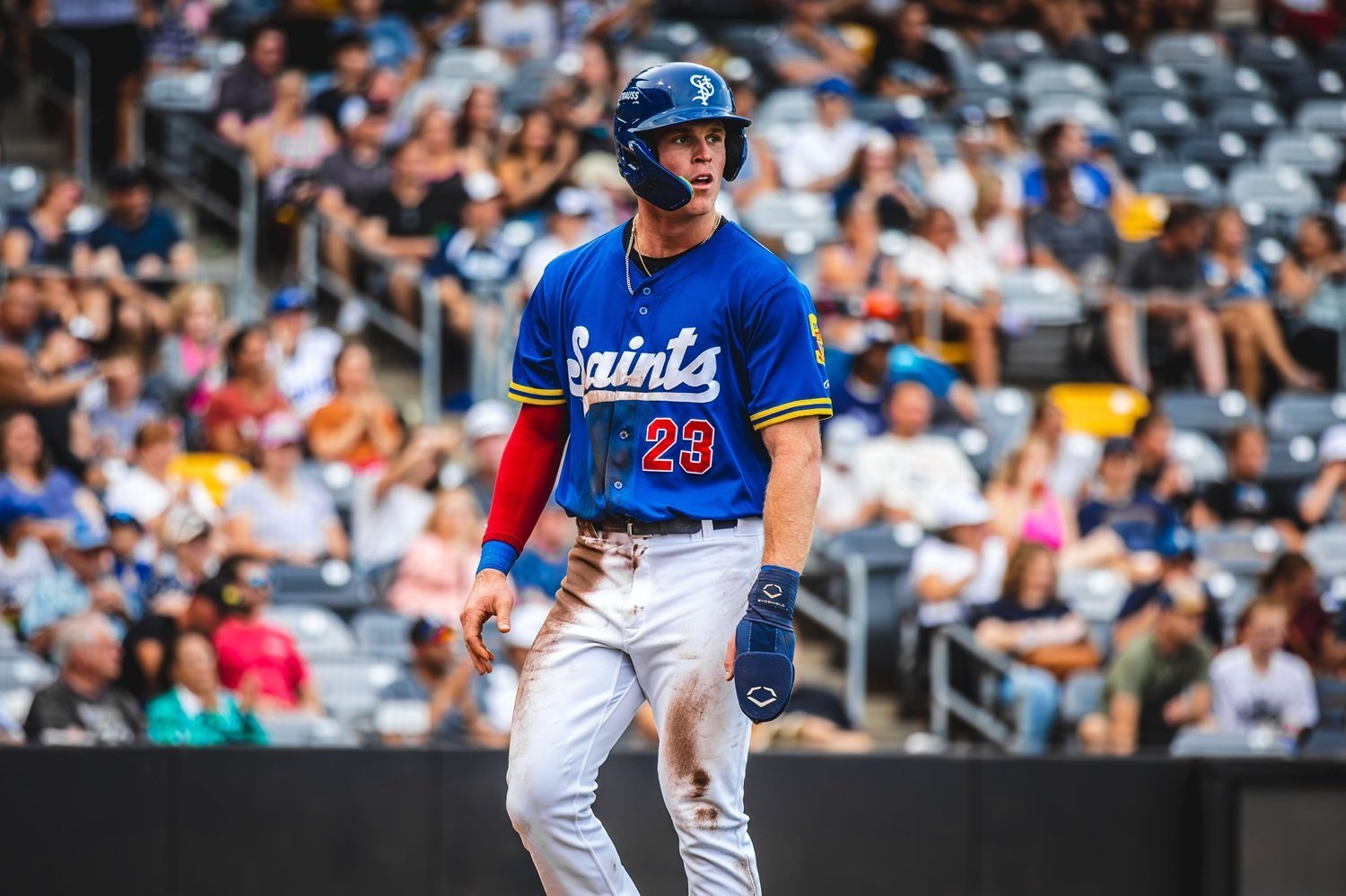 Few prospects in baseball carry the combination of hype, polish, and expectation that surrounds Walker Jenkins. Ever since the Twins selected Jenkins with the fifth overall pick in the 2023 MLB Draft, the organization has viewed him as a potential franchise cornerstone. When healthy, he has looked exactly like the type of hitter scouts envisioned during his rise through the North Carolina prep ranks. The problem is, Twins fans haven’t gotten nearly enough opportunities to see him healthy for extended stretches. The same can be said for Emmanuel Rodriguez, for whom a fan's panic level might be a little higher than on Jenkins. The disruptions to Jenkins's progress have started to create an uncomfortable question surrounding one of baseball’s best prospects: How worried should fans actually be about the growing injury history? Panic Level: Low — But No Longer Nonexistent There’s still a massive difference between “concerned” and “panicked” when it comes to Jenkins. In his age-20 season, he climbed to Triple-A, and he owns a career .863 OPS in professional baseball. Even with multiple injuries interrupting his development, Jenkins continues producing whenever he returns to the lineup. At the same time, the injuries are beginning to pile up enough that they can’t simply be brushed aside anymore. Jenkins played only 192 total games across his first two-plus professional seasons. He battled a quad strain and hamstring injury in 2024 before suffering an ankle sprain last season. Now, another setback has arrived in 2026, after Jenkins suffered a Grade 2 AC joint sprain in his left shoulder, crashing into an outfield wall while making a catch. The Twins have yet to establish a firm recovery timeline, but it’s another interruption for a player still searching for his first truly uninterrupted professional season. That’s where some of the anxiety starts creeping in. Jenkins has yet to appear in more than 84 games during any professional campaign. For a prospect whose advanced hit tool is supposed to carry the profile, consistent reps are incredibly important. Lost development time is never ideal, especially against upper-level pitching. Still, this situation feels very different from some other injury-prone prospects, because the performance hasn’t disappeared whenever Jenkins does play. Even after a slow offensive start this year at Triple-A St. Paul, Jenkins had begun finding his rhythm before the shoulder injury. He currently owns a .256/.396/.389 line across 111 plate appearances, continuing to show elite on-base ability despite inconsistent playing time. Why the Ceiling Still Looks Elite The reason Twins fans shouldn’t spiral into full panic mode is simple: Jenkins still looks like a future impact big-leaguer every time he steps on the field. His offensive foundation remains incredibly advanced for his age. Using a smooth and repeatable left-handed swing, Jenkins consistently finds the barrel and controls the strike zone at a level rarely seen from players this young. He doesn’t sell out for power, but the strength and bat speed still allow him to drive the baseball with authority, particularly to the pull side. Perhaps most encouragingly, he has continued adding more game power without sacrificing contact quality. That blend of plate discipline, bat-to-ball skills, and emerging power gives Jenkins one of the safer offensive profiles in the minors, even with the missed time. He has also handled left-handed pitching reasonably well, another encouraging sign for his long-term projection as an everyday middle-of-the-order hitter. The athleticism remains obvious, too. An above-average runner with strong instincts both on the bases and in the field, Jenkins has spent most of his professional career in center field. While many evaluators believe right field could eventually become his best long-term fit, that’s hardly a negative outcome. His strong throwing arm and offensive upside profile perfectly in a run-producing corner outfield role. The bigger issue is simply staying on the field long enough to let all those tools fully develop. Can Jenkins Shake The Injury-Prone Label? This is where the conversation becomes tricky. Right now, Jenkins is probably approaching the stage where people will begin casually labeling him as injury-prone. Fair or unfair, repeated lower-body injuries followed by another significant setback naturally create that perception. But unlike some prospects who see their tools diminish after injuries, Jenkins keeps returning and looking like the same player. Nothing about his offensive approach, athleticism, or physical tools suggests his long-term upside has changed dramatically. In fact, he arguably looked stronger offensively in 2025 despite the interruptions, posting a .286/.399/.451 line across four levels, including rehab assignments. Jenkins doesn’t necessarily need to prove he can become a star. Most evaluators already believe he can do that. The bigger challenge now is proving his body can handle the grind of a full professional schedule. That’s the key point for Twins fans to remember. If he eventually puts together a healthy 130-plus game season, much of the injury conversation likely fades into the background quickly. Twins fans have every right to feel uneasy seeing another injury attached to Jenkins’s name. At some point, repeated absences become part of the overall evaluation, and the Twins would undoubtedly love to see their top prospect finally put together an uninterrupted season. The lost developmental reps are real, especially for such a young player climbing aggressively through the minors. But panic still feels premature. Jenkins continues to perform at an extremely high level when healthy, and the overall profile remains among the best in the organization. The hit tool, approach, power projection, athleticism, and defensive versatility all still point toward a potential impact major-league outfielder. The injuries are concerning. The upside, however, is still enormous. That balance is what makes Jenkins one of the most fascinating prospects in baseball, and why Twins fans are still dreaming about what happens if everything finally clicks at once. Should fans be panicked about Jenkins? Can he shake the injury-prone label? Leave a comment and start the discussion.
 -
Image courtesy of Rob Thompson, St. Paul Saints Few prospects in baseball carry the combination of hype, polish, and expectation that surrounds Walker Jenkins. Ever since the Twins selected Jenkins with the fifth overall pick in the 2023 MLB Draft, the organization has viewed him as a potential franchise cornerstone. When healthy, he has looked exactly like the type of hitter scouts envisioned during his rise through the North Carolina prep ranks. The problem is, Twins fans haven’t gotten nearly enough opportunities to see him healthy for extended stretches. The same can be said for Emmanuel Rodriguez, for whom a fan's panic level might be a little higher than on Jenkins. The disruptions to Jenkins's progress have started to create an uncomfortable question surrounding one of baseball’s best prospects: How worried should fans actually be about the growing injury history? Panic Level: Low — But No Longer Nonexistent There’s still a massive difference between “concerned” and “panicked” when it comes to Jenkins. In his age-20 season, he climbed to Triple-A, and he owns a career .863 OPS in professional baseball. Even with multiple injuries interrupting his development, Jenkins continues producing whenever he returns to the lineup. At the same time, the injuries are beginning to pile up enough that they can’t simply be brushed aside anymore. Jenkins played only 192 total games across his first two-plus professional seasons. He battled a quad strain and hamstring injury in 2024 before suffering an ankle sprain last season. Now, another setback has arrived in 2026, after Jenkins suffered a Grade 2 AC joint sprain in his left shoulder, crashing into an outfield wall while making a catch. The Twins have yet to establish a firm recovery timeline, but it’s another interruption for a player still searching for his first truly uninterrupted professional season. That’s where some of the anxiety starts creeping in. Jenkins has yet to appear in more than 84 games during any professional campaign. For a prospect whose advanced hit tool is supposed to carry the profile, consistent reps are incredibly important. Lost development time is never ideal, especially against upper-level pitching. Still, this situation feels very different from some other injury-prone prospects, because the performance hasn’t disappeared whenever Jenkins does play. Even after a slow offensive start this year at Triple-A St. Paul, Jenkins had begun finding his rhythm before the shoulder injury. He currently owns a .256/.396/.389 line across 111 plate appearances, continuing to show elite on-base ability despite inconsistent playing time. Why the Ceiling Still Looks Elite The reason Twins fans shouldn’t spiral into full panic mode is simple: Jenkins still looks like a future impact big-leaguer every time he steps on the field. His offensive foundation remains incredibly advanced for his age. Using a smooth and repeatable left-handed swing, Jenkins consistently finds the barrel and controls the strike zone at a level rarely seen from players this young. He doesn’t sell out for power, but the strength and bat speed still allow him to drive the baseball with authority, particularly to the pull side. Perhaps most encouragingly, he has continued adding more game power without sacrificing contact quality. That blend of plate discipline, bat-to-ball skills, and emerging power gives Jenkins one of the safer offensive profiles in the minors, even with the missed time. He has also handled left-handed pitching reasonably well, another encouraging sign for his long-term projection as an everyday middle-of-the-order hitter. The athleticism remains obvious, too. An above-average runner with strong instincts both on the bases and in the field, Jenkins has spent most of his professional career in center field. While many evaluators believe right field could eventually become his best long-term fit, that’s hardly a negative outcome. His strong throwing arm and offensive upside profile perfectly in a run-producing corner outfield role. The bigger issue is simply staying on the field long enough to let all those tools fully develop. Can Jenkins Shake The Injury-Prone Label? This is where the conversation becomes tricky. Right now, Jenkins is probably approaching the stage where people will begin casually labeling him as injury-prone. Fair or unfair, repeated lower-body injuries followed by another significant setback naturally create that perception. But unlike some prospects who see their tools diminish after injuries, Jenkins keeps returning and looking like the same player. Nothing about his offensive approach, athleticism, or physical tools suggests his long-term upside has changed dramatically. In fact, he arguably looked stronger offensively in 2025 despite the interruptions, posting a .286/.399/.451 line across four levels, including rehab assignments. Jenkins doesn’t necessarily need to prove he can become a star. Most evaluators already believe he can do that. The bigger challenge now is proving his body can handle the grind of a full professional schedule. That’s the key point for Twins fans to remember. If he eventually puts together a healthy 130-plus game season, much of the injury conversation likely fades into the background quickly. Twins fans have every right to feel uneasy seeing another injury attached to Jenkins’s name. At some point, repeated absences become part of the overall evaluation, and the Twins would undoubtedly love to see their top prospect finally put together an uninterrupted season. The lost developmental reps are real, especially for such a young player climbing aggressively through the minors. But panic still feels premature. Jenkins continues to perform at an extremely high level when healthy, and the overall profile remains among the best in the organization. The hit tool, approach, power projection, athleticism, and defensive versatility all still point toward a potential impact major-league outfielder. The injuries are concerning. The upside, however, is still enormous. That balance is what makes Jenkins one of the most fascinating prospects in baseball, and why Twins fans are still dreaming about what happens if everything finally clicks at once. Should fans be panicked about Jenkins? Can he shake the injury-prone label? Leave a comment and start the discussion. View full article
-
Image courtesy of © Daniel Kucin Jr.-Imagn Images When the Twins hired Derek Shelton, the early reaction around the organization felt overwhelmingly positive. After years of watching Rocco Baldelli manage with a calm and measured personality, Shelton brought a more energetic and outwardly emotional style to the dugout. That difference has been noticeable from Day One. Shelton has always been comfortable in front of a microphone and has shown a natural ability to connect with both players and the media. That doesn’t automatically make someone a good manager, but it helped establish confidence, during a season wherein the Twins were already facing plenty of uncertainty. The real question was whether Shelton could navigate a flawed roster while keeping the club in contention. So far, the answer has mostly been yes. Lineup Construction One of the biggest talking points entering the season was the top of the lineup. The Twins had multiple candidates to hit leadoff, including Luke Keaschall, Ryan Jeffers, and Brooks Lee. Instead of endlessly rotating options, the club quickly settled on the obvious answer. Byron Buxton wanted the role, and Shelton embraced it. It has been the right decision, and it wasn't an easy one. Buxton remains the team’s most dynamic offensive player, but if he could hit equally well regardless of lineup position, you'd want him to bat second, third or fourth. More than Baldelli, Shelton came in trying to make that work, but once he recognized how big a difference it makes for Buxton in matters of preparation and mindset, he changed tack. The Twins have not spent the season overcomplicating lineup construction with constant matchup-based shuffling. Injuries have forced adjustments, but the everyday structure has largely remained stable. Shelton also deserves some credit for the organization’s willingness to make difficult decisions with struggling veterans and former stars. Royce Lewis and Matt Wallner were both expected to anchor significant portions of the offense this season. Instead, both players played themselves into demotions. While Shelton wasn’t the sole voice behind those moves, he deserves credit for managing the situation without creating unnecessary distractions (although, arguably, also some blame for the fact that each has cratered so badly). The Twins prioritized production over reputation. Offensively, the results have been encouraging in several important categories. Minnesota ranks as the eighth-biggest improver in Hard Hit%, up 0.2% from last season. Only three American League clubs have improved more. The Twins have also posted the AL’s largest increase in Launch Angle Sweet-Spot%, improving by 1.3%. That doesn’t mean the offense has been perfect. There have still been prolonged slumps and inconsistent performances throughout the lineup. However, Shelton has shown a willingness to move on from underperforming players rather than wait endlessly for improvement. Shelton's Lineup Grade: B Starting Pitchers The rotation looked like a potential disaster before the season even started. When Pablo López went down on the first day of spring training, it felt like Minnesota’s margin for error disappeared immediately. Instead of collapsing, the Twins have pieced together one of the better rotations in the American League. Taj Bradley has looked like a legitimate frontline starter. Joe Ryan continues to pitch at an All-Star caliber level despite an injury scare earlier in the year. Connor Prielipp has exceeded expectations during his rookie campaign, even as the organization carefully monitors his workload. Then there’s Zebby Matthews, who opened the season in the minors before injuries forced him into a critical role. He has responded exactly the way the Twins hoped. Shelton has also pushed the rotation aggressively, because he understands the limitations of the bullpen. Minnesota’s starters have consistently been asked to work deeper into games, and for the most part, they’ve delivered. He's been bitten a few times by leaving in starters too long, but there's no doubt that he has a different philosophy of pitcher usage and managing injury risk than Baldelli did. Last year, the Twins had 12 starts in which a hurler topped 100 pitches. This season, they already have nine, even though Bailey Ober only needed 89 pitches to complete one game. They're also staying on more of a five-day rotation, with 23 starts coming on four days' rest so far. Last year, under Baldelli, the Twins only had 41 such starts. The overall numbers back it up. Twins starters rank 10th in MLB in fWAR, which is sixth in the American League. They also sit eighth in ERA, eighth in Hard Hit%, and sixth overall in HR/FB rate. Given the circumstances, it’s hard to imagine Shelton squeezing much more out of this group. Shelton's Starting Pitcher Grade: A Bullpen Usage This bullpen probably should not work as well as it has. Entering the season, Minnesota lacked established high-end relief arms, and the concerns only intensified as injuries and inconsistency piled up. Shelton has responded by embracing complete bullpen chaos. So far, it has mostly worked. Eleven different pitchers have recorded a save this season, and no reliever has more than two saves. It has been a full committee approach, with Shelton constantly searching for favorable matchups and hot hands. There have absolutely been questionable moments along the way. Some pitching changes have backfired, and there are nights when the bullpen still feels one bad inning away from disaster. However, the overall results have been better than anyone reasonably expected. Twins relievers currently own a positive WPA, which felt nearly impossible entering the year, considering the available personnel. The organization also deserves credit for refusing to stay loyal to struggling veterans. Luis García and Justin Topa were designated for assignment after failing to establish consistency. Meanwhile, the Twins continue searching for undervalued contributors who can stabilize innings. Yoendrys Gómez has carved out a useful role, while younger pitchers like Andrew Morris and Travis Adams are beginning to adjust to leverage situations at the major-league level. Shelton hasn’t magically transformed the bullpen into a strength, but he has managed to keep it from sinking the season. Shelton's Bullpen Grade: B Overall Grade: B+ Shelton inherited a roster with obvious flaws, limited bullpen certainty, and major injury concerns in the rotation before Opening Day even arrived. Instead of letting the season spiral out of control, he has established a clear clubhouse identity while keeping the Twins competitive in a wide-open American League. His style differs noticeably from Baldelli’s, but different doesn’t necessarily mean better or worse. It simply means Shelton has put his own stamp on this team. There’s still plenty left to prove over a full season, especially when it comes to handling late-game situations and offensive consistency. However, considering the circumstances, Shelton’s first season in Minnesota has been a successful one (to this point). What grades should Shelton get for the areas above? What’s his overall grade? Leave a comment and start the discussion. View full article
-
Derek Shelton’s First Impression: Grading the Twins’ New Manager
Cody Christie posted an article in Twins
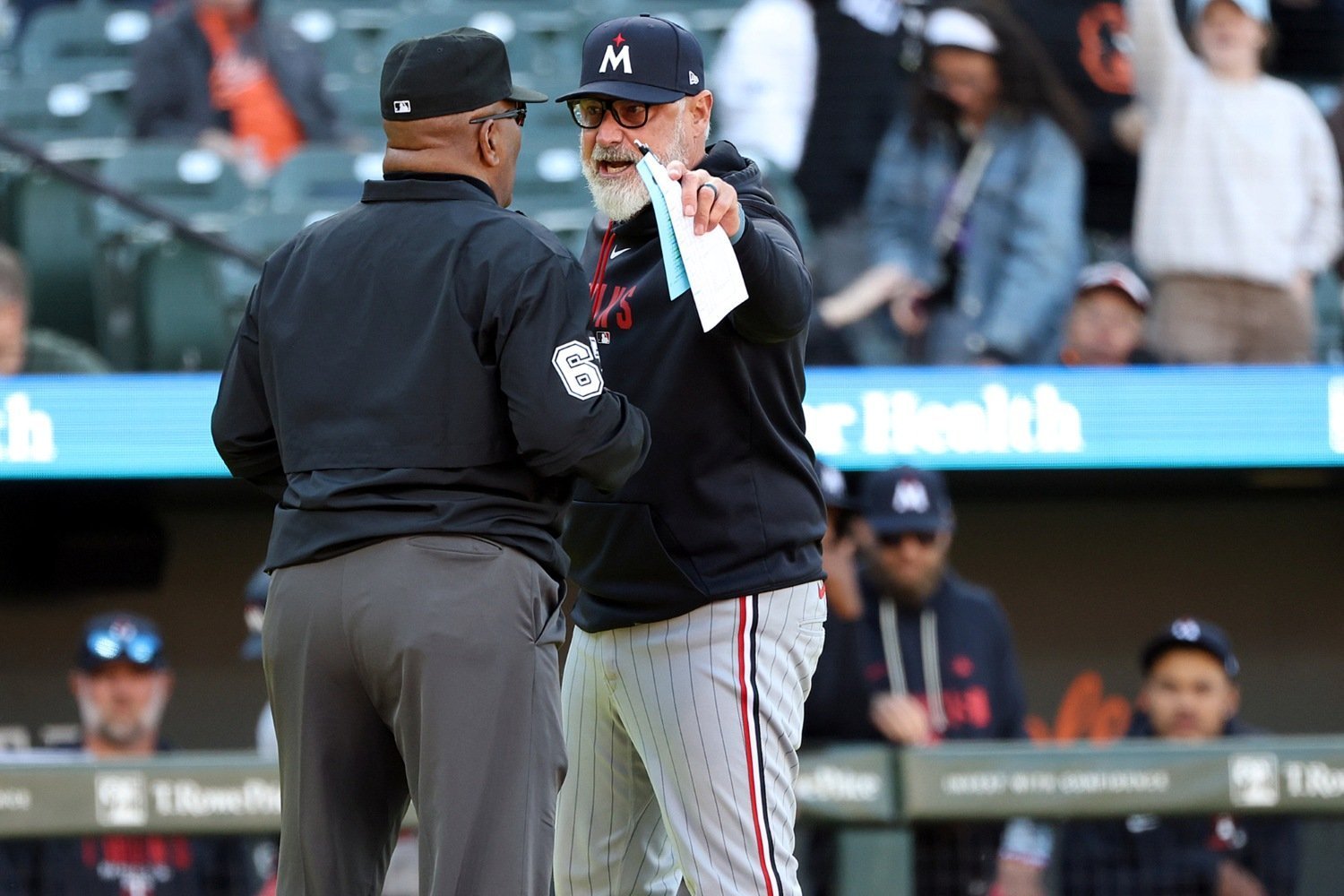 When the Twins hired Derek Shelton, the early reaction around the organization felt overwhelmingly positive. After years of watching Rocco Baldelli manage with a calm and measured personality, Shelton brought a more energetic and outwardly emotional style to the dugout. That difference has been noticeable from Day One. Shelton has always been comfortable in front of a microphone and has shown a natural ability to connect with both players and the media. That doesn’t automatically make someone a good manager, but it helped establish confidence, during a season wherein the Twins were already facing plenty of uncertainty. The real question was whether Shelton could navigate a flawed roster while keeping the club in contention. So far, the answer has mostly been yes. Lineup Construction One of the biggest talking points entering the season was the top of the lineup. The Twins had multiple candidates to hit leadoff, including Luke Keaschall, Ryan Jeffers, and Brooks Lee. Instead of endlessly rotating options, the club quickly settled on the obvious answer. Byron Buxton wanted the role, and Shelton embraced it. It has been the right decision, and it wasn't an easy one. Buxton remains the team’s most dynamic offensive player, but if he could hit equally well regardless of lineup position, you'd want him to bat second, third or fourth. More than Baldelli, Shelton came in trying to make that work, but once he recognized how big a difference it makes for Buxton in matters of preparation and mindset, he changed tack. The Twins have not spent the season overcomplicating lineup construction with constant matchup-based shuffling. Injuries have forced adjustments, but the everyday structure has largely remained stable. Shelton also deserves some credit for the organization’s willingness to make difficult decisions with struggling veterans and former stars. Royce Lewis and Matt Wallner were both expected to anchor significant portions of the offense this season. Instead, both players played themselves into demotions. While Shelton wasn’t the sole voice behind those moves, he deserves credit for managing the situation without creating unnecessary distractions (although, arguably, also some blame for the fact that each has cratered so badly). The Twins prioritized production over reputation. Offensively, the results have been encouraging in several important categories. Minnesota ranks as the eighth-biggest improver in Hard Hit%, up 0.2% from last season. Only three American League clubs have improved more. The Twins have also posted the AL’s largest increase in Launch Angle Sweet-Spot%, improving by 1.3%. That doesn’t mean the offense has been perfect. There have still been prolonged slumps and inconsistent performances throughout the lineup. However, Shelton has shown a willingness to move on from underperforming players rather than wait endlessly for improvement. Shelton's Lineup Grade: B Starting Pitchers The rotation looked like a potential disaster before the season even started. When Pablo López went down on the first day of spring training, it felt like Minnesota’s margin for error disappeared immediately. Instead of collapsing, the Twins have pieced together one of the better rotations in the American League. Taj Bradley has looked like a legitimate frontline starter. Joe Ryan continues to pitch at an All-Star caliber level despite an injury scare earlier in the year. Connor Prielipp has exceeded expectations during his rookie campaign, even as the organization carefully monitors his workload. Then there’s Zebby Matthews, who opened the season in the minors before injuries forced him into a critical role. He has responded exactly the way the Twins hoped. Shelton has also pushed the rotation aggressively, because he understands the limitations of the bullpen. Minnesota’s starters have consistently been asked to work deeper into games, and for the most part, they’ve delivered. He's been bitten a few times by leaving in starters too long, but there's no doubt that he has a different philosophy of pitcher usage and managing injury risk than Baldelli did. Last year, the Twins had 12 starts in which a hurler topped 100 pitches. This season, they already have nine, even though Bailey Ober only needed 89 pitches to complete one game. They're also staying on more of a five-day rotation, with 23 starts coming on four days' rest so far. Last year, under Baldelli, the Twins only had 41 such starts. The overall numbers back it up. Twins starters rank 10th in MLB in fWAR, which is sixth in the American League. They also sit eighth in ERA, eighth in Hard Hit%, and sixth overall in HR/FB rate. Given the circumstances, it’s hard to imagine Shelton squeezing much more out of this group. Shelton's Starting Pitcher Grade: A Bullpen Usage This bullpen probably should not work as well as it has. Entering the season, Minnesota lacked established high-end relief arms, and the concerns only intensified as injuries and inconsistency piled up. Shelton has responded by embracing complete bullpen chaos. So far, it has mostly worked. Eleven different pitchers have recorded a save this season, and no reliever has more than two saves. It has been a full committee approach, with Shelton constantly searching for favorable matchups and hot hands. There have absolutely been questionable moments along the way. Some pitching changes have backfired, and there are nights when the bullpen still feels one bad inning away from disaster. However, the overall results have been better than anyone reasonably expected. Twins relievers currently own a positive WPA, which felt nearly impossible entering the year, considering the available personnel. The organization also deserves credit for refusing to stay loyal to struggling veterans. Luis García and Justin Topa were designated for assignment after failing to establish consistency. Meanwhile, the Twins continue searching for undervalued contributors who can stabilize innings. Yoendrys Gómez has carved out a useful role, while younger pitchers like Andrew Morris and Travis Adams are beginning to adjust to leverage situations at the major-league level. Shelton hasn’t magically transformed the bullpen into a strength, but he has managed to keep it from sinking the season. Shelton's Bullpen Grade: B Overall Grade: B+ Shelton inherited a roster with obvious flaws, limited bullpen certainty, and major injury concerns in the rotation before Opening Day even arrived. Instead of letting the season spiral out of control, he has established a clear clubhouse identity while keeping the Twins competitive in a wide-open American League. His style differs noticeably from Baldelli’s, but different doesn’t necessarily mean better or worse. It simply means Shelton has put his own stamp on this team. There’s still plenty left to prove over a full season, especially when it comes to handling late-game situations and offensive consistency. However, considering the circumstances, Shelton’s first season in Minnesota has been a successful one (to this point). What grades should Shelton get for the areas above? What’s his overall grade? Leave a comment and start the discussion.
 -
Image courtesy of Bruce Kluckhohn-Imagn Images When the Minnesota Twins selected Royce Lewis with the first overall pick in the 2017 MLB Draft, the organization believed it was taking the highest-upside position player available. Nearly a decade later, the results have been frustrating, complicated, and increasingly difficult to defend. Last week, the Twins officially optioned Lewis to Triple-A after a brutal opening stretch to the 2026 season. In 31 games, Lewis slashed just .163/.261/.279 while producing only six extra-base hits. For a player once viewed as a franchise cornerstone, the performance became impossible for the organization to ignore. The frustrating part is that Lewis has shown flashes of being exactly what the Twins hoped he could become. Injuries interrupted multiple seasons, but when healthy, he looked like an explosive middle-of-the-order bat capable of carrying an offense. Those stretches are why he has still managed to accumulate 3.7 rWAR for his career, ranking 10th among first-round selections from the 2017 draft class. Unfortunately, most of that value came earlier in his career. Right now, Lewis looks lost offensively, overaggressive at the plate, and short on confidence. The Twins are hoping a reset in St. Paul can help him rediscover the version of himself that once looked destined for superstardom. Still, the bigger picture surrounding the 2017 draft is important context. In hindsight, the Twins may have been trapped in a no-win situation, no matter which direction they chose. Let’s revisit the names that followed Lewis near the top of the draft board. RHP Hunter Greene The Cincinnati Reds selected Greene second overall and handed him the largest signing bonus in the draft at $7.23 million. When healthy, Greene has absolutely looked like the best player from the class. He has accumulated 13.3 rWAR, the highest total among all first-round picks from 2017, thanks to overpowering stuff and ace-level flashes. If the Twins could redo the draft today, Greene is probably the choice. But that comes with a giant asterisk. Injuries have constantly interrupted his career. Greene underwent an elbow procedure this March and is expected to miss 14-16 weeks. Last season, he also missed more than two months because of a groin strain. The talent is undeniable, but durability concerns have followed him since the moment he entered professional baseball. LHP MacKenzie Gore The San Diego Padres went with Gore third overall, betting heavily on a high-school left-handed pitcher. That’s always a terrifying profile at the top of the draft, especially for a small-market organization that can’t afford a complete miss. Gore eventually found success after being traded to Washington, earning his first All-Star appearance last season while posting a career-best 3.0 rWAR campaign. This year has been a different story. Through 10 starts with Texas, Gore owns a 76 ERA+ and -0.1 rWAR. His career has featured massive swings in performance, and it’s easy to understand why the Twins avoided prep pitching at the top of the board altogether. Minnesota likely viewed both Greene and Gore as too risky for the first overall selection. 1B/RHP Brendan McKay Few players in the draft generated more intrigue than McKay, the Louisville two-way standout selected fourth overall by Tampa Bay. McKay was dominant on both sides of the ball in college, posting a .966 OPS while also recording a 2.23 ERA across three collegiate seasons. Tampa Bay gave him a $7 million signing bonus, another total that exceeded Lewis’s deal. It never came together professionally. Injuries completely derailed McKay’s development. He appeared in only 13 major-league games as a pitcher, and his last professional appearance came in Double-A during the 2024 season. Considering the expectations attached to him entering the draft, McKay would have been an even more painful outcome for Minnesota than Lewis has become. RHP Kyle Wright The Atlanta Braves selected Wright fifth overall after a dominant college career at Vanderbilt. He was viewed as one of the safer collegiate arms in the class and eventually delivered at least one excellent season. In 2022, Wright won 21 games for Atlanta while posting a 128 ERA+ over 180 innings. For a moment, it looked like the Braves had landed a frontline starter. Since then, his career has stalled out. Wright has bounced between multiple organizations in recent years, including the Royals and Cubs organizations. He hasn’t appeared in a major-league game this season, and last year he split time between Double-A and Triple-A. That’s the reality of this draft class. Even some of the “successful” picks came with major caveats. The painful truth for the Twins is that the top of the 2017 MLB Draft was loaded with warning signs. Nearly every option carried significant risk, whether it was injuries, inconsistency, stalled development, or outright collapse. Minnesota chose the player it believed offered the best combination of upside and long-term value. At times, Lewis absolutely justified that belief. There were stretches where he looked like a future superstar capable of changing the direction of the franchise. Right now, though, something clearly isn’t working. The Twins are hoping this stint in Triple-A becomes a reset instead of a farewell. Because while the 2017 draft may have been full of landmines, Minnesota still needs Royce Lewis to prove he isn’t one that permanently blew up their future plans. If the Twins could repick, who would they take with the first overall selection? Leave a comment and start the discussion. View full article
-
The 2017 MLB Draft Was Full of Landmines, and the Twins Stepped on One
Cody Christie posted an article in Twins
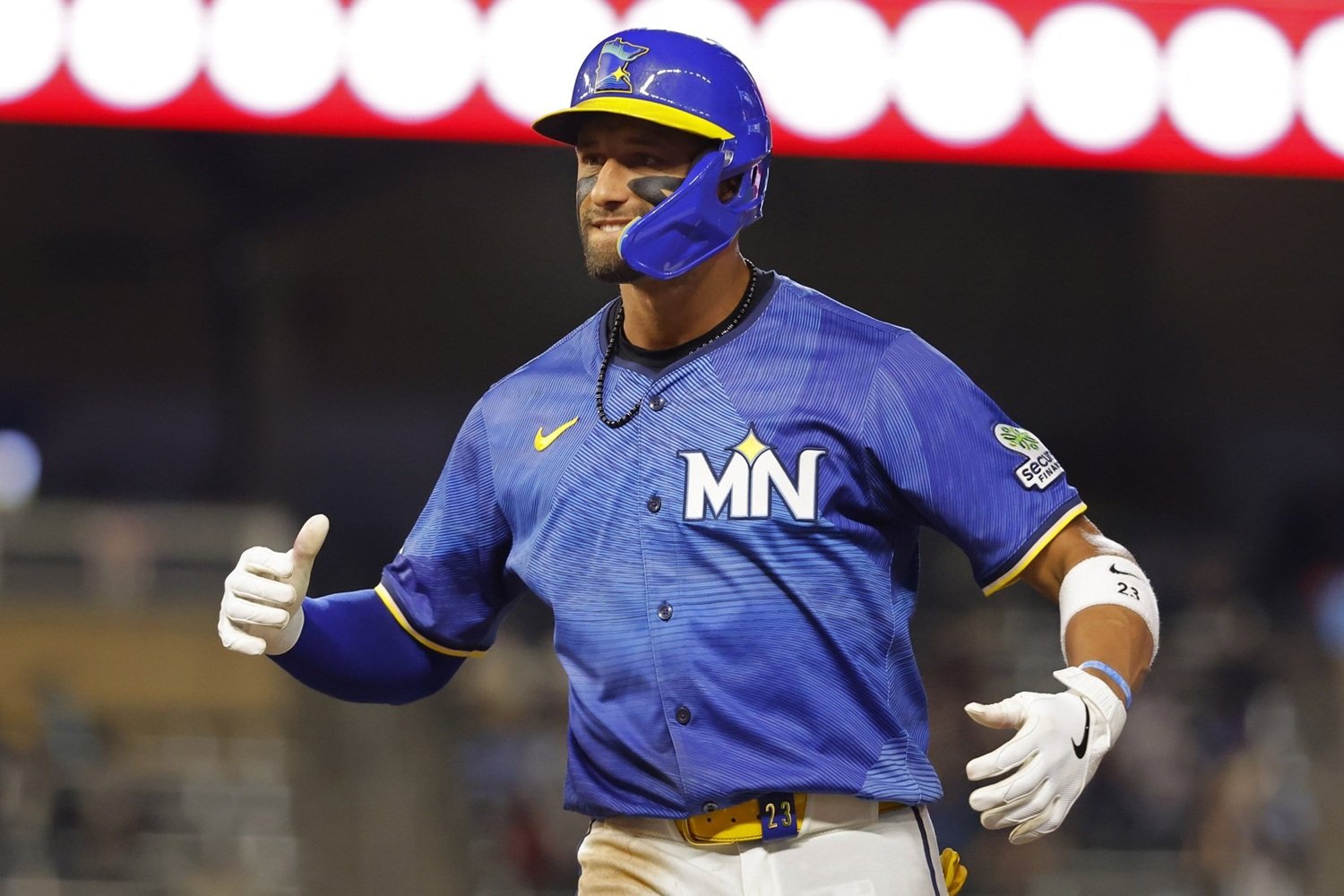 When the Minnesota Twins selected Royce Lewis with the first overall pick in the 2017 MLB Draft, the organization believed it was taking the highest-upside position player available. Nearly a decade later, the results have been frustrating, complicated, and increasingly difficult to defend. Last week, the Twins officially optioned Lewis to Triple-A after a brutal opening stretch to the 2026 season. In 31 games, Lewis slashed just .163/.261/.279 while producing only six extra-base hits. For a player once viewed as a franchise cornerstone, the performance became impossible for the organization to ignore. The frustrating part is that Lewis has shown flashes of being exactly what the Twins hoped he could become. Injuries interrupted multiple seasons, but when healthy, he looked like an explosive middle-of-the-order bat capable of carrying an offense. Those stretches are why he has still managed to accumulate 3.7 rWAR for his career, ranking 10th among first-round selections from the 2017 draft class. Unfortunately, most of that value came earlier in his career. Right now, Lewis looks lost offensively, overaggressive at the plate, and short on confidence. The Twins are hoping a reset in St. Paul can help him rediscover the version of himself that once looked destined for superstardom. Still, the bigger picture surrounding the 2017 draft is important context. In hindsight, the Twins may have been trapped in a no-win situation, no matter which direction they chose. Let’s revisit the names that followed Lewis near the top of the draft board. RHP Hunter Greene The Cincinnati Reds selected Greene second overall and handed him the largest signing bonus in the draft at $7.23 million. When healthy, Greene has absolutely looked like the best player from the class. He has accumulated 13.3 rWAR, the highest total among all first-round picks from 2017, thanks to overpowering stuff and ace-level flashes. If the Twins could redo the draft today, Greene is probably the choice. But that comes with a giant asterisk. Injuries have constantly interrupted his career. Greene underwent an elbow procedure this March and is expected to miss 14-16 weeks. Last season, he also missed more than two months because of a groin strain. The talent is undeniable, but durability concerns have followed him since the moment he entered professional baseball. LHP MacKenzie Gore The San Diego Padres went with Gore third overall, betting heavily on a high-school left-handed pitcher. That’s always a terrifying profile at the top of the draft, especially for a small-market organization that can’t afford a complete miss. Gore eventually found success after being traded to Washington, earning his first All-Star appearance last season while posting a career-best 3.0 rWAR campaign. This year has been a different story. Through 10 starts with Texas, Gore owns a 76 ERA+ and -0.1 rWAR. His career has featured massive swings in performance, and it’s easy to understand why the Twins avoided prep pitching at the top of the board altogether. Minnesota likely viewed both Greene and Gore as too risky for the first overall selection. 1B/RHP Brendan McKay Few players in the draft generated more intrigue than McKay, the Louisville two-way standout selected fourth overall by Tampa Bay. McKay was dominant on both sides of the ball in college, posting a .966 OPS while also recording a 2.23 ERA across three collegiate seasons. Tampa Bay gave him a $7 million signing bonus, another total that exceeded Lewis’s deal. It never came together professionally. Injuries completely derailed McKay’s development. He appeared in only 13 major-league games as a pitcher, and his last professional appearance came in Double-A during the 2024 season. Considering the expectations attached to him entering the draft, McKay would have been an even more painful outcome for Minnesota than Lewis has become. RHP Kyle Wright The Atlanta Braves selected Wright fifth overall after a dominant college career at Vanderbilt. He was viewed as one of the safer collegiate arms in the class and eventually delivered at least one excellent season. In 2022, Wright won 21 games for Atlanta while posting a 128 ERA+ over 180 innings. For a moment, it looked like the Braves had landed a frontline starter. Since then, his career has stalled out. Wright has bounced between multiple organizations in recent years, including the Royals and Cubs organizations. He hasn’t appeared in a major-league game this season, and last year he split time between Double-A and Triple-A. That’s the reality of this draft class. Even some of the “successful” picks came with major caveats. The painful truth for the Twins is that the top of the 2017 MLB Draft was loaded with warning signs. Nearly every option carried significant risk, whether it was injuries, inconsistency, stalled development, or outright collapse. Minnesota chose the player it believed offered the best combination of upside and long-term value. At times, Lewis absolutely justified that belief. There were stretches where he looked like a future superstar capable of changing the direction of the franchise. Right now, though, something clearly isn’t working. The Twins are hoping this stint in Triple-A becomes a reset instead of a farewell. Because while the 2017 draft may have been full of landmines, Minnesota still needs Royce Lewis to prove he isn’t one that permanently blew up their future plans. If the Twins could repick, who would they take with the first overall selection? Leave a comment and start the discussion.
- 12 comments
-
- 9
-
-
-
- royce lewis
- hunter greene
- (and 3 more)
-
Image courtesy of © Jonathan Dyer-Imagn Images When the Minnesota Twins traded Griffin Jax to the Tampa Bay Rays in exchange for Taj Bradley, the move immediately sparked debate about upside versus certainty. At the time, the Twins appeared to be dealing from a position of strength. Jax had become one of the most reliable relievers in the American League, while Bradley looked like the type of high-upside starter Minnesota’s rotation desperately needed. Early returns made the deal appear heavily tilted in the Twins’ favor. Bradley pitched like the club’s ace before a right pectoral injury landed him on the injured list. Still, baseball trades have a funny way of evolving over time, especially when pitchers are involved. Now, the Rays are attempting something Minnesota talked about and quickly abandoned: turning Jax back into a starting pitcher. The funny part is, it might actually work. Twins fans probably remember Jax’s rookie season well enough to understand why the organization gave up on the idea initially. During the 2021 campaign, Minnesota used him in 18 games, including 14 starts. The results were ugly. Jax posted a 6.37 ERA with a 67 ERA+ and a 1.35 WHIP while allowing nearly a hit per inning. Too often, lineups punished him the second and third time through the order. At the time, he looked like a pitcher without a clear identity. His fastball command wavered, the secondary stuff lacked consistency, and he simply did not miss enough bats to survive in a rotation role. Then everything changed. Beginning in 2022, the Twins shifted Jax into the bullpen full-time, and suddenly, he became one of the best relief weapons in baseball. From 2022 through 2024, he posted a 3.06 ERA with a sparkling 2.77 FIP while striking out 241 batters across 208 2/3 innings. The transformation was dramatic. His slider became a legitimate wipeout pitch. The fastball played up significantly in shorter outings. More importantly, Jax started attacking hitters with confidence, rather than simply trying to survive. By the time the 2025 season rolled around, there was legitimate discussion about whether Minnesota should revisit the starter experiment. Unlike his rookie self, the more seasoned Jax actually looked equipped for it. His pitch mix had evolved considerably since moving to relief. He had sharpened his command, developed swing-and-miss stuff, and learned how to sequence hitters far more effectively. Frankly, he barely resembled the pitcher who struggled through 2021. The idea made sense on paper. Unfortunately for Jax, the Twins needed him too badly in the bullpen. Minnesota entered 2025 leaning heavily on him as a high-leverage weapon, and the organization ultimately decided stability in relief outweighed the risk of another rotation conversion. Then the season unraveled. The Twins collapsed under the weight of injuries, inconsistent pitching, and mounting clubhouse frustration. Jax’s final chapter with the organization included a tense interaction with former manager Rocco Baldelli on the mound at Target Field. Shortly afterward, his representation informed the club that a trade would be preferred. A few days later, he was headed to Tampa Bay. Naturally, the Rays decided to get weird with it. Rather than fully stretching Jax out during spring training and immediately placing him into the rotation, Tampa Bay spent the early portion of 2026 using him in relief appearances, while gradually increasing his workload. It is a very Rays approach to pitcher development. Recently, however, the Rays have started letting Jax work deeper into games. Across five starts, he has allowed only three earned runs over 19 innings with a 14-to-8 strikeout-to-walk ratio. His most recent outing against the Baltimore Orioles may have been his most encouraging yet. Jax tossed five innings, allowed three hits, surrendered just one earned run on a solo homer, struck out six, and walked only one batter. Equally importantly, his workload continues to climb. Over his last three starts, he has averaged just over 60 pitches per outing, suggesting Tampa Bay is slowly removing the training wheels. It's difficult not to play revisionist history with the trade. Earlier in the 2026 season, the Twins looked like clear winners. Bradley emerged as Minnesota’s top starter before his injury, while Jax remained somewhat of a question mark as a long-term rotation candidate. But that equation may no longer be so simple. If Bradley’s injury impacts his long-term durability, while Jax successfully transitions into even a mid-rotation starter, the narrative around this deal could shift dramatically. Starting pitching carries far more value than relief pitching, even elite relief pitching. The Rays know that better than almost anyone. Bradley is back, and he looked like himself in his first appearance after the stint on the shelf, but it won't feel like he's out of the woods until he gets back to throwing full starts and puts that injury scare in the rearview mirror. There's also an uncomfortable reality attached to all of this from Minnesota’s perspective. The Twins may have actually developed Jax into a starter without ever getting to enjoy the payoff themselves. His failed rookie stint likely came too early in his development. By the time he became polished enough to handle a rotation role, the Twins were too reliant on him in relief to make the switch. Tampa Bay, meanwhile, inherited the finished version of the pitcher and now gets to test the final stage of the experiment. That does not make the trade a mistake. Bradley still has front-line starter upside when healthy, and the Twins desperately needed rotation help. Still, Jax’s resurgence as a starter adds an entirely new layer to the conversation. If he keeps pitching like this, Twins fans may soon find themselves wondering what could have been—although so far, Bradley is pitching well enough in his own right to deter those intrustive thoughts. What sticks out about Jax’s transition back to a starter? How should the Twins view this trade? Leave a comment and start the discussion. View full article
-
Checking In on Griffin Jax’s Transition to Starting Pitcher
Cody Christie posted an article in Twins
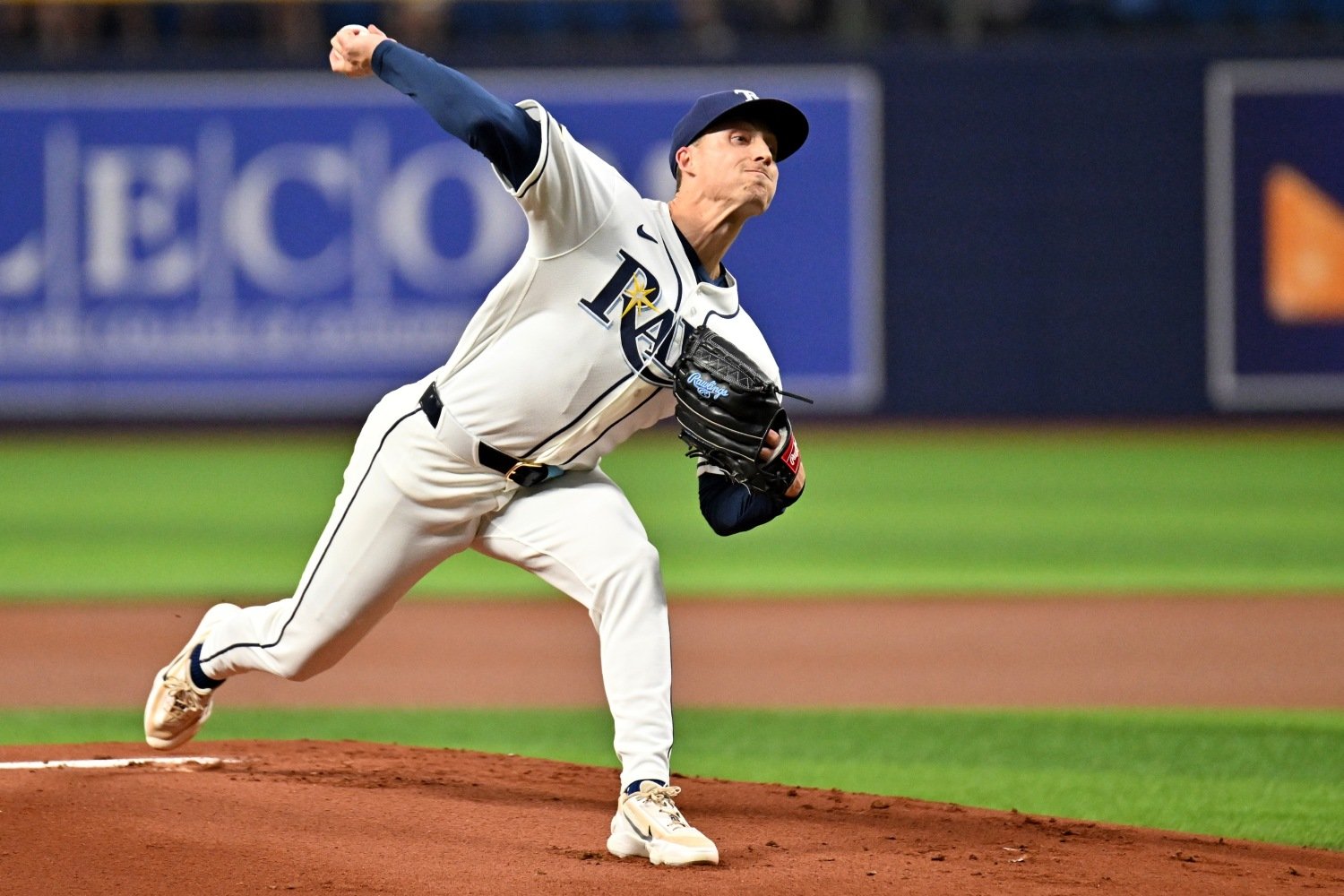 When the Minnesota Twins traded Griffin Jax to the Tampa Bay Rays in exchange for Taj Bradley, the move immediately sparked debate about upside versus certainty. At the time, the Twins appeared to be dealing from a position of strength. Jax had become one of the most reliable relievers in the American League, while Bradley looked like the type of high-upside starter Minnesota’s rotation desperately needed. Early returns made the deal appear heavily tilted in the Twins’ favor. Bradley pitched like the club’s ace before a right pectoral injury landed him on the injured list. Still, baseball trades have a funny way of evolving over time, especially when pitchers are involved. Now, the Rays are attempting something Minnesota talked about and quickly abandoned: turning Jax back into a starting pitcher. The funny part is, it might actually work. Twins fans probably remember Jax’s rookie season well enough to understand why the organization gave up on the idea initially. During the 2021 campaign, Minnesota used him in 18 games, including 14 starts. The results were ugly. Jax posted a 6.37 ERA with a 67 ERA+ and a 1.35 WHIP while allowing nearly a hit per inning. Too often, lineups punished him the second and third time through the order. At the time, he looked like a pitcher without a clear identity. His fastball command wavered, the secondary stuff lacked consistency, and he simply did not miss enough bats to survive in a rotation role. Then everything changed. Beginning in 2022, the Twins shifted Jax into the bullpen full-time, and suddenly, he became one of the best relief weapons in baseball. From 2022 through 2024, he posted a 3.06 ERA with a sparkling 2.77 FIP while striking out 241 batters across 208 2/3 innings. The transformation was dramatic. His slider became a legitimate wipeout pitch. The fastball played up significantly in shorter outings. More importantly, Jax started attacking hitters with confidence, rather than simply trying to survive. By the time the 2025 season rolled around, there was legitimate discussion about whether Minnesota should revisit the starter experiment. Unlike his rookie self, the more seasoned Jax actually looked equipped for it. His pitch mix had evolved considerably since moving to relief. He had sharpened his command, developed swing-and-miss stuff, and learned how to sequence hitters far more effectively. Frankly, he barely resembled the pitcher who struggled through 2021. The idea made sense on paper. Unfortunately for Jax, the Twins needed him too badly in the bullpen. Minnesota entered 2025 leaning heavily on him as a high-leverage weapon, and the organization ultimately decided stability in relief outweighed the risk of another rotation conversion. Then the season unraveled. The Twins collapsed under the weight of injuries, inconsistent pitching, and mounting clubhouse frustration. Jax’s final chapter with the organization included a tense interaction with former manager Rocco Baldelli on the mound at Target Field. Shortly afterward, his representation informed the club that a trade would be preferred. A few days later, he was headed to Tampa Bay. Naturally, the Rays decided to get weird with it. Rather than fully stretching Jax out during spring training and immediately placing him into the rotation, Tampa Bay spent the early portion of 2026 using him in relief appearances, while gradually increasing his workload. It is a very Rays approach to pitcher development. Recently, however, the Rays have started letting Jax work deeper into games. Across five starts, he has allowed only three earned runs over 19 innings with a 14-to-8 strikeout-to-walk ratio. His most recent outing against the Baltimore Orioles may have been his most encouraging yet. Jax tossed five innings, allowed three hits, surrendered just one earned run on a solo homer, struck out six, and walked only one batter. Equally importantly, his workload continues to climb. Over his last three starts, he has averaged just over 60 pitches per outing, suggesting Tampa Bay is slowly removing the training wheels. It's difficult not to play revisionist history with the trade. Earlier in the 2026 season, the Twins looked like clear winners. Bradley emerged as Minnesota’s top starter before his injury, while Jax remained somewhat of a question mark as a long-term rotation candidate. But that equation may no longer be so simple. If Bradley’s injury impacts his long-term durability, while Jax successfully transitions into even a mid-rotation starter, the narrative around this deal could shift dramatically. Starting pitching carries far more value than relief pitching, even elite relief pitching. The Rays know that better than almost anyone. Bradley is back, and he looked like himself in his first appearance after the stint on the shelf, but it won't feel like he's out of the woods until he gets back to throwing full starts and puts that injury scare in the rearview mirror. There's also an uncomfortable reality attached to all of this from Minnesota’s perspective. The Twins may have actually developed Jax into a starter without ever getting to enjoy the payoff themselves. His failed rookie stint likely came too early in his development. By the time he became polished enough to handle a rotation role, the Twins were too reliant on him in relief to make the switch. Tampa Bay, meanwhile, inherited the finished version of the pitcher and now gets to test the final stage of the experiment. That does not make the trade a mistake. Bradley still has front-line starter upside when healthy, and the Twins desperately needed rotation help. Still, Jax’s resurgence as a starter adds an entirely new layer to the conversation. If he keeps pitching like this, Twins fans may soon find themselves wondering what could have been—although so far, Bradley is pitching well enough in his own right to deter those intrustive thoughts. What sticks out about Jax’s transition back to a starter? How should the Twins view this trade? Leave a comment and start the discussion.
 -
Twins Prospect Hot Sheet: Marco Raya Finding His Bullpen Groove
Cody Christie posted an article in Minor Leagues
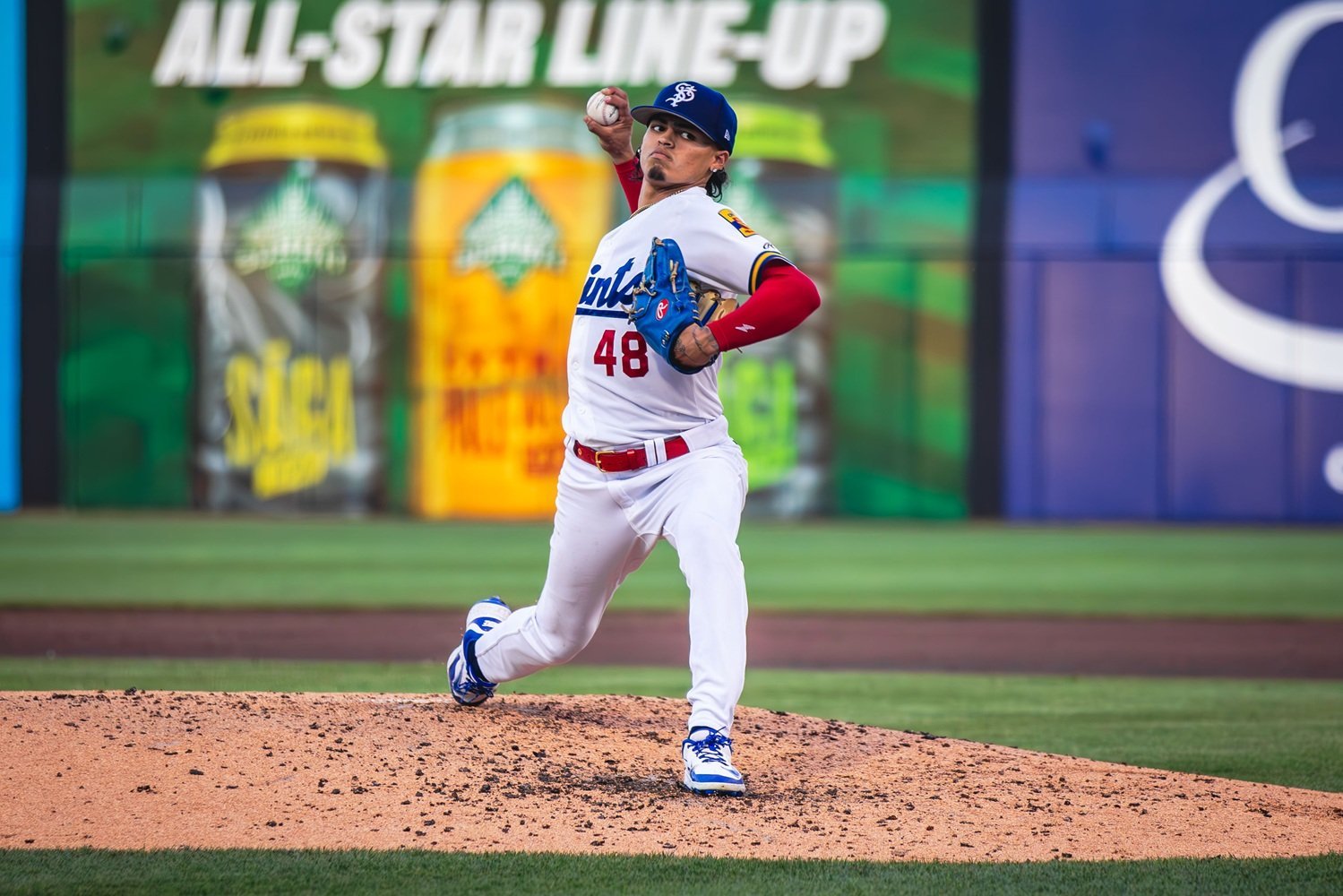 The middle of the minor-league season is when organizations separate intriguing stories from true momentum. Some players are just getting healthy. Others are adjusting to new teams or levels. A few force their way in with undeniable results. This week’s group features three players trending in the right direction for the Twins organization. From a former Giants farmhand tearing through Low-A pitching to a once-highly regarded arm finding his footing in relief, there are several interesting developments worth monitoring. OF Quinn McDaniel– Cedar Rapids Kernels How He Got Here: The San Francisco Giants selected McDaniel in the fifth round of the 2023 MLB Draft, after a productive college career at the University of Maine. He spent portions of three seasons climbing through the Giants system and eventually reached High-A ball, but consistency never fully arrived at the plate. Across 108 games last year, he finished with a .688 OPS before San Francisco moved on from him during spring training. After briefly preparing for a stint in independent baseball, McDaniel landed with the Twins organization when Minnesota signed him on May 12. The move immediately gave him a fresh opportunity, and so far, he has made the most of it. Hitting the Hot Button: Few hitters anywhere in the organization have been hotter over the last couple of weeks. McDaniel exploded out of the gate with the Fort Myers Mighty Mussels and quickly earned Florida State League Player of the Week honors during his first week in the system. Over 27 plate appearances, he posted a ridiculous .538 batting average alongside a .962 slugging percentage for a 1.480 OPS. The Twins wasted little time moving him to Cedar Rapids, and the production has continued. In his first three games with the Kernels, McDaniel collected six hits in 11 at-bats, while adding a triple. At 23 years old, he is older than much of the competition at both levels, but the early results still matter. Minnesota saw enough to aggressively challenge him, and he has responded immediately. RHP Marco Raya– St. Paul Saints How He Got Here: Raya has experienced one of the more winding developmental paths in the organization. Minnesota selected the Texas prep right-hander in the fourth round of the shortened 2020 MLB Draft, but his professional career was delayed almost immediately. The pandemic wiped out any chance of an official debut after signing, and then a shoulder injury sidelined him throughout the entire 2021 season. When Raya finally returned to the mound in 2022, flashes of his upside were easy to see even in limited workloads. His stuff continued progressing over the next two years, and he eventually climbed all the way to Triple-A in 2024 while earning a place on the Twins’ 40-man roster. The momentum stalled last season in St. Paul, as command issues created significant problems. His walk rate ballooned to a career worst 12.6%, and outings often unraveled before he could settle in. Hitting the Hot Button: Raya may finally be carving out a more stable role in the bullpen. On Friday, he fired three shutout innings during a Saints victory while allowing only one hit, with three strikeouts and no walks. The biggest development has been improved control. In four of his last six appearances, Raya has thrown at least two innings without surrendering a run. Even more encouraging, he has issued just three walks over his last 58 batters faced. The Twins have long believed the raw stuff could play at a high level. If the strike-throwing continues trending upward, a bullpen role could become a legitimate pathway back into Minnesota’s long-term plans. OF Jhomnardo Reyes– FCL Twins How He Got Here: The Twins invested in Reyes during the international signing period, handing the Dominican outfielder a $300,000 bonus. He made his professional debut last season in the Dominican Summer League as a 17-year-old and immediately showed intriguing athletic tools. Across 50 games, Reyes slashed .291/.386/.469 with 10 doubles, nine triples, and one home run, while stealing 10 bases. His combination of speed and extra-base ability stood out, although swing-and-miss concerns remained part of the profile. Reyes struck out in 28.5% of his plate appearances, while drawing walks at an 11.6% clip. Hitting the Hot Button: The transition from the Dominican Summer League to Complex League ball in Florida can be difficult for young international prospects, but Reyes has looked completely comfortable since arriving stateside. Through his first 10 FCL games, Reyes owns a .385 batting average with a .529 on-base percentage and an even 1.000 slugging percentage. He has already launched three home runs while piling up eight extra-base hits and swiping three bases. The most encouraging signs may be hidden in the plate discipline numbers. Reyes has boosted his walk rate to 20.6% while trimming his strikeout rate down to 17.6%. For a teenager with loud athletic traits, that kind of early adjustment is exactly what organizations hope to see. All three of these prospects are gaining momentum in very different ways. McDaniel is attempting to turn a career reset into a legitimate breakout. Raya appears to be settling into a role that better fits his current strengths. Reyes is showing why the Twins believed in his long-term upside when they signed him internationally. Each is, in their own way, an emblem of the player development the team will need to do well to return to the top of the AL Central and stay there—whether any turns out to be the difference-making individual within their archetype or not. What stands out about these three players? Leave a comment and start the discussion.
- 12 comments
-
- 12
-
-
-
- marco raya
- quinn mcdaniel
- (and 1 more)