Cody Christie
-
Posts
7,515 -
Joined
-
Last visited
-
Days Won
5
Content Type
Profiles
News
Minnesota Twins Videos
2026 Minnesota Twins Top Prospects Ranking
2022 Minnesota Twins Draft Picks
Minnesota Twins Free Agent & Trade Rumors, Notes, & Tidbits
Guides & Resources
2023 Minnesota Twins Draft Picks
The Minnesota Twins Players Project
2024 Minnesota Twins Draft Picks
2025 Minnesota Twins Draft Pick Tracker
2026 Minnesota Twins Draft Tracker: Picks & Bonuses
Forums
Blogs
Events
Store
Downloads
Gallery
Everything posted by Cody Christie
-
Minnesota's current front office has been in this position before, with the team focused on adding a front-line starter. This winter is the time to outbid other clubs to get a top-tier pitcher in a Twins uniform. Minnesota will need to hit on some cheaper rotation options to be competitive in 2022, and these buy-low candidates all fit that bill. However, affordable rotation options aren't going to help the team to contend. In recent years, the current front office has targeted some of the top free-agent pitchers, but none have accepted Minnesota's offer. Leading into the 2019 season, Minnesota targeted Zach Wheeler and offered him a contract north of $100 million. He eventually signed with Philadelphia for $118 million. Minnesota looked into Madison Bumgarner that same winter, but he took a below-market deal to pitch close to his ranch in Arizona. The Twins had to pivot that winter and ended up signing Josh Donaldson, but that didn't help their starting pitching deficiency. Trading for Kenta Maeda was undoubtedly a move that bolstered the rotation for multiple seasons. Unfortunately, he is likely out for all of 2022 following Tommy John surgery. Minnesota signed Randy Dobnak to a unique contract extension last winter, and he followed that up with the worst season of his career. The front office has tried different avenues to build the starting staff even if they haven't worked out. Some fans may point to Jose Berrios as one player the Twins could have overpaid to stay at the top of the team's rotation. Some of the top-tier starting pitchers this year compare very similarly to Berrios. However, he and his team have gone through the arbitration process with the goal of him hitting free agency and capitalizing on his value. Minnesota was right to trade him away when his value was highest, and they have the same opportunity as the other clubs to sign him following the 2022 campaign. Free-agent starting pitching is something the Twins haven't spent a lot on in the past, and now the timing may be right. Some of the available veteran starting pitchers aren't going to consider Minnesota as a viable option. They see their careers as coming to a close, and there's no guarantee the Twins will be relevant in 2022. This crosses Max Scherzer, Justin Verlander, and Clayton Kershaw off the list, but there are other names to consider. Two other top-tier free agents, Carlos Rodon and Noah Syndergaard have injury concerns that teams will want to avoid. There is certainly the upside potential with these two players, but the risk may not be worth the reward. This leaves players like Kevin Gausman, Robbie Ray, and Marcus Stroman as the remaining top tier starting pitcher targets. Based on Minnesota's previous track record, the only way to get an ace to Minnesota is to overpay. All three of the pitchers mentioned above will cost over $20 million per season, with Gausman and Ray having the potential to make even more. Even if the Twins are out of contention in 2022, these three players can be part of the franchise's next winning window. Other pitching will be needed, but Minnesota needs to outbid other teams to get a name penciled at the top of the rotation. To read more about this year's crop of free-agent pitchers, make sure to order your copy of the 2022 Offseason Handbook. If you order today, it will be sent directly to your email. Which pitcher do you think the Twins are most likely to target? Leave a COMMENT and start the discussion. MORE FROM TWINS DAILY — Latest Twins coverage from our writers — Recent Twins discussion in our forums — Follow Twins Daily via Twitter, Facebook or email View full article
- 75 replies
-
- 1
-

-
- robbie ray
- kevin gausman
- (and 3 more)
-
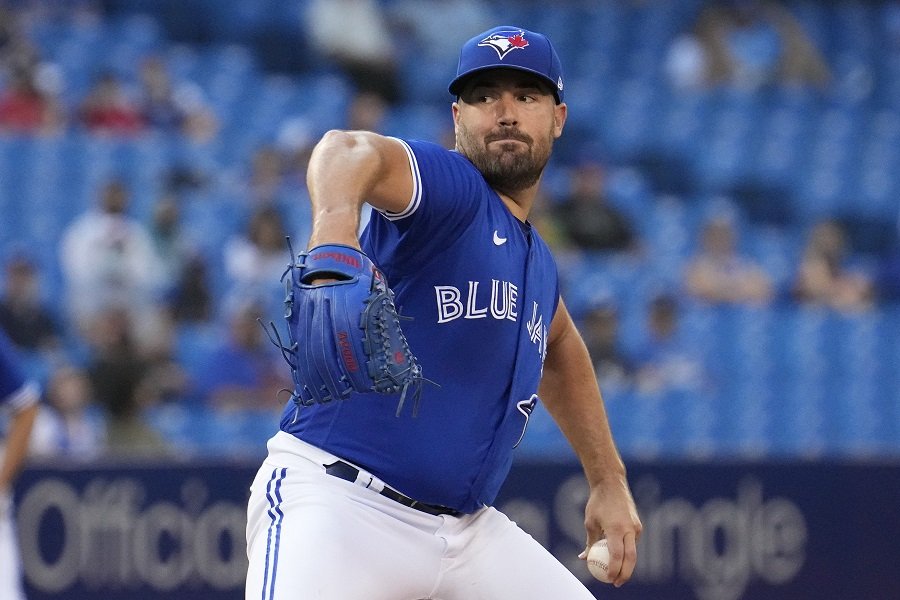 Minnesota will need to hit on some cheaper rotation options to be competitive in 2022, and these buy-low candidates all fit that bill. However, affordable rotation options aren't going to help the team to contend. In recent years, the current front office has targeted some of the top free-agent pitchers, but none have accepted Minnesota's offer. Leading into the 2019 season, Minnesota targeted Zach Wheeler and offered him a contract north of $100 million. He eventually signed with Philadelphia for $118 million. Minnesota looked into Madison Bumgarner that same winter, but he took a below-market deal to pitch close to his ranch in Arizona. The Twins had to pivot that winter and ended up signing Josh Donaldson, but that didn't help their starting pitching deficiency. Trading for Kenta Maeda was undoubtedly a move that bolstered the rotation for multiple seasons. Unfortunately, he is likely out for all of 2022 following Tommy John surgery. Minnesota signed Randy Dobnak to a unique contract extension last winter, and he followed that up with the worst season of his career. The front office has tried different avenues to build the starting staff even if they haven't worked out. Some fans may point to Jose Berrios as one player the Twins could have overpaid to stay at the top of the team's rotation. Some of the top-tier starting pitchers this year compare very similarly to Berrios. However, he and his team have gone through the arbitration process with the goal of him hitting free agency and capitalizing on his value. Minnesota was right to trade him away when his value was highest, and they have the same opportunity as the other clubs to sign him following the 2022 campaign. Free-agent starting pitching is something the Twins haven't spent a lot on in the past, and now the timing may be right. Some of the available veteran starting pitchers aren't going to consider Minnesota as a viable option. They see their careers as coming to a close, and there's no guarantee the Twins will be relevant in 2022. This crosses Max Scherzer, Justin Verlander, and Clayton Kershaw off the list, but there are other names to consider. Two other top-tier free agents, Carlos Rodon and Noah Syndergaard have injury concerns that teams will want to avoid. There is certainly the upside potential with these two players, but the risk may not be worth the reward. This leaves players like Kevin Gausman, Robbie Ray, and Marcus Stroman as the remaining top tier starting pitcher targets. Based on Minnesota's previous track record, the only way to get an ace to Minnesota is to overpay. All three of the pitchers mentioned above will cost over $20 million per season, with Gausman and Ray having the potential to make even more. Even if the Twins are out of contention in 2022, these three players can be part of the franchise's next winning window. Other pitching will be needed, but Minnesota needs to outbid other teams to get a name penciled at the top of the rotation. To read more about this year's crop of free-agent pitchers, make sure to order your copy of the 2022 Offseason Handbook. If you order today, it will be sent directly to your email. Which pitcher do you think the Twins are most likely to target? Leave a COMMENT and start the discussion. MORE FROM TWINS DAILY — Latest Twins coverage from our writers — Recent Twins discussion in our forums — Follow Twins Daily via Twitter, Facebook or email
- 75 comments
-
- 1
-
-
- robbie ray
- kevin gausman
- (and 3 more)
-
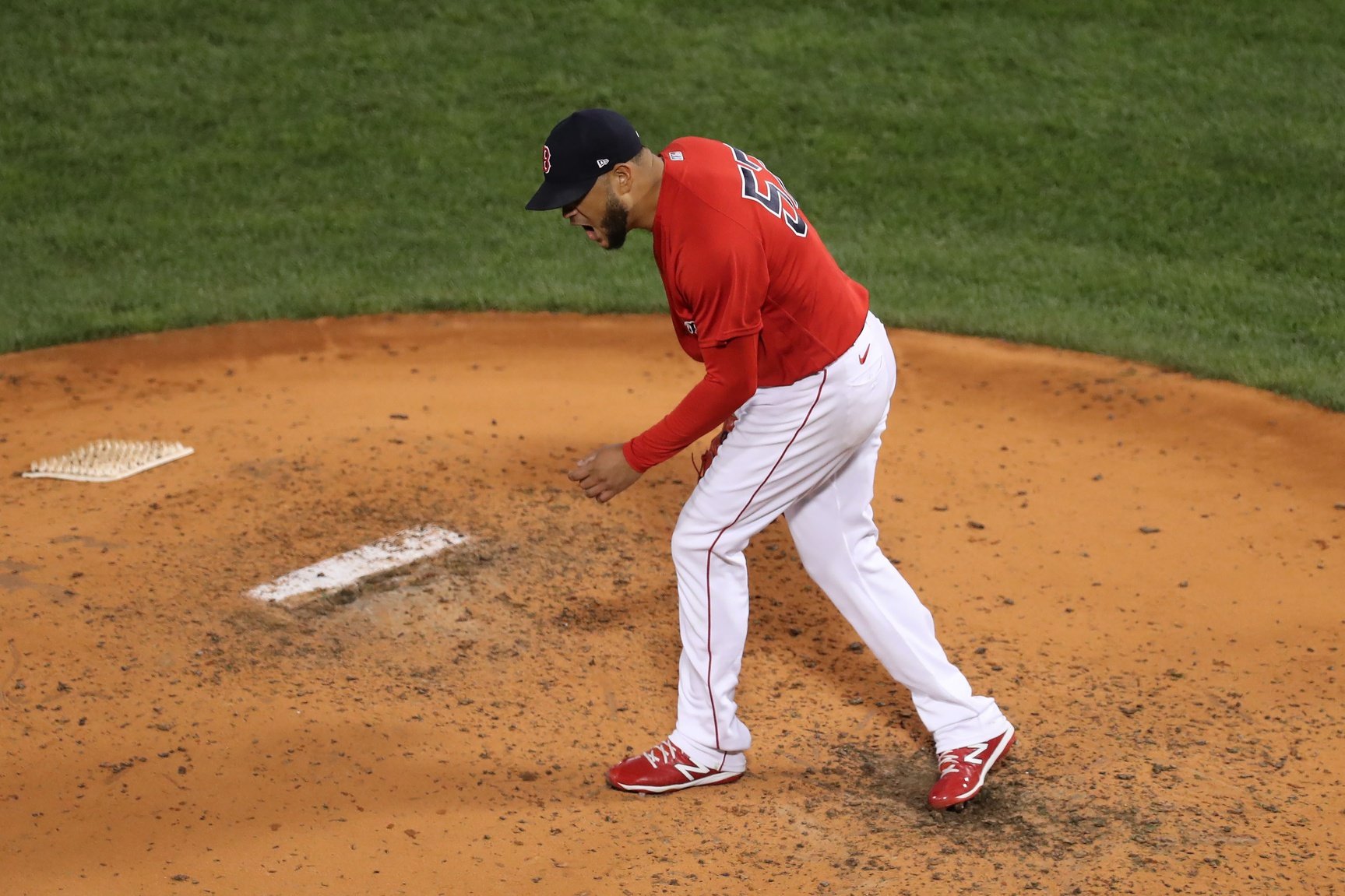 Minnesota will have money to spend on the free-agent market, but that doesn’t mean the club has unlimited funds to spend. Finding value in the free-agent market is something successful organizations do well, and it is an area this front office needs to improve. Eduardo Rodriguez, LHP Projected Cost: $12 million At 28-years old, Rodriguez is relatively young to be reaching free agency, and there are multiple factors to consider when looking at his recent seasons. He missed all of 2020 after contracting COVID and later being diagnosed with myocarditis. His 2021 season was underwhelming as he posted a 4.74 ERA with a 1.39 WHIP in 157 2/3 innings. Even with these poor numbers, there were some positive signs. Rodriguez strikes out a ton of batters as he posted a career-high 10.6 SO/9 in 2021. Over the last four seasons, he has combined to post a 113 ERA+ with nearly 10 K/9. He has a 3.71 FIP compared to a 4.13 ERA, so there may be signs of some bad luck impacting his numbers. Getting out of the gauntlet that is the AL East can also help a pitcher to improve. Michael Pineda, RHP Projected Cost: $8 Twins fans are very familiar with Pineda after he has spent the last four seasons as a member of the organization. He isn’t someone to get overly excited about, but he is a constant veteran pitcher. During his Twins tenure, he posted a 3.80 ERA with a 1.19 WHIP in 282 innings. However, those numbers came with time missed due to injury and suspension. Pineda may seem like he has been around forever, but he is still only 32-years-old. Minnesota will need rotational depth, and Pineda can help a young pitching staff adjust to the big-league level. That being said, fans may be significantly underwhelmed by bringing back Pineda if it hinders the team’s ability to sign more significant free-agent options. Andrew Heaney, LHP Projected Cost: $5 million Heaney might be the lowest buy-low candidate as the Yankees designated him for assignment last year, and he went unclaimed. New York had acquired him from Los Angeles at the trade deadline for a pair of minor leaguers. His time in the Bronx was rough after he allowed 13 home runs in 12 appearances. His time with the Angels was slightly better as he posted a 5.27 ERA with a 1.31 WHIP. Like Rodriguez, Heaney has strong strikeout numbers even amid his 2021 struggles. Over the last four seasons, he has posted a 9.9 K/9 mark with a 1.25 WHIP, and his 4.81 ERA is nearly half a run higher than his FIP. His fastball spin and his chase rate both rank in the 90th percentile or higher. Heaney clearly isn’t a top of the rotation starter, but finding a new organization might help him refocus his career. To read more about this year’s crop of free-agent pitchers, make sure to order your copy of the 2022 Offseason Handbook. If you order today, it will be sent directly to your email. Which pitcher do you think the Twins are most likely to target? Leave a COMMENT and start the discussion. MORE FROM TWINS DAILY — Latest Twins coverage from our writers — Recent Twins discussion in our forums — Follow Twins Daily via Twitter, Facebook or email
 -
 Starting pitching is at the top of Minnesota’s off-season wish list, and there are plenty of arms to consider. Here are three buy-low candidates the Twins can consider for the rotation’s back end. Minnesota will have money to spend on the free-agent market, but that doesn’t mean the club has unlimited funds to spend. Finding value in the free-agent market is something successful organizations do well, and it is an area this front office needs to improve. Eduardo Rodriguez, LHP Projected Cost: $12 million At 28-years old, Rodriguez is relatively young to be reaching free agency, and there are multiple factors to consider when looking at his recent seasons. He missed all of 2020 after contracting COVID and later being diagnosed with myocarditis. His 2021 season was underwhelming as he posted a 4.74 ERA with a 1.39 WHIP in 157 2/3 innings. Even with these poor numbers, there were some positive signs. Rodriguez strikes out a ton of batters as he posted a career-high 10.6 SO/9 in 2021. Over the last four seasons, he has combined to post a 113 ERA+ with nearly 10 K/9. He has a 3.71 FIP compared to a 4.13 ERA, so there may be signs of some bad luck impacting his numbers. Getting out of the gauntlet that is the AL East can also help a pitcher to improve. Michael Pineda, RHP Projected Cost: $8 Twins fans are very familiar with Pineda after he has spent the last four seasons as a member of the organization. He isn’t someone to get overly excited about, but he is a constant veteran pitcher. During his Twins tenure, he posted a 3.80 ERA with a 1.19 WHIP in 282 innings. However, those numbers came with time missed due to injury and suspension. Pineda may seem like he has been around forever, but he is still only 32-years-old. Minnesota will need rotational depth, and Pineda can help a young pitching staff adjust to the big-league level. That being said, fans may be significantly underwhelmed by bringing back Pineda if it hinders the team’s ability to sign more significant free-agent options. Andrew Heaney, LHP Projected Cost: $5 million Heaney might be the lowest buy-low candidate as the Yankees designated him for assignment last year, and he went unclaimed. New York had acquired him from Los Angeles at the trade deadline for a pair of minor leaguers. His time in the Bronx was rough after he allowed 13 home runs in 12 appearances. His time with the Angels was slightly better as he posted a 5.27 ERA with a 1.31 WHIP. Like Rodriguez, Heaney has strong strikeout numbers even amid his 2021 struggles. Over the last four seasons, he has posted a 9.9 K/9 mark with a 1.25 WHIP, and his 4.81 ERA is nearly half a run higher than his FIP. His fastball spin and his chase rate both rank in the 90th percentile or higher. Heaney clearly isn’t a top of the rotation starter, but finding a new organization might help him refocus his career. To read more about this year’s crop of free-agent pitchers, make sure to order your copy of the 2022 Offseason Handbook. If you order today, it will be sent directly to your email. Which pitcher do you think the Twins are most likely to target? Leave a COMMENT and start the discussion. MORE FROM TWINS DAILY — Latest Twins coverage from our writers — Recent Twins discussion in our forums — Follow Twins Daily via Twitter, Facebook or email View full article
 -
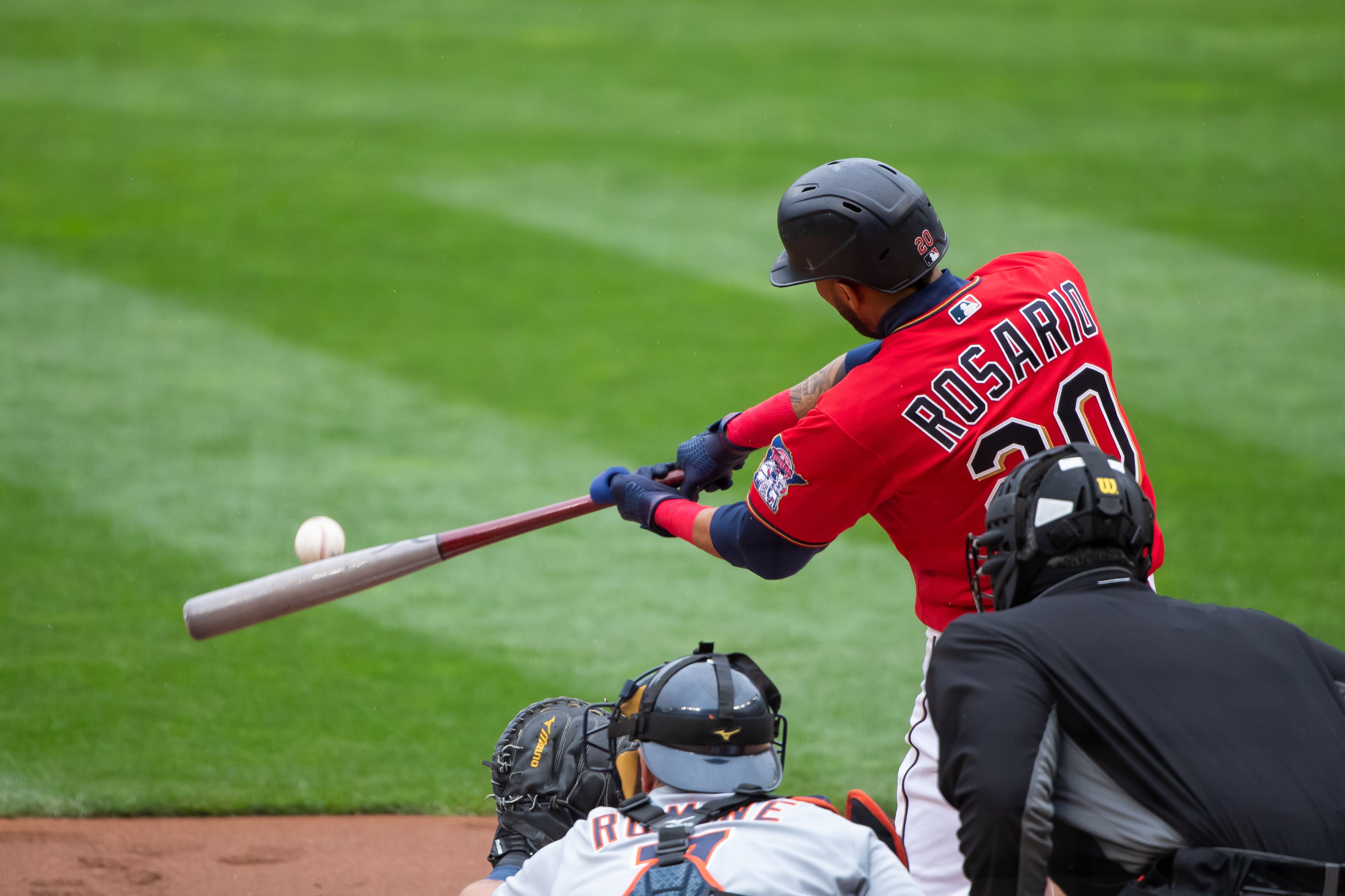 Last December, the Twins had a tough decision to make about offering a contract to Eddie Rosario. He was heading to his final year of arbitration eligibility, and he was expected to cost around $12 million in arbitration. To put that in perspective, Rosario was coming off a season where FanGraphs had him pegged at providing $7.7 million worth of value to the Twins. The front office used the money not spent on Rosario to sign 40% of the team's starting rotation. Minnesota also had other options for filling corner outfield spots. Alex Kirilloff and Trevor Larnach were both expected to make their regular season debuts in 2021, and they were scheduled to cost significantly less than Rosario. Each had the potential to provide equal or more value than Rosario during the 2021 season, so this made it easier to make their Rosario decision. He was designated for assignment and no other teams put a claim on him. Rosario eventually signed with Cleveland at the end of January for $8 million. He played in 78 games and hit .254/.296/.389 (.686) with 23 extra-base hits. Among AL outfielders with 300 plate appearances, he ranked in the bottom eight in wRC and wOBA. His 86 OPS+ was five points fewer than his previous career low. At the trade deadline, Rosario was traded to Atlanta for Pablo Sandoval, who Cleveland immediately cut. The Braves added multiple outfielders at the deadline to try and make up for the loss of Ronald Acuna Jr. Rosario found his swing again with the Braves as the club was fighting for a playoff spot. In 33 games, he hit .271/.330/.573 (.903), which raised his OPS+ by 45 points compared to his time in Cleveland. He hit seven home runs in fewer than 100 at-bats which were as many home runs as he had in over 280 at-bats before the trade. During the NLDS, Rosario went 4-for-13 with two RBI and a walk as the Braves surprised the Brewers. In the NLCS, his bat has continued to stay hot. Through the first four games of the series, he went 10-for-12 with two home runs, one triple, and six RBI. Rosario has clearly impacted Atlanta’s success so far this October. Fans may be excited by Rosario contributing to a team having postseason success, but the front office still made the right decision when it came to tendering him a contract. He was still a well below-average player for a majority of the season in Cleveland. As Twins fans recall, Rosario is a very streaky hitter, and he happens to be in the midst of one of his hot streaks at the season’s most impactful time of the year. Rosario will hit the free-agent market again this winter, and his market will largely remain unchanged. He makes poor baserunning mistakes and plays below-average defense. His offense also doesn’t make up for his other deficiencies. Rosario can undoubtedly be exciting, but Minnesota made the right decision in the short and long term. What are your thoughts on Rosario’s playoff performance so far? Leave a COMMENT and start the discussion. MORE FROM TWINS DAILY — Latest Twins coverage from our writers — Recent Twins discussion in our forums — Follow Twins Daily via Twitter, Facebook or email
 -
A Minnesota fan favorite, Eddie Rosario has come up with big plays for the Braves during their playoff run. Let’s take a look back at Minnesota’s decision to let go of Rosario. Last December, the Twins had a tough decision to make about offering a contract to Eddie Rosario. He was heading to his final year of arbitration eligibility, and he was expected to cost around $12 million in arbitration. To put that in perspective, Rosario was coming off a season where FanGraphs had him pegged at providing $7.7 million worth of value to the Twins. The front office used the money not spent on Rosario to sign 40% of the team's starting rotation. Minnesota also had other options for filling corner outfield spots. Alex Kirilloff and Trevor Larnach were both expected to make their regular season debuts in 2021, and they were scheduled to cost significantly less than Rosario. Each had the potential to provide equal or more value than Rosario during the 2021 season, so this made it easier to make their Rosario decision. He was designated for assignment and no other teams put a claim on him. Rosario eventually signed with Cleveland at the end of January for $8 million. He played in 78 games and hit .254/.296/.389 (.686) with 23 extra-base hits. Among AL outfielders with 300 plate appearances, he ranked in the bottom eight in wRC and wOBA. His 86 OPS+ was five points fewer than his previous career low. At the trade deadline, Rosario was traded to Atlanta for Pablo Sandoval, who Cleveland immediately cut. The Braves added multiple outfielders at the deadline to try and make up for the loss of Ronald Acuna Jr. Rosario found his swing again with the Braves as the club was fighting for a playoff spot. In 33 games, he hit .271/.330/.573 (.903), which raised his OPS+ by 45 points compared to his time in Cleveland. He hit seven home runs in fewer than 100 at-bats which were as many home runs as he had in over 280 at-bats before the trade. During the NLDS, Rosario went 4-for-13 with two RBI and a walk as the Braves surprised the Brewers. In the NLCS, his bat has continued to stay hot. Through the first four games of the series, he went 10-for-12 with two home runs, one triple, and six RBI. Rosario has clearly impacted Atlanta’s success so far this October. Fans may be excited by Rosario contributing to a team having postseason success, but the front office still made the right decision when it came to tendering him a contract. He was still a well below-average player for a majority of the season in Cleveland. As Twins fans recall, Rosario is a very streaky hitter, and he happens to be in the midst of one of his hot streaks at the season’s most impactful time of the year. Rosario will hit the free-agent market again this winter, and his market will largely remain unchanged. He makes poor baserunning mistakes and plays below-average defense. His offense also doesn’t make up for his other deficiencies. Rosario can undoubtedly be exciting, but Minnesota made the right decision in the short and long term. What are your thoughts on Rosario’s playoff performance so far? Leave a COMMENT and start the discussion. MORE FROM TWINS DAILY — Latest Twins coverage from our writers — Recent Twins discussion in our forums — Follow Twins Daily via Twitter, Facebook or email View full article
-
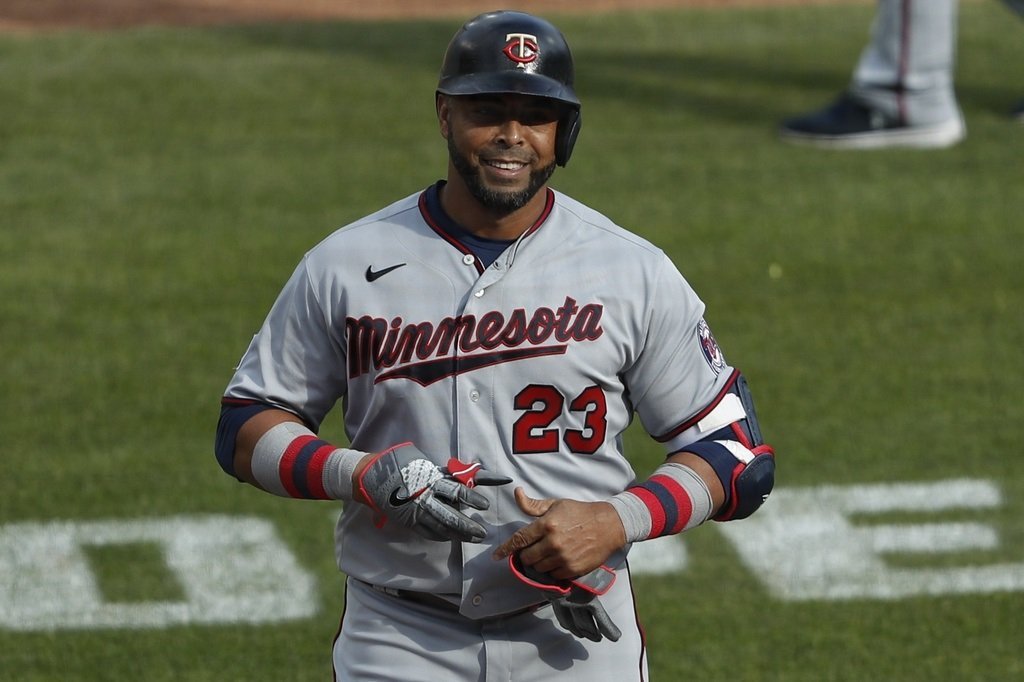 It's hard to fathom just how valuable Nelson Cruz was during his time as a Twin. It was clear what he could provide with his on-field performance, but he meant just as much off the field. In parts of three seasons, he hit .304/.386/.598 (.984) with a 162 OPS+. His Twins tenure started with the record-breaking Bomba Squad and ended with him traded for two pitching prospects that look to be part of the team's long-term plans. Cruz seemed to be defying Father Time over the last handful of seasons. That was one of the reasons the Twins were able to sign him for $13 million this past winter. After being traded to the Rays, age might have started to catch up to Cruz. In 55 games, he hit .226/.283/.442 with 21 extra-base hits. In the ALDS, he went 3-for-17 with a home run before Tampa was eliminated. Players over 40 rarely find success, and those that do are Hall of Fame-caliber hitters. According to FanGraphs, Cruz's 2021 season ranks as the 17th best age-40 season in baseball history. This performance ranks him ahead of future Hall of Famers like Reggie Jackson (21st), Craig Biggio (24th), Paul Molitor (25th), and Derek Jeter (26th). Many of those players declined significantly after age-40 or decided to retire. Minnesota can go in a few different directions for 2022 and beyond when it comes to designated hitter. Bringing Cruz back is undoubtedly an option, but it seems more likely for the team to go in an alternate direction. The Twins have players like Josh Donaldson, Miguel Sano, and Brent Rooker, who can rotate through the DH role. It seems likely for Sano to get the majority of those at-bats with Alex Kirilloff taking over as the full-time first baseman. Another wrinkle in a Cruz reunion is the good chance that the National League adds the designated hitter. Minnesota had little competition to sign Cruz last winter because only the American League had the DH, and not every AL team was looking to be competitive or had an open DH role. Cruz can fill at least a part-time DH role on a contending NL team that feels like he has something left in the tank. Cruz has provided immeasurable value to the Twins organization, and his impact will be felt long after he retires from baseball. Questions remain about whether or not the Twins will be contenders in 2022. This makes it easier to pass on the possibility of a Cruz reunion. Will the Twins explore a Nelson Cruz reunion? Leave a COMMENT and start the discussion. MORE FROM TWINS DAILY — Latest Twins coverage from our writers — Recent Twins discussion in our forums — Follow Twins Daily via Twitter, Facebook or email
 -
Nelson Cruz has been one of the Twins' best hitters over the last two seasons. However, his performance declined after Minnesota traded him. Will the Twins consider a Cruz reunion this winter? It's hard to fathom just how valuable Nelson Cruz was during his time as a Twin. It was clear what he could provide with his on-field performance, but he meant just as much off the field. In parts of three seasons, he hit .304/.386/.598 (.984) with a 162 OPS+. His Twins tenure started with the record-breaking Bomba Squad and ended with him traded for two pitching prospects that look to be part of the team's long-term plans. Cruz seemed to be defying Father Time over the last handful of seasons. That was one of the reasons the Twins were able to sign him for $13 million this past winter. After being traded to the Rays, age might have started to catch up to Cruz. In 55 games, he hit .226/.283/.442 with 21 extra-base hits. In the ALDS, he went 3-for-17 with a home run before Tampa was eliminated. Players over 40 rarely find success, and those that do are Hall of Fame-caliber hitters. According to FanGraphs, Cruz's 2021 season ranks as the 17th best age-40 season in baseball history. This performance ranks him ahead of future Hall of Famers like Reggie Jackson (21st), Craig Biggio (24th), Paul Molitor (25th), and Derek Jeter (26th). Many of those players declined significantly after age-40 or decided to retire. Minnesota can go in a few different directions for 2022 and beyond when it comes to designated hitter. Bringing Cruz back is undoubtedly an option, but it seems more likely for the team to go in an alternate direction. The Twins have players like Josh Donaldson, Miguel Sano, and Brent Rooker, who can rotate through the DH role. It seems likely for Sano to get the majority of those at-bats with Alex Kirilloff taking over as the full-time first baseman. Another wrinkle in a Cruz reunion is the good chance that the National League adds the designated hitter. Minnesota had little competition to sign Cruz last winter because only the American League had the DH, and not every AL team was looking to be competitive or had an open DH role. Cruz can fill at least a part-time DH role on a contending NL team that feels like he has something left in the tank. Cruz has provided immeasurable value to the Twins organization, and his impact will be felt long after he retires from baseball. Questions remain about whether or not the Twins will be contenders in 2022. This makes it easier to pass on the possibility of a Cruz reunion. Will the Twins explore a Nelson Cruz reunion? Leave a COMMENT and start the discussion. MORE FROM TWINS DAILY — Latest Twins coverage from our writers — Recent Twins discussion in our forums — Follow Twins Daily via Twitter, Facebook or email View full article
-
Many of Minnesota's top prospects have played multiple defensive positions in the minor leagues. This raises some questions as the team sorts out their long-term plans. What is each prospect's long-term defensive position? Three of Twins' top position prospects have a chance to debut during the 2022 season. Minnesota's front office must consider each prospect's defensive future when making a blueprint to be competitive in 2022. Here is a look at how some of the team's top prospects stack up on the defensive side of the ball. Royce Lewis Current Position: SS One of the Twins' questions to decide this winter is what position Lewis will play for the long-term. If Minnesota feels like he is still a shortstop, there is no reason to spend big money on the current free-agent class. There were defensive questions about Lewis before this recent injury, and those questions will follow him moving forward. He is back on the field, but he hasn't taken any defensive reps in game action yet. He has the speed and athleticism that should make him an above-average player at multiple positions. Future Position: Center Field Austin Martin Current Position: CF/SS Martin played six different defensive positions in college before settling in at third base. During the 2021 season, he got reps at shortstop and center field. After being traded to the Twins, Martin finished the year playing at Double-A, and he logged more innings in center than at shortstop. There are questions about his infield arm, which might push him to the outfield for the long term. However, he has shown the ability to play multiple defensive positions, which can be valuable to a big-league team. Future Position: Outfield Jose Miranda Current Position: Infield During his breakout 2021 season, Miranda logged over 200 innings at first, second, and third. This defensive flexibility should help him to find a role at the big-league level. It was a little surprising he didn't make his MLB debut at the end of 2021, but he certainly cemented his place in the team's long-term plans. If Josh Donaldson is traded this winter, Miranda can slide into third base for the 2022 season. Even if Donaldson stays, nothing is saying he will be healthy for the entire season. This should give Miranda the chance to be part of the big-league roster at some point in 2022. Future Position: Third Base There are other off-season decisions tied to each of these players. Will Minnesota sign Buxton to a long-term extension? That can change the long-term plan for Martin or Lewis. Will the Twins trade Donaldson? That can open up third base for Miranda. Depth is essential when creating a big-league roster, and these prospects have the defensive flexibility to add long-term value to the team's outlook. Which player do you think has the best chance to stick at their current defensive position? Leave a COMMENT and start the discussion. MORE FROM TWINS DAILY — Latest Twins coverage from our writers — Recent Twins discussion in our forums — Follow Twins Daily via Twitter, Facebook or email View full article
- 98 replies
-
- 1
-
-
- royce lewis
- austin martin
- (and 1 more)
-
Projecting the Defensive Future of Minnesota's Top Prospects
Cody Christie posted an article in Minor Leagues
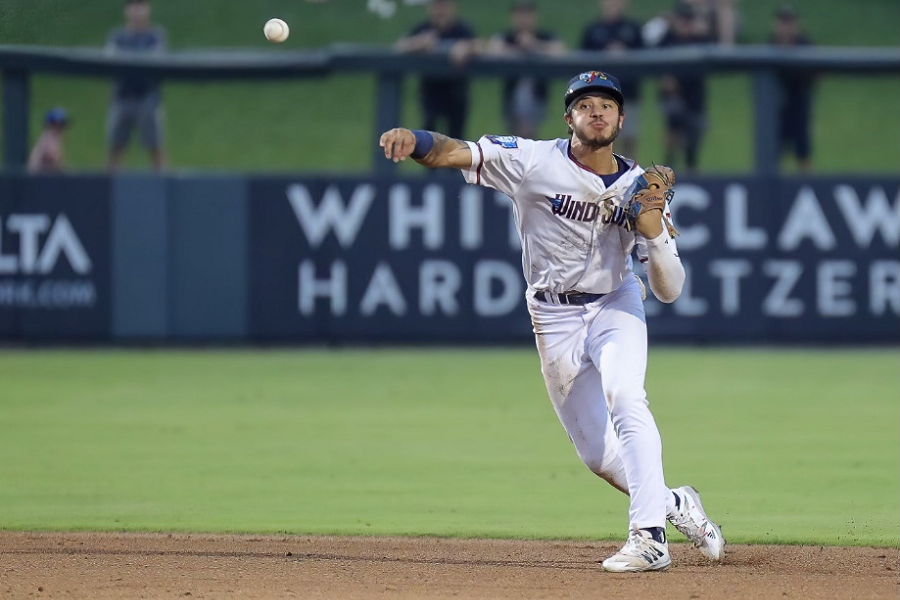 Three of Twins' top position prospects have a chance to debut during the 2022 season. Minnesota's front office must consider each prospect's defensive future when making a blueprint to be competitive in 2022. Here is a look at how some of the team's top prospects stack up on the defensive side of the ball. Royce Lewis Current Position: SS One of the Twins' questions to decide this winter is what position Lewis will play for the long-term. If Minnesota feels like he is still a shortstop, there is no reason to spend big money on the current free-agent class. There were defensive questions about Lewis before this recent injury, and those questions will follow him moving forward. He is back on the field, but he hasn't taken any defensive reps in game action yet. He has the speed and athleticism that should make him an above-average player at multiple positions. Future Position: Center Field Austin Martin Current Position: CF/SS Martin played six different defensive positions in college before settling in at third base. During the 2021 season, he got reps at shortstop and center field. After being traded to the Twins, Martin finished the year playing at Double-A, and he logged more innings in center than at shortstop. There are questions about his infield arm, which might push him to the outfield for the long term. However, he has shown the ability to play multiple defensive positions, which can be valuable to a big-league team. Future Position: Outfield Jose Miranda Current Position: Infield During his breakout 2021 season, Miranda logged over 200 innings at first, second, and third. This defensive flexibility should help him to find a role at the big-league level. It was a little surprising he didn't make his MLB debut at the end of 2021, but he certainly cemented his place in the team's long-term plans. If Josh Donaldson is traded this winter, Miranda can slide into third base for the 2022 season. Even if Donaldson stays, nothing is saying he will be healthy for the entire season. This should give Miranda the chance to be part of the big-league roster at some point in 2022. Future Position: Third Base There are other off-season decisions tied to each of these players. Will Minnesota sign Buxton to a long-term extension? That can change the long-term plan for Martin or Lewis. Will the Twins trade Donaldson? That can open up third base for Miranda. Depth is essential when creating a big-league roster, and these prospects have the defensive flexibility to add long-term value to the team's outlook. Which player do you think has the best chance to stick at their current defensive position? Leave a COMMENT and start the discussion. MORE FROM TWINS DAILY — Latest Twins coverage from our writers — Recent Twins discussion in our forums — Follow Twins Daily via Twitter, Facebook or email
- 98 comments
-
- 1
-
-
- royce lewis
- austin martin
- (and 1 more)
-
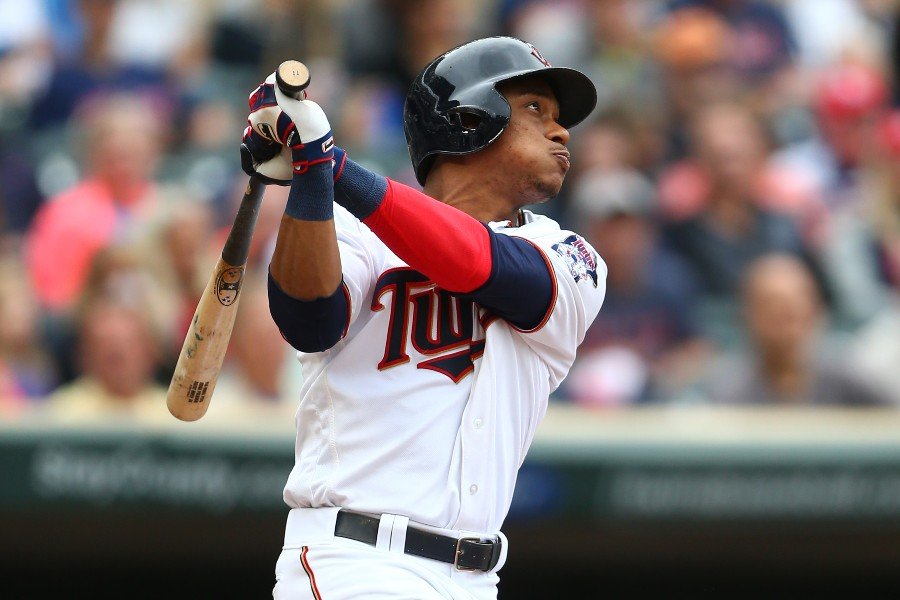 Jorge Polanco was named the Twins Daily MVP, and he showed that his ankle issues might be in the rearview mirror. Now Minnesota is facing an uncertain future after losing nearly 90-games. The organization needs to add pitching depth, and trading for players might be the team's best avenue for acquiring MLB-ready talent. Polanco is in the midst of a very team-friendly contract, which can keep him under team control for the next four seasons. At the end of the deal, he will be 31-years-old, and most of the prime of his career will be over. This cost certainty can be valuable, especially with his skills on both sides of the ball. During the 2021 season, he posted career highs in OPS+, slugging percentage, and home runs. Leading into the trade deadline, FanGraphs formulates an annual ranking of baseball's most valuable trade assets. Polanco had ranked as the 38th most valuable trade asset leading into the 2020 deadline, but he dropped off their list this season. Previously, he had been higher because his 2019 season was so strong, but he had ankle issues for two consecutive off-seasons. FanGraphs made it clear why Polanco dropped off the list in 2021. "The cutoff between Top 50 and Honorable Mention is more art than science. Polanco is an even more tenuous fit in this category, but we had to put him somewhere. His bonkers 2019 appears to be more outlier than true talent level, and his contract is solid but hardly an overwhelming bargain." Since that article ran, Polanco ended the year on a tear. He hit .289/.330/.598 (.928) with 21 home runs and 17 doubles in 67 games. According to FanGraphs, he was worth $31.4 million this season. Over the next four seasons, the most his contract can be worth is $35.5 million. His contract seems much more like an overwhelming bargain at season's end than it did at the trade deadline. His defensive value may be one of the more surprising aspects of Polanco's game. His switch to second base moved him from a below-average defender to one of the best defensive players at his position. During his last two seasons at shortstop, he posted negative totals according to SABR's Defensive Index. At the end of August, Polanco ranked as the AL's third-best defensive second baseman, which gives him a chance to be a Gold Glove finalist. His defensive improvement adds another layer to his overall trade value. Trading Polanco also opens up the possibility of other infield options. Royce Lewis and Austin Martin, the team's top-2 prospects, have both played shortstop in the minors, but there are questions about their long-term defensive position. This off-season, there is arguably the best free-agent shortstop class in baseball history. Minnesota can attempt to sign one of these players and plan on Lewis or Martin playing second base at the big-league level. Minnesota doesn't need to be in a hurry to deal Polanco, but his trade value may never be higher. He is coming off a career year, and Minnesota has needs to fill. Trading Polanco might be the team's best opportunity to add the most value this winter. Do you think the Twins should trade Polanco? Leave a COMMENT and start the discussion. MORE FROM TWINS DAILY — Latest Twins coverage from our writers — Recent Twins discussion in our forums — Follow Twins Daily via Twitter, Facebook or email
 -
Jorge Polanco is coming off a tremendous season, and he is under team control through 2025. Should the Twins trade one of the organization's most valuable trade assets? Jorge Polanco was named the Twins Daily MVP, and he showed that his ankle issues might be in the rearview mirror. Now Minnesota is facing an uncertain future after losing nearly 90-games. The organization needs to add pitching depth, and trading for players might be the team's best avenue for acquiring MLB-ready talent. Polanco is in the midst of a very team-friendly contract, which can keep him under team control for the next four seasons. At the end of the deal, he will be 31-years-old, and most of the prime of his career will be over. This cost certainty can be valuable, especially with his skills on both sides of the ball. During the 2021 season, he posted career highs in OPS+, slugging percentage, and home runs. Leading into the trade deadline, FanGraphs formulates an annual ranking of baseball's most valuable trade assets. Polanco had ranked as the 38th most valuable trade asset leading into the 2020 deadline, but he dropped off their list this season. Previously, he had been higher because his 2019 season was so strong, but he had ankle issues for two consecutive off-seasons. FanGraphs made it clear why Polanco dropped off the list in 2021. "The cutoff between Top 50 and Honorable Mention is more art than science. Polanco is an even more tenuous fit in this category, but we had to put him somewhere. His bonkers 2019 appears to be more outlier than true talent level, and his contract is solid but hardly an overwhelming bargain." Since that article ran, Polanco ended the year on a tear. He hit .289/.330/.598 (.928) with 21 home runs and 17 doubles in 67 games. According to FanGraphs, he was worth $31.4 million this season. Over the next four seasons, the most his contract can be worth is $35.5 million. His contract seems much more like an overwhelming bargain at season's end than it did at the trade deadline. His defensive value may be one of the more surprising aspects of Polanco's game. His switch to second base moved him from a below-average defender to one of the best defensive players at his position. During his last two seasons at shortstop, he posted negative totals according to SABR's Defensive Index. At the end of August, Polanco ranked as the AL's third-best defensive second baseman, which gives him a chance to be a Gold Glove finalist. His defensive improvement adds another layer to his overall trade value. Trading Polanco also opens up the possibility of other infield options. Royce Lewis and Austin Martin, the team's top-2 prospects, have both played shortstop in the minors, but there are questions about their long-term defensive position. This off-season, there is arguably the best free-agent shortstop class in baseball history. Minnesota can attempt to sign one of these players and plan on Lewis or Martin playing second base at the big-league level. Minnesota doesn't need to be in a hurry to deal Polanco, but his trade value may never be higher. He is coming off a career year, and Minnesota has needs to fill. Trading Polanco might be the team's best opportunity to add the most value this winter. Do you think the Twins should trade Polanco? Leave a COMMENT and start the discussion. MORE FROM TWINS DAILY — Latest Twins coverage from our writers — Recent Twins discussion in our forums — Follow Twins Daily via Twitter, Facebook or email View full article
-
Relievers pitch limited innings, but their impact on the game can reverberate through a team’s season. Alex Colome came to the Twins with a successful track record, but things didn’t go as planned. So, does it make sense to sign a reliever to a big contract? Every winter, relievers hit the open market with a proven track record, but relief pitching is never a sure bet. Here is how the top free agent relievers have fared over the last three off-seasons. Last winter, the Chicago White Sox gave Liam Hendriks a three-year, $54 million contract. In his first Southside season, he impressed as he posted baseball’s highest reliever WAR. The other relievers to receive over $10 million per season were Brad Hand and Trevor Rosenthal. Rosenthal was limited to 23 2/3 innings, and Hand was worth -0.3 WAR in 68 appearances. Leading into the 2020 season, Atlanta signed Will Smith to a three-year, $40 million deal following an All-Star Season. Over the last two seasons, he has a 124 ERA+ and a 1.10 WHIP. The other big deals that winter were for Drew Pomeranz (four-years, $34 million) and Will Harris (three-years, $24 million). Pomeranz tore his flexor tendon, and this has limited him to 44 1/3 innings. Harris underwent surgery for thoracic outlet syndrome, and this limited him to 23 2/3 innings. During the 2019 winter, some of the best relievers in recent history all hit the free-agent market in the same offseason. Craig Kimbrel, Zack Britton, Andrew Miller, and David Roberston all signed for an average value of over $11.5 million. However, each of these players had mixed results during the life of their contract. Kimbrel struggled through the first two years before bouncing back in 2021 (191 ERA+). Britton dominated in the first two years of his deal (232 ERA+), but he underwent two surgeries to remove bone chips from his elbow this year. Age started to catch up with Miller as he posted a 4.12 ERA and a 1.27 WHIP during his two-year deal. Robertson was limited to 6 2/3 innings as he needed Tommy John surgery in 2019. Upcoming Free Agent Class This winter’s free-agent crop includes some well-known names, but many top names have questions about their future performance. Kenley Jansen, the top available reliever, is 34-years-old and has pitched a ton of innings throughout his career. Craig Kimbrel has a $16 million option with the White Sox that seems likely to be declined, but he is coming off a strong season. It seems unlikely for the Twins to target either of these options because of the associated costs ($10 million or more per season) and other risks. Other top-tier options seem closer to meet Minnesota’s needs and are available for a more reasonable amount. At 32-years-old, Raisel Iglesias is the youngest among the top-tier relievers. He has been one of baseball’s best relievers for six straight seasons, and this should net him a multi-year contract. Mark Melancon, the oldest top-tier reliever, posted some strong numbers this season (175 ERA+), but he is already 37-years-old. If Minnesota wants one of the top-tier options, Iglesias might be the safest bet. He can provide insurance for Taylor Rogers as he comes back from a finger injury, and he can help improve a bullpen group that improved significantly in the second half. To read more about these relievers and other off-season options, make sure to pre-order your copy of the 2022 Offseason Handbook. Designed to serve as an essential companion for the Twins offseason ahead, this digital Handbook places you in the shoes of the general manager, equipping you with all the information you need to construct your own team-building blueprint (or predict what the real front office will do). Should the Twins spend big on a reliever? Leave a COMMENT and start the discussion. MORE FROM TWINS DAILY — Latest Twins coverage from our writers — Recent Twins discussion in our forums — Follow Twins Daily via Twitter, Facebook or email View full article
- 14 replies
-
- 1
-
-
- liam hendriks
- craig kimbrel
- (and 3 more)
-
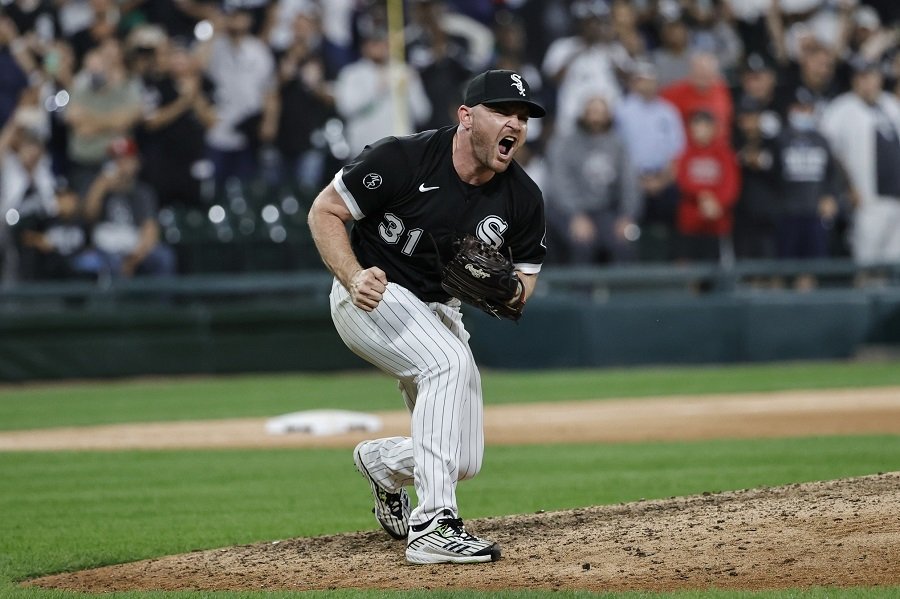 Every winter, relievers hit the open market with a proven track record, but relief pitching is never a sure bet. Here is how the top free agent relievers have fared over the last three off-seasons. Last winter, the Chicago White Sox gave Liam Hendriks a three-year, $54 million contract. In his first Southside season, he impressed as he posted baseball’s highest reliever WAR. The other relievers to receive over $10 million per season were Brad Hand and Trevor Rosenthal. Rosenthal was limited to 23 2/3 innings, and Hand was worth -0.3 WAR in 68 appearances. Leading into the 2020 season, Atlanta signed Will Smith to a three-year, $40 million deal following an All-Star Season. Over the last two seasons, he has a 124 ERA+ and a 1.10 WHIP. The other big deals that winter were for Drew Pomeranz (four-years, $34 million) and Will Harris (three-years, $24 million). Pomeranz tore his flexor tendon, and this has limited him to 44 1/3 innings. Harris underwent surgery for thoracic outlet syndrome, and this limited him to 23 2/3 innings. During the 2019 winter, some of the best relievers in recent history all hit the free-agent market in the same offseason. Craig Kimbrel, Zack Britton, Andrew Miller, and David Roberston all signed for an average value of over $11.5 million. However, each of these players had mixed results during the life of their contract. Kimbrel struggled through the first two years before bouncing back in 2021 (191 ERA+). Britton dominated in the first two years of his deal (232 ERA+), but he underwent two surgeries to remove bone chips from his elbow this year. Age started to catch up with Miller as he posted a 4.12 ERA and a 1.27 WHIP during his two-year deal. Robertson was limited to 6 2/3 innings as he needed Tommy John surgery in 2019. Upcoming Free Agent Class This winter’s free-agent crop includes some well-known names, but many top names have questions about their future performance. Kenley Jansen, the top available reliever, is 34-years-old and has pitched a ton of innings throughout his career. Craig Kimbrel has a $16 million option with the White Sox that seems likely to be declined, but he is coming off a strong season. It seems unlikely for the Twins to target either of these options because of the associated costs ($10 million or more per season) and other risks. Other top-tier options seem closer to meet Minnesota’s needs and are available for a more reasonable amount. At 32-years-old, Raisel Iglesias is the youngest among the top-tier relievers. He has been one of baseball’s best relievers for six straight seasons, and this should net him a multi-year contract. Mark Melancon, the oldest top-tier reliever, posted some strong numbers this season (175 ERA+), but he is already 37-years-old. If Minnesota wants one of the top-tier options, Iglesias might be the safest bet. He can provide insurance for Taylor Rogers as he comes back from a finger injury, and he can help improve a bullpen group that improved significantly in the second half. To read more about these relievers and other off-season options, make sure to pre-order your copy of the 2022 Offseason Handbook. Designed to serve as an essential companion for the Twins offseason ahead, this digital Handbook places you in the shoes of the general manager, equipping you with all the information you need to construct your own team-building blueprint (or predict what the real front office will do). Should the Twins spend big on a reliever? Leave a COMMENT and start the discussion. MORE FROM TWINS DAILY — Latest Twins coverage from our writers — Recent Twins discussion in our forums — Follow Twins Daily via Twitter, Facebook or email
- 14 comments
-
- 2
-
-
- liam hendriks
- craig kimbrel
- (and 3 more)
-
For the second consecutive off-season, Minnesota is in the market for a starting shortstop. Fans may want the team to spend big, but all of the top-tier free agents have flaws. Minnesota has the opportunity to make a big splash this winter by jumping in on (arguably) the best free-agent shortstop class in baseball history. It will cost the team a lot of money to be in the mix for the top-tier players. To put that in perspective, Francisco Lindor was supposed to be part of this free agent group, but he signed a 10-year, $341 million deal with the Mets. Each of these players comes with some red flags that interested clubs will need to consider. Carlos Correa (2022 Age: 27) 2021 Stats: 7.2 WAR, .279/.366/.485 (.850), 26 HR, 34 2B, 131 OPS+ As a 27-year old, Correa is reaching free agency at the prime of his career, and he is the top free agent in this winter’s crop of available players. It’s likely going to take $30 million per season for six years or more to sign Correa. Injuries have been part of his professional career, but he has played 99 games or more in five of his seven big-league seasons. There’s also a good chance he will need to move off shortstop as he continues to age. Flaws: Injury history Corey Seager (2022 Age: 28) 2021 Stats: 3.7 WAR, .306/.394/.521 (.915), 16 HR, 22 2B, 145 OPS+ Like Correa, injuries have been part of Seager’s story, including missing a good chunk of 2021 with a hand fracture. He’s played over 130 games in three of his six full big-league seasons. His 2020 playoff run was outstanding as he won the World Series and NLCS MVP. Teams that miss out on Correa will likely turn to Seager, but he is a year older and has missed more time in his big-league career. Flaws: Injury history Marcus Semien (2022 Age: 31) 2021 Stats: 7.1 WAR, .265/.334/.538 (.873), 45 HR, 39 2B, 133 OPS+ Minnesota was interested in signing Semien last winter, but he decided to go to Toronto. His season north of the border was memorable as he will likely finish in the top-5 for the AL MVP. He is the oldest shortstop among the top-tier free agents, and he played all of last year at second base. Last winter, he signed a one-year deal for $18 million, and he will be getting a pay raise in the months ahead. Flaws: Age Javier Baez (2022 Age: 29) 2021 Stats: 4.5 WAR, .265/.319/.494 (.813), 31 HR, 18 2B, 117 OPS+ Baez is certainly an exciting player, but he swings and misses a lot. He led the National League with 184 strikeouts, and he has struck out 144 or more times in each of the last four full seasons. As far as contracts go, he is projected to get a lower average value than the names above because his personality can rub people the wrong way. Can Josh Donaldson and Baez coexist in the same clubhouse? That might not be an experiment a team wants to explore. Flaws: Strikeouts, Volatility Trevor Story (2022 Age: 29) 2021 Stats: 4.2 WAR, .251/.329/.471 (.801), 24 HR, 34 2B, 103 OPS+ Story has been a 20-20 player throughout his professional career. He is also hitting free agency at a tough time as he is coming off a poor campaign by his standards. There are also concerns about how he will fare outside of Coors Field. At home, he hit .303/.369/.603 (.972) while on the road, he was limited to a .752 OPS. Flaws: Home/Road Splits To read more about these shortstops and other off-season options, make sure to pre-order your copy of the 2022 Offseason Handbook. Designed to serve as an essential companion for the Twins offseason ahead, this digital Handbook places you in the shoes of the general manager, equipping you with all the information you need to construct your own team-building blueprint (or predict what the real front office will do). Which flaws worry you the most? Will the Twins make offers to any of these players? Leave a COMMENT and start the discussion. MORE FROM TWINS DAILY — Latest Twins coverage from our writers — Recent Twins discussion in our forums — Follow Twins Daily via Twitter, Facebook or email View full article
- 89 replies
-
- 1
-
-
- trevor story
- javier baez
- (and 3 more)
-
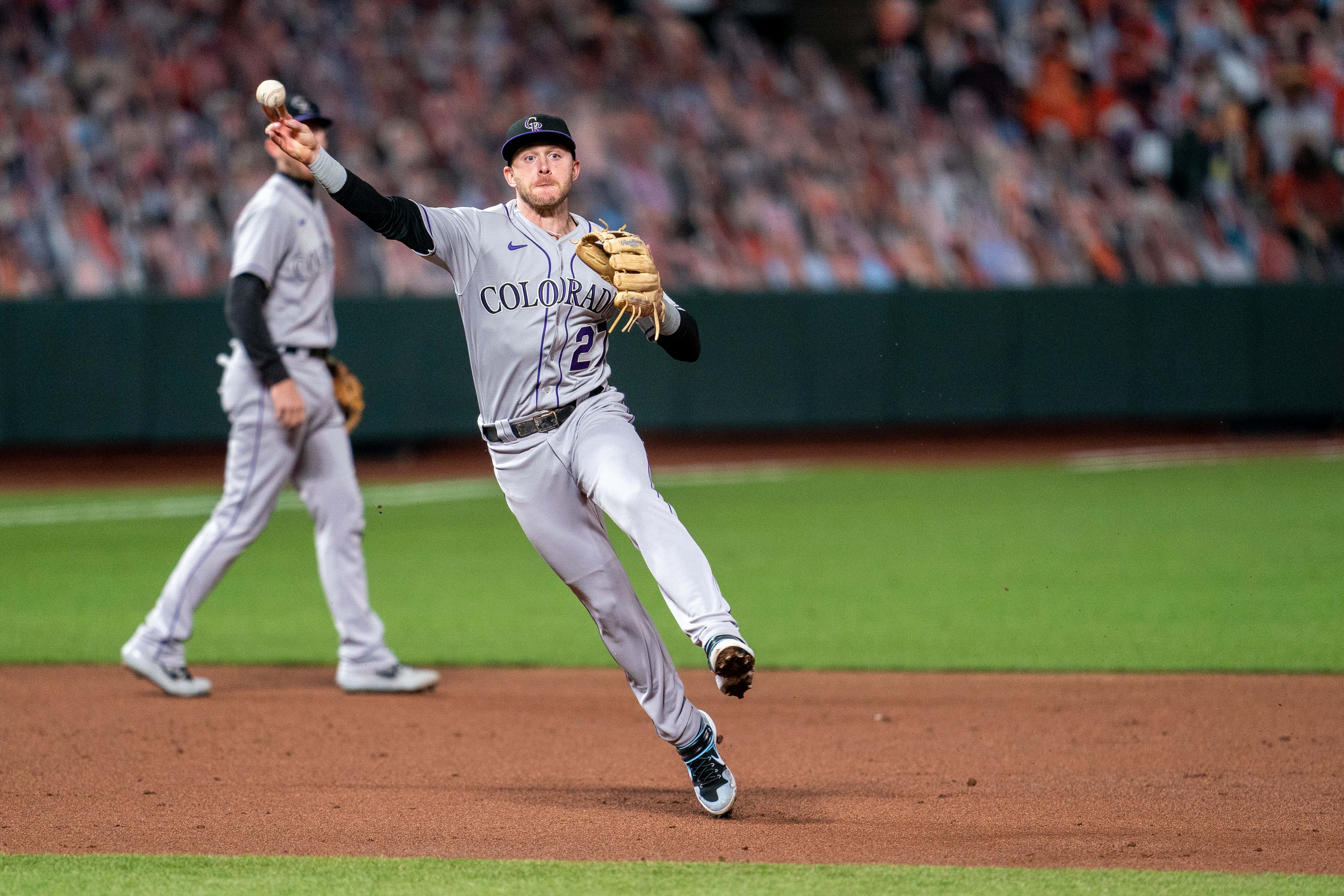 Minnesota has the opportunity to make a big splash this winter by jumping in on (arguably) the best free-agent shortstop class in baseball history. It will cost the team a lot of money to be in the mix for the top-tier players. To put that in perspective, Francisco Lindor was supposed to be part of this free agent group, but he signed a 10-year, $341 million deal with the Mets. Each of these players comes with some red flags that interested clubs will need to consider. Carlos Correa (2022 Age: 27) 2021 Stats: 7.2 WAR, .279/.366/.485 (.850), 26 HR, 34 2B, 131 OPS+ As a 27-year old, Correa is reaching free agency at the prime of his career, and he is the top free agent in this winter’s crop of available players. It’s likely going to take $30 million per season for six years or more to sign Correa. Injuries have been part of his professional career, but he has played 99 games or more in five of his seven big-league seasons. There’s also a good chance he will need to move off shortstop as he continues to age. Flaws: Injury history Corey Seager (2022 Age: 28) 2021 Stats: 3.7 WAR, .306/.394/.521 (.915), 16 HR, 22 2B, 145 OPS+ Like Correa, injuries have been part of Seager’s story, including missing a good chunk of 2021 with a hand fracture. He’s played over 130 games in three of his six full big-league seasons. His 2020 playoff run was outstanding as he won the World Series and NLCS MVP. Teams that miss out on Correa will likely turn to Seager, but he is a year older and has missed more time in his big-league career. Flaws: Injury history Marcus Semien (2022 Age: 31) 2021 Stats: 7.1 WAR, .265/.334/.538 (.873), 45 HR, 39 2B, 133 OPS+ Minnesota was interested in signing Semien last winter, but he decided to go to Toronto. His season north of the border was memorable as he will likely finish in the top-5 for the AL MVP. He is the oldest shortstop among the top-tier free agents, and he played all of last year at second base. Last winter, he signed a one-year deal for $18 million, and he will be getting a pay raise in the months ahead. Flaws: Age Javier Baez (2022 Age: 29) 2021 Stats: 4.5 WAR, .265/.319/.494 (.813), 31 HR, 18 2B, 117 OPS+ Baez is certainly an exciting player, but he swings and misses a lot. He led the National League with 184 strikeouts, and he has struck out 144 or more times in each of the last four full seasons. As far as contracts go, he is projected to get a lower average value than the names above because his personality can rub people the wrong way. Can Josh Donaldson and Baez coexist in the same clubhouse? That might not be an experiment a team wants to explore. Flaws: Strikeouts, Volatility Trevor Story (2022 Age: 29) 2021 Stats: 4.2 WAR, .251/.329/.471 (.801), 24 HR, 34 2B, 103 OPS+ Story has been a 20-20 player throughout his professional career. He is also hitting free agency at a tough time as he is coming off a poor campaign by his standards. There are also concerns about how he will fare outside of Coors Field. At home, he hit .303/.369/.603 (.972) while on the road, he was limited to a .752 OPS. Flaws: Home/Road Splits To read more about these shortstops and other off-season options, make sure to pre-order your copy of the 2022 Offseason Handbook. Designed to serve as an essential companion for the Twins offseason ahead, this digital Handbook places you in the shoes of the general manager, equipping you with all the information you need to construct your own team-building blueprint (or predict what the real front office will do). Which flaws worry you the most? Will the Twins make offers to any of these players? Leave a COMMENT and start the discussion. MORE FROM TWINS DAILY — Latest Twins coverage from our writers — Recent Twins discussion in our forums — Follow Twins Daily via Twitter, Facebook or email
- 89 comments
-
- 2
-
-
- trevor story
- javier baez
- (and 3 more)
-
After a one-year hiatus, the Arizona Fall League is back. This league combines some of baseball’s best prospects, so who are Minnesota’s top five prospects heading to the AFL? The Arizona Fall League started in 1992 as an off-season league where some of baseball’s best up-and-coming prospects can take the field together. Six teams make up the AFL, and each club plays a 30-game schedule. According to MLB.com, “Nearly 60 percent of all AFL players make a Major League roster, with the league boasting 321 All-Stars, 21 MVPs, six Cy Young Award winners, eight World Series MVPs, 103 Silver Sluggers, 96 Gold Gloves and 32 Rookies of the Year.” Will any of the names mentioned below be able to add to the accolades mentioned above? Here are the top five Twins prospects heading to the 2021 Arizona Fall League: 5. Michael Helman, 2B/OF 2021 Stats: .246/.336/.462 (.798), 19 HR, 21 2B, 4 3B, 87 K, 51 BB (111 G) Helman ended the 2019 season at High-A, and he spent all of 2021 at the same level. He was over 2.5 years older than the average age of the competition at that level. During the 2021 season, he was among the organization leaders in homers. He is listed as a second baseman on the AFL rosters, even though he primarily played in the outfield this season. This might be an opportunity to get him more reps in the infield. 4. Kody Funderburk, LHP 2021 Stats: 2.55 ERA, 1.10 WHIP, 82 K, 28 BB (67.0 IP) Minnesota selected Funderburk with their 15th round pick back in 2018. During the 2019 season, he struggled at Low-A as he posted a 4.68 ERA and a 1.42 WHIP in 13 appearances (10 starts). Funderburk posted strong numbers between High- and Double-A this season while being used as a starter and a reliever. He has only pitched 155 innings as a professional, so this is likely an opportunity for him to get more innings under his belt. 3. Zach Featherstone, LHP 2021 Stats: 2.13 ERA, 1.27 WHIP, 93 K, 42 BB (55.0 IP) Entering 2021, Featherstone was limited to 18 1/3 innings since the Twins drafted him as a position player in 2016. None of those innings came above the rookie leagues. Minnesota pushed him to High-A this season, where the 25-year old was 1.7 years older than the average age of the competition. Featherstone posted an eye-popping 15.2 K/9 out of the bullpen this season. Unfortunately, he also walked nearly seven batters per nine. This is likely an opportunity to get Featherstone some more innings so he can work on his control. 2. Andrew Bechtold, 3B 2021 Stats: .239/.328/.459 (.786), 18 HR, 23 2B, 131 K, 45 BB (99 Games) Originally, Bechtold was a fifth-round pick by the Twins back in 2017. His college experience at Maryland helped him post an .829 OPS at Elizabethton. He struggled in 2018 at Low-A as his OPS dropped by 236 points. The Twins sent him back to Low-A in 2019, and he split time between Low- and High-A with a .738 OPS. Like Helman, he was among the organization leaders in homers this season. Defensively, he continues to play at third base with some time at first. 1. Matt Wallner, OF 2021 Stats: .265/.350/.504 (.854), 15 HR, 14 2B, 2 3B, 100 K, 28 BB (68 Games) Wallner strikes out a bunch, but he has light-tower power, which puts him at the top of this list. He came in as the organization’s 12th best prospect in the most recent Twins Daily prospect rankings. A broken hamate bone limited him to 68 games, so sending him to the AFL to recoup some last at-bats makes sense. In a third of his plate appearances this season, he struck out, so that will be something to watch in Arizona. How would you rank these players? What will you be looking for in the AFL? Leave a COMMENT and start the discussion. MORE FROM TWINS DAILY — Latest Twins coverage from our writers — Recent Twins discussion in our forums — Follow Twins Daily via Twitter, Facebook or email View full article
-
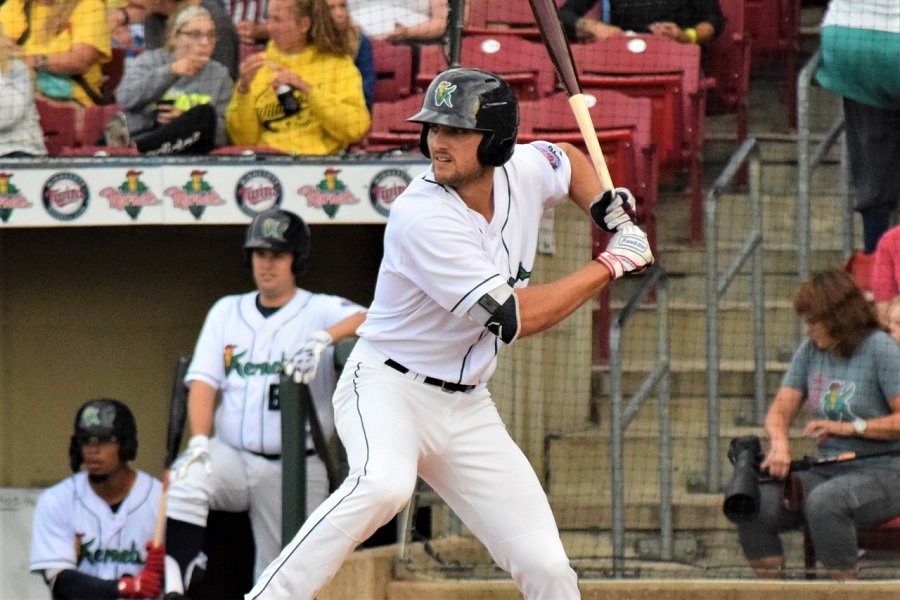 The Arizona Fall League started in 1992 as an off-season league where some of baseball’s best up-and-coming prospects can take the field together. Six teams make up the AFL, and each club plays a 30-game schedule. According to MLB.com, “Nearly 60 percent of all AFL players make a Major League roster, with the league boasting 321 All-Stars, 21 MVPs, six Cy Young Award winners, eight World Series MVPs, 103 Silver Sluggers, 96 Gold Gloves and 32 Rookies of the Year.” Will any of the names mentioned below be able to add to the accolades mentioned above? Here are the top five Twins prospects heading to the 2021 Arizona Fall League: 5. Michael Helman, 2B/OF 2021 Stats: .246/.336/.462 (.798), 19 HR, 21 2B, 4 3B, 87 K, 51 BB (111 G) Helman ended the 2019 season at High-A, and he spent all of 2021 at the same level. He was over 2.5 years older than the average age of the competition at that level. During the 2021 season, he was among the organization leaders in homers. He is listed as a second baseman on the AFL rosters, even though he primarily played in the outfield this season. This might be an opportunity to get him more reps in the infield. 4. Kody Funderburk, LHP 2021 Stats: 2.55 ERA, 1.10 WHIP, 82 K, 28 BB (67.0 IP) Minnesota selected Funderburk with their 15th round pick back in 2018. During the 2019 season, he struggled at Low-A as he posted a 4.68 ERA and a 1.42 WHIP in 13 appearances (10 starts). Funderburk posted strong numbers between High- and Double-A this season while being used as a starter and a reliever. He has only pitched 155 innings as a professional, so this is likely an opportunity for him to get more innings under his belt. 3. Zach Featherstone, LHP 2021 Stats: 2.13 ERA, 1.27 WHIP, 93 K, 42 BB (55.0 IP) Entering 2021, Featherstone was limited to 18 1/3 innings since the Twins drafted him as a position player in 2016. None of those innings came above the rookie leagues. Minnesota pushed him to High-A this season, where the 25-year old was 1.7 years older than the average age of the competition. Featherstone posted an eye-popping 15.2 K/9 out of the bullpen this season. Unfortunately, he also walked nearly seven batters per nine. This is likely an opportunity to get Featherstone some more innings so he can work on his control. 2. Andrew Bechtold, 3B 2021 Stats: .239/.328/.459 (.786), 18 HR, 23 2B, 131 K, 45 BB (99 Games) Originally, Bechtold was a fifth-round pick by the Twins back in 2017. His college experience at Maryland helped him post an .829 OPS at Elizabethton. He struggled in 2018 at Low-A as his OPS dropped by 236 points. The Twins sent him back to Low-A in 2019, and he split time between Low- and High-A with a .738 OPS. Like Helman, he was among the organization leaders in homers this season. Defensively, he continues to play at third base with some time at first. 1. Matt Wallner, OF 2021 Stats: .265/.350/.504 (.854), 15 HR, 14 2B, 2 3B, 100 K, 28 BB (68 Games) Wallner strikes out a bunch, but he has light-tower power, which puts him at the top of this list. He came in as the organization’s 12th best prospect in the most recent Twins Daily prospect rankings. A broken hamate bone limited him to 68 games, so sending him to the AFL to recoup some last at-bats makes sense. In a third of his plate appearances this season, he struck out, so that will be something to watch in Arizona. How would you rank these players? What will you be looking for in the AFL? Leave a COMMENT and start the discussion. MORE FROM TWINS DAILY — Latest Twins coverage from our writers — Recent Twins discussion in our forums — Follow Twins Daily via Twitter, Facebook or email
- 17 comments
-
- 1
-
-
- matt wallner
- zach featherstone
- (and 3 more)
-
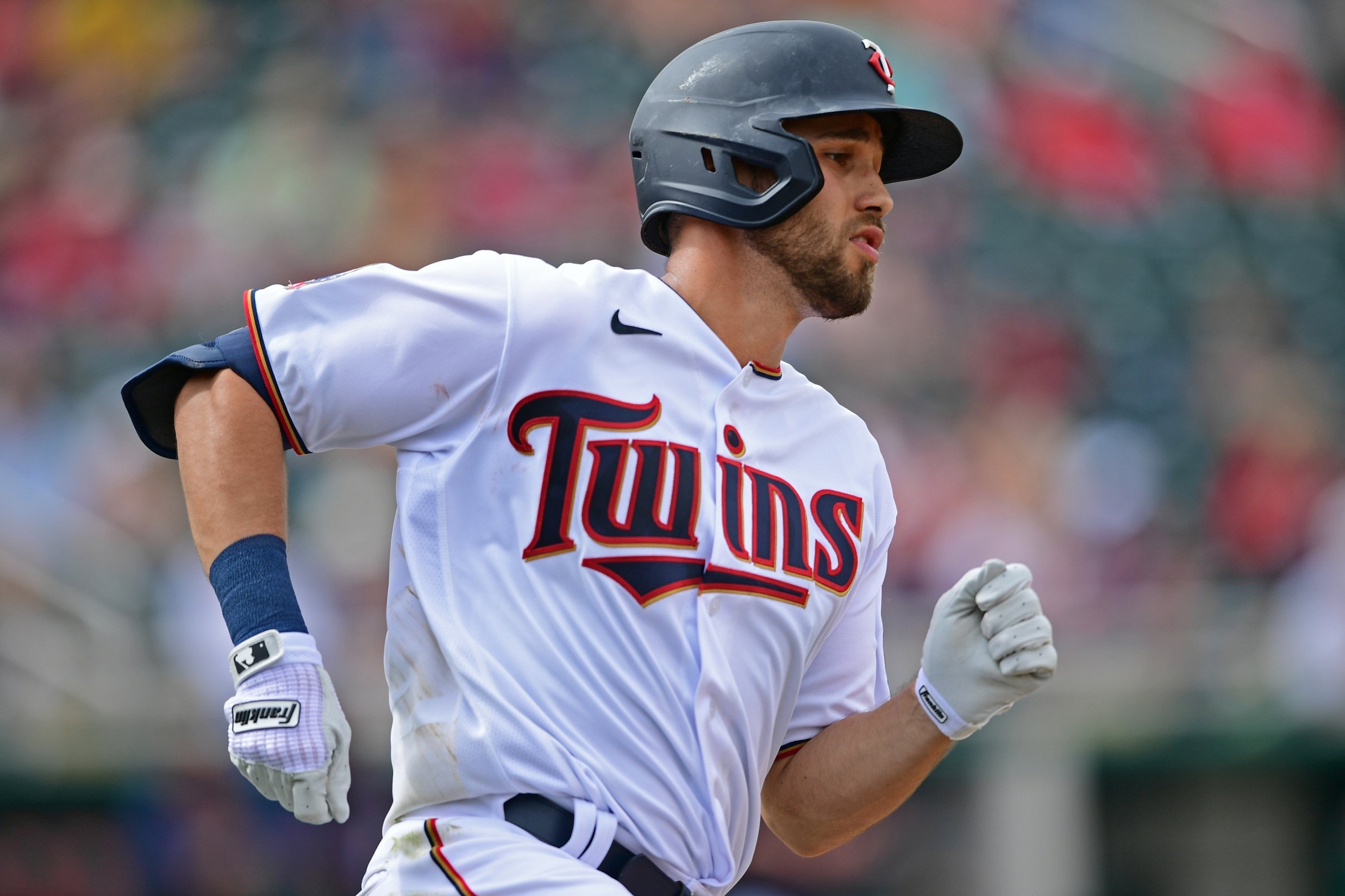 Minnesota saw some solid performances from rookie players this season. However, their current value might not match up perfectly with their long-term value. 5. Bailey Ober, SP Ober was one of the most critical rookies for the 2021 Twins. In fact, earlier this week he was named the team's Best Rookie by Twins Daily. He stepped into the rotation that saw multiple players dealt away at the trade deadline. Ober has never ranked as one of the team’s top prospects, but his 2021 performance proves he can be a back-end of the rotation starter for multiple years. This provides value to the club, especially since the 2022 Twins have many rotational holes to fill. 4. Ryan Jeffers, C Like many Twins players, Jeffers had a disappointing 2021 season, but he is a prime candidate to rebound in 2022. Minnesota drafted Jeffers as a hit-first catcher with defensive skills that the Twins scouts believed in more than national publications. His defense has vastly improved since joining the Twins organization. Also, Jeffers is only 24-years-old, and he won’t be arbitration-eligible until 2024. There is a lot of defensive value associated with catchers, and Jeffers has to be average at the plate to provide long-term value. 3. Joe Ryan, SP Ryan was the top pitching prospect acquired from the Rays for Nelson Cruz, and he was impressive during his first taste of the big leagues. He pitched five innings or more in four of his five starts and allowed three runs or fewer. His most impressive start came in Chicago, where Ryan struck out 11 Cubs batters in five innings. Like Ober, Minnesota likely has Ryan penciled into the back-end of the rotation for 2022, but he has the chance to be a top-half of the rotation starter. 2. Trevor Larnach, OF In his rookie season, things didn’t go perfectly for Larnach. After a strong start, the team demoted him after some mid-season struggles. Things didn’t go much better in St. Paul where he hit .176/.323/.373 (.695) in 14 games. Larnach was a first-round pick for a reason, and he showcased his high-ceiling during the 2019 season when he posted an .842 OPS between High-A and Double-A. That performance led him to be named the 2019 Twins Daily Minor League Player of the Year. He can get back to that level and hit in the middle of the line-up for most of the next decade. 1. Alex Kirilloff, OF/1B Kirilloff was impressive in the middle months of the season as he posted an OPS of .760 or higher in May and June. In July, a wrist injury sapped some of his power, and he underwent season-ending wrist surgery. MLB Pipeline thinks Kirilloff has one of the highest long-term values among all 2021 rookies. Unfortunately, injuries have been part of his professional career. If Minnesota moves him to first base, he will be an above-average hitter and defender for the majority of his big-league career. How would you rank this year’s rookies when it comes to future value? Leave a COMMENT and start the discussion. MORE FROM TWINS DAILY — Latest Twins coverage from our writers — Recent Twins discussion in our forums — Follow Twins Daily via Twitter, Facebook or email
- 14 comments
-
- 2
-
-
- alex kirilloff
- trevor larnach
- (and 3 more)
-
Rookie players’ performances can be a roller-coaster ride as teams and the league adjust to unproven players. Following a turbulent 2021 season, here are the five Twins rookies with the most long-term value. Minnesota saw some solid performances from rookie players this season. However, their current value might not match up perfectly with their long-term value. 5. Bailey Ober, SP Ober was one of the most critical rookies for the 2021 Twins. In fact, earlier this week he was named the team's Best Rookie by Twins Daily. He stepped into the rotation that saw multiple players dealt away at the trade deadline. Ober has never ranked as one of the team’s top prospects, but his 2021 performance proves he can be a back-end of the rotation starter for multiple years. This provides value to the club, especially since the 2022 Twins have many rotational holes to fill. 4. Ryan Jeffers, C Like many Twins players, Jeffers had a disappointing 2021 season, but he is a prime candidate to rebound in 2022. Minnesota drafted Jeffers as a hit-first catcher with defensive skills that the Twins scouts believed in more than national publications. His defense has vastly improved since joining the Twins organization. Also, Jeffers is only 24-years-old, and he won’t be arbitration-eligible until 2024. There is a lot of defensive value associated with catchers, and Jeffers has to be average at the plate to provide long-term value. 3. Joe Ryan, SP Ryan was the top pitching prospect acquired from the Rays for Nelson Cruz, and he was impressive during his first taste of the big leagues. He pitched five innings or more in four of his five starts and allowed three runs or fewer. His most impressive start came in Chicago, where Ryan struck out 11 Cubs batters in five innings. Like Ober, Minnesota likely has Ryan penciled into the back-end of the rotation for 2022, but he has the chance to be a top-half of the rotation starter. 2. Trevor Larnach, OF In his rookie season, things didn’t go perfectly for Larnach. After a strong start, the team demoted him after some mid-season struggles. Things didn’t go much better in St. Paul where he hit .176/.323/.373 (.695) in 14 games. Larnach was a first-round pick for a reason, and he showcased his high-ceiling during the 2019 season when he posted an .842 OPS between High-A and Double-A. That performance led him to be named the 2019 Twins Daily Minor League Player of the Year. He can get back to that level and hit in the middle of the line-up for most of the next decade. 1. Alex Kirilloff, OF/1B Kirilloff was impressive in the middle months of the season as he posted an OPS of .760 or higher in May and June. In July, a wrist injury sapped some of his power, and he underwent season-ending wrist surgery. MLB Pipeline thinks Kirilloff has one of the highest long-term values among all 2021 rookies. Unfortunately, injuries have been part of his professional career. If Minnesota moves him to first base, he will be an above-average hitter and defender for the majority of his big-league career. How would you rank this year’s rookies when it comes to future value? Leave a COMMENT and start the discussion. MORE FROM TWINS DAILY — Latest Twins coverage from our writers — Recent Twins discussion in our forums — Follow Twins Daily via Twitter, Facebook or email View full article
-
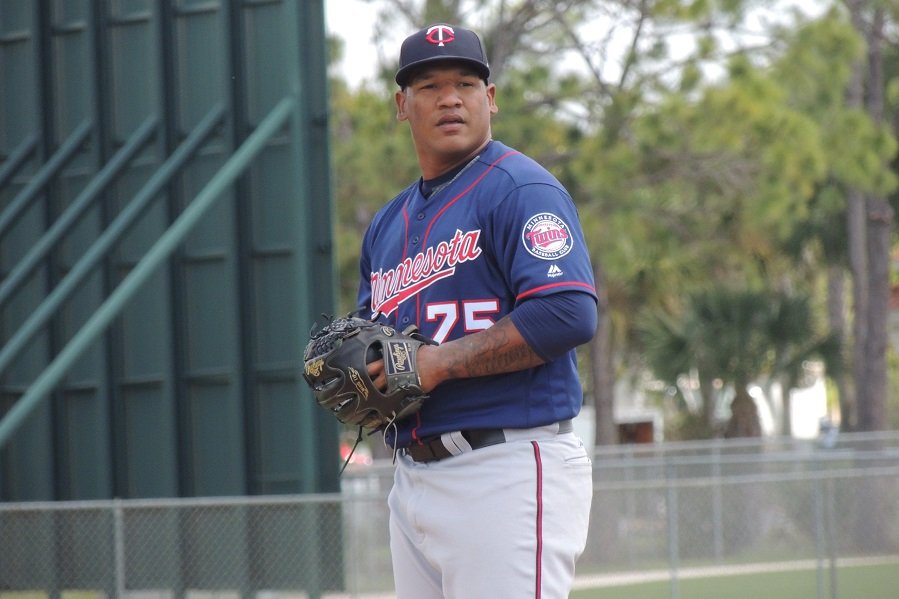 Originally, Edwar Colina signed as a teenager out of Venezuela. He spent his first five seasons as a starter in the Twins organization and made it to Triple-A. In over 300 innings, he posted a 2.80 ERA with a 1.22 WHIP and 8.8 K/9. Even with his successes, he projected to fill a bullpen role at the big-league level. During the 2020 season, Colina made his big-league debut, but things didn’t go perfectly. He allowed three earned runs on four hits while only recording one out. Even with this poor debut, he entered 2021 spring training with a chance to make the Opening Day roster. However, elbow inflammation became an issue, and he eventually underwent a season-ending arthroscopic debridement in late May. Before his elbow issues, scouting reports on Colina had him with a 60-grade fastball and a 60-grade slider. Both of those pitches were good enough for him to be a successful reliever. There were questions about his control, which was one reason to shift him from starter to reliever. That being said, he was still considered among the team’s top prospects. So, why did the team try and pass him through waivers? According to Twins POBO Derek Falvey, Colina recently underwent a second medical procedure, which likely added doubt to when he will return from injury. He also makes it seem like the team will need plenty of roster spots for the moves they plan to make this winter. Minnesota has plenty of other players on the 40-man roster that seem more expendable than Colina. Andrew Albers, Kyle Baraclough, Ian Gibaut, Drew Maggi, Nick Vincent, and Danny Coulombe are just a few fringe players who will likely not be on the 40-man roster when the team sets its roster in late November, prior to the Rule 5 draft. In fact, they may already be on waivers as you read this. It remains to be seen why these players couldn’t have been moved off now instead of Colina. The current Twins front office hasn’t had a great track record when it comes to self-scouting. Minnesota has multiple players not protected on the 40-man go on to have success with other organizations. Colina has the chance to follow this same path. It may turn out that he never returns from injury, but he also has two dominant pitches that can make him a bullpen weapon. Time will tell if the Twins made another self-scouting mistake. Why do you think the Twins made this move? Will it come back to haunt the team? Leave a COMMENT and start the discussion. MORE FROM TWINS DAILY — Latest Twins coverage from our writers — Recent Twins discussion in our forums — Follow Twins Daily via Twitter, Facebook or email
 -
Edwar Colina was projected to be part of the Twins future bullpen, but Minnesota’s front office had different plans, and he was claimed off waivers by the Rangers. With pitching needs for 2022, does the Colina decision make sense? Originally, Edwar Colina signed as a teenager out of Venezuela. He spent his first five seasons as a starter in the Twins organization and made it to Triple-A. In over 300 innings, he posted a 2.80 ERA with a 1.22 WHIP and 8.8 K/9. Even with his successes, he projected to fill a bullpen role at the big-league level. During the 2020 season, Colina made his big-league debut, but things didn’t go perfectly. He allowed three earned runs on four hits while only recording one out. Even with this poor debut, he entered 2021 spring training with a chance to make the Opening Day roster. However, elbow inflammation became an issue, and he eventually underwent a season-ending arthroscopic debridement in late May. Before his elbow issues, scouting reports on Colina had him with a 60-grade fastball and a 60-grade slider. Both of those pitches were good enough for him to be a successful reliever. There were questions about his control, which was one reason to shift him from starter to reliever. That being said, he was still considered among the team’s top prospects. So, why did the team try and pass him through waivers? According to Twins POBO Derek Falvey, Colina recently underwent a second medical procedure, which likely added doubt to when he will return from injury. He also makes it seem like the team will need plenty of roster spots for the moves they plan to make this winter. Minnesota has plenty of other players on the 40-man roster that seem more expendable than Colina. Andrew Albers, Kyle Baraclough, Ian Gibaut, Drew Maggi, Nick Vincent, and Danny Coulombe are just a few fringe players who will likely not be on the 40-man roster when the team sets its roster in late November, prior to the Rule 5 draft. In fact, they may already be on waivers as you read this. It remains to be seen why these players couldn’t have been moved off now instead of Colina. The current Twins front office hasn’t had a great track record when it comes to self-scouting. Minnesota has multiple players not protected on the 40-man go on to have success with other organizations. Colina has the chance to follow this same path. It may turn out that he never returns from injury, but he also has two dominant pitches that can make him a bullpen weapon. Time will tell if the Twins made another self-scouting mistake. Why do you think the Twins made this move? Will it come back to haunt the team? Leave a COMMENT and start the discussion. MORE FROM TWINS DAILY — Latest Twins coverage from our writers — Recent Twins discussion in our forums — Follow Twins Daily via Twitter, Facebook or email View full article
-
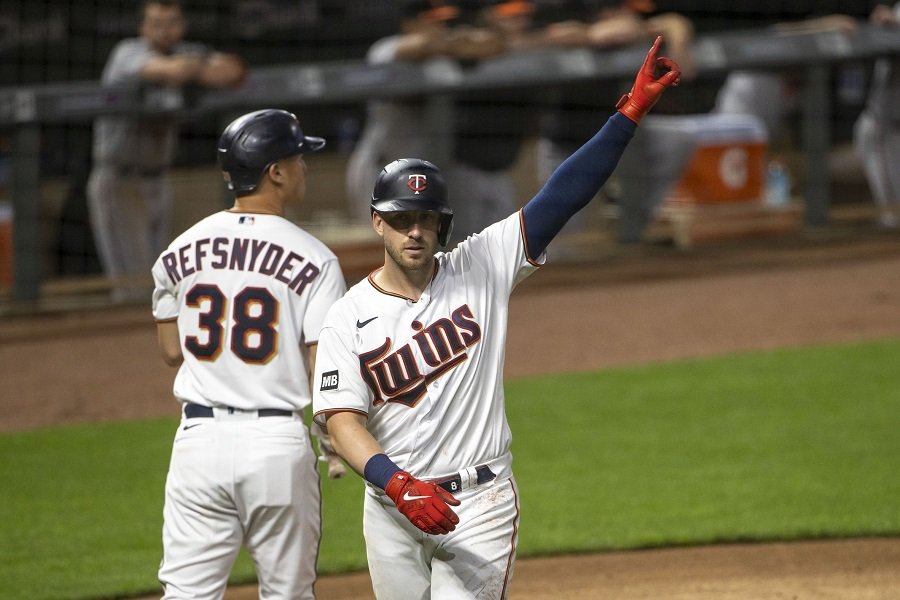 It's clear that starting pitching is Minnesota's biggest priority this winter, and the team will have to be creative to fill all the starting rotation needs. One of the avenues will undoubtedly be to explore the trade market. Free-agent starting pitching costs a premium, and the current regime hasn't been successful signing players in the past. Enter the Miami Marlins and their surplus of starting pitching. It seems like no team can have too much starting pitching, but the Marlins have a strong farm system and other MLB-ready options. According to MLB Pipeline, six of their top-10 prospects are pitchers, including four pitchers at the Double-A level or higher. Marlins manager Don Mattingly made it clear that upgrading catcher is a priority for the club this winter. "It's an area we're looking at," Mattingly said. "It's fairly safe to say it was some kind of message when we grabbed two catchers at the trade deadline and we also have Nick Fortes up here." Fortes, a 2018 MLB Draft pick, posted a 1.030 OPS in 34 plate appearances. However, he has a .651 OPS in 190 minor league games. Alex Jackson and Payton Henry, both catchers acquired at the deadline, struggled after joining the Marlins organization. With no clear long-term option, the Marlins can look to the free-agent class, but Yan Gomes (98 OPS+) is the best option. Minnesota entered the season with what looked like one of baseball's best catching duos, but there were some struggles along the way. Ryan Jeffers struggled offensively at the Triple-A and MLB-level. Mitch Garver found his swing after a rough first month, but he was limited to 68 games. Minnesota's catching future is uncertain with both players' inconsistent 2021 campaign. From the Twins' perspective, Garver seems like the more likely player to be traded. He is six years older than Jeffers, and he has multiple years of team control remaining. Trading Garver allows the Twins to give Jeffers more regular at-bats, and it also provides the team with an opportunity to bring in a left-handed veteran catcher to serve in a back-up role (unless they feel that Ben Rortvedt is ready for such a role). Other teams with established catchers are likely to reach out to the Marlins. Last winter, Miami had discussions about acquiring Willson Contreras from the Cubs, but he is only one year away from free agency. MLB Trade Rumors identified Arizona's Carson Kelly and Pittsburgh's Jacob Stallings as other possible trade candidates. Kelly posted a 104 OPS+ in 98 games, while Stallings finished the year with a 92 OPS+ in 112 games. There's also no guarantee either of those teams are interested in trading their catchers. To be competitive in 2022, the Twins will need to trade MLB-level assets to acquire starting pitching. Besides the catchers, other established players like Max Kepler, Josh Donaldson, and Luis Arraez will likely hear their names in the rumor mill. For now, the Twins and Marlins seem like a strong match to make a trade this winter. Do you think the Marlins and the Twins will be able to work out a deal? Leave a COMMENT and start the discussion. MORE FROM TWINS DAILY — Latest Twins coverage from our writers — Recent Twins discussion in our forums — Follow Twins Daily via Twitter, Facebook or email
 -
The Marlins have pitching and need an offensive upgrade at catcher. The Twins have catching and plenty of need in their starting rotation. Is this trade match too good to be true? It's clear that starting pitching is Minnesota's biggest priority this winter, and the team will have to be creative to fill all the starting rotation needs. One of the avenues will undoubtedly be to explore the trade market. Free-agent starting pitching costs a premium, and the current regime hasn't been successful signing players in the past. Enter the Miami Marlins and their surplus of starting pitching. It seems like no team can have too much starting pitching, but the Marlins have a strong farm system and other MLB-ready options. According to MLB Pipeline, six of their top-10 prospects are pitchers, including four pitchers at the Double-A level or higher. Marlins manager Don Mattingly made it clear that upgrading catcher is a priority for the club this winter. "It's an area we're looking at," Mattingly said. "It's fairly safe to say it was some kind of message when we grabbed two catchers at the trade deadline and we also have Nick Fortes up here." Fortes, a 2018 MLB Draft pick, posted a 1.030 OPS in 34 plate appearances. However, he has a .651 OPS in 190 minor league games. Alex Jackson and Payton Henry, both catchers acquired at the deadline, struggled after joining the Marlins organization. With no clear long-term option, the Marlins can look to the free-agent class, but Yan Gomes (98 OPS+) is the best option. Minnesota entered the season with what looked like one of baseball's best catching duos, but there were some struggles along the way. Ryan Jeffers struggled offensively at the Triple-A and MLB-level. Mitch Garver found his swing after a rough first month, but he was limited to 68 games. Minnesota's catching future is uncertain with both players' inconsistent 2021 campaign. From the Twins' perspective, Garver seems like the more likely player to be traded. He is six years older than Jeffers, and he has multiple years of team control remaining. Trading Garver allows the Twins to give Jeffers more regular at-bats, and it also provides the team with an opportunity to bring in a left-handed veteran catcher to serve in a back-up role (unless they feel that Ben Rortvedt is ready for such a role). Other teams with established catchers are likely to reach out to the Marlins. Last winter, Miami had discussions about acquiring Willson Contreras from the Cubs, but he is only one year away from free agency. MLB Trade Rumors identified Arizona's Carson Kelly and Pittsburgh's Jacob Stallings as other possible trade candidates. Kelly posted a 104 OPS+ in 98 games, while Stallings finished the year with a 92 OPS+ in 112 games. There's also no guarantee either of those teams are interested in trading their catchers. To be competitive in 2022, the Twins will need to trade MLB-level assets to acquire starting pitching. Besides the catchers, other established players like Max Kepler, Josh Donaldson, and Luis Arraez will likely hear their names in the rumor mill. For now, the Twins and Marlins seem like a strong match to make a trade this winter. Do you think the Marlins and the Twins will be able to work out a deal? Leave a COMMENT and start the discussion. MORE FROM TWINS DAILY — Latest Twins coverage from our writers — Recent Twins discussion in our forums — Follow Twins Daily via Twitter, Facebook or email View full article
-
Rocco Baldelli has presided over some tough seasons in Twins Territory, including the pandemic that has impacted a majority of his managerial career. So, what grade would you give him following his first losing season? MLB managers have a direct impact on the game, from line-up construction to in-game decisions. However, a good manager can lose a lot of games if the talent on the field doesn’t perform. Players and the front office that compiles the roster have a more significant impact than the manager, but that doesn’t mean there aren’t things to point out about Rocco Baldelli this season. The Good The team didn’t quit, which would have been easy to do following a trade deadline where the team sold away veteran players. For most of the second half, the Twins rotation was composed of unproven players that weren’t expected to impact the 2021 big-league roster. Things didn’t go perfectly, but the team certainly didn’t fall apart. Minnesota went 29-28 (.509) following the trade deadline, which included going 8-4 to end the season and avoid 90-losses. There was little to play for in the season’s final months, but that’s when the Twins were playing their best baseball. If Baldelli gets some of the blame for the team’s early-season struggles, he should also get credit for the club not completely falling off the rails. The Bad Minnesota had a chance to have an incredible, feel-good story, but Baldelli didn’t put a player into the game. Drew Maggi was a 32-year old rookie having a career year at Triple-A. Minnesota called him up for a weekend series in Toronto and had him talk to the media before the game about being in the big leagues. Unfortunately, Baldelli never put him in a game. There were opportunities with Jake Cave, Rob Refsnyder, and Willians Astudillo all getting starts in the series. Even giving him a late-inning at-bat would have been enough. Instead, the Twins demoted him following the weekend series, and the team never recalled him. Minnesota was a bad team going nowhere in 2021, and Maggi should have gotten the opportunity to appear in a game. The Ugly There were a lot of ugly moments throughout the 2021 season, especially with expectations being so high entering the year. This year’s Twins were one of the most disappointing teams in franchise history, but how much of that falls on the manager. In April, the Twins dug a hole that was impossible to get out of with Alex Colome blowing multiple late-inning leads. It’s easy to point at the manager and say he left Colome in too long or stuck with Colome too far into the season. Matt Shoemaker and J.A. Happ pitched poorly and were allowed to continue starting games well into the season. Andrelton Simmons had a terrible offensive season, but he started at shortstop until the season’s final games. Some of these decisions came from the front office, and some rested squarely on Baldelli’s shoulders. Final Grade After the season’s first month, many fans would have given Baldelli an F grade. June and July were also tough as the team was eight games under .500 in those two months. In the end, baseball has a long season, and Baldelli was able to redeem himself in the final months. The team didn’t quit, and they helped to earn the manager a C-. What grade would you give Baldelli? Leave a COMMENT and start the discussion. MORE FROM TWINS DAILY — Latest Twins coverage from our writers — Recent Twins discussion in our forums — Follow Twins Daily via Twitter, Facebook or email View full article