



Cody Christie
-
Posts
7,515 -
Joined
-
Last visited
-
Days Won
5
Content Type
Profiles
News
Minnesota Twins Videos
2026 Minnesota Twins Top Prospects Ranking
2022 Minnesota Twins Draft Picks
Minnesota Twins Free Agent & Trade Rumors, Notes, & Tidbits
Guides & Resources
2023 Minnesota Twins Draft Picks
The Minnesota Twins Players Project
2024 Minnesota Twins Draft Picks
2025 Minnesota Twins Draft Pick Tracker
2026 Minnesota Twins Draft Tracker: Picks & Bonuses
Forums
Blogs
Events
Store
Downloads
Gallery
Everything posted by Cody Christie
-
 In recent years, Alex Kirilloff and Luis Arraez are two of the best-hitting prospects to come through the Twins system. Can any of these players follow in their strong hitting footsteps? Scouts typically use a 20-80 scale to rank prospects based on their current and future skill level. Below you will see where these players rank currently, including their potential to improve in the years ahead. 5. Noah Miller, SS Current Hit/Future Hit: 25/60 Minnesota selected Miller with the 36th pick in the 2021 MLB Draft out of high school in Wisconsin. In his pro debut, he hit .238/.316/.369 (.685) with six extra-base hits in 22 games. He is a switch hitter with an advanced hitting approach. Teams can have a tough time evaluating players from cold-weather states, but Miller’s hitting profile saw him rise up draft boards last spring. Compared to other high school hitters, he has a better hitting approach, and he does a tremendous job of making consistent contact. As he continues to add weight, his swing has the potential for more power, and his hitting skills project to be among the system’s best. 4. Misael Urbina, OF Current Hit/Future Hit: 30/55 The Twins signed Urbina during the 2018 international signing period. Last season, Urbina played 101 games at Low-A and hit .191/.299/.286 (.585). While those totals are low, he compiled a .825 OPS as a 17-year-old in the Dominican Summer League. Losing a year of development impacted his swing in 2021, but he only had four plate appearances against younger pitchers last season. His bat-to-ball skills are considered advanced for his age, and he controls the strike zone. Starting the 2022 season at Low-A will help him gain some confidence, and he has the potential to move up to Cedar Rapids later in the year. 3. Spencer Steer, 2B Current Hit/Future Hit: 40/50 Steer was taken in the third round back in 2019 out of the University of Oregon. Even with the missed 2020 season, his swing took some steps forward last season. He ended the year hitting .254/.348/.484 (.833) with 18 doubles and 24 home runs between High- and Double-A. Because of his collegiate experience, his advanced approach at the plate has been his calling card. In recent years, he has reworked his swing, which may help him add more power as he moves up the organizational ladder. Steer will need to cut back on his strikeout rate as he gets closer to the big leagues, but he has hitting skills that should make him a serviceable infielder. 2. Jose Miranda, 3B Current Hit/Future Hit: 50/55 Many Twins fans are now very familiar with Miranda based on his breakout 2021 season. Minnesota took Miranda in the second round back in 2016. Many within the organization have been touting his potential for multiple years. His short, compact swing allows him to make contact at a consistent level which finally resulted in improved power numbers last season. Even if those power numbers decline at the big-league level, he should be able to continue to put the bat on the ball. Miranda saw an improved walk rate last season, but his ability to make contact means he swings at a lot of pitches. Can he continue to make adjustments as he gets closer to his debut? 1. Austin Martin, SS/CF Current Hit/Future Hit: 50/60 Martin is widely considered Minnesota’s top prospect, and many scouts felt he was the top hitter in the 2020 MLB Draft. Last season, he made his pro debut and hit .270/.414/.382 (.796) at Double-A. Like Miranda, he can make contact with nearly any pitch, but he can be over patient at times. MLB Pipeline put it succinctly when saying he shows “no weaknesses at the plate.” Since joining the Twins organization, he has continued to work on altering his swing, which may produce more power in 2022. However, that might mean that he has to sacrifice contact and be more aggressive. Who do you think has the best hit tool in the Twins system? Should someone else make the list? Leave a COMMENT and start the discussion. OTHER POSTS IN THE SERIES — Top Power Prospects MORE FROM TWINS DAILY — Latest Twins coverage from our writers — Recent Twins discussion in our forums — Follow Twins Daily via Twitter, Facebook or email View full article
 -
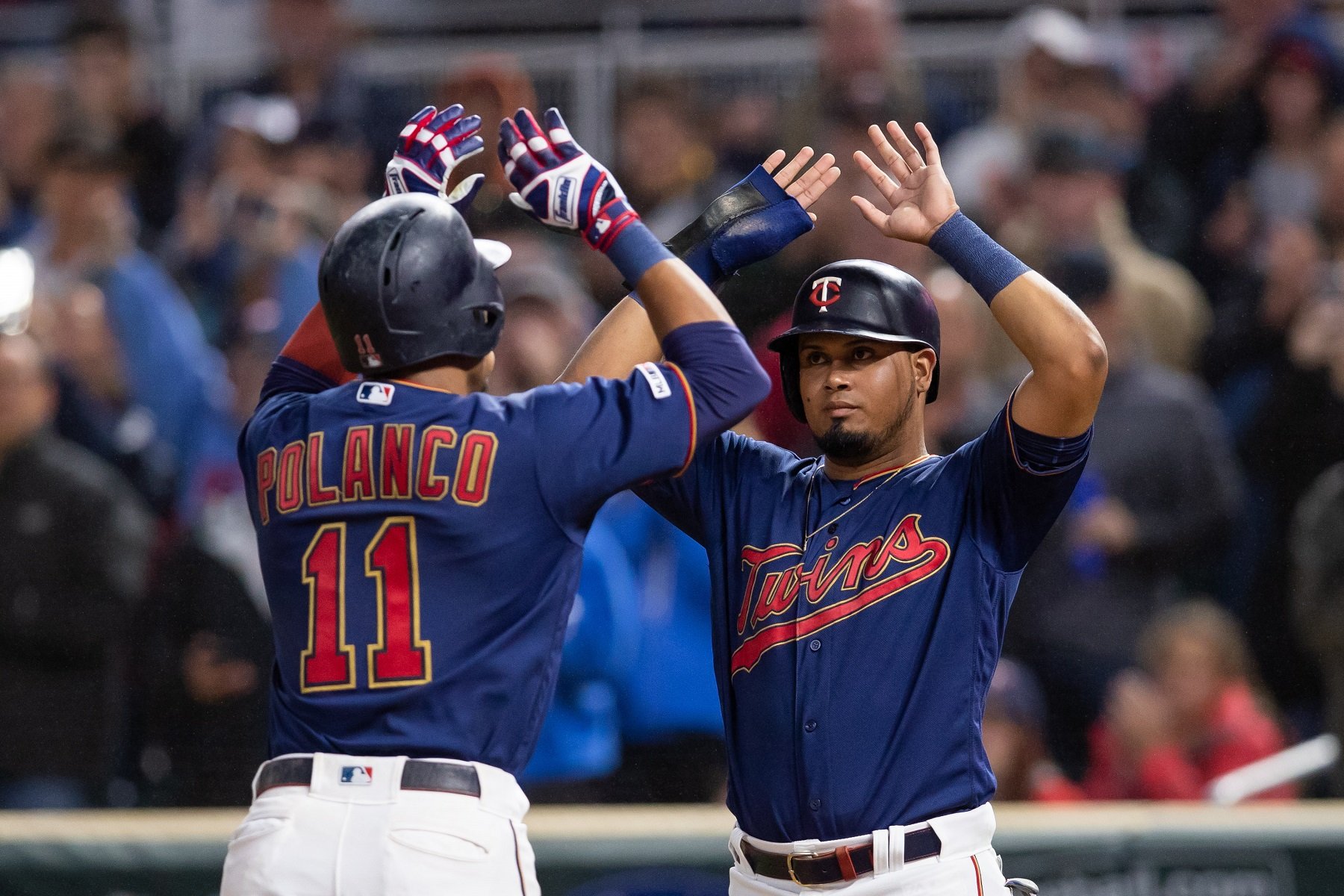 Catchers (2): Ryan Jeffers, Gary Sanchez The Twins are turning the starting catcher role over to Jeffers by trading Mitch Garver. On the surface, this makes sense because Jeffers is significantly younger than Garver and has more years of team control. Minnesota hopes Jeffers takes the next step offensively after a down year in 2021. It sounds like Sanchez will serve as the backup catcher and designated hitter. SABR’s SDI ranked him as the AL’s worst defensive catcher last season, so he must get minimal time behind the plate. Behind these two players, the team’s catching depth has thinned so that the team may add a veteran backup option. Infielders (6): Luis Arraez, Jorge Polanco, Miguel Sano, Nick Gordon, Brent Rooker, Gio Urshela It looked like Minnesota had their shortstop solution when the team acquired Isiah Kiner-Falefa, but his Twins tenure was short-lived. Now, there is no clear shortstop option on the roster. Polanco and Urshela can fill in, but both fit better at other defensive positions. Sano is likely in a contract year, so it will be interesting to see how the Twins use him this season. He and Sanchez have a similar offensive skillset, so both will need time at DH. Arraez, Gordon, and Rooker provide different skills off the bench, but there is an apparent lack of shortstop depth. Outfielders (4): Byron Buxton, Max Kepler, Alex Kirilloff, Trevor Larnach Minnesota’s outfield is one of its strengths, so the team will need to rotate through the different options. Like at catcher, the team may trade from a position of strength to add to a position of need. Kirilloff will likely get time at first base since he is the team’s strongest defender at that position. Gilberto Celestino put up some strong numbers at Triple-A, so he adds some depth in the outfield if the team needs a younger option. Rotation (5): Sonny Gray, Dylan Bundy, Joe Ryan, Bailey Ober, Randy Dobnak Adding Gray to the top of the rotation is a huge upgrade over the initial roster projection. He immediately adds a front of the rotation starter under team control for multiple years. Minnesota has room to add at least one more veteran arm with young pitchers taking multiple rotation spots. Does a reunion with Michael Pineda make sense? Or will the team dip into the trade market again? Expectations are high for Ryan and Ober, but neither has pitched more than 125 innings in one professional season. Dobnak had a terrible 2021 season, but the Twins had faith in him last winter, so he will need to earn the fifth starter role. Bullpen (9): Taylor Rogers, Tyler Duffey, Jorge Alcala, Caleb Thielbar, Ralph Garza Jr., Cody Stashak, Jovani Moran, Jharel Cotton, Lewis Thorpe Minnesota’s bullpen improved in the second half last season, and the core of that group remains the same. Rogers is returning from a finger injury, so it will be critical to return to his late-inning role. Duffey struggled last season, but the Twins hope he can return to his 2019-20 form. Alcala and Thielbar will also get the opportunity to get the team out of some tricky situations. Moran has a dominant change-up that should allow him to transition to the big-league weapon with a chance to have an even more critical role in the future. Thorpe is out of options, and there doesn’t seem to be room for him in the rotation. Can he stick with the big-league club as a long-reliever? What changes will happen to the team’s roster before Opening Day? Do you feel like the Twins have improved this winter? Leave a COMMENT and start the discussion. MORE FROM TWINS DAILY — Latest Twins coverage from our writers — Recent Twins discussion in our forums — Follow Twins Daily via Twitter, Facebook, or email
- 69 comments
-
- 3
-

-
- sonny gray
- gary sanchez
- (and 3 more)
-
After a whirlwind weekend, the Twins roster underwent a dramatic transformation. Here’s what the Opening Day roster can look like if the team doesn’t make other moves. Catchers (2): Ryan Jeffers, Gary Sanchez The Twins are turning the starting catcher role over to Jeffers by trading Mitch Garver. On the surface, this makes sense because Jeffers is significantly younger than Garver and has more years of team control. Minnesota hopes Jeffers takes the next step offensively after a down year in 2021. It sounds like Sanchez will serve as the backup catcher and designated hitter. SABR’s SDI ranked him as the AL’s worst defensive catcher last season, so he must get minimal time behind the plate. Behind these two players, the team’s catching depth has thinned so that the team may add a veteran backup option. Infielders (6): Luis Arraez, Jorge Polanco, Miguel Sano, Nick Gordon, Brent Rooker, Gio Urshela It looked like Minnesota had their shortstop solution when the team acquired Isiah Kiner-Falefa, but his Twins tenure was short-lived. Now, there is no clear shortstop option on the roster. Polanco and Urshela can fill in, but both fit better at other defensive positions. Sano is likely in a contract year, so it will be interesting to see how the Twins use him this season. He and Sanchez have a similar offensive skillset, so both will need time at DH. Arraez, Gordon, and Rooker provide different skills off the bench, but there is an apparent lack of shortstop depth. Outfielders (4): Byron Buxton, Max Kepler, Alex Kirilloff, Trevor Larnach Minnesota’s outfield is one of its strengths, so the team will need to rotate through the different options. Like at catcher, the team may trade from a position of strength to add to a position of need. Kirilloff will likely get time at first base since he is the team’s strongest defender at that position. Gilberto Celestino put up some strong numbers at Triple-A, so he adds some depth in the outfield if the team needs a younger option. Rotation (5): Sonny Gray, Dylan Bundy, Joe Ryan, Bailey Ober, Randy Dobnak Adding Gray to the top of the rotation is a huge upgrade over the initial roster projection. He immediately adds a front of the rotation starter under team control for multiple years. Minnesota has room to add at least one more veteran arm with young pitchers taking multiple rotation spots. Does a reunion with Michael Pineda make sense? Or will the team dip into the trade market again? Expectations are high for Ryan and Ober, but neither has pitched more than 125 innings in one professional season. Dobnak had a terrible 2021 season, but the Twins had faith in him last winter, so he will need to earn the fifth starter role. Bullpen (9): Taylor Rogers, Tyler Duffey, Jorge Alcala, Caleb Thielbar, Ralph Garza Jr., Cody Stashak, Jovani Moran, Jharel Cotton, Lewis Thorpe Minnesota’s bullpen improved in the second half last season, and the core of that group remains the same. Rogers is returning from a finger injury, so it will be critical to return to his late-inning role. Duffey struggled last season, but the Twins hope he can return to his 2019-20 form. Alcala and Thielbar will also get the opportunity to get the team out of some tricky situations. Moran has a dominant change-up that should allow him to transition to the big-league weapon with a chance to have an even more critical role in the future. Thorpe is out of options, and there doesn’t seem to be room for him in the rotation. Can he stick with the big-league club as a long-reliever? What changes will happen to the team’s roster before Opening Day? Do you feel like the Twins have improved this winter? Leave a COMMENT and start the discussion. MORE FROM TWINS DAILY — Latest Twins coverage from our writers — Recent Twins discussion in our forums — Follow Twins Daily via Twitter, Facebook, or email View full article
- 69 replies
-
- 1
-

-
- sonny gray
- gary sanchez
- (and 3 more)
-
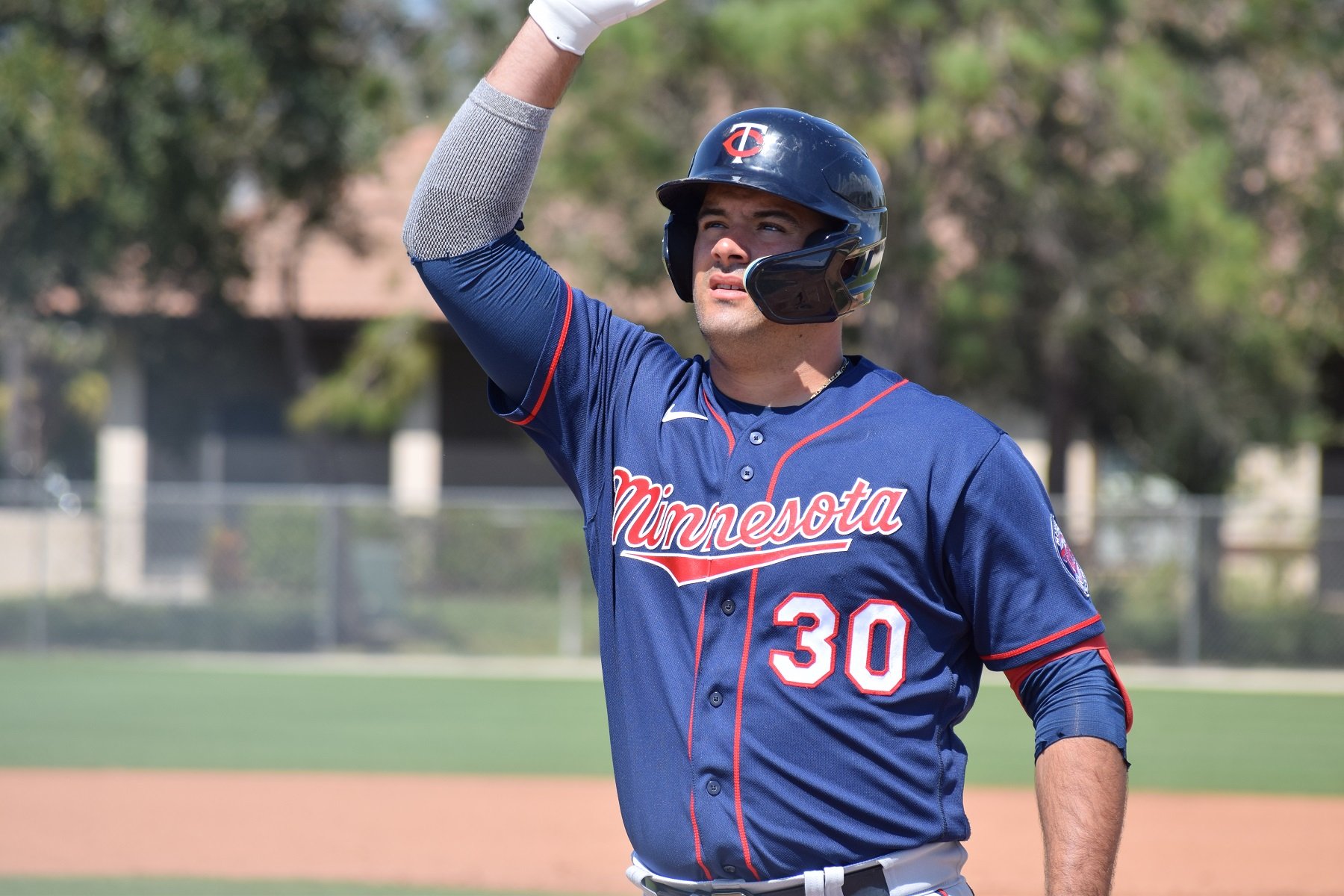 Scouts and front office personnel use a 20-80 scale to evaluate a player’s tools. This ranking system is also used to project how those tools will improve as the player continues to develop. Below you will see the top five Twins prospects regarding current and future power potential. 5. Keoni Cavaco, SS Current Power/Future Power: 55/60 Cavaco’s power hasn’t fully shown up in-game action, but scouting reports have his raw power having some of the best potential in the system. Last season at Low-A, he posted a .598 OPS, which was 128 points higher than his professional debut. Cavaco added muscle to his frame during the canceled 2020 season, but that hasn’t shown up in-game action. Now he needs to prove he can make consistent contact to showcase his power on a more regular basis. He will be entering his age-21 season this year, and his stock has fallen in relation to prospect rankings. His power might make him a candidate to bounce back in 2022. 4. Jose Miranda, 3B Current Power/Future Power: 55/55 Miranda is coming off one of the best offensive seasons in Twins history, and he is on the verge of breaking into the big leagues. Minnesota’s front office has been touting Miranda’s potential for multiple offseasons, and he was finally able to put it all together in 2021. Between Double- and Triple-A, he hit 32 doubles and 30 home runs on his way to being named the Twins Daily Minor League Hitter of the Year. He’s proven his power potential in the upper minors, and he needs to prove that he can transition that power to the big-league level. His 2021 campaign clearly puts him in the team’s long-term plans. 3. Royce Lewis, SS/OF Current Power/Future Power: 60/70 Like Cavaco, Lewis has seen his stock drop over the last two years, but that’s directly related to the fact that he hasn’t been on the field. One of the reasons for optimism surrounding his power potential is the amount of time he has been able to add weight to his already athletic frame. When the Twins drafted him, he weighed 185 pounds, but now he has added at least 30 pounds to his 6-foot-1 frame. There are many questions about what version of Lewis will be on the field this season, especially with his previous swing concerns. 2. Aaron Sabato, 1B/DH Current Power/Future Power: 60/60 Sabato was an intriguing choice by the Twins when they took him in the first round of the 2020 MLB Draft. He crushed the ball in college with a 1.158 OPS in 85 games. A player with his skillset needs to see that power transition to his professional career because he adds minimal defensive value. Last season at Low-A, he struggled to make consistent contact as he struck out 117 times in 85 games. However, he improved as the season progressed and played his final 22 games at High-A. Overall, he hit .253/.402/.613 (1.105) with eight home runs after the promotion. In 2022, he needs to prove that his power surge wasn’t a mirage. 1. Matt Wallner, OF Current Power/Future Power: 70/70 Scouts considered Wallner’s power some of the best in the 2019 draft class, and he has proven his power potential throughout his professional career. He posted an .854 OPS at High-A last season, but he missed time with a broken hamate. After the season, Minnesota sent him to the AFL, and he compiled a 1.011 OPS. There are still questions about Wallner’s future defensive position, but his bat has enough power to make him a dangerous option no matter where he is on the field. He struck out 100 times in 66 games last season, so his strikeout rate will be something to watch as he continues to move up the organizational ladder. Who do you think has the best power in the Twins system? Should someone else make the list? Leave a COMMENT and start the discussion. MORE FROM TWINS DAILY — Latest Twins coverage from our writers — Recent Twins discussion in our forums — Follow Twins Daily via Twitter, Facebook or email
- 13 comments
-
- 2
-
-
- matt wallner
- aaron sabato
- (and 3 more)
-
With great power comes great responsibility. Will these Twins prospects be able to transition their power to the big-league level? Scouts and front office personnel use a 20-80 scale to evaluate a player’s tools. This ranking system is also used to project how those tools will improve as the player continues to develop. Below you will see the top five Twins prospects regarding current and future power potential. 5. Keoni Cavaco, SS Current Power/Future Power: 55/60 Cavaco’s power hasn’t fully shown up in-game action, but scouting reports have his raw power having some of the best potential in the system. Last season at Low-A, he posted a .598 OPS, which was 128 points higher than his professional debut. Cavaco added muscle to his frame during the canceled 2020 season, but that hasn’t shown up in-game action. Now he needs to prove he can make consistent contact to showcase his power on a more regular basis. He will be entering his age-21 season this year, and his stock has fallen in relation to prospect rankings. His power might make him a candidate to bounce back in 2022. 4. Jose Miranda, 3B Current Power/Future Power: 55/55 Miranda is coming off one of the best offensive seasons in Twins history, and he is on the verge of breaking into the big leagues. Minnesota’s front office has been touting Miranda’s potential for multiple offseasons, and he was finally able to put it all together in 2021. Between Double- and Triple-A, he hit 32 doubles and 30 home runs on his way to being named the Twins Daily Minor League Hitter of the Year. He’s proven his power potential in the upper minors, and he needs to prove that he can transition that power to the big-league level. His 2021 campaign clearly puts him in the team’s long-term plans. 3. Royce Lewis, SS/OF Current Power/Future Power: 60/70 Like Cavaco, Lewis has seen his stock drop over the last two years, but that’s directly related to the fact that he hasn’t been on the field. One of the reasons for optimism surrounding his power potential is the amount of time he has been able to add weight to his already athletic frame. When the Twins drafted him, he weighed 185 pounds, but now he has added at least 30 pounds to his 6-foot-1 frame. There are many questions about what version of Lewis will be on the field this season, especially with his previous swing concerns. 2. Aaron Sabato, 1B/DH Current Power/Future Power: 60/60 Sabato was an intriguing choice by the Twins when they took him in the first round of the 2020 MLB Draft. He crushed the ball in college with a 1.158 OPS in 85 games. A player with his skillset needs to see that power transition to his professional career because he adds minimal defensive value. Last season at Low-A, he struggled to make consistent contact as he struck out 117 times in 85 games. However, he improved as the season progressed and played his final 22 games at High-A. Overall, he hit .253/.402/.613 (1.105) with eight home runs after the promotion. In 2022, he needs to prove that his power surge wasn’t a mirage. 1. Matt Wallner, OF Current Power/Future Power: 70/70 Scouts considered Wallner’s power some of the best in the 2019 draft class, and he has proven his power potential throughout his professional career. He posted an .854 OPS at High-A last season, but he missed time with a broken hamate. After the season, Minnesota sent him to the AFL, and he compiled a 1.011 OPS. There are still questions about Wallner’s future defensive position, but his bat has enough power to make him a dangerous option no matter where he is on the field. He struck out 100 times in 66 games last season, so his strikeout rate will be something to watch as he continues to move up the organizational ladder. Who do you think has the best power in the Twins system? Should someone else make the list? Leave a COMMENT and start the discussion. MORE FROM TWINS DAILY — Latest Twins coverage from our writers — Recent Twins discussion in our forums — Follow Twins Daily via Twitter, Facebook or email View full article
-
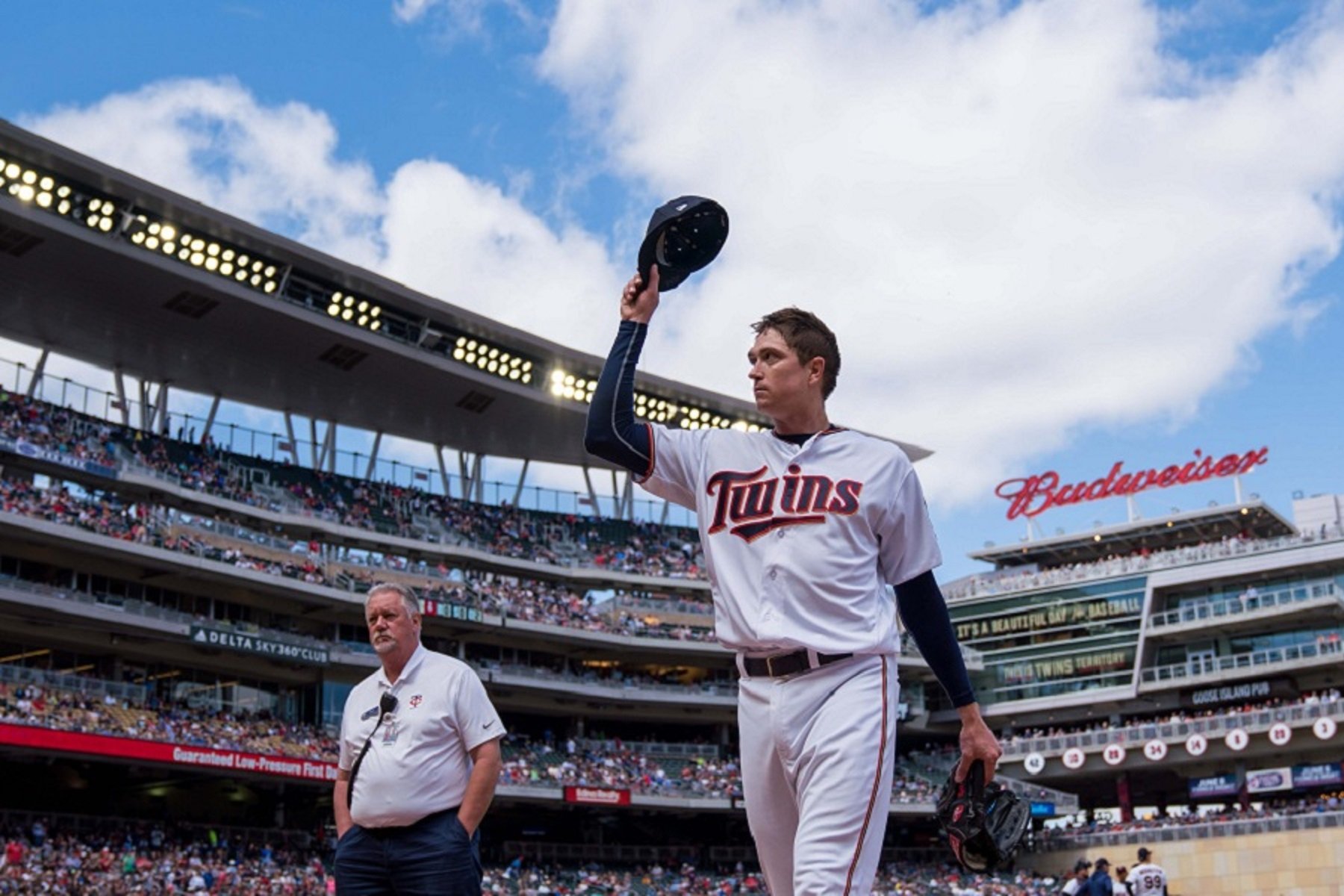 Drafting baseball players isn’t an exact science as teams employ different strategies. Minnesota missed out on baseball’s best player, and they passed on two players that eventually wore a Twins uniform. 2005 Draft Twins Selection: Matt Garza (25th pick) Left on the Board: Colby Rasmus (28th pick) Seven players from the 2005 Draft have accumulated more than 30 WAR, including four players north of 40 WAR. Garza played in 152 big-league games and helped the Rays to a World Series run. He ended up in Tampa as part of the deal involving Delmon Young. The Cardinals took Rasmus three picks after Garza, and he played in over 1000 big-league games. Other players the Twins passed on include Jed Lowrie and Clay Buchholz, who Boston took in the supplemental first round. Garza wasn’t a terrible pick, but his best playing days came outside the Twins organization. 2006 Draft Twins Selection: Chris Parmelee (20th pick) Left on the Board: Ian Kennedy (21st pick) Parmelee played in over 300 big-league games, ranking in the top-10 out of players in the 2006 first round. During his Twins tenure, Parmelee didn’t provide a lot of value as a corner outfielder with limited defensive skills. Players of his ilk need to mash the ball, and that didn’t happen as he posted a .717 OPS for his career. The Yankees selected Ian Kennedy one pick after Parmelee, and he has the fifth-highest WAR total among 2006 first-round picks. Adam Ottavino and Andrew Miller were still available, so Minnesota had plenty of pitching options with the 20th overall pick. 2007 Draft Twins Selection: Ben Revere (28th pick) Left on the Board: Josh Donaldson (44th pick) It’s certainly intriguing to think the Twins had a chance to add Donaldson at the beginning of his professional career. The Cubs drafted him as a catcher from Auburn, and he has posted the highest WAR total among players in the 2007 first round. That ranks him ahead of players like David Price, Jason Heyward, and Madison Bumgarner. If Minnesota went in a different direction, Todd Frazier was also available with the 28th pick. Revere accumulated nearly 8.0 WAR in over 850 big-league games, but his skill set was limited, and some of the other available players had a higher ceiling. 2008 Draft Twins Selection: Aaron Hicks (14th pick) Left on the Board: Lance Lynn (39th pick) Hicks fit Minnesota’s mold of taking toolsy high school outfielders, and he’s gone on to have a respectable big-league career. Unfortunately, his best seasons have come in a Yankees uniform where his OPS is over 100 points higher than with the Twins. Out of players left on the board, only three players have accumulated more WAR than Hicks, including Lance Lynn, Wade Miley, and Jake Odorizzi. Lynn’s WAR total ranks second to Buster Posey among first-round picks that signed from the 2008 draft. Twins fans likely have a bad taste in their mouth after Lynn was terrible in 20 games for Minnesota. He has finished in the top-6 for the AL Cy Young in the last three seasons, and now he is torturing Twins fans by pitching well for the White Sox. 2009 Draft Twins Selection: Kyle Gibson (22nd pick) Left on the Board: Mike Trout (25h pick) The Twins weren’t the only team to pass over the best player of the current generation, but it doesn’t make it sting any less. Gibson was a solid, safe pick based on his college experience and potential as a starting pitcher. Besides Trout, Minnesota made the correct pick as no other available players have accumulated more WAR. Gibson earned his first All-Star nod last season, and he has pitched over 1300 big-league innings. On some bad Twins teams, he was the lone bright spot in the rotation. Books will be written about Trout’s greatness, and many teams likely wish they had a chance to reevaluate the high school outfielder from New Jersey. Which of these players was the best pick for the Twins? Leave a COMMENT and start the discussion. OTHER POSTS IN THE SERIES — 2010-2015 Drafts MORE FROM TWINS DAILY — Latest Twins coverage from our writers — Recent Twins discussion in our forums — Follow Twins Daily via Twitter, Facebook, or email
- 14 comments
-
- 1
-
-
- kyle gibson
- matt garza
- (and 3 more)
-
Every team makes mistakes, but organizations find long-term success by avoiding poor first-round draft picks. As the Metrodome era ended, Minnesota made some draft mistakes. Drafting baseball players isn’t an exact science as teams employ different strategies. Minnesota missed out on baseball’s best player, and they passed on two players that eventually wore a Twins uniform. 2005 Draft Twins Selection: Matt Garza (25th pick) Left on the Board: Colby Rasmus (28th pick) Seven players from the 2005 Draft have accumulated more than 30 WAR, including four players north of 40 WAR. Garza played in 152 big-league games and helped the Rays to a World Series run. He ended up in Tampa as part of the deal involving Delmon Young. The Cardinals took Rasmus three picks after Garza, and he played in over 1000 big-league games. Other players the Twins passed on include Jed Lowrie and Clay Buchholz, who Boston took in the supplemental first round. Garza wasn’t a terrible pick, but his best playing days came outside the Twins organization. 2006 Draft Twins Selection: Chris Parmelee (20th pick) Left on the Board: Ian Kennedy (21st pick) Parmelee played in over 300 big-league games, ranking in the top-10 out of players in the 2006 first round. During his Twins tenure, Parmelee didn’t provide a lot of value as a corner outfielder with limited defensive skills. Players of his ilk need to mash the ball, and that didn’t happen as he posted a .717 OPS for his career. The Yankees selected Ian Kennedy one pick after Parmelee, and he has the fifth-highest WAR total among 2006 first-round picks. Adam Ottavino and Andrew Miller were still available, so Minnesota had plenty of pitching options with the 20th overall pick. 2007 Draft Twins Selection: Ben Revere (28th pick) Left on the Board: Josh Donaldson (44th pick) It’s certainly intriguing to think the Twins had a chance to add Donaldson at the beginning of his professional career. The Cubs drafted him as a catcher from Auburn, and he has posted the highest WAR total among players in the 2007 first round. That ranks him ahead of players like David Price, Jason Heyward, and Madison Bumgarner. If Minnesota went in a different direction, Todd Frazier was also available with the 28th pick. Revere accumulated nearly 8.0 WAR in over 850 big-league games, but his skill set was limited, and some of the other available players had a higher ceiling. 2008 Draft Twins Selection: Aaron Hicks (14th pick) Left on the Board: Lance Lynn (39th pick) Hicks fit Minnesota’s mold of taking toolsy high school outfielders, and he’s gone on to have a respectable big-league career. Unfortunately, his best seasons have come in a Yankees uniform where his OPS is over 100 points higher than with the Twins. Out of players left on the board, only three players have accumulated more WAR than Hicks, including Lance Lynn, Wade Miley, and Jake Odorizzi. Lynn’s WAR total ranks second to Buster Posey among first-round picks that signed from the 2008 draft. Twins fans likely have a bad taste in their mouth after Lynn was terrible in 20 games for Minnesota. He has finished in the top-6 for the AL Cy Young in the last three seasons, and now he is torturing Twins fans by pitching well for the White Sox. 2009 Draft Twins Selection: Kyle Gibson (22nd pick) Left on the Board: Mike Trout (25h pick) The Twins weren’t the only team to pass over the best player of the current generation, but it doesn’t make it sting any less. Gibson was a solid, safe pick based on his college experience and potential as a starting pitcher. Besides Trout, Minnesota made the correct pick as no other available players have accumulated more WAR. Gibson earned his first All-Star nod last season, and he has pitched over 1300 big-league innings. On some bad Twins teams, he was the lone bright spot in the rotation. Books will be written about Trout’s greatness, and many teams likely wish they had a chance to reevaluate the high school outfielder from New Jersey. Which of these players was the best pick for the Twins? Leave a COMMENT and start the discussion. OTHER POSTS IN THE SERIES — 2010-2015 Drafts MORE FROM TWINS DAILY — Latest Twins coverage from our writers — Recent Twins discussion in our forums — Follow Twins Daily via Twitter, Facebook, or email View full article
-
Baseball’s draft is tricky because many players are years away from impacting big-league rosters. Back in the early 2010s, the Twins struggled to identify the best available players in the draft. Mid-market teams like the Twins need to succeed through scouting and the draft. The five years outlined below clarify why front office changes were made. Not every first-round pick will be a success, but high draft picks need to provide some value at the big-league level. 2010 Draft Twins Selection: Alex Wimmers (21st pick) Left on the Board: Christian Yelich (23rd pick) Wimmers fit the Minnesota mold as he had college pitching experience, and the organization had taken Kyle Gibson a year earlier in a similar draft position. Wimmers eventually made 22 appearances for the Twins as a reliever from 2016-17, but he was out of baseball after the 2018 season. The Marlins took Christian Yelich two picks after Wimmers, and he has gone on to win an MVP, earn multiple batting titles, and accumulate 33.4 WAR. Chris Sale, Bryce Harper, and Manny Machado are the only first-round picks from 2010 that have produced more career WAR than Yelich. 2011 Draft Twins Selection: Levi Michael (30th pick) Left on the Board: Trevor Story (45th pick) Minnesota was good in 2010, so that meant a late first-round pick in 2011. Michael seemed like a stretch at the time, and he never made it past Triple-A with the Twins, Mets, or Giants. Story was passed over by plenty of teams in the draft as he has produced the fifth highest WAR total among the 2011 first-round picks. The Twins have a second chance to add Story as a free agent this winter, but that seems unlikely at this point. 2012 Draft Twins Selection: Byron Buxton (2nd pick) Left on the Board: Corey Seager (18th pick) Of all five of these drafts, Minnesota is probably most satisfied with their selection in 2012. It’s also less challenging to mess up the second overall pick. Buxton was seen as an elite five-tool talent, and he immediately became one of baseball’s top prospects. If the Twins had the chance, five players have accumulated more WAR than Buxton, including Seager. Besides Carlos Correa, the first overall pick, Seager has the highest WAR total in the 2012 first round. Both Seager and Buxton signed long-term deals this winter, so it will be interesting to see how both players age as they hit the prime of their careers. 2013 Draft Twins Selection: Kohl Stewart (4th pick) Left on the Board: Aaron Judge (32nd pick) Organizations need to be successful with top-10 picks, and the Twins made some poor choices for multiple years in a row. Stewart appeared in four games for Minnesota, but he could never put it all together as a starting pitcher. Aaron Judge was a college player who didn’t fit an outfielder’s typical mold. He was clearly misevaluated as he has produced the second-highest WAR total among first-round picks, with Kris Bryant being the only player to rank higher. Other potential options included Tim Anderson, Sean Manaea, and Jon Gray. 2014 Draft Twins Selection: Nick Gordon (5th pick) Left on the Board: Trea Turner (13th pick) At the time, Gordon seemed like a strong choice with his family’s connections and five-tool potential. Last season, he finally made his big-league debut, and he may continue to fill a utility role for the Twins in the years ahead. Unfortunately, there were some All-Star caliber players taken behind Gordon. Turner is one year away from free agency, where he will get paid like one of baseball’s biggest stars. Aaron Nola was taken directly after Gordon and has produced 24.2 WAR. Matt Chapman, Michael Conforto, and Kyle Freeland have all combined for solid big-league careers and were also available with the fifth pick. 2015 Draft Twins Selection: Tyler Jay (6th pick) Left on the Board: Walker Buehler (24th pick) Jay was a risk when the Twins took him because he had been a reliever during his collegiate career. Minnesota thought he could be a starter, but he could never make it to the big leagues. Buehler would undoubtedly look nice at the top of the Twins rotation, even with some missed time due to injury in his career. Otherwise, Boston took Andrew Benintendi one pick after Jay, and he has produced 12.5 WAR in his career. Which of these players was the biggest miss for the Twins? Leave a COMMENT and start the discussion. MORE FROM TWINS DAILY — Latest Twins coverage from our writers — Recent Twins discussion in our forums — Follow Twins Daily via Twitter, Facebook or email View full article
-
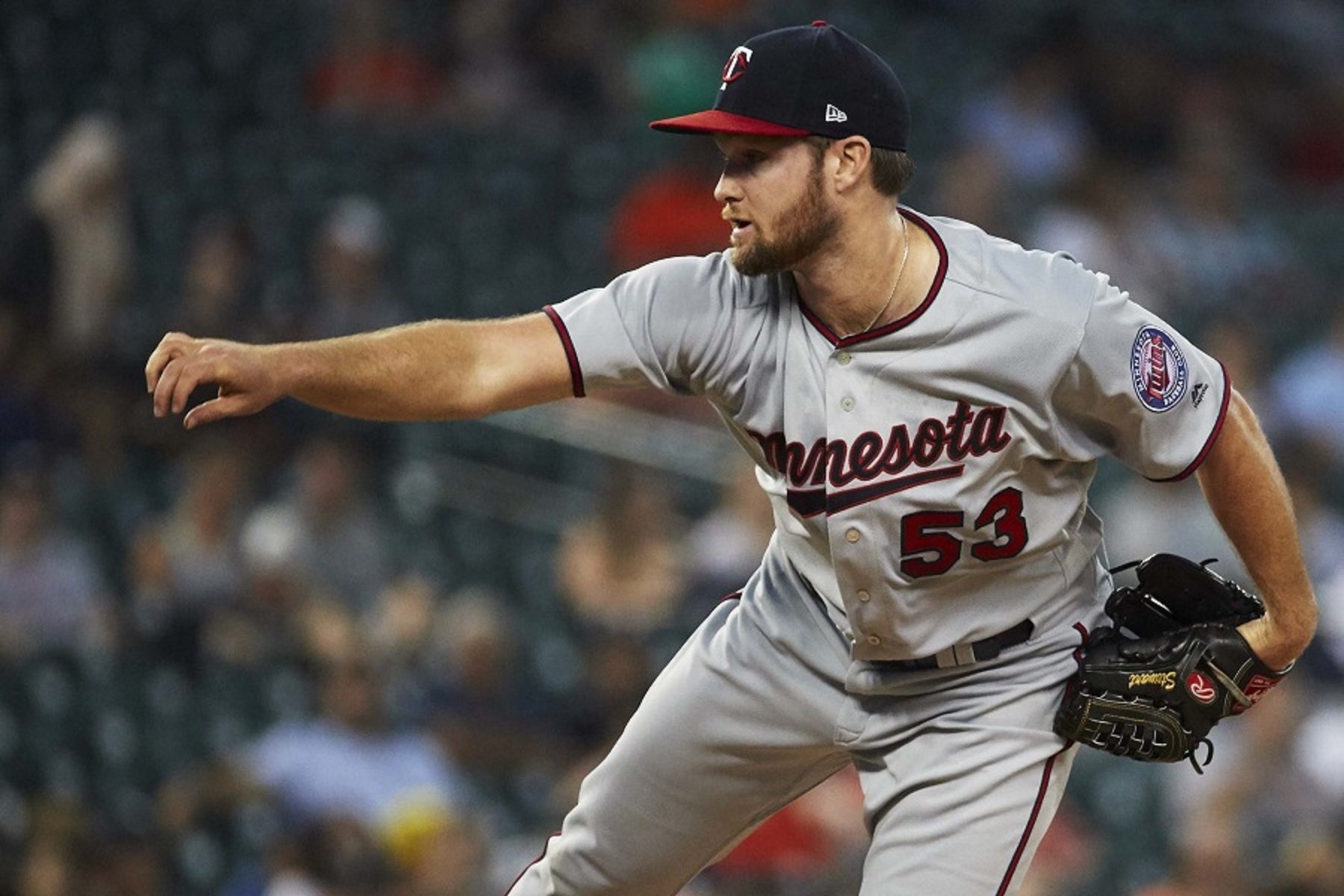 Mid-market teams like the Twins need to succeed through scouting and the draft. The five years outlined below clarify why front office changes were made. Not every first-round pick will be a success, but high draft picks need to provide some value at the big-league level. 2010 Draft Twins Selection: Alex Wimmers (21st pick) Left on the Board: Christian Yelich (23rd pick) Wimmers fit the Minnesota mold as he had college pitching experience, and the organization had taken Kyle Gibson a year earlier in a similar draft position. Wimmers eventually made 22 appearances for the Twins as a reliever from 2016-17, but he was out of baseball after the 2018 season. The Marlins took Christian Yelich two picks after Wimmers, and he has gone on to win an MVP, earn multiple batting titles, and accumulate 33.4 WAR. Chris Sale, Bryce Harper, and Manny Machado are the only first-round picks from 2010 that have produced more career WAR than Yelich. 2011 Draft Twins Selection: Levi Michael (30th pick) Left on the Board: Trevor Story (45th pick) Minnesota was good in 2010, so that meant a late first-round pick in 2011. Michael seemed like a stretch at the time, and he never made it past Triple-A with the Twins, Mets, or Giants. Story was passed over by plenty of teams in the draft as he has produced the fifth highest WAR total among the 2011 first-round picks. The Twins have a second chance to add Story as a free agent this winter, but that seems unlikely at this point. 2012 Draft Twins Selection: Byron Buxton (2nd pick) Left on the Board: Corey Seager (18th pick) Of all five of these drafts, Minnesota is probably most satisfied with their selection in 2012. It’s also less challenging to mess up the second overall pick. Buxton was seen as an elite five-tool talent, and he immediately became one of baseball’s top prospects. If the Twins had the chance, five players have accumulated more WAR than Buxton, including Seager. Besides Carlos Correa, the first overall pick, Seager has the highest WAR total in the 2012 first round. Both Seager and Buxton signed long-term deals this winter, so it will be interesting to see how both players age as they hit the prime of their careers. 2013 Draft Twins Selection: Kohl Stewart (4th pick) Left on the Board: Aaron Judge (32nd pick) Organizations need to be successful with top-10 picks, and the Twins made some poor choices for multiple years in a row. Stewart appeared in four games for Minnesota, but he could never put it all together as a starting pitcher. Aaron Judge was a college player who didn’t fit an outfielder’s typical mold. He was clearly misevaluated as he has produced the second-highest WAR total among first-round picks, with Kris Bryant being the only player to rank higher. Other potential options included Tim Anderson, Sean Manaea, and Jon Gray. 2014 Draft Twins Selection: Nick Gordon (5th pick) Left on the Board: Trea Turner (13th pick) At the time, Gordon seemed like a strong choice with his family’s connections and five-tool potential. Last season, he finally made his big-league debut, and he may continue to fill a utility role for the Twins in the years ahead. Unfortunately, there were some All-Star caliber players taken behind Gordon. Turner is one year away from free agency, where he will get paid like one of baseball’s biggest stars. Aaron Nola was taken directly after Gordon and has produced 24.2 WAR. Matt Chapman, Michael Conforto, and Kyle Freeland have all combined for solid big-league careers and were also available with the fifth pick. 2015 Draft Twins Selection: Tyler Jay (6th pick) Left on the Board: Walker Buehler (24th pick) Jay was a risk when the Twins took him because he had been a reliever during his collegiate career. Minnesota thought he could be a starter, but he could never make it to the big leagues. Buehler would undoubtedly look nice at the top of the Twins rotation, even with some missed time due to injury in his career. Otherwise, Boston took Andrew Benintendi one pick after Jay, and he has produced 12.5 WAR in his career. Which of these players was the biggest miss for the Twins? Leave a COMMENT and start the discussion. MORE FROM TWINS DAILY — Latest Twins coverage from our writers — Recent Twins discussion in our forums — Follow Twins Daily via Twitter, Facebook or email
- 18 comments
-
- 1
-
-
- nick gordon
- tyler jay
- (and 3 more)
-
Ranking the Top-10 Prospects in Twins History (Part 2: 1-5)
Cody Christie posted an article in Twins
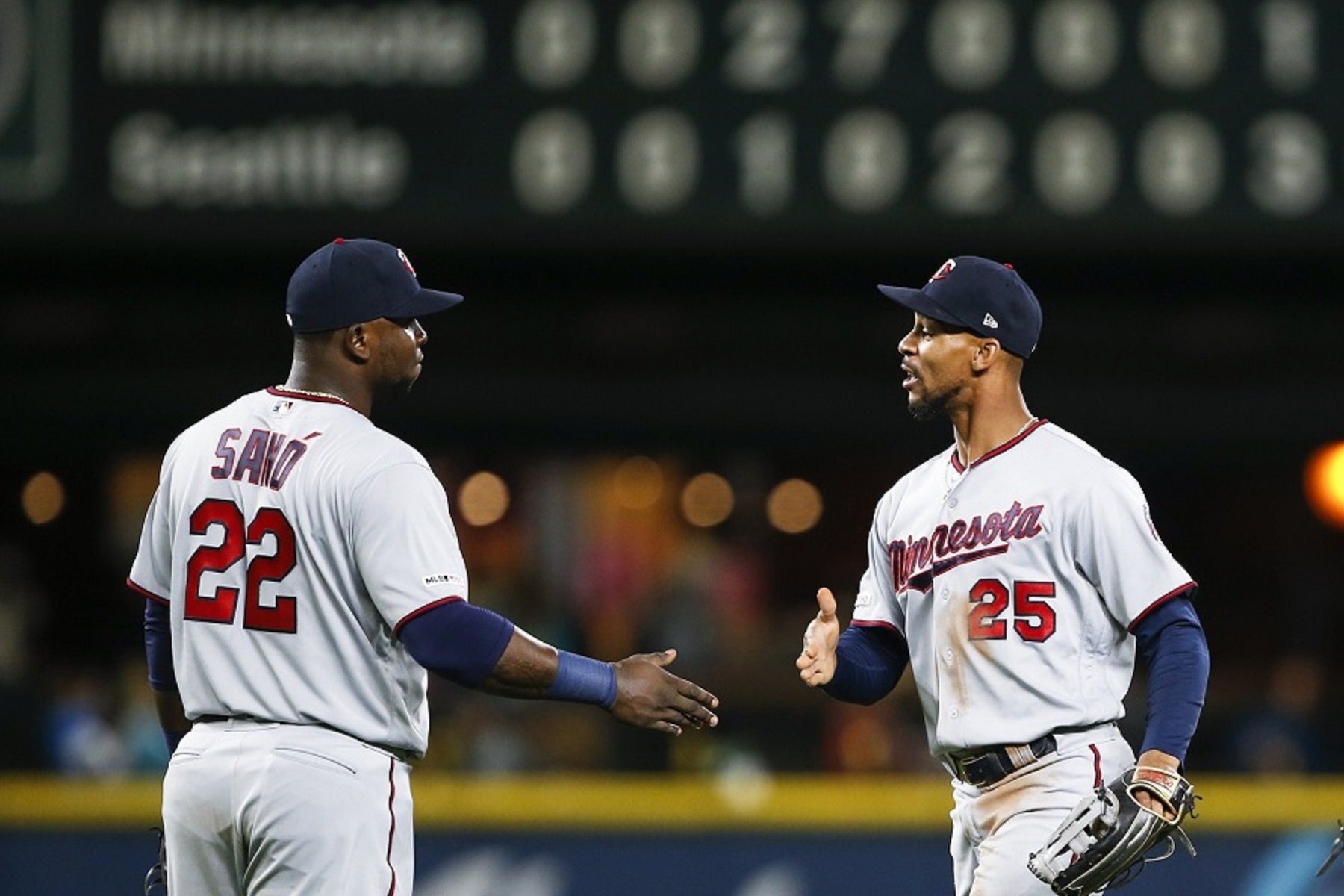 Baseball America became the first place to rank prospects on a national level in 1990. Since that time, other national outlets like Baseball Prospectus and MLB.com have also grown in popularity. The top-5 prospects in Twins history were all considered among baseball's top-10 prospects at some point in their professional careers. 5. Francisco Liriano Top-100 Peak: 6 Liriano came to the Twins in one most lopsided trade in franchise history. He was a top-100 prospect entering the 2003 season, but his 2005 minor league campaign put him on the prospect map. As a 21-year-old, he posted a 2.63 ERA and 1.05 WHIP with 11 SO/9 at Double- and Triple-A. He was electric at the beginning of his career as he was an All-Star in 2006. Unfortunately, his elbow gave out, and he missed the end of 2006 and all of 2007. Some have argued the 2006 Twins had a chance to win the World Series with Johan Santana and Liriano at the top of the rotation. 4. Royce Lewis Top-100 Peak: 5 Expectations are high for any player taken with the first overall pick. After a .788 OPS in his pro debut, Lewis was a consensus top-30 prospect. His 2018 performance moved him even higher as he posted an .803 OPS at Low- and High-A. Unfortunately, Lewis struggled through parts of the 2019 season, and he hasn’t played a professional game since that year. A knee injury took away his 2021 season on the heels of the pandemic canceling the 2020 campaign. His stock has dropped this winter as many evaluators have moved him off top-100 lists. Now, he will have plenty to prove when the lockout finally ends. 3. Miguel Sano Top-100 Peak: 4 Sano may or may not have lived up to his expectations, but he was clearly among the best prospects in Twins history. He appeared on national top-100 lists for five consecutive offseasons, and multiple lists included him as a top-15 prospect for consecutive seasons. Sano was an easy prospect to be intrigued by with light-tower power and a .932 OPS throughout his minor league career. His big-league career has had ups and downs, but the power he showcased as a prospect has been his greatest tool. He has the 12th most home runs in franchise history, and seven home runs this season will move him into the top-10. His .491 slugging percentage only ranks behind Harmon Killebrew in team history. 2. Byron Buxton Top-100 Peak: 1 Buxton‘s five-tool talent was evident early on in his professional career. All three national prospect rankings ranked him number one entering the 2014 season. Over the remainder of his minor league career, some ranking dropped him to second behind Chicago’s Kris Bryant. However, there were some tremendous prospects in the minors simultaneously as Buxton, including Carlos Correa, Francisco Lindor, Corey Seager, and Lucas Giolito. Many of these players scored big contracts over the last couple of offseasons. Thankfully, Minnesota was able to work out a deal to keep Buxton in a Twins uniform for the prime of his career. 1. Joe Mauer Top-100 Peak: 1 Minnesota selected Mauer as the number one overall pick in 2001, so plenty viewed him as one of baseball’s best prospects. Baseball America immediately included him in baseball’s top-10 prospects as he ranked seventh entering the 2002 campaign. He ranked as baseball’s top prospect in two consecutive off-seasons. He’s the only player in Twins history to accomplish this feat. Mauer went on to a tremendous career as he is considered one of the best players in Twins history. Do you feel like these are the best prospects in Twins history? Leave a COMMENT and start the discussion. PREVIOUS POST IN THE SERIES — Prospects 6-10 MORE FROM TWINS DAILY — Latest Twins coverage from our writers — Recent Twins discussion in our forums — Follow Twins Daily via Twitter, Facebook or email
- 12 comments
-
- 2
-
-
- joe mauer
- byron buxton
- (and 3 more)
-
There are times when expectations need to be tempered, and there are times when players more than live up to the hype. Here’s a look back at the top-5 prospects in Twins history. Baseball America became the first place to rank prospects on a national level in 1990. Since that time, other national outlets like Baseball Prospectus and MLB.com have also grown in popularity. The top-5 prospects in Twins history were all considered among baseball's top-10 prospects at some point in their professional careers. 5. Francisco Liriano Top-100 Peak: 6 Liriano came to the Twins in one most lopsided trade in franchise history. He was a top-100 prospect entering the 2003 season, but his 2005 minor league campaign put him on the prospect map. As a 21-year-old, he posted a 2.63 ERA and 1.05 WHIP with 11 SO/9 at Double- and Triple-A. He was electric at the beginning of his career as he was an All-Star in 2006. Unfortunately, his elbow gave out, and he missed the end of 2006 and all of 2007. Some have argued the 2006 Twins had a chance to win the World Series with Johan Santana and Liriano at the top of the rotation. 4. Royce Lewis Top-100 Peak: 5 Expectations are high for any player taken with the first overall pick. After a .788 OPS in his pro debut, Lewis was a consensus top-30 prospect. His 2018 performance moved him even higher as he posted an .803 OPS at Low- and High-A. Unfortunately, Lewis struggled through parts of the 2019 season, and he hasn’t played a professional game since that year. A knee injury took away his 2021 season on the heels of the pandemic canceling the 2020 campaign. His stock has dropped this winter as many evaluators have moved him off top-100 lists. Now, he will have plenty to prove when the lockout finally ends. 3. Miguel Sano Top-100 Peak: 4 Sano may or may not have lived up to his expectations, but he was clearly among the best prospects in Twins history. He appeared on national top-100 lists for five consecutive offseasons, and multiple lists included him as a top-15 prospect for consecutive seasons. Sano was an easy prospect to be intrigued by with light-tower power and a .932 OPS throughout his minor league career. His big-league career has had ups and downs, but the power he showcased as a prospect has been his greatest tool. He has the 12th most home runs in franchise history, and seven home runs this season will move him into the top-10. His .491 slugging percentage only ranks behind Harmon Killebrew in team history. 2. Byron Buxton Top-100 Peak: 1 Buxton‘s five-tool talent was evident early on in his professional career. All three national prospect rankings ranked him number one entering the 2014 season. Over the remainder of his minor league career, some ranking dropped him to second behind Chicago’s Kris Bryant. However, there were some tremendous prospects in the minors simultaneously as Buxton, including Carlos Correa, Francisco Lindor, Corey Seager, and Lucas Giolito. Many of these players scored big contracts over the last couple of offseasons. Thankfully, Minnesota was able to work out a deal to keep Buxton in a Twins uniform for the prime of his career. 1. Joe Mauer Top-100 Peak: 1 Minnesota selected Mauer as the number one overall pick in 2001, so plenty viewed him as one of baseball’s best prospects. Baseball America immediately included him in baseball’s top-10 prospects as he ranked seventh entering the 2002 campaign. He ranked as baseball’s top prospect in two consecutive off-seasons. He’s the only player in Twins history to accomplish this feat. Mauer went on to a tremendous career as he is considered one of the best players in Twins history. Do you feel like these are the best prospects in Twins history? Leave a COMMENT and start the discussion. PREVIOUS POST IN THE SERIES — Prospects 6-10 MORE FROM TWINS DAILY — Latest Twins coverage from our writers — Recent Twins discussion in our forums — Follow Twins Daily via Twitter, Facebook or email View full article
-
Ranking the Top-10 Prospects in Twins History (Part 1: 6-10)
Cody Christie posted an article in Twins
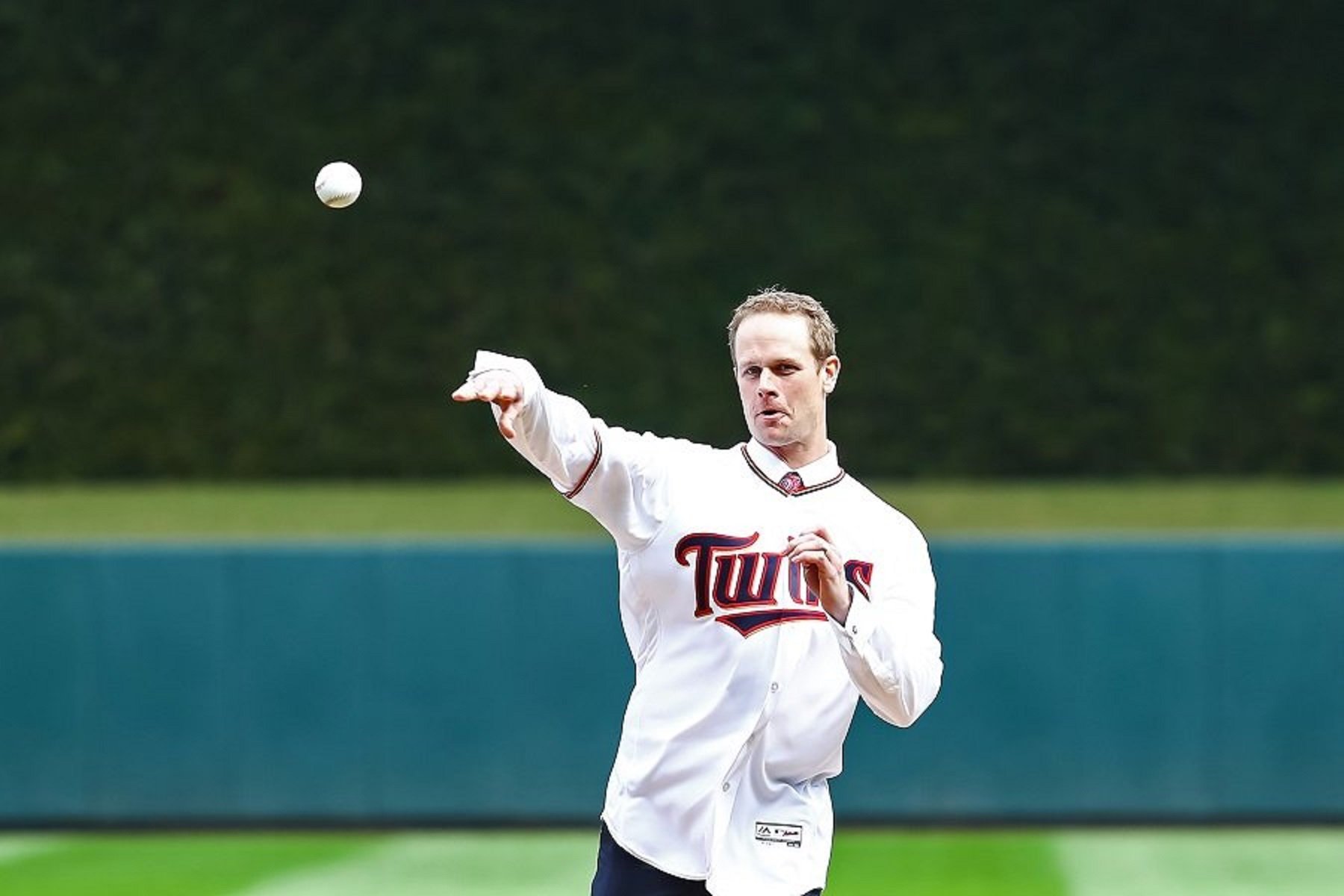 Multiple players are in the discussion for the top prospect in Twins history. Some honorable mentions to this list include Michael Cuddyer, Aaron Hicks, and Kyle Gibson. Baseball America started ranking prospects in 1990, so who cracks the back half of the top-10 prospects in Twins history? 10. Jason Kubel Top-100 Peak: 17 Most of the players on this list were high draft picks, but Minnesota took Kubel in the 12th round. During the 2004 season, he hit .353/.414/.590 (1.004) with 42 doubles and 22 home runs. He was only 22-years old at the time, so he was over five years younger than the average age of the competition at Triple-A, where he played 90 games. Minnesota sent him to the Arizona Fall League that winter and suffered a severe knee injury that cost him the entire 2005 season. Kubel ended up playing a decade at the big-league level, but he was trending at being one of the best prospects in team history before the knee injury. 9. David McCarty Top-100 Peak: 16 After finishing in last place in 1990, the Twins took Dave McCarty with the third overall pick in the 1991 Draft. Minnesota was aggressive with him as they sent him directly to High-A for his pro debut, and he finished at Double-A. His college experience at Stanford helped him to a .907 OPS, and Baseball America ranked him as baseball’s 22nd best prospect before the 1992 season. He’d make it to Triple-A that next season, and he combined to hit .284/.370/.448 (.818) with 39 extra-base hits in 136 games. His big-league career was underwhelming as he had a .676 OPS and a -2.1 WAR in 11 seasons. 8. Justin Morneau Top-100 Peak: 14 Minnesota took Morneau with their third-round pick in 1999, but it took him a couple of seasons for him to make his mark in the prospect world. Baseball America got excited about Morneau following his 2001 minor league season as he posted an .886 OPS between three levels. Over the next three winters, they included Morneau as one of their top-25 prospects. He entered the 2002 season at #21, the 2003 season at #14, and the 2004 season at #16. Morneau also appeared in two Futures Games during that stretch. He became one of the most critical players in Twins history and helped the team to multiple division titles. 7. Willie Banks Top-100 Peak: 13 Banks may be an unfamiliar name to younger Twins fans, but Minnesota selected him with the third overall pick back in 1987. He allowed 51 earned runs in 65 2/3 innings in his professional debut. However, he bounced back nicely the following season and posted a 3.72 ERA with 113 strikeouts in 125 2/3 innings. In 1990, Baseball America’s inaugural top-100 list had Banks as baseball’s 13th best prospect. He improved at High- and Double-A the following season as his ERA dropped by more than a run, and his WHIP decreased from 1.72 to 1.20. Banks pitched nine years at the big-league level with seven different organizations. 6. Todd Walker Top-100 Peak: 7 Minnesota selected Walker with the eighth overall pick in the 1994 MLB Draft out of LSU. He ranked as one of baseball’s top-40 prospects in every minor league season, but his 1996 season was unbelievable. In 135 Triple-A games, he hit .339/.400/.599 (.999) with 28 home runs, 41 doubles, and nine triples. For his entire minor league career, he posted a .905 OPS, which he wasn’t able to replicate at the big-league level. Still, he hit .289/.348/.435 (.783 OPS) across 12 seasons. Did any of these names surprise you? Leave a COMMENT, start the discussion, and stop by later this week to see the top-5. MORE FROM TWINS DAILY — Latest Twins coverage from our writers — Recent Twins discussion in our forums — Follow Twins Daily via Twitter, Facebook, or email
- 14 comments
-
- 2
-
-
- justin morneau
- jason kubel
- (and 3 more)
-
National prospect rankings can help fans understand how much depth is in each organization. These prospects were considered among baseball’s best as they worked towards the big leagues. Multiple players are in the discussion for the top prospect in Twins history. Some honorable mentions to this list include Michael Cuddyer, Aaron Hicks, and Kyle Gibson. Baseball America started ranking prospects in 1990, so who cracks the back half of the top-10 prospects in Twins history? 10. Jason Kubel Top-100 Peak: 17 Most of the players on this list were high draft picks, but Minnesota took Kubel in the 12th round. During the 2004 season, he hit .353/.414/.590 (1.004) with 42 doubles and 22 home runs. He was only 22-years old at the time, so he was over five years younger than the average age of the competition at Triple-A, where he played 90 games. Minnesota sent him to the Arizona Fall League that winter and suffered a severe knee injury that cost him the entire 2005 season. Kubel ended up playing a decade at the big-league level, but he was trending at being one of the best prospects in team history before the knee injury. 9. David McCarty Top-100 Peak: 16 After finishing in last place in 1990, the Twins took Dave McCarty with the third overall pick in the 1991 Draft. Minnesota was aggressive with him as they sent him directly to High-A for his pro debut, and he finished at Double-A. His college experience at Stanford helped him to a .907 OPS, and Baseball America ranked him as baseball’s 22nd best prospect before the 1992 season. He’d make it to Triple-A that next season, and he combined to hit .284/.370/.448 (.818) with 39 extra-base hits in 136 games. His big-league career was underwhelming as he had a .676 OPS and a -2.1 WAR in 11 seasons. 8. Justin Morneau Top-100 Peak: 14 Minnesota took Morneau with their third-round pick in 1999, but it took him a couple of seasons for him to make his mark in the prospect world. Baseball America got excited about Morneau following his 2001 minor league season as he posted an .886 OPS between three levels. Over the next three winters, they included Morneau as one of their top-25 prospects. He entered the 2002 season at #21, the 2003 season at #14, and the 2004 season at #16. Morneau also appeared in two Futures Games during that stretch. He became one of the most critical players in Twins history and helped the team to multiple division titles. 7. Willie Banks Top-100 Peak: 13 Banks may be an unfamiliar name to younger Twins fans, but Minnesota selected him with the third overall pick back in 1987. He allowed 51 earned runs in 65 2/3 innings in his professional debut. However, he bounced back nicely the following season and posted a 3.72 ERA with 113 strikeouts in 125 2/3 innings. In 1990, Baseball America’s inaugural top-100 list had Banks as baseball’s 13th best prospect. He improved at High- and Double-A the following season as his ERA dropped by more than a run, and his WHIP decreased from 1.72 to 1.20. Banks pitched nine years at the big-league level with seven different organizations. 6. Todd Walker Top-100 Peak: 7 Minnesota selected Walker with the eighth overall pick in the 1994 MLB Draft out of LSU. He ranked as one of baseball’s top-40 prospects in every minor league season, but his 1996 season was unbelievable. In 135 Triple-A games, he hit .339/.400/.599 (.999) with 28 home runs, 41 doubles, and nine triples. For his entire minor league career, he posted a .905 OPS, which he wasn’t able to replicate at the big-league level. Still, he hit .289/.348/.435 (.783 OPS) across 12 seasons. Did any of these names surprise you? Leave a COMMENT, start the discussion, and stop by later this week to see the top-5. MORE FROM TWINS DAILY — Latest Twins coverage from our writers — Recent Twins discussion in our forums — Follow Twins Daily via Twitter, Facebook, or email View full article
- 14 replies
-
- 1
-
-
- justin morneau
- jason kubel
- (and 3 more)
-
Few players can live out their big-league dream, and even fewer get the chance to collect their first hit. Here are the stories of some of Minnesota’s players with one hit in their career. There are 38 players in Twins history with one career hit. None of them have a home run for their lone hit, but plenty of them have left their mark for other reasons. Take a trip back in time with some of these small moments in Minnesota history. Bobby Korecky Date: May 19, 2008 Twins Career: 1-for-1 Korecky was a reliever for the Twins back in 2008, but he got his moment of glory in an extra-inning game at the Metrodome. Ron Gardenhire used seven different pitchers in the game, but a switch late in the game meant Minnesota lost the DH spot. In the bottom of the 11th, Korecky batted with one out and collected a single. He moved all the way to third after a Brendan Harris single and a Joe Mauer walk. However, he was stranded at third as Justin Morneau, and Michael Cuddyer couldn’t drive him in. Korecky pitched a perfect 12th inning, and Howie Clark collected a walk-off double in the bottom half of the inning. Tack Wilson Date: April 13, 1983 Twins Career: 1-for-4, 2B, RBI, 4 R Wilson played five games in a Twins uniform, but most of his appearances were as a pinch-runner or defensive replacement. His lone start for the Twins came in Oakland as he started in center field and was the leadoff hitter. Minnesota was trailing 1-0 in the fifth inning when Wilson stepped in with a man at first. He cracked a double to right field, and Dave Engle came around to score. Wilson scored on the next play as John Castino hit a double to put the Twins on top 2-1. Later in the game, Wilson was lifted for a pinch hitter, and he’d never start another game for the Twins. Mike Fornieles Date: June 5, 1963 Twins Career: 1-for-6, 3B, R, RBI Minnesota acquired Fornieles in June 1963, and he immediately made a mark on the roster. He is the only player in team history with a triple as his lone hit. In his first game for the Twins, he took over on the mound in the third inning after Garry Roggenburk allowed five runs (one earned). After getting out of the third, he was the second batter in the bottom half of the frame. Following a Bernie Allen single, Fornieles cranked a triple into the left-field corner. Zoilo Versalles drove him in with a groundout as the Twins cut the lead to 5-2. Fornieles ended up allowing four runs on five hits in 3 1/3 innings. Minnesota lost 9-6, and Fornieles didn’t play another big-league game after the 1963 season. Juan Rincón Date: June 16, 2001 Twins Career: 1-for-2 Rincón was an essential reliever for the Twins throughout the 2000s as he pitched over 440 innings for the club. However, he holds the distinction for appearing in the most games with the Twins while only recording one hit. During Rincón’s rookie campaign, the Twins surprised many by being in contention. In June 2001, the Twins made a stop on the northside of Chicago, and Rincón was pressed into action early in the game. Brad Thomas started for the Twins, and he couldn’t make it out of the first inning. Rincón pitched 3 1/3 innings, and his first at-bat came in the top of the third. After working a full count, he hit a line drive to right field. Jacque Jones grounded into a double play to end the inning. Do you have memories related to any of these players? Leave a COMMENT and start the discussion. MORE FROM TWINS DAILY — Latest Twins coverage from our writers — Recent Twins discussion in our forums — Follow Twins Daily via Twitter, Facebook or email View full article
-
 There are 38 players in Twins history with one career hit. None of them have a home run for their lone hit, but plenty of them have left their mark for other reasons. Take a trip back in time with some of these small moments in Minnesota history. Bobby Korecky Date: May 19, 2008 Twins Career: 1-for-1 Korecky was a reliever for the Twins back in 2008, but he got his moment of glory in an extra-inning game at the Metrodome. Ron Gardenhire used seven different pitchers in the game, but a switch late in the game meant Minnesota lost the DH spot. In the bottom of the 11th, Korecky batted with one out and collected a single. He moved all the way to third after a Brendan Harris single and a Joe Mauer walk. However, he was stranded at third as Justin Morneau, and Michael Cuddyer couldn’t drive him in. Korecky pitched a perfect 12th inning, and Howie Clark collected a walk-off double in the bottom half of the inning. Tack Wilson Date: April 13, 1983 Twins Career: 1-for-4, 2B, RBI, 4 R Wilson played five games in a Twins uniform, but most of his appearances were as a pinch-runner or defensive replacement. His lone start for the Twins came in Oakland as he started in center field and was the leadoff hitter. Minnesota was trailing 1-0 in the fifth inning when Wilson stepped in with a man at first. He cracked a double to right field, and Dave Engle came around to score. Wilson scored on the next play as John Castino hit a double to put the Twins on top 2-1. Later in the game, Wilson was lifted for a pinch hitter, and he’d never start another game for the Twins. Mike Fornieles Date: June 5, 1963 Twins Career: 1-for-6, 3B, R, RBI Minnesota acquired Fornieles in June 1963, and he immediately made a mark on the roster. He is the only player in team history with a triple as his lone hit. In his first game for the Twins, he took over on the mound in the third inning after Garry Roggenburk allowed five runs (one earned). After getting out of the third, he was the second batter in the bottom half of the frame. Following a Bernie Allen single, Fornieles cranked a triple into the left-field corner. Zoilo Versalles drove him in with a groundout as the Twins cut the lead to 5-2. Fornieles ended up allowing four runs on five hits in 3 1/3 innings. Minnesota lost 9-6, and Fornieles didn’t play another big-league game after the 1963 season. Juan Rincón Date: June 16, 2001 Twins Career: 1-for-2 Rincón was an essential reliever for the Twins throughout the 2000s as he pitched over 440 innings for the club. However, he holds the distinction for appearing in the most games with the Twins while only recording one hit. During Rincón’s rookie campaign, the Twins surprised many by being in contention. In June 2001, the Twins made a stop on the northside of Chicago, and Rincón was pressed into action early in the game. Brad Thomas started for the Twins, and he couldn’t make it out of the first inning. Rincón pitched 3 1/3 innings, and his first at-bat came in the top of the third. After working a full count, he hit a line drive to right field. Jacque Jones grounded into a double play to end the inning. Do you have memories related to any of these players? Leave a COMMENT and start the discussion. MORE FROM TWINS DAILY — Latest Twins coverage from our writers — Recent Twins discussion in our forums — Follow Twins Daily via Twitter, Facebook or email
- 7 comments
-
- 4
-
-
- bobby korecky
- tack wilson
- (and 2 more)
-
College baseball’s season got underway over the last couple of weeks, and there are plenty of Twins prospects with collegiate ties. Here are the organization’s top-five prospects drafted from college. After a last-place finish, Minnesota has a top-eight draft pick in 2022. There’s certainly a chance the Twins look to the college ranks for their first-round selection, so it is essential to keep an eye on college action this spring. The organization has drafted players with college experience in recent years, but the top players on this list were acquired via trade. 5. Matt Wallner, OF TD Top Prospect Rank: 13 Minnesota selected Wallner, a Minnesota native, with the 39th overall pick in 2019. During his three seasons at Southern Mississippi, he crushed the ball as he became the school’s career home run leader. He ended his collegiate career with a 1.113 OPS and a 153 to 141 strikeout to walk ratio. Since turning pro, his strikeout rate has increased significantly, which has evaluators wondering if he can make consistent contact as he moves up the ladder. Last season, he posted an .854 OPS in 68 games, but he struck out 100 times. Also, he’s on the 40-man roster, so he won’t be able to play until the lockout ends. 4. Josh Winder, RHP TD Top Prospect Rank: 10 Winder spent three years at the Virginia Military Institute before the Twins took him with a seventh-round pick in 2018. His college numbers weren’t awe-inspiring as he posted a 4.52 ERA, including a 5.40 ERA during his junior season. Minnesota saw some positive signs in him, and the organization worked with him on some changes after he signed. He led the Midwest League in ERA and WHIP during his first full professional season. During the 2020 shutdown, he made vast improvements to his physical make-up, and those results showed on the mound in 2021. He dominated Double-A with a sub-2.00 ERA and 10.7 SO/9. A shoulder injury was likely the only thing that kept him from debuting last season. 3. Matt Canterino, RHP TD Top Prospect Rank: 6 Back in 2019, the Twins took Canterino with their second-round pick from Rice University. His ERA, WHIP, and HR/9 dropped in each collegiate season. Rice had been known for pumping out top pitching prospects, but that has changed in recent years. Many Rice pitching products have struggled to stay healthy in their professional careers due to overuse during their college tenure. Canterino has been limited to 48 professional innings since being drafted, but he has been dominant when on the mound with a 1.13 ERA and 76 strikeouts. Can he buck the trend associated with Rice pitchers? 2. Joe Ryan, RHP TD Top Prospect Rank: 5 Ryan’s path to Minnesota’s rotation is unique, which fits his overall personality. He wasn’t selected in the MLB Draft during his junior season because he dealt with some muscle and shoulder injuries. He transferred to Cal State Stanislaus, a Division II school, for his senior year. In 98 1/3 innings, he posted a 1.65 ERA with a 0.83 WHIP and 127 strikeouts. The Rays selected him in the seventh round in 2018, and he rose to Double-A in his first full professional season. Minnesota received Ryan along with Drew Strotman as the return for Nelson Cruz’s expiring contract. His unique arm-angle on his fastball makes him an intriguing arm that projects to be in Minnesota’s rotation for the majority of the next decade. 1. Austin Martin, SS/OF TD Top Prospect Rank: 1 Martin was arguably the best collegiate player in the 2020 MLB Draft. His sophomore season at Vanderbilt firmly established him as a top draft prospect. During the 2018 season, he hit .392/.486/.605 (1.091) with 33 extra-base hits in 65 games. His first professional games came in 2021 as he spent the entire year at Double-A with a .796 OPS. One of his biggest concerns has been his power production, but he was tweaking his swing last season while also dealing with a hand/wrist injury. Since he isn’t on the 40-man roster, Martin is in Fort Myers working with Twins coaches, which may set him up for better success in 2022 and beyond. How would you rank these former college players? Leave a COMMENT and start the discussion. MORE FROM TWINS DAILY — Latest Twins coverage from our writers — Recent Twins discussion in our forums — Follow Twins Daily via Twitter, Facebook or email View full article
-
Ranking Minnesota’s Top-5 Prospects Drafted From College
Cody Christie posted an article in Minor Leagues
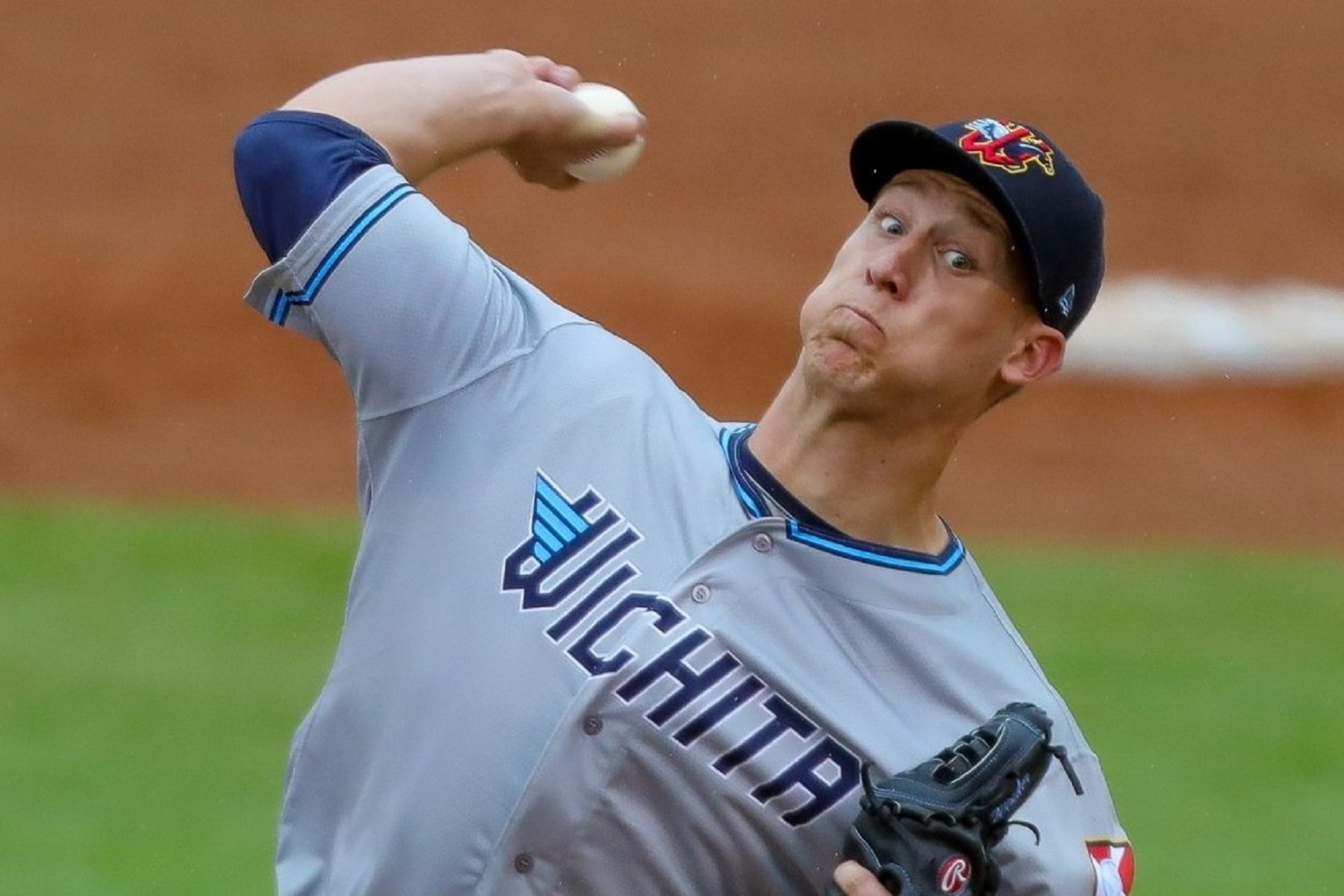 After a last-place finish, Minnesota has a top-eight draft pick in 2022. There’s certainly a chance the Twins look to the college ranks for their first-round selection, so it is essential to keep an eye on college action this spring. The organization has drafted players with college experience in recent years, but the top players on this list were acquired via trade. 5. Matt Wallner, OF TD Top Prospect Rank: 13 Minnesota selected Wallner, a Minnesota native, with the 39th overall pick in 2019. During his three seasons at Southern Mississippi, he crushed the ball as he became the school’s career home run leader. He ended his collegiate career with a 1.113 OPS and a 153 to 141 strikeout to walk ratio. Since turning pro, his strikeout rate has increased significantly, which has evaluators wondering if he can make consistent contact as he moves up the ladder. Last season, he posted an .854 OPS in 68 games, but he struck out 100 times. Also, he’s on the 40-man roster, so he won’t be able to play until the lockout ends. 4. Josh Winder, RHP TD Top Prospect Rank: 10 Winder spent three years at the Virginia Military Institute before the Twins took him with a seventh-round pick in 2018. His college numbers weren’t awe-inspiring as he posted a 4.52 ERA, including a 5.40 ERA during his junior season. Minnesota saw some positive signs in him, and the organization worked with him on some changes after he signed. He led the Midwest League in ERA and WHIP during his first full professional season. During the 2020 shutdown, he made vast improvements to his physical make-up, and those results showed on the mound in 2021. He dominated Double-A with a sub-2.00 ERA and 10.7 SO/9. A shoulder injury was likely the only thing that kept him from debuting last season. 3. Matt Canterino, RHP TD Top Prospect Rank: 6 Back in 2019, the Twins took Canterino with their second-round pick from Rice University. His ERA, WHIP, and HR/9 dropped in each collegiate season. Rice had been known for pumping out top pitching prospects, but that has changed in recent years. Many Rice pitching products have struggled to stay healthy in their professional careers due to overuse during their college tenure. Canterino has been limited to 48 professional innings since being drafted, but he has been dominant when on the mound with a 1.13 ERA and 76 strikeouts. Can he buck the trend associated with Rice pitchers? 2. Joe Ryan, RHP TD Top Prospect Rank: 5 Ryan’s path to Minnesota’s rotation is unique, which fits his overall personality. He wasn’t selected in the MLB Draft during his junior season because he dealt with some muscle and shoulder injuries. He transferred to Cal State Stanislaus, a Division II school, for his senior year. In 98 1/3 innings, he posted a 1.65 ERA with a 0.83 WHIP and 127 strikeouts. The Rays selected him in the seventh round in 2018, and he rose to Double-A in his first full professional season. Minnesota received Ryan along with Drew Strotman as the return for Nelson Cruz’s expiring contract. His unique arm-angle on his fastball makes him an intriguing arm that projects to be in Minnesota’s rotation for the majority of the next decade. 1. Austin Martin, SS/OF TD Top Prospect Rank: 1 Martin was arguably the best collegiate player in the 2020 MLB Draft. His sophomore season at Vanderbilt firmly established him as a top draft prospect. During the 2018 season, he hit .392/.486/.605 (1.091) with 33 extra-base hits in 65 games. His first professional games came in 2021 as he spent the entire year at Double-A with a .796 OPS. One of his biggest concerns has been his power production, but he was tweaking his swing last season while also dealing with a hand/wrist injury. Since he isn’t on the 40-man roster, Martin is in Fort Myers working with Twins coaches, which may set him up for better success in 2022 and beyond. How would you rank these former college players? Leave a COMMENT and start the discussion. MORE FROM TWINS DAILY — Latest Twins coverage from our writers — Recent Twins discussion in our forums — Follow Twins Daily via Twitter, Facebook or email
- 4 comments
-
- 1
-
-
- austin martin
- matt wallner
- (and 3 more)
-
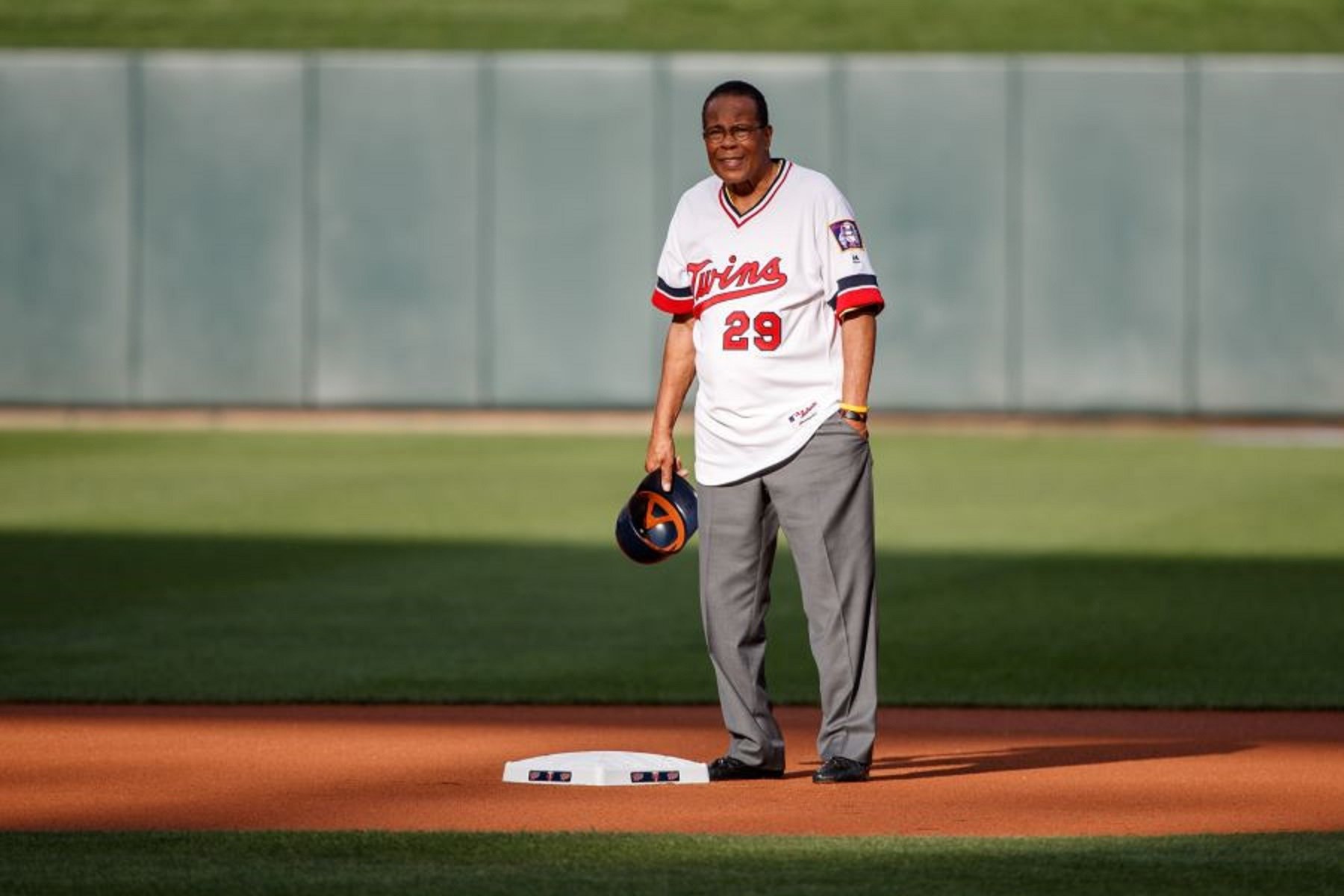 There is some debate over how far back to go into the franchise's history regarding Minnesota's Mount Rushmore. The Twins moved to Minnesota before the 1961 season, but the franchise came from Washington with an already established legacy. They recently discussed Minnesota's Mount Rushmore on MLB Network and included Walter Johnson, one of the best pitchers in baseball history. He never played a game in Minnesota, so it doesn't seem right to include him. Since 1961, there have been some clear favorites to include on the team's Mount Rushmore. Many of the great players in team history have their numbers retired, including Harmon Killebrew, Rod Carew, Tony Oliva, Bert Blyleven, Kirby Puckett, Kent Hrbek, and Joe Mauer. An argument can be made for a handful of players outside the team's inner circle, but those players are the most straightforward selections for being the organization's all-time great players. Founding Fathers Killebrew and Carew are two of the easiest choices on the team's Mount Rushmore. Killebrew is the George Washington-like figure in Twins history as he came with the organization from Washington and was the team's first star. According to Baseball-Reference, only one Twins player ranks higher than him when it comes to WAR in a Minnesota uniform. Killebrew became the first player to don a Twins hat in Cooperstown as he was a 13-time All-Star and an MVP. Killebrew was in his early-30s when Carew made his big-league debut, but there was an evident passing of the torch between these two players. Carew quickly became the team's most consistent hitter and a perennial MVP candidate. He leads the franchise in WAR, which is crazy considering he added even more career WAR in his seven seasons with the Angels. Both Carew and Killebrew separated themselves enough to be locks for the team's Mount Rushmore. Just Missed Oliva and Blyleven played in the same era as the Founding Fathers mentioned above, but their greatness might not have been fully appreciated in their time. Both players had a long wait before being elected to Cooperstown, but each has provided a long-term connection to baseball in the Upper Midwest. Blyleven is in the conversation for best pitcher in team history with players like Brad Radke, Johan Santana, and Jim Kaat. Oliva might be the best pure hitter in team history, but injuries kept him from reaching his full potential. An argument can be made for both players to be on the team's Mount Rushmore, but for me, they fall just short. Hrbek is a Minnesota legend, and he ranks in the top-8 for franchise WAR. He provided some of the most important World Series moments in team history, including his tag on Ron Gant and his Game 6 grand slam in 1987. Like Oliva and Blyleven, he has become part of the baseball culture in Minnesota, but it isn't enough to include him on the team's Mount Rushmore. Final Spots No history of the Minnesota Twins is complete without Kirby Puckett. Even with an injury-shortened career, he ranks fourth in franchise WAR. He also provided some of the most dramatic moments in arguably the greatest World Series of all time. Some may move him off the franchise's Mount Rushmore due to his off-the-field issues, but many in Twins Territory still see him as a hero. Puckett gets one of the four spots for his Hall of Fame career on the field while still acknowledging that he was far from perfect off the field. For the final spot, Joe Mauer gets the nod over some of the other Twins legends. According to Baseball-Reference, he only ranks behind Carew and Killebrew in franchise WAR. Mauer is not yet eligible for the Hall of Fame, but his case is strong for induction when he appears on the ballot. He was one of the league's best hitters while playing a grueling defensive position. According to JAWS, Mauer ranks as the seventh-best catcher in baseball history, and his seven-year peak puts him in the top five. He's a franchise great that deserves Mount Rushmore recognition. Who would you put on Minnesota's Mount Rushmore? Leave a COMMENT and start the discussion. MORE FROM TWINS DAILY — Latest Twins coverage from our writers — Recent Twins discussion in our forums — Follow Twins Daily via Twitter, Facebook, or email
- 30 comments
-
- 4
-
-
- harmon killebrew
- rod carew
- (and 3 more)
-
It can be one of the most debated topics for any franchise. Who are the best players in franchise history? Minnesota's Mount Rushmore isn't as easy to design as one might think. There is some debate over how far back to go into the franchise's history regarding Minnesota's Mount Rushmore. The Twins moved to Minnesota before the 1961 season, but the franchise came from Washington with an already established legacy. They recently discussed Minnesota's Mount Rushmore on MLB Network and included Walter Johnson, one of the best pitchers in baseball history. He never played a game in Minnesota, so it doesn't seem right to include him. Since 1961, there have been some clear favorites to include on the team's Mount Rushmore. Many of the great players in team history have their numbers retired, including Harmon Killebrew, Rod Carew, Tony Oliva, Bert Blyleven, Kirby Puckett, Kent Hrbek, and Joe Mauer. An argument can be made for a handful of players outside the team's inner circle, but those players are the most straightforward selections for being the organization's all-time great players. Founding Fathers Killebrew and Carew are two of the easiest choices on the team's Mount Rushmore. Killebrew is the George Washington-like figure in Twins history as he came with the organization from Washington and was the team's first star. According to Baseball-Reference, only one Twins player ranks higher than him when it comes to WAR in a Minnesota uniform. Killebrew became the first player to don a Twins hat in Cooperstown as he was a 13-time All-Star and an MVP. Killebrew was in his early-30s when Carew made his big-league debut, but there was an evident passing of the torch between these two players. Carew quickly became the team's most consistent hitter and a perennial MVP candidate. He leads the franchise in WAR, which is crazy considering he added even more career WAR in his seven seasons with the Angels. Both Carew and Killebrew separated themselves enough to be locks for the team's Mount Rushmore. Just Missed Oliva and Blyleven played in the same era as the Founding Fathers mentioned above, but their greatness might not have been fully appreciated in their time. Both players had a long wait before being elected to Cooperstown, but each has provided a long-term connection to baseball in the Upper Midwest. Blyleven is in the conversation for best pitcher in team history with players like Brad Radke, Johan Santana, and Jim Kaat. Oliva might be the best pure hitter in team history, but injuries kept him from reaching his full potential. An argument can be made for both players to be on the team's Mount Rushmore, but for me, they fall just short. Hrbek is a Minnesota legend, and he ranks in the top-8 for franchise WAR. He provided some of the most important World Series moments in team history, including his tag on Ron Gant and his Game 6 grand slam in 1987. Like Oliva and Blyleven, he has become part of the baseball culture in Minnesota, but it isn't enough to include him on the team's Mount Rushmore. Final Spots No history of the Minnesota Twins is complete without Kirby Puckett. Even with an injury-shortened career, he ranks fourth in franchise WAR. He also provided some of the most dramatic moments in arguably the greatest World Series of all time. Some may move him off the franchise's Mount Rushmore due to his off-the-field issues, but many in Twins Territory still see him as a hero. Puckett gets one of the four spots for his Hall of Fame career on the field while still acknowledging that he was far from perfect off the field. For the final spot, Joe Mauer gets the nod over some of the other Twins legends. According to Baseball-Reference, he only ranks behind Carew and Killebrew in franchise WAR. Mauer is not yet eligible for the Hall of Fame, but his case is strong for induction when he appears on the ballot. He was one of the league's best hitters while playing a grueling defensive position. According to JAWS, Mauer ranks as the seventh-best catcher in baseball history, and his seven-year peak puts him in the top five. He's a franchise great that deserves Mount Rushmore recognition. Who would you put on Minnesota's Mount Rushmore? Leave a COMMENT and start the discussion. MORE FROM TWINS DAILY — Latest Twins coverage from our writers — Recent Twins discussion in our forums — Follow Twins Daily via Twitter, Facebook, or email View full article
- 30 replies
-
- 1
-
-
- harmon killebrew
- rod carew
- (and 3 more)
-
Many teams have focused on their defensive alignment in recent years, and this has increased calls to ban the shift. So, how will Minnesota’s shifting strategy change in 2022? During the 2021 season, the Twins shifted 33.8% of the time, which ranked 11th in baseball. Only four AL teams shifted more than the Twins, with the Tigers being the lone AL Central team with a higher percentage of shifts. This compares very similarly to the last full season (2019), when Minnesota shifted 35.5% of the time, corresponding with Rocco Baldelli’s first year as manager. Compared to 2020, Minnesota shifted less often (down 7.5%) as they shifted the seventh-most of any team. These changes in shifts are likely tied to the regular defensive players. Andrelton Simmons is a significantly better defensive shortstop than Jorge Polanco, so the Twins needed to move infielders around more regularly in 2020. There were also changes in statistical data, with a shortened schedule due to the pandemic. Last season, only two teams ranked higher than Minnesota (68.2%) when it came to shifting against left-handed batters. The Astros shifted an eye-popping 81.5% of the time versus lefties, while the Dodgers (68.6%) were just fractions ahead of the Twins. Minnesota ranked 19th when it came to shifting against righties which was down over 23% compared to 2019. The Twins shifted the second most of any team during that season against right-handed hitters. Shift rates across baseball have dropped when facing right-handed hitters while shifts against lefties continue to rise. Minnesota had the second-largest shifting decline when facing right-handed hitters, but the team’s defensive players likely played a role in this downturn. Offensively, right-handed hitting Miguel Sano pulls the ball over 75% of the time, and teams shift against him close to 69% of the time. This was the highest shift rate for a right-handed hitter in 2021 with over 400 pitches. If teams feel like they are gaining an advantage, shifting will continue to happen no matter the handedness of the batter. Moving forward, Minnesota’s shifting tendencies in 2022 will be dictated by who the team adds at shortstop and who is in the starting rotation. Carlos Correa and Trevor Story are the two biggest free-agent shortstops available, but there is no indication Minnesota is in the market for either of those players. However, a Simmons reunion may provide the best defensive alignment to help the team’s pitching staff. Royce Lewis and Austin Martin, the team’s top two prospects, also fit into the defensive discussion for 2022. Lewis is coming back from a knee injury, and there’s hope he can at least begin his big-league career as a shortstop. Few believe Martin can stick at short, and his eventual defensive position will likely be second base or in the outfield. Both players can debut during the 2022 campaign, and Minnesota may shift more regularly to put them in the best defensive position. Major League Baseball is also discussing banning the defensive shift in some capacity, which will have long-term ramifications on offensive and defensive numbers. As recently as this summer, baseball Commissioner Rob Manfred spoke on why the shift could be banned. “Let’s just say you regulated the shift by requiring two infielders on each side of second base. What does that do? It makes the game look like what it looked like when I was 12 years old,” he said. “It’s not change. It’s kind of restoration, right? That’s why people are in favor of it. And they do believe, I think front offices, in general, believe it would have a positive effect on the play of the game.” Not everyone will agree, but the Twins may have to shift their strategy if there are rule changes for the coming season. Do you think MLB needs to ban shifts? Leave a COMMENT and start the discussion. MORE FROM TWINS DAILY — Latest Twins coverage from our writers — Recent Twins discussion in our forums — Follow Twins Daily via Twitter, Facebook or email View full article
-
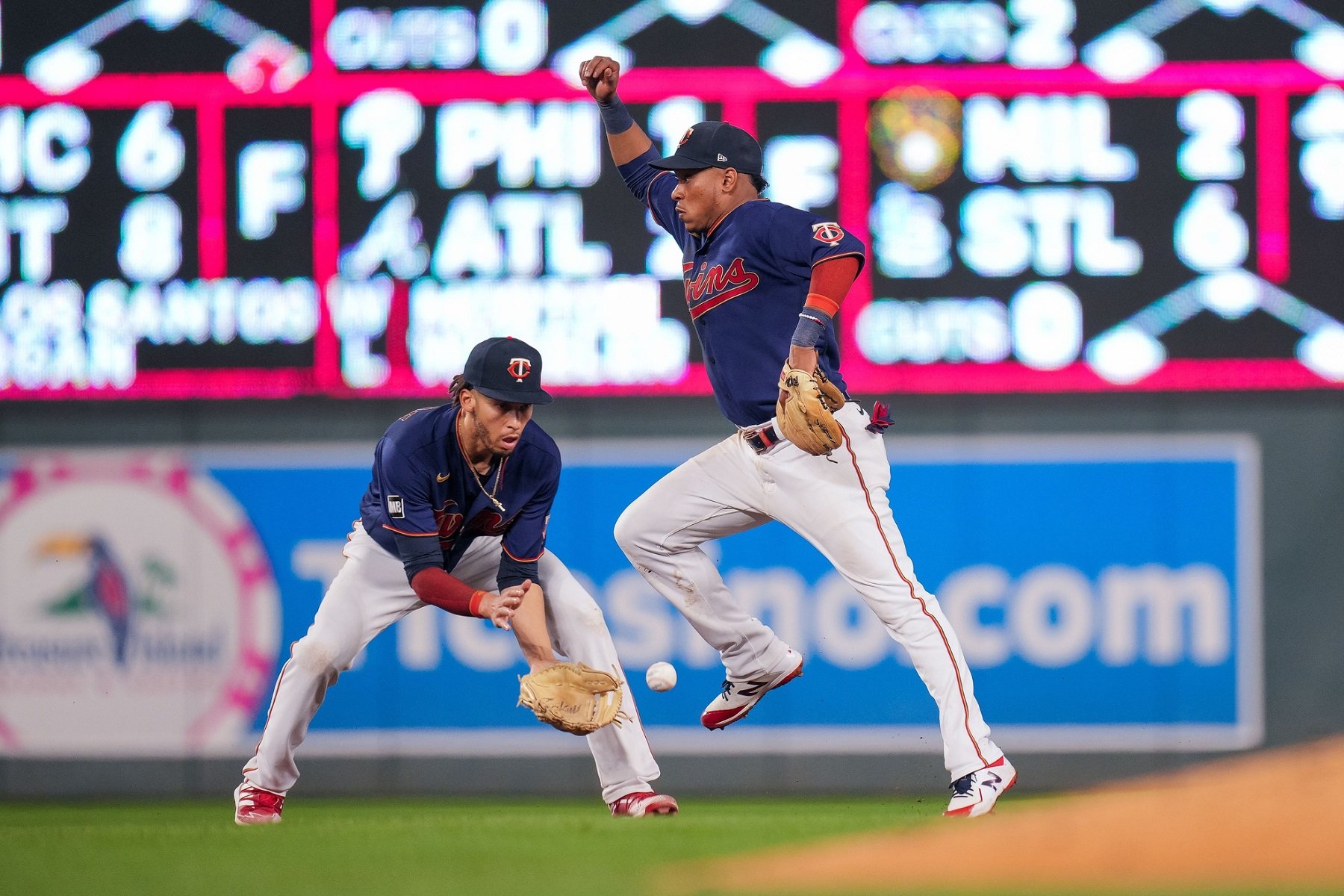 During the 2021 season, the Twins shifted 33.8% of the time, which ranked 11th in baseball. Only four AL teams shifted more than the Twins, with the Tigers being the lone AL Central team with a higher percentage of shifts. This compares very similarly to the last full season (2019), when Minnesota shifted 35.5% of the time, corresponding with Rocco Baldelli’s first year as manager. Compared to 2020, Minnesota shifted less often (down 7.5%) as they shifted the seventh-most of any team. These changes in shifts are likely tied to the regular defensive players. Andrelton Simmons is a significantly better defensive shortstop than Jorge Polanco, so the Twins needed to move infielders around more regularly in 2020. There were also changes in statistical data, with a shortened schedule due to the pandemic. Last season, only two teams ranked higher than Minnesota (68.2%) when it came to shifting against left-handed batters. The Astros shifted an eye-popping 81.5% of the time versus lefties, while the Dodgers (68.6%) were just fractions ahead of the Twins. Minnesota ranked 19th when it came to shifting against righties which was down over 23% compared to 2019. The Twins shifted the second most of any team during that season against right-handed hitters. Shift rates across baseball have dropped when facing right-handed hitters while shifts against lefties continue to rise. Minnesota had the second-largest shifting decline when facing right-handed hitters, but the team’s defensive players likely played a role in this downturn. Offensively, right-handed hitting Miguel Sano pulls the ball over 75% of the time, and teams shift against him close to 69% of the time. This was the highest shift rate for a right-handed hitter in 2021 with over 400 pitches. If teams feel like they are gaining an advantage, shifting will continue to happen no matter the handedness of the batter. Moving forward, Minnesota’s shifting tendencies in 2022 will be dictated by who the team adds at shortstop and who is in the starting rotation. Carlos Correa and Trevor Story are the two biggest free-agent shortstops available, but there is no indication Minnesota is in the market for either of those players. However, a Simmons reunion may provide the best defensive alignment to help the team’s pitching staff. Royce Lewis and Austin Martin, the team’s top two prospects, also fit into the defensive discussion for 2022. Lewis is coming back from a knee injury, and there’s hope he can at least begin his big-league career as a shortstop. Few believe Martin can stick at short, and his eventual defensive position will likely be second base or in the outfield. Both players can debut during the 2022 campaign, and Minnesota may shift more regularly to put them in the best defensive position. Major League Baseball is also discussing banning the defensive shift in some capacity, which will have long-term ramifications on offensive and defensive numbers. As recently as this summer, baseball Commissioner Rob Manfred spoke on why the shift could be banned. “Let’s just say you regulated the shift by requiring two infielders on each side of second base. What does that do? It makes the game look like what it looked like when I was 12 years old,” he said. “It’s not change. It’s kind of restoration, right? That’s why people are in favor of it. And they do believe, I think front offices, in general, believe it would have a positive effect on the play of the game.” Not everyone will agree, but the Twins may have to shift their strategy if there are rule changes for the coming season. Do you think MLB needs to ban shifts? Leave a COMMENT and start the discussion. MORE FROM TWINS DAILY — Latest Twins coverage from our writers — Recent Twins discussion in our forums — Follow Twins Daily via Twitter, Facebook or email
 -
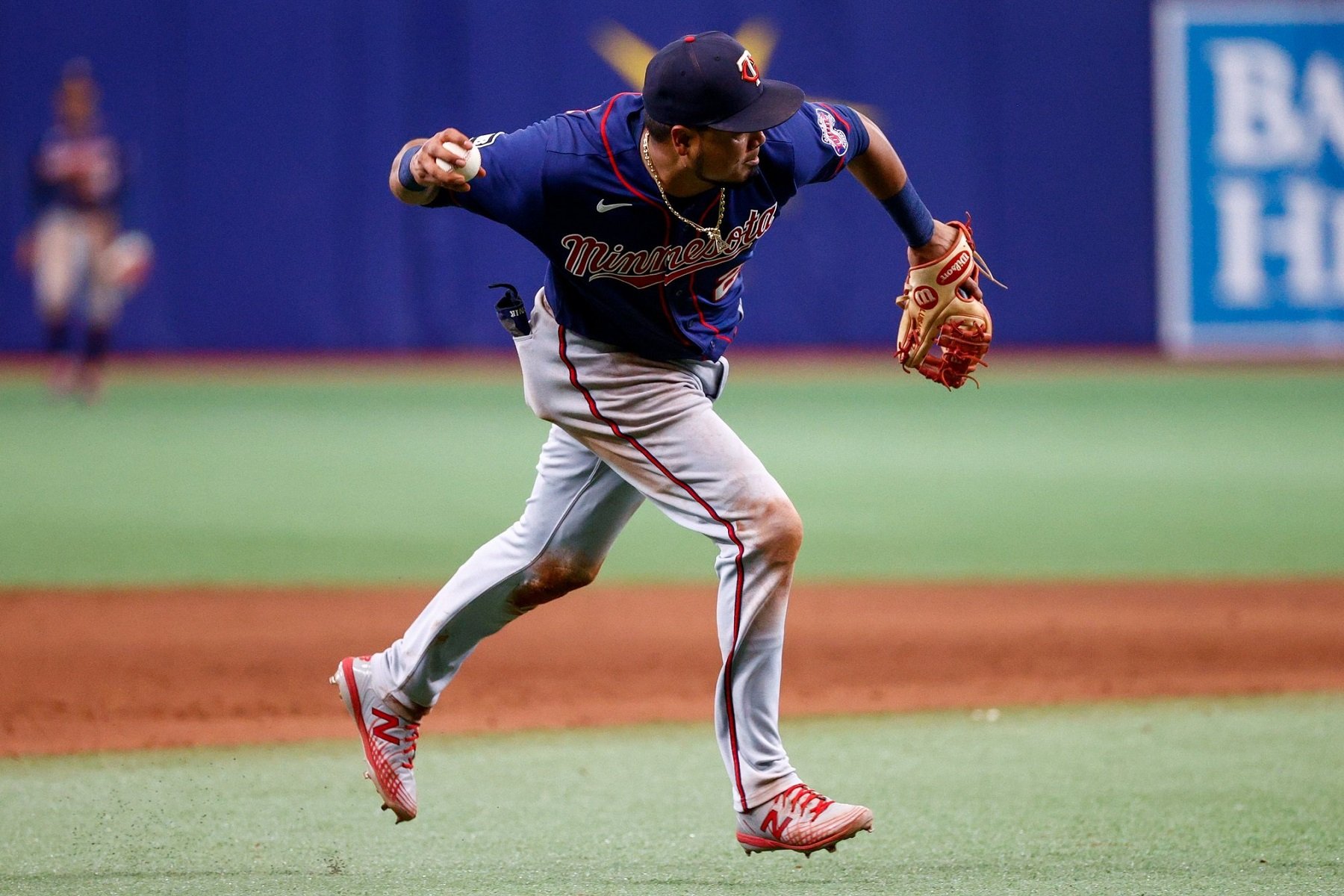 Arraez has yet to accumulate more than 500 plate appearances in any season, but he has undoubtedly left his mark on the roster. Last season, he hit .294/.357/.376 (.733) while also being on the injured list multiple times. According to Baseball-Reference, Arraez ranked third on the team in WAR behind Byron Buxton and Jorge Polanco. While some fans are clamoring for him to take over a starting role with the club, his future role is in question. Starting Second Baseman If Minnesota doesn’t add a veteran second baseman, Arraez must serve as the team’s starting second baseman. Polanco shifting back to a full-time shortstop role might not be the best solution for the team, even if Royce Lewis is waiting in the wings. Last season, Polanco won the team’s MVP award after shifting to second base and posting a 125 OPS+. These defensive shifts helped Polanco and his ailing ankles stay on the field and perform at a high level. Making Arraez the starting second baseman doesn’t guarantee that he will stay healthy for an entire season. His knees are bad, and they will cause him to miss multiple games throughout the remainder of his career. Also, a Polanco-Arraez middle infield combo is a defensive liability. Arraez can handle second base for short stints, but he shouldn’t be the team’s everyday second baseman unless Polanco suffers an injury. Continue in Utility Role When the Twins signed Andrelton Simmons last winter, the Twins moved Arraez to a utility role. He played 25 games or more in left field, third base, and second base, and he made some dramatic improvements. His defense at third base ranked him among the league’s best, so that is a spot where he can get more playing time in 2022. However, Arraez’s defensive flaws make it tough for him to fulfill a true utility role. Throughout the 2021 campaign, the Twins lost faith in Arraez’s ability to play in the outfield. After July, he never made a start in the outfield and only logged three total innings in left field. His Range Runs Above Average was negative in left field even though his UZR and Defensive Runs Saved were positive. It will be interesting to see if the Twins give Arraez a second chance to prove he can be an outfield fill-in option. Trade Bait Minnesota needs starting pitching, and one way that is acquired is by dealing established big-league players like Arraez. He may be at the peak of his trade value as he is just entering arbitration as a Super-Two player, and he is under team control through 2025. Arraez has shown an ability to get on base, and he can frustrate pitchers with his ability to fight off pitches and extend at-bats. Will other teams value his potential as he enters the prime of his career? Other teams likely see the same flaws in Arraez that have held true during his big-league career. His injury history is tough to ignore, as he missed 28 out of 60 games in 2020 and played through injuries throughout the 2021 season. When it comes to sprint speed, he has ranked in the 52nd percentile or lower in all three big-league seasons. Defensively, Arraez needs more time to prove his improvements at third base can continue throughout an entire season. What role do you think Arraez will fill in 2022? Leave a COMMENT and start the discussion. MORE FROM TWINS DAILY — Latest Twins coverage from our writers — Recent Twins discussion in our forums — Follow Twins Daily via Twitter, Facebook, or email
 -
What Role Will Luis Arraez Fill in 2022?
Cody Christie posted a topic in Twins Daily Front Page News
In recent years, Luis Arraez has become a fan favorite, but injuries have kept him from reaching his full potential. What can his role be in 2022 and beyond? Arraez has yet to accumulate more than 500 plate appearances in any season, but he has undoubtedly left his mark on the roster. Last season, he hit .294/.357/.376 (.733) while also being on the injured list multiple times. According to Baseball-Reference, Arraez ranked third on the team in WAR behind Byron Buxton and Jorge Polanco. While some fans are clamoring for him to take over a starting role with the club, his future role is in question. Starting Second Baseman If Minnesota doesn’t add a veteran second baseman, Arraez must serve as the team’s starting second baseman. Polanco shifting back to a full-time shortstop role might not be the best solution for the team, even if Royce Lewis is waiting in the wings. Last season, Polanco won the team’s MVP award after shifting to second base and posting a 125 OPS+. These defensive shifts helped Polanco and his ailing ankles stay on the field and perform at a high level. Making Arraez the starting second baseman doesn’t guarantee that he will stay healthy for an entire season. His knees are bad, and they will cause him to miss multiple games throughout the remainder of his career. Also, a Polanco-Arraez middle infield combo is a defensive liability. Arraez can handle second base for short stints, but he shouldn’t be the team’s everyday second baseman unless Polanco suffers an injury. Continue in Utility Role When the Twins signed Andrelton Simmons last winter, the Twins moved Arraez to a utility role. He played 25 games or more in left field, third base, and second base, and he made some dramatic improvements. His defense at third base ranked him among the league’s best, so that is a spot where he can get more playing time in 2022. However, Arraez’s defensive flaws make it tough for him to fulfill a true utility role. Throughout the 2021 campaign, the Twins lost faith in Arraez’s ability to play in the outfield. After July, he never made a start in the outfield and only logged three total innings in left field. His Range Runs Above Average was negative in left field even though his UZR and Defensive Runs Saved were positive. It will be interesting to see if the Twins give Arraez a second chance to prove he can be an outfield fill-in option. Trade Bait Minnesota needs starting pitching, and one way that is acquired is by dealing established big-league players like Arraez. He may be at the peak of his trade value as he is just entering arbitration as a Super-Two player, and he is under team control through 2025. Arraez has shown an ability to get on base, and he can frustrate pitchers with his ability to fight off pitches and extend at-bats. Will other teams value his potential as he enters the prime of his career? Other teams likely see the same flaws in Arraez that have held true during his big-league career. His injury history is tough to ignore, as he missed 28 out of 60 games in 2020 and played through injuries throughout the 2021 season. When it comes to sprint speed, he has ranked in the 52nd percentile or lower in all three big-league seasons. Defensively, Arraez needs more time to prove his improvements at third base can continue throughout an entire season. What role do you think Arraez will fill in 2022? Leave a COMMENT and start the discussion. MORE FROM TWINS DAILY — Latest Twins coverage from our writers — Recent Twins discussion in our forums — Follow Twins Daily via Twitter, Facebook, or email View full article -
Prospects on the 40-man roster didn't get a chance to start spring training on time. So, some of the team's other top prospects can get a little more attention before the season begins. As Nick referenced, prospects like Royce Lewis are getting the raw deal to start 2022. Players on the 40-man roster have been locked out by the MLB, including Jordan Balazovic, Jhoan Duran, Cole Sands, Josh Winder, and Jose Miranda. These players will have to continue training on their own until MLB lifts the lockout, which can be a challenge since many had to work on their own during the 2020 campaign. By all accounts, the lockout won't impact the start of the minor league season. In fact, Triple-A teams recently announced an increase in games from 120 to 150. Minnesota's Double- and Triple-A affiliates are both scheduled to start their season in the first full week of April. Each of the players below will figure significantly into the Saints or Wind Surge roster, and they have something to prove at the start of 2022. Austin Martin, SS/OF Martin is widely considered Minnesota's top prospect as he is the organization's highest-ranking prospect on national top-100 lists. One of Martin's most significant concerns during his professional career has been his lack of power. In college, he destroyed the ball with a 1.007 OPS, but that total has dropped by over 200 points since turning pro. Last season, he changed his swing and dealt with a hand/wrist injury, decreasing power for up to 12 months. Minnesota's coaching staff can continue to work with Martin on his swing adjustments to bring back some of his missing power. With Lewis and Miranda not available, he will be the star attraction at Triple-A. Simeon Woods Richardson, RHP Woods Richardson was pushed to Double-A last season as a 20-year-old, and he was over 4.5 years younger than the average age of the competition. He posted a 5.91 ERA and a 1.54 WHIP in 15 appearances, so there is room for improvement. His appearances were limited because he also was a member of Team USA in the Olympics, but he never made an appearance in Tokyo. A delayed start to the season allows Minnesota's coaching staff more time to work with Woods Richardson since he is a newer addition to the organization. Now entering his age-22 campaign, he will get a second shot at Double-A to prove that his 2021 numbers were just a blip on the radar. Matt Canterino, RHP Like many of Minnesota's top pitching prospects, questions surround Canterino and his health after some positive signs in 2021. Draft picks from Rice, where Canterino attended college, have a history of arm injuries due to overuse in college. His stock rose significantly last season after spending the 2020 campaign improving his changeup to go along with his dominant fastball. Last season, he was limited to 23 innings, and he has yet to pitch more than 100 innings in one collegiate or professional season. Canterino needs to prove his injury concerns are behind him, so he can start building up his innings total. Minnesota needs starting pitchers, and the delay may allow Canterino to solidify his place in the team's long-term plans. Which prospect do you feel benefits the most if MLB's season is delayed? Leave a COMMENT and start the discussion. MORE FROM TWINS DAILY — Latest Twins coverage from our writers — Recent Twins discussion in our forums — Follow Twins Daily via Twitter, Facebook or email View full article
-
3 Twins Prospects Who Benefit From Delayed MLB Season
Cody Christie posted an article in Minor Leagues
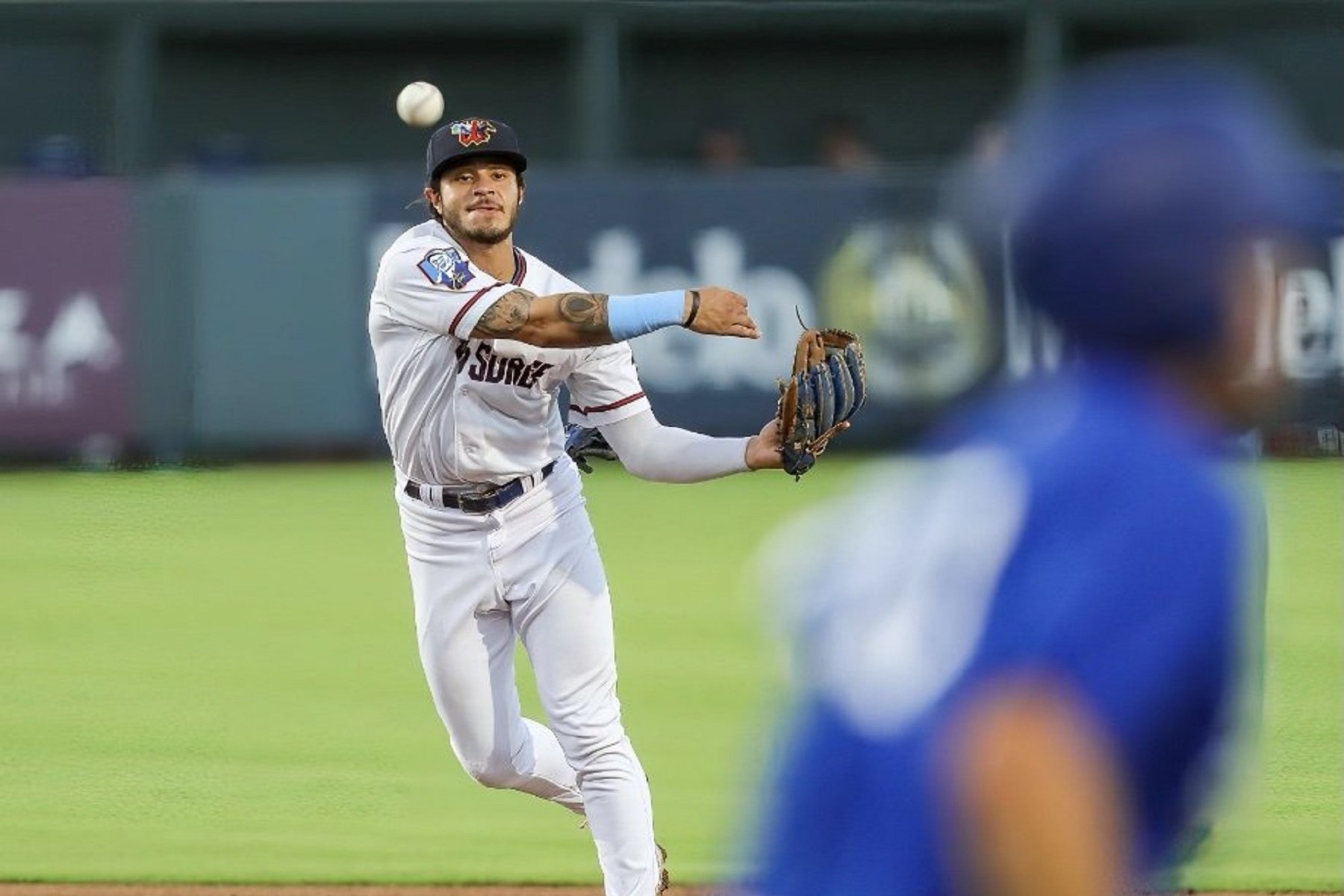 As Nick referenced, prospects like Royce Lewis are getting the raw deal to start 2022. Players on the 40-man roster have been locked out by the MLB, including Jordan Balazovic, Jhoan Duran, Cole Sands, Josh Winder, and Jose Miranda. These players will have to continue training on their own until MLB lifts the lockout, which can be a challenge since many had to work on their own during the 2020 campaign. By all accounts, the lockout won't impact the start of the minor league season. In fact, Triple-A teams recently announced an increase in games from 120 to 150. Minnesota's Double- and Triple-A affiliates are both scheduled to start their season in the first full week of April. Each of the players below will figure significantly into the Saints or Wind Surge roster, and they have something to prove at the start of 2022. Austin Martin, SS/OF Martin is widely considered Minnesota's top prospect as he is the organization's highest-ranking prospect on national top-100 lists. One of Martin's most significant concerns during his professional career has been his lack of power. In college, he destroyed the ball with a 1.007 OPS, but that total has dropped by over 200 points since turning pro. Last season, he changed his swing and dealt with a hand/wrist injury, decreasing power for up to 12 months. Minnesota's coaching staff can continue to work with Martin on his swing adjustments to bring back some of his missing power. With Lewis and Miranda not available, he will be the star attraction at Triple-A. Simeon Woods Richardson, RHP Woods Richardson was pushed to Double-A last season as a 20-year-old, and he was over 4.5 years younger than the average age of the competition. He posted a 5.91 ERA and a 1.54 WHIP in 15 appearances, so there is room for improvement. His appearances were limited because he also was a member of Team USA in the Olympics, but he never made an appearance in Tokyo. A delayed start to the season allows Minnesota's coaching staff more time to work with Woods Richardson since he is a newer addition to the organization. Now entering his age-22 campaign, he will get a second shot at Double-A to prove that his 2021 numbers were just a blip on the radar. Matt Canterino, RHP Like many of Minnesota's top pitching prospects, questions surround Canterino and his health after some positive signs in 2021. Draft picks from Rice, where Canterino attended college, have a history of arm injuries due to overuse in college. His stock rose significantly last season after spending the 2020 campaign improving his changeup to go along with his dominant fastball. Last season, he was limited to 23 innings, and he has yet to pitch more than 100 innings in one collegiate or professional season. Canterino needs to prove his injury concerns are behind him, so he can start building up his innings total. Minnesota needs starting pitchers, and the delay may allow Canterino to solidify his place in the team's long-term plans. Which prospect do you feel benefits the most if MLB's season is delayed? Leave a COMMENT and start the discussion. MORE FROM TWINS DAILY — Latest Twins coverage from our writers — Recent Twins discussion in our forums — Follow Twins Daily via Twitter, Facebook or email
- 16 comments
-
- 3
-
-
- austin martin
- simeon woods richardson
- (and 1 more)
