Cody Christie
-
Posts
7,794 -
Joined
-
Last visited
-
Days Won
5
Content Type
Profiles
News
Minnesota Twins Videos
2026 Minnesota Twins Top Prospects Ranking
2022 Minnesota Twins Draft Picks
Minnesota Twins Free Agent & Trade Rumors, Notes, & Tidbits
Guides & Resources
2023 Minnesota Twins Draft Picks
The Minnesota Twins Players Project
2024 Minnesota Twins Draft Picks
2025 Minnesota Twins Draft Pick Tracker
2026 Minnesota Twins Draft Tracker: Picks & Bonuses
Forums
Blogs
Events
Store
Downloads
Gallery
Everything posted by Cody Christie
-

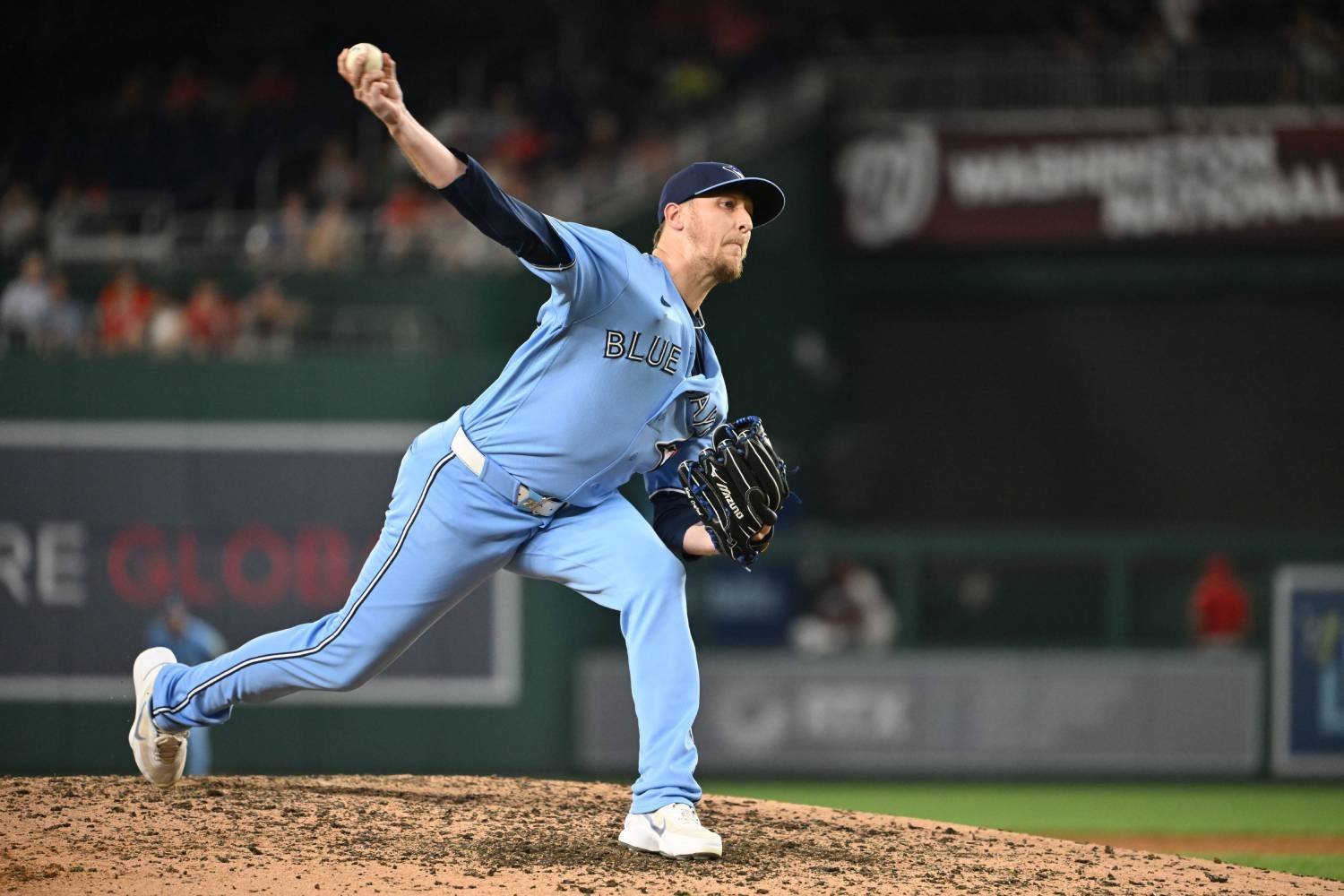 The Minnesota Twins and Toronto Blue Jays don't make blockbuster trades every season, but when they do business together, the deals tend to reshape both organizations. Over the last six years, the clubs have completed three significant trades involving established major leaguers and premium prospects. Each transaction reflected where the two franchises stood competitively at the time, but they also revealed something deeper. Toronto has repeatedly targeted Minnesota's ability to develop pitching, while the Twins have shown confidence in their ability to identify overlooked talent elsewhere. That raises an interesting question. Does Toronto trust Minnesota's pitching pipeline even more than Twins fans do? Or should the Twins begin wondering if they're consistently giving away the best arm in these deals? With another major trade now complete, it's worth revisiting how each swap has unfolded. 2021: José Berríos for Austin Martin and Simeon Woods Richardson The first deal between the clubs remains one of the defining trades of the Derek Falvey era. Minnesota capitalized on a seller's market by moving José Berríos at the 2021 trade deadline, acquiring two highly ranked prospects (at the time) in Austin Martin and Simeon Woods Richardson. Toronto immediately committed to Berríos, signing him to a long-term extension before he reached free agency. His tenure with the Blue Jays has featured stretches of ace-level production mixed with frustrating inconsistency with a 102 ERA+ and a 4.36 FIP. Earlier this season, he underwent Tommy John surgery and is out until 2027. The Twins never received the star power many envisioned from their return. Martin's elite hit tool never translated into the impact bat scouts projected because the expected power never arrived with a 95 OPS+ and 0.7 rWAR over 243 games. Rather than becoming an everyday cornerstone, he has settled into the role of a versatile major league contributor capable of filling multiple positions. Woods Richardson looked like he could become a dependable middle-of-the-rotation starter after flashing encouraging signs during parts of 2024 and 2025 (104 ERA+, 4.30 FIP). Everything unraveled during the opening months of 2026 as posted a -0.8 rWAR in 15 games. Minnesota designated him for assignment, Toronto claimed him, passed him through waivers, and returned him to the minor leagues. Looking back, neither side produced the overwhelming winner many expected immediately after the trade. 2025: Louis Varland and Ty France for Kendry Rojas and Alan Roden The second deadline deal has become much more complicated. Toronto aggressively pursued Louis Varland leading into the 2025 trade deadline. Minnesota had little reason to move a controllable pitcher capable of starting or relieving for several more seasons, making the eventual deal somewhat surprising. The Twins believed they were acquiring two players ready to contribute. Alan Roden arrived with a reputation as one of Toronto's most polished hitting prospects and someone capable of stepping into the major league lineup immediately. Kendry Rojas offered something Minnesota covets: a young left-hander with swing-and-miss stuff and legitimate upside if he can stay healthy. Both players have helped the Twins during the 2026 season and still possess room for additional growth. The problem is what happened on the other side. Varland hasn't simply become a quality reliever. He's emerged as arguably the best closer in the American League. Through 51 appearances, he has a 1.11 ERA with a 32.9 K% and 7.2 BB%. His electric fastball and fearless approach have allowed him to dominate late innings while anchoring Toronto's bullpen. Minnesota may have questioned Varland's long-term upside. Toronto never hesitated to embrace him as a high-leverage weapon, and the results have been spectacular. Even if Roden and Rojas become productive major leaguers, watching Varland develop into one of baseball's premier relievers has made this trade increasingly difficult for Twins fans to accept. 2026: Jeff Hoffman and cash for Dasan Hill, John Klein, Dameury Pena, and international bonus pool money This year's deadline continued the growing connection between the two front offices. Minnesota entered August needing bullpen help as much as any contender. Jeff Hoffman immediately addressed that weakness, giving the Twins a proven late-inning reliever who remains under team control through next season. That extra year of control dramatically increased Toronto's asking price. The centerpiece of the package is Dasan Hill, one of the more fascinating pitching prospects in the organization. His future remains difficult to project. He has the raw ingredients to develop into a quality starting pitcher, but many evaluators believe his electric arsenal could eventually play even better in a high-leverage bullpen role. He also carries enough risk that he could never fully reach either ceiling. John Klein profiles more as organizational pitching depth today, although Toronto's continued interest in Minnesota arms naturally invites curiosity about whether its player development group sees another level. Dameury Peña remains several years away but offers intriguing athleticism and offensive upside in the lower minors. Unlike the previous two deals, this trade will require years before anyone can confidently judge the outcome. A Fascinating Organizational Trend Viewed together, these trades reveal a clear pattern. Toronto has repeatedly targeted pitchers developed by Minnesota. Berríos was already an established front-line starter, but the Blue Jays also prioritized Varland and have now added Hill and Klein to their system. Even Woods Richardson returned to the organization after Minnesota moved on. That suggests Toronto's evaluators consistently value the pitching talent coming through the Twins organization. Minnesota, meanwhile, has often preferred acquiring position players or younger, projectable talent while trusting its own player development staff to maximize those returns. Neither philosophy is inherently right or wrong. But the Varland trade serves as a reminder that sometimes the pitcher leaving Minnesota ultimately becomes the most valuable asset involved. Perhaps Toronto truly sees something unique in Minnesota's pitching pipeline. Or perhaps these repeated deals simply reflect two organizations with similar competitive windows that value players differently. The next time these front offices pick up the phone near the trade deadline, Twins fans may pay closer attention than ever. After all, history suggests Toronto usually knows exactly which Minnesota pitcher it wants. What stands out about these three trades? Who has been the winner? Leave a comment and start the discussion.
- 9 comments
-
- 4
-

-
- jose berrios
- austin martin
- (and 8 more)
-
Image courtesy of William Parmeter (Photo of Vahn Lackey) The Minnesota Twins entered the 2026 MLB Trade Deadline in an unusual position. They were close enough to the playoff race to justify adding talent, yet still sitting below .500 as the deadline arrived. That balancing act forced the front office to weigh immediate upgrades against the long-term value of one of baseball's strongest farm systems. Ultimately, the Twins resisted the temptation to move their premier prospects. They added to the major league roster without sacrificing the organization's biggest building blocks, preserving a pipeline that could help the club both in September and for years to come. With the deadline now behind them, Minnesota's system remains one of the deepest in baseball, featuring impact talent at nearly every level. Top Prospects Stay In Place An argument certainly could have been made for the Twins to push even harder at the deadline. With a playoff berth still within reach, dealing from organizational depth for another established major leaguer wouldn't have been unreasonable. At the same time, it's difficult to justify moving elite prospects when the club entered the deadline under .500. Minnesota's front office chose to preserve its long-term outlook, and the organization's upper levels still feature multiple players who could contribute in the majors before this season ends. That combination of present help and future upside is exactly why the Twins have been so reluctant to empty the system. Triple-A: The Next Wave Is Almost Here No level better illustrates Minnesota's organizational depth than Triple-A St. Paul. Walker Jenkins and Kaelen Culpepper continue knocking on the door of the major leagues. Both have little left to prove in the minors, and it wouldn't be surprising if either (or both) made their MLB debuts over the next few weeks should an opportunity present itself. Emmanuel Rodriguez is also working his way back after a thumb injury. Had he remained healthy throughout the season, there's a legitimate chance he would already be in Minnesota. His combination of patience and power still gives him one of the highest ceilings in the organization. The outfield picture has become especially interesting because Hendry Mendez and Gabriel Gonzalez have trended in opposite directions. Last season, Gonzalez looked like one of baseball's breakout prospects, climbing from High-A to Triple-A as a 21-year-old while posting a .909 OPS. This year has been much more challenging, as he's produced a .709 OPS and struggled to build on that breakout campaign. Meanwhile, Mendez has quietly continued his ascent. After opening the season in Double-A, he earned a promotion and has thrived in St. Paul. Across 51 Triple-A games, he's slashing .307/.396/.444 with an .840 OPS, further strengthening his case as a legitimate major league option. On the pitching side, Ryan Gallagher dominated in a brief Double-A stint before encountering more adversity after reaching Triple-A. Through his first stretch with the Saints, he's posted a 6.38 ERA and 1.63 WHIP. That adjustment period isn't uncommon for young pitchers, and the Twins will likely give him plenty of runway to work through it. Double-A: Draft Success Already Paying Off The Twins' 2025 draft class continues to look increasingly impressive. Marek Houston has enjoyed a phenomenal first full professional season while rapidly climbing national prospect rankings. Questions about his offensive upside followed him on draft day, but he's quickly begun answering those concerns. His elite defense has remained intact, and his bat has taken significant steps forward (132 wRC+), giving Minnesota another legitimate top-100 caliber prospect. Riley Quick has been nearly as impressive. Another member of that 2025 class, Quick has climbed aggressively through the system and now has a strong argument as the organization's top pitching prospect. In 16 starts, he has a 4.00 ERA, 4.57 FIP, and 34.2 K%. His rapid development has significantly strengthened Minnesota's future rotation outlook. The rest of Wichita's lineup has provided encouraging signs as well. Khadim Diaw mashed High-A pitching, posting an .859 OPS before arriving in Double-A. While the power production has cooled and his OPS has fallen 81 points, he's still reaching base at nearly a 42% clip, demonstrating the advanced plate discipline that continues to make him an intriguing prospect. Brandon Winokur also appears to be putting everything together. After inconsistent production over the previous year, he's raised his OPS to .789—nearly 100 points higher than last season—and has begun looking much more like the player the Twins envisioned when they drafted him. High-A: Patience Required Not every top prospect develops in a straight line. Eduardo Tait has experienced both highs and lows during his first full season. Through 92 games, he's hitting .228/.290/.442 with a .732 OPS. The power remains encouraging for a teenage catcher, but questions continue surrounding both his overall offensive consistency and whether he'll ultimately remain behind the plate. Those concerns shouldn't overshadow his age. Tait is still a teenager competing against older competition, leaving plenty of time for continued development. Unfortunately, injuries continue to define Charlee Soto's professional career. Wrist soreness surfaced while Soto was rehabbing from the August 2025 surgery that removed a partially detached bone spur from his elbow. The wrist issue sidelined him for the first two months of 2026 before another, more significant injury occurred during his rehab assignment. The talent remains undeniable. Soto won't turn 21 until the end of August, but he's thrown only 15 2/3 innings since the beginning of the 2025 season after logging 74 innings during his promising professional debut in 2024. For now, simply getting healthy remains the priority. Low-A: The Future Is Just Beginning The Twins' newest wave of talent has started arriving. First-round pick Vahn Lackey and supplemental first-round selection Carson Tinney have both begun their professional careers in Low-A. It's far too early to draw meaningful conclusions from only a handful of games, but both players possess significant upside and immediately become important pieces of the organization's future. Quentin Young remains one of the system's biggest boom-or-bust prospects. The 19-year-old has posted a .669 OPS across 84 games, but the raw power that made him such an intriguing draft pick continues to stand out. He's also been consistently facing older competition throughout the season, making patience an important part of his developmental timeline. The System Still Gives Minnesota Options The trade deadline often reshapes a farm system, but Minnesota largely emerged with its prospect depth intact. Several of the organization's best players are nearing the major leagues, while another wave of high-upside talent continues developing throughout the lower minors. That's exactly the position teams hope to maintain: enough prospect capital to supplement the big-league roster today without sacrificing tomorrow. The Twins didn't make the blockbuster move that would have emptied their farm system for immediate help. Instead, they preserved one of baseball's deepest pipelines, leaving themselves positioned to compete this season while maintaining the talent necessary to sustain success well beyond 2026. What stands out about Minnesota’s current farm system? Leave a comment and start the discussion. View full article
-
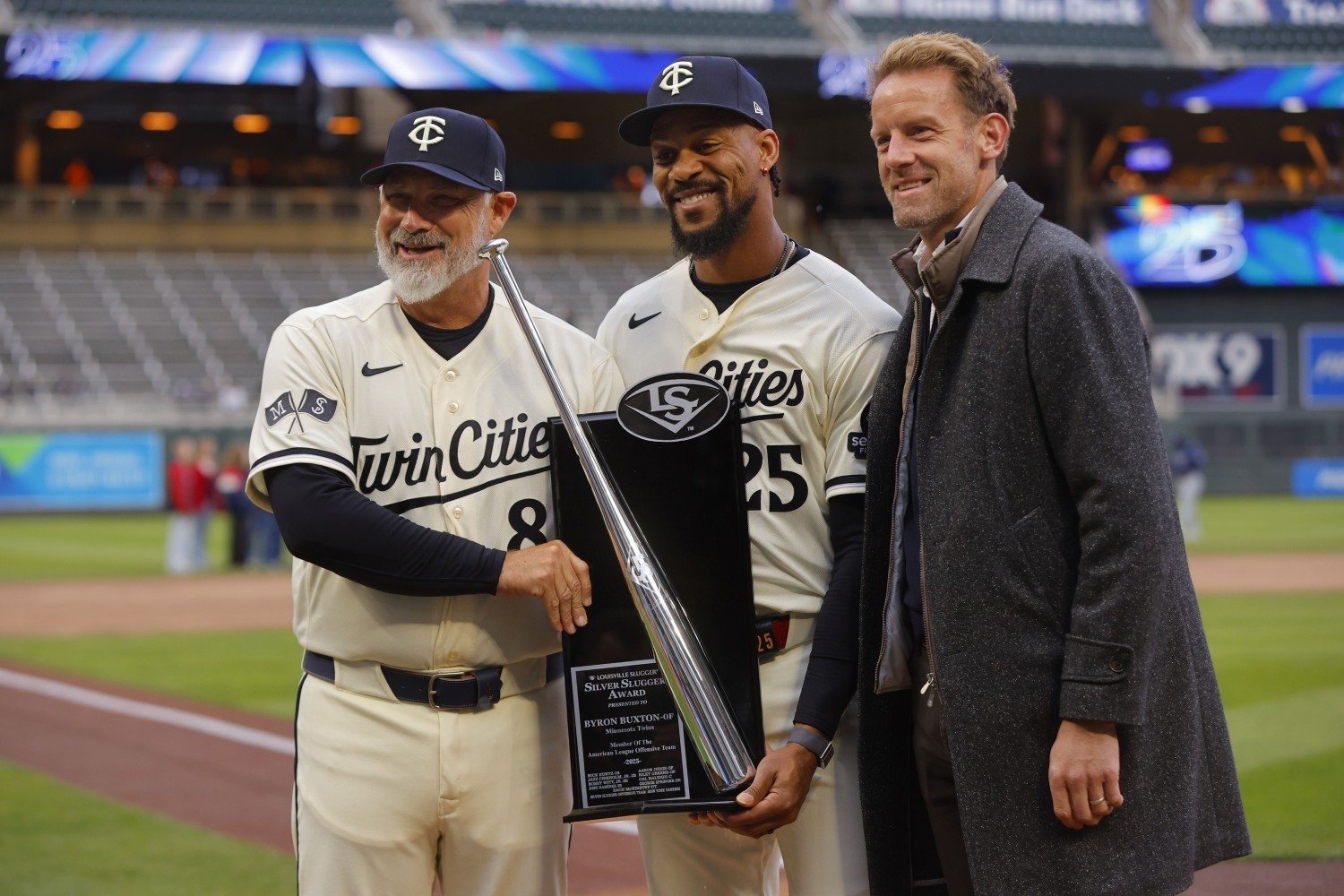 When Tom Pohlad stepped into the role of Twins chairman last winter, he promised that the organization would provide the resources necessary for the front office to build a sustainable contender. For much of the season, those comments were met with skepticism after years of payroll criticism. The 2026 trade deadline offered the first tangible evidence of that commitment. Minnesota aggressively upgraded its roster by acquiring A.J. Minter, Dean Kremer, and Jeff Hoffman, adding impact talent while taking on more than $8 million in prorated salary for the remainder of the season. The moves also created meaningful financial obligations beyond 2026, with Hoffman owed $11 million next season and Kremer expected to receive another raise through arbitration after earning $5.75 million this year. Although Toronto will cover $3.75 million of Hoffman's 2027 salary, the Twins still accepted a larger financial commitment than many expected. According to Pohlad, that willingness to spend was intentional. “I, and we as an ownership group, were committed to giving [general manager Jeremy Zoll] the financial flexibility to make this team better,” Pohlad said. “I think the results of what happened at the Trade Deadline were in no small part a function of having that financial flexibility and that clarity at the outset. Now, somebody has to go out and execute that, and that is a very hard thing to do, and he did that masterfully.” The deadline additions addressed immediate needs while also strengthening the roster beyond this season. More importantly, they represented a shift from simply managing payroll to actively investing in a club that believes it can contend over multiple years. Pohlad made it clear those deadline moves were not a one-time exception. When asked whether Minnesota's willingness to add salary at the deadline signaled an increase in payroll for 2027, he didn't hesitate. “I’m not hoping -- it will be higher,” he said. “I’ve been consistent, right? For us to accomplish the things that we want to accomplish, and be a consistently competitive team in the playoffs, and going deep, we have to make an investment into this team. We did that in a small way at the Trade Deadline. You’ll see more of it next year.” That statement could become one of the organization's most significant developments of the season. The Twins have spent the last several years answering questions about shrinking payrolls and financial limitations. Now, ownership is publicly committing to moving in the opposite direction. Of course, words alone won't erase years of frustration among the fan base. The real test will come this offseason as Minnesota looks to supplement a roster that already appears capable of competing in the American League. If Pohlad follows through on his promise, Jeremy Zoll could have considerably more flexibility to address remaining needs instead of relying solely on internal improvements. The trade deadline showed the Twins are willing to spend when they believe they have a chance to win. Pohlad's latest comments suggest that philosophy won't end with this season. Instead, they could mark the beginning of a new financial approach—one designed to keep Minnesota in contention not only for the rest of 2026, but well into 2027 and beyond.
 -
When Tom Pohlad stepped into the role of Twins chairman last winter, he promised that the organization would provide the resources necessary for the front office to build a sustainable contender. For much of the season, those comments were met with skepticism after years of payroll criticism. The 2026 trade deadline offered the first tangible evidence of that commitment. Minnesota aggressively upgraded its roster by acquiring A.J. Minter, Dean Kremer, and Jeff Hoffman, adding impact talent while taking on more than $8 million in prorated salary for the remainder of the season. The moves also created meaningful financial obligations beyond 2026, with Hoffman owed $11 million next season and Kremer expected to receive another raise through arbitration after earning $5.75 million this year. Although Toronto will cover $3.75 million of Hoffman's 2027 salary, the Twins still accepted a larger financial commitment than many expected. According to Pohlad, that willingness to spend was intentional. “I, and we as an ownership group, were committed to giving [general manager Jeremy Zoll] the financial flexibility to make this team better,” Pohlad said. “I think the results of what happened at the Trade Deadline were in no small part a function of having that financial flexibility and that clarity at the outset. Now, somebody has to go out and execute that, and that is a very hard thing to do, and he did that masterfully.” The deadline additions addressed immediate needs while also strengthening the roster beyond this season. More importantly, they represented a shift from simply managing payroll to actively investing in a club that believes it can contend over multiple years. Pohlad made it clear those deadline moves were not a one-time exception. When asked whether Minnesota's willingness to add salary at the deadline signaled an increase in payroll for 2027, he didn't hesitate. “I’m not hoping -- it will be higher,” he said. “I’ve been consistent, right? For us to accomplish the things that we want to accomplish, and be a consistently competitive team in the playoffs, and going deep, we have to make an investment into this team. We did that in a small way at the Trade Deadline. You’ll see more of it next year.” That statement could become one of the organization's most significant developments of the season. The Twins have spent the last several years answering questions about shrinking payrolls and financial limitations. Now, ownership is publicly committing to moving in the opposite direction. Of course, words alone won't erase years of frustration among the fan base. The real test will come this offseason as Minnesota looks to supplement a roster that already appears capable of competing in the American League. If Pohlad follows through on his promise, Jeremy Zoll could have considerably more flexibility to address remaining needs instead of relying solely on internal improvements. The trade deadline showed the Twins are willing to spend when they believe they have a chance to win. Pohlad's latest comments suggest that philosophy won't end with this season. Instead, they could mark the beginning of a new financial approach—one designed to keep Minnesota in contention not only for the rest of 2026, but well into 2027 and beyond. View full rumor
-
Grading Every Trade From The Minnesota Twins' 2026 MLB Trade Deadline
Cody Christie posted an article in Twins
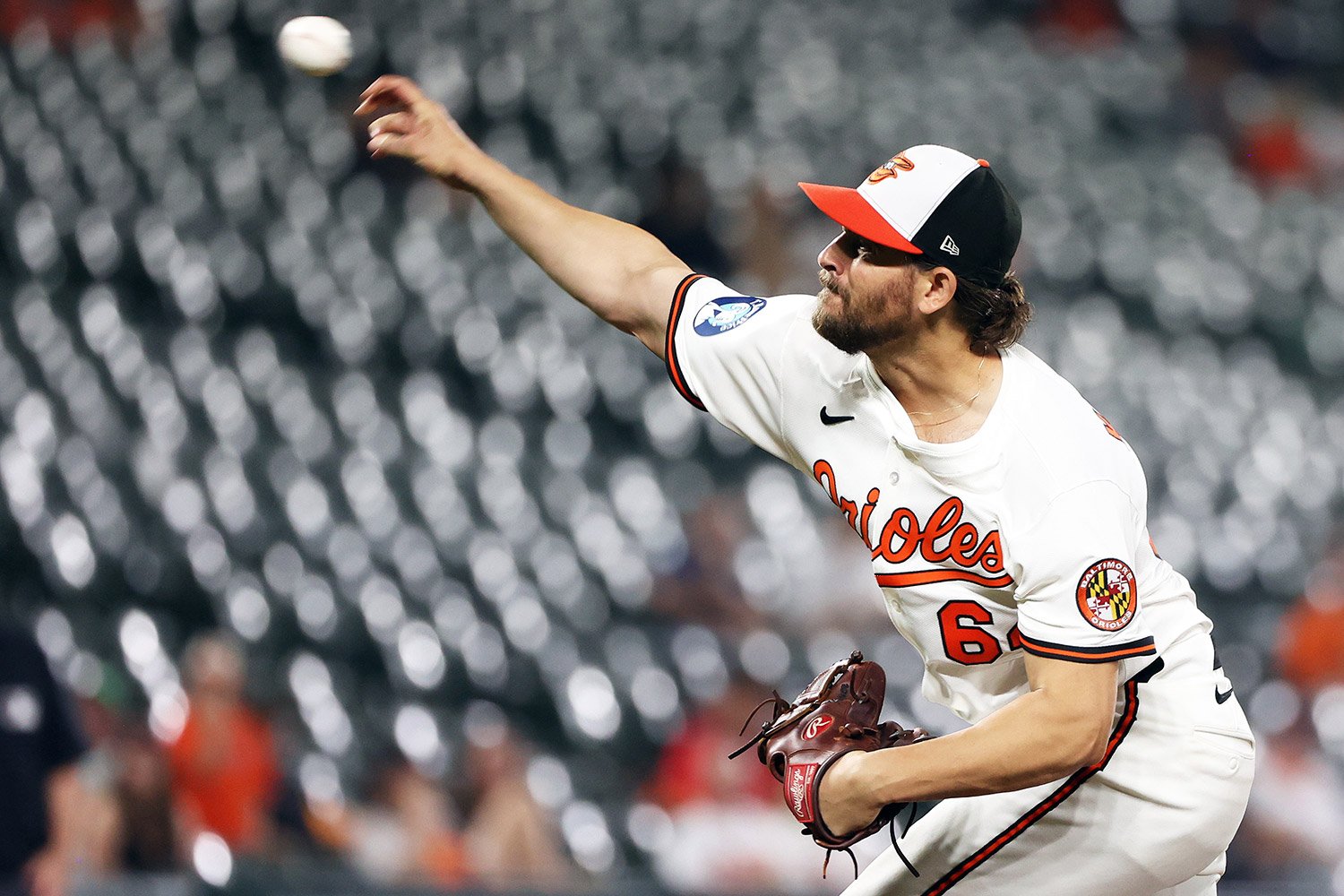 The Minnesota Twins entered deadline season with a clear shopping list. They needed multiple high-leverage relievers, and they needed another starting pitcher after injuries ravaged the rotation throughout the summer. By the time the trade deadline arrived, general manager Jeremy Zoll had accomplished exactly that. Minnesota added left-handed reliever A.J. Minter, veteran starter Dean Kremer, and hard-throwing right-hander Jeff Hoffman without sacrificing any of the organization's elite prospects. The Twins certainly paid meaningful prospect capital, but they also addressed every major weakness on the roster while adding players who remain under team control beyond this season. Now that the dust has settled, here's how each deal grades. Twins receive: LHP A.J. Minter Mets receive: INF Bruin Agbayani and INF Billy Amick Minnesota wasted little time addressing its need for a dependable left-handed reliever, acquiring Minter several days before the deadline rush. While the timing may have forced the Twins to pay a slightly higher price, it also guaranteed they landed one of the better southpaws available. Minter's recent injury history creates some risk. After signing with the Mets before the 2025 season, he dominated over 11 innings before a torn left lat ended his year prematurely. Healthy again in 2026, he has looked like an effective late-inning option, posting a 2.35 ERA with only two walks across 23 innings. The strikeout rate hasn't been as dominant as in previous years, and his 4.02 FIP suggests some regression could be coming, but Minnesota was looking for reliability from the left side more than overpowering numbers. The Mets received two intriguing but far-from-certain prospects. Amick has enjoyed a productive age-23 campaign at Double-A, slugging 23 home runs with an .820 OPS. His power has never been in question, although his 28.4 K% illustrates there is still work to do before reaching the majors. Agbayani remains much earlier in his development. The 19-year-old sixth-round pick from the 2025 draft has accumulated only 74 professional plate appearances and spent the season at Low-A while producing a respectable .753 OPS. Neither player ranked among Twins Daily's Top 20 prospects entering the draft, making the overall price relatively manageable. Trade Grade: B Minnesota filled an obvious need without surrendering one of the organization's premier prospects. The Twins may have paid a slight premium by completing the deal before deadline day, but securing a proven left-handed reliever was worth the investment. Twins receive: RHP Dean Kremer Orioles receive: OF Jhomnardo Reyes This trade probably generated the strongest reaction among prospect followers, and it's easy to understand why. Reyes emerged as one of the organization's biggest breakout performers this season after tearing up rookie ball before earning a promotion to Low-A. Some evaluators had already pushed him into their midseason top-20 Twins prospect rankings. The Dominican outfielder possesses an exciting offensive ceiling. He’s a likely corner outfielder who hits the ball extremely hard but there are already some swing-and-miss tendencies. That's a profile with both significant upside and substantial risk, especially for a teenager still in the lower levels of the minors. For Minnesota, however, the focus wasn't long-term projection. It was stabilizing a rotation that had been devastated by injuries. Kremer's 6.50 ERA doesn't tell the entire story. Two rough outings dramatically inflated his numbers after he carried a 4.15 ERA just a couple of weeks earlier. That figure aligns closely with both his 4.26 career ERA The Twins weren't acquiring an ace. They were acquiring exactly what they needed: a durable, league-average starter capable of taking the ball every fifth day. The fact that Kremer also remains under team control through next season makes the acquisition even more valuable. Trade Grade: B- Reyes has enough talent to become a quality major-league regular if everything clicks. At the same time, teenage prospects carry enormous volatility. Minnesota addressed a glaring need with a controllable starter, making this a reasonable price to pay. Twins receive: RHP Jeff Hoffman, $3.75 million cash Blue Jays receive: LHP Dasan Hill, RHP John Klein, INF Dameury Pena, International Bonus Pool Money This was Minnesota's biggest move of the deadline. Hoffman was one of the top relievers available, and the Twins paid a significant price to acquire a late-inning arm under team control beyond this season. After revitalizing his career in Philadelphia, Hoffman signed a three-year deal with Toronto and saved 33 games in 2025. Home runs remained an occasional issue, but his elite fastball and swing-and-miss stuff (34.9 K%) made him one of baseball's most effective high-leverage relievers. Hoffman's 2026 season got off to a rough start, eventually costing him the closer's role to former Twin Louis Varland. He rebounded after the move, however, allowing just one earned run in June (0.75 ERA) while thriving in a set-up role. The Twins paid accordingly. Hill, Twins Daily's No. 9 prospect entering the deadline, was the centerpiece of the return. The 2024 second-round pick features a mid-90s fastball and plus slider, with a 35.8 K% at High-A this season. His command remains inconsistent (17.2 BB%) but he also surrendered only two home runs, illustrating the quality of his stuff. Klein made his major-league debut this season but struggled with command, recording 74 strikeouts while walking 38 and allowing 15 home runs across 68 1/3 innings between Triple-A and the majors. Pena, a 20-year-old infielder, has hit .300 with a .735 OPS across Low-A and High-A this season. Toronto also sent $3.75 million to help cover Hoffman's remaining salary, making the financial side of the deal more favorable for Minnesota. Trade Grade: B+ Losing Hill hurts because of his upside, but impact relievers rarely come cheaply. Hoffman immediately strengthens the back end of Minnesota's bullpen and gives the Twins another pitcher capable of handling the biggest moments. That type of acquisition often requires surrendering premium prospect talent. Minnesota entered deadline week knowing exactly what needed to change. The bullpen lacked enough swing-and-miss arms to compete with the American League's best clubs, and the rotation desperately needed reinforcement after months of injuries. Rather than settling for marginal upgrades, the front office aggressively addressed both concerns. None of these trades will be judged solely by what happens over the final two months of 2026. If Hoffman remains a dominant setup man, Kremer provides quality innings through next season, and Minter solidifies the left side of the bullpen, these moves could pay dividends well beyond this year's playoff race. There is legitimate risk attached to every deal. Reyes and Hill both have the talent to become impact major leaguers, and prospect losses always sting in hindsight if they break out elsewhere. But championship-caliber teams rarely improve at the deadline without giving up something of value. The Twins didn't empty the farm system, but they were willing to sacrifice prospect depth to strengthen a roster that believes it can contend now. That's exactly the kind of deadline approach fans had hoped to see. What grades would you give each of these trades? Leave a comment and start the discussion.
- 49 comments
-
- 5
-
-
- jeff hoffman
- dasan hill
- (and 7 more)
-
Why Marek Houston is the Twins’ Most Underrated Prospect
Cody Christie posted an article in Minor Leagues
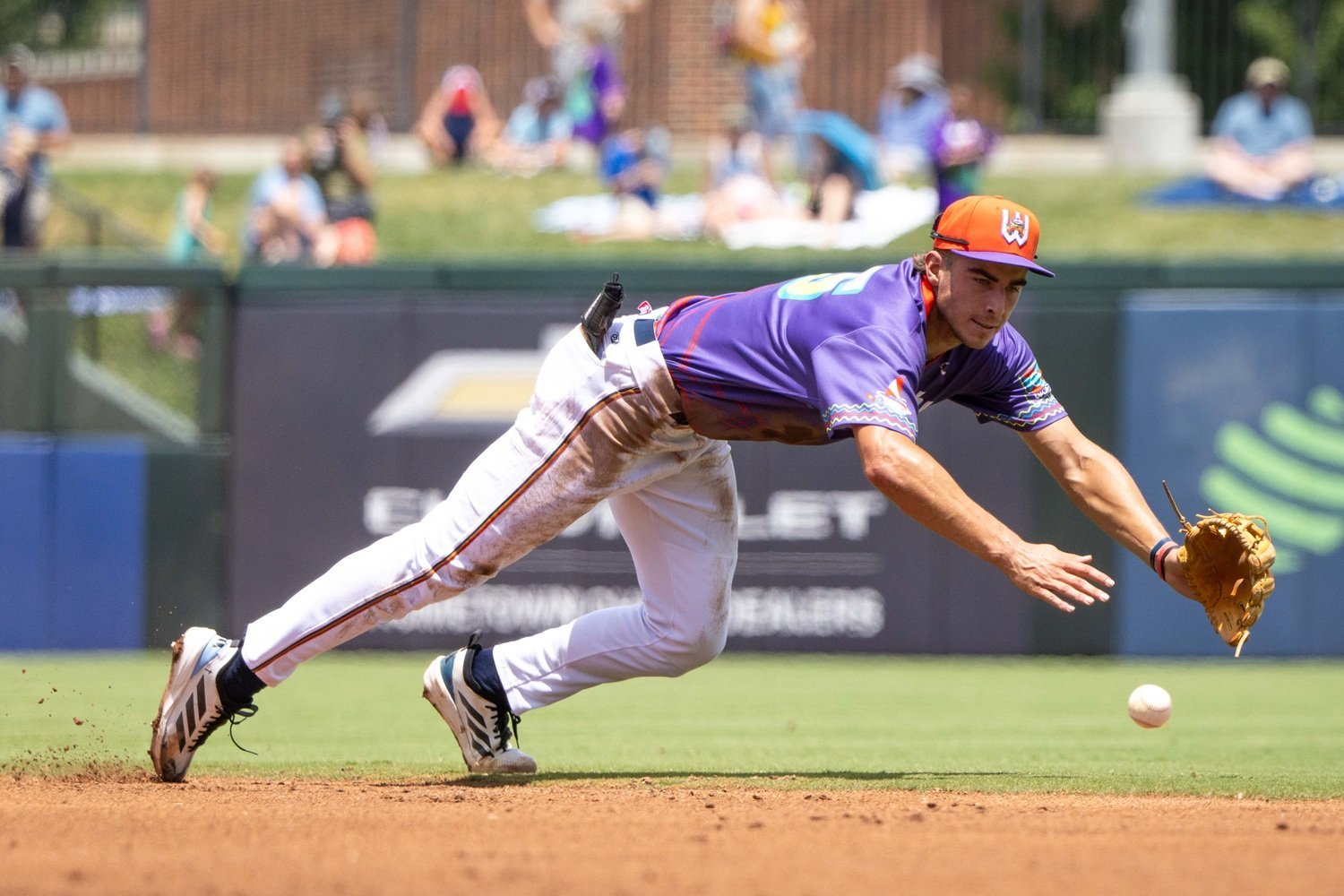 When prospect rankings are released, the conversation usually centers around the flashiest tools. The biggest power. The fastest fastball. The loudest stat lines. That's why Marek Houston continues to fly under the radar. The Twins' 2025 first-round pick has quietly transformed himself from a player viewed as an elite defensive shortstop with offensive question marks into one of the most complete prospects in baseball. National outlets are finally starting to reward that growth by placing Houston on Top 100 prospect lists, but even those rankings may not fully reflect how much his stock has risen over the last year. Houston isn't just exceeding expectations. He's changing the narrative that followed him into professional baseball. The Bat Was Always the Question When Minnesota selected Houston with the 16th overall pick out of Wake Forest, there was little debate about his defensive future. Scouts viewed him as a polished shortstop with outstanding instincts, range and arm strength. His glove projected as an above-average major league tool from day one, making him one of the safest defensive players in the 2025 draft. The uncertainty centered around his offense. Houston earned Wake Forest's starting shortstop job as a freshman largely because of his defense, hitting .220 while helping the Demon Deacons reach the College World Series. He took a significant step forward as a sophomore, batting .326 with eight home runs before completely reshaping his offensive profile during his junior season. After refining his approach, Houston slugged 15 home runs while posting a 1.055 OPS, showing enough improvement for Minnesota to invest a first-round pick. Even then, evaluators wondered whether that newfound power would survive against professional pitching, especially given Wake Forest's relatively homer-friendly ballpark. Houston's professional debut offered both encouragement and skepticism. He hit .370 over his first 12 games with Single-A Fort Myers, earning an immediate promotion to High-A Cedar Rapids. The jump proved challenging, however, as he struggled through the final weeks of the season and finished his first professional campaign with a .270/.330/.350 slash line and just one home run. For many evaluators, those struggles reinforced pre-draft concerns that Houston's bat would ultimately cap his ceiling. Instead, they became the starting point for another adjustment. A Revamped Swing Has Changed Everything, Houston spent the offseason working with the Twins to improve his swing path, creating more line-drive carry while maintaining the elite contact skills that had always been part of his game. The goal wasn't to turn him into a slugger. It was to produce harder contact without sacrificing the disciplined approach that already made him difficult to pitch against. As Houston told MLB.com, the focus was simple: "Being a contact-oriented guy, just trying to hit the ball with more authority." The results have been impossible to ignore. Across High-A Cedar Rapids and Double-A Wichita, the 22-year-old is slashing .325/.405/.479 (.884) with nine home runs, 21 doubles and 38 stolen bases. Since earning his promotion to Double-A on June 22, he's been even better, with a .921 OPS including four home runs in the Texas League where he is two years younger than the average age of the competition. Just 27 games into his Double-A career, Houston owns a 138 wRC+, a remarkable number for a player once viewed as a defense-first prospect. More Than Just a Good Hitter Houston's offensive improvements go beyond the traditional numbers. Standing 6-foot-3 with smooth athleticism, he has become one of the organization's best baserunners, stealing 38 bases while being caught only four times. His approach at the plate is equally impressive. Houston combines above-average walk rates (11.7 BB%) with an exceptionally low chase rate, consistently forcing pitchers into the strike zone. He simplifies everything with two strikes, allowing him to put together mature at-bats while limiting strikeouts. With two outs and runners in scoring position (70 PA), he has a .500 OBP with more walks (13) than strikeouts (10). The raw power may never reach the level of other top prospects like Walker Jenkins or Emmanuel Rodriguez, but it doesn't need to. Houston is proving he can impact games by controlling the strike zone, putting the ball in play, creating pressure on the bases, and playing premium defense at the game's most valuable infield position. The Ceiling May Be Higher Than People Think Houston still isn't a finished product. Just under 30 games in Double-A don't guarantee he'll become an impact offensive player in the majors, and there is still room for more power to emerge if he continues elevating the baseball consistently. But the biggest concern surrounding his profile has largely disappeared. At this point, there is little reason to question whether Houston has a major league-caliber bat. Even if his power settles around average, his combination of contact ability, patience, speed and elite defense gives him one of the highest floors in the Twins' farm system. That is a valuable offensive skill set even without 25-home run power. Pair it with plus defense at shortstop, and the overall package becomes significantly more valuable. That's especially meaningful for a Twins organization searching for a long-term answer at shortstop after trading Carlos Correa. Houston may never become the face of the franchise or headline prospect rankings alongside Jenkins, but he is quickly becoming one of the safest bets in the system to develop into a productive everyday major leaguer. The labels attached to him coming out of college weren't wrong. They were simply incomplete. One year into his professional career, Houston has evolved into much more than an elite defensive shortstop. He's one of the fastest-rising prospects in baseball, and perhaps the most underrated player in the Twins organization. Is Houston the most underrated player in the Twins organization? Leave a comment and start the discussion.
 -
Image courtesy of Ed Bailey (photo of Marek Houston) When prospect rankings are released, the conversation usually centers around the flashiest tools. The biggest power. The fastest fastball. The loudest stat lines. That's why Marek Houston continues to fly under the radar. The Twins' 2025 first-round pick has quietly transformed himself from a player viewed as an elite defensive shortstop with offensive question marks into one of the most complete prospects in baseball. National outlets are finally starting to reward that growth by placing Houston on Top 100 prospect lists, but even those rankings may not fully reflect how much his stock has risen over the last year. Houston isn't just exceeding expectations. He's changing the narrative that followed him into professional baseball. The Bat Was Always the Question When Minnesota selected Houston with the 16th overall pick out of Wake Forest, there was little debate about his defensive future. Scouts viewed him as a polished shortstop with outstanding instincts, range and arm strength. His glove projected as an above-average major league tool from day one, making him one of the safest defensive players in the 2025 draft. The uncertainty centered around his offense. Houston earned Wake Forest's starting shortstop job as a freshman largely because of his defense, hitting .220 while helping the Demon Deacons reach the College World Series. He took a significant step forward as a sophomore, batting .326 with eight home runs before completely reshaping his offensive profile during his junior season. After refining his approach, Houston slugged 15 home runs while posting a 1.055 OPS, showing enough improvement for Minnesota to invest a first-round pick. Even then, evaluators wondered whether that newfound power would survive against professional pitching, especially given Wake Forest's relatively homer-friendly ballpark. Houston's professional debut offered both encouragement and skepticism. He hit .370 over his first 12 games with Single-A Fort Myers, earning an immediate promotion to High-A Cedar Rapids. The jump proved challenging, however, as he struggled through the final weeks of the season and finished his first professional campaign with a .270/.330/.350 slash line and just one home run. For many evaluators, those struggles reinforced pre-draft concerns that Houston's bat would ultimately cap his ceiling. Instead, they became the starting point for another adjustment. A Revamped Swing Has Changed Everything, Houston spent the offseason working with the Twins to improve his swing path, creating more line-drive carry while maintaining the elite contact skills that had always been part of his game. The goal wasn't to turn him into a slugger. It was to produce harder contact without sacrificing the disciplined approach that already made him difficult to pitch against. As Houston told MLB.com, the focus was simple: "Being a contact-oriented guy, just trying to hit the ball with more authority." The results have been impossible to ignore. Across High-A Cedar Rapids and Double-A Wichita, the 22-year-old is slashing .325/.405/.479 (.884) with nine home runs, 21 doubles and 38 stolen bases. Since earning his promotion to Double-A on June 22, he's been even better, with a .921 OPS including four home runs in the Texas League where he is two years younger than the average age of the competition. Just 27 games into his Double-A career, Houston owns a 138 wRC+, a remarkable number for a player once viewed as a defense-first prospect. More Than Just a Good Hitter Houston's offensive improvements go beyond the traditional numbers. Standing 6-foot-3 with smooth athleticism, he has become one of the organization's best baserunners, stealing 38 bases while being caught only four times. His approach at the plate is equally impressive. Houston combines above-average walk rates (11.7 BB%) with an exceptionally low chase rate, consistently forcing pitchers into the strike zone. He simplifies everything with two strikes, allowing him to put together mature at-bats while limiting strikeouts. With two outs and runners in scoring position (70 PA), he has a .500 OBP with more walks (13) than strikeouts (10). The raw power may never reach the level of other top prospects like Walker Jenkins or Emmanuel Rodriguez, but it doesn't need to. Houston is proving he can impact games by controlling the strike zone, putting the ball in play, creating pressure on the bases, and playing premium defense at the game's most valuable infield position. The Ceiling May Be Higher Than People Think Houston still isn't a finished product. Just under 30 games in Double-A don't guarantee he'll become an impact offensive player in the majors, and there is still room for more power to emerge if he continues elevating the baseball consistently. But the biggest concern surrounding his profile has largely disappeared. At this point, there is little reason to question whether Houston has a major league-caliber bat. Even if his power settles around average, his combination of contact ability, patience, speed and elite defense gives him one of the highest floors in the Twins' farm system. That is a valuable offensive skill set even without 25-home run power. Pair it with plus defense at shortstop, and the overall package becomes significantly more valuable. That's especially meaningful for a Twins organization searching for a long-term answer at shortstop after trading Carlos Correa. Houston may never become the face of the franchise or headline prospect rankings alongside Jenkins, but he is quickly becoming one of the safest bets in the system to develop into a productive everyday major leaguer. The labels attached to him coming out of college weren't wrong. They were simply incomplete. One year into his professional career, Houston has evolved into much more than an elite defensive shortstop. He's one of the fastest-rising prospects in baseball, and perhaps the most underrated player in the Twins organization. Is Houston the most underrated player in the Twins organization? Leave a comment and start the discussion. View full article
-
The Minnesota Twins entered deadline season with a clear shopping list. They needed multiple high-leverage relievers, and they needed another starting pitcher after injuries ravaged the rotation throughout the summer. By the time the trade deadline arrived, general manager Jeremy Zoll had accomplished exactly that. Minnesota added left-handed reliever A.J. Minter, veteran starter Dean Kremer, and hard-throwing right-hander Jeff Hoffman without sacrificing any of the organization's elite prospects. The Twins certainly paid meaningful prospect capital, but they also addressed every major weakness on the roster while adding players who remain under team control beyond this season. Now that the dust has settled, here's how each deal grades. Twins receive: LHP A.J. Minter Mets receive: INF Bruin Agbayani and INF Billy Amick Minnesota wasted little time addressing its need for a dependable left-handed reliever, acquiring Minter several days before the deadline rush. While the timing may have forced the Twins to pay a slightly higher price, it also guaranteed they landed one of the better southpaws available. Minter's recent injury history creates some risk. After signing with the Mets before the 2025 season, he dominated over 11 innings before a torn left lat ended his year prematurely. Healthy again in 2026, he has looked like an effective late-inning option, posting a 2.35 ERA with only two walks across 23 innings. The strikeout rate hasn't been as dominant as in previous years, and his 4.02 FIP suggests some regression could be coming, but Minnesota was looking for reliability from the left side more than overpowering numbers. The Mets received two intriguing but far-from-certain prospects. Amick has enjoyed a productive age-23 campaign at Double-A, slugging 23 home runs with an .820 OPS. His power has never been in question, although his 28.4 K% illustrate there is still work to do before reaching the majors. Agbayani remains much earlier in his development. The 19-year-old sixth-round pick from the 2025 draft has accumulated only 74 professional plate appearances and spent the season at Low-A while producing a respectable .753 OPS. Neither player ranked among Twins Daily's Top 20 prospects entering the draft, making the overall price relatively manageable. Trade Grade: B Minnesota filled an obvious need without surrendering one of the organization's premier prospects. The Twins may have paid a slight premium by completing the deal before deadline day, but securing a proven left-handed reliever was worth the investment. Twins receive: RHP Dean Kremer Orioles receive: OF Jhomnardo Reyes This trade probably generated the strongest reaction among prospect followers, and it's easy to understand why. Reyes emerged as one of the organization's biggest breakout performers this season after tearing up rookie ball before earning a promotion to Low-A. Some evaluators had already pushed him into their midseason top-20 Twins prospect rankings. The Dominican outfielder possesses an exciting offensive ceiling. He’s a likely corner outfielder who hits the ball extremely hard but there are already some swing-and-miss tendencies. That's a profile with both significant upside and substantial risk, especially for a teenager still in the lower levels of the minors. For Minnesota, however, the focus wasn't long-term projection. It was stabilizing a rotation that had been devastated by injuries. Kremer's 6.50 ERA doesn't tell the entire story. Two rough outings dramatically inflated his numbers after he carried a 4.15 ERA just a couple of weeks earlier. That figure aligns closely with both his 4.26 career ERA The Twins weren't acquiring an ace. They were acquiring exactly what they needed: a durable, league-average starter capable of taking the ball every fifth day. The fact that Kremer also remains under team control through next season makes the acquisition even more valuable. Trade Grade: B- Reyes has enough talent to become a quality major-league regular if everything clicks. At the same time, teenage prospects carry enormous volatility. Minnesota addressed a glaring need with a controllable starter, making this a reasonable price to pay. Twins receive: RHP Jeff Hoffman, $3.75 million cash Blue Jays receive: LHP Dasan Hill, RHP John Klein, INF Dameury Pena, International Bonus Pool Money This was Minnesota's biggest move of the deadline. Hoffman was one of the top relievers available, and the Twins paid a significant price to acquire a late-inning arm under team control beyond this season. After revitalizing his career in Philadelphia, Hoffman signed a three-year deal with Toronto and saved 33 games in 2025. Home runs remained an occasional issue, but his elite fastball and swing-and-miss stuff (34.9 K%) made him one of baseball's most effective high-leverage relievers. Hoffman's 2026 season got off to a rough start, eventually costing him the closer's role to former Twin Louis Varland. He rebounded after the move, however, allowing just one earned run in June (0.75 ERA) while thriving in a set-up role. The Twins paid accordingly. Hill, Twins Daily's No. 9 prospect entering the deadline, was the centerpiece of the return. The 2024 second-round pick features a mid-90s fastball and plus slider, with a 35.8 K% at High-A this season. His command remains inconsistent (17.2 BB%) but he also surrendered only two home runs, illustrating the quality of his stuff. Klein made his major-league debut this season but struggled with command, recording 74 strikeouts while walking 38 and allowing 15 home runs across 68 1/3 innings between Triple-A and the majors. Pena, a 20-year-old infielder, has hit .300 with a .735 OPS across Low-A and High-A this season. Toronto also sent $3.75 million to help cover Hoffman's remaining salary, making the financial side of the deal more favorable for Minnesota. Trade Grade: B+ Losing Hill hurts because of his upside, but impact relievers rarely come cheaply. Hoffman immediately strengthens the back end of Minnesota's bullpen and gives the Twins another pitcher capable of handling the biggest moments. That type of acquisition often requires surrendering premium prospect talent. Minnesota entered deadline week knowing exactly what needed to change. The bullpen lacked enough swing-and-miss arms to compete with the American League's best clubs, and the rotation desperately needed reinforcement after months of injuries. Rather than settling for marginal upgrades, the front office aggressively addressed both concerns. None of these trades will be judged solely by what happens over the final two months of 2026. If Hoffman remains a dominant setup man, Kremer provides quality innings through next season, and Minter solidifies the left side of the bullpen, these moves could pay dividends well beyond this year's playoff race. There is legitimate risk attached to every deal. Reyes and Hill both have the talent to become impact major leaguers, and prospect losses always sting in hindsight if they break out elsewhere. But championship-caliber teams rarely improve at the deadline without giving up something of value. The Twins didn't empty the farm system, but they were willing to sacrifice prospect depth to strengthen a roster that believes it can contend now. That's exactly the kind of deadline approach fans had hoped to see. What grades would you give each of these trades? Leave a comment and start the discussion. View full article
- 49 replies
-
- 1
-

-
- jeff hoffman
- dasan hill
- (and 7 more)
-
Image courtesy of © Troy Taormina-Imagn Images The Detroit Tigers may have helped shape the Minnesota Twins' offseason plans without even picking up the phone. Saturday night's blockbuster sent Tarik Skubal to the Los Angeles Dodgers, ending one of the biggest trade sagas of the summer. While the Twins were never expected to be involved, the deal established an important benchmark for another American League ace: Joe Ryan. Minnesota isn't expected to move Ryan before Monday's trade deadline, nor should it. The Twins have spent the past week reinforcing their roster by adding two relievers (Tommy Nance, A.J. Minter) and a back-end starter (Dean Kremer). Those moves signal a front office focused on making the postseason, not taking a step backward. Trading a two-time All-Star who anchors the rotation would undermine everything they have done to improve the club. Ryan's recent performance only strengthens the argument for waiting. After another outstanding first half, Ryan has struggled in his first two starts after the All-Star break. The Twins also pushed back one of those outings multiple times because of arm fatigue. He also has a well-documented history of posting weaker numbers after the break. In the first half, Ryan has pitched like one of baseball's elite starters, posting a 3.17 ERA, 1.00 WHIP, and allowing opponents just a .632 OPS. After the All-Star break, those numbers have slipped considerably, with a 4.93 ERA, 1.21 WHIP, and a .776 OPS allowed. It's easy to understand why rival clubs would try to discount his value if he were made available today. That doesn't mean his long-term value has disappeared. If anything, the Skubal trade offers a glimpse into what the Twins could reasonably expect this winter, when Ryan has had time to finish the season healthy, reset over the offseason, and allow interested clubs to evaluate his complete body of work instead of a stretch of second-half struggles. The Dodgers sent Detroit outfielder Zyhir Hope (MLB Pipeline's No. 25 prospect), right-hander River Ryan (No. 68), and right-hander Brady Smith, the organization's No. 17 prospect before the trade. While that package may have felt lighter than expected for one of baseball's best pitchers, it also reflected today's market for frontline starters on expiring contracts. Teams have become increasingly hesitant to surrender overwhelming prospect hauls, even for elite talent. But Skubal's return still featured multiple premium prospects, and it provides a useful starting point for evaluating pitchers with similar value. Ryan's value could still change significantly over the final two months of the season. He'll have an opportunity to show that his recent struggles are merely a temporary setback rather than a larger concern. Unlike Skubal, who will make only a handful of starts for the Dodgers before reaching free agency, Ryan could enter the offseason with his value trending back toward its peak. Minnesota could also follow the blueprint that clubs like the Brewers have used in recent years by dealing a frontline starter during the winter, when more teams have the financial flexibility and prospect capital to engage. One potential complication is the looming threat of a player lockout, which could freeze transactions and create a shortened offseason, leaving less time for a blockbuster deal to develop. Minnesota has consistently viewed Ryan as a foundational piece of its rotation, and nothing about the organization's recent actions suggests that opinion has changed. A healthy Ryan gives the Twins a far better chance to contend. This winter, however, the conversation could look very different. With a full offseason for clubs to assess their rotations, greater financial flexibility across the league, and a healthier version of Ryan entering another year of control, the Twins would be negotiating from a position of strength rather than urgency. The Skubal trade may ultimately serve less as a missed opportunity and more as an early indicator of the type of return Minnesota could pursue if it ever decides the timing is right. For now, the Twins' priority is chasing a playoff berth with Ryan leading their rotation. If trade discussions ever become serious, this offseason, not the next 48 hours, appears far more likely to be when his market reaches its peak. Did the Skubal trade establish a realistic benchmark for Ryan, or would Minnesota need an even bigger return to justify dealing a two-time All-Star? View full article
-
Four Twins Prospects With Steam Entering the MLB Trade Deadline
Cody Christie posted an article in Minor Leagues
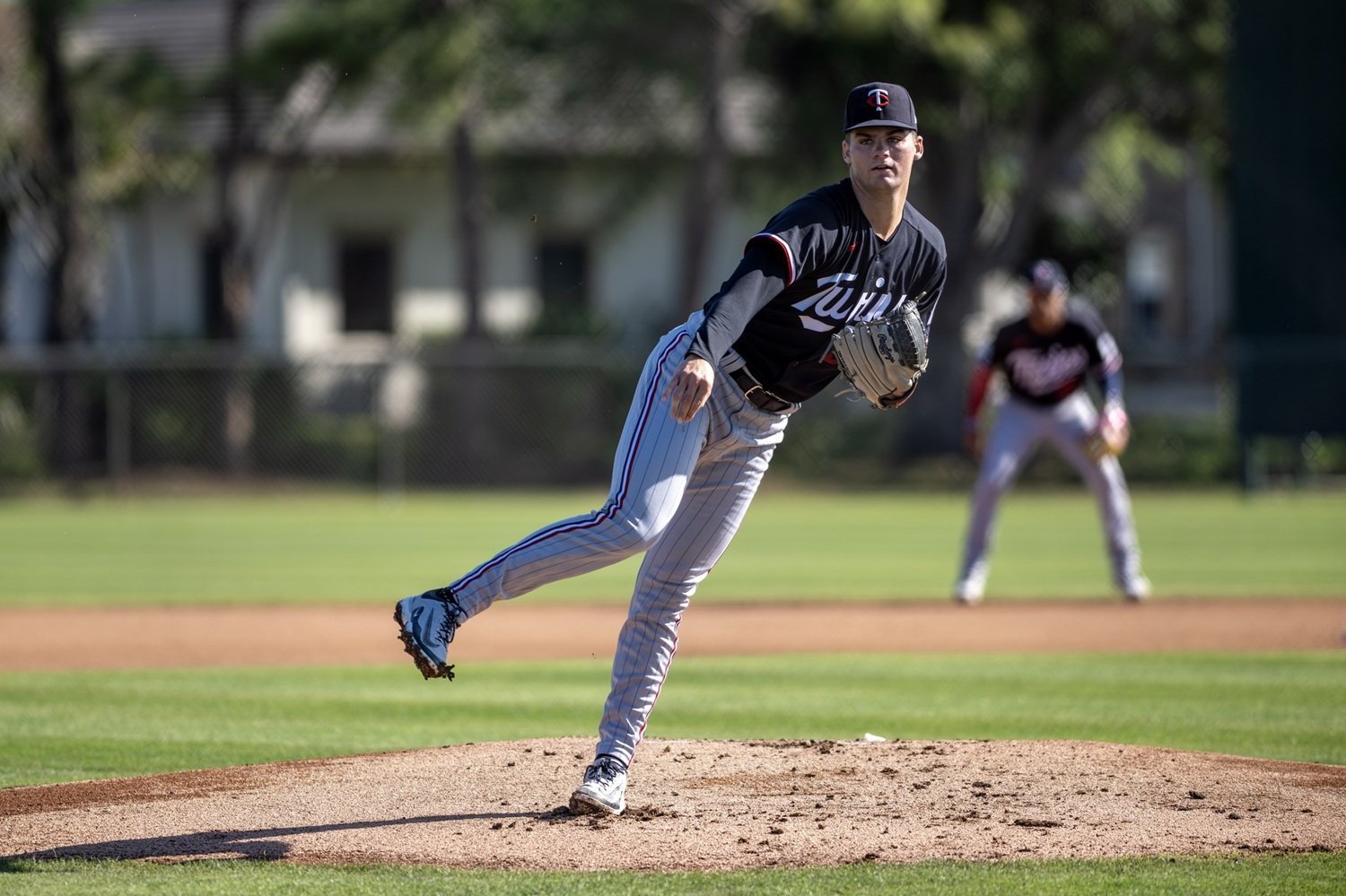 Every trade deadline brings difficult conversations between front offices. Contenders want immediate help. Sellers want premium young talent. Somewhere in the middle, organizations have to decide which prospects are untouchable and which ones they are willing to move. The challenge is that prospect value rarely stays static throughout the season. Players who entered the year as intriguing names can quickly become coveted trade chips after making adjustments, adding velocity, unlocking power, or simply proving they belong against better competition. Rival evaluators notice those changes just as quickly as the organizations developing them. These are the players with "steam." The Twins have one of baseball's deepest farm systems, giving general manager Jeremy Zoll plenty of options if they decide to pursue upgrades before Monday's trade deadline. While names like Walker Jenkins and Vahn Lackey understandably dominate headlines, several other prospects have significantly boosted their stock during the 2026 season. Here are four Twins prospects carrying plenty of momentum into deadline week. SS Marek Houston TD Prospect Rank: No. 5 Few prospects have done more to change their offensive outlook than Houston. When the Twins selected Houston in the first round last summer, scouts universally praised his elite defense and baseball instincts. The biggest question centered around whether he'd ever hit enough to become an everyday shortstop in the majors. He's done plenty to answer those concerns. Houston revamped his swing over the offseason, making mechanical adjustments that have translated into harder contact, more extra-base hits, and a much more dangerous offensive profile. In 83 games, he has a 129 wRC+, .402 wOBA, and 38 stolen bases. Instead of profiling as a defense-first shortstop, he's beginning to look like a complete player capable of impacting the game on both sides of the ball. His defensive reputation was already among the best in the minors. Now that the bat is catching up, Houston has rapidly climbed national prospect rankings and looks increasingly like Minnesota's shortstop of the future. That combination also makes him exactly the type of prospect opposing front offices would love to acquire. RHP Riley Quick TD Prospect Rank: No. 6 Despite his injury history, the Twins believed Riley Quick had first-round talent when they drafted him in the competitive balance round of the 2025 MLB Draft. This season has shown why. Quick has consistently overpowered hitters with an upper-90s fastball and a swing-and-miss slider that projects as a legitimate plus pitch. In 22 starts, he has a 3.68 ERA with 35.9 K% and a 13.8 BB%. More importantly, he's answered durability questions by handling a larger workload (51 1/3 IP), while maintaining his premium stuff throughout the summer. Power arms are among the most coveted assets in baseball, and Quick has looked every bit like a future major league starter with top-of-the-rotation upside. Even if the Twins ultimately envision him remaining in their rotation, it's easy to understand why opposing clubs would ask about him in virtually every trade conversation. OF Hendry Mendez TD Prospect Rank: No. 10 Mendez arrived in Minnesota as one piece at last year's deadline fire sale, and he's only strengthened his value since then. The left-handed hitter has continued developing into one of the organization's most polished offensive prospects. In 71 games this season, he has an .844 OPS, a 117 wRC+, an 11.4 BB%, and a 18.3 K%. His mature approach, ability to control the strike zone, and improving power have allowed him to produce consistently while reaching Triple-A. Perhaps most encouraging has been the continued growth in his overall offensive impact. Rather than simply projecting as a high-contact hitter, Mendez is driving the baseball with greater authority while maintaining the disciplined approach that made him attractive in the first place. He's beginning to look like an everyday corner outfielder who can contribute in multiple ways offensively. That’s a profile every organization covets. C Khadim Diaw TD Prospect Rank: No. 14 Catchers who can both defend and hit are among the rarest commodities in professional baseball. That's why Diaw has become one of the more intriguing names in Minnesota's system. Diaw has taken significant steps forward offensively. In 86 games, he has posted a 123 wRC+ with an .837 OPS. His athleticism has always stood out, but the offensive improvements have elevated his ceiling considerably. Young catchers often require years of development, making patience essential. The 22-year-old Diaw's progress has accelerated that timeline enough for outside evaluators to take notice. Minnesota also added multiple catching prospects in the 2026 MLB Draft, making Diaw more expendable. With quality catching prospects always in short supply, his value has climbed substantially over the past several months. The Twins Have Valuable Trade Currency The Twins don't have to trade any of these prospects before Monday's deadline. However, having multiple young players whose value is trending upward gives the front office flexibility. Organizations looking to add impact talent often have to surrender prospects whose stock is peaking rather than those whose value has stalled. That's exactly where Minnesota finds itself. Houston is proving he can hit. Quick continues looking like a frontline arm. Mendez is becoming one of the system's steadiest bats. Diaw is emerging at one of baseball's thinnest positions. Whether they remain Twins or become part of a blockbuster deal, all four have significantly increased their value during the 2026 season, and rival front offices have undoubtedly noticed. What other names should be added to the list? Leave a comment and start the discussion.
- 15 comments
-
- 5
-
-
- marek houston
- riley quick
- (and 2 more)
-
Image courtesy of William Parmeter (Photo of Riley Quick) Every trade deadline brings difficult conversations between front offices. Contenders want immediate help. Sellers want premium young talent. Somewhere in the middle, organizations have to decide which prospects are untouchable and which ones they are willing to move. The challenge is that prospect value rarely stays static throughout the season. Players who entered the year as intriguing names can quickly become coveted trade chips after making adjustments, adding velocity, unlocking power, or simply proving they belong against better competition. Rival evaluators notice those changes just as quickly as the organizations developing them. These are the players with "steam." The Twins have one of baseball's deepest farm systems, giving general manager Jeremy Zoll plenty of options if they decide to pursue upgrades before Monday's trade deadline. While names like Walker Jenkins and Vahn Lackey understandably dominate headlines, several other prospects have significantly boosted their stock during the 2026 season. Here are four Twins prospects carrying plenty of momentum into deadline week. SS Marek Houston TD Prospect Rank: No. 5 Few prospects have done more to change their offensive outlook than Houston. When the Twins selected Houston in the first round last summer, scouts universally praised his elite defense and baseball instincts. The biggest question centered around whether he'd ever hit enough to become an everyday shortstop in the majors. He's done plenty to answer those concerns. Houston revamped his swing over the offseason, making mechanical adjustments that have translated into harder contact, more extra-base hits, and a much more dangerous offensive profile. In 83 games, he has a 129 wRC+, .402 wOBA, and 38 stolen bases. Instead of profiling as a defense-first shortstop, he's beginning to look like a complete player capable of impacting the game on both sides of the ball. His defensive reputation was already among the best in the minors. Now that the bat is catching up, Houston has rapidly climbed national prospect rankings and looks increasingly like Minnesota's shortstop of the future. That combination also makes him exactly the type of prospect opposing front offices would love to acquire. RHP Riley Quick TD Prospect Rank: No. 6 Despite his injury history, the Twins believed Riley Quick had first-round talent when they drafted him in the competitive balance round of the 2025 MLB Draft. This season has shown why. Quick has consistently overpowered hitters with an upper-90s fastball and a swing-and-miss slider that projects as a legitimate plus pitch. In 22 starts, he has a 3.68 ERA with 35.9 K% and a 13.8 BB%. More importantly, he's answered durability questions by handling a larger workload (51 1/3 IP), while maintaining his premium stuff throughout the summer. Power arms are among the most coveted assets in baseball, and Quick has looked every bit like a future major league starter with top-of-the-rotation upside. Even if the Twins ultimately envision him remaining in their rotation, it's easy to understand why opposing clubs would ask about him in virtually every trade conversation. OF Hendry Mendez TD Prospect Rank: No. 10 Mendez arrived in Minnesota as one piece at last year's deadline fire sale, and he's only strengthened his value since then. The left-handed hitter has continued developing into one of the organization's most polished offensive prospects. In 71 games this season, he has an .844 OPS, a 117 wRC+, an 11.4 BB%, and a 18.3 K%. His mature approach, ability to control the strike zone, and improving power have allowed him to produce consistently while reaching Triple-A. Perhaps most encouraging has been the continued growth in his overall offensive impact. Rather than simply projecting as a high-contact hitter, Mendez is driving the baseball with greater authority while maintaining the disciplined approach that made him attractive in the first place. He's beginning to look like an everyday corner outfielder who can contribute in multiple ways offensively. That’s a profile every organization covets. C Khadim Diaw TD Prospect Rank: No. 14 Catchers who can both defend and hit are among the rarest commodities in professional baseball. That's why Diaw has become one of the more intriguing names in Minnesota's system. Diaw has taken significant steps forward offensively. In 86 games, he has posted a 123 wRC+ with an .837 OPS. His athleticism has always stood out, but the offensive improvements have elevated his ceiling considerably. Young catchers often require years of development, making patience essential. The 22-year-old Diaw's progress has accelerated that timeline enough for outside evaluators to take notice. Minnesota also added multiple catching prospects in the 2026 MLB Draft, making Diaw more expendable. With quality catching prospects always in short supply, his value has climbed substantially over the past several months. The Twins Have Valuable Trade Currency The Twins don't have to trade any of these prospects before Monday's deadline. However, having multiple young players whose value is trending upward gives the front office flexibility. Organizations looking to add impact talent often have to surrender prospects whose stock is peaking rather than those whose value has stalled. That's exactly where Minnesota finds itself. Houston is proving he can hit. Quick continues looking like a frontline arm. Mendez is becoming one of the system's steadiest bats. Diaw is emerging at one of baseball's thinnest positions. Whether they remain Twins or become part of a blockbuster deal, all four have significantly increased their value during the 2026 season, and rival front offices have undoubtedly noticed. What other names should be added to the list? Leave a comment and start the discussion. View full article
-
Can Carson Tinney Be the Next Ryan Jeffers?
Cody Christie replied to Cody Christie's topic in Twins Minor League Talk
Tinney had quite the first professional hit:- 18 replies
-
- 1
-
-
- carson tinney
- ryan jeffers
- (and 1 more)
-
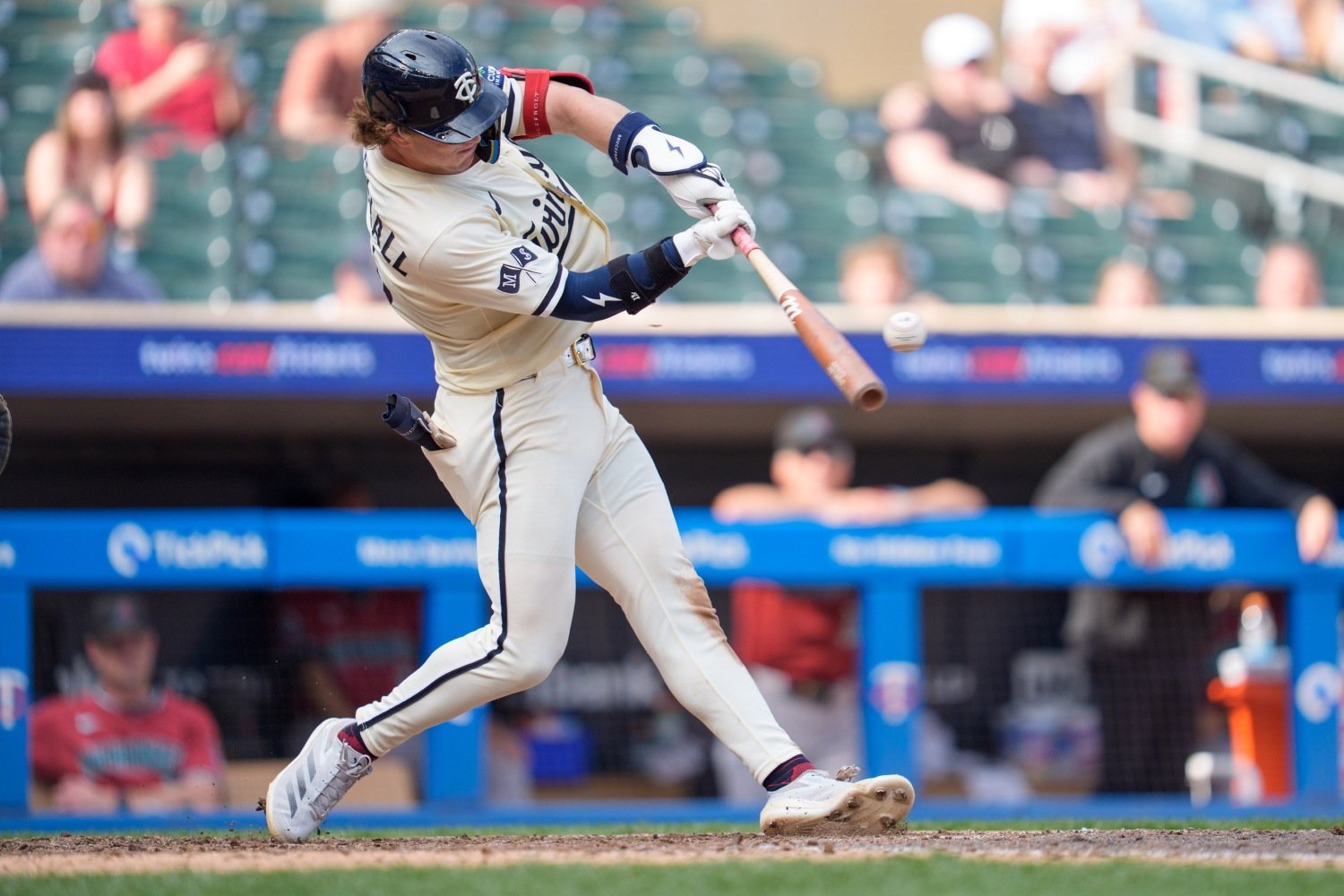 The Minnesota Twins continued building momentum in July, posting a 15-9 record (.625) to secure a second consecutive winning month. After spending much of the first half trying to climb back into contention, Minnesota now finds itself firmly in the postseason race with a legitimate opportunity to chase both an American League Central title or a Wild Card berth. That surge hasn't happened by accident. The Twins have fielded one of baseball's most productive offenses throughout the season, and July was no exception. Whether it was timely home runs, elite on-base ability, or clutch moments in big games, several hitters played significant roles in helping Minnesota continue its ascent. Here are the Twins Daily Hitter of the Month rankings for July. 4. Trevor Larnach 20 G, .281/.352/.484 (.837), 3 HR, 4 2B, 7 BB, 12 K, 134 wRC+ Larnach followed up his outstanding June with another productive month at the plate. While he wasn't quite as scorching as the previous month (when he hit above .340), he remained one of Minnesota's most dependable offensive contributors. His OPS dipped from .918 in June to .837 in July, but those numbers still represent an above-average middle-of-the-order bat. The Twins have continued to shield Larnach from left-handed pitching, as he's logged only 42 plate appearances against southpaws all season. Against right-handed pitchers, however, he has rewarded that strategy by posting an .842 OPS. His future remains one of the more intriguing storylines heading into the trade deadline. With younger corner outfielders pushing for opportunities, Minnesota will have to decide whether Larnach's current production is more valuable in its lineup or as part of a trade package that addresses another need. 3. Ryan Jeffers 12 G, .289/.360/.533 (.893), 3 HR, 2 2B, 4 BB, 9 K, 149 wRC+ Jeffers wasted little time reminding everyone how important he is after returning from the injured list. Despite appearing in only 12 games, he tied for second on the club in home runs during July while producing an outstanding .893 OPS. Had he been healthy for the entire month, there's a strong argument that he could have challenged for the top spot on this list. Instead, he packed an impressive amount of production into a limited sample and continued what has been one of the best offensive seasons of his career. Of course, his name has remained in trade speculation as the deadline approaches. Given how well he's swinging the bat, however, it would be difficult to justify moving one of the club's best offensive players while simultaneously trying to reach the postseason. 2. Kody Clemens 23 G, .239/.273/.544 (.816), 6 HR, 3 3B, 4 2B, 4 BB, 25 K, 117 wRC+ No player produced more memorable fireworks than Clemens. His unforgettable ultimate grand slam against Kansas City instantly became one of the most iconic moments in Target Field history, but his impact extended well beyond one swing. Clemens led the Twins with six home runs and paced the club in slugging percentage during July, hitting twice as many home runs as any other Minnesota hitter. His season has quietly evolved into an impressive turnaround. After managing just a .663 OPS in April, Clemens has now posted an OPS above .800 in three straight months. Over the past two months, he's slugged .520 or better while emerging as one of the lineup's biggest power threats. At exactly the time Minnesota needed another bat to step forward, Clemens has become one of the offense's most dangerous hitters. 1. Luke Keaschall 22 G, .323/.447/.462 (.909), 2 HR, 3 2B, 10 BB, 12 K, 161 wRC+ Keaschall may not have matched Clemens' home run total, but no Twins hitter put together a more complete offensive month. After never posting an OPS higher than .790 during any previous month this season, Keaschall elevated every aspect of his game in July. He slashed .323/.447/.462 while leading the club with a 161 wRC+, thanks largely to an outstanding approach at the plate. His 11.8% walk rate helped produce a remarkable .447 on-base percentage, the fifth-highest mark in Major League Baseball during the month. He also finished July as the team leader in both wOBA and wRC+. Perhaps even more impressive is that he's doing all of this while adjusting to a larger defensive workload in the outfield. With Byron Buxton on the injured list, the Twins have regularly asked Keaschall to patrol center field, a demanding position for any player, let alone one still establishing himself in the major leagues. Instead of allowing the added responsibility to affect his offense, Keaschall delivered the best month of his sophomore campaign and established himself as one of the driving forces behind Minnesota's playoff push. The Twins' offense has been one of the biggest reasons they're playing meaningful baseball entering August, and these four hitters were at the center of that success. Veterans like Larnach and Jeffers provided stability, Clemens supplied game-changing power, and Keaschall emerged as the lineup's most complete offensive performer. If Minnesota hopes to continue its climb through the AL playoff race over the final two months, it will need this group to keep producing. July proved the Twins have the offensive firepower to compete with anyone. Now they'll look to carry that momentum into the stretch run when every game carries postseason implications. How would your ballot look for the month? Leave a comment and start the discussion.
- 7 comments
-
- 2
-
-
- ryan jeffers
- trevor larnach
- (and 2 more)
-
Image courtesy of © Matt Blewett-Imagn Images The Minnesota Twins continued building momentum in July, posting a 15-9 record (.625) to secure a second consecutive winning month. After spending much of the first half trying to climb back into contention, Minnesota now finds itself firmly in the postseason race with a legitimate opportunity to chase both an American League Central title or a Wild Card berth. That surge hasn't happened by accident. The Twins have fielded one of baseball's most productive offenses throughout the season, and July was no exception. Whether it was timely home runs, elite on-base ability, or clutch moments in big games, several hitters played significant roles in helping Minnesota continue its ascent. Here are the Twins Daily Hitter of the Month rankings for July. 4. Trevor Larnach 20 G, .281/.352/.484 (.837), 3 HR, 4 2B, 7 BB, 12 K, 134 wRC+ Larnach followed up his outstanding June with another productive month at the plate. While he wasn't quite as scorching as the previous month (when he hit above .340), he remained one of Minnesota's most dependable offensive contributors. His OPS dipped from .918 in June to .837 in July, but those numbers still represent an above-average middle-of-the-order bat. The Twins have continued to shield Larnach from left-handed pitching, as he's logged only 42 plate appearances against southpaws all season. Against right-handed pitchers, however, he has rewarded that strategy by posting an .842 OPS. His future remains one of the more intriguing storylines heading into the trade deadline. With younger corner outfielders pushing for opportunities, Minnesota will have to decide whether Larnach's current production is more valuable in its lineup or as part of a trade package that addresses another need. 3. Ryan Jeffers 12 G, .289/.360/.533 (.893), 3 HR, 2 2B, 4 BB, 9 K, 149 wRC+ Jeffers wasted little time reminding everyone how important he is after returning from the injured list. Despite appearing in only 12 games, he tied for second on the club in home runs during July while producing an outstanding .893 OPS. Had he been healthy for the entire month, there's a strong argument that he could have challenged for the top spot on this list. Instead, he packed an impressive amount of production into a limited sample and continued what has been one of the best offensive seasons of his career. Of course, his name has remained in trade speculation as the deadline approaches. Given how well he's swinging the bat, however, it would be difficult to justify moving one of the club's best offensive players while simultaneously trying to reach the postseason. 2. Kody Clemens 23 G, .239/.273/.544 (.816), 6 HR, 3 3B, 4 2B, 4 BB, 25 K, 117 wRC+ No player produced more memorable fireworks than Clemens. His unforgettable ultimate grand slam against Kansas City instantly became one of the most iconic moments in Target Field history, but his impact extended well beyond one swing. Clemens led the Twins with six home runs and paced the club in slugging percentage during July, hitting twice as many home runs as any other Minnesota hitter. His season has quietly evolved into an impressive turnaround. After managing just a .663 OPS in April, Clemens has now posted an OPS above .800 in three straight months. Over the past two months, he's slugged .520 or better while emerging as one of the lineup's biggest power threats. At exactly the time Minnesota needed another bat to step forward, Clemens has become one of the offense's most dangerous hitters. 1. Luke Keaschall 22 G, .323/.447/.462 (.909), 2 HR, 3 2B, 10 BB, 12 K, 161 wRC+ Keaschall may not have matched Clemens' home run total, but no Twins hitter put together a more complete offensive month. After never posting an OPS higher than .790 during any previous month this season, Keaschall elevated every aspect of his game in July. He slashed .323/.447/.462 while leading the club with a 161 wRC+, thanks largely to an outstanding approach at the plate. His 11.8% walk rate helped produce a remarkable .447 on-base percentage, the fifth-highest mark in Major League Baseball during the month. He also finished July as the team leader in both wOBA and wRC+. Perhaps even more impressive is that he's doing all of this while adjusting to a larger defensive workload in the outfield. With Byron Buxton on the injured list, the Twins have regularly asked Keaschall to patrol center field, a demanding position for any player, let alone one still establishing himself in the major leagues. Instead of allowing the added responsibility to affect his offense, Keaschall delivered the best month of his sophomore campaign and established himself as one of the driving forces behind Minnesota's playoff push. The Twins' offense has been one of the biggest reasons they're playing meaningful baseball entering August, and these four hitters were at the center of that success. Veterans like Larnach and Jeffers provided stability, Clemens supplied game-changing power, and Keaschall emerged as the lineup's most complete offensive performer. If Minnesota hopes to continue its climb through the AL playoff race over the final two months, it will need this group to keep producing. July proved the Twins have the offensive firepower to compete with anyone. Now they'll look to carry that momentum into the stretch run when every game carries postseason implications. How would your ballot look for the month? Leave a comment and start the discussion. View full article
- 7 replies
-
- 1
-
-
- ryan jeffers
- trevor larnach
- (and 2 more)
-
The Minnesota Twins have already been one of baseball's busiest teams leading up to the August 3 trade deadline, but it doesn't sound like they're finished yet. After adding three pitchers in recent days, Minnesota continues to scour the market for bullpen upgrades. According to multiple reports, the front office remains engaged in trade discussions centered on acquiring another right-handed reliever. One of those conversations came remarkably close to producing another deal before it was halted from the top of the Houston Astros organization. Trevor Larnach appeared to be at the center of one of the more surprising trade discussions of deadline season. According to the Minnesota Star Tribune, Larnach learned through social media that Astros owner Jim Crane blocked a trade that would have sent reliever Bryan Abreu to Minnesota in exchange for the veteran outfielder. A league source familiar with the discussions confirmed both the proposed deal and Crane's involvement. The Astros entered Saturday atop the American League West standings, making it understandable why ownership may have been reluctant to move one of its most experienced late-inning relievers, even amid an inconsistent season. For the Twins, the proposal made plenty of sense. Trevor Larnach's Value Has Never Been Higher Larnach has quietly put together the best season of his major league career while significantly outperforming expectations. After being somewhat surprisingly tendered a contract last offseason, the former first-round pick agreed to a $4.48 million salary for 2026. He remains under club control through the 2027 season, making him an affordable option beyond this year. Through 92 games, the 29-year-old is batting .284 with nine home runs, 19 doubles, 39 RBI and an .843 OPS. His 128 OPS+ reflects a hitter who has been comfortably above league average all season. Even with only modest home run production, Larnach has become one of Minnesota's most productive hitters over the past two months. Larnach was able to block out the rumors in Seattle on Saturday when he launched a solo home run in the sixth inning before drawing a one-out walk in the eighth. Why the Twins Were Willing to Listen Trading one of the team's hottest hitters might seem counterintuitive for a club firmly in the postseason race, but Minnesota's roster construction makes Larnach one of its most logical trade chips. The Twins possess an enviable collection of left-handed corner outfielders. Matt Wallner has performed well at Triple-A, Alan Roden has emerged as another capable option, and top prospect Walker Jenkins is viewed as a cornerstone piece for the future. With that surplus, moving Larnach for a premium bullpen arm would address one of the club's biggest weaknesses without significantly weakening the organization's long-term outlook. Considering he's under team control through next season at a reasonable salary, Larnach's value may never be higher. Bryan Abreu Fits Exactly What Minnesota Needs It's easy to understand why Minnesota targeted Abreu despite his uneven 2026 campaign. The hard-throwing right-hander owns a 4.74 ERA and 5.41 FIP this season, but those numbers don't tell the entire story. Over the previous four seasons, Abreu established himself as one of baseball's premier setup relievers, posting a combined 2.30 ERA with a 2.79 FIP while playing a key role in Houston's 2022 World Series championship. His recent performance suggests he may be rediscovering that form. Over his last 18⅔ innings, Abreu has allowed only four earned runs, good for a sparkling 1.45 ERA. As an impending free agent making $5.85 million this season, Minnesota would have been responsible for only the prorated remainder of his salary while potentially adding another high-leverage weapon to a bullpen that has already received multiple reinforcements. Could the Talks Resume? Whether Houston revisits the framework before Monday's deadline remains to be seen. The Twins and Astros already completed one notable transaction when Minnesota sent Carlos Correa back to Houston last season in a salary-clearing move. That recent history shows the two organizations are certainly willing to do business with one another. With the Twins continuing to pursue another right-handed reliever, it wouldn't be surprising if they circle back with Houston or explore similar deals involving Larnach. Minnesota's front office has made it clear that adding pitching remains the priority. Even after acquiring three new arms, the Twins don't appear ready to stop until they've addressed every bullpen need they can before the trade deadline arrives. View full rumor
-
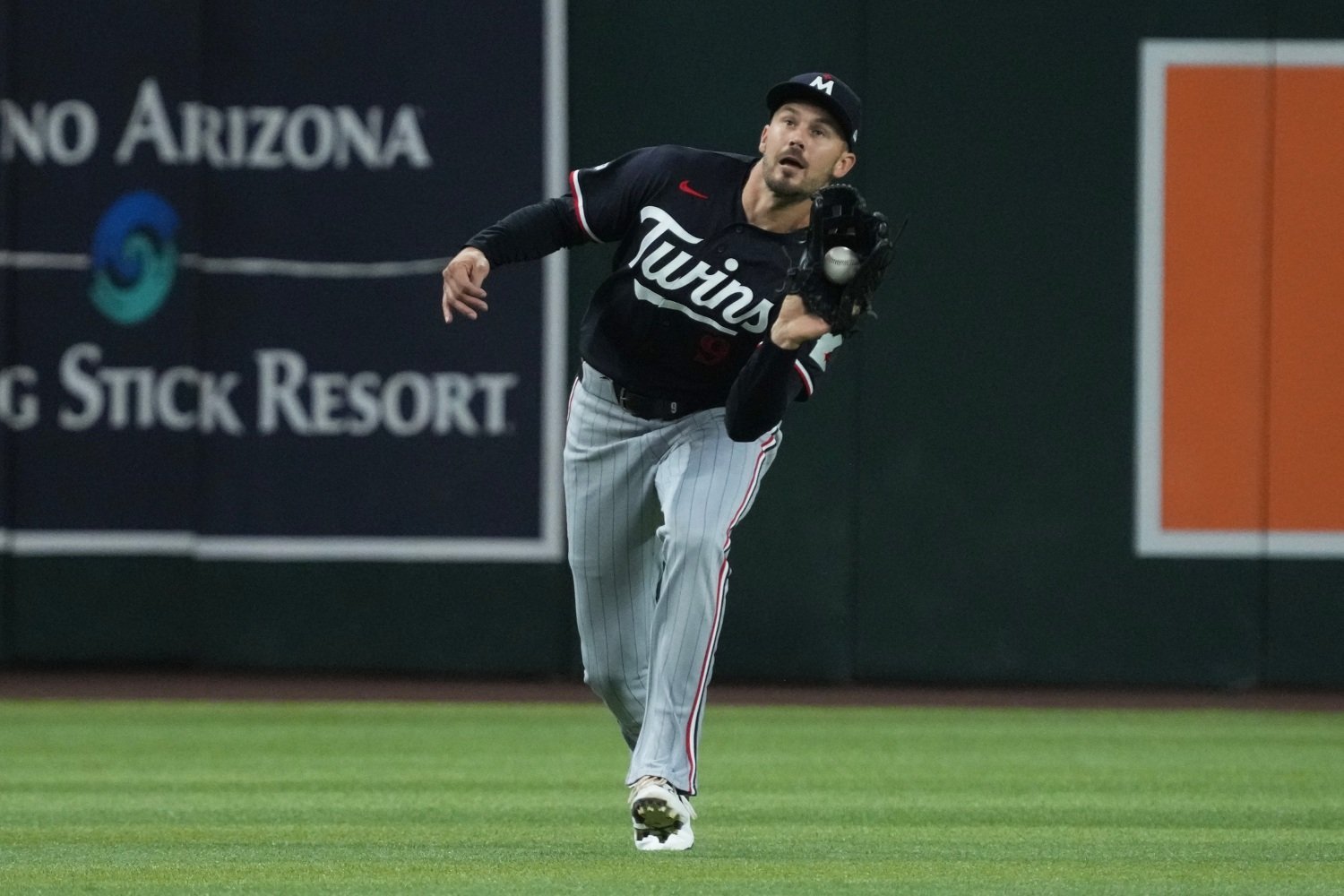 The Minnesota Twins have already been one of baseball's busiest teams leading up to the August 3 trade deadline, but it doesn't sound like they're finished yet. After adding three pitchers in recent days, Minnesota continues to scour the market for bullpen upgrades. According to multiple reports, the front office remains engaged in trade discussions centered on acquiring another right-handed reliever. One of those conversations came remarkably close to producing another deal before it was halted from the top of the Houston Astros organization. Trevor Larnach appeared to be at the center of one of the more surprising trade discussions of deadline season. According to the Minnesota Star Tribune, Larnach learned through social media that Astros owner Jim Crane blocked a trade that would have sent reliever Bryan Abreu to Minnesota in exchange for the veteran outfielder. A league source familiar with the discussions confirmed both the proposed deal and Crane's involvement. The Astros entered Saturday atop the American League West standings, making it understandable why ownership may have been reluctant to move one of its most experienced late-inning relievers, even amid an inconsistent season. For the Twins, the proposal made plenty of sense. Trevor Larnach's Value Has Never Been Higher Larnach has quietly put together the best season of his major league career while significantly outperforming expectations. After being somewhat surprisingly tendered a contract last offseason, the former first-round pick agreed to a $4.48 million salary for 2026. He remains under club control through the 2027 season, making him an affordable option beyond this year. Through 92 games, the 29-year-old is batting .284 with nine home runs, 19 doubles, 39 RBI and an .843 OPS. His 128 OPS+ reflects a hitter who has been comfortably above league average all season. Even with only modest home run production, Larnach has become one of Minnesota's most productive hitters over the past two months. Larnach was able to block out the rumors in Seattle on Saturday when he launched a solo home run in the sixth inning before drawing a one-out walk in the eighth. Why the Twins Were Willing to Listen Trading one of the team's hottest hitters might seem counterintuitive for a club firmly in the postseason race, but Minnesota's roster construction makes Larnach one of its most logical trade chips. The Twins possess an enviable collection of left-handed corner outfielders. Matt Wallner has performed well at Triple-A, Alan Roden has emerged as another capable option, and top prospect Walker Jenkins is viewed as a cornerstone piece for the future. With that surplus, moving Larnach for a premium bullpen arm would address one of the club's biggest weaknesses without significantly weakening the organization's long-term outlook. Considering he's under team control through next season at a reasonable salary, Larnach's value may never be higher. Bryan Abreu Fits Exactly What Minnesota Needs It's easy to understand why Minnesota targeted Abreu despite his uneven 2026 campaign. The hard-throwing right-hander owns a 4.74 ERA and 5.41 FIP this season, but those numbers don't tell the entire story. Over the previous four seasons, Abreu established himself as one of baseball's premier setup relievers, posting a combined 2.30 ERA with a 2.79 FIP while playing a key role in Houston's 2022 World Series championship. His recent performance suggests he may be rediscovering that form. Over his last 18⅔ innings, Abreu has allowed only four earned runs, good for a sparkling 1.45 ERA. As an impending free agent making $5.85 million this season, Minnesota would have been responsible for only the prorated remainder of his salary while potentially adding another high-leverage weapon to a bullpen that has already received multiple reinforcements. Could the Talks Resume? Whether Houston revisits the framework before Monday's deadline remains to be seen. The Twins and Astros already completed one notable transaction when Minnesota sent Carlos Correa back to Houston last season in a salary-clearing move. That recent history shows the two organizations are certainly willing to do business with one another. With the Twins continuing to pursue another right-handed reliever, it wouldn't be surprising if they circle back with Houston or explore similar deals involving Larnach. Minnesota's front office has made it clear that adding pitching remains the priority. Even after acquiring three new arms, the Twins don't appear ready to stop until they've addressed every bullpen need they can before the trade deadline arrives.
 -
The Minnesota Twins have made it clear they aren't sitting still at the trade deadline. Beginning with a July 10 trade for Tommy Nance, the club has added three pitchers over the last three weeks, acquiring Tommy Nance, A.J. Minter, and Dean Kremer in an effort to strengthen a roster that has climbed back into the American League Wild Card race. Yet even after those additions, Minnesota is reportedly still searching for another late-inning, right-handed reliever before Monday's deadline. That aggressive approach creates an uncomfortable question: Could the Twins still move one of their best hitters? Ryan Jeffers remains one of the more intriguing names to watch over the final hours before the deadline. While trading an everyday catcher in the middle of a playoff push feels counterintuitive, a new report from The Athletic highlights why Minnesota's front office may still have to listen. According to Dan Hayes of The Athletic: "If a bidding war began, the Twins would receive more compensation by trading Jeffers than by offering him a qualifying offer ahead of free agency. However, by making him a qualifying offer, one team source close to Jeffers said the catcher would reject, the Twins would at least receive a compensatory draft pick when he departs via free agency." The key takeaway isn't simply that Jeffers is expected to reject a qualifying offer—it's that the Twins now have a clearer picture of his future. If the organization already believes he'll be playing elsewhere in 2027, the decision becomes whether a compensatory draft pick is enough return for one of the league's better offensive catchers, or if another club is willing to offer considerably more right now. Jeffers certainly isn't hurting his value. He's hitting .293/.396/.539 with 10 home runs and 36 RBIs in 198 plate appearances. Since returning from the injured list last month, he's posted a .893 OPS while collecting five extra-base hits and 10 RBIs in just 50 plate appearances. Those numbers would make him attractive in any market. This year, they may make him the premier catcher available. Normally, rental players don't command massive returns, and rental catchers have historically brought back even less. The circumstances this season, however, are different. Catching help is scarce, and contenders such as the New York Yankees, Boston Red Sox, and Los Angeles Dodgers all have reason to explore upgrades behind the plate. If multiple clubs decide Jeffers is the missing piece, the Twins could find themselves in the middle of the type of bidding war Hayes referenced. Of course, that doesn't make the decision any easier. A team chasing the postseason rarely chooses to subtract from one of its biggest strengths. Jeffers has been one of Minnesota's most productive hitters when healthy, and removing him from the lineup would leave a noticeable void during the season's most important stretch. Even if the return improves the organization's long-term outlook, it would be a difficult pill to swallow for a clubhouse trying to end a postseason drought. The Twins don't have to trade him. If they hold onto Jeffers through the remainder of the season, they could still extend a qualifying offer and potentially receive a compensatory draft pick after he signs elsewhere. But if Minnesota truly believes Jeffers is headed for free agency regardless, and another club is willing to pay a premium because of a thin catching market, the calculus changes. The Twins have spent the last three weeks buying, adding pieces to strengthen a playoff contender. Trading Jeffers would send a far different message, but it wouldn't necessarily signal surrender. Instead, it would reflect a front office attempting to maximize an asset whose long-term future appears increasingly clear. Whether Minnesota ultimately keeps its middle-of-the-order catcher or cashes in on his value, the report that Jeffers is expected to reject a qualifying offer has added another fascinating layer to one of the organization's toughest trade deadline decisions. View full rumor
-
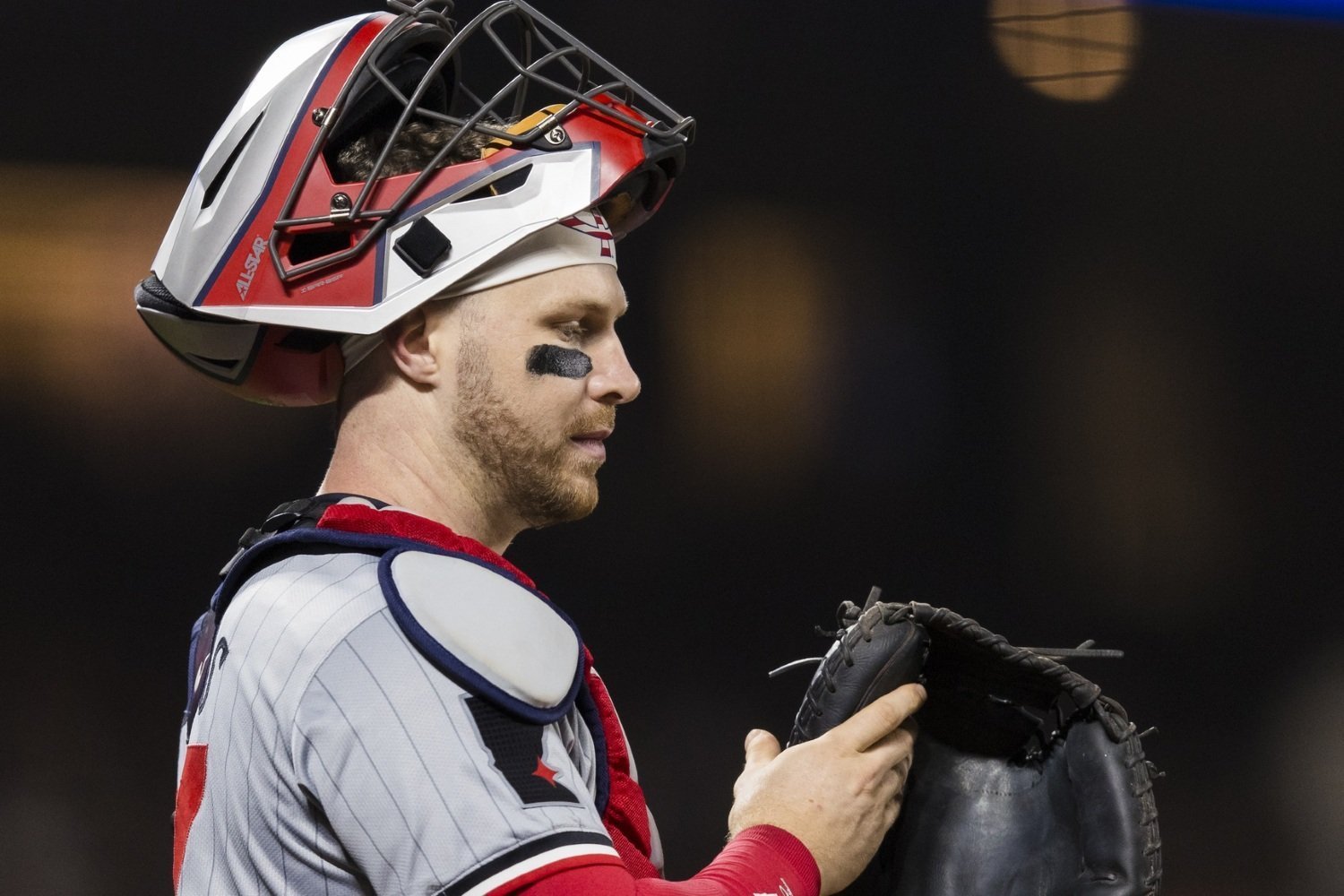 The Minnesota Twins have made it clear they aren't sitting still at the trade deadline. Beginning with a July 10 trade for Tommy Nance, the club has added three pitchers over the last three weeks, acquiring Tommy Nance, A.J. Minter, and Dean Kremer in an effort to strengthen a roster that has climbed back into the American League Wild Card race. Yet even after those additions, Minnesota is reportedly still searching for another late-inning, right-handed reliever before Monday's deadline. That aggressive approach creates an uncomfortable question: Could the Twins still move one of their best hitters? Ryan Jeffers remains one of the more intriguing names to watch over the final hours before the deadline. While trading an everyday catcher in the middle of a playoff push feels counterintuitive, a new report from The Athletic highlights why Minnesota's front office may still have to listen. According to Dan Hayes of The Athletic: "If a bidding war began, the Twins would receive more compensation by trading Jeffers than by offering him a qualifying offer ahead of free agency. However, by making him a qualifying offer, one team source close to Jeffers said the catcher would reject, the Twins would at least receive a compensatory draft pick when he departs via free agency." The key takeaway isn't simply that Jeffers is expected to reject a qualifying offer—it's that the Twins now have a clearer picture of his future. If the organization already believes he'll be playing elsewhere in 2027, the decision becomes whether a compensatory draft pick is enough return for one of the league's better offensive catchers, or if another club is willing to offer considerably more right now. Jeffers certainly isn't hurting his value. He's hitting .293/.396/.539 with 10 home runs and 36 RBIs in 198 plate appearances. Since returning from the injured list last month, he's posted a .893 OPS while collecting five extra-base hits and 10 RBIs in just 50 plate appearances. Those numbers would make him attractive in any market. This year, they may make him the premier catcher available. Normally, rental players don't command massive returns, and rental catchers have historically brought back even less. The circumstances this season, however, are different. Catching help is scarce, and contenders such as the New York Yankees, Boston Red Sox, and Los Angeles Dodgers all have reason to explore upgrades behind the plate. If multiple clubs decide Jeffers is the missing piece, the Twins could find themselves in the middle of the type of bidding war Hayes referenced. Of course, that doesn't make the decision any easier. A team chasing the postseason rarely chooses to subtract from one of its biggest strengths. Jeffers has been one of Minnesota's most productive hitters when healthy, and removing him from the lineup would leave a noticeable void during the season's most important stretch. Even if the return improves the organization's long-term outlook, it would be a difficult pill to swallow for a clubhouse trying to end a postseason drought. The Twins don't have to trade him. If they hold onto Jeffers through the remainder of the season, they could still extend a qualifying offer and potentially receive a compensatory draft pick after he signs elsewhere. But if Minnesota truly believes Jeffers is headed for free agency regardless, and another club is willing to pay a premium because of a thin catching market, the calculus changes. The Twins have spent the last three weeks buying, adding pieces to strengthen a playoff contender. Trading Jeffers would send a far different message, but it wouldn't necessarily signal surrender. Instead, it would reflect a front office attempting to maximize an asset whose long-term future appears increasingly clear. Whether Minnesota ultimately keeps its middle-of-the-order catcher or cashes in on his value, the report that Jeffers is expected to reject a qualifying offer has added another fascinating layer to one of the organization's toughest trade deadline decisions.
 -
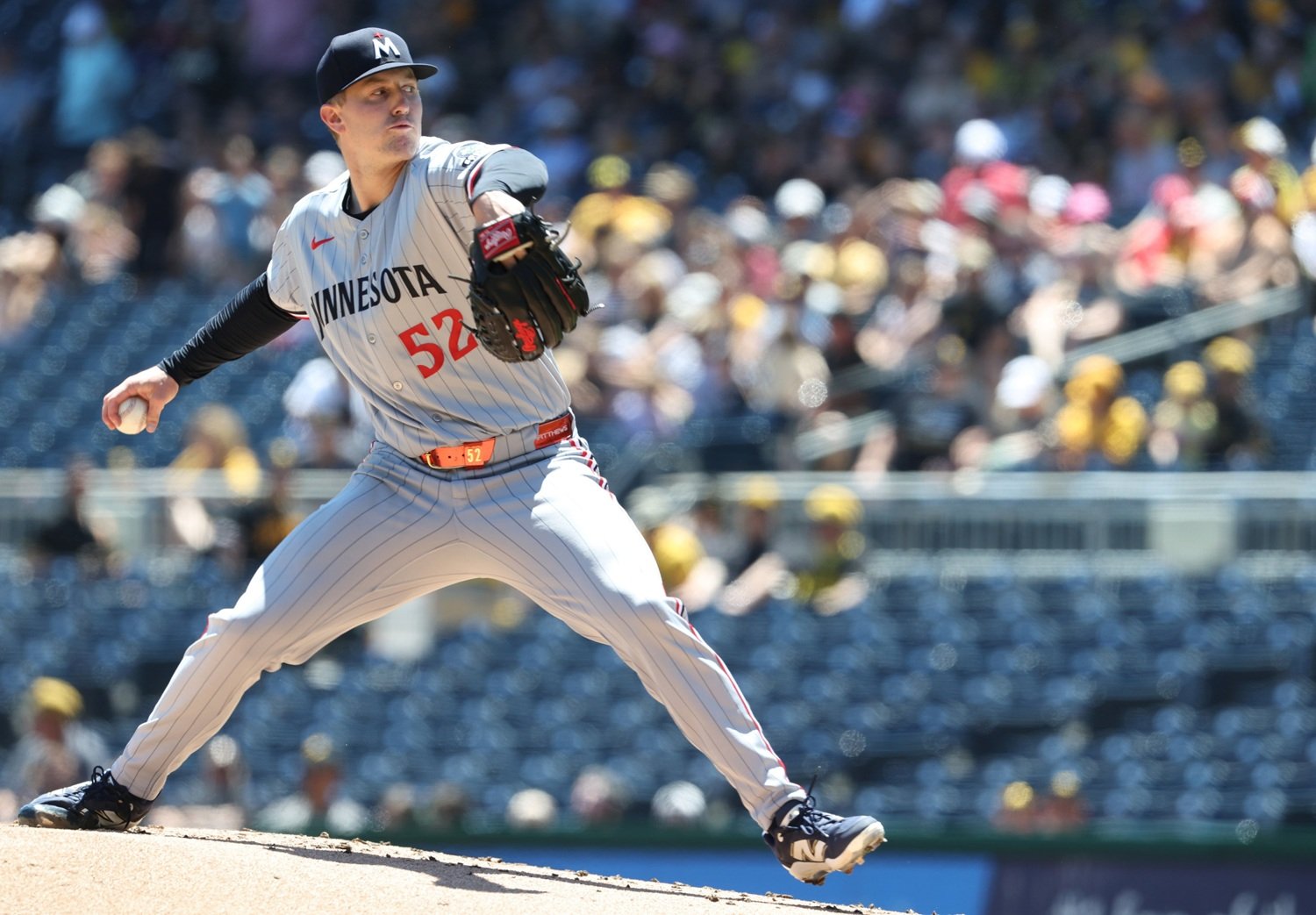 Minnesota's roster makeover continued Saturday. Less than 24 hours after adding another starting pitcher before the trade deadline, the Twins announced another round of transactions ahead of their matchup with the Seattle Mariners. The headline move was expected: newly acquired left-handed reliever A.J. Minter was officially activated. To make room on the 26-man roster, the Twins optioned right-hander Zebby Matthews to Triple-A St. Paul. The move isn't necessarily an indictment of Matthews' performance on Friday night. He gave Minnesota five innings, allowed three earned runs, and struck out an impressive 10 hitters against Seattle. However, his overall July results painted a different picture. Across 24 2/3 innings, Matthews posted a 7.66 ERA and 5.69 FIP while recording 23 strikeouts against 14 walks. With Dean Kremer acquired to bolster the rotation, Matthews became the logical candidate to head back to Triple-A. The timing gives the Twins a fresh bullpen arm in Minter while creating what appears to be a clear opening for Kremer to slide into the starting rotation. Minnesota also made a change to its 40-man roster, designating right-hander Cody Laweryson for assignment. Laweryson appeared in 15 games for the Twins this season, logging 16 2/3 innings with a 4.86 ERA and 5.08 FIP while striking out 18 and walking eight. Although he flashed intriguing stuff at times, injuries have impacted him this season. A right forearm strain sidelined Laweryson for much of April and May, and after he was optioned to Triple-A in early July, Laweryson has been on the St. Paul injured list since July 19. His departure immediately created room for another pitcher. Right-hander Garrett Acton was reinstated from the 60-day injured list and optioned to Triple-A St. Paul. Minnesota acquired Acton from the Miami Marlins this spring in exchange for Logan Whitaker, but he has been limited to four appearances after suffering a right shoulder strain that landed him on the injured list at the end of April. Acton's rehab assignment offered plenty of encouragement. In six innings for St. Paul, he surrendered just one earned run while striking out eight and walking only one. Opponents managed just a .053 batting average against him during that stretch. If the shoulder continues to respond well, Acton could quickly emerge as another bullpen option for a Twins club that has spent the past week aggressively reshaping its pitching staff. With Minter now in the bullpen, Kremer expected to join the rotation, and additional depth returning from injury, Minnesota's pitching staff looks noticeably different than it did just a few days ago, and the Twins might not be done adding before Monday’s deadline.
- 5 comments
-
- 3
-
-
- aj minter
- zebby mattews
- (and 3 more)
-
Minnesota's roster makeover continued Saturday. Less than 24 hours after adding another starting pitcher before the trade deadline, the Twins announced another round of transactions ahead of their matchup with the Seattle Mariners. The headline move was expected: newly acquired left-handed reliever A.J. Minter was officially activated. To make room on the 26-man roster, the Twins optioned right-hander Zebby Matthews to Triple-A St. Paul. The move isn't necessarily an indictment of Matthews' performance on Friday night. He gave Minnesota five innings, allowed three earned runs, and struck out an impressive 10 hitters against Seattle. However, his overall July results painted a different picture. Across 24 2/3 innings, Matthews posted a 7.66 ERA and 5.69 FIP while recording 23 strikeouts against 14 walks. With Dean Kremer acquired to bolster the rotation, Matthews became the logical candidate to head back to Triple-A. The timing gives the Twins a fresh bullpen arm in Minter while creating what appears to be a clear opening for Kremer to slide into the starting rotation. Minnesota also made a change to its 40-man roster, designating right-hander Cody Laweryson for assignment. Laweryson appeared in 15 games for the Twins this season, logging 16 2/3 innings with a 4.86 ERA and 5.08 FIP while striking out 18 and walking eight. Although he flashed intriguing stuff at times, injuries have impacted him this season. A right forearm strain sidelined Laweryson for much of April and May, and after he was optioned to Triple-A in early July, Laweryson has been on the St. Paul injured list since July 19. His departure immediately created room for another pitcher. Right-hander Garrett Acton was reinstated from the 60-day injured list and optioned to Triple-A St. Paul. Minnesota acquired Acton from the Miami Marlins this spring in exchange for Logan Whitaker, but he has been limited to four appearances after suffering a right shoulder strain that landed him on the injured list at the end of April. Acton's rehab assignment offered plenty of encouragement. In six innings for St. Paul, he surrendered just one earned run while striking out eight and walking only one. Opponents managed just a .053 batting average against him during that stretch. If the shoulder continues to respond well, Acton could quickly emerge as another bullpen option for a Twins club that has spent the past week aggressively reshaping its pitching staff. With Minter now in the bullpen, Kremer expected to join the rotation, and additional depth returning from injury, Minnesota's pitching staff looks noticeably different than it did just a few days ago, and the Twins might not be done adding before Monday’s deadline. View full rumor
-
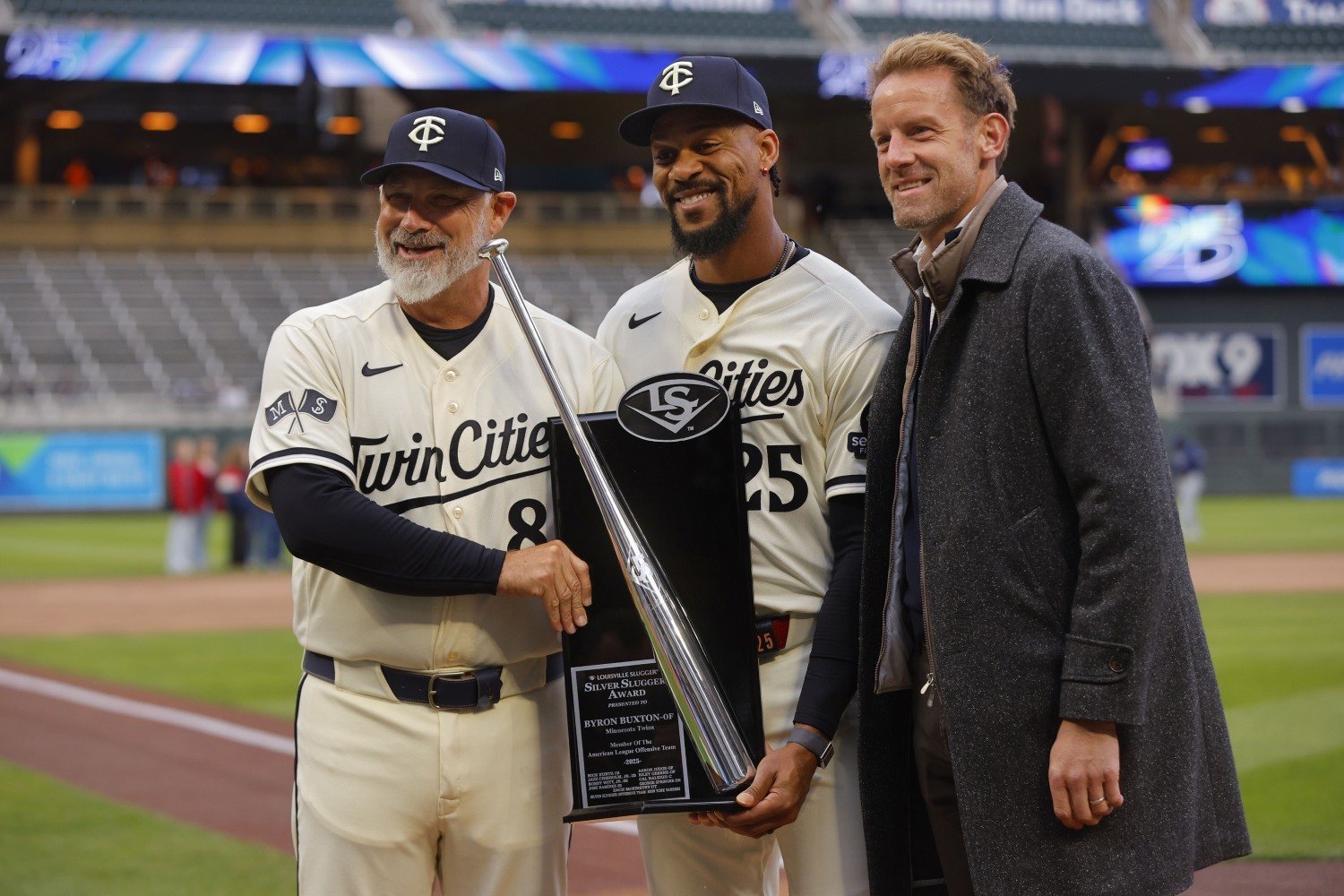 For years, one of the biggest questions surrounding the Minnesota Twins at the trade deadline wasn't whether they would make a move—it was whether they were willing to spend the money necessary to improve the roster. This deadline feels different. Less than 24 hours after strengthening the bullpen, the Twins addressed another glaring need Friday night by acquiring Baltimore Orioles starter Dean Kremer in exchange for a rookie-level outfielder. It wasn't the splashiest addition available, but it provided the rotation with badly needed depth as Minnesota continues its push toward an American League Wild Card spot. The move came on the heels of Thursday night's trade for left-handed reliever A.J. Minter from the New York Mets. Rather than limiting the financial commitment, the Twins assumed the remainder of both contracts, taking on approximately $5 million combined between Minter and Kremer. If sources are correct, the spending may not be finished. According to Dan Hayes and Ken Rosenthal of The Athletic: “Though they’ve already been one of the more active teams at the deadline, the Twins next want to add a right-handed, late-inning reliever before Monday’s trade deadline, a Twins source said, speaking on condition of anonymity to discuss the team’s thinking. The source said Twins chairman Tom Pohlad has authorized general manager Jeremy Zoll to add even more payroll if necessary.” Those developments back up what chairman Tom Pohlad said in the middle of July when he spoke about taking a more aggressive approach. After consecutive trade deadlines left both the clubhouse and fan base frustrated, the organization appears determined to change the narrative. Whether it's adding talent for the stretch run or demonstrating a greater willingness to increase payroll, the Twins are making moves that haven't traditionally been associated with this front office. While Kremer won't generate the same excitement as a frontline starter, his value shouldn't be overlooked. Minnesota's rotation has quietly been stretched thin, particularly with rookie Connor Prielipp entering uncharted territory. Between Triple-A St. Paul and the major leagues, Prielipp has already logged 91 innings this season. That's a significant workload for a pitcher who threw only 112 2/3 innings combined over his first four professional seasons. Adding Kremer gives manager Derek Shelton another dependable arm capable of absorbing innings, allowing the Twins to better manage Prielipp's workload over the final two months. Even if Kremer slots into the back of the rotation, his presence could prevent Minnesota from overextending one of its most important young pitchers. There is also a chance the Twins could move Prielipp or another starter to the bullpen. The Twins have already checked two major boxes by adding a late-inning left-hander and rotation depth. If Hayes and Rosenthal's reporting proves accurate, another bullpen addition could be coming before Monday's deadline. For the first time in several years, the biggest story isn't just that the Twins are buying. It's that they're spending like they mean it. What else do the Twins need to add before Monday? Leave a comment and start the discussion.
- 2 comments
-
- 2
-
-
- aj minter
- dean kremer
- (and 1 more)
-
For years, one of the biggest questions surrounding the Minnesota Twins at the trade deadline wasn't whether they would make a move—it was whether they were willing to spend the money necessary to improve the roster. This deadline feels different. Less than 24 hours after strengthening the bullpen, the Twins addressed another glaring need Friday night by acquiring Baltimore Orioles starter Dean Kremer in exchange for a rookie-level outfielder. It wasn't the splashiest addition available, but it provided the rotation with badly needed depth as Minnesota continues its push toward an American League Wild Card spot. The move came on the heels of Thursday night's trade for left-handed reliever A.J. Minter from the New York Mets. Rather than limiting the financial commitment, the Twins assumed the remainder of both contracts, taking on approximately $5 million combined between Minter and Kremer. If sources are correct, the spending may not be finished. According to Dan Hayes and Ken Rosenthal of The Athletic: “Though they’ve already been one of the more active teams at the deadline, the Twins next want to add a right-handed, late-inning reliever before Monday’s trade deadline, a Twins source said, speaking on condition of anonymity to discuss the team’s thinking. The source said Twins chairman Tom Pohlad has authorized general manager Jeremy Zoll to add even more payroll if necessary.” Those developments back up what chairman Tom Pohlad said in the middle of July when he spoke about taking a more aggressive approach. After consecutive trade deadlines left both the clubhouse and fan base frustrated, the organization appears determined to change the narrative. Whether it's adding talent for the stretch run or demonstrating a greater willingness to increase payroll, the Twins are making moves that haven't traditionally been associated with this front office. While Kremer won't generate the same excitement as a frontline starter, his value shouldn't be overlooked. Minnesota's rotation has quietly been stretched thin, particularly with rookie Connor Prielipp entering uncharted territory. Between Triple-A St. Paul and the major leagues, Prielipp has already logged 91 innings this season. That's a significant workload for a pitcher who threw only 112 2/3 innings combined over his first four professional seasons. Adding Kremer gives manager Derek Shelton another dependable arm capable of absorbing innings, allowing the Twins to better manage Prielipp's workload over the final two months. Even if Kremer slots into the back of the rotation, his presence could prevent Minnesota from overextending one of its most important young pitchers. There is also a chance the Twins could move Prielipp or another starter to the bullpen. The Twins have already checked two major boxes by adding a late-inning left-hander and rotation depth. If Hayes and Rosenthal's reporting proves accurate, another bullpen addition could be coming before Monday's deadline. For the first time in several years, the biggest story isn't just that the Twins are buying. It's that they're spending like they mean it. What else do the Twins need to add before Monday? Leave a comment and start the discussion. View full rumor
- 2 replies
-
- 1
-
-
- aj minter
- dean kremer
- (and 1 more)
-
The Minnesota Twins entered last summer's trade deadline looking to reshape their roster. One year later, one of those decisions continues to loom larger with every dominant outing from Louis Varland. Varland has blossomed into one of baseball's premier relief pitchers since joining the Toronto Blue Jays. Through 49 appearances this season, the St. Paul native owns a microscopic 0.98 ERA, has already accumulated 3.2 bWAR, converted 23 saves, and earned his first career All-Star selection. Few relievers in baseball have been as valuable. Minnesota sent Varland and veteran first baseman Ty France to Toronto at last year's trade deadline in exchange for outfielder Alan Roden and pitching prospect Kendrys Rojas. At the time, the Twins believed they were adding long-term value while moving a reliever whose role had fluctuated between the rotation and bullpen. Now, the deal looks dramatically different. As Minnesota fights to remain in the American League playoff picture, the bullpen has become one of the club's biggest weaknesses. Ironically, the solution may have been wearing a Twins uniform all along. USA Today's Bob Nightengale recently reported that the organization is still feeling the sting of that decision. "The Minnesota Twins, who are hanging around the AL Central race, still are having nightmares about trading away reliever Louis Varland a year ago. Varland, their popular homegrown kid, has become an All-Star closer in Toronto. If the Twins had kept him, they might be running away with the AL Central, but instead are desperately scrambling for bullpen help," Nightengale wrote. It's difficult to argue with that assessment. Varland has been worth 3.62 WPA, second among relievers to San Diego’s Mason Miller. Minnesota’s bullpen as a whole has been worth 1.03 WPA, so adding Varland to that total could be worth multiple wins. The Twins have spent much of this season searching for reliable late-inning options and have made bullpen upgrades a clear priority ahead of this year's trade deadline. Meanwhile, Varland has emerged as exactly the type of dominant, swing-and-miss reliever every contender covets. Of course, player development is rarely linear. It's fair to wonder whether Varland reaches this level had he remained in Minnesota. Sometimes a new organization, a different coaching staff, or a defined role can unlock another level. There's no guarantee his breakout would have happened with the Twins. That nuance doesn't make the trade any easier to swallow. Toronto acquired a controllable reliever who has developed into one of the game's elite closers, while Minnesota is once again spending valuable deadline resources trying to acquire the type of pitcher it already had. That's a difficult cycle for any front office to explain. The trade may eventually look more balanced if Roden or Rojas develops into an impact major leaguer. Prospect evaluations often take years before a winner can truly be declared. For now, though, every scoreless inning Varland throws north of the border serves as another reminder of what the Twins gave away, and why it's a move the organization almost certainly wishes it could have back. View full rumor
-
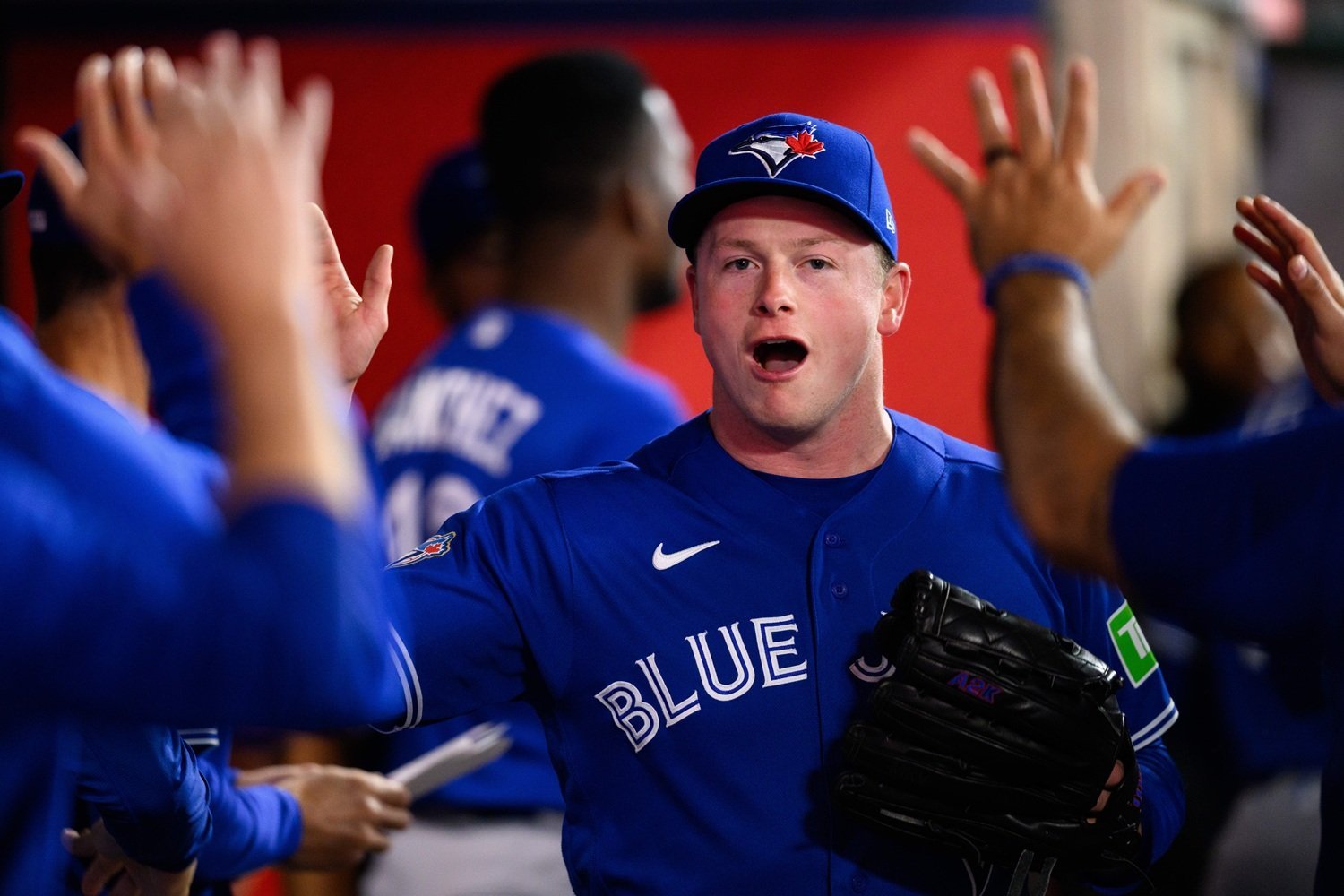 The Minnesota Twins entered last summer's trade deadline looking to reshape their roster. One year later, one of those decisions continues to loom larger with every dominant outing from Louis Varland. Varland has blossomed into one of baseball's premier relief pitchers since joining the Toronto Blue Jays. Through 49 appearances this season, the St. Paul native owns a microscopic 0.98 ERA, has already accumulated 3.2 bWAR, converted 23 saves, and earned his first career All-Star selection. Few relievers in baseball have been as valuable. Minnesota sent Varland and veteran first baseman Ty France to Toronto at last year's trade deadline in exchange for outfielder Alan Roden and pitching prospect Kendrys Rojas. At the time, the Twins believed they were adding long-term value while moving a reliever whose role had fluctuated between the rotation and bullpen. Now, the deal looks dramatically different. As Minnesota fights to remain in the American League playoff picture, the bullpen has become one of the club's biggest weaknesses. Ironically, the solution may have been wearing a Twins uniform all along. USA Today's Bob Nightengale recently reported that the organization is still feeling the sting of that decision. "The Minnesota Twins, who are hanging around the AL Central race, still are having nightmares about trading away reliever Louis Varland a year ago. Varland, their popular homegrown kid, has become an All-Star closer in Toronto. If the Twins had kept him, they might be running away with the AL Central, but instead are desperately scrambling for bullpen help," Nightengale wrote. It's difficult to argue with that assessment. Varland has been worth 3.62 WPA, second among relievers to San Diego’s Mason Miller. Minnesota’s bullpen as a whole has been worth 1.03 WPA, so adding Varland to that total could be worth multiple wins. The Twins have spent much of this season searching for reliable late-inning options and have made bullpen upgrades a clear priority ahead of this year's trade deadline. Meanwhile, Varland has emerged as exactly the type of dominant, swing-and-miss reliever every contender covets. Of course, player development is rarely linear. It's fair to wonder whether Varland reaches this level had he remained in Minnesota. Sometimes a new organization, a different coaching staff, or a defined role can unlock another level. There's no guarantee his breakout would have happened with the Twins. That nuance doesn't make the trade any easier to swallow. Toronto acquired a controllable reliever who has developed into one of the game's elite closers, while Minnesota is once again spending valuable deadline resources trying to acquire the type of pitcher it already had. That's a difficult cycle for any front office to explain. The trade may eventually look more balanced if Roden or Rojas develops into an impact major leaguer. Prospect evaluations often take years before a winner can truly be declared. For now, though, every scoreless inning Varland throws north of the border serves as another reminder of what the Twins gave away, and why it's a move the organization almost certainly wishes it could have back.
- 54 comments
-
- 3
-

-
-
- louis varland
- kendry rojas
- (and 1 more)
-
Alvarez for Walker Jenkins. Who says no?