



Cody Christie
-
Posts
7,515 -
Joined
-
Last visited
-
Days Won
5
Content Type
Profiles
News
Minnesota Twins Videos
2026 Minnesota Twins Top Prospects Ranking
2022 Minnesota Twins Draft Picks
Minnesota Twins Free Agent & Trade Rumors, Notes, & Tidbits
Guides & Resources
2023 Minnesota Twins Draft Picks
The Minnesota Twins Players Project
2024 Minnesota Twins Draft Picks
2025 Minnesota Twins Draft Pick Tracker
2026 Minnesota Twins Draft Tracker: Picks & Bonuses
Forums
Blogs
Events
Store
Downloads
Gallery
Everything posted by Cody Christie
-
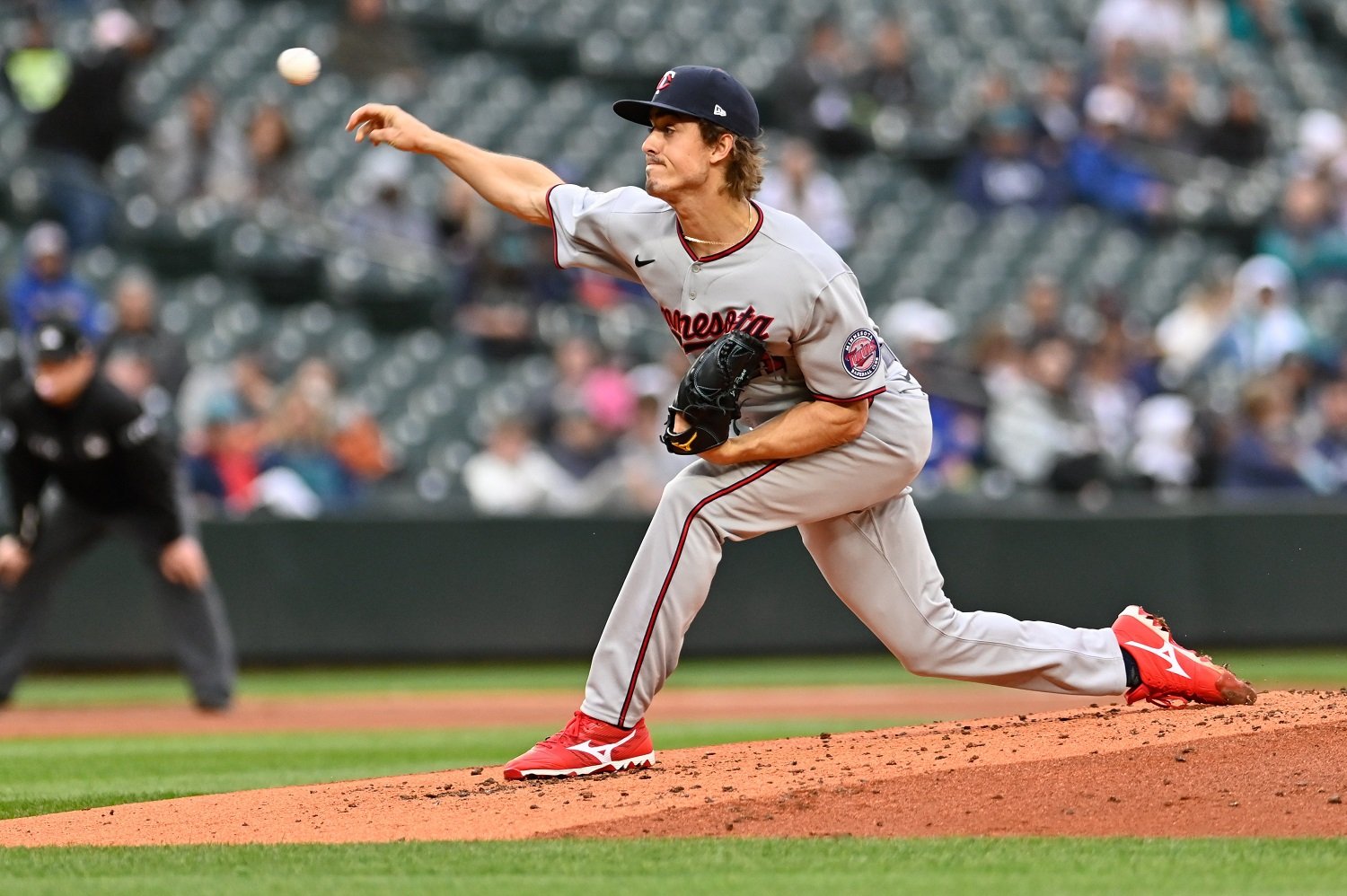 Derek Falvey and Thad Levine took over Minnesota's baseball operations department leading into the 2017 season. Each season has taken on a different feel, but they have a track record of making moves at the trade deadline. This series will look back at each trade deadline under this regime. Minnesota's front office likely wasn't planning on being sellers, but a terrible start to 2021 put the team in a bad spot. Luckily, there was a silver lining to a last-place finish as the team made multiple trades that looked to have long-term impacts. Trade 1 (July 22, 2021) Twins Receive: P Joe Ryan, P Drew Strotman Rays Receive: DH Nelson Cruz, P Calvin Faucher Minnesota helped to get the trade market moving last season when they dealt Nelson Cruz to the Rays. Tampa had previously shown interest in Cruz, so it seemed like a good match. The Twins were looking for pitching that was close to being ready for the big-league level. Joe Ryan was the team's Opening Day starter this year and has been one of the team's best starters since he joined the rotation. Cruz struggled down the stretch for the Rays, and Boston eliminated Tampa in the ALDS. Drew Strotman transitioned to a bullpen role at Triple-A and has a 7.49 ERA in 24 appearances. Calvin Faucher has made 14 appearances for the Rays with a 7.11 ERA. Trade 2 (July 30, 2021) Twins Receive: SS Austin Martin, P Simeon Woods Richardson Blue Jays Receive: P Jose Berrios This trade will continue to be intriguing to dissect as time passes. The Blue Jays acquired Berrios and quickly signed him to a 7-year, $131 million extension. His first full season in Toronto hasn't gone as planned as he leads the American League in earned runs and home runs allowed. Austin Martin has seen his stock drop, with a .691 OPS in his second stint at Double-A. However, it is only his second professional season, and he is still considered one of the organization's top prospects. Simeon Woods Richardson's performance puts him in the conversation for the organization's top pitching prospect. In 11 starts, he has a 3.40 ERA and a 1.13 WHIP with a 53-to-19 strikeout to walk ratio. Trade 3 (July 30, 2021) Twins Receive: P Alex Scherff Red Sox Receive: P Hansel Robles Minnesota signed Hansel Robles leading into the 2021 season to help the bullpen improve. There was no reason to keep him on the roster with an expiring contract. In Boston, his numbers improved as he posted a 3.60 ERA with a 1.36 WHIP in 27 appearances. They brought him back for the start of the 2022 season, but he struggled with a 5.84 ERA, and the team released him. After being acquired by the Twins, Alex Scherff didn't pitch last season, but the club assigned him to Double-A for the start of the 2022 campaign. In 25 appearances, he has a 5.27 ERA with a 1.50 WHIP and a 28-to-15 strikeout to walk ratio. Trade 4 (July 30, 2021) Twins Receive: P Evan Sisk, P John Gant Cardinals Receive: P J.A. Happ Many had been clamoring for J.A. Happ to be out of the Twins rotation for most of the season. In 19 starts, he posted a 6.77 ERA with a 1.59 WHIP, but the Cardinals thought they could get something out of the veteran. After the trade, Happ lowered his ERA to 4.00 and had a 1.28 WHIP to help the Cardinals get into Wild Card position. Minnesota used John Gant at the end of last season as a starter and reliever, but his cost was going to be too high to keep him in arbitration. Gant is pitching this year in Japan's Nippon Professional Baseball League. Evan Sisk has been one of the organization's best relievers this season. In 28 appearances between Double- and Triple-A, he has a 1.18 ERA with a 0.97 WHIP and 9.5 K/9. Looking back at last year's deadline, it's easier to see how the front office felt they were retooling to be contenders again in 2022. Not all of the trades have worked out perfectly to this point, but there is still time for some of the prospects involved to continue developing. What do you remember most about last year's trade deadline? Leave a COMMENT and start the discussion. OTHER POSTS IN THE SERIES -2017 Trade Deadline -2018 Trade Deadline -2019 Trade Deadline
- 4 comments
-
- 1
-

-
- joe ryan
- nelson cruz
- (and 3 more)
-
Minnesota added a top-10 draft pick to a farm system that included multiple highly regarded prospects. Who is in the conversation for the organization's top prospect following the 2022 MLB Draft? Prospect lists can be exciting, especially as the trade deadline approaches at the beginning of August. Contending teams must part with some of the top-rated prospects so they can add veteran pieces to their roster. Minnesota expects to be active in the trade market, and these are the prospects considered the best in the system. Royce Lewis, SS Minnesota saw the type of impact Royce Lewis could have on the big-league roster during his first call-up in 2022. In 12 games, he hit .300/.317/.550 (.867) with four doubles and two home runs. He was also destroying the baseball at Triple-A with a .940 OPS, which is tremendous considering the amount of time he missed during the 2020-21 seasons. He also made some solid defensive plays at shortstop, which may quiet some of his critics. Unfortunately, another knee injury means he is out until late June or July 2023. Lewis has gone through this rehab before, and the hope is he can return next season and look just as strong. Austin Martin, SS/OF Around this time last season, the Twins acquired Austin Martin as the centerpiece of a trade for Jose Berrios. He was a top-5 pick in the 2020 MLB Draft and considered the best college bat in his draft class. Martin's stock has dropped over the last two seasons as he has failed to showcase the power he had at Vanderbilt. He is repeating Double-A this season, but he is putting up career lows in nearly every category. In 63 games, he is hitting .249/.378/.313 (.691) with 11 extra-base hits. Martin is still over a year younger than the average age of the competition at his level. Emmanuel Rodriguez, CF Emmanuel Rodriguez was off to a tremendous start to the 2022 season as he firmly established himself as a breakout prospect. As a 19-year-old, he hit .272/.493/.552 (1.044) with 17 extra-base hits in 47 games. What makes his performance even more impressive is the fact that Rodriguez was over two years younger than the average age of the competition in the Florida State League. Unfortunately, he tore the meniscus in his right knee when sliding into a base in the middle of June. Rodriguez is out for the season, but he's certainly in the conversation as one of the team's best overall prospects. Brooks Lee, SS Minnesota's front office was ecstatic when the draft board played out in their favor, and Brooks Lee was still on the board. Baseball America ranked Lee as the second-best prospect in the draft, and the Twins snagged him with the eighth overall pick. He has tremendous bat-to-ball skills as he hit .357/.462/.644 (1.106) with 15 homers and 25 doubles in 58 games during his junior season. Defensively, there are questions about whether he can stick at shortstop, but his bat will play at any defensive position. Lee is similar to Martin in their draft position and strong hitting reputations from college. As he enters the Twins system, few prospects will compare to Lee and his overall potential. Other names are certainly in the conversation at the top of the Twins system. Second-round pick Connor Prielipp was the potential number one pick in this year's draft before missing the season due to Tommy John surgery. Spencer Steer has been dominating the upper levels of the minors as he is a frontrunner for the team's minor league player of the year. Cody's Current Top-5 Twins Prospects 1. Royce Lewis 2. Brooks Lee 3. Austin Martin 4. Emmanuel Rodriguez 5. Connor Prielipp How would you rank the names listed above? Does a different prospect make your top-5 list? Leave a COMMENT and start the discussion. View full article
-
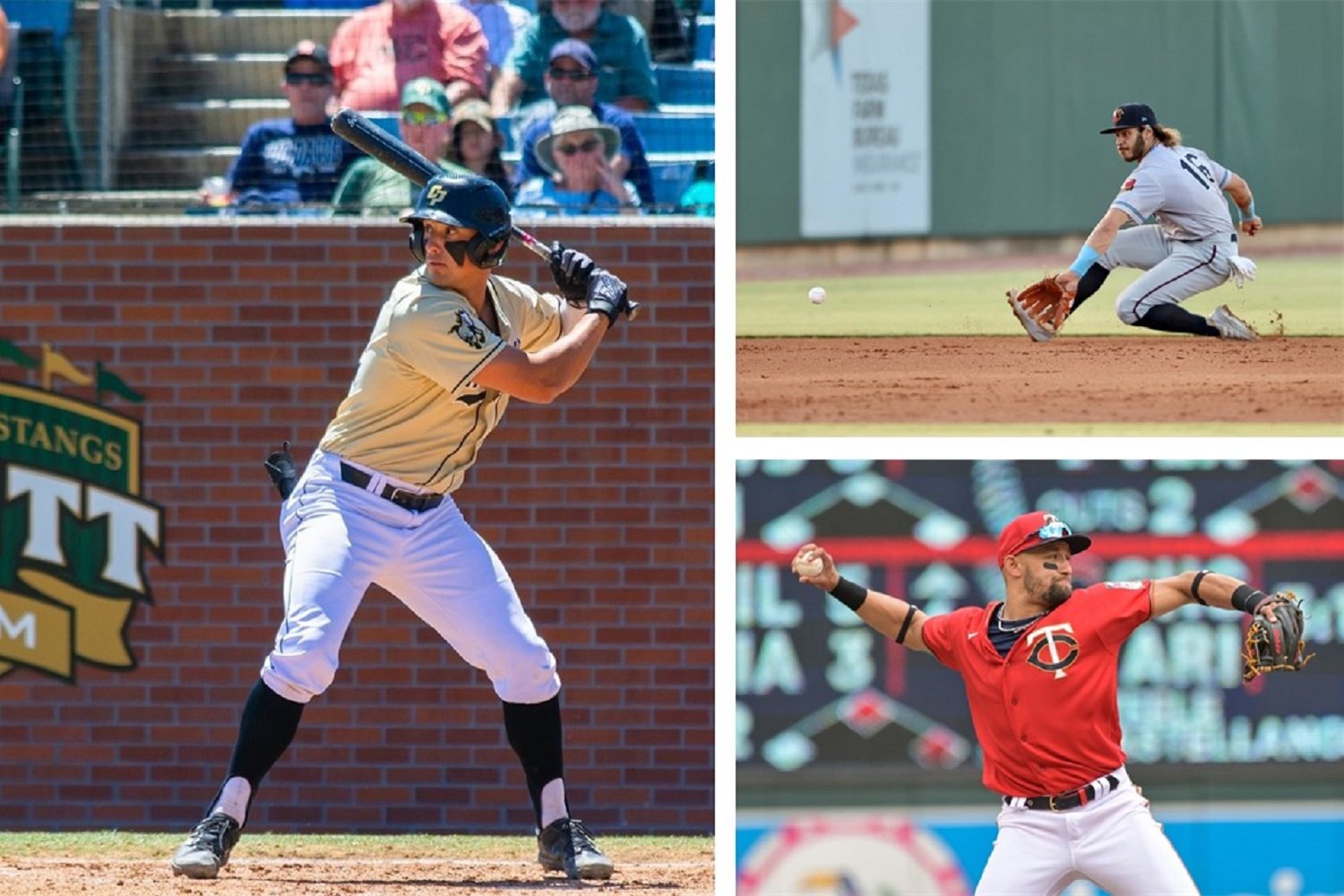 Prospect lists can be exciting, especially as the trade deadline approaches at the beginning of August. Contending teams must part with some of the top-rated prospects so they can add veteran pieces to their roster. Minnesota expects to be active in the trade market, and these are the prospects considered the best in the system. Royce Lewis, SS Minnesota saw the type of impact Royce Lewis could have on the big-league roster during his first call-up in 2022. In 12 games, he hit .300/.317/.550 (.867) with four doubles and two home runs. He was also destroying the baseball at Triple-A with a .940 OPS, which is tremendous considering the amount of time he missed during the 2020-21 seasons. He also made some solid defensive plays at shortstop, which may quiet some of his critics. Unfortunately, another knee injury means he is out until late June or July 2023. Lewis has gone through this rehab before, and the hope is he can return next season and look just as strong. Austin Martin, SS/OF Around this time last season, the Twins acquired Austin Martin as the centerpiece of a trade for Jose Berrios. He was a top-5 pick in the 2020 MLB Draft and considered the best college bat in his draft class. Martin's stock has dropped over the last two seasons as he has failed to showcase the power he had at Vanderbilt. He is repeating Double-A this season, but he is putting up career lows in nearly every category. In 63 games, he is hitting .249/.378/.313 (.691) with 11 extra-base hits. Martin is still over a year younger than the average age of the competition at his level. Emmanuel Rodriguez, CF Emmanuel Rodriguez was off to a tremendous start to the 2022 season as he firmly established himself as a breakout prospect. As a 19-year-old, he hit .272/.493/.552 (1.044) with 17 extra-base hits in 47 games. What makes his performance even more impressive is the fact that Rodriguez was over two years younger than the average age of the competition in the Florida State League. Unfortunately, he tore the meniscus in his right knee when sliding into a base in the middle of June. Rodriguez is out for the season, but he's certainly in the conversation as one of the team's best overall prospects. Brooks Lee, SS Minnesota's front office was ecstatic when the draft board played out in their favor, and Brooks Lee was still on the board. Baseball America ranked Lee as the second-best prospect in the draft, and the Twins snagged him with the eighth overall pick. He has tremendous bat-to-ball skills as he hit .357/.462/.644 (1.106) with 15 homers and 25 doubles in 58 games during his junior season. Defensively, there are questions about whether he can stick at shortstop, but his bat will play at any defensive position. Lee is similar to Martin in their draft position and strong hitting reputations from college. As he enters the Twins system, few prospects will compare to Lee and his overall potential. Other names are certainly in the conversation at the top of the Twins system. Second-round pick Connor Prielipp was the potential number one pick in this year's draft before missing the season due to Tommy John surgery. Spencer Steer has been dominating the upper levels of the minors as he is a frontrunner for the team's minor league player of the year. Cody's Current Top-5 Twins Prospects 1. Royce Lewis 2. Brooks Lee 3. Austin Martin 4. Emmanuel Rodriguez 5. Connor Prielipp How would you rank the names listed above? Does a different prospect make your top-5 list? Leave a COMMENT and start the discussion.
- 35 comments
-
- 4
-
-
- royce lewis
- austin martin
- (and 3 more)
-
2019 Twins Trade Deadline Review: Bolstering the Bomba Squad
Cody Christie posted an article in Twins
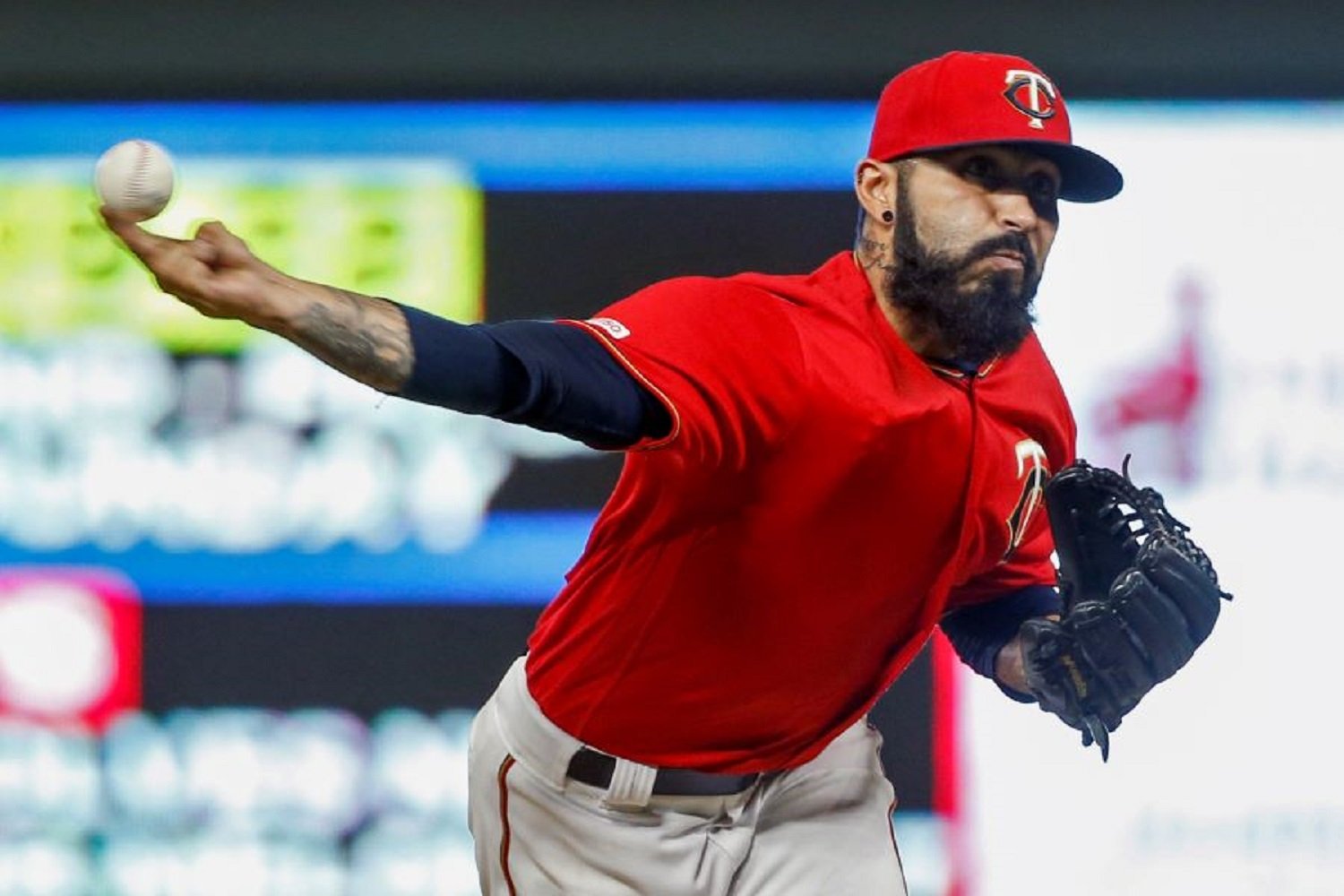 Derek Falvey and Thad Levine took over Minnesota's baseball operations department leading into the 2017 season. Each season has taken on a different feel, but they have a track record of making moves at the trade deadline. This series will look back at each trade deadline under this regime. With the 2019 trade deadline approaching, the Twins were in a much different situation than the previous year as the club won over 100 games. At the 2018 deadline, Minnesota cleaned house and made multiple moves that still impact the 2022 roster. Many fans wanted the Twins to acquire a frontline starting pitcher, but few starters were moved at the deadline. This left Minnesota with holes in the bullpen that needed to be addressed. Trade 1 (July 27, 2019) Twins Receive: P Sergio Romo, P Chris Vallimont Marlins Receive: 1B/DH Lewin Diaz Sergio Romo brought new energy to the Twins clubhouse and veteran leadership to the bullpen. He had been a critical component of three World Championship teams in San Francisco. He posted a 3.18 ERA and a 0.93 WHIP down the stretch while posting a 10.7 K/9. Minnesota liked him so much they brought him back for the 2020 season, where he was a key part of the bullpen that won a second straight AL Central title. Chris Vallimont topped out at Double-A in the Twins' system, and Baltimore claimed him off waivers in May. Lewin Diaz had put himself back on the prospect map leading into the deadline, but he's struggled to stick at the big-league level. In 57 games, he has a 60 OPS+ with 50 strikeouts and 16 extra-base hits. Trade 2 (July 31, 2019) Twins Receive: P Sam Dyson Giants Receive: P Prelander Berroa, P Kai-Wei Teng, OF Jaylin Davis Sam Dyson was having a solid season as a reliever for the Giants before the Twins snagged him in a last-minute deal. Dyson had posted a 2.47 ERA with 0.90 WHIP in 49 appearances. Things didn't go as smoothly after he joined the Twins, as he allowed nine earned runs in 11 1/3 innings. Dyson went on the IL twice with the Twins and revealed he had been pitching through discomfort since mid-July. Minnesota even asked the Giants if they knew about the injury at the time of the trade. MLB also began investigating Dyson in 2019 after an ex-girlfriend accused him of multiple forms of domestic violence. MLB suspended Dyson for the 2021 season, but he hasn't appeared in a game since 2019. Prelander Berroa is at High-A in the Mariners organization, with a 2.42 ERA and a 1.16 WHIP in 12 starts. He's over a year younger than the competition, so he still has a chance to continue developing. Kai-Wei Teng has a 4.96 ERA, and a 1.51 WHIP in 18 Double-A starts in the Giants organization. Jaylin Davis has played 28 big-league games with the Giants and Red Sox. For his career, he has a 40 OPS+ with three extra-base hits in 67 at-bats. The 2019 trade deadline might be similar to what will occur in 2022. It would be great for the team to acquire a frontline starter, but this front office hasn't been willing to pay the high price in the past. Minnesota will likely find multiple bullpen pieces to add to the mix, and hopefully, the results are closer to Romo than Dyson. What do you remember most about the 2019 trade deadline? Leave a COMMENT and start the discussion. OTHER POSTS IN THE SERIES -2017 Trade Deadline -2018 Trade Deadline
 -
The 2019 Twins roster was firing on all cylinders, so the trade deadline offered the team an opportunity to supplement the roster. How would the acquired players help the Bomba Squad? Derek Falvey and Thad Levine took over Minnesota's baseball operations department leading into the 2017 season. Each season has taken on a different feel, but they have a track record of making moves at the trade deadline. This series will look back at each trade deadline under this regime. With the 2019 trade deadline approaching, the Twins were in a much different situation than the previous year as the club won over 100 games. At the 2018 deadline, Minnesota cleaned house and made multiple moves that still impact the 2022 roster. Many fans wanted the Twins to acquire a frontline starting pitcher, but few starters were moved at the deadline. This left Minnesota with holes in the bullpen that needed to be addressed. Trade 1 (July 27, 2019) Twins Receive: P Sergio Romo, P Chris Vallimont Marlins Receive: 1B/DH Lewin Diaz Sergio Romo brought new energy to the Twins clubhouse and veteran leadership to the bullpen. He had been a critical component of three World Championship teams in San Francisco. He posted a 3.18 ERA and a 0.93 WHIP down the stretch while posting a 10.7 K/9. Minnesota liked him so much they brought him back for the 2020 season, where he was a key part of the bullpen that won a second straight AL Central title. Chris Vallimont topped out at Double-A in the Twins' system, and Baltimore claimed him off waivers in May. Lewin Diaz had put himself back on the prospect map leading into the deadline, but he's struggled to stick at the big-league level. In 57 games, he has a 60 OPS+ with 50 strikeouts and 16 extra-base hits. Trade 2 (July 31, 2019) Twins Receive: P Sam Dyson Giants Receive: P Prelander Berroa, P Kai-Wei Teng, OF Jaylin Davis Sam Dyson was having a solid season as a reliever for the Giants before the Twins snagged him in a last-minute deal. Dyson had posted a 2.47 ERA with 0.90 WHIP in 49 appearances. Things didn't go as smoothly after he joined the Twins, as he allowed nine earned runs in 11 1/3 innings. Dyson went on the IL twice with the Twins and revealed he had been pitching through discomfort since mid-July. Minnesota even asked the Giants if they knew about the injury at the time of the trade. MLB also began investigating Dyson in 2019 after an ex-girlfriend accused him of multiple forms of domestic violence. MLB suspended Dyson for the 2021 season, but he hasn't appeared in a game since 2019. Prelander Berroa is at High-A in the Mariners organization, with a 2.42 ERA and a 1.16 WHIP in 12 starts. He's over a year younger than the competition, so he still has a chance to continue developing. Kai-Wei Teng has a 4.96 ERA, and a 1.51 WHIP in 18 Double-A starts in the Giants organization. Jaylin Davis has played 28 big-league games with the Giants and Red Sox. For his career, he has a 40 OPS+ with three extra-base hits in 67 at-bats. The 2019 trade deadline might be similar to what will occur in 2022. It would be great for the team to acquire a frontline starter, but this front office hasn't been willing to pay the high price in the past. Minnesota will likely find multiple bullpen pieces to add to the mix, and hopefully, the results are closer to Romo than Dyson. What do you remember most about the 2019 trade deadline? Leave a COMMENT and start the discussion. OTHER POSTS IN THE SERIES -2017 Trade Deadline -2018 Trade Deadline View full article
-
The Twins have had some great players throughout their franchise history, including multiple Hall of Famers. So, which players would make up the All-Time Twins All-Star Team? Every year around the Mid-Summer Classic, it can be fun to scroll through the list of former All-Stars for your favorite franchise. There are all-time great players, but there are also some less familiar names like John Roseboro, Ken Landreaux, and Dave Engle. It can be an entertaining review of team history to look back at All-Stars from yesteryear. I created an entire team roster in the roster below, but there were a few stipulations. Some players on the roster played multiple positions in their careers, but they had to be placed in the position from their All-Star season. Also, a player couldn’t be on the list multiple times. For instance, Johan Santana was great in the 2000s, but he only gets to be in the rotation once. Without further ado, here is the All-Time Twins All-Star Roster. Catcher: Joe Mauer (2009) Joe Mauer’s MVP season is one of the best overall seasons in franchise history. In franchise history, there have been seven other All-Star catchers, but none of them compare to Mauer. 1B: Rod Carew (1977) Rod Carew’s MVP season in 1977 is hard to top, even with other All-Star sluggers like Justin Morneau, Kent Hrbek, and Bob Allison. Luis Arraez made the 2022 All-Star team at first base, but Carew still gets the nod. 2B: Chuck Knoblauch (1996) Minnesota has only had three All-Stars at second base, including Carew, Knoblauch, and Brian Dozier. Fans may forget, but Knoblauch was one of baseball’s best players in the mid-90s as he was elected to the Mid-Summer Classic in four different years. 3B: Harmon Killebrew (1969) Harmon Killebrew made the All-Star team at three different positions, but third base was his best spot to crack this roster. During the 1969 season, he won his only MVP and led baseball in home runs (49) and RBI (140). SS: Zoilo Versalles (1965) The 1965 Twins were the first in franchise history to make the World Series, and Versalles can get forgotten among some of the other greats on that squad. He was awarded the AL MVP for his 1965 season, and he’s the only Twins shortstop to make multiple All-Star appearances. OF: Kirby Puckett (1988), Tony Oliva (1970), Byron Buxton (2022) For Twins fans, this might be a dream outfield. Kirby Puckett was a 10-time All-Star, and Baseball-Reference pegs his 1988 season as his most valuable (7.8 WAR). Tony Oliva made eight-straight All-Star appearances from 1964-1971, and he compiled a 7.0 WAR in 1970. Byron Buxton is on pace for his best season, and MLB awarded him with his first All-Star start. Other Twins outfielders in the conversation include Torii Hunter and Bob Allison. DH: Nelson Cruz (2021) Nelson Cruz is the only player in Twins history to be selected to the All-Star Game as a designated hitter. He combined for a 129 OPS+ and 32 home runs during the 2021 season. Rotation: Johan Santana (2004), Francisco Liriano (2006), Jack Morris (1991), Bert Blyleven (1973), Frank Viola (1988) It doesn’t get much more exciting than this starting rotation. Johan Santana was arguably the best pitcher on the planet in 2004. By 2006, Francisco Liriano joined Santana and was at the top of the baseball pitching world before his elbow gave out. Frank Viola won the World Series MVP in 1987 and was even better in 1988 by winning the AL Cy Young. Plus, there are two other Hall of Fame pitchers to add to the mix, including Jack Morris from his memorable World Series run and a young Bert Blyleven. Overall, this rotation is stacked. Bullpen: Rick Aguilera (1991), Joe Nathan (2004), Jeff Reardon (1988), Glen Perkins (2013), Eddie Guardado (2002) Minnesota has been lucky to be home to some of baseball’s best closers. Except for Reardon, all these relievers were selected for multiple All-Star Games. It’s hard to imagine the starters listed above needing much help from the bullpen, but this group was dominant in late-inning situations. Here is the updated list of the team’s All-Stars directly from the Twins. What changes would you make to this All-Star roster? Leave a COMMENT and start the discussion. View full article
-
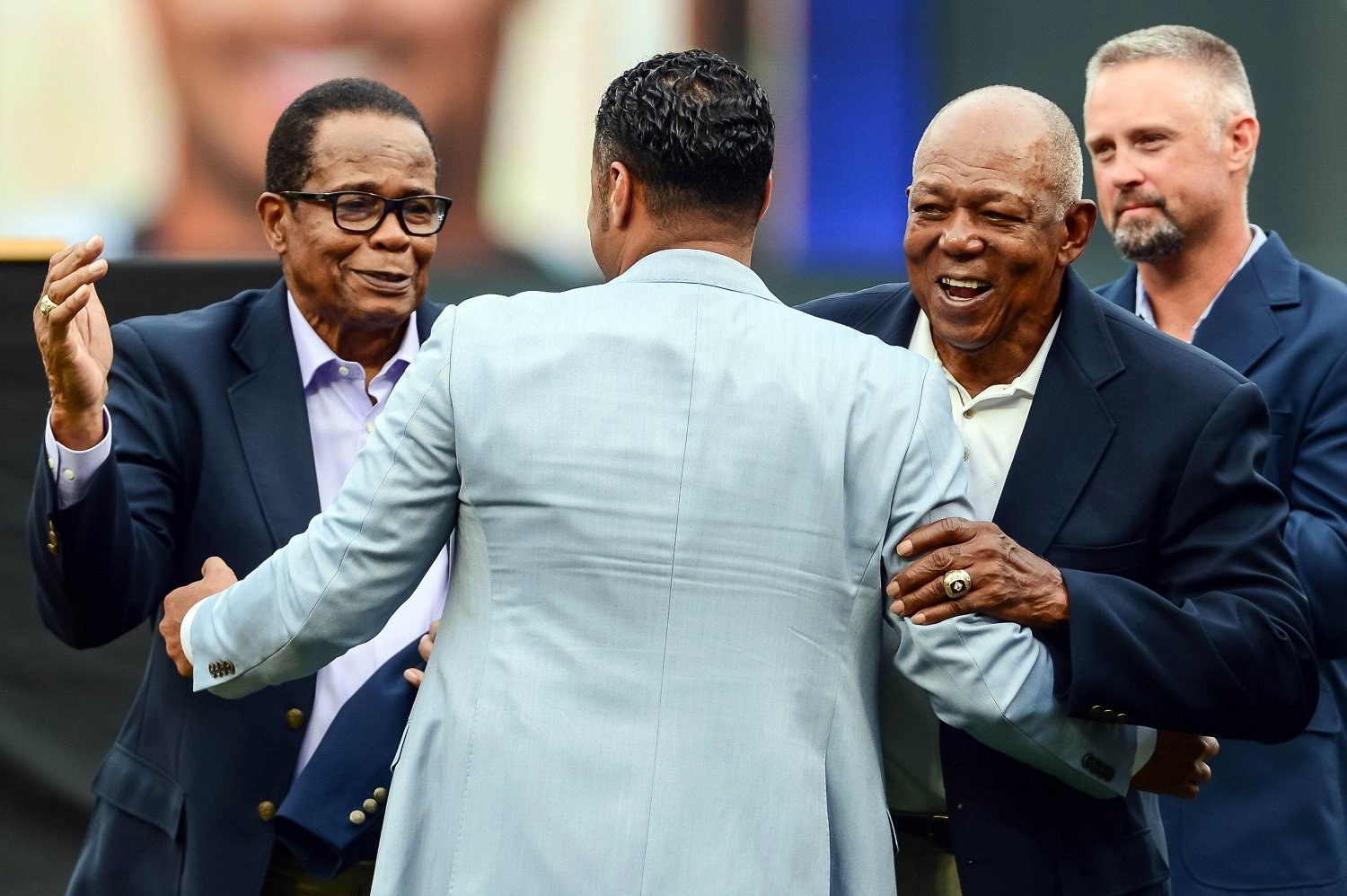 Every year around the Mid-Summer Classic, it can be fun to scroll through the list of former All-Stars for your favorite franchise. There are all-time great players, but there are also some less familiar names like John Roseboro, Ken Landreaux, and Dave Engle. It can be an entertaining review of team history to look back at All-Stars from yesteryear. I created an entire team roster in the roster below, but there were a few stipulations. Some players on the roster played multiple positions in their careers, but they had to be placed in the position from their All-Star season. Also, a player couldn’t be on the list multiple times. For instance, Johan Santana was great in the 2000s, but he only gets to be in the rotation once. Without further ado, here is the All-Time Twins All-Star Roster. Catcher: Joe Mauer (2009) Joe Mauer’s MVP season is one of the best overall seasons in franchise history. In franchise history, there have been seven other All-Star catchers, but none of them compare to Mauer. 1B: Rod Carew (1977) Rod Carew’s MVP season in 1977 is hard to top, even with other All-Star sluggers like Justin Morneau, Kent Hrbek, and Bob Allison. Luis Arraez made the 2022 All-Star team at first base, but Carew still gets the nod. 2B: Chuck Knoblauch (1996) Minnesota has only had three All-Stars at second base, including Carew, Knoblauch, and Brian Dozier. Fans may forget, but Knoblauch was one of baseball’s best players in the mid-90s as he was elected to the Mid-Summer Classic in four different years. 3B: Harmon Killebrew (1969) Harmon Killebrew made the All-Star team at three different positions, but third base was his best spot to crack this roster. During the 1969 season, he won his only MVP and led baseball in home runs (49) and RBI (140). SS: Zoilo Versalles (1965) The 1965 Twins were the first in franchise history to make the World Series, and Versalles can get forgotten among some of the other greats on that squad. He was awarded the AL MVP for his 1965 season, and he’s the only Twins shortstop to make multiple All-Star appearances. OF: Kirby Puckett (1988), Tony Oliva (1970), Byron Buxton (2022) For Twins fans, this might be a dream outfield. Kirby Puckett was a 10-time All-Star, and Baseball-Reference pegs his 1988 season as his most valuable (7.8 WAR). Tony Oliva made eight-straight All-Star appearances from 1964-1971, and he compiled a 7.0 WAR in 1970. Byron Buxton is on pace for his best season, and MLB awarded him with his first All-Star start. Other Twins outfielders in the conversation include Torii Hunter and Bob Allison. DH: Nelson Cruz (2021) Nelson Cruz is the only player in Twins history to be selected to the All-Star Game as a designated hitter. He combined for a 129 OPS+ and 32 home runs during the 2021 season. Rotation: Johan Santana (2004), Francisco Liriano (2006), Jack Morris (1991), Bert Blyleven (1973), Frank Viola (1988) It doesn’t get much more exciting than this starting rotation. Johan Santana was arguably the best pitcher on the planet in 2004. By 2006, Francisco Liriano joined Santana and was at the top of the baseball pitching world before his elbow gave out. Frank Viola won the World Series MVP in 1987 and was even better in 1988 by winning the AL Cy Young. Plus, there are two other Hall of Fame pitchers to add to the mix, including Jack Morris from his memorable World Series run and a young Bert Blyleven. Overall, this rotation is stacked. Bullpen: Rick Aguilera (1991), Joe Nathan (2004), Jeff Reardon (1988), Glen Perkins (2013), Eddie Guardado (2002) Minnesota has been lucky to be home to some of baseball’s best closers. Except for Reardon, all these relievers were selected for multiple All-Star Games. It’s hard to imagine the starters listed above needing much help from the bullpen, but this group was dominant in late-inning situations. Here is the updated list of the team’s All-Stars directly from the Twins. What changes would you make to this All-Star roster? Leave a COMMENT and start the discussion.
- 17 comments
-
- 4
-
-
- johan santana
- joe mauer
- (and 3 more)
-
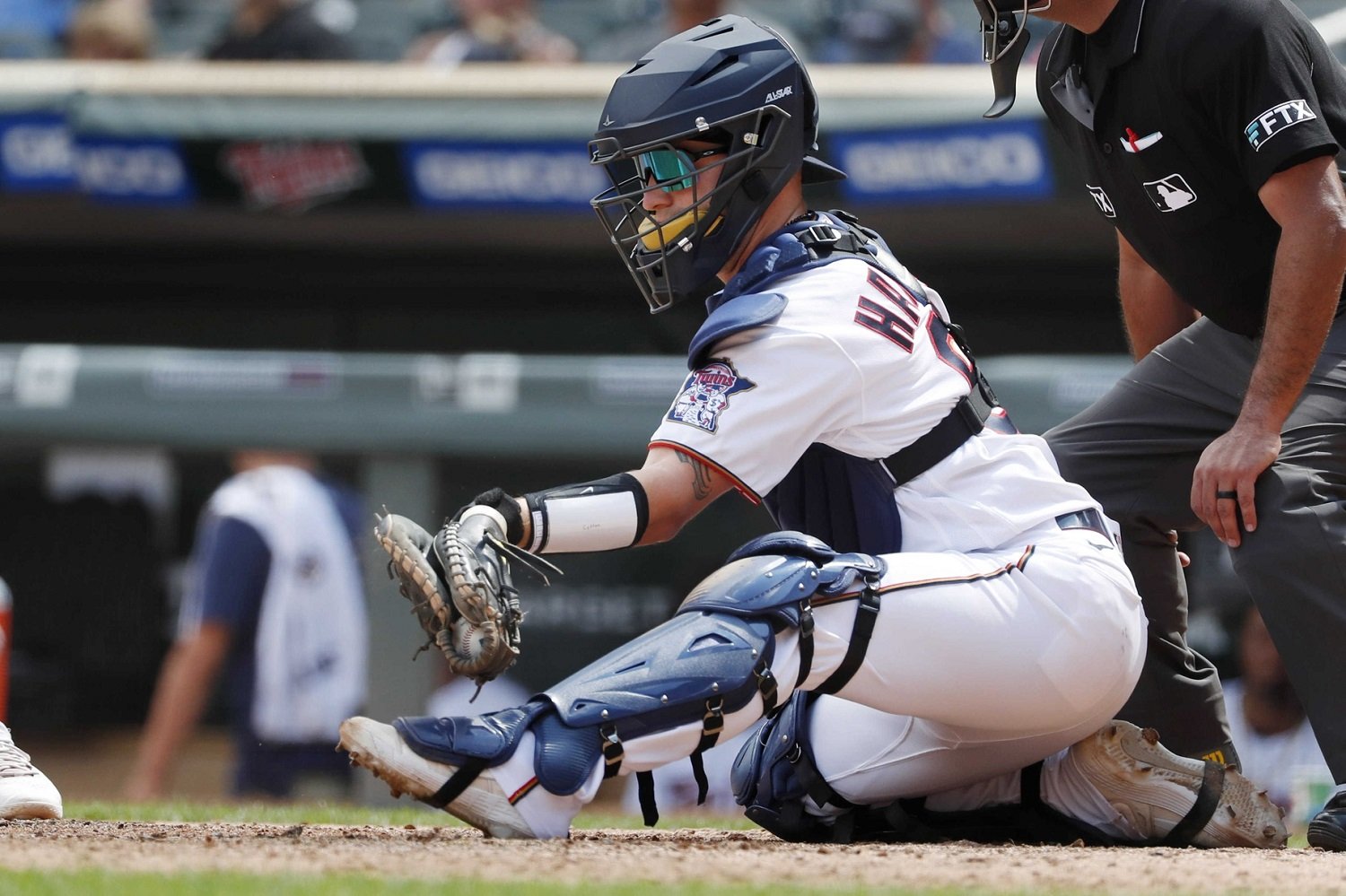 Minnesota selected Caleb Hamilton in the 23rd round of the 2016 MLB Draft from Oregon State University. In three collegiate seasons, he hit .223/.326/.314 (.640) with 23 extra-base hits in 149 games. Defensively, he played six different positions in college but didn't log a single inning at catcher. The Twins slowly transitioned him into his catching duties during his professional career. After signing, the Twins sent Hamilton to Elizabethton, where he hit .207/.351/.329 (.680) in 45 games. The E-Twins used him in all three outfield positions as well as time at third base, second base, and shortstop. He showcased his defensive versatility, which continued to increase as he moved up the organizational ladder. In the 2017 season, Hamilton moved up to Cedar Rapids, where most of his defensive innings came at catcher (348 innings). He played over 100 innings at third base and left field while also being used sparingly at first and second base. Offensively, he posted some of the best numbers of his career as he hit .222/.342/.394 (.736) with 31 extra-base hits in 92 games. He was adding new dimensions to his game and putting himself on the prospect map. **** Click here for past Twins Daily articles that Caleb Hamilton has been tagged in. *** Hamilton continued his steady climb in 2018 as the Twins assigned him to High-A. At Fort Myers, his offensive numbers dipped compared to 2017. In 91 games, he hit .205/.288/.323 (.611) with 25 extra-base hits and a 72-to-36 strikeout to walk ratio. Hamilton started 66 games at catcher and logged over 550 innings for the first time in his career. He continued to get time at third base as he played 175 innings at the hot corner. During his age-24 season, Hamilton split time between Double- and Triple-A. He spent less time catching (400 1/3 innings) and more time getting regular reps at third base (356 2/3 innings). For the season, he got on base over 31% of the time and combined for a .660 OPS. Missing the entire 2020 season impacted players differently, and Hamilton was reaching a critical point in his prospect development. **** Click here for a Get to Know 'Em Podcast interview that includes Caleb Hamilton from November 2019... **** As the 2021 season began, Hamilton struggled to find his swing, especially when he got called up to Triple-A. In 67 Double-A games, he hit .192/.327/.360 (.686) with eight doubles and eight home runs. In St. Paul, he went 3-for-29 (.103 BA) with 11 strikeouts in 11 games. He continued to play catcher while also getting regular time at first base. Even though he was at Triple-A, Hamilton had to feel like he was a long way from making the big leagues. So far in 2022, Hamilton has looked like a completely different player at the plate. In 49 games at Triple-A, he hit .252/.387/.491 (.877) with eight doubles and ten home runs. He's also improved at controlling the strike zone with a 54-to-35 strikeout to walk ratio. He's getting walked in 18% of his at-bats, and he has a career-high ten home runs. Minnesota will get a more extended look at Hamilton over the next two months due to the Jeffers injury. Hopefully, he will be able to transition his newly found power stroke to baseball's highest level. What do you remember about Hamilton's professional career? Leave a COMMENT and start the discussion.
 -
Ryan Jeffers is out six to eight weeks, so Caleb Hamilton will get his first shot at the big-league level. Now, he's going to be starting some critical second-half games for the Twins. Let's look back at his professional career. Minnesota selected Caleb Hamilton in the 23rd round of the 2016 MLB Draft from Oregon State University. In three collegiate seasons, he hit .223/.326/.314 (.640) with 23 extra-base hits in 149 games. Defensively, he played six different positions in college but didn't log a single inning at catcher. The Twins slowly transitioned him into his catching duties during his professional career. After signing, the Twins sent Hamilton to Elizabethton, where he hit .207/.351/.329 (.680) in 45 games. The E-Twins used him in all three outfield positions as well as time at third base, second base, and shortstop. He showcased his defensive versatility, which continued to increase as he moved up the organizational ladder. In the 2017 season, Hamilton moved up to Cedar Rapids, where most of his defensive innings came at catcher (348 innings). He played over 100 innings at third base and left field while also being used sparingly at first and second base. Offensively, he posted some of the best numbers of his career as he hit .222/.342/.394 (.736) with 31 extra-base hits in 92 games. He was adding new dimensions to his game and putting himself on the prospect map. **** Click here for past Twins Daily articles that Caleb Hamilton has been tagged in. *** Hamilton continued his steady climb in 2018 as the Twins assigned him to High-A. At Fort Myers, his offensive numbers dipped compared to 2017. In 91 games, he hit .205/.288/.323 (.611) with 25 extra-base hits and a 72-to-36 strikeout to walk ratio. Hamilton started 66 games at catcher and logged over 550 innings for the first time in his career. He continued to get time at third base as he played 175 innings at the hot corner. During his age-24 season, Hamilton split time between Double- and Triple-A. He spent less time catching (400 1/3 innings) and more time getting regular reps at third base (356 2/3 innings). For the season, he got on base over 31% of the time and combined for a .660 OPS. Missing the entire 2020 season impacted players differently, and Hamilton was reaching a critical point in his prospect development. **** Click here for a Get to Know 'Em Podcast interview that includes Caleb Hamilton from November 2019... **** As the 2021 season began, Hamilton struggled to find his swing, especially when he got called up to Triple-A. In 67 Double-A games, he hit .192/.327/.360 (.686) with eight doubles and eight home runs. In St. Paul, he went 3-for-29 (.103 BA) with 11 strikeouts in 11 games. He continued to play catcher while also getting regular time at first base. Even though he was at Triple-A, Hamilton had to feel like he was a long way from making the big leagues. So far in 2022, Hamilton has looked like a completely different player at the plate. In 49 games at Triple-A, he hit .252/.387/.491 (.877) with eight doubles and ten home runs. He's also improved at controlling the strike zone with a 54-to-35 strikeout to walk ratio. He's getting walked in 18% of his at-bats, and he has a career-high ten home runs. Minnesota will get a more extended look at Hamilton over the next two months due to the Jeffers injury. Hopefully, he will be able to transition his newly found power stroke to baseball's highest level. What do you remember about Hamilton's professional career? Leave a COMMENT and start the discussion. View full article
-
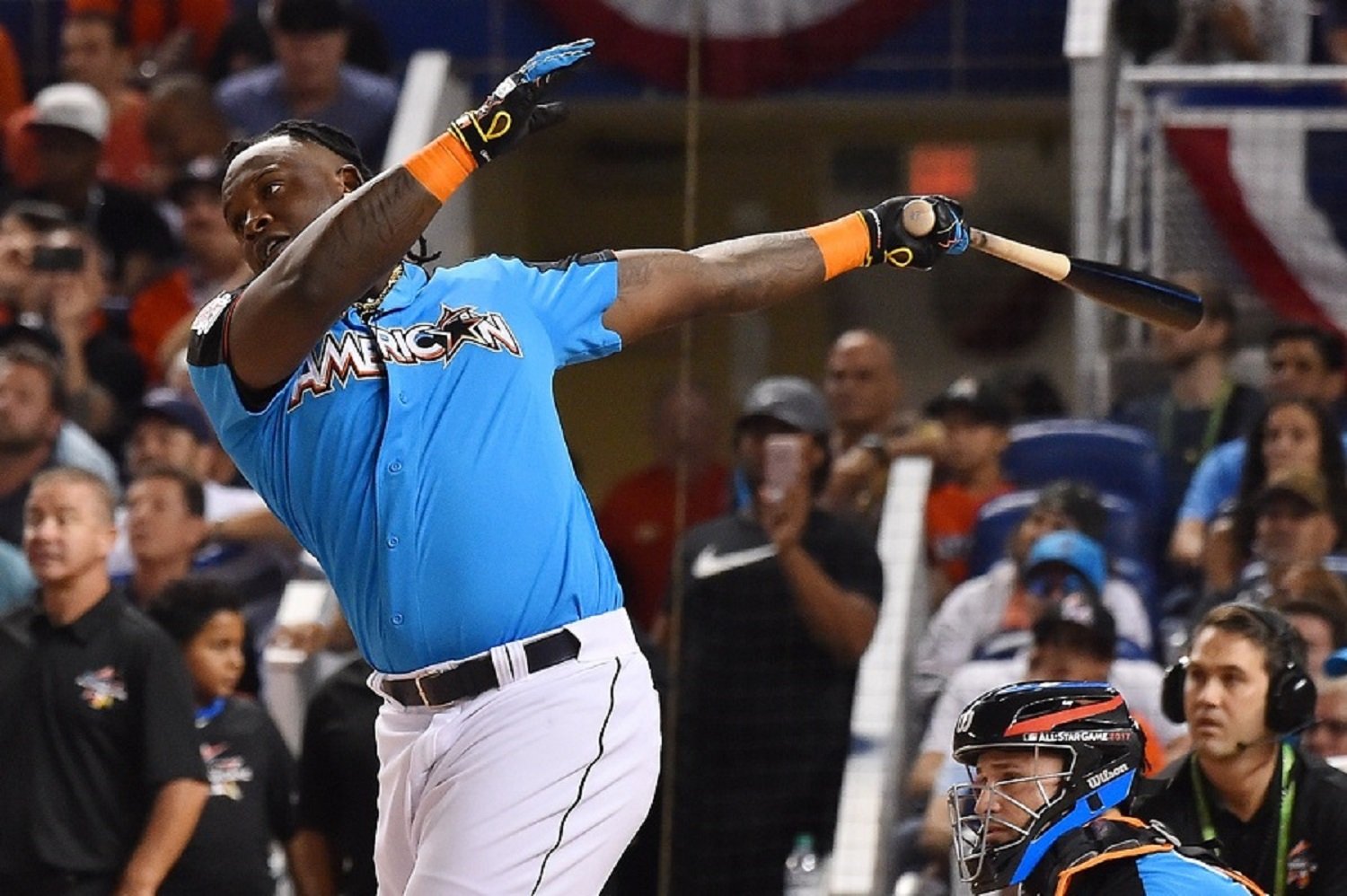 The Twins had an opportunity to add to this list during the 2022 Home Run Derby, but Byron Buxton turned down an invitation to participate. Buxton wasn't the only player to turn down an invite, as some All-Stars need to get as much rest as possible even when attending the week's festivities. Still, there are plenty of other Home Run Derby moments that some fans may or may not remember. 5. Joe Mauer Holds His Own Fans don't typically associate Joe Mauer with home runs, but his sweet swing can produce power. During his MVP season, Mauer was selected to participate in the Home Run Derby in St. Louis. He missed the second-round cut after losing a swing-off to Carlos Pena and Albert Pujols. Former Twin Nelson Cruz finished second in the Derby to Milwaukee's Prince Fielder. 4. Metrodome Hosts First Official Home Run Derby At the 1985 All-Star Game, Minnesota hosted the Mid-Summer Classic for the second time. Part of these hosting duties included hosting the first HR Derby. Since then, the Derby has come a long way with the hype on TV and social media and tons of sponsorships. Dave Parker was named the champion with six home runs, while Minnesota's Tom Brunansky finished tied for second with four homers. 3. Miguel Sano Falls Short in Final In his only All-Star appearance, Miguel Sano finished one home run behind Aaron Judge in the 2017 HR Derby Final. Sano had clobbered 21 home runs during the first half, so he was a deserving participant. He showed up on the big stage and had a chance to be the club's second HR Derby champion. Current Twin Gary Sanchez was one of the players Sano had to defeat to make the final. 2. Target Field Provides Picture Perfect Derby Backdrop The 2014 All-Star Game festivities occurred at Target Field, and the HR Derby line-up included multiple current and former Twins. Brian Dozier got to represent Minnesota, but he struggled and only hit two home runs. Other Twins-related contestants were former Twin Justin Morneau and future Twin Josh Donaldson. Yoenis Cespedes walked away with the title, and a passing storm provided a full rainbow over the stadium. 1. Justin Morneau Upsets Josh Hamilton's Show Justin Morneau is the only player in franchise history to compete in multiple Home Run Derbies. In the 2007 Derby, he finished fifth and missed the cut to make the second round. He returned in 2008 and got an upset win at Yankee Stadium. Josh Hamilton smashed 28 home runs in the first round, but Morneau was more rested and took home the title. It's the franchise's only HR Derby win, and it came from one of the best power hitters in franchise history. What do you remember about the Home Run Derbies mentioned above? Leave a COMMENT and start the discussion.
- 3 comments
-
- 1
-
-
- justin morneau
- joe mauer
- (and 3 more)
-
Monday night is one of the most exciting parts of the All-Star Game as sluggers from both leagues look to be crowned Home Run Derby champion. Here are the best Minnesota moments from the Derby. The Twins had an opportunity to add to this list during the 2022 Home Run Derby, but Byron Buxton turned down an invitation to participate. Buxton wasn't the only player to turn down an invite, as some All-Stars need to get as much rest as possible even when attending the week's festivities. Still, there are plenty of other Home Run Derby moments that some fans may or may not remember. 5. Joe Mauer Holds His Own Fans don't typically associate Joe Mauer with home runs, but his sweet swing can produce power. During his MVP season, Mauer was selected to participate in the Home Run Derby in St. Louis. He missed the second-round cut after losing a swing-off to Carlos Pena and Albert Pujols. Former Twin Nelson Cruz finished second in the Derby to Milwaukee's Prince Fielder. 4. Metrodome Hosts First Official Home Run Derby At the 1985 All-Star Game, Minnesota hosted the Mid-Summer Classic for the second time. Part of these hosting duties included hosting the first HR Derby. Since then, the Derby has come a long way with the hype on TV and social media and tons of sponsorships. Dave Parker was named the champion with six home runs, while Minnesota's Tom Brunansky finished tied for second with four homers. 3. Miguel Sano Falls Short in Final In his only All-Star appearance, Miguel Sano finished one home run behind Aaron Judge in the 2017 HR Derby Final. Sano had clobbered 21 home runs during the first half, so he was a deserving participant. He showed up on the big stage and had a chance to be the club's second HR Derby champion. Current Twin Gary Sanchez was one of the players Sano had to defeat to make the final. 2. Target Field Provides Picture Perfect Derby Backdrop The 2014 All-Star Game festivities occurred at Target Field, and the HR Derby line-up included multiple current and former Twins. Brian Dozier got to represent Minnesota, but he struggled and only hit two home runs. Other Twins-related contestants were former Twin Justin Morneau and future Twin Josh Donaldson. Yoenis Cespedes walked away with the title, and a passing storm provided a full rainbow over the stadium. 1. Justin Morneau Upsets Josh Hamilton's Show Justin Morneau is the only player in franchise history to compete in multiple Home Run Derbies. In the 2007 Derby, he finished fifth and missed the cut to make the second round. He returned in 2008 and got an upset win at Yankee Stadium. Josh Hamilton smashed 28 home runs in the first round, but Morneau was more rested and took home the title. It's the franchise's only HR Derby win, and it came from one of the best power hitters in franchise history. What do you remember about the Home Run Derbies mentioned above? Leave a COMMENT and start the discussion. View full article
-
Minnesota's front office didn't mess around at the 2018 trade deadline. Take a look back at the talent acquired during the last week in July. Derek Falvey and Thad Levine took over Minnesota's baseball operations department leading into the 2017 season. Each season has taken on a different feel, but they have a track record of making moves at the trade deadline. This series will look back at each trade deadline under this regime. Minnesota surprised many by being in contention during the 2017 season, with their front office shifting between buying and selling at the deadline. The 2018 season was a little easier because the team was below .500 but ended up in second place in the AL Central. The Twins made multiple moves before the deadline, and the big-league roster still feels these trades' impacts. Trade 1 (July 27, 2018) Twins Receive: OF Ernie De La Trinidad, P Jhoan Duran, OF Gabriel Maciel Diamondbacks Receive: INF Eduardo Escobar Escobar was on an expiring contract, so it made sense to deal the veteran who was in the middle of a tremendous season. Duran has turned into the team's dominant high-leverage reliever, which is more than enough for a couple of months of Escobar. De La Trinidad topped out at Double-A last season with the Twins, where he posted a .759 OPS in 80 games. Maciel played 73 games at Cedar Rapids last season with a .621 OPS. In December, he was selected in the minor-league Rule 5 draft by the Athletics organization and has a .733 OPS as he repeats High-A. Trade 2 (July 27, 2018) Twins Receive: P Jorge Alcala, OF Gilberto Celestino Astros Receive: P Ryan Pressly It was tough to see the Twins part with a reliever that wasn't on an expiring contract, but both prospects in the deal were viewed highly by evaluators. Pressly has stayed in Houston for the remainder of his career while turning into one of baseball's best late-inning arms. Alcala posted decent numbers as a reliever last season, and the team hopes he can return this year to help a struggling bullpen. Celestino has proven his value to the club as a strong center-field defender to complement a decent bat. Minnesota acquired two big-league assets for 14 months of Pressly, so this deal looks great for both teams. Trade 3 (July 30, 2018) Twins Receive: P Chase De Jong, 1B/3B Ryan Costello Seattle Receive: P Zach Duke Duke was a strong left-handed specialist at a time when relievers could face fewer than three batters. Following the trade, he posted a 5.52 ERA in 27 appearances. De Jong made five appearances with the Twins and allowed 11 earned runs in 18 2/3 innings. During the 2022 season, he found a role in the Pirates bullpen, having a 2.25 ERA and a 1.00 WHIP in 32 innings. Costello posted a .755 OPS between High- and Double-A during the 2019 season. Tragically, he passed away on November 18, 2019, from a sudden cardiac arrhythmia. (Learn more about The RC13 Foundation here.) Trade 4 (July 30, 2018) Twins Receive: 1B/OF Tyler Austin, P Luis Rijo Yankees Receive: P Lance Lynn Lynn has evolved into one of baseball's best pitchers over the last four seasons, but he was terrible for the Twins in 2018. It made sense to deal with his expiring contract, and the returning players offered some intrigue. Austin played parts of two seasons with the Twins and posted a .786 OPS. Rijo has been limited to nine appearances over the last two seasons as he dealt with right elbow UCL reconstruction. He is currently rehabbing with the FCL Twins. Trade 5 (July 31, 2018) Twins Receive: 2B Logan Forsythe, OF/1B Luke Raley, P Devin Smeltzer Dodgers Receive: 2B Brian Dozier One year after being vocal about the team trading away veterans, Dozier found himself dealt to a contender. After leaving the Twins, Dozier only played one more full season, but he won a World Series with the Nationals. Forsythe was included in the deal, so the Twins had someone to fill second base for the season's remaining games. Raley eventually was part of the Kenta Maeda trade as he returned to the Dodger organization. Smeltzer has been a surprise contributor to the Twins rotation in 2022. What do you remember about this trade deadline? Leave a COMMENT and start the discussion. OTHER POSTS IN THE SERIES -2017 Trade Deadline View full article
-
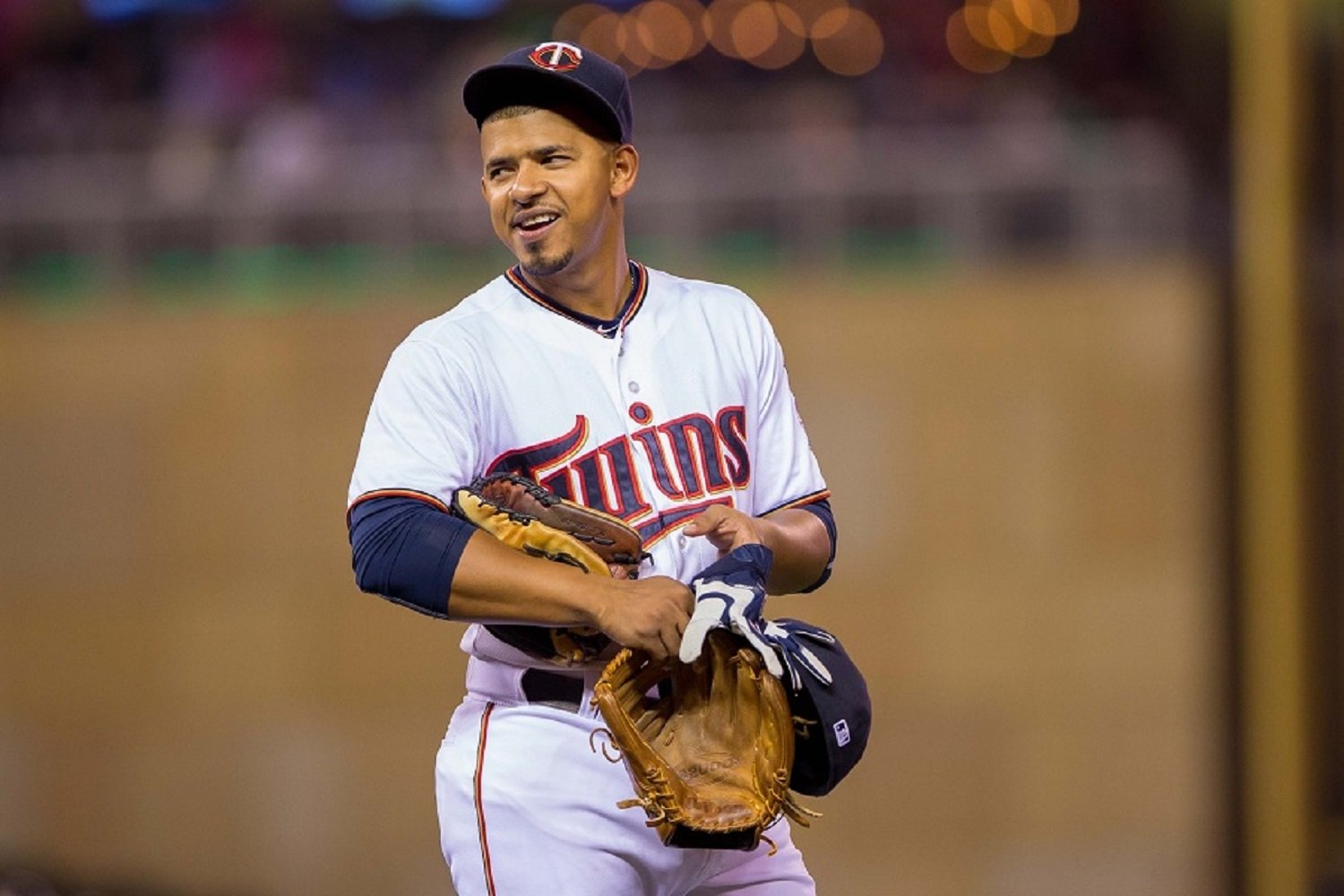 Derek Falvey and Thad Levine took over Minnesota's baseball operations department leading into the 2017 season. Each season has taken on a different feel, but they have a track record of making moves at the trade deadline. This series will look back at each trade deadline under this regime. Minnesota surprised many by being in contention during the 2017 season, with their front office shifting between buying and selling at the deadline. The 2018 season was a little easier because the team was below .500 but ended up in second place in the AL Central. The Twins made multiple moves before the deadline, and the big-league roster still feels these trades' impacts. Trade 1 (July 27, 2018) Twins Receive: OF Ernie De La Trinidad, P Jhoan Duran, OF Gabriel Maciel Diamondbacks Receive: INF Eduardo Escobar Escobar was on an expiring contract, so it made sense to deal the veteran who was in the middle of a tremendous season. Duran has turned into the team's dominant high-leverage reliever, which is more than enough for a couple of months of Escobar. De La Trinidad topped out at Double-A last season with the Twins, where he posted a .759 OPS in 80 games. Maciel played 73 games at Cedar Rapids last season with a .621 OPS. In December, he was selected in the minor-league Rule 5 draft by the Athletics organization and has a .733 OPS as he repeats High-A. Trade 2 (July 27, 2018) Twins Receive: P Jorge Alcala, OF Gilberto Celestino Astros Receive: P Ryan Pressly It was tough to see the Twins part with a reliever that wasn't on an expiring contract, but both prospects in the deal were viewed highly by evaluators. Pressly has stayed in Houston for the remainder of his career while turning into one of baseball's best late-inning arms. Alcala posted decent numbers as a reliever last season, and the team hopes he can return this year to help a struggling bullpen. Celestino has proven his value to the club as a strong center-field defender to complement a decent bat. Minnesota acquired two big-league assets for 14 months of Pressly, so this deal looks great for both teams. Trade 3 (July 30, 2018) Twins Receive: P Chase De Jong, 1B/3B Ryan Costello Seattle Receive: P Zach Duke Duke was a strong left-handed specialist at a time when relievers could face fewer than three batters. Following the trade, he posted a 5.52 ERA in 27 appearances. De Jong made five appearances with the Twins and allowed 11 earned runs in 18 2/3 innings. During the 2022 season, he found a role in the Pirates bullpen, having a 2.25 ERA and a 1.00 WHIP in 32 innings. Costello posted a .755 OPS between High- and Double-A during the 2019 season. Tragically, he passed away on November 18, 2019, from a sudden cardiac arrhythmia. (Learn more about The RC13 Foundation here.) Trade 4 (July 30, 2018) Twins Receive: 1B/OF Tyler Austin, P Luis Rijo Yankees Receive: P Lance Lynn Lynn has evolved into one of baseball's best pitchers over the last four seasons, but he was terrible for the Twins in 2018. It made sense to deal with his expiring contract, and the returning players offered some intrigue. Austin played parts of two seasons with the Twins and posted a .786 OPS. Rijo has been limited to nine appearances over the last two seasons as he dealt with right elbow UCL reconstruction. He is currently rehabbing with the FCL Twins. Trade 5 (July 31, 2018) Twins Receive: 2B Logan Forsythe, OF/1B Luke Raley, P Devin Smeltzer Dodgers Receive: 2B Brian Dozier One year after being vocal about the team trading away veterans, Dozier found himself dealt to a contender. After leaving the Twins, Dozier only played one more full season, but he won a World Series with the Nationals. Forsythe was included in the deal, so the Twins had someone to fill second base for the season's remaining games. Raley eventually was part of the Kenta Maeda trade as he returned to the Dodger organization. Smeltzer has been a surprise contributor to the Twins rotation in 2022. What do you remember about this trade deadline? Leave a COMMENT and start the discussion. OTHER POSTS IN THE SERIES -2017 Trade Deadline
- 9 comments
-
- 3
-
-
- eduardo escobar
- brian dozier
- (and 3 more)
-
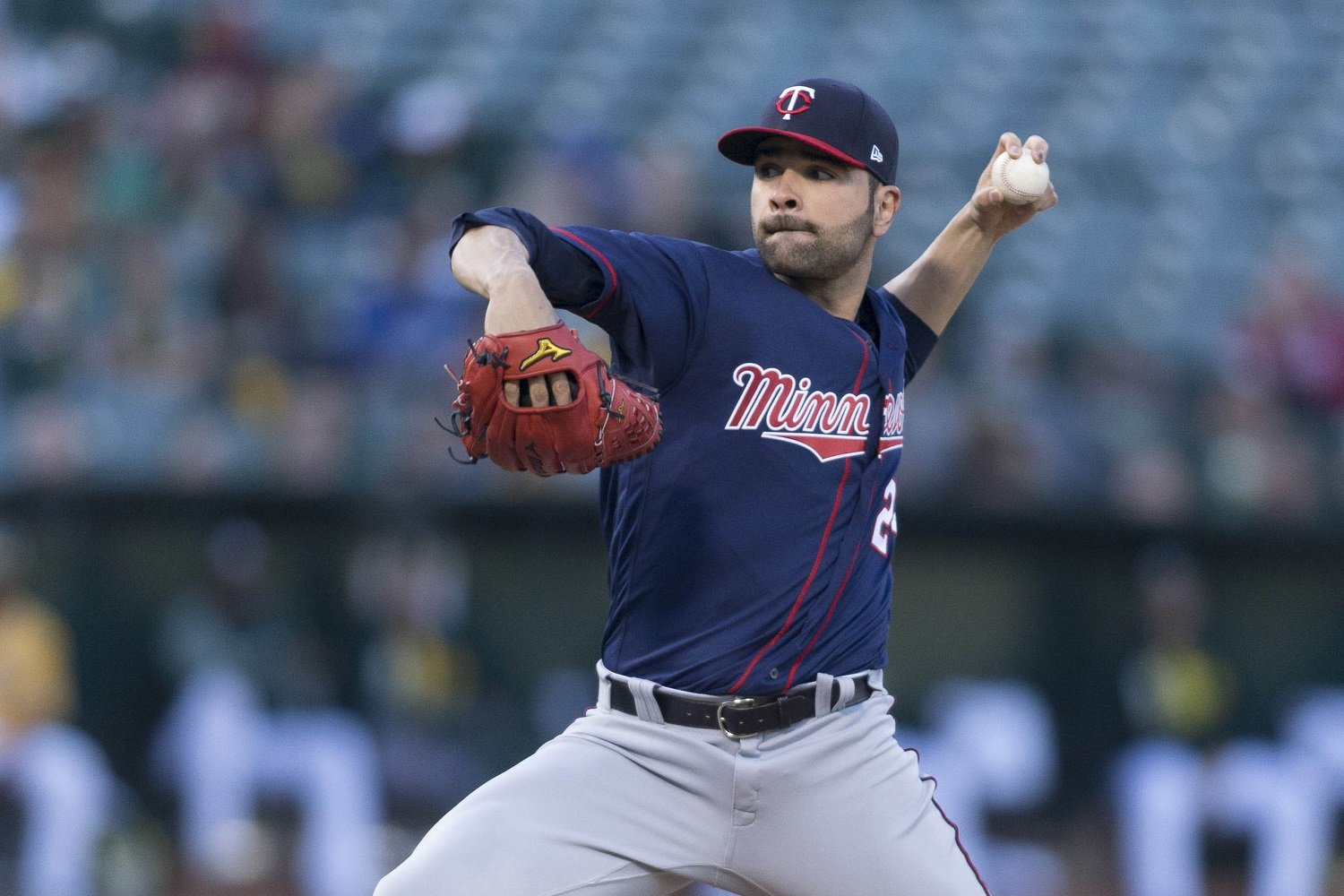 Derek Falvey and Thad Levine took over Minnesota’s baseball operations department leading into the 2017 season. Each season has taken on a different feel, but they have a track record of making moves at the trade deadline. This series will look back at each trade deadline under this regime. The 2017 season was an interesting trade deadline because it looked like the front office couldn’t decide if they were buyers or sellers. Minnesota started the deadline by dealing for a starting pitcher who they traded away after only one start. Only five AL teams finished with winning records, so they all made the playoffs, including the Twins, who lost to the Yankees in the AL Wild Card Game. Minnesota ended up being a contender, and here is how the trade deadline played out. Trade 1 (July 24, 2017) Twins Receive: P Jaime Garcia, C Anthony Recker Braves Receive: P Huascar Ynoa Garcia infamously pitched one game in a Twins uniform before being part of the trade package mentioned below. He allowed three earned runs over 6 2/3 innings in one start as the Twins defeated Oakland 6-3. Recker was a seven-year veteran at the time of the deal, but he never appeared in a big-league game with the Twins. Ynoa was a 19-year-old in rookie ball when the Braves acquired him. He’s made 31 big-league appearances over the last four seasons and posted a 5.22 ERA with a 1.32 WHIP. At the time, it looked like a strong trade for the Twins to help bolster their rotation for the stretch run. Trade 2 (July 27, 2017) Twins Receive: P Gabriel Moya Diamondbacks Receive: C John Ryan Murphy Murphy was the lone player the Twins received from the Yankees in the Aaron Hicks deal, but his Twins tenure only lasted one season. In 2017, Arizona dealt for him, and he played parts of three seasons with a 62 OPS+. Moya made all of his big-league appearances with the Twins as he posted a 4.64 ERA with a 1.29 WHIP. His 7.6 K/9 wasn’t enough to be effective as a reliever, and he was out of affiliated baseball after the 2019 season. Trade 3 (July 30, 2017) Twins Receive: P Zack Littell, P Dietrich Enns Yankees Receive: P Jaime Garcia, Plus $4 million Garcia’s Twins tenure was almost non-existent as Minnesota sent him to the Yankees, who would be the team’s eventual Wild Card opponent. Following the trade, Garcia made eight starts and posted a 4.82 ERA with a 1.63 WHIP. Evaluators viewed Littell as a strong pitching prospect, but the Twins moved him to the bullpen. He posted a 4.52 ERA with a 1.48 WHIP in 63 2/3 innings with Minnesota. Enns only appeared in two games (4 IP) for the Twins and allowed three earned runs on seven hits. In less than a week, the Twins had gone from buyers to sellers, which didn’t sit well with some players in the clubhouse. Trade 4 (July 31, 2017) Twins Receive: P Tyler Watson, Plus $500,000 in international bonus pool money Nationals Receive: P Brandon Kintzler Kintzler had been an All-Star for the Twins in 2017, so this move was another poor signal to a contending clubhouse. In 45 games before the trade, Kintzler had a 2.78 ERA with a 1.15 WHIP and 28 saves. Last season, Watson topped out at High-A in the Twins organization as a 24-year-old. He posted a 4.78 ERA and a 1.39 WHIP in 69 2/3 innings with the Kernels. What do you remember most about the 2017 trade deadline? Did all the moves motivate the team to become a contender? Should the team have kept Garcia and Kintzler? Leave a COMMENT and start the discussion.
 -
With the 2022 trade deadline approaching, has the current front office shown any trade deadline trends over the last five seasons? Derek Falvey and Thad Levine took over Minnesota’s baseball operations department leading into the 2017 season. Each season has taken on a different feel, but they have a track record of making moves at the trade deadline. This series will look back at each trade deadline under this regime. The 2017 season was an interesting trade deadline because it looked like the front office couldn’t decide if they were buyers or sellers. Minnesota started the deadline by dealing for a starting pitcher who they traded away after only one start. Only five AL teams finished with winning records, so they all made the playoffs, including the Twins, who lost to the Yankees in the AL Wild Card Game. Minnesota ended up being a contender, and here is how the trade deadline played out. Trade 1 (July 24, 2017) Twins Receive: P Jaime Garcia, C Anthony Recker Braves Receive: P Huascar Ynoa Garcia infamously pitched one game in a Twins uniform before being part of the trade package mentioned below. He allowed three earned runs over 6 2/3 innings in one start as the Twins defeated Oakland 6-3. Recker was a seven-year veteran at the time of the deal, but he never appeared in a big-league game with the Twins. Ynoa was a 19-year-old in rookie ball when the Braves acquired him. He’s made 31 big-league appearances over the last four seasons and posted a 5.22 ERA with a 1.32 WHIP. At the time, it looked like a strong trade for the Twins to help bolster their rotation for the stretch run. Trade 2 (July 27, 2017) Twins Receive: P Gabriel Moya Diamondbacks Receive: C John Ryan Murphy Murphy was the lone player the Twins received from the Yankees in the Aaron Hicks deal, but his Twins tenure only lasted one season. In 2017, Arizona dealt for him, and he played parts of three seasons with a 62 OPS+. Moya made all of his big-league appearances with the Twins as he posted a 4.64 ERA with a 1.29 WHIP. His 7.6 K/9 wasn’t enough to be effective as a reliever, and he was out of affiliated baseball after the 2019 season. Trade 3 (July 30, 2017) Twins Receive: P Zack Littell, P Dietrich Enns Yankees Receive: P Jaime Garcia, Plus $4 million Garcia’s Twins tenure was almost non-existent as Minnesota sent him to the Yankees, who would be the team’s eventual Wild Card opponent. Following the trade, Garcia made eight starts and posted a 4.82 ERA with a 1.63 WHIP. Evaluators viewed Littell as a strong pitching prospect, but the Twins moved him to the bullpen. He posted a 4.52 ERA with a 1.48 WHIP in 63 2/3 innings with Minnesota. Enns only appeared in two games (4 IP) for the Twins and allowed three earned runs on seven hits. In less than a week, the Twins had gone from buyers to sellers, which didn’t sit well with some players in the clubhouse. Trade 4 (July 31, 2017) Twins Receive: P Tyler Watson, Plus $500,000 in international bonus pool money Nationals Receive: P Brandon Kintzler Kintzler had been an All-Star for the Twins in 2017, so this move was another poor signal to a contending clubhouse. In 45 games before the trade, Kintzler had a 2.78 ERA with a 1.15 WHIP and 28 saves. Last season, Watson topped out at High-A in the Twins organization as a 24-year-old. He posted a 4.78 ERA and a 1.39 WHIP in 69 2/3 innings with the Kernels. What do you remember most about the 2017 trade deadline? Did all the moves motivate the team to become a contender? Should the team have kept Garcia and Kintzler? Leave a COMMENT and start the discussion. View full article
-
Josh Winder has been successful in multiple roles for the Twins this season. How can his role continue to evolve in the second half? Minnesota’s pitching staff will need an upgrade for the stretch run. Some injured players are scheduled to return, but the team can also be creative with current players on the roster. Josh Winder has shown plenty of positive signs this season, but the team may need to adjust his usage down the stretch. Here are the three options the club is facing, including pros and cons. Continue Starting Winder has been strong when asked to start games. He has limited opponents to a .630 OPS in five starts while posting a 1.71 ERA and a 1.10 WHIP. While those numbers look great, he has posted a 7.2 K/9 rate, which is acceptable compared to his overall results. His hard-hit % and barrel % rank in the 67th percentile or higher as opponents struggle to make consistent contact. Currently, Winder is filling the rotation spot vacated by Chris Archer, and Bailey Ober is inching closer to a return. If Minnesota wants to keep Winder stretched out, it allows some other starting pitchers to get more regular rest in the second half. It also doesn’t seem likely for Winder to be in the team’s playoff starting rotation, but one of the roles below may be a better fit for the stretch run. Long Relief Role Minnesota started Winder in a long-relief role to start the 2022 campaign because he impressed the club during spring training. For the season, he has made four relief appearances, but he’s only pitched 14 innings. He has allowed nine earned runs (including three home runs) with a 6-to-5 strikeout to walk ratio in four appearances. Opponents have gotten on base nearly 35% of the time with a .500 slugging percentage. He’s done poorly in this role, but it’s a small sample size, and he hasn’t had much previous experience in this type of role. If the team went in this direction, it would allow Winder to stay stretched out and help the team eat innings. Late-Inning Bullpen Option Nearly every fan has been clamoring for the front office to fix the bullpen. While Winder might not be an immediate fix, it’s intriguing to consider what he may be able to offer in one to two-inning appearances. Minnesota has seen fellow rookies Jhoan Duran and Griffin Jax succeed in the transition to the bullpen, and Winder might be able to follow their stylistic changes. Typically, pitchers can see an uptick in velocity when asked to throw fewer pitches, and this helps to make their secondary pitches even more effective. Also, Winder is likely on an innings limit for the season after dealing with shoulder problems in 2021 and missing time this year with a similar injury. Last season, he was limited to 72 innings, and he has already accumulated nearly 50 innings this season. It’s hard to know what the team’s needs will be in the coming weeks, and Winder’s role can be adjusted as the team maps out the season’s remaining games. He will continue starting games through July, but a shift to the bullpen seems like a no-brainer in the second half. What role do you feel will be best for Winder? Leave a COMMENT and start the discussion. View full article
-
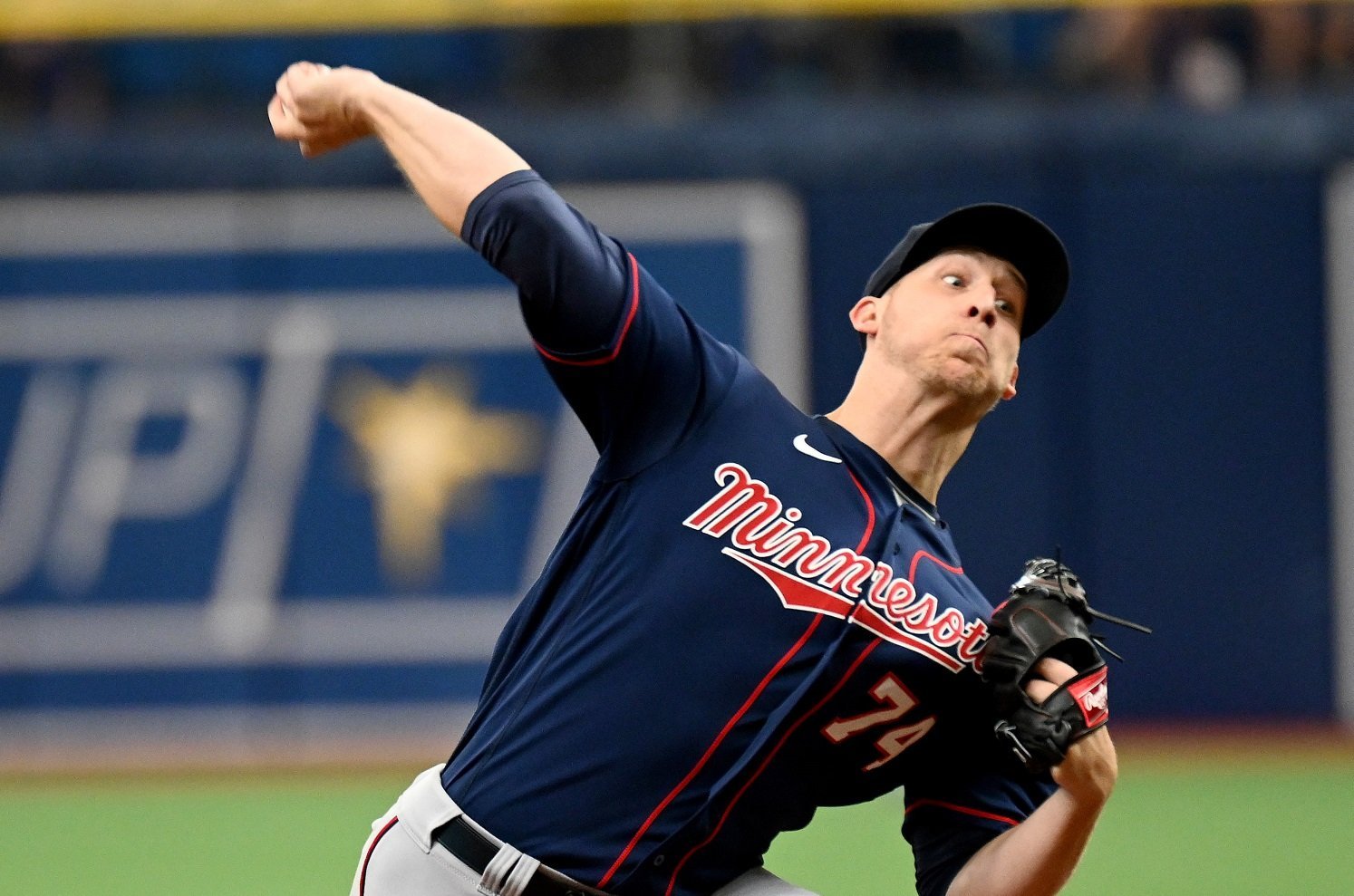 Minnesota’s pitching staff will need an upgrade for the stretch run. Some injured players are scheduled to return, but the team can also be creative with current players on the roster. Josh Winder has shown plenty of positive signs this season, but the team may need to adjust his usage down the stretch. Here are the three options the club is facing, including pros and cons. Continue Starting Winder has been strong when asked to start games. He has limited opponents to a .630 OPS in five starts while posting a 1.71 ERA and a 1.10 WHIP. While those numbers look great, he has posted a 7.2 K/9 rate, which is acceptable compared to his overall results. His hard-hit % and barrel % rank in the 67th percentile or higher as opponents struggle to make consistent contact. Currently, Winder is filling the rotation spot vacated by Chris Archer, and Bailey Ober is inching closer to a return. If Minnesota wants to keep Winder stretched out, it allows some other starting pitchers to get more regular rest in the second half. It also doesn’t seem likely for Winder to be in the team’s playoff starting rotation, but one of the roles below may be a better fit for the stretch run. Long Relief Role Minnesota started Winder in a long-relief role to start the 2022 campaign because he impressed the club during spring training. For the season, he has made four relief appearances, but he’s only pitched 14 innings. He has allowed nine earned runs (including three home runs) with a 6-to-5 strikeout to walk ratio in four appearances. Opponents have gotten on base nearly 35% of the time with a .500 slugging percentage. He’s done poorly in this role, but it’s a small sample size, and he hasn’t had much previous experience in this type of role. If the team went in this direction, it would allow Winder to stay stretched out and help the team eat innings. Late-Inning Bullpen Option Nearly every fan has been clamoring for the front office to fix the bullpen. While Winder might not be an immediate fix, it’s intriguing to consider what he may be able to offer in one to two-inning appearances. Minnesota has seen fellow rookies Jhoan Duran and Griffin Jax succeed in the transition to the bullpen, and Winder might be able to follow their stylistic changes. Typically, pitchers can see an uptick in velocity when asked to throw fewer pitches, and this helps to make their secondary pitches even more effective. Also, Winder is likely on an innings limit for the season after dealing with shoulder problems in 2021 and missing time this year with a similar injury. Last season, he was limited to 72 innings, and he has already accumulated nearly 50 innings this season. It’s hard to know what the team’s needs will be in the coming weeks, and Winder’s role can be adjusted as the team maps out the season’s remaining games. He will continue starting games through July, but a shift to the bullpen seems like a no-brainer in the second half. What role do you feel will be best for Winder? Leave a COMMENT and start the discussion.
 -
Major League Baseball recently announced the starters for the 2022 MLB All-Star Game. Two Twins players deserved to be among the starting nine, and here's how they stack up. With the All-Star Game approaching, the Twins are a division leader with multiple players leading the offensive charge. However, no Minnesota players were among the starters selected by the fans. This might not be a surprise as a popularity-style contest selects the starters, with players more well-known on the national stage getting the recognition. Still, an argument can be made for the Twins to have multiple starters. ESPN's Jeff Passan released his list of players he believes should start the All-Star Game, and two Twins make the cut. Byron Buxton gets the outfield start over New York's Giancarlo Stanton on his ballot. At first base, he has Luis Arraez making the start instead of Toronto's Vladamir Guerrero Jr. So, how do these players compare through the season's first half? Buxton vs. Stanton Stanton had yet to be elected to an All-Star Game since leaving Miami following the 2017 season. During that stretch, he has averaged a 134 OPS+, but injuries have slowed him down in previous seasons. New York is dominating the American League, and Stanton has been a key cog in their offensive machine. Entering play on Sunday, Stanton was hitting .232/.317/.500 (.817) including a 131 OPS+ and 21 home runs. According to FanGraphs, Stanton ranks 17th among AL outfielders in WAR, but he has accumulated little value on the defensive side. Minnesota seems to have found a combination of rest that keeps Buxton healthy enough to stay off the injured list. Through his first 66 games, he is hitting .215/.293/.543 (.836) with a 136 OPS+ and 22 home runs. The situations where his home runs have taken place aren't included in those numbers. Fifteen of his 22 home runs came when the Twins were tied or within one run either way of their opponent. Buxton also offers a significant defensive upgrade over Stanton while ranking ten spots higher on the AL outfield WAR leaderboard. Arraez vs. Guerrero Jr. Guerrero Jr. is coming off a season where he finished runner-up for the AL MVP, which factors into fan voting. So far in 2022, Guerrero Jr. has played in a league-high 85 games while hitting .269/.350/.489 (.839) with a 135 OPS+ and 33 extra-base hits. Among AL first basemen, he currently ranks fourth in fWAR behind Jose Abreu (2.5 WAR), Arraez (2.5 WAR), and Ty France (2.1 WAR). Toronto currently sits in fourth place in the AL East, but they are four games over .500. It has been a joy to watch Arraez this season, and he has started getting some of the national attention he deserves. He leads baseball in batting average (.355) and on-base percentage (.426) while also showing more power than expected with 20 extra-base hits. Baseball Reference ranks him as the ninth-best position player according to WAR, and his Offensive WAR ranks seventh. Arraez deserved to start more than any other Twins player. Both of these snubs will likely be remedied when the All-Star reserves are announced on Sunday night. Still, the Twins can argue that both players deserved to be honored with a start in Los Angeles. Do you think Buxton and Arraez were snubbed from being starters? Leave a COMMENT and start the discussion. View full article
-
Snubbed: Byron Buxton and Luis Arraez Deserved All-Star Starts
Cody Christie posted an article in Twins
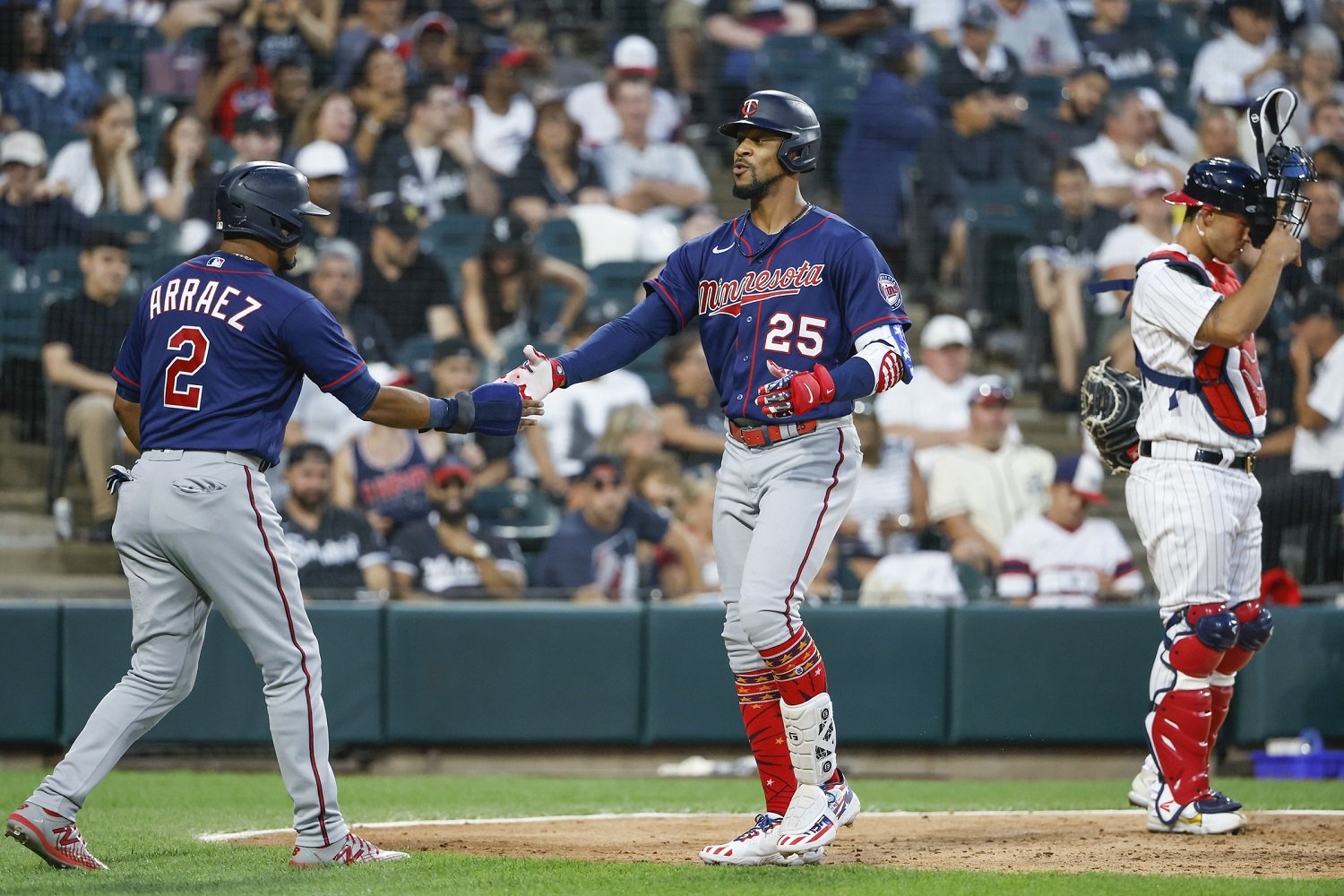 With the All-Star Game approaching, the Twins are a division leader with multiple players leading the offensive charge. However, no Minnesota players were among the starters selected by the fans. This might not be a surprise as a popularity-style contest selects the starters, with players more well-known on the national stage getting the recognition. Still, an argument can be made for the Twins to have multiple starters. ESPN's Jeff Passan released his list of players he believes should start the All-Star Game, and two Twins make the cut. Byron Buxton gets the outfield start over New York's Giancarlo Stanton on his ballot. At first base, he has Luis Arraez making the start instead of Toronto's Vladamir Guerrero Jr. So, how do these players compare through the season's first half? Buxton vs. Stanton Stanton had yet to be elected to an All-Star Game since leaving Miami following the 2017 season. During that stretch, he has averaged a 134 OPS+, but injuries have slowed him down in previous seasons. New York is dominating the American League, and Stanton has been a key cog in their offensive machine. Entering play on Sunday, Stanton was hitting .232/.317/.500 (.817) including a 131 OPS+ and 21 home runs. According to FanGraphs, Stanton ranks 17th among AL outfielders in WAR, but he has accumulated little value on the defensive side. Minnesota seems to have found a combination of rest that keeps Buxton healthy enough to stay off the injured list. Through his first 66 games, he is hitting .215/.293/.543 (.836) with a 136 OPS+ and 22 home runs. The situations where his home runs have taken place aren't included in those numbers. Fifteen of his 22 home runs came when the Twins were tied or within one run either way of their opponent. Buxton also offers a significant defensive upgrade over Stanton while ranking ten spots higher on the AL outfield WAR leaderboard. Arraez vs. Guerrero Jr. Guerrero Jr. is coming off a season where he finished runner-up for the AL MVP, which factors into fan voting. So far in 2022, Guerrero Jr. has played in a league-high 85 games while hitting .269/.350/.489 (.839) with a 135 OPS+ and 33 extra-base hits. Among AL first basemen, he currently ranks fourth in fWAR behind Jose Abreu (2.5 WAR), Arraez (2.5 WAR), and Ty France (2.1 WAR). Toronto currently sits in fourth place in the AL East, but they are four games over .500. It has been a joy to watch Arraez this season, and he has started getting some of the national attention he deserves. He leads baseball in batting average (.355) and on-base percentage (.426) while also showing more power than expected with 20 extra-base hits. Baseball Reference ranks him as the ninth-best position player according to WAR, and his Offensive WAR ranks seventh. Arraez deserved to start more than any other Twins player. Both of these snubs will likely be remedied when the All-Star reserves are announced on Sunday night. Still, the Twins can argue that both players deserved to be honored with a start in Los Angeles. Do you think Buxton and Arraez were snubbed from being starters? Leave a COMMENT and start the discussion.
 -
Minnesota’s relief core has been an unmitigated disaster this season, which has fans clamoring for an upgrade. However, trading for relievers doesn’t always work out perfectly. When examining the Twins roster, it seems simple enough to identify the team’s most prominent trade deadline need. Minnesota’s relievers have blown multiple critical games over the last month, and few bullpen arms can be trusted in late-inning situations. Nearly every contending team will be looking for a bullpen upgrade, so how can the Twins avoid some of their past mistakes? It is crucial to remember that a team is acquiring a reliever with only two months remaining in the season. Relief pitchers acquired at the deadline will only pitch a handful of times during the 2022 season for the team acquiring them. Because of the small sample size, every appearance is magnified for the stretch run. Let’s look back at some of Minnesota’s other big reliever trades and how they panned out. Sergio Romo Trade Minnesota traded for Sergio Romo at the 2019 deadline. The Twins acquired him along with RHP Chris Vallimont for 1B Lewin Diaz. Romo was on an expiring contract and appeared in 27 games following the trade. In 22 2/3 innings, he posted a 3.18 ERA with a 0.93 WHIP and a 27-to-4 strikeout to walk ratio. He pitched well enough that the Twins brought him back for the 2020 season, but age finally started to catch up to Romo. Diaz has played 57 big-league games for the Marlins with a 60 OPS+. Minnesota removed Vallimont from the 40-man roster in May, and Baltimore claimed him. He has a 6.13 ERA and a 1.64 WHIP this season at Double- and Triple-A. Sam Dyson Trade Like Romo, Sam Dyson was acquired to help the Bomba Squad Twins make a playoff run. Unfortunately, multiple things went wrong in this trade. On the field, he was limited to 12 appearances with the Twins due to a shoulder injury. Off the field, Dyson dealt with a domestic violence incident for which he was suspended for the entire 2021 season. Minnesota sent a trio of prospects, including Prelander Berroa, Kai-Wei Teng, and Jaylin Davis, as part of the trade. Berroa topped out at High-A in the Giants organization and is now pitching in the Mariners organization. Teng has a 4.73 ERA and a 1.49 WHIP at Double-A. Davis has 28 big-league games with the Giants and Red Sox while going 12-for-67 (.179 BA) with a 40 OPS+. Matt Capps Trade Minnesota’s trade for Matt Capps is remembered as a poor deal because the Twins gave up catching prospect Wilson Ramos. Ramos went on to multiple All-Star appearances during his 12-year big-league career. Fans may forget how good Capps was down the stretch for the Twins. In 27 games, he posted a 2.00 ERA with a 1.19 WHIP and a 21-to-8 strikeout to walk ratio. His Twins tenure could have ended following the 2010 season, but Minnesota brought him back on a free-agent deal, and that’s when things went poorly. Over the next two seasons, he had a 4.07 ERA with a 1.17 WHIP. He wouldn’t appear in another big-league game after leaving the Twins organization. Overall, relievers can be tricky to analyze due to their baseball role. Small sample sizes and high leverage situations shine a brighter spotlight on their critical spots in the game. Minnesota needs to add to their relief core, but not every reliever trade goes according to plan. Do you think the Twins need to worry about picking up a reliever? Leave a COMMENT and start the discussion. View full article
- 38 replies
-
- 1
-
-
- sergio romo
- sam dyson
- (and 1 more)
-
 When examining the Twins roster, it seems simple enough to identify the team’s most prominent trade deadline need. Minnesota’s relievers have blown multiple critical games over the last month, and few bullpen arms can be trusted in late-inning situations. Nearly every contending team will be looking for a bullpen upgrade, so how can the Twins avoid some of their past mistakes? It is crucial to remember that a team is acquiring a reliever with only two months remaining in the season. Relief pitchers acquired at the deadline will only pitch a handful of times during the 2022 season for the team acquiring them. Because of the small sample size, every appearance is magnified for the stretch run. Let’s look back at some of Minnesota’s other big reliever trades and how they panned out. Sergio Romo Trade Minnesota traded for Sergio Romo at the 2019 deadline. The Twins acquired him along with RHP Chris Vallimont for 1B Lewin Diaz. Romo was on an expiring contract and appeared in 27 games following the trade. In 22 2/3 innings, he posted a 3.18 ERA with a 0.93 WHIP and a 27-to-4 strikeout to walk ratio. He pitched well enough that the Twins brought him back for the 2020 season, but age finally started to catch up to Romo. Diaz has played 57 big-league games for the Marlins with a 60 OPS+. Minnesota removed Vallimont from the 40-man roster in May, and Baltimore claimed him. He has a 6.13 ERA and a 1.64 WHIP this season at Double- and Triple-A. Sam Dyson Trade Like Romo, Sam Dyson was acquired to help the Bomba Squad Twins make a playoff run. Unfortunately, multiple things went wrong in this trade. On the field, he was limited to 12 appearances with the Twins due to a shoulder injury. Off the field, Dyson dealt with a domestic violence incident for which he was suspended for the entire 2021 season. Minnesota sent a trio of prospects, including Prelander Berroa, Kai-Wei Teng, and Jaylin Davis, as part of the trade. Berroa topped out at High-A in the Giants organization and is now pitching in the Mariners organization. Teng has a 4.73 ERA and a 1.49 WHIP at Double-A. Davis has 28 big-league games with the Giants and Red Sox while going 12-for-67 (.179 BA) with a 40 OPS+. Matt Capps Trade Minnesota’s trade for Matt Capps is remembered as a poor deal because the Twins gave up catching prospect Wilson Ramos. Ramos went on to multiple All-Star appearances during his 12-year big-league career. Fans may forget how good Capps was down the stretch for the Twins. In 27 games, he posted a 2.00 ERA with a 1.19 WHIP and a 21-to-8 strikeout to walk ratio. His Twins tenure could have ended following the 2010 season, but Minnesota brought him back on a free-agent deal, and that’s when things went poorly. Over the next two seasons, he had a 4.07 ERA with a 1.17 WHIP. He wouldn’t appear in another big-league game after leaving the Twins organization. Overall, relievers can be tricky to analyze due to their baseball role. Small sample sizes and high leverage situations shine a brighter spotlight on their critical spots in the game. Minnesota needs to add to their relief core, but not every reliever trade goes according to plan. Do you think the Twins need to worry about picking up a reliever? Leave a COMMENT and start the discussion.
- 38 comments
-
- 2
-
-
- sergio romo
- sam dyson
- (and 1 more)
-
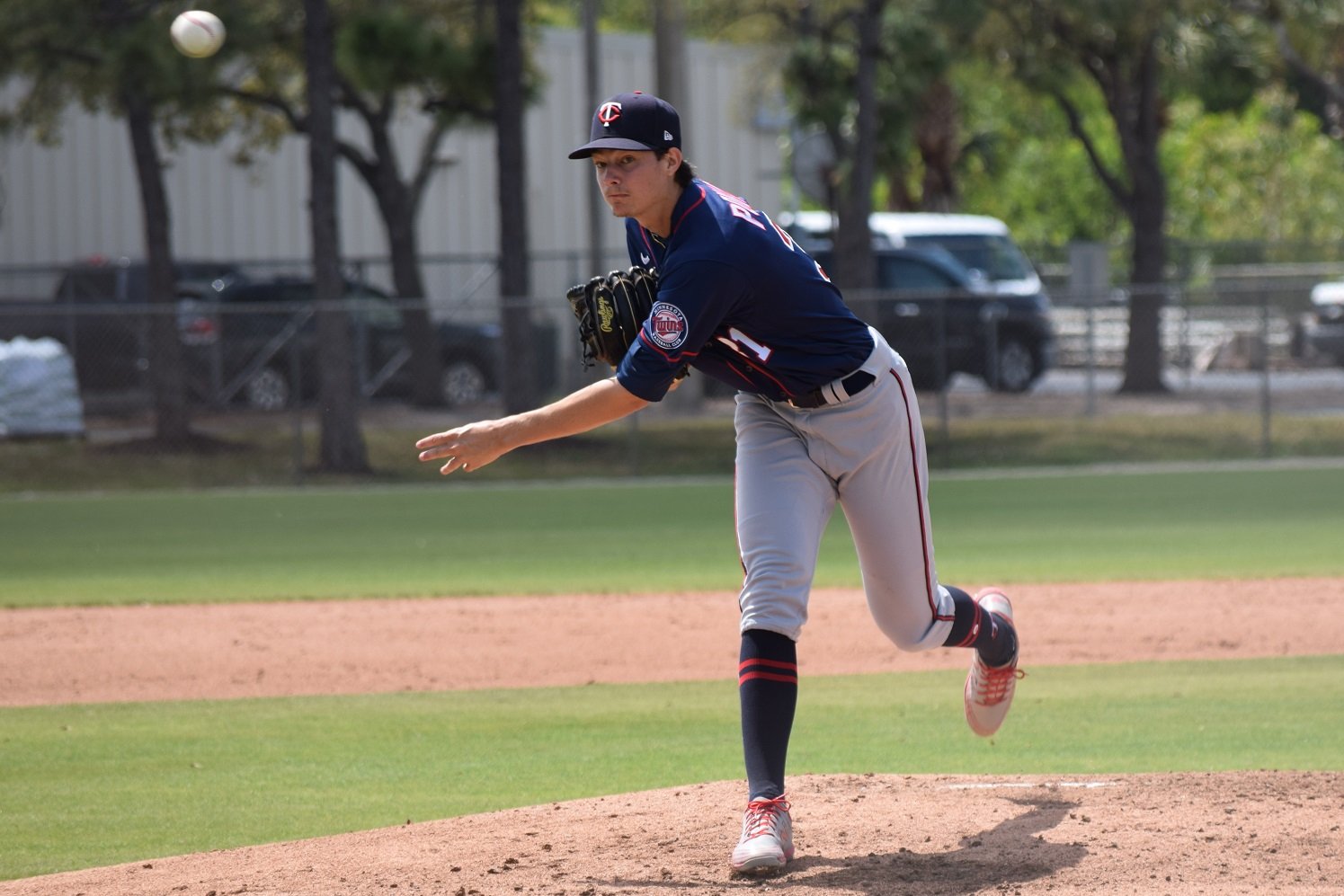 Drafting and development are essential for any organization attempting to keep a winning window open as long as possible. Organizations must develop big-league caliber players from each draft or find other ways to supplement their organization. Minnesota’s current front office has hit and missed on multiple draft picks, but some players are already showcasing the organization’s strengths. The Twins selected Cade Povich in the third round of the 2021 MLB Draft from the University of Nebraska-Lincoln. Povich posted a 3.52 ERA in three collegiate seasons with a 1.23 WHIP and 10.0 K/9. His junior season helped his draft stock as he posted a 2.82 ERA with a 79-to-19 strikeout to walk ratio in 73 1/3 innings. The left-handed hurler was not ranked very high in pre-draft rankings, but those rankings can have flaws, and the Twins hoped to improve Povich after he signed. In college, Povich was known for pumping strikes with a fastball that typically sat in the high-80s. Minnesota worked with Povich’s delivery and mechanics, and the results were immediately evident. His fastball velocity jumped with the improvements, and he can consistently hit in the low 90s with the ability to top out in the mid-to-high 90s. During his professional debut, Povich made four dominant appearances. In 10 innings, he allowed one earned run and struck out 19 of the 42 batters he faced. His 17.1 K/9 was quite the jump from his collegiate totals, but that was expected with his experience and improved delivery. All signs pointed to Povich being a prospect to watch during the 2022 season. Minnesota could have started Povich back at Low-A, but the team bumped him up to Cedar Rapids for the start of the 2022 campaign. He is over a year younger than the average age of the competition at High-A, as over 70% of his at-bats have come against older batters. Povich has held older competition to a .582 OPS with 62 strikeouts in 175 at-bats. He has posted five strikeouts or more in all but two appearances, including two games with 11 strikeouts. “Povich throws four pitches and throws strikes with all of them,” Twins director of player development Alex Hassan said. “Fastball up to 96. We like his changeup and slider a lot. And he still has room to fill out physically.” It’s exciting to project what Povich has the potential to become as he continues to develop. At Twins Daily, Povich has already moved into the team’s top-10 prospects, which is quite the rise for him in less than a year in the organization. He is the fifth highest-ranked pitcher in the organization and ranks higher than some of the team’s other draft picks from 2021. Pitching prospects can be fickle, and Povich is far from making his debut at Target Field. Organizations must have pitching depth within their system, and Povich certainly adds to the team’s pitching pipeline. Even with his improvements, Povich still projects as a potential mid-rotation starter. That might not sound like a lot, but the Twins need to continue developing MLB talent. For a third-round pick, Povich is already exceeding expectations. What stands out to you about Povich? How high is his ceiling? Leave a COMMENT and start the discussion.
 -
Minnesota will add multiple players in the 2022 MLB Draft. One draft pick from last season already highlights the importance of drafting and development. Drafting and development are essential for any organization attempting to keep a winning window open as long as possible. Organizations must develop big-league caliber players from each draft or find other ways to supplement their organization. Minnesota’s current front office has hit and missed on multiple draft picks, but some players are already showcasing the organization’s strengths. The Twins selected Cade Povich in the third round of the 2021 MLB Draft from the University of Nebraska-Lincoln. Povich posted a 3.52 ERA in three collegiate seasons with a 1.23 WHIP and 10.0 K/9. His junior season helped his draft stock as he posted a 2.82 ERA with a 79-to-19 strikeout to walk ratio in 73 1/3 innings. The left-handed hurler was not ranked very high in pre-draft rankings, but those rankings can have flaws, and the Twins hoped to improve Povich after he signed. In college, Povich was known for pumping strikes with a fastball that typically sat in the high-80s. Minnesota worked with Povich’s delivery and mechanics, and the results were immediately evident. His fastball velocity jumped with the improvements, and he can consistently hit in the low 90s with the ability to top out in the mid-to-high 90s. During his professional debut, Povich made four dominant appearances. In 10 innings, he allowed one earned run and struck out 19 of the 42 batters he faced. His 17.1 K/9 was quite the jump from his collegiate totals, but that was expected with his experience and improved delivery. All signs pointed to Povich being a prospect to watch during the 2022 season. Minnesota could have started Povich back at Low-A, but the team bumped him up to Cedar Rapids for the start of the 2022 campaign. He is over a year younger than the average age of the competition at High-A, as over 70% of his at-bats have come against older batters. Povich has held older competition to a .582 OPS with 62 strikeouts in 175 at-bats. He has posted five strikeouts or more in all but two appearances, including two games with 11 strikeouts. “Povich throws four pitches and throws strikes with all of them,” Twins director of player development Alex Hassan said. “Fastball up to 96. We like his changeup and slider a lot. And he still has room to fill out physically.” It’s exciting to project what Povich has the potential to become as he continues to develop. At Twins Daily, Povich has already moved into the team’s top-10 prospects, which is quite the rise for him in less than a year in the organization. He is the fifth highest-ranked pitcher in the organization and ranks higher than some of the team’s other draft picks from 2021. Pitching prospects can be fickle, and Povich is far from making his debut at Target Field. Organizations must have pitching depth within their system, and Povich certainly adds to the team’s pitching pipeline. Even with his improvements, Povich still projects as a potential mid-rotation starter. That might not sound like a lot, but the Twins need to continue developing MLB talent. For a third-round pick, Povich is already exceeding expectations. What stands out to you about Povich? How high is his ceiling? Leave a COMMENT and start the discussion. View full article
-
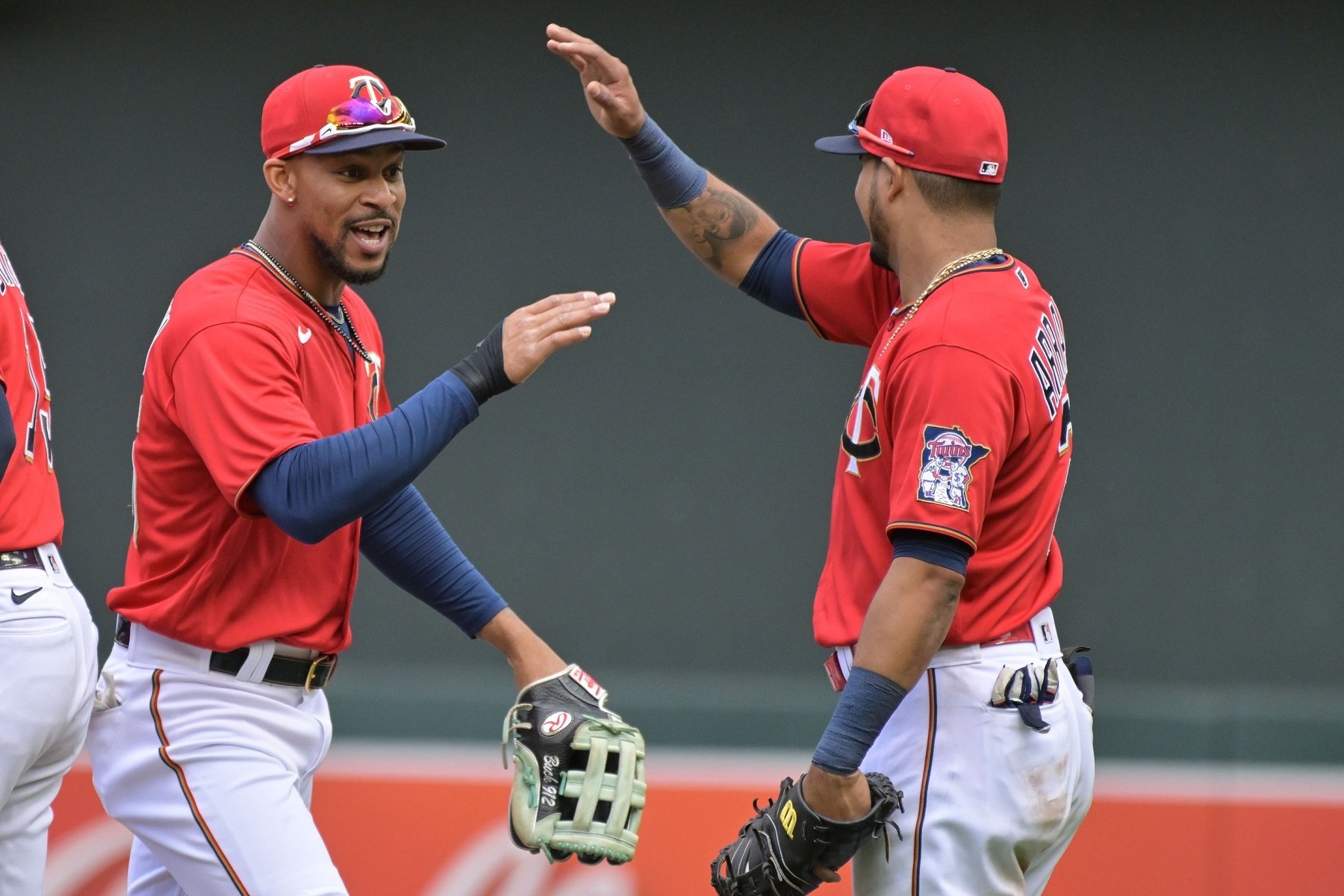 For most of a decade, the Yankees were one of baseball's best teams as they relied on the services of players deemed their "Core Four." Derek Jeter, Jorge Posada, Andy Pettitte, and Mariano Rivera captured four World Series titles in five years. Minnesota relied on players like Kirby Puckett, Kent Hrbek, Greg Gagne, and Gene Larkin to win two championships in a five-year span. Other players fit into vital roles, but core pieces stayed the same on both of these rosters. Few core groups can match the Yankees team's success, but every franchise is looking for the players to keep their winning window open. So, who is a current member of the Twins Core Four? Byron Buxton Contract Status: Signed thru 2028, 7 yrs/$100M (22-28) Earliest Free Agency: 2029 Byron Buxton is the face of the franchise, and Minnesota made sure he would fulfill this role for much of the next decade. He certainly doesn't have the levels of playoff success associated with Jeter and Puckett, but Buxton has just six total playoff at-bats. Minnesota is in a position to make the playoffs this season, and the Twins are doing their best to ensure Buxton is healthy at the season's end. With Buxton in the line-up, Minnesota has a tremendous record throughout his professional career. Now the team and fans hope Buxton can end the franchise's postseason losing streak. Luis Arraez Contract Status: 1st Year Arb Eligible (Super 2) Earliest Free Agency: 2026 Out of the players on this list, Luis Arraez is under team control for the fewest remaining years. He was awarded Super 2 status entering the 2022 season, so he qualifies for an extra year of arbitration. Minnesota may want to consider a long-term deal with Arraez, especially as other players like Jorge Polanco and Max Kepler see their deals coming closer to the end. Like Jorge Posada, Arraez may be considered somewhat unheralded, but he is key to the team's success. So far this season, Arraez has revamped his batting stance and his pre-game routine. The results speak for themselves, and now the Twins should find a way to keep him in Minnesota for the prime of his career. Joe Ryan Contract Status: Pre-Arbitration Eligible Earliest Free Agency: 2028 When the Twins traded for Joe Ryan, few could have imagined how good he would be during this early juncture of his career. He's also 26 years old, so the Twins have team control over him until his early 30s. He has a long way to go before getting close to the same category as Andy Pettitte. Over nearly two decades, Pettitte pitched over 275 innings in the playoffs. Ryan is also an unconventional starting pitcher who relies on his fastball nearly 60% of the time. Will he continue to succeed, or will the league start figuring him out? For now, the Twins always need pitching, and he looks like he is the most likely member of the rotation for most of the next decade. Jhoan Duran Contract Status: Pre-Arbitration Eligible Earliest Free Agency: 2028 During his rookie season, even Mariano Rivera didn't have as much success as Jhoan Duran. Rivera began his career as a starter but struggled before the team moved him to the bullpen. Rivera went on to a Hall of Fame career as he is widely considered the best reliever in baseball history. To reach the same level, Duran will need to continue to find success in the regular season and hope for postseason opportunities to prove his worth. After dealing with injuries in the minors, Duran also needs to prove he can have the same level of durability as Rivera. Relievers can be fickle, but Duran is already off to a tremendous start. What do you think the ceiling is for Minnesota's Core Four? Would you put someone else in the group? Leave a COMMENT and start the discussion.
- 84 comments
-
- 2
-
-
- joe ryan
- byron buxton
- (and 2 more)
-
Every team has to make long-term plans for the organization's direction. Which players compose Minnesota's core four for 2022 and beyond? For most of a decade, the Yankees were one of baseball's best teams as they relied on the services of players deemed their "Core Four." Derek Jeter, Jorge Posada, Andy Pettitte, and Mariano Rivera captured four World Series titles in five years. Minnesota relied on players like Kirby Puckett, Kent Hrbek, Greg Gagne, and Gene Larkin to win two championships in a five-year span. Other players fit into vital roles, but core pieces stayed the same on both of these rosters. Few core groups can match the Yankees team's success, but every franchise is looking for the players to keep their winning window open. So, who is a current member of the Twins Core Four? Byron Buxton Contract Status: Signed thru 2028, 7 yrs/$100M (22-28) Earliest Free Agency: 2029 Byron Buxton is the face of the franchise, and Minnesota made sure he would fulfill this role for much of the next decade. He certainly doesn't have the levels of playoff success associated with Jeter and Puckett, but Buxton has just six total playoff at-bats. Minnesota is in a position to make the playoffs this season, and the Twins are doing their best to ensure Buxton is healthy at the season's end. With Buxton in the line-up, Minnesota has a tremendous record throughout his professional career. Now the team and fans hope Buxton can end the franchise's postseason losing streak. Luis Arraez Contract Status: 1st Year Arb Eligible (Super 2) Earliest Free Agency: 2026 Out of the players on this list, Luis Arraez is under team control for the fewest remaining years. He was awarded Super 2 status entering the 2022 season, so he qualifies for an extra year of arbitration. Minnesota may want to consider a long-term deal with Arraez, especially as other players like Jorge Polanco and Max Kepler see their deals coming closer to the end. Like Jorge Posada, Arraez may be considered somewhat unheralded, but he is key to the team's success. So far this season, Arraez has revamped his batting stance and his pre-game routine. The results speak for themselves, and now the Twins should find a way to keep him in Minnesota for the prime of his career. Joe Ryan Contract Status: Pre-Arbitration Eligible Earliest Free Agency: 2028 When the Twins traded for Joe Ryan, few could have imagined how good he would be during this early juncture of his career. He's also 26 years old, so the Twins have team control over him until his early 30s. He has a long way to go before getting close to the same category as Andy Pettitte. Over nearly two decades, Pettitte pitched over 275 innings in the playoffs. Ryan is also an unconventional starting pitcher who relies on his fastball nearly 60% of the time. Will he continue to succeed, or will the league start figuring him out? For now, the Twins always need pitching, and he looks like he is the most likely member of the rotation for most of the next decade. Jhoan Duran Contract Status: Pre-Arbitration Eligible Earliest Free Agency: 2028 During his rookie season, even Mariano Rivera didn't have as much success as Jhoan Duran. Rivera began his career as a starter but struggled before the team moved him to the bullpen. Rivera went on to a Hall of Fame career as he is widely considered the best reliever in baseball history. To reach the same level, Duran will need to continue to find success in the regular season and hope for postseason opportunities to prove his worth. After dealing with injuries in the minors, Duran also needs to prove he can have the same level of durability as Rivera. Relievers can be fickle, but Duran is already off to a tremendous start. What do you think the ceiling is for Minnesota's Core Four? Would you put someone else in the group? Leave a COMMENT and start the discussion. View full article
- 84 replies
-
- 1
-
-
- joe ryan
- byron buxton
- (and 2 more)
