



Cody Christie
-
Posts
7,820 -
Joined
-
Last visited
-
Days Won
5
Content Type
Profiles
News
Minnesota Twins Videos
2026 Minnesota Twins Top Prospects Ranking
2022 Minnesota Twins Draft Picks
Minnesota Twins Free Agent & Trade Rumors, Notes, & Tidbits
Guides & Resources
2023 Minnesota Twins Draft Picks
The Minnesota Twins Players Project
2024 Minnesota Twins Draft Picks
2025 Minnesota Twins Draft Pick Tracker
2026 Minnesota Twins Draft Tracker: Picks & Bonuses
Forums
Blogs
Events
Store
Downloads
Gallery
Everything posted by Cody Christie
-
Tyler Ryan Jay (born April 19, 1994) is an American professional baseball pitcher for the New York Mets of Major League Baseball (MLB). He played college baseball at the University of Illinois and was drafted by the Minnesota Twins in the first round of the 2015 MLB draft. View full player
-
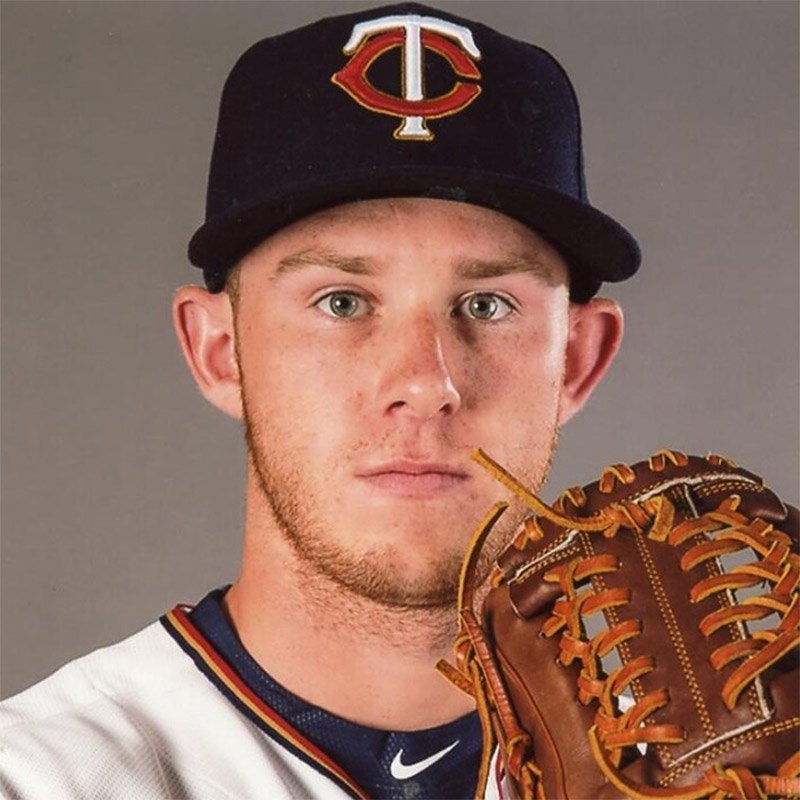 Tyler Ryan Jay (born April 19, 1994) is an American professional baseball pitcher for the New York Mets of Major League Baseball (MLB). He played college baseball at the University of Illinois and was drafted by the Minnesota Twins in the first round of the 2015 MLB draft.
 -

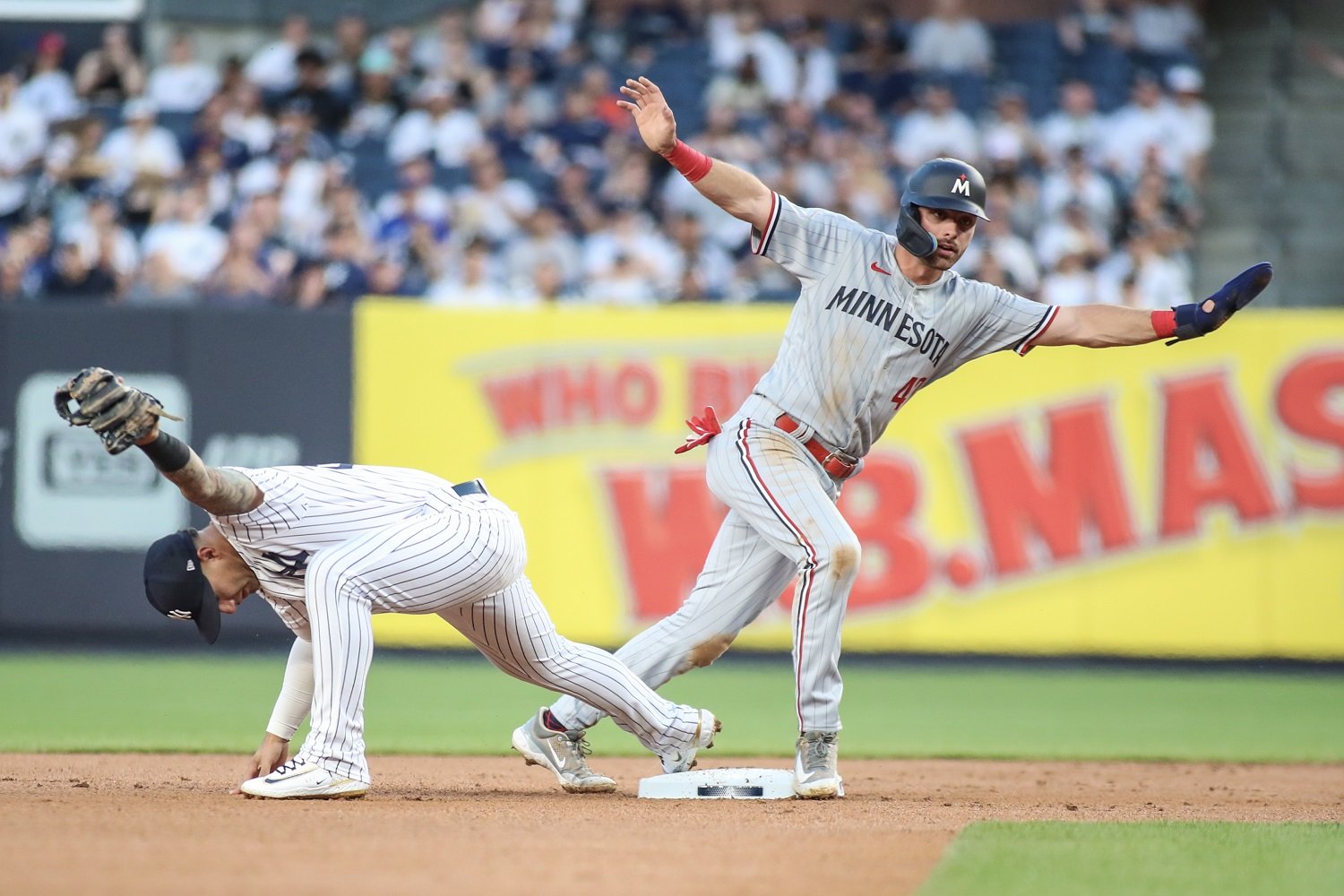 The Twins roster isn’t built like the teams deemed the "piranhas," back in the Metrodome era. Those clubs had role players who would cause havoc on the bases ahead of the team’s best hitters like Justin Morneau and Joe Mauer. Minnesota's current roster is constructed to work counts and hit for power, even though the 2024 team hasn’t regularly shown those skills yet. Four players on the Twins can help the team’s offensive production, if their sprint speed is improved compared to recent seasons. Byron Buxton Sprint Speed (2023): 94th percentile Buxton battled injuries throughout the 2023 campaign, so it was amazing that his sprint speed continued to be elite. His baserunning value also ranked above the 90th percentile, even while being relegated to DH duties. His health is in a much better place for the 2024 campaign, but he’s seen a slight decline in his sprint speed from 29.3 ft/s to 28.8 ft/s. However, his sprint speed and baserunning run value have both increased their percentile rank compared to last year. A healthy Buxton is a joy to watch on the bases and can be a weapon that helps the Twins score more runs in the months ahead. It's just a question of whether better health can make up for the march of time. Carlos Correa Sprint Speed (2023): 33rd percentile Like Buxton, Correa played hurt last season, but his plantar fasciitis severely impacted his overall speed and mobility. He set the team record by hitting into the most double plays for one season and was worth -7.7 runs on the bases, the worst on the team. When asked if there’s anything he can point to as to why he’s hitting into so many double plays, he said, “Yeah, I’m slow as f**k.” Thankfully, Correa seems to be past his injury woes from last year. His sprint speed (27.1 ft/s) is up 0.5 ft/s versus last season and is comparable to where he was from 2020-2022. He will never be an elite baserunner, but he can provide improved value compared to last year by avoiding double plays. Edouard Julien Sprint Speed (2023): 40th percentile Julien was a below-average runner in his rookie season with a negative baserunning run value that ranked in the 30th percentile. He’s arguably been the team’s worst baserunner in 2024, with his sprint speed dropping from 27.0 ft/s in 2023 to 23.4 ft/s in 2024. There are only three qualified MLB players with a lower sprint speed than Julien this year, and they all play first base or DH. Baseball Savant has him tracked for ten competitive runs this season, so it is a small sample size. This could be noise; not all competitive runs are created equal. However, that drop in sprint speed is concerning. Is something impacting his running ability this season? He continues to bat near the top of the lineup, and the Twins need him to find a way to at least get back to where he was last season. Willi Castro Sprint Speed (2023): 82nd percentile Castro provided tremendous value and utility for the Twins last season, and much of that value came on the base paths. He ranked in the 78th percentile for baserunning run value, and his 28.6 ft/s sprint speed was one of the best on the team. He’s struggled offensively to begin the 2024 season, which has impacted his ability to showcase his running ability. In 32 plate appearances, he has gone 3-for-27 with four walks and 14 strikeouts. His sprint speed has dropped 0.8 points to 27.8 ft/s, still in the 78th percentile. During spring training, Buxton talked openly about Castro and himself battling for 30 or more steals this season. Castro needs to break out of his offensive slump to return to stealing bases. What other players are you monitoring for their base running this year? Can Julien improve enough to avoid negative base running value? Leave a comment to start the discussion.
- 16 comments
-
- 1
-

-
- byron buxton
- carlos correa
- (and 2 more)
-
Stolen bases increased throughout baseball last season, with new rules impacting the running game. The Twins have a handful of players to watch on the basepaths this season, as they try to get in on that trend to a greater extent. Image courtesy of Wendell Cruz-USA TODAY Sports Stolen bases increased throughout baseball last season, with new rules impacting the running game. The Twins have a handful of players to watch on the basepaths this season, as they try to get in on that trend to a greater extent. The Twins roster isn’t built like the teams deemed the "piranhas," back in the Metrodome era. Those clubs had role players who would cause havoc on the bases ahead of the team’s best hitters like Justin Morneau and Joe Mauer. Minnesota's current roster is constructed to work counts and hit for power, even though the 2024 team hasn’t regularly shown those skills yet. Four players on the Twins can help the team’s offensive production, if their sprint speed is improved compared to recent seasons. Byron Buxton Sprint Speed (2023): 94th percentile Buxton battled injuries throughout the 2023 campaign, so it was amazing that his sprint speed continued to be elite. His baserunning value also ranked above the 90th percentile, even while being relegated to DH duties. His health is in a much better place for the 2024 campaign, but he’s seen a slight decline in his sprint speed from 29.3 ft/s to 28.8 ft/s. However, his sprint speed and baserunning run value have both increased their percentile rank compared to last year. A healthy Buxton is a joy to watch on the bases and can be a weapon that helps the Twins score more runs in the months ahead. It's just a question of whether better health can make up for the march of time. Carlos Correa Sprint Speed (2023): 33rd percentile Like Buxton, Correa played hurt last season, but his plantar fasciitis severely impacted his overall speed and mobility. He set the team record by hitting into the most double plays for one season and was worth -7.7 runs on the bases, the worst on the team. When asked if there’s anything he can point to as to why he’s hitting into so many double plays, he said, “Yeah, I’m slow as f**k.” Thankfully, Correa seems to be past his injury woes from last year. His sprint speed (27.1 ft/s) is up 0.5 ft/s versus last season and is comparable to where he was from 2020-2022. He will never be an elite baserunner, but he can provide improved value compared to last year by avoiding double plays. Edouard Julien Sprint Speed (2023): 40th percentile Julien was a below-average runner in his rookie season with a negative baserunning run value that ranked in the 30th percentile. He’s arguably been the team’s worst baserunner in 2024, with his sprint speed dropping from 27.0 ft/s in 2023 to 23.4 ft/s in 2024. There are only three qualified MLB players with a lower sprint speed than Julien this year, and they all play first base or DH. Baseball Savant has him tracked for ten competitive runs this season, so it is a small sample size. This could be noise; not all competitive runs are created equal. However, that drop in sprint speed is concerning. Is something impacting his running ability this season? He continues to bat near the top of the lineup, and the Twins need him to find a way to at least get back to where he was last season. Willi Castro Sprint Speed (2023): 82nd percentile Castro provided tremendous value and utility for the Twins last season, and much of that value came on the base paths. He ranked in the 78th percentile for baserunning run value, and his 28.6 ft/s sprint speed was one of the best on the team. He’s struggled offensively to begin the 2024 season, which has impacted his ability to showcase his running ability. In 32 plate appearances, he has gone 3-for-27 with four walks and 14 strikeouts. His sprint speed has dropped 0.8 points to 27.8 ft/s, still in the 78th percentile. During spring training, Buxton talked openly about Castro and himself battling for 30 or more steals this season. Castro needs to break out of his offensive slump to return to stealing bases. What other players are you monitoring for their base running this year? Can Julien improve enough to avoid negative base running value? Leave a comment to start the discussion. View full article
-
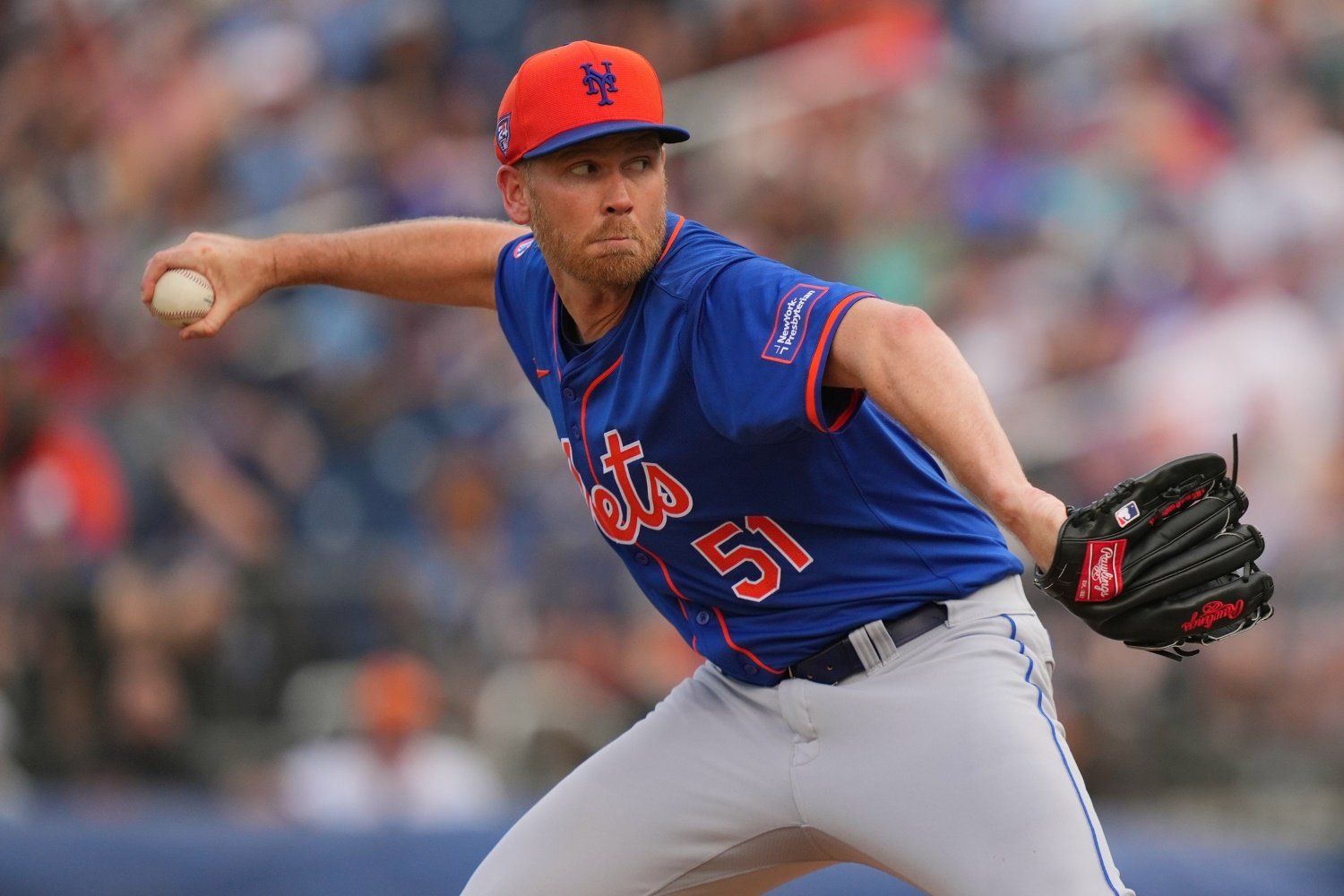 The Twins drafted Michael Tonkin in the 30th round of the 2008 MLB Draft, from a high school in California. For some perspective, MLB has cut the draft to 20 rounds in recent years, adjusting to the fact that there are fewer minor-league teams. As a high-school pitcher, Tonkin slowly worked through the organization. He posted a sub-3.50 ERA in the low minors, before becoming a full-time reliever in 2011. His 2012 season put him on the map as a relief prospect. In 69 1/3 innings, he posted a 2.08 ERA between Low- and High-A. The Twins were aggressive with him the following season, as he was pushed to make his big-league debut. From 2013-17, Tonkin became a fixture in the Twins’ bullpen mix. He posted a 4.43 ERA with a 1.43 WHIP and 9.2 K/9 in 146 1/3 innings. He became less effective over his last two seasons with the Twins, with his ERA ballooning above 5.00 and both hits and home runs piling up against him. He went to Japan in 2018, pitched at Triple-A for Milwaukee and Arizona in 2019, and bounced between the Mexican League and independent ball in 2021. Last season, Tonkin added depth to the Braves bullpen while combining for a 4.28 ERA with a solid 23.1% strikeout rate and 7.1% walk rate across 80 innings. He signed a split one-year deal with the Mets for $1 million this winter and appeared in three games for them before being cast aside. Tonkin was a necessary pickup because the Twins currently have seven relievers on the injured list, and the team played their first game of the Dodger series with only 12 pitchers on the 26-man roster. Jhoan Durán, Caleb Thielbar, Daniel Duarte, Josh Staumont, and Justin Topa are on the 15-day IL, while Zack Weiss and Josh Winder are now on the 60-day IL. Thielbar (hamstring) and Staumont (calf) both started rehab assignments with the St. Paul Saints on Tuesday and have a chance to re-join the Twins as early as this weekend. With reinforcements returning soon, Tonkin must utilize his full pitch mix to be effective and stick on the roster. Last season, Tonkin used two pitches regularly: a sinker and a slider. Batters hit .226 against his sinker, with a .421 SLG and a 48-to-10 strikeout-to-walk ratio in 209 plate appearances. His slider was more effective, with batters limited to a .304 SLG and a 30.4 Whiff%. Tonkin began using a four-seamer again this season, but that was one of his issues with the Mets. Opponents went 4-for-9 against it, with a double and a home run. It will be interesting to see if the Twins attempt to convince him to ditch that pitch. So, where does Tonkin fit into the team’s bullpen hierarchy? The Twins have used Griffin Jax and Brock Stewart in a dual closer role, which will likely continue until Durán returns from injury. Minnesota’s set-up situation has been a little cloudier, with different options and varying levels of success. Jorge Alcalá, Steven Okert, and Jay Jackson have all gotten opportunities in the late innings. Alcalá left Saturday’s game with a sore arm, but played catch on Sunday and felt better. Kody Funderburk is the second lefty in the bullpen behind Okert, so it will be interesting to see if the team keeps him when Thielbar is deemed healthy enough to come off the shelf. Cole Sands was kept on the roster as a long reliever, but has been limited to low-leverage appearances in the season’s early games. Tonkin will likely pitch in a middle-inning role similar to what Funderburk and Sands have filled in 2024. Tonkin’s career has been a roller coaster. He’s played in multiple countries and likely thought his days as a big-leaguer at least once. He has persevered, though, and helped a Braves team that won over 100 games last season. His season isn’t off to a perfect start, but he still has an opportunity to be a valuable bullpen piece on a Twins team desperate for depth. Can Tonkin stick in the bullpen if the team gets healthy? Will the Twins have him ditch his four-seamer? Leave a comment and start the discussion.
 -
Fans who have followed the Minnesota Twins farm system over the last decade know Michael Tonkin well. On Tuesday, the Twins brought back the former prospect. So, what can he bring to the Twins, and how does it change the bullpen hierarchy? Image courtesy of © Jim Rassol-USA TODAY Sports Fans who have followed the Minnesota Twins farm system over the last decade know Michael Tonkin well. On Tuesday, the Twins brought back the former prospect. So, what can he bring to the Twins, and how does it change the bullpen hierarchy? The Twins drafted Michael Tonkin in the 30th round of the 2008 MLB Draft, from a high school in California. For some perspective, MLB has cut the draft to 20 rounds in recent years, adjusting to the fact that there are fewer minor-league teams. As a high-school pitcher, Tonkin slowly worked through the organization. He posted a sub-3.50 ERA in the low minors, before becoming a full-time reliever in 2011. His 2012 season put him on the map as a relief prospect. In 69 1/3 innings, he posted a 2.08 ERA between Low- and High-A. The Twins were aggressive with him the following season, as he was pushed to make his big-league debut. From 2013-17, Tonkin became a fixture in the Twins’ bullpen mix. He posted a 4.43 ERA with a 1.43 WHIP and 9.2 K/9 in 146 1/3 innings. He became less effective over his last two seasons with the Twins, with his ERA ballooning above 5.00 and both hits and home runs piling up against him. He went to Japan in 2018, pitched at Triple-A for Milwaukee and Arizona in 2019, and bounced between the Mexican League and independent ball in 2021. Last season, Tonkin added depth to the Braves bullpen while combining for a 4.28 ERA with a solid 23.1% strikeout rate and 7.1% walk rate across 80 innings. He signed a split one-year deal with the Mets for $1 million this winter and appeared in three games for them before being cast aside. Tonkin was a necessary pickup because the Twins currently have seven relievers on the injured list, and the team played their first game of the Dodger series with only 12 pitchers on the 26-man roster. Jhoan Durán, Caleb Thielbar, Daniel Duarte, Josh Staumont, and Justin Topa are on the 15-day IL, while Zack Weiss and Josh Winder are now on the 60-day IL. Thielbar (hamstring) and Staumont (calf) both started rehab assignments with the St. Paul Saints on Tuesday and have a chance to re-join the Twins as early as this weekend. With reinforcements returning soon, Tonkin must utilize his full pitch mix to be effective and stick on the roster. Last season, Tonkin used two pitches regularly: a sinker and a slider. Batters hit .226 against his sinker, with a .421 SLG and a 48-to-10 strikeout-to-walk ratio in 209 plate appearances. His slider was more effective, with batters limited to a .304 SLG and a 30.4 Whiff%. Tonkin began using a four-seamer again this season, but that was one of his issues with the Mets. Opponents went 4-for-9 against it, with a double and a home run. It will be interesting to see if the Twins attempt to convince him to ditch that pitch. So, where does Tonkin fit into the team’s bullpen hierarchy? The Twins have used Griffin Jax and Brock Stewart in a dual closer role, which will likely continue until Durán returns from injury. Minnesota’s set-up situation has been a little cloudier, with different options and varying levels of success. Jorge Alcalá, Steven Okert, and Jay Jackson have all gotten opportunities in the late innings. Alcalá left Saturday’s game with a sore arm, but played catch on Sunday and felt better. Kody Funderburk is the second lefty in the bullpen behind Okert, so it will be interesting to see if the team keeps him when Thielbar is deemed healthy enough to come off the shelf. Cole Sands was kept on the roster as a long reliever, but has been limited to low-leverage appearances in the season’s early games. Tonkin will likely pitch in a middle-inning role similar to what Funderburk and Sands have filled in 2024. Tonkin’s career has been a roller coaster. He’s played in multiple countries and likely thought his days as a big-leaguer at least once. He has persevered, though, and helped a Braves team that won over 100 games last season. His season isn’t off to a perfect start, but he still has an opportunity to be a valuable bullpen piece on a Twins team desperate for depth. Can Tonkin stick in the bullpen if the team gets healthy? Will the Twins have him ditch his four-seamer? Leave a comment and start the discussion. View full article
-
In the Age of Declining DH Performance, Twins Have Bucked the Trend
Cody Christie posted an article in Twins
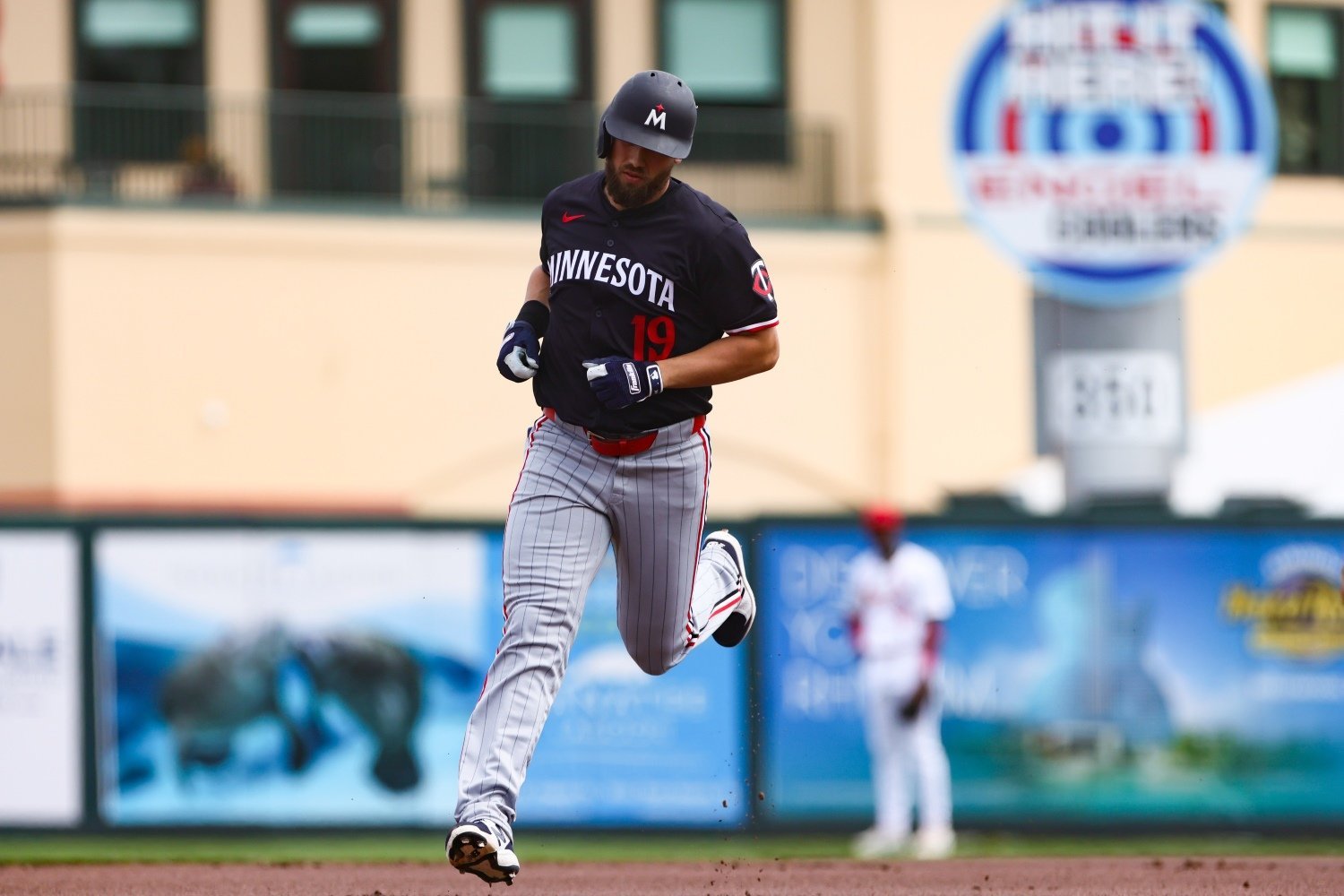 Major League Baseball universalized the designated hitter rule in 2022, and some franchises have struggled to find players to fill the role. The DH decline can be tied to multiple factors, with only four players logging at least 450 plate appearances as a DH last year. Some players are better suited for the mental preparation needed only to be asked to hit, and your lineup spot only coming around once every couple of innings. The Twins are finding a way to succeed In an age of declining DH performance. Over the last two seasons, the Astros and Blue Jays are the only teams with more fWAR from the DH position than the Twins have gotten. Since 2020, DH has been the Twins’ best offensive position by OPS, and their 17.9 fWAR is baseball’s highest mark. This total puts the Twins higher than the Astros and Angels, who had Yordan Álvarez and Shohei Ohtani regularly playing DH. So, how have the Twins avoided the DH decline impacting the league? 2023 Twins DH Performance: .216/.319/.447, 34 2B, 1 3B, 35 HR, 223 K, 83 BB Minnesota entered the 2023 season expecting Byron Buxton to get most of the plate appearances at DH, because of his nagging knee injury. He played 80 games at DH, but struggled to hit .207/.295/.442, with 17 doubles and 17 home runs. Edouard Julien spent the second-most time at DH, and his .734 OPS was over 100 points lower than his OPS for the season. Former Twin Jorge Polanco had the team’s highest OPS (.929) with 20 or more plate appearances as the DH. Royce Lewis finished tied for second in home runs among DHs, despite only playing nine games at the position. 2022 Twins DH Performance: .256/.336/.415, 37 2B, 2 3B, 19 HR, 156 K, 63 BB During the 2022 campaign, the Twins had three batters receive 140 or more plate appearances at DH. Luis Arráez led the team with 157 plate appearances, and hit .322/.369/.427 when he did, with 12 extra-base hits and a 9-to-11 strikeout-to-walk ratio. Buxton posted an .823 OPS, with five doubles and nine home runs in 128 at-bats. Gary Sánchez logged 140 plate appearances at DH and tied Arráez with 10 doubles from the position. The Twins also got solid production from José Miranda, as he batted .373/.434/.507 with eight extra-base hits in 75 at-bats. 2021 Twins DH Performance: .252/.338/.474, 30 2B, 3 3B, 30 HR, 154 K, 68 BB The 2021 season was unique, because the DH had been universal during the COVID-19-shortened 2020 season and became universal again in 2022. In between, though, the National League played one last season under its old rules, with pitchers required to bat for themselves. These rule changes helped the Twins, because Nelson Cruz had fewer suitors, so he returned for another run. In 340 PA, he hit .295/.371/.541 with 13 doubles and 19 home runs. His OPS+ was 168 in his first two seasons with the Twins and dropped to a respectable 148 before the team traded him to Tampa Bay. Josh Donaldson was the only other player to have more than 40 at-bats (125 AB) at DH, and posted a .708 OPS with 11 extra-base hits. The Twins have managed to post strong numbers at DH for multiple reasons since Cruz was traded away. Arráez and Buxton combined for a one-two punch of contact and power during the 2022 season, with other players like Miranda adding to the team’s overall numbers. Minnesota hoped Buxton would carry the DH spot in 2023, but when the club was forced to turn the position over to other hitters in the second half, those fallback guys performed well. Other teams might pencil in the same name at the DH spot regularly, while the Twins have rotated through options and played the platoon advantage. Minnesota has started five players at DH through the team’s first eight games in 2024, so it will be interesting to track whether their DH performance continues to rank near the top of the league. Who will get the most time at DH this year? Where will the team rank by season’s end? Leave a comment and start the discussion.
- 8 comments
-
- 4
-
-
- alex kirilloff
- nelson cruz
- (and 5 more)
-
Jim Thome and Nelson Cruz aren’t walking back through the doors of Target Field to save the team. So, why do the Minnesota Twins still have an advantage in an age of declining DH performance? Image courtesy of Sam Navarro-USA TODAY Sports Jim Thome and Nelson Cruz aren’t walking back through the doors of Target Field to save the team. So, why do the Minnesota Twins still have an advantage in an age of declining DH performance? Major League Baseball universalized the designated hitter rule in 2022, and some franchises have struggled to find players to fill the role. The DH decline can be tied to multiple factors, with only four players logging at least 450 plate appearances as a DH last year. Some players are better suited for the mental preparation needed only to be asked to hit, and your lineup spot only coming around once every couple of innings. The Twins are finding a way to succeed In an age of declining DH performance. Over the last two seasons, the Astros and Blue Jays are the only teams with more fWAR from the DH position than the Twins have gotten. Since 2020, DH has been the Twins’ best offensive position by OPS, and their 17.9 fWAR is baseball’s highest mark. This total puts the Twins higher than the Astros and Angels, who had Yordan Álvarez and Shohei Ohtani regularly playing DH. So, how have the Twins avoided the DH decline impacting the league? 2023 Twins DH Performance: .216/.319/.447, 34 2B, 1 3B, 35 HR, 223 K, 83 BB Minnesota entered the 2023 season expecting Byron Buxton to get most of the plate appearances at DH, because of his nagging knee injury. He played 80 games at DH, but struggled to hit .207/.295/.442, with 17 doubles and 17 home runs. Edouard Julien spent the second-most time at DH, and his .734 OPS was over 100 points lower than his OPS for the season. Former Twin Jorge Polanco had the team’s highest OPS (.929) with 20 or more plate appearances as the DH. Royce Lewis finished tied for second in home runs among DHs, despite only playing nine games at the position. 2022 Twins DH Performance: .256/.336/.415, 37 2B, 2 3B, 19 HR, 156 K, 63 BB During the 2022 campaign, the Twins had three batters receive 140 or more plate appearances at DH. Luis Arráez led the team with 157 plate appearances, and hit .322/.369/.427 when he did, with 12 extra-base hits and a 9-to-11 strikeout-to-walk ratio. Buxton posted an .823 OPS, with five doubles and nine home runs in 128 at-bats. Gary Sánchez logged 140 plate appearances at DH and tied Arráez with 10 doubles from the position. The Twins also got solid production from José Miranda, as he batted .373/.434/.507 with eight extra-base hits in 75 at-bats. 2021 Twins DH Performance: .252/.338/.474, 30 2B, 3 3B, 30 HR, 154 K, 68 BB The 2021 season was unique, because the DH had been universal during the COVID-19-shortened 2020 season and became universal again in 2022. In between, though, the National League played one last season under its old rules, with pitchers required to bat for themselves. These rule changes helped the Twins, because Nelson Cruz had fewer suitors, so he returned for another run. In 340 PA, he hit .295/.371/.541 with 13 doubles and 19 home runs. His OPS+ was 168 in his first two seasons with the Twins and dropped to a respectable 148 before the team traded him to Tampa Bay. Josh Donaldson was the only other player to have more than 40 at-bats (125 AB) at DH, and posted a .708 OPS with 11 extra-base hits. The Twins have managed to post strong numbers at DH for multiple reasons since Cruz was traded away. Arráez and Buxton combined for a one-two punch of contact and power during the 2022 season, with other players like Miranda adding to the team’s overall numbers. Minnesota hoped Buxton would carry the DH spot in 2023, but when the club was forced to turn the position over to other hitters in the second half, those fallback guys performed well. Other teams might pencil in the same name at the DH spot regularly, while the Twins have rotated through options and played the platoon advantage. Minnesota has started five players at DH through the team’s first eight games in 2024, so it will be interesting to track whether their DH performance continues to rank near the top of the league. Who will get the most time at DH this year? Where will the team rank by season’s end? Leave a comment and start the discussion. View full article
-
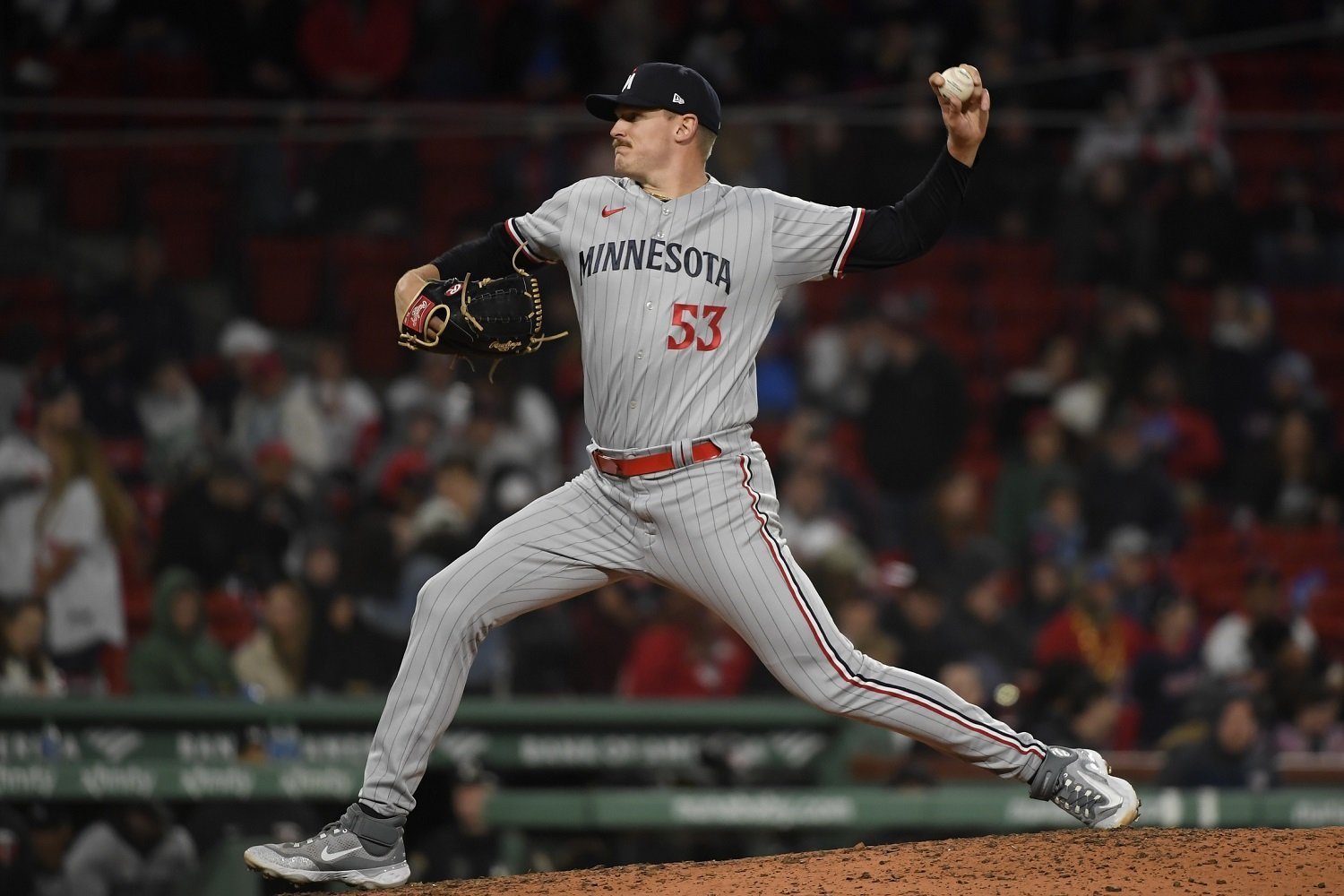 Derek Falvey's staff clearly has a type when it comes to drafting and developing players from the draft’s later rounds. High-school arms, like Charlee Soto and Marco Raya, have mostly been eschewed by the current regime because they come with high risk, even though that can potentially result in a long-term reward. Instead, the Twins have focused on college arms from lesser-known schools, believing in their own ability to develop those players after they have joined the organization. One left-handed pitcher has started strongly in 2024, and it might not be long until he’s needed as a starter at the big-league level. The Twins drafted Brent Headrick in the 9th round of the 2019 MLB Draft from Illinois State University. During the 2021 campaign, he was limited to 16 appearances due to shoulder issues. In 63 innings, he posted a 3.71 ERA with an 88-to-35 strikeout-to-walk ratio in Fort Myers. Minnesota moved him up to High-A for the start of the 2022 season, and he dominated, with a 2.34 ERA and 10.6 K/9 across 15 starts. His strikeout rate increased to 12.3 K/9 when he was promoted to Double-A in the second half, which made it easy to add him to the team’s 40-man roster. Last season, Headrick began the year as a starter at St. Paul and posted a 4.68 ERA. The Twins didn’t need him as a starter at the big-league level, so he was asked to pitch in a multi-inning relief role. Headrick continued to strike out more than ten batters per inning, but he allowed seven home runs in 25 2/3 frames. This spring, he talked to Twins Daily about adding a splitter to keep batters more off-balance, and so far, he’s off to a strong start with the Saints. In Headrick’s first start, he pitched 3 2/3 innings while allowing two earned runs, both on a home run. He struggled with command in his first appearance, with 37 of his 76 pitches thrown out of the strike zone. Batters swung at 35 of his pitches, with only five balls being hard hits and two being in the air. Eight of the 11 outs he recorded came via the strikeout, and he avoided surrendering any walks, even with his location being imperfect for his first start. He didn’t use the splitter in his first start, as he focused on his four-seamer, changeup, and slider. It was a solid start, with some room for improvement. On Saturday, Headrick made his second start of the season and guided the Saints to a 3-0 shutout over Nashville. He combined for five innings on 83 pitches while limiting the Sounds to two hits. Headrick combined for seven strikeouts and three walks while having a higher percentage of pitches in the strike zone. Batters swung at 36 of Headrick’s pitches with only two hard-hit balls, and both were on the ground. His splitter has yet to be identified by the classification algorithms, but some subtle changes to his changeup's spin, velocity and movement suggest that he might be incorporating both that offering and the new one. Perhaps he can start integrating his splitter more regularly as he gets more practice with the pitch on off days. At the big-league level, the bullpen has been one of the team’s strengths this season, even with Jhoan Durán, Caleb Thielbar, and Justin Topa on the IL. Twins manager Rocco Baldelli has also been comfortable having relievers regularly throw multiple innings. Headrick can continue to develop as a starting pitcher with the Saints, instead of being needed as a reliever with the Twins. Shifting between starter and reliever in the same season can be challenging from a developmental perspective. Headrick is off to a strong start, and it will only be a matter of time before the Twins need him to start games at the big-league level. What are your expectations for Headrick this season? Will he continue to be used as a starter? Leave a comment and start the discussion.
 -
The Minnesota Twins front office focused on adding bullpen depth this winter through trades, signings, and waiver claims. Injuries have already impacted the bullpen, but the team’s depth allows one young pitcher to focus on sticking as a starter. Image courtesy of Bob DeChiara-USA TODAY Sports The Minnesota Twins front office focused on adding bullpen depth this winter through trades, signings, and waiver claims. Injuries have already impacted the bullpen, but the team’s depth allows one young pitcher to focus on sticking as a starter. Derek Falvey's staff clearly has a type when it comes to drafting and developing players from the draft’s later rounds. High-school arms, like Charlee Soto and Marco Raya, have mostly been eschewed by the current regime because they come with high risk, even though that can potentially result in a long-term reward. Instead, the Twins have focused on college arms from lesser-known schools, believing in their own ability to develop those players after they have joined the organization. One left-handed pitcher has started strongly in 2024, and it might not be long until he’s needed as a starter at the big-league level. The Twins drafted Brent Headrick in the 9th round of the 2019 MLB Draft from Illinois State University. During the 2021 campaign, he was limited to 16 appearances due to shoulder issues. In 63 innings, he posted a 3.71 ERA with an 88-to-35 strikeout-to-walk ratio in Fort Myers. Minnesota moved him up to High-A for the start of the 2022 season, and he dominated, with a 2.34 ERA and 10.6 K/9 across 15 starts. His strikeout rate increased to 12.3 K/9 when he was promoted to Double-A in the second half, which made it easy to add him to the team’s 40-man roster. Last season, Headrick began the year as a starter at St. Paul and posted a 4.68 ERA. The Twins didn’t need him as a starter at the big-league level, so he was asked to pitch in a multi-inning relief role. Headrick continued to strike out more than ten batters per inning, but he allowed seven home runs in 25 2/3 frames. This spring, he talked to Twins Daily about adding a splitter to keep batters more off-balance, and so far, he’s off to a strong start with the Saints. In Headrick’s first start, he pitched 3 2/3 innings while allowing two earned runs, both on a home run. He struggled with command in his first appearance, with 37 of his 76 pitches thrown out of the strike zone. Batters swung at 35 of his pitches, with only five balls being hard hits and two being in the air. Eight of the 11 outs he recorded came via the strikeout, and he avoided surrendering any walks, even with his location being imperfect for his first start. He didn’t use the splitter in his first start, as he focused on his four-seamer, changeup, and slider. It was a solid start, with some room for improvement. On Saturday, Headrick made his second start of the season and guided the Saints to a 3-0 shutout over Nashville. He combined for five innings on 83 pitches while limiting the Sounds to two hits. Headrick combined for seven strikeouts and three walks while having a higher percentage of pitches in the strike zone. Batters swung at 36 of Headrick’s pitches with only two hard-hit balls, and both were on the ground. His splitter has yet to be identified by the classification algorithms, but some subtle changes to his changeup's spin, velocity and movement suggest that he might be incorporating both that offering and the new one. Perhaps he can start integrating his splitter more regularly as he gets more practice with the pitch on off days. At the big-league level, the bullpen has been one of the team’s strengths this season, even with Jhoan Durán, Caleb Thielbar, and Justin Topa on the IL. Twins manager Rocco Baldelli has also been comfortable having relievers regularly throw multiple innings. Headrick can continue to develop as a starting pitcher with the Saints, instead of being needed as a reliever with the Twins. Shifting between starter and reliever in the same season can be challenging from a developmental perspective. Headrick is off to a strong start, and it will only be a matter of time before the Twins need him to start games at the big-league level. What are your expectations for Headrick this season? Will he continue to be used as a starter? Leave a comment and start the discussion. View full article
-
Things Could Be Worse: Reviewing the 2016 Twins Terrible Start
Cody Christie posted an article in History
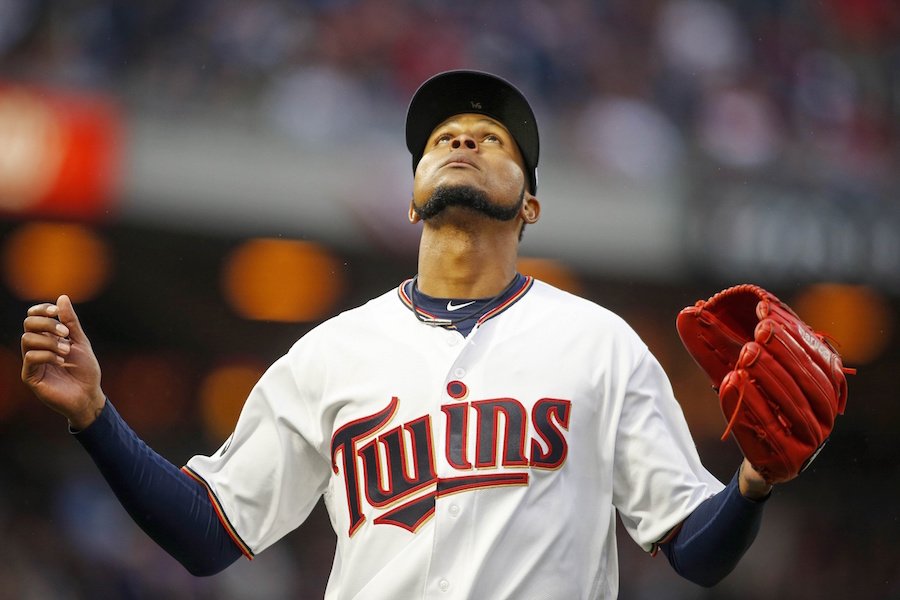 Expectations were high for the Twins entering the 2024 season, with most projections making them the clear favorite in the AL Central. Minnesota’s bats have gotten off to a slow start, which makes it challenging to evaluate the team’s overall performance. But they are in a much better place than some recent teams over the last decade. In 2016, Minnesota stumbled out of the gate and never fully recovered on the way to losing over 100 games. Recently, Twins Daily launched the Minnesota Twins Players Project. What is the Players Project? It's a community-driven, wiki-style project focusing on Twins players of all stripes. It's open to all Twins Daily users, and we've had contributions of current players, past players, and players who never made the major leagues but played in the Twins farm system. Some of the players from this story have already been added to the project, and you can add others. Opening Series @ Baltimore Orioles Game 1: Loss 2-3 (walk off) Minnesota’s Ervin Santana and Baltimore’s Chris Tillman squared off on Opening Day, but both only pitched two innings as rain delays interrupted the game. Adam Jones broke the game open with a two-run double in the bottom of the fifth inning off of Casey Fien. Minnesota answered back in the top of the seventh inning when Eduardo Escobar doubled to drive in Eddie Rosario before Kurt Suzuki used a sacrifice fly to tie the game. Unfortunately, Kevin Jepsen walked Chris Davis in the ninth with two outs. Mark Trumbo singled to move Davis to third, and then Matt Wieters singled for an Opening Day walk-off. Game 2: Loss 2-4 Kyle Gibson started Game 2 for the Twins and pitched five innings but the Orioles scored a run on him in the second, third, fourth and fifth innings. Byron Buxton was the lone Twins hitter with multiple hits, going 2-for-4 with two doubles and a run scored out of the ninth spot in the lineup. In the sixth inning, Trevor Plouffe hit the team’s first home run, a solo shot. Minnesota struck out 13 times and left nine runners on base while going 0-for-6 with runners in scoring position. Game 3: Loss 2-4 Minnesota jumped out to a 2-0 lead on a Joe Mauer home run in the first and a Buxton ground out in the second, but the Twins offense was shut out the rest of the way. Phil Hughes started and held a 2-1 lead when he came out to start the seventh, before allowing the first two batters to reach base. Trevor May relieved him and was charged with a blown save after giving up the go-ahead run. Series 2 @ Kansas City Royals Game 4: Loss 3-4 Extra off days allowed the Twins to bring Santana, their Opening Day starter, for the team’s fourth game. He had a quality start, tossing six innings and allowing two earned runs on six hits. Suzuki drove in the game’s first run in the second inning with a double off Yordano Ventura. Escobar drove in Mauer with a single in the sixth to tie the game at 2-2. ByungHo Park hit a solo home run in the eighth inning, putting the Twins in position for their first win. However, things fell apart in the bottom of the eighth as Jepsen surrendered the lead. Game 5: Loss 0-7 After some heartbreaking losses, the Twins were blown out in their fifth game of the season. Escobar was the lone hitter with multiple hits, but he also made two fielding errors and was thrown out on the bases. Tommy Milone and Casey Fien combined to allow five earned runs in 5 2/3 innings. Minnesota had seven hits but couldn’t score a run. Game 6: Loss 3-4 (walk off) For the second time in six games, the Twins lost on a walk-off hit. Ricky Nolasco made his season debut and was outstanding, allowing one run on three hits over seven innings. But Glen Perkins surrendered the lead in the ninth inning, allowing two runs on three hits. Terrance Gore scored the winning run on Trevor May's wild pitch in the 10th inning. Series 3 vs. Chicago White Sox Game 7: Loss 1-4 Minnesota’s 2016 home opener failed to turn out in the team’s favor. Chicago jumped out to an early 3-0 lead, and the Twins offense never recovered. Gibson allowed one run in the second inning on a Brett Lawrie RBI single. In the fourth, an Escobar error at shortstop allowed two unearned runs to cross the plate. Ryan Pressly continued his strong start to the season out of the bullpen with 2 1/3 scoreless frames. Game 8: Loss 0-3 The Twins were shut out for the second time in the season in their second home game. Mauer went 2-for-4, with his double being Minnesota’s lone extra-base hit. Hughes made his second quality start of the year and limited Chicago to three runs on seven hits with seven strikeouts and no walks. The Twins bullpen (Pressly, Fernando Abad, and Michael Tonkin) pitched 2 2/3 shutout innings to end the game. Game 9: Loss 1-3 Santana's third start was a quality start, limiting the White Sox to three runs on seven hits while compiling a six-to-one strikeout-to-walk ratio. But the Twins lineup only had four hits, including a lead-off triple by Mauer in the bottom of the fourth inning, after which he was driven in on a Plouffe groundout. Park added his first double of the year. Chicago left town with a 7-2 record after dropping Minnesota to 0-9. The losing streak ended with a 5-4 win over the Angels, and the Twins went on to win four straight games over the Angels and Brewers, but it would be a long season in Twins Territory. Minnesota finished with a 59-103 record and fired Terry Ryan in the middle of July. Dozier ended the year with 42 home runs, and Santana posted a 3.38 ERA in 30 starts. What do you remember about the 2016 squad? Are you worried about the 2024 team? Leave a COMMENT and start the discussion.
- 17 comments
-
- 3
-
-
- ervin santana
- brian dozier
- (and 5 more)
-
The Twins haven’t gotten off to a perfect start in 2024, with some frustrating losses to begin the year. But it's a lot better than the 2016 season, which got off to one of the worst starts in franchise history. Image courtesy of Bruce Kluckhohn-USA TODAY Sports The Twins haven’t gotten off to a perfect start in 2024, with some frustrating losses to begin the year. But it's a lot better than the 2016 season, which got off to one of the worst starts in franchise history. Expectations were high for the Twins entering the 2024 season, with most projections making them the clear favorite in the AL Central. Minnesota’s bats have gotten off to a slow start, which makes it challenging to evaluate the team’s overall performance. But they are in a much better place than some recent teams over the last decade. In 2016, Minnesota stumbled out of the gate and never fully recovered on the way to losing over 100 games. Recently, Twins Daily launched the Minnesota Twins Players Project. What is the Players Project? It's a community-driven, wiki-style project focusing on Twins players of all stripes. It's open to all Twins Daily users, and we've had contributions of current players, past players, and players who never made the major leagues but played in the Twins farm system. Some of the players from this story have already been added to the project, and you can add others. Opening Series @ Baltimore Orioles Game 1: Loss 2-3 (walk off) Minnesota’s Ervin Santana and Baltimore’s Chris Tillman squared off on Opening Day, but both only pitched two innings as rain delays interrupted the game. Adam Jones broke the game open with a two-run double in the bottom of the fifth inning off of Casey Fien. Minnesota answered back in the top of the seventh inning when Eduardo Escobar doubled to drive in Eddie Rosario before Kurt Suzuki used a sacrifice fly to tie the game. Unfortunately, Kevin Jepsen walked Chris Davis in the ninth with two outs. Mark Trumbo singled to move Davis to third, and then Matt Wieters singled for an Opening Day walk-off. Game 2: Loss 2-4 Kyle Gibson started Game 2 for the Twins and pitched five innings but the Orioles scored a run on him in the second, third, fourth and fifth innings. Byron Buxton was the lone Twins hitter with multiple hits, going 2-for-4 with two doubles and a run scored out of the ninth spot in the lineup. In the sixth inning, Trevor Plouffe hit the team’s first home run, a solo shot. Minnesota struck out 13 times and left nine runners on base while going 0-for-6 with runners in scoring position. Game 3: Loss 2-4 Minnesota jumped out to a 2-0 lead on a Joe Mauer home run in the first and a Buxton ground out in the second, but the Twins offense was shut out the rest of the way. Phil Hughes started and held a 2-1 lead when he came out to start the seventh, before allowing the first two batters to reach base. Trevor May relieved him and was charged with a blown save after giving up the go-ahead run. Series 2 @ Kansas City Royals Game 4: Loss 3-4 Extra off days allowed the Twins to bring Santana, their Opening Day starter, for the team’s fourth game. He had a quality start, tossing six innings and allowing two earned runs on six hits. Suzuki drove in the game’s first run in the second inning with a double off Yordano Ventura. Escobar drove in Mauer with a single in the sixth to tie the game at 2-2. ByungHo Park hit a solo home run in the eighth inning, putting the Twins in position for their first win. However, things fell apart in the bottom of the eighth as Jepsen surrendered the lead. Game 5: Loss 0-7 After some heartbreaking losses, the Twins were blown out in their fifth game of the season. Escobar was the lone hitter with multiple hits, but he also made two fielding errors and was thrown out on the bases. Tommy Milone and Casey Fien combined to allow five earned runs in 5 2/3 innings. Minnesota had seven hits but couldn’t score a run. Game 6: Loss 3-4 (walk off) For the second time in six games, the Twins lost on a walk-off hit. Ricky Nolasco made his season debut and was outstanding, allowing one run on three hits over seven innings. But Glen Perkins surrendered the lead in the ninth inning, allowing two runs on three hits. Terrance Gore scored the winning run on Trevor May's wild pitch in the 10th inning. Series 3 vs. Chicago White Sox Game 7: Loss 1-4 Minnesota’s 2016 home opener failed to turn out in the team’s favor. Chicago jumped out to an early 3-0 lead, and the Twins offense never recovered. Gibson allowed one run in the second inning on a Brett Lawrie RBI single. In the fourth, an Escobar error at shortstop allowed two unearned runs to cross the plate. Ryan Pressly continued his strong start to the season out of the bullpen with 2 1/3 scoreless frames. Game 8: Loss 0-3 The Twins were shut out for the second time in the season in their second home game. Mauer went 2-for-4, with his double being Minnesota’s lone extra-base hit. Hughes made his second quality start of the year and limited Chicago to three runs on seven hits with seven strikeouts and no walks. The Twins bullpen (Pressly, Fernando Abad, and Michael Tonkin) pitched 2 2/3 shutout innings to end the game. Game 9: Loss 1-3 Santana's third start was a quality start, limiting the White Sox to three runs on seven hits while compiling a six-to-one strikeout-to-walk ratio. But the Twins lineup only had four hits, including a lead-off triple by Mauer in the bottom of the fourth inning, after which he was driven in on a Plouffe groundout. Park added his first double of the year. Chicago left town with a 7-2 record after dropping Minnesota to 0-9. The losing streak ended with a 5-4 win over the Angels, and the Twins went on to win four straight games over the Angels and Brewers, but it would be a long season in Twins Territory. Minnesota finished with a 59-103 record and fired Terry Ryan in the middle of July. Dozier ended the year with 42 home runs, and Santana posted a 3.38 ERA in 30 starts. What do you remember about the 2016 squad? Are you worried about the 2024 team? Leave a COMMENT and start the discussion. View full article
-
Many organization’s top prospects receive plenty of attention, especially as the minor league season begins. Here are four under-the-radar prospects to track, one at each of the team’s full-season affiliates. Image courtesy of William Parmeter- Fort Myers Mighty Mussels Many organization’s top prospects receive plenty of attention, especially as the minor league season begins. Here are four under-the-radar prospects to track, one at each of the team’s full-season affiliates. The St. Paul Saints began their season last week, while the Twins’ other full-season affiliates will take the field this weekend. Top prospects like Walker Jenkins, Emmanuel Rodriguez, and David Festa will garner plenty of attention, but under-the-radar names will need to perform well for the organization to have long-term success. The names below aren’t in Twins Daily’s top 20 prospects, but they can move up the rankings during the 2024 campaign. Triple-A: St. Paul Saints Prospect to Watch: DaShawn Keirsey Jr, OF The Twins selected Keirsey in the fourth round of the 2018 MLB Draft, and he worked his way to St. Paul in the second half of the 2023 season. Last year, he hit .294/.366/.455 with 18 doubles, eight triples, and 15 home runs in 130 games between Double- and Triple-A. Minnesota left him unprotected in the Rule 5 Draft this winter, and there was a chance another organization would select him. Luckily, other teams passed him over, and he stayed with the organization. Keirsey has a ton of speed; he went 39-for-44 in stolen base attempts last season and can play all three outfield positions. He isn’t on the 40-man roster, but is a potential call-up if the Twins need outfield depth. Double-A: Wichita Wind Surge Prospect to Watch: Ben Ross, UTL Ross was a fifth-round pick in 2022 from Notre Dame College, a Division II school, where he hit .405 with an OPS over 1.200. Last season, he played most of the year at High-A and hit .239/.321/.439, with 25 doubles, two triples, and 19 home runs. He finished tied for second in the Midwest League in home runs. Ross played shortstop in college and can continue to handle that position, but the Twins have other shortstop prospects ahead of him on the organizational depth chart. In 2023, he logged over 100 innings at shortstop, third base, and first base, along with playing all three outfield positions. His 25.4% strikeout rate with Cedar Rapids was high, so he will work to reduce that number. High-A: Cedar Rapids Kernels Prospect to Watch: Andrew Morris, RHP Minnesota took Morris in the fourth round of the 2022 MLB Draft from Texas Tech University. During the 2023 campaign, he split time between Low- and High-A, while compiling impressive numbers. In 84 1/3 innings, he posted a 2.88 ERA with a 1.24 WHIP and 8.4 strikeouts per nine innings. He was also one of the key starters in the Cedar Rapids rotation on their way to the 2023 Midwest League title. His fastball can reach the high 90s, with movement, and his offspeed and breaking pitches improved last year. Morris fills up the strike zone, but has yet to put up big strikeout totals--something to keep an eye on this season. As he gets more pro innings under his belt, he has an opportunity to be one of the team’s top pitching prospects. Low-A: Fort Myers Miracle Prospect to Watch: Jose Rodriguez, OF/1B Rodríguez was signed during the 2022 international signing period, for $650,000. He quickly made an impression in the Dominican Summer League, knocking 13 homers, which led the league. Last season, he came Stateside and hit .262/.325/.412, with 10 doubles and six home runs in 49 games. Like many young players, Rodríguez is still very raw and can improve his plate discipline. As his body matures, there is some discussion about whether he can stick in a corner outfield spot, or whether he will have to move to first base, a position he played a handful of times last season. Fort Myers will be his first taste of a full-season league, and he needs to show his power is for real to fit at a corner outfield spot. Which prospects will you be keeping an eye on for each affiliate? Will any of the above names crack the team’s top-20 prospect list before next season? Leave a comment and start the discussion. View full article
-
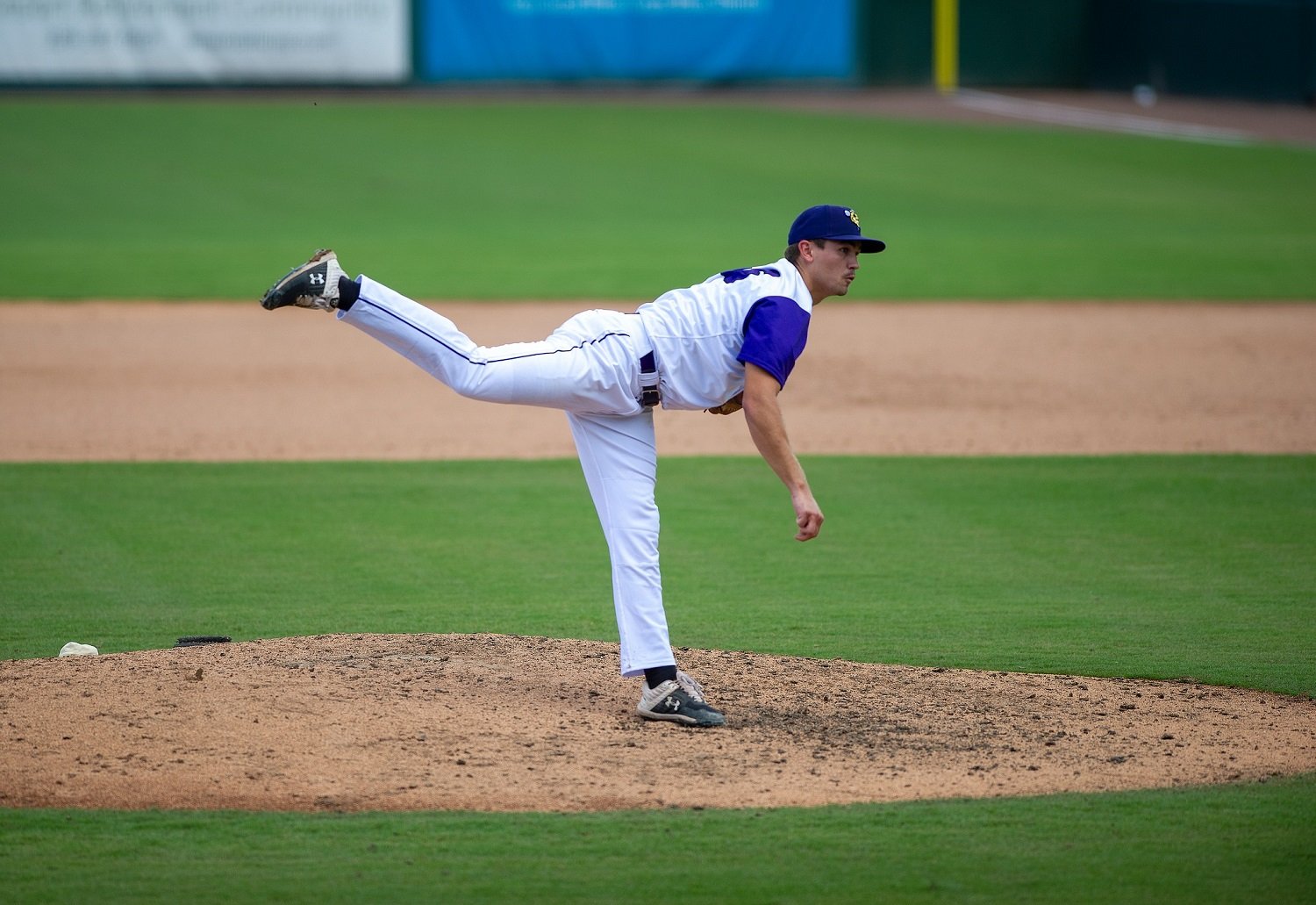 The St. Paul Saints began their season last week, while the Twins’ other full-season affiliates will take the field this weekend. Top prospects like Walker Jenkins, Emmanuel Rodriguez, and David Festa will garner plenty of attention, but under-the-radar names will need to perform well for the organization to have long-term success. The names below aren’t in Twins Daily’s top 20 prospects, but they can move up the rankings during the 2024 campaign. Triple-A: St. Paul Saints Prospect to Watch: DaShawn Keirsey Jr, OF The Twins selected Keirsey in the fourth round of the 2018 MLB Draft, and he worked his way to St. Paul in the second half of the 2023 season. Last year, he hit .294/.366/.455 with 18 doubles, eight triples, and 15 home runs in 130 games between Double- and Triple-A. Minnesota left him unprotected in the Rule 5 Draft this winter, and there was a chance another organization would select him. Luckily, other teams passed him over, and he stayed with the organization. Keirsey has a ton of speed; he went 39-for-44 in stolen base attempts last season and can play all three outfield positions. He isn’t on the 40-man roster, but is a potential call-up if the Twins need outfield depth. Double-A: Wichita Wind Surge Prospect to Watch: Ben Ross, UTL Ross was a fifth-round pick in 2022 from Notre Dame College, a Division II school, where he hit .405 with an OPS over 1.200. Last season, he played most of the year at High-A and hit .239/.321/.439, with 25 doubles, two triples, and 19 home runs. He finished tied for second in the Midwest League in home runs. Ross played shortstop in college and can continue to handle that position, but the Twins have other shortstop prospects ahead of him on the organizational depth chart. In 2023, he logged over 100 innings at shortstop, third base, and first base, along with playing all three outfield positions. His 25.4% strikeout rate with Cedar Rapids was high, so he will work to reduce that number. High-A: Cedar Rapids Kernels Prospect to Watch: Andrew Morris, RHP Minnesota took Morris in the fourth round of the 2022 MLB Draft from Texas Tech University. During the 2023 campaign, he split time between Low- and High-A, while compiling impressive numbers. In 84 1/3 innings, he posted a 2.88 ERA with a 1.24 WHIP and 8.4 strikeouts per nine innings. He was also one of the key starters in the Cedar Rapids rotation on their way to the 2023 Midwest League title. His fastball can reach the high 90s, with movement, and his offspeed and breaking pitches improved last year. Morris fills up the strike zone, but has yet to put up big strikeout totals--something to keep an eye on this season. As he gets more pro innings under his belt, he has an opportunity to be one of the team’s top pitching prospects. Low-A: Fort Myers Miracle Prospect to Watch: Jose Rodriguez, OF/1B Rodríguez was signed during the 2022 international signing period, for $650,000. He quickly made an impression in the Dominican Summer League, knocking 13 homers, which led the league. Last season, he came Stateside and hit .262/.325/.412, with 10 doubles and six home runs in 49 games. Like many young players, Rodríguez is still very raw and can improve his plate discipline. As his body matures, there is some discussion about whether he can stick in a corner outfield spot, or whether he will have to move to first base, a position he played a handful of times last season. Fort Myers will be his first taste of a full-season league, and he needs to show his power is for real to fit at a corner outfield spot. Which prospects will you be keeping an eye on for each affiliate? Will any of the above names crack the team’s top-20 prospect list before next season? Leave a comment and start the discussion.
- 18 comments
-
- 7
-
-

-
- dashawn keirsey jr
- ben ross
- (and 2 more)
-
Will the Twins Give Charlee Soto the Marco Raya Treatment?
Cody Christie posted an article in Minor Leagues
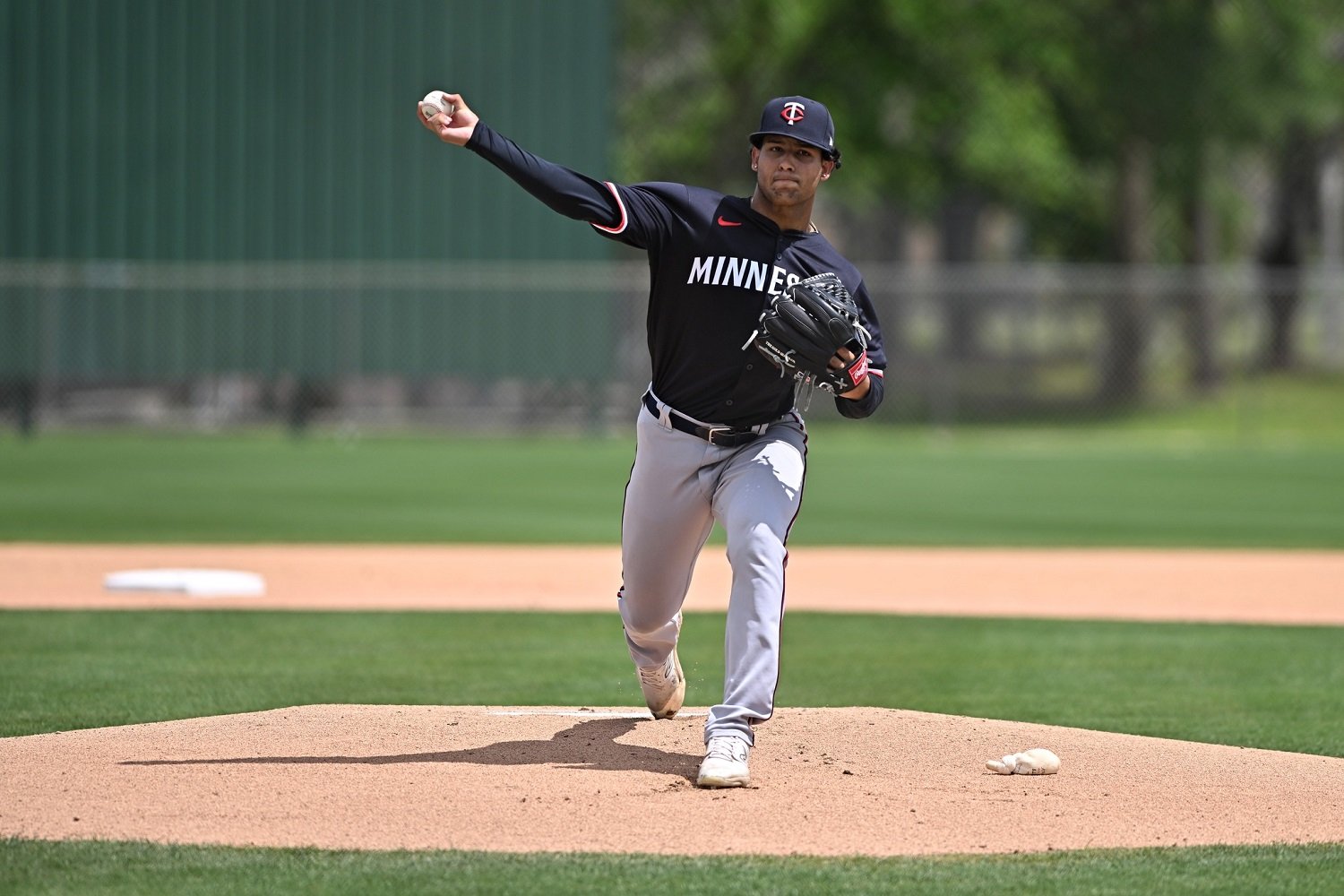 Pitching development is critical for any organization attempting to field a consistent contender. The Twins have done an excellent job of identifying late-round college arms and developing them in the team’s farm system. However, those types of pitchers can have limited upside, so it is vital to use higher draft picks to find pitchers who can develop into playoff-caliber starters. High school pitchers can fit this category, but they come with plenty of risk because of how long it takes to develop them, and the fact that injury risk doesn't wait around until a pitcher is done developing before asserting itself. Let’s look at how the Twins have handled the workload of one recent high-school draft pick and predict whether the same plan will be used with a 2023 top pick. The Twins drafted Marco Raya in the fourth round of the 2020 MLB Draft from a Texas high school. Twins Daily ranks him as the organization’s top pitching prospect, one spot ahead of David Festa. Raya has also garnered national attention, with Baseball Prospectus ranking him 53rd on their Top 101 list entering the 2023 season. Minnesota took Charlee Soto with the 34th overall pick in the 2023 MLB Draft out of high school in Florida. Such picks come with high ceilings, but a high percentage of arms flame out before the big leagues. Minnesota’s current front office regime has avoided using high draft picks on high school pitchers. Before Soto, Chase Petty was the lone exception, and the Twins quickly traded him to the Reds for Sonny Gray. The Twins used first-round picks in back-to-back years to select José Berríos (2012) and Kohl Stewart (2013). Berríos and Stewart’s careers have played out in very different ways, with the former being one of the AL’s best starting pitchers over the last decade and the latter never establishing himself at the big-league level. There are no guarantees with high school pitchers, and that’s one of the reasons the Twins have been cautious about Raya’s usage. After dealing with a shoulder strain during the 2021 season, Raya finally made his professional debut in 2021. Minnesota took a unique approach, having him move quickly up the organizational ladder but limiting his innings. Over the last two years, he has combined for 127 2/3 innings, though he reached Double-A in 2023. He’s been over three years younger than the average age of the competition at each level and was over 4.5 years younger in Wichita. Raya didn’t pitch more than four innings in any outing last year. The Twins are exercising extraordinary caution with him because of his previous injury history and small stature. However, he must prove he can handle a full workload as a starter in 2024. The Twins assigned Soto to Fort Myers to begin the year, where he is the youngest player on the roster by two months. The Mighty Mussels start their season this weekend, allowing Soto to make his professional debut and prove he can be a high-school pitcher who finds long-term success. Whether that comes rapidly or only over a long developmental arc depends on his health, but also on the Twins' appetite for risk where he's concerned. How careful will the Twins be with Soto this season? How many innings will he pitch? Leave a comment and start the discussion.
 -
When it comes to developing starting pitchers, teams have to walk a fine line, minimizing injury risk through workload management while adequately preparing their charges for full-season starting duties in MLB. The Twins have shown extreme caution with some recent top prospects. Will that continue? Image courtesy of William Parmeter When it comes to developing starting pitchers, teams have to walk a fine line, minimizing injury risk through workload management while adequately preparing their charges for full-season starting duties in MLB. The Twins have shown extreme caution with some recent top prospects. Will that continue? Pitching development is critical for any organization attempting to field a consistent contender. The Twins have done an excellent job of identifying late-round college arms and developing them in the team’s farm system. However, those types of pitchers can have limited upside, so it is vital to use higher draft picks to find pitchers who can develop into playoff-caliber starters. High school pitchers can fit this category, but they come with plenty of risk because of how long it takes to develop them, and the fact that injury risk doesn't wait around until a pitcher is done developing before asserting itself. Let’s look at how the Twins have handled the workload of one recent high-school draft pick and predict whether the same plan will be used with a 2023 top pick. The Twins drafted Marco Raya in the fourth round of the 2020 MLB Draft from a Texas high school. Twins Daily ranks him as the organization’s top pitching prospect, one spot ahead of David Festa. Raya has also garnered national attention, with Baseball Prospectus ranking him 53rd on their Top 101 list entering the 2023 season. Minnesota took Charlee Soto with the 34th overall pick in the 2023 MLB Draft out of high school in Florida. Such picks come with high ceilings, but a high percentage of arms flame out before the big leagues. Minnesota’s current front office regime has avoided using high draft picks on high school pitchers. Before Soto, Chase Petty was the lone exception, and the Twins quickly traded him to the Reds for Sonny Gray. The Twins used first-round picks in back-to-back years to select José Berríos (2012) and Kohl Stewart (2013). Berríos and Stewart’s careers have played out in very different ways, with the former being one of the AL’s best starting pitchers over the last decade and the latter never establishing himself at the big-league level. There are no guarantees with high school pitchers, and that’s one of the reasons the Twins have been cautious about Raya’s usage. After dealing with a shoulder strain during the 2021 season, Raya finally made his professional debut in 2021. Minnesota took a unique approach, having him move quickly up the organizational ladder but limiting his innings. Over the last two years, he has combined for 127 2/3 innings, though he reached Double-A in 2023. He’s been over three years younger than the average age of the competition at each level and was over 4.5 years younger in Wichita. Raya didn’t pitch more than four innings in any outing last year. The Twins are exercising extraordinary caution with him because of his previous injury history and small stature. However, he must prove he can handle a full workload as a starter in 2024. The Twins assigned Soto to Fort Myers to begin the year, where he is the youngest player on the roster by two months. The Mighty Mussels start their season this weekend, allowing Soto to make his professional debut and prove he can be a high-school pitcher who finds long-term success. Whether that comes rapidly or only over a long developmental arc depends on his health, but also on the Twins' appetite for risk where he's concerned. How careful will the Twins be with Soto this season? How many innings will he pitch? Leave a comment and start the discussion. View full article
-
Prove It: Two Former Top Twins Prospects Fighting for 2025 Roster Openings
Cody Christie posted an article in Twins
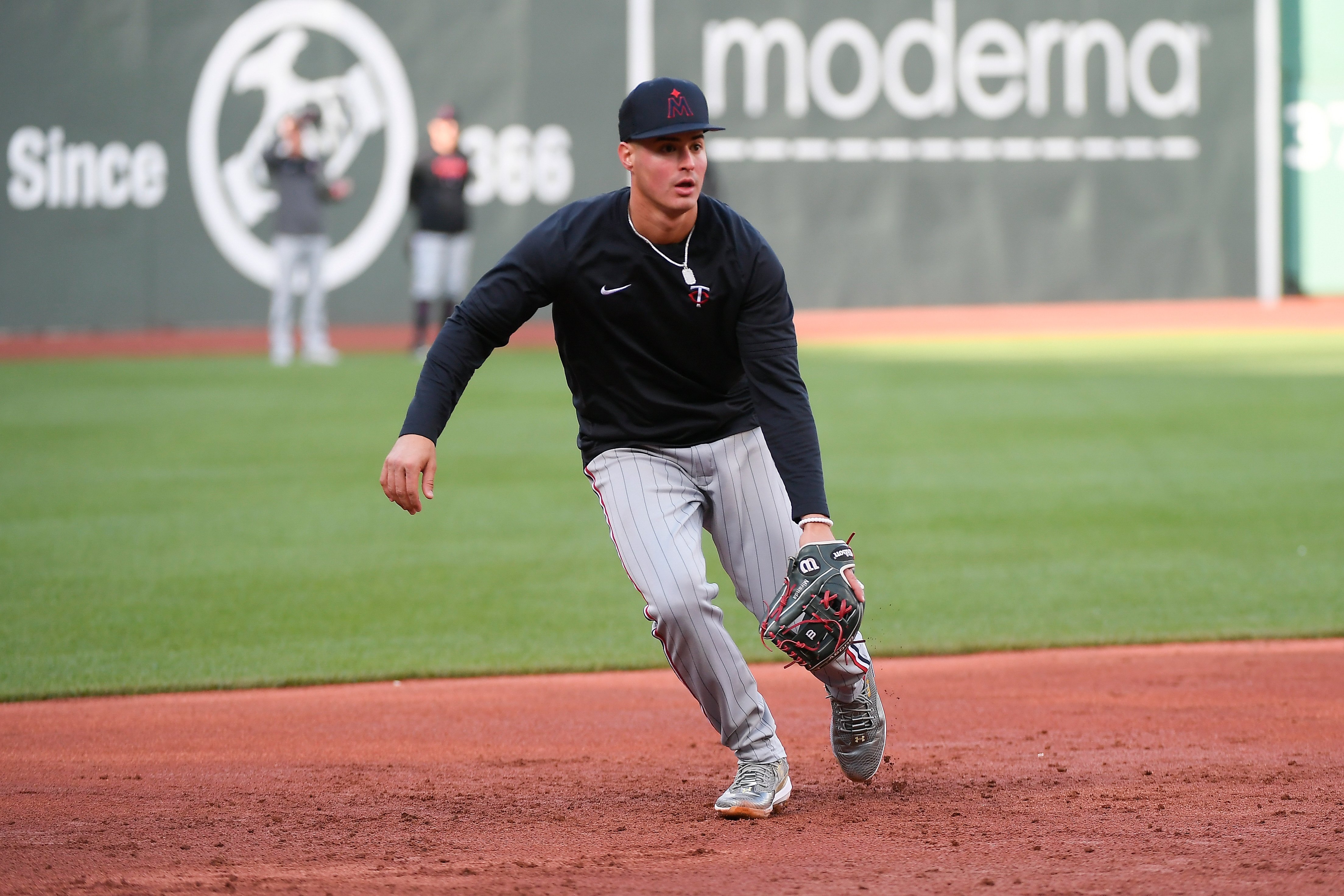 Organizations must balance present and future value when making roster decisions. Currently, the Twins have Max Kepler and Carlos Santana on contracts that expire at the end of this season, and it seems likely that the team will part ways with both players at that point. Kepler will head to free agency for the first time, after spending 15 years in the Twins system, and Santana’s age is usually associated with declining performance. The Twins could go outside the organization to fill those roles, but there are internal options with something to prove. The St. Paul Saints open their season this weekend, with multiple current and former top prospects populating their roster. Many fans will turn their attention to some of the most prominent names in the Twins system, like Brooks Lee and David Festa. However, others on the roster have a chance to push themselves back into the team’s long-term plans. Trevor Larnach and José Miranda have lost their prospect shine, and now it’s time to prove they have long-term value to the Twins. Trevor Larnach, OF The Twins selected Larnach with the 20th overall pick in the 2018 MLB Draft, after a tremendous collegiate career at Oregon State University. He was a consensus top-100 prospect entering the 2020 and 2021 seasons, looking like he might be a middle-of-the-order slugger for multiple seasons. Larnach hasn’t translated his success in the upper minors to the big-league level. In nearly 700 PA, he has hit .222/.315/.385, with a 98 OPS+ and a 33.6 K%. His 2023 season will also be delayed, as he will start the year on the Triple-A IL with turf toe. What Must He Prove? Larnach is getting dangerously close to being categorized as a Quadruple-A player--one who can succeed at Triple-A but not in the big leagues. For his career, he has an .822 OPS in 96 Triple-A games, including an .888 OPS last season for the Saints. His biggest issue at the big-league level has been making consistent contact or doing any damage on non-fastballs. In 2024, he posted a .489 SLG against fastballs, but his SLG dropped to .290 versus breaking pitches. At Triple-A, it’s hard for him to improve against these types of pitches, because he sees pitchers with inferior stuff by MLB standards. Can he escape being categorized as a Quad-A guy and learn to either hunt heat better or leave more for the curveball? José Miranda, 1B/DH Miranda was set to take over the full-time third base role in 2023, with the team trading Gio Urshela to clear a path at the hot corner. He had posted a 114 OPS+ during his rookie season, which included 25 doubles and 15 home runs. Last season, he battled a shoulder injury during spring training, and the problem lingered during the regular season. In 40 games, he hit .211/.263/.303, with seven extra-base hits and a 56 OPS+. His season ended with shoulder surgery, and he watched other players surpass him on the team’s depth chart. Now relegated to first base, he has multiple things to prove. What Must He Prove? Miranda was supposed to be the team’s third baseman of the future, but other players seem better suited for that role. The Twins are having him focus on first base, a position where he started fewer than 40 games in the minors. The cold corner has some defensive nuances to learn (footwork and scooping low throws, for instance) that come with more experience at the position. He must also cobble together an offensive performance that matches that of a first baseman or designated hitter. Both positions have high expectations for hitters, so he needs to return to where he was in 2022. Can he adjust to first base and reemerge as an offensive threat? Kepler and Santana aren’t going anywhere this season, but Larnach and Miranda can make things uncomfortable for the front office (in a good way) if they perform well. The two veterans aren’t part of the team’s long-term plan, but there is hope that the former top prospects will respond this season and prove they belong. Can either player become part of the team’s long-term plans again? Which player will have the best 2024 campaign? Leave a comment and start the discussion.
 -
The Minnesota Twins are heavily reliant on a trio of young pitchers to take the next step and prove they can be playoff-caliber starters in 2024. Each has different focuses for the year, but finding a greater platoon advantage might be the first step. Image courtesy of Nick Wosika-USA TODAY Sports The Minnesota Twins are heavily reliant on a trio of young pitchers to take the next step and prove they can be playoff-caliber starters in 2024. Each has different focuses for the year, but finding a greater platoon advantage might be the first step. Teams always strive to find small advantages to gain an edge over a 162-game season. Some teams utilize openers, while others are strategic about platooning players in the starting lineup. On paper, these seem like small moves, but the value can add up and help contending teams separate themselves in the division standings. The Twins have three young arms looking to fully establish themselves as consistent big-league starters this season. Joe Ryan pitched over 160 innings last season, but saw his performance decline while hiding a groin injury from the team. The Twins felt the need to control Bailey Ober’s workload last season, before he emerged as one of the team’s best starters for the stretch run. Louie Varland showed he can be a dominant reliever, but he will begin the year as the team’s fifth starter. All three pitchers posted reverse splits last season, a commonality the team must address for long-term success. Joe Ryan, RHP Vs. RHB (357 PA): .269/.300/.530, 19 2B, 23 HR, 117 K, 14 BB Vs. LHB (315 PA): .222/.279/.361, 11 2B, 1 3B, 9 HR, 80 K, 20 BB Ryan has a unique arm angle and throwing motion from his previous experience as a water polo player. Last season, his fastball run value ranked in the 91st percentile, 13 runs better than average. Unfortunately, his breaking and offspeed run values were in the 13th percentile or lower, giving back much of that value. His most significant pitch mix change in 2023 was using a split-finger, which resulted in a .415 SLG from opposing batters. Ryan’s fastball will always be the key to his success. Still, his secondary offerings are the difference between being a mid-rotation starter and a top-of-the-rotation guy. Right-handed hitters posted a .511 SLG or higher versus all his pitches in 2023. His sweeper (35.4%) and four-seamer (32.4%) had the highest Whiff% against righties. However, Ryan’s sweeper only resulted in a 19.0 Put Away %, while his fastball had a 25.5%. In his first start against the Royals, Ryan saw a few changes that might help him during the 2024 season. He showed increased velocity with all his pitches and used his slider more regularly against right-handed hitters. It’s only one start, so those will be items to track in the season’s early weeks. Bailey Ober, RHP Vs. RHB (284 PA): .236/.278/.457, 11 2B, 16 HR, 83 K, 12 BB Vs. LHB (293 PA): .228/.280/.349, 13 2B, 1 3B, 6 HR, 63 K, 17 BB Ober has been one of Minnesota’s most consistent starters since he debuted in 2021, which makes it a little easier to brush off the worst start of his career over the weekend. In 2023, Ober’s most significant change with pitch usage was an increase in his changeup (15.6% to 28%), while relying much less on his slider. Since debuting, his slider has been his worst pitch, with a -7 run value. Ober is introducing a cutter this season, so fans can follow that pitch's success (or failure) as he builds a bigger sample size. Ober’s size and length have allowed him to be successful at the big-league level because he releases the ball closer to the plate, which adds perceived velocity to his pitches. That perception didn’t help his fastball enough last season, though, with right-handed hitters tagging it for a .521 SLG. Righties posted a .459 SLG versus his slider, with his changeup being his best offering at a .343 SLG and 33.9 Whiff%. Ober got very few swings and misses against Kansas City this weekend, but the hope is that that is an outlier performance. Louie Varland, RHP Vs. RHB (184 PA): .275/.317/.526, 6 2B, 2 3B, 11 HR, 43 K, 10 BB Vs. LHB (99 PA): .209/.265/.429, 1 2B, 2 3B, 5 HR, 28 K, 7 BB Varland split time as a starter and reliever last season, so his numbers get skewed depending on his role. In 10 starts, he posted a 5.30 ERA with a 1.36 WHIP. Batters hit .270/.321/.527 against him with a 22.4 K% and a 6.6 BB%. He posted similar totals at Triple-A, despite it being a hitter-friendly environment. There was plenty of discussion this winter about what role Varland should fill for the 2024 season, but the team needs him in the rotation after Anthony DeSclafani was injured. For Varland, his most significant pitch usage alteration was an increased use of his cutter and less reliance on his slider. Right-handed batters posted a .328 BA and a .641 SLG against his four-seamer, including ten extra-base hits in 70 PA. His cutter was arguably his best pitch versus righties with a .390 SLG and a 26.5 Whiff%. Out of all his breaking pitches, his cutter was the lone pitch with a slugging percentage lower than .577. Varland has also recently developed a two-seam fastball, which he has not used in a regular-season game. That pitch might be the key to him gaining the platoon advantage and sticking as a starting pitcher. The Twins need the three pitchers mentioned above to take the next step in 2024. Pitching development is critical to keeping the team’s winning window open as long as possible. Finding more success against right-handed hitters will decide each pitcher’s future role with the club, and consistently leveraging the platoon advantage better is a long-time area of concern for the team as a whole. How can these three pitchers improve against right-handed pitchers? Which offspeed pitch needs to improve the most? Leave a comment and start the discussion. View full article
-
How Young Twins Starters Can Better Leverage the Platoon Advantage
Cody Christie posted an article in Twins
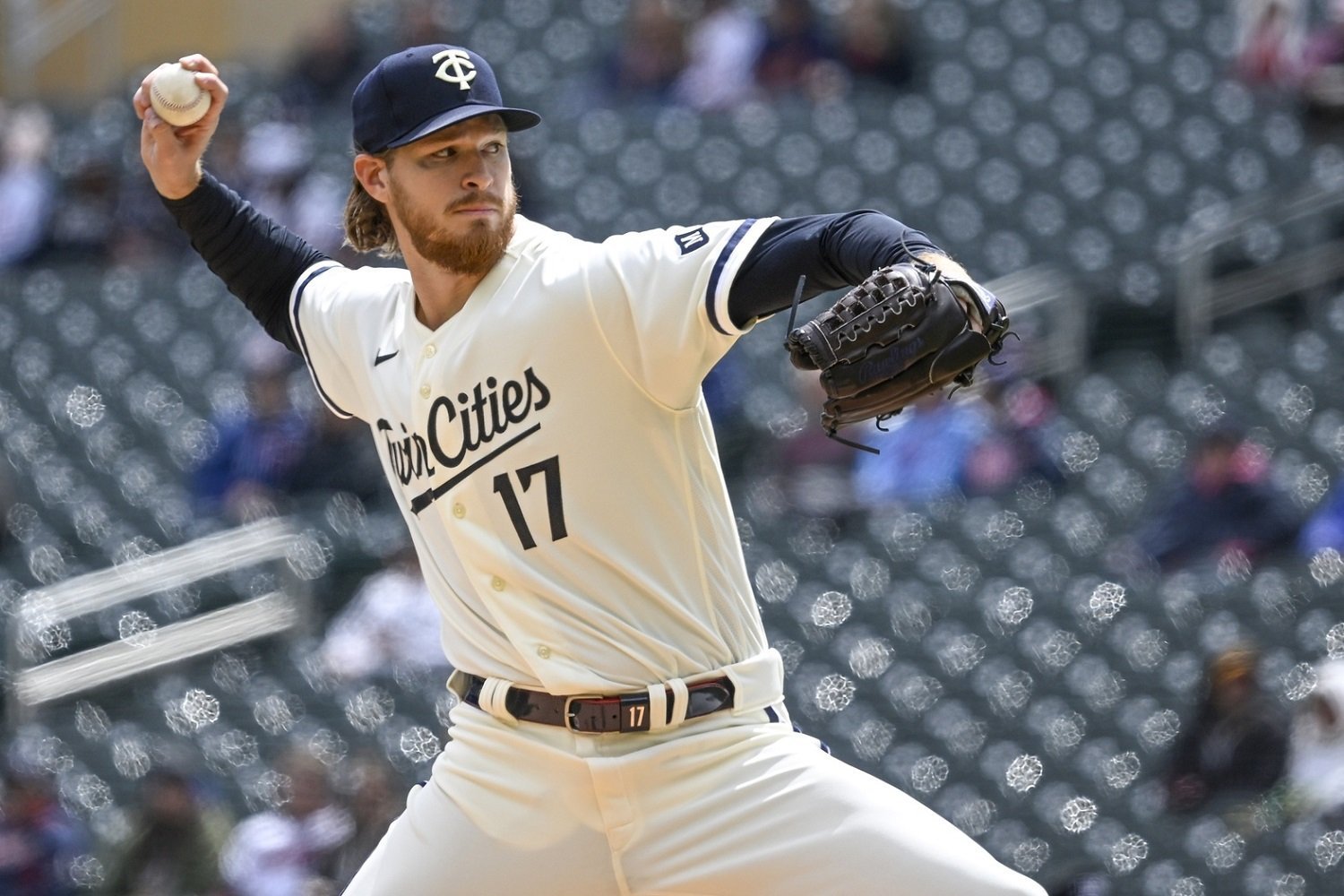 Teams always strive to find small advantages to gain an edge over a 162-game season. Some teams utilize openers, while others are strategic about platooning players in the starting lineup. On paper, these seem like small moves, but the value can add up and help contending teams separate themselves in the division standings. The Twins have three young arms looking to fully establish themselves as consistent big-league starters this season. Joe Ryan pitched over 160 innings last season, but saw his performance decline while hiding a groin injury from the team. The Twins felt the need to control Bailey Ober’s workload last season, before he emerged as one of the team’s best starters for the stretch run. Louie Varland showed he can be a dominant reliever, but he will begin the year as the team’s fifth starter. All three pitchers posted reverse splits last season, a commonality the team must address for long-term success. Joe Ryan, RHP Vs. RHB (357 PA): .269/.300/.530, 19 2B, 23 HR, 117 K, 14 BB Vs. LHB (315 PA): .222/.279/.361, 11 2B, 1 3B, 9 HR, 80 K, 20 BB Ryan has a unique arm angle and throwing motion from his previous experience as a water polo player. Last season, his fastball run value ranked in the 91st percentile, 13 runs better than average. Unfortunately, his breaking and offspeed run values were in the 13th percentile or lower, giving back much of that value. His most significant pitch mix change in 2023 was using a split-finger, which resulted in a .415 SLG from opposing batters. Ryan’s fastball will always be the key to his success. Still, his secondary offerings are the difference between being a mid-rotation starter and a top-of-the-rotation guy. Right-handed hitters posted a .511 SLG or higher versus all his pitches in 2023. His sweeper (35.4%) and four-seamer (32.4%) had the highest Whiff% against righties. However, Ryan’s sweeper only resulted in a 19.0 Put Away %, while his fastball had a 25.5%. In his first start against the Royals, Ryan saw a few changes that might help him during the 2024 season. He showed increased velocity with all his pitches and used his slider more regularly against right-handed hitters. It’s only one start, so those will be items to track in the season’s early weeks. Bailey Ober, RHP Vs. RHB (284 PA): .236/.278/.457, 11 2B, 16 HR, 83 K, 12 BB Vs. LHB (293 PA): .228/.280/.349, 13 2B, 1 3B, 6 HR, 63 K, 17 BB Ober has been one of Minnesota’s most consistent starters since he debuted in 2021, which makes it a little easier to brush off the worst start of his career over the weekend. In 2023, Ober’s most significant change with pitch usage was an increase in his changeup (15.6% to 28%), while relying much less on his slider. Since debuting, his slider has been his worst pitch, with a -7 run value. Ober is introducing a cutter this season, so fans can follow that pitch's success (or failure) as he builds a bigger sample size. Ober’s size and length have allowed him to be successful at the big-league level because he releases the ball closer to the plate, which adds perceived velocity to his pitches. That perception didn’t help his fastball enough last season, though, with right-handed hitters tagging it for a .521 SLG. Righties posted a .459 SLG versus his slider, with his changeup being his best offering at a .343 SLG and 33.9 Whiff%. Ober got very few swings and misses against Kansas City this weekend, but the hope is that that is an outlier performance. Louie Varland, RHP Vs. RHB (184 PA): .275/.317/.526, 6 2B, 2 3B, 11 HR, 43 K, 10 BB Vs. LHB (99 PA): .209/.265/.429, 1 2B, 2 3B, 5 HR, 28 K, 7 BB Varland split time as a starter and reliever last season, so his numbers get skewed depending on his role. In 10 starts, he posted a 5.30 ERA with a 1.36 WHIP. Batters hit .270/.321/.527 against him with a 22.4 K% and a 6.6 BB%. He posted similar totals at Triple-A, despite it being a hitter-friendly environment. There was plenty of discussion this winter about what role Varland should fill for the 2024 season, but the team needs him in the rotation after Anthony DeSclafani was injured. For Varland, his most significant pitch usage alteration was an increased use of his cutter and less reliance on his slider. Right-handed batters posted a .328 BA and a .641 SLG against his four-seamer, including ten extra-base hits in 70 PA. His cutter was arguably his best pitch versus righties with a .390 SLG and a 26.5 Whiff%. Out of all his breaking pitches, his cutter was the lone pitch with a slugging percentage lower than .577. Varland has also recently developed a two-seam fastball, which he has not used in a regular-season game. That pitch might be the key to him gaining the platoon advantage and sticking as a starting pitcher. The Twins need the three pitchers mentioned above to take the next step in 2024. Pitching development is critical to keeping the team’s winning window open as long as possible. Finding more success against right-handed hitters will decide each pitcher’s future role with the club, and consistently leveraging the platoon advantage better is a long-time area of concern for the team as a whole. How can these three pitchers improve against right-handed pitchers? Which offspeed pitch needs to improve the most? Leave a comment and start the discussion.
- 4 comments
-
- 1
-
-
- bailey ober
- louis varland
- (and 1 more)
-
 On Saturday, the Twins announced that Anthony DeSclafani will miss all of the 2024 season (and some of 2025) after undergoing a flexor tendon surgery. It’s the latest setback for DeSclafani, in a career marred by injuries. He missed the 2017 season while dealing with a UCL strain. In 2022, he was limited to fewer than 19 innings because of an ankle injury. A right flexor strain also ended his 2023 season last July. The Twins knew there was a good chance of this outcome when trading for him, which makes this situation distinct from other recent trades. Minnesota acquired DeSclafani as part of the trade with Seattle for Jorge Polanco. The Twins also received reliever Justin Topa and prospects Gabriel Gonzalez and Darren Bowen. The Mariners added $4 million to the $4 million they had been paid by the Giants, reducing DeSclafani’s salary from $12 million to $4 million. González is considered a borderline top-100 prospect, Topa was a quality setup man last season, and Bowen is a recent late-round pick who is more of a flyer. The value in the trade was always likely to come from those players, and not from DeSclafani. Seattle needed the payroll flexibility to add Polanco’s contract, which required the Twins to take on a less desirable contract. It was the cost of doing business in this trade, and not a result of the front office targeting an injured player. Some fans and local media members are pointing fingers at the front office for acquiring another injured pitcher. While that was true, the Twins’ front office was making this trade for the other players involved and not for the starting pitcher who became injured. There are multiple reasons the team continues to trade for injured pitchers, and the Twins aren’t the only club dealing with this issue. Minnesota has made some bad trades under the current regime, but there is still time for the Polanco trade to work out in their favor. Derek Falvey has attempted to add depth to the roster in recent seasons. Last season, the club traded Luis Arráez for Pablo López to add starting depth, pushing Bailey Ober to Triple-A. The Twins wanted DeSclafani’s addition to push Louie Varland to St. Paul to begin the year, but that won’t happen. Minnesota’s pitching depth is already being tested, and the club hopes the current rotation will stay healthy to begin the year. The problem here is that the front office was forced by ownership to cut $30 million from the payroll. Minnesota needed to find payroll savings, and one way to do that was by trading a veteran like Polanco. It was also frustrating for fans to watch the top free-agent starting pitchers sign below-market deals. Blake Snell, the reigning NL Cy Young Award winner, signed with the Giants for two years and $62 million. Jordan Montgomery, who helped Texas win the World Series, signed a one-year, $25 million contract with the Diamondbacks. The Twins could have fit either player into their payroll if they were at last year's $160 million total. Ownership forced this type of trade, which led to adding a starter with a high injury risk. Falvey and Thad Levine have shown they are not afraid to take risks, and sometimes, that comes with a chance to be burned. For every bad Tyler Mahle trade, the team can hope for a franchise-altering López-type deal. DeSclafani doesn’t fit into any of these categories, because the front office didn't proactively target him. The Mariners forced a salary dump to get the other pieces in the trade, and that makes him different. Should DeSclafani be included among the other pitchers who were injured for the Twins? Leave a comment to start the discussion.
 -
Anthony DeSclafani will probably never throw a pitch in a Minnesota Twins uniform, but his acquisition was different from other cases in which the team traded for pitchers who had major subsequent injury problems. Image courtesy of Darren Yamashita-USA TODAY Sports Anthony DeSclafani will probably never throw a pitch in a Minnesota Twins uniform, but his acquisition was different from other cases in which the team traded for pitchers who had major subsequent injury problems. On Saturday, the Twins announced that Anthony DeSclafani will miss all of the 2024 season (and some of 2025) after undergoing a flexor tendon surgery. It’s the latest setback for DeSclafani, in a career marred by injuries. He missed the 2017 season while dealing with a UCL strain. In 2022, he was limited to fewer than 19 innings because of an ankle injury. A right flexor strain also ended his 2023 season last July. The Twins knew there was a good chance of this outcome when trading for him, which makes this situation distinct from other recent trades. Minnesota acquired DeSclafani as part of the trade with Seattle for Jorge Polanco. The Twins also received reliever Justin Topa and prospects Gabriel Gonzalez and Darren Bowen. The Mariners added $4 million to the $4 million they had been paid by the Giants, reducing DeSclafani’s salary from $12 million to $4 million. González is considered a borderline top-100 prospect, Topa was a quality setup man last season, and Bowen is a recent late-round pick who is more of a flyer. The value in the trade was always likely to come from those players, and not from DeSclafani. Seattle needed the payroll flexibility to add Polanco’s contract, which required the Twins to take on a less desirable contract. It was the cost of doing business in this trade, and not a result of the front office targeting an injured player. Some fans and local media members are pointing fingers at the front office for acquiring another injured pitcher. While that was true, the Twins’ front office was making this trade for the other players involved and not for the starting pitcher who became injured. There are multiple reasons the team continues to trade for injured pitchers, and the Twins aren’t the only club dealing with this issue. Minnesota has made some bad trades under the current regime, but there is still time for the Polanco trade to work out in their favor. Derek Falvey has attempted to add depth to the roster in recent seasons. Last season, the club traded Luis Arráez for Pablo López to add starting depth, pushing Bailey Ober to Triple-A. The Twins wanted DeSclafani’s addition to push Louie Varland to St. Paul to begin the year, but that won’t happen. Minnesota’s pitching depth is already being tested, and the club hopes the current rotation will stay healthy to begin the year. The problem here is that the front office was forced by ownership to cut $30 million from the payroll. Minnesota needed to find payroll savings, and one way to do that was by trading a veteran like Polanco. It was also frustrating for fans to watch the top free-agent starting pitchers sign below-market deals. Blake Snell, the reigning NL Cy Young Award winner, signed with the Giants for two years and $62 million. Jordan Montgomery, who helped Texas win the World Series, signed a one-year, $25 million contract with the Diamondbacks. The Twins could have fit either player into their payroll if they were at last year's $160 million total. Ownership forced this type of trade, which led to adding a starter with a high injury risk. Falvey and Thad Levine have shown they are not afraid to take risks, and sometimes, that comes with a chance to be burned. For every bad Tyler Mahle trade, the team can hope for a franchise-altering López-type deal. DeSclafani doesn’t fit into any of these categories, because the front office didn't proactively target him. The Mariners forced a salary dump to get the other pieces in the trade, and that makes him different. Should DeSclafani be included among the other pitchers who were injured for the Twins? Leave a comment to start the discussion. View full article
-
Change is a natural part of the game, and the Minnesota Twins’ 2024 Opening Day roster looks very different from last year's. Do two former top prospects have a path to roster spots in 2025? Image courtesy of Eric Canha-USA TODAY Sports Change is a natural part of the game, and the Minnesota Twins’ 2024 Opening Day roster looks very different from last year's. Do two former top prospects have a path to roster spots in 2025? Organizations must balance present and future value when making roster decisions. Currently, the Twins have Max Kepler and Carlos Santana on contracts that expire at the end of this season, and it seems likely that the team will part ways with both players at that point. Kepler will head to free agency for the first time, after spending 15 years in the Twins system, and Santana’s age is usually associated with declining performance. The Twins could go outside the organization to fill those roles, but there are internal options with something to prove. The St. Paul Saints open their season this weekend, with multiple current and former top prospects populating their roster. Many fans will turn their attention to some of the most prominent names in the Twins system, like Brooks Lee and David Festa. However, others on the roster have a chance to push themselves back into the team’s long-term plans. Trevor Larnach and José Miranda have lost their prospect shine, and now it’s time to prove they have long-term value to the Twins. Trevor Larnach, OF The Twins selected Larnach with the 20th overall pick in the 2018 MLB Draft, after a tremendous collegiate career at Oregon State University. He was a consensus top-100 prospect entering the 2020 and 2021 seasons, looking like he might be a middle-of-the-order slugger for multiple seasons. Larnach hasn’t translated his success in the upper minors to the big-league level. In nearly 700 PA, he has hit .222/.315/.385, with a 98 OPS+ and a 33.6 K%. His 2023 season will also be delayed, as he will start the year on the Triple-A IL with turf toe. What Must He Prove? Larnach is getting dangerously close to being categorized as a Quadruple-A player--one who can succeed at Triple-A but not in the big leagues. For his career, he has an .822 OPS in 96 Triple-A games, including an .888 OPS last season for the Saints. His biggest issue at the big-league level has been making consistent contact or doing any damage on non-fastballs. In 2024, he posted a .489 SLG against fastballs, but his SLG dropped to .290 versus breaking pitches. At Triple-A, it’s hard for him to improve against these types of pitches, because he sees pitchers with inferior stuff by MLB standards. Can he escape being categorized as a Quad-A guy and learn to either hunt heat better or leave more for the curveball? José Miranda, 1B/DH Miranda was set to take over the full-time third base role in 2023, with the team trading Gio Urshela to clear a path at the hot corner. He had posted a 114 OPS+ during his rookie season, which included 25 doubles and 15 home runs. Last season, he battled a shoulder injury during spring training, and the problem lingered during the regular season. In 40 games, he hit .211/.263/.303, with seven extra-base hits and a 56 OPS+. His season ended with shoulder surgery, and he watched other players surpass him on the team’s depth chart. Now relegated to first base, he has multiple things to prove. What Must He Prove? Miranda was supposed to be the team’s third baseman of the future, but other players seem better suited for that role. The Twins are having him focus on first base, a position where he started fewer than 40 games in the minors. The cold corner has some defensive nuances to learn (footwork and scooping low throws, for instance) that come with more experience at the position. He must also cobble together an offensive performance that matches that of a first baseman or designated hitter. Both positions have high expectations for hitters, so he needs to return to where he was in 2022. Can he adjust to first base and reemerge as an offensive threat? Kepler and Santana aren’t going anywhere this season, but Larnach and Miranda can make things uncomfortable for the front office (in a good way) if they perform well. The two veterans aren’t part of the team’s long-term plan, but there is hope that the former top prospects will respond this season and prove they belong. Can either player become part of the team’s long-term plans again? Which player will have the best 2024 campaign? Leave a comment and start the discussion. View full article
-
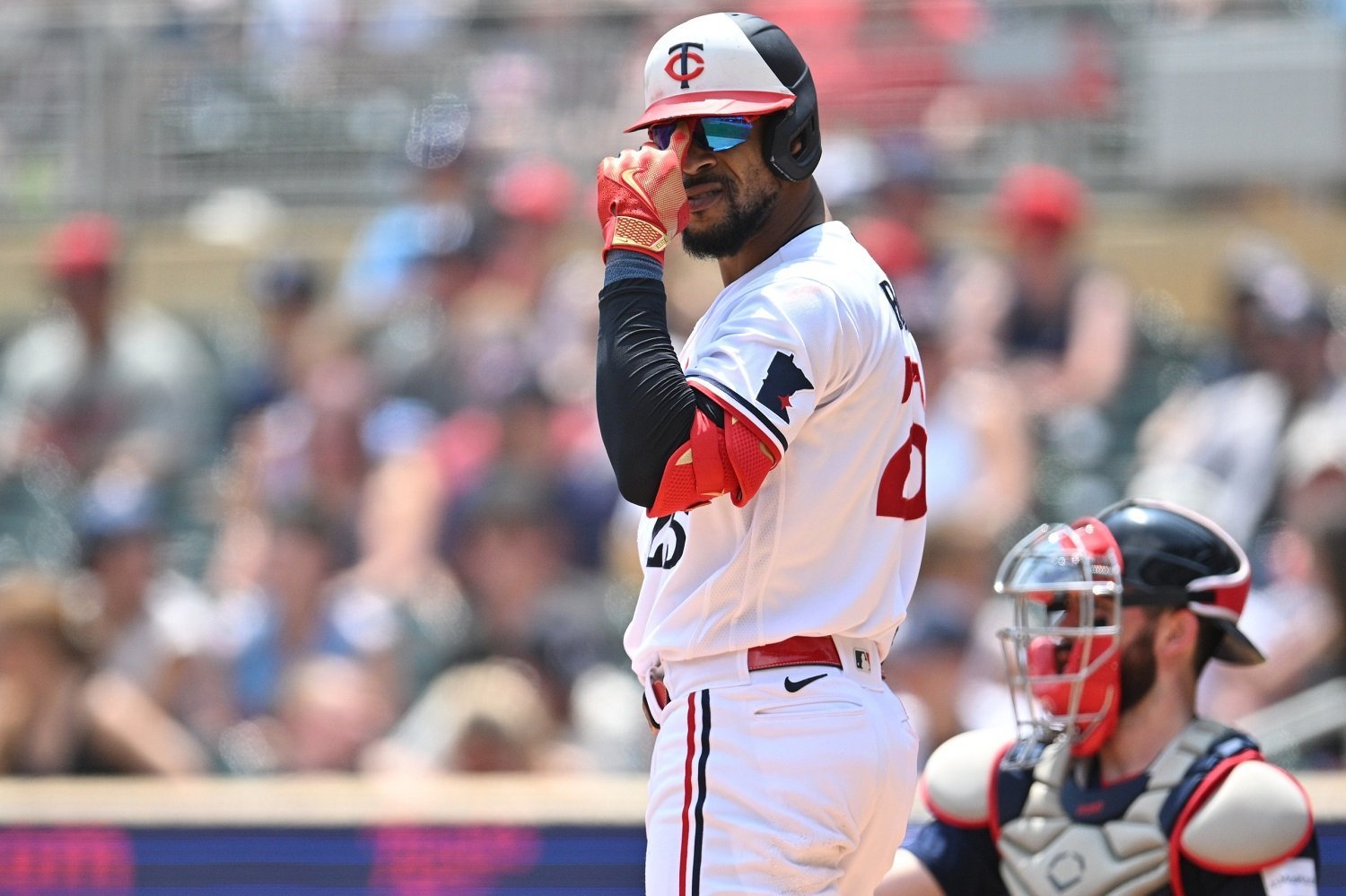 Baseball fans made it through the long winter months, and now, each team is beginning a journey toward October. As a friendly reminder, enjoy the upcoming regular season. Nothing is guaranteed in baseball, and only one fan base will be happy when the season concludes. Appreciating the regular season ride is essential. Fail to do so, and being a fan can be a miserable experience. That said, here are five bold predictions to track in the upcoming season. Pablo López leads the AL in strikeouts and innings pitched Last season, López finished three strikeouts behind Kevin Gausman for the league lead, but the Toronto ace is starting the year a half-step behind, after injury slowed his spring ramp-up. There has been plenty of hype surrounding López this spring, with many national outlets picking him as the AL Cy Young favorite, so that’s not exactly a bold prediction. Many of the top five finishers for last year’s Cy Young are hurt to begin the year, which should help López’s chances if he can stay healthy. Byron Buxton plays over 100 games There has only been one season in which Buxton has crossed the century mark in games played, which was 2017, when he played 140 of them. Over the last two seasons, he has averaged 88.5 games played, while dealing with multiple injuries. Buxton and the Twins are confident that his latest knee procedure has made him truly healthy for the first time in quite a while. He has shown an ability to provide tremendous value to the Twins even when he plays fewer than 100 games. Edouard Julien finishes top three in BB% Julien had a very patient approach at the plate last season and posted a 15.7 BB%, ranking in the 98th percentile. At some points in the season, he was almost too patient; he’d watch a good pitch go past him for strike three. His 14.3 Chase% was the best in the game. Look for umpires to start recognizing how good his eye is at the plate and giving him a few more borderline calls. Griffin Jax leads the AL in WPA Jax and Brock Stewart are likely to fill in at closer for the Twins while Jhoan Durán is sidelined with an oblique injury. However, the Twins will use Stewart as the primary closer and have Jax as the fireman who can be used in any situation. Last season, Jax saw some issues with BABIP, which can point to bad luck with balls dropping in behind him. Despite some struggles, he posted career-best marks in exit velocity and hard-hit percentage. Jax will put that bad luck behind him and will be a weapon out of the bullpen for the entire season. Minnesota finishes as the No. 2 seed in the AL Last season, the Twins won the AL Central and finished as the AL’s third seed. In the last month, there was an outside chance for the team to surpass the AL West leader for the second seed and a first-round bye. Many projection systems point to the Twins winning the Central again, but finishing well behind the lesser of the other two division champs. In other words, the computers expect the same arrangement as last year. The AL West is going to beat up on each other again, though, which allows the Twins to win 90+ games and earn the second seed. Which bold prediction is most likely to come true? What other predictions do you have? Leave a comment and start the discussion.
- 18 comments
-
- 6
-
-
- byron buxton
- pablo lopez
- (and 2 more)
-
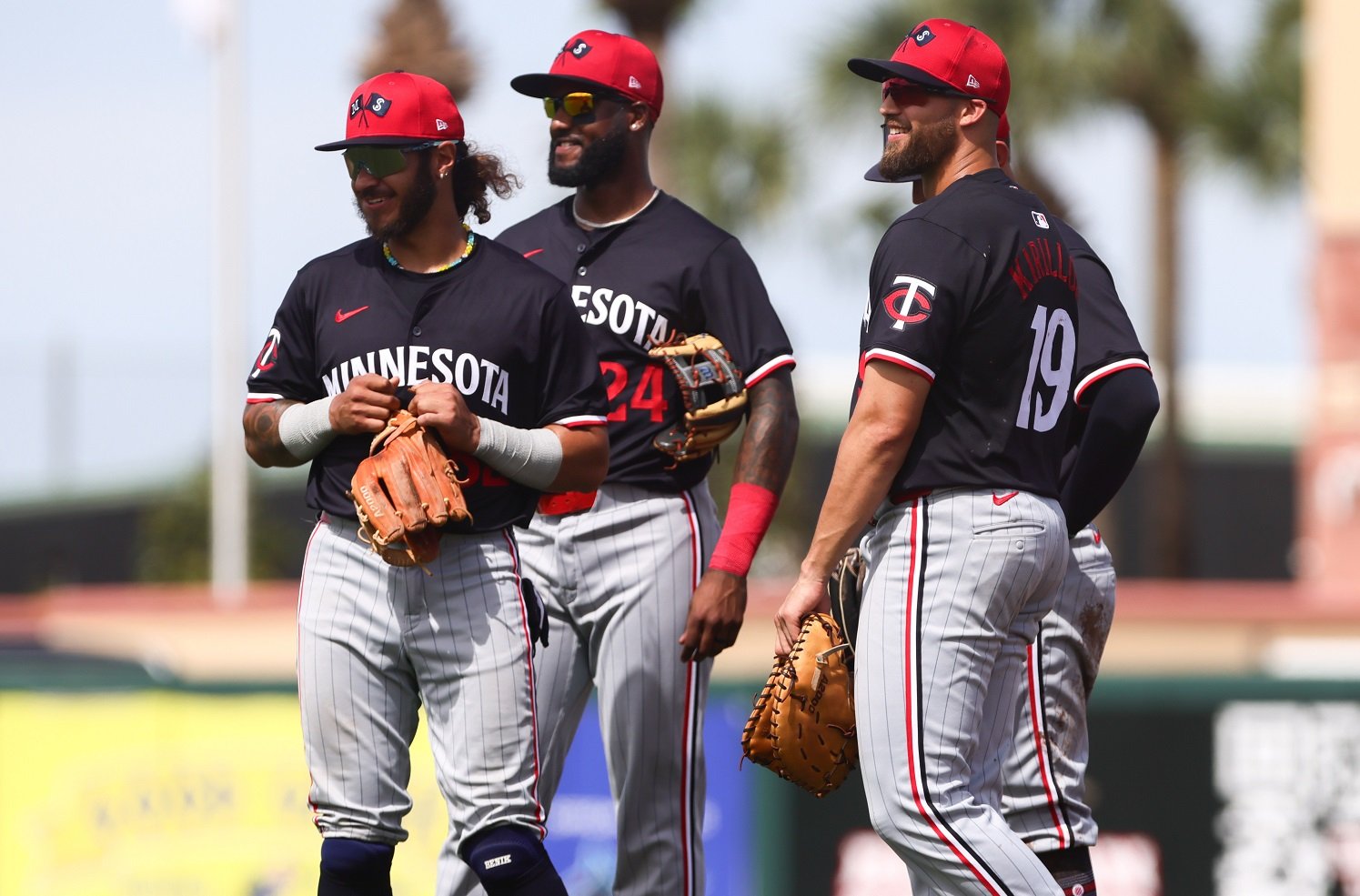 The Toronto Blue Jays drafted Austin Martin with the fifth overall pick in the 2020 MLB Draft. That specific draft class will be uniquely viewed because the players drafted had little or no spring seasons due to the pandemic. Martin was arguably the top hitter in his draft class after he hit .368/.474/.532 (1.007) in 140 collegiate games. Toronto sent him to their alternate training site after he signed, which put him on the path to making his professional debut at Double-A in 2021. All three national prospect rankings placed him in their top 25 prospects leading into the 2021 season, even though he had yet to play a pro game. Martin would only play 56 games in the Blue Jays organization. At Double-A, he hit .281/.424/.383 (.807) with 14 extra-base hits and a 14.8 BB%. Minnesota acquired Martin and Simeon Woods Richardson at the 2021 trade deadline in a blockbuster deal that sent José Berríos to Toronto. The Twins had him finish that season at Double-A, where he was over two years younger than the average age of the competition. He posted a .779 OPS in 37 games, but the club had plans to make some adjustments to Martin and unlock his full potential. The Twins were already attempting to revamp Martin’s swing and approach within months of trading for him. Minnesota approached him with the idea of making a slight mechanical adjustment that would result in him pulling the ball more regularly. He’s known for his strong eye at the plate, so the team hoped he could focus on certain pitches in the zone and use his athletic ability to catch the ball out front and power it down the line. That approach didn’t work in 2022, as his OPS dropped by over 110 points compared to his professional debut. He was also limited to 92 games during the 2022 season due to multiple injuries, so the Twins sent him to the Arizona Fall League for more plate appearances. Martin was one of the top performers in the AFL that season. In 21 games, he hit .374/.454/.482 (.936) with six doubles and a home run. He drew more walks (8) than strikeouts (7) and went 10-for-11 in stolen base attempts. Defensively, he was starting to get more opportunities at other defensive positions besides shortstop, including second base and all three outfield positions. Martin has previously discussed that his most straightforward path to the big leagues might be in a multi-positional utility role. He also realized that some swing adjustments the Twins had suggested might not be the best for his overall performance. Martin might never be a home run hitter, but he can combine his on-base and elite contact skills to provide offensive value. Hopes were high for Martin entering the 2023 season based on his AFL performance. However, he dealt with an elbow injury during spring training, and there was some discussion about whether or not he’d need Tommy John surgery. Luckily, he was able to rehab the injury and return to the field for the season’s second half. In St. Paul, Martin hit .263/.387/.405, with 11 doubles and six home runs across 59 games. It was also the first season in which he didn’t log an inning at shortstop. Instead, the Twins rotated him through multiple positions, including second base, center field, and left field. He was one step away from the big leagues, making the 2024 season even more important. There was renewed optimism surrounding Martin this spring, and now he is getting his first chance to prove his value with the Twins. Although he lost some prospect shine when the Twins acquired him, his skill set can make him a valuable big leaguer for multiple seasons. What stands out the most about Martin’s prospect journey? What value can he provide to the Twins in 2024? Leave a COMMENT and start the discussion.
 -
Austin Martin has experienced a lot in his prospect career, from top draft pick to blockbuster trade, and now he is on the cusp of his big-league debut. Let’s explore his prospect journey to see how he got to this point. Image courtesy of Sam Navarro-USA TODAY Sports Austin Martin has experienced a lot in his prospect career, from top draft pick to blockbuster trade, and now he is on the cusp of his big-league debut. Let’s explore his prospect journey to see how he got to this point. The Toronto Blue Jays drafted Austin Martin with the fifth overall pick in the 2020 MLB Draft. That specific draft class will be uniquely viewed because the players drafted had little or no spring seasons due to the pandemic. Martin was arguably the top hitter in his draft class after he hit .368/.474/.532 (1.007) in 140 collegiate games. Toronto sent him to their alternate training site after he signed, which put him on the path to making his professional debut at Double-A in 2021. All three national prospect rankings placed him in their top 25 prospects leading into the 2021 season, even though he had yet to play a pro game. Martin would only play 56 games in the Blue Jays organization. At Double-A, he hit .281/.424/.383 (.807) with 14 extra-base hits and a 14.8 BB%. Minnesota acquired Martin and Simeon Woods Richardson at the 2021 trade deadline in a blockbuster deal that sent José Berríos to Toronto. The Twins had him finish that season at Double-A, where he was over two years younger than the average age of the competition. He posted a .779 OPS in 37 games, but the club had plans to make some adjustments to Martin and unlock his full potential. The Twins were already attempting to revamp Martin’s swing and approach within months of trading for him. Minnesota approached him with the idea of making a slight mechanical adjustment that would result in him pulling the ball more regularly. He’s known for his strong eye at the plate, so the team hoped he could focus on certain pitches in the zone and use his athletic ability to catch the ball out front and power it down the line. That approach didn’t work in 2022, as his OPS dropped by over 110 points compared to his professional debut. He was also limited to 92 games during the 2022 season due to multiple injuries, so the Twins sent him to the Arizona Fall League for more plate appearances. Martin was one of the top performers in the AFL that season. In 21 games, he hit .374/.454/.482 (.936) with six doubles and a home run. He drew more walks (8) than strikeouts (7) and went 10-for-11 in stolen base attempts. Defensively, he was starting to get more opportunities at other defensive positions besides shortstop, including second base and all three outfield positions. Martin has previously discussed that his most straightforward path to the big leagues might be in a multi-positional utility role. He also realized that some swing adjustments the Twins had suggested might not be the best for his overall performance. Martin might never be a home run hitter, but he can combine his on-base and elite contact skills to provide offensive value. Hopes were high for Martin entering the 2023 season based on his AFL performance. However, he dealt with an elbow injury during spring training, and there was some discussion about whether or not he’d need Tommy John surgery. Luckily, he was able to rehab the injury and return to the field for the season’s second half. In St. Paul, Martin hit .263/.387/.405, with 11 doubles and six home runs across 59 games. It was also the first season in which he didn’t log an inning at shortstop. Instead, the Twins rotated him through multiple positions, including second base, center field, and left field. He was one step away from the big leagues, making the 2024 season even more important. There was renewed optimism surrounding Martin this spring, and now he is getting his first chance to prove his value with the Twins. Although he lost some prospect shine when the Twins acquired him, his skill set can make him a valuable big leaguer for multiple seasons. What stands out the most about Martin’s prospect journey? What value can he provide to the Twins in 2024? Leave a COMMENT and start the discussion. View full article

