



Greggory Masterson
-
Posts
819 -
Joined
-
Last visited
-
Days Won
2
Content Type
Profiles
News
Minnesota Twins Videos
2026 Minnesota Twins Top Prospects Ranking
2022 Minnesota Twins Draft Picks
Minnesota Twins Free Agent & Trade Rumors, Notes, & Tidbits
Guides & Resources
2023 Minnesota Twins Draft Picks
The Minnesota Twins Players Project
2024 Minnesota Twins Draft Picks
2025 Minnesota Twins Draft Pick Tracker
2026 Minnesota Twins Draft Tracker: Picks & Bonuses
Forums
Blogs
Events
Store
Downloads
Gallery
Everything posted by Greggory Masterson
-
 I doubt he will! Nothing utopian here. I would tender him a qualifying offer if I was the GM, but I would not give him an extension.
- 159 replies
-
- 1
-

-
- ryan jeffers
- joe ryan
- (and 1 more)
-
I don't disagree. I personally think that the best path forward at the 2026 deadline is some combination of buying and selling.
- 159 replies
-
- 1
-
-
- ryan jeffers
- joe ryan
- (and 1 more)
-
I don't really understand what you're getting at with the comments about readers paying my bills. You've made that point a few times here, and I'm unsure where you draw the line for decorum when you disagree with someone. What's the difference between saying "There's a habit fans have that's bad" and "The Twins made a bad decision"? Should I pull punches and not write pretty milquetoast arguments so as to appease the people who read what I have to say? I appreciate you laying out your POV, and I have several responses to your points. 1) First, again, thanks for substantiating your perspective, because "Don't tell me how to fan" on its own is not a good response. It's akin to saying "Well, it's just my opinion," which is rarely a good defense for a take or perspective. If you feel strongly enough about something to bristle at someone saying it's wrong, you need to be able to defend it. Say it with your chest. Otherwise, there's no real conversation to be had; it's just "I think this and you think that." Which isn't terribly interesting. 2) As I stated in the article, if they trade Jeffers, then it happens. And it might be the best move for the long-term health of the team. So be it. But there's a ton of cognitive dissonance and illusion of control that goes into that line of thinking that tells you that's what they ought to do. That's worth pointing out. 3) You might not remember it, but I know that I have written similar articles in the past. For instance, I've pointed out that fans sometimes struggle with object permanence, forgetting that things happen behind closed doors and that not hearing that something happened doesn't mean it never did. I've also written that Twins fans should stop getting upset about injury timelines, given the lack of information we have; comparing it to Plato's Cave. I'm sure I've done it other places, but these are what I recall off the top of my head. These are topics that it's okay to cover. Whether bringing that up hurts or helps my case doesn't really concern me, but since you said that no one writes things like this, I might as well point you to it. https://twinsdaily.com/news-rumors/minnesota-twins/baseball-fans-mind-trick-injuries/ https://twinsdaily.com/news-rumors/minnesota-twins/alex-kirilloff-and-embracing-the-unknown-r14127/ 4) Surely this isn't the worst article ever posted here. I remember a piece in 2023 titled something like "How can Miguel Sano and Kennys Vargas make it back to MLB this season?" But I respect you saying that with your chest. When you have a preference, you are inherently stating that that is the best.
-
Yes, precisely. There's nothing wrong in and of itself with putting on your GM hat as a fan. But when you get to the point where your favorite team is in position to make a playoff push, and your thought is that they should try to make themselves worse mid-season, I think you've lost sight of something. I'm not against trading Jeffers by any means. I have no personal attachment to him. I have no interest in extending him for the money he'll get. If they trade him, I'll understand the reasoning and hope that they get good value for him. It might be the smartest thing to do at the deadline. But fans shouldn't be clamoring for it to happen. This is a lot of words to type in under two seconds; good on ya. Shaming? To answer your question: why can't a man care for his fellow man? I want the best for everyone.
- 159 replies
-
- 3
-
-

-
- ryan jeffers
- joe ryan
- (and 1 more)
-
I will end my pathetic and gutless ways and join you in the streets, wailing and gnashing teeth, until the Pohlads strip the team for parts at the deadline so they can save 10 million dollars. Thank you for showing me the error of my ways.
- 159 replies
-
- 2
-

-
- ryan jeffers
- joe ryan
- (and 1 more)
-
Image courtesy of Yannick Peterhans/NorthJersey.com - USA TODAY Network via Reuters Connect The Twins are two games out of a playoff spot and three and a half games out of a very winnable AL Central championship. There are 60 or so games to go this season. The team came in with low expectations, and there has been a very sour taste in many fans’ mouths since this time last year, when the Twins traded away 40% of their active roster in what was the largest trade deadline sell off in sports history. And yet, we’ve got people hoping the team will, nay, begging, the Twins to trade away good players. The title says Ryan Jeffers, and I’ll use him as a reference, but this can be applied to other players as well, such as Joe Ryan. Ryan Jeffers is an impending free agent in the midst of a career year, albeit set back by a broken hamate bone that he appears to be recovering from nicely. The Twins are in a playoff race with the trade deadline coming up, and many fans are fixated on the idea of trading one of the team’s top three players so as to avoid “losing him for nothing” in free agency (assuming they don’t offer him the qualifying offer, which I am in favor of). Now sure, you could say that’s the smart, calculating, cold-blooded, intellectual thing for the team to do, but I have a question: Why should that matter to you? What is the point of being a fan if you’re not hoping that your team does well this year? Following the Twins’ four-game skid from Saturday to Tuesday this week, many fans were almost gleeful that the team could “stop pretending to be a contender” and “wouldn’t be fooled into holding on to their assets.” That is, frankly, a pretty miserable way to be a fan. I’m guilty of it myself from time to time, but here’s the deal: I’m not a GM, and neither are you. It’s not your job to hope that the team trades away its good pieces to pick up some lottery tickets, rather than having the privilege of watching meaningful baseball with playoff implications. It’s not your job to hope the team gets worse. It’s not your job to pray for a tanking season. Sure, it’s better on your emotions to just check out and not care about wins or losses. But hey, maybe that’s a sign you should check out. This isn’t a Twins-only thing. Fans everywhere are plagued by this strange habit of watching their favorite team as if they were a decision-maker. Rooting for transactions has replaced rooting for wins. We forget why we actually enjoy watching sports, or, in this case, the Twins. It should be fun to watch the games. Even if they’re bad. If you read that last bit and heard me say “You should clap like a seal and accept mediocrity and shut up and buy a ticket,” then I’ll say you’re hearing someone else’s voice, not mine. If you’re not enjoying the product, go ahead and check out. Take a day, week, month, year, whatever, off. If the Twins are just a time filler between the end of Wild season and the beginning of Vikings season, be as casual as you want. But if you are locked in, the last thing you should be doing is begging the team to get worse or duck out of a potential playoff run, even if it’s not the most likely outcome. That’s what makes sports fun. It’s the journey. If it’s only the destination for you, you’re going to spend your whole sports life angry and/or looking ahead to the next season, only to look ahead to the following one as soon as it starts. Now, you might be saying, “But Gregg, I care about winning championships. This isn’t a championship team. They might as well cash in now and start building a team that can finally win a championship. It’s been 35 years and Minnesota sports are cursed and remember Gary Anderson?” Sports don’t only matter when your favorite team wins a championship. If the only reason you watch sports is to feel like a vicarious winner, and any season that your team doesn’t win a championship is a waste of time, try to sneak onto your son’s tee ball roster and win the city championship. Or maybe buy a copy of Madden and turn all your ratings up to 99. You’ll get your winning that way. Enjoy watching the game. Enjoy watching the team. Enjoy the storylines. Live and die with every win or loss. Otherwise, what’s the point of watching? You can’t sim to next season in real life. If Ryan Jeffers is trade it, so be it. But that shouldn't be your hope. Do you remember how miserable it was watching games last August and September? The Twins are probably not going to make the playoffs this season. If you’re honest with yourself, you probably know that to be true. But stripping the team for parts—especially parts that are far from guaranteed contributors at some nebulous future time—kneecaps their chances. They kneecap your chances of having entertaining Twins baseball to watch over the next two or three months. Shouldn’t that be worth more to you than a 20-year-old pitcher that MLB Pipeline ranks as the Twins’ new #8 prospect? I really hope it is. View full article
- 159 replies
-
- 3
-
-
-
- ryan jeffers
- joe ryan
- (and 1 more)
-
You’re not a GM. You Shouldn’t Want to Trade Ryan Jeffers.
Greggory Masterson posted an article in Twins
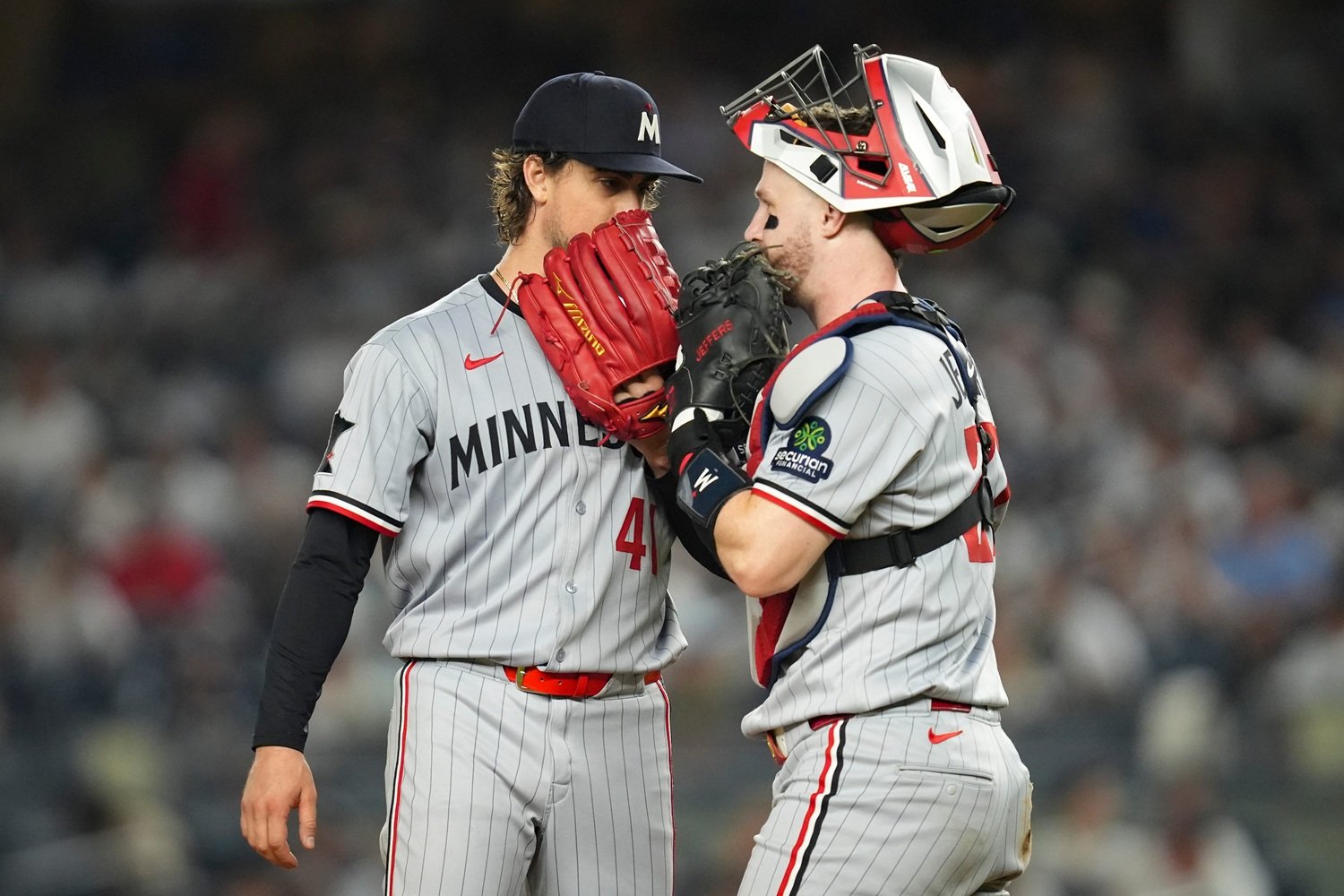 The Twins are two games out of a playoff spot and three and a half games out of a very winnable AL Central championship. There are 60 or so games to go this season. The team came in with low expectations, and there has been a very sour taste in many fans’ mouths since this time last year, when the Twins traded away 40% of their active roster in what was the largest trade deadline sell off in sports history. And yet, we’ve got people hoping the team will, nay, begging, the Twins to trade away good players. The title says Ryan Jeffers, and I’ll use him as a reference, but this can be applied to other players as well, such as Joe Ryan. Ryan Jeffers is an impending free agent in the midst of a career year, albeit set back by a broken hamate bone that he appears to be recovering from nicely. The Twins are in a playoff race with the trade deadline coming up, and many fans are fixated on the idea of trading one of the team’s top three players so as to avoid “losing him for nothing” in free agency (assuming they don’t offer him the qualifying offer, which I am in favor of). Now sure, you could say that’s the smart, calculating, cold-blooded, intellectual thing for the team to do, but I have a question: Why should that matter to you? What is the point of being a fan if you’re not hoping that your team does well this year? Following the Twins’ four-game skid from Saturday to Tuesday this week, many fans were almost gleeful that the team could “stop pretending to be a contender” and “wouldn’t be fooled into holding on to their assets.” That is, frankly, a pretty miserable way to be a fan. I’m guilty of it myself from time to time, but here’s the deal: I’m not a GM, and neither are you. It’s not your job to hope that the team trades away its good pieces to pick up some lottery tickets, rather than having the privilege of watching meaningful baseball with playoff implications. It’s not your job to hope the team gets worse. It’s not your job to pray for a tanking season. Sure, it’s better on your emotions to just check out and not care about wins or losses. But hey, maybe that’s a sign you should check out. This isn’t a Twins-only thing. Fans everywhere are plagued by this strange habit of watching their favorite team as if they were a decision-maker. Rooting for transactions has replaced rooting for wins. We forget why we actually enjoy watching sports, or, in this case, the Twins. It should be fun to watch the games. Even if they’re bad. If you read that last bit and heard me say “You should clap like a seal and accept mediocrity and shut up and buy a ticket,” then I’ll say you’re hearing someone else’s voice, not mine. If you’re not enjoying the product, go ahead and check out. Take a day, week, month, year, whatever, off. If the Twins are just a time filler between the end of Wild season and the beginning of Vikings season, be as casual as you want. But if you are locked in, the last thing you should be doing is begging the team to get worse or duck out of a potential playoff run, even if it’s not the most likely outcome. That’s what makes sports fun. It’s the journey. If it’s only the destination for you, you’re going to spend your whole sports life angry and/or looking ahead to the next season, only to look ahead to the following one as soon as it starts. Now, you might be saying, “But Gregg, I care about winning championships. This isn’t a championship team. They might as well cash in now and start building a team that can finally win a championship. It’s been 35 years and Minnesota sports are cursed and remember Gary Anderson?” Sports don’t only matter when your favorite team wins a championship. If the only reason you watch sports is to feel like a vicarious winner, and any season that your team doesn’t win a championship is a waste of time, try to sneak onto your son’s tee ball roster and win the city championship. Or maybe buy a copy of Madden and turn all your ratings up to 99. You’ll get your winning that way. Enjoy watching the game. Enjoy watching the team. Enjoy the storylines. Live and die with every win or loss. Otherwise, what’s the point of watching? You can’t sim to next season in real life. If Ryan Jeffers is trade it, so be it. But that shouldn't be your hope. Do you remember how miserable it was watching games last August and September? The Twins are probably not going to make the playoffs this season. If you’re honest with yourself, you probably know that to be true. But stripping the team for parts—especially parts that are far from guaranteed contributors at some nebulous future time—kneecaps their chances. They kneecap your chances of having entertaining Twins baseball to watch over the next two or three months. Shouldn’t that be worth more to you than a 20-year-old pitcher that MLB Pipeline ranks as the Twins’ new #8 prospect? I really hope it is.
- 159 comments
-
- 15
-

-
-
-
- ryan jeffers
- joe ryan
- (and 1 more)
-
Walker JenkinsVahn LackeyKaelen CulpepperMarek HoustonEmmanuel RodriguezRiley QuickEduardo TaitKendry RojasDasan HillCarson TinneyEthan WachsmannHendry MendezKhadim DiawBrett RenfrowBrandon WinokurCharlee SotoMarco RayaQuentin YoungGabriel GonzalezEnrique Jimenez
-
It wouldn't be a 20M+ per year contract. It would be a one-year 20M+ deal, and those are completely different. Given that the only other likely free agents are Bell and Rogers, and Larnach will also likely be gone, the roster is relatively set once you account for Jenkins, Culpepper, and Co. backfilling positions. Lopez is coming back, and Ober/Ryan may be out the door, but the rotation has names as well. If given the choice between paying two free agent setup men 10M each or paying Jeffers 23M, I'd probably lean toward Jeffers. That production is more reliable, and if you want evidence of that, check out the relievers that got signed this offseason. It's a cluster F of injuries and bad performance. It doesn't matter how the money is apportioned. When you've got a team where there are a ton of pre-arb players, you have flexibility to "overspend" on a position of need, even if you're not maximizing that position's WAR per dollar spent or whatever.
- 59 replies
-
- 1
-
-
- ryan jeffers
- victor caratini
- (and 3 more)
-
It doesn’t matter who Jeffers is close to. What matters is whether the money makes sense to the Twins. Where would it be better spent, rather than where it falls compared to other contracts. It’d be a one year bridge deal. Jeffers isn’t going to sign a one year contract for a number smaller than that. Much of the offense and starting rotation is accounted for. The only impending free agent on this team from those two groups, other than Jeffers, is Josh Bell. The question isn’t whether Jeffers is worth 23M for a season. It’s whether they would do something more meaningful with that 23M elsewhere on the roster.
-
Image courtesy of © Dylan Widger-Imagn Images After nine consecutive pitchers taken in the 2026 MLB Draft, the Twins added four college hitters and a college pitcher. Many of the same familiar tropes from past Twins drafts have re-emerged, though in slightly different forms. In recent seasons, the Twins have turned their 11-15 picks into major leaguers, including Louis Varland, David Festa, Kyler Fedko, and Kody Funderburk. Will any of these picks see time with the Twins? 11th Round, 317th Overall: OF Aidan Teel, Mississippi State In the first draft since the end of the Derek Falvey era, the Twins showed incredible restraint, waiting until the 11th round to draft a left-handed outfielder. Teel, the younger brother of White Sox catcher Kyle Teel, breaks up the Twins' run of pitchers in this draft. Nearly 22 on draft day, Teel just completed his redshirt junior season at Mississippi State after spending his first three seasons at Virginia, missing his freshman season due to injury. In 168 plate appearances, he slashed .294/.416/.449 (.864) for the SEC program, down from his .979 OPS in 2025 for the ACC's Virginia. Teel has a good eye at the plate and solid contact skills, presenting the Twins with a well-developed player, which isn't surprising given his age on draft day (he will turn 22 next month), but it's unclear how much power the Twins will be able to add to his 6'0, 200 lb. frame, though he did have 11 home runs and 11 doubles in 40 Northwoods League wood bat games. In 2024, he has some speed and may be able to play all three outfield positions, but his best bet is probably in a corner. 12th Round, 347th Overall: RHP Colby Turner, Michigan Once again, showing immense restraint, the Twins held off on drafting the type of player that they have had a habit of taking about 10 rounds earlier than they did today, as they've loved taking a good bat college second baseman somewhere between Supplemental Round A and Round 3 in recent years. Turner is a second baseman who torched the Big 10 in 2026 with a combination of contact and power, with more extra-base hits than strikeouts, including 14 home runs in 57 games. His 1.057 OPS this season was nearly 300 points better than his 2025--first year in the Big 10, making him an enticing name who might have snuck up on some teams. He's a very aggressive hitter, so improving his plate discipline will be beneficial for the Twins Like many college second basemen, defense is not his strong suit, as although he has fine feet and a 6'0, 205 lb. frame, his arm leaves much to be desired, and he might be best suited for left field, reminiscent of the path taken by current Twins like Luke Keaschall and Austin Martin. 13th Round, 377th Overall: SS Isaiah Lane, Hope International (NAIA) Lane is a shortstop whose 2026 season is not found on Baseball Reference, because he transferred from San Diego to Hope International (an NAIA school) shortly before his junior season. It's unclear exactly what spurred his exit from San Diego, other than reports that he had "violated team rules," per the San Diego Union Tribune. Lane posted a .860 OPS at Big 12 Oklahoma in 2024, mostly fueled by a lot of singles and walks in his 71 freshman plate appearances. After transferring to the WCC's San Diego, he slashed .328/.457/.528 as a sophomore, including 21 extra base hits in 245 plate appearances (8 home runs). His power numbers dropped in the wood bat Cape Cod league the following summer, with just a .289 slugging percentage. Lane predictably dominated in NAIA play, with a 1.111 OPS and 7 homers in 117 plate appearances. He's described as having a solid glove and may be able to cut it defensively as a middle infielder. There's a lot of uncertainty with Lane, but such is picking in the 13th round. 14th Round, 407th Overall: RHP Alec Bouchard, Wofford Back to our regularly scheduled programming, the Twins drafted a 6'2 (at just 185 pounds) starting pitcher who they think they can develop. Bouchard is a right-handed starting pitcher who just finished his third season at Wofford, though his first as a full-time starter, throwing 89 innings across 15 starts. His ERA has fallen year-over-year from 7.36 in 2024 as a freshman to 5.69 as a sophomore to 2.83 as a junior as he has developed as a pitcher, earning Southern Conference Pitcher of the Year and First-Team All-Conference honors. The Twins have had success in recent years, building on mid-to-late round pitchers from smaller schools, tweaking their mechanics to improve velocity and stuff. Wofford certainly fits the mold, and Bouchard entered college with a low-90s fastball. 15th Round, 437th Overall: SS Charlie Scholvin, Toledo Named First-Team All-MAC this past season, Scholvin is a high-contact, high-OBP infielder who played three seasons at Toledo. He reached base nearly 50% of the time in 2026, batting .360 with a .488 OBP over 293 plate appearances. However, a lot of that OBP is due to his propensity for getting hit by pitches. A staggering 65 of his plate appearances as a sophomore and junior ended in a plunking, accounting for 13% of his trips to the dish. He also struck out less than he walked, 46 walks compared to 38 strikeouts as a sophomore and junior, but I find it important to emphasize that during that stretch he was hit 19 more times than he walked. A line like that suggests he's got good bat-to-ball skills and that he probably crowds the plate quite a bit. A ball guy, for sure. The expectations for most players taken in this range are low. But the Twins have shown that they can at least take some of these guys and get them to they point that they've earned major league consideration. Who knows what this class will have yielded come 2030? View full article
- 6 replies
-
- 1
-
-
- aiden teel
- colby turner
- (and 5 more)
-
Minnesota Twins 2026 MLB Draft Picks: Rounds 11-15
Greggory Masterson posted an article in MLB Draft
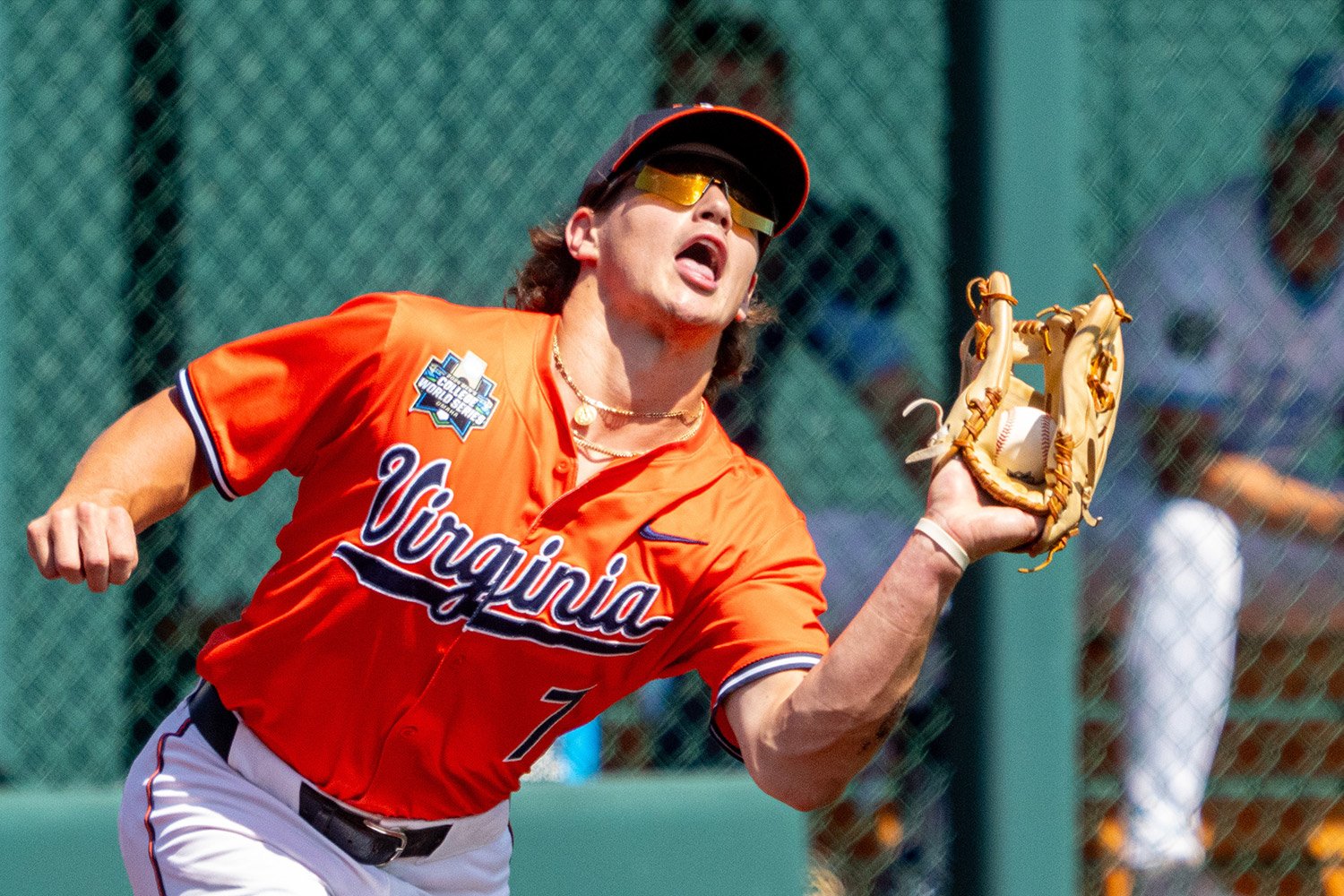 After nine consecutive pitchers taken in the 2026 MLB Draft, the Twins added four college hitters and a college pitcher. Many of the same familiar tropes from past Twins drafts have re-emerged, though in slightly different forms. In recent seasons, the Twins have turned their 11-15 picks into major leaguers, including Louis Varland, David Festa, Kyler Fedko, and Kody Funderburk. Will any of these picks see time with the Twins? 11th Round, 317th Overall: OF Aidan Teel, Mississippi State In the first draft since the end of the Derek Falvey era, the Twins showed incredible restraint, waiting until the 11th round to draft a left-handed outfielder. Teel, the younger brother of White Sox catcher Kyle Teel, breaks up the Twins' run of pitchers in this draft. Nearly 22 on draft day, Teel just completed his redshirt junior season at Mississippi State after spending his first three seasons at Virginia, missing his freshman season due to injury. In 168 plate appearances, he slashed .294/.416/.449 (.864) for the SEC program, down from his .979 OPS in 2025 for the ACC's Virginia. Teel has a good eye at the plate and solid contact skills, presenting the Twins with a well-developed player, which isn't surprising given his age on draft day (he will turn 22 next month), but it's unclear how much power the Twins will be able to add to his 6'0, 200 lb. frame, though he did have 11 home runs and 11 doubles in 40 Northwoods League wood bat games. In 2024, he has some speed and may be able to play all three outfield positions, but his best bet is probably in a corner. 12th Round, 347th Overall: RHP Colby Turner, Michigan Once again, showing immense restraint, the Twins held off on drafting the type of player that they have had a habit of taking about 10 rounds earlier than they did today, as they've loved taking a good bat college second baseman somewhere between Supplemental Round A and Round 3 in recent years. Turner is a second baseman who torched the Big 10 in 2026 with a combination of contact and power, with more extra-base hits than strikeouts, including 14 home runs in 57 games. His 1.057 OPS this season was nearly 300 points better than his 2025--first year in the Big 10, making him an enticing name who might have snuck up on some teams. He's a very aggressive hitter, so improving his plate discipline will be beneficial for the Twins Like many college second basemen, defense is not his strong suit, as although he has fine feet and a 6'0, 205 lb. frame, his arm leaves much to be desired, and he might be best suited for left field, reminiscent of the path taken by current Twins like Luke Keaschall and Austin Martin. 13th Round, 377th Overall: SS Isaiah Lane, Hope International (NAIA) Lane is a shortstop whose 2026 season is not found on Baseball Reference, because he transferred from San Diego to Hope International (an NAIA school) shortly before his junior season. It's unclear exactly what spurred his exit from San Diego, other than reports that he had "violated team rules," per the San Diego Union Tribune. Lane posted a .860 OPS at Big 12 Oklahoma in 2024, mostly fueled by a lot of singles and walks in his 71 freshman plate appearances. After transferring to the WCC's San Diego, he slashed .328/.457/.528 as a sophomore, including 21 extra base hits in 245 plate appearances (8 home runs). His power numbers dropped in the wood bat Cape Cod league the following summer, with just a .289 slugging percentage. Lane predictably dominated in NAIA play, with a 1.111 OPS and 7 homers in 117 plate appearances. He's described as having a solid glove and may be able to cut it defensively as a middle infielder. There's a lot of uncertainty with Lane, but such is picking in the 13th round. 14th Round, 407th Overall: RHP Alec Bouchard, Wofford Back to our regularly scheduled programming, the Twins drafted a 6'2 (at just 185 pounds) starting pitcher who they think they can develop. Bouchard is a right-handed starting pitcher who just finished his third season at Wofford, though his first as a full-time starter, throwing 89 innings across 15 starts. His ERA has fallen year-over-year from 7.36 in 2024 as a freshman to 5.69 as a sophomore to 2.83 as a junior as he has developed as a pitcher, earning Southern Conference Pitcher of the Year and First-Team All-Conference honors. The Twins have had success in recent years, building on mid-to-late round pitchers from smaller schools, tweaking their mechanics to improve velocity and stuff. Wofford certainly fits the mold, and Bouchard entered college with a low-90s fastball. 15th Round, 437th Overall: SS Charlie Scholvin, Toledo Named First-Team All-MAC this past season, Scholvin is a high-contact, high-OBP infielder who played three seasons at Toledo. He reached base nearly 50% of the time in 2026, batting .360 with a .488 OBP over 293 plate appearances. However, a lot of that OBP is due to his propensity for getting hit by pitches. A staggering 65 of his plate appearances as a sophomore and junior ended in a plunking, accounting for 13% of his trips to the dish. He also struck out less than he walked, 46 walks compared to 38 strikeouts as a sophomore and junior, but I find it important to emphasize that during that stretch he was hit 19 more times than he walked. A line like that suggests he's got good bat-to-ball skills and that he probably crowds the plate quite a bit. A ball guy, for sure. The expectations for most players taken in this range are low. But the Twins have shown that they can at least take some of these guys and get them to they point that they've earned major league consideration. Who knows what this class will have yielded come 2030?
- 6 comments
-
- 6
-
-
- aiden teel
- colby turner
- (and 5 more)
-
Happy Independence Day! I have been abandoned by my cohosts. I’m recording an episode of Twins Off-Daily this evening by myself, and I’m looking for mailbag questions. Submit them here, and I’ll answer them, no matter how asinine.
-
I'm here for solicitation. I am soliciting questions you'd like answered on Thursday's Twins Off-Daily Podcast. We're recording tomorrow (6/24) afternoon, so if you've got a question you'd like Sweet Lou and Ol Gregg (and maybe a mystery guest) to answer, leave 'er here!
-
It’s Time to See More Ryan Kreidler
Greggory Masterson replied to Greggory Masterson's topic in Twins Daily Front Page News
Used to be the Twins third base coach- 40 replies
-
- 3
-
-
-
- ryan kreidler
- tristan gray
- (and 2 more)
-
It’s Time to See More Ryan Kreidler
Greggory Masterson replied to Greggory Masterson's topic in Twins Daily Front Page News
No worries, and I apologize if I came across harshly. It's important to me that people don't believe that I write with AI. -
It’s Time to See More Ryan Kreidler
Greggory Masterson replied to Greggory Masterson's topic in Twins Daily Front Page News
There’s a way to alert me that I missed adding “in his career before coming to Minnesota” without accusing me of using AI- 40 replies
-
- 4
-
-
- ryan kreidler
- tristan gray
- (and 2 more)
-
It’s Time to See More Ryan Kreidler
Greggory Masterson posted a topic in Twins Daily Front Page News
Image courtesy of Jerome Miron-Imagn Images Since Opening Day, the Twins’ shortstop position has been in flux. The club has already had four players play shortstop more than 10 times this season: Brooks Lee, Tristan Gray, Ryan Kreidler, and Orlando Arcia. Lee was the team’s Opening Day shortstop, but he played his way off the position and has not appeared there for over a month. Gray, Kreidler, and Arcia have been fighting for time there since, though Arcia has been designated for assignment and returned to St. Paul, effectively creating a timeshare between Gray and Kreidler at the position. The two inexperienced, though not young, form a natural platoon—Gray is a lefty and Kreidler is a righty—and the Twins have held firm to that setup. They have played Gray at shortstop in every game a righty started since May 23, a game he missed on paternity leave. I’m not one to call for sweeping changes, but is it time to end this type of usage? Gray is not playing like an everyday shortstop. Kreidler probably isn’t an everyday shortstop either, but he can at least defend like one. In May, Lee was moved off the position he had held since last July (when Carlos Correa was traded) due to his defense. And rightly so—Lee was, by some metrics, the worst defensive shortstop in baseball. Even if you don’t trust defensive metrics, which is justifiable, watching him told you that, at a minimum, he was not a good defender. At the time of his move off of shortstop, by defensive runs saved (DRS), he was a league-worst -7. His outs above average (OAA) and fielding run value (FRV) told a similar story, -6 and -5, respectively. The average is 0 on these metrics. In 44 games, he’d only committed two errors, but there were head-scratching plays galore, and many balls he simply could not get to because of his range. Gray has played 24 games at shortstop this season (184 innings), and wouldn’t you know, after Friday night’s game, he’s accumulated -8 DRS, -6 OAA, and -6 FRV. Those figures are as bad or worse than Lee’s, but they’re counting stats. He would be on pace to have accumulated -17 DRS, -13 OAA, and -13 FRV by the time he reached Lee’s 390 total innings (that’s not exactly how it works, but you get the point). If you’re an errors person, he’s already racked up six this season, committing one for every four games he plays at shortstop. Part of the reason Lee was moved to third base was that he isn’t a long-term shortstop, so it was sensible to move him to a place that better suited his skillset. Another part of that move was to help improve the team’s defense today. And they replaced Lee with an even worse defender at shortstop. Kreidler is clearly the superior defender out of the group of four Twins shortstops. He’s made a couple of mistakes defensively this season, including miscommunicating on a pop-up that resulted in Luke Keaschall knocking the ball from his glove, but he remains an at minimum average defender. He’s had only 61 innings at the position this season, but he has been an average defender by DRS and has accumulated 1 OAA and 1 FRV. He came to the Twins with a reputation for excellent play in the field, and compared to Lee and Gray, it’s a night-and-day difference. The issue with Kreidler is his hitting, though. Or, at least, that was the issue with his reputation. Kreidler has not played terribly often this season. He’s only accumulated 80 plate appearances. But he’s hit well enough in that time, slashing .243/.338/.486 (.823), about 20% better than league average. A lot of that is buoyed by his four home runs and 10 walks, and his .383 OPS prior to joining Minnesota (yes, OPS, not OBP) casts a cloud over anyone who wants to believe that he’s a competent hitter. But he’s hit enough to at least give him a look at more regular playing time. Kreidler has been slightly better against lefties than righties this season (.821 vs. .809 OPS), though his performance against righties is a bit inflated because three of his four home runs have come against same-handed pitchers (he has a .256 OBP but a .553 SLG against right-handed pitchers). In reality, he’s probably meaningfully better against lefties than righties, which isn’t great for an everyday shortstop candidate whose performance against southpaws also probably isn’t sustainable. However, it’s not as if Gray has lit the world on fire in his platoon-aided appearances. Gray has 126 plate appearances against righties this season, and he’s slashed .252/.294/.365 against them. He had a hot start to the year and was one of the early-season fun stories, slashing .269/.316/.462 (.777) overall through the end of April with three home runs and 13 RBI in 58 plate appearances. Since then, though, he’s cooled off considerably, slashing .222/.261/.296 (.558) overall, and his performance against righties has been just higher, his .608 OPS about 35% below league average. Twins fans (and managers, and front office members) should be under no impression that either Gray or Kreidler is a good hitter, or even an average hitter over a full season. But if neither of them is going to be good, why not play the only player on the team who wouldn’t be in competition for the worst defensive shortstop in baseball? Shortstop is an incredibly important defensive position, and the Twins have largely played poor defenders there. At some point, you have to give the guy who can field the position a shot. Of course, hopefully at some point within the next month, Twins Daily’s #2 prospect, Kaelen Culpepper, will be in that spot. But for now, I feel like I speak for a lot of people when I say that I’m growing weary of watching what’s going on at shortstop. Gray could have a role as a utility infielder, giving the Twins’ bevy of right-handed infielders a day off against same-sided pitching, but we’ve probably seen enough from him as the primary shortstop. Please, just play the sure glove. View full article -
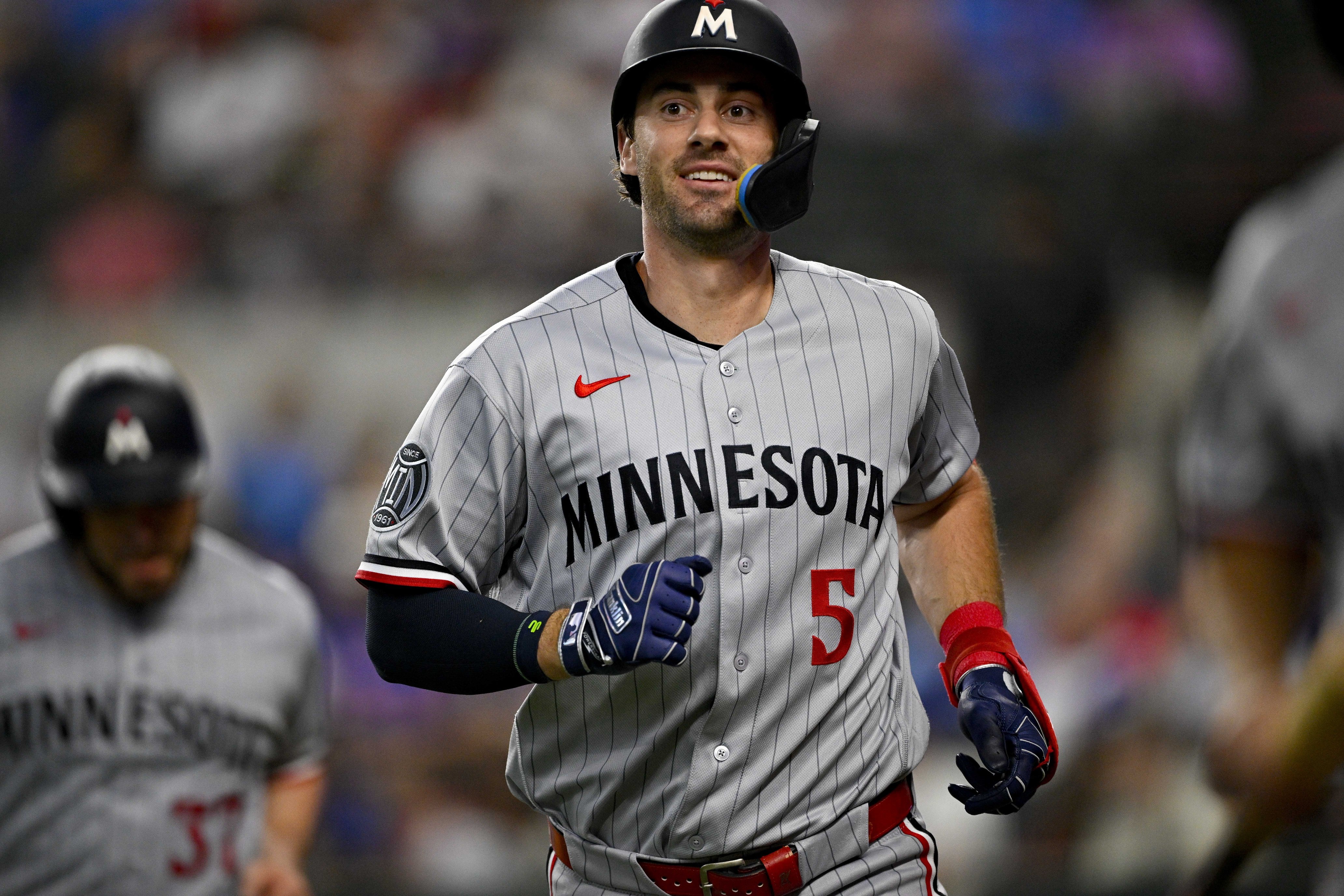 Since Opening Day, the Twins’ shortstop position has been in flux. The club has already had four players play shortstop more than 10 times this season: Brooks Lee, Tristan Gray, Ryan Kreidler, and Orlando Arcia. Lee was the team’s Opening Day shortstop, but he played his way off the position and has not appeared there for over a month. Gray, Kreidler, and Arcia have been fighting for time there since, though Arcia has been designated for assignment and returned to St. Paul, effectively creating a timeshare between Gray and Kreidler at the position. The two inexperienced, though not young, form a natural platoon—Gray is a lefty and Kreidler is a righty—and the Twins have held firm to that setup. They have played Gray at shortstop in every game a righty started since May 23, a game he missed on paternity leave. I’m not one to call for sweeping changes, but is it time to end this type of usage? Gray is not playing like an everyday shortstop. Kreidler probably isn’t an everyday shortstop either, but he can at least defend like one. In May, Lee was moved off the position he had held since last July (when Carlos Correa was traded) due to his defense. And rightly so—Lee was, by some metrics, the worst defensive shortstop in baseball. Even if you don’t trust defensive metrics, which is justifiable, watching him told you that, at a minimum, he was not a good defender. At the time of his move off of shortstop, by defensive runs saved (DRS), he was a league-worst -7. His outs above average (OAA) and fielding run value (FRV) told a similar story, -6 and -5, respectively. The average is 0 on these metrics. In 44 games, he’d only committed two errors, but there were head-scratching plays galore, and many balls he simply could not get to because of his range. Gray has played 24 games at shortstop this season (184 innings), and wouldn’t you know, after Friday night’s game, he’s accumulated -8 DRS, -6 OAA, and -6 FRV. Those figures are as bad or worse than Lee’s, but they’re counting stats. He would be on pace to have accumulated -17 DRS, -13 OAA, and -13 FRV by the time he reached Lee’s 390 total innings (that’s not exactly how it works, but you get the point). If you’re an errors person, he’s already racked up six this season, committing one for every four games he plays at shortstop. Part of the reason Lee was moved to third base was that he isn’t a long-term shortstop, so it was sensible to move him to a place that better suited his skillset. Another part of that move was to help improve the team’s defense today. And they replaced Lee with an even worse defender at shortstop. Kreidler is clearly the superior defender out of the group of four Twins shortstops. He’s made a couple of mistakes defensively this season, including miscommunicating on a pop-up that resulted in Luke Keaschall knocking the ball from his glove, but he remains an at minimum average defender. He’s had only 61 innings at the position this season, but he has been an average defender by DRS and has accumulated 1 OAA and 1 FRV. He came to the Twins with a reputation for excellent play in the field, and compared to Lee and Gray, it’s a night-and-day difference. The issue with Kreidler is his hitting, though. Or, at least, that was the issue with his reputation. Kreidler has not played terribly often this season. He’s only accumulated 80 plate appearances. But he’s hit well enough in that time, slashing .243/.338/.486 (.823), about 20% better than league average. A lot of that is buoyed by his four home runs and 10 walks, and his .383 OPS prior to joining Minnesota (yes, OPS, not OBP) casts a cloud over anyone who wants to believe that he’s a competent hitter. But he’s hit enough to at least give him a look at more regular playing time. Kreidler has been slightly better against lefties than righties this season (.821 vs. .809 OPS), though his performance against righties is a bit inflated because three of his four home runs have come against same-handed pitchers (he has a .256 OBP but a .553 SLG against right-handed pitchers). In reality, he’s probably meaningfully better against lefties than righties, which isn’t great for an everyday shortstop candidate whose performance against southpaws also probably isn’t sustainable. However, it’s not as if Gray has lit the world on fire in his platoon-aided appearances. Gray has 126 plate appearances against righties this season, and he’s slashed .252/.294/.365 against them. He had a hot start to the year and was one of the early-season fun stories, slashing .269/.316/.462 (.777) overall through the end of April with three home runs and 13 RBI in 58 plate appearances. Since then, though, he’s cooled off considerably, slashing .222/.261/.296 (.558) overall, and his performance against righties has been just higher, his .608 OPS about 35% below league average. Twins fans (and managers, and front office members) should be under no impression that either Gray or Kreidler is a good hitter, or even an average hitter over a full season. But if neither of them is going to be good, why not play the only player on the team who wouldn’t be in competition for the worst defensive shortstop in baseball? Shortstop is an incredibly important defensive position, and the Twins have largely played poor defenders there. At some point, you have to give the guy who can field the position a shot. Of course, hopefully at some point within the next month, Twins Daily’s #2 prospect, Kaelen Culpepper, will be in that spot. But for now, I feel like I speak for a lot of people when I say that I’m growing weary of watching what’s going on at shortstop. Gray could have a role as a utility infielder, giving the Twins’ bevy of right-handed infielders a day off against same-sided pitching, but we’ve probably seen enough from him as the primary shortstop. Please, just play the sure glove.
- 40 comments
-
- 10
-
-
- ryan kreidler
- tristan gray
- (and 2 more)
-
Is This Guy the Next Willi Castro?
Greggory Masterson replied to Greggory Masterson's topic in Twins Daily Front Page News
Technically both Castros showed up to a tryout with this organization- 22 replies
-
- 1
-
-
- kody clemens
- ryan kreidler
- (and 4 more)
-
Image courtesy of © Christopher Hanewinckel-Imagn Images Sometimes, our experiences become our prison wardens, rather than our teachers. Every player we don’t like is “just another Miguel Sanó.” When Derek Shelton manages the bullpen well, he “reminds me of Tom Kelly.” When the bullpen blows up, Shelton “has too much Rocco Baldelli in him.” One such trope is figuring out who The Next Willi Castro is. If you don’t believe me when I say people are hung up on the idea of finding the Next Willi Castro, a couple of quick Twitter searches showed me that the following players have been called the Next Willi Castro or the New Willi Castro: Kody Clemens, Austin Martin, Vidal Bruján, Tristan Gray, Dan Altavilla, and Ryan Kreidler. Our own Eric Blonigen asked last year if Thomas Hatch was the Next Willi Castro. To paraphrase the honorable Supreme Court Justice Potter Stewart, I don’t know how to define a Willi Castro, but I know one when I see one, and it is hot, hot, HOT! Well, I lied. I think I’ve defined a Willi Castro. Or at least I’ve tried to. In the never-ending search to find the Next Willi Castro, it’s important to know what we’re looking for. What is a Willi Castro? Willi Castro played two and a half seasons for the Minnesota Twins. He was a roughly league-average hitter; he played every position except first base and catcher; and he stole a handful of bases. Prior to coming to Minnesota, he was an exciting prospect for the Tigers who fizzled out and was released. Minnesota signed him to a minor-league contract, but gave him $1.8 million when he made the team. Given this, he would probably be classified as a late bloomer. He was traded at the 2025 trade deadline for Ryan Gallagher and Sam Armstrong. Obviously, no current Twins are going to map perfectly onto that. But if we’re going to continue to ask “is Mickey Gasper the Next Willi Castro??”, the least we can do is try to attack this scientifically. Positional Flexibility Love it or hate it, the Twins prefer players who can play multiple positions. That’s probably the most obvious place to start the Willi Castro discussion. It’s probably his most notable feature (though not the only Willi Castro feature). The Twins have several players with positional flexibility. Ryan Kreidler has played short, third, center, and left, and he can also play second and right, essentially matching Castro’s flexibility, though with better fielding. Kody Clemens has played all three outfield spots, second, and first. He can also be an emergency option at third. Austin Martin has lost positional flexibility over the years, and is now mostly confined to right field. Royce Lewis can play first, second, and third, and he’s allegedly asked to play the outfield as well—probably in an effort to establish himself as the Next Willi Castro. Orlando Arcia is technically still in the system, and he played all four infield positions and pitched. The newest Twin, Kyler Fedko, can play all three outfield positions and first base, and he’s also played a little second base in the minors. Luke Keaschall is a second baseman, but he’s played first and outfield in the minors, so maybe someday he’ll be in the running. I’m giving Willi Castro points to Kreidler, Clemens, Arcia, and Fedko, because they all have at least five positions in their bag. Speed The Twins haven’t been very fast in a long time. But Castro was. Anyone on the team who has a red bubble (anything over league-average) for sprint speed wins a Willi Castro point here. Byron Buxton, Keaschall, Kreidler, Martin, Clemens, Lewis. Fedko doesn’t have a competitive sprint in the majors yet, but I’ll add him in. Late Blooming Castro had a rough first four seasons in the major leagues, playing at roughly replacement level. He wasn’t old when he joined the Twins, but he was 26 with little MLB success. Clemens certainly fits this criterion, as he seems to have finally become an everyday-caliber player in his late 20s. Martin is trending in that direction, as well. Fedko went from being a non-prospect to being on an MLB roster at 26. Trevor Larnach might fit the bill, too, but he’s basically been who he’s always been this year. Kreidler has played well, but probably not enough to have “bloomed” yet. But let’s not forget the pitchers. Yoendrys Gómez is 26 and might be developing into a real late-inning arm. Joe Ryan and Bailey Ober were both old when they debuted (25), but only Ober was surprising, performance-wise. I’ll give points to Clemens, Martin, Fedko, Gómez, and Ober. Average or Better Hitter This is pretty easy. If your OPS+ is 100 or higher this season, you get a point: Buxton, Clemens, Kreidler, Larnach, Gabriel González, and Ryan Jeffers. Signed to a Minor League Contract The Twins got Castro as a 26-year-old MiLB free agent. What a steal! Other players on the team to have been acquired as such are: John Klein, Cody Laweryson, and I guess Emmanuel Rodriguez, if you wanna get technical. I’d also give a point here to players purchased or claimed on waivers: Clemens, Kreidler, Gómez, Justin Lawrence, Anthony Banda, and Taylor Rashi (I bet you didn’t expect Taylor Rashi to score a Next Willi Castro point). Half-points to Gray, Alex Jackson, Eric Orze, and Garrett Acton for being acquired in unremarkable trades. Played for the Tigers Yes, we’re getting this granular. The funny thing is, though, the top candidates for the role, Clemens and Kreidler, both played for Detroit. They’re the only two guys on the current roster to have done so. Traded at the Deadline Castro was part of the 2025 selloff. Now this hasn’t happened yet, but I’m gonna boldly predict who it’ll be this year: Josh Bell, Matt Wallner, Larnach, Banda, Lewis, Ryan, and Clemens. If you disagree, argue with the wall. Final Tally .5 Willi Castro points: Acton, Gray, Jackson, Orze 1 Willi Castro point: Arcia, Bell, Gonzalez, Jeffers, Keaschall, Klein, Laweryson, Lawrence, Ober, Rashi, Rodriguez, Ryan, Wallner 2 Willi Castro points: Banda, Buxton, Fedko, Gómez, Larnach, Lewis, Martin 5 Willi Castro points: Kredlier 7 Willi Castro points: Clemens Kody Clemens went seven-for-seven in this very scientific, peer-reviewed analysis (Matthew Trueblood is, after all, a peer who reviewed this before publication). Congratulations, Kody. You are the Next Willi Castro. View full article
- 22 replies
-
- 1
-
-
- kody clemens
- ryan kreidler
- (and 4 more)
-
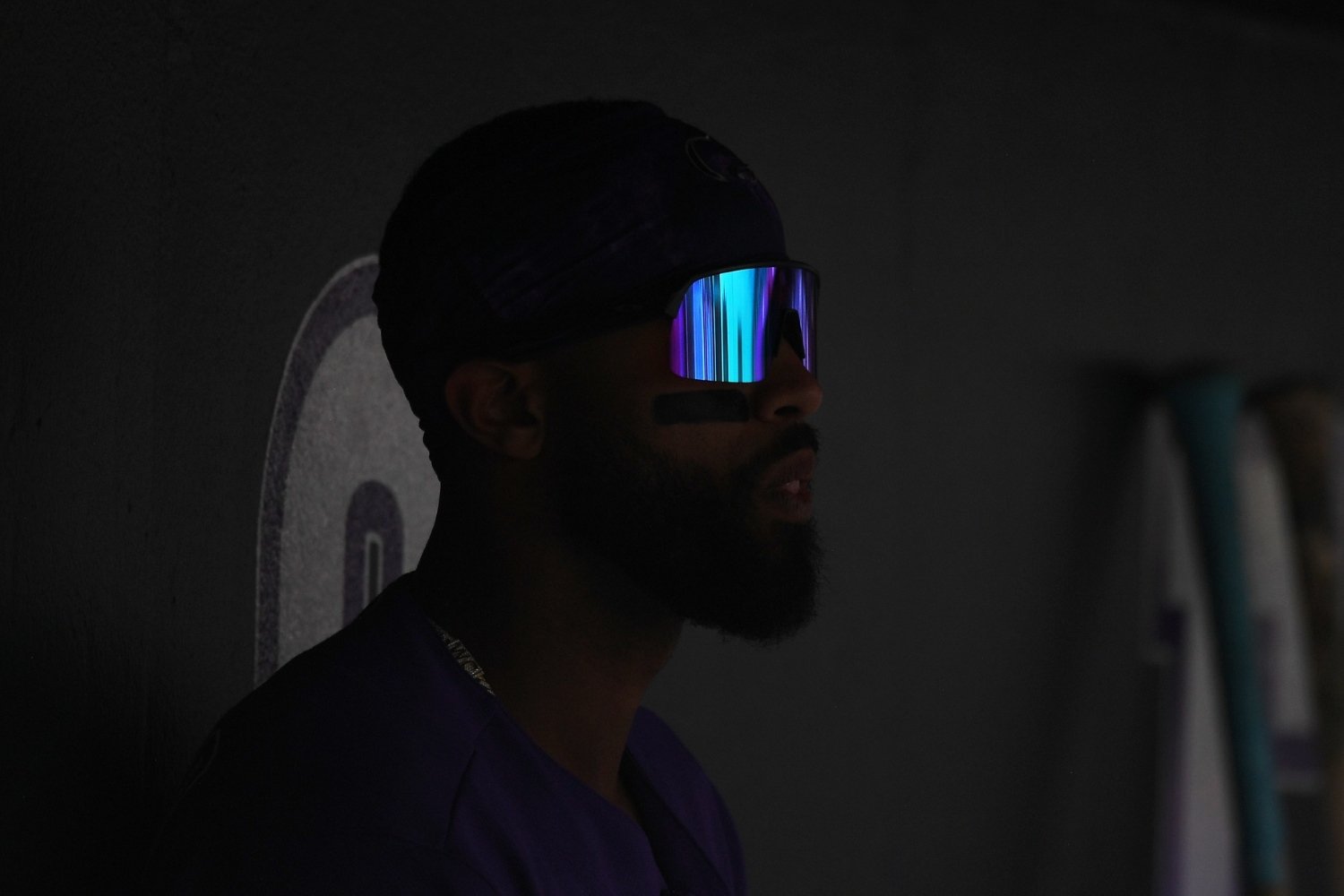 Sometimes, our experiences become our prison wardens, rather than our teachers. Every player we don’t like is “just another Miguel Sanó.” When Derek Shelton manages the bullpen well, he “reminds me of Tom Kelly.” When the bullpen blows up, Shelton “has too much Rocco Baldelli in him.” One such trope is figuring out who The Next Willi Castro is. If you don’t believe me when I say people are hung up on the idea of finding the Next Willi Castro, a couple of quick Twitter searches showed me that the following players have been called the Next Willi Castro or the New Willi Castro: Kody Clemens, Austin Martin, Vidal Bruján, Tristan Gray, Dan Altavilla, and Ryan Kreidler. Our own Eric Blonigen asked last year if Thomas Hatch was the Next Willi Castro. To paraphrase the honorable Supreme Court Justice Potter Stewart, I don’t know how to define a Willi Castro, but I know one when I see one, and it is hot, hot, HOT! Well, I lied. I think I’ve defined a Willi Castro. Or at least I’ve tried to. In the never-ending search to find the Next Willi Castro, it’s important to know what we’re looking for. What is a Willi Castro? Willi Castro played two and a half seasons for the Minnesota Twins. He was a roughly league-average hitter; he played every position except first base and catcher; and he stole a handful of bases. Prior to coming to Minnesota, he was an exciting prospect for the Tigers who fizzled out and was released. Minnesota signed him to a minor-league contract, but gave him $1.8 million when he made the team. Given this, he would probably be classified as a late bloomer. He was traded at the 2025 trade deadline for Ryan Gallagher and Sam Armstrong. Obviously, no current Twins are going to map perfectly onto that. But if we’re going to continue to ask “is Mickey Gasper the Next Willi Castro??”, the least we can do is try to attack this scientifically. Positional Flexibility Love it or hate it, the Twins prefer players who can play multiple positions. That’s probably the most obvious place to start the Willi Castro discussion. It’s probably his most notable feature (though not the only Willi Castro feature). The Twins have several players with positional flexibility. Ryan Kreidler has played short, third, center, and left, and he can also play second and right, essentially matching Castro’s flexibility, though with better fielding. Kody Clemens has played all three outfield spots, second, and first. He can also be an emergency option at third. Austin Martin has lost positional flexibility over the years, and is now mostly confined to right field. Royce Lewis can play first, second, and third, and he’s allegedly asked to play the outfield as well—probably in an effort to establish himself as the Next Willi Castro. Orlando Arcia is technically still in the system, and he played all four infield positions and pitched. The newest Twin, Kyler Fedko, can play all three outfield positions and first base, and he’s also played a little second base in the minors. Luke Keaschall is a second baseman, but he’s played first and outfield in the minors, so maybe someday he’ll be in the running. I’m giving Willi Castro points to Kreidler, Clemens, Arcia, and Fedko, because they all have at least five positions in their bag. Speed The Twins haven’t been very fast in a long time. But Castro was. Anyone on the team who has a red bubble (anything over league-average) for sprint speed wins a Willi Castro point here. Byron Buxton, Keaschall, Kreidler, Martin, Clemens, Lewis. Fedko doesn’t have a competitive sprint in the majors yet, but I’ll add him in. Late Blooming Castro had a rough first four seasons in the major leagues, playing at roughly replacement level. He wasn’t old when he joined the Twins, but he was 26 with little MLB success. Clemens certainly fits this criterion, as he seems to have finally become an everyday-caliber player in his late 20s. Martin is trending in that direction, as well. Fedko went from being a non-prospect to being on an MLB roster at 26. Trevor Larnach might fit the bill, too, but he’s basically been who he’s always been this year. Kreidler has played well, but probably not enough to have “bloomed” yet. But let’s not forget the pitchers. Yoendrys Gómez is 26 and might be developing into a real late-inning arm. Joe Ryan and Bailey Ober were both old when they debuted (25), but only Ober was surprising, performance-wise. I’ll give points to Clemens, Martin, Fedko, Gómez, and Ober. Average or Better Hitter This is pretty easy. If your OPS+ is 100 or higher this season, you get a point: Buxton, Clemens, Kreidler, Larnach, Gabriel González, and Ryan Jeffers. Signed to a Minor League Contract The Twins got Castro as a 26-year-old MiLB free agent. What a steal! Other players on the team to have been acquired as such are: John Klein, Cody Laweryson, and I guess Emmanuel Rodriguez, if you wanna get technical. I’d also give a point here to players purchased or claimed on waivers: Clemens, Kreidler, Gómez, Justin Lawrence, Anthony Banda, and Taylor Rashi (I bet you didn’t expect Taylor Rashi to score a Next Willi Castro point). Half-points to Gray, Alex Jackson, Eric Orze, and Garrett Acton for being acquired in unremarkable trades. Played for the Tigers Yes, we’re getting this granular. The funny thing is, though, the top candidates for the role, Clemens and Kreidler, both played for Detroit. They’re the only two guys on the current roster to have done so. Traded at the Deadline Castro was part of the 2025 selloff. Now this hasn’t happened yet, but I’m gonna boldly predict who it’ll be this year: Josh Bell, Matt Wallner, Larnach, Banda, Lewis, Ryan, and Clemens. If you disagree, argue with the wall. Final Tally .5 Willi Castro points: Acton, Gray, Jackson, Orze 1 Willi Castro point: Arcia, Bell, Gonzalez, Jeffers, Keaschall, Klein, Laweryson, Lawrence, Ober, Rashi, Rodriguez, Ryan, Wallner 2 Willi Castro points: Banda, Buxton, Fedko, Gómez, Larnach, Lewis, Martin 5 Willi Castro points: Kredlier 7 Willi Castro points: Clemens Kody Clemens went seven-for-seven in this very scientific, peer-reviewed analysis (Matthew Trueblood is, after all, a peer who reviewed this before publication). Congratulations, Kody. You are the Next Willi Castro.
- 22 comments
-
- 4
-
-
-
- kody clemens
- ryan kreidler
- (and 4 more)
-
conflabbit
-
What is Kyler Fedko’s Job?
Greggory Masterson replied to Greggory Masterson's topic in Twins Daily Front Page News
No, I completely understand the allure of the Fedko Class, like Helman, Keirsey, Severino, Chris Williams, and Mark Contreras. I clapped like a seal when McCusker got called up and I hope to see Sabato at some point.

