



Parker Hageman
-
Posts
4,152 -
Joined
-
Last visited
-
Days Won
6
Content Type
Profiles
News
Minnesota Twins Videos
2026 Minnesota Twins Top Prospects Ranking
2022 Minnesota Twins Draft Picks
Minnesota Twins Free Agent & Trade Rumors, Notes, & Tidbits
Guides & Resources
2023 Minnesota Twins Draft Picks
The Minnesota Twins Players Project
2024 Minnesota Twins Draft Picks
2025 Minnesota Twins Draft Pick Tracker
2026 Minnesota Twins Draft Tracker: Picks & Bonuses
Forums
Blogs
Events
Store
Downloads
Gallery
Everything posted by Parker Hageman
-
 He's reportedly the emergency first baseman.
 -
Not that they themselves have had successful moments but that they've played in successful moments in time. While he didn't play in the playoffs for Cleveland this year, Gimenez was involved in all the meetings with the coaching staff and pitchers. Here's a report from Fangraphs:
-
I believe last week Molitor said the backup is Gimenez with Kepler as the emergency beyond that.
-
Like always, the Minnesota Twins’ Opening Day roster decisions seemed to surprise many. The reaction was understandable considering Byungho Park had manhandled pitching and appeared to have found some semblance of plate discipline in the process. More than that, they opted to carry 13 pitchers and not one of them was the younger and perhaps more potent arms like Jose Berrios and JT Chargois. Not to mention Alex Wimmers, who many thought earned a spot this spring, was also ticketed for Rochester. On paper the roster is powerfully unsexy. As unattractive as it looks, the Twins front office say they have the necessary personnel on the roster to start the seasons in the right direction.“I think when you look at a team and when you are building toward what we talk about all along -- a championship caliber team -- you need to build around a young core of players,” Twins Chief Baseball Officer Derek Falvey said in the drizzling rain during Sunday’s workout at Target Field. “I think a lot of that core is here.” Over in fair territory, Falvey’s inaugural 25-man roster took infield and batting practice on a gloomy and chilly Opening Day eve. Falvey, of course, did not construct the roster on his own. In replacing Terry Ryan, the Twins organization now has a two-headed decision-making monster in the form of Falvey and general manager Thad Levine. Combine that with the vital input from field manager Paul Molitor and suddenly there are multiple voices and influence over roster decisions in the new front office era. While the three tenors are singing in unison, the process of finalizing the 25-man roster did not come without what Levine considered positive debate from the group in private. “Everyone has a difference of opinion,” the Twins general manager said about the whittling of the roster. “I think one thing we are going to do throughout our careers here together is that we’re all able to air those conversations behind closed doors but when we walk out we are going to be in concert with one another. I think that’s healthy.” Any analytical-slated front office worth its weight would tell you that spring training statistics are virtually meaningless. Heck, even the old-school scouting front office knows better than to trust spring training performances. Nevertheless, it was hard to dismiss Park or Alex Wimmers’ performance over the month of March. Sure, the games may be meaningless but Park was still mashing the ball. He was showing improvement on higher velocity fastballs. He was controlling the strike zone better. That had to account for something and that undoubtedly led to interesting internal discussions in the manager’s office. “Quite frankly, I think if everyone thinks the same way and it’s quote a no-brainer we’re probably missing something,” said Levine. “So whether or not someone is specifically playing the devil’s advocate to make sure we’ve talked about the other side of it, I think that’s healthy towards the decision-making process.” As Falvey tells it, emphasis on the final roster spots was placed on players who they believed can establish the identity of the team. Falvey said that the Twins believe they have the right core of young players in Byron Buxton, Max Kepler, Jorge Polanco and Miguel Sano to build around, so they wanted to have experienced players who have a strong track record of being prepared and diligent about their work. “We talked a lot about the culture we wanted to create in the clubhouse and how that leads to what we want on the field,” Falvey said. “Guys like Matt Belisle, Chris Gimenez and Craig Breslow, guys who have been around other organizations and some really successful moments in time. They know they have to hold themselves to high standards at two o’clock in the afternoon when no one is paying attention or nine o’clock in the morning on the backfield in Fort Myers.” With the current roster working out on Target Field, Levine stresses not to focus on the here and now because that will change in an instant. As a veteran of the Texas Rangers’ front office, he’s seen how quickly the roster can churn due to injuries and performance. One of his strengths coming into the Twins organization is his ability to diagnose roster issues and swiftly respond. “Unequivocally, we all put a lot of pressure on that 25-man roster for Opening Day but in practice, it’s going to change dramatically over the course of a year,” said Levine. “It may change dramatically over the first 10-to-15 days of the season, you never know.” “Our focus at the beginning is to make sure you have the next wave of defense and the next wave of defense after that ready and lined up and I think that’s what a lot of spring training is nowadays. It’s less about who is making your Opening Day and who you believe can help you win games throughout the course of a year.” That means Park, Vargas, Berrios, Wimmers and others better be ready in Rochester when their time is needed. “Those guys will help us at some point this year,” Levine said. “We know that. We feel more confident about that coming out of spring training. It’s not an if, it’s a when.” Click here to view the article
-
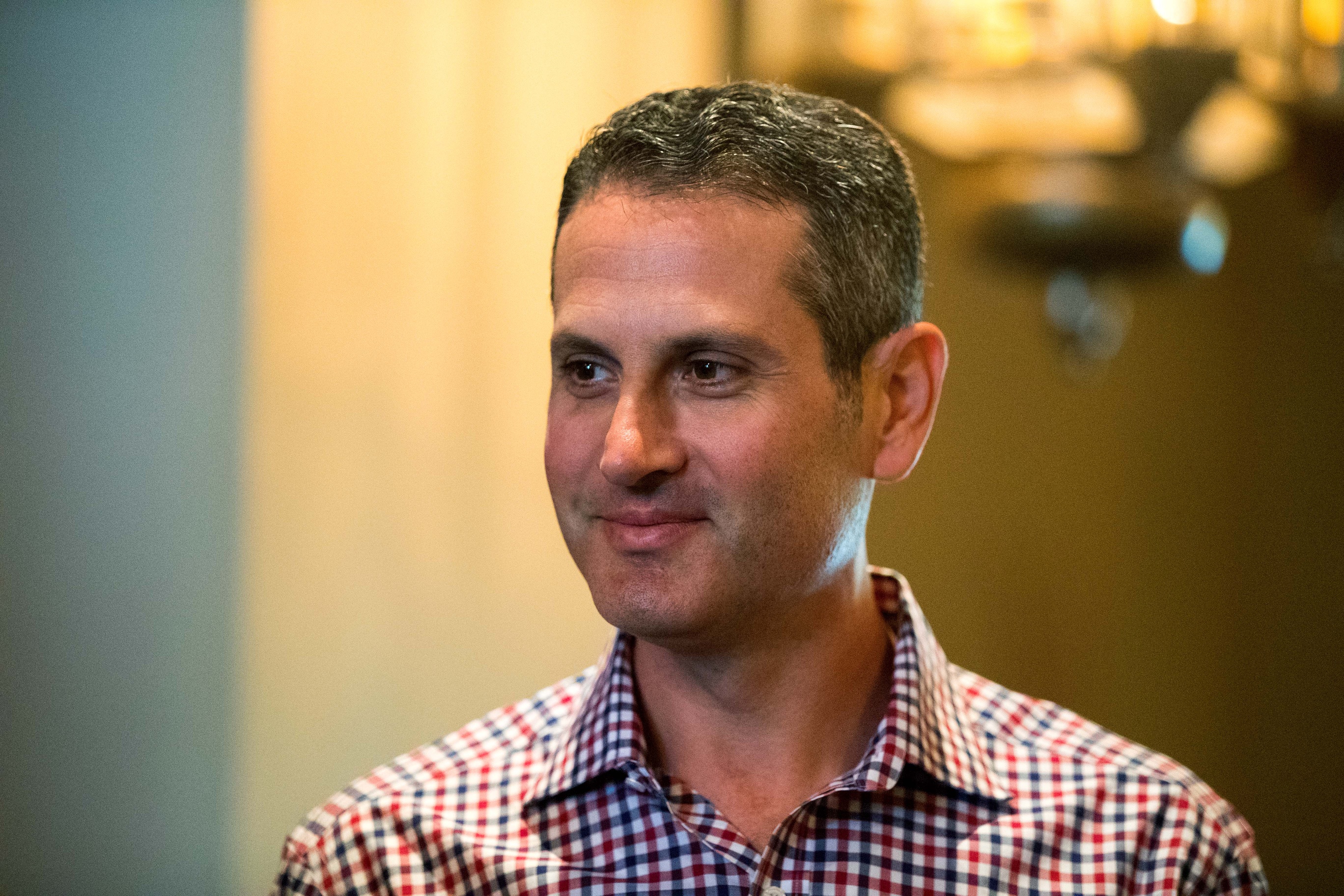 “I think when you look at a team and when you are building toward what we talk about all along -- a championship caliber team -- you need to build around a young core of players,” Twins Chief Baseball Officer Derek Falvey said in the drizzling rain during Sunday’s workout at Target Field. “I think a lot of that core is here.” Over in fair territory, Falvey’s inaugural 25-man roster took infield and batting practice on a gloomy and chilly Opening Day eve. Falvey, of course, did not construct the roster on his own. In replacing Terry Ryan, the Twins organization now has a two-headed decision-making monster in the form of Falvey and general manager Thad Levine. Combine that with the vital input from field manager Paul Molitor and suddenly there are multiple voices and influence over roster decisions in the new front office era. While the three tenors are singing in unison, the process of finalizing the 25-man roster did not come without what Levine considered positive debate from the group in private. “Everyone has a difference of opinion,” the Twins general manager said about the whittling of the roster. “I think one thing we are going to do throughout our careers here together is that we’re all able to air those conversations behind closed doors but when we walk out we are going to be in concert with one another. I think that’s healthy.” Any analytical-slated front office worth its weight would tell you that spring training statistics are virtually meaningless. Heck, even the old-school scouting front office knows better than to trust spring training performances. Nevertheless, it was hard to dismiss Park or Alex Wimmers’ performance over the month of March. Sure, the games may be meaningless but Park was still mashing the ball. He was showing improvement on higher velocity fastballs. He was controlling the strike zone better. That had to account for something and that undoubtedly led to interesting internal discussions in the manager’s office. “Quite frankly, I think if everyone thinks the same way and it’s quote a no-brainer we’re probably missing something,” said Levine. “So whether or not someone is specifically playing the devil’s advocate to make sure we’ve talked about the other side of it, I think that’s healthy towards the decision-making process.” As Falvey tells it, emphasis on the final roster spots was placed on players who they believed can establish the identity of the team. Falvey said that the Twins believe they have the right core of young players in Byron Buxton, Max Kepler, Jorge Polanco and Miguel Sano to build around, so they wanted to have experienced players who have a strong track record of being prepared and diligent about their work. “We talked a lot about the culture we wanted to create in the clubhouse and how that leads to what we want on the field,” Falvey said. “Guys like Matt Belisle, Chris Gimenez and Craig Breslow, guys who have been around other organizations and some really successful moments in time. They know they have to hold themselves to high standards at two o’clock in the afternoon when no one is paying attention or nine o’clock in the morning on the backfield in Fort Myers.” With the current roster working out on Target Field, Levine stresses not to focus on the here and now because that will change in an instant. As a veteran of the Texas Rangers’ front office, he’s seen how quickly the roster can churn due to injuries and performance. One of his strengths coming into the Twins organization is his ability to diagnose roster issues and swiftly respond. “Unequivocally, we all put a lot of pressure on that 25-man roster for Opening Day but in practice, it’s going to change dramatically over the course of a year,” said Levine. “It may change dramatically over the first 10-to-15 days of the season, you never know.” “Our focus at the beginning is to make sure you have the next wave of defense and the next wave of defense after that ready and lined up and I think that’s what a lot of spring training is nowadays. It’s less about who is making your Opening Day and who you believe can help you win games throughout the course of a year.” That means Park, Vargas, Berrios, Wimmers and others better be ready in Rochester when their time is needed. “Those guys will help us at some point this year,” Levine said. “We know that. We feel more confident about that coming out of spring training. It’s not an if, it’s a when.”
 -
It should be noted that our friends at 612Brew will also be present at Target Field this year:
-
Article: Report From The Fort: Studying Santana
Parker Hageman replied to John Bonnes's topic in Twins Daily Front Page News
One of the things that jumps out about Santana's 2016 season is how much more he was able to coax hitters to swing at fastball out of the strike zone. OOZ Sw% 2012 - 18.9 OOZ Sw% 2013 - 21.6 OOZ Sw% 2014 - 24.6 OOZ Sw% 2015 - 20.0 OOZ Sw% 2016 - 27.2 Threw a few more fastballs off the plate. A lot of hitters made contact with those but they weren't square. -
Pitch Framing and Twins Pitchers
Parker Hageman commented on John Foley's blog entry in Baseball Intelligence
Great work John. -
Right, yes, -- it's a three year period.
-
As one catcher said, it's hard to frame a pitch that never gets to you.
- 28 replies
-
- 3
-

-
- jason castro
- framing
- (and 3 more)
-
I mean, this is where people will argue the value portion of the framing statistic. Did Suzuki, et al's play really cost the Twins' 65 runs? Probably not that simple.
- 28 replies
-
- 1
-
-
- jason castro
- framing
- (and 3 more)
-
One of things we talked about that I did not include in this piece was how much focusing on framing can hurt the running game. Here's what Castro had to say about that... "I think if you devote your entire attention to it, it can take away from other aspects. That’s what you put in the time to practice and then when the game comes you rely on your ability and trust that what you’ve been working on will coming in during the game...You’re not going to try to "frame" a pitch a guy is trying to steal on. You are less worried about trying to stick it and have the umpire see as long as he can because if you do that, you’re not going to have a chance to throw anybody out. There are sacrifices to be made if a guy is running, the framing aspect goes right out there window."
- 28 replies
-
- 1
-
-
- jason castro
- framing
- (and 3 more)
-
And that's how the industry is starting to look at it too. Nick Nelson has a good quote from Mitch Garver on the subject in this week's Write Of Spring newsletter. Check that out.
- 28 replies
-
- 1
-
-
- jason castro
- framing
- (and 3 more)
-
I'm partial to this one... https://twitter.com/KentMurphy/status/813596227472334852
- 28 replies
-
- 12
-
-
- jason castro
- framing
- (and 3 more)
-
Ask Minnesota Twins’ new catcher Jason Castro on the down low if he is tired of being approached about pitch framing and he will roll his eyes, smirk, and sigh. Castro has had no shortage of questions from the media about that narrative. Search “Castro” and “framing” on Twitter and you will see all sorts of commentary on the subject. Even before his first regular season game in a Twins uniform, he has been billed as a potential staff savior -- finally giving the team a backstop capable of tipping the odds in the pitcher's’ favor. Everybody wants to know his secret and how he learned what he did in order to be at the top of his craft. You’d think he would be sick of talking about it by now. He might very well be. Nevertheless, despite already explaining his background in triplicate, he happily walks you through his journey again.His first point, however, is that he doesn’t consider it framing. To Castro, “framing” sounds intentionally misleading -- like an act on a little league field where a youth catcher tries to yank a ball that crosses over the empty batter’s box back over the plate, hoping the high school-aged umpire who gets paid hourly has a momentary lapse of judgement. No, Castro doesn’t think of what he does as framing. He says it is simply receiving the ball the right way, which is to say, a skill an exemplary catcher should possess. While Castro was with the Astros, the organization called their catchers together for an internal meeting and let them know that the nerds upstairs found something useful, something that they felt would give their team an edge. He says he wasn’t all too familiar with the concept at that time but the data and the added value it could provide made sense. “You’d always as a catcher try to be quiet and receive the ball, it was a new way how to look at how to catch a baseball,” Castro said walking through how his former organization presented their argument. At Stanford University, Castro said he developed and improved other core attributes for a catcher -- throwing out runners, blocking pitches, and general game calling abilities. The art of receiving was not one of those pillars. Now the Astros wanted him to add what they felt was a vital part of a catcher’s game. They had new technologies available and new ways to measure the contributions. Houston’s coaches showed the catchers tips and tricks that would, in theory, help obtain a few more strikes outside of the zone but, more importantly, keep pitches in the zone from being wrongly called balls. While stealing strikes was an added benefit for the upgraded receiving techniques, the Astros’ main focus was not losing any strikes. “Keeping strikes in the strike zone,” he explained. “Not doing anything to the pitch to take away from its quality. If it is on the corner and it is breaking one direction, you are trying to counteract the break so it doesn’t, by the time you catch the ball, pull your arm out of the zone.” Houston’s efforts worked. From 2009 through 2011 the Astros had an in-zone called strike percentage right at the league’s average. In terms of overall framing statistics, they were just outside of the top ten among all MLB teams. In short, they were actually pretty decent during a time before baseball put added emphasis on the practice. Good, not great. Over the last three seasons, meanwhile, Castro and the Astros have overtaken baseball as one of the game’s premiere receiving teams. Their in-zone called strike percentage was the second-highest in the game, just behind Buster Posey and the San Francisco Giants, and their overall framing runs rate was the fifth-highest. Download attachment: Catching Stats.JPG What is the secret? Castro says it is planning and thinking ahead of the pitcher. “When these guys throw 90-plus, 95-mile per hour sliders with really late, sharp break and if you are not preparing to catch the ball in a certain way, when you do catch it it is going to pull your glove out of the zone and it’s just how to think about how to counteract that force.” There are people who will say that “framing” is overrated, overvalued, influenced by the pitcher, influenced by the umpire, doesn’t exist, or is waiting to be corrected by robots. Some will argue that if the pitch crosses the agreed upon confines of the strike zone, it shouldn’t matter what the catcher is doing. A strike is a strike and a ball is a ball. Whatever the outside sentiments might be about the statistic, within the current state of affairs receiving the ball correctly is a very real skill. Castro says he can feel when he is doing it right and when he is off. “In the game you can tell if a pitcher makes a really good pitch and it's diving out of the zone and you catch it correctly to counteract the sink, you’re trying to stop the movement as soon as possible without taking you with it, you can feel when you do it right and when you are able to keep that ball in the zone and not let it pull you out.” As the Giants and Astros have topped the leaderboard in that area, the Minnesota Twins have floundered at the bottom of the rankings, costing their pitching staff numerous strikes each season. Castro’s mindset is vastly different than the previously signed free agent catcher. When Kurt Suzuki was signed, he was asked about his thoughts on the increasing emphasis on pitch framing. “I don’t put too much stock in that,” Suzuki said in 2014. “Don’t get me wrong, I think that has a lot to do with it but at the same time what a pitcher does has a lot to do with it. If he’s all over the place he’s obviously not going to get those borderline calls, not matter how good you make it look. If you are around the plate consistently, you are going to get those calls.” Castro, on the other hand, was a lot less inclined to place the blame on his battery mate. “There’s a general execution of a pitch helps the way a catcher receives it a lot,” Castro says. “If he’s generally around where you are trying to set up, it makes our job a lot easier. If they are spraying the zone a little bit more and you have to be reactive instead of being able to anticipate that makes it a lot more difficult.” http://i.imgur.com/d8nifEl.gif ESPN/TruMedia’s heat map comparison of Castro, Cervelli, Posey and Suzuki. Red is good, blue is bad. This year’s pitching staff has been giving Castro’s work strong reviews so far. Trevor May, who recently suffered an unfortunate UCL tear that will take him out the remainder of the year, said he enjoyed working with Castro this spring. "He adjusts where he sets up, based on the count and what he's looking for, and based on your stuff and how it moves,” May said. “Honestly, as a pitcher that gives you a lot of confidence, knowing that if he wants the ball a little off the plate or he wants the ball to come back over the plate or if he wants the outer-third for a strike you can tell based on how he's setting up and what he's calling. It's very clear. And he's a big target, he looks like Joe [Mauer] back there. So that's always nice." Castro’s stature is somewhat of a hindrance for a catcher in the modern framing-centric era. Like May said, Castro is a big target. Mauer, at six-foot-five, struggled to get strikes called in the lower portion of the strike zone (something of a real problem for a staff that boasted sinker ball pitchers). At six-foot-three, catchers of Castro’s size are typically thought of as an issue, especially given the southward expanding strike zone. That said, Castro’s numbers suggest that he has been above average in that department, even with his size. That’s because, he says, he is mindful of his physique and he works particularly hard to ensure he is giving the umpire the best view of the strike zone. “I’m a bigger catcher, so I figured it is something even more important for me to position myself to give the umpire a better lane to see the pitch,” he says. “That definitely helps. You can definitely tell when you are set up on one side of the plate and your pitcher misses, you can tell when you probably blocked the umpire from see where the pitch really crossed. For bigger guys, it’s something to take into account.” It was not that long ago when finding a catcher with strong “framing” skills was a hidden value, something that data-savvy teams could exploit by acquiring backstop artists on the cheap. That’s no longer the case. When the Pittsburgh Pirates identified Russell Martin as a potentially strong receiver, they landed him on a two-year, $17 million contract - a fairly modest price for a decent two-way catcher. After he was credited as a key instrument in rejuvenating the Pirates’ pitching staff, Martin was wooed away from the Steel City to Toronto, where he was given a five-year, $82 million deal. The Pirates pivoted and traded left-handed reliever Justin Wilson to the Yankees for Francisco Cervelli. Cervelli proved to be another gem with the glove and contributed moderately with the bat as well. For that, he received a three-year, $31 million extension. By that comparison, at around $8 million a year, Castro has been a veritable bargain. The Twins stress that Castro’s addition goes beyond how many strikes he can keep or steal. His defensive contributions are not one dimensional. “I think everything was made exclusively around his pitch-framing, but we signed Jason with the idea that he had a number of other attributes outside of that,” Twins’ Chief Baseball Officer Derek Falvey told Twins Daily. “He does that well, no question, but leadership in the clubhouse, game planning, how he prepares a pitching staff, how he thinks about advance information, all those things he does exceptionally well and he’s impacting our guys here.” Falvey also acknowledged that the organization is working diligently at improving the measurables of all catchers in the system. There is a chance that Castro will also be able to help bring along other catchers like Mitch Garver, who made significant improvements in the minor leagues last year. “It’s a process,” says Castro. “It’s like anything else when you make a change it’s not going to be night and day, it’s going to be incremental and you just have to work at it until it becomes second nature.” Click here to view the article
- 28 replies
-
- 2
-
-
- jason castro
- framing
- (and 3 more)
-
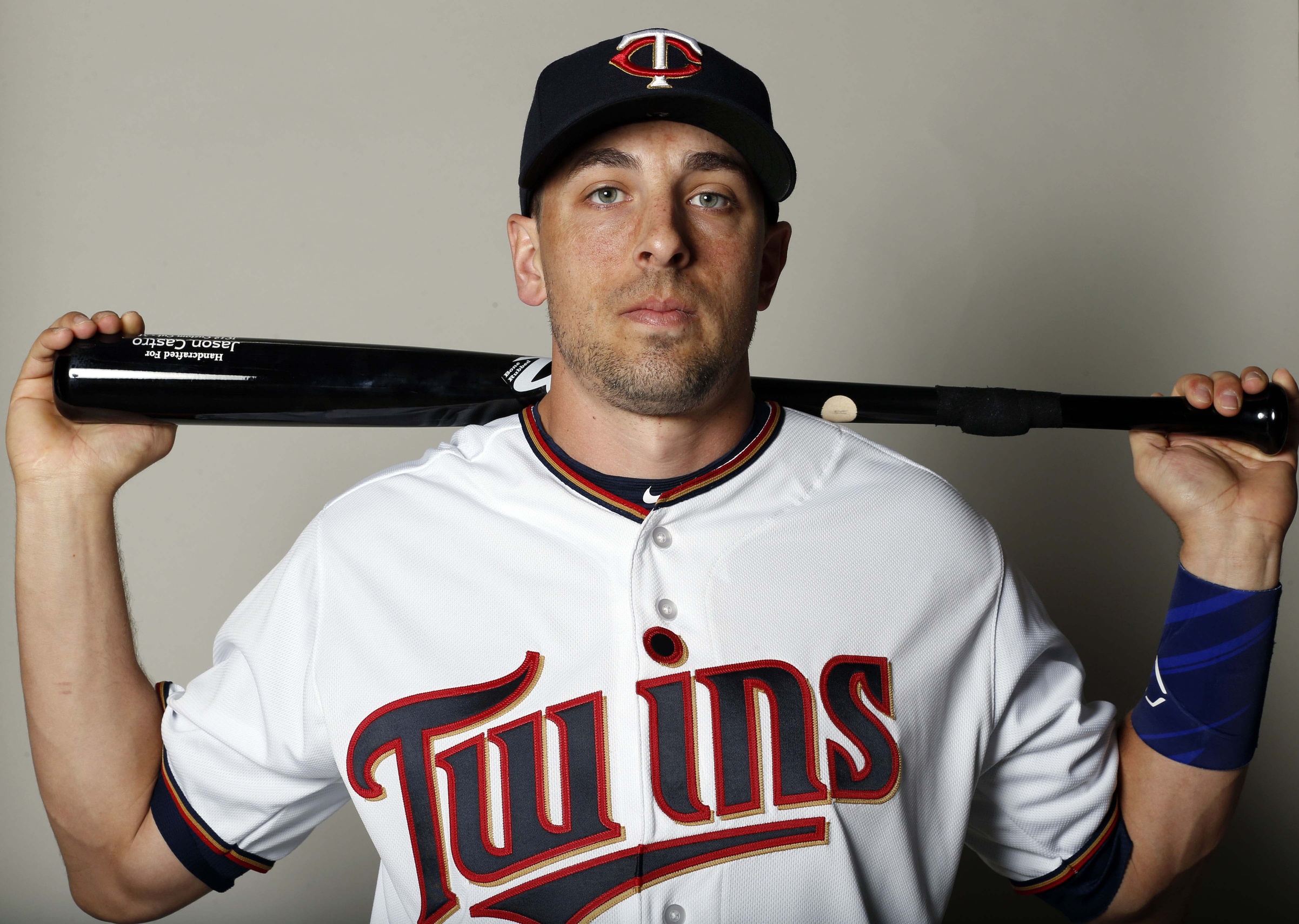 His first point, however, is that he doesn’t consider it framing. To Castro, “framing” sounds intentionally misleading -- like an act on a little league field where a youth catcher tries to yank a ball that crosses over the empty batter’s box back over the plate, hoping the high school-aged umpire who gets paid hourly has a momentary lapse of judgement. No, Castro doesn’t think of what he does as framing. He says it is simply receiving the ball the right way, which is to say, a skill an exemplary catcher should possess. While Castro was with the Astros, the organization called their catchers together for an internal meeting and let them know that the nerds upstairs found something useful, something that they felt would give their team an edge. He says he wasn’t all too familiar with the concept at that time but the data and the added value it could provide made sense. “You’d always as a catcher try to be quiet and receive the ball, it was a new way how to look at how to catch a baseball,” Castro said walking through how his former organization presented their argument. At Stanford University, Castro said he developed and improved other core attributes for a catcher -- throwing out runners, blocking pitches, and general game calling abilities. The art of receiving was not one of those pillars. Now the Astros wanted him to add what they felt was a vital part of a catcher’s game. They had new technologies available and new ways to measure the contributions. Houston’s coaches showed the catchers tips and tricks that would, in theory, help obtain a few more strikes outside of the zone but, more importantly, keep pitches in the zone from being wrongly called balls. While stealing strikes was an added benefit for the upgraded receiving techniques, the Astros’ main focus was not losing any strikes. “Keeping strikes in the strike zone,” he explained. “Not doing anything to the pitch to take away from its quality. If it is on the corner and it is breaking one direction, you are trying to counteract the break so it doesn’t, by the time you catch the ball, pull your arm out of the zone.” Houston’s efforts worked. From 2009 through 2011 the Astros had an in-zone called strike percentage right at the league’s average. In terms of overall framing statistics, they were just outside of the top ten among all MLB teams. In short, they were actually pretty decent during a time before baseball put added emphasis on the practice. Good, not great. Over the last three seasons, meanwhile, Castro and the Astros have overtaken baseball as one of the game’s premiere receiving teams. Their in-zone called strike percentage was the second-highest in the game, just behind Buster Posey and the San Francisco Giants, and their overall framing runs rate was the fifth-highest. What is the secret? Castro says it is planning and thinking ahead of the pitcher. “When these guys throw 90-plus, 95-mile per hour sliders with really late, sharp break and if you are not preparing to catch the ball in a certain way, when you do catch it it is going to pull your glove out of the zone and it’s just how to think about how to counteract that force.” There are people who will say that “framing” is overrated, overvalued, influenced by the pitcher, influenced by the umpire, doesn’t exist, or is waiting to be corrected by robots. Some will argue that if the pitch crosses the agreed upon confines of the strike zone, it shouldn’t matter what the catcher is doing. A strike is a strike and a ball is a ball. Whatever the outside sentiments might be about the statistic, within the current state of affairs receiving the ball correctly is a very real skill. Castro says he can feel when he is doing it right and when he is off. “In the game you can tell if a pitcher makes a really good pitch and it's diving out of the zone and you catch it correctly to counteract the sink, you’re trying to stop the movement as soon as possible without taking you with it, you can feel when you do it right and when you are able to keep that ball in the zone and not let it pull you out.” As the Giants and Astros have topped the leaderboard in that area, the Minnesota Twins have floundered at the bottom of the rankings, costing their pitching staff numerous strikes each season. Castro’s mindset is vastly different than the previously signed free agent catcher. When Kurt Suzuki was signed, he was asked about his thoughts on the increasing emphasis on pitch framing. “I don’t put too much stock in that,” Suzuki said in 2014. “Don’t get me wrong, I think that has a lot to do with it but at the same time what a pitcher does has a lot to do with it. If he’s all over the place he’s obviously not going to get those borderline calls, not matter how good you make it look. If you are around the plate consistently, you are going to get those calls.” Castro, on the other hand, was a lot less inclined to place the blame on his battery mate. “There’s a general execution of a pitch helps the way a catcher receives it a lot,” Castro says. “If he’s generally around where you are trying to set up, it makes our job a lot easier. If they are spraying the zone a little bit more and you have to be reactive instead of being able to anticipate that makes it a lot more difficult.” http://i.imgur.com/d8nifEl.gif ESPN/TruMedia’s heat map comparison of Castro, Cervelli, Posey and Suzuki. Red is good, blue is bad. This year’s pitching staff has been giving Castro’s work strong reviews so far. Trevor May, who recently suffered an unfortunate UCL tear that will take him out the remainder of the year, said he enjoyed working with Castro this spring. "He adjusts where he sets up, based on the count and what he's looking for, and based on your stuff and how it moves,” May said. “Honestly, as a pitcher that gives you a lot of confidence, knowing that if he wants the ball a little off the plate or he wants the ball to come back over the plate or if he wants the outer-third for a strike you can tell based on how he's setting up and what he's calling. It's very clear. And he's a big target, he looks like Joe [Mauer] back there. So that's always nice." Castro’s stature is somewhat of a hindrance for a catcher in the modern framing-centric era. Like May said, Castro is a big target. Mauer, at six-foot-five, struggled to get strikes called in the lower portion of the strike zone (something of a real problem for a staff that boasted sinker ball pitchers). At six-foot-three, catchers of Castro’s size are typically thought of as an issue, especially given the southward expanding strike zone. That said, Castro’s numbers suggest that he has been above average in that department, even with his size. That’s because, he says, he is mindful of his physique and he works particularly hard to ensure he is giving the umpire the best view of the strike zone. “I’m a bigger catcher, so I figured it is something even more important for me to position myself to give the umpire a better lane to see the pitch,” he says. “That definitely helps. You can definitely tell when you are set up on one side of the plate and your pitcher misses, you can tell when you probably blocked the umpire from see where the pitch really crossed. For bigger guys, it’s something to take into account.” It was not that long ago when finding a catcher with strong “framing” skills was a hidden value, something that data-savvy teams could exploit by acquiring backstop artists on the cheap. That’s no longer the case. When the Pittsburgh Pirates identified Russell Martin as a potentially strong receiver, they landed him on a two-year, $17 million contract - a fairly modest price for a decent two-way catcher. After he was credited as a key instrument in rejuvenating the Pirates’ pitching staff, Martin was wooed away from the Steel City to Toronto, where he was given a five-year, $82 million deal. The Pirates pivoted and traded left-handed reliever Justin Wilson to the Yankees for Francisco Cervelli. Cervelli proved to be another gem with the glove and contributed moderately with the bat as well. For that, he received a three-year, $31 million extension. By that comparison, at around $8 million a year, Castro has been a veritable bargain. The Twins stress that Castro’s addition goes beyond how many strikes he can keep or steal. His defensive contributions are not one dimensional. “I think everything was made exclusively around his pitch-framing, but we signed Jason with the idea that he had a number of other attributes outside of that,” Twins’ Chief Baseball Officer Derek Falvey told Twins Daily. “He does that well, no question, but leadership in the clubhouse, game planning, how he prepares a pitching staff, how he thinks about advance information, all those things he does exceptionally well and he’s impacting our guys here.” Falvey also acknowledged that the organization is working diligently at improving the measurables of all catchers in the system. There is a chance that Castro will also be able to help bring along other catchers like Mitch Garver, who made significant improvements in the minor leagues last year. “It’s a process,” says Castro. “It’s like anything else when you make a change it’s not going to be night and day, it’s going to be incremental and you just have to work at it until it becomes second nature.”
 -
Interesting. I wonder how long Burdi's been doing the Baseball Ranch program.
-
He had mono last year as well which delayed his return in 2016.
- 24 replies
-
- 1
-
-
- lewis thorpe
- trevor hildenberger
- (and 3 more)
-
Max Kepler Looks To Bonds For Hitting Inspiration
Parker Hageman replied to Parker Hageman's topic in Minnesota Twins Talk
This has been the argument for several years since the Oakland A's began trying to accumulate fly ball oriented hitters to combat the sinker. I've pointed this out on Twitter but because hitters have started to gear their swings for sinkers and two-seamers, pitchers have had greater success sneaking fastballs up in and above the zone: https://twitter.com/ParkerHageman/status/780958325676445696 -
Max Kepler Looks To Bonds For Hitting Inspiration
Parker Hageman replied to Parker Hageman's topic in Minnesota Twins Talk
They couldn't afford me. -
Max Kepler Looks To Bonds For Hitting Inspiration
Parker Hageman replied to Parker Hageman's topic in Minnesota Twins Talk
To be clear, Kepler isn't trying to hit ground balls in his at bats. He's trying to hit line drives which is lifting the ball. It is hitting the ball in the air. The chop method -- swinging down on the ball -- has been one of those topics discussed ad nausem among hitting guys for quite some time. It has seemed that the trend has shifted away from that line of thinking. Here's a good summary on it from Cole Figueroa, a former Pirates prospect turned Rays analyst (emphasis mine): Here's another thing: Watching Kepler's swings in action, I don't actually thinks his bat path is a chop. When you see him hit home runs, he gets the barrel behind the ball and launches upward -- similar to the picture used for the cover of this article. Hitters have all different types of feels for their swings. In Kepler's case, he feels like he is getting in the right path when you tries to chop. -
Max Kepler Looks To Bonds For Hitting Inspiration
Parker Hageman replied to Parker Hageman's topic in Minnesota Twins Talk
Exactly, which, you know, I said... -
Well actually successful changeups are found to be more about movement than they are about speed differential... http://twinsdaily.com/topic/23603-inside-the-game/?p=533242 Here's former pitcher and current Red Sox pitching analyst Brian Bannister on the subject: Watching Hughes' changeup behind home plate yesterday, you could definitely see decent movement. It seemed like more than a show-me pitch.
-
When Minnesota Twins outfielder Max Kepler breaks down his swing, the description veers away from the game’s growing infatuation of making contact under the ball. “I try and stay on top, get the bat head to stay through the zone as long as possible,” Kepler described. “Whenever I’m in doubt, I try to hit long ground balls to level my swing back out. I’m the complete opposite of what I hear people saying now days.” What are people saying now days? The increasing cage wisdom is to lift the ball, get underneath the pitch, elevate and celebrate, right? Shouldn’t he be working on getting that ball up and out of the park? Asked about that, Kepler just shakes his head. “Complete bogus,” he says. “I believe in what Barry Bonds says, that’s just stay on top and through the ball. Look what he did. That just proves everyone wrong.” Just down the line in the Twins’ clubhouse sat new acquisition Jason Castro. Castro, somewhat unknowingly, helped launch a revolution in the way professionals view hitting. It was watching Castro transform his swing from the bench that inspired teammate J.D. Martinez to look closer at a swing’s components. “I used to always think, ‘Hit down on the baseball.’ But then I realized that’s not what everyone else is doing,” Martinez told Fangraphs.com’s Eno Sarris. Martinez was injured with the Astros when he saw video of Castro’s revamped swing plane. That begat the search for video of other players’ swings. Ryan Braun, Albert Pujols, Miguel Cabrera. All of the game’s top hitters were swinging (among other things) with a slight uppercut. “I received a little bit of instruction prior to that point of my career,” Castro said about the time he made his adjustments as an Astro. “Really having someone breaking down the swing and how the swing is supposed to work, from just a conceptual point on what you are trying to accomplish, I started to understand that a little more on a fundamental level.” For Castro, that fundamental understanding involved creating more lift. Creating lift and hitting the ball in the air is not new - dating back to instruction supplied by Ted Williams in his seminal book, “The Science of Hitting” -- but with the advanced studies involving StatCast data, baseball has a better understanding of the value created by optimal launch angles and exit velocity. With video, you can marry what that swing looks like and the results. The 2016 National League MVP Kris Bryant said that his father would install targets around the top of the batting cage in order to encourage young Kris to elevate the ball. The practice has certainly paid off for Bryant, who has one of the highest average launch angle in the game. It is the reason he has hit 39 home runs in 2016. On the American League side, Donaldson took to the MLB Network studios to spread his gospel of hitting. “If you are a 10 year old and your coach tells you to get on top of the ball,” the Blue Jays third baseman said, “tell him no.” Donaldson also recently tweeted a video of him taking short toss swings in the cage and trying to rifle the ball through the netting near the top. His caption? “Just say NO...to ground balls.” Kepler stresses that with his swing he is not trying to hit ground balls -- he’s going for line drives. “I’m not trying to hit ground balls. I’m trying to backspin the ball, trying to chop it,” he says as he demonstrates, firing his bottom hand in a diagonal line from his shoulder down at an imaginary pitch. “And the ball goes. It’s harder to catch a ball that’s back-spinning when you lift it. It just goes.” The chop part of his statement is the line that can make some hitting instructors cringe. Fangraphs.com’s Travis Sawchik recently profiled hitting coach Doug Latta and the players he has worked with, such as Marlon Byrd and Justin Turner, who reinvented their approach and careers by moving away from chopping wood. Other players have followed suit. Kepler’s process is interesting because, according to StatCast data, he hasn’t been producing a high-level launch angle rate -- at least not like the classic power hitting profiles like Bryant (19.8), Chris Carter (18.8), or even Josh Donaldson (12.9). His launch angle numbers fall behind even teammate Byron Buxton (14.3). Baseball Savant said that Kepler had an average launch angle of 8.7 degrees. Baseball Savant launch angle GIF show the difference in contact put in play between Max Kepler, Miguel Sano and Wil Myers. Note the amount of contact by Kepler that falls below 0 degrees. That equals ground balls. What is also interesting is the hitter one place ahead of him on the launch angle rankings is the Padres’ Wil Myers (8.8). Why is that interesting? Myers seems to share the same affinity of staying on top of the ball as Kepler. “I try not to be one when I hit it but a lot of players will get up under the ball so they don’t hit into the ground,” Myers told MLB Network’s Harold Reynolds. “I feel like that creates bad habits and I like to stay off the tee and stay down through the ball.” The lackluster launch angle numbers aside, both Kepler (17) and Myers (28) have showed plenty of pop in their bats, thanks to solid exit velocity figures. Or, in simple ball guy terms, they hit the ball on the screws. In short, while Myers and Kepler might not share the same hitting philosophy as guys like Bryant or Donaldson, their process has led to decent results at a young age. Kepler says the mindset -- staying on top and through the ball -- helps put him in the best position for him to make what he believes is optimal contact: a line drive that carries up and into the overhang at Target Field. All players have different cues and feels that help them create their swings. What they tell themselves and what actually happens can be two totally different events. Brian Dozier says he tries to drive the ball through the center field wall. Dozier, of course, pounds more balls about five feet inside the left field foul pole than anyone in the game. Byron Buxton says he tries to drive the ball to second base during batting practice but as September showed, Buxton is completely capable of turning on the ball and driving it into the air. For Kepler, trying to get himself to hit ground balls only is useful to him when he feels when he is out of whack and struggling. The results he wants to see are pearly white baseballs disappearing into the right field stands. “Bonds told me just try to hit hard ground balls, hit the ball through the pitcher’s forehead,” he says. “Try to find your bat path because once it is level and you’re comfortable with it, you are going to square balls up and they are going to go where you want it.” View full article
