



Nick Nelson
-
Posts
8,322 -
Joined
-
Last visited
-
Days Won
56
Content Type
Profiles
News
Minnesota Twins Videos
2026 Minnesota Twins Top Prospects Ranking
2022 Minnesota Twins Draft Picks
Minnesota Twins Free Agent & Trade Rumors, Notes, & Tidbits
Guides & Resources
2023 Minnesota Twins Draft Picks
The Minnesota Twins Players Project
2024 Minnesota Twins Draft Picks
2025 Minnesota Twins Draft Pick Tracker
2026 Minnesota Twins Draft Tracker: Picks & Bonuses
Forums
Blogs
Events
Store
Downloads
Gallery
Everything posted by Nick Nelson
-

Article: Official Twins Daily Day 3 Draft Thread
Nick Nelson replied to Seth Stohs's topic in Twins Daily Front Page News
Of note: 12th-rounder Alexander (Zander) Wiel homered off Tyler Jay in the Illinois/Vandy game earlier this week. -
Article: Official Twins Daily Day 3 Draft Thread
Nick Nelson replied to Seth Stohs's topic in Twins Daily Front Page News
Picks for the Twins so far today: 11: Kerby Camacho, C, Carlos Beltran Baseball Academy in Puerto Rico 12: Alexander Wiel, 1B, Vanderbilt University 13. Cody Stashak, RHP, St. John's University Camacho is the Twins' second pick out of Beltran Academy, following 7th-round LHP Jovani Moran. Wiel hit cleanup in the Vandy lineup behind No. 1 overall pick Dansby Swanson. Had 14 HR, 16 doubles and 65 RBI in 66 games this year. -
They say that you should never draft for need with a high first-round pick, and I suspect that the Twins did believe that Tyler Jay was the best player on the board when they selected him sixth overall on Monday night. But when you look at the landscape of this organization, it's tough not to notice that the dominating college lefty fills a significant void, whichever role he ends up falling into.Jay still needs to sign, but once that formality is taken care of, his future role becomes the hot topic. He worked almost exclusively as a reliever during his career at the University of Illinois, and while he was perhaps the most dominant collegiate closer in the nation this year, he has no experience handling a full-time starter's workload. Terry Ryan stated that he plans to keep Jay in a relief role for the remainder of this season, but the team has expressed commitment to giving him a shot as a starter going forward. That makes sense; rarely does a club use a Top 10 draft pick on a pitcher who is designated a reliever right out of the gates, and many (though not all) scouts do believe that Jay could start thanks to his deep pitch repertoire, exceptional command and easy throwing motion. A successful path might mirror that of Tyler Duffey, who currently ranks as one of the organization's most MLB-ready pitching prospects. Duffey was the closer for Rice University before being selected by the Twins in the fifth round of the 2012 draft, and finished out that year as a reliever at Elizabethton after signing, but he moved to full-season ball in 2013 and 18 of his 24 appearances came as a starter. He has been starting exclusively since then and has really taken to it, as he's now in Triple-A with a decent shot at debuting in the majors this summer. Duffey, like nearly every top starter in the Twins' system, is a righty. The only left-handers that ranked among my top eight pitching prospects a few weeks ago were Taylor Rogers, who's known more for polish and command than overpowering stuff, and Stephen Gonsalves, a 20-year-old who is still likely several years away from the majors. As a potentially fast-tracked lefty power arm, Jay would provide something that is currently amiss for the Twins if he can start. But he would also do so by remaining in his familiar relief role, and in that capacity he would be geared for a much faster impact with fewer foreseeable obstacles. While the Twins' bullpen has been surprisingly effective this year, it is lacking quality left-handed options. Brian Duensing has been terrible and is probably in his last year with the club. Aaron Thompson and Caleb Thielbar are nothing special. And while the Twins have numerous high-upside relievers developing in the minors, nearly all them throw from the right side. Jay has a chance to fill that void on the big-league club and he has a chance to do it very quickly. Baseball America suggested that the 21-year-old "could be the first player from the draft class to reach the majors if he stays in a relief role." Consider that Brandon Finnegan, the college reliever selected 17th overall by the Royals last year, was up in the majors pitching key innings in September and October, and most consider Jay a superior talent. The Royals sent Finnegan back to the minors to work on starting this year, but the results so far haven't been great, as his control has been a mess and he has yet to complete even five innings in a start. And while Duffey has been a success story up to this point, he's been the exception. Countless other college relievers that the Twins have drafted with thoughts of being converted to starters have failed to stick. Attempting to move Jay into a starting role means gradually extending out his workload (his 66 innings this year are the most he's thrown in a high school or college season) and acclimating his arm to a very set of different demands. It's certainly not impossible, but it could be a lengthy process and the odds aren't stellar. Conversely, he could be pitching in a big-league bullpen by the end of the year and his chances of excelling in that role seem extremely good. Obviously Jay would offer much more value as a starter if it worked out, but a lefty reliever who can dominate hitters from both sides and pitch multiple innings is a quality asset, and for what it's worth the Twins have built considerable starting pitching depth in the minors, which they have added to with some other picks in this draft. What do you think? Would you try Jay as a starter, or would you rather commit to him as a reliever with the idea of getting him up to the big leagues, for good, as quickly as possible? Click here to view the article
-
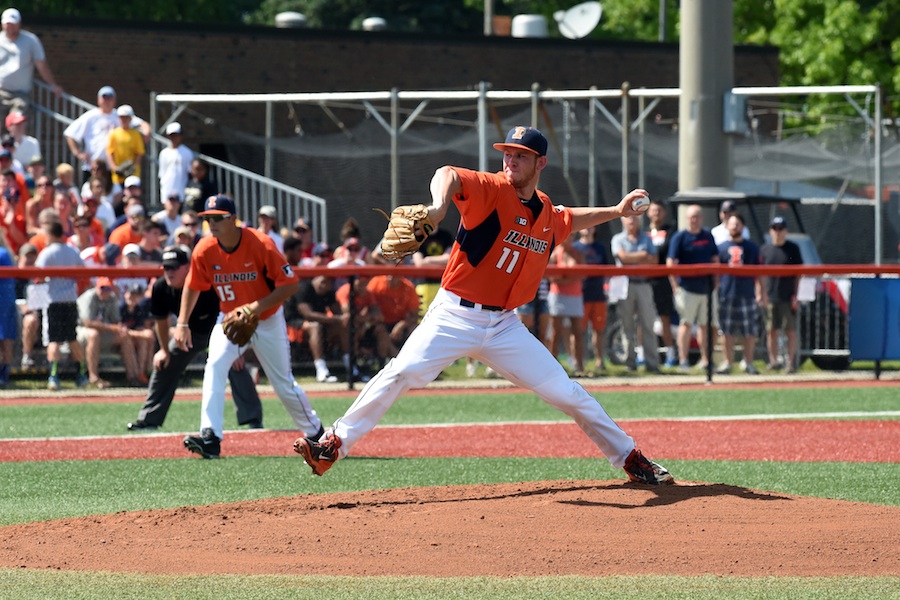 Jay still needs to sign, but once that formality is taken care of, his future role becomes the hot topic. He worked almost exclusively as a reliever during his career at the University of Illinois, and while he was perhaps the most dominant collegiate closer in the nation this year, he has no experience handling a full-time starter's workload. Terry Ryan stated that he plans to keep Jay in a relief role for the remainder of this season, but the team has expressed commitment to giving him a shot as a starter going forward. That makes sense; rarely does a club use a Top 10 draft pick on a pitcher who is designated a reliever right out of the gates, and many (though not all) scouts do believe that Jay could start thanks to his deep pitch repertoire, exceptional command and easy throwing motion. A successful path might mirror that of Tyler Duffey, who currently ranks as one of the organization's most MLB-ready pitching prospects. Duffey was the closer for Rice University before being selected by the Twins in the fifth round of the 2012 draft, and finished out that year as a reliever at Elizabethton after signing, but he moved to full-season ball in 2013 and 18 of his 24 appearances came as a starter. He has been starting exclusively since then and has really taken to it, as he's now in Triple-A with a decent shot at debuting in the majors this summer. Duffey, like nearly every top starter in the Twins' system, is a righty. The only left-handers that ranked among my top eight pitching prospects a few weeks ago were Taylor Rogers, who's known more for polish and command than overpowering stuff, and Stephen Gonsalves, a 20-year-old who is still likely several years away from the majors. As a potentially fast-tracked lefty power arm, Jay would provide something that is currently amiss for the Twins if he can start. But he would also do so by remaining in his familiar relief role, and in that capacity he would be geared for a much faster impact with fewer foreseeable obstacles. While the Twins' bullpen has been surprisingly effective this year, it is lacking quality left-handed options. Brian Duensing has been terrible and is probably in his last year with the club. Aaron Thompson and Caleb Thielbar are nothing special. And while the Twins have numerous high-upside relievers developing in the minors, nearly all them throw from the right side. Jay has a chance to fill that void on the big-league club and he has a chance to do it very quickly. Baseball America suggested that the 21-year-old "could be the first player from the draft class to reach the majors if he stays in a relief role." Consider that Brandon Finnegan, the college reliever selected 17th overall by the Royals last year, was up in the majors pitching key innings in September and October, and most consider Jay a superior talent. The Royals sent Finnegan back to the minors to work on starting this year, but the results so far haven't been great, as his control has been a mess and he has yet to complete even five innings in a start. And while Duffey has been a success story up to this point, he's been the exception. Countless other college relievers that the Twins have drafted with thoughts of being converted to starters have failed to stick. Attempting to move Jay into a starting role means gradually extending out his workload (his 66 innings this year are the most he's thrown in a high school or college season) and acclimating his arm to a very set of different demands. It's certainly not impossible, but it could be a lengthy process and the odds aren't stellar. Conversely, he could be pitching in a big-league bullpen by the end of the year and his chances of excelling in that role seem extremely good. Obviously Jay would offer much more value as a starter if it worked out, but a lefty reliever who can dominate hitters from both sides and pitch multiple innings is a quality asset, and for what it's worth the Twins have built considerable starting pitching depth in the minors, which they have added to with some other picks in this draft. What do you think? Would you try Jay as a starter, or would you rather commit to him as a reliever with the idea of getting him up to the big leagues, for good, as quickly as possible?
 -
The Minnesota Twins and Kansas City Royals facing off in a high-stakes series for first place in June? Unthinkable a couple of years ago, it's a sign of the changing times in the AL Central, and you've got to love it. The weather forecast for the next three days is spectacular, and our friends at Ticket King have tons of discounted tickets available, so let's dive in and examine the best reasons to get out to Target Field for Twins/Royals.Series Overview The Twins have played pretty evenly with the Royals this year, winning three of six contests. It's fun to watch these teams match up because they have fairly similar profiles: productive offenses without a ton of power and solid pitching staffs without a clearly defined ace. The Twins enter the series with a one-game lead in the Central. Running Low Interestingly, while KC's World Series run last year was heavily driven by speed and aggressiveness on the base paths, the Royals have stolen only 30 bases this season, ranking them ninth in the AL. That should make life a little easier for Kurt Suzuki. No Lights Needed? We're coming up on the longest day of the year, and each game in this series starts at 7:10 PM, so it's possible there will still be traces of sunlight as you walk out of the park after the final out. These are the types of evenings that summer outdoor baseball is all about. Kendrys Rebound Monday marks the one-year anniversary of the Twins signing Kendrys Morales, who sat out the first two months in 2014 before finally inking a one-year deal with Minnesota. Morales was terrible – first for the Twins and then for the Mariners – so many were surprised to see him get a two-year, $17 million deal from Kansas City during the offseason. Joke's on us, I guess. The DH has re-emerged in a big way in Kansas City, hitting .294/.356/.468 with six homers and 38 RBI through 53 games. He ranks third in the American League with 17 doubles. Meanwhile, the Twins have gotten lousy production from the DH spot, but they're trying to address that with their own Silent S. Kennys Vargas was recalled on Sunday after hitting .308 in 16 games at Triple-A. He's expected to be in the lineup on Monday night. Pitching Match-Ups Monday, 7:10 PM: Jason Vargas vs. Phil Hughes Hughes has once again been stingy with the walks this year, but he's been far from stingy with hits; he's allowed the most of any pitcher in the AL (86). The Royals lead the league in batting average, so this could be a tough one. Fortunately, Vargas is quite beatable. The southpaw has a 4.79 ERA and the Twins have been significantly better against lefties (730 OPS) than righties (662). Forecast (courtesy Weather.com): Partly cloudy, high of 82 Tuesday, 7:10 PM: Chris Young vs. Trevor May May is coming off his best outing as a big-leaguer – seven shutout innings with nine strikeouts against the Red Sox at Fenway. He has completed at least six frames in each of his last four starts and has walked only one batter total during that span. Hard to believe it's the same guy that couldn't throw a strike to save his life in his MLB debut last August. Young ain't so young anymore, but the sky-scraping 36-year-old has been very effective over 12 appearances for the Royals with a 2.56 ERA and 0.99 WHIP. As an extreme fly ball pitcher who doesn't get many strikeouts, his success has seemed a little fluky, and he may be amidst some regression. He's lost both of his last two starts, allowing 10 runs in 11 innings. Forecast: Mostly sunny, high of 90 Wednesday, 7:10 PM: Edinson Volquez vs. Kyle Gibson Volquez has been Kansas City's best starter, with a 2.95 ERA in 10 starts. He faced the Twins twice in April and performed very well both times, allowing four runs over 14 2/3 innings. He has allowed more than three runs only once in his 10 starts. Gibson is coming off a month of May in which he went 3-1 with a 1.36 ERA, but gave up three homers against the Brewers in his first June start. Forecast: Mostly sunny, high of 83 Click here to view the article
-
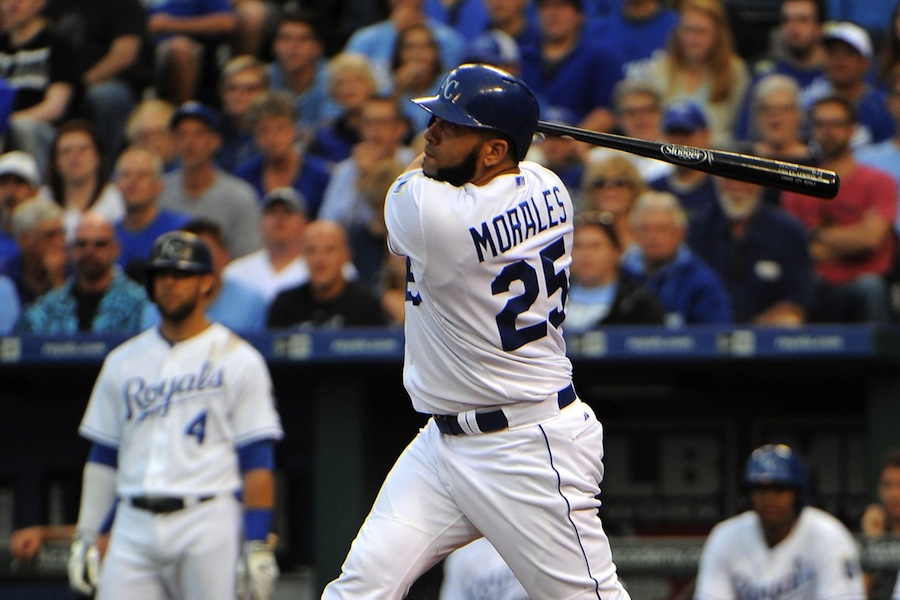 Series Overview The Twins have played pretty evenly with the Royals this year, winning three of six contests. It's fun to watch these teams match up because they have fairly similar profiles: productive offenses without a ton of power and solid pitching staffs without a clearly defined ace. The Twins enter the series with a one-game lead in the Central. Running Low Interestingly, while KC's World Series run last year was heavily driven by speed and aggressiveness on the base paths, the Royals have stolen only 30 bases this season, ranking them ninth in the AL. That should make life a little easier for Kurt Suzuki. No Lights Needed? We're coming up on the longest day of the year, and each game in this series starts at 7:10 PM, so it's possible there will still be traces of sunlight as you walk out of the park after the final out. These are the types of evenings that summer outdoor baseball is all about. Kendrys Rebound Monday marks the one-year anniversary of the Twins signing Kendrys Morales, who sat out the first two months in 2014 before finally inking a one-year deal with Minnesota. Morales was terrible – first for the Twins and then for the Mariners – so many were surprised to see him get a two-year, $17 million deal from Kansas City during the offseason. Joke's on us, I guess. The DH has re-emerged in a big way in Kansas City, hitting .294/.356/.468 with six homers and 38 RBI through 53 games. He ranks third in the American League with 17 doubles. Meanwhile, the Twins have gotten lousy production from the DH spot, but they're trying to address that with their own Silent S. Kennys Vargas was recalled on Sunday after hitting .308 in 16 games at Triple-A. He's expected to be in the lineup on Monday night. Pitching Match-Ups Monday, 7:10 PM: Jason Vargas vs. Phil Hughes Hughes has once again been stingy with the walks this year, but he's been far from stingy with hits; he's allowed the most of any pitcher in the AL (86). The Royals lead the league in batting average, so this could be a tough one. Fortunately, Vargas is quite beatable. The southpaw has a 4.79 ERA and the Twins have been significantly better against lefties (730 OPS) than righties (662). Forecast (courtesy Weather.com): Partly cloudy, high of 82 Tuesday, 7:10 PM: Chris Young vs. Trevor May May is coming off his best outing as a big-leaguer – seven shutout innings with nine strikeouts against the Red Sox at Fenway. He has completed at least six frames in each of his last four starts and has walked only one batter total during that span. Hard to believe it's the same guy that couldn't throw a strike to save his life in his MLB debut last August. Young ain't so young anymore, but the sky-scraping 36-year-old has been very effective over 12 appearances for the Royals with a 2.56 ERA and 0.99 WHIP. As an extreme fly ball pitcher who doesn't get many strikeouts, his success has seemed a little fluky, and he may be amidst some regression. He's lost both of his last two starts, allowing 10 runs in 11 innings. Forecast: Mostly sunny, high of 90 Wednesday, 7:10 PM: Edinson Volquez vs. Kyle Gibson Volquez has been Kansas City's best starter, with a 2.95 ERA in 10 starts. He faced the Twins twice in April and performed very well both times, allowing four runs over 14 2/3 innings. He has allowed more than three runs only once in his 10 starts. Gibson is coming off a month of May in which he went 3-1 with a 1.36 ERA, but gave up three homers against the Brewers in his first June start. Forecast: Mostly sunny, high of 83
 -
Vargas was slugging .561 in May before being sent down. That's 30 points lower than Escobar's OPS this year.
-
Paul Molitor's managerial career has gotten off to such a charmed start that it's been tough to criticize him. Nearly every move that the skipper has made -- even those that appeared highly questionable at the time -- has worked out, and that's reflected in a tremendously surprising 32-21 record through roughly one-third of the schedule. The offense has shown signs of beginning to scuffle, however, and so his handling of lineups and personnel becomes more open to scrutiny.Everyday Eddie The most puzzling and irksome trait of Molitor's first couple months on the job has been an inexplicable commitment to getting Eduardo Escobar into the lineup as often as possible. It'd be one thing if that meant starting him at shortstop, where offensive expectations are lowered and Danny Santana has been horrible, but only seven of Escobar's starts have come there. Instead, Molitor has constantly plugged Escobar in at offense-driven positions; namely left field (20 times) and designated hitter (six times). His performance at the plate has been rather miserable: .228/.250/.345 with 38 strikeouts and three walks in 153 plate appearances. That kind of production could only be viewed as adequate from a utility man who plays sparingly, and that's the role Escobar should be filling. Yet Molitor evidently has a perception of the 26-year-old as a quality hitter. Whether that stems from Escobar's career year in 2014 or his nice spring, I don't know, but at some point the rookie skipper needs to come to terms with what has been obvious throughout the majority of Escobar's career and certainly over these first two months: he has a weak bat. Gad Zukes Depending on who you're talking to, viewpoints on proper lineup construction can vary, but almost everyone would agree that the fifth spot in the lineup ought to be reserved for a power bat. Place quality hitters in the top four spots and follow up with a slugger that can drive them in. Kennys Vargas, who opened the season as Minnesota's No. 5 hitter, was just that. Kurt Suzuki, who has filled that spot 15 times since the start of May, is quite the opposite. Early in his career, Suzuki did show a little pop, reaching double digits in homers each year from 2009 through 2011. Since then, though, he has totaled 16 homers in 384 games with a .347 slugging percentage. This year, it's at .324. Obviously there aren't a lot of great alternative options at this point, but Suzuki belongs nowhere near the middle of the lineup on a competing team. The Wrong Guys So, about those alternative options... It's true that Molitor doesn't have a whole lot to work with when trying to assemble lineups at this point, but the club's personnel decisions have handcuffed him to some degree, and while he's not the one directly making those calls, there's no doubt he has plenty of influence. Vargas, who could easily be filling that fifth spot instead of Suzuki and that DH role instead of Escobar and Eduardo Nunez, was sent down in mid-May even though he was hitting .366 on the month, and he's been left in Triple-A even though he's hitting .349 with a 1045 OPS there since being demoted. Apparently the Twins want Vargas to work on his pitch recognition, and that would be all well and good under past circumstances, but this team is actually in a race. He's blatantly a better hitter than most guys on the major league roster. Between the Vargas situation, leaving Aaron Hicks in the minors for six weeks, keeping Josmil Pinto buried, and now sending Oswaldo Arcia to Triple-A off the DL (though that move is more defensible), there's an ongoing trend of eschewing plainly more capable youngsters for veteran mediocrity. I've gotta say, I didn't expect that from Molitor, a guy who's spent the last decade working with Twins minor leaguers. The Elephant in the Room It's an uncomfortable subject to broach, especially for someone who has spent many years defending the guy against unfair critiques, but... at what point does Joe Mauer slide down in the lineup? Blasting Mauer for his lack of power was rather ludicrous when he was winning batting titles and getting on base 40 percent of the time -- particularly when he was doing so at catcher -- but these days Mauer is simply a bad hitter. His power has gone from limited to essentially non-existent. Only nine qualified major leaguers have fewer home runs than Mauer's five since the start of last year, and they all play much more valuable defensive positions. Mauer ranks 21st out of 22 MLB first basemen in OPS. He never homers and is barely a threat to hit a double. His once elite plate discipline no longer stands out. His production with runners in scoring position is the only thing that has kept him from being a complete liability to the lineup, but it's hard to imagine that disparity sustaining. Removing Mauer from his customary station in the three-hole might be the hardest and most uncomfortable adjustment that Molitor needs to make, but it will be necessitated if things continue as they are. Click here to view the article
-
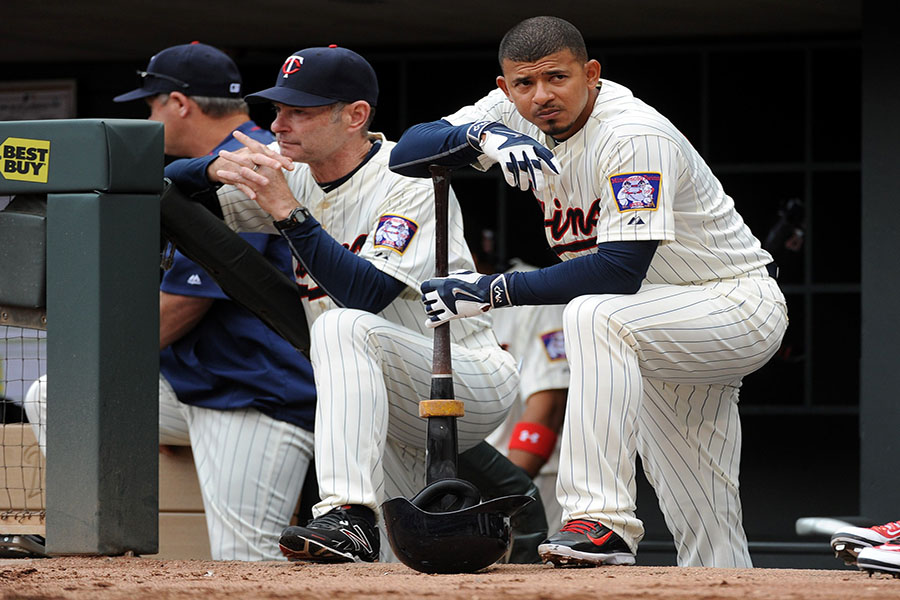 Everyday Eddie The most puzzling and irksome trait of Molitor's first couple months on the job has been an inexplicable commitment to getting Eduardo Escobar into the lineup as often as possible. It'd be one thing if that meant starting him at shortstop, where offensive expectations are lowered and Danny Santana has been horrible, but only seven of Escobar's starts have come there. Instead, Molitor has constantly plugged Escobar in at offense-driven positions; namely left field (20 times) and designated hitter (six times). His performance at the plate has been rather miserable: .228/.250/.345 with 38 strikeouts and three walks in 153 plate appearances. That kind of production could only be viewed as adequate from a utility man who plays sparingly, and that's the role Escobar should be filling. Yet Molitor evidently has a perception of the 26-year-old as a quality hitter. Whether that stems from Escobar's career year in 2014 or his nice spring, I don't know, but at some point the rookie skipper needs to come to terms with what has been obvious throughout the majority of Escobar's career and certainly over these first two months: he has a weak bat. Gad Zukes Depending on who you're talking to, viewpoints on proper lineup construction can vary, but almost everyone would agree that the fifth spot in the lineup ought to be reserved for a power bat. Place quality hitters in the top four spots and follow up with a slugger that can drive them in. Kennys Vargas, who opened the season as Minnesota's No. 5 hitter, was just that. Kurt Suzuki, who has filled that spot 15 times since the start of May, is quite the opposite. Early in his career, Suzuki did show a little pop, reaching double digits in homers each year from 2009 through 2011. Since then, though, he has totaled 16 homers in 384 games with a .347 slugging percentage. This year, it's at .324. Obviously there aren't a lot of great alternative options at this point, but Suzuki belongs nowhere near the middle of the lineup on a competing team. The Wrong Guys So, about those alternative options... It's true that Molitor doesn't have a whole lot to work with when trying to assemble lineups at this point, but the club's personnel decisions have handcuffed him to some degree, and while he's not the one directly making those calls, there's no doubt he has plenty of influence. Vargas, who could easily be filling that fifth spot instead of Suzuki and that DH role instead of Escobar and Eduardo Nunez, was sent down in mid-May even though he was hitting .366 on the month, and he's been left in Triple-A even though he's hitting .349 with a 1045 OPS there since being demoted. Apparently the Twins want Vargas to work on his pitch recognition, and that would be all well and good under past circumstances, but this team is actually in a race. He's blatantly a better hitter than most guys on the major league roster. Between the Vargas situation, leaving Aaron Hicks in the minors for six weeks, keeping Josmil Pinto buried, and now sending Oswaldo Arcia to Triple-A off the DL (though that move is more defensible), there's an ongoing trend of eschewing plainly more capable youngsters for veteran mediocrity. I've gotta say, I didn't expect that from Molitor, a guy who's spent the last decade working with Twins minor leaguers. The Elephant in the Room It's an uncomfortable subject to broach, especially for someone who has spent many years defending the guy against unfair critiques, but... at what point does Joe Mauer slide down in the lineup? Blasting Mauer for his lack of power was rather ludicrous when he was winning batting titles and getting on base 40 percent of the time -- particularly when he was doing so at catcher -- but these days Mauer is simply a bad hitter. His power has gone from limited to essentially non-existent. Only nine qualified major leaguers have fewer home runs than Mauer's five since the start of last year, and they all play much more valuable defensive positions. Mauer ranks 21st out of 22 MLB first basemen in OPS. He never homers and is barely a threat to hit a double. His once elite plate discipline no longer stands out. His production with runners in scoring position is the only thing that has kept him from being a complete liability to the lineup, but it's hard to imagine that disparity sustaining. Removing Mauer from his customary station in the three-hole might be the hardest and most uncomfortable adjustment that Molitor needs to make, but it will be necessitated if things continue as they are.
 -
Article: Twins Draft Preview: Alex Bregman
Nick Nelson posted a topic in Twins Daily Front Page News
There are three shortstops drawing tremendous buzz leading up to this year's MLB draft, and all three are likely to be taken within the top ten picks. Vanderbilt's Dansby Swanson is widely viewed as the favorite for No. 1. High schooler Brendan Rodgers and Louisiana State's Alex Bregman could potentially be taken with the following two picks (Baseball America's latest mock has all three going in the top four), but either could also fall to the Twins at No. 6. Today, we'll take an in-depth look at Bregman, who some believe to be the best all-around talent in this class.Who Is This Guy? Generously listed at 6'0" and 185 lbs, Bregman is a diminutive specimen who often draws comparisons to Dustin Pedroia as an undersized middle infielder who overcomes his physical disadvantages with tremendous work ethic and technique. The New Mexico native was viewed as a likely first-round pick coming out of high school, but he broke a finger while fielding grounders in pregame warm-ups during his senior year, and the injury caused his stock to plummet. Bregman ended up being drafted by the Red Sox in the 29th round of the 2012 draft, but elected to head to college rather than signing. Good call. Three years later, he's a projected top five draft pick. Bregman has put up monster numbers in his three seasons at LSU, hitting .336/.410/.518 in 191 games. He has solid pop for a guy his size, but what really stands out is his ability to control the strike zone; in his collegiate career, he has drawn 87 walks while fanning only 66 times. The biggest question is whether Bregman will stick at shortstop in the pros. Most scouts seem to believe he has a good chance to do so. Back in April, Carson Cistulli of FanGraphs highlighted four different stand-out plays that the shortstop made in one game against Auburn. This one, in particular, seems to demonstrate that he has the athleticism and arm to play the position. Why the Twins Will Pick Him Shortstop is a tough spot to lock down, as the Twins are well aware. They've struggled to find a permanent answer, and while they probably felt decent about the position coming into 2015, neither Danny Santana nor Eduardo Escobar has done much this year to inspire confidence. If you have the chance to get a guy who you think can play shortstop in the majors and hit, you've got to get him. That's why the Twins selected Nick Gordon last year, and that's why they will likely take Bregman if he's available to them. Outside of pitcher and catcher, there's no position where it's more beneficial to have strong minor-league depth. Bregman has that gritty, "baseball rat" type reputation that the Twins tend to gravitate toward, and his production in college has been everything you'd want to see in a top pick. He was actually named first-team All-SEC shortstop over Vanderbilt's Swanson, who is likely to go first overall. The Twins just spent the fifth pick on a shortstop last year, but I doubt that would impede them from taking another one this time around. Gordon is currently hitting just .230/.303/.279 at Cedar Rapids, and while that hardly dooms the 19-year-old's long-term outlook, it does indicate that he might need a while to develop. Bregman's bat is more advanced and he would move ahead of Gordon in line with a chance to make a faster impact in the majors. Consider that Trea Turner, the first college shortstop taken in last year's draft (14th overall to the Padres) is already tearing up Double-A. Why the Twins Won't Pick Him Bregman is not without his question marks. Some believe he might follow in Pedroia's footsteps and wind up moving to second base, which would diminish his value to the Twins quite a bit. There's also no assurance that his bat will make the same kind of impact in pro ball, particularly in the power department. While clearly a superior prospect, Bregman does have a somewhat similar profile to Levi Michael, the smallish college middle infielder drafted by the Twins out of North Carolina in 2011's first-round. Michael's moderate power all but disappeared once he made the switch to wood bats. With all that being said, if he does fall to them at No. 6, I find it quite unlikely that the Twins would pass up Bregman unless they don't believe in his glove. I've seen very few recent mocks that have him falling out of the top five. Jeremy has him going to Houston one pick before Minnesota. Click here to view the article -
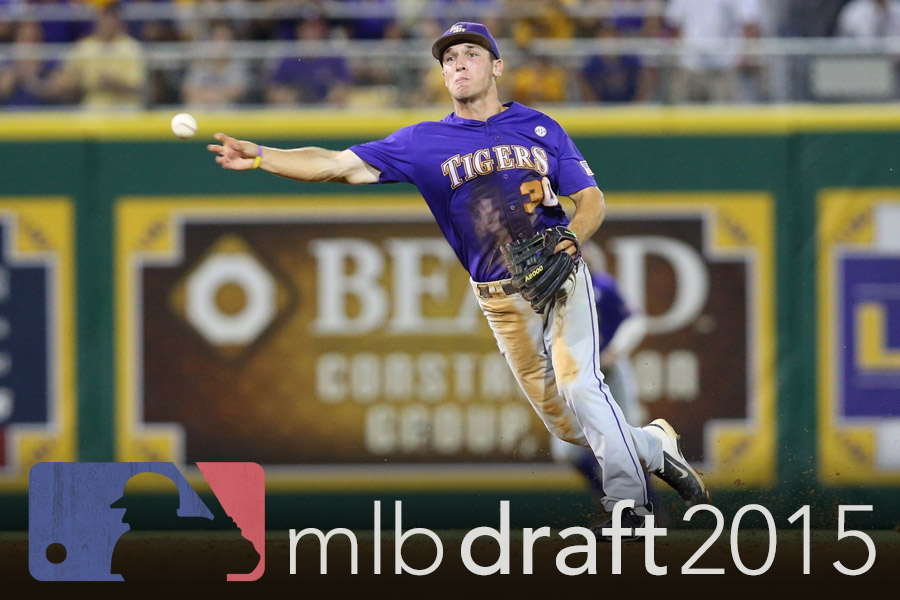 Who Is This Guy? Generously listed at 6'0" and 185 lbs, Bregman is a diminutive specimen who often draws comparisons to Dustin Pedroia as an undersized middle infielder who overcomes his physical disadvantages with tremendous work ethic and technique. The New Mexico native was viewed as a likely first-round pick coming out of high school, but he broke a finger while fielding grounders in pregame warm-ups during his senior year, and the injury caused his stock to plummet. Bregman ended up being drafted by the Red Sox in the 29th round of the 2012 draft, but elected to head to college rather than signing. Good call. Three years later, he's a projected top five draft pick. Bregman has put up monster numbers in his three seasons at LSU, hitting .336/.410/.518 in 191 games. He has solid pop for a guy his size, but what really stands out is his ability to control the strike zone; in his collegiate career, he has drawn 87 walks while fanning only 66 times. The biggest question is whether Bregman will stick at shortstop in the pros. Most scouts seem to believe he has a good chance to do so. Back in April, Carson Cistulli of FanGraphs highlighted four different stand-out plays that the shortstop made in one game against Auburn. This one, in particular, seems to demonstrate that he has the athleticism and arm to play the position. Why the Twins Will Pick Him Shortstop is a tough spot to lock down, as the Twins are well aware. They've struggled to find a permanent answer, and while they probably felt decent about the position coming into 2015, neither Danny Santana nor Eduardo Escobar has done much this year to inspire confidence. If you have the chance to get a guy who you think can play shortstop in the majors and hit, you've got to get him. That's why the Twins selected Nick Gordon last year, and that's why they will likely take Bregman if he's available to them. Outside of pitcher and catcher, there's no position where it's more beneficial to have strong minor-league depth. Bregman has that gritty, "baseball rat" type reputation that the Twins tend to gravitate toward, and his production in college has been everything you'd want to see in a top pick. He was actually named first-team All-SEC shortstop over Vanderbilt's Swanson, who is likely to go first overall. The Twins just spent the fifth pick on a shortstop last year, but I doubt that would impede them from taking another one this time around. Gordon is currently hitting just .230/.303/.279 at Cedar Rapids, and while that hardly dooms the 19-year-old's long-term outlook, it does indicate that he might need a while to develop. Bregman's bat is more advanced and he would move ahead of Gordon in line with a chance to make a faster impact in the majors. Consider that Trea Turner, the first college shortstop taken in last year's draft (14th overall to the Padres) is already tearing up Double-A. Why the Twins Won't Pick Him Bregman is not without his question marks. Some believe he might follow in Pedroia's footsteps and wind up moving to second base, which would diminish his value to the Twins quite a bit. There's also no assurance that his bat will make the same kind of impact in pro ball, particularly in the power department. While clearly a superior prospect, Bregman does have a somewhat similar profile to Levi Michael, the smallish college middle infielder drafted by the Twins out of North Carolina in 2011's first-round. Michael's moderate power all but disappeared once he made the switch to wood bats. With all that being said, if he does fall to them at No. 6, I find it quite unlikely that the Twins would pass up Bregman unless they don't believe in his glove. I've seen very few recent mocks that have him falling out of the top five. Jeremy has him going to Houston one pick before Minnesota.
 -
Article: On Unsustainable Success And Traps
Nick Nelson replied to Nick Nelson's topic in Twins Daily Front Page News
I love this comment. Really encapsulates why it's so much fun to be a Twins fan right now. -
A victory over Toronto on Sunday that capped off a 20-win month and left the Twins with the best record in the American League suddenly catapulted them into the national consciousness, with Minnesota gracing the front page of ESPN.com's MLB section on Monday morning and appearing across all sorts of major media outlets. Still, there is a well warranted sense of skepticism surrounding this team. Smoke and mirrors wouldn't necessarily be accurate – the Twins are pitching well and scoring runs – but their winning ways have been characterized by clutch hitting and unprecedented pitching performances. Neither seems likely to completely sustain. As such, most people believe that this club, as currently constituted, is due for some serious regression. That's probably true. But it also misses the bigger picture.Last week, Grantland published a feature with a headline that asked "Are the Twins for real?" The conclusion was, basically, no. On Monday, Dave Cameron of FanGraphs served a similar note of caution and warned against the front office falling into the trap of believing in a hot start and mistakenly going into "Buy" mode, loading up for a 2015 run at the expense of building for the future. These viewpoints are not inaccurate, in the sense that a team whose success is built so acutely around rising to the occasion in high-leverage situations is going to come back to Earth when things inevitably even out. But this is a transitional roster that stands to see a lot of change between now and September, which is both why we should lend a bit more credibility to their chances of hanging around, and why the notion of any sort of significant "Buy" moves at the trade deadline is silly. Back at the beginning of May, I observed that things were going according to plan for the Twins; they were a game above .500 and their weaknesses lined up with areas of strength in the minor-league system. Now, they're 10 games above .500 and the latter point remains true. This organization has a great deal of depth in the high minors, with many potential reinforcements waiting in the wings. Even if they did decide they wanted to buy and go all in for 2015 (which ain't exactly Terry Ryan's MO), what position would they target? They're not going to look for starting pitching with numerous options available in the minors and Ervin Santana due back in a month. They're not going to make a mega-deal for a shortstop with Eduardo Escobar on hand and Jorge Polanco tearing up Double-A. They're not going to trade valuable assets for a DH when they can try out Josmil Pinto or Oswaldo Arcia or Kennys Vargas there. This isn't to say that the Twins will have no problem plugging any leak that springs up. But they have already have the tools to try and fix them without needing to pony up at the hardware store. And it goes without saying that they benefit more, long-term, from giving their homegrown players a chance to contribute and make a difference rather than dealing away future assets for a rental. Terry Ryan, of all people, is aware of that. So sit back and enjoy the ride as long as it lasts. There's really no need to worry that the Twins' sudden and unexpected success is going to cause them to do anything that hinders their big-picture plans. But if we're lucky, we might get to see some talented young players make an impact on a pennant race. Click here to view the article
- 45 replies
-
- 10
-

-
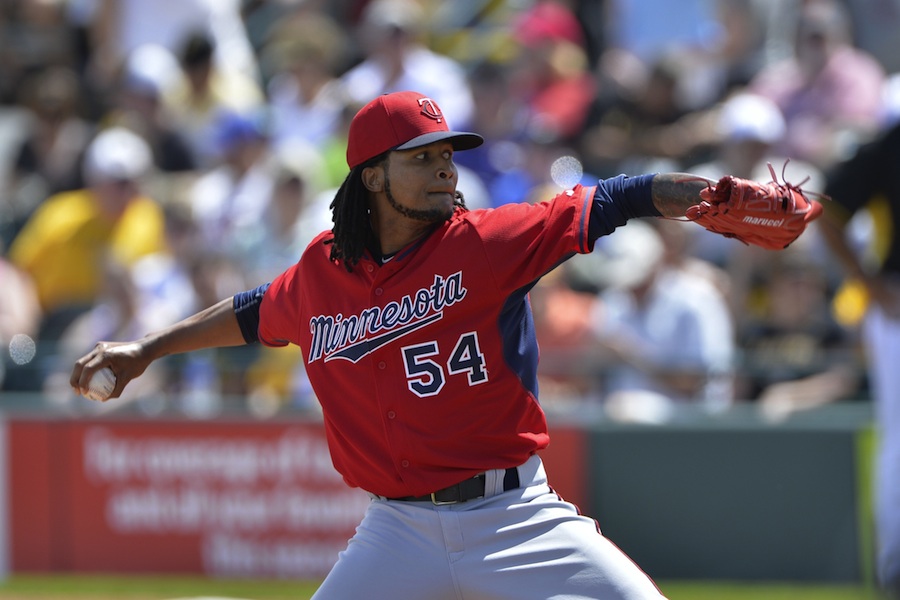 Last week, Grantland published a feature with a headline that asked "Are the Twins for real?" The conclusion was, basically, no. On Monday, Dave Cameron of FanGraphs served a similar note of caution and warned against the front office falling into the trap of believing in a hot start and mistakenly going into "Buy" mode, loading up for a 2015 run at the expense of building for the future. These viewpoints are not inaccurate, in the sense that a team whose success is built so acutely around rising to the occasion in high-leverage situations is going to come back to Earth when things inevitably even out. But this is a transitional roster that stands to see a lot of change between now and September, which is both why we should lend a bit more credibility to their chances of hanging around, and why the notion of any sort of significant "Buy" moves at the trade deadline is silly. Back at the beginning of May, I observed that things were going according to plan for the Twins; they were a game above .500 and their weaknesses lined up with areas of strength in the minor-league system. Now, they're 10 games above .500 and the latter point remains true. This organization has a great deal of depth in the high minors, with many potential reinforcements waiting in the wings. Even if they did decide they wanted to buy and go all in for 2015 (which ain't exactly Terry Ryan's MO), what position would they target? They're not going to look for starting pitching with numerous options available in the minors and Ervin Santana due back in a month. They're not going to make a mega-deal for a shortstop with Eduardo Escobar on hand and Jorge Polanco tearing up Double-A. They're not going to trade valuable assets for a DH when they can try out Josmil Pinto or Oswaldo Arcia or Kennys Vargas there. This isn't to say that the Twins will have no problem plugging any leak that springs up. But they have already have the tools to try and fix them without needing to pony up at the hardware store. And it goes without saying that they benefit more, long-term, from giving their homegrown players a chance to contribute and make a difference rather than dealing away future assets for a rental. Terry Ryan, of all people, is aware of that. So sit back and enjoy the ride as long as it lasts. There's really no need to worry that the Twins' sudden and unexpected success is going to cause them to do anything that hinders their big-picture plans. But if we're lucky, we might get to see some talented young players make an impact on a pennant race.
 -
Article: That's The Ticket: Old Friends
Nick Nelson replied to Nick Nelson's topic in Twins Daily Front Page News
Well, for one thing, that division is very bunched up. They're only 3.5 out of first. And also their pitching has been terrible overall. Worst team ERA in the AL. -
The Blue Jays are coming to town this weekend, and bringing some familiar faces. Meanwhile, the Twins are as hot as they've been in half a decade, with a five-game winning streak pushing them 10 games above .500 and into first place. Sounds like a good opportunity to catch some ball at Target Field. Let's break down the most intriguing aspects of this Jays/Twins series.Exorcising Demons These first two months have been filled with vindication for the Twins. They have gone 7-3 against the rival White Sox. Earlier this month, they took two of three from a Rays team that had gone 22-7 against them over the past four years. And this week they swept the Red Sox for the first time since 2006. Now, they'll have a shot at reversing their fortunes against a Toronto club that has also historically given them fits. Even in their contending years, the Twins could never seem to get over the hump against the Blue Jays, who had won eight consecutive season series prior to 2014, often in very lopsided fashion. If the Twins can win two or three this weekend, it might be the surest sign yet that they've truly turned a corner. Big Bad Bautista One major reason the Jays have made things so tough for the Twins is Jose Bautista, who really enjoys hitting at Target Field. In 14 career games at the park, he has nine homers and a .966 slugging percentage. Twins pitchers have been fairly stingy with the long ball at Target Field this year, however, allowing 19 homers in 23 games. The Ones That Got Away? Remember Liam Hendriks and Chris Colabello? Outside of a few flashes, neither managed to do a whole lot in Minnesota, but they're both enjoying a lot of success right now with Toronto, and will surely have their minds set on punishing the team that let them go. After demolishing Triple-A pitching in April, Colabello joined the Blue Jays in early May and has been flat-out raking with a .386 batting average in 22 games. He has collected multiple hits in 10 of those contests. Hendriks, meanwhile, has looked sharp out of the bullpen. In 21 innings, he has 24 strikeouts with just four walks and 17 hits allowed, through he was roughed up by the White Sox in his most recent outing. PITCHING MATCH-UPS Friday, 7:10 PM: Mark Buehrle vs. Trevor May Speaking of old friends, the Twins are all too familiar with Buehrle from his days with Chicago. The veteran lefty has more career wins against the Twins (28) than any other opponent. He has openly talked about retiring after this season, so this might be your last chance to see this classic rivalry. May is coming off perhaps his best outing as a big-leaguer. Can he keep the ball in the yard against Toronto's powerful lineup? Forecast (courtesy Weather.com): High of 69, scattered showers Saturday, 1:10 PM: Aaron Sanchez vs. Kyle Gibson Sanchez is something to see. Just 22 years old, he lights up the radar gun with a heater in the mid-90s, and has held opposing hitters to a .197 average in 33 big-league appearances dating back to last year. He also leads the league with 34 walks allowed. Patience will be key for the Twins. Can Gibson continue to roll? The righty has gone 3-1 with a 1.32 ERA in the month of May and has allowed only four homers all year. He'll have his hands full with a Blue Jays offense that leads the AL in slugging. Forecast: High of 66 & sunny Sunday, 1:10 PM: Drew Hutchison vs. Ricky Nolasco Hutchison has struggled immensely on the road this year, with an 8.03 ERA south of the Canadian border. Nolasco's 5-0 record in May is somewhat misleading but there's no question that he has pitched much better since returning from the disabled list. This match-up would appear to favor the Twins pretty heavily. Forecast: High of 68 & mostly sunny Click here to view the article
-
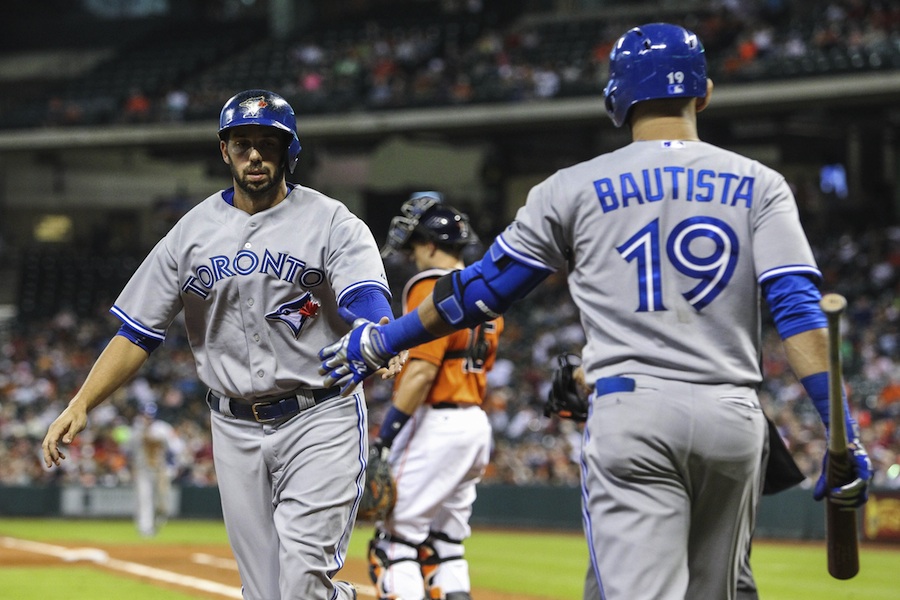 Exorcising Demons These first two months have been filled with vindication for the Twins. They have gone 7-3 against the rival White Sox. Earlier this month, they took two of three from a Rays team that had gone 22-7 against them over the past four years. And this week they swept the Red Sox for the first time since 2006. Now, they'll have a shot at reversing their fortunes against a Toronto club that has also historically given them fits. Even in their contending years, the Twins could never seem to get over the hump against the Blue Jays, who had won eight consecutive season series prior to 2014, often in very lopsided fashion. If the Twins can win two or three this weekend, it might be the surest sign yet that they've truly turned a corner. Big Bad Bautista One major reason the Jays have made things so tough for the Twins is Jose Bautista, who really enjoys hitting at Target Field. In 14 career games at the park, he has nine homers and a .966 slugging percentage. Twins pitchers have been fairly stingy with the long ball at Target Field this year, however, allowing 19 homers in 23 games. The Ones That Got Away? Remember Liam Hendriks and Chris Colabello? Outside of a few flashes, neither managed to do a whole lot in Minnesota, but they're both enjoying a lot of success right now with Toronto, and will surely have their minds set on punishing the team that let them go. After demolishing Triple-A pitching in April, Colabello joined the Blue Jays in early May and has been flat-out raking with a .386 batting average in 22 games. He has collected multiple hits in 10 of those contests. Hendriks, meanwhile, has looked sharp out of the bullpen. In 21 innings, he has 24 strikeouts with just four walks and 17 hits allowed, through he was roughed up by the White Sox in his most recent outing. PITCHING MATCH-UPS Friday, 7:10 PM: Mark Buehrle vs. Trevor May Speaking of old friends, the Twins are all too familiar with Buehrle from his days with Chicago. The veteran lefty has more career wins against the Twins (28) than any other opponent. He has openly talked about retiring after this season, so this might be your last chance to see this classic rivalry. May is coming off perhaps his best outing as a big-leaguer. Can he keep the ball in the yard against Toronto's powerful lineup? Forecast (courtesy Weather.com): High of 69, scattered showers Saturday, 1:10 PM: Aaron Sanchez vs. Kyle Gibson Sanchez is something to see. Just 22 years old, he lights up the radar gun with a heater in the mid-90s, and has held opposing hitters to a .197 average in 33 big-league appearances dating back to last year. He also leads the league with 34 walks allowed. Patience will be key for the Twins. Can Gibson continue to roll? The righty has gone 3-1 with a 1.32 ERA in the month of May and has allowed only four homers all year. He'll have his hands full with a Blue Jays offense that leads the AL in slugging. Forecast: High of 66 & sunny Sunday, 1:10 PM: Drew Hutchison vs. Ricky Nolasco Hutchison has struggled immensely on the road this year, with an 8.03 ERA south of the Canadian border. Nolasco's 5-0 record in May is somewhat misleading but there's no question that he has pitched much better since returning from the disabled list. This match-up would appear to favor the Twins pretty heavily. Forecast: High of 68 & mostly sunny
 -
Article: Twins Draft Preview: Kyle Funkhouser
Nick Nelson replied to Nick Nelson's topic in Twins Daily Front Page News
I don't remember where, but I saw someone compare Funkhouser to Michael Wacha -- a guy who everyone thought would be a top pick, but fell to the Cards at 19 in 2012 because of some question marks leading up to the draft. We all know how that turned out. Not saying it's the same situation, but something to keep in mind when evaluating a guy's recent results compared to his long-term track record. -
You can never have too much pitching. It's an old cliche that continues to be repeated, and for good reason: it's true. So even with Minnesota's system experiencing a renaissance of sorts in terms of quality arms, you can be certain that the Twins are closely evaluating several starting pitchers as they look ahead to this year's draft. One name they're surely in on is Kyle Funkhouser.Who Is This Guy? The University of Louisville has churned out some high-profile arms in recent years, with one example being Nick Burdi, Minnesota's second-round selection last June. Many believe that Funkhouser is the best talent to come along yet. A sturdily built right-hander at 6'3" and 220 lbs, Funkhouser headed to Louisville after being named Gatorade Player of the Year in Illinois as a senior in high school. He found immediate success in the collegiate ranks, appearing in 22 games (six starts) as a freshman and posting a 2.14 ERA while averaging more than a strikeout per inning. The following season, Funkhouser became a full-time starter and won a school-record 13 games with a 1.94 ERA, while also boosting his K-rate and allowing only two homers in 120 innings. Entering this season, he was widely viewed as a Top 5 pick in the MLB draft, but his stock has wavered a bit. At this point, most expect him to be available when the Twins pick at No. 6. Why the Twins Will Pick Him A deep and robust well of pitching talent in the minors is critical to any organization's long-term success, and the Twins -- who have used three of their last four first-round picks on position players -- could give their collection of pitching prospects another jolt by adding Funkhouser to the mix. As an extremely successful hurler at a major college program, the 22-year-old is about as close to the majors as any starting pitcher in this year's draft. That might entice the Twins, who are suddenly shifting back into a competitive mindset with a winning record and top prospects on the verge of graduating. Funkhouser's calling card has been throwing the ball past hitters. With a power fastball that sits in the mid-90s, he attacks aggressively. His 122 strikeouts last year were third-most in Louisville history, and he started his 2015 campaign with a 12-K performance against Alabama State in February. Scouts have lauded his size and his mechanics as the kind prototypical big-league starters bring to the table, and he already has a solid repertoire of four pitches he can use. Funkhouser didn't commit fully to baseball until his junior year in high school, and didn't start throwing his slider – now considered his best secondary offering – until he was in college, so there's still seemingly some room for growth and improvement despite his age. Why the Twins Will Not Pick Him Funkhouser has been enduring a difficult stretch in recent weeks. In the latter half of the college season, his velocity has dropped and his results have deteriorated; his ERA has risen from 1.96 to 3.29 over his last six starts. "You've got to be a little bit concerned," he said earlier this week. "I've been pitching so well for so long. This is pretty much the roughest couple weeks of my career, honestly." With the draft approaching, the timing could not be worse for him, as clubs must now weigh Funkhouser's mysterious struggles along with pre-existing questions about his iffy command. It could be an opportunity to bring in a premium young arm at a relative value. Or it could be too large a risk at the sixth pick. Most recent mock drafts – including Jeremy's here earlier this week – have Funkhouser going in the teens. Click here to view the article
-
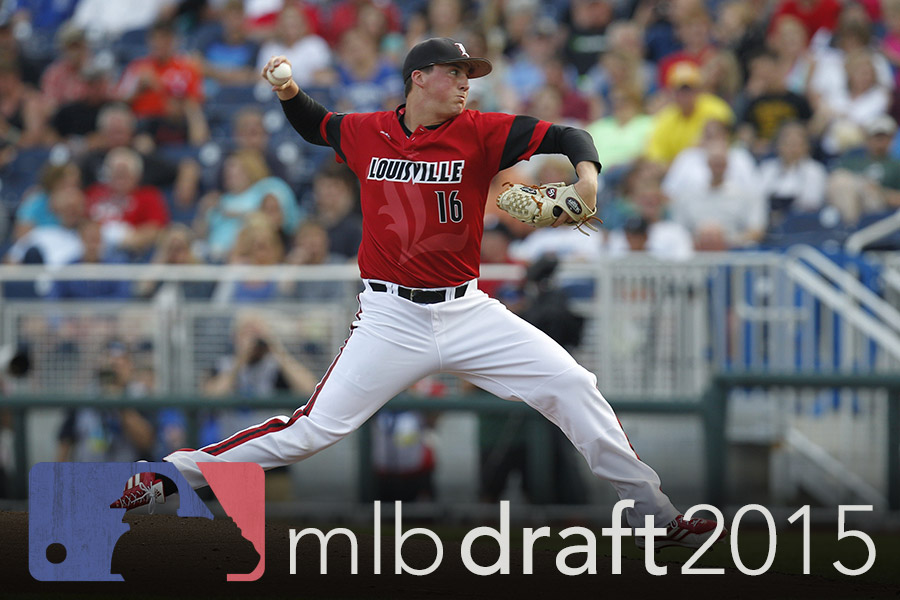 Who Is This Guy? The University of Louisville has churned out some high-profile arms in recent years, with one example being Nick Burdi, Minnesota's second-round selection last June. Many believe that Funkhouser is the best talent to come along yet. A sturdily built right-hander at 6'3" and 220 lbs, Funkhouser headed to Louisville after being named Gatorade Player of the Year in Illinois as a senior in high school. He found immediate success in the collegiate ranks, appearing in 22 games (six starts) as a freshman and posting a 2.14 ERA while averaging more than a strikeout per inning. The following season, Funkhouser became a full-time starter and won a school-record 13 games with a 1.94 ERA, while also boosting his K-rate and allowing only two homers in 120 innings. Entering this season, he was widely viewed as a Top 5 pick in the MLB draft, but his stock has wavered a bit. At this point, most expect him to be available when the Twins pick at No. 6. Why the Twins Will Pick Him A deep and robust well of pitching talent in the minors is critical to any organization's long-term success, and the Twins -- who have used three of their last four first-round picks on position players -- could give their collection of pitching prospects another jolt by adding Funkhouser to the mix. As an extremely successful hurler at a major college program, the 22-year-old is about as close to the majors as any starting pitcher in this year's draft. That might entice the Twins, who are suddenly shifting back into a competitive mindset with a winning record and top prospects on the verge of graduating. Funkhouser's calling card has been throwing the ball past hitters. With a power fastball that sits in the mid-90s, he attacks aggressively. His 122 strikeouts last year were third-most in Louisville history, and he started his 2015 campaign with a 12-K performance against Alabama State in February. Scouts have lauded his size and his mechanics as the kind prototypical big-league starters bring to the table, and he already has a solid repertoire of four pitches he can use. Funkhouser didn't commit fully to baseball until his junior year in high school, and didn't start throwing his slider – now considered his best secondary offering – until he was in college, so there's still seemingly some room for growth and improvement despite his age. Why the Twins Will Not Pick Him Funkhouser has been enduring a difficult stretch in recent weeks. In the latter half of the college season, his velocity has dropped and his results have deteriorated; his ERA has risen from 1.96 to 3.29 over his last six starts. "You've got to be a little bit concerned," he said earlier this week. "I've been pitching so well for so long. This is pretty much the roughest couple weeks of my career, honestly." With the draft approaching, the timing could not be worse for him, as clubs must now weigh Funkhouser's mysterious struggles along with pre-existing questions about his iffy command. It could be an opportunity to bring in a premium young arm at a relative value. Or it could be too large a risk at the sixth pick. Most recent mock drafts – including Jeremy's here earlier this week – have Funkhouser going in the teens.
 -
On Tuesday, Major League Baseball released its first update on position-by-position All-Star Game balloting. No Twins appeared in the Top 5 at any position, which isn't all that surprising considering that no position players on the team have been otherworldly -- a testament to the offense's well-rounded attack. But with two months nearly in the books, let's take a look at which players have the best case for spots on the All-Star roster.1. Glen Perkins, RP 2015 Stats: 21.2 IP, 1.25 ERA, 17/17 SV, 21/2 K/BB, 0.97 WHIP Fans don't vote on pitchers for the All-Star game, but if they did you'd have to imagine Perkins would find his name at the top for relievers. He has converted all 17 of his save chances, including a four-out finish on Tuesday night, and leads all MLB relievers in Win Probability Added. 2. Brian Dozier, 2B 2015 Stats: .251/.330/.503, 9 HR, 24 RBI, 36 R Dozier led the league in runs scored for much of the 2014 season and he's right back at the top of the leaderboard now. Batting anywhere from first to fourth in the lineup, Dozier has a combination of speed, power and discipline that makes him an asset. He leads all AL second basemen in homers and ranks fourth in OPS. 3. Trevor Plouffe, 3B 2015 Stats: .276/.356/.481, 7 HR, 26 RBI, 21 R Few would have guessed it a few years ago, but Plouffe has become one of the most reliable performers in the Twins' lineup. The most notable aspect of his progress has been his improved patience -- his walk rate is up to a career-high 12 percent, and while that's not the kind of thing that draws All-Star buzz, it has definitely added another dimension to his offensive game. 4. Kyle Gibson, SP 2015 Stats: 56.1 IP, 2.72 ERA, 4-3, 27/17 K/BB, 1.21 WHIP I was convinced coming into this 2015 that Gibson was in for a breakout year, and he sure seems headed that way. The right-hander has consistently pitched deep into ballgames and hasn't allowed more than three earned runs in a start since his first outing. His success seemed a bit fluky early on, when he was oddly walking more batters than he struck out, but his 1.32 ERA in May has come attached to a much-improved 21-to-5 K/BB ratio. 5. Blaine Boyer, RP 2015 Stats: 23.2 IP, 2.28 ERA, 10/6 K/BB, 1.23 WHIP Earning a spot on the All-Star roster is more about what you've done than what you're likely to do going forward, so Boyer deserves to be recognized. There's no way he'll maintain his outstanding numbers if he continues to strike out so few batters, but Boyer has rebounded from a brutal start and been a critical piece in the bullpen, with just one run and 12 hits allowed over his last 20 innings. He's tied for the AL lead in relief appearances with 23. His contributions have been invaluable with both Casey Fien and Tim Stauffer rendered ineffective or unavailable most the season. What do you think? What does your Twins All-Star ballot look like as we approach the end of May? Click here to view the article
- 32 replies
-
- 1
-
-
- glen perkins
- brian dozier
- (and 3 more)
-
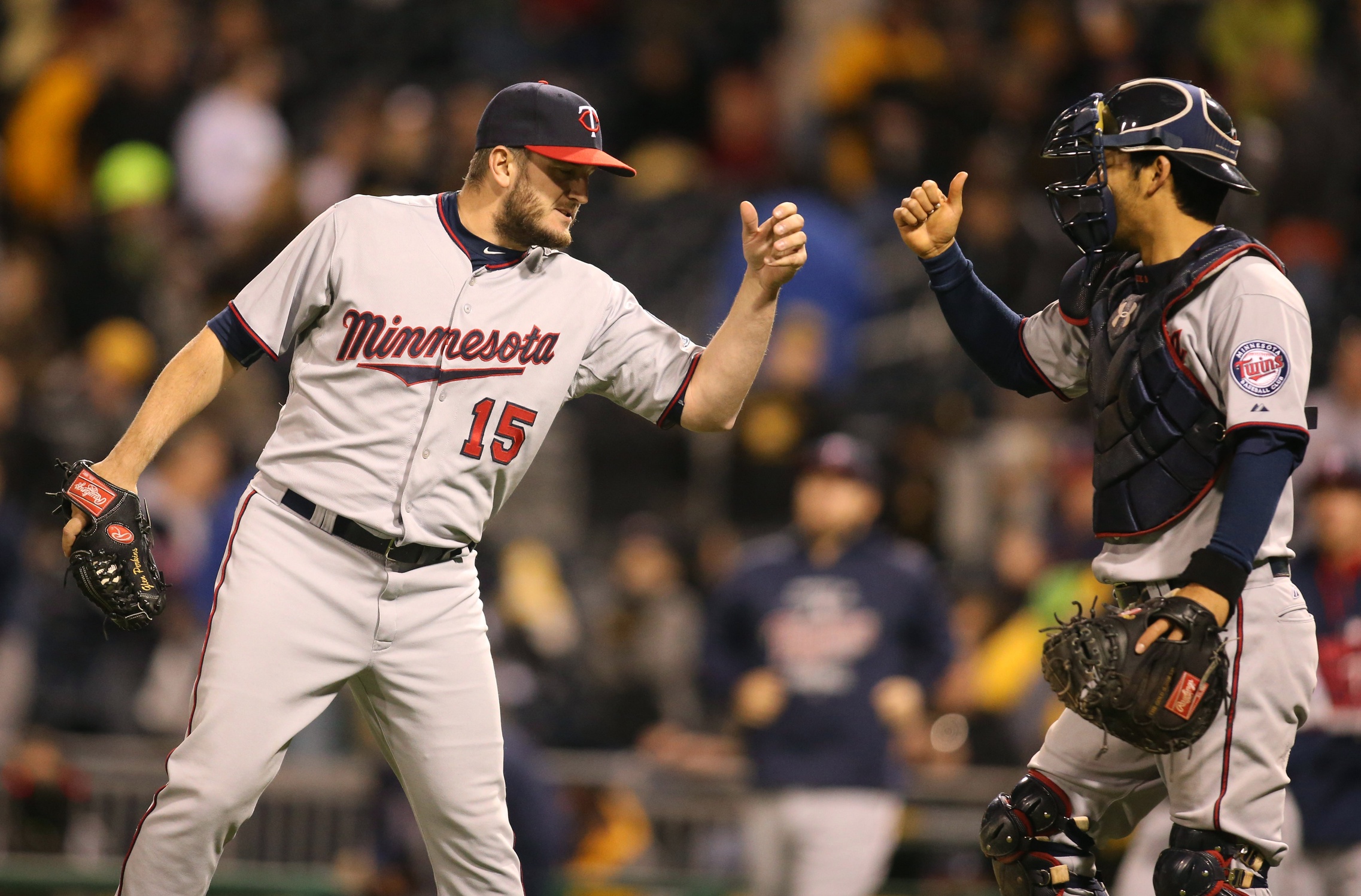 1. Glen Perkins, RP 2015 Stats: 21.2 IP, 1.25 ERA, 17/17 SV, 21/2 K/BB, 0.97 WHIP Fans don't vote on pitchers for the All-Star game, but if they did you'd have to imagine Perkins would find his name at the top for relievers. He has converted all 17 of his save chances, including a four-out finish on Tuesday night, and leads all MLB relievers in Win Probability Added. 2. Brian Dozier, 2B 2015 Stats: .251/.330/.503, 9 HR, 24 RBI, 36 R Dozier led the league in runs scored for much of the 2014 season and he's right back at the top of the leaderboard now. Batting anywhere from first to fourth in the lineup, Dozier has a combination of speed, power and discipline that makes him an asset. He leads all AL second basemen in homers and ranks fourth in OPS. 3. Trevor Plouffe, 3B 2015 Stats: .276/.356/.481, 7 HR, 26 RBI, 21 R Few would have guessed it a few years ago, but Plouffe has become one of the most reliable performers in the Twins' lineup. The most notable aspect of his progress has been his improved patience -- his walk rate is up to a career-high 12 percent, and while that's not the kind of thing that draws All-Star buzz, it has definitely added another dimension to his offensive game. 4. Kyle Gibson, SP 2015 Stats: 56.1 IP, 2.72 ERA, 4-3, 27/17 K/BB, 1.21 WHIP I was convinced coming into this 2015 that Gibson was in for a breakout year, and he sure seems headed that way. The right-hander has consistently pitched deep into ballgames and hasn't allowed more than three earned runs in a start since his first outing. His success seemed a bit fluky early on, when he was oddly walking more batters than he struck out, but his 1.32 ERA in May has come attached to a much-improved 21-to-5 K/BB ratio. 5. Blaine Boyer, RP 2015 Stats: 23.2 IP, 2.28 ERA, 10/6 K/BB, 1.23 WHIP Earning a spot on the All-Star roster is more about what you've done than what you're likely to do going forward, so Boyer deserves to be recognized. There's no way he'll maintain his outstanding numbers if he continues to strike out so few batters, but Boyer has rebounded from a brutal start and been a critical piece in the bullpen, with just one run and 12 hits allowed over his last 20 innings. He's tied for the AL lead in relief appearances with 23. His contributions have been invaluable with both Casey Fien and Tim Stauffer rendered ineffective or unavailable most the season. What do you think? What does your Twins All-Star ballot look like as we approach the end of May?
 -
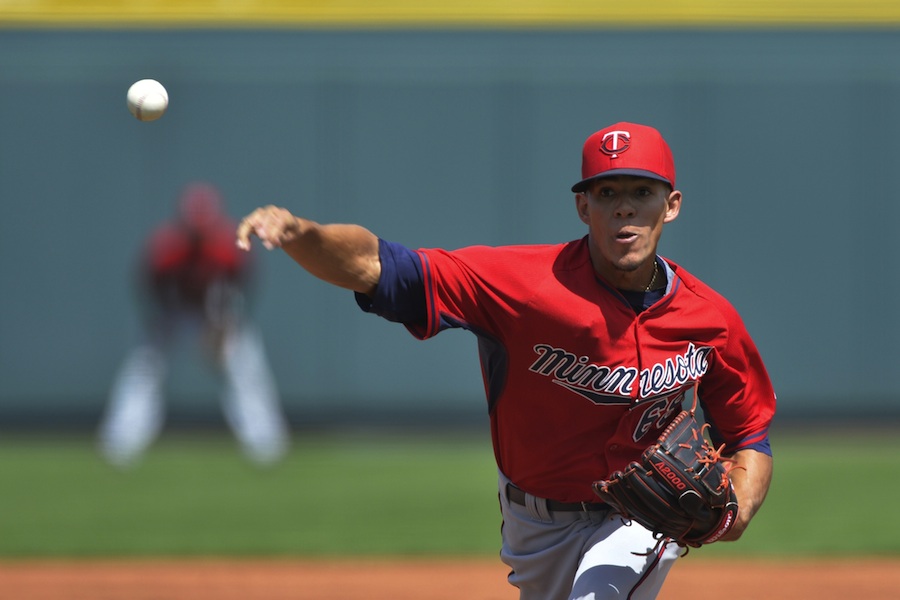 TINSTAAPP is an (albeit clunky) acronym coined by Baseball Prospectus many years ago, and has been frequently thrown around by analysts as a cautionary note. It stands for "There Is No Such Thing As A Pitching Prospect," and refers to the frequency with which promising young hurlers fizzle out by the time they reach the major leagues. That truism should certainly be kept in mind as we run through some of Minnesota's outstanding performers in the minors – nothing is close to guaranteed with any of them – but that's why the sheer volume of intriguing names is so encouraging. Here's a snapshot of the club's best pitching prospects, and a review of what they've been able to accomplish this year. 1. Jose Berrios, RHP, Class-AA Chattanooga 2015 Stats: 50.0 IP, 4-2, 2.88 ERA, 58/16 K/BB, 1.16 WHIP Age: 20 ETA: Late 2015 That Berrios has demonstrated such dominance is made all the more impressive by the fact that he won't turn 21 for another week, making him younger than all but one position player in the Southern League. He's going up against older and more experienced hitters and blowing them away. Berrios has a pretty good case as a Top 5 pitching prospect in all the minors right now. 2. Stephen Gonsalves, LHP, Class-A Cedar Rapids 2015 Stats: 36.0 IP, 3-1, 1.75 ERA, 47/7 K/BB, 0.83 WHIP Age: 20 ETA: 2017 Gonsalves ranked 13th on our preseason listing of top Twins prospects. When I profiled him, I marveled at his tremendous projectability as a 6'5" lefty with improving velocity and noted the following: "If he can put in a full season and maintain his performance in High-A, he'll surely vault into the Top 10 next year and maybe the Top 5." The 20-year-old returned to Cedar Rapids, where he finished last year with eight excellent starts, and has taken his game to another level as illustrated by his ridiculous K/BB ratio. Presumably, he'll be in Ft. Myers within a couple of weeks. 3. Chih-Wei Hu, RHP, Class-A (Advanced) Ft. Myers 2015 Stats: 35 IP, 4-0, 1.03 ERA, 36/6 K/BB, 0.83 WHIP Age: 21 ETA: Late 2016 Hu wasn't a high-profile acquisition when the Twins brought him in as a teenager from Taiwan in August of 2012, signing for a relatively modest $220,000. But while it's early, he's shaping up as one of the franchise's biggest successes ever on the international market. His absurdly good numbers in Ft. Myers would be easier to pass off as a fluke if they weren't exactly in line with what he did in Low-A and rookie ball the past couple years. When you hear the term "command-control guy" you might be tempted to affix a low ceiling, but Hu can reach the mid-90s with his fastball and has tallied strikeouts steadily at every level. He has also allowed only one home run in 148 pro innings. The Twins showed how highly they thought of him when they called him up to make a spot start in the first leg of a Triple-A doubleheader on Tuesday. Hu rose to the challenge with six innings of one-run ball, picking up the win and pushing his career record in the minors to 15-2. 4. Alex Meyer, RHP, Class-AAA Rochester 2015 Stats: 34.2 IP, 2-2, 7.02 ERA, 34/21 K/BB, 1.87 WHIP Age: 25 ETA: Late 2015 Obviously, Meyer doesn't belong in the same conversation as the three names listed above based strictly on 2015 numbers, but his ability and his history cannot be ignored. After competing for a spot on the major-league roster in spring training, the righty reported to Rochester where he's been battling through the toughest stretch of his pro career. His mechanics are out of whack, his already shaky command has deteriorated, and he's uncharacteristically giving up tons of hits. As ugly as things are right now, you have to believe that eventually the 25-year-old will get it straightened out and remind everyone why both MLB.com and Baseball Prospectus ranked him as a Top 30 prospect in baseball prior to the season. 5. Tyler Duffey, RHP, Class-AA Chattanooga 2015 Stats: 52.2 IP, 2-2, 2.56 ERA, 54/12 K/BB, 1.10 WHIP Age: 24 ETA: 2016 Duffey is a former college closer but you wouldn't know it from his consistently strong numbers as a starter in the Twins' system. He has routinely pitched deep into games for Chattanooga this year, averaging nearly 6.2 innings per start, and has held opponents to a .236/.282/.338 slash line while – somewhat surprisingly – averaging more than a strikeout per inning. The Southern League is a tough environment for pitchers so the fact that Duffey is achieving the best results of his career there bodes well. 6. Kohl Stewart, RHP, Class-A (Advanced) Ft. Myers 2015 Stats: 27.2 IP, 0-3, 2.93 ERA, 14/11 K/BB, 1.37 WHIP Age: 20 ETA: 2018 It hasn't been two years since Stewart was drafted No. 4 overall, and he has a 2.47 ERA in the minors, so it feels a little odd to have him ranked this low, but recurring injury problems and a disturbing lack of strikeouts have obscured his outlook. Since moving up to full-season ball, the righty has managed only 78 strikeouts in 114 innings (6.0 K/9) – perplexing for a pitcher of his elite pedigree. The good news is that he has managed to keep opposing bats quiet even without missing them, allowing only 115 hits and four homers in 134 pro innings. If he can get healthy and start dominating he'll climb very fast. 7. Taylor Rogers, LHP, Class-AAA Rochester 2015 Stats: 49.0 IP, 3-2, 3.31 ERA, 44/18 K/BB, 1.31 WHIP Age: 24 ETA: Late 2015 A young left-handed pitcher who has succeeded everywhere and has seen his K-rates rise as he's ascended the minors? Sign me up! Rogers is similar to Duffey in that his game is more polish than power, and like many southpaws he'll need to figure out how to handle righties to stick as a starter (they've got an .867 OPS against him this year despite his overall success) but Rogers is going to pitch in the big leagues – quite possibly before anyone else on this list. 8. Felix Jorge, RHP, Class-A Cedar Rapids 2015 Stats: 36.1 IP, 1-2, 1.98 ERA, 37/7 K/BB, 0.97 WHIP Age: 21 ETA: 2018 The Twins signed Jorge at age 17 out of the Dominican Republic for $250,000 back in 2011, and he immediately made a name for himself in the system with a couple of fantastic seasons in the rookie leagues. He lost some of his luster last year when he struggled immensely in his first exposure to full-season ball in the Midwest League, but now he has returned to Cedar Rapids and been spectacular. He's a wiry specimen, listed at 6'2" and 170 lbs, but if he can add a little to his frame while he grows he's got a chance to be a force.
 -
"He can do a lot of things with the bat," Paul Molitor said of Eddie Rosario in March, following one of many impressive offensive performances by the young outfielder in spring training. That observation has shown to be true in Rosario's initial exposure to the majors, if only sporadically. But it's his glove that might help him stick around.Rosario's quick wrists and exceptional hand-eye coordination enable him to reach out and get tough pitches, making him a dangerous two-strike hitter. Molitor commented on that trait many times in Ft. Myers, where Rosario clearly made an impression, because he was first in line for a call-up when Oswaldo Arcia landed on the disabled list earlier this month. Rosario's first big-league at-bat summed up his offensive profile in a nutshell. He got an outside fastball and drove it over the wall to the opposite field – truly a nice piece of hitting. We've seen several such instances where he has risen to the occasion with a big knock, often when behind in the count. But the fact that he swung at the first pitch he ever saw in the majors speaks volumes. Rosario doesn't see many pitches he doesn't like, and hacks at almost everything. Per FanGraphs, he has swung at 54 percent of pitches he's seen outside of the strike zone, a rate that would lead all MLB hitters if he qualified. This hyper-aggressive approach has led to Rosario walking once in his first 35 plate appearances, with his 13 strikeouts representing only a portion of the times that he's gotten himself out by swinging at bad pitches. It's an issue that has been at play since he reached the high minors, and would seem to severely inhibit his offensive upside. That's troublesome since – despite past forays at second base and center field – Rosario has been playing the outfield corners exclusively and that's where he figures to settle in. On that note, though, Rosario has been a breath of fresh air defensively in both right and left, where his speed and range have stood out in comparison to Torii Hunter and even more so Arcia. If he didn't provide such a dramatic defensive upgrade, I'd be fully convinced that Rosario is heading back down once Arcia comes off the disabled list, and I still think that's the most likely outcome. But with Kennys Vargas shipped to Triple-A on Sunday, the designated hitter spot is wide open, and that seems to be where Arcia – whose value is completely tied to his bat – fits best. Now that Molitor and the Twins pitchers are beginning to grow accustomed to the luxury of having both Rosario and Aaron Hicks patrolling the outfield, will the team be willing to give it up? Arcia, who's been on the DL since May 4th with a hip flexor strain, is expected to start taking live batting practice this week so his return isn't too far off. We'll find out soon. Click here to view the article
-
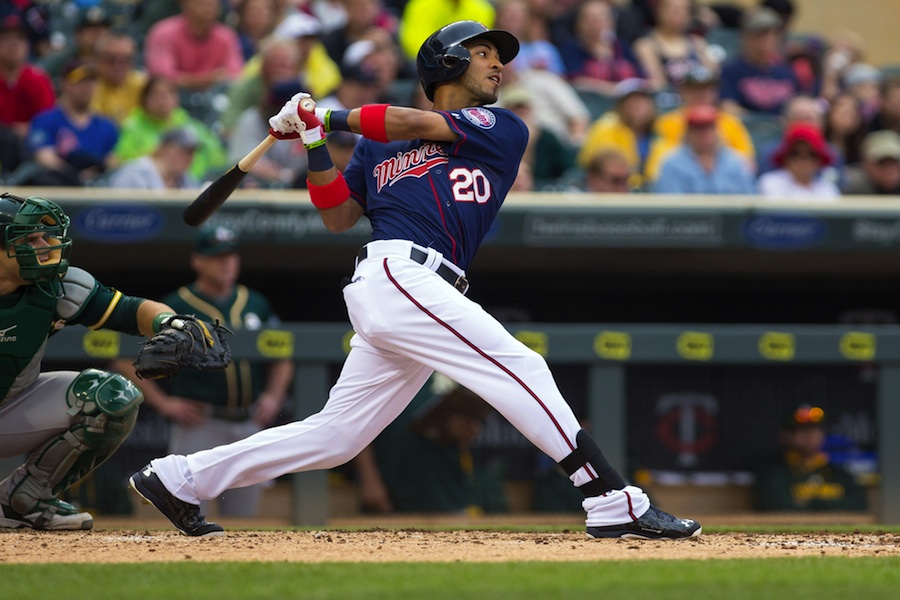 Rosario's quick wrists and exceptional hand-eye coordination enable him to reach out and get tough pitches, making him a dangerous two-strike hitter. Molitor commented on that trait many times in Ft. Myers, where Rosario clearly made an impression, because he was first in line for a call-up when Oswaldo Arcia landed on the disabled list earlier this month. Rosario's first big-league at-bat summed up his offensive profile in a nutshell. He got an outside fastball and drove it over the wall to the opposite field – truly a nice piece of hitting. We've seen several such instances where he has risen to the occasion with a big knock, often when behind in the count. But the fact that he swung at the first pitch he ever saw in the majors speaks volumes. Rosario doesn't see many pitches he doesn't like, and hacks at almost everything. Per FanGraphs, he has swung at 54 percent of pitches he's seen outside of the strike zone, a rate that would lead all MLB hitters if he qualified. This hyper-aggressive approach has led to Rosario walking once in his first 35 plate appearances, with his 13 strikeouts representing only a portion of the times that he's gotten himself out by swinging at bad pitches. It's an issue that has been at play since he reached the high minors, and would seem to severely inhibit his offensive upside. That's troublesome since – despite past forays at second base and center field – Rosario has been playing the outfield corners exclusively and that's where he figures to settle in. On that note, though, Rosario has been a breath of fresh air defensively in both right and left, where his speed and range have stood out in comparison to Torii Hunter and even more so Arcia. If he didn't provide such a dramatic defensive upgrade, I'd be fully convinced that Rosario is heading back down once Arcia comes off the disabled list, and I still think that's the most likely outcome. But with Kennys Vargas shipped to Triple-A on Sunday, the designated hitter spot is wide open, and that seems to be where Arcia – whose value is completely tied to his bat – fits best. Now that Molitor and the Twins pitchers are beginning to grow accustomed to the luxury of having both Rosario and Aaron Hicks patrolling the outfield, will the team be willing to give it up? Arcia, who's been on the DL since May 4th with a hip flexor strain, is expected to start taking live batting practice this week so his return isn't too far off. We'll find out soon.
