



Nick Nelson
-
Posts
8,326 -
Joined
-
Last visited
-
Days Won
56
Content Type
Profiles
News
Minnesota Twins Videos
2026 Minnesota Twins Top Prospects Ranking
2022 Minnesota Twins Draft Picks
Minnesota Twins Free Agent & Trade Rumors, Notes, & Tidbits
Guides & Resources
2023 Minnesota Twins Draft Picks
The Minnesota Twins Players Project
2024 Minnesota Twins Draft Picks
2025 Minnesota Twins Draft Pick Tracker
2026 Minnesota Twins Draft Tracker: Picks & Bonuses
Forums
Blogs
Events
Store
Downloads
Gallery
Everything posted by Nick Nelson
-
 None of the arbitration eligible players were listed in the org depth charts since they are not technically under contract for next year... but most can be safely penciled in. I suspect he'll be back even though we didn't keep him in our blueprint.
 -
Around lunchtime on Monday, the Minnesota Twins will hold a press conference formally announcing the two new head executives in their reconfigured baseball operations department. Then, it's on.Among the 28 teams who fell short of the World Series, most are deep into their offseason planning. Important deadlines come fast and furious after the conclusion of the playoffs, and that's why many front offices spend weeks laying the groundwork and playing through scenarios. The Twins have had no such luxuries. Derek Falvey's tenure with the Indians lasted as long as it possibly could have, placing him in catch-up mode as he takes over in the Minnesota front office. While he has undoubtedly been in communication with his new organization, up until last Wednesday Falvey remained an employee of the Cleveland Indians, and a very occupied one at that. Meanwhile, Rob Antony has been running the show. Moving forward he will presumably be third in line behind Falvey and new general manager Thad Levine. The trio will need to come together and make some quick decisions. The annual GM Meetings get underway on Monday and run through Thursday so Falvey and Levine are reportedly set to head straight to Scottsdale, AZ following the conclusion of their introductory press conference. This will be their first opportunity to rub shoulders with other execs as official representatives of the Minnesota Twins, so it should be an interesting week. So, how will their agenda shape up as the new leadership team acclimates? The free agency process has already been set into motion, as we're currently amidst a five-day exclusive negotiating window for impending free agents. The most prominent name in that mix for Minnesota is Kurt Suzuki, who won't be back, so the Twins aren't hindered much by being late to the game. But after the clock strikes midnight and Monday turns to Tuesday, free agency will officially be open for business. Names can start coming off the market quickly so the Twins need to rapidly identify targets and begin making contacts. The team's needs heading into the winter are fairly well defined. Of course, you can find an in-depth listing of free agents at positions of need in the Twins Daily Offseason Handbook, which is available for immediate download on a name-your-price basis. Here's a quick look at some other important upcoming dates as the new regime tackles its first Hot Stove season: November 18: Deadline to add prospects to the 40-man roster and protect them from Rule 5 draft eligibility. The Twins have some critical determinations to make before this point. A few weeks ago, Seth wrote about some pitchers and hitters who are on the bubble. December 1: On this date, Major League Baseball's current collective bargaining agreement expires. In order to avoid a work stoppage, the league and players association must reach agreement on a new deal before the end of this month. There is little reason to think they won't, given everything at stake, but the new CBA could include some significant changes. The draft bonus pool system, in particular, is expected to undergo some tweaking. This could have a distinct impact on the Twins, who of course will carry the No. 1 pick in each round next June. December 2: Non-tender deadline. By this date, the Twins must decide whether to extend offers to their six arbitration eligible players: Trevor Plouffe, Hector Santiago, Brandon Kintzler, Eduardo Escobar, Kyle Gibson and Ryan Pressly. We extensively analyze the cases for each player in the Handbook. December 5-8: Winter Meetings in Washington DC. This is the heart of Hot Stove season and the most gripping period of the offseason schedule, with non-stop frenetic rumors and breaking blockbusters. The Rule 5 draft takes place on the morning of the final day. After the Winter Meetings, things quiet down for the most part over the holidays, then kick back into gear in mid-January with arbitration agreement deadline. If you've been in a slumber waiting for the postseason to play out, the time has arrived. Things are about to get going in a hurry. Make sure you snag your Offseason Handbook, for as much or as little as you want, so you'll be ready for all the action. Click here to view the article
-
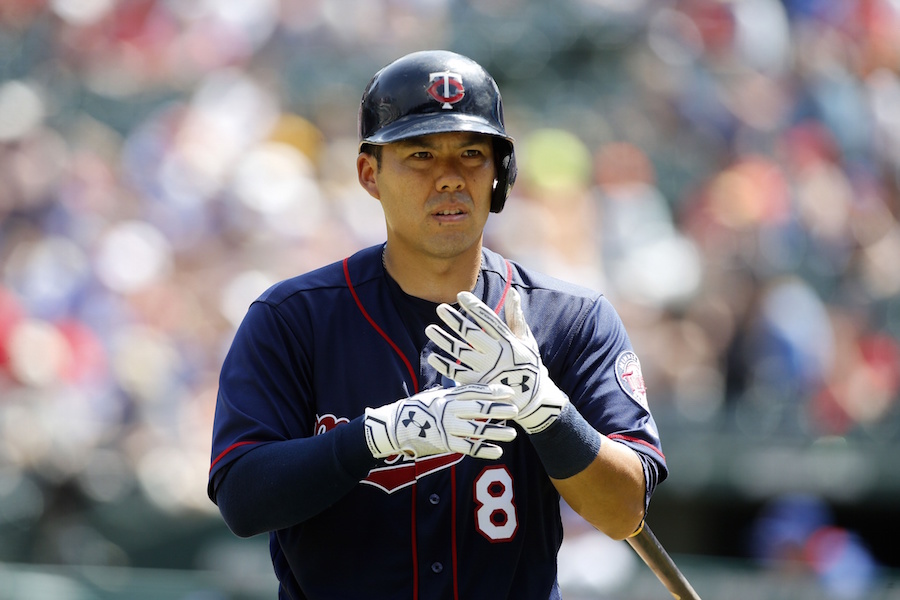 Among the 28 teams who fell short of the World Series, most are deep into their offseason planning. Important deadlines come fast and furious after the conclusion of the playoffs, and that's why many front offices spend weeks laying the groundwork and playing through scenarios. The Twins have had no such luxuries. Derek Falvey's tenure with the Indians lasted as long as it possibly could have, placing him in catch-up mode as he takes over in the Minnesota front office. While he has undoubtedly been in communication with his new organization, up until last Wednesday Falvey remained an employee of the Cleveland Indians, and a very occupied one at that. Meanwhile, Rob Antony has been running the show. Moving forward he will presumably be third in line behind Falvey and new general manager Thad Levine. The trio will need to come together and make some quick decisions. The annual GM Meetings get underway on Monday and run through Thursday so Falvey and Levine are reportedly set to head straight to Scottsdale, AZ following the conclusion of their introductory press conference. This will be their first opportunity to rub shoulders with other execs as official representatives of the Minnesota Twins, so it should be an interesting week. So, how will their agenda shape up as the new leadership team acclimates? The free agency process has already been set into motion, as we're currently amidst a five-day exclusive negotiating window for impending free agents. The most prominent name in that mix for Minnesota is Kurt Suzuki, who won't be back, so the Twins aren't hindered much by being late to the game. But after the clock strikes midnight and Monday turns to Tuesday, free agency will officially be open for business. Names can start coming off the market quickly so the Twins need to rapidly identify targets and begin making contacts. The team's needs heading into the winter are fairly well defined. Of course, you can find an in-depth listing of free agents at positions of need in the Twins Daily Offseason Handbook, which is available for immediate download on a name-your-price basis. Here's a quick look at some other important upcoming dates as the new regime tackles its first Hot Stove season: November 18: Deadline to add prospects to the 40-man roster and protect them from Rule 5 draft eligibility. The Twins have some critical determinations to make before this point. A few weeks ago, Seth wrote about some pitchers and hitters who are on the bubble. December 1: On this date, Major League Baseball's current collective bargaining agreement expires. In order to avoid a work stoppage, the league and players association must reach agreement on a new deal before the end of this month. There is little reason to think they won't, given everything at stake, but the new CBA could include some significant changes. The draft bonus pool system, in particular, is expected to undergo some tweaking. This could have a distinct impact on the Twins, who of course will carry the No. 1 pick in each round next June. December 2: Non-tender deadline. By this date, the Twins must decide whether to extend offers to their six arbitration eligible players: Trevor Plouffe, Hector Santiago, Brandon Kintzler, Eduardo Escobar, Kyle Gibson and Ryan Pressly. We extensively analyze the cases for each player in the Handbook. December 5-8: Winter Meetings in Washington DC. This is the heart of Hot Stove season and the most gripping period of the offseason schedule, with non-stop frenetic rumors and breaking blockbusters. The Rule 5 draft takes place on the morning of the final day. After the Winter Meetings, things quiet down for the most part over the holidays, then kick back into gear in mid-January with arbitration agreement deadline. If you've been in a slumber waiting for the postseason to play out, the time has arrived. Things are about to get going in a hurry. Make sure you snag your Offseason Handbook, for as much or as little as you want, so you'll be ready for all the action.
 -
In recent years, the conclusion of the World Series has turned into an annual holiday for Minnesota Twins fans. It marks the official start of the offseason, as well as the yearly release of Twins Daily's Offseason Handbook. Our latest edition is now available here, and because we want to make sure everyone can get this awesome product, we're implementing a new approach this year.By following this link, you can grab your copy of this ebook as an instantly downloadable PDF. However, unlike in the past, the 2017 Offseason Handbook does not have a set cost. You can enter your own price when checking out. The recommended amount is five dollars, but you can set the number anywhere you please, including zero. We work hard year-round at Twins Daily to keep the quality content pumping on a daily basis. We put a great deal of additional effort into planning, writing and designing this full-color, comprehensive Hot Stove preview. If you want to contribute any amount -- be it $1, $5, $10 or more -- as a token of thanks for the coverage and for the product you're receiving, we greatly appreciate it. But we wanted it to be optional. If you can't or don't wish to pay, we won't be offended. We don't want any barriers standing in the way of anyone's ability to access this premium content. Just please make sure you grab a copy! ** ORDER THE 2017 OFFSEASON HANDBOOK HERE ** So, what can you expect from the 2017 Offseason Handbook? After helping build a championship-caliber team in Cleveland, Derek Falvey will now arrive in Minnesota, tasked with doing the same thing here. This handbook puts you in his shoes, serving as a guide to the current makeup of the organization while offering in-depth breakdowns of upgrade options available through various acquisition channels. Within this digital offseason guide, you will find organizational depth charts for each position, payroll analysis, arbitration cases, trade scenarios and dozens of free agent profiles. The Handbook also includes lengthy feature articles from Seth, John, Parker and myself, covering different unique topics. As always, you'll find our Twins Daily blueprint for building a better team in 2017, and you'll have all the tools necessary to form your own plan. Regardless of if – or how much – you choose to pay, please make sure you download a copy of the Twins Daily 2017 Offseason Handbook. We're very confident that everyone is going to love it, and its content will tie heavily into our coverage of the coming offseason. Free agency kicks off in five days and the Winter Meetings are barely a month away, so don't delay. Get your copy now and prepare yourself for what promises to be the most intriguing and compelling winter for the Twins in a very long time. Click here to view the article
-
 By following this link, you can grab your copy of this ebook as an instantly downloadable PDF. However, unlike in the past, the 2017 Offseason Handbook does not have a set cost. You can enter your own price when checking out. The recommended amount is five dollars, but you can set the number anywhere you please, including zero. We work hard year-round at Twins Daily to keep the quality content pumping on a daily basis. We put a great deal of additional effort into planning, writing and designing this full-color, comprehensive Hot Stove preview. If you want to contribute any amount -- be it $1, $5, $10 or more -- as a token of thanks for the coverage and for the product you're receiving, we greatly appreciate it. But we wanted it to be optional. If you can't or don't wish to pay, we won't be offended. We don't want any barriers standing in the way of anyone's ability to access this premium content. Just please make sure you grab a copy! ** ORDER THE 2017 OFFSEASON HANDBOOK HERE ** So, what can you expect from the 2017 Offseason Handbook? After helping build a championship-caliber team in Cleveland, Derek Falvey will now arrive in Minnesota, tasked with doing the same thing here. This handbook puts you in his shoes, serving as a guide to the current makeup of the organization while offering in-depth breakdowns of upgrade options available through various acquisition channels. Within this digital offseason guide, you will find organizational depth charts for each position, payroll analysis, arbitration cases, trade scenarios and dozens of free agent profiles. The Handbook also includes lengthy feature articles from Seth, John, Parker and myself, covering different unique topics. As always, you'll find our Twins Daily blueprint for building a better team in 2017, and you'll have all the tools necessary to form your own plan. Regardless of if – or how much – you choose to pay, please make sure you download a copy of the Twins Daily 2017 Offseason Handbook. We're very confident that everyone is going to love it, and its content will tie heavily into our coverage of the coming offseason. Free agency kicks off in five days and the Winter Meetings are barely a month away, so don't delay. Get your copy now and prepare yourself for what promises to be the most intriguing and compelling winter for the Twins in a very long time.
 -
In 1991, the Minnesota Twins and Atlanta Braves battled to the bitter end in a World Series for the ages. Now, 25 years later, the Cleveland Indians and Chicago Cubs are on their way to another epic Fall Classic, with Tuesday's Cubs victory sending this thrilling series to a decisive Game 7. While we wait for the offseason to officially get underway, here's a smattering of Twins notes.* In his Q&A column at Baseball America on Tuesday, JJ Cooper was asked about mino leaguers capable of hitting triple digits on the radar gun. His lengthy list includes two Twins. The first is Pat Light, whose powerful yet erratic fastball was on display in Minnesota this year after he was acquired from the Red Sox in the Fernando Abad deadline deal. The second is Fernando Romero. That name might not be too familiar to casual fans, but it will be soon. When Seth released his season-ending Top 50 Twins prospects list a month ago, Romero ranked second, ahead of such vaunted talents as Alex Kirilloff, Nick Gordon and Tyler Jay. This may seem stunning given that Romero was nowhere to be found on our preseason Top 20 list. But the hard-throwing righty has quickly placed himself squarely back on the radar after being AWOL for a lengthy stretch. Signed out of the Dominican Republic as a teenager back in 2011, he opened some eyes with his rookie ball performances before missing most of 2014 and all of 2015 due to elbow and knee surgeries. This year he returned with a sparkling 1.89 ERA and 90-to-15 K/BB ratio in 16 starts between Cedar Rapids and Fort Myers. While he has touched 100 MPH, Romero typically works in the mid-90s as a starter, with quality secondary offerings to boot. He might be the only pitcher in the system right now boasting true "ace" potential. * When I wrote a few weeks ago that the Twins need to get creative in their pursuit of pitching help this offseason, one of my suggestions was to target a buy-low free agent starter like Derek Holland. I figured there was a good chance that the veteran lefty, who has made only 35 starts for Texas over the past three years due to injuries, would have his $11 million team option for 2017 bought out. The Rangers may still do that, but it looks like they'll see if they can find a trade partner first. This is noteworthy of course because the club's assistant GM, Thad Levine, is reportedly heading to Minnesota to assume general manager duties. Holland lacks enough upside to generate much excitement, but he was a solid young pitcher for the Rangers before running into his extended injury woes. Texas wouldn't be able to command much of anything in exchange for him, but therein lies the appeal. This will be a situation worth keeping an eye on. * Late last week we teased our newest Offseason Handbook, noting that it will be officially released at the conclusion of the World Series, per usual. The fact that this series has been pushed to seven games means that the Handbook's release has been delayed, but with things ready to wrap up in Cleveland, the Handbook will definitely be out by night's end. As we explained in our teaser post, this year's version will feature a dynamic pricing structure, enabling you to get it for free if you so please. Make sure to check in tonight after the game or first thing tomorrow morning to grab your copy! Click here to view the article
-
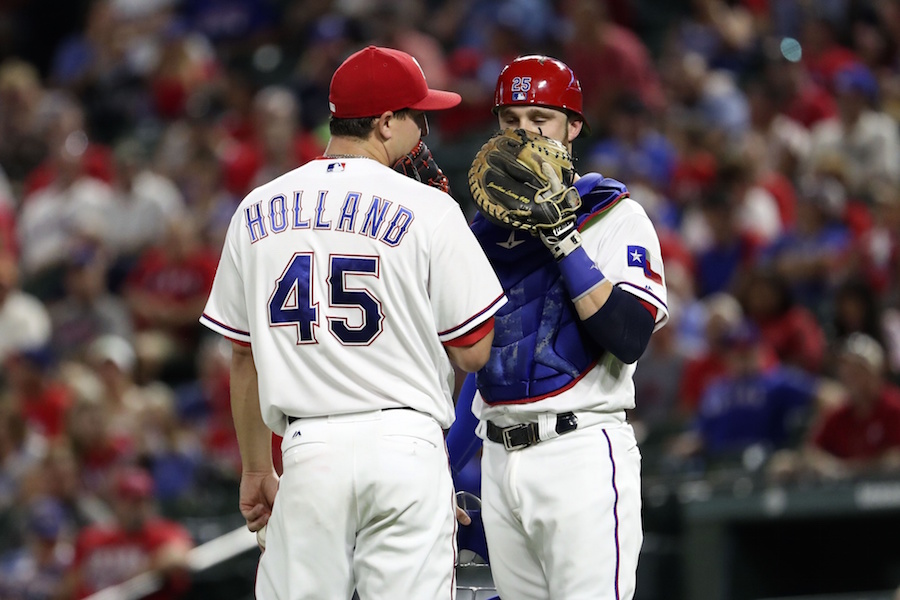 * In his Q&A column at Baseball America on Tuesday, JJ Cooper was asked about mino leaguers capable of hitting triple digits on the radar gun. His lengthy list includes two Twins. The first is Pat Light, whose powerful yet erratic fastball was on display in Minnesota this year after he was acquired from the Red Sox in the Fernando Abad deadline deal. The second is Fernando Romero. That name might not be too familiar to casual fans, but it will be soon. When Seth released his season-ending Top 50 Twins prospects list a month ago, Romero ranked second, ahead of such vaunted talents as Alex Kirilloff, Nick Gordon and Tyler Jay. This may seem stunning given that Romero was nowhere to be found on our preseason Top 20 list. But the hard-throwing righty has quickly placed himself squarely back on the radar after being AWOL for a lengthy stretch. Signed out of the Dominican Republic as a teenager back in 2011, he opened some eyes with his rookie ball performances before missing most of 2014 and all of 2015 due to elbow and knee surgeries. This year he returned with a sparkling 1.89 ERA and 90-to-15 K/BB ratio in 16 starts between Cedar Rapids and Fort Myers. While he has touched 100 MPH, Romero typically works in the mid-90s as a starter, with quality secondary offerings to boot. He might be the only pitcher in the system right now boasting true "ace" potential. * When I wrote a few weeks ago that the Twins need to get creative in their pursuit of pitching help this offseason, one of my suggestions was to target a buy-low free agent starter like Derek Holland. I figured there was a good chance that the veteran lefty, who has made only 35 starts for Texas over the past three years due to injuries, would have his $11 million team option for 2017 bought out. The Rangers may still do that, but it looks like they'll see if they can find a trade partner first. This is noteworthy of course because the club's assistant GM, Thad Levine, is reportedly heading to Minnesota to assume general manager duties. Holland lacks enough upside to generate much excitement, but he was a solid young pitcher for the Rangers before running into his extended injury woes. Texas wouldn't be able to command much of anything in exchange for him, but therein lies the appeal. This will be a situation worth keeping an eye on. * Late last week we teased our newest Offseason Handbook, noting that it will be officially released at the conclusion of the World Series, per usual. The fact that this series has been pushed to seven games means that the Handbook's release has been delayed, but with things ready to wrap up in Cleveland, the Handbook will definitely be out by night's end. As we explained in our teaser post, this year's version will feature a dynamic pricing structure, enabling you to get it for free if you so please. Make sure to check in tonight after the game or first thing tomorrow morning to grab your copy!
 -
This was a long, tough season. You all deserve a treat for hanging on and maintaining enough interest in this 100-loss campaign to keep the conversations flowing at Twins Daily. In that spirit, we have some exciting news.As usual, we will be releasing our annual Minnesota Twins Offseason Handbook shortly after the conclusion of the World Series. We have been selling this ebook as a premium content piece every year dating back to 2009. Laying out the offseason landscape from a uniquely Twins-centric angle, the Handbook is always very popular among hardcore and casual fans alike. There is no better way to prep yourself for Hot Stove Season. This year, however, we'll be doing it a little bit differently. When the Offseason Handbook goes live next week, you will have the opportunity to buy it and immediately download it. But unlike past years, there will be no specific price point for this new edition. Instead, the 2017 Offseason Handbook will be available on a 'name-your-price' basis. You can pay whatever you want, and that includes zero dollars. Yep, for the first time, this year's Handbook will be freely available to anyone who wants it. If you're inclined to contribute to the site as a token of thanks for the hard work put into this product, as well as our year-round coverage, that will be greatly appreciated. We are steadfastly trying to grow this destination for baseball fans into something bigger and better. However, Twins Daily was founded on the notion of providing excellent content to passionate readers at no cost. We didn't want any barriers stopping anyone from accessing this thing. That's especially true now, because we'll be integrating this year's Handbook into our offseason coverage more than ever before. Dynamic content, along with new site features, will tie to the ebook's overarching structure, with a goal of giving you all the resources and info needed to expertly follow the first offseason under Derek Falvey, Thad Levine and a new regime. We can't wait to get the 2017 Twins Daily Offseason Handbook in front of all our readers. It may drop as soon as Monday, so keep your eyes peeled! Click here to view the article
-
 As usual, we will be releasing our annual Minnesota Twins Offseason Handbook shortly after the conclusion of the World Series. We have been selling this ebook as a premium content piece every year dating back to 2009. Laying out the offseason landscape from a uniquely Twins-centric angle, the Handbook is always very popular among hardcore and casual fans alike. There is no better way to prep yourself for Hot Stove Season. This year, however, we'll be doing it a little bit differently. When the Offseason Handbook goes live next week, you will have the opportunity to buy it and immediately download it. But unlike past years, there will be no specific price point for this new edition. Instead, the 2017 Offseason Handbook will be available on a 'name-your-price' basis. You can pay whatever you want, and that includes zero dollars. Yep, for the first time, this year's Handbook will be freely available to anyone who wants it. If you're inclined to contribute to the site as a token of thanks for the hard work put into this product, as well as our year-round coverage, that will be greatly appreciated. We are steadfastly trying to grow this destination for baseball fans into something bigger and better. However, Twins Daily was founded on the notion of providing excellent content to passionate readers at no cost. We didn't want any barriers stopping anyone from accessing this thing. That's especially true now, because we'll be integrating this year's Handbook into our offseason coverage more than ever before. Dynamic content, along with new site features, will tie to the ebook's overarching structure, with a goal of giving you all the resources and info needed to expertly follow the first offseason under Derek Falvey, Thad Levine and a new regime. We can't wait to get the 2017 Twins Daily Offseason Handbook in front of all our readers. It may drop as soon as Monday, so keep your eyes peeled!
 -
Worth noting: The Astros were looking at Levine for their GM opening 5 years ago before they ended up hiring Jeff Luhnow. http://www.espn.com/dallas/mlb/story/_/id/7300461/texas-rangers-thad-levine-opts-stay-club
-
Article: Heat Check: What To Expect From Chargois
Nick Nelson replied to Nick Nelson's topic in Twins Daily Front Page News
As mentioned in the article, Light is a guy whose control concerns are far more severe than Chargois. He averaged 5.7 BB/9 at AAA. It wasn't an isolated nerves thing. -
During his first taste of the big leagues this year, JT Chargois averaged 96.6 MPH with his fastball, according to PitchFX. The number of qualified MLB relievers with a higher mark? Thirteen. What can we learn from looking at the rest of the game's hardest-throwing hurlers?Here's what the list of hottest MLB heaters among relief pitchers in 2016 looked like: 1. Aroldis Chapman (100.4) 2. Arquimedes Caminero (97.9) 3. Dellin Betances (97.7) 4. Craig Kimbrel (97.3) 5. Carlos Esteves (97.3) 6. Edwin Diaz (97.3) 7. Ken Giles (97.2) 8. Kelvin Herrera (97.1) 9. Matt Bush (97.0) 10. Nate Jones (96.8) 11. Hunter Strickland (96.8) 12. Matt Barnes (96.7) 13. Pedro Baez (96.7) Among these 13, four were closers by the end of the year, and rather dominant ones at that. Chapman, Betances, Kimbrel and Giles each averaged at least 14 strikeouts per nine innings, which is really something. Among the other nine, only three finished with anything less than a sterling ERA: Caminero (3.63), Barnes (4.05) and Estevez (5.24). We can differentiate these three from Chargois pretty easily, in that they don't have the backgrounds as outstanding college closers nor the spectacular minor league track records. But all of their 2016 seasons did share a common trait, and one that is relevant with regards to Minnesota's rookie fireballer: they all struggled with control. Caminero, Barnes and Esteves all averaged at least four walks per nine innings, and that's a rate that makes it tough to succeed. Of course, Chargois put up a 4.7 BB/9 rate this year, so it isn't too surprising he ended up with a lackluster 4.70 ERA. But unlike so many of the hard throwers that have come through the Twins system in recent years as the club has increased its focus on bullpen velocity – from Jim Hoey to Alex Meyer to Pat Light and beyond – there isn't a ton of reason to believe Chargois will be haunted by control issues long-term. In 39 appearances this year with Chattanooga and Rochester prior to his call-up, the big righty handed out only 13 free passes over 47 innings. His walk problem in the majors seemed mostly related to nerves; Chargois issued six walks over his first six MLB appearances, then only six more in 19 appearances the rest of the way. In his last 12 games of the season he posted a 9-to-1 K/BB ratio while throwing a significantly higher percentage of strikes. Unsurprisingly, Chargois was also lights-out during that final stretch, allowing only one run on six hits over 10 innings. His strong finish is the single biggest spark of hope for the Twins bullpen heading into 2017. Obviously this unit needs to improve drastically in order for the team to be competitive. Chargois dominating at the back end for an entire season would play a big part in fueling a major turnaround for the relief corps. He also serves as a key insurance policy in the ninth with the status of Glen Perkins in flux. For a Twins pitching staff that two years ago had only one single fastball register at 97 MPH or above, Chargois is a revelation. As long as he can stay healthy and keep the ball in the zone, there is plenty of evidence to suggest that he will be a devastating weapon in the late innings. Click here to view the article
-
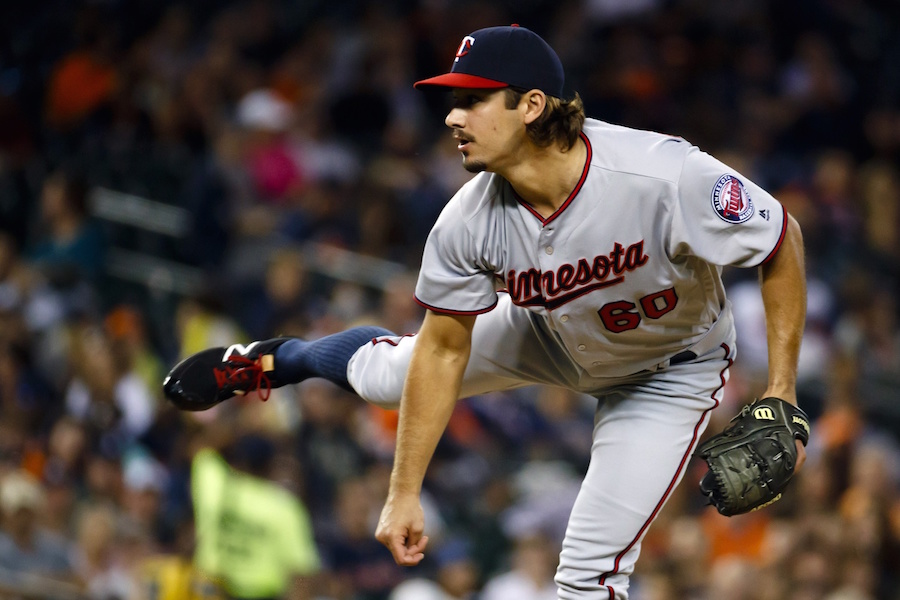 Here's what the list of hottest MLB heaters among relief pitchers in 2016 looked like: 1. Aroldis Chapman (100.4) 2. Arquimedes Caminero (97.9) 3. Dellin Betances (97.7) 4. Craig Kimbrel (97.3) 5. Carlos Esteves (97.3) 6. Edwin Diaz (97.3) 7. Ken Giles (97.2) 8. Kelvin Herrera (97.1) 9. Matt Bush (97.0) 10. Nate Jones (96.8) 11. Hunter Strickland (96.8) 12. Matt Barnes (96.7) 13. Pedro Baez (96.7) Among these 13, four were closers by the end of the year, and rather dominant ones at that. Chapman, Betances, Kimbrel and Giles each averaged at least 14 strikeouts per nine innings, which is really something. Among the other nine, only three finished with anything less than a sterling ERA: Caminero (3.63), Barnes (4.05) and Estevez (5.24). We can differentiate these three from Chargois pretty easily, in that they don't have the backgrounds as outstanding college closers nor the spectacular minor league track records. But all of their 2016 seasons did share a common trait, and one that is relevant with regards to Minnesota's rookie fireballer: they all struggled with control. Caminero, Barnes and Esteves all averaged at least four walks per nine innings, and that's a rate that makes it tough to succeed. Of course, Chargois put up a 4.7 BB/9 rate this year, so it isn't too surprising he ended up with a lackluster 4.70 ERA. But unlike so many of the hard throwers that have come through the Twins system in recent years as the club has increased its focus on bullpen velocity – from Jim Hoey to Alex Meyer to Pat Light and beyond – there isn't a ton of reason to believe Chargois will be haunted by control issues long-term. In 39 appearances this year with Chattanooga and Rochester prior to his call-up, the big righty handed out only 13 free passes over 47 innings. His walk problem in the majors seemed mostly related to nerves; Chargois issued six walks over his first six MLB appearances, then only six more in 19 appearances the rest of the way. In his last 12 games of the season he posted a 9-to-1 K/BB ratio while throwing a significantly higher percentage of strikes. Unsurprisingly, Chargois was also lights-out during that final stretch, allowing only one run on six hits over 10 innings. His strong finish is the single biggest spark of hope for the Twins bullpen heading into 2017. Obviously this unit needs to improve drastically in order for the team to be competitive. Chargois dominating at the back end for an entire season would play a big part in fueling a major turnaround for the relief corps. He also serves as a key insurance policy in the ninth with the status of Glen Perkins in flux. For a Twins pitching staff that two years ago had only one single fastball register at 97 MPH or above, Chargois is a revelation. As long as he can stay healthy and keep the ball in the zone, there is plenty of evidence to suggest that he will be a devastating weapon in the late innings.
 -
The Minnesota Twins sent several players down south to play for the Surprise Saguaros in the Arizona Fall League. Among them are two fast-rising talents that are arguably the top prospects in the organization, and unquestionably two of the most critical. Nick Gordon and Stephen Gonsalves have both looked good, building on strong 2016 campaigns in the minors.It's unclear what the Twins are going to do at shortstop in the short term, but Gordon is widely viewed as the team's future at the position. Questions have emerged in some corners about his ability to stick permanently at the infield's toughest spot, although ESPN.com prospect wonk Keith Law dismissed such talk as "ridiculous." The former fifth overall draft pick has certainly been making strides toward erasing any questions surrounding his bat. This year at High-A Fort Myers he slashed .291/.335/.386 with 32 extra-base hits and 19 steals. His .721 OPS was nearly 50 points higher than the league average and he was the league's second-youngest starting shortstop. Gordon, who turns 21 on Monday (cheers!), has carried his upward momentum to the desert. Through six games he has gone 9-for-24 (.375) while drawing four walks and swiping a pair of bags. The lefty swinger has proven adept enough at making contact and spraying line drives all over the field that he has established a reasonably high offensive floor. His ceiling will be dependent on the development of his power. A wiry and quick specimen, Gordon is listed at just 160 lbs despite standing six feet tall. His weight is a bit higher now, and his body is a stage where muscle and strength tend to gain fast. He hit only three home runs with the Miracle this year but that's one more than he totaled in his first two pro seasons combined. Just one of the shortstop's nine hits in the AFL has gone for extra bases (a double), but there is plenty of reason for optimism that he'll continue to progress with his pop and overall game. Gonsalves has only made one appearance thus far with the Saguaros. He started on October 13th and tossed three innings. He gave up one run on a solo homer but attacked the zone, throwing 24 of 34 pitches for strikes. Josh Norris of Baseball America, who was in attendance, dubbed the lefty's performance "excellent." Gonsalves didn't appear in BA's midseason Top 100 but he'll certainly be present in the 2017 rankings following a dominant late-season run at Double-A. I'll be curious to see how high he can climb. He hasn't pitched in 10 days due to a mild back strain. A cautious approach is being taken with the 22-year-old southpaw, and for good reason. His 140 innings in the regular season were already a career high. The AFL schedule runs through mid-November so he has plenty of time to get more work in. Right now, Twins news is mostly at a standstill as the team awaits its new baseball ops leader. The franchise has been in a holding pattern while Derek Falvey's Cleveland Indians have steamrolled their way to the big dance. But the long baseball season is reaching its conclusion. The World Series could wrap up in less than a week. At that point, the offseason will really get going. With Gordon and Gonsalves capping off very encouraging seasons on positive notes, the Twins will step into winter on the right foot. Click here to view the article
-
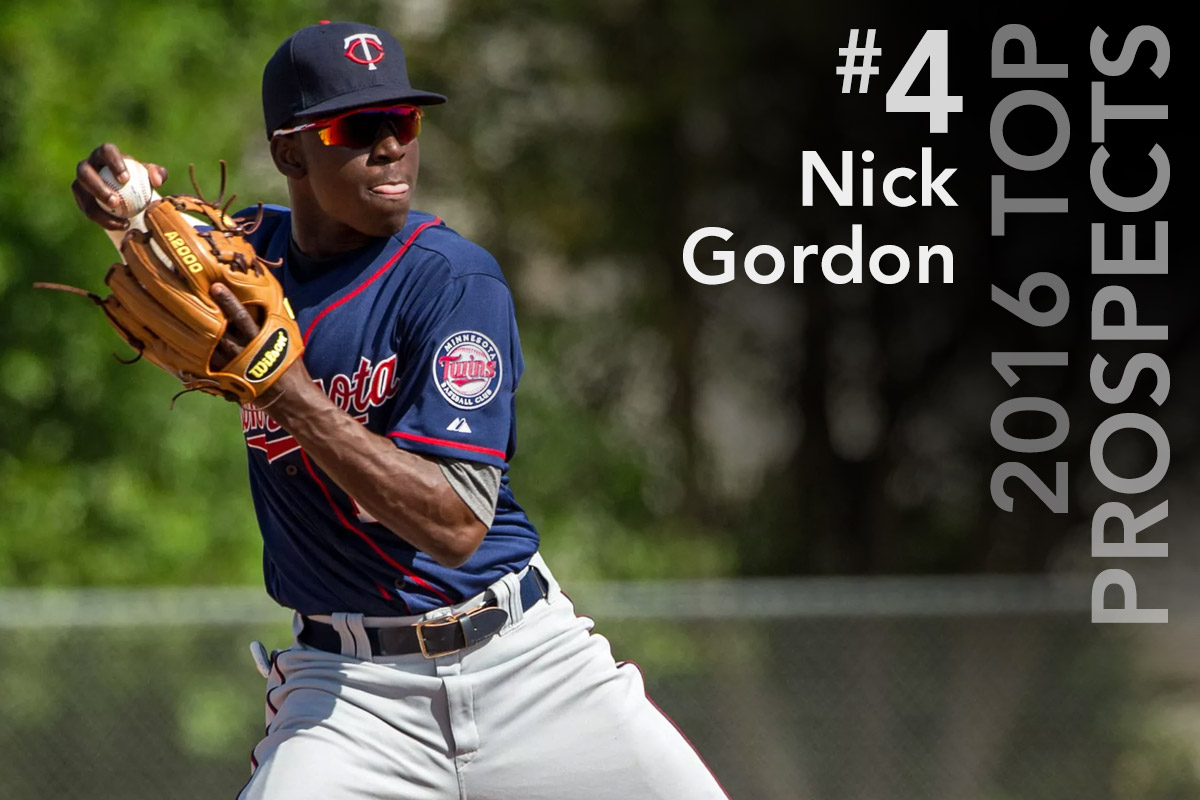 It's unclear what the Twins are going to do at shortstop in the short term, but Gordon is widely viewed as the team's future at the position. Questions have emerged in some corners about his ability to stick permanently at the infield's toughest spot, although ESPN.com prospect wonk Keith Law dismissed such talk as "ridiculous." The former fifth overall draft pick has certainly been making strides toward erasing any questions surrounding his bat. This year at High-A Fort Myers he slashed .291/.335/.386 with 32 extra-base hits and 19 steals. His .721 OPS was nearly 50 points higher than the league average and he was the league's second-youngest starting shortstop. Gordon, who turns 21 on Monday (cheers!), has carried his upward momentum to the desert. Through six games he has gone 9-for-24 (.375) while drawing four walks and swiping a pair of bags. The lefty swinger has proven adept enough at making contact and spraying line drives all over the field that he has established a reasonably high offensive floor. His ceiling will be dependent on the development of his power. A wiry and quick specimen, Gordon is listed at just 160 lbs despite standing six feet tall. His weight is a bit higher now, and his body is a stage where muscle and strength tend to gain fast. He hit only three home runs with the Miracle this year but that's one more than he totaled in his first two pro seasons combined. Just one of the shortstop's nine hits in the AFL has gone for extra bases (a double), but there is plenty of reason for optimism that he'll continue to progress with his pop and overall game. Gonsalves has only made one appearance thus far with the Saguaros. He started on October 13th and tossed three innings. He gave up one run on a solo homer but attacked the zone, throwing 24 of 34 pitches for strikes. Josh Norris of Baseball America, who was in attendance, dubbed the lefty's performance "excellent." Gonsalves didn't appear in BA's midseason Top 100 but he'll certainly be present in the 2017 rankings following a dominant late-season run at Double-A. I'll be curious to see how high he can climb. He hasn't pitched in 10 days due to a mild back strain. A cautious approach is being taken with the 22-year-old southpaw, and for good reason. His 140 innings in the regular season were already a career high. The AFL schedule runs through mid-November so he has plenty of time to get more work in. Right now, Twins news is mostly at a standstill as the team awaits its new baseball ops leader. The franchise has been in a holding pattern while Derek Falvey's Cleveland Indians have steamrolled their way to the big dance. But the long baseball season is reaching its conclusion. The World Series could wrap up in less than a week. At that point, the offseason will really get going. With Gordon and Gonsalves capping off very encouraging seasons on positive notes, the Twins will step into winter on the right foot.
 -
Article: How Did Cleveland Acquire Its Top Talent?
Nick Nelson replied to Nick Nelson's topic in Twins Daily Front Page News
Fair point (although as mentioned above, that was Bill Smith, not TR). I was thinking more of the Rondell White/Craig Monroe years, and when the best Twins team of the entire run (2006) started Phil Nevin and Jason Tyner at DH in the playoffs. -
Derek Falvey is no doubt eager to begin his tenure as Chief Baseball Officer of the Minnesota Twins. There's just one hold-up: the Cleveland Indians team he helped build is chugging toward an improbable World Series berth. There are worse excuses for being late to the job.Cleveland's deep run into the postseason – despite an avalanche of ill-timed key injuries – does nothing but reinforce the decision to hire Falvey. This is an extremely well constructed ballclub, which breezed to an AL Central crown with 94 wins before sweeping the Red Sox out of the ALDS and jumping out to a 3-1 lead over Toronto in the ALCS. Falvey of course doesn't deserve full credit for shaping this championship-caliber roster, but since being named director of baseball operations with the Indians in 2012, player acquisition has been one of his primary focuses. In the prior years he held lesser positions with varying levels of input, and he surely helped influence many of the organization's decisions dating back to his start in 2007. So I thought it would be interesting to take a look at how Cleveland came upon the players that have formed the foundation of its impressive title run. Corey Kluber: When the Indians acquired Kluber in a three-way trade at the 2010 deadline, he was a 24-year-old in Double-A with a history of control problems. Cleveland gave up very little to get him. We all know where it went from there. Francisco Lindor: He was a high first-round pick that the team nailed. Cleveland took the Puerto Rican shortstop eighth overall in 2011, and he ascended quickly to his present status as a big-league star. Carlos Carrasco: The team's No. 2 starter came over from Philadelphia in the Cliff Lee blockbuster of July 2009. He's the kind of hit that the Twins failed to get when they traded Johan Santana. Carrasco is out for the year after a line drive broke his hand in September, but he was a big part of the club's success this season. Andrew Miller: This is one of my favorites, and representative of a mindset that I hope the Twins inherit. The Indians traded a big prospect haul to acquire Miller, but not because they wanted an upgrade in the ninth. Cleveland has used the outrageously dominant reliever as a bullpen horse, deploying him strategically to work multiple innings and demoralize opponents late in games. His performance in these playoffs may end up being the most impactful of any relief arm in postseason history. Cody Allen: Of course, it's nice when you have a lights-out guy like Allen in the ninth that enables you to utilize Miller as a flexible weapon. Allen was a 23rd-round draft pick in 2011 that Cleveland simply hit the jackpot with. He has been a fantastic closer for three straight years. Danny Salazar: He was an international signing out of the Dominican Republic back in 2006, one year before Falvey joined the organization as an intern. While the new Minnesota CBO didn't play a part in finding Salazar as a teenager, the right-hander did develop into a quality big-league starter during his time in the front office. Like Carrasco, Salazar has been unavailable to the Indians in the postseason. Mike Napoli: He's the kind of player Terry Ryan could never seem to find during that decade where Minnesota couldn't quite get over the hump. The Indians needed a big right-handed power bat so they signed Napoli to a one-year, $7 million deal. The veteran slugger delivered with 34 home runs and 101 RBI. Carlos Santana: Another excellent find from another organization's system. The Indians acquired Santana in exchange for Casey Blake at the 2008 deadline. Yes, that Casey Blake. Santana was a rising talent in the Dodgers system but rose to elite prospect status after the joining the Indians. He became a quality catcher in the majors before concussions forced him into a 1B/DH role... sound familiar? But unlike Joe Mauer, Santana remains an outstanding offensive asset. Falvey was merely an assistant in Cleveland's scouting department at the time of this trade but he learned the ropes under Mark Shapiro, the two-time Executive of the Year who pulled it off. Trevor Bauer: The Indians traded for Bauer, a former third overall pick and top-rated pitching prospect, right after Falvey assumed his role as director of baseball ops. Bauer came over as part of a sprawling three-team swap. At the time Bauer was a highly touted young hurler with questions surrounding his control. He hasn't fulfilled his promise as a top-tier big-league starter yet, but he has improved his command and at 25 still holds plenty of upside – as long as he takes it easy with the drones. Tyler Naquin: The surprise rookie performance of 2016. Naquin was a rather ordinary prospect before breaking through with an .886 OPS in his first MLB campaign. Now he looks like another first-round pick (2012) that paid off for Cleveland. Jason Kipnis: The two-time All-Star second baseman was selected by the Indians in the second round of the 2009 draft. Michael Brantley: Setbacks in his recovery from 2015 shoulder surgery kept Brantley off the field for almost the entirety of this season. This makes Cleveland's success all the more astounding given that the outfielder is arguably their best position player. Brantley is another example of the Indians getting strong value back when trading a superstar. He came over from Milwaukee in the 2008 CC Sabathia deal. Another fine stroke from Shapiro, who is incidentally now CEO of the Blue Jays team that Cleveland is on the verge of ousting. CONCLUSIONS During Falvey's time in Cleveland's front office, the team has acquired star-caliber talent through almost every avenue: free agency, trades, draft, international market. Hopefully his involvement with these moves – or at least his exposure to the process behind them while working under some highly effective execs – will enable him to bring an edge over to a Twins franchise that has failed to produce nearly the same fruitful results in its player acquisition efforts. Click here to view the article
-
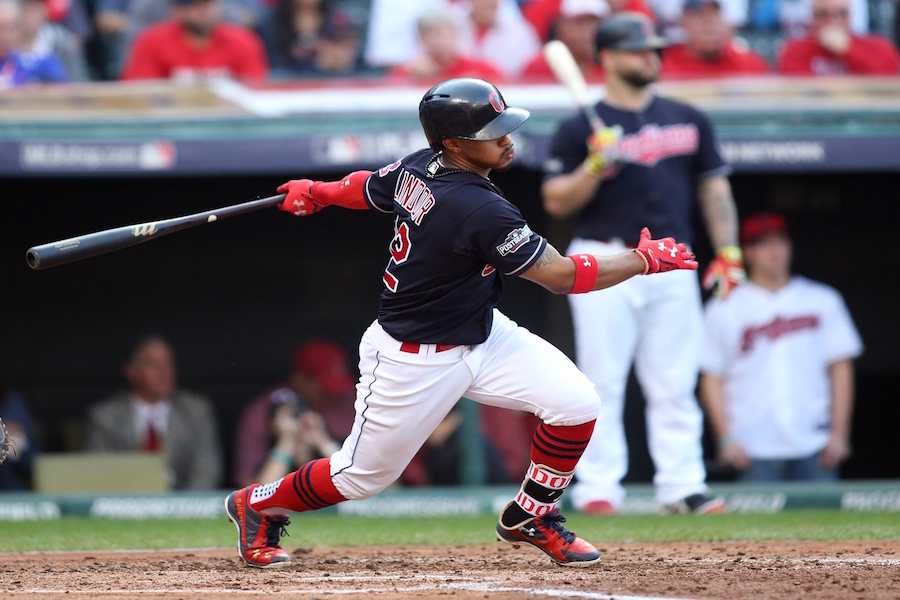 Cleveland's deep run into the postseason – despite an avalanche of ill-timed key injuries – does nothing but reinforce the decision to hire Falvey. This is an extremely well constructed ballclub, which breezed to an AL Central crown with 94 wins before sweeping the Red Sox out of the ALDS and jumping out to a 3-1 lead over Toronto in the ALCS. Falvey of course doesn't deserve full credit for shaping this championship-caliber roster, but since being named director of baseball operations with the Indians in 2012, player acquisition has been one of his primary focuses. In the prior years he held lesser positions with varying levels of input, and he surely helped influence many of the organization's decisions dating back to his start in 2007. So I thought it would be interesting to take a look at how Cleveland came upon the players that have formed the foundation of its impressive title run. Corey Kluber: When the Indians acquired Kluber in a three-way trade at the 2010 deadline, he was a 24-year-old in Double-A with a history of control problems. Cleveland gave up very little to get him. We all know where it went from there. Francisco Lindor: He was a high first-round pick that the team nailed. Cleveland took the Puerto Rican shortstop eighth overall in 2011, and he ascended quickly to his present status as a big-league star. Carlos Carrasco: The team's No. 2 starter came over from Philadelphia in the Cliff Lee blockbuster of July 2009. He's the kind of hit that the Twins failed to get when they traded Johan Santana. Carrasco is out for the year after a line drive broke his hand in September, but he was a big part of the club's success this season. Andrew Miller: This is one of my favorites, and representative of a mindset that I hope the Twins inherit. The Indians traded a big prospect haul to acquire Miller, but not because they wanted an upgrade in the ninth. Cleveland has used the outrageously dominant reliever as a bullpen horse, deploying him strategically to work multiple innings and demoralize opponents late in games. His performance in these playoffs may end up being the most impactful of any relief arm in postseason history. Cody Allen: Of course, it's nice when you have a lights-out guy like Allen in the ninth that enables you to utilize Miller as a flexible weapon. Allen was a 23rd-round draft pick in 2011 that Cleveland simply hit the jackpot with. He has been a fantastic closer for three straight years. Danny Salazar: He was an international signing out of the Dominican Republic back in 2006, one year before Falvey joined the organization as an intern. While the new Minnesota CBO didn't play a part in finding Salazar as a teenager, the right-hander did develop into a quality big-league starter during his time in the front office. Like Carrasco, Salazar has been unavailable to the Indians in the postseason. Mike Napoli: He's the kind of player Terry Ryan could never seem to find during that decade where Minnesota couldn't quite get over the hump. The Indians needed a big right-handed power bat so they signed Napoli to a one-year, $7 million deal. The veteran slugger delivered with 34 home runs and 101 RBI. Carlos Santana: Another excellent find from another organization's system. The Indians acquired Santana in exchange for Casey Blake at the 2008 deadline. Yes, that Casey Blake. Santana was a rising talent in the Dodgers system but rose to elite prospect status after the joining the Indians. He became a quality catcher in the majors before concussions forced him into a 1B/DH role... sound familiar? But unlike Joe Mauer, Santana remains an outstanding offensive asset. Falvey was merely an assistant in Cleveland's scouting department at the time of this trade but he learned the ropes under Mark Shapiro, the two-time Executive of the Year who pulled it off. Trevor Bauer: The Indians traded for Bauer, a former third overall pick and top-rated pitching prospect, right after Falvey assumed his role as director of baseball ops. Bauer came over as part of a sprawling three-team swap. At the time Bauer was a highly touted young hurler with questions surrounding his control. He hasn't fulfilled his promise as a top-tier big-league starter yet, but he has improved his command and at 25 still holds plenty of upside – as long as he takes it easy with the drones. Tyler Naquin: The surprise rookie performance of 2016. Naquin was a rather ordinary prospect before breaking through with an .886 OPS in his first MLB campaign. Now he looks like another first-round pick (2012) that paid off for Cleveland. Jason Kipnis: The two-time All-Star second baseman was selected by the Indians in the second round of the 2009 draft. Michael Brantley: Setbacks in his recovery from 2015 shoulder surgery kept Brantley off the field for almost the entirety of this season. This makes Cleveland's success all the more astounding given that the outfielder is arguably their best position player. Brantley is another example of the Indians getting strong value back when trading a superstar. He came over from Milwaukee in the 2008 CC Sabathia deal. Another fine stroke from Shapiro, who is incidentally now CEO of the Blue Jays team that Cleveland is on the verge of ousting. CONCLUSIONS During Falvey's time in Cleveland's front office, the team has acquired star-caliber talent through almost every avenue: free agency, trades, draft, international market. Hopefully his involvement with these moves – or at least his exposure to the process behind them while working under some highly effective execs – will enable him to bring an edge over to a Twins franchise that has failed to produce nearly the same fruitful results in its player acquisition efforts.
 -
Article: Ninth Wonder: What To Do At Closer?
Nick Nelson replied to Nick Nelson's topic in Twins Daily Front Page News
Obviously, building leads to protect is the foremost concern for this club, as acknowledged in the first sentence of the post. But that doesn't mean they should be "not worrying" about other blatant holes on the roster.- 63 replies
-
- 1
-

-
- brandon kintzler
- jt chargois
- (and 1 more)
-
Article: Ninth Wonder: What To Do At Closer?
Nick Nelson replied to Nick Nelson's topic in Twins Daily Front Page News
Exactly. Relievers value the opportunity to compile saves and build up their value. You find a guy like Feliz who probably wouldn't have the opportunity to close elsewhere, and lure him in with money plus the ninth inning job. Then, if he has a big first half, you could either lock him up or deal him to a contender in July for quality prospects. The upside greatly outweighs the downside.- 63 replies
-
- 9
-
-
- brandon kintzler
- jt chargois
- (and 1 more)
-
Article: Ninth Wonder: What To Do At Closer?
Nick Nelson replied to Nick Nelson's topic in Twins Daily Front Page News
True, his performance this year was essentially the same as what he did 2012-2014 with the Brewers. I guess the point is more that I don't trust someone as hittable as him in that kind of role, and don't think having him there is useful in terms of big-picture evaluations. I'm certainly fine with bringing him back as a middle relief guy.- 63 replies
-
- 1
-
-
- brandon kintzler
- jt chargois
- (and 1 more)
-
When you're coming off a 100-loss season, the foremost concern is, flatly, finding ways to get more victories, as opposed to identifying someone who can close them out. Still, the Twins need to figure out what they're going to do about the ninth inning in 2017.They have a three-time All-Star closer on their staff, but unfortunately they can't count on him. Glen Perkins is coming back from a daunting surgery to reattach his shoulder labrum, and if he returns anywhere close to his previous level of effectiveness, he'll be beating the odds. In the latest update on the 33-year-old's recovery via Mike Beradino of the Pioneer Press, the only word was that Perkins is "making progress" several months after his operation. It still doesn't sound like he's throwing. Paul Molitor was measured in his assessment: “We all know the odds and the numbers on those surgeries for people, and we’re just hoping for the best,” Molitor said. “I think they’ve been relatively pleased with the recovery from the surgery and the injury.” Of course, "hoping for the best" is not where you want to be with the most traditionally important spot in the bullpen. The Twins need contingencies. In fact, they need more than that. Even if his rehab goes smoothly and he looks strong and healthy heading into spring training, the Twins should have someone else lined up for the ninth so that they can ease him back in. Evaluate Perk's post-surgery effectiveness during the early months, and assign him accordingly. (I will add here that even if Perkins is somehow able to return to his peak dominance, I still would prefer not to return him to the closer role, in a strict sense. This postseason has only reinforced the way such a limiting usage pattern provides a competitive disadvantage. The Orioles fell out early because they were too fixated on using Zach Britton in a save opportunity. Meanwhile, the Indians have thrived while utilizing Andrew Miller as a true flexible bullpen ace.) Even with my stated feelings on the above, I can't deny the importance of having a closer in place. And without question, the Twins also recognize it. They may evolve under new leadership in the front office, but they're not going to suddenly become a team that eschews the mainstream and puts no effort into designating a reliable and experienced ninth-inning guy. Perhaps that guy is already on the roster. The first big test – and barometer – for Derek Falvey and his new general manager will be an earnest evaluation of Brandon Kintzler. The veteran right-hander was a classic Terry Ryan relief reclamation story, turning from minor league free agent signing into bullpen staple. Kintzler was more than adequate while filling in as closer in the second half. He threw strikes, induced lots of grounders and kept the ball in the yard. In all, he converted 17 of 20 save chances, and that sounds just fine. But let's not forget that Kintzler was replacing Kevin Jepsen, whom the Twins had no choice but to drop after he performed dreadfully for three months. They made the mistake of putting too much faith in Jepsen based on his short run of success in the previous second half. Are they going to do the same with Kintzler, who was considerably less impressive? This is a good opportunity for the restructured front office to differentiate itself by being proactive rather than reactive. Head into next season with a plan that offers concrete long-term upside. There are plenty of ways to do so. One way would be installing J.T. Chargois in the role. He was a closer in college, and in the minors. After shaking off some initial rookie struggles, he looked the part of a shutdown late-inning arm down the stretch with Minnesota. At this point in time, he undoubtedly profiles as the heir apparent behind Perkins. But this feels like skipping a step. Chargois still only has 25 major-league appearances. Throwing him into the fire so quickly could prove detrimental. Why not take it a bit slower and let him work his way up? This would be a more characteristic Twins approach. Another idea, and one that I don't expect to happen, would be giving Michael Tonkin a shot. He's coming off a rough campaign and is out of options. The Twins need to figure out what they have in him. They may already feel they know, following a 5.02 ERA during his first full year in an MLB bullpen, but that work came in an unfamiliar long relief role. Tonkin was at his best when he was a Triple-A closer. Why not give him the reins – even with a short leash – then see how his body and confidence respond? Look, I know many are unimpressed with what they've seen from Tonkin. But his minor-league numbers, and his ability to throw the ball past big-league hitters, are rare finds within a Minnesota bullpen. The team is much better served showing patience with a hurler like him than feeding innings to guys like Kintzler and Jepsen. However, I do understand that players like Chargois and Tonkin fall short in one important category: experience. Neither has any, as a closer, in the major leagues. One might argue this doesn't matter too much given the level of expectation this team will have next year, but if Molitor is focused on winning a whole lot more games, he will probably want an option that makes him a little more comfortable at the end. There is a path to both experience AND long-term upside in the role. It only requires that the Twins take an aggressive tack with some free agents that may carry significant risk. The relief market offers a few excellent buy-low chances, which should particularly appeal to a Minnesota team that can afford to take some gambles. Neftali Feliz is one such candidate. Back in 2010, the righty won Rookie of the Year while saving 40 games for the Rangers, and he added 32 more the following season. Then, Texas tried shifting him to the rotation, and he got hurt and underwent Tommy John surgery. His frequent trips to the disabled list led to a lukewarm free agent market last winter before he signed with Pittsburgh on a one-year, $3.9 million deal. Feliz looked good as a setup man with Pittsburgh. His fastball velocity was as high as it's been since 2011, and he averaged 10.2 K/9 while holding opponents to a .207 average. Still only 28, he presents the rare free agent combination of youth, closing experience, and an extremely high ceiling. The Twins won't be Feliz's – or any coveted player's – first choice with all things being equal, but money talks. If they want to find similar benefits but don't want to spend as much, the Twins could pursue Drew Storen. Unlike Feliz, he's not coming off a strong year, and in fact he's had a rough go of it in general lately. But he is a former 40-save closer who is younger than the typical FA at 29, and for the most part he has been an effective backend bullpen arm in his career. He has the potential to be a closer or a standout setup guy. The Twins could use either. One final free agent name to monitor: Greg Holland. He notched 125 saves with a 1.97 ERA from 2013 through 2015 with the Royals, but sat out the 2016 season following Tommy John surgery. He will be 16 months removed from that operation on Opening Day next year, so he's a relatively safe bet. Holland might be predisposed to return to Kansas City but, again, money talks. Ultimately, the point is that the Twins should be viewing their open closer job as an opportunity rather than a burden. There's no reason to spend big on a premier name like Aroldis Chapman or Kenley Jansen, but there's really no reason to run with someone like Kintzler who will do nothing but keep the seat warm. Aim higher. What would be your preferred blueprint for addressing the ninth inning with Perkins in limbo? Click here to view the article
-
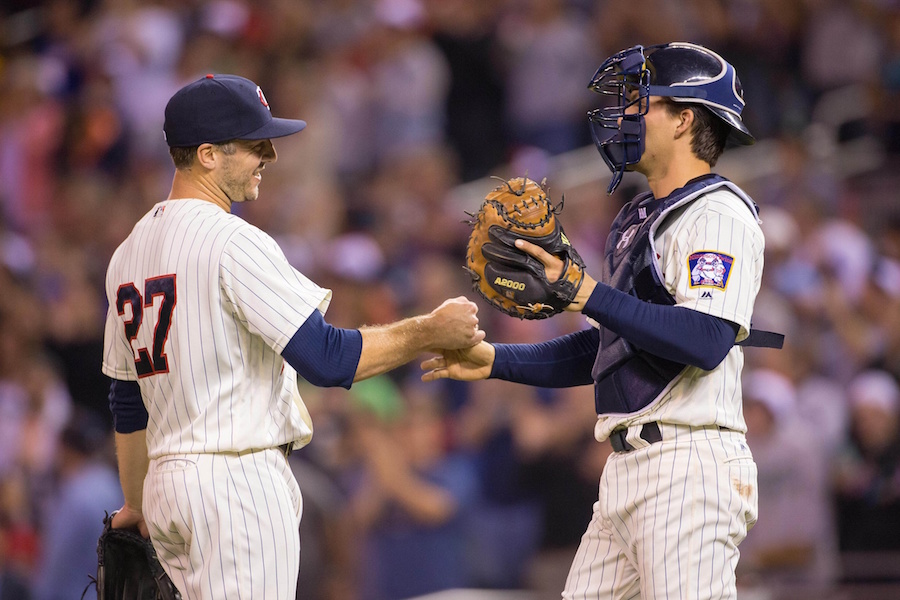 They have a three-time All-Star closer on their staff, but unfortunately they can't count on him. Glen Perkins is coming back from a daunting surgery to reattach his shoulder labrum, and if he returns anywhere close to his previous level of effectiveness, he'll be beating the odds. In the latest update on the 33-year-old's recovery via Mike Beradino of the Pioneer Press, the only word was that Perkins is "making progress" several months after his operation. It still doesn't sound like he's throwing. Paul Molitor was measured in his assessment: “We all know the odds and the numbers on those surgeries for people, and we’re just hoping for the best,” Molitor said. “I think they’ve been relatively pleased with the recovery from the surgery and the injury.” Of course, "hoping for the best" is not where you want to be with the most traditionally important spot in the bullpen. The Twins need contingencies. In fact, they need more than that. Even if his rehab goes smoothly and he looks strong and healthy heading into spring training, the Twins should have someone else lined up for the ninth so that they can ease him back in. Evaluate Perk's post-surgery effectiveness during the early months, and assign him accordingly. (I will add here that even if Perkins is somehow able to return to his peak dominance, I still would prefer not to return him to the closer role, in a strict sense. This postseason has only reinforced the way such a limiting usage pattern provides a competitive disadvantage. The Orioles fell out early because they were too fixated on using Zach Britton in a save opportunity. Meanwhile, the Indians have thrived while utilizing Andrew Miller as a true flexible bullpen ace.) Even with my stated feelings on the above, I can't deny the importance of having a closer in place. And without question, the Twins also recognize it. They may evolve under new leadership in the front office, but they're not going to suddenly become a team that eschews the mainstream and puts no effort into designating a reliable and experienced ninth-inning guy. Perhaps that guy is already on the roster. The first big test – and barometer – for Derek Falvey and his new general manager will be an earnest evaluation of Brandon Kintzler. The veteran right-hander was a classic Terry Ryan relief reclamation story, turning from minor league free agent signing into bullpen staple. Kintzler was more than adequate while filling in as closer in the second half. He threw strikes, induced lots of grounders and kept the ball in the yard. In all, he converted 17 of 20 save chances, and that sounds just fine. But let's not forget that Kintzler was replacing Kevin Jepsen, whom the Twins had no choice but to drop after he performed dreadfully for three months. They made the mistake of putting too much faith in Jepsen based on his short run of success in the previous second half. Are they going to do the same with Kintzler, who was considerably less impressive? This is a good opportunity for the restructured front office to differentiate itself by being proactive rather than reactive. Head into next season with a plan that offers concrete long-term upside. There are plenty of ways to do so. One way would be installing J.T. Chargois in the role. He was a closer in college, and in the minors. After shaking off some initial rookie struggles, he looked the part of a shutdown late-inning arm down the stretch with Minnesota. At this point in time, he undoubtedly profiles as the heir apparent behind Perkins. But this feels like skipping a step. Chargois still only has 25 major-league appearances. Throwing him into the fire so quickly could prove detrimental. Why not take it a bit slower and let him work his way up? This would be a more characteristic Twins approach. Another idea, and one that I don't expect to happen, would be giving Michael Tonkin a shot. He's coming off a rough campaign and is out of options. The Twins need to figure out what they have in him. They may already feel they know, following a 5.02 ERA during his first full year in an MLB bullpen, but that work came in an unfamiliar long relief role. Tonkin was at his best when he was a Triple-A closer. Why not give him the reins – even with a short leash – then see how his body and confidence respond? Look, I know many are unimpressed with what they've seen from Tonkin. But his minor-league numbers, and his ability to throw the ball past big-league hitters, are rare finds within a Minnesota bullpen. The team is much better served showing patience with a hurler like him than feeding innings to guys like Kintzler and Jepsen. However, I do understand that players like Chargois and Tonkin fall short in one important category: experience. Neither has any, as a closer, in the major leagues. One might argue this doesn't matter too much given the level of expectation this team will have next year, but if Molitor is focused on winning a whole lot more games, he will probably want an option that makes him a little more comfortable at the end. There is a path to both experience AND long-term upside in the role. It only requires that the Twins take an aggressive tack with some free agents that may carry significant risk. The relief market offers a few excellent buy-low chances, which should particularly appeal to a Minnesota team that can afford to take some gambles. Neftali Feliz is one such candidate. Back in 2010, the righty won Rookie of the Year while saving 40 games for the Rangers, and he added 32 more the following season. Then, Texas tried shifting him to the rotation, and he got hurt and underwent Tommy John surgery. His frequent trips to the disabled list led to a lukewarm free agent market last winter before he signed with Pittsburgh on a one-year, $3.9 million deal. Feliz looked good as a setup man with Pittsburgh. His fastball velocity was as high as it's been since 2011, and he averaged 10.2 K/9 while holding opponents to a .207 average. Still only 28, he presents the rare free agent combination of youth, closing experience, and an extremely high ceiling. The Twins won't be Feliz's – or any coveted player's – first choice with all things being equal, but money talks. If they want to find similar benefits but don't want to spend as much, the Twins could pursue Drew Storen. Unlike Feliz, he's not coming off a strong year, and in fact he's had a rough go of it in general lately. But he is a former 40-save closer who is younger than the typical FA at 29, and for the most part he has been an effective backend bullpen arm in his career. He has the potential to be a closer or a standout setup guy. The Twins could use either. One final free agent name to monitor: Greg Holland. He notched 125 saves with a 1.97 ERA from 2013 through 2015 with the Royals, but sat out the 2016 season following Tommy John surgery. He will be 16 months removed from that operation on Opening Day next year, so he's a relatively safe bet. Holland might be predisposed to return to Kansas City but, again, money talks. Ultimately, the point is that the Twins should be viewing their open closer job as an opportunity rather than a burden. There's no reason to spend big on a premier name like Aroldis Chapman or Kenley Jansen, but there's really no reason to run with someone like Kintzler who will do nothing but keep the seat warm. Aim higher. What would be your preferred blueprint for addressing the ninth inning with Perkins in limbo?
 -
Article: Pondering A Plan For Jorge Polanco
Nick Nelson replied to Nick Nelson's topic in Twins Daily Front Page News
Let me tell you, I have been researching the free agent market for the Offseason Handbook and the shortstop crop is beyond brutal. Erick Aybar is probably going to be the top name. For real. I'll take Ed Escobar. -
Article: Pondering A Plan For Jorge Polanco
Nick Nelson replied to Nick Nelson's topic in Twins Daily Front Page News
Isn't this the kind of thinking that helped lead them to their run prevention mess this year? I've seen enough, honestly. He doesn't have the arm to be an asset at the position. He can play it serviceably, but they need more than that. Pointing to Baseball America's accolades from 2 or 5-6 years ago doesn't really support a strong case. Instead of pointing to those maybe you could look at what BA said about him in their most recent profile, from last year: "He has averaged 34 errors the past two seasons since moving to shortstop, showing fairly soft hands but an average arm that strains at times to match the added burden of the position. His range is only average and his play clock gets sped up, leading to unforced errors. Quiet and intelligent with a grinder's mentality, his makeup is strong. With all-star second baseman Brian Dozier locked up through 2018, Polanco is blocked at his best projected position"
