



Nick Nelson
-
Posts
8,326 -
Joined
-
Last visited
-
Days Won
56
Content Type
Profiles
News
Minnesota Twins Videos
2026 Minnesota Twins Top Prospects Ranking
2022 Minnesota Twins Draft Picks
Minnesota Twins Free Agent & Trade Rumors, Notes, & Tidbits
Guides & Resources
2023 Minnesota Twins Draft Picks
The Minnesota Twins Players Project
2024 Minnesota Twins Draft Picks
2025 Minnesota Twins Draft Pick Tracker
2026 Minnesota Twins Draft Tracker: Picks & Bonuses
Forums
Blogs
Events
Store
Downloads
Gallery
Everything posted by Nick Nelson
-
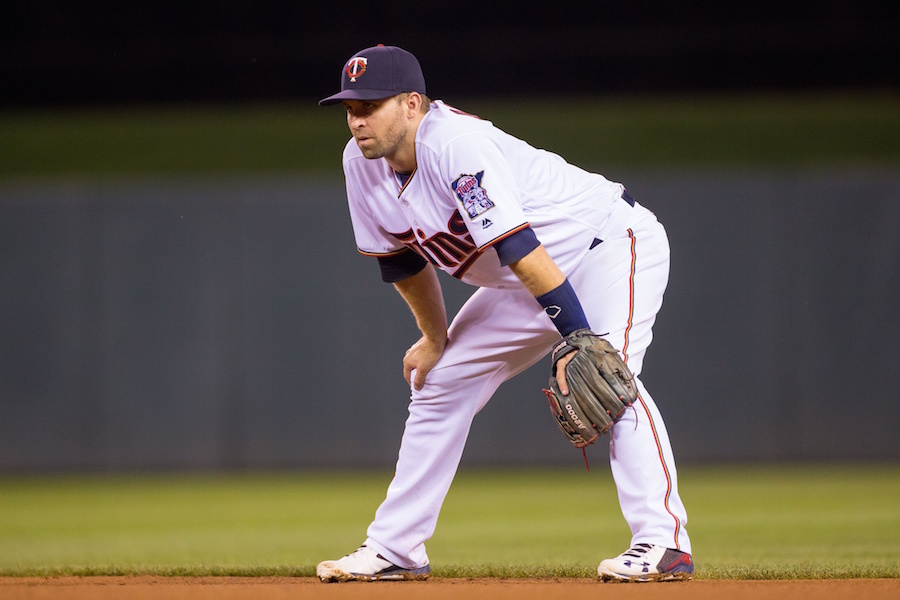 Earlier this week, Ken Rosenthal of FOX Sports reported that the two sides had reached an impasse in their negotiations with "no momentum toward deal." That's an ominous sign at this late stage of the offseason and Rosenthal later wrote that the Dodgers were "back to square one in their search for a second baseman." Derek Falvey and Thad Levine took over the Twins front office with a tremendous opportunity to leverage a high-quality player at peak value in order to bolster the organization's lackluster pitching corps. But it appears that timing may have been against them. For one thing, they've been unable to develop much of a market for Dozier. The list of contenders with high-caliber young arms and a need for an impact hitter at second base was short to begin with, and shrunk when the Mets decided to bring back Neil Walker. Los Angeles was a very obvious fit from the start but unfortunately, no others really emerged. While a few clubs were loosely connected with Minnesota, it was evident all along that no one was going to press hard enough to create a bidding war. This placed the Twins at a rather disadvantageous negotiating position. Beyond these isolated circumstances, there is a larger trend at play. Baseball teams, in general, seem to be losing their thirst for power. It's the name of Dozier's game, but the home run doesn't carry the same appeal it once did. Consider this: Most expected Edwin Encarnacion, who ranks second in baseball since 2012 in both homers and RBI, to land a deal in excess of $100 million as a free agent this offseason. Instead, he settled for $60 million from Cleveland. His former Toronto teammate Jose Bautista, another of the game's premier power bats, has yet to find a job. Same for Mark Trumbo, whose 47 bombs led the majors in 2016. In other years, it would feel crazy that a second baseman coming off a 42-homer campaign wouldn't generate an aggressive market. In this current environment, though, it's kinda par for the course. Every report on the matter has made sure to emphasize that trade discussions are not considered dead. Levine said this week that a point might come where the Twins would stop initiating calls, but they would never stop listening. However, Rosenthal's note about how the Minnesota front office "wanted to give Dozier a heightened peace of mind about his status with the club" matches a similar relay from Mike Berardino of the Pioneer Press a week earlier. Reading between the lines, one can infer that Falvey and Levine have informed Dozier he'll be back in 2017 barring an unforeseen development. They're wise to keep their antennas up but at this point, it's tough to see what would change to precipitate a deal. More than a month after discussions began, there has been little in the way of evident progress. The Dodgers might feel they've done their part by offering up Jose De Leon, who is viewed by some as a top five prospect in the entire game. The Twins, meanwhile, are understandably opposed to giving up their best and most popular player for a single lottery ticket whose future could be thrown into question with a reoccurrence of his shoulder soreness, or an extension of his initial big-league struggles. It looks like the trenches that have been dug here. And while it's odd to see no accord despite such a natural match, it's not like either team is in a corner. Dodgers president Andrew Friedman, who gained notoriety while running operations for the Tampa Bay Rays, understands as well as anyone the value (and fickleness) of cheap young pitching talent. He'll be content keeping his full arsenal of young hurlers and looking elsewhere for an offensive boost. Maybe someone like Bautista could be an option. Meanwhile, the Twins can hang on to Dozier, who still doesn't turn 30 until May. He's in his prime and the possibility exists that we still haven't seen his best campaign. With two years left on his contract, he figures to retain strong value going forward, and if Minnesota surprisingly jumps out to a competitive start this season, he'll almost certainly be a big reason for it. That's a precarious gamble, though. Outside of adding Jason Castro, the Twins haven't done much to meaningfully upgrade a 100-loss team. It's reasonable to expect significant improvements from a contingent of returning players, but gaining 20-plus wins on that basis is a tough sell. If the shiny new front office brings back a largely untouched roster in 2017, the luster is going to quickly wear off in the eyes of fans and season ticket holders. So if Dozier stays, what's the plan? Spend some money to supplement the team around him and hope to catch lightning in a bottle? That definitely would not jibe with Falvey's initial talk of building for the future and looking at the big picture. But then again, you've got to work with what you've got. All that the Chief Baseball Officer and his GM can do is play the hand they're dealt. Now, we'll see if they push in their chips or continue to slow-play and straddle the line between trying to rebuild or retool.
 -

Article: Twins Make Their Mark At SportCon
Nick Nelson posted a topic in Twins Daily Front Page News
The worlds of analytics and sport are increasingly merging, a fact celebrated by MinneAnalytics on Tuesday with its inaugural SportCon event at the University of St. Thomas. Two members of the Minnesota Twins front office who perhaps best embody this dynamic – Derek Falvey and Jack Goin – were fittingly on hand as panelists.The wide-reaching conference, which featured an exhaustive array of executives, experts and entrepreneurs from every corner of sports and tech, offered plenty for baseball fans to like. During a panel on Sports Analytics in the Media and Pro Sports Organizations, Goin sat alongside ESPN VP of Stats & Research Jeff Bennett, Inside Edge cofounder Jay Donchetz and Milwaukee Bucks Director of Basketball Analytics Michael Clutterbuck. Goin, of course, is Director of Baseball Research for the Twins, and has spearheaded the team’s growing analytics department for years. (And as John notes today, he'll also be a Q&A guest at Winter Meltdown later this month.) He and Clutterbuck both spoke about the challenge of filtering and prioritizing an endless stream of emerging data and measurements. They talked about the nuances of communicating information without overwhelming, and the recognition that different players and coaches will be receptive to differing levels of input. The most interesting portion of this session, in my view, came toward the end, when panelists were asked what they saw as the biggest area for a potential breakthrough in their respective fields. Goin indicated that he'd like to see some advancements in the use of data to better manage injuries. Losing key players for indefinite stretches, and trying to make disabled list decisions based on limited information, are among the most significant pain points (pun intended) for major-league teams. Perhaps in the coming years, integrating analytics can help make the inexact science of sports medicine a little less... inexact. "If anyone's got any ideas on that, come see me after," Goin joked. (Though, given the setting, maybe it wasn't such a hopeless inquiry – a few local start-ups in that vein such as Prevent Biometrics and Player's Health had presented earlier in the day.) It's nice to see Goin taking on a more visible role with the organization. Perhaps that comes with the territory of a "Director" title, which he received a year ago, but it also seems related to the franchise's distinctly more outward analytical leanings under Falvey, who stepped in as Chief Baseball Officer in November. Falvey participated in a later panel titled "The Use of Data and Analytics in Baseball Coaching and Advance Scouting." This, for me and probably every other seamhead in attendance, was the highlight of the day. During the Q&A, WCCO's Mike Max discussed a variety of topics with the Falvey and former Minnesota third baseman Corey Koskie, as well as Pat Casey and Ty McDevitt, who serve as hitting and pitching coach for the Gophers baseball team. We shot a couple videos, which you can check out below. In this clip, Falvey discusses his background and analytics and his focus on actionable insights: In this snippet, Koskie amusingly talks about how he developed a lifelong aversion to statistics after a bad gambler's fallacy experience at the roulette table, until one memorable moment of redemption. In addition to all the panels, speakers and presentations, the SportCon event also included a tasty lunch, a midday mascot rampage (including good old TC Bear), and plenty of networking opportunities. It was really well put together and serves to further illuminate and elevate the burgeoning world of sports tech. Kudos to MinneAnalytics for knocking this one out of the park, and to the Twins for stepping up to the plate. Click here to view the article -
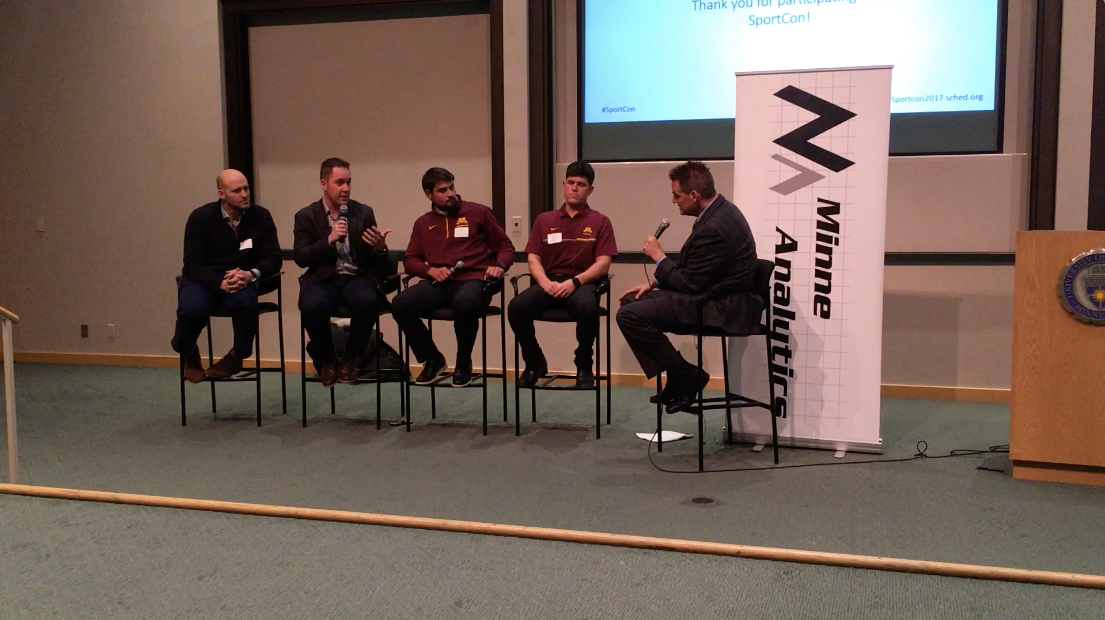 The wide-reaching conference, which featured an exhaustive array of executives, experts and entrepreneurs from every corner of sports and tech, offered plenty for baseball fans to like. During a panel on Sports Analytics in the Media and Pro Sports Organizations, Goin sat alongside ESPN VP of Stats & Research Jeff Bennett, Inside Edge cofounder Jay Donchetz and Milwaukee Bucks Director of Basketball Analytics Michael Clutterbuck. Goin, of course, is Director of Baseball Research for the Twins, and has spearheaded the team’s growing analytics department for years. (And as John notes today, he'll also be a Q&A guest at Winter Meltdown later this month.) He and Clutterbuck both spoke about the challenge of filtering and prioritizing an endless stream of emerging data and measurements. They talked about the nuances of communicating information without overwhelming, and the recognition that different players and coaches will be receptive to differing levels of input. The most interesting portion of this session, in my view, came toward the end, when panelists were asked what they saw as the biggest area for a potential breakthrough in their respective fields. Goin indicated that he'd like to see some advancements in the use of data to better manage injuries. Losing key players for indefinite stretches, and trying to make disabled list decisions based on limited information, are among the most significant pain points (pun intended) for major-league teams. Perhaps in the coming years, integrating analytics can help make the inexact science of sports medicine a little less... inexact. "If anyone's got any ideas on that, come see me after," Goin joked. (Though, given the setting, maybe it wasn't such a hopeless inquiry – a few local start-ups in that vein such as Prevent Biometrics and Player's Health had presented earlier in the day.) It's nice to see Goin taking on a more visible role with the organization. Perhaps that comes with the territory of a "Director" title, which he received a year ago, but it also seems related to the franchise's distinctly more outward analytical leanings under Falvey, who stepped in as Chief Baseball Officer in November. Falvey participated in a later panel titled "The Use of Data and Analytics in Baseball Coaching and Advance Scouting." This, for me and probably every other seamhead in attendance, was the highlight of the day. During the Q&A, WCCO's Mike Max discussed a variety of topics with the Falvey and former Minnesota third baseman Corey Koskie, as well as Pat Casey and Ty McDevitt, who serve as hitting and pitching coach for the Gophers baseball team. We shot a couple videos, which you can check out below. In this clip, Falvey discusses his background and analytics and his focus on actionable insights: https://www.youtube.com/watch?v=J-58H2UhjYw In this snippet, Koskie amusingly talks about how he developed a lifelong aversion to statistics after a bad gambler's fallacy experience at the roulette table, until one memorable moment of redemption. https://www.youtube.com/watch?v=k5NLhrIU_2I In addition to all the panels, speakers and presentations, the SportCon event also included a tasty lunch, a midday mascot rampage (including good old TC Bear), and plenty of networking opportunities. It was really well put together and serves to further illuminate and elevate the burgeoning world of sports tech. Kudos to MinneAnalytics for knocking this one out of the park, and to the Twins for stepping up to the plate.
 -
Article: Other Offseason Shopping Needs
Nick Nelson replied to Nick Nelson's topic in Twins Daily Front Page News
Don't get me wrong, I like Escobar. But he had a terrible year on both sides of the ball. And right now if Dozier gets traded he is the sole option at shortstop. Bringing in someone like Aybar gives you a decent plug-in if the struggles continue, and a versatile veteran backup if Esco returns to form. -
With so much attention being devoted to the ongoing Brian Dozier saga, which figures to conclude within the next few days one way or another, there has been rather little discussion of Minnesota's other roster needs. Outside of signing Jason Castro, the front office hasn't made any significant moves to upgrade a 103-loss team. What else might we expect, beyond the Dozier dealings?People have wise-cracked throughout the offseason about the reigning worst team in baseball facing so many "roster crunches." However, the Twins legitimately find themselves in such a situation. As a rebuilding club with no shortage of talent in the organization, their foremost imperative is evaluating what they have on hand. Which players are going to be part of the next contending Minnesota club? This year, fresh eyes will be making those assessments. There are only so many opportunities to go around, and I suspect Derek Falvey and Thad Levine will focus on looking closely at what they have before making a ton of acquisitions. With that said, let's take a look at places where the Twins could theoretically still be looking to add, irrespective of a Dozier trade: Shortstop I'd say this one ranks at the top of the list. It's the one position on the field where the Twins still do not have a clear and obvious starter. Presumably that'll be Jorge Polanco in the event that Dozier stays, but he'd be a major defensive weakness at the infield's most important position. (He has been playing primarily second in the winter league, which is telling.) If Dozier is dealt, then Polanco goes to second and Eduardo Escobar returns to short. Escobar was, of course, very bad in 2016 and he barely played shortstop during the final months. The Twins remain confident that Nick Gordon will eventually take over this position, but he's a couple of years away. It makes all the sense in the world to find a veteran on a short-term deal who could compete for a starting gig or serve as a quality backup/fallback. In our blueprint for the Offseason Handbook, we suggested Erick Aybar for this role. He's still out there, and probably not very expensive. Another potential option would be Daniel Descalso, who spent the last two seasons playing for the Rockies and is coming off a career year at the plate (he took over after Trevor Story went down). Late-Inning Setup Man It's unrealistically optimistic to expect that Glen Perkins, coming off shoulder labrum surgery, shows up at Fort Myers throwing well enough to reclaim the closer job. There are others who will be in play for that title, including incumbent Brandon Kintzler and potential long-term heir JT Chargois. But the Twins would do well to bring another contender into the mix, because quality late-inning arms are always needed. Drew Storen was one buy-low candidate I liked, but he signed for one year and $3 million with the Reds last week. That's exactly the kind of no-risk gamble the Twins should be pursuing. Neftali Feliz is a name I've had my eye on, though he's coming off a good year in Pittsburgh and will require a larger commitment. Greg Holland would be a bigger splash with higher upside. Joe Blanton could be a dark horse. As we approach mid-January, there are still so many free agent relievers out there that some of them are going to have to start settling for less than they want. That's where the Twins can strike for a good value. Left-Handed Reliever Heading into this offseason, I figured this would be a priority of sorts. The collective major-league experience of Minnesota's returning bullpen lefties is dauntingly thin. But after taking a closer look at the 2016 relief corps, I'm convinced that they don't really have a need here. Taylor Rogers, Buddy Boshers and Ryan O'Rourke all showed enough to deserve longer looks. Each of them effectively dispatched left-handed hitters and that's the name of the game with these specialist roles. Adding an experienced southpaw means taking away opportunities for one of these guys. Backup Outfielder Eddie Rosario, Byron Buxton and Max Kepler are tentatively penciled in as the starting outfield trio. Robbie Grossman could vie for a job, but might be better suited as a backup and DH based on his defensive shortcomings. With a focus on run prevention and a pitching staff that figures to remain fly-ball heavy, finding a defensive specialist who plays all three outfield positions would make sense. Danny Santana has been filling that role, but he has also been one of the worst players in baseball over the past two years, and you have to squint to see his upside at this point. J.B. Shuck was signed to a minor-league deal last month, and he's renowned for his glove, but he's considered weak in center. Defensive whiz Peter Bourjos is still out there and would fit the bill quite nicely. Desmond Jennings, still only 30, might be available on a minor league contract. Starting Pitcher Strange as it is to say, I don't see any reason for the Twins to pursue players here. The market is thin on quality and there are already so many starters that will come to camp deserving of an honest chance to win a job. That list presently includes Ervin Santana, Hector Santiago, Phil Hughes, Kyle Gibson, Jose Berrios, Trevor May, Tyler Duffey and more. Obviously the Twins will welcome any high-caliber young arms coming back in a Dozier trade, which will only further crowd this picture. Why add more veteran mediocrity to the mix? If there's an opportunity to take a flier on a boom-or-bust guy then sure, but those players will find more amenable situations elsewhere. Are there any other areas you feel that the front office should be making additions as we count down the weeks until spring training? Click here to view the article
-
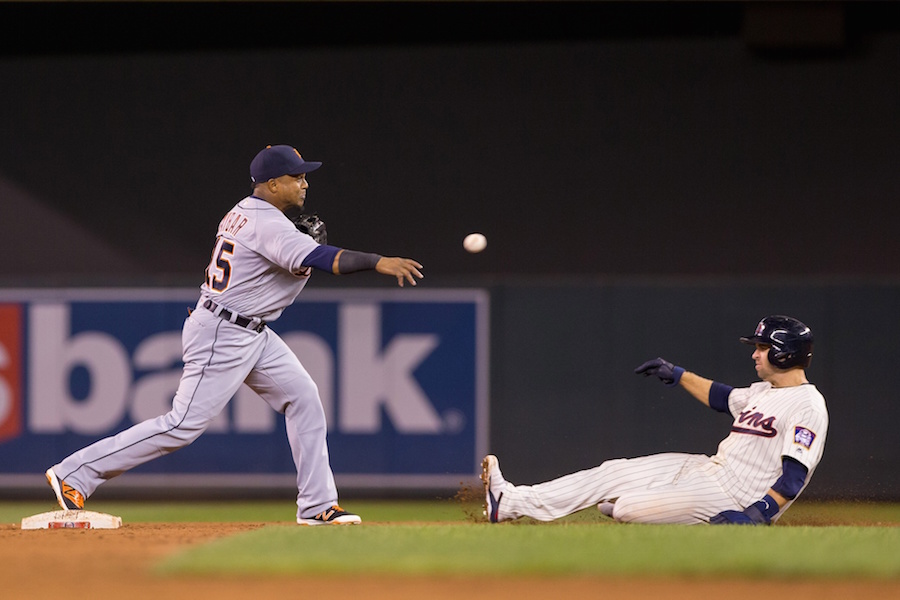 People have wise-cracked throughout the offseason about the reigning worst team in baseball facing so many "roster crunches." However, the Twins legitimately find themselves in such a situation. As a rebuilding club with no shortage of talent in the organization, their foremost imperative is evaluating what they have on hand. Which players are going to be part of the next contending Minnesota club? This year, fresh eyes will be making those assessments. There are only so many opportunities to go around, and I suspect Derek Falvey and Thad Levine will focus on looking closely at what they have before making a ton of acquisitions. With that said, let's take a look at places where the Twins could theoretically still be looking to add, irrespective of a Dozier trade: Shortstop I'd say this one ranks at the top of the list. It's the one position on the field where the Twins still do not have a clear and obvious starter. Presumably that'll be Jorge Polanco in the event that Dozier stays, but he'd be a major defensive weakness at the infield's most important position. (He has been playing primarily second in the winter league, which is telling.) If Dozier is dealt, then Polanco goes to second and Eduardo Escobar returns to short. Escobar was, of course, very bad in 2016 and he barely played shortstop during the final months. The Twins remain confident that Nick Gordon will eventually take over this position, but he's a couple of years away. It makes all the sense in the world to find a veteran on a short-term deal who could compete for a starting gig or serve as a quality backup/fallback. In our blueprint for the Offseason Handbook, we suggested Erick Aybar for this role. He's still out there, and probably not very expensive. Another potential option would be Daniel Descalso, who spent the last two seasons playing for the Rockies and is coming off a career year at the plate (he took over after Trevor Story went down). Late-Inning Setup Man It's unrealistically optimistic to expect that Glen Perkins, coming off shoulder labrum surgery, shows up at Fort Myers throwing well enough to reclaim the closer job. There are others who will be in play for that title, including incumbent Brandon Kintzler and potential long-term heir JT Chargois. But the Twins would do well to bring another contender into the mix, because quality late-inning arms are always needed. Drew Storen was one buy-low candidate I liked, but he signed for one year and $3 million with the Reds last week. That's exactly the kind of no-risk gamble the Twins should be pursuing. Neftali Feliz is a name I've had my eye on, though he's coming off a good year in Pittsburgh and will require a larger commitment. Greg Holland would be a bigger splash with higher upside. Joe Blanton could be a dark horse. As we approach mid-January, there are still so many free agent relievers out there that some of them are going to have to start settling for less than they want. That's where the Twins can strike for a good value. Left-Handed Reliever Heading into this offseason, I figured this would be a priority of sorts. The collective major-league experience of Minnesota's returning bullpen lefties is dauntingly thin. But after taking a closer look at the 2016 relief corps, I'm convinced that they don't really have a need here. Taylor Rogers, Buddy Boshers and Ryan O'Rourke all showed enough to deserve longer looks. Each of them effectively dispatched left-handed hitters and that's the name of the game with these specialist roles. Adding an experienced southpaw means taking away opportunities for one of these guys. Backup Outfielder Eddie Rosario, Byron Buxton and Max Kepler are tentatively penciled in as the starting outfield trio. Robbie Grossman could vie for a job, but might be better suited as a backup and DH based on his defensive shortcomings. With a focus on run prevention and a pitching staff that figures to remain fly-ball heavy, finding a defensive specialist who plays all three outfield positions would make sense. Danny Santana has been filling that role, but he has also been one of the worst players in baseball over the past two years, and you have to squint to see his upside at this point. J.B. Shuck was signed to a minor-league deal last month, and he's renowned for his glove, but he's considered weak in center. Defensive whiz Peter Bourjos is still out there and would fit the bill quite nicely. Desmond Jennings, still only 30, might be available on a minor league contract. Starting Pitcher Strange as it is to say, I don't see any reason for the Twins to pursue players here. The market is thin on quality and there are already so many starters that will come to camp deserving of an honest chance to win a job. That list presently includes Ervin Santana, Hector Santiago, Phil Hughes, Kyle Gibson, Jose Berrios, Trevor May, Tyler Duffey and more. Obviously the Twins will welcome any high-caliber young arms coming back in a Dozier trade, which will only further crowd this picture. Why add more veteran mediocrity to the mix? If there's an opportunity to take a flier on a boom-or-bust guy then sure, but those players will find more amenable situations elsewhere. Are there any other areas you feel that the front office should be making additions as we count down the weeks until spring training?
 -
Article: What's Holding Up The Dozier Trade?
Nick Nelson replied to Nick Nelson's topic in Twins Daily Front Page News
Right. Being that Dozier's career year is also his most recent year, it's more relevant than others to assessing his current value. There's no reason to be contorting and doing logical somersaults to suggest Dozier's power is not elite for his position. You can quibble with the sentence construction (my bad) but it's not a disputable conclusion. Dozier is THE power hitting middle infielder in the majors right now. He just came like 2 HR short of setting the all-time record for HR by a second baseman, geez. -
Article: What's Holding Up The Dozier Trade?
Nick Nelson replied to Nick Nelson's topic in Twins Daily Front Page News
Over the past four years, Dozier leads all middle infielders in home runs by double digits. What's wrong with that description? -
Well said. I think this is a really important dynamic. For better or worse, this could easily be the defining trade for this regime, with long-lasting implications.
- 49 replies
-
- 3
-

-
- brian dozier
- miguel sano
- (and 3 more)
-
Article: What's Holding Up The Dozier Trade?
Nick Nelson replied to Nick Nelson's topic in Twins Daily Front Page News
Right. This was more or less addressed two paragraphs later. I meant it in more of a general sense. Days left until this self-imposed deadline, a few weeks until TwinsFest and Diamond Awards, spring training kicking off shortly thereafter. The clock is ticking. -
Article: What's Holding Up The Dozier Trade?
Nick Nelson replied to Nick Nelson's topic in Twins Daily Front Page News
I think we can say with a high degree of confidence that this is not the case. -
For weeks, the Minnesota Twins and Los Angeles Dodgers have been in an apparent stalemate regarding a Brian Dozier trade. What's keeping these talks from reaching fruition?Over the past month or so, we've seen reports from numerous outlets suggesting that the Dodgers are making prospect Jose De Leon available as the main piece in a potential deal, and that the two sides are in disagreement over what would come packaged alongside the right-hander. The latest tidbit, a Thursday tweet from USA TODAY baseball scribe Bob Nightingale, affirms (unsurprisingly) that Los Angeles remains "heavy favorites" for Dozier but adds that the "Twins continue to insist they need more than Jose De Leon to move him." Now, what Nightingale is probably saying is that the Twins are demanding at least one more top-tier prospect in addition to De Leon. But if we take the words at face value, there is an implication that the Dodgers are offering nothing beyond the 24-year-old. Nothing of note, anyway. And that... well, that'd be a bit ridiculous. Let's turn the clock back to the 2016 trade deadline. Seeking to bulk up for the stretch run, the Dodgers swung a deal with the Oakland Athletics to acquire starter Rich Hill along with outfielder Josh Reddick. In exchange, LA gave up three of its top pitching prospects: Grant Holmes, Frankie Montas and Jharel Cotton. Both Hill and Reddick became free agents at year's end, so in that instance, the Dodgers were willing to give up three coveted young arms for a pair of short-term rentals. Granted, no one among the aforementioned trio can quite measure up to De Leon, but they were pretty damn good prospects. And here we're talking about Dozier, an elite power hitting middle infielder in his prime with two full years of control remaining. With that context in mind, plus the return that the White Sox recently received when trading Adam Eaton to the Nationals a month ago, the Twins would be crazy to give up Dozier for one unproven player. Being that Derek Falvey and Thad Levine are both essentially newbies on the job, the last thing they want to do is get swindled when dealing away the team's best player. So, the reluctance to pull the trigger makes sense, in light of these facts. But time is running out. For Dozier, this has undoubtedly been an agonizing couple of months. He's not ignorant to the business of baseball, but hanging in a state of complete limbo as he is can't be fun. An article from Mike Berardino in the Pioneer Press earlier this week quoted a source as saying that a final decision would be coming soon "out of respect" for the veteran infielder. But what does that really mean? If another week passes and the Dodgers still haven't budged, Falvey and Levine say "OK, no deal" and that's that? Even if LA comes back at the end of the month – after futilely scouring for another decent option at second – and offers to meet the previous demands, the Twins are going to say no? It's a murky situation, to be sure. Signs still point to a trade being announced quite soon but with each passing day, the chances of Dozier remaining in Minnesota get a little bit better. I'm not sure how I would feel about that. I've been a vocal proponent of trading Dozier for De Leon since before the season ended. But if the Dodgers are truly set on low-balling the Twins for a premier player – and that would be inexplicable because LA truly needs Dozier – then I could hardly fault the new regime for standing pat. One way or another, it sounds like we'll have an answer within a few days. As we continue to play the waiting game, here are some diversions to keep you busy (and educated): Whenever any significant news relating to this situation emerges, you can bet it will posted to the Dozier Trade Discussion thread in our forum. There are currently 73 pages of conversation, but skip to the end for the newest submissions.Last month I wrote an in-depth profile on De Leon, who is all but certain to headline any eventual package. As you will see, there is much to like about the Puerto Rican strikeout machine.Jeremy Nygaard wrote over the weekend about creative ways that the Twins and Dodgers could complete a deal without adding any big names behind De Leon. Click here to view the article
-
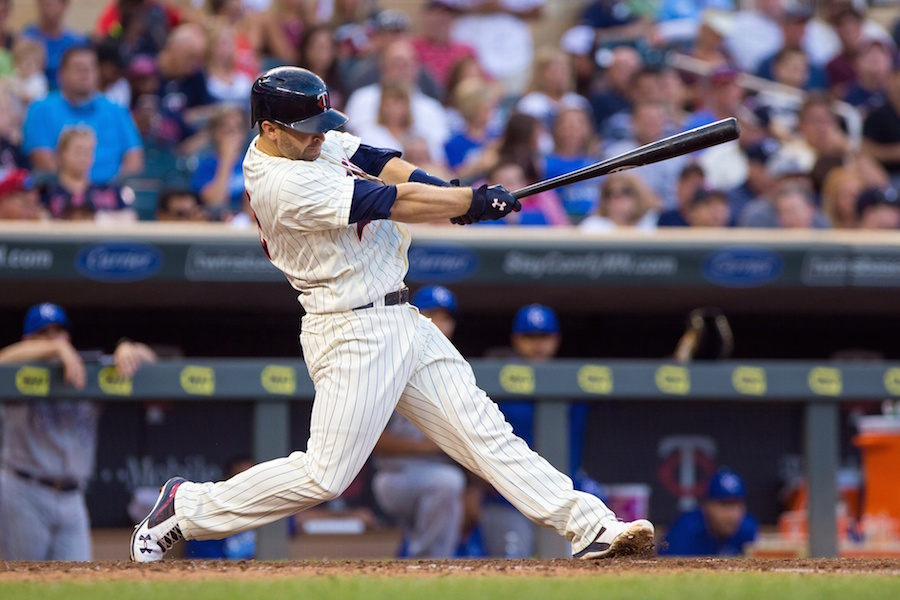 Over the past month or so, we've seen reports from numerous outlets suggesting that the Dodgers are making prospect Jose De Leon available as the main piece in a potential deal, and that the two sides are in disagreement over what would come packaged alongside the right-hander. The latest tidbit, a Thursday tweet from USA TODAY baseball scribe Bob Nightingale, affirms (unsurprisingly) that Los Angeles remains "heavy favorites" for Dozier but adds that the "Twins continue to insist they need more than Jose De Leon to move him." https://twitter.com/BNightengale/status/817063331202678785 Now, what Nightingale is probably saying is that the Twins are demanding at least one more top-tier prospect in addition to De Leon. But if we take the words at face value, there is an implication that the Dodgers are offering nothing beyond the 24-year-old. Nothing of note, anyway. And that... well, that'd be a bit ridiculous. Let's turn the clock back to the 2016 trade deadline. Seeking to bulk up for the stretch run, the Dodgers swung a deal with the Oakland Athletics to acquire starter Rich Hill along with outfielder Josh Reddick. In exchange, LA gave up three of its top pitching prospects: Grant Holmes, Frankie Montas and Jharel Cotton. Both Hill and Reddick became free agents at year's end, so in that instance, the Dodgers were willing to give up three coveted young arms for a pair of short-term rentals. Granted, no one among the aforementioned trio can quite measure up to De Leon, but they were pretty damn good prospects. And here we're talking about Dozier, an elite power hitting middle infielder in his prime with two full years of control remaining. With that context in mind, plus the return that the White Sox recently received when trading Adam Eaton to the Nationals a month ago, the Twins would be crazy to give up Dozier for one unproven player. Being that Derek Falvey and Thad Levine are both essentially newbies on the job, the last thing they want to do is get swindled when dealing away the team's best player. So, the reluctance to pull the trigger makes sense, in light of these facts. But time is running out. For Dozier, this has undoubtedly been an agonizing couple of months. He's not ignorant to the business of baseball, but hanging in a state of complete limbo as he is can't be fun. An article from Mike Berardino in the Pioneer Press earlier this week quoted a source as saying that a final decision would be coming soon "out of respect" for the veteran infielder. But what does that really mean? If another week passes and the Dodgers still haven't budged, Falvey and Levine say "OK, no deal" and that's that? Even if LA comes back at the end of the month – after futilely scouring for another decent option at second – and offers to meet the previous demands, the Twins are going to say no? It's a murky situation, to be sure. Signs still point to a trade being announced quite soon but with each passing day, the chances of Dozier remaining in Minnesota get a little bit better. I'm not sure how I would feel about that. I've been a vocal proponent of trading Dozier for De Leon since before the season ended. But if the Dodgers are truly set on low-balling the Twins for a premier player – and that would be inexplicable because LA truly needs Dozier – then I could hardly fault the new regime for standing pat. One way or another, it sounds like we'll have an answer within a few days. As we continue to play the waiting game, here are some diversions to keep you busy (and educated): Whenever any significant news relating to this situation emerges, you can bet it will posted to the Dozier Trade Discussion thread in our forum. There are currently 73 pages of conversation, but skip to the end for the newest submissions. Last month I wrote an in-depth profile on De Leon, who is all but certain to headline any eventual package. As you will see, there is much to like about the Puerto Rican strikeout machine. Jeremy Nygaard wrote over the weekend about creative ways that the Twins and Dodgers could complete a deal without adding any big names behind De Leon.
 -
Article: Twins Daily Site Refresher Course
Nick Nelson posted a topic in Twins Daily Front Page News
It's a new year! We're heading into 2017, and in a couple of months Twins Daily will celebrate its five-year anniversary. Whether you're a longtime community member or relatively new, we felt this might be a good time to brush up on some of the site's features and functionalities you may not be aware of, or taking full advantage of.When John, Parker, Seth and myself first came together to launch Twins Daily back in March of 2012, we had a number of goals in mind. Sure, we wanted a central place to feature our writing. But more than that, we wanted to build a cohesive community, and an indispensable resource for fans throughout the year. To that end, we implemented a number of features at launch and we've added new ones over time. Today, we'll discuss some of the site's key functionalities that you may or may not be utilizing. We'll start with the newer additions: MINNESOTA TWINS ORGANIZATION CHART Where can you find a full listing of every player in the Twins system, along with prospect profile capsules, details on their method of acquisition and contract, and a whole lot more? Only in our Twins Organization Charts, which enable you to drill down and create custom lists based on a variety of different criteria. Download attachment: orgchart1.png View personnel by affiliate, or by position. For most minor-leaguers, you can find the most recent write-up from Seth's Prospect Handbook. For big-leaguers, you can on service time, salary details and more. Download attachment: orgchart2.png This is one of the most in-depth resources available on the Web for roster geeks so if that's you, make sure to keep it bookmarked. You will always find the Organization Chart on the right section of the top nav bar when you visit Twins Daily. We are taking measures to ensure that this living database remains steadfastly updated all year. FREE AGENT TRACKER Nearby the Organization Chart on the top menu, you will also find the Free Agent Tracker. This is a new feature we just added this offseason, as a component of our ongoing coverage for the Offseason Handbook. Here, you will find a complete list of available big-league free agents. Like with the Org Charts, you can filter by different parameters. When you first enter the tracker, the most recent signings will appear at the top the list, providing an easy way to get caught up on the latest Hot Stove action if you haven't been plugged in. Download attachment: fatracker.png Comparing the actual contracts to the estimations from the Handbook gives you a good idea of how the market is shaping up relative to expectations. From the screenshot above we can pinpoint a couple of very prominent storylines: the relief pitching market is going crazy, and Edwin Encarnacion really had to settle. WRITING YOUR OWN BLOG This is a functionality that has existed at Twins Daily from the outset, but it's certainly one we would like to see more people use. As soon as you create an account here on the site, you automatically get your own blog. All you need to do is click the "Blogs" tab on the top of the site and then the "Create a Blog" button. Download attachment: blogs.png To some, this may feel intimidating. But it really is quite easy to do, and you will get some additional exposure (as well as formatting freedom) for your takes in comparison to writing comments in the forum. If you ever have a lengthy response in mind to an article on the site, or a topic in the news, then consider putting your thoughts into blog form. You might just like it. Your pieces might also find their way onto the front page, alongside the site's top content. This can get your work in front of thousands of eyeballs. Those who become regular contributors and meet a certain traffic threshold will also enter our compensation program, which we hope to bolster in 2017. OTHER FORUM SECTIONS Unsurprisingly, the most popular and active sections of the message board are Minnesota Twins Talk and Twins Minor League Talk. But one thing you'll find when interacting with folks here on Twins Daily is that common interests, and thoughtful conversations, tend to expand beyond the scope of the local nine. Check out Other Baseball for discussion of general MLB topics. Or click into The Sports Bar for casual chatter about sports and entertainment. Also, if you ever experience technical issues with the site, or feel some aspect could be improved, your best bet is to start a thread in the Questions About Minncentric subforum. JOIN THE TWINS DAILY MAILING LIST Did you know that could be receiving an email in your inbox with the latest Twins headlines? Our newsletter (delivered 3x per week in-season, 2x per week over the winter) offers a convenient way to stay on top of the big new stories and breaking news. In order to subscribe, just scroll down on the front page until you find the email capture on the right sidebar: Download attachment: mailinglist.png As always, we appreciate your patronage and hope you'll take advantage of Twins Daily and everything it offers. We look forward to a big year in 2017, both for the team and site, and we're excited to have you all along for the ride. Click here to view the article -
 When John, Parker, Seth and myself first came together to launch Twins Daily back in March of 2012, we had a number of goals in mind. Sure, we wanted a central place to feature our writing. But more than that, we wanted to build a cohesive community, and an indispensable resource for fans throughout the year. To that end, we implemented a number of features at launch and we've added new ones over time. Today, we'll discuss some of the site's key functionalities that you may or may not be utilizing. We'll start with the newer additions: MINNESOTA TWINS ORGANIZATION CHART Where can you find a full listing of every player in the Twins system, along with prospect profile capsules, details on their method of acquisition and contract, and a whole lot more? Only in our Twins Organization Charts, which enable you to drill down and create custom lists based on a variety of different criteria. View personnel by affiliate, or by position. For most minor-leaguers, you can find the most recent write-up from Seth's Prospect Handbook. For big-leaguers, you can on service time, salary details and more. This is one of the most in-depth resources available on the Web for roster geeks so if that's you, make sure to keep it bookmarked. You will always find the Organization Chart on the right section of the top nav bar when you visit Twins Daily. We are taking measures to ensure that this living database remains steadfastly updated all year. FREE AGENT TRACKER Nearby the Organization Chart on the top menu, you will also find the Free Agent Tracker. This is a new feature we just added this offseason, as a component of our ongoing coverage for the Offseason Handbook. Here, you will find a complete list of available big-league free agents. Like with the Org Charts, you can filter by different parameters. When you first enter the tracker, the most recent signings will appear at the top the list, providing an easy way to get caught up on the latest Hot Stove action if you haven't been plugged in. Comparing the actual contracts to the estimations from the Handbook gives you a good idea of how the market is shaping up relative to expectations. From the screenshot above we can pinpoint a couple of very prominent storylines: the relief pitching market is going crazy, and Edwin Encarnacion really had to settle. WRITING YOUR OWN BLOG This is a functionality that has existed at Twins Daily from the outset, but it's certainly one we would like to see more people use. As soon as you create an account here on the site, you automatically get your own blog. All you need to do is click the "Blogs" tab on the top of the site and then the "Create a Blog" button. To some, this may feel intimidating. But it really is quite easy to do, and you will get some additional exposure (as well as formatting freedom) for your takes in comparison to writing comments in the forum. If you ever have a lengthy response in mind to an article on the site, or a topic in the news, then consider putting your thoughts into blog form. You might just like it. Your pieces might also find their way onto the front page, alongside the site's top content. This can get your work in front of thousands of eyeballs. Those who become regular contributors and meet a certain traffic threshold will also enter our compensation program, which we hope to bolster in 2017. OTHER FORUM SECTIONS Unsurprisingly, the most popular and active sections of the message board are Minnesota Twins Talk and Twins Minor League Talk. But one thing you'll find when interacting with folks here on Twins Daily is that common interests, and thoughtful conversations, tend to expand beyond the scope of the local nine. Check out Other Baseball for discussion of general MLB topics. Or click into The Sports Bar for casual chatter about sports and entertainment. Also, if you ever experience technical issues with the site, or feel some aspect could be improved, your best bet is to start a thread in the Questions About Minncentric subforum. JOIN THE TWINS DAILY MAILING LIST Did you know that could be receiving an email in your inbox with the latest Twins headlines? Our newsletter (delivered 3x per week in-season, 2x per week over the winter) offers a convenient way to stay on top of the big new stories and breaking news. In order to subscribe, just scroll down on the front page until you find the email capture on the right sidebar: As always, we appreciate your patronage and hope you'll take advantage of Twins Daily and everything it offers. We look forward to a big year in 2017, both for the team and site, and we're excited to have you all along for the ride.
 -
Article: 2016 Report Cards: Bullpen
Nick Nelson replied to Nick Nelson's topic in Twins Daily Front Page News
I wrote about this in late August, so you might be thinking of #3 here? Pointed out that the number of outings in which he threw 30+ pitches increased from 10% in AAA to 20% in MLB, where he was also asked to throw 40-50 on occasion.- 27 replies
-
- 1
-
-
- brandon kintzler
- jt chargois
- (and 3 more)
-
Article: 2016 Report Cards: Bullpen
Nick Nelson replied to Nick Nelson's topic in Twins Daily Front Page News
Boshers did everything you want from a left-handed reliever, so yes. Kintzler was miscast as a closer out of necessity but yeah, I think a contender would like to have those numbers in their bullpen. Several playoff teams had Pressly-caliber guys as their third or fourth options.- 27 replies
-
- 1
-
-
- brandon kintzler
- jt chargois
- (and 3 more)
-
Article: 2016 Report Cards: Bullpen
Nick Nelson replied to Nick Nelson's topic in Twins Daily Front Page News
Expectations, experience, role... it all comes into account. Rogers got a good grade because he was excellent against LHB and that's his main job. Ditto Boshers, who got a nudge because he was also solid against righties. And yeah, I gave a bit of extra cred since both were rookies. To say you would give Kintzler a C seems... harsh. He pitched basically to the very utmost of his abilities, coming off a lost season. Adapted well to the closer role. What more could you really ask of the guy? He isn't a strikeout pitcher.- 27 replies
-
- 1
-
-
- brandon kintzler
- jt chargois
- (and 3 more)
-
Having charged through the infield, outfield and rotation in our player-by-player review of the 2016 Minnesota Twins, let's round out this series with a look at the bullpen. This one won't be nearly as rough as the starters.You can find the previous breakdowns by unit through the links below: InfieldersOutfieldersStarting PitchersFor this edition, our criteria for inclusion will be that the reliever pitched in at least 20 games with the Twins and remains in the organization presently. Each player on the list will at least be a candidate to make the bullpen out of spring training, if not a lock. Of course, not listed is longtime mainstay Glen Perkins, whose season ended after two appearances. His uncertain future is reflective of a relief corps that carries many question marks as a whole. Let's wrap this up: Buddy Boshers, LHP 2016 Stats: 36 IP, 4.25 ERA, 37 K, 7 BB, 1.16 WHIP, 2.84 FIP Contract Status: Pre-arbitration, under team control for ~$550K in 2017 I was particularly intrigued by Boshers when the Twins signed him: a former fourth-round pick with big strikeout rates in the minors who had latched on with an independent team and dominated before resurfacing. It had the makings of a pretty good story. And that it was. Ignoring the inflated ERA – entirely the result of one August outing where he allowed six earned runs (and went on the disabled list immediately after) – Boshers pitched brilliantly. His K/BB ratio was sterling and he allowed only three homers in 37 appearances. He went from facing washed out pros in the Atlantic League the previous summer to taking on big-league hitters, and barely missed a beat. Unleashing a filthy curveball and routinely hitting his spots, Boshers put up the highest swinging strike rate on the team outside of Trevor May. In 60 match-ups against lefties, he allowed only three extra-base hits (all doubles) and two walks. 2016 Grade: A- 2017 Outlook: His lack of a track record may work against him, but Boshers showed plenty in 2016 to punch his ticket for next year's bullpen. Given the relatively small sample, will he have to back it up in spring training? J.T. Chargois, RHP 2016 Stats: 23 IP, 4.70 ERA, 17 K, 12 BB, 1.61 WHIP, 3.36 FIP Contract Status: Pre-arbitration, under team control for ~$550K in 2017 Four years after being drafted in the second round out of Rice University, Chargois arrived in the majors with special heat that has rarely been seen from a Minnesota Twin. In fact, the rookie had one of the 15 hardest fastballs in the majors . He coupled it with a zippy slider in the mid-80s for a repertoire that exuded dominant potential. He was far from dominant in his MLB debut, on June 11th. The 25-year-old had been eviscerating hitters in Double-A and Triple-A, but on that date, he received a very rude welcome to the majors from the Red Sox. Chargois came on to pitch the ninth inning of a blowout loss, and his sequence looked like this: lineout, single, single, groundout, HBP, single, walk, run-scoring wild pitch, walk, removal. Five runs charged in total. Ouch. Chargois was demoted right after the game, but would return two months later with renewed confidence and determination. He made 24 appearances in August and September, and posted a 2.82 ERA. His control gradually improved to the point where he issued only one walk in his final 10 outings. The overall numbers weren't great, and it would have been nice to see his high-powered arsenal produce more strikeouts (he whiffed only 17 percent of MLB hitters after fanning nearly 30 percent in AA/AAA), but all in all Chargois had the kind of year you're looking for from a highly regarded first-year player getting through his initial big-league speed bumps. 2016 Grade: C+ 2017 Outlook: Chargois is poised to make a big jump forward in his second season, and should be in line for a setup job with the Twins out of the gates. There's a pretty decent chance he's closing games by year's end. Brandon Kintzler, RHP 2016 Stats: 54.1 IP, 3.15 ERA, 17 SV, 35 K, 8 BB, 1.23 WHIP, 3.61 FIP Contract Status: Under contract for ~$2.5 million (arbitration estimate) In 2013 and 2014, Kintzler was a reliably solid sinkerballing middle reliever for the Brewers. In 2015, a knee tendon issue that had long bothered him required surgery, costing him nearly the entire season. Milwaukee decided to move on from the 31-year-old and Minnesota snagged him on a minor-league contract. Kintzler came back, completely recapturing his previous form and then some with a 1.3 BB/9 rate that ranked sixth in the majors among relievers and a 61.9 percent grounder rate that ranked ninth. That was a recipe for consistently solid results, and the righty thrived for a long time after assuming the closer role in June. Kintzler converted 13 of his first 14 save attempts while regularly turning in clean and efficient innings. But his high contact rate left the door open for opposing lineups to string together hits, and it eventually caught up with him. In his final 12 appearances he gave up 22 knocks over 12 2/3 innings, blew two saves, and sparked the worst bullpen meltdown of the year against Kansas City on September 6th when the unit turned a 3-3 tie into a 10-3 loss. The ugly finish does not, however, overly diminish a resurgent campaign for the veteran right-hander. 2016 Grade: B+ 2017 Outlook: He may reclaim the closer role simply because he's the incumbent, but flaws that showed through during an ugly final month cannot be ignored. As an efficient grounder machine, Kintzler seems better suited for a role that involves pitching multiple middle innings. Trevor May, RHP 2016 Stats: 42.2 IP, 5.27 ERA, 60 K, 17 BB, 1.31 WHIP, 3.80 FIP Contract Status: Pre-arbitration, under team control for ~$550K in 2017 The hope that May's pitches would play up in shorter bullpen stints was certainly fulfilled. The righty gained zip on all of his offerings and boasted impressive swing-and-miss stuff. His 12.7 K/9 rate ranked 10th among big-leaguers with 40-plus innings. But the increase in power came attached to a dramatic decrease in command. May's walk rate nearly doubled from the previous year and he astonishingly uncorked 10 wild pitches in 44 appearances. Outside of his occasional ugly hiccups, though, May was largely effective on the mound. His biggest problem was an inability to stay there. Recurring back problems cost him a month in the middle of the season, and most of August and September. He was diagnosed with a stress fracture near the end of the year, but should be fine with an offseason to heal. 2016 Grade: C- 2017 Outlook: It's not totally clear the switch in routine was responsible for May's physical breakdown, but it likely played a part given his record of durability in the past. Though he showed all the qualities of an impact late-inning reliever, and looked the part at times, he deserves another shot at starting and it sounds like he'll get it. Ryan O'Rourke, LHP 2016 Stats: 25 IP, 3.96 ERA, 24 K, 10 BB, 1.12 WHIP, 4.11 FIP Contract Status: Pre-arbitration, under team control for ~$550K in 2017 Throughout the minor leagues, O'Rourke was nearly invincible against left-handed hitters. This skill was on display as a rookie in 2015 (.560 OPS vs. LHB) and even more so this year, as he held same-sided opponents to a measly .077/.167/.192 slash line. For some reason, however, he faced twice as many righties, against whom he was far less effective (though not disastrous). He was designated for assignment in early May, but made it through waivers and returned to the Twins in August, finishing with a good six weeks. During his time in Rochester, he was straight-up deadly (1.93 ERA). When strategically deployed in the right spots, O'Rourke is capable of being one of the league's better bullpen specialists and he proved that again this year. 2016 Grade: B- 2017 Outlook: Given that he was removed from the 40-man roster at one point this summer, O'Rourke is probably behind Boshers and Taylor Rogers in the southpaw reliever pecking order. But his ability to dispatch lefty hitters has been superior to both. His status depends on what type of bullpen Paul Molitor – and his higher-ups – wish to go with. Ryan Pressly, RHP 2016 Stats: 75.1 IP, 3.70 ERA, 67 K, 23 BB, 1.35 WHIP, 3.74 FIP Contract Status: Contract Status: Under contract for ~$1.5 million (arbitration estimate) In his first year with the Twins after they acquired him in the Rule 5 draft, Pressly was a nice surprise, posting a 3.87 ERA over 49 appearances as a rookie. Three years later, he was sporting about 3 extra MPH on all of his pitches, and he nearly doubled his K-rate to 20.4 percent. Yet, the results were pretty much the same. He was a perfectly serviceable seventh inning guy who was thrust into a higher-leverage role due to injuries elsewhere. "Good, not great" seems a very fair description of his season. 2016 Grade: B 2017 Outlook: Bringing a 95 MPH heater and, on some days, truly shutdown stuff, Pressly is a nice weapon to have in the middle innings. But in a good bullpen he should be the third or fourth option, and so the goal should be to build that kind of quality depth ahead of him. Taylor Rogers, LHP 2016 Stats: 61.1 IP, 3.96 ERA, 64 K, 16 BB, 1.29 WHIP, 3.57 FIP Contract Status: Pre-arbitration, under team control for ~$550K in 2017 Though he came up through the minors as a starter, it was always fairly evident Rogers would wind up in the bullpen due to his ineffectiveness against righties. Perhaps having learned from the Brian Duensing experience, the Twins skipped the step of having Rogers fail in the big-league rotation, instead using him exclusively in relief and reaping the benefits. Rogers spent most of his year in Minnesota, operating as a trustworthy situational weapon (.547 OPS vs. LHB). His weakness against those swinging from the other side was glaringly visible, though, as righties knocked him around for a .291/.349/.462 line in 172 plate appearances. Much like O'Rourke, he was damaged by misuse, but it was generally an encouraging first year in the majors for the 26-year-old. 2016 Grade: B 2017 Outlook: Rogers should be entrenched, having spent the majority of 2016 in Molitor's bullpen with strong output. All he needs to do is repeat his rookie performance to be a very helpful contributor. Michael Tonkin, RHP 2016 Stats: 71.2 IP, 5.02 ERA, 80 K, 24 BB, 1.45 WHIP, 4.40 FIP Contract Status: Pre-arbitration, under team control for ~$550K in 2017 Finally receiving an overdue prolonged look in the majors, Tonkin showed some nice signs. His potent fastball/slider combo produced plenty of strikeouts. In fact, his 80 whiffs were the most by a Twins reliever since Joe Nathan notched 89 back in 2009. The strikeouts didn't do enough for him though. When opponents made contact it was loud, leading to an .831 OPS and 13 home runs. Tonkin's performance especially unraveled in the final leg of the campaign. Personally, I tend to think this related to the former Triple-A closer's ill-fitting assignment as a long reliever, but in any case, he finished with poor numbers pretty much across the board. 2016 Grade: D+ 2017 Outlook: I'd be curious to see what Tonkin and his big fastball could do in a more traditional one-inning relief role. Will Molitor and the new front office feel the same way? With no minor-league options remaining, Tonkin will face an uphill battle to remain in the organization in March. Click here to view the article
-
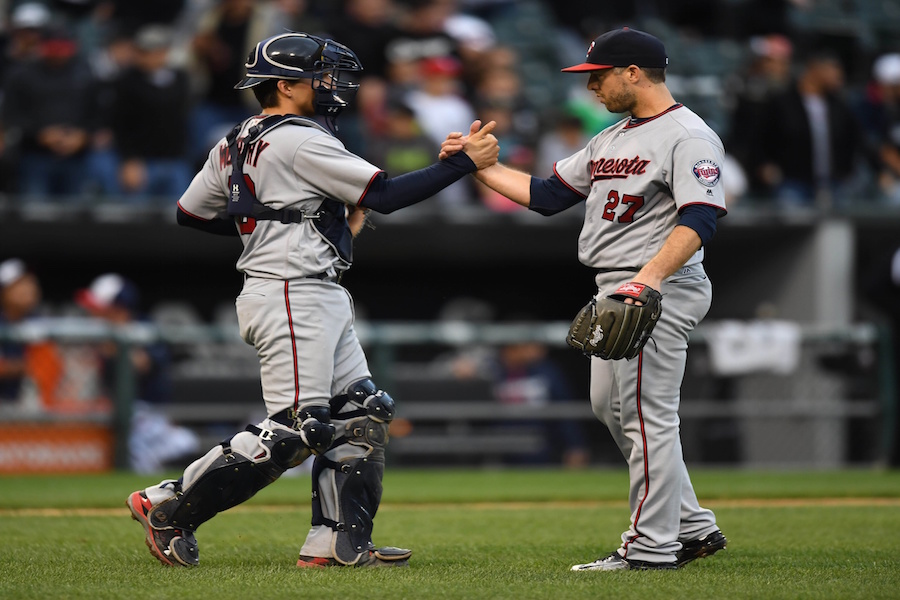 You can find the previous breakdowns by unit through the links below: Infielders Outfielders Starting Pitchers For this edition, our criteria for inclusion will be that the reliever pitched in at least 20 games with the Twins and remains in the organization presently. Each player on the list will at least be a candidate to make the bullpen out of spring training, if not a lock. Of course, not listed is longtime mainstay Glen Perkins, whose season ended after two appearances. His uncertain future is reflective of a relief corps that carries many question marks as a whole. Let's wrap this up: Buddy Boshers, LHP 2016 Stats: 36 IP, 4.25 ERA, 37 K, 7 BB, 1.16 WHIP, 2.84 FIP Contract Status: Pre-arbitration, under team control for ~$550K in 2017 I was particularly intrigued by Boshers when the Twins signed him: a former fourth-round pick with big strikeout rates in the minors who had latched on with an independent team and dominated before resurfacing. It had the makings of a pretty good story. And that it was. Ignoring the inflated ERA – entirely the result of one August outing where he allowed six earned runs (and went on the disabled list immediately after) – Boshers pitched brilliantly. His K/BB ratio was sterling and he allowed only three homers in 37 appearances. He went from facing washed out pros in the Atlantic League the previous summer to taking on big-league hitters, and barely missed a beat. Unleashing a filthy curveball and routinely hitting his spots, Boshers put up the highest swinging strike rate on the team outside of Trevor May. In 60 match-ups against lefties, he allowed only three extra-base hits (all doubles) and two walks. 2016 Grade: A- 2017 Outlook: His lack of a track record may work against him, but Boshers showed plenty in 2016 to punch his ticket for next year's bullpen. Given the relatively small sample, will he have to back it up in spring training? J.T. Chargois, RHP 2016 Stats: 23 IP, 4.70 ERA, 17 K, 12 BB, 1.61 WHIP, 3.36 FIP Contract Status: Pre-arbitration, under team control for ~$550K in 2017 Four years after being drafted in the second round out of Rice University, Chargois arrived in the majors with special heat that has rarely been seen from a Minnesota Twin. In fact, the rookie had one of the 15 hardest fastballs in the majors . He coupled it with a zippy slider in the mid-80s for a repertoire that exuded dominant potential. He was far from dominant in his MLB debut, on June 11th. The 25-year-old had been eviscerating hitters in Double-A and Triple-A, but on that date, he received a very rude welcome to the majors from the Red Sox. Chargois came on to pitch the ninth inning of a blowout loss, and his sequence looked like this: lineout, single, single, groundout, HBP, single, walk, run-scoring wild pitch, walk, removal. Five runs charged in total. Ouch. Chargois was demoted right after the game, but would return two months later with renewed confidence and determination. He made 24 appearances in August and September, and posted a 2.82 ERA. His control gradually improved to the point where he issued only one walk in his final 10 outings. The overall numbers weren't great, and it would have been nice to see his high-powered arsenal produce more strikeouts (he whiffed only 17 percent of MLB hitters after fanning nearly 30 percent in AA/AAA), but all in all Chargois had the kind of year you're looking for from a highly regarded first-year player getting through his initial big-league speed bumps. 2016 Grade: C+ 2017 Outlook: Chargois is poised to make a big jump forward in his second season, and should be in line for a setup job with the Twins out of the gates. There's a pretty decent chance he's closing games by year's end. Brandon Kintzler, RHP 2016 Stats: 54.1 IP, 3.15 ERA, 17 SV, 35 K, 8 BB, 1.23 WHIP, 3.61 FIP Contract Status: Under contract for ~$2.5 million (arbitration estimate) In 2013 and 2014, Kintzler was a reliably solid sinkerballing middle reliever for the Brewers. In 2015, a knee tendon issue that had long bothered him required surgery, costing him nearly the entire season. Milwaukee decided to move on from the 31-year-old and Minnesota snagged him on a minor-league contract. Kintzler came back, completely recapturing his previous form and then some with a 1.3 BB/9 rate that ranked sixth in the majors among relievers and a 61.9 percent grounder rate that ranked ninth. That was a recipe for consistently solid results, and the righty thrived for a long time after assuming the closer role in June. Kintzler converted 13 of his first 14 save attempts while regularly turning in clean and efficient innings. But his high contact rate left the door open for opposing lineups to string together hits, and it eventually caught up with him. In his final 12 appearances he gave up 22 knocks over 12 2/3 innings, blew two saves, and sparked the worst bullpen meltdown of the year against Kansas City on September 6th when the unit turned a 3-3 tie into a 10-3 loss. The ugly finish does not, however, overly diminish a resurgent campaign for the veteran right-hander. 2016 Grade: B+ 2017 Outlook: He may reclaim the closer role simply because he's the incumbent, but flaws that showed through during an ugly final month cannot be ignored. As an efficient grounder machine, Kintzler seems better suited for a role that involves pitching multiple middle innings. Trevor May, RHP 2016 Stats: 42.2 IP, 5.27 ERA, 60 K, 17 BB, 1.31 WHIP, 3.80 FIP Contract Status: Pre-arbitration, under team control for ~$550K in 2017 The hope that May's pitches would play up in shorter bullpen stints was certainly fulfilled. The righty gained zip on all of his offerings and boasted impressive swing-and-miss stuff. His 12.7 K/9 rate ranked 10th among big-leaguers with 40-plus innings. But the increase in power came attached to a dramatic decrease in command. May's walk rate nearly doubled from the previous year and he astonishingly uncorked 10 wild pitches in 44 appearances. Outside of his occasional ugly hiccups, though, May was largely effective on the mound. His biggest problem was an inability to stay there. Recurring back problems cost him a month in the middle of the season, and most of August and September. He was diagnosed with a stress fracture near the end of the year, but should be fine with an offseason to heal. 2016 Grade: C- 2017 Outlook: It's not totally clear the switch in routine was responsible for May's physical breakdown, but it likely played a part given his record of durability in the past. Though he showed all the qualities of an impact late-inning reliever, and looked the part at times, he deserves another shot at starting and it sounds like he'll get it. Ryan O'Rourke, LHP 2016 Stats: 25 IP, 3.96 ERA, 24 K, 10 BB, 1.12 WHIP, 4.11 FIP Contract Status: Pre-arbitration, under team control for ~$550K in 2017 Throughout the minor leagues, O'Rourke was nearly invincible against left-handed hitters. This skill was on display as a rookie in 2015 (.560 OPS vs. LHB) and even more so this year, as he held same-sided opponents to a measly .077/.167/.192 slash line. For some reason, however, he faced twice as many righties, against whom he was far less effective (though not disastrous). He was designated for assignment in early May, but made it through waivers and returned to the Twins in August, finishing with a good six weeks. During his time in Rochester, he was straight-up deadly (1.93 ERA). When strategically deployed in the right spots, O'Rourke is capable of being one of the league's better bullpen specialists and he proved that again this year. 2016 Grade: B- 2017 Outlook: Given that he was removed from the 40-man roster at one point this summer, O'Rourke is probably behind Boshers and Taylor Rogers in the southpaw reliever pecking order. But his ability to dispatch lefty hitters has been superior to both. His status depends on what type of bullpen Paul Molitor – and his higher-ups – wish to go with. Ryan Pressly, RHP 2016 Stats: 75.1 IP, 3.70 ERA, 67 K, 23 BB, 1.35 WHIP, 3.74 FIP Contract Status: Contract Status: Under contract for ~$1.5 million (arbitration estimate) In his first year with the Twins after they acquired him in the Rule 5 draft, Pressly was a nice surprise, posting a 3.87 ERA over 49 appearances as a rookie. Three years later, he was sporting about 3 extra MPH on all of his pitches, and he nearly doubled his K-rate to 20.4 percent. Yet, the results were pretty much the same. He was a perfectly serviceable seventh inning guy who was thrust into a higher-leverage role due to injuries elsewhere. "Good, not great" seems a very fair description of his season. 2016 Grade: B 2017 Outlook: Bringing a 95 MPH heater and, on some days, truly shutdown stuff, Pressly is a nice weapon to have in the middle innings. But in a good bullpen he should be the third or fourth option, and so the goal should be to build that kind of quality depth ahead of him. Taylor Rogers, LHP 2016 Stats: 61.1 IP, 3.96 ERA, 64 K, 16 BB, 1.29 WHIP, 3.57 FIP Contract Status: Pre-arbitration, under team control for ~$550K in 2017 Though he came up through the minors as a starter, it was always fairly evident Rogers would wind up in the bullpen due to his ineffectiveness against righties. Perhaps having learned from the Brian Duensing experience, the Twins skipped the step of having Rogers fail in the big-league rotation, instead using him exclusively in relief and reaping the benefits. Rogers spent most of his year in Minnesota, operating as a trustworthy situational weapon (.547 OPS vs. LHB). His weakness against those swinging from the other side was glaringly visible, though, as righties knocked him around for a .291/.349/.462 line in 172 plate appearances. Much like O'Rourke, he was damaged by misuse, but it was generally an encouraging first year in the majors for the 26-year-old. 2016 Grade: B 2017 Outlook: Rogers should be entrenched, having spent the majority of 2016 in Molitor's bullpen with strong output. All he needs to do is repeat his rookie performance to be a very helpful contributor. Michael Tonkin, RHP 2016 Stats: 71.2 IP, 5.02 ERA, 80 K, 24 BB, 1.45 WHIP, 4.40 FIP Contract Status: Pre-arbitration, under team control for ~$550K in 2017 Finally receiving an overdue prolonged look in the majors, Tonkin showed some nice signs. His potent fastball/slider combo produced plenty of strikeouts. In fact, his 80 whiffs were the most by a Twins reliever since Joe Nathan notched 89 back in 2009. The strikeouts didn't do enough for him though. When opponents made contact it was loud, leading to an .831 OPS and 13 home runs. Tonkin's performance especially unraveled in the final leg of the campaign. Personally, I tend to think this related to the former Triple-A closer's ill-fitting assignment as a long reliever, but in any case, he finished with poor numbers pretty much across the board. 2016 Grade: D+ 2017 Outlook: I'd be curious to see what Tonkin and his big fastball could do in a more traditional one-inning relief role. Will Molitor and the new front office feel the same way? With no minor-league options remaining, Tonkin will face an uphill battle to remain in the organization in March.
 -
Article: 2016 Report Cards: Rotation
Nick Nelson replied to Nick Nelson's topic in Twins Daily Front Page News
Yeah, I guess for me it was whether I could find any redeeming factors in their performances. Duffey at least had solid peripherals. Santiago was decent enough after the hideous start. With Hughes and Berrios, the only positive thing you can say is that we know both are capable of much, much better than they showed. -
Article: 2016 Report Cards: Rotation
Nick Nelson replied to Nick Nelson's topic in Twins Daily Front Page News
Polanco isn't an SS. Sano isn't an RF. They don't dictate where they play in the field so I cut them a little slack. I guess you could make a similar argument for Duffey being miscast as a reliever, except that he's pitched pretty much exclusively as a starter for the past four years so for the time he's judged upon that. As for Vargas, I put a lot of stock into the patience and power. As a guy whose value is going to be almost solely vested in his offensive production, that's big. You can make a case that he should have been dinged more for the high K-rate and .230 average but to me an .833 OPS in spite of that is all the more impressive.- 39 replies
-
- 2
-
-
- ervin santana
- kyle gibson
- (and 3 more)
-
Article: 2016 Report Cards: Rotation
Nick Nelson replied to Nick Nelson's topic in Twins Daily Front Page News
"As we turn our gaze to starting pitching, the criteria will be at least five starts, and still in the organization."- 39 replies
-
- 4
-
-
- ervin santana
- kyle gibson
- (and 3 more)
-
Article: 2016 Report Cards: Rotation
Nick Nelson replied to Nick Nelson's topic in Twins Daily Front Page News
There's a fair argument to be made for an A-. But his numbers outside of ERA were all very much in line with his norms, and he fell well short of 200 innings. By his standards I would say it was a very good season but not the kind of career year that gets you into the A range IMO.- 39 replies
-
- 2
-
-
- ervin santana
- kyle gibson
- (and 3 more)
-
Article: 2016 Report Cards: Rotation
Nick Nelson replied to Nick Nelson's topic in Twins Daily Front Page News
Could you explain why you feel those grades are inaccurate relative to these ones? Each of the three players you mentioned was an above-average hitter. Meanwhile every starter other than Santana was far below average.
