



Nick Nelson
-
Posts
8,326 -
Joined
-
Last visited
-
Days Won
56
Content Type
Profiles
News
Minnesota Twins Videos
2026 Minnesota Twins Top Prospects Ranking
2022 Minnesota Twins Draft Picks
Minnesota Twins Free Agent & Trade Rumors, Notes, & Tidbits
Guides & Resources
2023 Minnesota Twins Draft Picks
The Minnesota Twins Players Project
2024 Minnesota Twins Draft Picks
2025 Minnesota Twins Draft Pick Tracker
2026 Minnesota Twins Draft Tracker: Picks & Bonuses
Forums
Blogs
Events
Store
Downloads
Gallery
Everything posted by Nick Nelson
-
 As we gear up for a crucial Minnesota Twins offseason, we have talked – and will continue to talk – about pitching a great deal. But on the other side, Jorge Polanco stands out as one of the most pivotal figures in the organization's planning. Today, we'll take a look at five options for handling the talented young infielder heading into 2017.Polanco has been a longtime star in Minnesota's system. He has been among the Top 10 on Twins Daily's top prospect list each of the past three years, performing well at each level of the minors. In 2014 he became the youngest Twin to debut in the majors since Joe Mauer a decade before. And this year, in his first prolonged taste of the big leagues, he put up very strong numbers and looked every bit the part of an everyday MLB player. But the problem now, as it has been for the past few seasons, is that there's no obvious full-time opening for the 23-year-old switch-hitter. And while patience has been an affordable luxury in the past, that is no longer the case. Polanco will be out of options in 2017, meaning that the Twins will need to keep him on the roster out of spring training or lose him. That reality will weigh heavily as they lay things out for next season. As I see it, the Twins have five different routes they can take with Polanco. Let's run through the merits of each: 1. Starting Shortstop For a few reasons, this would appear to be the most likely outcome. First, because the Twins don't really have another strong candidate for the position. Eduardo Escobar is the only alternative and he had a tough year that ended on an extremely sour note (.384 OPS in September). Second, because Polanco was Paul Molitor's exclusive starter at shortstop in the final six weeks of the season. That would seem to set the stage for a full-time assignment going forward. However, there's a problem here, and it's a big one. Polanco is not a good defender at shortstop. The organization had essentially given up on playing him there in the minors before he was called up. Defensive metrics rate him very poorly at the position. Even Molitor, the manager who wrote his name in at shortstop daily in the final stretch of the campaign, would only say that Polanco "handled it fairly well" and was "not going to get an 'A' grade." The Twins need to vastly improve in terms of run prevention, and defense is a big part of that. Outside of catcher, shortstop is arguably the most important position on the field. In my opinion, rolling with a subpar glove like Polanco is simply not an option. 2. Starting Second Baseman I think everyone can agree that this is Polanco's best position. It minimizes his primary weakness (his arm) and allows his strengths to shine. It's where he spent all of his time in the Dominican Winter League last year and in Rochester this year before joining the Twins for good. Of course, he happens to be blocked at this position by Minnesota's best player. As long as Brian Dozier is on the roster, second base is off limits. I do think the possibility of a Dozier trade is reasonably strong, so Polanco could still end up here. But as things stand, it's not an option. 3. Starting Third Baseman Sort of an intriguing possibility. If the Twins want to move on from Trevor Plouffe and his expensive 2017 commitment but aren't ready to entrust Miguel Sano with the position following a very shaky defensive showing this year, Polanco could be a solution. He didn't look especially good in his nine starts at the hot corner this year, but could improve if it is his focus heading into the offseason and spring training. However, the downsides here are clear. His arm might play a little better at third than short, but still would hardly be an asset. And while his bat stands out at a middle infield spot, that's less true at an offense-driven corner position. This year, American League third basemen posted the highest OPS of any position other than DH. 4. Backup or Utility Man This idea has its appeal. In a utility role, Polanco would be able to fill in a few times per week around the diamond, and would be an excellent fallback if (when?) one of the starters fizzled or got hurt. With his ability to swing from both sides and his solid speed, he would be a handy piece of have on the bench. Yet, it feels like a bit of a waste. It's also not especially fair to the player. Polanco has shown enough during his time in the majors to justify an everyday role. He's still in a developmental stage and that could be hindered by a lack of regular playing time. 5. Trade Him I really wonder if this is what they are leaning toward. In the latter part of the season, Polanco was constantly playing shortstop and frequently batting third in the order. Does the team really view him as that caliber of player, or were they simply showcasing him for the rest of the league? Everyone knows Polanco would be fine at second, but now teams have plenty of film to evaluate and make their own judgments about his proclivity at short. The Twins know that if they want to acquire impact talent via trade, it might mean giving up some of their own coveted young players. Polanco is among the only ones among that group that could really be viewed as expendable. What it comes down to is how much the rest of the execs around the league value Polanco. It doesn't make sense to give up a young, controllable middle infielder who has proven his capabilities at the major-league level unless you're getting a significant haul in return. Given that Polanco has a well-rounded yet unspectacular skill set, I do wonder if a sufficient offer is going to come. What would be your plan for Polanco this offseason? Click here to view the article
 -
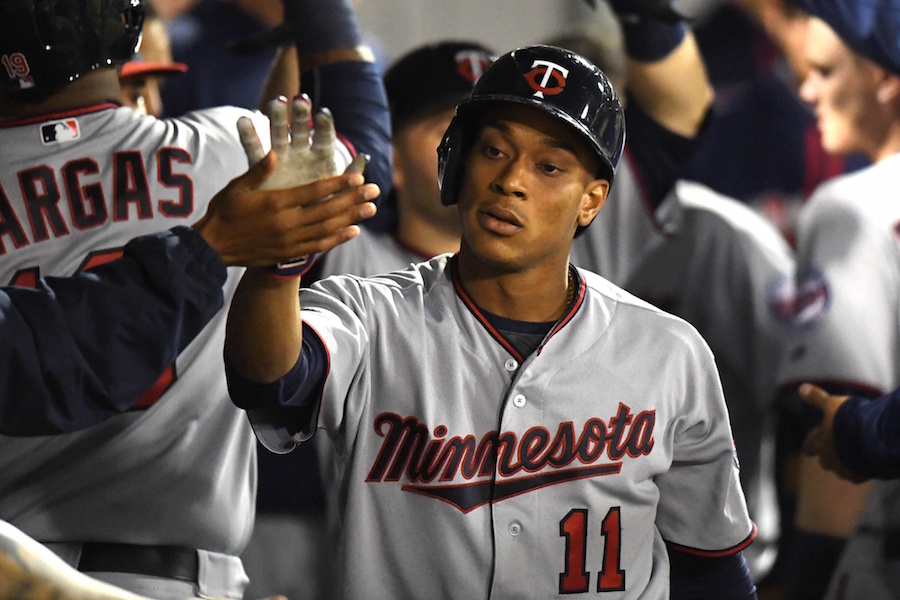 Polanco has been a longtime star in Minnesota's system. He has been among the Top 10 on Twins Daily's top prospect list each of the past three years, performing well at each level of the minors. In 2014 he became the youngest Twin to debut in the majors since Joe Mauer a decade before. And this year, in his first prolonged taste of the big leagues, he put up very strong numbers and looked every bit the part of an everyday MLB player. But the problem now, as it has been for the past few seasons, is that there's no obvious full-time opening for the 23-year-old switch-hitter. And while patience has been an affordable luxury in the past, that is no longer the case. Polanco will be out of options in 2017, meaning that the Twins will need to keep him on the roster out of spring training or lose him. That reality will weigh heavily as they lay things out for next season. As I see it, the Twins have five different routes they can take with Polanco. Let's run through the merits of each: 1. Starting Shortstop For a few reasons, this would appear to be the most likely outcome. First, because the Twins don't really have another strong candidate for the position. Eduardo Escobar is the only alternative and he had a tough year that ended on an extremely sour note (.384 OPS in September). Second, because Polanco was Paul Molitor's exclusive starter at shortstop in the final six weeks of the season. That would seem to set the stage for a full-time assignment going forward. However, there's a problem here, and it's a big one. Polanco is not a good defender at shortstop. The organization had essentially given up on playing him there in the minors before he was called up. Defensive metrics rate him very poorly at the position. Even Molitor, the manager who wrote his name in at shortstop daily in the final stretch of the campaign, would only say that Polanco "handled it fairly well" and was "not going to get an 'A' grade." The Twins need to vastly improve in terms of run prevention, and defense is a big part of that. Outside of catcher, shortstop is arguably the most important position on the field. In my opinion, rolling with a subpar glove like Polanco is simply not an option. 2. Starting Second Baseman I think everyone can agree that this is Polanco's best position. It minimizes his primary weakness (his arm) and allows his strengths to shine. It's where he spent all of his time in the Dominican Winter League last year and in Rochester this year before joining the Twins for good. Of course, he happens to be blocked at this position by Minnesota's best player. As long as Brian Dozier is on the roster, second base is off limits. I do think the possibility of a Dozier trade is reasonably strong, so Polanco could still end up here. But as things stand, it's not an option. 3. Starting Third Baseman Sort of an intriguing possibility. If the Twins want to move on from Trevor Plouffe and his expensive 2017 commitment but aren't ready to entrust Miguel Sano with the position following a very shaky defensive showing this year, Polanco could be a solution. He didn't look especially good in his nine starts at the hot corner this year, but could improve if it is his focus heading into the offseason and spring training. However, the downsides here are clear. His arm might play a little better at third than short, but still would hardly be an asset. And while his bat stands out at a middle infield spot, that's less true at an offense-driven corner position. This year, American League third basemen posted the highest OPS of any position other than DH. 4. Backup or Utility Man This idea has its appeal. In a utility role, Polanco would be able to fill in a few times per week around the diamond, and would be an excellent fallback if (when?) one of the starters fizzled or got hurt. With his ability to swing from both sides and his solid speed, he would be a handy piece of have on the bench. Yet, it feels like a bit of a waste. It's also not especially fair to the player. Polanco has shown enough during his time in the majors to justify an everyday role. He's still in a developmental stage and that could be hindered by a lack of regular playing time. 5. Trade Him I really wonder if this is what they are leaning toward. In the latter part of the season, Polanco was constantly playing shortstop and frequently batting third in the order. Does the team really view him as that caliber of player, or were they simply showcasing him for the rest of the league? Everyone knows Polanco would be fine at second, but now teams have plenty of film to evaluate and make their own judgments about his proclivity at short. The Twins know that if they want to acquire impact talent via trade, it might mean giving up some of their own coveted young players. Polanco is among the only ones among that group that could really be viewed as expendable. What it comes down to is how much the rest of the execs around the league value Polanco. It doesn't make sense to give up a young, controllable middle infielder who has proven his capabilities at the major-league level unless you're getting a significant haul in return. Given that Polanco has a well-rounded yet unspectacular skill set, I do wonder if a sufficient offer is going to come. What would be your plan for Polanco this offseason?
 -
In attempting to re-tool and improve a catastrophic pitching staff, the Twins and their new Chief Baseball Officer Derek Falvey will need to explore every avenue. Here are a few worth looking into.When we release our annual Offseason Handbook in about a month (pre-order details coming soon!), it will lay out a multitude of roster construction options, as always. Which ones make the most sense? Obviously the Twins aren't at a point where it would be logical to go all in on an established ace or bullpen star through free agency or trades, so instead, the Twins must focus on upside and value. Here are a few approaches I would like to see from Falvey and the restructured front office. Gamble on high-upside free agents The Twins have plenty invested in mid-level free agent talent. They already have enough long-term commitments on the books with aging arms. Since the pitching really can't get any worse, though, they don't need to worry about the downside of a boom-or-bust arm in free agency. There are a few such names out there. You'll find all of them in the Handbook but a few that stand out are starters such as Brett Anderson and Derek Holland, as well as relievers like Greg Holland and Drew Storen. These players may prove too risky for some contenders, but could be lured to a rebuilding club by guaranteed contracts with incentives. Trade from areas of offensive depth Obvioulsy Brian Dozier's name is going to be at forefront of trade buzz surrounding the Twins this offseason. If the Twins are aiming to acquire a true frontline-caliber talent, they'll need to offer him up. However, if they are committed to keeping Dozier and building around him, they could set their sights a bit lower. They have enough outfield depth that they could afford to part with Eddie Rosario or even Max Kepler for the right return. Jorge Polanco might bring back a high-end pitching prospect. Perhaps even Kennys Vargas has intrigued a bat-needy team enough to bring back a youngster with some potential. In 2010, with Falvey serving as assistant director of baseball operations, the Indians identified a struggling Double-A pitcher in the Padres system named Corey Kluber. They acquired him as part of a three-team deal that involved them giving up veteran mediocrity Jake Westbrook. They ended up with a Cy Young winner. The Twins need a hit like that right now. Scour the international market These days, more and more top-tier talent is entering the pro ranks through international free agency rather than the draft. The Twins have brought in outstanding prospects like Miguel Sano, Jorge Polanco and Max Kepler through this avenue. Teenage infielder Wander Javier, signed to a $4 million bonus last July, is an example of their increasing aggressiveness on the Latino market. They have taken financials leaps of faith on established Japanese and Korean hitters like Tsuyoshi Nishioka and Byung Ho Park. But their international efforts when it comes to pitching have been far quieter, and less fruitful. Falvey should urge a stronger push for the most renowned arms across all foreign frontiers. One name to watch is Hector Mendoza, a Cuban righty who is reportedly preparing to pursue MLB free agency. The 22-year-old has worked as a reliever but Baseball America's Ben Badler has said he "has the attributes to be a starter and would certainly be in that role if he were in the United States," ranking Mendoza among Cuba's top prospects. Currently there aren't any premier names of the Masahiro Tanaka class to be lured from Japan or Korea, but with Dodgers rookie Kenta Maeda becoming the latest story of a successful transition from the Far East, this is a region that cannot be ignored. Find catchers that can help out Minnesota's pitchers were bad this year, no doubt, but they didn't get much assistance from their receivers. Kurt Suzuki, Juan Centeno and John Ryan Murphy all rated poorly in terms of pitch framing, let too many stoppable balls skip past them, and failed to adequately control the running game. With Suzuki set to depart, the Twins have stated that their top offseason priority is finding a new catcher. They have enough offensive quality throughout their lineup that they can afford to target glove-first players who deliver value primarily with their defense. Of particular interest to me is free agent Jason Castro, who developed a very strong reputation with the Astros. Pitch framing metrics rank him among the best, and he's even got a little pop with double-digit homers in four straight seasons. He batted just .210 this year while sharing time with Evan Gattis, so he might be rather affordable. Implement new training and strengthening techniques My curiosity about Falvey was piqued by reports of his championing innovative methods for strengthening pitchers and improving mechanics while in the Cleveland organization. I'd love to see him try out some new techniques and ideas here, because the present structure doesn't seem to be working. As I wrote last week, I also think there is a clear need for a more experienced pitching coach. At every step of the organization, pitching instruction and development should be critically reviewed. In particular, the Twins should examine the latest research and advancements on preserving shoulder health, because that has been a particularly problematic issue for their hurlers. What are some strategies you would utilize to turn around the pitching staff? Click here to view the article
-
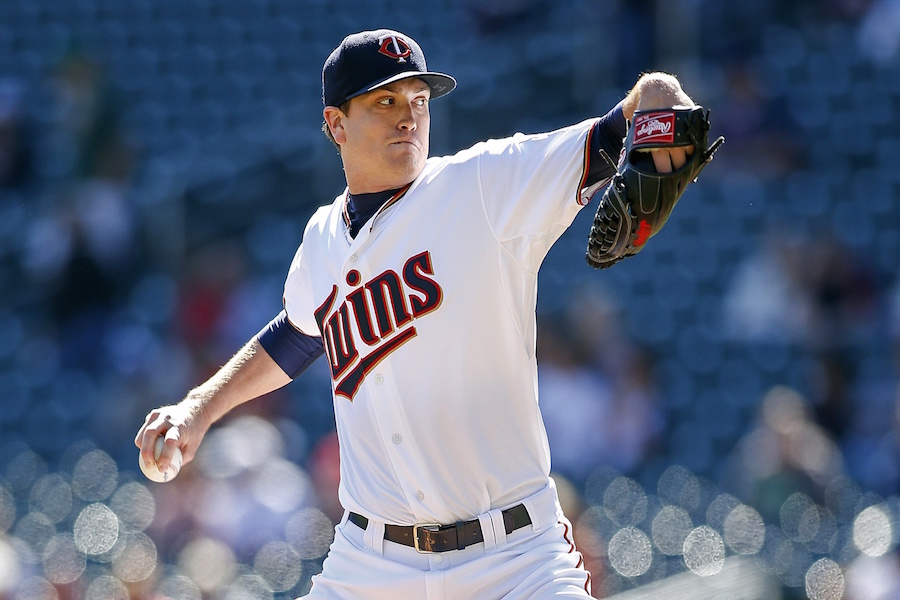 When we release our annual Offseason Handbook in about a month (pre-order details coming soon!), it will lay out a multitude of roster construction options, as always. Which ones make the most sense? Obviously the Twins aren't at a point where it would be logical to go all in on an established ace or bullpen star through free agency or trades, so instead, the Twins must focus on upside and value. Here are a few approaches I would like to see from Falvey and the restructured front office. Gamble on high-upside free agents The Twins have plenty invested in mid-level free agent talent. They already have enough long-term commitments on the books with aging arms. Since the pitching really can't get any worse, though, they don't need to worry about the downside of a boom-or-bust arm in free agency. There are a few such names out there. You'll find all of them in the Handbook but a few that stand out are starters such as Brett Anderson and Derek Holland, as well as relievers like Greg Holland and Drew Storen. These players may prove too risky for some contenders, but could be lured to a rebuilding club by guaranteed contracts with incentives. Trade from areas of offensive depth Obvioulsy Brian Dozier's name is going to be at forefront of trade buzz surrounding the Twins this offseason. If the Twins are aiming to acquire a true frontline-caliber talent, they'll need to offer him up. However, if they are committed to keeping Dozier and building around him, they could set their sights a bit lower. They have enough outfield depth that they could afford to part with Eddie Rosario or even Max Kepler for the right return. Jorge Polanco might bring back a high-end pitching prospect. Perhaps even Kennys Vargas has intrigued a bat-needy team enough to bring back a youngster with some potential. In 2010, with Falvey serving as assistant director of baseball operations, the Indians identified a struggling Double-A pitcher in the Padres system named Corey Kluber. They acquired him as part of a three-team deal that involved them giving up veteran mediocrity Jake Westbrook. They ended up with a Cy Young winner. The Twins need a hit like that right now. Scour the international market These days, more and more top-tier talent is entering the pro ranks through international free agency rather than the draft. The Twins have brought in outstanding prospects like Miguel Sano, Jorge Polanco and Max Kepler through this avenue. Teenage infielder Wander Javier, signed to a $4 million bonus last July, is an example of their increasing aggressiveness on the Latino market. They have taken financials leaps of faith on established Japanese and Korean hitters like Tsuyoshi Nishioka and Byung Ho Park. But their international efforts when it comes to pitching have been far quieter, and less fruitful. Falvey should urge a stronger push for the most renowned arms across all foreign frontiers. One name to watch is Hector Mendoza, a Cuban righty who is reportedly preparing to pursue MLB free agency. The 22-year-old has worked as a reliever but Baseball America's Ben Badler has said he "has the attributes to be a starter and would certainly be in that role if he were in the United States," ranking Mendoza among Cuba's top prospects. Currently there aren't any premier names of the Masahiro Tanaka class to be lured from Japan or Korea, but with Dodgers rookie Kenta Maeda becoming the latest story of a successful transition from the Far East, this is a region that cannot be ignored. Find catchers that can help out Minnesota's pitchers were bad this year, no doubt, but they didn't get much assistance from their receivers. Kurt Suzuki, Juan Centeno and John Ryan Murphy all rated poorly in terms of pitch framing, let too many stoppable balls skip past them, and failed to adequately control the running game. With Suzuki set to depart, the Twins have stated that their top offseason priority is finding a new catcher. They have enough offensive quality throughout their lineup that they can afford to target glove-first players who deliver value primarily with their defense. Of particular interest to me is free agent Jason Castro, who developed a very strong reputation with the Astros. Pitch framing metrics rank him among the best, and he's even got a little pop with double-digit homers in four straight seasons. He batted just .210 this year while sharing time with Evan Gattis, so he might be rather affordable. Implement new training and strengthening techniques My curiosity about Falvey was piqued by reports of his championing innovative methods for strengthening pitchers and improving mechanics while in the Cleveland organization. I'd love to see him try out some new techniques and ideas here, because the present structure doesn't seem to be working. As I wrote last week, I also think there is a clear need for a more experienced pitching coach. At every step of the organization, pitching instruction and development should be critically reviewed. In particular, the Twins should examine the latest research and advancements on preserving shoulder health, because that has been a particularly problematic issue for their hurlers. What are some strategies you would utilize to turn around the pitching staff?
 -
If the Twins had made the playoffs, or even come remotely close, Brian Dozier's name would be floating alongside Mookie Betts and Mike Trout in the American League MVP conversation. Instead, since the Twins were by far the worst team in baseball, he will be largely overlooked in national award discussions. Nevertheless, Dozier deserves recognition for a truly special campaign.In some ways, Dozier's 2016 season was a continuation of his established career trend. In both 2014 and 2015, the second baseman delivered scalding hot production in the early months that was offset somewhat by a frigidly cold stretch in the latter portion, leading to overall numbers that were impressive but short of spectacular. This season he flipped the script somewhat. First, because he reversed his pattern by starting slow and finishing strong. And second, because his hot streak was on another level from any we've seen from him -- or, really, anyone else. Over the final four months he hit 37 home runs with a .631 slugging percentage in 109 contests. Overall, Dozier finished his age-29 season with a .268/.340/.546 slash line to go along with 42 homers, 35 doubles, five triples, 104 runs scored, 99 RBI and 18 steals on 20 tries. Incredible numbers across the board. He also provided steady and occasionally outstanding defense at second base, although you'll be hard-pressed to find any metric that ranks him as one of the best. FanGraphs pegs his WAR at 6.0, tied for eighth-best in the American League. The next-highest qualifying Twins hitter was Joe Mauer, whose 1.0 mark ranked 66th. In other words, this wasn't exactly a tough decision. The prodigious power output was remarkable and rare. His 40 home runs as a second baseman were the most ever for an American Leaguer. In the past 50 years, only 27 other MLB players have surpassed 40 homers and 35 doubles in the same season. Only two others have also added five triples. In short, Dozier was an amazing source of self-manufactured offense. He put himself across the plate 42 times, and six times he was able to notch a run on the board before Minnesota's second batter came up to the plate in the first inning. When he wasn't completing the job himself, Dozier was constantly placing himself in scoring position with extra-base hits and steals, leading to a third straight 100-run season. That Dozier was able to singularly produce this much offense for a club that still managed to lose 103 games is a testament to the adage that baseball is a team game, and there's only so much one guy out of nine in the lineup can do. Hopefully next year his contributions will be more meaningful, if he's still here. In the meantime, let's just sit back and marvel at where his homer total ranks in Minnesota Twins history. Killer company, one might say. Most Home Runs in a Twins Season 49 - Killebrew, 1964 49 - Killebrew, 1969 48 - Killebrew, 1962 46 - Killebrew, 1961 45 - Killebrew, 1963 44 - Killebrew, 1967 42 - Dozier, 2016 41 - Killebrew, 1970 39 - Killebrew, 1966 35 - Allison, 1963 35 - Willingham, 2012 THE BALLOTS Here's how the voting for this one shook out on our seven-man panel. Obviously, not much dissent for the top choice: Seth Stohs – 1.) Brian Doizer, 2.) Ervin Santana 3.) Joe Mauer Parker Hageman – 1.) Brian Dozier, 2.) Ervin Santana, 3.) Joe Mauer Nick Nelson – 1.) Brian Dozier, 2.) Ervin Santana, 3.) Joe Mauer Jeremy Nygaard – 1.) Brian Dozier, 2.) Joe Mauer, 3.) Max Kepler Cody Christie – 1.) Brian Dozier, 2.) Ervin Santana, 3.) Joe Mauer Steve Lien – 1.) Brian Dozier, 2.) Miguel Sano, 3.) Ervin Santana Eric Pleiss – 1.) Brian Dozier, 2.) Ervin Santana, 3.) Miguel Sano POINTS Brian Dozier: 35 Ervin Santana: 21 Joe Mauer: 14 Miguel Sano: 12 Max Kepler: 8 Eduardo Nunez: 5 Robbie Grossman: 1 Kurt Suzuki: 1 Byron Buxton: 1 Other 2016 Twins Daily Award recipients: Most Improved: Brian Dozier Rookie of the Year- Max Kepler Best Pitcher: Ervin Santana Click here to view the article
-
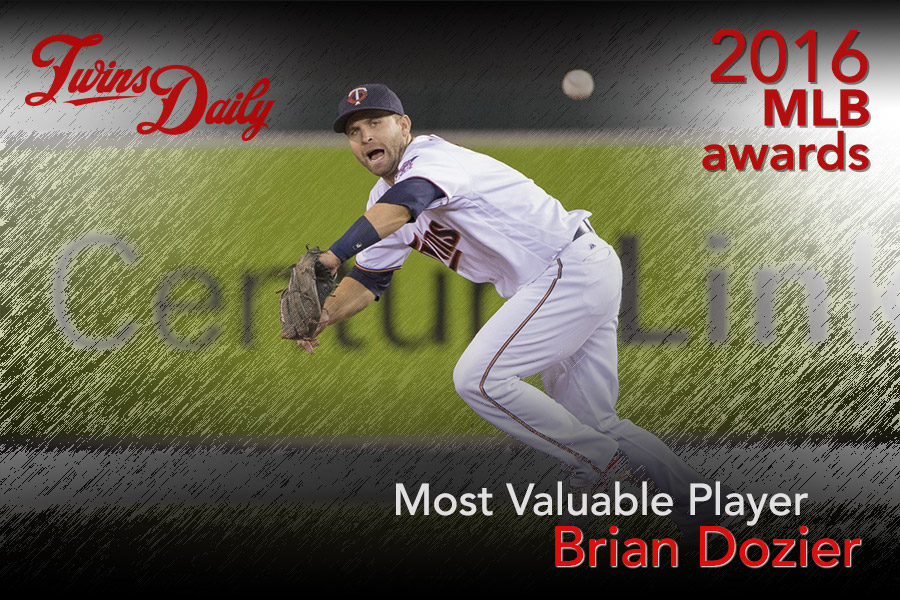 In some ways, Dozier's 2016 season was a continuation of his established career trend. In both 2014 and 2015, the second baseman delivered scalding hot production in the early months that was offset somewhat by a frigidly cold stretch in the latter portion, leading to overall numbers that were impressive but short of spectacular. This season he flipped the script somewhat. First, because he reversed his pattern by starting slow and finishing strong. And second, because his hot streak was on another level from any we've seen from him -- or, really, anyone else. Over the final four months he hit 37 home runs with a .631 slugging percentage in 109 contests. Overall, Dozier finished his age-29 season with a .268/.340/.546 slash line to go along with 42 homers, 35 doubles, five triples, 104 runs scored, 99 RBI and 18 steals on 20 tries. Incredible numbers across the board. He also provided steady and occasionally outstanding defense at second base, although you'll be hard-pressed to find any metric that ranks him as one of the best. FanGraphs pegs his WAR at 6.0, tied for eighth-best in the American League. The next-highest qualifying Twins hitter was Joe Mauer, whose 1.0 mark ranked 66th. In other words, this wasn't exactly a tough decision. The prodigious power output was remarkable and rare. His 40 home runs as a second baseman were the most ever for an American Leaguer. In the past 50 years, only 27 other MLB players have surpassed 40 homers and 35 doubles in the same season. Only two others have also added five triples. In short, Dozier was an amazing source of self-manufactured offense. He put himself across the plate 42 times, and six times he was able to notch a run on the board before Minnesota's second batter came up to the plate in the first inning. When he wasn't completing the job himself, Dozier was constantly placing himself in scoring position with extra-base hits and steals, leading to a third straight 100-run season. That Dozier was able to singularly produce this much offense for a club that still managed to lose 103 games is a testament to the adage that baseball is a team game, and there's only so much one guy out of nine in the lineup can do. Hopefully next year his contributions will be more meaningful, if he's still here. In the meantime, let's just sit back and marvel at where his homer total ranks in Minnesota Twins history. Killer company, one might say. Most Home Runs in a Twins Season 49 - Killebrew, 1964 49 - Killebrew, 1969 48 - Killebrew, 1962 46 - Killebrew, 1961 45 - Killebrew, 1963 44 - Killebrew, 1967 42 - Dozier, 2016 41 - Killebrew, 1970 39 - Killebrew, 1966 35 - Allison, 1963 35 - Willingham, 2012 THE BALLOTS Here's how the voting for this one shook out on our seven-man panel. Obviously, not much dissent for the top choice: Seth Stohs – 1.) Brian Doizer, 2.) Ervin Santana 3.) Joe Mauer Parker Hageman – 1.) Brian Dozier, 2.) Ervin Santana, 3.) Joe Mauer Nick Nelson – 1.) Brian Dozier, 2.) Ervin Santana, 3.) Joe Mauer Jeremy Nygaard – 1.) Brian Dozier, 2.) Joe Mauer, 3.) Max Kepler Cody Christie – 1.) Brian Dozier, 2.) Ervin Santana, 3.) Joe Mauer Steve Lien – 1.) Brian Dozier, 2.) Miguel Sano, 3.) Ervin Santana Eric Pleiss – 1.) Brian Dozier, 2.) Ervin Santana, 3.) Miguel Sano POINTS Brian Dozier: 35 Ervin Santana: 21 Joe Mauer: 14 Miguel Sano: 12 Max Kepler: 8 Eduardo Nunez: 5 Robbie Grossman: 1 Kurt Suzuki: 1 Byron Buxton: 1 Other 2016 Twins Daily Award recipients: Most Improved: Brian Dozier Rookie of the Year- Max Kepler Best Pitcher: Ervin Santana
 -
The Twins have made it clear that they intend to keep manager Paul Molitor around for one more try after leading his team to a record 103 losses. His coaching staff, however, may not be so safe. Neil Allen, in particular, looks like an obvious candidate for replacement.I'm generally not one to buy into the oft-exaggerated impact of pitching and hitting coaches, nor one to advocate for someone's dismissal after such a short time on his position. But the Twins took a gamble when they hired Allen two years ago, giving their rookie manager a pitching coach with no major-league experience, and it sure looks like they got it wrong. Each hurler is responsible for his own performance, of course, but the constant team-wide pitching struggles this year were striking. One after another, players marched to the mound with seemingly no plan. Effective adjustments were rarely seen. In particular, younger pitchers appeared totally unequipped for the task of retiring big-league hitters. Tyler Duffey posted the third-worst ERA ever for a Twin with 25-plus starts. Jose Berrios pitched past the fifth inning only three times in 14 tries. These guys far are more capable than their inflated numbers show, and the same can be said for too many members of Minnesota's staff. Kyle Gibson's WHIP would've ranked as second-worst in the majors if he qualified, after he was the best starter on the 2015 staff. Ricky Nolasco went to the Angels at the deadline and posted a 3.21 ERA over 11 starts thereafter, directly crediting his new pitching coach for his improvement. Alex Meyer, similarly, has looked vastly better since switching clubs. Allen came in with a reputation for expertise with teaching the changeup. No Twins pitcher has noticeably improved that pitch. He was purported to have a bulldog mentality, and spoke about the importance of throwing inside and backing hitters off the plate. His pitchers evidently didn't internalize such a mentality, because they were continually out over the plate, and allowed the second-most home runs in franchise history. I don't really hold Allen's suspension, stemming from a DWI charge in late May, against him. People make mistakes and he handled it the right way. It doesn't help his case that he was gone for six weeks in the middle of the season, but what's more problematic is that there was no evidence of positive influence when he was on the job. The tasks looming ahead of the Twins, when it comes to turning around this historically bad pitching unit, are immense. Helping Berrios find the strike zone is the highest priority. Once top prospect Stephen Gonsalves graduates he may face the same challenge. Getting Duffey and Gibson back on track is vital. When Phil Hughes and Glen Perkins return from shoulder surgery rehab, they will need significant guidance because they may be forced to reinvent themselves in order to succeed. And the bullpen is filled with projects. It's tough to believe that Allen is the one to take on these critical imperatives. Whatever his methods, they aren't resonating and too many pitchers are underperforming. One of the primary objectives for Derek Falvey in his first offseason at the helm will be to identify a replacement pitching coach. I believe he would be wise to seek someone with more experience, and a track record of helping pitchers figure it out in the big leagues. A complete roster overhaul is not realistic so the Twins need to find someone who can get more out of the existing assets. It goes without saying that the results this year were beyond unacceptable. Click here to view the article
- 43 replies
-
- 2
-

-
- neil allen
- tyler duffey
- (and 1 more)
-
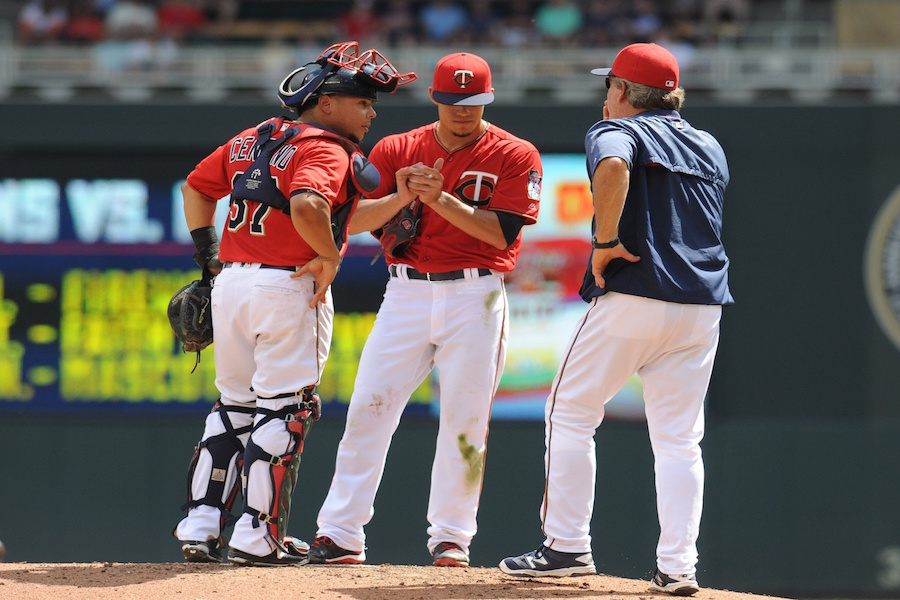 I'm generally not one to buy into the oft-exaggerated impact of pitching and hitting coaches, nor one to advocate for someone's dismissal after such a short time on his position. But the Twins took a gamble when they hired Allen two years ago, giving their rookie manager a pitching coach with no major-league experience, and it sure looks like they got it wrong. Each hurler is responsible for his own performance, of course, but the constant team-wide pitching struggles this year were striking. One after another, players marched to the mound with seemingly no plan. Effective adjustments were rarely seen. In particular, younger pitchers appeared totally unequipped for the task of retiring big-league hitters. Tyler Duffey posted the third-worst ERA ever for a Twin with 25-plus starts. Jose Berrios pitched past the fifth inning only three times in 14 tries. These guys far are more capable than their inflated numbers show, and the same can be said for too many members of Minnesota's staff. Kyle Gibson's WHIP would've ranked as second-worst in the majors if he qualified, after he was the best starter on the 2015 staff. Ricky Nolasco went to the Angels at the deadline and posted a 3.21 ERA over 11 starts thereafter, directly crediting his new pitching coach for his improvement. Alex Meyer, similarly, has looked vastly better since switching clubs. Allen came in with a reputation for expertise with teaching the changeup. No Twins pitcher has noticeably improved that pitch. He was purported to have a bulldog mentality, and spoke about the importance of throwing inside and backing hitters off the plate. His pitchers evidently didn't internalize such a mentality, because they were continually out over the plate, and allowed the second-most home runs in franchise history. I don't really hold Allen's suspension, stemming from a DWI charge in late May, against him. People make mistakes and he handled it the right way. It doesn't help his case that he was gone for six weeks in the middle of the season, but what's more problematic is that there was no evidence of positive influence when he was on the job. The tasks looming ahead of the Twins, when it comes to turning around this historically bad pitching unit, are immense. Helping Berrios find the strike zone is the highest priority. Once top prospect Stephen Gonsalves graduates he may face the same challenge. Getting Duffey and Gibson back on track is vital. When Phil Hughes and Glen Perkins return from shoulder surgery rehab, they will need significant guidance because they may be forced to reinvent themselves in order to succeed. And the bullpen is filled with projects. It's tough to believe that Allen is the one to take on these critical imperatives. Whatever his methods, they aren't resonating and too many pitchers are underperforming. One of the primary objectives for Derek Falvey in his first offseason at the helm will be to identify a replacement pitching coach. I believe he would be wise to seek someone with more experience, and a track record of helping pitchers figure it out in the big leagues. A complete roster overhaul is not realistic so the Twins need to find someone who can get more out of the existing assets. It goes without saying that the results this year were beyond unacceptable.
 -
We don't know exactly when the official announcement will come, but at this point we do know that Derek Falvey is going to be appointed as the new President of Baseball Operations for the Minnesota Twins. What information can we gather about the 33-year-old Cleveland Indians assistant general manager?Falvey is a bit enigmatic. Information about him online is scarce, owing to his lack of a high profile in the game. Up until the news of his selection emerged on Monday, his name barely popped up on a Google search. He doesn't even have a Wikipedia page. I mean, come on, even Aaron Gleeman has a Wikipedia page! However, this certainly isn't a random, out-of-nowhere hire for the Twins. There are plenty of signs that Falvey is a highly respected up-and-comer. Cleveland manager Terry Francona has called him a "rising star," praising his acumen and people skills while noting that he's a central figure in their operations. Jeff Passan, a national baseball columnist for Yahoo! Sports, noted a year ago that Falvey was "in the eyes of many, a future general manager." With the help of search firm Korn Ferry, Jim Pohlad and Dave St. Peter have settled upon an extremely intriguing candidate for this crucially important role. We'll learn much more about Falvey's philosophies and perspectives once he's formally introduced, and becomes accessible to the media, but for now here are a few things we can conclude about the new top dog for the Twins. He comes from an excellent front office culture. The Cleveland front office has been a hotbed for baseball executives. Former longtime general manager Mark Shapiro was hired on as Blue Jays team president last year. He brought along Ross Atkins, who worked under him for 15 years with the Indians, to be his GM. David Stearns, who once shared director of baseball operations duties with Falvey in Cleveland, went on to become assistant GM of the Astros and is now the youngest general manager in the game with Milwaukee. It's not hard to see why teams are repeatedly tapping into Cleveland's executive pipeline when filling their own vacancies. This is a reputable franchise with an excellent track record. We all know about the reign of dominance in the late-90s, when they won the division five straight times and went to the World Series twice. But even since then, the Indians have consistently fielded competitive squads. In 17 years since the turn of the century, Cleveland has won 80-plus games 11 times and reached the postseason four times, including 2007 when they came within a game of another World Series appearance. Over the last decade, they have boasted three different Cy Young winners (CC Sabathia, Cliff Lee, Corey Kluber). They have done all this while regularly ranking in the bottom third of the league in payroll. The organization's recent ascent has been particularly impressive. After bottoming out with four consecutive sub-.500 finishes from 2009 through 2012, they have bounced back strong. They're wrapping up their fourth straight winning season and are heading to the playoffs with an elite (albeit injury-riddled) pitching staff, along with a premier young star in Francisco Lindor, a Rookie of the Year front-runner in Tyler Naquin and two 34-homer sluggers. They've accomplished all of this with virtually no contribution from hobbled Michael Brantley, who's arguably their best position player. Falvey of course can't be credited with all this success, but he has held prominent administrative player development roles during their rebuilding process. He's an ambitious fast riser. Falvey joined the Indians organization as an intern back in 2007, and less than 10 years later he has risen to a chief executive position. That's insane. Within four years of joining the organization, he was already assistant director of baseball operations, and it didn't take him long to drop the "assistant" tag. After last season, he became assistant general manager, and less than 365 days later he takes a massive leap to the top position in a front office. It seems like Falvey was destined to reach this point eventually. The Twins savvily stepped in and grabbed him before anyone else could. The question is whether he's truly ready for everything his new title entails. He's analytically inclined. It probably goes without saying given his age and the era he came up in. But there are other indications that Falvey heavily factors analytics and advanced metrics. For instance, three years ago he was on a player development panel moderated by Rob Neyer at a SABR event. You can watch video of it below (helpfully dug up by TD user nytwinsfan): The fact that Falvey was participating in this panel to begin with is telling, since SABR is a well known beacon of statistical analysis. In fact, this particular event is called the "SABR Analytics Conference." Its objective is to "bring together the top minds in the baseball analytics community to discuss, debate and share insightful ways to analyze and examine the great game of baseball." During the Q&A session, Falvey comes off as very sharp and knowledgeable while fielding questions about defensive metrics, the scouting/analytics balance, developing power hitters, and many other subjects. He knows pitching. Falvey was a pitcher for Trinity College before graduating with an economics degree in 2005. He had a hand in many different aspects of Cleveland's operations, but arms were known to be his specialty. He is studious of mechanics and delivery. He oversaw an Indians pitching program that utilized many innovative methods such as weighted baseballs and high-tech pitching sleeves that transmit data via Bluetooth. For a Twins team in desperate need of pitching improvement, this may be the most alluring component of Falvey's résumé. He represents, basically, the most drastic change possible. Terry Ryan was the second oldest GM in the game. He was a minor-league pitcher in the mid-70s who went on to gain decades of experience as a scout and exec. While he made some efforts to adapt to new trends in the game (often too late), his mindset was forever old-school. Falvey now becomes baseball's second-youngest baseball ops chief. He never played in affiliated pro ball. He's a month older than Joe Mauer. Whatever attachment Ryan had to traditional conventions is not even a consideration in this case. Falvey is the definition of new-school. In that respect, he's exactly what many fans wanted. I'll admit that I had my doubts about Pohlad and St. Peter executing this search, especially with some of their early comments about the approach. But from many different perspectives, Falvey looks like a creative, thoughtful and above all fitting choice for the task at hand. Click here to view the article
-
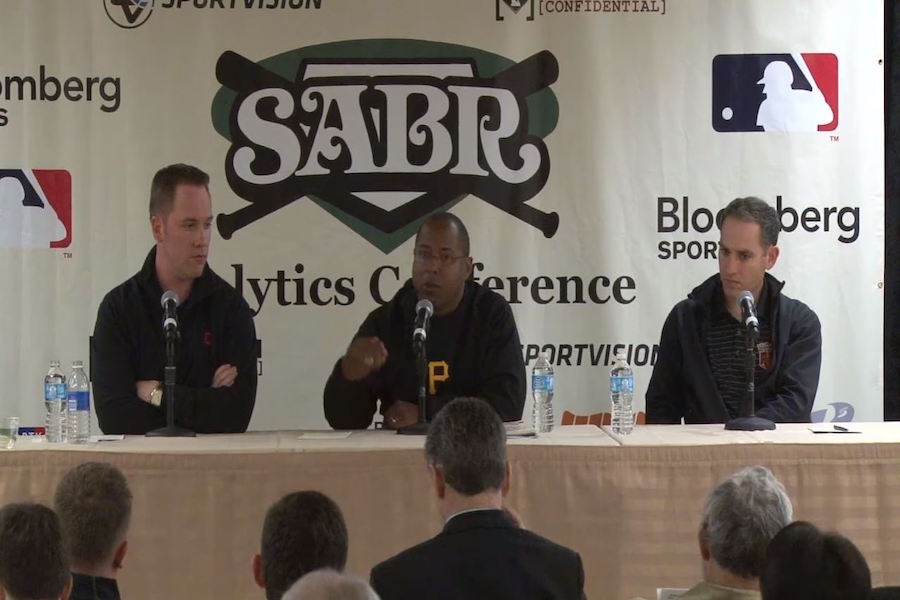 Falvey is a bit enigmatic. Information about him online is scarce, owing to his lack of a high profile in the game. Up until the news of his selection emerged on Monday, his name barely popped up on a Google search. He doesn't even have a Wikipedia page. I mean, come on, even Aaron Gleeman has a Wikipedia page! However, this certainly isn't a random, out-of-nowhere hire for the Twins. There are plenty of signs that Falvey is a highly respected up-and-comer. Cleveland manager Terry Francona has called him a "rising star," praising his acumen and people skills while noting that he's a central figure in their operations. Jeff Passan, a national baseball columnist for Yahoo! Sports, noted a year ago that Falvey was "in the eyes of many, a future general manager." With the help of search firm Korn Ferry, Jim Pohlad and Dave St. Peter have settled upon an extremely intriguing candidate for this crucially important role. We'll learn much more about Falvey's philosophies and perspectives once he's formally introduced, and becomes accessible to the media, but for now here are a few things we can conclude about the new top dog for the Twins. He comes from an excellent front office culture. The Cleveland front office has been a hotbed for baseball executives. Former longtime general manager Mark Shapiro was hired on as Blue Jays team president last year. He brought along Ross Atkins, who worked under him for 15 years with the Indians, to be his GM. David Stearns, who once shared director of baseball operations duties with Falvey in Cleveland, went on to become assistant GM of the Astros and is now the youngest general manager in the game with Milwaukee. It's not hard to see why teams are repeatedly tapping into Cleveland's executive pipeline when filling their own vacancies. This is a reputable franchise with an excellent track record. We all know about the reign of dominance in the late-90s, when they won the division five straight times and went to the World Series twice. But even since then, the Indians have consistently fielded competitive squads. In 17 years since the turn of the century, Cleveland has won 80-plus games 11 times and reached the postseason four times, including 2007 when they came within a game of another World Series appearance. Over the last decade, they have boasted three different Cy Young winners (CC Sabathia, Cliff Lee, Corey Kluber). They have done all this while regularly ranking in the bottom third of the league in payroll. The organization's recent ascent has been particularly impressive. After bottoming out with four consecutive sub-.500 finishes from 2009 through 2012, they have bounced back strong. They're wrapping up their fourth straight winning season and are heading to the playoffs with an elite (albeit injury-riddled) pitching staff, along with a premier young star in Francisco Lindor, a Rookie of the Year front-runner in Tyler Naquin and two 34-homer sluggers. They've accomplished all of this with virtually no contribution from hobbled Michael Brantley, who's arguably their best position player. Falvey of course can't be credited with all this success, but he has held prominent administrative player development roles during their rebuilding process. He's an ambitious fast riser. Falvey joined the Indians organization as an intern back in 2007, and less than 10 years later he has risen to a chief executive position. That's insane. Within four years of joining the organization, he was already assistant director of baseball operations, and it didn't take him long to drop the "assistant" tag. After last season, he became assistant general manager, and less than 365 days later he takes a massive leap to the top position in a front office. It seems like Falvey was destined to reach this point eventually. The Twins savvily stepped in and grabbed him before anyone else could. The question is whether he's truly ready for everything his new title entails. He's analytically inclined. It probably goes without saying given his age and the era he came up in. But there are other indications that Falvey heavily factors analytics and advanced metrics. For instance, three years ago he was on a player development panel moderated by Rob Neyer at a SABR event. You can watch video of it below (helpfully dug up by TD user nytwinsfan): The fact that Falvey was participating in this panel to begin with is telling, since SABR is a well known beacon of statistical analysis. In fact, this particular event is called the "SABR Analytics Conference." Its objective is to "bring together the top minds in the baseball analytics community to discuss, debate and share insightful ways to analyze and examine the great game of baseball." During the Q&A session, Falvey comes off as very sharp and knowledgeable while fielding questions about defensive metrics, the scouting/analytics balance, developing power hitters, and many other subjects. He knows pitching. Falvey was a pitcher for Trinity College before graduating with an economics degree in 2005. He had a hand in many different aspects of Cleveland's operations, but arms were known to be his specialty. He is studious of mechanics and delivery. He oversaw an Indians pitching program that utilized many innovative methods such as weighted baseballs and high-tech pitching sleeves that transmit data via Bluetooth. For a Twins team in desperate need of pitching improvement, this may be the most alluring component of Falvey's résumé. He represents, basically, the most drastic change possible. Terry Ryan was the second oldest GM in the game. He was a minor-league pitcher in the mid-70s who went on to gain decades of experience as a scout and exec. While he made some efforts to adapt to new trends in the game (often too late), his mindset was forever old-school. Falvey now becomes baseball's second-youngest baseball ops chief. He never played in affiliated pro ball. He's a month older than Joe Mauer. Whatever attachment Ryan had to traditional conventions is not even a consideration in this case. Falvey is the definition of new-school. In that respect, he's exactly what many fans wanted. I'll admit that I had my doubts about Pohlad and St. Peter executing this search, especially with some of their early comments about the approach. But from many different perspectives, Falvey looks like a creative, thoughtful and above all fitting choice for the task at hand.
 -
Here's the crazy thing to me. With this organization, and the way things have operated for the past few decades, it is hard to even conceptualize the idea of a 33-year-old outsider coming in with complete control and authority over the entire baseball operations department. That is such a far cry from the status quo that it really says something about the impression Falvey made upon them. I find it exciting. But still a bit tough to wrap my head around.
-
If they're not ready to make an official announcement, it only makes sense that this would be the word given to their official team beat guy.
-
Soon after dismissing longtime general manager Terry Ryan, the Minnesota Twins indicated that they'd be transitioning to a new front office structure, wherein the GM reports to a president of baseball operations. Several sources strongly indicate that their search for a new front office leader will soon lead to the hiring of Cleveland Indians assistant GM Derek Falvey.Falvey is known to be one of the finalists for the position. TD contributor Jeremy Nygaard tweeted on Sunday that he hears Falvey is the likely choice. Jeff Passan of Yahoo! Sports tweeted on Monday that Falvey is the "distinct favorite." Twins Daily has heard the same from sources within both the Twins and Indians organizations. With the end of the season less than a week away, an official announcement could come soon. UPDATE: Keith Law of ESPN.com has provided definitive confirmation: If Falvey is the guy, what would his hiring mean? Given the visionary nature of the position, his age and experience are noteworthy. He's only 33, and his highest rank has been assistant GM, which is current his job title with Cleveland. Before his promotion to that role a year ago, he was the organization's director of baseball operations for four seasons. Sound familiar? During his relatively short time in a major-league front office, Falvey has built a strong reputation. Passan noted in the past that the potential new Twins boss is "extremely well-regarded in (the) industry." Last summer, Passan wrote that Falvey "oversees the Indians’ whole pitching program." That program has produced a division winner this year, powered by a pitching staff ranked second in the American League in ERA. Given the Twins' desperate need to improve in run prevention, Falvey's area of expertise makes him a very logical candidate. While he would now oversee Minnesota's baseball operations, presumably there will be a collaborative decision-making approach within the front office. The Twins might borrow the same blueprint that the Indians put into place last year. At that point, they moved former general manager Chris Antonetti up to President of Baseball Ops while naming Mike Chernoff GM and Falvey his assistant. I wouldn't be surprised to see Minnesota employ a similar three-legged structure, and I also wouldn't be surprised if Rob Antony stayed on in one of those lesser roles so as to maintain some sense of continuity. If Falvey is pegged for the top spot, the next steps will be identifying the hierarchy beneath him. We should receive more details to that end in the coming days and weeks. Stay tuned to Twins Daily for updates. What would you think of this hire? Click here to view the article
-
 Falvey is known to be one of the finalists for the position. TD contributor Jeremy Nygaard tweeted on Sunday that he hears Falvey is the likely choice. Jeff Passan of Yahoo! Sports tweeted on Monday that Falvey is the "distinct favorite." Twins Daily has heard the same from sources within both the Twins and Indians organizations. With the end of the season less than a week away, an official announcement could come soon. UPDATE: Keith Law of ESPN.com has provided definitive confirmation: https://twitter.com/keithlaw/status/780429674497339393 If Falvey is the guy, what would his hiring mean? Given the visionary nature of the position, his age and experience are noteworthy. He's only 33, and his highest rank has been assistant GM, which is current his job title with Cleveland. Before his promotion to that role a year ago, he was the organization's director of baseball operations for four seasons. Sound familiar? During his relatively short time in a major-league front office, Falvey has built a strong reputation. Passan noted in the past that the potential new Twins boss is "extremely well-regarded in (the) industry." Last summer, Passan wrote that Falvey "oversees the Indians’ whole pitching program." That program has produced a division winner this year, powered by a pitching staff ranked second in the American League in ERA. Given the Twins' desperate need to improve in run prevention, Falvey's area of expertise makes him a very logical candidate. While he would now oversee Minnesota's baseball operations, presumably there will be a collaborative decision-making approach within the front office. The Twins might borrow the same blueprint that the Indians put into place last year. At that point, they moved former general manager Chris Antonetti up to President of Baseball Ops while naming Mike Chernoff GM and Falvey his assistant. I wouldn't be surprised to see Minnesota employ a similar three-legged structure, and I also wouldn't be surprised if Rob Antony stayed on in one of those lesser roles so as to maintain some sense of continuity. If Falvey is pegged for the top spot, the next steps will be identifying the hierarchy beneath him. We should receive more details to that end in the coming days and weeks. Stay tuned to Twins Daily for updates. What would you think of this hire?
 -
On Sunday, the Twins lost their 100th game. It's a milestone that had previously been reached six times in the franchise's 115-year history, and only once since the team came to Minnesota. With a week to go, this season has already set a new standard for Minnesota baseball futility in my lifetime. So how come I'm not feeling entirely discouraged?In charting the ascent of a prospect core entrusted with restoring the organization's winning culture, we knew there would be growing pains. Unfortunately, they've been a little more severe than expected. But rather than focusing on the pain, let's focus on the growth. Miguel Sano has endured a tough year, from a variety of perspectives. There were the position switches, the adjustments from opposing pitchers, the injuries afflicting his hamstring, elbow and back. Some of his troubles were self-inflicted, as Sano came under fire for his work ethic and his occasional antics on the field. But at the end of the day, through all of that, what you have in Sano is a 23-year-old who has posted a .797 OPS and hit 24 homers in his first full season as a big-leaguer. He'll head into the offseason knowing what he needs to do to take his game to the next level. And, at least according to him, he'll have greater resolve to do so. Similarly, it's easy to find positivity within the tumult of Byron Buxton's season. His makeup and mental fortitude were touted almost as much as his athleticism while prospect publications lavished praise during his rise through the minors. Both were on display while he stumbled repeatedly in his first several tries against major-league pitching. While striking out at a catastrophic rate and failing to find any kind of traction for much of the season, Buxton was undoubtedly frustrated but it never really showed. When demoted to the minors, twice, he didn't let his dejection affect his play or focus. Now, during his fifth major-league stint here in September, the light bulb has finally flipped on. Since his latest call-up Buxton is batting .288 and slugging .625. He shows renewed confidence at the plate. His defense, as ever, is game-changing in center field. He's finally playing like he belongs. If he sticks, his impact over a full season – both in terms of run scoring and prevention – can hardly be overstated. Hitters throughout the lineup are inspiring optimism. Max Kepler hit his 17th home run on Sunday, a tremendous rookie showing for a developing young hitter whose highest total in the minors was 10. Jorge Polanco is a middle infielder that can credibly be written in as the No. 3 hitter, and has been on numerous occasions. Eddie Rosario posted an .812 OPS after returning from his short trip to Rochester. Brian Dozier has emerged as one of the game's biggest stars. On the pitching side, obviously, things aren't so rosy. But I take solace in this fact: it can't get worse. It really can't. This team will come close to matching – and might still surpass – the Twins record for runs allowed set in 1996. That record was set with an atrocious pitching staff, at the height of the steroid era and its offensive inflation. Jose Berrios has taken a beating, no doubt. We haven't seen too many pitchers struggle this much in their introductions to the majors, let alone talents of his caliber. But he's also 22, and fueled by relentless motivation to improve. At this point, I'm more eager to see how he comes back next year than worried he'll never find the strike zone. The stuff is clearly there. The same can be said for J.T. Chargois, who has settled into a nice groove after initially getting roughed up. Over his last 10 appearances, the fireballer has allowed one run and three hits. It is evident that he's a cut above the rest of the erratic hard-throwers that have come through the Twins bullpen in recent years. While the staff has delivered hideous results this year, there is a lot more ability than the numbers would suggest. And the Twins have the luxury of carrying some interesting assets like Tyler Duffey and Trevor May, who appear ill-suited for their current roles but boast undeniable upside. Getting the most out of such assets has been a crippling failure for the club this season, but new leadership will be in place moving forward. Based on the rumblings, it sounds like we might have a name announced before the season ends next Sunday. Then, the focus will turn toward the future. It's a future that will include more mature and experienced versions of Buxton, Sano, Kepler, Berrios, Chargois and more. It's a future that will be overseen by a rearranged front office, which will have at its disposal a premier trade chip in Dozier, a top pitching prospect in Stephen Gonsalves, and the No. 1 pick in next June's draft. This 2016 season has been a hell of a speed bump, but it doesn't feel like much more than that. Plenty of signs still point to a quality product in the not-so-distant future. The bad taste in our mouths after this rotten campaign will only make the final destination that much sweeter. Click here to view the article
- 15 replies
-
- 2
-
-
- byron buxton
- miguel sano
- (and 3 more)
-
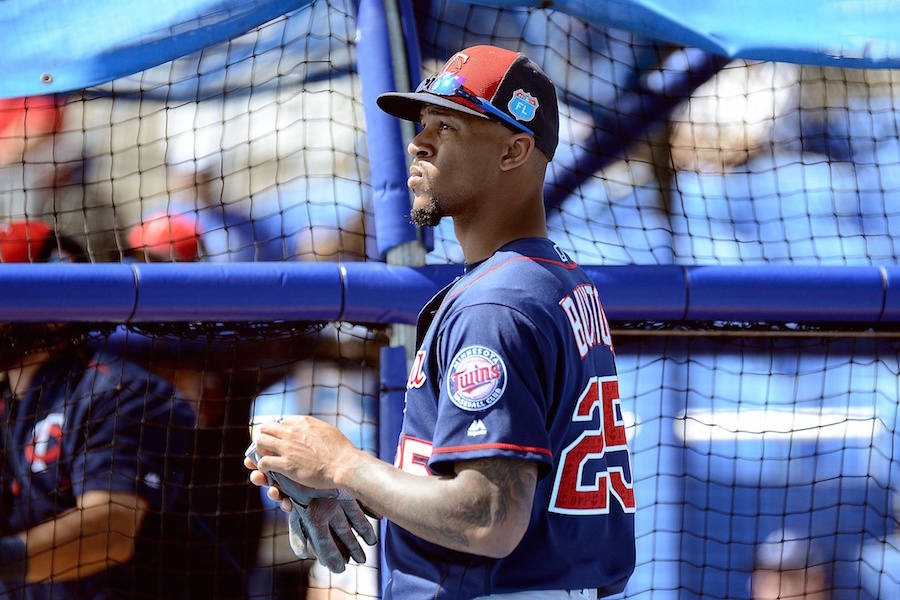 In charting the ascent of a prospect core entrusted with restoring the organization's winning culture, we knew there would be growing pains. Unfortunately, they've been a little more severe than expected. But rather than focusing on the pain, let's focus on the growth. Miguel Sano has endured a tough year, from a variety of perspectives. There were the position switches, the adjustments from opposing pitchers, the injuries afflicting his hamstring, elbow and back. Some of his troubles were self-inflicted, as Sano came under fire for his work ethic and his occasional antics on the field. But at the end of the day, through all of that, what you have in Sano is a 23-year-old who has posted a .797 OPS and hit 24 homers in his first full season as a big-leaguer. He'll head into the offseason knowing what he needs to do to take his game to the next level. And, at least according to him, he'll have greater resolve to do so. Similarly, it's easy to find positivity within the tumult of Byron Buxton's season. His makeup and mental fortitude were touted almost as much as his athleticism while prospect publications lavished praise during his rise through the minors. Both were on display while he stumbled repeatedly in his first several tries against major-league pitching. While striking out at a catastrophic rate and failing to find any kind of traction for much of the season, Buxton was undoubtedly frustrated but it never really showed. When demoted to the minors, twice, he didn't let his dejection affect his play or focus. Now, during his fifth major-league stint here in September, the light bulb has finally flipped on. Since his latest call-up Buxton is batting .288 and slugging .625. He shows renewed confidence at the plate. His defense, as ever, is game-changing in center field. He's finally playing like he belongs. If he sticks, his impact over a full season – both in terms of run scoring and prevention – can hardly be overstated. Hitters throughout the lineup are inspiring optimism. Max Kepler hit his 17th home run on Sunday, a tremendous rookie showing for a developing young hitter whose highest total in the minors was 10. Jorge Polanco is a middle infielder that can credibly be written in as the No. 3 hitter, and has been on numerous occasions. Eddie Rosario posted an .812 OPS after returning from his short trip to Rochester. Brian Dozier has emerged as one of the game's biggest stars. On the pitching side, obviously, things aren't so rosy. But I take solace in this fact: it can't get worse. It really can't. This team will come close to matching – and might still surpass – the Twins record for runs allowed set in 1996. That record was set with an atrocious pitching staff, at the height of the steroid era and its offensive inflation. Jose Berrios has taken a beating, no doubt. We haven't seen too many pitchers struggle this much in their introductions to the majors, let alone talents of his caliber. But he's also 22, and fueled by relentless motivation to improve. At this point, I'm more eager to see how he comes back next year than worried he'll never find the strike zone. The stuff is clearly there. The same can be said for J.T. Chargois, who has settled into a nice groove after initially getting roughed up. Over his last 10 appearances, the fireballer has allowed one run and three hits. It is evident that he's a cut above the rest of the erratic hard-throwers that have come through the Twins bullpen in recent years. While the staff has delivered hideous results this year, there is a lot more ability than the numbers would suggest. And the Twins have the luxury of carrying some interesting assets like Tyler Duffey and Trevor May, who appear ill-suited for their current roles but boast undeniable upside. Getting the most out of such assets has been a crippling failure for the club this season, but new leadership will be in place moving forward. Based on the rumblings, it sounds like we might have a name announced before the season ends next Sunday. Then, the focus will turn toward the future. It's a future that will include more mature and experienced versions of Buxton, Sano, Kepler, Berrios, Chargois and more. It's a future that will be overseen by a rearranged front office, which will have at its disposal a premier trade chip in Dozier, a top pitching prospect in Stephen Gonsalves, and the No. 1 pick in next June's draft. This 2016 season has been a hell of a speed bump, but it doesn't feel like much more than that. Plenty of signs still point to a quality product in the not-so-distant future. The bad taste in our mouths after this rotten campaign will only make the final destination that much sweeter.
 -
Article: What To Do With Michael Tonkin
Nick Nelson replied to Tom Froemming's topic in Twins Daily Front Page News
Being young, cheap and having been effective in brief cameos with the Twins the prior three seasons, it was an easy choice. You would think so. But based on what I heard when I was down there in March, the team was very close to letting him go. If they had kept Duffey in the rotation and sent Nolasco to the bullpen, as they were apparently planning until the last week, Tonkin would've been gone. I think you hit the nail on the head with the workload numbers. Tonkin has been a dominant closer in the minors and now he's been arbitrarily thrown into a long relief role, which is completely foreign to him. The change in usage takes a toll in individual appearances (as your stats illustrate) and even more so over time. He's clearly got nothing left at this point in the season and it's baffling that they even continue to use him. They'll let him go, and he'll join another team that uses him in the right way and turns him into a nice setup man. Painfully predictable. -
Article: Penciling A 2017 Starting Rotation
Nick Nelson replied to Nick Nelson's topic in Twins Daily Front Page News
That's a perfectly reasonable standpoint. But unfortunately what's done is done, and diving back into a ground-up rebuild at this point is illogical and unrealistic.- 254 replies
-
- 1
-
-
- kyle gibson
- jose berrios
- (and 2 more)
-
Article: Penciling A 2017 Starting Rotation
Nick Nelson replied to Nick Nelson's topic in Twins Daily Front Page News
Because you are arguing from the incredibly stubborn position that the Twins will be a 70-win team next year, there's really no point in continuing down this path with you. You and others may think it's the right approach to simply give up on 2017 before it starts but many others don't. And I can guarantee you with 100 percent confidence that the Twins will not be operating with that mindset. So these arguments are really, really pointless. I'm done wasting my time with it.- 254 replies
-
- 2
-
-
- kyle gibson
- jose berrios
- (and 2 more)
-
Article: Penciling A 2017 Starting Rotation
Nick Nelson replied to Nick Nelson's topic in Twins Daily Front Page News
Are you under the impression that a good exec has a 100% hit rate on prospect acquisitions, especially when trading a good-not-great asset like Ervin? I think you're going to be sorely disappointed by anyone they wind up with...- 254 replies
-
- 2
-
-
- kyle gibson
- jose berrios
- (and 2 more)
-
Article: Penciling A 2017 Starting Rotation
Nick Nelson replied to Nick Nelson's topic in Twins Daily Front Page News
I am honestly baffled that you're confused by this. Santana is the only starter on the team with an ERA+ above 83. Dozier is one good hitter among many in the lineup. -
Article: Penciling A 2017 Starting Rotation
Nick Nelson replied to Nick Nelson's topic in Twins Daily Front Page News
That's fine. I also didn't mention Gonsalves, Mejia, Hughes, May or any FA acquisitions/trade returns for Dozier etc. To act like they're doomed to anything approximating the same historically bad outcome as this year is nothing but blind pessimism. It boggles my mind that people are treating a statement like "people could pitch to their career norms" as some kind of fantasy scenario.- 254 replies
-
- 2
-
-
- kyle gibson
- jose berrios
- (and 2 more)
-
Article: Penciling A 2017 Starting Rotation
Nick Nelson replied to Nick Nelson's topic in Twins Daily Front Page News
If Santana, Gibson and Santiago perform up to their career norms, while Berrios pitches remotely well, it's not that difficult to envision this being a decent, albeit below average rotation. Especially if you shore up the defense and add a couple more upside arms. Not sure why that concept is so absurd to a few folks around here. No one is advocating going all-in on a World Series in 2017. But saying, "screw it we have no chance let's just get more prospects" is flat-out silly to me. All you're doing is giving up on the present and putting more faulty hope into the distant future on the basis of young pitching prospects, which are basically the most volatile asset in the game. I'm not OK with the idea of wasting years of these good young hitters' careers while not bothering to make an effort to compete. What happens if the prospects you get back for Santana and Dozier fail to pan? Start over? Another rebuild? Submit yourself to a 15-year swoon? No thanks.- 254 replies
-
- 4
-
-
- kyle gibson
- jose berrios
- (and 2 more)
-
Article: Penciling A 2017 Starting Rotation
Nick Nelson replied to Nick Nelson's topic in Twins Daily Front Page News
He literally said there is "no conceivable path" to a rotation capable of helping this team contend for a playoff spot. In what way was my response a straw man, Mike? -
Article: Penciling A 2017 Starting Rotation
Nick Nelson replied to Nick Nelson's topic in Twins Daily Front Page News
People were saying the same thing after the 2014 season, then they shaved off 80 runs and came within a few games of the playoffs. But yeah, totally impossible. Look, this is not a good pitching staff. But it's been flukishly bad. If the Twins had allowed the same number of runs as the 2nd-worst run prevention team (Texas) they would be a .500 team by Pythag W/L.- 254 replies
-
- 2
-
-
- kyle gibson
- jose berrios
- (and 2 more)
