



Nick Nelson
-
Posts
8,326 -
Joined
-
Last visited
-
Days Won
56
Content Type
Profiles
News
Minnesota Twins Videos
2026 Minnesota Twins Top Prospects Ranking
2022 Minnesota Twins Draft Picks
Minnesota Twins Free Agent & Trade Rumors, Notes, & Tidbits
Guides & Resources
2023 Minnesota Twins Draft Picks
The Minnesota Twins Players Project
2024 Minnesota Twins Draft Picks
2025 Minnesota Twins Draft Pick Tracker
2026 Minnesota Twins Draft Tracker: Picks & Bonuses
Forums
Blogs
Events
Store
Downloads
Gallery
Everything posted by Nick Nelson
-
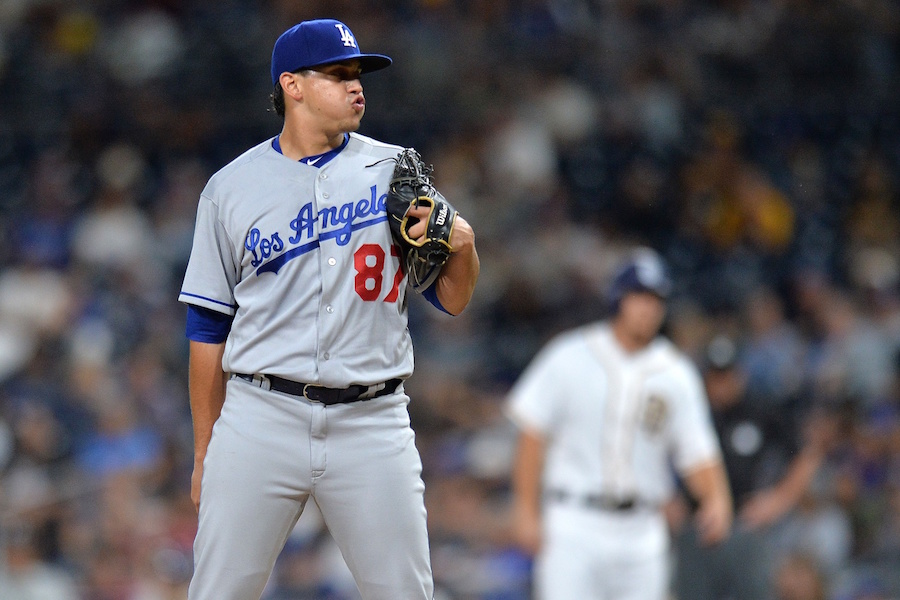 Now that kitchen stoves are cooling down after a long weekend of roasting and baking, baseball's Hot Stove is about to heat up. The Winter Meetings will get underway in Washington DC next week, and this is annually the most active period of the offseason. Last year, Terry Ryan and the front office struck unusually early, completing a trade for Yankees catcher John Ryan Murphy just 10 days after the conclusion of the World Series. But in 2012, the Denard Span deal went down on November 29th and Ben Revere was sent out a week later. Two years earlier, the regrettable JJ Hardy trade was announced on December 9th. With these precedents in mind, it's probably time to start honing our antennas for reports and tidbits relating to the Twins, and especially Brian Dozier. Unsurprisingly, the slugging second baseman's name has already been floating around in rumors. At the GM Meetings earlier this month, MLB Network's Jon Morosi reported that Dozier received interest from multiple teams. In the Offseason Handbook, we extensively examined Dozier's most likely trade suitors, focusing on three different clubs with a distinct need and the means to get something done. One of those teams is now likely out of the running. The Mets extended a qualifying offer to incumbent second baseman Neil Walker and he accepted it, so he'll be coming back on a one-year pact. Another team, the Pirates, could enter the bidding but I have seen no public reports indicating that has happened yet. It's the Los Angeles Dodgers that have been linked to the Twins and Dozier most substantially, and this comes as no surprise. They led off the "Dealing Dozier" section in the Handbook because they are clearly the most logical match. Why Dozier Makes Sense For The Dodgers Now that the Cubs have finally ended their infamous drought, you'd be hard pressed to find a club more desperate for a championship. The Dodgers fell just short of the World Series this year, and haven't appeared in the Fall Classic since 1988. They're bankrolling the highest payroll in baseball. Clayton Kershaw, the game's best pitcher, turns 29 next March and can opt out of his contract after the 2018 season. It's go-time, and Dozier represents exactly what LA needs. Howie Kendrick has been traded and Chase Utley is an aging free agent, leaving second wide open. Meanwhile, their best right-handed power hitter, third baseman Justin Turner, may land elsewhere as he explores the open market. For all of these reasons, the fit is unmistakable. There is also this wrinkle: facing a mandate to reduce debt, the Dodgers are apparently focused on cutting down spending significantly over the next couple of years. With his relatively affordable contract ($15 million through 2018), Dozier could carry added appeal. Why The Dodgers Make Sense For The Twins They are motivated buyers with some quality assets on hand. The Dodgers have reportedly had talks with the Tigers regarding Ian Kinsler, but Minnesota might be a preferable partner since they wouldn't require as much MLB-ready impact talent in return. Derek Falvey and Thad Levine are transparently taking a long-term view, which would enable them to justify flipping Dozier for prospects who are a bit further out. With that said, this trade can't happen without at least one player who is in the majors or extremely close. Who To Target In A Trade Mike Berardino (whose Twitter account has been a steady stream of Twins updates and notes, always appreciated during the slower stretches of winter), relayed a suggestion from an AL scout that Cody Bellinger might make sense as a centerpiece for a Dozier deal. The idea, evidently, is that the power-hitting prospect could eventually replace Joe Mauer at first base. Berardino has also dropped names like outfielder Yasiel Puig and shortstop Gavix Lux. They're intriguing possibilities. But, does it really make sense to build a Dozier return package around anything other than pitching? I would say no. In our Twins Daily offseason blueprint within the Handbook, one of the moves we suggested was trading Dozier to the Dodgers in exchange for a package featuring Jose De Leon. Presuming the Dodgers deem Julio Urias – who became the youngest pitcher ever to start a postseason game in October – untouchable, but De Leon is a worthy target. Like Jose Berrios, he is a Puerto Rican right-hander with a hard, spinning fastball and quality secondaries. Ideally, the two would form a potent young combo at the head of Minnesota's resurgent rotation. De Leon ranked 32nd on MLB.com's midseason top prospect update, and 25th per Baseball America. Berardino, for his part, opines that De Leon's shoulder inflammation scare this year presents too much risk. However, there is little reason to think those issues, which hindered his early-season workload and contributed to him totaling fewer than 100 innings, were still affecting him in any way by the latter portion of the summer, when De Leon was eviscerating Triple-A lineups prior to his first MLB call-up. Alas, finding a premium arm with zero health concerns might be impossible. If the Twins could strengthen their odds by adding a couple of other high-ceiling prospects to the mix, this move would seemingly be a no-brainer. But of course, it takes two to tango. So, just how motivated are the Dodgers? We might find out next week. Or even sooner.
 -
On Thursday, friends and families across the country will come together to give thanks for their blessings and express appreciation for one another. Here at Twins Daily, we wanted to get it started a day early by giving you all some serious props.As always, we are extremely grateful for everyone who swings by Twins Daily on a regular basis to read, comment and converse. This community wouldn't be what it is without you – especially those who contribute their own blogs and help moderate our message boards. You guys rock. But we're feeling an extra level of gratitude this year. Our latest Offseason Handbook was a smashing success, exceeding any expectations we had in mind. For the first time, we made the decision to offer this year's Handbook (our eighth iteration) for free with a donation option. It was a tough call, because so much time goes into researching, writing and designing the product, but ultimately we felt this model was more in line with our overarching vision. We don't want any barriers blocking people from accessing our content. In the past, we have considered but rejected the ideas of paid memberships and premium perks at Twins Daily for this very reason. So a donation-based system made more sense, even if it meant making less money. And it was an extremely reaffirming experience because so much generosity shined through. Thus far, more than 650 copies of the ebook have been downloaded, blowing away past totals. A huge number of people elected to contribute despite having no obligation to do so. Some really went above and beyond. That was truly awesome. Thank you. The goal for Twins Daily was always to create a destination for independent and community-driven news, analysis and conversation that could earn enough revenue to sustain and grow, while remaining completely free for readers. At times, this has proven very challenging. Online niche content can be quite difficult to monetize and frankly it doesn't help that the Twins have lost 90-plus games in four of the five years since we've launched. But you all continue to drive us forward, and your kind donations will help fuel our ongoing mission of pumping out Minnesota Twins content with a level of consistency, depth and quality that cannot be matched by any other outlet. Already you have probably seen some new features on the site, like the revamped Organization Chart and the new Free Agent Tracker. We hope to bolster these offerings while continually expanding our coverage. And we are really dang excited about that. Probably as excited as we have been at any time since we first rolled out this site. It's a reinvigorating time for Twins fans. A new regime is in place, and their first move was an aggressive strike on their top free agent target. They mean business, and so do we. Thank you, again, to everyone who has downloaded, donated and helped spread the word. We'd love to be your first stop for everything Minnesota Twins during this critical offseason and beyond. ~~~ If you haven't yet gotten your copy of the 2017 Offseason Handbook, you can still do so here, free if you please. The first step of our Twins Daily Offseason Blueprint, signing Jason Castro, has already played out. Get yours to see what else we suggested and to formulate your own plan. Click here to view the article
-
 As always, we are extremely grateful for everyone who swings by Twins Daily on a regular basis to read, comment and converse. This community wouldn't be what it is without you – especially those who contribute their own blogs and help moderate our message boards. You guys rock. But we're feeling an extra level of gratitude this year. Our latest Offseason Handbook was a smashing success, exceeding any expectations we had in mind. For the first time, we made the decision to offer this year's Handbook (our eighth iteration) for free with a donation option. It was a tough call, because so much time goes into researching, writing and designing the product, but ultimately we felt this model was more in line with our overarching vision. We don't want any barriers blocking people from accessing our content. In the past, we have considered but rejected the ideas of paid memberships and premium perks at Twins Daily for this very reason. So a donation-based system made more sense, even if it meant making less money. And it was an extremely reaffirming experience because so much generosity shined through. Thus far, more than 650 copies of the ebook have been downloaded, blowing away past totals. A huge number of people elected to contribute despite having no obligation to do so. Some really went above and beyond. That was truly awesome. Thank you. The goal for Twins Daily was always to create a destination for independent and community-driven news, analysis and conversation that could earn enough revenue to sustain and grow, while remaining completely free for readers. At times, this has proven very challenging. Online niche content can be quite difficult to monetize and frankly it doesn't help that the Twins have lost 90-plus games in four of the five years since we've launched. But you all continue to drive us forward, and your kind donations will help fuel our ongoing mission of pumping out Minnesota Twins content with a level of consistency, depth and quality that cannot be matched by any other outlet. Already you have probably seen some new features on the site, like the revamped Organization Chart and the new Free Agent Tracker. We hope to bolster these offerings while continually expanding our coverage. And we are really dang excited about that. Probably as excited as we have been at any time since we first rolled out this site. It's a reinvigorating time for Twins fans. A new regime is in place, and their first move was an aggressive strike on their top free agent target. They mean business, and so do we. Thank you, again, to everyone who has downloaded, donated and helped spread the word. We'd love to be your first stop for everything Minnesota Twins during this critical offseason and beyond. ~~~ If you haven't yet gotten your copy of the 2017 Offseason Handbook, you can still do so here, free if you please. The first step of our Twins Daily Offseason Blueprint, signing Jason Castro, has already played out. Get yours to see what else we suggested and to formulate your own plan.
 -

Article: Life After Plouffe
Nick Nelson replied to Nick Nelson's topic in Twins Daily Front Page News
He also had a 16% BB rate in Triple-A before coming up. I wouldn't be inclined to give up on a player with his patience and raw power combo, regardless of age. -
Article: Life After Plouffe
Nick Nelson replied to Nick Nelson's topic in Twins Daily Front Page News
Good call, I missed that. Updated the article thanks. -
"Don't get too attached to your favorite Twins" was the leading advice in Phil Miller's column for the Star Tribune late last week, his primary takeaway from an annual question-and-answer session between the front office and season ticket holders. It didn't take long for the warning to ring true.After speaking about "very difficult decisions" on Thursday, Derek Falvey and Thad Levine made their first one on Friday, announcing the release of Trevor Plouffe after a dozen years in the organization. Plouffe was a first-round draft pick out of high school back in 2004, and successfully turned himself into a quality power-hitting corner infielder in the majors. However, after emerging with a breakout 24-homer campaign in 2012, he never really improved. And so, facing a 2017 price tag that was going to approach $9 million, Minnesota's new braintrust elected to move on. Let's examine the fallout of this decision: Who's on Third? In their Q&A session Thursday, Levine foreshadowed the outrighting of Plouffe by stating that third base was "most logically" where Miguel Sano would end up. Now there is nothing standing in Sano's way, so it appears that he'll now have the chance to entrench himself at the hot corner. While others like Eduardo Escobar and Jorge Polanco could be in line for occasional starts, Sano is in all likelihood going to be the man at third base for the foreseeable future. He showed good flashes in his time there this year amidst a medley of errors. Hopefully with a full offseason to focus on honing his skills (and tightening up his physique), the cannon-armed Sano can fulfill his potential defensively at a position where he has spent most his time as a pro. Replacing a reliably solid commodity in Plouffe with a question mark like Sano does magnify the importance of having a strong glove to the right at shortstop. In my opinion, Polanco should not be an option. We'll see if Falvey and Levine agree. Dominoes in the Infield and Lineup With Sano presumably heading to third base while Joe Mauer remains at first, the designated hitter spot is open. Right now Kennys Vargas looks like the favorite to be penciled in as DH. Despite batting just .230 during his limited time with the Twins in 2017, he provided enough power and patience to be a quality producer. As a switch-hitting slugger who can frequently spell Mauer at first base, Vargas is a good fit in the lineup. With Byung Ho Park coming back from wrist surgery and looking to rebound, there will be healthy competition for the job. The Twins would be ill advised to give up on another talented power hitter after letting Adam Walker slip away to the Brewers last week. Speaking of power, the Twins are losing some with Plouffe, who could be counted on for 20 to 25 homers when healthy. But pop from the right side is already a strength in the Minnesota lineup with Sano and Brian Dozier (for now) in place. Between Vargas and Park, making up for the loss of Plouffe's thump shouldn't be an issue. Payroll Implications Shedding Plouffe's 2017 commitment provides the Twins with dramatically more financial flexibility. Wherever their spending cap lies, the front office now has considerably more room before reaching it. As you can see in the payroll breakdown below from the Offseason Handbook, releasing Plouffe will free up about $9 million. That would of course be helpful toward signing a free agent like Jason Castro, who has now received an offer from the Twins according to Darren Wolfson. Download attachment: payroll1.png With Plouffe out of the picture, the current estimated payroll stands at around $90 million, which is $15 million short of where they started in 2016. (Worth noting: it sounds like the Twins are viewing the $4 million they shipped to the Angels along with Ricky Nolasco as an expense toward next year, so the current figure may sit closer to $95 million.) What's Next for Plouffe? After accruing nearly 3,000 plate appearances as a Minnesota Twin, Plouffe is now a free agent. He shouldn't have a hard time finding work. The 30-year-old is a professional hitter who is streaky in spurts but extremely consistent overall. Everyone who has watched him during his time in Minnesota has seen Plouffe light it up during red-hot slugging streaks (most memorably a power surge in 2012 that saw him blast 18 homers in 40 games) and flounder during prolonged slumps. But year after year, he ends up within shouting distance of his lifetime .727 OPS. Even this season, while injuries forced him to miss nearly half the games and nagged him on the field, he finished with rate stats that were essentially identical to his career averages. Plouffe made 13 of his 80 starts at first base this year and looked very capable, helping his case as a versatile piece. Plenty of teams are seeking help at corner infield spots and would welcome some extra power in the lineup. His career .809 OPS could appeal to those seeking platoon assets. Coming off an injury-riddled campaign, it's highly unlikely that the veteran infielder will receive a salary exceeding $8 million, as he would have through arbitration, but he might be able to land a multi-year deal given his age and track record. What's Next for the Twins? Plouffe was one of six arbitration-eligible Twins players, leaving five more that the team must make decisions on: Hector Santiago, Kyle Gibson, Brandon Kintzler, Ryan Pressly and Eduardo Escobar. At this point it seems safe to say the front office is planning on keeping all of those players, because otherwise they would have likely cleared out their spaces on the 40-man roster. The non-tender deadline is a week from Friday, so Falvey and Co. have until then to make those final judgments. For now, we at Twins Daily bid a fond farewell to Plouffe, who we've enjoyed watching in a Twins uniform for the last seven years. Share your favorite memories of Plouffe, as well as thoughts on the decision and where he might end up, in the comments. Click here to view the article
-
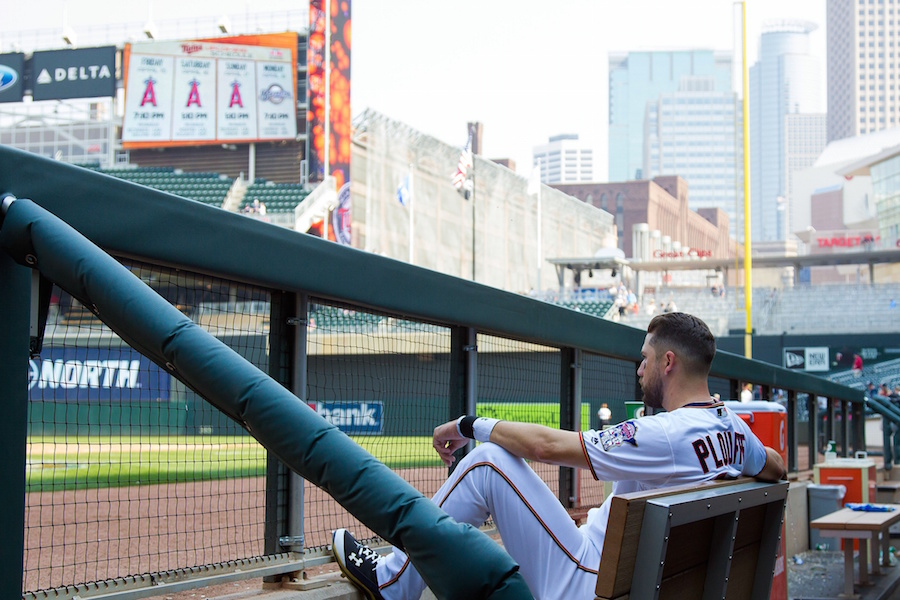 After speaking about "very difficult decisions" on Thursday, Derek Falvey and Thad Levine made their first one on Friday, announcing the release of Trevor Plouffe after a dozen years in the organization. Plouffe was a first-round draft pick out of high school back in 2004, and successfully turned himself into a quality power-hitting corner infielder in the majors. However, after emerging with a breakout 24-homer campaign in 2012, he never really improved. And so, facing a 2017 price tag that was going to approach $9 million, Minnesota's new braintrust elected to move on. Let's examine the fallout of this decision: Who's on Third? In their Q&A session Thursday, Levine foreshadowed the outrighting of Plouffe by stating that third base was "most logically" where Miguel Sano would end up. Now there is nothing standing in Sano's way, so it appears that he'll now have the chance to entrench himself at the hot corner. While others like Eduardo Escobar and Jorge Polanco could be in line for occasional starts, Sano is in all likelihood going to be the man at third base for the foreseeable future. He showed good flashes in his time there this year amidst a medley of errors. Hopefully with a full offseason to focus on honing his skills (and tightening up his physique), the cannon-armed Sano can fulfill his potential defensively at a position where he has spent most his time as a pro. Replacing a reliably solid commodity in Plouffe with a question mark like Sano does magnify the importance of having a strong glove to the right at shortstop. In my opinion, Polanco should not be an option. We'll see if Falvey and Levine agree. Dominoes in the Infield and Lineup With Sano presumably heading to third base while Joe Mauer remains at first, the designated hitter spot is open. Right now Kennys Vargas looks like the favorite to be penciled in as DH. Despite batting just .230 during his limited time with the Twins in 2017, he provided enough power and patience to be a quality producer. As a switch-hitting slugger who can frequently spell Mauer at first base, Vargas is a good fit in the lineup. With Byung Ho Park coming back from wrist surgery and looking to rebound, there will be healthy competition for the job. The Twins would be ill advised to give up on another talented power hitter after letting Adam Walker slip away to the Brewers last week. Speaking of power, the Twins are losing some with Plouffe, who could be counted on for 20 to 25 homers when healthy. But pop from the right side is already a strength in the Minnesota lineup with Sano and Brian Dozier (for now) in place. Between Vargas and Park, making up for the loss of Plouffe's thump shouldn't be an issue. Payroll Implications Shedding Plouffe's 2017 commitment provides the Twins with dramatically more financial flexibility. Wherever their spending cap lies, the front office now has considerably more room before reaching it. As you can see in the payroll breakdown below from the Offseason Handbook, releasing Plouffe will free up about $9 million. That would of course be helpful toward signing a free agent like Jason Castro, who has now received an offer from the Twins according to Darren Wolfson. With Plouffe out of the picture, the current estimated payroll stands at around $90 million, which is $15 million short of where they started in 2016. (Worth noting: it sounds like the Twins are viewing the $4 million they shipped to the Angels along with Ricky Nolasco as an expense toward next year, so the current figure may sit closer to $95 million.) What's Next for Plouffe? After accruing nearly 3,000 plate appearances as a Minnesota Twin, Plouffe is now a free agent. He shouldn't have a hard time finding work. The 30-year-old is a professional hitter who is streaky in spurts but extremely consistent overall. Everyone who has watched him during his time in Minnesota has seen Plouffe light it up during red-hot slugging streaks (most memorably a power surge in 2012 that saw him blast 18 homers in 40 games) and flounder during prolonged slumps. But year after year, he ends up within shouting distance of his lifetime .727 OPS. Even this season, while injuries forced him to miss nearly half the games and nagged him on the field, he finished with rate stats that were essentially identical to his career averages. Plouffe made 13 of his 80 starts at first base this year and looked very capable, helping his case as a versatile piece. Plenty of teams are seeking help at corner infield spots and would welcome some extra power in the lineup. His career .809 OPS could appeal to those seeking platoon assets. Coming off an injury-riddled campaign, it's highly unlikely that the veteran infielder will receive a salary exceeding $8 million, as he would have through arbitration, but he might be able to land a multi-year deal given his age and track record. What's Next for the Twins? Plouffe was one of six arbitration-eligible Twins players, leaving five more that the team must make decisions on: Hector Santiago, Kyle Gibson, Brandon Kintzler, Ryan Pressly and Eduardo Escobar. At this point it seems safe to say the front office is planning on keeping all of those players, because otherwise they would have likely cleared out their spaces on the 40-man roster. The non-tender deadline is a week from Friday, so Falvey and Co. have until then to make those final judgments. For now, we at Twins Daily bid a fond farewell to Plouffe, who we've enjoyed watching in a Twins uniform for the last seven years. Share your favorite memories of Plouffe, as well as thoughts on the decision and where he might end up, in the comments.
 -
It's not an either/or. Is someone suggesting getting rid of any of those players in order to give Santana a shot on a minor-league deal?
-
This week was a blast from the past for Minnesota Twins fans, with a few recognizable names popping up in the news. Here's the rundown.* Determined or deluded? Whatever you want to call it, Johan Santana refuses to give up in his mission to pitch in the major leagues once again. The lefty will turn 38 next March, and hasn't thrown an MLB pitch since 2012, but is reportedly heading to Venezuela to showcase himself in winter ball, with hopes of landing a deal for 2017. Santana signed a minor-league deal with Baltimore in 2014 and another one with Toronto in 2015, but stalled out due to continuing setbacks and bad breaks, including a torn Achilles tendon in the summer of '14. He was still trying to make his way back this year but never emerged with any club. Pitchers who suffer multiple shoulder capsule tears, as Santana did with the Mets, have an incredibly poor prognosis as far as returning to the mound. Thus far, the two-time Cy Young winner is just another statistic. Given that he was never terribly dependent on velocity, it's conceivable he could work his way back as a crafty southpaw leaning on his signature changeup. If the Twins take a look at him this winter and see anything they like, there would be little risk in giving him a shot on a minor-league deal. Few teams could offer a more realistic path to a rotation spot, and of course there is the familiarity factor. * Ron Gardenhire is returning to the dugout. The Arizona Diamondbacks announced on Thursday that they were hiring the longtime Twins skipper to serve as bench coach on their reconstructed staff. Interestingly, he will work under new D-backs manager Torey Lovullo, who was runner-up to Paul Molitor as Gardenhire's replacement in Minnesota. A year ago, Gardy was offered the a bench coach position with the San Diego Padres after losing out to Andy Green for the top job. He declined it, and subsequently rejoined the Twins as a special assistant to general manager Terry Ryan. But now, the 59-year-old will lend his experience in assisting Lovullo, who has been around for a while but is taking on his first gig as a full-time big-league manager. I, personally, will be glad to see Gardenhire returning to a more visible role in the game. His quips and quotes are tough to beat. * If the Twins are serious about trying to land free agent catcher Jason Castro, the task might have gotten a little bit easier on Thursday. His former team, the Astros, completed a trade with the Yankees to acquire Brian McCann in exchange for prospects. Houston was among the clubs reported to have interest in signing Castro. That still leaves several others pursuing the veteran backstop. The Twins are believed to be one of them, although according to Darren Wolfson they still had not made a formal contract offer as of Wednesday. Click here to view the article
-
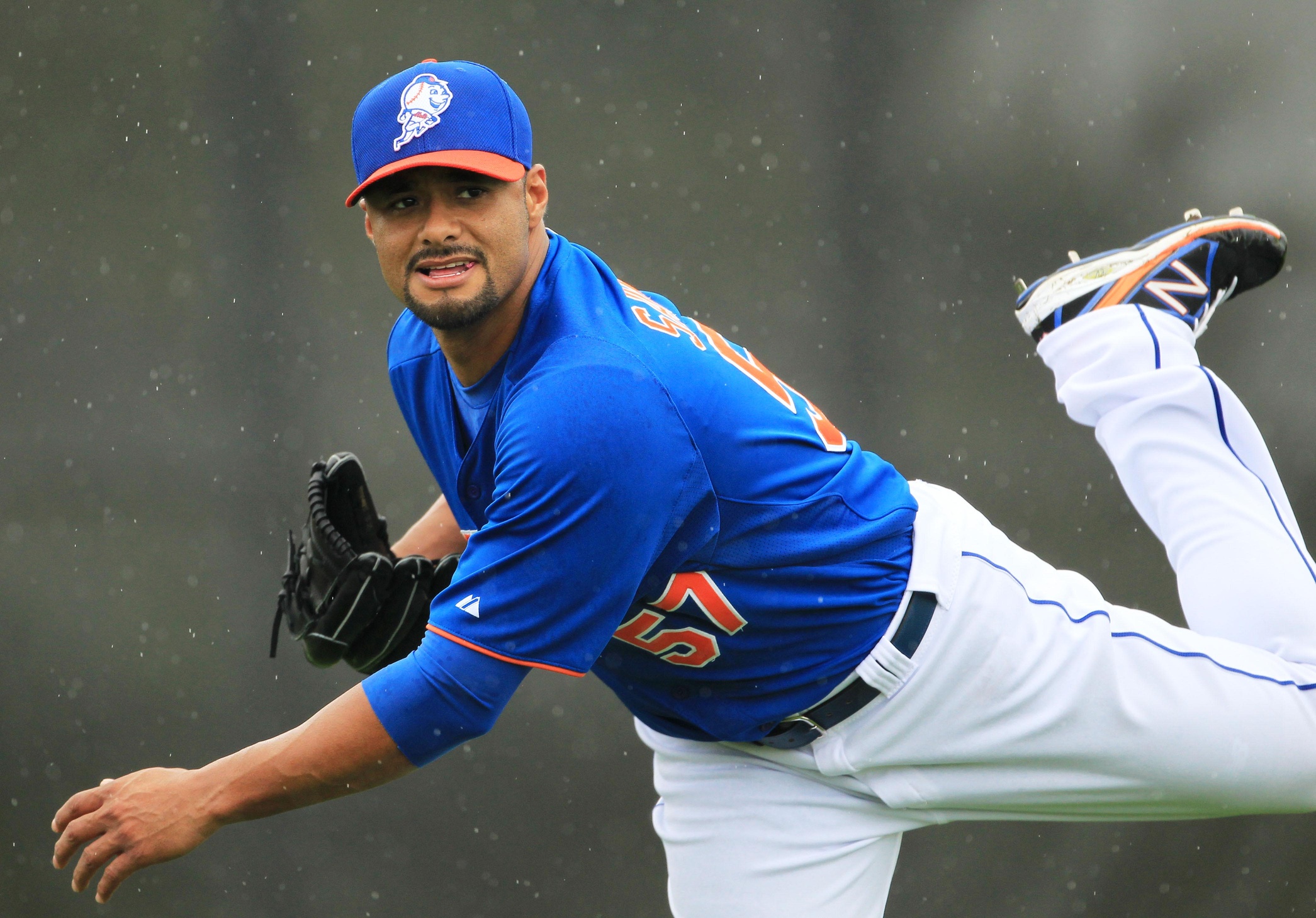 * Determined or deluded? Whatever you want to call it, Johan Santana refuses to give up in his mission to pitch in the major leagues once again. The lefty will turn 38 next March, and hasn't thrown an MLB pitch since 2012, but is reportedly heading to Venezuela to showcase himself in winter ball, with hopes of landing a deal for 2017. Santana signed a minor-league deal with Baltimore in 2014 and another one with Toronto in 2015, but stalled out due to continuing setbacks and bad breaks, including a torn Achilles tendon in the summer of '14. He was still trying to make his way back this year but never emerged with any club. Pitchers who suffer multiple shoulder capsule tears, as Santana did with the Mets, have an incredibly poor prognosis as far as returning to the mound. Thus far, the two-time Cy Young winner is just another statistic. Given that he was never terribly dependent on velocity, it's conceivable he could work his way back as a crafty southpaw leaning on his signature changeup. If the Twins take a look at him this winter and see anything they like, there would be little risk in giving him a shot on a minor-league deal. Few teams could offer a more realistic path to a rotation spot, and of course there is the familiarity factor. * Ron Gardenhire is returning to the dugout. The Arizona Diamondbacks announced on Thursday that they were hiring the longtime Twins skipper to serve as bench coach on their reconstructed staff. Interestingly, he will work under new D-backs manager Torey Lovullo, who was runner-up to Paul Molitor as Gardenhire's replacement in Minnesota. A year ago, Gardy was offered the a bench coach position with the San Diego Padres after losing out to Andy Green for the top job. He declined it, and subsequently rejoined the Twins as a special assistant to general manager Terry Ryan. But now, the 59-year-old will lend his experience in assisting Lovullo, who has been around for a while but is taking on his first gig as a full-time big-league manager. I, personally, will be glad to see Gardenhire returning to a more visible role in the game. His quips and quotes are tough to beat. * If the Twins are serious about trying to land free agent catcher Jason Castro, the task might have gotten a little bit easier on Thursday. His former team, the Astros, completed a trade with the Yankees to acquire Brian McCann in exchange for prospects. Houston was among the clubs reported to have interest in signing Castro. That still leaves several others pursuing the veteran backstop. The Twins are believed to be one of them, although according to Darren Wolfson they still had not made a formal contract offer as of Wednesday.
 -
I think they need to sign someone who can hold their own as a credible starter for a while, so Mathis doesn't work. If they enter next season with JRM or Garver as Option A from the get-go, I'd consider that a significant failure for the new regime,
-
Earlier this week, we analyzed the payroll implications of signing one of the top free agent catchers available. But if the Twins miss out on the most prized names and have to set their sights a bit lower, what kind of values might they find? Which names in the lower tier make the most sense?It sounds as though the Twins are legitimately interested in acquiring an impact starter at the position. They are known to have interest in Jason Castro, and it would be no surprise if they at least reached out to the reps of Wilson Ramos and Matt Wieters. However, even if they're very serious about going after these players, it may be a trivial pursuit. If the trio of Ramos, Wieters and Castro are all steadfastly interested in playing for contending teams, they'll probably have that opportunity. Plenty of quality teams have needs at catcher, and will be ready to pony up the required dollars to place a winning bid. This would leave the Twins – who undoubtedly need to at least add SOMEONE at catcher – in a position to peruse the remaining ranks. With this segment, Minnesota might actually be at a relative advantage. Established contenders wouldn't look at the majority of these players as candidates for regular playing time, but the Twins can afford to feed reps to a marginal talent while they try to turn around John Ryan Murphy and develop Mitch Garver. In our Offseason Handbook free agency rankings, the next name we have listed after the aforementioned top three is Kurt Suzuki. Of course, it is pretty well established at this point that both sides are ready to move on. Suzuki is also the only other player in the group who seems likely to receive a multi-year deal, so going with a lesser option would mean less risk and more future flexibility. If they're not going to be able to land a true difference-maker, then the Twins should focus on targets with upside who fit for particular reasons. With this in mind, here's a look at three names I would consider pursuing: Alex Avila Former Team: White Sox Age: 30 | B/T: L/R 2016 Stats: 57 G, .213/.359/.373, 7 HR, 11 RBI, 19 R Why He Makes Sense Avila batted only .213 this year but still got on base at an above-average clip. In 2015 his ugly .191 average came along with a respectable .339 OBP. This has been a consistent trend for the lefty-swinging backstop because he draws enough walks to keep getting on base even when his bat sags. His platoon splits make him a very logical complement to Murphy or Garver, who both swing from the right side. Why He Doesn't He has played only 124 games combined over the past two years due to injuries and uninspiring play. Opponents ran all over him this season, stealing 25 bases on 32 attempts in just 52 starts behind the plate. StatCorner ranked him as the 10th-worst pitch framer in baseball. And as arguably the best free agent catcher beyond Ramos, Wieters, Castro and Suzuki, he might be in for an overpay. Chris Iannetta Former Team: Mariners Age: 33 | B/T: R/R 2016 Stats: 94 G, .210/.303/.329, 7 HR, 24 RBI Why He Makes Sense If experience is a primary concern for the Twins – and it may be given the shortcomings of Murphy and Garver in that area – Iannetta looks like a logical and inexpensive plug. He has accrued more than 7,500 career innings behind the plate and is reputed to be a solid defender. He owns a .743 career OPS, which is 60 points higher than the average AL backstop posted this season. Why He Doesn't While his career numbers are fairly impressive, Iannetta hasn't hit much over the past two years, accumulating a .198/.298/.332 slash line with the Angels and Mariners. He might not have much left in the tank offensively and he is particularly rough against right-handed pitching. Geovany Soto Former Team: Angels Age: 34 | B/T: R/R 2016 Stats: 26 G, .269/.321/.487, 4 HR, 9 RBI Why He Makes Sense He's coming off another injury-riddled campaign, which has sadly become par for the course, but when Soto is on the field he hits. The former Rookie of the Year owns a .767 career OPS and has put up a .240/.313/.431 line over the past four years despite being limited to 567 total plate appearances. He's not a bad gamble on a low-money guarantee or minor-league deal, and may be enticed by the opportunity to take over Minnesota's starting gig if he can get healthy. Why He Doesn't The Twins are seeking some level of assurance behind the plate, and Soto hardly provides it. He was limited to 26 games this year by ailments affecting his thumb and both knees. Hardly ideal for a catcher in his mid-30s. The aging veteran hasn't played 100 games in a season since 2011. Do any of these names catch your eye? How about the rest of the crop, which includes such names as Drew Butera, Jeff Mathis, A.J. Ellis, Ryan Hanigan, Dioner Navarro, Nick Hundley and Jarrod Saltalamacchia? Share your thoughts in the comments section! Remember, you can download the 2017 Offseason Handbook for free (or donation) and get a full in-depth breakdown of all the free agents at this position, and others! Click here to view the article
-
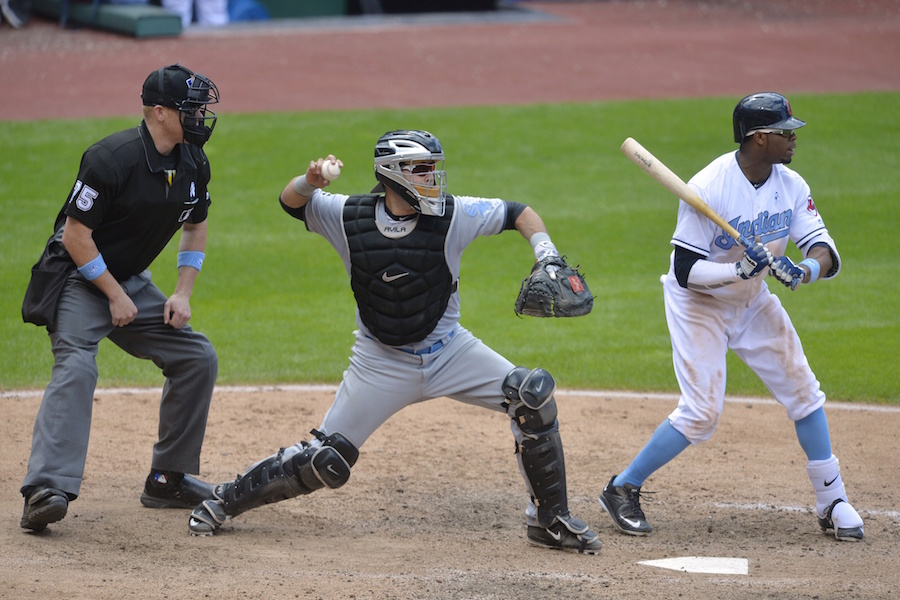 It sounds as though the Twins are legitimately interested in acquiring an impact starter at the position. They are known to have interest in Jason Castro, and it would be no surprise if they at least reached out to the reps of Wilson Ramos and Matt Wieters. However, even if they're very serious about going after these players, it may be a trivial pursuit. If the trio of Ramos, Wieters and Castro are all steadfastly interested in playing for contending teams, they'll probably have that opportunity. Plenty of quality teams have needs at catcher, and will be ready to pony up the required dollars to place a winning bid. This would leave the Twins – who undoubtedly need to at least add SOMEONE at catcher – in a position to peruse the remaining ranks. With this segment, Minnesota might actually be at a relative advantage. Established contenders wouldn't look at the majority of these players as candidates for regular playing time, but the Twins can afford to feed reps to a marginal talent while they try to turn around John Ryan Murphy and develop Mitch Garver. In our Offseason Handbook free agency rankings, the next name we have listed after the aforementioned top three is Kurt Suzuki. Of course, it is pretty well established at this point that both sides are ready to move on. Suzuki is also the only other player in the group who seems likely to receive a multi-year deal, so going with a lesser option would mean less risk and more future flexibility. If they're not going to be able to land a true difference-maker, then the Twins should focus on targets with upside who fit for particular reasons. With this in mind, here's a look at three names I would consider pursuing: Alex Avila Former Team: White Sox Age: 30 | B/T: L/R 2016 Stats: 57 G, .213/.359/.373, 7 HR, 11 RBI, 19 R Why He Makes Sense Avila batted only .213 this year but still got on base at an above-average clip. In 2015 his ugly .191 average came along with a respectable .339 OBP. This has been a consistent trend for the lefty-swinging backstop because he draws enough walks to keep getting on base even when his bat sags. His platoon splits make him a very logical complement to Murphy or Garver, who both swing from the right side. Why He Doesn't He has played only 124 games combined over the past two years due to injuries and uninspiring play. Opponents ran all over him this season, stealing 25 bases on 32 attempts in just 52 starts behind the plate. StatCorner ranked him as the 10th-worst pitch framer in baseball. And as arguably the best free agent catcher beyond Ramos, Wieters, Castro and Suzuki, he might be in for an overpay. Chris Iannetta Former Team: Mariners Age: 33 | B/T: R/R 2016 Stats: 94 G, .210/.303/.329, 7 HR, 24 RBI Why He Makes Sense If experience is a primary concern for the Twins – and it may be given the shortcomings of Murphy and Garver in that area – Iannetta looks like a logical and inexpensive plug. He has accrued more than 7,500 career innings behind the plate and is reputed to be a solid defender. He owns a .743 career OPS, which is 60 points higher than the average AL backstop posted this season. Why He Doesn't While his career numbers are fairly impressive, Iannetta hasn't hit much over the past two years, accumulating a .198/.298/.332 slash line with the Angels and Mariners. He might not have much left in the tank offensively and he is particularly rough against right-handed pitching. Geovany Soto Former Team: Angels Age: 34 | B/T: R/R 2016 Stats: 26 G, .269/.321/.487, 4 HR, 9 RBI Why He Makes Sense He's coming off another injury-riddled campaign, which has sadly become par for the course, but when Soto is on the field he hits. The former Rookie of the Year owns a .767 career OPS and has put up a .240/.313/.431 line over the past four years despite being limited to 567 total plate appearances. He's not a bad gamble on a low-money guarantee or minor-league deal, and may be enticed by the opportunity to take over Minnesota's starting gig if he can get healthy. Why He Doesn't The Twins are seeking some level of assurance behind the plate, and Soto hardly provides it. He was limited to 26 games this year by ailments affecting his thumb and both knees. Hardly ideal for a catcher in his mid-30s. The aging veteran hasn't played 100 games in a season since 2011. Do any of these names catch your eye? How about the rest of the crop, which includes such names as Drew Butera, Jeff Mathis, A.J. Ellis, Ryan Hanigan, Dioner Navarro, Nick Hundley and Jarrod Saltalamacchia? Share your thoughts in the comments section! Remember, you can download the 2017 Offseason Handbook for free (or donation) and get a full in-depth breakdown of all the free agents at this position, and others!
 -
Article: How Much Can The Twins Spend On A Catcher?
Nick Nelson replied to Nick Nelson's topic in Twins Daily Front Page News
Ha, on the bright side, those two combined are only owed about $16 million in 2019 (~2/3 of Mauer's salary). And I don't think we should give up on either quite yet. -
At the GM Meetings last week, Twins officials wasted no time expressing their interest in free agent catcher Jason Castro. It's not clear how much he might command in salary, but the amount may be higher than expected, due to a sparse market and widespread need. How much can Minnesota afford to spend?It's not an easy question to tackle because we don't really know what sort of restraints Derek Falvey and the new front office are looking at. The Twins opened this year with a $105 million payroll, which is roughly the same as 2015. It's tough to gauge whether the figure might rise or fall next year, but the best guess is that they'll stay in that general vicinity. The Pohlad ownership group has always maintained that spending is fluid, and they vigorously denied giving Terry Ryan hard caps during his tenure as general manager. Still, Ryan's payrolls typically fell in the lower half of the league, and he was never one to make major waves in free agency. Falvey comes from an organization that operated with the same mid-market mindset. Cleveland's payrolls have ranked in the bottom third of the league every year since 2009. When asked about the subject last week, the new Chief Baseball Officer struck a familiar tone: It wouldn't be characteristic for Falvey to come in and immediately request funding for a splashy high-profile signing, nor would it be characteristic for Twins ownership to approve it. The biggest names on the market are nothing but pipe dreams. Given the club's current standing, they probably should be. Castro always seemed like a more plausible target, and the Twins have moved on him quickly. Unfortunately, so too have other teams. With free agency less than a week old, Jeff Passan of Yahoo Sports reports that the 29-year-old already has offers from at least three American League teams. In the Twins Daily 2017 Offseason Handbook, we estimated that Castro would end up receiving a contract in the area of three years and $21 million. The low-end projection seemed warranted. After all, we are talking about a guy who has never played more than 126 games in a season, and has a .660 OPS over the past three years. However, as things evolve that number is looking low. With top free agent catchers Wilson Ramos and Matt Weiters carrying major question marks, the highest tier didn't separate itself. Castro also gets a boost from his favorable ratings in terms of advanced defensive analytics like pitch-framing. In courting the former first-round draft pick, the Twins have some disadvantages – most notably the fact that they were baseball's worst team this year. But money talks. How loudly will it speak in this case? Pulled from our extensive payroll analysis in the Offseason Handbook, here's a look at the team's present payroll commitments for 2017: Download attachment: payroll1.png As you can see, even if they keep all of their arbitration eligible players, the Twins are about $7 million short of where they started this year. And there are many ways that $98.5 million figure can drop pretty quickly. For instance, the Twins could non-tender Trevor Plouffe ($9M) and put their faith in Miguel Sano at third base. They could trade Brian Dozier and his $6 million, while getting back at least one young pitcher capable of replacing Hector Santiago, whose $8 million could be dropped. If the front office makes it a priority to add a difference-maker, then finding money for Castro – even at something like $10 million per year – shouldn't be difficult. In fact, depending on what they do at a few other positions, the Twins could create enough flexibility to outbid the competition for a Ramos or Wieters and still come up short of their 2016 payroll mark. Keep in mind that nearly all of Minnesota's long-term commitments are soon to expire. The only current players whose contracts run beyond 2018 are Phil Hughes and Byung Ho Park. As Phil Miller notes, this allows the new regime to choose whom it wants to build around with little restriction. In that context, their decision at the catcher position should prove telling, from a variety of perspectives. This much is clear: if Falvey and Levine want to aim high, there isn't a lot standing in their way. Click here to view the article
-
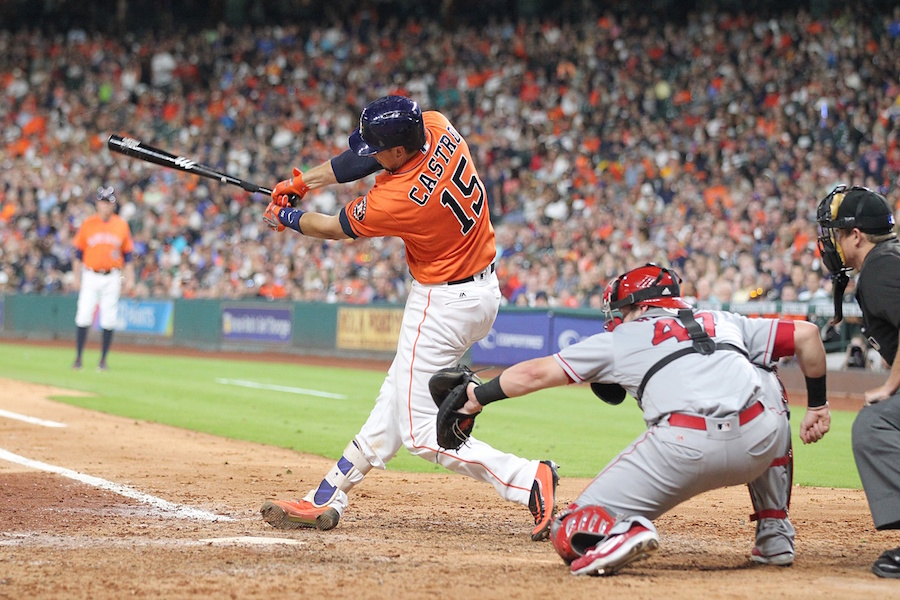 It's not an easy question to tackle because we don't really know what sort of restraints Derek Falvey and the new front office are looking at. The Twins opened this year with a $105 million payroll, which is roughly the same as 2015. It's tough to gauge whether the figure might rise or fall next year, but the best guess is that they'll stay in that general vicinity. The Pohlad ownership group has always maintained that spending is fluid, and they vigorously denied giving Terry Ryan hard caps during his tenure as general manager. Still, Ryan's payrolls typically fell in the lower half of the league, and he was never one to make major waves in free agency. Falvey comes from an organization that operated with the same mid-market mindset. Cleveland's payrolls have ranked in the bottom third of the league every year since 2009. When asked about the subject last week, the new Chief Baseball Officer struck a familiar tone: It wouldn't be characteristic for Falvey to come in and immediately request funding for a splashy high-profile signing, nor would it be characteristic for Twins ownership to approve it. The biggest names on the market are nothing but pipe dreams. Given the club's current standing, they probably should be. Castro always seemed like a more plausible target, and the Twins have moved on him quickly. Unfortunately, so too have other teams. With free agency less than a week old, Jeff Passan of Yahoo Sports reports that the 29-year-old already has offers from at least three American League teams. In the Twins Daily 2017 Offseason Handbook, we estimated that Castro would end up receiving a contract in the area of three years and $21 million. The low-end projection seemed warranted. After all, we are talking about a guy who has never played more than 126 games in a season, and has a .660 OPS over the past three years. However, as things evolve that number is looking low. With top free agent catchers Wilson Ramos and Matt Weiters carrying major question marks, the highest tier didn't separate itself. Castro also gets a boost from his favorable ratings in terms of advanced defensive analytics like pitch-framing. In courting the former first-round draft pick, the Twins have some disadvantages – most notably the fact that they were baseball's worst team this year. But money talks. How loudly will it speak in this case? Pulled from our extensive payroll analysis in the Offseason Handbook, here's a look at the team's present payroll commitments for 2017: As you can see, even if they keep all of their arbitration eligible players, the Twins are about $7 million short of where they started this year. And there are many ways that $98.5 million figure can drop pretty quickly. For instance, the Twins could non-tender Trevor Plouffe ($9M) and put their faith in Miguel Sano at third base. They could trade Brian Dozier and his $6 million, while getting back at least one young pitcher capable of replacing Hector Santiago, whose $8 million could be dropped. If the front office makes it a priority to add a difference-maker, then finding money for Castro – even at something like $10 million per year – shouldn't be difficult. In fact, depending on what they do at a few other positions, the Twins could create enough flexibility to outbid the competition for a Ramos or Wieters and still come up short of their 2016 payroll mark. Keep in mind that nearly all of Minnesota's long-term commitments are soon to expire. The only current players whose contracts run beyond 2018 are Phil Hughes and Byung Ho Park. As Phil Miller notes, this allows the new regime to choose whom it wants to build around with little restriction. In that context, their decision at the catcher position should prove telling, from a variety of perspectives. This much is clear: if Falvey and Levine want to aim high, there isn't a lot standing in their way.
 -
Derek Falvey and Thad Levine are in their first week on the job heading up the Minnesota Twins baseball department, but already they have made a few waves. In particular, I'm talking about the coaching staff shakeup that took place earlier this week.On Tuesday night, amidst the chaotic election frenzy, the Twins announced that they would be parting with hitting coach Tom Brunansky and first base coach Butch Davis, while the rest of Paul Molitor's instructive unit would remain intact. That means that Neil Allen will return as pitching coach. This is rather surprising for a couple of different reasons. Firstly, because Allen oversaw a staff this year that ranked as the worst in baseball and one of the worst in franchise history. Almost without exception every Twins pitcher underperformed. And secondly, because Falvey carries a reputation as a pitching guru with his own distinct philosophies on teaching and development. If he was going to come aboard with any particular directive in mind as far as the coaching group is concerned, one would think it would be a change at this position. However, the new Chief Baseball Officer is evidently impressed enough with Allen. And although the results from Twins pitchers hardly could have been worse this year, there is some evidence that Allen may have been handcuffed to some degree in implementing his ideologies. Last month, Mike Berardino of the Pioneer Press wrote an article on the team's widespread issues with fastball command. Within the piece, Allen had a rather interesting quote. Speaking about the way the sinking two-seam fastball, specifically, is handled with pitching prospects, the pitching coach said, "That's something that throughout the whole system needs to be addressed ... Big time." Berardino adds: So it sounds like, even with his job in limbo, Allen was still proactively working to address the organization's deep-running issues with pitcher development. And Falvey is on board. In a Q&A piece from David Laurilia published on FanGraphs this week, Allen goes into great depth regarding several elements of pitching instruction. In his answers, the former Rays minor-league coach speaks almost nostalgically about his time in the Tampa system. But, as he points out, the core directives "come from the higher-ups. The general manager, the manager, and the pitching coordinator would get together and start the program." Now, with new higher-ups in place, perhaps Allen can better recreate the outstanding results that the Rays were able to produce with young arms during his time there. Click here to view the article
-
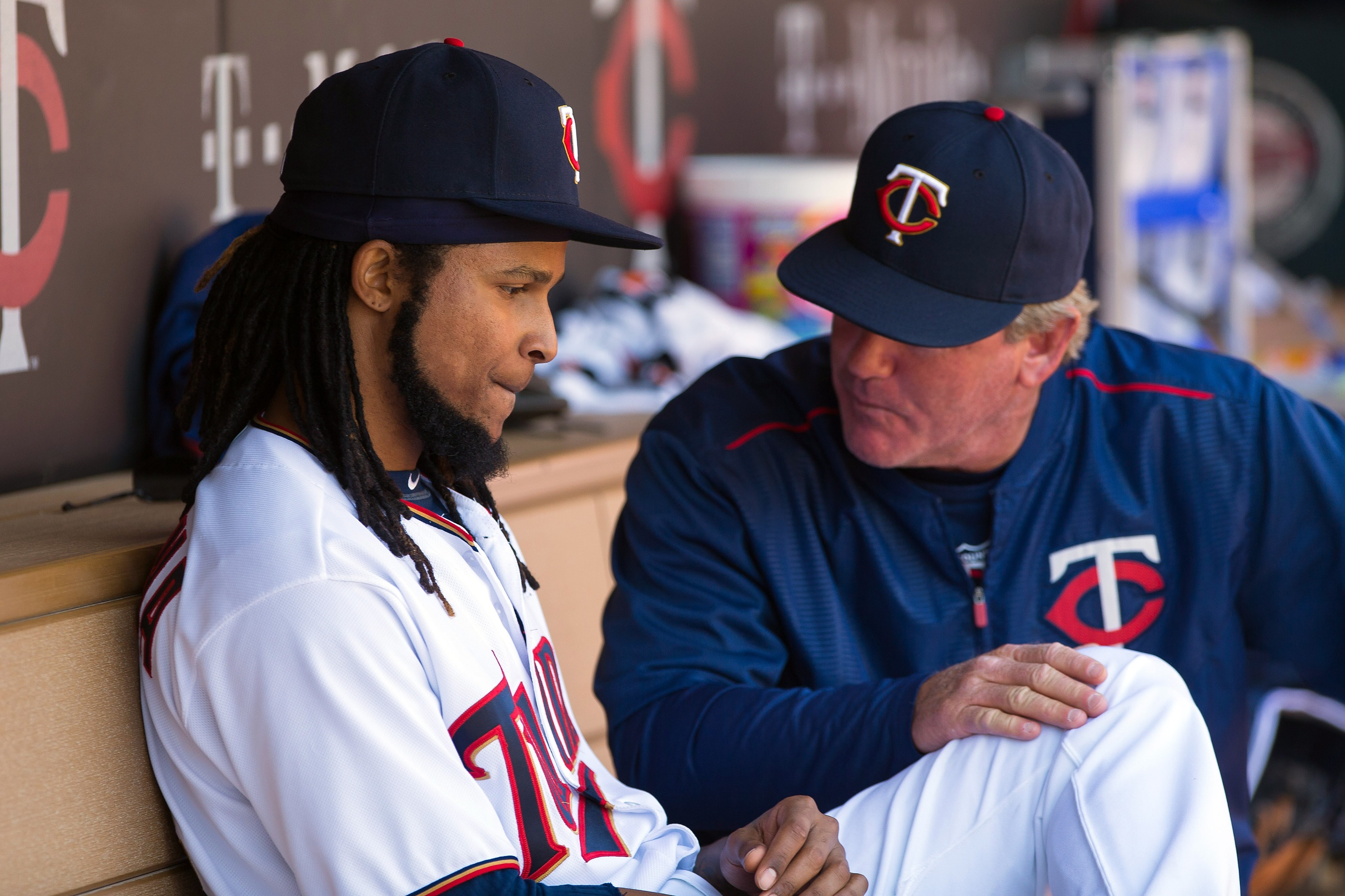 On Tuesday night, amidst the chaotic election frenzy, the Twins announced that they would be parting with hitting coach Tom Brunansky and first base coach Butch Davis, while the rest of Paul Molitor's instructive unit would remain intact. That means that Neil Allen will return as pitching coach. This is rather surprising for a couple of different reasons. Firstly, because Allen oversaw a staff this year that ranked as the worst in baseball and one of the worst in franchise history. Almost without exception every Twins pitcher underperformed. And secondly, because Falvey carries a reputation as a pitching guru with his own distinct philosophies on teaching and development. If he was going to come aboard with any particular directive in mind as far as the coaching group is concerned, one would think it would be a change at this position. However, the new Chief Baseball Officer is evidently impressed enough with Allen. And although the results from Twins pitchers hardly could have been worse this year, there is some evidence that Allen may have been handcuffed to some degree in implementing his ideologies. Last month, Mike Berardino of the Pioneer Press wrote an article on the team's widespread issues with fastball command. Within the piece, Allen had a rather interesting quote. Speaking about the way the sinking two-seam fastball, specifically, is handled with pitching prospects, the pitching coach said, "That's something that throughout the whole system needs to be addressed ... Big time." Berardino adds: So it sounds like, even with his job in limbo, Allen was still proactively working to address the organization's deep-running issues with pitcher development. And Falvey is on board. In a Q&A piece from David Laurilia published on FanGraphs this week, Allen goes into great depth regarding several elements of pitching instruction. In his answers, the former Rays minor-league coach speaks almost nostalgically about his time in the Tampa system. But, as he points out, the core directives "come from the higher-ups. The general manager, the manager, and the pitching coordinator would get together and start the program." Now, with new higher-ups in place, perhaps Allen can better recreate the outstanding results that the Rays were able to produce with young arms during his time there.
 -
Article: A Look At The Free Agent Catcher Market
Nick Nelson replied to Nick Nelson's topic in Twins Daily Front Page News
Could be, although I don't know that there's any consensus on what "we expect." In the Handbook we estimated 3 years and $21 million but many seem to think that's on the high side. It's important to note that he hasn't really been a full-time player in either of the past two years, getting only ~375 PA in each. -
Article: A Look At The Free Agent Catcher Market
Nick Nelson replied to Nick Nelson's topic in Twins Daily Front Page News
d'Arnaud was one of the Mets targets listed in my "Dealing Dozier" section of the Offseason Handbook. The idea of acquiring him along with a quality arm or two is highly appealing. Unfortunately, with the Mets extending a QO to Neil Walker (which he'll almost certainly accept) I don't know that they're going to be a potential partner. At least not for BD... -
Article: A Look At The Free Agent Catcher Market
Nick Nelson replied to Nick Nelson's topic in Twins Daily Front Page News
It's not a rule as much as a courtesy. You can link to MLB Trade Rumors as a source. I just took issue with the phrase "MLB Trade Rumors reports", and I know dang well Mr. Berardino would too. -
Article: A Look At The Free Agent Catcher Market
Nick Nelson replied to Nick Nelson's topic in Twins Daily Front Page News
Sarcasm? If so it seems unwarranted. I don't mean to scold but I certainly think we should give due credit to the guys who are out there grinding to get the info that feeds this and all other fan sites. -
Article: A Look At The Free Agent Catcher Market
Nick Nelson replied to Nick Nelson's topic in Twins Daily Front Page News
I have to call this out because it irks me when I see it. MLB Trade Rumors didn't report anything, they are an aggregator. Let's give credit to the guy who actually did the reporting work, Mike Berardino. -
Free agency officially kicked off on Tuesday morning. The Twins are very much in the market for a catcher, so today I thought we'd take a closer look at what is available.Yesterday, Parker unveiled our new Free Agent Tracker feature. This interactive database gives you a dynamic real-time look at players that are out there. By drilling the list down to catchers, we can get a specific view of the market for backstops. Each of these player is covered in the Offseason Handbook – which you've got grab if you haven't. (Donation-based download, free if you like!) Let's take a deeper look at the pages concerning this position: Download attachment: gmhbfac1.png Just a terrible break for Wilson Ramos. A qualifying offer would have been a no-brainer prior to his devastating September knee injury, but now the Nationals had no choice but pass. His recovery will stretch well into next season, and his long-term future behind the plate is somewhat in doubt. His agent has suggested Ramos will seek a four to five year deal. Will that offer come? Probably not from the Twins. Matt Wieters is more plausible. The Orioles declined to extend a QO so he hits the open market unencumbered. The switch-hitter had one of the worst seasons of his career, with terrible timing, but was still a very solid player who's not that old. Download attachment: gmhbfac2.png Jason Castro is my personal favorite among the free agent catchers. He was our choice in in the Twins Daily offseason blueprint. He ranks as one of the game's very elite pitch-framing specialists, and he's a capable hitter who can put the ball over the fence. Mike Berardino of the Pioneer Press tweeted on Tuesday night that the Twins have expressed preliminary interest in Castro and plan to meet with his agent on Wednesday. But if the Twins want to take a less emphatic dive into the market, and aren't ready to give up on John Ryan Murphy quite yet, Alex Avila makes sense. As a lefty swinger he complements Murphy well and as a guy who's been around for eight years – many of them spent with dominant Tigers clubs – he might bring some of the veteran leadership that the Twins seem to be pursuing. Download attachment: gmhbfac3.png The remainder of this free agent class doesn't really possess anyone who could be viewed as a starter or even a primary timeshare partner. The Twins need to be aiming higher than a backup. That's just the reality. What are your thoughts? Who would you target among this crop? Or would you shift your focus to another acquisition avenue in addressing this critical spot? Click here to view the article
-
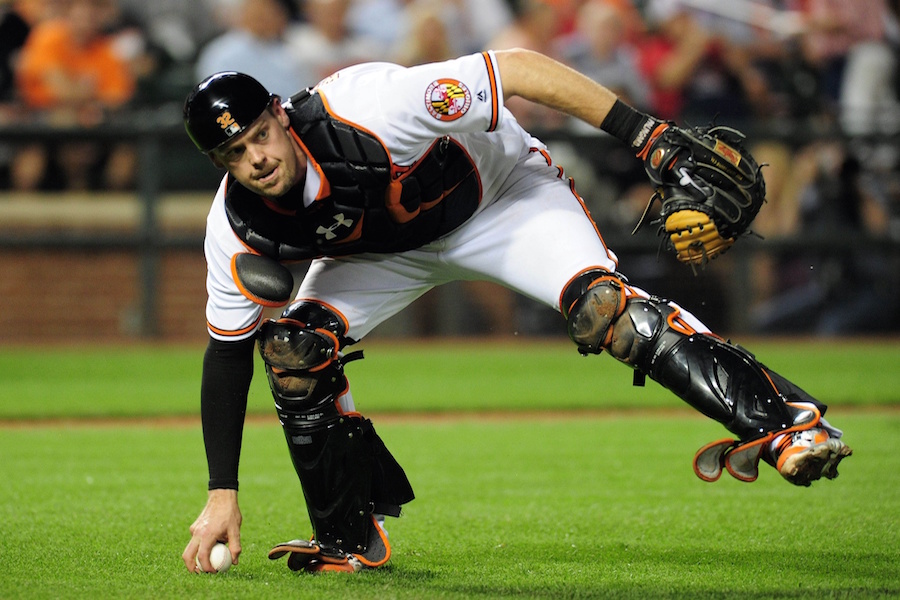 Yesterday, Parker unveiled our new Free Agent Tracker feature. This interactive database gives you a dynamic real-time look at players that are out there. By drilling the list down to catchers, we can get a specific view of the market for backstops. Each of these player is covered in the Offseason Handbook – which you've got grab if you haven't. (Donation-based download, free if you like!) Let's take a deeper look at the pages concerning this position: Just a terrible break for Wilson Ramos. A qualifying offer would have been a no-brainer prior to his devastating September knee injury, but now the Nationals had no choice but pass. His recovery will stretch well into next season, and his long-term future behind the plate is somewhat in doubt. His agent has suggested Ramos will seek a four to five year deal. Will that offer come? Probably not from the Twins. Matt Wieters is more plausible. The Orioles declined to extend a QO so he hits the open market unencumbered. The switch-hitter had one of the worst seasons of his career, with terrible timing, but was still a very solid player who's not that old. Jason Castro is my personal favorite among the free agent catchers. He was our choice in in the Twins Daily offseason blueprint. He ranks as one of the game's very elite pitch-framing specialists, and he's a capable hitter who can put the ball over the fence. Mike Berardino of the Pioneer Press tweeted on Tuesday night that the Twins have expressed preliminary interest in Castro and plan to meet with his agent on Wednesday. But if the Twins want to take a less emphatic dive into the market, and aren't ready to give up on John Ryan Murphy quite yet, Alex Avila makes sense. As a lefty swinger he complements Murphy well and as a guy who's been around for eight years – many of them spent with dominant Tigers clubs – he might bring some of the veteran leadership that the Twins seem to be pursuing. The remainder of this free agent class doesn't really possess anyone who could be viewed as a starter or even a primary timeshare partner. The Twins need to be aiming higher than a backup. That's just the reality. What are your thoughts? Who would you target among this crop? Or would you shift your focus to another acquisition avenue in addressing this critical spot?

