



Matthew Taylor
-
Posts
973 -
Joined
-
Last visited
Content Type
Profiles
News
Minnesota Twins Videos
2026 Minnesota Twins Top Prospects Ranking
2022 Minnesota Twins Draft Picks
Minnesota Twins Free Agent & Trade Rumors, Notes, & Tidbits
Guides & Resources
2023 Minnesota Twins Draft Picks
The Minnesota Twins Players Project
2024 Minnesota Twins Draft Picks
2025 Minnesota Twins Draft Pick Tracker
2026 Minnesota Twins Draft Tracker: Picks & Bonuses
Forums
Blogs
Events
Store
Downloads
Gallery
Everything posted by Matthew Taylor
-
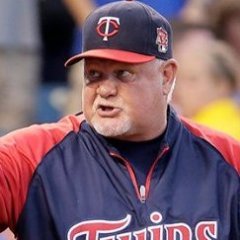
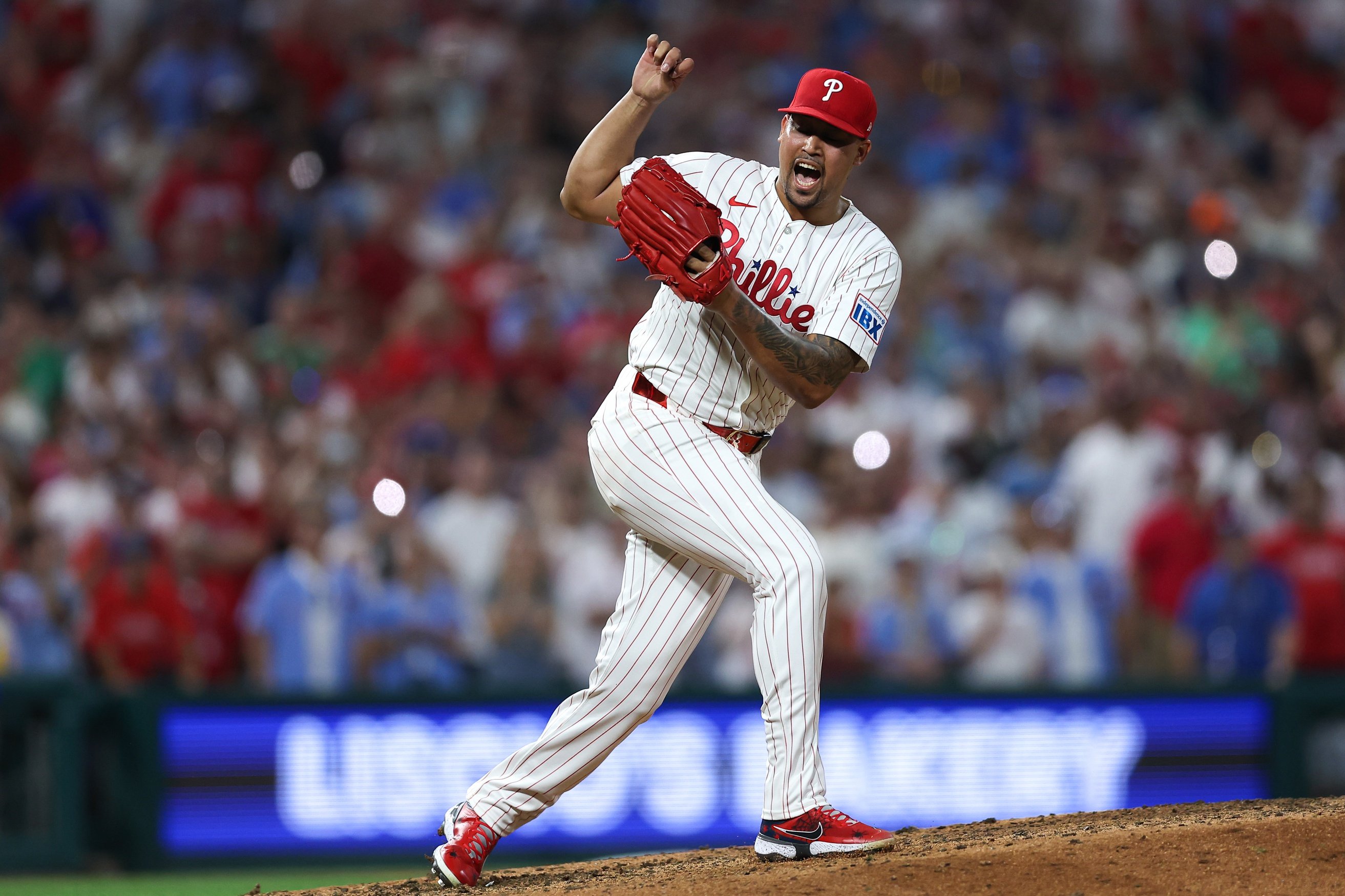 At the 2025 trade deadline, two of the most electric arms in baseball were moved within a day of each other. The Twins traded Jhoan Duran to the Phillies. The Athletics traded Mason Miller to the Padres. Both are high-octane relievers who light up the radar gun and make hitters look overmatched. Both had multiple years of team control left. Both brought back strong returns for their clubs, but Miller’s package from San Diego reached another level entirely. The Miller deal turned heads immediately. Oakland landed Leo De Vries, a consensus top five prospect in all of baseball and the type of player teams dream of building around. They also got Braden Nett, the Padres’ number three prospect, plus Henry Báez and Eduarniel Nuñez, ranked thirteenth and seventeenth in the system. It was an aggressive push from Padres GM AJ Preller, who has never shied away from paying premium prices when he is locked in on a player. The Twins’ deal for Duran, made a day earlier, brought back Eduardo Tait, ranked 57th overall, and Mick Abel, ranked 92nd. Both are top 100 prospects with upside, Tait as a talented player at a premium position and Abel as a big-armed pitcher who will slot into the rotation. By any measure, that is a strong return. But there was a sense leading into the deadline that the Twins did not need to trade Duran unless the offer was exceptional. Early in talks with Philadelphia, Minnesota asked for Andrew Painter, the Phillies’ top prospect and one of the ten best in the sport. The Phillies made it clear Painter was off the table, and the Twins ultimately pivoted to a package centered around Tait and Abel. Part of why Miller fetched more comes down to controllability and cost. Miller is still in pre-arbitration, making the league minimum, and will have four years of control after this season. Duran is already in arbitration, earning over four million this year with projected jumps to around seven and ten million in the following seasons. Then there is the raw stuff. Miller strikes out more batters per nine innings compared to Duran (13.9 vs 9.7,) throws even harder (101.2 vs 100.3), and generates more swings and misses (37.4% vs 31.0%). His FIP is stronger despite pitching in a challenging home park. There is also the possibility, however uncertain, that the Padres could try him as a starter again, which could boost his value even higher. Timing may have played a role as well. We cannot know for sure, but we do know that the deadline itself creates leverage for selling teams, especially those holding premium arms with years of control. The A’s held Miller until the final hours, which may have forced the Padres into their most aggressive offer. The Twins moved Duran a day earlier, before the Miller package was on the board. It is natural to wonder if waiting could have shifted the conversation with Philadelphia, perhaps bringing Painter’s name back into play, or even drawing interest from another team like San Diego if they had not landed Miller. When you put all the factors together, Miller’s profile simply carried more trade value, and the Athletics maximized it. The Twins still landed two top 100 prospects for a reliever, something many front offices would be thrilled with, and the deal may look even better in a few years depending on how Tait and Abel develop. The question is less about whether Minnesota made a good trade and more about whether there was an opportunity to push it into the “too good to refuse” category. Could the timing have made the difference? Could Painter have been part of the return? Or was this simply the right moment to act with the offer they had? Miller’s trade will be remembered as one of the biggest bullpen blockbusters in recent years. Duran’s may quietly age into one of the Twins’ smarter plays if their new prospects hit. For now, it is a fascinating case study in market dynamics, perceived value, and the subtle decisions that shape a team’s future. What do you think? Should the Twins have held onto Duran until the very last moment, or did they make the right call taking the Phillies’ offer when they did? Share your thoughts in the comments below.
- 19 comments
-
- 2
-

-
- jhoan duran
- mason miller
- (and 2 more)
-
Image courtesy of David Richard-Imagn Images On Tuesday, the Red Sox and top outfield prospect Roman Anthony agreed to an eight-year, $130 million extension after just 47 games in the majors. The deal, which could keep Anthony in Boston through his age-30 season, is one of the most aggressive early-career commitments a team has made in recent years. It’s a signal that front offices are willing to lock in young players earlier than ever, especially if they believe they’ve found a long-term star. The bigger takeaway for a team like the Twins is timing. When should you commit to a young player, and how soon is too soon? After a trade deadline that dramatically reduced future payroll, the Twins are in a rare position where they can think proactively. They’ve shed tens of millions in 2025 and beyond by moving on from Carlos Correa and multiple arbitration-eligible relievers. And while it’s unlikely Minnesota will redirect that savings into splashy free-agent contracts, a more logical path would be to invest some of it into locking in younger talent at club-friendly rates before the price goes up. There are two clear candidates on the roster who fit that mold: Bailey Ober and Luke Keaschall. A third, Walker Jenkins, might seem like a natural fit, he’s a top-15 prospect, already in Double-A, and tracking for a debut next year. But Jenkins is a Scott Boras client, and Boras clients almost never sign early extensions. His philosophy is to play out the arbitration years and hit free agency at full value. That effectively removes Jenkins from consideration, at least until he’s deep into his major-league career. Bailey Ober, on the other hand, is a much different case. After a strong showing in 2023 and 2024, Ober entered the 2025 season as one of the most reliable arms in Minnesota’s rotation. But this year has gone sideways. He currently owns a 5.38 ERA and has struggled with decreased velocity and a rising home run rate, giving up hard contact at one of the highest clips of his career. A nagging hip issue sidelined him earlier in the season, and although he’s returned to the mound, he hasn’t been able to recapture the consistency that made him so effective in previous years. For a pitcher who just turned 30 and is struggling, it’s a tough combination at a tough time. Still, that might be exactly why now is the time for the Twins to act. Ober is making $3.55 million this year in his first year of arbitration. He’s likely to make around $6 million in 2026 and close to $10 million in 2027. That’s roughly $16 million over the next two years. If the Twins want to avoid riding the arbitration rollercoaster, and possibly buy an extra year of team control, they could offer Ober a three-year, $27 million extension that covers his two remaining arb years and his first free-agent season. A club option for 2029 around $12.5 million could give the team even more flexibility. This would be a slightly front-loaded deal that gives Ober financial security at a vulnerable point in his career. For the Twins, it’s a low-risk play. If Ober continues to struggle, they haven’t committed long-term money. But if he regains his form from 2023–24—where he flashed SP2/SP3 potential with strong command, they could be getting two years of free-agent value at a steep discount. It’s the kind of hedge that makes sense when you’ve just cleared out a large chunk of veteran salary and are trying to stabilize your future rotation. Then there’s Luke Keaschall. The 22-year-old infielder has fewer than 50 MLB plate appearances, but he’s already flashing the kind of tools that scream long-term contributor. A top-50 prospect coming into the season, Keaschall has certainly looked the part at the plate and on the bases in his limited time, and he looks like a strong candidate to take over second base for the long haul. If the Twins believe in the upside, this winter would be the ideal time to strike. A six- or seven-year deal worth $50 to $60 million would be in line with extensions handed out to players like Ke’Bryan Hayes and Luis Robert. The Twins would get cost control and buy out a couple of free agent years, while Keaschall would lock in meaningful earnings before ever entering arbitration. It’s worth noting that these two extension candidates fall into very different categories. Keaschall is a young star in the making. Unproven but with real upside and long-term value. Ober is a buy-low opportunity, an arbitration pitcher with a track record but legitimate concerns. The appeal of both is different, but the logic for acting now is the same: control cost, minimize risk, and lock in value before the rest of the league catches up. Other names might come to mind too. Joe Ryan is pitching well enough to merit extension consideration, but with just two years left before free agency and a strong platform building, he’s likely headed for a big payday the Twins probably can’t afford. Royce Lewis has elite upside but simply hasn’t stayed healthy enough or played well enough to justify a long-term deal right now. And someone like Matt Wallner might be in play as a value extension, but platoon corner outfielders rarely land multi-year deals. Kaelen Culpepper could be in the conversation this time next season, but without the prospect hype that Jenkins has, the risk for him would be too great. For now, the clearest cases remain Ober and Keaschall. What do you think? Would you offer either of these extensions, or wait it out? Would you take a chance on someone else instead? Leave a comment and start the conversation. View full article
-
Two Extensions That Could Make Sense for the Twins Right Now
Matthew Taylor posted an article in Twins
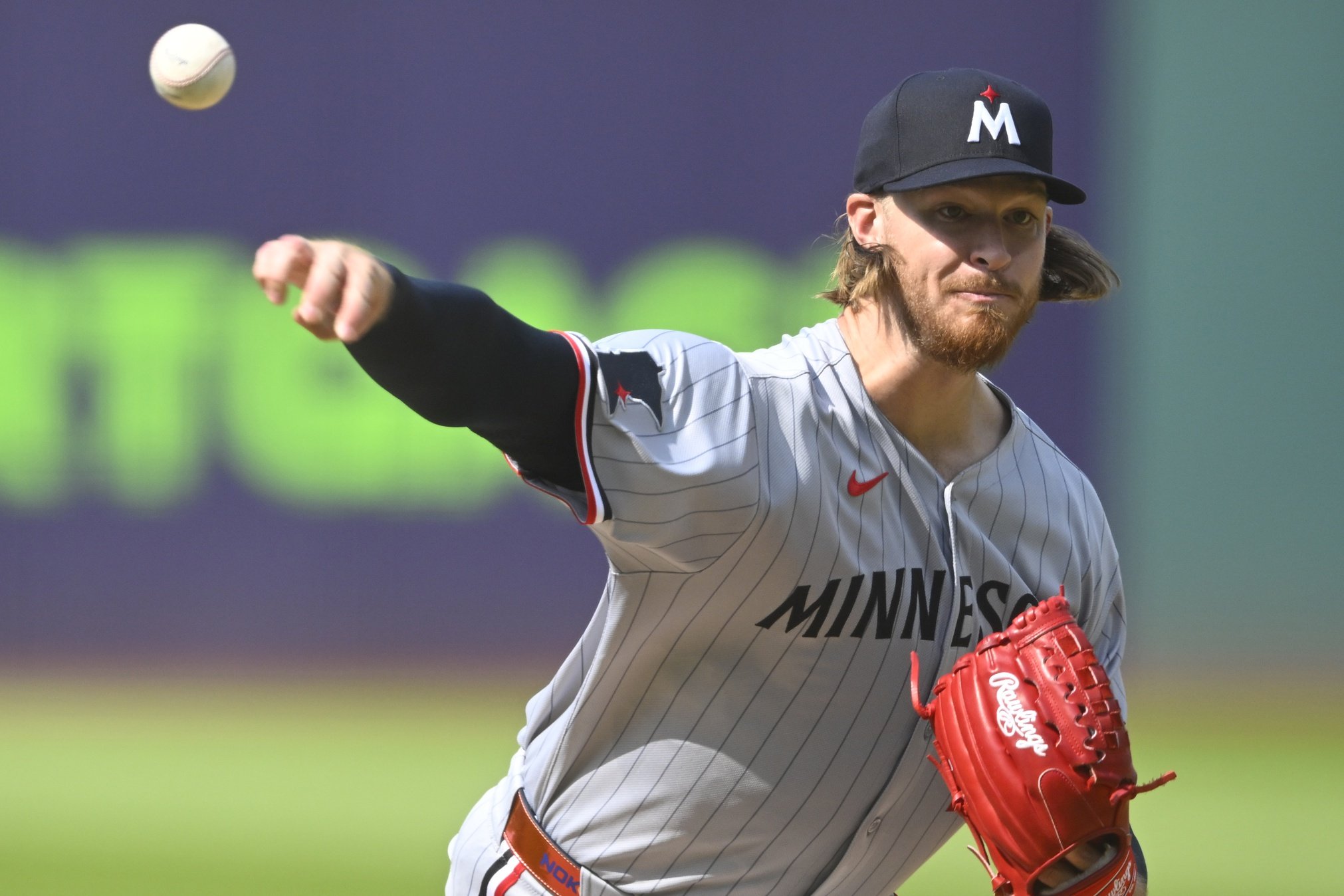 On Tuesday, the Red Sox and top outfield prospect Roman Anthony agreed to an eight-year, $130 million extension after just 47 games in the majors. The deal, which could keep Anthony in Boston through his age-30 season, is one of the most aggressive early-career commitments a team has made in recent years. It’s a signal that front offices are willing to lock in young players earlier than ever, especially if they believe they’ve found a long-term star. The bigger takeaway for a team like the Twins is timing. When should you commit to a young player, and how soon is too soon? After a trade deadline that dramatically reduced future payroll, the Twins are in a rare position where they can think proactively. They’ve shed tens of millions in 2025 and beyond by moving on from Carlos Correa and multiple arbitration-eligible relievers. And while it’s unlikely Minnesota will redirect that savings into splashy free-agent contracts, a more logical path would be to invest some of it into locking in younger talent at club-friendly rates before the price goes up. There are two clear candidates on the roster who fit that mold: Bailey Ober and Luke Keaschall. A third, Walker Jenkins, might seem like a natural fit, he’s a top-15 prospect, already in Double-A, and tracking for a debut next year. But Jenkins is a Scott Boras client, and Boras clients almost never sign early extensions. His philosophy is to play out the arbitration years and hit free agency at full value. That effectively removes Jenkins from consideration, at least until he’s deep into his major-league career. Bailey Ober, on the other hand, is a much different case. After a strong showing in 2023 and 2024, Ober entered the 2025 season as one of the most reliable arms in Minnesota’s rotation. But this year has gone sideways. He currently owns a 5.38 ERA and has struggled with decreased velocity and a rising home run rate, giving up hard contact at one of the highest clips of his career. A nagging hip issue sidelined him earlier in the season, and although he’s returned to the mound, he hasn’t been able to recapture the consistency that made him so effective in previous years. For a pitcher who just turned 30 and is struggling, it’s a tough combination at a tough time. Still, that might be exactly why now is the time for the Twins to act. Ober is making $3.55 million this year in his first year of arbitration. He’s likely to make around $6 million in 2026 and close to $10 million in 2027. That’s roughly $16 million over the next two years. If the Twins want to avoid riding the arbitration rollercoaster, and possibly buy an extra year of team control, they could offer Ober a three-year, $27 million extension that covers his two remaining arb years and his first free-agent season. A club option for 2029 around $12.5 million could give the team even more flexibility. This would be a slightly front-loaded deal that gives Ober financial security at a vulnerable point in his career. For the Twins, it’s a low-risk play. If Ober continues to struggle, they haven’t committed long-term money. But if he regains his form from 2023–24—where he flashed SP2/SP3 potential with strong command, they could be getting two years of free-agent value at a steep discount. It’s the kind of hedge that makes sense when you’ve just cleared out a large chunk of veteran salary and are trying to stabilize your future rotation. Then there’s Luke Keaschall. The 22-year-old infielder has fewer than 50 MLB plate appearances, but he’s already flashing the kind of tools that scream long-term contributor. A top-50 prospect coming into the season, Keaschall has certainly looked the part at the plate and on the bases in his limited time, and he looks like a strong candidate to take over second base for the long haul. If the Twins believe in the upside, this winter would be the ideal time to strike. A six- or seven-year deal worth $50 to $60 million would be in line with extensions handed out to players like Ke’Bryan Hayes and Luis Robert. The Twins would get cost control and buy out a couple of free agent years, while Keaschall would lock in meaningful earnings before ever entering arbitration. It’s worth noting that these two extension candidates fall into very different categories. Keaschall is a young star in the making. Unproven but with real upside and long-term value. Ober is a buy-low opportunity, an arbitration pitcher with a track record but legitimate concerns. The appeal of both is different, but the logic for acting now is the same: control cost, minimize risk, and lock in value before the rest of the league catches up. Other names might come to mind too. Joe Ryan is pitching well enough to merit extension consideration, but with just two years left before free agency and a strong platform building, he’s likely headed for a big payday the Twins probably can’t afford. Royce Lewis has elite upside but simply hasn’t stayed healthy enough or played well enough to justify a long-term deal right now. And someone like Matt Wallner might be in play as a value extension, but platoon corner outfielders rarely land multi-year deals. Kaelen Culpepper could be in the conversation this time next season, but without the prospect hype that Jenkins has, the risk for him would be too great. For now, the clearest cases remain Ober and Keaschall. What do you think? Would you offer either of these extensions, or wait it out? Would you take a chance on someone else instead? Leave a comment and start the conversation.
- 55 comments
-
- 6
-
-
- luke keaschall
- bailey ober
- (and 1 more)
-
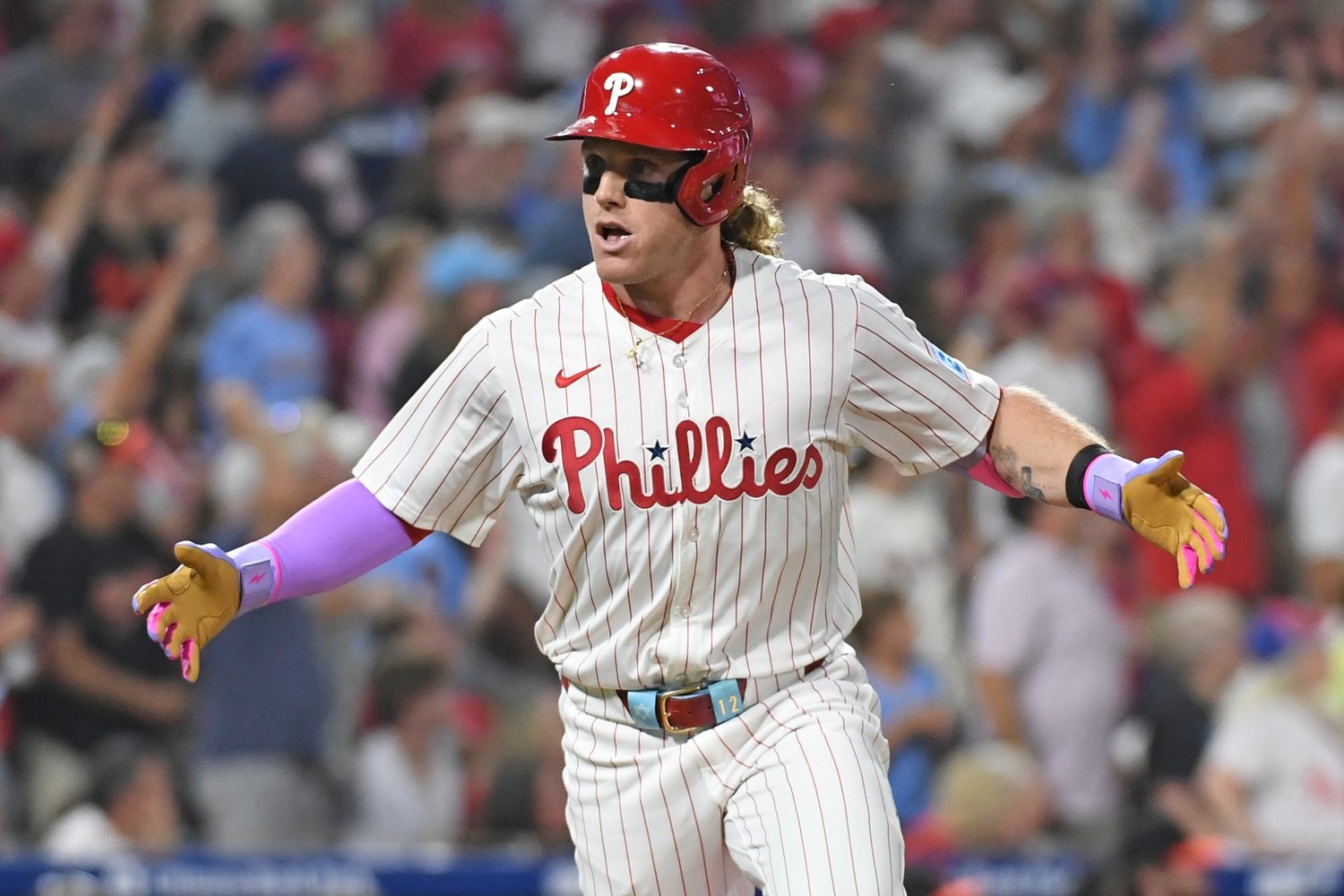 While the Twins did well on a few deals, they also made some puzzling moves that left value on the table. With nine trades completed during their aggressive deadline reset, it’s time to evaluate how each one stacks up. Below is a full ranking of every deal, complete with trade details and letter grades. 1. Harrison Bader to the Phillies — Grade: A– Return: OF Hendry Mendez, RHP Geremy Villoria Of all the trades the Twins made, this one returned the most value relative to the asset moved. Bader, an impending free agent, brought back a legitimate prospect in Mendez — a 21-year-old in Double-A with a bat that projects to play at higher levels. Villoria is a true lottery ticket at just 16 years old, but he's the type of long-term upside arm you hope to hit on in these kinds of deals. 2. Jhoan Duran to the Phillies — Grade: B+ Return: C Eduardo Tait, RHP Mick Abel This one is harder to evaluate. The Twins did well on paper — they got two Top 100 prospects, including Tait (ranked #56) and Abel (#91), balancing upside and proximity. Still, the question lingers: was Duran worth even more? Given his unique talent and team control, you could argue they should have held out for a truly elite package. 3. Carlos Correa to the Astros — Grade: B Return: RHP Matt Mikulski, ~$70M in salary relief This was clearly a salary dump, and the Twins succeeded in moving a major sunk cost. Mikulski doesn’t bring much upside at 26 in High-A, but the real win was getting the Astros to eat 70% of the deal — especially with Correa holding a no-trade clause. Whether the deal pays off fully depends on how (or if) that freed-up money gets reinvested. 4. Chris Paddack & Randy Dobnak to the Tigers — Grade: B– Return: C Enrique Jimenez Jimenez is a 19-year-old catcher with a .779 OPS in rookie ball — a solid return for a rental arm like Paddack. But this trade's ceiling drops due to the inclusion of Dobnak, whose contract likely diluted the return. It's a fair trade, but with a bit of "what could’ve been" if Dobnak weren’t attached. 5. Willi Castro to the Cubs — Grade: C+ Return: RHP Ryan Gallagher, RHP Sam Armstrong Castro was expected to be the most valuable among Minnesota’s free agents, so it was surprising to see such a modest return. Gallagher is now ranked #16 in the Twins system (MLB Pipeline), but Armstrong doesn’t crack the top 30. This one feels fine, but underwhelming. 6. Danny Coulombe to the Rangers — Grade: C Return: LHP Garrett Horn Coulombe had a solid market as a reliable lefty reliever, so a return of Garrett Horn, a 6th-round pick coming off Tommy John, feels light. Horn has some tools, but the risk level is high, and the ceiling may not justify the deal. 7. Griffin Jax to the Rays — Grade: C– Return: RHP Taj Bradley Bradley was once a hot name, but he’s struggled with a 4.70 ERA over 350+ MLB innings. Jax had 2.5 years of control left and could have drawn more in the offseason. His reported trade request might’ve sped up the timeline to Minnesota’s detriment. 8. Brock Stewart to the Dodgers — Grade: D+ Return: OF James Outman A confusing trade. Stewart had team control and was effective, while Outman is a 28-year-old with declining value and contact issues. He did flash in 2023, but hasn’t stuck since. A change of scenery could help, but this felt misaligned with the Twins’ rebuilding timeline. 9. Louis Varland & Ty France to the Blue Jays — Grade: D+ Return: LHP Kendry Rojas, OF Alan Roden On paper, the return isn't bad. Rojas could be nasty and Roden is intriguing, albeit redundant (another LHH corner outfielder?). But moving Varland, a cost-controlled power arm who looked like a bullpen cornerstone, made little sense. He’s the type of player you keep during a retool, not move in a package for mid-tier prospects. This one stung. While the Twins found good value in a few deals, much of their deadline work left something to be desired. A handful of trades felt rushed or misaligned with the team’s stated direction, and in several cases, it seemed like they left value on the table. Time will ultimately judge how these moves age, but for now, the 2025 deadline feels like a mixed bag for a team still trying to define its future.
- 105 comments
-
- 12
-
-
- griffin jax
- jhoan duran
- (and 8 more)
-
Image courtesy of © Eric Hartline-Imagn Images While the Twins did well on a few deals, they also made some puzzling moves that left value on the table. With nine trades completed during their aggressive deadline reset, it’s time to evaluate how each one stacks up. Below is a full ranking of every deal, complete with trade details and letter grades. 1. Harrison Bader to the Phillies — Grade: A– Return: OF Hendry Mendez, RHP Geremy Villoria Of all the trades the Twins made, this one returned the most value relative to the asset moved. Bader, an impending free agent, brought back a legitimate prospect in Mendez — a 21-year-old in Double-A with a bat that projects to play at higher levels. Villoria is a true lottery ticket at just 16 years old, but he's the type of long-term upside arm you hope to hit on in these kinds of deals. 2. Jhoan Duran to the Phillies — Grade: B+ Return: C Eduardo Tait, RHP Mick Abel This one is harder to evaluate. The Twins did well on paper — they got two Top 100 prospects, including Tait (ranked #56) and Abel (#91), balancing upside and proximity. Still, the question lingers: was Duran worth even more? Given his unique talent and team control, you could argue they should have held out for a truly elite package. 3. Carlos Correa to the Astros — Grade: B Return: RHP Matt Mikulski, ~$70M in salary relief This was clearly a salary dump, and the Twins succeeded in moving a major sunk cost. Mikulski doesn’t bring much upside at 26 in High-A, but the real win was getting the Astros to eat 70% of the deal — especially with Correa holding a no-trade clause. Whether the deal pays off fully depends on how (or if) that freed-up money gets reinvested. 4. Chris Paddack & Randy Dobnak to the Tigers — Grade: B– Return: C Enrique Jimenez Jimenez is a 19-year-old catcher with a .779 OPS in rookie ball — a solid return for a rental arm like Paddack. But this trade's ceiling drops due to the inclusion of Dobnak, whose contract likely diluted the return. It's a fair trade, but with a bit of "what could’ve been" if Dobnak weren’t attached. 5. Willi Castro to the Cubs — Grade: C+ Return: RHP Ryan Gallagher, RHP Sam Armstrong Castro was expected to be the most valuable among Minnesota’s free agents, so it was surprising to see such a modest return. Gallagher is now ranked #16 in the Twins system (MLB Pipeline), but Armstrong doesn’t crack the top 30. This one feels fine, but underwhelming. 6. Danny Coulombe to the Rangers — Grade: C Return: LHP Garrett Horn Coulombe had a solid market as a reliable lefty reliever, so a return of Garrett Horn, a 6th-round pick coming off Tommy John, feels light. Horn has some tools, but the risk level is high, and the ceiling may not justify the deal. 7. Griffin Jax to the Rays — Grade: C– Return: RHP Taj Bradley Bradley was once a hot name, but he’s struggled with a 4.70 ERA over 350+ MLB innings. Jax had 2.5 years of control left and could have drawn more in the offseason. His reported trade request might’ve sped up the timeline to Minnesota’s detriment. 8. Brock Stewart to the Dodgers — Grade: D+ Return: OF James Outman A confusing trade. Stewart had team control and was effective, while Outman is a 28-year-old with declining value and contact issues. He did flash in 2023, but hasn’t stuck since. A change of scenery could help, but this felt misaligned with the Twins’ rebuilding timeline. 9. Louis Varland & Ty France to the Blue Jays — Grade: D+ Return: LHP Kendry Rojas, OF Alan Roden On paper, the return isn't bad. Rojas could be nasty and Roden is intriguing, albeit redundant (another LHH corner outfielder?). But moving Varland, a cost-controlled power arm who looked like a bullpen cornerstone, made little sense. He’s the type of player you keep during a retool, not move in a package for mid-tier prospects. This one stung. While the Twins found good value in a few deals, much of their deadline work left something to be desired. A handful of trades felt rushed or misaligned with the team’s stated direction, and in several cases, it seemed like they left value on the table. Time will ultimately judge how these moves age, but for now, the 2025 deadline feels like a mixed bag for a team still trying to define its future. View full article
- 105 replies
-
- 1
-
-
- griffin jax
- jhoan duran
- (and 8 more)
-
 The Minnesota Twins offense continued to sputter in July, ranking just 24th in Major League Baseball in runs scored for the month. As the trade deadline approached and several regulars were shipped out, the bats never fully clicked. Still, there were a few individual bright spots worth highlighting. Whether from emerging young players or steady veterans, the following four hitters stood out as the most productive in what was otherwise a quiet month for the Twins at the plate. 4. Ryan Jeffers 62 PA | .333/.387/.456 | 1 HR | 5 RBI | 8 R | .843 OPS Ryan Jeffers quietly delivered his strongest month of the season, slashing .333/.387/.456 in 62 plate appearances. He led the team in batting average and ranked second in on-base percentage, trailing only Harrison Bader. While Jeffers only tallied one home run and five RBI, he consistently reached base and provided much-needed stability in the lineup. On July 8, he went 3-for-4 with a home run and three RBI in a win over the Cubs at Wrigley Field. The power wasn't on full display, but Jeffers gave the Twins a reliable bat in a month when many others struggled. 3. Royce Lewis 87 PA | .293/.322/.476 | 3 HR | 11 RBI | 10 R | 1 SB | 24 H Royce Lewis began to show signs of life in July after an extended slump at the plate. The young infielder, who showed flashes early in his MLB career, looked far more comfortable at the dish, collecting a team-high 24 hits and slashing .293/.322/.476 over 87 plate appearances. He drove in 11 runs and scored 10, offering a glimpse of the type of hitter the Twins hope to be able to count on for the future. His best performance came on July 20 at Coors Field, where he hit two home runs and carried the Twins to a 7–1 win over the Rockies to avoid a sweep. While Lewis’s walk rate remained low, the uptick in power and contact was a much-needed development for Royce and the Twins. 2. Byron Buxton 76 PA | .286/.329/.543 | 4 HR | 8 RBI | 15 R | 0.7 fWAR Byron Buxton continued his solid season in July, leading the team with 15 runs scored and ranking second among all Twins hitters with a 0.7 fWAR. He slashed .286/.329/.543 with four home runs and eight RBI over 76 plate appearances before a minor injury cut his month short. On July 26, Buxton exited a game against the Nationals and was placed on the 10-day injured list. The hope is that he returns in early August. With several impact bats now gone via trade, Buxton’s presence in the lineup becomes even more important as the Twins try to piece together offense in the final two months of the season. 1. Harrison Bader - Twins Daily Hitter of the Month 70 PA | .290/.371/.581 | 5 HR | 11 RBI | 9 R | 3 SB | .952 OPS Harrison Bader wrapped up his time with the Twins in style, putting together his best offensive stretch of the season in July before being traded to the Philadelphia Phillies at the deadline. In return, Minnesota received prospects Hendry Mendez and Geremy Villoria. Bader led all Twins hitters in July with a .952 OPS and five home runs. He batted .290 with a .371 on-base percentage, added three steals, and drove in 11 runs. His most memorable performance came on July 4 against the Rays, when he hit two home runs, including a walk-off blast at Target Field, helping contribute to his team-leading WPA of 0.50 for the month. Bader had been a consistent presence in the lineup throughout the season and delivered one last surge before heading to a playoff contender. The Twins offense has struggled most of the year, and July was no exception. The team ranked near the bottom of the league in scoring and has now lost multiple regulars via trade, including Harrison Bader. While there were a few bright spots, the road ahead doesn’t get any easier. August and September may bring even fewer runs, but they also offer an opportunity for younger players to step into the spotlight and make a case for inclusion on next season’s roster. What did you make of July's offensive performances? Which young players do you want to see get more reps in August? Share your thoughts in the comments.
- 10 comments
-
- 1
-
-
- harrison bader
- royce lewis
- (and 2 more)
-
The Minnesota Twins offense continued to sputter in July, ranking just 24th in Major League Baseball in runs scored for the month. As the trade deadline approached and several regulars were shipped out, the bats never fully clicked. Still, there were a few individual bright spots worth highlighting. Whether from emerging young players or steady veterans, the following four hitters stood out as the most productive in what was otherwise a quiet month for the Twins at the plate. 4. Ryan Jeffers 62 PA | .333/.387/.456 | 1 HR | 5 RBI | 8 R | .843 OPS Ryan Jeffers quietly delivered his strongest month of the season, slashing .333/.387/.456 in 62 plate appearances. He led the team in batting average and ranked second in on-base percentage, trailing only Harrison Bader. While Jeffers only tallied one home run and five RBI, he consistently reached base and provided much-needed stability in the lineup. On July 8, he went 3-for-4 with a home run and three RBI in a win over the Cubs at Wrigley Field. The power wasn't on full display, but Jeffers gave the Twins a reliable bat in a month when many others struggled. 3. Royce Lewis 87 PA | .293/.322/.476 | 3 HR | 11 RBI | 10 R | 1 SB | 24 H Royce Lewis began to show signs of life in July after an extended slump at the plate. The young infielder, who showed flashes early in his MLB career, looked far more comfortable at the dish, collecting a team-high 24 hits and slashing .293/.322/.476 over 87 plate appearances. He drove in 11 runs and scored 10, offering a glimpse of the type of hitter the Twins hope to be able to count on for the future. His best performance came on July 20 at Coors Field, where he hit two home runs and carried the Twins to a 7–1 win over the Rockies to avoid a sweep. While Lewis’s walk rate remained low, the uptick in power and contact was a much-needed development for Royce and the Twins. 2. Byron Buxton 76 PA | .286/.329/.543 | 4 HR | 8 RBI | 15 R | 0.7 fWAR Byron Buxton continued his solid season in July, leading the team with 15 runs scored and ranking second among all Twins hitters with a 0.7 fWAR. He slashed .286/.329/.543 with four home runs and eight RBI over 76 plate appearances before a minor injury cut his month short. On July 26, Buxton exited a game against the Nationals and was placed on the 10-day injured list. The hope is that he returns in early August. With several impact bats now gone via trade, Buxton’s presence in the lineup becomes even more important as the Twins try to piece together offense in the final two months of the season. 1. Harrison Bader - Twins Daily Hitter of the Month 70 PA | .290/.371/.581 | 5 HR | 11 RBI | 9 R | 3 SB | .952 OPS Harrison Bader wrapped up his time with the Twins in style, putting together his best offensive stretch of the season in July before being traded to the Philadelphia Phillies at the deadline. In return, Minnesota received prospects Hendry Mendez and Geremy Villoria. Bader led all Twins hitters in July with a .952 OPS and five home runs. He batted .290 with a .371 on-base percentage, added three steals, and drove in 11 runs. His most memorable performance came on July 4 against the Rays, when he hit two home runs, including a walk-off blast at Target Field, helping contribute to his team-leading WPA of 0.50 for the month. Bader had been a consistent presence in the lineup throughout the season and delivered one last surge before heading to a playoff contender. The Twins offense has struggled most of the year, and July was no exception. The team ranked near the bottom of the league in scoring and has now lost multiple regulars via trade, including Harrison Bader. While there were a few bright spots, the road ahead doesn’t get any easier. August and September may bring even fewer runs, but they also offer an opportunity for younger players to step into the spotlight and make a case for inclusion on next season’s roster. What did you make of July's offensive performances? Which young players do you want to see get more reps in August? Share your thoughts in the comments. View full article
-
 On the heels of the MLB trade deadline, the Minnesota Twins did the unthinkable. They tore it all down. Ten players from the active 26-man roster traded. Eleven players in total gone. What’s left is a skeleton of a team, barely recognizable, stumbling toward the finish line of what was supposed to be a contending season. The message from the front office couldn’t be clearer: the rebuild is on. And it's going to be long and painful. Left standing amid the wreckage is Byron Buxton . The Twins didn’t trade Buxton at the deadline. Not for lack of value, not for lack of interest from other teams, but because they couldn’t. He holds a no-trade clause, and he used it. He’s made it abundantly clear: he wants to be in Minnesota. He wants to finish his career here. He wants to raise his family here. He wants to be a Twin for life. And now, with the dust settled and the roster stripped bare, Buxton and Pablo López are the only two players on the team with guaranteed contracts for next season. Buxton’s loyalty hasn’t wavered. Through losing seasons. Through devastating injuries. Through criticism from fans. Through front office changes and managerial shifts and roster reshuffles. He’s endured it all. And this year, he finally put it together. Healthy. Confident. Explosive. A legitimate MVP candidate. He’s been everything the Twins dreamed of when they made him the No. 1 overall pick. He’s been the heart and soul of the team. And the front office repaid that by tearing down everything around him. This wasn’t a case of retooling or tweaking. This was a fire sale. This was the front office lighting the house on fire and handing Buxton a fire extinguisher and saying, “Good luck.” And it’s brutal. Because Buxton deserves so much more than this. He’s given everything to this franchise. His body. His best years. His faith. His loyalty. He didn’t ask for a trade. He didn’t make demands. He didn’t criticize the team. Even when it would’ve been completely understandable for him to want out, he stayed. And now he’s stuck in the twilight of his prime, playing out a career year on a team that has no chance in the short term, surrounded by rookies and journeymen and placeholders, and no guarantee that he'll still be the same player by the time the team comes out on the other side. The worst part is, he won’t say anything. That’s not who he is. He’s not going to throw ownership under the bus. He’s not going to complain to the media. He’s going to keep playing, keep leading, keep smiling. But inside? You have to believe this hurts. You have to believe that somewhere deep down, Byron Buxton is heartbroken. He should be chasing a playoff berth right now. He should be the centerpiece of a competitive team. Instead, he’s the last man standing on a sinking ship. And even though he chose to stay, the Twins essentially told him, “You can stay, but you’re going to be alone.” It’s frustrating. It’s infuriating. Byron Buxton has done everything right. And the Minnesota Twins, his team, his organization, his home, have failed him. What do you think about what the trade deadline says to Byron Buxton? Let us know in the comments.
 -
Image courtesy of © Ron Chenoy-Imagn Images On the heels of the MLB trade deadline, the Minnesota Twins did the unthinkable. They tore it all down. Ten players from the active 26-man roster traded. Eleven players in total gone. What’s left is a skeleton of a team, barely recognizable, stumbling toward the finish line of what was supposed to be a contending season. The message from the front office couldn’t be clearer: the rebuild is on. And it's going to be long and painful. Left standing amid the wreckage is Byron Buxton . The Twins didn’t trade Buxton at the deadline. Not for lack of value, not for lack of interest from other teams, but because they couldn’t. He holds a no-trade clause, and he used it. He’s made it abundantly clear: he wants to be in Minnesota. He wants to finish his career here. He wants to raise his family here. He wants to be a Twin for life. And now, with the dust settled and the roster stripped bare, Buxton and Pablo López are the only two players on the team with guaranteed contracts for next season. Buxton’s loyalty hasn’t wavered. Through losing seasons. Through devastating injuries. Through criticism from fans. Through front office changes and managerial shifts and roster reshuffles. He’s endured it all. And this year, he finally put it together. Healthy. Confident. Explosive. A legitimate MVP candidate. He’s been everything the Twins dreamed of when they made him the No. 1 overall pick. He’s been the heart and soul of the team. And the front office repaid that by tearing down everything around him. This wasn’t a case of retooling or tweaking. This was a fire sale. This was the front office lighting the house on fire and handing Buxton a fire extinguisher and saying, “Good luck.” And it’s brutal. Because Buxton deserves so much more than this. He’s given everything to this franchise. His body. His best years. His faith. His loyalty. He didn’t ask for a trade. He didn’t make demands. He didn’t criticize the team. Even when it would’ve been completely understandable for him to want out, he stayed. And now he’s stuck in the twilight of his prime, playing out a career year on a team that has no chance in the short term, surrounded by rookies and journeymen and placeholders, and no guarantee that he'll still be the same player by the time the team comes out on the other side. The worst part is, he won’t say anything. That’s not who he is. He’s not going to throw ownership under the bus. He’s not going to complain to the media. He’s going to keep playing, keep leading, keep smiling. But inside? You have to believe this hurts. You have to believe that somewhere deep down, Byron Buxton is heartbroken. He should be chasing a playoff berth right now. He should be the centerpiece of a competitive team. Instead, he’s the last man standing on a sinking ship. And even though he chose to stay, the Twins essentially told him, “You can stay, but you’re going to be alone.” It’s frustrating. It’s infuriating. Byron Buxton has done everything right. And the Minnesota Twins, his team, his organization, his home, have failed him. What do you think about what the trade deadline says to Byron Buxton? Let us know in the comments. View full article
-
Easily could’ve gone Culpepper. In this case, when it’s close I’m just gonna go with the new guy.
-
 What a wild day across the Twins minor league system on Sunday. The Wind Surge stole the show with an outrageous ten-run ninth inning, capped by a huge game from newly acquired Hendry Mendez. In St. Paul, Mick Abel impressed in his organizational debut with five dominant frames. Plenty of action, standout performances, and prospect notes to dig into from top to bottom. Let’s get into it. TRANSACTIONS Cedar Rapids placed infielder Rayne Doncon on the temporary inactive list. SAINTS SENTINEL St. Paul 1, Toledo 4 Box Score The Saints got on the scoreboard in the top of the first when Payton Eeles singled to drive in Luke Keaschall, who led off the game with a double. Unfortunately, that was the Saints' lone run of the game. Mick Abel made his first start since joining the Twins organization from the Phillies in the Jhoan Duran trade. He threw five scoreless innings and gave up just one hit. He walked two and struck out seven batters. Christian MacLeod went the final three innings and was charged with four runs on five hits and two walks. Randy Dobnak made the start for the Mudhens. He gave up one run on three hits and three walks over four innings. WIND SURGE WISDOM Wichita 16, Amarillo 8 Box Score Ryan Gallagher came to the Twins from the Cubs in the Willi Castro trade last week. On Sunday, he made his debut in the Twins organization. While the results were not great, it’s clear he’s got some good stuff, especially a good breaking ball. He put a zero on the board in the first inning and then gave up either one or two runs in each of the next four innings. In five innings, he gave up six runs on seven hits (including three home runs) and a walk. The top of the second inning began with a walk by Walker Jenkins. With one out, Ricardo Olivar homered for the second straight day. Hendry Mendez (who also joined the Twins from the Phillies, only in the Harrison Bader trade) followed immediately with his first Surge homer. In the fourth inning, Jenkins drove in the team’s fourth run with a sacrifice fly. Rubel Cespedes led off the top of the sixth inning with a laser line drive driven beyond the wall in right field to lessen the Surge deficit to 6-5. In the top of the seventh, Mendez singled to drive in Kala’i Rosario and tie the game at six. Ricky Castro came on and put two zeroes on the board while the Surge tried to come back. However, he gave up two runs in the bottom of the eighth to turn a tied game into an 8-6 deficit heading to the ninth inning, but the Wind Surge had the top of their lineup coming to the plate. Kaelen Culpepper lined a single to left. Jenkins followed with a single to right. Rosario walked to load the bases. The first pitch to Olivar went to the backstop, allowing Culpepper to score and runners to advance to second and third with nobody out. Olivar walked to re-load the bases. Then the new guy came through again. Mendez dropped a single to center which drove in Jenkins and Rosario and gave the Surge a 9-8 lead. Andrew Cossetti added an insurance run with an RBI groundout, making it 10-8. Then Cespedes laced a double to extend the lead to 11-8. Jorel Ortega followed with an RBI single, pushing the score to 12-8. Culpepper ripped a triple into the gap, scoring Ortega to make it 13-8. Jenkins kept the line moving with another RBI single to push it to 14-8. And finally, Rosario capped the explosion with a towering two-run homer to left field, making it 16-8. In all, Wichita put up ten runs in a remarkable ninth inning rally, turning an 8-6 deficit into a commanding 16-8 advantage. In the bottom of the ninth, Kade Bragg took the mound and shut the door, sealing the improbable comeback victory for the Wind Surge. KERNELS NUGGETS Cedar Rapids 5, Lansing 6 Box Score Jay Thomason got the Kernels on the board first with a home run in the second inning. Chase Chaney started with four scoreless innings. He went five innings and gave up two runs on three hits and a walk. He had eight strikeouts. Matt Mikulski came in and gave up four runs (three earned) on two hits and three walks in 1 1/3 innings. Ivran Romero got the final five outs without allowing another base runner. Down 2-1 going to the sixth inning, Brandon Winokur drove in Maddux Houghton to tie the game at 2-2. The Lugnuts scored three runs in the bottom of the sixth, but the Kernels responded with two in the top of the seventh. Caden Kendle singled, and Jaime Ferrer followed with a two-run homer. Down two, Eduardo Tait (also acquired from the Phillies in the Duran trade) doubled and later scored on a sacrifice fly by Danny De Andrade, but the Kernels were unable to complete the comeback. Ferrer was 2-for-4 with his fourth home run. Kendle went 2-for-4. Kyle Hess and Tait each hit a double. MUSSEL MATTERS Fort Myers 1, Dunedin 7 (11 innings) Box Score The final score may not show it, but this was a fantastic pitchers duel. A six-run top of the 11th inning gave the Jays an “easy” win after all. The Mussels went with a bullpen game. Sam Rochard, fresh up from the FCL, made the start. He gave up one run on four hits and two walks over three innings. He had three strikeouts. Will Armbruester came on and gave up just one hit over the next 2-1/3 innings. Anthony Narvaez gave up one hit in 1 -1/3 innings. Lefty Zander Sechrist got all seven batters out that he faced. Julio Bonilla pitched a scoreless 10th. Tyler Stasiowski started the 11th inning. He was charged with four runs (three earned) on one hit and two walks. Jakob Hall came in with the bases loaded and allowed all three runners to score. Plus, he gave up two runs on two hits and a walk in the inning. The lone Mussels run came in the seventh inning when Luis Hernandez singled to drive in Bryan Acuna. Hernandez, a non-drafted catcher last month, went 1-for-2 with two walks. Acuna went 2-for-4. Dameury Pena was 2-for-5. Acuna went 2-for-4. Khadim Diaw continued his rehab and added a double. PLAYERS OF THE DAY Hitter of the Day Hendry Mendez (Wichita): 3-for-5, HR(1), 2 R, 4 RBI Pitcher of the Day Mick Abel (St. Paul): 5 IP, 1 H, 0 R, 2 BB, 7 K, 66 pitches, 43 strikes (65.2%) PROSPECT SUMMARY Check out the Prospect Tracker for much more on our Twins Top 20 prospects after seeing how they did today. #1– Walker Jenkins (Wichita) - 2-for-4, BB, HR(5), 3 R, 2 RBI, K (played CF) #2 - Luke Keaschall (Minnesota) - rehab SP: 1-for-4, 2B(1), R (DHd) #3 - Kaelen Culpepper (Wichita) - 3-for-6, 3B, 2 R, RBI (played 3B) #4 - Emmanuel Rodriguez (St. Paul) - IL #5 - Connor Prielipp (Wichita) - DNP #6 - Dasan Hill (Fort Myers) - DNP #7 - Charlee Soto (Cedar Rapids) - Injured List #8 - Gabriel Gonzalez (St. Paul) - 1-for-4, 2 K (played RF) #9 - Marco Raya (St. Paul) - DNP #10 - Marek Houston (Fort Myers) - 1-for-5, 2 K (DHd) #11 - Brandon Winokur (Cedar Rapids) - 1-for-4, RBI, K (Played 3B) #12 - Andrew Morris (St. Paul) - Injured List #13 - Riley Quick (FCL Twins) - DNP #14 - Kyle DeBarge (Cedar Rapids) - 0-for-3, BB, K, (played SS) #15 - C.J. Culpepper (Wichita) - DNP #16 - Billy Amick (Cedar Rapids) - DNP #17 - Khadim Diaw (Cedar Rapids) - rehab FM: 1-for-3, 2B(1), 2 K (played CF) #18 - Quentin Young (FCL Twins) - DNP #19 - Eduardo Beltre (Fort Myers) - 0-for-4, BB, 2 K (played LF and CF) #20 - Ricardo Olivar (Wichita) - 1-for-5, 2 R, 2 RBI (DHd) MONDAY PITCHING PROBABLES DSL Twins @ DSL Miami (10:00 AM CT) - TBD CURRENT W-L Records Minnesota Twins: 52-59 St. Paul Saints: 47-59 Wichita Wind Surge: 54-48 Cedar Rapids Kernels: 59-42 Fort Myers Mighty Mussels: 45-55 FCL Twins: 39-20 (finished 2nd in FCL playoffs) DSL Twins: 17-27 Please feel free to ask questions about the teams, the rosters, and discuss today’s games, or anything else Twins minor-league related!
 -
What a wild day across the Twins minor league system on Sunday. The Wind Surge stole the show with an outrageous ten-run ninth inning, capped by a huge game from newly acquired Hendry Mendez. In St. Paul, Mick Abel impressed in his organizational debut with five dominant frames. Plenty of action, standout performances, and prospect notes to dig into from top to bottom. Let’s get into it. TRANSACTIONS Cedar Rapids placed infielder Rayne Doncon on the temporary inactive list. SAINTS SENTINEL St. Paul 1, Toledo 4 Box Score The Saints got on the scoreboard in the top of the first when Payton Eeles singled to drive in Luke Keaschall, who led off the game with a double. Unfortunately, that was the Saints' lone run of the game. Mick Abel made his first start since joining the Twins organization from the Phillies in the Jhoan Duran trade. He threw five scoreless innings and gave up just one hit. He walked two and struck out seven batters. Christian MacLeod went the final three innings and was charged with four runs on five hits and two walks. Randy Dobnak made the start for the Mudhens. He gave up one run on three hits and three walks over four innings. WIND SURGE WISDOM Wichita 16, Amarillo 8 Box Score Ryan Gallagher came to the Twins from the Cubs in the Willi Castro trade last week. On Sunday, he made his debut in the Twins organization. While the results were not great, it’s clear he’s got some good stuff, especially a good breaking ball. He put a zero on the board in the first inning and then gave up either one or two runs in each of the next four innings. In five innings, he gave up six runs on seven hits (including three home runs) and a walk. The top of the second inning began with a walk by Walker Jenkins. With one out, Ricardo Olivar homered for the second straight day. Hendry Mendez (who also joined the Twins from the Phillies, only in the Harrison Bader trade) followed immediately with his first Surge homer. In the fourth inning, Jenkins drove in the team’s fourth run with a sacrifice fly. Rubel Cespedes led off the top of the sixth inning with a laser line drive driven beyond the wall in right field to lessen the Surge deficit to 6-5. In the top of the seventh, Mendez singled to drive in Kala’i Rosario and tie the game at six. Ricky Castro came on and put two zeroes on the board while the Surge tried to come back. However, he gave up two runs in the bottom of the eighth to turn a tied game into an 8-6 deficit heading to the ninth inning, but the Wind Surge had the top of their lineup coming to the plate. Kaelen Culpepper lined a single to left. Jenkins followed with a single to right. Rosario walked to load the bases. The first pitch to Olivar went to the backstop, allowing Culpepper to score and runners to advance to second and third with nobody out. Olivar walked to re-load the bases. Then the new guy came through again. Mendez dropped a single to center which drove in Jenkins and Rosario and gave the Surge a 9-8 lead. Andrew Cossetti added an insurance run with an RBI groundout, making it 10-8. Then Cespedes laced a double to extend the lead to 11-8. Jorel Ortega followed with an RBI single, pushing the score to 12-8. Culpepper ripped a triple into the gap, scoring Ortega to make it 13-8. Jenkins kept the line moving with another RBI single to push it to 14-8. And finally, Rosario capped the explosion with a towering two-run homer to left field, making it 16-8. In all, Wichita put up ten runs in a remarkable ninth inning rally, turning an 8-6 deficit into a commanding 16-8 advantage. In the bottom of the ninth, Kade Bragg took the mound and shut the door, sealing the improbable comeback victory for the Wind Surge. KERNELS NUGGETS Cedar Rapids 5, Lansing 6 Box Score Jay Thomason got the Kernels on the board first with a home run in the second inning. Chase Chaney started with four scoreless innings. He went five innings and gave up two runs on three hits and a walk. He had eight strikeouts. Matt Mikulski came in and gave up four runs (three earned) on two hits and three walks in 1 1/3 innings. Ivran Romero got the final five outs without allowing another base runner. Down 2-1 going to the sixth inning, Brandon Winokur drove in Maddux Houghton to tie the game at 2-2. The Lugnuts scored three runs in the bottom of the sixth, but the Kernels responded with two in the top of the seventh. Caden Kendle singled, and Jaime Ferrer followed with a two-run homer. Down two, Eduardo Tait (also acquired from the Phillies in the Duran trade) doubled and later scored on a sacrifice fly by Danny De Andrade, but the Kernels were unable to complete the comeback. Ferrer was 2-for-4 with his fourth home run. Kendle went 2-for-4. Kyle Hess and Tait each hit a double. MUSSEL MATTERS Fort Myers 1, Dunedin 7 (11 innings) Box Score The final score may not show it, but this was a fantastic pitchers duel. A six-run top of the 11th inning gave the Jays an “easy” win after all. The Mussels went with a bullpen game. Sam Rochard, fresh up from the FCL, made the start. He gave up one run on four hits and two walks over three innings. He had three strikeouts. Will Armbruester came on and gave up just one hit over the next 2-1/3 innings. Anthony Narvaez gave up one hit in 1 -1/3 innings. Lefty Zander Sechrist got all seven batters out that he faced. Julio Bonilla pitched a scoreless 10th. Tyler Stasiowski started the 11th inning. He was charged with four runs (three earned) on one hit and two walks. Jakob Hall came in with the bases loaded and allowed all three runners to score. Plus, he gave up two runs on two hits and a walk in the inning. The lone Mussels run came in the seventh inning when Luis Hernandez singled to drive in Bryan Acuna. Hernandez, a non-drafted catcher last month, went 1-for-2 with two walks. Acuna went 2-for-4. Dameury Pena was 2-for-5. Acuna went 2-for-4. Khadim Diaw continued his rehab and added a double. PLAYERS OF THE DAY Hitter of the Day Hendry Mendez (Wichita): 3-for-5, HR(1), 2 R, 4 RBI Pitcher of the Day Mick Abel (St. Paul): 5 IP, 1 H, 0 R, 2 BB, 7 K, 66 pitches, 43 strikes (65.2%) PROSPECT SUMMARY Check out the Prospect Tracker for much more on our Twins Top 20 prospects after seeing how they did today. #1– Walker Jenkins (Wichita) - 2-for-4, BB, HR(5), 3 R, 2 RBI, K (played CF) #2 - Luke Keaschall (Minnesota) - rehab SP: 1-for-4, 2B(1), R (DHd) #3 - Kaelen Culpepper (Wichita) - 3-for-6, 3B, 2 R, RBI (played 3B) #4 - Emmanuel Rodriguez (St. Paul) - IL #5 - Connor Prielipp (Wichita) - DNP #6 - Dasan Hill (Fort Myers) - DNP #7 - Charlee Soto (Cedar Rapids) - Injured List #8 - Gabriel Gonzalez (St. Paul) - 1-for-4, 2 K (played RF) #9 - Marco Raya (St. Paul) - DNP #10 - Marek Houston (Fort Myers) - 1-for-5, 2 K (DHd) #11 - Brandon Winokur (Cedar Rapids) - 1-for-4, RBI, K (Played 3B) #12 - Andrew Morris (St. Paul) - Injured List #13 - Riley Quick (FCL Twins) - DNP #14 - Kyle DeBarge (Cedar Rapids) - 0-for-3, BB, K, (played SS) #15 - C.J. Culpepper (Wichita) - DNP #16 - Billy Amick (Cedar Rapids) - DNP #17 - Khadim Diaw (Cedar Rapids) - rehab FM: 1-for-3, 2B(1), 2 K (played CF) #18 - Quentin Young (FCL Twins) - DNP #19 - Eduardo Beltre (Fort Myers) - 0-for-4, BB, 2 K (played LF and CF) #20 - Ricardo Olivar (Wichita) - 1-for-5, 2 R, 2 RBI (DHd) MONDAY PITCHING PROBABLES DSL Twins @ DSL Miami (10:00 AM CT) - TBD CURRENT W-L Records Minnesota Twins: 52-59 St. Paul Saints: 47-59 Wichita Wind Surge: 54-48 Cedar Rapids Kernels: 59-42 Fort Myers Mighty Mussels: 45-55 FCL Twins: 39-20 (finished 2nd in FCL playoffs) DSL Twins: 17-27 Please feel free to ask questions about the teams, the rosters, and discuss today’s games, or anything else Twins minor-league related! View full article
-
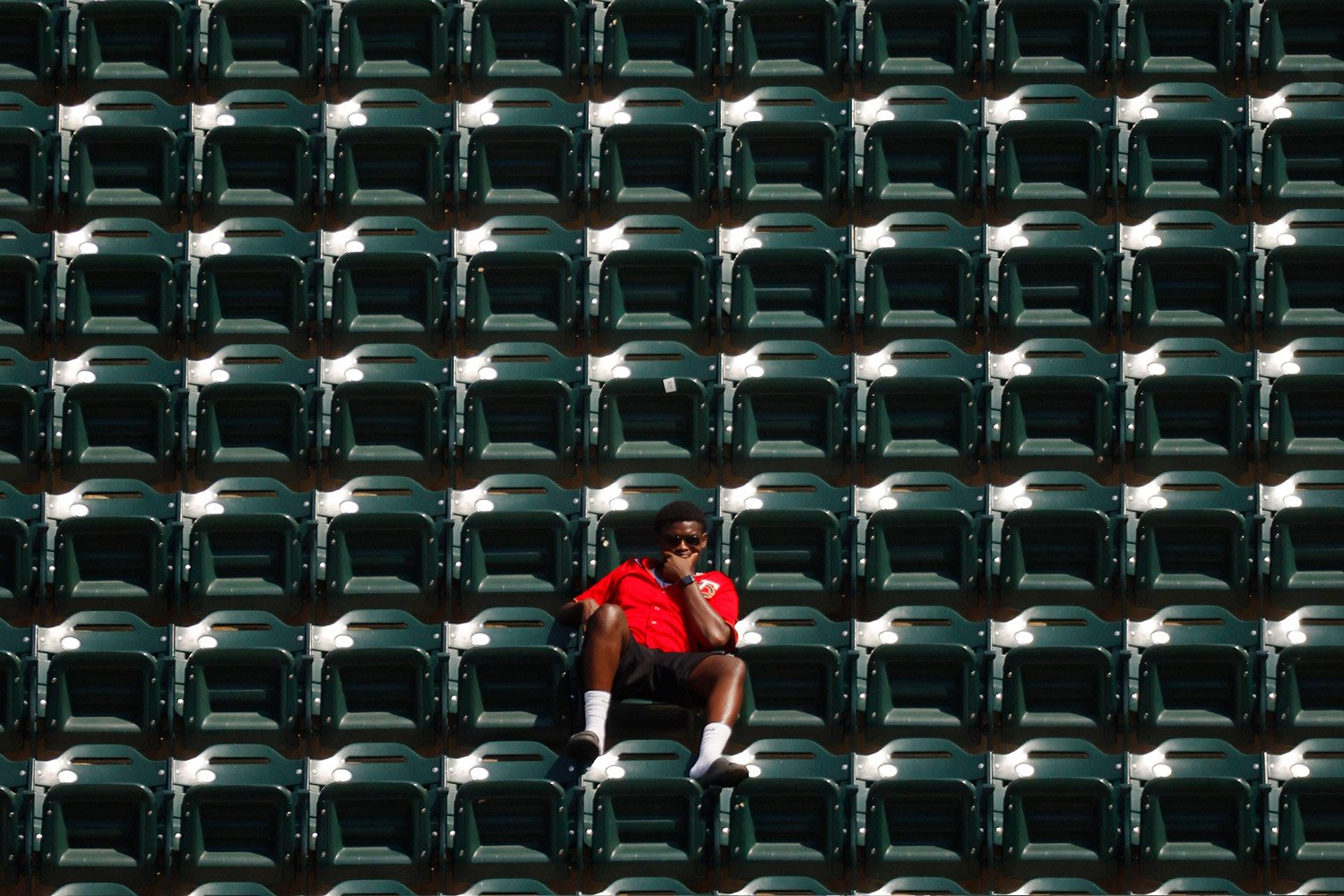 After a dramatic trade deadline selloff, whispers are growing louder that ownership might be nearing a deal, though nothing is confirmed. Minnesota Twins fans were still reeling from a flurry of deadline trades, 11 players moved in a week, including eight on deadline day, when a new report from Front Office Sports added fuel to an already simmering rumor: the Pohlads could be closing in on a sale of the team. According to FOS, a source claimed a transaction “could be weeks away.” Nothing is official, and no parties have publicly confirmed talks, but the timing has certainly raised eyebrows. MLB Commissioner Rob Manfred stirred the pot during All-Star week, telling reporters: “I know some things that you don’t know… There will be a transaction. We just need to be patient while they rework.” Earlier efforts to sell the team reportedly stalled Justin Ishbia backed out and redirected their focus to the White Sox. But since then, several unnamed suitors have reportedly toured Target Field and met with the Pohlad family as recently as May. Whether this is smoke or fire remains to be seen, but for now the front office’s moves and the whispers behind the scenes have fans watching closely.
 -
After a dramatic trade deadline selloff, whispers are growing louder that ownership might be nearing a deal, though nothing is confirmed. Minnesota Twins fans were still reeling from a flurry of deadline trades, 11 players moved in a week, including eight on deadline day, when a new report from Front Office Sports added fuel to an already simmering rumor: the Pohlads could be closing in on a sale of the team. According to FOS, a source claimed a transaction “could be weeks away.” Nothing is official, and no parties have publicly confirmed talks, but the timing has certainly raised eyebrows. MLB Commissioner Rob Manfred stirred the pot during All-Star week, telling reporters: “I know some things that you don’t know… There will be a transaction. We just need to be patient while they rework.” Earlier efforts to sell the team reportedly stalled Justin Ishbia backed out and redirected their focus to the White Sox. But since then, several unnamed suitors have reportedly toured Target Field and met with the Pohlad family as recently as May. Whether this is smoke or fire remains to be seen, but for now the front office’s moves and the whispers behind the scenes have fans watching closely. View full rumor
-
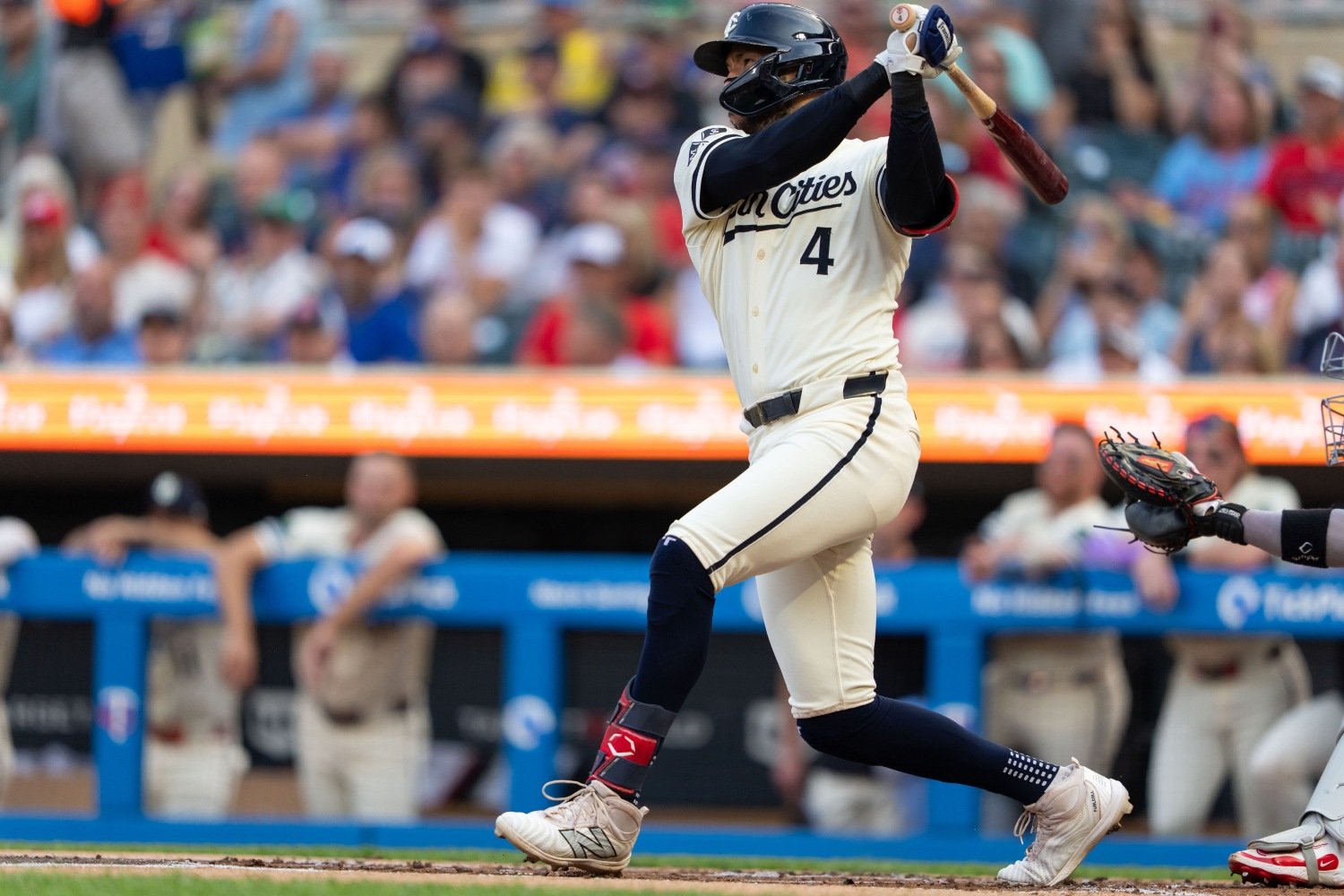 For the first time in what feels like forever, the Minnesota Twins didn’t hedge. They didn’t straddle the line between buying and selling, between rebuilding and retooling, between competing and coasting. They made a decision. They picked a direction. And they went all in. At the 2025 MLB trade deadline, the Twins executed one of the most aggressive sell-offs in recent major-league history. Ten players from the active 26-man roster were traded away (11 players in total). Team leaders, high-leverage relievers, young controllable talent, all gone. The front office didn’t tiptoe around tough decisions. They didn’t try to sugarcoat their situation. They saw the writing on the wall and decided to act with purpose. That, in itself, is worth celebrating. Because for the past two years, the opposite has been true. This front office has, in many ways, become synonymous with inaction. In 2023, their lone deadline move was acquiring Dylan Floro. In 2024, it was Trevor Richards. Those aren't exactly needle-movers. Nor was it just the deadline paralysis that defined them. It was the broader refusal to shift course in any meaningful way. After a playoff appearance in 2023, the Twins slashed payroll by $30 million but made no real roster changes beyond those absolutely necessitated by that slashing. Following a late-season collapse in 2024, they once again ran it back, keeping their core untouched. Even as cracks formed in the foundation, the team stuck with manager Rocco Baldelli and doubled down on the same formula that was no longer working. It all felt like a team stuck in limbo, afraid to take a real risk—afraid to pick a lane. Opportunities to sell high were passed over. Max Kepler could have been dealt after 2023. Edouard Julien or Jose Miranda might have netted solid returns after breakout stretches in 2023 and 2024. But the Twins held firm, betting on continuity and internal improvement. That bet failed. This week, the front office finally broke the cycle. This wasn’t just a sell-off. It was an admission, an acknowledgement that the team they had built—the one they extended, defended, and preserved over the past few years—was not good enough. So instead of watching it slowly erode, they hit the reset button. Hard. They didn’t dip a toe in the waters of a rebuild. They dove in headfirst. Even the decision to move Carlos Correa, the $200-million man and face of the franchise, underscored just how serious they were. They weren’t preserving icons or clinging to sunk costs. They were starting over. Of course, there will be debates. Should they have dumped Correa’s salary? Could they have gotten more for Jhoan Duran and Griffin Jax? Did they really need to trade all of those guys, or could they have kept a couple of pieces in place? These are fair questions, and we’ll explore them here on Twins Daily all week long. But this article isn’t about the trades themselves. It’s not about value or prospects or WAR. This article is about something more fundamental: vision. For once, the front office had one. You don’t have to love it. You don’t even have to agree with it. But you can finally say the Twins have a plan. They chose not to languish in the middle. They chose not to keep spinning the same wheels with the same core. They recognized that their window had closed, and they decided to tear it all down before the walls caved in on their own. In a sport where indecision is often the safest move, boldness is rare, but the Twins finally got bold. What do you think? Was this the right time for a total reset? Let us know in the comments.
- 301 comments
-
- 21
-

-
-

-
- 2025 trade deadline
- griffin jax
- (and 2 more)
-
For the first time in what feels like forever, the Minnesota Twins didn’t hedge. They didn’t straddle the line between buying and selling, between rebuilding and retooling, between competing and coasting. They made a decision. They picked a direction. And they went all in. At the 2025 trade deadline, the Twins executed one of the most aggressive sell-offs in recent Major League history. Ten players from the active Major League roster were traded away. Eleven players in total. Team leaders, high-leverage relievers, young controllable talent — gone. The front office didn’t tiptoe around tough decisions. They didn’t try to sugarcoat their situation. They saw the writing on the wall and decided to act with purpose. And that, in itself, is worth celebrating. Because for the past two years, the opposite has been true. This front office has, in many ways, become synonymous with inaction. In 2023, their lone deadline move was acquiring Dylan Floro. In 2024, it was Trevor Richards. Not exactly needle-movers. But it wasn’t just the deadline paralysis that defined them. It was the broader refusal to shift course in any meaningful way. After a playoff appearance in 2023, the Twins slashed payroll by 30 million but made no real roster changes. Following a late-season collapse in 2024, they once again ran it back, keeping their core untouched. Even as cracks formed in the foundation, the team stuck with manager Rocco Baldelli and doubled down on the same formula that was no longer working. It all felt like a team stuck in limbo, afraid to take a real risk, afraid to pick a lane. Opportunities to sell high were passed over. Max Kepler could have been dealt after 2023. Edouard Julien or Jose Miranda might have netted big returns after breakout stretches in 2024. But the Twins held firm, betting on continuity and internal improvement. And it failed. But this week, the front office finally broke the cycle. This wasn’t just a sell-off. It was an admission. An acknowledgement that the team they had built, the one they extended, defended, and preserved over the past few years, was not good enough. So instead of watching it slowly erode, they hit the reset button. Hard. They didn’t dip a toe in the waters of a rebuild. They dove in headfirst. Even the decision to move Carlos Correa, the 200 million dollar man and face of the franchise, underscored just how serious they were. They weren’t preserving icons or clinging to sunk costs. They were starting over. Of course, there will be debates. Should they have dumped Correa’s salary? Could they have gotten more for Jhoan Duran and Griffin Jax? Did they really need to trade all of those guys, or could they have kept a couple of pieces in place? These are fair questions, and we’ll explore them here on Twins Daily all week long. But this article isn’t about the trades themselves. It’s not about value or prospects or WAR. This article is about something more fundamental: vision. For once, the front office had one. You don’t have to love it. You don’t even have to agree with it. But you can finally say the Twins have a plan. They chose not to languish in the middle. They chose not to keep spinning the same wheels with the same core. They recognized that their window had closed, and they decided to tear it all down before the walls caved in on their own. In a sport where indecision is often the safest move, boldness is rare. But the Twins finally got bold. What do you think? Was this the right time for a total reset? Let us know in the comments. View full article
-
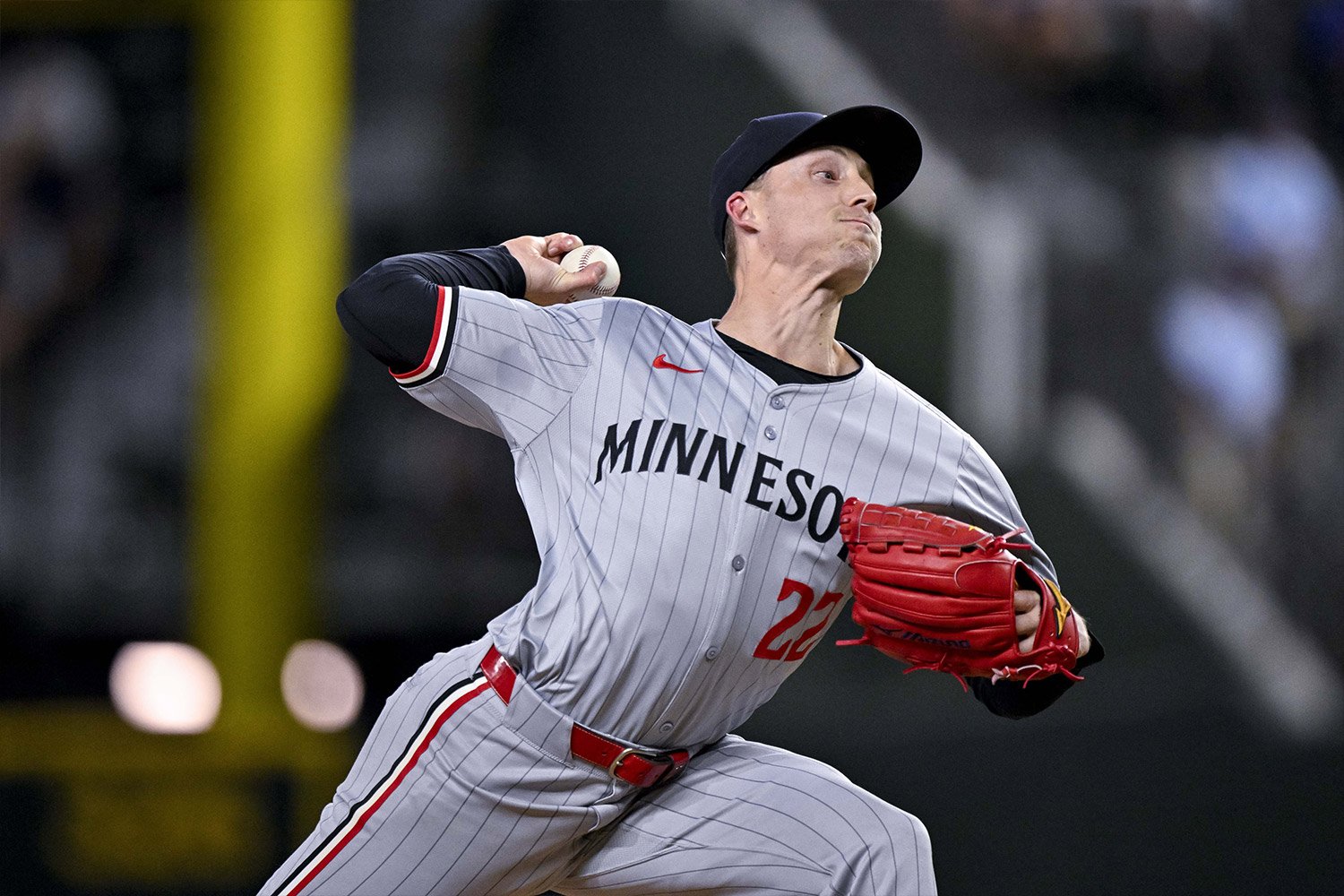 The Phillies have reportedly pivoted from Jhoan Duran to Griffin Jax in their search for bullpen help, according to Jayson Stark in a radio interview with 97.5 The Fanatic in Philadelphia. According to Stark, talks between the Twins and Phillies regarding Duran hit a snag when Minnesota asked for top Phillies pitching prospect Andrew Painter in return. Painter is currently ranked as the number eight prospect in baseball by Baseball America, and Philadelphia has been unwilling to put him on the table. As a result, this has led them to refocus on Jax, whom they may view as more attainable. Jax has taken a step back this year in terms of ERA and Win Probability Added, but his underlying metrics paint a different picture. His strikeout and walk rates remain strong, and advanced numbers like xERA suggest he’s been pitching better than the results indicate. He’s been snakebitten by some poor luck, not regression in stuff or command. Jax remains under team control through 2027 and has been a high-leverage staple for the past three seasons. Trading him would be a notable blow to the bullpen depth, but if the return is meaningful, it could be the right move. Would you move Jax in the right deal? Should the Twins keep pressing for a Painter/Duran deal? Drop your thoughts below.
 -
The Phillies have reportedly pivoted from Jhoan Duran to Griffin Jax in their search for bullpen help, according to Jayson Stark in a radio interview with 97.5 The Fanatic in Philadelphia. According to Stark, talks between the Twins and Phillies regarding Duran hit a snag when Minnesota asked for top Phillies pitching prospect Andrew Painter in return. Painter is currently ranked as the number eight prospect in baseball by Baseball America, and Philadelphia has been unwilling to put him on the table. As a result, this has led them to refocus on Jax, whom they may view as more attainable. Jax has taken a step back this year in terms of ERA and Win Probability Added, but his underlying metrics paint a different picture. His strikeout and walk rates remain strong, and advanced numbers like xERA suggest he’s been pitching better than the results indicate. He’s been snakebitten by some poor luck, not regression in stuff or command. Jax remains under team control through 2027 and has been a high-leverage staple for the past three seasons. Trading him would be a notable blow to the bullpen depth, but if the return is meaningful, it could be the right move. Would you move Jax in the right deal? Should the Twins keep pressing for a Painter/Duran deal? Drop your thoughts below. View full rumor
-
Seems pretty obvious to me that it was the way to leap themselves above the Rays and Yankees in negotations (and probably other teams) and get the deal done early. The Twins had leverage, and they used that leverage to offload Dobnak's salary rather than get a better prospect (or an additional prospect).
- 126 replies
-
- 7
-
-
- chris paddack
- randy dobnak
- (and 1 more)
-
In Chris Paddack Trade, Twins Choose Savings Over Substance
Matthew Taylor posted an article in Twins
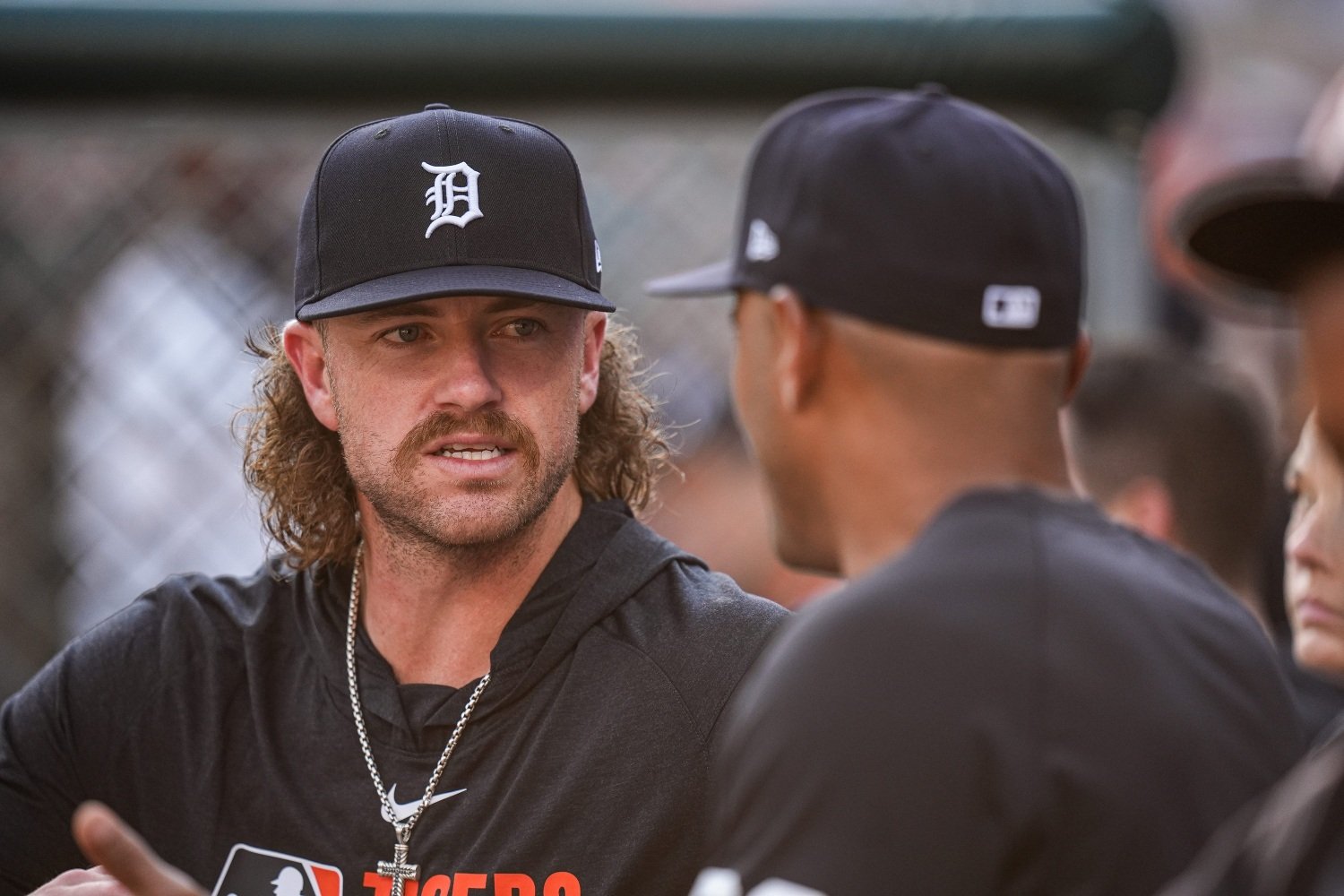 The Twins have made their first move of the trade deadline, and it's already left a sour taste. Chris Paddack has been traded to the Detroit Tigers for catching prospect Enrique Jimenez. At first glance, it looks like your typical deadline deal. Paddack hasn’t been good this year, holding a 4.95 ERA overall and a 6.04 ERA since June 1. Trading him for a lottery ticket type of prospect seemed fair enough at the time. But then the details started to come out, and it quickly became clear that this wasn’t just about getting something in return for a struggling pitcher. It was reported that the Rays and Yankees had also shown interest in Paddack. That should have given the Twins some leverage. If multiple teams are interested, you’d expect the front office to work that into a better return. Let them bid. Drive up the price. Do the smart baseball thing. But that didn’t happen. Instead, it was revealed that Randy Dobnak was included in the deal, as well. That changes the calculus entirely. Dobnak has bounced between the majors and Triple-A St. Paul for a few years now, but his recent performance has been rough. This year alone, he has a 7.57 ERA with the Saints, after middling seasons in 2023 and 2024. On top of that, he’s making $3 million this year, which means he’s still owed about $1 million the rest of the season, plus another $1 million buyout at the end. There is no real value there for a team in a playoff race. And yet, there he is, packaged in the deal. That tells you everything you need to know about the Twins' true motivation. This wasn’t about acquiring the best prospect available for Chris Paddack. This was about dumping salary. It’s not hard to imagine that the Rays and Yankees weren’t willing to take on Dobnak’s money, as well as the entirety of Paddack's remaining contract, but the Tigers were. In exchange, the Tigers didn’t have to give up a better prospect. The Twins took the cheaper deal, not the better one. That’s not to say Jiménez is a bad player. He’s a switch-hitting catching prospect in rookie ball and has some upside. But he’s a long shot—a true lottery ticket. He's the kind of player you might take if you were also getting something else or had no leverage. The Twins had leverage, and they still took the lighter return because it let them get out of paying Dobnak—not to mention the remainder of Paddack's own salary. It’s disappointing. Not surprising, but disappointing. The Pohlad family clearly has one foot out the door, and their top priority at this deadline is saving money. They’ve already slashed payroll over the last two years, and with the deadline finally here, they’re not even pretending to try to get the best baseball value. They’re prioritizing their bottom line. That money isn’t going back into the team: not this year, not next year, and especially not while a sale is looming. This is the kind of trade that makes you nervous about what’s to come. If the front office is being told to prioritize savings over value, how many more deals like this are we going to see? Are they going to keep attaching bloated contracts to semi-valuable players just to get rid of money, even if it means taking weaker returns? Is that the game plan? It's much too soon to say that for sure, but the very idea is unwelcome. Maybe Jiménez ends up being something, and in a few years we’ll look back on this trade a bit more kindly. But right now, it’s hard to feel anything but frustrated. The front office probably could have done better. They just weren’t allowed to. What do you think? Was there a better deal to be made? And does this trade make you worried about what the rest of the deadline will look like?
- 126 comments
-
- 11
-

-
-
-
- chris paddack
- randy dobnak
- (and 1 more)
-
The Twins have made their first move of the trade deadline and it's already left a sour taste. Chris Paddack has been traded to the Detroit Tigers for catching prospect Enrique Jimenez. At first glance, it looked like your typical deadline deal. Paddack hasn’t been good this year, holding a 4.95 ERA overall and a 6.04 ERA since June. Trading him for a lottery ticket type of prospect seemed fair enough at the time. But then the details started to come out and it quickly became clear that this wasn’t just about getting something in return for a struggling pitcher. It was reported that the Rays and Yankees had also shown interest in Paddack. That should have given the Twins some leverage. If multiple teams are interested, you’d expect the front office to work that into a better return. Let them bid. Drive up the price. Do the smart baseball thing. But that didn’t happen. Instead, it was revealed that Randy Dobnak was included in the deal as well. That changes the calculus entirely. Dobnak has bounced between the majors and Triple-A for a few years now, but his recent performance has been rough. This year alone he has a 7.57 ERA with the Saints, after middling seasons in 2023 and 2024. On top of that, he’s making $3 million this year, which means he’s still owed about $1 million the rest of the season, plus another $1 million buyout at the end. There is no real value there for a team in a playoff race. And yet, there he is, packaged in the deal. That tells you everything you need to know about the Twins' true motivation. This wasn’t about acquiring the best prospect available for Chris Paddack. This was about dumping salary. It’s not hard to imagine that the Rays and Yankees weren’t willing to take on Dobnak’s money as well as the entirety of Paddack's remaining contract, but the Tigers were. In exchange, the Tigers didn’t have to give up a better prospect. The Twins took the cheaper deal, not the better one. That’s not to say Enrique Jimenez is a bad player. He’s a switch-hitting catching prospect in rookie ball and has some upside. But he’s a long shot. A true lottery ticket. The kind of player you might take if you were also getting something else or had no leverage. The Twins had leverage. And they still took the lighter return because it let them get out of paying Dobnak. It’s disappointing. Not surprising, but disappointing. The Pohlad family clearly has one foot out the door, and their top priority at this deadline is saving money. They’ve already slashed payroll heading into the season, and now with the deadline finally here, they’re not even pretending to try to get the best baseball value. They’re prioritizing their bottom line. And that money isn’t going back into the team. Not this year, not next year, and especially not while a sale is looming. This is the kind of trade that makes you nervous about what’s to come. If the front office is being told to prioritize savings over value, how many more deals like this are we going to see? Are they going to keep attaching bloated contracts to semi-valuable players just to get rid of money, even if it means taking weaker returns? Is that the game plan? Maybe Jimenez ends up being something, and in a few years we’ll look back on this trade a bit more kindly. But right now, it’s hard to feel anything but frustrated. The front office probably could have done better. They just weren’t allowed to. What do you think? Was there a better deal to be made? And does this trade make you worried about what the rest of the deadline will look like? View full article
- 126 replies
-
- 3
-
-
-
- chris paddack
- randy dobnak
- (and 1 more)
-
If Twins Trade One of Jhoan Duran and Griffin Jax, Which Should it Be?
Matthew Taylor posted an article in Twins
 As the MLB trade deadline approaches, the Minnesota Twins are holding two of the most sought-after bullpen arms on the market: Jhoan Duran and Griffin Jax. With both relievers boasting 2.5 years of team control and plenty of experience in high-leverage roles, the Twins are in a rare position of strength. According to The Athletic’s trade deadline big board, Duran and Jax now rank fifth and ninth overall among available players, and first and second among available relievers, following Emmanuel Clase being placed on leave. If the Twins decide to part with only one of them, the question becomes: which one do they trade, and which one do they keep? When trying to evaluate who carries more trade value, Duran initially stands out. He has a 2.01 ERA over 49.1 innings this season, is still pumping fastballs at an average of 100.2 miles per hour, and is just 27 years old. He’s been the team’s most trusted closer in big moments, and has consistently delivered dominant performances since debuting. However, Griffin Jax’s profile is quietly just as appealing, if not more so. While his ERA is a modest 3.91 over 46 innings, he is striking out a higher percentage of batters than Duran (36.9%, compared to Duran’s 25.7%). Jax’s FIP is also lower than Duran’s (2.00 to 2.48), and he’s generating more whiffs and a higher chase rate from hitters. His average fastball velocity is trending upward, reaching 97 MPH this year compared to 96.5 in 2023. Duran, by contrast, has seen a dip in velocity from 101.8 in 2023 to 100.2 this season. Interestingly, recent reports suggest that the Twins are seeking similar trade packages for either pitcher, reportedly asking for top-100 prospects whether it’s Duran or Jax. That reveals how closely their trade value is viewed by the Twins front office, and how compelling the argument for either pitcher has become. What’s especially intriguing is the built-in relationship between their individual market value. If the Twins choose to keep one and make it known that the other is not available, the trade value of the remaining pitcher could immediately rise. Removing either Duran or Jax from the market would leave the other as the undisputed top reliever available at the deadline, which could push contending teams to bid more aggressively for what would then become the rarest remaining bullpen upgrade. In my opinion, if the Twins only trade one, they should keep Jax and trade Duran. Even though the trade value between the two is similar, if the Twins can extract a slightly better return for one of them, I believe Duran would command that premium. That alone could tilt the decision. Beyond that, I think there’s reason to be more optimistic about Jax moving forward than there is for Duran. Duran is still effective, but there are signs of a slow decline. His velocity is dipping; his strikeout numbers have decreased in each of the last three seasons; and his fastball usage continues to decline. While his breaking ball is still generating success this year, I’m skeptical that it will continue to be as effective if his fastball velocity continues to drop. If hitters no longer have to respect the same level of heat, they’ll be able to time up the offspeed stuff more easily, and the edge could erode quickly. Jax, on the other hand, is trending in the opposite direction. He’s raised his strikeout rate for three consecutive seasons and is having the best swing-and-miss season of his career in 2025. Though he had a shaky start to the season, his underlying metrics have been strong all year, and his results are starting to catch up. He’s been negatively affected by WPA with untimely hits, which is not a predictive stat—though it can be a big penalty in the moment. Age is often a factor in these decisions, but I don’t think it’s a major one here. Jax is 30 and under team control through his age-32 season. Duran is 27, but both pitchers are only signed through 2027. The difference in contract value also matters, especially for a team with a limited payroll. Jax is earning $2.3 million this year, while Duran is making $4.125 million. And with how arbitration works with valuing stats like saves, Duran’s contract figures to escalate at a more rapid rate heading into next season. All of this adds up to a decision that leans toward keeping Jax and trading Duran. If the Twins can net two top-100 prospects for either pitcher, Duran might be the better trade chip to capitalize on. With Jax trending upward (despite the lesser results) and carrying a friendlier contract, he might be the better bet to anchor the bullpen for the next two years. That’s where I stand, but I’d love to hear what you think. If the Twins only trade one of Jhoan Duran or Griffin Jax, who would you rather they keep? Would you sell high on Duran and lean into Jax’s underlying numbers? Or would you hold onto the younger, proven closer and try to get value for Jax while his peripherals shine? Let us know in the comments.
- 37 comments
-
- 5
-
-
- 2025 trade deadline
- griffin jax
- (and 1 more)
-
Image courtesy of © William Purnell-Imagn Images As the MLB trade deadline approaches, the Minnesota Twins are holding two of the most sought-after bullpen arms on the market: Jhoan Duran and Griffin Jax. With both relievers boasting 2.5 years of team control and plenty of experience in high-leverage roles, the Twins are in a rare position of strength. According to The Athletic’s trade deadline big board, Duran and Jax now rank fifth and ninth overall among available players, and first and second among available relievers, following Emmanuel Clase being placed on leave. If the Twins decide to part with only one of them, the question becomes: which one do they trade, and which one do they keep? When trying to evaluate who carries more trade value, Duran initially stands out. He has a 2.01 ERA over 49.1 innings this season, is still pumping fastballs at an average of 100.2 miles per hour, and is just 27 years old. He’s been the team’s most trusted closer in big moments, and has consistently delivered dominant performances since debuting. However, Griffin Jax’s profile is quietly just as appealing, if not more so. While his ERA is a modest 3.91 over 46 innings, he is striking out a higher percentage of batters than Duran (36.9%, compared to Duran’s 25.7%). Jax’s FIP is also lower than Duran’s (2.00 to 2.48), and he’s generating more whiffs and a higher chase rate from hitters. His average fastball velocity is trending upward, reaching 97 MPH this year compared to 96.5 in 2023. Duran, by contrast, has seen a dip in velocity from 101.8 in 2023 to 100.2 this season. Interestingly, recent reports suggest that the Twins are seeking similar trade packages for either pitcher, reportedly asking for top-100 prospects whether it’s Duran or Jax. That reveals how closely their trade value is viewed by the Twins front office, and how compelling the argument for either pitcher has become. What’s especially intriguing is the built-in relationship between their individual market value. If the Twins choose to keep one and make it known that the other is not available, the trade value of the remaining pitcher could immediately rise. Removing either Duran or Jax from the market would leave the other as the undisputed top reliever available at the deadline, which could push contending teams to bid more aggressively for what would then become the rarest remaining bullpen upgrade. In my opinion, if the Twins only trade one, they should keep Jax and trade Duran. Even though the trade value between the two is similar, if the Twins can extract a slightly better return for one of them, I believe Duran would command that premium. That alone could tilt the decision. Beyond that, I think there’s reason to be more optimistic about Jax moving forward than there is for Duran. Duran is still effective, but there are signs of a slow decline. His velocity is dipping; his strikeout numbers have decreased in each of the last three seasons; and his fastball usage continues to decline. While his breaking ball is still generating success this year, I’m skeptical that it will continue to be as effective if his fastball velocity continues to drop. If hitters no longer have to respect the same level of heat, they’ll be able to time up the offspeed stuff more easily, and the edge could erode quickly. Jax, on the other hand, is trending in the opposite direction. He’s raised his strikeout rate for three consecutive seasons and is having the best swing-and-miss season of his career in 2025. Though he had a shaky start to the season, his underlying metrics have been strong all year, and his results are starting to catch up. He’s been negatively affected by WPA with untimely hits, which is not a predictive stat—though it can be a big penalty in the moment. Age is often a factor in these decisions, but I don’t think it’s a major one here. Jax is 30 and under team control through his age-32 season. Duran is 27, but both pitchers are only signed through 2027. The difference in contract value also matters, especially for a team with a limited payroll. Jax is earning $2.3 million this year, while Duran is making $4.125 million. And with how arbitration works with valuing stats like saves, Duran’s contract figures to escalate at a more rapid rate heading into next season. All of this adds up to a decision that leans toward keeping Jax and trading Duran. If the Twins can net two top-100 prospects for either pitcher, Duran might be the better trade chip to capitalize on. With Jax trending upward (despite the lesser results) and carrying a friendlier contract, he might be the better bet to anchor the bullpen for the next two years. That’s where I stand, but I’d love to hear what you think. If the Twins only trade one of Jhoan Duran or Griffin Jax, who would you rather they keep? Would you sell high on Duran and lean into Jax’s underlying numbers? Or would you hold onto the younger, proven closer and try to get value for Jax while his peripherals shine? Let us know in the comments. View full article
-
The Twins may be one of the busiest teams in baseball over the next 48 hours. According to Jim Bowden of The Athletic, multiple contenders are aggressively pursuing Minnesota as a trade partner. The Red Sox, Yankees, Blue Jays, Phillies, and Mariners have all been in regular contact with the front office, showing serious interest in a wide range of players. Among the most talked-about names are Joe Ryan, several key bullpen arms, Willi Castro, and Harrison Bader. That level of widespread demand suggests the Twins could be busy over the next few days. With such a deep list of in-demand assets, Minnesota is suddenly positioned as a potential centerpiece of this year’s trade deadline. Whether the front office chooses to fully lean into selling or sticks to it's impending free agents remains to be seen. Either way, the next move could shift the tone of the season. Where do you stand on it? Drop your thoughts below. View full rumor
-
 The Twins may be one of the busiest teams in baseball over the next 48 hours. According to Jim Bowden of The Athletic, multiple contenders are aggressively pursuing Minnesota as a trade partner. The Red Sox, Yankees, Blue Jays, Phillies, and Mariners have all been in regular contact with the front office, showing serious interest in a wide range of players. Among the most talked-about names are Joe Ryan, several key bullpen arms, Willi Castro, and Harrison Bader. That level of widespread demand suggests the Twins could be busy over the next few days. With such a deep list of in-demand assets, Minnesota is suddenly positioned as a potential centerpiece of this year’s trade deadline. Whether the front office chooses to fully lean into selling or sticks to it's impending free agents remains to be seen. Either way, the next move could shift the tone of the season. Where do you stand on it? Drop your thoughts below.


