



Cody Pirkl
-
Posts
1,314 -
Joined
-
Last visited
-
Days Won
4
Content Type
Profiles
News
Minnesota Twins Videos
2026 Minnesota Twins Top Prospects Ranking
2022 Minnesota Twins Draft Picks
Minnesota Twins Free Agent & Trade Rumors, Notes, & Tidbits
Guides & Resources
2023 Minnesota Twins Draft Picks
The Minnesota Twins Players Project
2024 Minnesota Twins Draft Picks
2025 Minnesota Twins Draft Pick Tracker
2026 Minnesota Twins Draft Tracker: Picks & Bonuses
Forums
Blogs
Events
Store
Downloads
Gallery
Everything posted by Cody Pirkl
-
Brooks Lee Has Been Found Out, and Hasn't Found Out How to Push Back Yet
Cody Pirkl posted an article in Twins
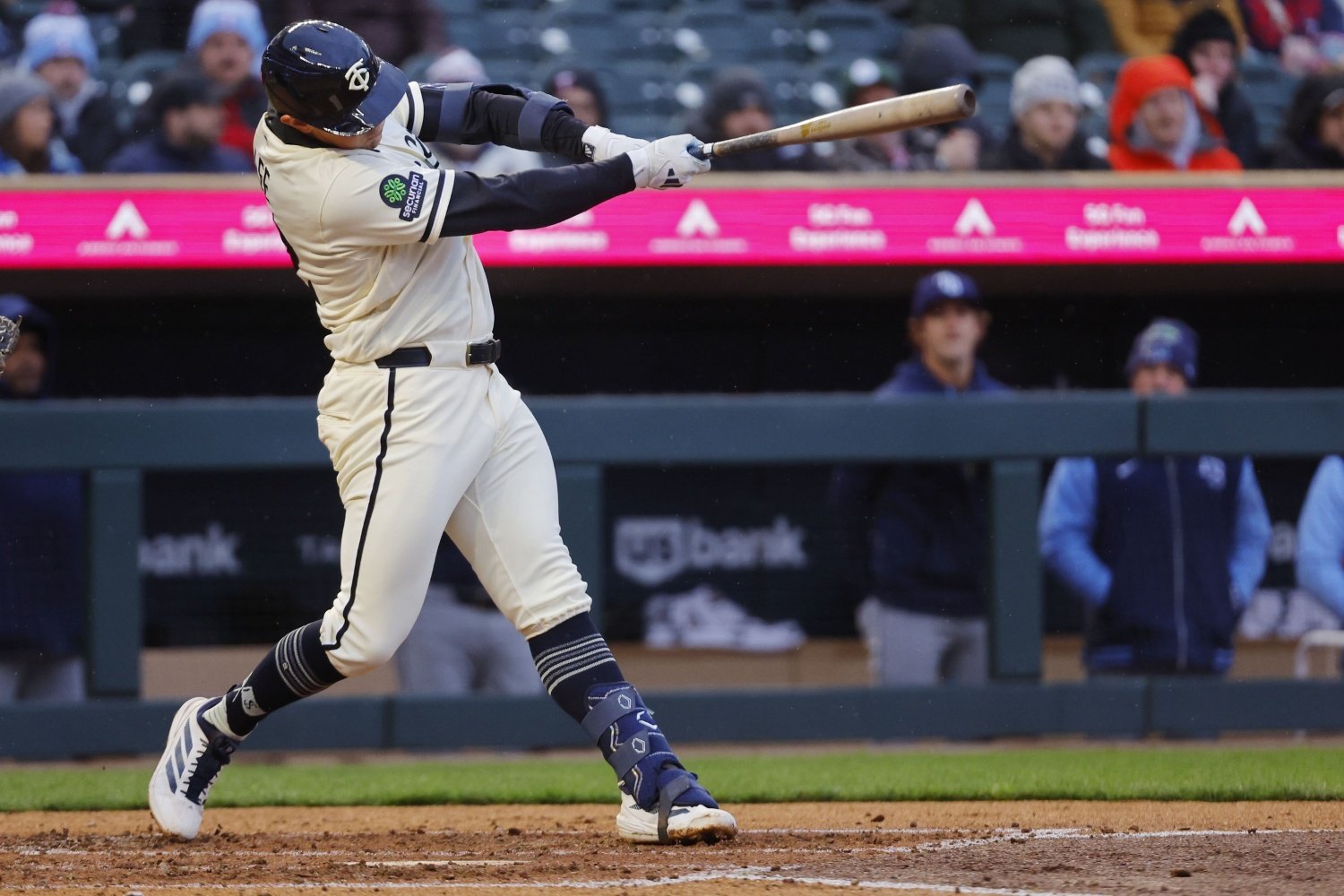 After being the 8th overall pick in the 2022 MLB Draft, Brooks Lee has failed to live up to his pedigree, struggling to sustain success in the majors so far. He hasn't shown enough improvement, and his weaknesses have been fully exposed. Opposing pitchers are taking advantage, and Lee's future with the Twins may depend on whether he can make a huge adjustment—quickly. Brooks Lee has a sub-.650 OPS so far in his career, as he nears 750 plate appearances. He fails to control the strike zone and work counts. He lacks consistent power, as evidenced by his .370 SLG in 2025, which tells a different story than the 16 homers he hit. There are plenty of reasons for concern with Lee's offense. Priority number one right now is simple: Lee can only hit fastballs, and the league has figured that out. If he can't respond by changing it, he's in big trouble. Struggling against non-fastballs isn't uncommon. Most hitters make a living out of simply surviving against the soft stuff and tearing up velocity. "The best way to hit the curveball," hitters have long said, "is to hit the fastball." The first issue is that Lee doesn't perform well enough against heaters to carry him, with a .340 xwOBA against them in 2025. The second is that Lee can't handle off-speed pitches at all. Lee posted .216 and .214 xwOBAs on breaking balls and off-speed pitches, respectively, in 2025. Pitchers took note and have adjusted accordingly. Lee's free-swinging ways are too easy to exploit with non-fastballs, and it looks like opposing pitchers are going to lean into that information until Lee gives them a reason not to. Lee has seen fastballs about one-third of the time in 2026, down about 15% from 2025. For reference, Byron Buxton and Luke Keaschall have seen about 50% fastballs. It's no secret what's going through the minds of opposing pitchers when Lee steps up to the plate. There's a real risk that this issue is too much for Lee to overcome. It requires a complete overhaul of his approach and (in a sense) his swing. He identified the need to make this adjustment last season, but hasn't shown improvement in the small sample of 2026 so far. He'll have to make the adjustment during the season, and quickly, which means changing what he looks for in the box and how he times his swing. With top prospect Kaelen Culpepper off to a hot start in St. Paul, the clock is ticking on Lee being the everyday starting shortstop at the other end of the Green Line. In addition to scuffling at the plate, he appears stretched defensively. When Culpepper gets the call, which could be any time in the next few months, Lee will be out of a job. He can roam several infield spots as needed, but if he's still posting a sub-.700 OPS, it won't be worth prioritizing him in the lineup every day. He could very well find himself back in Triple-A. The book on Lee's career hasn't been written yet, but what we've seen so far has been worrisome. We've watched how difficult it can be to make adjustments when the league finds a young hitter's weakness. Unlike players such as Edouard Julien, Jose Miranda, or Matt Wallner—hardly a murderer's row in its own right, as things turned out—Lee has yet to show signs of being an impactful part of the Twins’ future to this point in his career. His performance, paired with the turnover within the front office that drafted him, could put him at risk of being pushed aside quickly. Lee needs to figure out how to make opposing pitchers pay for attacking him with the soft stuff. It can be as simple as identifying and taking changeups off the plate, or driving an occasional hanger into the seats, but he has to show something. The clock is ticking, as other shortstop options close in on debuting this season. Brooks Lee needs to make an adjustment, and fast, and so far, he's only adjusted little by slowly in the major leagues.
 -
Image courtesy of © Jay Biggerstaff-Imagn Images This offseason, Victor Caratini became the first free agent the Twins signed to a multi-year deal in two years. The $14-million, two-year price tag was fair, though it was surprising—and it was difficult to see how he fit the roster and timeline. The way he’s been utilized so far, the acquisition becomes even more questionable. For starters, the Twins acquired Alex Jackson early in the offseason. He had flashed offensively in 2025 and was a well-respected defender. This made him a viable backup for Ryan Jeffers, who was tabbed to pick up a larger percentage of the playing time behind the plate. Caratini’s signing eventually pushed Jackson off the roster, and he’s now stashed in St. Paul for the time being. It was certainly an upgrade at the backup catcher position, but it came at the cost of the limited payroll room the team had available with which to improve this winter. Caratini has started two games behind the plate thus far, and has started at first base three times. In the small sample of the 2026 season to date, the Twins have already committed to Jeffers in a way we never saw them do with Christian Vázquez in the picture, when the two were essentially locked in a timeshare. If this pattern holds, it’s worth questioning why the Twins allocated the resources they did to Victor Caratini. It appears Caratini is an everyday starter against left-handed pitching. It is what it is for a roster with not nearly enough buttons to push in those matchups. He owns a .668 OPS against southpaws in his career, but posted a much more tolerable .740 mark in 2025. Plugging this production into a role like Christian Vázquez had last season would be valuable; doing so at first base is less enticing. If Jeffers carries the lion’s share of work behind the plate for the rest of the season, it’s hard not to feel like the Twins missed an opportunity to legitimately upgrade their lineup. Caratini is a nice player who can switch-hit and play multiple positions in the field. He’s not a player to whom a competitive team should hand a regular role in a corner infield or DH spot. Both positions have a high offensive bar to clear, and have no shortage of options to fill them cheaply every year in free agency. It may be wishful thinking to assume the Twins would have spent the Caratini money elsewhere on the roster if they hadn’t signed him. If their usage of him so far is the plan going forward, however, it’s hard not to argue they should have. They could have kept Jackson for what would be a modest backup role behind the plate. Jackson, by the way, was a more valuable player by Fangraphs Wins Above Replacement than Caratini in 2025. Even signing a Rhys Hoskins type, who struggled last season but has a career .883 OPS against lefties, would have placed a more qualified player in the role Caratini has played so far. Perhaps we see Caratini mix in at catcher in a more even split as the season goes on (or take over as the starter, should Jeffers be dealt in July), but if the Twins stick to their plan for Jeffers to take on a bigger role catching, the signing doesn’t make much sense. Caratini moonlighting behind the plate while serving as the primary first baseman or DH against left-handed pitching isn’t going to provide much impact to a lineup that desperately needs it. The deal was clearly too good for the Twins front office to pass up, but if Caratini’s usage holds, the Twins won’t be better for seizing the opportunity. View full article
-
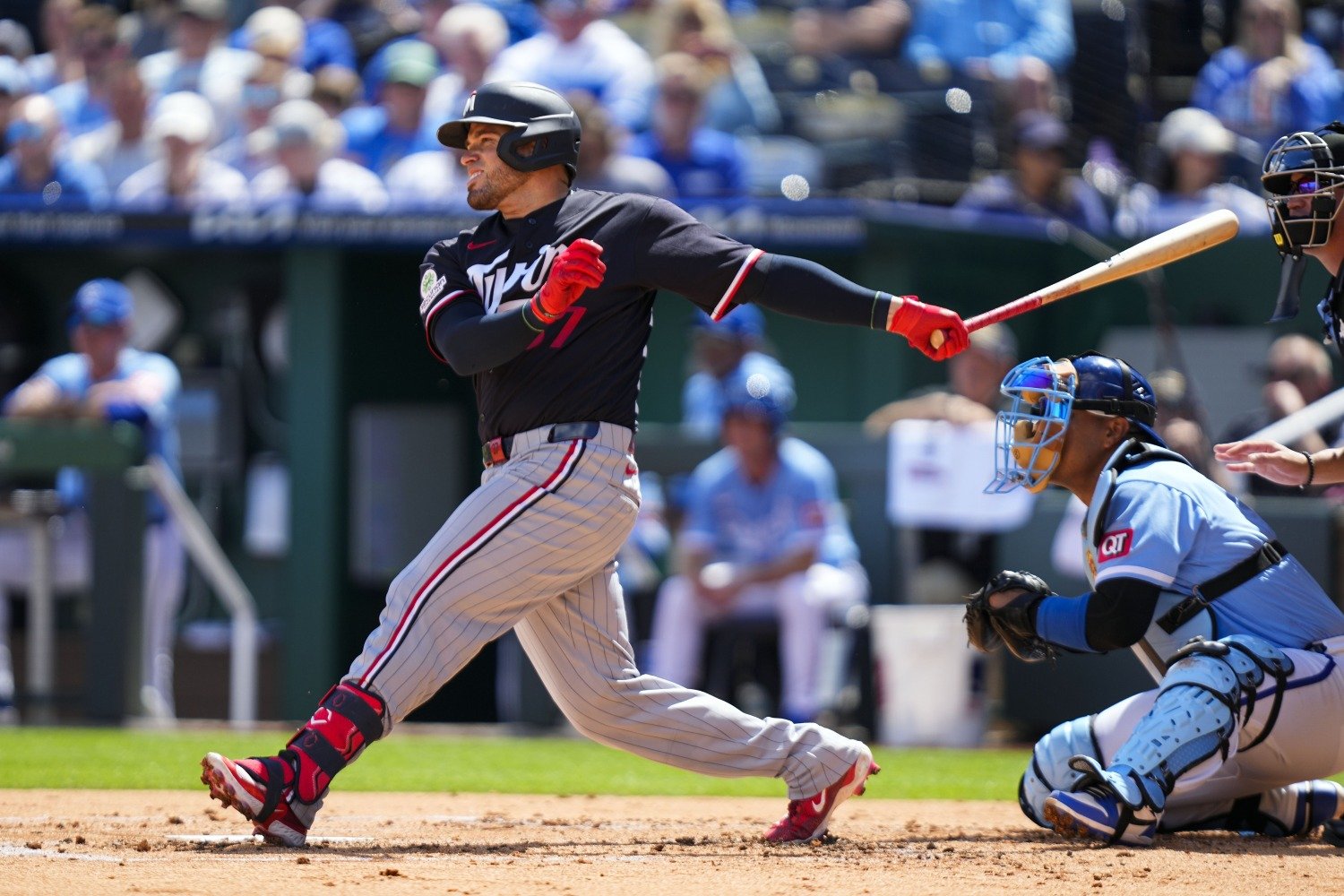 This offseason, Victor Caratini became the first free agent the Twins signed to a multi-year deal in two years. The $14-million, two-year price tag was fair, though it was surprising—and it was difficult to see how he fit the roster and timeline. The way he’s been utilized so far, the acquisition becomes even more questionable. For starters, the Twins acquired Alex Jackson early in the offseason. He had flashed offensively in 2025 and was a well-respected defender. This made him a viable backup for Ryan Jeffers, who was tabbed to pick up a larger percentage of the playing time behind the plate. Caratini’s signing eventually pushed Jackson off the roster, and he’s now stashed in St. Paul for the time being. It was certainly an upgrade at the backup catcher position, but it came at the cost of the limited payroll room the team had available with which to improve this winter. Caratini has started two games behind the plate thus far, and has started at first base three times. In the small sample of the 2026 season to date, the Twins have already committed to Jeffers in a way we never saw them do with Christian Vázquez in the picture, when the two were essentially locked in a timeshare. If this pattern holds, it’s worth questioning why the Twins allocated the resources they did to Victor Caratini. It appears Caratini is an everyday starter against left-handed pitching. It is what it is for a roster with not nearly enough buttons to push in those matchups. He owns a .668 OPS against southpaws in his career, but posted a much more tolerable .740 mark in 2025. Plugging this production into a role like Christian Vázquez had last season would be valuable; doing so at first base is less enticing. If Jeffers carries the lion’s share of work behind the plate for the rest of the season, it’s hard not to feel like the Twins missed an opportunity to legitimately upgrade their lineup. Caratini is a nice player who can switch-hit and play multiple positions in the field. He’s not a player to whom a competitive team should hand a regular role in a corner infield or DH spot. Both positions have a high offensive bar to clear, and have no shortage of options to fill them cheaply every year in free agency. It may be wishful thinking to assume the Twins would have spent the Caratini money elsewhere on the roster if they hadn’t signed him. If their usage of him so far is the plan going forward, however, it’s hard not to argue they should have. They could have kept Jackson for what would be a modest backup role behind the plate. Jackson, by the way, was a more valuable player by Fangraphs Wins Above Replacement than Caratini in 2025. Even signing a Rhys Hoskins type, who struggled last season but has a career .883 OPS against lefties, would have placed a more qualified player in the role Caratini has played so far. Perhaps we see Caratini mix in at catcher in a more even split as the season goes on (or take over as the starter, should Jeffers be dealt in July), but if the Twins stick to their plan for Jeffers to take on a bigger role catching, the signing doesn’t make much sense. Caratini moonlighting behind the plate while serving as the primary first baseman or DH against left-handed pitching isn’t going to provide much impact to a lineup that desperately needs it. The deal was clearly too good for the Twins front office to pass up, but if Caratini’s usage holds, the Twins won’t be better for seizing the opportunity.
- 46 comments
-
- 3
-

-

-

-
- victor caratini
- ryan jeffers
- (and 1 more)
-
I've definitely harped on their mess of LHHs, I just found myself looking at the lineup against LHPs saying to myself "this isn't so bad". Thought it was important to point out that some of those players that can hit right-handed, particularly the ones they targeted this offseason, may potentially be as bad as sending out LHHs. Seeing a lineup with 8 RHHs against a LHP should be encouraging. Unfortunately for the Twins, they've put together a lineup that will stink in those matchups regardless.
- 12 replies
-
- 5
-
-
-
- josh bell
- victor caratini
- (and 1 more)
-
Image courtesy of © Mitch Stringer-Imagn Images The Twins’ endless pursuit of left-handed corner outfielders has been well covered. The many poor-fitting pieces of the lineup have, as well. They're seeing the results of their lopsided roster construction to begin the season, and turning the corner feels unlikely. The Twins have mustered very little fight against left-handed pitchers, scoring two runs in 16 2/3 innings against them. In looking at the lineup they throw out in these matchups, you might feel like they should be able to at least hold their own. They're able to fill out most of the batting order with right-handed hitters. That may not be enough to save them, though. To be fair, we have yet to see several expected contributors pitch in much in this small sample to begin the season. Byron Buxton has yet to pick up a hit against left-handed pitching, and we're waiting for Luke Keaschall and Ryan Jeffers to take off. The Twins are surely counting on these players to carry the lineup. So far, Austin Martin has held his own in the leadoff spot when called upon, but the lineup has missed some expected production that's sure to show up at some point. Unfortunately, even as those names come around, it's hard to expect this lineup to perform against lefties. They're simply lacking in players to counter those matchups. Not only do they have too many left-handed hitters on the roster, but too many of the right-handed bats they have to rely on also aren't a big help. Brooks Lee has been better against left-handed pitching so far in his career, but that consists of just a .647 OPS. Josh Bell hasn't produced at an above-average clip against lefties since 2023, and posted a .552 OPS against them last season. Victor Caratini was slightly above average against them in 2025, but has a .672 mark against southpaws in his career. These three are going to be regulars on days with a left-handed starter on the mound, along with at least one left-handed hitter. This is the best the Twins have to offer. Their bench doesn’t have any other right-handed hitters to shuffle into the mix if these players continue to struggle, as we would expect them to. In short, there's no reason to expect this lineup to right the ship against left-handed pitching. They won’t be as bad as they’ve been in this small sample, but they’ll continue to struggle significantly. The falloff in the lineup is quick and precipitous, and will likely kill many of the rallies the top of the lineup doesn't finish. Even among the few bats the Twins chose to bring in this offseason who can hit right-handed, they did a poor job of adding impact from that side of the plate. It's yet another strike against the way the Twins chose to build their roster in 2026. Their emphasis on acquiring and retaining as many left-handed bats as possible left them with few roster spots to allocate to countering left-handed pitching. They filled those spots with bats that are technically capable of hitting right-handed, but are highly unlikely to be the impact contributors this lineup needs against lefties. From ace starting pitchers to marginal relievers, it's safe to expect the Twins to struggle mightily for all of the 2026 season against southpaws, and teams will continue to turn to them as often as they possibly can. If that's the case, it won't be because of underperformance or unexpected struggles. It will be because that's exactly what you'd expect from the roster they put together. View full article
- 12 replies
-
- 1
-
-
- josh bell
- victor caratini
- (and 1 more)
-
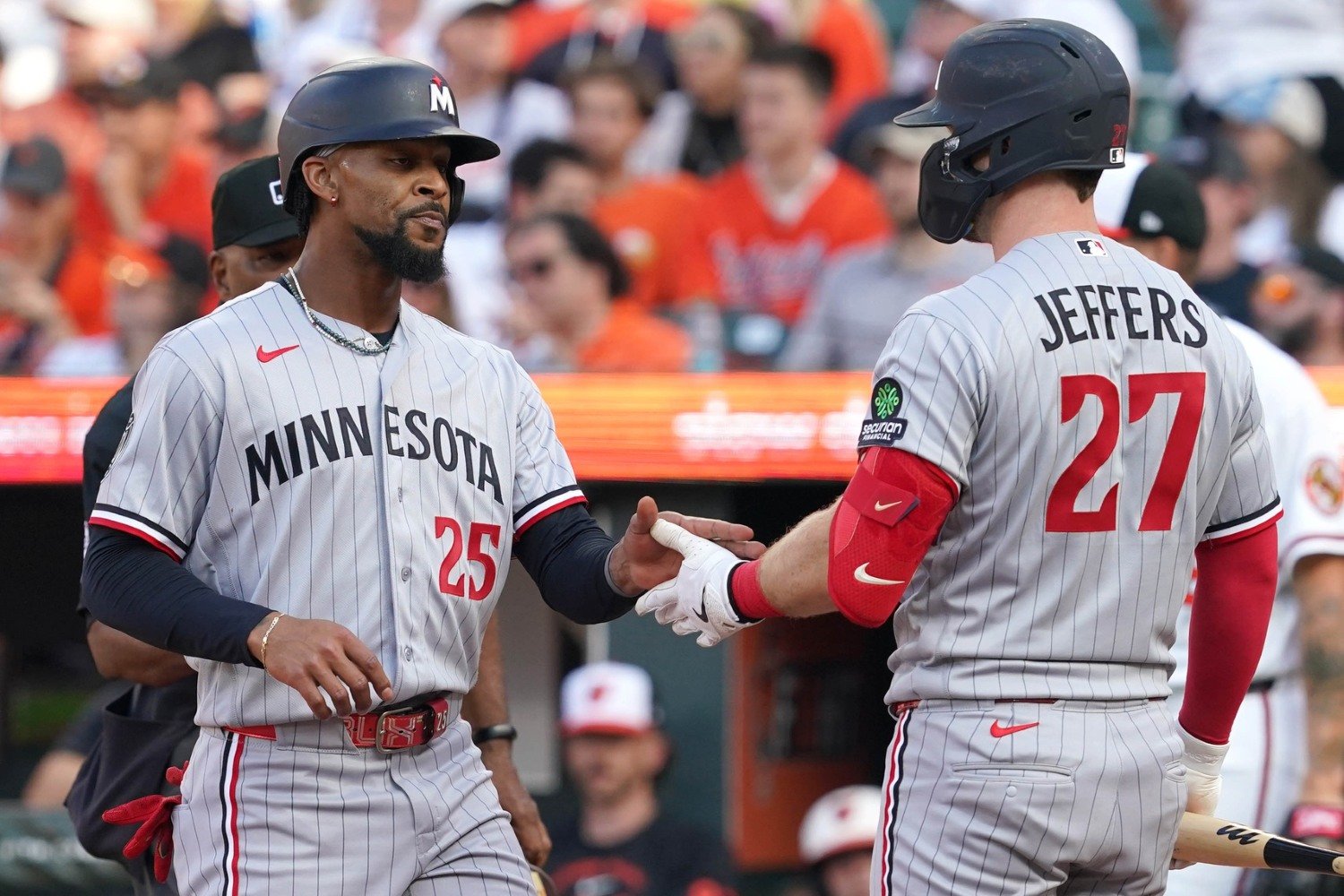 The Twins’ endless pursuit of left-handed corner outfielders has been well covered. The many poor-fitting pieces of the lineup have, as well. They're seeing the results of their lopsided roster construction to begin the season, and turning the corner feels unlikely. The Twins have mustered very little fight against left-handed pitchers, scoring two runs in 16 2/3 innings against them. In looking at the lineup they throw out in these matchups, you might feel like they should be able to at least hold their own. They're able to fill out most of the batting order with right-handed hitters. That may not be enough to save them, though. To be fair, we have yet to see several expected contributors pitch in much in this small sample to begin the season. Byron Buxton has yet to pick up a hit against left-handed pitching, and we're waiting for Luke Keaschall and Ryan Jeffers to take off. The Twins are surely counting on these players to carry the lineup. So far, Austin Martin has held his own in the leadoff spot when called upon, but the lineup has missed some expected production that's sure to show up at some point. Unfortunately, even as those names come around, it's hard to expect this lineup to perform against lefties. They're simply lacking in players to counter those matchups. Not only do they have too many left-handed hitters on the roster, but too many of the right-handed bats they have to rely on also aren't a big help. Brooks Lee has been better against left-handed pitching so far in his career, but that consists of just a .647 OPS. Josh Bell hasn't produced at an above-average clip against lefties since 2023, and posted a .552 OPS against them last season. Victor Caratini was slightly above average against them in 2025, but has a .672 mark against southpaws in his career. These three are going to be regulars on days with a left-handed starter on the mound, along with at least one left-handed hitter. This is the best the Twins have to offer. Their bench doesn’t have any other right-handed hitters to shuffle into the mix if these players continue to struggle, as we would expect them to. In short, there's no reason to expect this lineup to right the ship against left-handed pitching. They won’t be as bad as they’ve been in this small sample, but they’ll continue to struggle significantly. The falloff in the lineup is quick and precipitous, and will likely kill many of the rallies the top of the lineup doesn't finish. Even among the few bats the Twins chose to bring in this offseason who can hit right-handed, they did a poor job of adding impact from that side of the plate. It's yet another strike against the way the Twins chose to build their roster in 2026. Their emphasis on acquiring and retaining as many left-handed bats as possible left them with few roster spots to allocate to countering left-handed pitching. They filled those spots with bats that are technically capable of hitting right-handed, but are highly unlikely to be the impact contributors this lineup needs against lefties. From ace starting pitchers to marginal relievers, it's safe to expect the Twins to struggle mightily for all of the 2026 season against southpaws, and teams will continue to turn to them as often as they possibly can. If that's the case, it won't be because of underperformance or unexpected struggles. It will be because that's exactly what you'd expect from the roster they put together.
- 12 comments
-
- 4
-
-
-
- josh bell
- victor caratini
- (and 1 more)
-
Image courtesy of © Nathan Ray Seebeck-Imagn Images Acquired at last year's historic trade deadline sell-off, Alan Roden was an athletic 25-year-old outfielder whom the Twins chose to target in the Louis Varland trade. With a .917 OPS across over 100 games in Triple-A, Roden has little to prove in the minor leagues. That, paired with his age, means the next step in his career is proving he can produce in the majors, where he's struggled in 153 plate appearances. Unfortunately, the Twins aren't providing him that opportunity. In a vacuum, Roden should be a lock to make the Opening Day roster of a team projected to finish well below .500. He's likely the second-best defensive outfielder they have, after a strong showing in the field in 2025 by Outs Above Average. Despite his small sample of offensive struggles, he's shown significant upside in his Triple-A performance and could contribute to an MLB roster in several ways. He's a logical answer for a team looking to get faster and better on defense, while also having a chance to bloom offensively. Unfortunately, Roden had a minor-league option remaining, which led to his demotion on Sunday. His strong spring performance was not enough to beat out the Twins’ insatiable urge to hoard left-handed-hitting outfielders. Trevor Larnach and James Outman would have to be exposed to waivers if they don't make the roster. Now, the team can stash the 26-year-old Roden in Triple-A for his third stint at a level he has already dominated. Meanwhile, the 40-man roster remains overstocked with left-handed outfielders, with Walker Jenkins set to add to that group later this season. Of course, this could have been avoided at several junctures. It's worth asking why Roden was targeted by the Twins at all, as opposed to a player at literally any other position. The timeline of his career doesn't align with what the Twins need or what they can offer him in terms of opportunity. They also acquired Outman at the deadline, knowing his out-of-options status would contribute to a logjam in short order. Perhaps they saw good value and disregarded the fits. It all could have been solved this offseason by non-tendering Larnach, or trading him for just about anything. Instead, they chose to pay him $4.475 million, despite health concerns and the fact that he's little more than a DH with a career OPS of just .726. It's a baffling decision, in hindsight, considering the team's surfeit of this player type and need for as much payroll space as possible. Roden may not be a strong bet to be a big part of the next great Twins’ team, but he's an interesting player who deserves a real chance. His window of opportunity will be incredibly small—potentially limited to the time between whenever he's called up and when Emmanuel Rodriguez and Jenkins debut. This is an example of how the Twins simply cannot do a thorough job of sorting through these types of players, given how many of them they continue to collect and retain. Almost 1,700 plate appearances into Larnach's career, they're either still chasing some kind of undiscovered upside or see his career 103 wRC+ as too good to risk trying to improve upon. Alan Roden will be fortunate to get a quarter as many plate appearances to prove himself. Today, Roden is the loser in the Twins’ philosophy regarding left-handed-hitting outfielders. The team ultimately loses out, as well. They declined to take steps toward their goals of getting faster, more athletic, and better defensively. Their roster is extremely left-handed as a whole, and is certain to see that weakness attacked regularly. They're choosing not to pursue upside for a roster that is in desperate need of it if they want to contend in 2026. It's just bad roster construction. And the lack of opportunity they're creating by holding onto every player of this type will have lasting effects on players in future seasons. Roden will likely appear in 2026, but the current roster structure gave him no chance to earn a job this spring. His already limited window has likely shrunk further. The Twins could have avoided this, but their pursuit of left-handed hitters comes at a cost. Do you agree? View full article
- 84 replies
-
- 3
-

-
-
- alan roden
- trevor larnach
- (and 2 more)
-
Alan Roden is a Victim of Minnesota Twins' Poor Roster-Building
Cody Pirkl posted an article in Twins
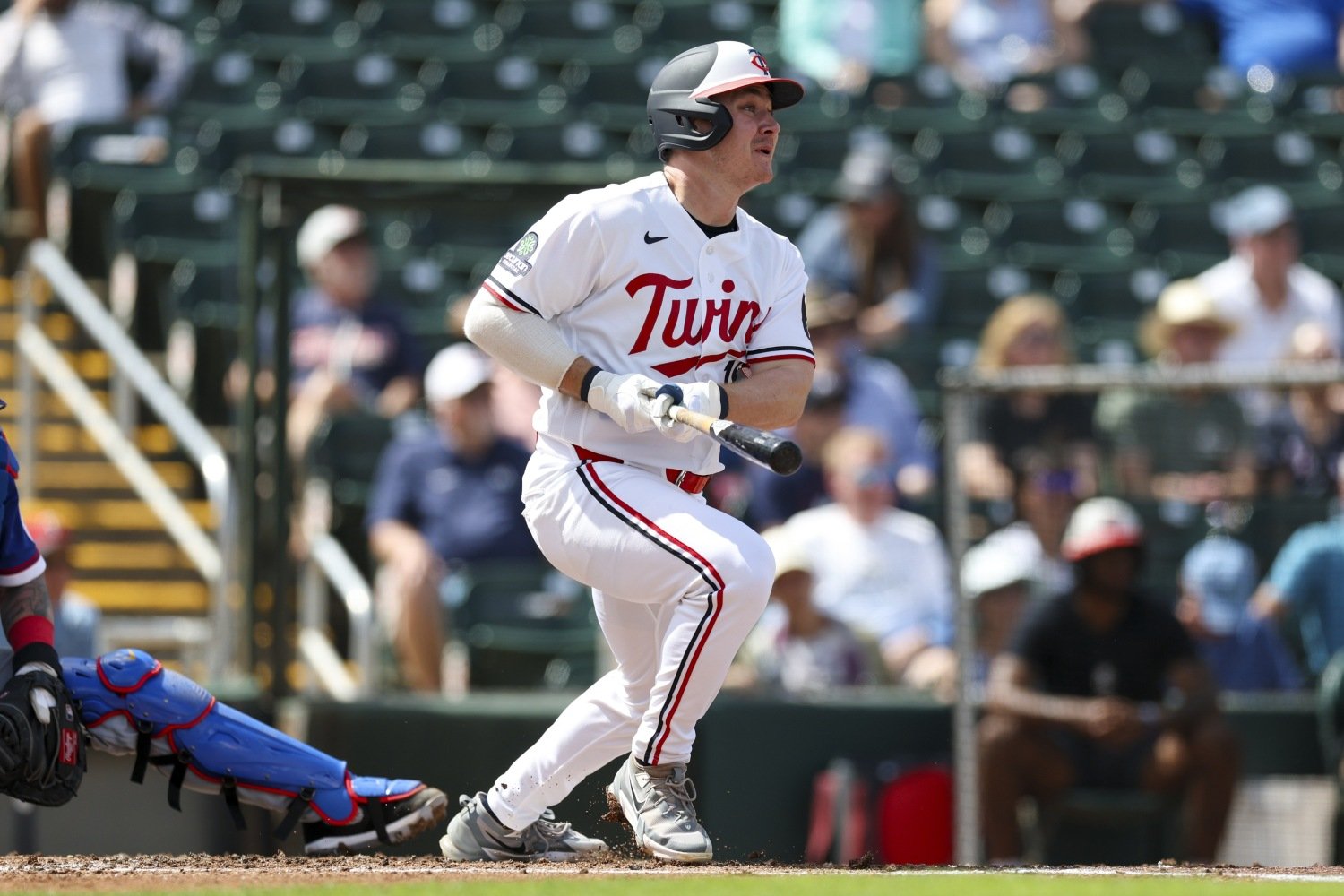 Acquired at last year's historic trade deadline sell-off, Alan Roden was an athletic 25-year-old outfielder whom the Twins chose to target in the Louis Varland trade. With a .917 OPS across over 100 games in Triple-A, Roden has little to prove in the minor leagues. That, paired with his age, means the next step in his career is proving he can produce in the majors, where he's struggled in 153 plate appearances. Unfortunately, the Twins aren't providing him that opportunity. In a vacuum, Roden should be a lock to make the Opening Day roster of a team projected to finish well below .500. He's likely the second-best defensive outfielder they have, after a strong showing in the field in 2025 by Outs Above Average. Despite his small sample of offensive struggles, he's shown significant upside in his Triple-A performance and could contribute to an MLB roster in several ways. He's a logical answer for a team looking to get faster and better on defense, while also having a chance to bloom offensively. Unfortunately, Roden had a minor-league option remaining, which led to his demotion on Sunday. His strong spring performance was not enough to beat out the Twins’ insatiable urge to hoard left-handed-hitting outfielders. Trevor Larnach and James Outman would have to be exposed to waivers if they don't make the roster. Now, the team can stash the 26-year-old Roden in Triple-A for his third stint at a level he has already dominated. Meanwhile, the 40-man roster remains overstocked with left-handed outfielders, with Walker Jenkins set to add to that group later this season. Of course, this could have been avoided at several junctures. It's worth asking why Roden was targeted by the Twins at all, as opposed to a player at literally any other position. The timeline of his career doesn't align with what the Twins need or what they can offer him in terms of opportunity. They also acquired Outman at the deadline, knowing his out-of-options status would contribute to a logjam in short order. Perhaps they saw good value and disregarded the fits. It all could have been solved this offseason by non-tendering Larnach, or trading him for just about anything. Instead, they chose to pay him $4.475 million, despite health concerns and the fact that he's little more than a DH with a career OPS of just .726. It's a baffling decision, in hindsight, considering the team's surfeit of this player type and need for as much payroll space as possible. Roden may not be a strong bet to be a big part of the next great Twins’ team, but he's an interesting player who deserves a real chance. His window of opportunity will be incredibly small—potentially limited to the time between whenever he's called up and when Emmanuel Rodriguez and Jenkins debut. This is an example of how the Twins simply cannot do a thorough job of sorting through these types of players, given how many of them they continue to collect and retain. Almost 1,700 plate appearances into Larnach's career, they're either still chasing some kind of undiscovered upside or see his career 103 wRC+ as too good to risk trying to improve upon. Alan Roden will be fortunate to get a quarter as many plate appearances to prove himself. Today, Roden is the loser in the Twins’ philosophy regarding left-handed-hitting outfielders. The team ultimately loses out, as well. They declined to take steps toward their goals of getting faster, more athletic, and better defensively. Their roster is extremely left-handed as a whole, and is certain to see that weakness attacked regularly. They're choosing not to pursue upside for a roster that is in desperate need of it if they want to contend in 2026. It's just bad roster construction. And the lack of opportunity they're creating by holding onto every player of this type will have lasting effects on players in future seasons. Roden will likely appear in 2026, but the current roster structure gave him no chance to earn a job this spring. His already limited window has likely shrunk further. The Twins could have avoided this, but their pursuit of left-handed hitters comes at a cost. Do you agree?
- 84 comments
-
- 14
-
-
-
-
- alan roden
- trevor larnach
- (and 2 more)
-
Image courtesy of © Nathan Ray Seebeck-Imagn Images Zebby Matthews made an exciting rise through the Twins’ system in 2024 and flashed his potential in the majors in 2025. The expectation was that 2026 would bring him more opportunities to cement himself in the Twins’ rotation, and to finally turn the corner from promising to productive. As spring training winds down, it's looking like that chance is slipping past him. While it's important not to put too much weight into spring performance, we know some roster battles are underway. The bench spots are the obvious examples, but another opened in the rotation when Pablo López went down with an injury. It's safe to say the fifth spot (after Joe Ryan, Bailey Ober, Simeon Woods Richardson and Taj Bradley) will go to either Matthews or Mick Abel. The two have had very different springs. Abel, 24, was acquired at last year's trade deadline and has been one of the best arms in all of camp. He’s allowed just two runs in over 13 innings and struck out over a third of opposing hitters. Matthews's ERA is just under 6.00, and some of the underlying metrics are even more concerning. The velocity and raw stuff that jumped off the page while Matthews ascended through the Twins’ system haven't shown up this spring. In Sunday's start, he was missing a tick and a half on the fastball, and the velocity was down across the board. It’s worth wondering whether his shoulder injury from last season has anything to do with the dropoff, but even if this is simply a delay in getting into midseason form, it's easy to make an argument that Matthews should begin the season atop the Saints rotation, rather than at thee bottom of the Twins'. His stuff is worse even if we keep it apples-to-apples by setting his spring readouts alongside the ones from last spring training, rather than the regular season. While it would be good to afford Matthews all of the opportunities possible this season, he's still just 25 years old. The Twins will need another starting pitcher by the end of the first month or two. The team is also steadfast in its stated intention to win in 2026. If they want to hit the ground running, Abel has looked like a stronger bet to contribute immediately. Besides, rewarding a top prospect for an exciting spring is a good notion. If Matthews had built himself a stronger résumé at the big-league level, things would be different. He has yet to put it all together, though. The Twins came into this spring wanting to see one of their young starters come in and win a rotation spot, rather than having Matthews's name already written in. Abel is looking like that guy, instead of Matthews. Matthews has nothing left to prove in Triple-A, which would make him missing out on the Opening Day rotation a disappointing outcome. The same can be said for Abel, though. The Twins are fortunate to have several options for this spot, even if someone has to lose out, and that someone could be a homegrown prospect with a bright future with the team. View full article
-
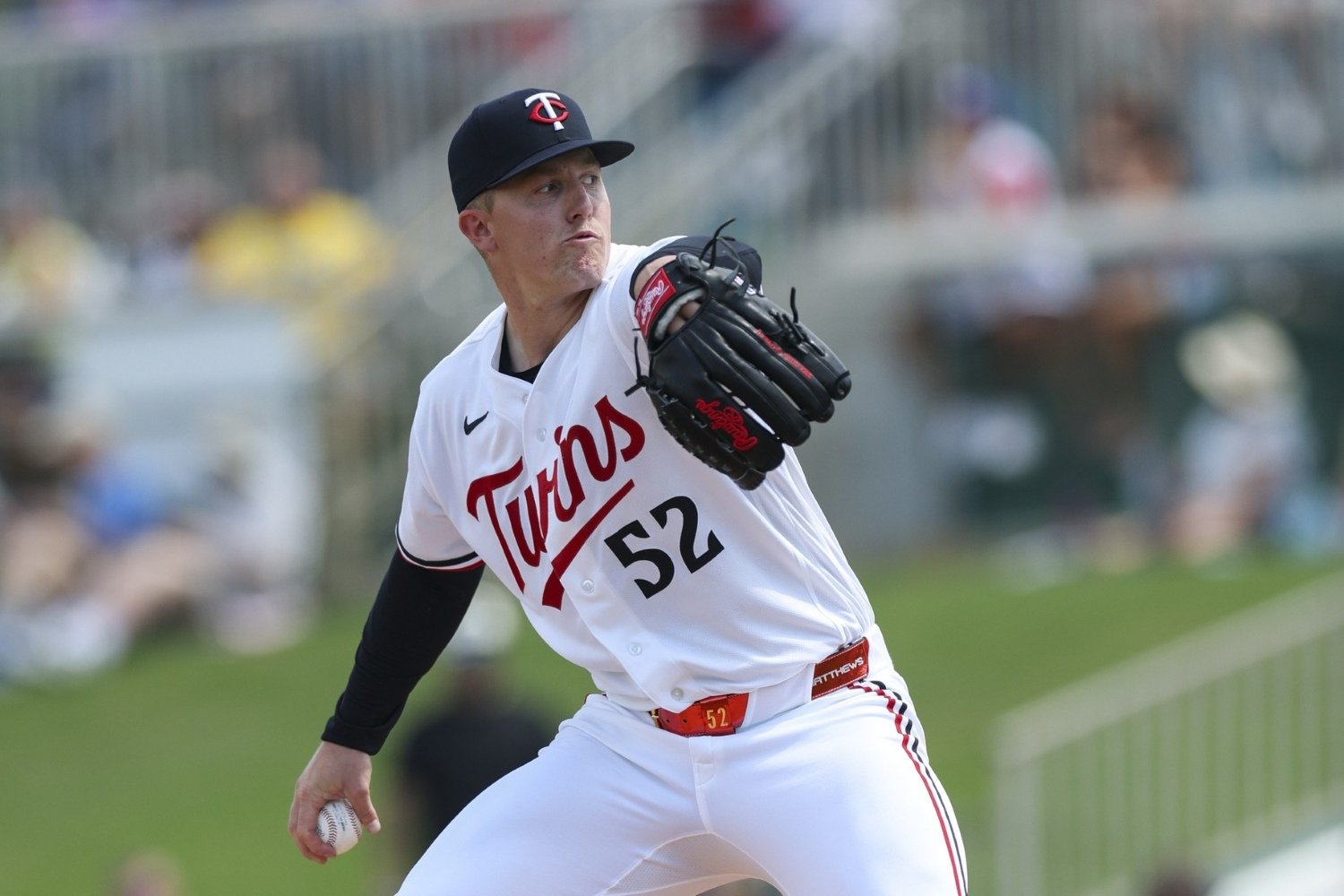 Zebby Matthews made an exciting rise through the Twins’ system in 2024 and flashed his potential in the majors in 2025. The expectation was that 2026 would bring him more opportunities to cement himself in the Twins’ rotation, and to finally turn the corner from promising to productive. As spring training winds down, it's looking like that chance is slipping past him. While it's important not to put too much weight into spring performance, we know some roster battles are underway. The bench spots are the obvious examples, but another opened in the rotation when Pablo López went down with an injury. It's safe to say the fifth spot (after Joe Ryan, Bailey Ober, Simeon Woods Richardson and Taj Bradley) will go to either Matthews or Mick Abel. The two have had very different springs. Abel, 24, was acquired at last year's trade deadline and has been one of the best arms in all of camp. He’s allowed just two runs in over 13 innings and struck out over a third of opposing hitters. Matthews's ERA is just under 6.00, and some of the underlying metrics are even more concerning. The velocity and raw stuff that jumped off the page while Matthews ascended through the Twins’ system haven't shown up this spring. In Sunday's start, he was missing a tick and a half on the fastball, and the velocity was down across the board. It’s worth wondering whether his shoulder injury from last season has anything to do with the dropoff, but even if this is simply a delay in getting into midseason form, it's easy to make an argument that Matthews should begin the season atop the Saints rotation, rather than at thee bottom of the Twins'. His stuff is worse even if we keep it apples-to-apples by setting his spring readouts alongside the ones from last spring training, rather than the regular season. While it would be good to afford Matthews all of the opportunities possible this season, he's still just 25 years old. The Twins will need another starting pitcher by the end of the first month or two. The team is also steadfast in its stated intention to win in 2026. If they want to hit the ground running, Abel has looked like a stronger bet to contribute immediately. Besides, rewarding a top prospect for an exciting spring is a good notion. If Matthews had built himself a stronger résumé at the big-league level, things would be different. He has yet to put it all together, though. The Twins came into this spring wanting to see one of their young starters come in and win a rotation spot, rather than having Matthews's name already written in. Abel is looking like that guy, instead of Matthews. Matthews has nothing left to prove in Triple-A, which would make him missing out on the Opening Day rotation a disappointing outcome. The same can be said for Abel, though. The Twins are fortunate to have several options for this spot, even if someone has to lose out, and that someone could be a homegrown prospect with a bright future with the team.
 -
Image courtesy of © David Richard-Imagn Images Eric Wagaman was a low-profile acquisition early this winter. His performance with the Marlins and his remaining minor league options left him viewed mostly as Triple-A depth. As spring training progresses, it's worth considering if he can help address lingering questions about the Twins’ opening day roster. It wasn't surprising to see the Twins target a first baseman this offseason, given their lack of depth. Even with Wagaman's sub-700 OPS in 2025, the move made some sense. The expectation was that the Twins would stash him in Triple-A or try to sneak him through waivers again. Technically, that's still an option, but so far, it appears they have bigger plans for him. Initially, it seemed the Twins might alter Wagaman's approach after last season's limited production. Instead, they likely prefer he maintains his recent form, as shown by his .744 OPS in the second half and .813 OPS from August onward. His quality of contact crept up as the season went on, and his strong performance down the stretch looked like it was no fluke. Wagaman's .896 OPS this spring stands out as the Twins seek right-handed offensive production. Any sign of him continuing his strong finish to 2025 should be encouraging. His performance could make him a real contender for a bench spot. Spring offensive output should be viewed with caution, but Wagaman's value also comes from how he’s being deployed. The Twins’ roster construction requires flexibility. Wagaman is playing both first and third base and will get some time in a corner outfield spot this spring. If the Twins trust him to fill in at both positions, he may hold a significant advantage. Among first base options, Wagaman stands out as the top right-handed bat, making him a potential regular when facing left-handed pitching and providing late-game bench strength. His performance against left-handed pitching in 2025 was far superior to Josh Bell’s or Victor Caratini’s. He’s also shown more impact in those matchups than Austin Martin to provide a strong pivot for corner outfielders Matt Wallner and Trevor Larnach. Martin offers more athleticism and defensive value, but roster choices have complicated the Twins’ plans. While the team says it wants Martin's tools, stacking left-handed outfielders and catchers on the roster forces bench creativity. Martin might be more valuable overall, but Wagaman's right-handed bat and positional flexibility could be crucial for roster balance. It’s unfortunate the roster is so mismatched. With a little more roster room, Martin and Wagaman could both play key roles given their contrasting profiles. There is a scenario where that still happens. Wagaman’s right-handedness, plus his offensive performance and positional flexibility could give him the edge in winning a roster battle over Alan Roden and James Outman With the roster in flux, Wagaman’s skills and versatility could be the piece that helps solidify the Twins’ lineup. Do you agree? View full article
-
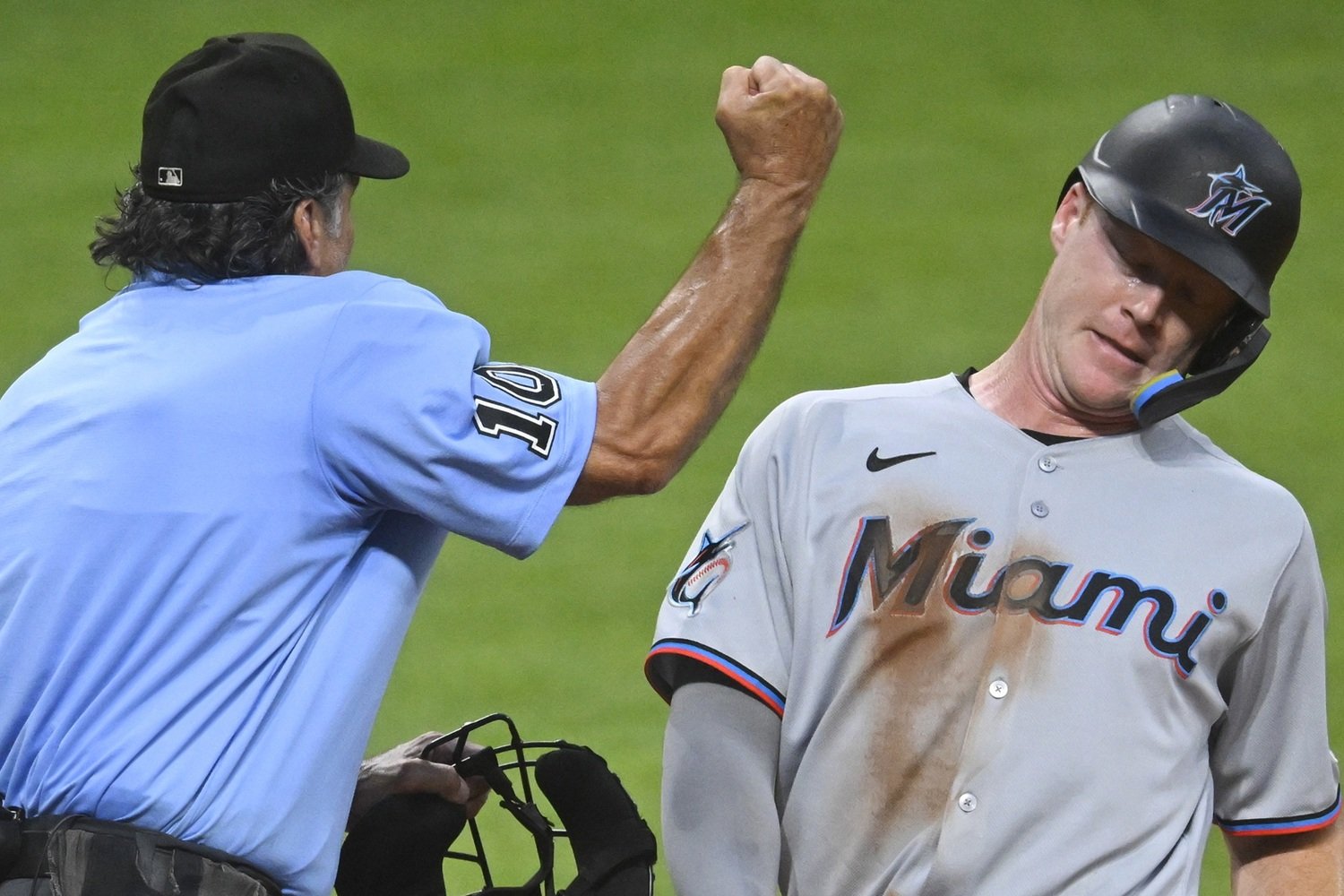 Eric Wagaman was a low-profile acquisition early this winter. His performance with the Marlins and his remaining minor league options left him viewed mostly as Triple-A depth. As spring training progresses, it's worth considering if he can help address lingering questions about the Twins’ opening day roster. It wasn't surprising to see the Twins target a first baseman this offseason, given their lack of depth. Even with Wagaman's sub-700 OPS in 2025, the move made some sense. The expectation was that the Twins would stash him in Triple-A or try to sneak him through waivers again. Technically, that's still an option, but so far, it appears they have bigger plans for him. Initially, it seemed the Twins might alter Wagaman's approach after last season's limited production. Instead, they likely prefer he maintains his recent form, as shown by his .744 OPS in the second half and .813 OPS from August onward. His quality of contact crept up as the season went on, and his strong performance down the stretch looked like it was no fluke. Wagaman's .896 OPS this spring stands out as the Twins seek right-handed offensive production. Any sign of him continuing his strong finish to 2025 should be encouraging. His performance could make him a real contender for a bench spot. Spring offensive output should be viewed with caution, but Wagaman's value also comes from how he’s being deployed. The Twins’ roster construction requires flexibility. Wagaman is playing both first and third base and will get some time in a corner outfield spot this spring. If the Twins trust him to fill in at both positions, he may hold a significant advantage. Among first base options, Wagaman stands out as the top right-handed bat, making him a potential regular when facing left-handed pitching and providing late-game bench strength. His performance against left-handed pitching in 2025 was far superior to Josh Bell’s or Victor Caratini’s. He’s also shown more impact in those matchups than Austin Martin to provide a strong pivot for corner outfielders Matt Wallner and Trevor Larnach. Martin offers more athleticism and defensive value, but roster choices have complicated the Twins’ plans. While the team says it wants Martin's tools, stacking left-handed outfielders and catchers on the roster forces bench creativity. Martin might be more valuable overall, but Wagaman's right-handed bat and positional flexibility could be crucial for roster balance. It’s unfortunate the roster is so mismatched. With a little more roster room, Martin and Wagaman could both play key roles given their contrasting profiles. There is a scenario where that still happens. Wagaman’s right-handedness, plus his offensive performance and positional flexibility could give him the edge in winning a roster battle over Alan Roden and James Outman With the roster in flux, Wagaman’s skills and versatility could be the piece that helps solidify the Twins’ lineup. Do you agree?
 -
Image courtesy of © Mike Watters-Imagn Images The Twins stated their intention to contend in 2026, but they did so a bit late, and their offseason was troublingly quiet for a mediocre team aspiring to a big improvement. They’ve mostly added on the edges of the roster, rather than making notable upgrades. As a result, it looked as though there would be plenty of incumbents on the Opening Day roster. Early on, however, a few players appear to be in unexpectedly perilous positions. Kody Funderburk The Twins spent much of the offseason with Funderburk as the only left-handed relief option on their roster. Then, they signed Taylor Rogers, traded for Anthony Banda, and inked Andrew Chafin to a minor-league deal. Their bullpen remains less inspiring than it was for the last several seasons, and is now also extremely left-handed. Funderburk ended 2025 as one of the only relief pitchers to make the most of the opportunity they were afforded at the trade deadline. From Aug. 1 forward, he allowed two earned runs in 24 innings and struck out 28% of hitters. It appeared he was a lock to make the roster as one of the more intriguing options in a bullpen that was ripped apart. Instead, he may serve as Triple-A depth, as the Twins can only afford to carry so many left-handed relievers, and Funderburk is the only one with minor-league options remaining. Especially if Chafin makes the team, Funderburk may not make the Opening Day roster, even if it’s easy to argue he’s earned it. Austin Martin The disjointed roster has left the Twins with some difficult decisions to make. Because of their lack of quality options to fill in at shortstop and center field, as well as their self-inflicted surplus of left-handed hitting outfielders, they may have to get creative in a way that results in Austin Martin being left off the roster. Eric Wagaman is splitting time between first base and the outfield, giving the team another option for a right-handed hitter to mix in. Martin suddenly has competition for a role that looked all but locked down. Martin finished 2025 with a 113 wRC+ and appeared to make strides defensively in left field. He also offers some much-needed speed to the roster. Unfortunately, the versatility that he was once praised for has become purely theoretical. The Twins clearly don’t trust him in the infield, and things appear to be headed in that direction regarding his center field defense. The team may be stuck choosing to fill out their bench with a goal of covering as many positions as possible, rather than choosing the best player, and that would be bad news for Austin Martin. Alan Roden Roden’s roster battle has less to do with whom the Twins brought in this winter and more to do with whom they didn’t part ways with. The decision by the front office to target Roden at the trade deadline made it seem like a given that they would non-tender Trevor Larnach, as they already had a logjam of left-handed-hitting corner outfielders and needed as much financial flexibility as possible this winter. Instead, they kept him and barring a last-minute trade to dump his salary, they appear to have no choice but to carry him on the roster. There's probably only one roster spot for Roden or James Outman, the latter of whom is without minor-league options and has more experience in center field. To be fair, there isn’t much of an argument to make for Roden based on his offense at the big-league level. He hasn’t produced, although that's in an extremely small sample. He may be the best defensive option in the outfield outside of Byron Buxton, and has nothing to prove in Triple-A after posting an OPS of over .900 across parts of two seasons. It seemed that Roden became a part of the Twins’ future when they targeted him in the Louis Varland trade. If he doesn’t begin the season with the team as a 26-year-old, it will be difficult not to further question their decision-making at last year’s trade deadline. There are plenty of roster battles going on this spring, but these are just a few of the more surprising ones. Are there any others that are particularly worth keeping an eye on? Let us know below! View full article
-
3 Surprising Twins Players Battling for Roster Spots This Spring
Cody Pirkl posted an article in Twins
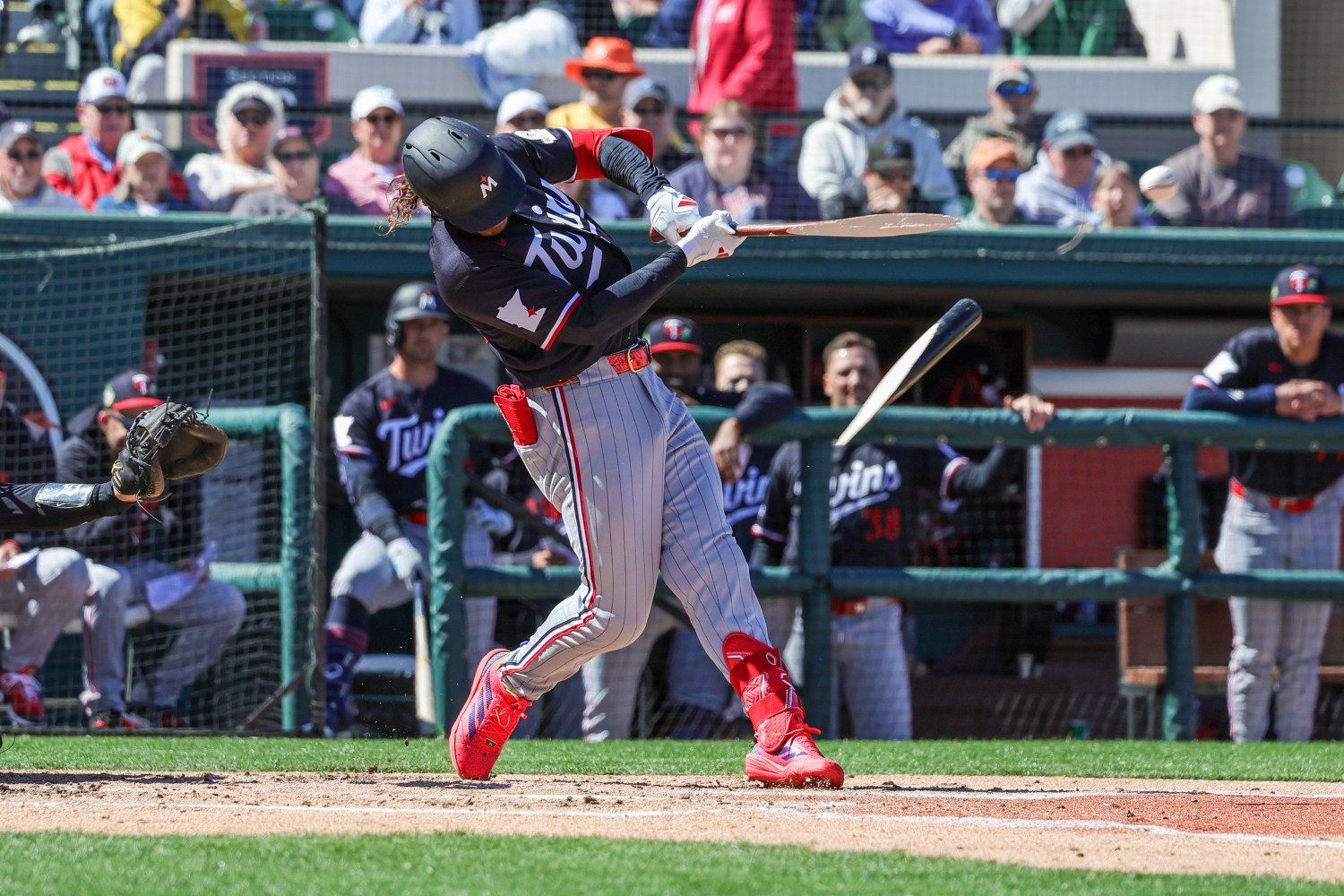 The Twins stated their intention to contend in 2026, but they did so a bit late, and their offseason was troublingly quiet for a mediocre team aspiring to a big improvement. They’ve mostly added on the edges of the roster, rather than making notable upgrades. As a result, it looked as though there would be plenty of incumbents on the Opening Day roster. Early on, however, a few players appear to be in unexpectedly perilous positions. Kody Funderburk The Twins spent much of the offseason with Funderburk as the only left-handed relief option on their roster. Then, they signed Taylor Rogers, traded for Anthony Banda, and inked Andrew Chafin to a minor-league deal. Their bullpen remains less inspiring than it was for the last several seasons, and is now also extremely left-handed. Funderburk ended 2025 as one of the only relief pitchers to make the most of the opportunity they were afforded at the trade deadline. From Aug. 1 forward, he allowed two earned runs in 24 innings and struck out 28% of hitters. It appeared he was a lock to make the roster as one of the more intriguing options in a bullpen that was ripped apart. Instead, he may serve as Triple-A depth, as the Twins can only afford to carry so many left-handed relievers, and Funderburk is the only one with minor-league options remaining. Especially if Chafin makes the team, Funderburk may not make the Opening Day roster, even if it’s easy to argue he’s earned it. Austin Martin The disjointed roster has left the Twins with some difficult decisions to make. Because of their lack of quality options to fill in at shortstop and center field, as well as their self-inflicted surplus of left-handed hitting outfielders, they may have to get creative in a way that results in Austin Martin being left off the roster. Eric Wagaman is splitting time between first base and the outfield, giving the team another option for a right-handed hitter to mix in. Martin suddenly has competition for a role that looked all but locked down. Martin finished 2025 with a 113 wRC+ and appeared to make strides defensively in left field. He also offers some much-needed speed to the roster. Unfortunately, the versatility that he was once praised for has become purely theoretical. The Twins clearly don’t trust him in the infield, and things appear to be headed in that direction regarding his center field defense. The team may be stuck choosing to fill out their bench with a goal of covering as many positions as possible, rather than choosing the best player, and that would be bad news for Austin Martin. Alan Roden Roden’s roster battle has less to do with whom the Twins brought in this winter and more to do with whom they didn’t part ways with. The decision by the front office to target Roden at the trade deadline made it seem like a given that they would non-tender Trevor Larnach, as they already had a logjam of left-handed-hitting corner outfielders and needed as much financial flexibility as possible this winter. Instead, they kept him and barring a last-minute trade to dump his salary, they appear to have no choice but to carry him on the roster. There's probably only one roster spot for Roden or James Outman, the latter of whom is without minor-league options and has more experience in center field. To be fair, there isn’t much of an argument to make for Roden based on his offense at the big-league level. He hasn’t produced, although that's in an extremely small sample. He may be the best defensive option in the outfield outside of Byron Buxton, and has nothing to prove in Triple-A after posting an OPS of over .900 across parts of two seasons. It seemed that Roden became a part of the Twins’ future when they targeted him in the Louis Varland trade. If he doesn’t begin the season with the team as a 26-year-old, it will be difficult not to further question their decision-making at last year’s trade deadline. There are plenty of roster battles going on this spring, but these are just a few of the more surprising ones. Are there any others that are particularly worth keeping an eye on? Let us know below!
- 31 comments
-
- 4
-
-
- alan roden
- austin martin
- (and 1 more)
-
Why the Twins Shouldn't Replace Pablo Lopez
Cody Pirkl posted a topic in Twins Daily Front Page News
Image courtesy of © Jonah Hinebaugh/Naples Daily News/USA Today Network-Florida / USA TODAY NETWORK via Imagn Images The Twins lost arguably their best starting pitcher this week. Pablo López is seeking a second opinion on the prognosis for a torn UCL, but is very likely to undergo season-ending surgery in the coming days. The rotation was expected to be the strength of a roster projected to finish below .500 by many projection systems. With a further bite taken out of the Twins’ chances, it’s fair to wonder whether they try to replace their ace. One could easily argue, however, that they shouldn't try to do so. The Twins have several interesting options to fill their currently vacant rotation spot. At the 2025 trade deadline, it felt as though they were preparing for life without López and Joe Ryan, as they acquired several arms who could contend for a rotation spot for years to come. The offseason took plenty of twists and turns, but eventually, the organization settled on another run at contending in 2026, while holding onto the veterans that had survived the 2025 fire sale. As a result, the Twins were set to stash several starting pitchers in Triple-A who had nothing left to prove there. The Twins’ depth is such that they will not have enough rotation spots for the number of pitchers whose next step in development must come at the big-league level. Taj Bradley, Mick Abel, Zebby Matthews, and David Festa all have cases to make the parent club's roster on opening day. They will also have Connor Prielipp, Andrew Morris, and Kendry Rojas headlining the rotation in St. Paul, who could all debut in 2026 if needed. Though there’s no such thing as too much pitching depth, the Twins have no immediate shortage of young, exciting options to mix into the rotation throughout the year with the potential to be productive. While many of their immediate options are unproven and far from guaranteed to be successful in the rotation, it’s worth weighing them against potential external replacements. Lucas Giolito sits atop the list of remaining free agents. He could be looking for a one-year prove-it deal, after missing all of 2024 and looking like a diminished version of himself in 2025. Other options include Frankie Montas, who posted a 6.28 ERA in 2025, and Max Scherzer, who is unlikely to be interested in spending what is possibly the last season of his career in Minnesota at 41 years old. While it would be hard to fault the Pohlads for spending money, an argument can be made that the development of the Twins’ internal rotation candidates is more valuable than the production any of these last-minute signings could make. The remaining free-agent market lacks the upside in both the short- and long-term that the Twins' current selection of young arms offers. The Twins could seek out a trade for a big name, but doing so comes with significant risk beyond the 2026 season. The Twins aren’t the only team seeking starting pitching help headed into spring training. Toronto and Atlanta are dealing with injuries to their rotations, as well, and options are limited at this advanced stage of the offseason. Much like the trade deadline in recent seasons, it would be a sellers’ market for anyone willing to deal starting pitching. The Twins, being buyers in this scenario, could be paying premium prospect capital to acquire a big arm. There’s a time and place for going big, but it’s hard to argue that this 2026 roster warrants such a gamble. The current roster, in fact, is the strongest argument against replacing López with any external additions. The Twins set themselves up for a mediocre 2026 season at the 2025 trade deadline. They then spent much of the offseason sitting on their hands, as they tried to decide the organization's direction. They’re left with much of the same offensive core that has consistently failed over the last two years (and four of the last five), and have mostly replaced their previously elite bullpen with minor-league signings and waiver claims. Anything can happen in baseball, but the projections paint the picture of a team that should not be mortgaging the future for 2026. This season should be an opportunity for several players to debut and develop at the MLB level, rather than blocking them or trading them away in favor of external options. There is plenty of upside on the pitching and position-player sides of the roster, but many players need the opportunity to show what they can provide in the future. If things go extremely well, the Twins can compete in 2026 without replacing Pablo Lopez. If they do not, they will at least have sorted through the roster in preparation for 2027. View full article- 39 replies
-
- 1
-
-
- pablo lopez
- mick abel
- (and 1 more)
-
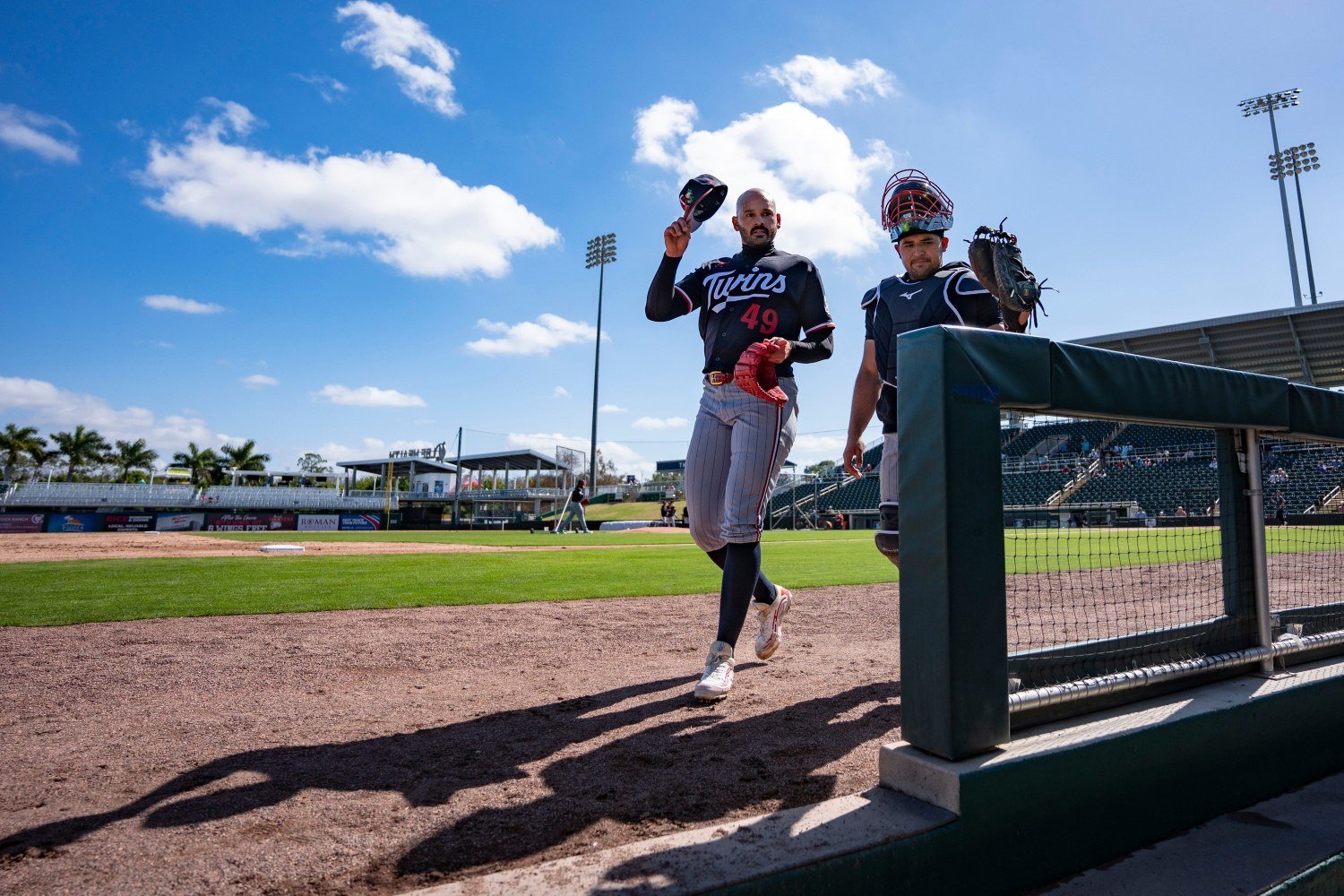 The Twins lost arguably their best starting pitcher this week. Pablo López is seeking a second opinion on the prognosis for a torn UCL, but is very likely to undergo season-ending surgery in the coming days. The rotation was expected to be the strength of a roster projected to finish below .500 by many projection systems. With a further bite taken out of the Twins’ chances, it’s fair to wonder whether they try to replace their ace. One could easily argue, however, that they shouldn't try to do so. The Twins have several interesting options to fill their currently vacant rotation spot. At the 2025 trade deadline, it felt as though they were preparing for life without López and Joe Ryan, as they acquired several arms who could contend for a rotation spot for years to come. The offseason took plenty of twists and turns, but eventually, the organization settled on another run at contending in 2026, while holding onto the veterans that had survived the 2025 fire sale. As a result, the Twins were set to stash several starting pitchers in Triple-A who had nothing left to prove there. The Twins’ depth is such that they will not have enough rotation spots for the number of pitchers whose next step in development must come at the big-league level. Taj Bradley, Mick Abel, Zebby Matthews, and David Festa all have cases to make the parent club's roster on opening day. They will also have Connor Prielipp, Andrew Morris, and Kendry Rojas headlining the rotation in St. Paul, who could all debut in 2026 if needed. Though there’s no such thing as too much pitching depth, the Twins have no immediate shortage of young, exciting options to mix into the rotation throughout the year with the potential to be productive. While many of their immediate options are unproven and far from guaranteed to be successful in the rotation, it’s worth weighing them against potential external replacements. Lucas Giolito sits atop the list of remaining free agents. He could be looking for a one-year prove-it deal, after missing all of 2024 and looking like a diminished version of himself in 2025. Other options include Frankie Montas, who posted a 6.28 ERA in 2025, and Max Scherzer, who is unlikely to be interested in spending what is possibly the last season of his career in Minnesota at 41 years old. While it would be hard to fault the Pohlads for spending money, an argument can be made that the development of the Twins’ internal rotation candidates is more valuable than the production any of these last-minute signings could make. The remaining free-agent market lacks the upside in both the short- and long-term that the Twins' current selection of young arms offers. The Twins could seek out a trade for a big name, but doing so comes with significant risk beyond the 2026 season. The Twins aren’t the only team seeking starting pitching help headed into spring training. Toronto and Atlanta are dealing with injuries to their rotations, as well, and options are limited at this advanced stage of the offseason. Much like the trade deadline in recent seasons, it would be a sellers’ market for anyone willing to deal starting pitching. The Twins, being buyers in this scenario, could be paying premium prospect capital to acquire a big arm. There’s a time and place for going big, but it’s hard to argue that this 2026 roster warrants such a gamble. The current roster, in fact, is the strongest argument against replacing López with any external additions. The Twins set themselves up for a mediocre 2026 season at the 2025 trade deadline. They then spent much of the offseason sitting on their hands, as they tried to decide the organization's direction. They’re left with much of the same offensive core that has consistently failed over the last two years (and four of the last five), and have mostly replaced their previously elite bullpen with minor-league signings and waiver claims. Anything can happen in baseball, but the projections paint the picture of a team that should not be mortgaging the future for 2026. This season should be an opportunity for several players to debut and develop at the MLB level, rather than blocking them or trading them away in favor of external options. There is plenty of upside on the pitching and position-player sides of the roster, but many players need the opportunity to show what they can provide in the future. If things go extremely well, the Twins can compete in 2026 without replacing Pablo Lopez. If they do not, they will at least have sorted through the roster in preparation for 2027.
- 39 comments
-
- 7
-
-
- pablo lopez
- mick abel
- (and 1 more)
-
Image courtesy of © Matt Blewett-Imagn Images The Twins have no shortage of starting pitching depth. Behind Lopez, Ryan, and Ober, the last two rotation spots have yet to be determined. From inexperienced and high upside options like Mick Abel to experienced pitchers like Taj Bradley, who has made 75 starts in his career already, the Twins will have to choose who heads north with the two remaining rotation spots. Simeon Woods Richardson should already be penciled in for one of them. Simeon Woods Richardson's resume to this point in his career may not be that of a high-end starting pitcher, but it's more than good enough to have earned a spot at the back end of an MLB rotation. With a 4.21 ERA across 254 innings, Richardson has had his fair share of struggles but has also helped keep the Twins' pitching staff afloat at times. He's also shown an ability to adjust, most recently by adding a splitter to his arsenal, which became arguably his most effective pitch last season. He seemed to find something at the end of 2025, allowing two runs in his last three starts and striking out 23 hitters in his last 17 innings. He's already shown that he's a capable back-of-the-rotation starting pitcher. Though he lacks the excitement of Zebby Matthews or David Festa, Woods Richardson is only a few months older than these two despite a much longer track record of better performance. Roster flexibility has to be a major consideration, and Simeon Woods Richardson is out of minor league options. Assuming he isn't traded, he will make the Opening Day roster. Unlike many other rotation candidates, the Twins can't stash him in St. Paul to await a future opening in the rotation. He needs to break camp with the team either in the rotation or in the bullpen. The latter seems like an odd fit. While we've seen recent success with the Twins moving starting pitchers to the bullpen and turning them into impact relievers, it's worth wondering how well-suited Woods Richardson is to this path. He doesn't get outs in a way that would traditionally project a step-up in performance in shorter stints. The repertoire essentially became a four-pitch mix in 2025 as he scrapped his changeup for what was a dominant splitter. His new pitch drew whiffs at a 32.7% rate and was nearly unhittable with a .168 xwOBA allowed. His slider was his second-best pitch in terms of whiffs and quality of contact allowed. Unfortunately, it would take an enormous leap in fastball performance to see it all come together in a bullpen role. His heater graded out at 83 in the Stuff+ metric, where 100 is average. This is despite the pitch averaging a career-high 93.1 mph. The Twins have a long list of young pitchers who could profile as a much-needed high-leverage reliever. Simeon Woods Richardson is toward the bottom of that list without an intriguing fastball. We've seen the Twins choose to keep young, optionable pitchers in Triple-A to begin the season, instead trusting more experienced, known commodities. We should expect them to do so again. Instead of low ceiling, short-term fillers like J.A. Happ, Matt Shoemaker, etc., who we’ve seen them roll with in the past, they would be doing the same with 25-year-old Simeon Woods Richardson this time. With team control through 2030, what would be considered the “least exciting” option for the back end of the rotation would come with plenty of upside. It may be a different conversation if Zebby Matthews or David Festa had put together more success in their careers thus far, or if another pitcher with more perceived upside was also out of options. The truth is that Simeon Woods Richardson can easily be argued as the safest choice for an open rotation spot on a team that will need every win they can get. Awarding him the job allows the team to maintain maximum starting pitching depth, with his potential competition being stashed at St. Paul to be called up at a moment's notice. He's also performed better than anyone else in this group across a much larger sample size than most. While it's easy to get excited about some of the new or up-and-coming arms in the system, Simeon Woods Richardson remains the best option to fill one of the two remaining rotation spots. Do you agree? View full article
-
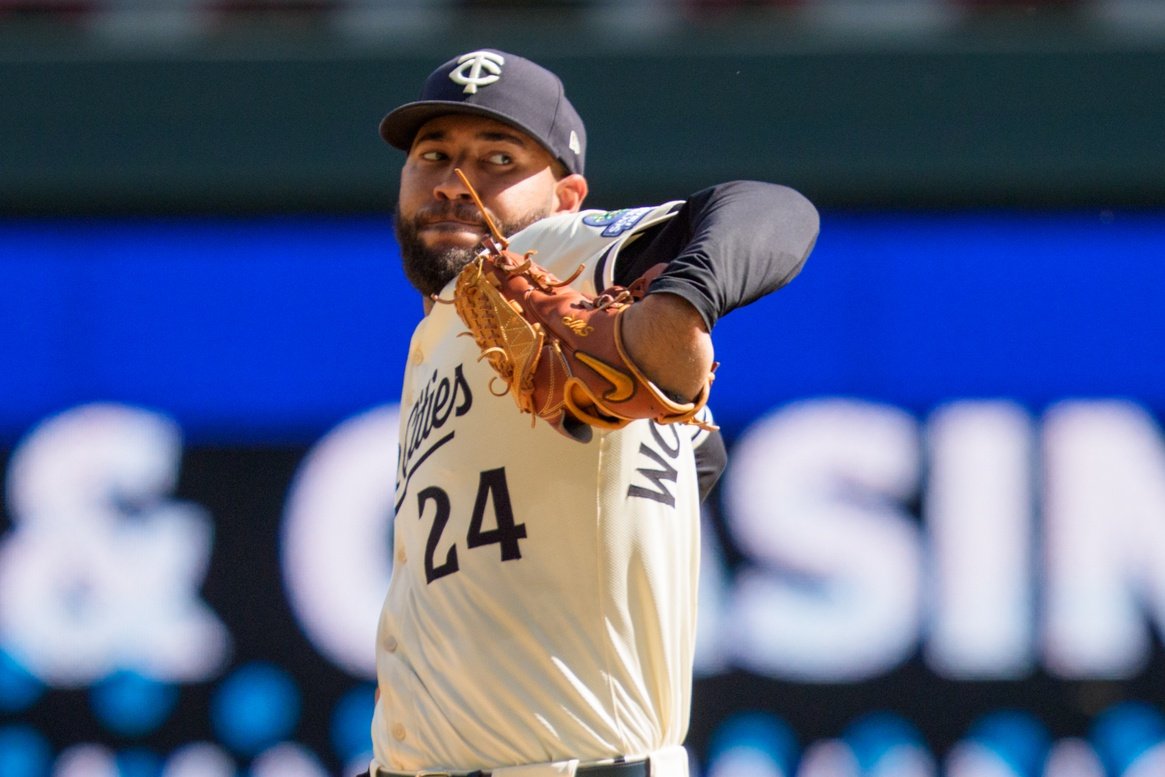 The Twins have no shortage of starting pitching depth. Behind Lopez, Ryan, and Ober, the last two rotation spots have yet to be determined. From inexperienced and high upside options like Mick Abel to experienced pitchers like Taj Bradley, who has made 75 starts in his career already, the Twins will have to choose who heads north with the two remaining rotation spots. Simeon Woods Richardson should already be penciled in for one of them. Simeon Woods Richardson's resume to this point in his career may not be that of a high-end starting pitcher, but it's more than good enough to have earned a spot at the back end of an MLB rotation. With a 4.21 ERA across 254 innings, Richardson has had his fair share of struggles but has also helped keep the Twins' pitching staff afloat at times. He's also shown an ability to adjust, most recently by adding a splitter to his arsenal, which became arguably his most effective pitch last season. He seemed to find something at the end of 2025, allowing two runs in his last three starts and striking out 23 hitters in his last 17 innings. He's already shown that he's a capable back-of-the-rotation starting pitcher. Though he lacks the excitement of Zebby Matthews or David Festa, Woods Richardson is only a few months older than these two despite a much longer track record of better performance. Roster flexibility has to be a major consideration, and Simeon Woods Richardson is out of minor league options. Assuming he isn't traded, he will make the Opening Day roster. Unlike many other rotation candidates, the Twins can't stash him in St. Paul to await a future opening in the rotation. He needs to break camp with the team either in the rotation or in the bullpen. The latter seems like an odd fit. While we've seen recent success with the Twins moving starting pitchers to the bullpen and turning them into impact relievers, it's worth wondering how well-suited Woods Richardson is to this path. He doesn't get outs in a way that would traditionally project a step-up in performance in shorter stints. The repertoire essentially became a four-pitch mix in 2025 as he scrapped his changeup for what was a dominant splitter. His new pitch drew whiffs at a 32.7% rate and was nearly unhittable with a .168 xwOBA allowed. His slider was his second-best pitch in terms of whiffs and quality of contact allowed. Unfortunately, it would take an enormous leap in fastball performance to see it all come together in a bullpen role. His heater graded out at 83 in the Stuff+ metric, where 100 is average. This is despite the pitch averaging a career-high 93.1 mph. The Twins have a long list of young pitchers who could profile as a much-needed high-leverage reliever. Simeon Woods Richardson is toward the bottom of that list without an intriguing fastball. We've seen the Twins choose to keep young, optionable pitchers in Triple-A to begin the season, instead trusting more experienced, known commodities. We should expect them to do so again. Instead of low ceiling, short-term fillers like J.A. Happ, Matt Shoemaker, etc., who we’ve seen them roll with in the past, they would be doing the same with 25-year-old Simeon Woods Richardson this time. With team control through 2030, what would be considered the “least exciting” option for the back end of the rotation would come with plenty of upside. It may be a different conversation if Zebby Matthews or David Festa had put together more success in their careers thus far, or if another pitcher with more perceived upside was also out of options. The truth is that Simeon Woods Richardson can easily be argued as the safest choice for an open rotation spot on a team that will need every win they can get. Awarding him the job allows the team to maintain maximum starting pitching depth, with his potential competition being stashed at St. Paul to be called up at a moment's notice. He's also performed better than anyone else in this group across a much larger sample size than most. While it's easy to get excited about some of the new or up-and-coming arms in the system, Simeon Woods Richardson remains the best option to fill one of the two remaining rotation spots. Do you agree?
- 29 comments
-
- 6
-
-
- simeon woods richardson
- zebby matthews
- (and 1 more)
-
Image courtesy of © Vincent Carchietta-Imagn Images The Mets and Twins might as well be playing different sports when it comes to their level of investment in the product on the field. That said, both teams could use some roster upgrades and could match up on a deal. Should the Twins look to deal starting pitching for a young position player? The Twins are currently expected to wind up with a win total somewhere in the low to mid-70s range, according to several projection systems and betting outlets. It’s not difficult to see why, as the team remains largely unchanged at its core after their disastrous finish to 2025. With spring training approaching, the team should be looking for upside to try to outperform expectations, and the Mets have a pair of young players the Twins should target. The Mets have utilized their deep pockets this offseason to bring in Jorge Polanco, who is expected to take over first base duties, as well as Bo Bichette, who is expected to switch to third base. They also parted with a young, borderline top-100 pitching prospect to acquire Freddy Peralta, who is currently on a one-year deal. As a result, a pair of young hitters in Brett Baty and Mark Vientos have been displaced, and their stock of young, near-MLB pitching has taken a bit of a hit. The Twins and Mets should look to help each other. Mark Vientos Vientos is the less intriguing of the pair of young Mets hitters the Twins should target, but he isn’t without intriguing traits, and will undoubtedly be the most affordable in trade. He looked to have broken out in 2024 when he slashed .266/.322/.516 while slugging 27 homers in just 111 games. He fell flat out of the gate in 2025, posting a .640 OPS in the first half, but quietly rebounded with a .778 OPS to finish the year. Vientos can play third base, though he’s been a liability there so far in his career by all accounts. He’s been around neutral defensively at first base in a limited sample, making 1B/DH a stronger possibility long term. The fit isn’t obvious for 2026, but that is a result of the Twins' head-scratching roster build, rather than Vientos’ abilities. His performance against left-handed pitching will likely far surpass any other options the Twins currently have in the 1B/DH slot, and his power would only rival that of Matt Wallner’s on the current roster. Vientos has the kind of offensive upside that makes him worth gambling on, and he's more than capable of making the positional fit moot. Because of his defensive limitations and current fit on the Mets, he would likely fetch the lower end of the Twins' current rotation depth, perhaps in the Kendry Rojas or Andrew Morris range. Even if it took a bit more, Vientos is team-controlled through 2029. Brett Baty It’s possible Baty’s breakout 2025 was enough for the Mets to take him off the table completely, but the Twins would be wise to at least find out. Baty is a former top prospect who, despite swinging left-handed, is exactly the kind of profile the Twins should look to acquire. His .748 OPS in 2026 was solid, as his quality of contact jumped significantly and he posted a slash line 11% better than league average according to wRC+. His offense is strong enough for him to play every day, but his defensive versatility can also make him viable in a utility role. Unlike Vientos, Baty was a solid defender at third base. He also posted a positive Defensive Runs Saved at second base, and is capable of playing first. He would be strong injury insurance for Royce Lewis , with the kind of upside to completely take over the position long term, should injuries or performance continue to be a problem. He’s also strong insurance for Luke Keaschall , who has an injury history of his own and could potentially see more time in the outfield in 2026. The Mets may be convinced that Baty is a budding star after his breakout 2026, but it’s hard not to notice that he currently has no place in their Opening Day lineup. If they’re interested in swapping him out for what they see as similar value in rotation depth, the Twins would be a good fit. Several names, such as Mick Abel and Zebby Matthews, are unlikely to make the roster in the Minnesota rotation on Opening Day. Parting with MLB-ready rotation options may seem like a risk, but it may be worth taking to try to raise the lineup’s ceiling to another level. The Twins have no shortage of rotation options under control for years to come, and it’s far more likely that if the team struggles in 2026, it’s due to offensive performance rather than starting pitching. A late offseason pivot to transfer some of that starting pitching depth into legitimate lineup help may be a wise choice to help the offense. Do you agree? Where would you draw the line at acquiring Vientos and Baty? View full article
-
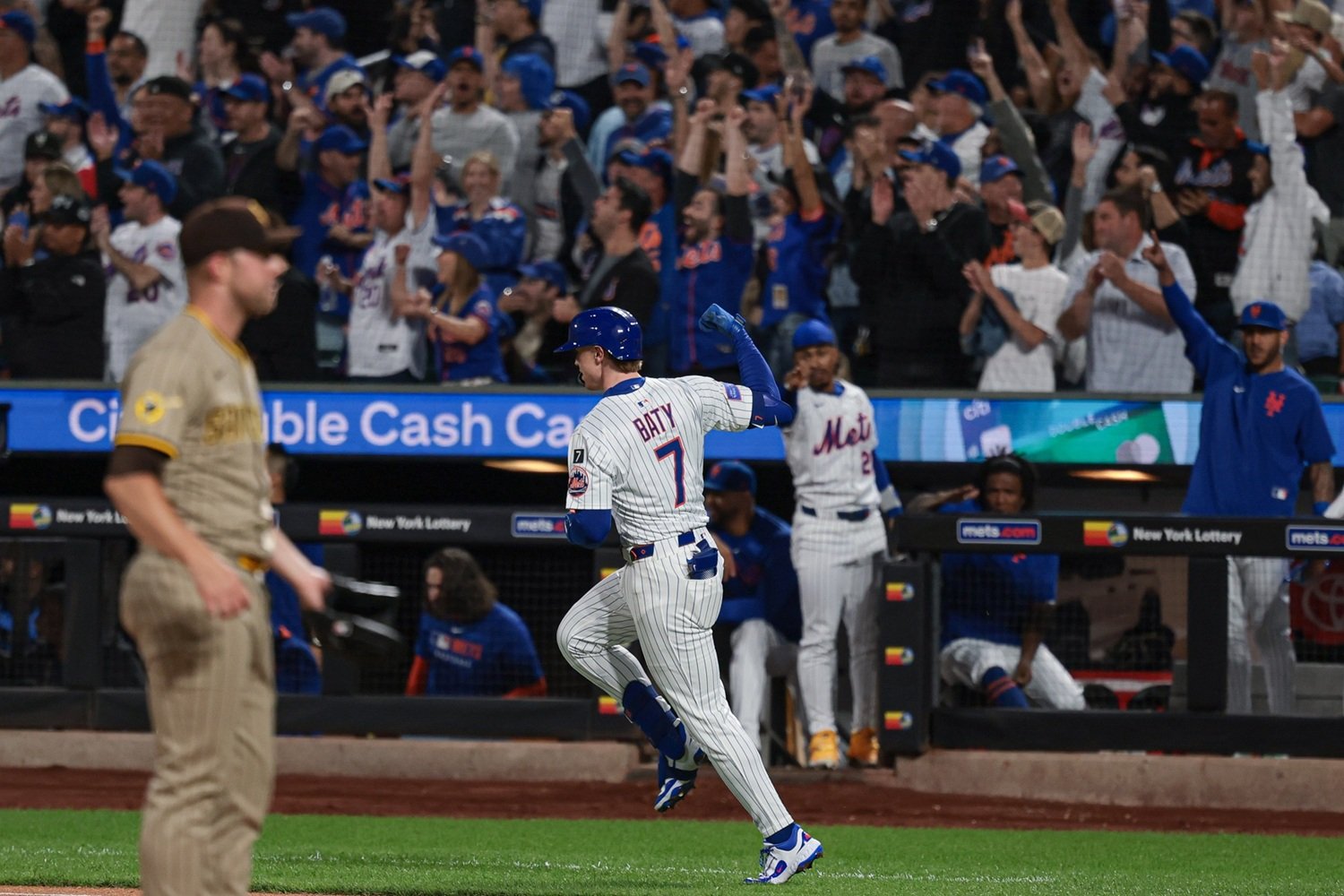 The Mets and Twins might as well be playing different sports when it comes to their level of investment in the product on the field. That said, both teams could use some roster upgrades and could match up on a deal. Should the Twins look to deal starting pitching for a young position player? The Twins are currently expected to wind up with a win total somewhere in the low to mid-70s range, according to several projection systems and betting outlets. It’s not difficult to see why, as the team remains largely unchanged at its core after their disastrous finish to 2025. With spring training approaching, the team should be looking for upside to try to outperform expectations, and the Mets have a pair of young players the Twins should target. The Mets have utilized their deep pockets this offseason to bring in Jorge Polanco, who is expected to take over first base duties, as well as Bo Bichette, who is expected to switch to third base. They also parted with a young, borderline top-100 pitching prospect to acquire Freddy Peralta, who is currently on a one-year deal. As a result, a pair of young hitters in Brett Baty and Mark Vientos have been displaced, and their stock of young, near-MLB pitching has taken a bit of a hit. The Twins and Mets should look to help each other. Mark Vientos Vientos is the less intriguing of the pair of young Mets hitters the Twins should target, but he isn’t without intriguing traits, and will undoubtedly be the most affordable in trade. He looked to have broken out in 2024 when he slashed .266/.322/.516 while slugging 27 homers in just 111 games. He fell flat out of the gate in 2025, posting a .640 OPS in the first half, but quietly rebounded with a .778 OPS to finish the year. Vientos can play third base, though he’s been a liability there so far in his career by all accounts. He’s been around neutral defensively at first base in a limited sample, making 1B/DH a stronger possibility long term. The fit isn’t obvious for 2026, but that is a result of the Twins' head-scratching roster build, rather than Vientos’ abilities. His performance against left-handed pitching will likely far surpass any other options the Twins currently have in the 1B/DH slot, and his power would only rival that of Matt Wallner’s on the current roster. Vientos has the kind of offensive upside that makes him worth gambling on, and he's more than capable of making the positional fit moot. Because of his defensive limitations and current fit on the Mets, he would likely fetch the lower end of the Twins' current rotation depth, perhaps in the Kendry Rojas or Andrew Morris range. Even if it took a bit more, Vientos is team-controlled through 2029. Brett Baty It’s possible Baty’s breakout 2025 was enough for the Mets to take him off the table completely, but the Twins would be wise to at least find out. Baty is a former top prospect who, despite swinging left-handed, is exactly the kind of profile the Twins should look to acquire. His .748 OPS in 2026 was solid, as his quality of contact jumped significantly and he posted a slash line 11% better than league average according to wRC+. His offense is strong enough for him to play every day, but his defensive versatility can also make him viable in a utility role. Unlike Vientos, Baty was a solid defender at third base. He also posted a positive Defensive Runs Saved at second base, and is capable of playing first. He would be strong injury insurance for Royce Lewis , with the kind of upside to completely take over the position long term, should injuries or performance continue to be a problem. He’s also strong insurance for Luke Keaschall , who has an injury history of his own and could potentially see more time in the outfield in 2026. The Mets may be convinced that Baty is a budding star after his breakout 2026, but it’s hard not to notice that he currently has no place in their Opening Day lineup. If they’re interested in swapping him out for what they see as similar value in rotation depth, the Twins would be a good fit. Several names, such as Mick Abel and Zebby Matthews, are unlikely to make the roster in the Minnesota rotation on Opening Day. Parting with MLB-ready rotation options may seem like a risk, but it may be worth taking to try to raise the lineup’s ceiling to another level. The Twins have no shortage of rotation options under control for years to come, and it’s far more likely that if the team struggles in 2026, it’s due to offensive performance rather than starting pitching. A late offseason pivot to transfer some of that starting pitching depth into legitimate lineup help may be a wise choice to help the offense. Do you agree? Where would you draw the line at acquiring Vientos and Baty?
 -
Image courtesy of © Jesse Johnson-Imagn Images Matt Wallner has been a polarizing player since he debuted with the Twins. The organization has been cautious of his skill set, and some sections of the fanbase still have not bought in, despite nearly 1000 plate appearances of impact offense. After a down 2025, could a focus on reverting his approach lead to a bounce-back? Twins fans shudder at Wallner’s offensive profile after a prolific stretch of all-or-nothing hitters over the last decade or so within the organization. His strikeouts have been high, and have admittedly given him significant problems at times in his career thus far, as he’s hit cold stretches that have gotten him demoted in some instances. While Wallner’s profile may limit his ceiling and lead to inconsistencies, it’s hard to argue with the overall body of work. Wallner has an .829 OPS in his career, which is 31% above the league average hitter since he debuted. 2025 was undoubtedly a down year for Wallner. His still-solid .776 OPS felt much worse to watch, as he struggled situationally and never put together any extended stretches of production. Many fans felt justified in their doubt about Wallner’s swing-and-miss profile, wondering if the league had finally caught up with him and figured out how to take advantage of his lack of contact more consistently. While it was Wallner’s worst season since he debuted, his whiffs didn’t play the role many people think they did. Wallner’s down season didn’t have just one major component to blame; rather, many smaller factors came together to cause his struggles. His maximum and average exit velocities were the lowest of his career. His percentage of pop-ups increased. His performance against fastballs, which was arguably his biggest strength in his first few seasons, cratered to a sub-200 expected batting average, with his expected slugging percentage following suit. You’ll notice that an increase in strikeout rate wasn’t cited. That’s because Wallner’s 29.1% strikeout rate was comfortably the lowest of his career. His whiff rate against fastballs declined, which opposes the narrative that pitchers simply found a hole in his swing that could be exploited with velocity. This was the case for all pitch types in 2025. With runners in scoring position, where plenty of fans recognize Wallner struggled, he struck out 24% of the time, a sharp decline from 35% in his stellar 2024 season. Matt Wallner looks like a player who was trying to shift away from his high swing and miss ways last season, despite the fact that they’ve made him an elite hitter at times. Being just a bit more tentative in decision-making and focusing more on contact than on impacting the ball could certainly lead to a snowball effect, with many small declines combining to produce poor overall performance. It’s never this simple, but Wallner may benefit from a return to his hard swinging ways in 2025. His bat speed notably declined in 2025. Perhaps this was the result of an intended shift in approach, or perhaps Wallner’s hamstring injury in early 2025 affected him all season. Either way, his 2025 performance suggests he’s a better hitter when he’s reaching his peak bat speed, so he can cause maximum damage when he makes contact, even if it results in more swing and miss. Would you like to see Matt Wallner return to his 100th percentile hard swinging ways in 2026? Are the strikeouts simply too much of a trade-off? Let us know below! View full article
-
 Matt Wallner has been a polarizing player since he debuted with the Twins. The organization has been cautious of his skill set, and some sections of the fanbase still have not bought in, despite nearly 1000 plate appearances of impact offense. After a down 2025, could a focus on reverting his approach lead to a bounce-back? Twins fans shudder at Wallner’s offensive profile after a prolific stretch of all-or-nothing hitters over the last decade or so within the organization. His strikeouts have been high, and have admittedly given him significant problems at times in his career thus far, as he’s hit cold stretches that have gotten him demoted in some instances. While Wallner’s profile may limit his ceiling and lead to inconsistencies, it’s hard to argue with the overall body of work. Wallner has an .829 OPS in his career, which is 31% above the league average hitter since he debuted. 2025 was undoubtedly a down year for Wallner. His still-solid .776 OPS felt much worse to watch, as he struggled situationally and never put together any extended stretches of production. Many fans felt justified in their doubt about Wallner’s swing-and-miss profile, wondering if the league had finally caught up with him and figured out how to take advantage of his lack of contact more consistently. While it was Wallner’s worst season since he debuted, his whiffs didn’t play the role many people think they did. Wallner’s down season didn’t have just one major component to blame; rather, many smaller factors came together to cause his struggles. His maximum and average exit velocities were the lowest of his career. His percentage of pop-ups increased. His performance against fastballs, which was arguably his biggest strength in his first few seasons, cratered to a sub-200 expected batting average, with his expected slugging percentage following suit. You’ll notice that an increase in strikeout rate wasn’t cited. That’s because Wallner’s 29.1% strikeout rate was comfortably the lowest of his career. His whiff rate against fastballs declined, which opposes the narrative that pitchers simply found a hole in his swing that could be exploited with velocity. This was the case for all pitch types in 2025. With runners in scoring position, where plenty of fans recognize Wallner struggled, he struck out 24% of the time, a sharp decline from 35% in his stellar 2024 season. Matt Wallner looks like a player who was trying to shift away from his high swing and miss ways last season, despite the fact that they’ve made him an elite hitter at times. Being just a bit more tentative in decision-making and focusing more on contact than on impacting the ball could certainly lead to a snowball effect, with many small declines combining to produce poor overall performance. It’s never this simple, but Wallner may benefit from a return to his hard swinging ways in 2025. His bat speed notably declined in 2025. Perhaps this was the result of an intended shift in approach, or perhaps Wallner’s hamstring injury in early 2025 affected him all season. Either way, his 2025 performance suggests he’s a better hitter when he’s reaching his peak bat speed, so he can cause maximum damage when he makes contact, even if it results in more swing and miss. Would you like to see Matt Wallner return to his 100th percentile hard swinging ways in 2026? Are the strikeouts simply too much of a trade-off? Let us know below!
 -
 The Twins entered the offseason with everything on the table. It felt very possible that they would trade their few remaining star players, Joe Ryan, Pablo López, and Byron Buxton. Instead, they chose to keep these players, to the delight of fans, as they announced their intention to contend in 2026. As we look at the roster as February approaches, it may be time to ask why they chose this path. The Twins should make every effort to contend every season. They play in the AL Central, which has long been one of baseball's less competitive and lower-spending divisions. They also have a handful of star-caliber players to build a successful roster around. They had a clear path to contention, with a handful of additions to bolster the roster. As spring training approaches, though, it’s unclear whether they’ve made a reasonable effort to build a contender. Minnesota's offseason has moved them forward, rather than backward, but has it pushed them back to the front of the underwhelming pack? Context is key: Several of their decisions are understandable in a vacuum, but eyebrow-raising in the context of their situation. Tendering Trevor Larnach a $4.475-million contract yields reasonable value. So does bringing in Josh Bell for $7 million. Carrying two players who are best-served in a DH role on a team with strict financial limitations seems excessive. Adding Alex Jackson via trade to back up Ryan Jeffers, who is expected to take on a bigger role, was reasonable. So was signing Victor Caratini to a multi-year deal last week. Carrying three catchers on this already disjointed roster doesn’t make a lot of sense, though, so now, either Jackson or Jeffers seems likely to be headed out the door. Meanwhile, as the Twins continue to invest their limited payroll in adding to logjams across the roster, they’ve made just two modest additions to the bullpen (Eric Orze and Taylor Rogers), after parting with several cost-controlled, high-leverage relievers at last year’s trade deadline. After preaching athleticism and defense at the end of another disappointing 2025 season, the roster has arguably gone in the other direction, looking likely to be one of the slowest and worst defensive squads in baseball once again. Their logjam of left-handed bats has not been resolved, and even their additions to the offense, such as Bell and Caratini, who are switch-hitters, are better from the left side. The bullpen, which should have been priority number one going into the offseason, has been only lightly reinforced and projects to be one of the worst in baseball in 2026. The offseason may not yet be complete, but the current roster is so flawed that it’s difficult to see how the issues will be resolved without a historic flurry of moves. No matter what the Twins say, this is not a championship-caliber roster. So why didn’t they just sell off their star players, if the current roster is anything close to the final product? It’s possible that the decision to keep all of their stars earlier this offseason was made to appease fans, rather than to compete in 2026. They said all the right things about the fanbase's cratering interest in their product, and then announced they wouldn’t tear the roster down any further. Trading away their remaining valuable veterans and fan favorites would have alienated the fans even further, before the season even started. Given a payroll that will already be significantly lower than last season’s, they could afford to keep these players and try to regain fans' trust. For now, though, the offseason has been insufficient to meet that objective. Perhaps there are more moves to be made, but it’s impossible to envision a functional roster on the field for Opening Day with anything less than a complete overhaul. They may have kept their star players for now, but they’re headed for another major trade deadline selloff in July, based on how they’ve handled the offseason thus far. It’s possible this was the intention all along—that Ryan, Lopez, and Buxton weren’t kept to build a competitor for 2026, but rather to temporarily hit pause on the free-falling interest of their fanbase, with knowledge that they could still bring a haul at the trade deadline. It’s either that, or they genuinely believe that the roster as currently constructed can compete in 2026. At the moment, neither option inspires confidence.
- 82 comments
-
- 5
-
-
-
- eric orze
- ryan jeffers
- (and 1 more)
-
Image courtesy of © Jeff Curry-Imagn Images The Twins entered the offseason with everything on the table. It felt very possible that they would trade their few remaining star players, Joe Ryan, Pablo López, and Byron Buxton. Instead, they chose to keep these players, to the delight of fans, as they announced their intention to contend in 2026. As we look at the roster as February approaches, it may be time to ask why they chose this path. The Twins should make every effort to contend every season. They play in the AL Central, which has long been one of baseball's less competitive and lower-spending divisions. They also have a handful of star-caliber players to build a successful roster around. They had a clear path to contention, with a handful of additions to bolster the roster. As spring training approaches, though, it’s unclear whether they’ve made a reasonable effort to build a contender. Minnesota's offseason has moved them forward, rather than backward, but has it pushed them back to the front of the underwhelming pack? Context is key: Several of their decisions are understandable in a vacuum, but eyebrow-raising in the context of their situation. Tendering Trevor Larnach a $4.475-million contract yields reasonable value. So does bringing in Josh Bell for $7 million. Carrying two players who are best-served in a DH role on a team with strict financial limitations seems excessive. Adding Alex Jackson via trade to back up Ryan Jeffers, who is expected to take on a bigger role, was reasonable. So was signing Victor Caratini to a multi-year deal last week. Carrying three catchers on this already disjointed roster doesn’t make a lot of sense, though, so now, either Jackson or Jeffers seems likely to be headed out the door. Meanwhile, as the Twins continue to invest their limited payroll in adding to logjams across the roster, they’ve made just two modest additions to the bullpen (Eric Orze and Taylor Rogers), after parting with several cost-controlled, high-leverage relievers at last year’s trade deadline. After preaching athleticism and defense at the end of another disappointing 2025 season, the roster has arguably gone in the other direction, looking likely to be one of the slowest and worst defensive squads in baseball once again. Their logjam of left-handed bats has not been resolved, and even their additions to the offense, such as Bell and Caratini, who are switch-hitters, are better from the left side. The bullpen, which should have been priority number one going into the offseason, has been only lightly reinforced and projects to be one of the worst in baseball in 2026. The offseason may not yet be complete, but the current roster is so flawed that it’s difficult to see how the issues will be resolved without a historic flurry of moves. No matter what the Twins say, this is not a championship-caliber roster. So why didn’t they just sell off their star players, if the current roster is anything close to the final product? It’s possible that the decision to keep all of their stars earlier this offseason was made to appease fans, rather than to compete in 2026. They said all the right things about the fanbase's cratering interest in their product, and then announced they wouldn’t tear the roster down any further. Trading away their remaining valuable veterans and fan favorites would have alienated the fans even further, before the season even started. Given a payroll that will already be significantly lower than last season’s, they could afford to keep these players and try to regain fans' trust. For now, though, the offseason has been insufficient to meet that objective. Perhaps there are more moves to be made, but it’s impossible to envision a functional roster on the field for Opening Day with anything less than a complete overhaul. They may have kept their star players for now, but they’re headed for another major trade deadline selloff in July, based on how they’ve handled the offseason thus far. It’s possible this was the intention all along—that Ryan, Lopez, and Buxton weren’t kept to build a competitor for 2026, but rather to temporarily hit pause on the free-falling interest of their fanbase, with knowledge that they could still bring a haul at the trade deadline. It’s either that, or they genuinely believe that the roster as currently constructed can compete in 2026. At the moment, neither option inspires confidence. View full article
-
Image courtesy of © Bill Streicher-Imagn Images The Twins' current front office, led by Derek Falvey, has been fixated on value since the day they took over. Getting the most out of your investment is a necessary skill in baseball, given the finite supply of resources—especially for the Twins in recent years. However, there comes a point at which value becomes the primary pursuit, at the cost of success. The Twins appear to have reached that point. Value can be subjective, and each team has its own definition, shaped by its beliefs and intentions. The best example of this came during the 2025 trade deadline. The Twins have been steadfast in their belief that relief pitchers are the least valuable position on the roster and are easily replaceable. As a result, they traded away years of controllable, high-level relief pitchers for what they believed to be better value. In this case, they saw more value in emptying the bullpen to bring in players who would add to several existing logjams on the roster, including starting pitching and left-handed corner outfielders. The case for the Twins making these moves is clear: Potential starting pitchers and regular position players almost always produce more value than relief pitchers. The problem is that, despite this truism, great relief pitchers are still a necessary part of a successful MLB roster. This decision to pursue value at last year’s trade deadline may have left the team in a situation where the payoff is irrelevant. Is it really a savvy move, if the result is a flawed and unsuccessful roster? The Twins could have set themselves up to turn the 2025 selloff into a nimble reallocation of resources, but it appears value is currently getting in their way again. Relief pitching can indeed be more easily replaced than many other positions. That being said, impactful relievers don’t grow on trees. After parting with the entire top of the bullpen hierarchy last season, it seemed they would need to bring in several high-leverage options to fill the void and give themselves a chance in 2026. The Twins clearly didn’t see the value in doing so. As the relief pitching market has steadily moved along, the Twins haven’t been involved at all. Despite their dire need for back-end relievers, they seem to be employing their typical strategy of waiting out the market to the very end, hoping to get a modest discount on players that 29 other teams aren’t interested in paying up for. These aren’t the actions of a team looking to win on the field, but rather one looking to win in the dollars per win department at season’s end. It’s incredibly disappointing. The path to fielding a successful bullpen in 2026 has narrowed significantly, as the Twins have sat on their hands throughout the offseason. It was a credit to them to hold onto core players such as Joe Ryan and Pablo López this winter, but their pursuit of value this offseason may have them weighing those aces' value at the 2026 trade deadline. The ownership and payroll situation has contributed, but the front office's philosophical rigidity is becoming more difficult to ignore. Getting the most out of every dollar is the top priority. Until the team shifts its priorities to fielding a winning roster, it seems we’re doomed to try to find solace in small wins on the margins of the roster rather than on the field. View full article

