


Twins Video
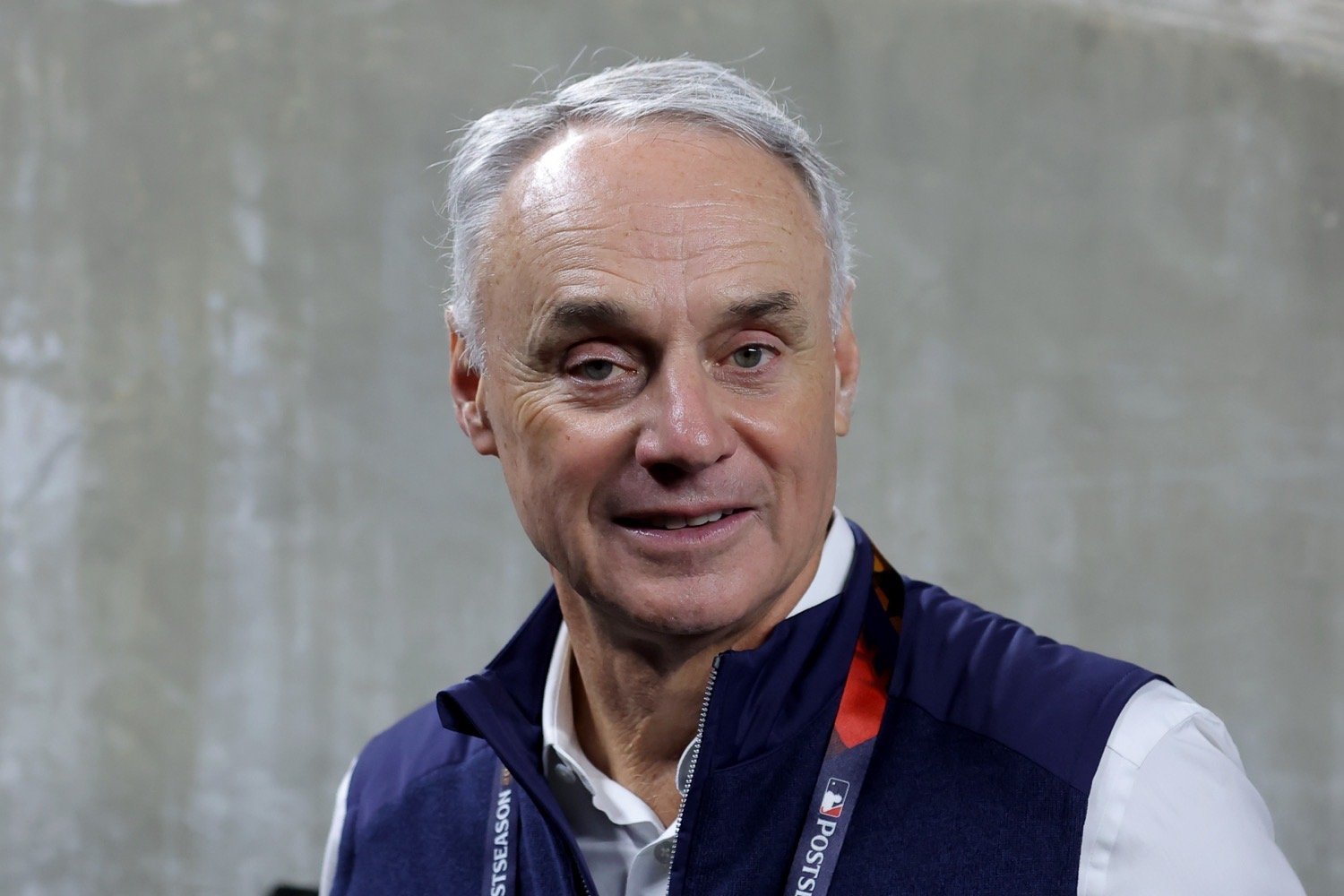
Fresh off what has arguably been the most successful World Baseball Classic to date, Rob Manfred is already looking at ways to adjust the event’s future. That instinct is understandable given the tournament’s rapid growth, but it also raises a familiar question. Why fix something that is clearly working?
Appearing on The Dan Patrick Show to discuss the beginning of the 2026 MLB season, Manfred was asked whether the WBC could become a more frequent event. His answer made it clear that Major League Baseball is seriously considering changes to the tournament’s cadence.
“We’re gonna have a meeting on the WBC, which we always do after it is completed. I think the event was so successful this time that we need to talk about frequency, regularity of schedule,” Manfred said. “It’s one thing to not to do it every year, our problem because of COVID, labor negotiations, whatever, you can’t even say it’s every four years. It hasn’t been. Given how popular it is, we need to get into a regular rotation.”
The desire for consistency is not unreasonable. Since its debut in 2006, the World Baseball Classic has never truly settled into a rhythm. It began on a three-year cycle before shifting to four years, only to see that plan disrupted by a six-year gap following 2017 due to the pandemic. When the tournament finally returned in 2023, it delivered one of the most iconic moments with a Japan versus the United States championship for the ages. That game alone proved the event had evolved far beyond exhibition status.
By the time the 2026 tournament wrapped up, the momentum had only grown. Television ratings climbed, global interest surged, and the overall product felt bigger than ever. Fans were invested, players were all in, and the atmosphere carried a level of intensity that even October baseball sometimes struggles to match.
That is exactly why Major League Baseball should proceed with caution. Manfred is correct in identifying the need for a clear and predictable schedule. A defined rotation benefits fans trying to plan around the event and gives broadcast partners something concrete to build around in future media negotiations. It is difficult to maximize value when networks are unsure when the next tournament will take place.
However, consistency does not have to mean increased frequency. There has already been discussion of experimenting with more dramatic changes, including moving the WBC to the middle of the MLB season. That concept feels misguided. Players already balance a demanding 162-game schedule, and the mid-summer break serves a purpose. Asking them to replace rest with high-intensity international competition risks diminishing participation, which is the lifeblood of the tournament.
Even a small adjustment, such as shifting to a two-year cycle, could have unintended consequences. Part of what makes the World Baseball Classic special is its rarity. When players know the opportunity only comes around every few years, the urgency is real. National pride carries more weight. The stakes feel higher. If the event becomes more frequent, that edge could soften.
The World Baseball Classic absolutely needs structure. The past two decades have proven that a floating timeline creates confusion and limits its long-term growth. But structure does not require reinvention.
Baseball finally has something that captures global attention in a meaningful way. The solution is not to tinker with its foundation, but to solidify it.









Recommended Comments
There are no comments to display.
Create an account or sign in to comment
You need to be a member in order to leave a comment
Create an account
Sign up for a new account in our community. It's easy!
Register a new accountSign in
Already have an account? Sign in here.
Sign In Now