



Matthew Trueblood
-
Posts
1,033 -
Joined
-
Last visited
Content Type
Profiles
News
Minnesota Twins Videos
2026 Minnesota Twins Top Prospects Ranking
2022 Minnesota Twins Draft Picks
Minnesota Twins Free Agent & Trade Rumors, Notes, & Tidbits
Guides & Resources
2023 Minnesota Twins Draft Picks
The Minnesota Twins Players Project
2024 Minnesota Twins Draft Picks
2025 Minnesota Twins Draft Pick Tracker
2026 Minnesota Twins Draft Tracker: Picks & Bonuses
Forums
Blogs
Events
Store
Downloads
Gallery
Everything posted by Matthew Trueblood
-
The Art of Catching: What is the Twins' October Game Plan?
Matthew Trueblood posted an article in Caretakers
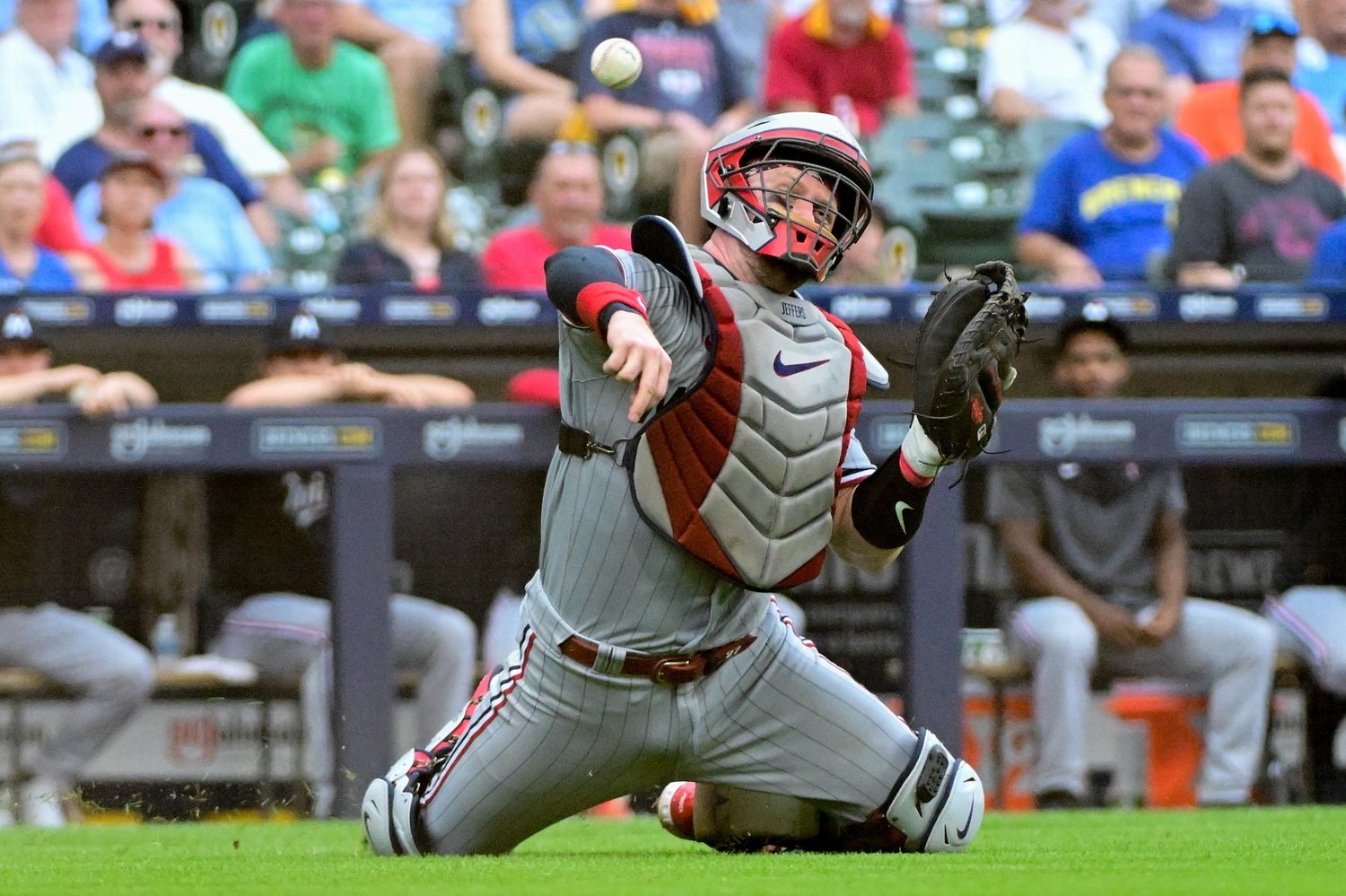 Over the last few months, the Twins have quietly undertaken a unique experiment in catcher usage. In the last few weeks, it’s taken a truly historic turn. Christian Vázquez and Ryan Jeffers have exactly alternated starts behind the plate for the last 23 games (as of Sept. 19). One starts one game, and the other starts the next. It’s as rigid (yet creative) a division of the labor of the men behind the plate as any team has attempted in recent memory, but it invites the question: How will the catchers be deployed come the playoffs? Of course, that window–”the playoffs”--could turn out to be a grandiose term for as little as two games of real baseball. We all hope, though, that this will be the year when the Twins have to manage something much more lasting and complicated than that. If it does, how will the team decide when to start which catcher? During the long grind of an MLB regular season, alternating backstops makes a world of sense. It keeps both men fresh, and that objective is at least as worthy as squeezing out a potential run prevented (or scored) here or there. In the postseason, that’s no longer a primary decision driver. Even small margins are worth fighting over in October, and everyone stays fresh enough, anyway, thanks to the off days baked into the postseason schedule. Happily, the Twins don’t have to lurch around blindfolded here. Their two catchers are both good receivers and game-callers, but they do things slightly differently, and that can help inform the pairings the team should pursue when the stakes are high. After all, the catcher is only half the battery on a given night, and the way their skills as framers and game-callers align with those of the pitchers with whom they work is important information. Vázquez is the superior pitch framer between these two, overall. He’s also slightly better at controlling the running game. The latter only becomes important if runners start populating the bases, though, and the nobler purpose of a good catcher is to prevent that from happening in the first place. Let’s start, then, by being more specific about what each man does well as a framer. Thanks to the data collected via Statcast and released to the public via Baseball Savant, we can see that Vázquez isn’t fractionally better than Jeffers at framing all pitches. Instead, he’s considerably better when catching balls on the right side of home plate (from the catcher’s perspective; that makes it the backhand side for right-handed catchers, reaching across with their mitts) and along the bottom edge of the zone. Jeffers is better, however, to the left side of the plate, and especially along the top edge of the zone, as can be seen in the graphic below. This article continues with a deeper dive into the nuances the Twins will consider for October starts, but it is exclusively for Twins Daily caretakers. To become a Caretaker and read the rest of the piece, you can subscribe here. You'll support the writers that provide you free Twins stories and analysis everyday, both in-season and offseason.
 -
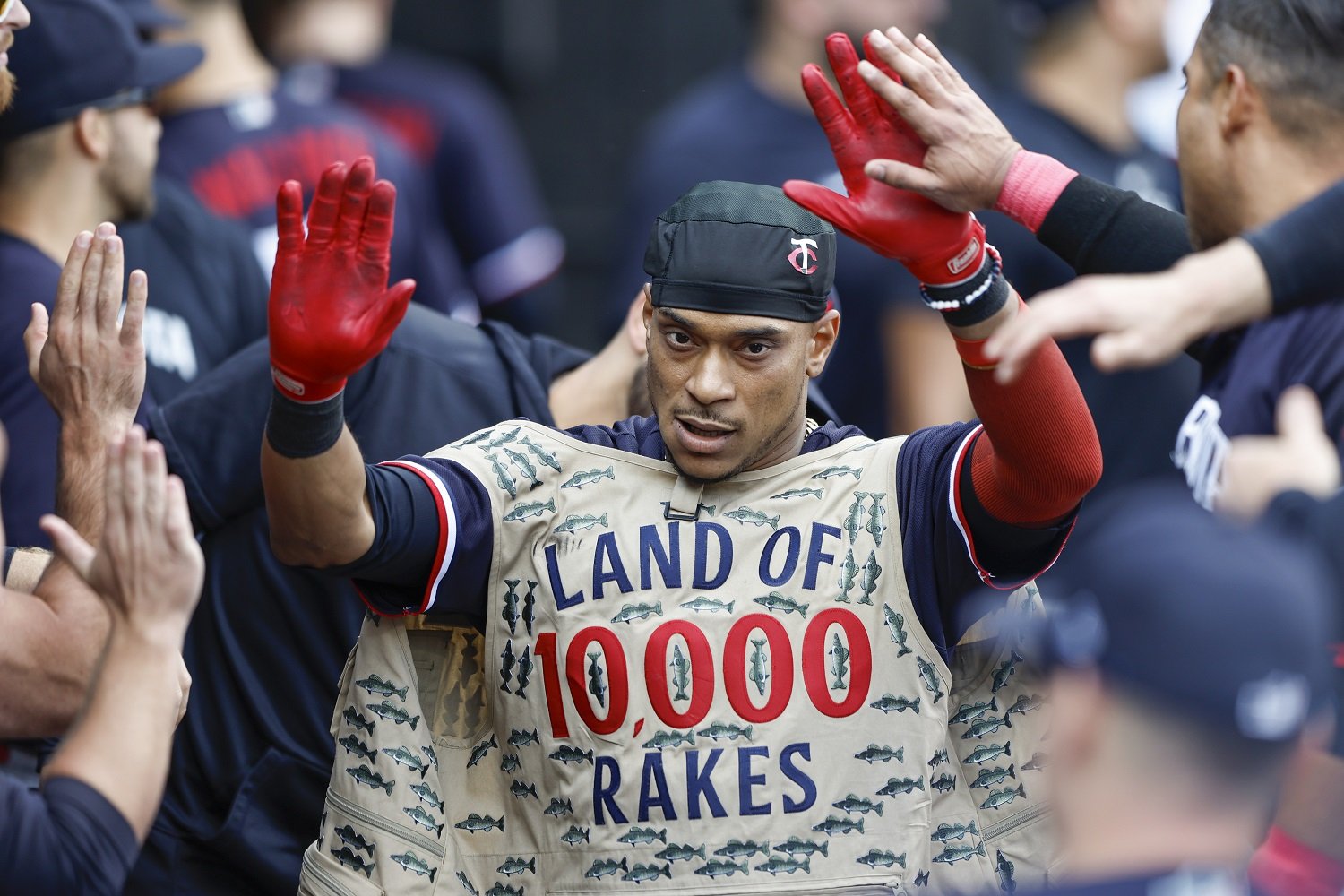 In his prime, Jorge Polanco was an athletic enough shortstop whose only serious deficiency was his throwing arm. That carried over to his work in the batter’s box, too. Polanco used to run pretty well, and it was an important part of his game. From 2017-21, Polanco averaged 17 infield hits and four more via bunt per season–and those averages were pulled down by the truncated season in 2020. Because of those skills, he developed an approach focused on hitting line drives, and on making contact. That aspect of his game is gone. Polanco’s average Sprint Speed, according to Statcast, has dropped from well above-average to slightly below, and the capacity he used to have for hitting an extra gear when he smelled a hit is kaput. He has just 13 infield hits on swings and two via bunt since the start of 2022, and he last had a competitive run in which he reached the elite speed threshold set by Baseball Savant early last season. It’s normal for this to happen, but Polanco resisted the trend at first. Then, he was pulled with unusual suddenness down into the mud where older players run, because of the ankle injury he battled for years. Now, he deals with semi-chronic ankle, knee, and hamstring trouble, and speed just isn’t a significant asset for him. The slower, balkier legs are the result of injuries, but Polanco has also had to contend with slightly slowing hands and eyes, for which the only blame we can assign goes to the frailty of the human condition. He’s only 30, but 30 is the new 35 in MLB, and that whip-quick, line-drive swing with the high contact rate is fading into memory, from both sides of the plate. That’s the bad news. The good news is that, with a high baseball IQ and a work ethic that matches it, Polanco has reimagined himself at the plate. He needed a swing adjustment and an approach adjustment, and because he’s a switch-hitter, that really meant he needed two swing adjustments and two approach adjustments. However many that adds up to, he made all of them. Despite lingering injury trouble, he’s boosted himself to a batting line of .260/.342/.467 this year. If he’s producing any worse than he did at his peak a few years ago, it’s only by a bit. He’s radically reshaped his production, but not lost it. Let’s talk about how. You rarely see the data presented this way, but I think it’s important to do so. Let’s break Polanco up into the two hitters who really live within him, one from each side of the plate. First, here are some key statistics for him as a right-handed batter (facing lefty pitchers), from 2019 through last week. This article continues with a deeper dive of how Polanco has become a very different player, but it is exclusively for Twins Daily caretakers. To become a Caretaker and read the rest of the piece, you can subscribe here. You'll support the writers that provide you free Twins stories and analysis every day, both in-season and offseason.
 -
His legs are disloyal, and his arm isn’t what it used to be. Once the tip of the spear as the Twins thrust back from rebuilding to contention, he’s now on his third position and his ninth life. He’s had to completely reinvent himself at the plate over the last two seasons. Yet, he’s as good as ever. This is not the fall of Jorge Polanco. Instead, this October might just be The Fall of Jorge Polanco. Image courtesy of © Kamil Krzaczynski-USA TODAY Sports In his prime, Jorge Polanco was an athletic enough shortstop whose only serious deficiency was his throwing arm. That carried over to his work in the batter’s box, too. Polanco used to run pretty well, and it was an important part of his game. From 2017-21, Polanco averaged 17 infield hits and four more via bunt per season–and those averages were pulled down by the truncated season in 2020. Because of those skills, he developed an approach focused on hitting line drives, and on making contact. That aspect of his game is gone. Polanco’s average Sprint Speed, according to Statcast, has dropped from well above-average to slightly below, and the capacity he used to have for hitting an extra gear when he smelled a hit is kaput. He has just 13 infield hits on swings and two via bunt since the start of 2022, and he last had a competitive run in which he reached the elite speed threshold set by Baseball Savant early last season. It’s normal for this to happen, but Polanco resisted the trend at first. Then, he was pulled with unusual suddenness down into the mud where older players run, because of the ankle injury he battled for years. Now, he deals with semi-chronic ankle, knee, and hamstring trouble, and speed just isn’t a significant asset for him. The slower, balkier legs are the result of injuries, but Polanco has also had to contend with slightly slowing hands and eyes, for which the only blame we can assign goes to the frailty of the human condition. He’s only 30, but 30 is the new 35 in MLB, and that whip-quick, line-drive swing with the high contact rate is fading into memory, from both sides of the plate. That’s the bad news. The good news is that, with a high baseball IQ and a work ethic that matches it, Polanco has reimagined himself at the plate. He needed a swing adjustment and an approach adjustment, and because he’s a switch-hitter, that really meant he needed two swing adjustments and two approach adjustments. However many that adds up to, he made all of them. Despite lingering injury trouble, he’s boosted himself to a batting line of .260/.342/.467 this year. If he’s producing any worse than he did at his peak a few years ago, it’s only by a bit. He’s radically reshaped his production, but not lost it. Let’s talk about how. You rarely see the data presented this way, but I think it’s important to do so. Let’s break Polanco up into the two hitters who really live within him, one from each side of the plate. First, here are some key statistics for him as a right-handed batter (facing lefty pitchers), from 2019 through last week. This article continues with a deeper dive of how Polanco has become a very different player, but it is exclusively for Twins Daily caretakers. To become a Caretaker and read the rest of the piece, you can subscribe here. You'll support the writers that provide you free Twins stories and analysis every day, both in-season and offseason. View full article
-
Unfortunately, it’s only fair to point out that, right now, Byron Buxton is no more helpful than his longtime teammate. Image courtesy of © Jonathan Hui-USA TODAY Sports For weeks now, Twins fans have clamored for the team to cut ties with Max Kepler. At age 30, and with only a team option remaining on the team-friendly extension he signed several years ago, Kepler is expendable. Fans are right not to consider him valuable, at the moment. Unfortunately, it’s only fair to point out that Byron Buxton is no more helpful than his longtime teammate. If this seems melodramatic, it’s only because Buxton’s hot streaks can be so volcanic that they disguise the true depths to which he plunges during cold streaks. In his first four games back from the injured list, he’s 0-16, with ten strikeouts. Lest you think it’s just rust that needs shaking off, though, Buxton is hitting just .149/.289/.267 since May 1. The culprit for these long struggles is related to the fact that he was playing through chronic injury, even before being sidelined due to his ribs, but that doesn’t mean that it will magically be ameliorated, even by time and rest. No, the problem here is that Buxton is genuinely becoming a right-handed analog of Kepler. Since the start of 2022, he has a .248 batting average on balls in play. This is the statistic that best captures what makes Kepler tantalizing and maddening. For years, fans have (incorrectly) expected Kepler’s BABIP to stabilize and regress toward the league’s average figure, near .300, but Kepler’s approach and his swing path don’t lend themselves to the skill that is BABIP. He runs extremely low numbers in that category not due to bad luck or defensive alignments, but because of the way he swings and the pitches at which he chooses to do so. The very same set of choices underpin Buxton’s game, at this point in his career. He’s a dead-pull, fly ball hitter, but more importantly, he’s a hitter focused on making contact far in front of home plate. He’s not merely quick to the ball in a way that naturally leads to pulling it; he’s built a swing designed to intercept the ball after the bat has passed the point of being parallel with the front of home plate, and well before the ball actually gets to the plate. You can see it when looking at his swings in some key situations. Unfortunately, the video breakdowns are for Caretakers only. We need to reserve this deep-dive content for Caretakers because these types of stories cost more to produce, and they support them. So if you're a Caretaker, just scroll down. If you're not, maybe consider becoming a Caretaker? There are lots of other benefits, like a free Winter Meltdown ticket and early access for guests, special callouts on the site, and lots more inside or in-depth content like this. So please consider joining our little club. The money is going to a site you love, to support coverage you love, and writers you value. Thank you so much. View full article
-
Byron Buxton is Just a Right-Handed Max Kepler Right Now
Matthew Trueblood posted an article in Caretakers
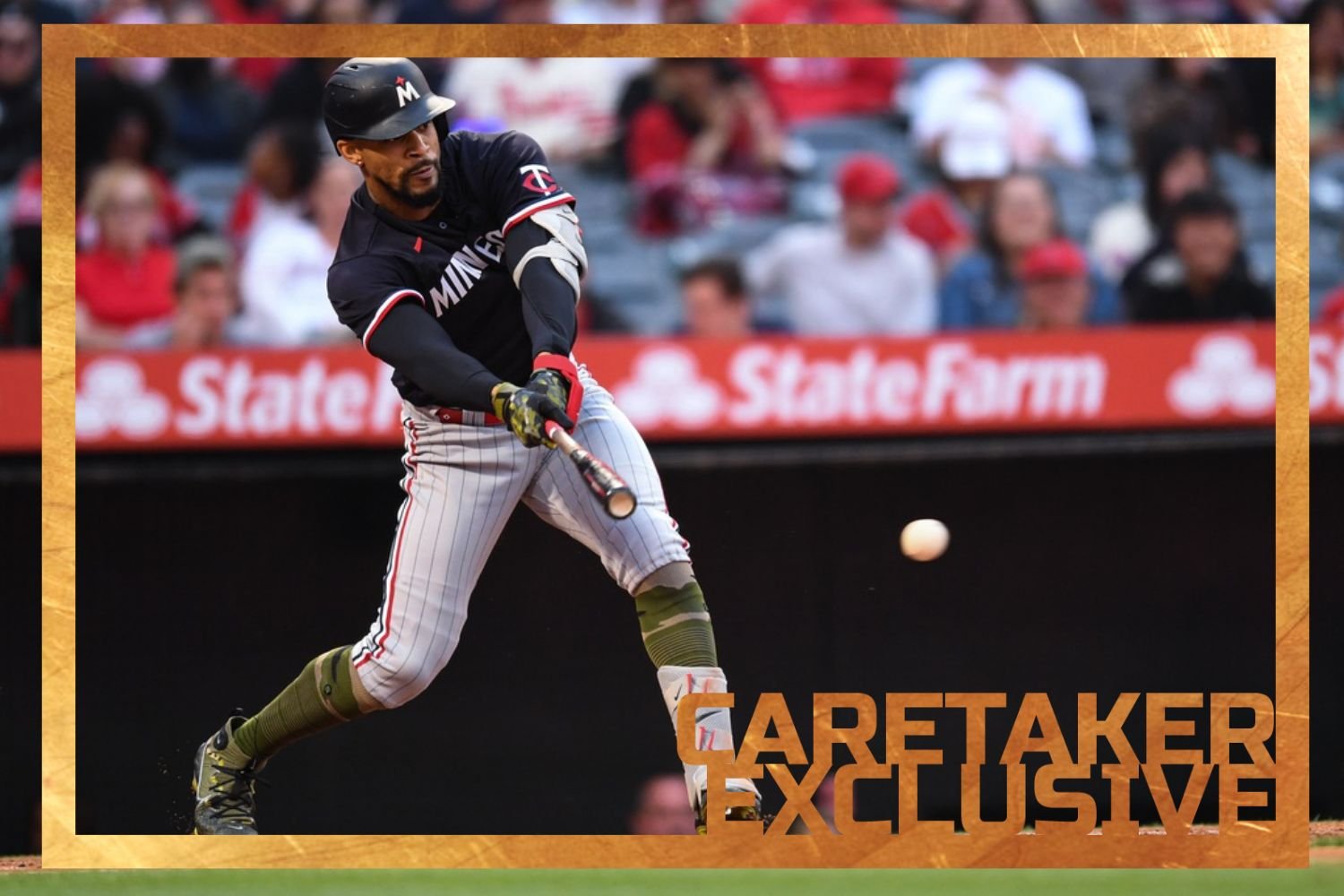 For weeks now, Twins fans have clamored for the team to cut ties with Max Kepler. At age 30, and with only a team option remaining on the team-friendly extension he signed several years ago, Kepler is expendable. Fans are right not to consider him valuable, at the moment. Unfortunately, it’s only fair to point out that Byron Buxton is no more helpful than his longtime teammate. If this seems melodramatic, it’s only because Buxton’s hot streaks can be so volcanic that they disguise the true depths to which he plunges during cold streaks. In his first four games back from the injured list, he’s 0-16, with ten strikeouts. Lest you think it’s just rust that needs shaking off, though, Buxton is hitting just .149/.289/.267 since May 1. The culprit for these long struggles is related to the fact that he was playing through chronic injury, even before being sidelined due to his ribs, but that doesn’t mean that it will magically be ameliorated, even by time and rest. No, the problem here is that Buxton is genuinely becoming a right-handed analog of Kepler. Since the start of 2022, he has a .248 batting average on balls in play. This is the statistic that best captures what makes Kepler tantalizing and maddening. For years, fans have (incorrectly) expected Kepler’s BABIP to stabilize and regress toward the league’s average figure, near .300, but Kepler’s approach and his swing path don’t lend themselves to the skill that is BABIP. He runs extremely low numbers in that category not due to bad luck or defensive alignments, but because of the way he swings and the pitches at which he chooses to do so. The very same set of choices underpin Buxton’s game, at this point in his career. He’s a dead-pull, fly ball hitter, but more importantly, he’s a hitter focused on making contact far in front of home plate. He’s not merely quick to the ball in a way that naturally leads to pulling it; he’s built a swing designed to intercept the ball after the bat has passed the point of being parallel with the front of home plate, and well before the ball actually gets to the plate. You can see it when looking at his swings in some key situations. Unfortunately, the video breakdowns are for Caretakers only. We need to reserve this deep-dive content for Caretakers because these types of stories cost more to produce, and they support them. So if you're a Caretaker, just scroll down. If you're not, maybe consider becoming a Caretaker? There are lots of other benefits, like a free Winter Meltdown ticket and early access for guests, special callouts on the site, and lots more inside or in-depth content like this. So please consider joining our little club. The money is going to a site you love, to support coverage you love, and writers you value. Thank you so much.
 -
Checking In on Key Data for the Twins - Hitting and Fielding
Matthew Trueblood posted an article in Caretakers
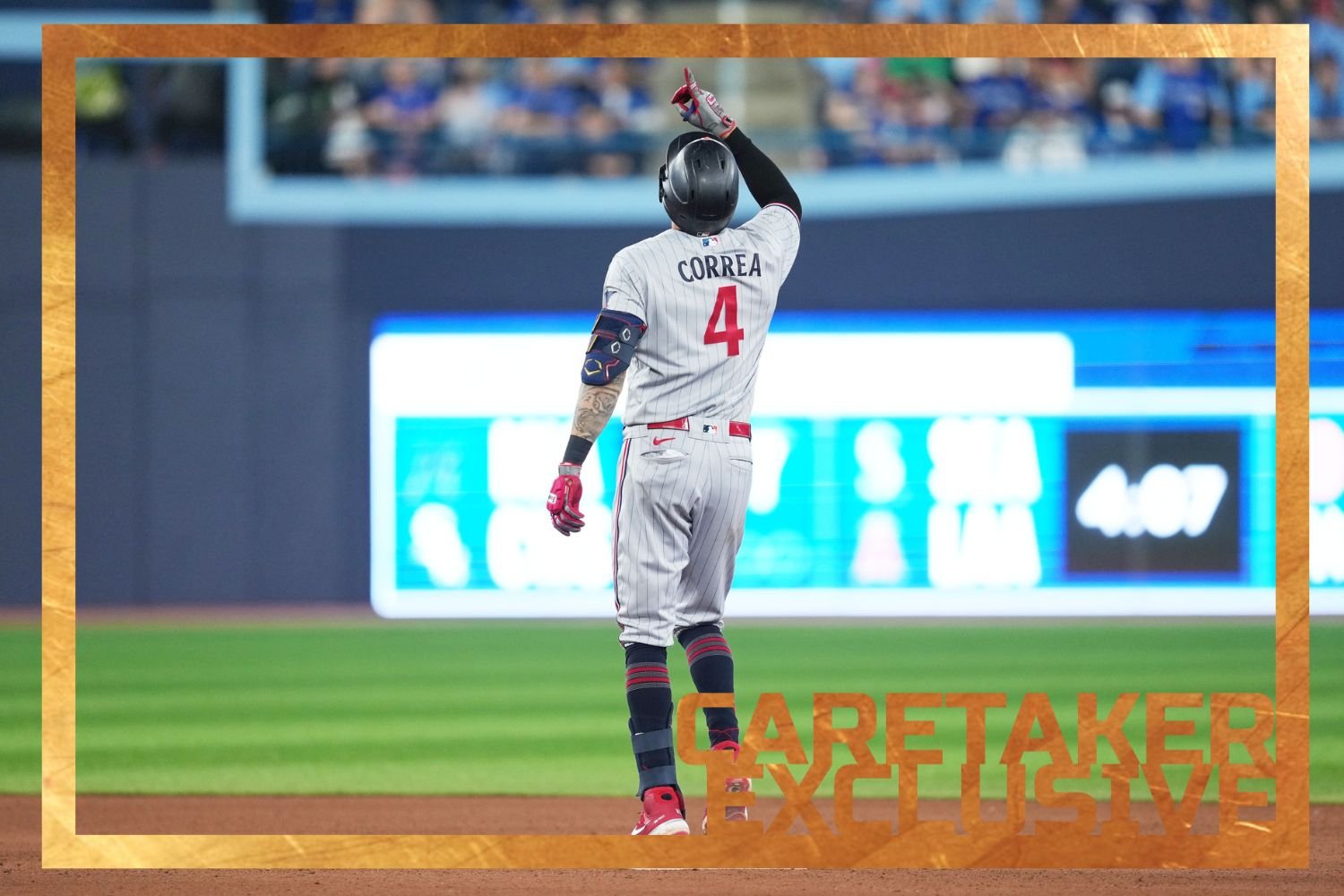 Recently, we paused around the two-month marker of the season to check in on some trends we identified as important ones before the campaign began. That first installment focused on the pitchers. Today, let’s talk about how the Twins’ position players are doing, and about how the front office is deploying them, both to score runs and to support the pitchers in their effort to prevent them. The Offense is Misfiring, But Not Dead As terrific as the pitching staff has been over the first two months, the offense has been brutally disappointing. Back in November, I wrote about the all-costs emphasis the team places on pulling the ball in the air, with some degree of power. From 2019-22, no team in baseball had a higher Bomba Rate–the name I’ve given to the percentage of plate appearances ending with a batted ball to the batter’s pull field, with an exit velocity of 88 miles per hour or greater and a launch angle between 10 and 40 degrees. They’re down to 10th in that department in 2023, at 7.2 percent. In other words, they’re driving the ball in the specific way that most reliably leads to extra-base hits less often (in both absolute and relative terms) than they have since before Rocco Baldelli took over as manager. Part of the reason for their inability to pull away in this lousy division is, without question, their faltering power production. There's more to cover, including some notes on the Twins' defensive positioning under the new shift rules, but it's for Caretakers only. We need to reserve this deep-dive content for Caretakers because these types of stories cost more to produce, and they support them. So if you're a Caretaker, just scroll down. If you're not, maybe consider becoming a Caretaker? There are lots of other benefits, like a free Winter Meltdown ticket and early access for guests, special callouts on the site, and lots more inside or in-depth content like this. So please consider joining our little club. The money is going to a site you love, to support coverage you love, and writers you value. Thank you so much.
 -
The Twins' key tendency since 2019 is misfiring. Image courtesy of © Nick Turchiaro-USA TODAY Sports Recently, we paused around the two-month marker of the season to check in on some trends we identified as important ones before the campaign began. That first installment focused on the pitchers. Today, let’s talk about how the Twins’ position players are doing, and about how the front office is deploying them, both to score runs and to support the pitchers in their effort to prevent them. The Offense is Misfiring, But Not Dead As terrific as the pitching staff has been over the first two months, the offense has been brutally disappointing. Back in November, I wrote about the all-costs emphasis the team places on pulling the ball in the air, with some degree of power. From 2019-22, no team in baseball had a higher Bomba Rate–the name I’ve given to the percentage of plate appearances ending with a batted ball to the batter’s pull field, with an exit velocity of 88 miles per hour or greater and a launch angle between 10 and 40 degrees. They’re down to 10th in that department in 2023, at 7.2 percent. In other words, they’re driving the ball in the specific way that most reliably leads to extra-base hits less often (in both absolute and relative terms) than they have since before Rocco Baldelli took over as manager. Part of the reason for their inability to pull away in this lousy division is, without question, their faltering power production. There's more to cover, including some notes on the Twins' defensive positioning under the new shift rules, but it's for Caretakers only. We need to reserve this deep-dive content for Caretakers because these types of stories cost more to produce, and they support them. So if you're a Caretaker, just scroll down. If you're not, maybe consider becoming a Caretaker? There are lots of other benefits, like a free Winter Meltdown ticket and early access for guests, special callouts on the site, and lots more inside or in-depth content like this. So please consider joining our little club. The money is going to a site you love, to support coverage you love, and writers you value. Thank you so much. View full article
-
Checking In on Key Data for the Twins - The Pitching
Matthew Trueblood posted an article in Caretakers
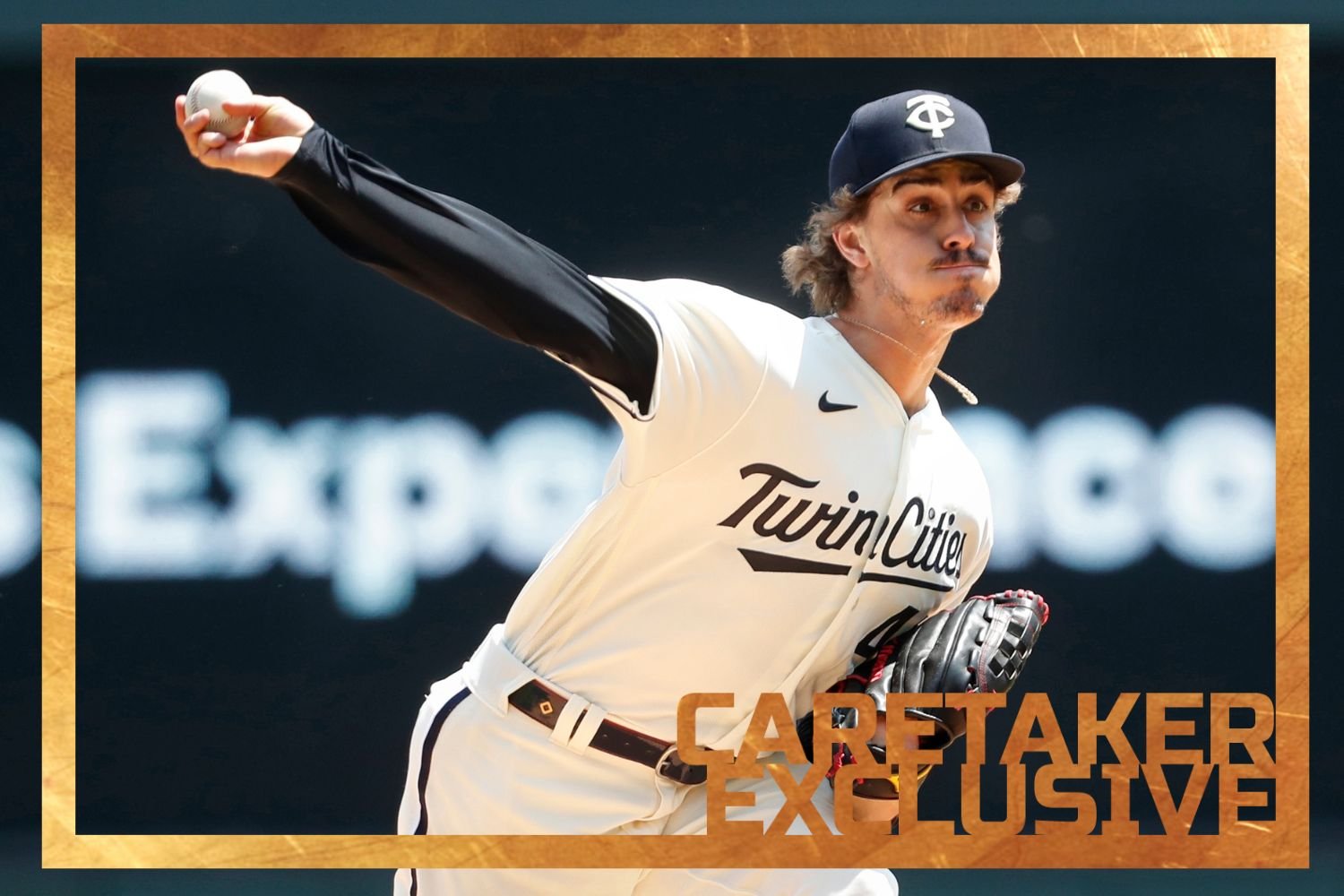 It’s not a pure coincidence that Memorial Day is the point at which longtime baseball watchers first try to take serious stock of things. It roughly marks the one-third point of the season. It used to come about two weeks before the June 15 trading deadline, making it imperative that teams know what they had and what they needed by then. The latter is no longer true, but it’s still a great time to check in on the key trends within the bigger-picture performance for the first-place Twins. Over the winter, I wrote about a few of the things that most urgently informed the Twins’ offseason moves and adjustments–matters of player selection, but also deployment and approach. Let’s discuss a few of those areas, and see how the team has done in addressing them thus far in 2023–starting with the pitching side of things. Getting More Advantage from the Platoon Advantage As I wrote in December, the Twins had a major problem with leveraging the platoon advantage last season. It was rooted in their predilections for certain pitch types, and in the types of pitchers they preferred. This winter, they only turned over a small share of the pitching staff, even if one of those moves (the trade for Pablo Lopez) was a pretty huge one. Yet, they’ve achieved a major turnaround. This season, the Twins enjoy the platoon advantage more often than any other pitching staff in MLB, at 55 percent of the time. Last year, though, that wouldn’t have actually netted them much of an edge, because they so often struggled against same-handed batters. Things have changed. Minnesota Twins, 2023 Platoon Splits Split PA AVG OBP SLG MLB Rank RHP v RHB 1015 .230 .285 .376 6th RHP v LHB 794 .229 .304 .368 3rd LHP v RHB 97 .226 .305 .405 7th LHP v LHB 71 .148 .254 .164 1st Obviously, it helps to be a really good pitching staff, overall. Still, rather than being average (or worse) when they have the platoon matchup in their favor, the Twins are now one of the best teams in baseball in those situations. That marks a major improvement, and makes the fact that they’ve been able to get so many favorable matchups even more valuable. There's more to cover, including a trend that Joe Ryan has embraced, but it's for Caretakers only. We need to reserve this deep-dive content for Caretakers because these types of stories cost more to produce, and they support them. So if you're a Caretaker, just scroll down. If you're not, maybe consider becoming a Caretaker? There are lots of other benefits, like a free Winter Meltdown ticket and early access for guests, special callouts on the site, and lots more inside or in-depth content like this. So please consider joining our little club. The money is going to a site you love, to support coverage you love, and writers you value. Thank you so much.
 -
A deeper dive into the some offseason adjustments shows some results. Image courtesy of © Bruce Kluckhohn-USA TODAY Sports It’s not a pure coincidence that Memorial Day is the point at which longtime baseball watchers first try to take serious stock of things. It roughly marks the one-third point of the season. It used to come about two weeks before the June 15 trading deadline, making it imperative that teams know what they had and what they needed by then. The latter is no longer true, but it’s still a great time to check in on the key trends within the bigger-picture performance for the first-place Twins. Over the winter, I wrote about a few of the things that most urgently informed the Twins’ offseason moves and adjustments–matters of player selection, but also deployment and approach. Let’s discuss a few of those areas, and see how the team has done in addressing them thus far in 2023–starting with the pitching side of things. Getting More Advantage from the Platoon Advantage As I wrote in December, the Twins had a major problem with leveraging the platoon advantage last season. It was rooted in their predilections for certain pitch types, and in the types of pitchers they preferred. This winter, they only turned over a small share of the pitching staff, even if one of those moves (the trade for Pablo Lopez) was a pretty huge one. Yet, they’ve achieved a major turnaround. This season, the Twins enjoy the platoon advantage more often than any other pitching staff in MLB, at 55 percent of the time. Last year, though, that wouldn’t have actually netted them much of an edge, because they so often struggled against same-handed batters. Things have changed. Minnesota Twins, 2023 Platoon Splits Split PA AVG OBP SLG MLB Rank RHP v RHB 1015 .230 .285 .376 6th RHP v LHB 794 .229 .304 .368 3rd LHP v RHB 97 .226 .305 .405 7th LHP v LHB 71 .148 .254 .164 1st Obviously, it helps to be a really good pitching staff, overall. Still, rather than being average (or worse) when they have the platoon matchup in their favor, the Twins are now one of the best teams in baseball in those situations. That marks a major improvement, and makes the fact that they’ve been able to get so many favorable matchups even more valuable. There's more to cover, including a trend that Joe Ryan has embraced, but it's for Caretakers only. We need to reserve this deep-dive content for Caretakers because these types of stories cost more to produce, and they support them. So if you're a Caretaker, just scroll down. If you're not, maybe consider becoming a Caretaker? There are lots of other benefits, like a free Winter Meltdown ticket and early access for guests, special callouts on the site, and lots more inside or in-depth content like this. So please consider joining our little club. The money is going to a site you love, to support coverage you love, and writers you value. Thank you so much. View full article
-
The changes that inspired the Twins to extend Pablo López for four years and $73.5 million have been well-documented. He’s added a new pitch, and increased his velocity. There’s further evolution and some vital consolidation of skills and ideas left ahead, though. Let’s explore. Few pitchers in baseball are more intelligent and eloquent than Pablo Lopez, so maybe the right way to talk about these changes is in terms of Bloom’s Taxonomy. You probably learned about this way back in elementary school. Bloom’s Taxonomy is a framework for learning in which learning progresses through stages, with each stage building upon mastery of the previous one. You can see it above. It’s meant as a broad concept, but in certain cases, it can be neatly applied to specific endeavors. In the highly intentional, craftsmanlike career of a pitcher like López, the art and science of pitching maps right onto this pyramid. López doesn’t have overwhelming raw stuff, and while he’s always been regarded as a promising player, he didn’t arrive in the majors as anything close to a fully formed ace. He’s had to make stepwise progressions. By the time the Twins acquired him, López had already moved through a few of those stages. That’s why he’s now approaching ace status. He’s not only adding pitches, but integrating them in a logically consistent way into his overall arsenal. Simultaneously, he’s improving his mechanics, so that each pitch he throws is more effective in an absolute sense, as well as in relation to one another. He’s identified his basic flaws and weaknesses, and taken all the plausible steps to remediate them. He’s past merely recognizing patterns and options, and has reached the point of comparing and evaluating them, the better to bring the best ones together as a coherent, whole approach. Famously, López is a part of Sweeper Mania. Every pitcher who has ever thrown a breaking ball has tried to develop a sweeping slider this spring. Somewhere in the wilds of the American South, far from your televisions but always just beyond the range of your mind’s eye, Bert Blyleven has abandoned his hopelessly old-fashipned curveball and is pondering a comeback using a sweeper. It’s an unfortunate side effect of the particular, technology- and management-driven evolution of the game that every innovation anyone has tried recently seems to have immediately been tried by about 40 others. It takes some of the romance and the mystery out of pitch development, which should be an iterative, pedagogical, individualized process–not an assembly line thing. Still and all, López is one of those guys who would be a good candidate for a sweeping slider, even if pitching coaches didn’t suddenly see everyone as a good candidate for a sweeping slider. He throws from a fairly low arm slot, but he’d never had a pitch that moved much to the glove side before adding the sweeper–except his curveball, which was always more of a vertically-shaped offering. There's a lot more - charts, videos, analysis - below for Caretakers. We need to reserve this deep-dive content for Caretakers because these types of stories cost more to produce, and they support them. If you're not, maybe consider becoming a Caretaker? There are lots of other benefits, like a free Winter Meltdown ticket and early access for guests, special callouts on the site, and lots more inside or in-depth content like this. So please consider joining our little club. The money is going to a site you love, to support coverage you love, and writers you value. Thank you so much. View full article
-
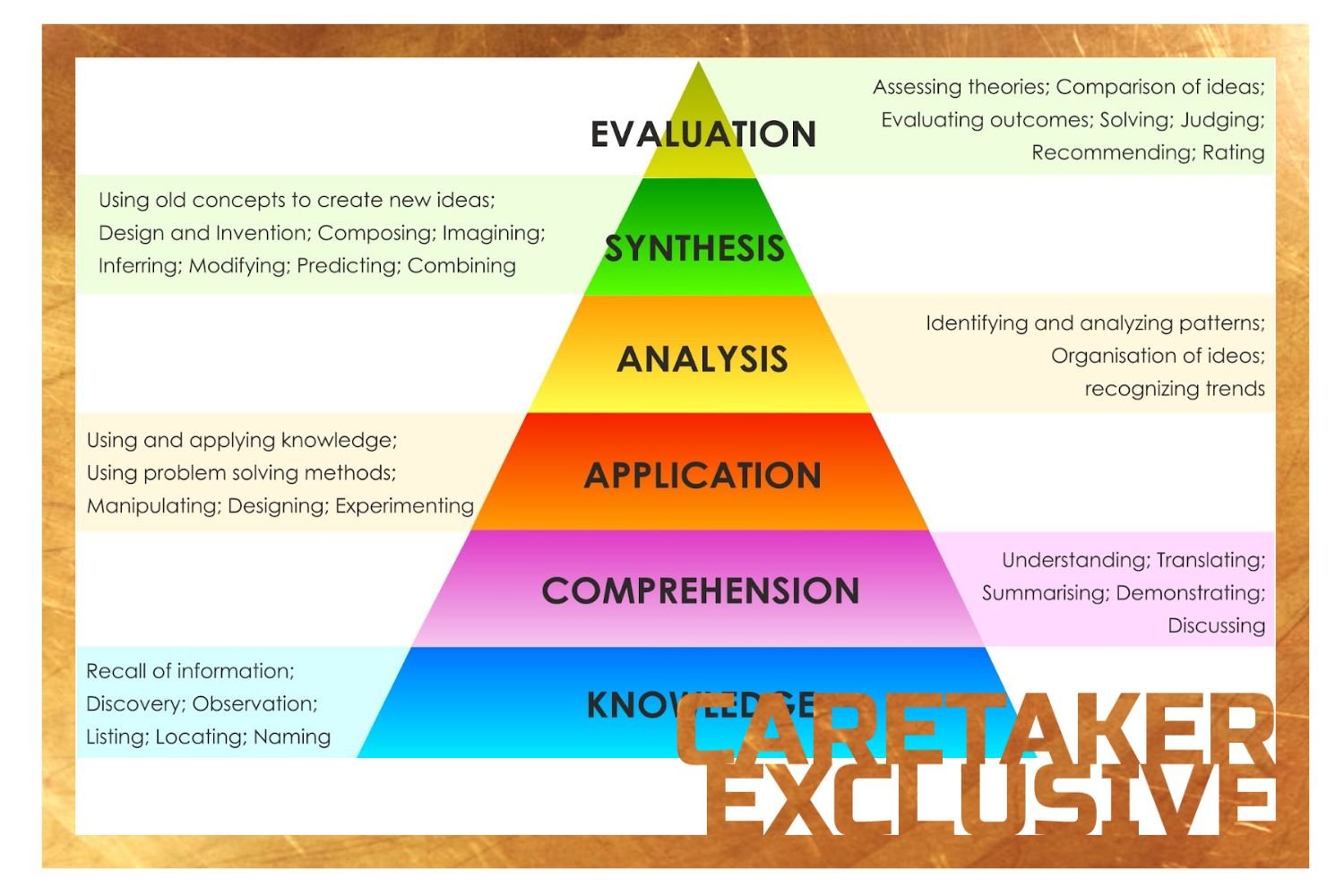 Few pitchers in baseball are more intelligent and eloquent than Pablo Lopez, so maybe the right way to talk about these changes is in terms of Bloom’s Taxonomy. You probably learned about this way back in elementary school. Bloom’s Taxonomy is a framework for learning in which learning progresses through stages, with each stage building upon mastery of the previous one. You can see it above. It’s meant as a broad concept, but in certain cases, it can be neatly applied to specific endeavors. In the highly intentional, craftsmanlike career of a pitcher like López, the art and science of pitching maps right onto this pyramid. López doesn’t have overwhelming raw stuff, and while he’s always been regarded as a promising player, he didn’t arrive in the majors as anything close to a fully formed ace. He’s had to make stepwise progressions. By the time the Twins acquired him, López had already moved through a few of those stages. That’s why he’s now approaching ace status. He’s not only adding pitches, but integrating them in a logically consistent way into his overall arsenal. Simultaneously, he’s improving his mechanics, so that each pitch he throws is more effective in an absolute sense, as well as in relation to one another. He’s identified his basic flaws and weaknesses, and taken all the plausible steps to remediate them. He’s past merely recognizing patterns and options, and has reached the point of comparing and evaluating them, the better to bring the best ones together as a coherent, whole approach. Famously, López is a part of Sweeper Mania. Every pitcher who has ever thrown a breaking ball has tried to develop a sweeping slider this spring. Somewhere in the wilds of the American South, far from your televisions but always just beyond the range of your mind’s eye, Bert Blyleven has abandoned his hopelessly old-fashipned curveball and is pondering a comeback using a sweeper. It’s an unfortunate side effect of the particular, technology- and management-driven evolution of the game that every innovation anyone has tried recently seems to have immediately been tried by about 40 others. It takes some of the romance and the mystery out of pitch development, which should be an iterative, pedagogical, individualized process–not an assembly line thing. Still and all, López is one of those guys who would be a good candidate for a sweeping slider, even if pitching coaches didn’t suddenly see everyone as a good candidate for a sweeping slider. He throws from a fairly low arm slot, but he’d never had a pitch that moved much to the glove side before adding the sweeper–except his curveball, which was always more of a vertically-shaped offering. There's a lot more - charts, videos, analysis - below for Caretakers. We need to reserve this deep-dive content for Caretakers because these types of stories cost more to produce, and they support them. If you're not, maybe consider becoming a Caretaker? There are lots of other benefits, like a free Winter Meltdown ticket and early access for guests, special callouts on the site, and lots more inside or in-depth content like this. So please consider joining our little club. The money is going to a site you love, to support coverage you love, and writers you value. Thank you so much.
 -
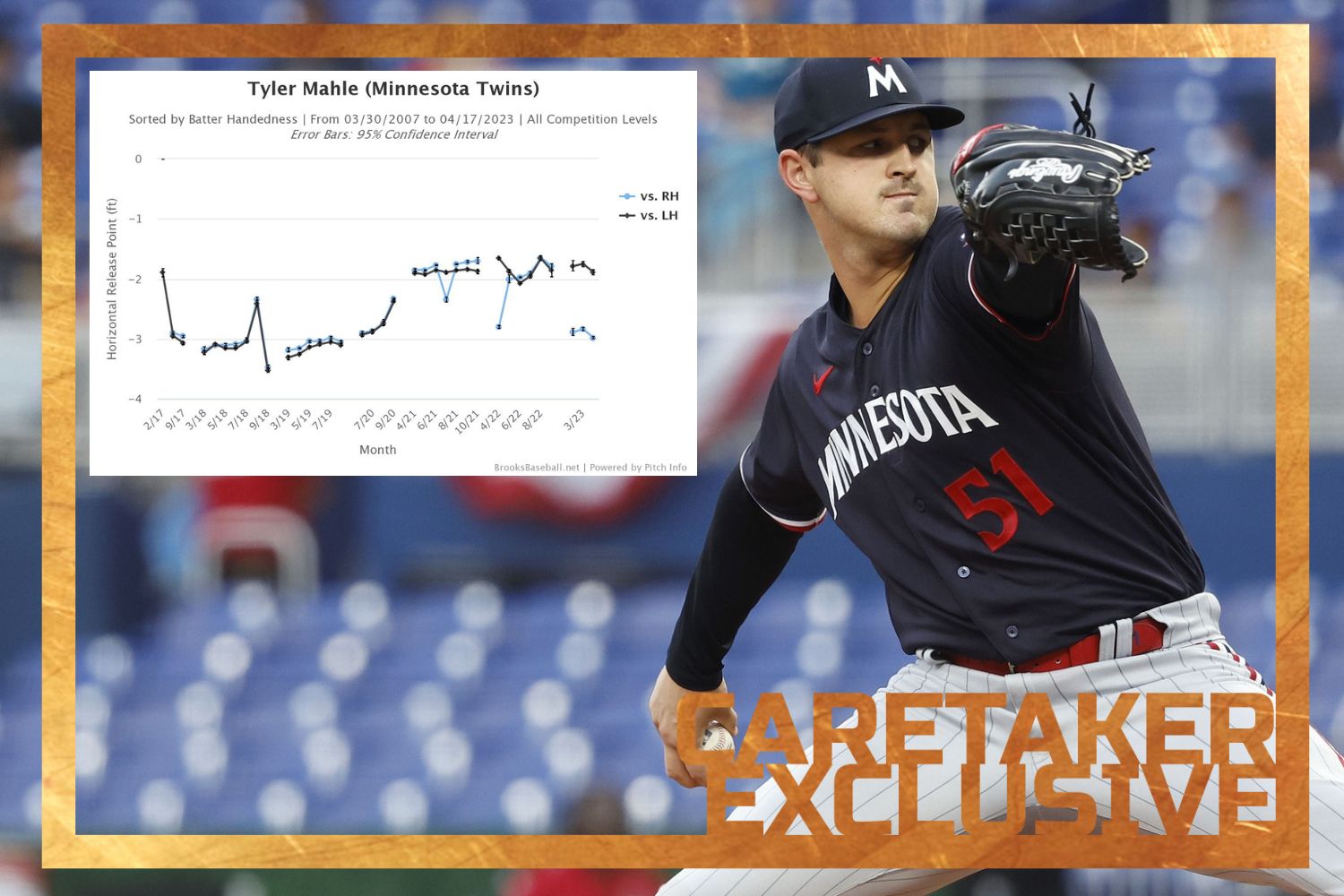 Last spring, Baseball Prospectus’s Michael Ajeto wrote about the fact that Tyler Mahle was trying one of the trickier (but niftier) things a pitcher can do to counteract a platoon-split problem: working from different spots on the pitching rubber according to the handedness of his opponent. By May, Mahle abandoned the effort. Guess what, though? He’s back at it. We’re not talking about a difference of a few inches, but a little over a foot. Against lefties, Mahle is setting up at an extreme angle, with only the front half of his right foot touching the rubber at the first-base end. Against righties, he’s right in the middle of the rubber. If you're a Caretaker, just scroll down to find out why the change. We need to reserve this deep-dive content for Caretakers because these types of stories cost more to produce, and they support them. If you're not, maybe consider becoming a Caretaker? You likely visit regularly, and that's going to become even more likely as the season gears up. Supporting something you value feels good, especially when it's been here feeding your baseball habit for over 10 years for free, right? Plus, there are lots of other benefits, like a free Winter Meltdown ticket and early access for guests, special callouts on the site, and lots more inside or in-depth content like this. So please consider joining our little club. The money is going to a site you love, to support coverage you love, and writers you value. Thank you so much. Join Here to support Twins Daily and get your exclusive content!
 -
By now, you’ve heard about the work Tyler Mahle put in this winter to add a sweeping slider to attack right-handed batters with lateral movement. What if I told you, though, that Mahle’s also doing something much less common, and a bit more interesting? Image courtesy of © Rhona Wise-USA TODAY Sports Last spring, Baseball Prospectus’s Michael Ajeto wrote about the fact that Tyler Mahle was trying one of the trickier (but niftier) things a pitcher can do to counteract a platoon-split problem: working from different spots on the pitching rubber according to the handedness of his opponent. By May, Mahle abandoned the effort. Guess what, though? He’s back at it. We’re not talking about a difference of a few inches, but a little over a foot. Against lefties, Mahle is setting up at an extreme angle, with only the front half of his right foot touching the rubber at the first-base end. Against righties, he’s right in the middle of the rubber. If you're a Caretaker, just scroll down to find out why the change. We need to reserve this deep-dive content for Caretakers because these types of stories cost more to produce, and they support them. If you're not, maybe consider becoming a Caretaker? You likely visit regularly, and that's going to become even more likely as the season gears up. Supporting something you value feels good, especially when it's been here feeding your baseball habit for over 10 years for free, right? Plus, there are lots of other benefits, like a free Winter Meltdown ticket and early access for guests, special callouts on the site, and lots more inside or in-depth content like this. So please consider joining our little club. The money is going to a site you love, to support coverage you love, and writers you value. Thank you so much. Join Here to support Twins Daily and get your exclusive content! View full article
-
The Twins' new school pitching philosophy looks an awful lot like an old school philosophy: throw fastballs. Image courtesy of © Ken Blaze-USA TODAY Sports When baseball people break down pitch types into categories, they tend to use three: fastballs, breaking balls, and offspeed pitches. This distinction is decades old, long predating modern, data-centric pitching analysis. It’s a natural one, because it centers on the thing that makes each type of pitch effective: speed, movement, and deception, respectively. There’s another natural way to subdivide pitch types, though. It’s rarely used, but equally valid, and perhaps more in line with the way we think about the craft in the age of biomechanics and high-speed video. You can separate pitches into three broad, slightly messy, but telling categories: Those that move to the “arm side”, or in on a same-handed batter: Sinkers and Changeups Those that move to the “glove side”, away from a same-handed batter: Sliders and Cutters Those that move mostly in the vertical plane, with lateral movement mostly incidental: Four-seam Fastballs, Curveballs, and Splitters There are multiple reasons why the taxonomy of pitching has historically favored the first model. For one thing, it’s neater. There are individual examples of pitches within the familiar categories that actually depend on a characteristic other than the one implied by the name of their category for their effectiveness, but they’re rare. The membranes which divide armside, gloveside, and vertical offerings are much more porous. For another thing, pitching (and pitch types, and especially the tendency to classify pitches that walk near a borderline between two possible ones in certain ways) is always evolving, and until relatively recently, breaking things up according to the direction of movement didn’t fit the way most pitching coaches or public commentators thought about things. Consider the advantages, though. So much about a pitch can be explained by whether it primarily moves to the arm side, the glove side, or vertically. Glove-side movement tends to be hard on same-handed batters, but not opposite-handed ones. Vertical movement creates swings and misses, but isn’t good for managing contact quality or inducing ground balls. Arm-side run is the surest way to generate weak contact, but only misses bats if it comes with some other extraordinary characteristic, and can have wide platoon splits. Separating pitches this way also works because, to create that direction of movement, the pitcher has to do something with their forearm and wrist through delivery. To throw a running sinker or changeup, you have to pronate–turning your forearm and palm out as you release the ball. Sliders and cutters require a pitcher to supinate their wrist, twisting to the inside through release. Four-seamers and splitters, for the most part, depend on staying behind the ball, although in practice, most pitchers pronate slightly when throwing splitters. Curveballs are a special case, requiring a fairly extreme supination, but the relationship between the fastball arm motion and the curveball one is such that most pitchers can feel their way from one to the other. Looking deeper into the Twins pitch selection this way: It's clear the Twins have a preference, and it's not what you think. The Twins' philosophy matches that of other advanced pitching organizations - except in one area. The Twins made at least one offseason move totally counter to their current trend. Looking at one Twins pitcher who struggled last year, it's apparent it doesn't always work, so they're making different choices. We love providing this level of deep-dive coverage, but it's expensive - too expensive to be paid for just by internet ads. So we reserve the rest of this story for the Caretakers that make this kind of coverage possible. If you're a Caretaker, you can find it here. If you read Twins Daily, well, daily, maybe it's time to become a Caretaker. You'll love it. You'll get more meaty stories like this, plus get perks like Winter Meltdown tickets, and other special recognition. And you can join for as little as $4/moth. You can read all about it and signup here. Those benefits are all nice, but the real reason to sign up is this: 100% of all Caretaker money is channeled directly back into the site. By signing up to be a caretaker, you’re supporting writers you value, and enabling deeper dive Twins-specific content like this that isn’t dependent on ad revenue. We hope you’ll consider it. We expect you’ll love the benefits, and we would love to have you take the next step in supporting the Twins Daily community. View full article
-
The Twins' new school pitching philosophy looks an awful lot like an old school philosophy: throw fastballs. THANK YOU for caretaking Twins Daily. Here's you're exclusive content. When baseball people break down pitch types into categories, they tend to use three: fastballs, breaking balls, and offspeed pitches. This distinction is decades old, long predating modern, data-centric pitching analysis. It’s a natural one, because it centers on the thing that makes each type of pitch effective: speed, movement, and deception, respectively. There’s another natural way to subdivide pitch types, though. It’s rarely used, but equally valid, and perhaps more in line with the way we think about the craft in the age of biomechanics and high-speed video. You can separate pitches into three broad, slightly messy, but telling categories: Those that move to the “arm side”, or in on a same-handed batter: Sinkers and Changeups Those that move to the “glove side”, away from a same-handed batter: Sliders and Cutters Those that move mostly in the vertical plane, with lateral movement mostly incidental: Four-seam Fastballs, Curveballs, and Splitters There are multiple reasons why the taxonomy of pitching has historically favored the first model. For one thing, it’s neater. There are individual examples of pitches within the familiar categories that actually depend on a characteristic other than the one implied by the name of their category for their effectiveness, but they’re rare. The membranes which divide armside, gloveside, and vertical offerings are much more porous. For another thing, pitching (and pitch types, and especially the tendency to classify pitches that walk near a borderline between two possible ones in certain ways) is always evolving, and until relatively recently, breaking things up according to the direction of movement didn’t fit the way most pitching coaches or public commentators thought about things. Consider the advantages, though. So much about a pitch can be explained by whether it primarily moves to the arm side, the glove side, or vertically. Glove-side movement tends to be hard on same-handed batters, but not opposite-handed ones. Vertical movement creates swings and misses, but isn’t good for managing contact quality or inducing ground balls. Arm-side run is the surest way to generate weak contact, but only misses bats if it comes with some other extraordinary characteristic, and can have wide platoon splits. This article continues exclusively for Twins Daily caretakers. To become a caretaker and read the rest of the piece, you can subscribe here. View full article
-
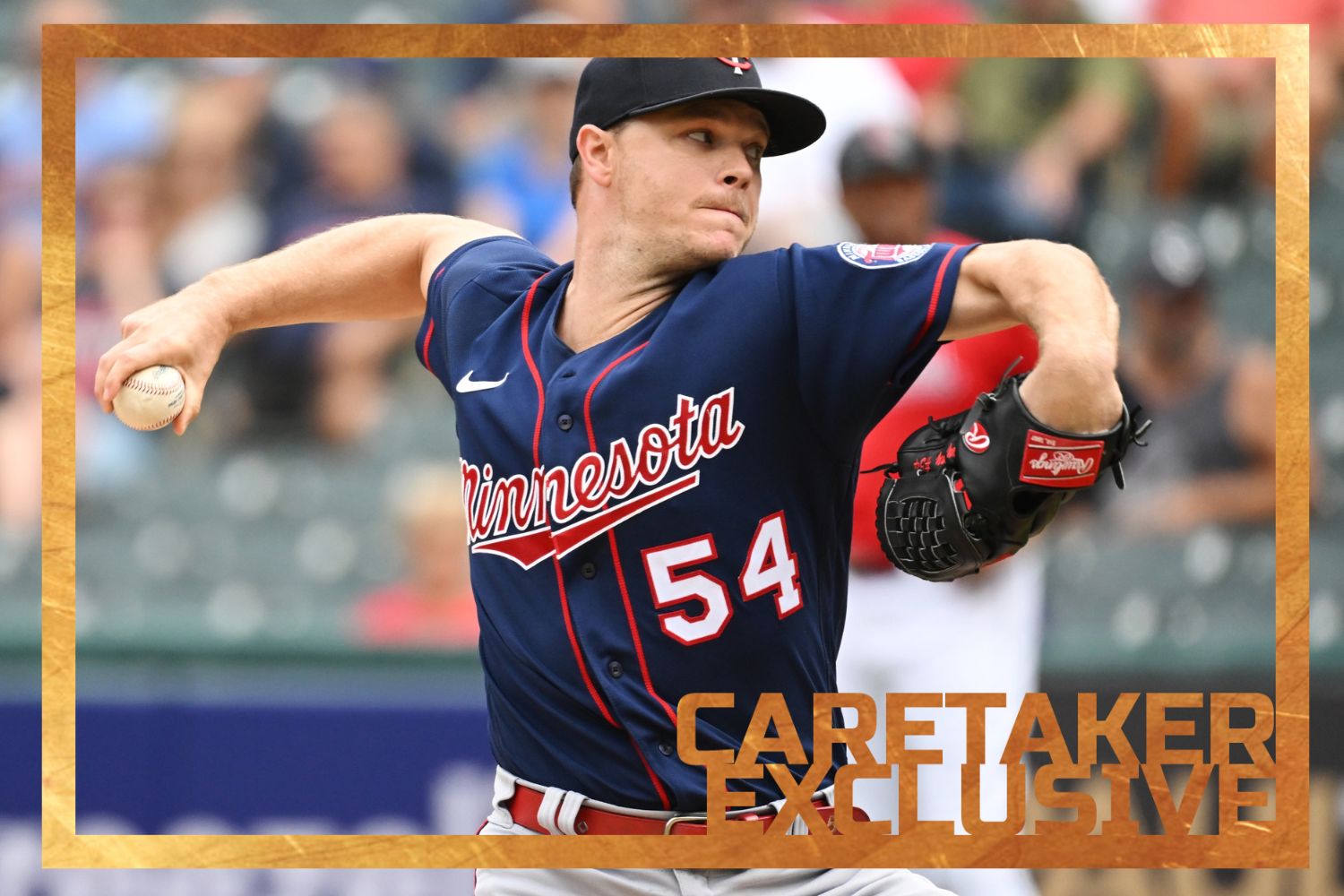 When baseball people break down pitch types into categories, they tend to use three: fastballs, breaking balls, and offspeed pitches. This distinction is decades old, long predating modern, data-centric pitching analysis. It’s a natural one, because it centers on the thing that makes each type of pitch effective: speed, movement, and deception, respectively. There’s another natural way to subdivide pitch types, though. It’s rarely used, but equally valid, and perhaps more in line with the way we think about the craft in the age of biomechanics and high-speed video. You can separate pitches into three broad, slightly messy, but telling categories: Those that move to the “arm side”, or in on a same-handed batter: Sinkers and Changeups Those that move to the “glove side”, away from a same-handed batter: Sliders and Cutters Those that move mostly in the vertical plane, with lateral movement mostly incidental: Four-seam Fastballs, Curveballs, and Splitters There are multiple reasons why the taxonomy of pitching has historically favored the first model. For one thing, it’s neater. There are individual examples of pitches within the familiar categories that actually depend on a characteristic other than the one implied by the name of their category for their effectiveness, but they’re rare. The membranes which divide armside, gloveside, and vertical offerings are much more porous. For another thing, pitching (and pitch types, and especially the tendency to classify pitches that walk near a borderline between two possible ones in certain ways) is always evolving, and until relatively recently, breaking things up according to the direction of movement didn’t fit the way most pitching coaches or public commentators thought about things. Consider the advantages, though. So much about a pitch can be explained by whether it primarily moves to the arm side, the glove side, or vertically. Glove-side movement tends to be hard on same-handed batters, but not opposite-handed ones. Vertical movement creates swings and misses, but isn’t good for managing contact quality or inducing ground balls. Arm-side run is the surest way to generate weak contact, but only misses bats if it comes with some other extraordinary characteristic, and can have wide platoon splits. Separating pitches this way also works because, to create that direction of movement, the pitcher has to do something with their forearm and wrist through delivery. To throw a running sinker or changeup, you have to pronate–turning your forearm and palm out as you release the ball. Sliders and cutters require a pitcher to supinate their wrist, twisting to the inside through release. Four-seamers and splitters, for the most part, depend on staying behind the ball, although in practice, most pitchers pronate slightly when throwing splitters. Curveballs are a special case, requiring a fairly extreme supination, but the relationship between the fastball arm motion and the curveball one is such that most pitchers can feel their way from one to the other. Looking deeper into the Twins pitch selection this way: It's clear the Twins have a preference, and it's not what you think. The Twins' philosophy matches that of other advanced pitching organizations - except in one area. The Twins made at least one offseason move totally counter to their current trend. Looking at one Twins pitcher who struggled last year, it's apparent it doesn't always work, so they're making different choices. We love providing this level of deep-dive coverage, but it's expensive - too expensive to be paid for just by internet ads. So we reserve the rest of this story for the Caretakers that make this kind of coverage possible. If you're a Caretaker, you can find it here. If you read Twins Daily, well, daily, maybe it's time to become a Caretaker. You'll love it. You'll get more meaty stories like this, plus get perks like Winter Meltdown tickets, and other special recognition. And you can join for as little as $4/moth. You can read all about it and signup here. Those benefits are all nice, but the real reason to sign up is this: 100% of all Caretaker money is channeled directly back into the site. By signing up to be a caretaker, you’re supporting writers you value, and enabling deeper dive Twins-specific content like this that isn’t dependent on ad revenue. We hope you’ll consider it. We expect you’ll love the benefits, and we would love to have you take the next step in supporting the Twins Daily community.
 -
 THANK YOU for caretaking Twins Daily. Here's you're exclusive content. When baseball people break down pitch types into categories, they tend to use three: fastballs, breaking balls, and offspeed pitches. This distinction is decades old, long predating modern, data-centric pitching analysis. It’s a natural one, because it centers on the thing that makes each type of pitch effective: speed, movement, and deception, respectively. There’s another natural way to subdivide pitch types, though. It’s rarely used, but equally valid, and perhaps more in line with the way we think about the craft in the age of biomechanics and high-speed video. You can separate pitches into three broad, slightly messy, but telling categories: Those that move to the “arm side”, or in on a same-handed batter: Sinkers and Changeups Those that move to the “glove side”, away from a same-handed batter: Sliders and Cutters Those that move mostly in the vertical plane, with lateral movement mostly incidental: Four-seam Fastballs, Curveballs, and Splitters There are multiple reasons why the taxonomy of pitching has historically favored the first model. For one thing, it’s neater. There are individual examples of pitches within the familiar categories that actually depend on a characteristic other than the one implied by the name of their category for their effectiveness, but they’re rare. The membranes which divide armside, gloveside, and vertical offerings are much more porous. For another thing, pitching (and pitch types, and especially the tendency to classify pitches that walk near a borderline between two possible ones in certain ways) is always evolving, and until relatively recently, breaking things up according to the direction of movement didn’t fit the way most pitching coaches or public commentators thought about things. Consider the advantages, though. So much about a pitch can be explained by whether it primarily moves to the arm side, the glove side, or vertically. Glove-side movement tends to be hard on same-handed batters, but not opposite-handed ones. Vertical movement creates swings and misses, but isn’t good for managing contact quality or inducing ground balls. Arm-side run is the surest way to generate weak contact, but only misses bats if it comes with some other extraordinary characteristic, and can have wide platoon splits. This article continues exclusively for Twins Daily caretakers. To become a caretaker and read the rest of the piece, you can subscribe here.
 -
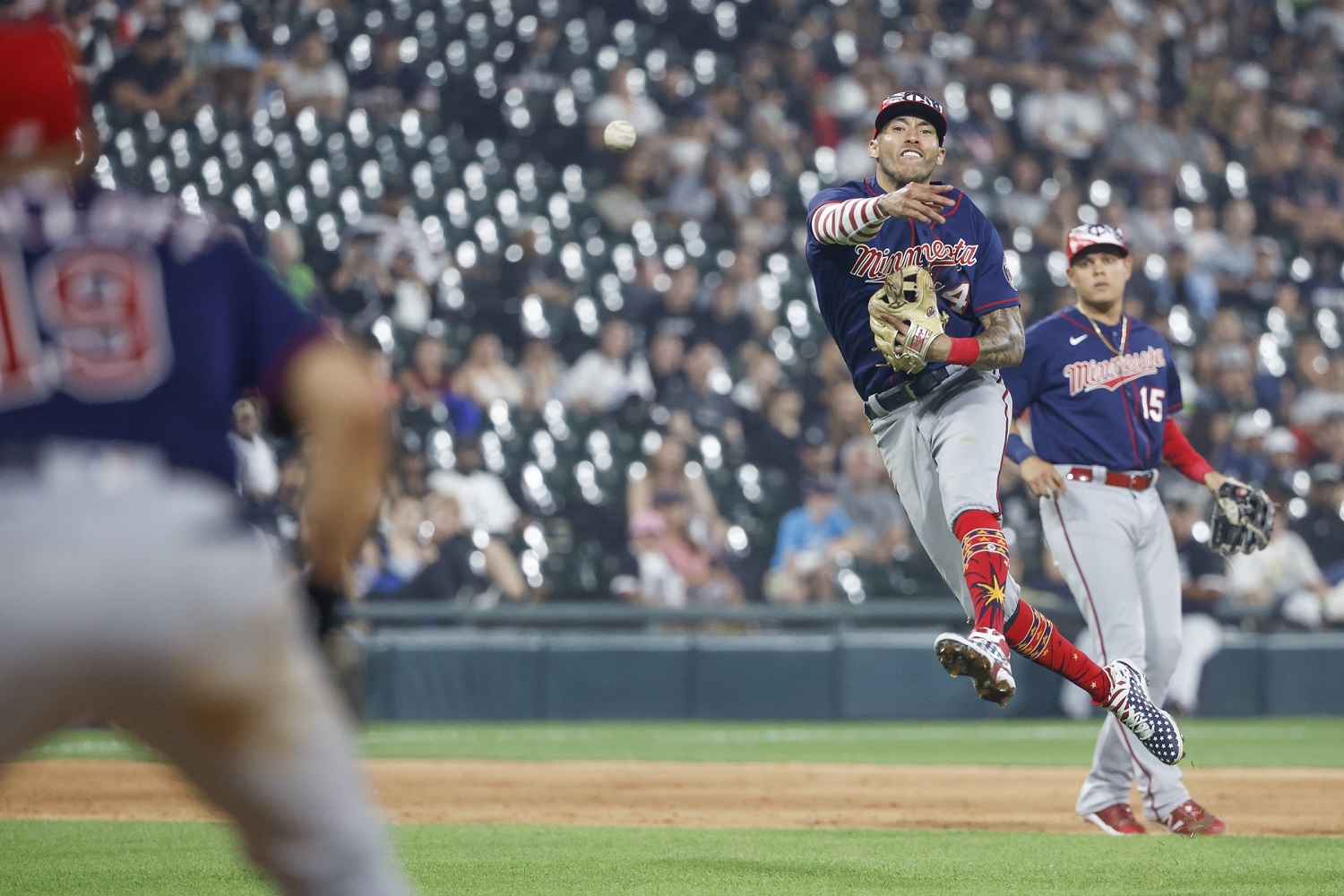 Like the other 29 MLB teams, the Minnesota Twins face a new defensive challenge in 2023: they’ll have to adapt to rules barring shifts on the infield. When we think about the ramifications of that change, we often focus on fielders’ ability to reach and field the ball. In reality, though, there’s an interaction between raw range and throwing arm–one that will become more important. To that end, bringing back Carlos Correa at shortstop was crucial, but even his strong arm faces a tougher test under the new guidelines. Shifts aren’t just about reaching balls that would otherwise scoot cleanly through to the outfield. They are, in nearly equal measure, about making plays more comfortable for defenders. When a big-league team deploys a shift, a much higher share of ground balls hit by the opposition are within a step or two of a fielder’s starting position. They can usually make the play, plant their feet, and make a strong, balanced throw from a firm footing. In a post-shift world, we will see teams carefully calibrate their positioning to create as many of those easy chances as the new constraints permit. Inevitably, though, we’re going to see more plays made on the run. Since two defenders have to set up on each side of second base, the shortstop won’t be able to shade as far toward the hole against some right-handed batters as they previously had, because the second baseman will have to be a couple of steps further away from any ball hit to the left side of second base. That, in turn, will force the third baseman to play a step further off the foul line, in order to help defend the hole. As a result, we’ll see more plays on which a third baseman’s momentum carries him into foul territory as he fields a ground ball up the line. We’ll see more shortstops making plays that require them to give ground and end up in shallow left field, with less time to get off a throw. We’ll see second basemen having to make a few more plays on which they must field the ball on the move away from first base, twist around, and throw off-balance from a position more familiar to the shortstop. These are all tough plays to make, because of a neglected secret of infield play: the time during which the ball is with the fielder is the window in which a groundout can become an infield hit. The ball is usually hit at somewhere north of 70 miles per hour, even on a seemingly slow chopper. Once a fielder grabs it and flings it, it nearly always travels more quickly than that from wherever they are to first base. The length and strength of the throw in question matters, of course, and the speed of the runner matters. Too often, though, we overlook how pivotal the time between a fielder slapping the leather on a grounder and their release can be. To evaluate how well the Twins can handle that in the new era, one must rely on more than velocity, including more nebulous metrics like "arm utility." We dive into that here, along with where the Twins' infielders rank, and the one advantage the rotation might give them. But just using ad revenue, we can't pay writers enough to do that kind of deep dive. So we reserve it for our Caretakers that support it. If you read Twins Daily, well, daily, maybe it's time to become a Caretaker. You're here, um, daily. You like getting deeper into the team. I'm sure you value the site. Plus, you'll love it. You'll get more meaty stories like this, plus get perks like Winter Meltdown tickets, and other special recognition. And you can join for as little as $4/month. You can read all about it and signup here. Those benefits are all nice, but the real reason to sign up is this: 100% of all Caretaker money is channeled directly back into the site. By signing up to be a caretaker, you’re supporting writers you value, and enabling deeper dive Twins-specific content like this that isn’t dependent on ad revenue. We hope you’ll consider it. We expect you’ll love the benefits, and we would love to have you take the next step in supporting the Twins Daily community.
- 11 comments
-
- 1
-

-
- carlos correa
- jorge polanco
- (and 1 more)
-
The Twins' infield's arm strength, even with Carlos Correa, isn't particularly impressive. But their pitching staff gives them a sneaky advantage. Image courtesy of Kamil Krzaczynski-USA TODAY Sports Like the other 29 MLB teams, the Minnesota Twins face a new defensive challenge in 2023: they’ll have to adapt to rules barring shifts on the infield. When we think about the ramifications of that change, we often focus on fielders’ ability to reach and field the ball. In reality, though, there’s an interaction between raw range and throwing arm–one that will become more important. To that end, bringing back Carlos Correa at shortstop was crucial, but even his strong arm faces a tougher test under the new guidelines. Shifts aren’t just about reaching balls that would otherwise scoot cleanly through to the outfield. They are, in nearly equal measure, about making plays more comfortable for defenders. When a big-league team deploys a shift, a much higher share of ground balls hit by the opposition are within a step or two of a fielder’s starting position. They can usually make the play, plant their feet, and make a strong, balanced throw from a firm footing. In a post-shift world, we will see teams carefully calibrate their positioning to create as many of those easy chances as the new constraints permit. Inevitably, though, we’re going to see more plays made on the run. Since two defenders have to set up on each side of second base, the shortstop won’t be able to shade as far toward the hole against some right-handed batters as they previously had, because the second baseman will have to be a couple of steps further away from any ball hit to the left side of second base. That, in turn, will force the third baseman to play a step further off the foul line, in order to help defend the hole. As a result, we’ll see more plays on which a third baseman’s momentum carries him into foul territory as he fields a ground ball up the line. We’ll see more shortstops making plays that require them to give ground and end up in shallow left field, with less time to get off a throw. We’ll see second basemen having to make a few more plays on which they must field the ball on the move away from first base, twist around, and throw off-balance from a position more familiar to the shortstop. These are all tough plays to make, because of a neglected secret of infield play: the time during which the ball is with the fielder is the window in which a groundout can become an infield hit. The ball is usually hit at somewhere north of 70 miles per hour, even on a seemingly slow chopper. Once a fielder grabs it and flings it, it nearly always travels more quickly than that from wherever they are to first base. The length and strength of the throw in question matters, of course, and the speed of the runner matters. Too often, though, we overlook how pivotal the time between a fielder slapping the leather on a grounder and their release can be. To evaluate how well the Twins can handle that in the new era, one must rely on more than velocity, including more nebulous metrics like "arm utility." We dive into that here, along with where the Twins' infielders rank, and the one advantage the rotation might give them. But just using ad revenue, we can't pay writers enough to do that kind of deep dive. So we reserve it for our Caretakers that support it. If you read Twins Daily, well, daily, maybe it's time to become a Caretaker. You're here, um, daily. You like getting deeper into the team. I'm sure you value the site. Plus, you'll love it. You'll get more meaty stories like this, plus get perks like Winter Meltdown tickets, and other special recognition. And you can join for as little as $4/month. You can read all about it and signup here. Those benefits are all nice, but the real reason to sign up is this: 100% of all Caretaker money is channeled directly back into the site. By signing up to be a caretaker, you’re supporting writers you value, and enabling deeper dive Twins-specific content like this that isn’t dependent on ad revenue. We hope you’ll consider it. We expect you’ll love the benefits, and we would love to have you take the next step in supporting the Twins Daily community. View full article
-
The Twins' infield's arm strength, even with Carlos Correa, isn't particularly impressive. But their pitching staff gives them a sneaky advantage. Image courtesy of © Kamil Krzaczynski-USA TODAY Sports Like the other 29 MLB teams, the Minnesota Twins face a new defensive challenge in 2023: they’ll have to adapt to rules barring shifts on the infield. When we think about the ramifications of that change, we often focus on fielders’ ability to reach and field the ball. In reality, though, there’s an interaction between raw range and throwing arm–one that will become more important. To that end, bringing back Carlos Correa at shortstop was crucial, but even his strong arm faces a tougher test under the new guidelines. Shifts aren’t just about reaching balls that would otherwise scoot cleanly through to the outfield. They are, in nearly equal measure, about making plays more comfortable for defenders. When a big-league team deploys a shift, a much higher share of ground balls hit by the opposition are within a step or two of a fielder’s starting position. They can usually make the play, plant their feet, and make a strong, balanced throw from a firm footing. In a post-shift world, we will see teams carefully calibrate their positioning to create as many of those easy chances as the new constraints permit. Inevitably, though, we’re going to see more plays made on the run. Since two defenders have to set up on each side of second base, the shortstop won’t be able to shade as far toward the hole against some right-handed batters as they previously had, because the second baseman will have to be a couple of steps further away from any ball hit to the left side of second base. That, in turn, will force the third baseman to play a step further off the foul line, in order to help defend the hole. This article continues exclusively for Twins Daily caretakers. To become a caretaker and read the rest of the piece, you can subscribe here. View full article
-
 Like the other 29 MLB teams, the Minnesota Twins face a new defensive challenge in 2023: they’ll have to adapt to rules barring shifts on the infield. When we think about the ramifications of that change, we often focus on fielders’ ability to reach and field the ball. In reality, though, there’s an interaction between raw range and throwing arm–one that will become more important. To that end, bringing back Carlos Correa at shortstop was crucial, but even his strong arm faces a tougher test under the new guidelines. Shifts aren’t just about reaching balls that would otherwise scoot cleanly through to the outfield. They are, in nearly equal measure, about making plays more comfortable for defenders. When a big-league team deploys a shift, a much higher share of ground balls hit by the opposition are within a step or two of a fielder’s starting position. They can usually make the play, plant their feet, and make a strong, balanced throw from a firm footing. In a post-shift world, we will see teams carefully calibrate their positioning to create as many of those easy chances as the new constraints permit. Inevitably, though, we’re going to see more plays made on the run. Since two defenders have to set up on each side of second base, the shortstop won’t be able to shade as far toward the hole against some right-handed batters as they previously had, because the second baseman will have to be a couple of steps further away from any ball hit to the left side of second base. That, in turn, will force the third baseman to play a step further off the foul line, in order to help defend the hole. This article continues exclusively for Twins Daily caretakers. To become a caretaker and read the rest of the piece, you can subscribe here.
- 6 comments
-
- 6
-
-
- carlos correa
- jorge polanco
- (and 1 more)
-
How the Twins Will Try to Make Pablo López into an Ace (Free Preview)
Matthew Trueblood posted an article in Twins
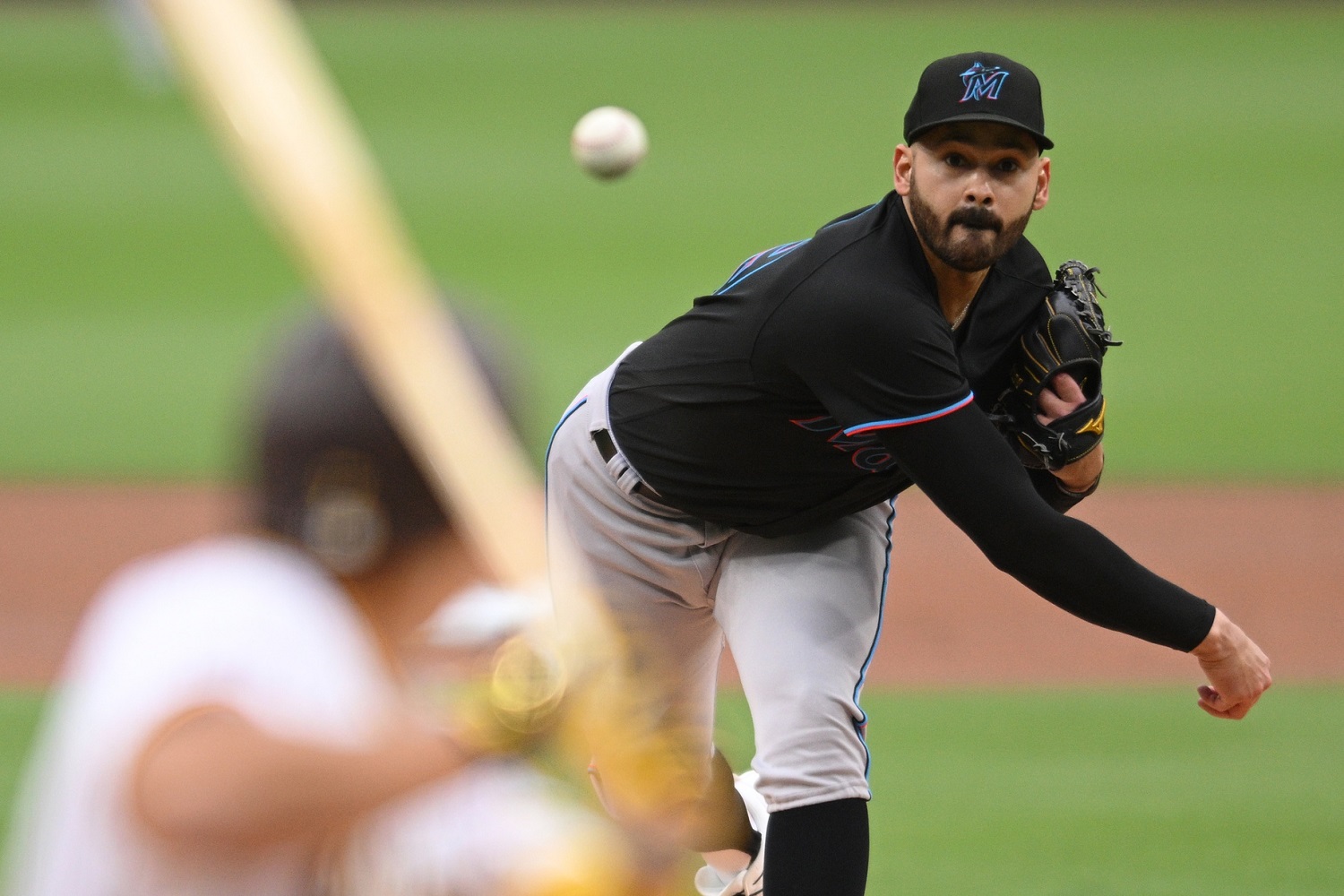 Pablo López , who will turn 27 in March, has five pitches, and he’s tinkered with his arsenal several times in the past few years, as he and the Marlins have tried to accomplish the ascension from mid-rotation starter with upside to ace. The Twins will try to further refine that mix. It all starts, though, with the two pitches that require little in the way of further polish: his fastball and his changeup. When it comes to heaters, the Twins have a type, in more ways than one. Firstly, they like four-seamers, not sinkers. Only the Dodgers threw more four-seamers than did the Twins in 2022, and only the Dodgers threw fewer sinkers. Fastball Usage, MLB Teams, 2022 Highest Four-Seam % Lowest Sinker % Team % Team % Dodgers 43.9 Dodgers 6.1 Twins 42.3 Twins 6.9 Reds 41.7 Guardians 8.3 Astros 41.1 Reds 9.5 White Sox 40.1 Mariners 10.0 Source: Pitch Info, via FanGraphs López has both pitches, and the Twins aren’t dogmatic about this, so it’s possible they’ll allow him to keep using each. (Sonny Gray , who came over from a team with similar fastball tendencies in the Reds, threw his sinker more than a quarter of the time last year–though he did throw the four-seamer more, for the first time since 2019.) On balance, though, they’re much more likely to have him eliminate the sinker, because (like Gray) he has a four-seamer with the other characteristic they love: a very flat Vertical Approach Angle (VAA). In the world of pitching nerds, VAA is all the rage. We'll take a deep dive into why, and also discuss why Lopez's best pitch - his notorious changeup - is such an unusual weapon. Plus, we'll touch on the pitch selection adjustments he is likely to make. But that kind of 1800-word deep-dive analytics-driven story can't be financially supported by ad revenue in this world, so we reserve it for our Caretakers, who support that kind of content. Eventually, we hope we'll have enough Caretakers to provide it on a regular basis for everyone, but in the meantime, you can see it by becoming a Caretaker. You'll love it. You'll get more meaty stories like this, plus get perks like Winter Meltdown tickets, and other special recognition. And you can join for as little as $4/moth. You can read all about it and signup here. Those benefits are all nice, but the real reason to sign up is this: 100% of all Caretaker money is channeled directly back into the site. By signing up to be a caretaker, you’re supporting writers you value, and enabling deeper dive Twins-specific content like this that isn’t dependent on ad revenue. We hope you’ll consider it. We expect you’ll love the benefits, and we would love to have you take the next step in supporting the Twins Daily community.
 -
 López, who will turn 27 in March, has five pitches, and he’s tinkered with his arsenal several times in the past few years, as he and the Marlins have tried to accomplish the ascension from mid-rotation starter with upside to ace. The Twins will try to further refine that mix. It all starts, though, with the two pitches that require little in the way of further polish: his fastball and his changeup. When it comes to heaters, the Twins have a type, in more ways than one. Firstly, they like four-seamers, not sinkers. Only the Dodgers threw more four-seamers than did the Twins in 2022, and only the Dodgers threw fewer sinkers. Fastball Usage, MLB Teams, 2022 Highest Four-Seam % Lowest Sinker % Team % Team % Dodgers 43.9 Dodgers 6.1 Twins 42.3 Twins 6.9 Reds 41.7 Guardians 8.3 Astros 41.1 Reds 9.5 White Sox 40.1 Mariners 10.0 Source: Pitch Info, via FanGraphs López has both pitches, and the Twins aren’t dogmatic about this, so it’s possible they’ll allow him to keep using each. (Sonny Gray, who came over from a team with similar fastball tendencies in the Reds, threw his sinker more than a quarter of the time last year–though he did throw the four-seamer more, for the first time since 2019.) On balance, though, they’re much more likely to have him eliminate the sinker, because (like Gray) he has a four-seamer with the other characteristic they love: a very flat Vertical Approach Angle (VAA). In the world of pitching nerds, VAA is all the rage. It’s a statistic which requires multiple measurements of the position and velocity of the ball, plus a bit of physics knowledge, and it’s not as publicly available as velocities or spin rates, but it’s a very important piece of information about any pitch. It’s a product, mostly, of three things: velocity, release point, and the location of the pitch when it enters the hitting zone. López throws hard, and despite his 6-foot-4 frame, he has a low release point. His arm angle isn’t sidearm, exactly, but it’s certainly a low three-quarters delivery, and he sinks into his legs well. Of the 169 pitchers who threw at least 500 four-seam fastballs last year, Joe Ryan had the sixth-lowest vertical release point. Gray had the 28th-lowest. Nestled between them at 21st-lowest was López, despite the fact that he stands two and six inches taller than those two hurlers, respectively. Though his height doesn’t factor into the equation in the usual way, López does make use of his size. He gets down the mound and achieves near-elite extension through release, and in combination with his raw velocity, that means that López’s four-seamer has an average perceived velocity of 94.5 miles per hour, according to Statcast. That was good for 44th out of 143 qualifying pitchers last year. The velocity is a welcome addition to the Minnesota rotation, because they ranked 29th in average perceived velocity from starters in 2022, the lowest they’ve landed during the PITCHf/x Era. Given how long it took the team to prioritize velocity at all, that’s jarring. All of this means that almost wherever he throws it within the zone, López has his fastball riding a bit more than does a typical pitcher. He doesn’t generate impressive spin rates or raw movement numbers, but because of the way he throws, those same quirks give him a flat VAA that makes his four-seamer highly effective. Fastballs with a flat VAA generally enjoy higher-than-average rates of both whiffs and called strikes, and they have a wider margin for error. López fills up the strike zone with his heat and still has an above-average whiff rate with it, and he gets an elite number of called strikes on the pitch. The Twins’ tweaks to the fastball, then, will be minimal. They’ll have him largely junk the sinker, but he already used that less often in 2022 than in the past, even with the sinker-happy Marlins. They’ll also try to help López attack the areas of the zone where he has more success with the four-seamer, and focus less on spots where his command gets a bit loose. He excels when he keeps the ball up and to the arm side (in on righties, away from lefties), regardless of which handedness of batter he’s facing. He also does well when working down and to the glove side (in on lefties, away from righties). Those are the locations where we would expect him to be most effective, too, based on his arm action. Consistently hitting those spots will allow him, eventually, to better set up the rest of his arsenal. Speaking of which, we should talk briefly about López’s changeup, about which the Twins will have no notes. Hardly anyone could. Growing up in Venezuela, López got many chances to watch and admire both Johan Santana and Félix Hernández, aces who relied on changeups they could throw in any count, to same- or opposite-handed batters. He’s developed a similar weapon. No one threw more right-on-right or left-on-left changeups than did López in 2022, and it wasn’t especially close. Most Changeups Thrown to Same-Handed Batters, 2022 Player Number Pablo López 481 Zach Davies 442 Logan Webb 344 Lucas Giolito 327 Ian Anderson 322 Source: Baseball Savant Coming from that low arm slot, and with López’s impressive ability to manipulate his hand position, his changeup takes off to the arm side and has heavy sinking action. Of 140 pitchers who threw at least 200 changeups last year, López had more horizontal movement than all but seven, and more sink than all but 31. It gets above-average whiff rates and above-average ground ball rates, despite being compared to pitches used much more carefully and much less frequently. He can make it even more devastating, too, if he can turn the corner with the other two offerings in his repertoire. Let’s remember that, as I wrote a few weeks ago in a discussion of Gray, pitching is really two different tasks in one. Pitching to same-handed batters requires different skills and a different mindset than pitching to opposite-handed ones. One reason for that is that relatively few pitches work well against both types of hitter. López has a leg up in that regard, since (as we’ve already said) his fastball and his change can both neutralize batters from either side. To be a front-of-the-rotation starter, though, one usually needs a third pitch for all opponents. For López, those complementary pieces are already in place, but there’s plenty of room to make them better. Against lefties, López prefers to work high in the zone with his fastball, which is sound thinking. As we’ve already noted, his heat has characteristics that allow him to have success throughout the zone, but his best command spots are up and away and down and in against lefties. Even for such a good pitch, consistently going down and in on lefties is dangerous work. Climbing the ladder also has the salutary effect of setting up his changeup, allowing him to change eye levels. However, he can augment that approach by increasing and altering the usage of his curveball as a third thing for which hitters have to account. He started to do that a bit more in 2022. The curve also took on more of a vertical shape last season, until it was more or less an 11-to-5 breaker. That’s pretty remarkable, considering the way he throws, even if it’s not the 12-to-6 that profiles best against opposite-handed hitters. The arm angle has been one limiting factor in the development of López’s curve. His inability to generate elite spin has been another. Even so, he’s had some success with the pitch. Last year, he only allowed four hits on the pitch–all singles. No other pitcher who threw at least 200 curves allowed as low a batting average as the .095 hitters managed against López’s, let alone doing so without giving up any power, and he did get 18 strikeouts with it. Unfortunately, he did so by throwing the pitch too selectively, and with too little conviction. Despite not getting hurt on it even once, he threw it for a strike less than any other pitcher in baseball, and he hardly ever threw it except when ahead in the count. In the past, he used the pitch to steal strikes on the first pitch of at-bats, but this year, that tendency disappeared. Pablo López, Pitch Usage v. LHH, 2022 Partially as a result of that change in tack, López also stopped throwing the curve for a strike. No pitcher in baseball threw their curve in the zone less often than he did. Given López’s control, it’s inconceivable that he simply lost the ability to hit the zone with that offering. They say if you’re never racing to the gate ahead of the final boarding call, you’re getting to the airport too early. López needs to live a little more dangerously with his curve to neutralize lefties better, and the Twins will help him do so. Against righties, the combination of his fastball and his unique confidence in the changeup make López tough, but his cutter is where his breakout potential lies. Last year, he began a transformation of that pitch, from a hard, short counterbalance to his sinker into something closer to a slider, with bigger break and a velocity differential of 5-7 miles per hour from his fastball. He also started throwing it more, particularly against righties. As they get López targeting his most effective quadrants with the fastball, the Twins can help his cutter play up by having him play the pitch directly off of the heater. A heater up and in on a righty can set up a cutter running from the middle of the plate out to the edge. One located down and away can set up a strike-to-ball cutter off the plate for a chase and a whiff. The latter sequence could be especially effective, because hitters have to keep that filthy changeup in mind. Knowing that, they’re not likely to see the cutter well when it starts on the outer edge. They’ll identify that it isn’t the change and start their swing, but be fooled by the spin axis, which is nearly identical to that of López’s four-seamer. The movement difference comes mostly from seam-shifted wake, which hitters struggle to read. López only used the pitch to try to get ahead early in counts, but in the right sequences, he could turn it into a putaway pitch at times. There are weaknesses in López’s game that cap his upside somewhere south of elite status. He’s an intelligent, multitalented hurler, though, and while he’s already shown the ability to be an above-average workhorse at the big-league level, the Twins gave up an All-Star and fan favorite for him because they have designs on making him even better than that.
 -
Trading Luis Arraez for a package centered around right-handed starter Pablo López was no easy decision for the Twins front office. They did it, though, both because of some things López already does that fit beautifully with their organizational pitching philosophy, and because they see some ways in which they can help him get to another level. Image courtesy of © Orlando Ramirez-USA TODAY Sports Pablo López , who will turn 27 in March, has five pitches, and he’s tinkered with his arsenal several times in the past few years, as he and the Marlins have tried to accomplish the ascension from mid-rotation starter with upside to ace. The Twins will try to further refine that mix. It all starts, though, with the two pitches that require little in the way of further polish: his fastball and his changeup. When it comes to heaters, the Twins have a type, in more ways than one. Firstly, they like four-seamers, not sinkers. Only the Dodgers threw more four-seamers than did the Twins in 2022, and only the Dodgers threw fewer sinkers. Fastball Usage, MLB Teams, 2022 Highest Four-Seam % Lowest Sinker % Team % Team % Dodgers 43.9 Dodgers 6.1 Twins 42.3 Twins 6.9 Reds 41.7 Guardians 8.3 Astros 41.1 Reds 9.5 White Sox 40.1 Mariners 10.0 Source: Pitch Info, via FanGraphs López has both pitches, and the Twins aren’t dogmatic about this, so it’s possible they’ll allow him to keep using each. (Sonny Gray , who came over from a team with similar fastball tendencies in the Reds, threw his sinker more than a quarter of the time last year–though he did throw the four-seamer more, for the first time since 2019.) On balance, though, they’re much more likely to have him eliminate the sinker, because (like Gray) he has a four-seamer with the other characteristic they love: a very flat Vertical Approach Angle (VAA). In the world of pitching nerds, VAA is all the rage. We'll take a deep dive into why, and also discuss why Lopez's best pitch - his notorious changeup - is such an unusual weapon. Plus, we'll touch on the pitch selection adjustments he is likely to make. But that kind of 1800-word deep-dive analytics-driven story can't be financially supported by ad revenue in this world, so we reserve it for our Caretakers, who support that kind of content. Eventually, we hope we'll have enough Caretakers to provide it on a regular basis for everyone, but in the meantime, you can see it by becoming a Caretaker. You'll love it. You'll get more meaty stories like this, plus get perks like Winter Meltdown tickets, and other special recognition. And you can join for as little as $4/moth. You can read all about it and signup here. Those benefits are all nice, but the real reason to sign up is this: 100% of all Caretaker money is channeled directly back into the site. By signing up to be a caretaker, you’re supporting writers you value, and enabling deeper dive Twins-specific content like this that isn’t dependent on ad revenue. We hope you’ll consider it. We expect you’ll love the benefits, and we would love to have you take the next step in supporting the Twins Daily community. View full article
-
Trading Luis Arraez for a package centered around right-handed starter Pablo López was no easy decision for the Twins front office. They did it, though, both because of some things López already does that fit beautifully with their organizational pitching philosophy, and because they see some ways in which they can help him get to another level. Image courtesy of © Orlando Ramirez-USA TODAY Sports López, who will turn 27 in March, has five pitches, and he’s tinkered with his arsenal several times in the past few years, as he and the Marlins have tried to accomplish the ascension from mid-rotation starter with upside to ace. The Twins will try to further refine that mix. It all starts, though, with the two pitches that require little in the way of further polish: his fastball and his changeup. When it comes to heaters, the Twins have a type, in more ways than one. Firstly, they like four-seamers, not sinkers. Only the Dodgers threw more four-seamers than did the Twins in 2022, and only the Dodgers threw fewer sinkers. Fastball Usage, MLB Teams, 2022 Highest Four-Seam % Lowest Sinker % Team % Team % Dodgers 43.9 Dodgers 6.1 Twins 42.3 Twins 6.9 Reds 41.7 Guardians 8.3 Astros 41.1 Reds 9.5 White Sox 40.1 Mariners 10.0 Source: Pitch Info, via FanGraphs López has both pitches, and the Twins aren’t dogmatic about this, so it’s possible they’ll allow him to keep using each. (Sonny Gray, who came over from a team with similar fastball tendencies in the Reds, threw his sinker more than a quarter of the time last year–though he did throw the four-seamer more, for the first time since 2019.) On balance, though, they’re much more likely to have him eliminate the sinker, because (like Gray) he has a four-seamer with the other characteristic they love: a very flat Vertical Approach Angle (VAA). In the world of pitching nerds, VAA is all the rage. It’s a statistic which requires multiple measurements of the position and velocity of the ball, plus a bit of physics knowledge, and it’s not as publicly available as velocities or spin rates, but it’s a very important piece of information about any pitch. It’s a product, mostly, of three things: velocity, release point, and the location of the pitch when it enters the hitting zone. López throws hard, and despite his 6-foot-4 frame, he has a low release point. His arm angle isn’t sidearm, exactly, but it’s certainly a low three-quarters delivery, and he sinks into his legs well. Of the 169 pitchers who threw at least 500 four-seam fastballs last year, Joe Ryan had the sixth-lowest vertical release point. Gray had the 28th-lowest. Nestled between them at 21st-lowest was López, despite the fact that he stands two and six inches taller than those two hurlers, respectively. Though his height doesn’t factor into the equation in the usual way, López does make use of his size. He gets down the mound and achieves near-elite extension through release, and in combination with his raw velocity, that means that López’s four-seamer has an average perceived velocity of 94.5 miles per hour, according to Statcast. That was good for 44th out of 143 qualifying pitchers last year. The velocity is a welcome addition to the Minnesota rotation, because they ranked 29th in average perceived velocity from starters in 2022, the lowest they’ve landed during the PITCHf/x Era. Given how long it took the team to prioritize velocity at all, that’s jarring. All of this means that almost wherever he throws it within the zone, López has his fastball riding a bit more than does a typical pitcher. He doesn’t generate impressive spin rates or raw movement numbers, but because of the way he throws, those same quirks give him a flat VAA that makes his four-seamer highly effective. Fastballs with a flat VAA generally enjoy higher-than-average rates of both whiffs and called strikes, and they have a wider margin for error. López fills up the strike zone with his heat and still has an above-average whiff rate with it, and he gets an elite number of called strikes on the pitch. The Twins’ tweaks to the fastball, then, will be minimal. They’ll have him largely junk the sinker, but he already used that less often in 2022 than in the past, even with the sinker-happy Marlins. They’ll also try to help López attack the areas of the zone where he has more success with the four-seamer, and focus less on spots where his command gets a bit loose. He excels when he keeps the ball up and to the arm side (in on righties, away from lefties), regardless of which handedness of batter he’s facing. He also does well when working down and to the glove side (in on lefties, away from righties). Those are the locations where we would expect him to be most effective, too, based on his arm action. Consistently hitting those spots will allow him, eventually, to better set up the rest of his arsenal. Speaking of which, we should talk briefly about López’s changeup, about which the Twins will have no notes. Hardly anyone could. Growing up in Venezuela, López got many chances to watch and admire both Johan Santana and Félix Hernández, aces who relied on changeups they could throw in any count, to same- or opposite-handed batters. He’s developed a similar weapon. No one threw more right-on-right or left-on-left changeups than did López in 2022, and it wasn’t especially close. Most Changeups Thrown to Same-Handed Batters, 2022 Player Number Pablo López 481 Zach Davies 442 Logan Webb 344 Lucas Giolito 327 Ian Anderson 322 Source: Baseball Savant Coming from that low arm slot, and with López’s impressive ability to manipulate his hand position, his changeup takes off to the arm side and has heavy sinking action. Of 140 pitchers who threw at least 200 changeups last year, López had more horizontal movement than all but seven, and more sink than all but 31. It gets above-average whiff rates and above-average ground ball rates, despite being compared to pitches used much more carefully and much less frequently. He can make it even more devastating, too, if he can turn the corner with the other two offerings in his repertoire. Let’s remember that, as I wrote a few weeks ago in a discussion of Gray, pitching is really two different tasks in one. Pitching to same-handed batters requires different skills and a different mindset than pitching to opposite-handed ones. One reason for that is that relatively few pitches work well against both types of hitter. López has a leg up in that regard, since (as we’ve already said) his fastball and his change can both neutralize batters from either side. To be a front-of-the-rotation starter, though, one usually needs a third pitch for all opponents. For López, those complementary pieces are already in place, but there’s plenty of room to make them better. Against lefties, López prefers to work high in the zone with his fastball, which is sound thinking. As we’ve already noted, his heat has characteristics that allow him to have success throughout the zone, but his best command spots are up and away and down and in against lefties. Even for such a good pitch, consistently going down and in on lefties is dangerous work. Climbing the ladder also has the salutary effect of setting up his changeup, allowing him to change eye levels. However, he can augment that approach by increasing and altering the usage of his curveball as a third thing for which hitters have to account. He started to do that a bit more in 2022. The curve also took on more of a vertical shape last season, until it was more or less an 11-to-5 breaker. That’s pretty remarkable, considering the way he throws, even if it’s not the 12-to-6 that profiles best against opposite-handed hitters. The arm angle has been one limiting factor in the development of López’s curve. His inability to generate elite spin has been another. Even so, he’s had some success with the pitch. Last year, he only allowed four hits on the pitch–all singles. No other pitcher who threw at least 200 curves allowed as low a batting average as the .095 hitters managed against López’s, let alone doing so without giving up any power, and he did get 18 strikeouts with it. Unfortunately, he did so by throwing the pitch too selectively, and with too little conviction. Despite not getting hurt on it even once, he threw it for a strike less than any other pitcher in baseball, and he hardly ever threw it except when ahead in the count. In the past, he used the pitch to steal strikes on the first pitch of at-bats, but this year, that tendency disappeared. Pablo López, Pitch Usage v. LHH, 2022 Partially as a result of that change in tack, López also stopped throwing the curve for a strike. No pitcher in baseball threw their curve in the zone less often than he did. Given López’s control, it’s inconceivable that he simply lost the ability to hit the zone with that offering. They say if you’re never racing to the gate ahead of the final boarding call, you’re getting to the airport too early. López needs to live a little more dangerously with his curve to neutralize lefties better, and the Twins will help him do so. Against righties, the combination of his fastball and his unique confidence in the changeup make López tough, but his cutter is where his breakout potential lies. Last year, he began a transformation of that pitch, from a hard, short counterbalance to his sinker into something closer to a slider, with bigger break and a velocity differential of 5-7 miles per hour from his fastball. He also started throwing it more, particularly against righties. As they get López targeting his most effective quadrants with the fastball, the Twins can help his cutter play up by having him play the pitch directly off of the heater. A heater up and in on a righty can set up a cutter running from the middle of the plate out to the edge. One located down and away can set up a strike-to-ball cutter off the plate for a chase and a whiff. The latter sequence could be especially effective, because hitters have to keep that filthy changeup in mind. Knowing that, they’re not likely to see the cutter well when it starts on the outer edge. They’ll identify that it isn’t the change and start their swing, but be fooled by the spin axis, which is nearly identical to that of López’s four-seamer. The movement difference comes mostly from seam-shifted wake, which hitters struggle to read. López only used the pitch to try to get ahead early in counts, but in the right sequences, he could turn it into a putaway pitch at times. There are weaknesses in López’s game that cap his upside somewhere south of elite status. He’s an intelligent, multitalented hurler, though, and while he’s already shown the ability to be an above-average workhorse at the big-league level, the Twins gave up an All-Star and fan favorite for him because they have designs on making him even better than that. View full article


