



Tom Froemming
-
Posts
5,260 -
Joined
-
Last visited
-
Days Won
22
Content Type
Profiles
News
Minnesota Twins Videos
2026 Minnesota Twins Top Prospects Ranking
2022 Minnesota Twins Draft Picks
Minnesota Twins Free Agent & Trade Rumors, Notes, & Tidbits
Guides & Resources
2023 Minnesota Twins Draft Picks
The Minnesota Twins Players Project
2024 Minnesota Twins Draft Picks
2025 Minnesota Twins Draft Pick Tracker
2026 Minnesota Twins Draft Tracker: Picks & Bonuses
Forums
Blogs
Events
Store
Downloads
Gallery
Everything posted by Tom Froemming
-
Article: Twins Claim Ehire Adrianza, DFA Pat Light
Tom Froemming replied to Seth Stohs's topic in Twins Daily Front Page News
If he can just coast to a .272/.352/.422 line like he had a the second half of last season, I'm totally cool with him being the top bench bat on a team that should have no trouble scoring runs. -
Article: Twins Claim Ehire Adrianza, DFA Pat Light
Tom Froemming replied to Seth Stohs's topic in Twins Daily Front Page News
Look at the staring lineup, who are you pinch hitting for? Maybe Castro, but not many managers like to put in the backup catcher unless absolutely necessary. Also, Grossman had a 126 OPS+ last season, maybe that was a mirage, but you gotta give him some credit. Outside of Dozier he was their best offensive player last year. -
Article: Twins Claim Ehire Adrianza, DFA Pat Light
Tom Froemming replied to Seth Stohs's topic in Twins Daily Front Page News
The Giants have never put him in the outfield over his entire minor league career. He has played 6,411 minor league innings, less that 100 of them have come at a position other than SS. Pretty clear they thought he was legit there. A lot of his time in San Francisco had been spent at 2B, but that's just because Brandon Crawford is a plus defensive SS. -
Article: Twins Claim Ehire Adrianza, DFA Pat Light
Tom Froemming replied to Seth Stohs's topic in Twins Daily Front Page News
I feel a little silly saying it, because there's probably a decent chance Adrianza gets DFA'd in a week if the Twins find somebody better floating out there, but I love this move. I've been clamoring for the Twins to add a legit defensive SS all offseason. No, this guy's probably not a threat to steal the starting gig (unless the new FO is really serious about improving the defense), but it's great to have a reliable glove man available to start once or twice a week and be a late inning defensive replacement off the bench. Some things to consider ... 1. Of the 88 players to amass 300 innings at SS since 2013, Adrianza ranks 3rd in UZR/150. He trails only Andrelton Simmons and Francisco Lindor. Sure, that's over a small sample, but still encouraging. 2. Adrianza has hit .311/.391/.431 in 439 PAs at AAA. Maybe there's more in that bat than he's show with the Giants. 3. I know a lot of people were intrigued by Pat Light's heat, but the guy averaged 5.7 BB/9 in Triple A over 57 total appearances. That's rough. -
Article: Bullpen Competition Gets Crowded
Tom Froemming replied to Nick Nelson's topic in Twins Daily Front Page News
Some of the young arms should emerge eventually, but out the gate Chaggy is the only one worthy of breaking camp. Melotakis is on the 40-man, and should be pushed harder in his second season removed from Tommy John, but he could use at least another few months in the minors. Jake Reed is coming off a strong season, but it's not like he's dominated MiLB hitters. Nick Burdi needs to show he can just stay healthy for an extended period before he enters any call up conversations. Trevor Hildenberger has been amazing, he's maybe the next guy after Chaggy who most deserves a shot based on performance, but he's never even been to Rochester yet. Matt Belisle isn't going to block anyone. If one of the guys on the farm dominates, they'll find a way to give him an opportunity. It's likely somebody gets hurt (like Perkins last year) or is so bad they get cut (like Jepsen last year), if not by midseason they'll trade somebody away to make room (like Abad last year). One way or another, the cream always rises to the top.- 62 replies
-
- 5
-

-
- matt belisle
- michael tonkin
- (and 2 more)
-
Article: Additions By Subtractions?
Tom Froemming replied to Tom Froemming's topic in Twins Daily Front Page News
I just realized I didn't address the elephant in the room ... Danny Santana. A lot of people, understandably, are frustrated that DanSan has stuck on the 40 man over so many of these other players (the list gets pretty long if we go back to last year too). But the fact remains that even with Dozier still around, infield depth is an issue. As the roster stands, we're just one injury away from having to rely on Engelb Vielma as the utility infielder and two away from having to call upon someone like Niko Goodrum, Tommy Field, Benji Gonzalez or Leonardo Reginatto. There's not that kind of dropoff when you go through nightmare scenarios in the outfield, at 1B/DH or even behind the plate. Right now Danny is needed as infield insurance, even though he's a terrible infielder. My hope is they will sign someone like Erick Aybar or Daniel Delscalso to provide infield depth, at that point I think we can expect to see Santana DFA'd. Until then, it seems his spot is pretty secure.- 38 replies
-
- 2
-
-
- byungho park
- matt belisle
- (and 3 more)
-
It was a shock to see the Twins elect to designate Byungho Park for assignment. There was plenty of speculation over who would be removed from the 40-man roster to make room for Matt Belisle, but nobody suggested it would be Park, who was just signed last winter.Looking at some of the other moves made under Derek Falvey, maybe we should have known better. It's becoming clear a goal of this offseason has been to eliminate redundancies. Last offseason, the Twins were faced with the challenge of figuring out what to do with Miguel Sano, thanks in large part to the assumption Park would take over at DH. The team could have been faced with a similar situation this year, but among Falvey's first moves was to non-tender Trevor Plouffe. Boom, problem solved. For better or worse, the team is now firmly committed to Sano at third base, his natural position. It appears, for now at least, the same could be said in regard to Kennys Vargas at DH. It remains to be seen whether or not the team signs a veteran slugger such as Mike Napoli, but it's clear now they have made the decision to prioritize Vargas over Park. There was really no reason to make that call this early, especially since Vargas has another option year. But the previous regime was criticized for dragging its feet in regard to making a decision on Plouffe's future, so it's difficult to argue with this move. As unnecessary as it seems, it does provides clarity. Of course, it's entirely possible Park remains in the Twins organization. But at that point he will no longer be on the 40-man roster, creating an even greater obstacle for him to return to Target Field. Regardless of any unforeseen additions, Vargas will not have that same issue. There have been a couple of other, minor moves this offseason in which Falvey and Co. have made tough decisions on similarly skilled players. It was unlikely both Adam Brett Walker and Daniel Palka were ever going to coexist, given their similarities. Walker had a crazy ride on the waiver/DFA roller coaster before landing with the Braves. That leaves Palka as the team's lone young slugging outfielder in Triple A. Behind the plate, the careers of Mitch Garver and Stuart Turner were intertwined, but much like with Walker/Palka, it was clear at some point the team would have to pick between the two. Turner was selected in the Rule 5 Draft by the Reds and will compete for the backup catcher spot in spring training. Turner has a realistic opportunity to break camp with the Reds, but if he's returned to the Twins it's more clear now than ever that he's behind Garver in the catching pecking order. Given the team's new depth behind the dish, Turner may even have to go back to Double A if he's returned to the organization. It never seems to be a good thing when an organization loses a player and receives nothing in return, which could be the case with Park. But sometimes such a departure can create huge opportunities just by opening up playing time for other guys in the org. So, looking ahead, what could be next for the Twins' roster makeover? Overshadowed by the Park DFA was the news that Trevor May is going to be given every opportunity to be a starting pitcher this season. With May in the mix, the Twins have no shortage of starting pitching options. Somebody will more than likely be pushed to the bullpen (Tyler Duffey?). With the addition of Belisle, however, things are looking very competitive among the reliever corps, as well. Some time between now and Opening Day, it's entirely possible we'll see another surprise move or two by the front office in order to provide clarity on the pitching staff. Click here to view the article
- 38 replies
-
- 4
-
-
- byungho park
- matt belisle
- (and 3 more)
-
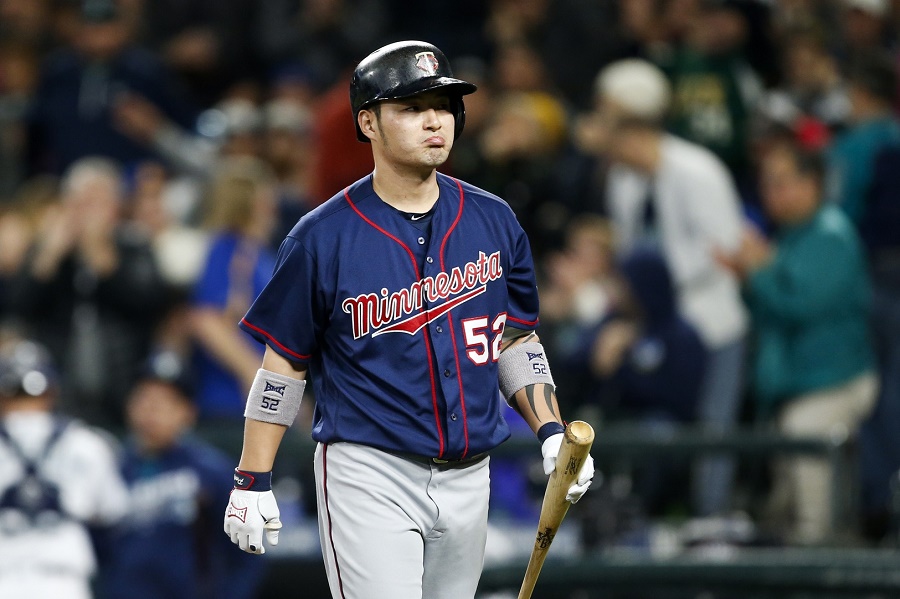 Looking at some of the other moves made under Derek Falvey, maybe we should have known better. It's becoming clear a goal of this offseason has been to eliminate redundancies. Last offseason, the Twins were faced with the challenge of figuring out what to do with Miguel Sano, thanks in large part to the assumption Park would take over at DH. The team could have been faced with a similar situation this year, but among Falvey's first moves was to non-tender Trevor Plouffe. Boom, problem solved. For better or worse, the team is now firmly committed to Sano at third base, his natural position. It appears, for now at least, the same could be said in regard to Kennys Vargas at DH. It remains to be seen whether or not the team signs a veteran slugger such as Mike Napoli, but it's clear now they have made the decision to prioritize Vargas over Park. There was really no reason to make that call this early, especially since Vargas has another option year. But the previous regime was criticized for dragging its feet in regard to making a decision on Plouffe's future, so it's difficult to argue with this move. As unnecessary as it seems, it does provides clarity. Of course, it's entirely possible Park remains in the Twins organization. But at that point he will no longer be on the 40-man roster, creating an even greater obstacle for him to return to Target Field. Regardless of any unforeseen additions, Vargas will not have that same issue. There have been a couple of other, minor moves this offseason in which Falvey and Co. have made tough decisions on similarly skilled players. It was unlikely both Adam Brett Walker and Daniel Palka were ever going to coexist, given their similarities. Walker had a crazy ride on the waiver/DFA roller coaster before landing with the Braves. That leaves Palka as the team's lone young slugging outfielder in Triple A. Behind the plate, the careers of Mitch Garver and Stuart Turner were intertwined, but much like with Walker/Palka, it was clear at some point the team would have to pick between the two. Turner was selected in the Rule 5 Draft by the Reds and will compete for the backup catcher spot in spring training. Turner has a realistic opportunity to break camp with the Reds, but if he's returned to the Twins it's more clear now than ever that he's behind Garver in the catching pecking order. Given the team's new depth behind the dish, Turner may even have to go back to Double A if he's returned to the organization. It never seems to be a good thing when an organization loses a player and receives nothing in return, which could be the case with Park. But sometimes such a departure can create huge opportunities just by opening up playing time for other guys in the org. So, looking ahead, what could be next for the Twins' roster makeover? Overshadowed by the Park DFA was the news that Trevor May is going to be given every opportunity to be a starting pitcher this season. With May in the mix, the Twins have no shortage of starting pitching options. Somebody will more than likely be pushed to the bullpen (Tyler Duffey?). With the addition of Belisle, however, things are looking very competitive among the reliever corps, as well. Some time between now and Opening Day, it's entirely possible we'll see another surprise move or two by the front office in order to provide clarity on the pitching staff.
 -
Article: Twins To Sign RH RP Matt Belisle
Tom Froemming replied to Seth Stohs's topic in Twins Daily Front Page News
Happy to see this. Upgrades the bullpen without necessarily blocking the youth. Not long ago I asked Ted at Off The Baggy who he thought would get dropped from the 40 man if something like this happened, his guess was Buddy Boshers. That makes a lot of sense, given the presence of fellow lefty Glen Perkins, Taylor Rogers, Ryan O'Rourke and Mason Melotakis on the 40 man. Randy Rosario would also seem like a candidate, but I think since we're adding a pitcher it would be surprising to see Danny Santana removed from the 40 man. -
Yeah but ... Eddie Rosario: 25.2 K%, 74.2 contact% Mallex Smith: 22.3 K%, 73.1 contact% I think Tampa's main motivation was to dump Smyly's salary.
-
Can't argue against any thing here. But I came up with a comp to the Smyly package. He was traded for Mallex Smith, Ryan Yarbrough and Carlos Vargas. I think Rosario is a comparable piece to Smith, if not more valuable. But Smith's main tool is his center field defense, so it's tough to compare the two. If Rosario wouldn't be enough, I'm sure Polanco would be. Not the same position, but I'm sure after trading Forsythe the Rays could use a 2B, too. Ryan Yarbrough had a nice year at Double A, but he's 25. A former fourth-round pick, a Twins comp to him might be a guy like Ryan Eades or D.J. Baxendale. Carlos Vargas is a 17-year-old shortstop who played in the DSL. He and Wander Javier were in the same international signing class. Javier got $4 M, Vargas got $1.7 M. So this would need to be a intriguing young international signee, but no one near the level of Javier. I don't have my prospect handbook on me (FAIL!), so I don't have a specific name for this one. So, for two years of Smyly (career ERA+ of 108 would be best on the starting rotation) would you give up Rosario/Polanco, Eades/Baxendale and an interesting 17-year-old, but by no means your top young guy? I'd do that in a heartbeat. Maybe that means the comp I came up with is nowhere near as good as the package the Rays got for Smyly, I don't know.
- 132 replies
-
- 1
-
-
- miguel sano
- ervin santana
- (and 3 more)
-
I disagree with this. With the team's depth of young position players, why is trading one of them for a pitching upgrade not an option? Dan Straily and Drew Smyly were both recently traded for packages that included one player with less that half a season of MLB experience and two minor league prospects. I don't know if you can find a comparable Twins package to those deals specifically, but I would assume the Twins could put together a similar package to upgrade the rotation. Those are just recent examples, there have been a number of starting pitchers traded this winter. Obviously, prospects are incredibly valuable to a team like the Twins, but there are already a lot of guys on the roster who are under 25, the farm system is still pretty strong and the No. 1 pick/top bonus pool should mean it's only going to get better. If your veterans like Dozier can't be used in a trade to upgrade the pitching, at what point do you try to use the prospect depth to improve the staff? Never?
- 132 replies
-
- 2
-
-
- miguel sano
- ervin santana
- (and 3 more)
-
Article: How Much Information Do Hitters Need?
Tom Froemming replied to Parker Hageman's topic in Twins Daily Front Page News
Awesome stuff. Hopefully the coaching staff can figure out the right amount of info to feed Buxton. Regarding Bautista eliminating a pitch, I was always surprised opposing hitters didn't just refuse to swing at Francisco Liriano's slider. Could say the same about Tyler Duffey's curve, but I suppose that's tougher to do on pitches guys throw 30-40% of the time.- 13 replies
-
- 1
-
-
- jose bautista
- corey koskie
- (and 3 more)
-
Better yet, move the Rays up here and we'll rename them the Minnesota Green Pastures
- 132 replies
-
- 1
-
-
- miguel sano
- ervin santana
- (and 3 more)
-
I agree, but it's incredibly frustrating that Molitor and/or Mauer can't handle that task.
- 132 replies
-
- 2
-
-
- miguel sano
- ervin santana
- (and 3 more)
-
Hmmm, Minnesota Marlins maybe? Hey, if the Lakers can move to LA, why not? Seriously though, this franchise is at risk of becoming an after thought. Takes a long time and a lot of winning to get the casual fans to come back.
- 132 replies
-
- 1
-
-
- miguel sano
- ervin santana
- (and 3 more)
-
Kinda did here in the third paragraph: "It takes a whole lot bad baseball and bad luck to lose over 100 games." But you are right, luck is a big factor. There aren't many teams you ever look at and project 100 losses based on talent. A lot has to go wrong. It seems like most people are projecting a win total in the low 70s, which seems fair. Really good luck maybe gets you to .500. Really bad luck maybe gets you back to 100 losses. Something I didn't mention I just thought of is even if Dozier and Ervin play well that'll only increase the odds they'll be traded at the deadline unless the Twins are in the playoff hunt. A so-so first half could result in a liquidation, and we could see a stripped down roster tanking over the last couple months. That's maybe the biggest wild card in predicting what's going to happen in a season: how the roster transforms between Opening Day to Game 162.
- 132 replies
-
- 3
-
-
- miguel sano
- ervin santana
- (and 3 more)
-
Despite the roster looking eerily similar to the one that produced a 100-loss season in 2016, some Twins fans have taken an optimistic view toward this upcoming season. And why not? It's January, when you're this far away from Opening Day hope springs eternal. Anything seems possible. With the amount of youth on the team, it's not completely ludicrous to believe in a turnaround. But what I haven't really seen is anyone make the counter argument that the team could be just as bad, maybe even worse, next year. I'm guessing the main reason is because, well, it's not really any fun. But the truth is it's as easy to come up with legit reasons why the Twins could actually regress in 2017.It takes a whole lot bad baseball and bad luck to lose over 100 games. Right now, it's hard to imagine the Twins repeating that feat, but nobody was predicting they'd be that bad last season, either. Here are some things that could lead to another 100-loss season for the Twins. Ervin Santana fails to repeat (like he always does) When pointing to the unaddressed issue of the pitching staff, most of the Twins hope dealers are quick to point to Santana as if he is some kind of bankable commodity. They'll say things like "well at the top of the rotation we've got Ervin, and we know he'll be solid." Really? Ask Angles fans about the reliability of Santana. Santana is coming off a great season, but prior to coming to Minnesota he was terribly inconsistent. He appeared to break out in 2008, his fourth season in the majors, by posting a 3.49 ERA. The next year it was at 5.03. He appeared to have another breakout in 2011, finishing that season with a 3.38 ERA. The next year it was 5.16. The yo-yo nature of Ervin's production continued in 2013 when he came back with another strong performance, posting a 3.24 ERA. Then came two mediocre seasons. He was great last year, but if the pattern continues things don't look good for 2017. He has five seasons in which his ERA+ has been over 105, but he's never done it back-to-back. Beyond Santana's inconsistent track record, there's also the fact that he turned 34 last month. There are only ten active pitchers who've made more starts than Santana's 343, and that includes free agents Kyle Lohse, Jake Peavy and Bronson Arroyo. Father time will catch up to him eventually. Jason Castro is a mere mortal Many of the optimists point to Castro, the only major addition this offseason, as the sole reason to believe the Twins' pitching woes will be fixed. As if he is a magic wand that will somehow mend basically the same pitching staff that gave up 128 more runs than any other American League team. In my opinion, framing numbers should to be taken with a grain of salt. In order for a catcher to intentionally try to steal strikes, it helps if his pitcher has the command to put a pitch just outside the zone. Does the Houston pitching staff deserve more credit for Castro's impressive framing marks? I think it's certainly possible. Also, I suspect there may be umpire backlash against catchers who have reputations as plus framers. I do believe strongly that being a good framer is a skill. Castro has that skill, however, the positive impact he can make greatly depends on the guy he's looking at on the mound and the guy behind him calling strikes. And I know he wasn't brought in for his bat, but Castro has hit .173/.240/.257 (.497 OPS) against lefties over the past two seasons. Travis Wood has a better career OPS (.522) than that. He's a pitcher. Just sayin'. Miguel Sano and Jorge Polanco both look like they should be DHing We've only seen limited samples of both Sano at third base and Polanco at shortstop in the majors, but things haven't exactly looked promising. Of 39 players to have logged 350 innings at third base last year, Sano ranked 22nd in defensive runs above average. That's not horrendous, but also not great. Using that same threshold, Polanco ranked 35th at shortstop, ahead of only Alexei Ramirez. Ick. Putting them together could be a complete disaster. Whatever upgrade Castro will be behind the plate may be negated by poor defense on the left side of the infield. Phil Hughes and Glen Perkins are finished In 214 1/3 innings pitched between 2015 & '16, Phil Hughes had a 4.83 ERA. He gave up 52 doubles and 40 home runs. Opposing hitters had an .822 OPS against him. He only mustered 5.4 K/9. That's real bad. After the 2015 All-Star break, Perkins had a 7.32 ERA and gave up seven home runs in just 19 2/3 innings pitched. That's real bad too. Optimists are hoping those ugly numbers came because both were pitching hurt. But the fact remains we haven't seen either Hughes or Perkins healthy or productive for a while now. It's possible we never do. Brian Dozier regresses (duh) Dozier hit as many home runs in the second half of 2016 (28) as he had in any previous full season. He's as good of a regression candidate as anybody in baseball. It would be hard to envision some kind of complete collapse from Dozier, but even if he fades back to the player he was pre-2016 it'll hurt this team's chances of getting out of the basement. If the team lost 100 with Dozier going completely nuts, what could happen if he has a down year? Max Kepler falls victim to the sophomore slump Lost in the jubilee of the Dozier homer derby was the fact that Kepler struggled down the stretch. After the break, he hit just .233/.304/.391. We've seen our share of Twins struggle to make adjustments in the majors and it's easy to forget Max hasn't even turned 24 yet. There may be some growing pains ahead. No, Kepler doesn't have some of the same, obvious contact issues that plagued Danny Santana, Eddie Rosario and Miguel Sano, but he also struggled to drive the ball late in the year. He'll need to react to how pitchers will be attacking him. Byron Buxton and Jose Berrios fail to materialize That last month of Buxton sure was fun to see, but he didn't do much to solve his biggest issues. He still struck out in over a third of his plate appearances. But at least Buxton had a nice stretch of productive baseball. Of Berrios' 14 starts, there's really not a one that stands out as a strong performance. He was hittable (11.4 H/9) and struggled with control (5.4 BB/9). Both Buxton, 23, and Berrios, 22, showed us so much in the minors and have impressive prospect pedigrees, but, like Kepler, it's likely they still have some struggles to endure on the road to establishing themselves. I have little doubt all three of those guys will have fine major league careers, but I'm not so sure they all take off in 2017. And there we have it, my reasons why the Twins could have another 100-loss season in 2017. I'm sure I've overlooked a few other things that could also cripple the team. If you're willing to take a stroll down Negativity Lane, post your nightmare scenarios in the comments. Click here to view the article
- 132 replies
-
- 4
-
-
- miguel sano
- ervin santana
- (and 3 more)
-
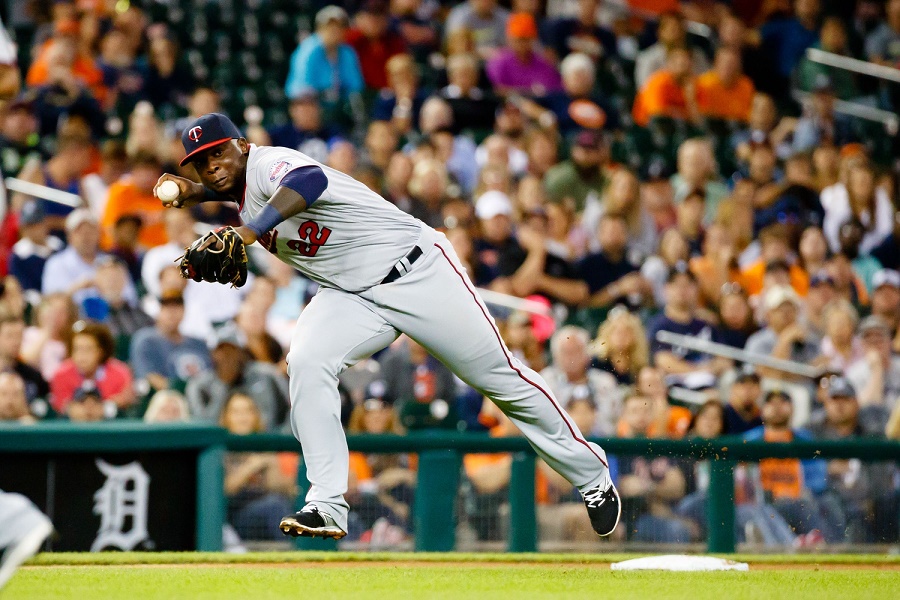 It takes a whole lot bad baseball and bad luck to lose over 100 games. Right now, it's hard to imagine the Twins repeating that feat, but nobody was predicting they'd be that bad last season, either. Here are some things that could lead to another 100-loss season for the Twins. Ervin Santana fails to repeat (like he always does) When pointing to the unaddressed issue of the pitching staff, most of the Twins hope dealers are quick to point to Santana as if he is some kind of bankable commodity. They'll say things like "well at the top of the rotation we've got Ervin, and we know he'll be solid." Really? Ask Angles fans about the reliability of Santana. Santana is coming off a great season, but prior to coming to Minnesota he was terribly inconsistent. He appeared to break out in 2008, his fourth season in the majors, by posting a 3.49 ERA. The next year it was at 5.03. He appeared to have another breakout in 2011, finishing that season with a 3.38 ERA. The next year it was 5.16. The yo-yo nature of Ervin's production continued in 2013 when he came back with another strong performance, posting a 3.24 ERA. Then came two mediocre seasons. He was great last year, but if the pattern continues things don't look good for 2017. He has five seasons in which his ERA+ has been over 105, but he's never done it back-to-back. Beyond Santana's inconsistent track record, there's also the fact that he turned 34 last month. There are only ten active pitchers who've made more starts than Santana's 343, and that includes free agents Kyle Lohse, Jake Peavy and Bronson Arroyo. Father time will catch up to him eventually. Jason Castro is a mere mortal Many of the optimists point to Castro, the only major addition this offseason, as the sole reason to believe the Twins' pitching woes will be fixed. As if he is a magic wand that will somehow mend basically the same pitching staff that gave up 128 more runs than any other American League team. In my opinion, framing numbers should to be taken with a grain of salt. In order for a catcher to intentionally try to steal strikes, it helps if his pitcher has the command to put a pitch just outside the zone. Does the Houston pitching staff deserve more credit for Castro's impressive framing marks? I think it's certainly possible. Also, I suspect there may be umpire backlash against catchers who have reputations as plus framers. I do believe strongly that being a good framer is a skill. Castro has that skill, however, the positive impact he can make greatly depends on the guy he's looking at on the mound and the guy behind him calling strikes. And I know he wasn't brought in for his bat, but Castro has hit .173/.240/.257 (.497 OPS) against lefties over the past two seasons. Travis Wood has a better career OPS (.522) than that. He's a pitcher. Just sayin'. Miguel Sano and Jorge Polanco both look like they should be DHing We've only seen limited samples of both Sano at third base and Polanco at shortstop in the majors, but things haven't exactly looked promising. Of 39 players to have logged 350 innings at third base last year, Sano ranked 22nd in defensive runs above average. That's not horrendous, but also not great. Using that same threshold, Polanco ranked 35th at shortstop, ahead of only Alexei Ramirez. Ick. Putting them together could be a complete disaster. Whatever upgrade Castro will be behind the plate may be negated by poor defense on the left side of the infield. Phil Hughes and Glen Perkins are finished In 214 1/3 innings pitched between 2015 & '16, Phil Hughes had a 4.83 ERA. He gave up 52 doubles and 40 home runs. Opposing hitters had an .822 OPS against him. He only mustered 5.4 K/9. That's real bad. After the 2015 All-Star break, Perkins had a 7.32 ERA and gave up seven home runs in just 19 2/3 innings pitched. That's real bad too. Optimists are hoping those ugly numbers came because both were pitching hurt. But the fact remains we haven't seen either Hughes or Perkins healthy or productive for a while now. It's possible we never do. Brian Dozier regresses (duh) Dozier hit as many home runs in the second half of 2016 (28) as he had in any previous full season. He's as good of a regression candidate as anybody in baseball. It would be hard to envision some kind of complete collapse from Dozier, but even if he fades back to the player he was pre-2016 it'll hurt this team's chances of getting out of the basement. If the team lost 100 with Dozier going completely nuts, what could happen if he has a down year? Max Kepler falls victim to the sophomore slump Lost in the jubilee of the Dozier homer derby was the fact that Kepler struggled down the stretch. After the break, he hit just .233/.304/.391. We've seen our share of Twins struggle to make adjustments in the majors and it's easy to forget Max hasn't even turned 24 yet. There may be some growing pains ahead. No, Kepler doesn't have some of the same, obvious contact issues that plagued Danny Santana, Eddie Rosario and Miguel Sano, but he also struggled to drive the ball late in the year. He'll need to react to how pitchers will be attacking him. Byron Buxton and Jose Berrios fail to materialize That last month of Buxton sure was fun to see, but he didn't do much to solve his biggest issues. He still struck out in over a third of his plate appearances. But at least Buxton had a nice stretch of productive baseball. Of Berrios' 14 starts, there's really not a one that stands out as a strong performance. He was hittable (11.4 H/9) and struggled with control (5.4 BB/9). Both Buxton, 23, and Berrios, 22, showed us so much in the minors and have impressive prospect pedigrees, but, like Kepler, it's likely they still have some struggles to endure on the road to establishing themselves. I have little doubt all three of those guys will have fine major league careers, but I'm not so sure they all take off in 2017. And there we have it, my reasons why the Twins could have another 100-loss season in 2017. I'm sure I've overlooked a few other things that could also cripple the team. If you're willing to take a stroll down Negativity Lane, post your nightmare scenarios in the comments.
 -
Article: Twins To Deploy More Platoons In 2017?
Tom Froemming replied to Tom Froemming's topic in Twins Daily Front Page News
I don't think Kepler should be in a strict platoon. He killed lefties down in Double A (.319/.390/.473) so there's reason to believe he should improve against them going forward. But some regular days off can be good. Maybe in 3/4 of games against LH starters Rosario would sit in favor of Grossman and the other 1/4 of the time Kepler would get the day off. And I know he's not some hot shot prospect or anything, but Grossman himself is only 27 and won't be a free agent until 2021. If he hits like he did in 2016 and can have a better showing in the outfield there's really no reason why Grossman shouldn't be in the Twins' long-term plans.- 39 replies
-
- 1
-
-
- robbie grossman
- joe mauer
- (and 3 more)
-
Article: Twins To Deploy More Platoons In 2017?
Tom Froemming replied to Tom Froemming's topic in Twins Daily Front Page News
Correct, Rosario has a .724 OPS vs. LHP, Kepler's is .590. Grossman probably deserves to be getting regular at bats one way or anthoer. Among players with at least 350 PAs last year his .386 OBP ranked 14th, right between Ben Zobrist and Kris Bryant.- 39 replies
-
- 1
-
-
- robbie grossman
- joe mauer
- (and 3 more)
-
The ever-shrinking bench of an American League team may seem limiting, but there are still a number of things a team can try to accomplish when building a bench. The only real requirement is to have a backup catcher and enough flexibility from the other guys to provide insurance elsewhere. Beyond that, a bench can be used to stash guys: one-dimensional players, Rule 5 picks, players who are out of options, veterans or good clubhouse guys. Another option is to round out a bench with a platoon player or two. With platooning continuing to gain traction among managers, one thing that is going out of style is carrying players who are strictly bench guys. But even that can be done with success.Back in 2015, the Twins had a very defined bench. Both Eduardo Nunez and Shane Robinson spent nearly the entire season on the 25-man roster, yet neither started 50 games. And between them, and your ever-present backup catcher (either Chris Herrmann or Eric Fryer that season), Paul Molitor had insurance at virtually every position on the field. Robinson even pitched a scoreless inning. It was a nice security blanket for the first-year manager. But it's not easy to have such a steady bench, a lot has to go right in order for that to work out. One thing that permitted the bench to be so defined in 2015 was the relative stability of the starting lineup. That season, the Twins rolled out 98 different defensive lineups, using their most common configuration 22 times (C-Suzuki, 1B-Mauer, 2B-Dozier, 3B-Plouffe, SS-Escobar, LF-Rosario, CF-Hicks, RF-Hunter, DH-Sano). That may sound like a lot of lineups, but last season Molitor deployed 135 different defensive lineups. The most any one lineup was used was just six times (C-Suzuki, 1B-Mauer, 2B-Dozier, 3B-Plouffe, SS-Nunez, LF-Grossman, CF-Buxton, RF-Kepler, DH-Park). The '15 Twins had five positions in which one player accounted for at least 120 games started. Last season, only Brian Dozier accomplished that feat. Another issue with defined bench roles is the players have to buy into it. Both Nunez and Robinson had been around the block, and while I'm sure they would have preferred more playing time, both were professionals who understood their roles on the roster. While that bench arrangement seemed to suit the '15 Twins, looking ahead to next season it would appear the team is more well suited to use its projected bench players in platoon roles. . Molitor has already hinted at one potential platoon. In a recent article Mike Berardino of the Pioneer Press wrote that Molitor "will continue to look for ways to keep Mauer as fresh as possible over the course of the long season, including more frequent rests against rough left-handed starters." At this point, there's really no reason for Joe Mauer to be facing lefties on a consistent basis; he had a .224/.291/.319 slash line against them last season. To be fair, that poor performance was over a sample of just 127 plate appearances, but Mauer's career OPS is 146 points higher against right-handed pitchers (.885 OPS vs. RHP, .739 OPS vs. LHP). Byungho Park is right handed, and while Kennys Vargas is a switch hitter, he has done a lot more damage against lefties (career OPS of .834 vs. LHP, just .693 vs. RHP). So it would seem one of those two would benefit from Mauer sitting out against tough southpaw. But first base isn't the only platoon opportunity on the current roster. Robbie Grossman excels against lefties, posting a.289/.351/.425 line against them over his career. He could help protect Eddie Rosario and Max Kepler against same-side pitching. And this could be a year in which the backup catcher isn't there to simply provide relief for the starter. The newly-acquired Jason Castro, a lefty hitter, figures to get the lion's share of the work behind the plate, but he has been much more dangerous against right-handers over his career (.753 OPS vs. RHP, .536 vs. LHP). Given the rigors of catching, Castro will obviously just need days off to rest, but it would seem to benefit the team if those came with a lefty on the hill as often as possible. Potential backups John Ryan Murphy, Mitch Garver and Chris Gimenez all hit right handed. One spot that does not, however, appear have a platoon advantage opportunity is shortstop. Jorge Polanco and Eduardo Escobar, both switch hitters, have done more damage against lefties. Twins hitters held the platoon advantage in 58 percent of their at-bats last season, which is about five percent above the average. That shouldn't come as a surprise, considering lefties Mauer, Kepler and Rosario along with switch hitters Escobar and Grossman all got at least 300 plate appearances. But Cleveland led the league with a platoon advantage percentage at 70, so there could be room for improvement for the Twins in 2017. A lot of how the bench is built will depend on the health and performance of the starters, but watching how the bench unfolds will be one of the more interesting stories to follow in spring training. How do you think the Twins should build and use their bench? Click here to view the article
- 39 replies
-
- 3
-
-
- robbie grossman
- joe mauer
- (and 3 more)
-
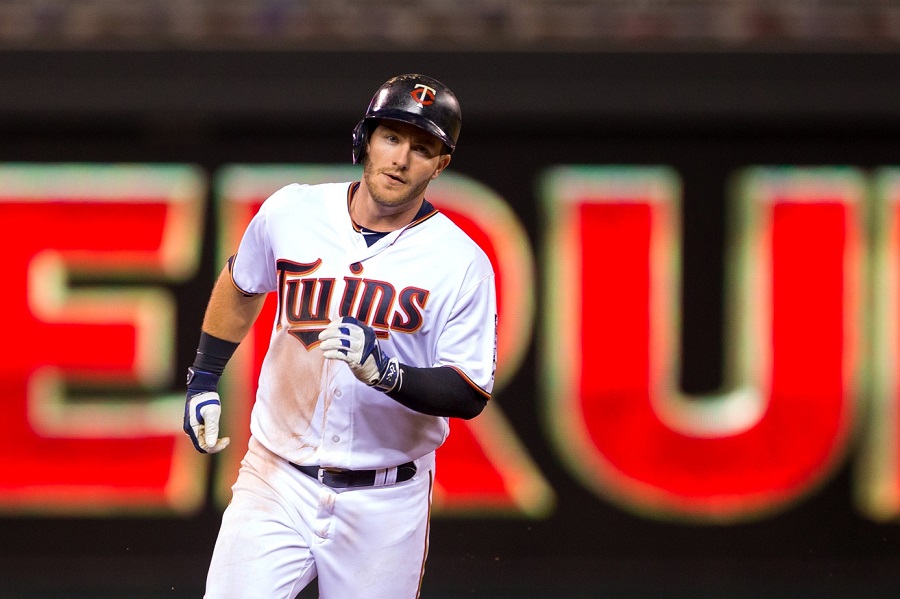 Back in 2015, the Twins had a very defined bench. Both Eduardo Nunez and Shane Robinson spent nearly the entire season on the 25-man roster, yet neither started 50 games. And between them, and your ever-present backup catcher (either Chris Herrmann or Eric Fryer that season), Paul Molitor had insurance at virtually every position on the field. Robinson even pitched a scoreless inning. It was a nice security blanket for the first-year manager. But it's not easy to have such a steady bench, a lot has to go right in order for that to work out. One thing that permitted the bench to be so defined in 2015 was the relative stability of the starting lineup. That season, the Twins rolled out 98 different defensive lineups, using their most common configuration 22 times (C-Suzuki, 1B-Mauer, 2B-Dozier, 3B-Plouffe, SS-Escobar, LF-Rosario, CF-Hicks, RF-Hunter, DH-Sano). That may sound like a lot of lineups, but last season Molitor deployed 135 different defensive lineups. The most any one lineup was used was just six times (C-Suzuki, 1B-Mauer, 2B-Dozier, 3B-Plouffe, SS-Nunez, LF-Grossman, CF-Buxton, RF-Kepler, DH-Park). The '15 Twins had five positions in which one player accounted for at least 120 games started. Last season, only Brian Dozier accomplished that feat. Another issue with defined bench roles is the players have to buy into it. Both Nunez and Robinson had been around the block, and while I'm sure they would have preferred more playing time, both were professionals who understood their roles on the roster. While that bench arrangement seemed to suit the '15 Twins, looking ahead to next season it would appear the team is more well suited to use its projected bench players in platoon roles. . Molitor has already hinted at one potential platoon. In a recent article Mike Berardino of the Pioneer Press wrote that Molitor "will continue to look for ways to keep Mauer as fresh as possible over the course of the long season, including more frequent rests against rough left-handed starters." At this point, there's really no reason for Joe Mauer to be facing lefties on a consistent basis; he had a .224/.291/.319 slash line against them last season. To be fair, that poor performance was over a sample of just 127 plate appearances, but Mauer's career OPS is 146 points higher against right-handed pitchers (.885 OPS vs. RHP, .739 OPS vs. LHP). Byungho Park is right handed, and while Kennys Vargas is a switch hitter, he has done a lot more damage against lefties (career OPS of .834 vs. LHP, just .693 vs. RHP). So it would seem one of those two would benefit from Mauer sitting out against tough southpaw. But first base isn't the only platoon opportunity on the current roster. Robbie Grossman excels against lefties, posting a.289/.351/.425 line against them over his career. He could help protect Eddie Rosario and Max Kepler against same-side pitching. And this could be a year in which the backup catcher isn't there to simply provide relief for the starter. The newly-acquired Jason Castro, a lefty hitter, figures to get the lion's share of the work behind the plate, but he has been much more dangerous against right-handers over his career (.753 OPS vs. RHP, .536 vs. LHP). Given the rigors of catching, Castro will obviously just need days off to rest, but it would seem to benefit the team if those came with a lefty on the hill as often as possible. Potential backups John Ryan Murphy, Mitch Garver and Chris Gimenez all hit right handed. One spot that does not, however, appear have a platoon advantage opportunity is shortstop. Jorge Polanco and Eduardo Escobar, both switch hitters, have done more damage against lefties. Twins hitters held the platoon advantage in 58 percent of their at-bats last season, which is about five percent above the average. That shouldn't come as a surprise, considering lefties Mauer, Kepler and Rosario along with switch hitters Escobar and Grossman all got at least 300 plate appearances. But Cleveland led the league with a platoon advantage percentage at 70, so there could be room for improvement for the Twins in 2017. A lot of how the bench is built will depend on the health and performance of the starters, but watching how the bench unfolds will be one of the more interesting stories to follow in spring training. How do you think the Twins should build and use their bench?
 -
2017 Twins Off-Season top 60 Prospect List: 41-45
Tom Froemming commented on Thrylos's blog entry in Thrylos' Blog - select Tenth Inning Stretch posts
Wow, you are really low on Granite. Very sound explanation, can't argue against the logic with your Revere comparison. But Granite did post better Double A numbers than Ender Inciarte, who hit .281/.327/.362 in the Southern League back in 03. I wouldn't predict Granite to become a roughly league average hitter with gold glove defense in center field like Inciarte has, but I think he's got a higher ceiling than Eric Yelding. Either way, I do appreciate your willingness to deviate from most lists. Boy, Brandon Lopez had a really strong professional debut. Hopefully he keeps it going. Can never have too many guys who can play shortstop. -
2017 Twins Off-Season top 60 Prospect List: 46-50
Tom Froemming commented on Thrylos's blog entry in Thrylos' Blog - select Tenth Inning Stretch posts
Everyone is pretty low on Del Rosario, but you've done a nice job detailing his deficiencies here. But man, if he could just better command his stuff on a regular basis I could see him shoot up the rankings. He had over 20 swinging strikes in that 11 K start you alluded to. Nasty. Strictly a physical comp, but Molina looks a lot like Manny Machado to me. Is it too late to think he could add even a little pop? Gonna turn 22 in April and only has three homers in 787 career plate appearances.
