



Ted Schwerzler
-
Posts
5,149 -
Joined
-
Last visited
Content Type
Profiles
News
Minnesota Twins Videos
2026 Minnesota Twins Top Prospects Ranking
2022 Minnesota Twins Draft Picks
Minnesota Twins Free Agent & Trade Rumors, Notes, & Tidbits
Guides & Resources
2023 Minnesota Twins Draft Picks
The Minnesota Twins Players Project
2024 Minnesota Twins Draft Picks
2025 Minnesota Twins Draft Pick Tracker
2026 Minnesota Twins Draft Tracker: Picks & Bonuses
Forums
Blogs
Events
Store
Downloads
Gallery
Everything posted by Ted Schwerzler
-
The Minnesota Twins have drafted all over the board since Derek Falvey and Thad Levine took over the front office back in 2017, but Sean Johnson’s group has excelled at finding unexpected value late in the proceedings. Image courtesy of © Matt Blewett-USA TODAY Sports It’s not exactly surprising when a team nails a first-round pick, especially when they are in the upper half of the group. It’s also not difficult to point out the misses in the first round, as those will always stand out the most and be disheartening. What good developing teams can do, though, is generate big-league production from the late rounds. For years, fans have dreamed of Royce Lewis being a superstar. That dream feels close to coming to fruition, and the hope is that both Brooks Lee and Walker Jenkins can follow suit. Aaron Sabato, Trevor Larnach, and Keoni Cavaco were all later selections in that first round, and the sport is littered with misses on talents like that. For Minnesota, though, a handful of players set to contribute in 2024 can be seen as diamonds in the rough. Louie Varland - 15th round, 2019 Taken from Division II Concordia St. Paul, the younger Varland blitzed the minors quicker than his elder brother, Gus. Both have since debuted at the highest level, and Louie appears to be one of the Twins' most intriguing options on the mound for the year ahead. He showed eye-popping stuff as a reliever down the stretch last season, but hasn’t fully developed or settled in as a starting option. It would be fun to see Minnesota acquire the elder Varland for the bullpen, too, but regardless, this has been an exciting career arc to observe. Kody Funderburk - 15th round, 2018 Debuting last season after dominating on the farm, Funderburk acquitted himself nicely. It stands to reason that Rocco Baldelli will heavily rely upon him in relief for the season ahead, if that success carries over to a new year. He presents another left-handed option alongside Caleb Thielbar, and could be the reliever who makes up for the production lost with Emilio Pagan’s departure. Star Tribune beat reporter Bobby Nightengale thinks he could become a standout high-leverage type for the Twins. David Festa - 13th round, 2021 One of the best pitching prospects in the Twins' system is Festa, who is jockeying with Marco Raya for that title. Last season, Festa finished the year throwing for Toby Gardenhire at Triple-A St. Paul, and he may be one of the first men called upon when the starting rotation needs to lean on internal depth. Festa has the makings of a strong starting option with a relatively safe floor. Edouard Julien - 18th round, 2019 After dealing Luis Arráez for Pablo López over the offseason last year, the Twins had serious question marks behind Jorge Polanco at second base. Julien didn’t take long to emerge as an option and then show staying power, after being vaulted into the starting lineup. The former Auburn standout had to be convinced to leave school, and the Twins shelling out nearly $500,000 to a pick outside the top 10 rounds in order to make that happen was some of their best work in the draft to date. Julien looks the part of a star leadoff hitter, and while he doesn’t necessarily have superstar traits, he should be a high-caliber regular for the duration of his career. Bailey Ober - 12th round, 2017 After starting last season at Triple A despite a strong spring, Ober worked hard and positioned himself in a spot where Minnesota couldn’t be without him. He’s now fully entrenched in the starting rotation, and another step forward could have him as the team’s second-best starter, behind López. Ober's trend arrow is still pointing up, and surpassing Joe Ryan or Chris Paddack in the pecking order would hardly be unexpected. Given that the Twins need another reliable arm or two for a postseason series, Ober has the stuff to put himself into that conversation. Brent Headrick - 9th round, 2019 Although his major-league debut didn’t go as planned, Headrick has consistently shown strong results each time he has moved up a level. Triple A wasn’t a breeze for him in St. Paul, but the strikeout and secondary numbers remained enticing. Headrick was dominant at High-A Cedar Rapids last year, before a bit less impressive results with Double-A Wichita, but another offseason of development (while now knowing what it takes) could be huge for him. Maybe Headrick is a depth starter, or maybe he winds up being a long man out of the pen, but either way, it’s a solid outcome. The best yet to come: Zebby Matthews (8th round, 2022), Cory Lewis (9th round, 2022), C.J. Culpepper (13th round, 2022) It’s too soon to consider anyone from the 2023 draft class, but the 2022 group has a trio of late-round pitchers who have stood out. Matthews didn’t dominate at Cedar Rapids like he did for Fort Myers, but the stuff still presents an exciting profile. Lewis might soon find himself as the Twins' best pitching prospect, with a feel-over-power arsenal that includes one of the last knuckleballs in professional baseball. Culpepper is similar to Matthews regarding results, but there’s an opportunity to follow an Ober- or Varland-like path. How the careers of each of these players turn out remains to be seen, but each rising to the highest level despite being available so late in their respective drafts is impressive. It isn’t Falvey and Levine pulling all of the strings, but a willingness to take chances and Johnson’s group hitting on them results in these success stories. It's because of development like this that the Twins can also see dips in their payroll, without automatically suffering concomitant lulls in on-field success. As players on pre-arbitration contracts take significant roles and run with them, there will be a suppressed level of financial commitment needed to keep them on the roster. The more the organization can continue to churn out these players, the better for everyone involved. Are there any other under-the-radar late-rounders in the organization you'll keep an eye on in 2024? Talk about them, and about this impressive bevy of newly polished gems, in the comments. View full article
- 17 replies
-
- 1
-

-
- edouard julien
- bailey ober
- (and 5 more)
-
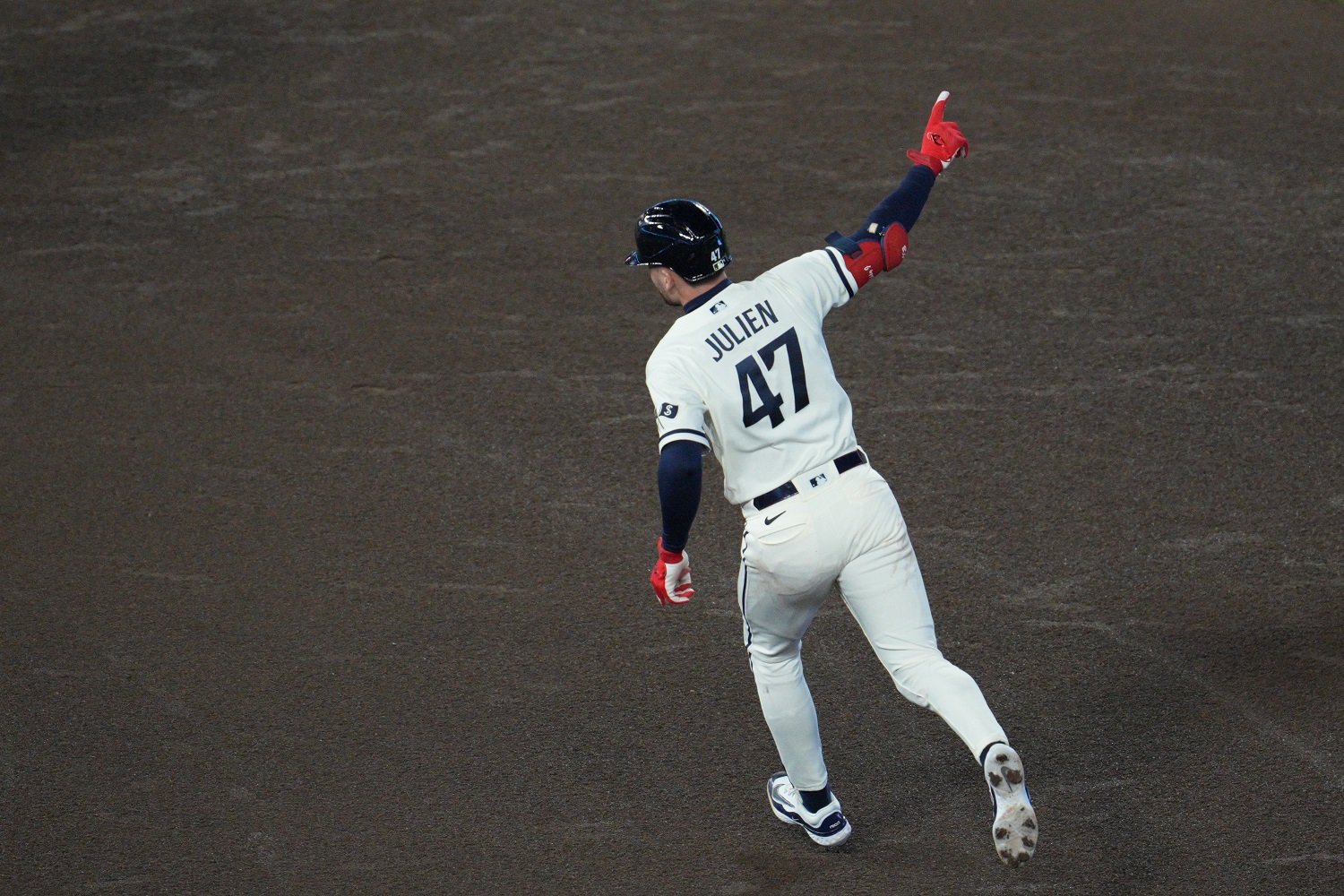 It’s not exactly surprising when a team nails a first-round pick, especially when they are in the upper half of the group. It’s also not difficult to point out the misses in the first round, as those will always stand out the most and be disheartening. What good developing teams can do, though, is generate big-league production from the late rounds. For years, fans have dreamed of Royce Lewis being a superstar. That dream feels close to coming to fruition, and the hope is that both Brooks Lee and Walker Jenkins can follow suit. Aaron Sabato, Trevor Larnach, and Keoni Cavaco were all later selections in that first round, and the sport is littered with misses on talents like that. For Minnesota, though, a handful of players set to contribute in 2024 can be seen as diamonds in the rough. Louie Varland - 15th round, 2019 Taken from Division II Concordia St. Paul, the younger Varland blitzed the minors quicker than his elder brother, Gus. Both have since debuted at the highest level, and Louie appears to be one of the Twins' most intriguing options on the mound for the year ahead. He showed eye-popping stuff as a reliever down the stretch last season, but hasn’t fully developed or settled in as a starting option. It would be fun to see Minnesota acquire the elder Varland for the bullpen, too, but regardless, this has been an exciting career arc to observe. Kody Funderburk - 15th round, 2018 Debuting last season after dominating on the farm, Funderburk acquitted himself nicely. It stands to reason that Rocco Baldelli will heavily rely upon him in relief for the season ahead, if that success carries over to a new year. He presents another left-handed option alongside Caleb Thielbar, and could be the reliever who makes up for the production lost with Emilio Pagan’s departure. Star Tribune beat reporter Bobby Nightengale thinks he could become a standout high-leverage type for the Twins. David Festa - 13th round, 2021 One of the best pitching prospects in the Twins' system is Festa, who is jockeying with Marco Raya for that title. Last season, Festa finished the year throwing for Toby Gardenhire at Triple-A St. Paul, and he may be one of the first men called upon when the starting rotation needs to lean on internal depth. Festa has the makings of a strong starting option with a relatively safe floor. Edouard Julien - 18th round, 2019 After dealing Luis Arráez for Pablo López over the offseason last year, the Twins had serious question marks behind Jorge Polanco at second base. Julien didn’t take long to emerge as an option and then show staying power, after being vaulted into the starting lineup. The former Auburn standout had to be convinced to leave school, and the Twins shelling out nearly $500,000 to a pick outside the top 10 rounds in order to make that happen was some of their best work in the draft to date. Julien looks the part of a star leadoff hitter, and while he doesn’t necessarily have superstar traits, he should be a high-caliber regular for the duration of his career. Bailey Ober - 12th round, 2017 After starting last season at Triple A despite a strong spring, Ober worked hard and positioned himself in a spot where Minnesota couldn’t be without him. He’s now fully entrenched in the starting rotation, and another step forward could have him as the team’s second-best starter, behind López. Ober's trend arrow is still pointing up, and surpassing Joe Ryan or Chris Paddack in the pecking order would hardly be unexpected. Given that the Twins need another reliable arm or two for a postseason series, Ober has the stuff to put himself into that conversation. Brent Headrick - 9th round, 2019 Although his major-league debut didn’t go as planned, Headrick has consistently shown strong results each time he has moved up a level. Triple A wasn’t a breeze for him in St. Paul, but the strikeout and secondary numbers remained enticing. Headrick was dominant at High-A Cedar Rapids last year, before a bit less impressive results with Double-A Wichita, but another offseason of development (while now knowing what it takes) could be huge for him. Maybe Headrick is a depth starter, or maybe he winds up being a long man out of the pen, but either way, it’s a solid outcome. The best yet to come: Zebby Matthews (8th round, 2022), Cory Lewis (9th round, 2022), C.J. Culpepper (13th round, 2022) It’s too soon to consider anyone from the 2023 draft class, but the 2022 group has a trio of late-round pitchers who have stood out. Matthews didn’t dominate at Cedar Rapids like he did for Fort Myers, but the stuff still presents an exciting profile. Lewis might soon find himself as the Twins' best pitching prospect, with a feel-over-power arsenal that includes one of the last knuckleballs in professional baseball. Culpepper is similar to Matthews regarding results, but there’s an opportunity to follow an Ober- or Varland-like path. How the careers of each of these players turn out remains to be seen, but each rising to the highest level despite being available so late in their respective drafts is impressive. It isn’t Falvey and Levine pulling all of the strings, but a willingness to take chances and Johnson’s group hitting on them results in these success stories. It's because of development like this that the Twins can also see dips in their payroll, without automatically suffering concomitant lulls in on-field success. As players on pre-arbitration contracts take significant roles and run with them, there will be a suppressed level of financial commitment needed to keep them on the roster. The more the organization can continue to churn out these players, the better for everyone involved. Are there any other under-the-radar late-rounders in the organization you'll keep an eye on in 2024? Talk about them, and about this impressive bevy of newly polished gems, in the comments.
- 17 comments
-
- 10
-
-
- edouard julien
- bailey ober
- (and 5 more)
-
A Tiny Schedule Perk for the 2024 Twins
Ted Schwerzler replied to Ted Schwerzler 's topic in Twins Daily Front Page News
Oh wow, had not heard this! -
I described this on Twitter as not feigning-excitement. I think Blyleven just was so forced all the time. Maybe Justin couldn’t be a bit more upbeat, but think he shows emotion at the right times and provides significantly higher quality analysis. I’m fine with Perkins and Smalley rotating in plenty.
- 35 replies
-
- 4
-
-

-
- justin morneau
- cory provus
- (and 1 more)
-
The Minnesota Twins might not yet have a particular home for fans to find their television broadcasts, but the results could be extraordinary when the season kicks off with a new tandem in the booth. Image courtesy of © David Berding-USA TODAY Sports Replacing a mainstay like Dick Bremer is always going to invite a certain level of scrutiny. Even though Bert Blyleven had run his course, a segment of fans still wanted to see him on a nightly basis. Bremer had adapted to the changing game over time, but the Twins saw an opportunity for fresh perspectives to be brought in. Minnesota decided a new wave was coming, and it was time to change. While Justin Morneau has been a regular for some time now, the pairing with former radio broadcaster Cory Provus has the opportunity to be something truly new and special. Understandably, Morneau isn’t for everyone, but his style has changed substantially since he joined Bremer in the booth. While he analyzes the game in a much more laid-back manner, it is evident that he has a passion for the role and puts in the necessary preparation to do it well. He supports narratives with well-thought-out research, and beyond personal insight from his playing days, he explains the game on a much more granular level. Bremer operated well as the play-by-play man, teeing up his partners for their additions. While Provus can bring that to the table, he acts more like a co-panelist than as a moderator. Provus has a highly distinctive voice and can be heard throughout the offseason when calling collegiate basketball games. Regardless of the sport, his preparedness and professionalism are impressive. When Major League Baseball consistently showcases announcers like John Smoltz or other former players who clearly do not like the game's direction, the Twins offering the pairing they will can be noteworthy. Morneau doesn’t fall into an old or new-school category and isn’t just rehashing his own exploits as a former player. Instead, he brings a well-reasoned discussion and an advanced knowledge of the game to someone who should pair perfectly alongside him. Provus has the ability to combine with different types of people, and has shown that over time in his radio work. For years, it seemed as though Provus deserved better than what Dan Gladden offered as a radio partner, and now we will see that in action. When Provus paired with Roy Smalley or the now-taking-over Kris Atteberry on the airwaves, the product hit the highest notes. The super team now comes to television, and with both offering relative youth, there is an opportunity for the pairing to become the next household staple. In joining the broadcast, Provus also sought to assure that more Twins fans could consume the product. He made it known during his initial public conversations that he expected blackouts would be gone, regardless of how Twins baseball is disseminated, so that many more households would have access to the action. As they grow accustomed to how Provus and Morneau present the action, there is a good chance fans enjoy what is being brought to the booth. Eventually, Bremer will find himself in the Twins Hall of Fame, alongside broadcast greats such as John Gordon, Herb Carneal, and Bob Casey. Morneau is already in as a player, but this pairing with Provus may have both being highly regarded in the booth and make them synonymous with a generation of Twins baseball, just as those predecessors were. Do you view Provus and Morneau as a long-term solution in the broadcast booth? What do you want most from the Twins' TV production? Discuss it in the comments below. View full article
-
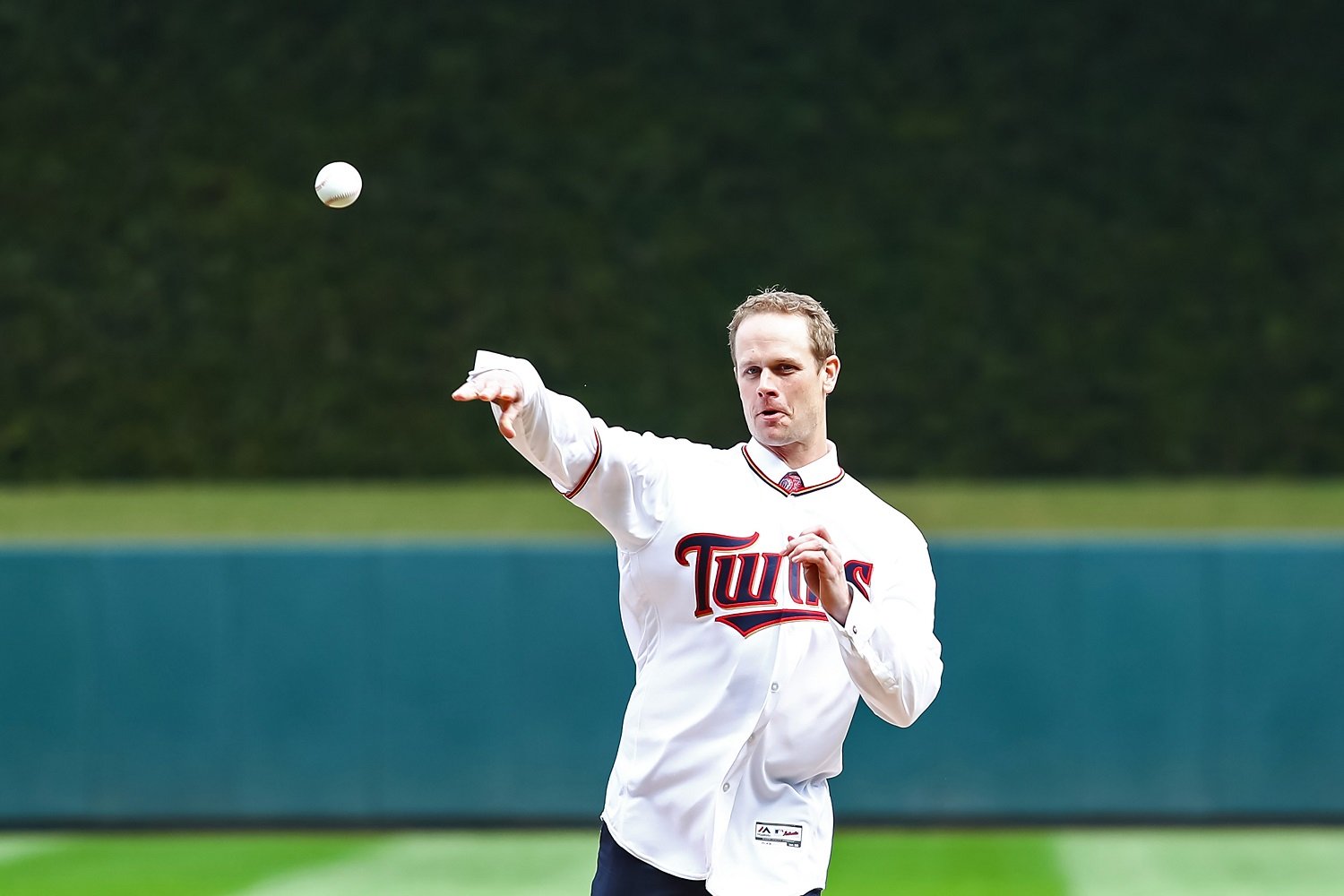 Replacing a mainstay like Dick Bremer is always going to invite a certain level of scrutiny. Even though Bert Blyleven had run his course, a segment of fans still wanted to see him on a nightly basis. Bremer had adapted to the changing game over time, but the Twins saw an opportunity for fresh perspectives to be brought in. Minnesota decided a new wave was coming, and it was time to change. While Justin Morneau has been a regular for some time now, the pairing with former radio broadcaster Cory Provus has the opportunity to be something truly new and special. Understandably, Morneau isn’t for everyone, but his style has changed substantially since he joined Bremer in the booth. While he analyzes the game in a much more laid-back manner, it is evident that he has a passion for the role and puts in the necessary preparation to do it well. He supports narratives with well-thought-out research, and beyond personal insight from his playing days, he explains the game on a much more granular level. Bremer operated well as the play-by-play man, teeing up his partners for their additions. While Provus can bring that to the table, he acts more like a co-panelist than as a moderator. Provus has a highly distinctive voice and can be heard throughout the offseason when calling collegiate basketball games. Regardless of the sport, his preparedness and professionalism are impressive. When Major League Baseball consistently showcases announcers like John Smoltz or other former players who clearly do not like the game's direction, the Twins offering the pairing they will can be noteworthy. Morneau doesn’t fall into an old or new-school category and isn’t just rehashing his own exploits as a former player. Instead, he brings a well-reasoned discussion and an advanced knowledge of the game to someone who should pair perfectly alongside him. Provus has the ability to combine with different types of people, and has shown that over time in his radio work. For years, it seemed as though Provus deserved better than what Dan Gladden offered as a radio partner, and now we will see that in action. When Provus paired with Roy Smalley or the now-taking-over Kris Atteberry on the airwaves, the product hit the highest notes. The super team now comes to television, and with both offering relative youth, there is an opportunity for the pairing to become the next household staple. In joining the broadcast, Provus also sought to assure that more Twins fans could consume the product. He made it known during his initial public conversations that he expected blackouts would be gone, regardless of how Twins baseball is disseminated, so that many more households would have access to the action. As they grow accustomed to how Provus and Morneau present the action, there is a good chance fans enjoy what is being brought to the booth. Eventually, Bremer will find himself in the Twins Hall of Fame, alongside broadcast greats such as John Gordon, Herb Carneal, and Bob Casey. Morneau is already in as a player, but this pairing with Provus may have both being highly regarded in the booth and make them synonymous with a generation of Twins baseball, just as those predecessors were. Do you view Provus and Morneau as a long-term solution in the broadcast booth? What do you want most from the Twins' TV production? Discuss it in the comments below.
- 35 comments
-
- 7
-
-
-
- justin morneau
- cory provus
- (and 1 more)
-
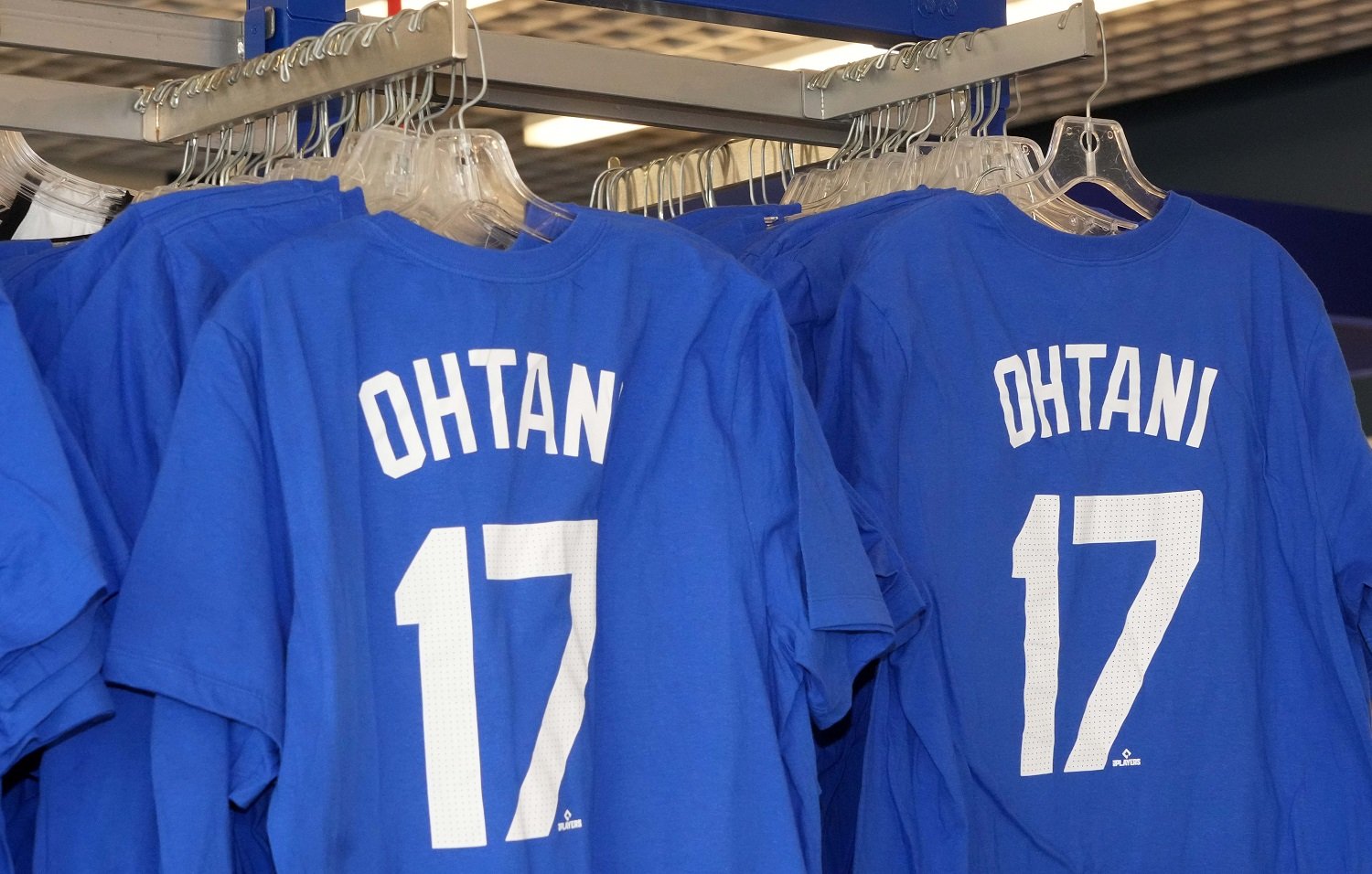 A season ago, the Twins played the Los Angeles Dodgers in California in May. Rocco Baldelli’s club got walked off in the first contest, bounced back to win the second, but then lost the rubber match. Dave Roberts’s team wasn’t the same juggernaut last year (at least at that early juncture), but with Freddie Freeman and Mookie Betts, they still had a potent lineup. The Twins get a break this season, if you can call it that, when they host the Dodgers at Target Field. Not only does that series happen during the second full week of the season, but April isn’t likely to be a kind weather month for anyone. Los Angeles came to Target Field in 2022 for an April series, and Clayton Kershaw flirted with a no-hitter on a (relatively) balmy day. Therein lies the first benefit for the Twins. Kershaw is currently a free agent, and while it remains likely that the Dodgers are the only team he would re-sign with, that point isn’t likely to come until well into the 2024 season. He underwent offseason surgery and won't pitch until at least midseason. Kershaw is a future first-ballot Hall of Famer who has long been among the game’s most dominant pitchers. Even at a more advanced age and having dealt with different maladies in recent seasons, he continues to put up ridiculous numbers. Kershaw hasn’t started more than 24 games in a season since 2019, but he continues to dominate every time he’s on the mound. Across 24 starts last year, the Dodgers southpaw put up a 2.46 ERA with strong secondary numbers. He earned another trip to an All-Star Game and somehow felt like an overlooked arm amid a sea of strong hurlers in 2023. Along with Kershaw being absent from the bump, so will the Dodgers' $700 million man be. Shohei Ohtani secured the bag in the biggest way this offseason, and while he is a two-way star, he isn’t going to operate that way in 2024. After undergoing a second Tommy John surgery (or its internal-brace cousin, with much the same effect), he will only be a designated hitter for Los Angeles when they face Minnesota. Not having to face him on the bump is a nice reprieve for the Minnesota lineup. Ohtani’s absence from the rubber isn’t quite as notable as Kershaw’s, given his abilities in the batter’s box. While Twins hitters won’t have to face the fireballer at the dish, the pitching staff must contend with his ability to change the game with a single swing. Escaping Ohtani isn’t something that teams can do by focusing on just one of his talents, and that’s why his payday was such an exorbitant amount. The Dodgers will remain a juggernaut regardless of which pieces they are initially missing. They also paid Yoshinobu Yamamoto to be their next star arm and traded for Tyler Glasnow. It remains likely that they will continue to spend, and additional enhancements for the lineup could still be coming. The rotation has some question marks, with Bobby Miller being the third pitcher and Walker Buehler coming back from Tommy John himself, but the roster is impressive. For Carlos Correa, Byron Buxton, and the rest of the Twins roster, playing against a World Series contender out of the gate will give them a good measuring stick opportunity. Teams ebb and flow as the season progresses, but rosters like the Dodgers will undoubtedly be around in October. Seeing and competing against that competition early can help identify specific strengths and weaknesses. The Twins host Los Angeles Monday through Wednesday, April 8-10. With the first two contests being night games, the series' final game is a 12:10 pm game before Minnesota heads out to Detroit.
 -
A Tiny Schedule Perk for the 2024 Twins
Ted Schwerzler posted a topic in Twins Daily Front Page News
The Dodgers are a superteam, and under MLB's new schedule system, there's no dodging any team for a full season. The Twins will get their games against the new Evil Empire out of the way early, though, which could be to their benefit. Image courtesy of © Kirby Lee-USA TODAY Sports A season ago, the Twins played the Los Angeles Dodgers in California in May. Rocco Baldelli’s club got walked off in the first contest, bounced back to win the second, but then lost the rubber match. Dave Roberts’s team wasn’t the same juggernaut last year (at least at that early juncture), but with Freddie Freeman and Mookie Betts, they still had a potent lineup. The Twins get a break this season, if you can call it that, when they host the Dodgers at Target Field. Not only does that series happen during the second full week of the season, but April isn’t likely to be a kind weather month for anyone. Los Angeles came to Target Field in 2022 for an April series, and Clayton Kershaw flirted with a no-hitter on a (relatively) balmy day. Therein lies the first benefit for the Twins. Kershaw is currently a free agent, and while it remains likely that the Dodgers are the only team he would re-sign with, that point isn’t likely to come until well into the 2024 season. He underwent offseason surgery and won't pitch until at least midseason. Kershaw is a future first-ballot Hall of Famer who has long been among the game’s most dominant pitchers. Even at a more advanced age and having dealt with different maladies in recent seasons, he continues to put up ridiculous numbers. Kershaw hasn’t started more than 24 games in a season since 2019, but he continues to dominate every time he’s on the mound. Across 24 starts last year, the Dodgers southpaw put up a 2.46 ERA with strong secondary numbers. He earned another trip to an All-Star Game and somehow felt like an overlooked arm amid a sea of strong hurlers in 2023. Along with Kershaw being absent from the bump, so will the Dodgers' $700 million man be. Shohei Ohtani secured the bag in the biggest way this offseason, and while he is a two-way star, he isn’t going to operate that way in 2024. After undergoing a second Tommy John surgery (or its internal-brace cousin, with much the same effect), he will only be a designated hitter for Los Angeles when they face Minnesota. Not having to face him on the bump is a nice reprieve for the Minnesota lineup. Ohtani’s absence from the rubber isn’t quite as notable as Kershaw’s, given his abilities in the batter’s box. While Twins hitters won’t have to face the fireballer at the dish, the pitching staff must contend with his ability to change the game with a single swing. Escaping Ohtani isn’t something that teams can do by focusing on just one of his talents, and that’s why his payday was such an exorbitant amount. The Dodgers will remain a juggernaut regardless of which pieces they are initially missing. They also paid Yoshinobu Yamamoto to be their next star arm and traded for Tyler Glasnow. It remains likely that they will continue to spend, and additional enhancements for the lineup could still be coming. The rotation has some question marks, with Bobby Miller being the third pitcher and Walker Buehler coming back from Tommy John himself, but the roster is impressive. For Carlos Correa, Byron Buxton, and the rest of the Twins roster, playing against a World Series contender out of the gate will give them a good measuring stick opportunity. Teams ebb and flow as the season progresses, but rosters like the Dodgers will undoubtedly be around in October. Seeing and competing against that competition early can help identify specific strengths and weaknesses. The Twins host Los Angeles Monday through Wednesday, April 8-10. With the first two contests being night games, the series' final game is a 12:10 pm game before Minnesota heads out to Detroit. View full article -
The 2023 Minnesota Twins were arguably the most successful team in the last 30 years of the franchise. While they didn’t win as often or as convincingly as the Bomba Squad, they were well-constructed and made noise in October. Still, tweaks should be made if the franchise wants to see that success sustained. Image courtesy of © Kyle Schwab-USA TODAY Sports Rocco Baldelli will come into 2024 as the longest-tenured American League Central manager. With Terry Francona retiring, Baldelli will have seen it all within the division. Only A.J. Hinch will rival him from an experience standpoint at the helm, and Baldelli must get the most out of his team daily. As good as the Twins were last year, they had plenty of frustrating narratives and trends, too. Adopting a few new resolutions in 2024 wouldn’t hurt, and may go a long way to reaching the next level in the postseason. Here are a few to consider: 1. Get on the Run It took the Twins quite a while to get on the board with stolen bases, and even when the dust settled, two players accounted for most of the team's running game. Michael A. Taylor is a free agent, and while Willi Castro is back, he can’t be the only guy on the move. Minnesota has a plethora of talented potential base stealers, and utilizing their legs in a sport that now begs you to take 90 feet is a must. Byron Buxton has racked up steals previously, and while he doesn’t need to be at second base to score, utilizing that part of his game makes sense. Royce Lewis can also fly, and finding ways to free him on the basepaths will be an important source of dynamism for what was sometimes a static offense. Edouard Julien racked up stolen bases on the farm, but left that part of his game in the minors; it’s something he could bring back. There will also be plenty of opportunities for Brooks Lee and Austin Martin to contribute on the bases when they arrive. 2. Stifle the Whiff A greater sense of lineup balance would be great for Minnesota. The juiced ball and Bomba Squad season may have had the front office leaning into the home run a bit too much. This lineup can still punish the baseball, but there were far too many empty at-bats a season ago. Strikeouts are part of the game, and minimizing them at all costs involves making too many tradeoffs in other aspects of offense, but far too often, the Twins racked them up in a way that compromised their entire offense. It’s great that Minnesota has a player like Julien, who can work at the top of the lineup. Finding ways to enhance the on-base production of every player in the mix will be important. Getting Buxton and Lewis to draw more walks should be a focal point. Ensuring Matt Wallner remains locked-in and looking for his pitch will help. Rather than hunting a single pitch or taking early, the Twins being more aggressive (with a balanced approach) could corral the gaudy strikeout numbers. 3. Shore Up the Defense Minnesota's defense has been very up-and-down over the last few years. Advanced metrics are difficult to assess in a small sample, but stack them up year upon year, and they begin to tell a story. Alas, it can be a conflicting one. Although the Twins were top-10 in Sports Info Solutions's Defensive Runs Saved during 2023, they were bottom-10 by Statcast's Outs Above Average. Plenty of the issues took place on the dirt, and that is an area where Baldelli can have his team improve. Carlos Correa remains a talented shortstop, but that was the only spot where consistency was established. Royce Lewis was in and out at third base, and Julien didn’t start trending upward with the glove at second until later in the year. What happens at first base or with Alex Kirilloff remains to be seen, but having less of a revolving door there would be great. 4. Lock in Late The Twins had one of baseball’s best starting rotations during 2023, but found themselves squandering opportunities due to an inability to maintain offensive consistency. Baldelli had to watch starters go multiple times through a lineup, only to be given a single run or two of support. It left the team with a 19-27 record in one-run games and put significant stress on the bullpen. Minnesota has high-leverage arms like Jhoan Durán, Griffin Jax, Brock Stewart, and Caleb Thielbar. They could see someone like Louie Varland continue to grow in the bullpen or another option emerge as reliable. Those guys have to be given some breathing room, and the lineup must produce more consistently. Threading needles in the late innings shouldn’t be such a constant need, and capitalizing on solid starts is necessary. Although the American League Central shouldn’t be expected to turn into a juggernaut this season, Minnesota still must handle business if they expect to repeat. They did many things well a year ago, but making a few key tweaks could help them substantially. What new resolutions would you like to see Baldelli’s Twins adopt in the year ahead? View full article
- 26 replies
-
- 1
-
-
- carlos correa
- rocco baldelli
- (and 2 more)
-
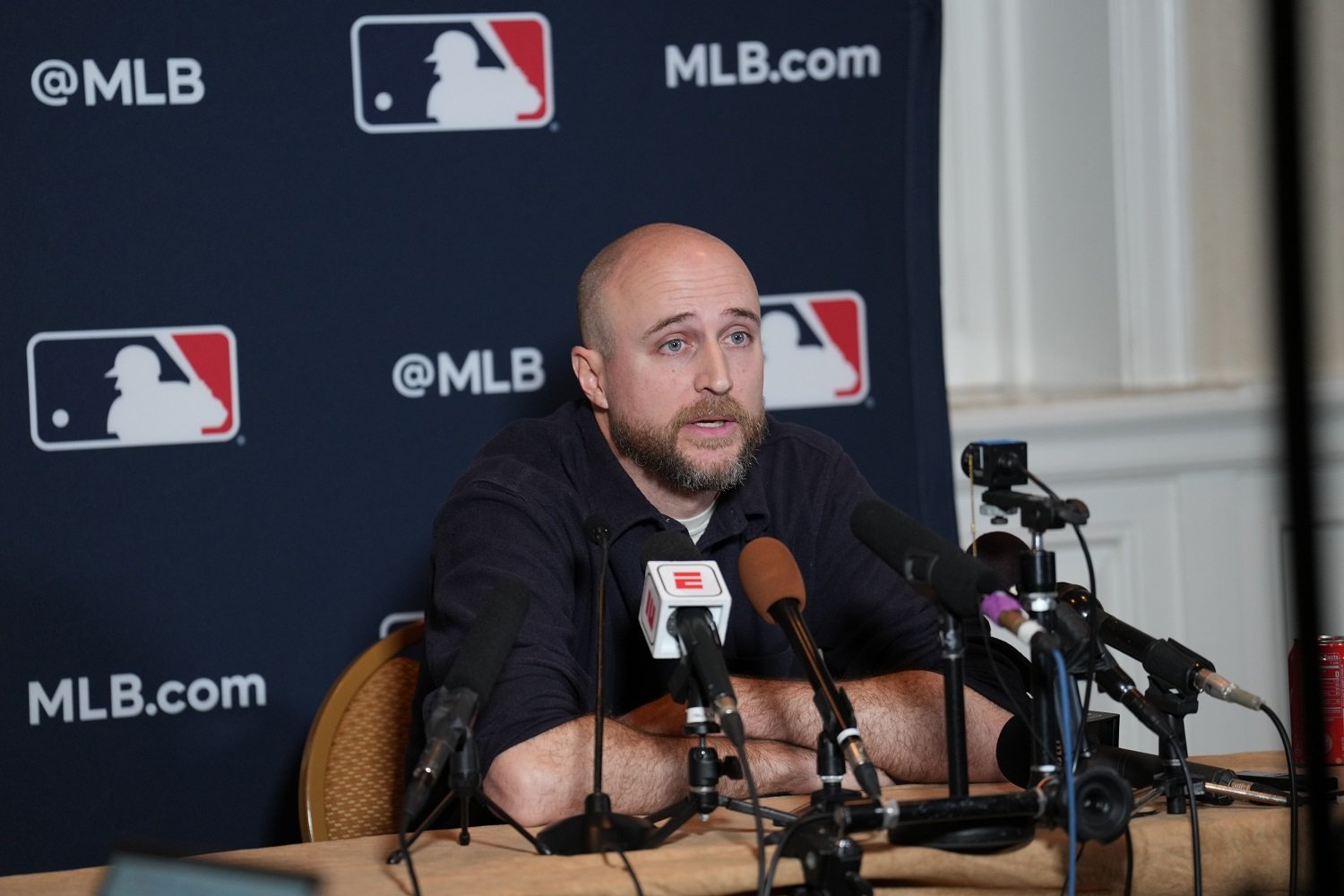 Rocco Baldelli will come into 2024 as the longest-tenured American League Central manager. With Terry Francona retiring, Baldelli will have seen it all within the division. Only A.J. Hinch will rival him from an experience standpoint at the helm, and Baldelli must get the most out of his team daily. As good as the Twins were last year, they had plenty of frustrating narratives and trends, too. Adopting a few new resolutions in 2024 wouldn’t hurt, and may go a long way to reaching the next level in the postseason. Here are a few to consider: 1. Get on the Run It took the Twins quite a while to get on the board with stolen bases, and even when the dust settled, two players accounted for most of the team's running game. Michael A. Taylor is a free agent, and while Willi Castro is back, he can’t be the only guy on the move. Minnesota has a plethora of talented potential base stealers, and utilizing their legs in a sport that now begs you to take 90 feet is a must. Byron Buxton has racked up steals previously, and while he doesn’t need to be at second base to score, utilizing that part of his game makes sense. Royce Lewis can also fly, and finding ways to free him on the basepaths will be an important source of dynamism for what was sometimes a static offense. Edouard Julien racked up stolen bases on the farm, but left that part of his game in the minors; it’s something he could bring back. There will also be plenty of opportunities for Brooks Lee and Austin Martin to contribute on the bases when they arrive. 2. Stifle the Whiff A greater sense of lineup balance would be great for Minnesota. The juiced ball and Bomba Squad season may have had the front office leaning into the home run a bit too much. This lineup can still punish the baseball, but there were far too many empty at-bats a season ago. Strikeouts are part of the game, and minimizing them at all costs involves making too many tradeoffs in other aspects of offense, but far too often, the Twins racked them up in a way that compromised their entire offense. It’s great that Minnesota has a player like Julien, who can work at the top of the lineup. Finding ways to enhance the on-base production of every player in the mix will be important. Getting Buxton and Lewis to draw more walks should be a focal point. Ensuring Matt Wallner remains locked-in and looking for his pitch will help. Rather than hunting a single pitch or taking early, the Twins being more aggressive (with a balanced approach) could corral the gaudy strikeout numbers. 3. Shore Up the Defense Minnesota's defense has been very up-and-down over the last few years. Advanced metrics are difficult to assess in a small sample, but stack them up year upon year, and they begin to tell a story. Alas, it can be a conflicting one. Although the Twins were top-10 in Sports Info Solutions's Defensive Runs Saved during 2023, they were bottom-10 by Statcast's Outs Above Average. Plenty of the issues took place on the dirt, and that is an area where Baldelli can have his team improve. Carlos Correa remains a talented shortstop, but that was the only spot where consistency was established. Royce Lewis was in and out at third base, and Julien didn’t start trending upward with the glove at second until later in the year. What happens at first base or with Alex Kirilloff remains to be seen, but having less of a revolving door there would be great. 4. Lock in Late The Twins had one of baseball’s best starting rotations during 2023, but found themselves squandering opportunities due to an inability to maintain offensive consistency. Baldelli had to watch starters go multiple times through a lineup, only to be given a single run or two of support. It left the team with a 19-27 record in one-run games and put significant stress on the bullpen. Minnesota has high-leverage arms like Jhoan Durán, Griffin Jax, Brock Stewart, and Caleb Thielbar. They could see someone like Louie Varland continue to grow in the bullpen or another option emerge as reliable. Those guys have to be given some breathing room, and the lineup must produce more consistently. Threading needles in the late innings shouldn’t be such a constant need, and capitalizing on solid starts is necessary. Although the American League Central shouldn’t be expected to turn into a juggernaut this season, Minnesota still must handle business if they expect to repeat. They did many things well a year ago, but making a few key tweaks could help them substantially. What new resolutions would you like to see Baldelli’s Twins adopt in the year ahead?
- 26 comments
-
- 5
-
-
- carlos correa
- rocco baldelli
- (and 2 more)
-
Twins Sign Reliever Josh Staumont
Ted Schwerzler replied to Ted Schwerzler 's topic in Twins Daily Front Page News
It’s wildly different depending on the surgery though. -
The Minnesota Twins have finally kickstarted their offseason with the first agreement to a major league deal. Right-handed pitcher Josh Staumont is headed to the bullpen, and represents a flier in relief. Image courtesy of © William Purnell-USA TODAY Sports Since Derek Falvey and Thad Levine took over the Minnesota Twins front office, spending on relievers isn’t something that has been part of the plan. Addison Reed represented the only significant financial commitment, and no other reliever had ever earned a multi-year deal. In signing Josh Staumont, they don’t deviate from that process, and his one-year deal won’t represent a significant splash on the bottom line coming in at just under $1 million. Staumont is a familiar name for Minnesota as he has spent the entirety of his five year career with the Kansas City Royals. A former 2nd round pick in the 2015 Major League Baseball Draft, he has thrown more than 38 innings just once in a single season. The standout year for the righty came back in 2021, and that is certainly what the Twins hope to unlock. Last season Staumont underwent surgery to repair his thoracic outlet syndrome issue. That may sound familiar as it is the same procedure former Minnesota start Phil Hughes underwent. Matt Harvey would be another high profile arm to have dealt with the same issue. Staumont is younger at just 30-years-old, but the track record for players bouncing back can vary wildly. The Washington Post's Jesse Dougherty wrote about thoracic outlet surgery and how the cases can be substantially different depending on the procedure. Vascular surgery, which is what Merrill Kelly underwent, has a much higher success rate than the neurogenic procedure, which is what all but ended Stephen Strasburg. Looking at Staumont’s production, there is certainly something to dream on here. He has a career strikeout rate in the double-digits, and when right, the stuff sits in the upper-90’s. At his best in 2021, he owned a manageable 3.7 BB/9. Over the past two seasons though, he owns a 6.09 ERA and a 6.6 BB/9 to water down the 10.5 K/9. The Twins are clearly dreaming on the 4.08 FIP and avoidance of homers as a reason to believe they can turn him around. The back end of Minnesota’s bullpen is largely set. Jhoan Duran isn’t going anywhere as their closer, and Griffin Jax pairs with Brock Stewart and Caleb Thielbar as high-leverage arms. But there is plenty of uncertainty at the bottom end of the group, and Minnesota needs to replace the production that departed in the form of Emilio Pagan going to Cincinnati. It remains to be seen if Louie Varland will transition back to the starting rotation, but Staumont could represent a final arm to round out the group, allowing someone like Cole Sands a bit more time at Triple-A. Betting on a pitcher to come back smoothly from thoracic outlet surgery isn’t a great proposition, but Minnesota was able to reclaim Stewart’s stuff after he had dealt with arm issues for the entirety of his career. Upside is what the Twins are banking on in signing Staumont, and with a depressed payroll, finding players that can outperform their deals is important. This is the type of deal Minnesota has typically done at the back end of their offseason to round out the shopping list, but it’s a good starting point to head into 2024. Relief help wasn’t necessarily at the top of the list, but you can never have enough arms to reach the finish line. Last season the Twins only acquired Dylan Floro at the trade deadline, and Jorge Lopez wound up being a train wreck. Planning some early depth in relief is a much better option. Expect for there to be some minor league deals with invites to spring training completed as well, and the hope would be that the next Stewart can be unearthed. They already reunited with A.J. Alexy on that front. If the Twins get it right, they’ll hang onto whoever the 2024 versions of Danny Coulombe and Jeff Hoffman are as well. Maybe this first move will be the one that springs Minnesota into a flurry of moves to start the new year. View full article
-
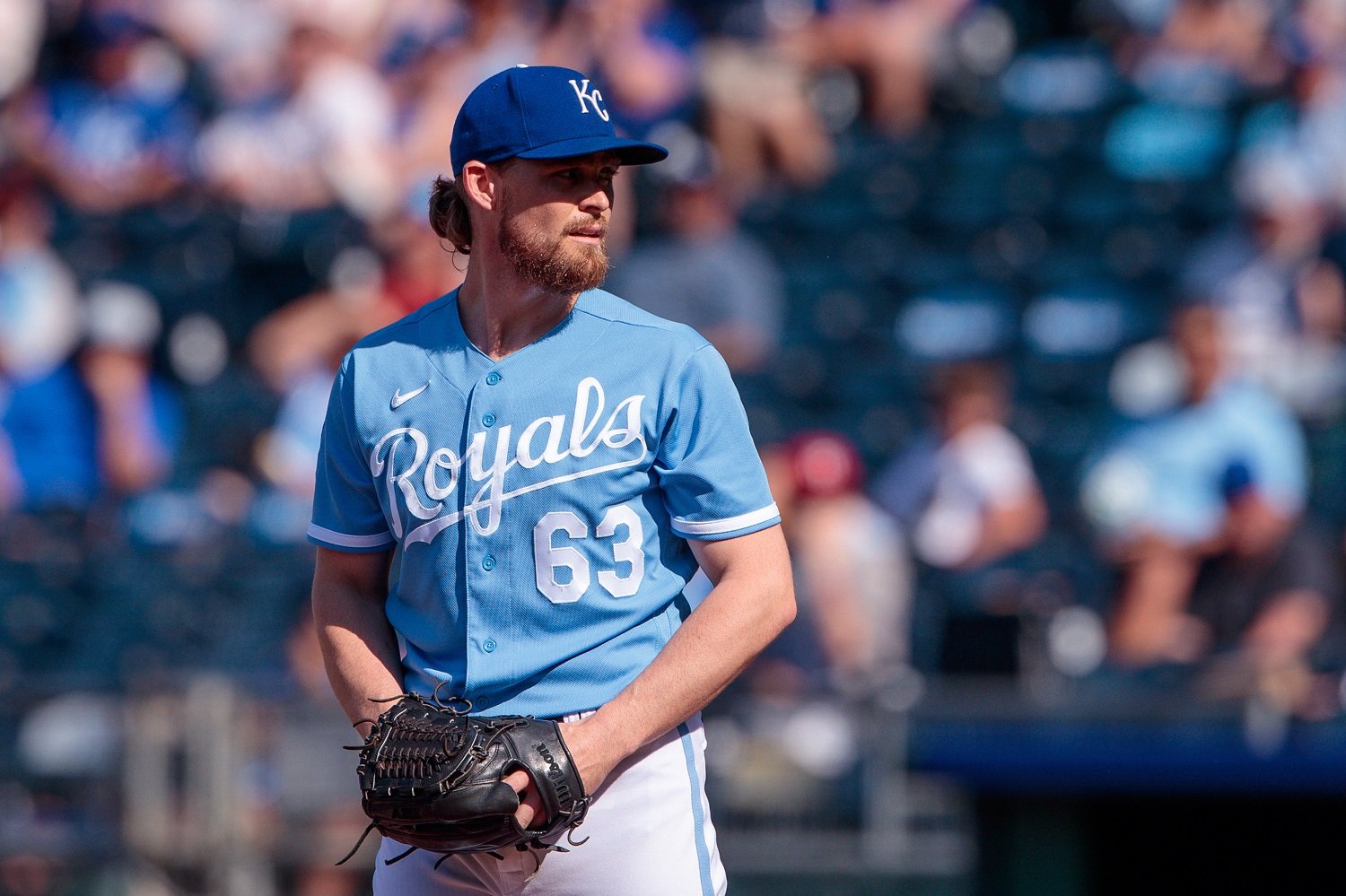 Since Derek Falvey and Thad Levine took over the Minnesota Twins front office, spending on relievers isn’t something that has been part of the plan. Addison Reed represented the only significant financial commitment, and no other reliever had ever earned a multi-year deal. In signing Josh Staumont, they don’t deviate from that process, and his one-year deal won’t represent a significant splash on the bottom line coming in at just under $1 million. Staumont is a familiar name for Minnesota as he has spent the entirety of his five year career with the Kansas City Royals. A former 2nd round pick in the 2015 Major League Baseball Draft, he has thrown more than 38 innings just once in a single season. The standout year for the righty came back in 2021, and that is certainly what the Twins hope to unlock. Last season Staumont underwent surgery to repair his thoracic outlet syndrome issue. That may sound familiar as it is the same procedure former Minnesota start Phil Hughes underwent. Matt Harvey would be another high profile arm to have dealt with the same issue. Staumont is younger at just 30-years-old, but the track record for players bouncing back can vary wildly. The Washington Post's Jesse Dougherty wrote about thoracic outlet surgery and how the cases can be substantially different depending on the procedure. Vascular surgery, which is what Merrill Kelly underwent, has a much higher success rate than the neurogenic procedure, which is what all but ended Stephen Strasburg. Looking at Staumont’s production, there is certainly something to dream on here. He has a career strikeout rate in the double-digits, and when right, the stuff sits in the upper-90’s. At his best in 2021, he owned a manageable 3.7 BB/9. Over the past two seasons though, he owns a 6.09 ERA and a 6.6 BB/9 to water down the 10.5 K/9. The Twins are clearly dreaming on the 4.08 FIP and avoidance of homers as a reason to believe they can turn him around. The back end of Minnesota’s bullpen is largely set. Jhoan Duran isn’t going anywhere as their closer, and Griffin Jax pairs with Brock Stewart and Caleb Thielbar as high-leverage arms. But there is plenty of uncertainty at the bottom end of the group, and Minnesota needs to replace the production that departed in the form of Emilio Pagan going to Cincinnati. It remains to be seen if Louie Varland will transition back to the starting rotation, but Staumont could represent a final arm to round out the group, allowing someone like Cole Sands a bit more time at Triple-A. Betting on a pitcher to come back smoothly from thoracic outlet surgery isn’t a great proposition, but Minnesota was able to reclaim Stewart’s stuff after he had dealt with arm issues for the entirety of his career. Upside is what the Twins are banking on in signing Staumont, and with a depressed payroll, finding players that can outperform their deals is important. This is the type of deal Minnesota has typically done at the back end of their offseason to round out the shopping list, but it’s a good starting point to head into 2024. Relief help wasn’t necessarily at the top of the list, but you can never have enough arms to reach the finish line. Last season the Twins only acquired Dylan Floro at the trade deadline, and Jorge Lopez wound up being a train wreck. Planning some early depth in relief is a much better option. Expect for there to be some minor league deals with invites to spring training completed as well, and the hope would be that the next Stewart can be unearthed. They already reunited with A.J. Alexy on that front. If the Twins get it right, they’ll hang onto whoever the 2024 versions of Danny Coulombe and Jeff Hoffman are as well. Maybe this first move will be the one that springs Minnesota into a flurry of moves to start the new year.
 -
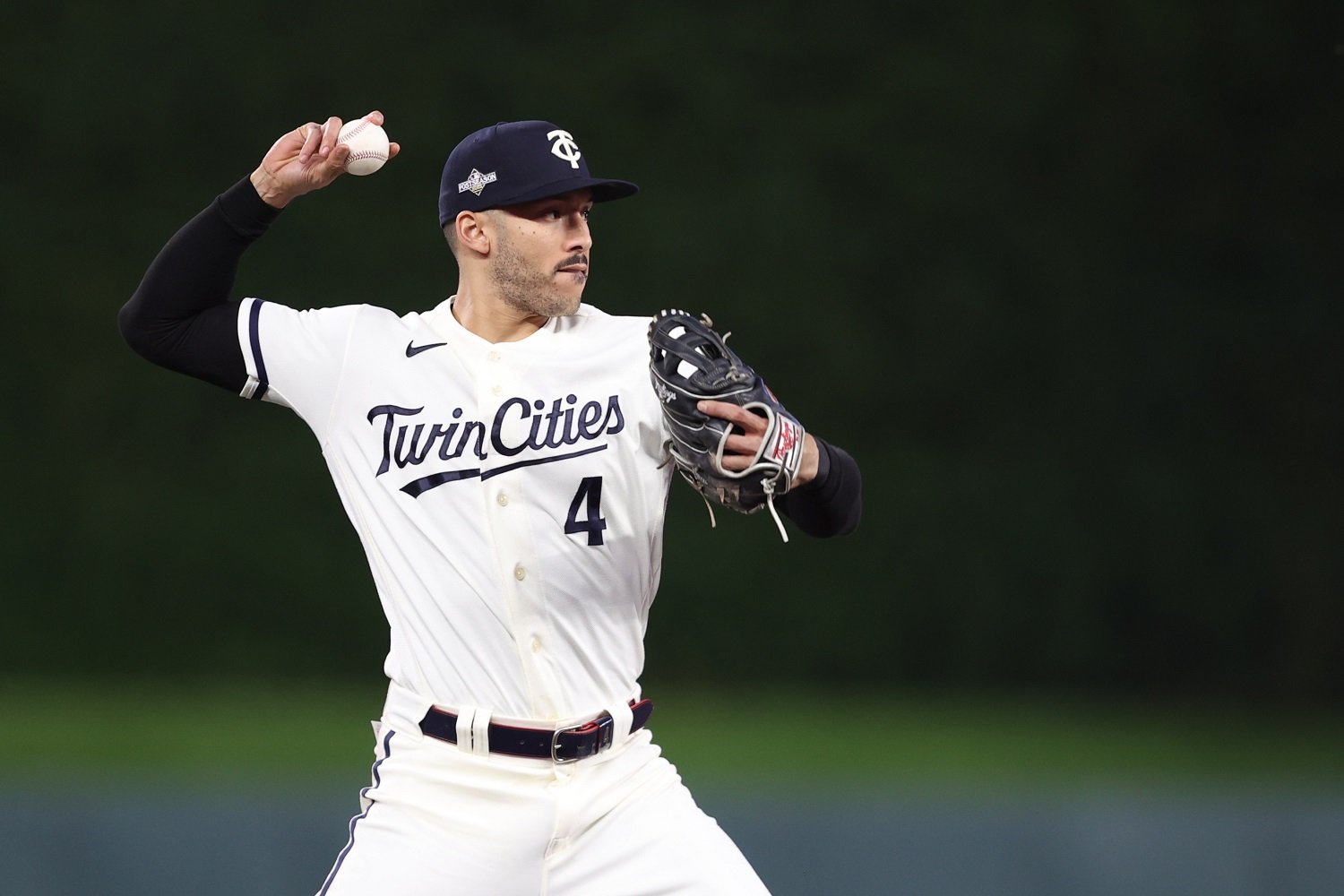 When Rocco Baldelli watches his team take the field on Opening Day, he will be hoping they can play the way they did down the stretch last year. Despite holding onto the division lead early, Minnesota struggled to create much separation between themselves and the competition. The organization still needs to make additions, but more general enhancements could help out this team. Getting in on the holiday spirit, here are five gifts to bestow upon the Twins for 2024. 1. A Healthy Byron Buxton What this looks like remains to be seen. We haven’t been given more than 100 games of Buxton since 2017, and that was the only time in his career. When right, the argument can be made that the Twins' center fielder is among the best in the game. Buxton is capable of gaudy offensive numbers, with defense that can compare against anyone. Last year, both the Twins and Buxton were focused on getting him to a certain number of games played, rather than working toward getting the most value from him each time he stepped onto the field. Coming off another knee surgery, the hope would be that Buxton can roam center again and, more than just being available, can show off all of his tools. Baldelli’s lineup gets better with the best of Buxton in it, and baseball fans everywhere benefit from watching him play. 2. The Real Carlos Correa A season ago, Minnesota was gifted an opportunity to sign Correa to a long-term extension. It wasn’t seen as likely when he first joined the Twins organization, and it took other deals falling through for it to happen. Still, he was in uniform for Baldelli on Opening Day, which was great. Unfortunately, the production wasn’t up to the standard he set for himself, and a good portion of that could be traced back to his plantar fasciitis problem. Fast-forward to 2024, and Correa reaching his career norms would be a significant boost for everyone involved. The Twins must replace the lost production with the Sonny Gray and Kenta Maeda departures. Finding new arms to take their spots in the rotation will happen, but some of the production can be shifted to the lineup. Correa left plenty to be desired offensively a season ago, but that has never been his track record. Parlaying the postseason success into a big 2024 could have him back in the MVP discussion. 3. Another Developmental Success Story Minnesota hired Falvey to establish a pitching pipeline similar to what the Cleveland Guardians had built. There’s a good argument to be made that we are seeing it take place on the farm. Louie Varland and Bailey Ober have both graduated and become usable talents, despite their lack of draft pedigree, and Joe Ryan has ascended to heights the Rays didn’t see from him. For the Twins starting rotation to remain both good and supported, continuing that development is a must. Emerging names this season could include a resilient Simeon Woods Richardson or the continued blossoming of names like David Festa and Marco Raya. Minnesota establishing another high-level, cost-controlled pitcher this season would be a considerable boost. 4. Some Television Certainty This may be more for the fans than for the Twins themselves, but establishing a path forward when it comes to broadcasting rights is a gift that needs to keep on giving. Not only do fans want to see the end of blackouts, but the talk of payroll decreases due to lost revenue hurts following such a great year. It’s evident, at this point, that the dollars will be muted, but by how much and for how long surely depend on what happens with this opaque situation. Sure, the Twins could strike another one-year deal with Bally’s before the company goes under, but preparing for what happens next must mean looking beyond 2024, too. It’s crazy that no resolution has been announced at this point in the offseason, and the same charade cannot be allowed to play out a year from now. 5. A Full Series Win Last October, the Twins got the proverbial monkey off their back when they ended the 0-18 postseason losing streak. Then they knocked off the Toronto Blue Jays in the Wild Card round, before falling to the Houston Astros. Everything was set up for Minnesota to knock off the reigning World Series champs, and they just weren’t ready to take that next step. Having experienced that level of excitement and winning, Baldelli must guide his squad to the next level. Winning a five-game series and making it to the American League Championship Series should be the goal. While the Los Angeles Dodgers are heavy World Series favorites after signing Shohei Ohtani, the American League should be seen as much more wide-open. It can be a “why not us” attitude from Minnesota, and taking their 2023 trends a step further would be great to see. When considering the year ahead, what other gifts would you offer the Twins? What do you think they need to get most urgently?
- 24 comments
-
- 7
-
-
- byron buxton
- carlos correa
- (and 3 more)
-
The Minnesota Twins will come into the New Year looking for a way to defend their American League Central division title. For that hope to be realized, they'll need a few key things to happen. The division might be wide-open at the top, but the reigning champs should feel good about their chances. Image courtesy of © Jesse Johnson-USA TODAY Sports When Rocco Baldelli watches his team take the field on Opening Day, he will be hoping they can play the way they did down the stretch last year. Despite holding onto the division lead early, Minnesota struggled to create much separation between themselves and the competition. The organization still needs to make additions, but more general enhancements could help out this team. Getting in on the holiday spirit, here are five gifts to bestow upon the Twins for 2024. 1. A Healthy Byron Buxton What this looks like remains to be seen. We haven’t been given more than 100 games of Buxton since 2017, and that was the only time in his career. When right, the argument can be made that the Twins' center fielder is among the best in the game. Buxton is capable of gaudy offensive numbers, with defense that can compare against anyone. Last year, both the Twins and Buxton were focused on getting him to a certain number of games played, rather than working toward getting the most value from him each time he stepped onto the field. Coming off another knee surgery, the hope would be that Buxton can roam center again and, more than just being available, can show off all of his tools. Baldelli’s lineup gets better with the best of Buxton in it, and baseball fans everywhere benefit from watching him play. 2. The Real Carlos Correa A season ago, Minnesota was gifted an opportunity to sign Correa to a long-term extension. It wasn’t seen as likely when he first joined the Twins organization, and it took other deals falling through for it to happen. Still, he was in uniform for Baldelli on Opening Day, which was great. Unfortunately, the production wasn’t up to the standard he set for himself, and a good portion of that could be traced back to his plantar fasciitis problem. Fast-forward to 2024, and Correa reaching his career norms would be a significant boost for everyone involved. The Twins must replace the lost production with the Sonny Gray and Kenta Maeda departures. Finding new arms to take their spots in the rotation will happen, but some of the production can be shifted to the lineup. Correa left plenty to be desired offensively a season ago, but that has never been his track record. Parlaying the postseason success into a big 2024 could have him back in the MVP discussion. 3. Another Developmental Success Story Minnesota hired Falvey to establish a pitching pipeline similar to what the Cleveland Guardians had built. There’s a good argument to be made that we are seeing it take place on the farm. Louie Varland and Bailey Ober have both graduated and become usable talents, despite their lack of draft pedigree, and Joe Ryan has ascended to heights the Rays didn’t see from him. For the Twins starting rotation to remain both good and supported, continuing that development is a must. Emerging names this season could include a resilient Simeon Woods Richardson or the continued blossoming of names like David Festa and Marco Raya. Minnesota establishing another high-level, cost-controlled pitcher this season would be a considerable boost. 4. Some Television Certainty This may be more for the fans than for the Twins themselves, but establishing a path forward when it comes to broadcasting rights is a gift that needs to keep on giving. Not only do fans want to see the end of blackouts, but the talk of payroll decreases due to lost revenue hurts following such a great year. It’s evident, at this point, that the dollars will be muted, but by how much and for how long surely depend on what happens with this opaque situation. Sure, the Twins could strike another one-year deal with Bally’s before the company goes under, but preparing for what happens next must mean looking beyond 2024, too. It’s crazy that no resolution has been announced at this point in the offseason, and the same charade cannot be allowed to play out a year from now. 5. A Full Series Win Last October, the Twins got the proverbial monkey off their back when they ended the 0-18 postseason losing streak. Then they knocked off the Toronto Blue Jays in the Wild Card round, before falling to the Houston Astros. Everything was set up for Minnesota to knock off the reigning World Series champs, and they just weren’t ready to take that next step. Having experienced that level of excitement and winning, Baldelli must guide his squad to the next level. Winning a five-game series and making it to the American League Championship Series should be the goal. While the Los Angeles Dodgers are heavy World Series favorites after signing Shohei Ohtani, the American League should be seen as much more wide-open. It can be a “why not us” attitude from Minnesota, and taking their 2023 trends a step further would be great to see. When considering the year ahead, what other gifts would you offer the Twins? What do you think they need to get most urgently? View full article
-
When Opening Day rolls around in 2024, the Minnesota Twins will have Royce Lewis in the starting lineup. That will be the first major-league Opening Day of his career, and the hope is that he will follow it up with something like another 150 games after that. How good could that be? Image courtesy of © Matt Blewett-USA TODAY Sports Returning from a second knee injury, Royce Lewis was a bit behind when spring training kicked off in 2023. He wasn’t going to be an option for Rocco Baldelli on Opening Day, and despite his being ready to rock, the club was always going to force him to take it slow. This time around, Lewis will come into the season with no restrictions, and he is fresh off a rookie campaign that had him looking like one of the sport’s blossoming young stars. Lewis owned a great .309/.372/.548 slash line across 58 games during the regular season, and then he turned into a machine during the playoffs. It was almost like he was truly a superhero, and watching it unfold was a joyous sight to behold. The last time Lewis played more than 100 games in a season was in 2019, when he split time between High A and Double A. Fluke injuries have cost him time over the past couple of campaigns, but his work ethic has him in position to be both healthy and strong. Now that he has experienced significant run at the highest level, he should be equipped to unleash his game. Steamer projections at FanGraphs have Lewis playing in 138 games this season. Checking in with 3.8 fWAR, he would nearly be doubling his production (in limited action) last season. It’s probably fair to assume there will be a slight deflation in his offensive numbers, given how otherworldly he was as a rookie, but the .270/.337/.482 for which he's projected is beyond respectable. Twenty-eight home runs would be almost double the 15 he crushed last season, and 80 RBI would be a nice number for the Twins to add to their lineup. From a high-level view, it seems like that sort of season would be a fair projection from Lewis. I’m not sure he will be a high-average guy, despite the .309 mark he tallied a season ago. A lot of that will hinge on his adjustments in the box, but he's already demonstrated the command of the strike zone needed to survive seeing the league a second or third time. Over his final 32 games after returning from injury, Lewis owned a 27-to-17 strikeout-to-walk ratio, which was lightyears better than the 28-to-3 he had when he hit the injured list in July. We've seen Lewis transform his game over the years, and tweaks to his swing have now taken root. He is relatively quiet in the box, and his power production has bloomed as he has filled out. Putting up 30 homers over an entire season shouldn’t be unexpected, but he'll also hit his share of doubles. Lewis didn’t have many opportunities to flash his speed last year, but the wheels are also part of his game. Playing less than one-third of the season at the big-league level last year, he gave Minnesota just a glimpse of what an unleashed Lewis could look like. Everything about him is what you would dream of from a first-overall draft pick, and making his first All-Star team in 2024 would mark a clear beginning for a new phase of his career. Lewis has been the talk of Twins Territory for years now, similar to Byron Buxton and Miguel Sano before him, but he is still just 24 years old. Playing his age-25 season in 2024, this is a player with plenty of development and growth still in front of him. If you’ve been betting against Lewis to this point, you haven’t been watching. If his highlight-laden postseason wasn’t enough to convince you, get ready to receive a full 550 plate appearances of supporting evidence. Carlos Correa and Lewis could find themselves creating the best left-side-of-the-infield in baseball this year, and watching the show should be a ton of fun. What questions or tantalizing possibilities draw your attention, as you ponder Lewis's coming season? View full article
-
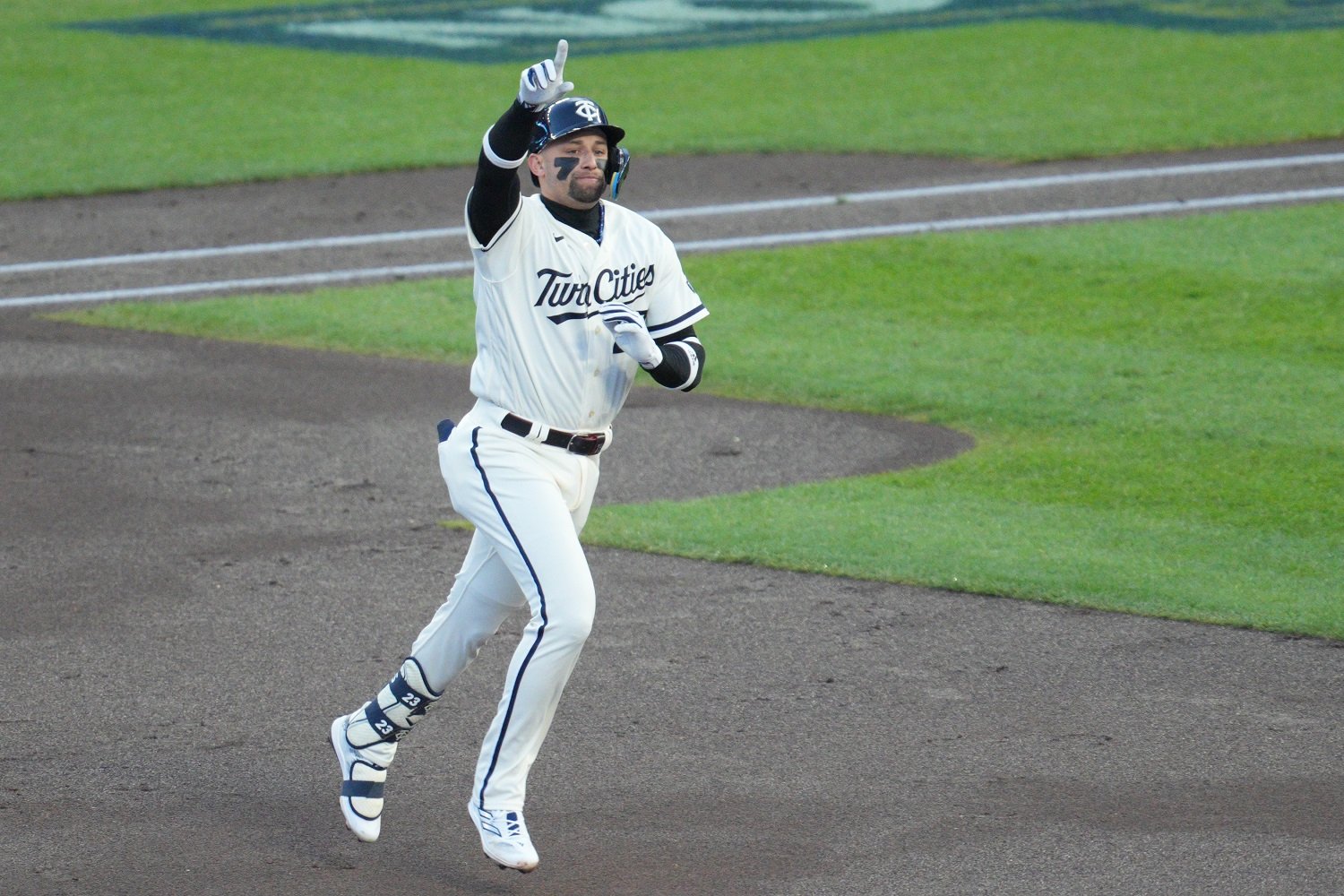 Returning from a second knee injury, Royce Lewis was a bit behind when spring training kicked off in 2023. He wasn’t going to be an option for Rocco Baldelli on Opening Day, and despite his being ready to rock, the club was always going to force him to take it slow. This time around, Lewis will come into the season with no restrictions, and he is fresh off a rookie campaign that had him looking like one of the sport’s blossoming young stars. Lewis owned a great .309/.372/.548 slash line across 58 games during the regular season, and then he turned into a machine during the playoffs. It was almost like he was truly a superhero, and watching it unfold was a joyous sight to behold. The last time Lewis played more than 100 games in a season was in 2019, when he split time between High A and Double A. Fluke injuries have cost him time over the past couple of campaigns, but his work ethic has him in position to be both healthy and strong. Now that he has experienced significant run at the highest level, he should be equipped to unleash his game. Steamer projections at FanGraphs have Lewis playing in 138 games this season. Checking in with 3.8 fWAR, he would nearly be doubling his production (in limited action) last season. It’s probably fair to assume there will be a slight deflation in his offensive numbers, given how otherworldly he was as a rookie, but the .270/.337/.482 for which he's projected is beyond respectable. Twenty-eight home runs would be almost double the 15 he crushed last season, and 80 RBI would be a nice number for the Twins to add to their lineup. From a high-level view, it seems like that sort of season would be a fair projection from Lewis. I’m not sure he will be a high-average guy, despite the .309 mark he tallied a season ago. A lot of that will hinge on his adjustments in the box, but he's already demonstrated the command of the strike zone needed to survive seeing the league a second or third time. Over his final 32 games after returning from injury, Lewis owned a 27-to-17 strikeout-to-walk ratio, which was lightyears better than the 28-to-3 he had when he hit the injured list in July. We've seen Lewis transform his game over the years, and tweaks to his swing have now taken root. He is relatively quiet in the box, and his power production has bloomed as he has filled out. Putting up 30 homers over an entire season shouldn’t be unexpected, but he'll also hit his share of doubles. Lewis didn’t have many opportunities to flash his speed last year, but the wheels are also part of his game. Playing less than one-third of the season at the big-league level last year, he gave Minnesota just a glimpse of what an unleashed Lewis could look like. Everything about him is what you would dream of from a first-overall draft pick, and making his first All-Star team in 2024 would mark a clear beginning for a new phase of his career. Lewis has been the talk of Twins Territory for years now, similar to Byron Buxton and Miguel Sano before him, but he is still just 24 years old. Playing his age-25 season in 2024, this is a player with plenty of development and growth still in front of him. If you’ve been betting against Lewis to this point, you haven’t been watching. If his highlight-laden postseason wasn’t enough to convince you, get ready to receive a full 550 plate appearances of supporting evidence. Carlos Correa and Lewis could find themselves creating the best left-side-of-the-infield in baseball this year, and watching the show should be a ton of fun. What questions or tantalizing possibilities draw your attention, as you ponder Lewis's coming season?
 -
At no point during 2023 did the Twins get the most out of their star outfielder. Come to think of it, at no point was he actually an outfielder. If the team is going to make up for some of their losses this offseason, Byron Buxton has to step up. Image courtesy of © Jay Biggerstaff-USA TODAY Sports Last offseason, when the Twins sent Byron Buxton, Joe Ryan, Luis Arraez, and Jorge Polanco to the Mall of America as they debuted their new threads, Buxton talked to reporters about his availability. He is keenly aware of how often he has been injured, but the center fielder noted that he played in 92 games during the 2022 season. That was the most Minnesota had seen him in the lineup since 2017, and the goal was to expand on that. Buxton wanted to play in more than 100 games last year, and the blueprint focused on his contributions as a designated hitter. After offseason knee surgery, Rocco Baldelli had Buxton in his major-league spring training lineup for only eight at-bats. The Georgia native never played the field, and it wasn’t until late in March that he even looked possible for the Opening Day roster. Despite the team repeatedly suggesting that the plan was to have Buxton work back toward contributing in the outfield, that never happened, and his performance as a hitter fell off after a hot start. He wound up on the injured list in August, and didn’t reappear until a pinch-hit at-bat in the postseason that was necessitated by an Alex Kirilloff injury. Calling Buxton’s 2023 season (in which he contributed just 0.7 fWAR) a success would be wildly misleading. I imagine he agrees, and the front office and Baldelli agree. The problem is that he was, once again, fighting his body, and while Buxton has always remained an incredible competitor, the injuries continue to shred his value. In the year ahead, Minnesota will look to replace production lost in the form of departures by Sonny Gray, Kenta Maeda, and others. That doesn’t necessarily have to come on the mound, and while Ryan, Bailey Ober, and their teammates can step up, so, too, can the lineup. By his standards, Carlos Correa had an abysmal regular season, and normalizing those results will go a long way toward increased overall production. Buxton falls right in line with that same train of thought. It was just one year ago that Buxton produced a 4.0-fWAR season, despite playing only those 92 games. In 2021, he contributed a ridiculous 4.1 fWAR in only 61 games. Playing 140 games in 2017 while also providing Platinum Glove defense, Buxton posted his career-best 4.4 fWAR. Looking for a way to generate value like that needs to be how Minnesota and Buxton approach the year ahead. Excellence has to be the unit by which his success is measured. Logic suggests that availability and opportunity will go hand-in-hand for a player of Buxton’s caliber. If he remains healthy, he should have ample opportunity to produce. While he does have an increasing amount of Miguel Sanó-like outcomes in his plate approach, there is plenty to work with at the dish when he’s right. Everyone involved must ensure Buxton is as close to right as possible, as often as possible. That doesn’t mean just good enough to hit or trending toward playing the field; it’s an all-or-nothing approach now. There should be no reason to set a target on how many games Buxton can play for Minnesota. We saw firsthand, last season, that being available for its own sake didn’t work. He’s not a designated hitter, and that skillset takes significant patience. Minnesota paid Buxton knowing the injury concerns were baked in, but that means they must get everything they can out of him any time he is able. Reports have suggested the Twins are pleased with Buxton's prognosis, after yet another offseason surgery. That’s great to hear, but it only matters if it translates to live action. Minnesota must show off a player who can contribute on both sides, during spring training and beyond. If his body gives out again at some point throughout the season, that’s tough, but it’s how things work—trying to play chicken with regards to when or if that happens isn’t a useful strategy. Success for Byron Buxton in the year ahead shouldn’t be reflected by how many games he plays, whether he is in the lineup, or if he returns to the field. Success has to be a season of multiple wins above replacement. Anything else should feel like it came up short. View full article
-
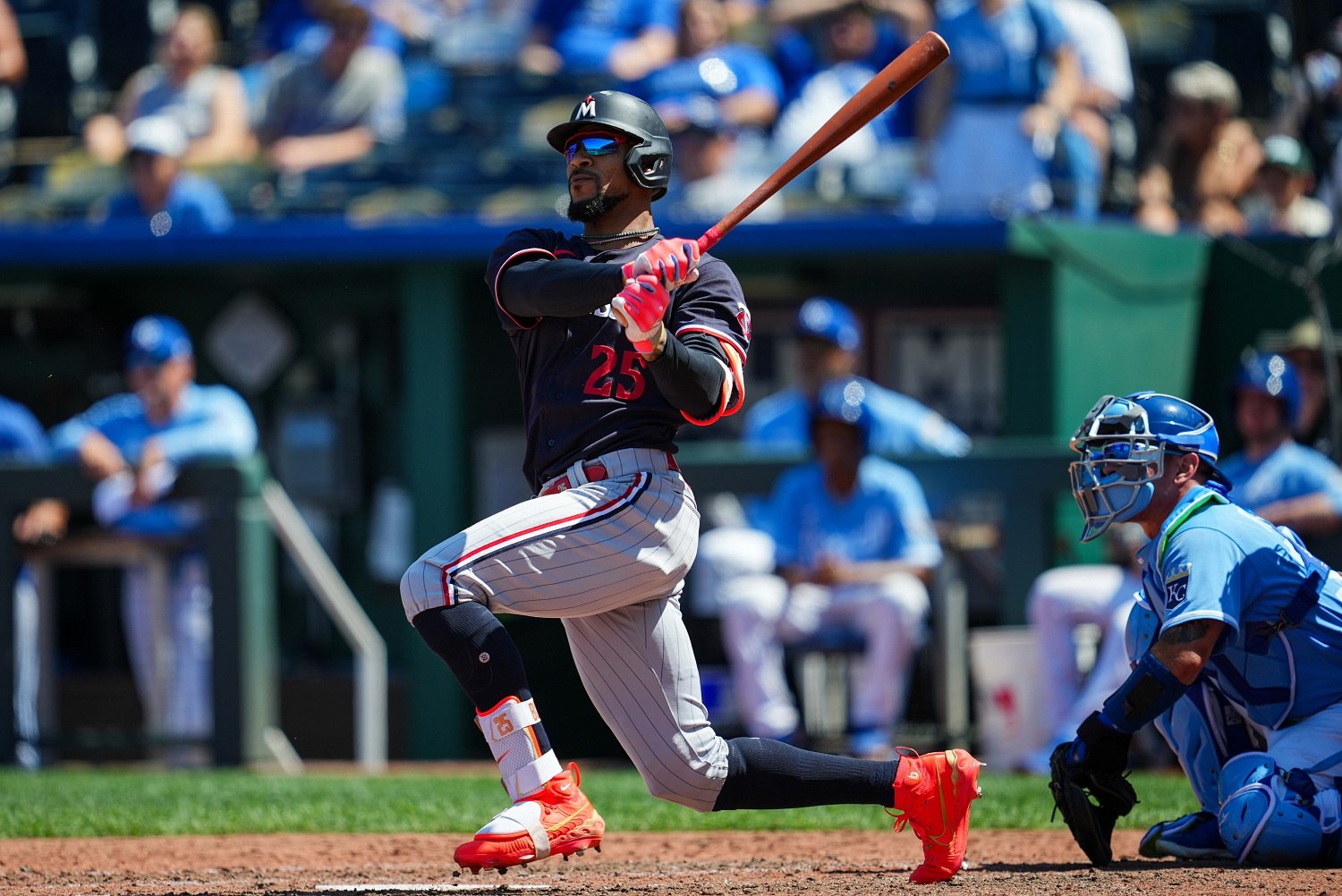 Last offseason, when the Twins sent Byron Buxton, Joe Ryan, Luis Arraez, and Jorge Polanco to the Mall of America as they debuted their new threads, Buxton talked to reporters about his availability. He is keenly aware of how often he has been injured, but the center fielder noted that he played in 92 games during the 2022 season. That was the most Minnesota had seen him in the lineup since 2017, and the goal was to expand on that. Buxton wanted to play in more than 100 games last year, and the blueprint focused on his contributions as a designated hitter. After offseason knee surgery, Rocco Baldelli had Buxton in his major-league spring training lineup for only eight at-bats. The Georgia native never played the field, and it wasn’t until late in March that he even looked possible for the Opening Day roster. Despite the team repeatedly suggesting that the plan was to have Buxton work back toward contributing in the outfield, that never happened, and his performance as a hitter fell off after a hot start. He wound up on the injured list in August, and didn’t reappear until a pinch-hit at-bat in the postseason that was necessitated by an Alex Kirilloff injury. Calling Buxton’s 2023 season (in which he contributed just 0.7 fWAR) a success would be wildly misleading. I imagine he agrees, and the front office and Baldelli agree. The problem is that he was, once again, fighting his body, and while Buxton has always remained an incredible competitor, the injuries continue to shred his value. In the year ahead, Minnesota will look to replace production lost in the form of departures by Sonny Gray, Kenta Maeda, and others. That doesn’t necessarily have to come on the mound, and while Ryan, Bailey Ober, and their teammates can step up, so, too, can the lineup. By his standards, Carlos Correa had an abysmal regular season, and normalizing those results will go a long way toward increased overall production. Buxton falls right in line with that same train of thought. It was just one year ago that Buxton produced a 4.0-fWAR season, despite playing only those 92 games. In 2021, he contributed a ridiculous 4.1 fWAR in only 61 games. Playing 140 games in 2017 while also providing Platinum Glove defense, Buxton posted his career-best 4.4 fWAR. Looking for a way to generate value like that needs to be how Minnesota and Buxton approach the year ahead. Excellence has to be the unit by which his success is measured. Logic suggests that availability and opportunity will go hand-in-hand for a player of Buxton’s caliber. If he remains healthy, he should have ample opportunity to produce. While he does have an increasing amount of Miguel Sanó-like outcomes in his plate approach, there is plenty to work with at the dish when he’s right. Everyone involved must ensure Buxton is as close to right as possible, as often as possible. That doesn’t mean just good enough to hit or trending toward playing the field; it’s an all-or-nothing approach now. There should be no reason to set a target on how many games Buxton can play for Minnesota. We saw firsthand, last season, that being available for its own sake didn’t work. He’s not a designated hitter, and that skillset takes significant patience. Minnesota paid Buxton knowing the injury concerns were baked in, but that means they must get everything they can out of him any time he is able. Reports have suggested the Twins are pleased with Buxton's prognosis, after yet another offseason surgery. That’s great to hear, but it only matters if it translates to live action. Minnesota must show off a player who can contribute on both sides, during spring training and beyond. If his body gives out again at some point throughout the season, that’s tough, but it’s how things work—trying to play chicken with regards to when or if that happens isn’t a useful strategy. Success for Byron Buxton in the year ahead shouldn’t be reflected by how many games he plays, whether he is in the lineup, or if he returns to the field. Success has to be a season of multiple wins above replacement. Anything else should feel like it came up short.
 -
The Twins have a few critical needs heading into 2024, and one of them is a right-handed bat who can play first base. Old friend Mitch Garver fits the bill, but is the former fan favorite someone they would consider? Would he consider them? Image courtesy of © Andrew Dieb-USA TODAY Sports Drafted back in 2013, Mitch Garver spent a substantial amount of time in the Twins organization. He was a key member of the 2019 Bomba Squad, alongside sluggers like Nelson Cruz, Miguel Sano, and Eddie Rosario. Just two years later, though, the front office decided that Ryan Jeffers was their primary backstop, and Garver was flipped to Texas for Ronny Henriquez and Isiah Kiner-Falefa. After an injury-marred first season with the Rangers, Garver finished his second one by earning a championship ring. He was instrumental at multiple points during the postseason, and drove in the winning run in the decisive World Series Game 5, when his single scored Corey Seager to break a scoreless seventh-inning tie. Now available on the open market, Garver is a relatively well-understood commodity. He is a solid receiver and has worked with a focus on his framing, dating back to 2019. In the batter’s box, he’s a serious power threat with on-base skills that make him scary no matter where you put him in the lineup. He can also play first base, although he’s below average defensively. The biggest question with Garver is availability. Just once in his career (back in 2018) did Garver play more than 100 games. He was available for only 23 games during the COVID-shortened season, and got into just 68 in 2021. After undergoing surgery in 2022 with Texas, Garver played in only 54 games, and in 2023, he was available for just 87. Playing Garver as an everyday catcher doesn’t seem to be in either his or any team’s best interests. Even a true split might not be wise, given that he is now 32 years old. Putting him behind the plate only sporadically and utilizing him at first base or designated hitter more often could make a good deal of sense. Minnesota has Jeffers queued up for the bulk of their catching work, and while Christian Vazquez is still on the roster, he could be replaced by Jair Camargo. It would be pretty awkward to bring Garver back and ask him to play second fiddle behind the younger player who took his job, but that wouldn’t be the perception if first base were the priority. Alex Kirilloff should be tentatively expected to play first in 2024, but he has battled injury trouble, too. After another offseason surgery, Kirilloff will look to prove that his shoulder is good to go. The former first-round pick has shown some excellent hitting skills when right, but he's been right far too rarely to establish himself. While Edouard Julien could mix in at first base with more exposure to the spot this offseason and next spring, Garver being an option would give Baldelli a platoon situation he utilized throughout the lineup a season ago. He specializes in clobbering southpaws, and he could see less stress on his body moving out from behind the plate. Having only played 15 career games at first base, it would be a transition on the fly for Garver. Many catchers before him have made the move, but Minnesota would certainly be taking a gamble on it going smoothly. Garver has adapted to a designated-hitter role well, and that is an area at which the Twins have an opening, so he can function in that capacity, too. Providing positional flexibility is a must for any offensive free agent the Twins bring in, though, so even a passing competence at first base would significantly enhance the fit for a return. FanGraphs pegged a potential contract for Garver at $26 million over two years, with the average crowdsourced number below that, at $20 million. That seems like a fair amount for a guy looking to find some stability and hit his long-awaited payday, but Minnesota seems unlikely to fit that number into a constricted budget. If the payroll decreases, $10 million or more for a rotational player probably isn’t something the franchise can swing. Ultimately, it seems highly unlikely that Garver will return to Twins Territory for several reasons. He is likely looking for a greater opportunity on the field and in his pocketbook than Minnesota can provide, and even while the fit looks good on paper, the expectation should be that the star backstop will land elsewhere. What do you think of Garver as a potential source of power and patience for a lineup that prizes both virtues? Could a trade of Jorge Polanco or Max Kepler open payroll room to be spent on a return engagement with the prodigal Squadster? View full article
-
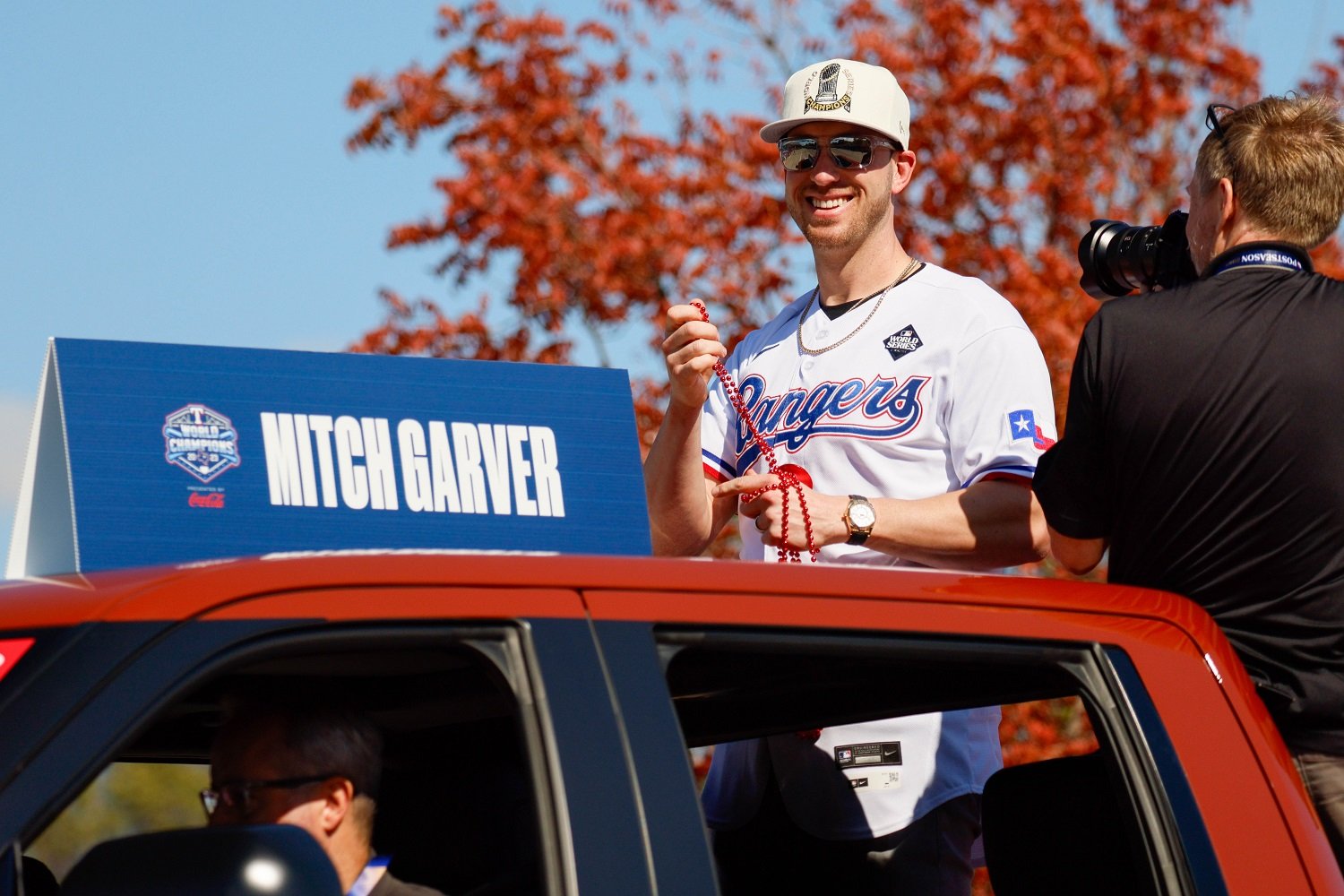 Drafted back in 2013, Mitch Garver spent a substantial amount of time in the Twins organization. He was a key member of the 2019 Bomba Squad, alongside sluggers like Nelson Cruz, Miguel Sano, and Eddie Rosario. Just two years later, though, the front office decided that Ryan Jeffers was their primary backstop, and Garver was flipped to Texas for Ronny Henriquez and Isiah Kiner-Falefa. After an injury-marred first season with the Rangers, Garver finished his second one by earning a championship ring. He was instrumental at multiple points during the postseason, and drove in the winning run in the decisive World Series Game 5, when his single scored Corey Seager to break a scoreless seventh-inning tie. Now available on the open market, Garver is a relatively well-understood commodity. He is a solid receiver and has worked with a focus on his framing, dating back to 2019. In the batter’s box, he’s a serious power threat with on-base skills that make him scary no matter where you put him in the lineup. He can also play first base, although he’s below average defensively. The biggest question with Garver is availability. Just once in his career (back in 2018) did Garver play more than 100 games. He was available for only 23 games during the COVID-shortened season, and got into just 68 in 2021. After undergoing surgery in 2022 with Texas, Garver played in only 54 games, and in 2023, he was available for just 87. Playing Garver as an everyday catcher doesn’t seem to be in either his or any team’s best interests. Even a true split might not be wise, given that he is now 32 years old. Putting him behind the plate only sporadically and utilizing him at first base or designated hitter more often could make a good deal of sense. Minnesota has Jeffers queued up for the bulk of their catching work, and while Christian Vazquez is still on the roster, he could be replaced by Jair Camargo. It would be pretty awkward to bring Garver back and ask him to play second fiddle behind the younger player who took his job, but that wouldn’t be the perception if first base were the priority. Alex Kirilloff should be tentatively expected to play first in 2024, but he has battled injury trouble, too. After another offseason surgery, Kirilloff will look to prove that his shoulder is good to go. The former first-round pick has shown some excellent hitting skills when right, but he's been right far too rarely to establish himself. While Edouard Julien could mix in at first base with more exposure to the spot this offseason and next spring, Garver being an option would give Baldelli a platoon situation he utilized throughout the lineup a season ago. He specializes in clobbering southpaws, and he could see less stress on his body moving out from behind the plate. Having only played 15 career games at first base, it would be a transition on the fly for Garver. Many catchers before him have made the move, but Minnesota would certainly be taking a gamble on it going smoothly. Garver has adapted to a designated-hitter role well, and that is an area at which the Twins have an opening, so he can function in that capacity, too. Providing positional flexibility is a must for any offensive free agent the Twins bring in, though, so even a passing competence at first base would significantly enhance the fit for a return. FanGraphs pegged a potential contract for Garver at $26 million over two years, with the average crowdsourced number below that, at $20 million. That seems like a fair amount for a guy looking to find some stability and hit his long-awaited payday, but Minnesota seems unlikely to fit that number into a constricted budget. If the payroll decreases, $10 million or more for a rotational player probably isn’t something the franchise can swing. Ultimately, it seems highly unlikely that Garver will return to Twins Territory for several reasons. He is likely looking for a greater opportunity on the field and in his pocketbook than Minnesota can provide, and even while the fit looks good on paper, the expectation should be that the star backstop will land elsewhere. What do you think of Garver as a potential source of power and patience for a lineup that prizes both virtues? Could a trade of Jorge Polanco or Max Kepler open payroll room to be spent on a return engagement with the prodigal Squadster?
 -
The expectation this offseason has been that the Twins will be active on the trade market. Their needs are relatively few, and they have more than a few major-league assets to move. Calling up the Toronto Blue Jays worked before, and the teams' interests align again. Image courtesy of © Ken Blaze-USA TODAY Sports In July 2021, Derek Falvey contacted the Toronto Blue Jays to send Jose Berrios north. Talk of contract extensions for Berrios and Byron Buxton had run rampant, but Minnesota’s front office decided to cash in their starter instead. With not only Austin Martin, but also Simeon Woods Richardson, the return was substantial. Heading into 2024, the Blue Jays need a corner outfielder and a third baseman. Daulton Varsho is moving to center field, leaving George Springer in one of the corners. Max Kepler could play the opposite corner, and his defensive abilities would give them an excellent group on the grass (er, turf). Although Jorge Polanco hasn’t played much at third base, he did see innings there for Minnesota last season, and his ability to contribute as the designated hitter helps, too. Second base isn’t a huge need for the Blue Jays, with Cavan Biggio and Santiago Espinal rostered, but neither possesses the same offensive prowess that the Twins infielder brings. It doesn’t seem likely that the Blue Jays would be interested in compromising their major-league roster's competitive outlook in the short term. Bo Bichette is a superstar, Kevin Gausman was a Cy Young finalist, and the team took a massive, ultimately doomed swing to add Shohei Ohtani. Still, some pieces could be had, and Minnesota finding something usable for one or both of their veterans seems to add up. Here are a trio of trades that could work. For Polanco: Twins receive Alek Manoah and Connor Cooke In 2024, Polanco will play his age-30 season. He is under contract for $10.5 million and carries a $12-million team option in 2025. He has played shortstop (poorly) and second base (well) during his career, but transitioning to the hot corner with some runway to get reps wouldn’t be unrealistic. Polanco’s reactions and instincts may work well alongside Bichette, and the Blue Jays may find themselves putting together a solid offensive infield. In return, the Twins could take a major gamble. Manoah is a former All-Star, and finished third in the Cy Young voting two years ago. He hit rock bottom in a very public way last season, though, and Toronto sent him down to the Florida Complex League for a massive reset. A change of scenery and tweaks of pitching philosophy may help to resurrect his career. If things don’t change quickly, though, there is a chance Manoah never rebounds. Throwing in Cooke gives the Twins something of a safety net. He’s a former 10th-round pick who finds himself at the bottom of the Blue Jays top 30 prospects', according to MLB.com. Cooke has yet to throw 60 innings during a season of pro ball, and he’s transitioned to relief work. Toronto did push Cooke to Triple-A Buffalo last year, so he’s technically knocking on the door, but he owned just a 4.38 ERA at Double A and was giving up 1.1 HR/9. The strikeout numbers are the draw here, and he has done a relatively good job at limiting walks. There’s a chance Cooke works himself into a Griffin Jax-type role with added velocity, or he could be a quality middle reliever if the jump doesn’t happen. For Kepler: Twins receive Erik Swanson Kepler has been available, in varying degrees, for three years. The Twins shouldn’t be looking to ship him out for nothing, though, and at $10 million, he need not sustain all the success he found in the second half of 2023 to be a worthwhile bargain. A good defender with a 121 OPS+ last year, Kepler would provide John Schneider with a loaded outfield. Even if he doesn’t replicate the offensive output, his defense should be worth exploring the move for Toronto. As mentioned, it seems unlikely the Blue Jays want to cannibalize their big-league roster while looking to compete. Swanson is a player who should be available, though. The 30-year-old reliever is under team control for two more seasons, and has established himself as a legitimate medium- to high-leverage arm. Since his 2021 stint with the Seattle Mariners, Swanson owns a 2.60 ERA and 3.04 FIP. He puts up big strikeout numbers and controls the basepaths. Minnesota doesn’t need a closer or even a setup man, but something like this lengthens the bullpen, and that could be huge. The Twins front office hasn’t ever really paid for bullpen help outside of Addison Reed, and it seems unlikely that that pattern will break in a year where payroll is on their minds. Shedding Kepler’s dollars while getting a good bullpen arm makes a lot of sense. For Both Polanco and Kepler: Twins receive Addison Barger and Yosver Zulueta I would put very little chance on Polanco and Kepler going in the same package, but the Blue Jays may be inclined to add both. I considered adding Christian Vazquez to this scenario and having the return focus around Danny Jansen. Still, Minnesota could also use the prospects as part of a follow-up deal. Ricky Tiedemann is sure to be off the table. Orelvis Martinez isn’t an ideal fit and has a very high acquisition cost. Arjun Nimmala is too far away to help Minnesota now, and so is Brandon Barriera. Barger was a sixth-round pick in 2018 and played 2023 at Triple A. He posted just a .756 OPS, but is a season removed from a .933 OPS and 26 homers. Barger can play every infield position, but has spent most of his time on the left side. Pairing Barger’s ceiling with another near-ready prospect could lessen the blow of losing two players from the active roster. Zulueta was signed out of Cuba and features an upper-90s fastball. He will be 26 in 2024, but he threw 64 innings at Triple A last year. He doesn’t give up any homers, but walks too many batters. There are some Yennier Cano comparisons to be made here, but Minnesota would have a chance to mold him into a reliever with a myriad of possible outcomes. If Falvey pulls the trigger on moving an established player like Polanco or Kepler, he will want to find a way to replace their production almost immediately. Trading with a team focused on winning doesn’t always present that opportunity, but these three options seem to provide an avenue for something to work. Are any of these trades enough for the Blue Jays to act? Which of them would you be most excited about? View full article
-
How the Twins and Blue Jays Can Match Up on a Big Trade Again
Ted Schwerzler posted an article in Twins
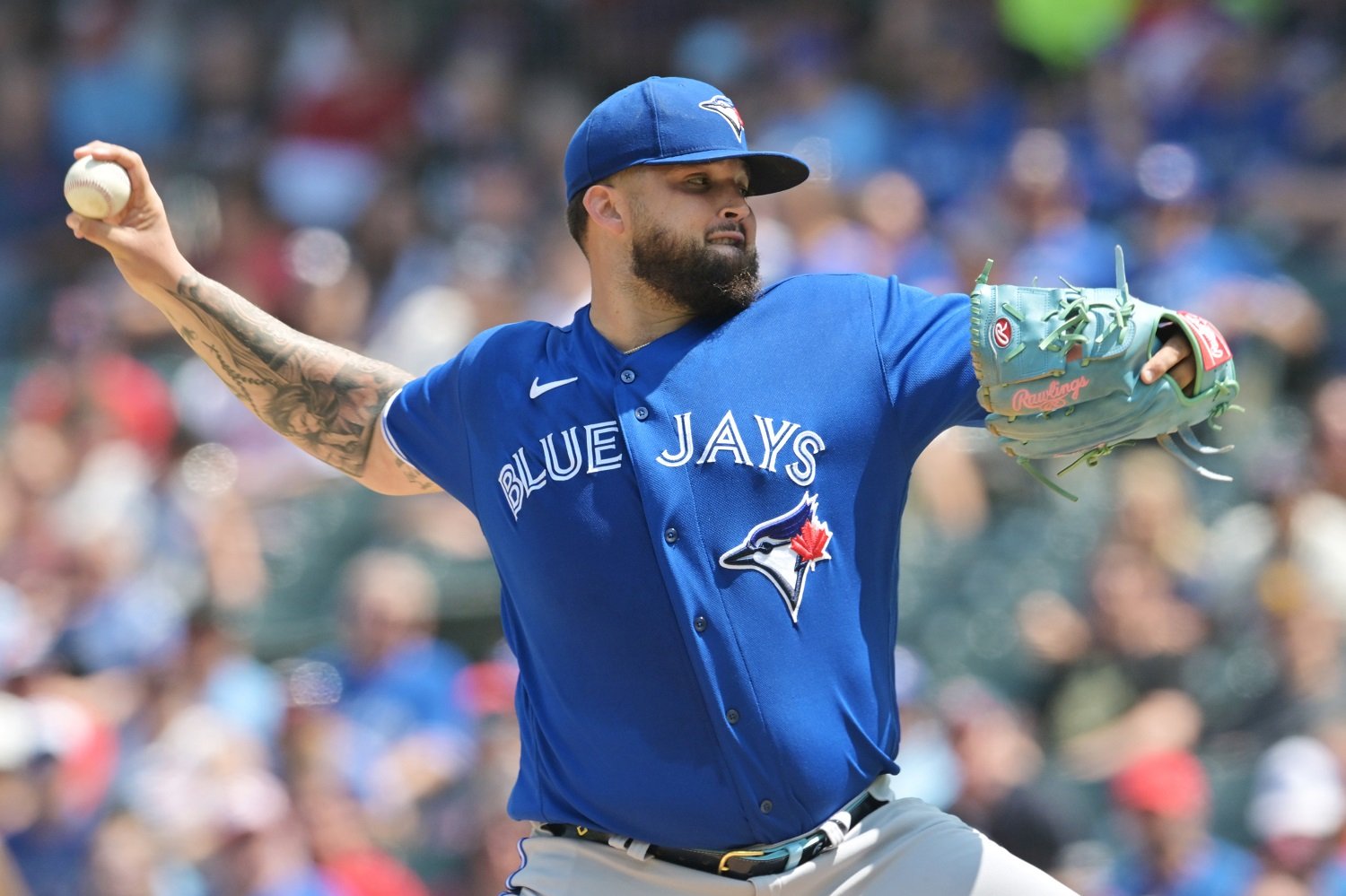 In July 2021, Derek Falvey contacted the Toronto Blue Jays to send Jose Berrios north. Talk of contract extensions for Berrios and Byron Buxton had run rampant, but Minnesota’s front office decided to cash in their starter instead. With not only Austin Martin, but also Simeon Woods Richardson, the return was substantial. Heading into 2024, the Blue Jays need a corner outfielder and a third baseman. Daulton Varsho is moving to center field, leaving George Springer in one of the corners. Max Kepler could play the opposite corner, and his defensive abilities would give them an excellent group on the grass (er, turf). Although Jorge Polanco hasn’t played much at third base, he did see innings there for Minnesota last season, and his ability to contribute as the designated hitter helps, too. Second base isn’t a huge need for the Blue Jays, with Cavan Biggio and Santiago Espinal rostered, but neither possesses the same offensive prowess that the Twins infielder brings. It doesn’t seem likely that the Blue Jays would be interested in compromising their major-league roster's competitive outlook in the short term. Bo Bichette is a superstar, Kevin Gausman was a Cy Young finalist, and the team took a massive, ultimately doomed swing to add Shohei Ohtani. Still, some pieces could be had, and Minnesota finding something usable for one or both of their veterans seems to add up. Here are a trio of trades that could work. For Polanco: Twins receive Alek Manoah and Connor Cooke In 2024, Polanco will play his age-30 season. He is under contract for $10.5 million and carries a $12-million team option in 2025. He has played shortstop (poorly) and second base (well) during his career, but transitioning to the hot corner with some runway to get reps wouldn’t be unrealistic. Polanco’s reactions and instincts may work well alongside Bichette, and the Blue Jays may find themselves putting together a solid offensive infield. In return, the Twins could take a major gamble. Manoah is a former All-Star, and finished third in the Cy Young voting two years ago. He hit rock bottom in a very public way last season, though, and Toronto sent him down to the Florida Complex League for a massive reset. A change of scenery and tweaks of pitching philosophy may help to resurrect his career. If things don’t change quickly, though, there is a chance Manoah never rebounds. Throwing in Cooke gives the Twins something of a safety net. He’s a former 10th-round pick who finds himself at the bottom of the Blue Jays top 30 prospects', according to MLB.com. Cooke has yet to throw 60 innings during a season of pro ball, and he’s transitioned to relief work. Toronto did push Cooke to Triple-A Buffalo last year, so he’s technically knocking on the door, but he owned just a 4.38 ERA at Double A and was giving up 1.1 HR/9. The strikeout numbers are the draw here, and he has done a relatively good job at limiting walks. There’s a chance Cooke works himself into a Griffin Jax-type role with added velocity, or he could be a quality middle reliever if the jump doesn’t happen. For Kepler: Twins receive Erik Swanson Kepler has been available, in varying degrees, for three years. The Twins shouldn’t be looking to ship him out for nothing, though, and at $10 million, he need not sustain all the success he found in the second half of 2023 to be a worthwhile bargain. A good defender with a 121 OPS+ last year, Kepler would provide John Schneider with a loaded outfield. Even if he doesn’t replicate the offensive output, his defense should be worth exploring the move for Toronto. As mentioned, it seems unlikely the Blue Jays want to cannibalize their big-league roster while looking to compete. Swanson is a player who should be available, though. The 30-year-old reliever is under team control for two more seasons, and has established himself as a legitimate medium- to high-leverage arm. Since his 2021 stint with the Seattle Mariners, Swanson owns a 2.60 ERA and 3.04 FIP. He puts up big strikeout numbers and controls the basepaths. Minnesota doesn’t need a closer or even a setup man, but something like this lengthens the bullpen, and that could be huge. The Twins front office hasn’t ever really paid for bullpen help outside of Addison Reed, and it seems unlikely that that pattern will break in a year where payroll is on their minds. Shedding Kepler’s dollars while getting a good bullpen arm makes a lot of sense. For Both Polanco and Kepler: Twins receive Addison Barger and Yosver Zulueta I would put very little chance on Polanco and Kepler going in the same package, but the Blue Jays may be inclined to add both. I considered adding Christian Vazquez to this scenario and having the return focus around Danny Jansen. Still, Minnesota could also use the prospects as part of a follow-up deal. Ricky Tiedemann is sure to be off the table. Orelvis Martinez isn’t an ideal fit and has a very high acquisition cost. Arjun Nimmala is too far away to help Minnesota now, and so is Brandon Barriera. Barger was a sixth-round pick in 2018 and played 2023 at Triple A. He posted just a .756 OPS, but is a season removed from a .933 OPS and 26 homers. Barger can play every infield position, but has spent most of his time on the left side. Pairing Barger’s ceiling with another near-ready prospect could lessen the blow of losing two players from the active roster. Zulueta was signed out of Cuba and features an upper-90s fastball. He will be 26 in 2024, but he threw 64 innings at Triple A last year. He doesn’t give up any homers, but walks too many batters. There are some Yennier Cano comparisons to be made here, but Minnesota would have a chance to mold him into a reliever with a myriad of possible outcomes. If Falvey pulls the trigger on moving an established player like Polanco or Kepler, he will want to find a way to replace their production almost immediately. Trading with a team focused on winning doesn’t always present that opportunity, but these three options seem to provide an avenue for something to work. Are any of these trades enough for the Blue Jays to act? Which of them would you be most excited about?
- 38 comments
-
- 2
-
-
- max kepler
- jorge polanco
- (and 2 more)
-
I think the Mariners are also in on Snell, which is where he is from. Giants also have been linked.
-
We're down to the final week before the holidays, at which point MLB essentially shuts down for a week or two. Let's see what it has in store for us. Image courtesy of © Yukihito Taguchi-USA TODAY Sports Los Angeles and New York remain the foci of the baseball world. Although the Yankees haven’t spent anything in free agency, they swung a massive trade for Juan Soto. Meanwhile, the Dodgers ponied up big-time for Shohei Ohtani, and then paid Tyler Glasnow after acquiring him from the Tampa Bay Rays. A few other storylines have continued to play out over the weekend. Eating With Yamamoto With Ohtani off the board, it is Yoshinobu Yamamoto who is expected to get the next-largest free-agent deal this offseason. The Japanese pitcher is just 25 years old and has been downright dominant overseas. He is being courted heavily by the Dodgers, Yankees, and New York Mets. After he reportedly dined at the home of Mets owner Steve Cohen on Saturday and had a last-minute meeting with the Yankees Sunday, things are getting serious in The Big Apple. The Bronx Bombers need another top-tier arm to pair with Gerrit Cole. Yamamoto would represent that sort of upgrade, and Brian Cashman has come up short on too many big names of late. However deep the Yankees' pockets, no one can spend with Cohen, so it probably comes down to where Yamamoto sees the best fit. Diamondbacks Looking for a Reunion After coming up just short in the World Series against the Texas Rangers, Arizona continues to find ways to improve. After agreeing to a deal with Eduardo Rodriguez and trading for Eugenio Suarez, the Snakes also brought Lourdes Gurriel Jr. back on a three-year deal. Acquired in a trade that also yielded Gabriel Moreno from Toronto when they sent out Daulton Varsho, Gurriel clearly enjoyed his time in the desert. The contract is worth a reported $42 million, and there's a club option for 2027 at the end of that term. Slashing Isn’t Just a Twins Thing The Minnesota Twins made waves with the fan base when they started the offseason by hinting that the payroll was going to decrease in 2024. That always seemed likely, given the television uncertainties and emergence of pre-arbitration players, but being so unflinching about it seemed an odd approach. It isn’t just Minnesota feeling that impact in the year ahead, though. San Diego is going to bring down their payroll in a big way, and moving Soto was part of that plan. Cleveland could find themselves in a similar boat, as they seem to be unsure of where they stand with Bally Sports going into 2024, as well. Belli Looking for the Bag Former Dodgers and Cubs first baseman and center fielder Cody Bellinger is looking for a contract north of $200 million. Given his representation by Scott Boras, that’s not at all surprising. However, it’s a relative gamble for a new organization, given that Bellinger’s renaissance happened over the span of just a single season. The .881 OPS he put up with Chicago earned him MVP votes this season, but that came on the back of three seasons in which he struggled to stay healthy and posted a bleak .648 OPS. If he’s still the Rookie of the Year- and MVP-caliber player he once was, then a big deal could pay off in a big way. If he reverts to prior form, then that goes belly up quickly. Eventually, Minnesota will start to make their moves. It remains highly unlikely that all of Kyle Farmer, Christian Vazquez, Max Kepler, and Jorge Polanco are on the Opening Day roster. Moves like those might have to wait, though. Free-agent decisions like Yamamoto's will have trickledown effects on the market for any trade candidate. Derek Falvey has often taken his time and picked his spots. We are now past the point in which Vázquez was signed as the first move a season ago, and Joey Gallo was brought in not long after. January is a good month for the Twins to get going, but a present under Twins fans' Christmas trees would not go amiss. View full article


