



Jamie Cameron
-
Posts
1,349 -
Joined
-
Last visited
-
Days Won
4
Content Type
Profiles
News
Minnesota Twins Videos
2026 Minnesota Twins Top Prospects Ranking
2022 Minnesota Twins Draft Picks
Minnesota Twins Free Agent & Trade Rumors, Notes, & Tidbits
Guides & Resources
2023 Minnesota Twins Draft Picks
The Minnesota Twins Players Project
2024 Minnesota Twins Draft Picks
2025 Minnesota Twins Draft Pick Tracker
2026 Minnesota Twins Draft Tracker: Picks & Bonuses
Forums
Blogs
Events
Store
Downloads
Gallery
Everything posted by Jamie Cameron
-
 In episode 98 of Destination: The Show, Jeremy and Jamie run through the Twins entire 2025 draft class. For prospects who debuted, they examine the start they made to professional baseball. For prospects who didn’t debut, the pair talk through their likely areas of focus for 2026. The guys dig into Marek Houston’s profile and whether a lack of extra base impact may hold him back before digging into Jason Reitz, the 6’11 Oregon right-handed pitcher who is the tallest prospect selected in the history of the draft. 4:30 Twins 2025 Draft Review 5:21 Marek Houston 13:34 Riley Quick 16:11 Quentin Young 20:22 James Ellwanger 23:41 Jason Reitz 32:49 Matt Barr 34:00 Bruin Agbayani 36:03 Jacob McCombs 38:49 Ryan Sprock 41:07 Justin Mitrovich 42:09 Shai Robinson 43:33 Ryan Daniels 46:17 Kolten Smith 47:53 Callan Fang 49:55 Merit Jones 51:35 Reed Moring 51:40 Jonathan Stevens 54:25 JP Smith 55:05 Matthew Dalquist, Matthew Becker, Michael Hilker 56:00 Recap 59:45 Listener Question You can support the show by downloading it from wherever you get your podcasts, including iTunes and Spotify. If you enjoy the content, consider leaving us a five-star rating and review in addition to sharing or retweeting DTS-related content. You can follow us on Twitter @DTS_POD1, @Jeremynygaard, @J_D_Cameron, and @TheodoreTollef1. We’re now on Bluesky @destinationtheshow.bsky.social. You can also find full episodes and clips of our shows on our YouTube page @DestinationTheShow.
 -
Image courtesy of Thieres Rabelo In episode 98 of Destination: The Show, Jeremy and Jamie run through the Twins entire 2025 draft class. For prospects who debuted, they examine the start they made to professional baseball. For prospects who didn’t debut, the pair talk through their likely areas of focus for 2026. The guys dig into Marek Houston’s profile and whether a lack of extra base impact may hold him back before digging into Jason Reitz, the 6’11 Oregon right-handed pitcher who is the tallest prospect selected in the history of the draft. 4:30 Twins 2025 Draft Review 5:21 Marek Houston 13:34 Riley Quick 16:11 Quentin Young 20:22 James Ellwanger 23:41 Jason Reitz 32:49 Matt Barr 34:00 Bruin Agbayani 36:03 Jacob McCombs 38:49 Ryan Sprock 41:07 Justin Mitrovich 42:09 Shai Robinson 43:33 Ryan Daniels 46:17 Kolten Smith 47:53 Callan Fang 49:55 Merit Jones 51:35 Reed Moring 51:40 Jonathan Stevens 54:25 JP Smith 55:05 Matthew Dalquist, Matthew Becker, Michael Hilker 56:00 Recap 59:45 Listener Question You can support the show by downloading it from wherever you get your podcasts, including iTunes and Spotify. If you enjoy the content, consider leaving us a five-star rating and review in addition to sharing or retweeting DTS-related content. You can follow us on Twitter @DTS_POD1, @Jeremynygaard, @J_D_Cameron, and @TheodoreTollef1. We’re now on Bluesky @destinationtheshow.bsky.social. You can also find full episodes and clips of our shows on our YouTube page @DestinationTheShow. View full article
-
8 College Hitters at the Top of the 2026 MLB Draft, Part Two
Jamie Cameron posted an article in MLB Draft
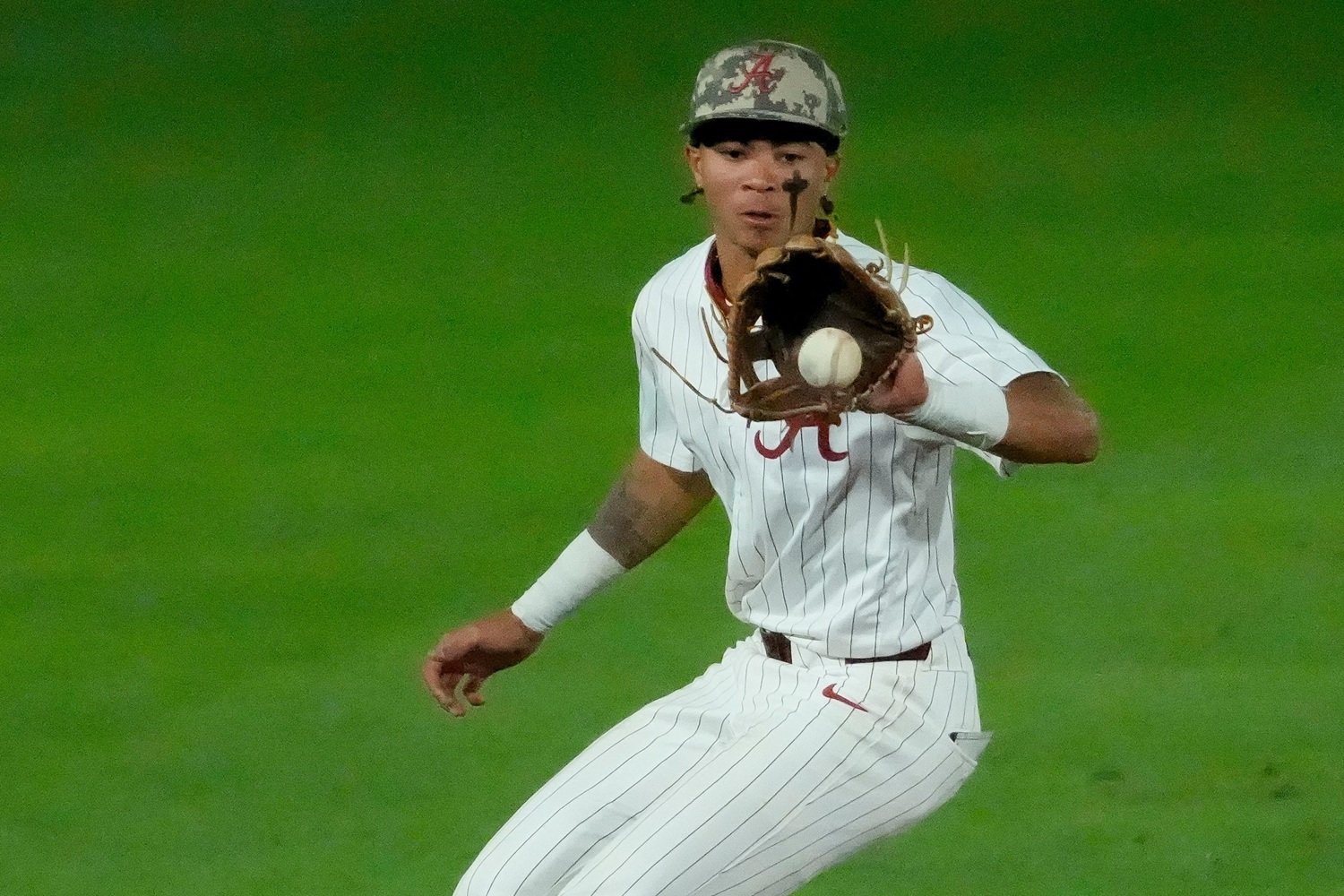 We’re well into an early edition of previewing the Twins 2026 draft situation at Twins Daily. After examining their lottery situation, the first part of this series was published last week. I dug into mini-profiles on Tyler Bell, Drew Burress, Roch Cholowsky, and AJ Gracia. In the next few weeks, we’ll add some prep names and some pitchers to the mix. For now, here’s the second cluster of college hitters. While the obvious caveats all apply here (we have a whole college season between now and the draft, plenty can change), this is a very strong group of college bats at the top. The main differences for me, between this group and the cluster from 2025 are the well-roundedness of the profiles. Generally speaking, there are better hit tools and less strikeouts in this top tier of college hitters. Because there are a wide range of outcomes still possible for the Twins first round pick, I’m offering up a decently expansive list of college hitters (with prep hitters and relevant prep and college arms to follow). I’ve listed prospects alphabetically by last name. Outside of Cholowsky being the current clear consensus number one prospect, you can make plenty of compelling arguments for ordering the rest in diverse ways. For each prospect, you’ll find their name, primary position, college, hitting and throwing hands, and their age on draft day 2026. You’ll find a summary of their 2025 performance, with stolen bases only listed for prospects who accumulated more than ten. Chris Hacopian, INF, Texas A&M, R/R (21) 2025 Stats (Maryland): .375/.502/.656 (1.158), 165 wRC+, 14 HR (26 XBH), 16.1 BB%, 7.6 K% Hacopian was one of the prizes of the transfer portal this offseason, moving from Maryland to Texas A&M for his (likely) final collegiate season after an exceptional first two years with the Terps. This is another exceptionally well rounded offensive profile. Hacopian has a bit of a noisy operation, but much like Burress, it’s a ton of bat speed and twitch. He runs otherworldly contact numbers against fastballs (95% contact rate in 2025), with good power, particularly to the pull side. All of this is supplemented by an impressive approach, with 40 walks against 19 strikeouts in 52 games in 2025. Defensively, he might be described as ‘steady not spectacular’. Hacopian handled shortstop well for Maryland, but may move to third base for the Aggies in 2026. Ultimately, another spot on the first seems like a more logical defensive home. Justin Lebron, SS, Alabama, R/R (21) 2025 Stats: .316/.421/.636 (1.058), 127 wRC+, 18 HR (37 XBH), 17 SB, 12.5 BB%, 24.2 K% Lebron is one of the most exciting prospects in the class and oozes upside. He took several steps forward in his offensive profile in 2025 (particularly in his ability to slug) despite a mediocre performance during SEC play. It’s plenty of bat speed from the right side, although there are some holes in his swing currently. He’s particularly strong up in the zone, and susceptible to breaking stuff down in the zone. Defensively, he’s fluid, with a strong arm and should stick at shortstop long term. In fact, he might be the best athlete of this cluster of college hitters at the top of the class (there’s a good run tool here, too). If he can improve his approach and his hit tool down in the zone, he could be a monster. Ace Reese, 3B, Mississippi St, L/R (21) 2025 Stats: .352/.422/.718 (1.140), 139 wRC+, 21 HR (40 XBH), 9.9 BB%, 19.8 K% Reese transferred from Houston to Mississippi State prior to the 2025 season and proceeded to have one of the better breakouts in college baseball. It’s a big league frame at 6’3, 210 pounds, with an offensive profile underpinned by an ability to slug. It’s a clean swing from the left side with excellent bat speed, and Reese has a knack for finding the barrel. Despite some chase in his profile, there’s above average bat-to-ball skills. 20 home run seasons with a sub 20% strikeout rate are at a premium in college baseball. Reese moved to third base last season, and it’s likely the hot corner, or a corner outfield spot long term defensively, where it’ll be a solid, not spectacular defense. This is one of the best college slugging profiles in the class. Sawyer Strosnider, OF, TCU, L/L, (21) 2025 Stats: .350/.420/.650 (1.070), 138 wRC+, 11 HR (34 XBH), 10 SB, 8 BB%, 18.7 K% Sawyer Strosnider might be a half step below the other names I’ve profiled so far currently, but I’m including him as he’s a personal favorite, and I’m tipping him to have a big 2026 season. Strosnider was probably the best freshman in the country in 2025 and has a combination of big league size and good tools across the board. There’s plus speed here, Strosnider clubbed 10 triples to go with his 11 home runs in 2025 (and a MaxEV north of 112 mph). He’ll have a chance to stick in centerfield due to the speed and athleticism. To take a step forward in 2026, Strosnider needs to reign in an overly aggressive approach characterized by too much chase. If he does, watch out.
- 16 comments
-
- 7
-

-

-
- chris hacopian
- justin lebron
- (and 2 more)
-
Image courtesy of © Gary Cosby Jr.-Tuscaloosa News / USA TODAY NETWORK via Imagn Images We’re well into an early edition of previewing the Twins 2026 draft situation at Twins Daily. After examining their lottery situation, the first part of this series was published last week. I dug into mini-profiles on Tyler Bell, Drew Burress, Roch Cholowsky, and AJ Gracia. In the next few weeks, we’ll add some prep names and some pitchers to the mix. For now, here’s the second cluster of college hitters. While the obvious caveats all apply here (we have a whole college season between now and the draft, plenty can change), this is a very strong group of college bats at the top. The main differences for me, between this group and the cluster from 2025 are the well-roundedness of the profiles. Generally speaking, there are better hit tools and less strikeouts in this top tier of college hitters. Because there are a wide range of outcomes still possible for the Twins first round pick, I’m offering up a decently expansive list of college hitters (with prep hitters and relevant prep and college arms to follow). I’ve listed prospects alphabetically by last name. Outside of Cholowsky being the current clear consensus number one prospect, you can make plenty of compelling arguments for ordering the rest in diverse ways. For each prospect, you’ll find their name, primary position, college, hitting and throwing hands, and their age on draft day 2026. You’ll find a summary of their 2025 performance, with stolen bases only listed for prospects who accumulated more than ten. Chris Hacopian, INF, Texas A&M, R/R (21) 2025 Stats (Maryland): .375/.502/.656 (1.158), 165 wRC+, 14 HR (26 XBH), 16.1 BB%, 7.6 K% Hacopian was one of the prizes of the transfer portal this offseason, moving from Maryland to Texas A&M for his (likely) final collegiate season after an exceptional first two years with the Terps. This is another exceptionally well rounded offensive profile. Hacopian has a bit of a noisy operation, but much like Burress, it’s a ton of bat speed and twitch. He runs otherworldly contact numbers against fastballs (95% contact rate in 2025), with good power, particularly to the pull side. All of this is supplemented by an impressive approach, with 40 walks against 19 strikeouts in 52 games in 2025. Defensively, he might be described as ‘steady not spectacular’. Hacopian handled shortstop well for Maryland, but may move to third base for the Aggies in 2026. Ultimately, another spot on the first seems like a more logical defensive home. Justin Lebron, SS, Alabama, R/R (21) 2025 Stats: .316/.421/.636 (1.058), 127 wRC+, 18 HR (37 XBH), 17 SB, 12.5 BB%, 24.2 K% Lebron is one of the most exciting prospects in the class and oozes upside. He took several steps forward in his offensive profile in 2025 (particularly in his ability to slug) despite a mediocre performance during SEC play. It’s plenty of bat speed from the right side, although there are some holes in his swing currently. He’s particularly strong up in the zone, and susceptible to breaking stuff down in the zone. Defensively, he’s fluid, with a strong arm and should stick at shortstop long term. In fact, he might be the best athlete of this cluster of college hitters at the top of the class (there’s a good run tool here, too). If he can improve his approach and his hit tool down in the zone, he could be a monster. Ace Reese, 3B, Mississippi St, L/R (21) 2025 Stats: .352/.422/.718 (1.140), 139 wRC+, 21 HR (40 XBH), 9.9 BB%, 19.8 K% Reese transferred from Houston to Mississippi State prior to the 2025 season and proceeded to have one of the better breakouts in college baseball. It’s a big league frame at 6’3, 210 pounds, with an offensive profile underpinned by an ability to slug. It’s a clean swing from the left side with excellent bat speed, and Reese has a knack for finding the barrel. Despite some chase in his profile, there’s above average bat-to-ball skills. 20 home run seasons with a sub 20% strikeout rate are at a premium in college baseball. Reese moved to third base last season, and it’s likely the hot corner, or a corner outfield spot long term defensively, where it’ll be a solid, not spectacular defense. This is one of the best college slugging profiles in the class. Sawyer Strosnider, OF, TCU, L/L, (21) 2025 Stats: .350/.420/.650 (1.070), 138 wRC+, 11 HR (34 XBH), 10 SB, 8 BB%, 18.7 K% Sawyer Strosnider might be a half step below the other names I’ve profiled so far currently, but I’m including him as he’s a personal favorite, and I’m tipping him to have a big 2026 season. Strosnider was probably the best freshman in the country in 2025 and has a combination of big league size and good tools across the board. There’s plus speed here, Strosnider clubbed 10 triples to go with his 11 home runs in 2025 (and a MaxEV north of 112 mph). He’ll have a chance to stick in centerfield due to the speed and athleticism. To take a step forward in 2026, Strosnider needs to reign in an overly aggressive approach characterized by too much chase. If he does, watch out. View full article
-
Roch Cholowsky, SS, UCLA, R/R (21) 2025 Stats: .353/.480/.710 (1.190), 165 wRC+, 23 HR (43 XBH), 13.9 BB%, 9.3 K% Cholowsky has separated himself as the consensus number one prospect in the 2026 class, and for good reason. His sophomore campaign at UCLA showcased elite performance across the board. He pairs advanced plate discipline (44% swing rate) and exceptional contact rates (80% overall, 90% in zone) with real power (113 mph max EV, 106.5 mph EV90). Add in plus defense at shortstop, a strong arm, and leadership makeup, and Cholowsky looks like the most complete college shortstop prospect in a decade. AJ Gracia, OF, Virginia, L/L (21) 2025 Stats: .293/.449/.558 (1.007), 126 wRC+, 15 HR (26 XBH), 20 BB%, 12.6 K% After a slow start to 2025, Gracia adjusted his setup, simplifying his move to contact, and found his rhythm. The result is a premium left handed offensive profile: a smooth, loft driven swing, excellent bat speed, and elite contact ability (upper 80s contact rate, 92% in zone) paired with a disciplined approach (20% walk rate). Though he is more of a corner outfielder with average speed and modest defensive tools, Gracia’s bat could carry him into the top half of the first round if he continues to produce. View full article
-
8 College Hitters at the Top of the 2026 MLB Draft, Part One
Jamie Cameron posted an article in MLB Draft
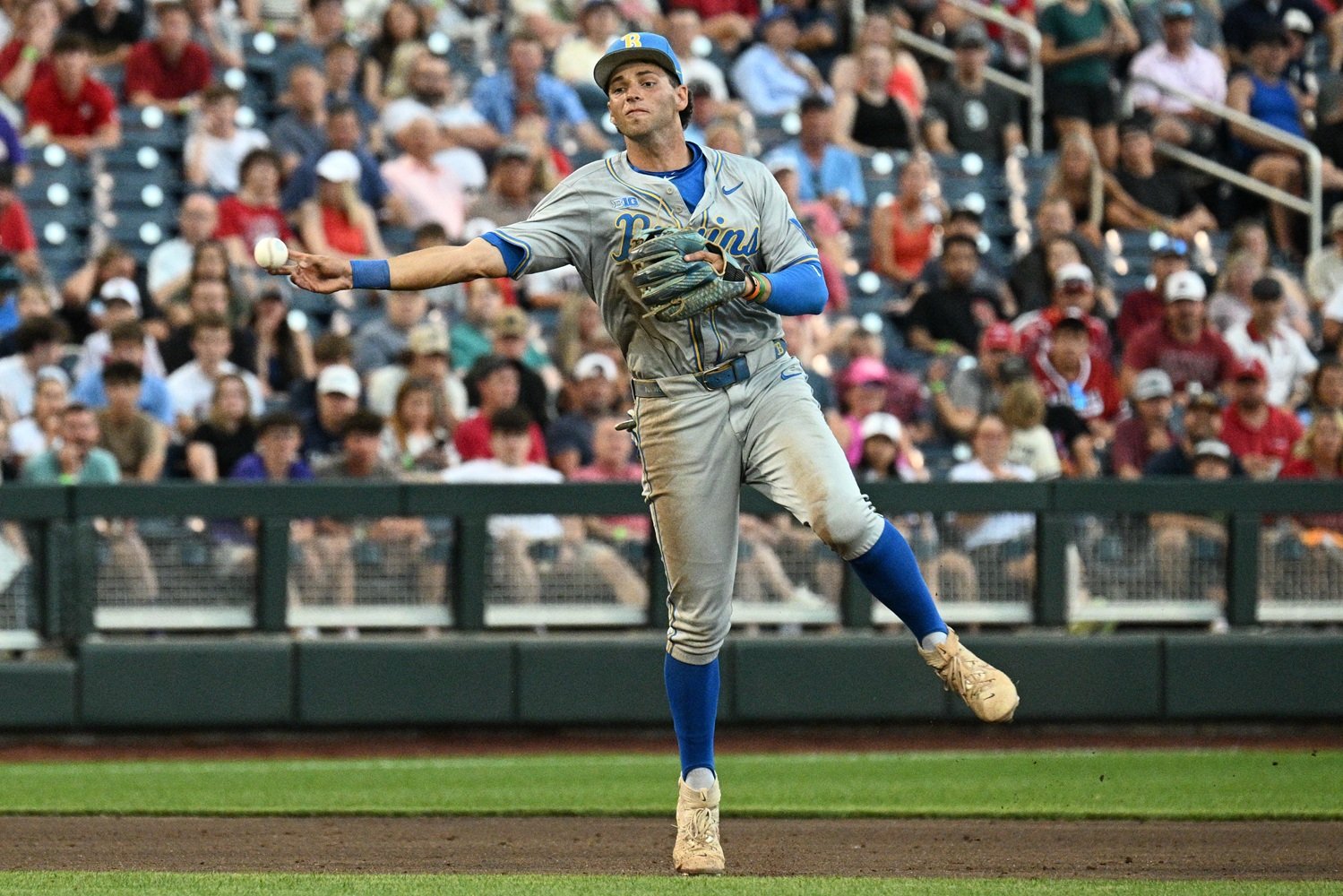 For once, it’s not too early. The Twins currently hold the second-best odds for the top pick in the 2026 MLB Draft, which shapes up as a strong class. After breaking down their lottery situation, it’s time to look at some of the prospects who could be available when they’re on the clock. Of course, the usual caveats apply. There is a full college season ahead, and much can change. Still, this group of college bats at the top stands out for its polish and balance. Compared to the 2025 crop, these players generally show more advanced hit tools and fewer strikeouts in their profiles. Given the wide range of potential outcomes for the Twins first round pick, this is a broad look at top college hitters, with pieces on prep hitters and notable arms to follow. In this article, we will spotlight four players, with four more coming next week. Outside of Roch Cholowsky, the clear cut number one prospect in the class, you can make compelling cases for several different rankings. Accordingly, players here are listed alphabetically. For each prospect, you will find their name, position, school, hitting and throwing hands, and age on Draft Day 2026, followed by their 2025 stat line (stolen bases included only for players with 10 or more). Tyler Bell, SS, Kentucky, B/R (21 years old) 2025 Stats: .296/.385/.522 (.907), 100 wRC+, 10 HR (29 XBH), 11 SB, 9.1 BB%, 22.3 K% A 2024 second round pick (No. 66 overall) by the Rays, Bell opted to honor his commitment to Kentucky and quickly became one of the better freshmen in the nation. A true switch hitter, Bell has a smooth swing from both sides and strong bat to ball skills, particularly against fastballs. While he is still refining swing decisions, he already shows above average power (max EVs north of 110 mph). Defensively, he is a fluid, rangy shortstop with enough arm to stay at the position long term. Drew Burress, OF, Georgia Tech, R/R (21) 2025 Stats: .333/.469/.693 (1.162), 151 wRC+, 19 HR (43 XBH), 10 SB, 18.3 BB%, 14.5 K% Few hitters in college baseball have been as productive as Burress over the last two years at Georgia Tech. Despite a quieter Cape Cod stint in 2024, he has shown explosive bat speed and a twitchy, compact swing that punishes fastballs. He rarely chases, though off-speed pitches can give him some trouble. At just 5'9", Burress is undersized but athletic and instinctive in center field, where his above average speed and arm strength play well. Roch Cholowsky, SS, UCLA, R/R (21) 2025 Stats: .353/.480/.710 (1.190), 165 wRC+, 23 HR (43 XBH), 13.9 BB%, 9.3 K% Cholowsky has separated himself as the consensus number one prospect in the 2026 class, and for good reason. His sophomore campaign at UCLA showcased elite performance across the board. He pairs advanced plate discipline (44% swing rate) and exceptional contact rates (80% overall, 90% in zone) with real power (113 mph max EV, 106.5 mph EV90). Add in plus defense at shortstop, a strong arm, and leadership makeup, and Cholowsky looks like the most complete college shortstop prospect in a decade. AJ Gracia, OF, Virginia, L/L (21) 2025 Stats: .293/.449/.558 (1.007), 126 wRC+, 15 HR (26 XBH), 20 BB%, 12.6 K% After a slow start to 2025, Gracia adjusted his setup, simplifying his move to contact, and found his rhythm. The result is a premium left handed offensive profile: a smooth, loft driven swing, excellent bat speed, and elite contact ability (upper 80s contact rate, 92% in zone) paired with a disciplined approach (20% walk rate). Though he is more of a corner outfielder with average speed and modest defensive tools, Gracia’s bat could carry him into the top half of the first round if he continues to produce.
- 13 comments
-
- 10
-
-
-
 In episode 97 of Destination: The Show, Jeremy and Jamie run through Trey Yesavage’s impressive dismantling of the Yankees on the back of the revelation he could have been a Minnesota Twin. The guys talk through manager candidates from the pro and college ranks, and highlight intriguing candidates for a challenging role in 2026. They discuss Coastal Carolina pitcher Cam Flukey, one of the premier college arms in the 2026 draft, in addition to answering listener questions on the 2026 class. 0:00 Intro 2:15 Housekeeping 3:00 Trey Yesavage 8:45 Fast Track to the Big Leagues 21:10 Twins Ongoing Manager Search 29:50 Cam Flukey 37:22 News and Notes 39:04 Listener Questions You can support the show by downloading it from wherever you get your podcasts, including iTunes and Spotify. If you enjoy the content, consider leaving us a five-star rating and review in addition to sharing or retweeting DTS-related content. You can follow us on Twitter @DTS_POD1, @Jeremynygaard, @J_D_Cameron, and @TheodoreTollef1. We’re now on Bluesky @destinationtheshow.bsky.social. You can also find full episodes and clips of our shows on our YouTube page @DestinationTheShow.
 -
Image courtesy of Thieres Rabelo In episode 97 of Destination: The Show, Jeremy and Jamie run through Trey Yesavage’s impressive dismantling of the Yankees on the back of the revelation he could have been a Minnesota Twin. The guys talk through manager candidates from the pro and college ranks, and highlight intriguing candidates for a challenging role in 2026. They discuss Coastal Carolina pitcher Cam Flukey, one of the premier college arms in the 2026 draft, in addition to answering listener questions on the 2026 class. 0:00 Intro 2:15 Housekeeping 3:00 Trey Yesavage 8:45 Fast Track to the Big Leagues 21:10 Twins Ongoing Manager Search 29:50 Cam Flukey 37:22 News and Notes 39:04 Listener Questions You can support the show by downloading it from wherever you get your podcasts, including iTunes and Spotify. If you enjoy the content, consider leaving us a five-star rating and review in addition to sharing or retweeting DTS-related content. You can follow us on Twitter @DTS_POD1, @Jeremynygaard, @J_D_Cameron, and @TheodoreTollef1. We’re now on Bluesky @destinationtheshow.bsky.social. You can also find full episodes and clips of our shows on our YouTube page @DestinationTheShow. View full article
-
Mercifully, the Minnesota Twins' forlorn 2025 season has come to an end. In losing to the Phillies on the final day of the season (thanks, Max Kepler ), the Twins secured the second-highest odds at landing the number one overall pick. Let’s unpack their draft lottery circumstances. What are the Odds? The Twins finished with the second-worst record in baseball among teams eligible for the draft lottery. As such, they’ll have a 22.27% chance of landing the top overall pick. The White Sox are in poll position (27.73%) with the Pirates next after Minnesota (16.81%). There are three teams ineligible for the lottery this season (Rockies, Nationals, Angels). As a reminder, large market or revenue-paying teams (like the Nationals and Angels) are ineligible to receive a lottery pick if they had a lottery pick last year. Revenue-receiving teams (like the Rockies) are ineligible to receive a lottery pick if they had a lottery pick the last two years. Where Could the Twins Pick? There’s a finite range of outcomes now. If a team with a bottom-six record is displaced from a lottery pick, they immediately take the first available pick outside the lottery spots (7th overall). The Twins can pick as high as first overall and as low as eighth, in the unlikely scenario that both they and the White Sox are displaced from a lottery pick. What About the Second Round, and Beyond? Remember, the lottery only dictates the first six picks. From the second round on, all teams pick in order of record. As such, outside of any compensation picks, the Twins will pick fourth in each round (after the Rockies, White Sox, and Nationals). When is the Draft Lottery? The draft lottery occurs in December at the Winter Meetings every year. For 2026, that will put it in the week of December 8th, but the exact date and time have not been announced yet. How Does it Work? Long story short, via ping pong balls. Each non-postseason team is given a number of four-digit combinations based on its regular-season record. The worse the record, the more combinations you have. A series of four-digit ping pong balls is drawn from a lottery machine. The number drawn corresponds to a team, starting with the first overall pick, and finishing with the sixth overall pick. The remaining non-postseason teams then pick in reverse order of record from picks 7-18. What’s at Stake? A lot, both in talent capital and financial capital. This year’s class has a consensus number one prospect (currently), Roch Cholowsky , a shortstop from UCLA. Additionally, the slot value differentials are more disparate at the top of the draft. The slot value for the first pick in 2025 ($11,075,900) is $4,262,300 more than the slot for the eighth overall pick ($6,813,800). That difference is around the value of the 20th overall pick in 2025. It’s enormous. While the Twins may not end up with the first overall pick, maintaining a top-three selection would be a boon to their bonus pool. I’ve simulated the draft lottery ~150 times so far, and the Twins have managed a top-three selection 56% of the time. What About Other Picks and Money? The Twins will also have a Comp B pick in 2026 (picks 66-74 in 2025). That will carry a value of somewhere between $1.1 million and $1.4 million. Overall, if the Twins maintain a top-three pick, their bonus pool should be somewhere in the $15-16 million range, giving them one of the highest pools in the class. Want to read up on some candidates to keep in mind for their first selection in 2026? We’ll preview some of the top prep and college names in the coming weeks at Twins Daily. View full article
-
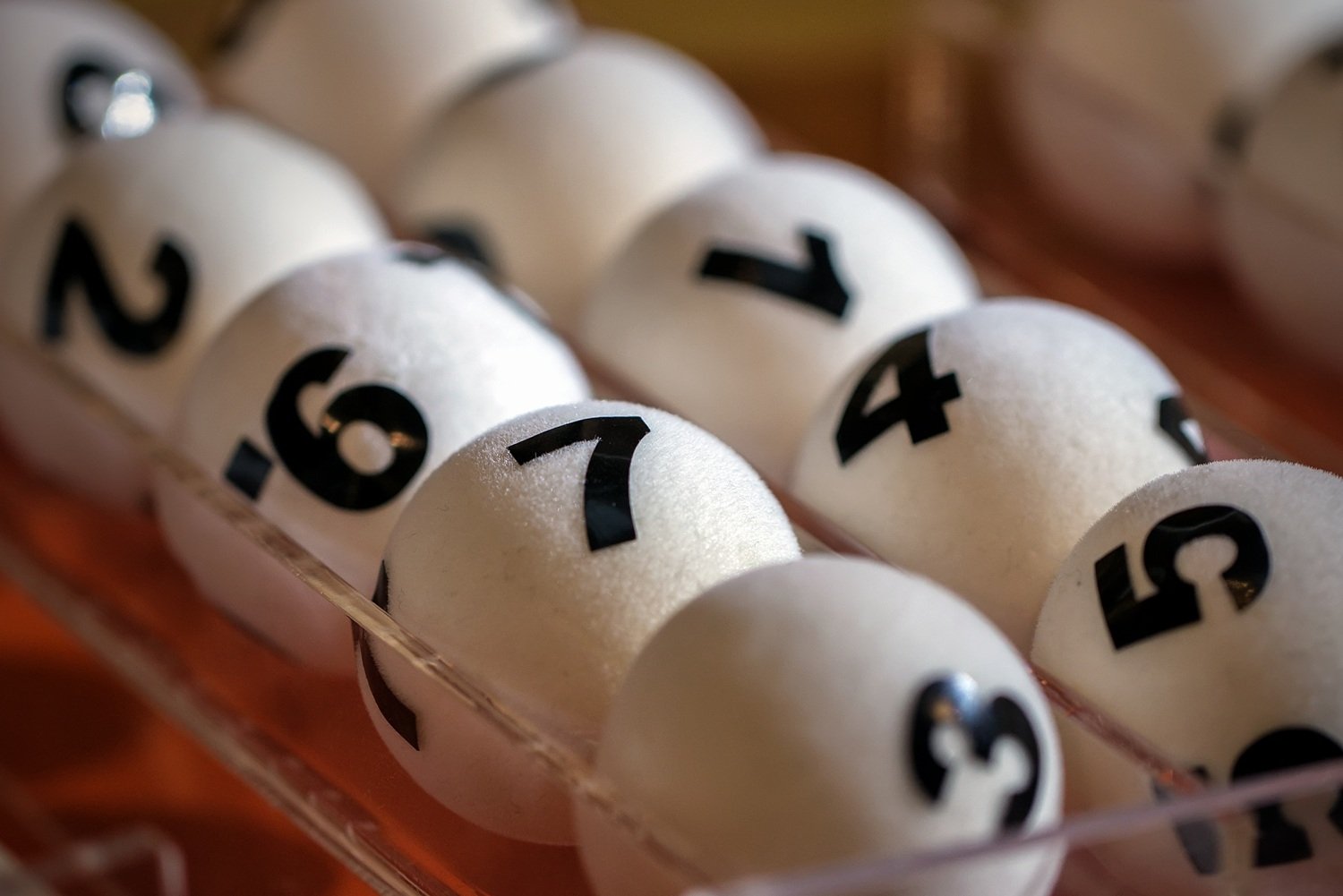 Mercifully, the Minnesota Twins' forlorn 2025 season has come to an end. In losing to the Phillies on the final day of the season (thanks, Max Kepler ), the Twins secured the second-highest odds at landing the number one overall pick. Let’s unpack their draft lottery circumstances. What are the Odds? The Twins finished with the second-worst record in baseball among teams eligible for the draft lottery. As such, they’ll have a 22.27% chance of landing the top overall pick. The White Sox are in poll position (27.73%) with the Pirates next after Minnesota (16.81%). There are three teams ineligible for the lottery this season (Rockies, Nationals, Angels). As a reminder, large market or revenue-paying teams (like the Nationals and Angels) are ineligible to receive a lottery pick if they had a lottery pick last year. Revenue-receiving teams (like the Rockies) are ineligible to receive a lottery pick if they had a lottery pick the last two years. Where Could the Twins Pick? There’s a finite range of outcomes now. If a team with a bottom-six record is displaced from a lottery pick, they immediately take the first available pick outside the lottery spots (7th overall). The Twins can pick as high as first overall and as low as eighth, in the unlikely scenario that both they and the White Sox are displaced from a lottery pick. What About the Second Round, and Beyond? Remember, the lottery only dictates the first six picks. From the second round on, all teams pick in order of record. As such, outside of any compensation picks, the Twins will pick fourth in each round (after the Rockies, White Sox, and Nationals). When is the Draft Lottery? The draft lottery occurs in December at the Winter Meetings every year. For 2026, that will put it in the week of December 8th, but the exact date and time have not been announced yet. How Does it Work? Long story short, via ping pong balls. Each non-postseason team is given a number of four-digit combinations based on its regular-season record. The worse the record, the more combinations you have. A series of four-digit ping pong balls is drawn from a lottery machine. The number drawn corresponds to a team, starting with the first overall pick, and finishing with the sixth overall pick. The remaining non-postseason teams then pick in reverse order of record from picks 7-18. What’s at Stake? A lot, both in talent capital and financial capital. This year’s class has a consensus number one prospect (currently), Roch Cholowsky , a shortstop from UCLA. Additionally, the slot value differentials are more disparate at the top of the draft. The slot value for the first pick in 2025 ($11,075,900) is $4,262,300 more than the slot for the eighth overall pick ($6,813,800). That difference is around the value of the 20th overall pick in 2025. It’s enormous. While the Twins may not end up with the first overall pick, maintaining a top-three selection would be a boon to their bonus pool. I’ve simulated the draft lottery ~150 times so far, and the Twins have managed a top-three selection 56% of the time. What About Other Picks and Money? The Twins will also have a Comp B pick in 2026 (picks 66-74 in 2025). That will carry a value of somewhere between $1.1 million and $1.4 million. Overall, if the Twins maintain a top-three pick, their bonus pool should be somewhere in the $15-16 million range, giving them one of the highest pools in the class. Want to read up on some candidates to keep in mind for their first selection in 2026? We’ll preview some of the top prep and college names in the coming weeks at Twins Daily.
 -
 In episode 94 of Destination: The Show, Jeremy and Jamie run through a Twins minor league mail bag. They start with news and notes from around the system, including Connor Prielipp adding a new pitch, Dasan Hill striking out even more hitters in Cedar Rapids, organizations debuts, and Walker Jenkins settling in at AAA. The guys dig into questions on the first base situation, the best right-handed hitting prospects in the system, and who might be available to the Twins at the top of the 2026 MLB Draft, including trying to prognosticate their bonus pool. 0:00 Intro/Housekeeping 4:50 Connor Prielipp's New Pitch 13:09 Dasan Hill Looks Great at Cedar Rapids 20:59 Quentin Young and Bruin Agbayani 23:38 Walker Jenkins at AAA Listener Questions 27:05 Hidden Gems in minors 34:21 John Klein 38:39 Top 5 right-handed hitting prospects 42:40 Will there be ten guys getting time at first base in St. Paul next year? 46:43 2026 Draft Questions You can support the show by downloading it from wherever you get your podcasts, including iTunes and Spotify. If you enjoy the content, consider leaving us a five-star rating and review in addition to sharing or retweeting DTS-related content. You can follow us on Twitter @DTS_POD1, @Jeremynygaard, @J_D_Cameron, and @TheodoreTollef1. We’re now on Bluesky @destinationtheshow.bsky.social. You can also find full episodes and clips of our shows on our YouTube page @DestinationTheShow.
 -
Image courtesy of Thieres Rabelo In episode 94 of Destination: The Show, Jeremy and Jamie run through a Twins minor league mail bag. They start with news and notes from around the system, including Connor Prielipp adding a new pitch, Dasan Hill striking out even more hitters in Cedar Rapids, organizations debuts, and Walker Jenkins settling in at AAA. The guys dig into questions on the first base situation, the best right-handed hitting prospects in the system, and who might be available to the Twins at the top of the 2026 MLB Draft, including trying to prognosticate their bonus pool. 0:00 Intro/Housekeeping 4:50 Connor Prielipp's New Pitch 13:09 Dasan Hill Looks Great at Cedar Rapids 20:59 Quentin Young and Bruin Agbayani 23:38 Walker Jenkins at AAA Listener Questions 27:05 Hidden Gems in minors 34:21 John Klein 38:39 Top 5 right-handed hitting prospects 42:40 Will there be ten guys getting time at first base in St. Paul next year? 46:43 2026 Draft Questions You can support the show by downloading it from wherever you get your podcasts, including iTunes and Spotify. If you enjoy the content, consider leaving us a five-star rating and review in addition to sharing or retweeting DTS-related content. You can follow us on Twitter @DTS_POD1, @Jeremynygaard, @J_D_Cameron, and @TheodoreTollef1. We’re now on Bluesky @destinationtheshow.bsky.social. You can also find full episodes and clips of our shows on our YouTube page @DestinationTheShow. View full article
-
Walker JenkinsLuke KeaschallEmmanuel RodriguezKaelen CulpepperEduardo TaitConnor PrielippMick AbelKendry RojasDasan HillCharlee SotoMarek HoustonRiley QuickMarco RayaAndrew MorrisGabriel GonzalezBrandon WinokurKyle DeBargeKyler FedkoRicardo OlivarHendry Mendez
-
Walker JenkinsLuke KeaschallEmmanuel RodriguezKaelen CulpepperEduardo TaitConnor PrielippMick AbelKendry RojasDasan HillCharlee SotoMarek HoustonRiley QuickMarco RayaAndrew MorrisGabriel GonzalezBrandon WinokurKyle DeBargeKyler FedkoRicardo OlivarHendry Mendez
-
 In episode 93 of Destination: The Show, Jeremy and Jamie talk through Walker Jenkins promotion to AAA. They ask if the Twins top prospect is now underrated by national lists, in addition to what to expect from him when he makes his MLB debut. The guys talk through Luke Keaschall’s continued offensive excellence, asking where he might fit defensively long term, before digging into interesting comments in The Athletic from former hitting coach David Popkins. The guys finish by digging into notable MiLB performances, in particular Kala’i Rosario who has earned a call up to AAA before finishing with listener questions. 0:00 Intro 3:10 Housekeeping 3:49 Walker Jenkins 10:17 David Popkins 17:19 Luke Keaschall 25:12 Kala'i Rosario 31:05 Notes Roundup - Kyler Fedko, Aidan Miller, MLB Draft Lottery 39:55 Listener Questions You can support the show by downloading it from wherever you get your podcasts, including iTunes and Spotify. If you enjoy the content, consider leaving us a five-star rating and review in addition to sharing or retweeting DTS-related content. You can follow us on Twitter @DTS_POD1, @Jeremynygaard, @J_D_Cameron, and @TheodoreTollef1. We’re now on Bluesky @destinationtheshow.bsky.social. You can also find full episodes and clips of our shows on our YouTube page @DestinationTheShow.
 -
Image courtesy of Thieres Rabelo In episode 93 of Destination: The Show, Jeremy and Jamie talk through Walker Jenkins promotion to AAA. They ask if the Twins top prospect is now underrated by national lists, in addition to what to expect from him when he makes his MLB debut. The guys talk through Luke Keaschall’s continued offensive excellence, asking where he might fit defensively long term, before digging into interesting comments in The Athletic from former hitting coach David Popkins. The guys finish by digging into notable MiLB performances, in particular Kala’i Rosario who has earned a call up to AAA before finishing with listener questions. 0:00 Intro 3:10 Housekeeping 3:49 Walker Jenkins 10:17 David Popkins 17:19 Luke Keaschall 25:12 Kala'i Rosario 31:05 Notes Roundup - Kyler Fedko, Aidan Miller, MLB Draft Lottery 39:55 Listener Questions You can support the show by downloading it from wherever you get your podcasts, including iTunes and Spotify. If you enjoy the content, consider leaving us a five-star rating and review in addition to sharing or retweeting DTS-related content. You can follow us on Twitter @DTS_POD1, @Jeremynygaard, @J_D_Cameron, and @TheodoreTollef1. We’re now on Bluesky @destinationtheshow.bsky.social. You can also find full episodes and clips of our shows on our YouTube page @DestinationTheShow. View full article
-
I'd rather see Fedko as an option at 1B instead of Sabato. Sabato at AAA: .256/.297/.461 with a 5.6% walk rate, 33.3% strikeout rate, a 90wRC+, a 33% chase rate, and an overall contact rate of 67% Don't get the love here. Like the rest of the list quite a bit though.
- 30 replies
-
- 3
-
-
- kyler fedko
- aaron sabato
- (and 2 more)
-
Image courtesy of Ed Bailey, Wichita Wind Surge Consensus top prospect Walker Jenkins is a step away from the majors. Twins Daily learned that the 20-year old outfielder is being promoted to AAA St. Paul after a strong showing at AA Wichita. Jenkins was quietly outstanding in AA. He hit .309/.426/.487 (.913) with 7 home runs (19 extra base hits) in 52 games in the Texas League. Jenkins continued to showcase his strong approach, walking 14.3% of the time and striking out just 18.5%. The beginning of Jenkins' 2025 season mirrored 2024, injury trouble. He landed on the injured list on April 9th, missing close to two months of playing time before beginning a rehab assignment with Fort Myers on June 5th. Since returning to Wichita on June 17th, Jenkins has played consistently and excellently. Perhaps unsurprisingly, many national prospects lists dropped him several spots due to back-to-back seasons impacted by muscular injuries. He's quietly reminded the industry why he's one of the premier prospects in the game. Despite being one of the younger prospects at the level, Jenkins has done a little bit of everything well. Jenkins' 156 wRC+ ranks third in the Texas League among prospects with at least 200 plate appearances. His 14.3% walk rate ranks 10th, his .420 wOBA ranks third. The one 'ding' industry lists and analysts have attached to his profile is a lack of in game power. While not fully fledged, Jenkins is on a 21 home run and 57 extra base hit pace over 150 games. While I'd argue that a judgement on his power grade could be reserved until hits his age-22 season, it's certainly a fair critique and likely, the one aspect of his game that will be most scrutinized in AAA. Thankfully, we'll have ample StatCast data giving us launch angles, exit velocities and more, that will allow for a thorough and robust comparison to his peers. For now, it's an exciting tonic to an uninspiring week of Twins baseball on the major league side. More to come... View full article
-
BREAKING: Twins Promoting Top Prospect Walker Jenkins to AAA
Jamie Cameron posted an article in Minor Leagues
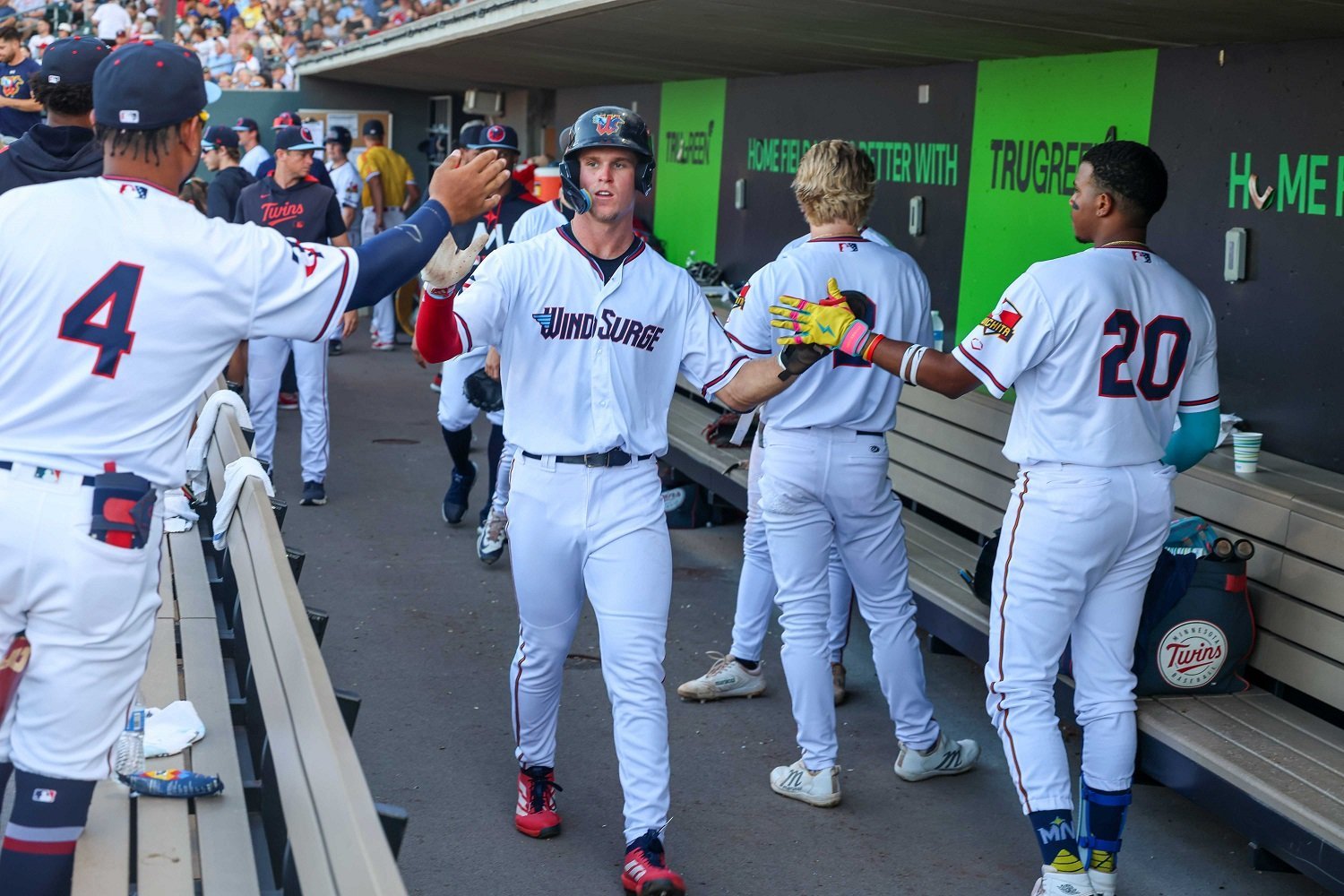 Consensus top prospect Walker Jenkins is a step away from the majors. Twins Daily learned that the 20-year old outfielder is being promoted to AAA St. Paul after a strong showing at AA Wichita. Jenkins was quietly outstanding in AA. He hit .309/.426/.487 (.913) with 7 home runs (19 extra base hits) in 52 games in the Texas League. Jenkins continued to showcase his strong approach, walking 14.3% of the time and striking out just 18.5%. The beginning of Jenkins' 2025 season mirrored 2024, injury trouble. He landed on the injured list on April 9th, missing close to two months of playing time before beginning a rehab assignment with Fort Myers on June 5th. Since returning to Wichita on June 17th, Jenkins has played consistently and excellently. Perhaps unsurprisingly, many national prospects lists dropped him several spots due to back-to-back seasons impacted by muscular injuries. He's quietly reminded the industry why he's one of the premier prospects in the game. Despite being one of the younger prospects at the level, Jenkins has done a little bit of everything well. Jenkins' 156 wRC+ ranks third in the Texas League among prospects with at least 200 plate appearances. His 14.3% walk rate ranks 10th, his .420 wOBA ranks third. The one 'ding' industry lists and analysts have attached to his profile is a lack of in game power. While not fully fledged, Jenkins is on a 21 home run and 57 extra base hit pace over 150 games. While I'd argue that a judgement on his power grade could be reserved until hits his age-22 season, it's certainly a fair critique and likely, the one aspect of his game that will be most scrutinized in AAA. Thankfully, we'll have ample StatCast data giving us launch angles, exit velocities and more, that will allow for a thorough and robust comparison to his peers. For now, it's an exciting tonic to an uninspiring week of Twins baseball on the major league side. More to come...
 -
Image courtesy of Thieres Rabelo In episode 92 of Destination: The Show, Jeremy and Jamie walk through the Twins' messy ownership situation in light of Pohlad's taking on ‘limited partners’ to erase debt currently held by the team. They talk through the outlook of the 2026 roster and who is more likely to be moved this offseason, Joe Ryan or Pablo Lopez. The guys then catch up with every Twins prospect acquired at the trade deadline, including a hot start for Enrique Jimenez and digging into the tweaks Mick Abel and Taj Bradley need to make to feature with the big league club. 1:55 Twins Ownership Mess 15:52 Kyler Fedko 16:50 Connor Prielipp 24:04 Enrique Jimenez 33:09 Eduardo Tait 34:32 Mick Abel 42:03 Geremy Villoria 45:36 Hendry Mendez 49:47 James Outman 53:58 Garrett Horn 56:45 We're not talking about the Carlos Correa trade 57:20 Ryan Gallagher and Sam Armstrong 1:01:15 Taj Bradley 1:08:08 Kendry Rojas You can support the show by downloading it from wherever you get your podcasts, including iTunes and Spotify. If you enjoy the content, consider leaving us a five-star rating and review in addition to sharing or retweeting DTS-related content. You can follow us on Twitter @DTS_POD1, @Jeremynygaard, @J_D_Cameron, and @TheodoreTollef1. We’re now on Bluesky @destinationtheshow.bsky.social. You can also find full episodes and clips of our shows on our YouTube page @DestinationTheShow. Destination__The_Show__Episode_92__Twins_Ownership_Mess_and_Trade_Deadline_Acquisitions.mp3 View full article
-
 In episode 92 of Destination: The Show, Jeremy and Jamie walk through the Twins' messy ownership situation in light of Pohlad's taking on ‘limited partners’ to erase debt currently held by the team. They talk through the outlook of the 2026 roster and who is more likely to be moved this offseason, Joe Ryan or Pablo Lopez. The guys then catch up with every Twins prospect acquired at the trade deadline, including a hot start for Enrique Jimenez and digging into the tweaks Mick Abel and Taj Bradley need to make to feature with the big league club. 1:55 Twins Ownership Mess 15:52 Kyler Fedko 16:50 Connor Prielipp 24:04 Enrique Jimenez 33:09 Eduardo Tait 34:32 Mick Abel 42:03 Geremy Villoria 45:36 Hendry Mendez 49:47 James Outman 53:58 Garrett Horn 56:45 We're not talking about the Carlos Correa trade 57:20 Ryan Gallagher and Sam Armstrong 1:01:15 Taj Bradley 1:08:08 Kendry Rojas You can support the show by downloading it from wherever you get your podcasts, including iTunes and Spotify. If you enjoy the content, consider leaving us a five-star rating and review in addition to sharing or retweeting DTS-related content. You can follow us on Twitter @DTS_POD1, @Jeremynygaard, @J_D_Cameron, and @TheodoreTollef1. We’re now on Bluesky @destinationtheshow.bsky.social. You can also find full episodes and clips of our shows on our YouTube page @DestinationTheShow. Destination__The_Show__Episode_92__Twins_Ownership_Mess_and_Trade_Deadline_Acquisitions.mp3
 -
Image courtesy of © Jonah Hinebaugh/The News-Press/USA Today Network-Florida / USA TODAY NETWORK via Imagn Images It’s time to start paying Kyler Fedko some attention. If the season ended today, he’d undoubtedly be an organizational top three minor-league hitter in 2025. He even has an outside shot at a 30/30 season; that's the scale of his power-speed blend. Fedko was an unheralded draft selection. He was taken in the 12th round of the 2021 MLB Draft out of UConn and was signed to a $125,000 bonus. He ranked 497th on Baseball America’s pre-draft big board. He was a standout player in college, winning the Big East player of the year in 2021 while hitting .410 and cranking 12 home runs. His pre-draft scouting report noted that ‘scouts are unsure whether he’ll be able to sustain his production with wood bats or against better pitching’. The young outfielder has fallen into a strange pattern throughout his five-year minor-league career. Time and again, he goes to a new level of minor-league ball and struggles. The next year, he repeats it—and crushes it. Level Year wRC+ A 2021 82 A 2022 155 A+ 2022 98 A+ 2023 136 AA 2024 84 AA 2025 140 AAA 2025 183 (through 08/20) That pattern persisted in the early going in 2025, when Fedko made the adjustment to Double-A pitching. In 88 games, he hit .253/.375/.494, with 20 home runs, 26 stolen bases, and a walk rate north of 15%. Sheesh. Only, something is different this time around. For the first time in his career, Fedko has stepped up a level and hasn’t skipped a beat. It’s only been 16 games at Triple-A St. Paul, but Fedko hasn’t taken long to adjust. He’s hitting .358/.429/.687, with 5 home runs, 5 stolen bases, and a 183 wRC+. He’s done that while maintaining a respectable 20.8% strikeout rate. So, what’s the outlook here? Well, he’ll almost certainly cool off. Fedko is running a .404 BABIP since his promotion. His 98th-percentile wOBA is outpacing his 36th-percentile xWOBA significantly. But what might the role be here? He’s at least given himself a chance at reaching the big-league level. (Insert your own joke about the Twins never acquiring a right-handed hitting outfield bat here.) Actually, the joke's on you, Fedko has reverse splits, with an .824 OPS against lefties in 2025 versus a .925 OPS against righties. Even so, I think he’s earning an audition as a bench bat for 2026. What are the warts in Fedko’s profile? First, he doesn’t hit the ball very hard. These are limited sample sizes from Triple A, but a MaxEV of 107 mph is pretty uninspiring for the level. How, then, has he gotten to so much power? Fedko is a master at pulling the ball in the air. Entering games on Tuesday night (in which he went 5-5), Fedko had a Pull Air% of 22.7%, good for 95th percentile in Triple A. Combine that with a line drive rate that’s up about 7% in 2025, and excellent in-zone contact (87.5%) and Fedko punishes anything in the zone to the pull side. There’s a tendency to expand the zone, though. Fedko chases at a rate north of 30%. This is likely something that big-league pitchers would exploit. He chases breaking pitches plenty, offspeed pitches even more, and he’s vulnerable at the top of the strike zone. Defensively, it's a solid profile. He's played the majority of his reps in Triple A in left field. It's a good (and accurate) but not outstanding arm. Even so, I think he clears Austin Martin, Trevor Larnach and Matt Wallner in defensive value. The outfield for 2026 seems fairly set, but there's an opening there. Byron Buxton and Wallner are locks. Alan Roden (underwhelming debut aside) should get the first crack at the final starting spot. Larnach doesn’t hit well enough to outpace his supplementary tools. DaShawn Keirsey Jr. doesn’t hit enough, period. Martin’s supplementary tools aren’t that supplementary. Enter Kyler Fedko. I don’t think he’d need to hit that well to be useful. An outfielder with positional versatility, some speed, and pop is a viable candidate to be a fourth outfielder in 2026. View full article
-
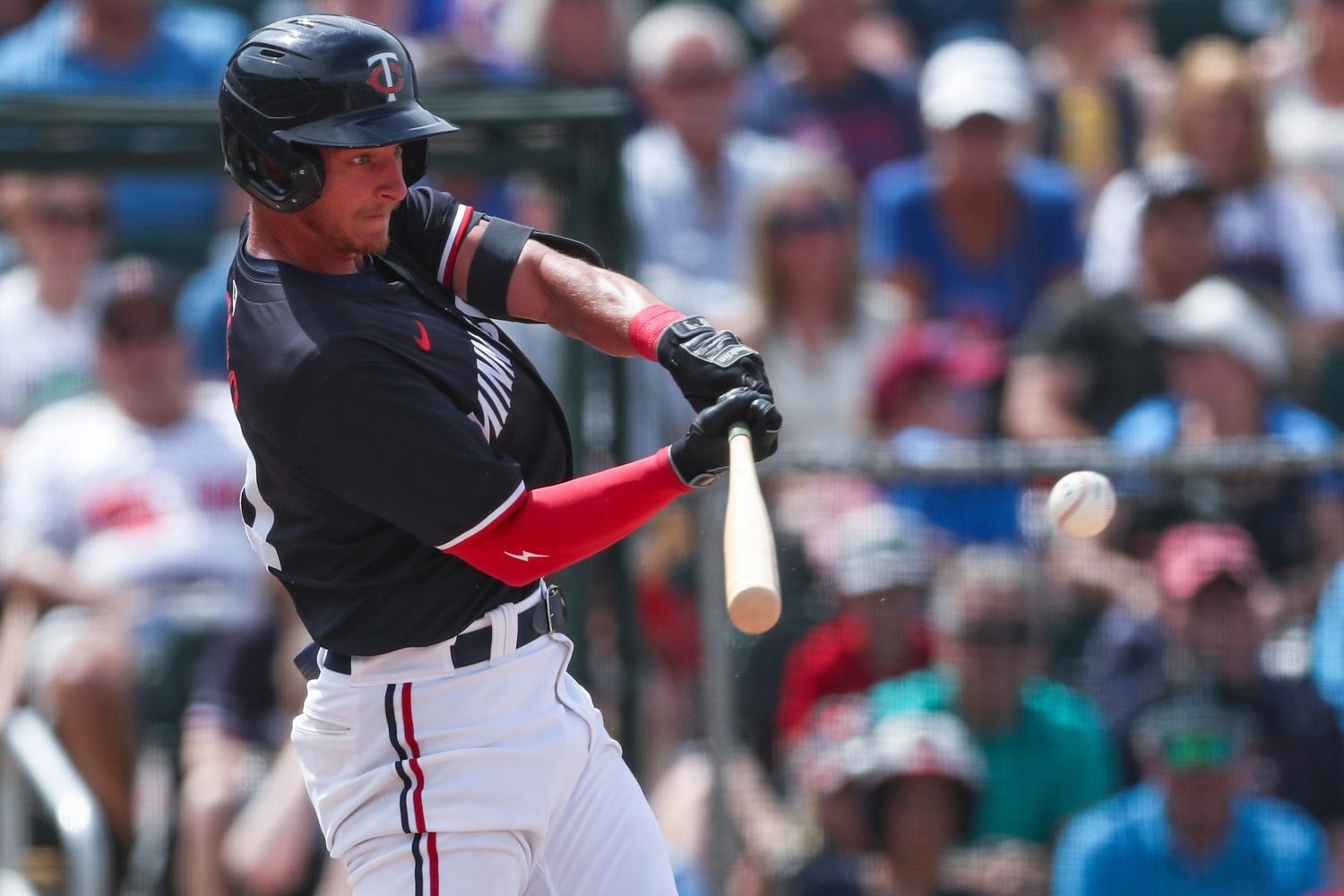 It’s time to start paying Kyler Fedko some attention. If the season ended today, he’d undoubtedly be an organizational top three minor-league hitter in 2025. He even has an outside shot at a 30/30 season; that's the scale of his power-speed blend. Fedko was an unheralded draft selection. He was taken in the 12th round of the 2021 MLB Draft out of UConn and was signed to a $125,000 bonus. He ranked 497th on Baseball America’s pre-draft big board. He was a standout player in college, winning the Big East player of the year in 2021 while hitting .410 and cranking 12 home runs. His pre-draft scouting report noted that ‘scouts are unsure whether he’ll be able to sustain his production with wood bats or against better pitching’. The young outfielder has fallen into a strange pattern throughout his five-year minor-league career. Time and again, he goes to a new level of minor-league ball and struggles. The next year, he repeats it—and crushes it. Level Year wRC+ A 2021 82 A 2022 155 A+ 2022 98 A+ 2023 136 AA 2024 84 AA 2025 140 AAA 2025 183 (through 08/20) That pattern persisted in the early going in 2025, when Fedko made the adjustment to Double-A pitching. In 88 games, he hit .253/.375/.494, with 20 home runs, 26 stolen bases, and a walk rate north of 15%. Sheesh. Only, something is different this time around. For the first time in his career, Fedko has stepped up a level and hasn’t skipped a beat. It’s only been 16 games at Triple-A St. Paul, but Fedko hasn’t taken long to adjust. He’s hitting .358/.429/.687, with 5 home runs, 5 stolen bases, and a 183 wRC+. He’s done that while maintaining a respectable 20.8% strikeout rate. So, what’s the outlook here? Well, he’ll almost certainly cool off. Fedko is running a .404 BABIP since his promotion. His 98th-percentile wOBA is outpacing his 36th-percentile xWOBA significantly. But what might the role be here? He’s at least given himself a chance at reaching the big-league level. (Insert your own joke about the Twins never acquiring a right-handed hitting outfield bat here.) Actually, the joke's on you, Fedko has reverse splits, with an .824 OPS against lefties in 2025 versus a .925 OPS against righties. Even so, I think he’s earning an audition as a bench bat for 2026. What are the warts in Fedko’s profile? First, he doesn’t hit the ball very hard. These are limited sample sizes from Triple A, but a MaxEV of 107 mph is pretty uninspiring for the level. How, then, has he gotten to so much power? Fedko is a master at pulling the ball in the air. Entering games on Tuesday night (in which he went 5-5), Fedko had a Pull Air% of 22.7%, good for 95th percentile in Triple A. Combine that with a line drive rate that’s up about 7% in 2025, and excellent in-zone contact (87.5%) and Fedko punishes anything in the zone to the pull side. There’s a tendency to expand the zone, though. Fedko chases at a rate north of 30%. This is likely something that big-league pitchers would exploit. He chases breaking pitches plenty, offspeed pitches even more, and he’s vulnerable at the top of the strike zone. Defensively, it's a solid profile. He's played the majority of his reps in Triple A in left field. It's a good (and accurate) but not outstanding arm. Even so, I think he clears Austin Martin, Trevor Larnach and Matt Wallner in defensive value. The outfield for 2026 seems fairly set, but there's an opening there. Byron Buxton and Wallner are locks. Alan Roden (underwhelming debut aside) should get the first crack at the final starting spot. Larnach doesn’t hit well enough to outpace his supplementary tools. DaShawn Keirsey Jr. doesn’t hit enough, period. Martin’s supplementary tools aren’t that supplementary. Enter Kyler Fedko. I don’t think he’d need to hit that well to be useful. An outfielder with positional versatility, some speed, and pop is a viable candidate to be a fourth outfielder in 2026.
 -
Image courtesy of Thieres Rabelo In episode 91 of Destination: The Show, Jeremy and Jamie walk outstanding performances from prospects in each level of the Twins farm system. They start with comps for Luke Keaschall and ask if Zebby Matthews can make the leap to playoff caliber starter before digging into Kyler Fedko’s incredible breakout season. The guys talk through Walker Jenkins being over-faded by the industry and Kaelen Culpepper’s incredible 2025 season. They finish by digging into new catching prospect Eduardo Tait, and a pitching prospect known as ‘La Bazuca’. 0:00 Intro/Housekeeping 3:23 Luke Keaschall and Zebby Matthews 13:18 Kyler Fedko and Payton Eeles 23:50 Walker Jenkins and Kaelen Culpepper 35:58 Eduardo Tait and Adrian Bohorquez 44:17 Marek Houston 47:03 Notes on system You can support the show by downloading it from wherever you get your podcasts, including iTunes and Spotify. If you enjoy the content, consider leaving us a five-star rating and review in addition to sharing or retweeting DTS-related content. You can follow us on Twitter @DTS_POD1, @Jeremynygaard, @J_D_Cameron, and @TheodoreTollef1. We’re now on Bluesky @destinationtheshow.bsky.social. You can also find full episodes and clips of our shows on our YouTube page @DestinationTheShow. View full article
-
Destination: The Show, Episode 91 | Risers in the Twins Farm System
Jamie Cameron posted an article in Podcasts
 In episode 91 of Destination: The Show, Jeremy and Jamie walk outstanding performances from prospects in each level of the Twins farm system. They start with comps for Luke Keaschall and ask if Zebby Matthews can make the leap to playoff caliber starter before digging into Kyler Fedko’s incredible breakout season. The guys talk through Walker Jenkins being over-faded by the industry and Kaelen Culpepper’s incredible 2025 season. They finish by digging into new catching prospect Eduardo Tait, and a pitching prospect known as ‘La Bazuca’. 0:00 Intro/Housekeeping 3:23 Luke Keaschall and Zebby Matthews 13:18 Kyler Fedko and Payton Eeles 23:50 Walker Jenkins and Kaelen Culpepper 35:58 Eduardo Tait and Adrian Bohorquez 44:17 Marek Houston 47:03 Notes on system You can support the show by downloading it from wherever you get your podcasts, including iTunes and Spotify. If you enjoy the content, consider leaving us a five-star rating and review in addition to sharing or retweeting DTS-related content. You can follow us on Twitter @DTS_POD1, @Jeremynygaard, @J_D_Cameron, and @TheodoreTollef1. We’re now on Bluesky @destinationtheshow.bsky.social. You can also find full episodes and clips of our shows on our YouTube page @DestinationTheShow.
- 1 comment
-
- 1
-
-
- luke keaschall
- zebby matthews
- (and 2 more)
