Cody Christie
-
Posts
7,806 -
Joined
-
Last visited
-
Days Won
5
Content Type
Profiles
News
Minnesota Twins Videos
2026 Minnesota Twins Top Prospects Ranking
2022 Minnesota Twins Draft Picks
Minnesota Twins Free Agent & Trade Rumors, Notes, & Tidbits
Guides & Resources
2023 Minnesota Twins Draft Picks
The Minnesota Twins Players Project
2024 Minnesota Twins Draft Picks
2025 Minnesota Twins Draft Pick Tracker
2026 Minnesota Twins Draft Tracker: Picks & Bonuses
Forums
Blogs
Events
Store
Downloads
Gallery
Everything posted by Cody Christie
-
 The Minnesota Twins entered the offseason navigating a unique organizational crossroads. After spending much of the past year evaluating a potential sale, the Pohlads abruptly pulled the franchise off the market in August. Instead of changing principal ownership, the club pivoted to bringing in two new minority partners. Reports said that one group would be based locally and the other led by an investor family from the East Coast. Now, the first half of that picture is finally coming into focus. Charley Walters of the Pioneer Press reported the development earlier this week, writing, “Look for Minneapolis based Varde Partners, a worldwide multi billion dollar credit investment corporation, to be announced soon as a limited partner with the Minnesota Twins. The firm is one of at least two limited partners expected to assist in diminishing the team’s reported 500 million dollar debt.” The addition of Varde Partners marks a notable shift in the composition of Twins leadership. Headquartered in Minneapolis, Varde is a global credit and investment firm overseeing an estimated $16 to 17 billion in assets with more than 300 employees across the world. The company is led by managing partners Brad Bauer, Francisco Milone, and Tim Mooney, all of whom bring deep experience in large scale financial strategy and corporate development. Given their background, it is difficult to imagine that Varde Partners will be anything less than a stabilizing force for a franchise navigating a sizable debt load. Their presence alone signals that the Twins are looking for more structured, more sophisticated financial guidance than the current iteration of the Pohlad family has typically leaned on. For an organization supposedly carrying around $500 million in debt, a partner with extensive investment acumen is not a small addition. What remains unclear is how much influence these new partners will wield when it comes to baseball decisions. Minority stakes rarely dictate roster construction, but their involvement does lighten the financial strain on the club. If that reduction in debt eventually leads to more flexibility in retaining talent or supplementing the roster, fans will welcome the impact. At a minimum, the presence of motivated and financially savvy investors should nudge the overall organizational direction toward a more modern and competitive mindset. With one partner now identified, attention naturally turns to the second expected minority owner from the East Coast. If the timing of this first announcement is any indication, that reveal may not be far behind. As the Twins navigate a pivotal offseason, the business side of the franchise is reshaping itself in a way that could have long term implications for the organization’s stability and ambition. View full rumor
 -
Could Philadelphia Phillies' Catcher Search Lead Them to Ryan Jeffers?
Cody Christie posted an article in Twins
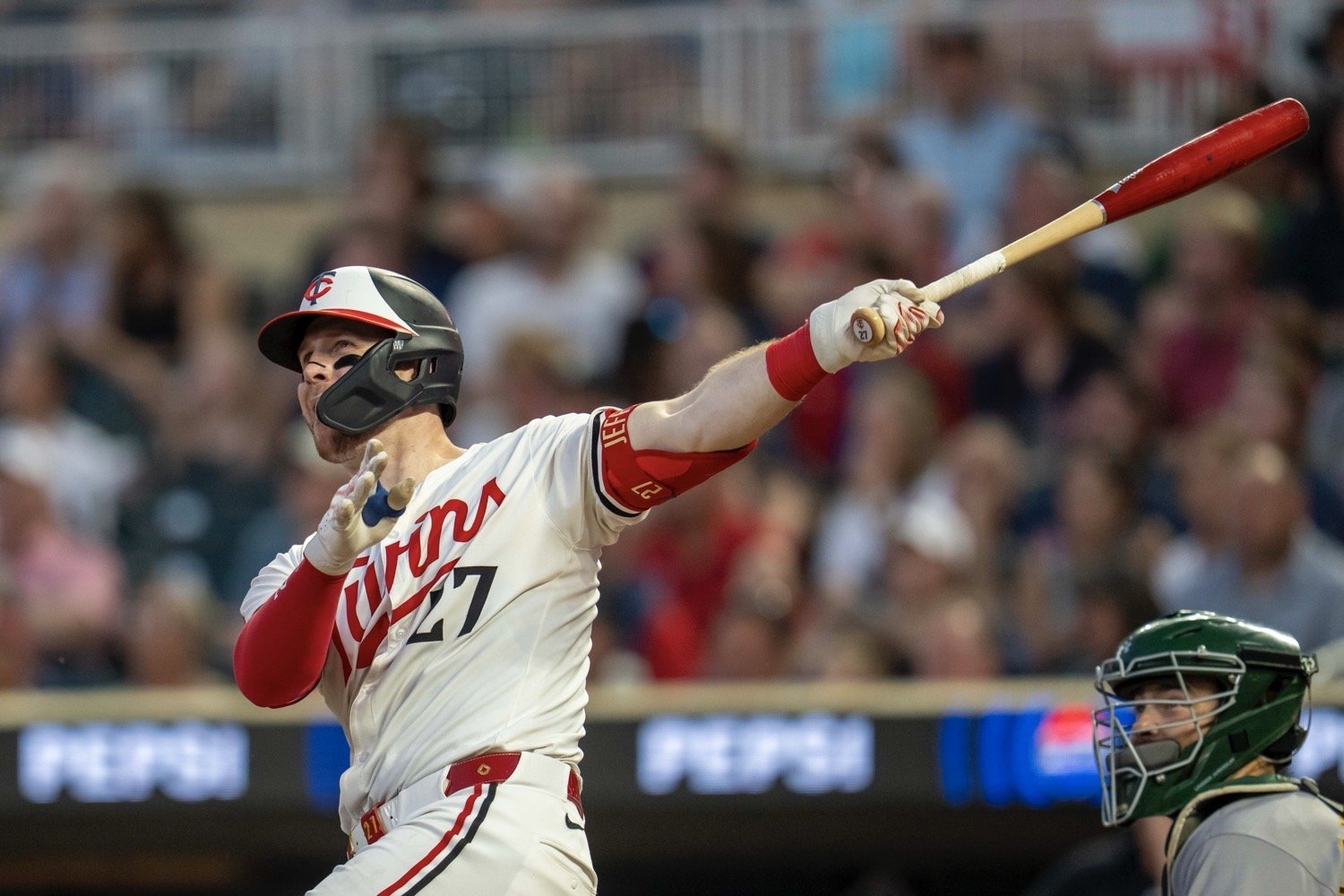 The Minnesota Twins have spent the early offseason in the thick of speculation, as the industry waits to see how far their teardown will go. Joe Ryan’s name has been tossed around. Byron Buxton rumors refuse to die down. Now, another player has entered the conversation. Ryan Jeffers might not be the most obvious trade chip, but his age, contract status, and offensive growth make him a realistic target for a contender in need of catching stability. For the Philadelphia Phillies, that need might soon become a top priority. Philadelphia is sitting at a crossroads as it approaches 2026. J.T. Realmuto is the premier free-agent catcher on the market and has been everything the Phillies hoped for since the moment he arrived from Miami. Two All-Star appearances and countless big moments frame his reputation as one of the best backstops of his era. The problem is timing. Realmuto is entering his age-35 season, and the Phillies must determine whether to extend their relationship or pivot to a younger, more affordable alternative. There is no internal candidate ready to replace him, which means they will either need to re-sign Realmuto or find a veteran replacement from the outside. The Phillies are juggling more than one significant decision. Kyle Schwarber is also a free agent. He remains one of the top middle-of-the-order bats available. Bringing back both Schwarber and Realmuto would require serious financial gymnastics. Losing Realmuto, however, would require the front office to replace production somewhere else. That is why Philadelphia has closely monitored the catching market. If his market continues to heat up, the Phillies may shift their focus to a trade, and it could lead them to call the Twins about Jeffers. Jeffers is coming off a solid season, wherein he slashed .266/.356/.397 (a 108 OPS+) in 119 games. He continues to provide above-average offensive value at a premium defensive position. Over the past three seasons, he has posted a 113 OPS+ in 1,264 plate appearances, with a 10.8% walk rate boosting his offensive value in 2025. Compared to Realmuto’s expected price tag, Jeffers looks like an efficient alternative, projected to make $6.6 million in arbitration. For Philadelphia, the appeal is clear. Jeffers would stabilize the position while allowing the front office to allocate resources elsewhere. A Jeffers trade would also signal that the Phillies are comfortable passing on Realmuto, which could open the door to retaining Schwarber and left-handed starter Ranger Suárez. If Philadelphia prefers roster flexibility, Jeffers checks a lot of boxes. It's the very kind of move, in fact, that first brought Realmuto to them. Philadelphia traded three players to the Marlins in early 2019 for Realmuto, who had two years of team control remaining at the time. Minnesota’s involvement is also logical. After their trade-deadline fire sale, the Twins have made it clear that virtually every veteran on the roster is available for trade. Their activity with Philadelphia last summer adds another wrinkle. The organizations completed deals involving Jhoan Duran and Harrison Bader, and that familiarity can sometimes streamline negotiations. The Twins know the Phillies’ system well, and Philadelphia has a clear understanding of Minnesota’s priorities as it continues its retool. The proposed return reflects that dynamic. The Phillies could acquire Jeffers, and the Twins could receive multiple prospects in return. A potential package might include left-handed pitcher Mavis Graves (ranked 25th in the system by MLB Pipeline) and catcher Caleb Ricketts (ranked 22nd). Graves pitched all of 2025 at High A and posted a 4.41 ERA, with a 27.7% strikeout rate and a 13.7% walk rate. Ricketts could add catching depth to the Twins’ system, as the 25-year-old posted a 111 wRC+ while reaching Double-A Reading last year. Other players who could be discussed include catcher (and first baseman) Kehden Hettiger, third baseman Carson DeMartini, right-handers Ramon Marquez and Alex McFarlane, and outfielder TJayy Walton. None of these names would headline a blockbuster, but they fit the pattern of depth-focused prospect accumulation the Twins pursued at the deadline. This kind of trade would not grab national headlines the way Ryan or Buxton speculation might, but it speaks to where the Twins currently stand. A controllable catcher with offensive upside will always hold value, and contenders like the Phillies are preparing for significant decisions in the coming weeks. If Philadelphia decides to move on from Realmuto and turn toward a younger option, the path could run straight through Minnesota. In fact, the Twins might even be in position to hold out for a higher price. Does a trade between the Phillies and Twins make sense? Leave a comment and start the discussion.
- 105 comments
-
- 1
-

-
- ryan jeffers
- jt realmuto
- (and 1 more)
-
Image courtesy of © Jesse Johnson-Imagn Images The Minnesota Twins have spent the early offseason in the thick of speculation, as the industry waits to see how far their teardown will go. Joe Ryan’s name has been tossed around. Byron Buxton rumors refuse to die down. Now, another player has entered the conversation. Ryan Jeffers might not be the most obvious trade chip, but his age, contract status, and offensive growth make him a realistic target for a contender in need of catching stability. For the Philadelphia Phillies, that need might soon become a top priority. Philadelphia is sitting at a crossroads as it approaches 2026. J.T. Realmuto is the premier free-agent catcher on the market and has been everything the Phillies hoped for since the moment he arrived from Miami. Two All-Star appearances and countless big moments frame his reputation as one of the best backstops of his era. The problem is timing. Realmuto is entering his age-35 season, and the Phillies must determine whether to extend their relationship or pivot to a younger, more affordable alternative. There is no internal candidate ready to replace him, which means they will either need to re-sign Realmuto or find a veteran replacement from the outside. The Phillies are juggling more than one significant decision. Kyle Schwarber is also a free agent. He remains one of the top middle-of-the-order bats available. Bringing back both Schwarber and Realmuto would require serious financial gymnastics. Losing Realmuto, however, would require the front office to replace production somewhere else. That is why Philadelphia has closely monitored the catching market. If his market continues to heat up, the Phillies may shift their focus to a trade, and it could lead them to call the Twins about Jeffers. Jeffers is coming off a solid season, wherein he slashed .266/.356/.397 (a 108 OPS+) in 119 games. He continues to provide above-average offensive value at a premium defensive position. Over the past three seasons, he has posted a 113 OPS+ in 1,264 plate appearances, with a 10.8% walk rate boosting his offensive value in 2025. Compared to Realmuto’s expected price tag, Jeffers looks like an efficient alternative, projected to make $6.6 million in arbitration. For Philadelphia, the appeal is clear. Jeffers would stabilize the position while allowing the front office to allocate resources elsewhere. A Jeffers trade would also signal that the Phillies are comfortable passing on Realmuto, which could open the door to retaining Schwarber and left-handed starter Ranger Suárez. If Philadelphia prefers roster flexibility, Jeffers checks a lot of boxes. It's the very kind of move, in fact, that first brought Realmuto to them. Philadelphia traded three players to the Marlins in early 2019 for Realmuto, who had two years of team control remaining at the time. Minnesota’s involvement is also logical. After their trade-deadline fire sale, the Twins have made it clear that virtually every veteran on the roster is available for trade. Their activity with Philadelphia last summer adds another wrinkle. The organizations completed deals involving Jhoan Duran and Harrison Bader, and that familiarity can sometimes streamline negotiations. The Twins know the Phillies’ system well, and Philadelphia has a clear understanding of Minnesota’s priorities as it continues its retool. The proposed return reflects that dynamic. The Phillies could acquire Jeffers, and the Twins could receive multiple prospects in return. A potential package might include left-handed pitcher Mavis Graves (ranked 25th in the system by MLB Pipeline) and catcher Caleb Ricketts (ranked 22nd). Graves pitched all of 2025 at High A and posted a 4.41 ERA, with a 27.7% strikeout rate and a 13.7% walk rate. Ricketts could add catching depth to the Twins’ system, as the 25-year-old posted a 111 wRC+ while reaching Double-A Reading last year. Other players who could be discussed include catcher (and first baseman) Kehden Hettiger, third baseman Carson DeMartini, right-handers Ramon Marquez and Alex McFarlane, and outfielder TJayy Walton. None of these names would headline a blockbuster, but they fit the pattern of depth-focused prospect accumulation the Twins pursued at the deadline. This kind of trade would not grab national headlines the way Ryan or Buxton speculation might, but it speaks to where the Twins currently stand. A controllable catcher with offensive upside will always hold value, and contenders like the Phillies are preparing for significant decisions in the coming weeks. If Philadelphia decides to move on from Realmuto and turn toward a younger option, the path could run straight through Minnesota. In fact, the Twins might even be in position to hold out for a higher price. Does a trade between the Phillies and Twins make sense? Leave a comment and start the discussion. View full article
-
Image courtesy of © Jerome Miron-Imagn Images The winter meetings arrive every year with a blend of tension and possibility, and the Minnesota Twins find themselves right in the center of that mix. The front office has already signaled a shift in direction with notable trades at last year’s deadline, but the next few days will determine how dramatic this winter truly becomes. With payroll limitations, a clubhouse in transition, and a roster that needs both clarity and talent, these four questions will shape the Twins’ path forward. Will the Twins Trade More Veterans? Minnesota shocked much of the league when it moved key players at the 2025 deadline, and the possibility remains that the front office is not done trimming from the core. Joe Ryan, Pablo Lopez, and Byron Buxton represent the most significant names still drawing outside interest, and each presents a different challenge for the club. Ryan still has two years of team control through arbitration, making him the type of pitcher contenders ask about when they believe the Twins are retooling. There were already rumors about him being traded at the deadline, and he’s coming off an All-Star campaign. Lopez remains Minnesota’s best starting pitcher when healthy, and moving him would signal a complete reset instead of a soft pivot. He is owed the most money over the next two seasons ($43 million), making him a prime trade target. Then there is Buxton, the most complicated name of all. His contract, health history, and elite ceiling create a puzzle that only a few teams might be willing to solve, yet rumors have pointed to him being willing to waive his no-trade clause if the sell-off continues. The winter meetings have a way of accelerating conversations, and if another club is willing to pay for star upside, the Twins could continue reshaping their roster. Will the Team’s New Minority Owners Be Revealed? One of the strangest Twins storylines in recent months has nothing to do with baseball decisions. The club is expected to add two new minority ownership groups, but the details have been surprisingly quiet. The lack of transparency might be expected, but it remains strange that only limited details are available. Winter meetings are traditionally a stage for ownership announcements, branding pushes, and organizational updates. If the Twins intend to introduce their new partners before the 2026 season begins, this week is the ideal moment. The uncertainty has prompted speculation that the agreements are not fully finalized. Either way, clarity would be welcomed by fans eager to understand how these groups will influence future spending and long-term strategy. Will the Twins Sign a Closer? The bullpen is one of the clearest needs on the roster, especially after last summer’s sell-off. Minnesota is not expected to hand out any major long-term deals in free agency, but the club needs stability at the back end of games. The free agent market offers a few realistic options. Kenley Jansen stands out as a name with both experience and history chasing. Sitting 24 saves shy of becoming only the third pitcher in MLB history to reach five hundred career saves, he could find the Twins an appealing landing spot if they provide him with ninth-inning duties. Minnesota could also turn back to familiar faces. Taylor Rogers offers a left-handed veteran presence with strikeout stuff when healthy, while Caleb Thielbar would be a sentimental fit who could thrive in a lower leverage role. A bullpen addition of some kind feels close to inevitable, and the winter meetings could be where that move materializes. Will the Twins Attempt to Upgrade at First Base and DH? Derek Falvey made headlines at the GM Meetings when he suggested that Kody Clemens is in line to be the club’s starting first baseman. That may be the current plan, but it is hard to imagine the Twins entering the season with no improvements to two of the most crucial run-producing spots in the lineup. The organization needs more right-handed power, and the market offers several affordable options. Paul Goldschmidt is no longer the MVP-caliber hitter he once was, but has remained productive and dependable. Josh Bell brings switch-hitting pop that could balance the lineup. Rhys Hoskins would be a particularly strong fit if the Twins prioritize home run potential without breaking the bank. Any of these names would present an upgrade over the current depth chart and help alleviate pressure on Clemens to carry a position with a heavy offensive load. The winter meetings continually shape the offseason, but this year feels especially pivotal for the Twins. Whether they choose to move veterans, reveal ownership updates, fortify the bullpen, or add meaningful offensive help, Minnesota is positioned for a week filled with decisions that will define the next stage of their retooling. One way or another, the franchise will look different by the time the meetings conclude. Will the Twins answer any of these questions at the winter meetings? Leave a comment and start the discussion. View full article
-
4 Big Questions Facing Minnesota Twins at 2025 Winter Meetings
Cody Christie posted an article in Twins
 The winter meetings arrive every year with a blend of tension and possibility, and the Minnesota Twins find themselves right in the center of that mix. The front office has already signaled a shift in direction with notable trades at last year’s deadline, but the next few days will determine how dramatic this winter truly becomes. With payroll limitations, a clubhouse in transition, and a roster that needs both clarity and talent, these four questions will shape the Twins’ path forward. Will the Twins Trade More Veterans? Minnesota shocked much of the league when it moved key players at the 2025 deadline, and the possibility remains that the front office is not done trimming from the core. Joe Ryan, Pablo Lopez, and Byron Buxton represent the most significant names still drawing outside interest, and each presents a different challenge for the club. Ryan still has two years of team control through arbitration, making him the type of pitcher contenders ask about when they believe the Twins are retooling. There were already rumors about him being traded at the deadline, and he’s coming off an All-Star campaign. Lopez remains Minnesota’s best starting pitcher when healthy, and moving him would signal a complete reset instead of a soft pivot. He is owed the most money over the next two seasons ($43 million), making him a prime trade target. Then there is Buxton, the most complicated name of all. His contract, health history, and elite ceiling create a puzzle that only a few teams might be willing to solve, yet rumors have pointed to him being willing to waive his no-trade clause if the sell-off continues. The winter meetings have a way of accelerating conversations, and if another club is willing to pay for star upside, the Twins could continue reshaping their roster. Will the Team’s New Minority Owners Be Revealed? One of the strangest Twins storylines in recent months has nothing to do with baseball decisions. The club is expected to add two new minority ownership groups, but the details have been surprisingly quiet. The lack of transparency might be expected, but it remains strange that only limited details are available. Winter meetings are traditionally a stage for ownership announcements, branding pushes, and organizational updates. If the Twins intend to introduce their new partners before the 2026 season begins, this week is the ideal moment. The uncertainty has prompted speculation that the agreements are not fully finalized. Either way, clarity would be welcomed by fans eager to understand how these groups will influence future spending and long-term strategy. Will the Twins Sign a Closer? The bullpen is one of the clearest needs on the roster, especially after last summer’s sell-off. Minnesota is not expected to hand out any major long-term deals in free agency, but the club needs stability at the back end of games. The free agent market offers a few realistic options. Kenley Jansen stands out as a name with both experience and history chasing. Sitting 24 saves shy of becoming only the third pitcher in MLB history to reach five hundred career saves, he could find the Twins an appealing landing spot if they provide him with ninth-inning duties. Minnesota could also turn back to familiar faces. Taylor Rogers offers a left-handed veteran presence with strikeout stuff when healthy, while Caleb Thielbar would be a sentimental fit who could thrive in a lower leverage role. A bullpen addition of some kind feels close to inevitable, and the winter meetings could be where that move materializes. Will the Twins Attempt to Upgrade at First Base and DH? Derek Falvey made headlines at the GM Meetings when he suggested that Kody Clemens is in line to be the club’s starting first baseman. That may be the current plan, but it is hard to imagine the Twins entering the season with no improvements to two of the most crucial run-producing spots in the lineup. The organization needs more right-handed power, and the market offers several affordable options. Paul Goldschmidt is no longer the MVP-caliber hitter he once was, but has remained productive and dependable. Josh Bell brings switch-hitting pop that could balance the lineup. Rhys Hoskins would be a particularly strong fit if the Twins prioritize home run potential without breaking the bank. Any of these names would present an upgrade over the current depth chart and help alleviate pressure on Clemens to carry a position with a heavy offensive load. The winter meetings continually shape the offseason, but this year feels especially pivotal for the Twins. Whether they choose to move veterans, reveal ownership updates, fortify the bullpen, or add meaningful offensive help, Minnesota is positioned for a week filled with decisions that will define the next stage of their retooling. One way or another, the franchise will look different by the time the meetings conclude. Will the Twins answer any of these questions at the winter meetings? Leave a comment and start the discussion.
- 38 comments
-
- 3
-
-
- byron buxton
- joe ryan
- (and 8 more)
-
Image courtesy of David Malamut, Cedar Rapids Kernels (Photo of Eduardo Tait) The Twins' farm system has undergone significant restructuring in recent years, but the organization remains committed to developing waves of talent to complement the big-league roster. Some years produce star-level prospects while others deliver depth, but Minnesota has consistently found value across the age spectrum. Identifying a top prospect in every age group offers a unique view of how well the system is layered. It also highlights how the Twins continue to invest in both high-end draft picks and international signings, which gives the farm system balance and long-term upside. From teenagers just getting their first taste of professional baseball to pitchers and position players closing in on Target Field, every tier of the system features someone capable of making an impact. This age-based snapshot shows the range of tools, projections, and developmental paths that make the Twins one of the more intriguing organizations to track as their next wave forms. Age 17: INF Haritzon Castillo Castillo is one of the freshest names in the system, but he already carries the look of a fast riser. Signed out of the Dominican Republic, he has impressed evaluators with a fluid swing that produces consistent line drive contact. In 39 games last season, he hit .283/.395/.428 (.823) with 13 extra-base hits and a 117 wRC+. He moves easily in the infield with enough athleticism to project to multiple spots. While he is still years away, his baseball instincts have already put him ahead of most players his age. Other Candidates: INF Santiago Leon, RHP Santiago Castellanos Age 18: SS Quentin Young Minnesota took Young with their second-round pick last July, and he has quickly become one of the most exciting young shortstops in the organization. His combination of smooth defensive actions and emerging offensive impact gives him a strong foundation to build on. He went 2-for-17 in his pro debut, but it was a small sample size. The Twins love his ability to control the strike zone, and the added strength has started to translate into more loud contact. His ceiling is still forming, but the ingredients are all there for a significant leap. Other Candidates: OF Jhomnardo Reyes Age 19: C Eduardo Tait Tait was the top prospect acquired in the Jhoan Duran trade. He is coming off a breakout season in which he showed advanced feel for hitting and surprising pop for his age. In 112 games, he hit .253/.311/.427 (.738) with a 103 wRC+, while being four years younger than the average age of the competition at High-A. His receiving continues to improve, and the Twins believe he can develop into a strong defensive catcher as he matures. The bat is already ahead of schedule, and his balanced approach should allow him to move quickly. Minnesota has needed catching depth, and Tait has positioned himself as a key part of that future. Other Candidates: LHP Dasan Hill, RHP Matt Barr Age 20: OF Walker Jenkins Jenkins remains the centerpiece of the entire system. His five-tool profile and polished plate approach make him one of the top prospects in baseball. Last season, he finished the year at Triple-A and still combined for a 135 wRC+. Even as one of the younger players at his level, he has shown the ability to make adjustments quickly and consistently drive the ball with authority. His overall game continues to trend upward, and he has arguably the highest ceiling of any player to come through the Twins system since Byron Buxton. Other Candidates: RHP Charlee Soto, IF and OF Brandon Winokur Age 21: SS Marek Houston Houston has become one of the more intriguing infielders in the organization thanks to his smooth defensive ability and growing offensive confidence. The Twins took him with the 16th overall pick in last June’s draft and pushed him to High-A in his pro debut while slashing .270/.330/.350 (.680). His range and arm strength allow him to stay at shortstop long term, and the Twins think there is more power to come as his body matures. With a strong work ethic and improved plate discipline, he could take a significant step forward next season. Other Candidates: OF Gabriel Gonzalez, RHP Riley Quick Age 22: SS Kaelen Culpepper Culpepper was the Twins Minor League Player of the Year after he flashed across multiple levels this year with a dynamic skill set. In 113 games, he hit .289/.375/.469 (.844) with a 138 wRC+. He is a reliable defender at shortstop, after questions about his ability to stick at the position during the draft process. His offensive approach continues to tighten with more consistent at-bats. His ability to impact the game in multiple ways keeps him firmly in the conversation as one of the system’s most dependable upper-level infielders. Other Candidates: OF Emmanuel Rodriguez, C Khadim Diaw Age 23: LHP Kendry Rojas Minnesota spoke highly of Rojas when they acquired him as part of the Louis Varland trade. He has emerged as the top left-handed arm in his age group thanks to a sinker and one of the better sliders in the system. In 69 innings, he posted a 4.70 ERA with a 28.8 K% and a 10.3 BB% while being over five years younger than the average age of the competition at Triple-A. If his slider continues to develop, he could project as a playoff-caliber starter with room to grow. The Twins value his competitiveness and steady progress. Other Candidates: RHP Marco Raya, IF Billy Amick Age 24: LHP Connor Prielipp Prielipp is finally starting to resemble the dominant pitcher he was before Tommy John surgery. His slider remains a true out pitch, and the Twins have been encouraged by his increased velocity and improved command. In 2025, he posted a 4.03 ERA with a 27.0 K% and an 8.5 BB%. If he can maintain health, Minnesota believes he could push for major league innings sooner rather than later. Derek Falvey mentioned him as a potential option for Minnesota’s revamped bullpen, and he has the upside to be a dominant late-inning lefty. Other Candidates: RHP Andrew Morris, RHP Mick Abel This age-based breakdown shows how deliberately the Twins have built their farm system. Each tier offers something different, and together they create a foundation that can support both short-term needs and long-term aspirations. Players like Jenkins and Culpepper are nearing the doorstep, while younger talents such as Castillo and Young provide hope for the next wave. It is a reminder that, even as the major league roster shifts, reliable talent is developing just beneath the surface. Do you agree with the rankings? Should any of the other candidates be the top choice? Leave a comment and start the discussion. View full article
-
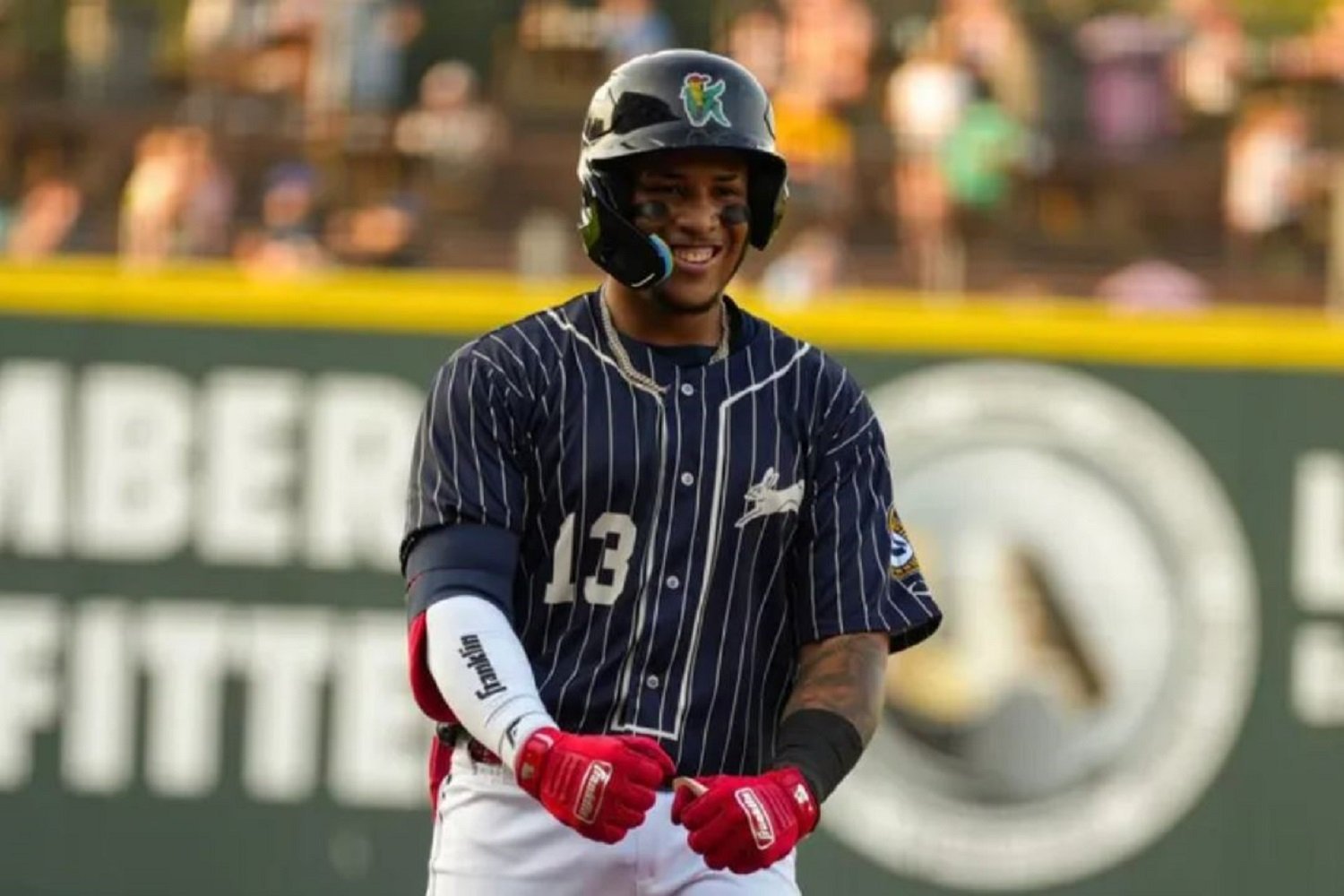 The Twins' farm system has undergone significant restructuring in recent years, but the organization remains committed to developing waves of talent to complement the big-league roster. Some years produce star-level prospects while others deliver depth, but Minnesota has consistently found value across the age spectrum. Identifying a top prospect in every age group offers a unique view of how well the system is layered. It also highlights how the Twins continue to invest in both high-end draft picks and international signings, which gives the farm system balance and long-term upside. From teenagers just getting their first taste of professional baseball to pitchers and position players closing in on Target Field, every tier of the system features someone capable of making an impact. This age-based snapshot shows the range of tools, projections, and developmental paths that make the Twins one of the more intriguing organizations to track as their next wave forms. Age 17: INF Haritzon Castillo Castillo is one of the freshest names in the system, but he already carries the look of a fast riser. Signed out of the Dominican Republic, he has impressed evaluators with a fluid swing that produces consistent line drive contact. In 39 games last season, he hit .283/.395/.428 (.823) with 13 extra-base hits and a 117 wRC+. He moves easily in the infield with enough athleticism to project to multiple spots. While he is still years away, his baseball instincts have already put him ahead of most players his age. Other Candidates: INF Santiago Leon, RHP Santiago Castellanos Age 18: SS Quentin Young Minnesota took Young with their second-round pick last July, and he has quickly become one of the most exciting young shortstops in the organization. His combination of smooth defensive actions and emerging offensive impact gives him a strong foundation to build on. He went 2-for-17 in his pro debut, but it was a small sample size. The Twins love his ability to control the strike zone, and the added strength has started to translate into more loud contact. His ceiling is still forming, but the ingredients are all there for a significant leap. Other Candidates: OF Jhomnardo Reyes Age 19: C Eduardo Tait Tait was the top prospect acquired in the Jhoan Duran trade. He is coming off a breakout season in which he showed advanced feel for hitting and surprising pop for his age. In 112 games, he hit .253/.311/.427 (.738) with a 103 wRC+, while being four years younger than the average age of the competition at High-A. His receiving continues to improve, and the Twins believe he can develop into a strong defensive catcher as he matures. The bat is already ahead of schedule, and his balanced approach should allow him to move quickly. Minnesota has needed catching depth, and Tait has positioned himself as a key part of that future. Other Candidates: LHP Dasan Hill, RHP Matt Barr Age 20: OF Walker Jenkins Jenkins remains the centerpiece of the entire system. His five-tool profile and polished plate approach make him one of the top prospects in baseball. Last season, he finished the year at Triple-A and still combined for a 135 wRC+. Even as one of the younger players at his level, he has shown the ability to make adjustments quickly and consistently drive the ball with authority. His overall game continues to trend upward, and he has arguably the highest ceiling of any player to come through the Twins system since Byron Buxton. Other Candidates: RHP Charlee Soto, IF and OF Brandon Winokur Age 21: SS Marek Houston Houston has become one of the more intriguing infielders in the organization thanks to his smooth defensive ability and growing offensive confidence. The Twins took him with the 16th overall pick in last June’s draft and pushed him to High-A in his pro debut while slashing .270/.330/.350 (.680). His range and arm strength allow him to stay at shortstop long term, and the Twins think there is more power to come as his body matures. With a strong work ethic and improved plate discipline, he could take a significant step forward next season. Other Candidates: OF Gabriel Gonzalez, RHP Riley Quick Age 22: SS Kaelen Culpepper Culpepper was the Twins Minor League Player of the Year after he flashed across multiple levels this year with a dynamic skill set. In 113 games, he hit .289/.375/.469 (.844) with a 138 wRC+. He is a reliable defender at shortstop, after questions about his ability to stick at the position during the draft process. His offensive approach continues to tighten with more consistent at-bats. His ability to impact the game in multiple ways keeps him firmly in the conversation as one of the system’s most dependable upper-level infielders. Other Candidates: OF Emmanuel Rodriguez, C Khadim Diaw Age 23: LHP Kendry Rojas Minnesota spoke highly of Rojas when they acquired him as part of the Louis Varland trade. He has emerged as the top left-handed arm in his age group thanks to a sinker and one of the better sliders in the system. In 69 innings, he posted a 4.70 ERA with a 28.8 K% and a 10.3 BB% while being over five years younger than the average age of the competition at Triple-A. If his slider continues to develop, he could project as a playoff-caliber starter with room to grow. The Twins value his competitiveness and steady progress. Other Candidates: RHP Marco Raya, IF Billy Amick Age 24: LHP Connor Prielipp Prielipp is finally starting to resemble the dominant pitcher he was before Tommy John surgery. His slider remains a true out pitch, and the Twins have been encouraged by his increased velocity and improved command. In 2025, he posted a 4.03 ERA with a 27.0 K% and an 8.5 BB%. If he can maintain health, Minnesota believes he could push for major league innings sooner rather than later. Derek Falvey mentioned him as a potential option for Minnesota’s revamped bullpen, and he has the upside to be a dominant late-inning lefty. Other Candidates: RHP Andrew Morris, RHP Mick Abel This age-based breakdown shows how deliberately the Twins have built their farm system. Each tier offers something different, and together they create a foundation that can support both short-term needs and long-term aspirations. Players like Jenkins and Culpepper are nearing the doorstep, while younger talents such as Castillo and Young provide hope for the next wave. It is a reminder that, even as the major league roster shifts, reliable talent is developing just beneath the surface. Do you agree with the rankings? Should any of the other candidates be the top choice? Leave a comment and start the discussion.
- 15 comments
-
- 12
-
-

-
- walker jenkins
- eduardo tait
- (and 6 more)
-
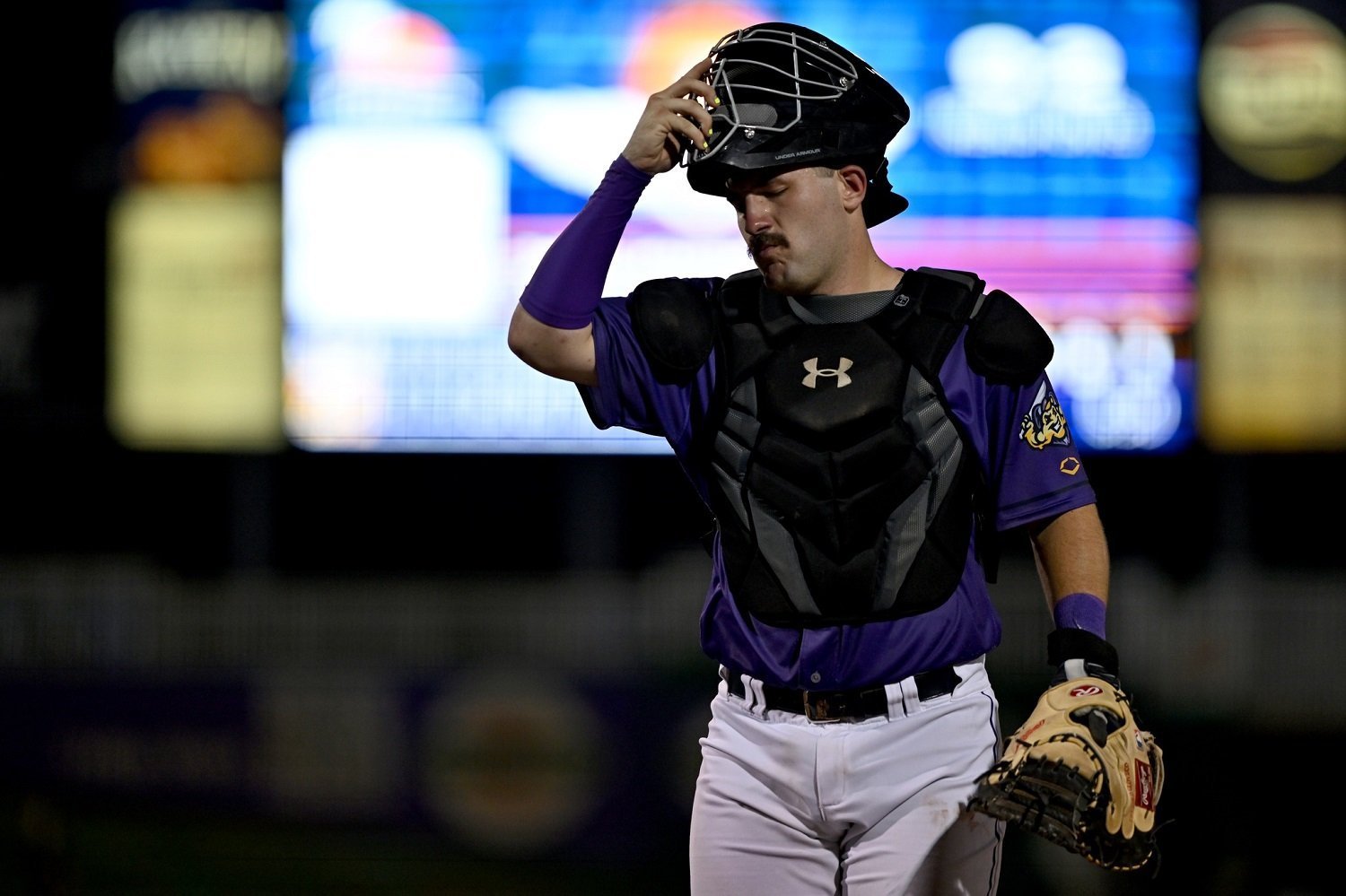 A former Minnesota Twins catching prospect is officially eligible to return to affiliated baseball, closing the chapter on one of the most confusing and controversial situations the organization has dealt with in recent years. Derek Bender, a sixth-round pick in 2024, was released by the Twins in September 2024 after allegations surfaced that he tipped pitches to opposing hitters during a Florida State League doubleheader. Major League Baseball confirmed to The Athletic that his discipline has been served and he can now sign with any club. Bender, who missed the entire 2025 season due to what MLB described as his “conduct,” issued a broad apology through the MLB Players Association. His statement did not directly address whether he gave away pitches, yet it showed a player grappling with the end of a draining year. “After further reflection, I would like to apologize to the Minnesota Twins organization, my former teammates and coaches, and the fans, for my actions at the conclusion of the 2024 season,” Bender said. He added that he had been struggling with his mental health, noting, “Over the past year, I have been working hard, both on and off the field, to become the best player and teammate I can be.” In a February interview with The Athletic, however, Bender pushed back strongly on the core accusation. Asked directly if he gave pitches away, he responded, “No.” He went even further, saying, “And I’ll live with this until the day I die. I never gave pitches away. I never tried to give the opposing team an advantage against my own team.” At the same time, he acknowledged the physical and mental exhaustion he felt near the end of the season, mentioning joking conversations with teammates about errors and the shared feeling that “everybody’s ready to go home.” The league never publicly stated what conduct triggered Bender’s discipline, and investigators did not find gambling involvement of any kind. A league source told The Athletic that MLB had been examining a potential violation of rule 21(a), which covers intentionally losing games. A confirmed violation would have resulted in a lifetime ban, but the negotiated agreement sidestepped a formal ruling and allowed Bender to return after serving a season long suspension. With the matter now resolved, Bender has started contacting clubs to express his interest in returning. He spent last year with the Brockton Rox of the Frontier League, playing 92 games while hitting .282 with 11 home runs and 54 runs batted in. Despite the turmoil, he expressed a renewed commitment to the sport. “This whole situation made me fall out of love with baseball,” Bender said. “But I realized that I want to win more baseball games in my career. I love baseball. I love winning. I love being a part of a team.” For now, Bender’s future depends on whether an organization is willing to take a chance on a player trying to move past a complicated ending to his time with the Twins. But at the very least, the door to affiliated baseball is open again.
 -
A former Minnesota Twins catching prospect is officially eligible to return to affiliated baseball, closing the chapter on one of the most confusing and controversial situations the organization has dealt with in recent years. Derek Bender, a sixth-round pick in 2024, was released by the Twins in September 2024 after allegations surfaced that he tipped pitches to opposing hitters during a Florida State League doubleheader. Major League Baseball confirmed to The Athletic that his discipline has been served and he can now sign with any club. Bender, who missed the entire 2025 season due to what MLB described as his “conduct,” issued a broad apology through the MLB Players Association. His statement did not directly address whether he gave away pitches, yet it showed a player grappling with the end of a draining year. “After further reflection, I would like to apologize to the Minnesota Twins organization, my former teammates and coaches, and the fans, for my actions at the conclusion of the 2024 season,” Bender said. He added that he had been struggling with his mental health, noting, “Over the past year, I have been working hard, both on and off the field, to become the best player and teammate I can be.” In a February interview with The Athletic, however, Bender pushed back strongly on the core accusation. Asked directly if he gave pitches away, he responded, “No.” He went even further, saying, “And I’ll live with this until the day I die. I never gave pitches away. I never tried to give the opposing team an advantage against my own team.” At the same time, he acknowledged the physical and mental exhaustion he felt near the end of the season, mentioning joking conversations with teammates about errors and the shared feeling that “everybody’s ready to go home.” The league never publicly stated what conduct triggered Bender’s discipline, and investigators did not find gambling involvement of any kind. A league source told The Athletic that MLB had been examining a potential violation of rule 21(a), which covers intentionally losing games. A confirmed violation would have resulted in a lifetime ban, but the negotiated agreement sidestepped a formal ruling and allowed Bender to return after serving a season long suspension. With the matter now resolved, Bender has started contacting clubs to express his interest in returning. He spent last year with the Brockton Rox of the Frontier League, playing 92 games while hitting .282 with 11 home runs and 54 runs batted in. Despite the turmoil, he expressed a renewed commitment to the sport. “This whole situation made me fall out of love with baseball,” Bender said. “But I realized that I want to win more baseball games in my career. I love baseball. I love winning. I love being a part of a team.” For now, Bender’s future depends on whether an organization is willing to take a chance on a player trying to move past a complicated ending to his time with the Twins. But at the very least, the door to affiliated baseball is open again. View full rumor
-
Earlier today, Rosenthal reported that the Twins plan to hold on to Buxton, Ryan, and Lopez. https://www.nytimes.com/athletic/6866003/2025/12/05/minnesota-twins-offseason-plans-byron-buxton-joe-ryan/
- 55 replies
-
- 3
-
-
- byron buxton
- derek falvey
- (and 2 more)
-
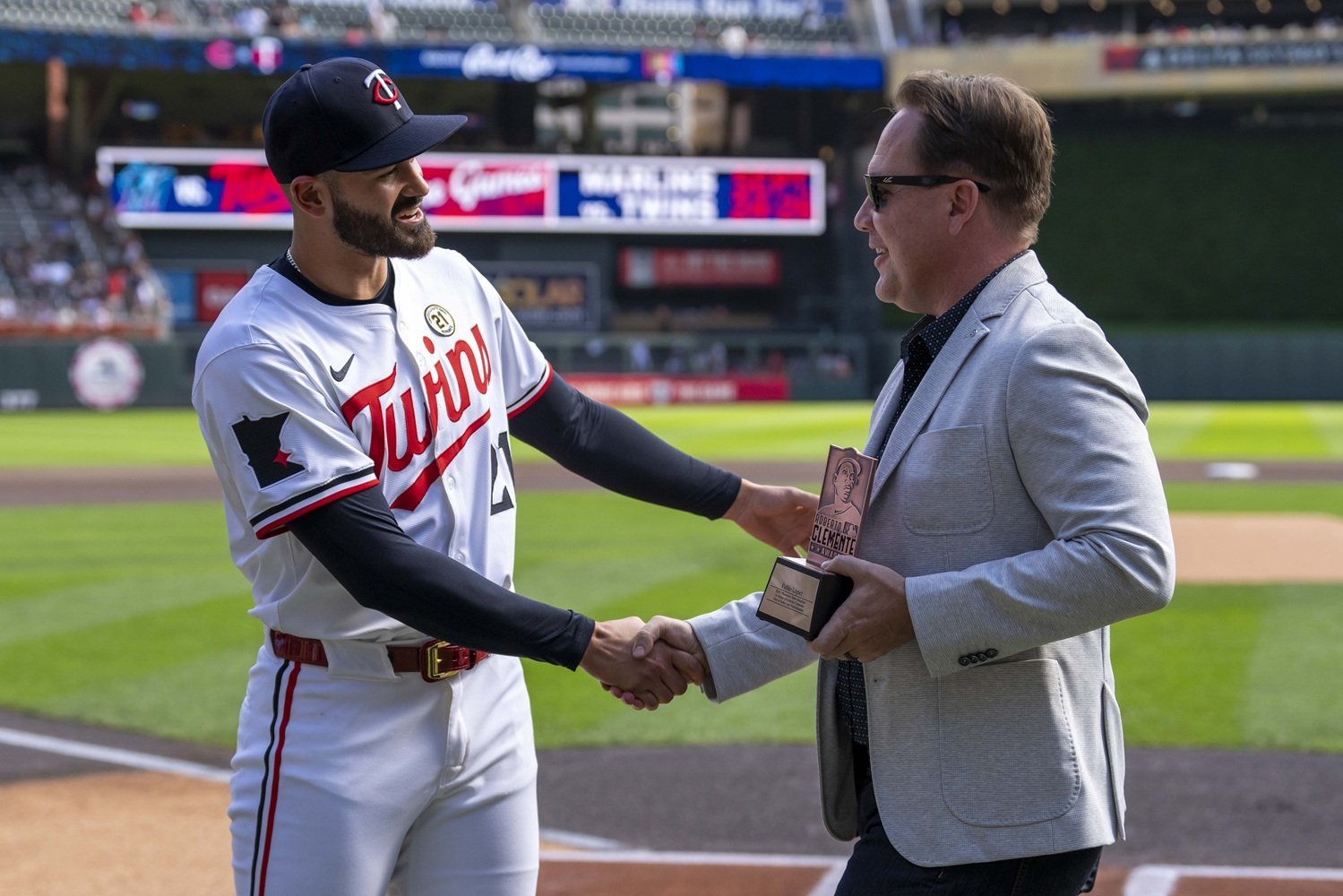 Minnesota’s offseason has been underway for more than two months, but as the Winter Meetings draw near, the Twins still appear to be wrestling with their direction. That uncertainty isn’t just external perception either. According to MLB insider Ken Rosenthal, the organization’s internal conversations remain murky. As he put it on Foul Territory, the Twins “are a mystery” because “there is not clarity yet on how they are going to operate this offseason.” Rosenthal emphasized this wasn’t simply a matter of the team keeping plans quiet. “I mean clarity within their own organization. I don’t know that they know what they’re going to do. They’re working through it. What I was told this week is that they’ll have clarity by the winter meetings. OK. It’s probably a good idea to have clarity by the winter meetings.” That kind of ambiguity is unusual for this point in the calendar, especially with the annual gathering of front offices set to take place next week in Orlando. The Twins have had over two months since the regular season ended to prepare their approach, and yet the franchise’s posture remains unsettled. Much of that stems from Minnesota’s stumbling ownership transition. The failed sale and the arrival of still-unnamed minority investors appear to be casting a shadow over budget decisions. Rosenthal noted that internal opinions are diverging. “It seems to me that there are factions in the Twins organization that want to start building the team back up again. Good idea since you’ve alienated your fan base. And then there are ownership questions. They just took on the two new investors. How much are they going to spend? All of that.” Amid that backdrop, the club’s most significant decisions still loom. What will Minnesota do with its remaining star-level players? Rosenthal wondered aloud: “So, the question then becomes ... where are they going to go? Which way are they going to go? I don’t necessarily expect them to trade (Joe) Ryan, (Byron Buxton), maybe Pablo Lopez.” If the side pushing for a roster rebound wins out, the Twins could arrive at spring training with their core intact. But if the payroll-cutting faction gains control, then difficult choices become more likely. As Rosenthal put it, “But to keep going backwards, if they do that, then yes, Ryan becomes available. Buxton becomes available. They’re probably more valuable separately than they would be (packaged) together.” The clock is ticking. With the Winter Meetings just days away, the Twins need to settle on a path that not only clarifies their competitive intentions but also signals to fans that the organization is finally ready to move forward.
 -
Minnesota’s offseason has been underway for more than two months, but as the Winter Meetings draw near, the Twins still appear to be wrestling with their direction. That uncertainty isn’t just external perception either. According to MLB insider Ken Rosenthal, the organization’s internal conversations remain murky. As he put it on Foul Territory, the Twins “are a mystery” because “there is not clarity yet on how they are going to operate this offseason.” Rosenthal emphasized this wasn’t simply a matter of the team keeping plans quiet. “I mean clarity within their own organization. I don’t know that they know what they’re going to do. They’re working through it. What I was told this week is that they’ll have clarity by the winter meetings. OK. It’s probably a good idea to have clarity by the winter meetings.” That kind of ambiguity is unusual for this point in the calendar, especially with the annual gathering of front offices set to take place next week in Orlando. The Twins have had over two months since the regular season ended to prepare their approach, and yet the franchise’s posture remains unsettled. Much of that stems from Minnesota’s stumbling ownership transition. The failed sale and the arrival of still-unnamed minority investors appear to be casting a shadow over budget decisions. Rosenthal noted that internal opinions are diverging. “It seems to me that there are factions in the Twins organization that want to start building the team back up again. Good idea since you’ve alienated your fan base. And then there are ownership questions. They just took on the two new investors. How much are they going to spend? All of that.” Amid that backdrop, the club’s most significant decisions still loom. What will Minnesota do with its remaining star-level players? Rosenthal wondered aloud: “So, the question then becomes ... where are they going to go? Which way are they going to go? I don’t necessarily expect them to trade (Joe) Ryan, (Byron Buxton), maybe Pablo Lopez.” If the side pushing for a roster rebound wins out, the Twins could arrive at spring training with their core intact. But if the payroll-cutting faction gains control, then difficult choices become more likely. As Rosenthal put it, “But to keep going backwards, if they do that, then yes, Ryan becomes available. Buxton becomes available. They’re probably more valuable separately than they would be (packaged) together.” The clock is ticking. With the Winter Meetings just days away, the Twins need to settle on a path that not only clarifies their competitive intentions but also signals to fans that the organization is finally ready to move forward. View full rumor
-
Image courtesy of © Bruce Kluckhohn-Imagn Images Byron Buxton has repeatedly stated that he would stay in the Twin Cities for the rest of his career. Now, the veteran star appears increasingly open to the idea of waiving his no-trade clause. That shift has quietly pushed the door open for teams like the New York Mets, who have been circling for months and believe they are one impact defender away from transforming their offseason. Let's take a deeper look into why the Buxton trade conversation has resurfaced, why the Mets remain heavy suitors, and which young players could catch the Twins' interest if talks gain traction. Why a Buxton Trade Is Back on the Table If the Twins had kept their veteran core intact at last summer’s trade deadline, this conversation might feel far-fetched. Instead, the front office pivoted toward selling, after injuries and inconsistency dragged Minnesota out of the AL Central race. Buxton stayed put then, but the logic behind that decision appears to be changing. Buxton has three years and just $45 million remaining on his extension, making him one of the league’s best dollar-for-dollar values following a 2025 season in which he launched 35 home runs; posted an .878 OPS; and delivered nearly five wins above replacement. That production, combined with a playable center field glove, is precisely the kind of asset that rebuilding teams often cash in while they still can. Reports from ESPN and The Athletic indicate Buxton is willing to approve a move under the right circumstances. The Braves and Mets reached out about Buxton at the deadline, but he held firm to his desire to stay in Minnesota. If the Twins want to maximize value before age and injury concerns resurface, a winter move might be the moment. Why the Mets Are Locked In on a Center Field Upgrade David Stearns, the Mets' president of baseball operations, has made it clear that New York intends to improve its run prevention and athleticism. To be fair, the Twins’ front office has said similar things about Minnesota’s roster over the last year. Earlier this winter, New York traded Brandon Nimmo to Texas for Marcus Semien, signaling a shift toward better infield defense and more stability up the middle. That maneuver, though, created a glaring opening in the outfield. Juan Soto is penciled into right field, but center field remains unsettled. The Mets retained Tyrone Taylor as a depth option and are giving top prospect Carson Benge the chance to compete for a roster spot in spring training. They are also hovering around the high end of the free-agent market, where names like Kyle Tucker and Cody Bellinger linger. Neither of those players are center field options, though. Buxton is a different category of target. He is significantly cheaper than the star free agents and offers a reliable defensive fit, even if his power output fluctuates. If Benge proves ready sooner than expected, Buxton could shift to left field and immediately improve the outfield defense. If Benge needs more seasoning, Buxton becomes the everyday anchor in center. For a team aiming to contend with the Braves and Phillies, this flexibility matters. The Mets' window is open. Stearns has the prospect capital. The logic lines up. Mets Top Prospects Who Could Interest the Twins For a player of Buxton’s caliber, the Twins should expect multiple premium talents in return. The Mets have precisely the type of system that can support such a deal. Nolan McLean, RHP (No. 1 in the system, No. 11 in MLB) McLean is still prospect-eligible, but he's a big-leaguer and could step into the Twins’ rotation if they trade from their veteran starting pitcher depth. Last season, he posted a 2.45 ERA with a 1.13 WHIP and 27.2 K% at Double A and Triple A. He was even better during his big-league debut, with a 2.06 ERA and 30.3 K% in eight starts. McLean would be tough to wrestle away, even for Buxton. Carson Benge, OF (No. 2 in the system, No. 21 in MLB) This is another tough piece to pry loose. Benge is likely to debut in 2026 and could slot into New York’s outfield for years. Last season, as a 22-year-old, he moved through the three highest levels in the Mets' farm system. In 116 games, he hit .281/.385/.472, with a 150 wRC+. If Minnesota insists on a potential Buxton replacement, they will start the conversation here. Jett Williams, IF (No. 3 in the system, No. 30 in MLB) Williams has on-base skills and defensive versatility that fit Minnesota’s development patterns perfectly. He might be the most realistic centerpiece, if New York wants to keep Benge and McLean. Last season, he hit .261/.363/.465, with a 136 wRC+ in 130 games, although that included some struggles upon a promotion to Triple-A Syracuse. He was drafted as a middle infielder but has also played some center. Like Benge, he would be a plausible Buxton replacement. Jonah Tong, RHP (No. 4 in the system, No. 46 in MLB) Tong won MiLB's Pitching Prospect of the Year Award in 2025 and profiles as a rotation stabilizer with upside. At the two highest levels of the minors, he posted a 1.43 ERA (best among full-season qualifiers) and led the minors with 179 strikeouts in 113 2/3 innings. His 40.5% strikeout rate, 29.9 K-BB%, .148 opponents' batting average, 1.68 FIP, and 2.16 xFIP were all tops among minor leaguers with at least 100 innings pitched. His brief struggles in the big leagues at age 22 might make the front office hesitate, but this is precisely the type of right arm the Twins covet. Brandon Sproat, RHP (No. 5 in the system) Sproat is a power righty who could help the Twins as soon as 2026. He pitched the bulk of his innings at Triple A last season and compiled a 4.24 ERA, with a 1.24 WHIP and a 22.1% strikeout rate. Adding him as part of a larger package would firm up Minnesota’s pitching depth. Jacob Reimer, 3B/1B (No. 6 in the system) One of the best third base prospects in baseball, Reimer would give Minnesota a long-term solution behind Royce Lewis or a high-ceiling bat if injuries or roster decisions shift the infield picture. He split time between High A and Double A last season, with a 157 wRC+, 21.5% strikeout rate, and 11.1% walk rate. Reimer is a right-handed power bat, something the Twins have lacked in recent seasons. A realistic Twins ask could be a package built around Williams or Reimer, paired with a pitching prospect like Tong or Sproat. If the Mets are determined to push past other NL East competitors, this is the price they will finally agree to pay. A Buxton trade is not imminent, but the conditions feel more aligned than ever. The Twins need young, controllable talent with a chance to make a big difference. The Mets need a steadying force in center field. Buxton is increasingly open to a new chapter. The two clubs have danced around this possibility for months. This winter might be the time they finally finish the song. Which prospects would make an ideal Buxton package? Would the Mets overpay for Buxton? Leave a comment and start the discussion. View full article
-
Why New York Mets May Finally Push for a Byron Buxton Blockbuster Trade
Cody Christie posted an article in Twins
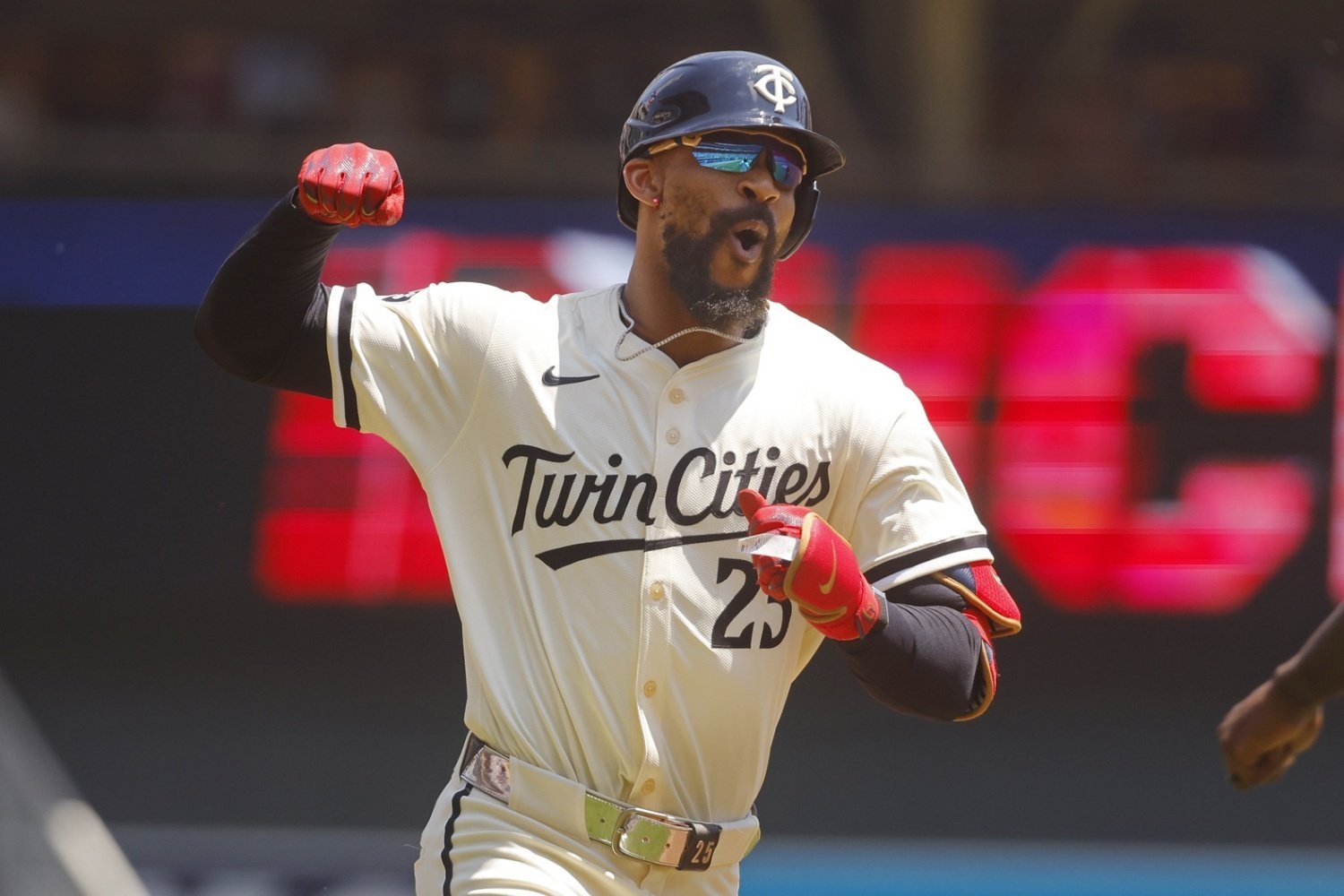 Byron Buxton has repeatedly stated that he would stay in the Twin Cities for the rest of his career. Now, the veteran star appears increasingly open to the idea of waiving his no-trade clause. That shift has quietly pushed the door open for teams like the New York Mets, who have been circling for months and believe they are one impact defender away from transforming their offseason. Let's take a deeper look into why the Buxton trade conversation has resurfaced, why the Mets remain heavy suitors, and which young players could catch the Twins' interest if talks gain traction. Why a Buxton Trade Is Back on the Table If the Twins had kept their veteran core intact at last summer’s trade deadline, this conversation might feel far-fetched. Instead, the front office pivoted toward selling, after injuries and inconsistency dragged Minnesota out of the AL Central race. Buxton stayed put then, but the logic behind that decision appears to be changing. Buxton has three years and just $45 million remaining on his extension, making him one of the league’s best dollar-for-dollar values following a 2025 season in which he launched 35 home runs; posted an .878 OPS; and delivered nearly five wins above replacement. That production, combined with a playable center field glove, is precisely the kind of asset that rebuilding teams often cash in while they still can. Reports from ESPN and The Athletic indicate Buxton is willing to approve a move under the right circumstances. The Braves and Mets reached out about Buxton at the deadline, but he held firm to his desire to stay in Minnesota. If the Twins want to maximize value before age and injury concerns resurface, a winter move might be the moment. Why the Mets Are Locked In on a Center Field Upgrade David Stearns, the Mets' president of baseball operations, has made it clear that New York intends to improve its run prevention and athleticism. To be fair, the Twins’ front office has said similar things about Minnesota’s roster over the last year. Earlier this winter, New York traded Brandon Nimmo to Texas for Marcus Semien, signaling a shift toward better infield defense and more stability up the middle. That maneuver, though, created a glaring opening in the outfield. Juan Soto is penciled into right field, but center field remains unsettled. The Mets retained Tyrone Taylor as a depth option and are giving top prospect Carson Benge the chance to compete for a roster spot in spring training. They are also hovering around the high end of the free-agent market, where names like Kyle Tucker and Cody Bellinger linger. Neither of those players are center field options, though. Buxton is a different category of target. He is significantly cheaper than the star free agents and offers a reliable defensive fit, even if his power output fluctuates. If Benge proves ready sooner than expected, Buxton could shift to left field and immediately improve the outfield defense. If Benge needs more seasoning, Buxton becomes the everyday anchor in center. For a team aiming to contend with the Braves and Phillies, this flexibility matters. The Mets' window is open. Stearns has the prospect capital. The logic lines up. Mets Top Prospects Who Could Interest the Twins For a player of Buxton’s caliber, the Twins should expect multiple premium talents in return. The Mets have precisely the type of system that can support such a deal. Nolan McLean, RHP (No. 1 in the system, No. 11 in MLB) McLean is still prospect-eligible, but he's a big-leaguer and could step into the Twins’ rotation if they trade from their veteran starting pitcher depth. Last season, he posted a 2.45 ERA with a 1.13 WHIP and 27.2 K% at Double A and Triple A. He was even better during his big-league debut, with a 2.06 ERA and 30.3 K% in eight starts. McLean would be tough to wrestle away, even for Buxton. Carson Benge, OF (No. 2 in the system, No. 21 in MLB) This is another tough piece to pry loose. Benge is likely to debut in 2026 and could slot into New York’s outfield for years. Last season, as a 22-year-old, he moved through the three highest levels in the Mets' farm system. In 116 games, he hit .281/.385/.472, with a 150 wRC+. If Minnesota insists on a potential Buxton replacement, they will start the conversation here. Jett Williams, IF (No. 3 in the system, No. 30 in MLB) Williams has on-base skills and defensive versatility that fit Minnesota’s development patterns perfectly. He might be the most realistic centerpiece, if New York wants to keep Benge and McLean. Last season, he hit .261/.363/.465, with a 136 wRC+ in 130 games, although that included some struggles upon a promotion to Triple-A Syracuse. He was drafted as a middle infielder but has also played some center. Like Benge, he would be a plausible Buxton replacement. Jonah Tong, RHP (No. 4 in the system, No. 46 in MLB) Tong won MiLB's Pitching Prospect of the Year Award in 2025 and profiles as a rotation stabilizer with upside. At the two highest levels of the minors, he posted a 1.43 ERA (best among full-season qualifiers) and led the minors with 179 strikeouts in 113 2/3 innings. His 40.5% strikeout rate, 29.9 K-BB%, .148 opponents' batting average, 1.68 FIP, and 2.16 xFIP were all tops among minor leaguers with at least 100 innings pitched. His brief struggles in the big leagues at age 22 might make the front office hesitate, but this is precisely the type of right arm the Twins covet. Brandon Sproat, RHP (No. 5 in the system) Sproat is a power righty who could help the Twins as soon as 2026. He pitched the bulk of his innings at Triple A last season and compiled a 4.24 ERA, with a 1.24 WHIP and a 22.1% strikeout rate. Adding him as part of a larger package would firm up Minnesota’s pitching depth. Jacob Reimer, 3B/1B (No. 6 in the system) One of the best third base prospects in baseball, Reimer would give Minnesota a long-term solution behind Royce Lewis or a high-ceiling bat if injuries or roster decisions shift the infield picture. He split time between High A and Double A last season, with a 157 wRC+, 21.5% strikeout rate, and 11.1% walk rate. Reimer is a right-handed power bat, something the Twins have lacked in recent seasons. A realistic Twins ask could be a package built around Williams or Reimer, paired with a pitching prospect like Tong or Sproat. If the Mets are determined to push past other NL East competitors, this is the price they will finally agree to pay. A Buxton trade is not imminent, but the conditions feel more aligned than ever. The Twins need young, controllable talent with a chance to make a big difference. The Mets need a steadying force in center field. Buxton is increasingly open to a new chapter. The two clubs have danced around this possibility for months. This winter might be the time they finally finish the song. Which prospects would make an ideal Buxton package? Would the Mets overpay for Buxton? Leave a comment and start the discussion.
 -
Mets Interested In Trading For Joe Ryan
Cody Christie replied to Cody Christie's topic in Minnesota Twins Talk
Earlier this winter, I wrote about a potential Joe Ryan trade with the Mets. Find out about the prospects they have at the top of their system. -
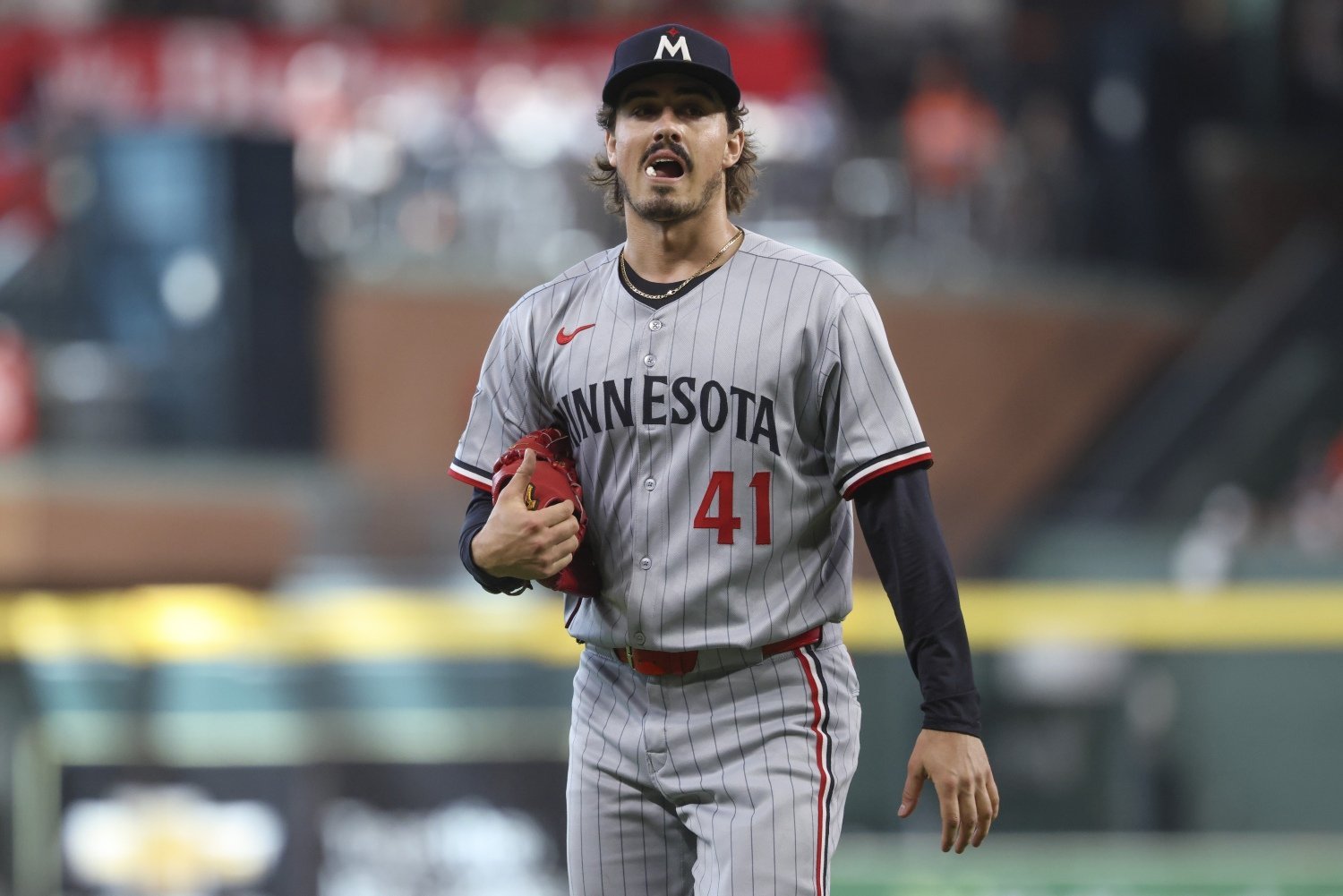 The Mets are surveying the trade market for rotation upgrades and have expressed interest in Twins right-hander Joe Ryan, who remains appealing due to his affordability and remaining club control. Jon Heyman of the New York Post reports that Ryan is one of several trade targets for the Mets. Minnesota, which unexpectedly tore down much of its roster at the 2025 trade deadline, held onto Ryan despite significant interest from multiple contenders. His strong performance and team-friendly salary make him a valuable asset, and the Twins’ willingness to move him now remains uncertain. Much of Minnesota’s direction hinges on ownership and the status of two long-anticipated minority-ownership additions, which could influence the team’s budget. President of baseball operations Derek Falvey has said he intends to build for 2026 unless directed otherwise, though the club’s quiet offseason and drastically reduced payroll leave their true intentions unclear. A deeper sell-off that includes Ryan, Pablo López, Ryan Jeffers, or even a reassessment of Byron Buxton’s no-trade stance becomes more plausible if spending remains restricted. If the Twins do consider a Ryan trade, Mets prospect Jonah Tong makes sense as a centerpiece (Heyman mentioned Tong specifically in the article). His rapid rise through the minors and elite strikeout rates have established him as a top-50 prospect, despite early struggles in his MLB debut. The upcoming Winter Meetings are expected to reveal whether Minnesota plans to add pieces for a 2026 push or continue stripping down the roster, with payroll flexibility likely determining how aggressively they act and whether their top players become realistic trade chips.
 -
The Mets are surveying the trade market for rotation upgrades and have expressed interest in Twins right-hander Joe Ryan, who remains appealing due to his affordability and remaining club control. Jon Heyman of the New York Post reports that Ryan is one of several trade targets for the Mets. Minnesota, which unexpectedly tore down much of its roster at the 2025 trade deadline, held onto Ryan despite significant interest from multiple contenders. His strong performance and team-friendly salary make him a valuable asset, and the Twins’ willingness to move him now remains uncertain. Much of Minnesota’s direction hinges on ownership and the status of two long-anticipated minority-ownership additions, which could influence the team’s budget. President of baseball operations Derek Falvey has said he intends to build for 2026 unless directed otherwise, though the club’s quiet offseason and drastically reduced payroll leave their true intentions unclear. A deeper sell-off that includes Ryan, Pablo López, Ryan Jeffers, or even a reassessment of Byron Buxton’s no-trade stance becomes more plausible if spending remains restricted. If the Twins do consider a Ryan trade, Mets prospect Jonah Tong makes sense as a centerpiece (Heyman mentioned Tong specifically in the article). His rapid rise through the minors and elite strikeout rates have established him as a top-50 prospect, despite early struggles in his MLB debut. The upcoming Winter Meetings are expected to reveal whether Minnesota plans to add pieces for a 2026 push or continue stripping down the roster, with payroll flexibility likely determining how aggressively they act and whether their top players become realistic trade chips. View full rumor
-
Image courtesy of © Matt Blewett-Imagn Images The Twins have spent the last few seasons trying to convince the baseball world that their competitive window is still open. Their message has always depended on having their two cornerstone stars in the middle of everything. That plan took its first major hit when Carlos Correa agreed to waive his no-trade clause and return to Houston at this summer’s trade deadline. The ripple effects from that decision may now be touching Byron Buxton in ways the Twins hoped they would never face. Correa’s exit made all the sense in the world. Once the idea of Houston crept back into his head, it was almost impossible to uproot. His family is in the area. The Astros offer a more straightforward path to October, even if they fell short in 2025. The move to third base was expected to lessen the wear and tear on his body, after years of problems with his lower back and plantar fasciitis. It made too much sense, and when a player of Correa’s stature sees a version of his future that looks brighter elsewhere, it is only natural to follow it. The seed was planted, and it grew until there was no stopping it. Minnesota told itself that this was a singular situation. Correa was unique. This was not a sign of something bigger. Now, cracks in that belief have started to show. Earlier this week, ESPN’s Jeff Passan reported that Buxton has emerged as one of the biggest trade candidates of the winter. That alone is jarring, but the real noise came from Passan’s line that Buxton is willing to waive his no-trade clause, and not just for Atlanta, the team he watched growing up in Georgia. Buxton has not confirmed this publicly, and until he speaks, there will be speculation on how genuine that willingness truly is. Still, even the possibility marks a notable shift. This is a player who has repeatedly said he wants to be in Minnesota for the long haul and has long been viewed as fiercely loyal to the only big-league organization he has ever known. Last month, I wrote about how the Pohlads may have pushed Buxton to break his moral code, and perhaps that is still true, but Correa’s exit may also have pointed him to greener pastures. It's not hard to understand why that loyalty may be softening. Buxton is coming off arguably the best season of his career, and he looks and feels healthy heading into the offseason for a second consecutive year. He knows exactly how short an athlete’s window can be, and he is undoubtedly aware of the current state of the Twins. Their payroll is dropping. Their roster faces more questions than answers. Their long-term outlook is cloudy, at best. Then, he looks at Correa. He sees a close friend and former teammate, thriving in a competitive environment with real October expectations. He sees a player who freed himself to chase wins, stability, and long-term relevance. That image can be powerful. It can plant the same idea that once took hold of Correa. And if the idea is truly in Buxton’s mind, the Twins may not be able to root it out. That is the uncomfortable reality for Minnesota. Correa’s departure was not simply one star leaving. It may have opened the door to another star reconsidering his loyalty. If the Twins can't show Buxton a future where contention is more than a hopeful projection, they risk watching their franchise centerpiece walk the same path Correa did. The Twins believed Correa’s exit was an isolated storm, but it may have been the first breeze carrying seeds of doubt into their clubhouse. Buxton has always been the player they trusted to anchor their future, yet even the most loyal stars can start to question where their path leads. If Minnesota cannot show him a future that blooms into real contention (rather than more uncertainty), those seeds may grow into a weed that will spread throughout the organization. Did Correa’s exit push Buxton toward the door? Leave a comment and start the discussion. View full article
-
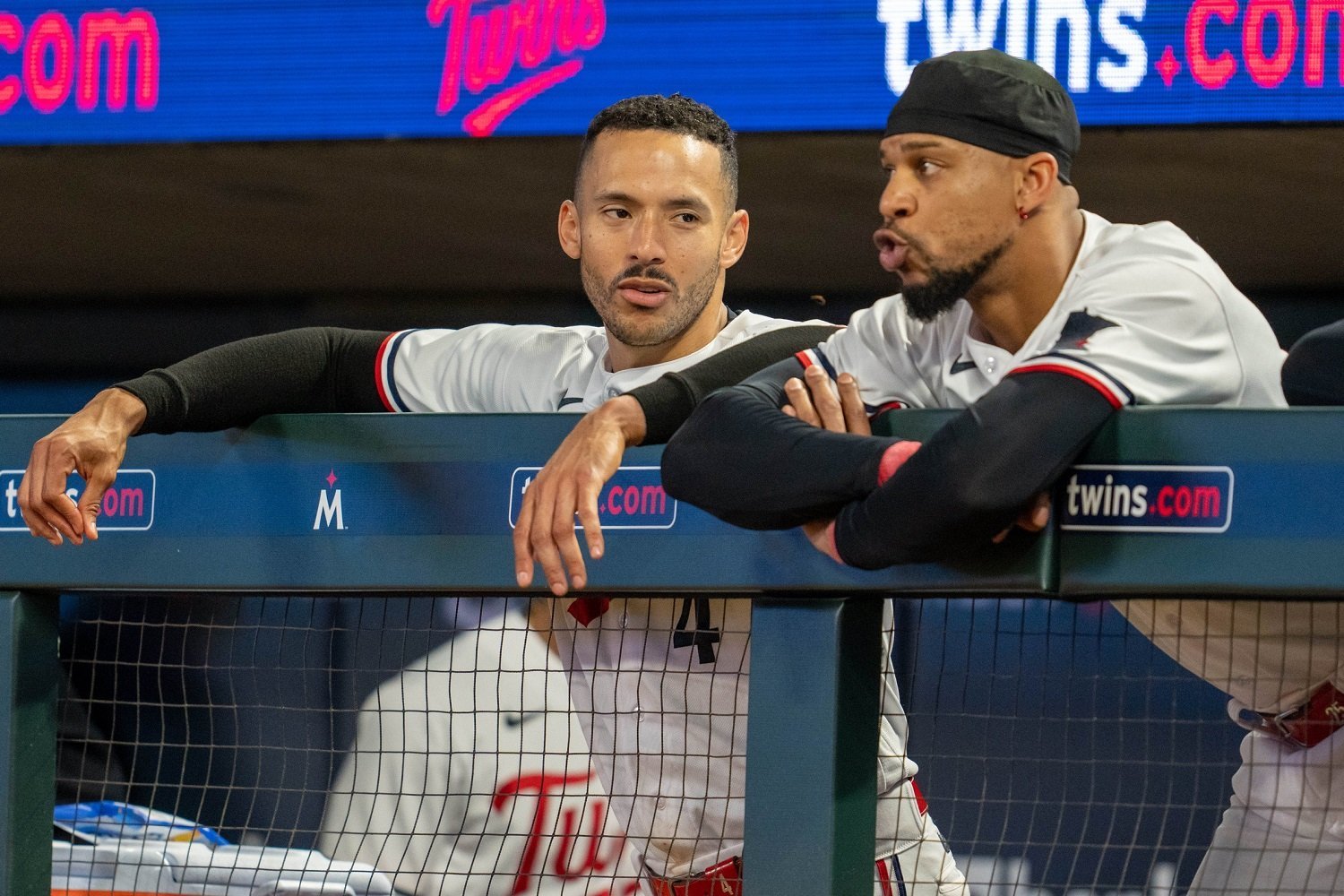 The Twins have spent the last few seasons trying to convince the baseball world that their competitive window is still open. Their message has always depended on having their two cornerstone stars in the middle of everything. That plan took its first major hit when Carlos Correa agreed to waive his no-trade clause and return to Houston at this summer’s trade deadline. The ripple effects from that decision may now be touching Byron Buxton in ways the Twins hoped they would never face. Correa’s exit made all the sense in the world. Once the idea of Houston crept back into his head, it was almost impossible to uproot. His family is in the area. The Astros offer a more straightforward path to October, even if they fell short in 2025. The move to third base was expected to lessen the wear and tear on his body, after years of problems with his lower back and plantar fasciitis. It made too much sense, and when a player of Correa’s stature sees a version of his future that looks brighter elsewhere, it is only natural to follow it. The seed was planted, and it grew until there was no stopping it. Minnesota told itself that this was a singular situation. Correa was unique. This was not a sign of something bigger. Now, cracks in that belief have started to show. Earlier this week, ESPN’s Jeff Passan reported that Buxton has emerged as one of the biggest trade candidates of the winter. That alone is jarring, but the real noise came from Passan’s line that Buxton is willing to waive his no-trade clause, and not just for Atlanta, the team he watched growing up in Georgia. Buxton has not confirmed this publicly, and until he speaks, there will be speculation on how genuine that willingness truly is. Still, even the possibility marks a notable shift. This is a player who has repeatedly said he wants to be in Minnesota for the long haul and has long been viewed as fiercely loyal to the only big-league organization he has ever known. Last month, I wrote about how the Pohlads may have pushed Buxton to break his moral code, and perhaps that is still true, but Correa’s exit may also have pointed him to greener pastures. It's not hard to understand why that loyalty may be softening. Buxton is coming off arguably the best season of his career, and he looks and feels healthy heading into the offseason for a second consecutive year. He knows exactly how short an athlete’s window can be, and he is undoubtedly aware of the current state of the Twins. Their payroll is dropping. Their roster faces more questions than answers. Their long-term outlook is cloudy, at best. Then, he looks at Correa. He sees a close friend and former teammate, thriving in a competitive environment with real October expectations. He sees a player who freed himself to chase wins, stability, and long-term relevance. That image can be powerful. It can plant the same idea that once took hold of Correa. And if the idea is truly in Buxton’s mind, the Twins may not be able to root it out. That is the uncomfortable reality for Minnesota. Correa’s departure was not simply one star leaving. It may have opened the door to another star reconsidering his loyalty. If the Twins can't show Buxton a future where contention is more than a hopeful projection, they risk watching their franchise centerpiece walk the same path Correa did. The Twins believed Correa’s exit was an isolated storm, but it may have been the first breeze carrying seeds of doubt into their clubhouse. Buxton has always been the player they trusted to anchor their future, yet even the most loyal stars can start to question where their path leads. If Minnesota cannot show him a future that blooms into real contention (rather than more uncertainty), those seeds may grow into a weed that will spread throughout the organization. Did Correa’s exit push Buxton toward the door? Leave a comment and start the discussion.
 -
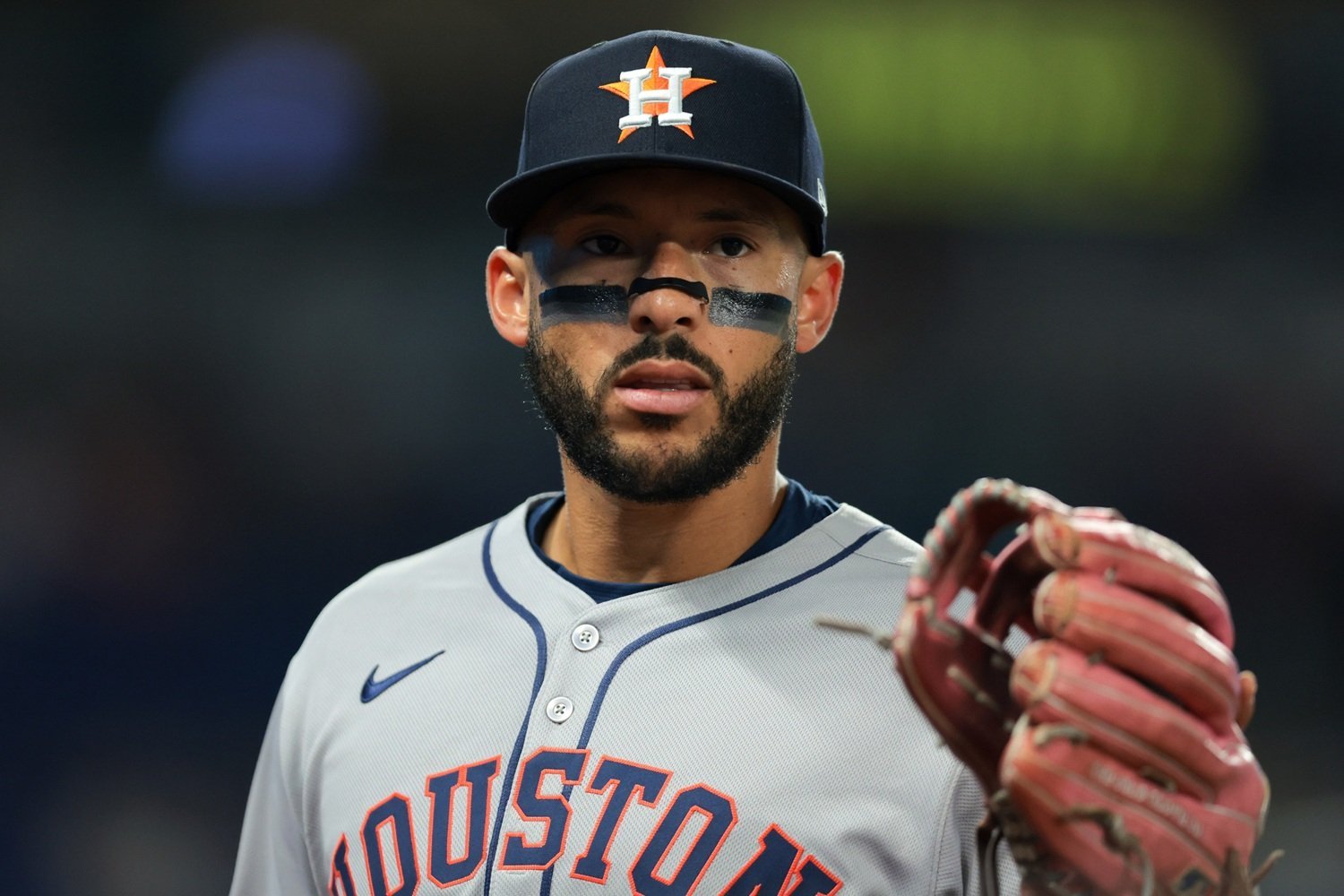 The 2025 MLB trade deadline will be remembered as one of the most dramatic in Twins history. Faced with a roster that hovered in the middle of the American League standings and weighed down by injuries and inconsistency, the front office chose to reset the roster. Big names were moved; prospects poured in; and fans spent the rest of the summer debating whether the Twins had waved a white flag or executed a savvy long-term play. Now, with multiple months of returns and development to examine, we can revisit each trade with clearer judgment. Did the Twins win the 2025 deadline, or did they sow the seeds of regret? Below is a trade-by-trade look at the deadline that redefined the franchise. SS Carlos Correa to the Astros for RHP Matt Mikulski and $70 million in salary relief This was the headline deal. Moving Correa was less about talent and more about financial flexibility, after uneven seasons with the Twins. Mikulski has already been released from the organization, but it was never about getting a player in return. This was a straight salary dump. Even if Correa found his footing again (pun intended) in Houston, the Twins were heading in a new direction, and their exceptionally expensive shortstop was out of the team’s long-term plans. It would have been great if the Twins had reinvested the savings into payroll for 2026, but it looks like the Pohlads could pocket the money, which makes it a loss. Verdict: Loss OF Harrison Bader to the Phillies for OF Hendry Mendez and RHP Geremy Villoria Bader’s time in Minnesota was short and filled with streaks of strong defense and better-than-expected offense. He was on an expiring contract, and the Twins were able to cash him in for two intriguing prospects. Mendez posted a .891 OPS in the Arizona Fall League, after slashing .299/.399/.439 at Double A in 2025. Villoria is more of a wild card, since he is only 16 years old and spent the season in the Dominican Summer League (3.68 ERA, 1.23 WHIP). Bader helped Philadelphia in their playoff push, but this return fits Minnesota’s timeline. Verdict: Win RHP Jhoan Duran to the Phillies for C Eduardo Tait and RHP Mick Abel Trading one of the most electric relievers in baseball was always going to sting. Minnesota hopes Abel rebounds well with the Twins development group. Tait was arguably the best prospect traded at the deadline, and looks like the team’s catcher of the future. He reached High-A Cedar Rapids as an 18-year-old and posted a .738 OPS in 2025. Duran continues to dominate, but the Twins badly needed upper-level pitching and long-term catching depth. This is a rare case where both sides benefited equally. Verdict: Push RHP Chris Paddack and RHP Randy Dobnak to the Tigers for C Enrique Jimenez Paddack never found his footing after returning from surgery, and Dobnak’s role had evaporated. Paddack became a free agent this winter, and the Tigers declined Dobnak’s club option. Jimenez is improving as a defensive catcher and slashed .256/.371/.476, including a .983 OPS after the trade. Turning two expendable arms (and a bit of lingering monetary obligation) into a potential long-term option behind the plate is solid business, especially for a team that has struggled with catcher development in recent years. Verdict: Win UTL Willi Castro to the Cubs for RHP Ryan Gallagher and RHP Sam Armstrong Castro’s versatility made him a popular Twin, but the club took the opportunity to turn a utility piece into two arms with a bit of upside. Gallagher reached Double A as a 22-year-old and posted a 4.07 ERA with a 1.21 WHIP in 121 2/3 innings. Armstrong’s slider grades out well on some models, so he could be a long-term bullpen arm. Neither is a sure thing, but these are the types of lottery tickets that can pay off. Verdict: Win LHP Danny Coulombe to the Rangers for LHP Garrett Horn Coulombe was excellent in Minnesota, but the front office sold high on a veteran reliever with an expiring contract. Horn is an intriguing lefty who added velocity in 2025 while moving from rookie ball to High A. In 14 starts, he posted a 3.27 ERA with a 1.21 WHIP and a 32.5% strikeout rate. If he can’t make it as a starter, the Twins could develop him into a lefty weapon out of the bullpen. Verdict: Win RHP Griffin Jax to the Rays for RHP Taj Bradley This was one of a few shockers. Jax had become the steady hand in the bullpen, but the Rays needed stability and offered up Bradley in return. Minnesota immediately moved Bradley into the starting rotation with the hope that a new organization could help him reclaim the command and confidence that made him a premium prospect. If he sticks in the rotation, the upside outweighs the loss of Jax, but that’s a big question at this point. Verdict: Loss RHP Brock Stewart to the Dodgers for OF James Outman This seemed like a strange trade at the time. On paper, Stewart has more value, but his medicals are likely poor due to his long-term injury history. Stewart was a veteran with some upside, and the Dodgers were searching for bullpen help. However, he was limited to four appearances before injuries sidelined him again. Outman gives Minnesota a controllable outfielder, but he has minimal upside. Verdict: Loss (for both teams) RHP Louis Varland and Ty France to the Blue Jays for LHP Kendry Rojas and OF Alan Roden For many fans, this was a tough pill to swallow. Varland had the Minnesota backstory and went on to be a key part of Toronto’s World Series run, including setting the MLB record for playoff pitching appearances. In return, the Twins received Rojas, a lefty with starter traits who could be a breakout prospect for the team next year. Roden is a contact-oriented outfielder with elite plate discipline (.423 OBP at Triple A). Both fit Minnesota’s emphasis on control and development. Rojas will provide long-term value, and that’s why this trade leans towards the Twins. Verdict: Slight Win So, Did the Twins Win the 2025 Deadline? Surprisingly, yes. For a deadline that felt painful and symbolic of a step backward, the longer view shows a pattern of smart asset management and targeted upside hunting. Minnesota added pitching depth, athletic position players, and future roster flexibility. They gave up veterans who had plateaued or who fit better with contenders. The 2025 deadline was not about winning the division that season. It was about strengthening the system and setting up a multi-year competitive window. Now that the early returns have arrived, the front office played the long game and is starting to see the benefits. The final verdict is that the Twins quietly won the 2025 deadline and positioned themselves for a more sustainable future—but that they could win it much more resoundingly by investing some of their financial savings in the 2026 club. Do you agree with the verdicts on the above trades? Which trade do you wish the Twins had avoided? Leave a comment and start the discussion.
- 74 comments
-
- 7
-
-
- carlos correa
- louis varland
- (and 5 more)
-
Image courtesy of © Sam Navarro-Imagn Images The 2025 MLB trade deadline will be remembered as one of the most dramatic in Twins history. Faced with a roster that hovered in the middle of the American League standings and weighed down by injuries and inconsistency, the front office chose to reset the roster. Big names were moved; prospects poured in; and fans spent the rest of the summer debating whether the Twins had waved a white flag or executed a savvy long-term play. Now, with multiple months of returns and development to examine, we can revisit each trade with clearer judgment. Did the Twins win the 2025 deadline, or did they sow the seeds of regret? Below is a trade-by-trade look at the deadline that redefined the franchise. SS Carlos Correa to the Astros for RHP Matt Mikulski and $70 million in salary relief This was the headline deal. Moving Correa was less about talent and more about financial flexibility, after uneven seasons with the Twins. Mikulski has already been released from the organization, but it was never about getting a player in return. This was a straight salary dump. Even if Correa found his footing again (pun intended) in Houston, the Twins were heading in a new direction, and their exceptionally expensive shortstop was out of the team’s long-term plans. It would have been great if the Twins had reinvested the savings into payroll for 2026, but it looks like the Pohlads could pocket the money, which makes it a loss. Verdict: Loss OF Harrison Bader to the Phillies for OF Hendry Mendez and RHP Geremy Villoria Bader’s time in Minnesota was short and filled with streaks of strong defense and better-than-expected offense. He was on an expiring contract, and the Twins were able to cash him in for two intriguing prospects. Mendez posted a .891 OPS in the Arizona Fall League, after slashing .299/.399/.439 at Double A in 2025. Villoria is more of a wild card, since he is only 16 years old and spent the season in the Dominican Summer League (3.68 ERA, 1.23 WHIP). Bader helped Philadelphia in their playoff push, but this return fits Minnesota’s timeline. Verdict: Win RHP Jhoan Duran to the Phillies for C Eduardo Tait and RHP Mick Abel Trading one of the most electric relievers in baseball was always going to sting. Minnesota hopes Abel rebounds well with the Twins development group. Tait was arguably the best prospect traded at the deadline, and looks like the team’s catcher of the future. He reached High-A Cedar Rapids as an 18-year-old and posted a .738 OPS in 2025. Duran continues to dominate, but the Twins badly needed upper-level pitching and long-term catching depth. This is a rare case where both sides benefited equally. Verdict: Push RHP Chris Paddack and RHP Randy Dobnak to the Tigers for C Enrique Jimenez Paddack never found his footing after returning from surgery, and Dobnak’s role had evaporated. Paddack became a free agent this winter, and the Tigers declined Dobnak’s club option. Jimenez is improving as a defensive catcher and slashed .256/.371/.476, including a .983 OPS after the trade. Turning two expendable arms (and a bit of lingering monetary obligation) into a potential long-term option behind the plate is solid business, especially for a team that has struggled with catcher development in recent years. Verdict: Win UTL Willi Castro to the Cubs for RHP Ryan Gallagher and RHP Sam Armstrong Castro’s versatility made him a popular Twin, but the club took the opportunity to turn a utility piece into two arms with a bit of upside. Gallagher reached Double A as a 22-year-old and posted a 4.07 ERA with a 1.21 WHIP in 121 2/3 innings. Armstrong’s slider grades out well on some models, so he could be a long-term bullpen arm. Neither is a sure thing, but these are the types of lottery tickets that can pay off. Verdict: Win LHP Danny Coulombe to the Rangers for LHP Garrett Horn Coulombe was excellent in Minnesota, but the front office sold high on a veteran reliever with an expiring contract. Horn is an intriguing lefty who added velocity in 2025 while moving from rookie ball to High A. In 14 starts, he posted a 3.27 ERA with a 1.21 WHIP and a 32.5% strikeout rate. If he can’t make it as a starter, the Twins could develop him into a lefty weapon out of the bullpen. Verdict: Win RHP Griffin Jax to the Rays for RHP Taj Bradley This was one of a few shockers. Jax had become the steady hand in the bullpen, but the Rays needed stability and offered up Bradley in return. Minnesota immediately moved Bradley into the starting rotation with the hope that a new organization could help him reclaim the command and confidence that made him a premium prospect. If he sticks in the rotation, the upside outweighs the loss of Jax, but that’s a big question at this point. Verdict: Loss RHP Brock Stewart to the Dodgers for OF James Outman This seemed like a strange trade at the time. On paper, Stewart has more value, but his medicals are likely poor due to his long-term injury history. Stewart was a veteran with some upside, and the Dodgers were searching for bullpen help. However, he was limited to four appearances before injuries sidelined him again. Outman gives Minnesota a controllable outfielder, but he has minimal upside. Verdict: Loss (for both teams) RHP Louis Varland and Ty France to the Blue Jays for LHP Kendry Rojas and OF Alan Roden For many fans, this was a tough pill to swallow. Varland had the Minnesota backstory and went on to be a key part of Toronto’s World Series run, including setting the MLB record for playoff pitching appearances. In return, the Twins received Rojas, a lefty with starter traits who could be a breakout prospect for the team next year. Roden is a contact-oriented outfielder with elite plate discipline (.423 OBP at Triple A). Both fit Minnesota’s emphasis on control and development. Rojas will provide long-term value, and that’s why this trade leans towards the Twins. Verdict: Slight Win So, Did the Twins Win the 2025 Deadline? Surprisingly, yes. For a deadline that felt painful and symbolic of a step backward, the longer view shows a pattern of smart asset management and targeted upside hunting. Minnesota added pitching depth, athletic position players, and future roster flexibility. They gave up veterans who had plateaued or who fit better with contenders. The 2025 deadline was not about winning the division that season. It was about strengthening the system and setting up a multi-year competitive window. Now that the early returns have arrived, the front office played the long game and is starting to see the benefits. The final verdict is that the Twins quietly won the 2025 deadline and positioned themselves for a more sustainable future—but that they could win it much more resoundingly by investing some of their financial savings in the 2026 club. Do you agree with the verdicts on the above trades? Which trade do you wish the Twins had avoided? Leave a comment and start the discussion. View full article
- 74 replies
-
- 1
-
-
- carlos correa
- louis varland
- (and 5 more)
-
3 Candidates to Be Minnesota Twins’ 2026 Breakout Prospect
Cody Christie posted an article in Minor Leagues
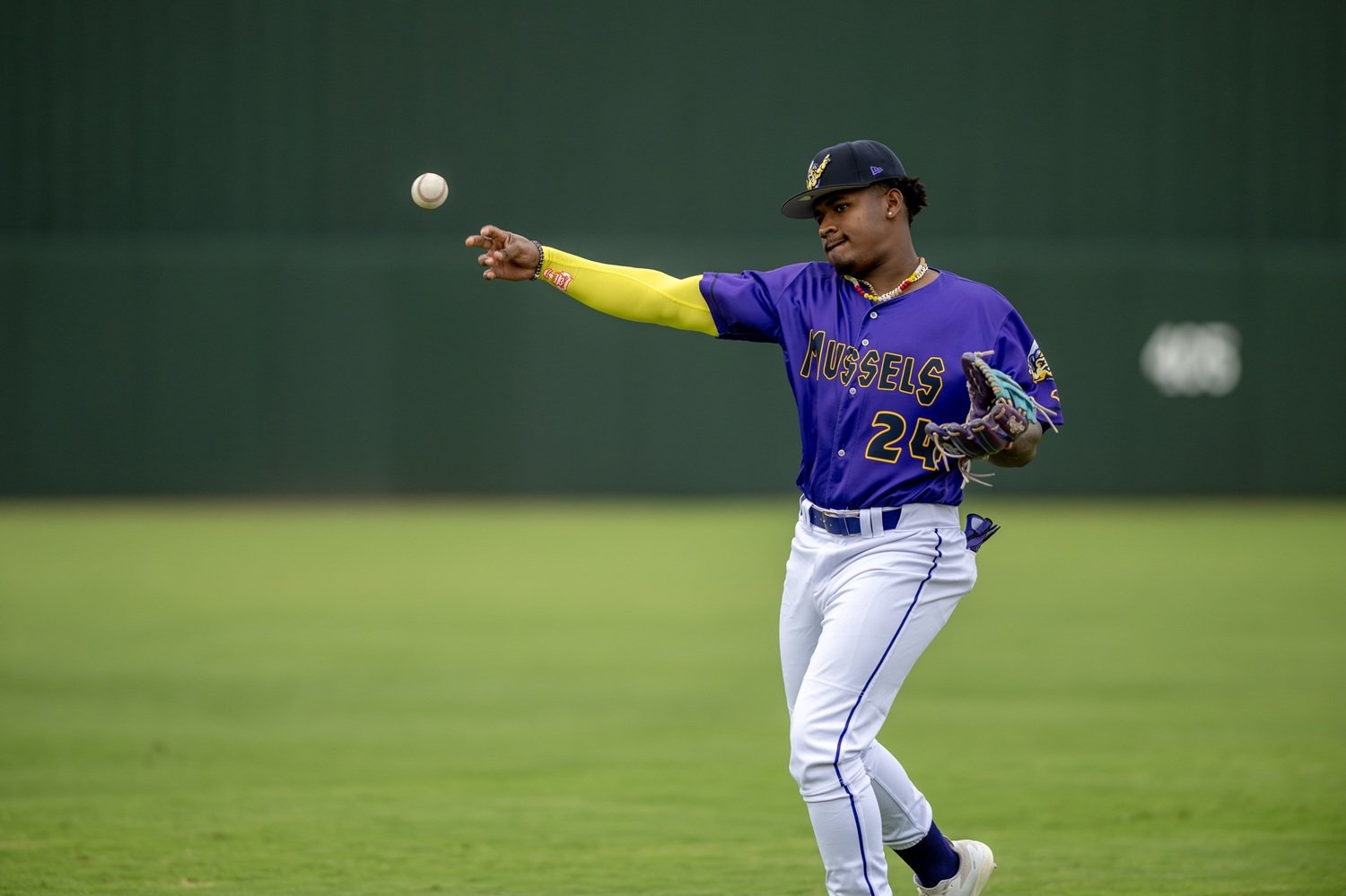 The Twins' farm system continues to churn out intriguing players, and 2026 could be a year where several under-the-radar names take a significant jump. Minnesota leaned heavily on its young depth last season, and the front office would love nothing more than to see another wave push forward. Each player below sits at a different stage of professional development. One arrived in the organization as part of last season’s trade deadline overhaul. Another was selected in last July’s draft, and has yet to make his professional debut. The final player signed as a teenager and made his Stateside debut in 2025. Here are three prospects who delivered encouraging signs in 2025 and now look poised to take the next step. Kendry Rojas, LHP (Current TD Rank: 8) His 2025 Performance: Rojas joined the Twins as the key piece in the return for Louis Varland at the trade deadline. Minnesota spoke highly of him after the deal, and they pushed him aggressively to Triple-A St. Paul, where the 22-year-old was over five years younger than the average age of the competition. For the year, he tossed 69 innings and posted a 4.70 ERA, with a 28.8 K% and a 10.3 BB%. His strikeout rate took a healthy leap (up 1.8% compared to 2024), thanks to a sharper slider and better pitch sequencing. Rojas did not dominate every start, but he showed much more poise working out of traffic and limiting damage. Why He Could Break Out in 2026: Rojas feels like the type of pitcher who might take off once the command settles into a stable place, especially as he gets a full season at Triple A and more time to work with the Twins’ development staff. The raw ingredients are undeniably exciting. His fastball has life at the top of the zone, and his slider flashes above average, with a late-biting shape that produces plenty of awkward swings. With a full offseason to refine his changeup and continue building confidence, he could become one of the most talked-about left-handed arms in the system. If he carries the momentum from late 2025 into next spring, he could be a top-100 prospect by midseason. Riley Quick, RHP (Current TD Rank: 13) His 2025 Performance: The Twins drafted Quick with the 36th overall pick in the 2025 MLB Draft. They held off on having him make his professional debut, after he had tossed 62 innings during his final collegiate season. In 14 games, he posted a 3.92 ERA with a 1.39 WHIP and 25.9% strikeout rate. The most significant step came when he noticeably reduced his walk rate (8.9%) and looked more comfortable challenging hitters early in counts. While he may not have posted eye-popping numbers, Quick showed the tools of a pitcher growing into his frame and learning how to pitch with intent. Why He Could Break Out in 2026: If you are looking for a classic pitching prospect trajectory, Quick fits the mold perfectly. His stuff is trending up as he adds strength and leans into a compact delivery that the organization believes can lead to even more velocity. He had Tommy John surgery in 2024, and many pitchers see improvements in command and stuff as they move further away from that operation. The cutter-slider combination already gives him multiple ways to finish at-bats. With more physical development ahead and a clearer understanding of how his arsenal plays, he could emerge as one of the more exciting right-handed arms in the lower minors. Based on his college experience, he could reach Double-A Wichita in the second half of 2026—or move even faster. Eduardo Beltre, OF (Current TD Rank: NA) His 2025 Performance: Beltre delivered one of the most intriguing stat lines in the lower levels in 2025. Splitting time between the Florida Complex League and the Florida State League, he showed flashes of an impressive all-around skill set. He was making his Stateside debut, after impressing in the Dominican Summer League in 2024 with a 1.071 OPS. The 18-year-old struggled to reproduce those totals with a .623 OPS in 78 games. However, he was one of the youngest players at both levels, with nearly 96% of his plate appearances coming against older pitchers. Beltre’s speed also stood out, as he improved his reads in the outfield and grew more comfortable on the bases (25-for-29 in stolen base attempts). Why He Could Break Out in 2026: Beltre has the type of athletic foundation that gives evaluators plenty to dream on. His bat speed jumps off the screen, and the Twins believe there is more power to unlock as he continues to add strength. Combine that with above-average speed, and the ingredients for a dynamic outfielder start to take shape. The next step will be to find consistency in his approach, since pitchers will challenge him more aggressively as he moves up. If he makes the necessary adjustments and continues to tap into his natural tools, Beltre could make a rapid climb up the organizational rankings by the end of 2026. The Twins will rely heavily on their young depth over the next few seasons, and these three prospects have a chance to push themselves into that mix. A strong offseason and a little momentum could turn them into the most talked-about names in the system by this time next year. Will these prospects break out in 2026? Who will you be keeping an eye on in the Twins’ farm system? Leave a comment and start the discussion.
- 14 comments
-
- 10
-
-
- riley quick
- eduardo beltre
- (and 1 more)
-
Image courtesy of William Parmeter (Photo of Eduardo Beltre) The Twins' farm system continues to churn out intriguing players, and 2026 could be a year where several under-the-radar names take a significant jump. Minnesota leaned heavily on its young depth last season, and the front office would love nothing more than to see another wave push forward. Each player below sits at a different stage of professional development. One arrived in the organization as part of last season’s trade deadline overhaul. Another was selected in last July’s draft and has yet to make his professional debut. The final player signed as a teenager and made his stateside debut in 2025. Here are three prospects who delivered encouraging signs in 2025 and now look poised to take the next step. LHP Kendry Rojas (Current TD Rank: 8) His 2025 Performance: Rojas joined the Twins as the key piece in the return for Louis Varland at the trade deadline. Minnesota spoke highly of him after the deadline, and they pushed him aggressively to Triple-A, where the 22-year-old was over five years younger than the average age of the competition. For the year, he tossed 69 innings and posted a 4.70 ERA with a 28.8 K% and a 10.3 BB%. His strikeout rate took a healthy leap (up 1.8% compared to 2024) thanks to a sharper slider and better pitch sequencing. Rojas did not dominate every start, but he showed much more poise working out of traffic and limiting damage. Why He Could Break Out in 2026: Rojas feels like the type of pitcher who might take off once the command settles into a stable place, especially as he gets a full season at Triple-A and more time to work with the Twins’ development staff. The raw ingredients are undeniably exciting. His fastball has life at the top of the zone, and his slider flashes above average with a late-biting shape that produces plenty of awkward swings. With a full offseason to refine his changeup and continue building confidence, he could make a legitimate run at becoming one of the most talked-about left-handed arms in the system. If he carries the momentum from late 2025 into next spring, he could be a top-100 prospect by midseason. RHP Riley Quick (Current TD Rank: 13) His 2025 Performance: The Twins drafted Quick with the 36th overall pick in the 2025 MLB Draft. Minnesota held off on him making his professional debut after he had tossed 62 innings during his final collegiate season. In 14 games, he posted a 3.92 ERA with a 1.39 WHIP and 25.9 K%. The most significant step came when he noticeably reduced his walk rate (8.9 BB%) and looked more comfortable challenging hitters early in counts. While he may not have posted eye-popping numbers, Quick showed the tools of a pitcher growing into his frame and learning how to pitch with intent. Why He Could Break Out in 2026: If you are looking for a classic pitching prospect trajectory, Quick fits the mold perfectly. His stuff is trending up as he adds strength and leans into a compact delivery that the organization believes can lead to even more velocity. He had Tommy John surgery in 2024, and many pitchers see improvements in command and stuff as they move further away from surgery. The cutter and slider combination already gives him multiple ways to finish at-bats. With more physical development ahead and a clearer understanding of how his arsenal plays, he could emerge as one of the more exciting right-handed arms in the lower minors. Based on his college experience, he could reach Double-A in the second half of 2026. OF Eduardo Beltre (Current TD Rank: NA) His 2025 Performance: Beltre delivered one of the most intriguing stat lines in the lower levels in 2025. Splitting time between the complex and the Florida State League, he showed flashes of an impressive all-around skill set. He was making his stateside debut after impressing in the Dominican Summer League in 2024 with a 1.071 OPS. The 18-year-old struggled to reproduce those totals with a .623 OPS in 78 games. However, he was one of the youngest players at both levels, with nearly 96% of his plate appearances coming against older pitchers. Beltre’s speed also stood out as he improved his reads in the outfield and grew more comfortable on the bases (25-for-29 in stolen base attempts). Why He Could Break Out in 2026: Beltre has the type of athletic foundation that gives evaluators plenty to dream on. His bat speed jumps off the screen, and the Twins believe there is more power to unlock as he continues to add strength. Combine that with above-average speed, and the ingredients for a dynamic outfielder start to take shape. The next step will be to find consistency in his approach, since pitchers will challenge him more aggressively as he moves up. If he makes the necessary adjustments and continues to tap into his natural tools, Beltre could make a loud climb up the organizational rankings by the end of 2026. The Twins will rely heavily on their young depth over the next few seasons, and these three prospects have a chance to push themselves into that mix. A strong offseason and a little momentum could turn them into some of the most talked-about names in the system by this time next year. Will these prospects break out in 2026? Who will you be keeping an eye on in the Twins’ farm system? Leave a comment and start the discussion. View full article
-
Image courtesy of © Nick Wosika-Imagn Images Miguel Sano is doing the thing again. The ball is jumping off his bat in the Dominican Winter League, and he is currently leading the circuit in OPS. This is the version of Sano that Twins fans remember well. Towering home runs. Light tower power. A swing that seems to require its own ZIP code. It is all there, and it always seems to show up when he heads home for the winter. And in a year where the Twins need a first baseman, have a tight payroll, and are open to creative roster fits, it is at least fair to ask the question. Could the organization really consider bringing him back? The idea is light-hearted on the surface because it has become almost mythical with Sano. He is still only 32. He still looks like he was built to hit baseballs out of sight. And he still has the same blend of talent and pure strength that once made him the crown jewel of the Twins prospect system. At his best, he changed games with one swing. At his worst, he frustrated fans, coaches, and front offices. That is part of the package, and it always has been. His recent big-league struggles are no secret. His production dipped sharply in his final seasons with Minnesota, including a .342 OPS in 2022. His conditioning and maturity were questioned more than once. He bounced around without gaining traction, including playing 28 games with the Angels in 2024 (73 OPS+). Since then, he has played only in the Dominican Winter League, and it seemed the door had closed for good. In 60 plate appearances this year, he's gone 18-for-51 (.353 BA) with seven homers, three doubles, and an 11-to-7 strikeout-to-walk-ratio. Even with those totals, it is hard to imagine a contending club handing him a guaranteed job. But then you see the Winter League numbers. You see the highlights. And when a team like the Twins is trying to field a competitive roster without expanding payroll, it opens the door to some creative thinking. The front office has already shown its willingness to take a flier, offering Ty France a non-guaranteed $1 million contract. Suppose that is the market for depth bats with upside, who would object to doing the same with Sano? The risk is minimal, and the upside is not imaginary. He hit a pile of home runs during Derek Shelton’s years as hitting coach in Minnesota, including a career-high 34 bombs in 2019. Maybe there is a relationship there that could help both sides. Maybe there's still trust in place. Or maybe it is just a fun storyline. This is not an argument that the Twins should sign him. First base is a critical position for a club that is on the fringes of contention. There are safer options. There are more reliable bats. And there is a lengthy track record showing that Sano has struggled to consistently translate Winter League success to a full major league season. The team needs stability, not wishful thinking. Still, there is something undeniably entertaining about the idea. Old friends rarely return in baseball, but sometimes they do. Sometimes a player finds himself late in his career. Sometimes the fit makes sense even when logic says it should not. The Twins should not bank on Sano being part of their 2026 solution, yet it is perfectly reasonable to keep an open mind for the right price. The story may end exactly where most expect it to. Sano will take his Winter League dominance somewhere else while Minnesota finds a safer everyday first baseman. But in an offseason that will require creativity and thrift, he remains one of the more fascinating names to keep an eye on. Sometimes, the most improbable options make the winter a little more fun. Should the Twins consider a reunion with Sano? Leave a comment and start the discussion. View full article
-
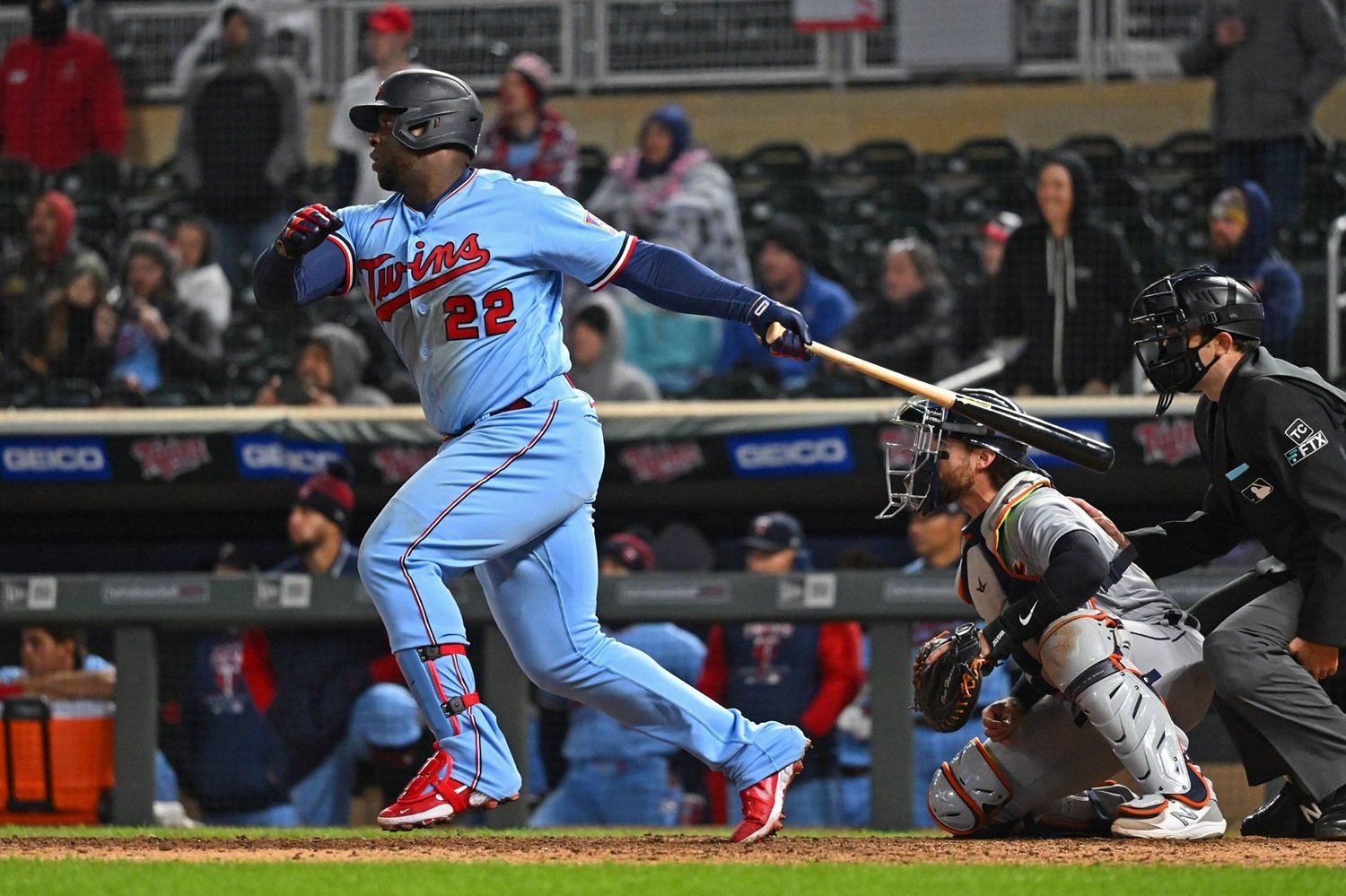 Miguel Sano is doing the thing again. The ball is jumping off his bat in the Dominican Winter League, and he is currently leading the circuit in OPS. This is the version of Sano that Twins fans remember well. Towering home runs. Light tower power. A swing that seems to require its own ZIP code. It is all there, and it always seems to show up when he heads home for the winter. And in a year where the Twins need a first baseman, have a tight payroll, and are open to creative roster fits, it is at least fair to ask the question. Could the organization really consider bringing him back? The idea is light-hearted on the surface because it has become almost mythical with Sano. He is still only 32. He still looks like he was built to hit baseballs out of sight. And he still has the same blend of talent and pure strength that once made him the crown jewel of the Twins prospect system. At his best, he changed games with one swing. At his worst, he frustrated fans, coaches, and front offices. That is part of the package, and it always has been. His recent big-league struggles are no secret. His production dipped sharply in his final seasons with Minnesota, including a .342 OPS in 2022. His conditioning and maturity were questioned more than once. He bounced around without gaining traction, including playing 28 games with the Angels in 2024 (73 OPS+). Since then, he has played only in the Dominican Winter League, and it seemed the door had closed for good. In 60 plate appearances this year, he's gone 18-for-51 (.353 BA) with seven homers, three doubles, and an 11-to-7 strikeout-to-walk-ratio. Even with those totals, it is hard to imagine a contending club handing him a guaranteed job. But then you see the Winter League numbers. You see the highlights. And when a team like the Twins is trying to field a competitive roster without expanding payroll, it opens the door to some creative thinking. The front office has already shown its willingness to take a flier, offering Ty France a non-guaranteed $1 million contract. Suppose that is the market for depth bats with upside, who would object to doing the same with Sano? The risk is minimal, and the upside is not imaginary. He hit a pile of home runs during Derek Shelton’s years as hitting coach in Minnesota, including a career-high 34 bombs in 2019. Maybe there is a relationship there that could help both sides. Maybe there's still trust in place. Or maybe it is just a fun storyline. This is not an argument that the Twins should sign him. First base is a critical position for a club that is on the fringes of contention. There are safer options. There are more reliable bats. And there is a lengthy track record showing that Sano has struggled to consistently translate Winter League success to a full major league season. The team needs stability, not wishful thinking. Still, there is something undeniably entertaining about the idea. Old friends rarely return in baseball, but sometimes they do. Sometimes a player finds himself late in his career. Sometimes the fit makes sense even when logic says it should not. The Twins should not bank on Sano being part of their 2026 solution, yet it is perfectly reasonable to keep an open mind for the right price. The story may end exactly where most expect it to. Sano will take his Winter League dominance somewhere else while Minnesota finds a safer everyday first baseman. But in an offseason that will require creativity and thrift, he remains one of the more fascinating names to keep an eye on. Sometimes, the most improbable options make the winter a little more fun. Should the Twins consider a reunion with Sano? Leave a comment and start the discussion.