Cody Christie
-
Posts
7,806 -
Joined
-
Last visited
-
Days Won
5
Content Type
Profiles
News
Minnesota Twins Videos
2026 Minnesota Twins Top Prospects Ranking
2022 Minnesota Twins Draft Picks
Minnesota Twins Free Agent & Trade Rumors, Notes, & Tidbits
Guides & Resources
2023 Minnesota Twins Draft Picks
The Minnesota Twins Players Project
2024 Minnesota Twins Draft Picks
2025 Minnesota Twins Draft Pick Tracker
2026 Minnesota Twins Draft Tracker: Picks & Bonuses
Forums
Blogs
Events
Store
Downloads
Gallery
Everything posted by Cody Christie
-
 Image courtesy of Twins Daily There are difficult starts to a new job, and then there's whatever the last few weeks have been for Jeremy Zoll. When Zoll took the reins of baseball operations at the end of last month, it was supposed to be a seamless transition from the leadership group that had helped keep Minnesota competitive for the better part of a decade. Instead, it quickly became the organizational equivalent of logging into your email on Monday morning to discover that every message is marked urgent and your password no longer works. Things began unraveling when Derek Falvey shocked everyone by mutually agreeing to part ways with the Twins just two weeks before spring training began in Florida. Nothing says stability like an unexpected leadership change when pitchers and catchers are already Googling local rental listings. Then Framber Valdez decided to sign elsewhere. That would have been manageable, if elsewhere had not happened to be within the American League Central, where the Twins will now (ahem) enjoy seeing him approximately three times a year in games that count (and once in a while in their nightmares). Owner Tom Pohlad continues to insist that the club will contend in 2026, despite most projection systems responding with the statistical equivalent of a polite cough to cover very rude laughter. Optimism remains high internally, which is fortunate, because the external outlook has been described by some as character-building. Unfortunately, the situation escalated dramatically on the first day of full team workouts when Pablo López suffered a torn UCL. There are bad omens, and then there's losing your ace before the team photographer has even finished setting up the backdrop. Sources say that was the moment Zoll quietly opened Google Maps and typed in 'Los Angeles'. In what insiders are calling a proactive roster move, Zoll has decided to trade himself back to the Los Angeles Dodgers, in exchange for future considerations and significantly less stress. It is believed that the deal includes a reduced decision-making role, which many view as a feature rather than a bug. Undeniably, it is simply easier to operate in Los Angeles. There is money. There are resources. There is Shohei Ohtani, who tends to solve problems that might otherwise require an entire analytics department and three offseason strategy meetings. Even in a lesser role, success feels more attainable when your biggest challenge is deciding which All-Star should bat second, instead of trying to determine how many waiver claims it takes to build a bullpen by May. The Twins, meanwhile, are expected to name an interim executive sometime before Opening Day, assuming no one else trades themselves first. View full article
 -
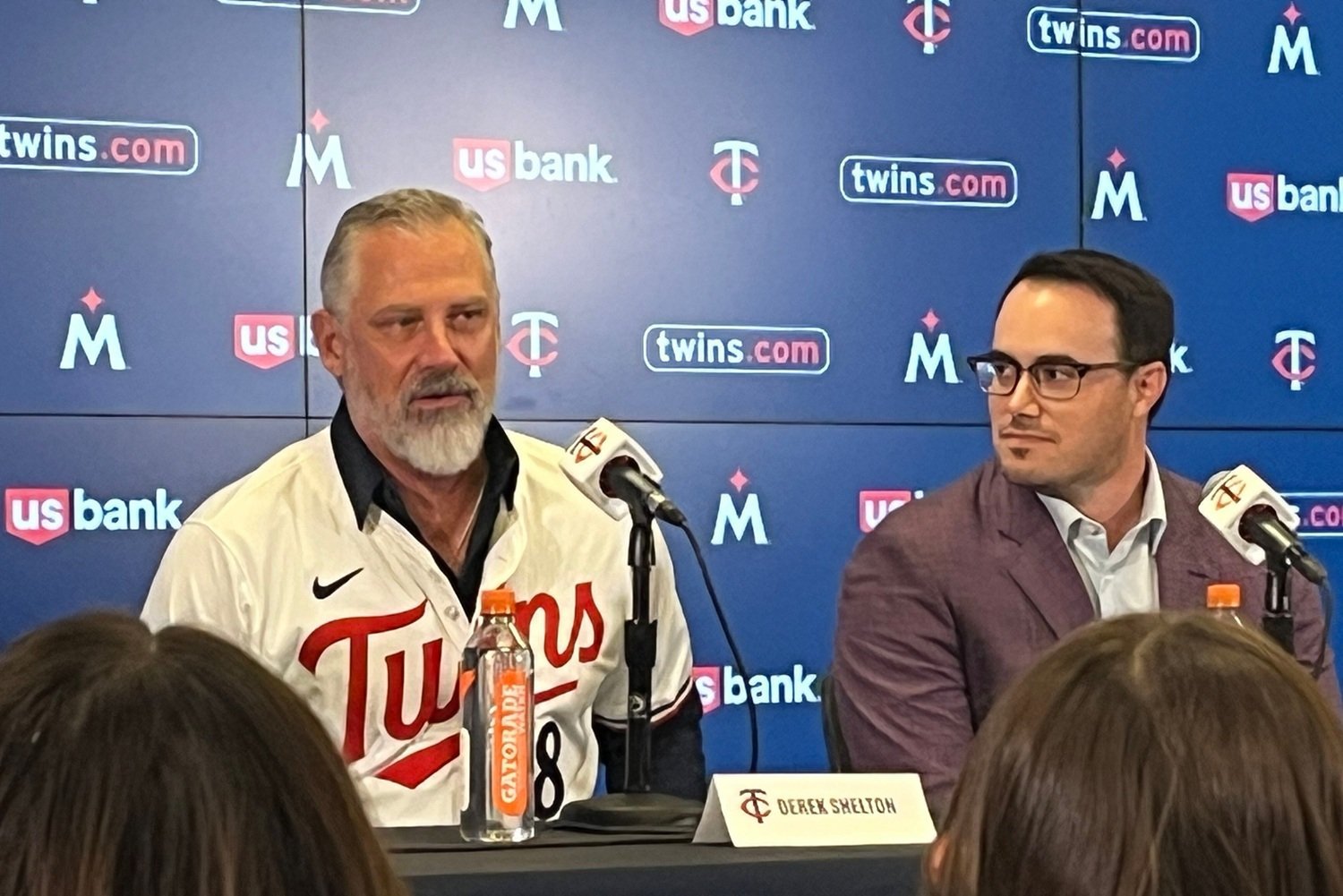 There are difficult starts to a new job, and then there's whatever the last few weeks have been for Jeremy Zoll. When Zoll took the reins of baseball operations at the end of last month, it was supposed to be a seamless transition from the leadership group that had helped keep Minnesota competitive for the better part of a decade. Instead, it quickly became the organizational equivalent of logging into your email on Monday morning to discover that every message is marked urgent and your password no longer works. Things began unraveling when Derek Falvey shocked everyone by mutually agreeing to part ways with the Twins just two weeks before spring training began in Florida. Nothing says stability like an unexpected leadership change when pitchers and catchers are already Googling local rental listings. Then Framber Valdez decided to sign elsewhere. That would have been manageable, if elsewhere had not happened to be within the American League Central, where the Twins will now (ahem) enjoy seeing him approximately three times a year in games that count (and once in a while in their nightmares). Owner Tom Pohlad continues to insist that the club will contend in 2026, despite most projection systems responding with the statistical equivalent of a polite cough to cover very rude laughter. Optimism remains high internally, which is fortunate, because the external outlook has been described by some as character-building. Unfortunately, the situation escalated dramatically on the first day of full team workouts when Pablo López suffered a torn UCL. There are bad omens, and then there's losing your ace before the team photographer has even finished setting up the backdrop. Sources say that was the moment Zoll quietly opened Google Maps and typed in 'Los Angeles'. In what insiders are calling a proactive roster move, Zoll has decided to trade himself back to the Los Angeles Dodgers, in exchange for future considerations and significantly less stress. It is believed that the deal includes a reduced decision-making role, which many view as a feature rather than a bug. Undeniably, it is simply easier to operate in Los Angeles. There is money. There are resources. There is Shohei Ohtani, who tends to solve problems that might otherwise require an entire analytics department and three offseason strategy meetings. Even in a lesser role, success feels more attainable when your biggest challenge is deciding which All-Star should bat second, instead of trying to determine how many waiver claims it takes to build a bullpen by May. The Twins, meanwhile, are expected to name an interim executive sometime before Opening Day, assuming no one else trades themselves first.
 -
Spring training optimism is built on bullpens, backfields, and best-case scenarios. Reality tends to show up somewhere between the trainer’s room and the long toss line. On Thursday, Minnesota got a dose of both hope and concern when head athletic trainer Nick Paparesta provided updates on three critical arms that could shape the trajectory of the pitching staff not just for this season but beyond. The biggest update came for Pablo Lopez, who underwent Tommy John surgery on Wednesday. Importantly, Lopez received the repair version of the procedure with an internal brace rather than a full ligament reconstruction. The repair process generally shortens recovery by 1 to 2 months, significantly altering his return timeline. If the 2027 season begins on schedule, Lopez should be tracking toward a return near the start of the year. That alone represents a meaningful win given the alternative. However, the looming possibility of a labor stoppage could further change the equation. Should a lockout delay Opening Day, Lopez might realistically be ready when games resume, allowing Minnesota to regain its ace without missing meaningful time. Meanwhile, Joe Ryan continues progressing after experiencing back tightness over the weekend while warming up for what would have been his first spring start. Ryan has resumed long toss and is scheduled to throw a bullpen session this coming weekend. That outing will serve as the next checkpoint in determining how his body responds before the Twins chart out a clearer ramp-up plan. There is also an international wrinkle. It remains undecided whether Ryan will participate in the upcoming World Baseball Classic, and how he rebounds from the bullpen session could factor heavily into that decision. Minnesota has long preached the importance of managing workloads early in the year, and this situation may force a more conservative approach. The most concerning news may belong to David Festa, who is being shut down for a couple of weeks due to a shoulder impingement. Festa received an injection in the shoulder, and the pause immediately puts the start of his season in jeopardy. Paparesta noted that the issue is unrelated to the thoracic outlet syndrome that ended Festa’s 2025 campaign, which is certainly encouraging, but the timing remains problematic. Minnesota has not publicly suggested any long-term role change, yet it is fair to wonder whether a move to the bullpen could ultimately be the best path forward for Festa. Shoulder concerns layered on top of last year’s thoracic outlet syndrome history make durability in a starting role increasingly difficult to project over a full-season workload. Taken together, these updates offer a snapshot of the balancing act that defines modern pitching staffs. Lopez provides optimism for the future. Ryan represents cautious day-to-day monitoring in the present. Festa embodies the uncertainty that often forces organizations to reconsider development plans on the fly. For a Twins club that has leaned heavily on its pitching depth in recent years, how each of these timelines unfolds could quietly determine how aggressive the front office needs to be before Opening Day and how sustainable the rotation will look once the games begin to matter. View full rumor
- 3 replies
-
- 1
-

-
- pablo lopez
- joe ryan
- (and 1 more)
-
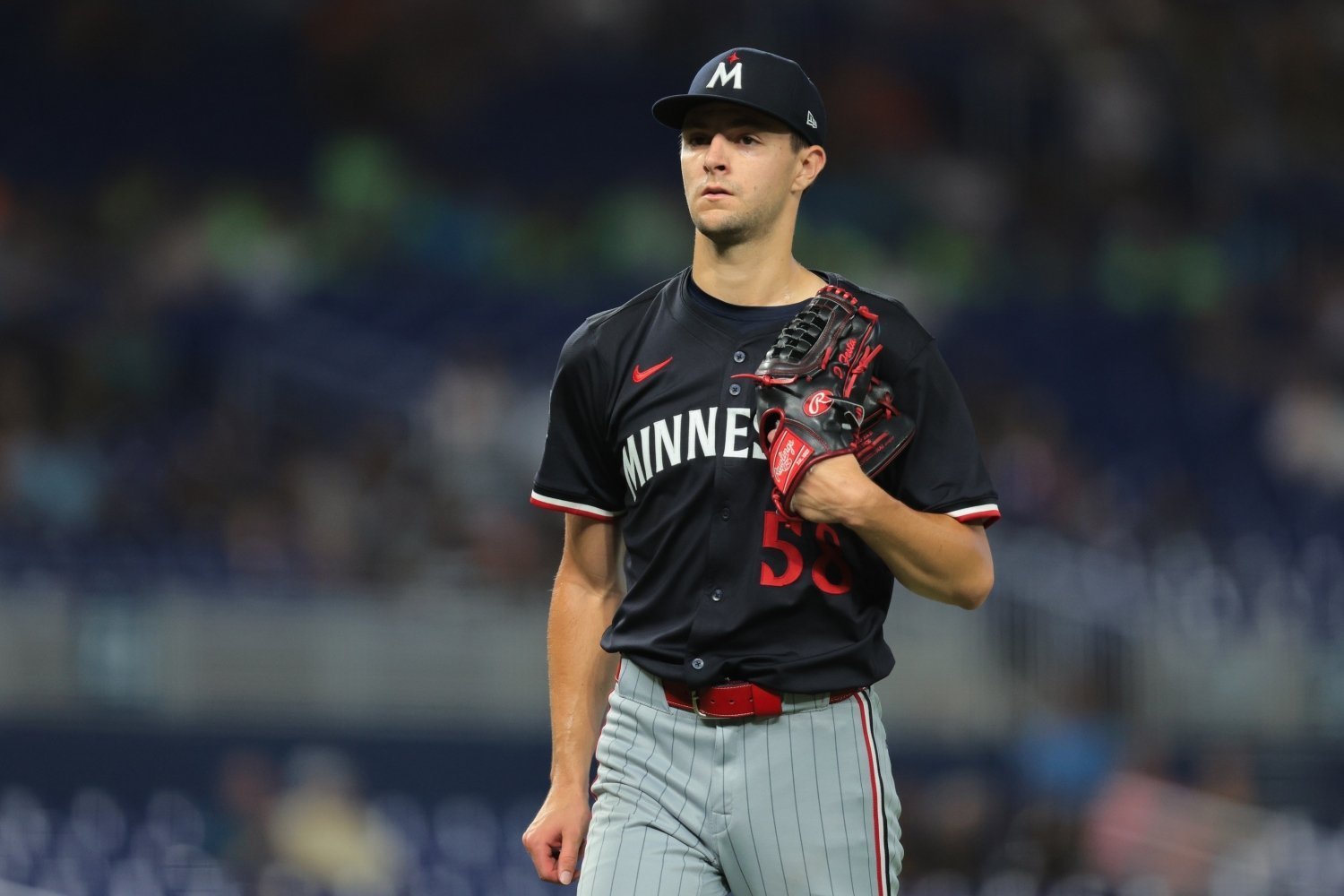 Spring training optimism is built on bullpens, backfields, and best-case scenarios. Reality tends to show up somewhere between the trainer’s room and the long toss line. On Thursday, Minnesota got a dose of both hope and concern when head athletic trainer Nick Paparesta provided updates on three critical arms that could shape the trajectory of the pitching staff not just for this season but beyond. The biggest update came for Pablo Lopez, who underwent Tommy John surgery on Wednesday. Importantly, Lopez received the repair version of the procedure with an internal brace rather than a full ligament reconstruction. The repair process generally shortens recovery by 1 to 2 months, significantly altering his return timeline. If the 2027 season begins on schedule, Lopez should be tracking toward a return near the start of the year. That alone represents a meaningful win given the alternative. However, the looming possibility of a labor stoppage could further change the equation. Should a lockout delay Opening Day, Lopez might realistically be ready when games resume, allowing Minnesota to regain its ace without missing meaningful time. Meanwhile, Joe Ryan continues progressing after experiencing back tightness over the weekend while warming up for what would have been his first spring start. Ryan has resumed long toss and is scheduled to throw a bullpen session this coming weekend. That outing will serve as the next checkpoint in determining how his body responds before the Twins chart out a clearer ramp-up plan. There is also an international wrinkle. It remains undecided whether Ryan will participate in the upcoming World Baseball Classic, and how he rebounds from the bullpen session could factor heavily into that decision. Minnesota has long preached the importance of managing workloads early in the year, and this situation may force a more conservative approach. The most concerning news may belong to David Festa, who is being shut down for a couple of weeks due to a shoulder impingement. Festa received an injection in the shoulder, and the pause immediately puts the start of his season in jeopardy. Paparesta noted that the issue is unrelated to the thoracic outlet syndrome that ended Festa’s 2025 campaign, which is certainly encouraging, but the timing remains problematic. Minnesota has not publicly suggested any long-term role change, yet it is fair to wonder whether a move to the bullpen could ultimately be the best path forward for Festa. Shoulder concerns layered on top of last year’s thoracic outlet syndrome history make durability in a starting role increasingly difficult to project over a full-season workload. Taken together, these updates offer a snapshot of the balancing act that defines modern pitching staffs. Lopez provides optimism for the future. Ryan represents cautious day-to-day monitoring in the present. Festa embodies the uncertainty that often forces organizations to reconsider development plans on the fly. For a Twins club that has leaned heavily on its pitching depth in recent years, how each of these timelines unfolds could quietly determine how aggressive the front office needs to be before Opening Day and how sustainable the rotation will look once the games begin to matter.
- 3 comments
-
- 1
-

-
- pablo lopez
- joe ryan
- (and 1 more)
-
Through the Eyes of Statcast: What the Twins See in James Outman
Cody Christie posted an article in Twins
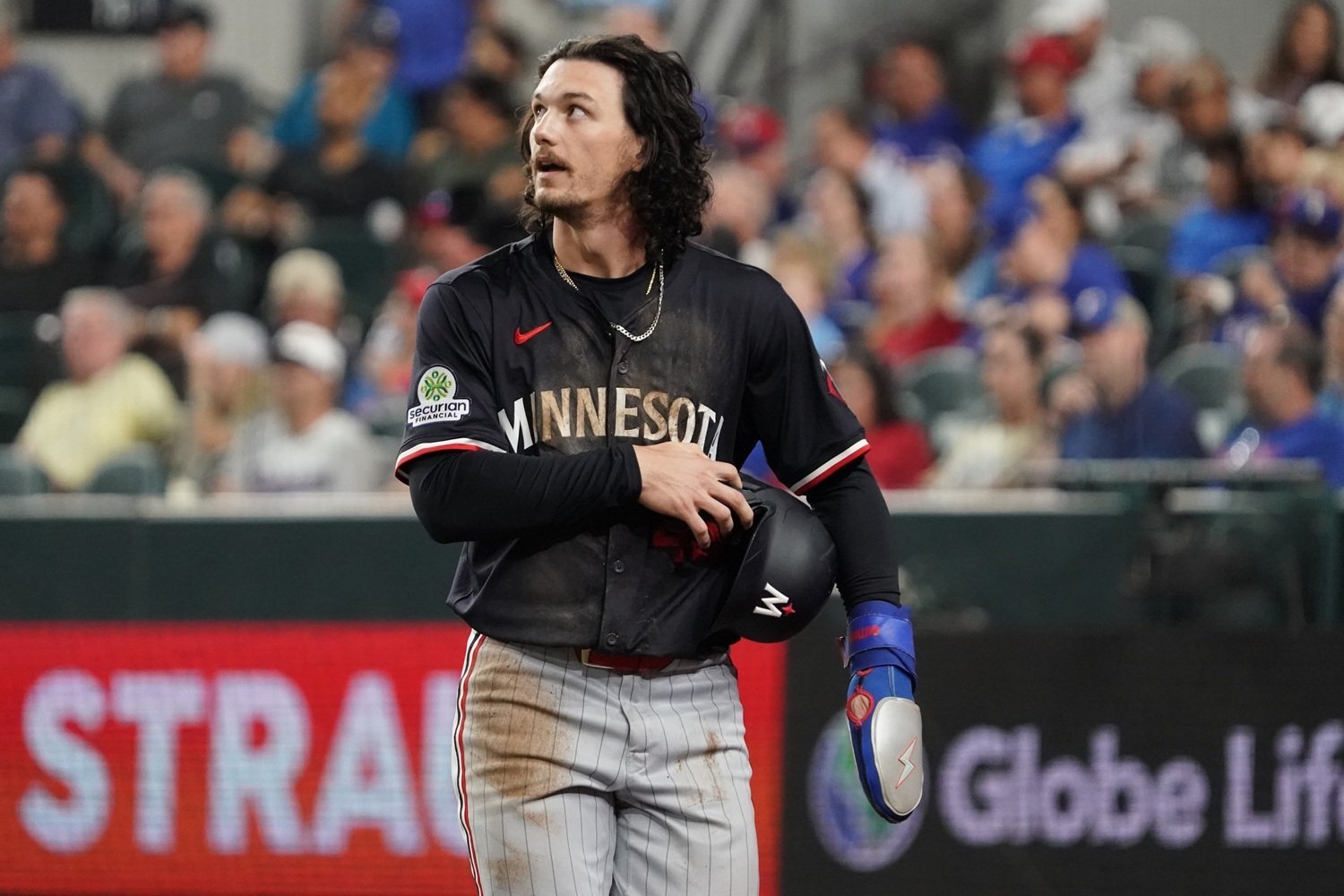 Every spring, a handful of players force organizations to make uncomfortable decisions. They may not have the prospect pedigree or the lengthy big-league résumé, but something in their profile demands a closer look. Sometimes it's a mechanical tweak. Sometimes it's an approach change. Increasingly often, it's something that shows up in the data before it shows up in the box score. That's where bat-tracking metrics from Baseball Savant begin to matter more than ever. The Athletic recently highlighted Bat Speed, Swing Tilt, and Intercept Point as part of a growing toolkit that can help teams identify future impact hitters, even in tiny samples. These numbers aren't perfect, but taken together, they paint a predictive picture of what a player might become before traditional production catches up. Swing tilt, in particular, has become an increasingly useful piece of the puzzle. A higher-tilt swing is generally more capable of lifting the baseball and doing damage on pitches located in the lower part of the strike zone. That aligns naturally with the movement profile of many breaking balls. It's not surprising that many of the game’s best power hitters generate their thump with a steeper bat path designed to create loft. Of course, there's another path to offensive success. Hitters with lower-tilt swings tend to produce more contact, because that flatter bat path plays better against fastballs that enter the zone on a more direct plane. That trade-off between contact and power has historically made bat-path evaluation difficult across the league. Multiple MLB front offices have wrestled with grading swings in a way that fairly captures both outcomes. The research group at Driveline Baseball sought to bridge that gap by separating bat-path evaluation into two metrics. Contact+ attempts to measure a hitter’s ability to consistently put the bat on the ball. Power+ focuses on their ability to drive it with authority. James Outman posted a 28 Contact+ alongside a 61 Power+. This, notably, is not a case wherein 100 is average; it's a version of the 20-80 scouting scale. Outman's Power+, therefore, marks him as a potential plus slugger. That profile aligns with what his career 34.5% strikeout rate already suggests. He's not built to be a high-contact hitter. Though he whiffs far too much, his combination of tilt and bat speed makee him dangerous in the box. Outman demonstrated that power potential throughout his time in the minors, including a .945 OPS and 131 wRC+ at Triple-A last season. Those numbers are not just the product of favorable environments. They reflect a swing capable of generating damage in a way that contact-oriented profiles cannot. Minnesota could use a defensively capable fourth outfielder who can handle center field on occasion. Outman is out of minor-league options, which means a strong showing this spring could force the organization to carry him rather than risk losing him on waivers. The other outfielders on the 40-man roster include Alan Roden, Austin Martin, Emmanuel Rodriguez, and Gabriel Gonzalez. There will likely be room for two of those names on the Opening Day roster, with Martin and Outman having the inside track at the start of spring training. In a roster battle that often comes down to marginal differences, a player with real underlying power traits can quickly become the more intriguing choice over a younger but lower-impact alternative. The strikeouts may never disappear. That's the cost of doing business with a swing designed to lift and drive the baseball. But in an era in which teams are increasingly comfortable trading some contact for impact, Outman’s underlying profile suggests there may be more upside than his surface numbers currently indicate. For him, the key will be to let the ball travel more. Given the speed and shape of his swing, he can afford to wait a hair longer, thereby making better swing decisions and a bit more contact, without sacrificing all his pop. Recently, I reviewed the Twins trade that brought Outman to Minnesota from Los Angeles. It was starting to look like this might be a trade that didn’t help either organization. However, if Bat Speed, Swing Tilt, and Intercept Point truly are as predictive as the research suggests, the Twins may be able to salvage something from it, after all. Can Outman be a breakout player for the Twins in 2026? Leave a comment and start the discussion.
 -
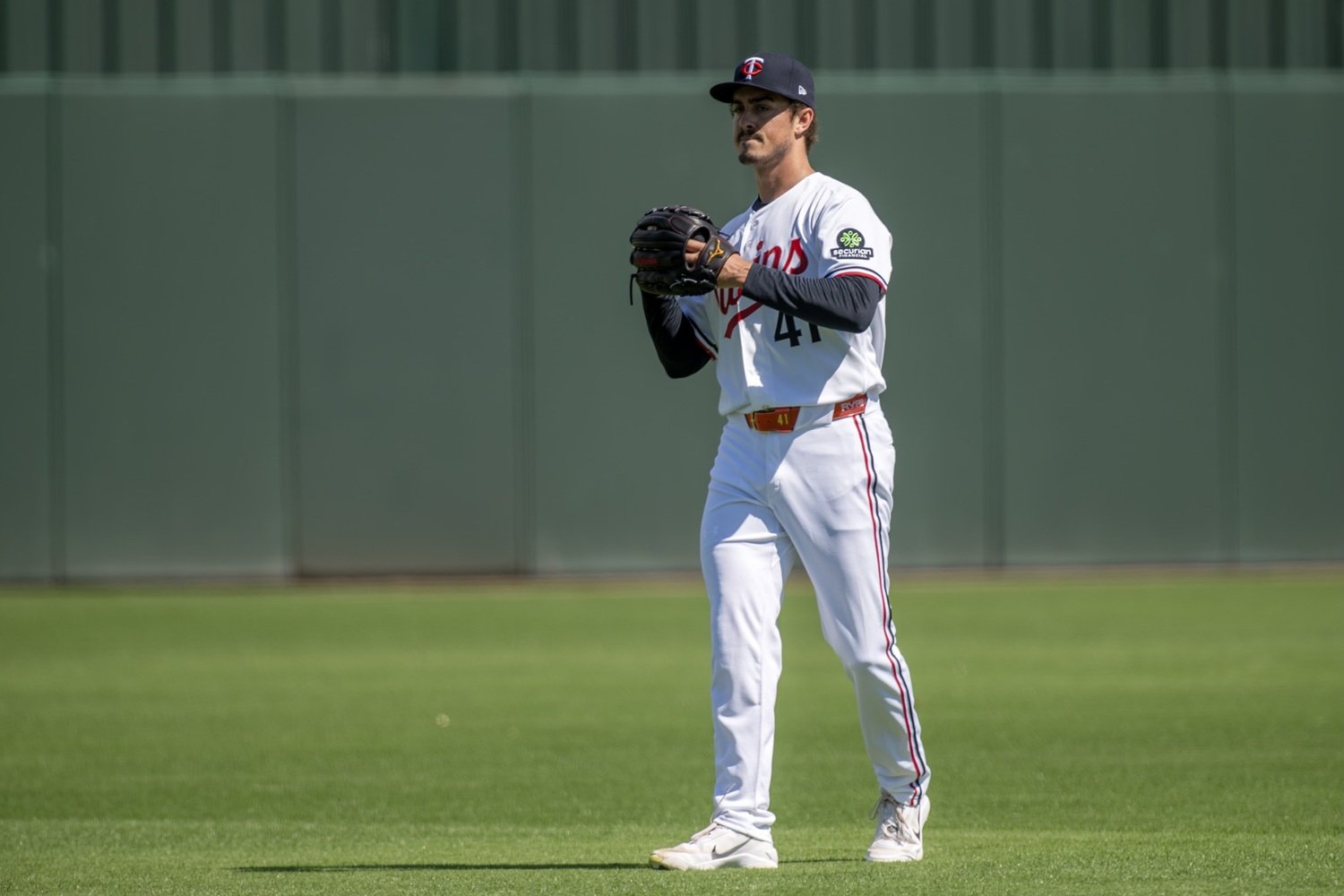 When the Minnesota Twins scratched Joe Ryan from his scheduled start on Saturday due to lower back tightness, it was the kind of spring training update that immediately makes an entire fan base uneasy. A few days later, however, the news cycle has already shifted in a much more encouraging direction. Twins manager Derek Shelton told reporters that Ryan played catch from 90 feet on Tuesday morning after undergoing imaging over the weekend. The results showed inflammation in his lower back rather than any structural damage. For a team that is already navigating the loss of Pablo López to Tommy John surgery, that distinction matters in a significant way. “He played catch today at 90 feet, so I think that was really encouraging,” Shelton said. “And he was also in the training room doing movement stuff. Encouraging. Trending in the right direction.” At this point in camp, the most important thing for Minnesota is not necessarily how quickly Ryan gets back on the mound, but that he continues to progress without setbacks. Spring training schedules are flexible. A timeline is not. There is still no clear indication of when Ryan will throw his next bullpen session, but the early internal expectation is that this is a short-term interruption rather than something that threatens his availability for Opening Day. That is critical given the Twins' rotation's current state. With López sidelined for the season, Ryan is no longer just part of the front-end mix. He is the front-end mix. If healthy, he becomes the obvious choice to take the ball on Opening Day, setting the tone for a rotation that will lean heavily on Bailey Ober and Simeon Woods Richardson behind him. That makes maintaining his health through the remainder of camp one of the most important storylines the Twins will navigate before the regular season begins. Ryan is also scheduled to pitch for the United States in the upcoming World Baseball Classic, though his availability for that event is now less certain. Minnesota may ultimately take a cautious approach if there is any lingering question about his back responding to increased intensity. There should still be enough time for Ryan to ramp back up for the regular season without issue. The bigger unknown now may be how the Twins handle his workload in the short term as they balance competitive commitments in March with the reality that their postseason hopes could hinge on his ability to stay on the mound from April through September. Behind Ober and Woods Richardson, the final spots in the rotation are expected to come down to a camp competition between Zebby Matthews, Taj Bradley, Mick Abel, and potentially David Festa. Bradley might have the inside track to a spot since he has thrown over 380 innings at the big-league level. Festa is “gradually ramping up” after ending last season on the injured list. Minnesota has touted its pitching depth, but losing Joe Ryan might have pushed the Minnesota Twins from fringe contender to full-scale rebuild. Without their projected Opening Day starter anchoring the staff, the domino effect would stretch from the top of the rotation to the final bullpen spot, forcing Bailey Ober and Simeon Woods Richardson into roles that demand more innings and consistency while accelerating timelines for young arms that were expected to develop more gradually. In a season already shaped by the loss of López, Ryan’s health is not just important to Minnesota’s April outlook but foundational to whether this team spends the summer chasing a postseason berth or reevaluating its long-term direction.
 -
When the Minnesota Twins scratched Joe Ryan from his scheduled start on Saturday due to lower back tightness, it was the kind of spring training update that immediately makes an entire fan base uneasy. A few days later, however, the news cycle has already shifted in a much more encouraging direction. Twins manager Derek Shelton told reporters that Ryan played catch from 90 feet on Tuesday morning after undergoing imaging over the weekend. The results showed inflammation in his lower back rather than any structural damage. For a team that is already navigating the loss of Pablo López to Tommy John surgery, that distinction matters in a significant way. “He played catch today at 90 feet, so I think that was really encouraging,” Shelton said. “And he was also in the training room doing movement stuff. Encouraging. Trending in the right direction.” At this point in camp, the most important thing for Minnesota is not necessarily how quickly Ryan gets back on the mound, but that he continues to progress without setbacks. Spring training schedules are flexible. A timeline is not. There is still no clear indication of when Ryan will throw his next bullpen session, but the early internal expectation is that this is a short-term interruption rather than something that threatens his availability for Opening Day. That is critical given the Twins' rotation's current state. With López sidelined for the season, Ryan is no longer just part of the front-end mix. He is the front-end mix. If healthy, he becomes the obvious choice to take the ball on Opening Day, setting the tone for a rotation that will lean heavily on Bailey Ober and Simeon Woods Richardson behind him. That makes maintaining his health through the remainder of camp one of the most important storylines the Twins will navigate before the regular season begins. Ryan is also scheduled to pitch for the United States in the upcoming World Baseball Classic, though his availability for that event is now less certain. Minnesota may ultimately take a cautious approach if there is any lingering question about his back responding to increased intensity. There should still be enough time for Ryan to ramp back up for the regular season without issue. The bigger unknown now may be how the Twins handle his workload in the short term as they balance competitive commitments in March with the reality that their postseason hopes could hinge on his ability to stay on the mound from April through September. Behind Ober and Woods Richardson, the final spots in the rotation are expected to come down to a camp competition between Zebby Matthews, Taj Bradley, Mick Abel, and potentially David Festa. Bradley might have the inside track to a spot since he has thrown over 380 innings at the big-league level. Festa is “gradually ramping up” after ending last season on the injured list. Minnesota has touted its pitching depth, but losing Joe Ryan might have pushed the Minnesota Twins from fringe contender to full-scale rebuild. Without their projected Opening Day starter anchoring the staff, the domino effect would stretch from the top of the rotation to the final bullpen spot, forcing Bailey Ober and Simeon Woods Richardson into roles that demand more innings and consistency while accelerating timelines for young arms that were expected to develop more gradually. In a season already shaped by the loss of López, Ryan’s health is not just important to Minnesota’s April outlook but foundational to whether this team spends the summer chasing a postseason berth or reevaluating its long-term direction. View full rumor
-
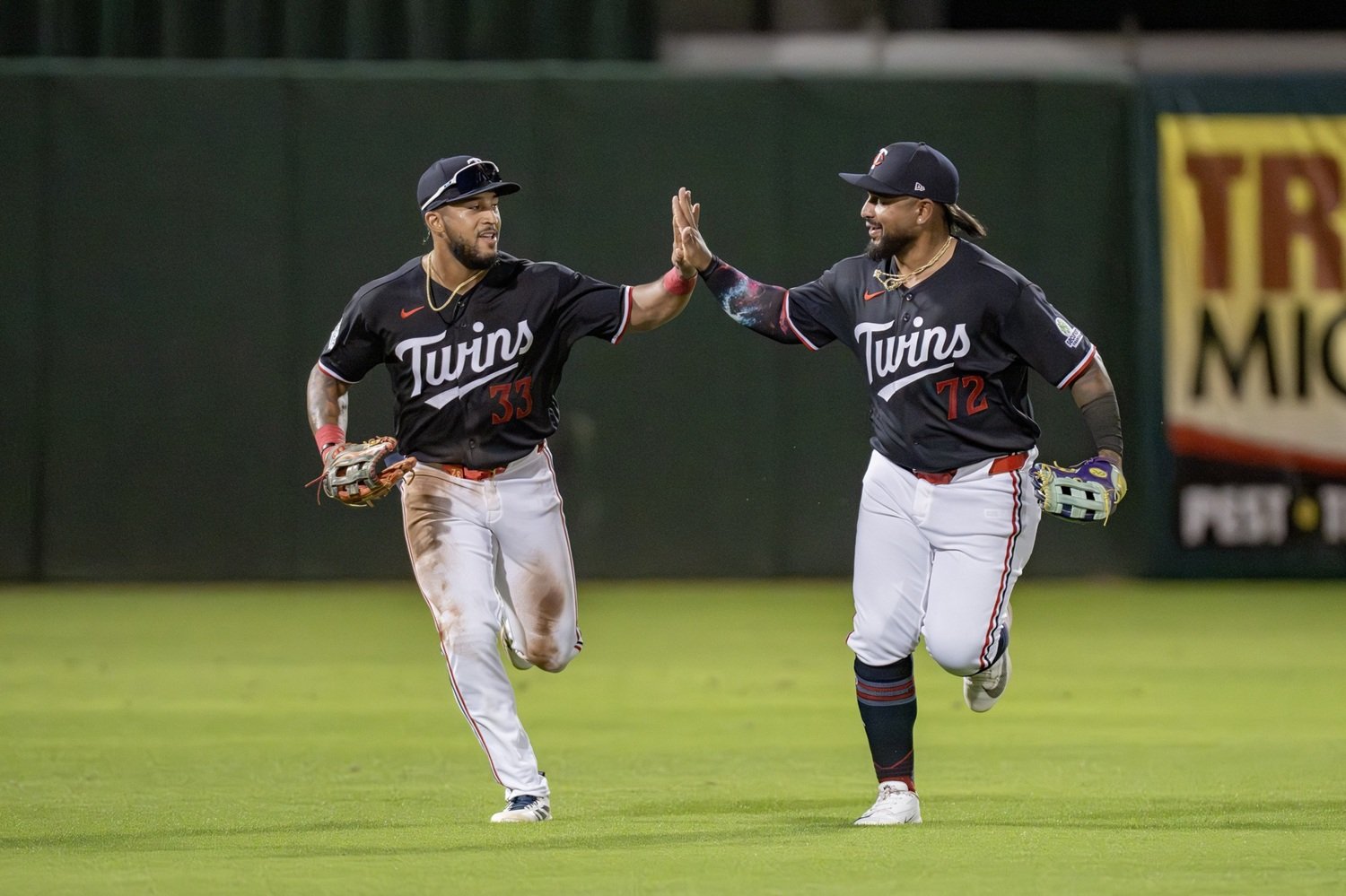 Gabriel Gonzalez carries himself a little differently this spring. The same easy smile is there, and the appreciation for the opportunity has not changed, but there is a noticeable sense of confidence that comes from settling in and proving to himself that he belongs. After a rocky introduction to the organization in 2024, Gonzalez settled in last season and reminded everyone why he remains one of the farm system’s top prospects. Now, as camp unfolds under the watchful eyes of big-league coaches and the Minnesota development staff, Gonzalez is thinking bigger. “First of all, thank God. I had an incredible year last year, and I’m happy for that," he said. "I want to build off last year, and I’ve got some goals that I want to achieve for this year. I’m incredibly lucky to be a part of this team right now, and I look forward to the staff helping me get better.” That perspective did not come overnight. Gonzalez came to the Twins as part of the Jorge Polanco trade, and that transition came with some bumps. A new clubhouse. New coaches. New expectations. Even for a highly regarded prospect, that can be overwhelming. “At first, it was a little difficult for me coming to a new team, not knowing anybody," Gonzalez recalled. "It was all new to me. Thank God that my teammates were helpful, the staff was helpful, and I’m getting better. I found my rhythm. I’m looking forward to this year.” Finding that rhythm changed everything. His bat speed returned. His approach sharpened. The natural ability that made him such an intriguing addition began to show consistently over a full season. Now the focus shifts toward 2026, a year of high stakes for both Gonzalez and the organization. While he is unlikely to break camp with the big-league club, the expectation internally is that he could force the conversation before long. The Twins have leaned heavily on young talent in recent seasons, and Gonzalez fits the timeline of a roster that continues to blend cost-controlled upside with competitive expectations. His goals for the upcoming year are grounded but telling. “First of all, I would like to stay healthy," he said. "That’s number one. Then I’d like to help the team with whatever they need. Control the controllables.” Health is foundational. Consistency follows. But Gonzalez knows that if he is going to make the leap from promising minor leaguer to everyday contributor at Target Field, there is one area that demands attention. “I think first and foremost, I need to work on my defense, and make it a huge emphasis. At the big-league level, people play good defense. The game speeds up on you. Everything is hit harder and further. So, I need to focus on my defense.” That self-awareness matters. The bat has long been his calling card, but modern roster construction demands versatility and reliability in the field. For a young outfielder hoping to carve out a role in Minnesota’s long-term plans, sharpening routes, reads, and arm accuracy could be the difference between being a contributor and being a cornerstone. And he has already allowed himself to dream a little. “It's definitely crossed my mind. We [he, Emmanuel Rodriguez, and Walker Jenkins] played together in Triple-A, shared the same outfield, and we get along very well. But it's definitely crossed my mind that in the future we could share the same at Target Field. That would be an incredible experience.” The image of a young, homegrown outfield growing together at Target Field is exactly what the organization hopes to build toward in 2026 and beyond. Gonzalez is not guaranteed anything, but the path is visible. Continued offensive production. Defensive growth. A healthy season. If those boxes are checked, the timeline accelerates quickly. For now, Gonzalez remains focused on the daily work. The drills in the Florida sun. The conversations with coaches. The steady climb that every prospect must navigate. Last year was about finding his rhythm. This year is about proving it was not a fluke. If he does that, 2026 could be the year Twins fans finally see Gabriel Gonzalez turn potential into presence on a major league stage. What should the expectations be for Gonzalez in 2026? Leave a comment and start the discussion.
 -
Image courtesy of William Parmeter Gabriel Gonzalez carries himself a little differently this spring. The same easy smile is there, and the appreciation for the opportunity has not changed, but there is a noticeable sense of confidence that comes from settling in and proving to himself that he belongs. After a rocky introduction to the organization in 2024, Gonzalez settled in last season and reminded everyone why he remains one of the farm system’s top prospects. Now, as camp unfolds under the watchful eyes of big-league coaches and the Minnesota development staff, Gonzalez is thinking bigger. “First of all, thank God. I had an incredible year last year, and I’m happy for that," he said. "I want to build off last year, and I’ve got some goals that I want to achieve for this year. I’m incredibly lucky to be a part of this team right now, and I look forward to the staff helping me get better.” That perspective did not come overnight. Gonzalez came to the Twins as part of the Jorge Polanco trade, and that transition came with some bumps. A new clubhouse. New coaches. New expectations. Even for a highly regarded prospect, that can be overwhelming. “At first, it was a little difficult for me coming to a new team, not knowing anybody," Gonzalez recalled. "It was all new to me. Thank God that my teammates were helpful, the staff was helpful, and I’m getting better. I found my rhythm. I’m looking forward to this year.” Finding that rhythm changed everything. His bat speed returned. His approach sharpened. The natural ability that made him such an intriguing addition began to show consistently over a full season. Now the focus shifts toward 2026, a year of high stakes for both Gonzalez and the organization. While he is unlikely to break camp with the big-league club, the expectation internally is that he could force the conversation before long. The Twins have leaned heavily on young talent in recent seasons, and Gonzalez fits the timeline of a roster that continues to blend cost-controlled upside with competitive expectations. His goals for the upcoming year are grounded but telling. “First of all, I would like to stay healthy," he said. "That’s number one. Then I’d like to help the team with whatever they need. Control the controllables.” Health is foundational. Consistency follows. But Gonzalez knows that if he is going to make the leap from promising minor leaguer to everyday contributor at Target Field, there is one area that demands attention. “I think first and foremost, I need to work on my defense, and make it a huge emphasis. At the big-league level, people play good defense. The game speeds up on you. Everything is hit harder and further. So, I need to focus on my defense.” That self-awareness matters. The bat has long been his calling card, but modern roster construction demands versatility and reliability in the field. For a young outfielder hoping to carve out a role in Minnesota’s long-term plans, sharpening routes, reads, and arm accuracy could be the difference between being a contributor and being a cornerstone. And he has already allowed himself to dream a little. “It's definitely crossed my mind. We [he, Emmanuel Rodriguez, and Walker Jenkins] played together in Triple-A, shared the same outfield, and we get along very well. But it's definitely crossed my mind that in the future we could share the same at Target Field. That would be an incredible experience.” The image of a young, homegrown outfield growing together at Target Field is exactly what the organization hopes to build toward in 2026 and beyond. Gonzalez is not guaranteed anything, but the path is visible. Continued offensive production. Defensive growth. A healthy season. If those boxes are checked, the timeline accelerates quickly. For now, Gonzalez remains focused on the daily work. The drills in the Florida sun. The conversations with coaches. The steady climb that every prospect must navigate. Last year was about finding his rhythm. This year is about proving it was not a fluke. If he does that, 2026 could be the year Twins fans finally see Gabriel Gonzalez turn potential into presence on a major league stage. What should the expectations be for Gonzalez in 2026? Leave a comment and start the discussion. View full article
-
Image courtesy of William Parmeter There's an argument to be made that the most important games the Minnesota Twins will play this decade are the ones scheduled between Opening Day and the All-Star break in 2026. That may sound dramatic for a franchise just a few years removed from postseason relevance, but recent history has shown how small the margin for error has become. In both 2024 and 2025, Minnesota found itself playing from behind almost immediately. In 2025, the club limped to a 13-20 record and sat eight games out of first place on May 2. A 13-game winning streak briefly revived belief inside the clubhouse and across the fan base, but it ultimately masked deeper roster flaws that resurfaced over the final four months. The 2024 season followed a similar script. The Twins were 7-13 entering play on April 22, before a 12-game winning streak shoved them back into contention. Those bursts were impressive, but unsustainable. Minnesota was forced to play nearly perfect baseball for weeks at a time just to erase the damage of a slow start. Needless to say, it didn't work out that way. Following the same path in 2026 might mean a full-fledged freefall. This version of the Twins does not have the same depth to weather injuries or prolonged slumps. The lineup is thinner, the bullpen is weaker, and the rotation does not feature the same high-ceiling leaders. Falling six to eight games under .500 in April could be the difference between buying at the deadline and beginning a more aggressive sell-off. To that end, trade speculation will not wait for clarity. Joe Ryan remains one of the more valuable controllable starters in the American League. A healthy Byron Buxton is still a dynamic, game-altering talent. Ryan Jeffers has developed into one of baseball’s best-hitting catchers, but is a pending free agent. All three heard their names in rumors over the last year, and that has only increased since last July’s trade deadline sell-off. Another sluggish first half would intensify conversations across the league. Ownership expectations complicate the picture. Tom Pohlad has consistently communicated that the expectation is to contend and play meaningful games in September. That likely requires the Twins to hover around .500 at the trade deadline, while hoping the American League Central underperforms relative to the rest of baseball. If the division remains tightly packed and flawed, a team sitting a game or two out of first place in late July could justify adding, rather than subtracting. But if Minnesota enters July buried in the standings, the calculus changes. At that point, the front office must decide whether holding onto veteran talent serves the long-term vision or delays an inevitable reset. What makes this first half uniquely fascinating is the wave building in the upper minors. Minnesota expects several of its top prospects to open the season at Triple-A, including Walker Jenkins, Emmanuel Rodriguez, Kaelen Culpepper, and Connor Prielipp. Each brings a different element. Jenkins profiles as a middle-of-the-order presence. Rodriguez offers impact power and on-base ability. Culpepper has quickly climbed, with advanced bat-to-ball skills. Prielipp, if healthy, has the type of stuff that can alter a rotation’s ceiling. The environment they enter matters. If the Twins are within striking distance in July, those call-ups could feel like reinforcements for a legitimate postseason push. Young talent arriving to supplement an already competitive roster can energize a clubhouse and a fan base. On the other hand, if veterans are moved at the deadline, those same prospects could debut in a far more developmental setting, tasked with learning on the fly while the organization prioritizes growth over wins. That fork in the road will be determined by the first 81 games. There is also a business reality layered into the baseball conversation. After back-to-back disappointing seasons, the Twins are actively trying to re-engage a frustrated fan base. The organization has announced promotions ranging from discounted beer to free ice cream for kids to create a more inviting ballpark experience. Those initiatives matter, but history has shown that the most effective marketing strategy is winning. Compounding the pressure is a payroll that has dropped from $160 million in 2023 to just over $100 million in 2026. Even that number requires context. Minnesota is paying the Houston Astros $10 million toward the salary of Carlos Correa, and Pablo López will not throw a pitch this season following Tommy John surgery despite carrying a $21.5-million salary. In other words, the margin is thin on and off the field. A strong first half could stabilize everything. It would quiet trade rumors, justify ownership's patience, energize the fan base, and create a pathway for prospects to join a competitive core. A poor start could accelerate difficult conversations and reshape the organization’s timeline for the remainder of the decade. The Twins do not need to dominate April and May. They simply need to avoid the kind of early hole that has defined recent seasons. Because this time, there may not be another 12 or 13-game winning streak waiting to save them. How important is the first half of the 2026 season for the Twins? Leave a comment and start the discussion. View full article
-
Get Ready for the Most Important First Half in Minnesota Twins History
Cody Christie posted an article in Twins
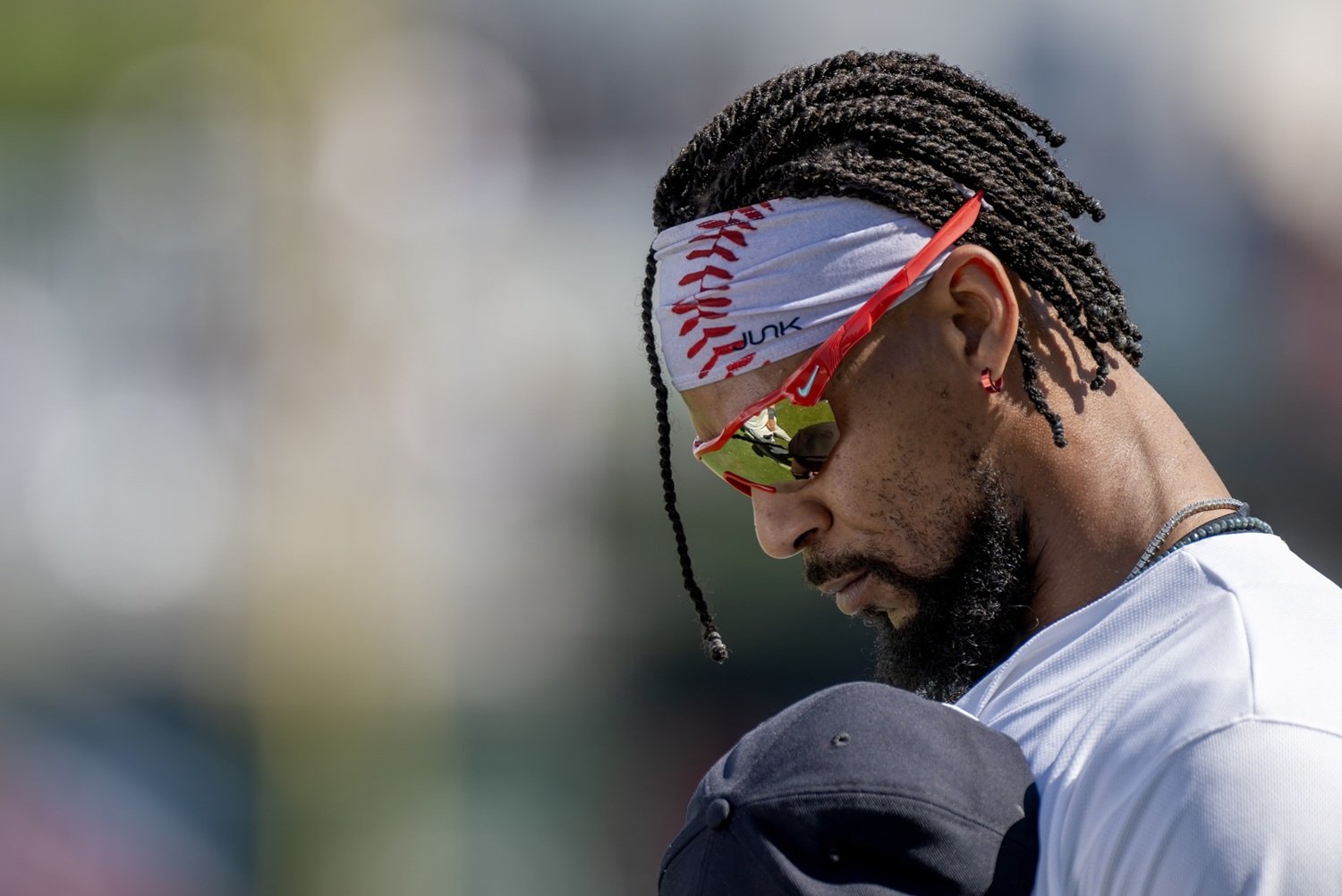 There's an argument to be made that the most important games the Minnesota Twins will play this decade are the ones scheduled between Opening Day and the All-Star break in 2026. That may sound dramatic for a franchise just a few years removed from postseason relevance, but recent history has shown how small the margin for error has become. In both 2024 and 2025, Minnesota found itself playing from behind almost immediately. In 2025, the club limped to a 13-20 record and sat eight games out of first place on May 2. A 13-game winning streak briefly revived belief inside the clubhouse and across the fan base, but it ultimately masked deeper roster flaws that resurfaced over the final four months. The 2024 season followed a similar script. The Twins were 7-13 entering play on April 22, before a 12-game winning streak shoved them back into contention. Those bursts were impressive, but unsustainable. Minnesota was forced to play nearly perfect baseball for weeks at a time just to erase the damage of a slow start. Needless to say, it didn't work out that way. Following the same path in 2026 might mean a full-fledged freefall. This version of the Twins does not have the same depth to weather injuries or prolonged slumps. The lineup is thinner, the bullpen is weaker, and the rotation does not feature the same high-ceiling leaders. Falling six to eight games under .500 in April could be the difference between buying at the deadline and beginning a more aggressive sell-off. To that end, trade speculation will not wait for clarity. Joe Ryan remains one of the more valuable controllable starters in the American League. A healthy Byron Buxton is still a dynamic, game-altering talent. Ryan Jeffers has developed into one of baseball’s best-hitting catchers, but is a pending free agent. All three heard their names in rumors over the last year, and that has only increased since last July’s trade deadline sell-off. Another sluggish first half would intensify conversations across the league. Ownership expectations complicate the picture. Tom Pohlad has consistently communicated that the expectation is to contend and play meaningful games in September. That likely requires the Twins to hover around .500 at the trade deadline, while hoping the American League Central underperforms relative to the rest of baseball. If the division remains tightly packed and flawed, a team sitting a game or two out of first place in late July could justify adding, rather than subtracting. But if Minnesota enters July buried in the standings, the calculus changes. At that point, the front office must decide whether holding onto veteran talent serves the long-term vision or delays an inevitable reset. What makes this first half uniquely fascinating is the wave building in the upper minors. Minnesota expects several of its top prospects to open the season at Triple-A, including Walker Jenkins, Emmanuel Rodriguez, Kaelen Culpepper, and Connor Prielipp. Each brings a different element. Jenkins profiles as a middle-of-the-order presence. Rodriguez offers impact power and on-base ability. Culpepper has quickly climbed, with advanced bat-to-ball skills. Prielipp, if healthy, has the type of stuff that can alter a rotation’s ceiling. The environment they enter matters. If the Twins are within striking distance in July, those call-ups could feel like reinforcements for a legitimate postseason push. Young talent arriving to supplement an already competitive roster can energize a clubhouse and a fan base. On the other hand, if veterans are moved at the deadline, those same prospects could debut in a far more developmental setting, tasked with learning on the fly while the organization prioritizes growth over wins. That fork in the road will be determined by the first 81 games. There is also a business reality layered into the baseball conversation. After back-to-back disappointing seasons, the Twins are actively trying to re-engage a frustrated fan base. The organization has announced promotions ranging from discounted beer to free ice cream for kids to create a more inviting ballpark experience. Those initiatives matter, but history has shown that the most effective marketing strategy is winning. Compounding the pressure is a payroll that has dropped from $160 million in 2023 to just over $100 million in 2026. Even that number requires context. Minnesota is paying the Houston Astros $10 million toward the salary of Carlos Correa, and Pablo López will not throw a pitch this season following Tommy John surgery despite carrying a $21.5-million salary. In other words, the margin is thin on and off the field. A strong first half could stabilize everything. It would quiet trade rumors, justify ownership's patience, energize the fan base, and create a pathway for prospects to join a competitive core. A poor start could accelerate difficult conversations and reshape the organization’s timeline for the remainder of the decade. The Twins do not need to dominate April and May. They simply need to avoid the kind of early hole that has defined recent seasons. Because this time, there may not be another 12 or 13-game winning streak waiting to save them. How important is the first half of the 2026 season for the Twins? Leave a comment and start the discussion.
- 41 comments
-
- 4
-
-
- joe ryan
- pablo lopez
- (and 6 more)
-
The season-ending elbow injury to Pablo López has forced a reality check for the Twins before the regular season has even begun. With their ace now set to undergo Tommy John surgery, questions about Minnesota’s direction are surfacing once again. Appearing Monday on Fair Territory, MLB insider Ken Rosenthal was asked whether López’s absence could impact how the organization approaches trade discussions involving key players such as Byron Buxton and Joe Ryan. "I would expect the Twins are going to be sellers, but not just yet," Rosenthal said Monday. Rosenthal pointed to the immediate impact López’s injury has on the club’s competitiveness, especially when evaluating how the roster stacks up against the rest of the division. "Certainly with losing Pablo Lopez, the team is not as competitive as it might have expected," continued Rosenthal. "But their new ownership, or I should say their shift in control people, to a different Pohlad, he's talking like they want to compete, and he keeps saying that, and he keeps coming out saying, 'We intend to be competitive in the AL Central.' So, I don't expect a trade of either of those players, Ryan or Buxton, to happen this spring." Both Buxton and Ryan have remained popular names in trade speculation dating back to last summer’s deadline when Minnesota reshaped much of its roster but ultimately held onto several cornerstone pieces. Ryan recently told The Athletic’s Dan Hayes he was "really happy" to still be in Minnesota after the front office opted against dealing López or Buxton earlier in the process. Buxton, meanwhile, has consistently stated his desire to remain with the Twins, even as rumors have continued to circulate. “All it takes is for somebody at the top to go to the media: ‘We’re not trading you.' Trade rumors stop," Buxton said recently. Ownership, led by controlling owner Tom Pohlad, has been clear in its desire to remain competitive rather than move additional talent. Still, Rosenthal noted that stance may become more difficult to maintain if Minnesota struggles in the standings. "Could it happen down the line, by the deadline? Certainly could happen if the Twins don't contend," Rosenthal reasoned. "And I'm still having a hard time seeing how they will contend. Now, they're in the forgiving AL Central. That will help. But the Tigers should be really good. The Guardians always seem to figure it out. The White Sox are improving. And the Royals, they see themselves as a contender as well." Rosenthal also referenced last July’s deadline decisions and the inherent risk of holding onto players who could have been moved at peak value. “The Twins are a team that, of course, deconstructed in a major way last July at the deadline. You remember all the players that they moved, Correa being the headliner, but a number of others as well, including really their entire bullpen.” “At that time, they chose not to trade Joe Ryan, not to trade Pablo Lopez, who was hurt. And the danger when you do that is you’re risking a player or pitcher getting injured or not performing to his previous norms. The Twins, in this case with Pablo Lopez, they were probably going to trade him at the deadline if he was healthy this year.” “Joe Ryan might have been a trade candidate and still might be a trade candidate for them at the deadline. They talk about competing. The Twins keep saying, ‘we want to compete, we want to be back in the AL Central mix,’ and all that. Well, they haven’t spent enough money to do that, and now they have this question of their rotation without one of their big premier starters.” Whether Minnesota stays the course or pivots later this summer could ultimately depend on how it navigates the first few months of the season without its ace leading the rotation. View full rumor
-
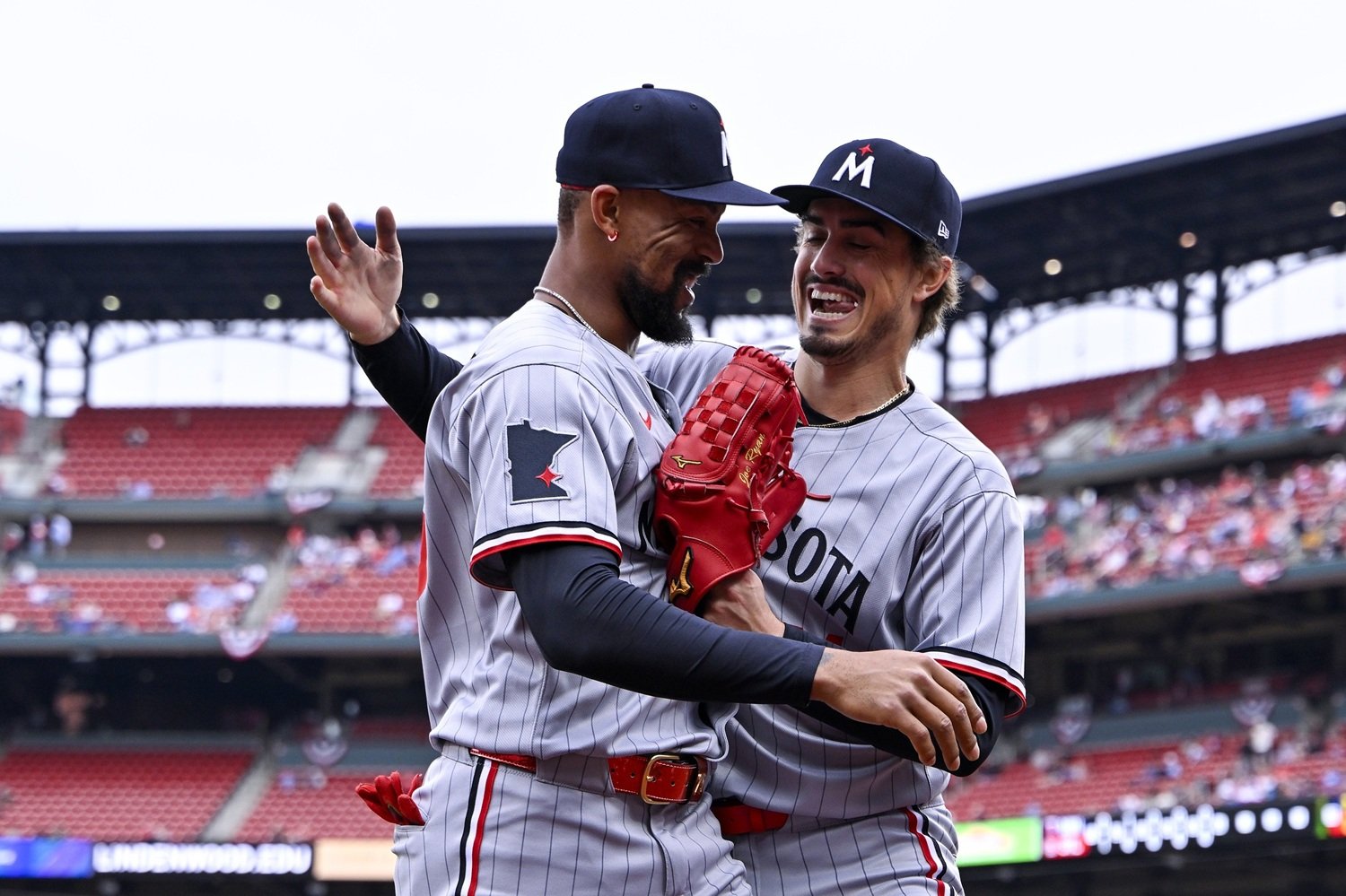 The season-ending elbow injury to Pablo López has forced a reality check for the Twins before the regular season has even begun. With their ace now set to undergo Tommy John surgery, questions about Minnesota’s direction are surfacing once again. Appearing Monday on Fair Territory, MLB insider Ken Rosenthal was asked whether López’s absence could impact how the organization approaches trade discussions involving key players such as Byron Buxton and Joe Ryan. "I would expect the Twins are going to be sellers, but not just yet," Rosenthal said Monday. Rosenthal pointed to the immediate impact López’s injury has on the club’s competitiveness, especially when evaluating how the roster stacks up against the rest of the division. "Certainly with losing Pablo Lopez, the team is not as competitive as it might have expected," continued Rosenthal. "But their new ownership, or I should say their shift in control people, to a different Pohlad, he's talking like they want to compete, and he keeps saying that, and he keeps coming out saying, 'We intend to be competitive in the AL Central.' So, I don't expect a trade of either of those players, Ryan or Buxton, to happen this spring." Both Buxton and Ryan have remained popular names in trade speculation dating back to last summer’s deadline when Minnesota reshaped much of its roster but ultimately held onto several cornerstone pieces. Ryan recently told The Athletic’s Dan Hayes he was "really happy" to still be in Minnesota after the front office opted against dealing López or Buxton earlier in the process. Buxton, meanwhile, has consistently stated his desire to remain with the Twins, even as rumors have continued to circulate. “All it takes is for somebody at the top to go to the media: ‘We’re not trading you.' Trade rumors stop," Buxton said recently. Ownership, led by controlling owner Tom Pohlad, has been clear in its desire to remain competitive rather than move additional talent. Still, Rosenthal noted that stance may become more difficult to maintain if Minnesota struggles in the standings. "Could it happen down the line, by the deadline? Certainly could happen if the Twins don't contend," Rosenthal reasoned. "And I'm still having a hard time seeing how they will contend. Now, they're in the forgiving AL Central. That will help. But the Tigers should be really good. The Guardians always seem to figure it out. The White Sox are improving. And the Royals, they see themselves as a contender as well." Rosenthal also referenced last July’s deadline decisions and the inherent risk of holding onto players who could have been moved at peak value. “The Twins are a team that, of course, deconstructed in a major way last July at the deadline. You remember all the players that they moved, Correa being the headliner, but a number of others as well, including really their entire bullpen.” “At that time, they chose not to trade Joe Ryan, not to trade Pablo Lopez, who was hurt. And the danger when you do that is you’re risking a player or pitcher getting injured or not performing to his previous norms. The Twins, in this case with Pablo Lopez, they were probably going to trade him at the deadline if he was healthy this year.” “Joe Ryan might have been a trade candidate and still might be a trade candidate for them at the deadline. They talk about competing. The Twins keep saying, ‘we want to compete, we want to be back in the AL Central mix,’ and all that. Well, they haven’t spent enough money to do that, and now they have this question of their rotation without one of their big premier starters.” Whether Minnesota stays the course or pivots later this summer could ultimately depend on how it navigates the first few months of the season without its ace leading the rotation.
- 7 comments
-
- 3
-
-
- pablo lopez
- joe ryan
- (and 1 more)
-
Spring training is always about progression, but for David Festa, the climb toward Opening Day may be a little more deliberate this year. According to The Star Tribune’s Bobby Nightengale, Festa is “gradually ramping up” this spring after ending the 2025 season on the injured list. In September, Festa was diagnosed with a mild form of neurogenic thoracic outlet syndrome, which caused nerve compression in his right shoulder. He underwent treatment that included Botox injections in an effort to avoid surgery. Over the weekend in Fort Myers, Festa took another step forward by throwing live at-bats on a back field. Nightengale reported that his fastball sat between 91 and 92 miles per hour during the session. That mark falls short of last season when Festa averaged 94.1 miles per hour on his four-seamer, but it is also an indication that he is trending in the right direction after previously being limited to bullpen sessions. The nerve issue near his pitching shoulder required a cautious offseason approach, and the Twins are clearly taking the same path this spring. Even so, Festa still has a legitimate opportunity to win a spot in Minnesota’s rotation as camp progresses. Earlier in the winter, there was some speculation that Festa could shift to the bullpen in order to bolster a group lacking high upside right-handed options. However, starting pitching depth has quickly become a priority for the Twins following the news that Pablo López will miss the 2026 season after undergoing Tommy John surgery. Minnesota’s projected rotation currently includes Joe Ryan, Bailey Ober, Simeon Woods Richardson, and Taj Bradley. The final spot could ultimately come down to Festa, Zebby Matthews, and Mick Abel as the calendar inches closer to Opening Day. Whichever two pitchers fall short in that competition will likely begin the year with the St. Paul Saints and serve as early-season depth should injuries arise or performance dictate a change. Festa entered last season as arguably Minnesota’s top pitching prospect after posting a 34.9 K% with a 4.00 FIP at Triple-A in 2024. However, his big-league tenure has matched those upper-minors results. In 117 2/3 innings, he has posted an 83 ERA+, 4.27 FIP, and 25.7 K%. For Festa, Saturday’s live session was not about velocity as much as it was about availability. If the trend continues upward, he could still find himself in the Opening Day conversation even as the Twins take a patient approach to his return. View full rumor
-
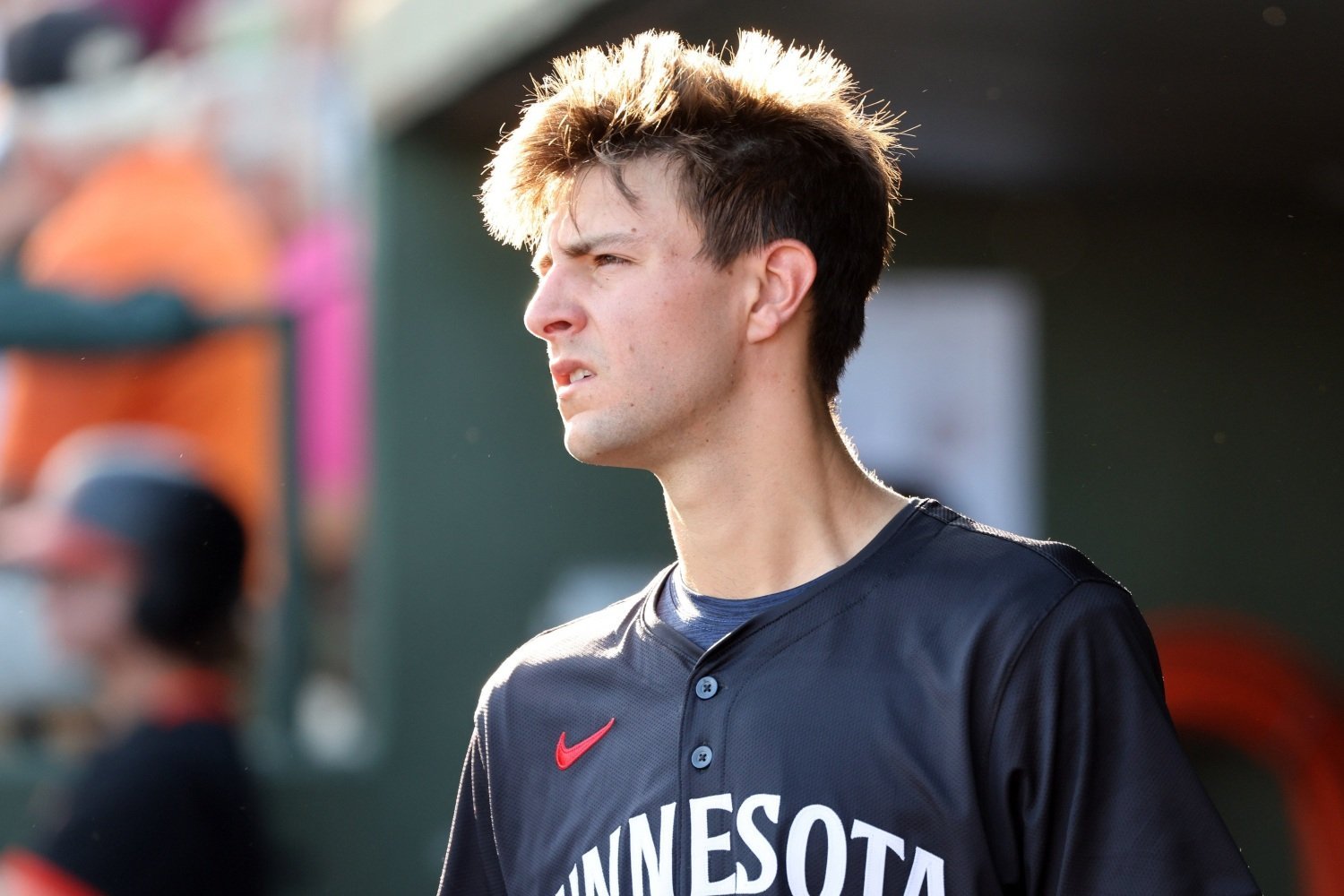 Spring training is always about progression, but for David Festa, the climb toward Opening Day may be a little more deliberate this year. According to The Star Tribune’s Bobby Nightengale, Festa is “gradually ramping up” this spring after ending the 2025 season on the injured list. In September, Festa was diagnosed with a mild form of neurogenic thoracic outlet syndrome, which caused nerve compression in his right shoulder. He underwent treatment that included Botox injections in an effort to avoid surgery. Over the weekend in Fort Myers, Festa took another step forward by throwing live at-bats on a back field. Nightengale reported that his fastball sat between 91 and 92 miles per hour during the session. That mark falls short of last season when Festa averaged 94.1 miles per hour on his four-seamer, but it is also an indication that he is trending in the right direction after previously being limited to bullpen sessions. The nerve issue near his pitching shoulder required a cautious offseason approach, and the Twins are clearly taking the same path this spring. Even so, Festa still has a legitimate opportunity to win a spot in Minnesota’s rotation as camp progresses. Earlier in the winter, there was some speculation that Festa could shift to the bullpen in order to bolster a group lacking high upside right-handed options. However, starting pitching depth has quickly become a priority for the Twins following the news that Pablo López will miss the 2026 season after undergoing Tommy John surgery. Minnesota’s projected rotation currently includes Joe Ryan, Bailey Ober, Simeon Woods Richardson, and Taj Bradley. The final spot could ultimately come down to Festa, Zebby Matthews, and Mick Abel as the calendar inches closer to Opening Day. Whichever two pitchers fall short in that competition will likely begin the year with the St. Paul Saints and serve as early-season depth should injuries arise or performance dictate a change. Festa entered last season as arguably Minnesota’s top pitching prospect after posting a 34.9 K% with a 4.00 FIP at Triple-A in 2024. However, his big-league tenure has matched those upper-minors results. In 117 2/3 innings, he has posted an 83 ERA+, 4.27 FIP, and 25.7 K%. For Festa, Saturday’s live session was not about velocity as much as it was about availability. If the trend continues upward, he could still find himself in the Opening Day conversation even as the Twins take a patient approach to his return.
 -
Image courtesy of © Raymond Carlin III-Imagn Images Every spring, a handful of players force organizations to make uncomfortable decisions. They may not have the prospect pedigree or the lengthy big-league résumé, but something in their profile demands a closer look. Sometimes it is a mechanical tweak. Sometimes it is an approach change. Increasingly, it is something that shows up in the data before it shows up in the box score. That is where the newest public-facing metrics from Baseball Savant begin to matter more than ever. The Athletic recently highlighted Bat Speed, Swing Tilt, and Intercept Point as part of a growing toolkit that can help teams identify future impact hitters even in the smallest samples. These numbers are not perfect in isolation, but together they can start to paint a predictive picture of what a player might become before traditional production ever catches up. Swing tilt, in particular, has become an increasingly useful piece of the puzzle. A higher tilt swing is generally more capable of lifting the baseball and doing damage on pitches located in the lower part of the strike zone. That aligns naturally with the movement profile of many breaking balls. It is not surprising that many of the game’s best power hitters generate their thump with a steeper bat path designed to create loft. Of course, there is another path to offensive success. Hitters with lower tilt swings tend to produce more contact because that flatter bat path plays better against fastballs that enter the zone on a more direct plane. That trade-off between contact and power has historically made bat-path evaluation difficult across the league. Multiple MLB front offices have wrestled with grading swings in a way that fairly captures both outcomes. The research group at Driveline Baseball sought to bridge that gap by separating bat-path evaluation into two metrics. Contact+ attempts to measure a hitter’s ability to consistently put the bat on the ball. Power+ focuses on their ability to drive it with authority. When looking at last season’s leaderboards through that lens, one member of the Minnesota Twins quietly stands out as a sleeper candidate for more. James Outman posted a 28 Contact+ alongside a 61 Power+. That profile aligns with what his career 34.5% strikeout rate already suggests. He is not built to be a high-contact hitter. The model sees it, and so do the results. However, the encouraging piece of the puzzle is the combination of bat speed and swing tilt that gives him a legitimate chance to impact the baseball when he does connect. Outman demonstrated that power potential throughout his time in the minors, including a .945 OPS and 131 wRC+ at Triple-A last season. Those numbers are not just the product of favorable environments. They reflect a swing that is capable of generating damage in a way that traditional contact-oriented profiles cannot. There is also a practical roster element at play. Minnesota could use a defensively capable fourth outfielder who can handle center field on occasion. Outman is out of minor league options, which means a strong showing this spring could force the organization to carry him rather than risk losing him on waivers. The other outfielders on the 40-man roster include Alan Roden, Austin Martin, Emmanuel Rodriguez, and Gabriel Gonzalez. There will likely be room for two of those names on the Opening Day roster, with Martin and Outman having the inside track at the start of spring training. In a roster battle that often comes down to marginal differences, a player with real underlying power traits can quickly become the more intriguing choice over a younger but lower-impact alternative. The strikeouts may never disappear. That is the cost of doing business with a swing designed to lift and drive the baseball. But in an era where teams are increasingly comfortable trading some contact for impact, Outman’s underlying profile suggests there may be more upside than his surface numbers currently indicate. Recently, I reviewed the Twins trade that brought Outman to Minnesota from Los Angeles. It was starting to look like this might be a trade that didn’t help either organization. However, if Bat Speed, Swing Tilt, and Intercept Point truly are as predictive as early research suggests, the Twins may already have a potential breakout candidate hiding in plain sight. Can Outman be a breakout player for the Twins in 2026? Leave a comment and start the discussion. View full article
-
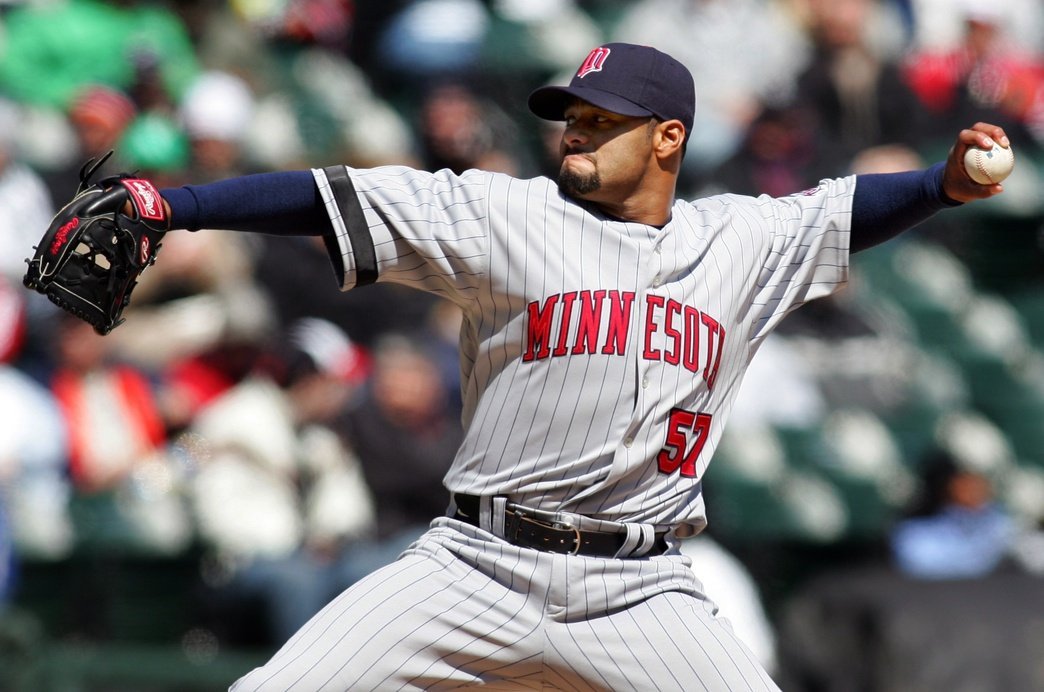 Spring training optimism is easy to find this time of year, but the Hall of Fame ballot has quietly provided its own jolt of hope for fans of modern-era starting pitchers. The 2026 election delivered a shockwave, when Felix Hernández vaulted from 20.6% of the vote to 46.1% in a single year. No pitcher has ever made a jump that large, and it feels like more than a curiosity. It feels like a course correction. Nearly six decades passed between Sandy Koufax walking away from the game in 1966 and Hernández appearing on the ballot in 2025. In that span, 32 pitchers retired with win totals between 165 and 199. None of them were elected to the Hall of Fame. Most were not even close. That context makes Hernández’s rise impossible to ignore. It suggests voters are finally grappling with how different the job has become, and perhaps how little pitcher wins matter. Hernández has been here before. In 2010, he won the American League Cy Young Award with just 13 wins, a result that helped break the stranglehold of pitcher wins as the defining measure of excellence. That moment mattered, and this one does, too. The same evolution that reshaped Cy Young voting now needs to reshape Hall of Fame voting. Hernández's countryman Johan Santana is the clearest example of the importance of that shift. In 2005, Santana lost the Cy Young Award to Bartolo Colón because Colón had more wins. Santana led the league in WAR (according to Baseball Reference), strikeouts, and WHIP, but that didn't matter at the time. Had he won that award, Santana would have captured three straight Cy Youngs, a feat that historically functions as a fast pass to Cooperstown. Instead, he owns two, and the difference between two and three has loomed far larger than it ever should have. Hall of Fame pitcher Tom Glavine has openly acknowledged the problem. “Listen, I’ve had numerous conversations with (his fellow Hall of Famers) about what the Hall of Fame is going to look like," Glavine said. "And what I tell them is, the days of what guys in past eras have done are gone. I mean, we’ve got to redefine everything, right? So I think that for those of us who are accustomed to what the Hall of Fame is at the moment, that’s going to be a little bit of a hard sell.” Baseball never stops changing, and no position has been reshaped more dramatically than starting pitcher. The 250-inning workhorses are gone. The march toward 300 wins is effectively extinct. Unless the sport takes a hard turn back in time, those milestones won't come back. That reality makes direct comparisons to earlier generations unfair and increasingly useless. It also helps explain why starting pitchers have struggled so badly with BBWAA voters. Only 38 of the 75 Hall of Fame starters were elected through regular BBWAA voting. If the standards don't evolve, entire generations will pass with few or no starters elected, and the list of well-qualified snubs will keep growing. Santana already fell victim to that system. His lone appearance on the BBWAA ballot came in 2018, one of the most crowded ballots in history. Chipper Jones, Vladimir Guerrero, Jim Thome, and Trevor Hoffman were elected. Edgar Martínez, Mike Mussina, Larry Walker, and Fred McGriff were still building support. Roger Clemens, Barry Bonds, and Curt Schilling continued to dominate the discussion while siphoning off votes. Santana received 10 votes, 2.4 percent of the number of ballots cast, and fell short of the 5% needed to remain on the ballot. That outcome looks worse with every passing year. From 2003 through 2009, very few (if any) pitchers matched Santana’s dominance. He was a four-time All-Star, won the pitching Triple Crown, and captured three ERA titles. He won two Cy Young Awards and should have won a third (see above). Santana finished in the top five in Cy Young voting five consecutive times. According to fWAR, only Roy Halladay, a first-ballot Hall of Famer, provided more value during that seven-year stretch. Santana threw more innings, struck out hitters at a higher rate, and posted a lower ERA. Every pitcher with three Cy Young Awards (besides Clemens) has been elected to the Hall of Fame, or is expected to be elected when eligible. Santana sits just outside that club because of an outdated obsession with wins that the sport itself has already abandoned. Because Santana fell off the BBWAA ballot after just one year, his path to Cooperstown now runs through the Contemporary Baseball Era Players Committee. That group evaluates players whose primary contributions came from 1980 to the present day, offering a second chance for candidates who were overlooked or misunderstood during their brief window with the writers. It is a different process, one driven more by peer perspective than historical inertia, and it creates an opportunity for voters to reassess Santana’s peak dominance within the context of a modern game that no longer values pitchers the way it once did. Hernández’s ballot surge suggests voters are finally willing to meet the modern game where it is. If that shift continues, the Hall of Fame can begin to properly honor pitchers whose greatness did not come packaged in round numbers. For Santana, that change in perspective may be the only path left. It just might be enough. Should Santana be in the Hall of Fame? Leave a comment and start the discussion.
 -
Image courtesy of © Jerry Lai-USA TODAY Sports Spring training optimism is easy to find this time of year, but the Hall of Fame ballot has quietly provided its own jolt of hope for fans of modern era starting pitchers. The 2026 election delivered a shockwave when Felix Hernandez vaulted from 20.6% of the vote to 46.1% in a single year. No pitcher has ever made a jump that large, and it feels like more than a curiosity. It feels like a course correction. Nearly six decades passed between Sandy Koufax walking away from the game in 1966 and King Felix appearing on the ballot in 2025. In that span, 32 pitchers retired with win totals between 165 and 199. None of them were elected to the Hall of Fame. Most were not even close. That context makes Hernandez’s rise impossible to ignore. It suggests voters are finally grappling with how different the job has become (and perhaps how little pitcher wins matter). Hernandez has been here before. In 2010, he won the American League Cy Young Award with just 13 wins, a result that helped break the stranglehold of pitcher wins as the defining measure of excellence. That moment mattered, and this one does too. The same evolution that reshaped Cy Young voting now needs to reshape Hall of Fame voting. Johan Santana is the clearest example of why. In 2005, Santana lost the Cy Young Award to Bartolo Colon because Colon had more wins. Santana led the league in rWAR, strikeouts, and WHIP, but that did not matter at the time. Had he won that award, Santana would have captured three straight Cy Youngs, a feat that historically functions as a fast pass to Cooperstown. Instead, he owns two, and the difference between two and three has loomed far larger than it ever should have. Hall of Fame pitcher Tom Glavine has openly acknowledged the problem. “Listen, I’ve had numerous conversations with (his fellow Hall of Famers) about what the Hall of Fame is going to look like. And what I tell them is, the days of what guys in past eras have done are gone. I mean, we’ve got to redefine everything, right? So I think that for those of us who are accustomed to what the Hall of Fame is at the moment, that’s going to be a little bit of a hard sell.” Baseball never stops changing, and no position has been reshaped more dramatically than starting pitcher. The 250-inning workhorses are gone. The march toward 300 wins is effectively extinct. Unless the sport takes a hard turn back in time, those milestones won't come back. That reality makes direct comparisons to earlier generations unfair and increasingly useless. It also helps explain why starting pitchers have struggled so badly with BBWAA voters. Only 38 of the 75 Hall of Fame starters were elected through regular BBWAA voting. That is barely over half. If the standards do not evolve, entire generations will pass with few or no starters elected, and the list of well-qualified snubs will keep growing. Santana already fell victim to that system. His lone appearance on the BBWAA ballot came in 2018, one of the most crowded ballots in history. Chipper Jones, Vladimir Guerrero, Jim Thome, and Trevor Hoffman were elected. Edgar Martinez, Mike Mussina, Larry Walker, and Fred McGriff were still building support. Roger Clemens, Barry Bonds, and Curt Schilling continued to dominate the discussion while siphoning off votes. Santana received 10 votes, 2.4 percent, and fell short of the five percent needed to remain on the ballot. That outcome looks worse with every passing year. From 2003 through 2009, very few pitchers matched Santana’s dominance. He was a four-time All-Star, won the pitching Triple Crown, and captured three ERA titles. He won two Cy Young Awards and should have won a third (see above). Santana finished in the top five in Cy Young voting five consecutive seasons. According to fWAR, only Roy Halladay, a first ballot Hall of Famer, provided more value during that seven-year stretch. Santana threw more innings, struck out hitters at a higher rate, and posted a lower ERA. Every pitcher with three Cy Young Awards, besides Clemens, has been elected to the Hall of Fame or is expected to be elected when eligible. Santana sits just outside that club because of an outdated obsession with wins that the sport itself has already abandoned. Because Santana fell off the BBWAA ballot after just one year, his path to Cooperstown now runs through the Contemporary Baseball Era Players Committee. That group evaluates players whose primary contributions came from 1980 to the present day, offering a second chance for candidates who were overlooked or misunderstood during their brief window with the writers. It is a different process, one driven more by peer perspective than historical inertia, and it creates a renewed opportunity for voters to reassess Santana’s peak dominance within the context of a modern game that no longer values pitchers the way it once did. Hernandez’s ballot surge suggests voters are finally willing to meet the modern game where it is. If that shift continues, the Hall of Fame can begin to properly honor pitchers whose greatness did not come packaged in round numbers. For Santana, that change in perspective may be the only path left. It just might be enough. Should Santana be in the Hall of Fame? Leave a comment and start the discussion. View full article
-
Image courtesy of William Parmeter There's a different tone when Emmanuel Rodriguez talks this spring. The talent has never been in question. The production has been tantalizing, when he's been healthy enough to play. What has stood between him and a sustained run toward Minnesota Twins stardom has been availability. Rodriguez knows that as well as anyone. “I worked a lot this offseason, working on my body," he told reporters in Ft. Myers, through a team interpreter. "I feel extremely healthy right now. I feel really good. I worked on strengthening my body so that I can last a whole season.” That emphasis on durability comes from experience. Injuries have interrupted stretches of momentum in recent seasons, and for a player who thrives on competition, the mental toll can be just as real as the physical one. “Ultimately, it's frustrating. I like to play baseball. It's my favorite thing to do," Rodriguez said. "When I get off the field because of an injury, I see my teammates playing, and it gives me a little bit of an uncomfortable feeling. I want to be out there with them. It's something, it's frustrating. But I prepare and try to be my best and do what I can do going forward.” This offseason was not just about lifting more or adding bulk. Rodriguez split his time between winter ball in the Dominican Republic and training in Florida, building both experience and structure into his routine. “I loved winter ball. I learned a lot because of the veterans they have there," he reflected. "It helps you compete at a high level in the offseason in the DR. As far as my offseason training goes, not only did I train in the DR, but I came to Tampa to train with my trainer. I think that went really well, and I saw two different sides of training.” That blend of competition and conditioning is showing up in his approach at the plate. Rodriguez has always combined patience with power, but as he climbs the ladder, the game has adjusted back. “The levels as I move up, I notice the pitchers are more consistent with their pitches and hitting their spots. If I have a certain weakness, they try to attack my weakness, but they're more consistent attacking it at every level I go.” Recognizing that reality has led to a conscious tweak in his mindset. “I am focusing on my approach. This is the time to work on it," he said. "There's a lot of pitches I feel comfortable swinging at with two strikes, but just because I am doesn't mean I shouldn't swing at the first pitch strike if I see one. This is the time to work on it, and we're working on it right now.” The physical gifts are loud. The strike zone awareness is advanced. The question has simply been whether the full package can stay on the field long enough to force the organization’s hand. Rodriguez is not alone in that push. He has come up alongside fellow outfield prospects and can already picture what the future might look like in Minneapolis. “It's an incredible feeling. I've played with [Gabriel Gonzalez]. I've played with [Walker Jenkins]. We've talked about it ourselves. We all get along," Rodriguez said. "We feel like we have great vibes out there in the outfield. If it was to come true, it'd be an incredible experience for the three of us.” The possibility is real. So is the proximity. All three outfielders played together at Triple-A at the end of the 2026 campaign. “We know it's there. We know it, but we can only control what we can control. We're going to let the front office decide when it's our turn. We're going to keep playing hard and do our best every day. We want to win as much as we can. We see it. We know it's there.” For 2026, the expectations are straightforward, even if they are ambitious. Stay healthy. Log a full season. Continue refining the approach against upper-level pitching. Force the conversation. If Rodriguez does that, the timeline will not matter much. His bat will speak loudly enough. His glove and athleticism will fit naturally into a big league outfield. Most importantly, his body will allow the talent to show up every single day. The Twins do not need him to be a savior. They need him to be available. If this offseason work translates into 140-plus games for Emmanuel Rodriguez, the rest of the league will quickly remember why he is considered one of the most dynamic prospects in all of baseball. What should the expectations be for Rodriguez this season? Leave a comment and start the discussion. View full article
-
Emmanuel Rodriguez Focused on Strength, Health, and the Next Step
Cody Christie posted an article in Minor Leagues
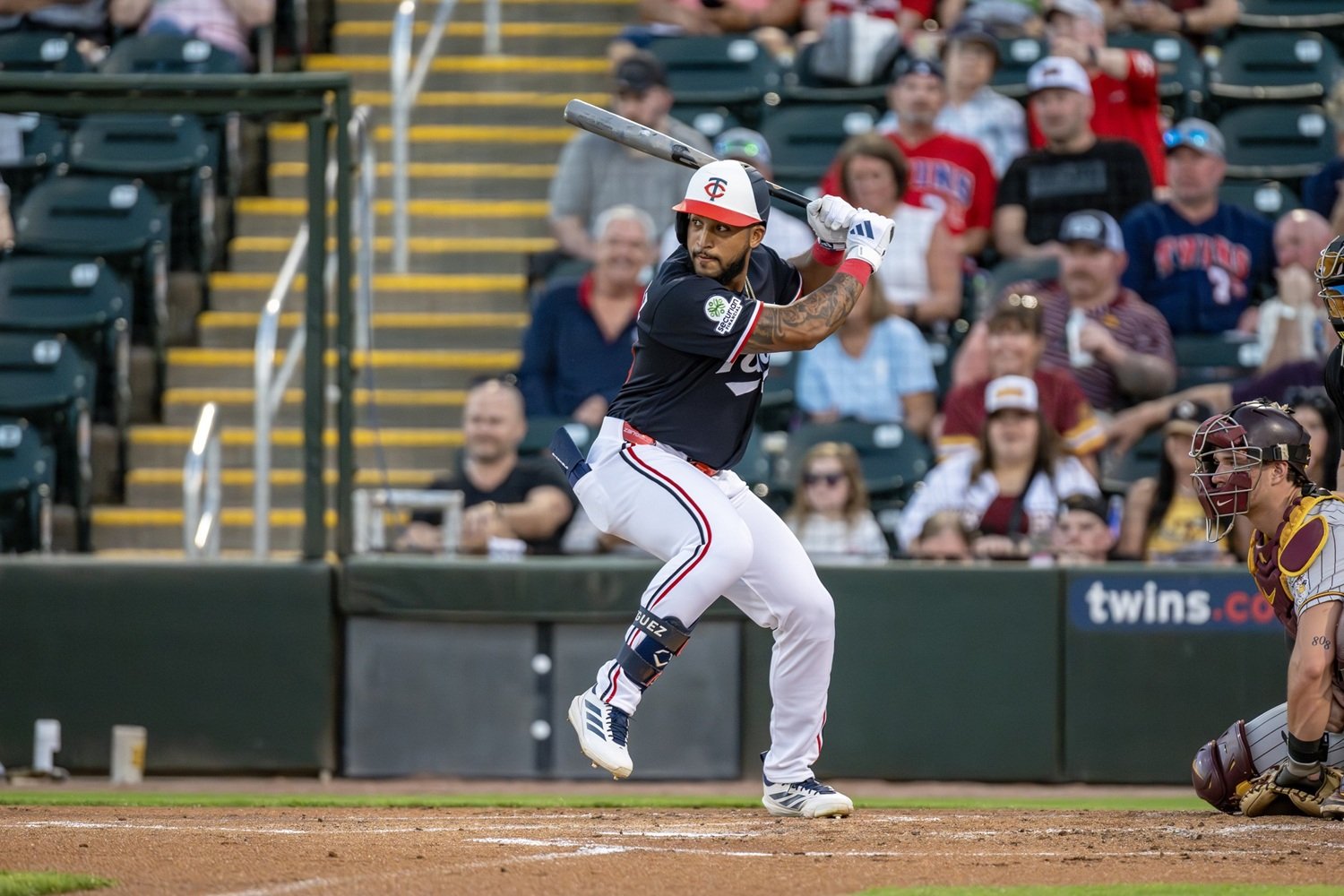 There's a different tone when Emmanuel Rodriguez talks this spring. The talent has never been in question. The production has been tantalizing, when he's been healthy enough to play. What has stood between him and a sustained run toward Minnesota Twins stardom has been availability. Rodriguez knows that as well as anyone. “I worked a lot this offseason, working on my body," he told reporters in Ft. Myers, through a team interpreter. "I feel extremely healthy right now. I feel really good. I worked on strengthening my body so that I can last a whole season.” That emphasis on durability comes from experience. Injuries have interrupted stretches of momentum in recent seasons, and for a player who thrives on competition, the mental toll can be just as real as the physical one. “Ultimately, it's frustrating. I like to play baseball. It's my favorite thing to do," Rodriguez said. "When I get off the field because of an injury, I see my teammates playing, and it gives me a little bit of an uncomfortable feeling. I want to be out there with them. It's something, it's frustrating. But I prepare and try to be my best and do what I can do going forward.” This offseason was not just about lifting more or adding bulk. Rodriguez split his time between winter ball in the Dominican Republic and training in Florida, building both experience and structure into his routine. “I loved winter ball. I learned a lot because of the veterans they have there," he reflected. "It helps you compete at a high level in the offseason in the DR. As far as my offseason training goes, not only did I train in the DR, but I came to Tampa to train with my trainer. I think that went really well, and I saw two different sides of training.” That blend of competition and conditioning is showing up in his approach at the plate. Rodriguez has always combined patience with power, but as he climbs the ladder, the game has adjusted back. “The levels as I move up, I notice the pitchers are more consistent with their pitches and hitting their spots. If I have a certain weakness, they try to attack my weakness, but they're more consistent attacking it at every level I go.” Recognizing that reality has led to a conscious tweak in his mindset. “I am focusing on my approach. This is the time to work on it," he said. "There's a lot of pitches I feel comfortable swinging at with two strikes, but just because I am doesn't mean I shouldn't swing at the first pitch strike if I see one. This is the time to work on it, and we're working on it right now.” The physical gifts are loud. The strike zone awareness is advanced. The question has simply been whether the full package can stay on the field long enough to force the organization’s hand. Rodriguez is not alone in that push. He has come up alongside fellow outfield prospects and can already picture what the future might look like in Minneapolis. “It's an incredible feeling. I've played with [Gabriel Gonzalez]. I've played with [Walker Jenkins]. We've talked about it ourselves. We all get along," Rodriguez said. "We feel like we have great vibes out there in the outfield. If it was to come true, it'd be an incredible experience for the three of us.” The possibility is real. So is the proximity. All three outfielders played together at Triple-A at the end of the 2026 campaign. “We know it's there. We know it, but we can only control what we can control. We're going to let the front office decide when it's our turn. We're going to keep playing hard and do our best every day. We want to win as much as we can. We see it. We know it's there.” For 2026, the expectations are straightforward, even if they are ambitious. Stay healthy. Log a full season. Continue refining the approach against upper-level pitching. Force the conversation. If Rodriguez does that, the timeline will not matter much. His bat will speak loudly enough. His glove and athleticism will fit naturally into a big league outfield. Most importantly, his body will allow the talent to show up every single day. The Twins do not need him to be a savior. They need him to be available. If this offseason work translates into 140-plus games for Emmanuel Rodriguez, the rest of the league will quickly remember why he is considered one of the most dynamic prospects in all of baseball. What should the expectations be for Rodriguez this season? Leave a comment and start the discussion.
 -
Twins Territory got some good news on Sunday morning after Joe Ryan underwent an MRI that revealed what can only be described as a best-case outcome. Scratched from his scheduled spring training start on Saturday due to lower back tightness, Ryan underwent imaging to determine the severity of the issue. According to Dan Hayes of The Athletic, the MRI showed only inflammation in Ryan’s lower back rather than anything structurally concerning. You could sense the relief felt by Twins general manager Jeremy Zoll when he addressed reporters Sunday morning. “He’ll be down for a few days here just to let things calm down,” Zoll said. “We’ll progress him as tolerated and don’t envision this impacting his readiness for Opening Day. As of now, we’re just going to take WBC readiness day by day here before we have anything definitive on that front. We’ll see how things go. But overall, this is about as good of news as you could have.” In Hayes’ words, this represents a best-case scenario for Ryan and one that should allow him to avoid a lengthy layoff. While the Twins’ exact plan as he works through the inflammation is not yet clear, there’s little reason to believe his availability for Opening Day will ultimately be affected. That’s critically important for Minnesota, considering Pablo López is already slated to miss the entire season as he prepares to undergo Tommy John surgery. Losing López from the front of the rotation was a difficult blow on its own. Losing Ryan as well would have been devastating for a pitching staff already leaning heavily on internal depth. Ryan figures to be joined in the rotation by Bailey Ober, with the remaining spots likely coming from some combination of Simeon Woods Richardson, Zebby Matthews, Taj Bradley, Mick Abel, and David Festa. Ryan’s importance is only magnified by the fact that he’s coming off the best season of his career. A first-time All-Star in 2025, the right-hander posted a 3.42 ERA across 171 innings while making 30 starts and striking out 28.2% of opposing hitters against just a 5.7% walk rate. While his availability for next month’s World Baseball Classic remains uncertain, Ryan made it clear he is focused on the immediate rehab process rather than any long-term decisions. “The WBC crossed my mind, but I’m not taking anything off the table,” Ryan said. “I’m not really jumping to any conclusions too quickly. I’m just focused on hitting this rehab process and getting through that. Feeling good and I’m excited. It’s all we could ask for.” In the shorter term, additional caution around insurance approval across the league could ultimately influence whether Ryan participates internationally. Even if he is unable to suit up, Team USA’s rotation options remain formidable with Paul Skenes, Tarik Skubal, Logan Webb, Nolan McLean, and Matthew Boyd among the available arms. For now, however, the most important takeaway for the Twins is simple. Two days after suffering what looked like a catastrophic loss to their rotation, Minnesota has avoided another one. Ryan may miss a handful of days, but barring any setbacks, the club’s Opening Day plans appear to remain firmly intact. View full rumor
-
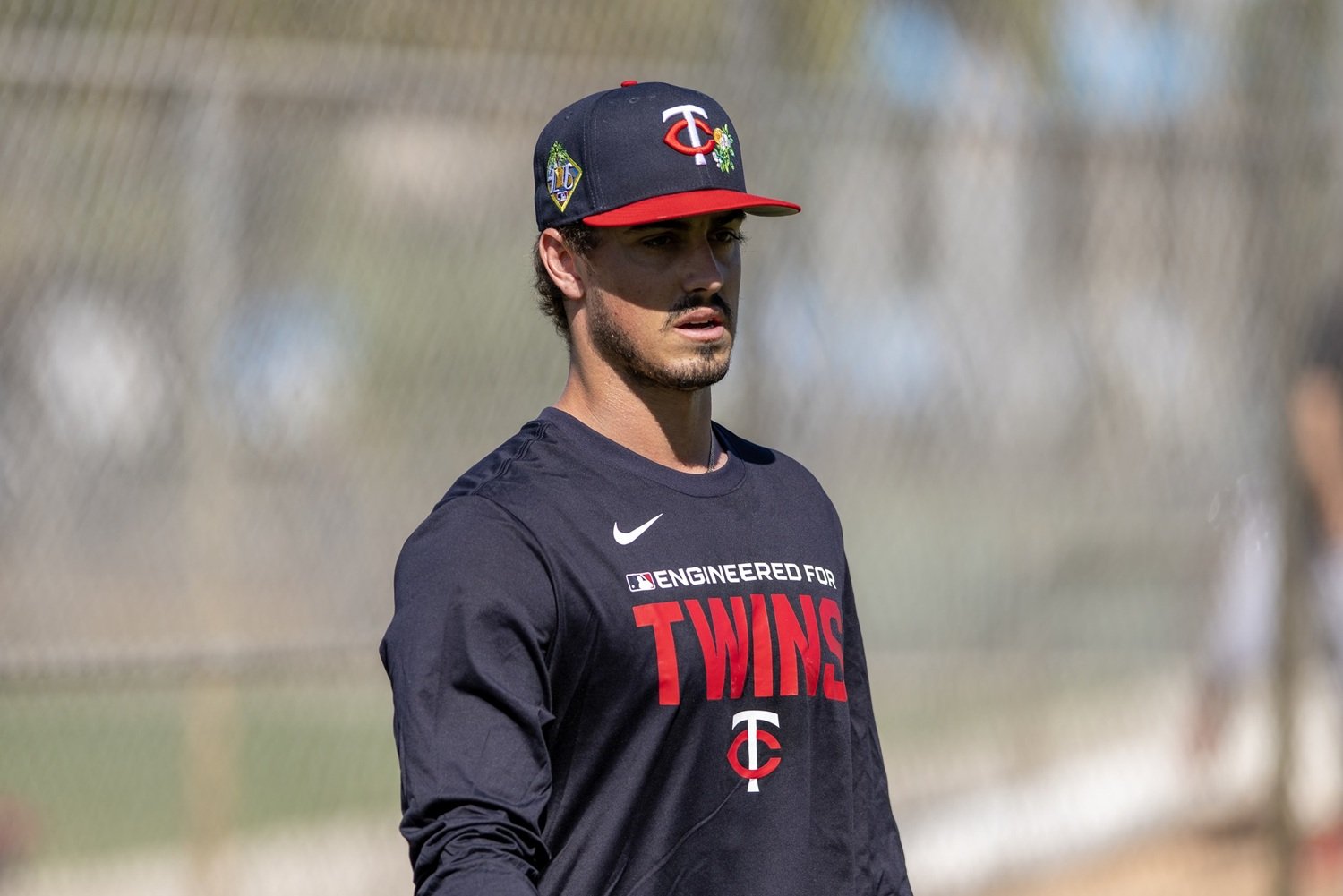 Twins Territory got some good news on Sunday morning after Joe Ryan underwent an MRI that revealed what can only be described as a best-case outcome. Scratched from his scheduled spring training start on Saturday due to lower back tightness, Ryan underwent imaging to determine the severity of the issue. According to Dan Hayes of The Athletic, the MRI showed only inflammation in Ryan’s lower back rather than anything structurally concerning. You could sense the relief felt by Twins general manager Jeremy Zoll when he addressed reporters Sunday morning. “He’ll be down for a few days here just to let things calm down,” Zoll said. “We’ll progress him as tolerated and don’t envision this impacting his readiness for Opening Day. As of now, we’re just going to take WBC readiness day by day here before we have anything definitive on that front. We’ll see how things go. But overall, this is about as good of news as you could have.” In Hayes’ words, this represents a best-case scenario for Ryan and one that should allow him to avoid a lengthy layoff. While the Twins’ exact plan as he works through the inflammation is not yet clear, there’s little reason to believe his availability for Opening Day will ultimately be affected. That’s critically important for Minnesota, considering Pablo López is already slated to miss the entire season as he prepares to undergo Tommy John surgery. Losing López from the front of the rotation was a difficult blow on its own. Losing Ryan as well would have been devastating for a pitching staff already leaning heavily on internal depth. Ryan figures to be joined in the rotation by Bailey Ober, with the remaining spots likely coming from some combination of Simeon Woods Richardson, Zebby Matthews, Taj Bradley, Mick Abel, and David Festa. Ryan’s importance is only magnified by the fact that he’s coming off the best season of his career. A first-time All-Star in 2025, the right-hander posted a 3.42 ERA across 171 innings while making 30 starts and striking out 28.2% of opposing hitters against just a 5.7% walk rate. While his availability for next month’s World Baseball Classic remains uncertain, Ryan made it clear he is focused on the immediate rehab process rather than any long-term decisions. “The WBC crossed my mind, but I’m not taking anything off the table,” Ryan said. “I’m not really jumping to any conclusions too quickly. I’m just focused on hitting this rehab process and getting through that. Feeling good and I’m excited. It’s all we could ask for.” In the shorter term, additional caution around insurance approval across the league could ultimately influence whether Ryan participates internationally. Even if he is unable to suit up, Team USA’s rotation options remain formidable with Paul Skenes, Tarik Skubal, Logan Webb, Nolan McLean, and Matthew Boyd among the available arms. For now, however, the most important takeaway for the Twins is simple. Two days after suffering what looked like a catastrophic loss to their rotation, Minnesota has avoided another one. Ryan may miss a handful of days, but barring any setbacks, the club’s Opening Day plans appear to remain firmly intact.
 -
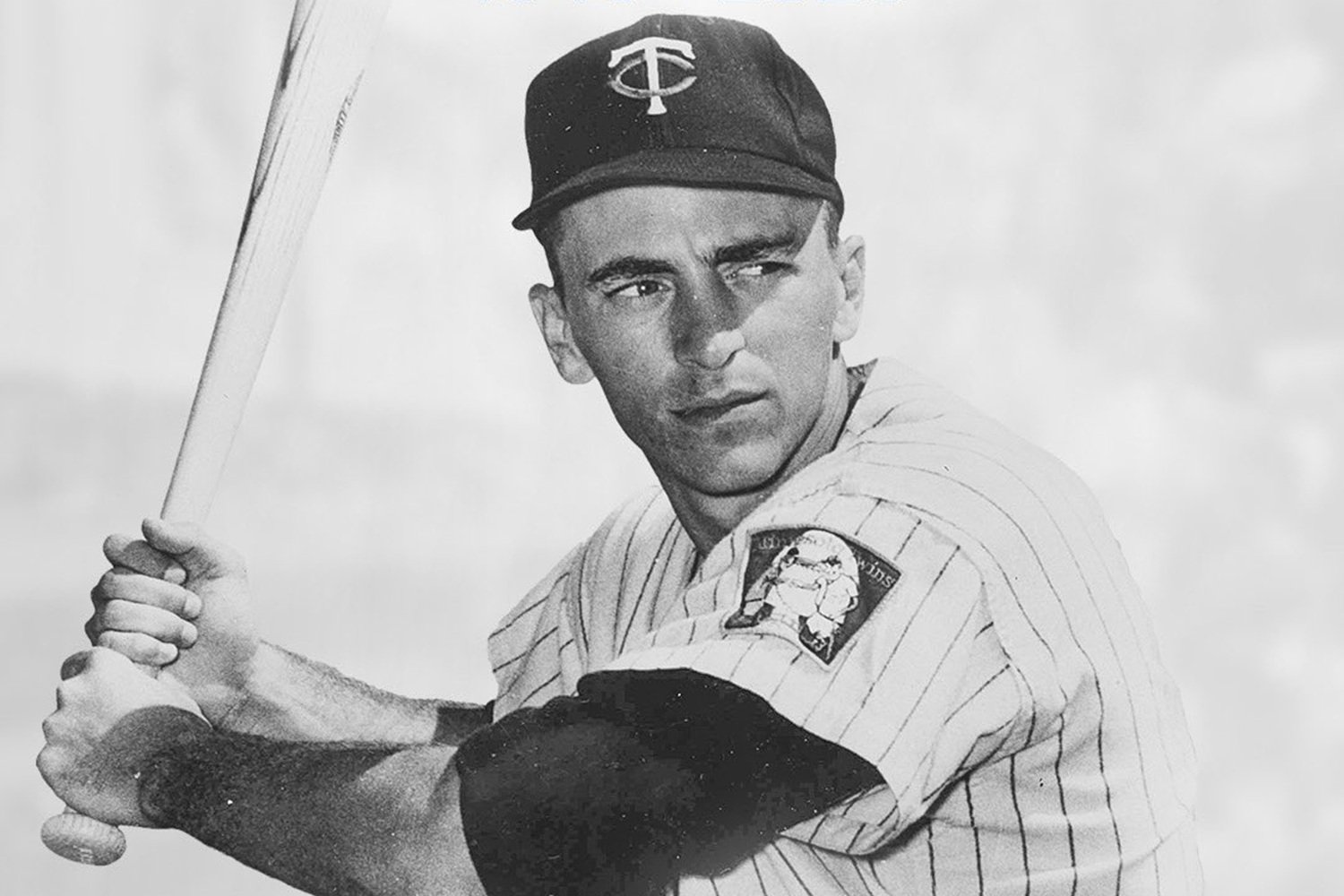 The Minnesota Twins lost a member of their extended family this week with the passing of former outfielder and coach Joe Nossek. While his time as a player may not stand alongside some of the more recognizable names in franchise history, his role in one of the most important seasons the organization has ever experienced ensures that his impact will not be forgotten. Nossek joined the Twins during their early years in Minnesota and quickly became part of a club that was building toward something special. The 1965 season remains a defining moment in franchise history, and Nossek was a member of that American League pennant-winning team. That group, led by stars like Harmon Killebrew and Tony Oliva, captured the imagination of baseball fans across the Upper Midwest and helped solidify Major League Baseball in Minnesota following the franchise’s relocation just a few years earlier. Nossek appeared in 87 games for the Twins during that 1965 campaign, serving primarily as a depth outfielder and defensive replacement. While his contributions did not always show up in the box score, his presence on a roster that went on to win the American League pennant connected him forever to one of the greatest teams the organization has fielded. During Game 7 of the 1965 World Series, Nossek was involved in a controversial play. AL MVP Zolio Versalles singled with one out in the sixth inning and tried to steal second base. As Nossek swung, Versalles broke and had the base stolen easily, but umpire Ed Hurley ruled that Nossek had interfered with catcher John Roseboro’s throw. Versalles had to return to first base, and Nossek was called out for interference. Nossek denied that he interfered: “I just went for an outside pitch. I tried to duck when I heard Roseboro coming.” The Dodgers, behind Koufax’s three-hit, 10-strikeout performance, defeated the Twins 2-0 to win the World Series. Following his playing career, Nossek remained involved in the game and returned to the Twins organization in a coaching capacity. He served as the third base coach during the 1976 season but was released following a disappointing season (85-77, 3rd place in the AL West). Nossek bounced around to multiple other organizations during his coaching career, including the Indians, White Sox, Brewers, Mariners, Royals, and Astros. Baseball is built on more than just the stars who dominate headlines. It is shaped by role players, coaches, and lifelong contributors who help create a culture inside the clubhouse and maintain continuity across eras. Nossek’s career represented exactly that type of impact. His connection to the 1965 pennant winners ensures that his name will always be part of Twins history. As the organization reflects on the legacy of that era, Nossek’s passing serves as a reminder of how many individuals helped build the foundation that still exists today. His contributions to the Minnesota Twins, both on the field and in the dugout, remain an important chapter in the story of baseball in Minnesota.
 -
The Minnesota Twins lost a member of their extended family this week with the passing of former outfielder and coach Joe Nossek. While his time as a player may not stand alongside some of the more recognizable names in franchise history, his role in one of the most important seasons the organization has ever experienced ensures that his impact will not be forgotten. Nossek joined the Twins during their early years in Minnesota and quickly became part of a club that was building toward something special. The 1965 season remains a defining moment in franchise history, and Nossek was a member of that American League pennant-winning team. That group, led by stars like Harmon Killebrew and Tony Oliva, captured the imagination of baseball fans across the Upper Midwest and helped solidify Major League Baseball in Minnesota following the franchise’s relocation just a few years earlier. Nossek appeared in 87 games for the Twins during that 1965 campaign, serving primarily as a depth outfielder and defensive replacement. While his contributions did not always show up in the box score, his presence on a roster that went on to win the American League pennant connected him forever to one of the greatest teams the organization has fielded. During Game 7 of the 1965 World Series, Nossek was involved in a controversial play. AL MVP Zolio Versalles singled with one out in the sixth inning and tried to steal second base. As Nossek swung, Versalles broke and had the base stolen easily, but umpire Ed Hurley ruled that Nossek had interfered with catcher John Roseboro’s throw. Versalles had to return to first base, and Nossek was called out for interference. Nossek denied that he interfered: “I just went for an outside pitch. I tried to duck when I heard Roseboro coming.” The Dodgers, behind Koufax’s three-hit, 10-strikeout performance, defeated the Twins 2-0 to win the World Series. Following his playing career, Nossek remained involved in the game and returned to the Twins organization in a coaching capacity. He served as the third base coach during the 1976 season but was released following a disappointing season (85-77, 3rd place in the AL West). Nossek bounced around to multiple other organizations during his coaching career, including the Indians, White Sox, Brewers, Mariners, Royals, and Astros. Baseball is built on more than just the stars who dominate headlines. It is shaped by role players, coaches, and lifelong contributors who help create a culture inside the clubhouse and maintain continuity across eras. Nossek’s career represented exactly that type of impact. His connection to the 1965 pennant winners ensures that his name will always be part of Twins history. As the organization reflects on the legacy of that era, Nossek’s passing serves as a reminder of how many individuals helped build the foundation that still exists today. His contributions to the Minnesota Twins, both on the field and in the dugout, remain an important chapter in the story of baseball in Minnesota. View full rumor
-
Image courtesy of William Parmeter For the better part of the last few seasons, the Minnesota Twins did not have to think very hard about how they were going to finish games. When a lead made it to the ninth inning, the ball went to Jhoan Duran, and the rest of the league usually understood what came next. Duran developed into one of baseball’s most dominant closers thanks to his overpowering fastball and splinker combination that made even elite hitters look overmatched. He brought consistency to a bullpen that had spent years searching for a true shutdown presence. When he took the mound in save situations, there was a level of calm that had been missing in Minnesota for a long time. That stability is now gone. At last year’s trade deadline, the Twins made the difficult decision to part ways with Duran, along with Griffin Jax and Louis Varland. All three had experience pitching in high-leverage roles, and any one of them could have entered spring training as the favorite to close games in 2026. Instead, Minnesota will attempt to piece together the ninth inning with a mix of veteran reclamation projects and internal arms looking to take the next step. LHP Taylor Rogers Minnesota signed Rogers to a one-year, $2 million deal, but that does not mean the left-hander cannot provide value in the closer role to begin the season. In fact, it probably makes the most sense for the Twins to lean on his experience early in the year, given the number of other lefties projected to make the bullpen, like Kody Funderburk and Anthony Banda. On a recent episode of Inside Twins, Rogers spoke about the adjustments he has made later in his career to rely more on sequencing and pitchability as his velocity has dipped. He also mentioned that new bullpen coach LaTroy Hawkins has been a valuable resource when it comes to finding ways to extend a reliever’s career and remain effective in high-leverage spots. Rogers seems to have the inside track to the closer role, but he’s told Twins manager Derek Shelton that he must earn the spot. RHP Liam Hendriks Hendriks has been one of the best closers of his generation, but the reality is that he has thrown fewer than 20 innings over the last three seasons. Since 2022, Hendriks has dealt with seemingly constant adversity, beginning with a diagnosis of non-Hodgkin's lymphoma that offseason, which delayed his 2023 debut until May 29. He was only able to make five appearances that year before suffering an elbow injury that ultimately required Tommy John surgery. “[He’s a] veteran guy that people speak so highly of in the game in terms of who he is as a human being,” Shelton said. “Obviously, he’s had some challenges in his life over the last couple years. Just talking about the person, [we're] excited to add him into that group.” If Hendriks can rediscover anything close to his previous form, he could quickly move to the front of the closer conversation. RHP Cole Sands Sands might possess the highest upside of anyone currently projected to make the Twins’ bullpen. However, he also seems like a candidate to slide into the fireman role that Jax occupied in recent seasons, which takes him out of the full-time closer conversation. Minnesota may prefer to keep Sands flexible enough to enter during the middle innings to escape a jam or bridge the gap to one of the more traditional ninth-inning options. He has been working on adding a gyro slider that could help neutralize left-handed hitters more consistently. “So the big idea here is just try and put lefties away," Sands told reporters this past week. "And that's kind of where the gyro came into play. And we're always going to continue to push all, you know, all these pitches to try and execute lefties as well as I [do against] righties.” RHP Justin Topa Topa arrived in the Jorge Polanco trade after a breakout season with the Mariners that saw him post a 152 ERA+ and a 3.15 FIP. He has recorded a handful of saves throughout his career, which gives him at least some credibility in late-inning situations. However, his 18.3 K% last season suggests his skill set is better suited for a setup role. Minnesota will need reliable right-handed options throughout the year, which should still allow Topa to carve out meaningful opportunities even if they do not come in the ninth inning. Dark Horse Candidates David Festa and Connor Prielipp Festa and Prielipp are both expected to begin the year building starter workloads, but the reality is that each comes with injury concerns, and the Triple-A rotation is likely to be crowded. Both pitchers feature electric arsenals that have allowed them to succeed as starters in the minors. Limiting their pitch mix in shorter bullpen stints could unlock additional velocity and give Minnesota another potential late-inning weapon. The organization has already seen how that transition can work with pitchers like Jax, Varland, and Sands in recent seasons. Replacing a talent like Duran is not something that can be done with a single move. The Twins are not just searching for someone who can collect saves but for someone who can bring a sense of stability to the bullpen’s most important moments. That responsibility could shift month to month depending on performance and health. There is also value in keeping the role fluid early in the season. Locking in a closer on Opening Day might provide clarity, but it could also limit the Twins’ ability to deploy their best relievers in the highest leverage spots, regardless of inning. Minnesota has leaned into that philosophy at times over the last few years and may now be forced to embrace it more fully. Ultimately, this bullpen will look very different from the one that opened last season. New opportunities often create unexpected outcomes, and the Twins will be hoping that one of these veterans or emerging internal options can seize the ninth inning and make it their own. If that happens, Minnesota might not completely replicate what Duran provided at the back end of games, but they could still find a path toward building their next trusted late-inning presence. Who should be the team’s closer on Opening Day? Who will have the most saves for the Twins in 2026? Leave a comment and start the discussion. View full article