Cody Christie
-
Posts
7,794 -
Joined
-
Last visited
-
Days Won
5
Content Type
Profiles
News
Minnesota Twins Videos
2026 Minnesota Twins Top Prospects Ranking
2022 Minnesota Twins Draft Picks
Minnesota Twins Free Agent & Trade Rumors, Notes, & Tidbits
Guides & Resources
2023 Minnesota Twins Draft Picks
The Minnesota Twins Players Project
2024 Minnesota Twins Draft Picks
2025 Minnesota Twins Draft Pick Tracker
2026 Minnesota Twins Draft Tracker: Picks & Bonuses
Forums
Blogs
Events
Store
Downloads
Gallery
Everything posted by Cody Christie
-

Minnesota Twins Prospect Retrospective: Gabriel Gonzalez
Cody Christie posted an article in Minor Leagues
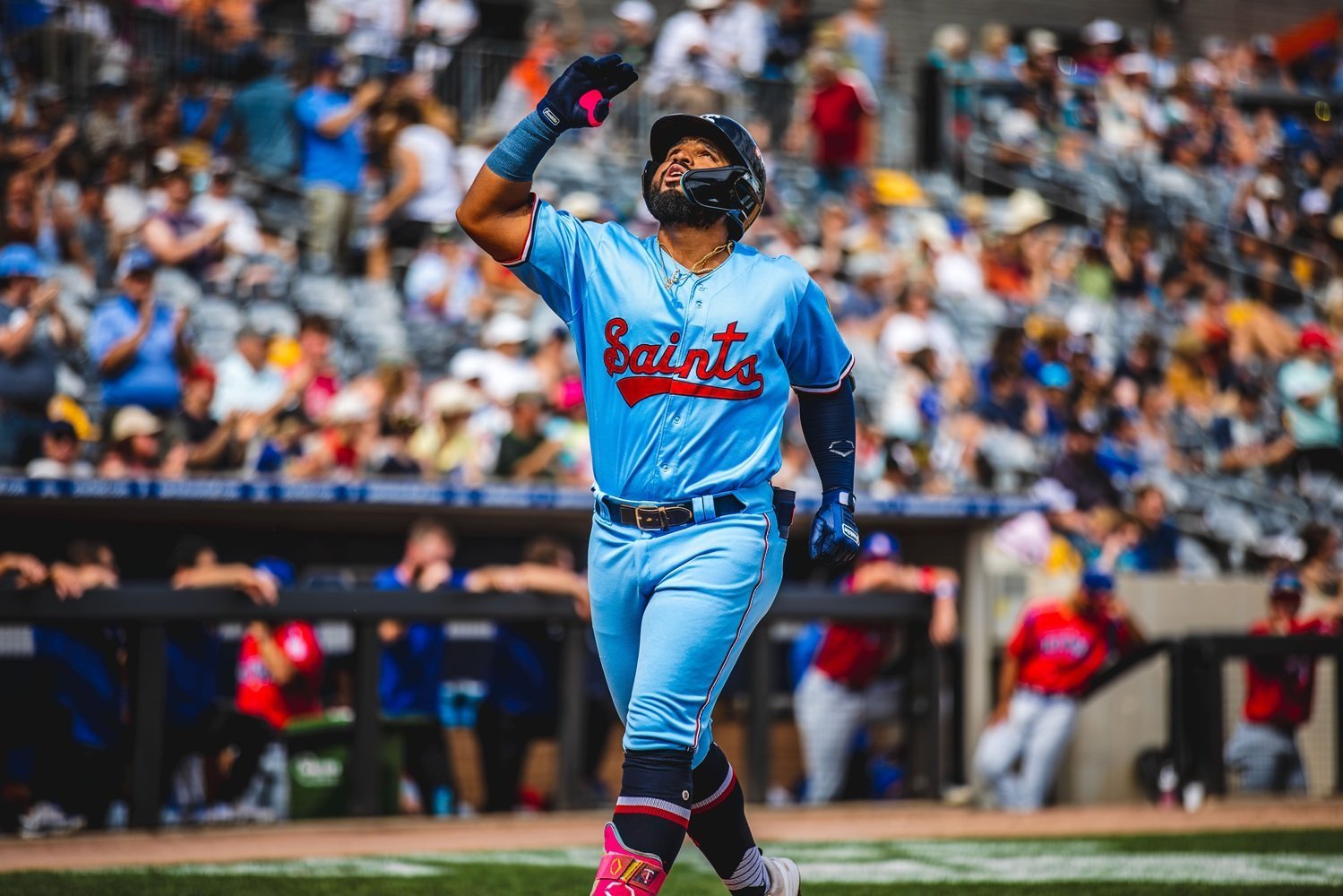 When the Twins acquired Gabriel Gonzalez as part of the deal that sent Jorge Polanco to the Seattle Mariners, the move felt like a classic upside bet. Gonzalez had already built a reputation as one of the better pure hitters in Seattle’s system, and the Twins were betting that offensive foundation would eventually carry him to the major leagues. Five years after signing with Seattle for $1.5 million during the 2021 international class, that projection still looks very much alive. From the moment Gonzalez entered pro ball, the bat stood out. He wasted little time showing why the Mariners were willing to invest heavily in him, posting an .892 OPS in the Dominican Summer League during his professional debut. When he arrived stateside in 2022, the production continued against more advanced pitching as he put together an .879 OPS while continuing to show advanced contact ability for a teenager. The breakout fully arrived in 2023. At just 19 years old, Gonzalez climbed to High-A and looked completely comfortable despite being one of the youngest hitters at the level. Across 116 games, he slashed .298/.361/.476 (.837) with 18 home runs and 23 doubles. The age context made those numbers even more impressive. Gonzalez was roughly 3.5 years younger than the average player in High-A and only faced younger pitchers in three plate appearances all season. That kind of performance typically launches a prospect into another tier nationally. Instead, Gonzalez’s momentum stalled after the trade to Minnesota ahead of the 2024 season. Transitions are not always seamless for young prospects, and Gonzalez never seemed fully settled during his first year in the Twins organization. A nagging back injury didn’t help matters, and his overall production dipped noticeably. In 81 games, he posted a .707 OPS with a 106 wRC+, solid numbers on the surface but well below the expectations attached to his prospect status. For some hitters, a season like that can completely derail development. Instead, 2025 became a reminder of why evaluators remained so high on Gonzalez’s offensive upside. The Twins sent him back to High-A Cedar Rapids to open the season, and he responded immediately. Gonzalez hit his way through three levels at just 21 years old, eventually finishing the season in Triple-A while earning a spot on the 40-man roster during the offseason. What stood out most was how stable the production remained throughout the climb. Gonzalez hit over .315 at every stop in 2025 and consistently drove the baseball into the gaps. His 38 doubles highlighted how frequently he found quality contact, and his .909 OPS finished as the best mark among the organization’s top offensive prospects. Even more impressive was how he handled advanced competition. Gonzalez faced older pitchers in all but 30 plate appearances and still hit .338/.405/.527 (.932) against them. He also punished left-handed pitching to the tune of a 1.022 OPS with a .592 slugging percentage, an encouraging development for a right-handed corner outfielder whose offensive profile will always carry the burden of producing impact at the plate. That offensive profile starts with elite contact ability. Even during his disappointing 2024 campaign, Gonzalez rarely looked overmatched in the batter’s box. Entering the 2026 season, he carried a career strikeout rate of just 15.3%, a remarkable number considering how aggressively he has been challenged throughout his career. Aggression will probably always be part of the package. Gonzalez likes to swing, and he still chases too many secondary pitches outside the zone, especially softer breaking stuff. The difference in 2025 was that he began pairing those natural bat-to-ball skills with more mature at-bats and sneaky power production. He trimmed the strikeout rate even further (14.5%) while slightly increasing his walk rate (9.1%), giving evaluators more confidence that the approach can work against upper-level pitching. While other outfield prospects in the organization may offer louder raw tools, Gonzalez’s blend of contact ability, approach, and extra-base production gives him one of the safer offensive floors in the system. The remaining question is whether the defense reaches an acceptable level. Gonzalez has worked extensively on his conditioning over the last couple of seasons, and the improvements have helped him become more playable in the outfield corners. He is unlikely to become a standout defender, but if he can settle in as an average corner outfielder, the bat has enough upside to make him an everyday player at the major league level. Now, after reestablishing himself with one of the best offensive seasons in the minors, Gonzalez once again looks like one of the more important young bats in the organization. The road has not been perfectly linear, but the underlying traits that made him such an intriguing international signing are still very much intact. And at only 22 years old, there may still be another level for him to reach. What stands out about Gonzalez during his professional career? Leave a comment and start the discussion.
 -
The Twins welcomed an important piece back to their rotation on Saturday, activating Taj Bradley from the 15-day injured list ahead of Minnesota’s matchup against the Boston Red Sox. Bradley is projected to start on Saturday after missing just over two weeks with a pectoral issue. To clear a roster spot, the Twins designated veteran reliever Luis Garcia for assignment, marking another abrupt stop in what has become a turbulent 2026 season for the longtime right-hander. Bradley’s IL move was backdated to May 6, allowing the Twins to bring him back after only a slightly extended minimum stay. The organization appeared to take a cautious approach with the injury from the start, and Bradley only needed one rehab outing with Triple-A St. Paul before being deemed ready to return. Outside of the brief injury interruption, Bradley has been one of the steadier arms in Minnesota’s rotation this season. Through eight starts covering 47 innings, the 25-year-old owns a 2.87 ERA while striking out 26.1% of opposing hitters. His walk rate sits at 8.5%, a touch higher than ideal, though still manageable considering the swing-and-miss ability he brings to the mound. Advanced metrics suggest some regression could eventually come, as Bradley’s 3.48 FIP points to a little help from an elevated 84.3% strand rate. Even so, the Twins have gladly taken the production. With injuries testing the club’s pitching depth throughout the first two months of the season, Bradley has helped stabilize a rotation that has rarely been at full strength. Meanwhile, Garcia’s tenure with the Twins may already be finished. Minnesota signed the 39-year-old to a minor league contract after he was cut loose by the New York Mets in April. The Twins selected his contract not long after, hoping the veteran could provide innings in a taxed bullpen, but the results never materialized. Across nine appearances with Minnesota, Garcia struggled to a 10.38 ERA over 8 2/3 innings. Combining his time with both the Mets and Twins this year, he posted a 9.00 ERA with six walks and six strikeouts in 15 total innings. Financially, the move carries little risk for Minnesota. Garcia signed a one-year, $1.75 million contract with New York during the offseason, leaving the Mets responsible for nearly all of the remaining salary. The Twins only owed him a prorated portion of the league minimum while he occupied a spot on the active roster. Given both his performance and contract situation, Garcia appears likely to clear waivers. If that happens, free agency would probably be more appealing than accepting an outright assignment to Triple-A. Now, he heads back into roster limbo once again as the Twins continue searching for stability behind a pitching staff that has already been forced to absorb plenty of turnover this season. View full rumor
-
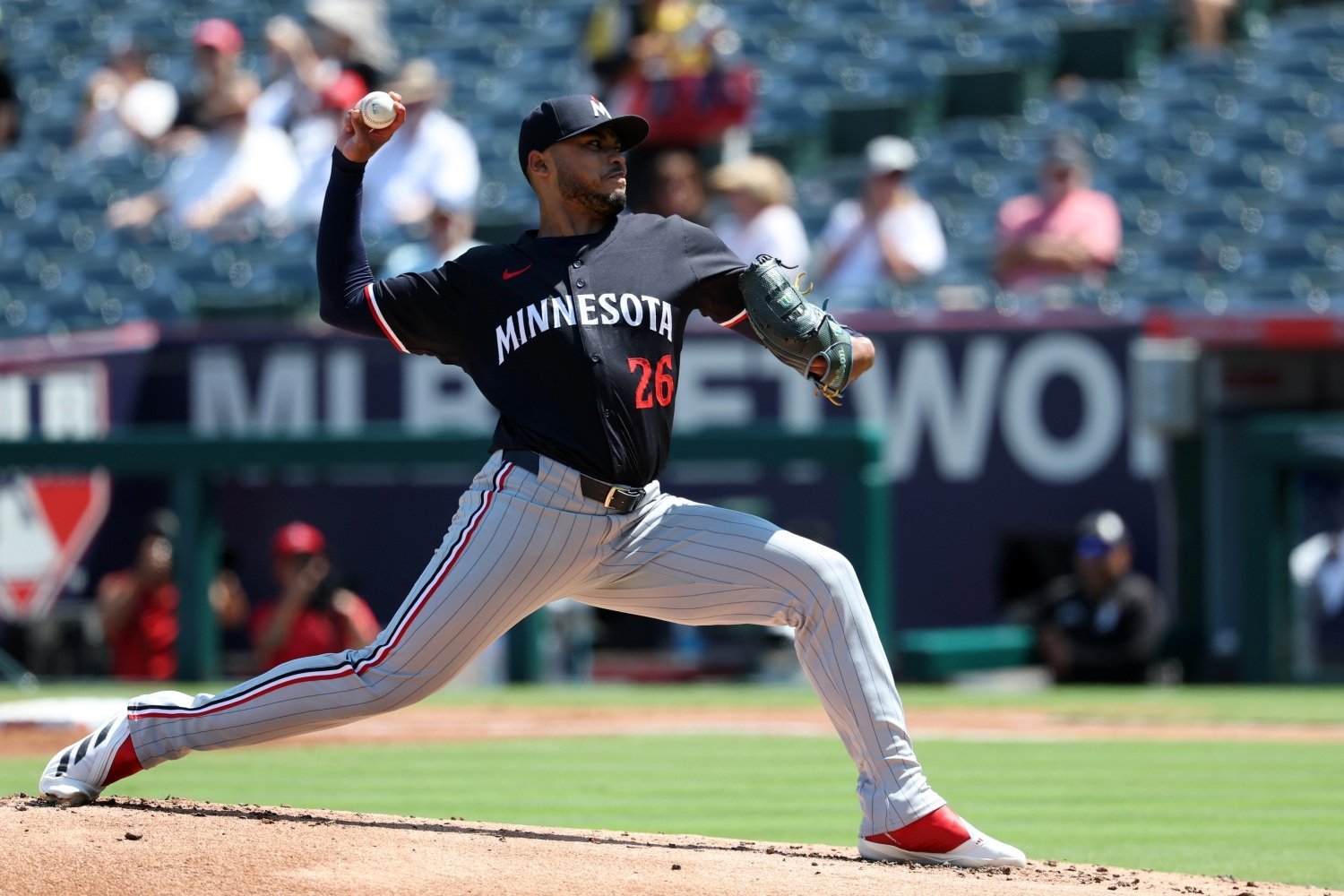 The Twins welcomed an important piece back to their rotation on Saturday, activating Taj Bradley from the 15-day injured list ahead of Minnesota’s matchup against the Boston Red Sox. Bradley is projected to start on Saturday after missing just over two weeks with a pectoral issue. To clear a roster spot, the Twins designated veteran reliever Luis Garcia for assignment, marking another abrupt stop in what has become a turbulent 2026 season for the longtime right-hander. Bradley’s IL move was backdated to May 6, allowing the Twins to bring him back after only a slightly extended minimum stay. The organization appeared to take a cautious approach with the injury from the start, and Bradley only needed one rehab outing with Triple-A St. Paul before being deemed ready to return. Outside of the brief injury interruption, Bradley has been one of the steadier arms in Minnesota’s rotation this season. Through eight starts covering 47 innings, the 25-year-old owns a 2.87 ERA while striking out 26.1% of opposing hitters. His walk rate sits at 8.5%, a touch higher than ideal, though still manageable considering the swing-and-miss ability he brings to the mound. Advanced metrics suggest some regression could eventually come, as Bradley’s 3.48 FIP points to a little help from an elevated 84.3% strand rate. Even so, the Twins have gladly taken the production. With injuries testing the club’s pitching depth throughout the first two months of the season, Bradley has helped stabilize a rotation that has rarely been at full strength. Meanwhile, Garcia’s tenure with the Twins may already be finished. Minnesota signed the 39-year-old to a minor league contract after he was cut loose by the New York Mets in April. The Twins selected his contract not long after, hoping the veteran could provide innings in a taxed bullpen, but the results never materialized. Across nine appearances with Minnesota, Garcia struggled to a 10.38 ERA over 8 2/3 innings. Combining his time with both the Mets and Twins this year, he posted a 9.00 ERA with six walks and six strikeouts in 15 total innings. Financially, the move carries little risk for Minnesota. Garcia signed a one-year, $1.75 million contract with New York during the offseason, leaving the Mets responsible for nearly all of the remaining salary. The Twins only owed him a prorated portion of the league minimum while he occupied a spot on the active roster. Given both his performance and contract situation, Garcia appears likely to clear waivers. If that happens, free agency would probably be more appealing than accepting an outright assignment to Triple-A. Now, he heads back into roster limbo once again as the Twins continue searching for stability behind a pitching staff that has already been forced to absorb plenty of turnover this season.
 -
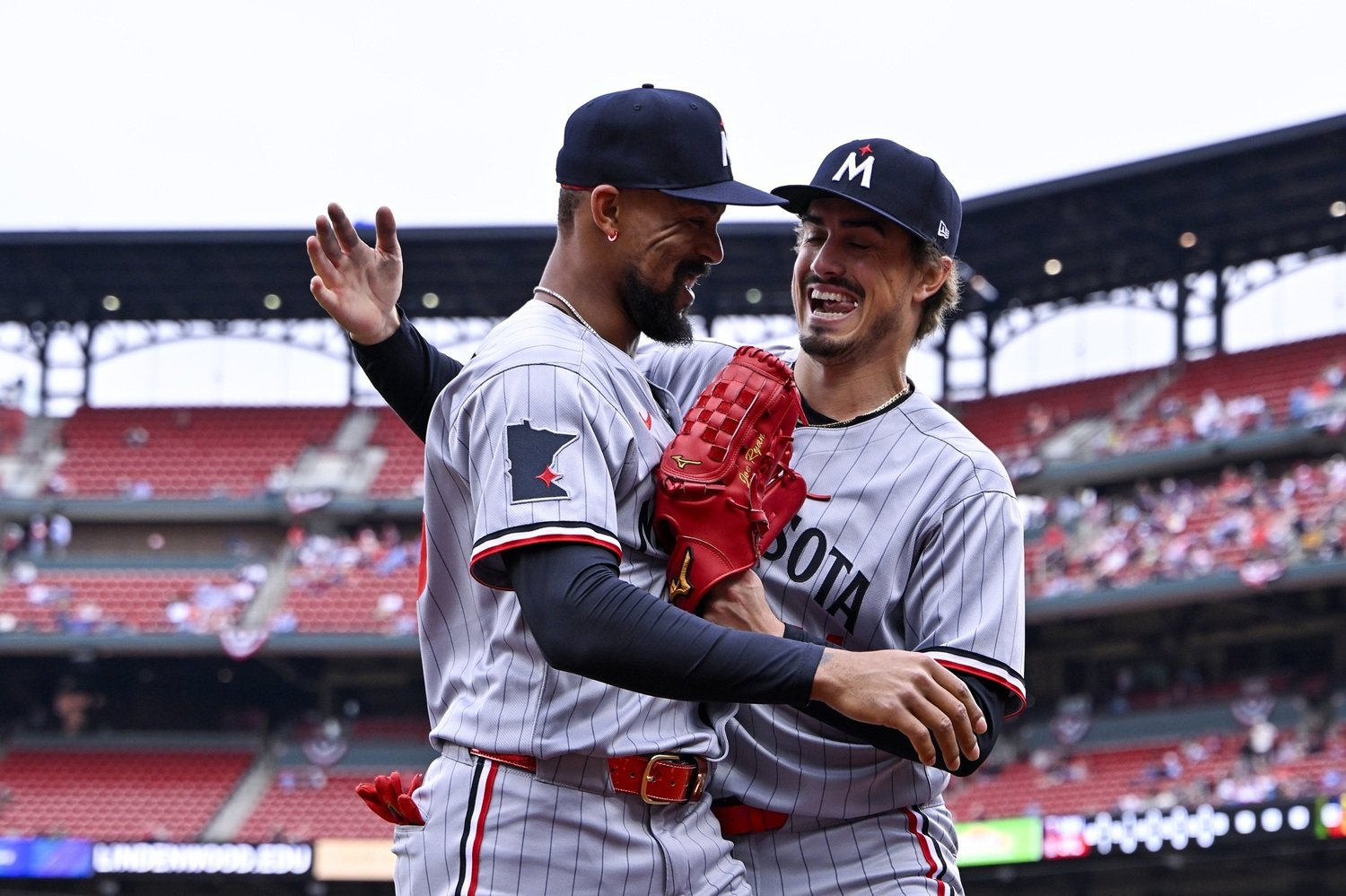 The Minnesota Twins entered the season hoping to convince everyone that last year’s disappointment was a temporary stumble. Instead, the first half has only created more uncertainty about where this organization is actually headed. Minnesota’s ownership would say this isn’t a full rebuild. It also doesn’t look like a legitimate contending effort. That middle ground is the worst place a franchise can live in modern baseball. Teams either push their chips in or aggressively build toward the future. The Twins continue to hover somewhere in between, and with the trade deadline approaching, they may finally have to choose a direction. Minnesota still has enough talent on the roster to intrigue contenders around the league. However, they also have enough flaws and long-term concerns to justify selling pieces for the future. The biggest question is whether the front office is willing to admit this core may not have the runway everyone once expected. Here’s an early look at some of the most fascinating trade deadline decisions facing the Twins. Byron Buxton No player better represents the current state of the franchise than Buxton. On one hand, he remains the face of the organization. He has a full no-trade clause, and he has repeatedly made it clear that he wants to stay in Minnesota. When healthy, he is still one of the most electric players in baseball and one of the few stars capable of changing a game by himself. The Twins should do everything possible to keep him. Trading Buxton would signal far more than a roster adjustment. It would essentially announce the end of this competitive era. He is one of the few players casual fans still associate directly with Twins baseball, and moving him would create major backlash inside the clubhouse and throughout the fanbase. At the same time, the situation becomes more complicated if Minnesota starts moving other veteran pieces. If the front office deals away multiple core contributors, Buxton may eventually decide he no longer wants to spend the remainder of his prime stuck in another retooling phase. There would almost certainly be interest if he became available, especially from teams looking for a dynamic postseason weapon. The Atlanta Braves would immediately become a fascinating fit. Buxton is from Georgia, and a return closer to home could appeal to him if the Twins no longer appear serious about competing. Still, unless Buxton himself pushes the issue, it is difficult to envision Minnesota voluntarily moving him. Joe Ryan Ryan might be the most realistic blockbuster candidate on the roster. He is under team control only through the 2027 season, and his value may never be higher than it is right now. Ryan survived an early-season injury scare that initially looked far more concerning, and he has continued pitching like a frontline starter whenever healthy. That combination would make him one of the most attractive arms available at the deadline. The timing also matters. With Tarik Skubal injured, the market for controllable starting pitching could become even more aggressive. Teams desperate for rotation help would likely line up to make significant offers for Ryan. From Minnesota’s perspective, there is logic behind considering it. The Twins do not currently look like a team positioned to seriously contend over the next two seasons. By the time the roster is realistically ready to compete again, Ryan could already be nearing free agency. Add in his injury history and the general volatility that comes with pitchers, and there is a legitimate argument that the organization should capitalize on his value now rather than waiting for something to go wrong later. Of course, there is another side to the conversation. Quality starting pitching is incredibly difficult to acquire. Ryan is already proven, affordable, and capable of anchoring a rotation. Trading him would create an enormous hole and likely force the Twins into another lengthy search for pitching stability. Unless Minnesota receives an overwhelming package centered around elite prospects, there is still a strong case for keeping him and attempting to build around him instead. Ryan Jeffers Before his injury, Ryan Jeffers looked like one of the few clear success stories on Minnesota’s roster this season. He was off to a tremendous start offensively and had arguably been the team’s MVP through the first half. Jeffers provided stability in the middle of the lineup while continuing to handle a difficult workload behind the plate. At a time when much of the offense struggled with consistency, he was one of the few hitters regularly producing quality at-bats. That is what makes this week’s injury so frustrating for both Jeffers and the Twins. Minnesota placed Jeffers on the injured list earlier this week with a broken hamate bone, an injury that will likely sideline him for six to eight weeks. The timing could not be much worse with the trade deadline approaching quickly. Under normal circumstances, Jeffers would have made plenty of sense as a trade candidate. He is a veteran catcher on an expiring contract who could help a contender looking for offense behind the plate. Catching depth is always in demand at the deadline, especially from teams searching for postseason upgrades. Now the situation becomes far murkier. Even if Jeffers returns before the deadline, he will likely need time to prove he is fully healthy. Hamate bone injuries have a long history of sapping hitters’ power temporarily after they return. Many players eventually regain their production, but it is rarely an immediate process. That uncertainty could significantly shrink his market. Contenders may hesitate to part with meaningful prospects for a catcher who is still working his way back physically and trying to rediscover his power swing. The Twins would still likely prefer to move him rather than risk losing him for nothing after the season, but the return may not justify making the deal unless Jeffers comes back quickly and looks like himself immediately. Josh Bell Bell feels like the classic trade deadline rental candidate. He has been traded four different times during his career, so another move would hardly be surprising. Bell’s offensive profile also makes him the type of player contenders often gamble on in July. When he gets hot, he can carry a lineup for stretches, and playoff teams are always searching for extra power from the designated hitter spot. A contender could easily convince itself that Bell is one productive month away from becoming an impactful postseason bat. The problem is that his market may be limited. Bell’s defensive limitations narrow the list of interested teams considerably. His streaky offensive production also makes him difficult to trust as an everyday option. Since he is on an expiring contract, the return would likely be modest even if he finishes the first half strongly. Minnesota may ultimately decide his veteran presence is more valuable in the clubhouse than the low-level prospect package they would receive in return. Still, among the Twins’ veteran position players, Bell remains one of the more obvious names to watch. Austin Martin Martin has quietly become one of the more interesting depth pieces on the roster. Since being recalled during the second half of last season, he has consistently found ways to get on base and provide quality at-bats. He has also proven capable defensively in corner outfield spots, giving Minnesota a versatile player who can contribute in multiple roles. That type of player tends to matter more over a full season than many fans realize. However, his trade value is probably fairly limited. Contending teams could view Martin as a useful bench bat or platoon player, but there are questions about how large a role he can realistically handle. Since he bats right-handed, his ideal usage against left-handed pitching becomes somewhat restrictive compared to a traditional platoon option. The Twins also may not gain much by moving him. Martin is under team control through 2030, and his versatility fits well on a roster that constantly deals with injuries and lineup instability. Unless another organization views him as more than a complementary piece, Minnesota likely benefits more from simply keeping him around. Royce Lewis and Matt Wallner A few months ago, Lewis and Wallner might have carried substantial trade value. Now, both players are coming off demotions, and their stock has cratered. That creates an awkward dilemma for Minnesota. Selling low on talented players is almost always dangerous, especially when both still possess significant upside. Lewis was a former top prospect that the club has invested in, while Wallner’s raw power and patience still intrigue evaluators despite the swing-and-miss concerns. Some organizations would absolutely be willing to take a gamble on either player. Teams constantly believe they can unlock talent that another franchise could not fully develop. A rebuilding club, in particular, may view Lewis or Wallner as ideal buy-low opportunities. But that same upside is exactly why the Twins may hesitate. Trading either player right now would almost certainly mean accepting pennies on the dollar compared to what their value once looked like. Minnesota would essentially be betting that both players are closer to finished products than temporary struggles. That is an extremely risky gamble to make this early. The more likely scenario is the Twins allow both players time to rebuild value at Triple-A before revisiting any long-term decisions during the offseason. The most frustrating part about the Twins right now is not simply that they are losing games. It is that the organization no longer feels aligned with what this current roster is supposed to accomplish. There are still recognizable stars. There are still talented players capable of contributing to a winning team. But there are also growing signs that this core may not be built to sustain contention much longer. That reality makes this trade deadline incredibly important. If Minnesota decides to aggressively sell, it could mark the beginning of a major organizational reset. If the front office stands pat or buys marginal help, it risks prolonging the same directionless cycle the franchise already appears trapped in. Either way, the next few months may determine what Twins baseball looks like for the rest of the decade. Who will the Twins trade at the deadline? Will it be another trade deadline selling spree? Leave a comment and start the discussion.
- 65 comments
-
- 4
-

-
- byron buxton
- joe ryan
- (and 4 more)
-
Image courtesy of Jeff Curry-Imagn Images The Minnesota Twins entered the season hoping to convince everyone that last year’s disappointment was a temporary stumble. Instead, the first half has only created more uncertainty about where this organization is actually headed. Minnesota’s ownership would say this isn’t a full rebuild. It also doesn’t look like a legitimate contending effort. That middle ground is the worst place a franchise can live in modern baseball. Teams either push their chips in or aggressively build toward the future. The Twins continue to hover somewhere in between, and with the trade deadline approaching, they may finally have to choose a direction. Minnesota still has enough talent on the roster to intrigue contenders around the league. However, they also have enough flaws and long-term concerns to justify selling pieces for the future. The biggest question is whether the front office is willing to admit this core may not have the runway everyone once expected. Here’s an early look at some of the most fascinating trade deadline decisions facing the Twins. Byron Buxton No player better represents the current state of the franchise than Buxton. On one hand, he remains the face of the organization. He has a full no-trade clause, and he has repeatedly made it clear that he wants to stay in Minnesota. When healthy, he is still one of the most electric players in baseball and one of the few stars capable of changing a game by himself. The Twins should do everything possible to keep him. Trading Buxton would signal far more than a roster adjustment. It would essentially announce the end of this competitive era. He is one of the few players casual fans still associate directly with Twins baseball, and moving him would create major backlash inside the clubhouse and throughout the fanbase. At the same time, the situation becomes more complicated if Minnesota starts moving other veteran pieces. If the front office deals away multiple core contributors, Buxton may eventually decide he no longer wants to spend the remainder of his prime stuck in another retooling phase. There would almost certainly be interest if he became available, especially from teams looking for a dynamic postseason weapon. The Atlanta Braves would immediately become a fascinating fit. Buxton is from Georgia, and a return closer to home could appeal to him if the Twins no longer appear serious about competing. Still, unless Buxton himself pushes the issue, it is difficult to envision Minnesota voluntarily moving him. Joe Ryan Ryan might be the most realistic blockbuster candidate on the roster. He is under team control only through the 2027 season, and his value may never be higher than it is right now. Ryan survived an early-season injury scare that initially looked far more concerning, and he has continued pitching like a frontline starter whenever healthy. That combination would make him one of the most attractive arms available at the deadline. The timing also matters. With Tarik Skubal injured, the market for controllable starting pitching could become even more aggressive. Teams desperate for rotation help would likely line up to make significant offers for Ryan. From Minnesota’s perspective, there is logic behind considering it. The Twins do not currently look like a team positioned to seriously contend over the next two seasons. By the time the roster is realistically ready to compete again, Ryan could already be nearing free agency. Add in his injury history and the general volatility that comes with pitchers, and there is a legitimate argument that the organization should capitalize on his value now rather than waiting for something to go wrong later. Of course, there is another side to the conversation. Quality starting pitching is incredibly difficult to acquire. Ryan is already proven, affordable, and capable of anchoring a rotation. Trading him would create an enormous hole and likely force the Twins into another lengthy search for pitching stability. Unless Minnesota receives an overwhelming package centered around elite prospects, there is still a strong case for keeping him and attempting to build around him instead. Ryan Jeffers Before his injury, Ryan Jeffers looked like one of the few clear success stories on Minnesota’s roster this season. He was off to a tremendous start offensively and had arguably been the team’s MVP through the first half. Jeffers provided stability in the middle of the lineup while continuing to handle a difficult workload behind the plate. At a time when much of the offense struggled with consistency, he was one of the few hitters regularly producing quality at-bats. That is what makes this week’s injury so frustrating for both Jeffers and the Twins. Minnesota placed Jeffers on the injured list earlier this week with a broken hamate bone, an injury that will likely sideline him for six to eight weeks. The timing could not be much worse with the trade deadline approaching quickly. Under normal circumstances, Jeffers would have made plenty of sense as a trade candidate. He is a veteran catcher on an expiring contract who could help a contender looking for offense behind the plate. Catching depth is always in demand at the deadline, especially from teams searching for postseason upgrades. Now the situation becomes far murkier. Even if Jeffers returns before the deadline, he will likely need time to prove he is fully healthy. Hamate bone injuries have a long history of sapping hitters’ power temporarily after they return. Many players eventually regain their production, but it is rarely an immediate process. That uncertainty could significantly shrink his market. Contenders may hesitate to part with meaningful prospects for a catcher who is still working his way back physically and trying to rediscover his power swing. The Twins would still likely prefer to move him rather than risk losing him for nothing after the season, but the return may not justify making the deal unless Jeffers comes back quickly and looks like himself immediately. Josh Bell Bell feels like the classic trade deadline rental candidate. He has been traded four different times during his career, so another move would hardly be surprising. Bell’s offensive profile also makes him the type of player contenders often gamble on in July. When he gets hot, he can carry a lineup for stretches, and playoff teams are always searching for extra power from the designated hitter spot. A contender could easily convince itself that Bell is one productive month away from becoming an impactful postseason bat. The problem is that his market may be limited. Bell’s defensive limitations narrow the list of interested teams considerably. His streaky offensive production also makes him difficult to trust as an everyday option. Since he is on an expiring contract, the return would likely be modest even if he finishes the first half strongly. Minnesota may ultimately decide his veteran presence is more valuable in the clubhouse than the low-level prospect package they would receive in return. Still, among the Twins’ veteran position players, Bell remains one of the more obvious names to watch. Austin Martin Martin has quietly become one of the more interesting depth pieces on the roster. Since being recalled during the second half of last season, he has consistently found ways to get on base and provide quality at-bats. He has also proven capable defensively in corner outfield spots, giving Minnesota a versatile player who can contribute in multiple roles. That type of player tends to matter more over a full season than many fans realize. However, his trade value is probably fairly limited. Contending teams could view Martin as a useful bench bat or platoon player, but there are questions about how large a role he can realistically handle. Since he bats right-handed, his ideal usage against left-handed pitching becomes somewhat restrictive compared to a traditional platoon option. The Twins also may not gain much by moving him. Martin is under team control through 2030, and his versatility fits well on a roster that constantly deals with injuries and lineup instability. Unless another organization views him as more than a complementary piece, Minnesota likely benefits more from simply keeping him around. Royce Lewis and Matt Wallner A few months ago, Lewis and Wallner might have carried substantial trade value. Now, both players are coming off demotions, and their stock has cratered. That creates an awkward dilemma for Minnesota. Selling low on talented players is almost always dangerous, especially when both still possess significant upside. Lewis was a former top prospect that the club has invested in, while Wallner’s raw power and patience still intrigue evaluators despite the swing-and-miss concerns. Some organizations would absolutely be willing to take a gamble on either player. Teams constantly believe they can unlock talent that another franchise could not fully develop. A rebuilding club, in particular, may view Lewis or Wallner as ideal buy-low opportunities. But that same upside is exactly why the Twins may hesitate. Trading either player right now would almost certainly mean accepting pennies on the dollar compared to what their value once looked like. Minnesota would essentially be betting that both players are closer to finished products than temporary struggles. That is an extremely risky gamble to make this early. The more likely scenario is the Twins allow both players time to rebuild value at Triple-A before revisiting any long-term decisions during the offseason. The most frustrating part about the Twins right now is not simply that they are losing games. It is that the organization no longer feels aligned with what this current roster is supposed to accomplish. There are still recognizable stars. There are still talented players capable of contributing to a winning team. But there are also growing signs that this core may not be built to sustain contention much longer. That reality makes this trade deadline incredibly important. If Minnesota decides to aggressively sell, it could mark the beginning of a major organizational reset. If the front office stands pat or buys marginal help, it risks prolonging the same directionless cycle the franchise already appears trapped in. Either way, the next few months may determine what Twins baseball looks like for the rest of the decade. Who will the Twins trade at the deadline? Will it be another trade deadline selling spree? Leave a comment and start the discussion. View full article
-
BREAKING: Twins Promote Top Outfield Prospect Gabriel Gonzalez
Cody Christie posted an article in Twins
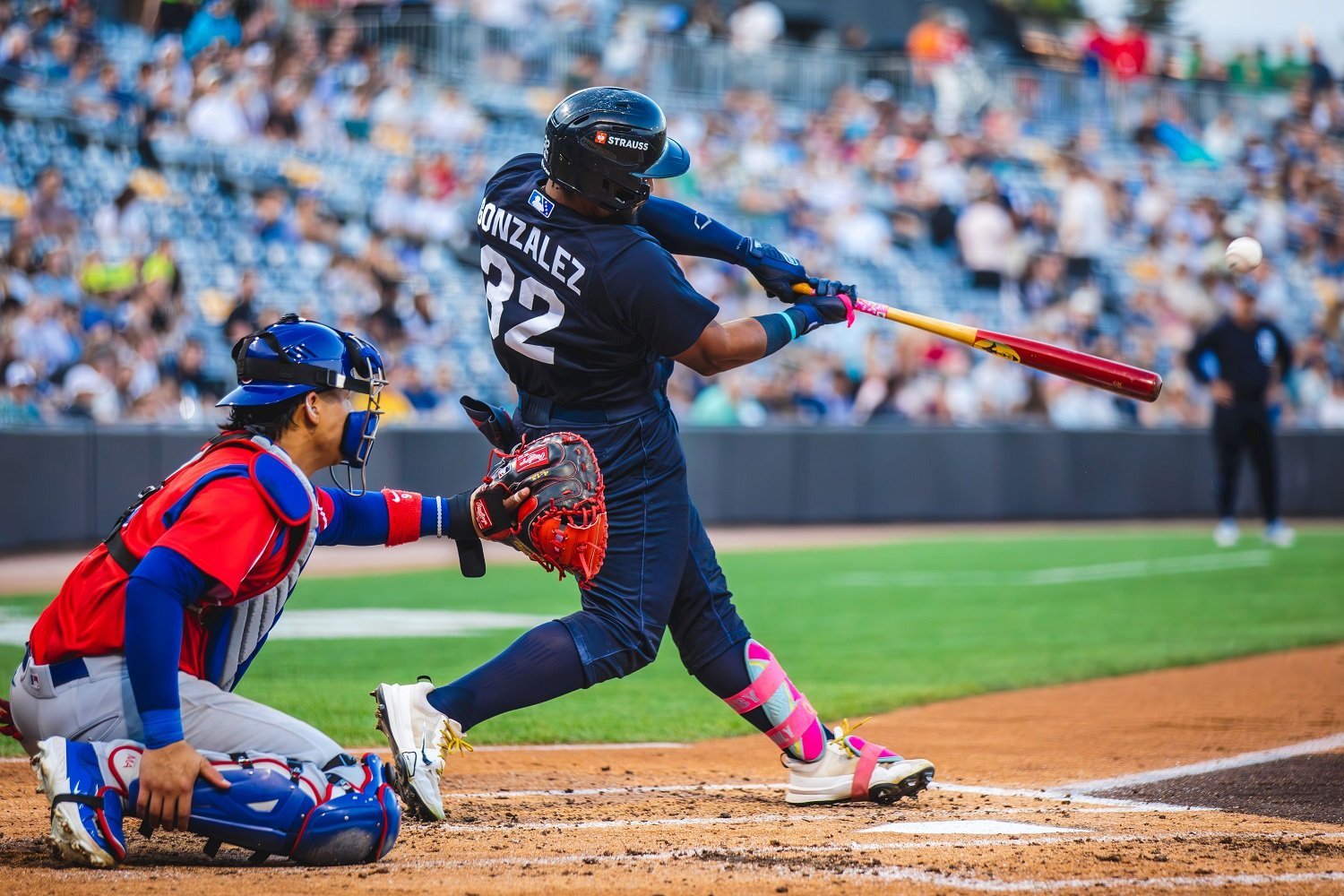 The Minnesota Twins are set to give Gabriel Gonzalez his first taste of the big leagues. Minnesota recalled the 22-year-old outfielder from Triple-A St. Paul on Friday, before opening a series against the Red Sox. Infielder Tristan Gray is heading to the paternity list in the corresponding move, creating a short-term roster opening for one of the organization’s more intriguing bats. Gonzalez was already on the 40-man roster, after the Twins protected him from the Rule 5 Draft last November. At least for now, this feels more like an opportunity to get Gonzalez's feet wet than a permanent arrival. Players on the paternity list can miss up to three days, and teams will occasionally stretch that timeline slightly with a follow-up restricted list move. Still, Gray is expected back relatively quickly, likely sometime during next week’s series against the White Sox. That means Gonzalez may have only a weekend's worth of games to make an impression before heading back down to St. Paul. But even a temporary promotion matters for a player like Gonzalez. The Twins didn’t have many realistic position-player options available after sending both Royce Lewis and Matt Wallner to Triple-A earlier this week. Minnesota’s upper-level depth has thinned out considerably, especially among players already on the 40-man roster. Gonzalez and fellow outfielder Hendry Mendez were the two obvious names, but Mendez was only promoted to Triple-A a couple of weeks ago. Gonzalez was the cleaner fit. And honestly, the timing makes sense. Gonzalez arrived in the organization with plenty of hype after the Twins acquired him from the Mariners in the Jorge Polanco trade before the 2024 season. He was viewed as the headline prospect in the deal, with a reputation as a polished young hitter with advanced bat-to-ball skills and emerging power. The shine dimmed a little after an uneven first season in the organization. Gonzalez battled through a back injury while putting together a fairly underwhelming year at High-A with a .707 OPS. Suddenly, the prospect who looked like a fast-moving offensive prospect started looking more human. To his credit, he responded well last season and hit enough to move from High- to Triple-A. His .909 OPS earned him Twins Daily’s Minor League Hitter of the Year. The numbers haven’t exploded in 2026, but there are still reasons for optimism. Across 197 plate appearances with the Saints, Gonzalez owns a .216/.294/.392 slash line with eight home runs while striking out at a manageable 20% rate. A lot of the depressed production can be traced to an ugly .231 batting average on balls in play, suggesting there may have been some poor luck mixed in with the inconsistency. The tools are still there. Twins Daily currently ranks Gonzalez as the No. 10 prospect in the Twins organization. Evaluators continue to believe in the hit tool and raw power potential, though they’ve also pointed to his aggressive approach and tendency to pound balls into the ground as reasons the game power hasn’t fully shown up yet. He's hitting too many ground balls (and too many pop-ups) this year, but he's still showing the ability to hit the ball hard at times, and he's a pull hitter. He’s not a burner on the bases, and plays corner outfield spots defensively, meaning the bat has to carry a significant portion of the profile. Fortunately for the Twins, one area where Gonzalez has consistently looked comfortable is against left-handed pitching. Last season, he torched lefties to the tune of a .368/.430/.592 line. Even during this year’s offensive downturn, he’s still producing a strong .263/.328/.544 slash line against southpaws. That could become important immediately. Boston is expected to start left-hander Payton Tolle on Friday night, which makes Gonzalez a logical candidate to jump directly into the lineup for his MLB debut. It may only last a few days, but in the next few months, maybe it becomes something more. By calling up the outfielder to replace Gray (who has become the primary third baseman), the team sets themselves up to get another few looks at intriguing breakout-in-progress Ryan Kreidler. At the very least, Twins fans finally get their first look at the player who has quietly become one of the organization’s more important long-term bets. What can Gonzalez bring to the Twins? Leave a comment and start the discussion.
 -
Image courtesy of Rob Thompson, St. Paul Saints The Minnesota Twins are set to give Gabriel Gonzalez his first taste of the big leagues. Minnesota recalled the 22-year-old outfielder from Triple-A St. Paul on Friday, before opening a series against the Red Sox. Infielder Tristan Gray is heading to the paternity list in the corresponding move, creating a short-term roster opening for one of the organization’s more intriguing bats. Gonzalez was already on the 40-man roster, after the Twins protected him from the Rule 5 Draft last November. At least for now, this feels more like an opportunity to get Gonzalez's feet wet than a permanent arrival. Players on the paternity list can miss up to three days, and teams will occasionally stretch that timeline slightly with a follow-up restricted list move. Still, Gray is expected back relatively quickly, likely sometime during next week’s series against the White Sox. That means Gonzalez may have only a weekend's worth of games to make an impression before heading back down to St. Paul. But even a temporary promotion matters for a player like Gonzalez. The Twins didn’t have many realistic position-player options available after sending both Royce Lewis and Matt Wallner to Triple-A earlier this week. Minnesota’s upper-level depth has thinned out considerably, especially among players already on the 40-man roster. Gonzalez and fellow outfielder Hendry Mendez were the two obvious names, but Mendez was only promoted to Triple-A a couple of weeks ago. Gonzalez was the cleaner fit. And honestly, the timing makes sense. Gonzalez arrived in the organization with plenty of hype after the Twins acquired him from the Mariners in the Jorge Polanco trade before the 2024 season. He was viewed as the headline prospect in the deal, with a reputation as a polished young hitter with advanced bat-to-ball skills and emerging power. The shine dimmed a little after an uneven first season in the organization. Gonzalez battled through a back injury while putting together a fairly underwhelming year at High-A with a .707 OPS. Suddenly, the prospect who looked like a fast-moving offensive prospect started looking more human. To his credit, he responded well last season and hit enough to move from High- to Triple-A. His .909 OPS earned him Twins Daily’s Minor League Hitter of the Year. The numbers haven’t exploded in 2026, but there are still reasons for optimism. Across 197 plate appearances with the Saints, Gonzalez owns a .216/.294/.392 slash line with eight home runs while striking out at a manageable 20% rate. A lot of the depressed production can be traced to an ugly .231 batting average on balls in play, suggesting there may have been some poor luck mixed in with the inconsistency. The tools are still there. Twins Daily currently ranks Gonzalez as the No. 10 prospect in the Twins organization. Evaluators continue to believe in the hit tool and raw power potential, though they’ve also pointed to his aggressive approach and tendency to pound balls into the ground as reasons the game power hasn’t fully shown up yet. He's hitting too many ground balls (and too many pop-ups) this year, but he's still showing the ability to hit the ball hard at times, and he's a pull hitter. He’s not a burner on the bases, and plays corner outfield spots defensively, meaning the bat has to carry a significant portion of the profile. Fortunately for the Twins, one area where Gonzalez has consistently looked comfortable is against left-handed pitching. Last season, he torched lefties to the tune of a .368/.430/.592 line. Even during this year’s offensive downturn, he’s still producing a strong .263/.328/.544 slash line against southpaws. That could become important immediately. Boston is expected to start left-hander Payton Tolle on Friday night, which makes Gonzalez a logical candidate to jump directly into the lineup for his MLB debut. It may only last a few days, but in the next few months, maybe it becomes something more. By calling up the outfielder to replace Gray (who has become the primary third baseman), the team sets themselves up to get another few looks at intriguing breakout-in-progress Ryan Kreidler. At the very least, Twins fans finally get their first look at the player who has quietly become one of the organization’s more important long-term bets. What can Gonzalez bring to the Twins? Leave a comment and start the discussion. View full article
-
Image courtesy of Rob Thompson, St. Paul Saints The Minnesota Twins spent a long time trying to avoid this moment. They gave Royce Lewis every opportunity to work through his struggles at the major-league level because, for years, he looked like the type of talent worth waiting on. But eventually, potential stops mattering if the production never returns. Now the former No. 1 overall pick is headed to Triple-A. The move feels shocking on the surface because Lewis has long been viewed as one of the organization’s foundational players. Yet, when you look at the bigger picture, this decision has been in the works for quite some time. Lewis’s offensive struggles have spiraled to the point where the Twins could no longer justify keeping him in the lineup every day. His batting average has cratered to .163 with a .540 OPS, and the overall at-bat quality has become increasingly concerning. Sunday may have been the clearest example yet. Lewis struck out three times in a 0-for-3 performance before eventually being lifted for a pinch-hitter. The Twins have already shown they're willing to send struggling veterans to Triple-A this season, with Matt Wallner’s demotion just a few days before Lewis. Lewis simply reached the point where his name and pedigree could no longer outweigh the results. What makes the situation more troubling is that this is no longer just a rough few weeks. For much of 2024, Lewis still looked like an emerging superstar whenever he was healthy enough to stay on the field. Around mid-August, his OPS remained north of 1.000, and injuries appeared to be the only obstacle standing in his way. Instead of building on that success, however, his performance completely collapsed over the final stretch of last year and never recovered. Since mid-August 2024, Lewis has slashed .214/.268/.339 with a 68 wRC+, while striking out 157 times compared to only 47 walks across 179 games. Those numbers are no longer small-sample noise. They represent nearly a full season of offensive dysfunction. Even the underlying metrics offer little optimism. While some poor luck has contributed to the ugly batting average, Lewis still owns an expected batting average of only .205. The quality of contact simply has not been there. More concerning than the results themselves is how Lewis has looked while producing them. At the plate, he appears caught between mechanics and reaction. His strikeout rate has climbed to a career-high 31.1%, and he is whiffing on 37.3% of his swings. Pitch recognition has become a major issue, particularly against velocity. Far too often, Lewis looks like he is guessing instead of reacting. Fastballs used to be the pitch he punished. During his first two major league seasons, Lewis demolished fastballs to the tune of a .355 average and .711 slugging percentage. That ability helped fuel the belief that he could become one of baseball’s next young stars. Since then, the numbers have completely flipped. During his electric rookie season, Lewis demolished four-seam fastballs to the tune of an .842 slugging percentage. Last season, that number cratered to .332, while his whiff rate against four-seamers climbed to 25.5%. The decline produced an -8 Run Value against fastballs and forced pitchers to attack him differently. The problem has continued into 2026. Lewis currently owns just a .291 slugging percentage against four seamers, with a 34.1% whiff rate. Perhaps even more concerning, his pull percentage has dropped from 31.4% during his rookie campaign to 24.1% this season. The explosive damage on pitches he once turned around with authority has largely vanished. That is a devastating development for any hitter, especially one whose game was built around elite bat speed and the ability to attack velocity. Part of the frustration for Minnesota is that Lewis spent the offseason attempting to fix these exact issues. One of the biggest storylines during spring training involved his work with new hitting coach Jeremy Isenhower, who came highly recommended by stars like Bobby Witt Jr. and former Twins infielder Jorge Polanco. The goal of the mechanical changes centered around Lewis’s setup before the swing even began. The hope was that a more repeatable pre-swing position would improve his timing, pitch recognition, and overall swing decisions. Instead, the changes seem to have had the opposite effect. Lewis frequently looks uncomfortable in the box, late on velocity, and indecisive against secondary pitches. That is why Triple-A matters right now. This demotion is not about punishment. It is about rebuilding a hitter who currently looks broken mechanically and mentally at the plate. The Twins need Lewis to simplify everything again. At Triple-A, the focus has to start with attacking fastballs consistently. Lewis does not need to rediscover superstar production overnight, but he must prove he can get on time against velocity again. The swing decisions also need major improvement. Too often, Lewis expands the zone early in counts and then looks frozen once pitchers get ahead. Minnesota will also likely want to see him establish a more consistent approach from game to game. Right now, every at-bat feels different. Sometimes he sells out for power. Other times, he appears purely defensive. The organization needs him to rediscover a stable offensive identity before bringing him back to the majors. That's why, as fun as his homer in his first game with the St. Paul Saints was, it's far from enough to get anyone actually dreaming of the player's return to Target Field. There is also value in allowing Lewis to play every day without the pressure of carrying a struggling big-league offense. Triple-A gives him room to fail, adjust, and rebuild confidence in a lower-stakes environment. The Twins are not giving up on Lewis. Players with his talent are not easily discarded. But they are finally acknowledging a reality that has become impossible to deny. Lewis has not looked like a productive major league hitter for a long time now. This reset was necessary. The next step is up to Lewis. What does Lewis need to focus on at Triple-A? Leave a comment and start the discussion. View full article
-
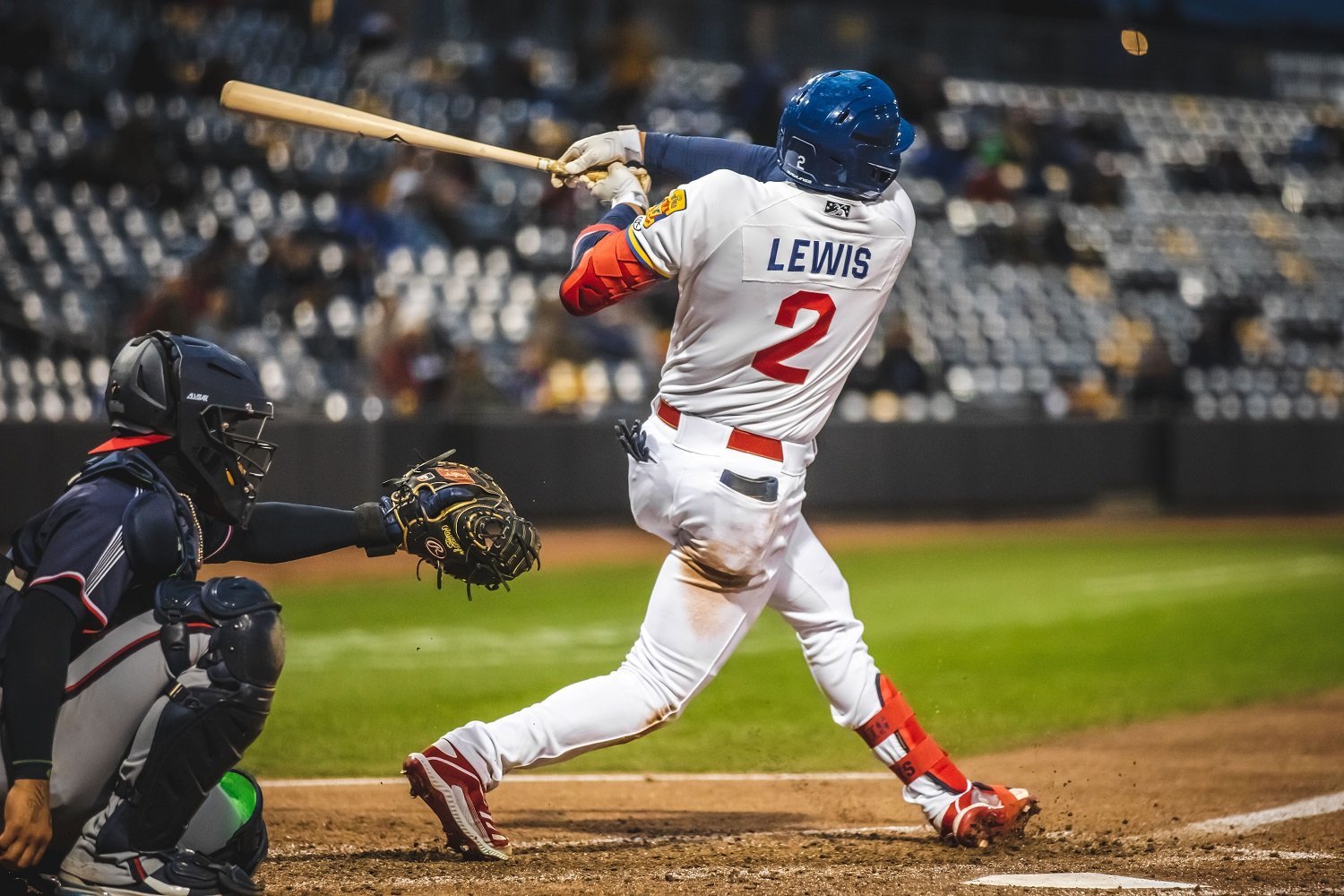 The Minnesota Twins spent a long time trying to avoid this moment. They gave Royce Lewis every opportunity to work through his struggles at the major-league level because, for years, he looked like the type of talent worth waiting on. But eventually, potential stops mattering if the production never returns. Now the former No. 1 overall pick is headed to Triple-A. The move feels shocking on the surface because Lewis has long been viewed as one of the organization’s foundational players. Yet, when you look at the bigger picture, this decision has been in the works for quite some time. Lewis’s offensive struggles have spiraled to the point where the Twins could no longer justify keeping him in the lineup every day. His batting average has cratered to .163 with a .540 OPS, and the overall at-bat quality has become increasingly concerning. Sunday may have been the clearest example yet. Lewis struck out three times in a 0-for-3 performance before eventually being lifted for a pinch-hitter. The Twins have already shown they're willing to send struggling veterans to Triple-A this season, with Matt Wallner’s demotion just a few days before Lewis. Lewis simply reached the point where his name and pedigree could no longer outweigh the results. What makes the situation more troubling is that this is no longer just a rough few weeks. For much of 2024, Lewis still looked like an emerging superstar whenever he was healthy enough to stay on the field. Around mid-August, his OPS remained north of 1.000, and injuries appeared to be the only obstacle standing in his way. Instead of building on that success, however, his performance completely collapsed over the final stretch of last year and never recovered. Since mid-August 2024, Lewis has slashed .214/.268/.339 with a 68 wRC+, while striking out 157 times compared to only 47 walks across 179 games. Those numbers are no longer small-sample noise. They represent nearly a full season of offensive dysfunction. Even the underlying metrics offer little optimism. While some poor luck has contributed to the ugly batting average, Lewis still owns an expected batting average of only .205. The quality of contact simply has not been there. More concerning than the results themselves is how Lewis has looked while producing them. At the plate, he appears caught between mechanics and reaction. His strikeout rate has climbed to a career-high 31.1%, and he is whiffing on 37.3% of his swings. Pitch recognition has become a major issue, particularly against velocity. Far too often, Lewis looks like he is guessing instead of reacting. Fastballs used to be the pitch he punished. During his first two major league seasons, Lewis demolished fastballs to the tune of a .355 average and .711 slugging percentage. That ability helped fuel the belief that he could become one of baseball’s next young stars. Since then, the numbers have completely flipped. During his electric rookie season, Lewis demolished four-seam fastballs to the tune of an .842 slugging percentage. Last season, that number cratered to .332, while his whiff rate against four-seamers climbed to 25.5%. The decline produced an -8 Run Value against fastballs and forced pitchers to attack him differently. The problem has continued into 2026. Lewis currently owns just a .291 slugging percentage against four seamers, with a 34.1% whiff rate. Perhaps even more concerning, his pull percentage has dropped from 31.4% during his rookie campaign to 24.1% this season. The explosive damage on pitches he once turned around with authority has largely vanished. That is a devastating development for any hitter, especially one whose game was built around elite bat speed and the ability to attack velocity. Part of the frustration for Minnesota is that Lewis spent the offseason attempting to fix these exact issues. One of the biggest storylines during spring training involved his work with new hitting coach Jeremy Isenhower, who came highly recommended by stars like Bobby Witt Jr. and former Twins infielder Jorge Polanco. The goal of the mechanical changes centered around Lewis’s setup before the swing even began. The hope was that a more repeatable pre-swing position would improve his timing, pitch recognition, and overall swing decisions. Instead, the changes seem to have had the opposite effect. Lewis frequently looks uncomfortable in the box, late on velocity, and indecisive against secondary pitches. That is why Triple-A matters right now. This demotion is not about punishment. It is about rebuilding a hitter who currently looks broken mechanically and mentally at the plate. The Twins need Lewis to simplify everything again. At Triple-A, the focus has to start with attacking fastballs consistently. Lewis does not need to rediscover superstar production overnight, but he must prove he can get on time against velocity again. The swing decisions also need major improvement. Too often, Lewis expands the zone early in counts and then looks frozen once pitchers get ahead. Minnesota will also likely want to see him establish a more consistent approach from game to game. Right now, every at-bat feels different. Sometimes he sells out for power. Other times, he appears purely defensive. The organization needs him to rediscover a stable offensive identity before bringing him back to the majors. That's why, as fun as his homer in his first game with the St. Paul Saints was, it's far from enough to get anyone actually dreaming of the player's return to Target Field. There is also value in allowing Lewis to play every day without the pressure of carrying a struggling big-league offense. Triple-A gives him room to fail, adjust, and rebuild confidence in a lower-stakes environment. The Twins are not giving up on Lewis. Players with his talent are not easily discarded. But they are finally acknowledging a reality that has become impossible to deny. Lewis has not looked like a productive major league hitter for a long time now. This reset was necessary. The next step is up to Lewis. What does Lewis need to focus on at Triple-A? Leave a comment and start the discussion.
 -
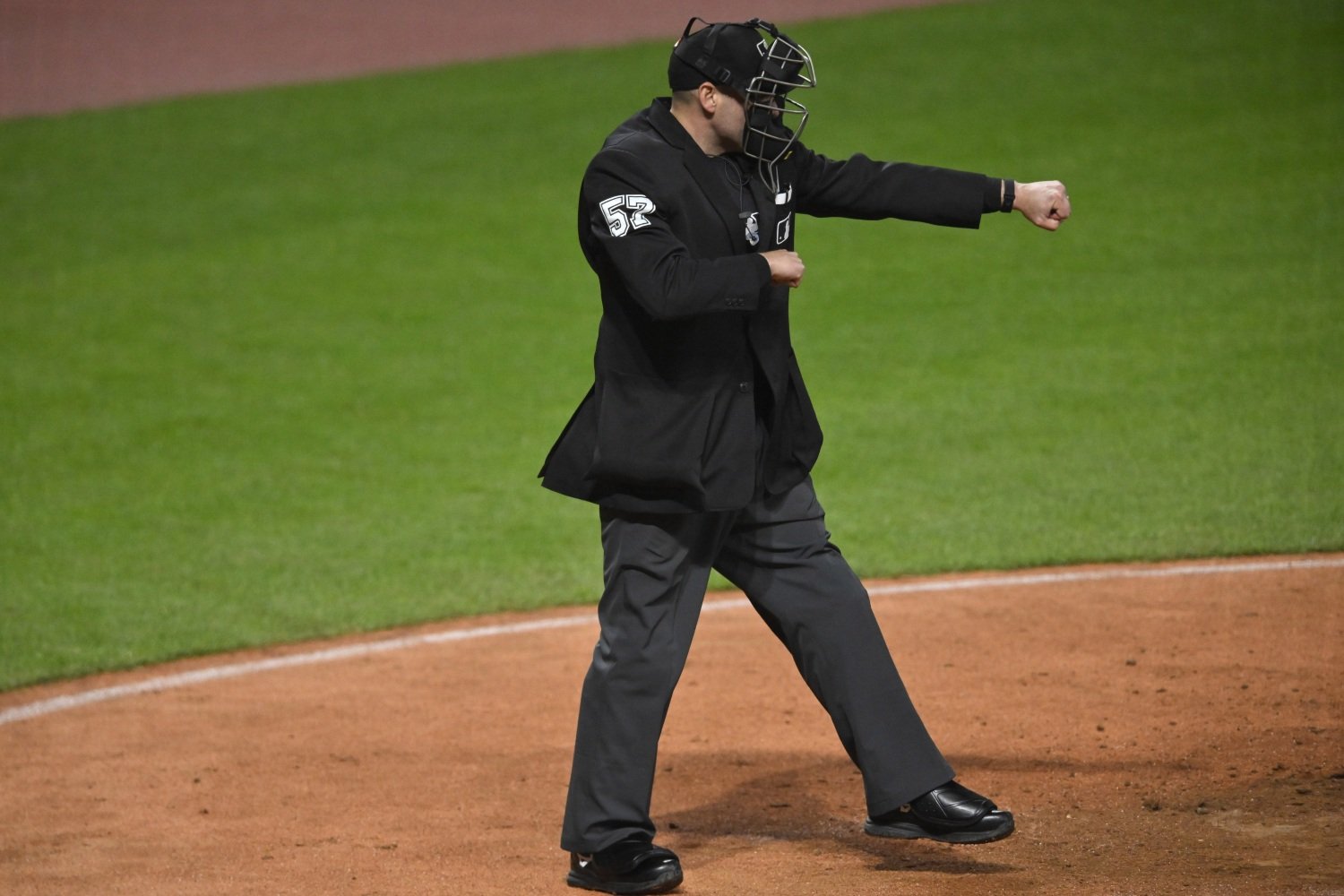 BLOOMINGTON, Minn.—For weeks, Major League Baseball has been dealing with a crisis no one saw coming. Not gambling. Not robot umpires. Not another pace of play debate. Pants. Specifically, umpire pants. Twice in recent weeks, MLB umpiring crews arrived at Target Field without the proper uniform pants after travel complications delayed equipment shipments. Fans laughed. Broadcasters joked. Social media had a field day wondering how a billion-dollar league could not successfully transport polyester slacks across state lines. But according to an exclusive investigation from Twins Daily, this was no accident. This was sabotage. After weeks of investigative journalism, several ignored emails, and one suspicious meeting near a Caribou Coffee inside Terminal 1, Twins Daily tracked down the MSP Airport employee responsible for the disappearances. Twins Daily granted his request for anonymity because, frankly, he still has TSA clearance and access to conveyor belts. “I regret nothing,” the employee said while wearing reflective airport gear and sipping a Cherry Coke. “People think this is about pants. It’s bigger than that. This is about accountability.” The employee claims his hatred of MLB umpires dates back to Game 2 of the 2009 ALDS. “I’ve held onto this anger for years,” he admitted. “Joe Mauer hit a double. Everybody knows it. You can only suppress rage for so long before you start rerouting luggage.” According to the employee, the operation began modestly. “At first, I would just move the bags slightly farther away from the carousel,” he explained. “Little victories. Tiny inconveniences. But then I saw the umpire equipment cases come through MSP, and I realized destiny was calling.” The employee described a sophisticated process involving baggage rerouting tags, fake maintenance delays, and what he repeatedly called “psychological warfare.” “Do you know how vulnerable an umpire feels without matching pants?” he asked. “You can survive without shin guards for a few innings. But pants? That’s civilization.” The plot thickened when Dan Hayes jokingly posted on social media that there “must be an MSP employee with a sense of humor” behind the missing pants situation. As it turns out, he accidentally uncovered the truth. “When I saw Dan tweet that, I almost retired immediately,” the employee said. “I was pacing around the baggage claim, tearing my hair out and smearing on face paint. I thought the walls were closing in.” Hayes later provided Twins Daily with a brief statement. “I was kidding,” Hayes said. “I did not think there was an actual rogue airport employee launching a one-man campaign against umpire slacks. That feels important to clarify, legally.” Fans remain deeply confused by the entire situation. “I just don’t understand why it’s only the pants,” said one Target Field attendee. “Why not the shirts? Why not the hats? Why are the pants the weak link in MLB logistics?” Another fan had a different theory. “I think somebody at Delta lost a bet,” he said. “There’s no way this naturally happens twice. My luggage can disappear for six days in Orlando, but somehow the only thing MLB loses is umpire pants?” The employee insists the answer is simple. “Because pants send a message,” he said, while dramatically pointing toward a moving walkway. “If I take the shirt, they still look official. If I take the hat, they improvise. But if I take the pants?" He paused. He was smiling, but it made me feel cold inside. "Chaos.” Unnamed MLB sources in New York confirmed the league has become increasingly alarmed. “There have been emergency meetings,” one source said. “Do you know how hard it is to find replacement umpire pants on short notice in Minnesota? We had one intern calling Kohl’s locations at midnight.” Another league source reportedly suggested MLB may begin traveling with “backup emergency pants” stored separately from the main equipment bags. The MSP employee laughed at that proposal. “They think I haven’t considered backups?” he asked. “This is the major leagues. I’m scouting tendencies. I’m watching tape. I know their travel schedules better than they do.” He also hinted that the operation may not be over. “There are other garments,” he said cryptically. “People should keep an eye out for belt-related incidents moving forward. These dorks need special shoes to work the plate! You know how easy a target that makes them?” MLB officials reportedly remain determined to catch whoever is responsible. The employee seemed unconcerned. “They’ll never stop me,” he said confidently. “Not unless Angel Hernandez starts working baggage claim.”
 -
Image courtesy of Rob Thompson, St. Paul Saints (Photo of Kyler Fedko) There comes a point when an organization stops sending subtle hints and starts using a megaphone. For the Minnesota Twins, their handling of Kyler Fedko feels like the latter. Fedko has done almost everything the organization could reasonably ask for from a 12th-round pick. He's climbed the ladder steadily since being drafted out of the University of Connecticut in 2021, improved his offensive profile every season, added defensive versatility, and developed into one of the more intriguing right-handed bats in the system. Yet, every time the major-league roster opens a lane for him, the Twins find another person to fill it. At some point, it stops being about development and starts looking like a lack of trust. Fedko, now 26, spent all of 2024 at Double-A Wichita and put together a respectable but unspectacular campaign. In 77 games, he hit .227/.327/.319, with three home runs and 14 doubles. Minnesota (unsurprisingly) had him repeat Double-A to begin 2025, and that decision looked too conservative immediately. Fedko exploded offensively at Wichita, posting an .868 OPS with 35 extra base hits in 88 games while becoming one of the hottest hitters in the organization. He also stole 38 bases, giving Minnesota a rare blend of right-handed power and speed. Few players in the organization combined patience, power, and athleticism the way Fedko did in 2025. That breakout season completely changed the conversation around him. He became a regular topic among Twins prospect followers and quickly forced his way into the organizational spotlight. The Twins promoted him to Triple-A on August 1, and he did not slow down. After arriving in St. Paul, he somehow got even hotter, posting an 1.104 OPS with six home runs and seven doubles during his first 22 games. Overall, Fedko posted an .829 OPS in 42 games after the promotion while continuing to show improved power against upper-level pitching. During one stretch with the Saints, Fedko earned Twins Minor League Player of the Week honors after hitting .407 with three home runs and a 1.299 OPS across six games. He also tied a Saints franchise record with five hits in a single game. By the end of the season, he finished runner-up to Gabriel Gonzalez for Twins Daily Minor League Hitter of the Year after smashing 28 home runs and maintaining an on-base percentage near .370. Usually, when a player forces the issue that aggressively, an opportunity follows. Instead, Fedko has remained stuck in Triple-A while the Twins continue patching together solutions at the major league level. Last season felt like the perfect opportunity to see what he could do. Minnesota struggled badly after the trade deadline and desperately needed offensive consistency, especially from the right side. Fedko never got the call. Nor did the team add him to the 40-man roster in November. They left him exposed to the Rule 5 Draft, though he wasn't selected. Now in 2026, he is producing again. Through 37 games, Fedko is hitting .292/.372/.608, with 19 extra-base hits while going 8-for-11 on stolen base attempts. On Wednesday, he went 4-for-5 with two doubles, two homers, four RBIs, and three runs scored. His strikeout rate has climbed from 21.2% to 24.5%, and his walk rate has dipped from 14.0% to 9.1%, but the overall production remains difficult to ignore. More importantly, his profile fits a very obvious organizational need. The Twins' lineup has leaned heavily left-handed for multiple seasons. Fedko hits right-handed, brings legitimate power, and adds athleticism on the bases. Defensively, he has played all three outfield spots while also making starts at first base and second base. That kind of versatility usually earns players at least a short look in Minnesota. Instead, the organization keeps treating him like organizational depth, rather than a legitimate option. That reality becomes harder to justify with every passing week. Fedko is no longer a young prospect who needs years of refinement. He is 26 years old, succeeding against upper-level pitching, and offering skills the major-league roster clearly lacks. If the Twins believed he could help them, there have already been multiple opportunities to prove it. Their actions suggest otherwise. Maybe the organization sees flaws behind the scenes that outsiders cannot fully evaluate. Maybe they believe the swing-and-miss concerns will become more pronounced in the majors. Maybe they simply do not view him as a long-term roster fit. Whatever the reason, the message has become increasingly clear. Fedko keeps producing like someone deserving of an opportunity, while the Twins continue operating like they do not trust him to handle one. Should Fedko get a shot with the Twins? Leave a comment and start the discussion. View full article
-
The Twins Simply Don't Believe in Outfield Prospect Kyler Fedko
Cody Christie posted an article in Minor Leagues
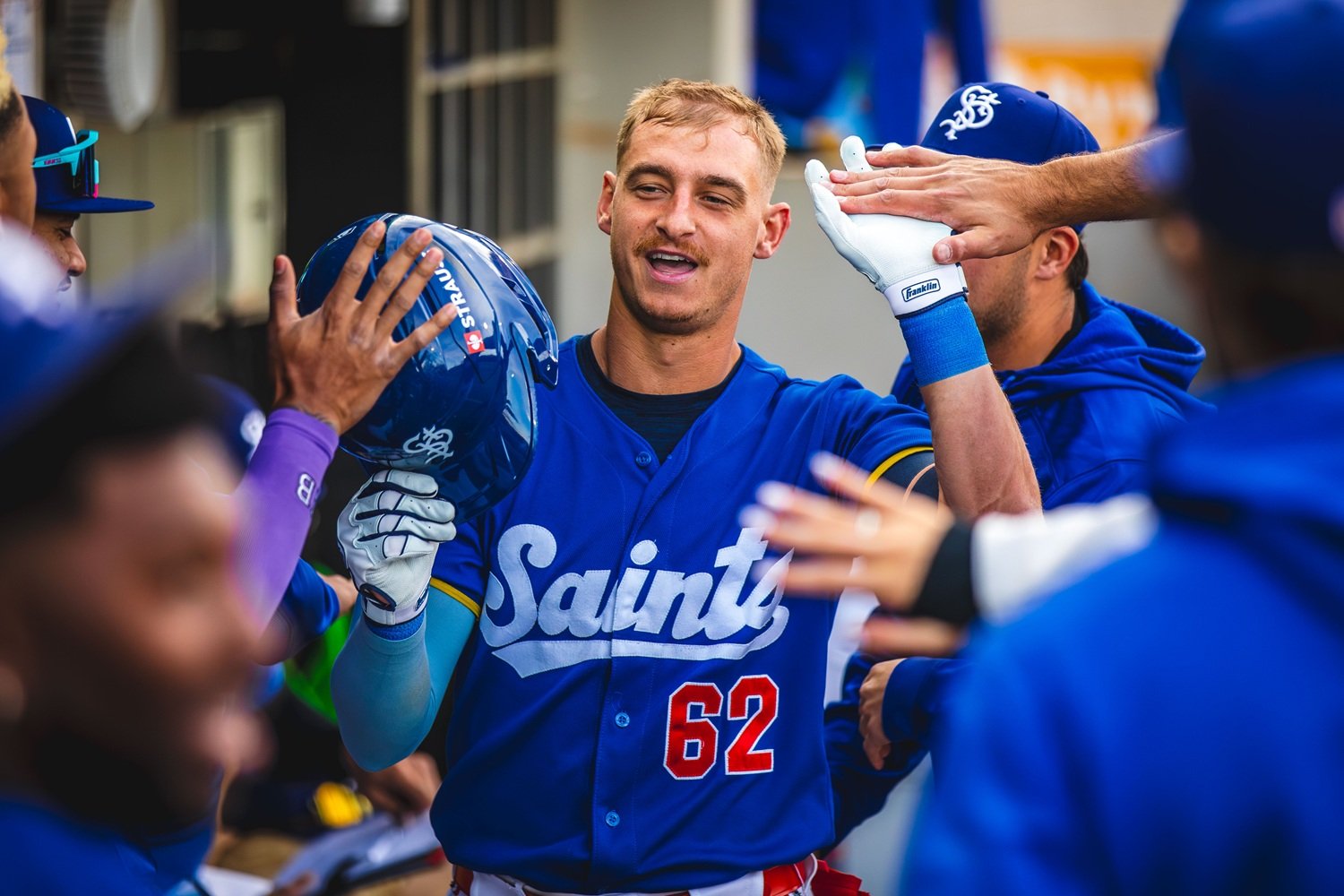 There comes a point when an organization stops sending subtle hints and starts using a megaphone. For the Minnesota Twins, their handling of Kyler Fedko feels like the latter. Fedko has done almost everything the organization could reasonably ask for from a 12th-round pick. He's climbed the ladder steadily since being drafted out of the University of Connecticut in 2021, improved his offensive profile every season, added defensive versatility, and developed into one of the more intriguing right-handed bats in the system. Yet, every time the major-league roster opens a lane for him, the Twins find another person to fill it. At some point, it stops being about development and starts looking like a lack of trust. Fedko, now 26, spent all of 2024 at Double-A Wichita and put together a respectable but unspectacular campaign. In 77 games, he hit .227/.327/.319, with three home runs and 14 doubles. Minnesota (unsurprisingly) had him repeat Double-A to begin 2025, and that decision looked too conservative immediately. Fedko exploded offensively at Wichita, posting an .868 OPS with 35 extra base hits in 88 games while becoming one of the hottest hitters in the organization. He also stole 38 bases, giving Minnesota a rare blend of right-handed power and speed. Few players in the organization combined patience, power, and athleticism the way Fedko did in 2025. That breakout season completely changed the conversation around him. He became a regular topic among Twins prospect followers and quickly forced his way into the organizational spotlight. The Twins promoted him to Triple-A on August 1, and he did not slow down. After arriving in St. Paul, he somehow got even hotter, posting an 1.104 OPS with six home runs and seven doubles during his first 22 games. Overall, Fedko posted an .829 OPS in 42 games after the promotion while continuing to show improved power against upper-level pitching. During one stretch with the Saints, Fedko earned Twins Minor League Player of the Week honors after hitting .407 with three home runs and a 1.299 OPS across six games. He also tied a Saints franchise record with five hits in a single game. By the end of the season, he finished runner-up to Gabriel Gonzalez for Twins Daily Minor League Hitter of the Year after smashing 28 home runs and maintaining an on-base percentage near .370. Usually, when a player forces the issue that aggressively, an opportunity follows. Instead, Fedko has remained stuck in Triple-A while the Twins continue patching together solutions at the major league level. Last season felt like the perfect opportunity to see what he could do. Minnesota struggled badly after the trade deadline and desperately needed offensive consistency, especially from the right side. Fedko never got the call. Nor did the team add him to the 40-man roster in November. They left him exposed to the Rule 5 Draft, though he wasn't selected. Now in 2026, he is producing again. Through 37 games, Fedko is hitting .292/.372/.608, with 19 extra-base hits while going 8-for-11 on stolen base attempts. On Wednesday, he went 4-for-5 with two doubles, two homers, four RBIs, and three runs scored. His strikeout rate has climbed from 21.2% to 24.5%, and his walk rate has dipped from 14.0% to 9.1%, but the overall production remains difficult to ignore. More importantly, his profile fits a very obvious organizational need. The Twins' lineup has leaned heavily left-handed for multiple seasons. Fedko hits right-handed, brings legitimate power, and adds athleticism on the bases. Defensively, he has played all three outfield spots while also making starts at first base and second base. That kind of versatility usually earns players at least a short look in Minnesota. Instead, the organization keeps treating him like organizational depth, rather than a legitimate option. That reality becomes harder to justify with every passing week. Fedko is no longer a young prospect who needs years of refinement. He is 26 years old, succeeding against upper-level pitching, and offering skills the major-league roster clearly lacks. If the Twins believed he could help them, there have already been multiple opportunities to prove it. Their actions suggest otherwise. Maybe the organization sees flaws behind the scenes that outsiders cannot fully evaluate. Maybe they believe the swing-and-miss concerns will become more pronounced in the majors. Maybe they simply do not view him as a long-term roster fit. Whatever the reason, the message has become increasingly clear. Fedko keeps producing like someone deserving of an opportunity, while the Twins continue operating like they do not trust him to handle one. Should Fedko get a shot with the Twins? Leave a comment and start the discussion.
 -
MINNEAPOLIS– For weeks, Major League Baseball has been dealing with a crisis no one saw coming. Not gambling. Not robot umpires. Not another pace of play debate. Pants. Specifically, umpire pants. Twice in recent weeks, MLB umpiring crews arrived at Target Field without the proper uniform pants after travel complications delayed equipment shipments. Fans laughed. Broadcasters joked. Social media had a field day wondering how a billion-dollar league could not successfully transport polyester slacks across state lines. But according to an exclusive investigation from Twins Daily, this was no accident. This was sabotage. After weeks of investigative journalism, several ignored emails, and one suspicious meeting near a Caribou Coffee inside Terminal 1, Twins Daily tracked down the MSP Airport employee responsible for the disappearances. His name will remain anonymous because, frankly, he still has TSA clearance and access to conveyor belts. “I regret nothing,” the employee said while wearing reflective airport gear and sipping a Cherry Coke. “People think this is about pants. It’s bigger than that. This is about accountability.” The employee claims his hatred of MLB umpires dates back to Game 2 of the 2009 ALDS. “I’ve held onto this anger for years,” he admitted. “Joe Mauer hit a double. Everybody knows it. You can only suppress rage for so long before you start rerouting luggage.” According to the employee, the operation began modestly. “At first I would just move the bags slightly farther away from the carousel,” he explained. “Little victories. Tiny inconveniences. But then I saw the umpire equipment cases come through MSP, and I realized destiny was calling.” The employee described a sophisticated process involving baggage rerouting tags, fake maintenance delays, and what he repeatedly called “psychological warfare.” “Do you know how vulnerable an umpire feels without matching pants?” he asked. “You can survive without shin guards for a few innings. But pants? That’s civilization.” The plot thickened when Dan Hayes jokingly posted on social media that there “must be an MSP employee with a sense of humor” behind the missing pants situation. As it turns out, he accidentally uncovered the truth. “When I saw Dan tweet that, I almost retired immediately,” the employee said. “I was pacing around the baggage claim like the Joker. I thought the walls were closing in.” Hayes later provided Twins Daily with a brief statement. “I was kidding,” Hayes said. “I did not think there was an actual rogue airport employee launching a one-man campaign against umpire slacks. That feels important to clarify legally.” Fans remain deeply confused by the entire situation. “I just don’t understand why it’s only the pants,” said one Target Field attendee. “Why not the shirts? Why not the hats? Why are the pants the weak link in MLB logistics?” Another fan had a different theory. “I think somebody at Delta lost a bet,” he said. “There’s no way this naturally happens twice. My luggage can disappear for six days in Orlando, but somehow the only thing MLB loses is umpire pants?” The anonymous airport employee insists the answer is simple. “Because pants send a message,” he said while dramatically pointing toward a moving walkway. “If I take the shirt, they still look official. If I take the hat, they improvise. But if I take the pants? Chaos.” Unnamed MLB sources in New York confirmed the league has become increasingly alarmed. “There have been emergency meetings,” one source said. “Do you know how hard it is to find replacement umpire pants on short notice in Minnesota? We had one intern calling Kohl’s locations at midnight.” Another league source reportedly suggested MLB may begin traveling with “backup emergency pants” stored separately from the main equipment bags. The MSP employee laughed at that proposal. “They think I haven’t considered backups?” he asked. “This is the major leagues. I’m scouting tendencies. I’m watching tape. I know their travel schedules better than they do.” He also hinted that the operation may not be over. “There are other garments,” he said cryptically. “People should keep an eye on belt-related incidents moving forward.” MLB officials reportedly remain determined to catch whoever is responsible. The employee seemed unconcerned. “They’ll never stop me,” he said confidently. “Not unless Angel Hernandez starts working baggage claim.” View full article
-
Image courtesy of Rob Thompson, St. Paul Saints The Minnesota Twins have seen this movie before with Matt Wallner. A talented slugger with massive raw power starts the season in a deep slump, gets sent to Triple-A to reset mechanically and mentally, then returns looking like a completely different hitter. That formula worked in 2024. The question now is whether lightning can strike twice. Minnesota demoted Wallner after one of the worst starts by any regular player in baseball. Through the opening stretch of the season, he slashed .167/.259/.292 with a 58 wRC+, a 39.3% strikeout rate, and a league-worst -8 Defensive Runs Saved (DRS). His struggles were severe enough that he accumulated negative value on both sides of the ball and had a ghastly -1.3 rWAR before the demotion. The Twins didn't put him in a position to succeed, either. Minnesota faced an unusually heavy dose of left-handed starting pitching during the first month of the season, and the club continued running Wallner into the lineup regularly despite his long-standing platoon concerns. His production against right-handed pitching was already underwhelming with a .580 OPS, but things cratered further against lefties, where he posted just a .496 OPS. Still, the underlying issues went beyond usage patterns. Wallner’s inability to handle fastballs became one of the biggest red flags in his profile. For a hitter whose value comes from power, pitchers consistently beating him with velocity is a dangerous trend. He produced just a .377 xSLG against fastballs while posting a 35.0% whiff rate against them. Even more concerning, his whiff rates against breaking balls and offspeed pitches both climbed above 50%. Pitchers essentially discovered they could attack him in every zone and with every pitch type. That much generalized suckage is nearly impossible to survive against major-league pitching. Part of the problem may stem from a subtle but meaningful drop in bat speed. Wallner ranked among baseball’s elite in bat speed over the previous two seasons, sitting at 76.6 mph in 2024 and climbing even higher in 2025 at 77.4 mph. This season, that number dropped to 75.4 mph. While still strong overall and ranking in the 90th percentile, even a slight decrease can dramatically alter timing windows for a hitter whose offensive profile depends on punishing mistakes. A hitter losing even a fraction of reaction time can suddenly find himself late on fastballs and vulnerable to secondary pitches once behind in counts. That's exactly what happened to Wallner. The encouraging part for Minnesota is that there is already a blueprint for fixing him. Back in May of 2024, the Twins sent Wallner to Triple-A for a similar reset. He responded by posting an .888 OPS with 19 home runs and 15 doubles across 67 games. When he returned during the second half, he looked far more confident and under control at the plate, producing a .914 OPS with 10 home runs and 14 doubles in just 55 games. The assignment worked then because Wallner simplified things. He attacked pitches he could drive, punished mistakes early in counts, and stopped trying to cover every inch of the strike zone. He looked athletic and explosive again. Now he has to prove those adjustments are still available to him. So what exactly must Wallner accomplish at Triple-A before earning another call to Minnesota? The first priority is reducing swing-and-miss against fastballs. The Twins can live with strikeouts if Wallner is demolishing velocity, but they cannot carry a slugger who consistently loses to four-seamers in the zone. If he starts driving fastballs to the pull side again with authority, that will be the clearest sign his timing and bat speed are returning. Second, the Twins need to see better swing decisions. Wallner does not need to become a low-strikeout hitter, but he has to show more control within at-bats. Too often this season, opposing pitchers expanded the zone and watched him chase himself into disadvantageous counts. Triple-A will give him an opportunity to rebuild his confidence by attacking hittable pitches earlier, rather than constantly reacting from behind. The defensive side matters, too. Minnesota can survive slightly below-average defense from Wallner because of his offensive upside, but they cannot continue playing someone costing runs at the rate he was earlier this year. Better reads in the corner outfield and more consistent routes would help rebuild trust with the coaching staff. At his best, he is not an everyday middle-of-the-order bat facing all pitching styles. He is a devastating weapon against right-handed pitching who can completely change a game with one swing. The Twins may have overextended him by trying to force everyday usage. A successful reset could include Wallner embracing that role again and dominating favorable matchups, instead of trying to prove he can handle every situation. Minnesota still needs the version of Wallner that looked like a breakout power hitter during the second half of 2024. Few players in the organization possess his raw power or ability to change a game instantly. But talent alone will not get him back to Target Field. The Twins need to see a hitter who can catch up to velocity again, control the strike zone better, and rebuild enough confidence to become a dangerous platoon bat. They need to see competent defense in a corner outfield spot. If Wallner can accomplish those things at St. Paul, another opportunity in Minnesota will come sooner rather than later. What does Wallner need to accomplish at Triple-A? Leave a comment and start the discussion. View full article
-
What Must Matt Wallner Prove at Triple-A Before Returning to Minnesota?
Cody Christie posted an article in Twins
 The Minnesota Twins have seen this movie before with Matt Wallner. A talented slugger with massive raw power starts the season in a deep slump, gets sent to Triple-A to reset mechanically and mentally, then returns looking like a completely different hitter. That formula worked in 2024. The question now is whether lightning can strike twice. Minnesota demoted Wallner after one of the worst starts by any regular player in baseball. Through the opening stretch of the season, he slashed .167/.259/.292 with a 58 wRC+, a 39.3% strikeout rate, and a league-worst -8 Defensive Runs Saved (DRS). His struggles were severe enough that he accumulated negative value on both sides of the ball and had a ghastly -1.3 rWAR before the demotion. The Twins didn't put him in a position to succeed, either. Minnesota faced an unusually heavy dose of left-handed starting pitching during the first month of the season, and the club continued running Wallner into the lineup regularly despite his long-standing platoon concerns. His production against right-handed pitching was already underwhelming with a .580 OPS, but things cratered further against lefties, where he posted just a .496 OPS. Still, the underlying issues went beyond usage patterns. Wallner’s inability to handle fastballs became one of the biggest red flags in his profile. For a hitter whose value comes from power, pitchers consistently beating him with velocity is a dangerous trend. He produced just a .377 xSLG against fastballs while posting a 35.0% whiff rate against them. Even more concerning, his whiff rates against breaking balls and offspeed pitches both climbed above 50%. Pitchers essentially discovered they could attack him in every zone and with every pitch type. That much generalized suckage is nearly impossible to survive against major-league pitching. Part of the problem may stem from a subtle but meaningful drop in bat speed. Wallner ranked among baseball’s elite in bat speed over the previous two seasons, sitting at 76.6 mph in 2024 and climbing even higher in 2025 at 77.4 mph. This season, that number dropped to 75.4 mph. While still strong overall and ranking in the 90th percentile, even a slight decrease can dramatically alter timing windows for a hitter whose offensive profile depends on punishing mistakes. A hitter losing even a fraction of reaction time can suddenly find himself late on fastballs and vulnerable to secondary pitches once behind in counts. That's exactly what happened to Wallner. The encouraging part for Minnesota is that there is already a blueprint for fixing him. Back in May of 2024, the Twins sent Wallner to Triple-A for a similar reset. He responded by posting an .888 OPS with 19 home runs and 15 doubles across 67 games. When he returned during the second half, he looked far more confident and under control at the plate, producing a .914 OPS with 10 home runs and 14 doubles in just 55 games. The assignment worked then because Wallner simplified things. He attacked pitches he could drive, punished mistakes early in counts, and stopped trying to cover every inch of the strike zone. He looked athletic and explosive again. Now he has to prove those adjustments are still available to him. So what exactly must Wallner accomplish at Triple-A before earning another call to Minnesota? The first priority is reducing swing-and-miss against fastballs. The Twins can live with strikeouts if Wallner is demolishing velocity, but they cannot carry a slugger who consistently loses to four-seamers in the zone. If he starts driving fastballs to the pull side again with authority, that will be the clearest sign his timing and bat speed are returning. Second, the Twins need to see better swing decisions. Wallner does not need to become a low-strikeout hitter, but he has to show more control within at-bats. Too often this season, opposing pitchers expanded the zone and watched him chase himself into disadvantageous counts. Triple-A will give him an opportunity to rebuild his confidence by attacking hittable pitches earlier, rather than constantly reacting from behind. The defensive side matters, too. Minnesota can survive slightly below-average defense from Wallner because of his offensive upside, but they cannot continue playing someone costing runs at the rate he was earlier this year. Better reads in the corner outfield and more consistent routes would help rebuild trust with the coaching staff. At his best, he is not an everyday middle-of-the-order bat facing all pitching styles. He is a devastating weapon against right-handed pitching who can completely change a game with one swing. The Twins may have overextended him by trying to force everyday usage. A successful reset could include Wallner embracing that role again and dominating favorable matchups, instead of trying to prove he can handle every situation. Minnesota still needs the version of Wallner that looked like a breakout power hitter during the second half of 2024. Few players in the organization possess his raw power or ability to change a game instantly. But talent alone will not get him back to Target Field. The Twins need to see a hitter who can catch up to velocity again, control the strike zone better, and rebuild enough confidence to become a dangerous platoon bat. They need to see competent defense in a corner outfield spot. If Wallner can accomplish those things at St. Paul, another opportunity in Minnesota will come sooner rather than later. What does Wallner need to accomplish at Triple-A? Leave a comment and start the discussion.
 -
Image courtesy of William Parmeter The Minnesota Twins did not expect Alex Jackson to factor into the major-league roster again this quickly. Baseball rarely sticks to the original script. With Ryan Jeffers on the IL with a broken hamate bone, the Twins called up Jackson from Triple-A St. Paul to stabilize the catching situation as a complement to Victor Caratini. For Jackson, it represents another opportunity in a career that has taken plenty of unexpected turns. Back in March, the Twins designated Jackson for assignment near the end of spring training. The writing was on the wall after the club signed Caratini late in the offseason, and Jackson no longer had minor-league options remaining. Minnesota reportedly explored possible trades before the DFA, but rival clubs were not eager to absorb his $1.35-million salary. The Twins originally acquired Jackson from the Orioles during the offseason, in exchange for minor-league infielder Payton Eeles. At the time, Minnesota’s payroll situation appeared uncertain, while ownership discussions lingered in the background. Jackson fit the profile of a relatively inexpensive defensive catcher with some right-handed power potential. For much of the winter, Jackson looked like the favorite to open the season as Jeffers’s backup. That changed once the Twins committed to Caratini for two years and $14 million. The early returns on that investment have not exactly inspired confidence. Through 34 games, Caratini owns a 50 OPS+ with negative WAR production—though he's been the best catcher in baseball at adding value via the ABS system, which counts for something. Jackson’s career path has always carried intrigue. He was once viewed as one of the top prospects in baseball after being selected sixth overall in the 2014 MLB Draft. Scouts loved the athleticism and raw power, and his upside made him one of the most recognizable prep bats in the country. The major leagues have been a different story. Across 440 plate appearances since debuting in 2019, Jackson has produced a .153/.239/.288 line, with 11 home runs. The power flashes occasionally appear, but the swing-and-miss issues have consistently overwhelmed the rest of his offensive profile. He has struck out in more than 40 percent of his major-league plate appearances. Defensively, however, Jackson continues to earn praise around the league. Pitch framing and arm strength remain his calling cards, and those skills are ultimately what keep him employed, despite the offensive limitations. Teams view him as a serviceable depth catcher who can handle a pitching staff and provide occasional power. After clearing waivers, Jackson reported to St. Paul and quietly put together one of the more productive offensive stretches of his professional career. In 24 games with the Saints, Jackson posted a .239/.295/.511 line with seven home runs and three doubles. The raw slugging numbers stand out, though the International League has become notoriously hitter-friendly. His 97 wRC+ suggests the overall offensive package is still roughly league-average, despite the home run surge—and a veteran putting up that number in Triple-A can't be counted on for much in the bigs. Some familiar concerns remain underneath the surface. Jackson’s strikeout rate has climbed to 32.6%, roughly four percentage points higher than it was during his Triple-A stint last season. His walk rate has also dipped from 10.3% to 6.3%. The power is legitimate, but the offensive profile still carries very little margin for error. The Twins’ lack of upper-level catching depth made the decision easy: Jackson was the only real option. Noah Cardenas has struggled badly at Triple-A, carrying a .470 OPS into the week. David Banuelos owns a more respectable .708 OPS but profiles more as organizational depth than as a true major-league option. If another injury occurs behind the plate, Minnesota could quickly find itself stretched thin at the position. For now, Jackson gets the call. The Twins are not asking him to become an everyday offensive contributor. They simply need competent innings behind the plate while Jeffers recovers. If Jackson can provide steady defense, run into a few fastballs, and avoid becoming an automatic out, he may stick around longer than many expected when the organization designated him for assignment two months ago. Baseball careers are rarely linear. Jackson knows that better than most. Now he gets another chance to prove he still belongs in the big leagues. What stands out about Jackson so far in 2026? Leave a comment and start the discussion. View full article
-
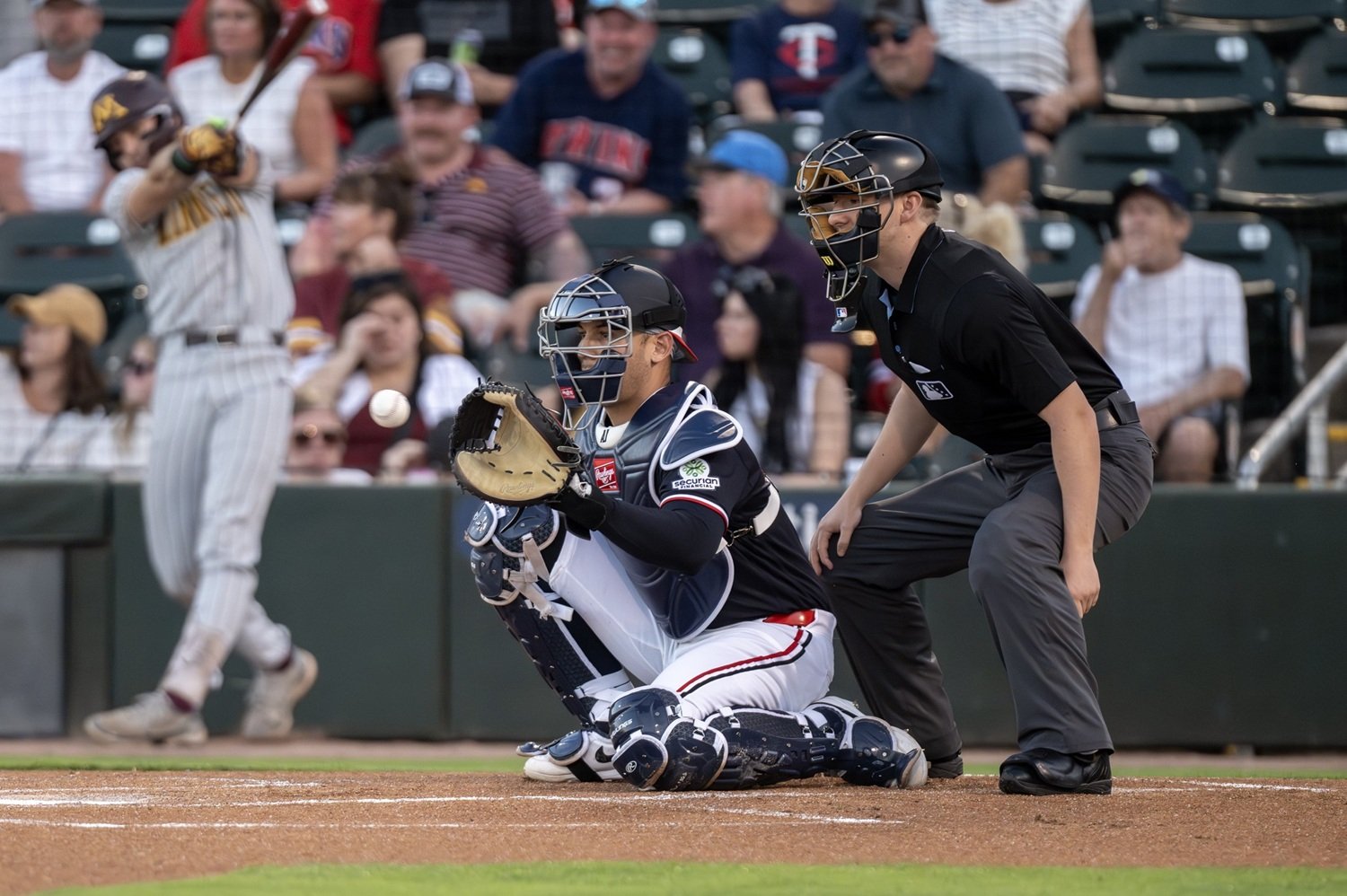 The Minnesota Twins did not expect Alex Jackson to factor into the major-league roster again this quickly. Baseball rarely sticks to the original script. With Ryan Jeffers on the IL with a broken hamate bone, the Twins called up Jackson from Triple-A St. Paul to stabilize the catching situation as a complement to Victor Caratini. For Jackson, it represents another opportunity in a career that has taken plenty of unexpected turns. Back in March, the Twins designated Jackson for assignment near the end of spring training. The writing was on the wall after the club signed Caratini late in the offseason, and Jackson no longer had minor-league options remaining. Minnesota reportedly explored possible trades before the DFA, but rival clubs were not eager to absorb his $1.35-million salary. The Twins originally acquired Jackson from the Orioles during the offseason, in exchange for minor-league infielder Payton Eeles. At the time, Minnesota’s payroll situation appeared uncertain, while ownership discussions lingered in the background. Jackson fit the profile of a relatively inexpensive defensive catcher with some right-handed power potential. For much of the winter, Jackson looked like the favorite to open the season as Jeffers’s backup. That changed once the Twins committed to Caratini for two years and $14 million. The early returns on that investment have not exactly inspired confidence. Through 34 games, Caratini owns a 50 OPS+ with negative WAR production—though he's been the best catcher in baseball at adding value via the ABS system, which counts for something. Jackson’s career path has always carried intrigue. He was once viewed as one of the top prospects in baseball after being selected sixth overall in the 2014 MLB Draft. Scouts loved the athleticism and raw power, and his upside made him one of the most recognizable prep bats in the country. The major leagues have been a different story. Across 440 plate appearances since debuting in 2019, Jackson has produced a .153/.239/.288 line, with 11 home runs. The power flashes occasionally appear, but the swing-and-miss issues have consistently overwhelmed the rest of his offensive profile. He has struck out in more than 40 percent of his major-league plate appearances. Defensively, however, Jackson continues to earn praise around the league. Pitch framing and arm strength remain his calling cards, and those skills are ultimately what keep him employed, despite the offensive limitations. Teams view him as a serviceable depth catcher who can handle a pitching staff and provide occasional power. After clearing waivers, Jackson reported to St. Paul and quietly put together one of the more productive offensive stretches of his professional career. In 24 games with the Saints, Jackson posted a .239/.295/.511 line with seven home runs and three doubles. The raw slugging numbers stand out, though the International League has become notoriously hitter-friendly. His 97 wRC+ suggests the overall offensive package is still roughly league-average, despite the home run surge—and a veteran putting up that number in Triple-A can't be counted on for much in the bigs. Some familiar concerns remain underneath the surface. Jackson’s strikeout rate has climbed to 32.6%, roughly four percentage points higher than it was during his Triple-A stint last season. His walk rate has also dipped from 10.3% to 6.3%. The power is legitimate, but the offensive profile still carries very little margin for error. The Twins’ lack of upper-level catching depth made the decision easy: Jackson was the only real option. Noah Cardenas has struggled badly at Triple-A, carrying a .470 OPS into the week. David Banuelos owns a more respectable .708 OPS but profiles more as organizational depth than as a true major-league option. If another injury occurs behind the plate, Minnesota could quickly find itself stretched thin at the position. For now, Jackson gets the call. The Twins are not asking him to become an everyday offensive contributor. They simply need competent innings behind the plate while Jeffers recovers. If Jackson can provide steady defense, run into a few fastballs, and avoid becoming an automatic out, he may stick around longer than many expected when the organization designated him for assignment two months ago. Baseball careers are rarely linear. Jackson knows that better than most. Now he gets another chance to prove he still belongs in the big leagues. What stands out about Jackson so far in 2026? Leave a comment and start the discussion.
- 20 comments
-
- 6
-
-
- alex jackson
- ryan jeffers
- (and 1 more)
-
Lesson for the kids: don’t slide headfirst into first base. No matter what Nick Punto tells you. The Minnesota Twins received discouraging news regarding top prospect Emmanuel Rodriguez after the outfielder’s lingering thumb issue was diagnosed as far more serious than initially believed. Rodriguez is expected to undergo surgery next week to repair a torn ulnar collateral ligament in his left thumb. The injury traces back to May 1, when Rodriguez dove headfirst into first base during a game for Triple-A St. Paul. Early evaluations pointed to a strain, and there was optimism that the issue would resolve quickly enough for him to avoid a lengthy absence. Instead, the discomfort never fully disappeared. Even after the swelling began to improve, Rodriguez continued experiencing pain in the thumb. That prompted the Twins to conduct another MRI, which ultimately revealed the torn ligament that will now require surgery. The organization has not yet announced an official recovery timetable and likely won’t until after the procedure is completed. “There was a lot of swelling,” Twins general manager Jeremy Zoll said. “The experts were not able to see into the joint there on the initial set of images, and when he still had the pain persisting here, that hadn’t fully dissipated, that’s what led to the follow-up images and updated diagnosis.” Before the injury, Rodriguez was doing exactly what the Twins hoped to see at Triple-A. In 25 games with St. Paul, he slashed .247/.417/.506 (.923) with six home runs and 18 RBIs while continuing to show the elite plate discipline that has made him one of the most intriguing prospects in baseball. That production only makes this setback more frustrating. Twins Daily ranked Rodriguez as the organization’s third-best prospect entering the season, and he continues to sit comfortably inside most national top-100 prospect lists. The talent has never been questioned. Staying on the field has been the challenge. Since beginning his professional career in 2021, Rodriguez has yet to appear in more than 99 games during a single season and is averaging just 59 games per year. That reality is becoming increasingly difficult to ignore. Over the last four years alone, Rodriguez has battled injuries involving both thumbs, his right hip, oblique, abdomen, and left knee. The Twins and Rodriguez spent part of the offseason proactively addressing those concerns, with the outfielder working in the Dominican Republic before heading to Tampa for specialized training with an athletic trainer. Unfortunately, baseball development is rarely linear, especially for prospects whose bodies keep betraying them. The Twins still believe Rodriguez has impact bat potential at the major league level. When healthy, he combines power, patience, and athleticism in a way few prospects in the organization can match. But every missed month delays that timeline and creates more questions about how sustainable his future role can be. For now, the focus shifts from development to recovery once again. View full rumor
-
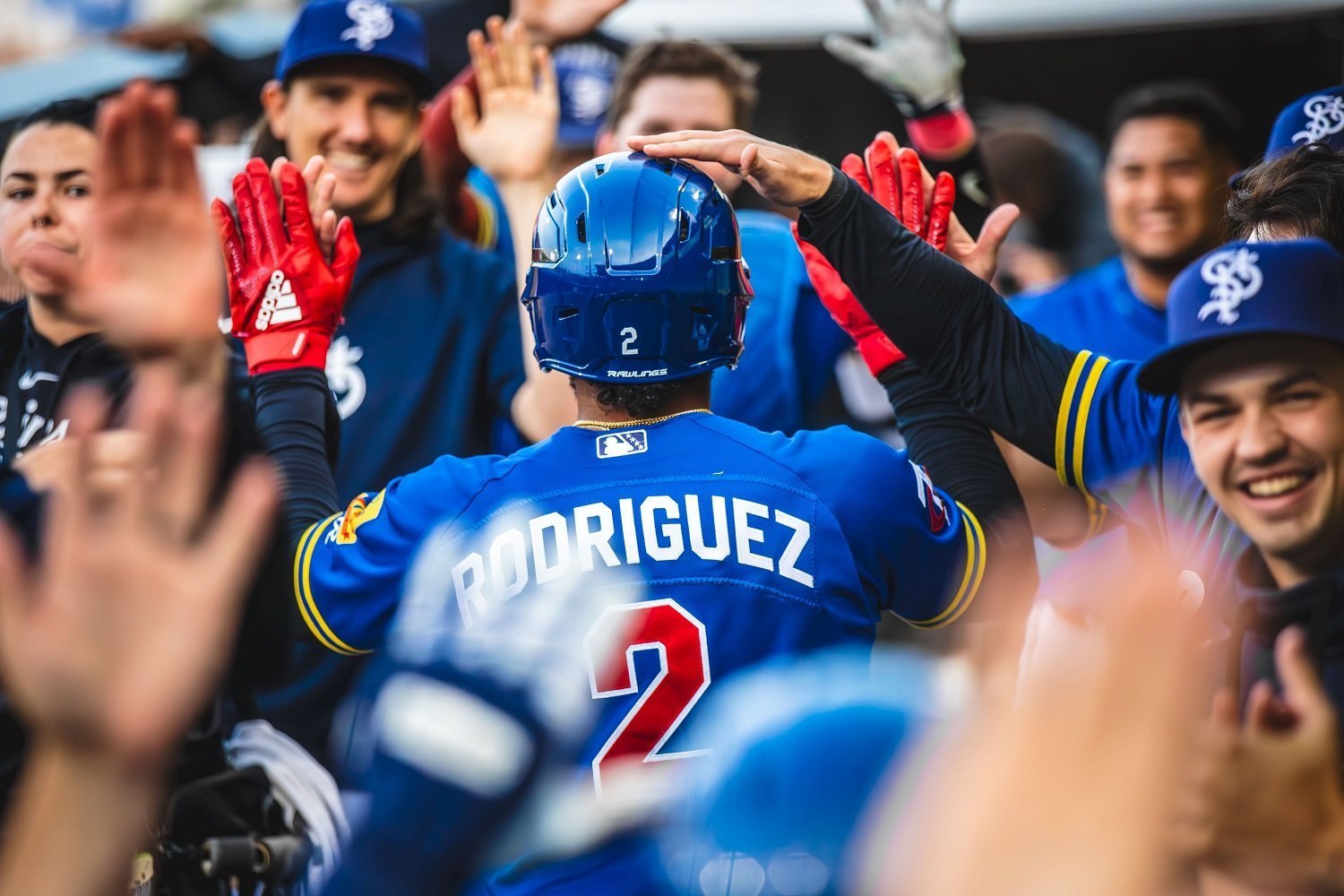 Lesson for the kids: don’t slide headfirst into first base. No matter what Nick Punto tells you. The Minnesota Twins received discouraging news regarding top prospect Emmanuel Rodriguez after the outfielder’s lingering thumb issue was diagnosed as far more serious than initially believed. Rodriguez is expected to undergo surgery next week to repair a torn ulnar collateral ligament in his left thumb. The injury traces back to May 1, when Rodriguez dove headfirst into first base during a game for Triple-A St. Paul. Early evaluations pointed to a strain, and there was optimism that the issue would resolve quickly enough for him to avoid a lengthy absence. Instead, the discomfort never fully disappeared. Even after the swelling began to improve, Rodriguez continued experiencing pain in the thumb. That prompted the Twins to conduct another MRI, which ultimately revealed the torn ligament that will now require surgery. The organization has not yet announced an official recovery timetable and likely won’t until after the procedure is completed. “There was a lot of swelling,” Twins general manager Jeremy Zoll said. “The experts were not able to see into the joint there on the initial set of images, and when he still had the pain persisting here, that hadn’t fully dissipated, that’s what led to the follow-up images and updated diagnosis.” Before the injury, Rodriguez was doing exactly what the Twins hoped to see at Triple-A. In 25 games with St. Paul, he slashed .247/.417/.506 (.923) with six home runs and 18 RBIs while continuing to show the elite plate discipline that has made him one of the most intriguing prospects in baseball. That production only makes this setback more frustrating. Twins Daily ranked Rodriguez as the organization’s third-best prospect entering the season, and he continues to sit comfortably inside most national top-100 prospect lists. The talent has never been questioned. Staying on the field has been the challenge. Since beginning his professional career in 2021, Rodriguez has yet to appear in more than 99 games during a single season and is averaging just 59 games per year. That reality is becoming increasingly difficult to ignore. Over the last four years alone, Rodriguez has battled injuries involving both thumbs, his right hip, oblique, abdomen, and left knee. The Twins and Rodriguez spent part of the offseason proactively addressing those concerns, with the outfielder working in the Dominican Republic before heading to Tampa for specialized training with an athletic trainer. Unfortunately, baseball development is rarely linear, especially for prospects whose bodies keep betraying them. The Twins still believe Rodriguez has impact bat potential at the major league level. When healthy, he combines power, patience, and athleticism in a way few prospects in the organization can match. But every missed month delays that timeline and creates more questions about how sustainable his future role can be. For now, the focus shifts from development to recovery once again.
 -
Image courtesy of William Parmeter The Minnesota Twins knew demoting Royce Lewis would create headlines. What they probably also knew was that the follow-up decision would create even more debate. Instead of promoting top prospect Kaelen Culpepper, the Twins turned to veteran Orlando Arcia to fill the roster spot. For a fan base looking for a spark and dreaming about the organization’s future, it felt underwhelming. Culpepper is one of the most exciting prospects in the system, and he’s been on an absolute heater during May. But even if the move was unpopular, it was probably the correct long-term decision. Culpepper has played fewer than 40 games at Triple-A. On a recent episode of Inside Twins, general manager Jeremy Zoll discussed how he believes the jump from Triple-A to the big leagues is more difficult now than ever. That distinction makes it easier to swallow the Culpepper decision. The former first-round pick has looked impressive for St. Paul, slashing .253/.346/.469, with nine home runs and nine steals in 39 games. Since the calendar flipped to May, he has elevated his production even further, hitting .291/.403/.582 with four homers in 67 plate appearances. There is no question that the talent is real. Selected with the 21st overall pick in the 2024 MLB Draft, Culpepper has moved quickly through the organization because of his athleticism, power potential, and defensive versatility. While he has spent most of his time at shortstop, he also has extensive experience at third base, dating back to college. Some evaluators even believe third base could ultimately become his best defensive home because of his arm strength. That positional flexibility makes him even more enticing. The temptation is obvious. If the Twins are serious about moving on from Lewis (for the time being), there are multiple ways Culpepper could fit onto the roster immediately. Brooks Lee could shift to third base to open shortstop for Culpepper, or Culpepper himself could handle third while continuing to get occasional work in the middle infield. On paper, it all works. Reality is a little more complicated. The Twins are trying to avoid putting Culpepper into a situation where he arrives in the majors before every aspect of his game is fully prepared. According to The Athletic’s Dan Hayes, team officials want him to continue refining his defense at shortstop while also developing more consistency offensively. That is not an insult to his performance. It acknowledges that Triple-A development is still part of the process. Fans often treat promotions like rewards for good statistics, but organizations view them as long-term investments. Once a top prospect arrives in the majors, expectations change immediately. Every slump becomes magnified. Every defensive mistake becomes a talking point. The Twins would prefer Culpepper’s debut to come when they believe he is fully equipped to stay permanently, rather than bouncing between levels because of short-term roster needs. That distinction matters. Too many organizations across baseball have rushed prospects simply because the big league roster needed energy. Sometimes it works, like what the Twins saw with Luke Keaschall in 2025. Other times, a player arrives before he is fully polished, struggles immediately, loses confidence, and spends the next two years trying to recover. The Twins do not want Culpepper learning on the fly while trying to save a roster spot. That is where Arcia makes perfect sense. He is not the flashy choice, but he is the practical one. Arcia has spent a decade in the majors and can handle multiple infield positions without the organization having to worry about stunting his development. He is also earning the opportunity himself after hitting .318/.376/.556 (.932) with eight home runs in 39 games for St. Paul. Most importantly, Arcia buys the Twins time. If Lewis figures things out quickly or if the roster construction changes again in a few weeks, Minnesota avoids forcing Culpepper into a potentially unstable situation. If Culpepper continues to dominate Triple-A while sharpening his defense and approach, the eventual call-up becomes easier and cleaner. And if the Twins do summon him later this summer, they want it to feel permanent. That should excite Twins fans more than a rushed promotion in May. Culpepper is clearly part of Minnesota’s future. Nothing about this decision changes that reality. In fact, keeping him at Triple-A for now may be the best evidence that the organization believes he can become a cornerstone player instead of just a temporary roster fix. The hardest part for fans is patience. The smartest part for the Twins may be showing it. Should Culpepper have been promoted? Leave a comment and start the discussion. View full article
- 60 replies
-
- 1
-

-
- kaelen culpepper
- royce lewis
- (and 1 more)
-
Patience Now Could Pay Off Big for Twins and Kaelen Culpepper
Cody Christie posted an article in Minor Leagues
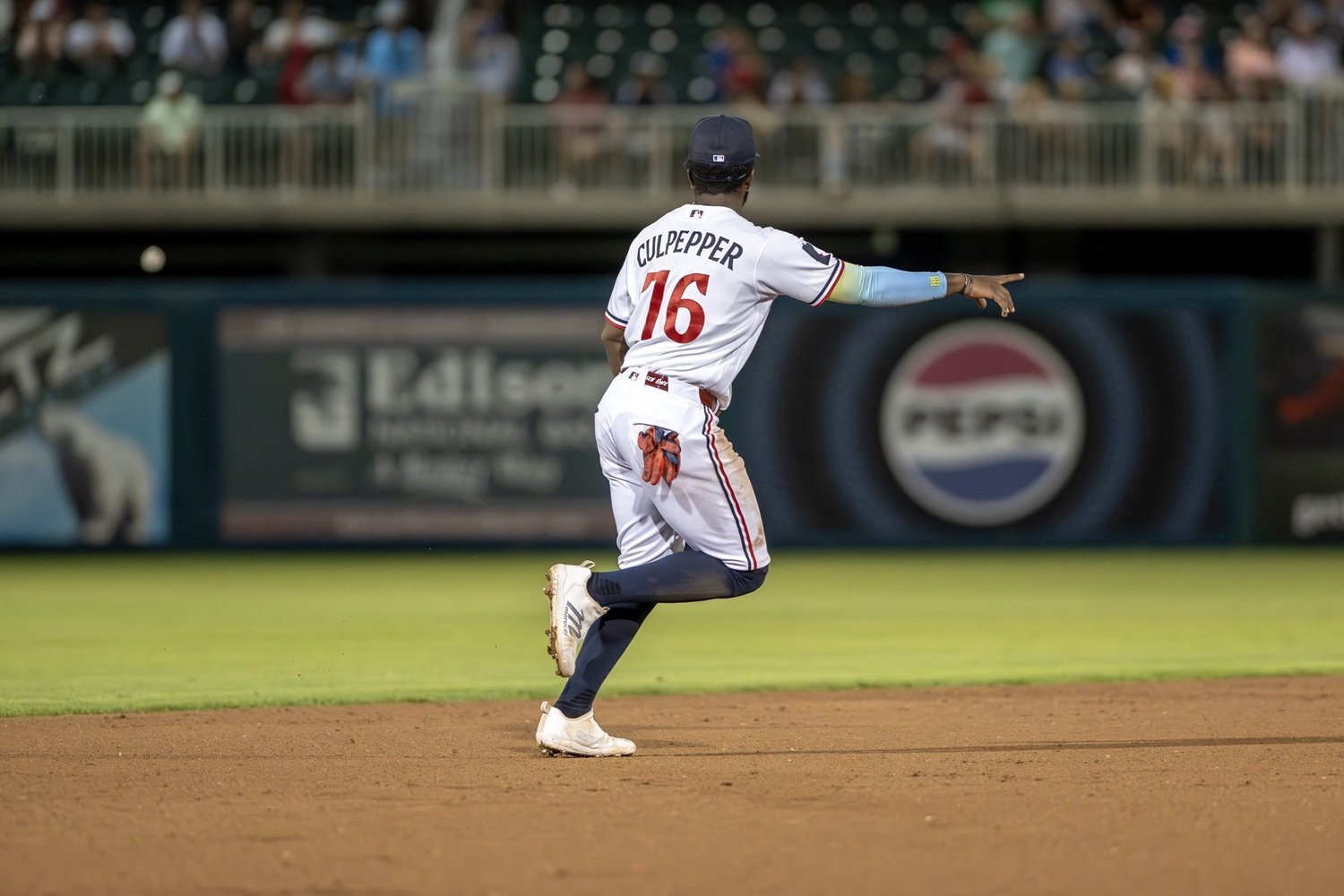 The Minnesota Twins knew demoting Royce Lewis would create headlines. What they probably also knew was that the follow-up decision would create even more debate. Instead of promoting top prospect Kaelen Culpepper, the Twins turned to veteran Orlando Arcia to fill the roster spot. For a fan base looking for a spark and dreaming about the organization’s future, it felt underwhelming. Culpepper is one of the most exciting prospects in the system, and he’s been on an absolute heater during May. But even if the move was unpopular, it was probably the correct long-term decision. Culpepper has played fewer than 40 games at Triple-A. On a recent episode of Inside Twins, general manager Jeremy Zoll discussed how he believes the jump from Triple-A to the big leagues is more difficult now than ever. That distinction makes it easier to swallow the Culpepper decision. The former first-round pick has looked impressive for St. Paul, slashing .253/.346/.469, with nine home runs and nine steals in 39 games. Since the calendar flipped to May, he has elevated his production even further, hitting .291/.403/.582 with four homers in 67 plate appearances. There is no question that the talent is real. Selected with the 21st overall pick in the 2024 MLB Draft, Culpepper has moved quickly through the organization because of his athleticism, power potential, and defensive versatility. While he has spent most of his time at shortstop, he also has extensive experience at third base, dating back to college. Some evaluators even believe third base could ultimately become his best defensive home because of his arm strength. That positional flexibility makes him even more enticing. The temptation is obvious. If the Twins are serious about moving on from Lewis (for the time being), there are multiple ways Culpepper could fit onto the roster immediately. Brooks Lee could shift to third base to open shortstop for Culpepper, or Culpepper himself could handle third while continuing to get occasional work in the middle infield. On paper, it all works. Reality is a little more complicated. The Twins are trying to avoid putting Culpepper into a situation where he arrives in the majors before every aspect of his game is fully prepared. According to The Athletic’s Dan Hayes, team officials want him to continue refining his defense at shortstop while also developing more consistency offensively. That is not an insult to his performance. It acknowledges that Triple-A development is still part of the process. Fans often treat promotions like rewards for good statistics, but organizations view them as long-term investments. Once a top prospect arrives in the majors, expectations change immediately. Every slump becomes magnified. Every defensive mistake becomes a talking point. The Twins would prefer Culpepper’s debut to come when they believe he is fully equipped to stay permanently, rather than bouncing between levels because of short-term roster needs. That distinction matters. Too many organizations across baseball have rushed prospects simply because the big league roster needed energy. Sometimes it works, like what the Twins saw with Luke Keaschall in 2025. Other times, a player arrives before he is fully polished, struggles immediately, loses confidence, and spends the next two years trying to recover. The Twins do not want Culpepper learning on the fly while trying to save a roster spot. That is where Arcia makes perfect sense. He is not the flashy choice, but he is the practical one. Arcia has spent a decade in the majors and can handle multiple infield positions without the organization having to worry about stunting his development. He is also earning the opportunity himself after hitting .318/.376/.556 (.932) with eight home runs in 39 games for St. Paul. Most importantly, Arcia buys the Twins time. If Lewis figures things out quickly or if the roster construction changes again in a few weeks, Minnesota avoids forcing Culpepper into a potentially unstable situation. If Culpepper continues to dominate Triple-A while sharpening his defense and approach, the eventual call-up becomes easier and cleaner. And if the Twins do summon him later this summer, they want it to feel permanent. That should excite Twins fans more than a rushed promotion in May. Culpepper is clearly part of Minnesota’s future. Nothing about this decision changes that reality. In fact, keeping him at Triple-A for now may be the best evidence that the organization believes he can become a cornerstone player instead of just a temporary roster fix. The hardest part for fans is patience. The smartest part for the Twins may be showing it. Should Culpepper have been promoted? Leave a comment and start the discussion.
- 60 comments
-
- 5
-
-
- kaelen culpepper
- royce lewis
- (and 1 more)
-
Alex Jackson is coming up. Jeffers to the IL.
-
Image courtesy of Malamut Photography When the Twins traded Jhoan Duran at last summer’s trade deadline, many fans may have focused their attention on Mick Abel, since he was considered big-league ready. However, the return package also included one of the more fascinating catching prospects in the minors. Eduardo Tait’s professional journey began quietly when he signed with the Phillies out of Panama for just $90,000 in January 2023. It did not take long for evaluators to notice him. A .917 OPS during his debut in the Dominican Summer League helped him to pop on the prospect radar, and he backed up the excitement in 2024 by hitting .302 with an .842 OPS while reaching full-season ball before his 18th birthday. By the middle of last summer, Tait had climbed from Single- A to High-A, earned a Futures Game appearance, and eventually landed in the Twins organization as part of the Duran trade. He closed the season with a playoff push in the High-A Midwest League and entered 2026 as one of the youngest and most intriguing catching prospects in a Twins system that has lacked catchers in recent years. The Twins elected to send Tait back to the Midwest League to begin the 2026 season, and the early results have been something of a mixed bag. Through his first 34 games, the left-handed hitting catcher owns a .227/.308/.430 (.738) slash line with six home runs and eight doubles. The raw power production has remained encouraging, but his overall offensive value has dipped slightly, with his wRC+ falling from 103 last season to 87 this year. At first glance, that might appear disappointing. Context matters heavily here. Tait is still just 19 years old and has faced older pitchers in all but five of his plate appearances this season. He is more than three years younger than the average Midwest League player, with only Rainiel Rodriguez and Luis Pena younger among position players in the league. That age gap is significant, especially for a catcher handling the physical and mental demands of the position while also trying to develop offensively. The Twins are also experimenting with having pitching coaches call pitches from the dugout at lower levels of the minors, a practice already common in college baseball. In this setup, coaches have real-time information available during the game, which can streamline pitch selection. The catcher, meanwhile, relies on recall and memory, which can become challenging amid constant in-game adjustments, matchup changes, and pinch hitters. For Tait, it adds another layer of development to work through as he continues to adjust to the demands of professional catching. The tools that made Tait intriguing in the first place remain very visible. His bat-to-ball skills are impressive for a player this young, and he consistently produces loud contact when he squares baseballs up. He has shown the ability to drive the ball to all fields for extra bases, although much of his home run power still comes to the pull side. The six early-season home runs are an encouraging sign that his power continues to trend upward against more advanced pitching. At the same time, his strengths and weaknesses are closely connected. Tait makes contact so frequently that he often expands the strike zone too aggressively. His 41% chase rate in 2025 highlighted that issue, and while his walk rate has improved modestly from 7.4% to 8.2% this season, the approach still needs refinement. Pitchers are increasingly willing to challenge him outside the zone because they know he is capable of putting almost anything in play. There are signs of growth beneath the surface, though. Even with the increased strikeout rate, the improved walk rate suggests Tait is at least beginning to work deeper counts and identify pitches he can damage. For a teenage hitter facing much older competition, developmental progress often matters more than the surface slash line. Defensively, Tait’s long-term outlook behind the plate continues to improve as well. He has plenty of arm strength and has made encouraging strides with his receiving and blocking. Evaluators may never project him as a plus defensive catcher, but he has shown enough improvement to believe he can remain at the position long term. That matters immensely for his overall value because his offensive profile becomes much more impactful if he stays behind the plate. The Twins do not need Tait to dominate the Midwest League at 19 years old. What they need is continued development in his approach, continued defensive growth, and evidence that the power can translate consistently against advanced pitching. So far, there are still plenty of reasons to believe in that trajectory. Catching prospects often develop more slowly than players at other positions because of the workload and complexity of the job. Tait is already holding his own offensively while being one of the youngest everyday players in the league. Even with some statistical regression, the combination of age, contact ability, raw power, and defensive progress still gives him the look of a potential long-term major league catcher. The next step in his development is less about raw production and more about refinement. If Tait can continue improving his swing decisions without sacrificing his natural contact ability, the offensive upside becomes much more substantial. Pair that with adequate defense behind the plate, and the Twins may have landed one of the more underrated catching prospects in baseball when they acquired him last summer. What stands out about Tait’s performance so far this year? Leave a comment and start the discussion. View full article
-
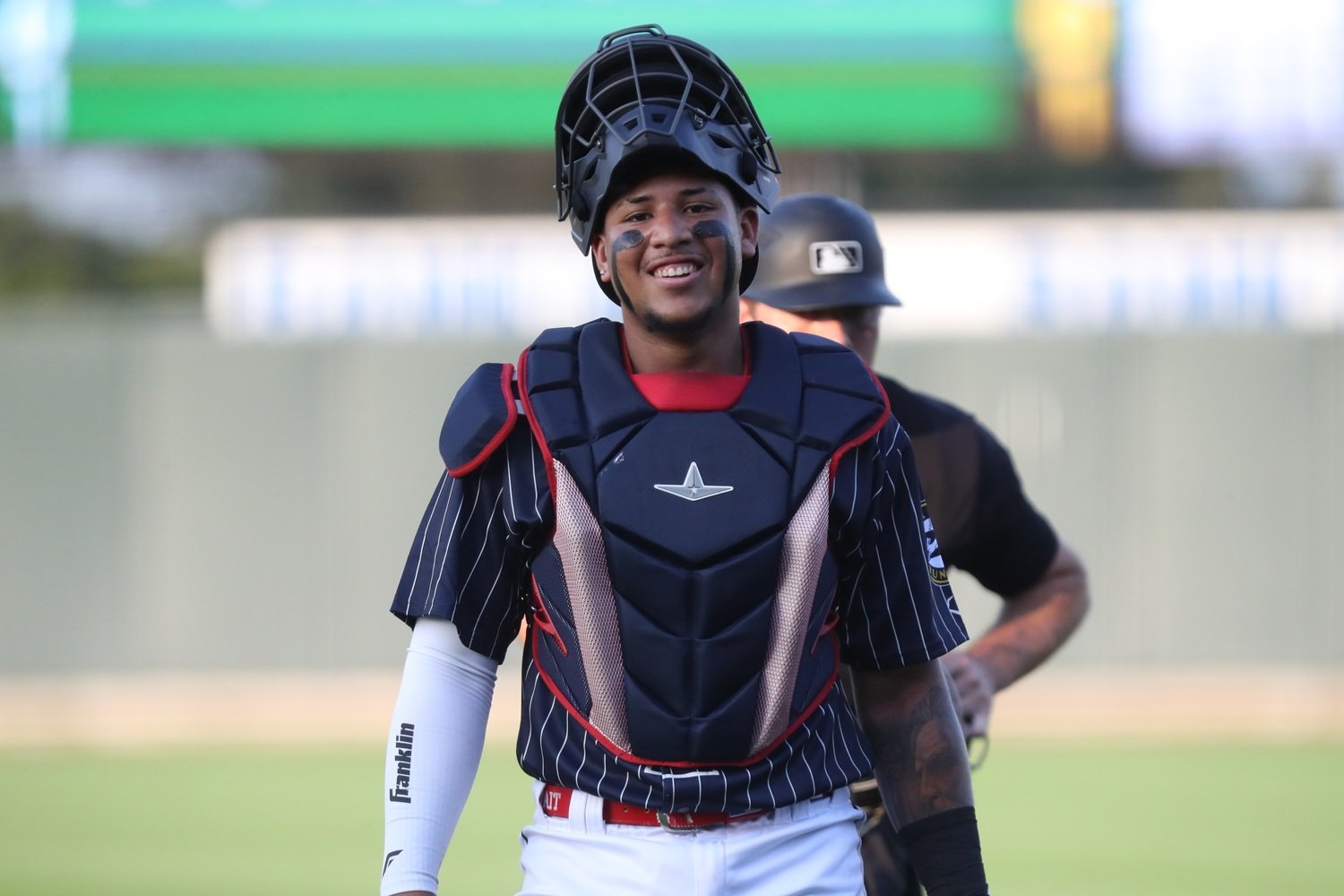 When the Twins traded Jhoan Duran at last summer’s trade deadline, many fans may have focused their attention on Mick Abel, since he was considered big-league ready. However, the return package also included one of the more fascinating catching prospects in the minors. Eduardo Tait’s professional journey began quietly when he signed with the Phillies out of Panama for just $90,000 in January 2023. It did not take long for evaluators to notice him. A .917 OPS during his debut in the Dominican Summer League helped him to pop on the prospect radar, and he backed up the excitement in 2024 by hitting .302 with an .842 OPS while reaching full-season ball before his 18th birthday. By the middle of last summer, Tait had climbed from Single- A to High-A, earned a Futures Game appearance, and eventually landed in the Twins organization as part of the Duran trade. He closed the season with a playoff push in the High-A Midwest League and entered 2026 as one of the youngest and most intriguing catching prospects in a Twins system that has lacked catchers in recent years. The Twins elected to send Tait back to the Midwest League to begin the 2026 season, and the early results have been something of a mixed bag. Through his first 34 games, the left-handed hitting catcher owns a .227/.308/.430 (.738) slash line with six home runs and eight doubles. The raw power production has remained encouraging, but his overall offensive value has dipped slightly, with his wRC+ falling from 103 last season to 87 this year. At first glance, that might appear disappointing. Context matters heavily here. Tait is still just 19 years old and has faced older pitchers in all but five of his plate appearances this season. He is more than three years younger than the average Midwest League player, with only Rainiel Rodriguez and Luis Pena younger among position players in the league. That age gap is significant, especially for a catcher handling the physical and mental demands of the position while also trying to develop offensively. The Twins are also experimenting with having pitching coaches call pitches from the dugout at lower levels of the minors, a practice already common in college baseball. In this setup, coaches have real-time information available during the game, which can streamline pitch selection. The catcher, meanwhile, relies on recall and memory, which can become challenging amid constant in-game adjustments, matchup changes, and pinch hitters. For Tait, it adds another layer of development to work through as he continues to adjust to the demands of professional catching. The tools that made Tait intriguing in the first place remain very visible. His bat-to-ball skills are impressive for a player this young, and he consistently produces loud contact when he squares baseballs up. He has shown the ability to drive the ball to all fields for extra bases, although much of his home run power still comes to the pull side. The six early-season home runs are an encouraging sign that his power continues to trend upward against more advanced pitching. At the same time, his strengths and weaknesses are closely connected. Tait makes contact so frequently that he often expands the strike zone too aggressively. His 41% chase rate in 2025 highlighted that issue, and while his walk rate has improved modestly from 7.4% to 8.2% this season, the approach still needs refinement. Pitchers are increasingly willing to challenge him outside the zone because they know he is capable of putting almost anything in play. There are signs of growth beneath the surface, though. Even with the increased strikeout rate, the improved walk rate suggests Tait is at least beginning to work deeper counts and identify pitches he can damage. For a teenage hitter facing much older competition, developmental progress often matters more than the surface slash line. Defensively, Tait’s long-term outlook behind the plate continues to improve as well. He has plenty of arm strength and has made encouraging strides with his receiving and blocking. Evaluators may never project him as a plus defensive catcher, but he has shown enough improvement to believe he can remain at the position long term. That matters immensely for his overall value because his offensive profile becomes much more impactful if he stays behind the plate. The Twins do not need Tait to dominate the Midwest League at 19 years old. What they need is continued development in his approach, continued defensive growth, and evidence that the power can translate consistently against advanced pitching. So far, there are still plenty of reasons to believe in that trajectory. Catching prospects often develop more slowly than players at other positions because of the workload and complexity of the job. Tait is already holding his own offensively while being one of the youngest everyday players in the league. Even with some statistical regression, the combination of age, contact ability, raw power, and defensive progress still gives him the look of a potential long-term major league catcher. The next step in his development is less about raw production and more about refinement. If Tait can continue improving his swing decisions without sacrificing his natural contact ability, the offensive upside becomes much more substantial. Pair that with adequate defense behind the plate, and the Twins may have landed one of the more underrated catching prospects in baseball when they acquired him last summer. What stands out about Tait’s performance so far this year? Leave a comment and start the discussion.