



Cody Christie
-
Posts
7,515 -
Joined
-
Last visited
-
Days Won
5
Content Type
Profiles
News
Minnesota Twins Videos
2026 Minnesota Twins Top Prospects Ranking
2022 Minnesota Twins Draft Picks
Minnesota Twins Free Agent & Trade Rumors, Notes, & Tidbits
Guides & Resources
2023 Minnesota Twins Draft Picks
The Minnesota Twins Players Project
2024 Minnesota Twins Draft Picks
2025 Minnesota Twins Draft Pick Tracker
2026 Minnesota Twins Draft Tracker: Picks & Bonuses
Forums
Blogs
Events
Store
Downloads
Gallery
Everything posted by Cody Christie
-
Following a disappointing 2021 season, looking to the future offers Twins fans a little hope. Here is a look at what players may populate the team’s line-up in four years. Below you will see Minnesota’s projected line-up and each player’s age during the 2025 campaign. Catcher: Ryan Jeffers (27) Ryan Jeffers struggled through parts of the 2021 season, but expectations are still high for him to become the team’s primary catcher in the years ahead. In 2025, he will be 27-years-old and be in his second year of arbitration eligibility. Backing up Jeffers will likely be Ben Rortvedt, who made his debut last season. First Base: Alex Kirilloff (27) Alex Kirilloff primarily split his time between the corner outfield and first base (22 OF starts, 21 1B starts) during his brief big-league career, but first base will be his eventual defensive home. He has a chance to be one of the league’s best defenders at the position. His bat will be above average no matter where he ends up on the defensive side of the ball. In 2025, he should be a regular in the middle of the line-up while powering Minnesota’s offense. Second Base: Jorge Polanco (31) Jorge Polanco is coming off his most valuable big-league season, so it is interesting to consider what the next handful of years can mean for his career. The 2025 campaign is the last season in which he is under team control from the contract he signed before the 2019 season. Last season, FanGraphs put Polanco’s value at $31.4 million, and he will make $12 million in 2025. Shortstop: Royce Lewis (25) This winter, Minnesota has an opportunity to take advantage of one of arguably the best free-agent shortstop classes in baseball history. However, Royce Lewis is one of the team’s top prospects, and they may have confidence in him holding down shortstop to start his big-league career. He hasn’t played a game in two seasons, so the 2022 campaign will go a long way to determining his eventual defensive home. Third Base: Jose Miranda (26) Josh Donaldson’s contract can run through the 2024 season, leaving third base wide open for Jose Miranda. Expectations are for Miranda to make his big-league debut in 2022, and he should start getting regular reps at third base in the upcoming campaign. He’s coming off a tremendous season at Double- and Triple-A, and the team just added him to the 40-man roster this winter. Left Field: Austin Martin (26) Austin Martin is an intriguing prospect, but his defensive future is still up for debate. He has spent most of his professional career playing shortstop or center field, and he played a lot of third base in college. With Buxton manning center, Martin can slide to a corner outfield position and provide above-average defense. Hopefully, Martin’s power tool improves in the years ahead, so he becomes a perfect corner outfield fit. Center Field: Byron Buxton (31) If the Twins hadn’t signed Byron Buxton to an extension, multiple prospects would be considered as the team’s center fielder of the future. Lewis and Martin have both seen time in the outfield, and Gilberto Celestino has played plenty in center. Those players can be secondary options because Buxton is one of baseball’s best players when he is healthy. In the years ahead, it is going to be interesting to see how Buxton ages. Some of his game relies on speed and athleticism. Will the team have to move him out of center field by 2025? Right Field: Trevor Larnach (28) There’s no question that Trevor Larnach struggled during the 2021 season, but he had only played 43 games above the High-A level entering last year. Larnach was Minnesota’s first-round pick in 2018 because of his college experience at Oregon State and his powerful bat. By 2025, he should be a solid everyday outfielder with plenty of pop. Designated Hitter: Miguel Sano (31) Designated hitter is an interesting position to try and project for the long-term. Minnesota has multiple prospects like Brent Rooker and Aaron Sabato that don’t have a defensive home. However, Miguel Sano has hit 30 home runs or more in two of the last three seasons. Will the team be willing to continue paying him $9-10 million or turn the position over to someone younger? Who do you think fits into the team’s 2025 line-up? Leave a COMMENT and start the discussion. PREVIOUS YEAR’S PREDICTIONS — 2022 Line-Up — 2023 Line-Up — 2024 Line-Up View full article
-
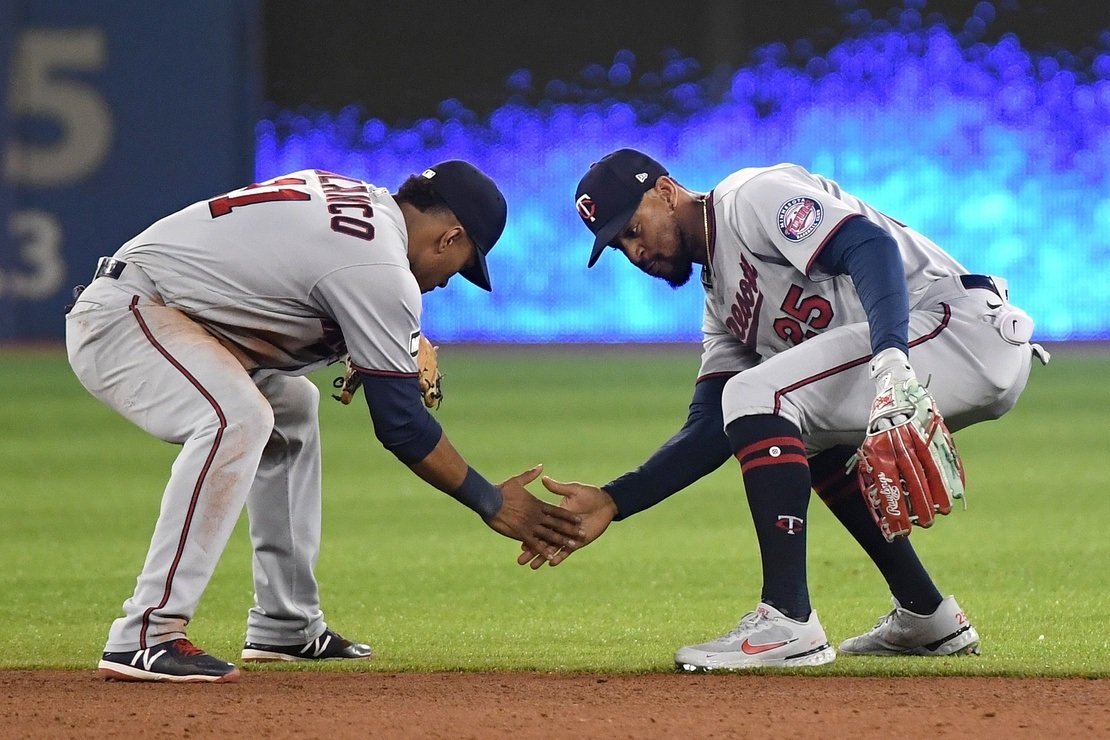 Below you will see Minnesota’s projected line-up and each player’s age during the 2025 campaign. Catcher: Ryan Jeffers (27) Ryan Jeffers struggled through parts of the 2021 season, but expectations are still high for him to become the team’s primary catcher in the years ahead. In 2025, he will be 27-years-old and be in his second year of arbitration eligibility. Backing up Jeffers will likely be Ben Rortvedt, who made his debut last season. First Base: Alex Kirilloff (27) Alex Kirilloff primarily split his time between the corner outfield and first base (22 OF starts, 21 1B starts) during his brief big-league career, but first base will be his eventual defensive home. He has a chance to be one of the league’s best defenders at the position. His bat will be above average no matter where he ends up on the defensive side of the ball. In 2025, he should be a regular in the middle of the line-up while powering Minnesota’s offense. Second Base: Jorge Polanco (31) Jorge Polanco is coming off his most valuable big-league season, so it is interesting to consider what the next handful of years can mean for his career. The 2025 campaign is the last season in which he is under team control from the contract he signed before the 2019 season. Last season, FanGraphs put Polanco’s value at $31.4 million, and he will make $12 million in 2025. Shortstop: Royce Lewis (25) This winter, Minnesota has an opportunity to take advantage of one of arguably the best free-agent shortstop classes in baseball history. However, Royce Lewis is one of the team’s top prospects, and they may have confidence in him holding down shortstop to start his big-league career. He hasn’t played a game in two seasons, so the 2022 campaign will go a long way to determining his eventual defensive home. Third Base: Jose Miranda (26) Josh Donaldson’s contract can run through the 2024 season, leaving third base wide open for Jose Miranda. Expectations are for Miranda to make his big-league debut in 2022, and he should start getting regular reps at third base in the upcoming campaign. He’s coming off a tremendous season at Double- and Triple-A, and the team just added him to the 40-man roster this winter. Left Field: Austin Martin (26) Austin Martin is an intriguing prospect, but his defensive future is still up for debate. He has spent most of his professional career playing shortstop or center field, and he played a lot of third base in college. With Buxton manning center, Martin can slide to a corner outfield position and provide above-average defense. Hopefully, Martin’s power tool improves in the years ahead, so he becomes a perfect corner outfield fit. Center Field: Byron Buxton (31) If the Twins hadn’t signed Byron Buxton to an extension, multiple prospects would be considered as the team’s center fielder of the future. Lewis and Martin have both seen time in the outfield, and Gilberto Celestino has played plenty in center. Those players can be secondary options because Buxton is one of baseball’s best players when he is healthy. In the years ahead, it is going to be interesting to see how Buxton ages. Some of his game relies on speed and athleticism. Will the team have to move him out of center field by 2025? Right Field: Trevor Larnach (28) There’s no question that Trevor Larnach struggled during the 2021 season, but he had only played 43 games above the High-A level entering last year. Larnach was Minnesota’s first-round pick in 2018 because of his college experience at Oregon State and his powerful bat. By 2025, he should be a solid everyday outfielder with plenty of pop. Designated Hitter: Miguel Sano (31) Designated hitter is an interesting position to try and project for the long-term. Minnesota has multiple prospects like Brent Rooker and Aaron Sabato that don’t have a defensive home. However, Miguel Sano has hit 30 home runs or more in two of the last three seasons. Will the team be willing to continue paying him $9-10 million or turn the position over to someone younger? Who do you think fits into the team’s 2025 line-up? Leave a COMMENT and start the discussion. PREVIOUS YEAR’S PREDICTIONS — 2022 Line-Up — 2023 Line-Up — 2024 Line-Up
 -
 Now that Byron Buxton signed an extension, the focus shifts to keeping him healthy and productive over the life of the contract. So, how can the Twins keep him on the field? In recent years, the Twins have tried to utilize a variety of strategies to keep Byron Buxton healthy. Unfortunately, those mitigation strategies didn't work last season as a hamstring and hip injury slowed down his torrid start to the season. Shortly after returning from those injuries, he was hit by a pitch and broke his hand. Buxton's injury history is complex, and it's one of the reasons the Twins were able to sign him to an incentive-based contract. Now that Buxton is under contract, how can the Twins keep him on the field and off the injured list? Tone It Down Some of Buxton's previous injuries included smashing into the wall or making diving grabs. His all-or-nothing approach in the outfield is one of the reasons he is considered one of baseball's best defenders. Previously, he and the Twins have worked on him toning down his defensive style, but this isn't an easy feat. When Buxton hears the crack of the bat, his natural instincts are to go and track down the ball. Taking a toned-down approach may help Buxton as he ages and starts to lose a step. For now, the Twins can try a few other methods to keep him on the field. Jumping at the Wall Another well-reported strategy was the Twins coaching staff working with Buxton on his jumping at the wall. Buxton's all-out approach usually saw him jumping off one leg and crashing violently into the wall. His new approach was to work on jumping off two legs, which puts him in more control of his body at the wall. In theory, this sounds great, but sometimes the results aren't perfect. However, the two-legged approach also slows down his momentum, and this may cause him to miss catches he made in the past. This approach gives him more control at the wall, however, which can keep him healthy. Outfield Positioning Buxton's positioning in the outfield is another area that has changed significantly throughout his big-league career. From 2016-2018, Buxton's average depth from home plate was 314 feet. He has moved further away from home plate in each of the last three seasons, including last season where his average depth was 331 feet. Being deeper means Buxton has less time to build up momentum as he heads toward the wall to make a catch. He also has the speed to come up and make catches in front of him. Last season, Buxton's average outfield depth was the highest in baseball among outfielders with at least 2,000 defensive plate appearances in center field. Boston's Enrique Hernandez was the next closest center fielder, and he averaged three feet closer than Buxton. Regular Rest Since taking over as manager, Rocco Baldelli has stressed the importance of rest and recovery for his players. He revamped the team's spring training regimen to give players the time they need to prepare. Heck, the Twins even built a nap room to keep Nelson Cruz prepared to mash baseballs. Giving Buxton more regular days off can be something the team considers, but none of his injuries seem tied to his body wearing down on him. Baldelli saw his career shortened by injuries, and he empathized with Buxton after breaking his hand last season. He said, "I think the number of traumas, physically, that he's had to deal with, and because of that, emotionally, when you have to deal with that many types of things, difficult things, it's hard on you." Maybe it's a lost cause, and injuries are always going to find a way to impact Buxton. However, utilizing various strategies may keep him in the line-up on a more regular basis or at least minimize his time on the injured list. Which of these strategies is going to keep Buxton on the field? Any other ideas? Leave a COMMENT and start the discussion. MORE FROM TWINS DAILY — Latest Twins coverage from our writers — Recent Twins discussion in our forums — Follow Twins Daily via Twitter, Facebook or email View full article
 -
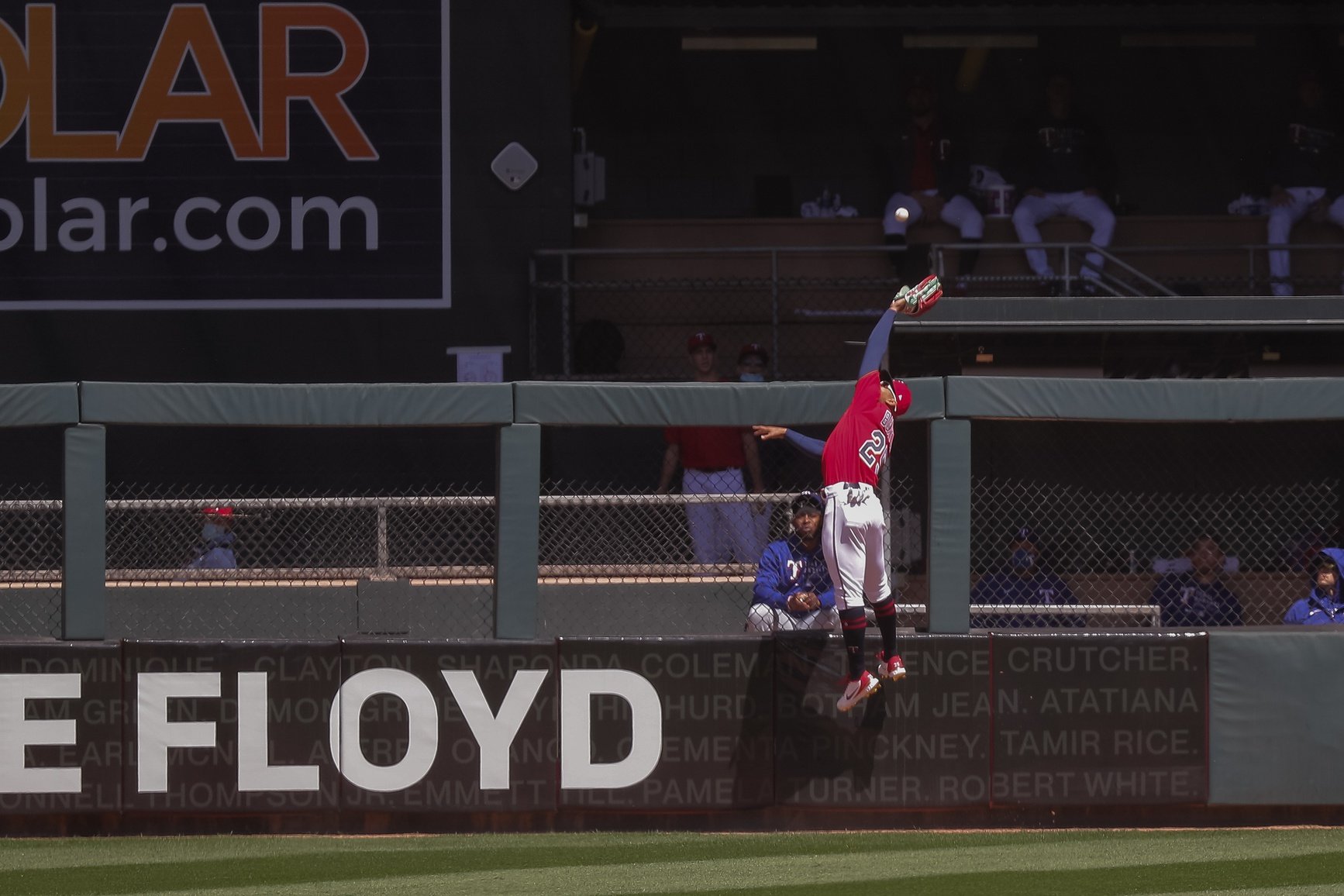 In recent years, the Twins have tried to utilize a variety of strategies to keep Byron Buxton healthy. Unfortunately, those mitigation strategies didn't work last season as a hamstring and hip injury slowed down his torrid start to the season. Shortly after returning from those injuries, he was hit by a pitch and broke his hand. Buxton's injury history is complex, and it's one of the reasons the Twins were able to sign him to an incentive-based contract. Now that Buxton is under contract, how can the Twins keep him on the field and off the injured list? Tone It Down Some of Buxton's previous injuries included smashing into the wall or making diving grabs. His all-or-nothing approach in the outfield is one of the reasons he is considered one of baseball's best defenders. Previously, he and the Twins have worked on him toning down his defensive style, but this isn't an easy feat. When Buxton hears the crack of the bat, his natural instincts are to go and track down the ball. Taking a toned-down approach may help Buxton as he ages and starts to lose a step. For now, the Twins can try a few other methods to keep him on the field. Jumping at the Wall Another well-reported strategy was the Twins coaching staff working with Buxton on his jumping at the wall. Buxton's all-out approach usually saw him jumping off one leg and crashing violently into the wall. His new approach was to work on jumping off two legs, which puts him in more control of his body at the wall. In theory, this sounds great, but sometimes the results aren't perfect. However, the two-legged approach also slows down his momentum, and this may cause him to miss catches he made in the past. This approach gives him more control at the wall, however, which can keep him healthy. Outfield Positioning Buxton's positioning in the outfield is another area that has changed significantly throughout his big-league career. From 2016-2018, Buxton's average depth from home plate was 314 feet. He has moved further away from home plate in each of the last three seasons, including last season where his average depth was 331 feet. Being deeper means Buxton has less time to build up momentum as he heads toward the wall to make a catch. He also has the speed to come up and make catches in front of him. Last season, Buxton's average outfield depth was the highest in baseball among outfielders with at least 2,000 defensive plate appearances in center field. Boston's Enrique Hernandez was the next closest center fielder, and he averaged three feet closer than Buxton. Regular Rest Since taking over as manager, Rocco Baldelli has stressed the importance of rest and recovery for his players. He revamped the team's spring training regimen to give players the time they need to prepare. Heck, the Twins even built a nap room to keep Nelson Cruz prepared to mash baseballs. Giving Buxton more regular days off can be something the team considers, but none of his injuries seem tied to his body wearing down on him. Baldelli saw his career shortened by injuries, and he empathized with Buxton after breaking his hand last season. He said, "I think the number of traumas, physically, that he's had to deal with, and because of that, emotionally, when you have to deal with that many types of things, difficult things, it's hard on you." Maybe it's a lost cause, and injuries are always going to find a way to impact Buxton. However, utilizing various strategies may keep him in the line-up on a more regular basis or at least minimize his time on the injured list. Which of these strategies is going to keep Buxton on the field? Any other ideas? Leave a COMMENT and start the discussion. MORE FROM TWINS DAILY — Latest Twins coverage from our writers — Recent Twins discussion in our forums — Follow Twins Daily via Twitter, Facebook or email
 -
Justin Morneau earned multiple accolades throughout his 14-year big-league career. Does he have the credentials to stick on the Hall of Fame ballot for more than one voting cycle? The Twins selected Justin Morneau in the third round of the 1999 MLB Draft out of New Westminster, British Columbia. At the time, he was a catcher, but he moved to a full-time first baseman by his second season. This defensive shift corresponded with a dominant run through the minor leagues. As a 20-year-old, he moved from Low-A to Double-A and combined for an .886 OPS. Over the next handful of seasons, Morneau established himself as one of baseball’s best power-hitting prospects. Baseball America ranked him in their top-25 prospects in each offseason from 2002-2004. This meant the Twins had to make room for him at the big-league level, which included trading away fan-favorite Doug Mientkiewicz. Morneau spent ten seasons out of his 14-year career in a Twins uniform, and many of his most prominent accolades came in Minnesota. He was a four-time All-Star, and he won two Silver Sluggers. Morneau was named the 2006 American League MVP, and he finished runner-up for MVP in 2008. All four of his 100-RBI seasons and his three 30-home run seasons came with the Twins. While the Twins struggled in October, Morneau was able to put up solid postseason numbers. He played in 13 postseason games over four series and hit .302 with two home runs, four RBI, and eight runs scored. His best series was in 2006 against Oakland when he went 5-for-12 (.417) with three extra-base hits, including two homers. Unfortunately, only seven of his postseason games came in Minnesota as he appeared in six games with Pittsburgh after being traded by the Twins. Morneau wasn’t a typical power-hitting slugger as he hit .300-or-better in five seasons. During the 2014 campaign, he won the National League batting title with the Rockies. He finished that season with a .319 average, four points higher than Pittsburgh’s Josh Harrison. Multiple moments defined Morneau’s career. Ron Gardenhire benched Morneau during a series in Seattle and had a career-changing conversation. Morneau posted a 1.023 OPS the rest of that season and won the MVP. He looked to be heading for a second MVP in 2010 before a now-infamous slide in Toronto ended his season. His career took a different trajectory from that day forward. When it comes to Cooperstown, Morneau doesn’t have the resume needed to be enshrined. According to JAWS, he is the 88th best first baseman in baseball history. This ranks him just ahead of players like Tino Martinez, Paul Konerko, Joe Harris, and Brandon Belt. Many of these players had good but not great careers that are worthy of the Hall of Fame. Morneau’s impact on baseball will be felt long after his retirement. He has been a special assistant to the Twins front office, and he has altered the team’s broadcast experience with his insightful color commentary. He and his wife, Krista, continue to be active members of the Twin Cities community. For a generation of Twins fans, Morneau was the middle-of-the-order hitter of some of the best teams in franchise history. Unfortunately, any shot at Cooperstown ended with a slide into second base back in 2010. Do you think Morneau deserves to be more than a one-and-done on the ballot? Leave a COMMENT and start the discussion. OTHER POSTS IN THE SERIES — David Ortiz — Joe Nathan — Torii Hunter View full article
-
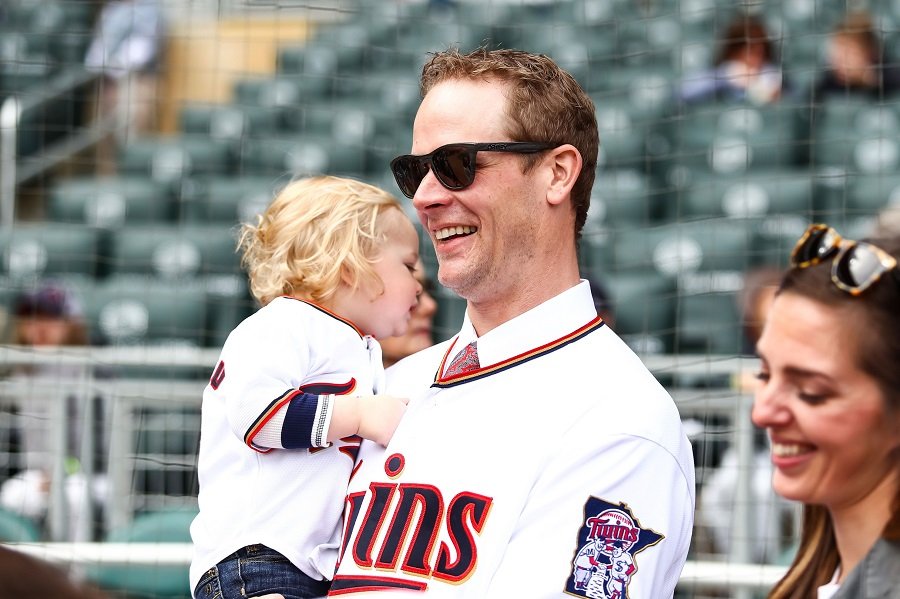 The Twins selected Justin Morneau in the third round of the 1999 MLB Draft out of New Westminster, British Columbia. At the time, he was a catcher, but he moved to a full-time first baseman by his second season. This defensive shift corresponded with a dominant run through the minor leagues. As a 20-year-old, he moved from Low-A to Double-A and combined for an .886 OPS. Over the next handful of seasons, Morneau established himself as one of baseball’s best power-hitting prospects. Baseball America ranked him in their top-25 prospects in each offseason from 2002-2004. This meant the Twins had to make room for him at the big-league level, which included trading away fan-favorite Doug Mientkiewicz. Morneau spent ten seasons out of his 14-year career in a Twins uniform, and many of his most prominent accolades came in Minnesota. He was a four-time All-Star, and he won two Silver Sluggers. Morneau was named the 2006 American League MVP, and he finished runner-up for MVP in 2008. All four of his 100-RBI seasons and his three 30-home run seasons came with the Twins. While the Twins struggled in October, Morneau was able to put up solid postseason numbers. He played in 13 postseason games over four series and hit .302 with two home runs, four RBI, and eight runs scored. His best series was in 2006 against Oakland when he went 5-for-12 (.417) with three extra-base hits, including two homers. Unfortunately, only seven of his postseason games came in Minnesota as he appeared in six games with Pittsburgh after being traded by the Twins. Morneau wasn’t a typical power-hitting slugger as he hit .300-or-better in five seasons. During the 2014 campaign, he won the National League batting title with the Rockies. He finished that season with a .319 average, four points higher than Pittsburgh’s Josh Harrison. Multiple moments defined Morneau’s career. Ron Gardenhire benched Morneau during a series in Seattle and had a career-changing conversation. Morneau posted a 1.023 OPS the rest of that season and won the MVP. He looked to be heading for a second MVP in 2010 before a now-infamous slide in Toronto ended his season. His career took a different trajectory from that day forward. When it comes to Cooperstown, Morneau doesn’t have the resume needed to be enshrined. According to JAWS, he is the 88th best first baseman in baseball history. This ranks him just ahead of players like Tino Martinez, Paul Konerko, Joe Harris, and Brandon Belt. Many of these players had good but not great careers that are worthy of the Hall of Fame. Morneau’s impact on baseball will be felt long after his retirement. He has been a special assistant to the Twins front office, and he has altered the team’s broadcast experience with his insightful color commentary. He and his wife, Krista, continue to be active members of the Twin Cities community. For a generation of Twins fans, Morneau was the middle-of-the-order hitter of some of the best teams in franchise history. Unfortunately, any shot at Cooperstown ended with a slide into second base back in 2010. Do you think Morneau deserves to be more than a one-and-done on the ballot? Leave a COMMENT and start the discussion. OTHER POSTS IN THE SERIES — David Ortiz — Joe Nathan — Torii Hunter
 -
Byron Buxton is one of the most exciting prospects to come through the Minnesota Twins system. Let's take a look back at the much-heralded start to his professional career. Following back-to-back division titles, expectations were high for the 2011 Minnesota Twins. Unfortunately, things couldn't have gone much worse for that club, as they were one of the most disappointing teams in franchise history. The team lost 99 games and "earned" the second overall pick in the 2012 MLB Draft. With the draft approaching, multiple names had been tied to the Twins, but Bryon Buxton was a player that was tough to ignore. Baseball America ranked him as the top prospect in the draft even though there were questions about the level of competition he faced throughout high school. Minnesota gave Buxton a $6 million signing bonus, which was $1.2 million higher than any other player in the draft. Plenty of hype followed Buxton in his pro debut. He struggled out of the gate with the GCL Twins as he went 19-for-88 (.216 BA), but he got on base over 32% of the time. He also showed more power than expected, with 11 of his 19 hits being for extra bases. He was promoted to Elizabethton and hit .286/.368/.429 (.796) with eight extra-base hits in 21 games. It clearly looked like some of the questions surrounding him in the draft were starting to be answered. Buxton emphatically answered any remaining questions during the 2013 minor league season. As a 19-year-old, he split time between Low- and High-A, destroying the ball at both levels. He finished the year hitting .334/.424/.520 (.944) with 49 extra-base hits in 125 games. Oh yeah, he stole 55 bases too. Buxton had established himself as the game's best prospect, and the organization wanted to see how he stacked up against some of baseball's other top prospects. Following the season, Buxton made his first trip to the Arizona Fall League. In 12 games, he went 11-for-52 (.212) with three home runs and a double. However, he injured his non-throwing shoulder and missed the rest of the AFL season. Even with the abrupt end to his AFL campaign, the accolades started to roll in. Baseball America named Buxton their 2013 Minor League Player of the Year. He entered the 2014 season as the consensus top prospect by all three national rankings. Baseball America said his "combination of tools and production made him the talk of the minor leagues" in their 2014 Prospect Handbook. After a standout 2013 campaign, things got off to a rough start in 2014. Buxton suffered a wrist injury in spring training and started the season on the injured list. He played 30 games with Fort Myers to ease himself back into action. However, Buxton suffered a concussion in his first game at Double-A, and his season was done. He ended the year with a .702 OPS and a return ticket to the AFL. However, he was limited to 13 games after dislocating a finger while diving for a ball. It was time for an offseason to get healthy. Baseball America being the only national ranking to drop him out of the top spot entering the 2015 season. The 2015 season was Buxton's first shot to prove himself in the upper levels of the minors. In 59 games at Double-A, he hit .283/.351/.489 (.840) with 25 extra-base hits and 20 steals. His bat looked like it was ready for baseball's highest level, and the Twins called him up for his big-league debut in June. At the time, Minnesota was light on outfielders. Aaron Hicks was suffering from a right elbow injury and Torii Hunter was serving a two-game suspension. Buxton went 7-for-37 (.189) with two extra-base hits in 11 games before suffering a sprained left thumb that cost him two months of the season. When he was healthy, the Twins sent him to Rochester to find his swing. At Triple-A, he was nearly six years younger than the average age of the competition. He batted .400/.441/.545 (.986) with five extra-base hits in 13 games. On August 20, Minnesota recalled him, and he finished the season with a .606 OPS over his final 28 games. He entered the next season as baseball's number two overall prospect and Minnesota's Opening Day center fielder. It's hard to know when Minnesota will have another prospect of the same caliber as Buxton. He, along with Joe Mauer, are the only players in franchise history to be named Baseball America's Minor League Player of the Year. Twins fans saw Minnesota keep Mauer on a long-term deal, and now Buxton has followed in Mauer's footsteps. What do you remember most about Buxton as a prospect? Leave a COMMENT and start the discussion. MORE FROM TWINS DAILY — Latest Twins coverage from our writers — Recent Twins discussion in our forums — Follow Twins Daily via Twitter, Facebook or email View full article
-
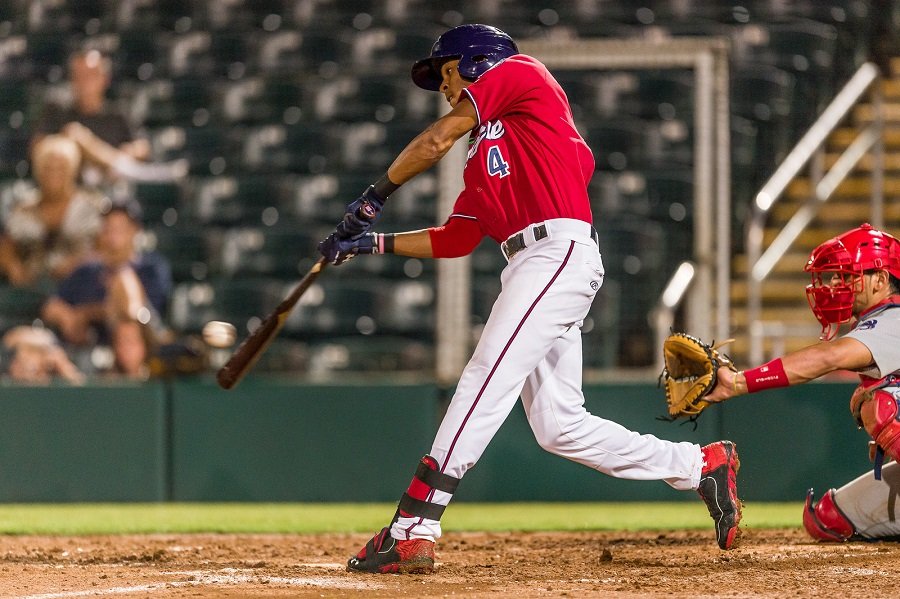 Following back-to-back division titles, expectations were high for the 2011 Minnesota Twins. Unfortunately, things couldn't have gone much worse for that club, as they were one of the most disappointing teams in franchise history. The team lost 99 games and "earned" the second overall pick in the 2012 MLB Draft. With the draft approaching, multiple names had been tied to the Twins, but Bryon Buxton was a player that was tough to ignore. Baseball America ranked him as the top prospect in the draft even though there were questions about the level of competition he faced throughout high school. Minnesota gave Buxton a $6 million signing bonus, which was $1.2 million higher than any other player in the draft. Plenty of hype followed Buxton in his pro debut. He struggled out of the gate with the GCL Twins as he went 19-for-88 (.216 BA), but he got on base over 32% of the time. He also showed more power than expected, with 11 of his 19 hits being for extra bases. He was promoted to Elizabethton and hit .286/.368/.429 (.796) with eight extra-base hits in 21 games. It clearly looked like some of the questions surrounding him in the draft were starting to be answered. Buxton emphatically answered any remaining questions during the 2013 minor league season. As a 19-year-old, he split time between Low- and High-A, destroying the ball at both levels. He finished the year hitting .334/.424/.520 (.944) with 49 extra-base hits in 125 games. Oh yeah, he stole 55 bases too. Buxton had established himself as the game's best prospect, and the organization wanted to see how he stacked up against some of baseball's other top prospects. Following the season, Buxton made his first trip to the Arizona Fall League. In 12 games, he went 11-for-52 (.212) with three home runs and a double. However, he injured his non-throwing shoulder and missed the rest of the AFL season. Even with the abrupt end to his AFL campaign, the accolades started to roll in. Baseball America named Buxton their 2013 Minor League Player of the Year. He entered the 2014 season as the consensus top prospect by all three national rankings. Baseball America said his "combination of tools and production made him the talk of the minor leagues" in their 2014 Prospect Handbook. After a standout 2013 campaign, things got off to a rough start in 2014. Buxton suffered a wrist injury in spring training and started the season on the injured list. He played 30 games with Fort Myers to ease himself back into action. However, Buxton suffered a concussion in his first game at Double-A, and his season was done. He ended the year with a .702 OPS and a return ticket to the AFL. However, he was limited to 13 games after dislocating a finger while diving for a ball. It was time for an offseason to get healthy. Baseball America being the only national ranking to drop him out of the top spot entering the 2015 season. The 2015 season was Buxton's first shot to prove himself in the upper levels of the minors. In 59 games at Double-A, he hit .283/.351/.489 (.840) with 25 extra-base hits and 20 steals. His bat looked like it was ready for baseball's highest level, and the Twins called him up for his big-league debut in June. At the time, Minnesota was light on outfielders. Aaron Hicks was suffering from a right elbow injury and Torii Hunter was serving a two-game suspension. Buxton went 7-for-37 (.189) with two extra-base hits in 11 games before suffering a sprained left thumb that cost him two months of the season. When he was healthy, the Twins sent him to Rochester to find his swing. At Triple-A, he was nearly six years younger than the average age of the competition. He batted .400/.441/.545 (.986) with five extra-base hits in 13 games. On August 20, Minnesota recalled him, and he finished the season with a .606 OPS over his final 28 games. He entered the next season as baseball's number two overall prospect and Minnesota's Opening Day center fielder. It's hard to know when Minnesota will have another prospect of the same caliber as Buxton. He, along with Joe Mauer, are the only players in franchise history to be named Baseball America's Minor League Player of the Year. Twins fans saw Minnesota keep Mauer on a long-term deal, and now Buxton has followed in Mauer's footsteps. What do you remember most about Buxton as a prospect? Leave a COMMENT and start the discussion. MORE FROM TWINS DAILY — Latest Twins coverage from our writers — Recent Twins discussion in our forums — Follow Twins Daily via Twitter, Facebook or email
 -
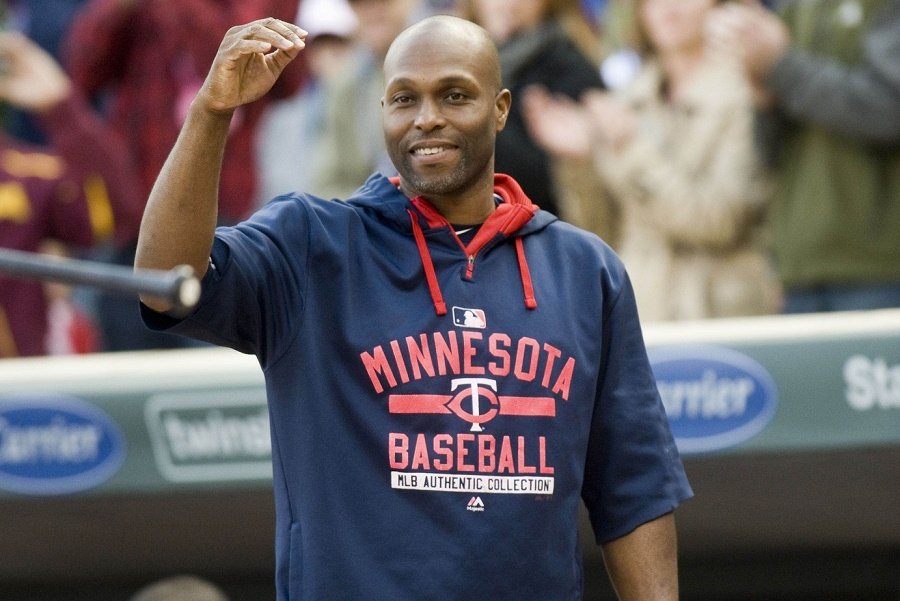 Two years after winning the 1991 World Series, the Twins took an athletic high school outfielder from Pine Bluff, Arkansas. Hunter struggled mightily in his pro debut by posting a .503 OPS in 100 at-bats. Hunter moved quickly through the team’s system and spent nearly all of the 1996 season at Double-A, where he got on base over 33% of the time. Entering the 1997 season, Baseball America ranked Hunter as baseball’s 79th best prospect. He improved his OPS by over 150 points, including a tremendous Triple-A debut with a .891 OPS. Hunter appeared in seven games for the Twins between 1997-98, but the 1999 season was his first full season at the big-league level. As a 23-year old, he struggled offensively as he hit .255/.309/.380 with 28 extra-base hits in 135 games. One of the biggest reasons for his struggles was related to how the Twins were coaching him. Coaches told him to keep the ball on the ground and use his speed. “I was really bred to be a leadoff guy,” Hunter told The Athletic. “I felt like I had more, but I didn’t want to be un-coachable. I just did what I was told to do, but I felt like I was in prison. I had much more in me, but they wouldn’t let it come out of me. It was my fault. It wasn’t until 2000 I realized who I was and became who I thought I could be.” From there, Hunter established himself as one of baseball’s best center fielders on both sides of the ball. He posted a 108 OPS+ in eight seasons from 2000-2007. Hunter was the heart and soul of the Twins teams that helped save the franchise from contraction. However, his career wasn’t entirely defined by his time in Minnesota, as he spent multiple seasons in Los Angeles and Detroit. His final resume puts him in the conversation for one of the best center fielders in baseball history. He won nine straight Gold Glove awards, the third-highest total of any center fielder in history. Hunter led the league in center field assists three times. He was named to five All-Star Games and won two Silver Slugger Awards. During his 19-year career, he hit 20 or more home runs in 11 seasons. From 2001-2013, he averaged 23 home runs and 12 steals per year while posting a 115 OPS+. He helped teams to the playoffs in eight different seasons, including trips to the American League Championship Series with three different organizations. Even with multiple opportunities, his teams were never able to make it to the World Series. In those 11 Postseason series, he hit .274 with four home runs and 20 RBI in 48 games. Even with his accolades, Hunter is going to have a tough time making a case for Cooperstown. His closest comparison on the ballot is Andruw Jones, who has been slowly gaining traction. Last year, Jones was in his fourth year on the ballot, and he received 33.9% of the vote. Hunter received 38 votes which accounted for 9.5% of the vote. Jones was one of the best defenders in baseball history, but Hunter’s offensive numbers may help him as voters get a more extended look at his candidacy. Hunter has more hits than 11 of the 19 center fielders already enshrined in Cooperstown. His 353 home runs rank even better as he is ahead of 13 of the 19 players in center. Unfortunately, his .277 batting average would be the lowest average among enshrined center fielders, and his 110 OPS+ is lower than 17 of the 19 center fielders. Hunter's career is tough to analyze because he was a great fielder early in his career and a much better hitter in the second half of his career. He will always hold a special place in the heart of Twins fans, but it doesn’t look like Cooperstown will be calling anytime soon. Do you think Hunter will be elected to Cooperstown? Leave a COMMENT and start the discussion. OTHER POSTS IN THE SERIES — David Ortiz — Joe Nathan
 -
While some other former Twins are making their ballot debuts, Torii Hunter gets his second chance at Cooperstown glory. Does he have a case for the Hall of Fame? Two years after winning the 1991 World Series, the Twins took an athletic high school outfielder from Pine Bluff, Arkansas. Hunter struggled mightily in his pro debut by posting a .503 OPS in 100 at-bats. Hunter moved quickly through the team’s system and spent nearly all of the 1996 season at Double-A, where he got on base over 33% of the time. Entering the 1997 season, Baseball America ranked Hunter as baseball’s 79th best prospect. He improved his OPS by over 150 points, including a tremendous Triple-A debut with a .891 OPS. Hunter appeared in seven games for the Twins between 1997-98, but the 1999 season was his first full season at the big-league level. As a 23-year old, he struggled offensively as he hit .255/.309/.380 with 28 extra-base hits in 135 games. One of the biggest reasons for his struggles was related to how the Twins were coaching him. Coaches told him to keep the ball on the ground and use his speed. “I was really bred to be a leadoff guy,” Hunter told The Athletic. “I felt like I had more, but I didn’t want to be un-coachable. I just did what I was told to do, but I felt like I was in prison. I had much more in me, but they wouldn’t let it come out of me. It was my fault. It wasn’t until 2000 I realized who I was and became who I thought I could be.” From there, Hunter established himself as one of baseball’s best center fielders on both sides of the ball. He posted a 108 OPS+ in eight seasons from 2000-2007. Hunter was the heart and soul of the Twins teams that helped save the franchise from contraction. However, his career wasn’t entirely defined by his time in Minnesota, as he spent multiple seasons in Los Angeles and Detroit. His final resume puts him in the conversation for one of the best center fielders in baseball history. He won nine straight Gold Glove awards, the third-highest total of any center fielder in history. Hunter led the league in center field assists three times. He was named to five All-Star Games and won two Silver Slugger Awards. During his 19-year career, he hit 20 or more home runs in 11 seasons. From 2001-2013, he averaged 23 home runs and 12 steals per year while posting a 115 OPS+. He helped teams to the playoffs in eight different seasons, including trips to the American League Championship Series with three different organizations. Even with multiple opportunities, his teams were never able to make it to the World Series. In those 11 Postseason series, he hit .274 with four home runs and 20 RBI in 48 games. Even with his accolades, Hunter is going to have a tough time making a case for Cooperstown. His closest comparison on the ballot is Andruw Jones, who has been slowly gaining traction. Last year, Jones was in his fourth year on the ballot, and he received 33.9% of the vote. Hunter received 38 votes which accounted for 9.5% of the vote. Jones was one of the best defenders in baseball history, but Hunter’s offensive numbers may help him as voters get a more extended look at his candidacy. Hunter has more hits than 11 of the 19 center fielders already enshrined in Cooperstown. His 353 home runs rank even better as he is ahead of 13 of the 19 players in center. Unfortunately, his .277 batting average would be the lowest average among enshrined center fielders, and his 110 OPS+ is lower than 17 of the 19 center fielders. Hunter's career is tough to analyze because he was a great fielder early in his career and a much better hitter in the second half of his career. He will always hold a special place in the heart of Twins fans, but it doesn’t look like Cooperstown will be calling anytime soon. Do you think Hunter will be elected to Cooperstown? Leave a COMMENT and start the discussion. OTHER POSTS IN THE SERIES — David Ortiz — Joe Nathan View full article
-
Joe Nathan gets his first shot at the Hall of Fame this season. His case for Cooperstown might be stronger than you think, and here is why… The San Francisco Giants drafted Joe Nathan in 1995 from State University of New York at Stony Brook. He was only the second player ever taken from his school, and he was initially drafted as a shortstop. Shoulder surgery forced him to miss the entire 1996 season, and it pushed him to the mound. He spent his first three professional seasons as a starter in the Giants organization, but he struggled with ERAs over 6.00 at Double-A and over 5.50 at Triple-A. It was hardly the perfect start to a Hall of Fame resume. Even with his struggles, the Giants pushed him to the big leagues in 1999. He’d bounce between the majors and the minors for multiple seasons. In his first three big-league seasons, he posted a 4.61 ERA and a 1.51 WHIP in 187 1/3 innings. Nathan wasn’t successful as a starter, so the Giants moved him to the bullpen at age-28. Entering the 2003 season, Baseball Prospectus said, “Nathan continued his comeback from shoulder surgery in 2000, with a year that was impressive only relative to the year before. He was never a great prospect, even before the shoulder woes, but he could be a serviceable innings-eater in middle relief.” During the 2003 season, he made 78 relief appearances and posted a 2.96 ERA with a 1.06 WHIP and 83 strikeouts in 79 innings. It was a marked improvement, and the Minnesota Twins took notice. The Twins acquired Nathan In one of the most famous trades in team history as he was included with Francisco Liriano and Boof Bonser for A.J. Pierzynski. Pierzynski was an All-Star catcher in the prime of his career with multiple years of team control. Nathan, Liriano, and Bonser all had questions surrounding their injury history and previous performance, so it wasn’t initially as lopsided of a trade as it looks in retrospect. Following the trade, Nathan immediately became one of baseball’s best closers. He was a six-time All-Star, and he twice finished in the top-five of the AL Cy Young Award voting. He topped the 30-save mark in nine seasons, including accumulating 40 or more saves in four seasons. Among pitchers with at least 900 innings pitched, only Billy Wagner and Nolan Ryan have a lower hits per nine innings ratio. Unfortunately for Nathan, relief pitchers are significantly underrepresented in Cooperstown. The current HOF relievers are Dennis Eckersley, Mariano Rivera, Hoyt Wilhelm, Rich Gossage, Lee Smith, Bruce Sutter, Trevor Hoffman, and Rollie Fingers. Billy Wagner is one player currently on the ballot that might be paving the way for Nathan to be enshrined. Last year, Wagner received 46.4% of the vote, up from the 10.5% he received back in 2017, his first year on the ballot. Nathan compares well to Wagner and other relievers already elected to the Hall. According to JAWS, he ranks better than Sutter, Wagner, and Hoffman. FanGraphs writer and Hall of Fame expert Jay Jaffe developed the JAWS system, but he prefers a different method for measuring relievers. Nathan ranks in the top-7 all-time relief pitchers using a hybrid average of WAR, WPA, and situational or context-neutral wins (WPA/LI). Before his age-29 season, Nathan had failed as a shortstop and a starting pitcher. From that point forward, he was one of the most dominant relief pitchers in baseball history. His resume alone should put him into the Cooperstown conversation. Nathan will have an uphill climb to enshrinement, but relievers should have a better chance in the years ahead. Do you think he has a strong enough case for Cooperstown? Leave a COMMENT and start the discussion. OTHER POSTS IN THE SERIES — David Ortiz MORE FROM TWINS DAILY — Latest Twins coverage from our writers — Recent Twins discussion in our forums — Follow Twins Daily via Twitter, Facebook or email View full article
-
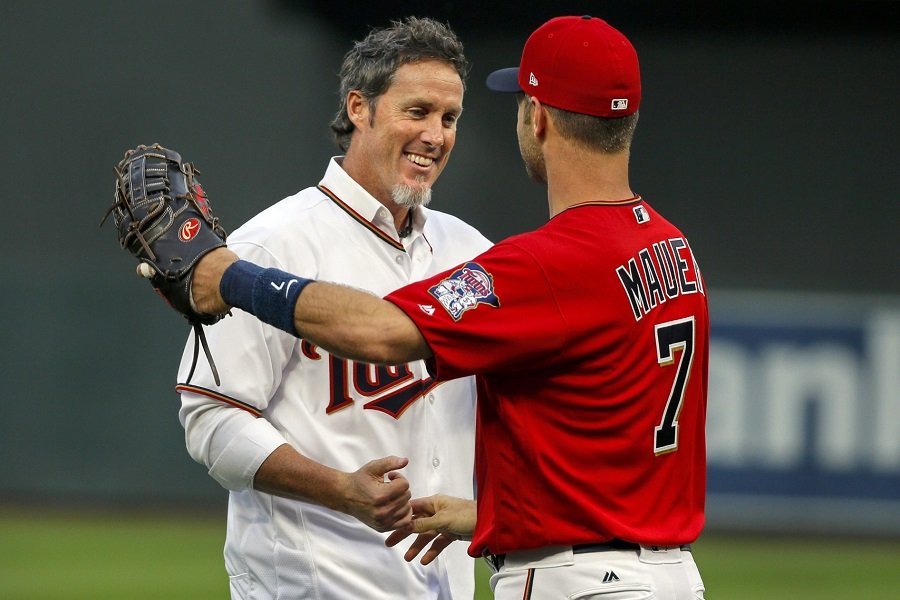 The San Francisco Giants drafted Joe Nathan in 1995 from State University of New York at Stony Brook. He was only the second player ever taken from his school, and he was initially drafted as a shortstop. Shoulder surgery forced him to miss the entire 1996 season, and it pushed him to the mound. He spent his first three professional seasons as a starter in the Giants organization, but he struggled with ERAs over 6.00 at Double-A and over 5.50 at Triple-A. It was hardly the perfect start to a Hall of Fame resume. Even with his struggles, the Giants pushed him to the big leagues in 1999. He’d bounce between the majors and the minors for multiple seasons. In his first three big-league seasons, he posted a 4.61 ERA and a 1.51 WHIP in 187 1/3 innings. Nathan wasn’t successful as a starter, so the Giants moved him to the bullpen at age-28. Entering the 2003 season, Baseball Prospectus said, “Nathan continued his comeback from shoulder surgery in 2000, with a year that was impressive only relative to the year before. He was never a great prospect, even before the shoulder woes, but he could be a serviceable innings-eater in middle relief.” During the 2003 season, he made 78 relief appearances and posted a 2.96 ERA with a 1.06 WHIP and 83 strikeouts in 79 innings. It was a marked improvement, and the Minnesota Twins took notice. The Twins acquired Nathan In one of the most famous trades in team history as he was included with Francisco Liriano and Boof Bonser for A.J. Pierzynski. Pierzynski was an All-Star catcher in the prime of his career with multiple years of team control. Nathan, Liriano, and Bonser all had questions surrounding their injury history and previous performance, so it wasn’t initially as lopsided of a trade as it looks in retrospect. Following the trade, Nathan immediately became one of baseball’s best closers. He was a six-time All-Star, and he twice finished in the top-five of the AL Cy Young Award voting. He topped the 30-save mark in nine seasons, including accumulating 40 or more saves in four seasons. Among pitchers with at least 900 innings pitched, only Billy Wagner and Nolan Ryan have a lower hits per nine innings ratio. Unfortunately for Nathan, relief pitchers are significantly underrepresented in Cooperstown. The current HOF relievers are Dennis Eckersley, Mariano Rivera, Hoyt Wilhelm, Rich Gossage, Lee Smith, Bruce Sutter, Trevor Hoffman, and Rollie Fingers. Billy Wagner is one player currently on the ballot that might be paving the way for Nathan to be enshrined. Last year, Wagner received 46.4% of the vote, up from the 10.5% he received back in 2017, his first year on the ballot. Nathan compares well to Wagner and other relievers already elected to the Hall. According to JAWS, he ranks better than Sutter, Wagner, and Hoffman. FanGraphs writer and Hall of Fame expert Jay Jaffe developed the JAWS system, but he prefers a different method for measuring relievers. Nathan ranks in the top-7 all-time relief pitchers using a hybrid average of WAR, WPA, and situational or context-neutral wins (WPA/LI). Before his age-29 season, Nathan had failed as a shortstop and a starting pitcher. From that point forward, he was one of the most dominant relief pitchers in baseball history. His resume alone should put him into the Cooperstown conversation. Nathan will have an uphill climb to enshrinement, but relievers should have a better chance in the years ahead. Do you think he has a strong enough case for Cooperstown? Leave a COMMENT and start the discussion. OTHER POSTS IN THE SERIES — David Ortiz MORE FROM TWINS DAILY — Latest Twins coverage from our writers — Recent Twins discussion in our forums — Follow Twins Daily via Twitter, Facebook or email
 -
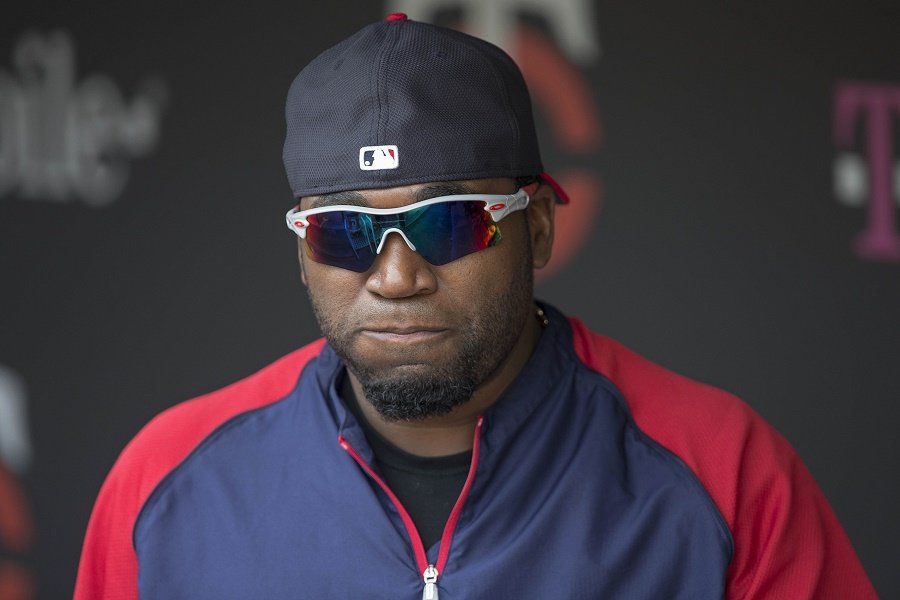 The Seattle Mariners originally signed David Ortiz in 1992, so the Twins weren't the only team to let him go before he reached his full potential. He played three seasons in the Mariners system, and he hit 18 home runs in the Midwest League as a 20-year-old. That's where his Twins' journey began. In the 1996 offseason, Minnesota liked what they saw in Ortiz, and he was dealt from Seattle as the player to be named later in a trade for Dave Hollins. He flew through Minnesota's three highest minor league levels during the following season, and he even made his debut by the season's end. In 140 minor league games, he cracked 31 home runs, drove in 124, and posted a .940 OPS. He was only 21-years-old, and it looked like he might be one of the players to help turn around Minnesota's losing ways. He played part of six seasons in Minnesota while hitting .266/.348/.461 (.809) with 58 home runs in 455 games. He wasn't exactly on a course for Cooperstown. Minnesota non-tendered him following the 2002 season because he was set to make close to $2 million in arbitration, Matt LeCroy could fill the DH role, and they needed a roster spot to make a Rule 5 pick. When David Ortiz played his final series in Minnesota, Twins GM Terry Ryan didn't beat around the bush regarding the Ortiz decision. "Obviously, it's a situation that I watch, and I've observed, and I see what he's done, and I see what he's meant to the Boston Red Sox. Ok, I screwed it up." That's easy for Ryan to say at this point, but it wasn't as big of a mistake as it has been made out to be. It's not as if Boston was beating down the door to sign Ortiz as he was inked for $1.25 million, which was almost half of what he would have made in arbitration. The Red Sox took a flyer on him, and that forever changed their franchise. He finished in the top-10 of the American League Most Valuable Player voting seven times. He was a 10-time All-Star selection and seven-time Silver Slugger Award winner. In October, Ortiz really left his mark as he appeared in 18 Postseason series over nine seasons with the Twins and Red Sox. In 85 games, he hit .289/.404/.543 (.947) with 41 extra-base hits and 61 RBI. He was a three-time World Series Champion, and he was named MVP of the 2004 ALCS and the 2013 World Series. Even with all of his on-field accomplishments, Ortiz isn't a lock for Cooperstown because of the looming steroid cloud. Back in 2003, 100 players failed a supposedly anonymous steroid survey test. Six years later, The New York Times reported that he was one of the players that failed the survey test. Other players tied to steroids have struggled to reach the 75% threshold needed for election, and Ortiz will add another intriguing debate. However, commissioner Rob Manfred has talked differently about Ortiz than other players that failed the survey test. When Ortiz was retiring, Manfred told Boston reporters, "There were double digits of names — so, more than 10 — on that list where we (the MLB Players Association and the league office) knew that there were legitimate scientific questions about whether or not those were truly positives…. Back then, it was hard to distinguish between certain substances that were legal — available over the counter and not banned under our program — and certain banned substances." While not fully exonerating him, it is certainly something for the voters to consider. In the end, Ortiz had a long career with lots of memorable postseason moments. Will that be enough to push him to enshrinement? Leave a COMMENT and start the discussion. MORE FROM TWINS DAILY — Latest Twins coverage from our writers — Recent Twins discussion in our forums — Follow Twins Daily via Twitter, Facebook or email
 -
Multiple former Twins are making their inaugural appearance on the 2022 Hall of Fame ballot. In Twins Territory, David Ortiz lives in infamy, and he has a polarizing Cooperstown case. The Seattle Mariners originally signed David Ortiz in 1992, so the Twins weren't the only team to let him go before he reached his full potential. He played three seasons in the Mariners system, and he hit 18 home runs in the Midwest League as a 20-year-old. That's where his Twins' journey began. In the 1996 offseason, Minnesota liked what they saw in Ortiz, and he was dealt from Seattle as the player to be named later in a trade for Dave Hollins. He flew through Minnesota's three highest minor league levels during the following season, and he even made his debut by the season's end. In 140 minor league games, he cracked 31 home runs, drove in 124, and posted a .940 OPS. He was only 21-years-old, and it looked like he might be one of the players to help turn around Minnesota's losing ways. He played part of six seasons in Minnesota while hitting .266/.348/.461 (.809) with 58 home runs in 455 games. He wasn't exactly on a course for Cooperstown. Minnesota non-tendered him following the 2002 season because he was set to make close to $2 million in arbitration, Matt LeCroy could fill the DH role, and they needed a roster spot to make a Rule 5 pick. When David Ortiz played his final series in Minnesota, Twins GM Terry Ryan didn't beat around the bush regarding the Ortiz decision. "Obviously, it's a situation that I watch, and I've observed, and I see what he's done, and I see what he's meant to the Boston Red Sox. Ok, I screwed it up." That's easy for Ryan to say at this point, but it wasn't as big of a mistake as it has been made out to be. It's not as if Boston was beating down the door to sign Ortiz as he was inked for $1.25 million, which was almost half of what he would have made in arbitration. The Red Sox took a flyer on him, and that forever changed their franchise. He finished in the top-10 of the American League Most Valuable Player voting seven times. He was a 10-time All-Star selection and seven-time Silver Slugger Award winner. In October, Ortiz really left his mark as he appeared in 18 Postseason series over nine seasons with the Twins and Red Sox. In 85 games, he hit .289/.404/.543 (.947) with 41 extra-base hits and 61 RBI. He was a three-time World Series Champion, and he was named MVP of the 2004 ALCS and the 2013 World Series. Even with all of his on-field accomplishments, Ortiz isn't a lock for Cooperstown because of the looming steroid cloud. Back in 2003, 100 players failed a supposedly anonymous steroid survey test. Six years later, The New York Times reported that he was one of the players that failed the survey test. Other players tied to steroids have struggled to reach the 75% threshold needed for election, and Ortiz will add another intriguing debate. However, commissioner Rob Manfred has talked differently about Ortiz than other players that failed the survey test. When Ortiz was retiring, Manfred told Boston reporters, "There were double digits of names — so, more than 10 — on that list where we (the MLB Players Association and the league office) knew that there were legitimate scientific questions about whether or not those were truly positives…. Back then, it was hard to distinguish between certain substances that were legal — available over the counter and not banned under our program — and certain banned substances." While not fully exonerating him, it is certainly something for the voters to consider. In the end, Ortiz had a long career with lots of memorable postseason moments. Will that be enough to push him to enshrinement? Leave a COMMENT and start the discussion. MORE FROM TWINS DAILY — Latest Twins coverage from our writers — Recent Twins discussion in our forums — Follow Twins Daily via Twitter, Facebook or email View full article
-
On Monday morning, outfielder Seiya Suzuki will be posted by his Japanese club. Does Suzuki fit into Minnesota’s offseason plans? All 30 teams will have a unique opportunity over the next month with the chance to bid on the rights to outfielder Seiya Suzuki. The 27-year-old has been playing for the Hiroshima Toyo Carp for nine seasons. For his career, he has hit .309/.402/.542 (.943) while averaging over 20 home runs per season. Some of those numbers are deceiving as he saw limited action in his early career. Last season, he hit .319/.436/.640 (1.075) with 38 home runs and 26 doubles. He’s accumulated an OPS of .950 or higher in five of the last six seasons. He won the 2019 Central League batting title with four All-Star selections and three Gold Gloves. Suzuki is no stranger to the international stage as he represented Japan in the 2017 World Baseball Classic and the 2020 Summer Olympics. During the Olympic Tournament, Suzuki homered off the United States’ Anthony Carter to help Japan rally for a 7-6 victory. In the gold-medal game, he collected two hits to help the host country to a 2-0 win. Changes were made to the MLB-NPB posting system back in 2017. According to MLB.com, “Under the MLB-NPB transfer agreement, the Carp would receive a release fee equal to 20% of the first $25 million in guaranteed contract value, plus 17.5% of the next $25 million, plus 15% of any amount beyond $50 million.” Does Suzuki Fit in Minnesota? Many teams will be interested in adding a right-handed power-hitting outfielder that is just entering the prime of his career. As Nick reviewed Minnesota’s 40-man roster, quite a few corner outfield types are already under team control. These names include Max Kepler, Alex Kirilloff, Trevor Larnach, Brent Rooker, Jake Cave, and Luis Arraez. However, there is no guarantee all of these players will still be on the roster when the season starts. This winter, Kepler is a prime trade candidate for the Twins, especially as part of a package to acquire more starting pitching. His absence would leave a hole in the outfield and at the plate. Kirilloff should be getting as much time as possible at first base because he is a significant defensive upgrade over Sano. Larnach and Rooker struggled through different portions of the 2021 campaign. Austin Martin, one of Minnesota’s top prospects, may be destined for a corner outfield spot. For now, the two teams most closely tied to Suzuki seem to be the Texas Rangers and the New York Mets. Texas famously signed Yu Darvish back in 2012, and they need plenty of offensive help. The Mets have a new GM, Billy Eppler, and he has been very successful in signing NPB free agents. He was the GM in Los Angeles when they signed Shohei Ohtani, and he was in New York when they signed Masahiro Tanaka. Does Suzuki seem like a fit for the Twins? Leave a COMMENT and start the discussion. MORE FROM TWINS DAILY — Latest Twins coverage from our writers — Recent Twins discussion in our forums — Follow Twins Daily via Twitter, Facebook or email View full article
-
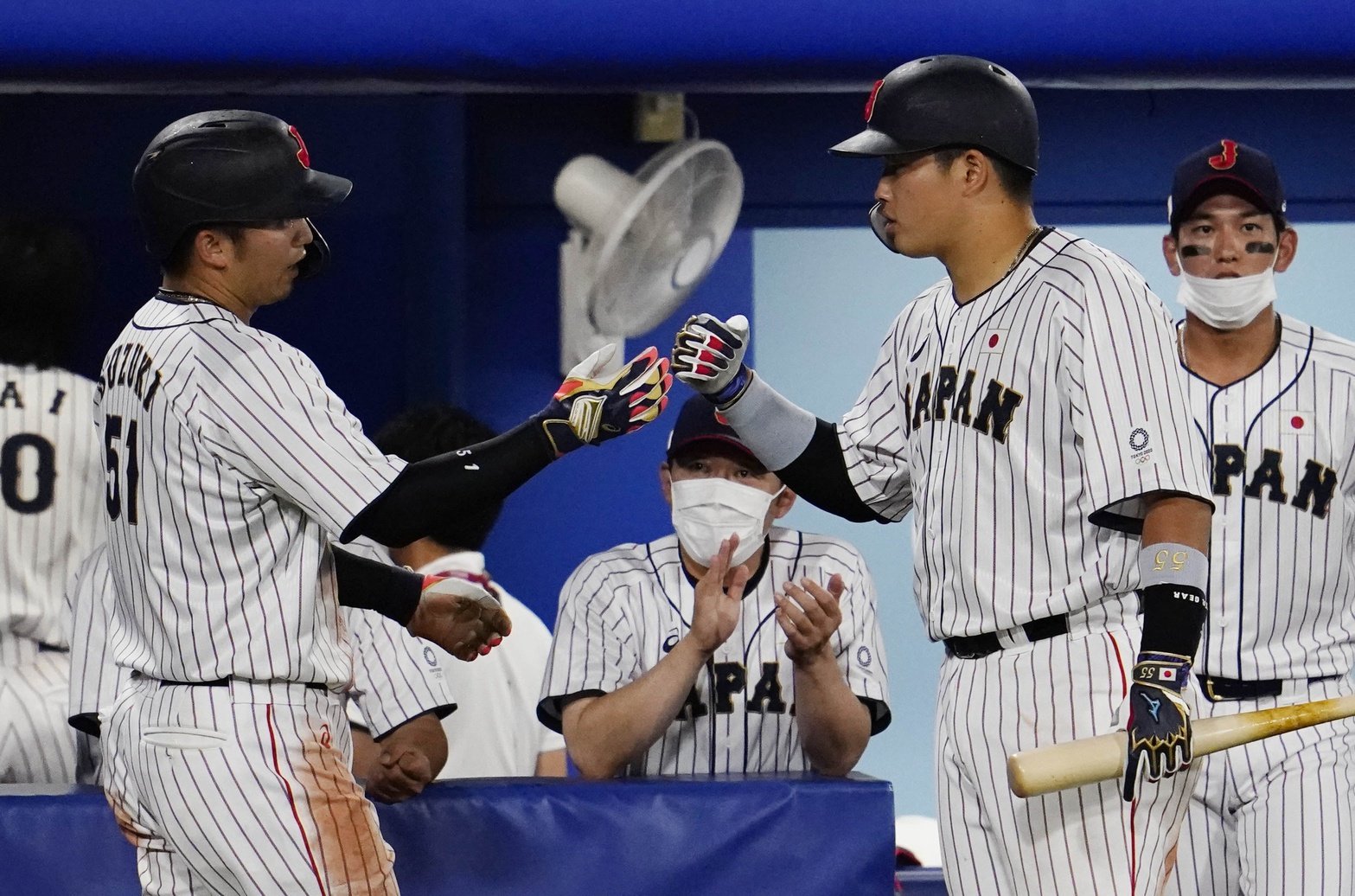 All 30 teams will have a unique opportunity over the next month with the chance to bid on the rights to outfielder Seiya Suzuki. The 27-year-old has been playing for the Hiroshima Toyo Carp for nine seasons. For his career, he has hit .309/.402/.542 (.943) while averaging over 20 home runs per season. Some of those numbers are deceiving as he saw limited action in his early career. Last season, he hit .319/.436/.640 (1.075) with 38 home runs and 26 doubles. He’s accumulated an OPS of .950 or higher in five of the last six seasons. He won the 2019 Central League batting title with four All-Star selections and three Gold Gloves. Suzuki is no stranger to the international stage as he represented Japan in the 2017 World Baseball Classic and the 2020 Summer Olympics. During the Olympic Tournament, Suzuki homered off the United States’ Anthony Carter to help Japan rally for a 7-6 victory. In the gold-medal game, he collected two hits to help the host country to a 2-0 win. Changes were made to the MLB-NPB posting system back in 2017. According to MLB.com, “Under the MLB-NPB transfer agreement, the Carp would receive a release fee equal to 20% of the first $25 million in guaranteed contract value, plus 17.5% of the next $25 million, plus 15% of any amount beyond $50 million.” Does Suzuki Fit in Minnesota? Many teams will be interested in adding a right-handed power-hitting outfielder that is just entering the prime of his career. As Nick reviewed Minnesota’s 40-man roster, quite a few corner outfield types are already under team control. These names include Max Kepler, Alex Kirilloff, Trevor Larnach, Brent Rooker, Jake Cave, and Luis Arraez. However, there is no guarantee all of these players will still be on the roster when the season starts. This winter, Kepler is a prime trade candidate for the Twins, especially as part of a package to acquire more starting pitching. His absence would leave a hole in the outfield and at the plate. Kirilloff should be getting as much time as possible at first base because he is a significant defensive upgrade over Sano. Larnach and Rooker struggled through different portions of the 2021 campaign. Austin Martin, one of Minnesota’s top prospects, may be destined for a corner outfield spot. For now, the two teams most closely tied to Suzuki seem to be the Texas Rangers and the New York Mets. Texas famously signed Yu Darvish back in 2012, and they need plenty of offensive help. The Mets have a new GM, Billy Eppler, and he has been very successful in signing NPB free agents. He was the GM in Los Angeles when they signed Shohei Ohtani, and he was in New York when they signed Masahiro Tanaka. Does Suzuki seem like a fit for the Twins? Leave a COMMENT and start the discussion. MORE FROM TWINS DAILY — Latest Twins coverage from our writers — Recent Twins discussion in our forums — Follow Twins Daily via Twitter, Facebook or email
 -
Two MLB teams lost 110 games last season, and four teams lost over 100 games. So, can changes to the MLB Draft help to stop tanking? No one is denying the Twins had a terrible 2021 campaign, but there was even less positivity surrounding teams from Baltimore, Arizona, Texas, and Pittsburgh. All four of those teams lost over 100 games, with none of them being competitive. All four will get top draft picks in each round of the 2022 MLB Draft, so is there a way to disincentivize this type of behavior from clubs? NBA Method Other professional leagues have tried to curtail tanking by implementing methods such as the lottery used in the NBA. With this method, the bottom three teams all have the same odds to earn the top pick, while all other non-playoff teams have at least a small shot at earning a top-three pick. Another thing to consider is the NBA's worst team rarely ends up with the top pick because of the lottery system. This method doesn't exactly get rid of tanking since the bottom teams are still given a better shot at the number one pick, but it is undoubtedly something MLB could consider. "Target Loss" Method Ryan Fagan of the Sporting News suggests MLB develop a "Target Loss" method to help decide the draft order, which includes a draft lottery. The "Target Loss" total would be generated from the average number of losses from the 20 non-playoff teams. Whichever teams finish closest to that total would have the highest odds to get the first overall pick. In this scenario, last year's non-playoff teams averaged 89.3 losses. Minnesota lost 89 games, so they would have the highest odds to get the first overall pick, with Kansas City, Chicago (NL), and Colorado rounding out the top-four. Baltimore and Arizona would draft 19th and 20th because this system punishes tanking, and it's hard to argue that they were trying to field a competitive team. NPB Method In Japan's Nippon Professional Baseball league, every team starts by nominating a player. If only one team nominates a player, that organization gets that player's contract negotiating rights. In some instances, multiple teams will nominate a player, and then there is a random draw for who gets that player's contract negotiating rights. The teams that were not awarded a contested player get to draft again until every team has a player. It seems like there could be multiple players that end up teams fighting for their rights. Back in 2020, the NPB draft's first-round only saw two contested players with four teams making claims on each of the players. Even with the competition between teams, this method allows every organization to have a chance at any first-round pick. The teams with the worst record aren't guaranteed the best player in the draft, so there is less incentive to tank. Obviously, there are some flaws with all of these systems, but having more competitive teams is good for baseball. Minnesota has also benefited from drafting high with players like Joe Mauer, Byron Buxton, and Royce Lewis. However, both the “Target Loss” method and the NPB method would give the Twins improved chances at landing an even better player in next summer’s draft. Which method do you think would help stop tanking? Leave a COMMENT and start the discussion. MORE FROM TWINS DAILY — Latest Twins coverage from our writers — Recent Twins discussion in our forums — Follow Twins Daily via Twitter, Facebook or emai View full article
-
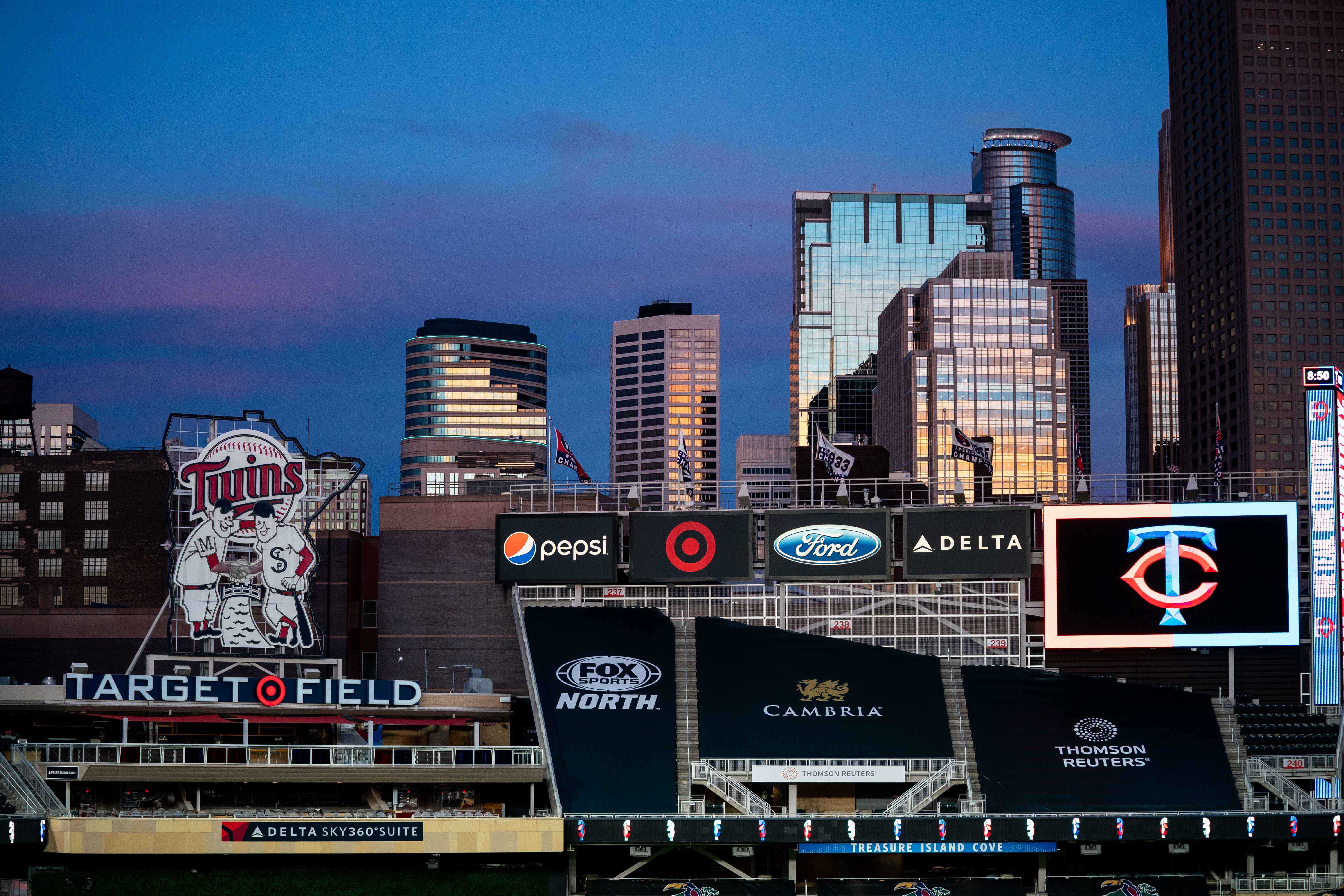 No one is denying the Twins had a terrible 2021 campaign, but there was even less positivity surrounding teams from Baltimore, Arizona, Texas, and Pittsburgh. All four of those teams lost over 100 games, with none of them being competitive. All four will get top draft picks in each round of the 2022 MLB Draft, so is there a way to disincentivize this type of behavior from clubs? NBA Method Other professional leagues have tried to curtail tanking by implementing methods such as the lottery used in the NBA. With this method, the bottom three teams all have the same odds to earn the top pick, while all other non-playoff teams have at least a small shot at earning a top-three pick. Another thing to consider is the NBA's worst team rarely ends up with the top pick because of the lottery system. This method doesn't exactly get rid of tanking since the bottom teams are still given a better shot at the number one pick, but it is undoubtedly something MLB could consider. "Target Loss" Method Ryan Fagan of the Sporting News suggests MLB develop a "Target Loss" method to help decide the draft order, which includes a draft lottery. The "Target Loss" total would be generated from the average number of losses from the 20 non-playoff teams. Whichever teams finish closest to that total would have the highest odds to get the first overall pick. In this scenario, last year's non-playoff teams averaged 89.3 losses. Minnesota lost 89 games, so they would have the highest odds to get the first overall pick, with Kansas City, Chicago (NL), and Colorado rounding out the top-four. Baltimore and Arizona would draft 19th and 20th because this system punishes tanking, and it's hard to argue that they were trying to field a competitive team. NPB Method In Japan's Nippon Professional Baseball league, every team starts by nominating a player. If only one team nominates a player, that organization gets that player's contract negotiating rights. In some instances, multiple teams will nominate a player, and then there is a random draw for who gets that player's contract negotiating rights. The teams that were not awarded a contested player get to draft again until every team has a player. It seems like there could be multiple players that end up teams fighting for their rights. Back in 2020, the NPB draft's first-round only saw two contested players with four teams making claims on each of the players. Even with the competition between teams, this method allows every organization to have a chance at any first-round pick. The teams with the worst record aren't guaranteed the best player in the draft, so there is less incentive to tank. Obviously, there are some flaws with all of these systems, but having more competitive teams is good for baseball. Minnesota has also benefited from drafting high with players like Joe Mauer, Byron Buxton, and Royce Lewis. However, both the “Target Loss” method and the NPB method would give the Twins improved chances at landing an even better player in next summer’s draft. Which method do you think would help stop tanking? Leave a COMMENT and start the discussion. MORE FROM TWINS DAILY — Latest Twins coverage from our writers — Recent Twins discussion in our forums — Follow Twins Daily via Twitter, Facebook or emai
 -
Over the last three seasons, Nelson Cruz has been at the heart of Minnesota's line-up, but it may be time to move in a new direction. So, how do the Twins view the DH spot for 2022? There is a small chance the Twins will consider a reunion with Nelson Cruz, but a few factors will impact his return. First of all, his performance significantly declined after being traded to the Rays. Secondly, there is a good chance the National League adds the DH for 2022, which opens the possibility of Cruz signing with many other teams. Cruz was outstanding during his time in Minnesota, but it seems likely for the Twins to move on for next season. After the Cruz trade, the Twins started using a rotational system at DH for various reasons. "We saw the benefit play through the season, whether it was [Donaldson] -- he was dealing with a couple of things along the way, and if he wasn't feeling the best, he could go DH for a day," Derek Falvey said. "[Jorge] Polanco, right? As well as anybody, maybe go get him a day. Get him off his feet. Maybe not play second today, but go DH. So the benefits are the ability to rotate through." There are obvious benefits to playing Josh Donaldson at DH. In recent years, Donaldson's health has been a concern, but playing him at DH can give his legs a break while still keeping his bat in the line-up. However, in 2021, Donaldson's OPS was nearly 170 points lower when serving as the team's DH. Donaldson isn't the team's only option at DH, especially if they will use a rotational system. Out of players on the Twins, Miguel Sanó best fits the mold of a traditional DH as he is a power-hitting slugger who struggles on the ball's defensive side. Sanó was the second-worst defensive first baseman in 2021, and the Twins have a natural replacement at the position. Alex Kirilloff can see defensive time at first base or in the outfield, with him having a chance to be an above-average defensive first baseman. Throughout his career, Sanó has over 645 plate appearances as a DH, and he has hit .230/.336/.417 (.753). Another potential option is to get Mitch Garver more regular at-bats by using him as a DH. Manager Rocco Baldelli likes to give his catchers regular rest, and that's one of the reasons Garver has only started 18 games at DH throughout his career. Falvey knows it is essential to keep Garver's bat in the line-up, and he said that he could get more time at DH and first base next season. There are plenty of other options for the Twins at DH. Jorge Polanco is coming off his best big-league season, but he has struggled with ankle issues in the past. Brent Rooker has little left to prove in the minor leagues, and there have been questions about his defensive skills in the past. Luis Arraez slid into the utility role last season, and his bat is tough to keep out of the line-up if he is healthy. Because of the players listed above, Minnesota seems destined to use a rotational system at DH next season. There is also a chance the team adds other offensive options in free agency, which would add another bat to the DH equation. How do you think the Twins approach the DH spot next season? Leave a COMMENT and start the discussion. MORE FROM TWINS DAILY — Latest Twins coverage from our writers — Recent Twins discussion in our forums — Follow Twins Daily via Twitter, Facebook or email. View full article
-
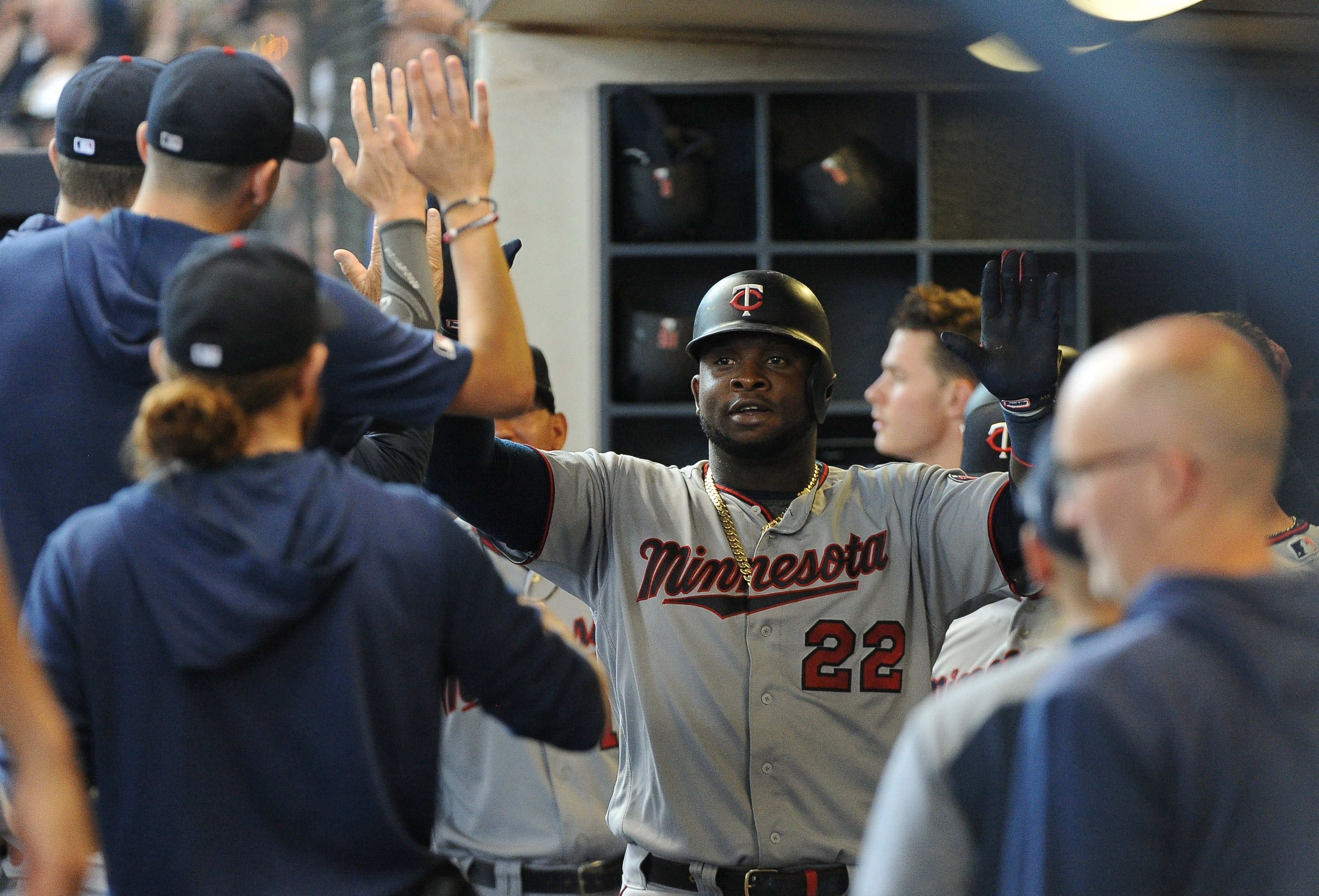 There is a small chance the Twins will consider a reunion with Nelson Cruz, but a few factors will impact his return. First of all, his performance significantly declined after being traded to the Rays. Secondly, there is a good chance the National League adds the DH for 2022, which opens the possibility of Cruz signing with many other teams. Cruz was outstanding during his time in Minnesota, but it seems likely for the Twins to move on for next season. After the Cruz trade, the Twins started using a rotational system at DH for various reasons. "We saw the benefit play through the season, whether it was [Donaldson] -- he was dealing with a couple of things along the way, and if he wasn't feeling the best, he could go DH for a day," Derek Falvey said. "[Jorge] Polanco, right? As well as anybody, maybe go get him a day. Get him off his feet. Maybe not play second today, but go DH. So the benefits are the ability to rotate through." There are obvious benefits to playing Josh Donaldson at DH. In recent years, Donaldson's health has been a concern, but playing him at DH can give his legs a break while still keeping his bat in the line-up. However, in 2021, Donaldson's OPS was nearly 170 points lower when serving as the team's DH. Donaldson isn't the team's only option at DH, especially if they will use a rotational system. Out of players on the Twins, Miguel Sanó best fits the mold of a traditional DH as he is a power-hitting slugger who struggles on the ball's defensive side. Sanó was the second-worst defensive first baseman in 2021, and the Twins have a natural replacement at the position. Alex Kirilloff can see defensive time at first base or in the outfield, with him having a chance to be an above-average defensive first baseman. Throughout his career, Sanó has over 645 plate appearances as a DH, and he has hit .230/.336/.417 (.753). Another potential option is to get Mitch Garver more regular at-bats by using him as a DH. Manager Rocco Baldelli likes to give his catchers regular rest, and that's one of the reasons Garver has only started 18 games at DH throughout his career. Falvey knows it is essential to keep Garver's bat in the line-up, and he said that he could get more time at DH and first base next season. There are plenty of other options for the Twins at DH. Jorge Polanco is coming off his best big-league season, but he has struggled with ankle issues in the past. Brent Rooker has little left to prove in the minor leagues, and there have been questions about his defensive skills in the past. Luis Arraez slid into the utility role last season, and his bat is tough to keep out of the line-up if he is healthy. Because of the players listed above, Minnesota seems destined to use a rotational system at DH next season. There is also a chance the team adds other offensive options in free agency, which would add another bat to the DH equation. How do you think the Twins approach the DH spot next season? Leave a COMMENT and start the discussion. MORE FROM TWINS DAILY — Latest Twins coverage from our writers — Recent Twins discussion in our forums — Follow Twins Daily via Twitter, Facebook or email.
- 11 comments
-
- 1
-

-
- miguel sano
- josh donaldson
- (and 3 more)
-
José Berríos is staying in Toronto for the long term as he is signing a seven-year extension that will pay him a reported $131 million. With Berríos locked up, Twins fans may be wondering why a similar contract wasn’t worked out in Minnesota. The Toronto Blue Jays are a team on the rise in one of baseball’s toughest divisions. On Tuesday, they committed to keeping José Berríos in their starting rotation for most of the next decade. For the 2022 season, his $18.71 million average salary would rank 13th in baseball among all starting pitchers currently under contract. He was due to make around $11 million in arbitration this winter, so this is essentially a 6-year, $120 million extension. Since 2017, Berríos has been one of the American League’s best and most durable pitchers. He ranks fourth in fWAR over the last five seasons as he trails only Gerrit Cole, Chris Sale, and Justin Verlander. He’s started 12 more games than any other AL pitcher during that time and pitched nearly 100 more innings. That kind of reliability is valuable to teams as starting pitcher usage continues to evolve. At July’s trade deadline, the Twins had a choice to make when it came to Berríos as he had a year and a half left of team control. Minnesota had the option to hang on to him for 2022 hoping that the team rebounded from a poor 2021. Instead, the Twins were overwhelmed with an offer by the Blue Jays that included top prospects Austin Martin and Simeon Woods Richardson. Minnesota is in an interesting position looking back on the type of deal Berríos was able to secure from Toronto. Berríos wanted to be paid like a front-line starter, and the Twins disagreed on his value. Much of the narrative in Minnesota was that Berríos and his representatives wanted him to be able to reach the open market. Toronto paid him market value without other teams competing for his services. Because of the Berríos trade, the Twins are in the market for multiple starting pitchers this winter. Joe Ryan and Bailey Ober are the two names penciled into next year’s rotation, but fans may need to temper their expectations when it comes to these young pitchers. If Minnesota is going to sign any of the top-tier free agents, it will likely take more money per year than Berríos received from Toronto. For the Twins, they will hope that they were right regarding their evaluation of Martin and Woods Richardson, but it may be years before they know that answer. In the end, maybe the Twins weren’t willing to go to seven years, or they possibly didn’t want to pay Berríos as much as he thought he was worth. View full article
-
Analyzing the José Berríos Extension from Minnesota’s Perspective
Cody Christie posted an article in Twins
 The Toronto Blue Jays are a team on the rise in one of baseball’s toughest divisions. On Tuesday, they committed to keeping José Berríos in their starting rotation for most of the next decade. For the 2022 season, his $18.71 million average salary would rank 13th in baseball among all starting pitchers currently under contract. He was due to make around $11 million in arbitration this winter, so this is essentially a 6-year, $120 million extension. Since 2017, Berríos has been one of the American League’s best and most durable pitchers. He ranks fourth in fWAR over the last five seasons as he trails only Gerrit Cole, Chris Sale, and Justin Verlander. He’s started 12 more games than any other AL pitcher during that time and pitched nearly 100 more innings. That kind of reliability is valuable to teams as starting pitcher usage continues to evolve. At July’s trade deadline, the Twins had a choice to make when it came to Berríos as he had a year and a half left of team control. Minnesota had the option to hang on to him for 2022 hoping that the team rebounded from a poor 2021. Instead, the Twins were overwhelmed with an offer by the Blue Jays that included top prospects Austin Martin and Simeon Woods Richardson. Minnesota is in an interesting position looking back on the type of deal Berríos was able to secure from Toronto. Berríos wanted to be paid like a front-line starter, and the Twins disagreed on his value. Much of the narrative in Minnesota was that Berríos and his representatives wanted him to be able to reach the open market. Toronto paid him market value without other teams competing for his services. Because of the Berríos trade, the Twins are in the market for multiple starting pitchers this winter. Joe Ryan and Bailey Ober are the two names penciled into next year’s rotation, but fans may need to temper their expectations when it comes to these young pitchers. If Minnesota is going to sign any of the top-tier free agents, it will likely take more money per year than Berríos received from Toronto. For the Twins, they will hope that they were right regarding their evaluation of Martin and Woods Richardson, but it may be years before they know that answer. In the end, maybe the Twins weren’t willing to go to seven years, or they possibly didn’t want to pay Berríos as much as he thought he was worth.
 -
Minnesota is expected to be active on the free-agent market, and MLB Trade Rumors predicts five of the top-50 free agents possibly ending up in Minnesota. Who are the players, and what will it take to sign them? MLB Trade Rumors gathered their top three writers to make predictions about this year's free-agent class. At least one of the writers picked the names below to sign with the Twins. Marcus Stroman MLB TR Estimate: Five-Years, $110 million Even at Twins Daily, most of the community is predicting the Twins to actively pursue Marcus Stroman this winter. Out of the top-tier starters, he will likely cost the least because he has the lowest ceiling, but he might have the highest floor. Twins fans may worry about Stroman's lack of strikeouts and his pitch-to-contact tendencies. Since Stroman accepted the qualifying offer last offseason, the Mets can't offer it again, which may make the Twins more likely to sign him. Eduardo Rodriguez MLB TR Estimate: Five-Years, $70 million Eduardo Rodriguez seemed like a good fit for the Twins, but word came out early on Monday that he had signed for five years and $77 million with the Detroit Tigers. It also sounds like the Twins were not in on Rodriguez. He's coming off a career-worst 4.74 ERA, but some of the peripheral numbers point to that being an outlier. Rodriguez looked like one of the best buy-low candidates on the market. Now Minnesota will have to face Rodriguez for the next half of a decade as the Tigers continue to improve. Alex Wood MLB TR Estimate: Three-Years, $30 million If the Twins miss out on Stroman and Rodriguez, there are a few other candidates the team can turn to for rotational depth. Wood pitched very effectively for the Giants last season, but he threw fewer than 50 innings from 2019-20. In recent years, he has missed time with back injuries and shoulder inflammation. Last season, Wood struck out 9.9 batters per nine innings, which might pair well with Stroman's lack of strikeouts at the top of the rotation. Corey Knebel MLB TR Estimate: Two-Years, $18 million When it comes to Knebel, the biggest question is: Would the Twins sign a reliever to a multi-year deal? After returning from injury last season, he posted some strong numbers, but he was also limited to less than 30 innings. Relief pitching is an area of need, but it doesn't seem likely for the Twins to allocate this much of their offseason spending on a late-inning reliever. Corey Kluber MLB TR Estimate: One-Year, $12 million Twins fans are familiar with Kluber after he dominated the AL Central for half a decade. He won multiple Cy Young awards, but this isn't the same version of Kluber. Last season, the Yankees signed him to a one-year deal to prove himself, but his season was full of ups and downs, including an early-season no-hitter. However, he was limited to 16 starts and spent time on the injured list. Kluber and Derek Falvey have ties to their time in Cleveland, so maybe a Minnesota reunion brings back some vintage Kluber. Which of these players do you feel is most likely to wind up in Minnesota? Leave a COMMENT and start the discussion. MORE FROM TWINS DAILY — Latest Twins coverage from our writers — Recent Twins discussion in our forums — Follow Twins Daily via Twitter, Facebook or email View full article
-
 MLB Trade Rumors gathered their top three writers to make predictions about this year's free-agent class. At least one of the writers picked the names below to sign with the Twins. Marcus Stroman MLB TR Estimate: Five-Years, $110 million Even at Twins Daily, most of the community is predicting the Twins to actively pursue Marcus Stroman this winter. Out of the top-tier starters, he will likely cost the least because he has the lowest ceiling, but he might have the highest floor. Twins fans may worry about Stroman's lack of strikeouts and his pitch-to-contact tendencies. Since Stroman accepted the qualifying offer last offseason, the Mets can't offer it again, which may make the Twins more likely to sign him. Eduardo Rodriguez MLB TR Estimate: Five-Years, $70 million Eduardo Rodriguez seemed like a good fit for the Twins, but word came out early on Monday that he had signed for five years and $77 million with the Detroit Tigers. It also sounds like the Twins were not in on Rodriguez. He's coming off a career-worst 4.74 ERA, but some of the peripheral numbers point to that being an outlier. Rodriguez looked like one of the best buy-low candidates on the market. Now Minnesota will have to face Rodriguez for the next half of a decade as the Tigers continue to improve. Alex Wood MLB TR Estimate: Three-Years, $30 million If the Twins miss out on Stroman and Rodriguez, there are a few other candidates the team can turn to for rotational depth. Wood pitched very effectively for the Giants last season, but he threw fewer than 50 innings from 2019-20. In recent years, he has missed time with back injuries and shoulder inflammation. Last season, Wood struck out 9.9 batters per nine innings, which might pair well with Stroman's lack of strikeouts at the top of the rotation. Corey Knebel MLB TR Estimate: Two-Years, $18 million When it comes to Knebel, the biggest question is: Would the Twins sign a reliever to a multi-year deal? After returning from injury last season, he posted some strong numbers, but he was also limited to less than 30 innings. Relief pitching is an area of need, but it doesn't seem likely for the Twins to allocate this much of their offseason spending on a late-inning reliever. Corey Kluber MLB TR Estimate: One-Year, $12 million Twins fans are familiar with Kluber after he dominated the AL Central for half a decade. He won multiple Cy Young awards, but this isn't the same version of Kluber. Last season, the Yankees signed him to a one-year deal to prove himself, but his season was full of ups and downs, including an early-season no-hitter. However, he was limited to 16 starts and spent time on the injured list. Kluber and Derek Falvey have ties to their time in Cleveland, so maybe a Minnesota reunion brings back some vintage Kluber. Which of these players do you feel is most likely to wind up in Minnesota? Leave a COMMENT and start the discussion. MORE FROM TWINS DAILY — Latest Twins coverage from our writers — Recent Twins discussion in our forums — Follow Twins Daily via Twitter, Facebook or email
 -
Major League Baseball and Rawlings handed out Gold Gloves earlier this week, and the season's final SDI rankings were revealed. Looking at the numbers, where can the Twins improve defensively in 2022? The 2021 season was the ninth straight season where SABR's Defensive Index (SDI) was used as part of the voting process for awarding Gold Gloves. Votes from managers and coaches count for 75% of the final results, while SDI is worth approximately 25%. According to SABR, "The SDI draws on and aggregates two types of existing defensive metrics: those derived from batted ball location-based data and those collected from play-by-play accounts, including data from MLBAM's Statcast, Sports Information Solutions, and STATS, LLC." Here is where qualified Twins players finished in the SDI rankings along with some places where Minnesota can improve in 2022: Catcher: Ryan Jeffers (1.0 SDI) Among qualified AL catchers, Ryan Jeffers finished eighth according to SDI. Oakland's Sean Murphy won the Gold Glove and was the AL leader at 6.8 SDI. Jeffers has been touted for his catching ability throughout his professional career, and some of those results showed up on the field last season. However, his struggles at the plate forced the team to demote him to Triple-A, limiting him to 85 big-league games in 2021. Jeffers may see his playing time increase next season if the Twins decide to trade Mitch Garver this winter. First Base: Miguel Sanó (-5.6 SDI) First base can be one of the team's most straightforward defensive fixes for 2022. Only one AL first baseman, Boston's Bobby Dalbec, ranked lower than Miguel Sanó when it comes to SDI. Alex Kirilloff is a better defender at first base, and he should start to get more reps at that position next season. Sanó can rotate through first base and designated hitter roles depending on the pitching match-up on any given day. First base defense can be overlooked, but Kirilloff presents an easy upgrade for the Twins. Second Base: Jorge Polanco (2.8 SDI) Last winter, Minnesota made a significant defensive upgrade at second base by moving Jorge Polanco away from shortstop. He finished the season as the AL's fourth highest-ranked second baseman, according to SDI. Polanco stayed healthy for all of 2021, and the results speak for themselves on both sides of the ball. Minnesota gave Polanco 39 appearances at shortstop last year, and the team is in the market for a shortstop this winter. It's in the team's best interest to keep Polanco at second base for the long term. Third Base: Luis Arraez (1.4 SDI) Josh Donaldson has been considered a solid defensive player throughout his career, but he didn't make enough defensive appearances to appear on the SDI Leaderboard. Luis Arraez finished fifth among AL third basemen according to SDI, which may come as a surprise. Minnesota moved Arraez to a utility role entering last season because his defense was below average at second base. Arraez, Donaldson, and Jose Miranda will all get time at third base in 2022. This is quite the defensive turnaround for Arraez, and it is certainly something to keep an eye on moving forward. Shortstop: Andrelton Simmons (11.8 SDI) Even in a poor offensive season, Andrelton Simmons ranked among baseball's best on the defensive side of the ball. Houston's Carlos Correa, the eventual Gold Glove winner, was the lone player ranked higher than Simmons among AL shortstops. In fact, only two players, Correa and Kansas City's Michael Taylor, finished with a higher SDI. The only way to keep this kind of defensive output at shortstop is to sign Correa to a giant contract or keep Simmons around on a cheap deal. Outfield: Max Kepler (5.4 SDI) Max Kepler was the only player to make enough appearances to qualify for the season-ending leaderboard among Minnesota's outfielders. He finished fifth among AL right-fielders when it came to SDI. There is an argument to be made that he should have been one of the Gold Glove finalists at his position. One of the easiest ways for Minnesota to improve its outfield defense is to have Byron Buxton on the field more regularly. An outfield with Buxton and Kepler can make up for whatever player roams in left field for the club. Where do you think the Twins can make the most defensive improvement next season? Leave a COMMENT and start the discussion. MORE FROM TWINS DAILY — Latest Twins coverage from our writers — Recent Twins discussion in our forums — Follow Twins Daily via Twitter, Facebook or email View full article
