



Cody Christie
-
Posts
7,794 -
Joined
-
Last visited
-
Days Won
5
Content Type
Profiles
News
Minnesota Twins Videos
2026 Minnesota Twins Top Prospects Ranking
2022 Minnesota Twins Draft Picks
Minnesota Twins Free Agent & Trade Rumors, Notes, & Tidbits
Guides & Resources
2023 Minnesota Twins Draft Picks
The Minnesota Twins Players Project
2024 Minnesota Twins Draft Picks
2025 Minnesota Twins Draft Pick Tracker
2026 Minnesota Twins Draft Tracker: Picks & Bonuses
Forums
Blogs
Events
Store
Downloads
Gallery
Everything posted by Cody Christie
-
 Image courtesy of © Bruce Kluckhohn-Imagn Images There are few things more beautiful in baseball than a long winning streak. Three games. Five games. Seven games. Maybe even one of those ridiculous 10-game streaks that makes everyone start using phrases like “October baseball” and “playing their best baseball at the right time.” The Minnesota Twins have decided to try something different. One. Just one game. And somehow, it worked. After spending the better part of the second-half reminding everyone why consistency is important, the Twins won one game and thrust the club right back into the American League playoff picture. Because this is the 2026 American League, where apparently nobody wants to win enough games to make the postseason race comfortable. The Twins can lose three straight, get swept by a contending team, blow a five-run lead, and generally make their fans question every life decision that led them to spend three hours watching baseball. Then they win one game. Suddenly, everyone needs to check the standings. Again. And again. And again. Wait, We're in Second? There is a particular moment every Twins fan has experienced this season. You open the standings expecting to see something unpleasant. Instead, you see Minnesota in second place. You refresh. Still second. You check another website. Still second. You begin wondering if the website is broken. It isn't. The American League has been that chaotic. Minnesota’s sub-.500 record is more than good enough to stay in the Wild Card race. The Twins have gone from looking like a team that might be better off thinking about 2027 to a team that is apparently allowed to have meaningful games in August because several other American League clubs have collectively decided that winning baseball games is optional. Jeremy Zoll has spent much of the season preaching patience and resilience. “We’ve been really consistent in our inconsistency,” Zoll said. “There have been some stretches where we’ve played good baseball, some stretches where we’ve played bad baseball, and then there have been stretches where we’ve looked at the standings and realized none of it apparently matters. To be sitting in second place after winning one game is a credit to the entire organization. We’re really proud of that.” But one win? Bounce back. That is the official terminology. Byron Buxton Is Back, Therefore Everything Is Fine Byron Buxton returned from the injured list, giving the Twins one of their most important players back for the stretch run. This is another important part of the Minnesota mathematical formula. Step 1: Get Buxton back. Step 2: Win one game. Step 3: Look at the standings. Step 4: Become irrationally optimistic. Step 5: Repeat. And, naturally, this is where someone will say something about momentum. Momentum is a fascinating concept in baseball. It apparently lasts exactly 24 hours. Derek Shelton Has Seen This Movie Before Manager Derek Shelton has spent his first season in Minnesota trying to navigate a roster that has provided roughly the same amount of stability as a folding chair on a frozen lake. At one point, the Twins look like legitimate contenders. Then they lose several games. Then the offense disappears. Then the bullpen implodes. Then they win twice. Then everyone checks the standings. “We’re not looking at the standings,” Shelton said. “Someone told me we’re in second place, but I assumed they were talking about the second-place team in the International League. If we’re actually in the American League playoff picture after playing the way we’ve played lately, I’d prefer nobody investigate how that happened. We’ll just keep winning every once in a while and see where that takes us.” That is the most ridiculous part of all of this. The Twins have played some genuinely bad baseball recently. They have looked inconsistent. They have struggled to string together quality performances. They are still below .500. And yet, here they are. Within striking distance. Still alive. The American League has created the perfect environment for a team like Minnesota. There are enough flawed clubs, enough mediocre records and enough nightly chaos that a team can spend two weeks playing poorly and still emerge from the other side with a legitimate postseason argument. All Minnesota had to do was win a couple of games. Apparently, that's enough. The Twins don't need a 10-game winning streak. They don't need to suddenly look like the 1998 Yankees. They don't even necessarily need to look good. They just need to keep winning one game at a time while waiting for everyone else to make sure the playoff door remains slightly open. So, congratulations, Twins fans. The team is back in the playoff picture. The winning streak is alive. The standings are confusing. Second place is within sight. And optimism has officially returned. At least until the next game. View full article
 -
Baseball America has Jenkins on their Prospect Hot Sheet with the updated data below.
-
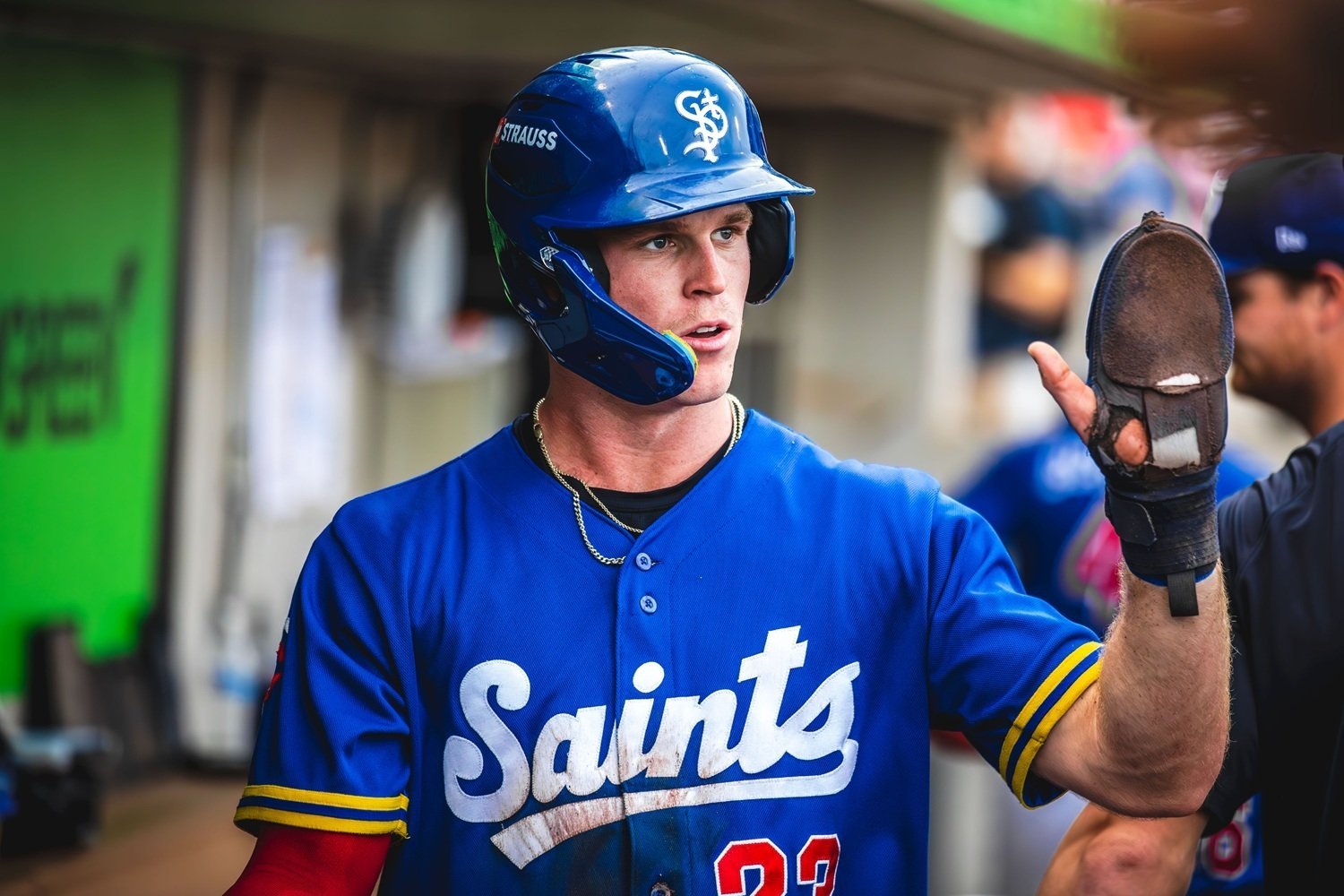 There are plenty of ways to evaluate a prospect. Rankings, scouting reports, tools, projections and statistics can all tell us something about a player's future. But every once in a while, a prospect puts together a stretch that makes you stop looking at the long-term projection and simply appreciate what is happening right now. That's where Walker Jenkins finds himself. The Twins' top prospect has been downright otherworldly in August, turning every trip to the plate into must-see baseball. Jenkins isn't alone on this week's Prospect Hot Sheet, either. A pair of young players are also making plenty of noise, with Carson Tinney beginning to find his power stroke in Fort Myers and Adrian Bohorquez dominating opposing hitters for Cedar Rapids. Here's a look at three prospects who are turning up the heat. OF Walker Jenkins — St. Paul Saints How He Got Here: Since the Twins selected Jenkins with the No. 5 overall pick in the 2023 MLB Draft, he's largely been as advertised, when he's been able to stay on the field. The North Carolina high school product reached the highest level of the minor leagues last season at just 20 years old, carrying a career .863 OPS into this season. The only real knock against Jenkins has been his inability to stay healthy for extended stretches. He's played just 192 games in his first two-plus professional seasons, missing significant time because of a quad strain and hamstring injury in 2024 before an ankle sprain cost him more time last season. Even with those absences, Jenkins still finished third in the organization among players with at least 350 plate appearances in 2025 with a 135 wRC+. The 2026 season brought another frustrating setback. Jenkins suffered a shoulder joint sprain after crashing into the outfield fence, forcing him to miss more than a month in his first full season at Triple-A. The good news? He appears to be making up for lost time. Hitting the Hot Button: Jenkins is doing things right now that are becoming increasingly difficult to explain. On Sunday, Jenkins led off the sixth inning with a solo home run to left field, his 10th homer of the season. He launched another two-run homer to right field later in the game, his 11th of the season. It marked the second time in three games in which Jenkins had recorded a multi-homer performance. He finished 3-for-3 with two home runs, three RBI, a stolen base, two runs scored and two walks. That's a ridiculous stat line. It's also part of a ridiculous month. In 16 August games, Jenkins is hitting .415/.493/.800 for a 1.293 OPS. He's added seven home runs, two doubles, a triple and six stolen bases in eight attempts. At this point, there's little left for Jenkins to prove in Triple-A. The question isn't whether he's ready. It's when the Twins are going to put him in a major-league uniform. C Carson Tinney — Fort Myers Mighty Mussels How He Got Here: Tinney entered the 2026 MLB Draft as one of the more intriguing college catching prospects in the country. The Notre Dame product earned All-America honors as a sophomore after hitting .348/.498/.753 with 17 home runs. That season established him as one of the top catchers available in the draft, but his stock took a hit after a difficult summer in the Cape Cod League. Tinney hit just .165 with a 40% strikeout rate in the wood-bat league and also struggled during fall practice after transferring to Texas. Tinney put together a monster junior season, showcasing the combination of raw power and arm strength that made him so intriguing in the first place. He hit 22 home runs and posted a 1.171 OPS, earning a second-round selection from Minnesota. The Twins signed him for $1.9 million, and now they're getting their first extended look at what that investment could become. Hitting the Hot Button: Tinney is beginning to look comfortable in his first taste of professional baseball. On Saturday, he homered for the second consecutive game and the third time in the same week. That's a pretty good way for a second-round pick to introduce himself to the organization. Through 14 games in August, Tinney is slugging .627 with a 1.008 OPS and six home runs. There is, however, still some swing-and-miss in his game. Tinney has struck out 18 times in 51 at-bats this month, but he's also shown an ability to counter those strikeouts by controlling the strike zone. He's drawn 11 walks during that same stretch. That's an encouraging combination for a young hitter making the transition from college baseball to the professional game. The power was one of the reasons the Twins invested heavily in Tinney. He's starting to show exactly why. RHP Adrian Bohorquez — Cedar Rapids Kernels How He Got Here: When a player signs for just $10,000 as an 18-year-old international free agent, there aren't exactly sky-high expectations attached. That's where Bohorquez started. After a lackluster debut in the Dominican Summer League in 2023, the right-hander began showing that he might be able to provide a pretty significant return on the Twins' modest investment with a solid first season in the United States in 2024. Bohorquez entered 2025 with low expectations, and his performance suffered early. But as the season progressed, so did the results. Beginning July 1, he posted a 2.47 ERA while holding opponents to a .185 batting average. He carried that momentum into a late promotion to High-A Cedar Rapids, giving the Twins another reason to keep an eye on the young right-hander. Hitting the Hot Button: Bohorquez took the mound Thursday night for Cedar Rapids and once again made life miserable for opposing hitters. He allowed just one run on one hit across five innings, walking two and striking out seven. The seven strikeouts were a season high, although the Kernels ultimately fell 2-1. The bigger story is what Bohorquez has done over his last four starts. He's allowed just one earned run on four hits across 19 innings, striking out 23 while walking seven. Opposing hitters are batting just .068/.179/.119 during that stretch. That's a .298 OPS. When a pitcher holds opposing hitters to that kind of production over four starts, it's time to start paying attention. Bohorquez went from a $10,000 international signing with little fanfare to one of the more intriguing pitching prospects in the lower levels of the Twins' system. And he's doing it by missing bats. Prospect development is rarely linear. Players get injured, struggle at new levels and sometimes need time to adjust to the professional game. That's what makes stretches like these so exciting. Jenkins is the obvious headliner. His August numbers are borderline absurd, and at this point, the biggest question isn't whether he can handle Triple-A pitching. It's whether the Twins can find a reason to keep him there. Tinney is beginning to show the power that made him a second-round pick, while Bohorquez is dominating hitters after steadily climbing the organizational ladder. Three prospects. Three different stages of development. All three are giving the Twins plenty to be excited about. What stands out about this trio? Leave a comment and start the discussion.
- 11 comments
-
- 4
-

-
- walker jenkins
- adrian bohorquez
- (and 1 more)
-
Image courtesy of Rob Thompson, St. Paul Saints There are plenty of ways to evaluate a prospect. Rankings, scouting reports, tools, projections and statistics can all tell us something about a player's future. But every once in a while, a prospect puts together a stretch that makes you stop looking at the long-term projection and simply appreciate what is happening right now. That's where Walker Jenkins finds himself. The Twins' top prospect has been downright otherworldly in August, turning every trip to the plate into must-see baseball. Jenkins isn't alone on this week's Prospect Hot Sheet, either. A pair of young players are also making plenty of noise, with Carson Tinney beginning to find his power stroke in Fort Myers and Adrian Bohorquez dominating opposing hitters for Cedar Rapids. Here's a look at three prospects who are turning up the heat. OF Walker Jenkins — St. Paul Saints How He Got Here: Since the Twins selected Jenkins with the No. 5 overall pick in the 2023 MLB Draft, he's largely been as advertised, when he's been able to stay on the field. The North Carolina high school product reached the highest level of the minor leagues last season at just 20 years old, carrying a career .863 OPS into this season. The only real knock against Jenkins has been his inability to stay healthy for extended stretches. He's played just 192 games in his first two-plus professional seasons, missing significant time because of a quad strain and hamstring injury in 2024 before an ankle sprain cost him more time last season. Even with those absences, Jenkins still finished third in the organization among players with at least 350 plate appearances in 2025 with a 135 wRC+. The 2026 season brought another frustrating setback. Jenkins suffered a shoulder joint sprain after crashing into the outfield fence, forcing him to miss more than a month in his first full season at Triple-A. The good news? He appears to be making up for lost time. Hitting the Hot Button: Jenkins is doing things right now that are becoming increasingly difficult to explain. On Sunday, Jenkins led off the sixth inning with a solo home run to left field, his 10th homer of the season. He launched another two-run homer to right field later in the game, his 11th of the season. It marked the second time in three games in which Jenkins had recorded a multi-homer performance. He finished 3-for-3 with two home runs, three RBI, a stolen base, two runs scored and two walks. That's a ridiculous stat line. It's also part of a ridiculous month. In 16 August games, Jenkins is hitting .415/.493/.800 for a 1.293 OPS. He's added seven home runs, two doubles, a triple and six stolen bases in eight attempts. At this point, there's little left for Jenkins to prove in Triple-A. The question isn't whether he's ready. It's when the Twins are going to put him in a major-league uniform. C Carson Tinney — Fort Myers Mighty Mussels How He Got Here: Tinney entered the 2026 MLB Draft as one of the more intriguing college catching prospects in the country. The Notre Dame product earned All-America honors as a sophomore after hitting .348/.498/.753 with 17 home runs. That season established him as one of the top catchers available in the draft, but his stock took a hit after a difficult summer in the Cape Cod League. Tinney hit just .165 with a 40% strikeout rate in the wood-bat league and also struggled during fall practice after transferring to Texas. Tinney put together a monster junior season, showcasing the combination of raw power and arm strength that made him so intriguing in the first place. He hit 22 home runs and posted a 1.171 OPS, earning a second-round selection from Minnesota. The Twins signed him for $1.9 million, and now they're getting their first extended look at what that investment could become. Hitting the Hot Button: Tinney is beginning to look comfortable in his first taste of professional baseball. On Saturday, he homered for the second consecutive game and the third time in the same week. That's a pretty good way for a second-round pick to introduce himself to the organization. Through 14 games in August, Tinney is slugging .627 with a 1.008 OPS and six home runs. There is, however, still some swing-and-miss in his game. Tinney has struck out 18 times in 51 at-bats this month, but he's also shown an ability to counter those strikeouts by controlling the strike zone. He's drawn 11 walks during that same stretch. That's an encouraging combination for a young hitter making the transition from college baseball to the professional game. The power was one of the reasons the Twins invested heavily in Tinney. He's starting to show exactly why. RHP Adrian Bohorquez — Cedar Rapids Kernels How He Got Here: When a player signs for just $10,000 as an 18-year-old international free agent, there aren't exactly sky-high expectations attached. That's where Bohorquez started. After a lackluster debut in the Dominican Summer League in 2023, the right-hander began showing that he might be able to provide a pretty significant return on the Twins' modest investment with a solid first season in the United States in 2024. Bohorquez entered 2025 with low expectations, and his performance suffered early. But as the season progressed, so did the results. Beginning July 1, he posted a 2.47 ERA while holding opponents to a .185 batting average. He carried that momentum into a late promotion to High-A Cedar Rapids, giving the Twins another reason to keep an eye on the young right-hander. Hitting the Hot Button: Bohorquez took the mound Thursday night for Cedar Rapids and once again made life miserable for opposing hitters. He allowed just one run on one hit across five innings, walking two and striking out seven. The seven strikeouts were a season high, although the Kernels ultimately fell 2-1. The bigger story is what Bohorquez has done over his last four starts. He's allowed just one earned run on four hits across 19 innings, striking out 23 while walking seven. Opposing hitters are batting just .068/.179/.119 during that stretch. That's a .298 OPS. When a pitcher holds opposing hitters to that kind of production over four starts, it's time to start paying attention. Bohorquez went from a $10,000 international signing with little fanfare to one of the more intriguing pitching prospects in the lower levels of the Twins' system. And he's doing it by missing bats. Prospect development is rarely linear. Players get injured, struggle at new levels and sometimes need time to adjust to the professional game. That's what makes stretches like these so exciting. Jenkins is the obvious headliner. His August numbers are borderline absurd, and at this point, the biggest question isn't whether he can handle Triple-A pitching. It's whether the Twins can find a reason to keep him there. Tinney is beginning to show the power that made him a second-round pick, while Bohorquez is dominating hitters after steadily climbing the organizational ladder. Three prospects. Three different stages of development. All three are giving the Twins plenty to be excited about. What stands out about this trio? Leave a comment and start the discussion. View full article
- 11 replies
-
- 1
-
-
- walker jenkins
- adrian bohorquez
- (and 1 more)
-
He won't stop hitting at Triple-A.
-
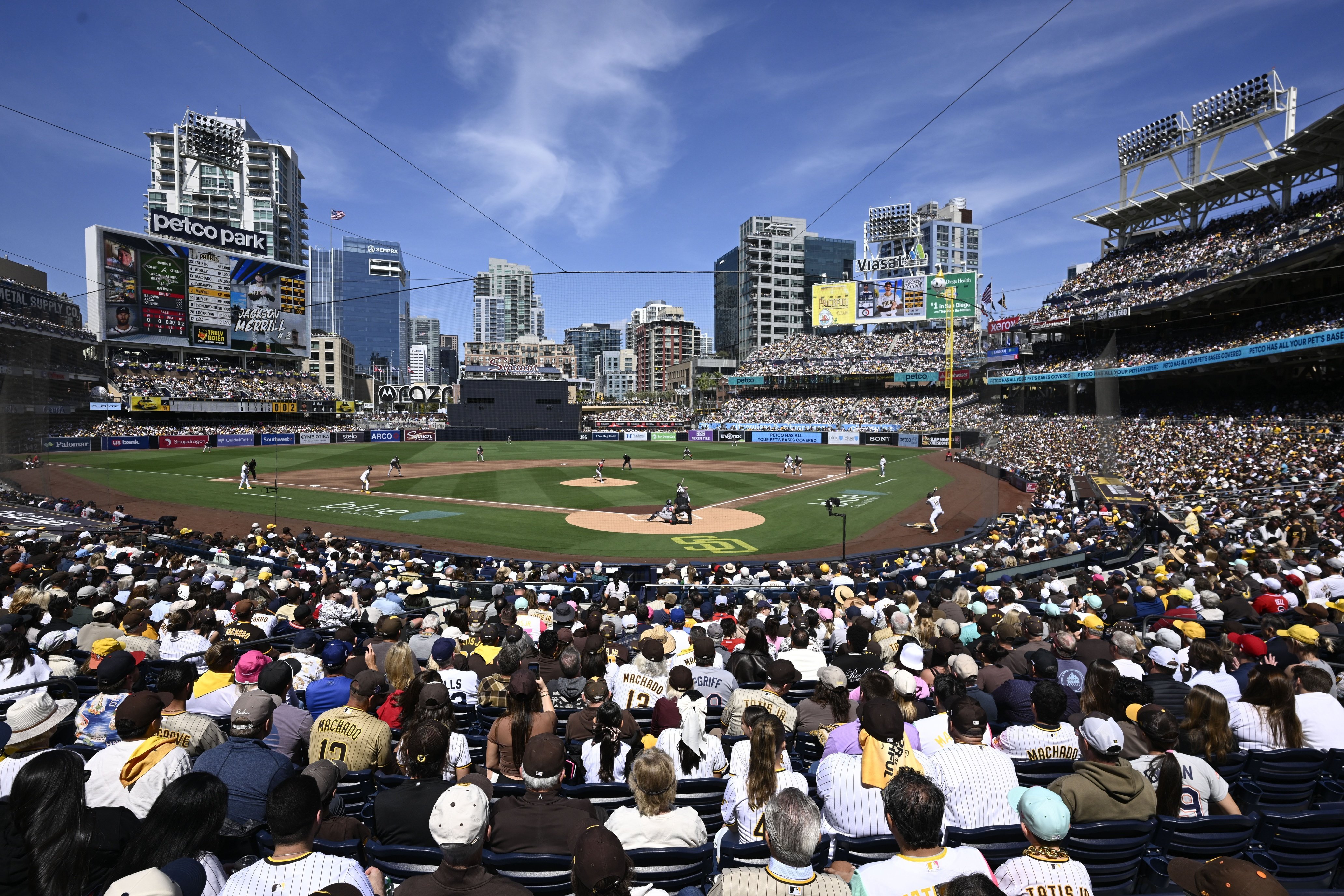 The Minnesota Twins have already been down this road once. The Pohlad family explored a sale of the franchise before ultimately deciding to maintain majority control and bring new limited partners into the ownership group. That decision didn't necessarily close the door on a future sale. It just meant the Twins would remain under Pohlad control for the time being. Now, the San Diego Padres have provided an interesting case study in what an MLB franchise can become when ownership treats the baseball operation as an arena for investment, rather than simply a cost to manage and minimize. The Padres were recently approved for a change in controlling ownership at a staggering $3.9 billion valuation, setting a new MLB record. The deal, led by José E. Feliciano and Kwanza Jones, surpassed Steve Cohen's $2.4-billion purchase of the Mets in 2020. That number is eye-catching, for plenty of reasons. San Diego has long been viewed as a small-market baseball operation. The Padres have dealt with television challenges, limited national attention and competition from the Dodgers in Southern California. Yet, the franchise became more valuable by building something people wanted to watch. That part should sound familiar to the Twins. The Pohlads don't need to copy everything the Padres did. They don't need to hand out every massive contract imaginable. But if there is still a long-term plan to eventually sell the franchise after the next collective bargaining agreement is settled, there are several lessons worth stealing. 1. Invest in the Product Before You Sell the Product This is the biggest lesson. The Padres didn't become a $3.9 billion franchise by simply waiting for the baseball market to appreciate their asset. They made the asset better. Manny Machado received a 10-year, $300-million contract. Xander Bogaerts signed an 11-year, $280-million deal. San Diego also acquired stars such as Yu Darvish, Blake Snell and Joe Musgrove. Those decisions came with enormous financial commitments, but they also created something ownership ultimately could sell: a winning baseball team. It's like redoing the roof or getting new windows before you sell a house; the increase in market price dwarfs what it costs to make the upgrades. The Twins have taken a different path at various points, often trying to find the line between competitiveness and financial responsibility. That can work when everything goes right. It's not the best strategy for maximizing franchise value, though. The Padres demonstrated that aggressive investment can create a feedback loop. Better players produce better teams. Better teams create more meaningful games. Meaningful games create more fans. More fans create more revenue. And greater revenue can make the entire franchise more attractive to prospective buyers, as well as—back to the beginning of the cycle—permitting investments in better players. The Pohlads need to think about the next several seasons through that lens—not simply, "How much does this player cost?" But "What might this player eventually make the franchise worth?" 2. Build a Team People Actually Want to Watch San Diego has ranked among MLB's top five teams in attendance every year since 2021. The club is also on pace for another season of 3 million-plus fans. That's the kind of number prospective owners notice. The Twins need to create the same type of urgency around Target Field. That doesn't mean Minnesota needs to become a 95-win juggernaut. It means the franchise needs to become relevant enough that fans feel compelled to be there. A roster built around Byron Buxton, Royce Lewis, Joe Ryan, emerging young players and a legitimate collection of stars could do that. A team that spends a significant portion of every summer fighting to stay around .500 will have a much harder time doing it. There's a difference between owning a baseball team and owning a destination. The Padres increasingly became the latter. The Twins should be trying to do the same. It'll be much harder in Minneapolis, where the Timberwolves, Vikings and Lynx compete directly for fans' entertainment dollars and the Wild and Loons offer less direct and proximate but real alternatives. The Padres have the luxury of aloneness. The Twins will have to find some way to achieve the same primacy, from much less powerful a position. 3. Turn Winning Into Revenue This is where the Padres' blueprint gets especially interesting. San Diego's business reportedly grew dramatically over the last several years, with sponsorship revenue and the number of corporate partners both increasing substantially. The Padres' executives pointed to a simple principle: the product on the field has a major impact on revenue. That should matter enormously to the Twins. A packed Target Field is more valuable than an empty Target Field. A strong sponsorship portfolio is built around a comeplling product. A franchise with a passionate regional following is more attractive to buyers than one whose fan base has become listless. This is where the Pohlads can create value even before another owner ever walks into the room. Put more people in the seats. Sell more premium experiences. Grow corporate partnerships. Make Target Field a place companies want to associate with. Create a baseball operation that people want to spend money around. The better the business performs, the easier it becomes for a prospective buyer to justify a higher price. 4. Stop Treating Payroll as the Finish Line The Padres didn't spend money simply to say they had a high payroll. They spent money to create a competitive roster. That distinction matters. Tom Pohlad has already said the Twins need to invest more if they want to become a consistently competitive playoff team. After the 2026 trade deadline, he went even further, saying the team's 2027 payroll "will be higher." That's a good start. But the next step is making sure that money is being converted into wins. A buyer isn't going to pay a premium because the Twins once had a higher payroll. That comes, instead, when a team has demonstrated that its revenue, fan base, player development and baseball operations are capable of sustaining success. The Padres' spending worked because it became part of a larger transformation. The Twins need the same thing. 5. Build Organizational Stability There's another Padres lesson hiding underneath all the big contracts. The franchise developed a recognizable baseball identity. A.J. Preller built an aggressive front office. Peter Seidler backed him. The organization developed into a destination for major players and continued investing even after previous disappointments. When the ownership transition was approved this month, Preller and CEO Erik Greupner were still in place to lead the organization. That continuity matters. Potential buyers aren't just purchasing 26 players and a ballpark. They're purchasing an organization. The Twins need to demonstrate that the front office knows what it is doing, that player development is producing major-league talent, that the coaching infrastructure works and that ownership is willing to provide the resources necessary to sustain it. There should be a clear answer to the question: What exactly are the Twins? A franchise preparing for a sale should not be searching for that answer at the same time. 6. Make the Next CBA Work for the Twins Timing could be especially important. MLB has already proposed a new collective bargaining agreement that would include a salary cap and salary floor, with the league's initial proposal calling for a $245.3 million cap and a $171.2 million floor in 2027. The current CBA is set to expire December 1, 2026. Whether a cap and floor ever become reality is impossible to know. But a new CBA will almost certainly change the financial landscape of baseball in some way. That creates an opportunity for the Pohlads. If the family truly believes the Twins could eventually be sold, it would make sense to maximize the franchise's position before that sale process begins. 7. Create a Franchise That Looks Bigger Than Its Market Perhaps the most important part of the Padres story is that San Diego never stopped being San Diego. The Padres were still dealing with the limitations of their local television market. They were still sharing a region with the Dodgers and Angels. They didn't magically become Los Angeles or New York. Instead, they made the franchise bigger than some of those limitations. That's the lesson for Minnesota. The Twins don't need to convince anyone that Minneapolis-St. Paul is Los Angeles. They need to make the Twins themselves more valuable. That means national relevance and recognizable stars. It means postseason appearances. It means a fan base that believes ownership is serious about winning. And it means creating enough revenue that a prospective owner sees opportunities, rather than limitations. The Pohlads Have a Blueprint None of this guarantees the Twins could approach a $3.9 billion valuation. The Padres' sale came during a period when MLB franchise values have surged, and scarcity alone makes owning one of the league's 30 clubs extraordinarily valuable. San Diego's record also reflects broader trends in professional sports, not just what happened on the field. But that's precisely why the Padres' example matters. The Pohlads don't control the market for MLB franchises. They do control what the Twins look like when somebody eventually comes shopping. The family has already changed course once, moving away from a full sale and bringing in new limited partners while retaining majority control. They did so because they hadn't staged the team well enough to sell it at a palatable price. The Padres didn't simply sell a baseball team. They sold the result of years spent making that baseball team matter more. The Twins have time to do the same thing. Can Minnesota follow San Diego’s blueprint? What area will be most challenging for the Pohlads? Leave a comment and start the discussion.
 -
Image courtesy of © Denis Poroy-Imagn Images The Minnesota Twins have already been down this road once. The Pohlad family explored a sale of the franchise before ultimately deciding to maintain majority control and bring new limited partners into the ownership group. That decision didn't necessarily close the door on a future sale. It just meant the Twins would remain under Pohlad control for the time being. Now, the San Diego Padres have provided an interesting case study in what an MLB franchise can become when ownership treats the baseball operation as an arena for investment, rather than simply a cost to manage and minimize. The Padres were recently approved for a change in controlling ownership at a staggering $3.9 billion valuation, setting a new MLB record. The deal, led by José E. Feliciano and Kwanza Jones, surpassed Steve Cohen's $2.4-billion purchase of the Mets in 2020. That number is eye-catching, for plenty of reasons. San Diego has long been viewed as a small-market baseball operation. The Padres have dealt with television challenges, limited national attention and competition from the Dodgers in Southern California. Yet, the franchise became more valuable by building something people wanted to watch. That part should sound familiar to the Twins. The Pohlads don't need to copy everything the Padres did. They don't need to hand out every massive contract imaginable. But if there is still a long-term plan to eventually sell the franchise after the next collective bargaining agreement is settled, there are several lessons worth stealing. 1. Invest in the Product Before You Sell the Product This is the biggest lesson. The Padres didn't become a $3.9 billion franchise by simply waiting for the baseball market to appreciate their asset. They made the asset better. Manny Machado received a 10-year, $300-million contract. Xander Bogaerts signed an 11-year, $280-million deal. San Diego also acquired stars such as Yu Darvish, Blake Snell and Joe Musgrove. Those decisions came with enormous financial commitments, but they also created something ownership ultimately could sell: a winning baseball team. It's like redoing the roof or getting new windows before you sell a house; the increase in market price dwarfs what it costs to make the upgrades. The Twins have taken a different path at various points, often trying to find the line between competitiveness and financial responsibility. That can work when everything goes right. It's not the best strategy for maximizing franchise value, though. The Padres demonstrated that aggressive investment can create a feedback loop. Better players produce better teams. Better teams create more meaningful games. Meaningful games create more fans. More fans create more revenue. And greater revenue can make the entire franchise more attractive to prospective buyers, as well as—back to the beginning of the cycle—permitting investments in better players. The Pohlads need to think about the next several seasons through that lens—not simply, "How much does this player cost?" But "What might this player eventually make the franchise worth?" 2. Build a Team People Actually Want to Watch San Diego has ranked among MLB's top five teams in attendance every year since 2021. The club is also on pace for another season of 3 million-plus fans. That's the kind of number prospective owners notice. The Twins need to create the same type of urgency around Target Field. That doesn't mean Minnesota needs to become a 95-win juggernaut. It means the franchise needs to become relevant enough that fans feel compelled to be there. A roster built around Byron Buxton, Royce Lewis, Joe Ryan, emerging young players and a legitimate collection of stars could do that. A team that spends a significant portion of every summer fighting to stay around .500 will have a much harder time doing it. There's a difference between owning a baseball team and owning a destination. The Padres increasingly became the latter. The Twins should be trying to do the same. It'll be much harder in Minneapolis, where the Timberwolves, Vikings and Lynx compete directly for fans' entertainment dollars and the Wild and Loons offer less direct and proximate but real alternatives. The Padres have the luxury of aloneness. The Twins will have to find some way to achieve the same primacy, from much less powerful a position. 3. Turn Winning Into Revenue This is where the Padres' blueprint gets especially interesting. San Diego's business reportedly grew dramatically over the last several years, with sponsorship revenue and the number of corporate partners both increasing substantially. The Padres' executives pointed to a simple principle: the product on the field has a major impact on revenue. That should matter enormously to the Twins. A packed Target Field is more valuable than an empty Target Field. A strong sponsorship portfolio is built around a comeplling product. A franchise with a passionate regional following is more attractive to buyers than one whose fan base has become listless. This is where the Pohlads can create value even before another owner ever walks into the room. Put more people in the seats. Sell more premium experiences. Grow corporate partnerships. Make Target Field a place companies want to associate with. Create a baseball operation that people want to spend money around. The better the business performs, the easier it becomes for a prospective buyer to justify a higher price. 4. Stop Treating Payroll as the Finish Line The Padres didn't spend money simply to say they had a high payroll. They spent money to create a competitive roster. That distinction matters. Tom Pohlad has already said the Twins need to invest more if they want to become a consistently competitive playoff team. After the 2026 trade deadline, he went even further, saying the team's 2027 payroll "will be higher." That's a good start. But the next step is making sure that money is being converted into wins. A buyer isn't going to pay a premium because the Twins once had a higher payroll. That comes, instead, when a team has demonstrated that its revenue, fan base, player development and baseball operations are capable of sustaining success. The Padres' spending worked because it became part of a larger transformation. The Twins need the same thing. 5. Build Organizational Stability There's another Padres lesson hiding underneath all the big contracts. The franchise developed a recognizable baseball identity. A.J. Preller built an aggressive front office. Peter Seidler backed him. The organization developed into a destination for major players and continued investing even after previous disappointments. When the ownership transition was approved this month, Preller and CEO Erik Greupner were still in place to lead the organization. That continuity matters. Potential buyers aren't just purchasing 26 players and a ballpark. They're purchasing an organization. The Twins need to demonstrate that the front office knows what it is doing, that player development is producing major-league talent, that the coaching infrastructure works and that ownership is willing to provide the resources necessary to sustain it. There should be a clear answer to the question: What exactly are the Twins? A franchise preparing for a sale should not be searching for that answer at the same time. 6. Make the Next CBA Work for the Twins Timing could be especially important. MLB has already proposed a new collective bargaining agreement that would include a salary cap and salary floor, with the league's initial proposal calling for a $245.3 million cap and a $171.2 million floor in 2027. The current CBA is set to expire December 1, 2026. Whether a cap and floor ever become reality is impossible to know. But a new CBA will almost certainly change the financial landscape of baseball in some way. That creates an opportunity for the Pohlads. If the family truly believes the Twins could eventually be sold, it would make sense to maximize the franchise's position before that sale process begins. 7. Create a Franchise That Looks Bigger Than Its Market Perhaps the most important part of the Padres story is that San Diego never stopped being San Diego. The Padres were still dealing with the limitations of their local television market. They were still sharing a region with the Dodgers and Angels. They didn't magically become Los Angeles or New York. Instead, they made the franchise bigger than some of those limitations. That's the lesson for Minnesota. The Twins don't need to convince anyone that Minneapolis-St. Paul is Los Angeles. They need to make the Twins themselves more valuable. That means national relevance and recognizable stars. It means postseason appearances. It means a fan base that believes ownership is serious about winning. And it means creating enough revenue that a prospective owner sees opportunities, rather than limitations. The Pohlads Have a Blueprint None of this guarantees the Twins could approach a $3.9 billion valuation. The Padres' sale came during a period when MLB franchise values have surged, and scarcity alone makes owning one of the league's 30 clubs extraordinarily valuable. San Diego's record also reflects broader trends in professional sports, not just what happened on the field. But that's precisely why the Padres' example matters. The Pohlads don't control the market for MLB franchises. They do control what the Twins look like when somebody eventually comes shopping. The family has already changed course once, moving away from a full sale and bringing in new limited partners while retaining majority control. They did so because they hadn't staged the team well enough to sell it at a palatable price. The Padres didn't simply sell a baseball team. They sold the result of years spent making that baseball team matter more. The Twins have time to do the same thing. Can Minnesota follow San Diego’s blueprint? What area will be most challenging for the Pohlads? Leave a comment and start the discussion. View full article
-
Image courtesy of William Parmeter Injuries are one of the few parts of a baseball season that teams simply cannot control. Every fan base can point to the players who have spent time on the injured list and wonder how different the season might look if everyone had stayed healthy (cough… Pablo Lopez). For teams that haven't lived up to expectations, injuries can become an easy explanation for what went wrong. But are some teams actually dealing with significantly more injury-related losses than others? FanGraphs’ Dan Szymborski recently took a closer look at that question, examining how much potential WAR each team has lost because of injuries during the 2026 season. The answer provides some interesting context for the Minnesota Twins. An Aggregate Table of Sadness Szymborski began with the overall injury picture across baseball. “As I write this, there have been 690 independent IL stints so far in 2026, with 11 players hitting the IL on three separate occasions,” Szymborski wrote. To estimate the impact of those injuries, he had ZiPS rerun projections for each player at the time of his injury. From there, he estimated how much potential WAR was lost because the player was unavailable. Szymborski acknowledged that the exercise isn't perfect. Day-to-day injuries can be difficult to quantify, particularly when they aren't reported in detail. However, those injuries generally aren't significant enough to result in an IL stint. The result was what Szymborski jokingly called an “aggregate table of sadness.” And the Twins aren't at the top of it, nor even close. Minnesota has lost an estimated 7.1 potential WAR to injuries, which ranks 17th in baseball. That number is notable because several teams ahead of Minnesota are either competing for postseason spots or entered the season with legitimate championship aspirations. The Red Sox, Braves, Astros, Dodgers, Cubs and Brewers are among the teams that have lost more potential WAR to injuries. That doesn't necessarily mean those clubs have been unlucky in every sense. Some teams have larger payrolls and more established players, which naturally gives them more opportunities to lose projected WAR when someone gets hurt. The Dodgers are perhaps the most obvious example. Los Angeles has routinely embraced players with significant injury histories, betting that the organization's depth and resources can help overcome those absences when October arrives. It's a strategy that looks considerably different when viewed through the lens of injury data. How Minnesota Compares to the AL Central Within the American League Central, Minnesota falls somewhere in the middle of the pack. The Tigers have lost an estimated 10.0 WAR, while the White Sox sit at 7.5 WAR. The Twins' 7.1 WAR follows those two teams. Kansas City has lost 6.5 WAR, while Cleveland has lost only 2.2 WAR. In fact, the Guardians are tied with Philadelphia for the second-lowest projected WAR lost to injury. That doesn't mean Cleveland has avoided injuries entirely. It simply means the projected value of the players lost hasn't been as significant as it has been elsewhere. Losing a replacement-level player for a month isn't the same as losing an established star. The number of injuries alone doesn't tell the entire story. That's why Szymborski's methodology is useful in putting those absences into a more meaningful context. The Twins Could Still Lose More There's another part of Szymborski's analysis that should matter to Twins fans. He also looked at the projected WAR that teams could still lose to injuries for the remainder of the 2026 season. Minnesota has 2.4 potential WAR remaining on that list, which ranks 10th in baseball. That's the second-highest total in the AL Central. Detroit is projected to have another 3.8 WAR potentially lost to injury, while Chicago sits at 2.0 WAR. Kansas City is at 1.7 WAR, and Cleveland is at just 0.4 WAR. Again, these aren't predictions that specific players will get hurt. They're estimates of the potential value currently associated with players who will miss time. Currently, the Twins have six players on the 60-day IL including Lopez, Anthony Banda, David Festa, Mike Paredes, Mick Abel, and Cole Sands. None of those players are expected back this season. That impacts every game moving forward for Minnesota. Sometimes, It's Just Out of Your Hands Baseball teams can control a lot. They can control how they prepare players. They can control roster construction. They can control how they deploy their pitching staff. They can make trades and call up prospects. They can't control whether a player pulls a muscle running to first base. They can't control whether a pitcher feels something in his arm. And they certainly can't control how many injuries happen across the league. That's what makes Szymborski's numbers particularly interesting for the Twins. They have dealt with injuries this season, but their 7.1 potential WAR lost doesn't place them in some uniquely unfortunate category. Other contenders have dealt with even larger losses, and several teams around the division have experienced similar or greater problems. The Twins' fate over the final weeks will ultimately be determined by much more than their injury total. They still have to play the games, execute on the field and take advantage of the opportunities in front of them. But sometimes a team's fate is partially decided before it ever gets that far. Injuries don't care about standings, payrolls or postseason expectations. And unfortunately for every team in baseball, there's no strategy that can completely prevent them. Does it feel like the Twins should be higher? How will injuries impact the team the rest of the season? Leave a comment and start the discussion. View full article
-
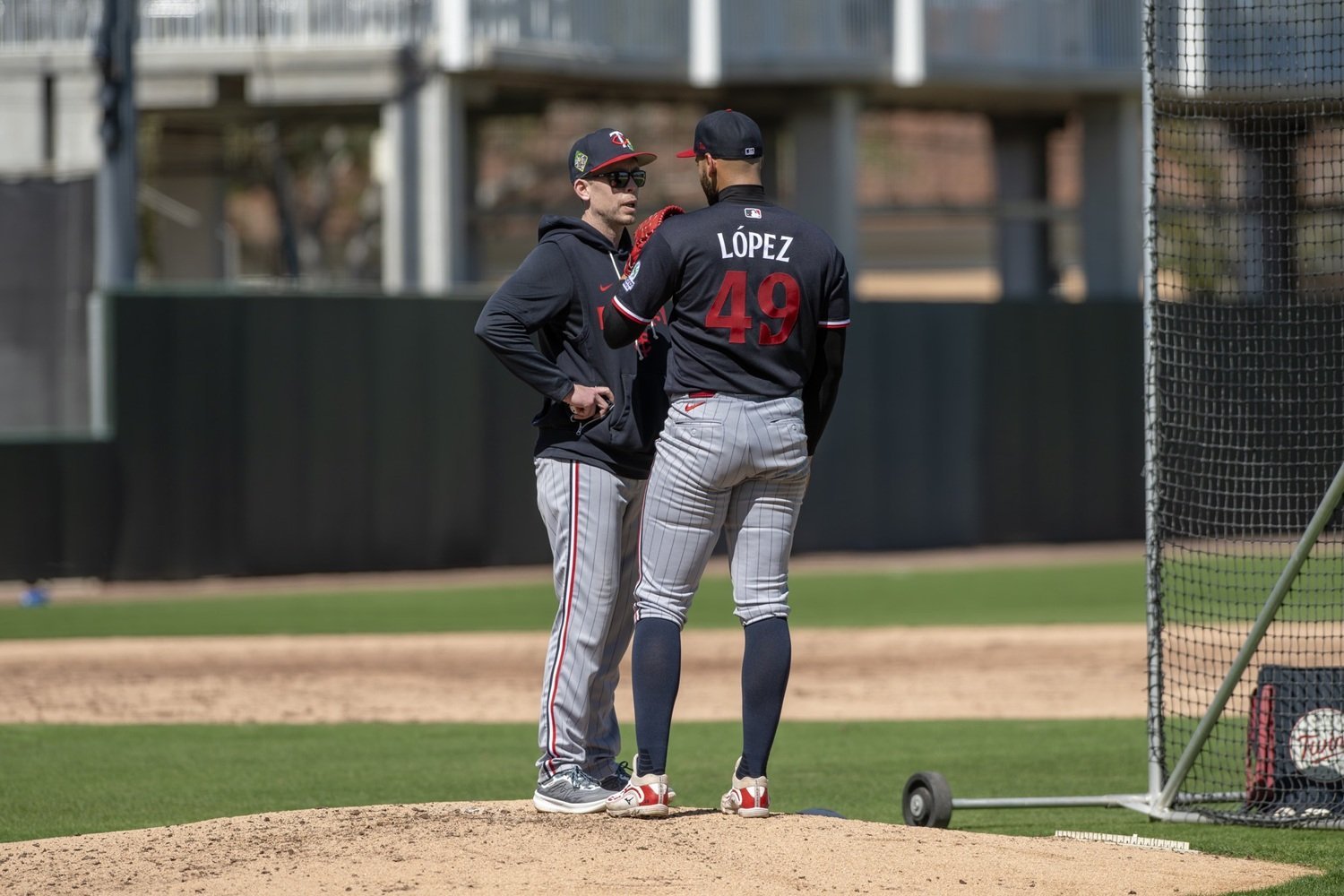 Injuries are one of the few parts of a baseball season that teams simply cannot control. Every fan base can point to the players who have spent time on the injured list and wonder how different the season might look if everyone had stayed healthy (cough… Pablo Lopez). For teams that haven't lived up to expectations, injuries can become an easy explanation for what went wrong. But are some teams actually dealing with significantly more injury-related losses than others? FanGraphs’ Dan Szymborski recently took a closer look at that question, examining how much potential WAR each team has lost because of injuries during the 2026 season. The answer provides some interesting context for the Minnesota Twins. An Aggregate Table of Sadness Szymborski began with the overall injury picture across baseball. “As I write this, there have been 690 independent IL stints so far in 2026, with 11 players hitting the IL on three separate occasions,” Szymborski wrote. To estimate the impact of those injuries, he had ZiPS rerun projections for each player at the time of his injury. From there, he estimated how much potential WAR was lost because the player was unavailable. Szymborski acknowledged that the exercise isn't perfect. Day-to-day injuries can be difficult to quantify, particularly when they aren't reported in detail. However, those injuries generally aren't significant enough to result in an IL stint. The result was what Szymborski jokingly called an “aggregate table of sadness.” And the Twins aren't at the top of it, nor even close. Minnesota has lost an estimated 7.1 potential WAR to injuries, which ranks 17th in baseball. That number is notable because several teams ahead of Minnesota are either competing for postseason spots or entered the season with legitimate championship aspirations. The Red Sox, Braves, Astros, Dodgers, Cubs and Brewers are among the teams that have lost more potential WAR to injuries. That doesn't necessarily mean those clubs have been unlucky in every sense. Some teams have larger payrolls and more established players, which naturally gives them more opportunities to lose projected WAR when someone gets hurt. The Dodgers are perhaps the most obvious example. Los Angeles has routinely embraced players with significant injury histories, betting that the organization's depth and resources can help overcome those absences when October arrives. It's a strategy that looks considerably different when viewed through the lens of injury data. How Minnesota Compares to the AL Central Within the American League Central, Minnesota falls somewhere in the middle of the pack. The Tigers have lost an estimated 10.0 WAR, while the White Sox sit at 7.5 WAR. The Twins' 7.1 WAR follows those two teams. Kansas City has lost 6.5 WAR, while Cleveland has lost only 2.2 WAR. In fact, the Guardians are tied with Philadelphia for the second-lowest projected WAR lost to injury. That doesn't mean Cleveland has avoided injuries entirely. It simply means the projected value of the players lost hasn't been as significant as it has been elsewhere. Losing a replacement-level player for a month isn't the same as losing an established star. The number of injuries alone doesn't tell the entire story. That's why Szymborski's methodology is useful in putting those absences into a more meaningful context. The Twins Could Still Lose More There's another part of Szymborski's analysis that should matter to Twins fans. He also looked at the projected WAR that teams could still lose to injuries for the remainder of the 2026 season. Minnesota has 2.4 potential WAR remaining on that list, which ranks 10th in baseball. That's the second-highest total in the AL Central. Detroit is projected to have another 3.8 WAR potentially lost to injury, while Chicago sits at 2.0 WAR. Kansas City is at 1.7 WAR, and Cleveland is at just 0.4 WAR. Again, these aren't predictions that specific players will get hurt. They're estimates of the potential value currently associated with players who will miss time. Currently, the Twins have six players on the 60-day IL including Lopez, Anthony Banda, David Festa, Mike Paredes, Mick Abel, and Cole Sands. None of those players are expected back this season. That impacts every game moving forward for Minnesota. Sometimes, It's Just Out of Your Hands Baseball teams can control a lot. They can control how they prepare players. They can control roster construction. They can control how they deploy their pitching staff. They can make trades and call up prospects. They can't control whether a player pulls a muscle running to first base. They can't control whether a pitcher feels something in his arm. And they certainly can't control how many injuries happen across the league. That's what makes Szymborski's numbers particularly interesting for the Twins. They have dealt with injuries this season, but their 7.1 potential WAR lost doesn't place them in some uniquely unfortunate category. Other contenders have dealt with even larger losses, and several teams around the division have experienced similar or greater problems. The Twins' fate over the final weeks will ultimately be determined by much more than their injury total. They still have to play the games, execute on the field and take advantage of the opportunities in front of them. But sometimes a team's fate is partially decided before it ever gets that far. Injuries don't care about standings, payrolls or postseason expectations. And unfortunately for every team in baseball, there's no strategy that can completely prevent them. Does it feel like the Twins should be higher? How will injuries impact the team the rest of the season? Leave a comment and start the discussion.
- 16 comments
-
- 1
-
-
- pablo lopez
- mick abel
- (and 4 more)
-
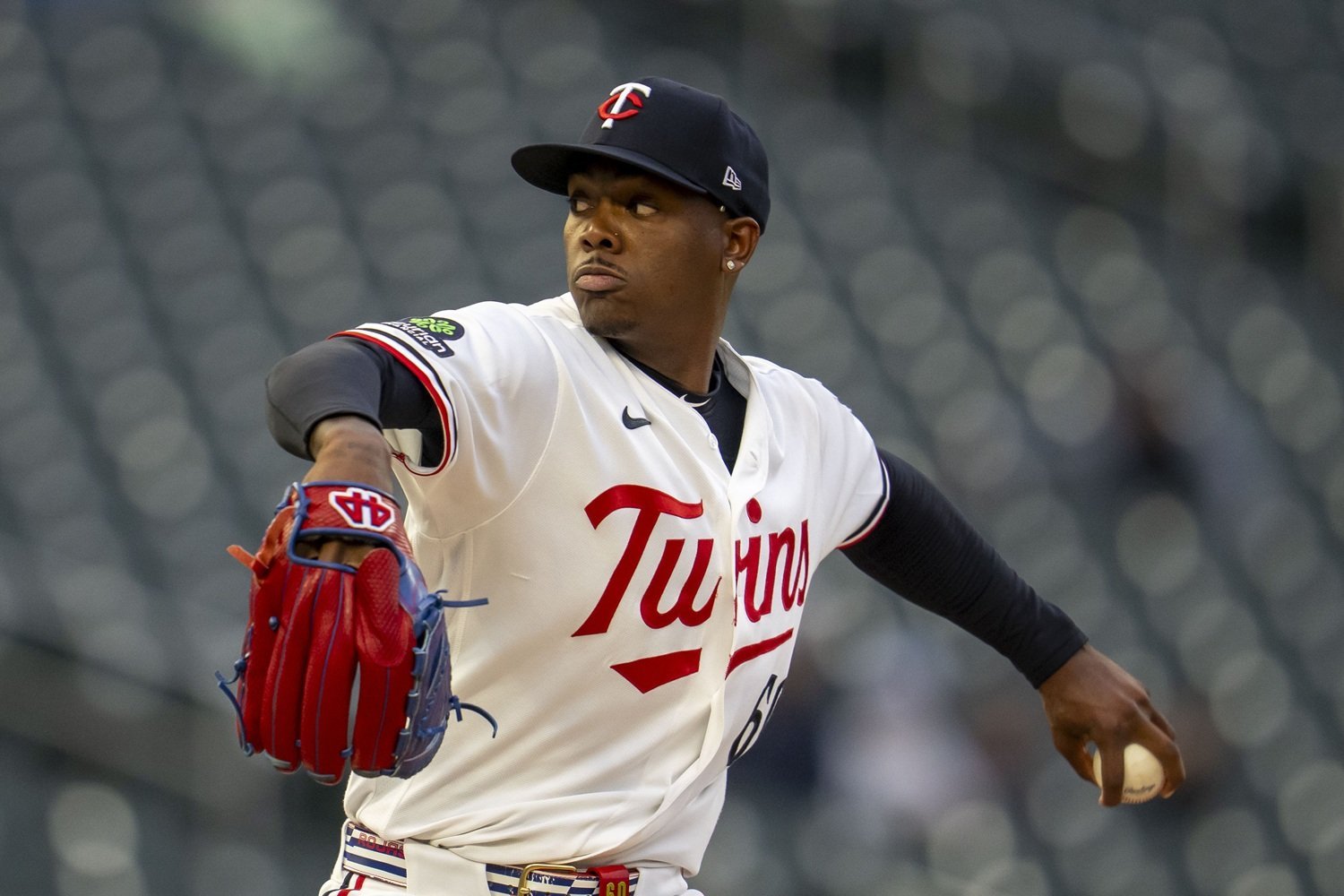 The Minnesota Twins have spent much of this season trying to piece together enough starting pitching depth to get through the final months of the season. Unfortunately, another piece just took a hit. Left-hander Kendry Rojas exited his Triple-A St. Paul start on Friday after apparently grimacing following a pitch in the second inning. After a meeting at the mound, Rojas left the game after throwing just one inning. He allowed one walk and did not surrender a hit. The diagnosis came Saturday, and it wasn't particularly encouraging. The Twins placed Rojas on the Triple-A injured list with a right oblique strain. That puts another dent in an already thin group of starting pitching options. More importantly, it puts Rojas' potential role down the stretch into question. Rojas Was Starting to Make a Case Before the injury, Rojas was doing exactly what the Twins wanted to see after sending him back to St. Paul at the beginning of August. In three starts since the demotion, the 23-year-old had thrown 11 innings while allowing just one earned run. He struck out 11, walked only two and held opposing hitters to a .180/.220/.256 slash line. Those are the kinds of numbers that force an organization to pay attention. Rojas has also already gotten a taste of the majors this season. He has made four appearances for Minnesota, including some outings in an opener-type role. Across 12 1/3 innings, he owns a 2.19 ERA with 14 strikeouts and seven walks. The most intriguing part might be how opponents have performed when Rojas has been used as a starter. They have produced just a .430 OPS against him. The question has never really been whether Rojas can get major-league hitters out. The next question was whether he could do it while handling a legitimate starter's workload. The Workload Was Supposed to Increase That was going to be the next phase of Rojas' development. On Sunday's episode of Inside Twins, general manager Jeremy Zoll said the organization planned to ramp up Rojas' workload in his upcoming starts. That made sense. The Twins don't simply need another pitcher capable of giving them two or three innings. With the rotation already dealing with injuries and uncertainty, they need someone who can potentially take the ball every fifth day and provide meaningful length. Rojas was beginning to get that opportunity. Now, the oblique injury interrupts the process. The hope, obviously, is that this is a relatively short-term setback and Rojas can get back on the mound soon. But oblique injuries can be tricky, particularly for pitchers. The Twins will have to be careful about rushing him back simply because they need pitching. Joe Ryan's return timeline remains an important variable for the Twins' rotation, and any additional injury could create another opening. Before Friday, Rojas looked like one of the more logical internal candidates to fill it. If Rojas can return quickly and resume building up his innings, he could still become an intriguing September option. But with the Twins already short on rotation depth, this is another injury the organization could have done without.
 -
The Minnesota Twins have spent much of this season trying to piece together enough starting pitching depth to get through the final months of the season. Unfortunately, another piece just took a hit. Left-hander Kendry Rojas exited his Triple-A St. Paul start on Friday after apparently grimacing following a pitch in the second inning. After a meeting at the mound, Rojas left the game after throwing just one inning. He allowed one walk and did not surrender a hit. The diagnosis came Saturday, and it wasn't particularly encouraging. The Twins placed Rojas on the Triple-A injured list with a right oblique strain. That puts another dent in an already thin group of starting pitching options. More importantly, it puts Rojas' potential role down the stretch into question. Rojas Was Starting to Make a Case Before the injury, Rojas was doing exactly what the Twins wanted to see after sending him back to St. Paul at the beginning of August. In three starts since the demotion, the 23-year-old had thrown 11 innings while allowing just one earned run. He struck out 11, walked only two and held opposing hitters to a .180/.220/.256 slash line. Those are the kinds of numbers that force an organization to pay attention. Rojas has also already gotten a taste of the majors this season. He has made four appearances for Minnesota, including some outings in an opener-type role. Across 12 1/3 innings, he owns a 2.19 ERA with 14 strikeouts and seven walks. The most intriguing part might be how opponents have performed when Rojas has been used as a starter. They have produced just a .430 OPS against him. The question has never really been whether Rojas can get major-league hitters out. The next question was whether he could do it while handling a legitimate starter's workload. The Workload Was Supposed to Increase That was going to be the next phase of Rojas' development. On Sunday's episode of Inside Twins, general manager Jeremy Zoll said the organization planned to ramp up Rojas' workload in his upcoming starts. That made sense. The Twins don't simply need another pitcher capable of giving them two or three innings. With the rotation already dealing with injuries and uncertainty, they need someone who can potentially take the ball every fifth day and provide meaningful length. Rojas was beginning to get that opportunity. Now, the oblique injury interrupts the process. The hope, obviously, is that this is a relatively short-term setback and Rojas can get back on the mound soon. But oblique injuries can be tricky, particularly for pitchers. The Twins will have to be careful about rushing him back simply because they need pitching. Joe Ryan's return timeline remains an important variable for the Twins' rotation, and any additional injury could create another opening. Before Friday, Rojas looked like one of the more logical internal candidates to fill it. If Rojas can return quickly and resume building up his innings, he could still become an intriguing September option. But with the Twins already short on rotation depth, this is another injury the organization could have done without. View full rumor
-
Image courtesy of © Matt Blewett-Imagn Images There was a point earlier this month when the Minnesota Twins’ playoff hopes looked like they were slipping away. A rough stretch against the Brewers and Phillies had Minnesota searching for answers, and the team entered its series with Atlanta having plenty of questions about whether it could stay in the American League Wild Card race. Then everything changed rather quickly. The Twins swept the Braves, their first series sweep since June, and suddenly Minnesota is back in a playoff spot with more than a month remaining. That does not mean the hard part is over. Quite the opposite. The Twins have 33 games remaining, and the margin for error is going to remain extremely small. There are plenty of teams crowded around the postseason cutoff, meaning a handful of wins or losses could completely change the picture. So what will determine whether Minnesota actually gets there? These five things could be the biggest variables. 1. Joe Ryan’s Return This one might be the most obvious. Ryan is arguably the most important pitcher on the Twins’ roster, and Minnesota simply looks different when he is leading the rotation. The right-hander landed on the injured list with a mild left glute strain after his August 4th start. The good news is that his recovery appears to be moving in the right direction. Ryan recently threw his first bullpen session since the injury, another important step toward returning to the rotation. Now comes the difficult part. The Twins don't just need Ryan to return. They need him to look like Joe Ryan from the first half. There is a difference. Minnesota's rotation has had to navigate injuries and inconsistency throughout the year. Taj Bradley has been solid with some inconsistencies that marked his time in Tampa. Bailey Ober has continued to work through some uneven outings, while the organization has leaned on younger pitchers such as Connor Prielipp and Zebby Matthews for important starts. That can work for stretches. It is much harder to sustain over six weeks while trying to win a playoff spot. Ryan gives the Twins a legitimate front-line starter who can change the complexion of a series. Getting him back for the stretch run could be the biggest pitching development of the next few weeks. 2. Byron Buxton’s Health The Twins' playoff ceiling is also tied directly to their most dynamic player. Buxton missed time with a right hip impingement before returning to the roster in August. He is clearly not 100%, but even at less than full strength, Buxton can be a difference maker. Buxton has carried Minnesota’s lineup through different portions of the season, especially when the club was scuffling through portions of the first half. But the Twins don't need one spectacular week from him. They need him available consistently through September. There is also a practical element to this. The Twins have enough offensive talent to score runs without Buxton, but they are a much more dangerous lineup when he is creating pressure at the top of the order. His presence changes how opposing pitchers attack the rest of the lineup. There is no way around it: Minnesota needs Buxton on the field. Not necessarily every inning of every game. Not necessarily playing center field every day. Just available. During a playoff race this tight, that matters. 3. Royce Lewis This might be the most fascinating variable of the five. Lewis has experienced just about every possible storyline in 2026. He struggled badly enough early in the season to be optioned to Triple-A, then returned to Minnesota and started looking much more like the player the organization believed could become a cornerstone. More recently, he has been one of the hottest hitters on the roster. Prior to Friday's 0-for-3 against San Diego, Lewis had reached base in 18 consecutive games and posted a .308/.378/.554 slash line during that stretch. In August, he has .867 OPS with seven doubles and two homers. That is the Royce Lewis the Twins need. Not necessarily the player who hits a home run every night. Not the guy who has to carry the offense by himself. They need the version of Lewis who consistently controls at-bats, makes hard contact and gives the middle of the lineup another dangerous threat. Because there is a big difference between the Twins' lineup with Lewis producing and the Twins' lineup asking other players to compensate for an unproductive corner infield spot. The encouraging part is that Lewis appears to be trending in the right direction. The challenge is sustaining it. 4. The Rotation Has to Hold Together Even if Ryan returns and even if Buxton and Lewis stay healthy, Minnesota is not making the playoffs without dependable starting pitching. The Twins have spent much of the season trying to find the right combination. Ober and Bradley have been inconsistent. Younger pitchers have been asked to handle meaningful innings. Dean Kremer has been added to the mix. And the team has had to be creative with its pitching staff as injuries have piled up. That is a lot of moving pieces for a team trying to win games in September. The rotation doesn't need to become dominant overnight. It simply needs to become stable. The Twins need starters who can routinely get into the sixth inning and give the bullpen a chance to work with a lead. They need fewer games where the opposition gets an early advantage and forces Minnesota to spend the rest of the afternoon or evening trying to climb back. That becomes especially important because the Twins invested heavily in rebuilding their bullpen at the trade deadline. There is legitimate relief help available now. But those relievers are much more effective when they aren't being asked to cover half a game every other night. 5. The Remaining Schedule Eventually, the standings are going to stop being theoretical. The schedule will decide this. And Minnesota has a fascinating path ahead. After the current trip to San Diego, the Twins head to Oakland for three games before returning home for series against the White Sox and Tigers. Then comes another three-game series against Chicago followed by three more against Detroit. That stretch is enormous. Minnesota will have repeated opportunities to gain ground directly against teams involved in the same playoff race. The September schedule also includes Cleveland, the Yankees, the Angels, the Giants and Texas. This is where the Twins can either create separation or get swallowed by the pack. The games against Chicago, Detroit and Cleveland will carry extra weight because Minnesota can gain a game while simultaneously taking one away from an AL Central competitor. That is the good news. The bad news is that there won't be many easy nights. The Twins need to play like a team that belongs in the postseason. The Margin for Error Is Small That might be the biggest takeaway from all of this. The Twins are not relying on one thing going right. They need several things to go reasonably well at the same time. Ryan needs to come back healthy. Buxton needs to stay on the field. Lewis needs to keep hitting. The rotation needs to become dependable. And Minnesota needs to take advantage of its remaining schedule. That is a lot to ask. But that's what happens when a team spends the final month of the season fighting for one of the last playoff spots. The Twins have given themselves another opportunity. Now they have to take it. And over the next six weeks, these five variables could determine whether this surprising playoff push becomes a real postseason run or another season of what-ifs. What would you add to this list? Leave a comment and start the discussion. View full article
-
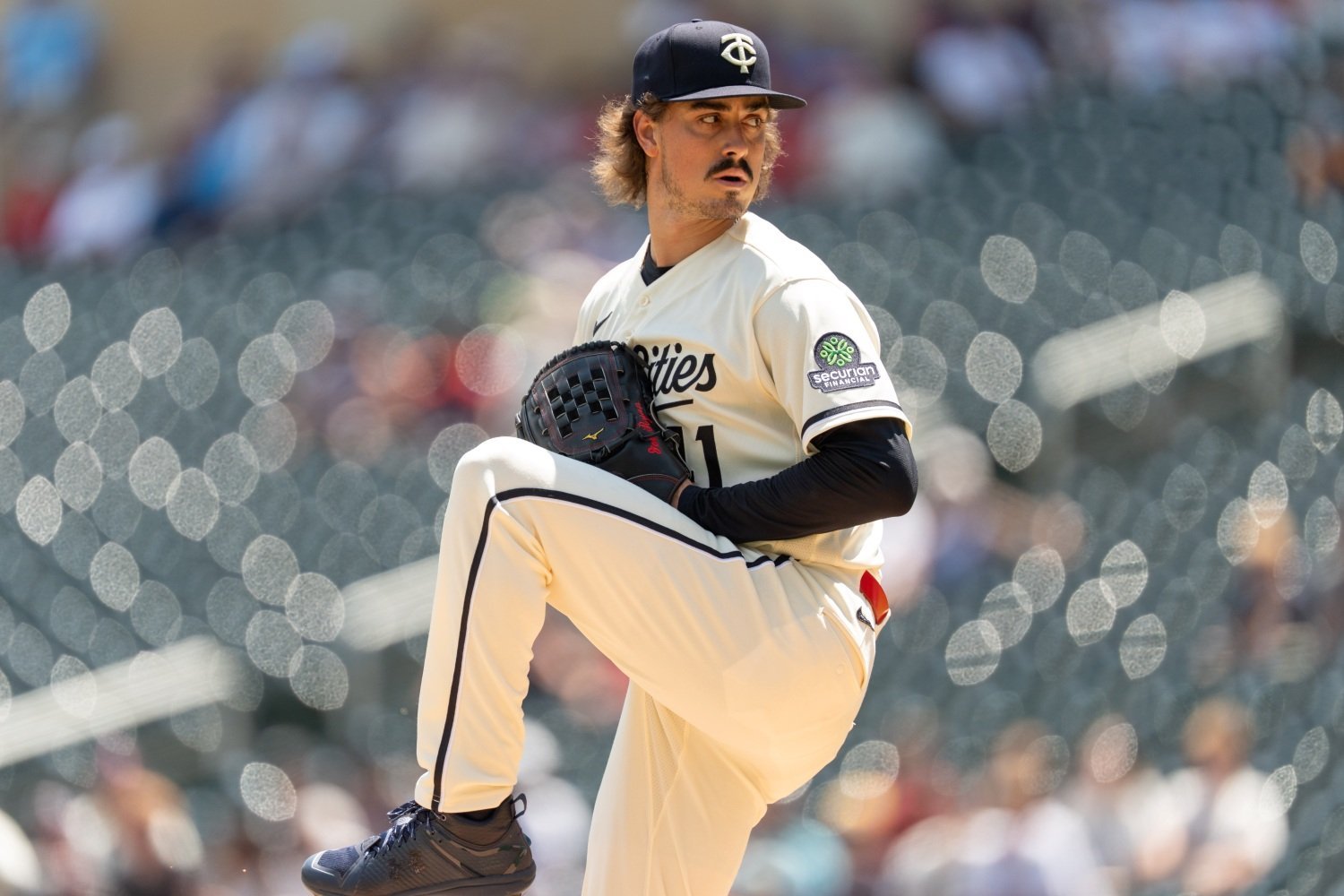 There was a point earlier this month when the Minnesota Twins’ playoff hopes looked like they were slipping away. A rough stretch against the Brewers and Phillies had Minnesota searching for answers, and the team entered its series with Atlanta having plenty of questions about whether it could stay in the American League Wild Card race. Then everything changed rather quickly. The Twins swept the Braves, their first series sweep since June, and suddenly Minnesota is back in a playoff spot with more than a month remaining. That does not mean the hard part is over. Quite the opposite. The Twins have 33 games remaining, and the margin for error is going to remain extremely small. There are plenty of teams crowded around the postseason cutoff, meaning a handful of wins or losses could completely change the picture. So what will determine whether Minnesota actually gets there? These five things could be the biggest variables. 1. Joe Ryan’s Return This one might be the most obvious. Ryan is arguably the most important pitcher on the Twins’ roster, and Minnesota simply looks different when he is leading the rotation. The right-hander landed on the injured list with a mild left glute strain after his August 4th start. The good news is that his recovery appears to be moving in the right direction. Ryan recently threw his first bullpen session since the injury, another important step toward returning to the rotation. Now comes the difficult part. The Twins don't just need Ryan to return. They need him to look like Joe Ryan from the first half. There is a difference. Minnesota's rotation has had to navigate injuries and inconsistency throughout the year. Taj Bradley has been solid with some inconsistencies that marked his time in Tampa. Bailey Ober has continued to work through some uneven outings, while the organization has leaned on younger pitchers such as Connor Prielipp and Zebby Matthews for important starts. That can work for stretches. It is much harder to sustain over six weeks while trying to win a playoff spot. Ryan gives the Twins a legitimate front-line starter who can change the complexion of a series. Getting him back for the stretch run could be the biggest pitching development of the next few weeks. 2. Byron Buxton’s Health The Twins' playoff ceiling is also tied directly to their most dynamic player. Buxton missed time with a right hip impingement before returning to the roster in August. He is clearly not 100%, but even at less than full strength, Buxton can be a difference maker. Buxton has carried Minnesota’s lineup through different portions of the season, especially when the club was scuffling through portions of the first half. But the Twins don't need one spectacular week from him. They need him available consistently through September. There is also a practical element to this. The Twins have enough offensive talent to score runs without Buxton, but they are a much more dangerous lineup when he is creating pressure at the top of the order. His presence changes how opposing pitchers attack the rest of the lineup. There is no way around it: Minnesota needs Buxton on the field. Not necessarily every inning of every game. Not necessarily playing center field every day. Just available. During a playoff race this tight, that matters. 3. Royce Lewis This might be the most fascinating variable of the five. Lewis has experienced just about every possible storyline in 2026. He struggled badly enough early in the season to be optioned to Triple-A, then returned to Minnesota and started looking much more like the player the organization believed could become a cornerstone. More recently, he has been one of the hottest hitters on the roster. Prior to Friday's 0-for-3 against San Diego, Lewis had reached base in 18 consecutive games and posted a .308/.378/.554 slash line during that stretch. In August, he has .867 OPS with seven doubles and two homers. That is the Royce Lewis the Twins need. Not necessarily the player who hits a home run every night. Not the guy who has to carry the offense by himself. They need the version of Lewis who consistently controls at-bats, makes hard contact and gives the middle of the lineup another dangerous threat. Because there is a big difference between the Twins' lineup with Lewis producing and the Twins' lineup asking other players to compensate for an unproductive corner infield spot. The encouraging part is that Lewis appears to be trending in the right direction. The challenge is sustaining it. 4. The Rotation Has to Hold Together Even if Ryan returns and even if Buxton and Lewis stay healthy, Minnesota is not making the playoffs without dependable starting pitching. The Twins have spent much of the season trying to find the right combination. Ober and Bradley have been inconsistent. Younger pitchers have been asked to handle meaningful innings. Dean Kremer has been added to the mix. And the team has had to be creative with its pitching staff as injuries have piled up. That is a lot of moving pieces for a team trying to win games in September. The rotation doesn't need to become dominant overnight. It simply needs to become stable. The Twins need starters who can routinely get into the sixth inning and give the bullpen a chance to work with a lead. They need fewer games where the opposition gets an early advantage and forces Minnesota to spend the rest of the afternoon or evening trying to climb back. That becomes especially important because the Twins invested heavily in rebuilding their bullpen at the trade deadline. There is legitimate relief help available now. But those relievers are much more effective when they aren't being asked to cover half a game every other night. 5. The Remaining Schedule Eventually, the standings are going to stop being theoretical. The schedule will decide this. And Minnesota has a fascinating path ahead. After the current trip to San Diego, the Twins head to Oakland for three games before returning home for series against the White Sox and Tigers. Then comes another three-game series against Chicago followed by three more against Detroit. That stretch is enormous. Minnesota will have repeated opportunities to gain ground directly against teams involved in the same playoff race. The September schedule also includes Cleveland, the Yankees, the Angels, the Giants and Texas. This is where the Twins can either create separation or get swallowed by the pack. The games against Chicago, Detroit and Cleveland will carry extra weight because Minnesota can gain a game while simultaneously taking one away from an AL Central competitor. That is the good news. The bad news is that there won't be many easy nights. The Twins need to play like a team that belongs in the postseason. The Margin for Error Is Small That might be the biggest takeaway from all of this. The Twins are not relying on one thing going right. They need several things to go reasonably well at the same time. Ryan needs to come back healthy. Buxton needs to stay on the field. Lewis needs to keep hitting. The rotation needs to become dependable. And Minnesota needs to take advantage of its remaining schedule. That is a lot to ask. But that's what happens when a team spends the final month of the season fighting for one of the last playoff spots. The Twins have given themselves another opportunity. Now they have to take it. And over the next six weeks, these five variables could determine whether this surprising playoff push becomes a real postseason run or another season of what-ifs. What would you add to this list? Leave a comment and start the discussion.
- 21 comments
-
- 5
-
-
- joe ryan
- byron buxton
- (and 4 more)
-
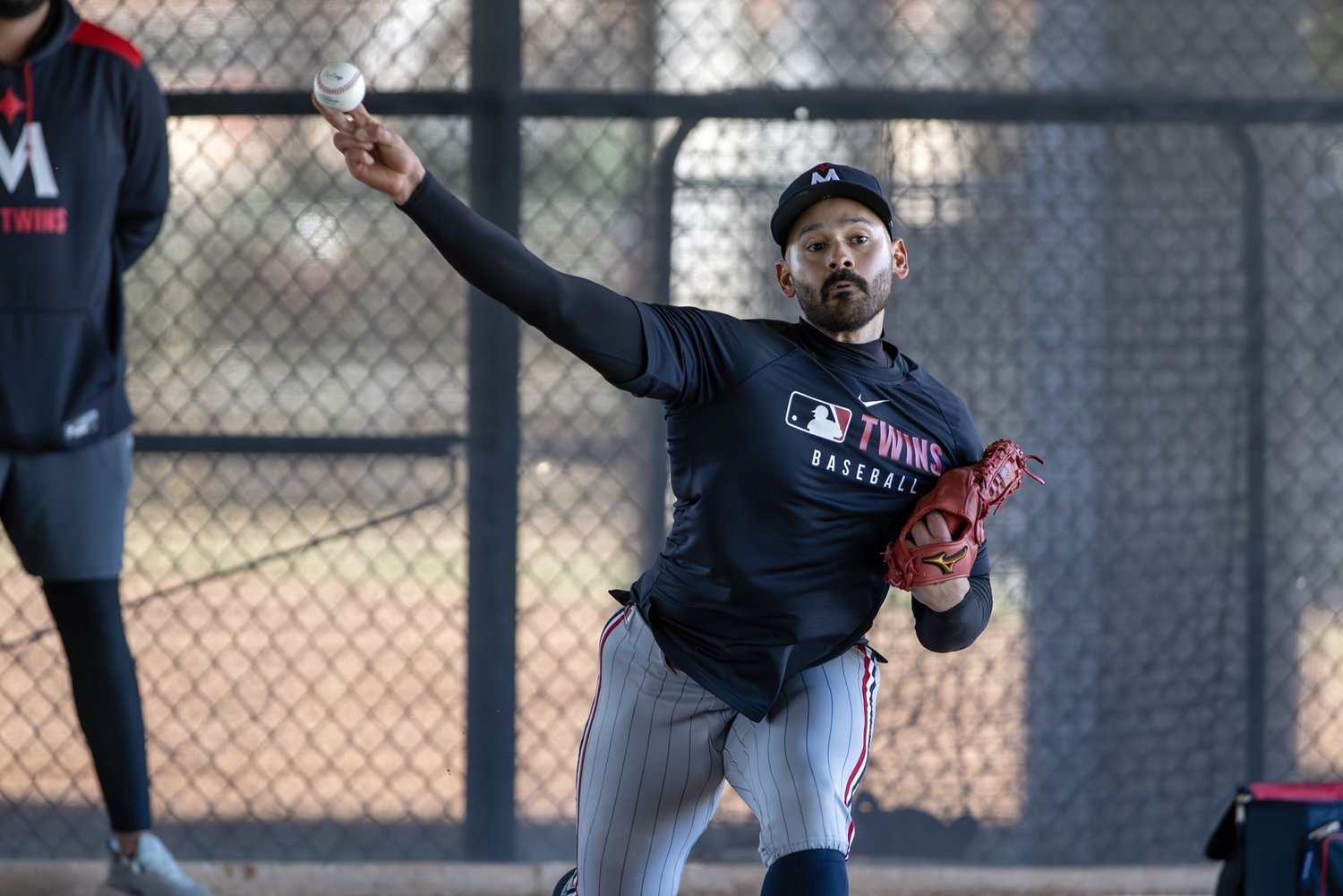 For most players, playing catch is about as routine as it gets. For Pablo López, it represented something much bigger. After spending the first several months of the season rehabbing from Tommy John surgery, López finally picked up a baseball and started throwing again Friday at Petco Park. It was a small session, with the Twins right-hander working from approximately 30 to 45 feet. But after everything López has been through, it was a significant moment. “It felt good, and what a place to do it, San Diego is perfect,” López said. “It was nerve wracking. I felt like I was warming up to throw a postseason game, because they let me do my normal pre-throw routine, which I had to figure out on the spot. I was trying to remember. So I went through some muscle memory, transitioned from one station to the other. But once I got out there, I was able to just feel the arm path. From such a short distance, 30-45 feet, there’s not going to be a lot of air under the ball. It’s really just getting into a good rhythm, feeling your tempo.” That first throwing session came after López received clearance from Dr. Keith Meister, who performed the right-hander’s second Tommy John surgery on February 25. Meister met with López in Texas earlier this month and gave him the green light to begin the throwing program he had been waiting to start. López's last throw before Friday came on February 16, when he was attempting to work through his first live batting-practice session of spring training. That session was cut short by right elbow soreness, leading to an MRI that revealed significant damage to his ulnar collateral ligament. After seeking a second opinion from Meister, López underwent surgery later that month. Now, the process of working his way back has finally entered a new phase. “It’s not a small step,” said Twins manager Derek Shelton. “It is a large step because his arm was moving forward and there was a baseball that came out of it. I mean, even though it was 30 feet and 45 feet, I think it was very encouraging. He left with a smile.” Shelton wasn't the only one smiling. López described the session as nerve-wracking, which is understandable considering the circumstances. But once he got through the initial routine and began throwing, the focus shifted toward finding his rhythm and trusting his arm again. The next part of the rehab will involve gradually increasing both the distance and volume of López's throwing. Exactly when he moves to each stage will depend on how his arm responds and what Meister sees during future evaluations. López said he has a general idea of what the next steps could look like, but there is still plenty of uncertainty. His body will ultimately dictate the pace. That's particularly important given the history involved. This is the second Tommy John surgery of López's career. He previously underwent the procedure in 2014 while in the Seattle Mariners organization. The Twins acquired López from the Miami Marlins before the 2023 season for Luis Arraez, and he quickly became an important part at the top of the rotation. His return won't come soon enough for Minnesota, but the organization has been clear that there is no reason to rush the process. The goal is to have López healthy and ready to contribute in 2027. Friday didn't guarantee that outcome. It wasn't supposed to. It was simply the first throw. But after months of waiting, wondering and rehabbing, that first throw represented something López and the Twins hadn't seen since February: progress. And sometimes, after Tommy John surgery, progress is worth celebrating.
 -
For most players, playing catch is about as routine as it gets. For Pablo López, it represented something much bigger. After spending the first several months of the season rehabbing from Tommy John surgery, López finally picked up a baseball and started throwing again Friday at Petco Park. It was a small session, with the Twins right-hander working from approximately 30 to 45 feet. But after everything López has been through, it was a significant moment. “It felt good, and what a place to do it, San Diego is perfect,” López said. “It was nerve wracking. I felt like I was warming up to throw a postseason game, because they let me do my normal pre-throw routine, which I had to figure out on the spot. I was trying to remember. So I went through some muscle memory, transitioned from one station to the other. But once I got out there, I was able to just feel the arm path. From such a short distance, 30-45 feet, there’s not going to be a lot of air under the ball. It’s really just getting into a good rhythm, feeling your tempo.” That first throwing session came after López received clearance from Dr. Keith Meister, who performed the right-hander’s second Tommy John surgery on February 25. Meister met with López in Texas earlier this month and gave him the green light to begin the throwing program he had been waiting to start. López's last throw before Friday came on February 16, when he was attempting to work through his first live batting-practice session of spring training. That session was cut short by right elbow soreness, leading to an MRI that revealed significant damage to his ulnar collateral ligament. After seeking a second opinion from Meister, López underwent surgery later that month. Now, the process of working his way back has finally entered a new phase. “It’s not a small step,” said Twins manager Derek Shelton. “It is a large step because his arm was moving forward and there was a baseball that came out of it. I mean, even though it was 30 feet and 45 feet, I think it was very encouraging. He left with a smile.” Shelton wasn't the only one smiling. López described the session as nerve-wracking, which is understandable considering the circumstances. But once he got through the initial routine and began throwing, the focus shifted toward finding his rhythm and trusting his arm again. The next part of the rehab will involve gradually increasing both the distance and volume of López's throwing. Exactly when he moves to each stage will depend on how his arm responds and what Meister sees during future evaluations. López said he has a general idea of what the next steps could look like, but there is still plenty of uncertainty. His body will ultimately dictate the pace. That's particularly important given the history involved. This is the second Tommy John surgery of López's career. He previously underwent the procedure in 2014 while in the Seattle Mariners organization. The Twins acquired López from the Miami Marlins before the 2023 season for Luis Arraez, and he quickly became an important part at the top of the rotation. His return won't come soon enough for Minnesota, but the organization has been clear that there is no reason to rush the process. The goal is to have López healthy and ready to contribute in 2027. Friday didn't guarantee that outcome. It wasn't supposed to. It was simply the first throw. But after months of waiting, wondering and rehabbing, that first throw represented something López and the Twins hadn't seen since February: progress. And sometimes, after Tommy John surgery, progress is worth celebrating. View full rumor
-
Image courtesy of © Bruce Kluckhohn-Imagn Images The American League playoff picture is getting increasingly difficult to figure out. That isn't necessarily a bad thing, especially for Twins fans. With the regular season entering its final stretch, several teams remain firmly in the postseason conversation, but very few have separated themselves enough to make the final weeks feel predictable. There is even a realistic possibility that at least one team with a losing record could qualify for the playoffs. Depending on how the final weeks unfold, the AL West champion could potentially finish below .500. It is a strange year. But baseball has never required a team to have a pretty record once October arrives. The standings reset when the postseason begins, and a team that sneaks into the playoffs can suddenly become the team nobody wants to face. That is why the Minnesota Twins still have reason to pay close attention to the American League playoff picture. Minnesota has put itself in the conversation, and the next several weeks could come down to more than simply who finishes with the most wins. Head-to-head records and other tiebreakers could become extremely important. Remember Game 163? There was a time when baseball fans could circle the calendar for a potential Game 163. Before the current playoff format, a tie at the end of the regular season could produce a winner-take-all tiebreaker game. Twins fans have some particularly memorable history with that setup. In 2009, the Twins and Detroit Tigers met at the Metrodome for Game 163 to determine the AL Central champion. Minnesota won 6-5 in an unforgettable 12-inning game that remains one of the most memorable contests in franchise history. A year earlier, the Twins were on the other side of the equation. Minnesota faced the Chicago White Sox in a 2008 tiebreaker for the AL Central, but Jim Thome's home run gave Chicago a 1-0 victory. Those games are gone now. Under the expanded playoff format, baseball has eliminated the traditional Game 163. If two teams finish with identical records, the winner is determined by a series of predetermined tiebreakers. And if the AL playoff race remains this crowded, Twins fans might want to know exactly how those rules work. How MLB Breaks a Playoff Tie The league essentially works its way through five levels of tiebreakers. 1. Head-to-head record: This is the first and most straightforward method when two teams are tied. The team that performed better against the other club gets the advantage. For a tie involving multiple teams, MLB looks at the teams' combined winning percentages against the other clubs involved in the tie. If that doesn't settle everything, the process continues by resolving the remaining teams through the applicable head-to-head records. The important point is that games played against one another can carry significant weight late in the season. 2. Intradivision record: If the head-to-head results don't settle the matter, the league moves to a team's record against opponents within its own division. This can become particularly important in a multi-team tiebreaker or when comparing Wild Card teams from different divisions. 3. Intraleague record: Next comes the team's overall record against the rest of the American League. That means every AL game matters, even if it isn't against a direct Wild Card competitor. 4. Record over the final half of intraleague games: If the previous three methods still haven't separated the teams, MLB goes deeper into the schedule. The league examines winning percentage over the second half of a team's intraleague schedule. 5. Continue working backward through intraleague games: Still tied? The league keeps moving backward, adding one game at a time to the sample until a difference emerges. So, no, there isn't going to be a Game 163. There could, however, be a lot of scoreboard watching. How the Twins Stack Up This is where things get particularly interesting for Minnesota. The Twins have already played a large portion of their schedule against several of the teams competing for postseason positioning. And in many cases, they have done quite well. Here is how Minnesota has fared against some of the key AL contenders: Houston Astros: Twins lead the season series 4-2, with no games remaining. Texas Rangers: Twins lead 3-0, with three games remaining on the final weekend of the regular season at Target Field Toronto Blue Jays: Twins lead 4-3, with no games remaining. Cleveland Guardians: Twins lead 6-4, with three games remaining at Target Field from September 11-13. Detroit Tigers: Twins lead 5-2, with six games remaining — three in Detroit and three at Target Field. Baltimore Orioles: Series is tied 3-3, with no games remaining. Seattle Mariners: Seattle leads 4-2, with no games remaining. That is a pretty favorable collection of results. The Mariners are the obvious exception, while the Orioles series ended evenly. Against several of the other teams Minnesota could potentially be battling for a postseason spot, however, the Twins have already established an advantage. And there are still opportunities to improve those numbers. The three remaining games against Texas could be particularly important. So could the six games against Detroit and the three against Cleveland. Those games aren't simply chances to add wins to the standings. They could also provide Minnesota with another layer of protection if the final records end up being identical. The Twins Have One of the Better Intraleague Records There is another reason for Minnesota to feel relatively comfortable about its position in a crowded AL race. Among the Wild Card contenders listed above, the Twins are the only team with a winning record both within their division and against the American League as a whole. Minnesota is .514 within the AL Central and .547 against the entire American League. That .547 intraleague mark is particularly notable because it is the best among the group. That doesn't guarantee anything. The Twins could win their intraleague tiebreaker and still miss the postseason because another team finishes with more victories. But in a race where several teams could finish within a game or two of one another, having a strong record against the rest of the league could become extremely valuable. And Minnesota has already taken care of business against several potential postseason opponents. Everything Is Still on the Table That is probably the best way to describe the American League playoff picture. Everything is still on the table. A team with a losing record could potentially reach October. A division winner could potentially finish below .500. Several Wild Card contenders are separated by relatively little, and the final standings could come down to tiebreakers rather than a dramatic Game 163. For the Twins, the good news is that they have already built some advantages. Now they simply need to keep winning. That part is considerably easier to understand than the tiebreaker rules. Minnesota doesn't need to worry about who wins the head-to-head tiebreaker if it finishes several games ahead of everybody else. It doesn't need to worry about intraleague records if it simply accumulates more victories than the teams chasing it. But if the AL race stays this chaotic, those details could matter. And unlike the old days, there won't be another game at the end of the season to settle everything on the field. The Twins may have to settle it in the standings. And if they can keep themselves in the race long enough, those early-season wins against the teams around them could end up being every bit as important as the ones they collect in September. What sticks out about the tie breaker scenarios? How do you feel about the Twins' position? Leave a comment and start the discussion. View full article
-
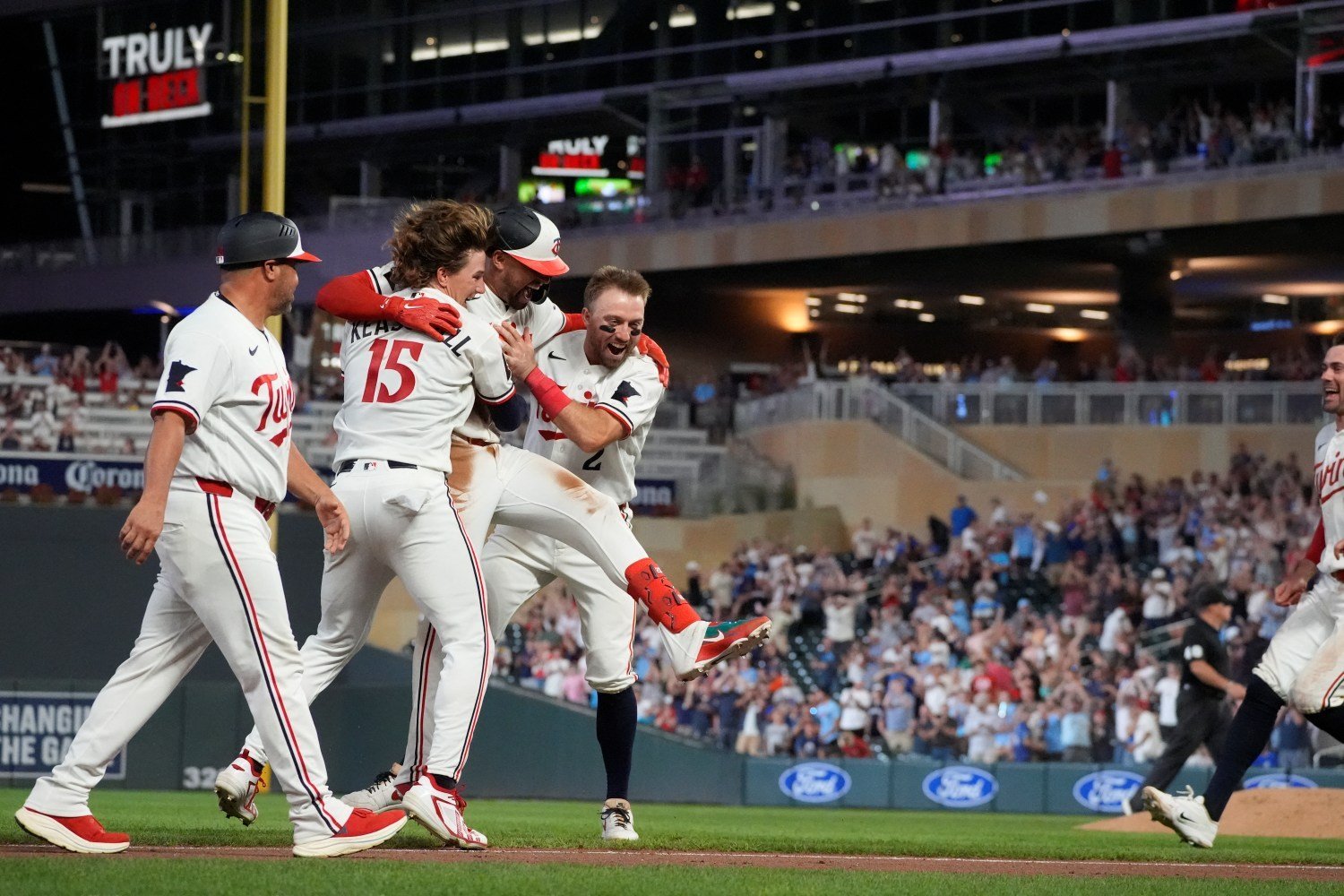 The American League playoff picture is getting increasingly difficult to figure out. That isn't necessarily a bad thing, especially for Twins fans. With the regular season entering its final stretch, several teams remain firmly in the postseason conversation, but very few have separated themselves enough to make the final weeks feel predictable. There is even a realistic possibility that at least one team with a losing record could qualify for the playoffs. Depending on how the final weeks unfold, the AL West champion could potentially finish below .500. It is a strange year. But baseball has never required a team to have a pretty record once October arrives. The standings reset when the postseason begins, and a team that sneaks into the playoffs can suddenly become the team nobody wants to face. That is why the Minnesota Twins still have reason to pay close attention to the American League playoff picture. Minnesota has put itself in the conversation, and the next several weeks could come down to more than simply who finishes with the most wins. Head-to-head records and other tiebreakers could become extremely important. Remember Game 163? There was a time when baseball fans could circle the calendar for a potential Game 163. Before the current playoff format, a tie at the end of the regular season could produce a winner-take-all tiebreaker game. Twins fans have some particularly memorable history with that setup. In 2009, the Twins and Detroit Tigers met at the Metrodome for Game 163 to determine the AL Central champion. Minnesota won 6-5 in an unforgettable 12-inning game that remains one of the most memorable contests in franchise history. A year earlier, the Twins were on the other side of the equation. Minnesota faced the Chicago White Sox in a 2008 tiebreaker for the AL Central, but Jim Thome's home run gave Chicago a 1-0 victory. Those games are gone now. Under the expanded playoff format, baseball has eliminated the traditional Game 163. If two teams finish with identical records, the winner is determined by a series of predetermined tiebreakers. And if the AL playoff race remains this crowded, Twins fans might want to know exactly how those rules work. How MLB Breaks a Playoff Tie The league essentially works its way through five levels of tiebreakers. 1. Head-to-head record: This is the first and most straightforward method when two teams are tied. The team that performed better against the other club gets the advantage. For a tie involving multiple teams, MLB looks at the teams' combined winning percentages against the other clubs involved in the tie. If that doesn't settle everything, the process continues by resolving the remaining teams through the applicable head-to-head records. The important point is that games played against one another can carry significant weight late in the season. 2. Intradivision record: If the head-to-head results don't settle the matter, the league moves to a team's record against opponents within its own division. This can become particularly important in a multi-team tiebreaker or when comparing Wild Card teams from different divisions. 3. Intraleague record: Next comes the team's overall record against the rest of the American League. That means every AL game matters, even if it isn't against a direct Wild Card competitor. 4. Record over the final half of intraleague games: If the previous three methods still haven't separated the teams, MLB goes deeper into the schedule. The league examines winning percentage over the second half of a team's intraleague schedule. 5. Continue working backward through intraleague games: Still tied? The league keeps moving backward, adding one game at a time to the sample until a difference emerges. So, no, there isn't going to be a Game 163. There could, however, be a lot of scoreboard watching. How the Twins Stack Up This is where things get particularly interesting for Minnesota. The Twins have already played a large portion of their schedule against several of the teams competing for postseason positioning. And in many cases, they have done quite well. Here is how Minnesota has fared against some of the key AL contenders: Houston Astros: Twins lead the season series 4-2, with no games remaining. Texas Rangers: Twins lead 3-0, with three games remaining on the final weekend of the regular season at Target Field Toronto Blue Jays: Twins lead 4-3, with no games remaining. Cleveland Guardians: Twins lead 6-4, with three games remaining at Target Field from September 11-13. Detroit Tigers: Twins lead 5-2, with six games remaining — three in Detroit and three at Target Field. Baltimore Orioles: Series is tied 3-3, with no games remaining. Seattle Mariners: Seattle leads 4-2, with no games remaining. That is a pretty favorable collection of results. The Mariners are the obvious exception, while the Orioles series ended evenly. Against several of the other teams Minnesota could potentially be battling for a postseason spot, however, the Twins have already established an advantage. And there are still opportunities to improve those numbers. The three remaining games against Texas could be particularly important. So could the six games against Detroit and the three against Cleveland. Those games aren't simply chances to add wins to the standings. They could also provide Minnesota with another layer of protection if the final records end up being identical. The Twins Have One of the Better Intraleague Records There is another reason for Minnesota to feel relatively comfortable about its position in a crowded AL race. Among the Wild Card contenders listed above, the Twins are the only team with a winning record both within their division and against the American League as a whole. Minnesota is .514 within the AL Central and .547 against the entire American League. That .547 intraleague mark is particularly notable because it is the best among the group. That doesn't guarantee anything. The Twins could win their intraleague tiebreaker and still miss the postseason because another team finishes with more victories. But in a race where several teams could finish within a game or two of one another, having a strong record against the rest of the league could become extremely valuable. And Minnesota has already taken care of business against several potential postseason opponents. Everything Is Still on the Table That is probably the best way to describe the American League playoff picture. Everything is still on the table. A team with a losing record could potentially reach October. A division winner could potentially finish below .500. Several Wild Card contenders are separated by relatively little, and the final standings could come down to tiebreakers rather than a dramatic Game 163. For the Twins, the good news is that they have already built some advantages. Now they simply need to keep winning. That part is considerably easier to understand than the tiebreaker rules. Minnesota doesn't need to worry about who wins the head-to-head tiebreaker if it finishes several games ahead of everybody else. It doesn't need to worry about intraleague records if it simply accumulates more victories than the teams chasing it. But if the AL race stays this chaotic, those details could matter. And unlike the old days, there won't be another game at the end of the season to settle everything on the field. The Twins may have to settle it in the standings. And if they can keep themselves in the race long enough, those early-season wins against the teams around them could end up being every bit as important as the ones they collect in September. What sticks out about the tie breaker scenarios? How do you feel about the Twins' position? Leave a comment and start the discussion.
 -
3 Questions Facing Key Twins Players in Season's Final Weeks
Cody Christie posted an article in Twins
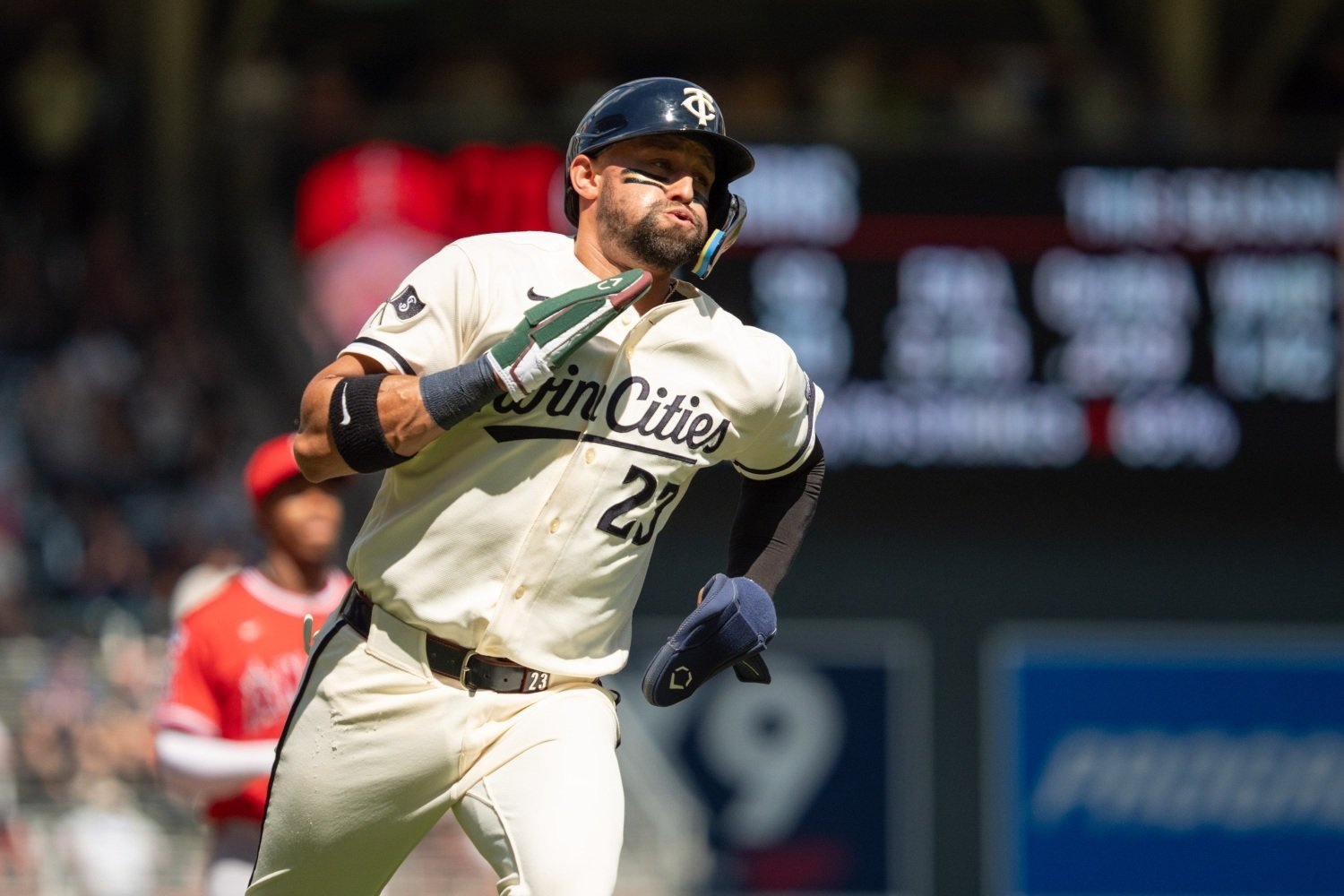 The Minnesota Twins still have plenty of baseball left to play. The final weeks of the season will provide an important opportunity to evaluate several players already on the roster. While the organization will eventually have to make decisions about its offseason plans, those decisions should be influenced by what happens on the field down the stretch. For some players, the remaining games are about establishing consistency. For others, it's an opportunity to show the Twins they can handle a different role or position. Every at-bat and inning provides another piece of information for the organization to consider. There's no shortage of questions surrounding the roster, but three players in particular have plenty to prove during the final weeks of the season. Zebby Matthews: Starter or Reliever? The Twins need to figure out where Matthews fits into their pitching plans. Matthews has already shown flashes that he can be a useful major-league pitcher, but Minnesota may not have enough starting pitching depth to simply pencil him into the rotation and assume everything will work itself out. Pablo López, Mick Abel, and David Festa are all working their way back from injuries. Even if all three are healthy when spring training begins, the Twins will have plenty of uncertainty behind them. That could make Matthews an interesting candidate to follow the Andrew Morris path. Morris began his professional career as a starter before eventually transitioning into a bullpen role. That move has allowed him to become a valuable part of Minnesota's pitching staff, and Matthews could follow a similar trajectory. The Twins shouldn't rush to make that decision, though. Matthews has enough starting experience that he should get every opportunity to compete for a rotation spot. At the same time, Minnesota needs to determine whether his stuff could play up in shorter outings. If the Twins believe Matthews can become a legitimate weapon out of the bullpen, that could be a valuable role for a team that has needed more depth in the pitching staff. The question: Is Matthews a future member of the starting rotation, or could he become a more valuable weapon coming out of the bullpen? Royce Lewis: Back in the Long-Term Plans? It wasn't long ago that Lewis's future with the Twins seemed considerably less certain. Minnesota sent Lewis to Triple-A earlier this season, creating plenty of questions about whether he would eventually regain his place as a cornerstone of the organization. Since then, however, something has changed. Lewis has transitioned into playing first base regularly, and his offensive production has taken a significant step forward. In 61 games since returning, he has an .822 OPS with 10 homers and 17 doubles. The change in position may have helped simplify things for him, while his bat has started looking much more like the one the Twins envisioned when they made him the No. 1 overall pick. That matters, because Lewis is still under team control for two more seasons. The Twins don't have to make a decision on his long-term future this winter. But they do need to determine whether Lewis is part of the next good version of this team. His recent performance could make that decision considerably easier. If Lewis can continue producing offensively and establish himself at first base, the Twins may have found a path that keeps him in the middle of their plans. His injury history and inconsistency remain legitimate concerns, but the organization has already invested heavily in his development. There is still time for Lewis to change the narrative. The question: Has Lewis done enough over the second half of the season to earn another opportunity to be part of Minnesota's long-term plans? Luke Keaschall: Are the Improvements for Real? Keaschall's season started about as poorly as anyone could have imagined. The offensive numbers were ugly, and it looked like the young infielder was having trouble adjusting to major-league pitching. At the end of April, he had a .542 OPS with 21 strikeouts in 31 games. Since then, however, Keaschall has worked to pull those numbers back toward respectable territory. In 87 games since May 1, he is slashing .294/.401/.422 (.823) with 22 extra-base hits. Minnesota has even started using him back at the top of the lineup because of his strong on-base skills. That doesn't mean every concern has disappeared. His defense in the outfield has been questionable at times, which is understandable considering the circumstances. Keaschall isn't a player who spent his minor-league career exclusively roaming the outfield. In fact, the Twins have essentially been moving him around on the fly. Keaschall played only 20 minor-league games in the outfield before reaching the majors. Asking him to learn a new position while simultaneously trying to adjust to big-league pitching was never going to be an easy assignment. That makes it difficult to determine exactly what Minnesota has in Keaschall right now. The offensive improvement is encouraging. But the Twins need to know whether it represents a genuine adjustment or simply a player going through a better stretch. There is still plenty of time for Keaschall to answer that question. If the bat continues trending upward, the Twins can afford to be more patient with the defensive development. But if the offensive struggles return, the organization will have to determine whether moving him back toward the infield is the better solution. The question: Are Keaschall's recent offensive improvements the beginning of a sustainable adjustment, or just a temporary hot streak? Three Players, Three Very Different Decisions The Twins don't necessarily need definitive answers on all three players before the season ends. They do, however, need more information. Matthews could help determine how Minnesota builds its pitching staff. Lewis could show the organization that he still belongs in the middle of its long-term plans. Keaschall could provide evidence that his difficult start was simply part of the learning curve. All three players have something to prove. And all three could have very different roles when the Twins return to Target Field next season. How would you answer the questions listed above? Leave a comment and start the discussion.
- 33 comments
-
- 6
-
-
- royce lewis
- zebby matthews
- (and 1 more)
-
Image courtesy of © Matt Blewett-Imagn Images The Minnesota Twins still have plenty of baseball left to play. The final weeks of the season will provide an important opportunity to evaluate several players already on the roster. While the organization will eventually have to make decisions about its offseason plans, those decisions should be influenced by what happens on the field down the stretch. For some players, the remaining games are about establishing consistency. For others, it's an opportunity to show the Twins they can handle a different role or position. Every at-bat and inning provides another piece of information for the organization to consider. There's no shortage of questions surrounding the roster, but three players in particular have plenty to prove during the final weeks of the season. Zebby Matthews: Starter or Reliever? The Twins need to figure out where Matthews fits into their pitching plans. Matthews has already shown flashes that he can be a useful major-league pitcher, but Minnesota may not have enough starting pitching depth to simply pencil him into the rotation and assume everything will work itself out. Pablo López, Mick Abel, and David Festa are all working their way back from injuries. Even if all three are healthy when spring training begins, the Twins will have plenty of uncertainty behind them. That could make Matthews an interesting candidate to follow the Andrew Morris path. Morris began his professional career as a starter before eventually transitioning into a bullpen role. That move has allowed him to become a valuable part of Minnesota's pitching staff, and Matthews could follow a similar trajectory. The Twins shouldn't rush to make that decision, though. Matthews has enough starting experience that he should get every opportunity to compete for a rotation spot. At the same time, Minnesota needs to determine whether his stuff could play up in shorter outings. If the Twins believe Matthews can become a legitimate weapon out of the bullpen, that could be a valuable role for a team that has needed more depth in the pitching staff. The question: Is Matthews a future member of the starting rotation, or could he become a more valuable weapon coming out of the bullpen? Royce Lewis: Back in the Long-Term Plans? It wasn't long ago that Lewis's future with the Twins seemed considerably less certain. Minnesota sent Lewis to Triple-A earlier this season, creating plenty of questions about whether he would eventually regain his place as a cornerstone of the organization. Since then, however, something has changed. Lewis has transitioned into playing first base regularly, and his offensive production has taken a significant step forward. In 61 games since returning, he has an .822 OPS with 10 homers and 17 doubles. The change in position may have helped simplify things for him, while his bat has started looking much more like the one the Twins envisioned when they made him the No. 1 overall pick. That matters, because Lewis is still under team control for two more seasons. The Twins don't have to make a decision on his long-term future this winter. But they do need to determine whether Lewis is part of the next good version of this team. His recent performance could make that decision considerably easier. If Lewis can continue producing offensively and establish himself at first base, the Twins may have found a path that keeps him in the middle of their plans. His injury history and inconsistency remain legitimate concerns, but the organization has already invested heavily in his development. There is still time for Lewis to change the narrative. The question: Has Lewis done enough over the second half of the season to earn another opportunity to be part of Minnesota's long-term plans? Luke Keaschall: Are the Improvements for Real? Keaschall's season started about as poorly as anyone could have imagined. The offensive numbers were ugly, and it looked like the young infielder was having trouble adjusting to major-league pitching. At the end of April, he had a .542 OPS with 21 strikeouts in 31 games. Since then, however, Keaschall has worked to pull those numbers back toward respectable territory. In 87 games since May 1, he is slashing .294/.401/.422 (.823) with 22 extra-base hits. Minnesota has even started using him back at the top of the lineup because of his strong on-base skills. That doesn't mean every concern has disappeared. His defense in the outfield has been questionable at times, which is understandable considering the circumstances. Keaschall isn't a player who spent his minor-league career exclusively roaming the outfield. In fact, the Twins have essentially been moving him around on the fly. Keaschall played only 20 minor-league games in the outfield before reaching the majors. Asking him to learn a new position while simultaneously trying to adjust to big-league pitching was never going to be an easy assignment. That makes it difficult to determine exactly what Minnesota has in Keaschall right now. The offensive improvement is encouraging. But the Twins need to know whether it represents a genuine adjustment or simply a player going through a better stretch. There is still plenty of time for Keaschall to answer that question. If the bat continues trending upward, the Twins can afford to be more patient with the defensive development. But if the offensive struggles return, the organization will have to determine whether moving him back toward the infield is the better solution. The question: Are Keaschall's recent offensive improvements the beginning of a sustainable adjustment, or just a temporary hot streak? Three Players, Three Very Different Decisions The Twins don't necessarily need definitive answers on all three players before the season ends. They do, however, need more information. Matthews could help determine how Minnesota builds its pitching staff. Lewis could show the organization that he still belongs in the middle of its long-term plans. Keaschall could provide evidence that his difficult start was simply part of the learning curve. All three players have something to prove. And all three could have very different roles when the Twins return to Target Field next season. How would you answer the questions listed above? Leave a comment and start the discussion. View full article
-
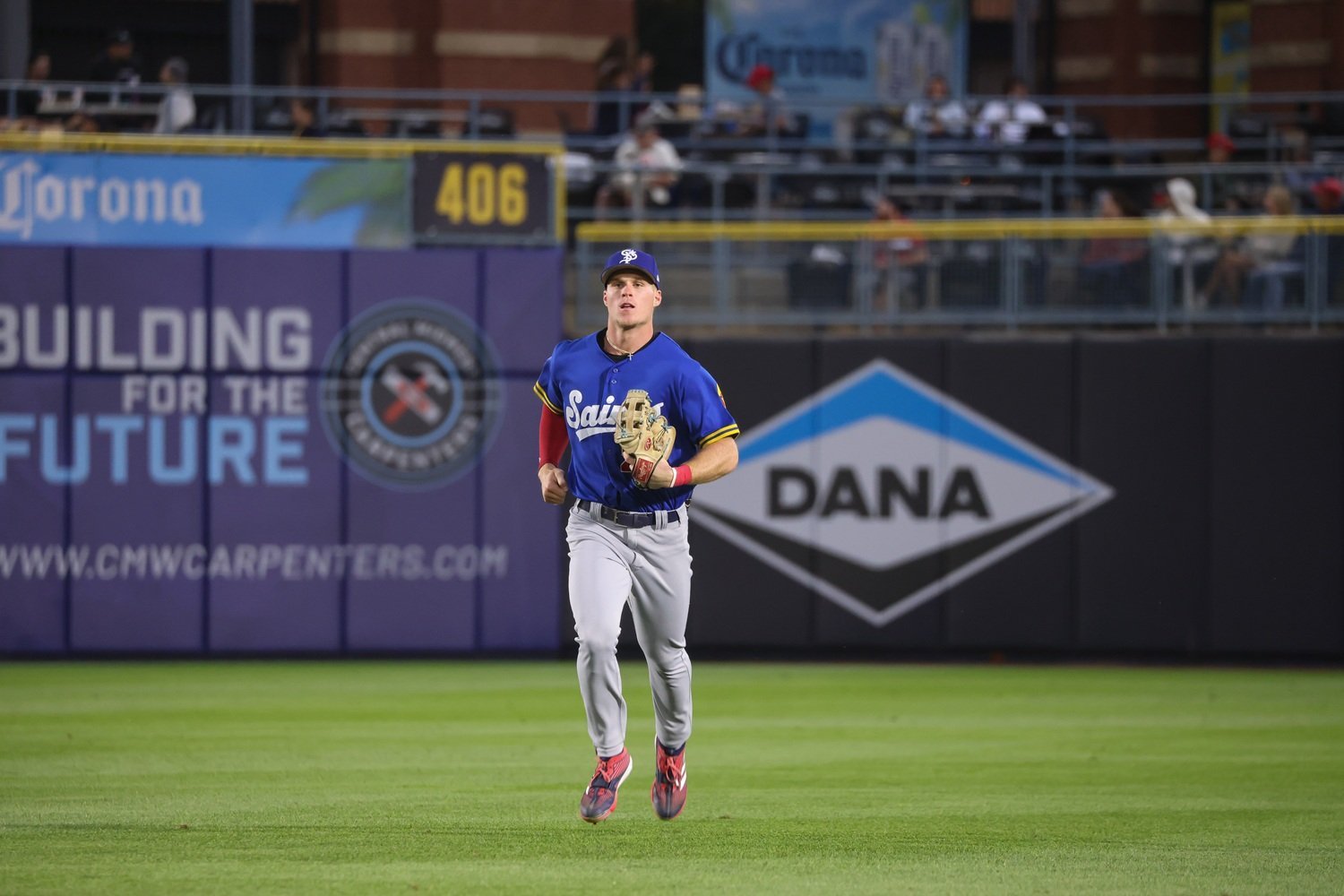 Player development is one of the biggest challenges facing every organization in baseball. When is a young player ready to take the next step? When does more time in the minor leagues help, and when does a player need to be challenged at the major-league level? The Minnesota Twins have struggled to develop consistent, star-caliber hitters at the big-league level for a long time. That makes the organization's approach with Walker Jenkins particularly important. The former first-round pick is arguably the best prospect to come through the Twins system since Byron Buxton, and Minnesota doesn't want to make a mistake when deciding when to bring him to the majors. Jenkins has already shown that he can handle many of the challenges placed in front of him. After losing months of the 2026 season to a shoulder injury, he has returned to Triple-A and performed well. Yet, despite his success, the Twins have not called him up. On Sunday's episode of Inside Twins, Twins general manager Jeremy Zoll offered some insight into why. Minnesota fans have watched another one of the organization's top prospects, Kaelen Culpepper, reach the majors this month. Several factors worked in Culpepper's favor. He's older than Jenkins. He plays shortstop, which has been a weak spot for the Twins throughout the season. He's also a right-handed hitter, which fits better into the current construction of Minnesota's roster. Zoll used Culpepper as an example when explaining how the Twins determine whether a prospect is ready for a promotion. The first factor, according to Zoll, is simple. "What is the opportunity that exists on the major-league team?" he said, posing the question to his imagined self in every theoretical situation akin to these. The Twins don't simply want to call up their best prospects because they've performed well in the minor leagues. They want those players to have a legitimate opportunity to play regularly once they arrive. For a young hitter, sitting on the bench in the majors isn't necessarily the best developmental environment. That's especially relevant when discussing Jenkins. Jenkins is a left-handed hitting outfielder. When Austin Martin landed on the injured list with a hamstring injury, it seemed like a potential opening for Jenkins, but the roster construction doesn't necessarily create an obvious everyday role for him. The Twins already have Alan Roden, another left-handed outfielder, on the roster. Roden hasn't received much playing time. If the organization believes Jenkins could end up in a similar situation, it's no wonder they've been reluctant to call him up. Against right-handed pitching, Minnesota has generally used Trevor Larnach and Luke Keaschall in the corner outfield spots. Jenkins has a case to play at the expense of either, or of designated hitter Josh Bell, but removing any of those three from the lineup risks hurting the team, and could also create friction in the clubhouse. That's essentially the situation Zoll was describing. There may be an opening on the roster, but there might not be an everyday opportunity. That difference matters. If Jenkins were a right-handed hitter, it's easy to imagine the conversation being different. His bat could provide a better fit for the current roster, while his arrival would give the Twins another option in a lineup that has struggled at times. Instead, Minnesota has a left-handed outfield prospect knocking on the door while already having left-handed outfielders on the major-league roster. The second factor Zoll mentioned was whether a prospect is "playing well enough to force the issue." That's where Jenkins appears to be moving in the right direction. Zoll said Jenkins continues to make strides, which is encouraging considering the amount of time he missed with his shoulder injury. But the organization may still believe there are more boxes for Jenkins to check before making the move permanent. There was also an interesting comment from Zoll regarding Jenkins's age. He referred to Jenkins as "super young" and pointed out that the Twins pushed him aggressively to Triple-A last season. Jenkins has already played at a higher level than many players his age. The Twins don't necessarily need to rush him because he's performing well after returning from injury. Zoll said Jenkins has things he can continue to do to put himself in the best position possible. He didn't elaborate on exactly what those things are. That leaves plenty of room for speculation, but it also reinforces the idea that the Twins don't view Jenkins's current Triple-A assignment as a punishment or a sign that they don't believe he's ready. They may simply believe he needs more time. Of course, there is another side to this argument. The Twins' offense has been scuffling. When a team is struggling to generate consistent production, adding one of the best prospects in the organization can be tempting. Jenkins has the type of talent that could provide a jolt to the lineup, and fans understandably want to see what he can do against major-league pitching. That's where the frustration comes from. It isn't difficult to look at the current Twins lineup and wonder whether Jenkins could make it better. But the organization has to think beyond the next few weeks. If the Twins call Jenkins up and he plays three or four times a week, does that actually put him in the best position to develop? If he struggles because he's bouncing between the bench and the lineup, does that create unnecessary pressure on a player who has already lost significant time this season? Those are the questions Minnesota has to answer. Based on Zoll's comments, the organization doesn't believe the opportunity is quite there yet. The frustrating part for fans is that baseball has a way of creating opportunities when players are ready. Injuries happen. Performance changes. Rosters evolve. A spot that doesn't exist today can suddenly become an everyday position tomorrow. That's particularly true for a team like the Twins, where the roster could look significantly different over the final weeks of the season. Jenkins doesn't need Minnesota to manufacture an opportunity. He needs to keep forcing the issue in Triple-A until the opportunity naturally presents itself. The Twins clearly believe in his talent. Otherwise, he wouldn't have been pushed so aggressively through the system in the first place. Now they're trying to make sure his first major-league opportunity is the right one. That patience may ultimately prove valuable. The question is whether Twins fans will be willing to wait. Do you agree with Zoll's reasoning for keeping Jenkins at Triple-A? Leave a comment and start the discussion.
 -
Image courtesy of Brady Boehm, Toledo Mudhens Player development is one of the biggest challenges facing every organization in baseball. When is a young player ready to take the next step? When does more time in the minor leagues help, and when does a player need to be challenged at the major-league level? The Minnesota Twins have seemingly struggled to develop consistent impact hitters at the big-league level for a significant amount of time. That makes the organization's approach with Walker Jenkins particularly important. The former first-round pick is arguably the best prospect to come through the Twins system since Byron Buxton, and Minnesota doesn't want to make a mistake when deciding when to bring him to the majors. Jenkins has already shown that he can handle many of the challenges placed in front of him. After losing months of the 2026 season to a shoulder injury, he has returned to Triple-A and performed well. Yet, despite his success, the Twins have not called him up. On Sunday's episode of Inside Twins, Twins general manager Jeremy Zoll offered some insight into why. It Starts With Opportunity Minnesota fans have watched another one of the organization's top prospects, Kaelen Culpepper, reach the majors in recent weeks. There are several factors that worked in Culpepper's favor. He's older than Jenkins. He plays shortstop, which has been a weak position for the Twins throughout the season. He's also a right-handed hitter, something that fits better into the current construction of Minnesota's roster. Zoll used Culpepper as an example when explaining how the Twins determine whether a prospect is ready for a promotion. The first factor, according to Zoll, is "What is the opportunity that exists on the major league team?" The Twins don't simply want to call up their best prospects because they've performed well in the minor leagues. They want those players to have a legitimate opportunity to play regularly once they arrive. For a young hitter, sitting on the bench in the majors isn't necessarily the best developmental environment. That's especially relevant when discussing Jenkins. Is There Really a Spot for Jenkins? Some fans would answer the question above with, "who cares?" Still, the Twins have to think about the long-term repercussions. Jenkins is a left-handed hitting outfielder. When Austin Martin landed on the injured list with a hamstring injury, it seemed like a potential opening for Jenkins. But the roster construction doesn't necessarily create an obvious everyday role for him. The Twins already have Alan Roden, another left-handed outfielder, on the roster. Roden hasn't received much playing time, which would make it difficult to justify bringing Jenkins to the majors if the organization believes he could end up in a similar situation. Against right-handed pitching, Minnesota has generally used Trevor Larnach and Luke Keaschall in the corner outfield spots. That's essentially the situation Zoll was describing. There may be an opening on the roster, but there might not be an everyday opportunity. And that difference matters. If Jenkins were a right-handed hitter, it's easy to imagine the conversation being different. His bat could provide a better fit for the current roster, while his arrival would give the Twins another option in a lineup that has struggled at times. Instead, Minnesota has a left-handed outfield prospect knocking on the door while already having left-handed outfielders on the major-league roster. Jenkins Still Has Something to Prove The second factor Zoll mentioned was whether a prospect is "playing well enough to force the issue." That's where Jenkins appears to be moving in the right direction. Zoll said Jenkins continues to make strides, which is encouraging considering the amount of time he missed with his shoulder injury. But the organization may still believe there are more boxes for Jenkins to check before making the move permanent. There was also an interesting comment from Zoll regarding Jenkins' age. He referred to Jenkins as "super young" and pointed out that the Twins pushed him aggressively to Triple-A last season. Jenkins has already played at a higher level than many players his age. The Twins don't necessarily need to rush him simply because he's performing well after returning from injury. Zoll said Jenkins has things he can continue to do to put himself in the best position possible. He didn't elaborate on exactly what those things are. That leaves plenty of room for speculation, but it also reinforces the idea that the Twins don't view Jenkins' current Triple-A assignment as a punishment or a sign that they don't believe he's ready. They may simply believe he needs more time. The Offense Could Use a Spark Of course, there is another side to this argument. The Twins' offense has been scuffling. When a team is struggling to generate consistent production, adding one of the best prospects in the organization can be tempting. Jenkins has the type of talent that could provide a jolt to the lineup, and fans understandably want to see what he can do against major-league pitching. That's where the frustration comes from. It isn't difficult to look at the current Twins lineup and wonder whether Jenkins could make it better. But the organization has to think beyond the next few weeks. If the Twins call Jenkins up and he plays three or four times a week, does that actually put him in the best position to develop? If he struggles because he's bouncing between the bench and the lineup, does that create unnecessary pressure on a player who has already lost significant time this season? Those are the questions Minnesota has to answer. And, based on Zoll's comments, the organization doesn't believe the opportunity is quite there yet. Baseball Has a Way of Opening Doors The frustrating part for fans is that baseball has a way of creating opportunities when players are ready. Injuries happen. Performance changes. Rosters evolve. A spot that doesn't exist today can suddenly become an everyday position tomorrow. That's particularly true for a team like the Twins, where the roster could look significantly different over the final weeks of the season. Jenkins doesn't need Minnesota to manufacture an opportunity. He needs to keep forcing the issue in Triple-A until the opportunity naturally presents itself. The Twins clearly believe in his talent. Otherwise, he wouldn't have been pushed so aggressively through the system in the first place. Now they're trying to make sure his first major-league opportunity is the right one. For a player viewed as the organization's best prospect in years, that patience may ultimately prove valuable. The question is whether Twins fans will be willing to wait. Do you agree with Zoll's reasoning for keeping Jenkins at Triple-A? Leave a comment and start the discussion. View full article
-
Image courtesy of © Jesse Johnson-Imagn Images Minnesota’s starting rotation has taken its share of hits this season. Pablo López, Mick Abel, and David Festa are all out for the season. Joe Ryan is currently sidelined with a glute injury, and there is no firm timeline for his return. That leaves the Twins trying to navigate the stretch run with a rotation that looks considerably different than it did when the season began. For now, Minnesota is rolling with Taj Bradley, Dean Kremer, Bailey Ober, Connor Prielipp, and Zebby Matthews. There are certainly questions surrounding that group. More importantly, there are no guarantees that all five pitchers will still be in the rotation when September arrives. The Twins could need additional innings, and they have a few internal options who could become increasingly important over the next several weeks. Here are three pitchers to watch as potential reinforcements. RHP Germán Márquez The Twins signed Márquez to a minor-league deal last week, after the Padres had been using him in a swing role. Minnesota is now trying to stretch him back toward something resembling a starter’s workload. That process began Sunday with the St. Paul Saints. Márquez pitched four innings, allowing one run on four hits while walking one and striking out nobody. He threw 33 of his 57 pitches for strikes. The lack of strikeouts certainly stands out, but the workload is more important at this stage. Márquez had already thrown 80-plus pitches multiple times for San Diego as recently as the beginning of July, so there is a foundation to build upon. There was a time when Márquez was one of the more reliable starters in the National League. From 2017 through 2022, he accumulated 975 1/3 innings, sixth-most in the majors during that span. His 4.38 ERA over those seasons doesn't jump off the page, but plenty of those innings came at Coors Field. Reports indicate Márquez has an opt-out date of August 25, with another opportunity to opt out in September if Minnesota doesn't add him to the active roster. That could influence how aggressively the Twins accelerate his workload. If the organization believes Márquez can give them four or five competitive innings in September, he becomes a particularly interesting insurance policy. LHP Kendry Rojas Rojas clearly has the highest upside of the three options. Since being demoted at the beginning of August, he has made three starts and pitched 11 innings while allowing just one earned run. He has struck out 11 and walked only two, holding opponents to a .180/.220/.256 line. That kind of performance gets attention. Rojas has already made four starts among his 12 appearances for the Twins this season, with some coming in an opener role. Across those four outings, he owns a 2.19 ERA with 14 strikeouts and seven walks in 12 1/3 innings. Opponents have posted just a .430 OPS against him when he has been used as a starter. The next step is figuring out how much workload he can handle. On Sunday's episode of Inside Twins, general manager Jeremy Zoll said the plan is to ramp up Rojas's workload in his upcoming starts. That makes sense. The Twins don't simply need another pitcher capable of throwing two or three innings. If Rojas is going to become a legitimate rotation option, he needs to demonstrate that he can handle a starter's workload. That's why the next few weeks could be important for the 23-year-old. Rojas has already shown that he can navigate Triple-A hitters. Now, the organization needs to see whether he can do it while carrying a larger workload. Young pitchers can change the conversation quickly when they string together a few strong starts. Rojas has an opportunity to do exactly that. If Ryan isn't back soon and the current rotation develops another opening, Rojas could quickly move from an interesting prospect to a legitimate September option. RHP Jack Anderson Anderson is a different type of option. The Twins claimed him off waivers from the Red Sox on July 11. Boston had primarily used him as a starter at Triple-A this season, although his professional career has featured plenty of work as a long reliever. The Red Sox's attempt to move Anderson back toward starting has produced mixed results. He posted a 4.81 ERA, 20.5% strikeout rate, and 8.4% walk rate over 58 innings for Worcester. Still, the Twins clearly see something worth developing. Zoll recently mentioned that the organization plans to stretch Anderson back out after he was used primarily in one-inning relief appearances following his arrival in Minnesota. In four appearances for the Twins, he hasn't allowed a run over 4 1/3 innings. Since being sent back to Triple-A, Anderson hasn't made a start. However, the workload has gradually increased in a piggyback role. He's pitched multiple innings in each of his last three appearances. On Saturday, he provided his strongest outing of that stretch, throwing three shutout innings while allowing two hits and striking out five. He threw 30 of his 48 pitches for strikes. That's worth watching. Anderson may not be the traditional answer if the Twins suddenly need a starter, but he could be useful in a bullpen game or as an opener who can provide several innings afterward. If Minnesota continues increasing his workload, he could eventually become something closer to a traditional rotation option. The Twins don't necessarily need to find one pitcher who can solve all their rotation problems. They need options. Márquez provides experience and a track record of handling a starter's workload. Rojas offers youth and considerably more upside, if his workload can be increased safely. Anderson provides flexibility and could bridge the gap between the rotation and bullpen. That's important, because the current rotation comes with plenty of uncertainty. Bradley has seen some inconsistency in recent starts. Kremer was recently added to the group. Ober has dealt with his own velocity concerns. Prielipp is still developing as a starting pitcher (and, like Rojas, presumably faces some workload constraints), while Matthews remains a young pitcher trying to establish himself at the big-league level. The Twins don't need all three of these pitchers to emerge. They probably need at least one of them to become a legitimate option. With Ryan's return date still unclear and the organization already having lost López, Abel, and Festa for the season, Minnesota can't afford to wait until its rotation is completely depleted before figuring out where the next innings are coming from. The next few appearances for Rojas and Anderson, along with Márquez's continued transition back toward a starter's workload, could tell the Twins quite a bit. The rotation may not look the same by the time September arrives. If it doesn't, these are the pitchers who could have a chance to change the picture. What stands out about this group of potential starters? Leave a comment and start the discussion. View full article
-
3 Starting Pitchers the Twins Could Turn to Down the Stretch
Cody Christie posted an article in Twins
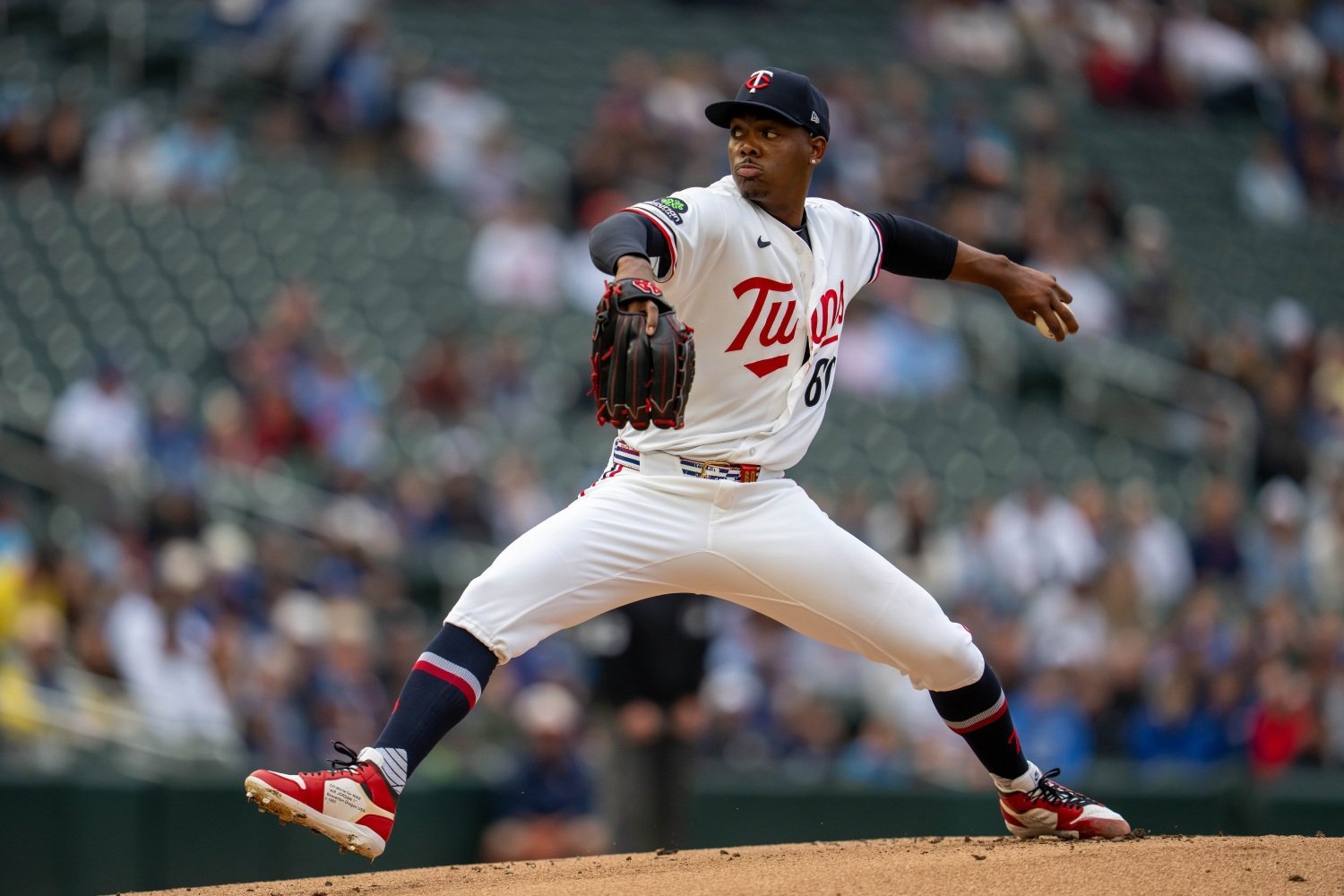 Minnesota’s starting rotation has taken its share of hits this season. Pablo López, Mick Abel, and David Festa are all out for the season. Joe Ryan is currently sidelined with a glute injury, and there is no firm timeline for his return. That leaves the Twins trying to navigate the stretch run with a rotation that looks considerably different than it did when the season began. For now, Minnesota is rolling with Taj Bradley, Dean Kremer, Bailey Ober, Connor Prielipp, and Zebby Matthews. There are certainly questions surrounding that group. More importantly, there are no guarantees that all five pitchers will still be in the rotation when September arrives. The Twins could need additional innings, and they have a few internal options who could become increasingly important over the next several weeks. Here are three pitchers to watch as potential reinforcements. RHP Germán Márquez The Twins signed Márquez to a minor-league deal last week, after the Padres had been using him in a swing role. Minnesota is now trying to stretch him back toward something resembling a starter’s workload. That process began Sunday with the St. Paul Saints. Márquez pitched four innings, allowing one run on four hits while walking one and striking out nobody. He threw 33 of his 57 pitches for strikes. The lack of strikeouts certainly stands out, but the workload is more important at this stage. Márquez had already thrown 80-plus pitches multiple times for San Diego as recently as the beginning of July, so there is a foundation to build upon. There was a time when Márquez was one of the more reliable starters in the National League. From 2017 through 2022, he accumulated 975 1/3 innings, sixth-most in the majors during that span. His 4.38 ERA over those seasons doesn't jump off the page, but plenty of those innings came at Coors Field. Reports indicate Márquez has an opt-out date of August 25, with another opportunity to opt out in September if Minnesota doesn't add him to the active roster. That could influence how aggressively the Twins accelerate his workload. If the organization believes Márquez can give them four or five competitive innings in September, he becomes a particularly interesting insurance policy. LHP Kendry Rojas Rojas clearly has the highest upside of the three options. Since being demoted at the beginning of August, he has made three starts and pitched 11 innings while allowing just one earned run. He has struck out 11 and walked only two, holding opponents to a .180/.220/.256 line. That kind of performance gets attention. Rojas has already made four starts among his 12 appearances for the Twins this season, with some coming in an opener role. Across those four outings, he owns a 2.19 ERA with 14 strikeouts and seven walks in 12 1/3 innings. Opponents have posted just a .430 OPS against him when he has been used as a starter. The next step is figuring out how much workload he can handle. On Sunday's episode of Inside Twins, general manager Jeremy Zoll said the plan is to ramp up Rojas's workload in his upcoming starts. That makes sense. The Twins don't simply need another pitcher capable of throwing two or three innings. If Rojas is going to become a legitimate rotation option, he needs to demonstrate that he can handle a starter's workload. That's why the next few weeks could be important for the 23-year-old. Rojas has already shown that he can navigate Triple-A hitters. Now, the organization needs to see whether he can do it while carrying a larger workload. Young pitchers can change the conversation quickly when they string together a few strong starts. Rojas has an opportunity to do exactly that. If Ryan isn't back soon and the current rotation develops another opening, Rojas could quickly move from an interesting prospect to a legitimate September option. RHP Jack Anderson Anderson is a different type of option. The Twins claimed him off waivers from the Red Sox on July 11. Boston had primarily used him as a starter at Triple-A this season, although his professional career has featured plenty of work as a long reliever. The Red Sox's attempt to move Anderson back toward starting has produced mixed results. He posted a 4.81 ERA, 20.5% strikeout rate, and 8.4% walk rate over 58 innings for Worcester. Still, the Twins clearly see something worth developing. Zoll recently mentioned that the organization plans to stretch Anderson back out after he was used primarily in one-inning relief appearances following his arrival in Minnesota. In four appearances for the Twins, he hasn't allowed a run over 4 1/3 innings. Since being sent back to Triple-A, Anderson hasn't made a start. However, the workload has gradually increased in a piggyback role. He's pitched multiple innings in each of his last three appearances. On Saturday, he provided his strongest outing of that stretch, throwing three shutout innings while allowing two hits and striking out five. He threw 30 of his 48 pitches for strikes. That's worth watching. Anderson may not be the traditional answer if the Twins suddenly need a starter, but he could be useful in a bullpen game or as an opener who can provide several innings afterward. If Minnesota continues increasing his workload, he could eventually become something closer to a traditional rotation option. The Twins don't necessarily need to find one pitcher who can solve all their rotation problems. They need options. Márquez provides experience and a track record of handling a starter's workload. Rojas offers youth and considerably more upside, if his workload can be increased safely. Anderson provides flexibility and could bridge the gap between the rotation and bullpen. That's important, because the current rotation comes with plenty of uncertainty. Bradley has seen some inconsistency in recent starts. Kremer was recently added to the group. Ober has dealt with his own velocity concerns. Prielipp is still developing as a starting pitcher (and, like Rojas, presumably faces some workload constraints), while Matthews remains a young pitcher trying to establish himself at the big-league level. The Twins don't need all three of these pitchers to emerge. They probably need at least one of them to become a legitimate option. With Ryan's return date still unclear and the organization already having lost López, Abel, and Festa for the season, Minnesota can't afford to wait until its rotation is completely depleted before figuring out where the next innings are coming from. The next few appearances for Rojas and Anderson, along with Márquez's continued transition back toward a starter's workload, could tell the Twins quite a bit. The rotation may not look the same by the time September arrives. If it doesn't, these are the pitchers who could have a chance to change the picture. What stands out about this group of potential starters? Leave a comment and start the discussion.
- 41 comments
-
- 7
-

-
-

-
- jack anderson
- kendry rojas
- (and 1 more)
-
Image courtesy of USA TODAY Network via Reuters Connect There's something special about Major League Baseball returning to the Field of Dreams site in Dyersville, Iowa. The setting is unique, the backdrop is recognizable, and the league has repeatedly shown that these games can become major events. The latest installment, however, didn't quite reach the audience MLB had hoped for. The Phillies defeated the Twins 7-1 last Thursday, behind two home runs from Kyle Schwarber. The game averaged 1.66 million viewers on Netflix, according to Nielsen. That number isn't necessarily a disaster, but it represents a noticeable drop from some of MLB's previous special-event broadcasts. It also raises a larger question for the league: How does baseball continue to make these games feel like must-see events, when fans have to search for them and even wonder where to watch them? This year's audience fell well short of the 2.5 million who watched the 2024 matchup between the San Francisco Giants and St. Louis Cardinals at Rickwood Field in Birmingham, Alabama. That game aired on Fox. Last year's Speedway Classic between the Atlanta Braves and Cincinnati Reds averaged roughly 1.6 million viewers on Fox. That game was heavily impacted by rain, eventually stretching from Saturday night into Sunday. The Field of Dreams Game also has a much stronger history. More than 3.1 million viewers watched the 2022 game in Dyersville, the last time MLB played there before this year's return. The inaugural Field of Dreams Game in 2021 was an even bigger television success, attracting approximately 5.9 million viewers and becoming the most-watched regular-season baseball game on any network since 2005. Those numbers create a difficult comparison for MLB. The Field of Dreams concept clearly has the ability to attract casual viewers. The challenge is getting those people to actually find the game. It would be easy to blame Netflix, because of the way they've produced baseball events and marketed it and/or because the platform is less accessible than network TV. That probably isn't fair. Netflix produced another polished broadcast and has quickly demonstrated that it can make live sports feel like major entertainment events. They probably did too much to distract from the action, but the product itself also didn't live up to the hype. A 7-1 Phillies victory over the Twins isn't exactly the ideal recipe for keeping casual viewers glued to their televisions. This was Netflix's third major MLB broadcast of 202,6 after carrying Opening Night and the Home Run Derby. Netflix reported an estimated average of 3 million U.S. viewers for Opening Night, according to Nielsen. The company's MLB experiment has produced mixed results, though. The Home Run Derby reportedly drew the event's lowest audience in more than two decades. That doesn't mean Netflix can't become an important part of MLB's future. It does mean the league still has work to do when it comes to building an audience on streaming platforms. That itself might be the biggest issue facing baseball's television product. For years, a fan could have a pretty good idea of where to find a nationally-televised baseball game. Turn on ESPN, Fox, TBS or MLB Network, and there was a reasonable chance you'd find what you were looking for. That isn't always the case anymore. Want to watch a particular MLB game? It might be on Netflix. Another could be on Apple TV+. Another might be on Peacock. A national game could be on ESPN, Fox or TBS. Regional broadcasts remain split among different networks and streaming services. None of those platforms are inherently bad places to watch baseball. In fact, many of them provide excellent viewing experiences. The problem is discoverability. Fans shouldn't have to remember which streaming service has which game every night. Casual fans certainly aren't going to spend several minutes searching through apps to figure out where a special-event game is being broadcast. MLB wants these games to become cultural events. That becomes much more difficult when the first question for a potential viewer is, "Where can I watch it?" The league's media landscape is changing quickly, and MLB is clearly willing to experiment. Last November, MLB formally announced new media-rights agreements involving Netflix, NBC and ESPN. That means streaming will play an increasingly important role in how fans consume baseball. It's not going away. The question is whether MLB can make the transition without losing the casual viewers who might otherwise stumble upon a game while flipping through the channels. Netflix has until at least 2028 to continue developing its MLB audience, but the Field of Dreams Game won't be part of that equation next year. NBC Sports will broadcast the 2027 Field of Dreams Game between the Boston Red Sox and Kansas City Royals. That game has plenty going for it, including two historic franchises and another opportunity to showcase one of baseball's most recognizable concepts. Recently, NBC Sports has restored some of its previously fading glory. There's every reason to expect next year's game to be better-produced and better-presented than this year's, and fans will be able to find the game on over-the-air TV. That will provide a great test case for the staying power of this particular spectacle. Are fans now bored of the Field of Dreams? Or did Netflix just fail to deliver? And how important is it that viewers simply be able to view the game, rather than that their interest in that game be built up over weeks of anticipation? View full article
-
The Field of Dreams Game Exposed MLB’s Biggest Broadcasting Problem
Cody Christie posted an article in Twins
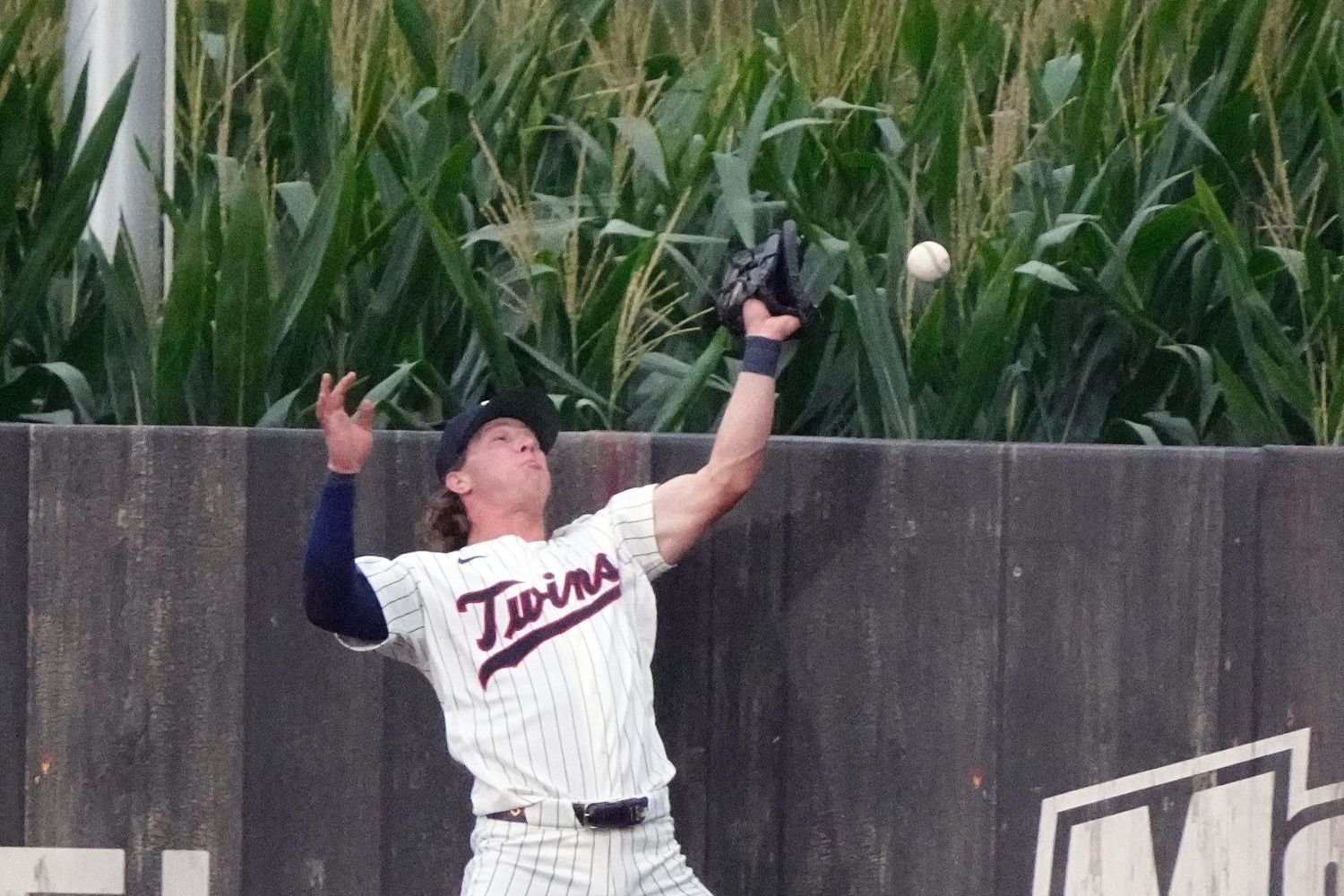 There's something special about Major League Baseball returning to the Field of Dreams site in Dyersville, Iowa. The setting is unique, the backdrop is recognizable, and the league has repeatedly shown that these games can become major events. The latest installment, however, didn't quite reach the audience MLB had hoped for. The Phillies defeated the Twins 7-1 last Thursday, behind two home runs from Kyle Schwarber. The game averaged 1.66 million viewers on Netflix, according to Nielsen. That number isn't necessarily a disaster, but it represents a noticeable drop from some of MLB's previous special-event broadcasts. It also raises a larger question for the league: How does baseball continue to make these games feel like must-see events, when fans have to search for them and even wonder where to watch them? This year's audience fell well short of the 2.5 million who watched the 2024 matchup between the San Francisco Giants and St. Louis Cardinals at Rickwood Field in Birmingham, Alabama. That game aired on Fox. Last year's Speedway Classic between the Atlanta Braves and Cincinnati Reds averaged roughly 1.6 million viewers on Fox. That game was heavily impacted by rain, eventually stretching from Saturday night into Sunday. The Field of Dreams Game also has a much stronger history. More than 3.1 million viewers watched the 2022 game in Dyersville, the last time MLB played there before this year's return. The inaugural Field of Dreams Game in 2021 was an even bigger television success, attracting approximately 5.9 million viewers and becoming the most-watched regular-season baseball game on any network since 2005. Those numbers create a difficult comparison for MLB. The Field of Dreams concept clearly has the ability to attract casual viewers. The challenge is getting those people to actually find the game. It would be easy to blame Netflix, because of the way they've produced baseball events and marketed it and/or because the platform is less accessible than network TV. That probably isn't fair. Netflix produced another polished broadcast and has quickly demonstrated that it can make live sports feel like major entertainment events. They probably did too much to distract from the action, but the product itself also didn't live up to the hype. A 7-1 Phillies victory over the Twins isn't exactly the ideal recipe for keeping casual viewers glued to their televisions. This was Netflix's third major MLB broadcast of 202,6 after carrying Opening Night and the Home Run Derby. Netflix reported an estimated average of 3 million U.S. viewers for Opening Night, according to Nielsen. The company's MLB experiment has produced mixed results, though. The Home Run Derby reportedly drew the event's lowest audience in more than two decades. That doesn't mean Netflix can't become an important part of MLB's future. It does mean the league still has work to do when it comes to building an audience on streaming platforms. That itself might be the biggest issue facing baseball's television product. For years, a fan could have a pretty good idea of where to find a nationally-televised baseball game. Turn on ESPN, Fox, TBS or MLB Network, and there was a reasonable chance you'd find what you were looking for. That isn't always the case anymore. Want to watch a particular MLB game? It might be on Netflix. Another could be on Apple TV+. Another might be on Peacock. A national game could be on ESPN, Fox or TBS. Regional broadcasts remain split among different networks and streaming services. None of those platforms are inherently bad places to watch baseball. In fact, many of them provide excellent viewing experiences. The problem is discoverability. Fans shouldn't have to remember which streaming service has which game every night. Casual fans certainly aren't going to spend several minutes searching through apps to figure out where a special-event game is being broadcast. MLB wants these games to become cultural events. That becomes much more difficult when the first question for a potential viewer is, "Where can I watch it?" The league's media landscape is changing quickly, and MLB is clearly willing to experiment. Last November, MLB formally announced new media-rights agreements involving Netflix, NBC and ESPN. That means streaming will play an increasingly important role in how fans consume baseball. It's not going away. The question is whether MLB can make the transition without losing the casual viewers who might otherwise stumble upon a game while flipping through the channels. Netflix has until at least 2028 to continue developing its MLB audience, but the Field of Dreams Game won't be part of that equation next year. NBC Sports will broadcast the 2027 Field of Dreams Game between the Boston Red Sox and Kansas City Royals. That game has plenty going for it, including two historic franchises and another opportunity to showcase one of baseball's most recognizable concepts. Recently, NBC Sports has restored some of its previously fading glory. There's every reason to expect next year's game to be better-produced and better-presented than this year's, and fans will be able to find the game on over-the-air TV. That will provide a great test case for the staying power of this particular spectacle. Are fans now bored of the Field of Dreams? Or did Netflix just fail to deliver? And how important is it that viewers simply be able to view the game, rather than that their interest in that game be built up over weeks of anticipation?

