


.png.7846f23ff7308bd0a60773982c8c4137.png)
William Malone
-
Posts
786 -
Joined
-
Last visited
Content Type
Profiles
News
Minnesota Twins Videos
2026 Minnesota Twins Top Prospects Ranking
2022 Minnesota Twins Draft Picks
Minnesota Twins Free Agent & Trade Rumors, Notes, & Tidbits
Guides & Resources
2023 Minnesota Twins Draft Picks
The Minnesota Twins Players Project
2024 Minnesota Twins Draft Picks
2025 Minnesota Twins Draft Pick Tracker
2026 Minnesota Twins Draft Tracker: Picks & Bonuses
Forums
Blogs
Events
Store
Downloads
Gallery
Everything posted by William Malone
-
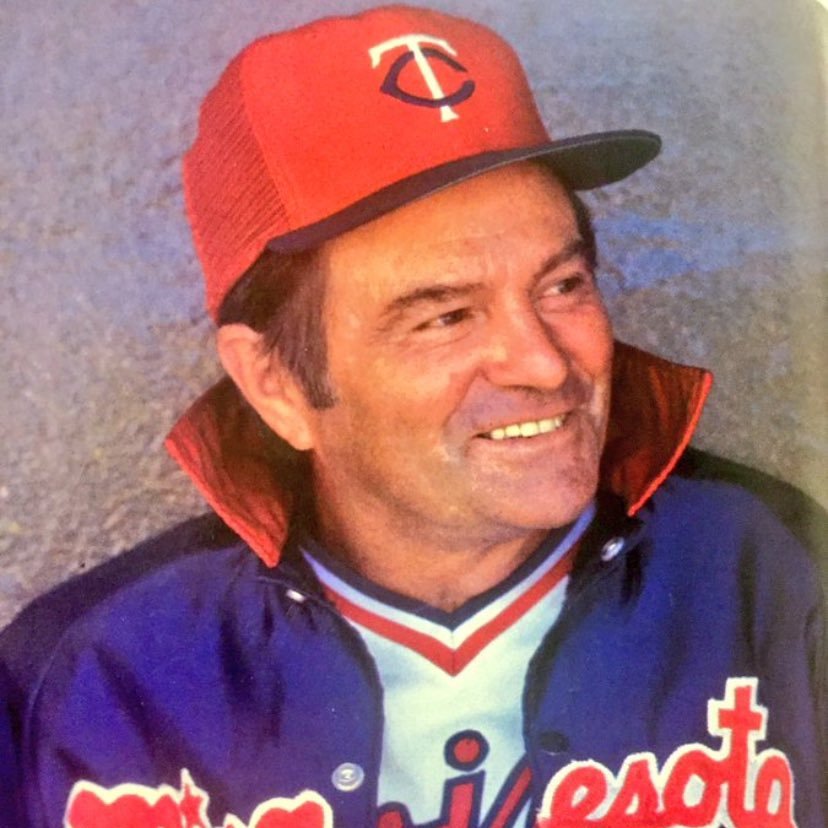 William Fredrick Gardner was born on July 19, 1927 in New London, Connecticut. He was signed by the New York Giants in 1945, and made his Major League debut for them in 1954 after a long trek through their minor league system. Gardner played 121 games over parts of two seasons with the Giants, batting .207 with a .566 OPS. The Baltimore Orioles purchased him for $20,000 in 1956. He became their regular second baseman, spending four seasons in Baltimore. Gardner led the American League with 36 doubles in 1957. The Washington Senators traded for Gardner ahead of the 1960 campaign. He was their regular second baseman that season, batting .257 with nine home runs and 56 RBI. Gardner moved with the franchise to Minnesota in 1961. He was batting eighth and playing second base on Opening Day that year, going 1-for-3 in the Twins very first game. Minnesota traded him to the New York Yankees that June, and Gardner won the World Series that fall. He spent 1962 and 1963 with the Boston Red Sox. Gardner retired after 1963, remaining in the Red Sox organization for several seasons as a minor league coach. He left in 1972 to manage in the Kansas City Royals farm system, and became the Montreal Expos third base coach in 1977. The Twins hired him as their third base coach in 1981. Gardner was quickly promoted to manager after Johnny Goryl was fired following an 11-25 start. In terms of wins and losses, Minnesota never had much success under Gardner. He finished with a 268-353 record over parts of five seasons at the helm. His best season was an 81-81 finish in 1984. But the Twins debuted several young stars during Gardner's time as manager, helping them lay the foundation for success in the late 80's and early 90's. This includes the debuts of Kirby Puckett, Kent Hrbek and Frank Viola. After getting fired by the Twins during the 1985 season, Gardner became the Royals third base coach in 1986. He was named interim manager just days before the 1987 season when Dick Howser stepped away to treat brain cancer. Howser, who had managed Kansas City to a World Series title in 1985, sadly passed away that June at the age of 51. Gardner was replaced in August after managing the Royals to a 62-64 record. He retired from coaching following that 1987 season, moving back home to Connecticut. He passed away on January 3, 2024 at the age of 96.
 -
William Fredrick Gardner was born on July 19, 1927 in New London, Connecticut. He was signed by the New York Giants in 1945, and made his Major League debut for them in 1954 after a long trek through their minor league system. Gardner played 121 games over parts of two seasons with the Giants, batting .207 with a .566 OPS. The Baltimore Orioles purchased him for $20,000 in 1956. He became their regular second baseman, spending four seasons in Baltimore. Gardner led the American League with 36 doubles in 1957. The Washington Senators traded for Gardner ahead of the 1960 campaign. He was their regular second baseman that season, batting .257 with nine home runs and 56 RBI. Gardner moved with the franchise to Minnesota in 1961. He was batting eighth and playing second base on Opening Day that year, going 1-for-3 in the Twins very first game. Minnesota traded him to the New York Yankees that June, and Gardner won the World Series that fall. He spent 1962 and 1963 with the Boston Red Sox. Gardner retired after 1963, remaining in the Red Sox organization for several seasons as a minor league coach. He left in 1972 to manage in the Kansas City Royals farm system, and became the Montreal Expos third base coach in 1977. The Twins hired him as their third base coach in 1981. Gardner was quickly promoted to manager after Johnny Goryl was fired following an 11-25 start. In terms of wins and losses, Minnesota never had much success under Gardner. He finished with a 268-353 record over parts of five seasons at the helm. His best season was an 81-81 finish in 1984. But the Twins debuted several young stars during Gardner's time as manager, helping them lay the foundation for success in the late 80's and early 90's. This includes the debuts of Kirby Puckett, Kent Hrbek and Frank Viola. After getting fired by the Twins during the 1985 season, Gardner became the Royals third base coach in 1986. He was named interim manager just days before the 1987 season when Dick Howser stepped away to treat brain cancer. Howser, who had managed Kansas City to a World Series title in 1985, sadly passed away that June at the age of 51. Gardner was replaced in August after managing the Royals to a 62-64 record. He retired from coaching following that 1987 season, moving back home to Connecticut. He passed away on January 3, 2024 at the age of 96. View full player
-
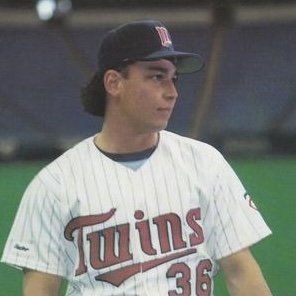 Mark Steven Portugal was born on October 30, 1962 in Norwalk, California. He was signed by the Minnesota Twins as an undrafted amateur free agent in 1980, reaching the big leagues in 1985. Portugal spent four seasons with the Twins, often shuffling between the Majors and Triple-A. He made 26 starts and 46 relief appearances for Minnesota between 1985 and 1988, going 11-19 with a 5.13 ERA and four saves. Portugal was not included on the Twins playoff roster in 1987. The Houston Astros acquired him in a trade after the 1988 season. Minnesota received pitching prospect Todd McClure, who never made it past the Class-A level. Portugal was finally given a full time big league opportunity in Houston. He went 52-30 with a 3.34 ERA in five seasons with the Astros. His best season came in 1993, finishing sixth place in the NL Cy Young voting with 18 wins and a 2.77 ERA. He signed with the San Francisco Giants ahead of the 1994 campaign, and became a journeyman depth starter. Portugal pitched for the Giants, Cincinnati Reds, Boston Red Sox and Philadelphia Phillies over the next six seasons.
 -
Mark Steven Portugal was born on October 30, 1962 in Norwalk, California. He was signed by the Minnesota Twins as an undrafted amateur free agent in 1980, reaching the big leagues in 1985. Portugal spent four seasons with the Twins, often shuffling between the Majors and Triple-A. He made 26 starts and 46 relief appearances for Minnesota between 1985 and 1988, going 11-19 with a 5.13 ERA and four saves. Portugal was not included on the Twins playoff roster in 1987. The Houston Astros acquired him in a trade after the 1988 season. Minnesota received pitching prospect Todd McClure, who never made it past the Class-A level. Portugal was finally given a full time big league opportunity in Houston. He went 52-30 with a 3.34 ERA in five seasons with the Astros. His best season came in 1993, finishing sixth place in the NL Cy Young voting with 18 wins and a 2.77 ERA. He signed with the San Francisco Giants ahead of the 1994 campaign, and became a journeyman depth starter. Portugal pitched for the Giants, Cincinnati Reds, Boston Red Sox and Philadelphia Phillies over the next six seasons. View full player
-
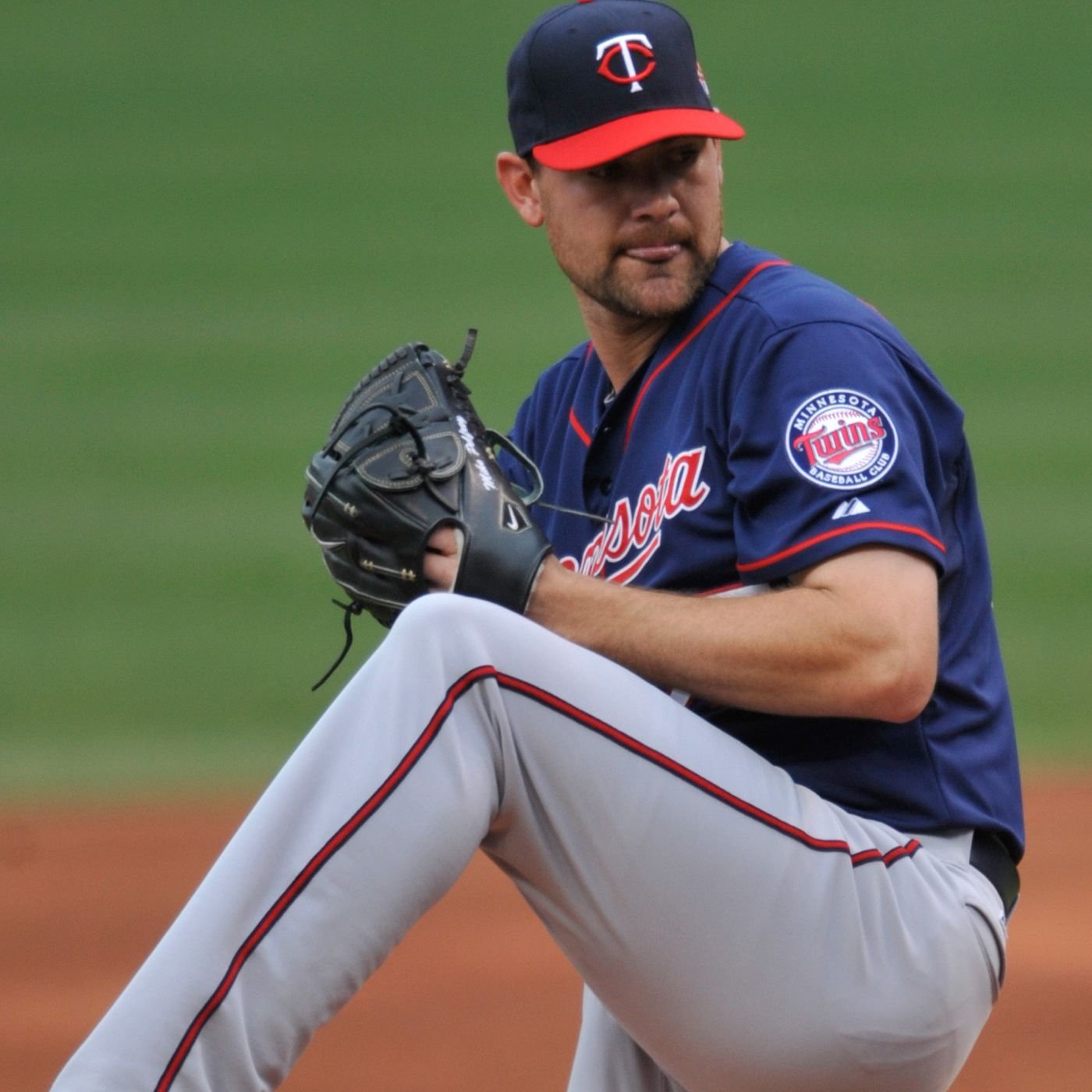 Michael Alan Pelfrey was born on January 14, 1984 at Wright-Patterson Air Force Base in Ohio. The New York Mets selected him with the ninth overall pick out of Wichita State in 2005. Pelfrey was given a $3.5 million signing bonus. He was added to the 40-man roster and signed a four year, $5.3 million contract during the off-season. Pelfrey pitched in four big league games as a rookie in 2006, going 2-1 with a 5.48 ERA. He also had a 2.83 ERA in 18 minor league starts that season. Pelfrey began 2007 in the Mets rotation, but was optioned to the minors after starting the year 0-5 with a 6.53 ERA through six starts. New York re-called him in the second half, and he won three of his four starts in September. His strong finish couldn't help the Mets avoid a historic second half collapse. They missed the playoffs despite leading the NL East by seven games on September 12th. He became a regular in the Mets rotation for good starting in 2008, going 45-45 with a 4.27 ERA over 129 starts between 2008 and 2011. Pelfrey started the first regular season game in Citi Field history, allowing a home run to the game's first batter; Joey Gerut of the San Diego Padres. He took a no decision in the Mets loss that night. Pelfrey led the Mets with 15 wins in 2010, pitching in a rotation that featured two Cy Young winners; Johan Santana (2.98 ERA in 29 starts) and R.A. Dickey (2.84 ERA in 26 starts). They each won 11 games, but both sported a better ERA than Pelfrey's 3.66 clip. The 6'7" righty looked better than ever at the start of 2012, pitching to a 2.29 ERA in his first three starts that season. That third start was an eight inning, one run gem against the San Francisco Giants. However, it was also his final start of the season. Pelfrey was set to go out for the ninth inning that night, but felt started to feel some elbow tightness while warming up for the final frame. An MRI revealed that he needed Tommy John surgery, and his season was over. It also ended his tenure with the Mets. Pelfrey signed a one year, $4 million deal with the Minnesota Twins ahead of the 2013 season. He was elbow was progressing well in rehab, and he was on their Opening Day roster. Pelfrey looked more than healthy in his Twins debut, allowing just two unearned runs in a win over the Detroit Tigers. Things quickly fell off the rails, and his ERA ballooned up to 6.11 by the end of June. There was a bit of a recovery in July and August when Pelfrey had a 3.35 ERA across 11 starts, but September was another rough month. He finished the 2013 season with a 5.19 ERA in 29 starts. Despite his rough season, Minnesota re-signed Pelfrey to a very incentive laden two year deal. His 2014 season ended after just five starts due to goin and shoulder injuries. First year manager Paul Molitor announced that Pelfrey would be moving to the bullpen ahead of the 2015 campaign, but he placed in the Opening Day rotation after Ervin Santana got suspended 80-games for the use of performance enhancing drugs. Pelfrey was hit rather hard in his first start of the year, allowing four runs over five innings. But then he unleashed arguably the most dominate stretch of his career. The veteran sinkerballer pitched to a 1.89 ERA over his next ten starts, and was giving the Twins some serious length too. Pelfrey completed seven or more innings in six of those team starts. Minnesota went 8-2 in those games, with the offense proving a total of one run between the two losses. Not much a starting pitcher can do to fix that. He came out of that ten game stretch by allowing eight runs in 3.2 innings against the Texas Rangers on June 13th, but followed it up with eight innings of one run ball against the St. Louis Cardinals in his next start. Pelfrey allowed eight runs again on June 28th against the Cincinnati Reds. He finished the season with a 4.26 ERA in 29 starts. If you remove those two eight run disasters, it comes out to a 3.51 ERA over 27 starts. His revival season in 2015 helped earn a two year, $16 million deal with the Detroit Tigers in free agency. Pelfrey had made only $15 million across three seasons in Minnesota. Now he was set to make more money in less years with a new team. A back injury limited him to just 22 starts in 2016, and Pelfrey wasn't that effective when on the mound. He went 4-10 with a 5.07 ERA that season. Detroit released him after the season, eating the $8 million he was due in 2017. The Chicago White Sox signed Pelfrey to a minor league deal for the 2017 season, activating him in late April. He was 3-12 with a 5.93 ERA for the White Sox that season, making 21 starts and 13 relief appearances. Pelfrey retired after the 2017 season, and accepted a coaching position at Newman University in Kansas. He then became the pitching coach at Wichita State in 2019, holding the position through 2023.
 -
Michael Alan Pelfrey was born on January 14, 1984 at Wright-Patterson Air Force Base in Ohio. The New York Mets selected him with the ninth overall pick out of Wichita State in 2005. Pelfrey was given a $3.5 million signing bonus. He was added to the 40-man roster and signed a four year, $5.3 million contract during the off-season. Pelfrey pitched in four big league games as a rookie in 2006, going 2-1 with a 5.48 ERA. He also had a 2.83 ERA in 18 minor league starts that season. Pelfrey began 2007 in the Mets rotation, but was optioned to the minors after starting the year 0-5 with a 6.53 ERA through six starts. New York re-called him in the second half, and he won three of his four starts in September. His strong finish couldn't help the Mets avoid a historic second half collapse. They missed the playoffs despite leading the NL East by seven games on September 12th. He became a regular in the Mets rotation for good starting in 2008, going 45-45 with a 4.27 ERA over 129 starts between 2008 and 2011. Pelfrey started the first regular season game in Citi Field history, allowing a home run to the game's first batter; Joey Gerut of the San Diego Padres. He took a no decision in the Mets loss that night. Pelfrey led the Mets with 15 wins in 2010, pitching in a rotation that featured two Cy Young winners; Johan Santana (2.98 ERA in 29 starts) and R.A. Dickey (2.84 ERA in 26 starts). They each won 11 games, but both sported a better ERA than Pelfrey's 3.66 clip. The 6'7" righty looked better than ever at the start of 2012, pitching to a 2.29 ERA in his first three starts that season. That third start was an eight inning, one run gem against the San Francisco Giants. However, it was also his final start of the season. Pelfrey was set to go out for the ninth inning that night, but felt started to feel some elbow tightness while warming up for the final frame. An MRI revealed that he needed Tommy John surgery, and his season was over. It also ended his tenure with the Mets. Pelfrey signed a one year, $4 million deal with the Minnesota Twins ahead of the 2013 season. He was elbow was progressing well in rehab, and he was on their Opening Day roster. Pelfrey looked more than healthy in his Twins debut, allowing just two unearned runs in a win over the Detroit Tigers. Things quickly fell off the rails, and his ERA ballooned up to 6.11 by the end of June. There was a bit of a recovery in July and August when Pelfrey had a 3.35 ERA across 11 starts, but September was another rough month. He finished the 2013 season with a 5.19 ERA in 29 starts. Despite his rough season, Minnesota re-signed Pelfrey to a very incentive laden two year deal. His 2014 season ended after just five starts due to goin and shoulder injuries. First year manager Paul Molitor announced that Pelfrey would be moving to the bullpen ahead of the 2015 campaign, but he placed in the Opening Day rotation after Ervin Santana got suspended 80-games for the use of performance enhancing drugs. Pelfrey was hit rather hard in his first start of the year, allowing four runs over five innings. But then he unleashed arguably the most dominate stretch of his career. The veteran sinkerballer pitched to a 1.89 ERA over his next ten starts, and was giving the Twins some serious length too. Pelfrey completed seven or more innings in six of those team starts. Minnesota went 8-2 in those games, with the offense proving a total of one run between the two losses. Not much a starting pitcher can do to fix that. He came out of that ten game stretch by allowing eight runs in 3.2 innings against the Texas Rangers on June 13th, but followed it up with eight innings of one run ball against the St. Louis Cardinals in his next start. Pelfrey allowed eight runs again on June 28th against the Cincinnati Reds. He finished the season with a 4.26 ERA in 29 starts. If you remove those two eight run disasters, it comes out to a 3.51 ERA over 27 starts. His revival season in 2015 helped earn a two year, $16 million deal with the Detroit Tigers in free agency. Pelfrey had made only $15 million across three seasons in Minnesota. Now he was set to make more money in less years with a new team. A back injury limited him to just 22 starts in 2016, and Pelfrey wasn't that effective when on the mound. He went 4-10 with a 5.07 ERA that season. Detroit released him after the season, eating the $8 million he was due in 2017. The Chicago White Sox signed Pelfrey to a minor league deal for the 2017 season, activating him in late April. He was 3-12 with a 5.93 ERA for the White Sox that season, making 21 starts and 13 relief appearances. Pelfrey retired after the 2017 season, and accepted a coaching position at Newman University in Kansas. He then became the pitching coach at Wichita State in 2019, holding the position through 2023. View full player
-
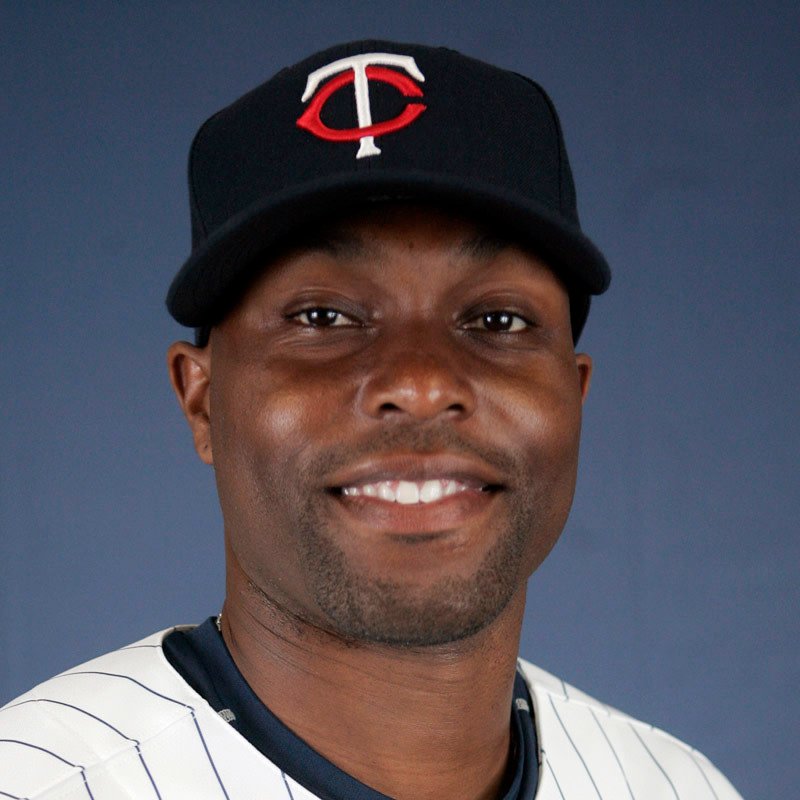 Torii Kedar Hunter was born on July 18, 1975 in Pine Bluff, Arkansas. The Minnesota Twins selected him in round one of the 1993 MLB Draft. He often struggled offensively in the minor leagues, posting a .642 OPS in 127 games at the Double-A level in 1997. Hunter made his Major League debut that year, but he never hit or saw the field. His lone action as a big league player in 1997 came as a pinch runner on August 22nd in a 3-1 loss against the Baltimore Orioles. Hunter went 4-for-17 (.235) with a double and two walks in limited Major League action during the 1998 campaign, but his minor league offense was finally improving. Minnesota named Hunter as their Opening Day center fielder in 1999, and he slashed .255/.309/.380 with nine home runs and 35 RBI in his first season as a big league regular. Some early struggles in 2000 saw Hunter get sent back to Triple-A, but he was back with the Twins two months later. Hunter finished that season on a tear, batting .332 with five home runs and 35 RBI in 53 games after getting re-called. He had been batting just .207 on the day of his demotion in late-May. 2001 was a breakout year for Hunter. He hit 27 home runs and won his first of nine consecutive Gold Glove awards, helping lead the Twins to their first winning season since 1992. Hunter was even better in 2002, hitting .289 with 29 home runs and 94 RBI. Minnesota made the postseason for the first time since 1991, and Hunter finished sixth in the AL MVP voting. His 23 steals that season would wind up being a career high. He famously robbed Barry Bonds of a home run during the 2002 All-Star Game in Milwaukee. This is arguably the most iconic moment of his career. The Twins repeated as AL Central champions in 2003, and again in 2004. Hunter led the team in RBI both times, including his first career 100 RBI season in 2003. He hit his first career postseason home run off Andy Pettitte in game two of the 2003 ALDS. Hunter also had a "Little League home run" in game one of that series, hitting a triple and then scoring on a bad throw that came into third. His 2005 season was cut short by an ankle injury suffered at Fenway Park on July 29th. He suffered a broken ankle and ligament damage while trying to scale the outfield fence and take a hit away from former Twins teammate David Ortiz. Minnesota sat just one game out of the AL Wild Card spot on the day of the injury, but they went just 29-31 for the rest of their schedule. This caused them to miss the playoffs for the first time since 2001. Despite playing only 98 games in 2005, Hunter was still awarded his fifth consecutive Gold Glove. A fully healthy Hunter hit a career high 31 home runs in 2006. This made him the first Twins player to hit 30 home runs since Tom Brunansky, Gary Gaetti, Kent Hrbek all accomplished it in 1987. Justin Morneau also joined Hunter in the 30 home run club that season, hitting 34 and winning AL MVP. Minnesota was back on top of the AL Central that season, and returned to the playoffs after a one year absence. Hunter entered a contract year in 2007, and the off-season was full of both extension talks and trade rumors. Neither got done, leaving Hunter to play out the year with a .287 average and a career best 107 RBI. His 15th place finish in AL MVP voting was his highest since 2002. Minnesota finished 79-83, suffering their first losing season since 2001. Hunter signed a five year, $90 million deal with the Los Angeles Angels of Anaheim in free agency. It was reported that the Twins best offer came in at three years and $45 million. He slashed .286/.352/.462 during his five seasons with the Angles, winning his first career Silver Slugger in 2009. While Hunter was still highly productive at the plate, there was a noticeable decline in his defense while in Los Angeles. He finished with -11 defensive runs saved in 2010, and was moved to right field at age 35 in 2011. The Angels reached the playoffs twice during Hunter's tenure there, and never finished with fewer than 80 wins between 2008 and 2012. They reached the ACLS in 2009. He was a .300 hitter for the first time in his career during the 2012 season. The Detroit Tigers signed Hunter to a two year, $26 million deal ahead of the 2013 season. He hit .304 during his first year in Detroit, winning his second career Silver Slugger. Hunter hit .286 with 17 home runs in 2014. The Tigers were AL Central champions in each season with Hunter on the team. They reached the ALCS in 2013. Hunter returned to Minnesota in 2015 at the age of 39, signing a one year deal with $10.5 million. The Twins had suffered through four consecutive 90 loss seasons, and were hoping some veteran leadership could help spark an otherwise young roster. He wasn't productive at the plate or in the field, posting a sub-.300 on-base percentage for the first time in his career with -8 defensive runs saved in right field. But perhaps the veteran leadership did spark the performance of others in the clubhouse, as Minnesota surprised some people en route to an 83-79 finish. They were mathematically alive for a Wild Card spot as late as their 161st game. He announced his retirement from professional baseball on October 26, 2015. Hunter became a special assistant to Twins general manager Terry Ryan in 2016, and continued in that role after Minnesota changed over their front office a year later. He left the organization in 2024, taking a similar position with the Angels.
 -
Torii Kedar Hunter was born on July 18, 1975 in Pine Bluff, Arkansas. The Minnesota Twins selected him in round one of the 1993 MLB Draft. He often struggled offensively in the minor leagues, posting a .642 OPS in 127 games at the Double-A level in 1997. Hunter made his Major League debut that year, but he never hit or saw the field. His lone action as a big league player in 1997 came as a pinch runner on August 22nd in a 3-1 loss against the Baltimore Orioles. Hunter went 4-for-17 (.235) with a double and two walks in limited Major League action during the 1998 campaign, but his minor league offense was finally improving. Minnesota named Hunter as their Opening Day center fielder in 1999, and he slashed .255/.309/.380 with nine home runs and 35 RBI in his first season as a big league regular. Some early struggles in 2000 saw Hunter get sent back to Triple-A, but he was back with the Twins two months later. Hunter finished that season on a tear, batting .332 with five home runs and 35 RBI in 53 games after getting re-called. He had been batting just .207 on the day of his demotion in late-May. 2001 was a breakout year for Hunter. He hit 27 home runs and won his first of nine consecutive Gold Glove awards, helping lead the Twins to their first winning season since 1992. Hunter was even better in 2002, hitting .289 with 29 home runs and 94 RBI. Minnesota made the postseason for the first time since 1991, and Hunter finished sixth in the AL MVP voting. His 23 steals that season would wind up being a career high. He famously robbed Barry Bonds of a home run during the 2002 All-Star Game in Milwaukee. This is arguably the most iconic moment of his career. The Twins repeated as AL Central champions in 2003, and again in 2004. Hunter led the team in RBI both times, including his first career 100 RBI season in 2003. He hit his first career postseason home run off Andy Pettitte in game two of the 2003 ALDS. Hunter also had a "Little League home run" in game one of that series, hitting a triple and then scoring on a bad throw that came into third. His 2005 season was cut short by an ankle injury suffered at Fenway Park on July 29th. He suffered a broken ankle and ligament damage while trying to scale the outfield fence and take a hit away from former Twins teammate David Ortiz. Minnesota sat just one game out of the AL Wild Card spot on the day of the injury, but they went just 29-31 for the rest of their schedule. This caused them to miss the playoffs for the first time since 2001. Despite playing only 98 games in 2005, Hunter was still awarded his fifth consecutive Gold Glove. A fully healthy Hunter hit a career high 31 home runs in 2006. This made him the first Twins player to hit 30 home runs since Tom Brunansky, Gary Gaetti, Kent Hrbek all accomplished it in 1987. Justin Morneau also joined Hunter in the 30 home run club that season, hitting 34 and winning AL MVP. Minnesota was back on top of the AL Central that season, and returned to the playoffs after a one year absence. Hunter entered a contract year in 2007, and the off-season was full of both extension talks and trade rumors. Neither got done, leaving Hunter to play out the year with a .287 average and a career best 107 RBI. His 15th place finish in AL MVP voting was his highest since 2002. Minnesota finished 79-83, suffering their first losing season since 2001. Hunter signed a five year, $90 million deal with the Los Angeles Angels of Anaheim in free agency. It was reported that the Twins best offer came in at three years and $45 million. He slashed .286/.352/.462 during his five seasons with the Angles, winning his first career Silver Slugger in 2009. While Hunter was still highly productive at the plate, there was a noticeable decline in his defense while in Los Angeles. He finished with -11 defensive runs saved in 2010, and was moved to right field at age 35 in 2011. The Angels reached the playoffs twice during Hunter's tenure there, and never finished with fewer than 80 wins between 2008 and 2012. They reached the ACLS in 2009. He was a .300 hitter for the first time in his career during the 2012 season. The Detroit Tigers signed Hunter to a two year, $26 million deal ahead of the 2013 season. He hit .304 during his first year in Detroit, winning his second career Silver Slugger. Hunter hit .286 with 17 home runs in 2014. The Tigers were AL Central champions in each season with Hunter on the team. They reached the ALCS in 2013. Hunter returned to Minnesota in 2015 at the age of 39, signing a one year deal with $10.5 million. The Twins had suffered through four consecutive 90 loss seasons, and were hoping some veteran leadership could help spark an otherwise young roster. He wasn't productive at the plate or in the field, posting a sub-.300 on-base percentage for the first time in his career with -8 defensive runs saved in right field. But perhaps the veteran leadership did spark the performance of others in the clubhouse, as Minnesota surprised some people en route to an 83-79 finish. They were mathematically alive for a Wild Card spot as late as their 161st game. He announced his retirement from professional baseball on October 26, 2015. Hunter became a special assistant to Twins general manager Terry Ryan in 2016, and continued in that role after Minnesota changed over their front office a year later. He left the organization in 2024, taking a similar position with the Angels. View full player
-
Robert Edward Grossman was born on September 16, 1989 in San Diego, California. He was considered a first round pick in 2008 by several talent evaluators, but fell to the sixth round due to high signing bonus demands and a commitment to the University of Texas. The Pittsburgh Pirates drafted him, and paid him well above slot value to buy Grossman out of his college commitment. Baseball Prospectus ranked him as their 76th best prospect ahead of the 2012 season. He was traded to the Houston Astros at the deadline that year in a deal that sent veteran starter Wandy Rodriguez to Pittsburgh. Grossman made his Major League debut for Houston on April 24, 2013. He played 63 games for the 111-loss Astros that season, slashing .268/.332/.370. The .332 on-base percentage was third on the team, trailing future Minnesota Twins teammate Jason Castro (.350) and L.J. Hoes (.337). Grossman slashed .233/.337/.333 in 103 games during the 2014 season, but was designated for assignment in 2015 after his performance cratered. The Cleveland Indians singed Grossman to a minor league contract ahead of the 2016 campaign. He opted out of his contract on May 16th, and signed with the Twins. Minnesota added him to their big league roster on May 20th, and he went 3-for-4 with a double and a home run in his first game with the club. This sparked a nine game on-base streak to begin his Twins tenure. When that streak ended in his tenth game with the club, Grossman turned around and hit three doubles in his 11th game. He quickly became a bright spot for an otherwise dreadful team that lost 103 games, finishing the season with a .386 on-base percentage over 99 games. Minnesota penciled in Grossman as their designated hitter on Opening Day in 2017, batting right between All-Star leadoff man Brian Dozier and super prospect Byron Buxton. He drew a bases loading walk in their Opening Day win over the Kansas City Royals, kick-starting another successful season. His .361 on-base percentage in 2017 was second on the team behind Joe Mauer (.384), and the Twins embarked on a 26 win year-to-year improvement. This got them to the AL Wild Card Game, where they fell to the New York Yankees. Grossman went 0-for-4 in the Wild Card Game, serving as the Twins designated hitter. His role was expected to be smaller in 2018, after Minnesota signed Logan Morrison to provide some middle of the order power from the DH slot. This signing ultimately flopped, and Grossman was able to be a regular in the Twins lineup. He played 129 games that season, slashing .273/.367/.384. The Twins added Nelson Cruz during the next off-season. This was a singing that did work, and Grossman left for the Oakland Athletics in free agency. He helped them reach the playoffs in 2019, going 2-for-4 in their Wild Card Game loss against the Tampa Bay Rays. He had a power surge with Oakland in 2020, hitting eight home runs with a career high .482 slugging percentage during the COVID shortened season. The Athletics were AL West champions, but lost to the Houston Astros in the ALDS. Grossman signed a two year deal with the Detroit Tigers ahead of 2021, and he produced a solid 20-20 season in the first year of that contract. It's the only year of his career with double digit stolen bases. He was traded to the Atlanta Braves at the deadline in 2022. While with the Braves, he platooned in left field with former Twins teammate Eddie Rosario. The Texas Rangers signed Grossman to a one year deal ahead of the 2023 season. He slashed .238/.340/.394 for them in 115 regular season games. Grossman was just 2-for-19 with a walk during the postseason that year, starting five of the Rangers playoff games that fall. Texas won the World Series, defeating the Arizona Diamondbacks in five games. He began 2024 with the Chicago White Sox, but struggled. He wound up back on the Rangers, and then finished the season with the Kansas City Royals. Grossman was left off the Royals playoff roster. He is currently a free agent as of Opening Day in 2025. View full player
-
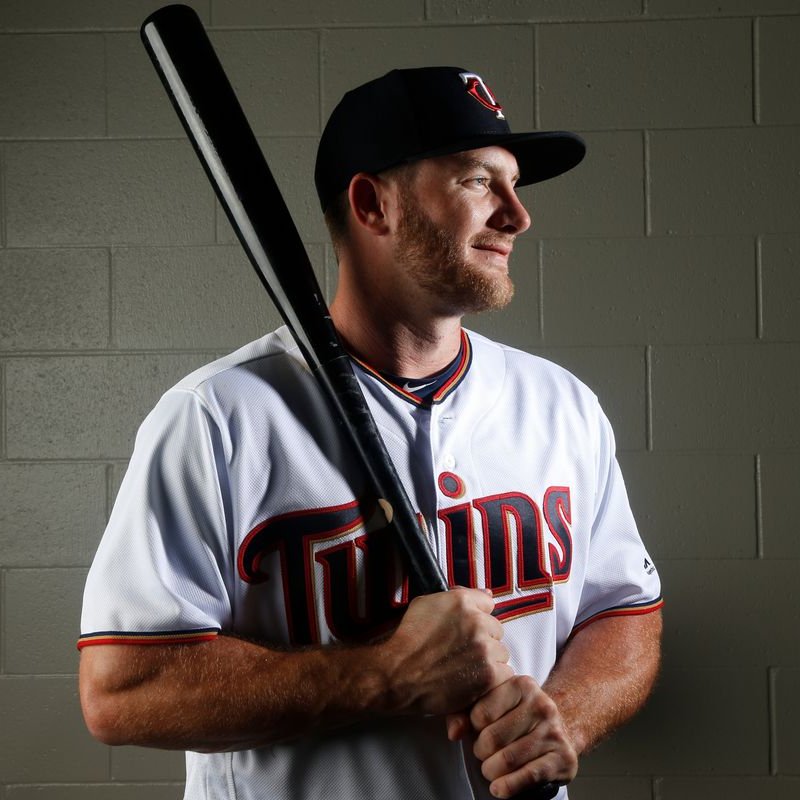 Robert Edward Grossman was born on September 16, 1989 in San Diego, California. He was considered a first round pick in 2008 by several talent evaluators, but fell to the sixth round due to high signing bonus demands and a commitment to the University of Texas. The Pittsburgh Pirates drafted him, and paid him well above slot value to buy Grossman out of his college commitment. Baseball Prospectus ranked him as their 76th best prospect ahead of the 2012 season. He was traded to the Houston Astros at the deadline that year in a deal that sent veteran starter Wandy Rodriguez to Pittsburgh. Grossman made his Major League debut for Houston on April 24, 2013. He played 63 games for the 111-loss Astros that season, slashing .268/.332/.370. The .332 on-base percentage was third on the team, trailing future Minnesota Twins teammate Jason Castro (.350) and L.J. Hoes (.337). Grossman slashed .233/.337/.333 in 103 games during the 2014 season, but was designated for assignment in 2015 after his performance cratered. The Cleveland Indians singed Grossman to a minor league contract ahead of the 2016 campaign. He opted out of his contract on May 16th, and signed with the Twins. Minnesota added him to their big league roster on May 20th, and he went 3-for-4 with a double and a home run in his first game with the club. This sparked a nine game on-base streak to begin his Twins tenure. When that streak ended in his tenth game with the club, Grossman turned around and hit three doubles in his 11th game. He quickly became a bright spot for an otherwise dreadful team that lost 103 games, finishing the season with a .386 on-base percentage over 99 games. Minnesota penciled in Grossman as their designated hitter on Opening Day in 2017, batting right between All-Star leadoff man Brian Dozier and super prospect Byron Buxton. He drew a bases loading walk in their Opening Day win over the Kansas City Royals, kick-starting another successful season. His .361 on-base percentage in 2017 was second on the team behind Joe Mauer (.384), and the Twins embarked on a 26 win year-to-year improvement. This got them to the AL Wild Card Game, where they fell to the New York Yankees. Grossman went 0-for-4 in the Wild Card Game, serving as the Twins designated hitter. His role was expected to be smaller in 2018, after Minnesota signed Logan Morrison to provide some middle of the order power from the DH slot. This signing ultimately flopped, and Grossman was able to be a regular in the Twins lineup. He played 129 games that season, slashing .273/.367/.384. The Twins added Nelson Cruz during the next off-season. This was a singing that did work, and Grossman left for the Oakland Athletics in free agency. He helped them reach the playoffs in 2019, going 2-for-4 in their Wild Card Game loss against the Tampa Bay Rays. He had a power surge with Oakland in 2020, hitting eight home runs with a career high .482 slugging percentage during the COVID shortened season. The Athletics were AL West champions, but lost to the Houston Astros in the ALDS. Grossman signed a two year deal with the Detroit Tigers ahead of 2021, and he produced a solid 20-20 season in the first year of that contract. It's the only year of his career with double digit stolen bases. He was traded to the Atlanta Braves at the deadline in 2022. While with the Braves, he platooned in left field with former Twins teammate Eddie Rosario. The Texas Rangers signed Grossman to a one year deal ahead of the 2023 season. He slashed .238/.340/.394 for them in 115 regular season games. Grossman was just 2-for-19 with a walk during the postseason that year, starting five of the Rangers playoff games that fall. Texas won the World Series, defeating the Arizona Diamondbacks in five games. He began 2024 with the Chicago White Sox, but struggled. He wound up back on the Rangers, and then finished the season with the Kansas City Royals. Grossman was left off the Royals playoff roster. He is currently a free agent as of Opening Day in 2025.
 -
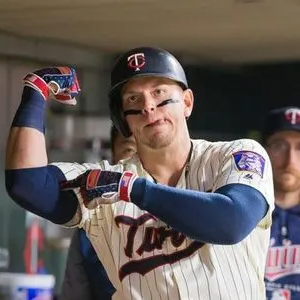 Justis Logan Morrison was born on August 25, 1987 in Kansas City, Missouri. The Florida Marlins drafted him in round 22 of the 2005 MLB Draft. He blossomed into one of baseball's best prospects, ranking 25th on the 2010 MLB Pipeline preseason rankings. This made him the second ranked prospect in the Marlins system, trailing Giancarlo Stanton. After debuting for the Marlins during the second half in 2010, he was their Opening Day left fielder in 2011. Morrison posted a .797 OPS with 23 home runs and 72 RBI that season. He was briefly demoted to the minor leagues that August, and filed a grievance through the MLBPA citing an unfair demotion to preserve service time. The Marlins recalled him just ten days later. His 2012 season ended after just 93 games when Morrison needed surgery to repair an inflamed patellar tendon. Various injuries continued to limit Morrison over the next several seasons, and he became a well traveled veteran in the process. Morrison was traded to the Seattle Mariners in 2014, and was traded again to the Tampa Bay Rays in 2016. He also moved from left field to first base in an effort to keep his legs healthier. Things finally clicked for Morrison with the Rays in 2017, as the former top prospect hit 35 home runs and an .868 OPS. Despite this, his free agent market wasn't great. Morrison was still a free agent as players began reporting for spring training, and he eventually signed a one year deal with the Minnesota Twins in late-February of 2018. His year with the Twins did not go well. Penciled in as the team's regular designated hitter, Morrison went hitless in his first 14 at-bats with the Twins, finally breaking through with an RBI double against Ivan Nova of the Pittsburgh Pirates in his 15th at-bat. This began a new 0-for-10 skid. Morrison finished April batting .145/.253/.250 with just four extra base hits in 22 games played. Morrison did have a very strong month of May, starting the month off with a five game hit streak. This included two home runs. He had an .822 OPS in May 2018, finishing second on the Twins with 12 RBI during that span. It didn't last though, as Morrison slashed .171/.231/.378 from June 1st until the end of the season. His season ended in mid-August when he underwent surgery for a torn labrum in his left hip. He finished 2018 with a .644 OPS and 15 home runs in 94 games. He spent most of 2019 in the Philadelphia Phillies minor league system, popping up for 29 game cup of coffee that bridged July and August. Morrison was 7-for-35 (.200) with two home runs during his time with the Phillies. The Milwaukee Brewers had Morrison in their alternate cite camp during the COVID shortened 2020 season, bringing him up for nine games during the season. He was 3-for-25 (.120) with one home run during his time in Milwaukee.
 -
Justis Logan Morrison was born on August 25, 1987 in Kansas City, Missouri. The Florida Marlins drafted him in round 22 of the 2005 MLB Draft. He blossomed into one of baseball's best prospects, ranking 25th on the 2010 MLB Pipeline preseason rankings. This made him the second ranked prospect in the Marlins system, trailing Giancarlo Stanton. After debuting for the Marlins during the second half in 2010, he was their Opening Day left fielder in 2011. Morrison posted a .797 OPS with 23 home runs and 72 RBI that season. He was briefly demoted to the minor leagues that August, and filed a grievance through the MLBPA citing an unfair demotion to preserve service time. The Marlins recalled him just ten days later. His 2012 season ended after just 93 games when Morrison needed surgery to repair an inflamed patellar tendon. Various injuries continued to limit Morrison over the next several seasons, and he became a well traveled veteran in the process. Morrison was traded to the Seattle Mariners in 2014, and was traded again to the Tampa Bay Rays in 2016. He also moved from left field to first base in an effort to keep his legs healthier. Things finally clicked for Morrison with the Rays in 2017, as the former top prospect hit 35 home runs and an .868 OPS. Despite this, his free agent market wasn't great. Morrison was still a free agent as players began reporting for spring training, and he eventually signed a one year deal with the Minnesota Twins in late-February of 2018. His year with the Twins did not go well. Penciled in as the team's regular designated hitter, Morrison went hitless in his first 14 at-bats with the Twins, finally breaking through with an RBI double against Ivan Nova of the Pittsburgh Pirates in his 15th at-bat. This began a new 0-for-10 skid. Morrison finished April batting .145/.253/.250 with just four extra base hits in 22 games played. Morrison did have a very strong month of May, starting the month off with a five game hit streak. This included two home runs. He had an .822 OPS in May 2018, finishing second on the Twins with 12 RBI during that span. It didn't last though, as Morrison slashed .171/.231/.378 from June 1st until the end of the season. His season ended in mid-August when he underwent surgery for a torn labrum in his left hip. He finished 2018 with a .644 OPS and 15 home runs in 94 games. He spent most of 2019 in the Philadelphia Phillies minor league system, popping up for 29 game cup of coffee that bridged July and August. Morrison was 7-for-35 (.200) with two home runs during his time with the Phillies. The Milwaukee Brewers had Morrison in their alternate cite camp during the COVID shortened 2020 season, bringing him up for nine games during the season. He was 3-for-25 (.120) with one home run during his time in Milwaukee. View full player
-
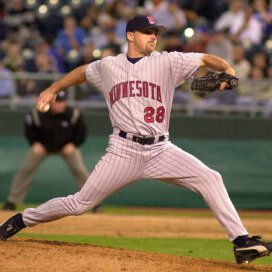 John Baptiste Cressend was born on May 13, 1975 in New Orleans, Louisiana. He was signed as an amateur free agent by the Boston Red Sox after going undrafted out of Tulane University in 1996. Boston released him during the 1999 season with his ERA at the Double-A level sitting north of seven. The Minnesota Twins signed Cressend to a minor league deal a few days later, and converted him to a relief pitcher. He was the Edmonton Trappers closer at the Triple-A level in 2000, before getting promoted to the big leagues that August. Cressend pitched 13.2 innings out of the Twins bullpen down the stretch in 2000, posting a 5.27 ERA. This actually wasn't a terrible result at the height of the steroid era, as his 5.27 ERA came out to an even 100 ERA+. He spent most of the 2001 campaign as a long reliever at the Major League level, going 3-2 with a 3.67 ERA across 44 appearances and 56.1 innings. This gave him the second best ERA of any Twins reliever, regardless of sample size. Only Eddie Guardado was better (3.51). He had seven outings that season with at least two innings pitched, and zero runs allowed. Major League Baseball suspended Cressend for three games in April of 2002 for intentionally throwing at Ricky Gutierrez of the Cleveland Indinas. The rest of 2002 didn't go much better for him, as he finished the year with a 5.91 ERA in just 32.0 innings out of the Twins bullpen. Minnesota released him after the season, and he was claimed off of waivers by the Indians. He had a bit of a resurgence with Cleveland in 2003, pitching to a career best 2.51 ERA over 43.0 innings. He was released after his ERA ballooned north of six in 2004. Cressend retired after spending the 2005 season in the Red Sox minor league system. He has remained very active in baseball since hanging up the cleats, working as a scout with the Tampa Bay Rays from 2006-08 and again from 2012-14. Between those stings, Cressend was a pitching coach for Tulane University and the University of Houston. As of 2025, he is a scout for the Los Angeles Dodgers. He has worked for the Dodgers since 2015.
 -
John Baptiste Cressend was born on May 13, 1975 in New Orleans, Louisiana. He was signed as an amateur free agent by the Boston Red Sox after going undrafted out of Tulane University in 1996. Boston released him during the 1999 season with his ERA at the Double-A level sitting north of seven. The Minnesota Twins signed Cressend to a minor league deal a few days later, and converted him to a relief pitcher. He was the Edmonton Trappers closer at the Triple-A level in 2000, before getting promoted to the big leagues that August. Cressend pitched 13.2 innings out of the Twins bullpen down the stretch in 2000, posting a 5.27 ERA. This actually wasn't a terrible result at the height of the steroid era, as his 5.27 ERA came out to an even 100 ERA+. He spent most of the 2001 campaign as a long reliever at the Major League level, going 3-2 with a 3.67 ERA across 44 appearances and 56.1 innings. This gave him the second best ERA of any Twins reliever, regardless of sample size. Only Eddie Guardado was better (3.51). He had seven outings that season with at least two innings pitched, and zero runs allowed. Major League Baseball suspended Cressend for three games in April of 2002 for intentionally throwing at Ricky Gutierrez of the Cleveland Indinas. The rest of 2002 didn't go much better for him, as he finished the year with a 5.91 ERA in just 32.0 innings out of the Twins bullpen. Minnesota released him after the season, and he was claimed off of waivers by the Indians. He had a bit of a resurgence with Cleveland in 2003, pitching to a career best 2.51 ERA over 43.0 innings. He was released after his ERA ballooned north of six in 2004. Cressend retired after spending the 2005 season in the Red Sox minor league system. He has remained very active in baseball since hanging up the cleats, working as a scout with the Tampa Bay Rays from 2006-08 and again from 2012-14. Between those stings, Cressend was a pitching coach for Tulane University and the University of Houston. As of 2025, he is a scout for the Los Angeles Dodgers. He has worked for the Dodgers since 2015. View full player
-
Paul Anthony Sorrento was born on November 17, 1965 in Somerville, Massachusetts. The California Angels drafted him in round four of the 1986 MLB Draft. He was acquired by the Minnesota Twins in a 1988 trade that sent franchise legend Bert Blyleven to the Angels. Sorrento debuted as a September call-up in 1989. He split the 1990 and 1991 seasons between Triple-A and the Majors, batting .220 with a .719 OPS in 67 big league games between those two seasons. Minnesota added Sorrento to their postseason roster in 1991, and he went 0-for-3 with a walk that October. All of his plate appearances came as a pinch hitter. Sorrento played one inning of defense during that playoff run, replacing Kent Hrbek at first base for the ninth inning during the Twins blowout loss in game five of the World Series. The Twins traded Sorrento to the Cleveland Indians that off-season, acquiring pitching prospects Oscar Munoz and Curt Leskanic. He became the Indians regular first baseman, slashing .261/.340/.457 during his four years in Cleveland. Sorrento got to face the Atlanta Braves in the World Series once again while with the Indians in 1995. He hit .206 with just one RBI during the playoffs that fall, missing out on a second ring when the Indians fell in six games. His 25 home runs during the regular season that year were a career high. He signed with the Seattle Mariners as a free agent that off-season, playing two seasons there and helping them reach the playoffs in 1997. Sorrento finished his career by playing two seasons with the Tampa Bay Devil Rays. Sorrento has worked for the Angels organization in various coaching roles since 2012. He began as a minor league hitting coach, and was eventually added to the Major League staff in 2015. In 2023, he transitioned to a player development role that has him working with minor league players at various levels of their system. View full player
-
- 1
-

-
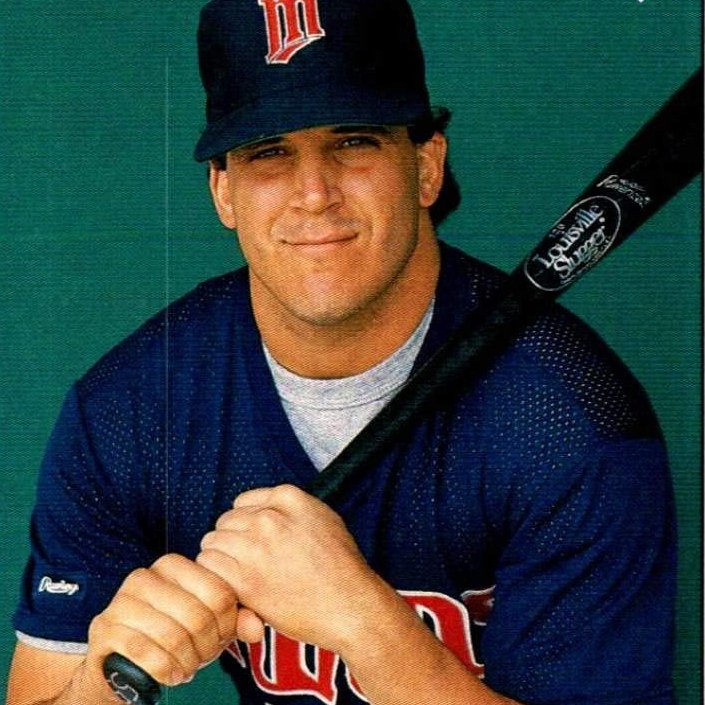 Paul Anthony Sorrento was born on November 17, 1965 in Somerville, Massachusetts. The California Angels drafted him in round four of the 1986 MLB Draft. He was acquired by the Minnesota Twins in a 1988 trade that sent franchise legend Bert Blyleven to the Angels. Sorrento debuted as a September call-up in 1989. He split the 1990 and 1991 seasons between Triple-A and the Majors, batting .220 with a .719 OPS in 67 big league games between those two seasons. Minnesota added Sorrento to their postseason roster in 1991, and he went 0-for-3 with a walk that October. All of his plate appearances came as a pinch hitter. Sorrento played one inning of defense during that playoff run, replacing Kent Hrbek at first base for the ninth inning during the Twins blowout loss in game five of the World Series. The Twins traded Sorrento to the Cleveland Indians that off-season, acquiring pitching prospects Oscar Munoz and Curt Leskanic. He became the Indians regular first baseman, slashing .261/.340/.457 during his four years in Cleveland. Sorrento got to face the Atlanta Braves in the World Series once again while with the Indians in 1995. He hit .206 with just one RBI during the playoffs that fall, missing out on a second ring when the Indians fell in six games. His 25 home runs during the regular season that year were a career high. He signed with the Seattle Mariners as a free agent that off-season, playing two seasons there and helping them reach the playoffs in 1997. Sorrento finished his career by playing two seasons with the Tampa Bay Devil Rays. Sorrento has worked for the Angels organization in various coaching roles since 2012. He began as a minor league hitting coach, and was eventually added to the Major League staff in 2015. In 2023, he transitioned to a player development role that has him working with minor league players at various levels of their system.
 -
Leonard Irell Webster was born on February 10, 1965 in New Orleans, Louisiana. The Minnesota Twins drafted him in round 16 of the 1982 MLB Draft out of high school, but he did not sign. Webster attended Grambling State University, and was re-drafted by the Twins in 1985. He blossomed into one of baseball's best catching prospects, winning Midwest League MVP at the Class-A level in 1988. Webster debuted for the Twins in 1989, and spent the next several seasons periodically coming up whenever Minnesota needed a third catcher. He hit .300 with a .911 OPS between 1989 and 1991, but that was just a 34 game sample size. Junior Ortiz departed as a free agent following the 1991 season, allowing Webster to become the full time backup to Brian Harper. Webster slashed .280/.331/.407 in 53 games during the 1992 campaign, but his performance dipped the following season. He hit just .198 in 1993, and was traded to the Montreal Expos for cash during spring training in 1994. The rest of his career was spent making the rounds as a journeyman backup catcher. This included three separate stints in Montreal (1994, 1996, 2000). He also played for the Philadelphia Phillies (1995), Baltimore Orioles (1997-99), and the Boston Red Sox (1999). While in Baltimore, Webster served as the personal catcher for former Twins teammate Scott Erickson. He started all three of Erickson's starts during the 1997 postseason, while Chris Hoiles started the Orioles other seven playoff games that fall. View full player
-
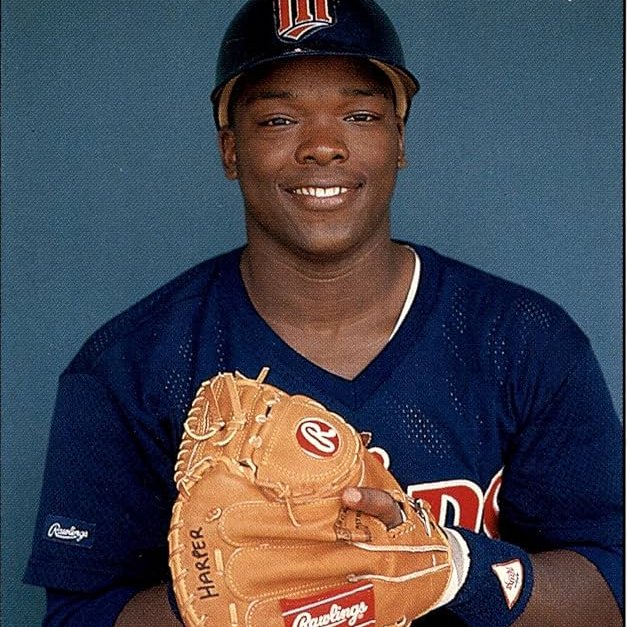 Leonard Irell Webster was born on February 10, 1965 in New Orleans, Louisiana. The Minnesota Twins drafted him in round 16 of the 1982 MLB Draft out of high school, but he did not sign. Webster attended Grambling State University, and was re-drafted by the Twins in 1985. He blossomed into one of baseball's best catching prospects, winning Midwest League MVP at the Class-A level in 1988. Webster debuted for the Twins in 1989, and spent the next several seasons periodically coming up whenever Minnesota needed a third catcher. He hit .300 with a .911 OPS between 1989 and 1991, but that was just a 34 game sample size. Junior Ortiz departed as a free agent following the 1991 season, allowing Webster to become the full time backup to Brian Harper. Webster slashed .280/.331/.407 in 53 games during the 1992 campaign, but his performance dipped the following season. He hit just .198 in 1993, and was traded to the Montreal Expos for cash during spring training in 1994. The rest of his career was spent making the rounds as a journeyman backup catcher. This included three separate stints in Montreal (1994, 1996, 2000). He also played for the Philadelphia Phillies (1995), Baltimore Orioles (1997-99), and the Boston Red Sox (1999). While in Baltimore, Webster served as the personal catcher for former Twins teammate Scott Erickson. He started all three of Erickson's starts during the 1997 postseason, while Chris Hoiles started the Orioles other seven playoff games that fall.
 -
.thumb.png.131fdf97b843dfc7f73f4f987002a0f8.png)
White Sox get burned by the long leash
William Malone posted a blog entry in William Malone IV blogs about Twins
Minnesota Twins manager Rocco Baldelli was under fire just a few days ago for pulling Joe Ryan after five innings and just 81 pitches. It was low hanging fruit, because their bullpen immediately gave up a few runs, and the Twins wound up losing. Chicago White Sox manager Will Venable found himself in a similar situation tonight. Rookie right hander Shane Smith was dominating his Major League debut, pitching even better than Joe Ryan was just a few days earlier. Through five innings, he hadn't allowed a run and was sitting at just 59 pitches. This led to Venable making the opposite decision, sending his starter out for the sixth inning. Making the opposite decision never guarantees a different result. By the end of the sixth inning, Minnesota had completely flipped the game. They were down 3-0 after five, staring down the barrel of an 0-5 start. But suddenly, they had a 5-3 lead. That third trip through the order against an unproven starter helped get two runners on base. Chicago finally went to their bullpen, but then the floodgates opened. Four straight hits with two outs helped produce five runs, and the Twins never looked back. It's possible that pulling Smith after five still winds up with the Twins going off on their five run rally. As I've already said, making the opposite decision never guarantees a different result. And we all saw that pulling Joe Ryan the other day helped spark a St. Louis Cardinals rally. But there's still an alternate reality in which a reliever enters with a clean slate, and tosses a 1-2-3 inning. The main point is that these managerial decisions don't really matter. The players still have to play. Smith was sent out for the sixth after dominating the first five innings, and then he issued two walks. This forced the White Sox bullpen into a tricky spot that could've been avoided if they simply pulled Smith before the inning. But even if they did pull Smith after five, the relievers still need to do their jobs. It's the players who decide the outcome. Not the manager. -
Travis Eugene Miller was born on November 2, 1972 in Dayton, Ohio. He was a first round pick of the Minnesota Twins in 1994, reaching the Majors in 1996. Miller made seven starts for the Twins as a rookie in 1996, posting 9.23 ERA and a 2.051 WHIP. He began 1997 in Triple-A, but was re-called in late July. Miller made seven starts and six more relief appearances at the big league level that season, sporting a 7.36 ERA. The Twins moved him to the bullpen in 1998, and he split the season between Triple-A and the Majors. At the big league level, his ERA was 3.86 in 26.1 innings. 1999 was a career year for Miller. He appeared in 52 games for the Twins, recording a 2.72 ERA. This made him a bright spot for a Twins team that featured one of the league's worst bullpens that season. Miller followed this up with a 3.90 ERA over a career high 65 appearances in 2000. His only career save came on May 9, 2000 against the Cleveland Indians. He had a 4.78 ERA between the 2001 and 2002 campaigns. As of 2025, he is the athletic director at Easton Community School in Ohio. View full player
-
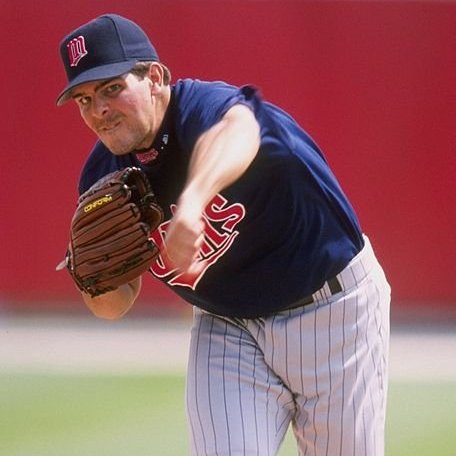 Travis Eugene Miller was born on November 2, 1972 in Dayton, Ohio. He was a first round pick of the Minnesota Twins in 1994, reaching the Majors in 1996. Miller made seven starts for the Twins as a rookie in 1996, posting 9.23 ERA and a 2.051 WHIP. He began 1997 in Triple-A, but was re-called in late July. Miller made seven starts and six more relief appearances at the big league level that season, sporting a 7.36 ERA. The Twins moved him to the bullpen in 1998, and he split the season between Triple-A and the Majors. At the big league level, his ERA was 3.86 in 26.1 innings. 1999 was a career year for Miller. He appeared in 52 games for the Twins, recording a 2.72 ERA. This made him a bright spot for a Twins team that featured one of the league's worst bullpens that season. Miller followed this up with a 3.90 ERA over a career high 65 appearances in 2000. His only career save came on May 9, 2000 against the Cleveland Indians. He had a 4.78 ERA between the 2001 and 2002 campaigns. As of 2025, he is the athletic director at Easton Community School in Ohio.
 -
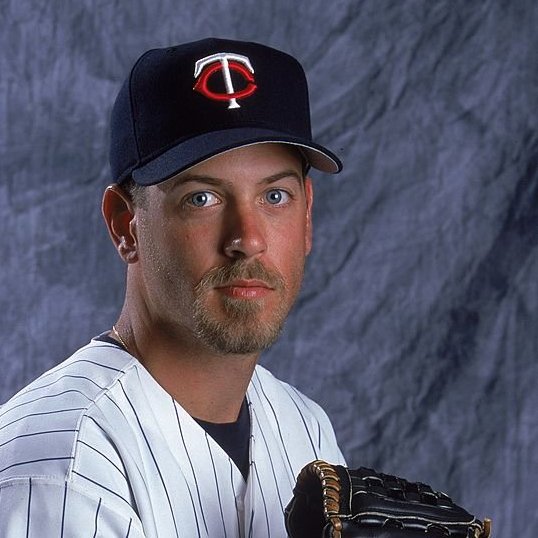 Jason Paul Ryan was born on January 21, 1976 in Long Beach, New Jersey. He was drafted by the Chicago Cubs in round nine of the 1994 MLB Draft. Ryan and fellow pitching prospect Kyle Lohse were traded to the Minnesota Twins in 1999 for Rick Aguilera. Minnesota called up Ryan to make his Major League debut on August 24, 1999 against the Boston Red Sox. He allowed four runs over 4.1 innings, falling to Hall of Fame ace Pedro Martinez. Ryan remained in the Twins rotation for the rest of that season, posting a 1-4 record with a 4.87 ERA in eight starts. His best performance of the season was a complete game two hitter against the Toronto Blue Jays on August 30th. Unfortunately, he still took the loss. One of those hits was a solo home run. He also allowed a sacrifice fly, and Minnesota lost 2-1. Ryan began the 2000 season in Triple-A, but was called up in June to work out of the bullpen. He recorded a 7.62 ERA across 26.0 innings. Minnesota released him after the season. The Twins were the first, and only, big league stop for Ryan. He spent time in the Pirates, Dodgers, Reds, Royals, Cardinals and Brewers minor league systems. Ryan also pitched for the Long Island Ducks of the Atlantic League.
 -
Jason Paul Ryan was born on January 21, 1976 in Long Beach, New Jersey. He was drafted by the Chicago Cubs in round nine of the 1994 MLB Draft. Ryan and fellow pitching prospect Kyle Lohse were traded to the Minnesota Twins in 1999 for Rick Aguilera. Minnesota called up Ryan to make his Major League debut on August 24, 1999 against the Boston Red Sox. He allowed four runs over 4.1 innings, falling to Hall of Fame ace Pedro Martinez. Ryan remained in the Twins rotation for the rest of that season, posting a 1-4 record with a 4.87 ERA in eight starts. His best performance of the season was a complete game two hitter against the Toronto Blue Jays on August 30th. Unfortunately, he still took the loss. One of those hits was a solo home run. He also allowed a sacrifice fly, and Minnesota lost 2-1. Ryan began the 2000 season in Triple-A, but was called up in June to work out of the bullpen. He recorded a 7.62 ERA across 26.0 innings. Minnesota released him after the season. The Twins were the first, and only, big league stop for Ryan. He spent time in the Pirates, Dodgers, Reds, Royals, Cardinals and Brewers minor league systems. Ryan also pitched for the Long Island Ducks of the Atlantic League. View full player
-
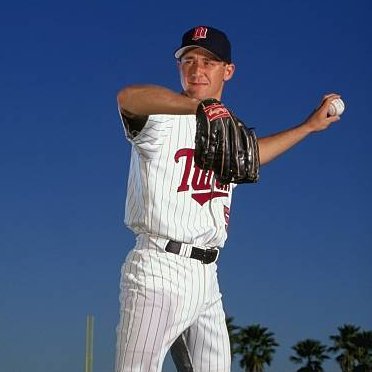 Alfred Gary Rath was born on January 10, 1973 in Gulfport, Mississippi. The Los Angeles Dodgers selected him in round two of the 1994 MLB Draft. He made his Major League debut for them in 1998, allowing four runs in 3.1 innings. He was released after the season, and signed a minor league contract with the Minnesota Twins. Rath was called up to make a big league spot start for the Twins on May 25, 1999. He allowed five runs over 3.0 innings, taking the loss. He made four more relief appearances for Minnesota that season, finishing the year with an 11.57 ERA and a 2.357 WHIP. Rath had a 5.62 ERA in 99.1 innings at the Triple-A level that season as well. The Twins released him after the season, and Rath never reached the Major League level again. He continued to pitch professionally through 2008, spending most of his time in Korea. There were also stints in Japan, and the stateside Atlantic League. Rath was the head coach at Mississippi Gulf Coast Community College from 2009-14.
 -
Alfred Gary Rath was born on January 10, 1973 in Gulfport, Mississippi. The Los Angeles Dodgers selected him in round two of the 1994 MLB Draft. He made his Major League debut for them in 1998, allowing four runs in 3.1 innings. He was released after the season, and signed a minor league contract with the Minnesota Twins. Rath was called up to make a big league spot start for the Twins on May 25, 1999. He allowed five runs over 3.0 innings, taking the loss. He made four more relief appearances for Minnesota that season, finishing the year with an 11.57 ERA and a 2.357 WHIP. Rath had a 5.62 ERA in 99.1 innings at the Triple-A level that season as well. The Twins released him after the season, and Rath never reached the Major League level again. He continued to pitch professionally through 2008, spending most of his time in Korea. There were also stints in Japan, and the stateside Atlantic League. Rath was the head coach at Mississippi Gulf Coast Community College from 2009-14. View full player
.thumb.png.131fdf97b843dfc7f73f4f987002a0f8.png)
