



Cody Schoenmann
-
Posts
768 -
Joined
-
Last visited
-
Days Won
1
Content Type
Profiles
News
Minnesota Twins Videos
2026 Minnesota Twins Top Prospects Ranking
2022 Minnesota Twins Draft Picks
Minnesota Twins Free Agent & Trade Rumors, Notes, & Tidbits
Guides & Resources
2023 Minnesota Twins Draft Picks
The Minnesota Twins Players Project
2024 Minnesota Twins Draft Picks
2025 Minnesota Twins Draft Pick Tracker
2026 Minnesota Twins Draft Tracker: Picks & Bonuses
Forums
Blogs
Events
Store
Downloads
Gallery
Everything posted by Cody Schoenmann
-

Why Twins Should Sign Free-Agent First Baseman Ryan O’Hearn
Cody Schoenmann posted an article in Twins
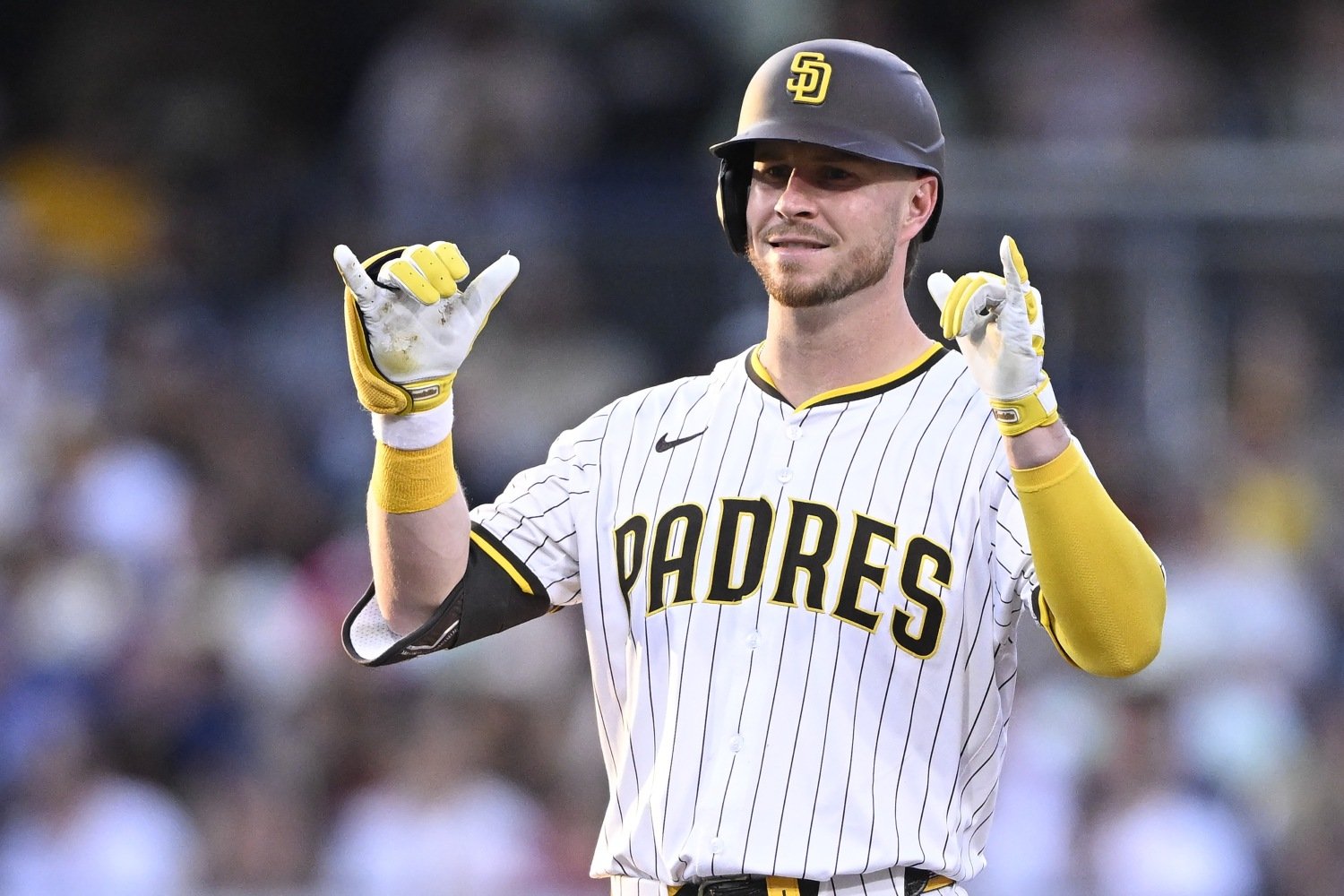 This weekend, The Athletic’s Ken Rosenthal reported the Minnesota Twins do not anticipate moving Byron Buxton, Pablo López, or Joe Ryan this offseason, intending to contend for a postseason berth in 2026. In the article, Rosenthal noted that club officials believe they have “’mild flexibility’ to make additions,” signaling the front office could have more spending room than previously thought. Soon after Rosenthal’s piece was published, Twins general manager Jeremy Zoll told reporters at the Winter Meetings on Monday that the club plans on targeting “another bat or two with some thump, some impact, to bolster a group that we’re excited about.” High-cost impact bats like Pete Alonso or Kazuma Okamoto would be ideal candidates for Minnesota’s power-deficient lineup. Even though the front office has seemingly been given some spending room, though, needle movers like Alonso or Okamoto will be too expensive for the Twins. Given what we can assume are still reasonably snug constraints for a team looking to spend modestly, no other player would fit Minnesota’s needs better than Ryan O’Hearn. Splitting last season between the Baltimore Orioles and San Diego Padres, the 32-year-old hit .281/.366/.437, with 17 home runs and a 127 wRC+ over 544 plate appearances. Earning the first All-Star nod of his career, the left-handed batter performed better in the first half (135 wRC+ over 361 plate appearances) than he did post-trade deadline with San Diego (112 wRC+ over 183 plate appearances). Still, given his three-season span of strong performances (121 wRC+ over 1,406 combined plate appearances), the veteran bat projects to earn his first eight-figure contract this winter. Our top 50 free agents list ranked O'Hearn in the top half, and predicted that he'll sign for two years and $23 million. 0edabd21-df3e8c74-7185d797-csvm-diamondgcp-asset_1280x720_59_4000K.mp4 If Zoll is to be taken seriously, O’Hearn is the most intriguing bat Minnesota could realistically sign to bolster its lineup entering 2026. Posting a 135 wRC+ over 109 plate appearances against same-handed pitching (compared to a 125 wRC+ over 377 plate appearances facing right-handed pitching), O’Hearn excelled as a platoon-proof bat, cementing himself as a cog in the middle of Baltimore and San Diego’s lineups. He hits the ball hard and often, with hard-hit rates over 40% in each year of his career, according to Statcast—and better-than-average strikeout rates in each of the last two seasons. O’Hearn is also a tremendous defensive first baseman, sporting 6 Outs Above Average (OAA) at the position in 2025. Minnesota has unexpectedly been the gold standard of first base defense in recent history, fielding the last two AL Gold Glove winners at the position in Carlos Santana and Ty France. O’Hearn would possess the defensive skillset necessary to match Santana and France’s performances, if not surpass them. The veteran lefty could also mix in at both corner outfield spots; he played 149 innings in right field and 16 innings in left field in 2025. Given his plus bat, defensive flexibility, and reputation as a beloved clubhouse figure, the Twins would be wise to target O’Hearn, adding a middle-of-the-lineup presence while addressing their most pressing position of need. Twins Daily's John Bonnes contributed to the reporting in this piece.
 -
Image courtesy of © Denis Poroy-Imagn Images This weekend, The Athletic’s Ken Rosenthal reported the Minnesota Twins do not anticipate moving Byron Buxton, Pablo López, or Joe Ryan this offseason, intending to contend for a postseason berth in 2026. In the article, Rosenthal noted that club officials believe they have “’mild flexibility’ to make additions,” signaling the front office could have more spending room than previously thought. Soon after Rosenthal’s piece was published, Twins general manager Jeremy Zoll told reporters at the Winter Meetings on Monday that the club plans on targeting “another bat or two with some thump, some impact, to bolster a group that we’re excited about.” High-cost impact bats like Pete Alonso or Kazuma Okamoto would be ideal candidates for Minnesota’s power-deficient lineup. Even though the front office has seemingly been given some spending room, though, needle movers like Alonso or Okamoto will be too expensive for the Twins. Given what we can assume are still reasonably snug constraints for a team looking to spend modestly, no other player would fit Minnesota’s needs better than Ryan O’Hearn. Splitting last season between the Baltimore Orioles and San Diego Padres, the 32-year-old hit .281/.366/.437, with 17 home runs and a 127 wRC+ over 544 plate appearances. Earning the first All-Star nod of his career, the left-handed batter performed better in the first half (135 wRC+ over 361 plate appearances) than he did post-trade deadline with San Diego (112 wRC+ over 183 plate appearances). Still, given his three-season span of strong performances (121 wRC+ over 1,406 combined plate appearances), the veteran bat projects to earn his first eight-figure contract this winter. Our top 50 free agents list ranked O'Hearn in the top half, and predicted that he'll sign for two years and $23 million. 0edabd21-df3e8c74-7185d797-csvm-diamondgcp-asset_1280x720_59_4000K.mp4 If Zoll is to be taken seriously, O’Hearn is the most intriguing bat Minnesota could realistically sign to bolster its lineup entering 2026. Posting a 135 wRC+ over 109 plate appearances against same-handed pitching (compared to a 125 wRC+ over 377 plate appearances facing right-handed pitching), O’Hearn excelled as a platoon-proof bat, cementing himself as a cog in the middle of Baltimore and San Diego’s lineups. He hits the ball hard and often, with hard-hit rates over 40% in each year of his career, according to Statcast—and better-than-average strikeout rates in each of the last two seasons. O’Hearn is also a tremendous defensive first baseman, sporting 6 Outs Above Average (OAA) at the position in 2025. Minnesota has unexpectedly been the gold standard of first base defense in recent history, fielding the last two AL Gold Glove winners at the position in Carlos Santana and Ty France. O’Hearn would possess the defensive skillset necessary to match Santana and France’s performances, if not surpass them. The veteran lefty could also mix in at both corner outfield spots; he played 149 innings in right field and 16 innings in left field in 2025. Given his plus bat, defensive flexibility, and reputation as a beloved clubhouse figure, the Twins would be wise to target O’Hearn, adding a middle-of-the-lineup presence while addressing their most pressing position of need. Twins Daily's John Bonnes contributed to the reporting in this piece. View full article
-
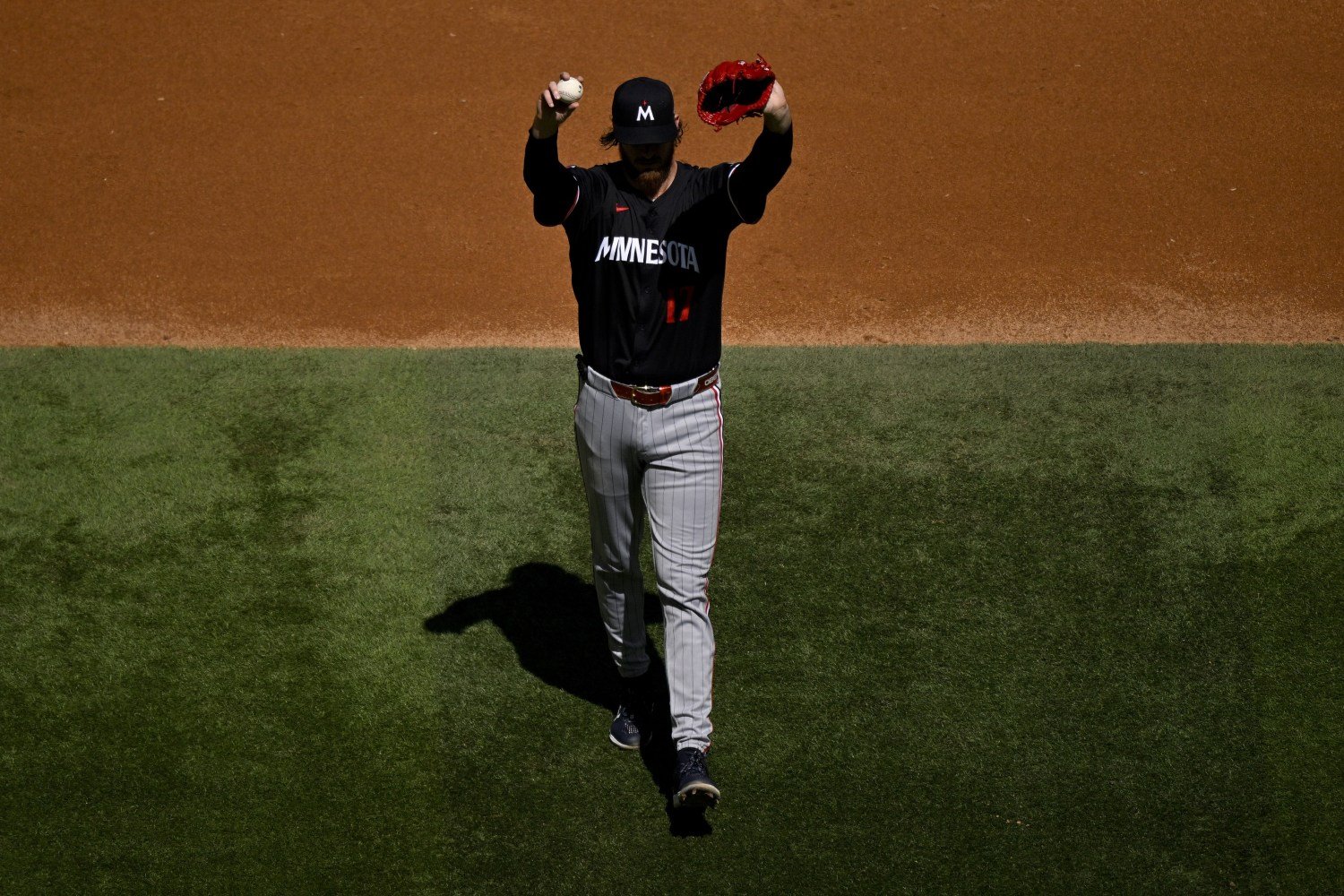 Since the offseason officially began in early November, Minnesota Twins starting pitchers Pablo López and Joe Ryan have been two of the most speculated-about players in baseball, with many pundits predicting one or both of the frontline arms to be moved this winter. Reports from The Athletic's Ken Rosenthal have now downplayed the likelihood of López and/or Ryan being moved, but that doesn't mean team decision-makers won't part ways with their surplus starting pitching to fill roster holes. In fact, they should make a concerted effort to do just that. After the frontline duo of López and Ryan, Minnesota's rotation is projected to include Bailey Ober, Simeon Woods Richardson, and Taj Bradley. The quintet of Zebby Matthews, David Festa, Mick Abel, Andrew Morris, and Kendry Rojas could fill Triple-A St. Paul's starting rotation, giving the club 10 major league-caliber (or at least promising) starting pitchers between the two levels. At the same time, the organization is deficient at multiple positions, with first base and the middle infield being the most glaring areas of need. Instead of parting ways with one of their two frontline arms, the club would be wise to dip into its depth, trading Ober or one of their inexperienced, high-upside arms (like Matthews, Festa, or Abel) to fill holes on the position player side. The return packages Minnesota would receive for Ober, Woods Richardson, or one of their inexperienced arms would be meaningfully less exciting than what they could net for López or Ryan. Still, the club could find itself in a win-win scenario by trading one or more, adding much-needed talent and depth while clearing up the logjam at the back end of the rotation. Ober, in particular, is an interesting trade chip, given that there are multiple avenues for Minnesota to extract value for him this offseason. The 30-year-old is expected to earn $4.6 million in arbitration, making him an enticing, low-cost veteran arm hoping to rebound from his worst season in the majors. Could the Twins swap him with the Baltimore Orioles for right-handed hitting first baseman Ryan Mountcastle, who also had a lackluster 2025 campaign? Certainly, though Minnesota would only do that if they can also get a secondary piece in the trade. Alternatively, the front office could flip Ober for multiple prospects, clearing roughly $5 million from the club's payroll and providing them more spending flexibility. That money could go toward a position player like Miguel Andujar, Rhys Hoskins, or Isiah Kiner-Falefa, on a one-year contract. Given that Woods Richardson, Bradley, Matthews, Festa, and Abel are pre-arbitration players set to earn the league minimum in 2026, trading them wouldn't provide the same savings potential as trading Ober would. Instead, the intent of moving them would be to net similar value, with the club targeting cost-effective major league-ready position player talent. Minnesota could swap one of its young pitchers for a player like Boston Red Sox first baseman Triston Casas or Arizona Diamondbacks infielder Jordan Lawlar. New York Mets position players Mark Vientos and Luisangel Acuña are also intriguing names the Twins could pursue. Starting pitching is Minnesota's strength. The club has frontline talent under multiple seasons of control and a surplus of high-upside depth. Instead of parting ways with one of their top arms in López or Ryan, the club should instead dip into its depth, trading one or more of Ober, Woods Richardson, Bradley, Matthews, Festa, or Abel to address holes on the position player side. The Twins have the depth necessary to absorb the loss of one or more arms. Team decision-makers should make an effort to address their lack of well-rounded positional talent and increase their chances of making the postseason in 2026.
- 50 comments
-
- 7
-

-

-
- pablo lopez
- joe ryan
- (and 6 more)
-
Image courtesy of © Jerome Miron-Imagn Images Since the offseason officially began in early November, Minnesota Twins starting pitchers Pablo López and Joe Ryan have been two of the most speculated-about players in baseball, with many pundits predicting one or both of the frontline arms to be moved this winter. Reports from The Athletic's Ken Rosenthal have now downplayed the likelihood of López and/or Ryan being moved, but that doesn't mean team decision-makers won't part ways with their surplus starting pitching to fill roster holes. In fact, they should make a concerted effort to do just that. After the frontline duo of López and Ryan, Minnesota's rotation is projected to include Bailey Ober, Simeon Woods Richardson, and Taj Bradley. The quintet of Zebby Matthews, David Festa, Mick Abel, Andrew Morris, and Kendry Rojas could fill Triple-A St. Paul's starting rotation, giving the club 10 major league-caliber (or at least promising) starting pitchers between the two levels. At the same time, the organization is deficient at multiple positions, with first base and the middle infield being the most glaring areas of need. Instead of parting ways with one of their two frontline arms, the club would be wise to dip into its depth, trading Ober or one of their inexperienced, high-upside arms (like Matthews, Festa, or Abel) to fill holes on the position player side. The return packages Minnesota would receive for Ober, Woods Richardson, or one of their inexperienced arms would be meaningfully less exciting than what they could net for López or Ryan. Still, the club could find itself in a win-win scenario by trading one or more, adding much-needed talent and depth while clearing up the logjam at the back end of the rotation. Ober, in particular, is an interesting trade chip, given that there are multiple avenues for Minnesota to extract value for him this offseason. The 30-year-old is expected to earn $4.6 million in arbitration, making him an enticing, low-cost veteran arm hoping to rebound from his worst season in the majors. Could the Twins swap him with the Baltimore Orioles for right-handed hitting first baseman Ryan Mountcastle, who also had a lackluster 2025 campaign? Certainly, though Minnesota would only do that if they can also get a secondary piece in the trade. Alternatively, the front office could flip Ober for multiple prospects, clearing roughly $5 million from the club's payroll and providing them more spending flexibility. That money could go toward a position player like Miguel Andujar, Rhys Hoskins, or Isiah Kiner-Falefa, on a one-year contract. Given that Woods Richardson, Bradley, Matthews, Festa, and Abel are pre-arbitration players set to earn the league minimum in 2026, trading them wouldn't provide the same savings potential as trading Ober would. Instead, the intent of moving them would be to net similar value, with the club targeting cost-effective major league-ready position player talent. Minnesota could swap one of its young pitchers for a player like Boston Red Sox first baseman Triston Casas or Arizona Diamondbacks infielder Jordan Lawlar. New York Mets position players Mark Vientos and Luisangel Acuña are also intriguing names the Twins could pursue. Starting pitching is Minnesota's strength. The club has frontline talent under multiple seasons of control and a surplus of high-upside depth. Instead of parting ways with one of their top arms in López or Ryan, the club should instead dip into its depth, trading one or more of Ober, Woods Richardson, Bradley, Matthews, Festa, or Abel to address holes on the position player side. The Twins have the depth necessary to absorb the loss of one or more arms. Team decision-makers should make an effort to address their lack of well-rounded positional talent and increase their chances of making the postseason in 2026. View full article
-
Woods Richardson is out of minor-league options and has been a significantly better starting pitcher than Zebby the past two seasons. He's a lock to make the rotation.
- 77 replies
-
- 27
-
-

-
- ryan jeffers
- kody clemens
- (and 5 more)
-
Image courtesy of © Bruce Kluckhohn-Imagn Images The Minnesota Twins have been somewhat active early this offseason, protecting six prospects from Rule 5 Draft eligibility; trading pitching prospect Jacob Kisting to the Tampa Bay Rays for right-handed reliever Eric Orze; and swapping Triple-A utility player Payton Eeles for former Baltimore Orioles backup catcher Alex Jackson. More moves should occur this offseason. Still, it's vital to take note of where the club's 26-man roster currently stands. Which players could form Minnesota's 2026 Opening Day roster, if the season began tomorrow? Catchers (2): Ryan Jeffers, Alex Jackson Since 2023, catcher has been the easiest position to project for the Twins, with Jeffers and veteran backstop Christian Vàzquez fixed in a 50/50 split at the position. With Vázquez parting ways with the organization this offseason, team decision-makers elected to bring in a new veteran backstop to team with Jeffers. Expected to earn roughly $1.8 million in arbitration this offseason, Jackson is a much more cost-effective option than Vázquez, who was earning $10 million annually. At this stage of their respective careers, Jackson is a defensive upgrade from Vàzquez. He has more pop in his bat, though the utility of that power is limited by a catastrophic 40.7% career strikeout rate. Jeffers will be a bellcow behind the plate for the first time in his career. As the sturdy backstop enters his final season of team control, the front office would be wise to lock him up. Infielders (6): Kody Clemens, Luke Keaschall, Royce Lewis, Brooks Lee, Ryan Fitzgerald, Edouard Julien As things stand, Minnesota's primary infield configuration entering next season is clear-cut, with Clemens at first base, Keaschall at second, Lewis patrolling third, and Lee at shortstop. Team decision-makers could bring in a right-handed-hitting corner infielder like Miguel Andujar or Rhys Hoskins to pair with Clemens at first. Unless and until that happens, though, the club's primary starting infield group is set. Fitzgerald is penciled in as the backup shortstop and third baseman. Yet, the front office could elect to acquire a higher-upside option like Isiah Kiner-Falefa or Jordan Lawlar, pushing Fitzgerald back to the fringes of the 40-man roster. Julien could enter the season occasionally mixing in at first base, second base, and designated hitter. Still, given his poor performance at the plate and in the field the past two seasons, that spot on the roster is written in pencil, not pen. Julien is out of minor-league options, meaning the club would risk losing him on waivers if they elect not to award him a 26-man roster spot out of spring training. That risk shouldn't stop the front office from scouring the trade market and free agency for an infielder with a higher offensive and defensive floor. Outfielders (5): Austin Martin, Byron Buxton, Matt Wallner, Alan Roden, Trevor Larnach James Outman is a notable omission from this five-player corps. The left-handed-hitting outfielder struggled in his brief stint with Minnesota, generating an alarming 52 wRC+ and 43.3% strikeout rate over 104 plate appearances. Outman is a viable defender at all three outfield positions. Still, given his significant offensive struggles over the past two seasons, I project the 28-year-old to be the odd player out of the Twins' outfield crunch. Getting the nod over Outman, Roden could mix in at center (as Buxton's backup) and right field, while forming a platoon in left with Martin. Despite being listed as an outfielder, Larnach projects to be the club's primary designated hitter against right-handed starting pitching. The left-handed-hitting veteran could be moved this offseason. Strangely, though, Minnesota appeared to hitch its wagon to Larnach for at least one more season after tendering him a 2026 contract, which (despite popular sentiment) is a sound decision. The 28-year-old has been an above-average hitter (111 wRC+ over 967 plate appearances) the past two seasons. Wallner will enter the season as the club's primary right fielder, hoping to regain his well-above-average 2023 and 2024 form at the plate. The husky Minnesotan could also mix in at designated hitter with Larnach. Despite recent trade rumors, Buxton is expected to remain the Twins' center fielder, playing an integral role in their ability to (eventually) return to the postseason. Starting Rotation (5): Pablo López, Joe Ryan, Bailey Ober, Simeon Woods Richardson, Taj Bradley Trade speculation will continue to swirl around López and Ryan all winter. The two will form one of the AL's best frontline duos as long as they remain with the organization. Ober is penciled in as Minnesota's third starter, hoping to rebound from his second-least effective season as a major-league starting pitcher. This trio could give Minnesota one of baseball's best rotations in 2026. Yet, questions surrounding roster status (López and Ryan) and effectiveness (Ober) raise significant questions about whether that outcome will become a reality next season. Woods Richardson impressed late last season, posting a 3.52 ERA, 3.95 FIP, and a 38-to-11 strikeout to walk ratio over 30 2/3 innings after the trade deadline. The 25-year-old has become a fixture in Minnesota's starting rotation, earning the fourth spot entering next season while potentially developing into one of the club's frontline arms if López or Ryan are traded. If Bradley wins the fifth and final spot in the club's rotation, David Festa, Zebby Matthews, and Mick Abel will likely enter 2026 as the club's primary Triple-A starting pitching depth options, alongside Andrew Morris and Kendry Rojas. Bradley could still blossom into a frontline major-league arm, but he'll need to refine his secondary pitches to reach that potential. Bullpen (8): Cole Sands, Kody Funderburk, Justin Topa, Eric Orze, Connor Prielipp, Pierson Ohl, Marco Raya, John Klein Those who follow the Twins won't like hearing this, but the eight pitchers who form the club's 2026 Opening Day bullpen might already be in the organization. Sands, Funderburk, Topa, and Orze are all but guaranteed spots entering next season. This quartet will likely earn most of the early-season high-leverage situations, with Sands being the primary closer. They should be closers by committee, with all four earning save opportunities. The final four bullpen spots could be a smorgasbord of young, inexperienced arms. Derek Falvey named Prielipp and Raya as candidates to enter 2026 in the club's bullpen. Ohl and his near-elite changeup impressed in short relief opportunities last season, giving him an inside track to an Opening Day relief role. The one surprise in this collective is Klein earning the final spot over Travis Adams, but given Adams's significant struggles in the majors last season and Klein's superior stuff, Klein should have the inside track. View full article
-
Minnesota Twins 2026 Opening Day Roster Projection, v. 1.0
Cody Schoenmann posted an article in Twins
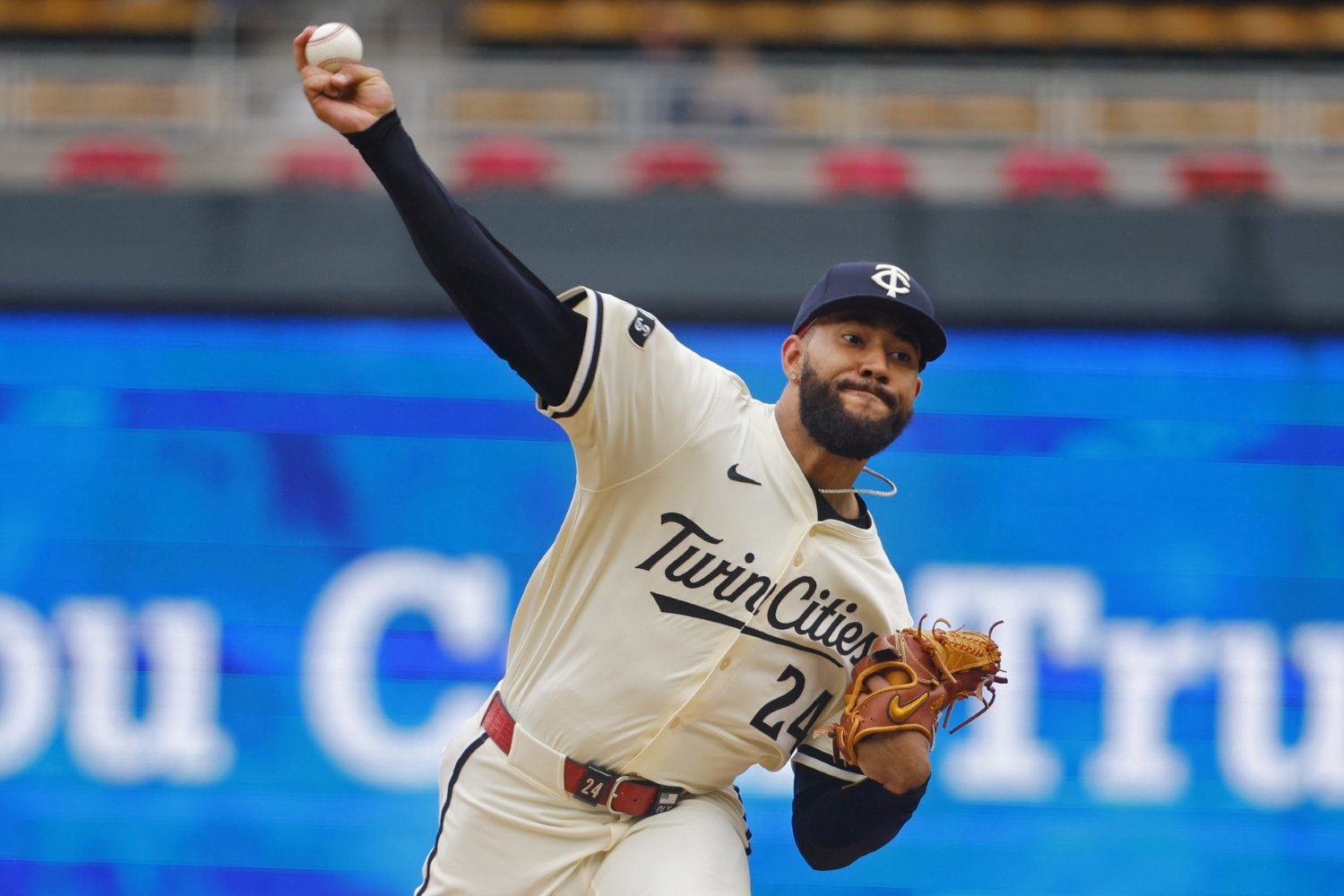 The Minnesota Twins have been somewhat active early this offseason, protecting six prospects from Rule 5 Draft eligibility; trading pitching prospect Jacob Kisting to the Tampa Bay Rays for right-handed reliever Eric Orze; and swapping Triple-A utility player Payton Eeles for former Baltimore Orioles backup catcher Alex Jackson. More moves should occur this offseason. Still, it's vital to take note of where the club's 26-man roster currently stands. Which players could form Minnesota's 2026 Opening Day roster, if the season began tomorrow? Catchers (2): Ryan Jeffers, Alex Jackson Since 2023, catcher has been the easiest position to project for the Twins, with Jeffers and veteran backstop Christian Vàzquez fixed in a 50/50 split at the position. With Vázquez parting ways with the organization this offseason, team decision-makers elected to bring in a new veteran backstop to team with Jeffers. Expected to earn roughly $1.8 million in arbitration this offseason, Jackson is a much more cost-effective option than Vázquez, who was earning $10 million annually. At this stage of their respective careers, Jackson is a defensive upgrade from Vàzquez. He has more pop in his bat, though the utility of that power is limited by a catastrophic 40.7% career strikeout rate. Jeffers will be a bellcow behind the plate for the first time in his career. As the sturdy backstop enters his final season of team control, the front office would be wise to lock him up. Infielders (6): Kody Clemens, Luke Keaschall, Royce Lewis, Brooks Lee, Ryan Fitzgerald, Edouard Julien As things stand, Minnesota's primary infield configuration entering next season is clear-cut, with Clemens at first base, Keaschall at second, Lewis patrolling third, and Lee at shortstop. Team decision-makers could bring in a right-handed-hitting corner infielder like Miguel Andujar or Rhys Hoskins to pair with Clemens at first. Unless and until that happens, though, the club's primary starting infield group is set. Fitzgerald is penciled in as the backup shortstop and third baseman. Yet, the front office could elect to acquire a higher-upside option like Isiah Kiner-Falefa or Jordan Lawlar, pushing Fitzgerald back to the fringes of the 40-man roster. Julien could enter the season occasionally mixing in at first base, second base, and designated hitter. Still, given his poor performance at the plate and in the field the past two seasons, that spot on the roster is written in pencil, not pen. Julien is out of minor-league options, meaning the club would risk losing him on waivers if they elect not to award him a 26-man roster spot out of spring training. That risk shouldn't stop the front office from scouring the trade market and free agency for an infielder with a higher offensive and defensive floor. Outfielders (5): Austin Martin, Byron Buxton, Matt Wallner, Alan Roden, Trevor Larnach James Outman is a notable omission from this five-player corps. The left-handed-hitting outfielder struggled in his brief stint with Minnesota, generating an alarming 52 wRC+ and 43.3% strikeout rate over 104 plate appearances. Outman is a viable defender at all three outfield positions. Still, given his significant offensive struggles over the past two seasons, I project the 28-year-old to be the odd player out of the Twins' outfield crunch. Getting the nod over Outman, Roden could mix in at center (as Buxton's backup) and right field, while forming a platoon in left with Martin. Despite being listed as an outfielder, Larnach projects to be the club's primary designated hitter against right-handed starting pitching. The left-handed-hitting veteran could be moved this offseason. Strangely, though, Minnesota appeared to hitch its wagon to Larnach for at least one more season after tendering him a 2026 contract, which (despite popular sentiment) is a sound decision. The 28-year-old has been an above-average hitter (111 wRC+ over 967 plate appearances) the past two seasons. Wallner will enter the season as the club's primary right fielder, hoping to regain his well-above-average 2023 and 2024 form at the plate. The husky Minnesotan could also mix in at designated hitter with Larnach. Despite recent trade rumors, Buxton is expected to remain the Twins' center fielder, playing an integral role in their ability to (eventually) return to the postseason. Starting Rotation (5): Pablo López, Joe Ryan, Bailey Ober, Simeon Woods Richardson, Taj Bradley Trade speculation will continue to swirl around López and Ryan all winter. The two will form one of the AL's best frontline duos as long as they remain with the organization. Ober is penciled in as Minnesota's third starter, hoping to rebound from his second-least effective season as a major-league starting pitcher. This trio could give Minnesota one of baseball's best rotations in 2026. Yet, questions surrounding roster status (López and Ryan) and effectiveness (Ober) raise significant questions about whether that outcome will become a reality next season. Woods Richardson impressed late last season, posting a 3.52 ERA, 3.95 FIP, and a 38-to-11 strikeout to walk ratio over 30 2/3 innings after the trade deadline. The 25-year-old has become a fixture in Minnesota's starting rotation, earning the fourth spot entering next season while potentially developing into one of the club's frontline arms if López or Ryan are traded. If Bradley wins the fifth and final spot in the club's rotation, David Festa, Zebby Matthews, and Mick Abel will likely enter 2026 as the club's primary Triple-A starting pitching depth options, alongside Andrew Morris and Kendry Rojas. Bradley could still blossom into a frontline major-league arm, but he'll need to refine his secondary pitches to reach that potential. Bullpen (8): Cole Sands, Kody Funderburk, Justin Topa, Eric Orze, Connor Prielipp, Pierson Ohl, Marco Raya, John Klein Those who follow the Twins won't like hearing this, but the eight pitchers who form the club's 2026 Opening Day bullpen might already be in the organization. Sands, Funderburk, Topa, and Orze are all but guaranteed spots entering next season. This quartet will likely earn most of the early-season high-leverage situations, with Sands being the primary closer. They should be closers by committee, with all four earning save opportunities. The final four bullpen spots could be a smorgasbord of young, inexperienced arms. Derek Falvey named Prielipp and Raya as candidates to enter 2026 in the club's bullpen. Ohl and his near-elite changeup impressed in short relief opportunities last season, giving him an inside track to an Opening Day relief role. The one surprise in this collective is Klein earning the final spot over Travis Adams, but given Adams's significant struggles in the majors last season and Klein's superior stuff, Klein should have the inside track.
- 77 comments
-
- 7
-
-
-
- ryan jeffers
- kody clemens
- (and 5 more)
-
Image courtesy of © Matt Blewett & Bill Streicher-Imagn Images After the Minnesota Twins traded right-handed hitting outfielder Harrison Bader to the Philadelphia Phillies during the organization's Trade Deadline mass exodus, left field became a hodgepodge for the club, with Austin Martin, Trevor Larnach, James Outman, DaShawn Keirsey Jr. , Kody Clemens, and Alan Roden earning playing time at the position. This quintet failed to impress, hitting a combined .217/.298/.336 with a 79 wRC+ over 332 plate appearances. Still, some players stood out in left field late last season, signaling they could earn extended roles at the position next season. The primary player who took advantage of their opportunity was Martin. Hitting .282/.374/.365 with one home run, eight doubles, and a 113 wRC+ over 181 plate appearances, the 26-year-old impressed as Minnesota's primary left fielder, making 37 appearances at the position late last season. Showcasing a glimpse of the offensive profile that made him one of the most highly-touted college bats in the 2020 MLB Amateur Draft, Martin's defense in left field also impressed, with the speedy outfielder generating three Outs Above Average (OAA) over 262 innings at the position. With Larnach expected to either be traded this winter or become the club's primary designated hitter early next season, Martin should be penciled in for a good share of left field starts entering next season. The contact-skilled right-handed bat won't develop into a power-hitting bat. Still, given his above-average strikeout rate, near-elite contact profile, and plus range, Martin should be an above-average contributor in left field, providing Minnesota a strong foundation at the position in 2026. Keirsey is no longer with the organization. Outman will likely continue to mix in at the position early next spring, but is out of options, and thus is also a DFA candidate who could no longer be a Twin come Opening Day. Clemens could be in the mix in left field, but President of Baseball and Business Operations Derek Falvey stated he will receive extended opportunities at first base next season. As mentioned earlier, Larnach is expected to either depart the organization or move off the position, meaning Martin's primary platoon partner is expected to be Roden. Acquired alongside Kendry Rojas in the trade that sent Louis Varland to the Toronto Blue Jays, Roden struggled in his small sample with the Twins, hitting .158/.200/.263 with a 26 wRC+ over 40 plate appearances. The 25-year-old's struggles weren't unique to Minnesota, evidenced by him hitting .204/.283/.306 with a 67 wRC+ over 113 plate appearances with Toronto. Despite struggling at the plate in his rookie campaign, the left-handed bat excelled at Triple-A the past two seasons, generating a 147 wRC+ over 428 plate appearances while posting an elite strikeout rate and expected weighted on-base average (xwOBA). Unsurprisingly, Roden has struggled against left-handed pitching in the high minors and the majors. Yet, he hit .350/.436/.540 over 117 plate appearances against right-handed pitching at Triple-A last season, signaling he could become an above-average hitter against right-handed pitching with more opportunities next season. The former Blue Jays prospect is also a plus fielder, evidenced by his sporting plus range in left last season (2 OAA) alongside well-above-average arm strength. Martin and Roden are both young, inexperienced bats who have less than 600 combined plate appearances in the majors. Still, given their sustained success and encouraging advanced metrics at Triple-A the previous two seasons, plus defensive profiles, and above-average athleticism and speed, the duo could blossom into one of the more productive and exciting left field platoons in baseball early next season, an encouraging outlook for a Twins team blanketed in uncertainty. View full article
-
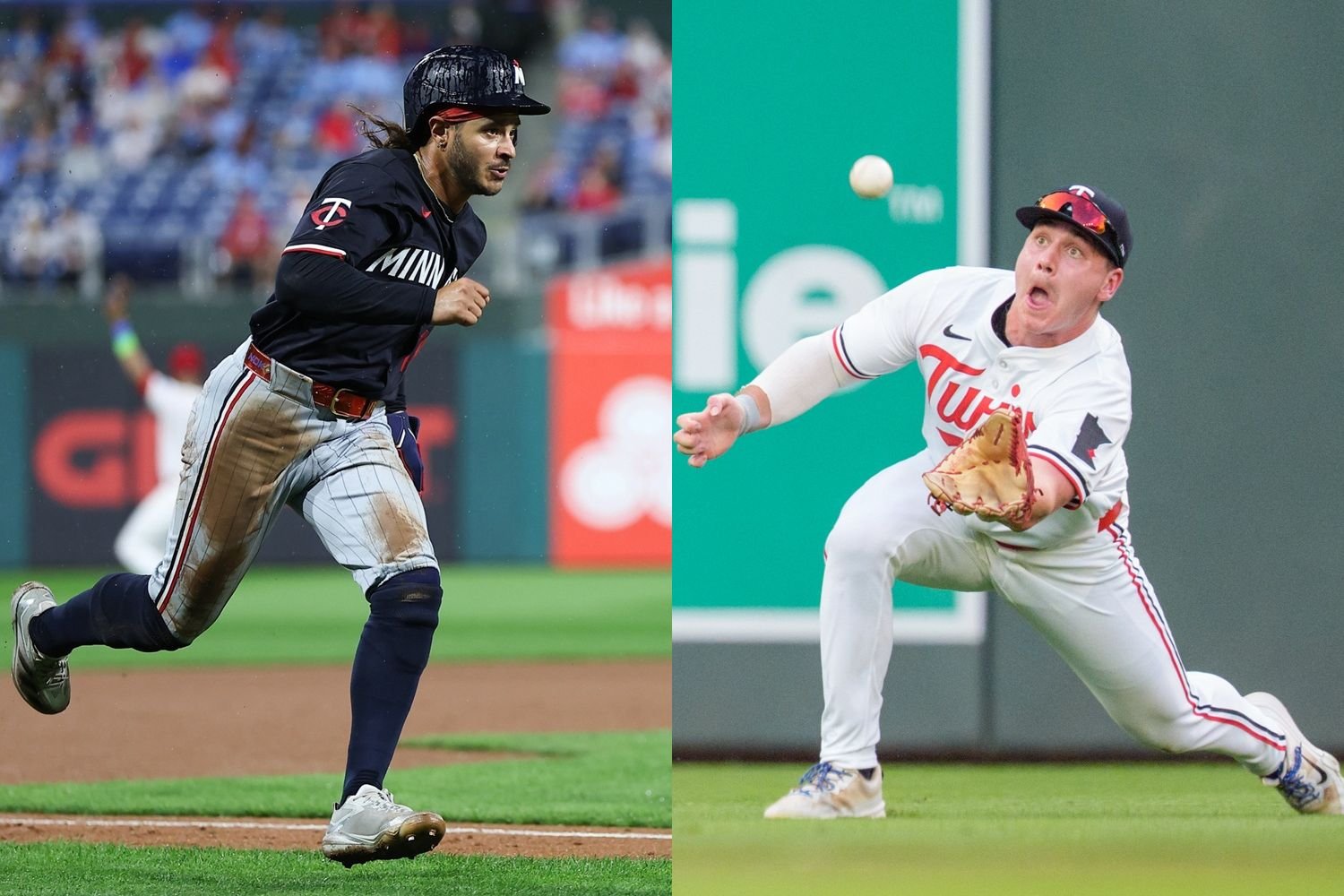 After the Minnesota Twins traded right-handed hitting outfielder Harrison Bader to the Philadelphia Phillies during the organization's Trade Deadline mass exodus, left field became a hodgepodge for the club, with Austin Martin, Trevor Larnach, James Outman, DaShawn Keirsey Jr. , Kody Clemens, and Alan Roden earning playing time at the position. This quintet failed to impress, hitting a combined .217/.298/.336 with a 79 wRC+ over 332 plate appearances. Still, some players stood out in left field late last season, signaling they could earn extended roles at the position next season. The primary player who took advantage of their opportunity was Martin. Hitting .282/.374/.365 with one home run, eight doubles, and a 113 wRC+ over 181 plate appearances, the 26-year-old impressed as Minnesota's primary left fielder, making 37 appearances at the position late last season. Showcasing a glimpse of the offensive profile that made him one of the most highly-touted college bats in the 2020 MLB Amateur Draft, Martin's defense in left field also impressed, with the speedy outfielder generating three Outs Above Average (OAA) over 262 innings at the position. With Larnach expected to either be traded this winter or become the club's primary designated hitter early next season, Martin should be penciled in for a good share of left field starts entering next season. The contact-skilled right-handed bat won't develop into a power-hitting bat. Still, given his above-average strikeout rate, near-elite contact profile, and plus range, Martin should be an above-average contributor in left field, providing Minnesota a strong foundation at the position in 2026. Keirsey is no longer with the organization. Outman will likely continue to mix in at the position early next spring, but is out of options, and thus is also a DFA candidate who could no longer be a Twin come Opening Day. Clemens could be in the mix in left field, but President of Baseball and Business Operations Derek Falvey stated he will receive extended opportunities at first base next season. As mentioned earlier, Larnach is expected to either depart the organization or move off the position, meaning Martin's primary platoon partner is expected to be Roden. Acquired alongside Kendry Rojas in the trade that sent Louis Varland to the Toronto Blue Jays, Roden struggled in his small sample with the Twins, hitting .158/.200/.263 with a 26 wRC+ over 40 plate appearances. The 25-year-old's struggles weren't unique to Minnesota, evidenced by him hitting .204/.283/.306 with a 67 wRC+ over 113 plate appearances with Toronto. Despite struggling at the plate in his rookie campaign, the left-handed bat excelled at Triple-A the past two seasons, generating a 147 wRC+ over 428 plate appearances while posting an elite strikeout rate and expected weighted on-base average (xwOBA). Unsurprisingly, Roden has struggled against left-handed pitching in the high minors and the majors. Yet, he hit .350/.436/.540 over 117 plate appearances against right-handed pitching at Triple-A last season, signaling he could become an above-average hitter against right-handed pitching with more opportunities next season. The former Blue Jays prospect is also a plus fielder, evidenced by his sporting plus range in left last season (2 OAA) alongside well-above-average arm strength. Martin and Roden are both young, inexperienced bats who have less than 600 combined plate appearances in the majors. Still, given their sustained success and encouraging advanced metrics at Triple-A the previous two seasons, plus defensive profiles, and above-average athleticism and speed, the duo could blossom into one of the more productive and exciting left field platoons in baseball early next season, an encouraging outlook for a Twins team blanketed in uncertainty.
 -
There Has Never Been a Better Time to Extend Ryan Jeffers
Cody Schoenmann posted an article in Twins
 Last Friday, the Minnesota Twins traded for veteran catcher Alex Jackson from the Baltimore Orioles for Triple-A utility player Payton Eeles. Jackson's acquisition all but solidifies the position for next season, with him serving as Ryan Jeffers's backup—perhaps with Jhonny Pereda and Mickey Gasper serving as depth options in Triple A. Still, with Jeffers in his final season under team control and the organization rostering no MLB-caliber catchers in the high minors, significant concerns remain about the position's long-term depth. Minnesota's current projected 2026 payroll hovers around $89 million, including Carlos Correa's $11 million (paid to Houston) and with estimated earnings for players with unresolved arbitration cases. Despite operating under strict, unnecessary spending limitations, team decision-makers should still have the spending power necessary to extend Jeffers. Meaningful negotiations between the front office and Jeffers's representation are unlikely to occur until the organization's new limited partners are officially announced. Still, optimism about the Twins' ability to extend Jeffers should persist. Despite not being a top-10 catcher in baseball, the 28-year-old is one of the AL's best offensive backstops, solidifying himself as a key right-handed bat in the middle of Minnesota's lineup. Obviously, he isn't deserving of an extension on par with what Cal Raleigh (six years, $105 million) or Will Smith (10 years, $140 million) received in recent years. Nor, however, will he sign for peanuts. Realistically, Jeffers could net a contract in the three-year, $30-million range, identical to the contract the Twins handed Christian Vázquez before the 2023 season. As of now, Jeffers and reliever Justin Topa are the only 40-man roster inhabitants set to depart the organization after next season, clearing roughly $7.6 million from a payroll that (as mentioned earlier) is already under $100 million. Players like Joe Ryan, Bailey Ober, Royce Lewis, and Trevor Larnach (if he isn't traded this offseason) will reach arbitration-3 status next offseason, making them more expensive. Also, pre-arbitration players Matt Wallner, Kody Clemens, and Simeon Woods Richardson will reach arbitration-1 status, similarly making them pricier. Still, Minnesota will have one of the lighter payrolls in baseball entering next season, meaning the club has the financial cushion necessary to hand Jeffers a multi-million dollar raise over multiple seasons. The 2027 regular season is likely to be affected by a work stoppage (even if the lockout ends before any games are actually lost), muddying the picture of how valuable extending Jeffers would be for Minnesota. For that reason, Minnesota is unlikely to offer him a one-year extension. Considering how thin the club's catching depth is behind Jeffers in the high minors and the fact that top catching prospect Eduardo Tait isn't anticipated to make his major-league debut until 2028 or 2029, the organization might not have a choice but to extend their veteran backstop to a multi-year contract, despite their recent reluctance to hand out eight-figure contracts. That's ok. He's worth it, and the room to invest in him is there.
 -
Last Friday, the Minnesota Twins traded for veteran catcher Alex Jackson from the Baltimore Orioles for Triple A utility player Payton Eeles. Jackson's acquisition all-but-solidifies the position for next season, with him serving as Ryan Jeffers's backup, with Jhonny Pereda and Mickey Gasper serving as depth options in Triple A. Still, with Jeffers in his final season under team control and the organization rostering no MLB-caliber catchers in the high minors, significant concerns remain about the position's long-term depth. Minnesota's 2026 payroll hovers around $89 million after Correa's $11 million and arbitration estimates are accounted for. Despite operating under substantial, unnecessary spending limitations, team decision-makers should still have the spending power necessary to extend Jeffers. Meaningful negotiations between the front office and Jeffers's representation are unlikely to occur until the organization's new limited partners are officially announced. Still, optimism about the Twins' ability to extend Jeffers should persist for now. Despite not being a top-10 catcher in baseball, the 28-year-old is one of the AL's best offensive catchers, solidifying himself as a cog right-handed bat in the middle of Minnesota's lineup. Obviously, he isn't deserving of an extension on par with what Cal Raleigh (six years, $105 million) or Will Smith (ten years, $140 million) received in recent years. Still, he won't come at a bargain. Realistically, Jeffers could net a contract in the three-year, $30 million range, identical to the contract Twins decision-makers handed Christian Vázquez before the 2023 regular season. As of now, Jeffers and reliever Justin Topa are the only 40-man roster inhabitants set to depart the organization after next season, clearing roughly $7.6 million from the club's payroll that, as mentioned earlier, sits at approximately $89 million. Players like Joe Ryan, Bailey Ober, Royce Lewis, and Trevor Larnach (if he isn't traded this offseason) will reach arbitration-3 status next offseason, making them more expensive. Also, pre-arbitration players in Matt Wallner, Kody Clemens, and Simeon Woods Richardson will reach arbitration-1 status, similarly making them pricier. Still, Minnesota will have one of the lighter payrolls in baseball entering next season, meaning the club has the financial cushion necessary to hand Jeffers a multi-million dollar raise over multiple seasons. The 2027 regular season is anticipated to face some semblance of a work stoppage, muddying the picture of how valuable extending Jeffers would be for Minnesota, especially if one of his seasons under his new deal is shortened, if not voided. For that reason, Minnesota is unlikely to offer him a one-year extension. Considering how thin the club's catching depth is behind Jeffers in the high minors and the fact that top catching prospect Eduardo Tait isn't anticipated to make his major league debut until 2028 or 2029, the organization might not have a choice but to extend their veteran backstop to a multi-year contract, despite their recent reluctance to hand out eight-figure contracts. View full article
-
the main dangers regarding the Twins lie in the 'unknown knowns'—the disavowed beliefs, suppositions and obscene practices the front office pretends not to know about, even though they form the background of Twins Territory’s values.
-
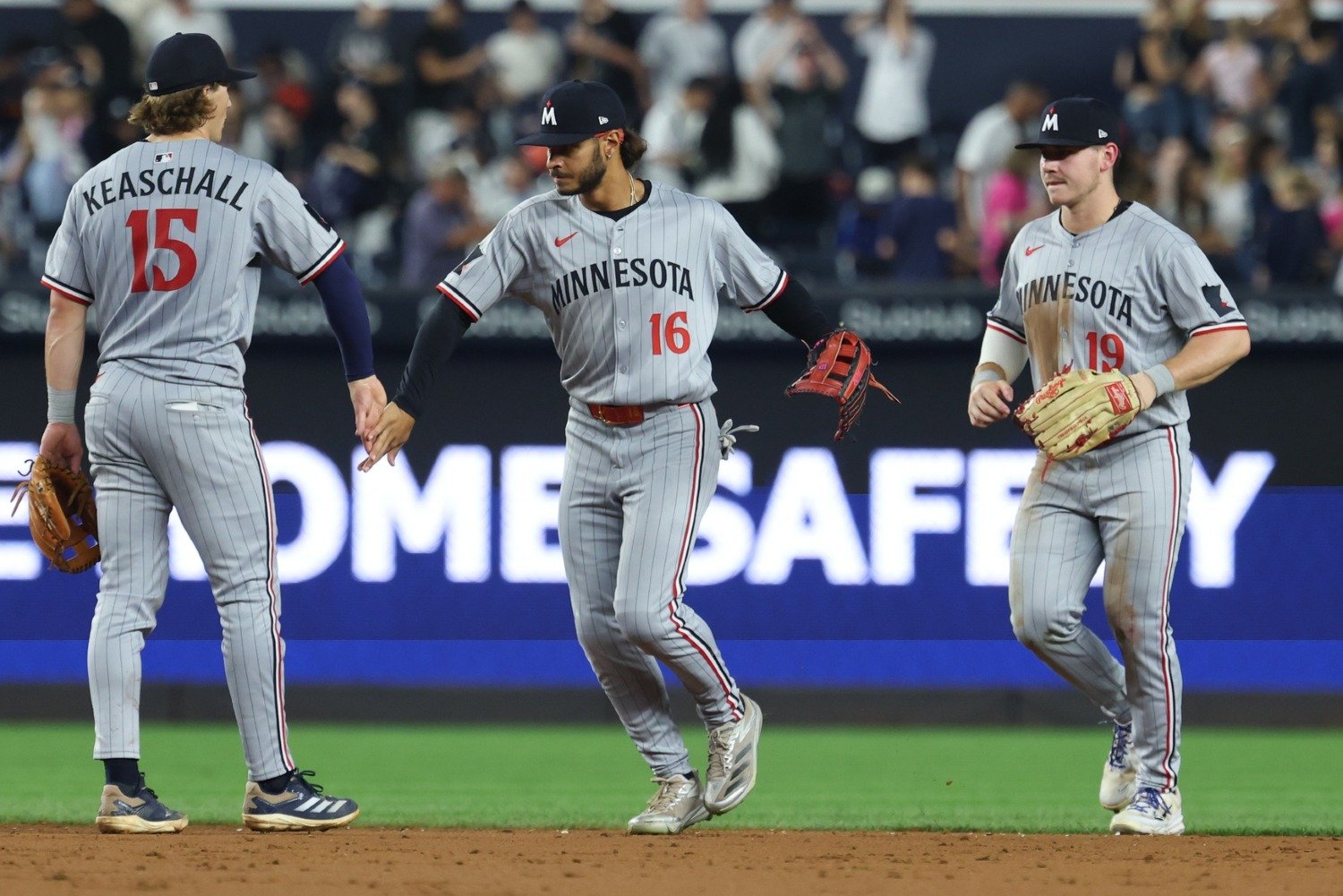 Although it now seems like eons ago, payroll constraints were once the least of Twins Territory's concerns. Instead, a significant number of those who follow the team were hyperfixated on the club's unwillingness to part ways with aging, unproductive veterans in favor of providing young, "high-upside" players with extended opportunities at their respective positions. To be specific, that time was 2023, and the most notable cases of fans being upset over young, exciting players being blocked by aging veterans were Max Kepler and Joey Gallo blocking Matt Wallner's path to playing time in the corner outfield, and Kenta Maeda blocking then-starting pitcher Louis Varland's shot at the starting rotation. There were also instances of distaste expressed over Christian Vázquez getting more playing time than Ryan Jeffers at catcher, and about Jorge Polanco and Kyle Farmer clogging Edouard Julien's course to becoming the next star Twins second baseman. However, the most pronounced gripes concerned Wallner and Varland not getting the opportunities they were perceived to have deserved. Twins Territory's disdain toward Kepler, Gallo, Maeda, Vázquez, Polanco, and Farmer subsided as the team got hot after the All-Star break, winning the AL Central and cathartically ending its 18-game postseason losing streak. Still, that contempt returned in 2024, when Vàzquez again obstructed Jeffers's path to more starts behind the plate, Farmer denied rookie infielder Brooks Lee the freedom to roam freely as the club's primary utility infielder, and Chris Paddack deprived David Festa of the chance to solidify himself as a core member of the club's five-pitcher starting rotation. Kepler, Gallo, Maeda, Vázquez, Polanco, Farmer, and Paddack were all veteran players signed to multi-million-dollar contracts. In fact, the seven veterans combined to make roughly $48 million in 2023. On the other hand, Wallner, Varland, Jeffers, Julien, Lee, and Festa were making the league-minimum salary (or just over it in Jeffers's case), meaning that the fanbase was clamoring for not only what they perceived to be the younger, better options, but also the more cost-effective ones. Fast-forward to the present, and Twins decision-makers have changed course, no longer electing to sign aging, unpopular players on one-year deals in the name of "veteran depth." Instead, minimum-salaried, high-upside players Alan Roden and Austin Martin are projected to be platoon partners in left field. Lee is penciled in as the Opening Day starting shortstop. Luke Keaschall figures to be the everyday second baseman and a core member of the club's lineup. Simeon Woods Richardson and Taj Bradley are projected to fill out the club's rotation, and the bullpen is expected to be filled with oodles of young, high-velocity arms, brimming with talent and potential. So, why is no one excited? Well, given that ownership has mandated the front office cut what could become $60 million in payroll since the 2023 season concluded, the optics are horrible. Couldn't be worse, really. Everyone who has followed this team the past two seasons recognizes that. The widespread indignation is justified. However, there's more to it. Obviously, most of Twins Territory really only cares about winning. Every fanbase is the same way. Yet, when one strategy isn't generating a sustainable form of winning, fanbases will advocate for the strategy that isn't being implemented to be adopted, until their favorite team begins winning again. To be more specific, in early 2023, playing the veterans like Gallo, Vàzquez, Farmer, and Maeda wasn't working, so those who follow the team clamored for younger players like Wallner, Varland, and Julien to get more playing time in hopes of them being the solution for the team's losing ways. On the flip side, after watching young, cost-effective players like Roden, Julien, Bradley and James Outman (among others) guide the team to an abysmal post-trade deadline record, many factions of the fanbase are advocating for the front office to target free agents in the ilk of Gallo and Vázquez (from a monetary perspective), in hopes of temporarily patching those holes and returning the club to contender status next season. Again, this constant course correction isn't unique to Twins fans. However, it is vital to acknowledge the cognitive dissonance. Signing and playing a horde of free agents on one-year contracts won't save the Twins, just as playing exclusively young, high-upside players on minimum contracts would be too extreme. Instead, it will require a collective of veteran and young players buying into clearly communicated standards set by Minnesota's front office and new coaching staff. That is how the Twins won in 2023, and how organizations like Milwaukee and Cleveland win season after season. Will that happen? Obviously, only time will tell. However, constantly calling for dramatic course correction is an unhealthy way to engage with the sport—let alone build a roster. It might be worth a year of letting the young guys play, to find out who can do what.
 -
he's a plus defender at positions higher on the defensive spectrum. he would provide less value starting at first base than he would in left field or right field.
- 47 replies
-
- 1
-
-
- andrew pintar
- blaze jordan
- (and 1 more)
-
i was planning to hide his position from the masses but you caught me :( no, i’m just playing, that’s my bad. he’s a left-handed hitting first baseman. i just added that into the piece. thanks for catching that.
- 47 replies
-
- 2
-
-
- andrew pintar
- blaze jordan
- (and 1 more)
-
3 Position Players Minnesota Twins Could Select in Rule 5 Draft
Cody Schoenmann posted an article in Twins
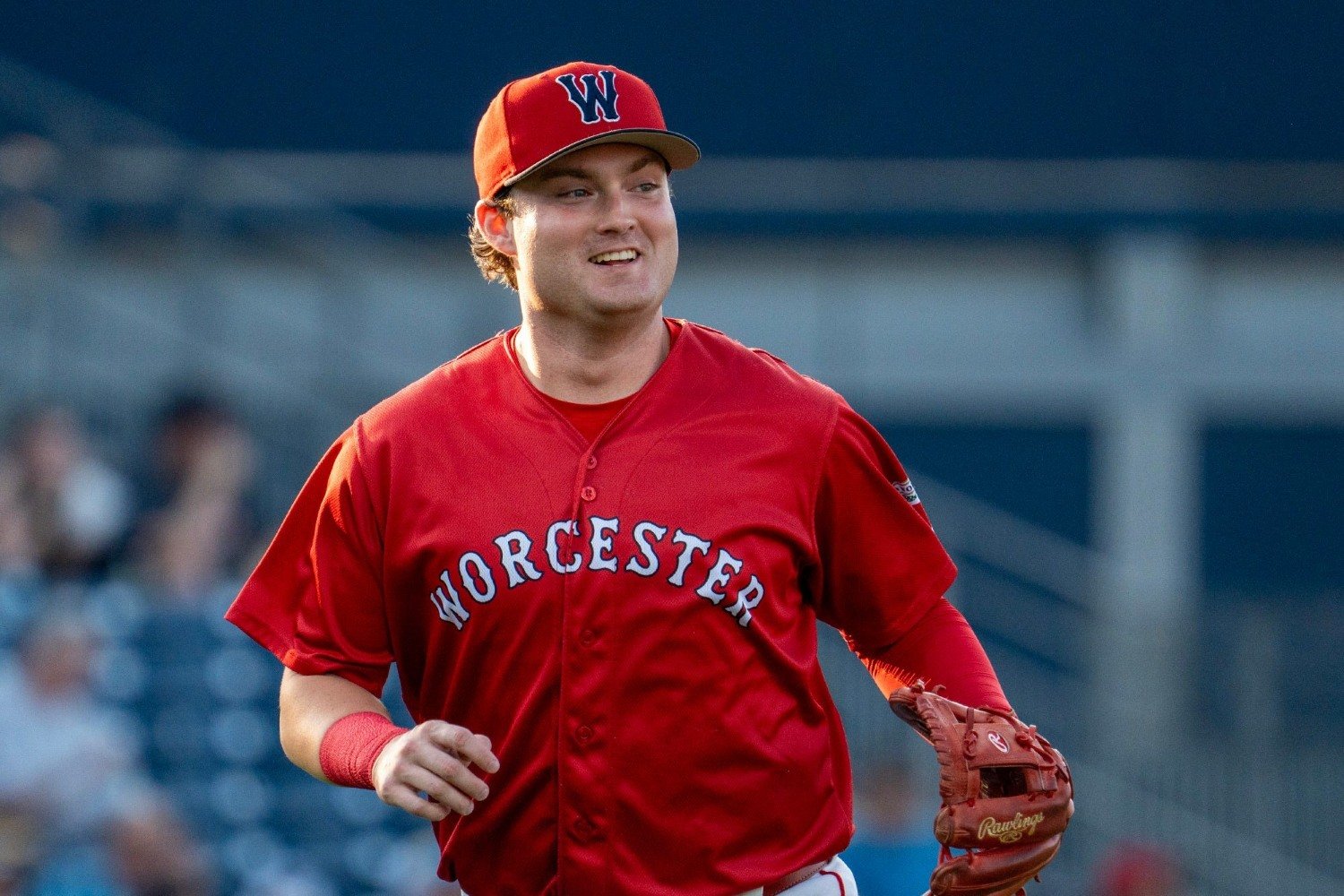 Late Tuesday afternoon, organizations had to set their 40-man rosters, forcing club decision-makers to decide which prospects to protect from Rule 5 Draft eligibility. The Minnesota Twins protected six players, bringing their 40-man reserve list to its capacity. All six players could impact the major-league club in some capacity next season. Yet, Minnesota could add more young, high-upside reinforcements to its roster during the Rule 5 Draft on Dec. 10, with hopes of them becoming immediate contributors with the parent club. Minnesota is more likely to select a young pitcher, since the easiest path to the Opening Day roster for a newcomer would be in the bullpen. However, that doesn't mean they won't target a position player. Which could they select, if the right chance arises? Andrew Pintar One of the many talking points new Twins manager Derek Shelton emphasized in his introductory press conference was that the Twins will prioritize speed and defense. Miami Marlins prospect Andrew Pintar embodies those traits. He's an above-average defensive center fielder with near-elite speed. The 24-year-old was serviceable at the plate in Triple A last season, hitting .269/.338/.384 (good for a 99 wRC+) over 384 plate appearances. He also has some pop in his bat, with a 105.4-MPH 90th-percentile exit velocity. Pintar lacks in-game power, however, as he hit only four home runs last season. His hard-hit balls had an average launch angle of 7°, much lower than the league average, so not all of his exit velocity translated into concrete value. Still, the right-handed hitting prospect is an intriguing gadget outfielder who could provide plus value in the field and on the bases. Blaze Jordan Surprisingly, the St. Louis Cardinals elected to leave first base prospect Blaze Jordan unprotected. Jordan has received more accolades and attention than he deserves during his minor-league career, thanks to his cool-sounding name. Still, the former top Boston Red Sox prospect could develop into an above-average major leaguer, making him an intriguing candidate for the first base-deficient Twins. Traded to the St. Louis Cardinals for left-handed pitcher Steven Matz at last season's trade deadline, the 22-year-old failed to impress his new organization, hitting .198/.242/.366 with a 53 wRC+ over 186 plate appearances with Triple-A Memphis. On the other hand, the right-handed bat generated a strong first half with Boston's Triple-A affiliate, hitting .298/.341/.480 with a 115 wRC+ over 182 plate appearances. Jordan is a solid hitter for contact with superb zone control, who also hits the ball hard. That being the case, Minnesota could be tempted to poach the right-handed hitter, with intentions of turning him into the long-term solution at the position. T.J. Rumfield Spending the better part of the past two seasons with the New York Yankees' Triple-A affiliate, Rumfield has ascended into one of the best pure hitters in the high minors, slashing .289/.372/.454 with a 120 wRC+ over a combined 1,061 plate appearances. He sported an above-average 11.9% strikeout rate last season. The 25-year-old hits for contact and power, with an above-average maximum exit velocity and near-elite zone swing rates. The left-handed hitting first baseman pulls the ball in the air a lot, a skillset understandably preached by the Yankees' hitting development staff. Still, given how often he makes hard contact, his extreme pull profile would translate well to Target Field. Minnesota is in dire need of young hitting talent. Rumfield is arguably the most talented hitter Minnesota could add to its 40-man roster, while playing a position of need. The Twins haven't selected a position player in the Rule 5 Draft since Alejandro Machado in 2006. Yet, Rumfield possesses an intriguing enough skill set that the front office should consider breaking the 19-year trend.
- 47 comments
-
- 5
-
-
- andrew pintar
- blaze jordan
- (and 1 more)
-
Eons ago, payroll constraints were the least of Twins Territory's concerns. Instead, a significant number of those who follow the team were hyperfixated on the club's unwillingness to part ways with aging, unproductive veterans in favor of providing young, "high-upside" players with extended opportunities at their respective positions. To be specific, that time was 2023, and the most notable cases of fans being upset over young, exciting players being blocked by aging veterans were Max Kepler and Joey Gallo blocking Matt Wallner's path to playing time in the corner outfield and Kenta Maeda blocking then-starting pitcher Louis Varland's ability to solidify himself as a member of Minnesota's rotation. There were also instances of distaste expressed over Christian Vázquez getting more playing time than Ryan Jeffers at catcher, and over Jorge Polanco and Kyle Farmer clogging Edouard Julien's course to becoming the next star Twins second baseman. Yet, the most pronounced gripes concerned Wallner and Varland not being rewarded the opportunities they were perceived to have deserved. Twins Territory's disdain toward Kepler, Gallo, Maeda, Vázquez, Polanco, and Farmer subsided as the team became scorching hot post-All-Star break, winning the AL Central and cathartically ending its 18-game postseason losing streak. Still, that contempt returned in 2024, when Vàzquez again obstructed Jeffers's path toward more starts behind the plate, Farmer denied rookie infielder Brooks Lee the freedom to roam freely as the club's primary utility infielder, and Chris Paddack deprived David Festa the chance to solidify himself as a core member of the club's five-pitcher starting rotation. A commonality among Kepler, Gallo, Maeda, Vázquez, Polanco, Farmer, and Paddack was that they were all veteran players signed to multi-million-dollar contracts. In fact, the seven veterans combined to make roughly $48 million in 2023. On the other hand, Wallner, Varland, Jeffers, Julien, Lee, and Festa were making league-minimum (or just over it in Jeffers's case) their respective seasons, meaning the fanbase (some being very prominent ones) was clamoring for not only what they perceived to be the younger, better options, but also the more cost-effective ones. Fast forward to the present, and Twins decision-makers have changed course, no longer electing to sign aging, unpopular players on one-year deals in the name of "veteran depth." Instead, minimum-salaried, high-upside players Alan Roden and Austin Martin are projected to be platoon partners in left field. Lee is penciled in as the Opening Day starting shortstop. Luke Keaschall is anticipated to be the everyday second baseman and core member of the club's lineup. Simeon Woods Richardson and Taj Bradley are projected to fill out the club's rotation and the bullpen is expected to be filled with oodles of young, high-velocity arms, brimming with talent and potential. So, why is no one excited? Well, given that ownership has mandated the front office cut over $60 million in payroll since the 2023 season concluded, the optics are horrible. Couldn't be worse, really. Everyone who has followed this team the past two seasons recognizes that. The widespread feelings of strife and umbrage are justified. However, there's more to it. Obviously, most of Twins Territory really only cares about winning. Every fanbase is the same way. Yet, when one strategy isn't generating a sustainable form of winning, fanbases will advocate for the strategy that isn't being implemented to be adopted until their favorite team begins winning again. To be more specific, in early 2023, playing the veterans like Gallo, Vàzquez, Farmer, and Maeda wasn't working, so those who follow the team clamored for younger players like Wallner, Varland, and Julien to get more playing time in hopes of them being the solution for the team's losing ways. On the flip side, after watching young, cost-effective players like Roden, Julien, Bradley, James Outman (amongst others) guide the team to an abysmal post-Trade Deadline record, many factions of the fanbase are advocating for the front office to target free agents in the same ilk of Gallo and Vázquez (from a monetary perspective) in hopes of temporarily patching those holes and returning the club to postseason-contender status next season. Again, this constant course-correction isn't unique to Twins fans. However, it is vital to acknowledge the constant course-correction taking place. Signing and playing a horde of free agents on one-year contracts won't save the Twins in the same way that playing exclusively young, high-upside players on minimum contracts won't save the club either. Instead, it will require a collective of veteran and young players buying into clearly communicated methods and ideologies created and executed by Minnesota's front office and new coaching staff. That is how the Twins won in 2023 and how organizations like Milwaukee and Cleveland win season after season. Will that happen? The results are yet to be seen. However, constantly calling for dramatic course-correction is an unhealthy way to engage with the sport, let alone build a roster. View full article
-
Image courtesy of © Rick Cinclair/Telegram & Gazette / USA TODAY NETWORK via Imagn Images Late Tuesday afternoon, organizations had to set their 40-man rosters, forcing club decision-makers to decide which prospects to protect from Rule 5 Draft eligibility. The Minnesota Twins protected six players, bringing their 40-man reserve list to its capacity. All six players could impact the major-league club in some capacity next season. Yet, Minnesota could add more young, high-upside reinforcements to its roster during the Rule 5 Draft on Dec. 10, with hopes of them becoming immediate contributors with the parent club. Minnesota is more likely to select a young pitcher, since the easiest path to the Opening Day roster for a newcomer would be in the bullpen. However, that doesn't mean they won't target a position player. Which could they select, if the right chance arises? Andrew Pintar One of the many talking points new Twins manager Derek Shelton emphasized in his introductory press conference was that the Twins will prioritize speed and defense. Miami Marlins prospect Andrew Pintar embodies those traits. He's an above-average defensive center fielder with near-elite speed. The 24-year-old was serviceable at the plate in Triple A last season, hitting .269/.338/.384 (good for a 99 wRC+) over 384 plate appearances. He also has some pop in his bat, with a 105.4-MPH 90th-percentile exit velocity. Pintar lacks in-game power, however, as he hit only four home runs last season. His hard-hit balls had an average launch angle of 7°, much lower than the league average, so not all of his exit velocity translated into concrete value. Still, the right-handed hitting prospect is an intriguing gadget outfielder who could provide plus value in the field and on the bases. Blaze Jordan Surprisingly, the St. Louis Cardinals elected to leave first base prospect Blaze Jordan unprotected. Jordan has received more accolades and attention than he deserves during his minor-league career, thanks to his cool-sounding name. Still, the former top Boston Red Sox prospect could develop into an above-average major leaguer, making him an intriguing candidate for the first base-deficient Twins. Traded to the St. Louis Cardinals for left-handed pitcher Steven Matz at last season's trade deadline, the 22-year-old failed to impress his new organization, hitting .198/.242/.366 with a 53 wRC+ over 186 plate appearances with Triple-A Memphis. On the other hand, the right-handed bat generated a strong first half with Boston's Triple-A affiliate, hitting .298/.341/.480 with a 115 wRC+ over 182 plate appearances. Jordan is a solid hitter for contact with superb zone control, who also hits the ball hard. That being the case, Minnesota could be tempted to poach the right-handed hitter, with intentions of turning him into the long-term solution at the position. T.J. Rumfield Spending the better part of the past two seasons with the New York Yankees' Triple-A affiliate, Rumfield has ascended into one of the best pure hitters in the high minors, slashing .289/.372/.454 with a 120 wRC+ over a combined 1,061 plate appearances. He sported an above-average 11.9% strikeout rate last season. The 25-year-old hits for contact and power, with an above-average maximum exit velocity and near-elite zone swing rates. The left-handed hitting first baseman pulls the ball in the air a lot, a skillset understandably preached by the Yankees' hitting development staff. Still, given how often he makes hard contact, his extreme pull profile would translate well to Target Field. Minnesota is in dire need of young hitting talent. Rumfield is arguably the most talented hitter Minnesota could add to its 40-man roster, while playing a position of need. The Twins haven't selected a position player in the Rule 5 Draft since Alejandro Machado in 2006. Yet, Rumfield possesses an intriguing enough skill set that the front office should consider breaking the 19-year trend. View full article
-
I don't anticipate Culpepper getting poached in the draft. Also, I think he's still worth developing as a starting pitcher. Pallette, Heubeck, and Beck (maybe not Paez) are better-suited to transition into relievers.
-
I have a piece on three position players they could select in the Rule 5 Draft coming out later this week!
- 15 replies
-
- 5
-
-
-
- peter heubeck
- peyton pallete
- (and 2 more)
-
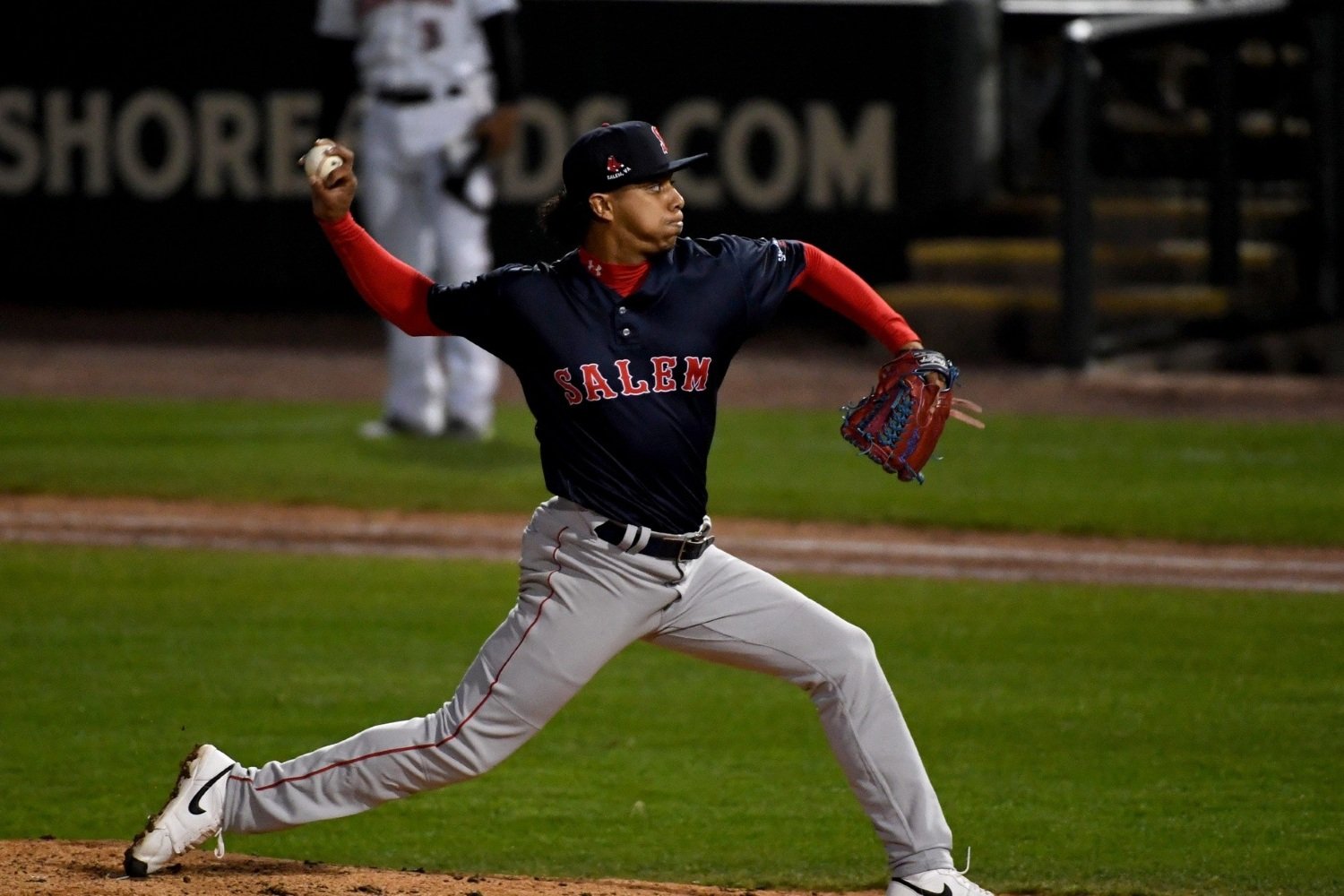 Late Tuesday afternoon, MLB organizations had to set their 40-man rosters, forcing club decision-makers to decide which prospects to protect from Rule 5 Draft eligibility. The Minnesota Twins elected to protect six players: pitchers Connor Prielipp, Kendry Rojas, Andrew Morris, John Klein, and position players Gabriel Gonzalez and Hendry Mendez. All six could impact the major-league club in some capacity next season. Yet, Minnesota could add more reinforcements to its 40-man roster during the Rule 5 Draft on December 10, with hopes of them becoming immediate contributors at the major-league level. Here are four pitchers whose names are worth filing away. Peter Heubeck Selected in the third round of the 2021 MLB Draft, Heubeck has spent his first five seasons in affiliated ball in the Los Angeles Dodgers system, progressing from the Arizona Complex League to Double A. The 23-year-old has yet to break out; he doesn't throw enough strikes. He walked or plunked 13.7% of opposing batters in 2025. Yet, his fastball, slider, and curve all profile as above-average, making the career starter an attractive candidate to transition into a relief role at the major-league level. The position group most likely to be targeted by Minnesota (and everyone else) in the Rule 5 Draft is relievers. That's just the nature of the draft. Heubeck is one of the more intriguing arms left unprotected, and given that his two primary pitches are a fastball and slider (a combination the front office seeks out in its relievers), the hard-throwing righty is an the Twins could select on Dec. 10. If picked by Minnesota, Heubeck would join Prielipp, Morris, Klein, and other young arms in competing for a spot in the club's Opening Day bullpen. Peyton Pallette Last December, the Chicago White Sox benefited from the Rule 5 Draft more than any other club, selecting Shane Smith with the first overall pick. The young right-handed starting pitcher earned an All-Star nod in his first season with the Southsiders, solidifying himself as a mid-rotation arm. This December, the Twins could give the White Sox a taste of their own medicine by plucking Pallette. Sporting one of the most effective curves in the minors, the 24-year-old excelled at missing bats last season, generating a 32.5% strikeout rate over 64 1/3 innings pitched. The young righty complemented his curve with a serviceable four-seam fastball that hovers around 95 MPH and a plus changeup. He also has a slider with unusually good depth. A little refinement (adding a cutter, perhaps, or fixing the shape on his four-seamer) could turn him into a high-leverage weapon right away. Jedixson Paez Last offseason, the Twins selected Eiberson Castellano with the ninth pick of the Rule 5 Draft. It was a bet on his plus stuff carving out a role for him in the club's Opening Day bullpen. Unfortunately, Castellano's command was inconsistent, forcing the Twins to return him to the Philadelphia Phillies. Paez is the complete opposite of Castellano, making him an intriguing option if the club pursues a different type of reliever this December. Landing in the 10th spot of Eric Longenhagen's updated Boston Red Sox prospect rankings, the 21-year-old Paez is described as a "command artist". Longenhagen hung a 70 future command grade (on the 20-80 prospect ranking scale) on Paez. The young right-hander has near-elite control over his secondary pitches, highlighted by a plus slider, changeup, and cutter. His primary pitch is a velocity-deficient four-seam fastball that hovers around 90-91 MPH. Still, if he transitioned to a full-time reliever, his fastball would likely see a velocity bump. Despite not pitching above High A, Paez is a fascinating arm who could blossom on the strength of his control. Brendan Beck The New York Yankees suffered a raid of their high-minors right-handed pitching talent in the 2023 Rule 5 Draft, with right-handed arms Mitch Spence, Matt Sauer, and Carson Coleman all being poached by other organizations. They got a reprieve last offseason, with no arms being taken by other organizations. Yet, they could be due for another mass exodus next month, after failing to protect high-upside arms in Henry Lalane, Brock Selvidge, and Hueston Morrill. All three of these pitchers could be selected. Yet, the arm that stands out the most is right-handed pitching prospect Brendan Beck. Drafted in the second round in 2021, Beck has flourished in the Yankees' farm system, posting an ERA under 2.00 in his young professional career. Sporting a plus four-seam fastball and slider and near-elite command, the 27-year-old mustered a respectable 3.36 ERA, 3.79 FIP, and a 23.6% strikeout rate over 131 1/3 innings as a starter between Double A and Triple A last season. The righty has operated exclusively as a starter. He would transition into a full-time reliever in Minnesota, with hopes that the club's pitching development staff would unlock more velocity from his fastball, which hovers around 92 MPH.
- 15 comments
-
- 6
-
-
- peter heubeck
- peyton pallete
- (and 2 more)
-
Image courtesy of © Lauren Roberts/Salisbury Daily Times / USA TODAY NETWORK Late Tuesday afternoon, MLB organizations had to set their 40-man rosters, forcing club decision-makers to decide which prospects to protect from Rule 5 Draft eligibility. The Minnesota Twins elected to protect six players: pitchers Connor Prielipp, Kendry Rojas, Andrew Morris, John Klein, and position players Gabriel Gonzalez and Hendry Mendez. All six could impact the major-league club in some capacity next season. Yet, Minnesota could add more reinforcements to its 40-man roster during the Rule 5 Draft on December 10, with hopes of them becoming immediate contributors at the major-league level. Here are four pitchers whose names are worth filing away. Peter Heubeck Selected in the third round of the 2021 MLB Draft, Heubeck has spent his first five seasons in affiliated ball in the Los Angeles Dodgers system, progressing from the Arizona Complex League to Double A. The 23-year-old has yet to break out; he doesn't throw enough strikes. He walked or plunked 13.7% of opposing batters in 2025. Yet, his fastball, slider, and curve all profile as above-average, making the career starter an attractive candidate to transition into a relief role at the major-league level. The position group most likely to be targeted by Minnesota (and everyone else) in the Rule 5 Draft is relievers. That's just the nature of the draft. Heubeck is one of the more intriguing arms left unprotected, and given that his two primary pitches are a fastball and slider (a combination the front office seeks out in its relievers), the hard-throwing righty is an the Twins could select on Dec. 10. If picked by Minnesota, Heubeck would join Prielipp, Morris, Klein, and other young arms in competing for a spot in the club's Opening Day bullpen. Peyton Pallette Last December, the Chicago White Sox benefited from the Rule 5 Draft more than any other club, selecting Shane Smith with the first overall pick. The young right-handed starting pitcher earned an All-Star nod in his first season with the Southsiders, solidifying himself as a mid-rotation arm. This December, the Twins could give the White Sox a taste of their own medicine by plucking Pallette. Sporting one of the most effective curves in the minors, the 24-year-old excelled at missing bats last season, generating a 32.5% strikeout rate over 64 1/3 innings pitched. The young righty complemented his curve with a serviceable four-seam fastball that hovers around 95 MPH and a plus changeup. He also has a slider with unusually good depth. A little refinement (adding a cutter, perhaps, or fixing the shape on his four-seamer) could turn him into a high-leverage weapon right away. Jedixson Paez Last offseason, the Twins selected Eiberson Castellano with the ninth pick of the Rule 5 Draft. It was a bet on his plus stuff carving out a role for him in the club's Opening Day bullpen. Unfortunately, Castellano's command was inconsistent, forcing the Twins to return him to the Philadelphia Phillies. Paez is the complete opposite of Castellano, making him an intriguing option if the club pursues a different type of reliever this December. Landing in the 10th spot of Eric Longenhagen's updated Boston Red Sox prospect rankings, the 21-year-old Paez is described as a "command artist". Longenhagen hung a 70 future command grade (on the 20-80 prospect ranking scale) on Paez. The young right-hander has near-elite control over his secondary pitches, highlighted by a plus slider, changeup, and cutter. His primary pitch is a velocity-deficient four-seam fastball that hovers around 90-91 MPH. Still, if he transitioned to a full-time reliever, his fastball would likely see a velocity bump. Despite not pitching above High A, Paez is a fascinating arm who could blossom on the strength of his control. Brendan Beck The New York Yankees suffered a raid of their high-minors right-handed pitching talent in the 2023 Rule 5 Draft, with right-handed arms Mitch Spence, Matt Sauer, and Carson Coleman all being poached by other organizations. They got a reprieve last offseason, with no arms being taken by other organizations. Yet, they could be due for another mass exodus next month, after failing to protect high-upside arms in Henry Lalane, Brock Selvidge, and Hueston Morrill. All three of these pitchers could be selected. Yet, the arm that stands out the most is right-handed pitching prospect Brendan Beck. Drafted in the second round in 2021, Beck has flourished in the Yankees' farm system, posting an ERA under 2.00 in his young professional career. Sporting a plus four-seam fastball and slider and near-elite command, the 27-year-old mustered a respectable 3.36 ERA, 3.79 FIP, and a 23.6% strikeout rate over 131 1/3 innings as a starter between Double A and Triple A last season. The righty has operated exclusively as a starter. He would transition into a full-time reliever in Minnesota, with hopes that the club's pitching development staff would unlock more velocity from his fastball, which hovers around 92 MPH. View full article
-
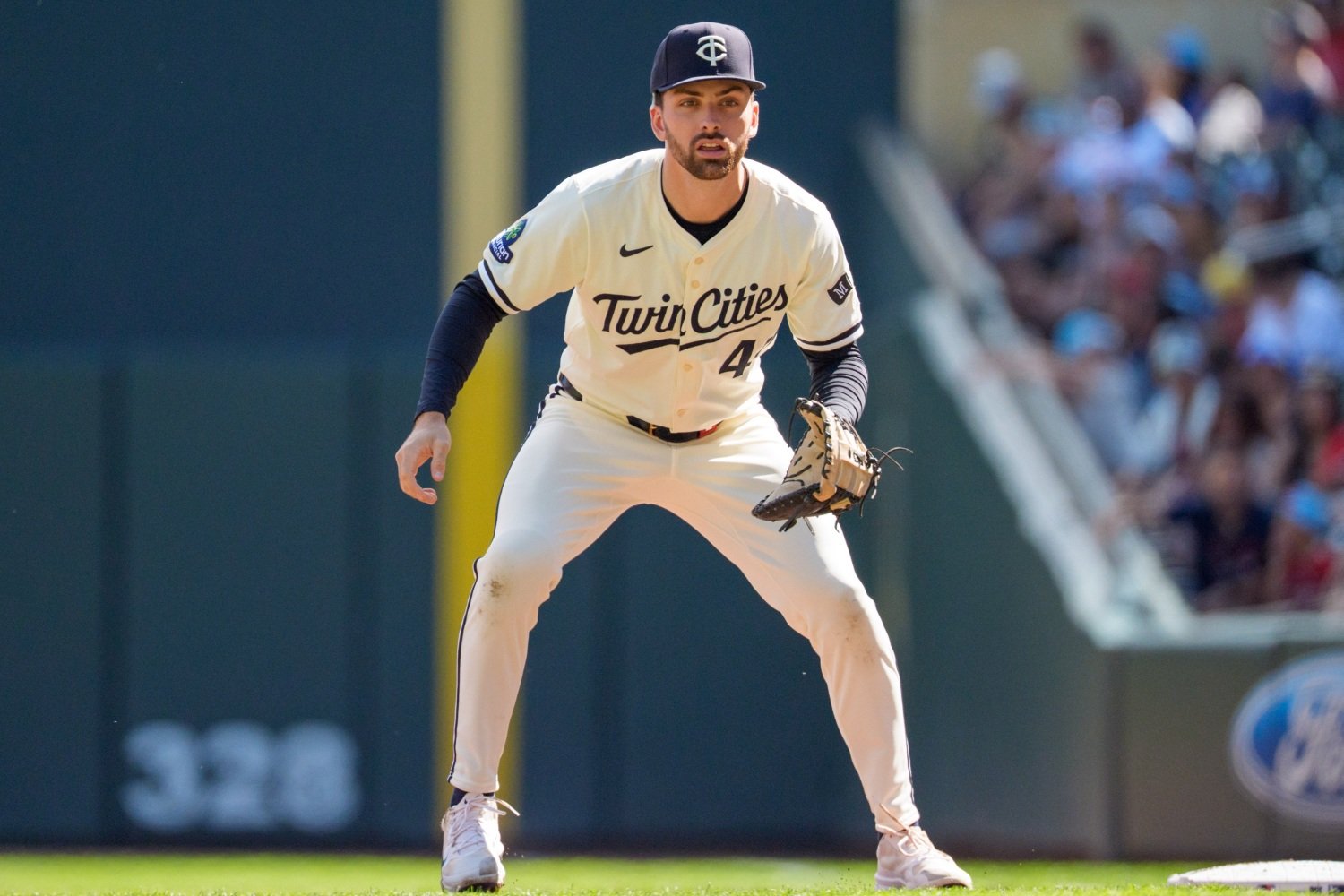 When asked whether first base would be a position the Minnesota Twins prioritize in free agency or the trade market this offseason, president of baseball and business operations Derek Falvey's answer was a mixed bag. As anticipated, the executive sang praises for the club's post-deadline primary starting first baseman. "Kody Clemens was a huge, you know, value add for us last year,” Falvey said while discussing first base at last week’s GM Meetings in Las Vegas. “We want to give Kody a lot of runway at (first base) too, because he was really a, he was a special fit for us last year." Unsurprisingly, Falvey also suggested the club could add a right-handed-hitting first baseman to complement Clemens. His comments on the club's other internal options, including a once highly-touted prospect Twins Territory has understandably soured on, were less on-script. "I think (first base is) an area where we're going to hope that there's a few guys internally that we've asked to continue to grow and develop there,” he said. “Eddie Julien got some time there, and, you know, we'll continue to get a little more work." Despite operating as Clemens's time-share partner at first base post-trade deadline (appearing in 26 games at the position), Edouard Julien’s inclusion comes as a surprise. Given how poorly the 26-year-old has performed at the plate since his breakout 2023 rookie campaign (80 wRC+ over a combined 509 plate appearances) while being one of the worst qualified defenders in baseball the past two seasons, those who follow the Twins believed the once-beloved French Canadian was a candidate to be removed from the 40-man roster this winter. Falvey's comments all but bury that notion, and barring Minnesota signing a cost-effective right-handed first base option (a decision that would make this analysis moot), Julien is slated to enter next season as Clemens's backup. Obviously, entering a 162-game season with two defensively deficient, same-handed Quad-A players as the only options at an offense-first position is an unwelcome outcome. One could justifiably criticize Falvey for naming Julien as an option at first base. Arguably, the organization has handed the 26-year-old too long a leash already. Yet, given the significant spending restrictions ownership has imposed on the front office, team decision-makers have both hands tied behind their back, with Kyler Fedko and Aaron Sabato being the only other internal candidates with experience at first base in the high minors. Fedko and Sabato probably aren't MLB-caliber contributors. That being the case, Falvey named Julien because he is the only other option. Again, Clemens and Julien's redundant offensive profiles make them poor platoon partners. However, since Julien can play second base (and start at designated hitter) and Clemens could rotate between second base and both corner outfield spots, the two left-handed bats could co-exist as a versatile tandem. Julien is out of minor-league options. He would need to pass through waivers before being outrighted to Triple-A. Despite his lousy performance in 2024 and 2025, a club would be justified in taking a chance on the left-handed bat, given his exceptional rookie campaign. Minnesota is justified in keeping Julien on the 40-man roster and not risking losing him to waivers before next season. However, if he struggles in April, they should be quick to pull the plug. Unfortunately, given how shallow the position player pool is, Julien's leash will likely be longer than deserved. Twins Daily's John Bonnes contributed to the reporting in this piece.
 -
Image courtesy of © Matt Blewett-Imagn Images When asked whether first base would be a position the Minnesota Twins prioritize in free agency or the trade market this offseason, president of baseball and business operations Derek Falvey's answer was a mixed bag. As anticipated, the executive sang praises for the club's post-deadline primary starting first baseman. "Kody Clemens was a huge, you know, value add for us last year,” Falvey said while discussing first base at last week’s GM Meetings in Las Vegas. “We want to give Kody a lot of runway at (first base) too, because he was really a, he was a special fit for us last year." Unsurprisingly, Falvey also suggested the club could add a right-handed-hitting first baseman to complement Clemens. His comments on the club's other internal options, including a once highly-touted prospect Twins Territory has understandably soured on, were less on-script. "I think (first base is) an area where we're going to hope that there's a few guys internally that we've asked to continue to grow and develop there,” he said. “Eddie Julien got some time there, and, you know, we'll continue to get a little more work." Despite operating as Clemens's time-share partner at first base post-trade deadline (appearing in 26 games at the position), Edouard Julien’s inclusion comes as a surprise. Given how poorly the 26-year-old has performed at the plate since his breakout 2023 rookie campaign (80 wRC+ over a combined 509 plate appearances) while being one of the worst qualified defenders in baseball the past two seasons, those who follow the Twins believed the once-beloved French Canadian was a candidate to be removed from the 40-man roster this winter. Falvey's comments all but bury that notion, and barring Minnesota signing a cost-effective right-handed first base option (a decision that would make this analysis moot), Julien is slated to enter next season as Clemens's backup. Obviously, entering a 162-game season with two defensively deficient, same-handed Quad-A players as the only options at an offense-first position is an unwelcome outcome. One could justifiably criticize Falvey for naming Julien as an option at first base. Arguably, the organization has handed the 26-year-old too long a leash already. Yet, given the significant spending restrictions ownership has imposed on the front office, team decision-makers have both hands tied behind their back, with Kyler Fedko and Aaron Sabato being the only other internal candidates with experience at first base in the high minors. Fedko and Sabato probably aren't MLB-caliber contributors. That being the case, Falvey named Julien because he is the only other option. Again, Clemens and Julien's redundant offensive profiles make them poor platoon partners. However, since Julien can play second base (and start at designated hitter) and Clemens could rotate between second base and both corner outfield spots, the two left-handed bats could co-exist as a versatile tandem. Julien is out of minor-league options. He would need to pass through waivers before being outrighted to Triple-A. Despite his lousy performance in 2024 and 2025, a club would be justified in taking a chance on the left-handed bat, given his exceptional rookie campaign. Minnesota is justified in keeping Julien on the 40-man roster and not risking losing him to waivers before next season. However, if he struggles in April, they should be quick to pull the plug. Unfortunately, given how shallow the position player pool is, Julien's leash will likely be longer than deserved. Twins Daily's John Bonnes contributed to the reporting in this piece. View full article
-
not beefing with you, Cory, but Falvey has alluded to Prielipp being an early season bullpen option. His inclusion was intentional.
- 21 replies
-
- 7
-
-
- justin yeager
- ryder ryan
- (and 3 more)


