Lou Hennessy
-
Posts
326 -
Joined
-
Last visited
Content Type
Profiles
News
Minnesota Twins Videos
2026 Minnesota Twins Top Prospects Ranking
2022 Minnesota Twins Draft Picks
Minnesota Twins Free Agent & Trade Rumors, Notes, & Tidbits
Guides & Resources
2023 Minnesota Twins Draft Picks
The Minnesota Twins Players Project
2024 Minnesota Twins Draft Picks
2025 Minnesota Twins Draft Pick Tracker
2026 Minnesota Twins Draft Tracker: Picks & Bonuses
Forums
Blogs
Events
Store
Downloads
Gallery
Everything posted by Lou Hennessy
-
 The article compares him to other relievers around the league in 2023. If I wanted to compare him to the all-time greats I would have said he's "as good as anyone ever." But I hear your point. Thanks for reading. If you run into the English language, please tell them I'm sorry.
 -
Rivera is the best closer of all time. Is that really the standard we want to use for comparing Duran?
-
Sure, Jhoan Duran has had a couple hiccups throughout the season. You could say that about virtually any pitcher in baseball. But you would be hard-pressed to find many bullpen arms as lethal and dominant as the Twins’ closer. So how good has he been and how does he compare to his competition in the American League? Image courtesy of Jeffrey Becker, USA TODAY Sports Sure, Jhoan Duran has had a couple hiccups throughout the season. You could say that about virtually any pitcher in baseball. But you would be hard-pressed to find many bullpen arms as lethal and dominant as the Twins’ closer. So how good has he been and how does he compare to his competition in the American League? For some reason, there is a small, yet vocal tangent of casual Twins fans that think the team shouldn’t be confident in their second-year closer, Jhoan Duran. Despite a strong 2.49 ERA and excellent peripherals to back up his stellar performance, some think he’s too shaky to have success in the postseason. Their criticism could speak more to their general apprehension to the Twins team in general after 18 straight losses in the playoffs, some coming at the hands of a lackluster relief corps. But that shouldn’t be Duran’s problem as his team nears their first playoff game, especially after the encouraging campaign he’s had this season. Not only has the Twins’ closer displayed some of the most dominant raw stuff of anyone in the league, but there’s reason to believe he’s one of the better arms that will be playing in October. Yes, Duran’s fastball is his calling card. It’s hard to not be known as the guy that touched 104 MPH earlier this season. His heater has averaged 101.4 MPH since breaking into the league at the beginning of last season, which is by far the highest among all relievers in that span according to Inside Edge. The next highest is Jordan Hicks of the Toronto Blue Jays, whose 99.8 MPH average velocity is nearly two whole ticks lower than that of Duran. The Twins’ closer throws fireballs, and for the most part, is quite successful when doing so. Opponents have a whopping 35% miss rate on that offering, which is third-best among all pitchers in baseball this season. While that pitch is impressive, it’s certainly not perfect. Half of the home runs that Duran has given up have come off of his fastball, and he’s allowed a .380 slugging percentage off of it (which is still quite good, but the highest of each of his offerings). One of the only blemishes on his Baseball Savant page is his 40th percentile average exit velocity allowed, and much of that stems from the higher-velocity pitches going a long way when they do get hit. The other bruise to Duran’s stat line is his 9.6% walk rate, which is a valid concern, but it’s not the insurmountable anchor that the vocal minority seem to think it is. So maybe that’s where the trepidation surrounding the hulking reliever comes from. Maybe Duran’s harshest critics can’t get past the idea that their relief ace could allow runners to reach base in a pivotal moment for his team in the postseason. This fear was festered by the performance of Twins’ relievers of yesteryear, who couldn’t live up to the moment when the stadium lights were shining brightest. But, again, that has nothing to do with Duran. In fact, he’s performed stronger than almost anybody that the Twins could face in the first few rounds of the postseason. Just take a look at the class of relievers that are or could feasibly make the postseason in the American League (this includes surefire playoff teams such as the Baltimore Orioles and Tampa Bay Rays, as well as those still fighting for the last few spots on the bracket such as the Toronto Blue Jays, Houston Astros, Texas Rangers and Seattle Mariners). Of all the relief pitchers on those teams that could possibly be in the playoffs, Duran has the eighth-best ERA, and only two of the names listed above his have a better strikeout rate (Bryan Abreu and Felix Bautista, who is currently on the injured list and may not even make the playoff roster). Of the seven pitchers with a better ERA than Duran, four have a higher walk rate. This shows us that few have gotten better results in terms of allowing earned runs to score, and those that have can’t seem to match his strikeout capability. If they can, they tend to struggle even more with Duran’s main blemish, which is walking batters. So if some think that we should be concerned with Duran as the Twins head to the playoffs, the same could be said for nearly every other pitcher on contending teams. At that point, the issue becomes the fickle nature of a close ballgame in the late innings, and not the fire-breathing monster who has led the Twins’ relief corps for the last two years. Could Duran give up a lead in a postseason game? Of course. Any pitcher can. But until that happens, fans should sit back and enjoy the ride - especially if it comes with the best entrance music and light show of anyone in the game. What do you think? Are you confident in Duran as he heads into postseason play? Is there anyone in the league that you would rather have closing out a playoff game? Let us know your thoughts in the comment section down below. And as always, keep it sweet. View full article
-
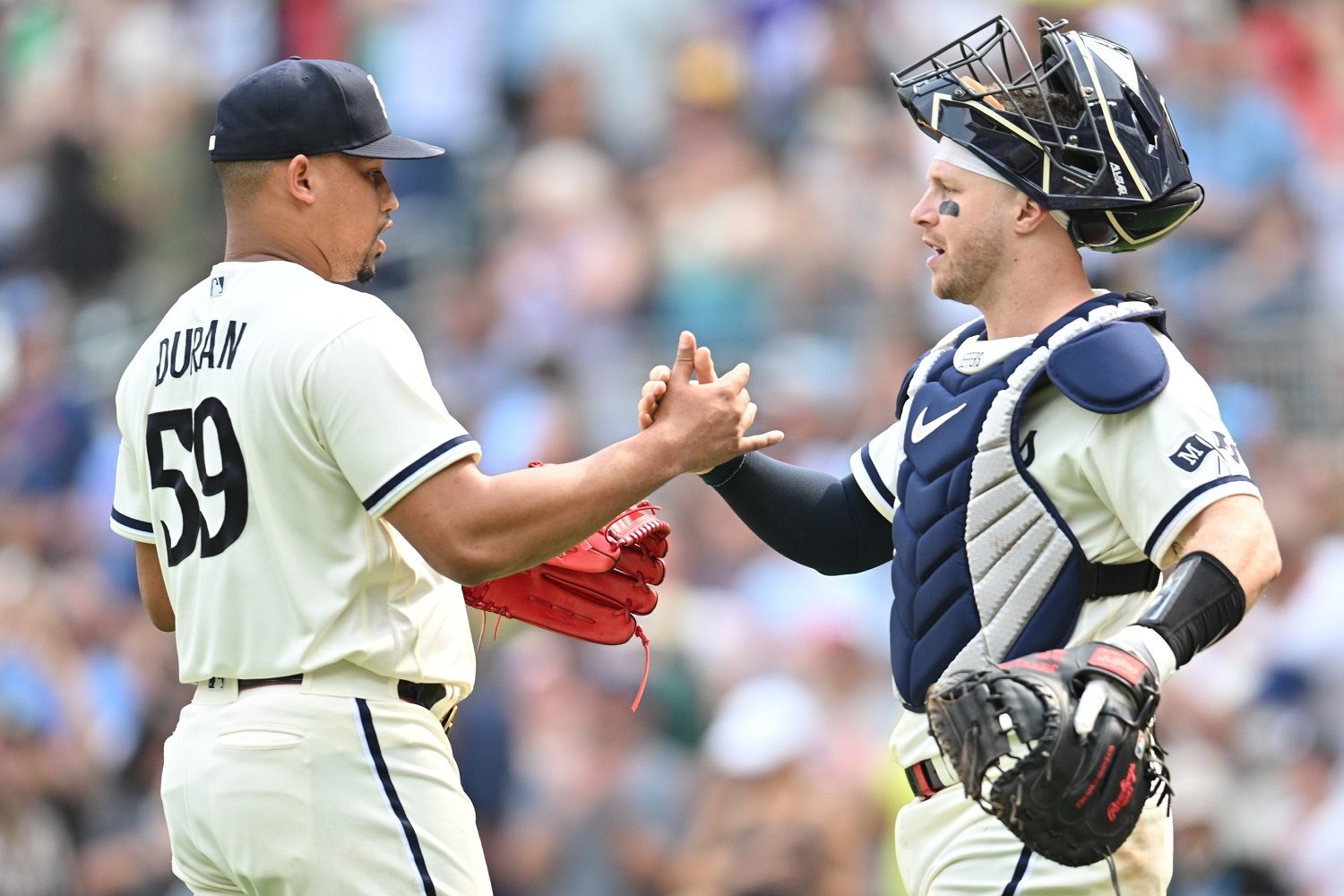 For some reason, there is a small, yet vocal tangent of casual Twins fans that think the team shouldn’t be confident in their second-year closer, Jhoan Duran. Despite a strong 2.49 ERA and excellent peripherals to back up his stellar performance, some think he’s too shaky to have success in the postseason. Their criticism could speak more to their general apprehension to the Twins team in general after 18 straight losses in the playoffs, some coming at the hands of a lackluster relief corps. But that shouldn’t be Duran’s problem as his team nears their first playoff game, especially after the encouraging campaign he’s had this season. Not only has the Twins’ closer displayed some of the most dominant raw stuff of anyone in the league, but there’s reason to believe he’s one of the better arms that will be playing in October. Yes, Duran’s fastball is his calling card. It’s hard to not be known as the guy that touched 104 MPH earlier this season. His heater has averaged 101.4 MPH since breaking into the league at the beginning of last season, which is by far the highest among all relievers in that span according to Inside Edge. The next highest is Jordan Hicks of the Toronto Blue Jays, whose 99.8 MPH average velocity is nearly two whole ticks lower than that of Duran. The Twins’ closer throws fireballs, and for the most part, is quite successful when doing so. Opponents have a whopping 35% miss rate on that offering, which is third-best among all pitchers in baseball this season. While that pitch is impressive, it’s certainly not perfect. Half of the home runs that Duran has given up have come off of his fastball, and he’s allowed a .380 slugging percentage off of it (which is still quite good, but the highest of each of his offerings). One of the only blemishes on his Baseball Savant page is his 40th percentile average exit velocity allowed, and much of that stems from the higher-velocity pitches going a long way when they do get hit. The other bruise to Duran’s stat line is his 9.6% walk rate, which is a valid concern, but it’s not the insurmountable anchor that the vocal minority seem to think it is. So maybe that’s where the trepidation surrounding the hulking reliever comes from. Maybe Duran’s harshest critics can’t get past the idea that their relief ace could allow runners to reach base in a pivotal moment for his team in the postseason. This fear was festered by the performance of Twins’ relievers of yesteryear, who couldn’t live up to the moment when the stadium lights were shining brightest. But, again, that has nothing to do with Duran. In fact, he’s performed stronger than almost anybody that the Twins could face in the first few rounds of the postseason. Just take a look at the class of relievers that are or could feasibly make the postseason in the American League (this includes surefire playoff teams such as the Baltimore Orioles and Tampa Bay Rays, as well as those still fighting for the last few spots on the bracket such as the Toronto Blue Jays, Houston Astros, Texas Rangers and Seattle Mariners). Of all the relief pitchers on those teams that could possibly be in the playoffs, Duran has the eighth-best ERA, and only two of the names listed above his have a better strikeout rate (Bryan Abreu and Felix Bautista, who is currently on the injured list and may not even make the playoff roster). Of the seven pitchers with a better ERA than Duran, four have a higher walk rate. This shows us that few have gotten better results in terms of allowing earned runs to score, and those that have can’t seem to match his strikeout capability. If they can, they tend to struggle even more with Duran’s main blemish, which is walking batters. So if some think that we should be concerned with Duran as the Twins head to the playoffs, the same could be said for nearly every other pitcher on contending teams. At that point, the issue becomes the fickle nature of a close ballgame in the late innings, and not the fire-breathing monster who has led the Twins’ relief corps for the last two years. Could Duran give up a lead in a postseason game? Of course. Any pitcher can. But until that happens, fans should sit back and enjoy the ride - especially if it comes with the best entrance music and light show of anyone in the game. What do you think? Are you confident in Duran as he heads into postseason play? Is there anyone in the league that you would rather have closing out a playoff game? Let us know your thoughts in the comment section down below. And as always, keep it sweet.
 -
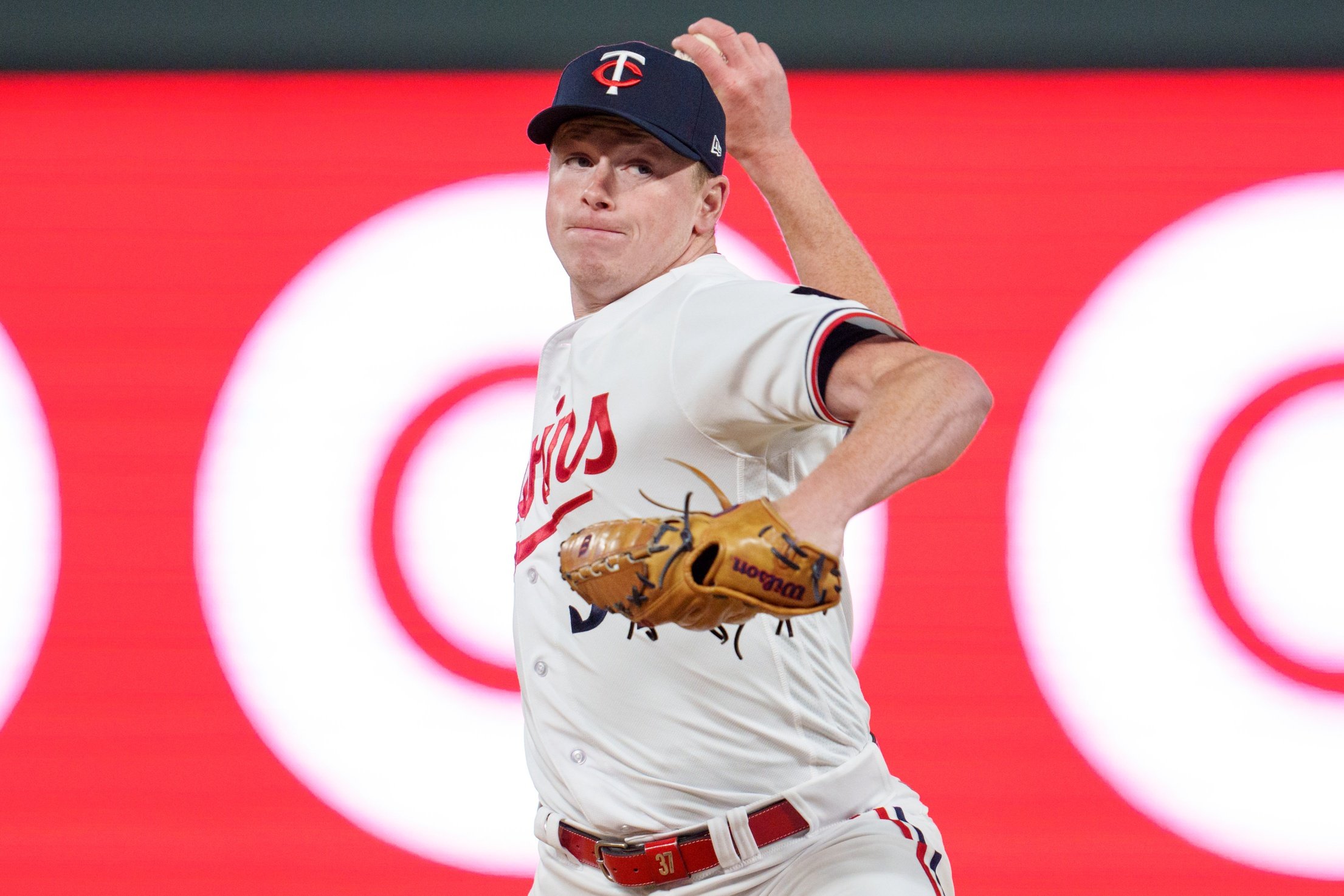 Something’s different about Louie Varland since he returned to the big leagues last week. He has the same Minnesota charm that made him a fan-favorite upon his debut near the end of last season. He’s still showing a knack for giving up the long ball. And he’s still showcasing a starter’s pitch repertoire. But suddenly, the 25-year-old rookie is displaying the confidence and enthusiasm of a seasoned veteran now that he’s coming in out of the bullpen. It’s not to say he lacked that fire as a starter, but the energy has evolved with his new role. And now he’s riding that momentum into a significant role on a likely postseason-bound roster. Though we’re still looking at a small sample of work when lauding his performance as a reliever, Varland has been electric, and it’s that type of electricity that can make all the difference for a team when they enter the postseason. Aside from the confidence and energy that Varland has displayed in his handful of games out of the ‘pen, his raw stuff is also playing up. His fastball has always been his bread and butter. It was his only pitch when he started playing college ball for Concordia University in St. Paul. And now that he doesn’t have to worry about conserving his energy for a starter’s in-game workload, the former Golden Bear can truly let it fly, knowing his outing will be short. So far, his velocity on his four-seam fastball has seen a significant jump in relief, just as planned. He averaged a respectable 94.9 MPH on his heater as a starting pitcher, but that figure has jumped to 97.2 MPH since rejoining the club in this new role. He also topped out at 100.2 MPH in one of his last tune-ups with Triple-A St. Paul. That’s exactly what the team’s top brass wanted when they started mapping out Varland’s usage a few weeks ago. But as compelling as that added fastball velocity is to Twins’ fans, it isn’t enough to get by against playoff-caliber teams. It’s undoubtedly an excellent place to start, but at least one more plus-offering is crucial to sustained success at the game’s highest level. We’ve seen opponents going up and hacking early in the count, knowing that Varland will highlight that heater and pound the strike zone early on. So when the opponents recognized this, they would sit on his good-not-great 94.9 MPH fastball, which led to more hard-hit balls and more home runs (2.31 HR/9). Hitters have swung at 57% of his pitches since making his relief debut last week, which is the seventh-highest in MLB in that span, according to Inside Edge. That makes his secondary offerings all the more critical. The good news is that his cutter has emerged as that complimentary weapon. That pitch has also seen a velocity increase out of the bullpen, averaging 91.7 MPH with more spin than he saw when used as a starting pitcher. That’s led to more swing-and-misses and limited damage when it gets hit (.182 slugging percentage allowed, .174 expected slugging). While the fastball has been Varland’s marquee offering early in at-bats, the cutter has become his dagger. This can be seen in its increased usage as Varland’s “put away” pitch, otherwise known as his selection, when the count gets to two strikes. When done well, this combination can be a genuinely dominant pairing for a reliever. It’s the one-two punch that shines in postseason play when punchouts and weakly hit balls are at a premium. But the pitcher must have the confidence, poise, and electricity Varland has shown as a reliever so far to execute it in any given at-bat. Beyond that, it takes a multi-inning capability to transform a relief arm into a unique and highly desirable asset. Adding a healthy and thriving Varland couldn’t be a better time for an inconsistent bullpen. Griffin Jax has provided a mostly great season but has been leaking oil since August. His usage will have to come down, and someone will need to fill in when he’s unavailable. If Varland can pass some of those high-leverage tests between now and the start of the postseason, it could feed the positive momentum he’s currently riding into October. What do you think? Where would you put Varland in the current bullpen hierarchy? Do you trust the early results? Let us know what you think in the comment section below.
 -
Make no mistake, local kid Louie Varland still has a future in the Twins’ starting rotation. But for the remaining three weeks and almost certainly into the playoffs, he is going to be counted on in some critical opportunities out of the bullpen. What has his small sample of work showed us so far and what’s the best-case scenario for Minnesota’s native son going forward? Image courtesy of © Matt Blewett Make no mistake, local kid Louie Varland still has a future in the Twins’ starting rotation. But for the remaining three weeks and almost certainly into the playoffs, he is going to be counted on in some critical opportunities out of the bullpen. What has his small sample of work showed us so far and what’s the best-case scenario for Minnesota’s native son going forward? Something’s different about Louie Varland since he returned to the big leagues last week. He has the same Minnesota charm that made him a fan-favorite upon his debut near the end of last season. He’s still showing a knack for giving up the long ball. And he’s still showcasing a starter’s pitch repertoire. But suddenly, the 25-year-old rookie is displaying the confidence and enthusiasm of a seasoned veteran now that he’s coming in out of the bullpen. It’s not to say he lacked that fire as a starter, but the energy has evolved with his new role. And now he’s riding that momentum into a significant role on a likely postseason-bound roster. Though we’re still looking at a small sample of work when lauding his performance as a reliever, Varland has been electric, and it’s that type of electricity that can make all the difference for a team when they enter the postseason. Aside from the confidence and energy that Varland has displayed in his handful of games out of the ‘pen, his raw stuff is also playing up. His fastball has always been his bread and butter. It was his only pitch when he started playing college ball for Concordia University in St. Paul. And now that he doesn’t have to worry about conserving his energy for a starter’s in-game workload, the former Golden Bear can truly let it fly, knowing his outing will be short. So far, his velocity on his four-seam fastball has seen a significant jump in relief, just as planned. He averaged a respectable 94.9 MPH on his heater as a starting pitcher, but that figure has jumped to 97.2 MPH since rejoining the club in this new role. He also topped out at 100.2 MPH in one of his last tune-ups with Triple-A St. Paul. That’s exactly what the team’s top brass wanted when they started mapping out Varland’s usage a few weeks ago. But as compelling as that added fastball velocity is to Twins’ fans, it isn’t enough to get by against playoff-caliber teams. It’s undoubtedly an excellent place to start, but at least one more plus-offering is crucial to sustained success at the game’s highest level. We’ve seen opponents going up and hacking early in the count, knowing that Varland will highlight that heater and pound the strike zone early on. So when the opponents recognized this, they would sit on his good-not-great 94.9 MPH fastball, which led to more hard-hit balls and more home runs (2.31 HR/9). Hitters have swung at 57% of his pitches since making his relief debut last week, which is the seventh-highest in MLB in that span, according to Inside Edge. That makes his secondary offerings all the more critical. The good news is that his cutter has emerged as that complimentary weapon. That pitch has also seen a velocity increase out of the bullpen, averaging 91.7 MPH with more spin than he saw when used as a starting pitcher. That’s led to more swing-and-misses and limited damage when it gets hit (.182 slugging percentage allowed, .174 expected slugging). While the fastball has been Varland’s marquee offering early in at-bats, the cutter has become his dagger. This can be seen in its increased usage as Varland’s “put away” pitch, otherwise known as his selection, when the count gets to two strikes. When done well, this combination can be a genuinely dominant pairing for a reliever. It’s the one-two punch that shines in postseason play when punchouts and weakly hit balls are at a premium. But the pitcher must have the confidence, poise, and electricity Varland has shown as a reliever so far to execute it in any given at-bat. Beyond that, it takes a multi-inning capability to transform a relief arm into a unique and highly desirable asset. Adding a healthy and thriving Varland couldn’t be a better time for an inconsistent bullpen. Griffin Jax has provided a mostly great season but has been leaking oil since August. His usage will have to come down, and someone will need to fill in when he’s unavailable. If Varland can pass some of those high-leverage tests between now and the start of the postseason, it could feed the positive momentum he’s currently riding into October. What do you think? Where would you put Varland in the current bullpen hierarchy? Do you trust the early results? Let us know what you think in the comment section below. View full article
-
Spot on. I was more referring to the first month and a half of last season when Rogers converted something like 13 straight saves with an ERA under 2.50, and Pagan was starting to struggle. You're very right, though. The bullpen's issues extended far beyond the Pagan-Rogers swap.
-
Call the Sheriff: What Can Chris Paddack Provide In a Bullpen Role?
Lou Hennessy posted an article in Twins
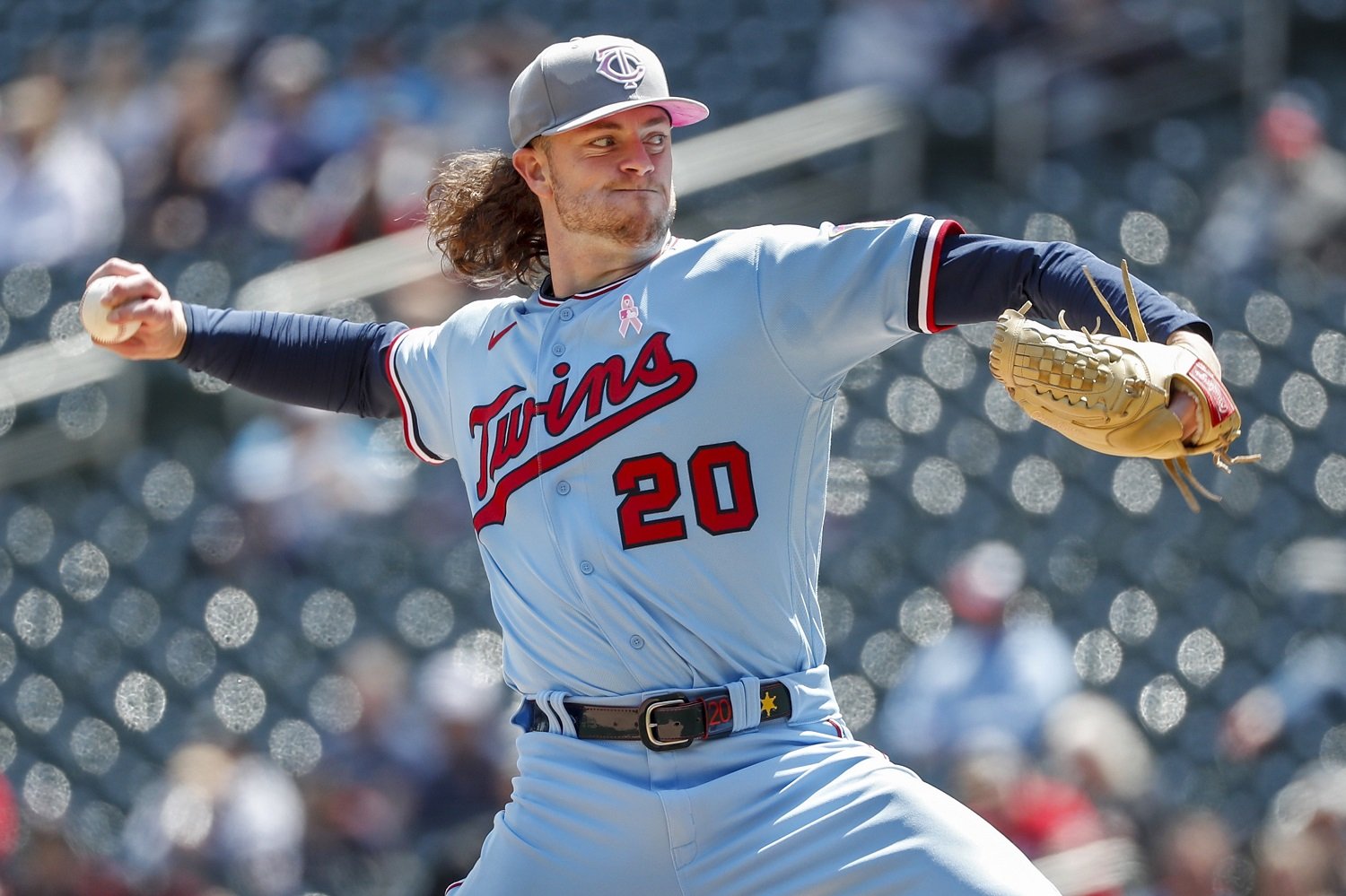 The infamous Taylor Rogers-for-Emilio Pagan trade left many bewildered at the time, and especially so when the former thrived with his new team and the latter scuffled mightily. But the third player in that swap (not counting the throw-ins of Brent Rooker and Brayan Medina) was what drove the deal past the finish line for the Twins. Chris Paddack represented a solid upgrade to the back-end of the Twins rotation, but his injury history kept his trade value at a reasonable level (hence the modest return of an impending free agent reliever and a player that was on the outside-looking-in when it came to the outfield depth chart). It turns out that was for good reason, as the then-26-year-old required a second Tommy John surgery after just five starts. Since then, Paddack and the Twins used his final year of team control to rehab from his injury and to nail down a buy-low contract extension. With his free agency pushed back to 2025, he is able to map out a path to becoming the hopeful rotation cornerstone that the club envisioned upon acquiring him. But in the meantime, could he be a useful weapon out of the bullpen come late-September, and hopefully into the postseason? While it’s by no means a sure thing at this point, this plan definitely feels like a concept that the Twins desperately want to work. Whether that’s with Paddack or other traditional starters such as Louie Varland or potentially Kenta Maeda, the club seems to like the idea of having a starter let it fly in a relief role for the playoffs. With that being the ultimate goal for Paddack as he started his rehab assignment, his debut performance with class Low-A Fort Myers surely gave the club a glimmer of much-needed optimism. In that brief outing on September 6th, he threw 2 2/3 innings, giving up two earned runs on two hits and a pair of walks. That on its own certainly isn’t a game-changing performance, but it’s encouraging that he got four strikeouts, and five swinging-misses in 52 total pitches. For a first taste at real action since May of last year, the Twins will gladly take those results, especially given the promise of some of his numbers under the hood. In that outing, his fastball averaged 94.6 MPH (topping out at 96.3 MPH) and he got six swings on his changeup, which is widely regarded as his best offering. The fastball velocity is particularly eyebrow-raising given the fact that he topped out around 93.5 MPH pre-surgery last season. Was it a hot gun, or was Paddack reaching back for a little extra oomph knowing he doesn’t need to shoot for a starter’s workload? The Twins are hoping it’s the latter, and that he can provide that excellent fastball-changeup combo that looked very effective in his brief 2022 campaign. In those five starts, Paddack racked up adequate strikeout totals (21.5%) while limiting walks to just 0.8 BB/9. That led to a very strong 10.0 K/BB ratio, which was the best of his career. He also didn’t allow a single home run in those 22 innings pitched. While that’s unsustainable, the Twins are hoping the relief-version of their hurler can be similarly homer-resistant. https://cdn.jwplayer.com/previews/LhGuBE4I It should be noted, as Twins Daily’s Matthew Lenz said in his recent video, it’s likely that Paddack would be tasked with lower-leverage innings. But that has proven to be a vital cog in the operation given the lack of quality depth to the club’s bullpen so far this year. He could even go a couple innings at a time, theoretically, which might be an on-paper improvement over someone like Josh Winder, Brent Headrick and Cole Sands who have been trying to fill that role so far with inconsistent results. At the end of the day, it’ll take a few more positive developments in Paddack’s rehab assignment before he could lock in as a post-season reinforcement. It’s easy to envision the upside if all goes well. Paddack coming into a game to let loose for a shorter outing could be a welcome addition to the postseason bullpen. If effective, he could be someone that locks in for the middle innings of a game if a starter departs early. Let’s hope he still has his old hat with the curved brim and his pair of six-shooters. The Twins could use their old sheriff back, even if he’s in a new role. What do you think? Can Chris Paddack be a useful relief weapon for a potential playoff run? Do you think he still has what it takes to be sheriff? Let us know your thoughts in the comment section down below.
 -
It’s been a minute since Chris Paddack’s name was anywhere near a Twins’ lineup card. The tall righty went under the knife in early-2022, and has largely been out of sight and out of mind for many. But now that he’s knee-deep in an official rehab assignment, it might be time for fans to get ready for a new sheriff in town for the playoffs. Image courtesy of Bruce Kluckhohn-USA TODAY Sports It’s been a minute since Chris Paddack’s name was anywhere near a Twins’ lineup card. The tall righty went under the knife in early-2022, and has largely been out of sight and out of mind for many. But now that he’s knee-deep in an official rehab assignment, it might be time for fans to get ready for a new sheriff in town for the playoffs. The infamous Taylor Rogers-for-Emilio Pagan trade left many bewildered at the time, and especially so when the former thrived with his new team and the latter scuffled mightily. But the third player in that swap (not counting the throw-ins of Brent Rooker and Brayan Medina) was what drove the deal past the finish line for the Twins. Chris Paddack represented a solid upgrade to the back-end of the Twins rotation, but his injury history kept his trade value at a reasonable level (hence the modest return of an impending free agent reliever and a player that was on the outside-looking-in when it came to the outfield depth chart). It turns out that was for good reason, as the then-26-year-old required a second Tommy John surgery after just five starts. Since then, Paddack and the Twins used his final year of team control to rehab from his injury and to nail down a buy-low contract extension. With his free agency pushed back to 2025, he is able to map out a path to becoming the hopeful rotation cornerstone that the club envisioned upon acquiring him. But in the meantime, could he be a useful weapon out of the bullpen come late-September, and hopefully into the postseason? While it’s by no means a sure thing at this point, this plan definitely feels like a concept that the Twins desperately want to work. Whether that’s with Paddack or other traditional starters such as Louie Varland or potentially Kenta Maeda, the club seems to like the idea of having a starter let it fly in a relief role for the playoffs. With that being the ultimate goal for Paddack as he started his rehab assignment, his debut performance with class Low-A Fort Myers surely gave the club a glimmer of much-needed optimism. In that brief outing on September 6th, he threw 2 2/3 innings, giving up two earned runs on two hits and a pair of walks. That on its own certainly isn’t a game-changing performance, but it’s encouraging that he got four strikeouts, and five swinging-misses in 52 total pitches. For a first taste at real action since May of last year, the Twins will gladly take those results, especially given the promise of some of his numbers under the hood. In that outing, his fastball averaged 94.6 MPH (topping out at 96.3 MPH) and he got six swings on his changeup, which is widely regarded as his best offering. The fastball velocity is particularly eyebrow-raising given the fact that he topped out around 93.5 MPH pre-surgery last season. Was it a hot gun, or was Paddack reaching back for a little extra oomph knowing he doesn’t need to shoot for a starter’s workload? The Twins are hoping it’s the latter, and that he can provide that excellent fastball-changeup combo that looked very effective in his brief 2022 campaign. In those five starts, Paddack racked up adequate strikeout totals (21.5%) while limiting walks to just 0.8 BB/9. That led to a very strong 10.0 K/BB ratio, which was the best of his career. He also didn’t allow a single home run in those 22 innings pitched. While that’s unsustainable, the Twins are hoping the relief-version of their hurler can be similarly homer-resistant. https://cdn.jwplayer.com/previews/LhGuBE4I It should be noted, as Twins Daily’s Matthew Lenz said in his recent video, it’s likely that Paddack would be tasked with lower-leverage innings. But that has proven to be a vital cog in the operation given the lack of quality depth to the club’s bullpen so far this year. He could even go a couple innings at a time, theoretically, which might be an on-paper improvement over someone like Josh Winder, Brent Headrick and Cole Sands who have been trying to fill that role so far with inconsistent results. At the end of the day, it’ll take a few more positive developments in Paddack’s rehab assignment before he could lock in as a post-season reinforcement. It’s easy to envision the upside if all goes well. Paddack coming into a game to let loose for a shorter outing could be a welcome addition to the postseason bullpen. If effective, he could be someone that locks in for the middle innings of a game if a starter departs early. Let’s hope he still has his old hat with the curved brim and his pair of six-shooters. The Twins could use their old sheriff back, even if he’s in a new role. What do you think? Can Chris Paddack be a useful relief weapon for a potential playoff run? Do you think he still has what it takes to be sheriff? Let us know your thoughts in the comment section down below. View full article
-
Meet Brooks Lee: The California Kid Making Waves in Twins' Farm System
Lou Hennessy posted an article in Saints
 The Minnesota Twins' roster is built on a foundation of players drafted early in the first round who graduated from their prospect rank to MLB stardom. Carlos Correa arrived with his middle-of-the-order bat. Byron Buxton flashed elite defense at every level. Royce Lewis got there with his grit and bounce-back mentality. But none of the three had as meteoric of a rise as Brooks Lee (Twins Daily's top-rated prospect in the organization). From raking as a star for three years at Cal Poly University, where he had a completely dominant 1.073 OPS in 115 collegiate games, to standing on the doorstep of his MLB career, Lee has had an eventful 14 months in professional ball. But he insists this is only just the beginning. "First and foremost, I want to continue to be a good teammate to everybody," Lee said as we watched his teammates wrap up batting practice on Wednesday afternoon. "It's been awesome to be here with everyone [in St. Paul]. We have a really great group of players so I just want to do my best for them." His first month at the Triple-A level has brought on some new revelations for the product of San Luis Obispo, California. While he's excited to be one step closer to his dream of playing in the big leagues, he's hitting some speed bumps for the first time in his young professional career. In a very small sample size of just 20 games, Lee is slashing .256/.319/.378 (.697 OPS) with a 73 wRC+, meaning his production has been about 27 percent below the league average. "The pitching here has been much harder to handle compared to where I was at before. That's no secret," Lee said. "I have to do a better job of getting on base. I think I'll get where I want to be eventually. It's just going to take some time." Lee has split time between four different minor-league levels since being drafted by the Twins with the eighth overall pick last July. That constant churning between different coaching staffs, teammates, and competition can be daunting to many, but the 22-year-old infielder is taking it all in stride. For Lee, it's all about growth. "I had a great off-season last year and came in with a lot more muscle. I want to set myself up to have another healthy offseason this time around," he said. "Every coaching staff and my teammates have taught me a lot about what it means to keep yourself healthy." Speaking of his teammates, the former Mustang has had no shortage of intriguing names penciled alongside his on his team's lineup cards. From other top prospects to journeyman minor-league lifers, Lee has been able to absorb as much information as possible from his peers at every stage. One of those teammates many are excited to see paired with Lee is the Twins rookie sensation Royce Lewis. The former first-overall pick got to play alongside his prospect peer while rehabbing with Triple-A St. Paul in early August. While the stint was brief, it gave Twins Territory a taste of what will come. "It was really cool because he's just such a great player, and he backs it up by being so knowledgeable," Lee said. "It's cool to see how he goes about his business before, during and after a game." The idea that he and Lewis could be a tandem in the Twins' infield for years to come made Lee smirk. He acknowledged that the two will do their best to build off each other's success as they continue to develop. Fans saw a preview of this potential on August 11th, when both players belted emphatic home runs, leading the Saints to a victory. "He's definitely got a competitive side to him, that's for sure," Lee said with a chuckle. "And then he's more animated than a lot of guys so it's really fun. The game needs more players like that. Plus, he's a California guy, so there's a little more substance to him." Lewis isn't the only big leaguer that Lee has been able to share a dugout with. Byron Buxton (hamstring) and Alex Kirilloff (shoulder) started their respective rehab assignments with the Saints on Wednesday night. "I'm sure a lot of guys are going to be following [Buxton] around and trying to pick his brain," Lee said. "It's going to be really special to look out and see him in the outfield behind me." When he's not looking at the outfielders behind him, Lee has been taking in the experience of being in the Twin Cities for the first time. True city life has been a fun development for a kid who grew up in the California countryside in San Luis Obispo. "It's been really fun to be in a city like St. Paul where we can reach so much just by walking," Lee said. "I've had a truly terrible time navigating all of the one-way streets you have here, but otherwise I've been loving it." One added benefit of having a Triple-A affiliate so close is sharing resources with the MLB club or having a quick drive over to Target Field upon getting called up. "Just ask Fundy," Lee exclaimed while referencing Kody Funderburk's unexpected call-up earlier this week. "He found out at like 3 PM that day and made it over to Minneapolis in no time for their game that night. That's crazy." What's crazy is that the Twins were able to use their eighth overall pick to select a player that drew top-three talent buzz in his class and to have him standing at Target Field's doorstep just 14 months later. It may not happen this season, but Lee will eventually find himself making that drive across town for his major league debut soon. Much to his chagrin, here's hoping that it's a one-way street that leads him there. What do you think about Brooks Lee's first full season of professional ball? When do you think he'll debut, and what position do you want to see him play? Let us know your first impressions in the comment section below.
 -
It's been a whirlwind 14 months for the Twins' top prospect, who currently finds himself soaking in everything St. Paul has to offer. But with the help of the various coaches and the countless teammates that have pushed him along the way, the 2022 first-round pick finds himself on the doorstep of achieving his dream of being a big leaguer. It's time to get to know the real Brooks Lee. Image courtesy of Rob Thompson, St. Paul Saints It's been a whirlwind 14 months for the Twins' top prospect, who currently finds himself soaking in everything St. Paul has to offer. But with the help of the various coaches and the countless teammates that have pushed him along the way, the 2022 first-round pick finds himself on the doorstep of achieving his dream of being a big leaguer. It's time to get to know the real Brooks Lee. The Minnesota Twins' roster is built on a foundation of players drafted early in the first round who graduated from their prospect rank to MLB stardom. Carlos Correa arrived with his middle-of-the-order bat. Byron Buxton flashed elite defense at every level. Royce Lewis got there with his grit and bounce-back mentality. But none of the three had as meteoric of a rise as Brooks Lee (Twins Daily's top-rated prospect in the organization). From raking as a star for three years at Cal Poly University, where he had a completely dominant 1.073 OPS in 115 collegiate games, to standing on the doorstep of his MLB career, Lee has had an eventful 14 months in professional ball. But he insists this is only just the beginning. "First and foremost, I want to continue to be a good teammate to everybody," Lee said as we watched his teammates wrap up batting practice on Wednesday afternoon. "It's been awesome to be here with everyone [in St. Paul]. We have a really great group of players so I just want to do my best for them." His first month at the Triple-A level has brought on some new revelations for the product of San Luis Obispo, California. While he's excited to be one step closer to his dream of playing in the big leagues, he's hitting some speed bumps for the first time in his young professional career. In a very small sample size of just 20 games, Lee is slashing .256/.319/.378 (.697 OPS) with a 73 wRC+, meaning his production has been about 27 percent below the league average. "The pitching here has been much harder to handle compared to where I was at before. That's no secret," Lee said. "I have to do a better job of getting on base. I think I'll get where I want to be eventually. It's just going to take some time." Lee has split time between four different minor-league levels since being drafted by the Twins with the eighth overall pick last July. That constant churning between different coaching staffs, teammates, and competition can be daunting to many, but the 22-year-old infielder is taking it all in stride. For Lee, it's all about growth. "I had a great off-season last year and came in with a lot more muscle. I want to set myself up to have another healthy offseason this time around," he said. "Every coaching staff and my teammates have taught me a lot about what it means to keep yourself healthy." Speaking of his teammates, the former Mustang has had no shortage of intriguing names penciled alongside his on his team's lineup cards. From other top prospects to journeyman minor-league lifers, Lee has been able to absorb as much information as possible from his peers at every stage. One of those teammates many are excited to see paired with Lee is the Twins rookie sensation Royce Lewis. The former first-overall pick got to play alongside his prospect peer while rehabbing with Triple-A St. Paul in early August. While the stint was brief, it gave Twins Territory a taste of what will come. "It was really cool because he's just such a great player, and he backs it up by being so knowledgeable," Lee said. "It's cool to see how he goes about his business before, during and after a game." The idea that he and Lewis could be a tandem in the Twins' infield for years to come made Lee smirk. He acknowledged that the two will do their best to build off each other's success as they continue to develop. Fans saw a preview of this potential on August 11th, when both players belted emphatic home runs, leading the Saints to a victory. "He's definitely got a competitive side to him, that's for sure," Lee said with a chuckle. "And then he's more animated than a lot of guys so it's really fun. The game needs more players like that. Plus, he's a California guy, so there's a little more substance to him." Lewis isn't the only big leaguer that Lee has been able to share a dugout with. Byron Buxton (hamstring) and Alex Kirilloff (shoulder) started their respective rehab assignments with the Saints on Wednesday night. "I'm sure a lot of guys are going to be following [Buxton] around and trying to pick his brain," Lee said. "It's going to be really special to look out and see him in the outfield behind me." When he's not looking at the outfielders behind him, Lee has been taking in the experience of being in the Twin Cities for the first time. True city life has been a fun development for a kid who grew up in the California countryside in San Luis Obispo. "It's been really fun to be in a city like St. Paul where we can reach so much just by walking," Lee said. "I've had a truly terrible time navigating all of the one-way streets you have here, but otherwise I've been loving it." One added benefit of having a Triple-A affiliate so close is sharing resources with the MLB club or having a quick drive over to Target Field upon getting called up. "Just ask Fundy," Lee exclaimed while referencing Kody Funderburk's unexpected call-up earlier this week. "He found out at like 3 PM that day and made it over to Minneapolis in no time for their game that night. That's crazy." What's crazy is that the Twins were able to use their eighth overall pick to select a player that drew top-three talent buzz in his class and to have him standing at Target Field's doorstep just 14 months later. It may not happen this season, but Lee will eventually find himself making that drive across town for his major league debut soon. Much to his chagrin, here's hoping that it's a one-way street that leads him there. What do you think about Brooks Lee's first full season of professional ball? When do you think he'll debut, and what position do you want to see him play? Let us know your first impressions in the comment section below. View full article
-
While he failed to break camp with the big league club out of Spring Training, Bailey Ober eventually made his way to being the Twins’ most consistent starter for much of the season. But now that he has blown past his career-high for innings pitched, and the club has a handful of rotation options, what will the tall righty’s role be down the stretch and into a possible postseason run? Image courtesy of Jordan Johnson-USA TODAY Sports While he failed to break camp with the big league club out of Spring Training, Bailey Ober eventually made his way to being the Twins’ most consistent starter for much of the season. But now that he has blown past his career-high for innings pitched, and the club has a handful of rotation options, what will the tall righty’s role be down the stretch and into a possible postseason run? There's no doubt about it. The Twins wouldn't be where they are today without the steadying presence of Bailey Ober in their rotation for the bulk of the season. He's surprised many with his ability to control his fastball up in the zone while limiting walks as good as anyone. He's been the unsung hero of the team's biggest asset - their starting rotation. Okay, he has received plenty of praise this year, so maybe he's not so unsung anymore, but the fact remains that Ober has been a critical contributor to the team's modest success. But some interesting variables have come into play as the 2023 season rounds third and embarks on its home stretch. Ober has started to show cracks in his last seven starts, which is unsurprising for a young hurler. But the Twins now have a handful of options for their starting rotation, and they are entering the same stage of the season where things went off the rails a year ago. Indeed, the club will want to monitor his workload now that he's established a new high mark for innings pitched. That could mean skipping a start here and there or getting an extra day of rest when available. A likely scenario is to give him a quicker hook within each game when possible. Old-timers and zealots who cling to the outdated concept of pitch count being the critical motivating factor for these decisions will hate that idea. Still, it makes sense if the team hopes to keep Ober healthy while making sure he remains in the starting rotation. We saw that play out in real-time in Tuesday's 7-3 loss to the Milwaukee Brewers. Ober avoided a big blow through five innings, giving up two earned runs while throwing just 78 pitches. But out of the 13 balls put into play against him in those five innings, more than half had an exit velocity of 93.5 MPH or more. Yes, it was great that Ober could wiggle out of significant damage. But it's hard to look at the batted-ball results - combined with allowing three walks - and conclude that he was dominating. And that's been his story for the last seven starts. Since the All-Star break, Ober has pitched 36 innings to a 5.25 ERA, with a 1.47 WHIP. His strikeout-to-walk numbers have stayed consistent, but he's giving up a lethal amount of home runs (2.25 HR/9), and opposing hitters are boasting a .311 batting average against him. That's cause for concern, especially because Ober has thrown more innings this year than in any season of his career, with six weeks remaining on the schedule. So what's next? Since it's impossible to fathom the Twins shutting Ober down entirely at any point, there are only so many options. Does he continue to start with added rest days? Should he get an earlier hook on a game-to-game basis, regardless of how well he's pitching? Will the club change his role based on the available rotation options? While he's been shakier than usual in the last month, Ober is still one of the five best options for the Twins' starting rotation as they head into a crucial stretch to a hopeful playoff run. He tends to steady himself as the game goes along, just as he did on Tuesday night. When going through the order for a third time, Ober has limited his opponents to just a .271 slugging percentage, which is sixth-best among starting pitchers, according to Inside Edge. In those scenarios, he has only walked two batters all year, as well. So, as the game goes on, Ober limits damage and baserunners, giving many the impression that he's rolling. That accounts for much of the fan outrage any time he gets lifted with fewer than 90 pitches, and it also makes things tricky when determining if he would be the proper candidate to move to a piggyback and bullpen role at some point, as was suggested in Dan Hayes' recent piece for The Athletic. On the one hand, there's merit in limiting his exposure, and innings total at this point in the season, but on the other hand, it's logical to keep him in a position where he's had the most success despite his recent struggles. So what will happen when Joe Ryan returns to the rotation if all five current starters remain healthy and relatively effective? That point is approaching rapidly. It'll be worth watching how the Twins navigate Ober and the rest of their starting staff, especially if they make it into the postseason. What do you think will happen with the Twins' rotation mix? What do you want to happen? In the comment section below, let us know your thoughts about Ober's season and role. View full article
-
Twins' Pitching Puzzle: Unraveling Bailey Ober's Role as Playoffs Approach
Lou Hennessy posted an article in Twins
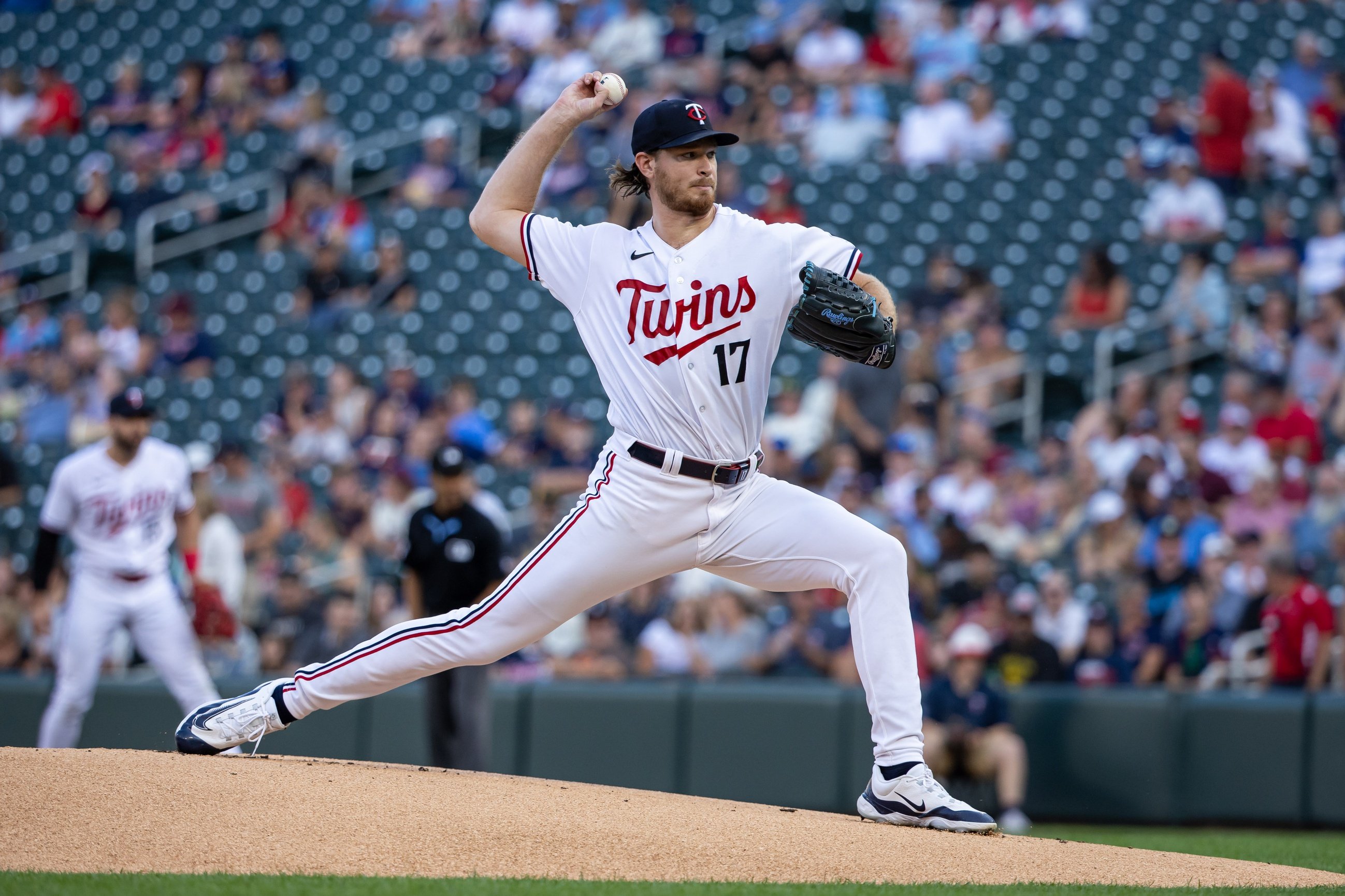 There's no doubt about it. The Twins wouldn't be where they are today without the steadying presence of Bailey Ober in their rotation for the bulk of the season. He's surprised many with his ability to control his fastball up in the zone while limiting walks as good as anyone. He's been the unsung hero of the team's biggest asset - their starting rotation. Okay, he has received plenty of praise this year, so maybe he's not so unsung anymore, but the fact remains that Ober has been a critical contributor to the team's modest success. But some interesting variables have come into play as the 2023 season rounds third and embarks on its home stretch. Ober has started to show cracks in his last seven starts, which is unsurprising for a young hurler. But the Twins now have a handful of options for their starting rotation, and they are entering the same stage of the season where things went off the rails a year ago. Indeed, the club will want to monitor his workload now that he's established a new high mark for innings pitched. That could mean skipping a start here and there or getting an extra day of rest when available. A likely scenario is to give him a quicker hook within each game when possible. Old-timers and zealots who cling to the outdated concept of pitch count being the critical motivating factor for these decisions will hate that idea. Still, it makes sense if the team hopes to keep Ober healthy while making sure he remains in the starting rotation. We saw that play out in real-time in Tuesday's 7-3 loss to the Milwaukee Brewers. Ober avoided a big blow through five innings, giving up two earned runs while throwing just 78 pitches. But out of the 13 balls put into play against him in those five innings, more than half had an exit velocity of 93.5 MPH or more. Yes, it was great that Ober could wiggle out of significant damage. But it's hard to look at the batted-ball results - combined with allowing three walks - and conclude that he was dominating. And that's been his story for the last seven starts. Since the All-Star break, Ober has pitched 36 innings to a 5.25 ERA, with a 1.47 WHIP. His strikeout-to-walk numbers have stayed consistent, but he's giving up a lethal amount of home runs (2.25 HR/9), and opposing hitters are boasting a .311 batting average against him. That's cause for concern, especially because Ober has thrown more innings this year than in any season of his career, with six weeks remaining on the schedule. So what's next? Since it's impossible to fathom the Twins shutting Ober down entirely at any point, there are only so many options. Does he continue to start with added rest days? Should he get an earlier hook on a game-to-game basis, regardless of how well he's pitching? Will the club change his role based on the available rotation options? While he's been shakier than usual in the last month, Ober is still one of the five best options for the Twins' starting rotation as they head into a crucial stretch to a hopeful playoff run. He tends to steady himself as the game goes along, just as he did on Tuesday night. When going through the order for a third time, Ober has limited his opponents to just a .271 slugging percentage, which is sixth-best among starting pitchers, according to Inside Edge. In those scenarios, he has only walked two batters all year, as well. So, as the game goes on, Ober limits damage and baserunners, giving many the impression that he's rolling. That accounts for much of the fan outrage any time he gets lifted with fewer than 90 pitches, and it also makes things tricky when determining if he would be the proper candidate to move to a piggyback and bullpen role at some point, as was suggested in Dan Hayes' recent piece for The Athletic. On the one hand, there's merit in limiting his exposure, and innings total at this point in the season, but on the other hand, it's logical to keep him in a position where he's had the most success despite his recent struggles. So what will happen when Joe Ryan returns to the rotation if all five current starters remain healthy and relatively effective? That point is approaching rapidly. It'll be worth watching how the Twins navigate Ober and the rest of their starting staff, especially if they make it into the postseason. What do you think will happen with the Twins' rotation mix? What do you want to happen? In the comment section below, let us know your thoughts about Ober's season and role.
 -
Brooks LeeWalker JenkinsEmmanuel RodriguezMarco RayaDavid FestaAustin MartinCharlee SotoBrandon WinokurKala'i RosarioTanner SchobelConnor PrielippDaShawn Keirsey JrLuke KeaschallYunior SeverinoYasser MercedesBryan AcunaCJ CulpepperBlayne EnlowSimeon Woods RichardsonJordan Balazovic
-
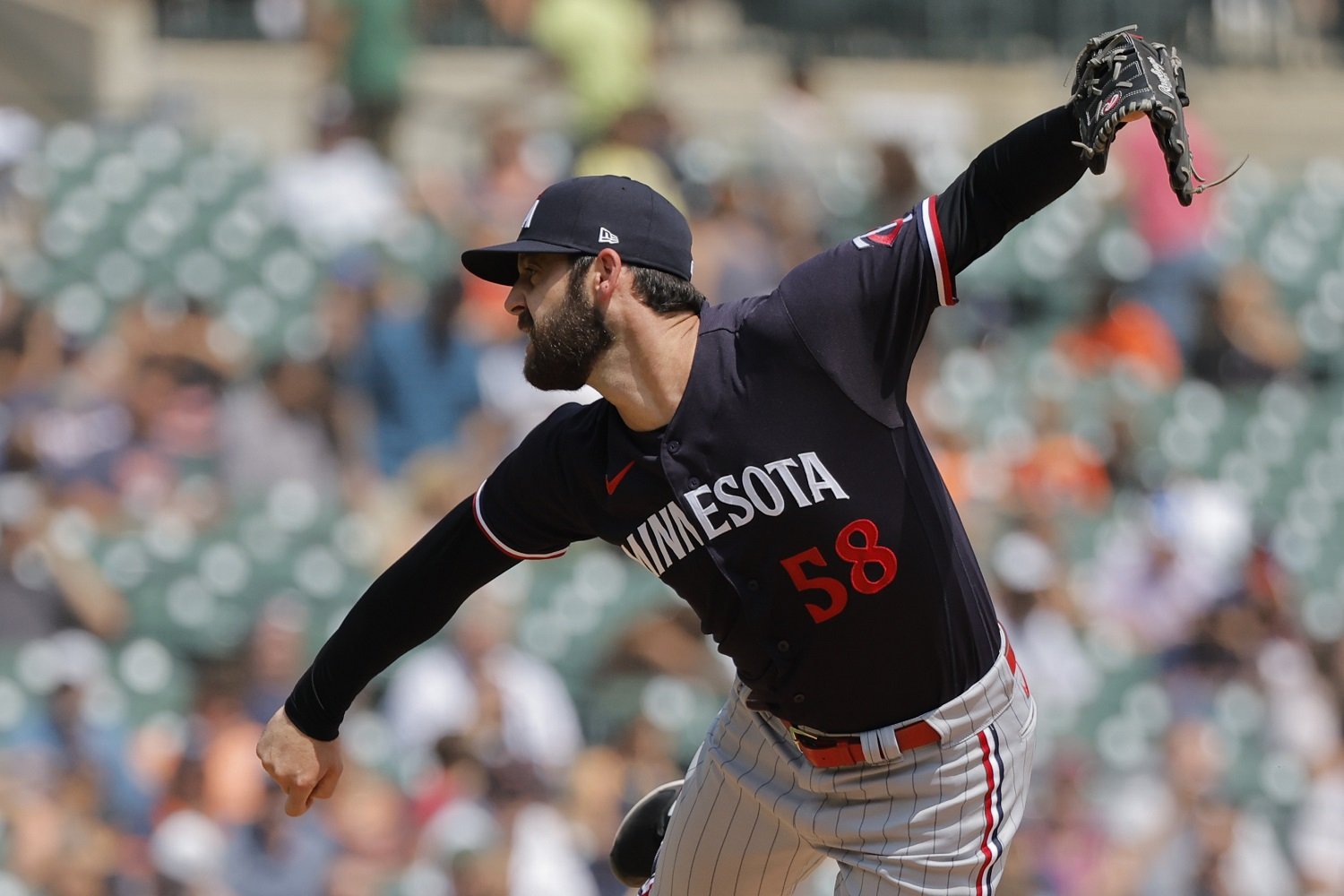 It’s been about 10 days since the Twins left MLB’s trade kitchen without getting anything to eat. Yes, they made a deal earlier in the week when they swapped Jorge Lopez for Dylan Floro, but there was much more to be desired as the club approached the August 1st trade deadline. Whether it was due to a tricky market with few sellers, or a debatable lack of a major hole on their roster, the Twins decided to stand pat as they make their push toward the postseason. But things change quickly over the course of a week - not just for the Twins, but league wide. Teams that were clinging to dwindling hopes of landing a spot in the playoff bracket are now regretting their passivity. And while the Twins liked their depth enough to hold out through the deadline, they now find themselves with a handful of injuries that are once again chipping away at the roster. So it begs the question - how would the Twins’ trade deadline have played out if they had an extra week to make their determinations? Take a look at a few of the teams that decided not to sell any significant pieces last Tuesday. The Los Angeles Angels know that it’s almost certain that their impending superstar free agent, Shohei Ohtani, will not return to Anaheim next season. Even so, they decided that the optics of trading away one of the most-talented players of all time would be too detrimental to their organization. Not only did they hang onto the probable American League MVP, but they held off on trading other assets in the hopes of making their own playoff push. Players that could’ve fetched the Angels a solid return such as Hunter Renfroe and Matt Moore would’ve been of great interest to a team like the Twins, even before their most recent injury developments. The cherry on top of the Angels’ mistake sundae was the fact they even turned themselves into buyers at the deadline, acquiring supplemental pieces like Lucas Giolito, Reynaldo Lopez, C.J. Cron and Randal Grichuk. Each of those players would’ve been considered solid buys for the Twins had they decided to make a move. Instead, they find themselves on a sinking ship that has lost seven of their last 10 games. The Boston Red Sox are another team that could have been a great trade match with the Twins if they had decided to lean into a seller’s mindset. Instead, they hung onto valuable assets such as outfielder Adam Duvall and star slugger Justin Turner. Each of those players are free agents at year’s end (Turner has a $10.5 million player option), and each would have represented a clear boost to the club’s corps of right-handed hitters. Instead, Boston held off on trading them away, and much like the Angels, all they have to show for it is seven losses in their last 10 games. The Twins could certainly use any of the aforementioned players thanks to some injury developments that have sprung up in the past few weeks. Alex Kirilloff hit the injured list with a shoulder issue. Byron Buxton is on the shelf with a hamstring injury. Brock Stewart had yet another setback in his recovery from a sore elbow. To make matters worse, the club’s best right-handed hitter, Donovan Solano, left Tuesday night’s game against the Detroit Tigers with a knee injury. While it looks like he will likely avoid a stay on the injured list, the Twins will surely be cautious with his usage in the near-term. Of course, just because the Twins would’ve had more time to swing a deal had the deadline been this week instead of last, doesn’t mean they would have certainly pushed something through. Even knowing how some sellers such as the Angels and Red Sox have fared in the last week, it’s very possible that the club could have wound up with the same outcome regardless. As Aaron Gleeman of The Athletic stated on the latest mailbag episode of the Gleeman and the Geek podcast (Patreon subscription required, and highly recommended), any criticism toward the club’s inaction at the deadline should be directed at the Twins’ passivity, not the lack of options to upgrade the roster. There were moves to be made even without the inclusion of the Angels or Red Sox. “Would it make it more likely that John and I would go get lunch after the show today if there were five great restaurants right across the street?” Gleeman said as he started another one of his world-famous terrible analogies. “Yes, but that shouldn’t really affect whether you eat when you’re hungry. You can make yourself a sandwich.” But the Twins skipped their lunch, and now we’re starting to hear their growling belly that was desperate for something to tide themselves over until dinner.
 -
Many were surprised at the lack of action by the Twins at last week’s trade deadline. Would they have done anything different had that deadline been pushed back a week? From new sellers emerging on the market, as well as new holes opening up on the Twins’ roster, a lot could have changed in a week. Image courtesy of Rick Osentoski-USA TODAY Sports Many were surprised at the lack of action by the Twins at last week’s trade deadline. Would they have done anything different had that deadline been pushed back a week? From new sellers emerging on the market, as well as new holes opening up on the Twins’ roster, a lot could have changed in a week. It’s been about 10 days since the Twins left MLB’s trade kitchen without getting anything to eat. Yes, they made a deal earlier in the week when they swapped Jorge Lopez for Dylan Floro, but there was much more to be desired as the club approached the August 1st trade deadline. Whether it was due to a tricky market with few sellers, or a debatable lack of a major hole on their roster, the Twins decided to stand pat as they make their push toward the postseason. But things change quickly over the course of a week - not just for the Twins, but league wide. Teams that were clinging to dwindling hopes of landing a spot in the playoff bracket are now regretting their passivity. And while the Twins liked their depth enough to hold out through the deadline, they now find themselves with a handful of injuries that are once again chipping away at the roster. So it begs the question - how would the Twins’ trade deadline have played out if they had an extra week to make their determinations? Take a look at a few of the teams that decided not to sell any significant pieces last Tuesday. The Los Angeles Angels know that it’s almost certain that their impending superstar free agent, Shohei Ohtani, will not return to Anaheim next season. Even so, they decided that the optics of trading away one of the most-talented players of all time would be too detrimental to their organization. Not only did they hang onto the probable American League MVP, but they held off on trading other assets in the hopes of making their own playoff push. Players that could’ve fetched the Angels a solid return such as Hunter Renfroe and Matt Moore would’ve been of great interest to a team like the Twins, even before their most recent injury developments. The cherry on top of the Angels’ mistake sundae was the fact they even turned themselves into buyers at the deadline, acquiring supplemental pieces like Lucas Giolito, Reynaldo Lopez, C.J. Cron and Randal Grichuk. Each of those players would’ve been considered solid buys for the Twins had they decided to make a move. Instead, they find themselves on a sinking ship that has lost seven of their last 10 games. The Boston Red Sox are another team that could have been a great trade match with the Twins if they had decided to lean into a seller’s mindset. Instead, they hung onto valuable assets such as outfielder Adam Duvall and star slugger Justin Turner. Each of those players are free agents at year’s end (Turner has a $10.5 million player option), and each would have represented a clear boost to the club’s corps of right-handed hitters. Instead, Boston held off on trading them away, and much like the Angels, all they have to show for it is seven losses in their last 10 games. The Twins could certainly use any of the aforementioned players thanks to some injury developments that have sprung up in the past few weeks. Alex Kirilloff hit the injured list with a shoulder issue. Byron Buxton is on the shelf with a hamstring injury. Brock Stewart had yet another setback in his recovery from a sore elbow. To make matters worse, the club’s best right-handed hitter, Donovan Solano, left Tuesday night’s game against the Detroit Tigers with a knee injury. While it looks like he will likely avoid a stay on the injured list, the Twins will surely be cautious with his usage in the near-term. Of course, just because the Twins would’ve had more time to swing a deal had the deadline been this week instead of last, doesn’t mean they would have certainly pushed something through. Even knowing how some sellers such as the Angels and Red Sox have fared in the last week, it’s very possible that the club could have wound up with the same outcome regardless. As Aaron Gleeman of The Athletic stated on the latest mailbag episode of the Gleeman and the Geek podcast (Patreon subscription required, and highly recommended), any criticism toward the club’s inaction at the deadline should be directed at the Twins’ passivity, not the lack of options to upgrade the roster. There were moves to be made even without the inclusion of the Angels or Red Sox. “Would it make it more likely that John and I would go get lunch after the show today if there were five great restaurants right across the street?” Gleeman said as he started another one of his world-famous terrible analogies. “Yes, but that shouldn’t really affect whether you eat when you’re hungry. You can make yourself a sandwich.” But the Twins skipped their lunch, and now we’re starting to hear their growling belly that was desperate for something to tide themselves over until dinner. View full article
-
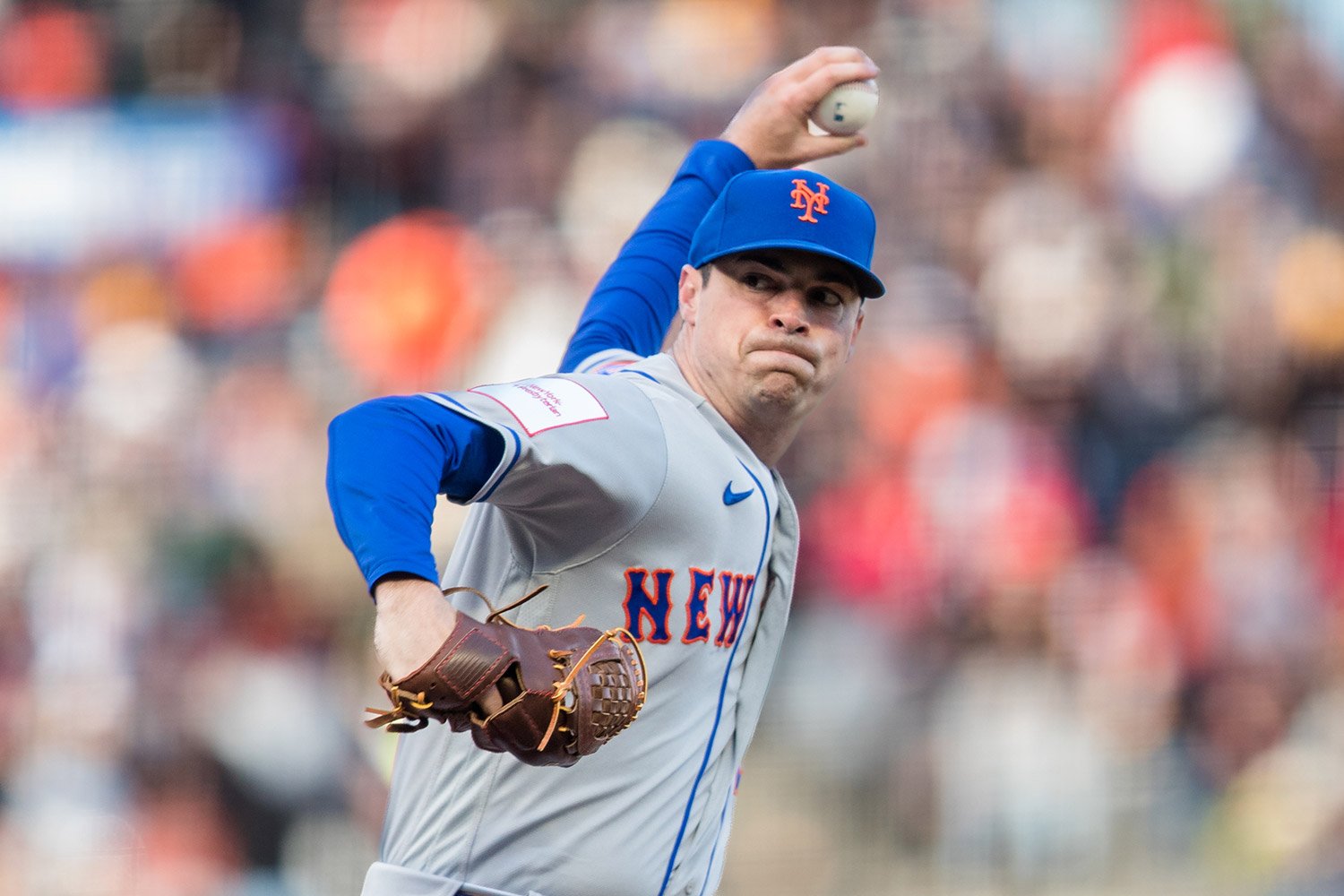 It’s refreshing to see the Twins try to make some improvements on the trade front as they head into the home stretch of a playoff push. However, it feels painfully predictable that they find themselves with such a need in the first place. Sure, there is sound logic in a team investing most of its resources into an everyday lineup and the starting rotation. Pound for pound, these areas will get more playing time than their teammates in the bullpen throughout the course of the season. But being short-handed in late-game situations has seemingly become a core tenet of this organization over the past few years, and it’s bitten them time and time again. And after throwing prospect capital to the Baltimore Orioles in last year’s trade for Jorge Lopez, it felt like maybe the Twins’ decision-makers had learned their lesson on that front. Yet here they are again, exploring their options for relief help after standing pat in the off-season. It’s not like improvements weren’t out there over the winter. Even if they wanted to avoid higher-priced veterans such as Edwin Diaz, Kenley Jansen, and Craig Kimbrel, there was a bounty of solid middle relievers that would have blended nicely with the current group. And, of course, that caliber of reliever is who they seem to be targeting as the clock ticks toward tomorrow’s deadline. Guys like Adam Ottavino (3.35 ERA, 82% LOB%), Will Smith (2.84 ERA, 4.88 K/BB), and David Robertson (2.00 ERA, 28% strikeout rate) each signed relatively modest one-year deals, and each would now be back-end options for the Twins had they reeled them in before the season. Now, the Twins find themselves with rumored interest in trading for reinforcements such as Brooks Raley of the New York Mets and, to a lesser extent Josh Hader of the San Diego Padres. Make no mistake; those two would be great additions to the Twins’ bullpen picture. But they’ll cost the club a ton in prospect capital, especially Hader, one of the best relief weapons in the game. Instead of having to weigh the immense price tag that standout relievers tend to cost in late July, the Twins could be sitting comfortably right now had they made their additions over the winter. It’s reasonable to expect a few more wins at this point had they done that, and at a cheaper price than they’d have to pay for whoever they acquire between now and today’s 5 PM CDT deadline. The team’s insistence on molding their relief corps with as little financial investment as possible has gotten in the way of overall success once again. It’s not to say that the group they put together is some catastrophe. Instead, the group is mostly usable. But now the front office finds themselves predictably seeking improvements, and the only way to get a clear upgrade is to give up a package of prospects. Fans should be glad to see the club trying to make improvements now. But it could have been a lot easier had they made this call before the season. What do you think? Who do you want to see the Twins target between now and Tuesday’s 5 PM trade deadline? What would you be willing to give up to secure another high-end bullpen arm? Let us know your thoughts in the comment section below, and stay tuned to Twins Daily for all your Twins trade deadline rumors.
 -
It was a clear need in the off-season, yet the Twins’ front office decided to stick in-house with their relief corps. Predictably, they find themselves venturing to the trade market in an effort to patch up their weak spots. Where was this urgency over the winter? Image courtesy of John Hefti-USA TODAY Sports It was a clear need in the off-season, yet the Twins’ front office decided to stick in-house with their relief corps. Predictably, they find themselves venturing to the trade market in an effort to patch up their weak spots. Where was this urgency over the winter? It’s refreshing to see the Twins try to make some improvements on the trade front as they head into the home stretch of a playoff push. However, it feels painfully predictable that they find themselves with such a need in the first place. Sure, there is sound logic in a team investing most of its resources into an everyday lineup and the starting rotation. Pound for pound, these areas will get more playing time than their teammates in the bullpen throughout the course of the season. But being short-handed in late-game situations has seemingly become a core tenet of this organization over the past few years, and it’s bitten them time and time again. And after throwing prospect capital to the Baltimore Orioles in last year’s trade for Jorge Lopez, it felt like maybe the Twins’ decision-makers had learned their lesson on that front. Yet here they are again, exploring their options for relief help after standing pat in the off-season. It’s not like improvements weren’t out there over the winter. Even if they wanted to avoid higher-priced veterans such as Edwin Diaz, Kenley Jansen, and Craig Kimbrel, there was a bounty of solid middle relievers that would have blended nicely with the current group. And, of course, that caliber of reliever is who they seem to be targeting as the clock ticks toward tomorrow’s deadline. Guys like Adam Ottavino (3.35 ERA, 82% LOB%), Will Smith (2.84 ERA, 4.88 K/BB), and David Robertson (2.00 ERA, 28% strikeout rate) each signed relatively modest one-year deals, and each would now be back-end options for the Twins had they reeled them in before the season. Now, the Twins find themselves with rumored interest in trading for reinforcements such as Brooks Raley of the New York Mets and, to a lesser extent Josh Hader of the San Diego Padres. Make no mistake; those two would be great additions to the Twins’ bullpen picture. But they’ll cost the club a ton in prospect capital, especially Hader, one of the best relief weapons in the game. Instead of having to weigh the immense price tag that standout relievers tend to cost in late July, the Twins could be sitting comfortably right now had they made their additions over the winter. It’s reasonable to expect a few more wins at this point had they done that, and at a cheaper price than they’d have to pay for whoever they acquire between now and today’s 5 PM CDT deadline. The team’s insistence on molding their relief corps with as little financial investment as possible has gotten in the way of overall success once again. It’s not to say that the group they put together is some catastrophe. Instead, the group is mostly usable. But now the front office finds themselves predictably seeking improvements, and the only way to get a clear upgrade is to give up a package of prospects. Fans should be glad to see the club trying to make improvements now. But it could have been a lot easier had they made this call before the season. What do you think? Who do you want to see the Twins target between now and Tuesday’s 5 PM trade deadline? What would you be willing to give up to secure another high-end bullpen arm? Let us know your thoughts in the comment section below, and stay tuned to Twins Daily for all your Twins trade deadline rumors. View full article
-
The Paganaissance: What Should We Make of Pagan's Recent Hot Stretch?
Lou Hennessy posted an article in Twins
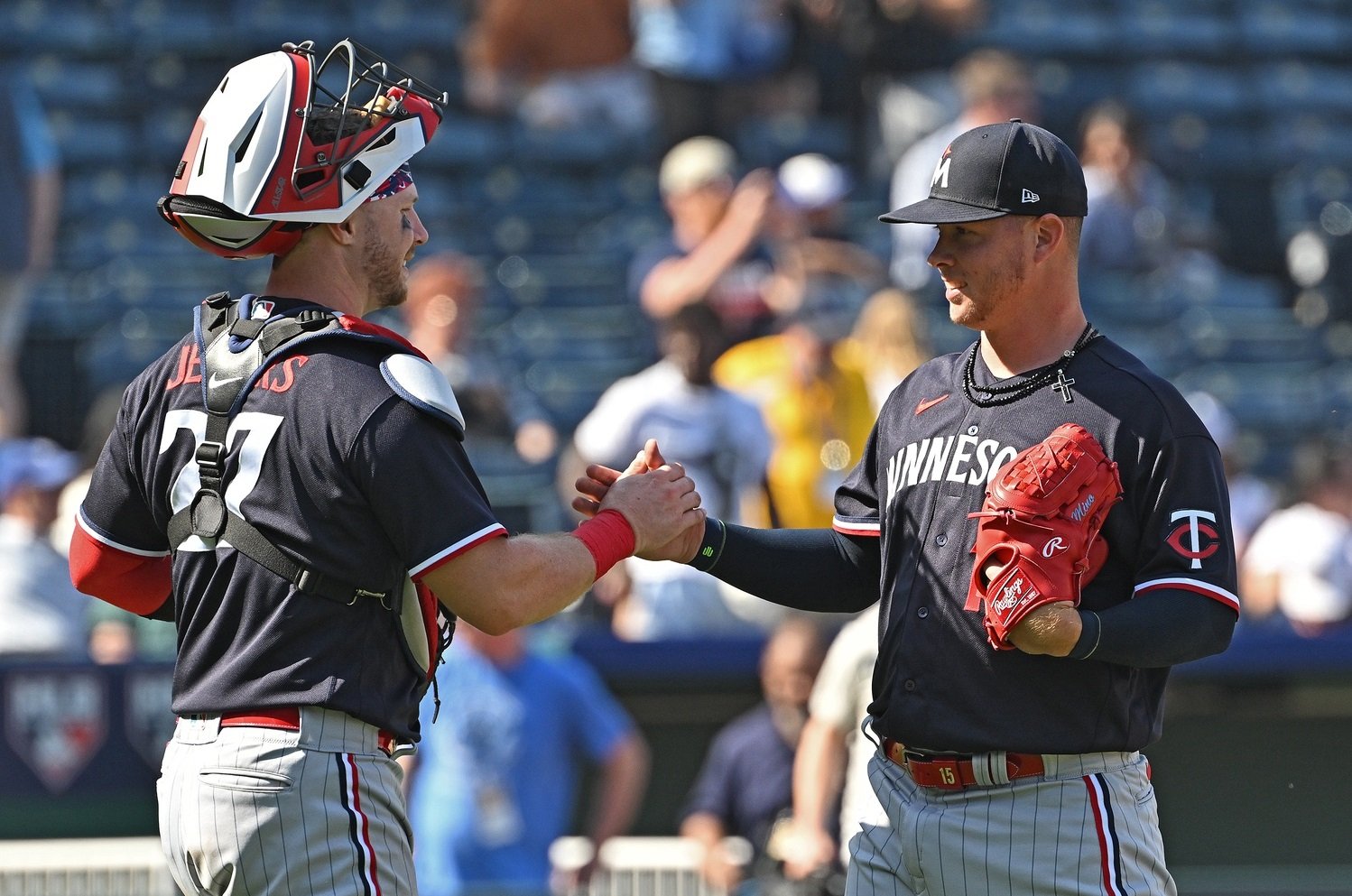 When Emilio Pagan was acquired from the San Diego Padres mere hours before the start of the 2022 season, he was replacing the fan-favorite reliever that he was traded for. Taylor Rogers was a fixture in the back end of the Twins bullpen for parts of six seasons – but Pagan wasn’t able to match that production in his first year with the club. Of course, there were many other layers to the swap (the inclusion of Chris Paddack, questions surrounding Rogers’ injured finger, etc.), but the stark contrast in player popularity soured the deal for many fans. Nevertheless, the Twins brought Pagan back for another campaign this year, and all hope seemed gone for good after a six-run drubbing in Boston on April 20th. Many believed that should have been his final game as a member of the Twins, and their frustration was relatively justified. That clunker brought his Twins career ERA to 4.82, with 12 home runs allowed, often in crucial points of tight games. Since that day, Pagan has gone through a renaissance - a Paganaissance, if you will. But how much faith should we be putting in the new Emilio? Are his results finally starting to match his raw talent? Or was Tuesday night’s slip-up against Seattle a sign that he’s still walking a tight rope? Before coughing up the lead to the Mariners in that brutal loss, Pagan had a stretch of three months where he was one of the most-reliable options in the Twins’ relief corps. From April 26th through July 23rd, he had a sterling 2.29 ERA with a 0.91 WHIP and a strong 25.2% strikeout rate. Opponents hit just .159 off of him in that span, and he gave up just three home runs across 35 1/3 innings pitched. He stranded 80% of runners in those three months, which is pivotal for a pitcher that has been slain by the long ball throughout his career. His Win Probability Added was a plus-0.22, which is uncharted territory for the polarizing reliever. He started looking more like the pitcher that the front office envisioned with rose-colored glasses, and less like the last resort in a fluid bullpen picture. But right on queue, just when Pagan’s stock had never been higher, the other shoe dropped as he gave up a game-tying blast to Julio Rodriguez in the eighth inning of Tuesday’s demoralizing loss to the Mariners. While only one of that inning’s four earned runs was charged to Pagan, he carried the heaviest weight of that loss, as he has many times over the last two seasons. After all that progress (and about 80% of this article being completed), that bomb brought on the traumatic echoes of Pagan’s hardest moments as a Twin. So what should fans expect going forward? It’s not like the Twins have a plethora of lock-down relief options, but then again, the club has been burned multiple times after entrusting Pagan with high-leverage opportunities. The team and their pitcher are stuck in a never-ending cycle of building up a beautiful house of cards with strings of scoreless outings, only to be tumbled down with a gust of wind from an opponent’s home run in the least opportune moments imaginable. At the end of the day, those three months were fantastic and much-needed for the team and player alike. But still, it's hard to trust somebody who has a career-long reputation for dropping the ball at the worst moments. It’s reasonable to expect two more months of solid production from Pagan, with a few slips mixed in along the way. For a Twins bullpen that seems to constantly be in flux, that’s going to be a tough pill to swallow when the other shoe drops. But until they get some reinforcements - either via trade or an unexpected internal candidate steps up - Pagan is going to get plenty of action in medium to high-leverage situations. Is the team going to get the same old Emilio that fumbles the bag like he did against the Mariners, or will they get the rock-solid set-up option that flourished in the Paganaissance? What do you think? Does Pagan’s excellent three-month stretch change his reputation in your eyes, or did Tuesday prove he's still the same old Emilio? What are your expectations for him over the next two months? Let us know in the comment section below.
 -
The Twins took their fair share of criticism when they decided to tender Emilio Pagan a contract over the offseason, and much of it looked warranted after a rocky first month. But they stood by the righty, and he rewarded them with a fantastic three-month stretch. But how much faith should we have in Pagan’s renaissance? Image courtesy of Peter Aiken-USA TODAY Sports The Twins took their fair share of criticism when they decided to tender Emilio Pagan a contract over the offseason, and much of it looked warranted after a rocky first month. But they stood by the righty, and he rewarded them with a fantastic three-month stretch. But how much faith should we have in Pagan’s renaissance? When Emilio Pagan was acquired from the San Diego Padres mere hours before the start of the 2022 season, he was replacing the fan-favorite reliever that he was traded for. Taylor Rogers was a fixture in the back end of the Twins bullpen for parts of six seasons – but Pagan wasn’t able to match that production in his first year with the club. Of course, there were many other layers to the swap (the inclusion of Chris Paddack, questions surrounding Rogers’ injured finger, etc.), but the stark contrast in player popularity soured the deal for many fans. Nevertheless, the Twins brought Pagan back for another campaign this year, and all hope seemed gone for good after a six-run drubbing in Boston on April 20th. Many believed that should have been his final game as a member of the Twins, and their frustration was relatively justified. That clunker brought his Twins career ERA to 4.82, with 12 home runs allowed, often in crucial points of tight games. Since that day, Pagan has gone through a renaissance - a Paganaissance, if you will. But how much faith should we be putting in the new Emilio? Are his results finally starting to match his raw talent? Or was Tuesday night’s slip-up against Seattle a sign that he’s still walking a tight rope? Before coughing up the lead to the Mariners in that brutal loss, Pagan had a stretch of three months where he was one of the most-reliable options in the Twins’ relief corps. From April 26th through July 23rd, he had a sterling 2.29 ERA with a 0.91 WHIP and a strong 25.2% strikeout rate. Opponents hit just .159 off of him in that span, and he gave up just three home runs across 35 1/3 innings pitched. He stranded 80% of runners in those three months, which is pivotal for a pitcher that has been slain by the long ball throughout his career. His Win Probability Added was a plus-0.22, which is uncharted territory for the polarizing reliever. He started looking more like the pitcher that the front office envisioned with rose-colored glasses, and less like the last resort in a fluid bullpen picture. But right on queue, just when Pagan’s stock had never been higher, the other shoe dropped as he gave up a game-tying blast to Julio Rodriguez in the eighth inning of Tuesday’s demoralizing loss to the Mariners. While only one of that inning’s four earned runs was charged to Pagan, he carried the heaviest weight of that loss, as he has many times over the last two seasons. After all that progress (and about 80% of this article being completed), that bomb brought on the traumatic echoes of Pagan’s hardest moments as a Twin. So what should fans expect going forward? It’s not like the Twins have a plethora of lock-down relief options, but then again, the club has been burned multiple times after entrusting Pagan with high-leverage opportunities. The team and their pitcher are stuck in a never-ending cycle of building up a beautiful house of cards with strings of scoreless outings, only to be tumbled down with a gust of wind from an opponent’s home run in the least opportune moments imaginable. At the end of the day, those three months were fantastic and much-needed for the team and player alike. But still, it's hard to trust somebody who has a career-long reputation for dropping the ball at the worst moments. It’s reasonable to expect two more months of solid production from Pagan, with a few slips mixed in along the way. For a Twins bullpen that seems to constantly be in flux, that’s going to be a tough pill to swallow when the other shoe drops. But until they get some reinforcements - either via trade or an unexpected internal candidate steps up - Pagan is going to get plenty of action in medium to high-leverage situations. Is the team going to get the same old Emilio that fumbles the bag like he did against the Mariners, or will they get the rock-solid set-up option that flourished in the Paganaissance? What do you think? Does Pagan’s excellent three-month stretch change his reputation in your eyes, or did Tuesday prove he's still the same old Emilio? What are your expectations for him over the next two months? Let us know in the comment section below. View full article
-
Carlson is the same age or younger than each of these players. I also didn't propose trading Lewis, Kirilloff or Julien to acquire him.
-
The Twins find themselves in a precarious spot as they approach the August 1st trade deadline. They could use another bat in the outfield, but the club already has a glut of options that can’t seem to break through and establish themselves in that role. Could they try to swing a trade with the Cardinals for one of their freezer-burned outfielders? Image courtesy of Jeff Curry-USA TODAY Sports The Twins find themselves in a precarious spot as they approach the August 1st trade deadline. They could use another bat in the outfield, but the club already has a glut of options that can’t seem to break through and establish themselves in that role. Could they try to swing a trade with the Cardinals for one of their freezer-burned outfielders? It’s hard to believe the St. Louis Cardinals find themselves near the bottom of the National League standings. They certainly had aspirations of competing when they came into the 2023 season, but an underwhelming pitching staff has caused them to limp into the trade deadline. Whether that means a total overhaul is in the works or just a slight retooling, it’s clear that something needs to change on that roster. The Twins, while certainly flawed in their own right, will approach the deadline cautiously, with modest improvements becoming seemingly inevitable. One of their biggest needs coming into this season remains a vital missing piece to this puzzle – that being an outfielder that can mash left-handed pitching. Kyle Garlick didn’t end up being the answer that the team had hoped, and Willi Castro has been a solid contributor thanks to his defensive versatility, but his bat leaves much to be desired. Could the Twins and Cardinals match up on a trade in the coming weeks? One name that could be of interest to the Twins is former top-prospect Dylan Carlson. The 24-year-old currently finds himself on the periphery of the Cardinals’ outfield depth chart, behind the likes of Lars Nootbaar , Jordan Walker, and Tyler O’Neill. With Brendan Donovan also in the fold, and prospect Alec Burleson starting to emerge, that leaves Carlson fighting with at least five other players for four lineup spots on any given day. The club also has utility man Tommy Edman on the injured list, but he would require regular playing time upon his return, as well. That has meant a healthy dose of platoon sharing for the Cardinals, which is hardly unique to their club, but there’s a sense that this roster isn’t as balanced as it could be. For what it’s worth, Carlson has excelled in this platoon role. On the season, the athletic switch-hitter has a .293/.414./.431 (141 wRC+) against southpaw pitching, and solid defensive numbers in the outfield (including three OAA in center field). If the Twins were to acquire this former top prospect, he would slide into the middle of their lineup when they face left-handed pitching. That would supplant someone like Castro (90 wRC+ against lefties) or Max Kepler (66 wRC+ against lefties). Carlson would also have the ability to hold down center field in lieu of Michael A. Taylor (100 wRC+ against lefties), and he even represents a modest improvement against right-handed pitching (89 wRC+ against righties for Carlson, 77 wRC+ against righties for Taylor). While Carlson currently finds himself on the outside looking in when it comes to getting the lion’s share of playing time in the Cardinals’ outfield, the club will surely want a strong return package if they were to deal him away. He’s still young, has solid defensive chops and still mashes against southpaws. It’s hard to picture the Twins trading one of their top three prospects at this year’s deadline, but are there other young assets that could be packaged together in an effort to entice St. Louis’ front office? It sounds like the Cardinals are desperately seeking young pitching. Would someone like Simeon Woods Richardson or Louie Varland entice them if packaged with a young slugger such as Trevor Larnach, Matt Wallner or Jose Miranda? Would David Festa, the Twins’ lone representative in this year’s Futures Game, be enough of a headliner to entice the Cards? Or would St. Louis insist on someone like Marco Raya, who is widely regarded as the Twins’ best pitching prospect. It’s hard to say whether either club would be interested in such a deal, but nevertheless, Carlson would fit into this current Twins’ roster rather cleanly. Not to mention, he’s under team control for three more seasons. What do you think? Should Carlson be a trade target for the Twins? What should they be willing to give up in return? Let us know what you think in the comment section below. View full article
-
The Twins Should Target This Cardinals Outfielder at the Trade Deadline
Lou Hennessy posted an article in Twins
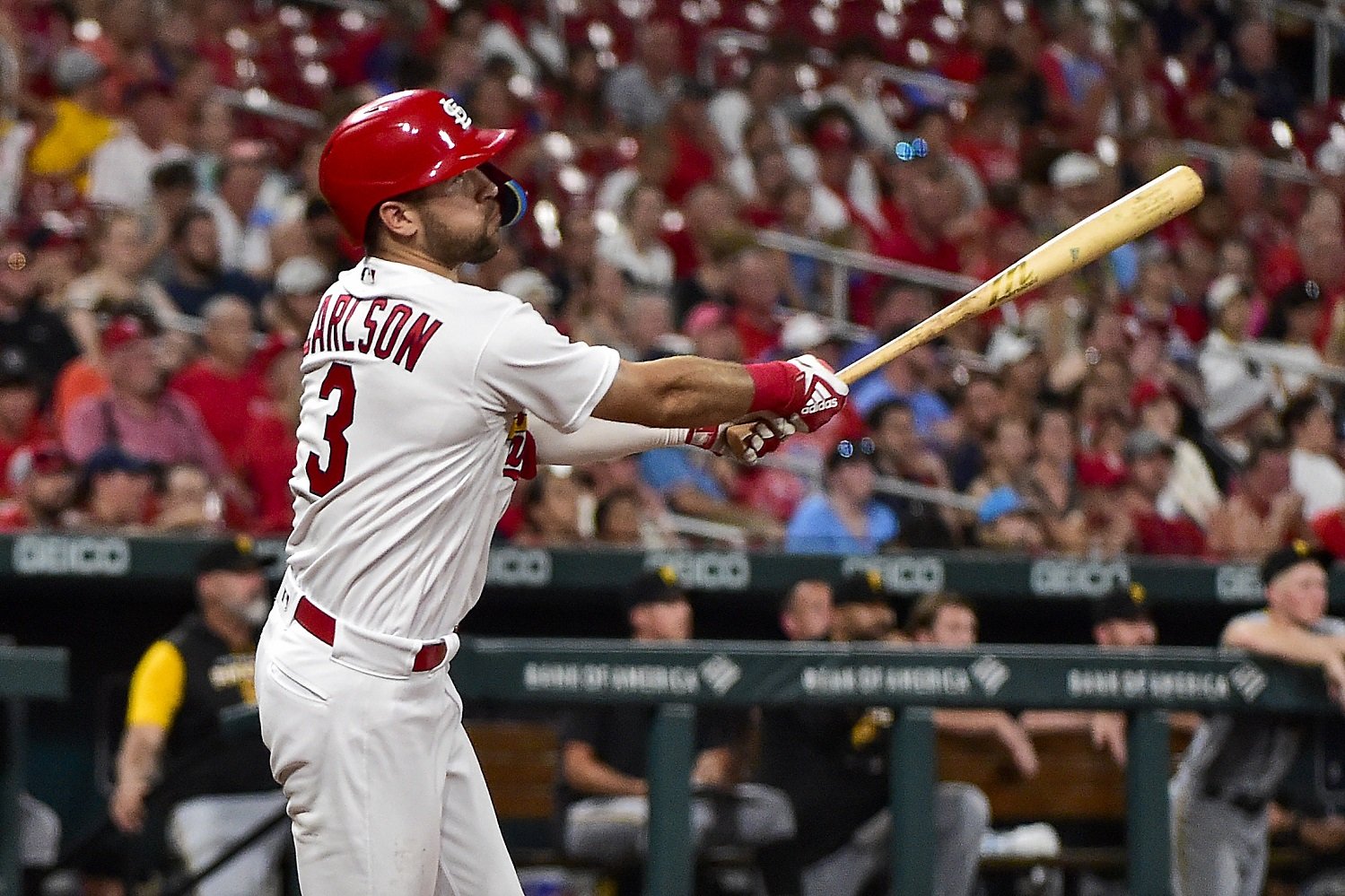 It’s hard to believe the St. Louis Cardinals find themselves near the bottom of the National League standings. They certainly had aspirations of competing when they came into the 2023 season, but an underwhelming pitching staff has caused them to limp into the trade deadline. Whether that means a total overhaul is in the works or just a slight retooling, it’s clear that something needs to change on that roster. The Twins, while certainly flawed in their own right, will approach the deadline cautiously, with modest improvements becoming seemingly inevitable. One of their biggest needs coming into this season remains a vital missing piece to this puzzle – that being an outfielder that can mash left-handed pitching. Kyle Garlick didn’t end up being the answer that the team had hoped, and Willi Castro has been a solid contributor thanks to his defensive versatility, but his bat leaves much to be desired. Could the Twins and Cardinals match up on a trade in the coming weeks? One name that could be of interest to the Twins is former top-prospect Dylan Carlson. The 24-year-old currently finds himself on the periphery of the Cardinals’ outfield depth chart, behind the likes of Lars Nootbaar , Jordan Walker, and Tyler O’Neill. With Brendan Donovan also in the fold, and prospect Alec Burleson starting to emerge, that leaves Carlson fighting with at least five other players for four lineup spots on any given day. The club also has utility man Tommy Edman on the injured list, but he would require regular playing time upon his return, as well. That has meant a healthy dose of platoon sharing for the Cardinals, which is hardly unique to their club, but there’s a sense that this roster isn’t as balanced as it could be. For what it’s worth, Carlson has excelled in this platoon role. On the season, the athletic switch-hitter has a .293/.414./.431 (141 wRC+) against southpaw pitching, and solid defensive numbers in the outfield (including three OAA in center field). If the Twins were to acquire this former top prospect, he would slide into the middle of their lineup when they face left-handed pitching. That would supplant someone like Castro (90 wRC+ against lefties) or Max Kepler (66 wRC+ against lefties). Carlson would also have the ability to hold down center field in lieu of Michael A. Taylor (100 wRC+ against lefties), and he even represents a modest improvement against right-handed pitching (89 wRC+ against righties for Carlson, 77 wRC+ against righties for Taylor). While Carlson currently finds himself on the outside looking in when it comes to getting the lion’s share of playing time in the Cardinals’ outfield, the club will surely want a strong return package if they were to deal him away. He’s still young, has solid defensive chops and still mashes against southpaws. It’s hard to picture the Twins trading one of their top three prospects at this year’s deadline, but are there other young assets that could be packaged together in an effort to entice St. Louis’ front office? It sounds like the Cardinals are desperately seeking young pitching. Would someone like Simeon Woods Richardson or Louie Varland entice them if packaged with a young slugger such as Trevor Larnach, Matt Wallner or Jose Miranda? Would David Festa, the Twins’ lone representative in this year’s Futures Game, be enough of a headliner to entice the Cards? Or would St. Louis insist on someone like Marco Raya, who is widely regarded as the Twins’ best pitching prospect. It’s hard to say whether either club would be interested in such a deal, but nevertheless, Carlson would fit into this current Twins’ roster rather cleanly. Not to mention, he’s under team control for three more seasons. What do you think? Should Carlson be a trade target for the Twins? What should they be willing to give up in return? Let us know what you think in the comment section below.
 -
The Twins Shouldn't Trade Sonny Gray Out of Panic
Lou Hennessy replied to Lou Hennessy's topic in Twins Daily Front Page News
When has Falvey ever done something like that? Also, I've been seeing a lot of "smartest person person in the room" digs from people on Twitter and I don't understand what you mean by it. Care to elaborate? -
The Twins Shouldn't Trade Sonny Gray Out of Panic
Lou Hennessy replied to Lou Hennessy's topic in Twins Daily Front Page News
I'm sorry you feel like I'm swinging at you, LastOnePicked. I definitely skew on the optimistic side, but I understand that's not for everyone. I hope you have fun with your clear-eyed skepticism and thank you for your service in keeping a watchful-eye for icebergs.